Category Archives: Education

This is education score

Major Branches of Botany: Plant Biology & Life Sciences

Major Branches of Botany and Key Disciplines in Biological Sciences

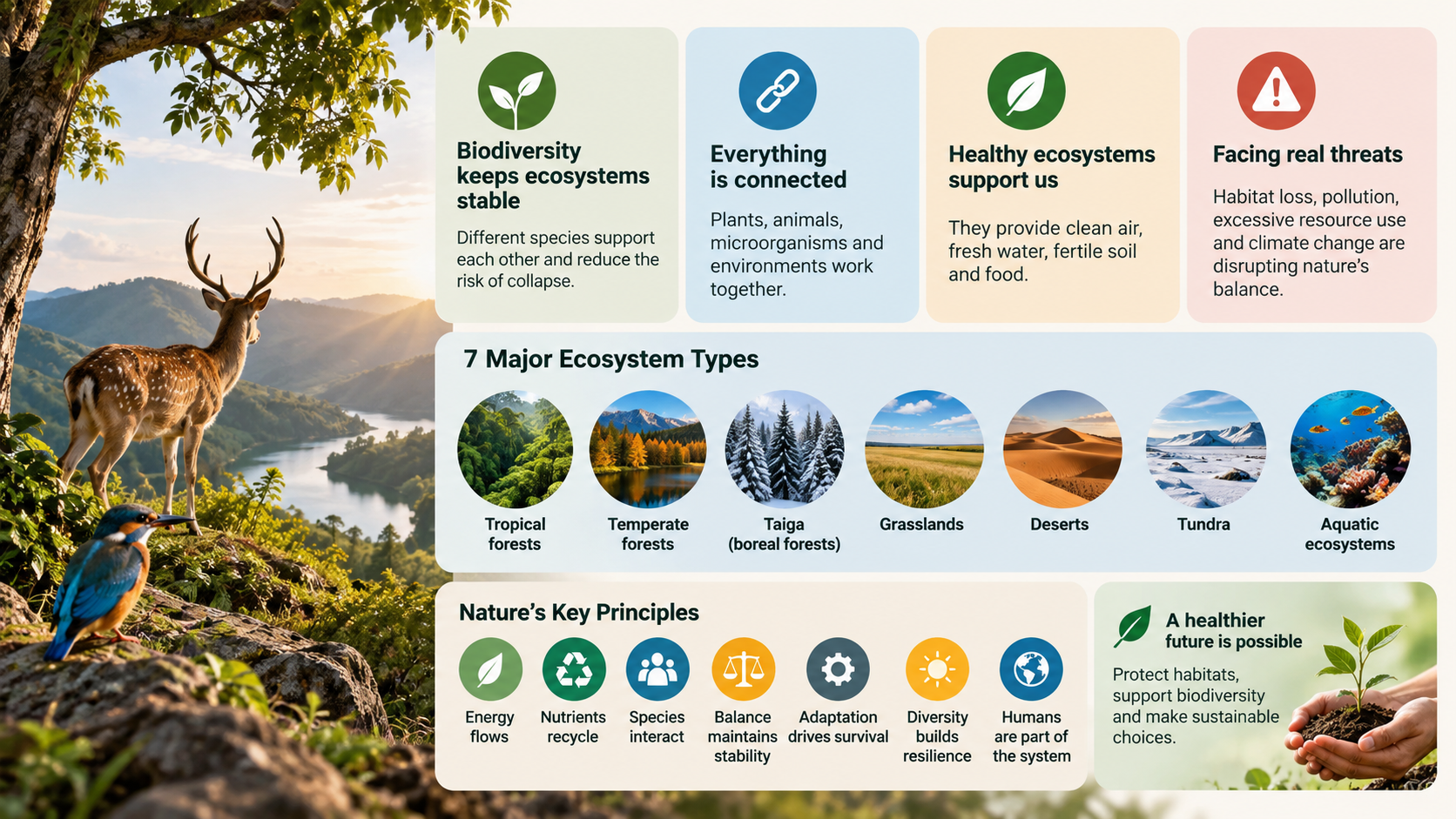
Plant life supports nearly every ecosystem on Earth. Plant science therefore plays an important role in agriculture, medicine, environmental protection, and food security. Studying the branches of botany helps students understand how plants grow, reproduce, adapt, and interact with their surroundings.

Botany covers many areas, from the study of plant cells to the classification of entire plant groups. It also connects with genetics, ecology, microbiology, agriculture, and evolutionary biology. Organizations such as the Botanical Society of America highlight the importance of plant research in understanding biodiversity and environmental change.

The number and names of botanical branches can vary between textbooks and academic institutions. However, several core disciplines appear consistently in plant science education. This guide explains the five commonly taught branches of botany, 26 specialized botanical disciplines, seven broad branches of biology, and ten major areas of zoology.

What are the five branches of botany?

The five commonly taught branches of botany provide a useful foundation for understanding plant science. These areas are plant morphology, plant anatomy, plant physiology, plant taxonomy, and plant ecology. Each branch examines plants from a different scientific perspective.

Plant morphology studies the external form and structure of plants. It examines features such as roots, stems, leaves, flowers, and fruits.

Plant anatomy focuses on internal structures, including tissues and cells. In contrast, plant physiology examines processes such as photosynthesis, respiration, water movement, and nutrient use.

Through plant taxonomy, scientists identify, name, and classify plants according to their characteristics and relationships. Plant ecology, meanwhile, explores how plants interact with other organisms and environmental factors such as soil, water, temperature, and sunlight.

Together, these fields provide a foundation for studying plant growth, classification, reproduction, adaptation, and environmental relationships. They also support practical work in agriculture, horticulture, conservation, and plant research.

Real-World Applications of the Core Botanical Fields

The core branches of botany have practical applications across agriculture, medicine, horticulture, and environmental management. Scientists often combine several botanical disciplines when solving real-world problems.

For example, Plant physiology helps researchers understand how plants respond to drought, heat, nutrients, and water availability. This knowledge can support better irrigation practices and crop-management strategies. For practical examples of plants adapted to limited water, see the best drought-tolerant plants for hot climates. Plant anatomy can reveal structural changes caused by disease, nutrient deficiencies, or environmental stress.

Plant taxonomy is also important when identifying species. Accurate identification helps researchers distinguish useful plants from poisonous or closely related species. This is particularly relevant when studying plants used in medicine, agriculture, and conservation, including deadly plant toxins and poisonous species.

Plant ecology helps scientists understand how vegetation responds to changes in soil, climate, water, and surrounding organisms. Understanding these relationships also requires knowledge of the water cycle process and how water moves through natural systems. Meanwhile, morphology helps horticulturists recognize differences in plant structures and growth patterns.

These applications show why the branches of botany are not limited to classroom study. They provide scientific tools for improving crop production, protecting plant biodiversity, managing ecosystems, and understanding how plants respond to changing environmental conditions.

What are the 26 branches of botany?

Botany includes many specialized disciplines, and some educational sources group these areas into approximately 26 branches of botany. The exact number can vary because some fields overlap or are classified differently. Commonly listed disciplines include:

  • Morphology
  • Anatomy
  • Cytology
  • Histology
  • Physiology
  • Taxonomy
  • Ecology
  • Phytogeography
  • Paleobotany
  • Embryology
  • Palynology
  • Genetics
  • Phytochemistry
  • Plant Pathology
  • Economic Botany
  • Ethnobotany
  • Agronomy
  • Horticulture
  • Forestry
  • Algology (Phycology)
  • Bryology
  • Pteridology
  • Dendrology
  • Lichenology
  • Mycology
  • Pomology

These fields examine plants from different perspectives. Cytology studies plant cells, while histology examines tissues. Phytogeography focuses on the geographical distribution of plants. Paleobotany investigates ancient plant life through fossils.

Other disciplines have practical applications. Plant pathology studies plant diseases, while phytochemistry examines chemical compounds produced by plants. Ethnobotany explores relationships between people and plants. Agronomy focuses on crop production, while horticulture covers the cultivation of fruits, vegetables, flowers, and ornamental plants, which can also benefit from homemade insecticides for plants when managing common garden pests.

How Specialized Botanical Disciplines Drive Modern Industry

Specialized botanical disciplines contribute to agriculture, biotechnology, medicine, forestry, conservation, and environmental research. Moreover, their applications often overlap, allowing scientists from different fields to address complex problems involving ecosystems and biodiversity more effectively.

For example, plant genetics can help researchers identify traits associated with drought tolerance, disease resistance, or improved crop performance. Consequently, agronomists can apply this knowledge to crop-management systems. Similarly, plant pathology supports agriculture by identifying diseases and studying how pathogens affect crops.

Meanwhile, paleobotany can provide evidence about ancient vegetation and past environmental conditions. In addition, palynology, which studies pollen and spores, can contribute to research involving vegetation history and environmental change. Together, these fields help scientists better understand how plant communities have changed over time.

Furthermore, economic botany examines plants with commercial or practical value. At the same time, ethnobotany adds knowledge about how different communities traditionally use plants for food, materials, medicine, and other purposes. As a result, these disciplines can connect botanical research with practical applications and traditional knowledge.

Beyond these areas, other fields support specific industries. For instance, forestry contributes to sustainable forest management, while horticulture supports fruit, vegetable, ornamental, and nursery production. These plant-based approaches can also support natural cooling through strategically planted trees, especially in landscapes affected by heat. Likewise, phycology examines algae with applications in aquatic research and biotechnology.

Overall, these specialized branches demonstrate how botanical research extends beyond academic study. In turn, they help address challenges involving food production, biodiversity, natural resources, plant health, and sustainable development. Therefore, specialized botanical knowledge continues to support both scientific research and practical solutions across modern industries.

What are the 7 branches of biology?

There is no single universally accepted list of exactly seven branches of biology. However, many educational classifications identify zoology, botany, microbiology, genetics, ecology, evolutionary biology, and physiology as major areas of biological study.

Zoology focuses on animals and their structures, behavior, physiology, and evolution. Botany examines plants, including their structures, functions, classification, and relationships with their environments. Microbiology studies microscopic organisms and biological agents, including bacteria, fungi, protozoa, and viruses, although viruses are often treated separately because they are not universally considered living organisms.

Genetics investigates heredity, genes, DNA, and variation between organisms. Ecology examines interactions between organisms and their physical environments. Evolutionary biology studies changes in populations over generations, including adaptation, speciation, and common ancestry.

Physiology focuses on how living organisms and their parts function. These broad areas often overlap. For example, genetics contributes to evolutionary research, while ecology and physiology help explain how organisms survive in different environments.

Together, these disciplines provide different perspectives on life, from molecular processes to ecosystems and biological diversity.

What are the 10 main branches of zoology?

Zoology examines the animal kingdom through ten prominent, specialized sub-disciplines categorized by structural focus and taxonomic groupings. These ten branches include:

  • Invertebrate Zoology

  • Vertebrate Zoology

  • Entomology (insects)

  • Herpetology (amphibians and reptiles)

  • Ichthyology (fish)

  • Mammalogy (mammals)

  • Ornithology (birds)

  • Comparative Anatomy

  • Ethology (animal behavior)

  • Animal Physiology

Entomology assists agriculture by monitoring pollinators and pests, while ichthyology supports marine conservation and commercial fisheries. Ethology interprets social hierarchy and migration patterns under natural conditions. Meanwhile, comparative anatomy traces structural homologies across diverse species, revealing evolutionary lineages. These interconnected zoological fields provide complete assessments of animal health, wildlife biodiversity, and ecosystem dynamics.

FREQUENTLY ASKED QUESTIONS

Why is the study of botany important for environmental conservation?

Botany is essential for environmental conservation because plants form the foundation of terrestrial food webs, generate atmospheric oxygen, and stabilize regional soils. Moreover, by studying plant ecology and phytogeography, conservationists can identify fragile habitats, restore native plant species after environmental disasters, and preserve biodiversity corridors needed to sustain wildlife populations. As a result, botanical research plays an important role in protecting ecosystems and maintaining biodiversity.

How does ethnobotany help modern pharmaceutical research?

Ethnobotany examines how indigenous cultures have historically used native plants for medicine, food, and religious rites. In turn, pharmaceutical researchers can evaluate these traditional medicinal practices to identify promising plant species for laboratory analysis. Furthermore, this targeted approach can accelerate drug discovery by helping pharmacologists identify active biochemical compounds that may be useful for treating pain, infections, and chronic human illnesses.

What tools do modern botanists use to classify plant species?

Modern botanists use both microscopic physical analysis and high-throughput molecular tools to classify plants accurately. Traditionally, taxonomists relied on morphological inspections, dissecting microscopes, and pressed herbarium sheets. Today, however, contemporary plant scientists also use DNA sequencing, bioinformatics software, and phylogenetic modeling to map evolutionary relationships across diverse plant families. Consequently, combining traditional observations with molecular evidence allows researchers to classify plant species with greater accuracy.

CONCLUSION

Exploring the foundational branches of botany reveals how deeply plant science is connected to all life sciences. From the five traditional divisions of morphology, anatomy, physiology, taxonomy, and ecology to the broader spectrum of twenty-six specialized botanical sciences, each field answers vital questions about the living world. Furthermore, understanding the primary branches of general biology and zoology provides an essential holistic context, illustrating how flora, fauna, and microorganisms maintain dynamic balances within Earth’s ecosystems.

Applying this scientific knowledge allows educators, researchers, and hobbyists to approach environmental challenges with analytical clarity. Whether you are identifying local native flora, optimizing soil conditions for backyard gardening, or pursuing advanced academic research in plant genetics, these scientific divisions offer a reliable roadmap. By recognizing how individual plant processes support global food systems, medicine, and climate regulation, you can better appreciate, protect, and study our planet’s invaluable botanical heritage.


Data Centers and Crypto Mining: Key Differences & Uses

Data Centers and Crypto Mining: Infrastructure, Operations, and Key Differences

The connection between cloud infrastructure and digital assets has increased interest in data centers and crypto mining. Modern computing facilities consume large amounts of electricity as digital services continue to expand. The International Energy Agency (IEA) tracks this growing demand and reports that global data center electricity use reached about 415 TWh in 2024.

Both data centers and crypto mining facilities require substantial real estate, electricity, networking, and cooling systems. However, their hardware, business goals, and operating priorities differ. A conventional data center supports applications, storage, cloud services, and enterprise workloads. For a broader explanation of these facilities, see what a data center does and how it works. Crypto mining facilities focus mainly on performing large numbers of cryptographic calculations.

Understanding these differences helps explain how crypto mining infrastructure works alongside traditional IT environments. This guide examines whether data centers can host mining operations, how they connect to cryptocurrency networks, and how their infrastructure differs. It also looks at major cloud providers and the computing facilities associated with Elon Musk’s companies.

Can data centers be used for crypto mining?

Yes, data centers can host cryptocurrency mining equipment. However, conventional enterprise facilities are not always economical for this purpose. They often provide redundant power systems, advanced networking, sophisticated cooling, physical security, and high availability. Those features can increase operating costs beyond what many mining businesses can justify.

Crypto mining has a different economic model. Operators usually focus heavily on electricity prices, hardware efficiency, cooling capacity, and available power. Bitcoin mining, in particular, uses specialized ASIC hardware designed for hashing. Because mining revenue depends on factors such as Bitcoin price, network difficulty, and energy costs, controlling operating expenses is critical.

Some facilities can therefore support both mining and other computing workloads. In practice, dedicated mining sites are often designed around cheaper electricity and high power availability. Many also use flexible operations that allow miners to reduce consumption when electricity prices rise or grid conditions become difficult.

Power Density and Airflow Adaptations

Mining equipment can create substantial heat and power demand within a concentrated area. Consequently, facilities designed for conventional enterprise workloads may require modifications before hosting large mining fleets. Operators may need stronger electrical distribution, additional cooling capacity, and redesigned airflow.

The exact power density varies by hardware generation and facility design. Modern ASICs can consume several kilowatts per machine, while large mining deployments can require megawatts of total capacity. Therefore, simply placing mining machines into unused server racks is not always practical.

Cooling is especially important because mining hardware operates continuously. Operators may use enhanced air cooling, direct liquid cooling, or immersion systems. These approaches help manage heat while maintaining hardware performance.

Ultimately, power availability and cooling efficiency often matter more to mining operators than the redundancy expected in premium enterprise data centers. This difference strongly influences how mining facilities are designed.

Are data centers connected to cryptocurrency?

Yes, data centers play an important role in the broader cryptocurrency ecosystem. However, not every data center performs cryptocurrency mining. Many facilities support exchanges, blockchain infrastructure, wallets, analytics platforms, cloud applications, and other services connected to digital assets. The distinction between specialized AI facilities and storage-focused infrastructure is explored in AI data centers versus cloud storage data centers.

Blockchain networks depend on computers that communicate continuously with other participants. These systems may host nodes that maintain copies of blockchain data, verify transactions, or support applications built on blockchain networks. Cryptocurrency exchanges also depend on reliable infrastructure for trading, account management, market data, and transaction processing.

Cloud computing has expanded these capabilities further. Developers can rent computing, storage, databases, and networking resources instead of building their own physical infrastructure. For a deeper look at this model, see how cloud computing works. This makes it easier to deploy blockchain applications and Web3 services without owning a dedicated facility.

Data centers also support the security and availability requirements of financial technology platforms. Their infrastructure can include redundant power, network connectivity, physical security, monitoring, and backup systems. Therefore, cryptocurrency may depend on data centers even when mining itself happens somewhere else.

Securing Financial Ledger Integrity

Reliable infrastructure is important for organizations that operate cryptocurrency platforms. Exchanges, custodians, blockchain companies, and financial technology providers can use controlled data center environments to protect their systems.

These facilities may use restricted physical access, surveillance, environmental monitoring, network security, and backup power. Such measures help reduce the risk of service interruptions and unauthorized physical access.

However, a data center does not automatically guarantee blockchain security. Cryptocurrency systems also depend on software security, private-key management, network architecture, operational controls, and appropriate cybersecurity practices.

For this reason, data center security and blockchain security should be viewed as connected but separate responsibilities. A highly available facility can keep infrastructure running, but secure software and careful key management remain essential.

What is the difference between a data center and Bitcoin mining?

The biggest difference is their purpose. A conventional data center provides computing, storage, networking, and other IT services. It can support many different workloads and may serve multiple customers simultaneously. Its infrastructure is therefore designed for flexibility, reliability, security, and continuous service.

Bitcoin mining has a much narrower purpose. Miners use specialized application-specific integrated circuits (ASICs) to perform the hashing calculations required by the Bitcoin proof-of-work system. Their economic goal is to earn Bitcoin by contributing computational power to the network.

The infrastructure priorities also differ. Enterprise data centers often invest heavily in redundant power, networking, cooling, and backup systems. These features help protect customer workloads from interruptions. For organizations managing these expenses, enterprise software total cost of ownership can also be an important consideration. Mining operators, meanwhile, usually place greater emphasis on electricity cost, hardware efficiency, and the amount of computing power available.

Mining facilities can still use sophisticated infrastructure. However, mining facilities generally prioritize low computing costs over customer-facing service availability. This distinction explains why a mining site can look very different from a traditional enterprise data center.

Infrastructure Priorities and Uptime Standards

Enterprise data centers are designed to maintain service availability for critical workloads. Depending on the facility, operators may use redundant power feeds, UPS systems, backup generators, multiple network paths, and extensive monitoring.

Mining facilities typically have different priorities. A temporary shutdown can reduce mining revenue, but it does not necessarily cause permanent loss of customer data. As a result, some mining operators accept more operational flexibility in exchange for lower infrastructure costs.

Power curtailment is another important difference. Mining operators can sometimes reduce or stop their machines when electricity becomes expensive or when grid operators need additional capacity. This flexibility can help manage operating costs.

Therefore, uptime requirements are workload-dependent. It would be inaccurate to assume that every enterprise data center guarantees 99.999% availability or that every mining facility accepts frequent downtime. Facility design varies according to business requirements, contracts, hardware, and economics.

What are the big 3 data centers?

The phrase “Big Three” usually refers to the three leading public cloud providers: Amazon Web Services (AWS), Microsoft Azure, and Google Cloud. They operate large global infrastructure networks that include data centers, cloud regions, networking systems, and other computing resources.

These companies support a wide range of workloads. Customers use their platforms for application hosting, databases, storage, analytics, artificial intelligence, networking, and enterprise software. Their infrastructure differs from a single physical data center because each provider operates a large distributed ecosystem.

Cloud providers can also support blockchain-related workloads. Developers may use cloud infrastructure to run blockchain nodes, analytics systems, APIs, and decentralized applications. However, this does not mean that these providers primarily operate cryptocurrency mining facilities.

The distinction matters because cloud infrastructure and crypto mining infrastructure serve different business models. Public cloud providers sell computing and related services to customers. Mining operators generally deploy specialized hardware to perform hashing and generate cryptocurrency-related revenue.

Does Elon Musk own data centers?

Elon Musk is associated with major computing infrastructure through companies including xAI, Tesla, and X. However, it is more accurate to describe these companies as operating or using computing infrastructure rather than treating all of it as personally owned by Musk.

One prominent example is Colossus, xAI’s AI supercomputing facility in Memphis, Tennessee. xAI originally described Colossus as a system containing 100,000 NVIDIA Hopper GPUs. The company later reported that the cluster had been expanded to 200,000 GPUs and outlined a longer-term roadmap toward one million GPUs.

Colossus supports the training and development of AI systems such as Grok. Its infrastructure is therefore designed for high-performance AI computing rather than Bitcoin mining. The broader distinction between specialized AI infrastructure and other data center models is covered in AI data centers versus cloud storage data centers. xAI describes the Memphis facility as an AI supercomputing site built around large-scale GPU infrastructure.

Other Musk-associated companies also operate or use substantial computing infrastructure. Tesla relies on computing resources for areas such as vehicle data and AI development, while X requires infrastructure for its social platform.

The key distinction is simple: large computing capacity does not automatically mean crypto mining. AI clusters, cloud facilities, enterprise data centers, and mining sites can all consume substantial electricity while performing very different workloads.

Frequently Asked Questions

Can Bitcoin miners switch to hosting artificial intelligence workloads?

Bitcoin miners cannot easily pivot to AI hosting because their ASIC chips are hardwired exclusively for SHA-256 cryptographic hashing. Converting a mining warehouse into an AI data center requires replacing the entire hardware fleet with enterprise GPUs, upgrading networking cables to high-bandwidth fiber, and installing redundant backup systems.

Why do crypto miners build facilities in cold climates?

Miners choose cold locations like Iceland or the Scandinavian region to reduce operational cooling expenses. Because thousands of high-powered mining rigs generate intense heat, operators can use cold ambient air directly for ventilation, slashing overall power bills and significantly improving hardware operating efficiency.

How much electricity does an enterprise data center consume?

A standard enterprise data center consumes anywhere from 10 to 50 megawatts of electricity, whereas modern hyperscale facilities often require 100 megawatts or more. This continuous consumption provides enough power to support tens of thousands of homes, requiring direct connections to regional electrical substations.

Conclusion

The realms of data centers and crypto mining demonstrate how varied computing architectures serve completely different digital goals. Enterprise facilities build resilient, redundant ecosystems tailored for corporate applications, consumer cloud services, and blockchain software nodes that demand unbroken reliability. In contrast, cryptocurrency mining operations optimize every design choice around low-cost power procurement and maximum computational hash output.

As computing requirements expand with advancements in artificial intelligence and decentralized finance, the infrastructure supporting them continues to specialize. While both models consume substantial power resources, their hardware stacks, operational budgets, and service objectives remain distinct. Understanding these key operational differences allows businesses and investors to evaluate energy utilization, technical requirements, and capital deployment effectively. Evaluate your organizational processing demands carefully to select the right computing infrastructure for your projects.

How Much Should a School Backpack Weigh? Safe Guide

How Much Should a School Backpack Weigh? Expert Safety Guidelines

Understanding how much should a school backpack weigh is important for protecting a child’s posture, comfort, and overall well-being. A backpack that is too heavy can place unnecessary strain on the shoulders, neck, and back. Since children are still developing physically, parents should pay close attention to the weight they carry each day.

Textbooks, binders, lunch boxes, sports equipment, and electronic devices can quickly increase backpack weight. The American Academy of Pediatrics recommends keeping a child’s loaded backpack at 15% or less of their body weight. A 10% target can provide a more conservative limit for families who want to reduce the load further.

Knowing how much should a school backpack weigh also makes everyday packing easier. The safest weight depends on the child’s body weight rather than one fixed number. For example, a 40 kg child should carry no more than about 6 kg under the 15% guideline.

This guide explains how much should a school backpack weigh, how to calculate a suitable load in kilograms, and how to recognize signs that a backpack may be too heavy.

How heavy is a normal school backpack?

There is no single weight that defines a normal school backpack. The appropriate load depends on the child’s body weight, school requirements, and daily activities. Instead of relying on an average number, parents should calculate how much should a school backpack weigh based on the child’s size.

The American Academy of Pediatrics recommends keeping the loaded backpack at no more than 15% of body weight. A 30 kg child, for example, should carry no more than about 4.5 kg.

A more conservative 10% target would limit that same child to about 3 kg. This approach can provide additional room for comfort during longer walks.

The total includes the backpack itself and everything inside it. Textbooks, laptops, chargers, lunch boxes, and water bottles can quickly increase the load.

Parents should check the bag regularly and remove items the child does not need that day. This simple habit can help children develop independent learning habits while keeping the backpack within a safer range.

Everyday Essentials That Drive Up Daily Weight

Several everyday items can make a school backpack surprisingly heavy. Textbooks and notebooks often account for much of the load. However, laptops, chargers, water bottles, lunch boxes, and sports equipment can add several kilograms.

Knowing how much should a school backpack weigh helps parents identify which items need to be removed. Students should avoid carrying materials they do not need for their day’s classes.

A quick backpack check each evening can prevent unnecessary weight from building up. Remove old worksheets, duplicate supplies, unused books, and other items while encouraging responsible habits at home.

Heavy objects should also sit close to the child’s back. This arrangement can help distribute the load more effectively. Using multiple compartments can make the backpack easier to organize.

The backpack itself also contributes to the total weight. Choosing a lightweight, properly sized bag leaves more of the weight allowance available for essential school supplies.

If the child regularly complains about shoulder, neck, or back discomfort, review both the backpack weight and its fit. Reducing unnecessary items is often a practical first step.

Is a 5 kg backpack heavy?

Whether a 5 kg backpack is heavy depends on the child’s body weight. To understand how much should a school backpack weigh, compare the loaded bag with the student’s weight rather than judging the backpack by kilograms alone.

For a 30 kg child, a 5 kg backpack represents about 16.7% of body weight. That exceeds the American Academy of Pediatrics’ 15% recommendation. A 40 kg child would carry a backpack equal to 12.5% of their body weight.

At 50 kg, the same 5 kg backpack represents 10% of body weight. Meanwhile, a 60 kg student would carry a load equal to about 8.3% of their body weight.

These examples show why the same backpack can be appropriate for one student but too heavy for another. Body weight provides a more useful reference than the absolute backpack weight.

Parents can use 10% as a conservative target and 15% as the AAP’s upper recommendation. If the child experiences pain or struggles to carry the bag, reducing the load is sensible regardless of the calculation.

The backpack should also fit correctly and allow the child to walk naturally. Weight and fit should therefore be checked together.

How much does a school bag weigh in kg?

A school bag can weigh very different amounts depending on its construction and contents. An empty backpack may weigh around 0.5 to 1.5 kg. Once filled with books, technology, food, and other supplies, the total can increase considerably.

When asking how much should a school backpack weigh, parents should calculate the loaded weight as a percentage of body weight. The American Academy of Pediatrics recommends staying at or below 15% of body weight.

For example, a 30 kg child has a 4.5 kg upper limit. A 40 kg child has a 6 kg upper limit. A 50 kg child has a 7.5 kg upper limit.

These totals include the backpack itself. Therefore, an especially heavy backpack leaves less capacity for books and other school essentials.

Parents should also consider how long the child carries the bag each day. A heavy load may become more uncomfortable during long walks or commutes.

Instead of chasing one “normal” number, use body weight, backpack fit, and daily carrying time to judge whether the load is reasonable.

What is the normal weight of a backpack?

There is no universal normal backpack weight for every child. The better question is how much should a school backpack weigh for this particular child? The answer depends primarily on body weight and the contents required for school.

The American Academy of Pediatrics recommends keeping a child’s loaded backpack at 15% or less of body weight.

A 40 kg child should therefore carry no more than about 6 kg. Families that prefer a more conservative target can aim for approximately 4 kg, which represents 10% of body weight.

A suitable backpack should allow the child to stand and walk without leaning noticeably forward. It should also sit securely against the back rather than hanging far below the waist.

Both shoulder straps should be used and adjusted properly. Heavy items should remain close to the child’s back.

Parents should review the load regularly because school requirements change throughout the week. Removing unnecessary supplies can make a noticeable difference.

If a child experiences recurring pain while carrying a backpack, reducing the load and discussing persistent symptoms with a pediatrician may be appropriate.

How much is too heavy for a backpack?

A backpack exceeds the American Academy of Pediatrics’ recommended limit when it weighs more than 15% of the child’s body weight. For example, a 40 kg child should carry no more than about 6 kg.

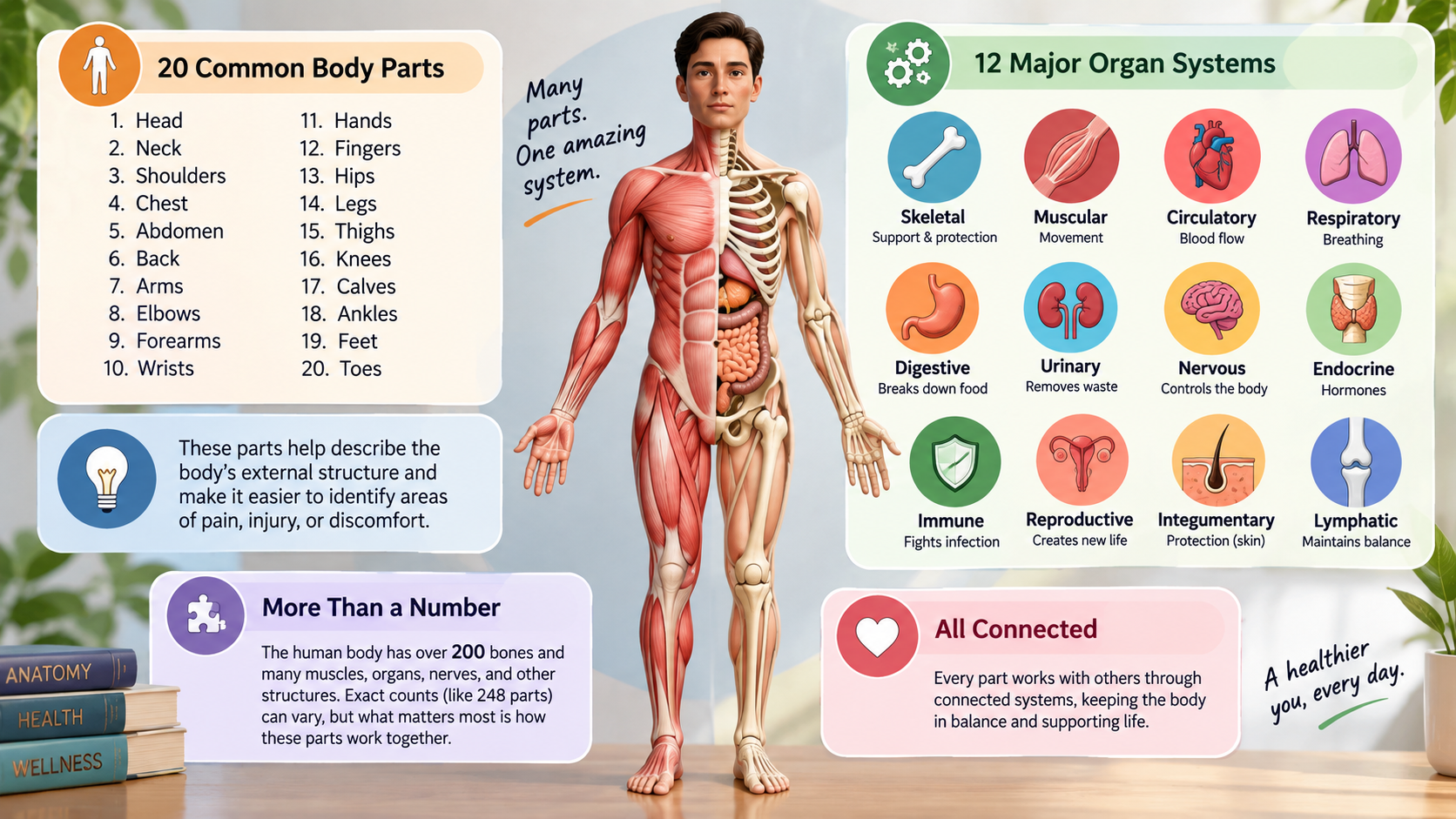
However, weight is not the only factor. When considering how much should a school backpack weigh, parents should also look at the human body and its main systems, how the child moves, and whether the backpack fits correctly.

A child who leans forward while walking may be carrying too much weight. The AAP specifically recommends reducing the load if the backpack causes the child to lean forward.

Recurring shoulder, neck, or back pain also deserves attention. First, check the backpack’s weight, fit, and contents. Remove unnecessary items and adjust both shoulder straps.

A 10% target can provide an additional conservative margin. Research discussed by the AAP has supported keeping backpack loads around 10% of body weight.

Persistent pain should not automatically be blamed on the backpack. If discomfort continues after reducing the load, consult a pediatrician for appropriate evaluation.

Frequently Asked Questions

Can an overloaded school bag cause permanent scoliosis?

An overloaded bag does not directly cause structural scoliosis, which is a lateral curvature of the spine linked primarily to genetics and growth patterns. However, carrying an excessively heavy pack frequently causes functional postural problems, muscle imbalances, and chronic back pain. These muscular distortions can mimic spinal curvature and exacerbate existing back conditions if left uncorrected over extended periods.

Are rolling backpacks a healthier choice for students?

Rolling backpacks offer an excellent way to eliminate spinal loading because they transfer weight directly to the ground. They are ideal for students who must carry heavy musical instruments or several textbooks. However, rolling bags can be difficult to pull up stairs, may create tripping hazards in crowded hallways, and still require careful lifting.

Where should the heaviest items go inside a backpack?

The heaviest items, such as large textbooks and laptops, should sit closest to the wearer’s spine in the back of the bag. Placing dense items near the body keeps the center of gravity stable and prevents backward pulling. Lighter supplies like pencil cases and snacks belong toward the front and exterior pockets.

Conclusion

Understanding how much should a school backpack weigh is essential for protecting your child’s physical health throughout their academic journey. While daily assignments, sports gear, and tech devices quickly accumulate, keeping the total pack weight between 10 and 15 percent of their body weight helps support a healthy lifestyle and prevent unnecessary strain. An overloaded bag forces growing spines into unnatural postures, leading to fatigue, muscle spasms, and persistent neck or lower back discomfort.

Fortunately, simple daily adjustments make a lasting difference in your student’s everyday comfort. Weigh their loaded pack occasionally on a home scale to check that it stays within safe limits. Encourage your child to clear out old handouts every week, adjust both padded shoulder straps evenly, and pack heavy textbooks flat against the back panel. Taking these proactive steps ensures your student stays pain-free, upright, and energized all school year. Make bag health a regular family habit today to support your child’s posture and well-being for years to come.

Why Should You Create a Will? Essential Legal Guide

Why Should You Create a Will? Key Benefits and Legal Facts

Thinking about what happens after you pass away is rarely comfortable. However, it is an important part of responsible financial planning. Many people assume estate planning is only for wealthy, retired, or older adults. Understanding why should you create a will shows why this document can matter at almost any stage of life.

Without a valid will, your estate may be distributed under state intestacy laws. These laws determine who inherits your property when you die without valid instructions. According to the American Bar Association, estate planning can help you communicate how you want your property handled.

Creating a will gives you greater control over your estate. It can also reduce uncertainty for your family during an already difficult time. A will does not eliminate every legal or financial issue, but it provides clear instructions for handling your property.

This guide explains the purpose of a will and its main benefits. You will also learn what can happen without one and who handles your estate after death.

What is the purpose of making a will?

The purpose of making a will is to state your wishes for distributing your property after death. A valid will can identify who should receive specific assets, such as money, investments, real estate, and personal belongings. Understanding the most common forms of property ownership can also help you recognize how ownership arrangements may affect what happens to certain property after death.

A will can address more than financial assets. Parents can generally use one to nominate a guardian for minor children. However, the court usually makes the final appointment based on applicable law and the child’s best interests.

A will also allows you to nominate an executor or personal representative. This person handles important estate administration tasks after your death. Their responsibilities can include collecting assets, paying valid debts, and distributing property to beneficiaries.

Creating a will therefore provides clear instructions for your estate. It can reduce uncertainty and give your family a documented plan to follow during the probate process.

Establishing Legal Clarity for Dependents

A will can provide important instructions for children and other dependents who rely on you. Parents can use a will to nominate a guardian for minor children. This allows you to express who you would prefer to care for them if you die.

However, naming a guardian does not automatically guarantee that person will receive custody. Courts generally consider applicable laws and the child’s best interests before making a final decision. Your written preference can still provide useful guidance during that process.

A will can also address property intended for minor children. Depending on the estate plan and local law, you may establish arrangements for managing their inheritance until they reach a specified age.

These instructions can reduce uncertainty among surviving relatives. They also give your family and the court more information about your wishes. For parents, this makes a will an important part of broader family estate planning.

What are the benefits of having a will?

A properly prepared will gives you greater control over how your property is distributed after death. You can identify beneficiaries and specify how certain assets should be handled. This can be especially useful when you want property to go to people who might not inherit under intestacy laws. Understanding assets and liabilities can also help you organize the financial side of your estate.

A will can also help your family understand your wishes. Clear instructions may reduce disagreements about personal belongings, financial assets, or other property. You can also nominate an executor to manage the estate according to applicable law.

However, a will does not automatically eliminate probate or guarantee lower taxes. Some assets pass outside the will through mechanisms such as beneficiary designations or joint ownership. Estate and inheritance tax rules also depend on the applicable jurisdiction and the size and structure of your estate.

The broader benefit is clarity and control. A will creates a formal record of your wishes and gives your family and estate representative a clear starting point for administration.

What happens if there is no will?

If you die without a valid will, you generally die intestate. The jurisdiction’s intestacy laws determine how authorities distribute your estate, which relatives can inherit, and how they divide your property.

The outcome may differ from what you would have chosen. For example, an unmarried partner may not have the same inheritance rights as a legal spouse. Friends and charities generally do not inherit under standard intestacy rules simply because you wanted them to receive something.

Intestacy can also create uncertainty when minor children are involved. A court may need to determine guardianship arrangements according to applicable law and the child’s best interests.

The estate may also go through probate or another court-supervised administration process. The personal representative must identify assets, resolve valid debts, and distribute the remaining property according to state law.

These rules demonstrate why having clear estate instructions can matter. A will lets you express your preferences instead of relying entirely on default inheritance rules.

The Financial Costs of Intestate Administration

Dying without a will can create additional administrative work for your family. When an estate enters intestate administration, the court generally appoints or approves a personal representative according to applicable law. That representative then manages the estate under statutory requirements.

The total cost varies significantly. Factors can include the size and complexity of the estate, court fees, professional fees, creditor claims, tax matters, and disputes among potential heirs. A simple estate may involve relatively limited expenses, while a complicated estate can require substantial administration.

It is therefore inaccurate to assume that intestacy always causes major financial losses. The impact depends on the circumstances and the laws governing the estate.

Still, the absence of a will can create additional uncertainty. Relatives may need to establish who has authority to manage property and determine who is legally entitled to inherit.

Preparing a valid will can provide clearer instructions and nominate your preferred executor. It may also reduce avoidable disagreements about your intentions, although it cannot eliminate every estate-related dispute.

Why should you have a will?

You should have a will because it allows you to document important decisions about your estate before an unexpected event occurs. Understanding why should you create a will starts with recognizing that estate planning is not limited to wealthy families. Anyone who owns property or has dependents may benefit from clear instructions.

A will can identify beneficiaries, nominate an executor, and state your preferences for distributing eligible assets. Parents can also use one to nominate a preferred guardian for minor children, subject to the court’s decision under applicable law. Maintaining good financial habits that build wealth can also make it easier to keep your broader financial and estate plans organized.

A will does not control every asset. Accounts with beneficiary designations, jointly owned property, and certain trusts may pass according to separate arrangements. For this reason, your will should be coordinated with the rest of your estate plan.

Reviewing your will periodically is also important. Marriage, divorce, children, property purchases, and major financial changes can affect your estate planning needs.

Ultimately, a will gives your family a documented plan instead of leaving every decision to default legal rules.

Adapting to Major Life Milestones

Your estate planning needs can change as your circumstances change. A will that was appropriate several years ago may no longer reflect your current family, finances, or priorities.

Major life events can provide a useful reason to review your will. These events may include:

  • Getting married or divorced
  • Having or adopting a child
  • Buying or selling significant property
  • Starting or selling a business
  • Experiencing a major change in family relationships
  • Moving to another state or jurisdiction

You should also review beneficiary designations on accounts such as life insurance and retirement plans. These designations may control who receives those assets, regardless of what your will says. Understanding assets and liabilities for beginners can also help you keep track of the financial accounts and property that form part of your broader estate.

Keeping your estate documents current can reduce conflicts between older instructions and your present circumstances. It also helps your executor understand your intended plan.

Regular reviews do not necessarily mean rewriting your entire will. Sometimes, only certain provisions or related estate documents need updating. Because laws differ between jurisdictions, significant changes may warrant advice from a qualified estate-planning professional.

Who pays out money from a will?

The person responsible for administering an estate is generally called the executor or personal representative. You can nominate this person in your will, although the appropriate court usually must formally recognize or appoint them before they can act with legal authority.

The executor does not simply distribute money immediately after death. First, they generally identify and secure estate assets. They may need to collect bank accounts, investment accounts, property, and other assets belonging to the estate.

The executor also handles valid debts, expenses, and required tax filings. Depending on the estate, they may need to sell or transfer assets to satisfy these obligations. The exact responsibilities depend on local law and the estate’s circumstances.

After required debts, expenses, and taxes are addressed, the executor distributes the remaining estate property to the beneficiaries named in the will. Some assets may pass separately through beneficiary designations or joint ownership.

Choosing a trustworthy executor is therefore an important part of creating a will. The person should be capable of following your instructions and completing the required legal and administrative tasks.

Frequently Asked Questions

Can I write my own will without a lawyer?

Yes, you can write your own will using a legal template or statutory form, provided you follow your local signing and witnessing requirements. Understanding why should you create a will can also help you recognize when professional legal advice is necessary for complex estates.

How often should you update an existing will?

You should review your will every three to five years and update it after major life changes. Knowing why should you create a will also means keeping the document accurate after marriage, divorce, having children, acquiring property, or changes involving beneficiaries and executors.

What assets cannot be distributed through a will?

Some assets cannot be distributed according to your will because beneficiary designations or survivorship arrangements control their transfer. Understanding why should you create a will helps you identify which assets require separate beneficiary designations and estate-planning arrangements.

Conclusion

Estate planning is not merely an administrative chore; it is an invaluable act of care for those you leave behind. As we have examined, knowing why should you create a will allows you to preserve your wealth, prevent destructive disputes, and choose trustworthy guardians for your children.

Failing to establish a valid will leaves your life’s earnings at the mercy of default intestacy laws, causing emotional and financial turmoil for your relatives. Fortunately, taking action today prevents those hardships entirely.

Whether you prepare a simple document or consult an estate planning attorney for complex assets, drafting your will secures your legacy. Do not postpone this crucial decision. Take the initiative now to establish your wishes in writing, protect your hard-earned property, and give your family permanent peace of mind.

How to Choose the Right Executor for Your Estate

How to Choose the Right Executor for Your Estate Plan

Drafting a will is an important step toward protecting your family’s future. However, choosing the person who will carry out your wishes is equally important. When you choose the right executor, you can make estate administration more organized and reduce unnecessary stress for your beneficiaries. An executor generally acts as a fiduciary and is responsible for handling estate property, paying valid debts, completing required paperwork, and distributing assets according to the will and applicable law. The American Bar Association provides additional guidance on estate planning and the responsibilities involved.

Choosing someone simply because they are a relative can create problems. The role may involve extensive paperwork, financial decisions, court procedures, and communication with beneficiaries. The right person should therefore have the time, judgment, organization, and willingness to manage these responsibilities.

This guide explains how to choose the right executor for your estate plan. It covers who may be suitable, when a professional fiduciary could make sense, how many executors to name, what an executor should do first, and common mistakes to avoid.

Who is the best choice for executor?

The best choice for executor is usually a trustworthy, organized adult who can communicate clearly and handle responsibilities carefully. You do not necessarily need someone with legal or financial expertise. An executor can hire qualified professionals, such as attorneys, accountants, or financial advisors, when specialized help is required. The more important qualities are reliability, judgment, organization, and availability.

A responsible adult child, sibling, relative, or close friend may be suitable for a straightforward estate. However, personal relationships should not be the only consideration. Estate administration can involve paperwork, financial records, creditor claims, property management, and communication with beneficiaries.

Before naming someone, consider whether they are willing to accept the responsibility. Ask whether they have enough time to manage the estate and whether they can remain neutral during disagreements. You should also consider whether the person meets your jurisdiction’s legal requirements for serving as an executor.

Prioritizing Character and Geographic Proximity

Character should generally matter more than seniority or family position when selecting an executor. Choose someone who is honest, dependable, organized, and capable of making decisions without favoring one beneficiary over another. Impartiality becomes especially important when family members disagree about property or inheritances.

Geographic proximity can also make administration easier. A nearby executor may find it simpler to inspect property, meet professionals, attend court proceedings, or handle documents that require physical signatures. However, living far away does not automatically prevent someone from serving. Modern banking, electronic communication, and professional assistance can reduce some logistical challenges.

If your preferred person is disorganized, unavailable, or uncomfortable handling financial matters, consider another candidate. For complicated estates, a professional fiduciary or corporate trustee may provide an alternative. Before making the appointment, check your local rules because executor qualifications and procedures differ between jurisdictions.

Who is best to appoint as executor of an estate?

When deciding who is best to appoint as executor of an estate, consider the complexity of your assets and your family circumstances. A trusted relative may work well for a simple estate with limited property, few debts, and cooperative beneficiaries. A more complicated estate may require someone comfortable coordinating attorneys, accountants, financial institutions, real estate professionals, or business advisors.

A neutral professional may also be useful when family relationships are strained. This can be particularly relevant when an estate includes business interests, significant investments, such as those discussed in SIP vs PPF: Which Investment is Better for Long-Term Wealth?, multiple properties, blended-family arrangements, or potential disputes. Professional fiduciaries and corporate institutions typically charge fees, which should be considered alongside the benefits they provide.

The person you select must also satisfy the legal requirements of the jurisdiction handling the estate. Requirements can vary regarding age, residency, criminal history, and other factors. Therefore, do not assume that every adult automatically qualifies. Reviewing local probate rules or obtaining legal advice can prevent problems before the appointment is made.

What is the best number of executors for a will?

For many estates, naming one primary executor and one alternate executor provides a straightforward structure. A single executor can generally make administrative decisions without coordinating signatures and schedules with another person. This can simplify communication with banks, courts, insurance companies, and other institutions.

However, there is no universal number that works for every estate. Some people choose co-executors because they want two trusted individuals to share responsibility. This approach can work when the individuals communicate well and understand their respective responsibilities. It can also create delays when disagreements arise or both people must approve documents.

Naming an alternate is particularly useful. If the primary executor dies, becomes unavailable, declines the appointment, or cannot legally serve, the alternate may be able to step into the role according to local probate procedures.

Before naming multiple executors, check the rules in your jurisdiction. Some courts and institutions may have specific requirements for co-executors. The goal should be to create a practical administration structure rather than simply dividing responsibility among family members.

The Problem With Naming Multiple Co-Executors

Naming several co-executors can create unnecessary administrative complications. When multiple people must participate in decisions, routine tasks may require additional communication, signatures, or coordination. These issues become more noticeable when the co-executors live in different locations or disagree about how the estate should be handled.

Some people name all their children as co-executors to avoid creating hurt feelings. However, equal family representation does not always produce efficient estate administration. If the children have different opinions, even simple decisions can become difficult.

Co-executors can still work effectively when they have a strong relationship and clearly understand their responsibilities. The key is to consider how they will cooperate during stressful situations, particularly when valuable property or unequal inheritances are involved.

For many families, one capable primary executor and a suitable alternate create a simpler arrangement. However, estate laws differ by jurisdiction, so your final choice should reflect local requirements. If you are considering several co-executors, an estate-planning attorney can explain how the arrangement would operate under the applicable probate rules.

What should I do first as an executor?

An executor’s first responsibilities generally involve locating the valid will, securing estate property, and determining what immediate actions are necessary. Obtaining multiple certified copies of the death certificate can also be useful because financial institutions, insurers, and government agencies may request them.

The executor should protect valuable property from loss, theft, or damage. This may include securing a home, vehicles, documents, financial records, and other important assets. Mail may also need to be forwarded or monitored so that bills, financial statements, and legal notices are not missed.

Next, the executor should determine whether the estate requires probate and follow the appropriate court procedure. The process can vary depending on the jurisdiction and the types of assets involved. An attorney can provide guidance when the estate involves complex assets or potential disputes.

An executor should avoid distributing property too quickly. Before making distributions, they generally need to identify estate debts, taxes, expenses, and valid claims, including debts that may involve personal loans or credit cards. Acting carefully at the beginning can prevent expensive problems later.

Establishing the Estate Bank Account

After receiving the authority required under applicable probate rules, an executor may need to establish a separate bank account for estate funds. The exact procedure varies by jurisdiction and financial institution. Some estates may also have assets that pass outside probate and therefore follow different procedures.

The most important principle is to keep estate money separate from personal money. Estate income, refunds, proceeds from asset sales, and other funds should be properly recorded and deposited into accounts established for the estate when appropriate.

An estate may need an Employer Identification Number (EIN) from the IRS when required for tax or banking purposes. However, an EIN is not simply a universal requirement for every estate at the moment the executor begins work. The executor should determine the estate’s tax obligations based on its circumstances.

Maintain detailed records of every transaction. Keep receipts, invoices, bank statements, payment records, and documentation supporting distributions. Good financial habits can help demonstrate that estate funds were handled properly and make it easier to prepare accountings for beneficiaries, courts, or tax professionals.

What mistakes does an executor make?

Common executor mistakes include distributing assets too early, failing to communicate with beneficiaries, overlooking debts or taxes, and keeping incomplete financial records. An executor should generally identify valid creditor claims and estate expenses before distributing assets. Premature distributions can create problems if the estate later lacks enough funds to meet its obligations.

Poor communication can also damage relationships. Beneficiaries may become suspicious when they receive little information about the estate’s progress. Regular, accurate updates can reduce confusion, although the executor should avoid sharing confidential information unnecessarily.

Another risk involves mismanaging estate assets. Selling property without appropriate valuation, failing to protect real estate, or ignoring maintenance obligations can potentially harm the estate. Executors also need to follow applicable fiduciary duties when making decisions.

Accurate recordkeeping is equally important. Every significant payment, sale, expense, and distribution should have supporting documentation. Executors should also avoid mixing estate funds with personal money or using estate property for personal purposes.

When an estate involves substantial assets, tax issues, businesses, real estate, or family disputes, professional legal and accounting advice can reduce the risk of costly mistakes.

Frequently Asked Questions

Can an executor also be a beneficiary in the will?

Yes, an executor can also be a beneficiary in the will. When you choose the right executor, you can select a trusted family member who may also inherit assets.

Can an executor turn down the appointment?

Yes, an executor can decline the appointment because serving as an executor is generally voluntary. When you choose the right executor, naming an alternate can help prevent delays if the primary nominee refuses.

Does an executor get paid for their work?

Yes, an executor may receive compensation for administering the estate, depending on applicable state law and the will. When you choose the right executor, discuss compensation expectations beforehand to avoid misunderstandings.

Conclusion

Taking the time to choose the right executor is essential for protecting your legacy and preserving family harmony. Rather than selecting someone out of obligation, prioritize reliability, organizational skills, and emotional objectivity. Have an honest conversation with your nominee today to ensure they are willing to serve. Making an intentional, well-informed choice now provides your loved ones with a smooth, conflict-free transition during a difficult time.

History of the Saturn V Rocket: NASA’s Moon Launcher

The Complete History of the Saturn V Rocket

Few machines reshaped human ambition like the Apollo program’s flagship launcher. To understand modern aerospace engineering, it helps to explore the history of the Saturn V rocket. Wernher von Braun and his team developed this enormous three-stage launch vehicle for NASA’s lunar program. Between 1967 and 1973, Saturn V launched 13 missions, including nine crewed lunar missions. In total, 24 astronauts traveled toward the Moon aboard Saturn V launches. NASA records state that the rocket produced about 7.5 million pounds of thrust at liftoff.

Standing 363 feet tall, Saturn V dominated Launch Complex 39 at Kennedy Space Center. Its first stage burned kerosene and liquid oxygen, while its upper stages used liquid hydrogen and liquid oxygen. The vehicle generated enough energy to overcome Earth’s gravity and send spacecraft toward the Moon. For detailed technical specifications, see NASA’s Saturn V overview.

More than 50 years later, Saturn V remains a landmark in aerospace history. Its enormous scale, engineering complexity, and operational record continue to attract attention. NASA’s historical documentation provides additional details about the rocket’s development, testing, and Apollo-era missions.

Why is Saturn V so legendary?

Saturn V remains legendary because it enabled humans to travel beyond low Earth orbit and reach the Moon. No other human-rated launch vehicle has carried people on so many lunar missions. The rocket stood about 363 feet tall, making it taller than the Statue of Liberty. Its five F-1 engines produced enormous thrust during the first stage of flight.

However, raw power alone does not explain its reputation. The history of the Saturn V rocket also reflects an extraordinary achievement in systems engineering. Thousands of engineers and technicians developed the vehicle during the 1960s. They worked with far fewer digital tools than engineers use today. Understanding how rocket engines work also helps explain the propulsion engineering behind Saturn V.

Saturn V launched 13 times between 1967 and 1973. Its missions included Apollo 8, the first crewed mission to orbit the Moon, and the later Apollo lunar landings. The rocket also launched Skylab in 1973.

Its operational record strengthened its reputation. Although several missions experienced technical problems, no Saturn V launch resulted in the loss of a crew or payload. That combination of power, complexity, and reliability made Saturn V one of the most important rockets ever built.

The Audacious All-Up Testing Strategy

NASA adopted an unusually ambitious approach when testing Saturn V. George Mueller, NASA’s associate administrator for manned space flight, promoted all-up testing for the Apollo-Saturn program. The approach called for testing complete launch vehicles rather than gradually qualifying every stage through separate launches.

Apollo 4 became the first uncrewed Saturn V flight in November 1967. Its complete three-stage vehicle launched from Kennedy Space Center and performed successfully. The mission tested the rocket, the Apollo command module, and other systems under realistic flight conditions.

The strategy carried significant risk. A failure could have delayed Apollo and forced engineers to redesign major systems. Yet Apollo 4 demonstrated that Saturn V could operate as an integrated vehicle.

The approach did not eliminate testing between missions. NASA still conducted extensive ground tests, component tests, and qualification work. Engineers also studied the results from each flight and corrected problems before later missions.

The successful Apollo 4 mission therefore became an important milestone in the history of the Saturn V rocket. It demonstrated the value of testing complex systems together under actual flight conditions.

Do any Saturn 5 rockets still exist?

Yes. Several Saturn V displays remain preserved in the United States, although none of the complete public-display vehicles launched into space as an intact Saturn V. These displays combine different types of hardware, including flight stages, test articles, and other original components.

The U.S. Space & Rocket Center in Huntsville, Alabama, displays a Saturn V inside its Davidson Center for the Exploration of Space. The vehicle includes original hardware and provides visitors with a close view of the rocket’s enormous stages and engines.

The Kennedy Space Center Visitor Complex in Florida also displays a Saturn V. Visitors can examine the vehicle indoors and see major components from the Apollo-era launch system.

At Space Center Houston, visitors can see the historic Saturn V associated with the Apollo program. This vehicle includes stages and hardware preserved from NASA’s lunar exploration era.

These displays remain valuable because they show the rocket’s enormous scale in person. Visitors can examine the F-1 and J-2 engines, propellant tanks, structural sections, and other components.

For anyone studying the history of the Saturn V rocket, these preserved vehicles provide a direct connection to the engineering that enabled the Apollo missions.

Preserving Surviving Flight Hardware for History

Preserving Saturn V hardware requires more than simply placing a rocket inside a museum. Many components spent decades exposed to weather before receiving extensive conservation and restoration work. Environmental damage can affect insulation, coatings, wiring, structural materials, and other delicate components.

NASA and museum teams have therefore worked to stabilize and protect surviving hardware. At Space Center Houston, the Saturn V received extensive restoration before being placed inside its current display facility. The indoor environment helps protect the vehicle from further weather-related deterioration.

The preserved rockets also provide an important educational resource. Visitors can see the enormous F-1 engines that powered the first stage. They can also examine the larger structural sections that contained fuel, oxidizer, guidance equipment, and other systems.

These artifacts help explain how the Saturn V rocket actually worked. Photographs often fail to communicate the vehicle’s enormous scale. Standing beside its stages provides a much clearer understanding of the engineering challenge.

Preservation also benefits researchers, educators, and aerospace enthusiasts. Original hardware can reveal construction methods and design choices from the Apollo era.

For the history of the Saturn V rocket, these surviving artifacts remain an important physical record of America’s lunar program.

How many Saturn 5 rockets failed?

No Saturn V launch ended in a complete mission failure. NASA launched 13 Saturn V vehicles between 1967 and 1973. Those launches included uncrewed test missions, Apollo lunar missions, and the Skylab launch. No astronaut died because of a Saturn V launch failure.

However, describing the record as completely trouble-free would be misleading. Several flights experienced significant technical problems that tested the spacecraft and launch system.

Apollo 6, the second uncrewed Saturn V flight, suffered severe pogo oscillations during launch. Two first-stage engines also shut down early. The vehicle nevertheless placed the spacecraft into an orbit that allowed engineers to complete important tests.

Apollo 12 experienced a different problem. Lightning struck the spacecraft shortly after liftoff, causing temporary electrical and instrumentation problems. The Saturn V itself continued its flight normally, while the crew and ground controllers worked through the spacecraft’s electrical issues.

These incidents demonstrate an important distinction. Saturn V had a highly successful launch record, but individual missions still encountered serious anomalies.

The history of the Saturn V rocket is therefore better understood through both its successes and the engineering problems teams solved during the program.

Why did NASA stop using Saturn V?

NASA retired Saturn V because the Apollo lunar program was ending and the agency’s priorities were changing. The rocket was enormously capable, but maintaining its production system was expensive. Once the United States achieved the primary Apollo lunar objective, political support for continued lunar missions declined.

NASA’s budget also faced increasing pressure. Federal spending priorities shifted during the late 1960s and early 1970s, while the Vietnam War and domestic programs competed for government resources. Planned Apollo missions were canceled, reducing the need for additional Saturn V launches.

The rocket was also designed for a specific mission: sending large payloads beyond low Earth orbit. NASA’s next major human-spaceflight objective focused more heavily on reusable access to low Earth orbit, a concept that later became central to reusable spacecraft technology.

The agency therefore moved toward the Space Shuttle program. The Shuttle could return its orbiter to Earth and support repeated missions to low Earth orbit. It was not a direct replacement for Saturn V’s lunar capability.

The decision to retire Saturn V was consequently driven by more than technical performance. Economic considerations, political priorities, mission requirements, and NASA’s changing strategy all influenced the decision.

The history of the Saturn V rocket therefore ended not because the vehicle suddenly became ineffective, but because the program that required it came to an end.

What replaced Saturn V?

The Space Shuttle became NASA’s primary human spaceflight system after the Apollo era. The first Shuttle mission launched in 1981. Unlike Saturn V, the Shuttle focused on repeated access to low Earth orbit rather than direct lunar missions. The evolution of these programs also created opportunities across space industry careers for non-astronauts.

The Shuttle could carry astronauts, satellites, scientific equipment, and other payloads. It also played a major role in constructing and servicing the International Space Station. Its partially reusable design represented a major change from Saturn V’s expendable architecture.

However, the Shuttle could not perform the same lunar missions as Saturn V. Its capabilities were optimized for Earth orbit rather than sending crewed spacecraft toward the Moon.

NASA later returned to heavy-lift launch systems through the Space Launch System (SLS). Developed for the Artemis program, SLS combines technologies derived from the Space Shuttle era with new systems. Its design supports missions beyond low Earth orbit, including planned lunar exploration. This approach connects with the broader role of heavy-lift rockets in future lunar outposts.

The transition from Saturn V to Shuttle and later SLS shows how NASA’s launch requirements changed over time. Each system reflected the missions and technologies of its era.

The history of the Saturn V rocket therefore remains relevant today. Its engineering principles continue to influence discussions about heavy-lift launch vehicles and human exploration beyond Earth orbit.

Frequently Asked Questions

How much did building the Saturn V cost?

Developing and operating the Saturn family cost the United States roughly $6.4 billion between 1964 and 1973. Adjusted for modern inflation, that total exceeds $50 billion. Each individual launch carried an estimated price tag exceeding $1.3 billion, making routine commercial or scientific flights economically unsustainable for long-term operations.

Who was the chief designer of the Saturn V?

Wernher von Braun served as the chief architect and director of NASA’s Marshall Space Flight Center during development. He led an exceptional team of German-born and American engineers, including Arthur Rudolph. Together, they collaborated with aerospace contractors like Boeing, Douglas, and North American Aviation to build the launcher.

How fast did the Saturn V travel during launch?

The vehicle accelerated continuously throughout its powered ascent. The first stage propelled the stack to approximately 6,100 miles per hour in just under three minutes. After stage separations and final third-stage burns, the Apollo spacecraft reached translunar injection speeds exceeding 24,500 miles per hour to break Earth’s orbit.

Conclusion

The history of the Saturn V rocket remains an enduring testament to what focused ambition and bold engineering can achieve. By delivering astronauts to the Moon with a flawless operational safety record, this iconic booster permanently redefined humanity’s reach into the cosmos. While its service era was cut short by shifting budgets and priorities, the technical breakthroughs of the Saturn V continue to serve as the direct foundation for modern deep-space exploration under NASA’s Artemis program and beyond.

How to Ensure Vendors Deliver Results: The Ultimate Guide

How to Ensure Vendors Deliver Results for Your Business

Managing external partners requires deliberate oversight, clear expectations, and active leadership. Every growing organization relies on third-party service providers. Yet many businesses struggle to ensure vendors deliver results consistently. According to global research by Gartner, organizations that actively manage supplier relationships can reduce supply chain disruption risks while increasing strategic value.

When you outsource mission-critical work, you cannot simply sign a contract and step away. You must manage the relationship with clear processes, measurable expectations, and regular communication.

Poor vendor management can lead to budget overruns, missed deadlines, and lower product quality. Effective management, however, can turn contractors into reliable strategic partners. This requires clear standards, disciplined oversight, and transparent communication.

This guide explains practical ways to improve vendor performance. You will learn how to track key metrics, maintain contractual compliance, improve communication, conduct performance reviews, and identify the qualities of reliable suppliers. These practices can help your organization achieve more predictable results from every external partnership.

How do you monitor vendor performance?

You monitor vendor performance by tracking predefined service-level agreements and measurable operational indicators. Teams should establish clear milestones instead of relying on informal status updates. Centralized dashboards can then track delivery timelines, defect rates, budget variances, and milestone completion.

Regular reporting gives both teams a shared view of progress. Weekly checkpoint meetings can also reveal smaller bottlenecks before they become costly delays. Best Project Management Tools for Teams can help organize these workflows, while automated tracking tools can strengthen the process by collecting fulfillment data directly from operational systems.

When vendors and internal teams review the same verified data, accountability becomes easier to maintain. Everyone can see whether performance meets agreed expectations. This approach also helps managers identify risks earlier and take corrective action.

Useful vendor performance metrics may include:

  • On-time delivery rates
  • Defect and error rates
  • Budget performance
  • Milestone completion
  • Response and resolution times

Consistent monitoring creates greater transparency and helps your organization ensure vendors deliver results throughout the partnership.

Establish Live Key Performance Indicator Dashboards

Tracking vendor progress requires objective and accessible data. Implement centralized dashboards that display important performance indicators, such as delivery speed, defect rates, budget variances, and milestone completion. AI chatbots and business automation can also support organizations by reducing repetitive monitoring and administrative tasks.

A shared dashboard gives internal teams and vendors the same operational picture. This reduces disagreements caused by different reports or outdated information. It also allows managers to identify emerging problems before they affect major deliverables.

Keep dashboards focused on metrics that directly connect to the contract and statement of work. Too many measurements can create noise instead of useful insight. Each metric should have a clear definition, target, owner, and reporting frequency.

For example, a delivery dashboard might track:

  • Planned versus actual delivery dates
  • Open and resolved defects
  • Completed versus pending milestones
  • Actual spending versus approved budgets

Review these indicators during regular vendor meetings. When a metric moves outside its agreed range, investigate the cause and assign a corrective action.

A live KPI dashboard therefore becomes more than a reporting tool. It creates a shared accountability system that helps both organizations stay focused on measurable outcomes.

How to ensure vendor compliance?

To ensure vendor compliance and ensure vendors deliver results, include specific regulatory, security, and performance requirements in legally binding agreements. Avoid vague operational standards that leave important requirements open to interpretation.

Contracts should clearly define deliverables, compliance certifications, data protection responsibilities, reporting requirements, and consequences for non-performance. These details give both parties a clear understanding of their obligations.

Contract terms alone are not enough. Schedule regular compliance audits and use quality assurance checks to verify that vendors continue meeting agreed standards. Ask vendors to provide appropriate documentation, such as current certifications, security records, or chain-of-custody documentation when relevant.

A practical compliance process should cover:

  • Regulatory requirements
  • Security and privacy obligations
  • Service-level requirements
  • Required certifications
  • Reporting responsibilities
  • Corrective actions for non-compliance

Document every significant compliance issue and establish clear ownership for resolving it. This creates an audit trail and makes recurring problems easier to identify.

Consistent compliance management protects the organization from avoidable operational and regulatory risks. It also ensures external teams work according to the standards established by the business.

How to communicate effectively with vendors?

You communicate effectively with vendors by creating structured communication channels, assigning clear points of contact, and documenting important decisions. Unclear communication can create confusion, duplicated work, and missed deadlines.

Set communication rules when the partnership begins. Define which channels should handle urgent issues, routine project updates, support requests, and formal contract changes. This prevents important information from becoming scattered across unrelated conversations.

Avoid relying heavily on informal discussions through personal messaging applications. Centralized project management platforms keep conversations connected to specific tasks and deliverables. Best Project Management Tools for Teams can help organizations coordinate these activities and maintain a useful record that teams can review later.

After important meetings or calls, send a written summary covering:

  • Key decisions
  • Assigned action owners
  • Upcoming deadlines
  • Open questions
  • Required follow-ups

This simple practice reduces misunderstandings and gives both sides a common reference point.

Communication should also work in both directions. Vendors need a clear way to raise risks, delays, resource constraints, and other concerns. When external partners can communicate problems early, internal teams have more time to respond.

Clear communication therefore supports accountability while helping both organizations remain aligned on priorities and expected outcomes.

Designate Single Points of Contact for Clean Messaging

Multiple internal stakeholders giving separate instructions can confuse vendors and slow execution. Designate a primary project lead on both sides to coordinate questions, decisions, priorities, and deliverables.

The internal contact should understand the project’s goals and know which stakeholders need to be consulted before decisions are made. The vendor contact should have enough authority to coordinate the external team and respond to operational issues.

This structure creates a clear communication bridge between both organizations. It reduces contradictory instructions and makes it easier to determine who owns each decision.

The designated contacts should coordinate:

  • Project priorities
  • Questions and clarifications
  • Status updates
  • Escalations
  • Deliverable approvals
  • Schedule changes

A single point of contact does not mean other stakeholders cannot participate. Instead, it creates an organized route for communication.

Use shared documentation to record decisions and responsibilities. This prevents important information from remaining in private conversations that other team members cannot access.

When communication follows a defined structure, vendors spend less time interpreting conflicting requests. Internal teams also gain better visibility into project status. This makes coordination more efficient and supports more consistent vendor performance.

How do you evaluate vendor performance?

You evaluate vendor performance through systematic scorecards, formal business reviews, and post-project assessments. Avoid relying only on personal impressions or informal feedback. Instead, compare actual results against the expectations established in the contract and statement of work.

A vendor scorecard can assess several important areas, including:

  • Deliverable quality
  • Timeline performance
  • Cost control
  • Responsiveness
  • Compliance
  • Strategic collaboration

Compare current performance with the original baseline. This makes it easier to identify whether performance has improved, declined, or remained consistent.

Internal stakeholder feedback can add useful context to quantitative measurements. Ask employees who work directly with the vendor about communication, reliability, responsiveness, and the quality of delivered work.

However, feedback should complement measurable results rather than replace them. Combining operational data with stakeholder observations creates a more balanced assessment.

Use the evaluation to identify specific corrective actions. If performance falls below expectations, establish improvement targets and deadlines. If performance remains strong, identify opportunities to expand collaboration or improve efficiency.

A consistent evaluation process helps leadership make informed decisions about renewing, renegotiating, or ending vendor relationships based on documented performance rather than assumptions.

Run Structured Quarterly Business Reviews

Formal quarterly business reviews provide a dedicated opportunity to evaluate vendor performance. Bring relevant leaders from both organizations together to review scorecards, spending, project progress, risks, and recurring operational problems.

Start each review with the agreed performance metrics. Compare actual results with contractual targets and previous review periods. This makes performance trends easier to identify and discuss.

The discussion should focus on evidence rather than general impressions. If a vendor misses a target, identify the underlying cause and determine what corrective action is required. Assign owners and deadlines before closing the meeting.

A quarterly review can cover:

  • Performance against KPIs
  • Budget and spending efficiency
  • Major delivery issues
  • Compliance concerns
  • Upcoming business priorities
  • Corrective action plans

Use the meeting to discuss future requirements as well. Business priorities can change, and vendors may need to adjust resources, processes, or technology accordingly. Reviewing future objectives of your business can help provide additional context when setting those priorities.

Quarterly reviews should not become routine presentations with no follow-up. Document decisions and track agreed actions between meetings.

When managed properly, these reviews turn vendor oversight into an ongoing improvement process. They also give both organizations a regular forum for addressing risks and maintaining alignment.

What are the 10 qualities of a good supplier?

A reliable supplier should demonstrate several qualities that support consistent performance over time. The most important characteristics include operational reliability, consistent quality, transparent pricing, strong communication, regulatory compliance, technical adaptability, financial stability, problem-solving ability, accountability, and cultural alignment.

These qualities help distinguish dependable long-term partners from vendors that simply complete individual work orders.

A strong supplier should deliver according to agreed specifications and communicate quickly when problems arise. Transparency is equally important. Vendors should provide clear information about pricing, delays, risks, and operational changes.

Technical adaptability can also become important when business requirements change. A supplier that can adjust processes or adopt appropriate technologies may provide greater long-term value.

Look for evidence of these qualities during vendor evaluations. Useful indicators include consistent delivery records, documented quality processes, responsive communication, and a willingness to accept responsibility for mistakes.

High-performing suppliers may also identify risks before they become major problems. They can suggest process improvements, reduce unnecessary costs, and recommend practical solutions based on their experience.

Ultimately, supplier quality should be assessed against your organization’s specific requirements. A vendor that performs well in one environment may not suit another. Clear expectations and measurable performance standards remain essential to ensuring the partnership delivers the required business results.

Frequently Asked Questions

How often should companies review external vendor contracts?

Companies should review external vendor contracts at least annually to ensure vendors deliver results, while also conducting reviews after major scope, pricing, regulatory, or performance changes.

What is the difference between a vendor and a strategic partner?

A vendor typically provides specific products or services, while a strategic partner works collaboratively toward long-term goals, helping ensure vendors deliver results through shared objectives, performance improvements, and ongoing innovation.

Conclusion

Securing high-quality outcomes from third-party suppliers is an active operational discipline, not a passive administrative task. To ensure vendors deliver results across every engagement, modern businesses must implement structured performance metrics, enforce strict compliance standards, maintain unambiguous communication channels, and execute rigorous evaluations. Treating suppliers as accountable extensions of your internal team builds operational alignment and fosters mutual respect.

When organizations move away from reactive troubleshooting and embrace systematic relationship governance, operational friction declines dramatically. High-performing suppliers thrive under clear expectations, objective scorecards, and transparent operational cadences.

Take the time today to assess your active contractor roster. Identify any gaps in your current service agreements, audit security protocols, and institute regular performance scorecards across your top vendors. Implementing these structured management frameworks safeguards capital investments, mitigates supply chain risks, and unlocks substantial operational value for your business.

The Power of Consistency: How Small Habits Drive Big Wins

The Power of Consistency: Your Guide to Lasting Success

Most people assume major success requires radical changes and dramatic transformations. In reality, meaningful breakthroughs often come from small, deliberate actions repeated over time. Understanding the power of consistency can change how you set goals, build habits, and approach personal and professional growth. Behavioral research shows that repeated routines can gradually make behaviors more automatic. Research published by the National Institutes of Health explores how habits develop through repeated behavior.

When your daily schedule supports your long-term ambitions, you rely less on temporary motivation. Motivation naturally rises and falls, especially during difficult periods. A reliable system helps you continue even when you do not feel motivated. The American Psychological Association provides additional resources on behavioral patterns and healthy behavior change.

This guide explores the core principles behind consistent action. You will learn why regular practice can outperform sporadic effort, how the three C’s support disciplined behavior, and which psychological barriers can disrupt momentum.

You will also discover practical ways to build sustainable routines. Historical wisdom can offer useful lessons about discipline, repetition, and long-term achievement.

Whether you want to advance your career, develop a technical skill, or improve your physical health, steady effort connects intention with results. Consistency does not guarantee instant success. However, it gives your goals enough repeated effort to produce meaningful progress.

What is the power of consistency?

The power of consistency comes from repeating small, positive actions over time. Instead of depending on occasional bursts of intense effort, consistency creates steady momentum toward meaningful goals. A single action may seem insignificant today. Repeating that action for weeks, months, or years can create a substantial difference.

Consistency also reduces the number of daily decisions you must make. When useful behaviors become routines, you spend less energy deciding whether to act. You simply follow the system you have created.

Regular execution can strengthen skills through repeated practice and feedback. It can also help others see you as reliable and dependable. Over time, these effects can support personal growth, professional development, and stronger habits.

However, consistency does not mean doing everything perfectly. Missing one day does not destroy progress. The important part is returning to the behavior instead of allowing one setback to become a permanent stop.

Compounding Daily Action into Lasting Impact

Consistent effort works much like compound growth. A small action may produce little visible progress at first. The results become more noticeable as the behavior continues.

For example, reading ten pages each day may seem modest. Over a year, that habit can add up to thousands of pages. Writing a few hundred words daily can eventually produce a substantial body of work.

The same principle applies to learning, fitness, saving money, and professional skills. Small actions become powerful when repetition gives them enough time to accumulate.

Consistency also creates momentum. Once a behavior becomes familiar, starting often requires less effort. This makes it easier to continue the habit and gradually increase its impact.

What are the 3 C’s commitment consistency?

The three C’s of commitment and consistency are Clarity, Commitment, and Consistency. Together, they provide a simple framework for turning intentions into repeated action.

Clarity means knowing exactly what you want to achieve. A clear goal gives your effort a specific direction. It also helps you identify the daily or weekly actions required to move forward.

Commitment is your decision to pursue that goal despite distractions, setbacks, or changing emotions. It matters because enthusiasm rarely remains constant. A committed person continues working even when the initial excitement disappears.

Consistency is the repeated execution of those planned behaviors. It transforms goals from ideas into observable progress.

Each element supports the others. A lack of clarity can leave you working hard without a clear direction. Strong commitment helps you stay focused when distractions appear. Even with a clear goal and strong resolve, progress remains limited without consistent action.

Why is consistency so important?

Consistency matters because it creates reliability, supports skill development, and makes progress easier to measure. When you complete important tasks regularly, people learn that they can depend on you. This can strengthen professional relationships and personal trust.

Regular practice also creates more opportunities for feedback. Each attempt gives you information about what works and what needs improvement. You can then adjust your approach and continue practicing. This principle is particularly useful when building skills through regular learning and practice routines.

Sporadic effort creates a different pattern. Working intensely for a short period may produce quick progress, but it can also increase fatigue and make the routine difficult to maintain. Sustainable effort is usually easier to repeat.

Consistency also makes large goals feel more manageable. Instead of focusing on the entire outcome, you focus on the next action. That approach can reduce overwhelm and make progress visible. For students deciding how to structure their learning, choosing between tuition and coaching can also help clarify the type of consistent support they need.

Most importantly, consistency keeps progress moving when motivation is low. You do not need to feel highly motivated every day. A practical routine can carry you through ordinary days and difficult periods.

Building Lasting Trust and Professional Authority

Reliability is an important part of professional reputation. Producing excellent work once can demonstrate ability. Producing dependable work repeatedly demonstrates reliability.

Clients, managers, colleagues, and partners often value people who meet expectations consistently. They know what to expect from someone who communicates clearly and delivers work on schedule.

Consistency can also strengthen your own confidence. Each completed commitment provides evidence that you can follow through on your plans.

This does not mean you must maintain perfect performance. Everyone has difficult days, changing priorities, and unexpected problems. Professional consistency is about dependable standards, not flawless performance.

Over time, reliable behavior can create more opportunities for responsibility. People are more likely to trust important tasks to someone who has demonstrated dependable execution.

What is the secret of consistency?

The secret of consistency is not unlimited willpower. It is creating systems that make useful behaviors easier to repeat. Willpower can fluctuate because of stress, fatigue, distractions, and competing responsibilities.

A better approach is to reduce the effort required to begin. Break large goals into small actions that feel manageable. Make the first step so clear that you do not need to spend time deciding what to do.

Your environment also matters. A prepared workspace, scheduled routine, or visible reminder can reduce friction. Pairing a new habit with an existing routine can make the behavior easier to remember.

Tracking progress can provide useful feedback. However, tracking should remain simple. If the tracking system becomes more complicated than the habit itself, it may create unnecessary resistance.

Consistency becomes easier when your system works on ordinary days. Design routines that remain realistic when motivation, energy, and time are limited.

Lowering Resistance to Automate Daily Progress

Reducing friction can make daily habits easier to maintain. Start by identifying what usually prevents you from beginning.

For morning study sessions, prepare your materials the night before. Keep your exercise equipment ready when you plan to work out. For focused tasks, schedule a specific time block and remove unnecessary distractions. If waking up is the first obstacle, learning how to beat sleep inertia and wake up without brain fog can make morning routines easier to follow.

You can also connect a new habit with an existing behavior. For example, review your daily goals after breakfast. This creates a predictable cue for the new routine.

Small starting points can help as well. Instead of promising to study for three hours, commit to opening your notes and working for ten minutes. Starting is often harder than continuing.

The goal is not to eliminate effort completely. It is to make the desired action easier to start and repeat. When unnecessary barriers disappear, your routine becomes more sustainable.

What is a famous quote about consistency?

A famous saying often associated with Aristotle states, “We are what we repeatedly do. Excellence, then, is not an act, but a habit.” The wording is commonly attributed to Aristotle, but the modern formulation was popularized by historian Will Durant in his 1926 work The Story of Philosophy.

The idea remains relevant because it focuses attention on repeated behavior rather than occasional achievements. One successful action does not automatically create mastery. Skills, habits, and character develop through patterns of behavior repeated over time.

This principle also changes how we view progress. Instead of asking whether we performed perfectly today, we can examine whether our overall pattern supports the person we want to become.

The quote should not be interpreted as a demand for perfection. Missing a workout, study session, or work target does not erase previous progress. What matters is the broader pattern and your willingness to return to the routine.

The central lesson is simple: repeated actions shape long-term outcomes more than occasional bursts of effort.

What causes lack of consistency?

A lack of consistency can come from vague goals, unrealistic expectations, exhaustion, distractions, and poor environmental design. When a goal feels unclear or overwhelming, starting becomes harder. This can lead to procrastination and repeated delays. For people whose consistency is disrupted by worry at night, practical tips for managing nighttime anxiety may also help create a more reliable routine.

Unrealistic schedules create another problem. People may plan more tasks than their available time and energy can support. When the plan inevitably breaks, frustration can make them abandon the routine entirely.

Depending only on motivation can also create inconsistent behavior. Motivation changes with sleep, stress, mood, workload, and other circumstances. A routine that works only when motivation is high is difficult to sustain. Building healthier routines can also include natural habits to boost energy without caffeine, especially when low energy makes regular action harder.

Another common issue is the absence of feedback. If you never review your progress, you may not know whether your approach is working. Small adjustments can then be delayed until frustration becomes significant.

Your environment can either support or obstruct your habits. Constant notifications, an unprepared workspace, or unclear priorities can increase friction.

Instead of blaming yourself for every setback, examine the system. Consistency often improves when the routine becomes clearer, smaller, and easier to repeat.

Frequently Asked Questions

How long does it take to build a consistent habit?

Research shows that building an automatic habit takes anywhere from 18 to 254 days, with an average of 66 days depending on the complexity of the behavior. Simple behaviors like drinking water each morning solidify quickly, while rigorous fitness regimes require extended time. The key is prioritizing continuous repetitions over speed. Focus on executing the behavior every single day without judging initial output.

What is the difference between intensity and consistency?

Intensity refers to large, exhausting bursts of effort packed into short periods, while consistency focuses on steady, manageable actions repeated indefinitely. Intense sprints often cause burnout, injury, or emotional fatigue. Conversely, consistency fosters sustainable progress, neural adaptation, and long-term mastery. While occasional intensity helps with short deadlines, consistency guarantees foundational skill acquisition and long-term viability.

How can I track my consistency effectively?

Use minimal, friction-free tracking methods like a wall calendar, a simple habit-tracking mobile app, or a pocket journal. Mark an “X” or log a completion check immediately after finishing your daily task. Visual progress bars trigger dopamine releases, reinforcing your positive behaviors. Keep tracking frictionless so the recording process never becomes an obstacle to execution.

What should I do when I break a consistent streak?

Apply the “never miss twice” rule immediately. If life interrupts your routine today, treat it as a temporary pause rather than a complete failure. Analyze what friction point caused the lapse, adjust your plan, and resume your baseline routine tomorrow. Resilience lies in quickly recovering momentum, not in maintaining an artificial, unbroken streak forever.

Conclusion

Harnessing the power of consistency can change how you approach work, health, learning, and personal goals. The power of consistency comes from repeating small actions instead of waiting for perfect motivation. By using clarity, commitment, and consistency, you can create routines that support steady progress. The power of consistency also reminds you that setbacks do not erase progress. Return to your routine and keep moving forward. Focus on manageable actions each day, whether you write one page, complete a workout, or study one lesson. Over time, the power of consistency allows these small efforts to compound into meaningful, sustainable achievements.

BRICS vs G20: Power, Currency, and Global Influence

BRICS vs G20: Understanding the Shifting Balance of Global Power

Global governance is changing as emerging economies gain greater influence in international institutions. The debate over BRICS vs G20 sits at the center of discussions about trade, finance, diplomacy, and economic power. BRICS has expanded beyond its original five members, while the G20 remains a broad forum that brings major advanced and emerging economies together. The G20 includes 19 countries plus the European Union and African Union. Its members represent about 85% of global GDP and more than 75% of global trade. For readers seeking broader context on diplomatic cooperation, the importance of international relations offers additional background.

Understanding these groups matters for investors, businesses, policymakers, and citizens. Their decisions can affect trade routes, energy markets, development finance, and international cooperation. However, BRICS and the G20 are not direct substitutes. They have different memberships, structures, and purposes. The World Trade Organization (WTO) provides additional information on international trade rules and global trade cooperation.

This guide examines the key questions surrounding BRICS vs G20. It compares BRICS with the G7, explains how BRICS differs from the G20, examines India’s position on a common BRICS currency, and explains BRICS leadership. It also covers the group’s origins, current membership, and partner-country system.

Which is more powerful, G7 or BRICS?

Comparing G7 and BRICS requires defining what “power” means. The G7 has substantial influence through advanced financial markets, major currencies, established institutions, and long-standing diplomatic relationships. BRICS brings a different combination of economic scale, population, natural resources, energy production, and emerging-market influence. The current BRICS group has 11 members, including Brazil, China, India, Russia, South Africa, Egypt, Ethiopia, Indonesia, Iran, Saudi Arabia, and the UAE. These economic relationships also connect with current developments in the foreign market, which can affect international trade and investment.

The G7 therefore retains important advantages in areas such as financial markets and institutional influence. BRICS has greater representation across several major emerging economies and a large share of the world’s population and resources.

The comparison also changes depending on the metric used:

  • Financial influence: The G7 has major global financial centers and currencies.
  • Population: BRICS represents a much larger population base.
  • Natural resources: Several BRICS members are major producers of energy and commodities.
  • Institutional reach: The G7 has deeper links with established global institutions.
  • Emerging-market influence: BRICS provides a platform for cooperation among major developing economies.

The Decisive Metric: Financial Architecture vs Natural Resources

The BRICS vs G20 debate often becomes confused with the broader comparison between emerging and developed economies. Financial architecture is one important distinction. G7 economies include the United States, whose dollar remains central to international finance, alongside several other major financial markets. BRICS, meanwhile, includes major commodity and energy producers. This gives the two groupings different sources of influence.

BRICS has also promoted greater use of local currencies in trade and financial transactions. Its members have discussed payment mechanisms and platforms designed to make cross-border transactions easier. However, these initiatives do not currently amount to a unified BRICS currency. In 2024, BRICS ministers emphasized expanding local-currency transactions rather than establishing a single monetary system.

This distinction matters because financial infrastructure and physical economic resources create different forms of global influence. Neither metric alone captures the entire picture.

Are BRICS and G20 the same?

No. BRICS and the G20 are different forums with different memberships, purposes, and structures. The G20 brings together 19 countries and two regional organizations, the European Union and African Union. Its members include both developed economies and major emerging markets. The forum focuses heavily on international economic cooperation and broader global governance, making the importance of international relations useful context for understanding how these forums operate.

BRICS is narrower in its institutional focus and is centered on cooperation among major countries of the Global South. It has expanded substantially from its original five members. Its current members participate in meetings where decisions are made through consensus. BRICS also has a separate partner-country category.

The two groups overlap significantly. Brazil, China, India, Indonesia, Russia, and South Africa participate in both frameworks. This means BRICS is not simply an alternative to the G20.

Instead, the two forums can address similar global issues from different perspectives. The G20 provides a broader platform involving developed and developing economies, while BRICS provides a dedicated platform for cooperation among its members.

Distinct Mandates: Consensus Forum vs Reformist Coalition

The G20 functions as a broad forum for international economic cooperation. Its agenda has expanded beyond macroeconomic policy to include trade, development, energy, climate change, health, and other global issues. It has no permanent secretariat, and its presidency rotates annually.

BRICS also operates through consensus, but its agenda places greater emphasis on cooperation among emerging economies and reform of global governance structures. The group does not have a constitutive treaty, permanent secretariat, or independent budget.

That difference helps explain the BRICS vs G20 distinction. The G20 brings diverse economic powers into one forum. BRICS concentrates on cooperation among its own members and partners.

Both can discuss financial reform, trade, development, and international governance. However, their membership structures create different negotiating dynamics.

The relationship is therefore better understood as overlapping rather than purely competitive. Countries can use both platforms to pursue different economic and diplomatic objectives.

Why did India reject BRICS currency?

The claim that India simply “rejected BRICS currency” needs some qualification. India has opposed the idea of a common BRICS currency as a current priority and has instead supported greater use of national currencies for bilateral trade. In September 2026, Indian officials again indicated that there was no current proposal for a unified BRICS currency.

India’s approach focuses on practical payment mechanisms rather than creating a single currency. BRICS discussions have emphasized improving cross-border payments and increasing the use of local currencies in trade and investment. The 2026 BRICS discussions continued this approach. These issues also connect with the importance of religion in political economy, which explores how broader social factors can intersect with economic and political systems.

A common currency would also require extensive coordination between participating countries. That could involve monetary policy, exchange-rate management, financial regulation, and central-bank cooperation. Such integration would be considerably deeper than simply settling individual transactions in national currencies.

India has therefore favored arrangements that preserve its monetary-policy independence while reducing some dependence on third-country currencies for specific transactions.

Preserving Monetary Independence and National Interests

India’s preference for local-currency settlements reflects a broader approach to economic sovereignty and practical financial cooperation. Using national currencies does not require BRICS members to create a common central bank or surrender control over domestic monetary policy.

This distinction is important when discussing de-dollarization. Reducing the use of the US dollar in selected transactions is not the same as eliminating the dollar from international finance.

BRICS has continued working on payment mechanisms and local-currency financing. Its finance ministers and central-bank governors have also supported efforts to make cross-border payments more efficient.

India’s position therefore fits within a broader BRICS strategy that emphasizes local-currency trade rather than a single shared currency. The approach allows individual countries to cooperate while retaining their own currencies and monetary institutions.

As a result, describing India’s position simply as opposition to BRICS financial cooperation would be misleading. The country supports several forms of financial cooperation while remaining cautious about monetary integration.

Who is BRICS’ president?

BRICS does not have a permanent president or a single executive leader. Instead, the group uses a rotating presidency. The country holding the presidency organizes the annual summit, coordinates meetings, and helps establish priorities for its term. BRICS decisions are generally based on consensus among members.

The presidency previously followed the acronym’s original sequence, although expansion has created a need to consider how future rotations should work. Brazil held the presidency in 2025 before formally transferring it to India for 2026.

India is therefore the 2026 BRICS chair, rather than BRICS having an individual president. India’s 2026 chairship has focused on resilience, innovation, cooperation, and sustainability.

This structure differs from a conventional international organization with a permanent executive administration. BRICS also does not have a permanent secretariat or constitutive treaty. Understanding the role of religion in international relationships provides another perspective on how different factors can shape international cooperation and diplomatic relationships.

The New Development Bank is separate from the political chairmanship. It is a financial institution created by BRICS countries and has its own management structure.

Who first started BRICS?

The original BRIC concept was not created as a formal political organization. British economist Jim O’Neill coined the term “BRIC” in a 2001 Goldman Sachs research paper. The acronym referred to Brazil, Russia, India, and China, which O’Neill identified as major emerging economies with significant long-term growth potential.

The concept later developed into political and diplomatic cooperation. Representatives from the four countries began meeting at the foreign-minister level in 2006. The first BRIC leaders’ summit took place in Yekaterinburg, Russia, in 2009. South Africa subsequently joined, turning BRIC into BRICS in 2010.

This history matters because the acronym and the political grouping were not created at the same time. The original term came from economic research, while the formal cooperation developed later through government diplomacy.

The group has since evolved considerably. Its expansion added countries from Africa, the Middle East, and Southeast Asia, while creating a separate partner-country category. Readers interested in placing these developments in a wider historical context can also explore resources to research world history.

The BRICS vs G20 comparison therefore involves a relatively newer cooperation framework alongside a broader forum created for international economic coordination.

Which countries want to join BRICS?

BRICS now distinguishes between full members and partner countries, so simply listing countries that “want to join” can be misleading. The group created its partner-country category at the 2024 Kazan Summit. Several countries subsequently became partners, while other governments have expressed interest in participating.

The current partner-country framework has included countries such as Belarus, Bolivia, Cuba, Kazakhstan, Malaysia, Nigeria, Thailand, Uganda, Uzbekistan, and Vietnam. Vietnam became the tenth partner country in June 2025.

BRICS has also received interest from many other countries. Official BRICS information has listed countries including Algeria, Azerbaijan, Bahrain, Bangladesh, Kuwait, Morocco, Pakistan, Türkiye, Venezuela, and others among those expressing interest in participation.

However, interest does not automatically mean full membership. Admission involves consultations and consensus among existing members.

The expansion reflects the broader appeal of BRICS cooperation, including development finance, trade, local-currency transactions, and participation in discussions about global governance reform.

This makes BRICS increasingly diverse, but it also creates a more complex coordination environment. Different members have different economic structures, foreign-policy priorities, and relationships with other major powers.

Frequently Asked Questions

What does the BRICS acronym stand for?

The acronym originally stood for Brazil, Russia, India, and China, created in 2001. It expanded to BRICS in 2010 with the inclusion of South Africa. Even as new full members join the coalition, the organization retains the recognizable BRICS branding for diplomatic continuity and institutional identity.

Can a country belong to both the G7 and BRICS?

Currently, no country holds dual membership in both the G7 and BRICS. The G7 consists strictly of advanced Western-aligned democracies: Canada, France, Germany, Italy, Japan, the United Kingdom, and the United States. BRICS is specifically focused on emerging markets, making concurrent membership politically and ideologically inconsistent.

What is the New Development Bank?

The New Development Bank is a multilateral development institution founded by BRICS nations in 2014. Headquartered in Shanghai, it funds infrastructure, energy, and sustainable development projects across member states and developing economies, providing a sovereign alternative to lending from the World Bank and IMF.

Does BRICS aim to eliminate the US dollar?

BRICS does not seek the immediate elimination of the US dollar, which remains essential for global trade. Instead, the bloc pursues de-dollarization through diversification. Members encourage trade settlement in domestic currencies and develop independent payment rails to mitigate exchange risks and avoid unilateral financial sanctions.

Conclusion

The ongoing discourse surrounding BRICS vs G20 highlights a fundamental reality: the global order is no longer unipolar. While the G20 remains the central consensus forum connecting industrialized and emerging powers, BRICS has evolved into a vital vehicle for the Global South to assert collective bargaining power. By advancing alternative infrastructure financing, local-currency clearing mechanisms, and shared trade corridors, BRICS provides options that previously did not exist for developing economies. These developments also intersect with the impact of war on stock markets, particularly where geopolitical tensions affect trade, investment, and financial markets.

India’s calculated refusal of a shared currency underscores that national sovereignty and pragmatic self-interest still govern intra-bloc diplomacy. The coalition is not a uniform monolith, yet its rapid expansion proves its growing appeal across multiple continents. As emerging markets capture a larger portion of world trade and industrial production, businesses and policymakers must monitor both coalitions closely. Understanding the complementary, competing forces between established institutions and rising partnerships is essential for navigating the modern economic landscape.

Best Nutrients for Eye Health and Long-Term Vision

Essential Nutrients for Maintaining Long-Term Eye Health

We often take our eyesight for granted until changes begin affecting daily activities. Understanding the right nutrients for eye health can help support healthy vision alongside good daily habits. Screen use, driving at night, and reading for long periods can also contribute to eye strain.

A balanced diet provides several nutrients, including lutein, zeaxanthin, vitamins C and E, zinc, vitamin A, and omega-3 fatty acids. These nutrients support different parts of the eye and help protect cells from oxidative stress. They do not guarantee perfect vision, but they can support overall ocular health. The American Academy of Ophthalmology also discusses the role of these nutrients in maintaining eye health and supporting the body’s natural antioxidant defenses.

Good eye care depends on consistent habits rather than occasional interventions. The foods you eat, your screen habits, sleep routine, sun protection, and regular eye examinations all matter.

This guide explains the most important nutrients for eye health, foods that provide them, and practical habits that support long-term vision. It also explains possible nutritional causes of blurry vision and when medical evaluation is necessary.

What are the best nutrients for eye health?

Several nutrients play important roles in maintaining eye health and normal vision. Key nutrients include lutein, zeaxanthin, vitamins A, C, and E, zinc, and omega-3 fatty acids. A balanced diet can help provide these nutrients and support normal eye function.

Lutein and zeaxanthin are carotenoids concentrated in the macula, the central part of the retina responsible for detailed vision. They help filter some high-energy blue wavelengths and provide antioxidant protection. This protective role may help the macula manage oxidative stress over time.

Vitamin A is essential for normal vision, especially the light-sensing process in the retina. Severe vitamin A deficiency can affect night vision and the health of the cornea. Vitamins C and E also have antioxidant functions that help protect cells from oxidative damage.

Zinc supports several processes involved in normal retinal function. Omega-3 fatty acids, particularly DHA, are important components of retinal cell membranes. They also contribute to normal tear production and ocular surface function.

A varied diet is generally the best way to obtain these nutrients. Supplements should not replace a balanced diet or regular professional eye care. Following healthy food habits to adopt can help support a balanced dietary pattern. If you have an eye condition or nutrient deficiency, discuss supplements with a healthcare professional.

What are the 12 best foods for eye health?

A varied whole-food diet can provide many of the nutrients for eye health that support normal vision. Instead of relying on one “superfood,” include different foods throughout the week and focus on healthy food habits that encourage dietary variety.

Useful choices include:

  • Spinach: Provides lutein and zeaxanthin.
  • Kale: Offers concentrated carotenoids and other antioxidants.
  • Carrots: Provide beta-carotene, which the body can convert into vitamin A.
  • Sweet potatoes: Supply beta-carotene and other nutrients.
  • Eggs: Provide lutein, zeaxanthin, and zinc.
  • Salmon: Contains DHA and other omega-3 fatty acids.
  • Sardines: Provide omega-3 fats and other nutrients.
  • Tuna: Supplies protein and omega-3 fatty acids.
  • Bell peppers: Are rich in vitamin C.
  • Strawberries: Provide vitamin C and antioxidant compounds.
  • Almonds: Supply vitamin E and healthy fats.
  • Sunflower seeds: Provide vitamin E and other beneficial nutrients.

Eating these foods regularly can help create a nutrient-dense diet. However, no single food can prevent every eye condition. Overall dietary quality, healthy habits, and regular eye examinations remain important.

How to maintain eye health naturally?

Maintaining healthy eyes involves more than eating nutrient-rich foods. Daily habits can also reduce eye strain and protect your eyes from environmental stress.

During prolonged screen use, follow the 20-20-20 rule. Every 20 minutes, look at something about 20 feet away for at least 20 seconds. Blinking regularly can also help maintain a comfortable tear film.

Protect your eyes outdoors with sunglasses that provide adequate UV protection. Long-term exposure to ultraviolet radiation can contribute to several eye problems, including cataracts.

Staying adequately hydrated supports normal body functions and can help maintain comfortable eyes. However, drinking excessive amounts of water does not directly prevent eye disease.

Aim for consistent, sufficient sleep because tiredness can worsen feelings of eye strain and discomfort. Avoid smoking, as it is associated with several serious eye conditions.

Finally, schedule comprehensive eye examinations at appropriate intervals. Eye exams can identify conditions before noticeable symptoms appear. If you experience persistent vision changes, pain, flashes, or sudden vision loss, seek professional medical care promptly.

What vitamin am I lacking if my eyes are blurry?

Blurry vision does not automatically mean you have a vitamin deficiency. Refractive errors, dry eyes, digital eye strain, medications, diabetes, eye diseases, and other conditions can all cause blurred vision. Reviewing medical facts you should know can help put symptoms and possible causes into better context.

Vitamin A deficiency can affect normal vision, particularly in low-light conditions. Severe deficiency can also cause significant changes to the cornea. However, deficiency is uncommon in many people who consume a varied diet.

Vitamin B12 deficiency can cause neurological problems and, in some cases, optic nerve damage. Vision changes associated with B12 deficiency require medical assessment and appropriate treatment.

Vitamin D has been studied in relation to several eye conditions, but low vitamin D should not be assumed to be the direct cause of blurry vision. Evidence does not support routinely treating blurry vision as a vitamin D deficiency symptom.

If blurry vision persists, a comprehensive eye examination is more useful than self-diagnosing a deficiency. Blood tests may be appropriate when symptoms, diet, medical history, or examination findings suggest a nutritional problem.

Do not take high-dose supplements solely to treat unexplained vision changes. The correct treatment depends on the underlying cause.

When Blurred Sight Requires Medical Testing

Unexplained or persistent blurred vision deserves attention because nutrition is only one possible factor. Temporary blur can occur with dry eyes, prolonged screen use, tiredness, or an incorrect prescription.

Other causes can include refractive errors, infections, corneal problems, diabetes-related changes, cataracts, glaucoma, and retinal conditions. Some causes require treatment to prevent further vision problems.

Sudden vision changes require particular caution. Seek urgent medical attention if blurry vision appears suddenly, especially when it affects one eye. Flashes, a sudden increase in floaters, a dark curtain across your vision, severe eye pain, or significant redness also require prompt evaluation.

An eye-care professional can examine the cornea, lens, retina, optic nerve, and other structures. They can also determine whether further testing is appropriate.

Blood tests may help identify nutritional deficiencies when symptoms or medical history make them likely. However, testing should target a suspected problem rather than assuming every vision change results from low vitamins.

Early evaluation can help identify the actual cause and prevent inappropriate self-treatment. Nutritional changes can support health, but they should not delay necessary eye care.

How to fix blurry vision naturally?

There is no single natural treatment for blurry vision because the appropriate solution depends on its cause. Temporary blur from dry eyes or digital eye strain may improve after reducing screen exposure and allowing your eyes to rest.

During prolonged computer use, take regular visual breaks and blink frequently. Adjusting screen brightness, reducing glare, and maintaining a comfortable viewing distance may also reduce strain.

If dry eyes contribute to blurred vision, adequate hydration and appropriate artificial tears may improve comfort. A warm compress can also help some people with eyelid-related dryness. Avoid rubbing your eyes, especially when they feel irritated.

A balanced diet can support normal eye function. Include leafy greens, colorful vegetables, eggs, seafood, nuts, seeds, and fruit to obtain a range of nutrients for eye health.

However, foods cannot quickly correct every cause of blurry vision. A refractive error may require glasses or contact lenses. Other conditions may need medication or medical procedures.

If blurry vision continues, worsens, or appears suddenly, arrange an eye examination rather than relying only on natural remedies. Finding the cause is the most important step toward improving your vision safely.

Frequently Asked Questions

Can drinking water improve dry and blurry eyes?

Yes, staying well-hydrated directly improves eye comfort and sharpness. Your tear film requires constant moisture to create a smooth, clear optical surface over the cornea. When you become dehydrated, your body conserves fluid, causing tears to evaporate too quickly. This dehydration leaves eyes scratchy, inflamed, and prone to temporary blurriness. Drinking sufficient water restores balance quickly.

Does blue light from screens permanently damage vision?

Current clinical research shows that screen-level blue light does not cause permanent retinal blindness. However, prolonged screen exposure causes severe digital eye strain, dryness, and muscle fatigue, which leads to headaches and fluctuating clarity. Practicing regular screen breaks and blinking intentionally protects your eyes from daily screen discomfort without requiring expensive protective equipment.

Are raw carrots really the best food for eyesight?

Carrots are wonderful for visual wellness, but they are not the sole champion food. They contain abundant beta-carotene, which your liver converts into vitamin A for night vision. However, dark leafy greens like kale provide lutein and zeaxanthin, which protect your central macula far better than carrots can. A balanced diet matters most.

How quickly do eye vitamins show visible results?

Nutritional changes take time to build up inside delicate ocular tissues. While proper hydration and dry-eye supplements might offer soothing relief within two to three weeks, carotenoids like lutein require three to six months of daily intake to meaningfully raise macular pigment optical density. Consistency is vital for lasting ocular benefits.

Conclusion

Guarding your vision throughout life does not require overwhelming routines or extreme lifestyle shifts. Instead, it flourishes through deliberate, everyday choices that prioritize cellular nutrition, consistent rest, and smart physical protection. By consuming balanced meals rich in dark greens, vibrant vegetables, clean proteins, and healthy fats, you naturally flood your retinas with essential nutrients for maintaining long-term eye health.

Pairing targeted dietary fuel with intentional screen breaks, proper systemic hydration, and regular sun defense preserves your delicate optical nerves and lenses against premature breakdown. Vision changes should never be ignored or accepted as an inevitable consequence of aging. Take charge of your optical wellness today by incorporating more nutrient-dense whole foods and healthy visual hygiene into your daily routine, securing clear, vibrant sight for decades ahead.

Balance School and Competitive Exam: Proven Study Guide

How to Balance School and Competitive Exam Preparation

Managing board syllabi alongside high-stakes entrance tests can feel overwhelming. Students who want to balance school and competitive exam preparation often face homework, tests, mock exams, and revision at the same time. Without a structured routine, daily fatigue can quickly build up. Educational research on learning and memory supports active retrieval as an effective way to strengthen long-term learning. National Center for Biotechnology Information (NCBI)

Juggling schoolwork and entrance preparation also requires clear boundaries. Students who constantly extend their study hours may reduce sleep and recovery time. That approach can make consistent preparation harder.

You do not need to study for sixteen hours each day. Instead, focus on efficient study methods, planned revision, and realistic time management. This guide explains the 1-3-5-7 revision rule, syllabus integration, seven learning methods, the 3-2-1 study framework, and three practical techniques for stronger retention.

What is the 1-3-5-7 rule for studying?

The 1-3-5-7 rule is a spaced-repetition approach that schedules reviews at specific intervals after learning new material. Under this method, you revisit a topic on days one, three, five, and seven. The goal is to review information before it becomes difficult to recall. This approach can be useful when you need to balance school and competitive exam preparation across several subjects.

Start with a focused review immediately after learning the concept. Return to it again after a short gap instead of waiting until the examination approaches. Each review can become shorter if your recall improves.

For example, use the method for physics formulas, historical dates, chemistry reactions, or mathematical concepts. The first review can focus on understanding. Later reviews should emphasize recall and problem-solving.

However, treat the 1-3-5-7 schedule as a flexible framework rather than a rigid rule. Adjust the intervals when a topic remains difficult or an important school test is approaching.

Practical Implementation for Daily Schedules

Apply the 1-3-5-7 rule by recording each new topic in a calendar, notebook, or digital planner. Write the learning date beside the topic so you can schedule its next reviews. This simple system prevents important chapters from disappearing from your revision plan.

On day one, review the concept and write a short summary without copying the textbook. Focus on the main formulas, definitions, processes, or ideas. On day three, close your notes and solve several practice questions from memory.

By day five, test yourself again using questions with slightly different difficulty levels. Identify concepts that still require explanation or additional practice. Do not spend equal time on every topic.

On day seven, complete a quick recall session using flashcards, practice questions, or a blank-page exercise. Mark topics that remain weak and schedule another review.

This method works best when combined with active recall rather than repeated passive reading. Keep the process simple enough to maintain alongside school assignments and regular competitive exam practice.

What is the best strategy for preparing for competitive exams?

There is no single preparation strategy that works equally well for every student or competitive exam. However, combining school concepts with competitive exam practice can reduce unnecessary duplication. Many entrance examinations test concepts that students also encounter in their regular school curriculum. Understanding how CBSE, ICSE, and state boards differ can help students identify how their school curriculum connects with competitive exam preparation, making it easier to balance school and competitive exam preparation.

Start by learning the fundamental concept through your school lessons or textbook. Make sure you understand definitions, formulas, processes, and basic applications before moving to advanced questions. If you need additional academic support, understanding the differences between tuition and coaching can help you choose an appropriate learning path. Then practice competitive questions based on the same topic.

This approach connects conceptual learning with exam application. It also helps you identify gaps that may not appear during ordinary classroom exercises.

Use previous-year questions and timed practice to understand the exam format. Track mistakes rather than simply counting correct answers. Your schedule should also include school assignments, board preparation, revision, and adequate rest.

The goal is not to study two separate syllabi continuously. Instead, connect related material whenever the subjects and learning objectives genuinely overlap.

Synergizing Classroom Lectures with Mock Drills

Your classroom lessons can become an important part of competitive exam preparation when you use them actively. Pay attention to the underlying concepts instead of focusing only on completing classroom notes. Building confidence in students can also make it easier to ask questions and participate when an explanation remains unclear.

After school, revisit the same topic briefly. Start with a recall exercise before opening your textbook. Write down the formulas, principles, or steps you remember. Then compare your answers with your notes.

Once the fundamentals are clear, solve competitive-level questions related to that topic. You do not need to complete a large question set every evening. A focused group of problems can reveal whether you understand the concept under pressure.

Use a timer occasionally to develop time-management skills. However, avoid making every practice session a timed test. Conceptual accuracy should come before speed.

This classroom-to-practice cycle creates a natural connection between school learning and entrance preparation. It also reduces the need to relearn the same topic from scratch later.

What are 7 secret methods for studying effectively?

There are no secret study methods that guarantee exam success. Effective preparation usually comes from applying proven learning principles consistently. Seven useful methods can make your study sessions more active and focused.

  1. Feynman Technique: Explain difficult ideas in simple language to expose gaps in understanding.
  2. Active recall: Test yourself instead of repeatedly rereading your notes.
  3. Interleaved practice: Mix related subjects or question types instead of studying one type continuously.
  4. Pomodoro intervals: Use focused work periods with planned short breaks.
  5. Dual coding: Combine words with simple diagrams, tables, or visual explanations.
  6. Error logging: Record mistakes and identify why each answer went wrong.
  7. Sleep hygiene: Maintain consistent sleep because adequate rest supports learning and memory.

These methods work differently, so you do not need to use all seven every day. Select techniques based on the subject and your current weakness.

For example, active recall may suit factual material, while problem-solving and error analysis may help with mathematics and science.

What is the 3-2-1 rule for study?

The 3-2-1 study rule can be used as a simple framework for organizing daily preparation. One interpretation divides study time into three hours of conceptual learning, two hours of problem-solving, and one hour of revision. This structure can help students give attention to different learning activities.

Another version uses the numbers as an end-of-session reflection. Students record three important concepts they learned, two questions that remain unclear, and one problem they solved independently.

Neither version should be treated as a universal formula. Your available study time depends on school hours, travel, homework, sleep, and personal commitments. A student with only three focused hours should not force a six-hour schedule.

Instead, scale the framework to fit your routine. For example, you might spend 90 minutes learning concepts, 60 minutes solving questions, and 30 minutes revising.

The central idea is structured study time. Dividing preparation into clear activities can prevent one task from consuming the entire evening.

Structuring Evening Study Sessions Efficiently

Use the 3-2-1 framework as a flexible template rather than a fixed requirement. After school, begin with the subject that requires the most concentration. If you are mentally tired, start with a short review before moving into difficult new material. Developing effective study habits that support education and career success can help you maintain this routine over time.

During your conceptual-learning period, focus on understanding rather than copying notes. Write brief summaries and test your recall after each topic. This creates a more active learning process.

Next, move to problem-solving. Practice questions that match your current level before attempting more difficult competitive problems. Review incorrect answers immediately when the reason for the mistake remains clear.

Use the final period for revision and planning. Review formulas, flashcards, error-log entries, or previously learned concepts. Then identify the first task for the following day.

If you have less time, reduce each block proportionally. Do not cut sleep simply to complete an arbitrary schedule.

A realistic evening routine should help you balance school and competitive exam preparation without creating unnecessary fatigue. Consistency matters more than following exact hourly numbers.

What are the 3 best study techniques?

Three widely used learning techniques are active recall, spaced retrieval, and the Leitner flashcard system. Each technique encourages students to retrieve information instead of relying mainly on repeated reading.

Active recall involves answering questions without looking at the answer first. You can use practice questions, flashcards, blank-page summaries, or self-quizzing. The effort required to retrieve information makes this approach more active than simply rereading notes.

Spaced retrieval spreads practice across multiple sessions. Instead of reviewing a chapter several times in one evening, revisit it over several days. This approach can help strengthen long-term retention.

The Leitner system applies spaced practice to flashcards. Cards are placed into groups based on how confidently you answer them. Difficult cards return more frequently, while familiar cards appear less often.

These techniques can complement each other. For example, you can create flashcards, test yourself with active recall, and schedule difficult cards for more frequent review.

When you need to balance school and competitive exam preparation, these methods can make revision more targeted without requiring longer study sessions.

Frequently Asked Questions

How many hours should I sleep while managing both preparations?

You should aim for seven to eight hours of quality sleep every night. Chronic sleep deprivation severely impairs working memory, concentration, and logical reasoning. During deep sleep cycles, your brain consolidates newly learned facts and clears metabolic waste. Cutting back on sleep to gain study hours creates diminishing returns, leads to careless mistakes, and ultimately slows your learning pace.

How do I handle school homework without wasting competitive exam time?

Treat school assignments as an active self-testing opportunity rather than a chore. Complete homework questions without checking your textbooks first, treating the assignment like a mini-quiz. If the topic overlaps with your competitive exam syllabus, solve related advanced problems immediately afterward. This approach transforms routine schoolwork into productive foundational preparation for your exams.

Should I study for school and competitive exams on the same day?

Yes, balancing both on the same day is the most effective approach. Align your subjects so that the topics you study for school match your competitive exam preparation. Dedicate your late afternoon to completing school-related tasks, then shift your evening toward competitive problem sets. Parallel learning reinforces comprehension and prevents either curriculum from falling behind.

What should I do when school exams and competitive mock tests clash?

When schedules collide, temporarily shift your daily time distribution to favor the immediate deadline. Allocate seventy percent of your study hours to your school exam topics while keeping thirty percent for competitive revision. Completely stopping competitive preparation causes loss of problem-solving speed, while maintaining light revision preserves test readiness without harming school grades.

Conclusion

Successfully preparing for dual academic challenges does not require sacrificing your well-being or giving up every moment of free time. To balance school and competitive exam targets sustainably, you must replace chaotic cramming with deliberate, evidence-based study routines. By aligning overlapping syllabi, applying spaced repetition systems like the 1-3-5-7 framework, and tracking your mistakes in an error log, you make every hour count. For students planning their longer-term goals, understanding the connection between education and career success can also provide useful context.

Remember that consistency always outperforms intermittent bursts of intense study. Protect your sleep schedule, treat school assignments as active retrieval drills, and systematically rotate subjects using the 3-2-1 structure. Academic excellence across both fronts is a marathon of strategic habit formation, not a sprint fueled by anxiety.

Choose one technique from this guide today—whether setting up your error journal or starting a Leitner flashcard deck—and integrate it into your afternoon study block. With clear priorities and steady execution, you will secure high school marks while earning top percentiles in your competitive entrance tests.

Why Are School Buses Yellow? The Science and Global Facts

Why Are School Buses Yellow? Science, History, and Global Standards Explained

Have you ever looked at morning traffic and wondered, why are school buses yellow instead of red, white, or blue? The answer combines visibility, human vision, safety standards, and history. School buses carry millions of children, so making them easy to recognize is an important safety measure.

Yellow stands out strongly against many common road backgrounds. Drivers can notice a yellow bus from a distance, including during early mornings, cloudy weather, and busy traffic. Its high visibility is especially useful when children are boarding or leaving the vehicle.

Color selection is therefore more than a design preference. Researchers and transportation officials considered how people perceive colors and how different shades appear in varying conditions. The familiar yellow shade became closely associated with school transportation in the United States and several other countries. The National Highway Traffic Safety Administration also provides information about school-bus safety and precautions around these vehicles.

In this guide, we explain the science behind yellow school buses, their historical development, and related safety standards. We also examine whether school-bus yellow is actually orange, what the color means, and how school buses differ across India, Europe, and Japan.

The Science Behind the Yellow School Bus

The yellow color of school buses is closely linked to visibility and human vision. Bright yellow creates strong contrast against many common backgrounds, including roads, trees, buildings, and cloudy skies. This focus on visibility also connects with discussions about why STEM education is important in schools today and how science can shape practical safety decisions.

Why Visibility Matters for School Buses

Transportation officials considered how quickly drivers could recognize a distinctive vehicle color. A standardized appearance makes school buses easier to identify, especially when they approach stops where children may be present.

However, color represents only one part of school-bus safety. Warning lights, stop arms, reflective markings, mirrors, and safe driving practices also help protect students. These broader considerations connect with 10 things schools need to get right for modern student success, including systems that support students beyond classroom learning.

Understanding these factors explains why yellow became more than a familiar design choice. It developed into a recognizable safety feature that helps distinguish school buses from ordinary vehicles.

The following sections explore the science, history, and international differences behind this distinctive color.

Why yellow color to school bus class 10th answer?

The common Class 10 science explanation focuses on visibility and light scattering. Yellow has a shorter wavelength than red but is highly visible to human vision. Human eyes are particularly sensitive to yellow-green portions of the visible spectrum, which helps bright yellow objects attract attention.

However, the explanation that yellow simply travels through fog better than every other color is an oversimplification. Atmospheric scattering depends on conditions such as particle size, moisture, and distance. Red has a longer wavelength and also performs well in many visibility situations.

The main safety advantage comes from the combination of high contrast, brightness, and human visual sensitivity. A bright yellow bus can stand out against dark roads, vegetation, buildings, and many weather backgrounds. Its distinctive appearance also helps drivers recognize it quickly as a school vehicle.

For a Class 10 answer, you can state that yellow was selected because it is highly noticeable and provides strong visual contrast in traffic.

Rayleigh Scattering and Lateral Vision

Rayleigh scattering explains why shorter wavelengths, such as blue and violet, scatter more strongly in the atmosphere than longer wavelengths. This principle helps explain why distant objects can appear less distinct under certain atmospheric conditions.

Yellow sits between the shorter blue wavelengths and longer red wavelengths. However, its selection for school buses cannot be explained by Rayleigh scattering alone. Human visual sensitivity and contrast are equally important factors.

The human eye responds strongly to yellow-green light because of the sensitivity of the cone cells involved in daytime vision. Bright yellow can therefore attract attention effectively, including when an object appears outside the center of a person’s vision.

This matters for school buses because drivers may notice them from an angle before looking directly at them. A distinctive color also separates the bus from ordinary passenger vehicles.

Poor weather can still reduce visibility, regardless of color. Yellow does not make a bus immune to fog, rain, darkness, or glare. Instead, its bright color works as one part of a broader school-bus safety system that also includes lights, signs, mirrors, and reflective materials.

Is school bus yellow actually orange?

The familiar American school-bus color is not simply the same yellow used on household objects or road signs. It is a specific standardized shade commonly known as National School Bus Glossy Yellow. To the human eye, the color can appear slightly warm or orange compared with a pure, bright yellow.

Authorities selected the shade because it provides strong visibility and contrast. A school bus needs to remain recognizable against many backgrounds, including roads, buildings, trees, and changing weather conditions.

The color also became an important visual identifier. Drivers can recognize a school bus quickly because the distinctive yellow exterior works together with its large size, markings, warning lights, and stop arm.

Therefore, calling a school bus “orange” is not technically accurate in the United States. It is better described as standardized school-bus yellow with a warm appearance.

The exact appearance can vary slightly because of lighting, paint condition, photography, and manufacturing. Sunlight can make the color appear brighter, while shadows can make it look darker or more orange.

The Standard Federal Specification 595a

The standardization of school-bus color is closely connected to the work of Dr. Frank W. Cyr, an education professor who helped establish national school-bus standards in the United States. In 1939, a national conference helped create greater uniformity in school-bus design and color.

The familiar shade became known as National School Bus Glossy Yellow. It was chosen because students could be transported in vehicles that were easier for other road users to identify.

The original reference to Federal Standard 595 in discussions about the color can create confusion. Federal Standard 595 was a broader U.S. government color-reference system, while modern school-bus requirements use specific standards and specifications for the school-bus yellow finish.

The important point is that the color is standardized rather than randomly selected by individual schools. Consistency helps drivers recognize school buses quickly.

This standardization also contributed to the yellow school bus becoming a recognizable part of American transportation. The color has remained strongly associated with school travel for generations.

What does yellow mean on a school bus?

Yellow on a school bus primarily serves as a high-visibility identification color. It helps drivers recognize the vehicle as a school bus and signals that children may be nearby.

The color itself does not automatically create a legal requirement to stop. Instead, school-bus warning systems communicate what drivers should do. In the United States, buses commonly use flashing amber warning lights before stopping and flashing red lights when children are loading or unloading.

When the red warning system activates, drivers may be legally required to stop depending on the road layout and local traffic laws. A deployed stop arm provides another highly visible warning.

The combination of color, warning lights, stop arms, reflective markings, and mirrors creates a broader school-bus safety system. These features help drivers recognize potential child-loading zones and react appropriately. Schools need similarly coordinated systems to support students, which is explored in 10 things schools need to get right for modern student success.

The yellow exterior therefore has an important practical purpose. It makes the bus easy to identify before drivers even see its warning lights.

Amber Warning Lights and Traffic Laws

School buses commonly use amber warning lights to alert drivers that the bus is preparing to stop for students. These lights provide an early warning and give approaching motorists time to slow down.

The exact activation distance and traffic requirements can vary by jurisdiction, so drivers should not treat a universal distance such as 100 or 300 feet as a worldwide rule. Local laws determine when warning lights activate and what other drivers must do.

After the bus stops, red warning lights typically indicate that students are boarding or leaving the vehicle. Many buses also extend a stop arm with flashing lights to make the instruction more obvious.

Drivers should never assume that they can pass simply because the road appears clear. Children may cross the road unexpectedly or remain hidden by the bus itself.

The important distinction is simple: amber lights generally provide a warning that a stop is approaching, while red lights and the stop arm communicate the active student-loading safety procedure.

Why are Europeans obsessed with yellow school buses?

The idea that Europeans are “obsessed” with yellow school buses is better understood as fascination with an American cultural symbol. American school buses have appeared extensively in Hollywood films, television shows, music videos, and children’s entertainment.

For many international viewers, the large yellow bus represents an instantly recognizable image of American school life. European visitors may therefore find real American school buses interesting because they resemble vehicles seen in popular culture.

School transportation looks different across Europe. Many students use public buses, trains, bicycles, walking routes, or other forms of organized transportation. Dedicated school buses exist in some European locations, but their designs and colors vary by country and region.

The American model is particularly distinctive because of its standardized appearance. The combination of bright yellow paint, large bodywork, warning lights, and traditional design makes it visually different from ordinary city buses.

As a result, photographs of American school buses can feel like a direct connection to familiar movie imagery. The fascination is mainly cultural rather than evidence that Europeans universally prefer yellow school buses.

Cinematic Tropes Versus European Public Transit

American school buses have become powerful cinematic symbols. Movies and television programs often use them to establish a school setting immediately. Their recognizable shape and bright yellow exterior make them visually useful on screen.

European school transportation does not follow one single model. Different countries use different combinations of public transportation, dedicated school services, bicycles, walking routes, and private transport.

Urban planning also influences how children travel. Dense cities with extensive public transportation can make regular buses and trains practical for students. Smaller communities may use dedicated school vehicles instead.

This difference helps explain why the traditional American school bus can appear unusual to European visitors. In the United States, the vehicle became closely connected with the daily school experience. In Europe, transportation arrangements often vary more significantly between regions.

Popular culture has strengthened this contrast. International audiences repeatedly see yellow American school buses in fictional stories, even when they rarely encounter the same vehicles in their own countries.

The result is a familiar image that represents American childhood and school culture far beyond the United States.

What color are school buses in India?

In India, school-transport regulations generally require buses to have a yellow exterior. The familiar yellow appearance makes these vehicles easier to identify in India’s busy traffic conditions.

School buses also carry clear markings that identify their purpose. Common requirements include displaying “School Bus” prominently and following additional safety measures for student transportation. Vehicles operating on school duty can have specific identification requirements under applicable local rules.

Indian school-bus safety standards can include features such as speed governors, emergency exits, fire extinguishers, first-aid equipment, and window protection. Requirements can vary according to the applicable central and state regulations.

The yellow color is therefore only one part of the safety framework. Vehicle condition, driver qualifications, speed control, emergency equipment, seating arrangements, and supervision also matter. These factors are part of the wider set of considerations involved in how to choose the right school for your child, where safety and the overall school environment can influence the decision.

Private vehicles used for transporting students may have different identification requirements depending on their classification and local rules. Schools and operators must follow the regulations applicable to their vehicles.

For readers asking why school buses are yellow in India, the simple answer is that the standardized high-visibility color helps distinguish student-transport vehicles from ordinary traffic.

Does Japan have school buses?

Japan does have school buses, but their use differs from the traditional American model. Many Japanese children, especially those living close to school, walk to school. In many communities, children travel together along established routes.

This arrangement reflects Japan’s emphasis on community participation and children’s independence. Walking also provides regular physical activity and reduces the need for large numbers of dedicated school vehicles in densely populated areas.

However, school buses are still used where they are practical or necessary. Rural communities can operate buses or minibuses when schools are far from students’ homes. Private kindergartens and preschools also commonly use smaller shuttle buses.

Japanese kindergarten buses can look very different from American school buses. Some have colorful designs featuring animals, characters, trains, or other child-friendly themes. These designs make the vehicles attractive to young children.

Therefore, Japan does not lack school transportation. Instead, its system reflects local geography, school location, community design, and student travel habits. The American-style large yellow school bus is simply not the universal model. These differences are part of the broader classroom difference based on countries and global school styles.

The contrast shows that school-bus design depends heavily on a country’s transportation system and the needs of its communities.

Frequently Asked Questions

When was the yellow school bus first invented?

The modern yellow school bus became standardized in the United States in 1939, when Dr. Frank Cyr organized a national conference at Columbia University to establish consistent school transportation standards. One major outcome was the adoption of a distinctive yellow-orange color, commonly called National School Bus Chrome, because it provided strong visibility for students, drivers, and other road users. Before this standardization, school vehicles often had different colors and designs, making them less recognizable and consistent. This history helps explain why are school buses yellow today.

Why are school buses not painted red like fire engines?

One important reason why are school buses yellow is that yellow is highly noticeable in traffic, particularly through peripheral vision. Research associated with school-bus visibility found that yellow could be detected more quickly than red from the side. Unlike fire engines, which use red to communicate emergency status, school buses need a color that makes them easily recognizable during ordinary traffic conditions. The distinctive yellow appearance therefore helps drivers identify school buses and recognize that children may be entering or leaving the vehicle.

Do private schools have to use yellow buses?

Whether private schools must use yellow school buses depends on state, local, and transportation regulations. In the United States, school-bus requirements can vary based on the vehicle’s design, intended use, passenger capacity, and applicable laws. Some private schools operate vehicles that meet school-bus standards, while others use passenger vans or commercial coaches under different regulations. Therefore, why are school buses yellow does not automatically mean every vehicle transporting private-school students must be yellow.

Can personal vehicles be painted school bus yellow?

Local motor-vehicle regulations may restrict painting a personal vehicle school-bus yellow, particularly when the vehicle also has equipment associated with official school buses. These rules help authorities distinguish vehicles that carry students because the distinctive color, flashing lights, stop arms, and other markings signal a school bus. If someone converts a retired school bus for private use, registration authorities may require the owner to change its markings or remove certain equipment. This is another practical consideration when understanding why are school buses yellow and why some jurisdictions regulate their appearance.

Conclusion

Understanding why are school buses yellow shows how visibility and safety influence everyday transportation. The distinctive yellow color makes school buses easier to recognize in traffic and helps drivers notice them quickly, especially during busy routes. Learning why are school buses yellow also highlights the importance of standardized safety practices. Although transportation systems differ worldwide, the familiar yellow bus remains strongly associated with student safety, visibility, and responsible driving.

Plant Poisons Guide: Deadliest Toxins and Plants

Understanding Plant Poisons: Nature’s Most Lethal Defense Systems

Many backyard gardens, walking trails, and wilderness areas contain plants with dangerous natural toxins. These compounds developed over millions of years to discourage herbivores, insects, and plant pathogens. Understanding plant poisons can help gardeners, hikers, pet owners, and families avoid accidental exposure. Gardeners can also learn about safer approaches to plant care through homemade insecticides for plants. The Poison Control guide to poisonous and non-poisonous plants provides useful information about hazardous species and common exposure risks. The CDC’s guide to poisonous plants also explains common exposure routes, symptoms, identification tips, and ways to reduce contact risks.

Botanical toxins vary widely in how they affect the body. Some interfere with nerve signals, while others damage cells or disrupt normal heart function. The severity also depends on the plant, the toxin, the amount involved, and the route of exposure.

Learning to recognize hazardous plants can support safer gardening and outdoor activities. It also helps people respond quickly when accidental plant exposure occurs.

This guide answers six common questions about poisonous plants and their toxins. It covers ricin, common household poisons, dangerous plant species, slow-acting toxins, and monkshood. It also explains how some of these compounds affect the human body.

What is the deadliest plant poison?

Ricin is among the most toxic plant-derived substances known to science. It occurs naturally in the seeds of the castor bean plant (Ricinus communis). Ricin enters cells and prevents them from producing proteins needed for normal function. Severe exposure can damage multiple organs and may become fatal.

However, calling one substance the single “deadliest” plant poison can oversimplify toxicology. Toxicity depends on factors such as dose, exposure route, and how the body absorbs the substance. Ricin poisoning can occur after exposure through ingestion, inhalation, or injection.

There is currently no specific cure for ricin poisoning. Medical teams provide supportive treatment based on the symptoms and exposure route. Treatment may include fluids, breathing support, and medicines for complications.

Castor beans themselves also deserve caution. Crushing or chewing the seeds can release ricin and cause serious poisoning.

How Ricin Disables Human Cells

Ricin works by disrupting one of the cell’s most important processes: protein production. The toxin contains two linked protein chains with different roles. One chain helps the toxin enter cells, while the other interferes with ribosomes.

Ribosomes normally build proteins that cells need for structure, repair, and everyday functions. When ricin disables these cellular machines, affected cells can no longer produce essential proteins. The resulting damage can spread across tissues and organs.

Research has shown that a single ricin molecule can inactivate large numbers of ribosomes. This helps explain why very small amounts can cause severe biological effects.

The symptoms depend on how exposure occurs. Swallowed ricin can cause vomiting, diarrhea, dehydration, and organ damage. Inhaled ricin can cause coughing, breathing problems, and fluid buildup in the lungs.

Severe poisoning can eventually lead to organ failure and death. Medical treatment therefore focuses on removing exposure and supporting vital body functions.

What are the top 10 poisons?

There is no scientifically universal ranking of the world’s ten most poisonous substances. Toxicity changes with the dose, exposure route, species, and measurement method. Plant toxins also belong to a much broader group that includes bacterial, animal, mineral, and synthetic poisons.

Frequently discussed highly toxic substances include:

  1. Ricin — Produced by castor beans.
  2. Abrin — Associated with rosary peas.
  3. Botulinum toxin — Produced by certain bacteria.
  4. Batrachotoxin — Found in some poison dart frogs.
  5. Maitotoxin — Produced by certain marine microorganisms.
  6. Cyanide — Interferes with cellular energy production.
  7. Strychnine — Affects the nervous system.
  8. Arsenic — A toxic element that can damage multiple organs.
  9. Certain nerve agents — Can severely disrupt nervous system function.
  10. Polonium-210 — A highly radioactive substance.

These substances do not all work in the same way. Some interfere with cellular protein production. Others disrupt nerve signals, muscle activity, cellular metabolism, or essential organ functions.

For readers researching plant poisons, it is more useful to understand their biological effects than to rely on a simple ranking. Toxicity also does not mean that casual contact automatically causes poisoning. Exposure conditions matter greatly, and some plant toxins become dangerous mainly when plant material is swallowed or otherwise absorbed.

What are five common poisons?

Several poisonous substances can appear around an ordinary home. Some come from household products, while others occur naturally in foods or ornamental plants. Five common examples include:

  1. Carbon monoxide — Can accumulate when fuel-burning appliances operate incorrectly or ventilation remains inadequate.
  2. Ethylene glycol — Found in some automotive antifreeze products and can cause serious poisoning when swallowed.
  3. Anticoagulant rodenticides — Can interfere with normal blood clotting.
  4. Solanine — A glycoalkaloid that can occur at increased levels in green or sprouting potatoes.
  5. Calcium oxalate — Found in some houseplants and can irritate the mouth and digestive tract when plant material is chewed or swallowed.

These substances differ significantly in their effects and exposure risks. Poison Control lists several ornamental plants among known poisonous species.

Safe storage remains one of the simplest ways to reduce household poisoning risks. Keep chemicals, medications, and potentially toxic plants away from children and pets. Seek professional poison-control or medical guidance after suspected exposure.

What are 10 examples of poisonous plants?

Many familiar plants contain natural compounds that can cause serious poisoning. Ten notable examples include:

  1. Castor bean (Ricinus communis)
  2. Deadly nightshade (Atropa belladonna)
  3. Water hemlock (Cicuta maculata)
  4. Oleander (Nerium oleander)
  5. Foxglove (Digitalis species)
  6. Autumn crocus (Colchicum autumnale)
  7. Lily of the valley (Convallaria majalis)
  8. White snakeroot (Ageratina altissima)
  9. Dumb cane (Dieffenbachia species)
  10. Rosary pea (Abrus precatorius)

These plants differ greatly in appearance and toxicity. Some grow as garden ornamentals, while others occur naturally in fields, woodland areas, or disturbed landscapes. Poison Control’s plant database also identifies several of these species as poisonous plants.

The presence of a toxic compound does not mean that every encounter causes poisoning. Risk depends on factors such as which part of the plant someone contacts, whether it is swallowed, and the amount involved. When choosing plants for challenging growing conditions, drought-tolerant plants for hot climates can also help gardeners select species suited to their environment.

Identification can still prevent many accidents. Avoid eating wild plants unless a qualified expert has confirmed their identity and safety. Children and pets also need supervision around unfamiliar vegetation.

Gardeners should learn the names of plants they grow and understand their potential hazards. For those adding trees to their landscape, how to plant your first tree can provide useful guidance on getting started. Clear labels and safe placement can further reduce accidental exposure at home.

Which plant is slow poison?

White snakeroot (Ageratina altissima) provides a well-known historical example of a plant associated with delayed poisoning. The plant contains tremetol, a toxic mixture that can enter the food chain when livestock consume contaminated vegetation.

Cattle and other grazing animals can ingest white snakeroot while feeding in areas where the plant grows. Toxic compounds can then pass into their milk. People who consumed contaminated dairy products historically developed a condition known as milk sickness.

Symptoms could develop gradually rather than appearing immediately. This delay made the illness especially difficult for early communities to identify. Affected people could experience weakness, gastrointestinal problems, and severe illness.

The historical story demonstrates an important feature of some plant poisons: exposure does not always produce instant symptoms. A toxin can sometimes move through an ecological pathway before reaching humans.

Today, white snakeroot remains an important example in discussions about poisonous plants and historical toxicology. However, modern medical diagnosis and food-safety practices have greatly changed how such exposures are recognized and managed.

Historical Devastation of Milk Sickness

Milk sickness caused serious problems for early settlers in parts of the American Midwest. The illness became especially difficult to understand because people did not initially recognize the connection between livestock, vegetation, milk, and human disease.

Cattle could graze on white snakeroot when other forage became scarce. The plant contains tremetol, and contaminated milk could then expose people to the toxin. Symptoms could appear after repeated consumption, making the original source difficult to identify.

Historical accounts connect milk sickness with numerous deaths during the nineteenth century. Abraham Lincoln’s mother, Nancy Hanks Lincoln, is widely reported to have died from the disease.

The episode shows why some plant poisons can remain hidden within food chains. People did not need to eat the poisonous plant directly. Instead, the toxin could reach them through products from affected animals.

Modern knowledge of plant toxicology has made this pathway easier to understand. Identifying poisonous plants and controlling livestock exposure remain important parts of preventing similar problems.

What plant is the queen of poison?

Monkshood (Aconitum napellus), also called wolfsbane, is often described as the “Queen of Poisons” because of its long history and powerful toxicity. The plant produces aconitine and related compounds that can affect both the nervous system and heart.

Monkshood has distinctive blue to dark-purple, helmet-shaped flowers. Despite its attractive appearance, every part of the plant can contain toxic compounds. The roots can contain particularly high concentrations.

Aconitine poisoning can produce tingling, numbness, nausea, vomiting, weakness, abnormal heart rhythms, and other serious symptoms. Severe cases can become life-threatening because of cardiovascular and neurological effects.

The plant has a long history of use as a poison. Historical accounts describe its use on hunting weapons and in other poisoning incidents.

Modern cases often involve accidental ingestion or confusion with edible plants. For that reason, people should never eat unidentified wild plants.

Monkshood demonstrates why appearance offers no reliable indication of plant safety. A beautiful garden plant can still contain extremely dangerous natural chemicals.

FREQUENTLY ASKED QUESTIONS

How should I handle an accidental poisoning emergency?

Remain calm and call emergency services or your national poison control hotline immediately. Do not attempt to induce vomiting unless directed by a qualified medical professional, as corrosive compounds can burn throat tissues twice. Try to secure a fresh sample or clear photograph of the ingested leaf, berry, or flower to help medical personnel identify the specific botanical toxin quickly and select proper antidotes.

Can toxins absorb through human skin during simple yard work?

Yes, certain species contain potent lipophilic toxins that penetrate unbroken skin upon contact. Species like monkshood and giant hogweed can cause serious systemic poisoning or severe phytophotodermatitis simply from contact with crushed stems or sap during weeding. Always wear thick rubber gloves, long sleeves, and eye protection whenever you prune, handle, or eradicate unfamiliar wild plants from garden borders.

Why do some animals graze on hazardous flora without dying?

Many wildlife species evolved specialized metabolic defenses against common botanical toxins through long evolutionary arms races. Certain birds, deer, and insects produce specialized digestive enzymes that neutralize complex alkaloids before they enter the bloodstream. Other animals boast altered cellular receptors that prevent poisons from binding effectively, allowing them to browse safely on plants that would rapidly kill a human or domestic dog.

Are dry or dead specimens still toxic to humans and pets?

Most botanical toxins remain fully active and hazardous long after foliage dries out, wilts, or dies. Potent cardiac glycosides, complex alkaloids, and cytotoxic proteins persist within dried leaves and stems for months or years. Never burn dried brush piles containing unknown or hazardous vegetation, because hot smoke can carry dangerous toxins directly into human airways, causing serious lung inflammation.

CONCLUSION

The natural world contains an astonishing variety of chemical defenses designed to deter predators and protect plant life. From the ribosome-destroying efficiency of ricin to the slow, agonizing metabolic disruptions caused by white snakeroot, botanical hazards present real dangers in yards, parks, and pastures. Understanding how specific plant poisons operate gives gardeners, hikers, and pet owners the vital knowledge needed to navigate the outdoors safely.

Learning to recognize dangerous species like monkshood, oleander, and foxglove helps prevent tragic accidents before they occur. Always approach unfamiliar wild flora with caution, and supervise children and curious pets around ornamental greenery. If you suspect someone swallowed a toxic stem, seed, or berry, seek immediate medical care from emergency services. By respecting nature’s potent chemical arsenal and practicing landscape strategies for energy efficiency, you can safely enjoy the outdoors while protecting your household from botanical threats.

Facial Hair in Women: Causes, Health Truths, and Care

Understanding Facial Hair in Women: Causes, Removal, and Health Insights

Noticing unexpected hair on your chin, upper lip, or jawline can feel surprising. However, facial hair in women is extremely common. Most women have fine, light vellus hair across their faces. Some also develop thicker, darker terminal hairs over time.

Hormones, genetics, age, and certain medications can influence this change. Androgens, including testosterone, can make facial hair follicles thicker and darker. Hormonal changes during puberty, pregnancy, perimenopause, and menopause can also affect hair growth. The American Academy of Family Physicians explains that excessive terminal hair growth in women, known as hirsutism, can have several hormonal and medical causes.

Extra facial hair does not automatically indicate a health problem. Some women naturally have more visible hair because of genetics or individual follicle sensitivity. However, sudden or rapidly increasing growth can sometimes signal an underlying hormonal condition.

This guide explains the common causes of facial hair in women. It also covers natural approaches, PCOS, grooming safety, and effective hair-removal options. You will learn when facial hair is usually harmless and when medical advice may be appropriate.

How to stop facial hair growth in females naturally?

You cannot completely stop facial hair growth in females naturally, especially once a follicle consistently produces coarse terminal hair. However, addressing an underlying hormonal problem may reduce excessive growth over time. The right approach depends on why the hair has increased.

Lifestyle habits can support overall metabolic and hormonal health. Regular physical activity, adequate sleep, and a balanced diet can help maintain healthy blood sugar regulation. These habits may be particularly useful for women with insulin resistance or PCOS.

Some small studies have examined spearmint tea for androgen-related hair growth. However, the evidence remains limited, and it should not be considered a proven treatment. The same applies to supplements such as zinc, saw palmetto, and myo-inositol. Their usefulness depends on the underlying cause and individual circumstances.

If facial hair appears suddenly or becomes noticeably heavier, look beyond home remedies. A healthcare professional can assess symptoms and determine whether hormone testing or other evaluation makes sense.

Harnessing Anti-Androgenic Herbal Support

Herbal approaches sometimes receive attention as natural ways to manage unwanted facial hair. Spearmint tea has received particular interest because small studies have explored its potential effects on androgen levels. However, the available evidence remains limited, and studies have not established it as a reliable treatment for facial hair in women.

It is also important to avoid assuming that every herbal product works as an anti-androgen. Supplements can vary in strength, quality, and safety. Some may also interact with medications or cause unwanted effects.

A healthier approach focuses on identifying the underlying cause first. Regular exercise, balanced meals, adequate protein, and high-fiber foods can support metabolic health. These habits may be especially relevant when insulin resistance contributes to hormonal changes.

If excessive hair growth results from PCOS or another hormonal condition, treating that condition may provide greater benefits than relying on herbs alone. Discuss supplements with a qualified healthcare professional before using them regularly, especially if you take medications or have an existing medical condition.

What causes a woman to grow facial hair?

A woman can develop coarse facial hair when androgen activity affects facial hair follicles. Testosterone and related hormones can cause fine vellus hair to become darker, thicker, and more noticeable. Some follicles also respond strongly to normal hormone levels because of inherited sensitivity.

Genetics and family patterns can therefore play an important role. Family patterns often influence how much facial hair develops and where it appears. Age also matters because hormonal changes can alter hair growth patterns.

Perimenopause and menopause may increase facial hair in some women. During these stages, estrogen levels decline, which can change the balance between estrogen and androgen activity.

Several medical conditions can also contribute to excessive growth. Polycystic ovary syndrome (PCOS) is a common cause, particularly when facial hair appears alongside irregular periods or other signs of androgen excess. Less commonly, adrenal disorders or certain medications can contribute.

Sudden, rapid, or unusually severe hair growth deserves medical attention. A clinician can review your symptoms, medications, menstrual history, and hormone levels when appropriate.

Does all facial hair mean PCOS?

No. Facial hair does not automatically mean PCOS. Many women develop a few coarse chin or upper-lip hairs without having an underlying ovarian disorder. Genetics, age, ethnicity, normal hormonal variation, and individual follicle sensitivity can all affect facial hair.

Hirsutism describes excessive terminal hair growth in areas where androgen-sensitive hair commonly develops. It can occur with PCOS, but it can also have other causes. Some women have idiopathic hirsutism, where noticeable coarse hair occurs without an identifiable hormonal abnormality.

PCOS diagnosis also involves more than facial hair alone. Under commonly used Rotterdam criteria, clinicians generally look for at least two of three features after excluding other possible causes. These include ovulatory dysfunction, clinical or biochemical androgen excess, and polycystic ovarian morphology.

If facial hair appears alongside irregular periods, significant acne, scalp hair thinning, weight-related metabolic changes, or rapid progression, medical evaluation can be useful. A few isolated hairs, however, are not enough to establish a PCOS diagnosis.

Understanding Idiopathic Hirsutism and Genetics

Idiopathic hirsutism refers to unwanted coarse hair growth without an identifiable hormonal disorder. Women with this condition may have normal androgen levels but follicles that respond more strongly to those hormones.

Genetics and follicle sensitivity can therefore explain facial hair even when blood tests appear normal. Family history may provide useful context because hair-growth patterns often run in families.

A few chin or upper-lip hairs do not automatically indicate PCOS. PCOS usually involves a broader pattern of symptoms or clinical findings. Doctors consider menstrual patterns, signs of androgen excess, medical history, and other possible causes before reaching a diagnosis.

The pattern and speed of hair growth also matter. Gradual changes over many years often have different explanations from sudden, rapidly progressing growth.

If hair growth changes quickly or becomes widespread, seek medical advice. A clinician may recommend hormone testing or other investigations based on your symptoms. For stable, isolated facial hair, cosmetic methods such as trimming, shaving, threading, or laser treatment may be sufficient.

Is it good to remove facial hair for women?

Removing facial hair is generally safe when you use an appropriate technique and clean equipment. Hair removal does not damage your internal health or cause the hair follicle to produce thicker hair.

Shaving does not make facial hair grow back thicker or darker. It cuts the hair at the skin’s surface, leaving a blunt tip. That tip can feel stubbly as it grows, which may create the impression of thicker regrowth.

Women can choose whether to remove facial hair based on personal preference. Some prefer smooth skin, while others are comfortable leaving their natural hair untouched. Neither choice is inherently healthier, and self-esteem and confidence can play a role in how someone feels about their appearance.

The main concern involves how the hair is removed. Repeated aggressive waxing, picking, or tweezing can irritate the skin. Poor hygiene can also increase the risk of folliculitis and other skin problems.

If you remove facial hair, choose a method that suits your skin type and hair texture. Avoid removing hair from irritated or damaged skin. Gentle aftercare can also reduce redness and discomfort.

Protecting Your Skin Barrier During Grooming

Facial hair removal can irritate the skin when performed too aggressively. The risk depends on the technique, your skin sensitivity, and how frequently you remove the hair. Maintaining the skin barrier should therefore remain a priority.

Use clean razors and tweezers when grooming at home. Avoid sharing personal grooming tools because this can transfer bacteria and other microorganisms. Replace dull razors because they can increase friction and irritation.

Waxing and repeated tweezing may cause redness, ingrown hairs, or inflammation. Chemical depilatories can also irritate sensitive facial skin if you use an unsuitable product or leave it on too long.

After removing hair, use gentle skincare products. Avoid immediately applying harsh exfoliants or other irritating ingredients to freshly treated skin.

If you develop persistent bumps, painful inflammation, pus, or repeated ingrown hairs, stop the irritating technique. A dermatologist can help identify the cause and recommend a better hair-removal method.

Good hygiene matters more than removing every strand. Your goal should be comfortable grooming without repeatedly damaging the surrounding skin.

What is the healthiest way to remove facial hair?

There is no single healthiest way to remove facial hair for every woman. The best option depends on skin sensitivity, hair thickness, hair color, treatment goals, and budget.

Shaving or facial trimming provides a simple, temporary solution. It does not alter the follicle and can work well for regular maintenance. Threading can also remove individual hairs, although some people experience irritation afterward.

Waxing removes hair from the root but can cause irritation, burns, or ingrown hairs. It may be unsuitable for sensitive skin or people using certain topical medications.

Laser hair reduction can provide long-term reduction for many people. Its effectiveness depends on hair color, skin tone, laser technology, and the individual’s response. It usually works best when the hair contains enough pigment to absorb the laser energy.

Electrolysis offers permanent hair removal by treating individual follicles. It can work across a wide range of hair colors, but treatment requires multiple sessions and professional expertise.

For persistent or excessive growth, discuss options with a dermatologist. They can help match the treatment to your skin and hair characteristics.

Frequently Asked Questions

Can drinking spearmint tea permanently stop chin hair?

Spearmint tea cannot permanently destroy active hair follicles, but drinking two cups daily can significantly reduce free circulating androgens. Over three to six months of regular intake, many women notice that new growth emerges much slower, lighter, and softer. However, if you discontinue drinking the tea, underlying androgen levels will typically return to their previous baseline, causing coarse growth to resume.

Does shaving your face cause stubble to grow back thicker?

No, shaving does not alter the biological structure, color, or growth rate of your hair. When you shave, the razor slices the hair shaft at the skin’s surface, creating a flat, blunt tip instead of a naturally tapered end. As this blunt edge pushes past the skin, it feels coarser to the touch, creating an optical illusion of thicker, denser regrowth.

At what age do women usually start growing facial hair?

Many females experience stray facial strands during puberty, but noticeable increases most commonly emerge during perimenopause and menopause, typically between ages 45 and 55. During this transitional phase, declining estrogen levels leave circulating androgens unopposed. However, women dealing with underlying hormonal imbalances like PCOS often notice terminal growth much earlier, frequently throughout their late teens and twenties.

What lab tests check for excess facial hair causes?

To uncover the medical root of unexpected facial hair, physicians typically order a comprehensive blood panel. This diagnostic workup generally measures total and free testosterone, DHEA-sulfate, and luteinizing hormone alongside follicle-stimulating hormone. Healthcare providers also evaluate fasting insulin, thyroid function, and prolactin levels to rule out underlying metabolic conditions, adrenal gland complications, or thyroid dysfunction before recommending targeted medical therapy.

Conclusion

Noticing extra facial hair can feel overwhelming, but understanding the biology behind it puts you back in full control of your body. Terminal strands develop primarily from shifting androgen ratios, natural biological aging, or unique genetic traits. While natural methods like spearmint tea and balanced nutrition soften growth, they work best alongside proven medical solutions.

Importantly, stray chin strands do not automatically signal PCOS or any severe medical complication. Managing your skin is an entirely personal decision, and removing unwanted fuzz is completely safe when performed with proper, hygienic techniques. Whether you choose dermaplaning, professional electrolysis, or simply leaving your skin as it is, your choices should prioritize skin comfort and personal confidence and self-esteem.

If rapid hair growth appears alongside missed periods, severe acne, or unexplained weight shifts, speak with a qualified endocrinologist or dermatologist. Taking proactive steps today ensures you receive the personalized, empathetic care you deserve.

Ecosystem and Biodiversity Nature’s Balance Explained

Ecosystem and Biodiversity Nature’s Balance: A Complete Guide

Every living organism on Earth belongs to an intricate web of life. Understanding ecosystem and biodiversity nature’s balance shows how plants, animals, microorganisms, and physical landscapes interact to sustain our planet. Healthy natural systems provide clean air, fresh water, fertile soils, and reliable food supplies for human survival. According to the United Nations Environment Programme, healthy ecosystems are essential for human well-being and sustainable development. When biological variety flourishes, habitats can resist environmental shocks more effectively.

However, habitat destruction, pollution, resource use, and climate shifts continue to disrupt these vital relationships. Protecting the environment requires a clear understanding of basic ecological processes. Many people struggle to see how individual species connect with wider planetary systems.

This guide answers four essential questions about the natural world. You will learn how biodiversity supports ecological balance across different environments. We also examine seven major ecosystem types and their defining features. Next, we explore seven broad principles that describe how nature operates. Finally, you will learn the technical difference between an ecosystem and biodiversity. Together, these concepts explain why nature’s balance depends on both biological variety and healthy environmental conditions.

How does biodiversity balance an ecosystem?

Biodiversity helps stabilize ecosystems by creating overlapping functional roles. These roles can reduce the impact of sudden environmental disturbances. When several species perform similar functions, one declining species may not cause immediate ecosystem failure. Pollination, seed dispersal, decomposition, and pest control are common examples.

Higher genetic and species diversity can also strengthen food webs and nutrient cycling. For example, predators can control herbivore populations and reduce excessive pressure on vegetation. Plants then have better opportunities to grow and protect the soil.

This relationship shows why ecosystem and biodiversity nature’s balance depends on biological variety. Diverse communities often have more ways to respond to disease, drought, pests, and changing conditions. Different species can also respond differently to environmental stress.

However, biodiversity does not guarantee that an ecosystem will remain stable. Severe habitat loss or pollution can overwhelm natural resilience. Human activities can also remove several species performing similar ecological roles.

Protecting habitats therefore supports both biodiversity and ecosystem function. Healthy populations, genetic variation, and connected habitats give natural systems more opportunities to recover after disturbances.

Functional Redundancy in Resilient Food Webs

Ecological resilience can increase when different organisms share overlapping ecological responsibilities. Scientists often describe this concept as functional redundancy. It means several species can perform similar roles within an ecosystem. If one species declines, another may partly maintain the same ecological function.

For example, a plant community may depend on several pollinators. If one pollinator population falls, other insects or birds may continue transferring pollen. The effect can help maintain plant reproduction and reduce wider disruption.

Functional redundancy can also occur among decomposers, predators, seed dispersers, and herbivores. These interactions support nutrient cycling and energy movement through food webs. They can also reduce the risk of sudden ecological breakdown.

However, redundancy has limits. Species with similar functions may still respond differently to drought, disease, pollution, or temperature changes. Severe environmental pressure can affect several species simultaneously.

Maintaining diverse communities therefore remains important for ecosystem resilience. Protecting native species and their habitats preserves different ecological roles. This diversity can help ecosystems continue functioning when individual populations experience stress or decline.

What are the 7 types of ecosystems?

Ecologists commonly describe major ecosystems according to their physical conditions, dominant organisms, and ecological processes.

The seven broad ecosystem categories are:

  • Tropical forests
  • Temperate forests
  • Taiga or boreal forests
  • Grasslands
  • Deserts
  • Tundra
  • Aquatic ecosystems

Aquatic ecosystems include both freshwater and marine environments, such as rivers, lakes, wetlands, coral reefs, and oceans, making the water cycle process relevant to understanding how these environments function.

Tropical rainforests have warm conditions, high rainfall, and exceptionally rich biological communities. Temperate forests experience seasonal changes and support diverse trees, plants, fungi, and animals. Taiga, also called boreal forest, occurs across colder northern regions and contains many evergreen conifers.

Grasslands receive enough rainfall to support grasses but generally not dense forests. Deserts experience very low precipitation, so plants and animals rely on specialized water-saving adaptations. Tundra occurs in polar and high-altitude regions where cold temperatures limit plant growth.

Aquatic ecosystems include freshwater and marine environments. Lakes, rivers, streams, wetlands, coral reefs, and oceans all support distinct biological communities.

These categories help explain how ecosystem structure changes with temperature, rainfall, soil, water availability, and geography. In reality, boundaries can overlap, and ecosystems often contain smaller habitats with their own unique conditions.

Marine and Freshwater Aquatic Systems

Aquatic ecosystems cover a vast portion of Earth’s surface and contain highly diverse biological communities. They include both marine ecosystems and freshwater ecosystems. Oceans, coral reefs, estuaries, and coastal habitats form major marine environments.

Marine systems support complex food webs involving plankton, fish, seabirds, marine mammals, and many other organisms. Oceans also influence climate by absorbing and moving heat around the planet. Marine organisms contribute to important carbon and nutrient cycles.

Freshwater systems include rivers, streams, lakes, ponds, and wetlands. Although they occupy a much smaller area than oceans, they support many specialized species. Freshwater habitats also provide essential resources for wildlife and human communities.

Wetlands can store water, reduce flooding, and support breeding grounds for numerous species. Rivers transport nutrients and connect different habitats across landscapes, highlighting the importance of building water security and resilience.

Human activities can threaten aquatic ecosystems through pollution, habitat modification, excessive water use, and climate change. Protecting water quality and natural habitats through green technology innovations can therefore support biodiversity and ecosystem health.

Maintaining healthy aquatic systems also benefits people. Clean water, fisheries, flood protection, and climate regulation all depend partly on functioning aquatic environments.

What are the 7 principles of nature?

Seven broad principles can help explain recurring patterns within natural systems. The first is cyclicity, because water and many nutrients continually move through natural cycles. The second is diversity, which can provide different responses to environmental pressures.

The third principle is interconnection. Organisms and physical conditions interact through energy flows, food webs, nutrient exchanges, and habitat relationships. The fourth involves balance and self-regulation. Natural feedback processes can influence population sizes and resource availability, including those associated with wave vs tidal power and other energy systems.

The fifth principle is change. Evolution, disturbance, migration, and ecological succession continually reshape natural communities. The sixth is limitation. Resources such as water, nutrients, space, and food remain finite, creating ecological limits.

The sixth is limitation. Resources such as water, nutrients, space, and food remain finite, creating ecological limits, which makes nuclear energy and other energy sources relevant to broader discussions about resource use and sustainability.

These principles are broad ecological ideas rather than strict universal laws. Natural systems vary greatly across regions and conditions. Still, they provide a useful framework for understanding nature’s balance.

Recognizing these patterns can also guide sustainable practices. Human systems that respect resource limits, natural cycles, and ecological connections may reduce pressure on surrounding ecosystems.

Dynamic Balance Through Feedback Mechanisms

Natural systems contain feedback mechanisms that can influence population sizes and resource availability. These mechanisms can help ecosystems adjust when conditions change. Predator-prey relationships provide one familiar example.

When prey populations increase, predators may gain greater access to food. Higher food availability can support predator reproduction and survival. As predator numbers increase, prey populations may later decline. Reduced prey availability can then limit predator growth.

Similar feedback occurs in plant communities and nutrient cycles. Changes in vegetation can influence soil conditions, water availability, and herbivore populations. These interactions can create patterns that help maintain ecological stability.

However, natural feedback does not mean ecosystems always return to their original condition. Severe disturbances can push systems beyond their ability to recover. Deforestation, invasive species, pollution, and rapid climate changes can disrupt established relationships.

Feedback mechanisms therefore support ecosystem balance, but they operate within environmental limits. Healthy ecosystems generally have multiple interacting processes that influence one another.

Understanding these relationships helps explain why removing one species can affect many others. It also shows why protecting habitats and ecological connections matters for long-term environmental resilience.

What is the difference between ecosystem and biodiversity?

The main difference between an ecosystem and biodiversity concerns their scope. An ecosystem describes a functional system that includes living organisms and their physical surroundings. Biodiversity describes the variety of life within a particular area or across the planet.

An ecosystem includes biotic components such as plants, animals, fungi, and microorganisms. It also includes abiotic factors such as sunlight, water, soil, temperature, minerals, and climate. These components interact through energy flows and nutrient cycles.

Biodiversity focuses specifically on biological variation. Scientists can consider genetic diversity, species diversity, and ecosystem diversity when studying biodiversity. It therefore measures variety rather than describing the entire ecological system.

A simple comparison can make the distinction clearer. Think of an ecosystem as a complete house and its surroundings. Biodiversity represents the different living residents and the variety among them.

Both concepts are closely connected. Biodiversity can influence ecosystem functions, while environmental conditions shape which organisms can survive. Losing species can therefore alter food webs, nutrient cycling, and other ecological processes.

Understanding this difference helps explain nature’s balance more clearly. An ecosystem provides the interacting framework, while biodiversity describes the variety of life participating within that framework.

Structural Framework Versus Biological Variety

An architectural comparison can clarify the relationship between ecosystems and biodiversity. An ecosystem provides the broader framework in which organisms live and interact. It includes living communities, physical conditions, energy flows, and nutrient cycles.

Biodiversity describes the variety of organisms and biological characteristics found within that system. This variety can exist at several levels. Genetic diversity refers to differences within species. Species diversity describes differences among species. Ecosystem diversity considers variation among different habitats and ecological systems.

For example, a forest ecosystem contains trees, insects, birds, fungi, mammals, soil, water, sunlight, and climate conditions. The biodiversity of that forest reflects the variety of organisms and genetic characteristics it contains.

The two concepts should not be treated as interchangeable. You can measure biodiversity within an ecosystem, but biodiversity does not describe every physical or functional part of that ecosystem.

This distinction is important when discussing ecosystem health and biodiversity conservation. Protecting biological variety requires protecting the environmental conditions that support it.

Healthy ecosystems provide habitat, resources, and ecological interactions. Diverse biological communities, in turn, contribute to processes that keep those ecosystems functioning. Together, they form an important foundation for nature’s balance.

Frequently Asked Questions

Why is genetic diversity vital within an ecosystem?

Genetic diversity provides species with variations that improve their ability to survive diseases, climate changes, and environmental stress, supporting ecosystem and biodiversity nature’s balance.

What is a keystone species in ecology?

A keystone species has a major influence on its environment despite its population size. Its presence helps maintain ecosystem and biodiversity nature’s balance.

How does habitat fragmentation disrupt nature’s balance?

Habitat fragmentation separates natural areas into smaller isolated patches, restricting wildlife movement and genetic exchange while disrupting ecosystem and biodiversity nature’s balance.

Can degraded ecosystems recover their natural biodiversity?

Yes, degraded ecosystems can recover through restoration, pollution control, native species reintroduction, and habitat protection, gradually rebuilding ecosystem and biodiversity nature’s balance.

Conclusion

Maintaining ecosystem and biodiversity nature’s balance is necessary for global ecological stability and human survival. Biological variety ensures that forests, wetlands, and oceans remain resilient against climatic disruptions and habitat loss. Recognizing the seven distinct habitat types and nature’s core principles highlights how interconnected every living community truly is on Earth.

Moreover, distinguishing between an overall ecological system and its biological variety sharpens our approach to scientific conservation. Protecting individual species means very little if we fail to safeguard the abiotic soils, watersheds, and physical terrains that sustain them. Sustainable land management requires proactive stewardship rather than passive observation.

Every community choice impacts regional biodiversity and habitat health. You can champion sustainable agriculture, support local wildlife corridors, and reduce your daily environmental footprint to protect vital natural networks. Embracing these ecological realities empowers us to leave a thriving, balanced, and resilient planet for future generations.

Online or Distance Learning: Which One Is Best for You?

Online or Distance Learning: Which Format Fits Your Educational Goals?

Choosing how to advance your education is a major decision. Today, non-traditional education pathways are more accessible than ever. If you want flexible study options, you may be comparing online or distance learning to find the format that suits your schedule, budget, and learning style. Although people often use these terms interchangeably, they describe different education delivery models. For broader context, you can also explore the future of online education and how digital learning may continue to evolve.

Regulatory organizations such as the Distance Education Accrediting Commission (DEAC) help maintain academic standards for eligible distance education institutions. However, the student experience can differ significantly between delivery methods. Online programs often use interactive digital classrooms, while traditional distance learning emphasizes independent study through physical or digital course materials.

Understanding these differences can help you protect your investment of time and money. This guide explains the key differences between online learning and distance learning, including credential validity, employer perceptions, flexibility, technology requirements, and potential disadvantages. By understanding each option, you can choose a format that better matches your educational goals.

Which is better, online or distance learning?

Neither format is universally better. The right option depends on your schedule, budget, technology access, and preferred learning style. Online learning usually depends on reliable internet access, digital learning platforms, virtual lectures, and regular communication with instructors and classmates. This creates a more structured classroom experience from home. Students comparing these options can also review different types of alternative education to understand how non-traditional formats differ.

Distance learning generally provides greater independence. Students may receive textbooks, printed materials, recorded lessons, or digital modules. They can often complete coursework around their existing responsibilities without attending live sessions.

Online learning may suit students who benefit from regular interaction and immediate feedback. Distance learning can work better for people with demanding jobs, irregular schedules, or limited access to reliable internet services.

Before enrolling, consider how much structure you need to stay motivated. Also check whether the program requires live attendance, scheduled examinations, or frequent group activities.

The Deciding Factor: Engagement Versus Independence

The biggest difference often comes down to engagement versus independence. Online programs typically provide more opportunities for interaction through discussion boards, video meetings, group projects, digital quizzes, and virtual collaboration. These features can benefit students who learn through conversation and regular feedback. For instructors looking to make virtual sessions more interactive, icebreaker games for virtual classrooms can provide simple ways to encourage participation.

Distance learning usually places greater responsibility on the student. You may need to read course materials independently, plan your study hours, complete assignments, and monitor deadlines without frequent live interaction.

Consider your existing routine before choosing a format. A student working standard hours may appreciate scheduled online classes. Someone working rotating shifts may need the flexibility of independent distance study.

Your learning environment also matters. Online programs can require a quiet workspace and reliable connectivity. Distance programs may reduce those requirements, although many still use online portals for assignments and communication. Creating a minimalist study desk setup can also help students maintain an organized space for coursework and online classes.

The best choice is therefore less about which format sounds modern. It is about which structure you can realistically maintain throughout the entire program.

Which is better for me, ODL or online learning?

Choosing between Open and Distance Learning (ODL) and online learning requires an honest assessment of your routine, discipline, and technology access. ODL programs often provide flexible study arrangements and may use printed materials, recorded content, digital resources, or a combination of methods. This can suit students balancing employment, family responsibilities, or other commitments.

Online learning generally provides a more digitally connected experience. Students may use learning management systems, video lectures, online assessments, discussion forums, and scheduled virtual classes. Reliable internet access therefore becomes more important.

Consider how you normally learn. If you prefer independent reading and flexible study hours, ODL may provide a better fit. If you prefer regular deadlines, instructor interaction, and multimedia resources, an online program may offer more structure.

Also examine the specific institution rather than relying only on the program label. ODL and online courses can differ significantly in attendance rules, assessment methods, support services, and technology requirements.

Assessing Your Daily Schedule and Tech Comfort

Your daily schedule should play a major role in choosing between ODL and online learning. If you work long hours or have unpredictable responsibilities, a program with fewer mandatory live sessions may provide useful flexibility.

Technology comfort is another important consideration. Online programs can involve frequent video meetings, digital assignments, online examinations, learning platforms, and virtual communication. Students should have reliable internet access and enough confidence to use these tools.

ODL may provide more flexibility for students who prefer studying independently. However, it does not necessarily mean that technology is completely optional. Many modern ODL programs still use websites, student portals, email, and digital resources.

Before enrolling, check the program’s actual requirements rather than assuming how it works from its name. Ask whether attendance is mandatory, how assessments are conducted, and how quickly instructors respond to questions.

This comparison can help you identify a format that fits your schedule, technology access, study habits, and need for academic support.

Is an ODL degree valid?

Yes, an ODL degree can be valid and recognized when it comes from a properly authorized and accredited institution. However, recognition depends on the institution, program, jurisdiction, and applicable regulatory requirements. Students should therefore verify these details before enrolling rather than assuming every distance program has equal recognition.

Recognized higher education institutions can offer ODL programs that meet established academic and quality requirements. Employers, government organizations, and other universities may accept these qualifications when the institution and program meet the relevant standards.

Before applying, check the institution’s status through the appropriate official higher education or regulatory authority. Also confirm that the specific program is approved when separate program-level approval applies.

Recognition can matter for employment, professional licensing, government recruitment, and further education. Requirements may differ between countries and professions, so students should verify the rules that apply to their specific goal.

An ODL qualification can therefore be a legitimate academic pathway, but institutional recognition should always be verified before enrollment.

Verifying Institutional Accreditation Before You Apply

Checking accreditation and authorization should be one of your first steps when selecting an ODL institution. Do not rely only on claims made on a university’s website or advertisements. Look for confirmation through the relevant government education authority, accrediting organization, or official higher education directory.

Also verify whether the recognition applies to the specific institution and program you plan to study. Some fields have additional requirements, particularly when professional licensing or regulated employment is involved.

You should also review the institution’s examination system, curriculum, student support, and academic policies. These factors can affect your experience even when the qualification itself is recognized.

Keep copies of official accreditation or authorization information before paying fees. If the institution provides unclear answers about recognition, treat that as a warning sign and investigate further.

Taking these steps can reduce the risk of earning a qualification that does not meet your intended employment, professional, or postgraduate study requirements.

Which degree is more valuable, online or offline?

An accredited online degree is not automatically less valuable than an offline degree. The practical value of either qualification depends on factors such as institutional reputation, accreditation, field of study, curriculum, skills, and work experience.

Some subjects work particularly well online because they rely heavily on digital resources. Business, information technology, computer science, and many humanities programs can often be delivered effectively through digital platforms.

Other disciplines require substantial hands-on training. Clinical medicine, laboratory sciences, engineering practice, and performing arts may involve facilities or practical experiences that are difficult to reproduce entirely online.

Employers may also look beyond the delivery format. They often consider the institution, relevant skills, professional experience, portfolio work, internships, and the requirements of the specific role.

This means comparing online and offline degrees only by their delivery method can be misleading. Instead, examine the actual program and ask whether it provides the knowledge, practical experience, and recognition needed for your career goals.

How Employers Gauge Credential Worth in Practice

Employers typically evaluate more than the format used to deliver a degree. They may consider the institution’s standing, the relevance of the qualification, your technical abilities, professional experience, and evidence that you can perform the required work.

For technology and creative roles, practical evidence can be particularly useful. A portfolio, internship, personal project, certification, or previous employment can demonstrate skills that a degree alone may not show.

For technology and creative roles, practical evidence can be particularly useful. A portfolio, internship, personal project, certification, or previous employment can demonstrate skills that a degree alone may not show. Aspiring designers can also explore free tools for aspiring designers when building practical projects and portfolio work.

However, employer expectations vary by industry and organization. Some regulated professions may have specific education or licensing requirements. Always research the requirements for your target role before selecting an education format.

Rather than assuming an online degree has less value, examine the institution, accreditation, curriculum, career relevance, and practical opportunities attached to the specific program.

What Is the Disadvantage of Studying Online?

The main disadvantage of studying online is limited face-to-face interaction. Students may miss informal conversations, campus activities, physical facilities, and the social environment found in traditional education.

Online learning also requires strong self-management. Without a physical classroom, some students may struggle to stay focused, meet deadlines, or separate study time from household responsibilities. Screen fatigue can also become a concern when lectures, assignments, communication, and assessments happen digitally.

Technical problems can interrupt learning as well. Slow internet, software issues, device failures, or platform outages may affect classes and assessments. Students in areas with unreliable connectivity may face additional challenges.

Another limitation is student networking. Online communities can create meaningful connections, but they may not fully replace relationships built through daily campus interaction.

Disadvantages of Studying Online

  1. Less face-to-face interaction: Students may have fewer opportunities for direct conversations and social interaction with classmates and teachers.
  2. Requires self-discipline: Online courses demand strong time-management skills and consistent study habits without the structure of a physical classroom.
  3. Screen fatigue: Spending several hours attending lectures and completing assignments online can cause digital fatigue.
  4. Technical problems: Poor internet connections, device failures, and software issues can interrupt classes or assessments.
  5. Limited campus experience: Online students may miss physical libraries, laboratories, campus events, and other facilities.
  6. Fewer networking opportunities: Digital communication can help students connect, but it may not fully replace in-person networking.
  7. Home distractions: Household responsibilities, noise, family members, and other interruptions can make it harder to concentrate.

Online learning can still work effectively when students have reliable technology, a suitable study space, and strong time-management habits. However, prospective students should consider these challenges alongside the flexibility and convenience of online education and choose a learning environment that supports consistent study habits.

FAQ SECTION

Can I switch between distance education and online modes mid-degree?

Transfer options depend entirely on your institution’s academic policies. While some comprehensive universities allow students to transition between ODL tracks and virtual classrooms, course structures and credit systems often differ. You must consult your university registrar or academic advisor to evaluate whether your completed credits directly transfer into the new delivery format without extending your overall graduation timeline or adding unexpected tuition fees.

Are online degrees cheaper than traditional distance learning programs?

Distance learning programs are typically cheaper than online programs. ODL formats usually rely on standardized printed or recorded study materials, keeping university overhead costs low. Online degree programs often incorporate proprietary learning management systems, live video conferencing platforms, continuous digital student services, and interactive technology tools, which can result in tuition fees that closely resemble on-campus rates.

Do employers run background checks specifically to see if a degree was online?

Employers verify degree authenticity, accreditation status, major, and graduation date through background checks, but they rarely investigate delivery formats. Most accredited university transcripts and diplomas do not distinguish whether you earned credits online or in an on-campus lecture hall. Recruiters focus primarily on whether your degree comes from a recognized, legitimate educational institution.

CONCLUSION

Selecting between online or distance learning requires an honest look at your personal learning style, budget, and professional aims. Both educational models provide flexible, viable alternatives to conventional campus education, making advanced qualifications accessible to nontraditional students worldwide. The true difference lies in the day-to-day experience: online programs offer real-time interaction and structured digital participation, while open and distance learning grants independent pacing with minimal technological reliance.

Remember that institutional accreditation matters more than delivery method. An accredited degree, whether completed through a virtual web portal or through distributed distance study materials, carries genuine academic and professional weight. Match the learning method to your life circumstances, establish a dedicated study space, and choose the path that empowers you to reach your long-term educational goals with confidence.

Ways to End Class: 7 Proven Wrap-Up Strategies

Ways to End Class: 7 Proven Wrap-Up Strategies

The final minutes of a lesson can shape what students remember. When the bell rings without a clear ending, important ideas may get lost. Using intentional ways to end class gives students time to review concepts, check their understanding, and identify questions before leaving.

A strong lesson closure also gives teachers useful formative assessment information. A quick reflection can reveal what students understood and where confusion remains. This information can guide the next lesson and help teachers address learning gaps early. Teachers can learn more about formative assessment through EEF’s guidance on using formative assessment.

Effective closure does not need to take much time. A short exit ticket, peer discussion, confidence check, or verbal summary can provide a clear ending. The best approach depends on the subject, age group, lesson goal, and classroom needs.

This guide explores practical ways to end class, effective teaching strategies, classroom support techniques, and engaging closing activities for meetings. These approaches can help teachers create calmer transitions while giving students a meaningful opportunity to consolidate learning.

What are some effective ways to wrap up a lesson?

Effective lesson closure gives students a clear opportunity to review what they learned. One simple option is an exit ticket. Students can write one important idea, one question, or one example before leaving. Teachers can review these responses to identify common misunderstandings.

Pair-share discussions offer another useful approach. Students briefly explain the main lesson takeaway to a partner. This encourages them to organize information in their own words. A confidence check can also help students reflect on their understanding. For example, students can rate their confidence from one to five. Teachers can also explore student choice in learning to create more opportunities for active participation and reflection.

A short verbal summary works well when time is limited. Ask students to explain the lesson in thirty seconds. Teachers can also ask a focused question that connects the lesson to real-world situations.

The most effective ways to end class are brief, purposeful, and connected to the lesson objective. Avoid introducing new material during closure. Instead, use the final minutes to reinforce, assess, and reflect.

Implementing Digital Exit Slips Quickly

Digital exit slips can make lesson closure faster and easier to organize. Teachers can use tools such as Google Forms or classroom response platforms to collect student reflections before dismissal. Students can submit answers from computers, tablets, or other available devices.

A digital exit slip does not need to contain many questions. One or two focused prompts can provide useful information. For example, ask students to identify the most important concept they learned and explain what remains unclear.

Teachers can then review responses after class and identify patterns. If many students struggle with the same concept, the next lesson can begin with targeted review. If most students demonstrate understanding, the teacher can move forward.

Digital tools also create a searchable record of responses. This can help teachers track progress across multiple lessons. However, technology should support the learning goal rather than become the goal itself.

When devices are unavailable, paper exit tickets can provide the same basic function. The important element is the purposeful reflection, not the platform used to collect it.

What are the 10 effective teaching strategies?

Effective teaching usually combines several strategies rather than relying on one method. Common approaches include direct instruction, inquiry-based learning, differentiated instruction, and cooperative learning. Each method serves a different purpose and can be adapted to the lesson objective. These approaches can also be considered alongside personalized learning in education, particularly when adapting instruction to different learner needs.

Metacognitive modeling helps teachers demonstrate how they approach a problem. Spaced retrieval gives students repeated opportunities to recall important information. Formative assessment helps teachers identify misunderstandings during instruction rather than waiting for a final test.

Graphic organizers can make relationships between ideas easier to understand. Explicit scaffolding can also break complex tasks into manageable steps. Peer teaching gives students opportunities to explain concepts and learn through discussion.

These strategies work best when teachers select them deliberately. A science investigation may benefit from inquiry, while a new mathematical procedure may require direct modeling first. Teachers can also consider how traditional vs modern classrooms approach instruction and participation before choosing one of several ways to end class to check whether students understood the lesson.

The goal is not to use every strategy in one lesson. Instead, choose methods that match the content, learners, available time, and desired outcome.

Maximizing Structured Cooperative Learning Groups

Cooperative learning becomes more effective when students understand their responsibilities. Instead of simply placing students into groups, teachers can assign clear roles. One student might facilitate discussion, another might record ideas, and another might report the group’s conclusion.

Individual accountability also matters. Each student should have a reason to participate and demonstrate understanding. Without clear expectations, one student may complete most of the work while others remain passive.

Teachers can provide a specific task with a defined outcome. Groups might solve a problem, compare solutions, summarize a reading, or prepare a short explanation. Time limits can keep discussions focused and prevent activities from becoming unfocused.

A brief closing activity can then help students connect group work to the lesson objective. For example, each student can write one takeaway independently after the discussion.

This structure supports both collaboration and individual reflection. It also gives teachers an opportunity to observe communication, reasoning, and participation. Building an environment where students feel comfortable contributing can be strengthened through making students feel valued in modern classrooms.

When cooperative learning ends with a short assessment or reflection, students have a clearer transition from group activity to independent understanding.

What is the 70/30 rule in teaching?

The 70/30 rule in teaching is often used as a flexible guideline for balancing student participation and teacher instruction. The basic idea is that students should spend a substantial portion of class time actively participating, while teachers use less time for direct explanation and modeling.

This does not mean every lesson should follow an exact 70/30 split. Some topics require more direct instruction, especially when students are learning unfamiliar procedures. Other lessons may naturally involve more discussion, practice, investigation, or collaboration.

Student-centered activities can include solving problems, explaining ideas, asking questions, reading, writing, debating, and applying concepts. During these activities, teachers can circulate, provide feedback, and identify misconceptions. Using top STEM tools for modern classrooms can also support interactive activities when technology is appropriate for the learning objective.

Reducing unnecessary teacher talk can create more opportunities for students to demonstrate understanding. It can also make the final minutes more useful because students have more time to reflect before dismissal.

Teachers should therefore treat the 70/30 concept as a planning prompt rather than a strict formula. The appropriate balance depends on the subject, learners, lesson objective, and stage of instruction.

Reducing Teacher Talk Time Strategically

Reducing teacher talk does not mean eliminating explanations. The goal is to make teacher explanations clear, focused, and purposeful. A short explanation can introduce a concept before students apply it through practice or discussion.

Micro-lessons can help teachers communicate essential information without using most of the class period. After explaining a concept, teachers can ask students to solve a problem, discuss an example, or explain the idea in their own words.

Timers can also help maintain reasonable activity lengths. However, teachers should avoid treating time limits as more important than learning. If students need additional explanation, the lesson should adapt.

Active learning gives teachers useful opportunities to observe student thinking. Instead of spending the entire lesson explaining content, teachers can identify misconceptions while students work.

This approach also leaves more time for lesson closure. Students can complete an exit ticket, summarize a concept, or discuss a final question before leaving.

The result is a more balanced lesson structure. Teacher explanations provide direction, while student activities create opportunities to practice, apply, and demonstrate understanding.

What are the 7 classroom management strategies for students with learning disorders?

Students with learning disorders may benefit from classroom environments that provide consistency, clarity, and appropriate support. Teachers can begin with predictable routines and visual schedules. These tools make transitions easier to understand and reduce uncertainty.

Breaking complex directions into smaller steps can also make assignments more manageable. Instead of giving several instructions at once, teachers can present one step at a time and check understanding.

Specific positive feedback can reinforce productive behaviors. Quiet work areas may also help students who become distracted by classroom noise or activity. Teachers can reduce unnecessary visual clutter on boards, worksheets, and learning materials.

Multisensory resources can provide additional ways to process information. Graphic organizers, physical materials, diagrams, and written examples may support different learning needs.

Useful strategies include:

  • Consistent routines for predictable transitions
  • Short instructions for complex tasks
  • Specific feedback that identifies successful behavior
  • Low-distraction spaces when appropriate
  • Visual supports such as schedules and organizers
  • Flexible learning materials that provide multiple ways to engage

Support should always reflect the student’s individual needs. Teachers should work with families and relevant specialists when formal accommodations are required. Encouraging independent learning habits can also help students gradually develop greater responsibility for managing their own learning.

Fun closing activities for meetings

Meetings can benefit from a clear closing activity just as lessons can. A short one-word checkout asks each participant to describe their main feeling, takeaway, or reaction using one word. This gives everyone a chance to contribute without extending the meeting significantly. Similar participation-focused techniques can help create classrooms where students feel valued and encouraged to contribute.

An appreciation round provides another simple option. Participants can briefly recognize a colleague’s contribution or helpful action. This can reinforce collaboration without requiring a lengthy discussion.

Quick polls can help teams capture reactions to a proposal or decision. Digital voting tools can make this process fast when participants are meeting remotely. A short trivia question can also reinforce important information from the agenda.

Other useful closing activities include:

  • One-sentence takeaway: Each person shares the most important point.
  • Next-step check: Participants state their immediate action.
  • Confidence check: Everyone rates how clear the next steps are.
  • Plus-one reflection: Participants identify one useful idea and one addition.
  • Final question: The facilitator answers one last important question.

The activity should match the meeting’s purpose. A decision-focused meeting may need clear next steps, while a team discussion may benefit from reflection.

The best closing routine is short, relevant, and easy for everyone to complete.

Frequently Asked Questions

How long should a classroom wrap-up take?

Most ways to end class should take about three to five minutes during a standard lesson. This gives students enough time to review key ideas, reflect on learning, and prepare for dismissal without reducing important instructional time. A timer can help teachers keep the activity focused and prevent the wrap-up from extending beyond the scheduled class period.

Can exit tickets be graded for accuracy?

Exit tickets are among the most useful ways to end class because they provide quick formative assessment. Teachers can grade them for completion or participation rather than strict accuracy, encouraging students to honestly identify confusion, questions, and misconceptions that may require additional explanation in the next lesson.

How do wrap-ups benefit classroom management?

Using consistent ways to end class gives students a predictable routine during the final minutes of a lesson. Clear closing expectations discourage early packing, reduce unnecessary movement, and help students remain focused until dismissal. These structured routines can create calmer transitions while maintaining an orderly and productive classroom environment.

What is the easiest closing activity for beginners?

Think-pair-share is one of the simplest ways to end class for teachers who are just beginning. Ask students one question connected to the lesson objective, provide brief individual thinking time, let them discuss their answer with a partner, and then invite several students to share their responses. This requires little preparation while encouraging active participation.

Conclusion

Intentional lesson closures transform standard classroom periods into memorable learning opportunities. Leaving dismissals up to chance invites disorder, weakens conceptual retention, and robs educators of invaluable diagnostic feedback. Adopting structured ways to end class helps students consolidate new ideas, celebrate small daily achievements, and develop authentic pride in their academic growth.

From rapid exit tickets and cooperative learning formats to sensory-friendly supports and dynamic meeting rituals, purposeful wrap-ups elevate engagement across all settings. When you allocate just five minutes at the end of class for deliberate reflection, you validate your students’ effort and lock in key insights. Start small by introducing one reliable wrap-up routine tomorrow, observe how your learners respond, and watch your daily classroom retention soar.

The Water Cycle Process: A Complete Guide to Earth’s Hydrology

Mastering the Water Cycle Process: Essential Stages and Scientific Principles

Water sustains all life on Earth and moves continuously through the hydrological system. Understanding the water cycle process shows how evaporation, condensation, precipitation, and runoff redistribute water across the planet. This movement also helps regulate climate and replenish freshwater supplies.

The water cycle has no fixed starting point or endpoint. Water constantly changes between liquid, solid, and gaseous states as it moves through oceans, rivers, soil, ice, plants, and the atmosphere. Solar energy provides most of the energy needed for evaporation, while gravity moves water back toward Earth’s surface.

Whether you are studying basic science or exploring environmental systems, understanding the water cycle process is essential. This guide explains its major stages, common scientific definitions, and educational frameworks. For detailed hydrological information, you can explore resources from the U.S. Geological Survey.

What are the 7 steps of the water cycle?

The 7 steps of the water cycle provide a useful way to understand how water moves between Earth’s surface and atmosphere. Although the hydrological cycle has no true beginning or end, scientists often divide it into separate stages for easier study. The process commonly includes evaporation, condensation, precipitation, collection, runoff, infiltration, and transpiration. You can also explore activities that make geography memorable to make these concepts easier to understand.

Evaporation occurs when solar energy changes liquid water into water vapor. The vapor rises into the atmosphere and cools at higher altitudes. During condensation, water vapor changes into tiny liquid droplets or ice crystals. These particles gather to form clouds.

When droplets or ice crystals become heavy enough, precipitation occurs. Water then reaches Earth’s surface as rain, snow, sleet, or hail. Some water flows across the land as surface runoff, while some enters the soil through infiltration. Plants also absorb groundwater and release moisture through transpiration.

These pathways eventually return water to rivers, lakes, oceans, groundwater systems, or the atmosphere. Together, they create the continuous water cycle process.

The Critical Role of Sublimation and Transpiration

Sublimation and transpiration are important parts of the water cycle process, even though simplified diagrams may leave them out. Sublimation occurs when snow or ice changes directly into water vapor without first becoming liquid. This process commonly occurs in cold, dry environments where sunlight and low atmospheric pressure encourage moisture loss from ice.

Transpiration follows a different pathway. Plants absorb water through their roots and transport it throughout their tissues. Water then escapes through tiny openings called stomata, mainly on plant leaves. This moisture enters the atmosphere as water vapor.

Together, evaporation and transpiration are often considered evapotranspiration. This combined process transfers substantial amounts of water from land surfaces into the atmosphere. Vegetation therefore plays an important role in regional moisture movement. Trees also contribute to local environmental conditions, which is why trees for natural cooling can be relevant when considering vegetation and climate.

Sublimation can also contribute atmospheric moisture in areas covered by snow and ice. However, its contribution varies widely by location and climate. These processes demonstrate that atmospheric moisture does not come only from oceans, lakes, and rivers. Land surfaces, vegetation, snow, and ice also contribute to the constantly changing hydrological system.

What is the process of the water cycle?

The process of the water cycle describes the continuous movement of water between Earth’s surface, underground environments, and the atmosphere. Solar energy drives much of this movement by providing the heat required for evaporation. Oceans, lakes, rivers, soil, and other wet surfaces release water vapor into the atmosphere.

As moist air rises, it generally encounters cooler conditions. Water vapor can then condense around microscopic particles called condensation nuclei. This process produces tiny water droplets or ice crystals that form clouds. Atmospheric winds transport these clouds across different regions.

When atmospheric conditions allow water droplets or ice particles to grow sufficiently, precipitation occurs. Rain, snow, sleet, or hail then returns water to Earth’s surface. Some precipitation enters rivers and lakes, while another portion infiltrates the ground.

Water stored underground can move through soil and rock before reaching springs, rivers, lakes, or oceans. Surface runoff follows the terrain and can also carry water toward larger bodies. Evaporation and plant transpiration then return moisture to the atmosphere, continuing the water cycle process.

Solar Energy as the Primary Engine

Solar radiation provides the main energy source for many processes within the water cycle. Sunlight warms oceans, lakes, rivers, soil, and other exposed surfaces. This energy allows liquid water to change into water vapor through evaporation. Understanding solar energy more broadly can also help when learning how to calculate your home’s solar energy needs.

Plants also use solar energy during photosynthesis while releasing water through transpiration. Together, these processes transfer moisture from Earth’s surface into the atmosphere. Without solar heating, evaporation and transpiration would be greatly reduced.

However, solar energy is not the only force involved. Gravity plays an equally important role in moving water downward. It pulls precipitation toward Earth’s surface and helps groundwater flow through soil and rock. Gravity also drives water downhill through streams and rivers.

The balance between solar energy and gravity keeps water moving through different parts of the hydrological system. Solar energy generally moves water upward into the atmosphere, while gravity helps return it toward the surface.

Regional differences also affect the speed of the cycle. Warm regions can experience stronger evaporation, while cold environments often store water as snow and ice. Atmospheric circulation then redistributes moisture across the planet.

What are the 5 stages of the water cycle?

The 5 stages of the water cycle commonly used in simplified explanations are evaporation, condensation, precipitation, infiltration, and runoff. Different educational resources may organize the cycle differently, so there is no single universal list of exactly five stages.

Evaporation changes liquid water into water vapor when surfaces receive energy. Condensation then changes water vapor into tiny liquid droplets or ice crystals. These particles can combine to form clouds.

When atmospheric water becomes sufficiently concentrated, precipitation returns it to Earth’s surface. Rain, snow, sleet, and hail are common forms of precipitation. After reaching the ground, water follows several possible pathways.

Some water enters the soil through infiltration. It can eventually contribute to groundwater storage. Other water travels across the land as surface runoff and enters streams, rivers, lakes, or oceans.

These five stages provide a simple framework for understanding water movement. They do not represent every pathway, however. Transpiration, sublimation, groundwater flow, and storage are also important parts of the broader water cycle process.

The Significance of Infiltration Rates

Infiltration determines how quickly water moves from the ground surface into soil. Its rate depends on several factors, including soil texture, moisture levels, vegetation, slope, and land cover. Sandy or highly permeable soils generally allow water to enter more quickly than compacted clay-rich soils.

Vegetation can also improve infiltration. Plant roots create pathways through soil, while organic matter can improve soil structure. These effects allow more rainfall to enter the ground instead of immediately becoming surface runoff.

Urban development creates a different challenge. Roads, rooftops, parking areas, and concrete surfaces are often impermeable surfaces. They prevent much of the rainfall from entering the soil. As a result, more water flows across the surface and can reach drainage systems quickly. This increased runoff also makes the heat island effect an important environmental issue in urban areas.

High runoff volumes can increase the risk of localized flooding, especially when drainage systems cannot handle intense rainfall. Infiltration also supports groundwater recharge, which makes it an important part of freshwater management.

Understanding infiltration helps explain why the same rainfall event can produce very different effects in forests, farmland, deserts, and heavily developed urban areas.

What is water cycle basic 4?

The basic 4 stages of the water cycle provide one of the simplest ways to explain how water continuously moves through Earth’s environment. These four stages are evaporation, condensation, precipitation, and collection. This framework is especially useful for young learners because it focuses on the most recognizable transformations.

Evaporation occurs when heat changes liquid water into water vapor. Solar energy provides most of the energy responsible for this process. Water vapor then rises into the atmosphere and cools.

During condensation, water vapor changes into tiny liquid droplets or ice crystals. These particles can gather and form clouds. When enough moisture accumulates and atmospheric conditions allow it, precipitation occurs.

Precipitation returns water to Earth’s surface as rain, snow, sleet, or hail. The water then collects in oceans, lakes, rivers, glaciers, soil, and groundwater systems.

The four-stage model does not describe every pathway in the hydrological cycle. It leaves out processes such as infiltration, runoff, transpiration, groundwater flow, and sublimation. However, it provides a clear starting point for understanding the broader water cycle process before introducing its more detailed components.

The Role of Collection Reservoirs

Collection refers to water accumulating in natural reservoirs after precipitation reaches Earth’s surface. These reservoirs include oceans, lakes, rivers, glaciers, groundwater, and soil moisture. They temporarily store water before it moves through another part of the water cycle. Keeping these water sources clean is also important, making ways to efficiently clean bodies of water relevant to freshwater protection.

Oceans represent the largest reservoir in the hydrological system. They contain most of Earth’s total water and provide a major source for evaporation. Glaciers and ice sheets store large quantities of freshwater in frozen form.

Groundwater provides another important storage system. Water can remain underground for periods ranging from days to thousands of years, depending on geological conditions. Some groundwater eventually reaches springs, rivers, lakes, or oceans.

Collection therefore does not mean that water simply stops moving. Instead, reservoirs provide temporary storage between different stages. The residence time can vary dramatically between reservoirs.

For example, atmospheric water usually remains there for only a short period. Water stored in deep groundwater or large ice sheets can remain isolated for much longer. These differences help regulate the timing and distribution of water throughout the Earth’s hydrological system.

What are the 10 points of the water cycle?

The 10 points of the water cycle can be used as a detailed checklist of major processes and characteristics within global hydrology. First, the cycle has no permanent beginning or end. Second, solar energy drives much of the evaporation that supplies atmospheric moisture. Third, plant transpiration adds water vapor to the atmosphere.

Fourth, condensation forms clouds when water vapor cools and changes into droplets or ice crystals. Fifth, precipitation returns atmospheric moisture to Earth’s surface. Sixth, infiltration allows some water to enter the soil and contribute to groundwater.

Seventh, surface runoff transports water across land into streams, rivers, lakes, and oceans. Eighth, glaciers and ice sheets store large amounts of freshwater. Ninth, oceans contain more than 96% of Earth’s total water. Tenth, water continuously moves between reservoirs rather than disappearing from the planetary system.

These points highlight the interconnected nature of the water cycle process. They also show why water can move at very different speeds. Atmospheric water may cycle rapidly, while groundwater and ice can remain stored for much longer periods.

The cycle is therefore continuous, but individual water molecules can spend very different amounts of time in each reservoir.

Geological Time and Water Storage

Water does not move through every part of the water cycle at the same speed. Atmospheric moisture has a relatively short average residence time, often measured in days. By contrast, water stored in glaciers, deep groundwater, and other long-term reservoirs can remain there for centuries or much longer.

These differences create a system with both rapid and slow pathways. Evaporation can transfer surface water into the atmosphere quickly. Precipitation can then return that moisture within days or weeks. Groundwater movement is often much slower because water must travel through pores and fractures in soil and rock.

Large ice sheets provide another long-term storage system. Snow can accumulate over many years and gradually become compressed into ice. Some stored water may remain frozen for thousands of years before returning to the active cycle.

Long residence times are important because they influence freshwater availability and environmental stability. However, stored water is not necessarily permanently available for human use. Climate change, groundwater extraction, melting ice, and land-use changes can alter how quickly water moves between reservoirs.

Understanding these timescales provides a clearer picture of how the global hydrological system responds to environmental changes.

What is water cycle NCERT?

The NCERT water cycle explanation presents the hydrological cycle as the continuous movement of water between Earth’s surface and atmosphere. At the school level, the concept focuses on familiar processes such as evaporation, condensation, precipitation, and the collection of water.

Solar heating causes water from oceans, rivers, lakes, and other surfaces to evaporate. The resulting water vapor rises into the atmosphere. As it cools, condensation occurs and tiny water droplets form. These droplets contribute to cloud formation.

When clouds produce precipitation, water returns to Earth’s surface as rain or other forms of precipitation. The water can then collect in rivers, lakes, oceans, soil, and other reservoirs. Some water also enters the ground and contributes to groundwater.

NCERT science education uses these concepts to help students understand how water continuously circulates rather than simply being consumed and disappearing. The water cycle process also helps explain why sunlight, clouds, rainfall, and surface water are interconnected.

The basic school-level model simplifies a much more complex global system. Processes such as groundwater movement, transpiration, sublimation, and surface runoff can be studied in greater detail as students progress through environmental science and hydrology.

Educational Experiments for Students

Simple classroom experiments can make the water cycle process easier for students to understand. One common demonstration uses a transparent container or sealed plastic bag containing a small amount of water. When placed in sunlight, the water warms and some of it evaporates.

The water vapor then reaches cooler surfaces inside the container. As it loses heat, condensation produces visible droplets. These droplets may eventually move downward, providing a simple demonstration of how water can change state and return toward a lower surface.

Students can observe several important concepts through this type of activity:

  • Evaporation: Liquid water changes into water vapor.
  • Condensation: Water vapor changes back into liquid droplets.
  • Precipitation: Collected droplets can fall when they become sufficiently large.
  • Collection: Water gathers again at the bottom of the container.

These experiments do not reproduce the entire global hydrological system. They simplify complex atmospheric processes into an observable model. Still, they help students connect abstract scientific terms with physical changes they can see directly.

Frequently Asked Questions

Why is the water cycle important for life on Earth?

The water cycle is essential because it constantly redistributes fresh water across the globe, supplying terrestrial ecosystems, plants, and animals with the moisture they need to survive. Without this continuous recycling mechanism, freshwater supplies would quickly deplete in landlocked regions, causing widespread droughts and collapsing global agricultural systems. Furthermore, the cycle regulates global temperatures by moving heat energy from tropical oceans to colder polar latitudes.

How does human activity impact the natural water cycle?

Human activities significantly alter natural hydrological patterns through urban development, deforestation, and massive groundwater extraction. Paving over land with impermeable concrete prevents normal soil infiltration, drastically increasing surface runoff and intensifying local flood hazards. Additionally, heavy industrial pumping depletes underground aquifers much faster than natural precipitation can replenish them, threatening long-term regional water security and altering local weather patterns.

How do plants contribute to atmospheric moisture?

Plants play a critical role in atmospheric moisture loading through a specialized biological process called transpiration. Roots absorb liquid water from surrounding soils, transporting it upward through vascular tissues to nourish the plant before releasing excess moisture as water vapor through microscopic leaf pores called stomata. This botanical release accounts for a substantial percentage of total atmospheric humidity, particularly in densely vegetated tropical rainforests.

What happens to water after it falls as precipitation?

Once precipitation reaches the ground, it splits into multiple pathways depending on local terrain, temperature, and soil conditions. A large portion soaks directly into the earth via infiltration to nourish vegetation and replenish underground aquifers. Excess water that cannot penetrate the soil becomes surface runoff, flowing downhill into local streams, rivers, and lakes, which eventually carry it back to the ocean.

Conclusion

Understanding the water cycle process highlights the delicate balance that sustains all living organisms across our planet. From solar-driven evaporation and cloud-forming condensation to precipitation, infiltration, and runoff, every stage plays a vital role in distributing freshwater and regulating global climates. Recognizing how human actions and natural factors influence these pathways allows us to protect critical water resources more effectively. By applying these scientific insights to daily conservation efforts, including how to recycle plastic at home, we can help preserve healthy hydrological systems for future generations.

Tuition vs Coaching: Which Learning Path Is Better?

Tuition vs Coaching: Making the Right Choice for Academic Success

Choosing between private tuition and coaching can be difficult for students and parents. The right option depends on learning needs, academic goals, and the level of support required. The tuition vs coaching debate has become especially important as school curricula become more demanding and competitive entrance exams require focused preparation.

Private tuition usually provides personalized instruction, flexible pacing, and direct attention to individual weaknesses. Coaching institutes, meanwhile, offer structured courses, peer competition, regular testing, and specialized preparation for entrance examinations. Neither approach automatically produces better results. The value depends on how well the learning method matches the student’s needs.

This guide compares both options by examining their benefits, disadvantages, legal considerations, and appropriate use cases. It also explains when coaching may become counterproductive and why independent study remains essential. For broader insights into educational frameworks and learning approaches, you can explore resources from UNESCO.

Which is better, tuition or coaching?

There is no universal answer to whether tuition or coaching is better. The stronger choice depends on the student’s current academic level, learning style, and long-term objective. Private tuition is often more suitable for students who need individual attention, slower explanations, or help with specific subjects. A tutor can adjust lessons according to the student’s pace and address doubts immediately. Students can also compare different educational models through government vs private school options when evaluating their broader learning environment.

Coaching institutes follow a more standardized approach. They usually provide a fixed syllabus, scheduled classes, regular assignments, mock tests, and a competitive peer environment. This structure can benefit students preparing for demanding entrance examinations. Students can also understand how CBSE, ICSE, and state boards differ when considering how school curricula may affect their preparation needs.

Tuition may therefore work better for school-level improvement and conceptual clarity, while coaching can be useful for competitive exam preparation and structured practice. Students should assess their actual requirements before choosing either option.

Choosing based on specific learning goals

The most useful way to decide between tuition and coaching is to begin with the desired outcome. Students struggling with fundamental concepts may benefit from personalized tutoring because lessons can focus directly on their knowledge gaps. A tutor can also adjust the pace when a topic requires additional explanation.

Students preparing for national-level entrance examinations may benefit from coaching. These programs often provide structured syllabi, intensive problem-solving practice, mock examinations, and techniques designed for time-limited tests. The competitive environment can also encourage consistent preparation.

However, students should not choose coaching simply because it is popular. A demanding program may create unnecessary pressure if the student lacks the required foundation. Similarly, tuition may not provide enough exam-focused practice for highly competitive tests.

The decision should therefore consider academic level, learning pace, examination goals, available study time, and preferred learning environment rather than reputation alone.

What are the disadvantages of tuition?

Private tuition provides personalized attention, but it also has limitations. One major concern is cost. Individual tutors and small-group sessions can become expensive when lessons continue for several months. The total expense may increase further when students require tutoring across multiple subjects.

Another weakness is dependence on one tutor. The quality of learning can vary significantly based on the tutor’s subject knowledge, teaching ability, preparation, and availability. If the tutor becomes unavailable, the student’s regular learning routine can be disrupted.

Private tuition can also provide less exposure to different problem-solving methods. A student who studies with one tutor may become familiar with only one teaching style or approach. This can limit opportunities to compare alternative ways of solving difficult questions.

In addition, tuition does not automatically create strong study habits. Students may become dependent on explanations instead of developing independent problem-solving skills. Parents should therefore evaluate whether tutoring is actually improving understanding, confidence, and measurable academic performance before continuing indefinitely.

Quality control and consistency issues

Private tutoring has fewer standardized quality controls than established educational institutions. Independent tutors may follow their own teaching methods, materials, schedules, and assessment systems. This flexibility can be useful, but it also makes teaching quality harder to evaluate consistently.

Parents often have to judge effectiveness through test scores, homework performance, and the student’s feedback. A tutor who communicates well may not necessarily produce measurable academic improvement. Conversely, a demanding tutor may be effective even if the student’s immediate experience feels challenging.

Before selecting a tutor, families should consider subject expertise, teaching experience, communication skills, lesson structure, and assessment methods. Asking for a trial session can also help determine whether the teaching approach suits the student. Teachers and families may also benefit from using a teacher self-reflection routine to evaluate whether instructional methods are supporting student progress.

Progress should then be reviewed regularly. If grades, understanding, confidence, and independent study habits are not improving, the tutoring arrangement may need to change. Consistent evaluation prevents families from continuing with an ineffective learning setup simply because they have already invested time and money in it.

Is private tuition legal in India?

Private tuition is generally permitted in India, but the rules can vary depending on who provides the instruction and how the service operates. Individual tutoring and private coaching businesses can operate as educational services, subject to applicable local commercial, municipal, tax, and other legal requirements.

The situation can be different for government school teachers. Their service rules may restrict private commercial tutoring or create disciplinary issues if they conduct private tuition in violation of applicable employment regulations. Students and parents should therefore distinguish between independent tutors and teachers employed by government institutions.

Commercial coaching centres are also facing greater regulatory attention. Government guidelines have addressed areas such as student safety, fee transparency, advertising practices, and welfare. Coaching providers should ensure that their operations comply with applicable rules rather than assuming that every tutoring arrangement follows the same requirements.

Because regulations can change and may differ by jurisdiction, parents should verify current requirements before starting or operating a private tuition service. Legal compliance should be considered separately from the academic question of whether tuition or coaching is the better educational choice.

Regulatory oversight and government guidelines

Regulatory attention toward coaching centres has increased as concerns about student welfare, misleading advertising, excessive pressure, and unsafe facilities have received greater attention. Guidelines can require coaching providers to follow standards relating to safety, fee practices, advertising, and student welfare. These concerns are also closely connected to the importance of building a school culture where progress is valued, rather than relying solely on competition and performance pressure.

Private tutors operating independently may face a different set of requirements. Depending on their location and business structure, they may need to consider municipal rules, taxation, registration, and other applicable obligations.

Parents should also be cautious about exaggerated claims. Promises of guaranteed results or misleading success rates should not be treated as evidence of teaching quality. A coaching centre’s marketing material may highlight exceptional results without representing the experience of most students.

Before enrolling, families should examine the fee structure, refund terms, class size, teaching credentials, safety arrangements, and advertising claims. Checking the current rules applicable in the relevant state or locality is also important.

Regulatory compliance does not guarantee academic success. It simply establishes a basic framework within which educational services should operate. Students still need an appropriate learning environment, effective teaching, and sufficient independent study time.

What are the disadvantages of coaching?

Coaching institutes can provide structure and exam-focused preparation, but their scale can create serious disadvantages. Popular centres may have large batch sizes, making personalized attention difficult. Students who hesitate to ask questions may leave lessons with unresolved doubts. Teachers can use appropriate behavior remarks for kids to address classroom behavior positively and support a more productive learning environment.

The competitive environment can also increase academic pressure. Frequent tests, rankings, demanding schedules, and comparison with high-performing peers may motivate some students but overwhelm others. A rigid coaching schedule can become particularly difficult when combined with regular schoolwork.

Time is another concern. Students may spend several hours travelling to classes, attending lectures, completing assignments, and taking tests. This can reduce the time available for self-study, sleep, exercise, recreation, and family life.

Coaching may also encourage students to focus heavily on examination techniques. Shortcuts and repeated practice can be useful for competitive tests, but they should not replace conceptual understanding. Students need to understand why an answer is correct rather than simply memorize a method.

The best coaching environment should therefore balance exam preparation, conceptual learning, independent practice, rest, and student well-being.

The trap of rote learning

Some coaching environments can encourage students to prioritize memorization over understanding. Shortcut formulas, repeated question patterns, and rapid solving techniques can be useful when an examination rewards speed. However, relying on them too heavily can weaken deeper conceptual learning.

Students may perform well when questions closely resemble familiar practice problems. Difficulties can arise when an examination presents an unfamiliar situation or requires students to apply a concept differently. In such cases, memorized procedures may not be enough.

Conceptual understanding provides a stronger foundation. Students should be able to explain the reasoning behind a solution, identify the principles involved, and adapt those principles to new questions.

This does not mean exam techniques are useless. Time management, pattern recognition, formula recall, and repeated practice can all improve performance when combined with genuine understanding.

The problem begins when rote learning replaces conceptual clarity. Students should therefore use coaching materials as tools rather than substitutes for independent thinking. Regularly solving unfamiliar questions and explaining solutions without assistance can reveal whether knowledge is genuinely understood.

When should coaching not be used?

Coaching should not automatically be treated as the next step for every student. It may be unsuitable when a student has significant gaps in basic concepts and the coaching program moves too quickly. Fast-paced instruction can make existing weaknesses harder to identify and correct.

Early-stage learners may need patient, individualized support before entering a highly competitive environment. Personalized tuition or independent study can sometimes provide a better foundation during this stage.

Coaching can also become counterproductive when its schedule leaves insufficient time for schoolwork, revision, sleep, physical activity, or independent practice. More classroom hours do not necessarily produce better results. Students need enough time to process and apply what they learn.

The learning environment also matters. A highly competitive setting may motivate some students while creating excessive pressure for others. Families should consider whether the student’s temperament and current academic situation suit that environment.

Coaching is therefore less appropriate when the priority is building basic concepts, restoring academic confidence, or creating sustainable study habits. Entrance-focused preparation becomes more useful after students have developed the foundation needed to benefit from it.

Prioritizing conceptual foundation over speed

Students with weak academic foundations usually need development before acceleration. Competitive coaching often assumes that learners can absorb concepts quickly and apply them under time pressure. That assumption may not hold when fundamental knowledge is incomplete.

Strengthening basics can make later exam preparation more productive. Students should first understand essential concepts, practice straightforward problems, and gradually increase difficulty. This approach allows weaknesses to be addressed before advanced material creates additional confusion.

Gentle tutoring can be useful during this stage because the instructor can spend more time on individual difficulties. Independent study also matters because students need opportunities to work through problems without immediate assistance.

Once the foundation becomes stronger, competitive coaching may become more valuable. Students can then focus on speed, accuracy, advanced problem-solving, mock tests, and examination strategy without constantly revisiting basic concepts.

The goal should not be to enter coaching as early as possible. The goal is to enter it when the student can actually benefit from its pace and structure. Building strong fundamentals first can reduce frustration and make intensive preparation more effective later.

What is the 70/30 rule in coaching?

The 70/30 rule in coaching describes a commonly used learning principle in which students spend more effort on independent study than classroom instruction. Under this approach, roughly 70% of learning effort is devoted to activities such as revision, problem-solving, practice, and reflection, while around 30% comes from guided instruction.

This should not be treated as a scientifically fixed formula. Students differ in their learning needs, subjects, academic levels, and examination requirements. The useful idea is that attending coaching classes alone is not enough.

Classroom instruction provides explanations, direction, examples, and feedback. Independent study allows students to retrieve information, solve problems, identify weaknesses, and apply concepts without assistance. These activities turn passive exposure into active learning, while formative vs. summative assessment approaches can help evaluate student understanding and progress.

Students who spend most of their time attending lectures may feel productive without actually testing their understanding. Regular self-study provides a more realistic measure of whether concepts have been learned.

The tuition vs coaching decision should therefore consider what happens outside the classroom. Regardless of the chosen method, students need enough independent practice to convert instruction into lasting knowledge and stronger examination performance.

Maximizing output through independent practice

Independent practice is where students test whether classroom learning has actually become usable knowledge. After a lesson, students should attempt problems without immediately checking worked solutions or asking for help.

This process reveals gaps that may remain hidden during lectures. Students can then revisit notes, identify mistakes, and seek targeted clarification. Over time, this creates a feedback loop between instruction and independent practice.

Effective self-study can include:

  • Solving problems without assistance
  • Reviewing mistakes and incorrect answers
  • Practicing active recall
  • Revising difficult concepts
  • Attempting unfamiliar questions
  • Taking timed practice tests

The exact amount of self-study required varies by student and examination. The important point is that coaching hours should not replace independent learning.

Students who rely entirely on classroom instruction may struggle when they encounter unfamiliar questions. Independent practice builds confidence because learners become accustomed to finding solutions without immediate guidance.

Whether a student chooses tuition, coaching, or a combination of both, independent study remains a central part of academic progress. The strongest approach is one that uses instruction to guide learning while giving students enough time to practice, reflect, and solve problems independently.

Frequently Asked Questions

Can tuition and coaching be done simultaneously?

Yes, tuition vs coaching does not always require choosing one option exclusively. Students can use coaching for competitive exam preparation and tuition for difficult school subjects. However, combining both can create time-management problems, mental fatigue, and reduced self-study time. Students should combine them only when each method serves a specific purpose and the overall schedule remains manageable.

How do tuition and coaching impact school attendance?

School attendance is an important consideration when comparing tuition vs coaching. Intensive coaching centres may have long, fixed schedules that can conflict with regular school timings. This may encourage some students to prioritize entrance preparation over classroom attendance. Home tuition is generally more flexible and can be scheduled around school hours. Students should maintain regular school attendance while ensuring additional classes do not reduce essential study, rest, or revision time.

Are online platforms replacing traditional tuition and coaching?

Online learning platforms are changing the tuition vs coaching landscape by providing live classes, recorded lectures, digital study materials, and online test series. They offer greater flexibility and can reduce travel time. However, online learning requires strong self-discipline and consistent participation. Some students still benefit from face-to-face interaction, especially when they need motivation, personalized explanations, or immediate doubt resolution. Online education is therefore an alternative rather than a complete replacement for traditional learning.

Which option is more cost-effective for average families?

Cost is an important factor in the tuition vs coaching decision. Group coaching is generally more affordable per student than one-on-one private tuition because teaching costs are shared across multiple learners. However, total expenses vary according to the institute, location, course duration, study materials, and test series. Private tuition costs also depend on tutor experience, subject expertise, class frequency, and batch size. Families should compare the complete cost and expected academic value before choosing either option.

Conclusion

Choosing between tuition vs coaching requires careful consideration of a student’s academic needs, learning style, goals, schedule, and readiness. Tuition provides personalized attention and can strengthen weak concepts, while coaching offers structured preparation and competitive exam practice. Students considering education as a longer-term career direction can also explore teaching career opportunities to understand the wider possibilities within modern education. Neither approach guarantees success without consistent independent study. Families should choose the method that provides useful academic support without creating excessive pressure or reducing essential revision and rest. A balanced approach to tuition vs coaching can help students build stronger foundations, prepare effectively for examinations, and develop sustainable study habits.

The Human Eye: Facts, Parts, and Functions Explained

The Human Eye: Structure, Facts, and Function Explained

The human eye is one of the most complex organs in the body. It acts as our primary window to the world. The eye captures light, focuses images, and sends visual signals to the brain. These processes happen rapidly and continuously throughout the day.

Vision helps us recognize people, read information, judge distances, and navigate our surroundings. It also supports communication, learning, movement, and emotional expression. The National Eye Institute explains that vision involves the eyes, brain, and visual pathways working together.

Understanding the human eye reveals how several specialized structures perform different roles. The cornea and lens focus light. The iris controls light entry. The retina detects light and creates neural signals. The optic nerve then carries these signals toward the brain for interpretation.

This article explores important questions about the human eye, including its facts, functions, major parts, unique characteristics, appearance, and ability to sense pain.

What are 5 facts about the eye?

The human eye has several remarkable features that demonstrate the complexity of human vision. First, the eye can distinguish millions of color shades under suitable lighting conditions. However, the exact number varies with individual vision and viewing conditions. Second, the eyes can make extremely rapid movements called saccades. These movements help shift attention between different parts of a scene.

Third, the cornea has no blood vessels. Instead, it receives oxygen mainly from the surrounding air through the tear film. This transparency allows light to pass through with minimal obstruction. Fourth, the retina contains specialized photoreceptor cells called rods and cones. They help detect light, movement, and color.

Finally, both eyes work together to provide depth perception. The brain compares slightly different images from each eye. This difference helps estimate distance and understand the three-dimensional world around us.

The Incredible Speed of Eye Muscles

The muscles controlling eye movement are among the body’s most responsive muscles. Six external muscles coordinate the movement of each eyeball. They work together to help the eyes move upward, downward, sideways, and diagonally.

These muscles also support rapid movements called saccades. A saccade shifts the eyes quickly from one point to another. The brain then processes information from the new visual target. These movements happen many times during ordinary activities, including reading and observing a busy environment.

Eye muscles also support smooth pursuit movements. These movements allow the eyes to follow a moving object more steadily. For example, they help someone track a moving vehicle or watch a ball during a game.

The coordination between the eye muscles and brain is highly precise. Small changes in muscle activity can redirect the eyes toward important visual information. This constant coordination helps maintain useful visual awareness throughout the day.

What are 10 uses of the human eye?

The human eye performs many functions beyond simply allowing us to see. Its primary role is to detect light and provide visual information to the brain. This information helps people recognize objects, identify colors, and understand their surroundings.

Vision also supports everyday activities such as reading, writing, driving, walking, and using digital devices. The eyes help people judge distances and detect movement. They also contribute to hand-eye coordination, which is important for sports, writing, cooking, and many practical tasks, including activities that benefit from reaction time drills for sports.

The human eye also supports communication. Eye contact can provide information about attention, emotion, and social interaction. Specialized retinal cells additionally detect changes in light that help regulate the body’s internal clock.

Key functions of the human eye include:

  • Detecting light and color
  • Supporting depth and distance perception
  • Recognizing faces and objects
  • Helping maintain spatial awareness
  • Supporting hand-eye coordination
  • Contributing to balance and movement
  • Reading and interpreting visual information
  • Supporting non-verbal communication
  • Detecting environmental changes
  • Helping regulate the sleep-wake cycle

Regulating Sleep Cycles Through Light Detection

The retina contains specialized cells called intrinsically photosensitive retinal ganglion cells. These cells respond particularly to blue-enriched daylight. They send information about environmental light to a brain region called the suprachiasmatic nucleus.

This pathway helps synchronize the body’s circadian rhythm with the day-night cycle. Light exposure during the daytime generally supports alertness and helps regulate the timing of melatonin production. Darkness, meanwhile, promotes conditions that support normal evening melatonin release. This is one reason the screen-free technology trend has attracted attention as people look for ways to reduce unnecessary exposure to screens.

This function is different from ordinary image-forming vision. A person does not need to consciously see an object for light to influence the biological clock.

Because of this system, the human eye plays an important role in maintaining regular sleep patterns. Exposure to natural daytime light can provide strong signals for the circadian system. Bright light late at night, particularly when using screens, can have the opposite effect by delaying normal sleep-related biological signals. Practicing digital detox for better mental health can also reduce unnecessary nighttime digital exposure.

What are the main parts of an eye?

The human eye contains several specialized structures that work together to create vision. Light first passes through the cornea, the transparent outer surface at the front of the eye. The cornea provides much of the eye’s focusing power.

Behind it sits the iris, the colored structure that surrounds the pupil. The pupil is an opening that changes size according to available light. The lens lies behind the iris and changes shape to help focus images at different distances.

Light then passes through the vitreous humor before reaching the retina. The retina contains rods and cones that respond to light. These cells convert visual information into electrical signals.

The signals travel through retinal nerve fibers and leave the eye through the optic nerve. The brain receives and interprets these signals to create the visual experience.

Other important structures include the sclera, which forms the strong outer wall, and the choroid, which contains blood vessels that nourish the eye’s tissues.

The Vital Role of the Retina

The retina is a light-sensitive layer located at the back of the eye. It plays a central role in converting light into signals that the nervous system can process. The retina contains two main types of photoreceptors: rods and cones.

Rods are highly sensitive to light and are especially useful in dim conditions. They contribute strongly to night and peripheral vision. Cones work best in brighter conditions and support detailed and color vision.

After photoreceptors respond to light, retinal neurons process the information. Signals eventually reach retinal ganglion cells. Their axons form the optic nerve, which carries visual information toward the brain.

The brain then processes these signals through several visual pathways. It interprets information about shape, color, movement, and location. Therefore, the retina does more than simply act like photographic film. It performs important stages of visual processing before information leaves the eye, contributing to how we interpret visual hierarchy in graphic design and other visual information.

Why is the human eye so special?

The human eye is special because it combines precise optical structures with a highly sophisticated nervous system. It does not simply capture an image. Instead, it gathers light and sends complex signals that the brain interprets as meaningful visual information.

The eye also has an important role in human social behavior. One noticeable feature is the relatively visible white sclera surrounding the iris. Compared with many other primates, humans typically show a strong contrast between the sclera, iris, and surrounding facial structures.

This contrast can make the direction of another person’s gaze easier to detect. Gaze information can support shared attention and help people understand where another person is looking.

The phrase “window to the soul” is cultural rather than a scientific description. However, eyes can communicate attention and emotion through gaze, pupil changes, facial expressions, and coordinated movements.

The human visual system is therefore important for much more than sight. It connects perception with movement, learning, communication, and social interaction.

Enhanced Social Communication Through the Sclera

The sclera is the white outer portion of the eye surrounding the iris and pupil. In humans, it is often highly visible because of its strong contrast with the darker iris. This feature can make eye direction easier for other people to recognize.

Gaze direction is important during social interaction. People often look toward the same object to establish joint attention. This ability helps individuals coordinate activities and understand another person’s focus.

The visible sclera may therefore support efficient non-verbal communication. It can provide useful information without requiring spoken words. For example, someone can indicate attention, surprise, interest, or avoidance partly through eye direction.

However, the sclera is not solely responsible for human communication. Facial expressions, head position, body language, and voice also contribute important information.

The appearance of the sclera can vary naturally between individuals. Lighting, age, genetics, and eye health can also affect how it looks.

The combination of visible sclera, mobile eyes, and expressive facial muscles makes the human eye particularly important in everyday social interaction.

Why are girls’ eyes so pretty?

There is no single scientific reason why girls’ eyes, or anyone’s eyes, are considered beautiful. Perceptions of attractive eyes depend on several factors. These can include facial symmetry, eye shape, contrast, expression, and individual preferences.

Genetics influence characteristics such as eye color, eyelash growth, eyebrow shape, and facial structure. These features can interact with one another to create different visual appearances.

Cultural standards also influence how people judge beauty. Makeup can emphasize eyelashes, eyebrows, eye shape, or the contrast around the eyes. Lighting and facial expressions can further change how eyes appear. The way light interacts with visual perception is also relevant when understanding how AI generates images and creates realistic visual details.

Expression is often especially important. Eyes can appear warm, alert, confident, calm, or expressive depending on the surrounding facial muscles and the person’s emotional state.

Therefore, the idea that girls’ eyes are naturally prettier than others is subjective rather than biological. Attractive eyes can occur across all genders and physical appearances.

Ultimately, the human eye can appear visually appealing because of its combination of color, structure, contrast, movement, and expression. Personal preference plays a major role in determining what someone considers beautiful.

The Art of Framing with Eyelashes

Eyelashes and eyebrows help frame the eyes and influence how facial features appear. Eyelashes also perform an important protective function. They can help detect nearby particles and trigger protective blinking when something approaches the eye.

Eyebrows similarly help protect the eye area by helping direct sweat and moisture away from the eyes. Their shape also contributes to facial expression and visual appearance.

From an aesthetic perspective, eyelashes can make the eyes appear more defined. Longer or darker lashes may increase the visual contrast around the eyes. Well-defined eyebrows can create a stronger frame around the upper portion of the face.

However, beauty standards for eyelashes and eyebrows vary widely between individuals and cultures. There is no universal measurement that makes one eye more attractive than another.

The appearance of the eye also depends on factors such as eye shape, iris color, facial proportions, expression, and lighting. These elements work together rather than functioning independently.

As a result, eyelashes and eyebrows contribute both practical protection and visual framing. Their combination helps make the eye area one of the most noticeable features of the human face.

Can the human eye feel pain?

Yes, the human eye can feel pain, especially when the surface is irritated or injured. The cornea contains a dense network of sensory nerve endings. These nerves make it highly sensitive to physical irritation, dryness, inflammation, and injury.

When dust or another foreign particle touches the cornea, sensory nerves can quickly trigger discomfort and protective reflexes. These responses may include blinking and increased tear production. A corneal scratch can also cause significant pain, sensitivity to light, and watering.

Different parts of the eye and surrounding tissues have different levels of pain sensitivity. The retina itself does not contain the same type of pain-sensitive nerve endings found in the cornea. As a result, some internal eye conditions may cause pressure, aching, or headache-like discomfort rather than sharp surface pain.

Eye pain should not be ignored when it is severe, persistent, or accompanied by vision changes. Sudden pain, significant redness, injury, or loss of vision can require urgent medical evaluation.

Understanding Corneal Sensitivity and Irritation

The cornea is one of the most sensitive tissues in the human body. Its dense network of sensory nerves helps protect the eye from potential damage. Even a small particle can stimulate these nerves and produce a strong protective response.

When the cornea becomes irritated, the nervous system can trigger rapid blinking and increased tear production. Tears help wash away foreign material while keeping the corneal surface moist.

A scratch on the cornea can cause sharp pain, watering, redness, and sensitivity to light. Dryness can also produce burning, irritation, or a gritty sensation.

This sensitivity serves an important protective purpose. The cornea is the eye’s main transparent front surface, so maintaining its health is essential for clear vision.

Although mild irritation may resolve after the cause is removed, persistent or severe symptoms should receive professional attention. Avoiding unnecessary eye rubbing can also reduce the risk of worsening irritation or injury.

The eye’s sensitivity demonstrates how closely vision and protection are connected. The same structure that allows light to enter must also detect potential threats quickly.

Frequently Asked Questions

How does the human eye adapt to darkness?

The human eye adapts to darkness by dilating the pupil to let in more light and activating specialized photoreceptor cells called rods. Rods are extremely sensitive to low light levels, allowing people to see outlines and shapes in dim environments, though color perception decreases significantly during this nocturnal adjustment phase.

Why do people get red eyes?

Red eyes typically occur when tiny blood vessels on the surface of the eye become dilated or inflamed. Common triggers include environmental allergies, lack of sleep, eye strain from screens, dry air, or minor bacterial infections like conjunctivitis that require proper medical attention.

Can vision improve naturally over time?

While natural aging often leads to presbyopia and the need for reading glasses, adopting healthy habits can protect overall visual wellness. Eating a balanced diet rich in leafy greens, protecting eyes from ultraviolet rays with sunglasses, and taking regular screen breaks help maintain optimal long-term eye health.

What causes different eye colors?

Eye color is determined by the amount and distribution of melanin pigment located within the iris. Higher concentrations of melanin produce brown eyes, while lower amounts result in green, hazel, or blue eyes depending on how light scatters through the iris tissue layers.

Conclusion

The human eye is an extraordinary masterpiece of biological engineering that connects us deeply to the world around us. From complex anatomical parts like the cornea and retina to specialized functions that regulate sleep and communication, vision remains vital. Understanding how the human eye works, why it feels pain, and what makes it unique highlights the importance of proactive eye care. By protecting your vision through healthy daily habits and regular professional checkups, you ensure this remarkable sensory organ remains sharp and vibrant throughout life.

Green technology innovations: Top 10 changes for our world

Green Technology Innovations: Top 10 Changes for Our World

The modern world faces serious environmental challenges, making green technology innovations increasingly important for long-term sustainability. Climate change, resource depletion, pollution, and waste require practical solutions that can work at scale. Scientists, engineers, businesses, and policymakers are developing technologies that can reduce emissions and protect natural ecosystems.

These advances include renewable energy systems, energy storage, green hydrogen, smart grids, sustainable construction, and advanced recycling. Other innovations focus on cleaner transport, agriculture, water management, and industrial production. Together, they can reduce environmental damage while supporting economic growth and improving resource efficiency.

Understanding these technologies helps explain how scientific progress can address major environmental problems. The International Energy Agency highlights the importance of faster clean-energy deployment for global climate goals. This article explores promising green technologies, emerging innovations, sustainable habits, major global developments, advances in India, and potential future breakthroughs.

Top 10 green technology innovations

  1. Solar Energy Technology – Advances in solar panels and energy storage are making renewable power more accessible and efficient.
  2. Wind Energy Systems – Modern wind turbines generate clean electricity while reducing dependence on fossil fuels.
  3. Electric Vehicles (EVs) – EVs help lower transportation emissions and support cleaner, more sustainable mobility.
  4. Green Hydrogen – Produced using renewable electricity, green hydrogen can provide a low-carbon alternative for difficult-to-electrify industries.
  5. Energy Storage Solutions – Batteries and other storage technologies help balance renewable energy supply and demand.
  6. Smart Grids – Digital grid systems improve energy distribution, efficiency, and integration of renewable power sources.
  7. Carbon Capture Technology – Carbon capture can reduce emissions from certain industrial processes and hard-to-decarbonize sectors.
  8. Sustainable Building Technology – Energy-efficient buildings use smart systems, sustainable materials, and renewable energy to reduce environmental impact.
  9. Waste-to-Energy Technology – These systems convert certain types of waste into useful energy while supporting better waste management.
  10. Precision Agriculture Technology – Sensors, drones, and data-driven systems can reduce water, fertilizer, and resource use while improving agricultural efficiency.

What are the most promising green technologies?

The most promising green technologies are changing how societies produce energy, manage resources, and manufacture products. Their main goal is to reduce greenhouse gas emissions while improving efficiency and reducing dependence on finite resources.

Advanced solar cells can capture more sunlight and improve renewable electricity generation. Long-duration energy storage can help balance electricity supply when solar and wind output changes. Green hydrogen also offers a potential low-carbon option for industries that are difficult to electrify directly.

Smart grid technology is another important development. Digital monitoring and automated controls can match electricity supply with demand more efficiently. This can reduce energy losses and improve the integration of renewable power, while helping balance generation from sources such as wind and solar energy.

Other promising areas include electric vehicles, heat pumps, sustainable building materials, and carbon-management technologies. No single solution can address every environmental challenge. Instead, combining several technologies can create a more flexible and resilient clean-energy system, including cleaner transportation options that can reduce the environmental impact of commercial aviation.

Breakthroughs in Green Hydrogen Production

Green hydrogen is produced by splitting water through electrolysis using electricity from renewable sources. When renewable electricity powers the process, hydrogen production can have very low operational carbon emissions. This makes it different from grey hydrogen, which is generally produced from natural gas without carbon capture.

Green hydrogen could support sectors where direct electrification remains difficult. Potential applications include steel production, shipping fuels, chemicals, and some heavy industrial processes. However, its widespread adoption still depends on lowering costs and expanding renewable electricity supplies.

Recent improvements in proton exchange membrane electrolyzers and other electrolyzer technologies may improve efficiency, flexibility, and scalability. These systems can respond quickly to changes in renewable electricity availability.

Green hydrogen also faces challenges. Production requires significant electricity and water, while storage and transportation can be complex. Therefore, the technology is most useful when applied to sectors with limited cleaner alternatives. Continued investment and infrastructure development could determine how widely green hydrogen is adopted.

What are the 10 emerging technologies?

Emerging green technologies are moving from research laboratories toward commercial applications in different industries. These innovations address problems such as pollution, inefficient energy use, resource shortages, and environmental monitoring.

Important developments include artificial intelligence for climate modeling, solid-state batteries, biodegradable electronics, direct air capture, and advanced waste-management systems. Each technology targets a different environmental challenge.

Ocean-cleanup technologies can help collect plastic and other debris from polluted waterways. Direct air capture aims to remove carbon dioxide directly from the atmosphere, although current systems remain expensive and energy-intensive. Vertical farming can produce food in controlled environments while potentially reducing land and water requirements.

Other emerging systems focus on cleaner materials and more efficient energy storage. Solid-state batteries, for example, could improve energy density and safety compared with some conventional battery designs. Advanced data center technologies are also emerging as computing demand increases and energy efficiency becomes more important.

These technologies remain at different stages of development. Some are already entering markets, while others require further research, lower costs, or large-scale testing before widespread adoption.

Artificial Intelligence in Climate Modeling

Artificial intelligence is becoming an important tool for environmental monitoring and climate research. Machine learning systems can process large datasets from satellites, sensors, weather stations, and other sources. This allows researchers to identify patterns that may be difficult to detect manually.

AI can support climate modeling, weather forecasting, and ecosystem monitoring. It can also help optimize renewable-energy systems. For example, algorithms can analyze weather conditions to improve wind-turbine operations and predict solar-power generation.

Environmental organizations can use AI to monitor deforestation, identify changes in land use, and detect potential ecological risks. Faster analysis can help decision-makers respond before environmental damage becomes more severe.

However, AI itself requires computing power and electricity. Its environmental value therefore depends partly on how efficiently systems operate and what energy sources power them. This makes the design and operation of data centers an important consideration as AI computing demand continues to grow.

AI should be viewed as a supporting technology rather than a complete climate solution. When combined with reliable environmental data and human expertise, it can improve planning, forecasting, conservation, and resource management.

Is Gen Z more eco-friendly?

Generation Z has helped increase public attention toward sustainability, ethical consumption, and corporate environmental responsibility. Many younger consumers show interest in products with lower environmental impacts and businesses that communicate clearly about their sourcing and production practices.

Sustainable choices can include second-hand clothing, public transportation, reusable products, reduced food waste, and lower-impact diets. Digital platforms also make it easier for younger consumers to research brands and compare environmental claims.

However, it would be too broad to describe an entire generation as uniformly eco-friendly. Environmental attitudes vary based on income, location, culture, access, and individual priorities. Concern about climate change does not always translate into consistent purchasing behavior.

Greenwashing has also become an important concern. Consumers increasingly expect companies to provide evidence behind environmental claims rather than relying on vague marketing language.

Gen Z’s influence is particularly visible through online activism and consumer conversations. Their expectations can encourage businesses to improve transparency, reduce waste, and develop more sustainable products and services.

The Role of Digital Activism

Digital platforms have changed how environmental campaigns reach audiences. Social media allows individuals, nonprofit organizations, researchers, and community groups to share information quickly with people across geographic boundaries.

Generation Z has used these platforms to discuss climate change, promote sustainable lifestyles, and draw attention to environmental campaigns. Online petitions, educational videos, hashtags, and public campaigns can help environmental issues gain visibility.

Digital activism can also increase pressure on companies. Consumers can question environmental claims, compare corporate policies, and publicly discuss concerns about pollution or waste. This visibility can encourage organizations to communicate more transparently.

However, online attention does not automatically create meaningful environmental change. Viral campaigns can lose momentum, and misinformation can spread quickly. Effective activism often requires a combination of digital communication, community organization, scientific evidence, and policy engagement.

The biggest value of digital activism is its ability to connect individual voices. When online awareness leads to sustained participation, it can support broader changes in consumer behavior, business practices, and environmental policy.

What are the top 10 innovations in India?

India is developing and adopting a wide range of technologies designed to address energy, transportation, agriculture, water, and waste challenges. These green technology innovations in India are especially important because the country has a large population and rapidly growing energy and infrastructure needs.

Major areas include large-scale solar power, electric mobility, renewable-energy mini-grids, bio-CNG, sustainable construction materials, and smart irrigation. These technologies can support cleaner economic growth while addressing local environmental problems.

Decentralized energy systems can provide electricity to communities that face limitations with centralized infrastructure. Electric vehicles can reduce tailpipe emissions, especially when charging increasingly relies on cleaner electricity.

Agricultural waste can also become a useful resource. Bio-CNG projects can convert organic materials into fuel while helping reduce uncontrolled waste burning. Smart irrigation systems can improve water efficiency by delivering water according to crop and soil conditions.

India’s experience demonstrates the importance of adapting green technologies to local conditions. Affordable systems, reliable infrastructure, financing, and skilled workers will all influence how effectively these innovations scale.

Scaling Solar Mini-Grids in Rural Areas

Solar mini-grids can provide reliable electricity to rural communities without requiring every location to depend entirely on a large centralized grid. These systems typically combine solar generation, batteries, and local distribution networks.

Reliable electricity can support small businesses, schools, healthcare facilities, communication services, and household activities. It can also reduce dependence on diesel generators in areas where conventional electricity access is limited or unreliable.

Battery storage plays an important role because solar generation changes throughout the day. Storing excess electricity can help maintain supply after sunset or during periods of lower solar output.

The wider impact depends on affordability, maintenance, financing, and local technical support. A solar mini-grid must remain operational over many years to deliver lasting benefits.

Expanding these systems can also support India’s broader renewable-energy transition. Rural communities can gain cleaner and more dependable electricity while reducing reliance on fossil-fuel-based generation.

For successful deployment, projects should involve local communities and account for actual energy demand, payment models, and long-term maintenance requirements.

What are the top 10 innovations?

Several major green technology innovations are reshaping energy, manufacturing, transportation, construction, and waste management. Carbon capture and utilization can capture carbon dioxide from industrial processes and potentially reuse it in selected products or applications.

Biodegradable and bio-based polymers offer alternatives to some conventional plastics. Advanced geothermal systems could expand access to underground heat in locations where traditional geothermal resources are limited.

Marine-energy technologies are another area of research. Ocean thermal energy conversion uses temperature differences in seawater, while wave-energy systems attempt to convert ocean motion into electricity. Tidal energy is another marine renewable technology that uses the movement of ocean tides to generate electricity.

Other important developments include carbon-absorbing building materials, alternative proteins, and closed-loop textile recycling. These technologies aim to reduce resource consumption and limit waste.

However, not every innovation is ready for large-scale deployment. Costs, energy requirements, infrastructure, durability, and environmental impacts must be evaluated before widespread adoption.

Together, these technologies support a shift from the traditional take-make-waste model toward more circular systems. Their success will depend on combining technological progress with better policies, investment, responsible consumption, and efficient resource management.

Closed-Loop Textile Recycling Systems

Closed-loop textile recycling aims to recover fibers from discarded clothing and use them to produce new textile materials. This approach can reduce dependence on virgin fibers and decrease the amount of clothing sent to landfills or incineration.

Traditional textile recycling can face quality limitations. Fibers may become shorter or weaker during mechanical processing. Newer chemical and fiber-to-fiber recycling methods attempt to recover materials while maintaining more of their useful properties.

This technology is particularly relevant to the fast-fashion industry, which produces large volumes of clothing and contributes to resource consumption and waste. Better recycling systems could help keep valuable materials in circulation for longer.

However, closed-loop recycling still faces practical challenges. Mixed fabrics, dyes, coatings, contamination, collection systems, and recycling costs can make processing difficult.

Better garment design can also support recycling. Products made from fewer material types are often easier to separate and process.

When combined with longer product lifespans, reuse, repair, and responsible production, closed-loop textile recycling can contribute to a more circular fashion industry.

What is the next biggest innovation?

There is no single technology that can objectively be called the “next biggest” green innovation. However, nuclear fusion is often discussed as a potentially transformative future energy technology because it could produce large amounts of electricity without directly emitting carbon dioxide during operation.

Fusion attempts to recreate the nuclear reactions that power stars. Most proposed systems use hydrogen isotopes as fuel and require extremely high temperatures to create plasma.

Recent progress in magnetic confinement, plasma control, superconducting magnets, and fusion engineering has increased interest in commercial fusion. However, practical fusion power remains an engineering challenge.

Fusion would not automatically eliminate fossil fuels or solve every environmental problem. Commercial reactors would still require complex infrastructure, materials, maintenance, and fuel systems. Fusion also produces radioactive materials through neutron interactions, although its waste profile differs from conventional fission.

If engineers achieve reliable commercial fusion, it could become an important source of low-carbon electricity. Potential applications could include electricity generation, industrial heat, and energy-intensive processes such as desalination.

Advancements in Magnetic Confinement

Magnetic confinement is one of the leading approaches for developing controlled nuclear fusion. Devices such as tokamaks and stellarators use powerful magnetic fields to confine extremely hot plasma inside a reactor chamber.

The plasma must reach temperatures high enough for fusion reactions to occur. At those temperatures, no conventional material can directly contain the plasma. Magnetic fields therefore provide the necessary separation between the plasma and reactor walls.

Recent progress in high-temperature superconducting magnets could enable stronger magnetic fields while potentially reducing the size of future fusion devices. Stronger fields can improve plasma confinement and may help researchers pursue more compact reactor designs.

However, stronger magnets alone do not make commercial fusion possible. Engineers must also manage plasma stability, heat exhaust, materials, fuel cycles, and overall energy efficiency.

Magnetic confinement remains an active research field. Its long-term importance depends on whether experimental advances can translate into reliable and economically viable electricity generation. If that happens, fusion could become a significant component of future low-carbon energy systems.

Frequently Asked Questions

How do green technologies reduce carbon emissions?

Green technology innovations reduce carbon emissions by replacing fossil fuels with cleaner energy sources such as solar, wind, and green hydrogen. They also improve energy efficiency in buildings, factories, and transportation. Other green technologies capture or remove carbon dioxide, reduce industrial waste, and support cleaner manufacturing. Together, these solutions can lower fossil-fuel consumption and reduce the overall carbon footprint of modern economies.

What is the difference between renewable energy and green technology?

Renewable energy focuses specifically on producing electricity or heat from naturally replenished sources such as sunlight, wind, water, and geothermal heat. Green technology innovations have a much broader purpose. They include renewable energy but also cover electric vehicles, recycling systems, sustainable agriculture, energy-efficient buildings, water-saving technologies, and carbon-management solutions. Therefore, renewable energy is one important category within the wider field of green technology.

How does artificial intelligence support sustainability efforts?

Artificial intelligence supports sustainability by analyzing large environmental datasets and improving the efficiency of energy, transportation, agriculture, and industrial systems. Green technology innovations increasingly use AI to forecast renewable-energy production, optimize electricity grids, monitor deforestation, detect pollution, and reduce waste. Machine learning can also improve logistics and resource management, helping organizations reduce unnecessary fuel use, energy consumption, and environmental impacts.

Are green technologies economically viable for developing countries?

Yes, many green technology innovations can be economically viable in developing countries, particularly when they reduce energy costs, improve resource efficiency, or avoid expensive infrastructure. Solar power, battery storage, electric mobility, and decentralized energy systems can provide practical alternatives to fossil-fuel-based solutions. However, affordability depends on financing, local infrastructure, maintenance, supply chains, and government policies. Countries such as India are demonstrating how clean technologies can support both economic development and environmental goals.

Conclusion

Green technology innovations represent our strongest defense against escalating global environmental crises, offering practical solutions for a sustainable future. From promising renewable energy systems and emerging AI climate tools to generational eco-habits and nuclear fusion, these advancements reshape modern civilization. Embracing these transformative changes requires collaboration between governments, industries, and individuals dedicated to preserving natural ecosystems. By actively supporting and adopting these technologies, society ensures a cleaner, healthier planet for generations to come.

Nuclear Energy Companies: Leaders, Stocks & Power Insights

Global Nuclear Energy Companies Shaping the Future of Clean Power

The global shift toward low-carbon electricity has brought nuclear energy companies back into focus. Countries need reliable power sources that can complement variable renewable energy. Nuclear power can provide steady electricity while producing very low lifecycle carbon emissions.

The sector covers much more than reactor construction. It includes uranium mining, fuel processing, reactor design, engineering, plant operations, maintenance, and regulation. This makes nuclear energy important for both energy security and long-term power planning. The International Atomic Energy Agency recognizes nuclear power as a low-carbon electricity source, alongside other clean energy technologies being developed to support the global energy transition.

Investors, policymakers, and energy researchers closely follow the companies shaping this industry. Their positions vary across reactor technology, uranium supply, engineering, and electricity generation.

This article answers key questions about nuclear energy companies, including global market leaders, investment options, Indian nuclear stocks, nuclear power rankings, uranium energy density, and the world’s major nuclear powers.

What is the leading company in nuclear energy?

There is no single measure for identifying the world’s leading nuclear energy company. Reactor exports, fuel-cycle services, operating assets, construction activity, and technology development can produce different rankings. Rosatom, Russia’s state-owned nuclear corporation, is one of the industry’s most influential companies, particularly in international reactor construction and nuclear fuel services. It has supplied VVER reactors to several countries and maintains a substantial overseas project pipeline.

Other major nuclear energy companies also hold important positions. Framatome, part of France’s EDF group, provides reactor technology, fuel, equipment, and services. Westinghouse Electric Company supplies reactor technology, fuel, and services across international markets. These companies also compete in advanced reactor development, including small modular reactors (SMRs).

The global market is therefore highly specialized. Leadership depends on whether the focus is reactor exports, fuel supply, engineering, plant operation, or advanced nuclear technology.

Global Market Share and Export Dominance

Rosatom’s international reach comes from its broad involvement across the nuclear supply chain. Its business includes reactor construction, fuel services, engineering, and other nuclear technologies. Its VVER reactor designs are being built or planned in several countries, giving the company a significant position in the global export market.

However, export dominance does not mean every nuclear market is controlled by one company. Western suppliers remain important in reactor servicing, fuel development, safety upgrades, and new reactor technologies.

Westinghouse, for example, supplies AP1000 reactor technology and nuclear fuel products. Framatome supports reactor fleets with fuel, components, maintenance, and engineering services. South Korea’s KHNP is also an important international reactor developer and operator.

The competitive landscape is becoming more complex. Countries increasingly consider supply-chain security alongside cost and technology. This creates opportunities for established nuclear energy companies and newer firms developing advanced reactors, SMRs, and innovative technologies born from limitations in conventional nuclear systems.

What is the best nuclear power company to invest in?

There is no universally best nuclear stock because companies provide different types of exposure to the industry. Investors must distinguish between uranium producers, nuclear utilities, equipment manufacturers, engineering companies, and reactor developers. Each category has different risks and growth drivers.

Cameco Corporation is a major uranium producer and provides direct exposure to the nuclear fuel market. Its performance can be influenced by uranium prices, production levels, long-term contracts, and mine development. Constellation Energy, meanwhile, provides exposure to operating nuclear power generation in the United States.

Investors should also examine debt, cash flow, regulatory conditions, project costs, and valuation. New reactor projects can require substantial capital and may face construction delays. Uranium producers can experience significant commodity-price swings.

Therefore, the best nuclear investment depends on the investor’s objective. Fuel suppliers offer commodity exposure, while utilities can provide exposure to electricity generation and long-term nuclear assets.

Evaluating Utility Giants vs. Fuel Suppliers

Uranium producers and nuclear utilities respond to different market conditions. This distinction matters when comparing nuclear energy companies as investments.

Uranium miners can benefit when uranium prices rise and reactor demand increases. Their revenue can therefore be more sensitive to commodity cycles. Production costs, mine expansion, permitting, and long-term contracts also influence their financial performance.

Nuclear utilities operate power plants and generally earn revenue from electricity sales. Their cash flows can be more predictable when plants have favorable market conditions or long-term contracts. However, utilities face substantial maintenance costs, regulatory requirements, and potential expenses related to plant extensions or new construction.

Investors should also consider technology suppliers and engineering companies. These businesses may benefit from new reactor construction without owning nuclear plants themselves, particularly as advanced industrial work is transformed by AI and new technologies.

The key question is not simply which company is “best.” It is which business model offers the right balance of growth, stability, commodity exposure, capital requirements, and regulatory risk.

What are the top 5 nuclear energy stocks in India?

India’s nuclear industry is dominated by government-owned organizations, while several listed companies participate through engineering, construction, equipment, and electricity-generation activities. Nuclear Power Corporation of India Limited (NPCIL) operates India’s commercial nuclear fleet but is not publicly listed.

Among listed companies, Bharat Heavy Electricals Limited (BHEL) supplies major power-generation equipment and has participated in nuclear-related projects. Larsen & Toubro (L&T) provides engineering, heavy fabrication, construction, and nuclear-sector capabilities. NTPC Limited is also expanding its interest in nuclear generation through planned partnerships and projects.

Other listed companies can gain indirect exposure through construction and infrastructure work. Hindustan Construction Company (HCC) has experience with major nuclear civil construction projects. Tata Power provides broader exposure to India’s electricity sector and clean-energy transition.

These companies should not be treated as pure-play nuclear stocks. Their financial results depend on many businesses beyond nuclear energy.

Engineering Giants Driving India’s Atomic Expansion

India’s nuclear expansion depends heavily on domestic engineering and manufacturing capabilities. Larsen & Toubro and BHEL are among the major industrial companies connected with this ecosystem. Their capabilities include heavy engineering, equipment manufacturing, fabrication, construction, and power-sector infrastructure.

This domestic supply chain is strategically important. India wants to increase nuclear generation while strengthening local manufacturing and reducing dependence on imported equipment. Nuclear projects require specialized components that must meet demanding quality and safety requirements, making supply chain disruptions an important consideration for major infrastructure projects.

Infrastructure companies also have opportunities through civil construction and project execution. HCC, for example, has worked on major infrastructure projects connected with India’s nuclear program.

However, investors should avoid treating every company involved in a nuclear project as a dedicated nuclear stock. Most Indian companies in this space have diversified operations.

For investors, the stronger approach is to examine nuclear order exposure, project pipelines, revenue contribution, margins, debt, and execution risk rather than relying only on a company’s association with the nuclear sector.

Who is no. 1 in nuclear power?

The answer depends on how nuclear leadership is measured. By total installed nuclear generating capacity, the United States remains the world’s largest nuclear power country. EIA data shows that the U.S. had about 96 operating commercial reactors across 57 nuclear power plants in March 2026. Its fleet had nearly 98 gigawatts of nuclear generating capacity.

The United States also produces more nuclear electricity than any other country. France remains particularly notable for its high dependence on nuclear power within its domestic electricity mix. China has become one of the fastest-growing nuclear markets and continues adding new reactors.

Russia has a different strength. It is a major international reactor exporter and nuclear fuel supplier. Therefore, the country leading in operating capacity is not necessarily the country leading in reactor exports or construction.

The global nuclear landscape is increasingly shaped by several major players. The United States, France, China, Russia, and South Korea all have significant nuclear capabilities, but their strengths differ across generation, construction, technology, and exports.

The Scale of the American Nuclear Fleet

The American nuclear fleet remains one of the world’s most important sources of steady low-carbon electricity. As of March 2026, the United States had 96 operating commercial reactors across 57 nuclear power plants, according to EIA data.

Many U.S. reactors have operated for decades. Operators have pursued license renewals, capacity upgrades, and efficiency improvements to extend the useful life of existing facilities. The average U.S. nuclear reactor age is now more than four decades.

The fleet also operates at high capacity factors. EIA reports that U.S. nuclear plants recorded an average capacity factor of about 91% in 2025.

This operating performance makes existing nuclear plants valuable grid assets. However, extending reactor lifetimes still requires significant investment and regulatory oversight.

The United States is also exploring small modular reactors and advanced reactors. These technologies could expand nuclear capacity, but high construction costs and lengthy licensing processes remain major challenges, similar to the broader push toward hardware-rooted AI and other emerging technologies that depend on specialized physical infrastructure.

What can 1 kg of uranium do?

Uranium has an exceptionally high energy density, but the exact answer depends on the isotope and how much of its potential energy is actually extracted. One kilogram of U-235 undergoing complete fission contains roughly 24 million kWh of thermal energy, not 24,000 kWh.

That figure represents theoretical energy from complete fission. A commercial reactor does not extract all of that energy from one kilogram of uranium. Reactor fuel also contains mostly uranium-238, while only a fraction of the fuel is fissile U-235.

Even with these limitations, nuclear fuel has an extraordinary energy density compared with fossil fuels. This allows nuclear plants to store large amounts of energy in relatively small quantities of fuel.

The comparison also explains why nuclear plants require far less fuel transportation than coal-fired facilities. Nuclear fuel is manufactured into compact fuel assemblies and replaced during planned refueling outages.

This high energy density is one reason nuclear energy companies remain important to long-term energy-security strategies.

Energy Density Versus Fossil Fuels

Nuclear fuel has a much higher energy density than conventional fossil fuels. Complete fission of 1 kg of U-235 releases roughly 24 million kWh of thermal energy.

However, this figure should not be confused with the electricity produced from 1 kg of ordinary reactor fuel. Commercial reactors use enriched uranium fuel, and the fuel cycle does not extract all available nuclear energy.

The practical advantage remains significant. Nuclear plants can operate for long periods using relatively compact fuel inventories. Refueling normally occurs during planned outages rather than through continuous fuel deliveries.

Coal plants, by comparison, require large and frequent fuel deliveries because coal has much lower energy density. This creates a substantial transportation and storage requirement.

Nuclear energy also benefits from high capacity factors. U.S. nuclear plants averaged about 91% in 2025, illustrating their ability to produce electricity consistently.

These characteristics make fuel efficiency and energy density important advantages when countries evaluate reliable low-carbon electricity systems.

Who are the big 5 nuclear powers?

The term “big 5 nuclear powers” usually refers to the five nuclear-weapon states recognized under the Nuclear Non-Proliferation Treaty: the United States, Russia, China, France, and the United Kingdom. These countries are also the five permanent members of the United Nations Security Council.

Their nuclear capabilities extend beyond military programs. Each has significant scientific, industrial, or research infrastructure related to nuclear technology. The United States, China, Russia, France, and the United Kingdom also have civilian nuclear power programs, although their fleet sizes and strategies differ.

China has rapidly expanded its commercial nuclear capacity and reactor construction program. Russia remains a major reactor exporter. France relies heavily on nuclear generation for electricity. The United States operates the world’s largest nuclear power fleet, while the United Kingdom continues developing new nuclear projects.

Together, these countries exert considerable influence over nuclear technology, safety standards, fuel supply, research, and international non-proliferation policy.

Geopolitical Influence and Advanced Technology

The five major nuclear powers have significant influence over the future direction of nuclear technology. Their governments support research into reactor safety, fuel cycles, advanced reactors, and other nuclear applications.

Their commercial industries also compete internationally. Russian companies have a strong reactor-export presence. U.S. and French companies provide reactor technology, fuel, engineering, and services. China is rapidly expanding its domestic reactor fleet and industrial capabilities.

Advanced technologies are becoming increasingly important. Small modular reactors, fast reactors, and other advanced designs could change how countries build and operate nuclear facilities. However, many technologies remain under development or require further commercial demonstration, highlighting the importance of hype versus value when evaluating emerging technologies.

Geopolitics also affects nuclear supply chains. Countries increasingly consider fuel security, technology independence, sanctions, financing, and domestic manufacturing when selecting nuclear suppliers, while broader global supply chain disruptions can also influence the availability and cost of critical materials and equipment.

As a result, the future of nuclear energy companies will depend on more than reactor performance. Technology, economics, supply-chain resilience, regulation, and international relationships will all shape the industry’s next phase.

Frequently Asked Questions

How long does it take to build a nuclear power plant?

Building a commercial nuclear power plant typically takes between five to ten years from the initial pouring of concrete to commercial operation. However, the pre-construction phase involving site selection, environmental impact assessments, and complex regulatory licensing can add several additional years to the timeline. Delays often stem from regulatory reviews, supply chain bottlenecks for specialized heavy components, and unexpected financing adjustments. Despite these long timelines, modern modular designs aim to streamline construction schedules significantly in the coming decades.

Are nuclear energy companies environmentally friendly?

Nuclear energy companies produce electricity with virtually zero direct greenhouse gas emissions during operation. The entire lifecycle emissions of nuclear power, including uranium mining and plant construction, are comparable to wind and solar power. Furthermore, nuclear plants require a very small physical land footprint relative to the massive amounts of energy they generate. The primary environmental challenge remains the safe long-term management and geological disposal of spent nuclear fuel, which is strictly regulated by government environmental protection agencies globally.

What is a Small Modular Reactor (SMR)?

Small Modular Reactors are advanced nuclear reactors designed to have a smaller physical footprint, with a power capacity typically under 300 megawatts per unit. Unlike traditional large-scale reactors built on-site, SMR components are factory-fabricated and transported via truck or rail to the installation site for assembly. This modular approach drastically reduces upfront capital costs, shortens construction timelines, and provides flexible power options for remote communities, industrial sites, or replacing retiring coal plants.

How safe is modern nuclear energy?

Modern nuclear energy is statistically one of the safest methods of generating electricity, resulting in fewer deaths per terawatt-hour than coal, oil, and natural gas. Strict international oversight by organizations like the World Association of Nuclear Operators ensures rigorous safety cultures across all member facilities. Advanced reactors feature passive safety systems that rely on natural physical laws, such as gravity and natural convection, to shut down safely without requiring operator intervention or external electrical power during emergencies.

Conclusion

Navigating the landscape of nuclear energy companies reveals an industry experiencing a profound global renaissance. From dominant global reactor builders and uranium producers to specialized engineering firms in India, the sector offers critical solutions for a carbon-constrained world. We explored how industry leaders operate, the massive energy density locked inside a single kilogram of uranium, and the strategic importance of the world’s leading nuclear nations. As technological innovations like Small Modular Reactors mature, nuclear power will continue playing a foundational role in electricity generation. Investors and energy stakeholders should monitor regulatory developments and supply chain dynamics closely. By leveraging clean, reliable baseload power, nations can successfully secure their energy futures while meeting ambitious climate targets.

Why Don’t Clouds Fall Down? The Physics Explained

Why Don’t Clouds Fall Down? The Physics of the Sky

When you look up at a fluffy cumulus cloud, it can seem like a weightless puff of cotton. In reality, a typical cloud can contain hundreds of tons of water. This raises an obvious question: why don’t clouds fall down to Earth?

The answer lies in the tiny size of cloud droplets, air movement, and the water cycle. According to the National Oceanic and Atmospheric Administration, clouds form when water vapor cools and condenses into microscopic water droplets or ice crystals. These particles are extremely small and fall very slowly through the air.

At the same time, rising air currents help keep cloud particles suspended. Droplets also continuously evaporate and reform, creating a constantly changing cloud rather than a solid mass.

This guide explains why clouds float, what happens when clouds reach the ground, whether humans can touch them, and which cloud colors and types can signal severe weather.

Why are clouds not falling down?

Clouds do not simply fall from the sky because their water droplets and ice crystals are incredibly small. Many cloud droplets measure only a few to several tens of micrometers across. At this scale, gravity makes them fall slowly, while air resistance strongly affects their movement.

Rising air also helps keep these particles suspended. Warm air near Earth’s surface becomes less dense and rises. As it moves upward, it can carry moisture into cooler parts of the atmosphere. That moisture then condenses and forms visible cloud droplets or ice crystals.

Clouds also constantly change. Droplets evaporate, condense, merge, and sometimes freeze. This means a cloud is not one solid object being held up by air. It is a constantly changing mixture of air and suspended particles.

When droplets become large enough, gravity takes over. They fall as rain, snow, or other precipitation.

The Role of Updrafts and Air Resistance

Rising air currents play an important role in keeping cloud droplets suspended. Strong updrafts can carry tiny droplets upward, especially inside developing storm clouds. However, updrafts are not the only reason clouds appear to float.

Cloud droplets have very little mass compared with their surface area. This creates significant air resistance, which slows their downward movement. A tiny droplet can therefore remain suspended for a long time, even while gravity constantly pulls it downward.

In ordinary clouds, gentle air movement and turbulence help distribute droplets throughout the cloud. Droplets also evaporate and reform as atmospheric conditions change. This continuous process makes a cloud appear stable even though its individual particles are constantly moving.

When droplets collide and combine, they become larger and heavier. Eventually, their falling speed becomes greater than the surrounding upward airflow. At that point, they leave the cloud as precipitation.

So, if you are wondering why don’t clouds fall down, the answer involves particle size, air resistance, and moving air. Together, these factors keep cloud droplets suspended until they grow large enough to fall.

Could we live without clouds?

Earth would be dramatically different without clouds. Clouds help regulate the planet’s energy balance, influence temperatures, and move water through the atmosphere. They are an essential part of the global water cycle.

During the day, clouds can reflect a significant amount of incoming sunlight back into space. This cooling effect helps limit how much solar energy reaches Earth’s surface. At night, clouds can also slow the loss of heat from the surface by absorbing and re-emitting some outgoing infrared radiation.

Clouds are equally important for freshwater distribution. Water evaporates from oceans, lakes, and land before moving through the atmosphere. It later condenses into clouds and returns to the surface as precipitation.

Without this process, many areas would receive far less rainfall. Rivers, lakes, forests, farms, and ecosystems would face severe water shortages.

However, Earth’s climate would not simply become uniformly hotter without clouds. Their effects vary by location, altitude, season, and cloud type. Even so, removing clouds would cause major changes to weather, climate, and the water cycle.

The Critical Balance of Planetary Albedo

Clouds influence Earth’s albedo, which describes how much incoming sunlight the planet reflects back into space. Bright clouds can reflect substantial solar energy, especially when they are thick and widespread.

This reflection reduces the amount of sunlight absorbed by Earth’s surface and atmosphere. As a result, clouds can produce a cooling effect during daylight hours. However, clouds also trap some outgoing heat, creating a warming effect, particularly at night.

The overall impact depends on cloud height, thickness, coverage, and particle properties. Low, thick clouds generally reflect more sunlight. High, thin clouds can have a stronger warming influence because they allow much sunlight through while absorbing outgoing infrared radiation.

This balance is one reason clouds matter so much in Earth’s climate system. Removing them would not simply remove shade. It would alter the planet’s energy balance and disrupt established weather patterns, raising broader questions explored through the biggest predictions in the field of physics.

Therefore, understanding cloud albedo helps explain why clouds are far more important than their soft appearance suggests. They actively influence temperatures, rainfall, and atmospheric circulation.

What is the most feared cloud?

The cumulonimbus cloud is among the most dangerous cloud types because it can produce severe and rapidly changing weather. These towering clouds are commonly known as thunderstorm clouds or thunderheads. Understanding these extreme atmospheric phenomena also connects to some of the biggest unanswered questions in physics.

Cumulonimbus clouds can extend many kilometers upward and sometimes reach the tropopause. Their powerful updrafts allow them to grow vertically at remarkable speeds. Inside the cloud, strong updrafts and downdrafts create intense turbulence and rapidly changing conditions.

Severe cumulonimbus storms can produce lightning, heavy rain, large hail, damaging winds, flash flooding, and tornadoes. Not every cumulonimbus cloud produces all these hazards, but strong storms can become extremely dangerous.

Aviation authorities treat severe thunderstorms with particular caution. Pilots generally avoid flying through cumulonimbus clouds because of turbulence, hail, icing, lightning, and strong vertical air currents. These hazards can threaten aircraft and passengers.

For people on the ground, severe thunderstorms can also become dangerous within minutes. Recognizing warning signs and following official weather alerts are essential parts of severe weather safety.

Anatomy of a Severe Thunderhead

A severe thunderstorm can develop a complex internal structure. Strong warm, moist air rises rapidly through the storm’s updraft. This rising air feeds continued cloud growth and can carry water droplets and ice high into the atmosphere.

Some powerful thunderstorms develop an overshooting top. This occurs when a strong updraft pushes the cloud top above the surrounding anvil. The feature can indicate particularly vigorous convection.

Inside the storm, precipitation eventually becomes heavy enough to create powerful downdrafts. These descending currents can produce damaging straight-line winds and microbursts. A microburst is a concentrated downward current that spreads outward after reaching the ground.

Some storms also develop rotating updrafts called mesocyclones. Under the right atmospheric conditions, these rotations can support tornado development.

The combination of strong updrafts, downdrafts, ice, water, and electrical activity makes cumulonimbus clouds highly dynamic. Their dramatic appearance reflects powerful atmospheric processes occurring inside the storm.

What would happen if a cloud fell to Earth?

If a cloud somehow descended to Earth’s surface, it would not crash into the ground like a solid object. Instead, people would experience something similar to fog or mist. A cloud is not a single physical mass. It consists mainly of air containing tiny suspended water droplets or ice crystals.

Mountains often provide a natural example. When a cloud moves across a mountain slope, people can find themselves inside the cloud. From the ground, this condition is usually described as fog.

Clouds also contain surprisingly little liquid water for their enormous size. A typical cloud may contain around half a gram of liquid water per cubic meter of air, although the amount varies widely.

Even if the water in a large cloud condensed rapidly, it would not create a huge solid object. The water would instead fall as precipitation and spread across the surrounding area.

So, there would be no massive impact if a cloud reached the ground. You would simply become surrounded by humid air and suspended droplets. In practical terms, a “fallen cloud” is just fog.

Visualizing Low-Altitude Cloud Contact

Mountain climbers often experience what seems like a cloud falling around them. When a mountain summit enters a cloud, visibility can suddenly decrease. The surrounding air may also feel cool and damp.

This happens because the climber has physically entered the cloud itself. The visible white surroundings consist of microscopic droplets suspended throughout the air.

The experience demonstrates an important fact about cloud formation. Clouds are not solid objects floating above Earth. They are regions of moist air where water has condensed into droplets or ice crystals.

At lower elevations, the same process creates fog. Meteorologically, fog and clouds are closely related. The main difference is their location relative to Earth’s surface.

This is why a cloud can appear enormous from a distance but seem almost insubstantial when you enter it. The droplets are spread through a huge volume of air.

The next time a mountain disappears into a cloud, there is no need to imagine the cloud falling. The mountain has simply moved into the atmospheric region where the cloud exists.

Can you physically touch a cloud?

Yes, humans can physically experience a cloud by entering it. Mountain hikers, pilots, and people walking through dense fog can all encounter conditions where they are surrounded by cloud droplets.

However, a cloud does not feel like a solid object. Its droplets are extremely small and widely dispersed through the surrounding air. Your hand will not find a surface or a cotton-like structure.

Instead, you may feel cool, damp air as tiny droplets settle on your skin, hair, or clothing. The experience is similar to walking through thick fog on a chilly morning.

The reason clouds look solid from a distance is largely an effect of light and perspective. Billions of tiny droplets collectively scatter sunlight, making the cloud appear bright, dense, and substantial.

In reality, there is no physical boundary that you can grab. You simply move from clearer air into air containing enough suspended droplets to become visible.

So, while you can technically “touch” a cloud, you cannot hold one. The cloud is an atmospheric region rather than a solid object.

The Reality of Cloud Density

Clouds can look massive, but their liquid water content is surprisingly low. A large cloud occupies an enormous volume of air, while its water is distributed among countless microscopic droplets.

This explains why standing inside a cloud does not feel like entering a giant pool of water. Most of the cloud is still ordinary air. Only a small fraction consists of condensed water or ice.

The droplets remain separated by air and constantly move with surrounding currents. Some evaporate while others form or grow. This ongoing exchange gives clouds their changing shapes and constantly shifting edges.

The amount of water in a cloud varies significantly. Some clouds contain relatively little liquid water, while powerful storm clouds can contain much more.

Even so, the water is distributed over such a large volume that the cloud does not become a solid mass. This low density is another important part of understanding why clouds float.

What looks like a giant white object in the sky is therefore better understood as a moving region of moist air filled with microscopic particles.

What is the rarest cloud color?

Green is one of the rarest and most striking colors associated with severe thunderstorms. A greenish appearance can occur when sunlight passes through a thick region of water and ice within a powerful cumulonimbus cloud.

The effect depends on several factors, including the storm’s structure, the amount of water and ice present, and the angle of sunlight. Late afternoon or evening light can make the coloration particularly noticeable.

A green sky or cloud does not guarantee that a tornado is forming. However, greenish coloration can occur in intense storms that also produce large hail and other severe weather. For this reason, an unusual green appearance should be treated as a reason to pay attention to official weather warnings.

Cloud color alone cannot reliably identify a specific hazard. Observers should consider radar information, warnings, storm movement, and other visual signs.

Understanding unusual cloud colors can still help people recognize that a storm may be intense. If a thunderstorm develops a strange green tint, seek reliable weather information rather than relying on appearance alone.

The Optics Behind Green Storms

The green appearance of some thunderstorms results from light scattering and filtering within a thick storm cloud. Sunlight contains many wavelengths, and water droplets and ice particles interact with that light as it passes through the storm. These optical effects are also relevant when observing distant objects with the biggest telescopes.

The exact color depends on the sun’s position and the storm’s internal structure. A thick cloud containing large amounts of water and ice can change how different wavelengths reach an observer.

The effect can become especially dramatic when the sun is low near the horizon. Light then travels through a longer path across the atmosphere and through the storm’s dense precipitation region.

Although green clouds are sometimes associated with tornadoes, the color itself does not predict tornado formation. Severe hail, heavy precipitation, and storm depth can contribute to the appearance.

Therefore, a green sky should not be treated as a guaranteed tornado warning. Instead, it is a visual clue that may accompany a strong thunderstorm.

When severe weather is nearby, official alerts and weather radar provide much more reliable information than cloud color alone.

Frequently Asked Questions

How high up do most clouds float in the sky?

To understand why don’t clouds fall down, remember that most clouds form within the troposphere. Low clouds generally remain below 6,500 feet, while mid-level clouds can reach 20,000 feet. High cirrus clouds may form above 20,000 feet in extremely cold conditions.

Do clouds move fast, and what drives their speed?

The answer to why don’t clouds fall down also involves atmospheric movement. Clouds are carried by winds at different altitudes, so their speed varies considerably. Strong upper-level winds and jet streams can move high clouds at speeds exceeding 100 miles per hour.

Can clouds exist on other planets in our solar system?

Learning why don’t clouds fall down becomes even more interesting on other planets. Clouds exist on Venus, Jupiter, and Saturn, but their composition differs from Earth’s. Venus has sulfuric acid clouds, while gas giants contain cloud layers involving substances such as ammonia, methane, and water.

How do airplanes interact when flying through clouds?

Knowing why don’t clouds fall down helps explain why aircraft can safely travel through them. Airplanes routinely fly through clouds, although pilots may encounter turbulence, icing, and reduced visibility. Commercial aircraft use weather radar, instruments, and established safety procedures to manage these atmospheric conditions.

Conclusion

Understanding why don’t clouds fall down reveals how tiny droplets, buoyant air, gravity, and atmospheric motion work together. The answer to why don’t clouds fall down is not that clouds are weightless, but that their microscopic droplets remain suspended within moving air. Ultimately, why don’t clouds fall down shows how delicate atmospheric forces maintain Earth’s familiar skies.

Types of Temperature Scales & Measuring Guide

Mastering the Types of Temperature Scales and Thermal Measurements

Understanding the types of temperature scales is essential in science, engineering, medicine, and everyday life. Temperature describes how hot or cold something is. More precisely, it relates to the average kinetic energy of particles within a substance. Scientists, engineers, and technicians use standardized temperature scales to communicate thermal measurements accurately.

The most familiar scales are Celsius, Fahrenheit, Kelvin, and Rankine. Each scale has a different reference point and purpose. Celsius dominates everyday use worldwide, while Fahrenheit remains common in the United States. Kelvin is especially important in physics and thermodynamics. Rankine is mainly used in some engineering applications.

According to the National Institute of Standards and Technology, accurate temperature measurement supports scientific research, manufacturing, and international commerce. Understanding temperature scales also makes conversions easier. It helps readers interpret weather reports, laboratory results, medical readings, and engineering specifications correctly.

What are the four types of temperature scales?

The four primary types of temperature scales are Fahrenheit, Celsius, Kelvin, and Rankine. Each scale uses different reference points and serves different practical purposes. The Fahrenheit scale places the freezing point of water at 32°F and its boiling point at 212°F under standard atmospheric pressure. It remains common in the United States for weather reports and household measurements.

The Celsius scale places water’s freezing point at 0°C and boiling point at 100°C under standard atmospheric pressure. It is widely used around the world and works naturally with the metric system.

The Kelvin scale begins at absolute zero, represented by 0 K. It is widely used in scientific calculations involving thermodynamics and physical processes.

The Rankine scale also begins at absolute zero but uses Fahrenheit-sized degrees. It therefore appears mainly in specialized engineering and thermodynamic applications.

Together, these scales provide practical ways to describe and compare thermal conditions.

Exploring Absolute Zero in Kelvin and Rankine

Absolute zero is the lowest theoretical temperature possible. It corresponds to 0 K on the Kelvin scale and 0°R on the Rankine scale. At this point, a system reaches its minimum possible thermal energy. However, particles do not simply stop all quantum motion, so saying that all molecular motion completely ceases can be misleading.

Scientists use Kelvin when studying extremely low temperatures because the scale begins at absolute zero. This avoids negative values in many thermodynamic calculations. The Kelvin scale is especially useful for calculating relationships involving energy, pressure, and temperature.

The Rankine scale follows the same absolute-zero principle. However, its degree size matches the Fahrenheit scale. This makes it useful in certain engineering calculations, particularly where Fahrenheit-based measurements are already used.

Absolute zero has major importance in quantum physics, cryogenics, thermodynamics, and aerospace engineering. Laboratories can approach absolute zero extremely closely, but reaching exactly 0 K is not practically possible.

Understanding absolute zero also explains why Kelvin differs fundamentally from Celsius and Fahrenheit.

What are the 7 types of thermometer?

There are several types of thermometers, and each uses a different physical property to measure temperature. Liquid-in-glass thermometers use thermal expansion. Mercury or colored alcohol expands inside a narrow glass tube as temperature increases. Bimetallic thermometers use two bonded metals that expand at different rates. Their movement operates mechanical temperature displays, such as oven dials. For laboratory work, understanding basic laboratory glassware and its uses can also help when working with traditional liquid-in-glass measurement equipment.

Infrared thermometers measure thermal radiation from surfaces without requiring physical contact. They are useful for machinery, cooking, HVAC systems, and safety inspections.

Thermocouples generate a small voltage when two different metals experience a temperature difference. They work across a wide temperature range and suit industrial environments.

Resistance temperature detectors, or RTDs, measure changes in electrical resistance. Platinum RTDs are valued for accuracy and stability.

Thermistors also measure temperature through electrical resistance changes. They provide high sensitivity over specific temperature ranges.

Finally, gas thermometers use changes in gas pressure or volume to determine temperature. They have historically supported precise laboratory measurements and calibration work.

Choosing Infrared Thermometers for Industrial Safety

Infrared thermometers provide fast temperature measurements without requiring direct contact with a surface. They detect the infrared radiation naturally emitted by objects and convert that radiation into a temperature reading. This makes them useful when touching the target would be dangerous or impractical.

Industrial technicians can use infrared devices to inspect electrical panels, motors, bearings, pipes, furnaces, and moving machinery. They can also identify unusual heat patterns before equipment develops a serious fault, supporting routine equipment checks in industrial environments.

These thermometers are particularly valuable in environments involving high temperatures. Workers can stand at a safer distance while checking thermal conditions. This reduces unnecessary exposure to hot equipment and supports routine safety inspections.

However, infrared measurements represent surface temperature, not necessarily the internal temperature of an object. Emissivity, reflective surfaces, distance, and environmental conditions can also affect accuracy.

For reliable industrial measurements, technicians should follow the manufacturer’s operating instructions. They should also understand the limitations of infrared sensing.

When used correctly, infrared thermometers combine speed, convenience, and reduced physical contact. They are therefore valuable tools for preventive maintenance and industrial safety programs.

What are types of temperature?

Temperature can be described in different ways depending on what is being measured and why the measurement matters. Ambient temperature refers to the temperature of the surrounding air. Weather stations, HVAC systems, and indoor monitoring equipment commonly measure it.

Body temperature describes the thermal condition of a living organism. Medical professionals use body-temperature measurements to assess general health and detect abnormal conditions.

Surface temperature describes the temperature at the outer boundary of an object. It can differ considerably from the temperature inside that object. Infrared thermometers commonly measure this type of temperature.

Core temperature refers to the temperature of an organism’s internal tissues and organs. It is especially important when studying human physiology and thermal regulation.

In fluid systems, stagnation temperature describes the temperature a moving fluid would reach if brought to rest adiabatically. Engineers use this concept in areas such as fluid dynamics and aerospace systems.

Effective temperature can describe a combined measure used to represent perceived thermal conditions. Depending on the application, it may consider factors such as air temperature, humidity, and air movement.

These categories help professionals select appropriate measurement methods for different environments and purposes.

Understanding Core Temperature in Biological Systems

Core temperature represents the internal thermal condition of an organism. In humans and other warm-blooded animals, the body regulates this temperature within a relatively narrow range. This regulation supports essential biological processes, including metabolism, circulation, and enzyme activity.

Medical professionals may monitor core temperature during surgery, intensive care, severe illness, or suspected heat-related conditions. Changes can provide important information about how the body is responding to its environment or a medical situation.

Core temperature differs from skin or surface temperature. Skin temperature can change quickly because of surrounding air, humidity, clothing, physical activity, and blood flow. Core temperature usually changes more slowly because the body actively regulates internal heat.

Scientists also study core temperature when examining thermoregulation. The body produces heat through metabolism and loses heat through processes such as radiation, convection, conduction, and evaporation.

Understanding the difference between core and surface temperature prevents incorrect interpretations. A person’s skin may feel cool while their internal temperature remains stable.

Core temperature is therefore an important concept in physiology, medicine, sports science, and environmental studies. Accurate measurement requires suitable instruments and appropriate measurement techniques.

Which are the three scales of temperature?

The three temperature scales most frequently encountered in everyday and scientific contexts are Celsius, Fahrenheit, and Kelvin. Each scale has a distinct role based on regional practice or scientific requirements.

The Celsius scale is widely used internationally for weather reports, medicine, education, cooking, and general measurements. It defines water’s freezing and boiling points as 0°C and 100°C under standard atmospheric pressure.

The Fahrenheit scale remains widely used in the United States. Weather forecasts, household thermostats, and many cooking instructions commonly use Fahrenheit measurements.

The Kelvin scale is especially important in science. Unlike Celsius and Fahrenheit, Kelvin is an absolute temperature scale. Its zero point corresponds to absolute zero. One kelvin has the same size as one degree Celsius, although the two scales use different zero points.

These three systems allow people to communicate temperature according to different practical needs. International research often requires accurate conversions between them.

Understanding their reference points makes temperature conversion easier. It also prevents confusion when comparing measurements from different countries, industries, or scientific disciplines.

Converting Between Celsius and Fahrenheit

Converting between Celsius and Fahrenheit requires a simple mathematical relationship. The two scales have different zero points and different degree sizes, so conversion requires both multiplication and an offset.

To convert Celsius to Fahrenheit, multiply the Celsius value by 9/5 and then add 32.

°F = (°C × 9/5) + 32

For example, 20°C converts to 68°F. This relationship explains why a temperature that appears moderate on the Celsius scale has a different numerical value on Fahrenheit.

To convert Fahrenheit to Celsius, subtract 32 from the Fahrenheit value. Then multiply the result by 5/9.

°C = (°F − 32) × 5/9

For example, 68°F converts to 20°C.

These formulas are useful when reading international weather forecasts, scientific information, recipes, and technical documents. They also help prevent mistakes when temperatures are reported using different measurement systems.

Kelvin conversions are slightly different because Kelvin and Celsius have the same degree size. The basic relationship is K = °C + 273.15.

Knowing these relationships makes temperature data easier to compare across different applications.

What are the two most commonly used temperature scales?

The two most commonly encountered temperature scales in everyday life are Celsius and Fahrenheit. Their widespread use reflects regional customs, historical development, and measurement standards.

The Celsius scale uses 0°C as the freezing point of water and 100°C as its boiling point under standard atmospheric pressure. Its 100-degree interval makes it convenient for metric-based calculations. Most countries use Celsius for everyday weather information and many other practical measurements.

The Fahrenheit scale places water’s freezing point at 32°F and boiling point at 212°F under standard atmospheric pressure. This creates a 180-degree interval between those reference points. Fahrenheit remains especially common in the United States.

Both scales can describe the same physical temperature. Their numerical values simply differ because their reference points and degree sizes differ.

Understanding both systems is useful when traveling, comparing weather information, reading international recipes, or interpreting technical material. It also helps prevent confusion between temperature values that look similar but represent different thermal conditions.

For scientific work, Kelvin is often preferred because it provides an absolute thermodynamic scale.

Global Adoption of the Celsius Scale

The Celsius scale became widely adopted alongside the metric system because its structure is simple and practical. Its 100-degree interval between water’s freezing and boiling points provides an intuitive framework for everyday measurements.

Many countries use Celsius for weather forecasts, school science, cooking, healthcare, and industrial applications. Its compatibility with the metric system also makes calculations straightforward in many scientific and commercial settings.

The scale was originally called the centigrade scale because of its hundred-degree structure. It was later renamed Celsius in honor of Swedish astronomer Anders Celsius.

International scientific communication commonly uses Celsius for many practical temperature measurements. However, Celsius is not the only important temperature scale. Scientists often use Kelvin when calculations involve thermodynamic temperature.

Celsius also remains closely connected to Kelvin because both scales have identical degree intervals. A change of 1°C represents the same temperature difference as a change of 1 K.

The widespread use of Celsius makes it one of the most important temperature scales for global communication. Learning how it relates to Fahrenheit and Kelvin helps readers interpret thermal measurements accurately across different countries and technical fields.

What are the three main types of thermometers?

Three common thermometer designs used across households, healthcare, and industry are digital, liquid-in-glass, and infrared thermometers. Each design measures temperature differently and offers specific advantages.

Digital electronic thermometers use electronic sensors, often thermistors, to detect temperature changes. A processor converts the sensor signal into a numerical reading. These thermometers are common in homes, clinics, laboratories, and kitchens because they provide quick results.

Liquid-in-glass thermometers use the thermal expansion of a liquid inside a narrow glass tube. Traditional designs used mercury, while many modern versions use colored alcohol or other safer liquids. Their readings are displayed using a graduated scale.

Infrared thermometers measure infrared radiation emitted from a surface. They do not require direct contact with the target. This makes them useful for checking food, machinery, HVAC equipment, and other surfaces.

Choosing among these types of thermometers depends on the application. Users should consider accuracy, measurement range, response time, contact requirements, and safety.

Using the correct thermometer improves measurement reliability and reduces the risk of incorrect readings.

Advantages of Digital Electronic Thermometers

Digital electronic thermometers have become common because they provide fast, clear, and convenient temperature readings. Many models use thermistors or other electronic sensors to detect changes in temperature. The device then processes the signal and displays the result numerically.

Unlike traditional mercury thermometers, digital models do not contain liquid mercury. This removes the risk associated with mercury exposure if the device breaks. Digital displays also make readings easier to interpret because users do not need to estimate the position of a liquid column.

Many digital thermometers provide results within seconds. Some models include features such as automatic shutoff, memory functions, audible alerts, and interchangeable measurement modes.

These devices are used in healthcare, cooking, laboratories, HVAC systems, and household monitoring. In laboratory settings, knowing what a laboratory is and how laboratories are used provides useful context for understanding where temperature-measurement equipment is applied. Their compact design also makes them easy to store and transport.

However, digital thermometers still require correct placement and proper use. Battery condition, sensor quality, and calibration can affect performance.

For reliable results, users should follow the manufacturer’s instructions and allow the sensor to reach the appropriate thermal condition. When used correctly, digital thermometers offer a practical combination of speed, safety, and readability.

Frequently Asked Questions

What is absolute zero?

Absolute zero is the lowest theoretical temperature possible, equal to 0 Kelvin, −273.15°C, or −459.67°F. It represents the minimum possible thermal energy and is an important reference point when studying the types of temperature scales used in physics.

Why does the United States still use Fahrenheit?

The United States continues using Fahrenheit mainly because of historical tradition, widespread public familiarity, and existing infrastructure. Although Celsius is common internationally, Fahrenheit remains deeply established in American weather reports, household thermostats, and everyday temperature measurements, unlike other types of temperature scales.

How do infrared thermometers work?

Infrared thermometers measure the thermal radiation naturally emitted by objects. A detector captures this radiation and converts it into an electrical signal, allowing the device to calculate surface temperature without physical contact. This makes them useful for measuring hot, moving, or difficult-to-reach surfaces across different types of temperature scales.

What is the difference between heat and temperature?

Heat refers to the total thermal energy transferred or contained within a substance, while temperature indicates the average kinetic energy of its particles. Understanding this distinction is essential when comparing measurements across the different types of temperature scales, including Celsius, Fahrenheit, and Kelvin.

Conclusion

Understanding the types of temperature scales helps explain how temperature is measured in science, weather, engineering, and everyday life. Celsius, Fahrenheit, and Kelvin each serve different purposes and provide standardized ways to describe thermal conditions. Knowing their relationships, applications, and fundamental concepts makes temperature conversions easier and supports more accurate interpretation of scientific and practical measurements.

Telecom Antenna Evolution: From 1G to 5G and Beyond

Telecom Antenna Evolution: How Mobile Networks Transformed Our World

The rapid pace of telecom antenna evolution has transformed how people communicate, connect, and share information worldwide. Wireless networks moved from basic analog signals to high-speed digital broadband. Antenna engineering had to evolve alongside this growth.

Each mobile generation introduced higher data demands, greater network density, and more complex frequency requirements. These changes pushed engineers to develop antennas with better coverage, capacity, efficiency, and signal control.

Understanding this progression shows how physical infrastructure supports our increasingly connected society. Early mobile networks depended on relatively simple antennas and broad coverage patterns. Modern systems use advanced arrays, beamforming, and multiple-input multiple-output technology.

The story also explains why antennas remain central to future wireless networks. Emerging 6G research will demand even greater performance from antenna systems and supporting infrastructure. The International Telecommunication Union (ITU) provides global information on telecommunications standards and network development.

What are three types of antenna types?

Antennas transmit and receive radio frequency energy for wireless communication. Different applications require different antenna designs. Engineers consider coverage, frequency, gain, directionality, and available installation space when selecting an antenna.

Three broad antenna categories help explain this technology:

  • Wire antennas: These include dipoles and monopoles. They are relatively simple and can provide broad or omnidirectional coverage.
  • Aperture antennas: Horn antennas are common examples. They guide electromagnetic energy and work effectively at higher frequencies.
  • Array antennas: These combine multiple elements into one system. Modern cellular networks use arrays for beamforming and advanced signal management.

The telecom antenna evolution from simple wire designs to intelligent arrays reflects changing network requirements. Earlier systems mainly focused on providing reliable voice coverage. Modern networks must support high data rates, many simultaneous connections, and efficient spectrum use.

Antenna selection therefore plays an important role in network performance, capacity, and coverage.

Directional Array Configurations

Modern cellular networks increasingly depend on directional antenna arrays to improve capacity and spectrum efficiency. These systems combine multiple antenna elements within a single structure. Network equipment can control the elements together to shape and direct radio signals.

This process is known as beamforming. Instead of transmitting energy equally in every direction, the network can concentrate energy toward a specific device or area. This approach can improve signal quality and reduce unnecessary interference.

Advanced arrays also support massive MIMO, where many antenna elements transmit and receive multiple data streams simultaneously. This capability became particularly important during the evolution from 4G to 5G.

The telecom antenna evolution toward directional arrays has therefore changed how base stations manage wireless capacity. These systems help networks serve more users within limited spectrum.

They can also improve coverage in challenging environments. However, sophisticated arrays require more complex hardware, calibration, processing, and network planning than traditional antennas.

How did communication evolve from 1G to 5G?

Communication evolved through several major technological shifts, with each mobile generation introducing new capabilities. 1G networks primarily supported analog voice calls. Their antennas focused on basic coverage rather than high-capacity data transmission.

With 2G, digital communication improved voice quality and introduced services such as SMS. The arrival of 3G brought mobile internet, enabling users to access websites and other data services from phones.

4G expanded mobile broadband dramatically. Smartphones could support video streaming, cloud services, social media, and other data-intensive applications. Networks also began using advanced MIMO systems to increase capacity.

5G continued this progression with higher data rates, lower latency, and support for large numbers of connected devices. These requirements accelerated telecom antenna evolution, particularly through massive MIMO and beamforming.

The transition was not simply about faster phones. Each generation required changes across radio equipment, spectrum, network architecture, and antenna design. Engineers increasingly moved from broad coverage approaches toward intelligent systems that manage signals more precisely.

The Shift Toward Digital Data

The move from analog to digital communication was a major turning point in mobile network development. Analog systems represented voice signals directly as continuously varying radio signals. Digital networks instead converted information into data that could be processed and transmitted more efficiently.

This change created several important advantages. Digital systems could improve voice quality, support encryption, use spectrum more efficiently, and introduce new communication services.

2G networks demonstrated these benefits on a large scale. Digital cellular standards supported services such as SMS while improving network capacity. Later generations expanded digital communication into packet-based mobile data.

This transition also influenced telecom antenna evolution. As networks carried increasingly complex digital traffic, antenna systems needed greater capacity and better interference management.

Modern antennas work alongside sophisticated signal-processing systems. Multiple antennas can transmit and receive separate data streams simultaneously. Beamforming can further direct those signals toward users.

The shift to digital communication therefore affected more than mobile phones. It changed the design of the entire wireless network, including radio equipment, antennas, spectrum management, and core infrastructure.

How has telecommunication evolved over time?

Telecommunications evolved from basic wired systems into highly integrated networks connecting billions of devices. Early telegraph systems transmitted coded messages through physical cables. Telephone networks later enabled real-time voice communication over copper infrastructure.

For much of the twentieth century, fixed-line systems dominated telecommunications. The development of cellular technology changed that model by allowing communication through radio waves. Users could communicate without remaining connected to a physical telephone line.

Digital technology then increased network capacity and enabled services beyond traditional voice calls. Mobile networks began carrying internet traffic, multimedia content, and data from connected devices.

Today, telecom antenna evolution supports increasingly dense wireless environments. Cellular base stations use advanced antennas to provide coverage and manage large volumes of traffic. Satellite systems can also extend connectivity beyond conventional terrestrial networks.

Modern telecommunications therefore combines several technologies. These include fiber-optic backhaul, cellular networks, wireless access points, and satellite communication. Together, they create flexible networks capable of supporting smartphones, industrial equipment, vehicles, sensors, and other connected devices, while AI technologies increasingly help manage connected systems.

From Copper Wires to Wireless Airwaves

The gradual expansion of wireless communication reduced dependence on physical connections for many forms of communication. Copper cables remained important for fixed networks, but radio technology allowed users to connect while moving.

Early wireless systems used relatively simple radio transmitters and receivers. Cellular networks introduced a more organized approach by dividing geographic areas into cells. Each cell could reuse frequencies while serving local users.

This architecture created the foundation for modern mobile communication. As demand increased, engineers developed smaller cells, improved spectrum management, and more capable antennas.

The telecom antenna evolution associated with this transition was significant. Antennas moved beyond basic broadcasting functions and became important tools for controlling coverage, capacity, and interference.

Wireless infrastructure also helped extend communication into areas where extensive wired networks were difficult or expensive to build. However, wireless systems did not eliminate physical infrastructure. Modern networks still rely heavily on fiber-optic connections, power systems, towers, and data centers.

The result is a hybrid telecommunications environment where wireless access and wired infrastructure work together.

When was 1G, 2G, 3G, 4G, and 5G?

Mobile generations emerged at different times and introduced major changes in network capabilities. 1G services began appearing commercially in the late 1970s and early 1980s. NTT launched one of the first commercial cellular services in Tokyo in 1979.

2G followed in the early 1990s. GSM became one of the most influential standards and helped establish digital voice and SMS as major mobile services.

3G networks emerged commercially around 2001, with Japan among the first markets to launch. These networks expanded mobile data and supported services such as video calling.

4G LTE deployments began around 2009. They significantly increased mobile broadband performance and supported modern smartphone applications.

5G deployments began commercially around 2019 in several markets. The technology introduced higher capacity, lower latency, and improved support for connected devices.

These milestones also accelerated telecom antenna evolution. Each generation required antennas and radio systems capable of handling changing frequencies, bandwidths, coverage needs, and traffic levels.

The Decade-Long Generational Cycle

Mobile technology has often followed a broad cycle of roughly one decade between major generations. However, these timelines are not exact. New standards usually develop over several years before commercial networks become widely available.

Organizations such as the 3GPP play a central role in defining technical specifications for cellular technologies. Their work gives equipment manufacturers a framework for developing compatible network components.

A new generation affects much more than software. Base stations, radio units, antennas, chipsets, and network infrastructure may all require substantial changes.

This pattern has driven telecom antenna evolution for decades. Engineers must anticipate future requirements while maintaining compatibility with existing networks. Operators also need to balance performance improvements against installation costs and infrastructure limitations.

The transition from one generation to another is therefore gradual. Older technologies may continue operating while newer systems expand. Many networks use multiple generations simultaneously to provide coverage and support different devices.

This layered approach helps operators manage upgrades without replacing entire networks at once. It also explains why antenna sites often contain equipment supporting several generations.

Who is the father of 5G technology?

There is no single inventor who can accurately be called the father of 5G. Modern cellular technology resulted from contributions from researchers, universities, standards organizations, semiconductor companies, network manufacturers, and mobile operators.

One important contributor is Dr. Theodore Rappaport, whose research helped establish the feasibility of millimeter-wave frequencies for mobile communication. His work included extensive studies of radio propagation at high frequencies.

These studies challenged earlier assumptions about the practicality of millimeter-wave communication. They also helped researchers understand how signals behave around buildings, streets, and other urban obstacles.

Rappaport’s research became relevant to the development of technologies that use directional transmission and advanced antenna arrays. However, 5G itself was not created by one researcher or organization.

The telecom antenna evolution behind 5G reflects decades of research in radio propagation, MIMO, beamforming, semiconductor design, and network architecture. Standards organizations also played a critical role in turning research concepts into interoperable technologies.

It is therefore more accurate to describe 5G as a global engineering achievement. Many researchers contributed important pieces to the technology that eventually became modern 5G networks.

Pioneering Millimeter-Wave Research

Millimeter-wave research became an important part of the development of advanced 5G systems. These frequencies can provide large amounts of available spectrum, but they also present significant propagation challenges.

High-frequency signals generally experience greater path loss and can be affected by physical obstacles. Engineers therefore developed techniques that use highly directional antenna arrays to focus radio energy.

Research led by Theodore Rappaport and other wireless researchers helped demonstrate that millimeter-wave communication could support mobile applications under realistic conditions.

These findings influenced later work on beamforming, channel modeling, and antenna-array design. Modern 5G systems can use many antenna elements to steer signals toward individual users.

This represents an important stage in telecom antenna evolution. Instead of treating an antenna as a passive component that simply radiates energy, modern systems use antenna arrays as active parts of the communication process.

The approach also supports spatial multiplexing, allowing networks to serve multiple users through different signal paths. However, millimeter-wave networks can require denser infrastructure because their coverage is generally more limited.

These characteristics make high-frequency antenna design a key consideration for 5G deployment strategies.

Is there a 6G or 7G?

6G is being actively researched, but it has not yet become a globally standardized commercial mobile generation. Research programs are exploring technologies that could support future applications around the 2030 timeframe.

Potential 6G capabilities include higher data rates, extremely low latency, integrated sensing, artificial intelligence, and stronger support for immersive applications such as spatial audio. Researchers are also investigating higher-frequency spectrum, including sub-terahertz and terahertz bands.

These frequencies could provide wider bandwidth, but they also create major engineering challenges. Signal propagation, energy efficiency, hardware limitations, and coverage must all be addressed.

The next stage of telecom antenna evolution will therefore require more than simply increasing antenna count. Researchers are exploring advanced materials, intelligent surfaces, distributed antennas, and AI agents for increasingly autonomous network systems.

By contrast, 7G remains speculative. There is currently no established global technical standard comparable to 3G, 4G, or 5G.

Future generations will depend on research outcomes, industry requirements, spectrum policy, and international standardization. Claims about exact 6G or 7G capabilities should therefore be treated carefully until formal standards emerge.

The Promise of Terahertz Frequencies

Terahertz frequencies are among the areas being investigated for future wireless communication. These frequencies offer potentially enormous bandwidth, which could support extremely high data rates under suitable conditions.

However, using terahertz signals for practical mobile communication presents difficult challenges. High-frequency signals can experience substantial propagation loss and may be strongly affected by obstacles and atmospheric conditions.

These limitations make antenna technology especially important. Future systems may require highly directional antennas, advanced beamforming, compact arrays, and new semiconductor or antenna materials.

Researchers are also investigating reconfigurable intelligent surfaces. These surfaces could potentially manipulate radio propagation and help redirect signals around difficult environments, supporting the broader development of AI-enabled wireless systems.

The continuing telecom antenna evolution toward higher frequencies will likely involve closer integration between antennas, radio circuits, signal processing, and multimodal AI systems.

Terahertz communication is still primarily a research topic rather than a mature commercial cellular technology. Its eventual role in 6G will depend on technical progress and practical deployment costs.

Rather than assuming terahertz will replace existing frequencies, researchers are exploring how it could complement lower-frequency bands within future heterogeneous networks.

Frequently Asked Questions

What role do active antenna units play in modern cellular networks?

Active antenna units combine radio transceivers directly with antenna elements to deliver advanced beamforming capabilities. This integration reduces signal loss between components, improving overall energy efficiency and transmission range. They allow operators to adjust coverage patterns dynamically based on real-time user traffic demands across urban environments.

How do millimeter-wave antennas differ from sub-6 GHz antennas?

Millimeter-wave antennas operate at much higher frequencies, allowing them to transmit massive amounts of data over short distances. However, these high-frequency waves struggle to penetrate solid objects like walls and foliage easily. Sub-6 GHz antennas provide broader geographic coverage and better building penetration, serving as the reliable baseline for wide-area cellular connectivity.

Why is beamforming essential for modern telecom infrastructure?

Beamforming technology focuses wireless signals into concentrated beams aimed directly at specific user devices instead of broadcasting blindly. This targeted approach minimizes radio interference between neighboring cell towers and significantly increases data transmission speeds. It maximizes the efficiency of limited radio spectrum allocations in densely populated metropolitan areas.

What are intelligent reflecting surfaces in wireless design?

Intelligent reflecting surfaces are programmable metasurfaces designed to manipulate radio wave propagation in smart environments. By dynamically altering the reflection angle of incoming signals, these surfaces bypass physical obstacles without requiring active power amplification. They represent a promising hardware frontier in the ongoing progression of advanced wireless network architectures.

Conclusion

The remarkable journey of telecom antenna evolution underscores humanity’s relentless drive toward seamless, instantaneous global communication. From analog voice transmission in the 1G era to the lightning-fast, AI-driven horizons of 6G, hardware engineering continually adapts to meet rising demands. Understanding these generational shifts highlights the complex engineering triumphs hidden inside every modern smartphone and cellular base station. As researchers look beyond current boundaries, advanced antenna designs will remain the invisible foundation powering our interconnected future. Readers are encouraged to explore how upcoming network upgrades will impact their local digital infrastructure and daily connectivity.

Myth vs Fact: Understanding the True Differences

Unraveling the Truth: Understanding the Core of Myth vs Fact

Distinguishing myth vs fact is essential when navigating the constant flow of information around us. Digital platforms make it easy for inaccurate claims to spread quickly. They also make reliable information easier to access than ever. Research from the Pew Research Center highlights how people increasingly rely on digital platforms for information, making critical evaluation more important.

Understanding the difference requires more than deciding whether a claim sounds believable. A fact is supported by reliable evidence, observation, records, or repeatable testing. A myth, depending on context, can describe a traditional story, cultural belief, or widely repeated misconception.

This distinction matters in everyday decisions. People encounter claims about health, science, history, technology, and society every day. Some are supported by strong evidence, while others survive through repetition.

This article explores several important questions about myth vs fact. It explains their differences, examines whether myths can contain truth, and provides common examples. It also offers practical ways to evaluate questionable claims and rely on credible evidence.

What is the difference between a myth vs fact?

The key difference between myth vs fact is the evidence supporting a claim. A fact describes something that can be established through reliable observation, evidence, records, or appropriate testing. Facts do not depend solely on personal belief or cultural tradition.

The word myth has several meanings. It can describe a traditional story passed through generations. It can also refer to a popular belief or misconception that lacks sufficient evidence. In everyday language, people often use “myth” for claims that have been repeatedly accepted without proper verification.

Facts can change when better evidence becomes available. However, this does not make facts equivalent to opinions or myths. Scientific knowledge develops through testing, replication, and correction.

Understanding this difference helps people evaluate information more carefully. Instead of accepting a statement because it sounds familiar, ask what evidence supports it. Reliable sources, documented observations, and reproducible findings provide a stronger foundation than repetition or tradition.

The Role of Evidence in Verification

Evidence is central to separating a supported claim from an unsupported one. Reliable evidence can come from direct observation, controlled experiments, historical records, official data, or well-designed research.

For scientific claims, researchers often examine whether results can be independently reproduced. Peer-reviewed studies can also help assess the quality of evidence. However, peer review alone does not automatically make every claim true. The strength of the methods and evidence still matters.

Historical claims require a somewhat different approach. Researchers may compare documents, archaeological findings, eyewitness accounts, and other primary sources. The available evidence determines how confidently a historical claim can be accepted.

Critical thinking also requires considering the source. A social media post repeating a claim is weaker evidence than a study or official record directly examining it. This is particularly important when evaluating claims designed to test or trick AI systems.

Therefore, evidence does not simply mean finding something that appears to support an argument. It means evaluating the quality, reliability, relevance, and consistency of the available information before reaching a conclusion.

Does myth mean true?

The word myth does not automatically mean true or false. Its meaning depends on context. In mythology and cultural studies, a myth can be a traditional narrative that communities use to explain origins, morality, nature, or human experience. Such stories may carry cultural or symbolic meaning without being literal accounts of events.

In everyday conversation, however, “myth” often describes a widely believed claim that lacks reliable evidence. For example, people may call a common scientific misconception a myth after research shows that the claim is unsupported.

This distinction is important because cultural significance and factual accuracy are not the same thing. A traditional story can preserve history, identity, values, or shared beliefs while containing supernatural or symbolic elements.

When evaluating a claim scientifically, evidence remains essential. A story should not be treated as a factual explanation simply because generations have repeated it.

Recognizing these different meanings makes discussions about myth vs fact more precise and prevents cultural narratives from being dismissed or misunderstood.

Cultural Significance Versus Literal Accuracy

Traditional stories can remain meaningful even when their events are not historically or scientifically verified. Their value may come from the lessons, symbols, traditions, or social values they communicate.

For example, a myth can explain ideas about courage, responsibility, creation, or human behavior. Its cultural importance does not depend on proving every event described in the story.

Problems arise when symbolic narratives are presented as literal scientific or historical evidence. Scientific claims require evidence that can be examined using appropriate methods. Cultural traditions follow different standards and serve different purposes.

This distinction allows people to appreciate mythology without confusing it with empirical knowledge. A story can be culturally significant without being a factual explanation of a natural event.

Similarly, rejecting a story as scientifically unverified does not necessarily mean rejecting its cultural importance. The two questions are separate: What does the story mean? and Did the described event actually happen?

Keeping those questions separate creates a clearer understanding of both mythology and factual evidence.

What are 5 examples of myths?

Many familiar beliefs demonstrate how easily misconceptions can become accepted as facts. One common example is the claim that humans use only 10 percent of their brains. Neuroscience research shows that people use many different brain regions rather than relying on only a small fraction. Similar misconceptions can also develop around technology, such as the belief that AI writers will replace human writers.

Another popular belief says that sugar directly causes hyperactivity in children. Research has not established a simple cause-and-effect relationship between ordinary sugar consumption and hyperactivity.

A third myth claims that shaving makes hair grow back thicker or darker. Shaving cuts hair at the surface and does not change the underlying follicle.

A fourth belief says that cracking your knuckles causes arthritis. Research has not established this as a direct cause of arthritis.

Finally, goldfish are often said to have a three-second memory. Studies of fish learning and memory show they can retain learned behaviors far longer.

These examples show why familiar claims still require evidence.

Debunking Everyday Misconceptions

Everyday misconceptions often survive because people hear them repeatedly. Familiarity can make a statement feel true, even when reliable evidence says otherwise. This pattern is especially visible in widely repeated claims such as why white trails behind planes aren’t chemicals.

Debunking a misconception requires more than simply labeling it false. A useful explanation should identify the original belief, present the relevant evidence, and explain why the misconception became popular.

Consider the belief that shaving causes thicker hair. The claim may seem convincing because newly shaved hair has a blunt tip. That appearance can make regrowth look darker or thicker. However, shaving does not increase the number of hair follicles.

The same principle applies to many other myth vs fact questions. Look beyond headlines and social media claims. Examine the underlying research and determine whether the evidence actually supports the conclusion.

It is also important to avoid replacing one oversimplification with another. Scientific findings can contain limitations and uncertainty.

A careful approach focuses on what the evidence shows rather than what people expect it to show.

Is myth a fact or fiction?

Whether a myth is “fact or fiction” depends partly on how people use the word myth. In mythology, a myth generally describes a traditional narrative involving cultural, symbolic, religious, or supernatural themes. People do not automatically classify these stories as fiction in the same way as modern invented stories.

In everyday discussions, however, people often use myth to describe a commonly repeated belief that reliable evidence does not support. In that context, calling something a myth usually signals that evidence has not established the claim as fact.

Facts and myths therefore operate differently. A factual claim requires supporting evidence that can be evaluated. A traditional narrative may instead derive its importance from cultural transmission and symbolic meaning.

Confusing these categories can create problems in education, science, and public discussion. A popular belief should not become a fact simply because many people accept it.

The best approach is to examine each claim on its own merits. Ask what evidence exists, how reliable that evidence is, and whether independent sources support the conclusion.

The Classification of Narrative Traditions

Traditional narratives include several categories, such as myths, legends, folktales, and oral traditions. These categories can overlap, and researchers may define them differently depending on the cultural context.

Myths often address fundamental questions about creation, gods, nature, morality, or human existence. Legends may be connected to particular people or places and can combine historical elements with storytelling. Folktales often pass through communities as stories for entertainment, instruction, or cultural transmission.

These narratives can provide valuable insight into how societies understood their world. They can reveal shared values, fears, traditions, and explanations for unfamiliar events.

However, historical or scientific analysis requires separate evidence. A traditional story may contain references to real places, people, or events without proving every detail within the narrative.

This distinction is particularly important when discussing myth vs fact. Researchers can study a story as evidence of cultural history without treating its supernatural or symbolic elements as scientifically established.

Classifying narratives carefully preserves both their cultural significance and factual accuracy.

Can a myth be a fact?

A myth and a fact are not automatically mutually exclusive because the word myth can describe different things. A traditional myth may contain references to real people, places, or events. Those elements can sometimes be independently verified.

However, verifying one part of a story does not prove the entire narrative. Archaeological discoveries have occasionally confirmed that places or historical figures mentioned in traditional accounts existed. That evidence does not automatically validate every supernatural event or detail associated with them.

The same principle applies to popular misconceptions. If a claim once called a myth is later supported by strong evidence, the specific claim can become accepted knowledge. The label “myth” may then become inappropriate for that claim.

This is why evidence matters more than terminology. Researchers examine individual claims rather than accepting or rejecting an entire story as a single unit.

When discussing myth vs fact, the most accurate approach is to ask which specific parts can be verified. Evidence determines what can reasonably be treated as factual.

The Evolution from Legend to Reality

History contains examples where discoveries have changed how people understand old stories. Archaeological research can sometimes confirm that a city, ruler, settlement, or historical event mentioned in traditional accounts had a real-world basis.

However, this process rarely means that an entire legend becomes factual. A story may preserve a genuine historical memory while later generations add symbolic, exaggerated, or supernatural elements.

This distinction matters when examining the relationship between myth vs fact. Finding physical evidence for a location does not prove every event associated with that location. Likewise, discovering that a historical figure existed does not confirm every story told about them.

Researchers therefore separate verifiable details from interpretation and tradition. They compare archaeological findings with written records and other independent evidence.

This approach avoids two extremes. It prevents people from dismissing every traditional story as meaningless. It also stops people from treating unsupported claims as established history.

A legend can preserve fragments of reality without becoming a complete factual record. Evidence determines which elements researchers can accept as factual.

Is it a myth or a fact?

Determining whether something is a myth or a fact requires more than checking whether many people believe it. Popularity does not establish accuracy. A claim should be examined using reliable evidence and appropriate sources.

Start by identifying the exact claim. Vague statements are difficult to verify because they may combine several different ideas. Next, look for evidence from credible sources, such as scientific studies, official statistics, historical records, or recognized research institutions.

Consider how the evidence was collected. A single anecdote may show that something happened once, but it usually cannot establish a general rule. Stronger conclusions often require larger datasets, controlled research, or independent confirmation.

It is also useful to compare multiple trustworthy sources. If experts disagree, examine why they disagree rather than automatically choosing the conclusion you prefer.

This method helps separate evidence-based information from assumptions and repeated misconceptions. It also reduces the risk of accepting claims simply because they sound convincing.

Ultimately, myth vs fact is best evaluated through evidence, context, and careful reasoning.

Steps for Effective Fact-Checking

Effective fact-checking begins with a precise understanding of the claim. Avoid checking a vague statement when you can identify the specific fact being asserted.

Next, examine the source. Determine who published the information, what evidence they provide, and whether they have relevant expertise. Be especially cautious when a claim provides no supporting source, particularly when evaluating claims about AI agents in the workplace.

Then compare the statement with independent, credible information. Useful sources can include government agencies, universities, established research organizations, scientific publications, and original documents.

Pay attention to the difference between evidence and interpretation. A source may accurately report a study while drawing a conclusion that the study itself does not support.

You should also check the date. Newer evidence may replace older information, especially in rapidly developing scientific or technological fields.

A practical fact-checking process includes:

  • Identify the exact claim.
  • Trace it to the original source.
  • Evaluate the quality of the evidence.
  • Compare independent credible sources.
  • Check the date and context.
  • Separate facts from opinions or interpretations.

These steps make evaluating myth vs fact claims more reliable and systematic.

Frequently Asked Questions

Why do myths persist for generations?

Myths persist because they often provide simple, emotionally resonant explanations for complex phenomena. They travel easily through oral tradition and social reinforcement, making them feel familiar and true even when evidence proves otherwise.

How does misinformation spread so quickly?

Misinformation spreads rapidly due to human psychological biases, such as confirmation bias, and the speed of digital sharing platforms. People tend to share sensational or emotional stories without verifying their underlying accuracy.

What tools can I use to fact-check claims?

Reliable fact-checking tools include academic search engines, verified government databases, and established journalistic verification websites. Cross-referencing multiple independent sources helps confirm the validity of any surprising claim.

Why is critical thinking important in the digital age?

Critical thinking protects individuals from manipulation, fraud, and widespread falsehoods. In an environment saturated with unverified content, evaluating sources rigorously ensures informed decision-making and a healthier public discourse.

Conclusion

Distinguishing a myth vs fact remains a vital skill for navigating modern information systems with clarity and precision. Throughout this article, we explored how objective evidence separates verified reality from unverified traditional narratives, examined common misconceptions, and highlighted the importance of rigorous fact-checking. By understanding that myths belong to the realm of fiction and folklore while facts require empirical proof, we protect ourselves and our communities from the pitfalls of misinformation. Applying these critical thinking principles in everyday life encourages a healthier, more accurate understanding of the world around us. Embracing evidence-based reasoning ensures that our decisions and beliefs rest on solid foundations rather than persistent cultural lore.

Why a Teacher Friend in Year One Is Your Best Asset

Why a Teacher Friend in Year One Is Your Best Asset

Navigating your first year in the classroom can feel overwhelming. Every day brings new lesson plans, behavior challenges, parent communication, and administrative tasks. Having a teacher friend in year one can make those challenges much easier to manage.

A trusted colleague understands the daily pressures because they experience them too. You can share ideas, discuss difficult situations, and ask for honest advice without feeling judged. That connection can also make school feel less isolating.

According to the National Center for Education Statistics, teacher support and positive working conditions can play an important role in educator retention. Strong professional relationships can therefore benefit both teachers and schools.

A teacher friend also provides emotional support during difficult weeks. They can celebrate small victories and help you put setbacks into perspective. Whether you need classroom advice or simple encouragement, a supportive colleague can make your first year more manageable.

What is the role of a teacher as a friend?

A teacher friend plays a different role from a traditional colleague, mentor, or administrator. Supervisors evaluate performance, while mentors often focus on professional development and instructional guidance. A teacher friend provides something equally valuable: emotional support and understanding.

This person knows what it feels like to manage a busy classroom. They understand the pressure of preparing lessons, responding to student behavior, and completing school responsibilities. You can discuss difficult moments without worrying that every conversation will become an evaluation.

A strong teacher friendship also creates space for honest conversations. You can admit when a lesson failed or when classroom management felt difficult. Your colleague can listen, share their own experiences, and help you find a practical solution. This kind of support can also complement positive student relationships in the classroom, helping teachers create stronger connections with students.

That support matters during the first year because new teachers often face uncertainty. A trusted friend can remind you that mistakes are part of professional growth.

Building Trust in the Classroom

Trust creates the foundation for a meaningful relationship between educators. New teachers may hesitate to share classroom failures or admit that they need help. A trusted teacher friend makes those conversations feel safer and more productive.

You can build trust by being honest, respectful, and dependable. Start with small conversations about lesson ideas, classroom routines, or everyday challenges. Over time, those discussions can develop into a stronger professional friendship.

It also helps to respect each other’s boundaries. A teacher friend should offer support without becoming responsible for solving every problem. Both teachers need space to make their own decisions and develop their individual teaching styles.

When trust becomes mutual, feedback becomes easier to accept. You can discuss what worked, what failed, and what might improve next time. This creates a useful exchange of practical knowledge.

Most importantly, trust reduces the feeling that you must handle everything alone. That sense of connection can strengthen confidence and make difficult teaching days easier to manage.

Why do you love your teacher class 1?

Children often develop a strong connection with their first-grade teacher because school can feel unfamiliar at first. Many first graders experience excitement and separation anxiety during their early school days. A caring teacher can make that transition feel safer and more predictable.

Students often love teachers who make them feel seen, respected, and valued. Simple actions can have a lasting effect. A teacher who listens carefully, celebrates small achievements, and patiently explains difficult lessons can quickly become a trusted adult.

Young children also respond strongly to fun learning experiences. Games, stories, songs, creative activities, and hands-on lessons can make difficult subjects easier to enjoy. Student engagement strategies can help teachers turn these activities into more active and meaningful classroom experiences.

A first-grade teacher also teaches important social skills. Students learn how to share, cooperate, solve disagreements, and show kindness. These daily interactions help children understand that school is more than academic work.

Creating a Safe Space for Learning

Young children learn more confidently when they feel emotionally secure. A safe classroom does not mean removing every challenge. Instead, it means creating an environment where students can make mistakes without feeling embarrassed or rejected.

Teachers can establish this environment through predictable routines and clear expectations. Consistent routines help children understand what happens next. Calm responses also show students that mistakes can become opportunities to learn, especially when teachers use effective student relationship-building strategies.

Positive classroom language can make a significant difference. Instead of criticizing an incorrect answer, teachers can encourage students to try again or explain their thinking. This approach helps children become more comfortable asking questions.

A welcoming classroom can also encourage stronger relationships between students. When children see kindness and respect modeled by their teacher, they are more likely to demonstrate those behaviors themselves. Learn more about how school friendships shape emotional and academic success through these positive connections.

Over time, emotional safety can support academic confidence. Students become more willing to participate, read aloud, attempt challenging problems, and ask for help. A classroom that feels safe gives children room to develop both academically and socially.

What is your greatest achievement as a teacher?

A teacher’s greatest achievement is not always a test score, award, or formal recognition. Often, the most meaningful achievements happen quietly inside the classroom. These moments can include helping a struggling student understand a difficult concept or watching a shy child become confident enough to participate.

Teachers also make a difference when they help students develop qualities beyond academics. Confidence, empathy, resilience, curiosity, and kindness can influence children long after they leave the classroom. These qualities also contribute to becoming a great student, both inside and outside the classroom.

For example, a student who once avoided reading may eventually volunteer to read aloud. Another child may learn to manage frustration instead of giving up. These changes can represent major achievements for both the student and teacher.

The impact of teaching can also appear much later. Students may remember the teacher who encouraged them when they doubted themselves. They may carry those lessons into future classrooms, relationships, and careers.

For many educators, that lasting influence represents the real reward of teaching. Helping children believe in their own ability can be more meaningful than any professional award.

Transforming Self Doubt into Confidence

Helping students overcome self-doubt is one of the most rewarding parts of teaching. Children sometimes decide they are “bad” at reading, mathematics, writing, or another subject after repeated difficulties. A supportive teacher can challenge that belief by using proven methods to build confidence in students.

Teachers can begin by breaking difficult tasks into manageable steps. Small successes give students evidence that improvement is possible. Specific praise also helps children understand which behaviors or strategies contributed to their progress.

For example, instead of simply saying “Good job,” a teacher might recognize a student’s persistence. This shows the child that effort and effective strategies matter. Over time, students can begin to view mistakes as part of the learning process.

A teacher’s patience is especially important during this stage. Confidence rarely develops after one successful lesson. Students may need repeated opportunities to practice, reflect, and try again.

When students eventually approach a difficult task with greater confidence, the change can be significant. They are not only improving one academic skill. They are developing a stronger belief in their ability to learn.

What are 10 reasons why I like my teacher?

Students often like their teachers because of the small things they experience every day. A caring teacher combines kindness, patience, fairness, and engaging instruction. These qualities can make the classroom feel welcoming and enjoyable.

Here are 10 common reasons students appreciate their teachers:

  1. Teachers listen patiently when students want to share something.
  2. They make lessons enjoyable through games and creative activities.
  3. They treat students fairly and show everyone respect.
  4. They explain difficult concepts using simple examples.
  5. They encourage students when schoolwork feels challenging.
  6. They create a welcoming and organized classroom.
  7. They celebrate birthdays, achievements, and personal milestones.
  8. They remain patient during noisy or stressful moments.
  9. They help students resolve disagreements fairly.
  10. They encourage children to work hard and believe in themselves.

These everyday actions can shape how students feel about school. A teacher does not need to be perfect to make a positive impression. Consistent care and encouragement can create a relationship students remember for years.

The Power of Everyday Encouragement

Small interactions can have a surprisingly strong effect on student confidence. A warm greeting at the classroom door can help a child feel noticed. A quick word of encouragement can also change how a student approaches a difficult task.

Teachers can use simple forms of positive reinforcement throughout the school day. These might include personalized feedback, high-fives, encouraging notes, or specific praise for effort. The goal is not to praise everything a child does. Instead, teachers should recognize meaningful progress and positive behavior in students.

Consistency matters because students notice repeated patterns. When a teacher regularly responds with patience and respect, children learn what they can expect from the classroom. That predictability can strengthen trust.

Encouragement can also motivate students to participate more actively. A child who feels comfortable making mistakes is more likely to answer questions and attempt challenging activities.

These interactions do not require elaborate planning. They can happen naturally during lessons, transitions, group activities, or conversations. Over time, these small moments can help create a classroom culture built on confidence, respect, and belonging.

What are 5 qualities of a good teacher?

Good teaching requires more than subject knowledge. Effective teachers combine professional skills with patience, flexibility, communication, and empathy. These qualities help educators respond to different learning needs while maintaining a positive classroom environment.

Five important qualities of a good teacher include:

  1. Patience: Students learn at different speeds and may need repeated explanations or additional practice.
  2. Adaptability: Teachers must adjust lessons when students struggle or unexpected situations arise.
  3. Communication: Clear instructions help students understand expectations and complete tasks successfully.
  4. Empathy: Understanding a student’s emotions can help teachers respond appropriately to challenging behavior.
  5. Passion: Enthusiasm for teaching and child development can make lessons more engaging and meaningful.

These qualities work together rather than operating separately. A patient teacher may need adaptability when a lesson does not work. Strong communication can also support empathy by helping teachers understand student concerns.

No teacher demonstrates every quality perfectly every day. Professional growth involves recognizing weaknesses and gradually improving them through experience, reflection, and collaboration.

Cultivating Adaptability in Daily Practice

Classrooms rarely follow a perfect script. A lesson that worked yesterday may not work today. Students may need more time, fewer instructions, additional examples, or a completely different activity.

Adaptability helps teachers respond without losing focus. Instead of abandoning the learning objective, an adaptable teacher can change the route used to reach it. This might involve slowing the lesson, creating smaller groups, adding visual examples, or providing extra practice.

Unexpected classroom events can also become learning opportunities. A student question may lead to a useful discussion. A behavior issue may create an opportunity to reinforce classroom expectations. The key is responding calmly rather than becoming overwhelmed by the change.

Teachers can improve adaptability through regular reflection. After a lesson, consider what worked, what caused difficulty, and what could change next time. Talking with a teacher friend in year one can also provide another perspective.

Over time, these adjustments become easier. Teachers gain a larger collection of strategies and become more comfortable changing plans when student needs require it.

How to write 10 lines about a teacher?

Writing 10 lines about a teacher becomes easier when you focus on specific qualities and experiences. Start with the teacher’s name and the subject or grade they teach. Then describe their personality, teaching style, and relationship with students.

You can mention how the teacher makes lessons interesting. Add an example of how they help students understand difficult topics. You can also describe how they encourage good manners, teamwork, respect, and kindness.

A simple structure can help:

  • Introduce the teacher and their role.
  • Describe their personality.
  • Mention their teaching style.
  • Explain how they make lessons enjoyable.
  • Describe how they support struggling students.
  • Mention how they encourage positive behavior.
  • Explain how they motivate students.
  • Share what makes the teacher special.
  • Describe how students feel around them.
  • End with a sincere thank-you.

Specific details make the writing more meaningful. Instead of using only general words such as “nice” or “good,” explain what the teacher actually does.

A short tribute can still feel personal when it focuses on genuine classroom experiences.

Structuring Paragraphs for Maximum Impact

Good structure makes a short piece about a teacher easier to read and remember. Start with an introduction that identifies the teacher and explains why they are important. This gives the reader immediate context.

The middle should provide specific details. Describe the teacher’s personality, teaching methods, classroom behavior, and relationship with students. Each sentence should add a new point rather than repeating the same compliment.

Examples make the writing stronger. Instead of saying a teacher is helpful, explain how they stay after class to explain a difficult concept. Instead of calling them kind, describe how they comfort students who feel nervous or upset.

End with a clear and sincere conclusion. A simple expression of gratitude can give the piece a personal finish.

When writing only 10 lines, every sentence should serve a purpose. Keep the language simple and avoid unnecessary descriptions. A clear beginning, focused middle, and meaningful ending can make even a short teacher tribute feel thoughtful and complete.

Frequently Asked Questions

How do I find a supportive teacher friend in my first year?

Finding a reliable teacher friend starts by being open, observant, and willing to collaborate during staff meetings and lunch breaks. Look for colleagues who share your grade level or classroom philosophy, and offer help when you see them carrying heavy supplies. Building these relationships takes time, so start small by sharing quick words of encouragement in the hallway or eating lunch together once a week. Mutual support grows naturally when both educators feel safe sharing their daily challenges.

Why is year one teaching notoriously difficult for new educators?

The first year of teaching presents a steep learning curve because novices must simultaneously manage lesson planning, classroom discipline, parent communication, and school policies. Unlike student teaching, where a veteran mentor oversees your actions, year one places complete responsibility entirely on your shoulders. This sudden influx of administrative tasks and behavioral management challenges often leads to cognitive overload and emotional exhaustion. Having a supportive community of experienced peers helps mitigate these intense pressures significantly.

What should I look for in a good mentor teacher?

An effective mentor teacher should possess strong active listening skills, deep patience, and an open-door policy that welcomes questions without judgment. Look for someone who models effective classroom management while remaining adaptable to your unique teaching style rather than forcing you to mimic them. A great mentor provides constructive, actionable feedback and offers emotional encouragement when self-doubt creeps in. Their primary goal is to help you build confidence and develop your own authentic professional voice.

How can I maintain a healthy work-life balance during my first year?

Maintaining work-life balance requires setting strict boundaries around grading, lesson planning, and school emails outside of contracted hours. Prioritize your most essential tasks each day, and accept that your classroom does not need to bePinterest-perfect to be effective. Schedule dedicated personal time for hobbies, family, and rest to recharge your mental batteries. Remember that taking care of your own physical and emotional health makes you a much more patient and effective educator for your students.

Conclusion

Navigating the turbulent waters of your initial year in education is a journey that no teacher should ever have to walk alone. Having a teacher friend in year one provides the emotional anchor, practical advice, and shared laughter necessary to transform overwhelming stress into sustainable success. From understanding the core role of a teacher to appreciating the unique qualities that make educators unforgettable, peer connections shape our professional identities. By leaning on trusted colleagues, communicating openly, and prioritizing mutual support, you build a resilient foundation for a long and rewarding career. Take the initiative today to reach out to a fellow educator, offer words of encouragement, and strengthen the community spirit within your school hallway. Apply these insights to cultivate meaningful professional friendships that will sustain your passion for teaching for years to come.

Managing Nighttime Anxiety: Practical Tips for Better Sleep

Managing Nighttime Anxiety: Practical Tips for Better Sleep

Managing nighttime anxiety can be difficult when your mind races with worries as soon as you get into bed. Many people struggle to relax at night, especially when daily distractions finally disappear. The quiet can make stressful thoughts feel louder and harder to control.

Nighttime anxiety can affect how quickly you fall asleep and how rested you feel the next morning. It may also create a frustrating cycle where worrying about sleep makes it even harder to sleep. The Sleep Foundation explains how anxiety and sleep problems can influence each other.

This guide explains practical ways to calm your mind before bed. It covers the 3-3-3 grounding technique, bedtime routines, breathing exercises, and sleep positions. These strategies can help you create a calmer transition from daytime activity to nighttime rest.

What is the 3-3-3 rule for anxiety sleep?

The 3-3-3 rule is a grounding technique that can help redirect attention during moments of anxiety. It is often used when racing thoughts make it difficult to relax at bedtime. The technique encourages you to focus on your surroundings instead of continuing an anxious thought cycle.

The common version involves identifying three things you can see, noticing three things you can hear, and moving three parts of your body. You can perform the exercise quietly while lying in bed or sitting nearby.

For example, you might notice a lamp, curtain, and ceiling. Then, listen for a fan, traffic, or another background sound. Finally, slowly move your fingers, shoulders, and feet.

The technique does not directly treat an anxiety disorder. However, it can provide a simple way to shift attention toward the present moment when worries become overwhelming.

Why grounding techniques work at night

Grounding techniques can help because they give your attention a specific task. Anxiety often involves repetitive thoughts about possible problems, future events, or past experiences. Focusing on immediate sensory information can interrupt that mental loop.

At night, this shift can be especially useful because there are fewer distractions competing for your attention. Instead of analyzing every thought, you focus on what you can see, hear, or physically feel.

Grounding does not need to make anxiety disappear completely. Even a small reduction in mental tension can make relaxation easier.

You can combine grounding with slow breathing for a more complete wind-down routine. Try breathing slowly and comfortably while noticing each sensation around you.

If the technique feels frustrating, do not force it. The purpose is to redirect attention, not to perform the exercise perfectly.

How can I sleep better at night with anxiety?

Improving sleep with anxiety starts with creating conditions that support relaxation. Keep your bedroom cool, dark, quiet, and comfortable when possible. Reduce bright light and avoid stimulating activities close to bedtime.

A consistent sleep schedule can also help regulate your body’s sleep-wake rhythm. Try going to bed and waking up at similar times each day. This routine can make it easier for your body to recognize when it is time to rest.

Your pre-sleep activities matter too. Reading a physical book, listening to calm audio, taking a warm shower, or doing gentle stretching can help you transition away from daytime activity with a restful evening routine.

Avoid using your bed as a place for prolonged worrying or work. If you remain awake and increasingly frustrated, get up briefly and do something quiet in low light. Return to bed when you feel sleepier.

Creating a worry journal before bed

A worry journal can help move persistent thoughts out of your head and onto paper. Set aside a few minutes before bed to write down concerns that keep returning.

You can also write a simple next step beside each practical worry. This can reassure your brain that the issue has not been ignored. There is a plan to address it later.

Avoid turning the journal into a long problem-solving session. The goal is to acknowledge your thoughts, not solve every problem at bedtime.

Try ending the exercise with a short statement such as, “I can deal with this tomorrow.” Then put the notebook away and begin your normal wind-down routine.

Writing can be particularly useful when your anxiety centers on unfinished tasks, upcoming responsibilities, or repeated thoughts about the same issue.

If journaling makes you more focused on your worries, switch to a calming activity instead.

What is the 3-3-3 rule for sleep?

There is no universally recognized 3-3-3 sleep rule that divides bedtime into three specific phases. The term is sometimes used online to describe different sleep or relaxation routines. It is also commonly confused with the 3-3-3 grounding technique used for anxiety.

For sleep, it is more useful to think about a gradual wind-down period rather than following a strict three-part formula. Start reducing stimulating activities before bed. Dim bright lights, finish demanding tasks, and move toward quieter activities as bedtime approaches.

During the final part of your routine, focus on activities that feel calming rather than monitoring whether you are falling asleep. Slow breathing, gentle stretching, reading, or quiet music may help.

The exact timing does not need to be perfect. A routine that you can follow consistently is usually more practical than a complicated schedule.

Structuring your bedtime transition window

A predictable bedtime transition can reduce the abrupt shift between daytime stress and nighttime rest. Start by finishing demanding work and other stimulating activities before you get into bed.

Next, move into a simple routine that signals the day is ending. You might change into comfortable clothes, dim the lights, brush your teeth, and read for several minutes.

Once you get into bed, avoid repeatedly checking the clock. Watching the minutes pass can increase pressure and make sleep feel like a performance.

If you cannot sleep, focus on resting rather than forcing yourself to fall asleep immediately. If frustration continues, leave the bed briefly and return when you feel sleepy.

The aim is to make bedtime predictable and low-pressure. Over time, this can strengthen the association between your nighttime routine and relaxation.

How to improve anxiety before sleep?

Reducing anxiety before bedtime is often easier than trying to calm intense worry after you are already in bed. Give yourself a self-care buffer period between daytime responsibilities and sleep.

Mindfulness, gentle stretching, progressive muscle relaxation, and quiet journaling can help some people transition into a calmer state. Choose one or two techniques instead of creating an elaborate routine that becomes another responsibility.

Pay attention to substances that can interfere with sleep. Caffeine can remain active for several hours, so consider limiting it later in the day. Alcohol may make you feel sleepy initially but can disrupt sleep later in the night.

Large meals close to bedtime may also cause discomfort for some people. Keep your evening routine comfortable and predictable.

Most importantly, avoid treating one difficult night as a failure. Worrying about whether you will sleep can create another layer of anxiety. A calmer attitude toward occasional sleeplessness can make bedtime less stressful.

The role of evening breathing exercises

Slow breathing can provide a simple way to settle physical tension before bed. One option is box breathing, which uses four equal phases: inhale, hold, exhale, and hold.

A common pattern uses four seconds for each phase. However, you should adjust the timing if holding your breath feels uncomfortable. Never force your breathing or continue if you feel dizzy.

Another option is simply making your exhale slightly longer than your inhale. Breathe gently and avoid taking unusually deep breaths.

The purpose is to slow your breathing and give your attention something steady to follow. This can make it easier to shift away from repetitive thoughts.

Try practicing for several minutes during your evening routine. You can also use the technique when anxiety appears after you get into bed.

Breathing exercises are a relaxation tool, not a replacement for professional treatment when anxiety is persistent or severe.

Why is anxiety worse at night?

Nighttime anxiety can feel stronger because the distractions of the day become less prominent. During daylight hours, work, conversations, errands, and entertainment can occupy your attention. At night, there may be more mental space for worries to surface.

Fatigue can also make anxious thoughts harder to manage. When you are tired, it may become more difficult to shift attention or maintain perspective.

Physical sensations can contribute as well. A faster heartbeat, muscle tension, or changes in breathing may become more noticeable in a quiet bedroom. If you interpret these sensations as dangerous, they can increase your anxiety further.

The sleep environment itself can also encourage inward attention. Darkness and silence remove many external distractions, which can make ordinary sensations and thoughts feel unusually prominent.

Understanding this pattern can help you avoid assuming that nighttime worries always signal a serious problem. However, frequent nighttime anxiety deserves attention, particularly when it regularly affects your sleep or daytime functioning and mental health.

The psychological impact of silence and darkness

Silence and darkness can change where your attention goes. Without daytime distractions, you may notice thoughts, sounds, or physical sensations that you normally overlook, making the art of silence particularly relevant to nighttime relaxation.

For someone already feeling anxious, this increased awareness can make ordinary sensations seem more important. A small heartbeat change may suddenly feel alarming. A minor worry may also become the focus of attention.

Instead of fighting this awareness, try labeling what is happening. You might tell yourself, “I am noticing anxiety right now.” This creates some distance between you and the anxious thought.

Then redirect your attention toward something neutral. Focus on slow breathing, the feeling of your pillow, or a quiet sound in the room.

You can also use a soft background sound if complete silence makes you uncomfortable. The goal is to create an environment that feels safe and relaxing without becoming overly stimulating.

What is the best sleep position for anxiety?

There is no single sleep position proven to treat anxiety. Comfort, breathing, pain, and personal preference should guide your choice. A position that helps you relax may be more useful than trying to follow a specific posture.

Side sleeping is comfortable for many people and may support easier breathing for some individuals. Back sleeping can also work well if it feels comfortable and does not worsen snoring or breathing problems.

Some people prefer a slightly open posture because it makes slow, comfortable breathing feel easier. Others naturally relax more when lying on their side with their knees slightly bent.

Avoid positions that create discomfort, pressure, or restricted breathing. If a position makes you more aware of physical sensations, try changing it rather than forcing yourself to stay still.

Remember that sleep position is only one small part of managing nighttime anxiety. Your routine, stress levels, sleep environment, and response to anxious thoughts usually matter more.

Supporting physical relaxation with pillows

Pillows can improve comfort and help reduce physical tension while you settle into bed. The right arrangement depends on your preferred sleep position and body shape.

If you sleep on your back, placing a pillow beneath your knees may reduce pressure on your lower back. Side sleepers may find a pillow between their knees more comfortable.

A supportive pillow beneath your head should keep your neck in a comfortable, neutral position. Avoid arrangements that cause stiffness or strain.

Some people also find gentle pressure from a weighted blanket calming. Research suggests weighted blankets may help some people with anxiety or sleep difficulties, but they are not a guaranteed treatment.

Choose an appropriate blanket and make sure you can easily remove it. Avoid anything that makes breathing difficult or causes overheating.

The main goal is physical comfort. When your body feels supported, it may become easier to focus on relaxation instead of discomfort.

Frequently Asked Questions

How long does it take to reset an anxious sleep schedule?

Resetting an anxious sleep schedule can take one to three weeks or longer, depending on your routine, stress levels, and consistency. Practicing managing nighttime anxiety by maintaining regular sleep and wake times can gradually help your body adjust to a predictable rhythm.

Should I stay in bed if I cannot fall asleep due to anxiety?

If anxiety keeps you awake, staying in bed while becoming increasingly frustrated can strengthen the association between your bed and wakefulness. As part of managing nighttime anxiety, get up after roughly 20 minutes, do something quiet in dim light, and return when you feel sleepy.

Can diet impact the severity of nighttime anxiety?

Diet can influence managing nighttime anxiety, particularly when caffeine, alcohol, heavy meals, or large amounts of sugar interfere with sleep. Limiting caffeine later in the day and choosing a balanced evening meal may support steadier energy and make it easier to relax before bedtime.

Are weighted blankets effective for managing bedtime anxiety?

Weighted blankets may help some people with managing nighttime anxiety by providing calming deep-pressure sensations, although research on their effectiveness remains limited. Choose an appropriate weight, use the blanket comfortably, and avoid relying on it as the only strategy for reducing persistent anxiety.

Conclusion

Effective managing nighttime anxiety requires consistency rather than a single quick fix. Keeping a regular sleep schedule, reducing evening stimulants, leaving bed when you cannot sleep, and developing calming bedtime habits can gradually make nights feel more predictable. Managing nighttime anxiety becomes easier when you give your mind and body time to adjust, practice relaxation regularly, and seek professional support when anxiety continues to disrupt your sleep or daily life.

The Human Body Parts: Names, Organs, and Main Systems

Understanding the Complexity and Wonder of the Human Body Parts

The human body parts form an extraordinary biological system made of trillions of cells. Together, these cells work to support movement, growth, protection, and survival. Therefore, understanding the Human body parts is useful for students, health professionals, and anyone interested in human anatomy.

The body includes major organs, bones, muscles, tissues, nerves, blood vessels, and other structures. Importantly, each part has a specific role, yet no structure works completely alone. Instead, body parts operate through closely connected organ systems that maintain balance and support life.

For example, from the heart and lungs to the skin, hands, and feet, every structure contributes to daily function. Furthermore, modern medicine depends on detailed knowledge of these anatomical structures. As a result, this knowledge helps healthcare professionals identify injuries, understand diseases, and develop effective treatments via reputable clinical resources like the National Institutes of Health.

Finally, this guide explores common ways of organizing human anatomy. In addition, it examines frequently asked questions about body parts, organs, body systems, and anatomical regions.

What are the 20 body parts’ names?

When learning basic human anatomy, it is helpful to begin with recognizable external body regions. Here are 20 common human body parts:

  1. Head
  2. Neck
  3. Shoulders
  4. Chest
  5. Abdomen
  6. Back
  7. Arms
  8. Elbows
  9. Forearms
  10. Wrists
  11. Hands
  12. Fingers
  13. Hips
  14. Legs
  15. Thighs
  16. Knees
  17. Calves
  18. Ankles
  19. Feet
  20. Toes

These regions help describe the body’s external structure and make anatomical terms easier to understand. In addition, they can help identify areas affected by pain, injury, or physical discomfort.

However, this list is a basic educational grouping rather than a formal medical classification. Instead, anatomists divide the body into regions and structures using more precise terminology.

For example, the arm technically refers to the region between the shoulder and elbow. Similarly, the forearm extends from the elbow to the wrist. Therefore, understanding these distinctions provides a stronger foundation for studying human anatomy and medical terminology.

What are the 248 parts of the body?

The idea that the human body has exactly 248 parts is not a universal anatomical standard. Body-part counts vary depending on what is being counted and how individual structures are defined.

For example, an adult human skeleton normally contains 206 bones. Anatomists can then identify numerous muscles, joints, organs, glands, blood vessels, nerves, and other structures. If smaller anatomical components are counted separately, the total increases substantially.

Some educational resources use specific numbers, such as 248, to group major structural or functional components. Such counts can be useful for learning, but they should not be treated as an official total for the entire human body.

The body’s complexity comes from more than the number of individual parts. Tissues and organs constantly communicate through the nervous, circulatory, endocrine, and other systems.

This organization allows oxygen, nutrients, hormones, and signals to reach cells throughout the body. It also helps maintain stable internal conditions.

Breaking Down Skeletal and Functional Components

The skeletal system provides the body’s primary structural framework. In most adults, it contains 206 bones that support the body, protect internal organs, and provide attachment points for muscles. As a result, the skeletal system plays an essential role in maintaining the body’s structure and stability.

However, bones are only one part of the body’s structural organization. For instance, joints connect bones and allow controlled movement, while cartilage provides support and reduces friction in several areas, including joints. Together, these structures help the body move smoothly and maintain proper support.

Similarly, muscles work with bones to produce movement and maintain posture. In addition, tendons connect muscles to bones, while ligaments connect bones to other bones. Therefore, these structures work together to form an integrated musculoskeletal system.

Beyond these structures, other functional components include glands, sensory organs, nerves, blood vessels, and connective tissues. Moreover, each component has a specific role in maintaining normal body function. At the same time, these components interact with one another to support the body’s overall organization.

Because of this, anatomical counting methods differ, and there is no single accepted number for all structural and functional body parts. Instead, medical anatomy focuses on accurately identifying individual structures and understanding how they interact.

Ultimately, this approach gives healthcare professionals a clearer picture of the body’s organization and function. Furthermore, it provides a systematic way to understand how different structures contribute to the body’s overall operation.

What are the 12 main parts of the human body?

The human body is commonly studied through 12 major organ systems. Together, these systems contain different organs and structures that work to maintain life and overall health. In addition, each system has a specific role, while also depending on other systems to function properly.

  1. Skeletal System – Primarily, supports the body, protects internal organs, and provides a framework for movement.
  2. Muscular System – Similarly, helps the body move, maintain posture, and produce heat.
  3. Circulatory System – Meanwhile, transports blood, oxygen, nutrients, hormones, and waste throughout the body.
  4. Nervous System – At the same time, controls body functions and processes information from the environment.
  5. Respiratory System – Furthermore, brings oxygen into the body and removes carbon dioxide.
  6. Digestive System – In turn, breaks down food and absorbs essential nutrients.
  7. Endocrine System – Additionally, produces hormones that regulate growth, metabolism, reproduction, and other functions.
  8. Urinary System – Likewise, removes waste and helps maintain proper fluid and chemical balance.
  9. Integumentary System – Moreover, includes the skin, hair, and nails and protects the body from external threats.
  10. Lymphatic System – Along with the immune system, helps maintain fluid balance and supports immune function.
  11. Immune System – More importantly, defends the body against harmful pathogens and other foreign substances.
  12. Reproductive System – Finally, supports reproduction and produces reproductive cells and hormones.

Importantly, these systems do not work independently. Instead, they constantly communicate and depend on one another. For example, the respiratory system supplies oxygen, while the circulatory system delivers it to body tissues. As a result, the coordinated activity of these systems helps maintain normal body function.

Overall, understanding these 12 major systems provides a useful foundation for learning human anatomy and the Human body parts. Furthermore, this foundation can help readers understand the different ways the brain is organized and classified in human brain anatomy.

What Are the 30 Parts of the Human Body?

There is no universally accepted medical classification that defines exactly 30 parts of the human body. However, for educational purposes, the body can be divided into 30 common anatomical regions:

  1. Head
  2. Face
  3. Eyes
  4. Ears
  5. Nose
  6. Mouth
  7. Neck
  8. Shoulders
  9. Chest
  10. Abdomen
  11. Back
  12. Pelvis
  13. Upper arm
  14. Elbow
  15. Forearm
  16. Wrist
  17. Hand
  18. Fingers
  19. Thigh
  20. Knee
  21. Lower leg
  22. Ankle
  23. Foot
  24. Toes
  25. Heart
  26. Lungs
  27. Brain
  28. Stomach
  29. Liver
  30. Kidneys

This 30-part list is useful as a learning tool, but it is not a standardized medical classification. Healthcare professionals generally use established anatomical terminology and regional descriptions to identify the precise location of symptoms, injuries, and physical findings. For students studying anatomy, understanding the classification of the human brain can provide additional context.

Clinical Relevance of Regional Body Zones

Importantly, dividing the body into recognizable anatomical regions has important clinical value. For this reason, healthcare professionals use regional terminology to describe symptoms, injuries, swelling, tenderness, and other physical findings accurately.

During a medical examination, location can provide important clues about a possible problem. For example, pain in the chest may require a different assessment from pain in the abdomen or lower back. Therefore, identifying the affected anatomical region can help professionals assess physical findings more precisely.

Additionally, standard anatomical terms improve communication between doctors, nurses, therapists, emergency responders, and other healthcare professionals. As a result, clear descriptions reduce confusion and help ensure that the correct area receives attention.

Furthermore, regional anatomy is especially useful during physical examinations and injury assessments. By using this approach, professionals can systematically examine different areas rather than relying on general descriptions.

For this reason, common regional categories include:

  • Head and neck: structures involved in the brain, senses, breathing, and communication.
  • Thorax: the chest region containing the heart and lungs.
  • Abdomen: an area containing many digestive and metabolic organs.
  • Pelvis: a region supporting several reproductive and urinary structures.
  • Upper and lower limbs: structures responsible for movement and interaction.

Overall, this organized approach makes anatomical assessment more precise. Consequently, using clearly defined regional categories helps healthcare professionals describe and evaluate different areas of the body more effectively.

What are the 79 human organs?

The human body contains many organs that perform specialized functions. The exact number can vary because anatomical classification methods differ. However, the following list provides 79 commonly recognized human organs and organ structures:

  1. Brain
  2. Heart
  3. Lungs
  4. Liver
  5. Stomach
  6. Small intestine
  7. Large intestine
  8. Esophagus
  9. Gallbladder
  10. Pancreas
  11. Spleen
  12. Kidney
  13. Urinary bladder
  14. Urethra
  15. Appendix
  16. Rectum
  17. Anus
  18. Thymus
  19. Thyroid gland
  20. Parathyroid glands
  21. Pituitary gland
  22. Pineal gland
  23. Adrenal glands
  24. Salivary glands
  25. Tear glands
  26. Skin
  27. Hair follicles
  28. Nails
  29. Tongue
  30. Teeth
  31. Nasal cavity
  32. Pharynx
  33. Larynx
  34. Trachea
  35. Bronchi
  36. Diaphragm
  37. Pericardium
  38. Mesentery
  39. Omentum
  40. Blood vessels
  41. Lymph nodes
  42. Bone marrow
  43. Tonsils
  44. Thymic tissue
  45. Prostate gland
  46. Testes
  47. Epididymis
  48. Vas deferens
  49. Seminal vesicles
  50. Penis
  51. Scrotum
  52. Ovaries
  53. Fallopian tubes
  54. Uterus
  55. Cervix
  56. Vagina
  57. Clitoris
  58. Mammary glands
  59. Placenta
  60. Vulva
  61. Cerebellum
  62. Spinal cord
  63. Hypothalamus
  64. Spleen
  65. Duodenum
  66. Jejunum
  67. Ileum
  68. Cecum
  69. Sigmoid colon
  70. Rectal glands
  71. Bile ducts
  72. Pancreatic ducts
  73. Parotid glands
  74. Submandibular glands
  75. Sublingual glands
  76. Cornea
  77. Iris
  78. Retina
  79. Middle ear

An organ is generally made of multiple tissues that work together to perform a specific function. For example, major organs include the brain, heart, lungs, liver, kidneys, and digestive organs. Together, these organs perform different roles that support the body’s overall function.

However, the exact total can differ between sources because some structures are grouped together, while others are counted separately. Therefore, 79 organs is not a universally fixed medical count. Instead, the number may vary depending on how individual anatomical structures are classified.

Furthermore, understanding the functions of these organs provides a clearer picture of how human body parts and organ systems work together to maintain life and health. In addition, learning how these structures interact can make the overall organization of the human body easier to understand.

Frequently Asked Questions

How many bones are in the adult human body?

An adult human body typically contains 206 bones. At birth, babies are born with around 270 bones, but many of these fuse together during growth and development throughout childhood and adolescence to provide greater structural strength and stability.

What is the largest organ in the human body?

The skin is the largest organ of the human body. Furthermore, it serves as a protective barrier against pathogens, helps regulate body temperature, and houses millions of sensory receptors. As a result, these receptors allow us to feel touch, heat, and cold.

Which human body system fights off infections?

The immune system, working closely with the lymphatic system, is responsible for defending the body against harmful pathogens like bacteria, viruses, and fungi. In addition, it utilizes white blood cells and antibodies to identify and neutralize foreign invaders. Therefore, these systems play an essential role in protecting the body from infections.

Can humans live without certain internal organs?

Yes, humans can live without several organs, such as the spleen, gallbladder, appendix, and one of the two kidneys or lungs. The body is remarkably resilient and can often adapt or have remaining organs take over the workload.

Conclusion

Exploring the wonders of the human body reveals an astonishing level of organization, from the 20 main external parts to the 79 specialized organs working tirelessly inside us. Moreover, understanding the Human body parts helps us make informed choices about our health, nutrition, and lifestyle habits. In addition, by respecting the intricate balance of our 12 main systems and appreciating the complexity of our biological framework, we can better care for our physical well-being. Therefore, take time to listen to your body, nourish it properly, and apply what you have learned to support a healthier, more vibrant lifestyle every day.

Building Water Security & Resilience: A Complete Guide

Building Water Security & Resilience: Protecting Our Vital Resource

Water is the lifeblood of our communities, economies, and ecosystems. Yet, climate change, population growth, and aging infrastructure threaten reliable water supplies. Building water security & resilience has therefore become a critical global priority.

Communities and industries must adopt proactive measures to protect finite freshwater supplies. These measures must address unpredictable droughts, floods, pollution, and infrastructure failures. Reliable water management also requires a strong understanding of local hydrological systems, including climate-smart agriculture practices that help manage water resources more efficiently.

Effective solutions depend on robust policies, resilient infrastructure, and active community participation. Strategic investments can also help protect vulnerable populations from severe water shortages and unsafe supplies. The World Bank’s water security initiatives highlight the importance of strengthening water systems, improving resilience, and expanding reliable water services.

This guide explains what water resilience means and why water security matters. It also covers the 5 R’s of water conservation and practical ways to protect freshwater resources. Together, these approaches can support safer, more reliable, and sustainable water systems.

What is resilience in water?

Water resilience refers to the ability of a hydrological system, community, or ecosystem to prepare for, withstand, recover from, and adapt to hazardous events. These events can include severe droughts, major floods, infrastructure failures, and sudden chemical contamination.

A resilient water system does more than return to its previous condition after a disruption. It also learns from failures and improves its design and operations. This continuous adaptation helps maintain reliable water supplies as climate and environmental conditions change.

Water managers can strengthen resilience by diversifying water sources, upgrading aging pipe networks, and improving storage capacity. They can also integrate natural infrastructure into traditional water management systems.

Wetlands, floodplains, forests, and other natural areas can provide important protection. Wetlands can absorb excess stormwater during heavy rainfall. They can also release stored moisture gradually during dry periods.

Resilient planning therefore combines infrastructure, natural systems, reliable data, and emergency preparedness. This approach helps communities respond to water-related disruptions without compromising long-term supply or public safety.

Adapting to Climate Shocks Through Infrastructure

Modern climate shocks require infrastructure that can withstand changing and increasingly unpredictable conditions. Traditional concrete structures remain important, but they work best when combined with natural systems, renewable energy solutions such as offshore wind farms, and flexible management strategies.

Upgrading urban drainage networks can reduce the risk of severe flooding. Restoring natural river floodplains can provide additional space for excess water during extreme rainfall. These measures can reduce pressure on roads, buildings, and municipal drainage systems.

Engineers are also adopting decentralized water management systems. These systems distribute treatment, storage, and supply functions across multiple locations. As a result, one damaged facility is less likely to disrupt an entire water network.

Resilient infrastructure should also include backup systems and efficient monitoring. Smart sensors can identify pressure changes, leaks, and unusual consumption patterns. Early detection allows operators to respond before small problems become major failures.

Infrastructure planning must also account for future climate conditions. Designing only for historical rainfall or drought patterns can leave systems vulnerable. Flexible designs allow communities to adjust operations as risks change.

Combining engineered infrastructure with natural protection creates a more adaptable water system. It also supports long-term water security and resilience while reducing the potential costs of future disasters.

What is the importance of water security?

Water security means that populations have sustainable access to sufficient quantities of safe and acceptable-quality water. This access supports human health, livelihoods, ecosystems, and socio-economic development.

Without adequate water security, communities can face serious public health and economic problems. Water shortages can limit access to drinking water and sanitation. They can also contribute to agricultural losses and higher food prices.

Industries that depend on reliable water supplies can experience major disruptions. Manufacturing, energy production, and agriculture all require dependable access to water. Prolonged shortages can reduce production and increase operating costs.

Water scarcity can also increase pressure between communities and regions. In areas with limited supplies, competition for water may contribute to social tensions, displacement, or conflict.

Protecting water security also means protecting ecosystems. Wetlands, forests, rivers, and other natural systems help regulate water flows and support biodiversity. They can also improve water quality through natural filtration.

Strategic investments in clean drinking water, sanitation, water storage and purification, treatment, and distribution can improve community resilience. These investments reduce health risks while supporting economic stability. Ultimately, water security is essential for healthy communities, productive economies, and sustainable development.

Protecting Public Health and Economic Stability

Clean drinking water and reliable sanitation form the foundation of effective public health systems. When water supplies become contaminated or depleted, communities can face rapid increases in waterborne diseases and other health risks.

Reliable water infrastructure helps prevent these problems by maintaining safe supplies and supporting proper sanitation. Treatment facilities also play a critical role in removing harmful contaminants before water reaches households and businesses.

Water security has a direct economic impact as well. Businesses depend on predictable water supplies for production, cleaning, cooling, agriculture, and other operations. Interruptions can reduce output and increase costs across entire supply chains.

Public health problems create additional economic pressure. When contaminated water causes illness, communities may face higher healthcare costs and lost workforce productivity. Families can also experience financial strain when illness prevents people from working.

Investing in resilient water systems can reduce these risks before emergencies occur. Upgrading treatment plants, repairing aging pipes, protecting water sources, and improving monitoring can strengthen system reliability.

Local governments should also maintain emergency plans for contamination, drought, and infrastructure failures. These plans help communities respond quickly when normal water services are disrupted.

Protecting water resources is therefore both a health priority and an economic strategy. Strong water systems help communities remain productive, healthy, and better prepared for future disruptions.

What are the 5 R’s of water conservation?

The 5 R’s of water conservation provide a practical framework for reducing waste and improving resource efficiency. They are Refuse, Reduce, Reuse, Repair, and Recycle.

Refuse means avoiding unnecessary water-wasting practices and products. Individuals and businesses can question activities that consume water without providing meaningful value.

Reduce focuses on lowering daily water consumption. Efficient fixtures, better irrigation practices, and simple behavior changes can reduce unnecessary use. These improvements can also lower household and operating costs.

Reuse means finding safe secondary uses for water. For example, appropriately treated greywater can support non-potable applications such as landscape irrigation. Reusing water reduces pressure on freshwater supplies.

Repair addresses leaks in homes, businesses, and municipal systems. A dripping faucet may seem minor, but widespread leaks can create significant water losses. Prompt repairs prevent this hidden waste.

Recycle involves treating wastewater so it can be safely used again. Advanced treatment systems can produce reclaimed water for suitable applications. In some locations, highly treated wastewater can also become potable water.

Together, the 5 R’s encourage responsible water management at every level. Households, businesses, farmers, and municipalities can apply these principles to conserve freshwater and strengthen long-term water security.

Applying the 5 R’s in Daily Operations

Applying the 5 R’s requires more than individual awareness. Successful water conservation also depends on consistent practices across households, businesses, farms, and public institutions.

Households can begin with simple actions. Fixing dripping faucets, repairing leaking toilets, and avoiding unnecessary water use can reduce daily consumption. People can also reuse suitable household water for plants and other non-potable purposes.

Businesses can apply the same principles on a larger scale. Commercial facilities can install efficient fixtures, monitor consumption, and repair leaks quickly. Manufacturing operations can also introduce closed-loop recycling systems that reduce freshwater intake.

Agricultural operations have additional opportunities to improve efficiency. Farmers can use targeted irrigation systems and better scheduling to deliver water when crops need it most. These practices can reduce unnecessary evaporation and runoff.

Municipalities can support conservation through leak detection programs, smart meters, efficient public landscaping, and infrastructure upgrades. Public education can reinforce these efforts by helping residents understand how everyday choices affect local supplies.

The goal is not simply to use less water at any cost. Instead, the 5 R’s encourage efficient and responsible water use while maintaining health, productivity, and safety.

When these practices become routine, communities can reduce pressure on rivers, reservoirs, and aquifers. They can also improve resilience during periods of drought or supply disruption.

What are 10 ways we can protect our water resources?

Protecting water resources requires coordinated action across homes, farms, businesses, and communities. Several practical measures can reduce waste, prevent pollution, and strengthen local water supplies. Reducing food waste at home can also support more responsible resource use by lowering the water and other resources embedded in wasted food.

  1. Fix household leaks quickly to prevent unnecessary water loss.
  2. Install efficient fixtures, such as low-flow showerheads and dual-flush toilets.
  3. Use smart landscaping with native and drought-resistant plants.
  4. Limit chemical runoff from pesticides and fertilizers.
  5. Harvest rainwater for suitable gardening and agricultural uses.
  6. Dispose of hazardous chemicals properly instead of pouring them into drains.
  7. Support watershed conservation and local cleanup programs.
  8. Reduce single-use plastics that can contribute to freshwater pollution.
  9. Improve agricultural irrigation with efficient systems such as drip irrigation.
  10. Educate communities about responsible water use and conservation.

These actions address both water quantity and water quality. Reducing household and agricultural waste, including food waste at home, helps conserve available supplies. Preventing pollution also protects rivers, lakes, groundwater, and wetlands.

Effective water resource management requires cooperation between individuals, industries, farmers, and governments. Local conditions should guide conservation priorities because water challenges differ between regions.

Combining these ten actions can reduce unnecessary consumption and protect freshwater ecosystems. It can also help communities prepare for drought, pollution events, and other water-related risks.

Minimizing Runoff Through Sustainable Practices

Agricultural runoff can introduce excess nutrients, pesticides, sediment, and other pollutants into nearby rivers and freshwater systems. These pollutants can damage aquatic ecosystems and reduce water quality.

Farmers can reduce runoff by changing how they manage soil, fertilizers, and irrigation. Cover cropping is one useful approach. Cover crops protect soil between growing seasons and can reduce erosion caused by rainfall.

Precision fertilizer application can also limit nutrient losses. Farmers apply nutrients according to crop requirements instead of using excessive amounts. This reduces the amount of fertilizer available to wash into nearby waterways.

Buffer zones can provide another layer of protection. Vegetated areas near streams can slow surface runoff and help trap sediment and nutrients before they reach the water.

Efficient irrigation systems can further reduce runoff. Drip irrigation delivers water close to plant roots, which can limit excessive surface water and improve crop efficiency.

These practices can provide benefits beyond water protection. Healthier soils can improve moisture retention and support long-term agricultural productivity. Farmers may also reduce input costs when fertilizer and water are used more efficiently. Climate-smart agriculture can further support farmers in adapting to changing environmental conditions while improving resource efficiency.

Reducing agricultural runoff is therefore an important part of water security and resilience. Protecting watersheds at the source helps maintain cleaner freshwater supplies for communities, farms, and ecosystems.

What are 7 methods of water conservation?

Several proven methods can reduce water waste across households, farms, businesses, and municipal systems. These approaches focus on using available water more efficiently while protecting freshwater supplies.

  1. Drip irrigation delivers water directly to plant roots and reduces unnecessary evaporation and runoff.
  2. Rainwater harvesting captures rainfall from suitable surfaces for approved secondary uses.
  3. Greywater recycling allows appropriately treated household wastewater to support non-potable applications.
  4. Pressure reduction in municipal water mains can reduce losses from small leaks and pipe fractures.
  5. Smart metering helps identify unusual consumption patterns and potential leaks.
  6. Xeriscaping uses drought-tolerant plants to reduce outdoor irrigation requirements.
  7. Public awareness campaigns encourage residents and businesses to adopt efficient water-use habits.

No single method can solve every water challenge. The most effective approach depends on local climate, infrastructure, regulations, and available resources.

Technology can improve conservation by making water use easier to measure and manage. Smart meters, sensors, and automated irrigation systems can help users identify waste quickly. Essential emergency tools can also help households prepare for disruptions when normal water services are temporarily unavailable.

Nature-based strategies also have an important role. Drought-resistant landscaping can reduce outdoor demand while supporting suitable local vegetation.

When combined, these methods can lower unnecessary consumption across multiple sectors. They also support broader goals for water conservation, resource efficiency, and long-term water security.

Communities can achieve better results when conservation measures are supported by public education, appropriate policies, and investment in reliable infrastructure.

Maximizing Agricultural Efficiency With Drip Systems

Agriculture accounts for a large share of global freshwater withdrawals, making irrigation efficiency an important part of water conservation. Traditional flood irrigation can lose significant amounts of water through evaporation, runoff, and uneven distribution.

Drip irrigation takes a more targeted approach. It delivers controlled amounts of water close to crop roots through a network of pipes and emitters. This helps plants receive moisture where it is needed most.

The system can also reduce surface runoff and unnecessary evaporation. Farmers can adjust irrigation schedules based on crop requirements, soil conditions, and weather patterns. This allows water to be applied more precisely.

Better irrigation efficiency can provide additional agricultural benefits. Maintaining suitable soil moisture can support healthier crop growth and reduce stress during dry periods. Farmers may also lower pumping and water-related operating costs.

However, drip irrigation still requires proper design and maintenance. Clogged emitters, damaged pipes, and incorrect pressure can reduce system performance. Regular inspections help ensure that water reaches crops consistently.

Combining drip irrigation with soil monitoring and efficient scheduling can further improve results. Farmers can avoid applying water when rainfall or existing soil moisture makes irrigation unnecessary.

As climate pressures increase, efficient irrigation can help agriculture remain productive with limited water supplies. It is therefore an important tool for building water security & resilience while supporting sustainable food production.

Frequently Asked Questions

How does climate change impact global water security?

Building Water Security & Resilience becomes more difficult as climate change alters rainfall, accelerates glacier melt, and intensifies droughts and floods. These disruptions make water supplies less predictable, threaten agriculture, and increase pressure on drinking water systems worldwide.

What is the difference between water conservation and water efficiency?

Water conservation focuses on reducing overall consumption through responsible habits, while water efficiency uses technology to achieve the same results with less water. Building Water Security & Resilience requires both approaches to reduce waste, protect supplies, and strengthen long-term resource management.

How can businesses contribute to building water security?

Businesses can support Building Water Security & Resilience by conducting water audits, reducing operational waste, recycling wastewater, and improving supply-chain practices. Companies can also protect local watersheds, adopt efficient technologies, and ensure wastewater discharge meets environmental standards.

What role do wetlands play in natural water resilience?

Wetlands are essential to Building Water Security & Resilience because they absorb excess stormwater, reduce flooding, and gradually release stored water during dry periods. They also filter pollutants, support biodiversity, and help recharge groundwater supplies within surrounding watersheds.

Conclusion

Building Water Security & Resilience requires coordinated action from individuals, businesses, communities, and governments. Building Water Security & Resilience can protect freshwater supplies through conservation, efficient infrastructure, responsible irrigation, and wetland preservation. By adopting practical solutions today, communities can reduce water waste, strengthen resilience, and prepare for future climate-related challenges.