
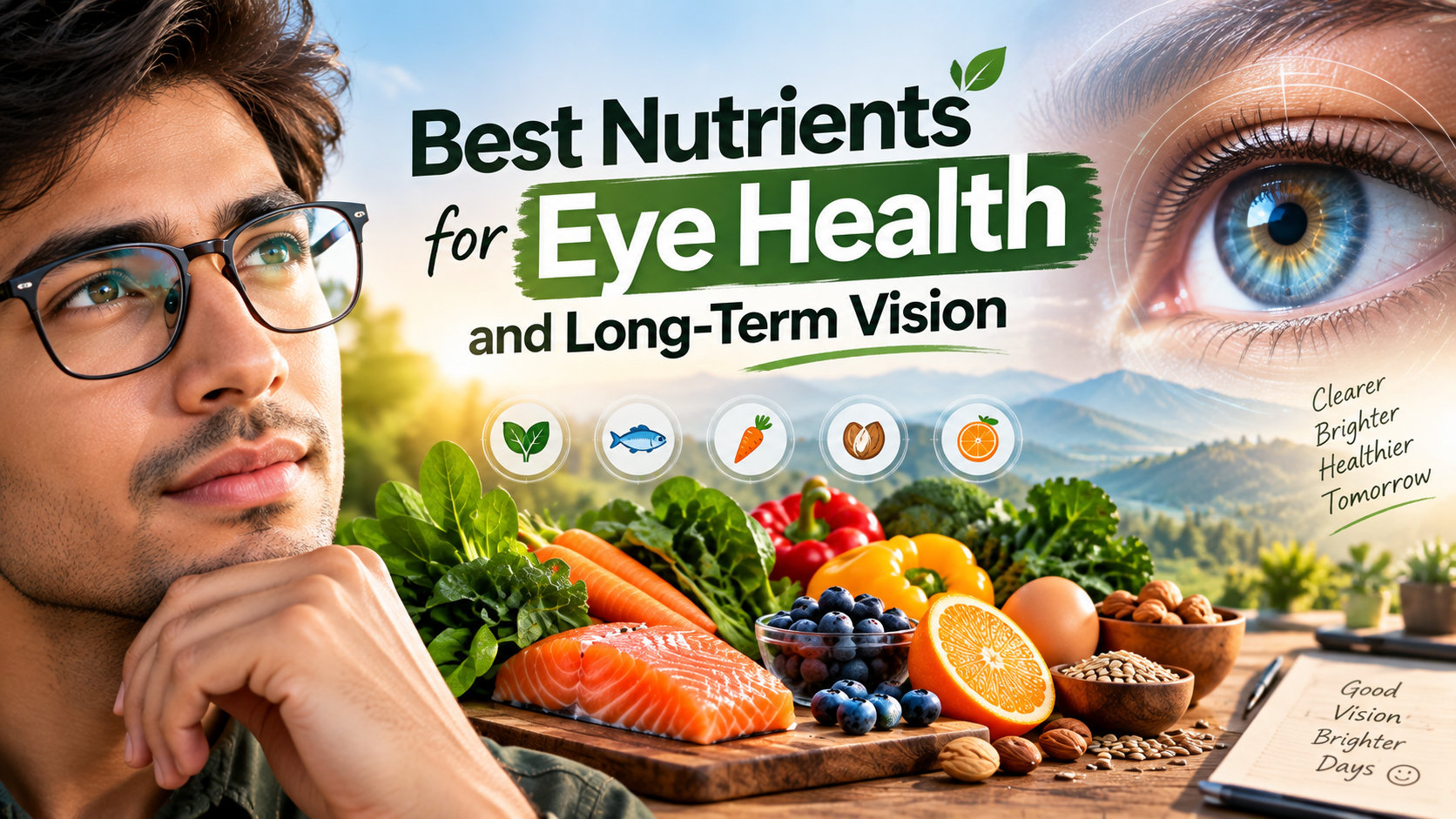
Essential Nutrients for Maintaining Long-Term Eye Health
We often take our eyesight for granted until changes begin affecting daily activities. Understanding the right nutrients for eye health can help support healthy vision alongside good daily habits. Screen use, driving at night, and reading for long periods can also contribute to eye strain.
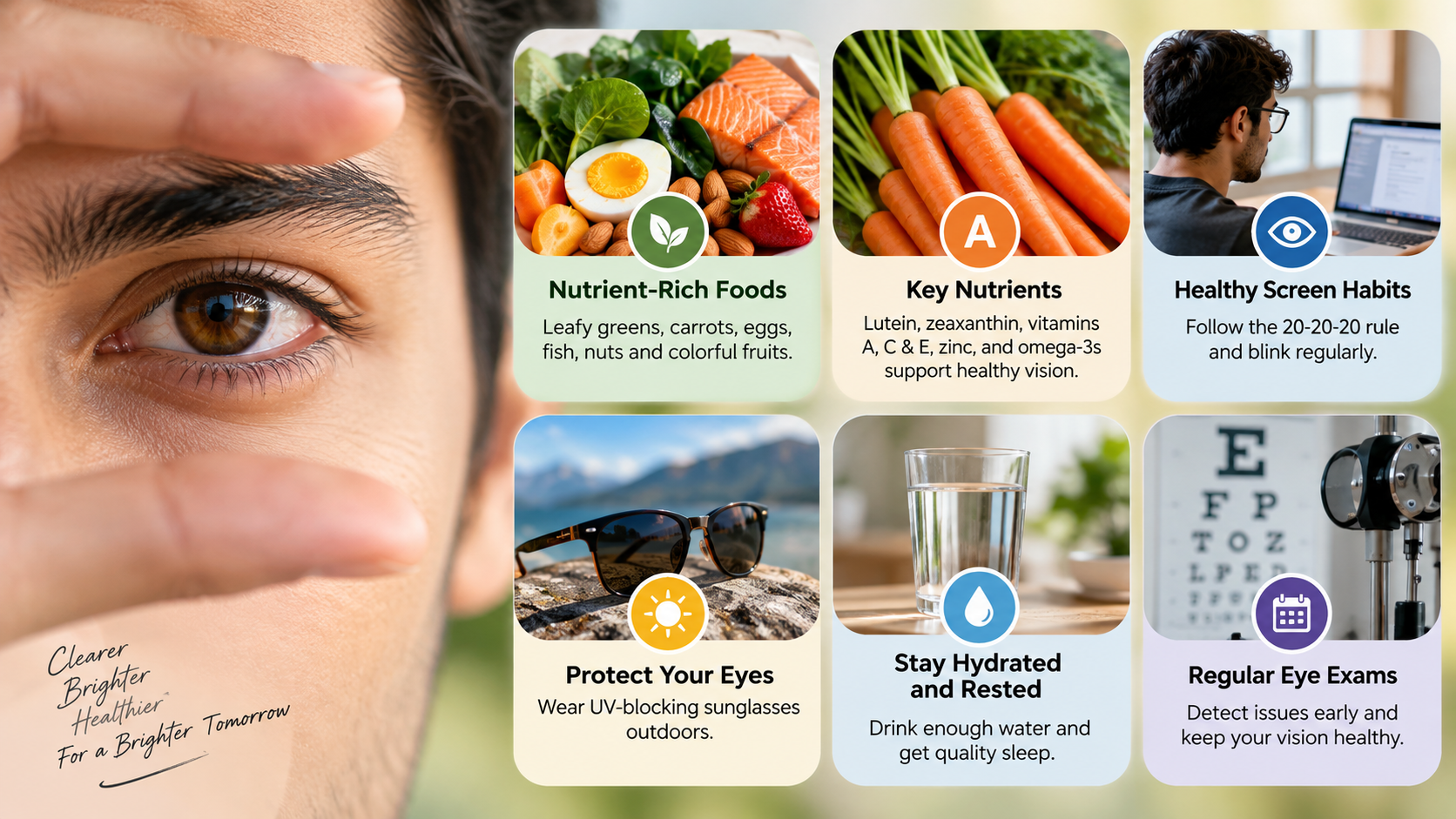
A balanced diet provides several nutrients, including lutein, zeaxanthin, vitamins C and E, zinc, vitamin A, and omega-3 fatty acids. These nutrients support different parts of the eye and help protect cells from oxidative stress. They do not guarantee perfect vision, but they can support overall ocular health. The American Academy of Ophthalmology also discusses the role of these nutrients in maintaining eye health and supporting the body’s natural antioxidant defenses.
Good eye care depends on consistent habits rather than occasional interventions. The foods you eat, your screen habits, sleep routine, sun protection, and regular eye examinations all matter.
This guide explains the most important nutrients for eye health, foods that provide them, and practical habits that support long-term vision. It also explains possible nutritional causes of blurry vision and when medical evaluation is necessary.

What are the best nutrients for eye health?
Several nutrients play important roles in maintaining eye health and normal vision. Key nutrients include lutein, zeaxanthin, vitamins A, C, and E, zinc, and omega-3 fatty acids. A balanced diet can help provide these nutrients and support normal eye function.
Lutein and zeaxanthin are carotenoids concentrated in the macula, the central part of the retina responsible for detailed vision. They help filter some high-energy blue wavelengths and provide antioxidant protection. This protective role may help the macula manage oxidative stress over time.
Vitamin A is essential for normal vision, especially the light-sensing process in the retina. Severe vitamin A deficiency can affect night vision and the health of the cornea. Vitamins C and E also have antioxidant functions that help protect cells from oxidative damage.
Zinc supports several processes involved in normal retinal function. Omega-3 fatty acids, particularly DHA, are important components of retinal cell membranes. They also contribute to normal tear production and ocular surface function.
A varied diet is generally the best way to obtain these nutrients. Supplements should not replace a balanced diet or regular professional eye care. Following healthy food habits to adopt can help support a balanced dietary pattern. If you have an eye condition or nutrient deficiency, discuss supplements with a healthcare professional.
What are the 12 best foods for eye health?
A varied whole-food diet can provide many of the nutrients for eye health that support normal vision. Instead of relying on one “superfood,” include different foods throughout the week and focus on healthy food habits that encourage dietary variety.
Useful choices include:
- Spinach: Provides lutein and zeaxanthin.
- Kale: Offers concentrated carotenoids and other antioxidants.
- Carrots: Provide beta-carotene, which the body can convert into vitamin A.
- Sweet potatoes: Supply beta-carotene and other nutrients.
- Eggs: Provide lutein, zeaxanthin, and zinc.
- Salmon: Contains DHA and other omega-3 fatty acids.
- Sardines: Provide omega-3 fats and other nutrients.
- Tuna: Supplies protein and omega-3 fatty acids.
- Bell peppers: Are rich in vitamin C.
- Strawberries: Provide vitamin C and antioxidant compounds.
- Almonds: Supply vitamin E and healthy fats.
- Sunflower seeds: Provide vitamin E and other beneficial nutrients.
Eating these foods regularly can help create a nutrient-dense diet. However, no single food can prevent every eye condition. Overall dietary quality, healthy habits, and regular eye examinations remain important.
How to maintain eye health naturally?
Maintaining healthy eyes involves more than eating nutrient-rich foods. Daily habits can also reduce eye strain and protect your eyes from environmental stress.
During prolonged screen use, follow the 20-20-20 rule. Every 20 minutes, look at something about 20 feet away for at least 20 seconds. Blinking regularly can also help maintain a comfortable tear film.
Protect your eyes outdoors with sunglasses that provide adequate UV protection. Long-term exposure to ultraviolet radiation can contribute to several eye problems, including cataracts.
Staying adequately hydrated supports normal body functions and can help maintain comfortable eyes. However, drinking excessive amounts of water does not directly prevent eye disease.
Aim for consistent, sufficient sleep because tiredness can worsen feelings of eye strain and discomfort. Avoid smoking, as it is associated with several serious eye conditions.
Finally, schedule comprehensive eye examinations at appropriate intervals. Eye exams can identify conditions before noticeable symptoms appear. If you experience persistent vision changes, pain, flashes, or sudden vision loss, seek professional medical care promptly.
What vitamin am I lacking if my eyes are blurry?
Blurry vision does not automatically mean you have a vitamin deficiency. Refractive errors, dry eyes, digital eye strain, medications, diabetes, eye diseases, and other conditions can all cause blurred vision. Reviewing medical facts you should know can help put symptoms and possible causes into better context.
Vitamin A deficiency can affect normal vision, particularly in low-light conditions. Severe deficiency can also cause significant changes to the cornea. However, deficiency is uncommon in many people who consume a varied diet.
Vitamin B12 deficiency can cause neurological problems and, in some cases, optic nerve damage. Vision changes associated with B12 deficiency require medical assessment and appropriate treatment.
Vitamin D has been studied in relation to several eye conditions, but low vitamin D should not be assumed to be the direct cause of blurry vision. Evidence does not support routinely treating blurry vision as a vitamin D deficiency symptom.
If blurry vision persists, a comprehensive eye examination is more useful than self-diagnosing a deficiency. Blood tests may be appropriate when symptoms, diet, medical history, or examination findings suggest a nutritional problem.
Do not take high-dose supplements solely to treat unexplained vision changes. The correct treatment depends on the underlying cause.
When Blurred Sight Requires Medical Testing
Unexplained or persistent blurred vision deserves attention because nutrition is only one possible factor. Temporary blur can occur with dry eyes, prolonged screen use, tiredness, or an incorrect prescription.
Other causes can include refractive errors, infections, corneal problems, diabetes-related changes, cataracts, glaucoma, and retinal conditions. Some causes require treatment to prevent further vision problems.
Sudden vision changes require particular caution. Seek urgent medical attention if blurry vision appears suddenly, especially when it affects one eye. Flashes, a sudden increase in floaters, a dark curtain across your vision, severe eye pain, or significant redness also require prompt evaluation.
An eye-care professional can examine the cornea, lens, retina, optic nerve, and other structures. They can also determine whether further testing is appropriate.
Blood tests may help identify nutritional deficiencies when symptoms or medical history make them likely. However, testing should target a suspected problem rather than assuming every vision change results from low vitamins.
Early evaluation can help identify the actual cause and prevent inappropriate self-treatment. Nutritional changes can support health, but they should not delay necessary eye care.
How to fix blurry vision naturally?
There is no single natural treatment for blurry vision because the appropriate solution depends on its cause. Temporary blur from dry eyes or digital eye strain may improve after reducing screen exposure and allowing your eyes to rest.
During prolonged computer use, take regular visual breaks and blink frequently. Adjusting screen brightness, reducing glare, and maintaining a comfortable viewing distance may also reduce strain.
If dry eyes contribute to blurred vision, adequate hydration and appropriate artificial tears may improve comfort. A warm compress can also help some people with eyelid-related dryness. Avoid rubbing your eyes, especially when they feel irritated.
A balanced diet can support normal eye function. Include leafy greens, colorful vegetables, eggs, seafood, nuts, seeds, and fruit to obtain a range of nutrients for eye health.
However, foods cannot quickly correct every cause of blurry vision. A refractive error may require glasses or contact lenses. Other conditions may need medication or medical procedures.
If blurry vision continues, worsens, or appears suddenly, arrange an eye examination rather than relying only on natural remedies. Finding the cause is the most important step toward improving your vision safely.
Frequently Asked Questions
Can drinking water improve dry and blurry eyes?
Yes, staying well-hydrated directly improves eye comfort and sharpness. Your tear film requires constant moisture to create a smooth, clear optical surface over the cornea. When you become dehydrated, your body conserves fluid, causing tears to evaporate too quickly. This dehydration leaves eyes scratchy, inflamed, and prone to temporary blurriness. Drinking sufficient water restores balance quickly.
Does blue light from screens permanently damage vision?
Current clinical research shows that screen-level blue light does not cause permanent retinal blindness. However, prolonged screen exposure causes severe digital eye strain, dryness, and muscle fatigue, which leads to headaches and fluctuating clarity. Practicing regular screen breaks and blinking intentionally protects your eyes from daily screen discomfort without requiring expensive protective equipment.
Are raw carrots really the best food for eyesight?
Carrots are wonderful for visual wellness, but they are not the sole champion food. They contain abundant beta-carotene, which your liver converts into vitamin A for night vision. However, dark leafy greens like kale provide lutein and zeaxanthin, which protect your central macula far better than carrots can. A balanced diet matters most.
How quickly do eye vitamins show visible results?
Nutritional changes take time to build up inside delicate ocular tissues. While proper hydration and dry-eye supplements might offer soothing relief within two to three weeks, carotenoids like lutein require three to six months of daily intake to meaningfully raise macular pigment optical density. Consistency is vital for lasting ocular benefits.
Conclusion
Guarding your vision throughout life does not require overwhelming routines or extreme lifestyle shifts. Instead, it flourishes through deliberate, everyday choices that prioritize cellular nutrition, consistent rest, and smart physical protection. By consuming balanced meals rich in dark greens, vibrant vegetables, clean proteins, and healthy fats, you naturally flood your retinas with essential nutrients for maintaining long-term eye health.
Pairing targeted dietary fuel with intentional screen breaks, proper systemic hydration, and regular sun defense preserves your delicate optical nerves and lenses against premature breakdown. Vision changes should never be ignored or accepted as an inevitable consequence of aging. Take charge of your optical wellness today by incorporating more nutrient-dense whole foods and healthy visual hygiene into your daily routine, securing clear, vibrant sight for decades ahead.