
How Supply Chain Disruptions Affect Local Grocery Prices
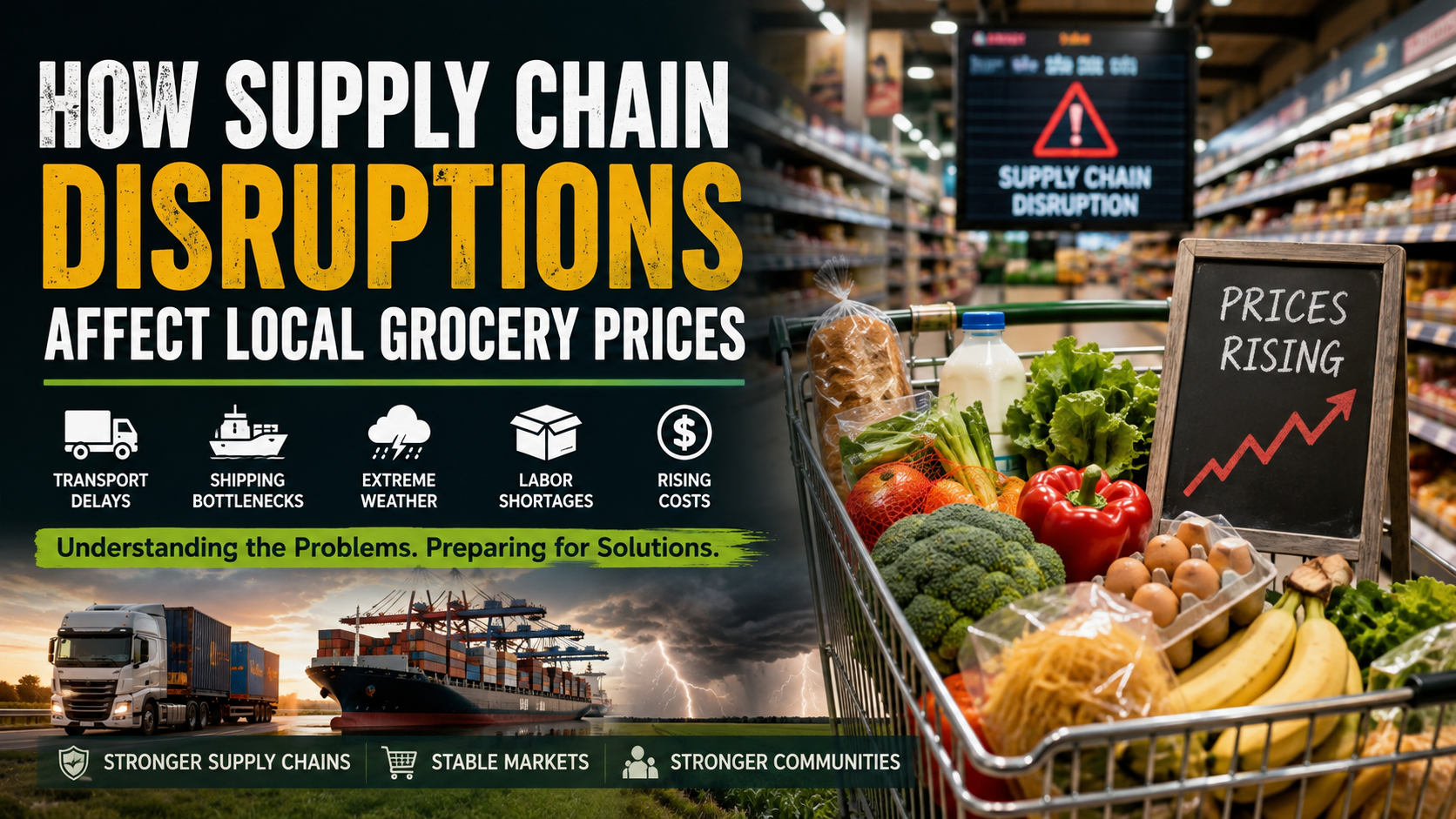
Supply chain disruptions profoundly affect local grocery prices, altering how everyday shoppers experience the modern retail market. When global transport networks, shipping ports, or agricultural production lines hit unexpected bottlenecks, the cost of moving food from farms to neighborhood shelves rises sharply. According to the USDA Economic Research Service, retail food inflation is closely linked to upstream logistical pressures and operational hurdles. Understanding these underlying mechanics helps households navigate sudden market changes. Building broader knowledge can support better decisions; see Topics You Should Educate Yourself On: 8 Critical Areas. This comprehensive guide answers critical questions regarding how supply chain disruptions impact local store tags, systemic logistics problems, the 3-3-3 household rule, broader macroeconomic trends, cascading food system effects, and what defines a modern supply chain breakdown.
What Are the Problems With the Grocery Supply Chain?
The modern grocery supply chain is a complex network that connects seed producers, farmers, agricultural workers, processors, freight carriers, warehouses, and retailers. A disruption at one stage can quickly affect the rest of the system. Major vulnerabilities include truck driver shortages, aging distribution infrastructure, volatile fuel costs, labor shortages, and extreme weather that damages crops. For a practical preparedness perspective, see Essential Emergency Tools Every Home Needs in 2026.
Grocery distribution also depends on strict delivery schedules and reliable cold-chain systems. Even short delays can reduce the shelf life of fresh food and increase spoilage. Retailers may then face higher transportation, storage, labor, and replacement costs. Those expenses can eventually reach shoppers through higher grocery prices.
Other risks include port congestion, packaging shortages, equipment failures, and sudden changes in consumer demand. Because many stores operate with limited inventory, they have less room to absorb unexpected disruptions. A resilient grocery supply chain therefore needs stronger infrastructure, flexible sourcing, reliable transportation, and better contingency planning.

Vulnerabilities in Cold Storage and Transport
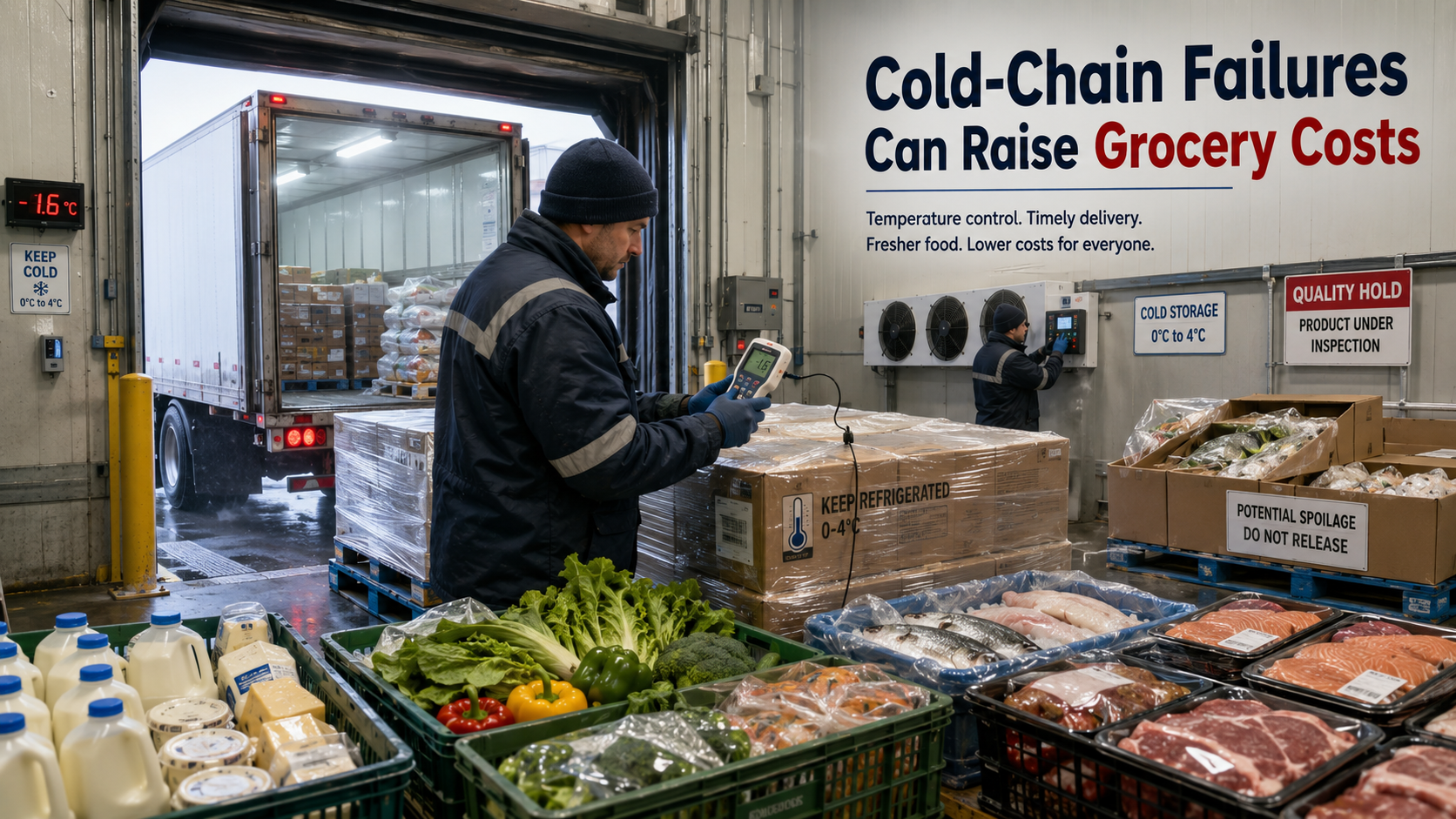
Maintaining stable temperatures during transportation and storage is one of the biggest challenges for perishable groceries. Fresh meat, dairy products, seafood, and some fruits and vegetables require controlled conditions throughout the journey. Refrigerated trucks, warehouses, and store coolers must operate continuously to protect product quality.
Cold storage also depends on dependable electricity and regular equipment maintenance. A power outage, refrigeration failure, or delayed delivery can quickly shorten the usable life of sensitive products. When this happens, distributors may have to discard damaged inventory and replace it at higher cost.
Energy prices add another layer of pressure because refrigeration consumes substantial power. Higher fuel costs also increase the expense of operating refrigerated vehicles. These costs can influence wholesale and retail prices.
To reduce risk, grocery companies can use temperature monitoring, backup power, preventive maintenance, and real-time shipment tracking. Better cold-chain visibility helps managers identify problems early and limit unnecessary food loss.
What Is the 3-3-3 Rule for Groceries?
The 3-3-3 rule for groceries can be presented as a simple household preparedness framework rather than an official government standard. In the version described here, households keep about three days of essential food and water, review or rotate supplies every three months, and maintain a basic mix of important food groups.
The main purpose is to create a modest buffer against short-term shortages, delivery delays, severe weather, or sudden price increases. A small reserve can reduce the need for rushed shopping when local shelves are temporarily disrupted.
Households should focus on practical foods they already eat and can store safely. Useful options include canned foods, grains, dried foods, shelf-stable milk, and bottled or safely stored water.
Regular rotation matters because emergency supplies can expire or lose quality. Buying only what the household can realistically use also limits waste. This approach supports preparedness without encouraging panic buying or unnecessary stockpiling.

Practical Application for Household Budgeting
Applying a grocery preparedness strategy does not require large purchases or expensive bulk storage. Families can build a small reserve gradually during normal shopping trips. Start with foods that have long shelf lives and fit existing eating habits. Canned proteins, rice, pasta, grains, dried foods, and shelf-stable products can provide useful backup options. Drinking water should also be stored safely according to local conditions and household needs.
Rotating older products into regular meals helps prevent expiration and food waste. Families can then replace those items during routine shopping. This approach also reduces dependence on emergency purchases during shortages.
Instead of buying large quantities when prices suddenly rise, households maintain a small buffer over time. This can make it easier to manage unexpected shopping costs during local disruptions. It also provides flexibility when a household cannot visit stores for several days.
The strategy works best when spending remains controlled. Storage space, household needs, and normal consumption should guide the size of the reserve.
How Did Supply Chain Disruptions Affect the Market?
Supply chain disruptions can affect agricultural markets, wholesalers, retailers, and consumers at the same time. When demand rises while factories, ports, farms, or transport networks face restrictions, available supply may struggle to keep pace. The imbalance can increase wholesale and retail prices.
Global events can also affect fertilizer, fuel, grain, packaging, and other essential inputs. When these costs rise, producers and distributors may pass part of the increase through the supply chain. Retailers may also change purchasing policies to reduce stockout risks.
Many businesses have moved away from extremely lean inventory models when disruption risks become harder to predict. Holding additional stock can improve resilience, but it also increases storage, financing, and handling costs.
These changes can make grocery networks more stable while increasing operating expenses. The challenge is balancing efficiency, affordability, and resilience. Retailers must maintain enough inventory to handle unexpected disruptions without creating excessive waste or unnecessarily high operating costs.
Shifts Toward Regional Sourcing Models
Regional sourcing can help grocery chains reduce dependence on distant suppliers and international transportation routes. Shorter supply routes can reduce exposure to port congestion and some transportation risks.
However, local sourcing is not automatically cheaper or more reliable. Smaller producers may have limited production capacity, fewer vehicles, and less storage infrastructure. They may also lack the purchasing power of large suppliers.
As a result, switching toward regional suppliers can initially increase procurement costs. Retailers should compare supplier capacity, quality, delivery reliability, and total landed costs before changing sourcing patterns.
A balanced strategy often combines local, regional, national, and international suppliers. A diversified sourcing model can reduce concentration risk while preserving access to larger suppliers when needed.
This approach gives grocery companies more flexibility when one supply route becomes unavailable. Supplier diversification can strengthen resilience without eliminating the cost advantages of broader supply networks. The goal is not to replace global sourcing completely, but to create enough alternatives to keep essential grocery products moving during disruptions. Stronger business fundamentals can also help organizations evaluate these trade-offs; see Entrepreneurship and Business Fundamentals: Master Success.
What Are the Effects of Food Chain Disruption?
Food supply chain disruption can affect producers, processors, distributors, retailers, and consumers in different ways. When processing plants close or transportation becomes unavailable, farmers may struggle to move milk, livestock, fruits, vegetables, or other products to buyers. Stores may also experience shortages and higher prices.
Food waste can increase when harvested crops cannot reach processing or retail facilities quickly enough. Labor shortages, missing packaging, limited storage, and transportation delays can make the problem worse. Products may spoil before reaching consumers.
Disruptions can also affect food security. Households with limited budgets have less flexibility when essential foods become more expensive or harder to find. Vulnerable communities may then depend more heavily on food banks, government assistance, or other support programs. This relationship is also discussed in Climate Change Food Security: Impacts and Solutions.
The effects are not always uniform. A shortage may be severe in one region while another area has adequate supply. Infrastructure, supplier diversity, weather, and purchasing power influence local impacts. This makes regional resilience an important part of protecting reliable access to affordable food.
Price Volatility in Essential Commodities
Essential commodities such as wheat, corn, rice, and vegetable oils can experience sharp price changes when supply chains are disrupted. These ingredients appear in many household and processed foods, so shortages can spread across grocery categories.
For example, higher grain costs can affect bread, pasta, cereals, and animal feed. Rising vegetable oil costs can influence packaged foods, snacks, sauces, and prepared meals. The effects may appear gradually as businesses replace existing inventory.
Commodity markets are also influenced by weather, energy costs, trade policies, crop yields, and global demand. A grocery price increase may therefore have several causes rather than a single supply chain problem. For additional context on navigating disrupted markets, see How to Stay in the Market This Pandemic.
Retailers and manufacturers can reduce exposure by diversifying suppliers, maintaining appropriate inventory, and improving demand forecasting. However, many commodity risks remain outside a company’s control. Clear contracts and flexible purchasing schedules can help businesses respond to market changes. Businesses therefore need to distinguish temporary price movements from longer supply problems when planning purchases.
What Are the Effects of Supply Chain Disruption?
Systemic supply chain failures can create economic effects that extend beyond higher grocery prices. Businesses may face cash-flow pressure when shipments arrive late, inventory is stuck, or customers reduce spending. Transportation companies can also struggle with labor shortages, maintenance costs, fuel expenses, and aging equipment.
Higher grocery bills reduce purchasing power and discretionary spending. Lower-income households are often more exposed because food takes up more of their budgets. These pressures can also reduce business investment when companies must devote more cash to operating expenses.
Governments may respond with policy changes, financial assistance, infrastructure investment, or measures designed to improve domestic supply. Such measures involve trade-offs and may create costs elsewhere.
Long-term resilience depends on more than emergency action. Businesses need diversified suppliers, flexible transportation networks, accurate forecasting, and sufficient inventory. A broader framework for identifying and addressing recurring operational challenges is available in Problems That Arise Often in Your Industry and How to Address Them. Stronger infrastructure can also reduce the economic damage caused by future supply chain disruptions and improve the stability of food distribution.
Psychological Impact on Consumer Behavior
Repeated supply disruptions can change how consumers shop. Empty shelves, limited product choices, and rapidly rising prices can make shoppers worry about future availability. That uncertainty can encourage panic buying, even during a temporary regional shortage.
Panic buying can create a feedback loop. Shoppers buy more than usual, causing inventories to fall faster. Others then respond to reduced availability by buying extra products. This behavior can make a manageable shortage appear more severe.
Retailers can reduce this pressure through clear communication, purchase limits when necessary, and accurate information about restocking schedules. Consumers can also avoid unnecessary stockpiling by maintaining reasonable household reserves.
Retailers should avoid creating artificial urgency through unclear promotions or inconsistent stock messages. Purchase limits can be useful when evidence shows that unusually high demand is causing genuine local stock pressure.
Public expectations can influence demand almost as quickly as transportation problems affect supply. Stable communication and transparent inventory information can therefore help prevent temporary disruptions from becoming broader consumer shortages.
What Is a Disruption in the Food Supply Chain?
A disruption in the food supply chain occurs when an unexpected event interrupts, delays, or significantly reduces the movement of food from producers to consumers. It can occur during farming, processing, packaging, storage, transportation, or retail distribution.
Common causes include droughts, floods, hurricanes, disease outbreaks, labor strikes, equipment failures, cyber incidents, port closures, and geopolitical conflicts. Some affect one region, while others spread across countries and markets.
The key problem is an imbalance between available supply and consumer demand. Food may become scarce locally even when enough supply exists elsewhere. Transportation delays can also increase storage and handling costs while reducing product freshness.
Technology can help grocery companies detect and manage supply chain disruptions before they become larger problems. Real-time tracking can show shipment locations, delays, temperatures, and warehouse activity. Managers can respond faster when conditions change.
The Role of Technology in Mitigating Disruptions
Technology can help grocery companies detect and manage supply chain disruptions before they become larger problems. Real-time tracking can show shipment locations, delays, temperatures, and warehouse activity. Managers can respond faster when conditions change.
Predictive analytics can flag risks using weather, transport, inventory, and demand data. Teams can then reroute shipments or adjust schedules before delays grow.
Digital systems are useful, but technology does not remove physical supply chain constraints. A retailer cannot solve a major shortage of trucks, fuel, workers, or products through software alone. Technology works best when combined with strong supplier relationships and practical contingency plans.
Data quality also matters because inaccurate forecasts or incomplete tracking can lead managers to make poor decisions. Staff training is equally important because digital tools only help when teams understand the information and act on it quickly.
Resilient digital infrastructure improves supply chain visibility, supporting faster decisions and more reliable grocery distribution during unexpected disruptions.
FAQ SECTION
How long do grocery supply chain disruptions typically last?
Grocery supply chain disruptions vary widely in duration based on the underlying catalyst. Minor regional issues, such as severe local weather events or short transit strikes, generally resolve within days or weeks as alternate routes reopen. Conversely, systemic global challenges, such as major international conflicts or widespread agricultural fertilizer shortages, can influence market pricing and inventory stability for many months or years.
Can local grocery stores prevent rising prices during shortages?
Local grocery stores maintain minimal control over wholesale costs and cannot entirely prevent rising prices during major supply disruptions. Independent grocers operate on very thin margins and must pass increased wholesale, freight, and labor expenses directly to consumers to remain solvent. However, some stores offset this by partnering with regional producers to secure stable pricing on select essential items.
Why do some items disappear from shelves first during a crisis?
Items disappear from shelves first during a crisis due to a combination of panic buying and lean, highly optimized retail inventory models. Retailers typically maintain minimal backroom stock to reduce holding costs, keeping only a few days’ worth of high-demand items like milk, flour, and paper goods available. When customer demand surges simultaneously, these buffer supplies deplete instantly before replacement shipments arrive.
How do fuel prices impact the cost of groceries at the store?
Fuel prices play a substantial role in shaping final grocery prices because every food item must be transported multiple times before reaching the display shelf. Diesel costs directly dictate the operating budgets of freight trucks, cargo ships, and farm machinery. When fuel prices climb, shipping companies pass those elevated freight rates to food distributors, who subsequently raise retail prices to protect their profit margins.
Conclusion
Navigating the economic complexities of modern food retail requires understanding how supply chain disruptions impact local grocery prices. From complex logistical bottlenecks and cold-storage maintenance failures to broader market shifts and raw commodity volatility, every link in the food chain dictates what you pay at the checkout counter. By recognizing the root drivers behind these logistical interruptions and adopting smart household measures like the 3-3-3 rule, consumers can successfully manage their budgets during uncertain periods. Remaining informed about agricultural economics empowers households to make resilient shopping decisions, minimize everyday food waste, and adapt smoothly to the shifting landscape of the modern grocery marketplace.