
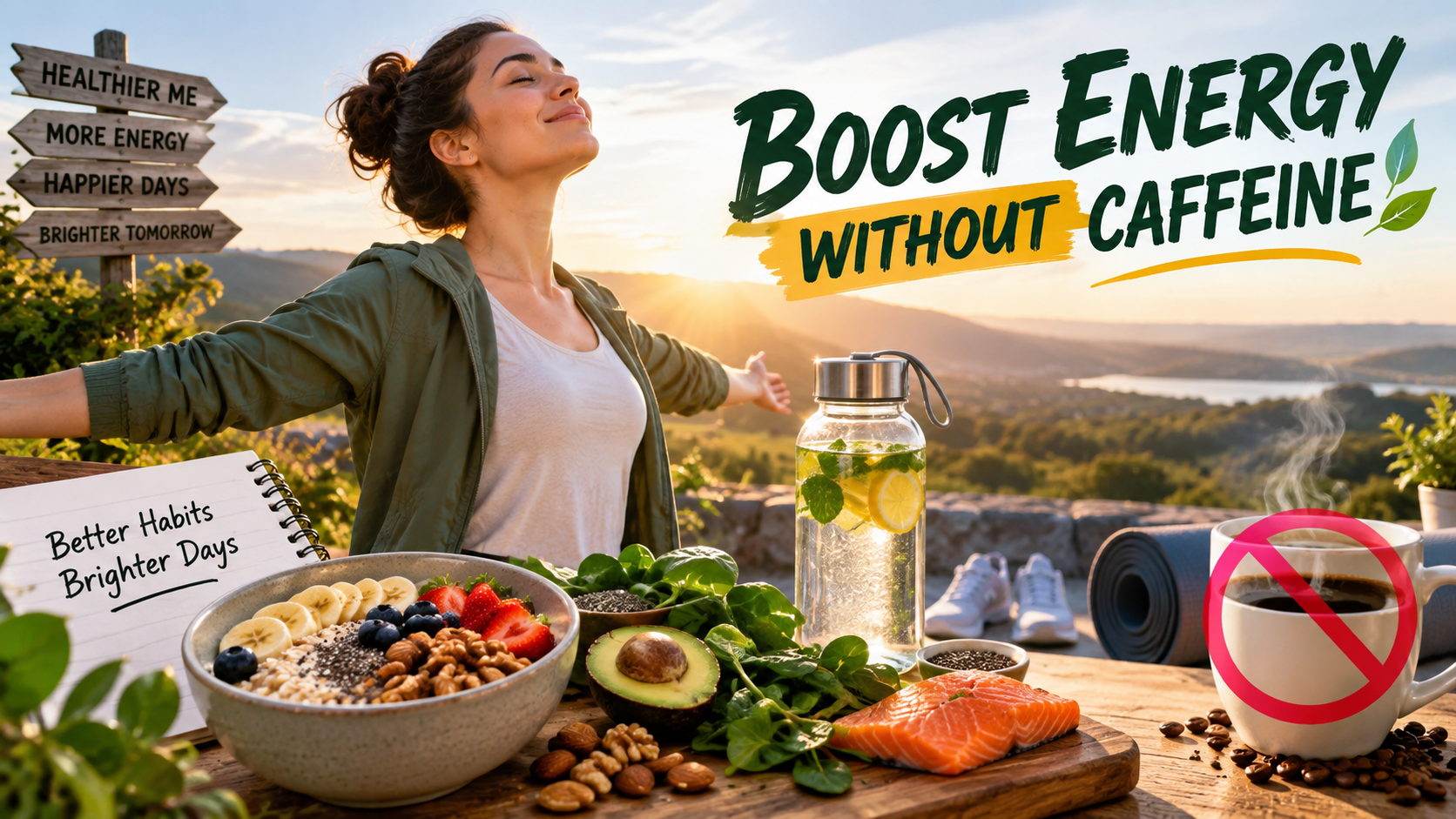
Boost Energy Without Caffeine: 6 Proven Natural Habits
Waking up exhausted can make another mug of coffee feel like the easiest solution. However, depending heavily on caffeine can contribute to tolerance, sleep disruption, and energy crashes in some people. If you want steadier vitality, learning how to boost energy without caffeine can improve your daily routine.
Your body already has several systems that regulate alertness and energy. Sleep, hydration, balanced nutrition, physical activity, daylight exposure, and stress management all influence how energetic you feel. Getting enough quality sleep and maintaining regular physical activity can provide a more sustainable foundation for daily energy than constantly chasing short-term stimulation.
This guide explores practical ways to naturally increase energy without relying on stimulants. You will learn how morning habits, fatigue-fighting foods, movement, hydration, and focus strategies can support better energy. We will also cover approaches that may help adults with ADHD manage low alertness without depending entirely on caffeinated drinks.

How to naturally get energy without caffeine?
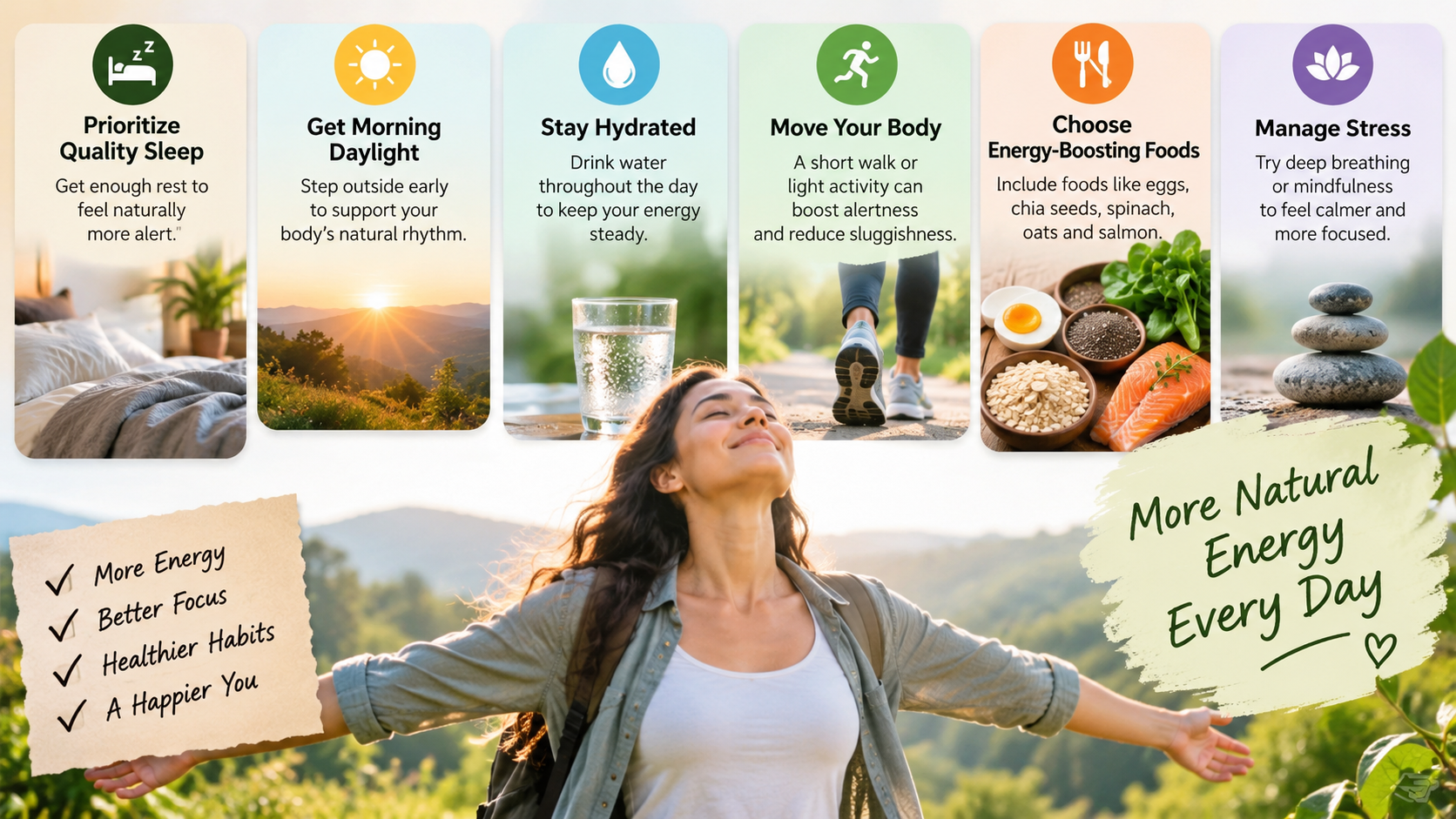
Start with simple habits that support your body’s natural wakefulness signals. Get outside soon after waking and expose your eyes to natural daylight. Morning light helps regulate your circadian rhythm and supports a healthier sleep-wake cycle. It can also help your brain become more alert during the day.
Hydration matters, especially after several hours without fluids. Drink water when you wake and continue drinking regularly throughout the day. You generally do not need to add salt unless you have a specific reason, such as heavy sweating or medical guidance.
Movement can also increase alertness. A brisk five-minute walk can raise circulation and help you feel less sluggish. Deep breathing may improve how relaxed and focused you feel, although it does not directly create extra energy.
For a practical routine, combine morning daylight, water, movement, and consistent sleep. These habits can help you boost energy without caffeine while supporting your body’s natural daily rhythm.
Optimize Your Morning Cortisol Awakening Response
Your body naturally experiences a rise in cortisol around waking. This process is called the cortisol awakening response, and it helps prepare you for daytime activity. You do not need to manipulate your adrenal glands to trigger it. Your circadian system already regulates this process.
Instead, focus on habits that reinforce a consistent sleep-wake rhythm. Step outdoors or sit near bright natural daylight soon after waking. Morning light reaches specialized cells in the retina that communicate with the brain’s circadian clock. This helps regulate alertness during the day and sleepiness at night.
Try spending around 10 to 30 minutes outdoors when practical. Cloud cover, season, location, and individual sensitivity affect the amount of light available. Avoid staring directly at the sun, and never use sunlight as a substitute for proper eye protection.
A consistent wake time also helps your body establish predictable rhythms. Pair daylight exposure with hydration and light movement for a simple morning routine. Together, these habits can support alertness and help you boost energy without caffeine.
What are 5 foods that fight fatigue?
Five useful foods to include in a balanced diet are eggs, chia seeds, spinach, oats, and salmon. Eggs provide protein and choline, which supports normal brain function. Chia seeds provide fiber, healthy fats, and minerals that can make meals more filling. For more ideas, explore breakfasts designed to support mental energy and focus.
Five useful foods to include in a balanced diet are eggs, chia seeds, spinach, oats, and salmon. Eggs provide protein and choline, which supports normal brain function. Chia seeds provide fiber, healthy fats, and minerals that can make meals more filling.
Spinach supplies iron and folate, although plant-based iron is absorbed less efficiently than iron from animal foods. Pairing spinach with vitamin C-rich foods can improve absorption. Oats provide complex carbohydrates and fiber, supporting steadier energy than highly refined carbohydrates.
Salmon supplies protein and omega-3 fatty acids, along with vitamin B12. These nutrients support normal neurological and metabolic functions.
Rather than searching for one miracle food, build meals around protein, high-fiber carbohydrates, healthy fats, fruits, and vegetables. This approach provides more reliable nutritional support when you want to boost energy without caffeine.
Focus on Iron and Essential B Vitamins
Iron and B vitamins play important roles in energy metabolism, but supplements are not automatically the answer to fatigue. Iron is essential for producing hemoglobin, the protein that carries oxygen through your blood. Low iron levels can contribute to tiredness, weakness, and reduced physical performance.
Good dietary sources include spinach, beans, lentils, meat, seafood, and fortified foods. Plant-based iron is called non-heme iron and is absorbed less efficiently. Eating vitamin C-rich foods alongside plant sources can improve non-heme iron absorption.
Vitamin B12 is another important nutrient. It supports normal red blood cell formation and neurological function. B12 is naturally concentrated in animal foods, while fortified foods can help people following vegetarian or vegan diets meet their needs.
Other B vitamins also contribute to normal energy metabolism. However, taking extra B vitamins does not necessarily increase energy when you already get enough.
If fatigue persists, avoid assuming that iron or B-vitamin deficiency is responsible. A healthcare professional can help identify possible causes and recommend appropriate testing. Correcting a genuine deficiency can help restore normal energy and may help you boost energy without caffeine.
What are natural ways to boost energy?
Several everyday behaviors can improve alertness without stimulants. Regular physical activity is one of the most reliable options. Even short movement breaks can interrupt prolonged sitting and reduce feelings of sluggishness.
Try walking, stretching, climbing stairs, or performing a few bodyweight exercises during long work periods. You do not need an intense workout every time your energy falls. Small activity breaks can make demanding days easier to manage.
Sleep remains equally important. Keep your bedtime and wake time relatively consistent throughout the week. Most adults need at least seven hours of sleep, although individual needs vary. Poor sleep can make almost every other energy strategy less effective.
Cold exposure may temporarily increase alertness, but it should not be treated as a proven energy replacement. Cold showers can create a strong stimulation response, yet evidence does not establish them as a reliable long-term solution for fatigue.
A better foundation combines sleep, regular movement, daylight, nutritious meals, hydration, and stress management. These habits support normal physiological processes instead of masking tiredness. If fatigue remains severe or persistent, investigate the underlying cause rather than simply adding more stimulation.
Use the 90-Minute Ultradian Rhythm Cycle
The idea that everyone naturally operates through fixed 90-minute ultradian cycles is often presented too confidently. Human alertness does fluctuate, but there is not enough evidence to prescribe a universal 90-minute work schedule for everyone.
Instead, use work intervals that match your concentration and workload. After a demanding period of focused work, step away from your screen for several minutes. Stand up, walk around, stretch, drink water, or look outside.
Short breaks can reduce prolonged sedentary behavior and give your attention a chance to recover. They can also make it easier to notice when tiredness comes from mental overload rather than a genuine lack of physical energy. Using time constraints to structure focused work can also help make demanding work periods more manageable.
Experiment with different work periods. Some people may concentrate well for 45 minutes, while others prefer longer blocks. The goal is not to follow a rigid biological formula.
A practical approach is to work with your attention rather than against it. When concentration drops sharply, take a purposeful break before returning to the task. This can support sustained productivity and help you boost energy without caffeine throughout a demanding workday.
How do people with ADHD get energy without caffeine?
Adults with ADHD may experience difficulty with attention, motivation, task initiation, or sustained mental effort. However, fatigue should not automatically be described as an under-arousal state. ADHD affects people differently, and tiredness can also result from poor sleep, stress, medication effects, or other conditions.
Physical activity can be useful because movement temporarily increases alertness and can support mood and attention. Try a short walk, several flights of stairs, dancing, or a brief bodyweight routine when concentration starts falling.
Environmental changes can also make tasks easier. Background sound, standing while working, timers, visual cues, and small rewards may help some people stay engaged. Their effectiveness varies, so test one change at a time.
Caffeine can feel helpful for some people with ADHD, but it can also worsen anxiety, sleep quality, heart palpitations, or restlessness. It should not replace appropriate ADHD treatment.
If daytime exhaustion is persistent, discuss it with a qualified healthcare professional. Sleep disorders and other health issues can overlap with ADHD symptoms.
For daily support, focus on movement, structured tasks, adequate sleep, and engaging environments. These strategies can help some people with ADHD boost energy without caffeine while maintaining steadier focus.
Leverage High-Cadence Movement and Resistance
Brief physical activity can provide a useful alertness boost when your concentration starts to fade. You do not need a full workout. A few minutes of movement can break up sedentary time and make it easier to return to work.
Try simple options such as brisk walking, climbing stairs, bodyweight squats, wall push-ups, or light resistance exercises. Choose movements that match your fitness level and current environment. If you are already exhausted, begin gently instead of forcing an intense workout.
Resistance exercise also supports long-term physical health when performed regularly. However, there is no need to claim that a specific number of repetitions immediately increases dopamine or executive function. Individual responses vary, and short exercise should complement rather than replace sleep and proper nutrition.
Use movement strategically during predictable energy dips. For example, stand up after a long meeting or take a short walk before starting another demanding task.
The goal is simple: change your physical state to interrupt mental sluggishness. Combined with good sleep, regular exercise, and balanced meals, brief movement breaks can help you boost energy without caffeine during long workdays.
What can I drink to boost my energy?
Water is often the simplest drink for supporting normal energy when dehydration contributes to tiredness. You do not need expensive wellness drinks to stay hydrated. Drink regularly according to thirst and your individual needs.
Electrolyte drinks can be useful after heavy sweating, prolonged exercise, or significant fluid loss. For ordinary daily activity, most people can meet their hydration needs through water and normal food. Adding large amounts of salt to water is unnecessary for most people and may increase sodium intake.
Peppermint tea is naturally caffeine-free and can provide a refreshing alternative to coffee. However, claims that it directly increases cellular energy should be avoided. Rooibos tea is another caffeine-free option for people who enjoy a warm or iced drink.
Coconut water contains electrolytes, particularly potassium, but it also contains natural sugars. It can fit into a balanced diet, although it is not inherently more energizing than water.
Wheatgrass and similar wellness shots have limited evidence for providing meaningful energy benefits. They should not be presented as oxygenation or cellular-energy treatments.
If you want to boost energy without caffeine, choose drinks that support hydration and fit your overall diet. The bigger energy gains usually come from sleep, nutrition, movement, and addressing persistent fatigue.
Drink Pure Coconut Water with Lemon
Coconut water can be a refreshing caffeine-free drink, especially after exercise or heavy sweating. It naturally contains electrolytes, including potassium and smaller amounts of sodium and magnesium. These minerals contribute to normal fluid and muscle function.
However, coconut water is not a universal replacement for electrolyte solutions. Its electrolyte composition varies by product, and it contains naturally occurring carbohydrates. For ordinary hydration, plain water is usually sufficient for most people.
Adding fresh lemon juice can improve the flavor and provide some vitamin C. Lemon does not create a special energy effect, but it can make water or coconut water more appealing. This may encourage people to drink enough fluids throughout the day.
Choose unsweetened coconut water when you want to limit added sugar. Check the nutrition label because packaged products can vary considerably.
If you exercise heavily or sweat for extended periods, a balanced electrolyte drink may sometimes be more appropriate. People with certain medical conditions may also need specific fluid or electrolyte guidance.
Used sensibly, coconut water with lemon can be a pleasant part of a caffeine-free hydration routine. It should support your diet, not be marketed as a rapid cellular-energy solution.
What drinks are good for ADHD?
There is no specific drink proven to provide an ADHD energy boost without caffeine. For people with ADHD, the most useful beverage choices are usually those that support hydration, nutrition, and consistent sleep.
Water should remain the basic option. Mild dehydration can make some people feel tired or unfocused, so drinking regularly is practical. Unsweetened herbal teas can also provide variety without adding caffeine.
Milk or fortified plant-based alternatives can provide protein and nutrients, depending on the product. Smoothies made with fruit, yogurt, milk, or fortified alternatives can provide carbohydrates and protein when used as part of a balanced diet.
Tart cherry juice has attracted interest because of its possible effects on sleep and exercise recovery. However, evidence does not establish it as an ADHD treatment or reliable energy enhancer. It also contains natural sugar.
Golden milk made with turmeric and ginger can be a comforting caffeine-free drink. Claims that it directly reduces neuroinflammation or improves ADHD-related focus are not well established.
For ADHD, focus less on a special beverage and more on hydration, balanced meals, sleep, and appropriate treatment. These fundamentals are more dependable than wellness drinks when you want to boost energy without caffeine.
Sip L-Tyrosine Rich Bone Broth Warm
Bone broth can be a warm, savory drink that contributes fluids and nutrients to your diet. However, describing it as an abundant source of L-tyrosine or a direct dopamine booster is misleading. Its amino-acid content varies, and it should not be treated as a targeted neurotransmitter supplement.
L-tyrosine is an amino acid that the body uses to produce several important neurotransmitters. You can obtain tyrosine from many protein-rich foods, including dairy products, eggs, fish, meat, soy, and legumes.
Bone broth may contain protein and amino acids, but its nutritional composition depends heavily on how it is prepared. Some commercial broths also contain substantial sodium, so check the label if you consume them regularly.
If you enjoy warm bone broth, use it as one option within a balanced diet. Pair it with other nutrient-rich foods rather than relying on it to provide mental energy.
For people with persistent fatigue or concentration problems, identifying the underlying cause matters more than finding a particular drink. Adequate sleep, regular meals, physical activity, hydration, and appropriate medical care provide a stronger foundation.
A warm, savory beverage can support your routine, but it is not a proven substitute for caffeine or ADHD treatment.
Frequently Asked Questions
Can drinking plain water cure sudden afternoon fatigue?
Drinking water can often resolve sudden afternoon tiredness because mild dehydration directly slows blood circulation and reduces oxygen delivery to the brain. When fluid levels drop by just two percent, concentration and stamina plunge. Consuming a large glass of water with mineral salts frequently revives mental sharpness within twenty minutes.
Does cold water immersion provide lasting physical energy?
Cold water immersion raises dopamine and norepinephrine naturally through mild shock to the nervous system. Spending thirty to sixty seconds under cold water immediately speeds up heart rate, deepens respiration, and increases alertness. This safe biological response provides clean energy and elevated mood for several hours without any physical crash.
Why do simple carbohydrates make me feel tired?
Simple carbohydrates like white bread, pastries, and candy enter the bloodstream rapidly, triggering a sharp spike in insulin. This rapid hormonal surge clears glucose out of the blood too fast, causing sudden hypoglycemia. This sharp drop leaves you feeling sluggish, irritable, and seeking more food for temporary fuel.
How does breathwork help raise natural vitality?
Targeted breathwork techniques, like quick diaphragmatic breathing or the bellows breath, rapidly increase oxygen levels in your bloodstream and awaken your autonomic nervous system. Taking quick, rhythmic breaths for one minute mobilizes alertness, warms up internal body temperature, and dispels sluggishness without putting stress on your digestive tract.
Conclusion
Sustaining healthy stamina throughout a hectic schedule does not require relying on endless cups of coffee or sugary energy tonics. When you learn how to boost energy without caffeine, you liberate yourself from mid-morning jitters, mood swings, and restless nights. Real vitality emerges from respecting your body’s innate biological requirements: soaking in morning sunlight, feeding your cells fatigue-fighting foods, and staying thoroughly hydrated with mineral-rich liquids.
For individuals managing neurodivergent traits like ADHD, honoring sensory balance and using strategic physical movement offers clear, stable focus without overtaxing the adrenal glands. Consistency is the true key to long-term physical well-being. Rather than overhauling your entire lifestyle overnight, choose two practical habits from this guide and integrate them into your day. Step outdoors tomorrow morning, drink electrolyte water before your breakfast, and enjoy the clean, vibrant vitality your body was designed to produce naturally.