Category Archives: Education

This is education score

The Future of Board Exams in India: What Changes?

The Future of Board Exams in India: What Changes?

The education landscape is undergoing a massive transformation, making the future of board exams in India a central topic of discussion among students, parents, and educators alike. For decades, the traditional rote-learning model dominated Indian schools, culminating in high-stakes, high-stress final assessments. However, the implementation of the National Education Policy (NEP) by the Ministry of Education is fundamentally shifting this paradigm. This policy intervention aims to replace intense memorization with a structural focus on conceptual clarity and critical thinking. Consequently, the annual ritual of high-pressure examinations is evolving into a more flexible, student-centric assessment framework.

This transformation matters because it redefines how student merit is assessed and aligned with global standards. In this article, we will delve into the major structural changes ahead, including the introduction of biannual assessments and modular formatting. We will also explore the introduction of PARAKH, the new national assessment center designed to set uniform evaluation standards across all state and central boards. Finally, we will look at how these adjustments aim to reduce academic anxiety, eliminate public comparison, and better prepare Indian students for a skill-driven global economy where practical knowledge outvalues temporary memorization.

HOW THE EVALUATION SYSTEM IS EVOLVING

The traditional examination structure often evaluated a student’s memory rather than actual comprehension. To rectify this, the structural framework is moving toward a continuous evaluation model. Instead of relying on a single three-hour exam at the end of the academic year, the system will assess competencies developed over time. This approach minimizes the psychological burden on students. It turns assessment into a tool for learning improvement rather than just a mechanism for elimination.

The revised question patterns focus heavily on application-based and competency-based learning. Students will encounter more case studies, critical reasoning queries, and analytical problems. This change discourages the habit of cramming textbooks a month before the finals. Internal assessments, practical projects, and regular class presentations will hold greater weight. This ensures that a student’s performance throughout the year reflects in their final grade, balancing out a single bad day during exam season. Ultimately, this structural evolution ensures that steady effort throughout the year is rewarded, making the final evaluation a fair reflection of true capability.

MULTIPLE EXAM OPPORTUNITIES AND THE SEMESTER SYSTEM

One of the most anticipated updates regarding the future of board exams in India is the option to take board exams twice a year. This biannual system allows students to appear for their exams when they feel adequately prepared. Moreover, it offers a valuable safety net. If a student underperforms in the first window, they can retain their best score and try again in the next cycle, effectively eliminating the fear of losing an entire academic year due to temporary illness or stress.

The long-term vision includes breaking down subjects into modular segments. Students can complete a module, take the relevant exam, and move on to the next level. This modularity reduces the massive syllabus load that traditionally characterized Class 10 and Class 12 exams. By spacing out the testing process, students can dive deeper into topics without feeling overwhelmed by an unmanageable amount of study material. This shift creates a balanced learning environment that aligns closely with international schooling standards, boosting confidence and overall performance.

THE INFLUENCE OF NEP 2020 ON SCHOOL FINALS

To ensure fairness across different regional and national boards, the government established PARAKH (Performance Assessment, Review, and Analysis of Knowledge for Holistic Development). This body acts as a benchmarking institution. It sets uniform standards for student assessment across CBSE, ICSE, and various state boards. In the past, massive disparities existed between different regional evaluations, putting certain students at a disadvantage during university admissions. PARAKH systematically eliminates this imbalance.

PARAKH Core Pillars

1. Standard Setting

Establishing uniform norms across all Indian boards.

2. Skill Assessment

Shifting focus from memory-based learning to 21st-century skills.

3. Holistic Progress

Encouraging self, peer, and teacher-led evaluations.

Furthermore, the division between Science, Commerce, and Arts is blurring. A student opting for Physics can now simultaneously choose History or Fashion Studies. Consequently, board exams must adapt to evaluate these diverse, personalized subject combinations seamlessly. This multi-disciplinary approach breaks down ancient educational silos, letting students construct custom academic paths that truly match their career interests and personal talents.

WHAT THESE CHANGES MEAN FOR STUDENTS AND TEACHERS

This structural shift requires a parallel evolution in teaching methodologies. Educators can no longer rely on dictating notes from older textbooks. Instead, they must design interactive lessons that stimulate classroom discussions and practical experimentation. This means professional development for teachers will become a continuous necessity, altering the daily workflow within schools nationwide. Classroom environments must transform from passive spaces into highly interactive workshops.

  • For Students: The focus shifts from memorizing answers to understanding the underlying “why” and “how” of concepts, forcing them to engage with subjects genuinely.

  • For Teachers: Pedagogy must integrate digital tools, project-based assignments, and personalized feedback cycles rather than relying on uniform lectures.

  • For Parents: The expectation of perfect 100% scores based on memorization must give way to supporting a child’s unique skill development and emotional resilience.

Ultimately, these reforms aim to foster a healthier mental ecosystem, making learning an enjoyable journey rather than a stressful race. It demands patience and adaptability from all stakeholders involved.

FAQ SECTION

What is the major change in the future of board exams in India?

The major change involves shifting from a high-stakes, once-a-year examination model to a flexible, biannual system. Guided by the National Education Policy, exams will focus heavily on competency-based testing rather than memorization. This means questions will evaluate a student’s analytical skills, logical reasoning, and real-world application of concepts. Additionally, the system will integrate regular internal evaluations, reducing the singular pressure of the final written test. This comprehensive shift ensures that the assessment reflects a student’s true understanding throughout the year rather than their performance on one specific day.

Will students have to appear for board exams twice a year?

No, appearing twice is not mandatory. The biannual system offers students the choice to take exams twice a year to improve their scores. If a student is satisfied with their performance in the first attempt, they do not need to sit for the second window. This setup acts as a safety net to lower stress and prevent the loss of a full academic year due to unforeseen circumstances or illness during a single exam window. It empowers students by putting control back into their hands, allowing them to choose when they feel best prepared to excel.

What is PARAKH and how does it impact Indian board exams?

PARAKH is a national assessment center established under the NEP guidelines. Its main purpose is to set uniform evaluation standards and norms across all recognized school boards in India, including central and state boards. Currently, different boards have varying difficulty levels and grading systems. PARAKH aims to remove these discrepancies, ensuring that student assessments are fair, transparent, and universally comparable across the country. This uniform benchmarking creates a level playing field for college admissions, ensuring that no student is disadvantaged simply due to the grading patterns of their specific regional school board.

How should students prepare for competency-based board exams?

Students should shift their focus from rote memorization to deep conceptual understanding. To prepare effectively, they should solve case studies, practice application-based problems, and engage deeply in laboratory work or school projects. Understanding core principles in subjects like mathematics and science becomes vital, as questions will test how well a student can apply formulas to unfamiliar, real-world situations rather than just asking for textbook definitions. Group discussions, analytical reading, and utilizing interactive digital learning tools can also help adapt to this modern testing format, making standard guidebooks obsolete.

Will Class 10 board exams be permanently canceled?

No, Class 10 board exams are not being permanently canceled. Instead, they are being restructured to cause less stress. The focus is turning toward tracking progress over time rather than treating the Class 10 exam as a definitive filter. The future system aims to make these assessments low-stakes, using them primarily to guide students toward choosing appropriate subject combinations in senior secondary school. They will serve as a diagnostic milestone to identify strengths and weaknesses rather than a rigid screening process that determines a student’s entire future academic direction.

CONCLUSION

The future of board exams in India marks a long-overdue shift from a memory-focused system to a more holistic approach. Reforms include biannual exams, competency-based questions, and standardized grading through PARAKH. Together, these changes aim to reduce exam pressure and move away from a culture of rote learning. They also ensure that assessments measure learning and skill development instead of acting mainly as elimination tools.

The transition will take time. Teachers across diverse schools will need training and support to adapt to the new system. However, the long-term outlook is promising. Students will have more opportunities to learn with curiosity and build practical skills for a competitive world. These skills will also help them explore diverse career paths, including the many job opportunities after engineering available in today’s evolving employment market. The message is simple: success will depend on critical thinking, problem-solving, and creativity rather than memorization. Embracing these reforms can prepare the next generation to face real-world challenges with confidence and innovation.

Digital Citizenship Guide: The Ultimate 2026 Manual

Digital Citizenship Guide: The Ultimate 2026 Manual for Navigating the Online World

The internet is no longer just a separate tool that we access occasionally; it is a dynamic space where we live, work, learn, and build meaningful relationships. Because our offline realities and online lives are now fully integrated, learning how to behave in virtual spaces is a fundamental life skill. This comprehensive digital citizenship guide will help you navigate the internet safely, responsibly, and ethically. By understanding your digital footprint, you can protect your personal information while contributing positively to global online communities.

According to guidelines from the International Society for Technology in Education (ISTE), being a good digital citizen means actively participating in the online world in a way that promotes safety, equity, and respect. It is about much more than just avoiding internet scams or ignoring suspicious emails. It involves deeply understanding how your digital actions affect real people on the other side of the screen.

This guide covers everything you need to know to succeed online today. We will explore the core pillars of digital literacy, online safety, and ethical communication. If you want to learn more about online regulations and internet governance, read our article on Should the Government Control the Internet?. Whether you are a student exploring the web, a professional managing a brand, or a parent protecting a family, these foundational principles will empower you to use the internet with confidence, safety, and purpose.

 THE CORE PILLARS OF DIGITAL LITERACY

Protecting Your Privacy and Personal Data

Securing your personal information is the first and most critical step toward responsible internet use. Cyber threats evolve rapidly every year, making strong passwords and multi-factor authentication mandatory for everyone. Hackers utilize sophisticated automated tools to crack simple passwords in mere seconds, which can lead to identity theft and financial loss. Therefore, you should use a trusted password manager to generate unique, complex passwords for every platform you use. Additionally, you must enable biometric logins or dedicated authentication apps on all accounts to add an extra layer of security. Avoid sharing sensitive data like your home address, phone number, or financial details on public forums and social media networks. Being cautious about the permissions you grant to smartphone apps is another excellent way to keep your private data secure from unwanted third-party tracking.

Managing Your Permanent Digital Footprint

Every photo you post, comment you leave, article you share, and link you click contributes to your permanent digital footprint. Many internet users falsely believe that deleting a post removes it forever, but archiving tools and quick screenshots can make data permanent. Employers, universities, and background checkers routinely scan these public records to evaluate an individual’s character and professionalism. Consequently, a single reckless post made years ago can have long-term consequences for your career and personal life. Before hitting the “publish” button, always take a moment to consider how your content might look to someone evaluating your character five years from now. Building a positive digital footprint involves curating a web presence that reflects your true values, achievements, skills, and professional growth in a constructive manner.

FOSTERING ETHICAL ONLINE COMMUNICATION

Practicing Digital Etiquette and Netiquette

Treating others with respect is crucial because virtual communication completely lacks physical cues, facial expressions, and vocal tones. Because of this absence of human context, simple jokes or sarcastic remarks can be misunderstood very easily. Clear, polite, and empathetic language should always be your default choice when interacting with people online. Avoid typing out sentences in all capital letters, which universally mimics angry shouting in text conversations, and never engage in malicious flame wars. Good netiquette also means respecting other people’s time and digital boundaries. Do not tag friends in embarrassing photos without permission and avoid sending unsolicited mass messages. By practicing mindfulness in your daily digital interactions, you contribute to a much healthier, more productive, and supportive online environment for internet users worldwide.

Combating Cyberbullying and Misinformation

The anonymity of the internet sometimes emboldens negative behavior, leading to toxic environments on social media networks. Good digital citizens actively stand up against cyberbullying by reporting abusive behavior to platform moderators rather than joining the conflict. Similarly, fighting the rapid spread of digital misinformation is equally vital for maintaining a healthy online society. Fake news spreads incredibly fast because algorithms often prioritize sensationalist content that triggers strong emotional reactions from readers. Always verify the reliability and bias of a news source before sharing any article on your social media profiles. Check fact-checking websites, look for official government documentation, and read multiple sources to ensure you are not accidentally spreading harmful rumors or false data to your friends and followers.

BALANCING SCREEN TIME AND MENTAL HEALTH

Recognizing the Signs of Digital Fatigue

Spending too much time online can harm your physical health, mental well-being, and real-world relationships. Eye strain, persistent headaches, poor posture, disrupted sleep patterns, and increased anxiety are common signs of severe digital fatigue. The constant influx of notifications and notifications triggers dopamine loops that keep us glued to screens for hours on end. Recognizing when technology transitions from a helpful tool into a harmful addiction is vital for your long-term wellness. If you find yourself mindlessly scrolling through media feeds for hours or feeling anxious when away from your phone, it is time to reassess your habits. Acknowledging these symptoms early allows you to take control of your lifestyle before your mental and physical health suffer significant long-term damage.

Tips for a Healthy Digital Diet

Creating a healthy digital diet requires deliberate effort and the establishment of clear boundaries around your personal device usage. First, establish strict tech-free zones in your home, keeping smartphones and laptops entirely out of bedrooms to improve your sleep quality. Second, turn off all non-essential application notifications to minimize daily workplace distractions and regain your focus. You can also use built-in screen time trackers to set daily limits on problematic apps that consume too much of your time. Finally, schedule a regular “digital detox” weekend once a month to disconnect from internet services completely and reconnect with the physical world. Spending quality time in nature, reading physical books, and engaging in face-to-face conversations will rejuvenate your mind and restore your mental clarity.

FAQ SECTION

What is the main purpose of a digital citizenship guide?

A digital citizenship guide teaches people how to use technology safely, responsibly, and ethically. It provides practical steps for protecting personal data, respecting others online, and thinking critically about digital content. These skills help users avoid risks such as identity theft, cyberbullying, phishing scams, and online exploitation. The guide also connects technical skills with ethical behavior. It shows people not only how to use digital tools but also how to use them responsibly. Ultimately, it encourages a safer and more respectful online community where people can learn, collaborate, and share ideas with confidence.

Why is digital citizenship important for students?

Students spend much of their time online for learning, entertainment, and communication. Digital citizenship helps them understand that their online actions can have lasting consequences. It teaches them to recognize cyberbullying, identify online predators, and evaluate the reliability of online information. These skills are essential in a world filled with misinformation. Good digital habits also prepare students for college and future careers, where digital literacy is highly valued. By learning these skills early, students can make better decisions online and build a positive digital reputation.

How can I protect my personal data online?

Protecting your personal data starts with good security habits. Use a unique and strong password for every account. Enable multi-factor authentication whenever possible for added protection. Avoid using public Wi-Fi for banking or shopping unless you use a trusted VPN. Review your social media privacy settings regularly and limit who can see your personal information. Check app permissions before granting access to your location, contacts, or photos. Being careful about what you share online reduces the risk of data breaches and cyberattacks.

What does a positive digital footprint look like?

A positive digital footprint reflects your skills, achievements, and interests. It can include helpful blog posts, professional LinkedIn updates, educational content, or a digital portfolio. Supporting others online and sharing accurate information also strengthens your reputation. A positive online presence shows that you are respectful and responsible. This can benefit you when employers or universities search for your name. A strong digital footprint can create new career, education, and networking opportunities.

How do I handle cyberbullying if I witness it?

If you witness cyberbullying, do not ignore it. Avoid arguing directly with the bully because this may make the situation worse. Instead, save evidence by taking screenshots of harmful posts or messages. Report the content using the platform’s reporting tools. Reach out to the victim with a private message of support. Let them know they are not alone. If the bullying includes threats, blackmail, or hate speech, report it to a trusted adult, school official, workplace representative, or local law enforcement.

Conclusion

Using the internet safely requires more than technical knowledge. It also requires responsibility, empathy, and good judgment. This digital citizenship guide shows how your online actions affect your reputation and influence others. Protect your personal information, communicate respectfully, and manage your digital footprint carefully.

Following the advice in this digital citizenship guide helps create a safer and more welcoming online environment. Technology can improve lives when used responsibly. Start today by updating your passwords, reviewing your privacy settings, and thinking carefully before sharing content. By applying the lessons from this digital citizenship guide, you can help build a safer internet based on trust, respect, and responsibility.

Next Wave of AI: Why It Is About Execution

Next Wave of AI: Why Execution Is Replacing Conversation

Artificial intelligence has changed dramatically over the past few years. Most people still associate AI with chatbots that answer questions, generate content, or write code. While these tools remain valuable, they represent only the beginning of a much larger transformation. The next wave of AI focuses less on conversation and more on execution. Instead of suggesting what users should do, modern AI systems increasingly perform the work themselves.

Businesses want more than fast answers. They need software that automates workflows, updates databases, analyzes information, and communicates with multiple business applications. This demand is driving the rise of agentic AI, where autonomous systems complete tasks with minimal human intervention.

The shift from conversational AI to execution-based AI will reshape productivity across every industry. Organizations that embrace this technology will reduce repetitive work, improve efficiency, and allow employees to focus on higher-value responsibilities. Understanding the next wave of AI is becoming essential for business leaders, developers, and professionals preparing for the future of work. To learn how modern AI agents plan, use tools, and complete complex workflows, explore OpenAI’s official guide on building AI agents.


Why the Next Wave of AI Is Replacing Conversational AI

Conversational AI made artificial intelligence accessible to millions of users. A simple prompt could generate reports, marketing copy, software code, or customer responses within seconds. This ease of use accelerated AI adoption across businesses of every size.

Despite these advantages, chat interfaces have important limitations. Users still guide every step of the process. They enter prompts, review responses, correct mistakes, and manually transfer information into other software. The chatbot produces useful content, but it rarely completes the entire workflow.

Businesses need more than intelligent conversations. They want AI to process invoices, update CRM systems, organize documents, monitor inventory, and automate administrative work without repeated instructions. These practical requirements are shaping the next wave of AI, where intelligent systems focus on completing tasks instead of generating text.

As companies pursue greater efficiency, execution becomes more valuable than conversation. AI will increasingly act as a digital worker rather than simply serving as a digital assistant.


How the Next Wave of AI Solves the Illusion of Productivity

Many organizations believe conversational AI fully automates their operations. In practice, it often accelerates only one part of a much larger workflow. Employees still perform several manual steps before completing a project.

For example, a chatbot may draft an email campaign in minutes. Someone must still review the content, edit mistakes, upload it into marketing software, schedule delivery, and measure campaign performance. The AI improves writing speed but does not execute the complete process.

The same pattern appears across finance, healthcare, sales, and customer service. Workers continue moving data between applications, verifying information, and managing approvals. These repetitive activities consume valuable time every day.

The next wave of AI removes these bottlenecks. Autonomous agents connect directly with business software through APIs. They move information automatically, trigger workflows, complete repetitive tasks, and notify users only when human decisions become necessary. This approach delivers genuine automation instead of creating the appearance of productivity.


How the Next Wave of AI Eliminates Context Drift

Context drift remains one of the biggest weaknesses of conversational AI. During lengthy discussions, chatbots sometimes lose track of earlier instructions or misunderstand important details. These mistakes force users to repeat information and carefully review every response.

This limitation becomes even more serious in enterprise environments. Large projects often involve dozens of requirements, multiple departments, and complex approval processes. Losing context during execution can create delays, compliance issues, or costly operational errors.

The next wave of AI addresses this challenge by combining language models with structured memory, workflow management, and external databases. Instead of relying only on conversation history, autonomous agents retrieve relevant information whenever they perform a task.

This structured approach improves consistency and reliability. Businesses can automate complex workflows with greater confidence because AI systems maintain context throughout the entire process. As organizations increase AI adoption, reliable execution will become more important than maintaining long conversations.


What Is Replacing Prompt Engineering in the Next Wave of AI?

Prompt engineering became one of the fastest-growing AI skills during the early adoption of generative AI. Users experimented with prompts to improve writing quality, coding accuracy, and research results. Better prompts often produced significantly better outputs.

Today, the next wave of AI is reducing the importance of prompt engineering. Developers now focus on designing autonomous workflows rather than crafting perfect prompts. Multiple AI agents collaborate to complete large objectives automatically.

One agent may analyze a business goal. Another collects information from company systems. A third generates reports or writes code. Additional agents test results, monitor quality, and deploy completed work. Humans supervise the overall process instead of controlling every individual task.

This evolution changes the skills businesses value most. Workflow design, AI integration, automation architecture, and governance now matter more than writing increasingly detailed prompts. Organizations gain greater efficiency because autonomous systems execute work instead of waiting for continuous human instructions.


How the Next Wave of AI Focuses on System Execution

Execution defines the future of artificial intelligence. The next wave of AI integrates directly into enterprise software instead of operating as an isolated chatbot. Modern AI systems communicate with databases, cloud platforms, accounting software, CRM applications, and project management tools.

This connectivity allows AI to complete meaningful business processes. It can read incoming emails, verify customer records, generate invoices, update inventory, schedule appointments, and send notifications without human intervention. Employees receive completed results rather than suggestions.

Advanced AI systems also improve reliability through self-monitoring. When errors occur, they identify the problem, retry failed actions, or recommend alternative solutions. This capability reduces downtime and minimizes manual troubleshooting.

Businesses benefit through lower operating costs, faster workflows, improved accuracy, and greater scalability. As execution capabilities continue advancing, organizations will judge AI systems by measurable business outcomes rather than conversational ability alone.


How the Next Wave of AI Will Change Jobs by 2030

The next wave of AI will reshape many professions during the next decade. Automation will not eliminate every job, but it will significantly reduce demand for repetitive digital work. Roles focused on transferring information between systems, processing routine documents, or following standardized procedures face the greatest disruption.

Data entry, basic customer service routing, repetitive compliance checks, simple report generation, and template-based content creation will increasingly become automated. Autonomous AI systems can complete these predictable workflows faster and more accurately.

At the same time, demand will continue growing for AI architects, cybersecurity specialists, automation engineers, skilled tradespeople, healthcare professionals, and strategic business leaders. These careers require critical thinking, creativity, human judgment, emotional intelligence, or physical adaptability.

Future professionals will work alongside intelligent systems instead of competing against them. Learning how to design, supervise, and optimize AI-powered workflows will become one of the most valuable skills in the modern workplace.

FAQ About the Next Wave of AI

Which 3 jobs will survive AI?

The next wave of AI will automate many repetitive digital tasks, but several careers will continue to thrive because they rely on skills that machines cannot easily replicate. Skilled trades such as plumbers, electricians, and HVAC technicians will remain in high demand. These professionals work in unpredictable physical environments where every job presents unique challenges. AI can assist with diagnostics, but it cannot replace hands-on expertise in most real-world situations.

Strategic human leaders will also remain essential. Business executives, entrepreneurs, and organizational leaders make complex decisions that require emotional intelligence, negotiation skills, ethical judgment, and long-term planning. While AI can analyze data, people still define business goals and manage relationships.

AI system architects represent another future-proof profession. As organizations adopt autonomous AI systems, they need experts to design, monitor, secure, and improve these technologies. These professionals ensure AI agents work safely and efficiently while meeting business objectives. As the next wave of AI expands, demand for experienced AI architects and automation specialists will continue to grow across nearly every industry.

What are the problems with conversational AI?

Conversational AI transformed how people interact with technology, but it still has several important limitations. Most chatbots require continuous human supervision. Users must write prompts, review responses, verify facts, correct mistakes, and manually move information into other applications. This process creates an unnecessary bottleneck and prevents true automation.

Another major issue involves context drift. During long conversations, AI models sometimes lose track of previous instructions or misunderstand user intent. This inconsistency reduces reliability, especially for businesses that manage large projects or sensitive data. Employees often repeat instructions to maintain accuracy, which reduces productivity.

Conversational AI also struggles to execute real-world business processes. It may generate excellent recommendations, but it usually cannot complete workflows independently without additional integrations. For example, it can draft an invoice but cannot automatically process payments unless connected to external systems.

The next wave of AI addresses these limitations through agentic workflows. Instead of simply generating responses, autonomous AI systems connect with enterprise software, execute multi-step tasks, maintain structured memory, and monitor their own performance. This evolution transforms AI from a conversational assistant into a reliable digital worker capable of completing meaningful business operations.

What is replacing prompt engineering?

Prompt engineering became one of the most popular AI skills during the rise of generative AI. Users experimented with different instructions to improve writing, coding, research, and problem-solving results. Well-designed prompts often produced more accurate outputs, making prompt engineering valuable for businesses and developers.

However, the next wave of AI is changing this approach. Instead of relying on increasingly detailed prompts, organizations are building autonomous AI systems that plan, execute, and monitor tasks with minimal human involvement. These systems use agentic workflows where multiple specialized AI agents collaborate to achieve larger business goals.

One AI agent may break a project into smaller tasks. Another gathers information from databases. A third writes code or documents, while another validates the results before deployment. Humans supervise the overall process rather than managing every individual action.

This shift makes workflow design, automation architecture, API integration, and AI governance more valuable than prompt engineering alone. Businesses now focus on building intelligent systems that consistently complete work instead of simply generating responses. As the next wave of AI continues to mature, designing reliable execution pipelines will become one of the most important technical skills.

Which jobs will be gone by 2030?

No one can predict with certainty which jobs will disappear by 2030, but many experts expect AI to automate a growing share of repetitive digital work. The next wave of AI will most likely affect roles that involve structured, predictable, and rule-based tasks. Jobs such as data entry clerks, basic customer support representatives, document processing specialists, routine bookkeeping assistants, and administrative support roles face significant automation pressure.

Similarly, positions focused on repetitive copywriting, standard report generation, template-based coding, and basic quality assurance testing may require fewer workers as AI systems become more capable. Autonomous AI agents can complete these tasks quickly while maintaining consistent quality.

However, automation does not always eliminate entire professions. In many industries, AI changes job responsibilities instead of replacing employees completely. Workers increasingly supervise automated systems, review complex decisions, and solve problems that require human judgment.

The next wave of AI will likely create new opportunities in AI governance, cybersecurity, workflow automation, robotics, cloud computing, and intelligent systems management. Professionals who continuously learn new technologies and develop strategic skills will remain competitive in an AI-driven economy.

What does agentic AI mean in practice?

Agentic AI refers to intelligent software that can plan, make decisions, and execute multiple actions to achieve a defined objective with minimal human supervision. Unlike traditional chatbots that respond to individual prompts, agentic AI performs complete workflows by connecting with external applications, databases, APIs, and enterprise software.

For example, a marketing manager might ask an agentic AI system to launch a product campaign. Instead of simply generating a marketing plan, the system could research competitors, analyze customer trends, write promotional content, schedule social media posts, update project management software, monitor campaign performance, and generate weekly reports automatically.

Businesses can also use agentic AI in finance, healthcare, customer service, software development, and supply chain management. Autonomous agents process invoices, approve routine requests, manage inventory, monitor cybersecurity alerts, and coordinate business operations across multiple platforms.

The next wave of AI depends heavily on these execution-focused systems. Organizations want AI that performs meaningful work instead of producing text alone. As agentic technologies mature, businesses will increasingly deploy digital workers that collaborate with employees, automate repetitive tasks, and improve productivity throughout the enterprise.

Conclusion

The evolution of artificial intelligence is moving past the novelty of conversation. While chatbots opened our eyes to what large language models can do, the next wave of AI is focused entirely on practical, autonomous execution. By transitioning from simple prompt boxes to integrated, multi-agent systems, technology is finally moving toward true automation. This shift will inevitably reshape the workforce, reducing the need for repetitive digital tasks while elevating roles that require human empathy, physical skill, and high-level systems design. To stay ahead, businesses and professionals must look beyond the chat interface and start building the infrastructure required to let AI execute.

If you’re new to AI or want to build a stronger foundation before exploring autonomous agents, read our complete guide to Generative AI. It explains how generative AI works, its real-world applications, benefits, limitations, and why it serves as the foundation for the next generation of AI-powered systems.

Credit-Based School Education: A Comprehensive Guide

Understanding Credit-Based School Education Guide

Traditional schooling has long relied on a fixed, one-size-fits-all timeline that often prioritizes classroom time over actual student understanding. However, global shifts toward personalized learning have made understanding credit-based school education essential for modern families. According to the U.S. Department of Education, flexible pathways help prepare students for a rapidly changing workforce by focusing on measurable outcomes. This structural shift moves classrooms away from traditional seat time toward a system that rewards actual mastery, allowing students to progress as they grasp the material.

For decades, students moved up to the next grade level based purely on their age and the calendar year. If a student struggled with fundamental concepts in a subject like math, the class moved on anyway, leaving them behind. Similarly, advanced learners often found themselves waiting for peers to catch up, leading to boredom and disengagement. A credit-based structure directly addresses these pain points by offering an alternative roadmap that prioritizes individual capability over age-based grouping.

This comprehensive guide explores how a credit framework operates in modern primary and secondary schools. We will break down the structural differences between academic credits and traditional grading systems. Additionally, this article outlines the core benefits for students and examines their real-world impact on graduation requirements. If you’re interested in improving your learning experience, you can also explore our guide to the best educational apps for students, which highlights digital tools that support academic success. By the end, you will understand how this model fosters deeper student engagement and prepares learners for future academic success.

What is Credit-Based School Education?

A credit-based school education is an innovative academic framework where students earn quantified units of recognition, known as credits, for successfully completing specific courses. Instead of advancing automatically by age group or grade level, progress depends on accumulating these credits over time. Each course carries a specific credit value based on the depth of the material, classroom hours, and the estimated independent study required. This system directly shifts the focus from time spent in a chair to actual academic achievement and subject competency.

This system closely mirrors the structure used by universities worldwide, making it an excellent bridge for secondary students. To graduate, high schools establish a required total number of credits across both core subjects and elective pathways. Core areas typically include mathematics, science, language arts, and social studies, ensuring a well-rounded foundation. Electives allow students to explore specialized interests like computer science, graphic design, or foreign languages, tailoring their graduation pathway to their future career goals.

How the Credit Accumulation System Works

The mechanics of this system rely heavily on clear academic benchmarks and structured progression paths. School boards determine the weight of each class prior to the academic year based on instructional hours. Generally, a full-year course translates to one credit, while a semester-long class equals half a credit. Students must actively meet specific performance metrics to secure their credits at the end of the term. Attendance, coursework, independent projects, and examinations all contribute to the final evaluation process.

If a student fails to meet the minimum standards, they do not earn the designated credit. Consequently, they must retake that specific module rather than repeating the entire academic year with all its subjects. This targeted approach prevents students from wasting time on concepts they have already mastered, keeping them motivated to finish. The clear visual layout of a credit checklist allows students to see exactly how close they are to graduation at any given moment.

The Role of Choice and Electives

One major advantage of this structure is the vast freedom of choice it provides to young learners. While core requirements remain mandatory to ensure baseline literacy and numeracy, students select from a diverse menu of electives to fulfill their remaining credit quotas. This flexibility encourages learners to take true ownership of their academic journeys early on. By choosing classes that align with their passions, students become more engaged in the school community.

  • Career Exploration: Students can test out potential career paths through targeted elective classes like journalism or business management.

  • Skill Development: Practical courses like personal finance, public speaking, or digital media build vital real-world capabilities.

  • Interdisciplinary Learning: Learners can easily connect different subjects, combining arts with technology through creative courses.

Benefits of Navigating Academic Credits in Modern Schools

Shifting to a credit-based model offers immense value for diverse student populations with varying learning needs. Traditional grading systems often penalize slow starters permanently, whereas credit models focus entirely on the final learning outcomes. This structural change alters how students view their own academic potential, fostering a growth mindset across all grade levels. It removes the competitive pressure of keeping up with peers and focuses attention on personal progress.

Personalized Learning Pacing

Every child learns at a different speed, and a credit framework accommodates these natural variations seamlessly. Gifted students can accelerate their studies, taking advanced placement courses to earn graduation credits early and avoid boredom. Conversely, students who need extra time can focus intensely on troublesome subjects without the social stigma of failing an entire grade. This flexible pacing reduces burnout and ensures that foundational concepts are truly understood before advanced topics are introduced.

Smoother Transitions to Higher Education

Colleges and universities have utilized credit hours for over a century to measure academic progress. High schoolers who manage their own credit schedules adjust to university life much faster than those from rigid systems. They already understand concepts like prerequisites, credit loads, and the delicate balance between lectures and independent study time. This familiarity reduces freshman anxiety and leads to higher retention rates during the critical first year of college.

Increased Student Accountability

When graduation requirements are expressed as a clear target number, students become highly motivated to track their progress. They actively monitor their own transcripts and choose their workloads based on their personal capacities. This transparency shifts the psychological dynamic from pleasing a teacher to actively achieving a measurable milestone. Students learn time management, long-term planning, and accountability, which are crucial soft skills required in the modern professional workforce.

Feature Traditional Time-Based System Credit-Based Framework
Advancement Basis Age and calendar year Accumulated course credits
Pacing Fixed for the entire classroom Flexible based on student capability
Course Variety Standardized, rigid curriculum Rich blend of core classes and electives
Failure Outcome Repeating the entire grade level Retaking only the failed credit module

Addressing the Challenges of Implementation

Transitioning a school district to a credit-based model is not without administrative and logistical hurdles. Complexity increases significantly for school schedulers when every single student follows a customized pathway. Software systems must be updated to track individual student progress accurately without errors. Additionally, classrooms must accommodate shifting student numbers, as enrollment in specific modules varies from semester to semester based on student choices.

Moreover, school guidance counselors require specialized training to guide students through their choices effectively. Without proper mentorship, learners might choose paths that are too easy or fail to satisfy competitive university entrance requirements. Therefore, robust advisory programs are absolutely crucial for systemic success within a district. Schools must also educate parents about how to read credit-based transcripts so they can properly support their children at home.

FAQ SECTION

What is the main difference between credit-based education and traditional schooling?

The primary structural divide between a credit-based framework and traditional schooling boils down to how progression is measured: mastery versus time. In a conventional educational setup, schools rely heavily on the concept of “seat time.” Students are grouped strictly by age and move through a standardized curriculum together. At the end of a calendar year, the entire cohort advances to the next grade level regardless of individual variations in understanding. This can leave struggling students with critical learning gaps while leaving advanced learners under-stimulated and bored.

Conversely, a credit-based system abandons age-based synchronization in favor of individual achievement. To graduate, students must successfully complete and earn a predetermined number of academic units (credits). Advancement is tied directly to demonstrating competence in each specific subject. If a student struggles with a particular class, such as Algebra, they do not fail the entire grade or repeat subjects they have already mastered. Instead, they simply retake that specific course module while continuing to advance in their other successful subject tracks.

How do schools determine how many credits a course is worth?

School administrators, state educational boards, and regional accreditation bodies calculate credit values using structured metrics that balance classroom instruction with curriculum depth. They often base this evaluation on the Carnegie Unit, a historical system that measures instructional time. Typically, schools award one full academic credit to a rigorous, comprehensive course that spans an entire academic year and provides approximately 120 to 180 hours of direct classroom instruction.

For shorter, more compact subjects that run for only one semester, schools generally award half a credit ($0.5$). However, schools may adjust these calculations for highly intensive subjects. Advanced laboratory sciences, specialized career and technical education (CTE) tracks, and dual-enrollment college courses often carry higher credit values because they require additional lab hours, practical workshops, or more extensive independent study outside the classroom. Before registration, schools clearly outline these credit values, prerequisites, and course expectations in the official course catalog.

Can students graduate early under a credit-based system?

Yes, early graduation is one of the most prominent benefits of this highly flexible approach to secondary education. Because the ultimate requirement for graduation is reaching a specific numerical target of credits rather than hitting a certain age or completing four fixed years of attendance, motivated students can strategically accelerate their learning timelines. Students looking to fast-track their education can take advantage of multiple pathways, such as enrolling in accredited summer school sessions, taking virtual or online courses outside regular school hours, or overloading their semesters with additional elective classes.

However, successfully pulling off early graduation requires deliberate, long-term planning alongside a guidance counselor. Even if a student accumulates the total required credit count quickly, they must still fulfill specific distribution requirements. For instance, they cannot substitute extra art electives for a mandatory senior-year English credit. Additionally, many states impose minimum attendance guidelines or specific standardized exit exams that must be carefully scheduled. When executed properly, this acceleration allows mature students to enter the workforce or start their university careers ahead of their peers.

What happens if a student fails to earn a specific credit?

When a student fails to meet a course’s passing requirements, the school does not award credit for that class toward graduation. However, schools do not automatically hold students back an entire academic year because of a single failed course. Instead, they limit the setback to that specific subject. Students keep the credits they have already earned in their other classes, which helps maintain their academic progress and confidence.

To recover the missing credit, students must address the deficiency through one of several approved options. Most school districts provide credit recovery programs, including summer school, online learning courses, or self-paced digital modules that focus on the concepts students need to master. Students may also retake the course during a future semester. This flexible approach encourages students to close their learning gaps while staying on track to meet graduation requirements without significant delays.

Is credit-based school education widely accepted by top universities?

Without a doubt, credit-based school education is the universally recognized gold standard for university admissions offices around the world. Because higher education institutions operate entirely on credit-hour systems themselves, university registrars and admissions committees find credit-based high school transcripts incredibly easy to interpret and evaluate. These documents provide a highly transparent, standardized, and granular view of a student’s true academic journey over their secondary school career.

Rather than looking at a generic grade point average from a rigid curriculum, university admissions officers can look at a credit transcript to analyze the exact level of academic rigor a student chose to pursue. It highlights whether a student challenged themselves with advanced placement credits, explored specialized technical pathways, or maintained a balanced workload across core disciplines. This clarity allows competitive universities to accurately assess an applicant’s workload capacity, intellectual curiosity, and overall readiness for the demanding, self-directed environment of higher education.

CONCLUSION

Embracing credit-based school education represents a massive leap forward for modern academic systems seeking to improve student outcomes. By focusing on credit accumulation rather than rigid age groupings, schools create a more human-centered and equitable learning environment. This flexible framework respects individual learning speeds, reduces academic anxiety, and gives students real agency over their intellectual growth. It transforms the educational journey from a passive experience into an active pursuit of knowledge.

Throughout this guide, we have analyzed how this system operates, from the mechanics of credit values to the strategic use of electives. While implementing these changes requires careful administrative planning and robust counseling support, the long-term rewards for students are undeniable. Learners emerge from these progressive programs more independent, highly accountable, and better prepared for the fluid dynamics of adult life.

Ultimately, shifting away from outdated time-based models allows secondary education to mirror the actual demands of the modern world. Success in contemporary careers depends entirely on competence, adaptability, and mastery, not just showing up for a set number of hours. Implementing a structured, flexible credit framework sets the stage for lifelong learning and continuous personal development. Parents, educators, and policy makers should continue advocating for these frameworks to unlock the full potential of every student.

Best Platforms for Learning English: Top Picks

Best Platforms for Learning English: Your Guide to Fluency

Mastering a new language can completely transform your career, expand your travel experiences, and spark immense personal growth. Finding the right tools is the critical first step toward achieving your goals. Today, the best platforms for learning English offer unprecedented flexibility, allowing you to study whenever and wherever you want. Whether you are prepping for an upcoming professional exam or practicing conversational skills for an international vacation, digital resources make education highly accessible. According to global training data from the British Council, millions of adults worldwide actively seek flexible online environments to improve their global communication skills.

However, the sheer volume of available apps, software systems, and websites can feel overwhelming to navigate on your own. Every learner has unique needs, budgets, and schedules that dictate their ideal learning environment. A tool that works perfectly for a visual beginner might frustrate an advanced student who needs real-time conversation practice with a native speaker. Therefore, choosing the wrong application can waste your valuable time, deplete your budget, and significantly lower your motivation.

This comprehensive guide breaks down the best platforms for learning English this year. We evaluate their core features, teaching methods, and pricing structures to help you make an informed decision. If you’re also looking for practical study strategies, read our guide on learning English as a second language for additional tips to improve your speaking, listening, reading, and writing skills. By exploring these insights, you’ll easily identify the ideal service for your learning style. Let’s dive into the top choices available right now.

Top Choices: The Best Platforms for Learning English

Choosing the right virtual classroom depends heavily on how you absorb information and process new linguistic concepts. Some students thrive with structured grammar drills and vocabulary flashcards, while others prefer casual, spontaneous conversations with native speakers. The digital educational market has evolved rapidly to serve both methods exceptionally well. By understanding the core mechanics of each delivery system, you can choose a product that aligns perfectly with your cognitive habits. Let us examine the top-performing services across different categories so you can understand their unique benefits.

Interactive Mobile Apps for On-the-Go Practice

For absolute beginners, mobile applications offer a low-pressure and affordable entry point into language study. These tools use gamification to make daily practice feel like an entertaining game rather than a tedious academic chore.

  • Duolingo: This famous tool uses quick, bite-sized lessons focused on translation, basic syntax, and vocabulary building. It is perfect for establishing a daily study habit, though it lacks deep conversational practice or advanced speaking scenarios.

  • Babbel: This premium subscription service offers a much more structured approach to language learning. It focuses heavily on real-world conversations, practical grammar explanations, and helpful speech recognition tools that analyze your pronunciation instantly.

These mobile services are excellent for building a foundational vocabulary and understanding baseline sentence construction. However, software algorithms can only take you so far on your educational journey. You should eventually pair these digital apps with live speaking practice to truly achieve fluid conversational proficiency.

Live Tutoring Platforms for Personalized Feedback

If your primary goal is confident, fluent speaking, direct human interaction is absolutely essential. Live tutoring services connect you directly with experienced instructors for customized, real-time feedback that targets your personal weaknesses.

  • Preply: This massive marketplace allows you to browse thousands of independent tutors based on their hourly budget, availability, and specific native accent. You can easily find specialists for business writing, conversational fluency, or formal exam preparation.

  • Cambly: If you prefer instant access without booking hours ahead, this option connects you to native speakers around the clock. It is highly effective for casual, unstructured chatting and conquering your fear of vocal mistakes.

 Expert Insight: Working with a live tutor forces your brain to think dynamically and translate thoughts quickly. Consequently, you overcome the fear of making mistakes much faster than you would using standalone software programs.

Structured Online Courses for Academic Growth

Some learners need a traditional classroom curriculum with clear milestones, formal grading rubrics, and accredited certificates. Academic web portals fill this gap perfectly by offering structured university-level courses taught by real professors.

  • Coursera: By partnering with major global universities, this site provides comprehensive specializations in corporate communication, technical presentation, and professional academic writing.

  • edX: This portal features deep, self-paced courses from top-tier global institutions, making it ideal for advanced learners who want rigorous instruction and formal testing metrics.

    Different English learning platforms serve different purposes. Mobile apps are best for building vocabulary and developing daily learning habits through software-based exercises, making them ideal for beginners. Live tutoring platforms focus on improving conversational confidence by offering high levels of interaction through one-on-one sessions with real teachers. Academic online courses are well suited for learners who want to strengthen business English and formal grammar, typically providing a medium level of interaction through video lessons, quizzes, assignments, and peer grading. Choosing the right option depends on your learning goals, preferred teaching style, and the amount of personal interaction you need.

How to Maximize Your Digital Language Studies

Simply purchasing a premium software subscription does not guarantee that you will become fluent. To get the maximum value out of these digital tools, you must approach your weekly studies strategically and deliberately.

First, set a realistic daily schedule that fits your current lifestyle. Studying for fifteen minutes every single day yields far better long-term results than cramming for two hours once a week. This continuous consistency allows your brain to retain new vocabulary much more effectively by moving information from short-term memory to long-term memory.

Second, do not rely on just one application to do all the heavy lifting. For example, you can use a mobile app to learn new words during your morning commute, then schedule a weekly live tutoring session to practice speaking those words out loud with a native coach. Combining different methods accelerates your path to fluency and keeps the learning process engaging.

FAQ SECTION

Which are the best platforms for learning English for beginners?

The best platforms for learning English for beginners are Duolingo and Babbel. Duolingo offers a free, engaging way to build basic vocabulary through short games and quizzes. If you want a stronger understanding of grammar and sentence structure, Babbel provides more detailed explanations. These best platforms for learning English help you build confidence before speaking with real people. They create a safe environment where you can make mistakes without embarrassment while training your ear to recognize English sounds. You can also repeat audio, complete exercises, and learn at your own pace. One reason these are considered the best platforms for learning English is their beginner-friendly approach. They allow you to develop essential vocabulary and grammar skills before moving on to live conversations with teachers or native speakers.

Over time, the best platforms for learning English provide a solid foundation of vocabulary and common verbs. As a result, you’ll feel more prepared and confident when joining your first live English conversation or online class. If you’re comparing the best platforms for learning English, starting with Duolingo or Babbel is an excellent choice because both offer structured lessons that make learning easier for beginners.

Can I achieve full fluency using only mobile apps?

No. Achieving complete conversational fluency using only mobile apps is unlikely for most learners. While apps are excellent for learning vocabulary, pronunciation, and common phrases, they cannot fully replicate real conversations.

To speak naturally, you eventually need to practice with native or fluent speakers who use idioms, slang, and natural speech patterns. Treat language apps as a starting point rather than a complete learning solution.

Apps can correct spelling and simple exercises, but they cannot always provide detailed feedback on tone, context, or natural expression. Developing fluency requires responding to unpredictable conversations in real time, which only regular speaking practice can provide.

How much do online English tutoring platforms cost?

The cost of online English tutoring depends on the platform and the teacher’s experience. On marketplaces like Preply, instructors usually charge between $10 and $40 per hour, depending on their qualifications and location. Services like Cambly offer subscription plans starting at around $30 per month for limited weekly sessions.

Most learners can find an option that fits their budget by comparing teachers, lesson formats, and subscription plans. Many platforms also offer trial lessons to help you choose the right tutor.

Specialized tutors, such as those preparing students for the IELTS exam or teaching business English, often charge higher rates. In contrast, conversation-focused tutors usually offer more affordable lessons. Choosing a tutor based on your learning goals helps you balance cost with the level of expertise you need.

Are certified academic courses worth the investment?

Yes, certified courses are highly valuable if you need official credentials for your career advancement or university applications. Programs on Coursera or edX provide structured professional training designed by top academic minds. They teach advanced skills like technical writing, corporate presentations, and nuance in professional environments. These platforms issue digital certificates that you can display directly on your resume or LinkedIn profile to prove your language competency to recruiters. Beyond the piece of paper, the deep academic design forces a level of rigorous reading and analytical comprehension that simple flashcard apps cannot replicate. You interact with long-form literature, analyze complex sentence frameworks, and review peers’ essays. This comprehensive environment ensures you grasp the underlying architectural laws of the language. If your ultimate goal involves working in an international corporation or studying at an English-speaking university, the deep professional growth gained from these platforms justifies the premium cost.

How many hours a week should I spend studying?

Consistency matters far more than the total number of hours you clock in a single day. Aiming for roughly three to five hours per week is ideal for steady, measurable progress over time. Splitting this time into daily twenty-minute sessions prevents mental fatigue and improves your long-term memory retention. Regular, short exposures keep the language fresh in your mind and help you build a sustainable daily habit that persists for months. Cramming for four hours straight on a Sunday afternoon often leads to cognitive overload, meaning you will likely forget the vast majority of the information by the following weekend. By spreading out your exposure, you trigger your brain’s spaced repetition tracking, which signals that the language is vital for daily survival. Over several months, this steady routine accumulates hundreds of hours of high-quality exposure, completely transforming your comprehension skills without causing burnout or disrupting your professional workday schedule.

CONCLUSION

Finding the best platforms for learning English ultimately depends on your personal goals, budget, and learning preferences. Beginners can easily build a solid foundation using gamified mobile apps that turn study into play. Meanwhile, intermediate and advanced students will see much faster progress by investing in live tutoring or structured academic courses.

Every tool mentioned in this guide offers unique advantages designed for different stages of the educational journey. The most successful students do not limit themselves to a single method or app. Instead, they strategically combine different digital resources to create a well-rounded study routine that tackles reading, writing, listening, and speaking simultaneously.

Remember that technology is simply a tool to facilitate real human connection across borders. True fluency requires patience, regular practice, and a willingness to step outside your comfort zone during live conversations. Take action today by downloading an app, enrolling in a course, or booking a trial lesson with a professional tutor to kickstart your language skills and unlock new opportunities worldwide.

Best Math Learning Platforms: Top Online Picks

Best Math Learning Platforms: Top Online Resources for Every Learner

Finding the best math learning platforms can completely transform how you or your children understand mathematics. Traditional classrooms often move too quickly or too slowly, leaving students either frustrated or completely bored. Fortunately, high-quality digital options offer custom pathways to bridge these gaps. According to educational insights from Khan Academy, personalized practice helps students build true mastery of core skills. Whether you are preparing for standard tests, helping a child in elementary school, or tackling advanced calculus, the right online space makes a massive difference.

Digital tools bring flexibility to modern households. Instead of scheduling rigid weekly appointments with expensive local tutors, families can access world-class educational ecosystems at any hour of the day. Many modern systems integrate diagnostic placement tests to find your precise performance baseline. This approach eliminates unnecessary busywork and targets structural gaps directly.

In this comprehensive guide, we will break down the top tools available today. We closely analyze core software features, target age groups, and distinct teaching methodologies. This detailed breakdown ensures you find a system that successfully turns math anxiety into genuine mathematical confidence.

Why Choosing the Right Math Website Matters

Not all digital tools use the same teaching methods. Some rely heavily on gamification to keep younger kids engaged. Others focus on video lectures and step-by-step breakdowns for older students. Using the wrong platform can actually cause more stress. For instance, a student who needs deep conceptual visual tools will quickly get bored with standard repetitive drills. Consequently, matching the platform’s style to the student’s personal learning preference is the most critical step for long-term success.

Furthermore, a poorly matched system can damage a child’s educational self-esteem. When software pushes a student into complex exercises before they grasp the underlying foundational principles, frustration mounts rapidly. Excellent math sites focus on scaffolding, which is a process where new lessons slowly build upon previously mastered concepts. This methodical approach ensures that learners experience frequent small victories, which builds the psychological resilience required to tackle advanced mathematical problems down the road.

Best Math Learning Platforms for K-12 and Beyond

Here is our curated analysis of the top systems available today, built on user trust, educational quality, and verified results.

Khan Academy: Best Overall Free Platform

Khan Academy remains the gold standard for free, high-quality math education globally. It covers everything from early childhood counting to advanced college-level linear algebra. The interface uses clear dashboards that guide students systematically through complete grade-level curricula.

  • Key Feature: Completely free with no hidden ads or subscription fees.

  • Learning Style: Video-based instruction followed by adaptive practice problems.

  • Best For: Self-paced learners who need a structured, comprehensive curriculum.

The system tracks your progress automatically. If you miss a specific problem type, it suggests targeted review lessons to fix your foundational gaps. Millions of students worldwide use it to supplement their regular homework or prepare for major standardized exams.

Brighterly: Best for Elementary Students

For younger children, interactive engagement is critical. Brighterly focuses on early childhood math education through gamified lessons and live, expert tutoring. They emphasize building an intuitive relationship with numbers rather than memorizing dry rules.

  • Key Feature: Bright, animated visuals that turn abstract math into concrete puzzles.

  • Learning Style: Play-based learning backed by live instructor feedback.

  • Best For: Elementary school children who experience math anxiety.

By making math feel like an adventure game, children develop problem-solving skills without feeling overwhelmed by dry numbers. The combination of self-paced software and professional guidance keeps young kids highly motivated over long periods.

Brilliant.org: Best for Conceptual and Advanced Learning

If you want to understand the “why” behind complex formulas, Brilliant is an outstanding choice. It moves away from standard memorization. Instead of watching an instructor write formulas on a virtual chalkboard, you actively manipulate variables on your screen.

  • Key Feature: Interactive, hands-on visual simulations.

  • Learning Style: Active problem-solving without long, boring video lectures.

  • Best For: Teens and adults pursuing STEM fields or data science.

This practical methodology builds deep spatial and logical awareness. It is highly popular among college students, coding professionals, and adult learners who want to brush up on their analytical and mathematical reasoning skills.

Key Features to Look For in Digital Math Tools

When evaluating options, keep these three pillars in mind to ensure you get real value from your time and money:

  • Adaptive Learning Technology: The software should automatically adjust problem difficulty based on real-time performance.

  • Progress Tracking: Comprehensive dashboards help parents and teachers pinpoint exact problem areas.

  • Clear Explanations: Good software does not just tell you that your answer is wrong; it shows you exactly how to solve it correctly.

Comparison of Top Math Websites

Platform Best For Price Format
Khan Academy All Ages / School Prep Free Videos & Practice
Brighterly Elementary Kids Varies (Paid) Games & Live Tutors
Brilliant.org Critical Thinking & STEM Subscription Interactive Puzzles

FAQ Section

What are the best math learning platforms for elementary students?

The best math learning platforms for younger children focus heavily on gamification, interactive storytelling, and rich visual aids. Leading choices in this specific market segment include Brighterly, Prodigy Math, and ABCmouse. These services convert standard, dry arithmetic drills into engaging fantasy games or colorful puzzle adventures. This immersive approach keeps young minds focused while teaching essential foundational concepts like addition, subtraction, and basic fractions. By embedding math challenges directly into a rewarding gameplay loop, children develop core mathematical fluency naturally. They absorb tough concepts without experiencing the fatigue or anxiety often associated with traditional worksheet drills. Furthermore, these elementary platforms allow kids to customize their own digital avatars and earn virtual rewards, transforming math homework from an agonizing chore into a deeply exciting daily ritual.

Are there any high-quality free math websites available?

Yes, Khan Academy is widely recognized as the premier free math learning platform globally. It provides a massive, entirely ad-free educational ecosystem that spans from preschool basics up through advanced college-level calculus and statistics. The platform utilizes highly digestible video explanations alongside adaptive practice sets that instantly adjust difficulty based on student performance. Because it tracks learning progress across multiple grades, it helps users locate and mend old knowledge gaps. Its non-profit mission ensures that top-tier, aligned math education remains accessible to any student with an internet connection, completely removing financial barriers to learning. Additionally, teachers worldwide rely on its backend analytics to assign targeted homework modules and review specific class performance without charging cash-strapped school districts a single dollar.

How do I choose between video-based learning and interactive learning?

Your choice depends entirely on how the student naturally processes new information. Video-based learning platforms work beautifully for independent students who prefer traditional step-by-step explanations, clear lecture formats, and structured note-taking. Conversely, interactive learning software is ideal for tactile and visual learners. These students understand concepts far better by manipulating digital shapes, adjusting variables on sliders, and solving puzzles through active experimentation. If a student loses focus during long lectures, an interactive, hands-on environment will generally yield much higher engagement levels and better long-term concept retention. Many leading modern services are beginning to combine both methods, but identifying whether a learner thrives on passive audio-visual absorption or active tactical gameplay remains the key to choosing the ideal foundational digital architecture.

Can online math tools replace traditional classroom teaching?

Online math tools generally serve as powerful educational supplements rather than complete replacements for traditional classrooms. For example, digital platforms offer excellent remedial help, unlimited practice, and accelerated pathways for advanced students. However, most learners still require the emotional support, real-time guidance, and accountability provided by a live school teacher or private tutor. Therefore, a balanced approach usually delivers the best results. By combining classroom instruction with customized digital practice, students can enjoy personal mentorship while also using software to master difficult skills at their own pace. Furthermore, software cannot pat a frustrated student on the back or instantly read subtle facial expressions to recognize when a child is silently struggling. As a result, the irreplaceable value of human educators in mathematical development becomes clear.

Is Brilliant.org worth it for high school students?

Brilliant is highly worth the investment for high schoolers who intend to pursue competitive fields like engineering, computer science, or advanced data analysis. The platform avoids mechanical, recipe-style memorization entirely. Instead, it challenges students to solve deep logic puzzles and interact with visual mathematical models. This approach builds true conceptual understanding and teaches students how to think like scientists and mathematicians. It prepares teenagers exceptionally well for college-level coursework and standardized entrance exams by training their minds to break down unfamiliar, highly complex problems systematically. Rather than training kids to simply pass a test, it actively rewires their critical thinking habits, providing a massive intellectual advantage that pays substantial dividends far beyond their graduation dates.

Conclusion

Selecting from the best math learning platforms requires looking closely at a student’s age, long-term educational goals, and unique learning style. For example, free resources offer complete, structured learning paths for school support without any financial burden. Meanwhile, specialized interactive systems build strong logic skills for advanced learners. Therefore, by choosing a platform that matches your natural learning style, you can replace stress with genuine confidence. Finally, explore these options, try their sample lessons, and watch your math skills grow over time.

Moreover, investing time in finding the right digital environment ensures that mathematical education becomes an empowering asset rather than an ongoing academic obstacle. In addition, the modern educational landscape offers a wide range of learning methods, meaning that no student is left behind because of a rigid curriculum. Whether you are a parent hoping to strengthen your elementary schooler’s foundation with play-based applications or an adult aiming to master abstract logic puzzles, technology has made high-quality education more accessible than ever.

For more practical strategies to reinforce learning beyond digital tools, explore our guide on how to support learning at home. Ultimately, take advantage of free trials, review progress dashboards, and choose the platform that inspires lasting curiosity and continuous improvement.

Last-Minute Revision Tips: How to Pass Your Exams

Last-Minute Revision Tips: How to Pass Your Exams

The countdown to exam day can feel incredibly overwhelming, especially when you realize time is running out. Fortunately, implementing the right last-minute revision tips can dramatically alter your academic performance and reduce your anxiety. Instead of panicking over what you have not studied, you need to optimize the remaining hours by focusing on high-impact learning strategies. Shifting your mindset from panic to focus allows you to process information efficiently without burning out before you even step foot inside the testing center.

According to educational research published on platforms like the Stanford University Center for Teaching and Learning, active retrieval and strategic review are far more effective than mindless cramming. This article breaks down actionable techniques that help your brain retain critical data when time is short. We will cover everything from prioritizing key topics to managing your mental energy effectively. Understanding how to study under pressure is a skill that benefits you far beyond the classroom. By shifting your approach from passive reading to active engagement, you can make every minute count. Here is your ultimate guide to maximizing your final study sessions and stepping into your exam room with genuine confidence.

Effective Last-Minute Revision Tips That Actually Work

When you are down to the wire, your study strategy requires a complete overhaul. You can no longer afford to read textbook chapters sequentially or highlight blocks of text aimlessly. Instead, you must become highly selective with your focus and energetic with your study methods.

The goal during a final review is not to learn an entire semester of material from scratch but to organize what you already know and patch up major gaps. By changing your methodology to suit the short timeframe, you protect your brain from cognitive overload and ensure that the most critical concepts stick when it matters most. If you want to retain information more effectively, read our guide on memory improvement techniques for exams to strengthen your recall before test day.

Prioritize with the Pareto Principle

The Pareto Principle states that 80% of your results come from 20% of your efforts. In the context of final exam preparation, this means identifying the core concepts that are most likely to appear on the test. Review your syllabus, lecture slides, and past exam papers to spot recurring themes, primary theories, and heavily weighted modules. Master these foundational elements completely before you even look at minor details or footnotes. Focusing heavily on these high-yield topics ensures you secure the bulk of the available points on the test, maximizing your score efficiently even if your study time was cut incredibly short.

Embrace Active Recall

Reading through highlighted notes gives you a false sense of security, often referred to as the illusion of competence. To ensure you actually know the material, force your brain to retrieve the information without looking at your study guides. You can hide your notes entirely and write down everything you remember about a specific topic on a blank sheet of paper. Additionally, flashcards are excellent for testing your definitions and formulas quickly while you are on the move. Another fantastic active strategy is explaining a complex concept aloud as if you were teaching it to a peer, which highlights your immediate knowledge gaps.

Smart Study Strategies for Limited Time

Time management becomes your ultimate weapon when the exam is only a day or two away. If you study haphazardly without a clear structure, you will quickly exhaust your mind without retaining the core facts. Creating a highly focused environment means eliminating notifications, setting specific targets for each hour, and understanding exactly when to push forward and when to rest. When time is working against you, structure provides the mental guardrails needed to keep anxiety at bay and prevent you from jumping erratically between completely unrelated subjects.

Use the Pomodoro Technique

Cramming for six hours straight leads to severe cognitive fatigue, low attention spans, and incredibly poor information retention. Instead, break your study sessions into manageable intervals using a simple timer to keep your mind completely fresh. Study with absolute focus for 25 minutes, then take a refreshing 5-minute break to stretch or drink some water. After completing four of these cycles, reward yourself with a longer 20-minute rest to keep your brain sharp, motivated, and receptive to new data. This rhythmic approach prevents mental exhaustion and helps maintain a high level of performance throughout the day.

Leverage Practice Papers and Questions

Nothing prepares you for an exam quite like replicating the actual test environment. Instead of studying abstract theory for hours, jump straight into past question papers and sample tests. Even if you do not know all the answers initially, attempting the questions highlights your immediate knowledge gaps and familiarizes you with the formatting. Consequently, you can dedicate your remaining time to fixing those specific weaknesses rather than wasting time on things you have already mastered. This targeted approach transforms your passive review into a highly diagnostic, efficient preparation session.

Psychological Hacks to Boost Memory Retention

Your mental state heavily influences how well your brain stores and recalls information during high-stress periods. If your stress hormones are constantly spiking, your prefrontal cortex struggles to access stored data efficiently during the exam. Therefore, managing your psychological health is just as critical as reviewing the academic content itself. Implementing basic cognitive safeguards allows you to remain calm under pressure, which directly translates to clearer thinking, better problem-solving, and more accurate retrieval when you are sitting in front of the exam paper.

Avoid the All-Nighter Trap

Sleep is not a luxury; it is a critical, irreplaceable part of the human learning process. While pulling an all-nighter to cram seems helpful in theory, severe sleep deprivation impairs your memory, critical thinking, and reaction times. During deep sleep, your brain actively treats and consolidates memories, transferring information from short-term storage into long-term recall. Aim for at least seven hours of continuous sleep before your exam so your brain can process and organize what you studied. Walking into a test well-rested will always yield better results than walking in exhausted with a few extra hours of messy cramming.

Condense Notes into Cheat Sheets

Take your extensive study notes and aggressively condense them onto a single sheet of paper or a few small index cards. Use trigger words, acronyms, and simple diagrams to represent massive topics rather than writing out full, tedious sentences. The physical and mental process of summarizing vast amounts of information forces your brain to categorize, prioritize, and synthesize the material deeply. This creative exercise ensures that you understand the underlying connections between concepts, which significantly aids quick mental retrieval when you are facing difficult questions under a strict exam countdown.

FAQ SECTION

What are the best last-minute revision tips for essay-based exams?

The best approach for essay exams is to focus on structural frameworks and core arguments instead of memorizing full essays. Learn three or four versatile case studies, historical quotes, or statistics that can fit multiple questions. Practice creating quick essay plans with an introduction, three main arguments, and a clear conclusion. This helps you organize your ideas under exam conditions. A flexible structure also allows you to adapt your knowledge to different questions without panicking.

Focus on transitional phrases that connect your ideas smoothly because examiners value clear organization and logical flow. Memorize key definitions and thematic headings that demonstrate a solid understanding of the subject. When you understand the main themes of your course, you can apply your knowledge to a wide range of essay questions. This makes it easier to write clear, well-supported, and high-scoring answers.

Is it a good idea to learn new topics the night before an exam?

Generally, learning entirely new topics the night before an exam is counterproductive. Last-minute learning often causes panic and increases stress. It also takes attention away from material you already know well. Your brain needs time and sleep to understand new concepts and store them effectively. Instead of starting a major topic, reinforce what you already know. Review your notes and focus on your strongest areas. It is better to secure marks on familiar topics than risk confusion across the whole syllabus. Protect what you have already learned instead of spreading your attention too thin.

How can I reduce exam anxiety during last-minute studying?

Break your revision into small, achievable tasks. This makes the workload feel more manageable. Take slow, deep breaths whenever you feel overwhelmed. They can help calm your body and reduce stress. Study in a clean, quiet space without digital distractions. Remember that some nervousness is normal. Use that energy to stay alert and focused. Take a five-minute break every hour to refresh your mind. Avoid discussing the exam with anxious classmates because stress can spread quickly. Finally, remind yourself of your preparation and concentrate on the task in front of you.

How do I use past papers when I am short on time?

If time is limited, avoid writing full answers. That approach takes too long. Instead, use bullet-point answers. Read each question and list the key formulas, definitions, or arguments. Then compare your points with the official marking scheme. This method lets you review an entire paper in about 15 minutes instead of two hours. It also exposes you to many question styles in a short time. You will quickly notice common patterns and examiner expectations. Completing three or four papers this way can make the real exam feel much more familiar.

What should I eat and drink during final revision sessions?

One of the most important last-minute revision tips is to choose foods that provide slow-release energy. They help prevent sugar crashes and keep you focused. Good options include almonds, walnuts, berries, oatmeal, eggs, and whole grains.

Another of the best last-minute revision tips is to drink plenty of water throughout the day. Even mild dehydration can reduce concentration and slow thinking. Limit your caffeine intake. One coffee or tea may improve alertness, but too much can increase anxiety and disturb sleep. Among the most effective last-minute revision tips is avoiding heavy, greasy meals because they can make you feel tired. Following these last-minute revision tips by staying hydrated and eating balanced meals will help you perform at your best during your last-minute revision tips routine before an exam.

CONCLUSION

Navigating upcoming exams can feel incredibly daunting, but utilizing strategic last-minute revision tips can turn the tide in your favor and dramatically improve your final results. True academic success in the final hours does not come from chaotic cramming, panicking, or sacrificing your precious sleep. Instead, it relies heavily on smart prioritization, active recall techniques, and maintaining your overall mental well-being. By focusing your energy on the highest-yielding topics and protecting your cognitive health, you maximize your chances of success. Do not let the pressure paralyze your progress; even a single focused hour of active studying is vastly superior to hours spent staring blankly at a textbook in a state of exhaustion.

Trust the preparation strategies you have implemented, take a deep breath, and approach your test with a calm, deliberate, and focused mindset. Remember that an exam is simply an opportunity to showcase what you know, not a reflection of your worth. Sleep well, feed your brain the right nutrients, and step into the testing hall with genuine confidence. You have the tools, the structure, and the mindset required to succeed, so go out there and execute your plan efficiently.

How to Study for Multiple Subjects

How to Study for Multiple Subjects

Balancing a heavy academic workload can feel like a high-stakes juggling act for modern students. When finals week approaches or midterm exams pile up, learning how to study for multiple subjects becomes an essential survival skill. Trying to master calculus, history, and chemistry all at once often leads to intense cognitive fatigue, academic burnout, and dwindling grades. Many students react by pulling all-night cramming sessions, but this approach drastically impairs memory retention and problem-solving abilities during actual test conditions.

According to cognitive psychology research published by the American Psychological Association, our brains are not wired to process vast amounts of competing information simultaneously without a structured system. Multitasking is a myth that reduces cognitive efficiency by up to 40% and increases the time required to understand core concepts. To succeed, you need to transition from frantic, unstructured studying to deliberate, evidence-based learning techniques.

This comprehensive guide explains the exact frameworks that top-performing students use to manage diverse course loads effectively. You will learn how to design an optimized study schedule, overcome mental fatigue, and apply active learning techniques for better long-term retention. If you need help creating an effective schedule, read our guide on how to create a study timetable. By the end of this article, you will have a clear, practical roadmap to excel in all your classes without sacrificing your sleep, personal life, or well-being.

HOW TO STUDY FOR MULTIPLE SUBJECTS EFFECTIVELY

Prioritize Tasks Using the Eisenhower Matrix

Not all subjects require the same amount of time, effort, or mental energy during a busy semester. Before opening your textbooks or digital notes, categorize your coursework based on urgency and overall difficulty. The Eisenhower Matrix is an excellent tool for this prioritization process, dividing your daily tasks into four distinct quadrants. You must place your weakest subjects, lowest grades, or upcoming major exams in the highest priority bracket to ensure they receive immediate attention.

Tackling your hardest classes first ensures you process complex material when your baseline brain energy is highest. If you leave your most challenging subjects for the end of the day, mental fatigue will prevent deep comprehension. Analyze your syllabi weekly to determine which assignments carry the most academic weight, and adjust your focus accordingly to optimize your time investment across all courses.

Implement Subject Interleaving

Studying one subject for eight hours may feel productive. However, it can reduce long-term memory retention. Instead of using blocked practice, try a technique called interleaving. This method involves mixing different subjects during one study session. For example, spend one hour solving algebra problems. Take a short break. Then switch to reviewing biological cell structures.

Interleaving encourages your brain to compare different concepts and learning strategies. This process strengthens neural pathways and improves adaptability. It also helps you choose the right problem-solving approach more quickly. That closely matches the demands of a real exam. In addition, interleaving prevents the false confidence that comes from repeating the same type of question without enough variety.

Master the Block Scheduling Method

Vague study goals like “I will look over my notes tonight” usually lead to chronic procrastination and poor time management. To prevent this issue, you must build a rigid yet realistic calendar using the block scheduling method. This approach involves dedicating specific blocks of time to individual subjects throughout your week, ensuring every class gets sufficient coverage.

Study Block Time Allotted Focus Subject Technique Used
Block 1 9:00 AM – 10:30 AM Advanced Mathematics Problem Solving
Block 2 11:00 AM – 12:30 PM World History Active Recall / Timelines
Block 3 2:00 PM – 3:30 PM Organic Chemistry Flashcards / Spaced Repetition

Keep your study blocks between 60 and 90 minutes each, as this timeframe aligns perfectly with natural human ultradian rhythms. Pushing past the 90-minute mark without a break causes a sharp decline in focus, attention span, and information retention. By setting clear boundaries for each subject block, you create an internal sense of urgency that helps you stay on task and avoid distractions.

Use Spaced Repetition Systems

Reviewing information just once is never enough when you are actively managing a diverse and heavy course load. Spaced repetition involves reviewing your study material at increasing intervals over time to actively combat the psychological “forgetting curve.” If you learn a concept today, you should review it tomorrow, then three days later, then a week later, and finally a month later.

You can use digital flashcard tools like Anki or physical Leitner boxes to manage these expanding review intervals automatically. This systematic approach ensures that vital information shifts smoothly from your short-term working memory into permanent, long-term storage. Spaced repetition prevents the need for stressful cramming sessions before exams because the core facts remain easily accessible within your mind, drastically reducing your pre-test anxiety.

MAXIMIZING BRAIN POWER AND RETENTION

Embrace Active Recall Techniques

Reading textbooks and highlighting text over and over creates a dangerous psychological illusion of competence. You feel like you know the material because it looks familiar, but recognition is entirely different from true active retrieval. Active recall requires you to close the book, hide your notes, and force your brain to pull the information out entirely on its own.

  • Write down everything you can remember on a blank piece of paper without looking at your resources.

  • Quiz yourself using practice exam papers or teacher-provided question banks under realistic testing conditions.

  • Explain a complex scientific or historical concept aloud to an imaginary student using simple terms.

By forcing your brain to work harder during the learning process, you create stronger memory traces that are far more resilient to stress. Active recall highlights your specific knowledge gaps immediately, allowing you to study efficiently rather than wasting hours rereading familiar concepts.

Separate Study Environments by Topic

Our brains thrive on environmental cues, physical contexts, and spatial associations to organize memories cleanly. If you study every single course at the exact same desk for weeks, information from different classes can easily blur together. Consider changing your physical environment whenever you switch to a new subject block to give your brain a fresh start.

You might study analytical logic problems at a quiet library cubicle, read literature assignments in a vibrant coffee shop, and review biology diagrams on your living room floor. These distinct spatial anchors help your mind categorize and store diverse data streams without cross-contamination. If you are forced to study in one room, you can alter small details like lighting, background music playlists, or desktop wallpaper to signify a change in subject.

Manage Context Switching Fatigue

Every time you switch your attention from one subject to an entirely different one, your brain experiences a minor cognitive lag known as “switch cost.” This residual focus on the previous topic drains your mental energy and lowers your initial concentration on the new task. To minimize context switching fatigue, you must build intentional buffer zones between your different subject blocks.

Never jump straight from a grueling calculus problem set directly into writing an argumentative essay. Take a fifteen-minute walk outside, drink a large glass of water, do some light stretching, or practice deep breathing. This simple mental reset clears your cognitive palate, lowers cortisol levels, and prepares your mind to absorb a completely new stream of information efficiently.

FAQ SECTION

How many different subjects should I study in a single day?

As a general rule, you should aim to study two to three subjects per day to maximize performance. Trying to cover four or more courses usually leads to extreme context switching fatigue, leaving you with very little real retention at the end of the day. Conversely, focusing on just one subject for an entire day can cause cognitive stagnation and boredom, lowering your overall productivity. Selecting two or three distinct topics provides the ideal balance of variety and depth, allowing you to interleave topics effectively while maintaining high concentration levels throughout your sessions.

When you limit your daily schedule to a few subjects, you allow your brain enough time to dive deeply into the complex nuances of each topic. This depth is essential for creating strong conceptual frameworks. At the same time, switching topics a couple of times prevents the mental exhaustion that comes from staring at a single textbook for eight hours. This balanced rotation keeps your cognitive processing sharp, makes your study blocks feel dynamic, and ensures that you progress evenly across all your courses without neglecting any single discipline during busy exam seasons.

How do I prevent mixing up facts when studying multiple topics?

To keep information separate, avoid studying highly similar topics back-to-back during your daily schedule. For example, do not schedule Spanish vocabulary right after French grammar, as the linguistic structures will conflict and cause proactive interference. Instead, sandwich a completely different topic, like statistics or computer science, between them to create a clear cognitive boundary. This structural buffer gives your brain a chance to cool down and prevents similar facts from blurring together into an unorganized mess.

Additionally, utilizing distinct visual aids helps your brain create separate mental filing cabinets for each discipline. You can assign dedicated colors to each course, using different colored notebooks, unique folder systems, specific highlighters, or tailored mind map styles for each class. Changing your physical study location when switching subjects also provides powerful spatial anchors. By anchoring specific subjects to unique environments and distinct visual cues, your mind can categorize, store, and retrieve diverse data streams seamlessly during high-stress exam conditions.

Is it better to finish one subject entirely before moving to the next?

No, finishing an entire subject block over several consecutive days before touching another course is highly inefficient. This outdated approach relies on massed practice, which severely hurts long-term memory retention and exam preparation. When you dedicate days exclusively to one topic, you build a false sense of security because the information is fresh in your short-term memory. However, by the time you finish your third or fourth subject, you will have forgotten the precise details of the very first one you studied, forcing you to relearn everything from scratch.

Spreading out your study sessions for all subjects evenly across the week yields much higher test scores and keeps all relevant information active in your mind. This technique, known as distributed practice, forces your brain to recall information after brief periods of forgetting, which significantly strengthens neural pathways. Instead of racing to finish a textbook cover-to-cover in a weekend, cycle through your subjects systematically. This continuous rotation ensures steady, balanced growth across your entire academic curriculum.

How do I balance a subject I hate with a subject I love?

You can balance these courses by using the Premack Principle. This psychological concept suggests that enjoyable activities can motivate you to complete less enjoyable ones. Use your favorite subject as a reward for finishing the one you dislike. For example, if you love literature but struggle with calculus, complete your math problems first. Then reward yourself with dedicated reading time. This approach turns your academic interests into a powerful source of motivation.

Start each day with your most difficult or least enjoyable subject. Your willpower and mental energy are usually strongest in the morning. Finishing the hardest task first prevents it from hanging over your day. After completing it, spend time studying your favorite subject. This sequence keeps you motivated and reduces procrastination. It also helps you stay consistent with your most challenging courses.

How long should my study breaks be when managing heavy course loads?

Use the classic Pomodoro Technique or a modified 52–17 rule. Choose the method that best matches your attention span and energy levels. Study deeply for 50 to 90 minutes without interruptions. Then take a 10 to 15-minute break. If you study for 90 minutes, extend your break to 20 to 25 minutes. These breaks are not wasted time. They help your brain process, organize, and retain new information.

Avoid scrolling through social media or checking text messages during your break. Digital screens can increase mental fatigue and reduce focus. Instead, step away from your desk. Walk around the room or do some light stretching. Eat a healthy snack or drink a glass of water. You can also close your eyes and relax in a quiet space. This type of break clears your working memory, lowers stress, and helps you return to studying with better focus.

CONCLUSION

Mastering the art of how to study for multiple subjects requires moving away from chaotic, last-minute cramming and embracing a deliberate, structured framework. By prioritizing tasks through the Eisenhower Matrix, interleaving your topics, and applying active recall, you can easily handle even the most demanding academic schedules. These strategies allow you to process large volumes of information without feeling overwhelmed or confused by competing assignments.

Remember that true academic success is not about studying harder or sacrificing your health; it is about studying smarter. Protect your mental energy by managing context switching costs, utilizing distinct study environments, and taking restorative breaks. Implement these evidence-based study strategies today to take full control of your academic journey, eliminate exam anxiety, and achieve top grades across all your courses.

Career Options After High School: Ultimate Guide

Career Options After High School: A Complete Beginner’s Guide

Finishing your secondary education is a massive milestone, but it often brings a wave of anxiety about the future. You stand at a major crossroads, facing a dizzying array of paths, choices, and opinions. Exploring the best career options after high school allows you to align your personal passions with sustainable economic opportunities. Data published by the U.S. Bureau of Labor Statistics highlights that mapping out your post-graduation strategy early drastically improves your long-term earning potential. Whether you want to jump straight into the workforce or pursue higher education, understanding your choices ensures you make an informed decision.

This guide explains the main paths available to recent graduates. We will explore university degrees, skilled trades, gap years, and direct entry into the workforce. Each option has its own benefits and drawbacks. If you are considering higher education, our guide on top courses for science students can help you explore popular academic options and career opportunities.

By comparing these routes, you can identify the path that best matches your lifestyle, strengths, and financial goals. Careful planning now can help you avoid costly mistakes later. It also provides a stronger foundation for adulthood.

Exploring Traditional Higher Education

For decades, attending a four-year college or university has been the standard recommendation for high school graduates. This path remains highly relevant today, especially for fields that require specialized academic credentials. Higher education offers a structured environment where you can develop critical thinking skills, expand your worldview, and build a powerful professional network that will serve you throughout your working life. While alternative paths are growing in popularity, earning a college degree still commands a significant wage premium in many highly competitive industries.

Pursuing a Four-Year Bachelor’s Degree

A bachelor’s degree opens doors to professions in corporate business, engineering, healthcare, and technology. Beyond the classroom, universities offer networking opportunities, internships, and campus resources that help shape your career. However, tuition costs have risen significantly, making it vital to calculate your potential return on investment (ROI) before committing to student loans. You must carefully research the job placement rates and average starting salaries for your chosen major. Many students find that fields like computer science or nursing offer an immediate financial return that justifies the initial debt. Ultimately, a four-year degree requires a major investment of time and money, but it remains a primary gateway to upper-management roles and specialized professional sectors worldwide.

Benefits of a Community College or Associate Degree

If you want to save money while keeping your academic options open, community colleges are an excellent alternative. An associate degree takes only two years to complete and prepares you for specialized roles like dental hygienist, web developer, or paralegal. These positions often offer excellent starting salaries without the burden of heavy student debt. Additionally, many community colleges maintain articulation agreements with four-year universities, allowing you to transfer your credits seamlessly later on. This “two-plus-two” strategy lets you graduate with a traditional bachelor’s degree at a fraction of the total cost. It provides a flexible safety net for students who need more time to decide on a specific major while steadily earning college credits.

The Rise of Skilled Trades and Vocational Training

Not every lucrative career requires a traditional degree. Vocational schools and trade programs offer a faster, more affordable path to stable employment. These programs focus entirely on hands-on technical skills, allowing you to bypass general education requirements like art history or literature. As the current workforce ages, a massive wave of retirements is creating an urgent need for younger, qualified technicians across the country.

High-Paying Alternatives to a College Degree

Skilled trades are currently facing a massive labor shortage, which drives up wages for qualified individuals. Programs in these fields focus purely on practical, hands-on training, allowing you to skip general education classes. Because these jobs cannot be outsourced or easily automated, they offer incredible long-term job security. Many specialized technicians eventually transition into business ownership, launching their own successful contracting companies and boosting their earnings even further.

  • Electricians: Install, maintain, and repair electrical systems in residential, commercial, and industrial buildings safely.

  • HVAC Technicians: Fix heating, ventilation, and cooling systems, a vital service that remains in high demand across all climates.

  • Plumbers: Install and repair water supply lines, drainage systems, and waste disposal units in various properties.

The Benefits of Registered Apprenticeships

Apprenticeships offer a unique “earn while you learn” model that completely eliminates the need for student loans. Instead of paying tuition, you receive a paycheck from day one while working under the supervision of an experienced mentor. The Organisation for Economic Co-operation and Development (OECD) notes that countries utilizing robust apprenticeship systems experience significantly lower youth unemployment rates. As you master new skills and hit training milestones, your hourly wages automatically increase according to a structured schedule. By the time your peers graduate from a four-year university with thousands of dollars in debt, you could be a fully licensed journeyman with years of paid work experience and zero academic liability.

Entering the Workforce Directly

If you are eager to start earning money immediately and want to avoid student debt entirely, entering the job market right after graduation is a highly practical choice. This pathway allows you to achieve financial independence quickly and start building a real-world resume.

Entry-Level Jobs with Growth Potential

Many industries value work ethic, reliability, and on-the-job performance far more than formal degrees. Starting at the bottom allows you to learn how a business operates from the ground up, creating a natural pathway for internal promotions. Companies frequently promote dedicated entry-level workers into supervisory and managerial positions because they already understand the daily operations.

Career Growth Examples Across Different Industries

  • Tech and Sales: Many professionals start as Customer Success Representatives. With experience and strong performance, they can advance to roles such as Account Executive.
  • Logistics: A common entry point is working as a Warehouse Associate. Over time, employees can move into leadership positions, including Operations Manager.
  • Hospitality: Entry-level workers often begin as Front Desk Agents. With industry knowledge and management experience, they may eventually become Hotel General Managers.

Building Essential Skills on the Job

Direct work experience teaches you critical transferable skills, such as time management, teamwork, project coordination, and conflict resolution. Employers highly prize these capabilities across all sectors, making you incredibly marketable as your career progresses. Furthermore, many modern companies offer tuition reimbursement programs, meaning they will pay for your college degree or certifications while you work for them. This corporate benefit allows you to gain a debt-free education while keeping a steady stream of income. Entering the workforce immediately does not close the door on education; instead, it often provides a more practical, employer-funded path toward it.

Venturing into Entrepreneurship and the Gig Economy

The modern digital landscape has made it easier than ever for young adults to launch their own businesses or work independently. The traditional nine-to-five corporate model is no longer the only way to build a stable, prosperous career.

Starting a Digital Business

If you possess digital skills like graphic design, video editing, social media management, or coding, you can start freelancing immediately. Platforms like Upwork and Fiverr allow you to connect with global clients right from your bedroom without any upfront capital. While building a business requires immense self-discipline and carries financial risk, it provides unmatched freedom and unlimited earning potential. You act as your own boss, set your own working hours, and directly reap the financial rewards of your hard work. Success in the gig economy depends on your ability to market your services, deliver high-quality work on time, and communicate professionally with clients.

Obtaining Professional Certifications

Short-term professional certificates are rapidly reshaping the job market by offering direct pathways into highly technical roles. Tech giants like Google, Microsoft, and AWS offer specialized training programs in data analytics, cybersecurity, and cloud computing. These certifications take only a few months to complete and can quickly qualify you for entry-level tech roles that pay competitive salaries. Employers increasingly favor skills-based hiring over traditional degrees, making these certificates highly valuable on a resume. By focusing your energy on a specific, high-demand digital skill, you can bypass years of generalized schooling and jump straight into a lucrative modern career track.

FAQs

What are the highest-paying career options after high school without a degree?

The highest-paying options usually lie within the skilled trades, commercial transportation, and specialized services. Air traffic controllers, commercial pilots, and nuclear medicine technologists can earn impressive salaries without a traditional four-year degree, though they do require specific technical certifications or licenses. Additionally, elevator mechanics, web developers, and experienced sales representatives frequently earn wages well above the national median.

Success in these fields depends heavily on technical expertise, spatial awareness, and strong communication skills, proving that specialized knowledge is highly rewarded in the modern economy. For example, elevator mechanics undergo rigorous technical apprenticeships to manage complex vertical transport systems, commanding top-tier blue-collar salaries. Web developers can showcase mastery through complex coding portfolios rather than academic credentials, landing high-paying software roles. Sales professionals with high emotional intelligence can quickly out-earn university graduates through performance-based commission structures. Ultimately, shifting focus toward niche trade certifications or industry-recognized licenses allows you to build an affluent lifestyle straight out of secondary school while preserving your financial freedom.

How do I choose the right path if I am completely undecided?

If you feel overwhelmed by the many career options after high school, start with a self-assessment. Consider your strengths, interests, and values. Think about activities you enjoy and subjects that hold your attention.

Next, explore different career options after high school by speaking with professionals. Informational interviews can provide valuable insights. You can also shadow someone at work or apply for an internship. These experiences help you understand whether a career matches your expectations.

Career assessments can also help narrow down your choices. Many tools connect your skills and personality traits to suitable career options after high school. While no test can make the decision for you, the results may highlight paths you had not considered. Do not pressure yourself to choose a lifelong career immediately. Instead, test different career options after high school through short courses, volunteer work, or part-time jobs. Real-world experience often provides better answers than endless research. The best way to evaluate career options after high school is through action. Each experience teaches you what you enjoy and what you want to avoid. Over time, these lessons will help you make a confident and informed decision.

Are trade schools objectively better than traditional colleges?

Neither option is inherently superior; the best choice depends entirely on your unique career goals, learning style, and financial situation. Trade schools offer accelerated, highly focused programs that lead directly to specific, stable jobs with minimal debt. On the other hand, traditional universities provide a broader education, foster critical thinking skills, and are mandatory for professions like law, medicine, and corporate management. If you prefer hands-on, practical work and want to enter the workforce quickly, a trade school is excellent. If you enjoy academic research and want a traditional campus experience, college is ideal.

Furthermore, trade programs take anywhere from six months to two years, meaning you begin generating income much faster than university students. This drastically cuts down on accrued interest from student loans and positions you favorably within local labor markets facing critical service shortages. However, universities provide a broader liberal arts foundation that simplifies pivoting into executive management later in life. Weigh your current patience for lecture-based learning against your desire for tactile training to determine your perfect choice.

Can I change my career path later if I make the wrong choice now?

Absolutely. Your first decision after high school does not lock you into a specific career for life. The modern job market is flexible. Thousands of adults successfully switch to new industries every year.

The skills you develop in your first jobs can transfer to many other careers. These skills include problem-solving, digital literacy, project coordination, and leadership. Think of your early twenties as a period of learning and exploration. It is a time to gain experience, not make a permanent commitment.

Online learning has made career changes easier than ever. Professional certificates and short courses allow people to build new skills while working full-time. For example, an automotive mechanic can study data analytics in the evenings. Later, they may move into an operations role in a logistics company.

Career paths are rarely fixed. Choosing one direction now does not stop you from exploring different opportunities later. As your interests change, your career can change too.

What is a gap year, and should I consider taking one?

A gap year is a structured break taken between graduating high school and entering college or the workforce. During this time, individuals focus on personal growth, travel, volunteer work, or temporary employment. A gap year is highly beneficial if you feel burned out from academic pressure or need time to figure out your goals. However, a gap year must be carefully planned and purposeful rather than just an excuse to do nothing. Using this time to volunteer abroad or complete a short internship can greatly enhance your resume and give you a clearer perspective.

Moreover, many elite universities and modern employers look incredibly favorably upon candidates who have successfully completed a structured gap year. This intentional pause demonstrates emotional maturity, independence, and a proactive approach to self-discovery. You can spend the year testing out various entry-level freelance gigs, learning a foreign language, or saving capital through local retail work. If approached with strict discipline and clear milestones, this experience provides immense mental clarity, allowing you to return to your chosen professional track with renewed drive and sharp direction.

Conclusion

Choosing among the various career options after high school is a personal journey that requires balancing your passions with economic realities. There is no single “correct” path to long-term professional success. Whether you choose the academic rigor of a university, the practical security of a skilled trade, or the immediate independence of the workforce, your dedication determines your outcome. Focus on building transferable skills, cultivating a professional network, and remaining adaptable to changing industry trends.

Take the time to research your choices, trust your instincts, and confidently step into the next exciting chapter of your life. Remember that your career path is a marathon, not a sprint, and every experience helps you grow. By remaining open to learning and adapting to new opportunities, you will naturally build a rewarding and financially stable life.

Technical vs Soft Skills: Complete Beginner’s Guide

Technical vs Soft Skills? Complete Beginner’s Guide

When stepping into the modern job market, you will constantly hear hiring managers talk about balancing Technical vs Soft Skills. Developing the right mix of these capabilities is essential for career longevity, a fact underscored by comprehensive global workforce studies from institutions like the World Bank. Understanding how these two skill sets complement each other is the first step toward building a successful professional path.

Many beginners make the mistake of focusing entirely on one side of the coin. They might spend years mastering a specific programming language while completely ignoring how they communicate with teammates. Conversely, some charismatic individuals rely solely on their personality but lack the concrete abilities required to execute tasks. This guide will demystify both concepts, breaking down the differences in Technical vs Soft Skills and showing you exactly how to cultivate both for maximum career growth.

Whether you are preparing for your very first job interview or looking to pivot into a new industry, achieving a firm grasp on Technical vs Soft Skills will give you a competitive edge. Employers increasingly evaluate candidates based on how effectively they balance Technical vs Soft Skills in real-world workplace situations. Let us dive into what makes each skill set unique and why understanding Technical vs Soft Skills matters for long-term professional success.

Understanding Technical Capabilities: The Hard Facts

Technical skills, often referred to as hard skills, are the quantifiable, teachable abilities you need to perform a specific job. You usually acquire these through formal education, specialized training programs, certifications, or direct on-the-job experience. They are easy to define, measure, and demonstrate to a prospective employer.

For example, a software developer needs to know how to write code in Python or Java. An accountant must understand tax laws and know how to use specific ledger software. A graphic designer must master tools like Adobe Photoshop. These are binary capabilities; you either know how to use the tool, or you do not.

In the discussion of Technical vs Soft Skills, technical abilities are often the foundation that enables professionals to perform their core responsibilities effectively. Whether you are learning programming, digital marketing, or content creation, developing strong technical expertise is essential. Bloggers, for instance, benefit greatly from understanding SEO, website management, and content optimization. If you are new to these concepts, check out our guide on the technical side of blogging.

Employers often assess technical skills through certifications, portfolios, practical tests, or previous work experience. This measurable nature is one of the key distinctions in the debate surrounding Technical vs Soft Skills.

Common Examples of Hard Expertise

  • Data Analysis: Using SQL, Excel, or Tableau to interpret complex data sets.

  • Digital Marketing: Managing SEO campaigns, running Google Ads, and analyzing web traffic.

  • Foreign Languages: Speaking, writing, or translating a second language fluently in a business environment.

Deconstructing Interpersonal Attributes: The Human Element

On the flip side of the coin, we find your interpersonal attributes, universally known as soft skills. These are non-technical, personality-driven traits that dictate how you work, interact with colleagues, and manage your daily responsibilities. Unlike technical abilities, these traits are highly subjective and much harder to quantify on a resume.

They relate directly to your emotional intelligence and situational awareness. Think of them as the grease that keeps the corporate machine running smoothly. A brilliant engineer who cannot take constructive feedback or collaborate with a team will quickly become a liability rather than an asset.

Key Professional Traits to Cultivate

  • Active Listening: Truly hearing and understanding your colleagues before formulating a response.

  • Adaptability: Staying calm and finding creative solutions when project requirements change at the last minute.

  • Conflict Resolution: Navigating disagreements between team members calmly and professionally without hurting morale.

Technical vs Soft Skills: Key Differences Explained

To truly grasp the dynamics of your professional growth, it helps to compare these capabilities across several distinct operational categories. Both are vital, but they serve entirely different purposes in your day-to-day work life.

Feature Technical Skills Soft Skills
How You Learn Them Books, courses, classrooms, structured training. Life experience, mentoring, conscious practice.
How They Are Measured Tests, certifications, portfolios, practical tasks. Observation, peer reviews, 360-degree feedback.
Transferability Often specific to a certain role or industry. Highly transferable across any job or sector.
Core Focus Interacting with machines, code, data, or processes. Interacting with colleagues, clients, and yourself.

Moreover, technical expertise gets you the job interview, but your interpersonal traits secure the actual job offer. Employers use your resume to verify your technical baseline, but they use the live conversation to evaluate how well you will fit into their existing company culture.

Striking the Perfect Balance for Career Success

True professional excellence happens at the intersection of both domains. Highly successful individuals understand that these skill sets do not compete; instead, they complement each other perfectly. For instance, a project manager needs the hard capability to build budget spreadsheets, but they also need the leadership to motivate a tired team to meet a tight deadline.

According to data compiled by Harvard University and the Stanford Research Center, 85% of job success comes from well-developed interpersonal traits, while only 15% comes from technical knowledge.

To find your balance, start by assessing your current strengths. If you are highly technical but struggle with public speaking, challenge yourself to lead the next small team meeting. If you are a natural communicator but lack data literacy, take a basic introductory course online. Continuous self-improvement in both areas ensures you remain highly employable.

Frequently Asked Questions

Can you teach soft skills to someone who lacks them?

Yes, you can absolutely develop these behavioral traits, though the transformation process looks entirely different from learning a technical tool. You cannot simply read a textbook or memorize a formula to become empathetic, a better listener, or a more effective leader. Developing these interpersonal attributes requires consistent self-awareness, active feedback from peers, and intentional daily practice under real-world pressure.

For example, if you want to improve your time management, you must actively implement frameworks like the Pomodoro technique or the Eisenhower Matrix, tracking your daily habits until efficiency becomes a natural reflex. Similarly, improving emotional intelligence involves slowing down your reactions during heated conversations and practicing active listening rather than just waiting for your turn to speak. Over time, these conscious, repeated efforts reshape your neurological pathways, fundamentally changing how you interact with colleagues, handle daily stressors, and manage your overall professional workload.

Which skill set do employers value more during the hiring process?

Employers fundamentally value both sets equally, but they prioritize them differently depending on the specific job role and the current stage of the hiring pipeline. For entry-level positions, companies often focus heavily on technical capability to ensure you can execute the baseline tasks without needing constant hand-holding. They need to know you can write the code, balance the ledger, or design the layout immediately.

However, as you climb the corporate ladder into leadership or senior management roles, interpersonal traits become the dominant factor in your success. A director or vice president spends far less time writing code or analyzing raw spreadsheets and much more time negotiating complex deals, motivating cross-functional teams, and resolving interpersonal conflicts. Ultimately, a lack of technical capability keeps you from getting past the initial resume screening, but a lack of interpersonal attributes will stall your career growth or get you fired.

How do I showcase my interpersonal traits on a highly technical resume?

The absolute best way to showcase these traits on a technical resume is by tying them directly to quantifiable business results within your professional experience section. Instead of creating a generic, bulleted “skills” list that explicitly states you are a “good communicator” or a “team player”—which carries very little weight with hiring managers—you should weave these attributes into your actual career achievements.

For example, you could write a bullet point like this: “Coordinated a cross-functional team of five software engineers and three product designers to deliver a complex legacy database migration two weeks ahead of schedule, reducing server downtime by 40%.” This single, action-oriented sentence proves your leadership, proactive communication, and time management abilities using concrete context. It subtly demonstrates to the employer that your personal attributes drive real, measurable business value, making you a highly attractive candidate.

Are technical skills easier to learn than soft skills?

Generally speaking, technical abilities are easier to learn because they follow logical rules, structured frameworks, and clear, binary parameters. If you want to learn a programming language like Python, master data analysis in SQL, or learn financial accounting, you can follow a predefined online syllabus. When you write code or configure a system, you either get an error message or a successful output, allowing you to fix mistakes and see immediate, predictable results.

Interpersonal development, by contrast, is far more ambiguous, subjective, and emotionally demanding. It requires you to confront your own deep-rooted biases, behavioral habits, and communication flaws. Changing how you naturally handle high-stress situations, process constructive criticism, or manage anger takes a long time. It forces you to step outside your comfort zone repeatedly and accept vulnerability, which makes the learning curve feel much steeper.

How Has Remote Work Changed the Balance Between These Skill Sets?

The shift to remote and hybrid work has increased the demand for strong interpersonal abilities. Skills such as written communication, empathy, and self-motivation are now more important than ever.

When you do not see colleagues face-to-face, clear communication becomes essential. Employees must write concise emails and Slack messages. This helps prevent misunderstandings and keeps projects moving forward.

Proactive collaboration and emotional intelligence also play a larger role. These skills help teams work effectively across different locations and time zones. Without casual office conversations, professionals must communicate more intentionally.

Remote work also requires greater personal accountability. Managers cannot observe daily work habits as easily as they can in a traditional office. As a result, discipline and time management become critical for success.

The discussion of Technical vs Soft Skills has evolved because of these workplace changes. Technical expertise remains important, but it is no longer enough on its own. Remote employees must combine strong technical abilities with effective communication and collaboration skills. This balance helps them build trust, stay visible, and contribute consistently to their organizations.

Conclusion: Crafting Your Personal Growth Strategy

Navigating the workplace requires a clear understanding of technical vs soft skills. Hard capabilities act as your passport, opening doors to new industries and satisfying the basic requirements of a job description. Your interpersonal traits act as your vehicle, determining how far and how fast you will travel once you get inside the organization.

Focusing exclusively on one domain while ignoring the other will ultimately stall your professional growth. The most competitive professionals in the modern economy are those who can seamlessly code a program or analyze a financial sheet, and then clearly explain their findings to a room full of stakeholders.

As you move forward, create a balanced learning plan for yourself. Dedicate time to mastering the emerging tools of your specific trade, but do not neglect your emotional intelligence, communication, and leadership capabilities. By deliberately nurturing both sides of your professional profile, you build a resilient, future-proof career.

Best Educational Podcasts

Best Educational Podcasts? Complete Beginner’s Guide

Audio learning has completely transformed how we consume knowledge, turning mundane daily routines into deeply enriching mental workouts. Whether you are folding laundry, sitting in gridlock traffic, or working out, finding the best educational podcasts can instantly turn your dead time into an intellectual asset. According to comprehensive data on digital media trends published by the Pew Research Center, a significant majority of podcast listeners tune in primarily to learn something new, establishing audio platforms as the modern frontier for accessible, lifelong education.

If you are new to this world, diving into thousands of available shows can feel overwhelming. This guide is designed to cut through the noise and help you discover the Best Educational Podcasts available today. It provides a structured look at top-tier educational shows that offer real depth without putting you to sleep. We will break down exactly where to start, how to listen efficiently, and which Best Educational Podcasts match your specific intellectual interests and learning goals. If you’re also interested in learning how digital creators use modern technology to grow their audiences, check out our guide on creating viral Instagram Reels using AI tools.

Why Audio Learning is the Ultimate Brain Hack

The human brain is remarkably adept at processing information through narrative storytelling. For decades, traditional classrooms relied heavily on visual reading and rote memorization, which often left adult learners feeling disconnected. Audio learning breaks this barrier by reintroducing the ancient tradition of oral histories and conversational debates.

When you listen to an expert break down a complex system, your brain constructs mental models far more dynamically than it would by skimming a dry textbook page. Moreover, it allows for cognitive multitasking. You cannot safely read a book while driving a vehicle, but you can easily digest a detailed narrative about macroeconomics or deep-sea biology.

By engaging your auditory senses, you stimulate neural pathways that enhance creative visualization and long-term memory retrieval. Consequently, consistent listeners often report a much broader understanding of global affairs, scientific discoveries, and historical contexts than those who rely solely on social media snippets.

Best Educational Podcasts: The Ultimate Curated List

To help you navigate the vast audio landscape, we have categorized the absolute top performers in the space. These shows have earned global recognition for their rigorous research, exceptional production value, and unique ability to make dense subjects highly accessible.

Choosing a show requires balancing your personal interests with the time you have available. The right program should challenge your current understanding while remaining entirely entertaining. Below, you will find a thoroughly vetted selection of audio programs that consistently deliver elite-tier educational content without sacrificing listener enjoyment.

General Knowledge and Curiosity Shakers

If you want to know a little bit about everything, these foundational shows are perfect for expanding your conversational repertoire.

  • Stuff You Should Know: Hosted by Josh Clark and Chuck Bryant, this iconic show is the gold standard of casual learning. They dive into everything from how landfills work to the history of the Rosetta Stone, explaining the mechanics of our world with zero pretension.

  • TED Talks Daily: If you love the classic TED format but lack the time for long video sessions, this feed delivers daily, bite-sized ideas from the world’s leading minds on technology, psychology, and structural innovation.

By dipping your toes into these general interest feeds, you expose your mind to random disciplines you might never have explored otherwise. They serve as excellent intellectual springboards, often inspiring listeners to seek out specialized books or dedicated documentary series on specific, newly discovered subtopics.

Science, Tech, and Human Behavior

Understanding how our minds and the physical universe operate is essential for navigating modern life. These audio programs excel at making hard science feel like a thriller novel.

  • Radiolab: Renowned for its avant-garde sound design, this show investigates complex scientific and philosophical concepts through an intensely human lens. It makes abstract physics or molecular biology feel deeply personal.

  • Hidden Brain: Hosted by Shankar Vedantam, this masterclass in social psychology uses data and narrative to reveal the unconscious patterns that drive human behavior, choice, and relationship dynamics.

Listening to these scientific deep dives alters how you view everyday human interactions. You begin to notice cognitive biases in real-time, understand the technological infrastructure powering your city, and appreciate the immense evolutionary biological history behind your daily psychological habits and emotional responses.

History Reconsidered

Forget the dry dates and dead kings from high school history class. These shows treat the past as a living, breathing drama.

  • Hardcore History: Dan Carlin behaves less like a traditional professor and more like a war correspondent from a past era. His deep, multi-hour epics unpack the human cost and geopolitical stakes of major historical turning points.

  • Revisionist History: Malcolm Gladwell re-examines overlooked or misunderstood historical events, challenging whether our collective memory actually aligns with reality.

By re-evaluating the past through these nuanced narratives, you gain a clearer understanding of modern societal issues. History ceases to be a list of static events and becomes a fluid, continuous chain reaction that directly influences today’s political, economic, and cultural landscapes worldwide.

How to Choose the Right Show for Your Goals

Finding your perfect audio match requires a bit of strategy. Not every highly rated show will align with your personal learning style or daily routine. It is incredibly important to evaluate your routine honestly before subscribing to a dozen different feeds.

Many beginners make the mistake of choosing overly dense, academic lectures right away, which quickly leads to mental fatigue and abandonment of the habit entirely. Instead, look for a sustainable balance between lighthearted entertainment and factual substance to keep yourself coming back day after day.

Choosing Your Show

For Short Commutes or Daily Chores (15–30 Minute Episodes)

  • TED Talks Daily – Quick insights from experts, innovators, and thought leaders.
  • Stuff You Should Know – Easy-to-follow explanations of fascinating topics.
  • Radiolab – Engaging stories that blend science, culture, and human experiences.

For Long Drives or Deep Dives (60+ Minute Episodes)

  • Hardcore History – In-depth historical storytelling with extensive detail and analysis.
  • Radiolab (Extended Episodes) – Some episodes explore complex topics in greater depth.
  • Long-Form Educational Podcasts – Ideal for listeners who enjoy immersive learning sessions and detailed discussions.

Choose shorter shows when you have limited time. Save longer episodes for road trips, workouts, or dedicated learning sessions. This approach helps you stay consistent while getting the most value from the best educational podcasts.

Match the Length to Your Routine

If your daily commute is only fifteen minutes, queuing up a three-hour historical epic will leave you feeling fractured. Opt for short-form, daily micro-learning shows instead. Save the deep, cinematic audio documentaries for long weekend road trips or extended workout sessions.

Matching your runtime perfectly to your environment ensures you can finish thoughts in a single session. This completeness prevents the frustration of pausing a complex narrative right before the host delivers the crucial concluding thesis or scientific breakthrough.

Assess the Presenter’s Tone

Some listeners thrive on academic rigor, preferring structured lectures backed by heavy data. Others need humor, banter, and a relaxed atmosphere to retain information. Sample one or two episodes of a show to see if the host’s cadence and delivery style resonate with your ears.

If a host’s voice or presentation style irritates you, your brain will naturally resist absorbing the actual information being shared. Therefore, prioritize finding narrators whose natural conversational flow feels like an organic, welcoming extension of your own internal dialogue.

Smart Strategies for Maximum Knowledge Retention

Listening to great content is only half the battle; actually retaining that data is where the real value lies. If you listen passively, much of that newly acquired knowledge will evaporate within twenty-four hours. Active engagement is what transforms temporary auditory input into permanent mental architecture.

By introducing deliberate processing habits into your routine, you ensure that the time you spend listening compounds into genuine, long-term personal growth. Treat audio learning not just as background white noise, but as a genuine investment in your personal intellectual development.

1. Vocalize what you just heard: Immediately post-episode.

As soon as an episode concludes, explain the core thesis out loud to yourself or a friend in two simple sentences. If you cannot summarize it clearly, your brain hasn’t fully organized the information.

2. Utilize a digital capture tool: Within the same day.

Maintain a dedicated digital notepad on your phone. Jot down three compelling facts, book recommendations, or names mentioned during the broadcast before you sleep.

3. Apply the concept practically: Within 48 hours.

Actively look for a way to inject your new insight into a work meeting, a social dinner conversation, or an online discussion. Practical application solidifies neural connections.

Frequently Asked Questions

What are the best educational podcasts for complete beginners?

For absolute beginners, the ideal entry points are Stuff You Should Know and TED Talks Daily. These programs feature exceptionally clear formatting, friendly hosting styles, and topics that do not require prior technical knowledge. They focus heavily on engagement and casual storytelling, ensuring that new listeners never feel overwhelmed by esoteric academic jargon. Starting here allows you to build a consistent auditory learning habit before diving into more complex, niche, or long-form documentary series. Furthermore, their extensive back catalogs mean you can always find a topic that instantly matches your current mood or curiosity. Additionally, these shows excel at breaking down high-level, complex concepts into digestible, relatable narratives. This approach eliminates the intimidation factor often associated with self-education, establishing a welcoming foundation where any individual can confidently begin their personal intellectual journey without feeling lost or out of depth.

Are educational podcasts free to listen to?

Yes, the vast majority of educational podcasts are free to stream and download. Platforms such as Spotify, Apple Podcasts, YouTube Music, and Amazon Music offer free access to large podcast libraries. These services are usually supported by brief advertisements during episodes.

Some creators offer premium subscriptions or bonus content through platforms like Patreon. However, you can still access thousands of hours of expert-led educational content without spending money. This makes podcast learning one of the most cost-effective ways to educate yourself.

Many creators rely on sponsorships instead of paywalls. As a result, high-quality reporting, academic insights, and philosophical discussions remain freely available. Anyone with an internet connection and a smartphone can access this content. This has significantly expanded public access to knowledge and information.

How can I retain information better when listening?

Retention improves drastically when you shift from passive listening to active processing. To maximize your cognitive takeaway, avoid tasks that require heavy linguistic focus, like drafting emails or reading complex text while listening. Try taking brief notes on your smartphone when a host shares a powerful insight, or use the Feynman Technique by explaining the episode’s core concept to someone else later that day. Applying the information in conversation or writing it down signals your brain that the data is highly valuable, moving it from short-term memory to long-term storage and preventing the standard cognitive decay of information over time. Moreover, implementing visual tracking, such as creating quick mind-maps after listening, helps solidify structural details. Consistently engaging with the audio content through multi-sensory application guarantees that the insights you accumulate transform into permanent, readily accessible knowledge within your everyday life.

Can podcasts actually replace traditional reading?

While audio shows are magnificent for introducing new concepts, providing historical overviews, and sparking curiosity, they work best as a supplement to reading rather than a total replacement. Books allow for deep reflection, flipping back to re-analyze complex arguments, and examining visual charts at your own pace. Audio shows shine at maximizing your hidden pockets of downtime, making them the ultimate tool for broad intellectual discovery that can guide you toward what books you should purchase next. Combining both mediums creates a powerful, multi-sensory learning ecosystem that drastically enhances your overall comprehension and intellectual depth. While listening triggers different neurological pathways optimized for narrative and emotional resonance, physical texts provide structural and spatial memory cues that are critical for mastering dense technical material. Therefore, leveraging both tools strategically ensures a highly balanced, robust approach to comprehensive lifelong learning.

Which podcasts are best for learning science and history?

For science, Radiolab and Hidden Brain are popular choices. They combine scientific research with engaging storytelling, making complex topics easier to understand.

For history, Hardcore History offers detailed and immersive accounts of major historical events. The episodes are often lengthy and explore topics in considerable depth.

Revisionist History takes a different approach. It revisits overlooked events and ideas from the past. The show examines them through a modern analytical lens. These podcasts are widely respected for their research standards and strong production quality. They present complex information in a clear and engaging format. As a result, science and history feel more accessible to a broad audience.

Conclusion

Finding the best educational podcasts is a personal journey. It can completely transform your approach to lifelong learning. By replacing passive media consumption with expert-led audio content, you can turn your daily commute into a learning opportunity.

The modern podcast landscape offers remarkable variety. There is a quality show for almost every niche, interest, and learning style. As technology makes knowledge more accessible, audio learning continues to be a powerful tool for self-improvement.

Do not feel pressured to remember every fact, statistic, or date from an episode. Instead, focus on discovering new ideas and ways of thinking. Choose one show from our curated list today. Listen during your next commute, workout, or household task. Over time, your perspective will expand with each episode.

These small learning sessions add up. Weeks and months of consistent listening can build a strong foundation of knowledge across many subjects.

Best Notion Templates for Students to Organize College

Master Your Studies: The Ultimate Guide to Notion Templates for Students

College life is a fast-paced balancing act that can easily overwhelm even the most dedicated individuals. Between tracking complex assignment deadlines, managing daily lecture notes, and maintaining a healthy social life, it is incredibly easy to feel scattered. Fortunately, Notion provides an incredible, all-in-one digital workspace that helps you centralize your entire academic world in one organized space. By utilizing specialized Notion templates for students, you can completely skip the tedious setup process and immediately build a high-functioning digital system that keeps you deeply focused.

This comprehensive guide explores how Notion templates for students can improve the way you study. We cover the essential features every workspace should include, review the best template layouts, and share practical customization tips. Whether you want to prepare for exams, organize assignments, or track daily habits, the right workspace can improve productivity and reduce stress. In addition, if you’re planning to build a student portfolio or launch a personal project, our guide on making a small business website on a budget can help you create a professional online presence without spending a fortune. Overall, investing a little time in setting up your workspace today can save you hundreds of hours throughout your college years.

Why Academic Layouts Change the Way You Study

Traditional paper planners and basic text documents often fail modern college students because they lack flexibility. For example, if a professor changes an exam date or extends a project deadline, you must update your schedule manually. As a result, you waste time rewriting plans and correcting mistakes.

However, digital workspaces solve this problem with connected databases. You can link your class schedule to your daily task list. Therefore, a change in one place updates related information automatically. This saves time and keeps your schedule accurate.

Moreover, these structured workspaces keep all your study materials in one place. Instead of searching through notebooks or desktop folders, you can quickly find everything in the cloud. In addition, this organized system reduces mental clutter and improves focus. Consequently, you spend less time looking for files and more time learning the concepts that matter most.

Key Features Every Student Dashboard Needs

An effective academic workspace must do much more than just look aesthetically pleasing on your computer screen. It needs to serve as a functional, high-powered engine for your daily productivity and academic achievement. When selecting or building your custom setup, you must ensure it includes several core components that work together seamlessly. Without these fundamental pillars, your workspace will eventually become just another disorganized digital junk drawer that you avoid using.

Dynamic Assignment Trackers

Your assignment tracker is the ultimate heartbeat of your entire digital workspace layout. It should allow you to instantly sort tasks by due date, urgency, course name, and completion status. Advanced layouts utilize a comprehensive calendar view or a Kanban board to give you a highly visual representation of your upcoming weeks. Therefore, you can easily spot busy exam periods ahead of time and plan your study sessions before stress builds up.

Interconnected Lecture Notes Databases

Static notes written in isolated documents severely limit your ability to make meaningful connections between complex academic topics. A great student dashboard uses relational databases to link your notes directly to specific classes, professors, and text readings. You can also implement active recall strategies, like hiding crucial study answers inside drop-down toggle lists, to easily quiz yourself right inside the application before big exams.

Personal Habit and Budget Logs

True student success always extends far beyond achieving a perfect grade point average. Managing your personal life, health, and finances is equally critical to avoiding burnout during the semester. The best digital setups include built-in daily habit trackers, workout logs, meal planners, and monthly budget trackers. Keeping these personal databases alongside your academic trackers ensures you maintain a healthy, balanced lifestyle while pursuing your degree.

The Best Notion Templates for Students to Boost Productivity

Finding the perfect setup depends heavily on your specific workflow preferences, tech-savviness, and unique academic major. Let us look deeply at the most popular layout styles that high-achieving individuals use every single day to stay ahead of their coursework.

STUDENT DASHBOARD CORE

1. Academics
  • Class Notes
  • Assignment Log
2. Personal
  • Daily Habits
  • Meal Planner
3. Life Tracking
  • Budget Logs
  • Goal Setting

The Minimalist Clean Workspace

If you get easily distracted by too many visual elements, a minimalist design is absolutely your best choice. These layouts focus strictly on clean text, subtle lines, and hidden databases, keeping your immediate daily priorities front and center. They typically feature a clean to-do list and a straightforward calendar view, ensuring lightning-fast loading times on both your laptop and mobile phone.

The Aesthetic Notion Templates for Students

For many visual learners, the overall appearance of their workspace directly impacts their daily motivation and focus. Aesthetic layouts use beautifully cohesive color palettes, custom cover images, unique icons, and embedded widgets like lo-fi music players or countdown timers. While these visual additions make studying more enjoyable, always verify that the underlying database structure remains highly practical and organized.

The Master All-in-One University Operating System

This is the ultimate setup for heavy users who want a fully automated, connected digital experience. A master university operating system connects every single sub-page in your entire workspace using complex relational tools. For instance, when you check off an assignment in your tracker, it can automatically update your course progress bar and log your study hours into a main dashboard.

Step-by-Step Guide to Customizing Your Study Workspace

Once you download a basic layout, customizing it to match your unique workflow is the next essential step to achieving true efficiency. Every university has different requirements, so forcing yourself into a rigid, pre-made layout without adjustments will only hinder your productivity over time. Follow these simple steps to tailor the digital workspace entirely to your daily routine and personal preferences.

  • Input your current syllabus: Open all your course outlines at the start of the semester and fill your master database with every exam, project, and reading assignment.

  • Set up automated status tags: Use vibrant, colorful tags like “Not Started,” “In Progress,” “Reviewing,” and “Submitted” to quickly identify where you need to focus your immediate energy.

  • Embed external learning tools: Add live widgets, embed Spotify study playlists, or link your Google Drive folders directly inside your project pages for seamless access to resources.

  • Create a quick-capture mobile page: Design a simple, highly accessible button on your phone’s home screen to jot down sudden ideas, tasks, or reminders while walking across campus.

FAQ Section

How do I add student templates to my personal Notion account?

Adding Notion templates for students to your account is simple. First, sign in to your Notion workspace using a desktop or laptop browser. Next, open the public page for the Notion templates for students that you want to use. Then, click the Duplicate button in the top-right corner.

After you click Duplicate, the selected Notion templates for students are copied to your personal workspace. The template, databases, linked pages, and layouts are added automatically. As a result, you can start using the template immediately.

Once the process is complete, you have full control over your copy. You can edit, rename, delete, or customize every page without affecting the original version. In addition, you can modify the layout, add new databases, and personalize the design. This flexibility makes Notion templates for students ideal for different study styles and academic goals. Ultimately, well-organized Notion templates for students can help you manage courses, assignments, and deadlines more efficiently throughout the semester.

Is Notion completely free for university students?

Yes. Notion offers a free upgrade to its Plus Plan for eligible university students and educators. To qualify, sign up with your official university email address. This is usually an email ending in .edu or your institution’s local equivalent.

If you already use a personal Gmail or Yahoo account, you can change your login email in your account settings. After verification, you can claim the student plan.

The free student upgrade includes several premium benefits. You get unlimited file uploads and a 30-day version history for your pages. If you accidentally delete important notes, you can restore them within that period. This feature is especially useful during busy exam seasons.

Can I use these templates effectively on my smartphone?

Yes. You can access, view, and edit your study workspace using the official mobile app. It is available for both Android and iPhone devices. Keep in mind that large dashboards may not display well on smaller screens. Wide tables, multi-column layouts, and heavy widgets can feel crowded on a phone.

For a better experience, create a separate mobile-friendly page. Place it near the top of your sidebar for quick access. Add large action buttons and simple vertical task lists. This makes it easy to check off assignments, update habits, and find classroom information. You can do all of this while moving between classes without scrolling through large databases.

What is the best way to track my grades using a digital layout?

The most efficient and accurate method to track your academic grades is to utilize a master database that features weighted formula properties. Within your main assignment tracker database, create a numerical column for your earned score, another column for the total possible points, and a third column for the specific percentage weight of that task according to your syllabus. By applying a standard mathematical formula property, your main course dashboard will automatically calculate your real-time cumulative grade dynamically. This means every time you type in a quiz score, your overall predicted grade updates instantly. This allows you to see exactly where you stand mathematically throughout the entire semester. Consequently, you can prioritize your study time effectively, focusing heavily on heavily-weighted final projects while maintaining a clear, accurate, and predictable projection of your final grade point average.

How do I keep my workspace from becoming cluttered?

Keeping your workspace organized requires a simple weekly routine. First, set aside 10 to 15 minutes every Sunday evening for maintenance. Then, review completed assignments and archive finished group projects. Next, remove temporary notes from your inbox. After that, delete unnecessary scratchpad files and outdated documents. Finally, update your habit tracker and plan your schedule for the coming week.

At the end of each semester, move completed courses into a master Archive page. As a result, your main dashboard stays clean and ready for the next term.

A well-organized workspace reduces visual clutter and makes important information easier to find. In addition, it helps you stay focused and lowers unnecessary stress. Overall, regular maintenance keeps your dashboard useful instead of letting it become another source of distraction.

Conclusion

Embracing Notion templates for students is one of the most effective ways to improve your academic workflow and reduce college stress. These customizable templates replace scattered notebooks and forgotten sticky notes with one organized digital system. Everything you need stays in a single workspace. This makes it easier to manage classes, assignments, notes, and deadlines.

By using connected databases, you can clearly track your weekly schedule and academic progress. This improves time management, reduces stress, and helps you stay focused. As a result, you can work more efficiently and improve your grades.

The best productivity system is one that grows with your academic needs. Update your workspace as your classes and priorities change. Rearrange your layout, replace widgets, or modify your databases whenever necessary. Small improvements over time often produce the best results.

Now is the perfect time to build a digital workspace that supports your goals. Take control of your schedule, stay organized every day, and create a more productive and successful college experience.

What Is a Generative Adversarial Network?

Understanding the Power of a Generative Adversarial Network (GAN)

Imagine two talented artists working in the same room, but instead of cooperating, they are locked in a fierce, ongoing competition. One artist acts as a master copyist, constantly trying to create a perfect forgery of a classical masterpiece. The other artist operates as a brilliant art detective, analyzing every brushstroke to catch the fake. This intense competitive dynamic is exactly how a generative adversarial network operates in the digital world. Originally introduced by artificial intelligence researcher Ian Goodfellow and his colleagues in 2014, this revolutionary architecture completely transformed the field of machine learning. Instead of just analyzing existing information, machines could suddenly generate brand-new, realistic data from scratch, a major leap forward that is thoroughly detailed in the machine learning archives of GeeksforGeeks.

Understanding this technology matters immensely because it powers many of the cutting-edge visual tools we see today, from deepfakes and special effects to advanced medical imaging systems. It allows computers to move far beyond standard data analysis and enter the complex realm of realistic creation. By setting up a digital battleground where two algorithms constantly challenge each other, engineers can train software to mimic real-world patterns with incredible accuracy. In this comprehensive guide, we will explore exactly how these networks function under the hood, break down their core architectural components, examine their real-world use cases across various industries, and look at the unique technical challenges they face during training.

How Does a Generative Adversarial Network Work?

To understand a generative adversarial network, you must look closely at its two internal core components: the generator and the discriminator. These two separate neural networks engage in a continuous, algorithmic game of cat and mouse, which completely drives the learning process from start to finish. At the beginning of the process, the entire system is highly inefficient, but the adversarial tension forces rapid improvement.

The Generator in a Generative Adversarial Network

The generator in a generative adversarial network is responsible for creating artificial data that closely resembles real-world examples. Its main goal is to produce outputs that are realistic enough to fool the discriminator into believing they are genuine. At the beginning of training, the generator starts with random noise and creates outputs that often appear unrealistic or meaningless.

As training continues, the generator receives feedback from the discriminator about the quality of its results. It uses this information to adjust its internal parameters and learn important features. These features include patterns, textures, shapes, and other details found in the original dataset.

Over thousands of training cycles, the generator becomes better at creating realistic content. It can produce images, videos, audio samples, and other forms of synthetic data. This ability to improve through competition is one of the main reasons why generative adversarial networks can create highly convincing results.

The Discriminator in a Generative Adversarial Network

The discriminator works as the judge of the generative adversarial network. It receives two types of data: real examples from the training dataset and fake examples created by the generator. Its purpose is to decide whether each piece of data is genuine or artificial.

The discriminator can be compared to an expert who checks whether something is authentic or fake. It studies the details of the input and provides a probability score. A score close to 1 means the data is likely real, while a score close to 0 suggests it is fake.

As the discriminator improves, it becomes better at detecting generated content. This forces the generator to create more accurate outputs. The continuous competition between these two networks helps the entire system become stronger and more effective.

The Adversarial Training Loop

The true magic happens when these two components interact inside a continuous, cyclical training loop. The process follows a strict, repeating sequence of events that pushes both networks to their structural limits:

  • The generator takes a random string of numbers, known as a latent vector, and transforms it into a synthetic image.

  • The discriminator evaluates this new synthetic image alongside a selection of real images from the database.

  • The discriminator penalizes its own network if it accidentally misclassifies a fake image as real or a real image as fake.

  • The generator receives a heavy mathematical penalty if the discriminator successfully identifies its output as a fabrication.

Consequently, both neural networks get smarter simultaneously through this mutual punishment. The generator learns how to make better fakes, and the discriminator learns how to be a sharper detective. This adversarial process continues until the generated data is virtually indistinguishable from real data, creating a state of equilibrium where the detective can no longer tell the difference.

The Core Challenges of Training Competitive Neural Networks

Although generative adversarial networks have powerful creative abilities, training them is a complex process. These systems depend on two neural networks that compete with each other. The first network is the generator, which creates new data. The second network is the discriminator, which checks whether the generated data is real or fake. Both networks must improve together for the system to work properly.

The main challenge is maintaining a balance between these two networks. If the discriminator becomes too strong, the generator may not receive enough useful feedback. If the generator improves too quickly, the discriminator may struggle to identify fake outputs. This imbalance can reduce the quality of the results.

Training also requires large amounts of data and computing power. Engineers must carefully adjust many settings, such as learning rates and network structures. Small changes can have a major effect on performance. Because of these difficulties, GAN training is often unpredictable. Researchers continue developing improved methods to make these systems more stable, accurate, and efficient.

Mode Collapse

Mode collapse is one of the most common problems that occurs during GAN training. It happens when the generator finds a small number of outputs that successfully trick the discriminator. Instead of learning the full range of patterns in the training data, the generator starts producing similar results repeatedly.

This problem prevents the model from creating diverse outputs. For example, a GAN trained to generate images of different animals should create many types of animals. However, a model affected by mode collapse may create only one animal repeatedly. The images might appear realistic, but they do not represent the variety of the original dataset.

Mode collapse occurs because the generator chooses an easier path. It focuses on outputs that already receive positive feedback from the discriminator. As a result, it stops exploring new possibilities. This reduces the usefulness of the model, especially in creative applications.

Researchers use different techniques to reduce mode collapse. These include improving training methods, changing network designs, and adding better evaluation strategies. Solving this issue helps GANs create more realistic and diverse content.

Vanishing Gradients

Vanishing gradients are another important challenge in training competitive neural networks. This issue occurs when the discriminator becomes much better than the generator during the early stages of training. The discriminator may quickly identify fake outputs with very high accuracy.

When this happens, the generator receives weak feedback. The information it needs to improve becomes very limited. During training, neural networks depend on gradients to update their internal settings. If these gradients become extremely small, the generator cannot make meaningful changes.

As a result, the learning process slows down or stops completely. The generator may continue creating poor-quality outputs because it cannot understand how to improve. This creates an imbalance between the two networks.

Researchers have developed several methods to reduce the problem of vanishing gradients. Some approaches involve changing the loss functions or improving the architecture of the networks. These techniques help maintain better communication between the generator and discriminator. By solving this challenge, GANs can become more stable and capable of producing higher-quality results.

The Core Challenges of Training Competitive Neural Networks

Although these systems have impressive creative abilities, training them can be difficult. Two neural networks must learn at the same time. They must maintain a careful balance to work effectively. If one network becomes much stronger than the other, the entire training process can fail.

Mode Collapse

One common problem in GAN training is called mode collapse. It happens when the generator discovers a specific output that easily fools the discriminator. Instead of creating different and creative results, the generator keeps producing the same type of output.

This reduces the diversity of the generated data. For example, if a GAN is trained to create images of different dog breeds, a generator affected by mode collapse may produce only one type of dog repeatedly. It may create realistic images, but it fails to represent the full variety of the training dataset.

Vanishing Gradients

Another challenge is the problem of vanishing gradients. This occurs when the discriminator becomes too powerful during training. It may quickly identify all generated outputs as fake. As a result, the generator receives very little useful feedback.

Without proper feedback, the generator cannot improve its results. The learning process slows down or stops completely. Researchers continue to develop better training methods to overcome these issues and make generative models more stable and reliable.

FAQs

What is a generative adversarial network?

A Generative Adversarial Network (GAN) is a machine learning framework that uses two neural networks working against each other. These networks compete in a process based on game theory. The two main parts of a GAN are the generator and the discriminator.

The generator creates new data from random inputs. Its goal is to produce realistic results that look similar to real examples. The discriminator examines the generated data and compares it with real training data. It then decides whether the output is genuine or fake.

This competition helps both networks improve over time. The generator learns to create more realistic content, while the discriminator becomes better at identifying differences. Through this process, GANs can produce high-quality synthetic data.

GANs are widely used in generative artificial intelligence. They can create realistic images, improve video quality, generate audio, and support research in many fields. Their ability to produce new and convincing data has made them an important development in modern AI.

How are these networks used in healthcare?

In healthcare, these networks are used to create synthetic medical data, such as CT scans, mammograms, and MRI images. This helps researchers train medical AI systems with larger datasets. It also reduces the need to use real patient records, which can protect privacy and support compliance with healthcare data regulations.

These models are especially useful when real medical data is limited. Some rare diseases have very few available examples, making it difficult to train accurate diagnostic systems. Generative models can create realistic synthetic cases that help researchers study these conditions more effectively.

They are also used to improve medical imaging technologies. AI systems trained with synthetic data can assist doctors in detecting diseases, analyzing scans, and improving diagnosis. However, these generated images must be carefully tested to ensure accuracy and reliability.

Overall, these networks provide valuable support in healthcare research. They help overcome data limitations while creating new opportunities for faster and more advanced medical solutions.

What is mode collapse in AI training?

Mode collapse is a common failure that can happen when training Generative Adversarial Networks (GANs). It occurs when the generator network starts producing only a limited variety of outputs.

In this situation, the generator finds a few outputs that consistently fool the discriminator. Instead of exploring new possibilities, it keeps repeating those successful patterns. As a result, the model stops learning the full diversity of the training data.

This leads to repetitive and low-variation results. For example, an image generator might keep producing nearly identical faces or objects. Even though the outputs may look realistic, they lack variety.

Mode collapse reduces the usefulness of the model. The goal of generative AI is to capture the full range of real data distributions. When mode collapse happens, that goal is not achieved. Researchers continue to develop new training methods to reduce or prevent this issue.

Can these systems generate text?

Yes, these systems can generate text, but they are more commonly used for creating images and videos. Text generation is more challenging because language works differently from visual data. Images contain continuous values, such as pixel colors, which can be adjusted gradually. However, text is made of separate units called tokens, including words and punctuation.

Because of this difference, it is harder for a generator to improve text output through the feedback process. The discriminator must judge whether the generated text appears realistic and meaningful. Small changes in language can also completely change the meaning of a sentence.

Despite these challenges, researchers have created specialized versions of these models for natural language tasks. These systems can perform activities such as text summarization, translation, and dialogue generation. Although GANs are not the primary technology used for modern text generation, they have contributed to the development of creative AI systems. Their ideas continue to influence research in language and generative models.

Who invented this AI architecture?

Generative Adversarial Networks (GANs) were introduced by computer scientist Ian Goodfellow and his research colleagues in 2014. They presented this idea in their influential research paper, which proposed a new approach to machine learning. The paper introduced a system where two neural networks compete with each other.

One network, called the generator, creates new data. The other network, called the discriminator, checks whether the data is real or generated. This competition follows the principles of game theory. Over time, both networks improve their abilities through continuous training.

The creation of GANs became a major milestone in artificial intelligence. It changed how researchers approached data generation and creative machine learning tasks. The technology made it possible to create realistic images, videos, and other forms of synthetic content. Today, GANs continue to influence modern generative AI systems. Their development helped establish new possibilities for how humans and machines can create and interact with digital information.

Conclusion

The evolution of Generative Adversarial Networks (GANs) has changed the direction of modern artificial intelligence and machine learning. This technology introduced a new way for machines to create realistic content. GANs work by using two neural networks that compete with each other. One network generates new data, while the other evaluates its quality. Through this process, the system learns to produce more accurate and creative results.

GANs have moved AI beyond simple data analysis and classification. They have opened new possibilities in areas such as healthcare, entertainment, and scientific research. For example, they can support medical image creation, improve visual effects, and help generate useful training data. However, GANs still face challenges. Issues such as mode collapse, unstable training, and high computational requirements continue to affect their development.

Despite these limitations, GANs remain one of the most important innovations in AI. As technology improves, these systems will become more reliable and powerful. They will continue to influence the way humans and machines work together in creative and practical fields.

To understand more about the future of artificial intelligence and how machines create new content, explore our detailed guide on what is generative AI.

How Large Language Models Work: A Beginner’s Guide

How Large Language Models Work? Complete Beginner’s Guide

Every time you use ChatGPT, ask Google Gemini for a recipe, or let an AI assistant draft an email, you interact with advanced artificial intelligence. But have you ever wondered how large language models work behind the scenes? These systems can appear intelligent and human-like. In reality, they run on mathematics, code, and massive computer networks.

Researchers at Stanford University continue to study how these systems process language so effectively. Understanding this technology helps us navigate a world where AI plays a growing role. It also helps us see these tools for what they are. They are sophisticated software systems built on data and logic.

Artificial intelligence often seems difficult because of the technical jargon. However, the core concepts are easier to understand than many people think. This beginner’s guide explains how large language models work. It covers their architecture, training process, and text prediction capabilities. For readers who want to explore the field further, the Stanford Institute for Human-Centered Artificial Intelligence  provides valuable research and educational resources on modern AI systems. By the end of this guide, you will understand the technology behind modern AI. You will also be better prepared for the changes it is bringing to our digital world.

What Is a Large Language Model (LLM)?

Before exploring the technical details, it helps to define what a Large Language Model (LLM) is. An LLM is a type of artificial intelligence trained on vast amounts of text data. It learns patterns in human language and communication. These models use deep learning to recognize, summarize, translate, predict, and generate text. They power many of today’s most popular AI applications.

The term “large” refers to two key aspects of the model. The first is the size of the training dataset. These datasets can contain billions of pages of text from many sources. The second is the number of parameters inside the model. Parameters are internal values that the AI adjusts during training. They help the system learn language patterns and relationships.

Modern LLMs often contain hundreds of billions of parameters. This scale helps them understand subtle patterns in grammar, style, and meaning. It also allows them to perform more advanced tasks. As a result, they are far more capable than earlier chatbots. Today, they support complex workflows across many industries and professions.

The Core Architecture: Understanding Transformers

To understand how large language models work, you must first understand the structural framework that makes them possible. This framework is known as the Transformer architecture, which fundamentally changed the path of modern machine learning. Introduced by tech researchers in 2017, the Transformer revolutionized how machines process human language by treating sentences as interconnected networks rather than simple lists of words. This structural shift allowed computers to handle the vast complexity of human communication with unprecedented speed and accuracy.

The Power of Tokenization

Computers do not read words or appreciate literature the way humans do. Instead, an LLM breaks text down into smaller, mathematically manageable pieces called tokens. A token can be a whole word, a syllable, or even a single character depending on the system’s configuration. The model converts these tokens into numerical values, which allows the system to perform complex mathematical calculations on raw text.

By turning language into math, the system can map words into a multi-dimensional conceptual space. In this space, words with similar meanings sit closer together, which helps the algorithm see connections between ideas. This foundational step ensures that every piece of text enters the processing pipeline in a structured format, enabling the computational layers to analyze the data efficiently.

The Self-Attention Mechanism

Older AI models processed text one word at a time, often forgetting the beginning of a sentence by the time they reached the end. Transformers solved this issue through a concept called self-attention, which acts as a dynamic spotlight for data. This mechanism allows the model to look at every word in a sentence simultaneously and weigh their relative importance to one another.

Consequently, the AI can determine how words relate to each other, regardless of how far apart they sit in the text block. For instance, in the sentence “The bank clerk signed the document after walking along the river bank,” self-attention helps the model instantly distinguish between the financial institution and the physical riverbank based on the surrounding context. This breakthrough enables deep contextual understanding across long essays.

How Large Language Models Work: The Training Process

Building a functional AI model requires a massive investment of time, computational power, and engineering expertise. This journey happens in two distinct phases: pre-training and fine-tuning, which move the system from a blank slate to a polished conversationalist.

Phase 1: Massive Pre-Training

During pre-training, the model devours vast libraries of data from books, articles, and websites to build its base knowledge. The primary goal here is simple next-word prediction, which serves as the ultimate teacher for the underlying algorithm. The system hides a word from itself, guesses what word should come next, and checks its own accuracy against the original source text.

At first, the model guesses randomly and makes endless mistakes because it has no concept of language. However, after repeating this process billions of times across massive server clusters, it starts to grasp grammar, facts, reasoning capabilities, and even subtle nuances of tone. This phase creates a broad, raw intelligence that understands how words fit together but lacks specific behavioral boundaries or conversational guidelines.

Phase 2: Fine-Tuning and Alignment

Pre-training creates a powerful text-completion machine, but it does not create a helpful assistant that can safely answer user queries. To fix this, developers use a process called fine-tuning, which shapes the raw model into a functional consumer product. Human reviewers grade the model’s responses and guide it toward being helpful, accurate, polite, and safe.

Developers also use reinforcement learning from human feedback to reward the system when it answers questions correctly and penalize it when it veers off course. This step ensures the system follows instructions, matches the user’s requested format, and actively avoids generating harmful or malicious content. It bridges the gap between raw statistical probability and helpful human interaction.

Advanced Capabilities of Modern Text Predictors

Once an LLM completes its training, it can execute an astonishing variety of language tasks that surprise even its creators. It no longer just mimics human speech; it actively solves problems based on context and demonstrates emergent capabilities that were not explicitly programmed into its code.

  • Contextual Understanding: The AI analyzes the surrounding text to distinguish between words with multiple meanings, ensuring the correct definition applies to the scenario.

  • In-Context Learning: Users can provide examples inside a prompt, and the model will rapidly adapt its output style without needing permanent updates to its core code.

  • Code Generation: Because programming languages follow strict logical rules, these systems excel at writing, debugging, and explaining complex software code across various languages.

The combination of these advanced capabilities allows the model to shift between roles seamlessly. A user can ask the system to write a poem, analyze a financial spreadsheet, and debug a python script all within the same conversation. This extreme adaptability stems from the model’s deep grasp of underlying patterns, making it a universal text interface rather than a single-use tool.

Real-World Applications and the Impact of Advanced AI

The practical applications of these systems extend far beyond conversational chatbots and casual experiments. Businesses across the globe deploy this technology to streamline operations, reduce overhead costs, and enhance human creativity in highly competitive fields.

For example, customer support departments use automated systems to resolve common user inquiries instantly, freeing human agents to tackle more nuanced problems. Writers and designers use these tools to conquer writer’s block, generate initial outlines, and organize complex brainstorms into coherent strategies. Additionally, medical researchers use language algorithms to comb through thousands of academic journals, which accelerates the discovery of new scientific insights and drug interactions. By processing information at a scale no human could ever match, these models act as powerful cognitive amplifiers for the global workforce.

Frequently Asked Questions

How do large language models work in simple terms?

An LLM works like an incredibly advanced version of the predictive text feature on your smartphone. When you write a message, your phone tries to guess the next word you want to type based on your past typing habits and basic grammar rules. Large language models operate on a much grander, global scale. They analyze the words you type into a prompt, look at the patterns they learned from billions of pages of internet text, and calculate the most statistically likely words to follow your request.

Instead of understanding concepts deeply like a human, they build responses word by word, or rather, token by token. They use complex mathematical probabilities to generate complete, coherent sentences that closely match the tone, context, and intent of your initial query. This enables them to draft essays, answer questions, or write poems by simply calculating what text should naturally come next based on historical patterns.

What data do developers use to train these systems?

Developers train these models using massive text datasets sourced from public internet data. This includes digitized books, news articles, academic journals, online encyclopedias, public discussion forums, and open-source code repositories. The main goal of collecting this vast library is to expose the system to as many diverse examples of human communication, logic, creative writing, and factual knowledge as possible. This wide exposure helps the model learn standard grammar, regional idioms, professional terminology, and overarching cultural contexts.

Creators carefully filter and clean this raw data to remove spam, explicit content, and repetitive low-quality text. This pre-processing ensures the model learns from high-quality language patterns that accurately reflect proper informational structures and diverse human perspectives. Some companies also license private datasets or hire human specialists to create custom question-and-answer pairs to expand the model’s specialized reasoning capabilities.

Do language models actually understand what they are saying?

No, these systems do not possess genuine consciousness, feelings, beliefs, or intentional understanding. They do not know what a concept actually feels or looks like in the physical world; a model knows the word “apple” only by its mathematical relationship to words like “fruit,” “red,” or “pie.” Instead of conscious thought, they excel at pattern recognition and mathematical probabilities. When a model gives a deeply thoughtful, wise, or empathetic response, it simply replicates the linguistic patterns that human writers used in its training data.

It processes symbols and tokens with extreme mathematical precision, but it lacks the real-world experience, self-awareness, and sentient thought that define actual human comprehension. It operates entirely as a reflection of human knowledge, acting as a highly advanced mirror rather than an independent, thinking mind that genuinely comprehends the meaning behind its own output.

Why Do Some AI Models Make Up False Information?

When an AI model generates false information, experts call it a hallucination. Hallucinations occur because the model focuses on producing fluent and believable text. It does not prioritize factual accuracy in the same way a database does. Instead, it predicts words based on patterns learned during training. If the model lacks reliable information about a topic, it may still generate an answer. Unless specifically trained to do so, it may not respond with “I don’t know.”

As a result, the model can produce statements that sound convincing but are incorrect. This happens because it relies on probability rather than verified facts. The system cannot independently confirm whether a claim is true. It simply predicts the most likely sequence of words. In some cases, this process can create fictional events, statistics, or sources.

What Is the Difference Between an LLM and Generative AI?

Generative AI is a broad category of artificial intelligence. It creates new content such as text, images, music, videos, voices, and 3D models. If you are new to the concept, read our complete guide to Generative AI. A Large Language Model (LLM) is a specific type of generative AI. It focuses on text generation and language understanding.

Understanding how large language models work helps clarify the difference between LLMs and other generative AI systems. All LLMs are generative AI tools. However, not all generative AI systems are LLMs. For example, an AI image generator can create digital artwork from a text prompt. It is a generative AI system, but it uses computer vision models instead of language models.

Learning how large language models work also shows why they excel at language-based tasks. LLMs are designed for text generation, conversation, and content analysis. Other generative AI systems focus on images, audio, video, or design. Together, these technologies form the modern AI ecosystem.

Conclusion

Large language models are not magical minds. They are advanced software systems built through modern engineering. Using the Transformer architecture and massive datasets, they convert human language into mathematical patterns. This process allows them to predict text with remarkable accuracy. As a result, they help bridge the gap between human communication and machine computation.

The impact of this technology will continue to grow. It is already changing business, education, and everyday life. Understanding the basics helps you use AI tools more effectively. It also helps you evaluate their outputs with a critical mindset. As AI becomes more common, this knowledge will become increasingly valuable. By learning how these systems work, you can write better prompts and achieve stronger results in both professional and personal projects.

AI Terms Every Beginner Should Know: A Complete Guide

AI Terms Every Beginner Should Know: A Complete Guide

Artificial intelligence is no longer a futuristic concept confined to sci-fi movies or elite laboratory environments. It quietly powers our daily tools, smart devices, workplace automation platforms, and communication channels. However, the rapid rise of this technology has introduced a massive wave of complex jargon that can easily feel overwhelming to newcomers. Understanding these AI terms every beginner should know is essential for staying competitive, informed, and confident in today’s digital landscape. According to a comprehensive digital economy report published by the Stanford University Human-Centered Artificial Intelligence institute, AI integration across global industries has accelerated exponentially over the past few years, making basic tech literacy a fundamental requirement for the modern workforce.

Navigating the world of artificial intelligence does not require a computer science degree or advanced mathematical training. By breaking down the AI terms every beginner should know into plain, accessible language, anyone can confidently participate in conversations about digital transformation.

As AI continues to reshape industries, understanding its impact on employment is equally important. For additional insights, read our guide on how AI may create more jobs in the future .

This comprehensive beginner’s guide will demystify the core concepts of machine learning, neural networks, data processing, and generative models. You will gain a practical understanding of how these systems work, how they apply to real-world scenarios, and the ethical considerations shaping their development. Armed with this knowledge, you will be better prepared to use AI tools in both your professional and personal life.

Defining the Core: What Is Artificial Intelligence?

When exploring the AI terms every beginner should know, it is important to understand what artificial intelligence means. At its core, AI refers to computer systems that mimic human thinking processes. These processes include learning, reasoning, problem-solving, and understanding language.

Unlike traditional software, AI can adapt to new information. It learns from data and improves over time. This ability allows machines to perform tasks that once required human intelligence.

Today, AI is used in many everyday applications. Examples include financial trading systems and smartphone predictive text tools. Its influence continues to grow across industries and daily life.

Narrow AI vs. General AI

Most AI systems we use today are examples of Narrow AI. It is also known as Weak AI. These systems are designed to perform specific tasks. They can complete those tasks quickly and accurately.

Common examples include email spam filters, facial recognition software, and chess-playing programs. However, Narrow AI cannot operate outside its assigned role. For example, a medical diagnosis system cannot suddenly drive a self-driving car.

Artificial General Intelligence (AGI) is very different. It is often called Strong AI. Unlike Narrow AI, AGI would be able to learn and apply knowledge across many tasks. It would have abilities similar to human intelligence. A true AGI system could create art, write software, and learn new languages. It would not need separate programming for each task. However, AGI remains a theoretical concept. Researchers still debate whether it can be achieved. It remains one of the most discussed topics in modern technology.

Machine Learning: The Engine of Modern AI

You cannot discuss artificial intelligence for long without encountering the phrase machine learning (ML). Machine learning represents a major, foundational subset of artificial intelligence that acts as the engine driving most modern applications. It focuses specifically on building software systems that learn from data to improve their performance over time without needing explicit, hard-coded programming from an engineer. Instead of writing rigid, permanent rules for a computer to follow, data scientists feed the system vast amounts of information, allowing the algorithms to discover patterns and formulate their own logical conclusions autonomously.

How Machines Learn from Data

The learning process begins when an algorithm receives an immense dataset, which serves as its primary textbook. The system analyzes this data, identifies hidden statistical patterns, and creates highly accurate predictive models based on its findings. For example, by analyzing millions of historical bank transactions, a machine learning model naturally learns what standard purchasing behavior looks like. Consequently, when it spots an unusual transaction pattern occurring halfway across the world, it flags the event as potential fraud instantly, saving businesses and consumers billions of dollars annually.

To make this happen, the system relies on specialized mathematical architectures that break down information into manageable numerical features. If the model is training to predict housing prices, it processes square footage, neighborhood crime rates, school ratings, and historical sales trends simultaneously. The algorithm constantly adjusts its internal parameters through a process of trial and error, slowly reducing its margins of error until its predictions match real-world outcomes. This continuous refinement cycle allows the software to grow progressively smarter over time. As a result, it can confidently handle brand-new data points it has never encountered before, transforming raw data inputs into actionable, forward-looking insights for businesses.

Supervised vs. Unsupervised Learning

  • Supervised Learning: The AI system learns from carefully labeled training data provided by human managers. Think of this method as a teacher guiding a student with an analytical answer key. If you feed the system thousands of photos explicitly labeled as “cars” or “trucks,” it quickly learns the defining characteristics of each vehicle and can accurately identify them in new, unseen images.

  • Unsupervised Learning: The system receives completely unlabeled data and must discover its own hidden structures and patterns within the information. The algorithm groups the data based on shared traits without any human guidance. E-commerce platforms frequently use this method to cluster customers with similar shopping habits together, allowing businesses to target niche audiences with highly relevant marketing campaigns.

Deep Learning and Neural Networks Explained

As we explore the AI terms every beginner should know, deep learning is an important concept to understand. It is a specialized branch of machine learning. Many advanced AI applications rely on it.

Examples include self-driving cars, language translation tools, and medical imaging systems. These technologies use deep learning to process large amounts of data.

One key advantage of deep learning is its ability to learn from raw data. This reduces the need for extensive manual data preparation. Deep learning models can also identify subtle patterns that traditional machine learning systems may miss.

Inspired by the Human Brain

Deep learning relies entirely on artificial neural networks, which are highly complex computational models inspired by the physical structure of biological human brains. A neural network consists of interconnected layers of algorithms called nodes, or “neurons,” that process information sequentially. The system contains an input layer to receive raw data, an output layer to deliver final conclusions, and multiple hidden layers sandwiched in between where the deep computational processing occurs.

Input Layer ➔ Hidden Layer 1 ➔ Hidden Layer 2 ➔ Output Layer

The word “deep” in deep learning refers specifically to the large number of these hidden layers within the network architecture. As information passes through these sequential layers, the system extracts increasingly abstract features from the data. For example, when processing a digital image, the first layer might identify simple edges and lines, the middle layers detect shapes and textures, and the final layers recognize entire human faces or specific objects. This multi-layered approach enables computers to handle incredibly sophisticated tasks with minimal human intervention.

Generative AI and Large Language Models

Generative AI represents the newest and most visible frontier in consumer technology applications, fundamentally shifting how humans interact with machines. Unlike traditional analytical systems that merely review, categorize, or filter existing data, generative tools possess the unique capability to create entirely new, original content from scratch. Within seconds, these systems can generate high-quality text, stunning digital artwork, functional software code, and intricate musical compositions based entirely on the training patterns they have observed during development.

The Power of Large Language Models (LLMs)

Popular AI tools like ChatGPT are powered by Large Language Models (LLMs). These models are trained on massive text datasets. The data comes from books, articles, websites, and other written sources.

LLMs learn patterns in language. They use those patterns to predict the most likely next word in a sentence. This process helps them generate human-like text.

LLMs do not simply copy existing content. Instead, they create responses based on learned patterns. As a result, they can write essays, answer questions, and help debug code. They can also understand context and generate fluent responses.

Prompts and Prompt Engineering

To interact with these generative models effectively, you must utilize a tool called a prompt. A prompt is simply the natural language instruction, question, or phrase you type into the user interface to command the system. As a result of this technology, prompt engineering has emerged as a crucial professional skill in the modern workplace. This practice involves meticulously crafting specific, structured inputs to extract the most accurate, relevant, and creative outputs possible from the underlying AI model.

Natural Language Processing and Computer Vision

For artificial intelligence systems to interact with our physical world effectively, they must possess capabilities equivalent to human sight and hearing. Two vital fields of study enable these exact capabilities, transforming how software processes human communication and visual environments. Without these sensory technologies, AI would remain confined to processing numbers and structured spreadsheets, missing out on the vast wealth of unstructured data that humans generate every single day through speech, text, and video.

By integrating these perceptual tools, modern applications can read documents, listen to spoken commands, and view physical spaces to make real-time decisions. This perceptual evolution transforms passive databases into active, contextual tools. Consequently, industries ranging from retail to heavy manufacturing use these automated senses to streamline complex operations, improve workplace safety, and deliver intuitive customer experiences. As these technologies mature, they will continue to blur the line between human and machine perception, changing how we interact with software forever.

Natural Language Processing (NLP)

Natural Language Processing bridges the gap between messy human communication and rigid computer understanding. It allows software applications to read written text, interpret spoken words, translate languages, and accurately measure human emotional sentiment. Virtual voice assistants like Alexa and Siri rely heavily on NLP algorithms to comprehend your spoken commands, decipher your intent despite background noise, and respond with coherent sentences, making technology vastly more accessible to users worldwide.

Beyond simple voice commands, NLP analyzes massive volumes of unstructured text to extract valuable business intelligence. It powers automated customer service chatbots that resolve complex inquiries instantly, and it runs corporate sentiment tools that monitor thousands of product reviews to gauge consumer satisfaction. By evaluating sentence structure, grammar rules, and cultural idioms, NLP converts chaotic human speech into highly structured data. This capability allows organizations to automate paperwork processing, summarize lengthy legal transcripts, and enhance global communication lines with unprecedented speed.

Computer Vision

This dynamic field trains computers to interpret, analyze, and thoroughly understand the visual world. By processing digital images, live video streams, and graphic data, computer vision systems can accurately identify, track, and classify diverse objects. Autonomous vehicles utilize computer vision to detect pedestrians, interpret traffic lights, and spot lane boundaries in real-time, while modern security systems use it for rapid facial recognition and anomaly detection.

The software works by breaking down visual data into individual pixels, analyzing colors, shapes, and textures to construct a logical understanding of a scene. In modern healthcare, computer vision algorithms assist radiologists by scanning x-rays and MRIs to spot tiny tumors that might escape human detection. In agriculture, drones equipped with visual sensors monitor vast crop fields to assess plant health and optimize water distribution. By granting sight to software, computer vision expands AI capabilities far past digital interfaces and into the physical environment.

Ethical AI: Bias, Ethics, and Data Privacy

Ethics and data privacy are important AI terms every beginner should know. Understanding artificial intelligence requires looking beyond algorithms and technical performance. It also requires examining the technology’s impact on society.

AI systems are increasingly involved in hiring, lending, healthcare, and law enforcement. As a result, ethical concerns have become a major focus for developers, businesses, and regulators. Creating systems that are fair, transparent, and respectful of human rights is essential.

Accountability is also important. When an AI system rejects a loan application or filters a job candidate, users should understand why. This challenge has led to the growth of Explainable AI. These methods help make AI decisions easier to understand and review.

For anyone learning the AI terms every beginner should know, ethical AI is a key concept. Without proper oversight, AI systems can reduce trust, threaten privacy, and create unfair outcomes.

The Challenge of Algorithmic Bias

AI systems depend on the data used to train them. If training data contains human biases or social inequalities, AI models can reproduce those same problems. This issue is known as algorithmic bias. Reducing bias requires careful planning. Developers should use diverse datasets and perform regular audits. Diverse teams can also help identify blind spots during development. Algorithmic bias can appear in many ways. For example, a facial recognition system may perform poorly on certain skin tones. An automated hiring tool may unfairly favor some candidates over others.

Solving these problems requires more than new code. Developers must review and clean training data. They should also test models for fairness before deployment. In addition, teams can limit the use of sensitive demographic information. These steps help create fairer and more reliable AI systems.

Hallucinations and Reliability

Sometimes, large language models confidently state entirely false or fabricated information as absolute fact. In technical terms, this error is called an AI hallucination. This occurs because the model prioritizes linguistic patterns over factual databases, making it crucial for users to remain analytical, verify important data through reliable primary sources, and avoid blindly trusting automated text generation for critical business or medical decisions.

Because these neural networks function as probability engines rather than true databases, they prioritize producing smooth, natural language over verifiable truth. A hallucinated answer can include fictional historical dates, non-existent legal case precedents, or made-up scientific references that look completely convincing at first glance. As these generative tools find widespread use in education, law, and research, recognizing this behavioral limitation is vital. Users must establish secondary validation layers to ensure automated content remains reliable before it is published or integrated into strategic workflows.

FAQ Section

What is the difference between AI, machine learning, and deep learning?

Understanding the difference between these concepts is an important part of learning the AI terms every beginner should know. Artificial intelligence (AI) is the broad field focused on creating systems that can perform tasks that normally require human intelligence. These tasks include reasoning, problem-solving, and decision-making.

Machine learning (ML) is a subset of AI. Instead of following fixed programming rules, machine learning models learn from data. They identify patterns and improve their performance over time.

Deep learning is a specialized branch of machine learning. It uses artificial neural networks with multiple layers. These networks can process large amounts of unstructured data, such as images, audio, and text.

For example, a basic AI system may automate a routine task. A machine learning model can predict user preferences. A deep learning model can power facial recognition systems or self-driving vehicles.

What does NLP stand for in artificial intelligence?

NLP stands for Natural Language Processing, which is a specialized and rapidly advancing branch of artificial intelligence. This field bridges the gap between rigid, binary computer code and messy, nuanced human communication. Essentially, NLP gives computer programs the ability to read written text, interpret spoken words, accurately translate between global languages, and analyze human emotional sentiment. Rather than requiring users to communicate with machines using complex coding syntax, NLP allows systems to interact with us using natural everyday speech.

This specific technology operates silently behind the scenes of many digital tools we use daily. It powers real-time translation apps, automated customer service chatbots, email text completion tools, and voice-activated smart home assistants like Siri or Alexa. By analyzing syntax, context, and grammar, NLP algorithms break down sentences to understand human intent. Consequently, this makes modern technology vastly more accessible and user-friendly for people around the world, fundamentally changing how humans interact with digital systems.

What is an algorithm in simple terms?

An algorithm is simply a step-by-step set of instructions, logical rules, or mathematical formulas given to a computer to solve a specific problem or complete a designated task. You can think of an algorithm as a digital recipe; it takes specific starting inputs, processes them through a sequence of clearly defined, logical operations, and delivers a predictable, structured output. Without algorithms, computers would not know how to organize data, render websites, or perform basic automated calculations.

In the context of artificial intelligence, algorithms become dynamic rather than static. Instead of just executing a fixed set of instructions, AI algorithms are built to analyze massive amounts of information to discover hidden patterns and make automated predictions. For example, social media platforms use these formulas to determine which videos appear on your feed, while navigation apps calculate the fastest driving route based on live traffic data. These algorithms constantly optimize their own performance over time as they process more data, allowing the system to become smarter and more accurate with usage.

What does it mean when an AI “hallucinates”?

When learning the AI terms every beginner should know, it is important to understand AI hallucinations. An AI hallucination happens when a model generates false or inaccurate information. The response may sound confident and convincing. However, the information may be completely incorrect.

This can be misleading for users. AI-generated text often appears professional and believable. As a result, mistakes are not always easy to spot. Hallucinations occur because AI models do not truly understand facts or reality. They generate responses by predicting likely word patterns. These predictions are based on their training data.

Because of this limitation, AI can invent dates, legal citations, or scientific references. It may also create details about events that never happened. For example, an AI might generate a fictional account of a non-existent historical event.

Human review is therefore essential. Users should verify important information before relying on it. This is especially important for business, academic, legal, or medical purposes.

Why is data privacy a concern in AI development?

Data privacy is one of the AI terms every beginner should know because it affects how AI systems collect and use information. Modern AI systems need large amounts of data to learn, train, and make accurate predictions. Companies often collect data from user interactions, browsing activity, social media platforms, and public sources.

Problems arise when personal or sensitive information is used without clear consent. Lack of transparency can also create ethical and legal concerns. Users may not know how their data is collected or used.

Large datasets are attractive targets for cybercriminals. A security breach can lead to identity theft, corporate espionage, or unauthorized tracking. Sensitive medical and financial information may also be exposed if AI systems are not properly protected.

These risks have increased public concern about privacy. In response, governments have introduced stronger data protection regulations. Examples include the European Union’s GDPR. These laws encourage responsible AI development and help protect individual privacy rights.

Conclusion

Understanding the AI terms every beginner should know is the first step toward succeeding in a technology-driven world. From machine learning to generative AI, these technologies are changing how we work, learn, and solve problems. Learning these core concepts helps you use AI tools more effectively. It also makes it easier to collaborate with technical teams and adapt to modern workplaces. A strong grasp of AI terminology can improve both confidence and decision-making across various professional industries. As automation integrates into retail, finance, healthcare, and education, individuals who master this basic vocabulary will find themselves uniquely positioned to lead digital transformation initiatives within their organizations.

As artificial intelligence continues to evolve at a rapid pace, staying informed is essential for personal and professional growth. Keep exploring new tools and concepts as they emerge in the tech landscape. Test different prompts, experiment with various platforms, and evaluate AI-generated outputs carefully to ensure accuracy and reliability. By remaining curious, analytical, and adaptable, you can make the most of the immense opportunities AI creates while minimizing the risks of algorithmic bias and data security issues. The future belongs to those who learn to work alongside these intelligent systems, using them as cognitive amplifiers to unlock unprecedented levels of creativity, productivity, and innovation.

Diploma vs Degree: Which Is Better? Complete Guide

Diploma vs Degree: Which Is Better? Complete Beginner’s Guide

When planning your career, the path you choose after school sets the tone for your professional future. A common crossroads for many students is deciding between a diploma vs degree. Both pathways offer distinct advantages, but they cater to different goals, budgets, and learning preferences.

Before making a decision, it is also important to understand how your field of study can affect future career opportunities. Our guide on choosing the right college major can help you evaluate your options and align your education with your long-term goals.

Understanding the differences between a diploma vs degree early can help you avoid wasting time and money on a path that does not match your career ambitions. By comparing costs, duration, job prospects, and earning potential, you can make a more informed decision about your future.

According to data tracking international educational standards from the UNESCO Institute for Statistics, higher education structures generally divide technical training from broader academic pursuits. This distinction is crucial. While one path focuses on rapid, hands-on skills, the other offers a deep, theoretical foundation. This complete beginner’s guide will break down the core mechanics of both options, compare their long-term value, and help you confidently decide which path suits your life.

What is a Diploma?

A diploma is a specific academic credential focused primarily on practical, hands-on training. Educational institutions design these programs to prepare you for the workforce as quickly as possible. Unlike broader academic programs, a diploma skips general elective subjects and dives straight into core technical skills. You will not spend semesters studying broad history or general sociology unless it directly applies to your job. Instead, your classes mimic real-world work environments to build immediate technical competence.

Many community colleges, vocational schools, and specialized trade academies offer these programs across diverse fields. Because the curriculum cuts out the fluff, you focus entirely on mastering specific tools, software, or physical techniques. This streamlined educational framework makes the learning process highly efficient. Students who thrive in interactive, kinetic environments usually prefer this option over sitting through long theoretical lectures. It serves as a direct bridge from the classroom straight into an entry-level professional role.

Key Characteristics of Diploma Programs

  • Shorter Duration: Most programs take anywhere from six months to two years to complete.

  • Technical Focus: The curriculum zeroes in on specific trade or vocational skills, such as web development, culinary arts, or plumbing.

  • Lower Cost: Because these programs wrap up quickly, they generally cost significantly less than multi-year university tracks.

  • Flexible Enrollments: Community colleges and technical schools often offer rolling admissions and flexible evening classes.

What is a Degree?

A degree is a comprehensive academic credential awarded by universities and colleges upon the completion of a long-term course of study. This pathway provides a well-rounded education, combining deep theoretical knowledge in your major with a broad understanding of general subjects like humanities, mathematics, and science. The philosophy behind this structure is to build critical thinking, deep analytical skills, and a holistic understanding of the world. Consequently, you will study a wide range of subjects alongside your chosen specialization.

Universities structure these programs to encourage research, intellectual debate, and conceptual problem-solving. This academic depth ensures that you do not just learn how to perform a task, but you also understand the core science and history behind why the task is performed that way. This comprehensive background prepares graduates for long-term adaptability in the job market. It gives you a broader worldview, which helps you pivot between different industries or advance into high-level strategic management roles over time.

The Different Levels of Higher Degrees

Degrees follow a structured, progressive hierarchy in higher education:

  1. Associate Degree: A two-year introductory program often completed at community colleges.

  2. Bachelor’s Degree: The traditional four-year undergraduate program required for most professional corporate roles.

  3. Master’s Degree: An advanced post-graduate program lasting one to two years, focusing on specialization.

  4. Doctorate (PhD): The highest academic tier, heavily focused on original research and teaching.

Diploma vs Degree: Key Differences Explained

To choose the right option, you must compare how these two pathways stack up across the practical areas of student life and career growth.

Program Duration and Time Commitment

Time is a valuable asset when planning your education. Diploma programs offer a fast track to graduation, making them perfect if you want to start earning an income quickly. Most students finish these tracks in less than two years, allowing them to enter the job market while university students are still completing their general education requirements.

Conversely, earning a Bachelor’s degree demands a firm four-year commitment of full-time study. This longer timeline requires sustained dedication, stable living arrangements, and the ability to delay full-time employment for multiple years. You must carefully evaluate whether you have the personal and financial stability to commit to a multi-year academic journey without losing focus.

Financial Investment and Tuition Costs

Tuition fees vary wildly between these two choices, creating a massive impact on your financial future. Universities charge higher tuition rates per credit hour, and because the programs last longer, the total accumulated cost multiplies quickly. You must also factor in four years of expensive textbooks, campus infrastructure fees, student healthcare plans, and university housing costs.

A technical credential costs a mere fraction of this total amount. Because you graduate quickly, you also save thousands of dollars on living expenses and campus fees. This affordability allows many vocational students to graduate completely debt-free, giving them a significant financial head start. They can start saving, investing, or buying assets while university graduates are busy paying off large student loans.

Curriculum Structure and Learning Styles

The daily classroom experience feels entirely different in each program, catering to different types of minds. If you choose a vocational track, you will spend most of your time in labs, commercial kitchens, design studios, or field placements practicing real-world tasks. The teaching style is direct, visual, and highly interactive.

If you enroll in a university program, you will spend significant time reading academic papers, writing lengthy research essays, and participating in lecture halls. The evaluation methods rely heavily on midterms, finals, and group presentations rather than practical demonstrations. You must decide whether you learn better by physically doing a task or by analyzing the underlying theory through reading and writing.

Career Opportunities and Earning Potential

Your choice directly shapes your initial job search and your long-term financial trajectory. Employers view these credentials through different lenses depending on their industry.

Immediate Job Placement vs Long-Term Growth

Technical credentials excel at getting your foot through the door for highly specialized roles right after graduation. Industries like healthcare assistance, automotive repair, network administration, and digital design value immediate technical expertise above all else. They need workers who can perform the job on day one without extensive corporate onboarding.

However, a traditional university qualification often serves as a mandatory gatekeeper for executive leadership, corporate management, and highly regulated professions like law, civil engineering, or medicine. Without a formal university title, climbing past the glass ceiling into upper corporate management becomes incredibly difficult in traditional business environments, regardless of your practical skills.

Analyzing the Income Gap

Data from organizations such as the Organization for Economic Co-operation and Development (OECD) shows a clear trend. Individuals with university qualifications often earn higher median lifetime wages than those with vocational training. University graduates also tend to experience stronger salary growth over time. Their peak earnings are often reached during the middle or later stages of their careers.

Technical graduates usually start earning sooner. They can secure good salaries early in their careers. However, income growth may slow after several years. University graduates often catch up financially within a decade. Promotions, bonuses, and management roles can accelerate their earnings.

When comparing these paths, consider both short-term and long-term outcomes. Early earnings provide immediate financial benefits. Higher academic qualifications may create greater earning potential later in life.

How to Choose the Right Path for Your Future

No single option wins the debate for everyone. The ideal choice depends entirely on your current personal situation, financial health, and ultimate career vision.

When to Choose a Diploma

Choosing a shorter, technical path makes immense sense if your primary goal is rapid financial independence. If you want to enter the workforce in under two years and avoid the burden of student debt, this route is ideal. It suits individuals who prefer practical, physical work over abstract concepts, essays, and long lectures.

This path is also perfect if you have already identified a specific trade or technical niche that you love, such as software development, aviation mechanics, or graphic design. By avoiding general electives, you maximize your time and focus exclusively on the precise skills that local employers are actively looking for right now.

When to Choose a Degree

Investing in a university track is the right move if your dream career requires a formal, accredited qualification. Fields like architecture, finance, teaching, and engineering legally require a university degree before you can obtain a professional license to practice. This path is also ideal if you genuinely enjoy deep research, academic writing, and complex analytical thinking.

If you are unsure of your exact career path, a university program provides a broad educational foundation that allows you to shift between industries later in life. It acts as a long-term investment that prepares you for high-level corporate ladder climbing, global networking, and future postgraduate research opportunities.

Frequently Asked Questions

Can I transfer my diploma credits into a full degree program later?

Yes, you can absolutely transfer your technical credits into a university program later, but the exact process depends entirely on the institutions involved and their specific academic policies. Many community colleges and vocational institutes maintain formal bilateral arrangements known as articulation agreements with local or national universities. These structural pathways allow you to apply your completed practical credits directly toward a Bachelor’s qualification, mapping your previous coursework to university equivalents.

This educational approach, frequently referred to as a laddering program or a degree completion pathway, lets you gain practical skills early, enter the workforce to earn an income, and upgrade your formal education later without restarting your academic journey from scratch. However, you must proactively check with an academic advisor beforehand to confirm your specific credits will transfer cleanly, as policy variations between institutions, regional accreditation differences, and minimum grade requirements can significantly impact your transfer eligibility and overall timeline.

Which option looks better to corporate employers?

Neither option is universally superior in the eyes of corporate recruiters; the preference depends completely on the specific industry, job function, and corporate culture of the company you want to enter. For traditional corporate, managerial, executive, or highly regulated fields like investment banking, civil engineering, corporate law, and human resources, employers strictly prefer—and often mandatory require—a traditional university qualification. They view a multi-year degree as proof of long-term commitment, cultural polish, structural discipline, and advanced analytical capacity required for high-stakes decision-making.

Conversely, in highly agile, technical fields like information technology, creative graphic design, software engineering, or skilled industrial trades, modern employers value proven practical abilities and demonstrated execution over a prestigious university stamp. In these creative and technical spaces, a robust portfolio of real-world projects paired with a targeted technical credential looks highly favorable and routinely beats a purely theoretical academic background during the hiring process.

Is a diploma considered higher than an associate degree?

No, an associate degree sits slightly higher on the formal academic ladder than a standard technical diploma or certificate. An associate program requires a minimum commitment of two years of full-time undergraduate study and intentionally includes mandatory general education electives—such as college-level mathematics, English composition, and social sciences—alongside your core major subjects. This balanced structure mimics the first two years of a traditional four-year university program, providing a broad foundational framework.

In contrast, a standard technical certificate or vocational program focuses exclusively on job-specific, hands-on training, completely bypassing general academic electives, and can often be completed in six to twelve months. If you plan to transition to a four-year university later to complete a Bachelor’s qualification, an associate program provides a much smoother academic bridge because mainstream universities easily accept those general education credits, whereas purely vocational credits might not transfer as traditional academic units.

Do University Graduates Always Earn More Money?

Global statistics generally show that university graduates earn higher average lifetime incomes. However, this is not a guarantee for every person or career path.

A highly skilled worker in a specialized field can often earn more than a university graduate. Examples include industrial electricians, underwater welders, commercial pilots, and software engineers. This is especially true when graduates hold qualifications in saturated or low-demand fields.

Earning potential depends on more than education alone. Market demand plays a major role. Geographic location, skill level, work experience, and networking ability also influence income.

Choosing a path that matches industry demand can improve your earning prospects. Developing valuable skills is equally important. Learning to negotiate salary and benefits can also increase long-term wealth. In many cases, these factors matter more than the title on your diploma or degree certificate.

Can I get a high-paying tech job with just a diploma?

Yes. The technology sector is known for accepting alternative education pathways. Employers often value practical skills and problem-solving ability more than traditional academic credentials.

Many successful software engineers, cloud architects, cybersecurity specialists, and UI/UX designers started with diplomas, community college programs, or coding bootcamps. Employers focus on technical competence, real-world experience, and a strong portfolio. Personal projects and open-source contributions can also strengthen your application.

If you can demonstrate your skills during technical interviews, your qualifications matter less. Employers want proof that you can write clean code, build responsive applications, or secure networks against vulnerabilities.

The tech industry is highly merit-based. A targeted technical qualification, combined with continuous self-learning, can lead to a high-paying career.

Conclusion: Finding the Right Balance in the Diploma vs Degree Debate

The Diploma vs Degree decision is not about finding a universally perfect answer. Instead, it is about choosing the educational path that aligns with your goals, budget, and career plans.

If you want to enter the workforce quickly, the Diploma vs Degree comparison may favor a diploma. Diploma programs are usually shorter and more affordable. They focus on practical, job-ready skills that employers need. As a result, many students achieve financial independence sooner.

On the other hand, the Diploma vs Degree debate may favor a degree if you want a broader education. A university degree can provide greater academic depth and long-term career flexibility. It also offers access to professional networks and may create opportunities for senior management positions.

When evaluating Diploma vs Degree options, consider your learning style, financial situation, and career objectives. Research the requirements of your target industry before making a choice.

Ultimately, there is no single winner in the Diploma vs Degree comparison. The best option depends on your personal circumstances. By carefully assessing the advantages of a diploma vs degree, you can make a confident decision that supports long-term career growth, job satisfaction, and financial security.

Support Learning at Home: How Parents Can Help

Support Learning at Home: How Parents Can Help

The modern educational landscape is shifting rapidly, placing a much greater emphasis on the educational environment created outside the traditional classroom. Parents now play a vital role in bridging the gap between school lessons and real-world understanding. According to research published by the Harvard Graduate School of Education, active parental involvement in a child’s education significantly correlates with higher academic achievement, better social-emotional development, and improved graduation rates. When parents intentionally support learning at home, they help transform education from a series of tedious school tasks into a lifelong passion.

This comprehensive beginner’s guide will break down actionable strategies you can implement immediately to transform your household dynamic. We will cover everything from setting up optimized physical spaces to fostering a resilient psychological mindset. Whether your child is just entering kindergarten or navigating the complex pressures of middle school, these steps will build a permanent foundation for academic success.

For families looking to make learning more engaging, hands-on activities can reinforce important concepts outside the classroom. You can also explore our guide to the best science kits for kids to discover fun ways to encourage curiosity, critical thinking, and STEM learning at home.

Let’s explore how you can confidently guide your child’s educational journey without needing to be an expert in every single school subject.

Why Creating a Dedicated Study Space Matters

Children thrive on structure. Their environment plays a major role in focus and learning. A noisy or cluttered space can make it harder to concentrate. It may also reduce memory retention and increase homework stress.

A dedicated study area helps create a learning routine. It signals that it is time to focus on schoolwork. Over time, children begin to associate that space with concentration and productivity.

This type of spatial conditioning can be very effective. It helps children settle into their work more quickly. As a result, they can focus better and learn more efficiently.

Choosing the Right Location


You do not need a massive house or a separate, expensive home office to make this environment work effectively. A quiet corner of the living room, a cleared desk in their bedroom, or a designated spot at the dining table can serve as an excellent study hub. The primary requirement is minimizing auditory and visual distractions during study blocks. Consequently, keep this area away from the television, video game consoles, and out of the direct line of high-traffic household zones. Ensuring a quiet backdrop allows their working memory to focus entirely on the academic task at hand rather than filtering out domestic noise.

To make the space highly functional, involve your child in the decoration process to build a sense of ownership. When they help choose the setup, they feel more inclined to respect the boundaries of that environment. Keep electronics like tablets and smartphones completely out of arm’s reach unless they are strictly required for the current assignment. By physically separating leisure devices from the learning workspace, you reduce the temptation to multitask, allowing their attention span to deepen over time.

Stocking Essential Supplies

Make sure your child has easy access to all necessary learning materials before they sit down to work. This simple preparation prevents frequent interruptions that break their concentration and derail their momentum. When a child has to get up multiple times to look for a ruler, a sharpener, or a reference book, their cognitive focus is fractured, making it harder to re-engage with the material.

  • Writing tools: Sharpened pencils, colored pens, erasers, and highlighters.

  • Organization: Folders, notebooks, labels, and color-coded sticky notes.

  • Comfort: A supportive, child-sized chair and adequate lighting to prevent eye strain.

Having these resources grouped in a caddy or a desk drawer minimizes friction at the start of a study session. It turns the preparation stage into a quick ritual rather than a frantic scavenger hunt. Over time, having an organized physical environment instills personal responsibility, as children learn to maintain their own supplies and prepare their tools for the next day’s tasks.

Establishing Consistent Daily Routines

Routine provides children with a deep sense of psychological safety and predictability. When daily schedules are clear, kids waste far less emotional energy resisting tasks and spend more time actively engaging with their studies. Therefore, building a reliable home learning routine stands as an absolute cornerstone of long-term academic growth and emotional regulation.

Setting a Fixed Homework Time

Work collaboratively with your child to determine the absolute best time for their daily schoolwork. Some children need a 30-minute physical break immediately after school to burn off energy and have a snack, while others prefer to finish their assignments right away while still in school mode. Once you choose a specific time block, protect it fiercely and stick to it every day to build a sustainable, automatic habit. This consistency eliminates the daily negotiation and arguing about when homework will get done, saving time and energy for both parents and students.

To lock this habit in place, treat the chosen time block as an important appointment that cannot be easily skipped or moved. If your child does not have official homework on a particular day, use that designated time for quiet reading, educational games, or reviewing past lessons. This ensures the routine remains unbroken regardless of the school’s shifting daily workload. Consistency reinforces the understanding that learning is an ongoing part of daily life rather than a sporadic obligation.

Balancing Study and Rest

The human brain requires regular, structured breaks to process and consolidate new information effectively. Consider using the Pomodoro Technique, where your child works intensely with full focus for 25 minutes and then takes a 5-minute restorative break. During these intentional intervals, encourage them to stretch, get a glass of water, or step outside for fresh air rather than looking at another digital screen. This rhythmic balance prevents mental fatigue, reduces frustration with difficult subjects, and ensures that the time spent studying is highly efficient and productive.

For older students with heavier workloads, you can gradually lengthen the focus periods while keeping the rest periods meaningful. The absolute rule during breaks is to engage in activities that refresh the nervous system. Avoid complex video games or social media scrolling during these short intervals, as digital platforms often overstimulate the brain rather than resting it. By managing energy levels rather than just managing time, you keep learning sustainable and stress-free.

How Parents Can Support Learning at Home Through Partnership

You do not need to know advanced calculus, complex grammar rules, or niche scientific theories to be an incredibly effective educational guide for your child. Your primary role is to serve as a supportive facilitator and an encouraging cheerleader, helping your child figure out how to learn rather than just giving them the right answers.

Effective parent-teacher communication serves as the critical first step in a child’s academic journey. By maintaining an open and ongoing dialogue with educators, parents can quickly identify specific learning gaps and behavioral shifts early in the school year before they grow into larger obstacles. Spotting these challenges early allows both sides to design tailored support plans and targeted interventions at home and in the classroom, which ultimately leads to significantly better academic outcomes and emotional growth for the student.

Asking Open-Ended Questions

When your child asks for help, avoid giving the answer right away. Instead, ask open-ended questions. For example, ask, “What do you think the first step should be?” You could also ask, “Can you find a similar example in your textbook?”

This approach encourages critical thinking and independence. It also rewards resourcefulness and problem-solving. Over time, children become more confident learners. They learn how to work through challenges on their own.

If your child becomes frustrated, ask them to explain what they already understand. This simple step shifts attention away from panic. It helps them focus on logic and reasoning instead.

By acting as a thinking partner, you support long-term learning. You also model the problem-solving skills they will need during exams and other academic challenges.

Collaborating with Teachers

Maintain an active, open line of communication with your child’s educators throughout the academic year. Teachers can provide invaluable insights into specific behavioral patterns and learning gaps that you might not notice at home. By aligning your home strategies with classroom goals, you create a seamless, unified support system that accelerates student progress and catches issues early. Do not wait for the report card to speak with teachers; proactively check in to ensure your home efforts match what is happening in the classroom.

When communicating with educators, frame your questions around how you can reinforce their specific classroom methodologies at home. For example, ask about the particular math strategies or reading frameworks they use, so you do not confuse your child with conflicting instructions. A united front between home and school reassures the student that their entire community is invested in their long-term growth.

Fostering a Growth Mindset in Your Child

The specific attitude your child holds toward learning dictates exactly how they handle academic challenges, failures, and setbacks. Renowned psychologists emphasize that praising effort over innate intelligence nurtures deep resilience and a lifelong love of learning. When children realize that mistakes are simply data points in the learning process rather than reflections of their worth, they become eager to take on harder tasks.

Praising the Process, Not the Outcome

Instead of saying, “You are so smart at math,” try saying, “I am proud of how hard you worked on this project.” This small change can have a big impact. It teaches children that skills grow through effort, practice, and effective strategies. As a result, they are more likely to persist with difficult homework and academic challenges.

Praise the process rather than the outcome. Doing so gives children a clear path to follow when they face future challenges. They learn that success comes from actions they can repeat and improve.

Focus your compliments on specific behaviors. Highlight persistence, concentration, and problem-solving strategies. For example, you might say, “I noticed that you tried three different methods before finding the answer.” This type of feedback is both clear and encouraging.

Targeted praise helps children recognize what led to success. It reinforces the connection between effort and achievement. Over time, this mindset supports confidence, resilience, and long-term learning.

Redefining Failure as Feedback

When your child brings home a poor test grade or struggles with a concept, view it as an opportunity for growth rather than a disappointment. Sit down together and analyze the mistakes calmly without placing blame or showing frustration. Ask them what they learned from the experience, what went wrong, and how they might adjust their study habits for the next assessment. This approach removes the paralyzing fear of failure, encouraging kids to take healthy academic risks and participate more fully in their own education.

Teach them to add the word “yet” to negative self-talk. If they complain, “I don’t understand fractions,” gently correct them with, “You don’t understand fractions yet.” This minor linguistic correction fundamentally transforms their outlook. It reframes a seemingly permanent intellectual wall into a temporary hurdle that can be cleared with patience, time, and the right strategies.

Incorporating Educational Activities into Daily Life

Learning should never stop completely when the school bell rings or when the textbook closes. In fact, some of the most profound, lasting lessons happen during ordinary household activities and family routines. By weaving educational concepts naturally into daily life, you show your child that education is highly relevant to the real world and not just something confined to a school building.

Kitchen Science and Math

Cooking and baking provide a hands-on way to explore math and science. Measuring ingredients teaches fractions, ratios, and scaling. Watching ingredients change during baking introduces basic chemistry concepts. Children can also learn about heat transfer and chemical reactions.

The kitchen becomes a practical learning space. Abstract ideas become easier to understand when children can see and experience them. This approach encourages curiosity and strengthens academic understanding.

Challenge older children by asking them to double or halve a recipe. This activity develops mental math and fraction skills. You can also discuss why bread rises or how ingredients emulsify. These conversations make science more approachable and engaging.

Real-world examples often feel less intimidating than textbook lessons. They help children connect concepts to everyday life. The result is stronger understanding and more memorable learning experiences.

Reading for Pleasure

Create a literacy-rich home by making reading a daily family activity. Keep it enjoyable rather than treating it as a chore. Let your children see you reading books, newspapers, or magazines for pleasure. Children often learn by observing the habits of adults around them.

Read aloud with younger children whenever possible. Talk about the story, characters, and new vocabulary together. These conversations can strengthen reading comprehension and language skills.

For older children, consider creating a family book club. Discuss books or articles during dinner or family time. This encourages critical thinking and deeper analysis.

Offer a variety of reading materials throughout the home. Include graphic novels, science magazines, biographies, and historical fiction. Avoid limiting choices to school reading lists. Instead, encourage children to explore topics that interest them.

When children discover books that match their interests, reading becomes more rewarding. It shifts from an academic task to a tool for independent learning and personal growth.

FAQs

What is the most effective way to help a child who is struggling with homework?

The most effective approach is to identify the root cause of the struggle without doing the work for them. Begin by asking your child to explain the assignment in their own words to check for basic comprehension. Break complex, multi-step tasks down into smaller, manageable pieces to prevent psychological overwhelm and anxiety. If they remain stuck, review past classroom examples together or consult trusted online educational resources. Always maintain a calm, encouraging demeanor throughout the process. If the difficulties persist across multiple weeks, reach out to their teacher immediately to discuss additional targeted interventions and support.

Furthermore, pay close attention to when the frustration spikes during their study session. If the breakdown happens immediately, they likely missed a fundamental instruction in class. If it happens after 30 minutes, they might simply be exhausted. Keeping a simple log of these struggles can give their teacher highly specific information to help resolve the issue in class.

How can I keep my child motivated to learn without relying on rewards?

Internal motivation lasts much longer than external rewards like toys, video games, or money. To build internal drive, focus on your child’s specific interests and explicitly connect their schoolwork to those real-world passions. Celebrate their incremental progress and point out how much their skills have improved over time through hard work. Allow them to have a voice in creating their study schedule, which builds a healthy sense of autonomy and ownership. When children feel competent, independent, and connected to the material, they naturally develop an internal desire to learn for the sake of discovery.

Additionally, encourage curiosity by exploring the “why” behind school subjects. If they are learning world history, watch a documentary together or visit a local historical site to bring the stories to life. Showing them that knowledge grants power and understanding in the real world provides a deep sense of purpose that no cheap plastic toy or financial reward can ever replicate.

How much time should my child spend on home learning activities each day?

The ideal duration depends entirely on your child’s age, attention span, and developmental stage. As a general rule, elementary school students benefit most from 10 to 30 minutes of focused homework or educational reading per night. Middle school students can typically handle 60 to 90 minutes of daily study without burning out. High schoolers may require two hours or more, depending on their specific course load and advanced classes. It is crucial to monitor their stress levels; quality of focus matters far more than the total number of hours spent sitting miserably at a desk.

If you notice your child regularly exceeding these general timeframes while staring blankly at their papers, it is a sign to step in. Prolonged, unproductive study sessions lead to exhaustion and a deep resentment toward education. Break the work into shorter segments or end the session early and send a quick note to the teacher explaining that the assignment took longer than expected.

How can I support learning at home if I work full-time?

You can easily provide excellent support by focusing on consistency and structure rather than constant physical supervision. Set up a predictable evening check-in routine where you review your child’s assignments and celebrate their daily achievements together. Use weekends for interactive, experiential learning opportunities, such as visiting a local museum or exploring nature trails. You can also leverage high-quality educational apps and online tools that track progress automatically while you are working. Remember that your emotional encouragement and genuine interest in their education matter far more than the quantity of hours you spend sitting directly next to them.

You can also establish a reliable network by forming study groups with neighbors or using after-school programs that offer structured homework help. When you get home, your role can shift entirely from a stressful supervisor to an encouraging audience. Asking them to teach you one thing they learned that day validates their effort and reinforces their learning while keeping your evening interactions positive.

What should I do if my child refuses to do their schoolwork at home?

When resistance occurs, look for the underlying emotional or cognitive cause instead of entering a stressful power struggle. Often, defiance masks frustration, hidden learning difficulties, extreme fatigue, or confusion about the material. Give your child a structured choice to restore their sense of control, such as letting them choose whether to do math or reading first. If emotions run too high, implement a brief cooling-off period before returning to the task calmly. Keep a consistent daily routine so that doing schoolwork becomes an expected, non-negotiable part of their lifestyle.

Avoid using threats or raising your voice, as stress actively shuts down the brain’s ability to learn and process logic. If the refusal is chronic, sit down during a calm moment outside of homework hours to discuss the issue. Use “I” statements like, “I notice you get very upset during math time, and I want to help make it easier for you.” Working together to find a solution builds trust and reduces behavioral friction.

Conclusion

Learning does not end when the school bell rings. Parents who actively support learning at home can make a lasting difference in their child’s development. When families support learning at home consistently, children strengthen their academic, cognitive, and creative skills.

Create a quiet study space and establish predictable routines. These simple steps help support learning at home and encourage better focus. Working closely with teachers can also support learning at home by reinforcing classroom goals and expectations.

Your role is to guide and encourage rather than demand perfection. When you support learning at home with patience and positive reinforcement, children develop resilience and a growth mindset. These qualities build confidence and independence over time.

Small efforts can lead to meaningful results. Reading together, exploring educational activities, and solving problems as a team all help support learning at home. These everyday experiences create valuable opportunities for growth.

Stay positive and celebrate progress, even when it seems small. The strategies in this guide can help you support learning at home more effectively. By choosing to support learning at home every day, you can help your child develop strong study habits and succeed in school and beyond.

How to Stay Motivated While Studying: A Complete Guide

How to Stay Motivated While Studying? Complete Beginner’s Guide


We have all been there. You sit down at your desk, open your textbook, and suddenly, cleaning your room feels like the most urgent task in the world. Learning how to stay motivated while studying is one of the biggest hurdles students face today. With endless digital distractions and heavy academic workloads, maintaining your focus can feel like an uphill battle. However, academic persistence is deeply tied to emotional well-being, as researchers at Harvard University have frequently noted in studies regarding student success and mental stamina.

Understanding motivation is not about forcing yourself to study through sheer willpower. Instead, it is about creating a sustainable system that supports consistent learning. When you improve your study habits, you reduce anxiety and achieve better grades with less stress.

This guide explains how to stay motivated while studying using practical, science-backed strategies. You will learn how to beat procrastination, improve focus, and maintain steady energy levels. These techniques can help you stay productive throughout your academic journey. Developing strong routines is essential, and adopting productive habits for a successful and complete life can make it easier to stay consistent with your studies.

Small changes to your environment can make studying easier. Adjusting your mindset can also improve concentration and consistency. Together, these strategies can transform ordinary study sessions into productive and rewarding habits.

The Psychology of Study Motivation

Before looking at practical strategies, we must understand why motivation drops in the first place. Motivation generally falls into two distinct categories: intrinsic and extrinsic drive. Intrinsic motivation comes entirely from within, such as a genuine curiosity about a subject or the personal satisfaction of mastering a new skill. Extrinsic motivation, on the other hand, comes from external rewards, like getting a high grade, earning a degree, or avoiding negative parental disapproval.

Relying solely on external rewards often leads to severe academic burnout because the immediate satisfaction is too far in the future. To build a lasting drive to study, you need to cultivate intrinsic interest. When you find a personal connection to the material, studying transforms from a boring chore into an engaging puzzle. Behavioral scientists note that linking an assignment to real-world applications instantly shifts how the brain prioritizes that task. Therefore, your goal should be to find purpose in the material, which creates a natural pool of mental energy that keeps you focused even when the topics become increasingly complex.

Practical Strategies to Find Inspiration to Learn

1. Build a Dedicated Study Sanctuary

Your physical environment heavily influences your brain’s ability to focus and process information. If you try to study in bed, your brain naturally associates that space with sleep and relaxation, which makes you feel drowsy within minutes. Designing a specific workstation tells your mind that it is time to work, streamlining your transition into deep focus.

  • Clear the clutter: A messy desk leads directly to a cluttered, distracted mind. Keep only your absolute essentials within arm’s reach.

  • Optimize your lighting: Use natural light where possible, or invest in a bright desk lamp to keep your eyes fresh and alert.

  • Ditch the phone: Keep your smartphone in another room or completely powered down to prevent mindless social media scrolling.

Creating this boundary protects your mental energy. When you step away from this dedicated space, your brain can fully relax. This balance ensures you do not feel constant guilt when taking time off. Over time, sitting at this desk will automatically trigger an internal signal that helps you dive straight into your coursework with minimal resistance.

2. Leverage the Pomodoro Technique

Staring at a massive, complicated textbook for hours on end is incredibly daunting and often triggers immediate procrastination. Instead of forcing yourself to focus indefinitely, you should break your time into manageable intervals. The Pomodoro Technique suggests studying intensely for 25 minutes, followed immediately by a short 5-minute break to rest your mind.

After completing four of these cycles, you treat yourself to a longer break of 20 to 30 minutes. This structured rhythm keeps your mind remarkably fresh and prevents the onset of mental fatigue. During the 25-minute work block, you must promise yourself to focus exclusively on one task. Knowing that a break is just a few minutes away makes it much easier to resist temptations. It changes your perception of time, turning a grueling study session into a series of small, easily winnable sprints that protect your daily productivity.

3. Set Micro-Goals Instead of Macro-Targets

Saying “I am going to study biology all day today” is far too vague for your brain to comprehend. Your mind does not know where to start, which creates friction and triggers avoidant behaviors. Instead of setting massive, intimidating goals, you need to break your syllabus down into tiny, highly actionable micro-goals.

For example, reframe your task as: “I will read exactly three pages of chapter four and write down a bulleted summary.” Achieving these tiny milestones triggers small dopamine releases in your brain, which naturally boosts your mood and increases your drive to continue working. These small victories accumulate quickly over a single afternoon. By focusing entirely on the immediate step right in front of you, you remove the emotional weight of a massive workload. This progressive momentum is the secret to sustaining high levels of academic motivation over long periods.

How to Overcome Procrastination and Mental Fatigue

Reward Yourself Strategically to Stay Motivated

One of the best ways to learn how to stay motivated while studying is to create a system of meaningful rewards. Human brains are naturally drawn to immediate gratification, which is why long study sessions can feel difficult. To overcome this challenge, reward yourself with a favorite snack, a short walk, or a brief entertainment break after completing a major study block.

If you’re wondering how to stay motivated while studying during demanding courses, connecting study sessions with positive rewards can make a significant difference. By linking effort to enjoyment, you train your brain to associate studying with achievement rather than stress. This positive reinforcement reduces resistance and makes it easier to start difficult tasks.

Over time, this simple habit can transform your mindset and teach you how to stay motivated while studying consistently, even when your workload increases.

Practice Active Recall

Another effective strategy for anyone searching for how to stay motivated while studying is active recall. Passive reading and endless highlighting often lead to boredom, distraction, and poor retention. Instead of simply reviewing information, challenge yourself to retrieve it from memory.

Effective active recall techniques include creating flashcards, taking practice quizzes, and explaining concepts aloud in your own words. These methods keep your brain actively engaged and help strengthen long-term memory.

Understanding how to stay motivated while studying becomes much easier when learning feels interactive rather than repetitive. Active recall turns studying into a problem-solving activity, which naturally increases focus and reduces mental fatigue.

By regularly using active recall, you’ll discover how to stay motivated while studying while also improving comprehension, confidence, and academic performance.

Expert Insight: According to educational frameworks analyzed by the World Bank in global learning assessments, active engagement with material significantly improves long-term retention and student confidence compared to passive memorization.

Creating a Sustainable Study Routine

Consistency will always beat intensity every single time. Cramming for ten hours straight right before an exam causes immense mental stress, elevates cortisol levels, and leads to incredibly poor information retention. Developing a sustainable daily routine trains your brain to enter a state of deep focus automatically at specific times of the day, reducing the need for willpower.

Strategy Actionable Step Benefit
Time Blocking Assign specific hours for studying every single day. Removes the decision fatigue of figuring out when to start working.
Healthy Snacking Eat raw nuts, fresh berries, and complex whole grains. Maintains stable blood sugar levels to prevent afternoon energy crashes.
Sleep Schedule Aim for 7 to 8 hours of high-quality sleep nightly. Consolidates your memories and restores total cognitive clarity.

When you treat studying as a regular, non-negotiable part of your daily schedule, the emotional debate about whether you feel like working completely disappears. You simply show up because it is the designated time to do so. This systematic approach preserves your limited energy for actual learning, making your academic journey far more predictable, balanced, and deeply successful.

FAQs About Staying Motivated to Study

Why do I lose motivation to study so quickly?

You likely lose motivation quickly because your goals are too vague or your study environment is filled with friction and digital distractions. When you face a massive, poorly defined task, your brain naturally views it as an overwhelming threat and immediately seeks easy dopamine sources like social media to escape the discomfort. Furthermore, relying purely on raw willpower instead of a structured routine quickly drains your limited mental energy reserves.

To fix this common issue, break your academic work down into tiny, bite-sized tasks and remove all immediate distractions from your sight before you open your books. Setting explicit mini-deadlines for each small task also builds momentum. When your brain recognizes a clear path forward without distractions, it naturally releases dopamine upon completion, which builds positive reinforcement and naturally keeps you locked into your learning session without feeling a sudden urge to quit.

How can I study when I am feeling completely exhausted?

If you are experiencing severe physical exhaustion, the best approach is to rest, as forcing yourself to study yields incredibly poor information retention and deepens burnout. However, if your exhaustion is actually mental boredom or resistance, you can jumpstart your brain by changing your physical environment or shifting tasks. Try moving your workspace to a quiet library, a lively coffee shop, or even an outdoor park bench.

Alternatively, lower the barrier to entry by committing to study for just five minutes. Often, simply starting is the hardest part. Once you clear that initial psychological hurdle, momentum takes over and helps you finish the task. You can also mix up your study formats by watching educational videos or listening to a textbook audio track instead of trying to read heavy blocks of text when your eyes feel tired.

Does listening to music help maintain focus while learning?

Yes, listening to music can certainly help maintain focus, but it depends entirely on the specific type of music you choose to play. Songs with lyrics tend to interfere directly with the language-processing parts of your brain, making reading comprehension or essay writing significantly more difficult. Therefore, you should opt for instrumental tracks, video game soundtracks, classical compositions, or lo-fi beats.

These specific genres provide a steady acoustic background that effectively masks disruptive ambient noises without hijacking your attention span, helping your mind enter a deep flow state much faster. Video game music, in particular, is scientifically designed to keep players engaged and focused on tasks without becoming distracted. Experimenting with different lyric-free playlists will allow you to discover what acoustic environment keeps your thoughts structured, sharp, and highly creative during long research sessions.

How do I stay focused on a school subject that I absolutely hate?

To stay focused on a subject you genuinely dislike, you must gamify the learning process or connect the material directly to a larger personal goal. Find a dependable peer to study with, or use flashcards to turn the boring material into a fast-paced self-test challenge. Additionally, try to reframe your mindset. Instead of focusing heavily on your dislike for the topic, focus on the intense satisfaction of checking it off your daily to-do list.

Remind yourself that mastering this difficult subject builds immense personal discipline, which is a highly valuable skill for your future career. You can also study your least favorite topic first thing in the morning when your brain is completely fresh. Getting it out of the way early removes the lingering anxiety that can ruin the rest of your productive day.

What should I do during my study breaks to avoid losing focus?

During study breaks, avoid activities that can easily capture your attention. This includes scrolling social media or watching videos online. These activities can make it difficult to return to studying.

Instead, focus on physical movement and genuine mental rest. Step away from your desk completely. Stretch your muscles, drink a glass of water, or take a short walk outside. Fresh air and movement help your brain recharge.

These simple activities allow your brain to process information in the background. As a result, returning to your studies feels easier. Taking a break from screens also reduces eye strain and mental fatigue. When your break ends, you are more likely to feel focused, refreshed, and ready to continue studying.

Conclusion

Mastering how to stay motivated while studying does not happen overnight. It is an ongoing process of testing different strategies and learning what works best for you. It also requires intentional adjustments to your study environment and daily habits.

Remember that motivation is not constant. It naturally rises and falls based on stress, sleep quality, and interest levels. That is why strong systems and routines matter. Consistent discipline delivers better results than waiting for inspiration to appear.

To stay motivated while studying, use proven techniques such as the Pomodoro method and clear micro-goals. Create a clean, distraction-free study space that supports focus and productivity. These habits provide a strong foundation for long-term academic success.

Be patient with yourself on low-energy days. Adjust your schedule when needed and keep your long-term goals in mind. If you continue applying these strategies, you can stay motivated while studying and make steady progress toward your academic goals. Start your next study session with confidence and take one step forward today.

Best Programming Languages for Beginners: 2026 Guide

Best Programming Languages? Complete Beginner’s Guide

Learning how to code is one of the most transformative decisions you can make for your career. However, stepping into the tech world can feel overwhelming when you are staring at dozens of different coding dialects. Choosing the best programming languages for beginners is crucial because your first language shapes your fundamental understanding of logic and software architecture. According to digital learning studies published by Harvard University, selecting a language with a gentle learning curve and high market demand ensures long-term learner retention and success.

This guide will demystify the coding landscape for you. We will break down the best programming languages for beginners, analyze their real-world applications, and help you choose the perfect starting point based on your personal goals. Whether you want to build mobile apps, design beautiful websites, or dive into data science, we have you covered. If your goal is a career in web development, check out our guide on how to become a web developer in 2026  for a complete roadmap.

Why Choosing the Right First Language Matters

Your initial experience with coding can make or break your tech journey. If you start with a language that has a notoriously complex syntax, you might get discouraged quickly. Conversely, starting with a beginner-friendly language builds your confidence early on. Many students drop out of computer science courses simply because their initial exposure feels dry, overly mathematical, or intensely confusing.

The goal isn’t just to memorize syntax. You need to learn how to think like a programmer. Once you master core concepts like loops, variables, and functions in an accessible language, transitioning to more complex systems later becomes surprisingly easy. The logic remains the same across almost all platforms; only the punctuation and spelling change. Therefore, giving yourself an easy win at the start of your journey ensures that you maintain the momentum required to tackle complex engineering concepts later down the road.

Top Entry-Level Coding Languages to Learn First

Python: The Undisputed King for Beginners

Python is almost universally recommended as the absolute best starting point for modern novices. Its syntax reads remarkably like standard English, which removes a massive layer of frustration for newcomers. Instead of worrying about missing semicolons or complex bracket arrangements, you can focus entirely on learning core programming logic. This clean layout reduces the cognitive load on a student, allowing for much faster progression through foundational programming theories.

Furthermore, Python is incredibly versatile. It serves as the backbone for data science, machine learning, and web backends. Tech giants like Google and Netflix rely heavily on Python to power their algorithms, ensuring that your skills will remain in high demand for years to come. Consequently, learning Python does not just give you an easy start; it also equips you with a highly marketable skill set that spans multiple industries worldwide.

JavaScript: The Language of the Internet

If you want to build things that people can see and interact with immediately, JavaScript is your best bet. It is the native language of the web. Every interactive element, animated pop-up, and dynamic web page you encounter relies on JavaScript to function properly. Without it, the internet would consist of static documents without any real utility or modern user engagement.

Similarly, JavaScript offers instant gratification because you only need a standard web browser to run your code. With the rise of modern frameworks like Node.js, you can now use JavaScript for backend server development too. This makes it a powerful, versatile tool for aspiring full-stack developers who want to manage both user interfaces and database management systems. By choosing this path, you quickly learn how data flows through the entire modern internet architecture.

HTML & CSS: The Essential Building Blocks

While technically not programming languages—HTML is a markup language and CSS is a style sheet language—they are mandatory foundations for anyone entering the tech space. They dictate the structure and visual layout of every website on the internet today. Skipping them to learn advanced programming languages often leaves severe gaps in your practical development knowledge.

Learning HTML and CSS gives you an immediate understanding of how the web functions at a structural level. They provide an excellent visual feedback loop, allowing you to see your visual changes instantly in real-time. Think of them as the gateway layout tools before jumping into heavy, logic-driven programming languages. Mastering these layout tools builds the tactile confidence needed to handle complex data structures later on.

  • Python is widely used for data science, artificial intelligence (AI), and web development. It has a very gentle learning curve, making it one of the best programming languages for beginners.
  • JavaScript is primarily used for web development, allowing developers to create interactive and dynamic websites. Its learning curve is generally considered gentle to medium.
  • HTML & CSS are essential technologies for web design and page layouts. They are very easy to learn, making them an excellent starting point for beginners interested in building websites.

How to Align Your Coding Choice with Career Goals

Landing a Job in Web Development

If your ultimate goal is web development, you should follow a clear path: master HTML and CSS first, then immediately dive into JavaScript. This trio forms the core foundation of front-end engineering, opening up thousands of global job opportunities. Software agencies constantly look for developers who can quickly translate design mockups into functional, interactive websites.

Moreover, the web development ecosystem is incredibly supportive of newcomers. There are millions of active forums, open-source repositories, and pre-built code libraries available to help you troubleshoot your errors. By focusing your efforts on web development languages, you put yourself on a fast track toward freelance opportunities and entry-level agency roles.

Entering the World of Data and Artificial Intelligence

For those fascinated by big data, automation, or machine learning, Python is the non-negotiable standard. The Organization for Economic Co-operation and Development (OECD) frequently highlights data literacy and automation skills as critical drivers for the future global workforce. Python’s rich ecosystem of pre-built libraries makes it the perfect tool to secure these highly future-proof career roles.

Furthermore, fields like financial modeling, scientific research, and predictive analytics rely completely on backend data processing. Python simplifies data manipulation, allowing you to clean messy spreadsheets and generate visual charts with just a few lines of code. If you enjoy analytical thinking, focusing on data-centric languages will yield incredible professional dividends.

Frequently Asked Questions

Is ChatGPT an agentic AI?

No, standard ChatGPT is not natively a fully autonomous agentic AI by default, but it represents the definitive stepping stone toward it. Historically, traditional generative AI systems operated as strictly reactive chatbots. They waited for user prompts, generated text answers, and lacked the power to complete workflows outside their window. However, the ecosystem changed drastically when OpenAI integrated dedicated “agent mode” capabilities natively into the application. Equipped with tools like virtual computers, text browsers, and direct terminal execution, modern iterations can browse the web and interact with complex browser user interfaces independently. True agentic AI requires complete multi-step execution, planning, and self-correction to solve abstract problems with minimal human intervention. While standard chatting feels conversational, modern backend updates have successfully pushed the app straight into the agentic era.

How long does it take to learn the basics of programming?

For most complete beginners, it takes roughly three to six months to grasp the foundational concepts of programming. This specific timeline assumes you dedicate approximately ten to fifteen hours per week to focused instruction and hands-on practice. Naturally, mastering an engineering discipline takes years of industry experience, but you can build simple, functioning tools much faster than you think. The key to accelerated learning is prioritizing daily coding exercises rather than cramming massive amounts of information over the weekend. Consistent exposure creates permanent neural pathways, cementing abstract syntax structures into your long-term memory. Over time, writing functional syntax transforms from a difficult conscious effort into a seamless mechanical habit.

Do I need a strong math background to learn how to code?

No, you do not need an advanced mathematical background or a genius intellect to excel at general software development. Most day-to-day software engineering consists of logical problem-solving, structural organization, pattern matching, and systemic data routing rather than complex calculus. If you fundamentally comprehend basic arithmetic and high school algebra, you possess plenty of mathematical foundation to build web apps and business databases. Specialized development fields like modern game engine physics, complex cryptography, 3D graphics rendering, and quantum machine learning models certainly require advanced mathematical training. Fortunately, mainstream engineering, mobile design, and enterprise cloud applications do not demand those niche skills. Focus your energy on developing clear logical workflows instead of stressing over complex formulas.

Can I learn programming on my own for free?

Absolutely, you can easily teach yourself software engineering without spending a single dollar on traditional tuition. The internet contains an abundance of incredible, high-quality educational material available completely for free to global citizens. Open education platforms like FreeCodeCamp, Coursera, Harvard’s CS50, and official framework documentations offer highly structured learning tracks for ambitious novices. The true challenge of self-guided software education is never a lack of information; rather, it is maintaining personal discipline and engineering a structured habit. Establishing a firm, unyielding daily study schedule allows you to navigate massive resource repositories efficiently. Thousands of elite enterprise developers globally launched their engineering careers utilizing nothing but free open-source tutorials, personal drive, and raw determination.

Should I learn multiple programming languages at the same time?

No. When exploring the best programming languages for beginners, it is usually better to focus on one language at a time. Trying to learn Python, JavaScript, and C++ simultaneously can create confusion because each language follows different syntax rules and programming approaches.

Many experts recommend choosing one of the best programming languages for beginners and building a solid foundation before moving on to another language. Focus on core concepts such as loops, conditional statements, functions, data structures, and problem-solving techniques. These skills transfer across most programming languages.

The reason the best programming languages for beginners are often recommended first is that they help new developers understand programming fundamentals without unnecessary complexity. Once you become comfortable with one language, learning additional languages becomes much easier.

If your goal is long-term success, start with one of the best programming languages for beginners, master the basics, and then gradually expand your skill set based on your career goals.

Conclusion

Choosing from the best programming languages for beginners does not have to be a stressful endeavor. The secret of the tech industry is that your first language is simply a vehicle to learn computational thinking. Python offers an unmatched entry point for data and AI, while JavaScript rules supreme for web interactivity. Focus entirely on your immediate career goals, pick one path, and stay consistent.

True mastery comes from building real projects, making mistakes, and writing code every single day. Do not worry about mastering every single tool available on the market right now. Start small, stay patient, and watch your digital toolset grow as you build real-world applications.

Best Coding Websites for Beginners: Learn to Code Fast

The Best Coding Websites for Beginners: Your Ultimate Guide to Learning Programming Online

Finding the best coding websites for beginners is an important first step for anyone who wants to start learning programming online. Learning how to code may feel challenging at the beginning because programming languages, tools, and technical concepts can seem unfamiliar. However, with the right coding websites for beginners, learners can gradually develop essential skills, understand programming logic, and build confidence through regular practice.

Today, many online coding websites for beginners offer different learning methods, including interactive lessons, video courses, coding challenges, and real-world projects. Therefore, choosing the right platform depends on your goals, learning style, and experience level. Some coding websites focus on teaching basic concepts, while others help learners create professional projects and prepare for technology careers.

Moreover, beginner-friendly coding websites make programming easier by providing structured lessons, practice exercises, and supportive communities. In this guide, we will explore the top coding websites for beginners, compare their features, and explain how each platform can help you start your journey from writing your first line of code to building useful applications.


Top Coding Websites for Beginners

1. FreeCodeCamp — Best for Project-Based Learning

freeCodeCamp is one of the most popular free coding platforms for beginners who want to learn programming through practical experience. Instead of only reading tutorials, students complete coding exercises and build real-world projects that help them understand how software is created. The platform covers important technologies such as HTML, CSS, JavaScript, Python, databases, APIs, and machine learning basics. It also provides certifications after completing different learning paths, which can help learners create a professional portfolio. freeCodeCamp is especially useful for self-taught developers because it provides a complete roadmap from beginner level to advanced topics. The lessons are organized clearly, making it easier for new programmers to follow without feeling overwhelmed.

Why it’s best:

  • Completely free learning platform
  • Real projects for practical skills
  • Certifications for portfolio building
  • Covers many programming technologies
  • Helpful community support

2. Codecademy — Best for Interactive Learning

Codecademy is a beginner-friendly coding website that teaches programming through interactive lessons directly inside the browser. Users can read explanations, write code, and immediately see the results without installing complicated software. This makes it an excellent choice for people who are starting programming for the first time. Codecademy offers courses in web development, Python, Java, JavaScript, SQL, data science, and many other technical areas. The platform breaks large topics into smaller lessons, helping learners understand programming concepts step by step. Beginners can practice coding regularly and build confidence before moving into more advanced projects. It also offers career-focused paths that guide students toward specific goals such as becoming a web developer or data analyst.

Why it’s best:

  • Easy-to-use coding environment
  • Interactive exercises
  • Beginner-friendly courses
  • Career learning paths
  • Immediate practice and feedback

3. W3Schools — Best for Quick Learning and Reference

W3Schools is a simple and widely used learning website for beginners who want quick explanations of programming concepts. It provides tutorials and examples for HTML, CSS, JavaScript, Python, SQL, Java, PHP, and many other technologies. The website is designed with simplicity in mind, making it easy for new learners to understand coding basics without complicated theory. One of its strongest features is the “Try It Yourself” editor, where users can test code directly in their browser. Many developers use W3Schools as a reference tool while working on projects because it provides quick syntax examples and explanations. It is especially useful when you forget a command or need a simple explanation of a programming concept.

Why it’s best:

  • Very simple explanations
  • Large collection of tutorials
  • Built-in code testing
  • Great for beginners
  • Useful as a coding reference

4. The Odin Project — Best for Becoming a Web Developer

The Odin Project is a free learning platform designed to help beginners become professional web developers. It provides a complete curriculum that teaches both frontend and backend development skills. Instead of focusing only on theory, the platform encourages students to build real websites and applications. Learners study important tools such as HTML, CSS, JavaScript, Git, databases, and server-side programming. The course structure follows a clear roadmap, allowing beginners to progress from basic concepts to advanced development topics. The Odin Project is especially valuable because it teaches practical skills that developers use in real jobs. Students also learn how to research problems, read documentation, and work like professional programmers.

Why it’s best:

  • Free full-stack curriculum
  • Real-world projects
  • Professional development approach
  • Teaches modern developer tools
  • Strong learning community

5. HackerRank — Best for Coding Practice

HackerRank is a platform focused on improving programming skills through coding challenges and problem-solving exercises. It helps beginners develop logical thinking and understand how programmers approach technical problems. The website includes challenges related to algorithms, data structures, Python, Java, SQL, and other programming languages. Users can practice problems at different difficulty levels, starting from simple exercises and gradually moving to advanced challenges. HackerRank is also commonly used by companies during technical hiring tests, making it useful for students preparing for programming interviews. Regular practice on this platform helps learners become faster and more confident at writing code.

Why it’s best:

  • Improves problem-solving skills
  • Coding practice for many languages
  • Useful for interviews
  • Different difficulty levels
  • Competitive programming experience

6. LeetCode — Best for Interview Preparation

LeetCode is one of the most popular coding practice websites used by programmers around the world. It provides thousands of programming problems that focus on algorithms and data structures. Although many experienced developers use it for technical interviews, beginners can also start with easier problems to improve their coding logic. The platform helps learners understand how to write efficient and optimized solutions. Practicing on LeetCode teaches important concepts such as arrays, strings, searching, sorting, recursion, and problem-solving techniques. It is especially helpful for students who want to prepare for software engineering jobs at technology companies.

Why it’s best:

  • Large problem collection
  • Builds strong coding logic
  • Interview preparation
  • Improves algorithm knowledge
  • Used by professional developers

7. Khan Academy — Best for Visual Learning

Khan Academy is a free educational platform that teaches programming through simple explanations and interactive lessons. It is ideal for beginners who prefer learning concepts visually instead of reading only technical documentation. The platform provides courses in HTML, CSS, JavaScript, and computer science fundamentals. Students can practice coding through interactive exercises and understand how programming works step by step. Khan Academy focuses on making difficult topics easier by explaining them in a beginner-friendly way. It is a good starting point for students who want to build a strong foundation before moving to more advanced programming platforms.

Why it’s best:

  • Free educational content
  • Visual explanations
  • Beginner-friendly approach
  • Interactive coding exercises
  • Strong foundation building

Key Features to Look For in a Beginner Programming Platform

Choosing the right beginner programming platform is an important step because the learning environment can strongly affect your progress. A good coding website should not only teach programming concepts but also make learning simple, practical, and enjoyable. Therefore, beginners should look for platforms that provide useful tools, clear guidance, and strong support while learning how to code.

1. An Intuitive Code Editor

One of the most important features of a beginner-friendly coding platform is an easy-to-use code editor. When starting programming, setting up tools like code editors, Git, command-line terminals, and development environments can feel confusing. As a result, many beginners lose focus before they even start writing code. A good platform removes this difficulty by allowing users to write, run, and test code directly in the browser. Furthermore, a simple code editor helps learners focus on understanding programming logic instead of dealing with technical setup problems. Features such as automatic suggestions, error messages, and instant results can make the learning process smoother. Therefore, an intuitive code editor helps beginners build confidence and learn faster.

2. Active Community Forums and Support

Learning to code involves making mistakes, facing errors, and solving difficult problems. In fact, every developer experiences challenges while programming. Therefore, having access to an active community is extremely valuable for beginners. Good coding platforms often provide discussion forums, chat groups, or community spaces where learners can ask questions and share solutions. Additionally, these communities allow beginners to search previous discussions and find answers to common problems. Support from other learners and experienced programmers can make difficult topics easier to understand. Moreover, being part of a coding community keeps learners motivated and prevents them from feeling stuck during their journey.

3. Clear Progress Tracking and Flexible Learning Paths

A strong beginner programming platform should provide clear progress tracking features. When learners can see their achievements, completed lessons, and upcoming goals, they are more likely to stay motivated. For example, progress bars, achievement badges, and structured courses help users understand how far they have advanced. However, a good platform should also provide flexibility instead of forcing every learner to follow the exact same path. Beginners often need to review older topics or explore different subjects based on their interests. Therefore, platforms with flexible learning paths allow students to learn at their own speed. This approach creates a more comfortable and effective learning experience.

4. Practical Projects and Real-World Practice

Another essential feature of a good coding platform is the ability to work on practical projects. Learning programming only through theory is not enough because developers need hands-on experience. Therefore, beginner platforms should include exercises and projects that simulate real-world tasks. Building websites, applications, or small programs helps learners understand how coding is used outside tutorials. Additionally, completed projects can become part of a portfolio that demonstrates skills to employers. As a result, project-based learning prepares beginners for future development work.

5. Beginner-Friendly Explanations

Finally, a quality programming platform should explain concepts clearly and avoid unnecessary complexity. Beginners need simple examples, step-by-step instructions, and understandable explanations before moving to advanced topics. Furthermore, good platforms introduce difficult ideas gradually so learners do not feel overwhelmed. A supportive learning environment helps students develop confidence and continue improving over time.

By choosing a platform with these important features, beginners can create a strong foundation and make their programming journey more successful.


Frequently Asked Questions About Coding Websites for Beginners

What are the best coding websites for beginners?

The best coding websites for beginners depend on your learning style, goals, and the type of programming skills you want to develop. Generally, platforms like FreeCodeCamp, Codecademy, W3Schools, Coursera, and The Odin Project are considered excellent choices for new learners. For example, FreeCodeCamp is perfect for students who prefer learning through real projects, while Codecademy provides interactive lessons that allow beginners to practice coding directly in their browser. Similarly, W3Schools works well as a quick reference guide because it explains programming concepts in a simple way. Additionally, Coursera and edX are useful for learners who want structured courses from universities. Therefore, beginners should choose a platform that matches their preferred learning method. Most importantly, practicing consistently and building small projects will help you improve faster than only watching tutorials.

Can I learn coding for free online?

Yes, you can learn coding completely free online by using many high-quality educational platforms available today. In fact, thousands of beginners start their programming journey without spending money on expensive courses. Websites such as FreeCodeCamp, W3Schools, Khan Academy, and The Odin Project provide free lessons, exercises, and project-based learning materials. Furthermore, many experienced developers have successfully learned programming through self-study using online resources. Free coding websites allow learners to study important technologies such as HTML, CSS, JavaScript, Python, databases, and web development. However, while free resources are enough to build strong skills, paid courses may offer additional benefits like mentorship, certificates, or career guidance. Therefore, the key to success is not the price of the course but your dedication, practice routine, and willingness to solve real programming problems.

Which programming language should a beginner learn first?

Choosing the first programming language depends on your goals, but Python and JavaScript are commonly recommended for beginners. Python is often considered one of the easiest languages because its syntax is simple, clean, and close to everyday English. As a result, beginners can focus on understanding programming logic instead of struggling with complicated code structures. Python is widely used in areas such as automation, artificial intelligence, data science, and software development. On the other hand, JavaScript is an excellent choice for anyone interested in web development because it helps create interactive websites and applications. Additionally, JavaScript works together with HTML and CSS to build modern websites. Therefore, both languages provide strong foundations. After learning one programming language, moving to others becomes much easier because many core concepts remain the same.

How long does it take to learn coding?

The time required to learn coding depends on your learning speed, practice schedule, and the level of programming knowledge you want to achieve. Generally, beginners can understand basic coding concepts within three to six months if they practice regularly. During this period, students can learn programming fundamentals, create simple projects, and understand how websites or applications work. However, becoming job-ready usually requires more time because professional development involves advanced topics, debugging, teamwork, and real-world experience. Furthermore, consistent daily practice is usually more effective than studying for many hours occasionally. For example, spending one hour coding every day can create better progress than studying only once a week. Therefore, beginners should focus on steady improvement, building projects, and solving programming challenges instead of rushing through lessons.

Do I need a powerful computer to learn how to code?

No, beginners do not need an expensive or powerful computer to start learning programming. In fact, many coding websites allow students to write and test code directly in a web browser, which means a basic laptop or desktop computer is usually enough. Platforms such as freeCodeCamp, Codecademy, and W3Schools provide online coding environments where beginners can practice without installing complicated software. Additionally, many programming tasks such as web development, basic Python projects, and coding exercises require very little computer power. However, if you later move into advanced fields like game development, video processing, or machine learning, a stronger computer may become useful. Therefore, beginners should focus more on learning skills and practicing regularly rather than worrying about having expensive equipment at the start of their coding journey.

Are coding websites enough to become a professional developer?

Yes, coding websites can provide a strong foundation for becoming a professional developer, especially when combined with consistent practice and real-world projects. These platforms teach important programming concepts, problem-solving skills, and development techniques that beginners need to start their journey. For example, websites like freeCodeCamp, The Odin Project, and Codecademy help learners understand web development, programming languages, and software tools step by step. However, learning from websites alone may not be enough if you do not practice outside the lessons. Therefore, beginners should also create personal projects, contribute to open-source work, and build a portfolio to demonstrate their abilities. Additionally, learning how to read documentation, debug errors, and search for solutions is essential because professional developers use these skills every day. In conclusion, coding websites are valuable learning resources, but your progress depends on how consistently you apply what you learn.


Conclusion

Choosing the right coding websites for beginners is one of the most important decisions when starting a programming journey. The right platform can make learning easier, more enjoyable, and more organized by providing clear lessons, practical exercises, and helpful resources. Furthermore, beginners should remember that programming is a skill developed through regular practice rather than something learned overnight. Platforms such as freeCodeCamp, Codecademy, W3Schools, Coursera, and The Odin Project each offer unique advantages for different types of learners.

Moreover, the best way to improve is to combine learning with action. Instead of only watching tutorials, beginners should write code, complete challenges, and build small projects regularly. Over time, these activities improve confidence, problem-solving ability, and technical knowledge. Additionally, learning programming requires patience because mistakes and errors are a normal part of the process. Therefore, choose a platform that matches your goals, stay consistent, and continue practicing. With dedication and the right resources, anyone can develop coding skills and move toward becoming a successful developer.

With dedication and the right resources, anyone can develop coding skills and move toward becoming a successful developer. If you want to continue your journey and learn more about building a career in web development, check out our detailed guide on how to become a web developer in 2026.

Best Study Techniques Backed by Science: Full Guide

Best Study Techniques Backed by Science: Full Guide

Pulling an all-nighter before a major exam is a rite of passage for many students worldwide. However, modern neuroscientific research shows that cramming is one of the least effective ways to retain information long-term. To truly master complex subjects, you must rely on the best study techniques backed by science that align with how our brains naturally process and store data. According to cognitive research published by Harvard University, adopting active learning methods drastically improves long-term memory retention and overall academic performance compared to passive reading.

Understanding why effective learning matters can completely reshape your academic or professional trajectory. Traditional methods like highlighting textbooks or re-reading notes create a dangerous illusion of competence. You feel like you know the material because it looks familiar, but the knowledge quickly fades during a high-pressure test. Science-backed methods fix this common issue by strengthening the specific neural pathways responsible for deep memory retrieval.

This comprehensive beginner’s guide will walk you through the most powerful, proven cognitive strategies available today. We will explore practical frameworks including active recall, spaced repetition, and interleaving. If you want to further strengthen your retention skills, you can also explore our guide on memory improvement techniques for exams.

Whether you are preparing for a difficult professional certification or trying to master a new language, these tools will transform your daily routine. Let’s dive into the core methods that will boost your learning efficiency and help you avoid hours of ineffective studying.

The Core Scientific Principles of Effective Learning

To improve your academic performance, you must first understand how your brain stores information. Memory formation is not a passive recording process but an active construction project. Cognitive scientists emphasize two primary pillars when evaluating how humans retain knowledge over time.

Active Recall: Testing Your Knowledge

Active recall requires you to close your textbook and force your brain to retrieve information from memory. Instead of simply looking at a correct answer, you ask yourself a question and pull the response directly from your mind. This deliberate mental strain forces your neurons to build stronger, more resilient connections.

You can easily implement active recall by using flashcards, writing blank-sheet summaries, or taking practice quizzes before you feel fully ready. Research demonstrates that testing yourself acts as a powerful tool for learning, rather than just a method of final assessment.

Spaced Repetition: Beating the Forgetting Curve

The human brain naturally forgets new information at an exponential rate, a concept known in psychology as the Forgetting Curve. Spaced repetition fights this natural decline by reviewing the material at increasing intervals over time. For instance, you might review a complex concept after one day, then three days, then a week, and then a month.

This systematic approach tells your brain that the information is crucial for your long-term survival. Modern software applications like Anki use advanced algorithms to automate this process, ensuring you review specific flashcards right before you are about to forget them.

Implementing the Best Study Techniques Backed by Science

Now that you understand the core theory, let’s look at how to apply the best study techniques backed by science to your daily routine. Combining these methods yields exponential rewards for your personal productivity and comprehension.

The Feynman Technique for Deep Understanding

Named after the Nobel Prize-winning physicist Richard Feynman, this technique helps you quickly identify gaps in your knowledge. The process is incredibly simple yet profoundly effective for breaking down complex academic subjects:

  • Choose a specific concept you want to study.

  • Explain the concept to a hypothetical ten-year-old child using basic language.

  • Identify the specific areas where you struggle or rely on complex jargon.

  • Return to your source material to fill in those logical gaps.

By stripping away complex vocabulary, you force yourself to understand the core essence of the topic. If you cannot explain a concept simply, you do not truly understand it yet.

Interleaving vs. Blocking: Mixing Up Your Practice

Most students naturally use “blocking,” which means studying one specific topic for hours before moving to the next. However, cognitive science suggests that “interleaving”—or mixing different related topics together—is far more effective for long-term mastery.

For example, if you are studying mathematics, do not just practice twenty addition problems in a row. Instead, mix addition, subtraction, and multiplication problems together in a single session. This approach trains your brain to recognize which formula to apply to a given problem, which perfectly mirrors how actual exams work.

Environmental and Lifestyle Factors that Impact Studying

Even the finest cognitive strategies will fail if your environment and body are not optimized for deep focus. High-quality learning requires a holistic approach to your daily routine.

The Power of Pomodoro and Strategic Breaks

Human focus is a finite resource that depletes steadily over time. The Pomodoro Technique addresses this limitation by breaking your study sessions into manageable, highly focused intervals. You work intensely for 25 minutes, followed by a rewarding 5-minute break. After completing four cycles, you take a longer 30-minute break.

During these short breaks, step away from your screens entirely. Walk around your room, stretch your muscles, or grab a glass of water. These deliberate pauses give your brain a brief moment to consolidate the data you just absorbed.

Sleep and Nutrition as Cognitive Pillars

Many students sacrifice sleep to study longer, but this strategy completely backfires. Sleep is the exact time when your brain consolidates short-term memories into long-term storage. According to data from the World Health Organization, chronic sleep deprivation significantly impairs cognitive function, memory retrieval, and emotional regulation. Aim for seven to nine hours of quality sleep every night to keep your brain functioning at its peak performance level.

FAQ Section

How many hours should I study each day using these techniques?

When using the best study techniques backed by science, you should aim for two to four hours of highly focused study per day. Quality always matters far more than quantity when using advanced cognitive strategies. Because active recall, the Feynman technique, and interleaving demand intense mental effort, you will find that you cannot maintain this extreme level of concentration for eight hours straight without experiencing severe cognitive fatigue.

Breaking your day into shorter, deliberate blocks using the Pomodoro technique prevents mental burnout while ensuring your brain remains highly receptive to new information without losing structural efficiency. For instance, studying intensely for two hours using active retrieval methods will yield better exam results than pulling an unoptimized eight-hour marathon session of passive reading. Conserving your mental energy across well-spaced intervals keeps your focus sharp and your retention rates high.

Can I use the Feynman technique for mathematics?

Yes, you can easily apply the Feynman technique to mathematics, engineering, physics, and other highly technical subjects. Instead of simply memorizing a mathematical formula or blindly copying a set of algebraic steps, you should explain the underlying logic of why that specific formula functions in plain English. Describe what each variable represents, why it changes, and how they interact with each other to solve the final problem.

If you cannot explain the step-by-step logic of a mathematical proof to a complete beginner without using dense technical jargon or confusing equations, you need to review the core principles of that math topic again. Try drawing visual analogies or creating a real-world scenario where that specific formula applies. Breaking down abstract quantitative concepts into simple, everyday language forces your brain to build an authentic conceptual understanding rather than just relying on shallow rote memorization.

Is highlighting text completely useless?

Highlighting text is not completely useless. However, it is one of the least effective study methods when used on its own. It is a passive activity that creates a sense of familiarity with the material. Unfortunately, it does little to strengthen memory or improve recall.

When you highlight large sections of a chapter, it may feel productive. However, your brain is often not processing the information deeply. As a result, you may recognize the content later without truly understanding it.

If you enjoy highlighting, use it to mark important terms, definitions, or formulas during your first reading. Then follow it with an active study method. Create flashcards from the highlighted points. Write questions based on the material. You can also summarize the main ideas from memory on a blank sheet of paper.

This extra step turns passive reading into active learning. It also helps improve understanding, retention, and long-term recall.

How does music affect science-backed study methods?

Music affects studying based entirely on its structural complexity, its volume, and your unique cognitive baseline. Instrumental music, lo-fi beats, ambient soundscapes, or classical melodies can help block distracting background noise, reduce anxiety, and improve your overall workflow. However, music with lyrics typically hurts your concentration because human language centers automatically process the spoken words while you are trying to read or write text.

This split-attention effect drastically reduces your working memory capacity, making it much harder to absorb complex arguments. If you prefer absolute silence, forcing yourself to listen to music can actually increase your cognitive load and lower your learning speed. If you truly prefer background noise while you work, choose lyrical-free music, video game soundtracks, or pink noise. This strategy keeps your vital cognitive resources fully dedicated to processing your study materials rather than parsing song lyrics.

How long does it take to see results from spaced repetition?

Most people notice better memory retention within two to three weeks of using spaced repetition consistently. At first, the process may feel slow. You need time to create flashcards and organize your review schedule.

As the system adapts to your performance, review sessions become more efficient. You spend less time relearning old material and more time building long-term knowledge.

Instead of forgetting concepts and relearning them repeatedly, you retain information for longer periods. This makes studying less stressful and more effective.

The benefits become especially clear during exam preparation. While others may rely on last-minute cramming, you can review key concepts quickly and confidently. This often leads to better understanding and improved exam performance.

Conclusion

Transitioning away from outdated study habits like cramming and passive re-reading can feel intimidating at first. However, embracing the best study techniques backed by science is the most reliable way to unlock your full academic potential. Strategies like active recall and spaced repetition work in harmony with your brain’s natural biology, turning temporary information into permanent knowledge. Meanwhile, frameworks like the Feynman technique ensure that you actually comprehend the material deeply rather than just memorizing words for a temporary test.

True learning efficiency is never about studying harder or depriving yourself of sleep; it is about studying smarter. By structuring your environment, utilizing the Pomodoro technique, and prioritizing your cognitive health through proper rest, you set yourself up for sustainable success.

Now is the time to put these scientific principles into action. Pick just one technique from this guide—whether it is creating a set of active recall flashcards or mixing your topics using interleaving—and apply it to your very next study session. Consistency is the ultimate key to mastering any discipline. Once you experience the power of evidence-based learning, you will never look at a textbook the exact same way again.

The Future of Online Education

The Future of Online Education: A Complete Beginner’s Guide

The way we learn is changing faster than ever before. Traditional classrooms are no longer the sole hubs of knowledge. Today, the future of online education is shaping a world where anyone with an internet connection can access world-class training. According to recent insights from the World Bank, digital learning infrastructure has become critical for building resilient global education systems. This shift is not just a temporary trend. It represents a permanent evolution in how human beings acquire skills and credentials.

Understanding this landscape matters because it directly impacts your career, your personal growth, and your children’s development. Whether you want to switch jobs, learn a new hobby, earn a degree, or explore flexible income opportunities such as Best online typing jobs , digital classrooms offer unprecedented flexibility. In this comprehensive guide, we will break down the massive shifts happening in virtual schooling. You will discover the technologies driving this revolution, the benefits of remote learning, and practical tips to succeed as a modern digital student. The barriers to entry are falling, making this the perfect time to understand how you can navigate and benefit from this educational shift.

Why the Future of Online Education Matters Now

The digital learning environment has evolved from a basic alternative into a primary powerhouse. Millions of students worldwide now rely on web-based platforms to advance their lives. This massive growth occurs because the modern economy demands continuous upskilling, which traditional universities cannot always provide quickly. As industries change overnight, workers need fast, reliable ways to update their professional toolkits without committing to four-year programs.

In the past, high-quality instruction required living near an elite institution and paying hefty tuition fees. Digital classrooms remove these roadblocks completely. A student in a rural village can now take the exact same computer science course as a student sitting in a lecture hall in Silicon Valley. This democratization of knowledge flattens the playing field, allowing talent to shine regardless of geographical origin or socioeconomic status.

Furthermore, employers now value practical skills over specific paper degrees. As industries change rapidly due to automation, professionals must learn constantly. Virtual learning platforms offer short, targeted certificates that help workers stay relevant while keeping their full-time jobs. This flexibility ensures that learning becomes a lifelong habit rather than a single phase of youth.

Key Technological Trends Transforming Digital Learning

Technology serves as the backbone of this educational shift. It changes online classes from boring, static text pages into deeply interactive, engaging experiences. We are moving past the era of simple video lectures and entering a time where software actively helps you learn. These innovations ensure that remote students receive the same level of attention, engagement, and hands-on practice as those in traditional school environments.

Artificial intelligence acts as a personal, 24/7 tutor for students. AI algorithms analyze how quickly you progress through a course. If you struggle with a specific math concept, the system automatically provides extra practice problems and simpler explanations. It adapts to your personal learning speed, ensuring you never feel rushed or left behind.

  • Adaptive learning paths: Curriculums change in real-time based on your test scores and study habits.

  • Instant feedback: AI grading tools give you immediate insights into your mistakes so you can correct them.

  • Smart chatbots: Virtual assistants answer common student questions instantly at any hour of the day or night.

Virtual reality (VR) also brings abstract concepts to life. Imagine studying ancient Roman history by walking through a digital recreation of the Colosseum. Medical students can practice complex surgeries in a risk-free virtual environment before ever touching a live patient. This hands-on experience bridges the gap between theory and practice, making deep technical training accessible from anywhere in the world.

Essential Benefits of the Modern Virtual Classroom

Stepping into the world of web-based study offers distinct advantages over traditional brick-and-mortar setups. These benefits cater directly to the lifestyle needs of modern learners who must balance education with family and work. The modern virtual space is built around the student, offering a level of personalization that physical schools simply cannot match due to spatial and scheduling constraints.

Traditional schools force you to follow a rigid schedule that can disrupt your life. Remote learning allows you to set your own hours completely. You can study early in the morning, during your lunch break, or late at night when the house is quiet. Furthermore, you can pause or rewind video lectures until you completely grasp the material, which eliminates the anxiety of missing a professor’s notes.

Getting a degree or certification online is also generally much friendlier on your wallet. You completely eliminate costs related to campus housing, daily commuting, parking passes, and expensive physical textbooks. Most digital courses offer materials through downloadable PDFs and cloud libraries. This cost reduction opens doors for individuals who previously found higher education financially impossible, making learning a realistic goal for everyone.

How to Succeed as an Online Learner

While distance learning offers incredible freedom, it also requires strong self-discipline. Without a physical professor looking over your shoulder or classmates sitting next to you, you must manage your time wisely. Many students struggle initially because the lack of structure can lead to procrastination. Succeeding in this environment requires a shift in mindset and the creation of new personal routines.

Do not try to study in bed or in front of a television. Set up a quiet, well-lit corner in your home specifically for your schoolwork. This simple habit signals to your brain that it is time to focus and minimizes daily distractions. Keep your desk organized, ensure your internet connection is stable, and let your family or roommates know when you are in “school mode.”

Additionally, you must block out specific times on your weekly calendar for your studies and treat them like a real job. Consistency builds habits. If you treat your virtual classes as optional, you will quickly fall behind on assignments and video modules. Create a daily checklist, participate in online discussion forums to stay connected, and reward yourself for meeting your study goals each week.

FAQs

What is the future of online education for traditional universities?

Traditional universities are rapidly moving toward a hybrid model rather than replacing physical campuses entirely. Leading institutions are actively blending in-person lectures with digital resources to create a more resilient, accessible ecosystem. This structural approach allows universities to reach an expansive global audience while simultaneously offering local, on-campus students flexible learning schedules.

Many top-tier universities now offer fully online master’s and bachelor’s degrees that carry the exact same academic weight and prestige as their traditional on-campus equivalents. This intentional blend ensures that universities remain competitive and relevant in an increasingly digital world while maximizing their physical infrastructure and resources.

Furthermore, investing heavily in digital classrooms allows institutions to remain incredibly resilient against future societal or economic disruptions. By expanding their educational impact globally, traditional universities are transitioning into borders-free centers of knowledge. This evolution ultimately serves a more diverse demographic of adult learners, professionals, and international students who cannot relocate.

Will online degrees become widely accepted by global employers?

The Future of Online Education points toward greater acceptance of online degrees by employers worldwide. Global employers increasingly respect and seek out digital credentials. Modern hiring managers care more about your actual technical skills, practical experience, and problem-solving abilities than where you physically sat while learning. Large technology companies, global financial institutions, and creative agencies actively hire candidates who hold verified certificates and digital degrees from reputable online platforms.

As the Future of Online Education continues to evolve, completing a rigorous virtual program proves to employers that you possess exceptional time management skills, self-motivation, and digital fluency. These soft skills are highly valuable in today’s remote and hybrid work environments, making online graduates competitive candidates.

The Future of Online Education also reflects changing workplace expectations. As collaboration tools increasingly mirror the software used in digital learning environments, holding a virtual degree demonstrates that you can perform effectively from day one. Employers recognize that independent online study requires grit, focus, and organization—qualities that are highly valued in modern organizations.

How does artificial intelligence impact student learning in digital spaces?

Artificial intelligence personalizes the entire learning journey by removing the limitations of a one-size-fits-all curriculum. AI algorithms analyze your unique strengths, weaknesses, and engagement levels in real time to adjust course difficulty dynamically. For example, if the system detects that you excel at visual learning, the platform will automatically prioritize video content and interactive diagrams.

Conversely, if you struggle with a specific complex concept, the AI generates targeted practice quizzes and alternative explanations to help you improve. This highly customized approach ensures you never get bored by slow material or left behind by advanced topics. It closely mimics the luxury experience of having a private tutor who understands your exact learning style, accelerating your educational progress significantly.

Beyond personalization, AI tools offer instant grading feedback and 24/7 conversational assistants, ensuring that remote students are never left waiting days for a professor to answer basic clarifying questions.

What are the main challenges students face with remote learning?

The biggest challenges students face with remote learning are social isolation and a lack of self-regulation. Without consistent, face-to-face peer interaction and a structured physical schedule, some students feel disconnected from the broader academic community. Additionally, procrastination can easily derail your academic progress if you lack strong time management skills or clear personal boundaries.

Successful online students actively overcome these specific hurdles by joining virtual study groups, participating frequently in digital discussion forums, and using advanced planning applications to track assignment deadlines. Building a rigid personal routine and seeking out vibrant online communities can successfully replace the social aspects of a physical campus.

By taking charge of your environment, you keep motivation levels high and prevent the fatigue that often comes from staring at screens alone. Self-discipline ultimately acts as the deciding factor between dropping out and thriving in a digital course.

Is virtual reality actively used in online courses today?

Yes, virtual reality (VR) is currently used across various specialized fields like medicine, engineering, and aviation to provide hands-on training. For instance, modern flight schools use advanced, immersive simulators to train pilots safely under dangerous weather conditions. Technical training schools use VR headsets to teach intricate mechanical repairs without requiring expensive, high-risk physical equipment or risking student safety.

As VR hardware becomes more affordable for the general public, immersive learning experiences are expanding into standard history, science, and art classes globally. This spatial technology completely changes online learning from a passive viewing activity into an active, three-dimensional experience.

By allowing students to physically interact with molecules, architectural structures, or historical artifacts, VR greatly improves how well students understand and remember complex information. This bridges the final gap between online theory and real-world physical practice.

Conclusion

The future of online education promises a more inclusive, flexible, and highly personalized approach to acquiring knowledge. We are moving away from rigid, one-size-fits-all classrooms and entering an era of lifelong, self-paced learning. Driven by breakthroughs in artificial intelligence and immersive virtual reality, digital platforms now provide elite educational experiences to anyone willing to learn. The digital landscape has matured into a reliable ecosystem that empowers individuals to control their own intellectual and professional growth.

While this style of learning demands high self-discipline and strong time management, the personal and professional rewards are massive. You can learn from global experts, save thousands of dollars, and study on a schedule that fits your life perfectly. The tools to transform your future are already at your fingertips, waiting for you to utilize them. As technology continues to advance, the gap between online and offline instruction will disappear entirely. Take the first step today by choosing a topic you love, enrolling in a virtual course, and embracing the modern way to learn.

Top Memory Improvement Techniques for Exams to Ace Your Tests

Top Memory Improvement Techniques for Exams to Ace Your Tests


Mastering Your Mind: The Ultimate Guide to Exam Prep

Preparing for tests can often feel like an overwhelming battle against your own brain. No matter how many hours you spend staring at a textbook, the information sometimes refuses to stick. If you are struggling to retain crucial information, mastering effective memory improvement techniques for exams can completely transform your academic performance.

You are certainly not alone in this struggle. Millions of students experience the frustration of blanking out on test day. However, learning is not simply about reading words on a page repeatedly; it is about understanding how your brain encodes, stores, and retrieves data. By aligning your study habits with your natural cognitive processes, you can significantly reduce stress and improve your grades. You can also explore more strategies for maintaining cognitive health with these brain health tips.

Moreover, building these skills is an investment in your future. According to research by the World Bank on education and human capital, strong cognitive skills—including robust memory retention and problem-solving abilities—are foundational to long-term career success and global economic productivity. The habits you build now will serve you far beyond the classroom.

In this comprehensive guide, we will explore several proven strategies to enhance your studying. From active recall to the psychology of spaced repetition, you will discover actionable methods to help you study smarter, not harder. Let us dive into the best practices to optimize your brainpower.

Memory Improvement Techniques for Exams: The Power of Active Recall

Many students rely on passive study methods, such as re-reading notes or highlighting textbook chapters. While these activities make you feel productive, they are highly ineffective for long-term retention. Instead, you need to engage in active recall, a proven learning method supported by research. Learn more about effective study strategies from The Learning Scientists.

Active recall involves actively stimulating your memory to retrieve a piece of information without looking at the answer. Therefore, rather than reading a chapter twice, you should read it once and then test yourself on the core concepts. This technique is also known as retrieval practice, a method studied in cognitive psychology and learning research.

You can easily implement this by using flashcards or practice tests. When your brain works hard to retrieve information, it strengthens the neural pathways associated with that memory. Consequently, the information becomes much easier to access during the actual exam. You can explore more about memory and learning science through American Psychological Association.

Conquering the Forgetting Curve with Spaced Repetition

Even if you memorize a concept perfectly today, you are likely to forget a significant portion of it by tomorrow. This natural decline in memory retention over time is known as the Ebbinghaus forgetting curve. To combat this, spaced repetition is essential.

Spaced repetition is a learning technique that incorporates increasing intervals of time between subsequent reviews of previously learned material. For example, you might review a topic one day after learning it, then three days later, then a week later.

By consistently revisiting the material just as you are about to forget it, you interrupt the forgetting curve. Furthermore, this method forces your brain to consolidate short-term memories into long-term knowledge, making it one of the most reliable memory improvement techniques for exams.

Leveraging Mnemonic Devices and the Loci Method

When faced with long lists of facts, dates, or complex formulas, rote memorization often fails. Mnemonic devices offer a creative shortcut. These tools help you associate complex information with familiar patterns, such as acronyms, rhymes, or visual images.

One of the most powerful mnemonic strategies is the Method of Loci, also known as building a memory palace. This ancient technique involves visualizing a familiar physical space, like your bedroom, and mentally placing the items you need to remember in specific locations within that room.

When you sit down to take your test, you simply take a mental walk through your memory palace. Because spatial memory is incredibly strong in humans, this vivid visualization technique dramatically improves recall for sequential information.

The Crucial Role of Sleep and Brain Nutrition

Your brain cannot store information effectively if it is running on empty. Unfortunately, many students sacrifice sleep in favor of late-night cramming sessions. This approach almost always backfires, as sleep is the precise time when memory consolidation occurs.

During the REM cycle of sleep, your brain organizes and files away the information you learned during the day. Therefore, getting seven to nine hours of quality sleep before an exam is just as important as the studying itself.

Additionally, proper nutrition plays a massive role in cognitive function. Hydration and brain-boosting foods, such as those rich in Omega-3 fatty acids, provide the raw materials your brain needs to function at its peak. Eating a balanced meal before your test ensures sustained focus and clear thinking.

Frequently Asked Questions

What are the best memory improvement techniques for exams at the last minute?

When you are short on time, the absolute best technique to rely on is active recall combined with targeted practice questions. Passive reading will not help you at the last minute because your brain simply does not have the time to form deep neural connections. Instead, you should immediately start testing yourself on the most heavily weighted topics of the syllabus.

Look at the end-of-chapter summaries, past exam papers, or key vocabulary lists. Write down what you know without looking at the material, and then check your answers to fill in the gaps. Furthermore, do not sacrifice all your sleep to cram. Staying up all night will drastically impair your working memory and critical thinking skills. It is much better to get at least four to six hours of sleep so your brain can consolidate the rapid-fire active recall sessions you just completed, ensuring you remain alert.

Memory Improvement Techniques for Exams: How Many Hours Should I Study?

The number of hours you study is far less important than the quality of the studying you are doing. Simply sitting at a desk for eight hours does not guarantee that you will remember everything. In fact, cognitive fatigue usually sets in after a couple of hours, causing a steep decline in how much new information your brain can absorb.

Instead of tracking total hours, you should track focused study sessions using the Pomodoro Technique. This involves studying with intense focus for 25 to 50 minutes, followed by a 5 to 10-minute break. During your focused time, apply active recall and spaced repetition. For a major exam, studying two to three hours a day over the course of a few weeks using these methods will yield much better memory retention than studying for twelve hours straight the day before. Quality and consistency always beat raw duration.

Memory Improvement Techniques for Exams: Do Brain Foods Help Memory Retention?

Yes, the food you consume has a direct and measurable impact on your cognitive performance and memory retention. Your brain requires a massive amount of energy to function, and the quality of that fuel matters. Foods rich in Omega-3 fatty acids, such as salmon, walnuts, and chia seeds, are known to support cellular health in the brain and improve memory processing.

Moreover, complex carbohydrates like whole grains provide a steady, slow release of glucose, which is the primary energy source for your brain. This prevents the severe energy crashes associated with sugary snacks and energy drinks. Hydration is equally critical; even mild dehydration can cause brain fog, poor concentration, and difficulty recalling facts. Drinking plenty of water and eating a balanced, nutrient-dense meal before your exam will ensure your brain has the chemical resources it needs to recall information quickly and accurately.

How does sleep affect my ability to memorize for exams?

Sleep is arguably the most critical component of the learning process. Many students mistakenly believe that learning only happens while they are actively reading or listening to a lecture. However, the actual cementing of those memories occurs while you are asleep. The process is known as memory consolidation.

During the deeper stages of sleep, particularly slow-wave sleep and REM sleep, your brain processes the daily intake of information. It discards irrelevant details and transfers important academic concepts from your short-term memory (the hippocampus) into your long-term memory (the neocortex). If you cut your sleep short, you literally interrupt this biological filing process. Consequently, you will struggle to recall the information the next day, no matter how hard you studied. Therefore, prioritizing a full night of rest is an essential academic strategy.

Is it better to study in the morning or at night for better memory?

The ideal time to study depends heavily on your individual circadian rhythm, also known as your chronotype. Some people are naturally “morning larks” who experience peak alertness, focus, and memory retention shortly after waking up. For these individuals, tackling complex subjects and difficult memorization tasks in the early hours yields the best results.

Conversely, “night owls” may find that their cognitive sharpness peaks in the late afternoon or evening. However, science does offer an interesting benefit to studying right before bed. Because sleep immediately follows the study session, there is less time for new, competing information to interfere with the newly formed memories. This can enhance the sleep-dependent memory consolidation process. Ultimately, you should experiment with both times and track when you feel most focused, scheduling your hardest active recall sessions during those biological peaks.

Why do I forget everything as soon as the exam starts?

Blanking out during an exam is an incredibly common phenomenon, and it is usually driven by acute stress and anxiety rather than a true failure of memory. When you sit down for a test and begin to panic, your body releases high levels of stress hormones, particularly cortisol. High cortisol levels actively block the brain’s ability to access stored memories in the hippocampus.

Essentially, your brain enters a “fight or flight” survival mode, prioritizing immediate physical threats over recalling academic facts. To combat this, you need to practice state-dependent learning and stress management. Try simulating exam conditions while you study by sitting at a quiet desk and using a timer. When the actual exam starts, take several deep, slow breaths to lower your heart rate. This signals to your nervous system that you are safe, allowing cortisol levels to drop and your memory retrieval functions to come back online.

Memory Improvement Techniques for Exams: Can Music Improve Study Memory?

The impact of music on memory retention is highly subjective and depends on both the individual and the type of music. Generally, listening to music with complex lyrics can hinder memorization. This occurs because your brain is forced to multitask, simultaneously processing the words in the song and the words in your textbook, which splits your cognitive focus and reduces reading comprehension.

However, certain types of music can be highly beneficial. Instrumental music, classical music, or ambient soundscapes can help drown out distracting background noise and put you in a state of relaxed focus. Some studies suggest that listening to binaural beats or low-fi music can lower stress and elevate your mood, releasing dopamine. This positive emotional state makes the brain more receptive to learning. If you choose to listen to music, keep the volume moderate and stick to familiar, lyric-free tracks.

Conclusion

Preparing for a major test does not have to be an exercise in frustration and exhaustion. By stepping away from passive reading and embracing how your brain naturally learns, you can drastically improve your academic outcomes. Implementing these memory improvement techniques for exams will give you a significant advantage over simply rereading your notes.

Remember that active recall and spaced repetition are your absolute best tools for long-term retention. By forcing your brain to retrieve information and spacing out your review sessions, you build strong, durable neural pathways. Furthermore, utilizing creative methods like the memory palace can make memorizing complex lists both easier and more enjoyable.

However, no study technique can out-perform a neglected brain. You must prioritize your physical well-being by getting adequate sleep, staying hydrated, and eating nutritious foods. Sleep is the bridge between short-term learning and long-term memory, so guard your rest fiercely.

Ultimately, mastering your memory is a skill that takes practice and consistency. Start incorporating these techniques into your daily routine well before exam week. By studying smarter and supporting your cognitive health, you will walk into your next test with deep confidence and a sharp, reliable mind.

Note-taking methods compared

Note-taking methods compared


Have you ever sat through a brilliant lecture or an important business meeting, only to forget the key points a few days later? You are not alone. Every day, we absorb large amounts of information. That is why understanding note-taking methods compared is essential for long-term success.

Our brains cannot store everything efficiently. Different people also learn and organize information in different ways. A method that works well for a creative designer may not suit a data analyst. Developing better learning habits, such as staying engaged with subjects like making yourself enthusiastic with history subject, can also improve how you absorb and remember information.

Effective note-taking is about more than writing things down. It helps you process information actively and remember it later. Good organization also reduces cognitive load. As a result, you can focus more energy on critical thinking and problem-solving.

In this guide, we compare the most popular note-taking methods used by students, professionals, and lifelong learners. You will learn how each method works, its advantages and disadvantages, and the situations where it performs best.

Whether you are preparing for a final exam or trying to improve your weekly corporate meetings, understanding these note-taking strategies can transform the way you learn. Research from learning science shows that active engagement and organization play an important role in memory retention. Resources like The Cornell Note-Taking System Guide explain how structured notes can improve studying.

Digital tools can also make your workflow easier. Applications such as Notion official website and Microsoft OneNote official website help users organize information across devices.

Let’s explore these note-taking methods and discover the best approach for your learning style, productivity goals, and daily workflow.

The Cornell Method for Structured Learning

Developed in the 1950s by an education professor, the Cornell Method consistently stands out when we see top note-taking methods compared, remaining one of the most widely respected frameworks for academic success. This system requires you to divide your paper into three distinct sections: a narrow left column for cues, a wider right column for general notes, and a bottom section for a brief summary.

During a lecture or meeting, you actively write your main points in the right column. Subsequently, you review these notes and extract keywords or questions into the left cue column. Finally, you write a concise summary at the bottom of the page to synthesize the entire topic.

Therefore, this method is highly effective because it forces you to engage with the material multiple times. Instead of passively transcribing what you hear, you are actively organizing and summarizing the data. Consequently, the Cornell Method is particularly brilliant for exam preparation, as you can simply cover the right column and use the left column to quiz yourself.

The Outline Note-Taking Method for Speed and Logic

If you are someone who appreciates strict hierarchy and clean formatting, the Outline Method is likely your best friend. This approach uses bullet points, numbers, or letters to create a structured list of primary topics and subtopics.

You begin by writing the main topic on the far left of your page. Moreover, as the speaker dives into supporting details, you simply indent your bullet points underneath the main heading. This creates a highly organized, linear representation of the lecture or meeting that is incredibly easy to scan later.

The Outline Method is incredibly fast, making it ideal for fast-paced lectures where the speaker follows a logical, predictable flow. However, it can occasionally fall short if the lecture is disorganized or if the topic requires complex visual diagrams to understand fully.

The Mind Mapping Note-Taking System for Visual Thinkers

Not everyone processes information in a strict, linear format. For highly visual learners, Mind Mapping offers a dynamic alternative to traditional bullet points. This method begins by writing the central concept or theme right in the middle of a blank page.

From there, you draw branches radiating outward to represent subtopics, and smaller branches for supporting details. Furthermore, you can use different colors, symbols, and even small doodles to differentiate concepts and show relationships between varied ideas.

Mind Mapping mimics the natural way our brains associate ideas, making it a powerful tool for brainstorming sessions and creative problem-solving. It allows you to see the “big picture” at a single glance. However, it can become quickly cluttered if you are trying to record highly technical, dense, or sequential data.

The Zettelkasten Method for Knowledge Workers

When examining the most advanced note-taking methods compared, the Zettelkasten (or “slip-box”) method stands out as a revolutionary system for long-term knowledge retention. Pioneered by sociologist Niklas Luhmann, this method focuses on creating a web of interconnected ideas rather than isolated documents.

Instead of taking notes linearly, you write single, self-contained ideas on individual index cards or within a digital database. Most importantly, you physically or digitally link these notes to other related notes you have taken in the past. Over time, you build a massive, interconnected “second brain” that generates unexpected insights.

Interestingly, when studying the habits of ultra-successful individuals—like those frequently featured on the Forbes Billionaires List—many utilize complex, decentralized knowledge-management systems similar to Zettelkasten. They understand that true wealth and innovation come from connecting disparate ideas, an area where the Zettelkasten method absolutely excels.

FAQ SECTION

Note-Taking Methods Compared: Which Is Best for College Students?

For college students, the Cornell Method is often considered one of the best note-taking methods. The reason is simple. College requires more than just recording information. Students must remember and understand the material for exams.

The Cornell Method includes a built-in review process. Its cue column and summary section encourage students to revisit their notes after class. This helps them actively engage with the content and improve long-term memory.

The Outline Method is another strong option for fast-paced classes. It works especially well for subjects like history and biology. These courses often include structured information with clear main points and supporting details.

However, students should avoid writing down every word from a lecture. Good note-taking is about understanding, not copying. Whether you choose the Cornell Method or the Outline Method, regular review is essential. Revisiting notes within 24 hours helps strengthen learning and improve retention.

Note-Taking Methods Compared: Transitioning from Paper to Digital

Transitioning from paper notes to a digital note-taking system can feel overwhelming. However, the benefits of searchability and cloud storage make the effort worthwhile. To get started, choose one versatile app. Good options include Notion, Evernote, or Microsoft OneNote. Avoid switching between multiple apps in the beginning.

During your first few weeks, focus on recreating your existing note-taking habits. If you prefer the Outline Method, use bulleted lists and headings in your chosen app. This approach makes the transition easier and more natural.

You should also learn the keyboard shortcuts for your software. Shortcuts can significantly improve your typing speed and formatting efficiency. This is especially useful during lectures and business meetings.

At the same time, do not give up handwriting if it helps you learn. Many digital note-taking systems support stylus input on tablets. This combines the memory benefits of handwriting with the organization of digital notes.

Over time, digital organization becomes a major advantage. The ability to search your entire note database for a keyword can save hours of work. For many users, this benefit alone makes the learning curve worthwhile.

Which Note-Taking Methods Are Best for Business Meetings?

In the fast-paced corporate world, the Outline Method combined with an “Action Item” system is undoubtedly the most effective approach for business meetings. Unlike academic lectures where the goal is deep learning, the primary goal of a corporate meeting is usually decision-making and task delegation. Therefore, your notes must be actionable above all else.

Using the Outline Method allows you to quickly track the main agenda items and the subsequent discussions flowing beneath them. However, to optimize this for business, you should create a dedicated, highly visible section at the very top or bottom of your page strictly for Action Items.

Whenever a task is assigned during the discussion, document exactly what needs to be done, who is responsible for doing it, and the definitive deadline. Consequently, when the meeting concludes, you do not have to sift through pages of theoretical discussion to figure out your next steps. Everything you need to execute your job is clearly isolated and ready for immediate implementation.

How does the Zettelkasten method actually improve long-term memory?

The Zettelkasten method improves long-term memory through a psychological principle known as “elaborative rehearsal.” When you use traditional linear note-taking, your brain often stores that information in isolation, making it incredibly difficult to retrieve later without a direct prompt. Zettelkasten, however, forces you to actively process every new piece of information by asking, “How does this relate to what I already know?”

By breaking down complex concepts into atomic, single-idea notes, you are required to synthesize the material in your own words. Furthermore, the act of linking a new note to a pre-existing note creates multiple neural pathways to the same piece of information.

Therefore, instead of relying on a single memory trigger, your brain has a rich, interconnected web of associations to draw from. Over time, this constant linking and cross-referencing act as a continuous review mechanism. You aren’t just memorizing facts for a test; you are fundamentally altering your understanding of the subject matter, which is why researchers and prolific writers rely heavily on this powerful methodology.

Are visual note-taking methods better than text-based ones?

Whether visual note-taking is “better” than text-based methods depends entirely on your personal cognitive style and the specific nature of the material you are trying to learn. However, cognitive psychology heavily supports the “Dual-Coding Theory,” which suggests that combining verbal explanations with visual representations drastically improves information retention.

For highly complex, non-linear topics—like mapping out a marketing funnel or understanding the relationships between characters in a novel—visual methods like Mind Mapping are vastly superior. They allow your brain to grasp the spatial relationships and holistic structure of an idea instantly.

Conversely, if you are attempting to learn a strictly sequential process, such as a mathematical proof or a legal argument, text-based methods like Outlining are much more efficient. Ultimately, the most successful learners do not strictly limit themselves to one format. They remain flexible, actively using text to capture dense, linear details, while utilizing visual maps to brainstorm and synthesize broader, interconnected concepts.

CONCLUSION

Ultimately, the way you capture and process information dictates how effectively you can utilize it in your daily life. We consume vast amounts of data, and relying on memory alone is a guaranteed path to missed opportunities and overwhelming stress.

By having these diverse note-taking methods compared, it becomes evident that success lies in intentionality. If you need robust structure for exam reviews, the Cornell Method is your strongest ally. Alternatively, if speed and linear logic are your top priorities, the Outline Method will serve you flawlessly.

Moreover, visual thinkers can unlock incredible creativity through Mind Mapping, breaking free from the constraints of rigid text. For those aiming to build an interconnected database of profound knowledge over a lifetime, adopting the Zettelkasten approach can yield truly monumental results in your career and personal growth.

The most important takeaway is simply to stop taking notes passively. Experiment deeply with these varied techniques, mix and match their best features, and construct a personalized system that genuinely complements your cognitive style. When you refine your note-taking strategy, you do not just save time; you dramatically amplify your ability to think clearly, learn quickly, and execute your goals with absolute precision.

Choosing the Right College Major: A Complete Guide

Choosing the Right College Major: A Complete Guide


Stepping onto a college campus for the first time is an exhilarating experience, but it often comes with a major decision ahead: choosing the right college major. Many students feel the pressure of mapping out their future while balancing their interests, skills, and career goals.

Choosing the Right College Major: A Complete Guide will help you understand how to make this important decision with confidence. You might find yourself caught between the subjects you love and the careers that promise a stable paycheck.

This pressure is completely normal. However, making this choice does not have to be a stressful ordeal filled with second-guessing. By taking a strategic approach, you can find a path that aligns with both your natural talents and your long-term financial goals.

Understanding how to navigate this decision is vital because your undergraduate studies often set the foundation for your professional network and early career trajectory. Moreover, higher education is a significant financial investment, and you want to ensure your time and money are spent wisely.

Exploring your interests and strengths can also help you identify the right academic path. For example, students interested in history, research, and analysis may benefit from learning more about skills related to the field through resources like How to Become a Good Historian: Your History Guide.

In this comprehensive guide, we will walk you through the essential steps for choosing the right college major. We will cover how to assess your true interests, evaluate the future job market, and balance passion with earning potential. Let’s dive into the strategies that will help you make a confident, informed decision about your future.

Understand Your Passions and Core Strengths

The first step in finding your ideal academic path is to look inward. You need to identify what genuinely excites you and where your natural abilities lie.

Many students make the mistake of picking a field solely based on external pressures from parents or society. However, if you do not have a foundational interest in what you are studying, burnout is almost inevitable.

To prevent this, start by writing down the subjects you naturally excelled at during high school. Ask yourself what topics you read about in your free time or what problems you enjoy solving.

Furthermore, you can take personality and career aptitude tests to uncover blind spots. Assessments like the Myers-Briggs Type Indicator or the Strong Interest Inventory can provide valuable, data-driven insights into careers that match your temperament.

Research Career Paths and Earning Potential

Once you have a list of potential interests, it is time to look at the practical side of those fields. Passion is crucial, but financial stability is equally important for a comfortable life.

Take the time to research the entry-level salaries and mid-career earning potential for the majors you are considering. Websites like the Bureau of Labor Statistics offer incredibly detailed outlooks on almost every profession.

Additionally, you should consider the global economic landscape. According to reports from the World Bank, individuals with tertiary education experience a significantly higher rate of return on their educational investment, but this return varies wildly depending on the specific skills acquired.

Therefore, understanding the economic value of your chosen field is essential. You want to ensure that the debt you might accumulate in college can be comfortably managed by your future salary.

Evaluate the Future Job Market When Choosing the Right College Major

The world is changing at an unprecedented pace, largely driven by advancements in technology and artificial intelligence. Because of this, some jobs that exist today might be obsolete in a decade.

When choosing the right college major, you must consider the longevity and growth trajectory of the industries tied to that major.

Fields like healthcare, renewable energy, data science, and software engineering are currently experiencing massive growth. Consequently, students entering these disciplines often find robust job markets waiting for them upon graduation.

Conversely, if you are drawn to a field with shrinking opportunities, you will need to plan carefully. You might need to pair a traditional humanities major with a minor in business or computer science to remain competitive.

Speak with Professionals and Mentors When Choosing the Right College Major

Reading about a career online is vastly different from experiencing it in the real world. To bridge this gap, you should actively seek out conversations with people already working in your desired fields.

Reach out to alumni from your high school or college who have graduated with the majors you are considering. Most professionals are incredibly willing to share their experiences, including the highs and the lows of their daily work.

Ask them what a typical Tuesday looks like, what they wish they had known in college, and whether they would choose the same major again.

Moreover, consider securing an internship or a shadowing opportunity. Getting hands-on experience before committing to a multi-year degree program can save you a tremendous amount of time and money.

Remember That Flexibility is Okay

Finally, it is absolutely vital to remember that your initial choice is rarely set in stone. Many incoming freshmen enter college as “undeclared” or “undecided,” and this is a perfectly valid strategy.

Taking general education classes during your first year allows you to sample a variety of disciplines. You might discover a passion for economics or sociology that you never knew existed. Resources like the U.S. Bureau of Labor Statistics Occupational Outlook Handbook can also help you explore career options and understand future job opportunities related to different fields.

Even if you declare a major early on, changing it later is incredibly common. The average college student changes their major at least once, and often multiple times, before graduating.

Ultimately, your degree is a stepping stone, not a life sentence. Focus on building transferable skills like critical thinking, communication, and problem-solving, which will serve you well no matter where your career takes you.

Frequently Asked Questions (FAQs)

How Do I Know If I’m Choosing the Right College Major?

You will know a major is right for you when you find a comfortable balance between your genuine interest in the coursework and the practical career opportunities it provides. First and foremost, you should look forward to attending your classes and engaging with the material. If you find yourself consistently dreading the foundational courses, it might be a sign to look elsewhere.

Furthermore, a major is likely a good fit if you naturally excel at the required skills or find the challenges engaging rather than purely frustrating. For example, if you love storytelling and analyzing texts, an English major might feel right. If you enjoy solving complex equations and building things, engineering could be your calling.

Additionally, you should feel a sense of excitement when you envision the career paths associated with the degree. If the day-to-day reality of the jobs connected to your major sounds fulfilling, you are definitely on the right track. Always trust your instincts while keeping a grounded view of the future.

Does my college major dictate my entire career?

The short answer is absolutely not. While your major provides a starting point, it rarely dictates the entire trajectory of your professional life. In today’s dynamic job market, employers increasingly value transferable skills over highly specific academic degrees. Skills such as critical thinking, clear communication, and adaptability are universally highly sought after.

For instance, many successful tech executives hold degrees in history, philosophy, or literature. They leveraged their ability to analyze complex information and communicate effectively to climb the corporate ladder. Similarly, biology majors often find themselves working in finance, and business majors frequently pivot into creative fields like marketing or design.

Moreover, many people end up working in careers that did not even exist when they were in college. Therefore, while choosing the right college major is important for your first post-graduate job, your long-term success will depend more on your continuous learning, work ethic, and ability to adapt to new challenges.

Should I choose a major based on salary or passion?

This is one of the most common dilemmas students face, and the best answer usually lies somewhere in the middle. Choosing a major strictly for a high salary can lead to severe burnout. If you detest computer science but force yourself through the degree for the paycheck, you will likely be miserable in your daily working life.

Conversely, following your passion blindly without considering the financial realities can lead to significant stress. If your passion field offers very low pay and you have high student loan debt, you might struggle to achieve financial independence. The stress of financial instability can quickly drain the joy out of the work you once loved.

Therefore, the smartest approach is to find the intersection between what you enjoy and what the market values. You can often pursue a practical major that pays well while keeping your passion alive as a minor, a side hustle, or a fulfilling hobby. Compromise is key to building a sustainable and happy life.

Is it normal to change my major in college?

Yes, changing your major is completely normal and incredibly common among college students. In fact, research shows that a significant majority of college students change their major at least once during their academic career. Many students change their minds two or even three times before finally settling on a degree path.

This happens because college is fundamentally a time for exploration and personal growth. You are exposed to subjects, ideas, and career paths that you likely never encountered in high school. It is entirely natural to discover a new passion in a sophomore-year elective and realize that your original plan no longer fits your goals.

If you feel the urge to switch, you should consult with your academic advisor immediately. They can help you understand how your current credits will transfer to a new program. While changing majors late in the game might add an extra semester to your schooling, graduating with a degree you actually want is always worth the extra effort.

What are the most profitable college majors right now?

Historically, the most profitable college majors consistently fall under the STEM umbrella—Science, Technology, Engineering, and Mathematics. Degrees in petroleum engineering, computer science, and electrical engineering regularly top the lists for both the highest starting salaries and long-term earning potential.

Beyond strict STEM fields, specialized degrees in finance, nursing, and economics also offer highly lucrative and stable career paths. The high compensation in these areas is driven by a massive global demand for technical expertise and data analysis, coupled with a relatively limited supply of qualified graduates.

However, it is crucial to remember that profitability should not be your only metric. A high-paying degree is only valuable if you can successfully complete the rigorous coursework and thrive in the resulting work environment. It is always better to be a highly successful and driven professional in a moderately paying field than a mediocre, unhappy worker in a high-paying industry.

Conclusion

Deciding what to study in college is undeniably a significant milestone in your young adult life. It sets the stage for your early career and shapes the way you view the professional world.

However, it is vital to approach this decision with a sense of curiosity rather than overwhelming fear. By taking the time to understand your own strengths, thoroughly researching various industries, and speaking to professionals, you can demystify the process entirely.

Remember that choosing the right college major is about finding the sweet spot between what you love doing and what the world is willing to pay you for. It requires a blend of honest self-reflection and practical economic foresight.

Most importantly, give yourself the grace to change your mind. Your career will be a long, winding journey, and your undergraduate degree is simply the first step on that path. Focus on building a robust skill set, stay adaptable, and you will be well-equipped to thrive in whatever industry you ultimately choose.

Balance College Life and Studies

Balance College Life and Studies

Entering university is an exciting milestone, but figuring out how to balance college life and studies often feels completely overwhelming to new students. Between attending daily lectures, completing long assignments, making new friends, and perhaps holding down a part-time job, your weekly schedule fills up fast. In fact, managing this major transition properly is about much more than just getting good grades. Developing effective learning habits and applying proven study hacks and tips for becoming a great student can help you stay organized, reduce stress, and create a better balance between academics and personal life.

According to the World Health Organization, protecting your mental well-being during these formative years is absolutely crucial for long-term success and healthy development. If you push yourself too hard academically without enjoying the broader social experience, you risk severe burnout. Conversely, if you prioritize socializing over academics, your grades will inevitably slip.

Finding the right equilibrium matters because it allows you to enjoy the best years of your life while building a rock-solid foundation for your future career. You do not have to sacrifice fun for good grades, nor do you have to neglect your coursework to have an active social life.

This comprehensive guide will walk you through proven strategies to manage your time effectively. We will cover smart scheduling, setting boundaries, adopting efficient study habits, and maintaining your physical health. Let us dive into the ultimate blueprint for thriving on campus.

How to Balance College Life and Studies? Complete Beginner’s Guide

Why You Must Balance College Life and Studies Properly

Finding a way to successfully balance college life and studies remains the biggest challenge for freshmen. University life demands a high level of independence. You no longer have parents or teachers tracking your daily progress. Therefore, you must take full responsibility for your routine.

Failing to find this equilibrium often leads to chronic stress. You might skip meals, lose sleep, and eventually face academic burnout. However, when you manage your schedule well, you unlock a highly rewarding experience. You will perform better on exams, build lifelong friendships, and develop crucial soft skills that modern employers love.

The Risks of Academic Burnout

Burnout happens when you dedicate all your energy strictly to textbooks. It drains your motivation completely. To prevent this, you must treat relaxation and social activities as mandatory appointments. A well-rested brain simply retains complex information much better than a heavily exhausted one.

Beginner’s Guide to Balance College Life and Studies: Proven Time Management Strategies for Students

Time management acts as your strongest defense against feeling overwhelmed. Every student gets the same 24 hours. The way you divide those hours dictates your overall campus success.

Create a Realistic Weekly Schedule

Start by mapping out your fixed commitments. Block out your class times, lab sessions, and work shifts. Then, schedule specific blocks for studying and completing assignments.

  • Be specific: Do not just write “study.” Write “read chapter four for biology.”

  • Include breaks: Pencil in time for meals, gym sessions, and hanging out.

  • Stick to the plan: Treat your study blocks like unmissable doctor appointments.

Use the Pomodoro Technique

Staring at a laptop for four hours straight rarely produces good results. Instead, try the Pomodoro technique. You study with intense focus for 25 minutes, then take a five-minute break. After four cycles, you take a longer 15-minute break. This method keeps your mind incredibly fresh. Consequently, you get more done in less time, freeing up your evenings for social events.

Time-Saving Study Strategies for Balancing College Life and Studies

You can easily balance college life and studies if you study smarter, not just harder. Passive reading wastes countless hours. You need active engagement to master your coursework quickly.

Active Recall and Spaced Repetition

Instead of simply highlighting textbook pages, test yourself constantly. Create flashcards or write down everything you remember on a blank sheet of paper. This method forces your brain to actively retrieve information. Moreover, use spaced repetition. Review your notes periodically over several weeks rather than cramming the night before an exam.

Join a Focused Study Group

Collaborating with classmates offers a fantastic way to blend academics with socialization. A good study group helps clarify confusing topics quickly. Furthermore, it holds you accountable to your goals. Just ensure the group stays on topic rather than gossiping for hours.

How to Balance College Life and Studies with Friends and Extracurricular Activities

Your college experience extends far beyond the library walls. Joining clubs, attending campus events, and making friends profoundly shape your personal growth.

Prioritize Quality Over Quantity

You cannot attend every single party or join every club on campus. Choose one or two extracurricular activities that genuinely interest you. Quality engagement matters much more than spreading yourself too thin. When you hang out with friends, be fully present. Put away your phone and enjoy the moment.

Health and Well-being: The Core of Campus Life

You cannot balance college life and studies if you constantly feel sick or exhausted. Physical health directly impacts your mental sharpness.

  • Sleep: Aim for seven to eight hours of sleep every single night. Pulling all-nighters destroys your focus for the next few days.

  • Diet: Avoid living entirely on instant noodles and energy drinks. Eat balanced meals rich in protein, vegetables, and complex carbohydrates.

  • Exercise: Walk around campus, hit the student gym, or play an intramural sport. Physical activity naturally lowers stress hormones.

When you prioritize your health, your energy levels soar. This makes tackling difficult assignments and enjoying late-night talks with roommates much easier.

Utilizing Campus Resources Effectively

Many students struggle unnecessarily because they ignore the free help available right on campus. Universities invest heavily in student support systems designed to help you succeed.

  • Academic advisors: Meet with your advisor early to map out your degree path. They can help you avoid taking unnecessarily heavy course loads.

  • Tutoring centers: If you struggle with a specific subject, visit the tutoring center before you fall dangerously behind. Getting help early saves you hours of frustrated studying later.

  • Professor office hours: Instructors set aside time specifically to help students. Visiting them clarifies difficult concepts and builds valuable professional relationships.

By leaning on these resources, you drastically reduce your academic stress. This proactive approach makes finding a healthy routine significantly easier, leaving you with more free time to enjoy campus activities.


FAQ (Frequently Asked Questions) SECTION

How Many Hours Should You Study Per Week to Balance College Life and Studies?

Generally, professors recommend studying two to three hours outside of class for every credit hour you take. If you take 15 credit hours, you should aim for roughly 30 to 45 hours of study time weekly. However, this rule varies wildly depending on your specific major, course difficulty, and personal learning speed. To balance college life and studies efficiently, distribute these hours evenly across your week. Do not leave everything for the weekend. Breaking your study sessions into daily, manageable chunks prevents severe exhaustion and leaves your evenings open for crucial relaxation and social activities.

Can I work a part-time job while attending college?

Yes, many students successfully manage a part-time job alongside their degree. Working provides extra income, builds your resume, and teaches excellent time management skills. However, you must keep your work hours reasonable. Experts generally suggest working no more than 15 to 20 hours per week as a full-time student. Exceeding this limit often causes your grades to drop significantly. Communicate your academic schedule clearly to your employer. Prioritize on-campus jobs when possible, as university employers naturally understand the need to navigate classes and exams effectively during busy seasons.

How do I handle overwhelming stress during finals week?

Finals week naturally brings intense pressure, but you can manage it with strategic planning. Begin reviewing your materials several weeks in advance to avoid last-minute, panicked cramming sessions. Stick strictly to your regular sleep schedule, as sleep deprivation completely destroys your memory retention. Take frequent, short walks outside to clear your head and naturally lower your cortisol levels. Do not hesitate to use campus resources, such as writing centers or mental health counselors, if you feel overly anxious. Taking short, guilt-free breaks improves overall productivity and keeps your daily stress manageable. This proactive balance prevents severe burnout.

Is It Okay to Skip Class While Trying to Balance College Life and Studies?

Skipping one class to study for another usually creates a frustrating cycle of falling behind. When you miss a lecture, you lose valuable explanations, professor announcements, and context that textbooks rarely provide. Catching up takes significantly more time than simply attending the class in the first place. Instead of skipping, plan your week proactively using a detailed digital calendar. Allocate specific study blocks for your upcoming exam days well in advance. Consistent class attendance serves as the most effortless way to absorb information, reducing the total amount of heavy studying you need to do later.

How can I socialize if my major is extremely demanding?

Even the most rigorous majors require breaks for mental recovery. You can integrate socialization into your daily routine without sacrificing academic success. Try studying with classmates from your challenging courses, allowing you to bond while remaining highly productive. Grab meals with friends in the dining hall instead of eating alone at your desk. You can also join a campus club that meets only once a week or every two weeks. The key involves planning your social interactions just as diligently as your study sessions. Scheduling short, meaningful catch-ups ensures you maintain vital connections without losing focus.


CONCLUSION

Transitioning into higher education requires patience, discipline, and a willingness to adapt. Learning how to successfully balance college life and studies takes time, and you will likely make a few mistakes along the way. That is completely normal. The secret lies in building a structured yet flexible routine that honors both your academic goals and your personal well-being.

By implementing smart time management techniques, utilizing active study methods, and protecting your physical health, you set yourself up for lasting success. Remember to use a planner to visualize your week and carve out dedicated time for friends and relaxation. You do not have to choose between getting exceptional grades and having a memorable university experience. You truly can achieve both without sacrificing your peace of mind.

Ultimately, knowing how to balance college life and studies empowers you to graduate with an excellent degree, a strong professional network, and cherished memories. Start small today. Try organizing your calendar for the upcoming week or testing out the Pomodoro study technique. Take control of your schedule right now, and step confidently into your best and most balanced campus life.

How to Create a Study Timetable That Works

How to Create a Study Timetable That Works


Are you feeling overwhelmed by endless assignments and upcoming exams? You are not alone. Many students struggle to balance their academic workload with their personal lives. However, you can easily change this narrative today. When you create a study timetable, you take the first major step toward true academic success and lasting mental clarity.

According to educational experts at Harvard University, effective time management is crucially important for maintaining sharp focus and reducing severe academic stress. A well-planned, personalized schedule entirely prevents mid-semester burnout. It also safely ensures you comprehensively cover all necessary course material without frantic, last-minute cramming sessions.

In this comprehensive guide, we will thoroughly explore everything you need to know about seamlessly organizing your academic life and learning how to create a study timetable that works. You will discover practical steps to build a customized routine that fits your daily schedule, academic goals, and learning style. We will also cover common scheduling mistakes and explain how to avoid them. In addition, you will learn how to stay consistent with your study timetable even when motivation decreases.

This structured approach benefits everyone, from busy high school students to those preparing for competitive exams. If you are studying for SSC exams, you may also find our SSC Exam Guides for Beginners helpful for understanding exam preparation strategies and study planning. Time is your most valuable resource, and learning how to create a study timetable can help you use it effectively. By managing your time wisely, you can improve productivity, reduce stress, and achieve better academic results. Let us dive into this beginner’s guide and learn how to create a study timetable that supports your success from day one.

How to Create a Study Timetable That Actually Works: Beginner’s Guide

Why You Need to Create a Study Timetable Today

Many anxious learners mistakenly rely on sheer, unassisted willpower to complete their massive daily assignments. However, raw willpower almost always fades rapidly when you suddenly face exceptionally difficult or boring subjects. You absolutely must build a reliable, external organizational system instead. When you actively create a study timetable, you instantly remove all the exhausting guesswork from your busy day. You know exactly what specific task to do and exactly when to execute it.

Consequently, you save massive amounts of vital mental energy. You no longer aggressively waste your valuable time passively deciding which heavy textbook to open first. A heavily structured, predictable routine also drastically reduces baseline anxiety because you can clearly see your steady progress visually mapped out.

Furthermore, a detailed educational report published by the OECD explicitly highlights that students who consistently maintain highly structured learning environments perform significantly better overall than those who do not. Planning thoroughly ahead naturally sets you up for guaranteed, measurable progress. Without a concrete plan, you constantly risk falling into the dangerous trap of passive, ineffective reading. A formal schedule strictly forces active, daily engagement. It effectively transforms your vague academic intentions into highly concrete, productive actions. Ultimately, this proactive, organized approach completely changes how you experience your entire educational journey.

Benefits of a Structured Study Routine

A solid, unshakable daily routine offers numerous concrete, immediate advantages that instantly elevate your overall academic performance. First, it instantly and noticeably boosts your deep focus. Your brain quickly and happily learns to intimately expect highly focused work during specific scheduled hours. Therefore, you easily enter a highly productive state of deep flow much faster than before.

Second, it drastically and permanently improves your overall daily work-life balance. You can comfortably schedule completely guilt-free, restorative breaks. You safely relax knowing you have already fully finished your strictly required tasks for the day. This entirely eliminates the persistent, toxic, nagging feeling that you should always be working instead of properly resting.

Finally, a highly structured plan actively and aggressively prevents debilitating procrastination. Small, highly manageable time blocks always feel much less visually intimidating than a massive, completely unstructured research project. By cleverly breaking towering mountains into tiny molehills, you instantly remove the crippling fear associated with starting difficult assignments. You rapidly build instant, unstoppable momentum that happily carries you through the entire rigorous week. A reliable routine fundamentally shifts your mindset from reactively fearing deadlines to proactively mastering your subjects long before the final exams ever arrive.

Step-by-Step: How to Build Your Study Schedule

You certainly do not need expensive, overly complicated software to perfectly organize your demanding academic life. You simply need a highly clear, incredibly actionable plan that deeply respects your unique, daily energy levels. Follow these exceptionally straightforward steps to beautifully design a routine that seamlessly fits your current daily lifestyle.

Many overwhelmed students mistakenly believe that thorough planning somehow takes far too much precious time. In striking reality, properly investing one single hour into detailed organization happily saves dozens of hours of completely wasted effort later. A proper, well-thought-out plan firmly acts as your highly personal, indispensable roadmap to ultimate success.

It keeps you firmly and safely on track whenever tempting distractions inevitably appear in your environment. We will logically break this critical process down into four highly manageable, simple stages. Each individual stage neatly builds upon the previous one to quickly create a robust, entirely fail-proof system. Whether you prefer to use a sleek digital calendar application or a comforting traditional paper planner, these core organizational principles remain exactly the same. You just critically need to commit to the entire process honestly and fully. Let us explore the fundamental steps required to build a framework that guarantees consistent academic growth.

Step 1: Assess Your Current Schedule

You absolutely cannot carefully plan your bright future without thoroughly and honestly understanding your present daily habits. Start by tracking your actual time meticulously for a few highly typical, normal days. Note exactly and precisely how you actively spend your precious waking hours from early morning until late night.

You will very likely discover massive, hidden pockets of completely wasted time that you never consciously noticed before. Grab a blank piece of paper or quickly open a basic digital spreadsheet on your computer. Write down absolutely everything you currently do without any hesitation.

Include sleeping, eating, commuting, endlessly scrolling social media, and casually relaxing. Be brutally, unflinchingly honest with yourself during this critical auditing phase. You are certainly not harshly judging your current habits; you are simply gathering highly crucial, objective data. This realistic, unflinching baseline helps you deeply understand exactly how much true free time you genuinely possess. Many exhausted students feel constantly busy but actually tragically waste countless hours on minor, unimportant digital distractions. By accurately identifying these massive time leaks, you instantly reclaim total control over your busy day. This crucial initial assessment provides the absolutely necessary foundation for a highly realistic and wildly effective master plan.

Step 2: Set Clear, Attainable Goals

Vague, poorly defined goals always predictably lead to vague, deeply disappointing academic results. You absolutely need highly specific, actionable, and measurable targets to successfully maintain your daily drive. Do not simply declare casually that you generally want to study advanced math on a random Tuesday afternoon.

Instead, clearly and firmly plan to complete one specific, challenging algebra chapter and accurately solve ten difficult practice equations. Break your incredibly large, deeply intimidating term projects down into much smaller, bite-sized milestones.

If you have a massive, important term paper officially due in three short weeks, map out the required logical steps meticulously. Dedicate one entire, focused session strictly to gathering quality research. Dedicate the very next session exclusively to writing your comprehensive initial outline. This highly methodical, intelligent approach keeps you incredibly motivated because you constantly and reliably experience satisfying small wins. It also miraculously makes massive, frightening tasks feel incredibly easy to comfortably tackle. Furthermore, setting precise, rigid goals critically helps you measure your actual progress highly accurately. You instantly and clearly know whether your study session was genuinely successful based solely on the officially completed tasks. Clear, defined goals entirely transform passive reading into highly active, deeply purposeful learning.

Step 3: Block Out Fixed Commitments

Your complex life obviously involves much more than just heavy textbooks and stressful final exams. You inevitably have mandatory classes, demanding part-time jobs, and essential family duties to actively manage every single week. You absolutely must put these strict fixed commitments securely on your calendar first before adding anything else.

Treat these immovable obligations as the strong, foundational pillars of your entire weekly schedule. Once you firmly and permanently block out these truly non-negotiable activities, you will clearly see the actual empty spaces remaining.

These resulting empty slots highly accurately represent your genuinely true available learning time. Never, under any circumstances, casually sacrifice your necessary sleep for extra, late-night academic work. Always permanently block out eight full, restorative hours of sleep to completely ensure peak cognitive function and maximum memory retention. Ignoring your baseline physical health quickly and predictably leads to severe, debilitating burnout. Additionally, critically remember to properly schedule adequate time for essential daily routines like cooking healthy meals, eating peacefully, and daily commuting. By mapping out your entire baseline existence completely honestly, you successfully prevent the highly common mistake of massively overbooking yourself. This vital step flawlessly ensures your final academic plan remains firmly and safely grounded in actual reality.

Step 4: Allocate Specific Study Blocks

Now, carefully and intentionally assign your specific academic subjects to your newly discovered available empty slots. Actively match your absolute hardest, most draining subjects to your specific peak biological energy times. If you naturally feel most incredibly alert and highly focused in the early morning, aggressively tackle complex physics or dense history right then.

Your brain can handle incredibly difficult, abstract concepts much better when it feels fully refreshed and completely awake. Similarly, purposely leave your significantly easier, highly repetitive tasks for your inevitable low-energy periods.

Reviewing simple vocabulary flashcards or cleanly organizing your lecture notes works absolutely perfectly in the sluggish late afternoon slump. Use smart, vibrant color-coding to easily make your daily calendar visually appealing and incredibly easy to read quickly. Assign a unique, highly bright color to each individual academic subject. This highly effective visual trick allows you to instantly understand your entire daily workload at one simple, quick glance. Furthermore, deliberately mix completely different types of subjects throughout the long day to continually keep your mind highly active and fully engaged. Structuring your learning blocks intentionally heavily maximizes your overall daily efficiency. You consistently accomplish much more in significantly less time by smartly aligning demanding tasks with your own natural, biological energy rhythms.

Expert Tips for a Realistic Study Plan


Creating a study timetable is only half of the academic challenge. After you create a study timetable, you must follow it consistently to achieve meaningful results. Many students create a study timetable with perfectly organized subjects, color-coded schedules, and detailed plans, but they stop using it after only a few days.

To create a study timetable that actually works, focus on building sustainable habits rather than chasing perfection. Students who create a study timetable successfully often use proven psychological strategies to stay motivated and disciplined. These practical techniques make it easier to follow the schedule every day.

When you create a study timetable, remember that no student can work at maximum productivity all the time. A realistic plan should include breaks, flexibility, and room for unexpected events. If you create a study timetable that is too strict, it becomes difficult to maintain over the long term.

The best way to create a study timetable is to balance study sessions with regular rest periods. A flexible approach helps prevent burnout and makes it easier to stay consistent. When you create a study timetable that matches your energy levels, goals, and daily routine, studying feels more manageable and less stressful.

Ultimately, the goal is not simply to create a study timetable but to build a long-lasting study habit. If you create a study timetable and follow it consistently, you can improve productivity, reduce stress, and achieve better academic results throughout the semester.

Include Regular Breaks

Your human brain simply cannot scientifically maintain intense, completely unbroken focus for multiple hours on end. You absolutely, fundamentally need regular, strictly scheduled downtime to successfully process new, complex information effectively. Consider actively using the highly popular, scientifically backed Pomodoro Technique for maximum daily efficiency.

Work incredibly intensely on one single, specific task for exactly 25 uninterrupted minutes. Then, immediately and forcefully take a strict, five-minute resting break entirely away from your busy desk.

During your incredibly short, refreshing break, actively stand up and thoroughly stretch your tight, tense muscles. Drink a cool, refreshing glass of water to properly rehydrate your tired body. Always strictly avoid looking at your bright smartphone screen during this time, as endless social media heavily strains your tired eyes even further. After successfully completing four consecutive, highly focused work cycles, proudly reward yourself with a much longer 20-minute resting break. This proven, highly effective strategy entirely prevents deep mental fatigue from dangerously accumulating. It also significantly and reliably improves your crucial long-term memory retention by safely giving your overworked brain adequate time to fully consolidate new data. Scheduled, strictly enforced breaks are absolutely not a shameful sign of weakness; they remain a fundamental, non-negotiable requirement for achieving peak academic performance and maintaining daily sanity.

Be Flexible and Adjust When Needed

Real, unpredictable life naturally happens constantly, often rudely disrupting our absolutely most careful, highly detailed plans. You might unexpectedly catch a highly draining, bad cold out of nowhere. A sudden, deeply urgent family event might unexpectedly demand your immediate, full attention.

Do not panic, stress, or feel immensely guilty if you unfortunately miss a heavily scheduled, important study session. A truly excellent, sustainable academic plan naturally remains highly flexible and wonderfully adaptable at all times.

Always purposely leave a few entirely blank, unassigned buffer hours at the very end of your busy week. Use this highly valuable extra buffer time to comfortably and calmly catch up on any genuinely missed tasks or slow reading assignments. If you consistently, repeatedly fail to finish your daily tasks on time, gently adjust your weekly expectations without any harsh, toxic self-judgment. You might simply need to smartly allocate slightly more hours to particularly difficult, heavy subjects next week. A highly rigid, completely inflexible schedule breaks very easily under pressure, but a softly flexible one smoothly bends and successfully survives. Continually refining your custom timetable beautifully ensures it permanently remains a highly helpful tool rather than a massive source of anxiety. True adaptability heavily remains the ultimate secret to flawless long-term consistency.

Common Mistakes to Avoid When Planning

Many enthusiastic beginners make incredibly similar, easily avoidable scheduling errors that instantly derail their early academic progress. First, they highly and dangerously overestimate their true daily focus limits. They proudly, foolishly schedule four straight hours of dense, uninterrupted reading without pausing once.

Consequently, they naturally burn out rapidly and angrily abandon the entire plan immediately. Always be highly realistic and brutally honest about your genuinely true, biological attention span.

Second, they completely and carelessly forget to specifically schedule necessary, highly enjoyable leisure activities. You are a living human being, definitely not a tireless, emotionless productivity robot. You absolutely need safely dedicated, protected time for fun hobbies, deep relaxation, and happily socializing with close friends. If you do not formally and strictly schedule fun, your overworked brain will eventually fiercely rebel against your own incredibly strict routine. Finally, beginners frequently and dangerously ignore their foundational, crucial physical health. Proper daily nutrition, adequate clean hydration, and highly regular physical exercise directly and massively impact your overall cognitive performance. Always specifically include dedicated time for healthy physical activity and proper meal preparation in your detailed weekly overview. Actively avoiding these classic, widespread mistakes seamlessly ensures your brand-new routine effortlessly remains healthy, highly sustainable, and incredibly effective.

Frequently Asked Questions

Students constantly and repeatedly ask remarkably similar questions when desperately trying to organize their highly complicated, messy academic lives. Navigating the highly saturated world of modern time management often feels deeply confusing because so much wildly conflicting advice currently exists online.

Therefore, we have carefully compiled the absolutely most common inquiries specifically regarding schedule creation and high daily productivity. By deeply understanding these critical core concepts, you can confidently and quickly build a highly customized, effective system that perfectly matches your busy lifestyle.

Whether you are constantly wondering about the absolute optimal number of hours to work or exactly how to safely recover from a minor academic setback, we have you fully covered. These highly detailed, comprehensive answers provide essential, immediate clarity and highly actionable, practical advice. They perfectly summarize years of intense educational research into highly simple, easy-to-follow practical guidelines. Thoroughly reviewing these frequently asked questions will quickly and completely resolve your remaining lingering doubts. You will instantly gain the vital, necessary confidence heavily needed to finally actively implement your brand-new daily routine. Let us thoroughly explore the absolute best proven solutions to your most deeply pressing time management challenges so you can easily achieve lasting academic success.

How many hours should I study a day?

You should ideally and safely aim for two to four highly focused, entirely uninterrupted hours per day. However, the exact, precise number depends heavily on your current academic level and your specific, upcoming deadlines. True quality always matters significantly and undeniably more than mere raw quantity.

Two hours of highly intense, completely uninterrupted deep focus will consistently yield far better, lasting results than six hours of highly distracted, half-hearted, passive reading. You absolutely must honestly and accurately evaluate your own internal mental energy levels and the specific subject difficulty.

High school students generally require significantly less daily preparation time than highly advanced, stressed university students. Always safely start with a very highly manageable, perfectly realistic goal like exactly two hours. Gradually and carefully increase this dedicated daily time only if you genuinely feel completely comfortable and highly focused. Pushing yourself much too hard initially almost always guarantees a shockingly swift, total burnout. Always listen very closely to your body and your tired mind. If you feel constantly, deeply exhausted, you absolutely must safely reduce your daily working hours immediately. Steady, highly sustainable daily progress always heavily outpaces frantic, wildly unsustainable cramming sessions in the long run.

What is the best time to study?

The absolute best, most optimal time to study is simply whenever you naturally feel most highly alert and deeply energized. This specific, highly personal peak cognitive time varies wildly and drastically from one person to another person. Some productive people absolutely thrive beautifully in the early, quiet morning hours just after the peaceful sunrise.

They thoroughly and deeply enjoy the incredibly quiet, distraction-free atmosphere and highly fresh mental energy completely before the busy day begins. Others, however, strongly prefer actively working late at night when the highly noisy, distracting world finally slows down and all daily interruptions disappear.

You definitely should actively and carefully experiment with completely different, varied time slots for a full, entire week. Note exactly and specifically when you naturally feel most incredibly productive, highly focused, and fully capable of instantly grasping deeply complex concepts. Once you clearly and accurately identify your highly personal, unique biological prime time, strictly schedule your absolute hardest, most demanding subjects directly during those specific golden hours. Conversely, safely save your notably easiest, highly repetitive busywork for the tired times when you naturally feel quite sluggish. Perfectly matching your heavy workload to your internal biological clock drastically and beautifully improves your overall daily efficiency.

How do I stick to my study timetable?

You completely and easily stick to your new schedule by intentionally making it highly realistic and incredibly, deeply rewarding. Most ambitious people fail incredibly quickly because they aggressively plan an impossibly strict, highly demanding routine that dangerously allows absolutely zero margin for natural error.

Start by consciously and happily rewarding yourself immediately after successfully completing highly difficult, demanding academic tasks. You could happily watch an incredibly fun episode of a favorite television show or deeply enjoy a highly delicious, healthy snack.

These highly effective, small daily rewards effectively and miraculously train your adaptable brain to actively associate extremely hard work with deeply positive, enjoyable outcomes. Furthermore, always keep your physical workspace perfectly clean, highly organized, and entirely free from absolutely all visual and digital distractions. Always completely remove your mobile phone and place it in another room while actively working to entirely eliminate tempting digital interruptions. You can also actively seek out a highly reliable, incredibly supportive accountability partner. Openly share your highly specific daily goals with a deeply trusted friend or a supportive classmate. Regularly checking in with someone else significantly and instantly boosts your daily motivation and makes you highly unlikely to abandon your newly formed habits.

Should I study multiple subjects in one day?

Yes, you absolutely and definitely should actively study multiple, highly varied subjects in a single, productive day. Professional educators and cognitive scientists call this highly effective, proven psychological technique interleaving. Focusing intensely and exclusively on one single, massive subject all day frequently causes massive mental fatigue and deeply profound boredom.

You quickly and inevitably lose genuine interest and entirely stop retaining vital new information after just a few short hours. Instead, you highly definitely should frequently mix completely different, varied topics to constantly keep your brilliant brain highly stimulated and deeply, actively engaged.

For example, aggressively tackle highly difficult mathematics for one perfectly solid hour. Then, quickly switch entirely to reading dense history or classic literature for the very next scheduled hour. This highly deliberate, smart variety greatly helps you easily maintain your incredibly sharp concentration over much longer, extended periods of time. It strongly forces your adaptable brain to constantly pivot and adapt, which actively and beautifully strengthens your vital neural pathways. Consequently, interleaving dramatically and permanently improves your essential long-term memory recall and deeply enhances your overall deep comprehension of complex, interconnected subjects. It confidently remains one of the absolute most powerful, highly trusted learning strategies safely available today.

How do I revise my schedule if I fall behind?

You highly effectively and calmly revise your schedule by staying completely relaxed and strategically utilizing your smartly planned buffer times. Falling slightly and temporarily behind is an entirely normal, completely inevitable part of the incredibly complex learning process. First, absolutely do not ever try to desperately cram all the missed, heavy work into one single, massively exhausting day.

You will tragically only overwhelm yourself significantly further and instantly trigger entirely unnecessary, deep anxiety. Instead, actively and smartly use the completely blank buffer hours you wisely and purposefully built into your highly structured weekly plan.

Look very closely and analytically at your upcoming, highly demanding tasks and logically reprioritize them strictly based on their absolute, immediate importance. Focus entirely and strictly on successfully completing the absolute most urgent, highly valuable assignments first. If you constantly find yourself repeatedly falling behind every single week, your overly ambitious original plan was highly likely far too demanding for your current actual capacity. Gently and safely adjust your assigned daily hours accordingly completely without any harsh, toxic self-criticism. A truly successful, highly functional schedule is constantly an ever-evolving, living tool. Regularly and carefully tweaking it beautifully ensures it perfectly and fully supports your successful academic journey rather than needlessly hindering it.

Conclusion

Creating a study timetable is one of the most effective ways to improve productivity, manage time, and reduce academic stress. A well-structured schedule helps you stay organized, focus on priorities, and make steady progress toward your academic goals. Instead of relying on last-minute cramming, you can build consistent study habits that support long-term success.

Remember that consistency is more important than studying for long hours occasionally. A realistic timetable should include focused study sessions, regular breaks, leisure activities, and adequate sleep. Keeping your schedule flexible also allows you to adapt to unexpected situations without falling behind or feeling overwhelmed.

The next step is to take action. Start by tracking your daily activities and identifying the hours when you are most productive. Use that information to create a timetable that fits your lifestyle and commitments. Review your progress regularly and make adjustments as your needs change.

Building effective study habits takes time, but the rewards are worth the effort. With a practical study timetable, you can improve concentration, manage your workload more efficiently, reduce stress, and achieve better academic results. Start small, stay consistent, and focus on continuous improvement. A well-planned routine can make studying more productive, balanced, and enjoyable while helping you reach your full academic potential.

Skills Employers Look for in Graduates: Top Guide

Skills Employers Look for in Graduates: Top Guide

Entering the job market can feel incredibly overwhelming for new alumni. You might have an excellent academic record, but a degree alone is rarely enough today. Therefore, understanding the exact skills employers look for in graduates is essential for launching your career successfully.

The modern workplace evolves rapidly every single year. Companies want well-rounded professionals who adapt quickly to unexpected new challenges. According to recent data from the World Bank, building both cognitive and socio-emotional skills is crucial for succeeding in today’s highly competitive global economy.

Why does this topic matter so much right now? Because hiring managers sift through hundreds of resumes daily. They actively search for candidates who bring much more than just textbook knowledge. They want problem solvers, effective communicators, and adaptable team players. If you understand what these recruiters value, you can tailor your resume and ace your interviews.

This article serves as your complete beginner’s guide. We will explore the critical competencies that make you stand out. First, we will cover the foundational soft skills that bridge the gap between classroom learning and office reality. Next, we will discuss the technical abilities that give you a competitive edge, which are especially useful if you are targeting high-paying remote jobs in 2026. Finally, we will provide actionable tips to showcase these talents effectively. Mastering the core skills employers look for in graduates will help you secure your dream job confidently.

Top Soft Skills Employers Look for in Graduates

When companies hire fresh talent, they prioritize soft skills above almost everything else. These personal attributes dictate exactly how you work with others on a daily basis. Consequently, mastering them makes you a highly desirable candidate in any industry.

Technical abilities can easily be taught through basic training programs. However, teaching someone how to be polite, patient, or hardworking is incredibly difficult. Managers want team members who create a positive work environment consistently. If you possess strong interpersonal traits, you will assimilate into the company culture seamlessly.

Soft skills also help you navigate office politics without causing unnecessary friction. Furthermore, these abilities stay with you for your entire professional life. While specific software programs become obsolete, the ability to connect with humans remains timeless. Ultimately, your attitude and behavior determine your long-term success far more than your technical background.

Recruiters actively assess these traits from the moment you send your initial email. They notice your tone, your promptness, and your overall professionalism. Therefore, you must cultivate these personal competencies diligently during your university years.

Communication and Interpersonal Abilities

Clear communication ranks at the absolute top of every recruiter’s priority list. You must articulate your complex ideas effectively to people of all backgrounds. This vital requirement includes both written and verbal formats. For example, writing concise, error-free emails is just as important as speaking confidently during large team meetings.

Furthermore, active listening plays a massive role in successful workplace communication. Employers want graduates who listen carefully to instructions without constantly interrupting. They need team members who collaborate smoothly with diverse groups of people. Good communicators also know how to read body language and adjust their tone accordingly.

When you present a project, you must engage your audience and answer their questions clearly. Miscommunication costs companies significant time and money every single year. By demonstrating strong interpersonal abilities, you prove that you can handle client relationships and internal teamwork without causing confusion. You should practice these skills by joining debate clubs, participating in public speaking events, or simply engaging more actively in your university seminars.

Problem-Solving and Critical Thinking

Every single business faces unexpected and difficult challenges on a daily basis. Therefore, managers desperately need employees who can analyze stressful situations logically and calmly. Critical thinking involves evaluating new information thoroughly without personal bias.

When a critical project goes terribly wrong, you should not simply report the issue to your boss. Instead, you must immediately propose viable and creative solutions. This proactive mindset shows tremendous maturity and professional readiness. Employers actively look for graduates who do not panic when things break down.

They want individuals who can gather relevant data, assess all possible outcomes, and make smart decisions quickly. You can develop this trait by tackling complex puzzles or taking logic-based courses. During your job interviews, recruiters will frequently ask behavioral questions to test your analytical abilities. They want to hear about a specific time you fixed a major problem under pressure. Showing that you can think on your feet will make you an incredibly attractive candidate for any forward-thinking organization.

Adaptability and Continuous Learning

The corporate world changes rapidly with every passing year. New software platforms emerge constantly, forcing entire industries to pivot. Industry standards and consumer expectations shift overnight. As a result, adaptability is a completely non-negotiable trait for modern job seekers.

You must embrace organizational change rather than resist it stubbornly. Showing a strong willingness to learn tells potential employers you are a highly valuable long-term investment. Managers hate hearing the phrase, “But we have always done it this way.” Instead, they want graduates who eagerly ask, “How can we do this better using new technology?”

You should constantly seek out new certifications and attend industry webinars. This endless curiosity keeps your skills sharp and relevant. If your company suddenly changes its primary project management tool, you should be the first person to master it. Companies survive by staying ahead of market trends, and they need employees who share that same forward-thinking energy. Highlighting your adaptability proves you will thrive in an unpredictable corporate environment.

Time Management and Organization

Juggling multiple strict deadlines is a completely standard part of any professional job. Excellent time management separates great entry-level employees from average ones, which is exactly why it remains one of the top skills employers look for in graduates. You must prioritize your daily tasks based on both urgency and overall importance.

Using digital tools like online calendars and detailed to-do lists helps maintain your focus throughout the week. When you meet deadlines consistently without making excuses, you build immense trust with your direct supervisor. Managers do not have the time to micromanage your daily schedule. They expect you to handle your workload independently.

This means knowing exactly when to focus on deep work and when to answer casual emails. Good organization also reduces your personal stress levels dramatically. If you plan your week ahead of time, you will rarely feel overwhelmed by sudden requests. You should practice this skill during your university years by balancing your studies with a part-time job or serious extracurricular activities. Proving you can handle a busy schedule makes you a highly reliable candidate.

Collaboration and Teamwork

Rarely will you ever work in total isolation in a corporate setting. Most major business goals require intensive cross-departmental collaboration. You will constantly interact with sales, marketing, finance, and technical teams. Respecting diverse professional viewpoints is absolutely crucial for long-term project success.

You must accept constructive feedback from your peers without getting defensive or angry. A harmonious team consistently produces better business results than a group of talented but stubborn individuals. Employers look for graduates who actively support their colleagues during stressful periods. If your coworker is struggling with a deadline, offering to help them shows incredible character.

Good team players also share the credit when a project succeeds, rather than hoarding the spotlight. You can demonstrate this ability by highlighting group projects or team sports on your resume. When hiring managers call your references, they will always ask if you are easy to work with. Showing a positive, collaborative attitude guarantees you will become a beloved member of any professional organization.

Essential Hard Competencies for New Job Seekers

While soft skills are undeniably vital, technical abilities remain fundamentally crucial for securing employment. These hard competencies actively prove you can execute specific, complex tasks required by the job description. Your university degree provides a strong theoretical foundation, but employers need practical application.

They want to know you can operate the specific machinery or software their company uses daily. If you lack these concrete skills, the company will have to spend months training you. Naturally, businesses prefer candidates who can hit the ground running immediately. Building a strong portfolio of hard skills gives you massive leverage during salary negotiations.

You should review dozens of job postings in your desired field to identify the most commonly requested technical abilities. Once you identify these gaps, you must aggressively pursue online courses or boot camps to master them. Having a diverse toolkit of hard competencies makes your resume stand out to automated applicant tracking systems. Ultimately, these practical talents validate your academic credentials and prove your professional competence.

Digital Literacy and Tech Proficiency

Basic computer skills like typing and browsing the internet are no longer sufficient today. In the modern workplace, you must navigate various complex digital tools confidently and swiftly. This basic requirement includes mastering project management software like Asana, Trello, or Jira. Moreover, understanding digital collaborative platforms like Slack or Microsoft Teams is completely essential for everyday communication.

Even non-technical roles like human resources or sales require a highly solid grasp of digital workflows. You will need to manage cloud storage systems, organize virtual meetings, and handle basic digital troubleshooting. If you constantly need help resetting passwords or formatting documents, you will drain your team’s productivity.

Therefore, you must become a highly self-sufficient technology user, as technical independence is one of the key skills employers look for in graduates. Spending time learning basic keyboard shortcuts can save you hours of work each week. Employers want graduates who adopt new software intuitively without needing a formal training seminar. Improving your overall tech proficiency guarantees you can function efficiently in a fast-paced, digitally driven corporate environment.

Data Analysis and Research Talents

Data drives almost all modern business decisions across every major industry globally. You certainly do not need to be a highly trained data scientist to succeed. However, you absolutely should understand how to read and interpret basic performance metrics. Knowing how to use advanced Excel functions or Google Analytics gives you a massive competitive advantage.

You must effectively gather raw information, analyze it logically, and draw highly useful conclusions. This critical skill helps growing companies expand faster and make much smarter financial choices. If a marketing campaign fails, you must dig into the numbers to understand exactly why it happened.

Presenting data clearly through charts and graphs makes you an invaluable asset to upper management. Furthermore, strong research skills allow you to understand your market competitors thoroughly. You can build this competency by taking statistics classes or analyzing public datasets during your free time. Showing a strong affinity for data proves you base your professional opinions on solid facts rather than mere guesses.

Industry-Specific Knowledge

While general business skills matter immensely, you must also deeply understand your specific chosen field. Marketing graduates absolutely need a strong grasp of SEO basics and content strategy. Finance students must know how to build complex financial models and analyze market trends. Spending your free time reading popular industry blogs and academic journals pays off tremendously.

This extra effort clearly shows your genuine passion for your long-term career path. It proves to recruiters that you look far beyond the basic, outdated university curriculum. Every industry has its own unique vocabulary, major challenges, and standard operating procedures. By familiarizing yourself with these nuances, you can speak confidently during your job interviews.

You should also follow prominent industry leaders on social media to stay updated on current news. When you can discuss recent market shifts with a hiring manager, you immediately elevate yourself above other candidates. Deep industry knowledge shows you are a dedicated professional who takes their future career incredibly seriously.

Why the Skills Employers Look for in Graduates Have Changed

The modern global job landscape looks vastly different than it did just a decade ago. Technology advances at a lightning-fast speed, completely disrupting traditional business models. Consequently, major companies must constantly adapt their strategies to survive in competitive markets. This rapid, ongoing shift directly impacts exactly what hiring managers want from fresh college applicants.

A degree from a prestigious university no longer guarantees a secure job. Instead, employers now value agility, emotional maturity, and technological fluency above simple academic prestige. Global crises and economic fluctuations have taught businesses that unpredictable events happen frequently. Therefore, they need a resilient workforce capable of navigating sudden turbulence.

Furthermore, the automation of basic, repetitive tasks means entry-level employees must handle more complex responsibilities sooner. You are no longer hired just to file paperwork or enter simple data. You are hired to think critically and innovate immediately. Understanding why these hiring criteria have shifted helps you position yourself perfectly for the modern, demanding corporate environment.

The Shift Toward Emotional Intelligence

In the distant past, maintaining a perfect college GPA practically guaranteed a fantastic corporate job. Today, however, emotional intelligence often vastly outweighs raw academic performance during the hiring process. Emotional intelligence involves clearly recognizing your own complex emotions and deeply understanding others around you.

High-pressure corporate environments require massive amounts of empathy, patience, and internal self-control. Employers desperately seek graduates who can handle intense work stress gracefully without lashing out at colleagues. They want mature individuals who successfully navigate tricky office politics without ever causing unnecessary drama.

According to recent insights analyzing the Forbes Billionaires List, top global business leaders consistently credit their long-term financial success to high emotional intelligence and mental resilience. If you lose your temper easily, you will struggle to maintain professional relationships. You must learn how to de-escalate conflicts and mediate disagreements peacefully. Demonstrating strong emotional regulation makes you a highly trusted and deeply valued member of any corporate organization.

The Rise of Remote and Hybrid Work

The massive global transition to remote work created entirely new demands for recent graduates everywhere. Managers simply cannot always monitor your daily progress when you work from your apartment. Therefore, possessing fierce self-motivation is incredibly important for maintaining your professional productivity.

You must manage your time effectively without requiring constant, overbearing supervision from your boss. Furthermore, asynchronous online communication requires immense clarity and extreme attention to detail. You must write daily messages that leave absolutely no room for confusion or costly errors. Proving you can thrive efficiently in a hybrid setup makes you stand out immediately to recruiters.

You must show that you can eliminate home distractions and focus intensely on your assigned duties. Building a reliable home office routine proves your dedication to the company. Employers want to know they can trust you to deliver high-quality work, even when nobody is watching. Mastering remote work skills guarantees you can succeed in the flexible, modern corporate landscape seamlessly.

Leadership Potential in Entry-Level Roles

You might logically think that leadership qualities only apply to senior management or executive positions. However, this assumption is a very common and costly misconception among recent university graduates. Companies actively look for strong leadership traits in their entry-level hires right from the very beginning.

Taking bold ownership of a small, seemingly insignificant task shows tremendous future promise. Guiding a difficult group project at your university translates perfectly to real corporate leadership. Employers always want to hire future company managers, not just mindless, obedient task executors. They need young professionals who bravely step up when a project stalls unexpectedly.

You do not need a fancy job title to be a highly effective leader. You simply need to inspire your peers and take responsibility for group outcomes. Showing initiative by proposing a new idea or volunteering for a tough assignment proves your leadership capability. Highlighting these proactive behaviors on your resume significantly increases your chances of landing a fast-track promotion eventually.

How to Showcase Your Strengths to Hiring Managers

Knowing the core abilities employers want is naturally only the very first step of the process. You must also figure out how to successfully prove you actually possess these valuable traits. Hiring managers review thousands of applications, so you must present your strengths clearly and convincingly.

Your resume, cover letter, and interview answers must all align to tell a compelling professional story. You cannot simply list empty buzzwords and hope the recruiter believes your bold claims automatically. Instead, you must provide highly concrete, undeniable evidence of your past successes and steady growth.

Creating a comprehensive online portfolio or a detailed LinkedIn profile also helps showcase your talents beautifully. You must treat your personal career brand with the exact same care a company treats its marketing strategy. Networking actively with industry professionals allows you to display your excellent communication skills in a natural setting. Ultimately, proving your immense worth requires strategic preparation, deep self-awareness, and relentless, ongoing practice before every single job application.

Tailoring Your Resume Effectively

You should absolutely never send a boring, generic resume to multiple different companies during your job hunt. Instead, you must carefully customize your application for every single role you want to pursue. Highlight specific university projects where you clearly demonstrated the core skills employers look for in graduates, such as strong leadership and critical problem-solving.

Use highly impactful action verbs like “managed,” “created,” “designed,” or “resolved” to start your bullet points. This strategic approach keeps your writing highly dynamic, engaging, and easy for busy recruiters to read quickly. Additionally, you must quantify your major achievements with real numbers whenever it is logically possible.

Numbers provide highly concrete proof of your actual impact and overall professional effectiveness. For example, stating that you “increased club membership by twenty percent” sounds much better than saying you “helped grow the club.” Align your resume keywords directly with the official job description to pass through automated tracking systems easily. Taking this extra time dramatically improves your overall callback rate and secures more interviews.

Nailing the Job Interview

Understanding the skills employers look for in graduates can significantly improve your interview performance and increase your chances of securing a job offer. Job interviews provide an excellent opportunity to demonstrate the exact skills employers look for in graduates, including communication, problem-solving, adaptability, and professionalism. Before attending an interview, prepare examples that showcase these important competencies using the STAR method, which stands for Situation, Task, Action, and Result.

When recruiters ask behavioral questions, structure your answers carefully and highlight how these competencies helped you overcome challenges and achieve positive outcomes. Employers often use these questions to assess whether candidates possess the necessary traits essential for long-term success within the organization.

Practicing your responses aloud can help you communicate confidently and clearly, which remains one of the most important skills employers look for in graduates. During the interview, maintain eye contact, listen attentively, and ask thoughtful questions about the company and role. These actions demonstrate curiosity, engagement, and strong interpersonal abilities.

After the interview, send a professional thank-you email within twenty-four hours. This simple step reinforces communication skills, attention to detail, and professionalism. By showcasing the skills employers look for in graduates throughout every stage of the hiring process, you can leave a lasting impression and improve your chances of success.

Frequently Asked Questions (FAQs)

What are the top three skills employers look for in graduates?

The top three skills employers consistently look for in graduates are communication, problem-solving, and adaptability. These skills are highly valued because they help employees succeed regardless of their industry, role, or level of experience. Communication skills allow graduates to share ideas clearly, listen actively, collaborate with colleagues, and interact professionally with clients or customers. Strong communication also helps prevent misunderstandings and improves teamwork.

Problem-solving is another essential skill because workplaces frequently encounter challenges that require creative thinking and practical solutions. Employers appreciate candidates who can analyze situations, identify issues, and make informed decisions without requiring constant guidance. Adaptability is equally important because modern workplaces are constantly evolving due to technological advancements and changing market conditions. Employees who can learn quickly and adjust are more likely to succeed over the long term.

How can I prove I have good communication skills on a resume?

Proving strong communication skills on a resume requires more than simply listing “excellent communication” in the skills section. Employers prefer to see evidence that demonstrates how you have used communication effectively in real situations. One of the first ways to showcase communication skills is through the quality of your resume itself. A well-structured, organized, and error-free resume reflects professionalism and strong written communication abilities.

You should also use clear language and concise bullet points when describing your experiences. Include examples of situations where communication played an important role in your achievements. For instance, you might mention delivering presentations, leading team discussions, training new members, or handling customer inquiries. Demonstrating these experiences provides concrete proof of your abilities and makes your resume far more convincing to hiring managers.

Do employers care more about soft skills or hard skills?

Employers generally value both soft skills and hard skills, but the importance of each depends on the position and the candidate’s level of experience. For recent graduates, soft skills often carry significant weight because employers understand that technical skills can usually be developed through training and on-the-job experience. Hard skills include technical knowledge, software proficiency, data analysis, coding abilities, or other job-specific competencies.

However, soft skills such as communication, teamwork, adaptability, time management, leadership, and problem-solving are equally important. They influence how effectively someone works with others and handles workplace challenges. A technically skilled employee who struggles to collaborate, communicate, or adapt may face difficulties in a professional environment. Ideally, graduates should aim to develop a balanced combination of both skill types to remain attractive to employers.

How do I gain experience if I just graduated?

Gaining experience after graduation can feel challenging, especially when many entry-level positions seem to require previous work experience. However, experience comes in many forms and is not limited to traditional full-time employment. Internships are one of the most effective ways to gain practical exposure, build professional networks, and develop industry-specific skills. Volunteer work can also provide valuable experience, particularly when it involves leadership responsibilities or project management.

Graduates can further strengthen their profiles by working on personal projects that demonstrate initiative and practical application of their knowledge. Participating in competitions, hackathons, workshops, and professional development programs can also enhance experience and demonstrate commitment to learning. When applying for jobs, focus on the transferable skills gained through academic projects, extracurricular activities, and independent initiatives.

Why is digital literacy so important for non-technical roles?

Digital literacy has become an essential skill for professionals in nearly every industry, including roles that are not traditionally considered technical. Modern organizations rely heavily on digital tools to manage communication, collaboration, data storage, scheduling, reporting, and daily operations. As a result, employees are expected to be comfortable using various software applications and online platforms regardless of their job title.

Digital literacy includes understanding how to use productivity software, cloud-based platforms, communication tools, spreadsheets, databases, and online collaboration systems. It also involves the ability to learn new technologies quickly and solve minor technical issues independently. Employers value digitally literate candidates because they require less training and can contribute more effectively from the beginning. In today’s professional world, digital literacy is no longer optional; it is a fundamental competency.

Conclusion

Navigating the difficult transition from university life to the professional corporate world is a massive, life-changing milestone. While successfully earning your academic degree is a genuinely fantastic achievement, it is truly only the very beginning of your professional journey. To truly succeed, you must continuously develop the exact skills employers look for in graduates. As we have explored deeply throughout this comprehensive guide, major companies want highly well-rounded individuals.

They actively seek ambitious candidates who perfectly balance technical proficiency with outstanding, mature emotional intelligence. Remember that vital soft skills like clear communication, critical problem-solving, and rapid adaptability will always set you apart from the massive crowd. Furthermore, maintaining a highly solid foundation in basic digital literacy ensures you can integrate seamlessly into modern, fast-paced workspaces. Do not panic or give up if you currently feel you lack extensive corporate experience.

You can easily build and passionately demonstrate these core competencies through summer internships, complex personal projects, and active extracurricular campus activities. Take a highly proactive approach to your long-term career development today. Review your resume carefully, practice the STAR method for your upcoming interviews, and articulate your past achievements confidently. By successfully bridging the gap between theoretical academic knowledge and practical real-world application, you will easily capture the attention of top corporate recruiters.

Best Professional Certifications for Beginners

Best Professional Certifications for Beginners

Starting a new career often feels completely overwhelming for many eager individuals. The modern global job market features massive competition and rapidly shifting daily requirements. However, choosing the best professional certifications for beginners gives you a massive, immediate advantage. Whether you want to enter the technology sector, business administration, or digital marketing, getting certified thoroughly proves your practical skills to global employers.

The modern corporate world increasingly values hands-on abilities over traditional university degrees. The World Bank recently published a detailed global analysis regarding modern workforce skills development. This authoritative report explicitly states that continuous learning and specialized technical training remain absolutely critical for long-term economic mobility.

A globally recognized credential clearly validates your specialized knowledge instantly. It confidently shows busy hiring managers that you are highly dedicated, incredibly proactive, and completely ready to tackle real-world business challenges head-on. If you are specifically looking to explore alternative academic or vocational paths before diving into specialized certificates, reading about diverse career options after 12th science without NEET or JEE can help you discover several high-paying professional paths. In this comprehensive guide, we will thoroughly explore the most valuable entry-level training programs available today.

You will precisely learn about top credential options in information technology, modern project management, and advanced data analytics. Furthermore, we will break down the expected financial costs, required weekly time commitments, and immediate career benefits of each specific program. Let us dive deep into the top educational credentials that strictly require absolutely zero prior industry experience.

Why Choose the Best Professional Certifications for Beginners?

Getting certified offers incredible, highly tangible benefits for ambitious newcomers entering the modern workforce. First, it directly helps you stand out instantly in a highly competitive global job market. Many entry-level job postings receive hundreds of eager applicants every single day. A globally recognized credential pushes your professional resume straight to the top of the pile. Employers strongly trust verified, formally tested skills over basic, unproven resume claims.

Second, these specialized training programs provide highly practical, job-ready abilities immediately. Traditional college courses often focus heavily on abstract academic theory and historical concepts. Conversely, modern certificate programs teach you exactly how to perform specific, daily business tasks effectively. You learn precisely what global employers desperately need right now to generate immediate corporate revenue.

Finally, earning a rigorous certificate dramatically boosts your personal professional confidence. Imposter syndrome remains very common among absolute industry beginners worldwide. Completing a highly structured training program successfully proves that you possess the exact technical knowledge required to succeed. You will confidently walk into complex job interviews feeling fully prepared, highly capable, and ready to contribute massive value.

Top IT and Technology Credentials for Newcomers

The technology industry offers some of the highest-paying entry-level opportunities available today. Fortunately, you do not need a four-year computer science degree to begin a career in tech. Instead, many newcomers build valuable skills through professional certifications and hands-on training. As a result, they can enter the workforce more quickly and at a lower cost.

Many technology companies hire candidates with verified credentials and practical experience. In fact, employers often value problem-solving abilities and technical skills alongside formal education. Earning a respected technology certification demonstrates your understanding of modern digital systems. Additionally, it shows that you can work with business networks, security tools, and technical processes responsibly.

Furthermore, the technology sector continues to grow every year, creating new opportunities across multiple fields. For example, cybersecurity, cloud computing, and network administration regularly offer entry-level positions. Therefore, pursuing technology certifications can be a smart way to build job-ready skills. Consequently, you may qualify for rewarding career opportunities while gaining valuable industry experience.

CompTIA A+ for IT Support

The CompTIA A+ certificate remains the ultimate global gold standard for eager IT beginners. This comprehensive educational program covers fundamental computer hardware, basic software troubleshooting, and essential networking concepts thoroughly. This excellent training perfectly prepares you for highly lucrative entry-level help desk and technical support roles. Most dedicated students successfully complete the required double exams within just a few short months.

Therefore, it serves as an incredibly fast, highly effective gateway into the massive global technology field. You will accurately learn how to securely configure operating systems and actively troubleshoot common daily network connectivity issues. The curriculum also heavily emphasizes vital cybersecurity basics, which modern employers value immensely. Earning this respected certificate definitively proves you can reliably handle daily technology crises effectively. It safely provides an incredibly strong foundation for building a successful career in complex enterprise IT.

Google Data Analytics Professional Certificate

Data truly functions as the vital new oil in our modern, rapidly expanding digital economy. The highly rated Google Data Analytics program precisely teaches you exactly how to clean, deeply analyze, and visually present complex data. You will quickly master powerful, industry-standard digital tools like SQL, Microsoft Excel, and Tableau. Best of all, Google specifically designed this comprehensive course for average people possessing zero prior background in data analysis.

It usually takes roughly six months to finish completely if you study part-time during your evenings. Earning this globally recognized certificate quickly opens multiple lucrative doors to junior data analyst positions worldwide. Modern businesses desperately need skilled analysts to actively interpret vital customer trends and drive smarter daily financial decisions securely. Throughout this interactive program, you complete hands-on, real-world projects that you can proudly showcase in your professional portfolio.

High-Paying Business and Project Management Courses

Growing corporate businesses constantly need highly organized, efficient daily leaders to guide complex daily operations. Therefore, dedicated project management remains a massive, highly lucrative growth area globally right now. Every single major corporate initiative requires a skilled project manager to ensure ultimate success securely. Companies desperately need trained professionals to track daily budgets, manage strict deadlines, and coordinate massive remote teams seamlessly.

Without strong project management, expensive corporate initiatives quickly fail and waste massive amounts of money. Getting officially certified in this specific area clearly demonstrates your superior organizational skills and strong leadership potential immediately. It proves you understand exactly how to actively guide diverse teams toward a unified business goal efficiently. Furthermore, specialized project management skills translate perfectly across virtually every major industry, from modern healthcare to advanced software development.

Certified Associate in Project Management (CAPM)

The Certified Associate in Project Management (CAPM) credential is offered by the Project Management Institute and is widely recognized across industries. Additionally, it is considered one of the best professional certifications for beginners interested in project management. This program teaches you how to plan, execute, and monitor projects effectively. Moreover, you only need a high school diploma to enroll, making it accessible to many aspiring professionals.

Earning the CAPM certification can strengthen your qualifications for entry-level project management roles. Furthermore, the curriculum covers essential topics such as scope management, schedule planning, and risk assessment. As a result, learners gain a solid understanding of project management principles and best practices. Therefore, passing the CAPM exam demonstrates your commitment to professional development and career growth. Consequently, employers may view you as a stronger candidate for project coordinator and administrative positions. In addition, the certification can help you build credibility and confidence as you begin your project management career.

Certified ScrumMaster (CSM)

Agile work frameworks completely dominate modern software development teams globally today. The highly popular ScrumMaster credential teaches you exactly how to lead fast-paced Agile teams incredibly efficiently. You will accurately learn exactly how to successfully facilitate crucial daily team meetings and quickly remove daily project roadblocks securely. The formally required corporate training usually involves a highly interactive, intensely hands-on two-day professional workshop.

Consequently, it securely represents a fantastic, incredibly fast-paced educational option for aspiring modern business leaders everywhere. The vital role of a dedicated ScrumMaster focuses heavily on active team collaboration and continuous daily product improvement. You steadily serve as a vital servant-leader who fiercely protects the technical team from external corporate distractions entirely. Earning this specific credential quickly positions you as an indispensable, highly paid asset within any modern, fast-paced corporate development environment.

Leading Digital Marketing and Sales Programs

Every single successful global business absolutely needs steady, paying customers to survive and grow consistently over time. Thus, modern digital marketing and digital sales remain highly secure, completely future-proof professional career paths. The rapid global explosion of modern e-commerce constantly drives massive demand for skilled digital marketers. Companies actively spend billions of dollars annually trying to successfully capture valuable consumer attention online effectively.

They desperately need trained digital professionals who can securely generate highly profitable online sales leads quickly. Getting officially certified in this creative field clearly proves you understand complex modern consumer behavior deeply. It directly shows busy advertising agencies that you can reliably craft compelling daily marketing campaigns that actually convert. The professional barrier to entry in digital marketing remains incredibly low, allowing you to easily build a highly impressive digital portfolio completely from scratch.

HubSpot Inbound Marketing Certification

HubSpot proudly offers an absolutely outstanding, entirely free inbound marketing course online for everyone. This highly accessible educational program thoroughly covers creative content creation, modern social media strategy, and highly effective lead generation techniques. This specific digital certificate definitively proves you truly understand modern inbound marketing fundamentals perfectly. Top global marketing agencies worldwide highly respect and actively recognize this specific, highly practical digital marketing credential.

The comprehensive coursework deeply emphasizes actively attracting modern customers through highly valuable, helpful online content rather than annoying traditional ads. You will specifically learn how to accurately optimize blog posts, carefully structure automated email campaigns, and actively nurture daily sales leads securely. Because the entire official certification process costs absolutely nothing, it represents a completely risk-free educational investment for your future. Finishing this specific corporate course prominently highlights your strong personal initiative.

Meta Social Media Marketing Professional Certificate

Major social media platforms drive a significant share of modern digital commerce every day. This specialized Meta program teaches you how to create targeted advertising campaigns on Facebook and Instagram. Additionally, you will learn how to analyze campaign performance metrics and optimize ad spending for better results. As a result, it is a practical choice for beginners who enjoy working with social media and digital marketing.

The curriculum covers everything from building a business presence online to managing advertising budgets effectively. Furthermore, it helps learners understand audience targeting, content strategy, and campaign optimization. Modern companies actively seek digital marketers who can generate measurable business results. Therefore, earning this Meta certificate can strengthen your resume and demonstrate valuable marketing skills. Moreover, the certification validates your ability to plan, manage, and improve digital advertising campaigns, making you a more competitive candidate in today’s job market.

How to Find the Best Professional Certifications for Beginners

Choosing the absolute right training program strictly requires very careful, highly strategic daily thought. First, carefully consider your natural personal interests and unique individual daily strengths deeply. Do you truly love quietly solving complex technical puzzles every single day? An IT credential might safely provide your absolute best long-term career fit securely. Do you genuinely enjoy actively organizing massive corporate events and guiding teams? You should look deeply into dedicated project management courses immediately.

Next, actively research the current local job market in your specific geographic area closely. Look carefully for active entry-level job postings on major professional platforms like LinkedIn or Indeed daily. Note exactly which specific credentials modern employers actively request most frequently in those specific job listings constantly. This remarkably simple, highly effective professional strategy safely ensures you invest your valuable time incredibly wisely.

Finally, honestly evaluate the total upfront financial cost and the expected weekly personal time requirements completely. Some highly advanced training programs cost several hundreds of dollars upfront, while others securely remain completely free online today. Pick a path that comfortably matches your budget.

Frequently Asked Questions (FAQs)

What are the best professional certifications for beginners?

The Best Professional Certifications for Beginners help individuals gain job-ready skills without requiring previous work experience. Popular entry-level choices include CompTIA A+, Google Data Analytics, Google IT Support, the Meta Social Media Marketing Professional Certificate, and the Certified Associate in Project Management (CAPM). These structured programs teach practical, hands-on skills that global employers actively hunt for in today’s digital economy.

Furthermore, these courses directly target fast-growing industries like information technology, data analysis, digital marketing, and project management. Because many of these programs live entirely online, you can comfortably learn at your own pace. They are highly suitable for students, career changers, and professionals wanting to boost their resumes. Choosing one of these pathways is an excellent, strategic step toward building a successful modern career.

Do I need a college degree to get certified?

No, you do not need a traditional college degree to earn many of the Best Professional Certifications for Beginners. Most introductory training courses are specifically designed for people with zero corporate background or professional history. Instead of evaluating your past academic accomplishments, these modern educational programs emphasize practical skills and real-world business knowledge.

For instance, top certificates from Google, HubSpot, and CompTIA are fully accessible to anyone with a standard high school diploma. Online learning platforms make it incredibly easy to gain respected professional credentials entirely from home. As a result, ambitious learners can successfully bypass the massive student loan debt associated with traditional university programs. They offer a highly affordable, flexible pathway to improve your employment opportunities.

How much do beginner certifications usually cost?

The cost of the Best Professional Certifications for Beginners can vary significantly depending on the provider, industry, and certification level. Some beginner-friendly programs are available for free, while others may cost several hundred dollars. For example, online learning platforms such as Coursera often charge a monthly subscription fee, making certification programs relatively affordable. Additionally, free options from providers like HubSpot Academy allow learners to gain valuable knowledge without spending money. On the other hand, industry-recognized certifications such as CompTIA A+ may require exam fees that increase the total cost. Therefore, it is important to consider both training expenses and examination fees when creating a budget. Furthermore, many platforms offer financial aid, discounts, or promotional pricing throughout the year. As a result, learners can often reduce their overall expenses. By comparing available options carefully, beginners can find high-quality certifications that fit both their career goals and financial situation.

How long does it take to complete an entry-level certificate?

Most standard beginner training programs consistently take somewhere between three to six full months to successfully finish. However, this expected educational timeline depends entirely upon your own personal, highly dedicated weekly study schedule. If you consistently dedicate twenty focused hours every single week, you might quickly finish the entire complex curriculum much faster. Popular self-paced online digital platforms actively allow you to confidently learn comfortably from home.

Will the Best Professional Certifications for Beginners absolutely guarantee me a job?

While the Best Professional Certifications for Beginners do not guarantee immediate employment, they can significantly improve your job prospects. These specialized credentials help demonstrate practical skills, industry knowledge, and a commitment to professional development. Employers often view candidates with verified credentials as far more prepared for entry-level roles. However, earning a certificate is only one part of career success. To maximize results, combine your new certification with a strong resume, relevant projects, and active networking.

Conclusion

Starting a brand new professional journey requires immense personal courage and highly strategic long-term planning. By confidently investing in the best professional certifications for beginners, you actively build a remarkably powerful, unshakable foundation for your entire future career. These highly respected educational credentials actively help you easily bypass traditional, highly expensive academic barriers to entry completely. They instantly prove your direct, practical business value to highly skeptical corporate hiring managers worldwide.

Throughout this comprehensive guide, we deeply explored truly amazing educational options across multiple booming global industries today. Outstanding training programs like the rigorous CompTIA A+ offer a highly direct, incredibly lucrative gateway into essential technical support roles. Meanwhile, recognized modern credentials like the excellent CAPM securely provide a crystal clear, highly structured roadmap into high-paying project management careers globally.

Furthermore, the massive modern digital marketing space actively offers incredibly fast, highly accessible ways to creatively prove your unique technical skills through highly popular platforms like HubSpot and Meta. Remember, the rapidly evolving modern corporate job market highly rewards incredibly proactive, deeply dedicated lifelong learners constantly. Global employers desperately want eager candidates who actively possess highly practical, thoroughly verified modern digital skills. Take decisive action today to elevate your professional life, choose your path, and begin your educational journey immediately.

MBA MTech MCA: The Complete Beginner’s Guide

MBA MTech MCA: The Complete Beginner’s Guide

Choosing the right postgraduate program can dramatically shape your entire career trajectory. If you are struggling to decide between an MBA vs MTech vs MCA, you are certainly not alone. Thousands of young graduates face this exact complex crossroads every single year. The ultimate decision often boils down to your long-term career goals, natural technical interests, and leadership ambitions.

According to comprehensive data published by the World Bank on tertiary education, obtaining an advanced academic degree significantly increases your lifelong earning potential. It also provides excellent job security in a rapidly evolving global market. This highlights the absolute vital importance of making a highly informed choice about your higher education. You must choose a path that perfectly matches your skills.

Each of these three distinct postgraduate degrees opens completely different professional doors. A Master of Business Administration (MBA) expertly prepares you for corporate leadership and complex organizational management. A Master of Technology (MTech) dives incredibly deep into core engineering principles and specialized technical research. Meanwhile, a Master of Computer Applications (MCA) focuses heavily on modern software development and applied computer science.

In this comprehensive guide, we will thoroughly break down everything you need to know about MBA vs MTech vs MCA. We will explore the curriculum differences, expected salaries, career growth potential, and industry opportunities associated with each path. If you are concerned about managing the cost of higher education, you may also find our guide on scholarships and financial aid for students helpful.

By the end of this article, you will have a clear, actionable roadmap to choose the educational and career path that best aligns with your goals. Let us dive directly into the details.

Decoding the MBA vs MTech vs MCA Dilemma

To make the right choice, you must first deeply understand the fundamental purpose of each postgraduate degree. These degrees cater to entirely different skill sets, daily work routines, and long-term career ambitions. Many students make the critical mistake of choosing a program based solely on current market trends. However, industry trends change rapidly. Your natural aptitude remains constant.

The core dilemma often stems from a lack of clarity regarding daily job responsibilities. Do you want to build digital products, design physical systems, or manage groups of people? Each degree provides a distinct, highly specialized professional toolkit. An MBA sharpens your public communication, strategic planning, and financial acumen. An MTech sharpens your critical analytical, mathematical, and specialized engineering skills. Meanwhile, an MCA sharpens your pure logical thinking and coding proficiency.

Furthermore, the modern corporate landscape strictly requires a healthy mix of these unique talents. Companies need brilliant engineers to build the physical product. They need talented software developers to code the user interface. Finally, they need persuasive managers to sell the grand vision. By understanding exactly where you fit into this commercial ecosystem, you can confidently resolve this common educational dilemma.

The MBA Path: Business and Leadership

An MBA focuses entirely on modern business management, strategic thinking, and corporate leadership. It teaches you exactly how to run a company efficiently and profitably. Students learn absolutely essential core business concepts. These critical subjects include marketing, human resources, financial accounting, and global operations management. This specific degree is absolutely perfect if you want to climb the corporate ladder quickly.

You do not need a strict technical background to pursue an MBA. Graduates from arts, commerce, and science streams can easily apply and succeed. This broad academic accessibility makes it a highly versatile and massively popular degree globally. Furthermore, an MBA offers incredible, life-changing professional networking opportunities. During your intensive studies, you will frequently interact with future founders, visionary CEOs, and wealthy venture capitalists.

Most top-tier MBA programs rely heavily on the rigorous case-study method. This challenging approach forces you to solve real-world business problems under intense time pressure. You learn exactly how to manage public crises, negotiate massive deals, and motivate large teams. Ultimately, an MBA actively transforms you from an individual contributor into a decisive, visionary organizational leader.

The MTech Path: Deep Engineering

An MTech represents a highly specialized, incredibly rigorous engineering degree. Universities design this program specifically for students who already hold a BTech or BE degree. This intense academic program dives deep into core technical subjects and complex mathematical models. You can choose to specialize in incredibly advanced, futuristic fields. These exciting specializations include Artificial Intelligence, Structural Engineering, Thermal Dynamics, or VLSI circuit design.

The standard MTech curriculum involves extremely heavy academic research. Students must complete complex thesis work and proudly publish technical research papers. It remains the absolute best choice if you desperately want to become a recognized technical subject matter expert. Many successful MTech graduates go on to work in highly innovative Research and Development (R&D) laboratories.

Others actively pursue a prestigious Ph.D. and enthusiastically enter the respected academic teaching world. The daily coursework demands extreme personal dedication and a strong grasp of foundational physics and mathematics. You will certainly spend countless late hours in quiet laboratories testing novel hypotheses. Therefore, you should only choose this specific path if you genuinely love engineering and strongly wish to push the boundaries of modern science.

The MCA Path: Software Development

An MCA perfectly bridges the gap between basic academic science and the massive commercial IT industry. It focuses heavily on practical software development and complex corporate database management. During this dynamic program, you will thoroughly learn multiple modern programming languages. These vital languages include Java, Python, C++, and advanced modern web technologies.

This particular degree is absolutely perfect for students who passionately want to build software but completely lack a formal engineering background. Graduates holding a Bachelor of Computer Applications (BCA) or a B.Sc. typically pursue this direct educational route. Massive technology companies hire talented MCA graduates for technical roles absolutely identical to computer science engineers. You can easily become a highly paid full-stack developer, software engineer, or technical systems analyst.

The core coursework emphasizes heavy hands-on coding, efficient algorithm design, and modern software lifecycle management. You will build actual functioning software projects and thoroughly learn agile development methodologies. Unlike the heavy theoretical academic research found in an MTech, an MCA focuses strictly on practical applied technology. It prepares you entirely for immediate, highly lucrative employment in the fast-paced, ever-growing commercial software sector.

Career Paths and Earning Potential

Your future salary and daily job responsibilities depend heavily on the specific master’s degree you eventually choose. Before actively committing to an expensive program, you must carefully evaluate the current global job market. The modern economy heavily rewards highly skilled professionals, but basic compensation structures vary widely. Business managers, technical researchers, and software coders experience very different financial salary growth trajectories.

In general, top management salaries scale exponentially as you quickly reach high executive levels. Engineering and software salaries start very high but may eventually plateau unless you actively transition into technical leadership roles. Furthermore, your exact geographic location and the prestigious reputation of your university play massive roles in determining your initial starting pay.

Top-tier educational institutions easily attract premier global companies offering massive financial signing bonuses. Mid-tier public colleges provide stable, respectable starting salaries that naturally grow steadily with practical experience. Let us now deeply explore the typical distinct career trajectories, expected long-term job security, and specific financial rewards for each of these three distinct educational paths.

Opportunities After an MBA

MBA graduates often easily secure incredibly lucrative roles across various massive global industries. They typically work passionately as Product Managers, Management Consultants, or Corporate Financial Analysts. Top management consulting firms like McKinsey and major global investment banks actively hire them. Massive tech giants like Google and Amazon also heavily recruit sharp MBA talent to lead complex digital product teams.

The lifelong earning potential remains virtually limitless in the fast-paced private corporate sector. Your annual salary directly reflects your unique ability to generate revenue or successfully streamline business operations. Moreover, an MBA accurately teaches you exactly how to scale a small regional business into a massive global enterprise.

Consequently, many bright management graduates eventually launch their own highly successful startup companies. They deeply understand how to secure venture capital, aggressively market products, and manage daily cash flow effectively. Even during tough economic downturns, panicked companies desperately need capable leaders to safely navigate financial crises. Therefore, a top-tier MBA essentially provides incredibly strong job security, high social prestige, and rapid long-term career advancement.

Opportunities After an MTech

MTech graduates easily find incredibly stable, highly respected roles in both the private and public employment sectors. They primarily work quietly as Principal Engineers, R&D Scientists, or Senior Technical Architects. Core traditional engineering companies heavily value this specialized, incredibly deep degree immensely. The initial starting salary remains very competitive, and the lifelong job security is exceptionally high.

Highly technical experts frankly face significantly less career risk during unexpected global economic downturns. Global manufacturing, modern automotive, and massive tech companies always desperately need specialized technical engineers. These dedicated professionals carefully build and reliably maintain vital core technological infrastructure. Additionally, an MTech easily opens doors to highly lucrative government sector jobs and major public sector undertakings (PSUs).

Many top graduates secure incredible roles in national space agencies, secret defense research organizations, and public energy departments. If you personally prefer the quiet academic route, an MTech perfectly serves as the essential stepping stone to a university professorship. You can happily teach young undergraduate students while actively conducting fully funded scientific research. Ultimately, an MTech guarantees a highly respected, intellectually fulfilling, and extremely financially secure career.

Opportunities After an MCA

MCA graduates thrive almost exclusively within the absolutely booming global IT industry. They work primarily as Senior Software Engineers, Enterprise Cloud Architects, and Corporate Database Administrators. Massive multinational IT giants aggressively recruit fresh MCA talent every single academic year. Rapidly growing startup companies also love hiring young MCA graduates for their highly practical, hands-on daily coding skills.

The initial starting salaries in commercial software remain genuinely excellent worldwide. As you quickly gain practical, real-world programming experience, your salary rapidly matches that of elite computer science engineers. Furthermore, the modern commercial software industry expands consistently and massively every single year. Every single modern business now absolutely requires an interactive online presence, custom internal software, and robust corporate cybersecurity.
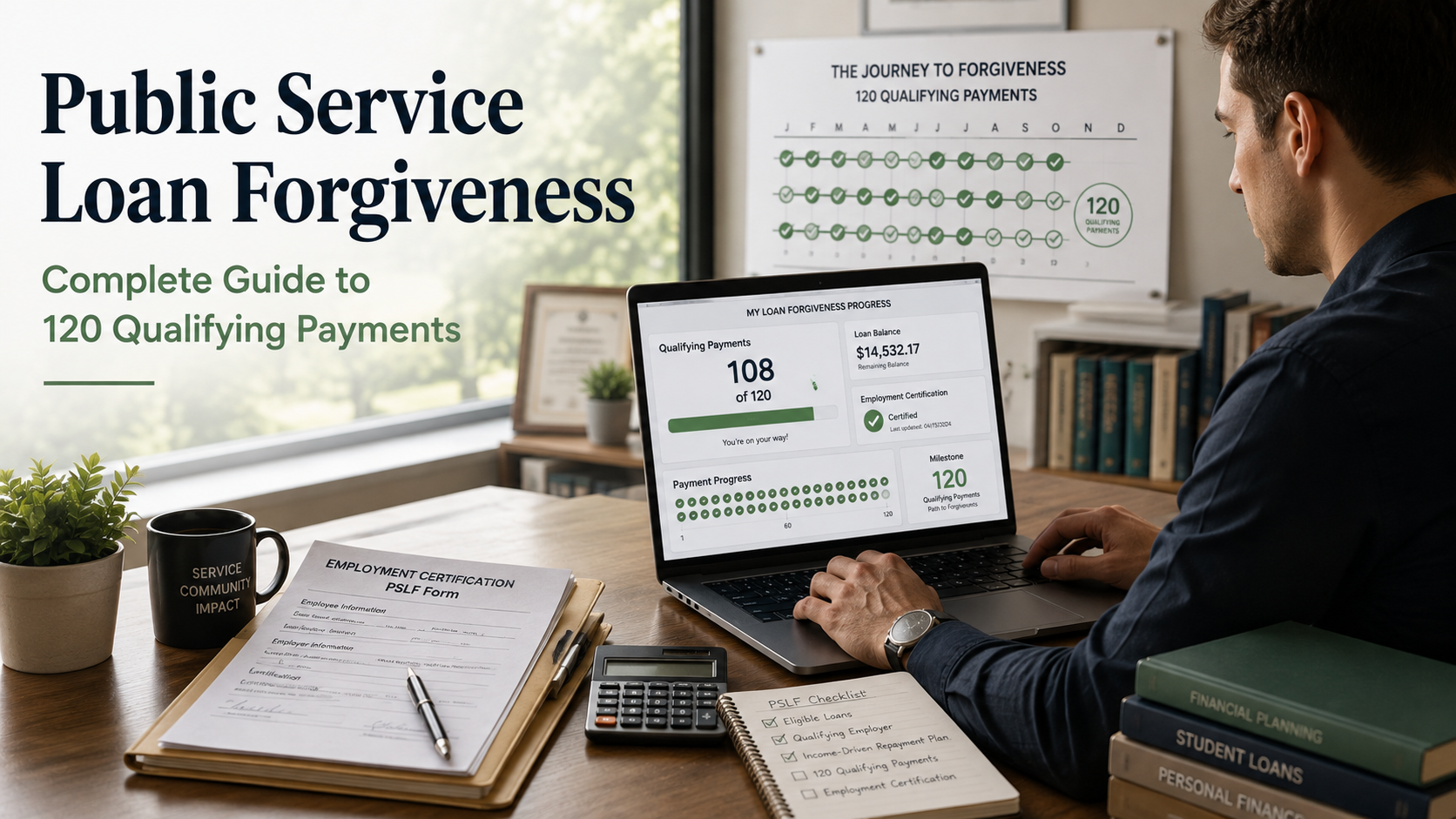

This massive universal demand directly ensures fantastic, incredibly long-term job security for smart MCA degree holders. Additionally, the modern software sector confidently offers incredible daily workplace flexibility. Many lucky MCA graduates currently enjoy full-time remote work options, highly flexible hours, and amazing global freelance opportunities. If you master the absolute right modern programming languages, major companies worldwide will fiercely compete to hire you.

How to Make Your Final Choice in the MBA vs MTech vs MCA Debate

Choosing between MBA vs MTech vs MCA requires honest self-reflection and a clear understanding of your long-term career goals. While comparing MBA vs MTech vs MCA, start by identifying the type of work that genuinely interests you.

If you enjoy coding, software development, and solving logical problems, MCA can be an excellent choice. When evaluating MBA vs MTech vs MCA, MCA is often preferred by students who want to build careers in software engineering, application development, and IT services.

If you are passionate about engineering, research, innovation, or developing advanced technical solutions, MTech may be the better option. In the MBA vs MTech vs MCA comparison, MTech is best suited for students who want to deepen their technical expertise and pursue specialized engineering roles.

If you are interested in business management, leadership, marketing, finance, consulting, or entrepreneurship, an MBA may be the right path. The MBA vs MTech vs MCA decision often favors MBA for individuals who want managerial responsibilities and faster progression into leadership positions.

Another important factor in the MBA vs MTech vs MCA comparison is eligibility. MTech programs generally require an engineering degree. MBA programs accept graduates from most academic disciplines, while MCA programs usually require mathematics at the school or undergraduate level. Before making your final MBA vs MTech vs MCA decision, carefully review the eligibility requirements, curriculum, placement records, and career opportunities offered by your target institutions.

FAQ Section

Can I do an MBA after completing an MCA or MTech?

Yes, absolutely. Many successful technical professionals pursue an MBA after completely finishing an MCA or MTech. This specific dual-degree combination proves highly valuable in the modern corporate world. Your initial technical degree gives you incredibly deep domain knowledge. The MBA actively provides the essential leadership skills needed to effectively manage large technical teams. Global companies absolutely love hiring these rare “techno-managers.” They can effortlessly understand complex software code and easily explain it to non-technical business clients.

Which degree offers the highest starting salary?

Generally, a prestigious MBA from a top-tier global business school offers the absolute highest initial starting salary. Elite management consultants and sharp investment bankers earn premium financial compensation packages immediately. However, an MTech or MCA from a highly premier technical institute can also easily yield massive starting salaries. Top global tech companies pay genius software engineers and senior R&D scientists exceptionally well. Ultimately, your pure personal skills matter significantly more than the specific written degree.

Is an MCA equal to a BTech or MTech degree?

An MCA generally acts exactly equivalent to a standard BTech in Computer Science when actively applying for corporate software jobs. Both excellent degrees properly prepare you for lucrative roles like Software Developer or IT Systems Analyst. However, an MCA proudly represents a master’s degree, while a standard BTech strictly remains a bachelor’s degree. An MTech confidently represents a massive academic step above both in terms of strict, highly rigorous technical specialization.

Do I need a strong technical background to pursue an MBA?

No, you absolutely do not need a deep technical background to successfully pursue an MBA. Motivated students from general commerce, traditional arts, broad humanities, and basic science backgrounds regularly enroll in top MBA programs. The core curriculum covers fundamental, highly practical business concepts like corporate finance, digital marketing, and strategic human resources. These specific subjects certainly do not require any prior engineering knowledge at all. Your uniquely diverse undergraduate background can actually provide a massive competitive advantage during complex case studies.

Is an MTech harder to complete than an MCA?

The relative difficulty of any academic degree completely depends entirely on your unique personal interests. If you deeply love advanced mathematics and core physical engineering concepts, you might actually find an MTech highly enjoyable. However, academic experts generally consider an MTech significantly more academically rigorous. It strictly involves writing a massive master’s thesis and independently conducting highly original scientific research. An MCA strongly focuses much more on practical, applied programming. If you genuinely enjoy simply writing code, you will likely find an MCA much easier.

How much does an MBA cost compared to an MTech or MCA?

Premier MBA programs usually cost significantly more money than standard MTech or MCA programs. Top private business schools aggressively charge massive premium tuition fees strictly due to their incredible networking value and incredibly high placement salaries. Standard MTech and MCA programs, especially at respected government-funded universities, remain much more financially affordable for average students. You should always carefully calculate your precise expected return on investment (ROI) before officially taking a massive educational loan for any of these specific degrees.

Conclusion

Choosing correctly between an MBA vs MTech vs MCA absolutely represents a massive, highly consequential life decision. There is strictly no single perfect or “best” master’s degree out there in the world. The absolute right choice completely depends entirely on your unique personal strengths, specific educational background, and massive long-term career ambitions.

If you truly want to boldly lead diverse teams, confidently drive high-level corporate business strategy, and rapidly climb the global corporate ladder, an MBA confidently stands as your absolute best option. It provides unmatched networking power and a virtually limitless financial salary ceiling. If you remain deeply passionate about core traditional engineering, advanced scientific research, and complex technical innovation, an MTech will certainly serve you perfectly. It powerfully empowers you to successfully become a genuinely respected technical subject matter expert.

Conversely, if you strongly desire to write brilliant modern code, independently build amazing software applications, and actively thrive in the massively booming global IT sector, an MCA strongly provides the absolutely ideal professional launchpad. Take the highly necessary time to thoroughly evaluate your long-term personal goals today. Strongly consider the massive financial investment actively required for each specific academic program. Look extremely closely at the detailed syllabus of your desired target universities to quickly see which specific subjects truly excite you the absolute most. By clearly understanding the unique, highly powerful advantages of each specific degree, you can easily make a highly informed, highly confident decision.