Category Archives: Motivation

Motivational posts.

Time Management Tips for College Students

Time Management Tips for College Students

College life is an exciting journey filled with new friends, challenging classes, and new opportunities. However, many students struggle to manage their responsibilities. Without effective time management tips for college students, balancing classes, assignments, part-time jobs, and social activities can quickly become overwhelming.

Many undergraduates find the transition from high school difficult. They no longer have strict schedules or constant supervision. As a result, they often struggle to balance essays, exams, work commitments, and a healthy social life. If you are pulling all-nighters or missing deadlines, you are not alone.

Mastering your schedule is one of the most important skills for academic success. That is why finding practical time management tips for college students is essential. These strategies can help you stay organized, meet deadlines, and reduce stress throughout the semester.

Poor scheduling can also lead to academic burnout. Over time, this can affect both your grades and well-being. Learning how to use your time effectively does more than improve your GPA. It also prepares you for the demands of your future career.

In this comprehensive guide, we will explore practical, proven strategies to help you take complete control of your daily routine. We will cover how to prioritize your workload, eliminate common modern distractions, and build a sustainable schedule that actually works.

Whether you are a college freshman navigating your first semester or a senior preparing for graduation, these insights will help you reclaim your day. Let us dive into the daily habits that build lasting productivity.

Time Management Tips for College Students: Master the Art of Time Blocking

One of the most effective ways to take control of your day is through a strategy known as time blocking. Instead of keeping a loose, mental list of tasks you hope to accomplish, time blocking requires you to assign specific activities to exact windows of time.

For example, you might block out 9:00 AM to 10:30 AM exclusively for writing a history paper. During this specific window, you do not check emails, scroll through social media, or work on your math homework.

Consequently, this level of intense focus drastically reduces the friction of deciding what to do next. When your calendar dictates your next move, you spend less time procrastinating and more time executing.

Moreover, time blocking forces you to be realistic about how long assignments actually take to complete. Many students suffer from the planning fallacy, constantly underestimating the hours required for complex college projects.

By blocking out your day, you create a visual representation of your available hours. This ensures you leave adequate room for meals, rest, and unexpected academic emergencies.

Time Management Tips for College Students Using a Master Syllabus

At the beginning of each semester, professors provide a syllabus with important deadlines, readings, and exam dates. Unfortunately, many students file these documents away and rarely look at them again.

To stay organized, combine all deadlines into one master calendar. Spend an hour during the first week entering major assignments, quizzes, and exams. This simple habit can save you a great deal of stress later.

Using a master syllabus helps you spot busy weeks in advance. For example, you may notice that three major papers are due in November. Knowing this early allows you to start your work in October.

This proactive approach reduces last-minute cramming. It also helps you enjoy your free time without worrying about forgotten deadlines.

Time Management Tips for College Students from High Achievers

Many people assume successful individuals have more energy or natural talent. In reality, success often comes from managing time effectively.

Consider the habits of successful entrepreneurs and business leaders. Many protect their schedules carefully and plan their days in advance.

College students do not need to run a company. However, adopting a similar mindset can improve academic performance. Think of your time as a valuable resource. Activities such as studying, networking, and skill-building offer long-term benefits.

By contrast, excessive social media use often wastes valuable hours. Treating your schedule with greater respect can lead to better grades and stronger career opportunities.

Utilize the Eisenhower Matrix for Prioritization

When you have a mountain of coursework, deciding where to start can easily trigger analysis paralysis. This is where the Eisenhower Matrix becomes an incredibly valuable tool for college students.

This simple framework helps you categorize your tasks into four distinct quadrants based on urgency and importance. Tasks that are both urgent and important, like a paper due tomorrow, must be tackled immediately.

On the other hand, tasks that are important but not urgent, such as researching a project due next month, should be scheduled for later. The true magic of the matrix lies in identifying tasks that are urgent but not important, which can often be delegated or minimized.

Finally, it highlights activities that are neither urgent nor important, like binge-watching a new television series. By mercilessly cutting out these low-value activities, you instantly free up valuable hours for your genuine academic priorities.

Eliminate Digital Distractions Ruthlessly

In today’s highly connected world, your smartphone is undoubtedly the greatest enemy of deep, focused studying. Every single notification, text message, and social media alert is specifically designed to pull your attention away from your textbooks.

To genuinely succeed, you must create a distraction-free environment whenever you sit down to tackle complex coursework. Start by placing your phone in another room, or utilize applications that temporarily block access to distracting websites during study sessions.

Additionally, closing unnecessary tabs on your laptop can prevent you from passively wandering onto YouTube or Reddit. It is important to understand that human brains are not actually capable of true multitasking.

When you constantly switch between writing an essay and checking Instagram, your overall efficiency plummets drastically. By protecting your focus fiercely, you can easily complete a three-hour assignment in half the time, giving you your evening back.

FREQUENTLY ASKED QUESTIONS (FAQs)

How can I effectively balance a part-time job with my college classes?

Balancing a part-time job with full-time college coursework requires exceptional organization and proactive communication. First and foremost, you must be entirely transparent with your employer about your academic commitments from the very beginning. Provide them with your class schedule and exam dates well in advance so they can schedule your shifts appropriately.

Furthermore, you need to maximize the hidden pockets of time throughout your day. For instance, if you have an hour break between a lecture and your work shift, use that exact time to review flashcards or outline an upcoming essay. Do not waste these small windows, as they compound into massive productivity gains over the week.

Additionally, try to tackle your most demanding academic tasks on your days off from work. By dedicating your completely free days to deep, uninterrupted study sessions, you reduce the pressure to perform complex mental tasks after a physically exhausting shift at your job. Ultimately, setting clear boundaries between work time and study time is critical for your mental health.

What is the absolute best way to stop procrastinating on large college assignments?

Procrastination usually occurs because a specific assignment feels far too massive or intimidating to tackle all at once. The human brain naturally avoids overwhelming tasks, preferring the immediate comfort of easier, low-effort activities. Therefore, the absolute best way to overcome this mental block is to break the large assignment down into ridiculously small, easily manageable micro-tasks.

Instead of writing “Write 10-page research paper” on your to-do list, which is terrifying, write “Find three peer-reviewed sources.” Once you complete that simple task, you will feel a small surge of accomplishment and momentum.

Next, you can aim to write just the introductory paragraph or create a basic outline. Another brilliant strategy is utilizing the five-minute rule; simply promise yourself you will work on the dreaded task for exactly five minutes. More often than not, once you push through that initial wall of resistance and actually begin, you will naturally continue working long past the five-minute mark.

Are digital planners better than physical paper planners for college students?

The debate between digital and physical planners ultimately comes down to your personal learning style and lifestyle preferences. Digital planners, such as Google Calendar or Notion, offer incredible convenience because they sync seamlessly across your phone, tablet, and laptop.

They allow you to set automated reminders, easily reschedule shifting appointments, and color-code different classes with a single click. Furthermore, digital tools are incredibly difficult to lose, ensuring your schedule is always backed up to the cloud.

Conversely, physical paper planners offer a unique, tactile experience that actually aids in memory retention. The physical act of writing down an assignment helps cement it in your brain much better than quickly typing it on a screen.

Additionally, using a paper planner gives your eyes a much-needed break from digital screens and completely eliminates the risk of getting distracted by notifications while checking your schedule. Many top students actually use a hybrid system, utilizing a digital calendar for rigid class times and a physical notebook for daily to-do lists.

How many hours a day should a typical college student actually study?

The traditional academic rule of thumb suggests that for every one hour you spend inside a college classroom, you should spend roughly two to three hours studying outside of it. Therefore, if you are taking a standard 15-credit course load, you should realistically expect to study between 30 and 45 hours per week.

However, it is vital to understand that the quality of your study time matters significantly more than the sheer quantity of hours logged. Staring blankly at a textbook for five hours in a noisy dorm room is far less effective than two hours of highly focused, active recall in a quiet library.

You must focus on engaging with the material through practice testing, summarizing concepts out loud, and teaching the material to a peer. If you utilize active study methods and eliminate digital distractions, you can often master the material in far less time than the traditional guidelines suggest, leaving you more time for rest.

What exactly should I do if I fall dangerously behind on my college coursework?

Falling behind in college can trigger intense anxiety, but the absolute worst thing you can do is ignore the problem and hope it disappears. The very first step is to immediately contact your professors or teaching assistants during their scheduled office hours. Be completely honest about your situation; professors are human beings who appreciate accountability and are often willing to grant extensions if you approach them before a deadline has entirely passed.

Next, you must perform a ruthless academic triage. Look at all your outstanding assignments and calculate which ones carry the most weight toward your final grade. You need to prioritize completing the heavily weighted essays and exams first, even if it means submitting a less important minor worksheet late.

Finally, forgive yourself for slipping up. Guilt and shame are terrible motivators that will only fuel further procrastination. Reset your schedule, create a realistic catch-up plan, and focus entirely on your next immediate step forward.

CONCLUSION

Transitioning into the demanding environment of university life is undoubtedly a major challenge, but your daily schedule does not have to be a source of constant anxiety. By actively implementing these time management hacks, you can transform your chaotic routine into a streamlined machine.

Remember, mastering your workload is not about working yourself to the point of exhaustion; it is about working smarter so you can genuinely enjoy your college years. Implementing effective time management tips for college students is the bridge between merely surviving your classes and truly excelling in them.

When you learn to time block effectively, utilize a master syllabus, and aggressively protect your focus from digital distractions, you unlock a new level of academic potential. Furthermore, these organizational skills will remain incredibly valuable long after you cross the graduation stage and enter the professional workforce.

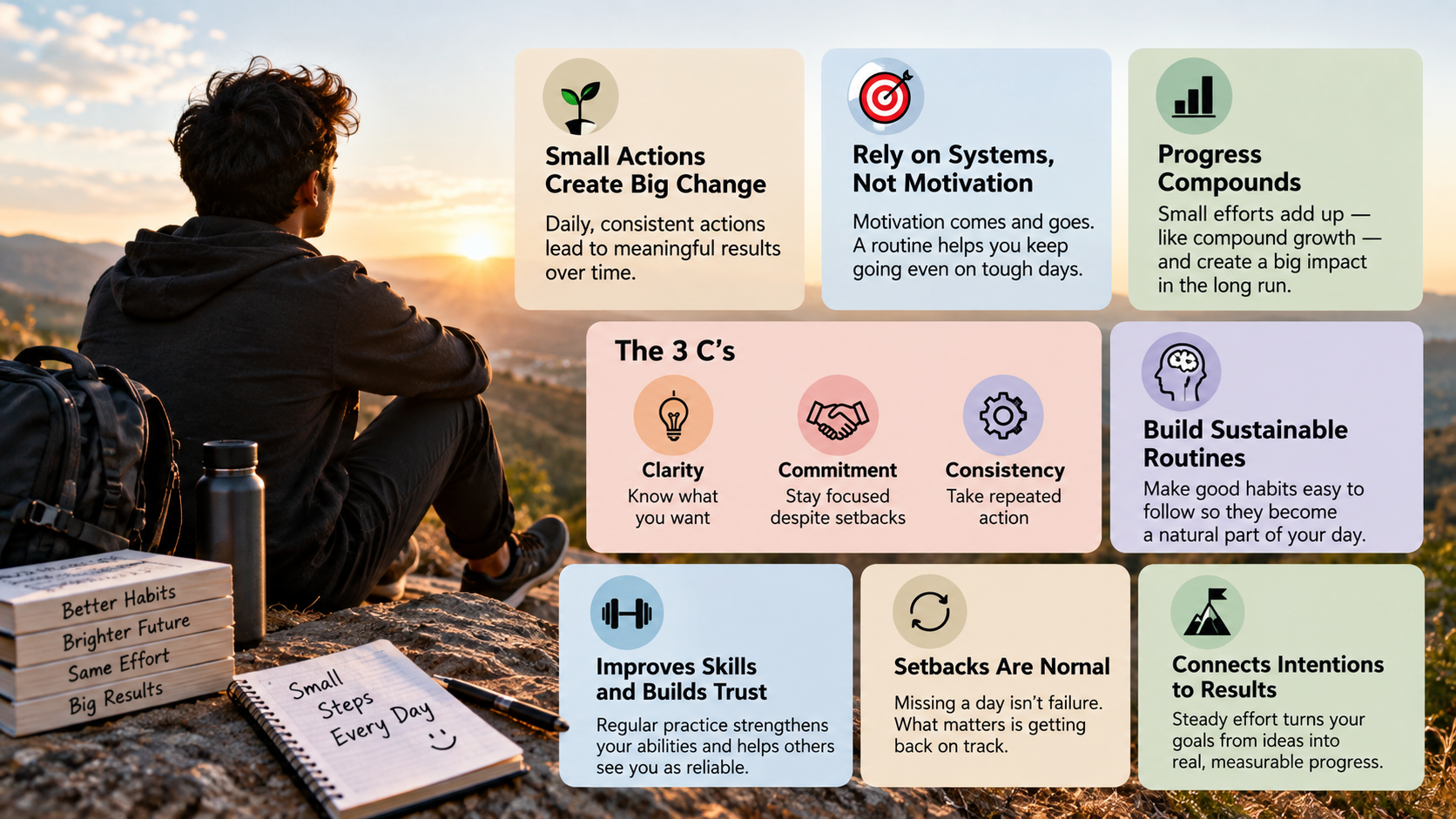
Your time is your most precious resource, and managing it correctly is the foundation of a successful life. Start small, stay remarkably consistent with your new habits, and watch as your productivity and peace of mind soar.


Steve Jobs vision vs motivation: Apple success explained

Steve Jobs vision vs motivation: Apple success explained

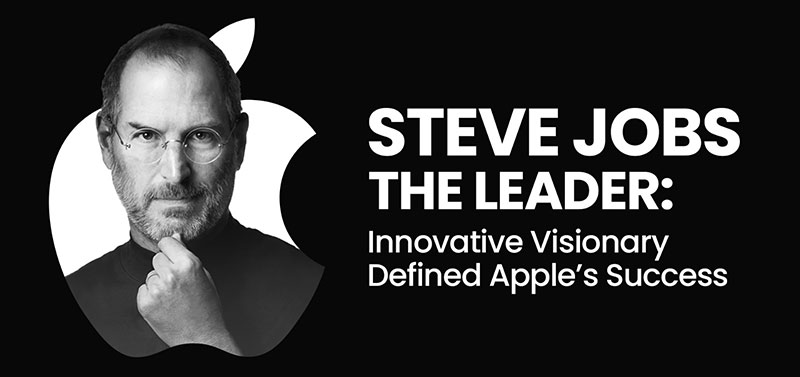
Steve Jobs vision vs motivation explains how Apple was shaped by a powerful mix of long-term product vision and intense execution-driven motivation. The Steve Jobs vision vs motivation approach focused on simplicity, design excellence, and building technology that feels intuitive. Through Steve Jobs vision vs motivation, Apple became one of the most innovative companies in the world.

Steve Jobs shaped Apple Inc. around a powerful idea: build technology that feels simple, beautiful, and meaningful. His leadership combined a long-term vision of product simplicity with a high-pressure motivation system that pushed teams to execute at world-class standards.
Apple Official Website


Steve Jobs vision motivation – Vision for Apple

The Steve Jobs vision motivation approach defined Apple’s long-term direction.

1. Simplicity first

Under Steve Jobs vision motivation, simplicity was more important than features. Products were designed to be easy for anyone to use.

2. Design and engineering unity

The Steve Jobs vision motivation philosophy merged design and engineering into one process, ensuring seamless product quality.

3. Ecosystem control

A key part of Steve Jobs vision motivation was controlling hardware, software, and services together for a unified experience.


Steve Jobs vision motivation – Motivation style

The Steve Jobs vision motivation leadership style focused on execution and discipline.

1. High standards

Everything under Steve Jobs vision motivation had to be near perfection, from design details to performance.

2. Focus on fewer products

Instead of many products, Steve Jobs vision motivation emphasized doing fewer things but doing them extremely well.

3. Pressure-driven execution

The Steve Jobs vision motivation method pushed teams to work fast, stay focused, and deliver results.


What was Steve Jobs vision of Apple?

Steve Jobs built a vision for Apple that focused on simplicity, design excellence, and user experience. Moreover, he believed technology should feel intuitive and almost invisible to users. Therefore, every product needed to combine hardware, software, and services into one seamless experience.

His vision did not focus only on profit. Instead, he aimed to “make a dent in the universe,” a phrase he often repeated. In addition, he pushed Apple to innovate beyond computers into music, phones, and digital ecosystems. For example, the iPod, iPhone, and MacBook all reflect this unified vision of simplicity and elegance.

However, his vision also demanded strict control over product design. Consequently, Apple developed a closed ecosystem that ensured quality and consistency. Meanwhile, critics argued this limited openness, but users appreciated the reliability. You can read more about his philosophy in his famous Stanford speech here: Stanford Jobs Speech

In addition, Jobs believed design mattered as much as engineering. Therefore, Apple products focused heavily on aesthetics and usability. As a result, Apple became one of the most valuable companies in the world.


What is Steve Jobs’ 2 hour rule?

The so-called “2 hour rule” often refers to Steve Jobs’s habit of protecting focused thinking time. Moreover, he spent long periods walking, thinking, and discussing ideas instead of attending endless meetings. Therefore, people often interpret this as a productivity principle centered on deep focus.

However, it is not an official documented rule from Apple. Instead, it comes from accounts of his working style and similar productivity philosophies. In addition, Jobs believed clarity comes from simplicity and reflection. Consequently, he avoided unnecessary tasks that reduced creative thinking time.

For example, he frequently held walking meetings to encourage free-flowing ideas. Meanwhile, he also limited distractions so he could concentrate on high-impact decisions. Because of this approach, Apple maintained a strong innovation rhythm even under tight deadlines.

Moreover, modern productivity experts link this idea to “deep work” principles. Therefore, the idea behind the 2 hour rule encourages uninterrupted focus blocks. On the other hand, multitasking often reduces creativity and decision quality.

In addition, many Apple leaders today still follow structured focus routines inspired by Jobs. Consequently, the principle remains influential in tech leadership culture even after his passing.


Who could be the next CEO of Apple?

At present, Apple continues to operate under its current leadership structure, with strong executive continuity. However, discussions about future leadership often arise because companies of Apple’s size plan long-term succession.

Currently, Tim Cook leads Apple with a focus on operational excellence and global expansion. Moreover, analysts often mention internal candidates rather than external hires. Therefore, Apple usually promotes leaders who deeply understand its ecosystem.

One frequently discussed name is John Ternus, who leads hardware engineering. In addition, he has played a key role in Apple Silicon development. Consequently, some industry experts consider him a potential future CEO candidate.

However, Apple has not officially confirmed any successor. Moreover, leadership decisions at Apple remain highly confidential. Therefore, any prediction stays speculative.

Meanwhile, Apple’s board prioritizes stability and product continuity. As a result, the next CEO will likely come from within the company’s senior leadership team. In addition, Apple’s culture values long-term product vision over sudden strategic shifts.

For example, when Steve Jobs transitioned leadership, Apple ensured smooth continuity under Tim Cook. Therefore, a similar structured transition will likely happen again when needed.


What tiny company is Apple buying?

As of now, there is no confirmed major acquisition of a “tiny company” publicly announced by Apple. However, Apple regularly acquires small startups to strengthen its ecosystem. Moreover, these acquisitions often focus on AI, hardware components, or software talent.

For example, Apple has historically purchased small firms like Beats and various AI startups. Therefore, its strategy centers on “acqui-hiring” rather than large headline deals. In addition, these smaller acquisitions integrate quietly into existing Apple products.

However, rumors often circulate in the tech industry about potential deals. Consequently, many reports turn out to be speculation rather than confirmed acquisitions. Moreover, Apple rarely discloses early-stage purchase discussions.

Because of this strategy, Apple maintains control over innovation without disrupting its ecosystem. In addition, small acquisitions help Apple stay competitive in emerging technologies like artificial intelligence and augmented reality.

Therefore, if Apple is buying a “tiny company,” it is likely under strict confidentiality. Meanwhile, official announcements only appear after integration is nearly complete. For the most accurate updates, you can check Apple’s newsroom: Apple Newsroom


How many wives did Steve Jobs have?

Steve Jobs had one wife during his lifetime. Moreover, he married Laurene Powell Jobs in 1991. Therefore, they remained married until his death in 2011.

In addition, Laurene Powell Jobs is an entrepreneur and philanthropist. Consequently, she continues to manage several educational and philanthropic initiatives. Moreover, their relationship often reflected a balance between business intensity and personal grounding.

However, Steve Jobs also had a daughter, Lisa Brennan-Jobs, from a previous relationship with Chrisann Brennan. Initially, he denied paternity, but later accepted Lisa as his daughter. Therefore, his personal life included complexity beyond his marriage.

In addition, his family life influenced some of his personal growth later in life. Moreover, colleagues often noted that family discussions softened his leadership style over time.

Consequently, understanding Jobs requires looking beyond business achievements alone. Therefore, his personal relationships also shaped his worldview and emotional development.


Final Insight: Vision, Motivation, and Legacy

In conclusion, the story of Steve Jobs and Apple shows how vision and motivation work together. Moreover, his focus on simplicity, discipline, and innovation created a global tech revolution.

Therefore, his leadership style continues to influence modern CEOs. In addition, Apple’s current direction still reflects many of his original principles. However, the company has also evolved under new leadership and market demands.

Ultimately, Jobs’ legacy proves that vision without execution remains incomplete. Consequently, his story remains a powerful lesson in entrepreneurship, design thinking, and long-term innovation.

For more inspiration and powerful mindset insights, you can explore this collection of motivational content here: Best Motivational and Inspiring Quotes to Start Your Day

Career and Success: Hustling Towards a Better Future 

Career and Success: Hustling Towards a Better Future

Demonstrate your worth to your employer, increase your knowledge, and hone your talents if you want to advance in your career quickly. To maximize your productivity, familiarize yourself with how your firm runs.

Maintain a record of your accomplishments while working on projects that expose you to new contacts and talents. Never hesitate to switch employment every few years, just remember that! Keep an eye out for new opportunities since sometimes you need a change to advance quickly and expand your skills. There are always opportunities to obtain more money, more challenges, and quick job advancement.

Know your company’s hierarchy for your career

Image via Unsplash.com

Learn about the structure of your firm and the important roles that each department plays. Find out who holds those roles and what their responsibilities are.

You can learn more about potential career options by understanding the hierarchical structure. Additionally, you’ll gain a deeper understanding of how the business makes decisions.

Don’t waste time and resources for a better career

Try your hardest not to procrastinate or squander time while you are at work. Try to limit the amount of paper, electricity, and office supply waste you do.

For instance, if you need to print dozens or hundreds of copies of a document, double-check your work. Your managers will see that you don’t value the resources of the business if you waste printer ink and paper as a result of a careless error.

Fulfilling mission

Image via Unsplash.com

Work quickly and carefully to produce the highest-quality work possible. To benefit the business’s financial line, finish jobs as quickly and expertly as you can. If you demonstrate that you care about the work you are doing rather than merely finishing it to get it over with, your managers will view you as a more valued employee.

Going beyond your job for a successful job

Go above and beyond the call of duty. Be a self-starter and don’t require your managers to micromanage you for everything, from simple jobs to starting huge initiatives.

Examples could range from finding a bit of crumpled paper in the office to creating a simpler inventory system.

It’s crucial to keep learning about your current workplace. The easier it is to think of ways to be valuable, the better you understand the operations and goals of your firm.

Tracking your achievements

Image via Unsplash.com

Measurable information regarding your work will be useful when you’re applying for promotions and performance reviews. Keep a record of the successful initiatives you’ve led, the deals you’ve closed, or the money you’ve saved the business.

For instance, if you participated in the negotiation of a deal that reduced the cost of goods sold for your department by 15%, be sure to retain a record of the specifics of that achievement for upcoming performance evaluations.

Keep a portfolio of your work if you work in the creative industries as a designer or otherwise.

Make contacts with successful people to boost your career

Make an effort to learn from those who have accomplished your goals by approaching them. Ask for a coffee date with people inside and outside of your firm to pick their brains, get advice, and receive frank feedback.

If someone at your organization is an expert at what you want to do, ask them if they have time for a brief lunch or a cup of coffee. I would appreciate the opportunity to inquire about your achievements in this field. If you don’t get the chance to question them in person, send them an email instead.

When a promotion becomes available, it will help you stand out if you can convince someone in a crucial position at your place of business that you are passionate about growth.

Show that you’re grateful

Image via Unsplash.com

Your superiors will notice if you often express your gratitude for the opportunities and advice they provide. When saying “thank you” to your managers and the executives of your firm, be sincere and attempt to be precise.

Let’s say the CEO of your business communicates with the staff on a weekly basis. Say, “Excuse me, I just wanted to thank you for the weekly notes of encouragement and advice,” to them in passing. They’re valuable and have made a difference in my work!”

Reading and learning for a better career

Make the most of your downtime by reading the newspaper and listening to podcasts. There are many resources available to assist you hone your skills regardless of your industry.

Use the time you spend travelling to learn something new by listening to an audiobook or podcast on your line of work.

Read articles about pertinent developments or novel technology during your breaks rather than checking social media or amusing yourself with memes.

On a weekend day when your family has left for errands and you are left home alone, spend your time learning rather than watching television.

Professional development

Image via Unsplash.com

Attend conferences, enroll in courses, and seize any possibilities for professional development that present themselves in addition to educating yourself in your spare time. Gaining industry knowledge will boost your performance at your current job and make you a more appealing candidate in the future.

Professional conferences are among the best places to network.

Challenging your limits

Find ways to contribute to initiatives that will increase your skill set and network of contacts without neglecting your major obligations. You may meet people in adjacent fields and other departments through projects that are unrelated to your primary area of interest. Additionally, you’ll gain knowledge about how your industry as a whole operates.

Take advantage of the opportunity, for instance, if you are a product designer and a project manager asks you to join their application and installation team.

Switching jobs for a developing career

Image via Unsplash.com

There is no longer a stigma associated with job switching being unreliable or unfaithful. People who switch jobs about every three years earn more money than workers who remain with a company for a longer period of time. Job-hoppers are thought to earn at least 50% more money in their lives.

Along with more pay, you’ll expand your network of connections, learn new skills, and come across novel approaches to running and structuring a business.

USEFUL LINKS:

Grow you career rapidly with these tips 
Check out some motivational quotes 


Best motivational and inspiring quotes to start your day  

Best motivational and inspiring quotes to start your day

Nothing can improve a day, or maybe an entire life, like an motivational quotes. The ideal motivational quotations are just waiting to change your attitude and enhance your mindset, whether you’re feeling down, lacking the strength to face life’s newest obstacle, or you simply need some upbeat words to elevate your spirits.

These well-known quotations have a lot of impact, whether they are from literary giants like Ralph Waldo Emerson or Robert Frost, well-known artists like Taylor Swift or Lady Gaga, or role models we’ve long respected like Brené Brown or Helen Keller. And there are a plethora of ways to use them.

Image via Unsplash.com

Motivational quotes

“Life is 10% what happens to you and 90% how you react to it.” — Charles R. Swindoll

“Change your thoughts, and you change your world.”— Norman Vincent Peale

“All our dreams can come true if we have the courage to pursue them.” — Walt Disney

“Success is a journey not a destination.” — Ben Sweetland

“What you get by achieving your goals is not as important as what you become by achieving your goals.” — Zig Ziglar

“It always seems impossible until it’s done.” — Nelson Mandela

Image via Unsplash.com

“Success is liking yourself, liking what you do, and liking how you do it.” — Maya Angelou

“Aim for the moon. If you miss, you may hit a star.” — W. Clement Stone

“If you cannot do great things, do small things in a great way.” — Napoleon Hill

“Success only comes to those who dare to attempt.” — Mallika Tripathi

“I never dreamed about success. I worked for it.” — Estée Lauder

Motivational quotes to boost your confidence

Image via Unsplash.com

“If opportunity doesn’t knock, build a door.” — Milton Berle

You’ve got to learn to leave the table when love’s no longer being served.” — Nina Simone

“Scarcity of self-value cannot be remedied by money, recognition, affection, attention, or influence.” — Gary Zukav

“Talk to yourself like someone you love.” — Brené Brown

“Love yourself first and everything else falls into place.” — Lucille Ball

“If you prioritize yourself, you are going to save yourself.” — Gabrielle Union

“It takes courage to grow up and become who you really are.” — E.E. Cummings

Image via Unsplash.com

“You are your best thing.” — Toni Morrison

“By being yourself you put something wonderful in the world that was not there before.” — Edwin Elliot

“Caring for myself is not self-indulgence, it is self-preservation, and that is an act of political warfare.” — Audre Lorde

“I realized that I don’t have to be perfect. All I have to do is show up and enjoy the messy, imperfect, and beautiful journey of my life.” — Kerry Washington

“If we give our children sound self-love, they will be able to deal with whatever life puts before them.” — Bell Hooks

Inspiring motivational quotes

Image via Unsplash.com

“Your talent is God’s gift to you. What you do with it is your gift back to God.” — Leo Buscaglia

“Be a first-rate version of yourself, instead of a second-rate version of somebody else.” — Judy Garland

“For every minute you are angry, you lose sixty seconds of happiness.” — Ralph Waldo Emerson

“There is only one happiness in this life: to love and be loved.” — George Sand

“Joy does not simply happen to us. We have to choose joy and keep choosing it every day.” — Henri J.M. Nouwen

“Be happy for this moment. This moment in your life.” — Omar Khayyam

“If you carry joy in your heart, you can heal any moment.” — Carlos Santana

“Sometimes your joy is the source of your smile, but sometimes your smile can be the source of your joy.” — Thich Nhat Hanh

“Nothing is impossible. The word itself says, ‘I’m possible!'” — Audrey Hepburn

“If you can dream it, you can do it.” — Walt Disney

Image via Unsplash.com

“To live is the rarest thing in the world. Most people just exist.” — Oscar Wilde

“Do something wonderful, people may imitate it.” — Albert Schweitzer

“Those who bring sunshine into the lives of others cannot keep it from themselves.” — J.M. Barrie

“To improve is to change; to be perfect is to change often.” —Winston Churchill

“The greatest discovery of all time is that a person can change his future by merely changing his attitude.” — Oprah Winfrey

“Everyone thinks of changing the world, but no one thinks of changing himself.” — Leo Tolstoy

“Life isn’t about finding yourself. Life is about creating yourself.” — George Bernard Shaw

“You are never too old to set another goal or to dream a new dream.” — C.S. Lewis

“When one door of happiness closes, another opens; but often we look so long at the closed door that we do not see the one which has been opened for us.” — Helen Keller

 Inspirational quotes to face challenging life

Image via Unsplash.com

“Rise above the storm and you will find the sunshine.” — Mario Fernández

“Vitality shows not only in the ability to persist but in the ability to start over.” — F. Scott Fitzgerald

“It is never too late to be what you might have been.” — George Eliot

“You must be the change you wish to see in the world.” — Mahatma Gandhi

“Mistakes are a fact of life. It is the response to the errors that counts.” — Nikki Giovanni

“The only person you are destined to become is the person you decide to be.” — Ralph Waldo Emerson

“You can’t cross the sea merely by standing and staring at the water.” — Rabindranath Tagore

“Life shrinks or expands in proportion to one’s courage.” — Anaïs Nin

“The best way out is always through.” — Robert Frost

“Courage doesn’t always roar. Sometimes, courage is the quiet voice at the end of the day saying, ‘I will try again tomorrow’.” — Mary Anne Radmacher

“Doubt kills more dreams than failure ever will.” — Suzy Kassem

“With the new day comes new strength and new thoughts.” — Eleanor Roosevelt

“The moment you doubt whether you can fly, you cease forever to be able to do it.” — J.M. Barrie

“You don’t always need a plan. Sometimes you just need to breathe, trust, let go, and see what happens.” — Mandy Hale

“Fairy tales are more than true: not because they tell us that dragons exist, but because they tell us that dragons can be beaten.” — Neil Gaiman

“What we fear of doing most is usually what we most need to do.” — Ralph Waldo Emerson

“Success is not final, failure is not fatal: it is the courage to continue that counts.” — Winston S. Churchill

USEFUL LINKS:

Check out some more motivational quotes 
See the list of books to assist you in the quest of excellence