
Landscape for Energy Efficiency: Maximize Your Yard Savings
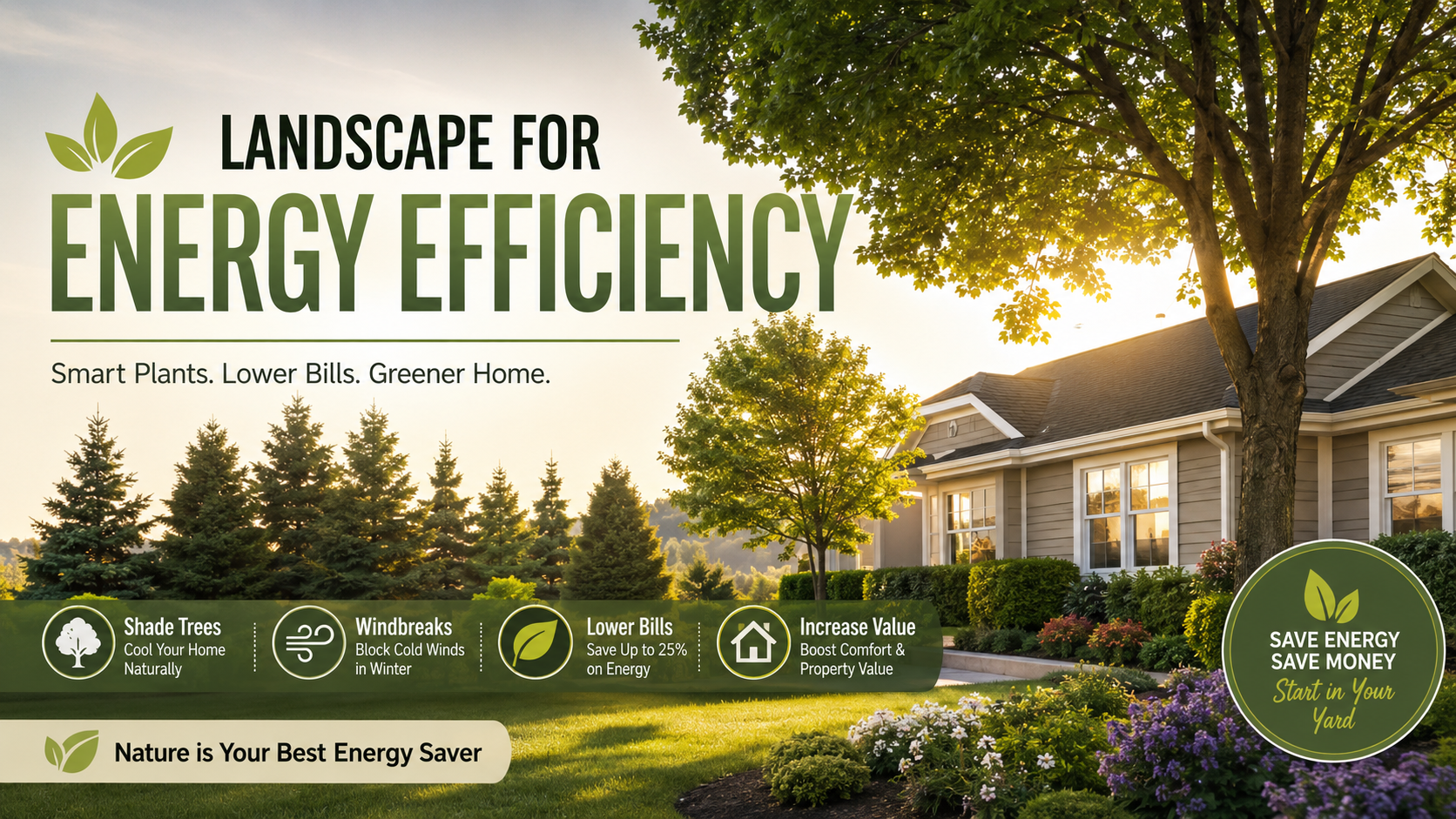
Many homeowners add thick insulation to lower utility bills. However, they often overlook a powerful tool outside. You can drastically cut heating costs naturally. Therefore, you must learn how to landscape for energy efficiency. Strategic planting acts as a highly reliable climate control system. According to the U.S. Department of Energy, smart landscaping can save you 25% on energy. Consequently, this is a massive return on investment. You just need to plant trees perfectly.
Why does this matter right now? Obviously, electricity prices continue to rise steadily. Thus, finding sustainable ways to cool your home is vital. Mother Nature provides the perfect solution. For instance, you can use shade trees and windbreaks effectively. These natural elements protect your property completely. Additionally, this green approach reduces your carbon footprint. It also increases your property value immediately. Ultimately, proper planning ensures long-term benefits. Let’s dive into the smartest garden designs.
Key Steps to Landscape for Energy Efficiency
To successfully landscape for energy efficiency, you must understand your yard. Specifically, heat, sunlight, and wind interact with your house daily. Direct sun exposure increases indoor temperatures during hot afternoons. As a result, this intense heat forces your AC to run constantly. Your monthly electric bill skyrockets consequently. Similarly, bitter winter winds strip away trapped heat fast. Cold air slips through minor cracks easily. Therefore, your furnace works much harder to compensate.
Proper landscaping actively blocks these harsh elements. First, observe your property carefully before buying plants. For example, take detailed notes on where the sun hits. Track this specifically at three o’clock. Next, notice which direction the coldest winds come from locally. Consequently, you can map out these specific microclimates easily. This crucial step helps you create a strategic planting plan. Ultimately, thoughtful preparation ensures every single plant serves a clear purpose. Rushing often leads to poorly placed trees unfortunately.
Planting Shade Trees for Eco-Friendly Cooling
Air conditioning accounts for a huge portion of summer bills. Fortunately, shade trees offer a brilliant, natural solution. You can strategically plant tall trees on specific sides. Consequently, this blocks harsh afternoon sunlight from your exterior walls. Your roof absorbs much less radiant heat during the day. Thus, this keeps your indoor living spaces naturally comfortable. In addition, you should view shade trees as your primary defense. A mature shade tree provides massive cooling benefits.
In fact, it equals running several small air conditioners all day. Shaded exterior walls stay up to twenty degrees cooler generally. Therefore, this incredible difference dramatically reduces your system workload. Investing in shade trees lowers immediate utility costs significantly. Furthermore, it greatly extends the operational lifespan of your HVAC equipment. This effectively prevents daily overwork during peak summer months. Ultimately, you can relax inside a remarkably cooler house. The financial benefits of eco-friendly cooling are truly endless.
Choosing Deciduous Trees to Landscape for Energy Efficiency
Deciduous trees naturally shed their leaves in the fall. Then, they regrow lush foliage entirely in the spring. Therefore, they are the absolute perfect choice for climate control. During the summer, their dense leaves provide thick shade. This protective canopy shields your roof from intense heat. Conversely, their completely bare winter branches serve a fantastic purpose. Specifically, they generously allow warm sunlight to reach your cold windows. This warming effect happens precisely when needed most.
Oak, maple, and hickory trees are excellent, sturdy options. However, when selecting a species, prioritize native trees for your yard. Native trees thrive in your distinct regional climate naturally. Consequently, they require significantly less artificial watering to survive. They also resist local pests naturally without using toxic chemicals. Additionally, always ask your local arborist about typical growth rates. Fast-growing trees provide cooling shade much sooner. Ultimately, balancing fast growth speed with structural strength is highly essential.
Strategic Placement for Maximum Energy Efficiency
Placement remains absolutely critical when designing an energy-saving yard. First, you should plant your primary shade trees very strategically. Place them directly on the south and west sides. The intense summer sun hits these specific areas the hardest. Consequently, by intercepting these hot rays, you stop the greenhouse effect. This actively prevents the sun from heating your living room. However, you must plant massive trees at a perfectly safe distance.
Keep them far away from your home’s concrete foundation always. For instance, a very good rule is planting them twenty feet away. If you plant them too close, massive structural problems occur. Specifically, their powerful root systems can easily crack thick concrete. They can also destroy essential underground plumbing pipes very quickly. Furthermore, leaving adequate space completely prevents expensive roof damage. Ultimately, careful placement guarantees maximum cooling benefits safely. Your home’s structural integrity remains fully intact.
Building Windbreaks for Winter Energy Efficiency
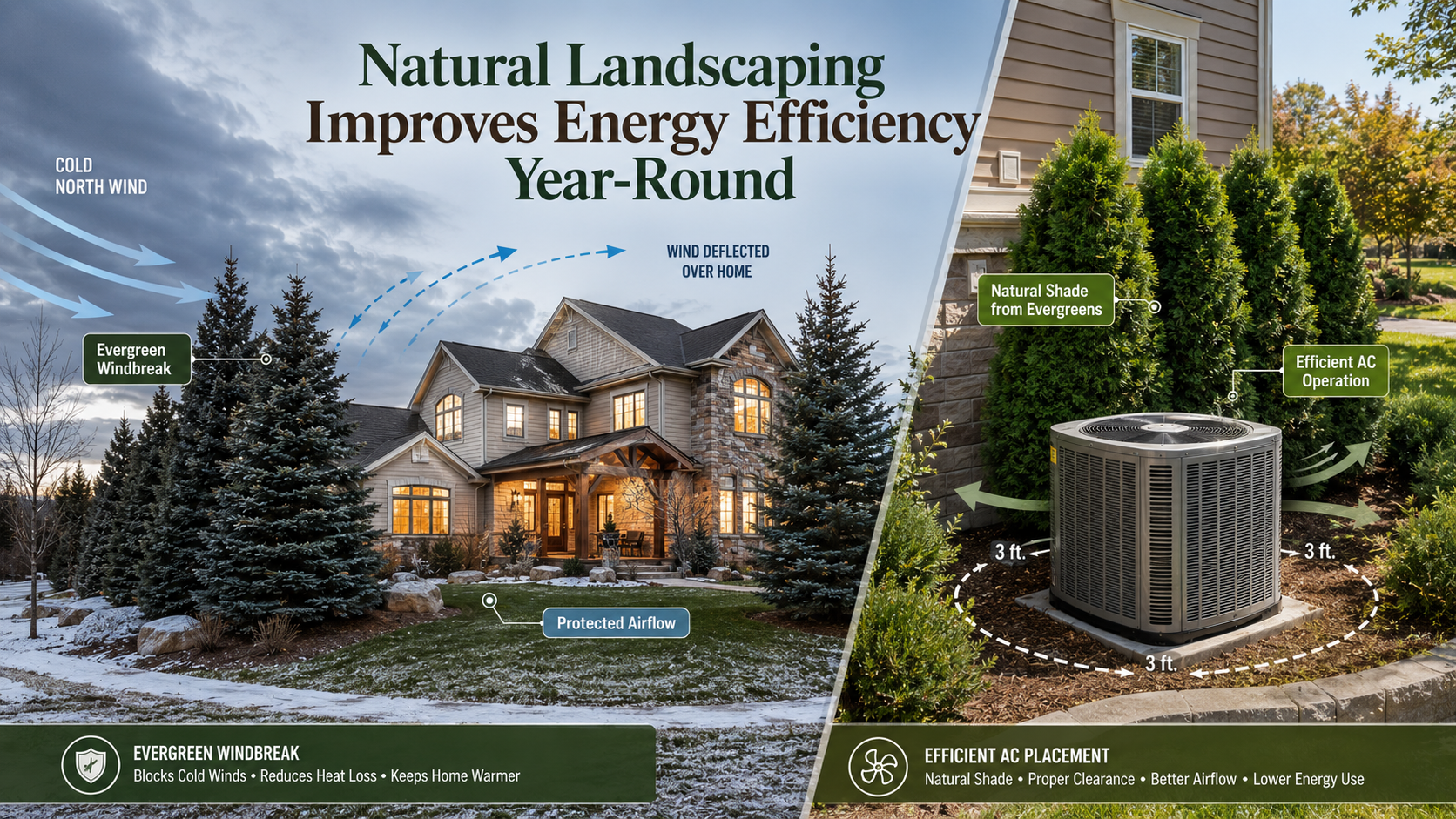

Freezing winter winds rapidly force warm air out of your home. Additionally, they push cold air through tiny cracks everywhere. A well-designed windbreak acts exactly like a thick, cozy blanket. Specifically, by planting a dense row of trees, you deflect cold air. You effectively force the brutal air currents over your entire house. Without a proper windbreak, the wind chill factor drops drastically. Therefore, the ambient temperature completely surrounding your walls becomes incredibly freezing.
This intense cold forces your furnace to burn much more fuel. Consequently, it deeply struggles just to maintain a basic indoor temperature. A strategically placed row of trees reduces wind speed significantly. In fact, it can easily cut local wind velocity by fifty percent. This dramatic, measurable reduction prevents icy drafts entirely. Ultimately, creating a solid barrier is highly cost-effective and smart. It directly lowers your expensive heating bills every single winter.
Utilizing Evergreens for Efficient Wind Protection
Unlike deciduous trees, evergreens keep their thick foliage permanently. Indeed, they stay totally green and visually vibrant all year long. This enduring, natural trait makes them absolutely ideal for protection. They effectively block harsh, relentless winter winds from your house. For example, pine, spruce, fir, and juniper trees work beautifully. You should always plant these resilient windbreaks strategically. Therefore, place them completely on the north and northwest property lines. Brutal winter storms usually originate directly from there.
To create the most effective barrier, plant in staggered rows. Unfortunately, a single, thin row lets too much wind slip through. Instead, try planting two or three staggered rows of trees. Furthermore, use varied evergreen species for much better natural disease resistance. The total planting distance from your house is highly critical. Specifically, it should strictly measure two to five times the tree’s height. This scientifically proven distance creates the absolutely perfect wind shadow safely.
Cooling the Air with Energy-Efficient Shrubs
Paved driveways and bare soil absorb massive amounts of solar heat. Additionally, concrete patios aggressively reflect heat directly toward your house. This intense reflection creates an incredibly uncomfortable, artificially hot microclimate. Consequently, it rapidly makes the area right outside your doors sweltering. However, when you landscape for energy efficiency, shrubs act completely differently. Shrubs and ground covers naturally cool the surrounding ambient air. They achieve this through a biological process called plant evapotranspiration.
Instead of pouring extra concrete, simply plant dense ground covers. For instance, creeping vines and lush ferns actively absorb excess solar heat. Low-lying ornamental shrubs constantly release cooling moisture into the dry air. Furthermore, you can strategically plant climbing vines on a wooden trellis. Place the trellis right outside your sunny patio glass windows. This brilliant, affordable strategy blocks harsh solar glare effectively. Ultimately, your indoor living spaces stay naturally and consistently cooler.
Shading Your AC Unit to Boost Efficiency
Your central air conditioning unit always works incredibly tirelessly. Indeed, it runs constantly during the absolute peak of summer heat. If it sits completely outside in direct sunlight, it suffers greatly. The hard-working compressor must use significantly more electrical energy constantly. Therefore, it heavily struggles to cool the already superheated outdoor air. However, shading your outdoor compressor unit correctly helps the machine immensely. It can predictably boost overall cooling efficiency by ten full percent.
You should plant medium-sized evergreen shrubs very carefully nearby. Additionally, place small ornamental trees directly around the metal condenser unit. However, you must absolutely leave three feet of open clearance. This unobstructed, clear space on all sides completely ensures proper airflow. If leafy plants block the exhaust fans, massive problems arise. Consequently, the expensive unit will actually overheat and work much harder. Ultimately, proper shade fully combined with excellent airflow is totally crucial.
Frequently Asked Questions
Does it really pay to landscape for energy efficiency?
Yes, it actively pays to landscape for energy efficiency. First, strategic planting reduces your monthly utility costs predictably and consistently. You purposefully plant trees, shrubs, and vines in specific locations. As a result, this action creates a powerful, totally natural climate control system. Large shade trees directly block intense summer sun from your walls. Therefore, this drastically reduces your daily reliance on expensive central air conditioning. Dense evergreen windbreaks block chilling winter winds effectively and naturally.
They keep your home much warmer during freezing December blizzards. According to the U.S. Department of Energy, the savings are huge. Specifically, a mature, well-designed landscape cuts heating costs significantly. You can predictably save up to 25 percent completely annually. Furthermore, over a few short years, these amazing ongoing savings accumulate. They easily and fully cover the initial retail cost of the trees. Ultimately, a beautiful landscape also dramatically increases your overall property value.
What are the best trees for summer shade?
The very best shade trees are large, sturdy deciduous species. Indeed, deciduous trees naturally lose all their green leaves in winter. This specific trait remains a crucial feature for seasonal energy savings. During the incredibly hot summer, their broad canopies block solar heat. Consequently, they actively stop the sun from hitting your roof. Excellent, proven choices include mighty oak and vibrant maple trees. Similarly, sturdy ash and highly resilient elm trees also work incredibly well.
In winter, their completely bare branches generously allow sunlight right through. This low-angled sun naturally and gently warms your home’s interior. Therefore, you should absolutely always choose robust, healthy native plant species. Native trees thrive in your specific local climate zone perfectly. As a result, this ensures the best possible growth rate and durability. Furthermore, native trees practically require significantly less artificial watering to survive. Ultimately, this makes them a highly eco-friendly and deeply affordable choice.
Where should I plant windbreaks for winter protection?
You should securely plant evergreen trees strictly on the north side. Additionally, the northwest side of your property is also absolutely ideal. Brutally cold winter winds typically blow forcefully from these specific directions. Specifically, this fact is highly true across most of the Northern Hemisphere. Therefore, you must purposefully plant exceptionally thick and dense evergreens always. Beautiful blue spruce and sturdy white pine are truly excellent choices. Furthermore, Douglas fir trees also work absolutely perfectly.
Plant them carefully in tightly staggered, closely overlapping rows. You specifically want their thick branches to reach the solid ground. Consequently, this totally prevents freezing cold air from slipping underneath the trees. For maximum aerodynamic effectiveness, perfectly calculate the proper planting distance. Place them exactly two to five times the tree’s mature height. Ultimately, this highly strategic spacing creates a massive, totally calm wind shadow. Thus, it completely shields your extremely vulnerable glass windows safely.
How close to my house should I plant shade trees?
You must carefully and thoughtfully balance cooling benefits with structural safety. First, never ever plant massive, large trees too close to your foundation. Generally speaking, you should safely plant medium-sized trees at fifteen feet. Leaving twenty full feet of clear space is actually even better. Extremely large trees simply need much more physical room to grow. For instance, massive white oaks or towering maples securely require thirty feet. Therefore, proper measuring is absolutely mandatory here.
If you mistakenly plant them too close, severe structural damage occurs. Specifically, their highly expansive root systems can easily crack thick concrete. Aggressive roots will also totally destroy essential underground plumbing pipes. Furthermore, extremely heavy branches always pose a massive physical threat. Overhanging limbs can easily destroy your expensive roof and aluminum gutters. Consequently, proper, calculated spacing beautifully keeps your home cool and heavily shaded. Ultimately, you simply avoid costly emergency tree removal services safely.
Can shading my AC unit actually lower my bill?
Yes, shading your outdoor AC unit definitely lowers your electric bill. First, it effectively and predictably boosts total operating efficiency by ten percent. A fully exposed AC unit sits directly in the blazing summer sun. Consequently, the immediate surrounding ambient air naturally becomes incredibly hot rapidly. The highly overworked machine suddenly consumes significantly more electricity constantly. Therefore, it deeply struggles just to adequately cool that superheated outdoor air. Fortunately, you can easily fix this exact problem.
By planting leafy shrubs closely around the unit, you cool the microclimate. However, you must absolutely leave a bare minimum of three feet. This completely clear, empty space is desperately needed around the machine. Specifically, the hard-working compressor must fully exhaust its hot air properly. If thick bushes completely block the internal fans, it totally breaks. As a result, the extremely expensive unit will quickly overheat and shut down. Ultimately, totally proper shade combined with airflow saves cash.
Conclusion
Upgrading your outdoor space is a truly brilliant financial move. Indeed, it absolutely remains one of the most profitable property investments possible. You must absolutely take the time to landscape for energy efficiency. Consequently, when you finally do, you reap incredible financial rewards daily. Mother Nature freely provides absolutely everything you need right now. Thus, you can effectively create a deeply comfortable, completely eco-friendly living environment. Furthermore, strategic, smart planting genuinely makes a highly massive difference overall.
Tall, extremely robust deciduous trees keep your home pleasantly cool. Therefore, wonderfully dense evergreen windbreaks securely protect your valuable property too. They effectively stop freezing winter drafts and totally block massive snowdrifts. You finally learned today that simple, highly thoughtful touches make a difference. Shading your outdoor air conditioning unit correctly lowers immediate temperatures completely. Ultimately, these purely natural, deeply green solutions reduce the heavy HVAC strain. As a result, you happily and securely keep much more money.
Are you completely and totally ready to transform your basic property? You can securely build an amazing, highly effective energy-saving oasis easily. Simply start small today by evaluating your current daily sun exposure. Check your regional winter wind patterns carefully later this week. Quickly sketch out a completely rough garden design plan today. Strongly choose a few completely hardy native trees for your yard. As you plan these practical upgrades, you can also explore stunning ways to brighten your garden to enhance its visual appeal. Begin digging and planting this weekend to see fast, reliable results.