
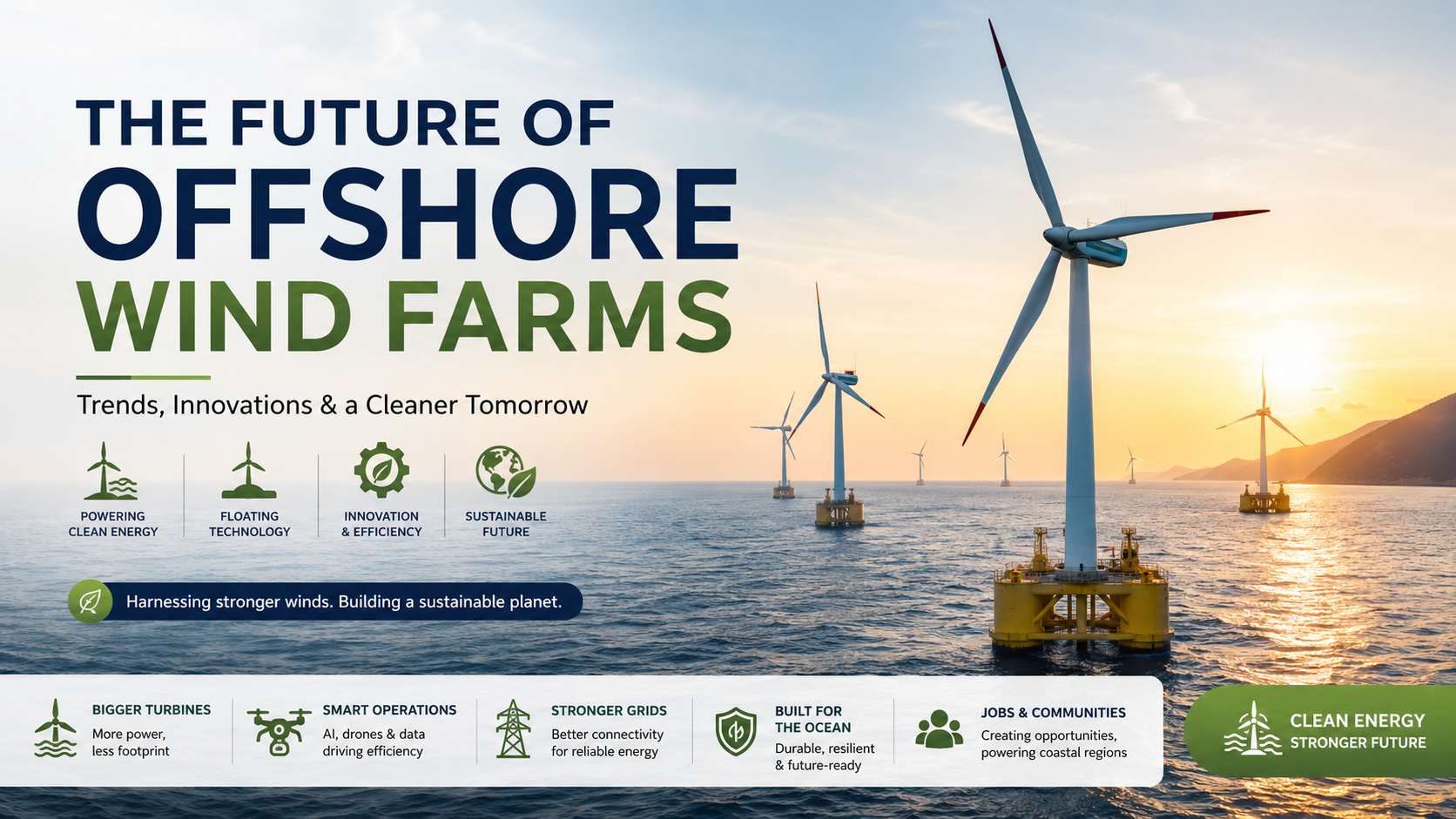
The Future of Offshore Wind Farms: Trends and Innovations
The world urgently needs cleaner energy solutions to combat climate change. Consequently, the future of offshore wind farms represents a major shift in global power. Decades ago, placing giant turbines in the deep ocean seemed impossible. Today, however, rapid technological advancements make ocean-based wind energy cheaper and safer.
Notably, organizations like the Global Wind Energy Council track this massive growth worldwide. Specifically, their data shows how ocean winds can sustainably power millions of homes. Why does this matter for modern society? First, land-based wind projects often face strict space limits. Furthermore, local communities frequently push back against the visual impact. In contrast, the ocean offers vast areas with stronger, consistent wind patterns.
Therefore, offshore wind energy stands as a critical pillar for climate goals. Specifically, energy companies capture faster winds by moving infrastructure out to sea. Moreover, these ocean winds rarely stop blowing. Thus, this steady supply creates a highly reliable power grid. In this article, we explore upcoming industry trends. Additionally, we cover floating turbines and grid connectivity. Read on to discover how ocean winds will light up our world.
What Is the Future of Offshore Wind Energy?
The future of offshore wind energy looks promising as governments, utilities, and private investors accelerate the transition toward cleaner electricity. Continued advances in turbine technology, floating foundations, and digital monitoring are making offshore wind farms more efficient and cost-effective. As countries pursue net-zero emissions, offshore wind is expected to play a central role in reducing reliance on fossil fuels while improving long-term energy security.
Floating wind technology is expanding development into deeper waters where wind speeds are stronger and more consistent. At the same time, high-voltage direct current (HVDC) transmission systems are improving long-distance power delivery with lower energy losses. Artificial intelligence and predictive maintenance also help operators detect equipment issues early, reducing downtime and maintenance costs. As manufacturing capacity grows and supply chains strengthen, project delivery is becoming more reliable. Together, these developments position offshore wind to supply a significant share of global electricity while creating skilled jobs, supporting coastal economies, and driving sustainable economic growth.
Floating Turbines Expand Reach
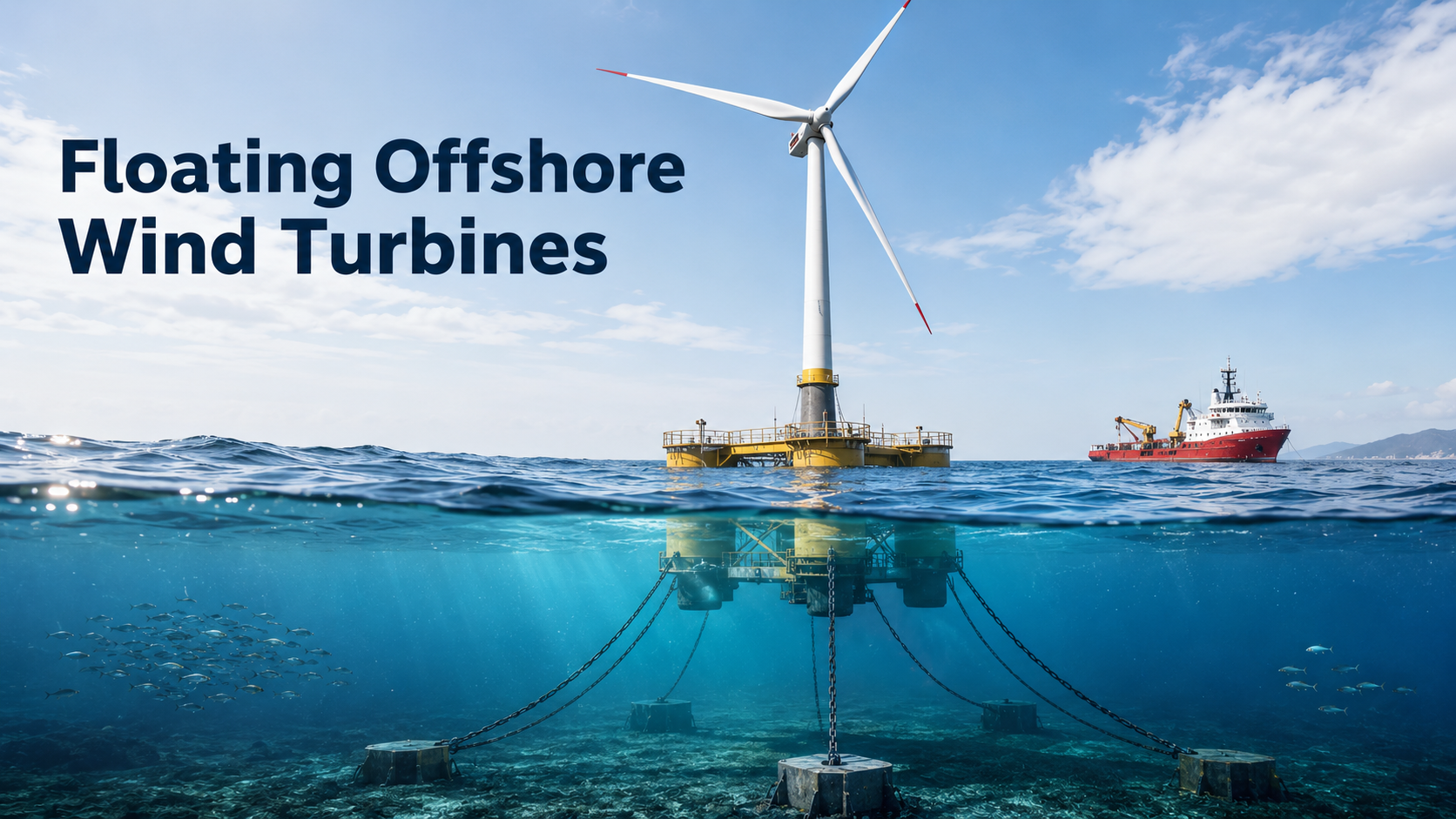

Floating offshore wind turbines are opening vast ocean areas that were previously unsuitable for traditional fixed-bottom foundations. Instead of relying on shallow seabeds, these platforms remain anchored in deep waters where stronger and steadier winds improve energy production.
This technology allows countries with deep coastlines to develop offshore wind resources that were once inaccessible. As floating systems become more affordable and commercially proven, they are expected to expand renewable energy generation across new regions. Their growing adoption will help increase clean electricity capacity while reducing dependence on conventional energy sources.
What Is the Offshore Wind Target for 2030?
Countries around the world have set ambitious offshore wind targets for 2030 to accelerate renewable energy deployment and reduce greenhouse gas emissions. Collectively, these goals aim to install hundreds of gigawatts of offshore wind capacity over the coming years. Many governments are introducing supportive policies, competitive lease auctions, and financial incentives to encourage private investment in large-scale offshore projects.
In Europe, North Sea nations plan to expand offshore wind generation dramatically through shared infrastructure and regional cooperation. Meanwhile, countries across Asia and the Americas continue launching new offshore leasing programs to increase clean energy production. Achieving these targets will require faster permitting, stronger electricity grids, expanded port infrastructure, and greater international collaboration. Meeting these milestones is considered essential for supporting global climate goals while improving energy security and reducing dependence on fossil fuels.
Tripling Global Renewable Capacity
International climate initiatives emphasize tripling global renewable energy capacity by 2030, with offshore wind serving as a major contributor. Offshore wind provides reliable, large-scale electricity generation for densely populated coastal regions where demand continues to grow.
Public-private partnerships will remain essential for financing new projects, expanding transmission infrastructure, and developing advanced installation technologies. Continued investment will help countries reach their renewable energy targets while strengthening long-term energy resilience.
What Is the Outlook for Offshore Wind in 2026?
The offshore wind outlook for 2026 reflects cautious optimism as the industry recovers from inflation, rising interest rates, and recent supply chain disruptions. Developers are adopting more realistic project budgets and negotiating power purchase agreements that better account for changing construction and financing costs. Governments are also refining auction systems by introducing inflation-linked pricing mechanisms that improve project viability and investor confidence.
Technology continues to move forward with larger turbines, higher-capacity generators, and improved rotor designs entering commercial operation. These innovations increase electricity output while lowering the cost of energy over a project’s lifetime. As supply chains stabilize and investment gradually returns, the offshore wind sector is expected to regain momentum. Stronger project economics, supportive government policies, and ongoing technological improvements position the industry for sustainable long-term growth.
Realistic Pricing Restores Investor Confidence
Updated auction frameworks and inflation-indexed contracts are helping stabilize the offshore wind market during 2026. These pricing models better reflect changing material, labor, and financing costs, reducing uncertainty for both developers and investors.
With financial risks shared more effectively, investment decisions have become more predictable. This approach supports steady project development, encourages long-term capital investment, and helps keep major offshore wind projects on schedule.
What are the advantages and disadvantages of offshore wind farms?
Offshore wind installations offer exceptional energy generation advantages due to powerful, uninterrupted marine winds that blow across open ocean waters. These marine turbines consistently achieve higher capacity factors than onshore counterparts, generating clean electricity for densely populated coastal cities. Furthermore, ocean projects avoid the land-use conflicts and aesthetic complaints that often halt onshore developments. On the downside, constructing and maintaining turbines in corrosive saltwater environments demands specialized vessels and massive capital investments. Transmission infrastructure also requires expensive undersea cables to bring generated power back to the mainland grid successfully. Engineers constantly innovate to overcome these hurdles while maximizing clean energy yields.
Balancing Environmental Impact and High Capital Costs
Building massive marine turbines creates complex engineering hurdles alongside notable ecological considerations during construction phases. Heavy foundation driving and vessel traffic can temporarily disrupt local marine ecosystems and coastal wildlife habitats. Additionally, the initial capital expenditure required for offshore projects significantly exceeds standard onshore installations. Developers must balance these steep upfront expenses against long-term energy returns and grid stability benefits.
Is there a future for wind energy?
The future of wind energy remains remarkably bright as technological innovations drive down costs and boost turbine reliability globally. Modern engineering breakthroughs allow manufacturers to build taller towers, wider rotors, and floating platforms that unlock deeper ocean waters. These advancements enable projects in areas previously deemed inaccessible due to extreme water depths or harsh weather conditions. Government policies worldwide continue to support decarbonization efforts, ensuring steady financial backing for emerging clean tech projects. As battery storage and smart grid integration improve, wind power will serve as a foundational pillar of future energy grids.
Floating Turbines and Deeper Water Expansion
Floating turbine technology represents the next major frontier for marine energy generation across international waters. Traditional fixed-bottom towers limit deployment to shallow coastal shelves, restricting potential geographic sites. Floating platforms anchored securely to the seabed allow developers to harness deep-water winds where air currents blow stronger. This breakthrough drastically expands potential deployment zones, securing long-term growth for the industry.
What Is the Roadmap for Offshore Wind Energy in 2030?
The future of offshore wind farms depends on a clear roadmap that outlines the major actions needed to expand the industry on a global scale. A key priority is modernizing ports so they can handle increasingly larger turbine components and specialized installation vessels. Upgrading transmission infrastructure is equally important because it ensures electricity generated offshore reaches consumers through stronger and more resilient power grids, supporting the future of offshore wind farms.
Governments also need to streamline permitting while maintaining high environmental standards that protect marine ecosystems. At the same time, workforce development programs must train thousands of technicians, engineers, and marine specialists to support construction, operations, and maintenance. These investments will strengthen the future of offshore wind farms by reducing development bottlenecks, improving project timelines, and accelerating the transition to cleaner energy systems.
Continued innovation in turbine technology, floating wind platforms, and grid integration will also shape the future of offshore wind farms, helping the industry deliver more reliable renewable energy over the coming decades.
Streamlining Marine Permitting Processes
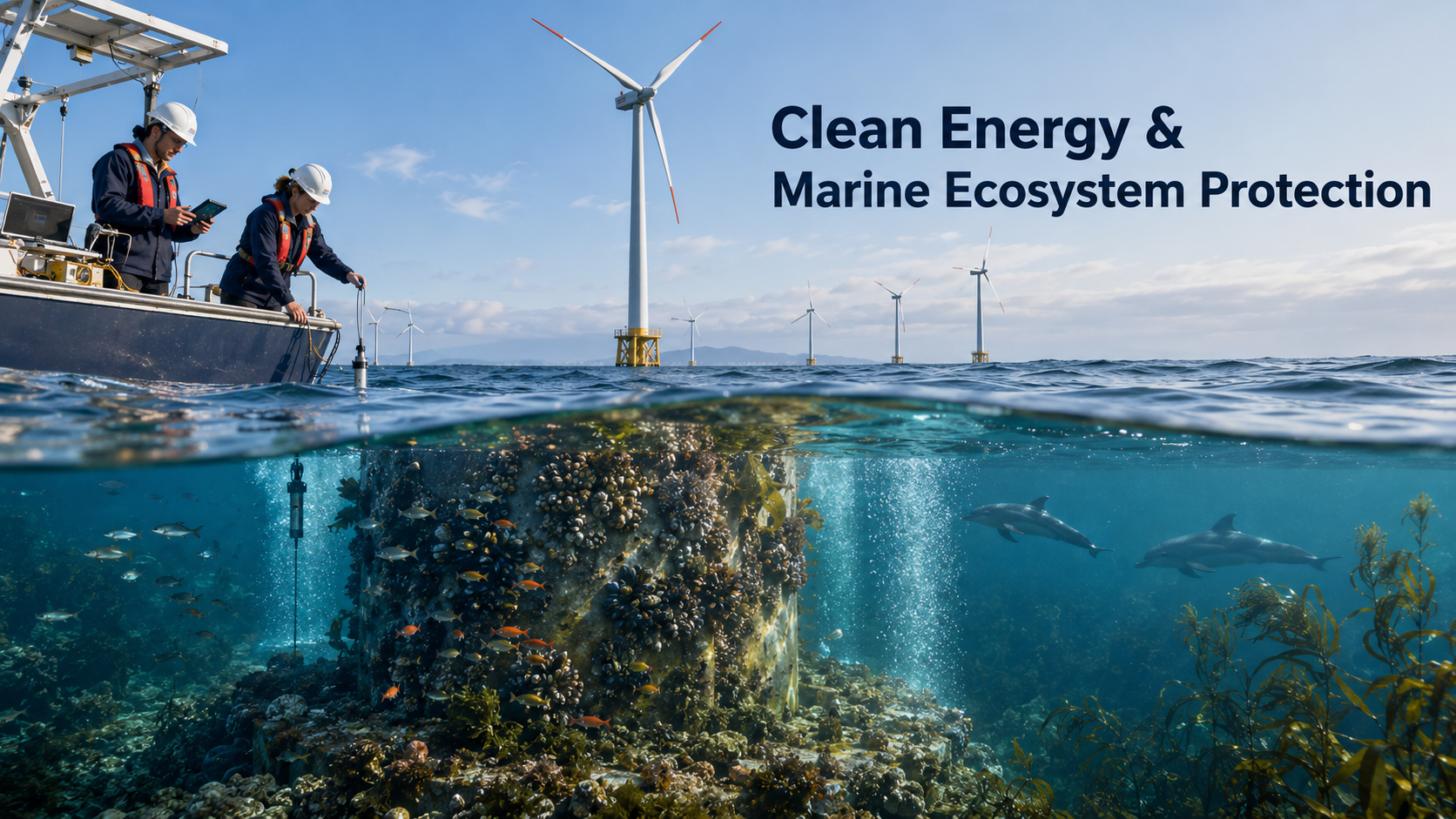
Governments are simplifying marine permitting processes to reduce unnecessary delays while maintaining environmental protections. Faster approvals allow renewable energy projects to move from planning to construction more efficiently.
Balanced regulatory frameworks support responsible offshore wind development by protecting marine habitats without slowing essential clean energy investments. Efficient permitting also improves investor confidence and helps countries stay on track with renewable energy goals.
Frequently Asked Questions
How do offshore wind turbines withstand harsh ocean storms?
Engineers build offshore wind turbines to withstand extreme marine conditions by using marine-grade materials, advanced engineering, and aerodynamic blade designs. During severe storms, the turbines automatically feather their blades to reduce wind resistance and mechanical stress.
Depending on water depth, engineers secure turbines to the seabed with robust fixed foundations or stabilize them with anchored floating platforms. Continuous monitoring systems also help operators identify structural issues before they become serious.
What happens to marine life around wind farms?
Research indicates that offshore wind farm foundations can function as artificial reefs, providing habitat for fish, shellfish, and other marine organisms. In some locations, these structures increase local biodiversity by creating protected areas where commercial trawling is limited.
Developers conduct extensive environmental assessments before construction. They also monitor marine ecosystems throughout the project’s lifecycle to minimize impacts on marine mammals, fish populations, and migratory birds.
How is electricity brought from the ocean to land?
Offshore wind turbines generate electricity, which travels through underwater array cables to an offshore substation. The substation increases the voltage to reduce transmission losses over long distances.
High-voltage export cables then carry the electricity beneath the seabed to an onshore substation, where grid operators integrate it into the national power grid for homes, businesses, and industries.
What is the lifespan of an offshore wind farm?
Most modern offshore wind farms operate efficiently for 25 to 30 years. During this period, operators perform regular inspections, scheduled maintenance, and component replacements to maximize reliability and energy production.
With proper maintenance and selective equipment upgrades, some wind farms can continue operating beyond their original design life. Others may undergo repowering, where operators replace older turbines with newer, more efficient models instead of completely decommissioning the wind farm.
Conclusion
The global transition to sustainable power requires bold engineering, international cooperation, and significant investment. The future of offshore wind farms is promising as countries continue moving away from fossil fuels and embrace the immense potential of renewable energy generated at sea.
Innovations such as deep-water floating platforms and 15-megawatt wind turbines are making offshore wind energy more efficient, affordable, and reliable. At the same time, developers are improving subsea grid connections and using environmentally friendly construction methods, such as noise-dampening bubble curtains, to reduce the impact on marine life. Learning about these engineering breakthroughs can also inspire students interested in science and renewable technology. Explore these best science project ideas for Class 10 students to discover hands-on projects related to energy and innovation.
Ultimately, offshore wind energy will play a vital role in meeting the world’s growing electricity demand while reducing carbon emissions. Supporting clean energy initiatives today will help create a more sustainable and resilient future for generations to come.