
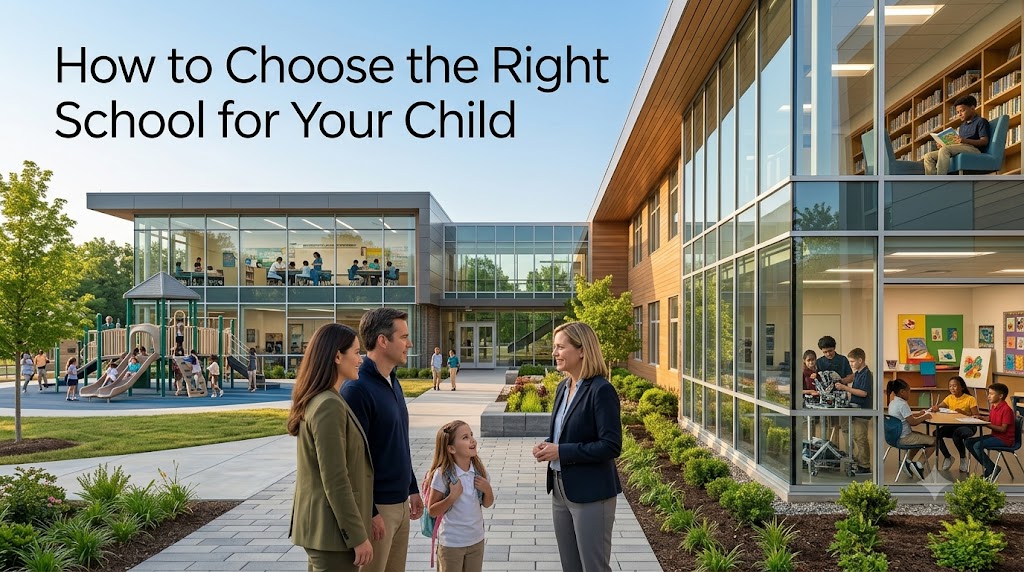
How to Choose the Right School for Your Child: A Complete Parent’s Guide
Finding the perfect educational environment for your child is a massive decision. When you choose the right school, you build a foundation for lifelong learning. A good fit impacts your child’s personal growth and future career. According to the U.S. Department of Education, the right environment boosts long-term academic success. Today, parents face a dizzying array of options. You can choose among public, private, charter, or magnet systems. This wide variety often makes the selection process feel completely overwhelming.
Parents must balance academic reputations against physical safety and emotional well-being. This guide simplifies your search by breaking down essential factors. We will explore how to assess your child’s specific needs. We will also evaluate different educational philosophies and school data. By the end, you will have a clear roadmap. This plan helps you choose the right school with complete confidence.
Understanding Your Child’s Unique Learning Style and Needs
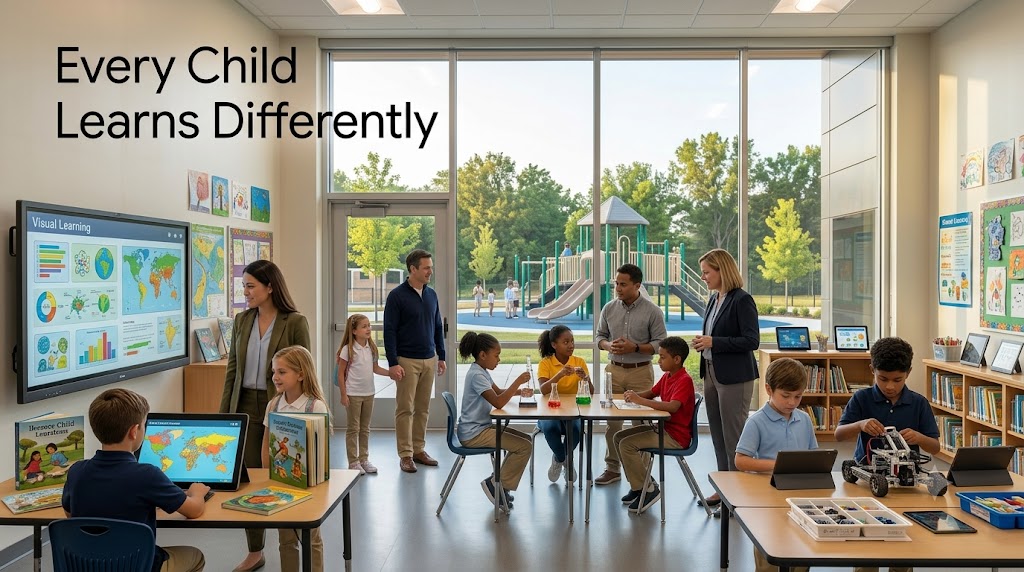
Before browsing colorful brochures, you must look closely at your child’s daily habits. Every individual processes information differently. A system that works for one sibling might frustrate another. Some children are visual learners who need bright diagrams. Others are auditory learners who absorb information best through spoken lectures. Recognizing these traits early helps you choose the right school environment. This approach prevents you from forcing them into a rigid, uncomfortable academic mold.
Furthermore, a great education should nurture personal passions outside traditional academics. Consider your child’s extracurricular interests. Do they love competitive sports, musical theater, coding, or visual arts? Look for campuses that invest heavily in after-school programs and clubs. These activities build vital social skills and improve self-esteem. They provide a healthy balance to intense classroom pressures. A campus that ignores creative or athletic outlets might leave your child feeling unfulfilled.
Evaluating Educational Philosophies and School Curriculums
Different institutions follow distinct instructional methodologies. Understanding these frameworks allows you to align your family values with the teaching style. Traditional schools focus on teacher-led instruction and structured grading systems. They use a standardized curriculum that prepares students for traditional testing environments. Progressive schools prioritize student-led discovery and collaborative projects. Neither approach is universally superior. Your choice depends entirely on how your child naturally interacts with the world.
If you look outside mainstream public options, you will find specialized alternative frameworks. For instance, the Montessori method emphasizes self-directed learning and hands-on materials. It uses mixed-age classrooms where children learn at their own pace. Waldorf education focuses heavily on imagination, creativity, and the arts. Meanwhile, the International Baccalaureate (IB) program offers a rigorous, globally recognized curriculum. This path encourages critical thinking and international mindedness. Researching these styles helps you choose the right school system for cognitive development.
Practical Steps to Find and Choose the Right School
Once you understand your child’s needs, you can begin filtering your local options. Standardized test scores do not tell the whole story. However, academic data provides a helpful benchmark for comparison. Look closely at state report cards, graduation rates, and college acceptance lists. Read reviews from other parents on local forums to gauge community satisfaction. Find out how the administration handles student issues. This research helps filter out underperforming campuses.
However, a fantastic campus loses its appeal if it requires a stressful commute. Consider daily logistics carefully. Check busing availability, school hours, and morning traffic patterns. Additionally, nothing replaces the value of physically walking through the hallways. Schedule formal tours during regular operational hours. Observe the interactions between teachers and students first-hand. Check the general cleanliness of the facilities. Notice whether the classrooms appear vibrant, organized, and properly equipped.
| Consideration | Key Question to Ask |
| Daily Commute | Is school transportation available, or will I drive? |
| After-School Care | Does the school offer safe, on-site extended care? |
| Budget & Fees | Are there hidden costs like uniforms, tech, or trips? |
Assessing School Culture, Environment, and Safety
The emotional climate of an institution is just as important as its academic ranking. A child cannot learn effectively if they do not feel safe and respected. Ask school administrators about their specific approaches to discipline and bullying. You want to look for institutions that practice positive reinforcement. Find a place that embraces emotional learning and fosters an inclusive environment. A strong, welcoming community spirit indicates that teachers enjoy working there. Happy teachers always translate to better classrooms.
Class sizes and teacher-to-student ratios also play a monumental role in daily culture. Smaller classes allow for more individualized attention. They enable teachers to understand each student’s unique strengths and weaknesses. If your child gets lost in a crowd, lower ratios are critical. This setup ensures that educators spot academic or emotional struggles early. Early intervention keeps minor issues from escalating into major problems. A low ratio creates a supportive safety net for your child.
Frequently Asked Questions
What is the most important factor when choosing a school?
The most critical factor is the overall fit for your individual child’s needs. High test scores and prestigious reputations are highly attractive. However, they matter very little if the underlying teaching style matches poorly with your child. You must balance academic rigor with emotional safety and logistical feasibility. A child who feels stressed in a high-pressure environment will not succeed. Their performance will suffer regardless of how highly rated the institution is on paper. Therefore, prioritizing your child’s happiness and unique personality will always lead to the best choice.
How do I know if my child prefers a traditional or progressive school?
To determine the best fit, closely observe how your child tackles tasks at home. If your child loves clear rules and predictable routines, a traditional environment is best. These structured tasks make them feel secure and successful. On the other hand, suppose they prefer open-ended projects. If they constantly ask imaginative questions and love hands-on experiments, a progressive setup fits well. Pay attention to their frustration levels during different activities. A child who thrives on freedom feels suffocated by worksheets. A child who needs structure feels anxious in a self-directed space.
Should I prioritize a school’s academic reputation over extracurriculars?
Ideally, you should look for a balanced institution that values both aspects equally. High academic standards are incredibly important for future college admissions and careers. However, extracurricular activities develop essential life skills like teamwork and resilience. If a campus is an academic powerhouse but offers no creative outlets, children suffer. Your child might experience severe academic burnout or feel unfulfilled. Extracurricular activities provide a necessary mental break from intensive textbook study. Choosing a well-rounded campus ensures your child develops into a socially competent adult with practical skills.
When is the best time to start researching schools?
You should ideally begin your research one full year before your child enrolls. Many competitive private, charter, and specialized magnet programs have incredibly early application deadlines. Others use lengthy lottery systems or strict entrance testing windows. Starting twelve months in advance gives you plenty of time to tour campuses. You can gather recommendation letters and organize financial paperwork without feeling rushed. It also allows you to explore multiple backup options. If your top choice has a waitlist, you will still have a solid plan.
What should I look for during a physical school tour?
During a physical tour, look past the fresh paint and study the classroom dynamics. Observe whether the displayed student work represents diverse, creative expressions. Avoid places where every project looks identical and cookie-cutter. Watch the body language of the teachers to see if they seem enthusiastic and patient. Look for signs of stress or disconnection from their students. Notice how the children interact with one another in the hallways. Do they appear happy, relaxed, and safe? Finally, check the general maintenance of playgrounds, libraries, and restrooms.
Conclusion
Deciding how to choose the right school for your child requires a careful balance. You must weigh intuition, thorough research, and practical planning. By focusing deeply on your child’s learning style, you can simplify the process. Evaluate different educational philosophies and physically visit local campuses. Parents must remember that the perfect campus does not exist on a ranking website. Rather, the best environment is where your individual child feels safe and inspired.
Taking the time to research these factors prevents the stress of transferring later. Understanding older students’ progression paths can also guide early choices, which is why some parents find value in exploring credit-based school education models ahead of time. Trust your parental instincts and stay organized during your search. Look forward to watching your child blossom in their new educational home. With the right preparation, this transition becomes an exciting milestone. You are setting up a lifetime of academic success and personal happiness.