
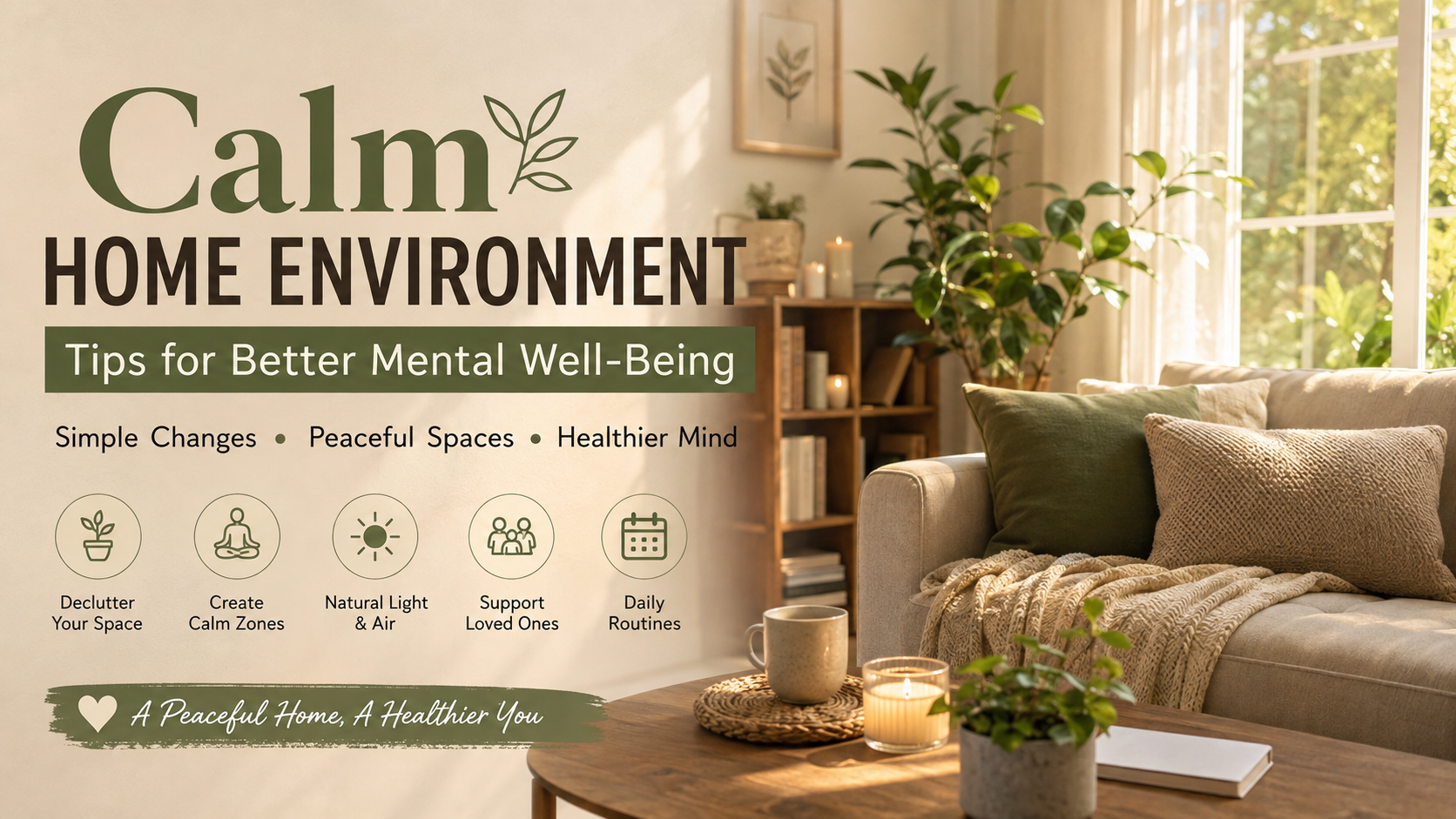
Calm Home Environment: Tips for Better Mental Well-Being
Finding a sanctuary from the daily hustle is essential for long-term health, making a calm home environment a crucial foundation for mental well-being. When your living space feels peaceful, your mind naturally follows suit, reducing cortisol levels and easing anxiety. According to guidelines by the American Psychological Association, managing your physical surroundings can significantly influence psychological recovery and emotional stability. This comprehensive guide answers several core questions about how to create a calm environment at home, how to provide a calm environment for loved ones, how to be calm at home personally, what a calm home environment truly entails, and how positive home environments foster healthy child development. By exploring these topics, you will learn actionable strategies to transform your living quarters into a tranquil retreat that nurtures your entire household.
How to Create a Calm Environment at Home?
Creating a calm environment at home requires intentional choices about sensory inputs, spatial organization, and daily routines. Start by evaluating how your living areas look, smell, and sound. For practical preparedness ideas that can also help keep a household organized during unexpected situations, see our guide to essential emergency tools. Clutter can create visual stress, so clearing countertops and organizing surfaces can make a room feel calmer.
Use soft lighting, such as warm lamps, instead of harsh overhead bulbs. This can create a more relaxing atmosphere during the evening. Natural elements also help connect indoor spaces with the outdoors. Extending that idea beyond the walls of your home, thoughtful landscaping for energy efficiency can make an outdoor space more comfortable while potentially reducing energy use. Consider adding indoor plants, wooden textures, or natural fabrics.
Create dedicated quiet zones where screens are limited or prohibited. You can also reduce digital distractions by making your phone more intentional with these tips to make your Android home screen useful. These spaces can support reading, resting, meditation, or simple reflection. Keep furniture arrangements open and practical to make movement easier.
Small changes can have a noticeable effect when used consistently. A tidy space, softer lighting, manageable noise, and calming routines can work together to make your home feel more peaceful and restorative.
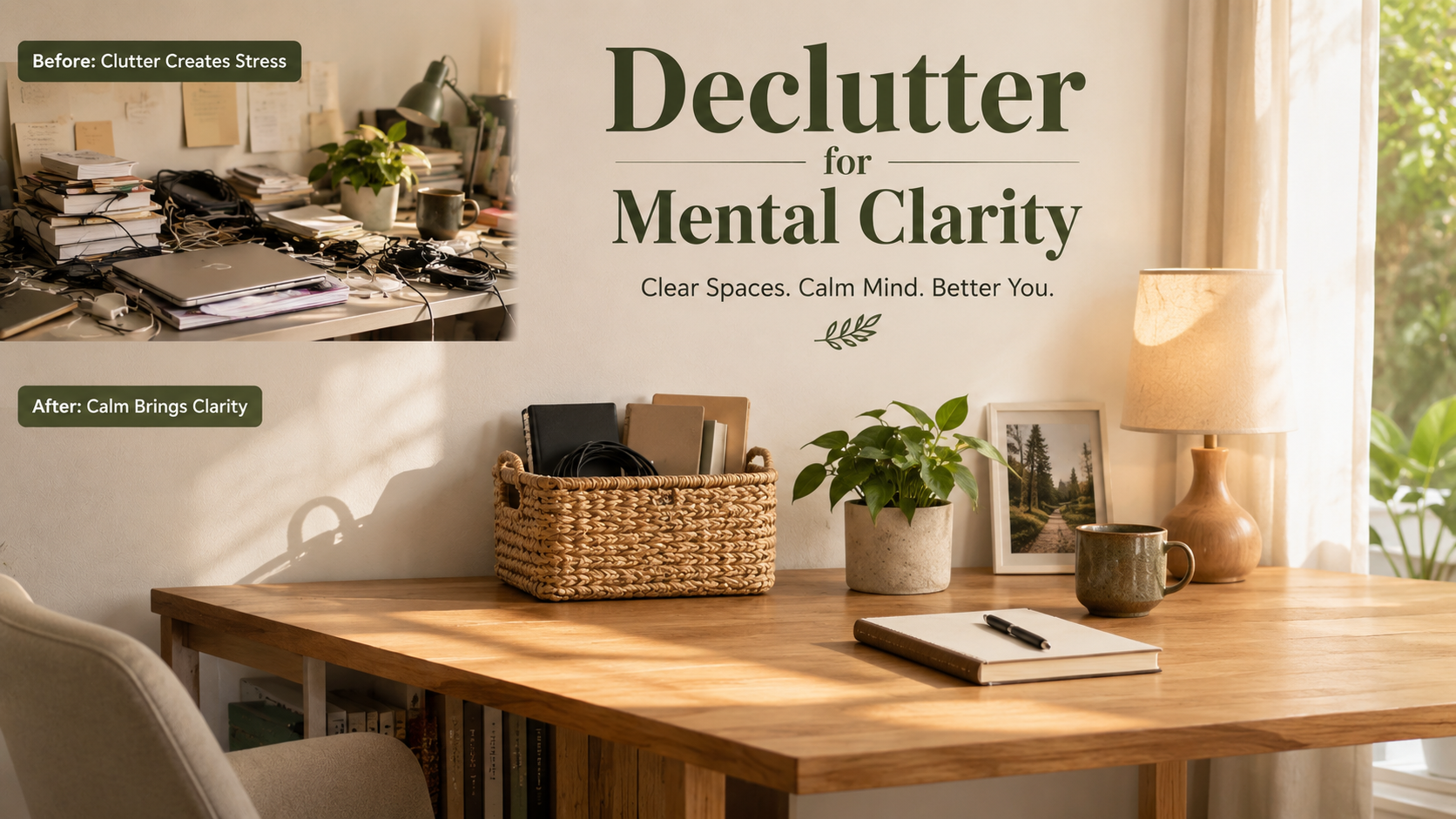

Decluttering Surfaces for Immediate Mental Clarity
Clearing unnecessary items from your primary living spaces can reduce visual distractions and make your home feel more organized. Start with horizontal surfaces, such as tables, kitchen counters, desks, and bedside cabinets. These areas quickly collect objects and can make an otherwise tidy room look chaotic.
Rather than trying to clean the entire house at once, choose one surface at a time. Remove anything you no longer use or need in that location. Then assign frequently used items a specific storage space.
When everything has a designated home, daily tidying becomes easier. You also spend less time searching for belongings or moving items from one surface to another.
Avoid filling newly cleared spaces with unnecessary decorations. A few useful or meaningful objects can create warmth without overwhelming the room.
Decluttering is not about creating a perfectly empty home. The goal is to reduce unnecessary visual stimulation and make your surroundings easier to manage. A simpler space can support a clearer, more relaxed mindset.
How to Provide a Calm Environment?
Providing a calm environment for your family involves emotional safety, clear communication, and predictable household rhythms. Shared living spaces can become stressful when schedules change constantly or expectations remain unclear.
Simple routines can help everyone understand what to expect throughout the day. Regular meal times, quiet periods, and consistent bedtime routines can create a greater sense of stability.
Communication also matters. Encourage family members to discuss concerns without immediately turning disagreements into arguments. During stressful situations, calm responses can prevent tension from spreading throughout the household.
Shared spaces should also encourage relaxation. Create comfortable seating areas for reading, conversation, or quiet activities. Avoid making television or other screens the unavoidable focus of every common room.
A calm home does not mean a home without noise, disagreements, or busy moments. Instead, it provides ways to recover from them.
By combining predictable routines, respectful communication, and comfortable surroundings, families can create an environment that feels supportive rather than overwhelming. These habits can also help household members manage external pressures more effectively.
Establishing Predictable Daily Household Routines
Consistent daily rhythms can provide a comforting structure for everyone in the household. Knowing what usually happens during the morning, afternoon, and evening reduces guesswork and can prevent unnecessary last-minute chaos.
A routine does not need to be strict or complicated. Simple habits can create enough structure to make the day feel more manageable. For example, family members might follow regular times for meals, homework, relaxation, and bedtime.
Shared rituals can also strengthen family connections. An evening meal, short walk, or screen-free conversation can become a familiar part of the day. These activities provide opportunities to slow down and interact without constant distractions.
Leave some flexibility within the routine. Unexpected events are unavoidable, and an overly rigid schedule can create additional stress.
The goal is to create predictability without pressure. When people know what to expect, they may feel more prepared to handle changes when they occur.
Over time, these small routines can create a stronger sense of stability, warmth, and order throughout the home.
How to Be Calm at Home?
Learning how to be calm at home starts with using your personal space to support mindfulness and self-regulation. A peaceful environment can help, but your habits also play an important role in managing daily stress.
Even in a busy household, look for small opportunities to pause. You might spend a few quiet minutes in the morning before checking your phone. Deep breathing can also help you slow down when you notice tension building.
Choose activities that keep your attention in the present moment. Reading, journaling, stretching, drawing, or listening to quiet music can provide a break from constant digital stimulation. This connects with the growing screen-free tech trend and the idea of using technology more selectively.
Healthy boundaries are equally important. A structured digital detox can be another practical way to create more space for rest and recovery. If possible, protect part of your day from unnecessary notifications, work messages, or social media.
You do not need a completely silent house to feel calm. Our guide to the art of silence explores how intentional quiet can also support well-being. Instead, focus on creating small periods of intentional stillness within your normal routine.
Personal calm is a skill that develops through repetition. By practicing simple habits consistently and protecting time for yourself, you can gradually make your home feel more restorative and supportive.

Practicing Daily Mindfulness and Intentional Breathing
Taking five minutes each day to focus on your breathing can provide a simple way to create a pause during a busy routine. You do not need special equipment or a large meditation space.
Choose a comfortable and relatively quiet corner of your home. Sit in a relaxed position and close your eyes if that feels comfortable. Then pay attention to the natural rhythm of your breathing.
Notice the movement of your chest or abdomen as you inhale and exhale. When your thoughts wander, gently return your attention to your breath instead of judging yourself.
You can also use intentional breathing during stressful moments. Take a slow breath before responding to a difficult conversation or moving to your next task.
The purpose is not to eliminate every thought or emotion. Instead, mindful breathing creates a short pause between what happens and how you respond.
Practicing regularly can make the habit easier to use when you feel overwhelmed. Combined with other calming routines, a few minutes of intentional breathing can become a practical part of a peaceful home environment.
What Is a Calm Environment?
A calm environment is a thoughtfully arranged living space with manageable sensory stimulation, emotional safety, and physical order. It does not need to be silent, minimalist, or perfectly organized.
A peaceful home usually has noise levels that feel manageable and lighting that creates a comfortable atmosphere. Furniture should allow people to move around easily rather than making rooms feel crowded.
Colors, textures, and materials can also influence how a space feels. Soft rugs, comfortable fabrics, natural materials, and muted colors can contribute to a more relaxed setting.
Emotional conditions matter just as much as physical surroundings. A beautifully decorated room may not feel peaceful if constant conflict or tension exists within the household.
A calm environment balances functionality and comfort. Items should remain accessible and useful without creating unnecessary clutter.
The purpose is to create a space where people can recover from outside pressures. A supportive home can provide room for rest, reflection, creativity, and meaningful interaction.
Ultimately, calm comes from the combination of physical organization, manageable sensory input, and a respectful emotional atmosphere.
Understanding Sensory Balance in Living Spaces
Sensory balance means managing the sights, sounds, textures, and other environmental inputs within your home. Too much stimulation can make a space feel tiring, even when it is physically clean.
Start by looking at the visual environment. Excessive decorations, bright colors, or crowded surfaces can create unnecessary distractions. A simpler arrangement can make rooms easier to process.
Sound is another important factor. Loud televisions, constant notifications, traffic noise, or frequent background conversations can make relaxation harder. Rugs, curtains, and upholstered furniture can help soften some household sounds.
Textures also contribute to comfort. Soft blankets, rugs, cushions, and natural fabrics can make living areas feel more inviting.
Lighting deserves attention as well. Use brighter lighting when completing tasks and softer lighting when preparing to relax.
The goal is not to eliminate stimulation completely. Instead, aim for sensory balance that matches how each room is used.
For example, a workspace may need stronger lighting, while a bedroom can benefit from softer illumination. Adjusting your surroundings to their purpose can make your home feel more comfortable throughout the day.
Positive Home Environment for Child Development
A positive home environment can influence children’s emotional development, learning, and social skills. Children often respond to the emotional tone around them, so a stable and supportive atmosphere can provide an important foundation.
Homes that offer emotional warmth, predictable routines, and gentle guidance can help children understand and manage their feelings. Consistent expectations also make daily activities easier to understand.
Physical safety matters too. Children need spaces where they can play, rest, read, and explore without unnecessary distractions or hazards.
Parents and caregivers can support a calm environment by minimizing loud conflicts around children. Disagreements are normal, but handling them respectfully can demonstrate healthy communication.
Encourage curiosity rather than creating an atmosphere where children are afraid to make mistakes. Age-appropriate independence can also help children develop confidence.
A positive home does not need to be perfectly quiet or conflict-free. What matters is creating security, consistency, and emotional support.
When children feel heard and protected, they have more opportunities to develop healthy coping skills. A supportive home can therefore contribute to emotional resilience, learning, and stronger family relationships.
Fostering Emotional Safety and Open Communication
Encouraging children to express their feelings without fear of harsh judgment can strengthen emotional safety and trust. Children need to know that difficult emotions can be discussed without automatically leading to criticism or punishment.
Active listening is an important part of this process. Give children your attention when they are explaining a concern. Ask simple questions and avoid immediately dismissing their feelings.
Parents can also model healthy emotional regulation. Instead of responding to frustration with shouting, explain what you are feeling and demonstrate calmer ways to respond.
Open communication does not mean agreeing with everything a child says. Parents still need to establish boundaries and correct unsafe or inappropriate behavior. The difference lies in how those boundaries are communicated.
Calm redirection can help children understand what went wrong and what they can do differently. This approach can support responsibility without creating unnecessary fear.
When children consistently experience respectful communication, they may become more comfortable discussing problems. Over time, this can strengthen confidence, emotional awareness, and family trust.
A calm home therefore depends not only on physical surroundings but also on the quality of everyday interactions.
FAQ SECTION
What are the best houseplants for creating a calm indoor atmosphere?
Choosing low-maintenance plants like snake plants, peace lilies, or pothos can instantly soften indoor spaces and improve air quality. These green additions introduce natural textures and organic colors that soothe the human eye. Caring for plants also offers a mindful daily ritual that promotes personal relaxation and a deeper connection to nature.
How does lighting impact the overall mood of a home?
Harsh, bright fluorescent lighting keeps the brain in an active, alert state, while warm, layered lighting encourages melatonin production and rest. Utilizing dimmers, table lamps, and candles allows you to transition your home from productive daytime energy to a tranquil evening ambiance. Adjusting light sources is one of the fastest ways to shift household moods.
Can color choices really affect stress levels inside a house?
Color psychology confirms that soft neutral tones, muted blues, and gentle greens lower heart rates and evoke feelings of peace. Bright, saturated colors like fiery red or neon yellow can stimulate high energy and potential agitation. Painting walls in calming hues creates a subtle, enduring backdrop for relaxation.
What is the quickest way to reduce noise pollution at home?
Adding soft textiles throughout your living areas is an efficient way to absorb unwanted echoes and outside sounds. Heavy curtains, plush area rugs, and upholstered furniture significantly dampen noise levels. Creating a quieter acoustic environment immediately lowers stress and enhances mental clarity for everyone indoors.
Conclusion
Transforming your living space into a calm home environment is a powerful investment in your long-term mental well-being. By intentionally decluttering your surroundings, establishing predictable routines, and fostering emotional safety, you build a restorative sanctuary that protects you from external stressors. Remember that cultivating peace is an ongoing journey rather than a single weekend project. Start implementing these practical strategies today to notice profound improvements in your daily focus, emotional resilience, and overall happiness. Embrace the tranquility you deserve and let your home become your ultimate refuge.