Category Archives: Health and lifestyle

Mindfulness vs Meditation: Key Differences and How to Choose

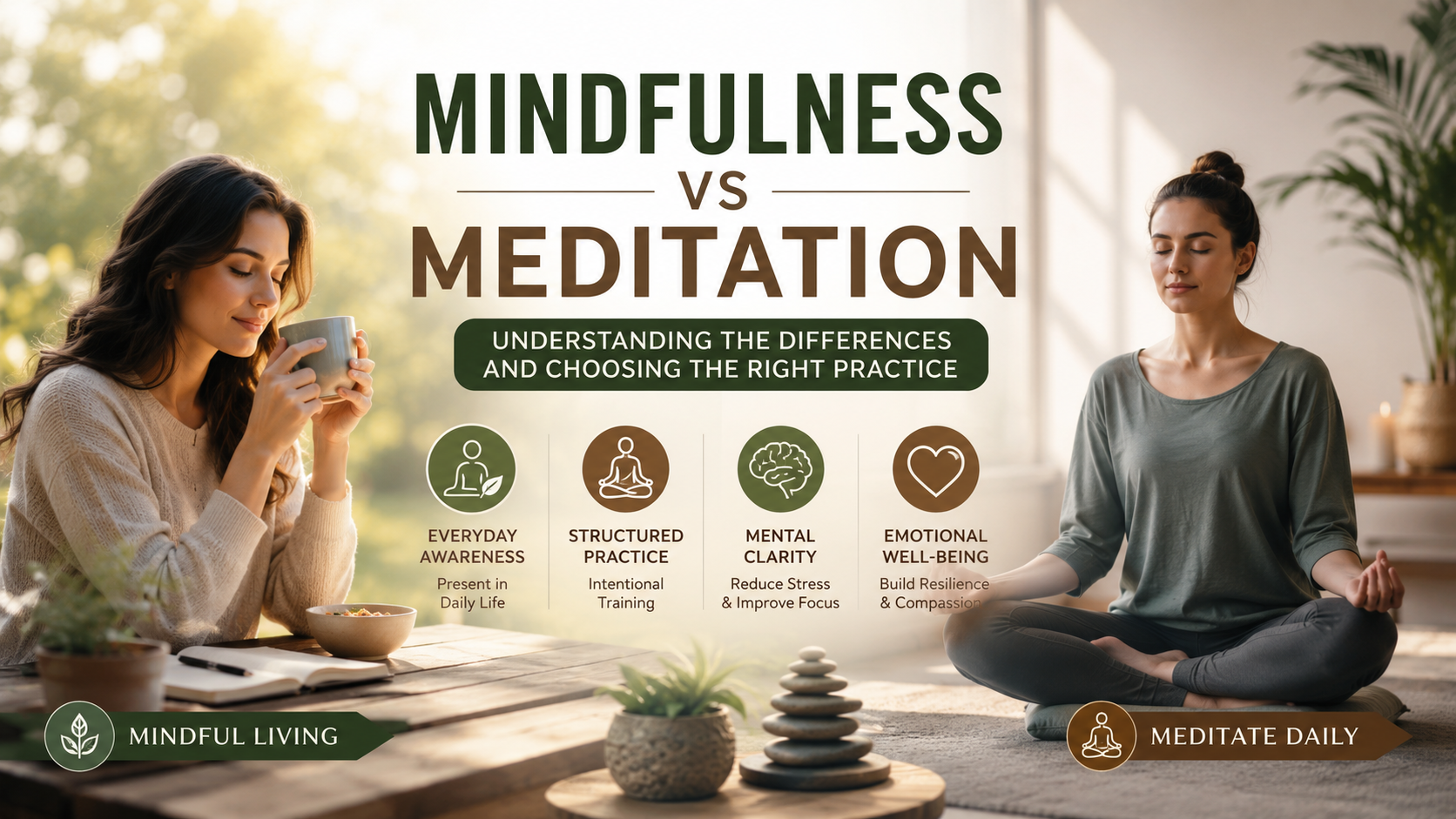
Mindfulness vs Meditation: Understanding the Differences and Choosing the Right Practice

Understanding the core differences in mindfulness vs meditation can completely transform how you approach mental wellness. While people often use these terms interchangeably in everyday conversations, they represent distinct concepts in mind-body training. According to health resources at the National Center for Complementary and Integrative Health, both practices offer unique, evidence-based benefits for stress management, sleep quality, and emotional regulation. Clarifying how they differ helps you select the right method for your lifestyle, schedules, and personal goals. In this guide, we break down definitions, compare core mechanics, explore distinct styles, and help you decide which path fits your current routine best.

What Is Mindfulness?

Mindfulness is a quality of mind characterized by non-judgmental, moment-to-moment awareness. It involves paying active attention to your current experience. You avoid getting lost in past memories, future anxieties, or mental chatter. When you practice mindfulness, you simply observe your thoughts, physical feelings, and environment. You do not try to alter them or react automatically. This open, receptive state allows you to step off emotional autopilot. Consequently, you respond to everyday events with intention and clarity instead of habitual panic.

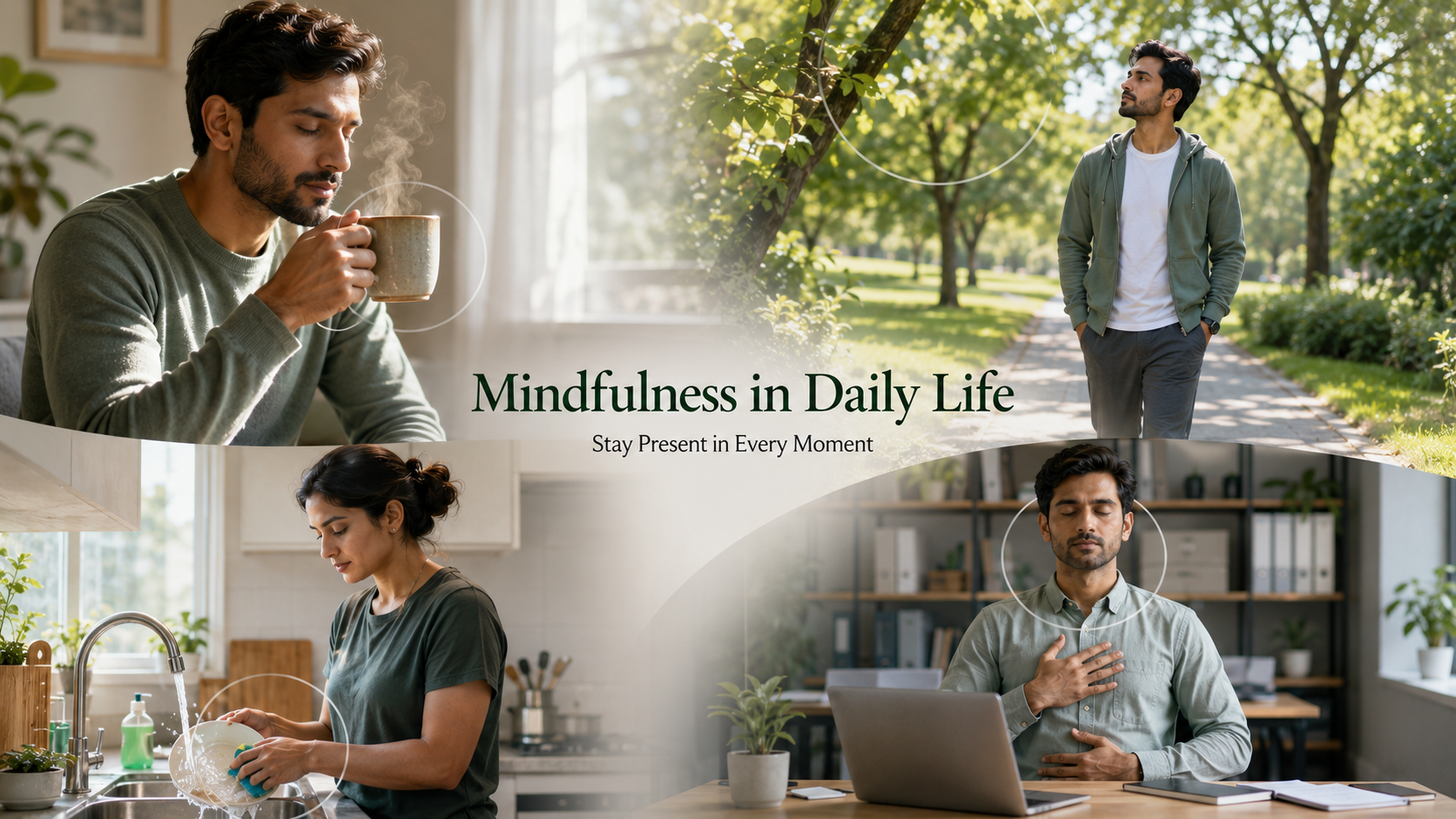
Because mindfulness is essentially a way of relating to your experiences, you can apply it anywhere. You can practice it during almost any waking moment of your daily life. You do not need a silent room, special cushions, or a scheduled block of time. For example, consider eating a meal without staring at a screen. You fully notice the rich textures, temperatures, aromas, and subtle flavors of every bite. In that moment, you are actively engaged in informal mindfulness. Over time, cultivating this grounded presence reduces stress. It also improves concentration and fosters greater emotional resilience across all areas of life.

Core Qualities of Mindful Awareness vs Formal Meditation

Mindful awareness is built upon several foundational principles that transform how you experience the present moment. The first key element is present-moment focus. This involves anchor-like attention on what is happening right now. It prevents you from ruminating on past events or worrying about future obligations. This gentle redirecting of focus brings immediate calm to a scattered mind. Therefore, it anchors your attention firmly in the physical reality of the present.

The second critical component is a non-judgmental attitude toward your thoughts and feelings. You do not label an emotion as inherently bad. Similarly, you do not view a thought as shameful. Instead, you observe it with open curiosity. You allow it to arise and pass naturally without pushing it away or clinging to it tightly. Finally, mindfulness encourages an attitude of beginner’s mind. It invites you to engage with familiar daily experiences as if seeing them for the very first time. Together, these core qualities cultivate deep self-awareness. They break negative thought loops and foster a compassionate relationship with your internal world.

What Is Meditation?

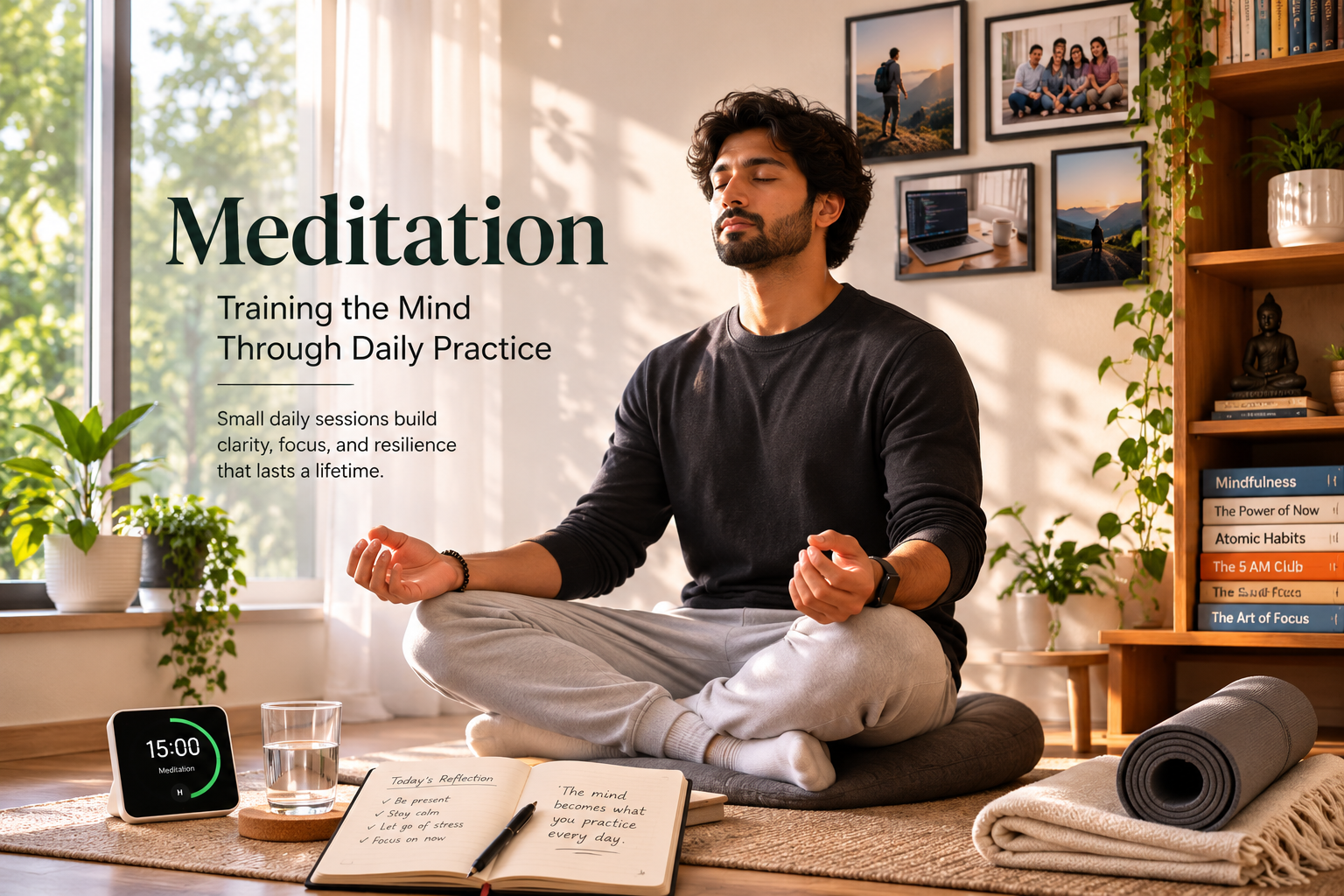
Meditation is an intentional, structured mental exercise designed to train specific attentional and emotional capacities. While mindfulness describes an ongoing quality or state of awareness, meditation is the formal container or exercise routine used to develop that awareness. You can think of meditation as going to a mental gym. You set aside a specific period, sit in a designated posture, and follow a systematic technique to strengthen your mind’s focus and internal clarity.

Through regular formal practice, meditation helps rewire neural pathways. This makes it easier to maintain emotional stability during challenging situations outside of practice sessions. It offers a structured environment where you systematically work with your mind. You work through distractions and build mental endurance over time. Whether practiced for five minutes or an hour, formal meditation creates a protected space away from daily demands. It allows you to cultivate quietude, deep relaxation, self-reflection, and sustainable mental discipline in your routine.

Common Types of Meditative Practices

Meditation encompasses a wide array of distinct traditions and techniques. Each style targets different aspects of mental and emotional development. One popular category is Focused Attention Meditation. In this practice, individuals concentrate their mind entirely on a single chosen anchor. Common anchors include the natural flow of the breath, a visual candle flame, or a repetitive sound. Whenever the mind inevitably wanders away, you gently return your focus. This builds strong cognitive control and sharpens overall concentration skills.

Another widely practiced approach is Loving-Kindness Meditation, or Metta. This style focuses on cultivating compassion, empathy, and goodwill toward oneself and others through the silent repetition of positive phrases. Additionally, techniques like Transcendental Meditation rely on specific mantras. These mantras allow the active mind to settle inward into a state of deep rest and quiet awareness. Exploring these diverse meditation styles enables you to find an approach that aligns perfectly with your individual emotional needs, spiritual preferences, and personal growth goals.

Mindfulness vs Meditation: Understanding the Core Differences

To clearly grasp the distinction in mindfulness vs meditation, it helps to picture meditation as the formal training ground. In contrast, mindfulness acts as the practical skill applied in daily life. Meditation is the structured vehicle. Meanwhile, mindfulness is often the ultimate destination or state of mind you seek to cultivate. You can practice meditation to cultivate mindfulness. However, you can also bring mindful presence into ordinary activities without sitting down for a formal meditation session at all.

Feature Mindfulness Meditation
Primary Definition A state or quality of present awareness A structured practice or training technique
Structure Informal, spontaneous, and continuous Formal, time-bound, and dedicated
Location & Setting Anywhere (e.g., washing dishes, walking, working) Dedicated space, seated posture, quiet environment
Primary Goal Stay grounded in real-time experiences Train specific mental faculties over time

Understanding these fundamental differences helps remove common misconceptions. You do not need to sit still for hours to improve your mental wellbeing. While meditation requires dedicated time, specific postures, and a controlled setting, mindfulness seamlessly weaves into your standard daily routine. Evaluating mindfulness vs meditation shows that both tools work together synergistically. Formal meditation sessions build your capacity for sustained focus. Consequently, this makes it significantly easier to remain mindful, grounded, and non-reactive when facing stressful events throughout your busy workday.

The Interconnected Relationship Between Mindfulness and Meditation

The relationship between these two practices is deeply interconnected, yet they remain distinct functional tools for personal growth. Can you practice mindfulness without meditating? Absolutely. Consider taking three conscious, slow breaths while stuck in frustrating traffic. Alternatively, picture giving your full, undivided attention to a colleague during a conversation. These actions represent pure mindfulness. They require no formal sitting practice whatsoever. You simply bring full, non-judgmental presence to the active moment.

Conversely, can you perform meditation without cultivating mindfulness? Yes, because certain specialized forms of meditation focus strictly on complex visualizations, intricate breath manipulation exercises, or rhythmic mantra repetitions. These methods do not explicitly emphasize open, non-judgmental monitoring of immediate feelings. However, the hybrid approach known as mindfulness meditation brings both worlds together seamlessly. In this practice, you use the formal, quiet container of a seated meditation session specifically to cultivate and refine the skill of non-judgmental present-moment awareness.

Health Benefits: Analyzing Mindfulness and Meditation Science

Both disciplines offer extensive, scientifically documented physical, emotional, and cognitive health benefits. Modern neuroscience demonstrates that regular engagement with these practices promotes positive structural changes in the brain through neuroplasticity. Clinical protocols like Mindfulness-Based Stress Reduction combine formal sitting techniques with informal daily awareness exercises. Medical professionals use these combined methods to treat chronic pain, anxiety, and depression effectively across diverse patient populations.

Research reveals that consistent practice significantly lowers systemic cortisol levels. It calms the overactive sympathetic nervous system and improves overall cardiovascular metrics. Cognitively, attention training strengthens neural connections in the prefrontal cortex. This enhances working memory, focus, and executive function. Emotionally, practitioners exhibit decreased activation in the amygdala, which is the brain’s fear center. This shift leads to reduced stress reactivity, improved mood stability, and enhanced resilience when navigating life’s unexpected challenges. Exploring mindfulness vs meditation highlights how both approaches protect long-term mental health.

How to Choose Between Mindfulness vs Meditation Practices

Deciding whether to prioritize informal mindfulness or structured meditation comes down to your personal lifestyle, personality traits, available time, and primary wellness goals. Neither approach is inherently superior to the other. Instead, each serves different practical functions depending on your current needs. Assessing your daily routine, attention span, and schedule allows you to select the starting point that offers the least friction and highest chance of long-term success.

If your schedule is unpredictable and tightly packed, starting with informal mindfulness allows you to build self-awareness without restructuring your calendar. On the other hand, if you thrive on structure, clear routines, and measurable progress, establishing a formal meditation practice may feel far more rewarding. By reviewing the core concepts of mindfulness vs meditation, you can choose an approach that feels approachable, engaging, and sustainably integrated into your lifestyle.
Choose Mindfulness If:

  • Your daily schedule is highly unpredictable, leaving little room for dedicated 20-minute quiet sessions.

  • You frequently find yourself operating on automatic pilot while performing routine tasks, chores, or work assignments.

  • You want immediate, practical tools to defuse rising acute stress, anxiety, or emotional frustration during busy workdays.

  • You find it extremely uncomfortable or overwhelming to sit still in silence for extended periods without moving.

Choose Meditation If:

  • You thrive on structured habits, clear schedules, and dedicated daily routines with defined start and end times.

  • You specifically want to build deep mental concentration, emotional discipline, and long-term cognitive focus.

  • You enjoy guided audio sessions, structured breathwork patterns, or quiet, contemplative solitude away from distractions.

  • You want a formal, dedicated quiet space to step entirely away from outer demands and look inward.

How to Integrate Mindfulness and Meditation Into Your Routine

Combining formal meditation with daily informal mindfulness creates a powerful, balanced approach to mental wellbeing. Think of formal meditation as your foundational training period where you strengthen your muscle of attention. Meanwhile, daily mindfulness acts as the practical application of that strength in real-world scenarios. Together, they reinforce each other. They make present-moment awareness far more accessible during high-stress situations.

To begin integrating both smoothly without feeling overwhelmed, start with manageable, micro-commitments. Begin your morning with just five minutes of formal sitting meditation. Focus entirely on the rising and falling movement of your breath. Then, choose one regular daily activity. Examples include drinking your morning coffee, washing the dishes, or walking to your car. Commit to experiencing that chosen task with complete, undivided sensory awareness. Balancing mindfulness vs meditation in this way establishes a sustainable, highly effective wellness habit.

Frequently Asked Questions

Is mindfulness meditation different from regular meditation?

Comparing mindfulness vs meditation reveals that mindfulness meditation is a distinct category within the broader universe of meditation techniques. Traditional meditation encompasses a vast range of practices, including visualization exercises, mantra repetitions, and complex breathwork. Mindfulness meditation specifically focuses on observing your internal thoughts, bodily sensations, and external surroundings non-judgmentally as they arise in real time. Rather than manipulating the breath or focusing exclusively on a mantra, you cultivate an open, accepting awareness of whatever enters your consciousness. This makes it a unique hybrid that builds both formal focus and real-world awareness.

Can beginners start with mindfulness without meditating?

Yes, beginners can easily start practicing mindfulness without ever engaging in formal sitting meditation. You can introduce mindfulness into your life immediately by bringing full, conscious awareness to routine daily activities like eating, showering, driving, or walking. You simply focus your physical senses on the textures, sounds, and movements of the current activity. Meanwhile, you gently bring your mind back whenever it wanders. Because it requires no special equipment, quiet spaces, or formal sitting postures, informal mindfulness serves as an accessible, stress-free entry point for anyone looking to reduce daily anxiety.

How long does it take to see results from these practices?

Many individuals experience an immediate sense of physical relaxation and mental clarity after completing just one mindfulness exercise or brief meditation session. However, long-term neuroplastic brain changes and lasting psychological benefits typically develop with consistent, regular practice over time. Clinical studies on programs like Mindfulness-Based Stress Reduction demonstrate that committing to daily practice for eight weeks leads to measurable reductions in brain stress centers. It also creates noticeable improvements in emotional regulation, working memory, and focus. Ultimately, consistency matters far more than session length when building these benefits.

Which practice is better for reducing acute stress?

When weighing mindfulness vs meditation for acute stress happening in real time—such as feeling overwhelmed during a difficult work meeting or experiencing sudden traffic frustration—informal mindfulness techniques are usually most effective. Applying quick grounding techniques, like taking three conscious breaths or tuning into physical feet-on-the-floor sensations, immediately breaks the acute stress response. However, formal daily meditation is superior for addressing chronic, long-term stress. Regular meditation lowers overall stress reactivity over time, building deep baseline resilience that prevents everyday situations from becoming overwhelming in the first place.

Do I need a quiet room to practice mindfulness?

No, you do not need a quiet room or a peaceful environment to practice mindfulness. In fact, practicing mindfulness in noisy or busy settings—like a crowded subway, a noisy office, or a busy family kitchen—can actually strengthen your ability to remain grounded amidst chaos. Mindfulness is not about eliminating surrounding distractions or forcing quietness. Instead, it is about observing your current environment, internal reactions, and sensory experiences without judgment. You simply observe everything exactly as it exists in the present moment, wherever you happen to be.

Conclusion

Understanding the dynamic of mindfulness vs meditation shows that these two approaches are complementary rather than competing. Mindfulness offers a flexible way of engaging with life as it unfolds. Meanwhile, meditation provides the dedicated mental gym session needed to build focus and emotional balance.

Prioritizing your psychological wellbeing begins with exploring fundamental questions about mental health and what we know about ourselves. You do not need to choose one practice over the other permanently. By sitting for just a few minutes of meditation each morning and remaining present during daily tasks, you gain the benefits of both approaches. Start small today: pick one regular activity and commit to experiencing it completely.

Digital Detox Benefits: How Disconnecting Restores Mental Health

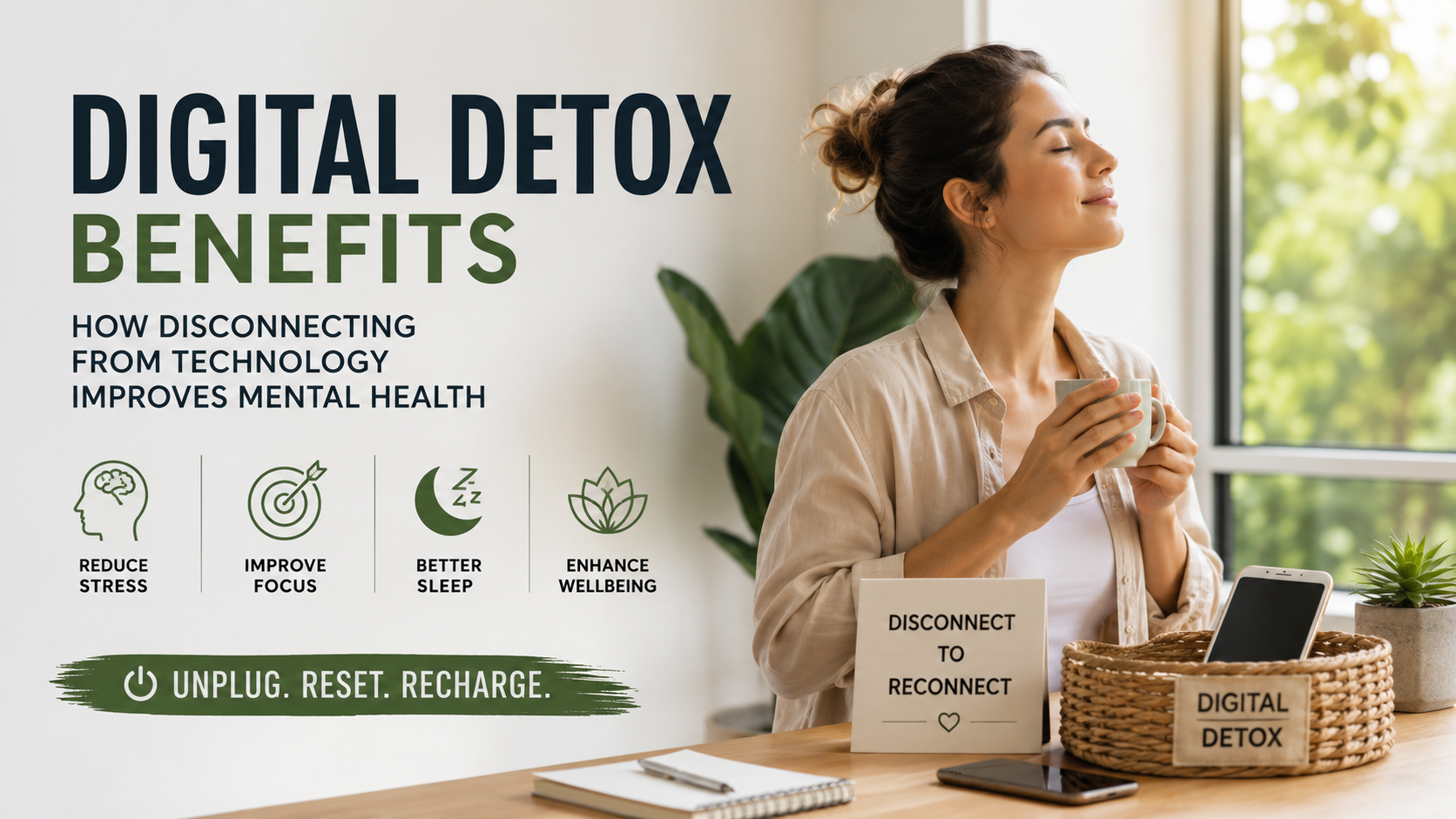
Digital Detox Benefits: How Disconnecting from Technology Improves Mental Health

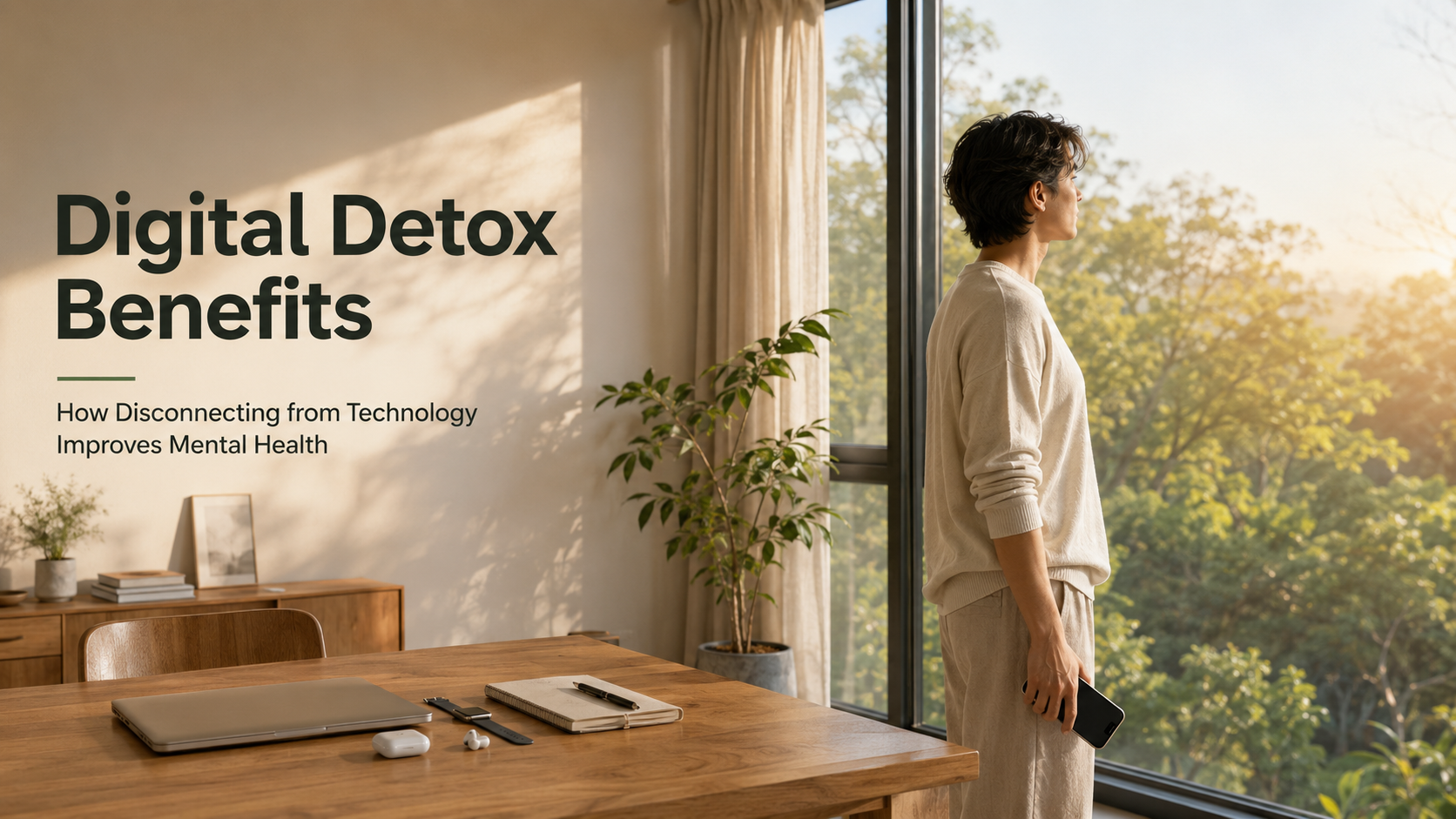
In today’s hyper-connected world, our attention is constantly fragmented by endless notifications, social media feeds, and work emails. Consequently, the average person checks their phone dozens of times every single day. Most people, however, do not realize the heavy psychological toll this habit takes on their overall wellbeing. For instance, research published by the American Psychological Association highlights how constant screen exposure and continuous connectivity contribute significantly to chronic stress, anxiety, and digital burnout. Therefore, understanding the primary digital detox benefits can help you reclaim control over your time, focus, and emotional equilibrium in a world that demands continuous availability.

Taking a deliberate break from electronic devices is no longer an optional luxury. Instead, it has become an essential practice for maintaining long-term wellness. When you unplug, you create the necessary physical and mental space required for genuine relaxation. Furthermore, a structured pause from screens allows your nervous system to settle. As a result, this breaks the continuous cycle of sensory overload that modern technology induces.

This guide explores how stepping away from screens directly improves your mood, sharpens your focus, and restores peace to your daily life. Specifically, we will cover the psychological science behind technology breaks, actionable ways to unplug, and practical strategies to build a healthier relationship with your digital devices.

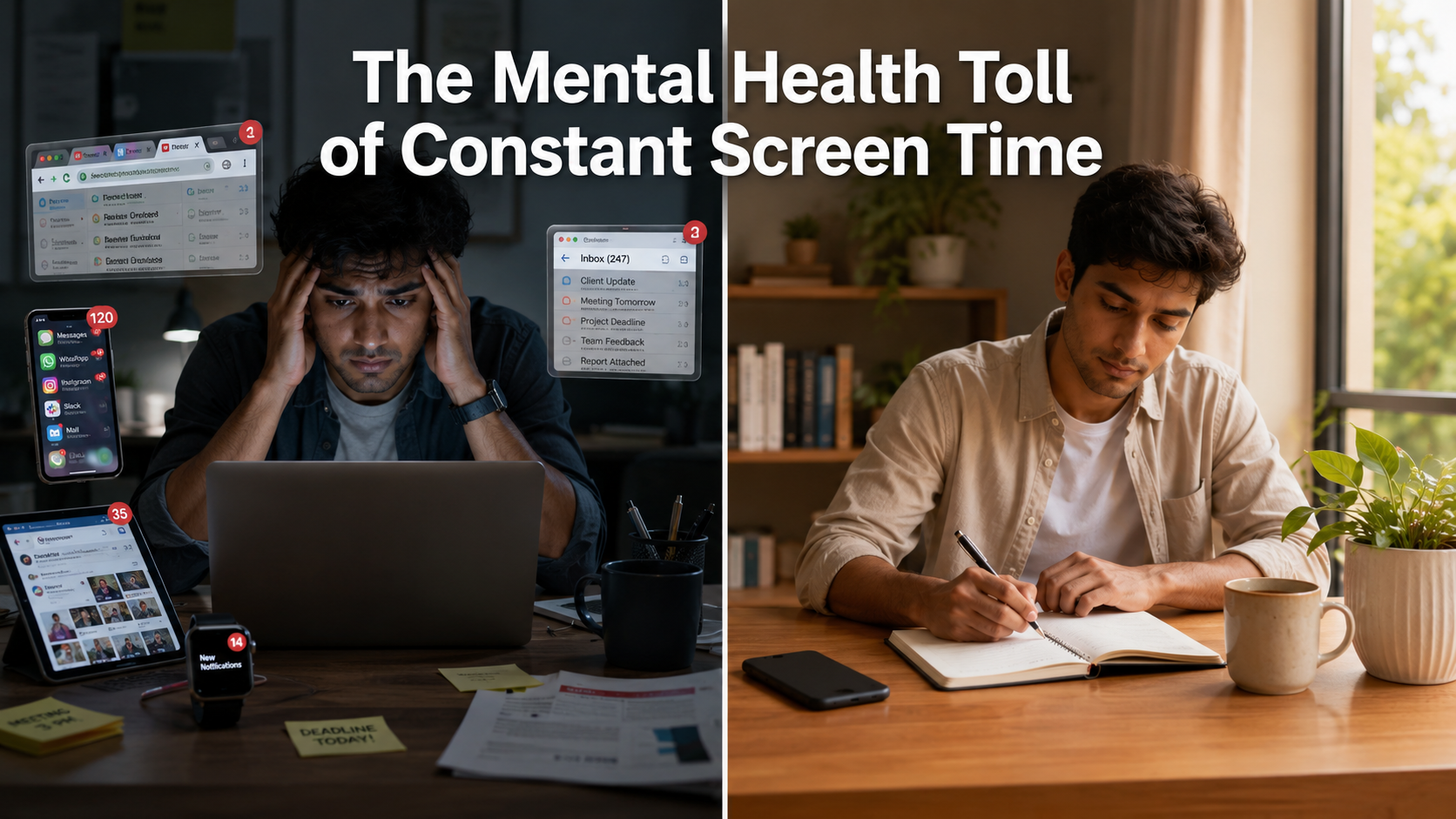
The Mental Health Toll of Constant Screen Time

Our brains were simply not designed to process a continuous stream of digital information. Every ping, buzz, and alert triggers a small release of dopamine. Consequently, this keeps us locked in a state of hyper-alertness. Over time, however, this constant stimulation drains our mental reserves. It leads directly to heightened anxiety, shortened attention spans, and persistent brain fog. Therefore, when we never truly disconnect, our minds remain on high alert. This leaves very little room for rest, reflection, or emotional balance.

Phantom Vibration Syndrome and Digital Anxiety Symptoms

Many smartphone users frequently experience phantom vibration syndrome. This is the false sensation that a phone is vibrating in your pocket when it is not. In fact, this phenomenon highlights how hyper-vigilant our brains become when tied to mobile devices. Expecting new alerts at any second keeps the body in a continuous fight-or-flight state. Consequently, this state spikes stress hormones unnecessarily throughout the day. Sustained chemical stress ultimately wears down emotional resilience. As a result, it leaves you feeling chronically exhausted, jumpy, and on edge during quiet moments.

Social Media Fatigue and Virtual Comparison Effects

Social media platforms present curated highlights of other people’s lives. Therefore, this frequently leads users down a path of unhealthy comparison. Constant exposure to these idealized images fuels feelings of inadequacy, isolation, and self-doubt. When you scroll through highlight reels, you subconsciously measure your internal struggles against everyone else’s polished moments. Stepping back, however, allows you to reconnect with your real-world achievements. Furthermore, it grounds your expectations in reality and helps you appreciate daily life without comparing it to artificial online benchmarks.

Top Digital Detox Benefits for Psychological Wellbeing

Disconnecting from digital devices yields immediate improvements in emotional stability and focus. By removing constant digital noise, you give your mind the space it needs to reset, process backlogged emotions, and heal from cognitive strain.

Lower Stress Levels and Decreased Cortisol via Screen Breaks

One of the most noticeable digital detox benefits is a sharp drop in felt stress and physical tension. Without constant incoming alerts demanding your urgent attention, your nervous system naturally settles into a rest state. Thus, you shift away from reactive modes of thinking. In addition, your brain gets the time it needs to unwind deeply. Consequently, your body produces less cortisol. As a result, your heart rate normalizes, muscle tension melts away, and your overall mood stabilizes into a state of sustained calm.

Sharper Cognitive Focus and Uninterrupted Attention Span

Multitasking across multiple web tabs and smartphone apps severely degrades your ability to concentrate. However, when you disconnect from digital temptations, your brain recovers its natural capacity for deep focus.

  • Improved memory retention: You process and retain complex information far more thoroughly without frequent digital interruptions breaking your train of thought.

  • Enhanced creative thinking: Mind-wandering is essential for innovative problem-solving. Therefore, it occurs naturally when screens are put completely away.

  • Higher overall productivity: Completing tasks single-mindedly takes less time and produces much higher quality work compared to constant task-switching.

Higher Quality Sleep and Restorative Rest from Unplugging

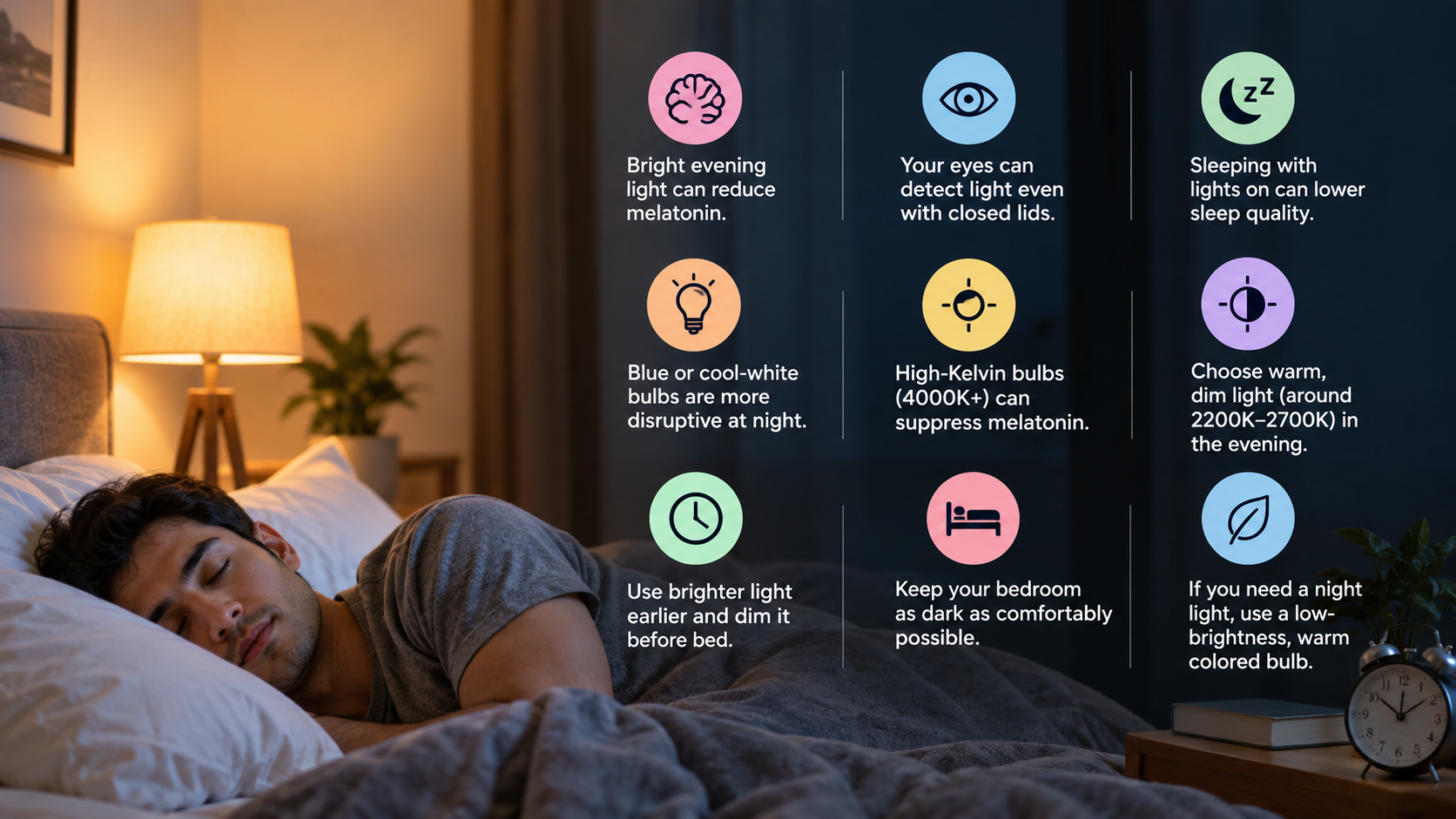
Screen exposure immediately before bedtime severely disrupts your natural circadian rhythm. For example, blue light emitted by smartphones, tablets, and laptops suppresses natural melatonin production. Consequently, this makes it difficult to drift off into deep sleep.

Screen exposure (blue light) leads to melatonin suppression, which disrupts the circadian rhythm, resulting in poor sleep quality.

However, by establishing a strict digital curfew an hour before bed, you allow your body to naturally produce melatonin. As a result, you fall asleep faster, enjoy deeper restorative sleep phases, and wake up feeling genuinely recharged and energized for the day ahead.

Key Offline Advantages of Reduced Screen Time

Beyond immediate stress relief, spending time away from screens offers lasting physical and mental advantages. Moreover, stepping away from digital screens opens up substantial time for meaningful offline activities that nourish your physical health, mental health, and personal spirit.

Stronger Real-World Relationships and Presence Without Devices

Social networks claim to connect us globally. Nevertheless, they often weaken our face-to-face interactions with the people right in front of us. Experiencing the practical digital detox benefits in social settings means engaging fully with family, friends, and colleagues without screen distractions. For instance, active listening, genuine eye contact, and undivided presence build deeper emotional bonds and mutual trust that digital messaging simply cannot replicate. Therefore, investing time in real-world human connection provides a powerful buffer against loneliness and depression.

Greater Mindfulness and Present-Moment Awareness Offline

When you are glued to a screen, you inevitably miss out on the rich, sensory details of your immediate physical environment. Disconnecting, however, forces you to anchor your attention firmly in the present moment. As a result, you stop living in a virtual space. Whether you are enjoying a home-cooked meal, taking a walk through a local park, or chatting with a neighbor, practicing mindfulness enhances your capacity to experience genuine joy, gratitude, and emotional richness in everyday life situations.

How to Unplug and Experience Digital Detox Benefits

You do not need to abandon modern technology entirely or live off the grid to unplug successfully. Instead, a practical strategy focuses on creating realistic, intentional boundaries that fit smoothly into your existing lifestyle.
1. Set Clear Tech-Free Boundaries in Your Home

Designate specific physical areas in your home where screens are completely off-limits. For example, the bedroom and the dining table are ideal starting points for establishing these healthy boundaries. Keeping mobile phones out of the bedroom prevents late-night scrolling habits. Similarly, keeping screens away from the dining area encourages meaningful family conversations and conscious, mindful eating habits during meals.

2. Schedule Regular Screen Breaks Throughout the Day

Start small by setting aside dedicated, recurring times each day to step away from all electronic devices without exception.

  • The First Hour: Avoid checking your phone for the first 60 minutes after waking up to start your day with intention.

  • Mealtime Unplugging: Turn off screens completely during breakfast, lunch, and dinner to focus on your food and companions.

  • Evening Shutdown: Turn off all work and social media devices at least two hours before going to sleep to prepare your mind for rest.

3. Replace Screen Time with Fulfilling Offline Activities

Simply removing your phone without a replacement plan can leave an uncomfortable emotional vacuum. That vacuum, consequently, tempts you to pick the device right back up. Therefore, fill that freed-up time with engaging offline activities that bring you genuine joy and satisfaction. Creative pursuits like reading physical books, keeping a daily journal, participating in outdoor exercise, cooking new meals, or practicing a hands-on hobby make the transition away from screens feel rewarding rather than restrictive.

FAQ SECTION

What are the main digital detox benefits for mental health?

The primary digital detox benefits for mental health include lower stress levels, improved focus, deeper sleep quality, and reduced daily anxiety. By stepping away from continuous screen distractions, you give your brain necessary time to rest, recover, and process information without constant sensory overload. Furthermore, this intentional pause lowers circulating cortisol levels. As a result, it helps eliminate the toxic habit of social comparison. It also allows you to build stronger real-world relationships. Taking regular breaks from digital devices restores emotional balance, lengthens your attention span, and boosts your overall sense of subjective wellbeing. When you are no longer constantly reacting to notifications, you regain control over your attention and emotional energy, leading to a calmer and more grounded state of mind throughout your day.

How long should a digital detox last to see real results?

Even a short micro-detox lasting 24 hours can deliver noticeable mental clarity, reduced eye strain, and immediate stress relief. However, a dedicated period of 3 to 7 days provides far more profound psychological benefits. This timeframe allows your brain’s dopamine pathways to reset to their natural baseline. Experiencing sustained digital detox benefits long-term depends less on completing a single long break. Instead, it relies more on establishing consistent, daily boundaries with technology. For instance, taking a few hours off every evening, enforcing tech-free weekends, or dedicating one full day each week to screen-free living yields sustainable health improvements without disrupting your professional responsibilities. Therefore, the key is finding a manageable cadence that allows you to experience deep rest without feeling overwhelmed by an accumulated backlog of messages when you return.

Can disconnecting from technology help reduce daily anxiety?

Yes, disconnecting directly reduces daily anxiety by breaking the continuous cycle of hyper-vigilance and sensory overstimulation. Modern mobile devices constantly demand our attention through push notifications, breaking news alerts, and social updates. Consequently, this steady stream of data keeps our nervous system in a state of perpetual low-grade stress. By turning off non-essential notifications and stepping away from screens, you significantly reduce incoming sensory stimuli. In addition, you soothe an overworked nervous system and regain a feeling of personal control over your daily environment. Furthermore, avoiding doomscrolling prevents your brain from being inundated with alarming news stories and social comparisons that fuel chronic worry. Over time, taking predictable breaks from technology teaches your brain that it does not need to remain on high alert, allowing your resting anxiety levels to drop substantially.

How does screen time affect our natural sleep patterns?

Screen time affects sleep primarily through the emission of blue light. Specifically, blue light directly suppresses the pineal gland’s production of melatonin. Melatonin is the essential hormone responsible for regulating your circadian rhythm and signaling to your body that it is time to rest. Using electronic devices late in the evening tricks your brain into believing it is still daylight. Consequently, this delays sleep onset and disrupts your internal body clock. Additionally, consuming stimulating content, checking work emails, or engaging with controversial social media posts right before bed keeps your central nervous system aroused. This mental stimulation prevents you from entering deep, restorative slow-wave sleep cycles. By eliminating screens during the hours leading up to bedtime, however, you allow natural melatonin production to surge, enabling you to fall asleep faster and enjoy far more refreshing, uninterrupted rest.

What is the easiest way to start a screen-free habit?

The easiest way to start a screen-free habit is by introducing small, highly manageable boundaries rather than attempting to quit all technology cold turkey. Begin by designating strict tech-free zones in your home. For example, keep mobile devices entirely out of the bedroom or away from the dinner table. Alternatively, adopt a daily 60-minute disconnect routine by leaving your phone in another room during your very first hour awake in the morning. Replacing that screen time with enjoyable offline activities makes the adjustment feel natural and deeply satisfying. You can read a physical book, stretch, walk outside, or journal instead. Consequently, celebrating these small victories builds momentum, which allows you to gradually expand your screen-free windows over time without feeling deprived or disconnected from important responsibilities.
CONCLUSION

In an era defined by persistent notifications, demands for immediate responses, and endless digital streams, taking time to intentionally unplug is vital for long-term health. The wide-ranging digital detox benefits extend far beyond simple productivity gains. In fact, they directly transform your emotional resilience, sleep quality, and daily cognitive focus. By stepping away from screens on a consistent basis, you allow your brain to heal from severe sensory overload. Furthermore, you lower chronic stress markers and break free from the exhausting cycle of social comparison.

Reclaiming your peace of mind does not require you to abandon modern technology completely. Similarly, you do not need to cut off communication with the outside world. Instead, it is about developing a balanced, conscious relationship with your devices as you learn more about mental health and what we know about ourselves. You should control technology rather than letting it control you. Simple daily adjustments yield remarkable, lasting improvements in your overall quality of life. For instance, keep screens out of the bedroom, set phone-free meal times, and schedule regular screen breaks. Maximizing your digital detox benefits starts small today. Turn off non-essential application notifications and choose just one hour to disconnect completely. Your mind, body, and personal relationships will thank you for making space to be truly present.
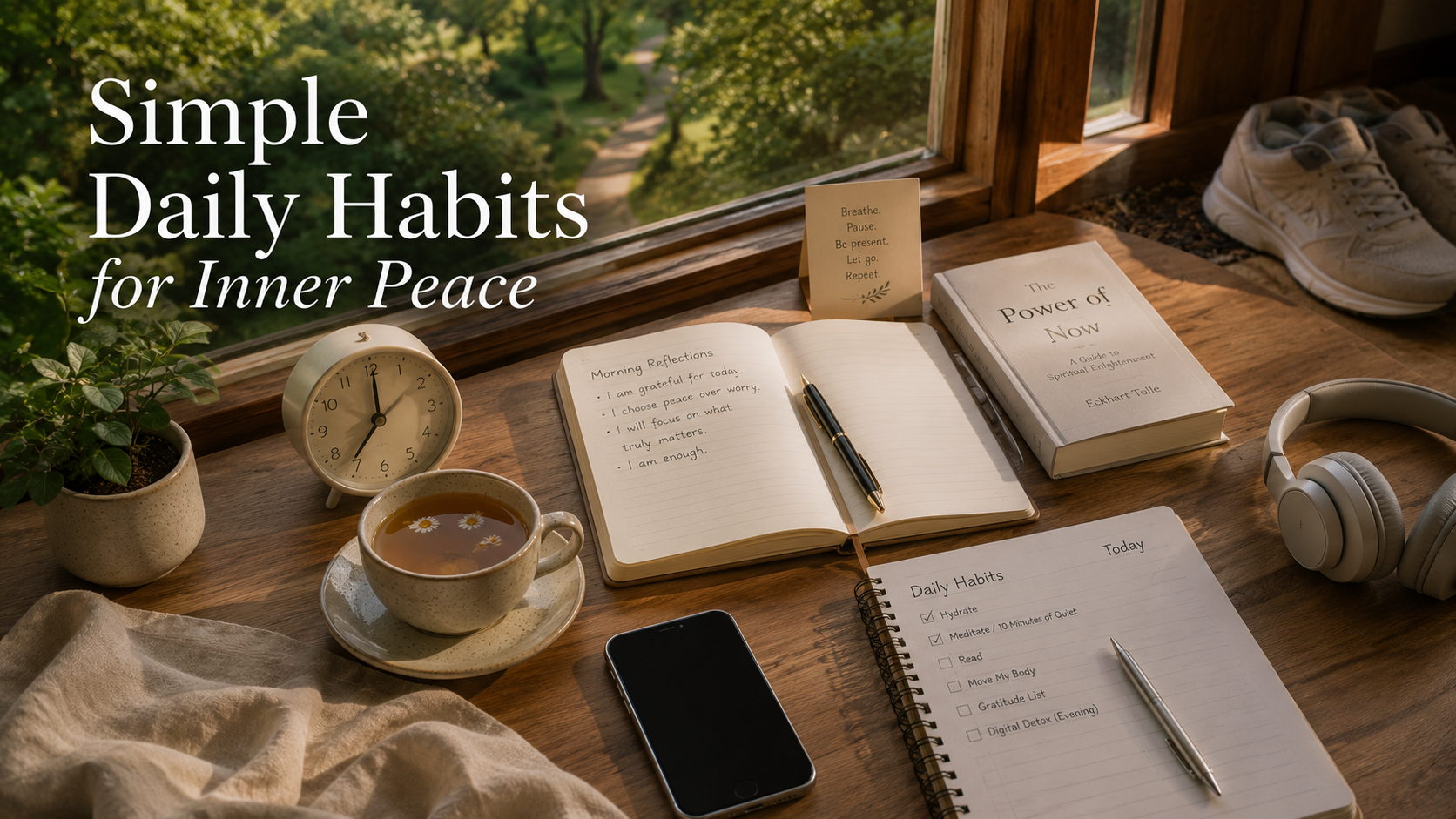
The Art of Silence: How Quiet Can Boost Well-Being

The Art of Silence: Finding Quiet in a Noisy World

We live in a world that rarely hits the pause button. From the constant buzz of smartphone notifications to the background hum of traffic, modern life is aggressively loud. Finding moments of true quiet has become a rare luxury, yet practicing the art of silence is essential for our mental and emotional well-being. Cultivating quiet isn’t just about avoiding noise; it is a deliberate practice that allows our minds to rest, reset, and heal from the daily sensory overload.

According to research published by the American Psychological Association, chronic noise exposure can significantly elevate stress hormones and negatively impact cognitive function. When we intentionally step away from the noise, we give our brains a chance to enter the “default mode network,” which is crucial for self-reflection and creativity. This article will explore why intentional quiet matters, the psychological benefits it offers, and practical ways you can integrate peaceful moments into your hectic daily routine. By dedicating just a few minutes each day to genuine stillness, you can dramatically improve your overall quality of life and restore your sense of internal balance.

Why Practicing the Art of Silence Matters Today

Our brains are not wired to process the massive volume of data they receive today. Every ping, alert, and conversation demands cognitive energy. Over time, this constant stimulation drains our mental reserves, leaving us feeling anxious and exhausted. Choosing quietness allows us to reclaim our attention. It serves as a natural reset button for our nervous system. When we stop talking and listening to external inputs, we finally hear our own internal thoughts. This self-awareness is the foundation of emotional intelligence and mindful living.

Furthermore, the relentless noise of modern society fragments our focus, making it increasingly difficult to engage in deep contemplation. When we do not guard our attention, we allow external forces to dictate our emotional state. Embracing quietness is an act of rebellion against a culture that demands constant availability. It gives you the necessary space to filter out societal pressure and reconnect with your personal values. By choosing to step away from the crowd, you build a mental sanctuary that protects you from burnout and preserves your psychological energy.

The Surprising Health Benefits of Intentionally Choosing Quiet

Choosing to step back from the noise yields remarkable benefits for both your mind and body. It is a foundational tool for holistic wellness.

Reducing Stress and Lowering Cortisol

Constant noise triggers the brain’s fight-or-flight response. This reaction releases cortisol, the primary stress hormone, which can cause long-term health complications if left unchecked. Studies show that even two minutes of silent reflection can lower your heart rate and reduce blood pressure more effectively than listening to relaxing music. When you remove auditory stressors, your body immediately transitions into a parasympathetic state, which promotes deep healing and physical recovery. This natural physiological shift allows your blood vessels to relax, improves your circulation, and helps stabilize your mood after a demanding day. Over time, integrating these brief quiet pauses into your schedule serves as a powerful shield against chronic fatigue and emotional exhaustion.

Improving Focus and Cognitive Function

Noise distorts our attention span. When you immerse yourself in a quiet environment, your brain restores its finite cognitive resources. This mental clarity allows you to engage in deep work, retain complex information, and solve difficult problems with greater ease. Without the constant interruption of background chatter or digital notifications, your brain can process data more efficiently. This cognitive restoration is especially critical for professionals who rely on intense concentration to complete their daily tasks. By intentionally working in quiet settings, you minimize errors and substantially increase your creative output. Silence essentially serves as a deep cleaning mechanism for your mind, brushing away the useless digital clutter that accumulates throughout the week.

Boosting Creative Thinking

Have you ever noticed that your best ideas happen in the shower? That is because creativity flourishes in the absence of distraction. Quiet environments allow the brain to connect unrelated ideas, sparking innovative solutions and creative breakthroughs. When your mind is not occupied by external noise, it enters a state of wandering that is highly conducive to original thought. Many history-making writers and scientists have deliberately sought out isolation to complete their most important work. By stepping away from the noise, you open the floodgates for inspiration to strike naturally. Giving your thoughts the freedom to roam without a specific agenda helps you uncover unique perspectives that would otherwise remain hidden beneath the surface of daily stress.

Practical Ways to Cultivate Internal Peace

You do not need to move to a remote monastery to experience the benefits of quiet living. You can build small, sustainable habits right where you are.

  • Create a Morning Buffer: Spend the first ten minutes of your day without checking your phone, reading the news, or turning on the television.

  • Take Silent Walks: Leave your headphones at home during your next walk. Focus entirely on the ambient sounds of nature or the rhythm of your footsteps.

  • Designate a Device-Free Zone: Make your bedroom or dining table a sanctuary from screens and digital notifications.

  • Practice Brief Breathing Pauses: Stop what you are doing for three minutes every afternoon. Close your eyes and focus solely on your breath.

Implementing these changes requires discipline, but the long-term emotional rewards are well worth the effort. When you intentionally design your environment to minimize noise, you send a clear signal to your brain that it is safe to relax. This intentional curation of your surroundings helps you maintain a steady sense of calm, even when the world around you is chaotic. Over time, these small rituals aggregate into a resilient lifestyle centered on mindfulness and mental clarity.

Overcoming the Discomfort of Inner Stillness

When you first try to practice quietness, you might find it incredibly uncomfortable. Many people realize that external noise often masks internal anxiety. When the outside world goes quiet, your inner critic can sound much louder. Acknowledge these thoughts without judging them. Understand that your mind is simply clearing out its digital clutter. Treat the initial restlessness as a sign that your brain is successfully detoxifying from constant overstimulation. With time, this discomfort gives way to deep internal peace.

It is completely natural to feel an urge to check your phone or turn on the television when you first encounter silence. We have become conditioned to crave constant input, and breaking this addiction takes patience. Instead of fighting the silence, try to lean into it. Observe the sensations in your body and let your racing thoughts pass like clouds in the sky. As you become more familiar with this state of quiet reflection, the initial anxiety will fade, leaving behind a profound sense of clarity, groundedness, and genuine self-awareness.

FAQ SECTION

What exactly is the art of silence?

The art of silence is the intentional practice of seeking quiet moments to rest your mind and body. It involves stepping away from external noise, digital screens, and constant conversations. This practice is not merely about a lack of sound. Instead, the art of silence focuses on creating internal stillness, which helps you process your emotions, reduce daily stress, and develop a deeper connection with your true self. By making the art of silence a regular habit, you learn to navigate life with greater mindfulness. It teaches you to respond to challenges rather than reacting impulsively. Ultimately, the art of silence empowers you to protect your cognitive energy and build a peaceful internal foundation that remains stable regardless of how chaotic your external environment becomes.

How does quiet benefit my mental health?

Quiet environments directly lower your stress levels by pausing the brain’s fight-or-flight response. When you sit quietly, your body reduces the production of cortisol and adrenaline. This physiological shift lowers blood pressure and eases anxiety. Over time, regular quiet breaks improve your emotional resilience, enhance your overall mood, and prevent burnout from digital fatigue. Giving your nervous system a chance to rest allows your mind to heal from the cumulative impact of daily stressors. This practice fosters emotional stability and clear thinking. It helps you manage complex feelings without feeling overwhelmed. Consequently, prioritizing quiet time is one of the most effective, accessible ways to maintain long-term psychological well-being and life satisfaction.

Can silence actually make me smarter?

Yes, spending time in quiet settings can improve your cognitive abilities. Constant noise drains your brain’s attention resources, making it harder to concentrate. Removing these auditory distractions allows your prefrontal cortex to recover. This restoration enhances your short-term memory, improves your problem-solving skills, and allows you to engage in deep, focused work for longer periods. When your brain is not constantly fighting to filter out background noise, it can allocate all its energy toward processing complex tasks. This increased efficiency leads to better information retention and sharper analytical thinking. Therefore, cultivating quiet habits is a practical way to boost your workplace productivity and maximize your intellectual potential over time.

How can I practice silence if I live in a loud city?

You do not need absolute acoustic silence to experience internal quiet. You can use noise-canceling headphones to block out city sounds while practicing deep breathing. Creating a dedicated, uncluttered corner in your home for morning meditation also works well. Additionally, visiting local parks, botanical gardens, or libraries can provide peaceful sanctuaries within a bustling urban environment. You can also integrate small moments of mindfulness into your daily commute by keeping the radio off. The goal is to minimize unnecessary sensory input wherever possible. By consciously managing your immediate surroundings, you can easily discover hidden pockets of tranquility, allowing your mind to rest even in the heart of a chaotic metropolis.

Why does being quiet make me feel anxious at first?

When you eliminate external distractions, your brain finally has space to process buried thoughts and unresolved emotions. This sudden influx of internal dialogue can feel overwhelming or uncomfortable initially. This reaction is completely normal. View this early anxiety as a mental detoxification process that eventually leads to greater emotional clarity and lasting peace. For years, you may have used noise to drown out stressful thoughts. Facing the silence means confronting those feelings directly. If you remain patient and allow these initial waves of unease to pass without judgment, your mind will naturally settle. Eventually, the initial discomfort transforms into a reliable source of profound inner strength and clarity.

CONCLUSION

Mastering the art of silence is no longer just an optional wellness trend; it is a vital survival strategy for the modern digital age. We constantly navigate an environment that equates constant noise with productivity and connection. However, true wisdom, creativity, and emotional balance require moments of stillness. By stepping away from the daily chaos, you protect your peace. The beauty of this practice lies in its ultimate simplicity. You do not need to upend your entire life or buy expensive equipment to enjoy its rewards. Start small by pausing for five minutes this evening, turning off your car radio during your commute, or enjoying your morning coffee without looking at a screen.

As you learn to embrace these quiet moments, you will discover that the art of silence provides the clarity and strength needed to thrive in a loud world. Protecting your mind from constant sensory assault ensures you maintain the energy required to pursue your true goals. If you’re looking for more ways to create balance and stay productive despite daily distractions, explore our guide on scheduling your work-from-home day around kids. Quietness is not a waste of time; it is the fuel that powers your focus and emotional resilience. Make a conscious choice today to invite stillness back into your life, and watch your well-being transform.

Google Fitbit Air: Features, Benefits & Guide

Google Fitbit Air: Features, Benefits & Guide

The wearable tech space just got a major refresh with a tiny, powerful device that changes how we view fitness tracking. If you are exhausted by constant wrist notifications and bulky screens, the Google Fitbit Air is exactly what you have been waiting for.

This innovative device completely strips away the screen. Therefore, it focuses purely on high-fidelity, 24/7 health tracking. Understanding your body’s metrics has never been more vital. In fact, according to data from the World Bank, non-communicable diseases—such as cardiovascular issues—account for a massive percentage of global mortality. This underscores the critical need for preventive, everyday health monitoring.

By prioritizing seamless wellness tracking, this new pebble-shaped wearable makes health management effortless. In this comprehensive guide, we will dive deep into what makes this tracker unique. We will cover its standout features, battery performance, and the benefits of its minimalist, screenless design.

Furthermore, we will answer your most pressing questions about the Google Fitbit Air. For instance, we will discuss its highly anticipated availability in India and exactly what subscription requirements apply. If you want a distraction-free way to improve your health, keep reading to learn why this might be the perfect wearable for you, or check out the official support documentation to learn how to get started with Google Fitbit Air.


The Rise of Screenless Health Tracking


Most modern fitness trackers look and feel like miniature smartphones strapped to your wrist. However, the Google Fitbit Air takes an entirely different approach. It consists of a lightweight, screenless sensor module. This pebble securely fits into a comfortable, custom band designed for all-day wear.

Consequently, this design philosophy focuses on living in the moment rather than staring at another screen. Because it lacks a display, the device remains highly discreet. It works silently in the background to capture a rich picture of your daily activity.

For example, it logs your heart health and sleep patterns continuously. Therefore, you get all the benefits of a premium fitness wearable. Best of all, you achieve this without the distraction of text messages, emails, and app alerts constantly buzzing on your arm.

Key Features and Benefits

Despite its compact 12-gram weight, the tracker is packed with advanced sensor technology. Google has engineered this device to capture highly accurate physiological data round the clock.

Here are the standout features you can expect:

  • Continuous Heart Rate Monitoring: Tracks your resting heart rate and heart rate variability (HRV) day and night.

  • AFib Detection: Monitors your heart rhythm for irregularities and sends atrial fibrillation alerts directly to your phone.

  • SpO2 Tracking: Measures your blood oxygen saturation levels to ensure your body is efficiently absorbing oxygen.

  • Detailed Sleep Analysis: Breaks down your nightly rest into light, deep, and REM sleep stages.

  • Automatic Workout Detection: Senses when you start walking, running, or cycling, and logs the activity automatically.

Unmatched Comfort and Battery Life


One of the biggest hurdles with traditional smartwatches is sleep tracking. Heavy, bulky metal watches are simply uncomfortable to wear to bed. Fortunately, the Google Fitbit Air solves this common problem. Its ultra-lightweight profile and soft Performance Loop Band are made from recycled, breathable materials.

As a result, you will likely forget you are even wearing it. Moreover, the lack of a power-hungry screen means exceptional battery longevity. A single full charge easily lasts up to seven days.

Even if you forget to charge it, plugging it in for just five minutes yields an entire day’s worth of battery life. This means less time tethered to a wall and more time actually understanding your health.

Seamless Integration with Google Health

All the robust data collected by the Google Fitbit Air is sent directly to your paired smartphone. It uses the newly revamped Google Health app as its central hub. This is where the magic truly happens. You can dive into deep analytics, view your daily readiness score, and closely track your stress levels.

Additionally, the app features an advanced Google Health Coach powered by Gemini AI. This allows you to log workouts simply by snapping a photo of your gym equipment. You can also receive personalized, adaptive coaching that adjusts based on your sleep quality, recent workouts, and overall energy levels.


FAQ SECTION

Is Google Fitbit Air available in India?

Yes, the Google Fitbit Air is officially making its way to the Indian market. Following its initial global launch in May 2026, the device was spotted on the Bureau of Indian Standards (BIS) certification database under model number GW968. This strongly indicates an imminent nationwide rollout across the subcontinent.

Currently, Indian consumers can expect to find the device through verified retailers such as Hustle Culture, as well as major e-commerce platforms. Given the booming wellness market in India, this screenless tracker provides a fantastic alternative. It is perfect for users who want precise health data without the bulk or distractions of a traditional smartwatch.

Does Fitbit Air require a subscription?

No, the Google Fitbit Air does not require a mandatory subscription to function. Right out of the box, you can access your core health metrics entirely for free via the Google Health app. This includes automatic activity tracking, detailed sleep analysis, and continuous heart rate data.

However, Google does offer an optional premium tier called Google Health Premium. This unlocks deeper insights, such as the Gemini-powered Google Health Coach and personalized long-term fitness planning. Fortunately, every new device typically comes with a complimentary three-month trial, allowing you to thoroughly test these advanced features before deciding to pay.

What does the Google Fitbit Air do?

The Google Fitbit Air is a screenless, 24/7 fitness tracker designed to monitor your well-being without causing digital fatigue. Instead of displaying notifications, it utilizes a high-fidelity sensor array to quietly collect vital health data in the background. It continuously monitors your resting heart rate, blood oxygen (SpO2) levels, and heart rate variability.

Moreover, it acts as a comprehensive sleep tracker, precisely breaking down your nightly rest. During the day, it utilizes advanced algorithms for automatic workout detection. Whether you are swimming, running, or briskly walking, the device logs the exercise and sends a detailed recap straight to your smartphone.

Is Fitbit good for heart patients?

Yes, a fitness tracker like the Google Fitbit Air can help individuals manage heart conditions. The device tracks your heart rate 24/7 and lets you review long-term trends. It also includes an AFib (atrial fibrillation) detection system that checks your heart rhythm for irregularities.

The tracker immediately alerts you when it detects an abnormal pattern. It also monitors heart rate variability (HRV), which can help you understand and manage stress levels. However, remember that a fitness tracker serves as a supplementary tool rather than a certified medical diagnostic device. Share the collected data with your cardiologist, but do not use it as a substitute for professional medical advice.

What are the side effects of wearing a Fitbit?

Most users do not experience any serious health side effects when wearing a Google Fitbit Air. The most common issue is mild skin irritation or contact dermatitis. Sweat or soap trapped beneath the silicone band often causes this reaction.

You can prevent irritation by cleaning the device and band regularly and allowing your skin to breathe. Some users also express concerns about Bluetooth EMF radiation. However, the tracker emits extremely low levels of non-ionizing radiation. Regulatory authorities strictly control these levels, making the device safe for continuous wear without known long-term health risks.

How long does the Fitbit Air battery last?

The Google Fitbit Air offers impressive battery life thanks to its minimalist, screenless design. Under normal usage, a single charge can power the device for up to seven days. As a result, most users only need to charge it about four times per month.

The tracker also supports fast charging. If the battery runs low before a workout or bedtime, a quick five-minute charge provides enough power for a full day of use. This feature helps you maintain uninterrupted health and fitness tracking.


CONCLUSION

The wearable market has evolved significantly, and the Google Fitbit Air stands at the forefront of this new era. By removing the screen and focusing entirely on high-quality sensors, Google has created a device that seamlessly blends into your everyday life.

It provides immense peace of mind through continuous health tracking without contributing to daily screen fatigue. In today’s hyper-connected world, stepping away from constant notifications is crucial for both mental and physical well-being. From its advanced AFib detection to its incredibly comfortable, sleep-friendly design, this device is explicitly built for real-world usability.

Moreover, the seamless integration with the AI-powered Google Health app ensures that the data you collect is genuinely useful. Therefore, you can easily adjust your lifestyle, sleep patterns, and daily workouts based on highly personalized insights. This level of customized, actionable guidance makes achieving your long-term fitness goals much more attainable.

Ultimately, if you want a reliable, lightweight wellness partner, the Google Fitbit Air is a brilliant investment in your future. It tracks your vitals 24/7 without ever being an intrusive distraction. By making health management simpler than ever, it empowers you to take control of your well-being with total confidence and ease.

 Learn more about staying fit with these helpful tips: Exercises to Stay Fit Guide

Best Lower Body Strength Exercises at Home Guide

Best Lower Body Strength Exercises at Home

Best Lower Body Strength Exercises at Home are an effective way to build strong legs without needing a gym or equipment. In fact, according to the World Health Organization Physical Activity Guidelines, regular strength training helps improve muscle strength, mobility, and overall health.

Moreover, these exercises improve strength, balance, posture, and overall fitness. Additionally, they are highly practical because home workouts are both time-saving and beginner-friendly. As a result, many people find them easier to maintain consistently compared to gym routines.

Furthermore, with the right routine, you can effectively build powerful legs using only bodyweight exercises. For example, movements like squats, lunges, and step-ups can significantly enhance lower body strength over time. Therefore, even without equipment, you can still achieve noticeable improvements in strength and endurance.

In conclusion, by staying consistent and gradually increasing intensity, home-based lower body training can be just as effective as gym workouts for overall leg development.


Benefits of Lower Body Strength Training at Home

  • Improves muscle strength and endurance
  • Enhances balance and stability
  • Supports daily movement and posture
  • Helps prevent injuries

Top 5 Best Lower Body Strength Exercises at Home


1. Squats

Squats are a fundamental lower body exercise. They build strength in the quads, glutes, hamstrings, and core. They also improve balance, posture, and daily movement ability.

Step-by-Step Instructions

  • Stand with feet shoulder-width apart
  • Keep chest upright and core tight
  • Push hips back and bend knees
  • Lower until thighs are parallel to the ground
  • Push through heels to return to standing

Common Mistakes

  • Knees collapsing inward
  • Leaning too far forward
  • Not going low enough
  • Rounding the back

Safety Tips

  • Keep knees aligned with toes
  • Move slowly and with control
  • Start with bodyweight only before adding resistance

2. Lunges

Lunges build single-leg strength, targeting the glutes, quads, and hamstrings. They also improve balance and fix muscle imbalances between legs.

Step-by-Step Instructions

  • Stand tall with feet hip-width apart
  • Step one leg forward
  • Lower body until both knees form 90° angles
  • Push back to starting position
  • Switch legs and repeat

Common Mistakes

  • Front knee going beyond toes
  • Losing balance due to rushing
  • Leaning forward too much
  • Short step length

Safety Tips

  • Keep torso upright
  • Use reverse lunges if knees feel sensitive
  • Perform slowly for better control

3. Glute Bridges

Glute bridges strengthen the glutes, hamstrings, and lower back. They improve hip stability and reduce stiffness from long sitting hours.

Step-by-Step Instructions

  • Lie on your back with knees bent
  • Keep feet flat on the floor
  • Push hips upward while squeezing glutes
  • Hold for 1–2 seconds at the top
  • Lower slowly and repeat

Common Mistakes

  • Overarching the lower back
  • Using momentum instead of control
  • Feet placed too far or too close

Safety Tips

  • Engage core during movement
  • Move slowly for better muscle activation
  • Avoid pain in lower back

4. Step-Ups

Step-ups build leg strength, endurance, and coordination. They also mimic real-life movements like climbing stairs.

Step-by-Step Instructions

  • Stand in front of a stable chair or platform
  • Place one foot firmly on the surface
  • Push body upward using that leg
  • Bring the other foot up
  • Step down slowly and repeat

Common Mistakes

  • Using unstable surfaces
  • Pushing off the back leg too much
  • Rushing the movement
  • Poor balance control

Safety Tips

  • Use a stable, non-slippery platform
  • Start with low height
  • Keep movements controlled

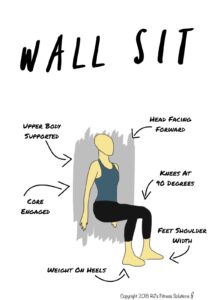
5. Wall Sit

Wall sits improve muscle endurance in quads, glutes, and calves. They are an isometric hold that builds stamina and mental strength.

Step-by-Step Instructions

  • Stand with back against a wall
  • Slide down until knees form 90° angle
  • Keep back flat against the wall
  • Hold position for 20–60 seconds
  • Rest and repeat

Common Mistakes

  • Knees going too far forward
  • Not reaching proper depth
  • Holding breath during the exercise

Safety Tips

  • Keep breathing steady
  • Stop if knees feel sharp pain
  • Start with short holds and build up time

Conclusion

The best lower body strength exercises at home include squats, lunges, glute bridges, step-ups, and wall sits. Moreover, they require no equipment and deliver excellent results when performed consistently.

However, proper form and progression are essential. Therefore, start slow and increase intensity gradually. As a result, you will build strong, stable, and powerful legs over time.


Frequently Asked Questions (FAQ)


1. How to build lower body strength at home?

You can build lower body strength at home by doing bodyweight exercises regularly. For example, squats, lunges, and glute bridges are very effective.

Moreover, consistency is key. Therefore, you should train at least 3–4 times per week. In addition, gradually increase repetitions over time.

Proper form is also important. Because of this, avoid rushing movements. As a result, you reduce injury risk and improve long-term results.


2. What is the 3-3-3 rule for workout?

The 3-3-3 rule means 3 exercises, 3 sets, and 3 focus points such as form, control, and breathing.

For example, you can choose squats, lunges, and step-ups. Then, perform three sets of each exercise.

Moreover, this method keeps workouts simple and structured. Therefore, beginners find it easier to stay consistent.


3. Which exercise is best for leg strength at home?

Squats are the best exercise for leg strength at home because they target multiple muscles at once.

In addition, lunges and step-ups also improve strength and balance. However, squats remain the foundation exercise.

As a result, combining all three leads to the best overall lower body development.


4. What exercise is good for high blood pressure?

Low-intensity exercises like walking, light squats, and step-ups are good for managing high blood pressure.

Moreover, they improve circulation and reduce stress levels. Therefore, they support overall heart health.

However, avoid holding your breath during exercise. In addition, it is always best to consult a doctor if needed.


Conclusion

The best lower body strength exercises at home include squats, lunges, glute bridges, step-ups, and wall sits. Moreover, these exercises require no equipment and can still deliver excellent results when performed consistently.

However, proper form, control, and gradual progression are essential for long-term success. Therefore, it is important to start slow, stay consistent, and steadily increase intensity. As a result, you will develop stronger, more stable, and more powerful legs over time.

In addition, if you want to take your overall fitness journey further and build a healthier lifestyle for both body and mind, you can explore this detailed guide:
Complete Guide to Staying Fit and Healthy for Bones and Soul

Mental Health: What do we know about Ourselves?

Mental Health: What do we know about Ourselves?

Mental health is an integral component of overall well-being, encompassing emotional, psychological, and social aspects of our lives. In recent years, there has been a growing recognition of the importance of prioritizing mental health, as it directly influences our ability to lead fulfilling and productive lives. In this article, we will explore the significance of mental health, common challenges faced, and proactive strategies individuals can adopt to foster resilience and wellness.

Understanding Mental Health

Image Credits: Unsplash.com

Mental health refers to a state of well-being in which individuals can cope with life’s challenges, work productively, and contribute to their communities. It involves emotional regulation, effective communication, and the ability to form and maintain healthy relationships. A positive mental health status does not mean the absence of challenges or stressors; instead, it signifies the capacity to navigate life’s ups and downs with resilience.

Anxiety Disorders

Anxiety disorders are among the most prevalent mental health issues globally, affecting millions of individuals. These disorders encompass conditions like generalized anxiety disorder, social anxiety disorder, and panic disorder. Symptoms may include excessive worry, restlessness, irritability, and physical manifestations such as rapid heartbeat and muscle tension.

Depression: Mental Health

Image Credits: Unsplash.com

Depression is a mood disorder characterized by persistent feelings of sadness, hopelessness, and a lack of interest or pleasure in activities. It can impact daily functioning, affecting everything from work and relationships to physical health. Depression is a common mental health challenge, and its severity can range from mild to severe.

Stress

While stress is a natural response to challenges, chronic stress can have detrimental effects on mental health. Long-term exposure to stressors without effective coping mechanisms can contribute to anxiety, depression, and other mental health issues. Identifying and managing stress is crucial for maintaining mental well-being.

Bipolar Disorder: Mental Health

Image Credits: Unsplash.com

Bipolar disorder involves extreme mood swings, with individuals experiencing periods of intense euphoria (mania) followed by episodes of deep depression. These mood fluctuations can significantly impact daily life, relationships, and overall functioning.

Eating Disorders

Eating disorders, such as anorexia nervosa, bulimia nervosa, and binge-eating disorder, are serious mental health conditions related to unhealthy relationships with food and body image. These disorders can have severe physical and psychological consequences.

Strategies for Promoting Mental Health

Fostering open communication about mental health is crucial in breaking down the stigma associated with mental health challenges. Encouraging dialogue helps create a supportive environment where individuals feel comfortable discussing their experiences, seeking help, and offering support to others. Open conversations reduce misconceptions and promote understanding.

Seeking Professional Help

Image Credits: Unsplash.com

Accessing professional mental health services is a fundamental step in addressing mental health challenges. Mental health professionals, including psychologists, psychiatrists, and counselors, are trained to provide assessment, therapy, and support tailored to individual needs. Seeking help is a sign of strength, and timely intervention can significantly improve outcomes.

Building a Strong Support System: Mental Health

Social support plays a pivotal role in maintaining mental health. Cultivating meaningful connections with friends, family, and community members provides a network of emotional support during challenging times. A strong support system contributes to resilience and can enhance coping mechanisms.

Practicing Self-Care

Self-care involves intentional actions that prioritize physical, emotional, and mental well-being. Establishing healthy routines, getting adequate sleep, engaging in physical activity, and incorporating activities that bring joy are essential components of self-care. Prioritizing self-care contributes to overall resilience and stress reduction.

Mindfulness and Meditation: Mental Health

Image Credits: Unsplash.com

Mindfulness practices, such as meditation and deep breathing exercises, are effective tools for managing stress and improving mental well-being. These practices encourage individuals to stay present in the moment, fostering a sense of calm and clarity. Incorporating mindfulness into daily life can positively impact mental health.

Balancing Work and Life

Achieving a healthy work-life balance is crucial for mental well-being. Overworking and constant stress can contribute to burnout and negatively impact mental health. Setting boundaries, taking breaks, and prioritizing leisure activities contribute to a more balanced and fulfilling life.

Physical Activity: Mental Health

Regular physical activity has been shown to have significant positive effects on mental health. Exercise releases endorphins, the body’s natural mood lifters, and contributes to improved sleep, reduced stress, and enhanced cognitive function. Incorporating physical activity into daily routines promotes overall well-being.

Nutritional Health

Nutrition plays a vital role in mental health. A balanced diet that includes a variety of nutrients supports brain function and overall well-being. Certain nutrients, such as omega-3 fatty acids and antioxidants, have been linked to improved mood and cognitive function.

Setting Realistic Goals

Image Credits: Unsplash.com

Setting and achieving realistic goals contribute to a sense of accomplishment and positive self-esteem. Break larger goals into smaller, manageable tasks, and celebrate achievements along the way. Goal-setting provides direction and motivation, contributing to a positive outlook on life.

Embracing Hobbies and Creativity

Engaging in hobbies and creative pursuits provides an outlet for self-expression and enjoyment. Whether it’s painting, writing, gardening, or playing a musical instrument, activities that bring joy and fulfillment contribute to positive mental health. Creative outlets offer a means of self-discovery and stress relief.

Conclusion: Mental Health

Image Credits: Pexels.com

Prioritizing mental health is a holistic endeavor that requires attention to various aspects of life. Understanding the common challenges individuals face and implementing proactive strategies can contribute to resilience, well-being, and overall life satisfaction. By fostering open communication, seeking professional help when needed, and incorporating lifestyle practices that support mental health, individuals can embark on a journey towards lasting mental well-being. Remember, nurturing mental health is a continuous process, and each step taken towards self-care and awareness contributes to a healthier and more fulfilling life.

In our fast-paced world, dedicating time and effort to mental health is an investment in a happier and more fulfilling life. By embracing strategies like open communication, seeking support, and practicing self-care, individuals can navigate life’s challenges with resilience, promoting a positive and lasting impact on their overall well-being.

LINKS YOU MUST VISIT TO KNOW MORE:

Get a better idea about mental health 
Exercise is really important. See how exercise boosts your mind