Category Archives: Education

This is education score

Salary vs Total Compensation: What’s the Real Value?

Salary vs Total Compensation: What’s the Real Value?

When looking at a new job offer, evaluating your true financial rewards goes far beyond your base paycheck. Professionals often overlook extra benefits that significantly boost their overall earnings. According to the U.S. Bureau of Labor Statistics, employer costs for employee compensation stretch far past standard wages, covering essential insurance, retirement contributions, and paid leave. Understanding this dynamic ensures you never undervalue your professional worth in the marketplace. Many workers mistakenly focus only on cash earnings, ignoring valuable perks like health coverage and stock options. This comprehensive guide explores these crucial differences. We break down answers to what is the difference between salary and total compensation, what is the difference between basic salary and total compensation, is salary the same as compensation, are CTC and total compensation the same, salary vs total compensation vs base salary, and a clear salary vs total compensation example.

What Is the Difference Between Salary and Total Compensation?

The difference between salary and total compensation comes down to the scope of the financial rewards you receive from an employer. Salary usually refers to the fixed cash amount you earn for performing your job. Employers typically pay it monthly, biweekly, or according to another regular schedule.

Total compensation is broader. It includes your base salary plus additional financial and employment benefits provided by the company. These may include performance bonuses, health insurance, retirement contributions, stock awards, tuition assistance, and wellness benefits.

For example, a job offering a $70,000 salary may provide another $15,000 in benefits and variable compensation. Your salary is still $70,000, but your total compensation could reach $85,000.

Understanding this difference gives you a more accurate view of an employment offer. Focusing only on your paycheck can make one job appear less valuable than another. Comparing the complete compensation package helps you understand what an employer is actually offering.

Evaluating Extra Benefits

Calculating your complete financial package requires looking beyond your monthly bank deposit. Employers often provide benefits that have significant monetary value but never appear as regular salary payments.

Health insurance is one common example. If your employer pays part or all of your insurance premium, that contribution reduces your personal expenses. Retirement matching can also add substantial value to your annual compensation.

When reviewing a job offer, request a detailed breakdown of the entire package. Look for:

  • Employer-paid health insurance premiums
  • Retirement plan contributions or matching
  • Performance bonuses and commissions
  • Stock awards or equity
  • Tuition reimbursement
  • Paid time off and other benefits

You should also distinguish between guaranteed and variable compensation. A guaranteed benefit has a predictable value, while a bonus may depend on performance or company results.

Adding these components to your base salary gives you a clearer estimate of your total annual compensation. This approach is especially useful when comparing competing job offers.

What Is the Difference Between Basic Salary and Total Compensation?

Basic salary is the guaranteed cash foundation of your employment agreement. It is the fixed amount you and your employer agree upon before considering bonuses, benefits, deductions, or other variable payments.

Total compensation builds on that foundation. It includes basic salary along with additional financial rewards and employer-provided benefits. Depending on the employer, these may include bonuses, commissions, retirement contributions, insurance, stock awards, allowances, and other benefits.

The biggest difference is certainty. Your basic salary generally remains consistent from one pay period to another. Total compensation can change because some components depend on performance, company results, stock value, or eligibility requirements.

For example, an employee may have a $60,000 basic salary and a potential $10,000 annual performance bonus. Their guaranteed salary is $60,000, while their potential compensation could be $70,000 before considering other benefits.

Understanding this difference helps you avoid confusing potential earnings with guaranteed income when evaluating an employment offer.

The Role of Variable Pay

Variable pay can significantly change your annual earnings. Unlike basic salary, these payments usually depend on specific performance targets, sales results, commissions, company profitability, or other conditions.

Common forms of variable compensation include:

  • Annual performance bonuses
  • Sales commissions
  • Profit-sharing payments
  • Project-based incentives
  • Signing or retention bonuses
  • Stock awards tied to performance

Employers often use variable pay to connect employee rewards with business results. A sales professional, for example, may receive a moderate base salary but earn substantial commissions by exceeding sales targets.

However, you should not treat potential variable pay as guaranteed income. Before accepting an offer, ask how the bonus is calculated and what percentage of employees typically receive it.

A compensation package with a lower base salary and a large variable component may look attractive. Yet it can carry more financial uncertainty than a job with a higher guaranteed salary.

Is Salary the Same as Compensation?

Salary is not the same as compensation, although people often use the terms interchangeably in everyday conversation. Salary generally refers to fixed cash pay, while compensation describes the broader rewards an employee receives for their work.

Think of salary as one component of compensation. Your salary might be $65,000 per year, while your total compensation could be considerably higher after adding insurance, retirement contributions, bonuses, equity, and other benefits.

This distinction matters during job searches and salary negotiations. If a recruiter says a position offers $80,000 in compensation, you should clarify what that figure includes. It could represent base salary, total compensation, or a target amount that includes variable incentives.

For practical guidance on discussing your pay after receiving an offer, see these salary negotiation tips after an offer.

Clear terminology prevents misunderstandings when comparing employment contracts. Ask employers for a written breakdown showing base salary, variable compensation, employer contributions, and benefits.

The broader definition of compensation also recognizes benefits that do not directly appear as cash. These benefits can still have meaningful financial or personal value.

Non-Monetary Compensation Perks

Compensation is not limited to salary, bonuses, insurance, and retirement contributions. Employers may also provide non-monetary benefits that affect your overall employment experience and financial position.

Examples include flexible working arrangements, additional vacation days, remote work options, professional development programs, employee discounts, and wellness programs.

These benefits do not necessarily increase your bank balance. However, they can reduce personal expenses or provide value that would otherwise cost you money or time.

For example, an employer-funded professional certification could save you hundreds of dollars. Flexible remote work could also reduce commuting costs and travel time.

When comparing job offers, consider how each benefit affects your priorities. A company offering a slightly lower salary may provide significantly more flexibility or professional development opportunities.

Still, avoid assigning arbitrary cash values to every perk. Some benefits have clear financial value, while others depend heavily on your personal circumstances. Evaluate them separately from guaranteed cash compensation to create a realistic picture of each employment offer.

Are CTC and Total Compensation the Same?

CTC, or Cost to Company, and total compensation are closely related concepts, but they are not always identical. The exact definition depends on the employer, country, and way the compensation package is calculated.

CTC is especially common in India. It generally represents the total annual cost a company associates with employing a person. Depending on the organization, CTC may include basic salary, allowances, bonuses, employer provident fund contributions, gratuity, insurance, and other benefits.

Total compensation usually focuses on the overall value of rewards provided to the employee. Some definitions may exclude certain employer costs or administrative expenses that appear within a company’s CTC calculation.

This distinction is important when reviewing an Indian job offer. A company may advertise a ₹10 lakh CTC, but that does not necessarily mean you will receive ₹10 lakh in your bank account.

Before comparing offers, request a complete CTC breakup. Identify fixed salary, variable pay, employer contributions, taxes, and benefits separately. This gives you a more realistic estimate of your monthly take-home pay and annual financial value.

Understanding CTC Deductions

A CTC figure can contain components that you never receive directly as monthly cash. This is one of the biggest reasons employees sometimes confuse CTC with take-home salary.

For example, an employer may include gratuity, employer provident fund contributions, insurance premiums, or other benefits in the advertised CTC. These amounts contribute to the employer’s cost but may not appear in your monthly bank deposit.

When reviewing a CTC structure, separate the components into three categories:

  • Fixed cash salary
  • Variable or performance-based pay
  • Employer-paid benefits and contributions

You should then examine deductions from your gross salary separately. Employee provident fund contributions, income tax, and other applicable deductions can reduce your actual take-home pay.

A ₹10 lakh CTC therefore does not automatically mean you will receive approximately ₹83,333 every month.

The safest approach is to ask the employer for the complete salary structure. Compare gross salary, deductions, take-home pay, and total CTC rather than relying on the headline figure alone.

Salary vs Total Compensation vs Base Salary

Salary, total compensation, and base salary describe different layers of an employee’s earnings. Understanding these terms makes it easier to compare job offers and negotiate compensation effectively.

Base salary is the fixed cash amount agreed upon for your role. It generally excludes bonuses, commissions, and employer-provided benefits.

Salary is often used as a general term for regular cash earnings. In many contexts, people use salary and base salary interchangeably. However, the exact meaning can depend on the employer and the compensation structure.

Total compensation is broader. It combines base salary with additional financial rewards and employer-provided benefits. These may include bonuses, insurance, retirement contributions, equity, commissions, and other benefits.

For example, Company A might offer a $75,000 base salary with limited benefits. Company B could offer a $68,000 base salary with a large retirement contribution, strong insurance coverage, and a substantial bonus.

The second offer may have greater total compensation despite the lower base salary. That is why comparing only salary can produce an incomplete picture of the financial value of a job.

Comparing Competing Job Offers

Comparing job offers requires more than choosing the position with the highest advertised salary. You should evaluate the complete compensation package and separate guaranteed income from potential earnings.

Start by comparing each offer’s base salary. Then examine bonuses, commissions, employer retirement contributions, insurance coverage, equity, and other benefits.

A simple comparison can include:

Compensation component Offer A Offer B
Base salary $75,000 $68,000
Expected bonus $3,000 $8,000
Retirement contribution $2,500 $6,000
Insurance value $5,000 $7,000
Estimated total value $85,500 $89,000

These numbers should be based on realistic assumptions. Do not treat a maximum possible bonus as guaranteed income.

Also consider taxes, commuting costs, paid leave, work location, and career development. A slightly smaller package may still be preferable if it provides better stability or significantly improves your long-term career prospects.

If you are comparing employment structures rather than just compensation packages, you can also explore freelancing vs full-time jobs to understand how income and benefits can differ.

Salary vs Total Compensation Example

A practical example shows why salary and total compensation should not be treated as the same figure. Imagine Jane receives a job offer with an annual base salary of $70,000.

At first glance, it may seem that Jane’s employer is paying her $70,000 for the year. That figure represents her fixed salary, but it does not capture the complete value of her employment package.

Her employer also offers a $5,000 performance bonus, $10,000 worth of health insurance coverage, and a $4,000 retirement contribution. If Jane qualifies for the full bonus, these components add another $19,000 to the package.

Her potential total compensation is therefore:

  • Base salary: $70,000
  • Performance bonus: $5,000
  • Health insurance: $10,000
  • Retirement contribution: $4,000
  • Total compensation: $89,000

However, Jane should not assume that all $89,000 will reach her bank account. The bonus may depend on performance, while insurance and retirement contributions are benefits rather than direct cash wages.

Visualizing Your Annual Package

Breaking your annual compensation into separate categories makes financial planning easier. Instead of looking at one large number, identify how much comes from fixed salary, variable pay, and employer-provided benefits.

Start with your guaranteed cash compensation. This is the amount you can reasonably expect before considering performance-based payments.

Next, identify variable compensation. Include bonuses, commissions, and other incentives, but use realistic estimates rather than maximum potential amounts.

Finally, calculate the value of employer-paid benefits. These may include health insurance, retirement contributions, tuition assistance, and other benefits.

A simple breakdown could look like this:

  • Fixed salary: $70,000
  • Expected variable pay: $5,000
  • Employer benefits: $14,000
  • Estimated total compensation: $89,000

This approach helps you understand your actual financial package without confusing benefits with take-home pay.

It also makes job comparisons easier. When two employers use different compensation structures, separating each component reveals which offer provides more guaranteed income and which provides greater overall value.

Frequently Asked Questions

How do employee benefits impact total compensation?

Employee benefits significantly increase your total compensation by covering essential expenses you would otherwise pay out of pocket. Comprehensive health insurance, dental coverage, and retirement matching plans add thousands of dollars in hidden value to your annual earnings. When evaluating a career opportunity, factoring in these non-cash benefits often reveals that a lower base salary with superior perks provides greater overall financial security.

Are bonuses and stock options guaranteed parts of total compensation?

Bonuses and stock options are variable components of total compensation rather than guaranteed cash earnings. Performance bonuses depend on company milestones and individual achievements, meaning payouts fluctuate yearly. Similarly, stock options rely on company valuation and vesting schedules. While they boost your potential total compensation significantly, you should always prioritize a solid base salary for reliable daily living expenses.

Why do companies emphasize total compensation over base salary?

Companies emphasize total compensation because it reflects their entire investment in recruiting and retaining top talent. Highlighting comprehensive benefits allows organizations to showcase a competitive workplace culture without inflating fixed payroll costs. For employees, understanding total compensation provides a clearer picture of corporate investment, helping them recognize hidden perks that support long-term financial health and professional growth.

How can I negotiate for better total compensation?

Negotiating better total compensation involves looking beyond standard base pay increases to request additional valuable perks. If an employer cannot raise your base salary due to internal budget caps, you can negotiate for extra paid time off, remote work stipends, signing bonuses, or higher retirement contributions. Presenting data-driven justifications for these additions ensures you secure a comprehensive and rewarding employment package.

Conclusion

Navigating the complexities of salary vs total compensation is essential for making informed career choices and building long-term financial security. While your base paycheck provides immediate cash flow, total compensation delivers the broader value of your employment package.

By evaluating health benefits, retirement contributions, bonuses, equity, and other benefits alongside your base pay, you can assess job offers more accurately and negotiate effectively.

Your career choice also depends on the type of employment you pursue. If you are exploring different paths, resources covering government jobs vs private jobs, top government jobs after graduation, and internship vs full-time job can help you compare opportunities from different perspectives.

If you are considering less traditional career paths, jobs in the creator economy can also provide useful context on alternative income models.

Ultimately, do not judge an opportunity by its advertised salary alone. Compare guaranteed pay, variable compensation, employer benefits, and long-term career value before making your decision.

Questions to Ask Before Taking Admission: A Complete Guide

What Questions to Ask Before Taking Admission: A Complete Guide

Choosing a new educational institution is a monumental decision that shapes your future path. When evaluating educational options, having the right queries ready ensures you find an environment that truly aligns with your goals. Knowing what questions to ask before taking admission can save you from costly mistakes and mismatched expectations. Whether you are stepping into a primary school, a bustling college, or an advanced university program, clarity is your best tool. According to USA.gov Education Resources, understanding institutional policies and program offerings helps students make sound choices. This comprehensive guide walks you through the exact inquiries you need to make, covering everything from campus culture to academic rigor, ensuring you feel entirely confident before making your final commitment.

What Questions to Ask for Admission?

Choosing the right institution requires more than comparing fees or looking at rankings. During the admission process, ask targeted questions about the curriculum, teaching methods, faculty support, accreditation, and student services. These details help you understand whether the institution matches your academic and personal goals.

If you are evaluating a school, understanding how the institution presents itself to prospective families can also be useful. Reviewing resources about school branding and marketing strategies can help parents distinguish between genuine educational strengths and purely promotional messaging.

Ask about the student-to-faculty ratio to determine how much individual attention students usually receive. You can also ask how teachers support students who struggle with particular subjects. Questions about technology, laboratories, libraries, and learning resources can reveal whether the institution provides a suitable academic environment.

It is also important to understand campus policies and student well-being. Ask about safety procedures, counseling services, extracurricular activities, and career support. If possible, speak with current students and parents. Their experiences can provide practical information that official admission materials may not fully explain. A detailed conversation can help you make a more informed admission decision.

Academic Support and Student Resources

Strong academic support can make a significant difference to student performance and retention. Before accepting an admission offer, ask what resources are available when students need additional help. Find out whether the institution provides tutoring, mentoring, academic counseling, or subject-specific support.

Ask how easily students can access faculty members outside regular class hours. You should also understand whether the institution tracks student progress and contacts families when academic concerns arise. These details can indicate how proactive the institution is about student success.

Counseling services are another important consideration. Ask whether students have access to professional counselors and whether those services are included in tuition fees. Career guidance can also influence long-term outcomes, especially for older students.

You may also ask about graduation rates, placement statistics, and career services. However, do not rely only on headline numbers. Ask how those figures are calculated and whether they apply to the specific program you are considering.

What Are 10 Good Questions to Ask?

When evaluating an institution, asking the right questions can save time and prevent unexpected problems later. A focused list of admission questions helps you compare different schools or colleges using the same criteria.

Consider asking these ten questions:

  1. What is the total cost of attendance?
  2. What scholarships or financial aid are available?
  3. What are the graduation or completion rates?
  4. What safety and emergency procedures are in place?
  5. Which extracurricular activities are available?
  6. What housing or transportation options are offered?
  7. Are internships or work placements available?
  8. How active and useful is the alumni network?
  9. What is the average class size?
  10. What disciplinary and student conduct policies apply?

Do not stop at receiving simple yes-or-no answers. Ask for examples, current figures, and written information when possible. Comparing detailed responses can reveal important differences between institutions. This approach also helps families evaluate academic quality, student life, safety, and financial commitments before making a final decision.

Evaluating Financial Aid and Hidden Costs

Tuition fees rarely represent the complete cost of education. Before accepting admission, ask the institution for a full breakdown of expected expenses. This should include tuition, registration charges, examination fees, laboratory costs, technology fees, textbooks, transportation, and accommodation.

For students considering higher education in India, it is also worth researching available funding options before making a final decision. A guide to top scholarships for Indian students can help you identify scholarship opportunities that may reduce the overall financial burden.

If borrowing is part of your plan, review the latest student loan guidelines for 2026 and compare interest rates, repayment conditions, eligibility requirements, and other costs before committing to an education loan.

What Questions to Ask for School Admission?

School admission requires questions that focus on more than academic performance. Parents should evaluate student safety, teaching methods, classroom support, communication, and overall child development before choosing a school.

If you are comparing schools, you may also want to understand the difference between traditional schooling and alternative education options. Different educational models can suit different learning styles, family circumstances, and student needs.

Ask how teachers support children with different learning abilities and how the school identifies students who need additional assistance. Questions about homework, daily schedules, assessments, and classroom size can help you understand the learning environment.

Parents should also ask about behavioral policies and how teachers handle conflicts between students. Find out how the school communicates concerns about academic progress or behavior with parents.

Extracurricular activities are another useful area to explore. Ask about sports, arts, technology programs, clubs, and other activities that encourage children to develop interests outside the classroom.

It is equally important to understand transportation and attendance procedures. Ask who supervises students during arrival, dismissal, breaks, and school activities. A school should provide clear answers about these areas. The goal is to determine whether its environment supports your child’s academic, social, and emotional development.

Parents who are still comparing schools can also use a practical guide to choosing the right school for your child to create a more structured evaluation process.

Assessing Safety Protocols and Campus Security

Child safety should be one of the first considerations when evaluating a school. Parents should ask specific questions about how the institution protects students throughout the school day. General statements about safety are less useful than clear explanations of actual procedures.

Ask whether the school uses visitor screening, identification systems, controlled entry points, and monitored pickup procedures. You can also ask how the school verifies who is authorized to collect a child.

Emergency preparedness is equally important. Find out whether the school conducts fire drills, evacuation exercises, or other emergency training. Ask how staff respond to medical emergencies and whether trained personnel are available on campus.

Parents should also ask about playground supervision and transportation safety. If buses are provided, ask how drivers and attendants are selected and monitored.

Staff screening is another important issue. Ask whether employees undergo appropriate background checks before working with children. A transparent administration should explain its safety policies clearly. These answers can help parents judge whether the school takes student protection and campus security seriously.

What Are Some Important Questions to Ask Before Joining a College?

Choosing a college involves evaluating both academic opportunities and everyday student life. Before joining, ask questions about degree flexibility, academic advising, major selection, research opportunities, and campus resources.

Find out when students must declare their major and whether they can change it later. Ask whether students can take electives outside their main field. If you are interested in research, internships, or practical projects, ask how easily undergraduate students can access those opportunities.

Academic advising also deserves attention. Ask how frequently students meet advisors and how advisors help with course planning or career decisions.

College life extends beyond classrooms. Ask about student clubs, sports, campus events, accommodation, transportation, and support services. Mental health resources can also be important during the transition to independent living.

You should also investigate the local area. Ask about commuting options, living costs, and access to essential services. A college may offer a strong academic program but still be a poor personal fit. Looking at both academic quality and campus life gives you a more complete picture before enrollment.

Understanding Internship and Career Pathways

Career preparation should be a major part of your college evaluation. Before joining, ask how the institution helps students gain practical experience and prepare for employment. Do not rely only on claims about high placement rates. Ask for specific information about the internship and career support system.

Find out whether internships are mandatory, optional, or built into the curriculum. Ask which companies or organizations regularly recruit students. You can also ask how students find internships and whether the college helps with applications and interviews.

Career fairs can provide useful networking opportunities. Ask how frequently they take place and which employers typically participate. Resume workshops, interview preparation, mentoring, and career counseling can also improve job readiness.

If possible, ask about placement outcomes for your specific degree or department. Different programs can have very different employment results.

Industry partnerships may also provide access to projects, guest lectures, internships, and networking opportunities. Strong career services do not guarantee a job, but they can improve your access to opportunities. The key is to understand exactly what support the college provides and how students use it.

Parents Interview Questions and Answers for Child Admission

School admission interviews can be stressful for parents, especially when the school asks about family expectations and parenting approaches. Preparation can reduce uncertainty and help parents answer clearly and honestly.

Parents may be asked about their child’s strengths, interests, learning style, behavior, and areas for improvement. Schools may also ask why the family selected the institution and what they expect from the educational environment.

Avoid presenting an unrealistic picture of your child. Admission interviewers generally benefit more from honest and thoughtful answers than exaggerated claims. If your child has a weakness, explain how you are helping them develop without turning the answer into a negative description.

Parents should also understand the school’s values before the interview. This allows them to explain how their expectations align with the institution’s approach to education.

Questions about family routines, communication, discipline, and parental involvement may also arise. Prepare practical examples rather than memorized responses.

The goal is not to provide perfect answers. It is to demonstrate that you understand your child’s needs and are prepared to work cooperatively with the school.

Common Interview Scenarios and Best Responses

Preparing for common admission interview questions can help parents communicate confidently without sounding rehearsed. Schools may ask parents to describe their child’s personality, strengths, interests, challenges, and learning habits.

For example, parents may be asked what their child enjoys doing outside school. A useful answer should mention specific activities and explain what the child learns from them. Questions about weaknesses can be handled honestly by identifying an area of development and describing the support being provided at home.

Parents may also be asked why they selected the school. Instead of giving a generic response, mention specific features that match the child’s needs, such as teaching methods, extracurricular activities, or student support.

Another common topic is parental involvement. Explain how you plan to communicate with teachers and support learning at home.

Avoid memorizing long answers. Interviewers may ask follow-up questions, and overly prepared responses can sound unnatural. Honesty, clarity, and consistency usually create a stronger impression than trying to give the “perfect” answer.

Questions to Ask at a University Open Day

A university open day gives prospective students a chance to see the campus and ask questions that may not be answered on the institution’s website. Use the opportunity to investigate both academic facilities and everyday student experiences.

Ask about lecture sizes, laboratory facilities, libraries, accommodation, study spaces, and student support. If you are considering a specialized course, ask whether students have regular access to relevant equipment and practical facilities.

You should also ask about study abroad programs, exchange opportunities, and postgraduate pathways. Find out whether credits from international programs transfer easily toward your degree.

Speaking with current students can be especially useful. Ask them what they enjoy about the university and what they would change. Their answers may reveal practical issues involving workload, accommodation, teaching quality, or campus culture.

You can also ask faculty members about assessment methods, academic support, and opportunities for research or practical projects. Take notes during the visit and compare answers across universities. This makes it easier to evaluate each institution objectively after the university open day ends.

Exploring Global Study Opportunities

International study programs can add academic, cultural, and professional experience to a university education. However, students should examine the practical details before assuming that an exchange program will be valuable or affordable.

Ask which partner universities abroad are available and whether they offer courses relevant to your degree. Find out how credits transfer back to your home institution. A program is less useful if international coursework delays graduation or does not count toward your degree requirements.

Financial support is another major consideration. Ask whether scholarships, travel grants, or other funding options are available. You should also clarify which expenses students must cover themselves, including flights, accommodation, insurance, and daily living costs.

Ask how long exchange programs typically last. Some may involve a summer term, while others cover an entire semester or academic year.

Students should also ask about application deadlines and eligibility requirements. Strong international programs can expand cultural awareness and professional networks. Their value depends on academic relevance, affordability, credit transfer, and career benefits, not simply the opportunity to travel.

Frequently Asked Questions

What Is the Best Time to Start Asking Admission Questions?

The best time to start asking questions to ask before taking admission is six to twelve months before enrollment. Starting early gives you enough time to research institutions, attend open houses, compare programs, and review admission requirements. You can also investigate scholarships, tuition fees, housing, and financial aid without pressure. Preparing questions to ask before taking admission early helps you identify important differences between institutions before application deadlines arrive.

Should Students or Parents Lead the Admission Conversation?

Parents should usually lead admission discussions for younger children, while older students should become more involved as they approach college. During college and university visits, students should take the lead and ask their own questions to ask before taking admission. This helps them understand whether a program matches their interests and career goals. Parents can provide support by asking about finances, safety, and policies. Discussing these questions to ask before taking admission together creates a more balanced decision-making process.

How Can I Verify the Accuracy of Admission Information?

Do not rely entirely on verbal statements when evaluating an institution. Compare answers with official handbooks, course catalogs, admission documents, and verified government education sources. This is especially important when reviewing tuition fees, scholarships, accreditation, placement figures, and course requirements. Your questions to ask before taking admission should lead to specific and verifiable answers. Request written information whenever possible. Verifying these details helps prevent misunderstandings and makes your questions to ask before taking admission more useful during comparisons.

What Red Flags Should I Watch Out for During an Admission Tour?

Pay attention to how openly an institution responds to your concerns. Avoid institutions that refuse to discuss graduation rates, placement results, fees, safety policies, or student complaints. Be cautious if staff discourage you from speaking with current students or provide vague answers about important policies. These warning signs should influence your questions to ask before taking admission. You can use additional questions to ask before taking admission to clarify unclear information and determine whether the institution is genuinely transparent.

Conclusion

Choosing an educational institution requires careful research rather than relying on rankings or promotional material alone. The right questions to ask before taking admission can help students and parents evaluate academics, costs, safety, student support, and career opportunities. For additional insights into the admission process, explore these school admission marketing ideas. Use these questions to ask before taking admission during school visits, college tours, and university open days. Asking detailed questions also helps you compare institutions objectively. Ultimately, thoughtful questions to ask before taking admission can help you choose an environment that supports academic growth and future career goals.

Dorm Shopping for College: The Ultimate Parent’s Guide

Dorm Shopping for College: A Parent’s Complete Guide

Preparing for higher education involves many milestones, but dorm shopping for college remains one of the most exciting and overwhelming transitions for families. Sending your child off to live independently requires thoughtful planning to ensure they feel safe, comfortable, and ready to learn. According to guidelines from the National Center for Education Statistics, millions of students transition into campus housing every year, making early preparation essential. Families can also explore Summer Activities for College Preparation That Stand Out to make the transition to higher education more productive.

Navigating retail aisles without a solid plan often leads to unnecessary purchases and cramped quarters. This comprehensive guide helps you figure out what you should buy for your college dorm, what you should pack, how to maximize clothing storage, and find wonderful gifts. We will also cover unique checklists for female students and essential tips for dorm shopping for college in India.

Before shopping, it can also help families understand broader decisions such as Choosing the Right College Major: A Complete Guide and Education Systems Around the World: Top Countries Compared.

What Should I Buy for My College Dorm?

When building your college dorm shopping list, focus on items that support comfort, study, storage, and daily routines. Start with bedding basics such as Twin XL sheets, a comfortable comforter, and a washable mattress pad. Bath essentials should include quick-dry towels, a durable shower caddy, and shower sandals for shared bathrooms. For your study area, pack a desk lamp, surge-protected power strip, and planner. Add only what your residence requires, and leave room for purchases after you understand the space. This is especially useful when roommates share storage or bathroom areas.

A planner can also help students organize their academic responsibilities alongside everyday college tasks. For students who prefer digital organization, Best Notion Templates for Students to Organize College provides additional ideas for managing schedules, assignments, notes, and routines.

Avoid buying large decorations before move-in. Room layouts, furniture sizes, and housing rules vary between campuses. Wait until you see the space before purchasing bulky items. Multipurpose storage is often more useful than decorative furniture. Folding lap desks, under-bed bins, and collapsible organizers can save valuable floor space. A focused college dorm checklist also helps prevent impulse purchases.

Students should also understand the practical realities of their living arrangement. Comparing Hostel vs Day Scholar: Which College Life is Best? can help families think about accommodation, daily routines, independence, and campus life before buying everything at once.

Essential Bedding and Bath Purchases

Quality bedding should be near the top of your college dorm shopping list because sleep affects comfort and daily focus. First, confirm the mattress size provided by your residence hall. Many U.S. dorms use Twin XL beds, but sizes can vary by campus. Once you confirm the size, buy at least two sheet sets so you have a clean set while the other is being washed.

Add a washable mattress pad or topper if housing rules allow it. Choose one that fits securely and does not make the bed difficult to arrange. Choose a comforter or blanket that suits the local climate.

For shared bathrooms, choose quick-dry towels that are easy to wash and carry. A breathable mesh shower caddy keeps toiletries together and allows water to drain. Shower sandals are another practical choice for communal bathroom floors. These purchases can make dorm life easier without creating clutter.

What Should I Pack for My College Dorm?

Packing for college requires a balance between having what you need and avoiding unnecessary clutter. Start with seasonal clothing rather than bringing your entire wardrobe at once. Add everyday toiletries, laundry detergent, and a sturdy hamper that is easy to carry to the laundry room. A collapsible hamper can save space when it is not in use.

Students moving into a dorm for the first time may also benefit from a broader College Survival Guide for Freshers: Essential Tips, particularly when planning routines, personal responsibilities, and everyday essentials.

Include bandages, antiseptic supplies, and personal over-the-counter medicines you normally use. Electronics are another important part of modern dorm life. Pack your laptop, phone charger, headphones, and any required academic accessories.

Before packing appliances, review your residence hall’s prohibited-items list. Candles, hot plates, and other restricted appliances may create safety risks or violate housing policies. Checking the rules first prevents unnecessary purchases.

Also pack a few reusable items, such as a water bottle and basic utensils. Keep important documents and valuable electronics in an accessible carry-on rather than buried in boxes. Pack clothing in a simple rotation so frequently used items remain easy to reach.

Crucial Health and Electronics Checklist

A compact health and electronics kit can prevent small problems from disrupting your college routine. Start with basic first-aid supplies for everyday situations. Bandages, antiseptic products, and commonly used over-the-counter medicines can be useful when minor issues happen. Follow package directions and campus health guidance for any medicines.

Electronics also deserve careful planning because students use them throughout the day. A reliable laptop charger is essential, while spare charging cables can prevent problems when one is lost or damaged. A portable power bank can be helpful during long days between classes, especially when outlets are limited.

Noise-canceling headphones may also improve concentration in busy dorm environments. A checklist helps you cover health and technology essentials without overpacking. Keep these items together in one small pouch so they are easy to find. Replace expired supplies when needed.

How to Store Clothes in a College Dorm?

Dorm closets are often smaller than students expect, so clothing storage should be planned before move-in. Begin by using slim velvet or nonslip hangers. Avoid bringing too many duplicate clothes because limited closet space fills quickly.

Hanging closet organizers can add shelves for folded sweaters, jeans, T-shirts, and accessories. Under-bed storage bins are useful for shoes, seasonal clothing, and other items you do not need every day. Vacuum storage bags can reduce bulky winter coats or bedding.

Door and wall space can also provide extra storage. Removable hooks can hold hats, bags, towels, or lightweight accessories without requiring permanent modifications. Always check housing rules before attaching anything to walls or doors.

The goal is not to fit your entire wardrobe into the dorm. Bring the clothes you actually wear, then rotate seasonal items when practical. This keeps the room easier to clean and reduces clutter.

Maximizing Vertical Closet Space

Vertical storage can make a major difference when a college dorm closet has limited floor and hanging space. Use the height of the closet more effectively instead of spreading clothing across shelves, drawers, and chairs. A double-hang closet rod can create two hanging levels, allowing shorter garments to use space beneath longer items.

Use the upper level for shirts, jackets, or other shorter clothing. Place trousers, skirts, or additional shirts on the lower level if the closet design allows it. This can increase hanging capacity without permanent furniture.

Before buying a second rod, measure the closet and check whether temporary organizers are permitted by your housing provider. Some dorm closets may not have enough clearance for certain systems. Hanging shelf organizers can provide a similar benefit.

Vertical organization works best when combined with regular decluttering. Keep frequently worn clothes within easy reach and store seasonal pieces elsewhere. Using height instead of floor furniture preserves space for study and movement.

What Are Some Good Gifts for Dorm Rooms?

Good dorm room gifts should combine personal meaning with practical value. College students usually have limited space, so useful gifts can be more valuable than bulky decorations. Personalized photo boards, compact framed photos, and custom fleece blankets can add a sense of home without overwhelming a small room. Check room rules and available wall space before choosing anything that needs to be mounted.

Portable power banks, reading lights, and compact speakers can support everyday routines. A subscription for a service the student already uses can provide value without taking space.

When choosing a gift, consider the student’s actual habits rather than buying something because it looks good online. Compact and multipurpose items are often safer choices for dorm living. Avoid large decorative pieces, oversized furniture, or fragile accessories unless the student specifically wants them.

The best choices fit the student’s setup instead of creating storage problems. A practical gift should support daily routines while still adding some personality to the room.

Choosing Practical Tech Gifts

Tech gifts stand out because college students rely heavily on digital devices for studying, communication, entertainment, and campus routines. A dependable power bank is one practical option for students who spend long hours away from their dorm. It provides backup power when outlets are unavailable.

A compact reading light can also help students study without illuminating the entire room. Look for adjustable brightness and a design that fits easily on a desk or bedside area. LED light strips can add personal style, but check housing rules first.

Before buying technology, check which devices the student already owns. Compatibility matters more than novelty. A charger that does not support the right connector can become wasted money.

Headphones can be useful for students sharing rooms. They provide a private way to listen to lectures, music, or recorded study material. Choose reliable, compatible devices. Practical technology usually has more lasting value than novelty gadgets.

College Dorm Checklist for Girls

A college dorm checklist for girls should combine personal comfort, grooming needs, organization, and efficient use of limited space. A full-length mirror can be useful for getting ready, but check whether the room already provides one. Small lighting accents can add personality without requiring much storage.

Grooming supplies may need more organization than a standard dorm setup provides. A compact vanity organizer can keep makeup, skincare products, and hair accessories together. A spacious shower caddy can keep hair and personal-care products together.

Over-the-door shoe organizers offer another flexible storage option. They can hold shoes, accessories, toiletries, or small daily-use items. Before using one, confirm that your residence hall permits door-mounted organizers.

For decoration, choose a cohesive color palette rather than buying many unrelated pieces. Similar colors and simple textures can make a compact room feel more organized. Small baskets can help separate daily products from backups. Prioritize function because an uncluttered room is easier to maintain.

Vanity and Grooming Organization

A well-organized vanity area can make busy college mornings easier, especially when students have early lectures or limited preparation time. Start with a compact organizer that keeps frequently used cosmetics and grooming products visible. Acrylic organizers can separate makeup by type and make small items easier to find on crowded surfaces.

A lighted vanity mirror can provide more consistent lighting than a dim dorm room. However, measure the available desk or dresser space before buying one. Large organizers can reduce valuable study space.

Keep daily-use products within easy reach and store occasional items elsewhere. Vertical organizers can help when counter space is limited. Small containers can also separate hair accessories, skincare products, and other personal items.

Avoid buying a complete vanity setup before move-in. Dorm furniture varies, and some rooms may already include useful storage. It is better to identify the available space first and then buy organizers that fit it.

Choose compact products that support your routine without taking over the room. A simple setup is usually easier to maintain throughout the semester.

Dorm Shopping for College in India

Dorm shopping for college in India requires attention to climate, accommodation rules, and the type of residence you will use. Do not assume that Twin XL sheets are required. Indian hostels may use different single-bed sizes, so measuring the mattress can prevent a poor fit.

Weather should also influence your packing list. During monsoon periods, a sturdy umbrella, waterproof backpack cover, and quick-drying clothing can protect books and electronics. A laptop sleeve with water resistance can add another layer of protection during campus travel.

For hot regions, breathable cotton clothing can improve comfort, while colder campuses may require warmer layers and closed footwear. Travel adapters may help internationally, but check voltage requirements. Confirm whether the hostel provides basic furnishings before buying.

If allowed, a compact electric kettle can be useful for hot water or simple drinks. Always check hostel rules before bringing cooking appliances, as policies vary between residences. The best college dorm essentials in India are practical, climate-appropriate, and compatible with your hostel’s rules.

Essential Monsoon and Climate Gear

A sturdy umbrella should be easy to carry and strong enough for regular campus travel. A waterproof backpack cover can provide additional protection for laptops, textbooks, notebooks, and other essentials.

A separate waterproof pouch can protect smaller electronics, identification cards, and other items that should stay dry. Quick-drying clothing is another practical addition for humid or rainy conditions.

For footwear, choose options that can handle wet paths and dry reasonably quickly. Climate-appropriate dorm essentials should be based on the student’s campus location rather than a generic checklist.

A hot, humid campus requires different clothing from a cooler location. Preparing for weather early can reduce last-minute purchases and improve comfort.

Students should research typical seasonal conditions before shopping. This can help prevent unnecessary purchases and ensure the college dorm packing list matches local weather. The goal is practical protection.

Frequently Asked Questions

When should you start dorm shopping for college?

Starting your dorm shopping early, ideally by early July or right after college acceptance letters arrive, ensures the best product availability. Waiting until August often leads to empty retail shelves and stressful last-minute rushes. Early shopping gives families ample time to compare prices, hunt for sales, and carefully pack essential items without feeling overwhelmed by impending deadlines.

How do you coordinate with a college roommate for dorm shopping?

Connecting with your assigned roommate before shopping helps prevent duplicate purchases of large items like mini-fridges, microwaves, or rugs. Exchange contact information early to discuss color schemes, aesthetic preferences, and shared responsibilities. Communication ensures your shared living space remains functional, balanced, and free from unnecessary clutter caused by overlapping items.

What items are usually banned in college dorms?

Most colleges strictly prohibit appliances with open heating elements, such as hot plates, toaster ovens, candle warmers, and traditional irons. Halogen lamps, extension cords without surge protectors, and unauthorized wireless routers are also commonly banned due to fire safety regulations. Always review your specific university housing policy booklet before purchasing major electronics or room accessories.

How can you save money on college dorm shopping?

Saving money on dorm essentials involves utilizing retail student discounts, shopping thrift stores, and checking inventory you already own at home. Avoid buying brand-new decorative items when secondhand options or basic storage bins work just as well. Making a strict budget and sticking to a verified checklist prevents impulse purchases during large retail shopping trips.

Conclusion

Mastering dorm shopping for college ensures your student steps onto campus feeling confident, prepared, and fully equipped for academic success. By focusing on practical essentials, smart storage solutions, and tailored checklists, you can transform an empty room into a functional home. Remember to balance comfort with spatial limitations and communicate closely with roommates to avoid unnecessary clutter. Applying these thoughtful shopping strategies makes the transition smoother for both parents and students alike. Embrace this exciting milestone, celebrate the new journey ahead, and watch your student thrive in their independent living space.

Tool kit for mentor teachers: Ultimate guide and checklist

A Complete Tool Kit for Mentor Teachers to Support New Educators

Stepping into a leadership role as an experienced educator is both a privilege and a profound responsibility. When you guide a newly hired or student teacher, your influence shapes their entire career trajectory and impacts student success across the classroom. Having a reliable tool kit for mentor teachers ensures you never miss a critical step during orientation, observation, or constructive feedback sessions. Navigating this transition smoothly requires structured resources, clear expectations, and intentional professional support. According to the National Education Association, comprehensive teacher induction programs significantly improve staff retention and instructional quality. This guide breaks down the essential components every seasoned educator needs, including what a mentor checklist involves, helpful daily resources, core daily responsibilities, specialized mentoring tools, and the foundational pillars of effective professional support.

What Is a Mentor Checklist?

A mentor checklist is an organized, step-by-step document that guides experienced educators through the key milestones of supporting a new teacher. It outlines administrative tasks, classroom management check-ins, professional goals, and emotional support needs throughout the school year. A clear checklist helps mentors avoid missing important onboarding steps during busy academic terms.

It also creates transparency between the mentor and mentee. Both educators can see what has been completed and what still needs attention. This structure supports accountability while keeping professional development focused and manageable.

A useful mentor checklist may include:

  • First-week orientation and school walkthroughs
  • Classroom management discussions
  • Lesson planning reviews
  • Classroom observations
  • Professional development goals
  • Mid-year progress evaluations
  • End-of-year reflections

Mentors can also strengthen these practices by focusing on building positive student relationships, an important part of effective classroom support.

Tracking Progress and Milestones

Tracking progress and milestones helps new teachers meet professional benchmarks throughout the academic year. A well-designed mentoring tracker divides goals into weekly, monthly, and term-based milestones. This approach makes professional development easier to manage and keeps both educators focused on practical priorities.

Instead of waiting for formal evaluations, mentors can review progress regularly. Short check-ins can identify challenges before they become larger problems. They also create opportunities to recognize improvements and adjust goals when needed.

A useful progress tracker can monitor areas such as:

  • Classroom management
  • Lesson planning
  • Student engagement
  • Assessment practices
  • Communication with parents
  • Professional development
  • Personal teaching goals

Regular milestone reviews also reduce the pressure of last-minute preparation. New teachers receive feedback while there is still time to apply it. Mentors can then document progress and provide targeted guidance.

This consistent process supports steady teacher development and builds confidence throughout the school year.

What Are Some Helpful Tools for Teachers?

Helpful tools for teachers include digital organization platforms, collaborative lesson planning templates, observation forms, and professional development trackers. These resources can simplify daily workflows and reduce unnecessary administrative pressure. They also make communication between mentors and new teachers more consistent. Teachers should also develop digital literacy skills every student needs for success so they can model responsible and effective technology use in the classroom.

Shared cloud folders can provide one central location for lesson plans, observation notes, resources, and mentoring documents. Digital calendars can help mentors schedule classroom observations, feedback sessions, and important milestones. Grade books and planning systems can also support better organization when used appropriately.

Standardized rubrics are useful for creating objective feedback. They give mentors a consistent framework for reviewing areas such as classroom management, lesson pacing, instructional clarity, and student engagement.

Useful teacher mentoring tools may include:

  • Shared calendars
  • Cloud-based documents
  • Lesson planning templates
  • Classroom observation forms
  • Digital grade books
  • Feedback rubrics
  • Professional growth trackers

The right tools should support the relationship rather than replace it. Technology works best when it makes mentoring conversations easier and more focused. As classrooms continue to evolve, understanding AI vs. human teachers can also help educators think critically about where technology should complement rather than replace human instruction.

Leveraging Digital Planning Platforms

Digital planning platforms can improve how mentors and mentees organize lessons, share resources, and exchange feedback. Shared calendars allow both educators to track observations, planning meetings, professional goals, and important school deadlines in one place.

Cloud-based documents also make collaboration easier. A mentor can review a lesson outline before class and provide suggestions without requiring another meeting. The new teacher can then revise the plan and document questions for later discussion.

These platforms can support several mentoring activities:

  • Sharing lesson plans
  • Scheduling classroom observations
  • Recording feedback
  • Tracking professional goals
  • Organizing teaching resources
  • Documenting progress

Digital planning also reduces preparation friction. New educators can access useful examples and resources without searching through scattered files. Mentors can model organized workflows that teachers may continue using throughout their careers.

However, technology should remain simple. Too many platforms can create additional work. The best digital mentoring tools are easy to access, clearly organized, and directly connected to the teacher’s daily responsibilities.

What to Do as a Mentor Teacher?

As a mentor teacher, your primary responsibility is to model effective instructional practices, provide constructive feedback, and offer consistent professional support. Mentoring involves more than explaining school procedures. It requires helping a new educator develop practical skills and confidence over time.

A mentor should observe lessons objectively and discuss specific areas for improvement. Collaborative debriefs can help the mentee understand what worked, what did not, and what could change during the next lesson. Mentors can also help new teachers navigate school policies, parent communication, classroom challenges, and professional expectations.

Effective mentoring includes:

  • Setting clear goals
  • Observing classroom instruction
  • Providing specific feedback
  • Encouraging self-reflection
  • Sharing practical teaching strategies
  • Supporting professional decision-making
  • Maintaining appropriate confidentiality

Creating a safe and respectful environment is equally important. New teachers need to feel comfortable discussing mistakes and asking difficult questions. This supportive approach also connects with why teacher well-being matters for student success, since educators need sustainable support to perform effectively over time.

By combining constructive feedback with empathy, mentors can help educators develop authentic classroom confidence, stronger decision-making skills, and long-term professional resilience.

Conducting Constructive Classroom Observations

Constructive classroom observations should begin with clear goals. Before observing a lesson, the mentor and mentee can agree on one or two specific instructional areas to examine. This keeps the observation focused and prevents feedback from becoming overwhelming.

During the lesson, mentors should collect objective evidence rather than relying on general impressions. They might note student participation, questioning techniques, transitions, lesson pacing, or classroom management strategies.

A useful observation process includes:

  1. Discussing goals during a pre-conference
  2. Observing specific classroom behaviors
  3. Recording objective evidence
  4. Reviewing the lesson afterward
  5. Identifying practical next steps

The post-observation conversation should encourage reflection rather than feel like an evaluation. Mentors can ask the teacher what they noticed first and what they would change.

Specific feedback is more useful than broad comments. For example, discussing how students responded to a particular activity gives the teacher something concrete to consider.

This approach builds trust, self-assessment, and continuous improvement while turning classroom observations into meaningful professional learning experiences.

What Are Mentoring Tools?

Mentoring tools are practical instruments, reflection protocols, and conversation frameworks that support professional dialogue between experienced and new teachers. They help mentors move beyond informal advice and create more consistent coaching experiences.

Common mentoring tools include coaching scripts, cognitive coaching questions, self-assessment forms, observation templates, goal-setting worksheets, and reflection logs. Each tool serves a different purpose. Some encourage teachers to analyze challenges, while others help mentors structure feedback and track progress.

These resources can help mentoring conversations focus on evidence and solutions. Instead of immediately providing an answer, mentors can use reflective questions to help new teachers examine their own decisions.

Useful mentoring tools include:

  • Coaching question prompts
  • Classroom observation forms
  • Self-assessment logs
  • Goal-setting templates
  • Reflection journals
  • Feedback frameworks
  • Professional growth trackers

The purpose is not to make mentoring mechanical. Tools should provide structure while leaving room for honest conversation and individual needs.

When used effectively, mentoring resources create a common language for professional growth. They can also strengthen collaboration and help transform a basic mentor relationship into a meaningful coaching partnership.

Utilizing Coaching Question Protocols

Coaching question protocols encourage new teachers to analyze challenges and develop their own solutions. Instead of immediately giving advice, mentors can ask open-ended questions that promote reflection and professional judgment.

For example, a mentor might ask what the teacher noticed about student engagement during a lesson. Another question could explore why a particular classroom strategy produced a certain result. These questions encourage the mentee to examine evidence before deciding what to change.

Effective coaching questions can explore:

  • Student engagement
  • Lesson design
  • Classroom management
  • Assessment strategies
  • Teacher decision-making
  • Possible alternative approaches

This inquiry-based process helps new teachers become more independent. They learn how to evaluate teaching challenges instead of relying on their mentor for every decision. Developing this kind of autonomy also reflects the value of independent learning habits, where learners gradually take greater responsibility for their own progress.

Mentors should still provide direct guidance when necessary. Coaching questions work best when combined with practical examples, relevant experience, and specific feedback.

Over time, this approach can strengthen independent problem-solving and professional autonomy. It also encourages teachers to view challenges as opportunities for reflection and improvement rather than simply as mistakes.

What Are the 5 Pillars of Mentoring?

The five pillars of mentoring provide a practical framework for building a productive professional relationship in education. These pillars are trust, active listening, goal setting, constructive feedback, and continuous reflection. Each one supports a different part of the mentoring process.

Trust creates the safety needed for honest conversations. Active listening helps mentors understand the challenges behind a problem rather than making quick assumptions. Goal setting gives the relationship clear direction and measurable priorities.

Constructive feedback helps new teachers identify strengths and improve specific areas of practice. Feedback should be specific, respectful, and focused on behaviors or outcomes. Finally, continuous reflection helps both educators review progress and adjust their approach over time.

Together, these five pillars create a balanced mentoring relationship. They prevent mentoring from becoming one-sided or overly focused on evaluation.

A strong mentoring process should help novice teachers become more confident, capable, and independent. When these pillars work together, mentors can provide meaningful support while encouraging long-term professional growth and effective teaching practice.

Establishing Unwavering Trust and Safety

Establishing trust and psychological safety is one of the most important responsibilities of a mentor teacher. New educators may hesitate to discuss classroom struggles if they fear criticism or negative consequences. A supportive mentoring relationship gives them space to be honest about their experiences.

Confidentiality is an important part of that relationship. Mentors should clarify what information remains private and what situations may require appropriate professional reporting. Clear expectations prevent misunderstandings and help establish boundaries from the beginning.

Mentors can build trust by:

  • Listening without immediately judging
  • Respecting professional boundaries
  • Keeping commitments
  • Focusing feedback on improvement
  • Acknowledging challenges honestly
  • Encouraging questions and self-reflection

Trust does not develop through one conversation. It grows through consistent actions over time. A mentor who responds calmly to mistakes creates a safer environment for learning.

When new teachers feel respected, they are more likely to discuss weaknesses and experiment with better approaches. This makes mentoring more productive and turns difficult experiences into practical opportunities for professional growth.

Frequently Asked Questions

How Often Should Mentor Teachers Meet With Their Mentees?

Mentor teachers should ideally meet with their mentees at least once a week for dedicated, uninterrupted collaboration. A Tool Kit for Mentor Teachers can include meeting schedules, discussion prompts, and progress trackers to make these sessions more productive. Brief daily check-ins can also address urgent classroom concerns. Meeting frequency should reflect the mentee’s experience, confidence, and current challenges. Consistent communication helps prevent small problems from becoming larger obstacles.

What Should Be Avoided When Mentoring a New Teacher?

Mentors should avoid taking over the classroom, micromanaging lessons, or providing excessive unsolicited criticism. These behaviors can reduce confidence and make new teachers dependent on constant direction. A Tool Kit for Mentor Teachers should encourage collaborative problem-solving rather than simply providing solutions. Mentors should offer specific feedback while respecting the mentee’s individual teaching style. They should also avoid overwhelming new educators with too much information at once. Patience, active listening, and clear guidance help build genuine independence.

How Can Mentors Handle Resistance or Defensiveness From a Mentee?

When a mentee becomes resistant or defensive, mentors should respond with empathy and curiosity rather than criticism. A Tool Kit for Mentor Teachers can provide coaching questions and reflection exercises that help structure these difficult conversations. Instead of arguing, ask questions about the reason behind the teacher’s concerns. Acknowledge their perspective before discussing classroom evidence and shared professional goals. This approach creates a collaborative environment where defensiveness can become an opportunity for reflection, communication, and professional growth.

How Long Does a Typical Formal Teacher Mentoring Relationship Last?

A typical formal teacher mentoring relationship lasts throughout the new educator’s first school year. Some programs extend support into a second year, especially when teachers need additional guidance with instructional strategies, differentiation, or leadership responsibilities. A Tool Kit for Mentor Teachers can help organize goals and resources across both years. Even after formal mentoring ends, informal professional support may continue. These ongoing relationships can strengthen collaboration, encourage knowledge sharing, and provide valuable guidance throughout a teacher’s career.

Conclusion

Supporting new educators requires intentional planning, consistent communication, and practical resources. A Tool Kit for Mentor Teachers can bring these elements together through checklists, planning templates, observation forms, coaching questions, and progress trackers. These resources help mentors provide structured support without making the relationship feel overly formal.

An effective Tool Kit for Mentor Teachers should also support the five pillars of mentoring: trust, active listening, goal setting, constructive feedback, and continuous reflection. These principles help create a safe environment where new educators can discuss challenges and develop independent solutions.

The purpose of a Tool Kit for Mentor Teachers is not to control every teaching decision. Instead, it should help mentors guide new educators toward greater confidence, stronger classroom practices, and professional independence. With consistent meetings, thoughtful feedback, and practical resources, mentoring can become a meaningful part of long-term teacher development.

How to Pay Off Debt Faster and Clear Balances Quickly

How to Pay Off Debt Faster: Your Ultimate Guide to Financial Freedom

Managing financial obligations can feel overwhelming, but learning how to pay off debt faster changes everything. When balances linger, interest charges drain your hard-earned money and delay your long-term goals. Taking control of your financial health reduces stress and opens doors to true stability. According to the Consumer Financial Protection Bureau, proactive planning is crucial for tackling high-interest balances effectively. Whether you are dealing with credit cards or personal loans, this guide answers critical questions about the quickest way to pay off debt, how much debt is normal, handling $30,000 balances in a year, and managing repayments with bad credit or low income. Let us dive into the proven methods that make financial freedom possible.

How to Pay Off Debt Fast: Practical Strategies for Becoming Debt-Free

What is the quickest way to pay off debt?

The quickest way to pay off debt is to combine aggressive repayment, controlled spending, and consistent payments. Start by listing every balance, interest rate, minimum payment, and due date. This gives you a clear view of your financial obligations. For a broader look at repayment strategies, see our guide to simple ways to overcome your debt.

Next, choose a repayment strategy. The debt avalanche method focuses on the highest interest rate first. The debt snowball method targets the smallest balance first. Both can work, but the avalanche usually reduces total interest costs.

Pay more than the minimum whenever possible. Extra payments reduce your principal balance and can lower future interest charges. Automating minimum payments also helps prevent missed deadlines and late fees.

Look for temporary ways to increase your monthly payment. Cutting unnecessary subscriptions, reducing dining expenses, or directing bonuses toward debt can accelerate progress. A structured budget can make it easier to identify where those savings can come from.

Avoid adding new debt during repayment. Your goal should be to create a consistent gap between your income and expenses. Then direct that surplus toward your balances every month.

The Power of the Debt Avalanche Method

The debt avalanche method prioritizes debts with the highest interest rates. You continue making minimum payments on every other account. Any extra money goes toward the balance charging the most interest.

This approach is mathematically efficient because expensive interest receives attention first. Once that balance disappears, you redirect its payment toward the next-highest interest debt. The process continues until every balance is cleared.

For example, suppose you have a credit card at 24% interest and a loan at 8%. The avalanche method attacks the credit card first. This can reduce the amount of interest paid over the entire repayment period.

The strategy may feel slower at first if the highest-rate balance is large. However, it can save more money than focusing only on small balances.

For people who prefer quick psychological wins, the debt snowball can still be useful. The best method is the one you can follow consistently without adding new debt.

Is $20,000 in debt a lot?

Having $20,000 in debt is not automatically excessive or manageable. The real impact depends on your income, interest rates, monthly payments, and type of debt. A $20,000 student loan can have a very different effect from $20,000 in high-interest credit card debt.

High-interest credit card balances deserve particular attention. Interest can accumulate quickly when you carry a balance from month to month. Paying only minimum amounts can also extend the repayment period significantly. Following credit card tips can help you avoid making the balance harder to repay.

Your income matters just as much. Someone earning $8,000 per month may handle $20,000 differently from someone earning $2,500. Monthly living costs also determine how much money remains for repayment.

Instead of comparing your balance with someone else’s, examine your debt-to-income ratio and monthly cash flow. List your required payments and compare them with your gross monthly income.

Then determine how much you can realistically pay beyond the minimum. A clear budget will show whether your debt is manageable or requires immediate spending cuts and income increases.

Evaluating Your Debt-to-Income Ratio

Your debt-to-income ratio (DTI) compares your monthly debt payments with your gross monthly income. Lenders commonly use this measurement when evaluating applications for loans and credit. It can also help you understand your own repayment capacity.

To calculate DTI, add your required monthly debt payments. Then divide that amount by your gross monthly income and multiply by 100.

For example, suppose your monthly debt payments total $600 and your gross monthly income is $3,000. Your DTI would be 20%.

A lower ratio generally leaves more income available for housing, food, savings, emergencies, and additional debt payments. A higher ratio can make your budget less flexible.

However, DTI does not tell the entire story. It does not account for every household expense or your interest rates. Someone with a lower DTI but expensive credit card debt may still face serious repayment problems.

Use DTI alongside your budget, interest rates, emergency savings, and total balances. Together, these figures provide a more useful picture of your financial situation.

What is the quickest way to clear debt?

The quickest way to clear debt is usually to increase the amount you pay each month while reducing the interest charged on your balances. Start with a detailed budget that shows exactly where your money goes.

Cut expenses that are not essential and redirect those savings toward your debt. At the same time, look for realistic ways to increase income. Temporary freelance work, overtime, or selling unused items can create additional repayment money.

Consider whether debt consolidation or refinancing could reduce your interest costs. A lower rate can help more of each payment reach the principal. However, consolidation is not automatically cheaper. Check the interest rate, fees, repayment period, and total cost before agreeing.

You can also contact creditors to ask whether they offer lower rates or hardship programs. Results vary, so do not assume every lender will approve a reduction.

Use windfalls carefully. Tax refunds, bonuses, or other unexpected money can make a meaningful debt payment. Keep enough cash for essential emergencies, then direct the remaining amount toward your priority balance.

Debt Consolidation and Refinancing Options

Debt consolidation combines multiple debts into one account. Instead of managing several balances and payment dates, you make one payment under the new arrangement. This can simplify budgeting and may reduce interest if the new rate is lower.

Refinancing works differently depending on the type of debt. You replace an existing loan with new financing that ideally offers better terms. The goal is usually to reduce the interest rate, monthly payment, or total borrowing cost.

However, a lower monthly payment does not necessarily mean you are saving money. A longer repayment term can reduce monthly costs while increasing total interest.

Before consolidating or refinancing, compare:

  • Interest rates and annual percentage rates
  • Origination or transfer fees
  • Repayment periods
  • Early repayment penalties
  • Total interest paid
  • Whether the new payment fits your budget

Avoid using consolidation as permission to keep spending. If the original spending problem continues, new balances can appear while the consolidated debt remains.

Choose refinancing only when the overall terms genuinely improve your financial position.

How to pay $30,000 debt in one year?

Paying off $30,000 of debt in one year requires substantial cash flow. Dividing $30,000 by 12 months gives $2,500 per month before accounting for interest. Therefore, your actual monthly target may need to be higher.

Start by calculating your current income and essential expenses. The difference shows how much money is available for debt repayment. If that amount falls well below your target, you need either higher income, lower expenses, or more time.

A zero-based budget can help assign every dollar a specific purpose. Prioritize housing, food, utilities, transportation, insurance, and other essential costs first.

Then direct as much surplus as possible toward your highest-priority debt. Additional income can make a major difference. Consider freelance work, overtime, temporary weekend work, or selling valuable items you no longer need.

Break the annual target into smaller milestones. A monthly goal of $2,500 can become weekly targets that are easier to track.

Do not sacrifice essential expenses or eliminate emergency savings completely. A small financial buffer can prevent an unexpected expense from forcing you back into debt. Learn more about how to build an emergency fund while balancing risk, returns, and liquidity.

Maximizing Income Through Side Hustles

Increasing income can make a major difference when your debt repayment target is aggressive. A side hustle can provide additional cash without requiring permanent lifestyle changes. The best option depends on your skills, available time, and local opportunities.

Freelancing, tutoring, delivery work, online services, weekend shifts, and selling unused items are common options. Focus on work that produces reliable income rather than chasing unrealistic promises of quick money.

Set a specific monthly income target. For example, earning an additional $500 per month creates $6,000 in potential annual repayment money. Directing that entire amount toward debt can significantly shorten your timeline.

Keep side-hustle costs under control. Buying expensive equipment or paying large upfront fees can reduce the amount available for repayment.

Also consider taxes and other costs associated with additional income. Your gross earnings are not necessarily the amount available for debt payments.

Most importantly, treat extra income as temporary repayment fuel. Avoid increasing your lifestyle as your earnings rise. Once the debt is gone, you can redirect the same income toward emergency savings, investments, or other financial goals.

How to pay off debt faster with bad credit

Paying off debt with bad credit can be harder, but a low credit score does not prevent you from making progress. Start by identifying every account, balance, interest rate, and payment status. Separate current debts from accounts already in collections. If student debt is part of the picture, review the latest student loan guidelines for 2026 as well.

Make all required payments on time whenever possible. Payment history can affect your credit profile, while missed payments can create additional fees and financial pressure.

Avoid taking on unnecessary new credit while focusing on repayment. Multiple applications can create additional inquiries and may encourage more borrowing.

Be cautious with debt-relief companies that promise guaranteed results. Some charge substantial fees or make claims that are too good to be true. Research any organization carefully before sharing financial information or signing an agreement.

A nonprofit credit counseling agency may provide budgeting help and explain debt management options. A debt management plan can sometimes reduce interest rates or fees, depending on the creditors involved.

Do not confuse debt settlement with credit counseling. Settlement can have different financial and credit consequences.

Your immediate goal should be stability. Stop balances from growing, maintain required payments, and create a realistic repayment plan that fits your actual income.

Utilizing Credit Counseling Services

Credit counseling can help people who struggle to organize payments or create a workable debt-repayment plan. Reputable nonprofit counselors typically review your income, expenses, debts, and financial goals before suggesting options.

Some agencies offer debt management plans (DMPs). Under a DMP, you may make one payment to the counseling organization, which distributes funds to participating creditors. Depending on the program, creditors may offer reduced interest rates or waived fees.

These plans are not suitable for everyone. You should understand the fees, participating creditors, payment schedule, and total repayment cost before enrolling.

Credit counseling is also different from debt settlement. Settlement companies may negotiate to reduce what you owe, but the process can involve significant risks and potential credit consequences.

Before choosing an agency, verify its reputation and understand exactly how it gets paid. Avoid organizations that demand large upfront fees or guarantee that they can eliminate your debt.

A good counselor should help you understand your choices rather than pressure you into a specific financial product.

The goal is not simply to lower one payment. It is to create a sustainable plan that prevents the debt from growing again.

How to pay off debt fast with low income

Paying off debt on a low income requires realistic expectations and careful prioritization. You cannot cut essential expenses indefinitely, so focus first on creating enough monthly cash flow to make consistent payments.

Begin by reviewing every expense. Cancel unused subscriptions, reduce unnecessary purchases, and identify spending that provides little value. Even small monthly savings can become meaningful when maintained for several months.

Protect essential expenses first. Housing, food, utilities, transportation, insurance, and basic healthcare should remain priorities. Falling behind on necessities can create problems that are more serious than the original debt.

After covering essentials and minimum debt payments, direct available extra money toward your chosen repayment target. The debt snowball may provide motivation by eliminating smaller balances quickly. The avalanche can reduce interest costs by targeting expensive debt.

Look for ways to increase income without creating additional expenses. Overtime, freelance work, temporary jobs, or selling unused possessions may help.

If your income barely covers necessities, seek appropriate community or government assistance where available. Reducing essential costs can free money for debt repayment.

Progress may be slow. Consistency matters more than making unsustainable payments for a few months.

Prioritizing Essential Expenses First

When money is limited, essential expenses must come before aggressive debt repayment. Paying extra toward debt while falling behind on rent, utilities, food, transportation, or insurance can create a more serious financial problem.

Start by calculating the minimum amount required for basic living costs. Then make the required minimum payments on your debts to keep accounts current when possible.

After essentials and minimum payments are covered, use remaining money for additional debt repayment. If your budget has no surplus, focus first on increasing income or reducing unavoidable expenses.

A practical priority order may look like this:

  • Housing and basic utilities
  • Food and necessary household expenses
  • Transportation needed for work
  • Insurance and essential healthcare
  • Minimum debt payments
  • Small emergency savings
  • Additional debt payments

The exact order can change based on your circumstances. For example, an urgent overdue bill may require immediate attention.

Avoid using every available dollar for debt if it leaves you unable to handle a small emergency. Even a modest cash buffer can reduce the risk of borrowing again.

The objective is sustainable progress. A repayment plan only works when you can maintain it month after month without creating new financial problems.

FAQ SECTION

Can I negotiate a lower payoff amount with my creditors?

Yes, creditors are often willing to negotiate a settlement for less than you owe if you are facing severe financial hardship. They prefer recovering a portion of the funds rather than risking total default. You can attempt to negotiate a lump-sum settlement on your own or hire a professional debt settlement company to handle the discussions for you. Be aware that settlements can temporarily impact your credit score and may carry tax implications for forgiven amounts.

Does closing old credit card accounts hurt my credit score?

Closing old credit card accounts can negatively impact your credit score by shortening your credit history length and reducing your overall available credit limit. A lower total credit limit can instantly spike your credit utilization ratio if you still carry balances on other cards. It is generally wise to keep older accounts open and active with small, recurring purchases that you pay off immediately, rather than closing them after paying them off.

What is the difference between debt consolidation and debt settlement?

Debt consolidation involves taking out a new loan to pay off multiple existing balances, leaving you with a single monthly payment and ideally a lower interest rate. Debt settlement, conversely, involves negotiating with creditors to accept a fraction of your total balance as full payment, usually after stopping payments and letting accounts fall delinquent. Consolidation protects your credit score and pays creditors in full, whereas settlement can significantly damage your credit rating.

Should I use my emergency savings to pay off debt?

Using your emergency savings to clear your balances is rarely recommended unless you are facing extreme financial crisis or bankruptcy. Depleting your cash cushion leaves you completely vulnerable to unexpected expenses like medical emergencies or car repairs, which often forces people right back into borrowing. Instead, pause your contributions to savings temporarily and direct your current income toward your balances while maintaining a small starter emergency fund.

Conclusion

Taking control of your finances and learning how to pay off debt faster requires commitment, strategic planning, and consistent execution. Whether you are managing twenty thousand dollars or tackling a larger thirty thousand dollar balance within a year, the right methods make all the difference. By utilizing approaches like the debt avalanche, exploring consolidation, and maximizing your income, financial freedom is completely attainable. Once your debt is under control, starting early to build wealth before 30 can help you work toward longer-term financial goals. Stay focused on your goals, celebrate small milestones along the way, and apply these proven strategies today to secure a brighter, debt-free future.

Good Financial Habits That Build Wealth for a Secure Future

Good Financial Habits That Build Wealth for a Secure Future

Building lasting financial security often feels overwhelming, but developing good financial habits that build wealth changes everything. Small daily actions accumulate over time to create remarkable financial freedom and stability. People often wonder how to transform their bank accounts without winning the lottery or earning a massive six-figure salary. According to research from the Consumer Financial Protection Bureau, consistent budgeting and savings routines form the bedrock of long-term economic resilience. This article explores essential concepts to help you master your finances, including what is the 7 7 7 rule for money, what are some good habits for building wealth, what are the 7 pillars of wealth, what are 10 ways to build wealth, how to build wealth from nothing, and key principles of wealth building.

What Is the 7 7 7 Rule for Money?

The 7 7 7 rule for money is a popular financial framework. It is designed to help people divide their financial priorities into clear categories. However, there is no single universally accepted version of this rule. Different sources use the “7 7 7” concept in different ways. Some versions focus on savings, investing, and spending. Others use percentages or time-based goals.

Because the rule is not standardized, treat it as a planning framework rather than a strict financial formula. Your income, debt, expenses, and financial goals should determine your actual allocation.

The broader idea is useful. A structured approach can prevent lifestyle inflation from consuming every pay raise. It can also reduce impulse spending and encourage consistent saving.

The most important goal is to create a system that balances short-term financial security, long-term investing, and responsible spending. Adjust the numbers as your circumstances change.

Emergency Fund and Savings Allocation Strategy

An emergency fund is one of the most important parts of a strong financial plan. It protects you when unexpected costs interrupt your normal cash flow. Building this reserve is also easier when you understand short-term vs long-term savings goals.

Aim to build enough savings to cover several months of essential expenses. The right amount depends on your income stability, household responsibilities, and job security. Someone with irregular income may need a larger reserve than someone with highly stable earnings.

Keep emergency savings somewhere safe and accessible. A suitable savings account can help you earn some interest while keeping the money available when needed.

An emergency fund can reduce the need for high-interest debt after events such as job loss, major repairs, or unexpected bills. It also protects long-term investments from being sold at an inconvenient time.

Once your emergency reserve is established, you can direct more surplus cash toward retirement savings, investments, and other long-term goals.

What Are Some Good Habits for Building Wealth?

Building wealth depends more on consistent behavior than occasional financial decisions. The good financial habits that build wealth usually focus on spending less than you earn and investing the difference.

Start by creating a realistic budget based on your actual income and expenses. Tracking spending can reveal recurring costs that quietly reduce your savings rate. Budgeting apps for students can also make it easier to monitor spending and stay within your financial limits.

Another useful habit is paying yourself first. Set aside money for savings and investments before spending on non-essential items. Automation makes this easier because transfers happen without requiring a new decision each month.

Review your financial progress regularly. Checking your savings, debt, investments, and net worth can show whether your current habits are working.

Avoid increasing your lifestyle every time your income rises. Instead, direct part of each raise toward financial goals.

You should also prioritize high-interest debt. Credit card balances and similar debt can grow faster than many investments, so learning how to pay off debt and track your progress can help keep your wealth-building plan on course.

Over time, these habits create a repeatable financial system. The goal is not perfection. It is consistent progress over many years.

The Power of Automated Wealth Accumulation

Automation can make saving and investing easier because it removes many decisions from the process. Set up recurring transfers after payday to move money into appropriate savings or investment accounts. Personal finance apps can also help you monitor these habits and keep your financial goals organized.

For example, you might automatically fund an emergency savings account before directing additional money toward retirement or other investments. The exact allocation should reflect your financial situation.

Automation also reduces the temptation to spend money simply because it remains in your checking account. You can build your financial priorities into your monthly cash flow instead.

However, automation should not replace regular reviews. Your income, expenses, debt, and financial goals can change over time. Check your transfers periodically and adjust them when necessary.

Market volatility also should not automatically cause you to stop long-term contributions. Your investment choices should match your risk tolerance, time horizon, and financial goals.

The key advantage is consistency. When saving and investing happen automatically, wealth building becomes a routine rather than something you must remember every month.

What Are the 7 Pillars of Wealth?

The seven pillars of wealth are commonly described as the major areas that support long-term financial stability. There is no universally recognized list, so different financial educators may define the pillars differently.

A practical framework can include income, saving, investing, debt management, insurance, tax planning, and financial education. These areas work together rather than operating independently.

Increasing your income can create more money for saving and investing. Controlling expenses then helps preserve that additional income. Investing allows your capital to potentially grow over time.

Debt management is also important because expensive debt can consume cash that could otherwise support your financial goals. Managing your finances wisely can help you balance debt repayment, saving, investing, and other priorities. Insurance can help protect your assets from certain major risks.

Tax planning may improve the amount you keep from your earnings and investments, depending on your situation and local rules.

Finally, financial education helps you make better decisions as your circumstances change. Reviewing these seven areas can reveal weaknesses in your financial plan.

The goal is not to perfect every pillar immediately. Focus first on the areas that create the largest improvement in your financial stability.

Maximizing Income and Protecting Assets

Increasing your income can accelerate wealth building because it may increase the amount available for saving and investing. You can pursue higher earnings through career development, professional skills, additional responsibilities, or carefully chosen side income.

However, higher income does not automatically create wealth. Lifestyle inflation can absorb much of the additional money if spending rises at the same rate.

Asset protection is another important consideration. Insurance can help protect you against specific financial risks, such as property damage, liability, or certain health-related costs. The appropriate coverage depends on your circumstances and local regulations.

You should also avoid taking unnecessary risks with money you cannot afford to lose. A diversified financial plan can reduce dependence on a single asset or income source.

Review your insurance and financial risks periodically. Your needs may change after major events such as purchasing property, changing jobs, or taking on new responsibilities.

The broader principle is simple: increase what you earn while protecting what you already have. Both sides matter for sustainable wealth building.

What Are 10 Ways to Build Wealth?

There is no guaranteed formula for building wealth, but several strategies can support long-term financial growth. The right combination depends on your income, goals, risk tolerance, and time horizon.

Ten commonly used approaches include:

  1. Invest in diversified index funds that match your investment strategy.
  2. Consider real estate when the costs and risks make sense for your situation.
  3. Develop a side income through skills, services, or a business.
  4. Use employer retirement matches when available.
  5. Live below your means and invest part of the difference.
  6. Pay down high-interest debt before taking unnecessary investment risks.
  7. Invest in valuable skills that can increase your earning potential.
  8. Consider dividend-paying investments as part of a diversified portfolio.
  9. Create digital products or other income-producing assets when appropriate.
  10. Keep suitable cash reserves for emergencies and planned expenses.

These approaches are not equally suitable for everyone. Real estate can require substantial capital and ongoing management. Stocks can lose value, while business income can be unpredictable.

Focus on strategies you understand and can maintain for the long term.

Leveraging Real Estate and Index Funds

Real estate and broad-market index funds can provide different ways to participate in long-term asset growth. However, neither option is guaranteed to produce profits.

Broad-market index funds can provide diversification across many companies through a single investment. They can also require less active management than selecting individual stocks. Investment fees, taxes, market risk, and the specific fund still matter.

Real estate can generate rental income and may appreciate over time. However, property owners may face vacancies, maintenance costs, taxes, insurance, financing costs, and changing property values.

Using both asset classes may provide diversification, but your overall portfolio should reflect your financial goals and risk tolerance.

You should also consider liquidity. Selling a diversified fund may be easier than selling a property. Real estate usually requires more capital and active management.

Before investing, understand the risks and expected costs. Avoid assuming that either asset class will always rise.

The objective is to build a diversified portfolio that you can hold through different market conditions, rather than chasing whichever asset performed best recently.

How to Build Wealth From Nothing

Building wealth from zero requires patience and a clear sequence of priorities. If you have little savings or a negative net worth, managing your money when you don’t have any should focus first on financial stability before aggressive investing.

Start by establishing a reliable income source. Then create a basic budget that covers essential living costs. Knowing where your money goes makes it easier to identify unnecessary spending.

Next, avoid adding expensive new debt. If you already have high-interest debt, prioritize paying it down while maintaining a reasonable emergency reserve.

Your first savings goal does not need to be large. A starter emergency fund can provide some protection against unexpected expenses. Increase it gradually as your income and financial stability improve.

After addressing immediate financial risks, direct additional money toward long-term investments. At the same time, work on increasing your earning potential through education, certifications, or valuable professional skills.

Progress may feel slow at first. That does not mean the strategy is failing.

The foundation is earning more, controlling expenses, reducing costly debt, saving consistently, and investing for the long term.

Mastering the Art of Extreme Frugality

Frugality can help when you are starting with limited resources, but extreme frugality is not always sustainable. Cutting every possible expense can reduce your quality of life and make your financial plan difficult to maintain.

Instead, focus on expenses that provide limited value. Review subscriptions, frequent restaurant meals, unnecessary purchases, and expensive recurring services. Learning to avoid common saving mistakes can also help you cut costs without undermining your broader financial goals.

Housing and transportation often have a larger impact than small daily purchases. If practical, reducing these major costs can create more financial flexibility than eliminating every occasional coffee.

The money you save should have a purpose. You can use it to build an emergency fund, pay down high-interest debt, or invest for long-term goals.

Frugality also works best when combined with income growth. There is a limit to how much you can reduce expenses, but your earning potential may continue to increase.

Avoid turning saving into deprivation. The goal is to create a sustainable gap between income and expenses.

That gap gives you money to deploy toward financial priorities. Over time, consistent saving and investing can help move you from financial instability toward greater independence.

Principles of Wealth Building

The principles of wealth building are more important than any single financial trend. One of the most important is compound growth. When returns remain invested, future growth can build on previous gains.

Another principle is delayed gratification. Spending every increase in income can prevent your savings and investments from growing. Keeping part of your additional income can improve your long-term financial position.

Diversification is also important. Concentrating your money in one company, property, or investment can expose you to unnecessary risk.

Time matters as well. Long-term investing gives your portfolio more opportunity to experience market cycles and compound growth. However, investing still involves risk, and past performance does not guarantee future results.

Emotional discipline can also protect your strategy. Selling investments during market declines may turn temporary losses into permanent ones. Your decisions should reflect your financial plan rather than short-term market fear.

Finally, avoid get-rich-quick promises. Wealth generally requires time, consistent saving, sensible investing, risk management, and increasing earning power.

These principles provide a stronger foundation than chasing trends or trying to predict every market movement.

Harnessing the Magic of Compound Interest

Compound growth can become powerful when investment returns remain invested and generate potential future returns. The effect becomes more significant over longer periods.

For example, regular investing can give your contributions more time to grow. Starting earlier can also provide more years for potential compounding. However, investment returns are never guaranteed, and actual results vary.

Albert Einstein is often credited with calling compound interest the “eighth wonder of the world.” That attribution is widely repeated, but it is not reliably documented. It is better to focus on the mathematical principle rather than the quotation.

The most important lesson is consistency. You do not need a large investment portfolio to begin learning disciplined financial habits. Even modest contributions can become meaningful when maintained over many years.

Avoid focusing only on short-term returns. Market values can rise and fall, sometimes sharply.

Instead, choose investments that fit your risk tolerance, time horizon, and financial objectives. Keep contributing when your financial plan allows it.

Over time, consistent contributions and potential investment growth can work together. That combination is one of the central ideas behind long-term wealth building.

Frequently Asked Questions

How Much Money Should I Save Before I Start Investing?

One of the most important Good Financial Habits That Build Wealth is building an emergency fund before taking significant investment risks. Aim to save enough to cover three to six months of essential living expenses. This reserve can protect you from unexpected bills or income loss. Once your basic safety net is ready, Good Financial Habits That Build Wealth also include investing surplus money consistently for long-term goals.

Is Real Estate Better Than Stocks for Building Wealth?

Neither real estate nor stocks is automatically better for everyone. Your choice should depend on your capital, risk tolerance, goals, and investment timeframe. Stocks can provide diversification with relatively low starting capital and easy liquidity. Real estate can offer rental income and potential appreciation but requires more management and capital. Comparing these options carefully is among the Good Financial Habits That Build Wealth that can support better investment decisions.

How Can I Stop Impulse Spending Habits?

Controlling impulse spending starts with creating a delay between wanting something and buying it. Try using a 24- or 48-hour waiting period for non-essential purchases. Unsubscribe from promotional emails and remove saved payment details from shopping apps. You can also set a monthly limit for discretionary spending. These simple changes make Good Financial Habits That Build Wealth easier to maintain because they reduce unnecessary spending without requiring extreme restrictions.

Can I Build Wealth on a Low Salary?

Building wealth on a low salary is possible, but your income still matters. Start by controlling essential expenses, avoiding high-interest debt, and saving consistently. Automating even small monthly contributions can help you develop discipline and benefit from long-term investment growth. At the same time, focus on improving your skills and earning potential. Good Financial Habits That Build Wealth become more powerful when combined with steady income growth over time.

Conclusion

Building wealth rarely comes from one financial trick. It usually develops through consistent saving, sensible investing, debt management, controlled spending, and increasing your earning potential. The Good Financial Habits That Build Wealth discussed in this article can help create a stronger financial foundation over time. Start with one practical change, such as building an emergency fund or automating savings. Then keep improving your system as your income, goals, and circumstances change.

Pair Reading: The Power of Pairs When Reading Aloud

The Power of Pairs When Reading Aloud

Reading is a journey that transforms when shared with others, especially when exploring pair reading strategies. When we bring voices together, written words spring to life with rich expression, rhythm, and deeper meaning. Many educators and literacy experts, such as those at the Read Aloud organization, emphasize that vocalizing stories aloud unlocks cognitive pathways that silent reading alone often misses. This article explores the core mechanics of shared literacy, breaking down the power of reading aloud, the distinct advantages of cooperative partnerships, the fundamental reading powers, and actionable strategies like the 5 4 3 2 1 method. Whether you are an educator, parent, or lifelong learner, understanding these dynamics helps you elevate comprehension, build confidence, and foster a genuine love for literature in readers of all ages.


What Is the Power of Reading Aloud?

The power of reading aloud lies in its ability to connect spoken language with written text. As readers hear words spoken naturally, they understand vocabulary, sentence structure, and pronunciation more effectively. This process strengthens language development while making written content easier to understand. Reading aloud also improves listening skills, encourages active engagement, and creates a deeper emotional connection with stories and informational texts. Children and adults alike benefit from hearing expressive reading, especially when exploring unfamiliar topics or challenging books.

Reading aloud also supports memory and confidence. Listeners can focus on meaning without struggling to decode every word independently. As a result, they absorb new vocabulary more naturally and develop stronger comprehension skills. Whether used at home, in classrooms, or during group learning sessions, reading aloud encourages meaningful discussions and creates a supportive environment where readers feel comfortable asking questions, exploring ideas, and building lifelong literacy habits.

Enhancing Vocabulary Acquisition Through Sound

Hearing unfamiliar words in context significantly improves vocabulary development. Readers learn correct pronunciation, natural intonation, and subtle word meanings through repeated exposure. Listening also helps reinforce spelling patterns and language structure.

Reading aloud exposes learners to words they may not encounter in everyday conversations. Over time, this repeated exposure expands vocabulary and improves both speaking and writing skills. It also strengthens language comprehension, making future reading experiences easier and more enjoyable.


What Are the Benefits of Pair Reading?

Pair reading combines collaboration with guided practice, making it an effective strategy for improving literacy skills. Two readers take turns reading, listening, and supporting each other throughout the activity. This shared approach reduces pressure, especially for struggling readers, because they receive immediate encouragement from a trusted partner. As partners model fluent reading, expression, and pacing, both readers gradually improve their confidence and accuracy. Pair reading also develops communication skills while creating a positive learning environment that encourages participation.

Beyond improving reading fluency, pair reading promotes accountability and active engagement. Partners can quickly identify pronunciation mistakes, clarify difficult vocabulary, and discuss unfamiliar ideas together. These regular interactions strengthen comprehension while keeping learners motivated. Whether used in classrooms, libraries, or at home, pair reading helps readers build confidence, improve fluency, and develop stronger comprehension skills through consistent peer support.

Building Confidence in Reluctant Readers

Reading with a supportive partner reduces anxiety and encourages participation. Reluctant readers often feel more comfortable attempting challenging passages when they know someone is there to help.

Additional benefits of pair reading include:

  • Improved reading fluency
  • Better comprehension
  • Increased confidence
  • Stronger communication skills
  • More enjoyable reading sessions

These advantages make pair reading an effective strategy for learners of all ages.


What Are the 5 Reading Powers?

The five reading powersdecoding, vocabulary, comprehension, fluency, and motivation—form the foundation of strong literacy skills. Each element contributes to reading success in a unique way. Decoding enables readers to recognize and pronounce words accurately. Vocabulary provides the knowledge needed to understand those words in different contexts. Comprehension allows readers to interpret ideas, identify key messages, and make meaningful connections with the text. Fluency improves reading speed, accuracy, and expression, making reading more natural and enjoyable.

The final reading power, motivation, keeps readers engaged over the long term. A motivated reader is more likely to explore different genres, develop critical thinking skills, and build lifelong reading habits. When these five reading powers work together, they create confident, independent readers who can understand increasingly complex texts while enjoying the learning process.

The Critical Role of Reading Motivation

Reading motivation drives continuous learning and long-term literacy growth. Even readers with strong technical skills may lose interest without genuine curiosity and engagement.

Educators and parents can strengthen motivation by:

  • Offering books that match personal interests
  • Celebrating reading progress
  • Creating enjoyable reading routines
  • Providing positive encouragement
  • Allowing readers to choose their own books

These simple practices help develop lasting reading habits.


What Is the 5 4 3 2 1 Reading Strategy?

The 5 4 3 2 1 reading strategy is a structured reflection technique that improves comprehension and information retention after reading. Readers organize their thoughts by identifying five important words, four key details, three new insights, two thoughtful questions, and one overall summary. This simple framework encourages active learning instead of passive reading. By breaking reflection into manageable steps, readers analyze the text more deeply and remember important ideas for longer periods.

The strategy works well in classrooms, study groups, and independent learning. It encourages critical thinking while helping readers organize information logically. Teachers often use it to assess understanding, while students benefit from improved recall and clearer note-taking. Because the process is simple and adaptable, the 5 4 3 2 1 reading strategy supports learners of different ages and reading levels.

Boosting Retention Through Structured Reflection

Breaking reflection into numbered steps makes reviewing information easier. Readers focus on one task at a time instead of trying to remember everything at once.

The strategy helps readers:

  • Improve comprehension
  • Strengthen memory retention
  • Develop critical thinking
  • Identify knowledge gaps
  • Prepare for discussions or assessments

Regular use of this method builds stronger reading and study habits while making learning more organized and effective.


FAQ

How does reading aloud improve listening comprehension?

Reading aloud exposes listeners to complex sentence structures and advanced vocabulary well beyond their current independent reading levels. By hearing these elements spoken naturally, the brain builds stronger linguistic frameworks, allowing individuals to comprehend sophisticated audio and verbal information much more effectively in daily life.

What age group benefits most from pair reading?

Pair reading benefits a wide range of ages, starting from early elementary school students learning basic fluency up to middle school students tackling complex literature. The collaborative nature of pairs scales effortlessly, adapting easily to different reading levels, text complexities, and collaborative learning goals.

Can parents practice pair reading at home?

Parents can easily practice pair reading at home by taking alternating turns reading paragraphs or pages with their children. This shared routine creates a low-pressure environment, models fluent pacing, and provides a wonderful bonding opportunity centered around exploring great stories together.

How do I choose the right books for pair reading?

Choose books that sit slightly above the struggling reader’s independent level but remain accessible when shared with a partner. Look for engaging plots, rich descriptive language, and themes that genuinely spark curiosity to keep both readers motivated throughout the session.


Conclusion

The journey of literacy flourishes when we embrace collaborative approaches like pair reading and the dynamic art of reading aloud. Throughout this article, we examined how voicing text enhances vocabulary, why pairs build crucial reading confidence, and how foundational reading powers support overall growth. If you ever struggle to retain information or find yourself forgetting everything you read, incorporating these active verbal techniques can profoundly transform your memory and focus. We also explored actionable tools like the 5 4 3 2 1 strategy to deepen daily comprehension. By applying these insights in classrooms and homes, you can transform reading from a solitary chore into an engaging, shared adventure. Take what you have learned today, partner up with a reader, and discover how shared storytelling unlocks a lifelong passion for books.

Common Relocation Mistakes to Avoid When Moving

Common Relocation Mistakes to Avoid During Your Next Big Move

Moving to a new place is an exciting milestone, but it often brings unexpected hurdles. Many people encounter common relocation mistakes that turn a fresh start into a stressful ordeal. According to the U.S. Department of Transportation, proper planning is essential to avoid fraudulent movers and logistic nightmares. Understanding what can go wrong helps you prepare for the journey ahead. Whether you are moving across town or to a different state, knowing the pitfalls saves you time and money. This article addresses several key concerns. We will explore what moving mistakes happen most often, the biggest challenges of relocating, problems people face, disadvantages of relocation, and the general risks involved.

What Are the Common Moving Mistakes?

Many people make avoidable mistakes because they underestimate how much planning a move requires. One of the most common moving mistakes is packing everything without decluttering first. Carrying unused or unwanted items increases the number of boxes, raises transportation costs, and makes unpacking more time-consuming. Sorting your belongings before packing helps reduce expenses and keeps your new home organized from day one.

Another common mistake is waiting too long to book professional movers or reserve a rental truck. During peak moving seasons, availability becomes limited and prices often increase. Many people also forget to update their address with banks, insurance providers, utility companies, and subscription services. This oversight can lead to delayed bills, missed deliveries, and unnecessary stress. Creating a moving checklist, setting a realistic timeline, and preparing well in advance can help you avoid these problems and make the relocation process much smoother.

Forgetting to Label Boxes Properly

One of the easiest mistakes to avoid is failing to label your moving boxes. Without clear labels, unpacking becomes confusing and time-consuming. You may spend hours searching for essentials such as toiletries, chargers, medications, or kitchen supplies.

Write the contents and destination room on multiple sides of every box using a permanent marker. You can also use color-coded labels or numbered boxes for faster organization. Proper labeling saves time, reduces frustration, and helps movers place boxes in the correct rooms, making unpacking much more efficient.

What Are the Biggest Challenges of Relocating?

Relocating can test both your emotional resilience and organizational skills. One of the biggest challenges is managing multiple moving tasks within a limited timeframe. Coordinating moving companies, utility connections, travel plans, and housing arrangements requires careful planning. Even a small delay can affect your entire moving schedule and create additional stress.

Another major challenge is adapting to a new environment. Leaving behind familiar routines, trusted neighbors, and close friends often creates feelings of uncertainty. Building new relationships and becoming comfortable in a different community takes time. While these adjustments are normal, maintaining realistic expectations and staying flexible can make the transition much easier. Planning ahead, staying organized, and giving yourself time to settle in are key to a successful relocation.

Navigating the Logistical Challenges

Managing relocation logistics requires attention to detail and careful scheduling. You must coordinate departure dates, arrival times, utility activation, and, in some cases, temporary storage. Missing one important deadline can create a chain of unexpected problems.

Unexpected delays may require temporary accommodation or changes to your travel plans. Keeping all moving documents, reservations, and contact information in one place helps you respond quickly if plans change. Strong organization reduces stress and keeps your move on track.

What Are Two Problems Anyone Faces in Relocating?

Although every move is different, two challenges affect most people: financial pressure and physical and mental fatigue. Moving expenses often add up faster than expected. Besides transportation costs, you may need to pay for packing materials, utility deposits, temporary accommodation, cleaning services, and other unexpected expenses. Without a realistic budget, these costs can place significant strain on your finances.

The second major issue is exhaustion. Packing an entire household, lifting furniture, completing paperwork, and handling multiple responsibilities demand both physical effort and mental focus. The stress of relocation can also affect your work performance and daily routine. Taking regular breaks, asking for help when needed, and spreading tasks over several weeks can reduce fatigue and make the moving process more manageable.

Underestimating the True Financial Burden

Many movers focus only on the quoted moving price and overlook additional expenses. Charges for stairs, oversized furniture, long carrying distances, storage units, or extra packing supplies can quickly increase the final bill.

Setting aside a dedicated emergency fund for your move provides a financial cushion. A contingency budget helps you manage unexpected costs without disrupting your overall financial stability during relocation.

What Are the Disadvantages of Relocation?

Relocation offers new opportunities, but it also comes with several disadvantages. One of the biggest drawbacks is the disruption to family routines. Children may need to adjust to a new school, different teachers, and unfamiliar classmates. Adults often face changes in their daily schedules and must rebuild established routines.

Another disadvantage is the temporary impact on professional and personal networks. It takes time to establish new relationships with coworkers, neighbors, and local service providers. You may also need to find new doctors, mechanics, childcare providers, or other trusted professionals. Although these challenges are usually temporary, they require patience and consistent effort. Preparing for these adjustments in advance can make the transition smoother and reduce unnecessary stress.

Disrupting Established Social Networks

Leaving behind close friends, supportive neighbors, and familiar community connections can feel isolating. Building meaningful relationships in a new location rarely happens overnight.

Joining local groups, participating in community events, and staying connected with family and old friends can ease the transition. Over time, these efforts help create a stronger support system and improve your overall well-being.

What Is the Risk of Relocation?

Every relocation carries some level of risk, especially without careful planning. One significant risk is moving to an area with an uncertain housing or job market. If employment opportunities do not meet expectations or housing costs exceed your budget, financial stability can become difficult to maintain.

Another important risk involves damage to personal belongings or injuries during the moving process. Rushing to pack, lifting heavy furniture incorrectly, or hiring unreliable movers can lead to costly problems. Researching your destination, confirming employment when possible, securing dependable moving services, and purchasing appropriate insurance can reduce these risks. Careful preparation protects both your finances and your peace of mind throughout the relocation process.

Financial Vulnerability and Job Uncertainty

Relocating without secure employment or verified housing increases financial uncertainty. Unexpected economic changes or delays in finding work can place additional pressure on your budget, particularly in an unfamiliar city.

Whenever possible, confirm your employment, review rental agreements carefully, and establish a realistic financial plan before moving. Having stable income, reliable housing, and an emergency savings fund provides greater security and helps you adapt more confidently to your new location.


Frequently Asked Questions

How Far in Advance Should I Plan My Move?

Start planning your move eight to twelve weeks before your moving date. Early planning helps you avoid many common relocation mistakes, such as booking movers too late or forgetting important administrative tasks. It also gives you enough time to declutter, compare quotes from reputable moving companies, and organize essential documents.

Waiting until the last minute often leads to higher moving costs and unnecessary stress. By planning ahead and following a detailed moving checklist, you can avoid common relocation mistakes and make the entire relocation process more organized and efficient.

What Is the Best Way to Handle Packing Fragile Items?

Protecting fragile belongings begins with using high-quality packing materials. Choose sturdy boxes, bubble wrap, packing paper, and strong packing tape. Wrap each delicate item individually and fill empty spaces with packing peanuts or crumpled paper to prevent movement during transport.

Clearly label every box as “Fragile” on multiple sides so movers handle it with extra care. Proper packing techniques reduce the risk of damage and help you avoid common relocation mistakes that can result in broken or misplaced valuables.

How Do I Choose a Reliable Moving Company?

Research several professional moving companies before making a decision. Read verified customer reviews and compare services, pricing, and experience. Choosing a reputable mover is one of the best ways to avoid common relocation mistakes that lead to delays, damaged belongings, or unexpected fees.

Always confirm that the company is licensed, insured, and properly registered with the relevant transportation authorities. Request a detailed written estimate or an in-home assessment instead of relying only on a phone quote. Comparing multiple estimates helps you make an informed decision and prevents costly surprises.

How Can I Help My Family Adjust to a New City?

Involve your family in the relocation process from the beginning. Visit the new neighborhood together, discuss upcoming changes, and encourage everyone to participate in planning. These simple steps reduce anxiety and help prevent common relocation mistakes related to emotional adjustment.

Encourage children to join local clubs, sports teams, or community activities to build new friendships. Keep communication open and allow family members to share their feelings throughout the transition. A supportive approach helps everyone settle into the new environment more comfortably.


Conclusion

A successful move begins with careful preparation and an understanding of common relocation mistakes. Planning ahead, managing your budget, packing correctly, and choosing a reliable moving company can significantly reduce stress and make the relocation process much smoother.

By recognizing common relocation mistakes before they happen, you can protect your time, belongings, and finances. Transitioning to a new space involves hurdles that extend far beyond simple packing, much like breaking down barriers: the unspoken challenges of owning a home. Use the practical strategies in this guide to stay organized, avoid unnecessary setbacks, and enjoy a confident start in your new home.

Summer Activities for College Preparation That Stand Out

Summer Activities for College Preparation That Stand Out

Summer break serves as a critical window for ambitious students aiming to strengthen their profiles before application season begins, making summer activities for college preparation an essential focus. Utilizing these months effectively allows you to demonstrate leadership, academic curiosity, and genuine personal growth outside the standard classroom environment. Admissions officers look for purposeful engagement rather than passive downtime during extended breaks. Whether you want to explore future career paths, master a new skill, or contribute meaningfully to your community, planning ahead ensures you make every single week count. To understand broader educational strategies and standards, you can review guidelines provided by the U.S. Department of Education. This comprehensive guide addresses what students should do during the summer, highlights effective programs, and details the exact summer activities for college preparation that impress colleges while boosting your overall summer activities for college preparation strategy.


What should a college student do in the summer?

Summer break gives college students an excellent opportunity to grow both personally and professionally. Instead of treating it as a long vacation, create a plan that supports your career goals, academic interests, and personal well-being. A balanced summer helps you gain valuable experience while still making time to relax and recharge before the next semester.

Consider pursuing an internship, enrolling in a summer course, or working on an independent research project. These experiences strengthen your knowledge and improve your resume. You can also develop new technical skills, expand your professional network, or earn an industry-recognized certification.

At the same time, prioritize your physical and mental health. Exercise regularly, spend time with family and friends, and maintain healthy routines. Planning your weeks in advance helps you stay productive without feeling overwhelmed. By using your summer wisely, you can return to campus with stronger skills, greater confidence, and a clear sense of direction.

Prioritizing High-Impact Professional Internships

A professional internship is one of the most valuable ways to spend your summer. It allows you to apply classroom knowledge in a real workplace while developing practical skills that employers expect. Look for internships that provide meaningful responsibilities instead of repetitive administrative tasks.

Choose opportunities where you can contribute to projects, collaborate with experienced professionals, and receive regular feedback. Building relationships with mentors and colleagues can also open doors to future internships or full-time positions.

Keep track of your accomplishments throughout the internship. Record measurable results, completed projects, and new skills you learn. These achievements strengthen your resume, improve your LinkedIn profile, and provide excellent examples for future interviews. Even a short internship can significantly improve your confidence, clarify your career goals, and help you stand out in a competitive job market.


What are some activities we can do in summer?

Summer offers countless opportunities to explore interests beyond the classroom. The best activities combine enjoyment with personal growth, helping you develop skills that benefit both your academic and professional life. Rather than spending the entire break on entertainment, choose experiences that challenge you and expand your knowledge.

You could learn a new language, practice photography, start a blog, build a mobile app, or explore creative hobbies such as painting or music. Outdoor activities like hiking, cycling, or team sports improve physical fitness while teaching discipline and teamwork.

If you enjoy entrepreneurship, consider launching a small online business or freelancing in a skill you already possess. Every meaningful project adds experience and demonstrates initiative. By pursuing activities that genuinely interest you, you create memorable experiences, build confidence, and develop stories that strengthen future college, scholarship, or job applications.

Developing Creative and Technical Digital Portfolios

Creating a digital portfolio is an excellent way to showcase your skills and accomplishments. Unlike a resume, a portfolio demonstrates what you have actually built or created. Employers and academic institutions appreciate seeing real examples of your work.

Spend your summer designing websites, developing software, creating videos, writing articles, producing graphic designs, or completing research projects. Include finished work, project descriptions, and the challenges you solved.

Keep your portfolio organized, visually appealing, and easy to navigate. Update it regularly with your latest achievements and certifications. A strong portfolio reflects your initiative, creativity, and technical abilities. Whether you are applying for internships, scholarships, or full-time jobs, a professional portfolio helps you stand out by providing clear evidence of your capabilities.


What are the best activities for college students?

The best summer activities depend on your major, career goals, and personal interests. However, certain experiences consistently provide long-term value regardless of your field of study. Focus on activities that strengthen your skills, expand your knowledge, and demonstrate continuous learning.

High-impact options include internships, research programs, language courses, leadership positions, coding bootcamps, volunteer work, and professional certifications. These opportunities help you build practical experience while improving your confidence and problem-solving abilities.

Networking is equally important. Attend workshops, industry conferences, or online webinars to connect with professionals and mentors. Strong professional relationships often lead to future career opportunities. Rather than trying to complete many unrelated activities, focus on a few meaningful experiences. Consistent effort and measurable achievements create a stronger impression than a long list of short-term commitments.

Participating in Competitive Academic Research Programs

Joining an academic research program allows you to gain valuable experience beyond regular coursework. Working with professors or research teams develops analytical thinking, problem-solving, and critical research skills that are highly valued in both academia and industry.

You may assist with literature reviews, data collection, laboratory experiments, statistical analysis, or technical writing. These responsibilities help you understand how research contributes to solving real-world problems.

Whenever possible, present your work at student conferences or research symposiums. Publishing research papers or contributing to academic projects further strengthens your academic profile. Research experience also improves graduate school applications and demonstrates your commitment to learning. Even if you do not pursue an academic career, these skills remain valuable across many industries.


What to prepare for summer?

Successful summer planning begins well before your break starts. Preparing early helps you secure better opportunities and avoid unnecessary stress. Start by identifying your goals, whether they involve internships, travel, certifications, research, or personal development.

Research application deadlines and prepare all required documents, including your resume, cover letter, transcripts, and recommendation letters. If your plans involve relocation or unpaid opportunities, create a realistic budget and explore available financial support. You can also use the best educational apps for students to stay organized, improve productivity, and continue learning throughout your summer break.

Develop a weekly schedule that balances work, learning, relaxation, and personal commitments. Set achievable milestones to stay motivated and track your progress. Organize essential resources in advance, including transportation, accommodation, study materials, and equipment. Careful preparation increases productivity, reduces last-minute challenges, and allows you to focus on achieving your goals.

Securing Funding and Managing Logistics Early

Many valuable summer opportunities require careful financial planning. Scholarships, grants, fellowships, and paid internships can reduce expenses and make ambitious goals more achievable. Begin researching available funding several months before applications close.

Compare different funding options and prepare the necessary documents early. If financial assistance is limited, consider a part-time job to support your summer plans.

Logistics also deserve careful attention. Arrange housing, transportation, insurance, and daily schedules before your program begins. Create a checklist to track deadlines and important documents. Good planning minimizes unexpected problems and allows you to focus on learning and professional growth instead of administrative challenges.


What to do during summer break at home

Spending your summer at home can still be highly productive. With the right mindset, you can develop valuable skills, earn income, and prepare for future opportunities without traveling. Creating a structured daily routine helps you stay focused and avoid wasting time.

Consider taking online courses, learning programming, improving communication skills, or studying digital marketing. You can also start freelancing, launch a small online business, or work part-time to gain professional experience and financial independence. If you’re looking for flexible ways to earn while studying, explore these best part-time jobs for students to find opportunities that fit your schedule and career goals.

Summer at home also provides opportunities to strengthen family relationships and develop practical life skills such as budgeting, cooking, and time management. Volunteering in your local community adds meaningful experience while expanding your network. By using your time wisely, your home can become a productive environment for both personal and career growth.

Building Local Community Impact and Volunteer Networks

Volunteering is a meaningful way to develop leadership, communication, and teamwork skills while making a positive contribution to your community. Supporting local organizations demonstrates responsibility and a genuine commitment to helping others.

You can volunteer at food banks, libraries, schools, hospitals, animal shelters, or environmental organizations. These experiences introduce you to people from different backgrounds and help you develop empathy and problem-solving abilities.

Volunteer work also strengthens college and job applications by showing long-term commitment and community involvement. In many cases, supervisors can provide strong recommendation letters based on your contributions. Beyond professional benefits, volunteering creates lasting relationships and gives you the satisfaction of making a meaningful difference.


12 summer activities that impress colleges

Colleges appreciate students who use their summer to pursue meaningful experiences instead of simply filling their schedules. Admissions officers value leadership, intellectual curiosity, creativity, and long-term commitment. Focus on activities that demonstrate measurable growth and genuine interest.

Some of the most impressive summer activities include:

  • Completing a professional internship
  • Conducting academic or STEM research
  • Starting a community service initiative
  • Earning industry certifications
  • Publishing articles or creative writing
  • Learning a new language
  • Building a website or mobile application
  • Launching a small business
  • Holding a leadership position
  • Participating in selective summer programs
  • Organizing fundraising events
  • Developing a professional portfolio

Rather than collecting many short experiences, focus on creating lasting impact. Colleges value consistent effort, leadership, and measurable achievements more than lengthy activity lists.

Demonstrating Leadership Through Initiating Original Projects

Starting your own project is one of the strongest ways to demonstrate leadership. Instead of joining an existing initiative, identify a real problem and create a practical solution. This approach highlights creativity, responsibility, and independent thinking.

You might establish a community tutoring program, launch a nonprofit campaign, create a student club, develop an educational website, or start a small business. Document your planning process, challenges, and measurable results throughout the project.

Successful original projects show colleges and employers that you can take initiative, organize resources, and motivate others toward a shared goal. Even small projects can create significant impact when they solve genuine problems. Strong leadership experiences leave a lasting impression and make your applications more competitive.


Frequently Asked Questions

How early should I start planning my college preparation summer activities?

You should begin planning your summer schedule at least four to six months in advance to secure competitive spots. Many elite programs, internships, and research grants close their application windows early in the spring semester. Early planning gives you ample time to prepare essays, secure recommendation letters, and arrange logistics without unnecessary stress.

Do unpaid volunteer activities look as good as paid internships on applications?

Admissions officers value both unpaid community service and paid professional internships because they highlight different character strengths. Volunteer work demonstrates empathy, civic duty, and selflessness, while internships showcase professional competence and workplace readiness. Balance your summer by incorporating elements of both to present a well-rounded and deeply impressive profile.

How can I prove my summer achievements to college admissions officers?

You can effectively prove your accomplishments by securing detailed letters of recommendation from supervisors or program directors. Additionally, maintaining a digital portfolio, receiving certificates of completion, or publishing your final research work provides concrete evidence. Tangible proof transforms your resume claims into undeniable facts that admissions teams respect and trust.

Is it acceptable to take a summer off entirely to rest?

Taking a short period of rest is essential to prevent severe burnout before a demanding academic year begins. However, leaving the entire summer completely unstructured can signal a lack of initiative to admissions committees. Aim to balance a few weeks of relaxation with targeted, productive activities that align with your personal goals.


Conclusion

Making the most of your break with summer activities for college preparation helps you build valuable skills, gain practical experience, and strengthen your academic profile. Whether you choose internships, research opportunities, community service, or personal projects, each experience can bring you closer to your long-term goals.

Remember that quality matters more than quantity. Focus on activities that match your interests, career aspirations, and strengths. Consistent effort and meaningful achievements leave a stronger impression than a long list of unrelated experiences. If you’re preparing for your first year of college, don’t miss our College Survival Guide for Freshers for practical tips on succeeding both academically and personally.

Start planning your summer early, set realistic goals, and follow through with dedication. The time you invest today can open new opportunities, boost your confidence, and prepare you for success in college and beyond.

Side Hustle Taxes in India: Rules, Filing & Common Mistakes

Side Hustle Taxes in India: Rules, Filing & Common Mistakes

Managing side hustle taxes can feel overwhelming when you are balancing a regular job and extra freelance work. Navigating these financial obligations requires understanding how Indian tax laws treat secondary streams of income. Whether you are coding on weekends, writing content, or consulting, your extra earnings are rarely tax-free. Every taxpayer must properly report these additional revenue channels to stay compliant with the Income Tax Department. You can review official updates directly through the Income Tax Department of India portal. This comprehensive guide answers critical questions about how much tax you will pay, what mistakes to avoid, freelance tax rules, the 42% tax bracket, the 12 lakh income limit, and exact reporting methods for your side hustle taxes in india.

How much tax will I pay on a side hustle?

Your side hustle tax liability depends entirely on your total annual taxable income across all sources. The government does not tax a side hustle as a separate entity. Instead, your freelance earnings or secondary income club with your primary salary or business income. Tax rates follow the standard individual income tax slabs applicable under either the old or new tax regime. If your total combined income falls within the lowest slab, you pay minimal tax. Higher overall earnings push you into higher slab rates, reaching up to 30 percent plus applicable surcharges and cesses. Calculating your net profit correctly helps reduce your overall burden. You deduct eligible business expenses like internet bills, software subscriptions, and hardware depreciation before calculating final taxes. Strategic financial planning ensures you do not overpay on your side hustle earnings.

Calculating Net Profits for Accurate Tax Assessment

Determining your exact taxable side hustle profit involves subtracting legitimate business expenses from your gross earnings. Keeping separate bank accounts for your side business simplifies tracking operational costs. You can claim deductions for home office utility bills, professional tools, and marketing expenses incurred exclusively for generating side income. Proper record-keeping protects you during audits and prevents unnecessary tax penalties.

What are common side hustle mistakes to avoid?

Many side hustle beginners make costly errors that trigger tax notices and unwanted financial stress. Failing to separate personal and business finances remains one of the most frequent missteps. Mixing funds makes tracking deductible expenses difficult and complicates your annual tax filing process. Another major error involves neglecting quarterly advance tax payments when your total tax liability exceeds specific thresholds. Ignoring record-keeping for small business expenses also leads to inflated tax payments because you miss out on legitimate deductions. Furthermore, many earners mistakenly believe cash payments escape reporting requirements. The Indian tax system tracks high-value transactions and digital footprints closely. Staying proactive prevents these common pitfalls and keeps your financial record clean.

The Importance of Tracking Every Business Expense

Failing to document minor operational costs can significantly increase your annual tax liability over time. Every software subscription, domain registration fee, and client-meeting expense adds up to reduce your taxable profit margin. Utilizing digital accounting software ensures you never miss a deductible receipt. Consistent tracking transforms tax season from a chaotic scramble into a streamlined, stress-free administrative task.

Do I pay tax if I freelance?

Freelance income is fully taxable under Indian income tax laws, regardless of whether it serves as your primary career or a side gig. The Income Tax Department classifies freelance earnings under profits and gains from business or profession. You must report these earnings during your annual tax return filing process. Even if your clients do not deduct Tax Deducted at Source, you remain personally responsible for calculating and paying the correct tax amount. If your total gross receipts from freelancing remain below specific limits, you might explore presumptive taxation schemes. These schemes simplify compliance by allowing you to declare a fixed percentage of gross receipts as net income. Understanding your obligations ensures complete legal compliance without unnecessary financial surprises.

Understanding Presumptive Taxation for Freelancers

Presumptive taxation under Section 44ADA offers eligible professionals a simplified way to file taxes. Instead of maintaining complex detailed accounting books, you declare a flat fifty percent of your gross receipts as taxable profit. This streamlined approach saves time and reduces accounting costs for eligible small-scale service providers and independent digital freelancers.

Who pays 42% tax in India?

The peak tax rate in India can reach approximately thirty-nine to forty-two percent when including all surcharges and cesses. This maximum marginal rate applies exclusively to ultra-high-net-worth individuals earning extremely high annual incomes. Specifically, individuals with taxable incomes exceeding five crore rupees face the highest surcharge rate of twenty-five percent under the old tax regime, pushing the effective tax rate past forty percent. Regular side hustlers and middle-income earners do not fall into this bracket. Your side hustle income simply adds to your existing slab. Understanding high-end tax brackets reassures typical freelancers who worry about extreme taxation on modest secondary earnings. Progressive tax slabs ensure that tax burdens scale appropriately with actual financial capacity.

Surcharges and Cesses on Ultra-High Incomes

Understanding how surcharges function at higher income levels clarifies why top marginal rates reach elevated percentages. Surcharges act as a tax on tax, scaling upward as annual income crosses specific multi-crore thresholds. Additionally, a standard health and education cess applies to all tax amounts. These cumulative additions account for the maximum peak rates reported in tax discussions.

Is 12 lakh income tax free for self-employed?

An annual income of 12 lakh rupees is not entirely tax-free for self-employed individuals under standard slab rules. While recent budget proposals introduced attractive rebate limits and tax-free thresholds under the new tax regime, an income of 12 lakh exceeds the basic exemption limit. Under the current tax structure, tax slabs apply progressively to income earned above the basic tax-free exemption threshold. However, self-employed professionals can significantly reduce their taxable base using legitimate business deductions and expense write-offs. By deducting operational costs, equipment depreciation, and eligible allowances, you can lower your net taxable income closer to lower slabs. Strategic planning remains essential to optimize your tax liability legally.

Utilizing Deductions to Lower Taxable Income

Self-employed earners can leverage various deductions to minimize the impact of progressive tax slabs on a 12 lakh income. Contributing to public provident funds, health insurance policies, and eligible retirement schemes helps reduce taxable totals. Combining personal deductions with legitimate business expense write-offs ensures you retain more hard-earned money from your secondary ventures.

How to report side hustle income

Reporting your side hustle income accurately requires filing the correct Income Tax Return form based on your specific professional profile. Most freelancers and side hustlers use ITR-3 or ITR-4 forms to declare business or professional profits. You must summarize your total gross receipts and itemize your business expenses in the profit and loss section of the form. If you maintain regular employment, your primary salary details go into the salary schedule, while side hustle earnings integrate into the business income schedule. Ensure you reconcile your Form 26AS and Annual Information Statement before submission. These official government documents reflect all tax deducted at source and reported financial transactions linked to your PAN card.

Reconciling Form 26AS and Annual Information Statement

Reviewing your Form 26AS and Annual Information Statement before filing prevents costly discrepancies in your tax return. These documents compile all financial transactions, bank interests, and client tax deductions reported against your permanent account number. Matching your side hustle records with government data ensures seamless processing and avoids automated mismatch notices from tax authorities.

Side hustle taxes in india

Navigating side hustle taxes in india requires a clear understanding of domestic tax regulations, GST thresholds, and filing procedures. If your aggregate turnover from digital services or goods crosses specific turnover limits, mandatory Goods and Services Tax registration applies. Most small-scale side hustlers start below these turnover thresholds, exempting them from complex GST filings initially. However, keeping close tabs on your annual revenue growth prevents sudden compliance violations. Proper tax planning involves setting aside a fixed percentage of every side hustle payout into a dedicated tax savings account. This disciplined habit ensures you always have adequate funds ready when advance tax deadlines or annual filing dates arrive.

Monitoring GST Thresholds for Digital Services

Keeping track of your gross annual turnover helps determine when you must register for Goods and Services Tax. Digital service providers and goods sellers have distinct turnover limits that trigger mandatory GST registration requirements. Exceeding these limits without proper registration can attract heavy penalties, making continuous revenue monitoring an essential business practice.

Frequently Asked Questions

Do I need to pay advance tax on my side hustle earnings?

You must pay advance tax if your total tax liability exceeds ten thousand rupees in a financial year after accounting for TDS. Splitting your tax payments into quarterly installments helps avoid penal interest charges. Proactive calculation prevents large, unmanageable tax bills at the end of the financial year.

Can I deduct home office expenses for my side hustle?

You can deduct a proportionate amount of your rent, electricity, and internet bills if you use a dedicated space exclusively for your side business. Maintaining proper logs and utility bills is essential to justify these claims during tax assessments. Clear documentation ensures full compliance with standard tax regulations.

What happens if I fail to report my side hustle income?

Failing to report side hustle income can lead to severe penalties, interest charges, and scrutiny from the Income Tax Department. Tax authorities match digital transaction histories with filed returns to catch discrepancies. Voluntary disclosure and prompt rectification of past errors minimize potential legal complications and financial penalties.

Do I need a separate bank account for my side hustle?

Opening a separate bank account for your side hustle is not legally mandatory, but it is highly recommended by financial experts. A dedicated account simplifies expense tracking, separates personal spending from business revenue, and makes tax filing significantly easier. Clean financial separation protects you during audits and financial reviews.

Conclusion

Mastering side hustle taxes ensures your secondary income remains a profitable and stress-free endeavor. By understanding how your extra earnings combine with your primary salary, you can plan your finances effectively and avoid unexpected penalties. Proper record-keeping, timely advance tax payments, and accurate reporting on forms like ITR-3 or ITR-4 protect your financial standing. Navigating side hustle taxes successfully requires discipline, continuous tracking of business expenses, and adherence to Indian tax regulations. Just as maintaining accurate tax records is essential, keeping important financial and ownership documents organized is equally valuable. For example, understanding the importance of vehicle sale lien records can help you manage other financial transactions with greater confidence. Apply these insights to organize your finances today and secure your financial future.

Upskilling vs Reskilling: Which Matters More for Your Career?

Upskilling vs Reskilling: Which Matters More for Your Career?

The modern professional landscape evolves faster than ever, making continuous learning essential for long-term career survival and growth. When professionals and leaders look for ways to stay competitive, they frequently encounter two distinct career development strategies. Understanding upskilling vs reskilling is crucial for navigating technological disruptions, shifting job markets, and organizational transformation successfully. According to the World Economic Forum, a significant portion of core worker skills will change over the next few years, forcing individuals and enterprises to adapt proactively. This comprehensive guide answers critical questions regarding these strategies, exploring their differences, real-world applications, educational integration, and their collective role in building a resilient workforce.

What are upskilling and reskilling differences?

Upskilling involves learning new skills within your current field to improve performance, increase productivity, or prepare for career advancement. Instead of changing professions, you build on your existing knowledge and become more valuable in your current role. For example, a digital marketer may learn advanced data analytics, AI prompt engineering, or marketing automation to create more effective campaigns.

Reskilling, by contrast, means learning an entirely new set of skills to transition into a different job or industry. It focuses on career change rather than career progression. An accountant who becomes a full-stack software developer is reskilling because the new role requires completely different technical knowledge and daily responsibilities. Understanding the difference between upskilling and reskilling helps professionals and employers choose the right learning strategy for long-term career growth and workforce development.

Core Distinctions in Professional Growth

The biggest difference between upskilling and reskilling is your career destination. Upskilling strengthens your expertise within your current profession. Reskilling prepares you for a completely different career path.

For employees, upskilling improves promotion opportunities and helps them stay competitive as industries evolve. To explore what expertise is currently trending, check out this guide on most in-demand skills for jobs in 2026. Reskilling creates opportunities when existing jobs disappear because of automation, business restructuring, or changing market demands.

Organizations also benefit from understanding these distinctions. Upskilling helps retain experienced employees while introducing new technologies. Reskilling allows businesses to fill critical talent shortages by moving existing employees into high-demand roles instead of hiring externally.

Choosing the right approach depends on career goals, business needs, and future workforce trends.


What is an example of Upskill and Reskill?

A simple upskilling example is a graphic designer who learns motion graphics, video editing, or 3D design software. Their profession remains the same, but they gain additional capabilities that increase their value in today’s multimedia-focused workplace. Similarly, a software developer who learns cloud computing or artificial intelligence is also upskilling.

A clear reskilling example is a retail cashier whose role becomes automated and who learns cybersecurity or software development to begin an entirely new career in technology. The person replaces their previous skill set with new technical competencies that match a different profession. These examples show how upskilling improves an existing career, while reskilling enables a complete career transition when industries or job markets change.

Real-World Application in Modern Industries

Modern organizations use both upskilling and reskilling to stay competitive in rapidly changing markets. Companies introduce upskilling programs when employees need to master new software, digital tools, or industry regulations without changing roles.

Reskilling programs become essential during business transformation, automation, or organizational restructuring. Instead of laying off employees, companies retrain them for positions where demand is growing.

Examples include:

  • Healthcare: Nurses learn telemedicine platforms.
  • Manufacturing: Workers train to operate robotic systems.
  • Finance: Accountants learn data analytics.
  • Technology: Support staff transition into cybersecurity roles.

These practical strategies reduce hiring costs, improve employee retention, and help businesses close critical skills gaps while supporting long-term workforce development.


Does the word upskilling exist?

Yes. The word upskilling is a legitimate and widely accepted term in modern English. It appears frequently in business publications, academic research, government workforce reports, and corporate training materials. Although older dictionaries did not always include it, its widespread use led major dictionaries to formally recognize both upskill and upskilling.

The word refers to learning additional skills that improve performance within an existing profession. As industries continue evolving through automation and artificial intelligence, discussions around upskilling vs reskilling have become common among employers, educators, HR professionals, economists, and career advisors. Today, the term accurately reflects the growing importance of continuous learning in a rapidly changing job market.

Linguistic Evolution and Modern Usage

Language evolves alongside society, technology, and the workplace. As new career challenges emerge, new words naturally become part of everyday communication. Upskilling is one example of this evolution.

The term gained popularity because it clearly describes continuous professional development without requiring lengthy explanations. Businesses, universities, government agencies, and training providers now use it regularly when discussing workforce planning and career development.

Today, phrases such as upskilling and reskilling, digital upskilling, and employee upskilling programs appear in recruitment campaigns, learning platforms, and economic reports worldwide.

Understanding this modern terminology improves communication and helps professionals participate confidently in discussions about lifelong learning, career mobility, and workforce transformation.


What is upskilling and reskilling in education and workforce development?

In education and workforce development, upskilling and reskilling are structured learning approaches designed to address growing skills shortages and prepare people for changing employment markets.

Educational institutions increasingly collaborate with employers to create degree programs, professional certifications, vocational courses, and micro-credentials that reflect current industry needs. Upskilling allows graduates and experienced professionals to strengthen existing expertise with specialized training. Reskilling focuses on helping learners transition into entirely new careers, especially in expanding industries such as technology, renewable energy, healthcare, and advanced manufacturing.

Together, these learning strategies help individuals remain employable while providing organizations with a workforce capable of adapting to rapid technological and economic change.

Preparing Students for the Future Economy

Today’s students will likely change careers several times throughout their working lives. As a result, educational institutions must prepare learners for continuous change rather than a single lifelong profession.

Many schools and universities now include flexible learning pathways, digital skills, and industry certifications alongside traditional academic programs. These initiatives encourage both upskilling and reskilling throughout a person’s career.

Students also benefit from practical experiences such as internships, project-based learning, and online certifications that strengthen workplace readiness.

By combining foundational knowledge with adaptable technical skills, educational institutions help graduates remain competitive and resilient in an economy driven by innovation, automation, and continuous technological advancement.


Upskilling and reskilling examples

Examples of upskilling and reskilling exist across nearly every industry. In healthcare, a registered nurse may upskill by learning telehealth systems, electronic health records, or remote patient monitoring. In finance, an accountant might study data visualization or artificial intelligence tools to improve financial reporting.

Reskilling involves a more significant career shift. A manufacturing worker may learn robotics programming to operate automated production systems. Likewise, a customer service representative could transition into digital marketing or cybersecurity through structured training programs.

These examples demonstrate how continuous learning helps professionals stay relevant while enabling organizations to adapt to evolving technologies, changing customer expectations, and future workforce demands.

Industry-Specific Training Frameworks

Every industry requires a different approach to workforce development. Technology companies often emphasize continuous upskilling because software frameworks, programming languages, and cybersecurity threats evolve rapidly.

Traditional industries such as manufacturing, logistics, and retail often invest heavily in reskilling initiatives as automation changes job requirements. Employees receive structured training before moving into technical, supervisory, or equipment management roles.

Common workforce development strategies include:

  • Online certification programs
  • Employer-sponsored training
  • Technical bootcamps
  • Professional workshops
  • Mentorship and coaching

These targeted programs improve productivity, strengthen employee confidence, reduce recruitment costs, and build a more adaptable workforce for future business challenges.


Reskilling and upskilling for a future-ready workforce

Creating a future-ready workforce requires organizations to invest in both upskilling and reskilling rather than relying solely on external hiring. Businesses that promote continuous learning adapt more quickly to technological change, market disruption, and evolving customer expectations.

Upskilling ensures employees remain effective as tools, software, and processes improve. Reskilling provides new career opportunities when existing roles become obsolete because of automation or organizational change.

Together, these strategies strengthen workforce resilience, improve employee engagement, and create internal career mobility. Companies that encourage lifelong learning are better positioned to retain experienced talent while preparing employees for future responsibilities in an increasingly competitive global economy.

Strategic Leadership in Talent Mobility

Leadership plays a crucial role in building sustainable talent strategies. Successful organizations regularly assess future skill requirements and identify emerging capability gaps before they become major business challenges.

Executives can support workforce transformation by investing in structured learning programs, mentorship opportunities, and data-driven skills assessments. Encouraging continuous development also creates a culture where employees feel confident embracing change.

The long-term benefits include:

  • Higher employee retention
  • Reduced recruitment costs
  • Greater workforce flexibility
  • Improved innovation
  • Stronger business resilience

Organizations that prioritize upskilling and reskilling develop stronger talent pipelines, improve internal mobility, and remain competitive despite rapid technological and economic changes.


Frequently Asked Questions

How do companies fund employee upskilling and reskilling programs?

Organizations typically fund these initiatives through dedicated internal learning and development budgets, federal workforce grants, and partnerships with specialized edtech platforms. Many forward-thinking enterprises view this spending as a crucial investment rather than a cost. By utilizing government subsidies and tax incentives for corporate training, businesses can scale their educational programs affordably while significantly boosting overall workforce productivity, employee satisfaction, and long-term organizational competitiveness.

What is the biggest challenge in employee reskilling?

The most significant hurdle is overcoming employee resistance to change and fear of failure associated with learning unfamiliar domains. Transitioning to a completely new career path requires immense psychological and cognitive effort. Furthermore, workers often struggle to balance demanding full-time jobs with rigorous retraining schedules. Employers can successfully mitigate these hurdles by offering paid learning hours, personalized mentorship, and clear pathways to internal career advancement.

How long does a typical reskilling program take to complete?

The duration varies widely depending on the complexity of the target role, prior foundational knowledge, and the intensity of the curriculum. Intensive bootcamps often take anywhere from three to six months of full-time study, whereas part-time professional programs can extend over a year. Upskilling initiatives are generally much shorter, ranging from a few weeks to a couple of months, because they build directly upon existing professional expertise and familiarity.

Can upskilling help prevent employee burnout in the workplace?

Yes, targeted upskilling can effectively prevent burnout by eliminating repetitive, tedious tasks through automation and modern workflow tools. When employees learn advanced techniques that streamline their daily responsibilities, they experience greater job satisfaction and less operational frustration. Furthermore, providing opportunities for professional growth signals to workers that the company values their future, which directly improves morale, engagement, and overall mental well-being.


Conclusion

Understanding upskilling vs reskilling is essential for anyone preparing for the future of work. The debate around upskilling vs reskilling isn’t about choosing one over the other—both strategies play a critical role in long-term career success.

While upskilling deepens your current expertise and helps you stay competitive in your existing role, reskilling prepares you for entirely new opportunities as industries evolve. Since strong interpersonal abilities remain valuable across nearly every profession, it’s also worth exploring jobs that require communication skills to understand how continuous learning and effective communication work together for long-term career growth. Embracing lifelong learning ensures you remain adaptable, resilient, and valuable regardless of how rapidly technology changes.

Whether you’re an employee planning your career or an employer developing talent, investing in upskilling vs reskilling creates a stronger, more future-ready workforce. By making upskilling vs reskilling part of your long-term learning strategy, you position yourself and your organization for sustainable success in the evolving global economy.

Travel Health and Safety Essential Tips for International Trips

Travel Health and Safety: Essential Tips for International Trips

Planning an adventure abroad is an exciting milestone, but prioritizing your well-being requires proper preparation. When stepping outside your home country, understanding travel health and safety can mean the difference between a dream vacation and an absolute disaster. Navigating unfamiliar cultures, transportation systems, and healthcare environments demands a proactive approach. According to the Centers for Disease Control and Prevention, preparation before departure significantly reduces health risks abroad.

This guide answers critical questions regarding travel health and safety, covering security protocols, packing essentials, and expert methodologies to keep you secure. Mastering travel health and safety ensures you stay protected from takeoff to touchdown.

What are the safety tips for international travel?

Ensuring personal security while exploring foreign destinations requires situational awareness, preparation, and good judgment. Staying alert can reduce your exposure to petty crime, scams, and unexpected emergencies. When checking into your accommodation after a long flight, consulting a reliable hotel room cleaning checklist for travelers ensures your temporary living space is hygienic and secure before you settle in.

Research your destination before departure. Check neighborhood safety information and identify areas that may be risky after dark. Avoid walking alone in poorly lit or isolated areas at night. Keep digital copies of your passport and identification separate from the originals. Store your passport securely when local rules allow it, but carry it when legally required.

Blend in with the local environment by avoiding flashy jewelry and expensive electronics. Stay especially alert in crowded tourist areas, airports, train stations, and public transportation hubs. These locations can attract pickpockets and distraction thieves.

Trust your instincts if a situation feels unsafe. Leave the area and move toward a busy public place, hotel, police station, or reputable business. Having a basic safety plan makes it easier to respond calmly when problems occur.

Protecting Your Valuables and Digital Data Abroad

Protecting your belongings and personal information is an important part of international travel safety. Carry only the valuables you need each day. A secure cross-body bag or money belt can help keep your passport, cards, and cash close to you. RFID-blocking products may reduce certain types of unauthorized card scanning, but they should not replace normal precautions.

Avoid connecting to unsecured public Wi-Fi when accessing banking, shopping, or other sensitive accounts. If you must use public networks, use a reputable VPN and enable multi-factor authentication on important accounts. Cellular data or a trusted personal hotspot can be safer alternatives.

Back up important documents before leaving home. Store copies of your passport, visa, insurance details, prescriptions, and emergency contacts in secure cloud storage. Keep offline copies on your phone as well.

Use strong device passwords and enable remote tracking or wiping. These steps can limit the damage if your phone, laptop, or luggage is lost or stolen.

What Are the 10 Essential Travel Items?

Packing strategically helps you stay comfortable, healthy, and prepared during international trips. Focus on items that solve common problems rather than filling your luggage with unnecessary extras.

A universal power adapter is essential when traveling between countries with different electrical outlets. A compact first-aid kit can handle minor problems such as cuts, blisters, and headaches. Include adhesive bandages, antiseptic wipes, and suitable pain relievers.

A reusable water bottle can help you stay hydrated, but check local water safety before drinking from untreated sources. A filtered bottle can provide an additional layer of protection where appropriate. If you are preparing for situations where clean water may not be readily available, learning about water storage and purification methods for survival can provide additional practical knowledge.

Other useful items include:

  • A lightweight rain jacket
  • Comfortable walking shoes
  • A portable power bank
  • Prescription medications in original containers
  • Wet wipes and tissues
  • A compact microfiber towel
  • A small travel lock

Your exact packing list should depend on the destination, climate, activities, and trip length. Check airline rules before packing batteries, medications, liquids, or other restricted items.

Packing Smartly for Maximum Mobility and Efficiency

Efficient packing makes international travel easier, especially when you move between airports, trains, hotels, and city streets. The goal is not simply to carry less. It is to keep essential items accessible while avoiding unnecessary weight.

Packing cubes can separate clothing, accessories, and personal items. They also make it easier to find specific belongings without unpacking your entire bag. Choose lightweight luggage with durable wheels if your itinerary involves frequent transfers.

Technology can also make travel easier. For example, travelers who rely on tablets for navigation, entertainment, or work may want to consider how long Android tablets last and what users say about their lifespan before depending on an older device during a long trip.

Similarly, travelers carrying Apple devices can explore iPad accessories cheaper than Apple to find potentially more affordable options for charging, protection, and everyday use.

Always keep your most important items in your carry-on. Pack essential medications, travel documents, valuables, electronics, chargers, and at least one change of clothes there. Checked luggage can be delayed, misplaced, or damaged during connections.

Keep a small emergency kit within easy reach. Include basic toiletries, necessary medication, charging cables, and important contact information.

Before leaving, review your itinerary and remove items you are unlikely to use. A lighter bag gives you more mobility and reduces physical strain. It also makes public transportation and walking between accommodations much easier.

What Are 10 Safety Tips?

Simple daily habits can significantly improve travel safety abroad. Start by avoiding unsolicited transportation offers at airports, stations, and tourist areas. Use official taxi stands or reputable rideshare services where available. Verify the vehicle and driver details before getting inside.

Keep emergency numbers saved on your phone and written on a physical card. Include your country’s embassy or consulate, travel insurer, accommodation, and trusted contacts.

Never leave food or drinks unattended in bars, clubs, or restaurants. If you lose sight of a drink, consider replacing it rather than taking unnecessary risks.

Stay informed about local conditions. Follow reliable government or local authority updates during severe weather, demonstrations, transportation disruptions, or other emergencies.

Ten practical habits include:

  1. Research your destination.
  2. Avoid isolated areas at night.
  3. Protect your passport and money.
  4. Use official transportation.
  5. Keep emergency contacts accessible.
  6. Secure your phone and accounts.
  7. Avoid displaying expensive belongings.
  8. Watch your food and drinks.
  9. Monitor local safety alerts.
  10. Trust your instincts when something feels wrong.

Maintaining Situational Awareness in Crowded Areas

Crowded tourist attractions, markets, airports, and public transportation systems can create opportunities for pickpockets and distraction theft. Staying aware of your surroundings is therefore one of the simplest international travel safety tips.

Keep your phone secure when walking through busy areas. Avoid becoming completely absorbed in navigation apps, messages, or photographs. If you need to check directions, step into a secure location such as a café, hotel lobby, or shop.

Keep bags closed and positioned where you can see them. In crowded areas, consider wearing a cross-body bag in front of your body. Avoid placing wallets or phones in easily accessible back pockets.

Pay attention when strangers create unusual distractions. Someone asking unnecessary questions, bumping into you, or creating confusion may be attempting to separate you from your belongings.

When using public transportation, keep luggage within sight. Avoid leaving phones, passports, or wallets unattended on seats or tables. A few simple habits can make crowded environments considerably safer.

What Are Your Top 10 Travel Tips?

Successful international travel depends on preparation as much as spontaneity. Start by checking your payment methods before departure. Notify your card issuer when necessary and confirm that your cards work internationally. Carry a backup payment method in case your primary card is lost or blocked.

Learn a few basic phrases in the local language. Words such as hello, thank you, excuse me, and help can make everyday communication easier. They can also help during emergencies.

Download offline maps and translation tools before leaving home. These resources remain useful when mobile data or Wi-Fi is unavailable.

Book important accommodations and transportation early when your destination has limited availability. Keep confirmation details accessible both online and offline.

Carry some local currency for small purchases, transportation, markets, or businesses that do not accept cards. Avoid carrying large amounts of cash.

If you are planning a longer trip or considering making travel a bigger part of your lifestyle, you may also find travelling the world while you’re still young enough to enjoy it useful for broader travel planning and perspective.

Finally, share your basic itinerary with someone you trust. Staying connected without constantly checking in can provide an additional layer of security during your trip.

Overcoming Language Barriers and Cultural Misunderstandings

Respecting local customs can make international travel smoother and reduce avoidable misunderstandings. Before departure, research basic local etiquette, cultural norms, and dress expectations. Requirements can vary significantly between destinations and even between different regions of the same country.

Pay particular attention to religious sites. Some locations may require specific clothing, footwear rules, photography restrictions, or quiet behavior. Understanding these expectations beforehand prevents accidental disrespect.

Religion and culture can also influence how societies understand institutions, economics, and public life. For readers interested in that broader relationship, the importance of religion in political economy provides additional context.

Research common tipping practices and dining customs before arriving. Payment expectations differ between countries, so assumptions based on your home country may cause confusion.

Language barriers can also create challenges. Learn a few useful local phrases and save important translations offline. A translation application can help when ordering food, asking for directions, or explaining a problem.

Use simple language when communicating. Speak clearly rather than loudly, and avoid assuming that everyone speaks English.

Most importantly, observe how locals behave. When unsure about an unfamiliar custom, watching first and asking politely is often safer than making assumptions.

List of Things to Do Before Travelling Overseas

Preparation should begin well before your departure date. Start by checking your passport validity and visa requirements. Many destinations require several months of passport validity, although exact requirements vary by country. Confirm the rules with official government sources before traveling.

Check whether your destination requires visas, entry permits, transit documents, or proof of onward travel. Processing times can vary, so avoid leaving these tasks until the final week.

Review recommended health precautions for your destination. Consult an appropriate healthcare professional about vaccinations, medications, and other travel health requirements. Carry necessary prescriptions in their original containers.

Consider purchasing comprehensive travel insurance. Look for coverage that matches your needs, including emergency medical treatment, evacuation, cancellation, and baggage problems.

Before departure, create secure copies of important documents. Include your passport, visa, insurance information, reservations, and emergency contacts. Share your itinerary with a trusted person at home.

Also check your phone plan, payment cards, weather conditions, transportation options, and accommodation details. A structured checklist can prevent small administrative problems from becoming major travel disruptions.

Finalizing Administrative and Medical Checklists

The final weeks before departure are the right time to review your travel documents, medical preparations, and emergency plans. Confirm that your passport and visa meet your destination’s entry requirements. Requirements can change, so verify them through official sources shortly before departure.

Review your health insurance and travel insurance policies. Confirm whether they cover medical treatment overseas, emergency evacuation, trip interruption, and other situations relevant to your trip.

Organize physical copies of essential documents in a secure travel folder. Keep digital copies in protected cloud storage as a backup. Important documents may include your passport, visa, insurance policy, flight details, hotel reservations, prescriptions, and emergency contacts.

Check your medication supply before leaving. Carry enough for the trip and account for possible delays. Keep medicines in their original packaging and check destination-specific restrictions when necessary.

Finally, review your emergency plan. Know how to contact local emergency services, your accommodation, your insurer, and your country’s diplomatic representatives.

Completing these checks early reduces last-minute stress. It also gives you more time to fix problems before you leave home.

Additional Considerations for Modern Travelers

Travelers today may also need to think about technology, finances, employment, and personal circumstances before taking an extended trip.

For example, understanding the difference between freelance and full-time careers can be useful for people who want more flexibility to work while traveling. Before making such a decision, consider income stability, insurance, taxes, work obligations, and reliable internet access.

Financial planning matters as well. Creating a clear distinction between needs and wants when spending money can help travelers control unnecessary expenses and preserve money for emergencies.

Technology is another consideration. Travelers interested in emerging technologies may encounter autonomous machines and service robots in airports, hotels, and other public environments. Understanding humanoid robots, their technology, uses, and future can provide useful context as these systems become more visible in everyday life.

Similarly, developments in security-focused technology, including hardware-rooted AI architecture and security, demonstrate how modern devices and systems are increasingly designed around security and trusted hardware.


FAQ

Do I really need travel insurance for an international trip?

Yes, purchasing comprehensive travel insurance is strongly recommended for every international journey you take. Standard domestic health insurance policies rarely cover medical expenses incurred overseas, leaving you vulnerable to significant out-of-pocket costs if an accident or illness occurs. Furthermore, travel insurance protects your financial investment against unexpected trip cancellations, severe weather delays, and lost luggage mishaps.

What should I do if my passport is stolen abroad?

If your passport is stolen while traveling internationally, you must immediately report the theft to local police authorities to obtain an official report. Next, contact your home country’s nearest embassy or consulate to begin the emergency passport replacement process. Having digital copies of your passport stored securely in cloud storage will help with the replacement verification procedure.

How can I avoid high international roaming fees?

You can avoid expensive international roaming charges by unlocking your phone before departure and purchasing a local prepaid SIM card upon arrival. Alternatively, many modern smartphones support digital eSIM technology, allowing you to download an international data plan before you even leave home. Utilizing offline maps and messaging apps also minimizes your reliance on active cellular data while exploring foreign cities.

Are vaccinations mandatory for international travel?

Vaccination requirements vary entirely based on your specific destination country, your medical history, and current global health advisories. Some nations require proof of specific vaccinations before granting entry. Always consult official government travel health websites weeks before your departure to confirm mandatory immunizations and recommended preventative medications.

What if travel plans involve family or relationship concerns?

International travel can sometimes involve complicated personal circumstances, including relationships, family responsibilities, or major life decisions. People with specific personal histories may find resources such as love and marriage for people who have been in prison relevant when considering relationships, communication, and life changes after incarceration.

Can travel preparation support a healthier lifestyle?

Yes. Regular movement, sensible food choices, adequate hydration, sleep, and stress management can all contribute to a healthier trip. Travelers looking for broader wellness guidance can explore these inspiring ways to live a healthy lifestyle.

What technology should I consider taking on a trip?

The right technology depends on your destination and travel needs. A reliable smartphone, power bank, charging accessories, and possibly a tablet or laptop can be useful. Travelers who prefer simple communication devices may also be interested in developments such as the Nokia 123 Shield feature phone from HMD.


Conclusion

Mastering travel health and safety requires a balance of excitement, careful planning, and rigorous attention to personal well-being. By internalizing these key travel health and safety principles, you protect yourself against unforeseen risks and maximize your enjoyment abroad. Maintaining constant focus on travel health and safety ensures that potential hazards are managed effectively throughout your entire journey. From securing comprehensive insurance and packing smart items to learning proper water storage and purification methods for safe hydration across foreign regions, every proactive step counts.

Travel preparation can also extend beyond immediate safety, reinforcing why global travel health and safety is so vital. Managing your spending, choosing appropriate technology, understanding local culture, and planning your lifestyle around travel can make longer-term adventures more practical. Take these strategies to heart, prioritize your health and security, and step out into the world with confidence. Your ongoing commitment to travel health and safety can help make every single journey much safer, smoother, and far more memorable.

Calm Home Environment: Tips for Better Mental Well-Being

Calm Home Environment: Tips for Better Mental Well-Being

Finding a sanctuary from the daily hustle is essential for long-term health, making a calm home environment a crucial foundation for mental well-being. When your living space feels peaceful, your mind naturally follows suit, reducing cortisol levels and easing anxiety. According to guidelines by the American Psychological Association, managing your physical surroundings can significantly influence psychological recovery and emotional stability. This comprehensive guide answers several core questions about how to create a calm environment at home, how to provide a calm environment for loved ones, how to be calm at home personally, what a calm home environment truly entails, and how positive home environments foster healthy child development. By exploring these topics, you will learn actionable strategies to transform your living quarters into a tranquil retreat that nurtures your entire household.

How to Create a Calm Environment at Home?

Creating a calm environment at home requires intentional choices about sensory inputs, spatial organization, and daily routines. Start by evaluating how your living areas look, smell, and sound. For practical preparedness ideas that can also help keep a household organized during unexpected situations, see our guide to essential emergency tools. Clutter can create visual stress, so clearing countertops and organizing surfaces can make a room feel calmer.

Use soft lighting, such as warm lamps, instead of harsh overhead bulbs. This can create a more relaxing atmosphere during the evening. Natural elements also help connect indoor spaces with the outdoors. Extending that idea beyond the walls of your home, thoughtful landscaping for energy efficiency can make an outdoor space more comfortable while potentially reducing energy use. Consider adding indoor plants, wooden textures, or natural fabrics.

Create dedicated quiet zones where screens are limited or prohibited. You can also reduce digital distractions by making your phone more intentional with these tips to make your Android home screen useful. These spaces can support reading, resting, meditation, or simple reflection. Keep furniture arrangements open and practical to make movement easier.

Small changes can have a noticeable effect when used consistently. A tidy space, softer lighting, manageable noise, and calming routines can work together to make your home feel more peaceful and restorative.

Decluttering Surfaces for Immediate Mental Clarity

Clearing unnecessary items from your primary living spaces can reduce visual distractions and make your home feel more organized. Start with horizontal surfaces, such as tables, kitchen counters, desks, and bedside cabinets. These areas quickly collect objects and can make an otherwise tidy room look chaotic.

Rather than trying to clean the entire house at once, choose one surface at a time. Remove anything you no longer use or need in that location. Then assign frequently used items a specific storage space.

When everything has a designated home, daily tidying becomes easier. You also spend less time searching for belongings or moving items from one surface to another.

Avoid filling newly cleared spaces with unnecessary decorations. A few useful or meaningful objects can create warmth without overwhelming the room.

Decluttering is not about creating a perfectly empty home. The goal is to reduce unnecessary visual stimulation and make your surroundings easier to manage. A simpler space can support a clearer, more relaxed mindset.

How to Provide a Calm Environment?

Providing a calm environment for your family involves emotional safety, clear communication, and predictable household rhythms. Shared living spaces can become stressful when schedules change constantly or expectations remain unclear.

Simple routines can help everyone understand what to expect throughout the day. Regular meal times, quiet periods, and consistent bedtime routines can create a greater sense of stability.

Communication also matters. Encourage family members to discuss concerns without immediately turning disagreements into arguments. During stressful situations, calm responses can prevent tension from spreading throughout the household.

Shared spaces should also encourage relaxation. Create comfortable seating areas for reading, conversation, or quiet activities. Avoid making television or other screens the unavoidable focus of every common room.

A calm home does not mean a home without noise, disagreements, or busy moments. Instead, it provides ways to recover from them.

By combining predictable routines, respectful communication, and comfortable surroundings, families can create an environment that feels supportive rather than overwhelming. These habits can also help household members manage external pressures more effectively.

Establishing Predictable Daily Household Routines

Consistent daily rhythms can provide a comforting structure for everyone in the household. Knowing what usually happens during the morning, afternoon, and evening reduces guesswork and can prevent unnecessary last-minute chaos.

A routine does not need to be strict or complicated. Simple habits can create enough structure to make the day feel more manageable. For example, family members might follow regular times for meals, homework, relaxation, and bedtime.

Shared rituals can also strengthen family connections. An evening meal, short walk, or screen-free conversation can become a familiar part of the day. These activities provide opportunities to slow down and interact without constant distractions.

Leave some flexibility within the routine. Unexpected events are unavoidable, and an overly rigid schedule can create additional stress.

The goal is to create predictability without pressure. When people know what to expect, they may feel more prepared to handle changes when they occur.

Over time, these small routines can create a stronger sense of stability, warmth, and order throughout the home.

How to Be Calm at Home?

Learning how to be calm at home starts with using your personal space to support mindfulness and self-regulation. A peaceful environment can help, but your habits also play an important role in managing daily stress.

Even in a busy household, look for small opportunities to pause. You might spend a few quiet minutes in the morning before checking your phone. Deep breathing can also help you slow down when you notice tension building.

Choose activities that keep your attention in the present moment. Reading, journaling, stretching, drawing, or listening to quiet music can provide a break from constant digital stimulation. This connects with the growing screen-free tech trend and the idea of using technology more selectively.

Healthy boundaries are equally important. A structured digital detox can be another practical way to create more space for rest and recovery. If possible, protect part of your day from unnecessary notifications, work messages, or social media.

You do not need a completely silent house to feel calm. Our guide to the art of silence explores how intentional quiet can also support well-being. Instead, focus on creating small periods of intentional stillness within your normal routine.

Personal calm is a skill that develops through repetition. By practicing simple habits consistently and protecting time for yourself, you can gradually make your home feel more restorative and supportive.

Practicing Daily Mindfulness and Intentional Breathing

Taking five minutes each day to focus on your breathing can provide a simple way to create a pause during a busy routine. You do not need special equipment or a large meditation space.

Choose a comfortable and relatively quiet corner of your home. Sit in a relaxed position and close your eyes if that feels comfortable. Then pay attention to the natural rhythm of your breathing.

Notice the movement of your chest or abdomen as you inhale and exhale. When your thoughts wander, gently return your attention to your breath instead of judging yourself.

You can also use intentional breathing during stressful moments. Take a slow breath before responding to a difficult conversation or moving to your next task.

The purpose is not to eliminate every thought or emotion. Instead, mindful breathing creates a short pause between what happens and how you respond.

Practicing regularly can make the habit easier to use when you feel overwhelmed. Combined with other calming routines, a few minutes of intentional breathing can become a practical part of a peaceful home environment.

What Is a Calm Environment?

A calm environment is a thoughtfully arranged living space with manageable sensory stimulation, emotional safety, and physical order. It does not need to be silent, minimalist, or perfectly organized.

A peaceful home usually has noise levels that feel manageable and lighting that creates a comfortable atmosphere. Furniture should allow people to move around easily rather than making rooms feel crowded.

Colors, textures, and materials can also influence how a space feels. Soft rugs, comfortable fabrics, natural materials, and muted colors can contribute to a more relaxed setting.

Emotional conditions matter just as much as physical surroundings. A beautifully decorated room may not feel peaceful if constant conflict or tension exists within the household.

A calm environment balances functionality and comfort. Items should remain accessible and useful without creating unnecessary clutter.

The purpose is to create a space where people can recover from outside pressures. A supportive home can provide room for rest, reflection, creativity, and meaningful interaction.

Ultimately, calm comes from the combination of physical organization, manageable sensory input, and a respectful emotional atmosphere.

Understanding Sensory Balance in Living Spaces

Sensory balance means managing the sights, sounds, textures, and other environmental inputs within your home. Too much stimulation can make a space feel tiring, even when it is physically clean.

Start by looking at the visual environment. Excessive decorations, bright colors, or crowded surfaces can create unnecessary distractions. A simpler arrangement can make rooms easier to process.

Sound is another important factor. Loud televisions, constant notifications, traffic noise, or frequent background conversations can make relaxation harder. Rugs, curtains, and upholstered furniture can help soften some household sounds.

Textures also contribute to comfort. Soft blankets, rugs, cushions, and natural fabrics can make living areas feel more inviting.

Lighting deserves attention as well. Use brighter lighting when completing tasks and softer lighting when preparing to relax.

The goal is not to eliminate stimulation completely. Instead, aim for sensory balance that matches how each room is used.

For example, a workspace may need stronger lighting, while a bedroom can benefit from softer illumination. Adjusting your surroundings to their purpose can make your home feel more comfortable throughout the day.

Positive Home Environment for Child Development

A positive home environment can influence children’s emotional development, learning, and social skills. Children often respond to the emotional tone around them, so a stable and supportive atmosphere can provide an important foundation.

Homes that offer emotional warmth, predictable routines, and gentle guidance can help children understand and manage their feelings. Consistent expectations also make daily activities easier to understand.

Physical safety matters too. Children need spaces where they can play, rest, read, and explore without unnecessary distractions or hazards.

Parents and caregivers can support a calm environment by minimizing loud conflicts around children. Disagreements are normal, but handling them respectfully can demonstrate healthy communication.

Encourage curiosity rather than creating an atmosphere where children are afraid to make mistakes. Age-appropriate independence can also help children develop confidence.

A positive home does not need to be perfectly quiet or conflict-free. What matters is creating security, consistency, and emotional support.

When children feel heard and protected, they have more opportunities to develop healthy coping skills. A supportive home can therefore contribute to emotional resilience, learning, and stronger family relationships.

Fostering Emotional Safety and Open Communication

Encouraging children to express their feelings without fear of harsh judgment can strengthen emotional safety and trust. Children need to know that difficult emotions can be discussed without automatically leading to criticism or punishment.

Active listening is an important part of this process. Give children your attention when they are explaining a concern. Ask simple questions and avoid immediately dismissing their feelings.

Parents can also model healthy emotional regulation. Instead of responding to frustration with shouting, explain what you are feeling and demonstrate calmer ways to respond.

Open communication does not mean agreeing with everything a child says. Parents still need to establish boundaries and correct unsafe or inappropriate behavior. The difference lies in how those boundaries are communicated.

Calm redirection can help children understand what went wrong and what they can do differently. This approach can support responsibility without creating unnecessary fear.

When children consistently experience respectful communication, they may become more comfortable discussing problems. Over time, this can strengthen confidence, emotional awareness, and family trust.

A calm home therefore depends not only on physical surroundings but also on the quality of everyday interactions.


FAQ SECTION

What are the best houseplants for creating a calm indoor atmosphere?

Choosing low-maintenance plants like snake plants, peace lilies, or pothos can instantly soften indoor spaces and improve air quality. These green additions introduce natural textures and organic colors that soothe the human eye. Caring for plants also offers a mindful daily ritual that promotes personal relaxation and a deeper connection to nature.

How does lighting impact the overall mood of a home?

Harsh, bright fluorescent lighting keeps the brain in an active, alert state, while warm, layered lighting encourages melatonin production and rest. Utilizing dimmers, table lamps, and candles allows you to transition your home from productive daytime energy to a tranquil evening ambiance. Adjusting light sources is one of the fastest ways to shift household moods.

Can color choices really affect stress levels inside a house?

Color psychology confirms that soft neutral tones, muted blues, and gentle greens lower heart rates and evoke feelings of peace. Bright, saturated colors like fiery red or neon yellow can stimulate high energy and potential agitation. Painting walls in calming hues creates a subtle, enduring backdrop for relaxation.

What is the quickest way to reduce noise pollution at home?

Adding soft textiles throughout your living areas is an efficient way to absorb unwanted echoes and outside sounds. Heavy curtains, plush area rugs, and upholstered furniture significantly dampen noise levels. Creating a quieter acoustic environment immediately lowers stress and enhances mental clarity for everyone indoors.


Conclusion

Transforming your living space into a calm home environment is a powerful investment in your long-term mental well-being. By intentionally decluttering your surroundings, establishing predictable routines, and fostering emotional safety, you build a restorative sanctuary that protects you from external stressors. Remember that cultivating peace is an ongoing journey rather than a single weekend project. Start implementing these practical strategies today to notice profound improvements in your daily focus, emotional resilience, and overall happiness. Embrace the tranquility you deserve and let your home become your ultimate refuge.

Why Teacher Well-being Matters for Student Success

Why Teacher Well-being Matters for Student Success

When educators walk into a classroom carrying heavy emotional burdens, the entire learning atmosphere shifts. Teacher well-being is not just a personal luxury; it serves as the invisible foundation of any successful educational ecosystem. Without adequate mental and emotional support, instructors struggle to maintain the patience and focus required to guide young minds effectively. According to research published by the World Health Organization, mental health in professional environments directly dictates productivity, resilience, and interpersonal relationship quality. This article explores why teacher well-being is important, how instructors help students achieve success, why teachers are uniquely important for learners, methods to support student achievement, and the direct impact of teacher mental health on students.

Why Is Teacher Wellbeing Important?

Teacher wellbeing is vital because an educator’s emotional state can shape the overall classroom climate. When teachers feel supported, energized, and mentally balanced, they have more emotional capacity to manage challenges and build positive relationships with students. This creates a stronger foundation for effective teaching and learning.

By contrast, teacher burnout can cause emotional exhaustion, reduced motivation, and detachment. These effects can make classroom management harder and weaken connections with learners. Supporting teacher wellbeing helps educators remain engaged throughout the school year.

Healthy teachers can also create safe, welcoming classrooms where students feel valued and understood. This positive environment can encourage participation, confidence, and academic growth. Schools that prioritize educator wellness may also reduce chronic workplace stress and staff turnover.

Teacher wellbeing is therefore more than an individual concern. It supports classroom stability, student development, staff relationships, and the wider school community. Investing in teacher health can create lasting benefits for both educators and learners.

The Ripple Effect of Educator Health on School Culture

A healthy educator can influence the wider school culture through everyday interactions and professional behavior. Understanding different education systems around the world can also help schools reflect on how learning environments are designed. When teachers manage stress effectively and practice healthy self-care, they demonstrate positive emotional habits that students can observe and learn from. This makes teacher wellbeing an important part of a healthy educational environment.

Educators who feel supported are also more likely to communicate openly with colleagues. They can share teaching strategies, discuss challenges, and provide practical support when difficulties arise. This collaborative approach can strengthen professional relationships across the school.

Positive educator health can also influence how schools respond to pressure. Teachers with better emotional resources may handle classroom challenges more constructively. They can contribute to a calmer and more respectful learning environment.

Schools can support this process through manageable workloads, professional development, supportive leadership, and opportunities for staff connection. These measures help create a culture where educators feel valued rather than isolated.

Ultimately, educator mental health affects more than individual teachers. It can shape teamwork, classroom relationships, student experiences, and the overall atmosphere of the school.

How Can Teachers Help Students Achieve Success?

Teachers help students achieve success by creating structured learning experiences, providing useful feedback, and encouraging intrinsic motivation. Effective educators understand that students have different abilities, learning needs, interests, and challenges. They can adjust instruction to help learners understand important concepts without lowering expectations.

Teachers also play an important role in developing skills beyond academic knowledge. Through classroom discussions, projects, and practical activities, educators can strengthen critical thinking, communication, creativity, and problem-solving abilities. These skills can prepare students for future academic and professional challenges.

Recognizing progress is equally important. Celebrating small achievements can increase student confidence and encourage continued effort. At the same time, identifying learning gaps early allows teachers to provide targeted support before problems become more difficult.

Consistent guidance helps students turn broad educational goals into manageable steps. Teachers can establish clear expectations, monitor progress, and explain how students can improve.

When students receive both academic guidance and encouragement, they are more likely to develop confidence and ownership of their learning. This combination makes teachers central to long-term student success.

Creating Personalized Pathways for Every Learner

Students do not learn in exactly the same way or at the same pace. Creating personalized learning pathways allows teachers to respond to these differences while maintaining clear academic expectations. This approach can make classroom instruction more inclusive and effective.

Educators can use assessments, classroom observations, and student feedback to identify individual learning needs. They can then adjust activities, explanations, resources, or levels of difficulty accordingly. These strategies are often described as differentiated instruction.

Advanced learners may benefit from more challenging tasks that encourage deeper thinking. Students who need additional support may require guided practice, smaller learning steps, or targeted interventions. The goal is not to create completely separate lessons for every student. Instead, teachers adapt important parts of instruction where necessary.

Personalized support can also improve student confidence. Learners are more likely to participate when lessons match their current abilities and provide achievable challenges.

By recognizing individual strengths and learning gaps, teachers can help more students make meaningful progress. This customized approach supports academic achievement, engagement, confidence, and long-term learning development.

Why Is a Teacher Important for Students?

A teacher can serve as an anchor, mentor, and guide during a child’s important developmental years. Educators do more than deliver academic content. They can provide consistency, encouragement, emotional support, and structure within the school environment.

Teachers also help students develop important personal qualities. Through everyday classroom interactions, they can encourage empathy, responsibility, curiosity, communication, and respect for others. These lessons can influence how students approach relationships and challenges beyond school.

A dedicated teacher may also recognize abilities that students have not yet identified themselves. Encouraging a student’s strengths can help build confidence and motivate them to explore new opportunities. Positive teacher-student relationships can therefore have an influence that extends beyond individual lessons.

Teachers can also help students understand that mistakes are part of learning. Constructive feedback gives learners opportunities to improve without viewing failure as a permanent limitation.

The importance of teachers therefore extends beyond academic instruction. Teachers support student development by combining knowledge, guidance, encouragement, and consistent expectations. Their influence can help students become more confident, capable, and motivated learners.

Fostering Emotional Security in the Classroom

A classroom should provide students with enough emotional security to ask questions, make mistakes, and participate without unnecessary fear. Teachers play an important role in creating this environment through respectful communication, active listening, fair treatment, and consistent expectations.

Students are more likely to engage when they believe their teacher will respond to mistakes constructively. Instead of embarrassing learners for incorrect answers, educators can use errors as opportunities for explanation and improvement. This approach can make classroom participation feel safer.

Consistency also matters. Clear routines and predictable expectations can reduce uncertainty and help students understand what is expected of them. Teachers can reinforce this security by treating students fairly and responding calmly to challenging situations.

An emotionally supportive classroom does not mean removing academic standards. Students still need appropriate challenges and accountability. The difference is that they receive these expectations within a respectful environment.

Strong teacher-student relationships can therefore support both emotional wellbeing and learning. When students feel respected and secure, they may become more willing to participate, take intellectual risks, and develop confidence in their abilities.

How Can Teachers Support Student Success?

Teachers support student success by establishing clear expectations, maintaining communication, and providing consistent academic and emotional encouragement. Structured classroom routines can help students understand responsibilities, manage their time, and stay focused on important learning goals.

Regular feedback is another important part of effective teaching. Instead of relying only on grades, teachers can explain what a student did well and identify specific areas for improvement. Actionable feedback gives learners a clearer path toward better performance.

Teachers can also monitor student progress and respond when difficulties appear. Early support can prevent small learning gaps from becoming larger academic problems. Depending on the situation, this may involve additional practice, adjusted instruction, or collaboration with other school professionals.

Family communication can strengthen these efforts. Parents and caregivers often provide valuable information about a student’s needs, behavior, and progress outside school. Open communication helps educators and families work toward consistent expectations.

Ultimately, supporting student success requires more than delivering lessons. Teachers guide students through academic challenges while helping them develop responsibility, confidence, organization, and independent learning habits.

Building Strong Partnerships With Families

Effective education becomes stronger when teachers and families communicate regularly. Students receive support from both environments, so consistent expectations can make academic and behavioral development easier to manage.

Teachers can build these partnerships through regular updates, parent-teacher meetings, progress discussions, and useful learning resources. Communication does not need to focus only on problems. Sharing positive progress can also strengthen trust between educators and families.

Families can provide information that teachers may not see in the classroom. They may notice changes in motivation, study habits, confidence, or behavior at home. Teachers can use this information to understand students more fully and adjust their approach when appropriate.

At the same time, educators can help families understand academic expectations and suggest practical ways to support learning at home. Clear communication prevents misunderstandings and encourages shared responsibility.

Strong family-school partnerships can also help students receive consistent messages about effort, accountability, attendance, and perseverance. When adults work together, students are less likely to receive conflicting expectations.

A collaborative relationship does not require families and teachers to agree on everything. It requires respectful communication and a shared commitment to the student’s development and long-term success.

How Does Teacher Mental Health Impact Students?

Teacher mental health can influence student wellbeing, classroom relationships, and learning conditions. Educators experiencing persistent stress, anxiety, or emotional exhaustion may have less capacity to manage classroom demands. This can affect communication, patience, engagement, and classroom management.

Students can also respond to the emotional atmosphere around them. When a classroom feels tense or unpredictable, some learners may become distracted, anxious, withdrawn, or disruptive. However, these outcomes are not automatic, and teacher mental health is only one factor affecting student behavior and achievement.

By contrast, emotionally healthy teachers may be better positioned to provide calm, consistent support. Their ability to regulate their own emotions can help create a more stable classroom environment. This can support positive interactions and productive learning.

Schools should therefore treat teacher mental health as part of overall educational wellbeing. Support can include reasonable workloads, access to professional resources, supportive leadership, and opportunities to discuss workplace challenges.

Improving educator wellbeing does not guarantee higher grades or eliminate classroom problems. However, supporting teachers can strengthen the conditions in which effective teaching, healthy relationships, and student wellbeing can develop.

Understanding Emotional Contagion in the Classroom

Emotional contagion describes the tendency for people to unconsciously respond to and mirror emotions expressed by others. In classrooms, this concept can help explain why an educator’s emotional state may influence the atmosphere experienced by students.

Teachers interact with students for many hours each week. Their tone of voice, facial expressions, reactions, and communication style can therefore affect classroom dynamics. A visibly frustrated educator may contribute to tension, while a calm and supportive teacher can help create a more settled environment.

However, emotional contagion should not be treated as a simple cause-and-effect relationship. Student emotions are influenced by many factors, including family circumstances, peer relationships, academic pressure, personality, and individual experiences.

Teachers cannot be expected to remain positive at all times. Teacher wellbeing is not about hiding difficult emotions. Instead, it involves having healthy ways to recognize stress, regulate emotions, and seek support when needed.

Understanding emotional contagion can help schools recognize why educator wellbeing matters. Supporting teachers can contribute to healthier classroom relationships while giving students a more stable environment for learning, participation, and social development.

FAQ SECTION

What are the main signs of teacher burnout?

Teacher burnout typically manifests as chronic emotional exhaustion, depersonalization or cynicism toward students, and a sharp decline in personal accomplishment. Educators experiencing burnout often feel constantly overwhelmed, suffer from physical symptoms like headaches or insomnia, and dread going to work each day. Recognizing these early warning signs allows schools to intervene and provide necessary mental health resources.

How does administrative support affect teacher well-being?

Administrative support serves as a critical protective factor against educator burnout. When school leaders listen to teacher concerns, provide adequate resources, and protect instructional time, staff members feel valued and respected. Strong leadership builds a collaborative culture where teachers can focus on instruction rather than administrative burdens, greatly enhancing overall job satisfaction and retention rates.

Can student behavior impact a teacher’s mental health?

Persistent behavioral challenges in the classroom can significantly erode an educator’s mental health over time. Managing frequent disruptions drains emotional reserves and increases daily stress levels. Providing teachers with behavioral management training and robust multi-tiered systems of support helps mitigate this strain, ensuring educators maintain their well-being while managing diverse classrooms.

What self-care strategies work best for busy educators?

Effective self-care for educators involves setting clear boundaries between work and personal life, practicing mindfulness, and engaging in regular physical exercise. Establishing a reliable peer support network also helps teachers process daily stressors. Prioritizing adequate sleep and nutrition ensures instructors have the sustained physical and mental energy required for demanding teaching roles.

 Conclusion

Teacher well-being remains the invisible engine driving student achievement, emotional stability, and school culture. When educators are mentally healthy and supported, they can foster safe, engaging environments where learners truly flourish. Ignoring instructor mental health leads directly to burnout, diminished classroom quality, and struggling students. Prioritizing teacher well-being is an essential investment in the future of education. Educational leaders, policymakers, and communities must unite to provide the resources, respect, and mental health support our teachers deserve, ensuring both educators and students succeed together.
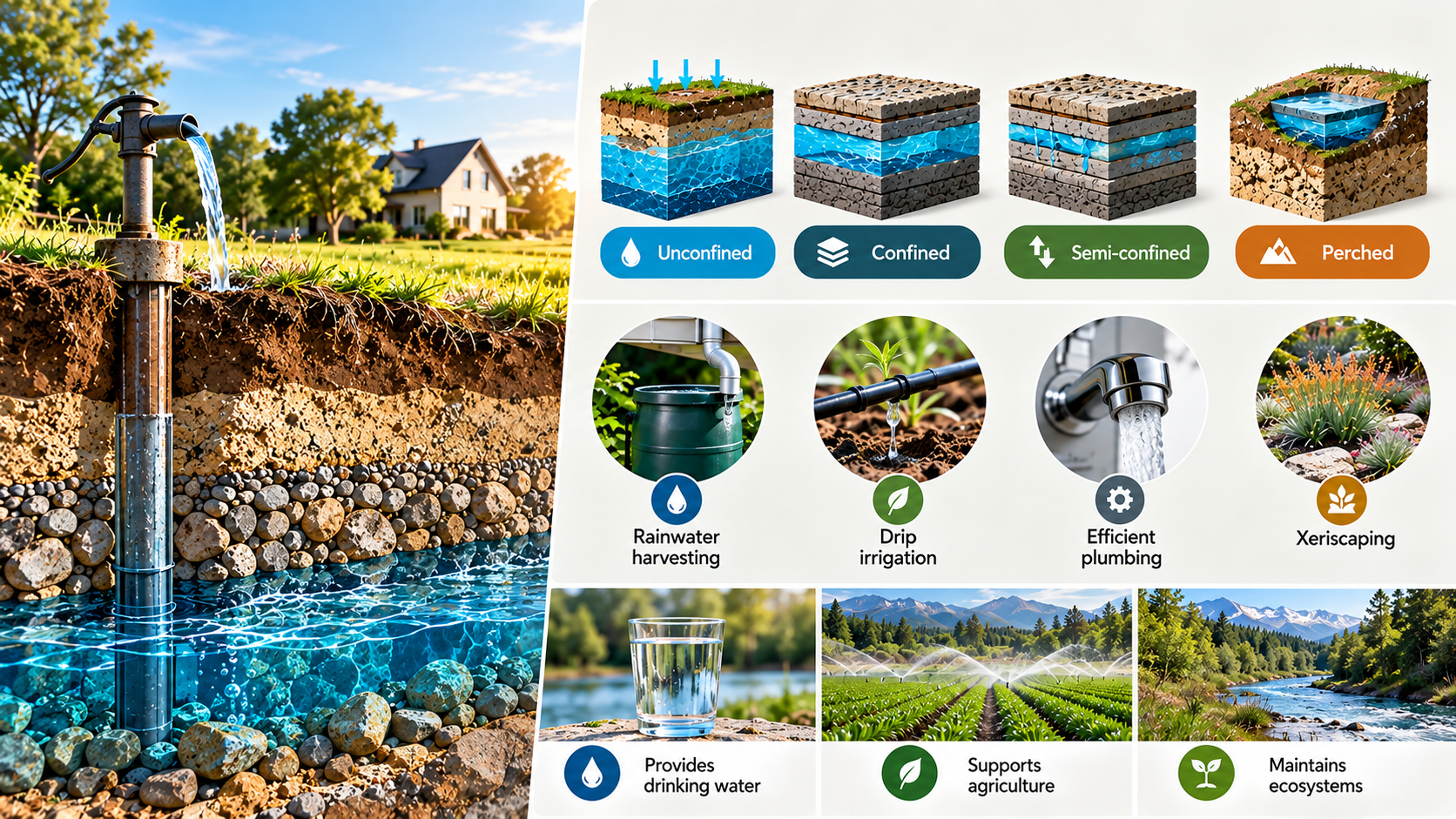
Biggest Telescopes: 10 Largest & Locations Guide

The Ultimate Guide to the Biggest Telescopes: 10 Largest and Locations

Exploring the universe requires incredible engineering, making the largest telescopes in the world essential instruments for modern astronomers. According to the NASA Science Mission Directorate, advanced ground-based and space observatories allow researchers to peer deep into cosmic history, study distant exoplanets, and understand black holes. If you have ever wondered about humanity’s greatest windows to the stars, this article provides clear answers. We will examine the top 10 largest telescopes globally, their precise geographic locations, the top five instruments, the four great space observatories, Asia’s biggest telescope, India’s largest facility, and the countries that host these massive engineering marvels. Whether you are an amateur stargazer or an astronomy enthusiast, understanding these mega-structures reveals how far technology has advanced. If you are choosing your first telescope for backyard observing, see our Best Beginner Telescopes: Handpicked for you. Let us dive into the details of these breathtaking cosmic windows.

Top 10 Largest Telescopes in the World

The quest to capture faint light from distant galaxies has driven astronomers to build enormous observatories. The largest telescopes in the world use huge dishes, segmented mirrors, or large optical systems to collect more light and reveal distant cosmic objects. However, telescope size is not directly comparable across every type. Radio telescopes, optical telescopes, infrared telescopes, and space observatories use different designs and measurements.

Among the most significant facilities are China’s Five-hundred-meter Aperture Spherical Telescope (FAST), Spain’s Gran Telescopio Canarias (GTC), the twin Keck telescopes in Hawaii, and the Very Large Telescope (VLT) in Chile. FAST remains the world’s largest single-dish radio telescope, while GTC is the world’s largest single-aperture optical telescope.

Major ground-based observatories commonly use adaptive optics, active optics, segmented mirrors, and carefully engineered enclosures. Their remote locations also reduce atmospheric turbulence, moisture, and light pollution. These advantages allow astronomers to study galaxies, stars, exoplanets, black holes, and other distant objects with greater precision.

Key Engineering Features of Mega Telescopes

Constructing a giant telescope requires far more than installing a large mirror or dish. Engineers must keep the structure stable while allowing it to move with extreme precision. Even small mechanical errors can affect observations of distant astronomical objects.

Many large optical telescopes use segmented primary mirrors. These mirror segments work together as one reflective surface. Active optics systems continuously adjust their positions to compensate for gravity, temperature changes, and mechanical deformation.

Large observatories also require sophisticated thermal and environmental control. Enclosures help protect sensitive instruments from wind, dust, moisture, and rapid temperature changes. Telescope structures must remain stable throughout long observing sessions.

Radio telescopes face different engineering challenges. Their enormous dishes require strong support structures and precise surface control. They also need locations with low radio-frequency interference.

Other important technologies include:

  • Adaptive optics to reduce atmospheric distortion.
  • Active optics to maintain mirror alignment.
  • Advanced detectors for different wavelengths.
  • Computer-controlled tracking systems.
  • Large enclosures designed around airflow and temperature stability.

These technologies allow modern telescopes to turn enormous physical size into useful scientific capability.

Where Are the Largest Telescopes in the World?

The largest telescopes in the world are usually located in regions with exceptional observing conditions. Optical and infrared observatories often sit on high mountains or dry plateaus. Examples include Chile’s Atacama Desert, Hawaii’s Mauna Kea, and the Canary Islands.

High-altitude locations place telescopes above part of Earth’s atmosphere. Dry conditions are especially valuable for infrared astronomy because water vapor absorbs some infrared wavelengths. Low humidity also improves overall atmospheric transparency.

Radio observatories follow different rules. They need locations with minimal human-made radio interference. FAST, for example, was built in a natural karst depression in Guizhou, China. This setting helps support the enormous dish while reducing interference from surrounding activity.

Remote locations also provide darker skies for optical astronomy. Fewer nearby cities mean less artificial light reaches the atmosphere. For a simple way to recreate a night-sky atmosphere indoors, see our Best Star Projectors: Make your Nights Amazing.

The location of a telescope therefore depends on more than elevation. Engineers and astronomers consider:

  • Atmospheric stability.
  • Humidity and water vapor.
  • Cloud frequency.
  • Light pollution.
  • Radio-frequency interference.
  • Wind and temperature conditions.
  • Accessibility for maintenance.

Choosing the right site can be just as important as building a larger telescope.

Altitude and Atmospheric Clarity Benefits

High-altitude observatories have a major advantage because telescopes operate above a substantial portion of Earth’s atmosphere. The atmosphere can scatter, absorb, and distort incoming light before it reaches a telescope’s instruments.

Dry mountain and desert environments are particularly valuable. Low humidity reduces the amount of water vapor above an observatory. This is especially important for infrared observations because water vapor can absorb infrared radiation.

Atmospheric stability also matters. Turbulent air can make stars appear to shimmer and can blur fine details in astronomical images. Astronomers describe this effect through seeing, which measures atmospheric image distortion.

Excellent observatory sites therefore combine elevation with stable, dry conditions. Chile’s Atacama Desert, Hawaii, and the Canary Islands are well known for these characteristics.

However, altitude does not automatically guarantee perfect observations. Weather, wind, clouds, dust, and atmospheric turbulence can still affect observing time.

Modern observatories compensate further with adaptive optics and advanced image-processing techniques. These systems help recover sharper images from ground-based facilities.

The result is more efficient use of expensive observing time and better measurements of faint astronomical targets. The universe can also be surprisingly unsettling; for more fascinating cosmic facts, see Scary Universe Facts Which Will Blow Your Mind.

What Are the Top 5 Telescopes?

The answer depends on whether “top” means largest, most powerful, most scientifically influential, or best suited to a particular wavelength. A useful selection includes facilities that have transformed modern astronomy across different parts of the electromagnetic spectrum.

The James Webb Space Telescope (JWST) specializes in infrared observations from space. The Hubble Space Telescope has produced landmark observations across visible, ultraviolet, and near-infrared wavelengths. On Earth, the Keck Observatory provides powerful optical and infrared observations, while the Very Large Telescope (VLT) combines four 8.2-meter Unit Telescopes in Chile.

China’s FAST occupies a different category as a giant single-dish radio telescope. Its 500-meter structure allows astronomers to conduct sensitive radio observations of pulsars, hydrogen, and other cosmic phenomena.

These observatories are not directly ranked against one another. Each has different strengths, instruments, and scientific objectives. Together, they demonstrate how modern astronomy uses multiple facilities to investigate the universe from radio waves to infrared light.

Impact on Modern Exoplanet Research

Large telescopes have become essential tools for studying exoplanets, or planets orbiting stars beyond our Solar System. Their powerful instruments can detect small changes in starlight caused by planets passing in front of their host stars.

This technique is called the transit method. When a planet crosses its star, it blocks a tiny fraction of the star’s light. Repeated measurements can reveal the planet’s size and orbital period.

Spectroscopy and Atmospheric Analysis

Spectroscopy provides another important technique. Astronomers can analyze starlight that passes through an exoplanet’s atmosphere during a transit. Different gases leave characteristic signatures in the observed spectrum.

Researchers can therefore investigate atmospheric components such as water vapor, carbon dioxide, methane, and other molecules. However, detecting a molecule does not automatically prove that a planet supports life. Potential biosignatures require careful analysis and multiple lines of evidence. For a closer look at worlds that may have conditions suitable for life, read Exoplanets That Could Host Alien Life: Universe Facts.

Radial-Velocity and Future Discoveries

Large ground-based telescopes also help confirm planetary candidates and measure their masses through stellar radial-velocity observations.

As telescope technology improves, astronomers can study smaller planets around more distant stars. This research is helping scientists understand how planetary systems form and how common Earth-like environments might be. For more examples of unusual worlds, explore our Wildest Planets in the Milky Way: Universe Facts.

What Are the 4 Great Observatories?

The Great Observatories were four major NASA space telescopes designed to study different parts of the electromagnetic spectrum. The program included the Hubble Space Telescope, Compton Gamma Ray Observatory, Chandra X-ray Observatory, and Spitzer Space Telescope.

Hubble primarily transformed observations in visible and ultraviolet astronomy while also contributing important infrared data. Compton studied high-energy gamma rays and investigated some of the universe’s most energetic events. Chandra focused on X-rays, revealing extremely hot gas around black holes, neutron stars, and galaxy clusters. Spitzer explored infrared radiation and helped astronomers study cool dust, star formation, and distant galaxies.

The four missions were complementary rather than competing observatories. Earth’s atmosphere blocks or absorbs much of the ultraviolet, X-ray, gamma-ray, and infrared radiation reaching the planet.

Space-based telescopes can therefore observe wavelengths that ground-based instruments cannot access effectively.

The Great Observatories approach demonstrated the value of multi-wavelength astronomy. Combining observations from different parts of the spectrum gives scientists a more complete picture of complex astronomical objects and energetic cosmic events.

Synergies in Multi-Wavelength Astronomy

Multi-wavelength astronomy allows researchers to study the same cosmic object using different types of radiation. Each wavelength reveals different physical processes, so one observation rarely provides the complete picture.

For example, Chandra can detect extremely hot gas emitting X-rays around black holes and other energetic objects. Infrared observations from Spitzer revealed cooler dust and helped astronomers investigate regions hidden by visible-light observations.

Visible and ultraviolet observations add another layer of information. Hubble can reveal stars, nebulae, galaxies, and energetic processes that appear differently at other wavelengths.

Scientists compare these observations to build a broader understanding of an object’s temperature, composition, structure, and energy output. This approach is particularly valuable when studying supernova remnants, active galaxies, star-forming regions, and galaxy clusters.

Multi-wavelength observations can also reveal connections that would remain hidden in a single wavelength. A region that looks relatively dark in visible light may glow brightly in infrared or X-rays.

The Great Observatories therefore represented more than four separate missions. Together, they established a powerful framework for studying the universe through complementary observations across the electromagnetic spectrum.

Where Is Asia’s Biggest Telescope?

The phrase “Asia’s biggest telescope” depends on how telescope size is measured and which wavelength is considered. For optical astronomy, India’s 3.6-meter Devasthal Optical Telescope (DOT) is described by ARIES as the largest optical telescope in India, while its 2026 observatory material describes it as the largest optical telescope in Asia.

The telescope is located at Devasthal in Uttarakhand and operates at optical and near-infrared wavelengths. Its instruments support imaging and spectroscopy for several areas of astronomical research.

Asia also contains much larger radio facilities. China’s FAST has a 500-meter aperture and remains the world’s largest single-dish radio telescope. Its design and scientific role are very different from an optical telescope such as DOT.

This distinction matters because a radio telescope’s physical structure can be dramatically larger than an optical telescope’s mirror. Comparing them solely by diameter can therefore be misleading.

India also operates the Giant Metrewave Radio Telescope near Pune. The facility uses an array of steerable antennas for low-frequency radio astronomy.

Asia is consequently home to several major observatories, but their capabilities should be compared by wavelength, aperture, collecting area, and scientific purpose.

High-Altitude Advantages in Ladakh

High-altitude Himalayan locations can provide valuable conditions for astronomical observations. Ladakh is particularly attractive because its cold, dry environment can produce low atmospheric water vapor and relatively dark skies.

The Indian Astronomical Observatory at Hanle is operated by the Indian Institute of Astrophysics. Its location at roughly 4,500 meters above sea level places the observatory above a large portion of the atmosphere.

The dry environment is especially useful for infrared and submillimeter observations. Water vapor absorbs radiation at several wavelengths, so lower atmospheric moisture can improve observing conditions.

Ladakh also has relatively low population density compared with many urban regions. This reduces artificial light around observatories and helps optical astronomers observe faint objects.

However, the site should not be described as automatically equivalent to every major observatory in Chile or Hawaii. Astronomical site quality depends on several measurements, including atmospheric seeing, cloud cover, humidity, wind, and turbulence.

High altitude is therefore one advantage rather than a guarantee of superior performance.

Despite these limitations, Himalayan observatories provide valuable observing opportunities for Indian astronomy. They also support studies of transient objects, stars, galaxies, and other astronomical targets.

Largest Telescope in India

The 3.6-meter Devasthal Optical Telescope (DOT) is currently recognized by ARIES as the largest telescope in India for optical observations. It is located at Devasthal near Nainital, Uttarakhand, and was commissioned in 2016.

The telescope uses a modern optical design with a thin mirror and active optical technology. Its instruments support both imaging and spectroscopy across visible and near-infrared wavelengths.

India also operates important radio astronomy facilities. The Giant Metrewave Radio Telescope (GMRT) near Pune uses an array of 30 steerable antennas. Instead of relying on one enormous dish, the facility combines signals from multiple antennas to study low-frequency radio emissions.

These facilities give Indian astronomers access to different observational techniques. Researchers use them to study pulsars, galaxies, stellar objects, transient events, and other astronomical phenomena.

It is important to distinguish the largest optical telescope from the largest radio facility. Telescope size depends heavily on the wavelength being observed and the engineering design being used.

India’s observatory network therefore includes both large optical instruments and powerful radio arrays. Together, these facilities contribute to international astronomy projects and strengthen the country’s capabilities in observational astrophysics.

Contributions of the Giant Metrewave Radio Telescope

The Giant Metrewave Radio Telescope (GMRT) is one of India’s most important radio astronomy facilities. It is located near Khodad, close to Pune, Maharashtra, and consists of 30 fully steerable antennas.

The array operates across metre wavelengths. This makes it particularly useful for studying faint radio emissions from distant galaxies, pulsars, ionized gas, and other astronomical sources.

Unlike a single giant dish, GMRT works as an interferometric array. Signals from separate antennas can be combined to achieve high angular resolution. This approach allows astronomers to study radio sources with much greater detail than a single antenna could provide.

GMRT has supported research into pulsars, galaxies, the interstellar medium, and the early universe. Its low-frequency capabilities also make it valuable for investigating cosmic radio emission that can be difficult to observe with higher-frequency instruments.

The facility demonstrates that astronomical power does not always require one enormous mirror or dish. Carefully arranged arrays can provide impressive sensitivity and resolution.

GMRT has consequently become an important part of India’s radio astronomy infrastructure and has contributed to research involving international scientific collaborations.

World’s Largest Telescope: Which Country Has It?

There is no single answer to which country has the world’s largest telescope because telescope size varies by technology and wavelength. China currently hosts FAST, the world’s largest single-dish radio telescope, with a 500-meter aperture. This makes China the clear answer when discussing the largest operational single-dish radio telescope.


Optical astronomy has a different leader. Spain’s Gran Telescopio Canarias (GTC) has a 10.4-meter segmented primary mirror and is the world’s largest single-aperture optical telescope.

Chile is home to several of the world’s most powerful optical and infrared observatories. These include the Very Large Telescope and other major facilities located under the exceptionally dry skies of the Atacama region.

The United States also operates major telescopes, including the twin 10-meter Keck telescopes in Hawaii. Spain, South Africa, Australia, Japan, and other countries host additional large observatories.

Future projects will change the landscape again. ESO’s Extremely Large Telescope (ELT) in Chile is designed with a 39-meter segmented primary mirror and is expected to become the world’s largest optical and infrared telescope when operational.

The answer therefore depends on the telescope category rather than country alone.

Chile as the Global Capital of Astronomy

Chile has become one of the world’s most important locations for ground-based astronomy. Its northern regions contain extremely dry, high-altitude areas with exceptionally dark skies and favorable atmospheric conditions.

The Atacama Desert receives very little rainfall. This creates low humidity and limited cloud cover, which are valuable for optical and infrared astronomy. Several international observatories have therefore established facilities in the region.

Chile hosts ESO’s Very Large Telescope at Paranal, the Atacama Large Millimeter/submillimeter Array, and several other major astronomical facilities. The country is also the site of the future Extremely Large Telescope at Cerro Armazones.

The region’s conditions are not based on one factor alone. Astronomers consider atmospheric turbulence, water vapor, cloud coverage, wind, temperature, and light pollution when evaluating an observatory site.

Chile’s combination of geography, climate, and remote mountain locations has made it exceptionally attractive to international astronomical organizations.

As new facilities become operational, Chile is likely to remain central to optical, infrared, and submillimeter astronomy. Its observatories will help scientists investigate galaxies, exoplanets, black holes, stellar evolution, and the early universe.

FAQ SECTION

What is the difference between optical and radio telescopes?

Optical telescopes collect visible light using glass lenses or curved mirrors to form images of distant stars and galaxies. In contrast, radio telescopes use large metal parabolic dishes to capture invisible radio waves emitted by celestial bodies like pulsars, quasars, and cosmic microwave background radiation. Because radio waves have much longer wavelengths than light waves, radio telescopes must be built significantly larger to achieve comparable image sharpness and spatial resolution.

Why are telescopes built on mountains?

Telescopes are constructed on high-altitude mountains because the Earth’s atmosphere distorts and absorbs incoming starlight. Placing observatories above a major portion of the dense atmosphere reduces air turbulence, resulting in much sharper and clearer astronomical images. Furthermore, high mountain locations usually feature dry weather conditions with minimal cloud cover, ensuring maximum operational nights for researchers throughout the entire year.

How do astronomers look back in time?

Astronomers look back in time because light travels through space at a finite speed of approximately 300,000 kilometers per second. When light leaves a distant star or galaxy billions of light-years away, it takes billions of years to reach our instruments on Earth. Therefore, when powerful telescopes capture photons from deep space, scientists are literally viewing those celestial objects as they existed millions or billions of years ago in the past.

What is the James Webb Space Telescope?

The James Webb Space Telescope is a large, space-based infrared observatory launched to succeed the Hubble Space Telescope. Positioned far away from Earth at the second Lagrange point, it features a 6.5-meter golden primary mirror designed to study the formation of the first galaxies. Its advanced infrared capabilities allow scientists to peer through dense cosmic dust clouds and analyze the atmospheric composition of potentially habitable exoplanets orbiting nearby stars.

Conclusion

Exploring the universe through the largest telescopes in the world reveals the incredible scale of cosmos and human ingenuity. From the massive radio dishes nestled in China and India to the towering optical mirrors perched atop Chilean and Hawaiian mountains, these facilities expand our understanding of space daily. We examined the top ten instruments, key geographic locations, elite telescope groupings, and regional Asian milestones that drive modern research forward. By investing in these powerful technologies, humanity continues to answer profound questions about our place in the universe. We encourage readers to follow upcoming astronomical discoveries and explore public observatory data to stay connected with the wonders of space exploration.

Tidal Energy: Why We Don’t Put More Turbines Underwater

Tidal Energy: Why We Don’t Put More Turbines Underwater

Harnessing the immense, predictable power of the ocean has long fascinated engineers, yet widespread adoption remains surprisingly limited. When exploring why renewable portfolios lean heavily on wind and solar, understanding tidal energy becomes crucial. This article answers why we don’t use more tidal energy, the disadvantages and environmental impacts of tidal turbines, whether they use turbines, and five key advantages of this marine resource. According to the U.S. Department of Energy, unlocking marine power requires overcoming steep economic and technological hurdles. While oceans cover most of our planet, capturing their kinetic movement efficiently is a modern engineering puzzle. By examining the realities of underwater installations, we can better understand the future of global renewable energy grids.

Why Don’t We Use More Tidal Energy?

Tidal energy remains a niche part of the global energy mix despite one major advantage: its resource is highly predictable. Unlike wind and solar power, tidal cycles can be forecast years in advance. The main barrier is cost. Building, installing, and maintaining marine equipment requires specialized vessels, durable materials, skilled crews, and planning.

Saltwater creates persistent corrosion risks. Strong currents, waves, storms, and changing tides also place heavy stress on underwater equipment. Repairs can become expensive when turbines or cables are difficult to access. These challenges can reduce project profitability and make financing harder.

Tidal power also depends on geography. Only certain coastal areas have strong enough tidal currents or large enough tidal ranges for commercial projects. Suitable sites may be far from major cities.

As a result, tidal energy often struggles to compete with cheaper renewables such as onshore wind and solar. Predictable output helps, but high costs limit adoption.

High Capital Costs and Maintenance Hurdles

Tidal power projects require significant investment before they produce electricity. Developers may need specialized marine vessels, underwater construction equipment, reinforced foundations, subsea cables, and corrosion-resistant components. These requirements make construction more complex than many land-based renewable projects.

Maintenance can also increase lifetime costs. Equipment must operate in saltwater while facing strong currents and changing loads. Access may depend on weather, tides, vessel availability, and safe working conditions. A repair that is simple on land can become a major offshore operation.

These costs create a difficult financial equation. Tidal projects can offer predictable generation, but high capital and operating costs can lengthen the time needed to recover investment. Investors may therefore favor renewable technologies with lower construction costs and established supply chains.

Industry is working to reduce these barriers through better turbine designs, modular systems, improved materials, and efficient installation methods. Cost remains one of the biggest obstacles to wider deployment.

What Are the Disadvantages of Tidal Turbines?

Tidal turbines face several disadvantages because they operate directly in a demanding marine environment. The most obvious challenge is maintenance. When a submerged turbine develops a mechanical or electrical fault, technicians cannot access it as easily as equipment on land. Repairs may require specialized vessels, lifting equipment, remotely operated vehicles, or carefully timed tidal conditions.

Turbines can also compete with existing uses of coastal waters. Commercial fishing, shipping, recreation, and navigation may need to share the same areas. Large projects therefore require planning and consultation with marine industries.

Environmental effects are another consideration. Rotating blades can create collision risks for some marine animals, while underwater structures can change habitats and sediment patterns. Impacts depend on the technology and location.

Tidal turbines also have site limitations. They need strong water movement to generate useful electricity. This limits deployment to suitable coastal areas and can increase connection costs.

Maintenance and Repair Complexities

Subsea maintenance is one of the biggest practical challenges facing tidal turbines. A malfunctioning turbine may require a support vessel to reach the site, position itself safely, and lift or service heavy equipment. Strong currents can make these operations difficult and restrict working time.

Some projects use remotely operated vehicles to inspect underwater components before crews perform repairs. These systems can reduce unnecessary dives, but they still require specialized equipment and trained operators. Vessel time can also be expensive, especially when repairs take longer than expected.

Corrosion, seals, bearings, electrical connections, and subsea cables must withstand harsh conditions for long periods. Developers therefore focus heavily on reliability and predictive maintenance.

Improved sensors can detect vibration, temperature, or performance changes before a major failure occurs. Designing turbines for easier retrieval and servicing can also reduce downtime. These improvements may lower lifetime costs as the technology matures.

What Are 5 Advantages of Tidal Energy?

Tidal energy has several advantages that make it attractive for suitable coastal regions.

  1. Predictable generation: Tidal cycles follow well-understood gravitational patterns, so output can be forecast accurately.
  2. High energy density: Water is far denser than air, allowing compact turbines to capture substantial energy from moving currents.
  3. Low operational emissions: Tidal systems produce electricity without directly burning fuel during operation.
  4. Long-lasting infrastructure: Well-designed marine structures can operate for decades, although components may need replacement.
  5. Local energy potential: Coastal communities can use nearby marine resources to diversify their electricity supply.

These advantages do not remove tidal power’s economic challenges. Predictability is valuable because grid operators can plan around expected tidal cycles. However, tidal output still changes throughout the day and is not constant like a traditional baseload plant.

Tidal energy works best as part of a broader electricity system alongside other renewables, storage, and flexible generation.

Predictability and Reliability

Tidal power’s strongest advantage is its predictability. Tides can be calculated years in advance because they are driven mainly by lunar and solar gravity. This makes tidal generation easier to forecast than weather-dependent wind and solar output.

However, predictability should not be confused with constant electricity production. Tidal currents change throughout each cycle, and many turbines generate their highest output only during particular periods. Some technologies can produce power during both ebb and flood tides, but generation still follows a natural schedule overall.

This predictability can help grid operators plan electricity supply and coordinate other resources. It can complement wind, solar, storage, hydropower, and flexible generation.

Tidal power is useful renewable generation, but it is not automatically a baseload replacement. Its value comes from knowing when generation is likely to occur. This helps operators manage a diverse, low-carbon electricity system.

Does Tidal Energy Use Turbines?

Yes. Many tidal energy systems use turbines to convert moving seawater into electricity. Tidal-stream turbines work in a similar way to wind turbines, but they operate in water, which is much denser than air. This density allows water currents to transfer substantial energy to relatively compact blades.

Several turbine designs are being developed or deployed. Horizontal-axis turbines use rotating blades around a central shaft. Vertical-axis designs rotate around a vertical shaft and can capture flow from different directions. Other marine systems use oscillating hydrofoils instead of conventional rotating blades.

The technology depends on the site, current speed, and water depth. Some tidal systems also use barrages or lagoons, which rely on water-level differences rather than free-flowing currents. These systems may use conventional hydro turbines.

Turbines are important to tidal energy, but not every tidal technology uses the same design. The goal is to convert tidal movement into electricity.

Mechanics of Submerged Blade Systems

In a tidal-stream turbine, moving seawater flows through the rotor and pushes against its blades. The blades are shaped to capture hydrodynamic energy efficiently. As the rotor turns, its shaft transfers mechanical energy to a generator, which converts that energy into electricity.

The electricity then travels through electrical equipment and subsea cables toward shore. Depending on the project, cables may be buried beneath the seabed or protected using other engineering methods. Power can then enter the local electrical grid.

Because water is much denser than air, tidal turbines can capture significant energy from relatively small rotors. However, that density also creates strong forces on blades, bearings, foundations, and other components. Engineers must balance energy capture with structural strength and reliability.

Some turbines can generate during both ebb and flood tides. Successful designs focus on efficiency, durability, maintenance access, and safe operation in challenging marine conditions.

Tidal Energy Environmental Impact

Tidal energy produces electricity without direct combustion emissions, but it can still affect ecosystems. The environmental impact depends on the technology, project size, and location. Tidal-stream turbines may create collision risks for fish and marine mammals, although risk varies with turbine speed, animal behavior, and site conditions.

Large tidal barrages can have broader effects because they alter water movement across an estuary or coastal area. Changes in tidal range, sediment transport, salinity, and habitat conditions can affect fish, invertebrates, plants, and birds. Intertidal habitats can be particularly sensitive to changes in water levels.

Tidal structures can also influence navigation, fishing, and other human activities. These effects do not mean tidal energy is inherently harmful, but they require careful site selection and environmental assessment.

Developers study marine habitats before construction and monitor projects after they begin operating. Responsible development must balance renewable electricity production with protection of coastal ecosystems.

Mitigation and Ecosystem Monitoring

Developers can reduce environmental risks through careful site selection, turbine design, operational controls, and monitoring. Before construction, environmental assessments can identify sensitive habitats, migration routes, fishing areas, and other ecological concerns. This can help engineers avoid high-risk locations, drawing valuable parallels to insights shared in this analysis of the future of offshore wind farms.

During operation, monitoring systems can track marine wildlife, underwater noise, water conditions, and changes in sediment movement. Sonar and other acoustic technologies can help researchers observe animals near turbines when visibility is poor. Operators may also adjust operations during sensitive periods.

Turbine design matters as well. Slower blade speeds, improved rotor geometry, and protective systems can help reduce collision risks, though no single solution fits every site. Developers must test these measures under real conditions.

Continuous monitoring is important because environmental effects can change over time. Data collected over time can reveal whether predicted impacts match actual conditions. This evidence helps operators improve mitigation while supporting responsible tidal energy development.


FAQ SECTION

How much energy can tidal power realistically generate?

Tidal power has immense theoretical potential worldwide, particularly in narrow bays and estuaries with extreme tidal ranges. However, practical generation is currently limited by high construction costs and suitable geography. While it may never fully replace wind or solar, it serves as a powerful, reliable regional energy source for coastal nations with favorable geography.

How long do underwater tidal turbines typically last?

Well-engineered tidal turbines are built to withstand harsh marine conditions for roughly twenty to thirty years. High-grade stainless steel, composite materials, and corrosion-resistant coatings help extend their operational lifespan. However, periodic overhauls and component replacements are usually required every few years to keep the subsea generators functioning smoothly.

Can tidal energy be harnessed without building massive barrages?

Yes, modern technology has shifted away from disruptive tidal barrages toward free-flowing in-stream tidal turbines. These standalone underwater turbines resemble submerged wind farms and generate electricity without blocking entire estuaries. This modern approach significantly reduces environmental damage while still capturing powerful coastal currents.

Where are the most successful tidal energy projects located?

Some of the most successful and advanced tidal energy projects operate in regions with extreme tidal ranges, such as the Bay of Fundy in Canada and the Pentland Firth in Scotland. South Korea also operates the massive Sihwa Lake tidal power station, demonstrating the commercial viability of large-scale marine energy generation when conditions align properly.


Conclusion

Tidal energy remains one of the most fascinating yet challenging frontiers in the renewable energy sector. By understanding the core mechanics behind underwater turbines, the financial hurdles of marine engineering, and the delicate environmental impacts involved, we gain a clearer picture of why adoption has been slow. Despite high maintenance costs and ecological considerations, the unmatched predictability and reliability of ocean tides keep marine power relevant. As technology advances and innovative, less invasive turbine designs emerge, tidal energy could eventually unlock a vast, untapped reservoir of clean power. Embracing these innovations thoughtfully will help coastal nations diversify their renewable portfolios, much like exploring the broader debate detailed in this guide on wind vs solar efficiency, to build a more resilient energy future.

Short-Term vs Long-Term Savings: Mastering Your Goals

Short-Term vs Long-Term Savings: Master Your Goals

Initially, setting financial targets forms the absolute cornerstone of building lasting wealth. However, many people struggle deeply to balance their immediate cash needs. Consequently, understanding the differences between short-term vs long-term savings is essential. Ultimately, your financial approach must completely change based on your specific timeline.

Specifically, the U.S. Securities and Exchange Commission (SEC) heavily emphasizes defining clear financial objectives. Furthermore, this represents the very first step toward successful investing and responsible management. Therefore, you simply cannot treat all your hard-earned money the exact same way. In fact, a standard checking account loses purchasing power due to inflation over time.

Conversely, locking all your cash in a volatile retirement account remains highly risky. Thus, it leaves you totally vulnerable to sudden, unexpected daily expenses. As a result, you absolutely need a comprehensive dual strategy that safely covers both bases. Essentially, this article explores how to clearly separate your immediate cash requirements.

Additionally, you will learn the absolute best types of accounts to actively use. Moreover, we will comprehensively cover the specific risks inherently involved in different financial strategies. By the end, you will firmly master short-term vs long-term savings effectively. Ultimately, you will know exactly how to fund your vacations without sacrificing your retirement.

What Is the Difference Between Short-Term vs Long-Term Savings?

Understanding short-term vs long-term savings helps you choose the right place for your money and achieve your financial goals. While both are important, they serve different purposes based on when you expect to use your funds. Knowing the differences between short-term vs long-term savings makes it easier to create a balanced savings strategy that supports both immediate needs and future milestones.

Short-term savings are designed for expenses you expect within the next three years. These goals often include building an emergency fund, paying for a vacation, covering car repairs, or handling unexpected medical bills. Because you may need the money at any time, it should remain in highly liquid and low-risk accounts where your principal is protected.

In contrast, long-term savings focus on goals that are several years or even decades away. These may include retirement, buying a home, or funding a child’s higher education. Since you have more time before using the money, you can accept moderate investment risk in exchange for higher growth potential. Investments such as mutual funds, equities, or other growth-oriented assets can help your savings outpace inflation and build greater wealth over time.

Understanding short-term vs long-term savings allows you to match your savings strategy to your financial timeline. Choosing the right balance between short-term vs long-term savings helps you stay prepared for unexpected expenses while steadily building wealth for the future. A well-planned approach to short-term vs long-term savings provides both financial security today and long-term financial confidence.

The Role of Liquidity in Savings Goals

Liquidity refers to how quickly you can access your money without losing value. It is one of the most important factors when choosing where to keep your savings. Short-term financial goals require high liquidity because emergencies and planned expenses can happen without much notice. Keeping these funds in an easily accessible account ensures you can withdraw money quickly without penalties or market losses.

Long-term savings have a different purpose. Since the money is not needed immediately, you can focus more on growth than instant access. This allows investments to benefit from compound returns while riding out short-term market fluctuations. Choosing the right balance between liquidity and growth helps you stay prepared for unexpected expenses without sacrificing future financial goals.

What Is the 70/20/10 Rule for Money?

The 70/20/10 rule is a simple budgeting method that helps you manage your monthly income without creating a complicated financial plan. Under this approach, you spend 70% of your income on essential living expenses, including housing, groceries, transportation, utilities, and other daily necessities. The next 20% goes toward financial priorities such as building savings, investing, paying off high-interest debt, or contributing to retirement accounts.

The remaining 10% is reserved for charitable giving, personal development, or discretionary savings. This flexible category allows you to spend intentionally without affecting your long-term financial security. The 70/20/10 rule encourages consistent saving while ensuring your essential expenses remain covered. Because it is easy to follow, it works well for beginners who want to improve budgeting habits and develop better financial discipline.

Simplifying Monthly Budgets With Percentages

Percentage-based budgeting removes much of the guesswork from managing money. Instead of assigning fixed dollar amounts, you divide your income into percentages that automatically adjust when your earnings change. This makes the system practical for people with fluctuating monthly income or variable freelance earnings.

As your income rises or falls, your spending and savings adjust naturally while maintaining the same financial priorities. This flexibility helps prevent overspending and supports consistent progress toward savings goals. Over time, percentage-based budgeting creates healthier financial habits and makes long-term money management much easier.

What Is the 70-10-10-10 Rule for Money?

The 70-10-10-10 rule expands on traditional budgeting by assigning every portion of your income a specific purpose. Under this framework, 70% of your net income covers essential living expenses such as rent, food, utilities, insurance, and transportation. The first 10% is directed toward long-term investments or retirement savings to build wealth over time.

The second 10% is allocated to short-term savings goals, including vacations, annual insurance premiums, home improvements, or planned purchases. The final 10% goes toward debt repayment or charitable donations, depending on your financial priorities. This structured approach reduces unnecessary spending and ensures every dollar supports a meaningful financial objective. It also makes budgeting easier by creating clear boundaries for spending, saving, and investing.

Structuring Savings Into Distinct Buckets

Dividing your money into separate savings buckets improves organization and financial clarity. Each category serves a specific purpose, making it easier to track progress toward both short-term and long-term goals. This method also reduces the temptation to spend money intended for future needs.

Separate savings buckets provide better visibility into your financial health and help you prioritize expenses with confidence. Whether you are saving for emergencies, retirement, or a major purchase, assigning every dollar a defined role creates stronger financial discipline and reduces uncertainty over time.

Which FD Is Better: Short-Term or Long-Term?

Choosing between a short-term fixed deposit (FD) and a long-term fixed deposit depends on your financial goals, expected cash needs, and interest rate outlook. Short-term FDs generally range from seven days to one year. They provide better liquidity and flexibility if you expect to use your money soon or believe interest rates may increase in the near future.

Long-term FDs typically have tenures ranging from two to ten years. They allow you to lock in a fixed interest rate for an extended period, which can be beneficial when interest rates are expected to decline. While long-term FDs offer predictable returns, they reduce flexibility because withdrawing funds early may result in penalties. Selecting the right tenure depends on balancing stability, returns, and access to your money.

Evaluating Interest Rates and Tenure

Interest rate trends play a major role when choosing an FD tenure. If rates are likely to rise, shorter-term deposits allow you to reinvest later at higher returns. If rates are expected to fall, locking in a long-term FD can secure favorable returns for several years.

Many investors also diversify by splitting money across multiple FD durations. This strategy improves liquidity while reducing the risk of committing all funds during an unfavorable interest rate cycle. Combining short-term and long-term FDs can provide greater flexibility and more stable overall returns.

Frequently Asked Questions

How much money should I keep in my short-term savings account?

A good target is three to six months of essential living expenses in a liquid savings account. This emergency fund helps cover unexpected events such as job loss, medical expenses, or urgent home and vehicle repairs. Keeping these funds separate from long-term investments prevents you from selling investments at unfavorable times.

Can I use long-term savings for short-term emergencies?

Using long-term savings for emergencies should be a last resort. Withdrawing investments early may interrupt compound growth and could result in taxes, penalties, or lower long-term returns. A dedicated emergency fund is a better solution because it provides immediate access to cash without affecting your future financial goals.

Is the 70/20/10 rule suitable for low-income earners?

The 70/20/10 rule may be difficult if essential expenses consume more than 70% of your income. In that situation, adjust the percentages temporarily to meet basic living costs first. As your income increases, gradually shift more money toward savings and investments until you reach your desired allocation.

Do fixed deposits beat inflation over the long term?

Fixed deposits provide capital protection and predictable returns, but they do not always outperform inflation over long periods. As inflation rises, the real value of FD returns may decline. For long-term wealth creation, many investors combine fixed deposits with growth-focused investments such as mutual funds or equities, while using FDs for stability and lower risk.

Conclusion

First, actively managing your personal finances successfully strictly requires a highly disciplined, completely split overarching approach. Specifically, you simply cannot logically treat all your hard-earned, highly valuable money the exact same way. Therefore, completely understanding short-term vs long-term savings gives you a massive, undeniable advantage in lasting wealth creation. Consequently, you actively protect yourself from sudden, immediate disasters by keeping emergency cash highly liquid.

Furthermore, simultaneously, you perfectly guarantee an immensely wealthy, deeply secure future by aggressively investing heavily over decades. Ultimately, the absolutely most crucial, totally vital step in this entire complex process remains taking immediate action. Thus, proactively open a highly competitive, entirely secure high-yield savings account this very afternoon immediately. Additionally, incredibly carefully review your employer’s standard matching program deeply and entirely optimize your contributions today.

Moreover, strict technological banking automation will incredibly quickly serve as your absolute, undeniably best friend. For instance, carefully comparing FD vs mutual fund returns perfectly illustrates how completely different accounts essentially serve fundamentally distinct timelines. Consequently, set up totally automated monthly bank transfers so your money moves instantly and completely perfectly. Finally, clearly define your targets, rigorously pick the entirely correct accounts, and consistently execute your ultimate strategy.

Why STEM Education Is Important in Schools Today

Why STEM Education Is Important in Schools

Modern classrooms face a fast-changing world driven by technology. Consequently, understanding why STEM education is important in schools has become crucial for all educators. Science, Technology, Engineering, and Mathematics (STEM) learning goes beyond simple memorization. Instead, it provides a hands-on approach that teaches students to solve complex problems. For example, according to insights from the National Science Foundation, fostering early interest in science and math builds essential skills. Ultimately, these skills prepare young learners for a technical global economy.

Furthermore, STEM education does not treat academic subjects as separate units. Rather, it connects them through real-world applications. Therefore, by introducing these concepts early, schools help students build logic and curiosity. In addition, beyond improving test scores, this training equips children to adapt to shifting job markets. In this guide, we will explain why STEM education is important in schools, how it transforms classrooms, and why these core skills matter for every student.

Why Is STEM Education Necessary Today?

STEM education is necessary today because the global economy increasingly depends on people who can adapt, innovate, and solve complex problems. Traditional rote memorization alone no longer prepares students for success in a technology-driven world. Employers now value individuals who can analyze information, think critically, collaborate effectively, and apply knowledge across multiple disciplines.

By combining science, technology, engineering, and mathematics into a unified learning approach, STEM education bridges the gap between classroom theory and practical application. Students learn to view challenges as interconnected problems that require creative and evidence-based solutions. This approach strengthens resilience, adaptability, and technical literacy from an early age.

As industries continue evolving through automation, artificial intelligence, and digital transformation, students need skills that remain relevant in changing workplaces. STEM education encourages innovation while preparing learners to become creators of technology instead of passive consumers. It also builds confidence, improves decision-making, and promotes lifelong learning.

Ultimately, investing in STEM education helps students prepare for rewarding careers while enabling societies to remain competitive in a rapidly evolving global economy.

Preparing Students for Modern Workforce Demands

Today’s industries increasingly rely on automation, artificial intelligence, robotics, and data analytics. Schools must adapt their curriculum to reflect these changes and reduce future skills gaps. Students who participate in hands-on STEM projects gain practical experience that closely resembles real workplace environments.

Project-based learning also improves communication, teamwork, and problem-solving abilities. These transferable skills are valuable across industries, including healthcare, manufacturing, finance, education, and information technology. Early exposure to STEM careers helps students explore future opportunities with greater confidence and purpose.


Why Is STEM Important in the Classroom?

STEM plays a vital role in modern classrooms because it transforms students from passive learners into active investigators and problem-solvers. Rather than simply reading about scientific concepts, students conduct experiments, build prototypes, write code, and test ideas through practical activities. This hands-on approach makes learning more engaging while improving understanding and long-term knowledge retention.

Teachers become facilitators who guide inquiry instead of simply delivering information. Students ask meaningful questions, test hypotheses, evaluate evidence, and refine their ideas through continuous exploration. This learning model develops curiosity while encouraging independent thinking and creativity.

STEM classrooms also emphasize collaboration. Students work together to solve problems, communicate ideas clearly, and respect different viewpoints. These experiences mirror real workplace environments where teamwork is essential. As a result, learners develop both technical knowledge and valuable interpersonal skills.

By making lessons relevant to everyday life, STEM education creates a classroom environment where students stay motivated, actively participate, and better understand how their education connects to the world around them.

Fostering Inquiry-Based Learning and Curiosity

Inquiry-based learning encourages students to take ownership of their education. Instead of providing immediate answers, teachers present real-world challenges that require investigation and experimentation.

Students learn to ask questions, gather evidence, test solutions, and improve their ideas through trial and error. They also discover that mistakes are valuable learning opportunities. This process builds critical thinking, confidence, curiosity, and the ability to learn independently throughout life.


What Is STEM Education and Why Does It Matter?

STEM education is an interdisciplinary approach that integrates science, technology, engineering, and mathematics into connected, real-world learning experiences. Instead of teaching these subjects separately, educators combine them through practical projects that demonstrate how different disciplines work together to solve everyday problems.

This approach matters because it helps students understand how scientific discoveries influence engineering, how mathematics supports programming, and how technology improves modern life. Rather than memorizing isolated facts, learners develop a deeper understanding of concepts by applying them in meaningful situations.

STEM education also prepares students to address global challenges such as climate change, cybersecurity, healthcare innovation, renewable energy, and sustainable resource management. These issues require individuals who can think across multiple disciplines and develop creative, evidence-based solutions.

By promoting collaboration, innovation, and analytical thinking, STEM education prepares students for future careers while helping them become informed citizens capable of contributing to technological and scientific progress.

Connecting Academic Theory to Real-World Applications

Connecting classroom lessons with real-life applications makes difficult concepts easier to understand. When students design a bridge, build a robot, or create a simple computer program, abstract theories become practical experiences.

This hands-on learning improves comprehension, strengthens memory, increases motivation, and helps students appreciate the real-world value of science, technology, engineering, and mathematics.


What Are the Three Importance of STEM?

The three major benefits of STEM education are fostering innovation, strengthening critical thinking, and supporting long-term economic growth. Together, these pillars prepare students for personal success while helping communities remain competitive in an increasingly technology-focused world.

First, STEM promotes innovation by combining technical knowledge with creativity. Students learn how to develop new ideas, improve existing solutions, and contribute to scientific and technological advancement.

Second, STEM strengthens critical thinking by teaching learners to evaluate evidence, question assumptions, analyze information, and make informed decisions. These skills are essential in an age of rapid technological change and widespread digital information.

Third, STEM supports economic growth by preparing a skilled workforce for high-demand careers. Countries with strong STEM education systems are better positioned to attract investment, encourage entrepreneurship, and remain globally competitive.

By focusing on these three areas, educational institutions equip students with practical skills that benefit both their careers and society as a whole.

Driving Economic Growth and Global Competitiveness

Countries with strong STEM talent attract investment, encourage innovation, and support thriving industries. A skilled workforce enables businesses to develop advanced technologies, expand research, and compete internationally.

Prioritizing STEM education also creates high-paying career opportunities, strengthens startup ecosystems, and improves long-term economic resilience. Investing in technical education today helps build a more competitive and prosperous future.


FAQ

How does STEM education differ from traditional learning?

Understanding why STEM education is important in schools starts with how it differs from traditional learning. STEM education integrates science, technology, engineering, and mathematics into project-based learning instead of teaching each subject separately. Traditional learning often emphasizes memorization and isolated concepts.

In contrast, STEM focuses on hands-on activities, teamwork, experimentation, and solving real-world problems. Students actively apply classroom knowledge, helping them develop practical skills that prepare them for future careers and everyday decision-making. This practical approach is one of the main reasons why STEM education is important in schools, as it encourages critical thinking, creativity, and innovation.

At What Age Should Children Start Learning STEM Concepts?

Children can begin exploring basic STEM concepts during preschool through play-based activities such as building blocks, puzzles, nature observation, and simple experiments. Early exposure encourages curiosity and helps children understand how the world works.

Age-appropriate STEM experiences build confidence in mathematics and science while reducing anxiety toward technical subjects later in school. Introducing these concepts early also supports problem-solving, creativity, and logical thinking that benefit learning throughout life.

Do Students Need to Pursue Engineering Careers to Benefit from STEM?

No. Students do not need to become engineers, programmers, or scientists to benefit from STEM education. The skills developed through STEM—including critical thinking, collaboration, communication, creativity, and digital literacy—are valuable in nearly every profession.

Whether students choose careers in healthcare, business, education, law, finance, or the arts, STEM helps them analyze information, solve problems efficiently, and make better decisions in both professional and personal settings.

How Can Parents Support STEM Learning at Home?

Parents can encourage STEM learning by creating opportunities for curiosity and exploration during everyday activities. Cooking, gardening, building projects, puzzles, and simple science experiments all help children develop logical thinking and problem-solving skills.

Parents can also ask open-ended questions, encourage children to test ideas, and promote creative play instead of excessive passive screen time. Supporting curiosity at home helps children build confidence, enjoy learning, and develop habits that contribute to lifelong academic and personal success.


CONCLUSION

In summary, understanding why STEM education is important in schools is essential for creating a forward-thinking educational system. Broadly speaking, understanding why education is important in our life helps us see how foundational learning shapes individual growth and long-term societal progress. By integrating science, technology, engineering, and mathematics into daily instruction, school districts provide young learners with vital tools. Specifically, they cultivate intellectual resilience, systematic problem-solving skills, creative adaptability, and cooperative habits that benefit students across all areas of life.

Ultimately, these core competencies prepare students to succeed in high-growth technical careers. In addition, they equip them to navigate an increasingly digital world safely and effectively. Therefore, investing in early, equitable, and engaging technical education ensures that every child has the opportunity to discover their true potential. Above all, school administrators, teachers, parents, and local communities must work together. Together, they must make hands-on, interdisciplinary learning a standard feature in every modern classroom.

Education Systems Around the World: Top Countries Compared

Education Systems Around the World: Top Countries Compared

Parents, policymakers, and educators constantly debate how to properly prepare students for the future. When we analyze education systems around the world, massive differences in student performance, teacher training, and overall equity become immediately apparent. To truly understand these international variations, experts frequently rely on benchmark data from the Organisation for Economic Co-operation and Development (OECD). Certain nations consistently produce top-tier graduates, while other regions continually struggle to close the achievement gap.

This global assessment evaluates 15-year-old students in mathematics, reading, and science. The detailed results give us a very clear picture of which countries excel and exactly why they succeed.

So, what makes a country truly great at educating its youth? Is it heavy financial funding, less daily homework, or highly respected teachers? The actual answers might surprise you. In some progressive nations, students spend fewer hours in the classroom but achieve significantly higher test scores. Alternatively, rigorous standardized testing remains the absolute cornerstone of academic success in other regions.

In this article, we will compare the top countries for learning. We will break down their primary teaching methods, cultural attitudes toward education, and specific policies that drive student success. Whether you are an educator looking for new strategies or a parent curious about global academic standards, this comprehensive guide provides valuable insights. Let us dive into what makes these global learning models so successful.

Which Country Has the Highest Ranked Education System?

When comparing education systems around the world, Finland and Singapore consistently rank among the global leaders. Both countries perform exceptionally well in international education rankings because they invest heavily in quality teaching, student success, and long-term learning outcomes. Although their approaches differ, each system demonstrates that strong educational policies produce excellent academic results.

Finland focuses on educational equity, teacher autonomy, and student well-being. Children experience less academic pressure during their early years, allowing them to develop strong problem-solving and critical-thinking skills. Teachers enjoy significant professional independence and adapt lessons to meet students’ individual needs.

Singapore follows a more structured model with high academic expectations. Its curriculum emphasizes mathematics, science, and analytical thinking. The government also invests substantially in teacher development, curriculum research, and classroom innovation. These strategies help students consistently achieve top scores in international assessments.

Rather than relying only on standardized testing, both countries emphasize high-quality teaching and continuous improvement. Their success shows that professional teacher training, balanced learning environments, and strong government support create lasting educational excellence across all grade levels.

The Role of Teacher Training

One of the defining characteristics of top-performing education systems around the world is their investment in teacher quality. Countries with outstanding academic performance treat teaching as a highly respected profession and maintain rigorous standards for entering the field. This approach strengthens classroom instruction and improves student outcomes across subjects.

Many leading nations require teachers to complete advanced education, often including master’s degrees, before entering the profession. They also provide competitive salaries, ongoing professional development, and mentoring throughout a teacher’s career. Continuous training helps educators stay current with modern teaching methods and educational research.

Well-prepared teachers can adapt lessons to different learning styles, encourage critical thinking, and create engaging classroom environments. These investments lead to better academic achievement, stronger student confidence, and improved long-term educational success. High-quality teaching remains one of the most important factors behind consistently successful education systems.

Which Rank Is India in Education?

India operates one of the world’s largest and most diverse education systems, serving hundreds of millions of students through public and private institutions. Because ranking methods vary across international organizations, India’s position differs depending on the indicators being measured. Assessments may consider literacy rates, higher education quality, learning outcomes, workforce skills, or student performance in global studies.

India generally falls within the middle tier of global education rankings. Major cities are home to internationally recognized universities, engineering colleges, and research institutions. However, many rural areas continue to face challenges related to infrastructure, teacher availability, funding, and student retention.

The National Education Policy (NEP) seeks to address these issues through curriculum modernization, stronger foundational literacy, vocational education, digital learning, and flexible learning pathways. As implementation expands, these reforms aim to improve educational quality while reducing regional disparities and preparing students for future employment opportunities.

Addressing Rural Educational Gaps

Reducing the educational gap between urban and rural communities remains one of India’s highest priorities. Equal access to quality education helps improve literacy, employment opportunities, and long-term economic development. Continued investment in underserved regions is essential for creating a stronger national education system.

Governments and educational organizations are expanding digital classrooms, internet connectivity, teacher training, and school infrastructure across rural districts. Better transportation, updated facilities, and improved access to learning materials also help increase student participation and retention.

These improvements create more equitable learning opportunities for children regardless of where they live. As technology adoption grows and infrastructure continues to improve, rural students gain greater access to modern educational resources, helping narrow achievement gaps across the country.

Which Are the Top 10 Educated Countries in the World?

The top educated countries in the world are typically identified using indicators such as literacy rates, higher education participation, average years of schooling, and academic performance. Although rankings vary by organization and methodology, several nations consistently appear among the global leaders because of their strong educational investments and learning outcomes.

Countries frequently included in the top ten are Singapore, Finland, Japan, South Korea, Canada, the United Kingdom, Switzerland, the Netherlands, Norway, and Denmark. These nations prioritize public investment in schools, high-quality teacher preparation, accessible higher education, and continuous curriculum improvement.

Many also encourage lifelong learning through adult education, vocational training, and research opportunities. Their commitment to innovation and educational excellence supports economic growth while preparing citizens with the knowledge and skills needed in a rapidly changing global economy.

Higher Education Access

Affordable higher education plays a major role in the success of leading education systems. Many top-performing countries reduce financial barriers through government funding, scholarships, or subsidized university tuition. This approach allows more students to pursue advanced education regardless of their economic background.

Strong public investment helps universities maintain high academic standards while expanding research opportunities and professional training. Students benefit from better facilities, experienced faculty, and greater access to specialized programs that match workforce needs.

When higher education remains accessible, countries develop a more skilled workforce, encourage innovation, and improve long-term economic competitiveness. Expanding educational opportunities also supports social mobility by giving students from diverse backgrounds a fair chance to succeed.

Which Education System Is Best in the World?

Determining the best education system in the world depends on the goals a country values most. Different education models emphasize different strengths, making it difficult to identify a single universal standard. Some prioritize academic excellence, while others focus on creativity, student well-being, or practical life skills.

Finland is widely recognized for its student-centered approach, limited standardized testing, and emphasis on mental well-being. Singapore stands out for outstanding academic achievement, particularly in mathematics and science, supported by a structured curriculum and highly trained teachers. South Korea also performs exceptionally well through strong academic discipline and high educational expectations.

The most effective education systems around the world combine academic rigor with creativity, critical thinking, collaboration, and emotional support. This balanced approach prepares students not only for examinations but also for higher education, careers, and lifelong learning in an evolving global economy.

Balancing Rigor and Well-Being

Successful education systems recognize that academic achievement and student well-being should complement each other. Strong learning outcomes become more sustainable when students feel supported, motivated, and engaged throughout their education.

Leading countries increasingly combine challenging academic standards with counseling services, extracurricular activities, and flexible teaching methods. These strategies help reduce excessive stress while encouraging curiosity, creativity, and independent thinking.

Maintaining this balance allows students to build strong foundational knowledge without sacrificing their mental health. As education continues to evolve, integrating academic excellence with emotional well-being remains a defining characteristic of high-performing school systems worldwide.

What is the 5 3 3 4 system of education?

The 5 3 3 4 system of education is a progressive schooling framework designed to align learning stages with a child’s cognitive development. Introduced as part of modern educational reforms, such as India’s National Education Policy, this structure replaces older models to ensure continuous growth. It divides formal schooling into four distinct stages: foundational, preparatory, middle, and secondary. By categorizing education this way, schools can tailor teaching methods to specific age groups. This approach emphasizes activity-based learning in early years and gradual transitions toward critical thinking and multidisciplinary subjects later on. Ultimately, it aims to reduce heavy exam burdens while fostering holistic skill development for every student.

The Stages of the Framework

This structured model breaks down a student’s academic journey into clear, manageable blocks. The foundational stage covers ages three to eight, focusing on play-based learning. Subsequent stages gradually introduce formal subjects, scientific inquiry, and vocational training options. This phased progression ensures children build a strong cognitive foundation before tackling advanced concepts in high school.


Frequently Asked Questions

What role do standardized tests play in top education systems?

Standardized tests serve different purposes across education systems around the world. Singapore uses structured assessments to measure progress and maintain high academic standards. Finland, however, places less emphasis on high-stakes examinations and relies more on classroom assessments, teacher evaluations, and continuous feedback. Both approaches aim to improve learning, but they reflect different educational philosophies.

How does public funding impact school quality globally?

Public funding strongly influences school quality by supporting teacher salaries, classroom resources, infrastructure, technology, and student services. Countries that invest consistently in education often achieve better academic performance, lower student-to-teacher ratios, and improved learning environments. Sustainable funding also helps schools adapt to changing educational needs and maintain long-term quality.

Why do Scandinavian countries perform so well academically?

Scandinavian countries emphasize educational equity, highly qualified teachers, student well-being, and equal access to quality schools. Students benefit from comprehensive social support, including healthcare and school meals, which reduces socioeconomic barriers to learning. This balanced approach contributes to consistently strong academic outcomes and lifelong educational success.

Can developing nations replicate top-performing education models?

Developing nations can adopt many successful practices from leading education systems, including improved teacher training, stronger foundational literacy, curriculum modernization, and gradual infrastructure improvements. Complete replication is rarely practical because economic, cultural, and policy environments differ. However, carefully planned reforms and sustained investment can significantly improve educational quality over time.


CONCLUSION

Understanding how different nations educate their youth offers valuable lessons for the future. By analyzing education systems around the world, we clearly see that there is no single magical formula for success. However, exploring classroom differences based on countries reveals that the best nations for learning share common priorities. They respect their teachers, prioritize student well-being, and ensure equitable access to educational resources across all communities.

Whether we look at the high-performing mastery model in Singapore or the progressive classrooms of Finland, the ultimate goal remains exactly the same. These forward-thinking nations purposefully prepare their students to navigate a complex, rapidly changing global economy. Leaders in these countries understand that a strong educational foundation is the greatest economic asset a nation can build.

Policymakers, parents, and educators everywhere must take extensive notes from these global leaders. We cannot simply copy and paste another country’s system, but we can intelligently adapt their best practices. Investing equitably in public schools will inevitably yield much better outcomes for everyone.

Student Loan Guidelines 2026: Everything You Need to Know

A Complete Guide to Student Loan Guidelines in 2026

Figuring out how to pay for college can feel overwhelming. With rising tuition costs, most families eventually need to explore borrowing options. If you are preparing for higher education, understanding the latest student loan guidelines is absolutely essential. These rules dictate everything from how much money you can borrow to how you will eventually pay it back. By familiarizing yourself with the official Federal Student Aid requirements provided by the U.S. Department of Education, you can make smarter financial decisions that protect your future.

Education debt is a serious commitment, but it does not have to be a lifelong burden. Knowing the right steps to take before you sign a promissory note gives you total control over your finances. Today, borrowing parameters frequently change. New repayment plans emerge, interest rates fluctuate, and forgiveness programs face legislative updates. Therefore, you need accurate, up-to-date information to navigate this complex landscape.

In this comprehensive article, we will explore the core rules you must know before borrowing. We will break down current borrowing limits, explain the crucial differences between federal and private lenders, and highlight the best repayment strategies available today. Whether you are an incoming freshman, a graduate student, or a parent supporting your child, this guide will provide the absolute clarity you need to succeed.

Understanding Basic Student Loan Guidelines

Before you borrow a single dollar, you must grasp the foundational rules of college financing. The government sets specific parameters to protect both the borrower and the lender. These foundational student loan guidelines determine who qualifies for aid, how interest accrues, and what responsibilities you hold after graduation.

You must complete the Free Application for Federal Student Aid (FAFSA) every year to access government funding. The information you provide dictates your financial need. Consequently, your school uses this data to build a custom financial aid package.

Federal vs. Private Education Funding

Borrowers generally choose between two main types of debt: federal and private.

  • Federal funding: The government funds these options. They offer fixed interest rates, income-driven repayment plans, and forgiveness programs. Federal loans almost never require a credit check or a cosigner.

  • Private funding: Banks, credit unions, and online lenders provide these options. They require a credit check and usually demand a cosigner. Private lenders set their own rules, which means they rarely offer flexible repayment options.

Always exhaust your federal options before turning to private lenders. Federal loans offer built-in safety nets that private lenders simply do not match.

What Is the New Student Loan Plan for 2026?

The new student loan plan for 2026 introduces streamlined income-driven repayment (IDR) options designed to reduce monthly payments for many undergraduate borrowers. Under the updated framework, the government aims to cap discretionary income at more affordable levels, helping low- and middle-income graduates manage repayment without excessive financial strain. The application process has also become simpler through integrated digital portals, reducing paperwork and administrative delays. In addition, revised interest subsidy rules help prevent qualifying borrowers from seeing their balances grow because of unpaid interest. These changes are intended to make repayment more predictable and financially sustainable. Financial experts recommend reviewing the updated repayment options before selecting a plan. Comparing your expected income, career path, and long-term financial goals can help you choose the repayment strategy that offers the greatest savings over the life of your student loan.

Impact on Monthly Discretionary Income Caps

One of the most significant changes in the 2026 student loan plan is the adjustment to monthly discretionary income caps. The updated formula lowers the percentage of discretionary income used to calculate monthly payments for many eligible borrowers. As a result, recent graduates can keep more of their income during the early stages of their careers, when salaries are often lower and living expenses can be challenging. Lower monthly payments improve cash flow and make it easier to cover essentials such as housing, transportation, and savings. These changes also reduce the likelihood of missed payments caused by financial pressure. Borrowers should review their income annually and update their repayment information when required. Staying enrolled in the appropriate income-driven repayment plan ensures they continue receiving the maximum benefit while keeping their student loan payments affordable over time.

What Is the Minimum Student Loan for 2026–2027?

The minimum student loan amount for the 2026–2027 academic year depends primarily on your school’s Cost of Attendance (COA), federal borrowing limits, and lender requirements. Federal Direct Loans generally do not impose a nationwide minimum borrowing amount. However, colleges and private lenders may require students to borrow a minimum amount, often around $1,000, before approving a loan. This flexibility allows students to borrow only what they truly need for tuition, mandatory fees, books, and essential living expenses. Borrowing responsibly helps reduce future repayment costs and minimizes unnecessary interest charges. Before accepting a loan offer, calculate your education expenses carefully and explore scholarships, grants, and savings first. Your school’s financial aid office can explain any institution-specific borrowing requirements and help you determine the most appropriate loan amount.

Navigating Private Lender Minimums Successfully

Private lenders often establish minimum loan amounts to offset administrative and processing costs. These requirements vary by lender, making it important to compare multiple loan providers before applying. Some lenders may require higher minimum borrowing amounts than others, while eligibility criteria can also differ based on credit history or a co-signer. Planning your semester budget in advance helps you borrow only what you need while still meeting lender requirements. Avoid taking extra funds simply because they are available. Every additional dollar borrowed may increase the total interest paid over the life of the loan. Comparing interest rates, repayment terms, fees, and borrower benefits can help you select the most cost-effective financing option while keeping future debt manageable.

What Are the New Guidelines for Student Loans?

The new student loan guidelines for 2026 focus on greater transparency, stronger borrower protections, and increased accountability across federal and private lending programs. Lenders must provide clearer disclosures showing the estimated total repayment cost before borrowers sign loan agreements. Updated policies also strengthen default prevention by requiring loan servicers to offer counseling and alternative repayment solutions before accounts enter serious delinquency. These measures help students make informed financial decisions while reducing the risk of unexpected repayment challenges. Educational institutions are also expected to provide more comprehensive financial literacy resources before students accept federal or private loans. Together, these improvements encourage responsible borrowing and help students better understand their financial obligations throughout the borrowing and repayment process.

Enhanced Consumer Protection and Fee Transparency

Recent policy updates place a stronger emphasis on consumer protection and transparent loan terms. Borrowers now receive clearer explanations of interest calculations, repayment schedules, and any applicable fees before accepting a loan. Many updated regulations also reduce or eliminate hidden charges that previously increased borrowing costs unexpectedly. Simple, easy-to-understand loan documentation allows students to make informed decisions without navigating complex financial language. Better transparency also helps borrowers understand when interest begins accruing, how repayment options work, and what happens if payments are missed. These protections support more responsible borrowing and reduce the likelihood of unpleasant financial surprises. Reading all loan documents carefully remains essential, even with stronger disclosure requirements.

What Is the Education Loan in 2026?

An education loan in 2026 reflects a more modern approach to financing higher education. Today’s loan products are designed to match rising tuition costs while offering greater convenience through digital banking technology. Many lenders now provide flexible disbursement schedules that align with semester or quarterly billing cycles, ensuring students receive funds when they are needed most. Borrowers can also manage their accounts through secure online dashboards that allow them to monitor balances, submit documents, request deferments, and review repayment progress. Education loans now support a wider range of academic pathways, including university degrees, vocational programs, technical certifications, and online learning. These innovations make student financing more accessible and improve the overall borrowing experience for students pursuing traditional and non-traditional educational opportunities.

Digital Integration and Smart Repayment Tracking

Modern student loan platforms include advanced digital tools that simplify account management throughout the repayment journey. Mobile apps and online dashboards allow borrowers to monitor balances, receive payment reminders, download statements, and update personal information from anywhere. Many lenders also encourage automatic payments by offering small interest rate discounts to eligible borrowers. Automated billing helps reduce missed payments while supporting consistent repayment habits. Digital account management also makes it easier to request deferment, review repayment history, or switch eligible repayment plans when financial circumstances change. These technology-driven features improve convenience, increase payment accuracy, and encourage long-term financial responsibility, making student loan management significantly easier than in previous years.

How much student loan can I get in 2026?

Determining your borrowing capacity depends on several vital factors governed by lenders and institutional policies. Under current guidelines, the exact amount you can secure varies based on your chosen course, university reputation, and total cost of attendance. Undergraduate students typically face different borrowing limits compared to graduate or professional degree seekers. Private lenders and financial institutions evaluate your credit history, co-signer strength, and future earning potential before approving large sums. Furthermore, universities calculate your financial need by subtracting your expected family contribution from the total cost. This ensures that you only borrow what is necessary to cover tuition, housing, and essential study materials. Proper budget planning keeps your post-graduation debt manageable and prevents unnecessary financial strain.

Assessing Your Total Cost of Attendance

Lenders carefully evaluate the complete cost of attendance provided by your academic institution. This calculation encompasses tuition fees, accommodation, textbooks, transportation, and daily living expenses. Providing accurate estimates ensures your approved loan amount closely matches your actual financial requirements during the academic year.

Can I get a 100% student loan?

Securing full coverage for your academic expenses is a common goal for many aspiring scholars worldwide. While 100 percent financing is possible, it largely depends on the lender, your academic profile, and collateral availability. Public lenders often impose caps that cover a significant portion of tuition, leaving students to arrange margin money for living costs. However, specialized financial institutions and premium banks sometimes offer complete coverage for top-tier universities or high-demand professional programs. Achieving full funding usually requires a strong co-signer with an excellent credit score or valuable tangible collateral like property. Students must carefully weigh the long-term interest implications of borrowing the entire cost upfront before committing to a massive debt burden.

Role of Collateral in Full Financing

Providing secure collateral significantly increases your chances of obtaining complete educational funding from traditional lenders. Real estate, fixed deposits, or government bonds act as strong security guarantees for banks. This security minimizes lender risk, allowing them to disburse the entire cost of your education smoothly.

Education loan by Government

Government-backed financial assistance remains one of the most reliable and affordable ways to fund higher studies. These programs are designed to support deserving students by offering lower interest rates and flexible moratorium periods. Most government schemes do not require immediate repayment while you are studying, giving you peace of mind. Additionally, many nationalized initiatives waive processing fees and provide special subsidies for economically weaker sections or female students. Applicants must complete thorough verification processes and submit academic admission proofs to qualify for these beneficial public funds. Checking official state or federal education portals ensures you never miss crucial deadlines for application submissions.

Benefits of Moratorium Periods

Government loans typically feature a helpful moratorium period that lasts throughout your course duration plus a grace period. During this window, you are not obligated to make principal or interest repayments. This crucial breather allows you to focus entirely on your academics without immediate financial pressure.

Education loan debt calculator

Managing your future finances effectively requires a clear understanding of your monthly repayment obligations before signing any agreement. An education loan EMI calculator is a digital tool that instantly computes your Equated Monthly Installments based on specific variables. By inputting your desired loan amount, applicable interest rate, and repayment tenure, you instantly see your monthly breakdown. This transparency helps you choose a tenure that aligns with your projected post-graduation salary expectations. Experimenting with different numbers allows you to find a comfortable balance between affordable monthly payments and total interest outgo. Utilizing this tool prevents unpleasant surprises and builds financial discipline long before your repayment phase officially begins.

Impact of Tenure on Total Interest

Choosing a longer repayment tenure reduces your monthly EMI amount, making payments feel manageable right after graduation. However, extending the timeline significantly increases the total cumulative interest paid over the life of the loan. Shorter tenures save money overall but demand higher monthly installments from your starting salary.


Frequently Asked Questions

How do I apply for the updated federal student loan programs?

Applying for updated federal student loan programs begins with completing the Free Application for Federal Student Aid (FAFSA) through the official government website. Review the latest student loan guidelines before submitting your application so you understand the current eligibility requirements and repayment options. Submit your FAFSA as early as possible to meet your school’s priority deadlines and maximize your financial aid eligibility. After processing, your college or university will provide a financial aid offer outlining available grants, scholarships, work-study opportunities, and federal student loans. Carefully review the award letter before accepting any loan. Compare repayment plans, estimated monthly payments, and long-term borrowing costs. If you have questions, contact your institution’s financial aid office for guidance before finalizing your borrowing decisions.

Can I refinance my existing loans under the 2026 guidelines?

Refinancing existing student loans remains an option in 2026, but borrowers should evaluate the benefits and potential drawbacks carefully. The latest student loan guidelines continue to encourage borrowers to compare all available options before refinancing federal loans with a private lender. While refinancing may reduce your interest rate if you have strong credit and stable income, it often means giving up federal benefits such as income-driven repayment, deferment, and certain loan forgiveness programs. Compare offers from multiple lenders, including interest rates, repayment terms, fees, and borrower protections. Calculate your long-term savings instead of focusing only on a lower monthly payment. A careful comparison helps determine whether refinancing supports your financial goals.

What happens if I miss a student loan payment under the new rules?

Missing a student loan payment does not automatically place your loan in default. Under the updated student loan guidelines, your loan servicer typically sends reminders and contacts you to discuss available assistance before the situation becomes more serious. Depending on your eligibility, you may qualify for forbearance, deferment, or an alternative income-driven repayment plan. Responding quickly to your loan servicer is essential because early communication often prevents additional fees and protects your credit history. Ignoring missed payments can eventually lead to delinquency and more severe financial consequences. Staying proactive and seeking assistance at the first sign of financial hardship gives you the best opportunity to keep your student loans in good standing.

Are graduate students eligible for the new 2026 repayment structures?

Graduate and professional students may qualify for portions of the updated 2026 repayment framework, although eligibility rules differ from those for undergraduate borrowers. The latest student loan guidelines outline separate borrowing limits, repayment options, and eligibility requirements for many graduate-level federal loan programs. Many graduate students rely on specialized borrowing options, such as Grad PLUS Loans, which have unique repayment terms. Before borrowing, review available repayment plans, projected monthly payments, and long-term borrowing costs. Graduate students with higher loan balances may benefit from selecting an income-driven repayment strategy that matches their expected earnings. Consulting financial aid professionals or trusted financial advisors can help determine the most suitable repayment approach.


Conclusion

Managing your education debt successfully comes down to preparation, organization, and knowledge. The world of college financing often seems complicated, but you can master it by paying close attention to the rules. Understanding the specific student loan guidelines that govern your borrowing gives you a significant advantage. You will know exactly how much you can safely borrow, how to secure the lowest interest rates, and which repayment plans fit your future budget.

Always remember to prioritize federal funding over private options. Federal programs offer unmatched flexibility, including income-driven repayment and powerful forgiveness options like PSLF. Keep your loan servicer informed of any changes to your address or income. If you ever face financial hardship, contact them immediately instead of ignoring your payments. They provide deferment and forbearance options designed to help you avoid default.

If you’re also exploring ways to reduce your overall education costs, consider applying for financial aid programs alongside student loans. You can discover several funding opportunities in our guide on Top Scholarships for Indian Students, which can help minimize borrowing and lower your long-term debt burden.

Ultimately, your education is a valuable investment in your future earning potential. Treat your debt responsibly, review your loan documents carefully, and stay informed about policy changes. By applying the strategies outlined in this guide while taking advantage of scholarship opportunities, you can confidently manage your finances and pay off your student loans faster.

What Is The Heat Island Effect? (Why It Affects Cities)

What Is The ‘Heat Island’ Effect, And Why Does It Only Affect Cities?

Have you ever noticed that a busy downtown area feels much hotter than a quiet country road? This temperature difference is not just your imagination. It is a proven scientific phenomenon known as the heat island effect. According to the United States Environmental Protection Agency (EPA), urban structures absorb and re-emit the sun’s heat much more intensely than natural landscapes. When summer temperatures spike, this effect quickly turns concrete jungles into literal ovens.

But why does this extreme heat specifically target urban areas? We will explore exactly why modern cities trap so much warmth. You will discover the science behind rising urban temperatures and why rural areas stay naturally cooler. We will also look at the real-world health, energy, and environmental consequences of living in hot cities.

Cities often experience drastically higher temperatures during the day. However, they struggle even more to cool down at night. Buildings and roads hold onto thermal energy for hours. After the sun sets, they slowly release this stored heat back into the surrounding air. This continuous cycle prevents the local environment from finding any meaningful relief.

Understanding the heat island effect matters now more than ever. As global temperatures continue to rise, urban populations face increasing risks. Let’s dive into the core causes of this urban phenomenon and learn how we can build cooler, safer, and greener neighborhoods.

What Causes the Heat Island Effect in Cities?

The urban heat island effect occurs because cities absorb, store, and generate far more heat than surrounding rural areas. Natural landscapes with trees, grass, and soil are replaced by buildings, roads, and parking lots made from concrete, asphalt, and other dense materials. These surfaces absorb large amounts of solar radiation during the day instead of reflecting it or cooling through natural evaporation.

After sunset, the stored heat is released slowly into the surrounding air, keeping cities warmer throughout the night. Human activities add even more heat to the urban environment. Air conditioners, vehicles, industrial facilities, and electrical equipment constantly release waste heat into the atmosphere. In addition, tall buildings reduce airflow by blocking natural wind patterns. Limited vegetation also reduces shade and evapotranspiration, making it harder for cities to cool naturally. Together, these factors create higher temperatures that define the urban heat island effect.

Human Activities and Energy Consumption

Human activity is one of the biggest contributors to the urban heat island effect. Every vehicle engine, factory, and air conditioning system produces waste heat that warms nearby air. As cities grow, energy consumption rises, increasing the amount of heat released into the environment.

Dense neighborhoods with heavy traffic and large commercial buildings generate heat throughout the day and night. Air conditioning systems create a cycle by cooling indoor spaces while releasing hot air outdoors. Industrial operations and public transportation also contribute to higher urban temperatures. Since this waste heat never fully disappears, cities remain significantly warmer than nearby rural areas, especially after sunset. Reducing energy use, improving building efficiency, and adopting cleaner technologies can help lower this additional heat.

What Cities Are Most Affected by Heat Islands?

Cities with dense development, extensive concrete surfaces, and limited green space experience the strongest urban heat island effect. Large metropolitan areas in warm climates often record temperatures several degrees higher than nearby rural regions. Urban expansion replaces natural vegetation with roads, buildings, and parking lots that absorb and retain solar heat throughout the day.

Cities such as Phoenix, Houston, and New York frequently experience significant urban warming because of their size, population density, and built environments. Heavy traffic, tall buildings, and limited tree cover further increase heat retention. Coastal cities face additional challenges because high humidity reduces the body’s ability to cool through sweating. During prolonged heatwaves, these combined factors increase health risks, energy demand, and pressure on local infrastructure. Expanding green spaces and improving urban design remain essential for reducing excessive heat.

The Role of Urban Density and Concrete Sprawl

Urban density strongly influences how much heat a city retains. Closely packed buildings, wide highways, and large parking areas create vast surfaces that absorb solar radiation. Concrete and asphalt release this stored heat slowly, keeping temperatures elevated long after sunset.

Limited tree canopy and shrinking green spaces reduce natural cooling through shade and evapotranspiration. Tall buildings also restrict airflow, preventing cooler air from circulating effectively. As cities continue expanding, these conditions intensify the urban heat island effect. Increasing tree cover, preserving parks, and using reflective building materials can significantly reduce heat buildup across densely developed neighborhoods.

How to reduce heat island effect?

Mitigating urban warming requires intentional design choices that cool down built environments. Urban planners and property owners can implement several strategies to lower surface and air temperatures effectively. Planting trees and creating expansive green spaces provide natural shade and cooling through evapotranspiration. Installing green roofs on commercial and residential buildings absorbs less solar radiation than traditional dark roofs. Cool pavements made from reflective materials also prevent surfaces from retaining excessive solar heat. Additionally, expanding community gardens and utilizing light-colored paint on exterior walls helps deflect sunlight away from neighborhoods. These combined interventions successfully lower ambient temperatures, improve neighborhood comfort, and reduce overall municipal energy demands during peak summer cooling seasons.

Implementing Cool Roofs and Reflective Pavements

Reflective roofing materials and cool pavements play a critical role in lowering urban surface temperatures. Traditional building materials absorb up to ninety percent of sunlight, converting it into thermal energy. By retrofitting structures with high-albedo coatings and laying down permeable, light-colored asphalt, cities reflect solar radiation back into the atmosphere. This simple technological shift prevents heat absorption, significantly decreasing the intensity of local microclimates and improving neighborhood climate resilience.

How do heat islands affect people?

Elevated urban temperatures create serious health and economic challenges for city residents. Vulnerable populations, including older adults, children, and outdoor workers, face heightened risks during prolonged heatwaves. High ambient temperatures increase the frequency of heat-related illnesses such as heat exhaustion and heatstroke, which can lead to emergency hospitalizations. Furthermore, soaring temperatures drive up residential electricity bills as air conditioning units work overtime to maintain indoor comfort. This financial strain disproportionately affects low-income households that may lack efficient cooling systems. Additionally, trapped heat worsens mental well-being and disrupts normal sleep patterns, lowering overall community productivity and standard of living during peak summer months.

Public Health Risks and Heat-Related Illnesses

Extended exposure to extreme urban heat triggers severe physiological stress on the human body. When nighttime temperatures remain unusually high due to thermal mass retention, the body fails to recover from daytime heat. This continuous thermal stress exacerbates pre-existing cardiovascular and respiratory conditions. Public health officials emphasize that proactive warning systems and accessible cooling centers are crucial interventions to protect vulnerable urban communities from dangerous medical emergencies.

What is meant by the heat island effect?

The heat island effect refers to metropolitan areas that become significantly warmer than their surrounding rural peripheries. This temperature disparity occurs because human construction materials replace natural vegetation and soil. Concrete, brick, asphalt, and dark roofing materials readily absorb and store solar radiation throughout the day. After sunset, these dense materials slowly release the accumulated heat into the surrounding air, keeping urban night temperatures elevated. Anthropogenic heat generated by vehicles, air conditioning units, and industrial facilities further intensifies this microclimatic anomaly. Consequently, cities develop distinct thermal domes that set them apart climatologically from adjacent undeveloped countryside landscapes and agricultural fields.

Urban Geometry and Thermal Mass Retention

The physical layout of a city significantly contributes to local temperature retention. Narrow streets flanked by tall buildings create urban canyons that trap solar radiation and restrict airflow. This dense geometry prevents efficient wind cooling and reduces surface heat loss through thermal radiation at night. As buildings absorb and store massive amounts of energy, the collective thermal mass sustains high ambient temperatures, making the urban core noticeably warmer than open rural areas.

What is the heat island effect on the environment?

Urban warming exerts profound pressures on surrounding ecosystems, local weather patterns, and natural resource availability. Higher temperatures accelerate the chemical reactions that form ground-level ozone, degrading air quality and harming regional flora. Elevated stormwater runoff from hot impervious surfaces flows into nearby streams and rivers, raising water temperatures and threatening aquatic life. These thermal shifts disrupt local wildlife habitats, altering migration and blooming patterns for various plant and animal species. Furthermore, urban heat islands can modify local precipitation patterns, occasionally triggering heavier downpours and severe thunderstorms downwind of major metropolitan centers as warm air plumes rise into the atmosphere.

Impacts on Water Quality and Aquatic Ecosystems

Stormwater flowing over scorching city surfaces picks up thermal energy before draining into local aquatic ecosystems. Elevated water temperatures in rivers and lakes reduce dissolved oxygen levels, stressing native fish populations and encouraging harmful algal blooms. This ecological imbalance threatens biodiversity within urban waterways, highlighting the urgent need for sustainable stormwater management practices that incorporate natural filtration, bioswales, and shaded retention ponds to protect delicate aquatic habitats.

What Is the Urban Heat Island Effect or Affect?

The correct term is urban heat island effect, not “urban heat island affect.” The confusion comes from the similar spelling of the words, but they serve different grammatical purposes. Effect is a noun that describes the result or outcome of something, while affect is usually a verb that means to influence or change something.

In climate science, the urban heat island effect refers to the measurable increase in temperatures within cities compared to surrounding rural areas. It describes the physical result of replacing natural landscapes with heat-absorbing buildings and pavement. Using the correct term improves scientific accuracy and avoids confusion in discussions about urban planning, climate adaptation, and environmental policy. Understanding this distinction also helps readers communicate clearly when learning about urban climatology and sustainable city development.

Linguistic Accuracy in Climate Science

Using precise terminology improves communication among researchers, policymakers, and the public. Referring to the urban heat island effect correctly shows an accurate understanding of environmental science concepts and climate-related discussions.

Incorrect word choices can create unnecessary confusion, especially in educational materials and policy documents. Clear language helps communities better understand scientific findings and supports informed decision-making. Whether discussing climate adaptation, sustainable cities, or environmental planning, using effect instead of affect ensures consistency and improves the credibility of the information being shared.

Is the Urban Heat Island Effect Getting Worse?

Research shows that the urban heat island effect is becoming more intense in many parts of the world. Rapid urbanization continues to replace forests, farmland, and open spaces with roads, buildings, and other heat-absorbing infrastructure. At the same time, global climate change is increasing average temperatures, creating a combined effect that makes cities even hotter.

Nighttime temperatures are rising faster than before because urban materials continue releasing stored heat after sunset. This lack of overnight cooling increases heat stress for residents and raises demand for air conditioning, which produces even more waste heat. Without effective mitigation measures, urban temperatures are expected to continue increasing. Expanding tree cover, installing cool roofs, improving energy efficiency, and using reflective building materials can help reduce future warming and make cities more resilient to extreme heat.

Climate Change and Rapid Urban Expansion

Climate change and rapid urban growth reinforce each other, increasing the severity of the urban heat island effect. Rising global temperatures create warmer baseline conditions, while expanding cities add more concrete, asphalt, and buildings that trap additional heat.

As natural landscapes disappear, cities lose important cooling mechanisms such as shade and evapotranspiration. Growing populations also increase energy use, transportation, and industrial activity, all of which release additional heat into the environment. Addressing this challenge requires coordinated urban planning, expanded green infrastructure, sustainable architecture, and long-term climate adaptation strategies that reduce heat while improving the quality of urban life.


FAQ

How does vegetation reduce urban heat?

Trees and plants reduce urban temperatures through evapotranspiration, a natural process where plants release water vapor into the air. This cools the surrounding environment much like natural air conditioning.

Vegetation also provides shade for roads, sidewalks, and buildings, preventing them from absorbing excessive solar heat. Increasing tree canopy is one of the most effective ways to reduce the urban heat island effect.

What are cool roofs and how do they help?

Cool roofs use highly reflective materials that bounce more sunlight away than traditional dark roofing. They absorb less heat and help keep buildings cooler during hot weather.

Lower indoor temperatures reduce air conditioning demand, saving energy and decreasing the amount of waste heat released outdoors. Widespread use of cool roofs can lower neighborhood temperatures and improve urban comfort.

Can individuals do anything to reduce heat islands?

Yes. Homeowners can plant shade trees, install cool roofs, and replace traditional pavement with permeable materials. These changes reduce heat absorption and improve natural cooling.

People can also lower electricity use during peak hours, support local tree-planting initiatives, and create rain gardens. Small actions across many households can collectively reduce the urban heat island effect.

How does urban heat impact public health?

Extreme urban heat increases the risk of heat exhaustion, dehydration, and heatstroke, especially for older adults, children, and people with existing medical conditions.

Because cities stay warmer overnight, residents often receive little relief after hot days. Continuous heat exposure places additional strain on the cardiovascular system, worsens air quality, and increases the likelihood of heat-related illnesses during prolonged heatwaves.


Conclusion

The heat island effect remains one of the most pressing challenges facing modern urban development. As we replace natural landscapes with concrete, asphalt, and steel, we unintentionally create massive heat traps that absorb solar radiation during the day and release it slowly at night.

The consequences extend far beyond physical discomfort. Rising urban temperatures increase energy consumption, place greater strain on power grids, worsen air and water quality, and create serious health risks during extreme summer heat.

Fortunately, effective solutions already exist. Planting more trees, installing reflective cool roofs, using permeable and light-colored paving materials, and embracing sustainable building practices can significantly reduce urban heat. If you’re planning a new construction or renovation, choosing an eco-friendly roofing system is another impactful step. Learn more about how to select a sustainable roof system to improve energy efficiency and help combat the urban heat island effect.

Every community can contribute to cooler, healthier cities. Whether you support local tree-planting initiatives, advocate for green infrastructure, or encourage sustainable construction, your actions matter. By understanding the heat island effect and adopting climate-conscious solutions, we can build more resilient urban environments for future generations.

Student Performance Tracking Made Easy for Modern Schools

Student Performance Tracking Made Easy for Schools

Modern schools often face big challenges when managing academic data. Fortunately, implementing effective student performance tracking helps teachers move past slow paper spreadsheets. It gives clear insights into daily classroom progress. By using full platforms like Google for Education, schools can easily organize student assessments. Additionally, educators can monitor growth and build great learning environments.

Tracking student performance goes beyond logging test scores at the end of a term. Indeed, it gives a complete view of a student’s learning journey. This process highlights individual strengths. Furthermore, it quickly points out specific topics that need extra help. When teachers have instant access to clear data, they adapt their daily lessons fast. Consequently, they meet diverse student needs without wasting class time.

Streamlining student performance tracking empowers leaders, teachers, parents, and students alike. As a result, schools build better routines by using clear metrics and simple digital tools. They create an environment focused on steady growth and academic success. This guide shares practical strategies, useful software tools, and easy steps. Ultimately, these ideas make tracking student performance simpler and more valuable for your whole school community.

What Is the School Performance Tracking System?

A school performance tracking system is a digital platform that collects, analyzes, and reports student academic data in one centralized location. These systems replace scattered paper records and spreadsheets with interactive dashboards that display grades, attendance, behavior, and academic progress in real time. Teachers use these insights to monitor daily performance, while administrators evaluate school-wide trends and curriculum effectiveness. Parents also receive secure access, allowing them to stay informed and support learning from home. By automating routine data collection and reporting, schools reduce administrative workloads and minimize manual errors. As a result, educators spend less time on paperwork and more time delivering quality instruction, identifying learning gaps early, and providing personalized support. A well-designed student performance tracking system creates a more transparent, efficient, and data-driven learning environment that benefits students, teachers, parents, and school leaders alike.

Centralized Data Hubs for Better Insights

A centralized database brings together grades, attendance, behavior records, assessments, and teacher observations into one complete student profile. This shared information gives teachers, counselors, and administrators a consistent view of every learner’s progress.

Historical data also reveals performance trends over time. Educators can identify learning gaps early, monitor improvements, and provide timely interventions before small challenges become larger academic problems.

How to Improve Performance in School as a Student?

Improving academic performance requires consistent study habits, effective time management, and active participation in learning. Students should create a realistic study schedule and break large assignments into smaller tasks. This approach reduces stress and prevents last-minute cramming before exams. Participating in classroom discussions, asking thoughtful questions, and reviewing lessons regularly strengthen understanding and long-term memory. Maintaining a healthy routine also plays an essential role. Adequate sleep, balanced nutrition, and regular physical activity improve concentration and cognitive performance. Students should seek help as soon as they encounter difficulties instead of waiting until grades decline. Teachers, tutors, and classmates can provide valuable guidance that prevents small misunderstandings from becoming larger obstacles. Over time, these daily habits build confidence, improve academic results, and create a strong foundation for lifelong learning and personal success.

The Power of Active Recall and Review

Active recall is one of the most effective learning techniques. Instead of repeatedly reading notes, students should test themselves using flashcards, quizzes, or practice questions. Retrieving information strengthens memory and improves long-term retention.

Regular review sessions also reinforce learning and reduce forgetting. Combining active recall with spaced repetition helps students prepare more effectively for quizzes and final examinations.

Best Practices to Simplify Student Performance Tracking

Buying good software is only the first step. School leaders must set clear, consistent assessment rules across all classrooms to get full value.

Inconsistent grading across rooms makes comparing progress hard. Therefore, leaders must create simple grading rules, clear learning goals, and regular data review meetings for teams.

Moreover, schools need a supportive culture where data helps people grow. When teachers share progress data openly, they swap good lesson plans. Consequently, they solve learning problems together as a team.

Why Is It Important to Track Student Progress?

Tracking student progress gives educators continuous insight into academic strengths, learning challenges, and overall development. Rather than waiting until final examinations reveal problems, teachers can identify struggling students early and adjust instruction immediately. Regular progress monitoring also helps schools evaluate whether teaching strategies, interventions, and curriculum changes are producing meaningful results. Students benefit because clear reports and visual progress charts make improvement easier to understand. Seeing measurable growth often increases motivation and encourages greater responsibility for learning. Parents also gain timely updates, allowing them to support their children’s education more effectively at home. Schools use long-term performance data to allocate academic resources, plan targeted interventions, and improve educational outcomes across different grade levels. Overall, a school performance tracking system promotes informed decision-making and creates a collaborative environment focused on continuous student achievement and long-term academic success.

Fostering Collaborative Support Networks

Regular progress monitoring strengthens communication between teachers, parents, and students. Instead of relying on occasional report cards, everyone receives timely updates about academic performance and attendance.

Shared information creates more productive parent-teacher discussions. Together, families and educators can develop targeted strategies that address specific learning challenges and celebrate student achievements.

What Are the 5 Key Performance Indicators in School?

Schools measure several key performance indicators (KPIs) to evaluate both student achievement and institutional success. These metrics provide valuable insights into academic performance, student engagement, and overall educational quality. The first KPI is academic achievement, which includes examination scores, classroom assessments, quizzes, and assignment results. The second is attendance, as regular school participation strongly influences learning outcomes. The third measures student behavior, including classroom participation, discipline records, and positive conduct. The fourth focuses on course completion and graduation progress, ensuring students remain on track to meet academic requirements. The fifth indicator is extracurricular participation, which reflects leadership skills, teamwork, and social-emotional development. Monitoring these indicators together gives educators a balanced understanding of student growth and helps schools identify areas that require additional support, resources, or instructional improvements while promoting long-term academic and personal success.

Balancing Academic and Social Metrics

Evaluating only test scores provides an incomplete picture of student development. Academic performance should be considered alongside behavior, attendance, and classroom engagement.

A balanced approach helps educators identify students who may be experiencing stress, disengagement, or other challenges. This broader perspective supports both academic success and overall well-being.

What are the 4 C’s of student engagement?

The 4 C’s of student engagement consist of connection, conceptual clarity, competence, and challenge, which together drive academic motivation. These four pillars create a balanced framework that ensures learners remain mentally stimulated, emotionally supported, and academically challenged. Educators utilize this model during student performance tracking to diagnose disengagement before grades begin to drop. When students feel a strong personal connection to their teachers, they participate more actively in classroom discussions. Furthermore, clear concepts prevent cognitive overload, while proper challenges foster resilience and grit. Integrating these elements transforms passive classrooms into dynamic hubs of active learning.

The Role of Connection in Daily Learning

Establishing a deep sense of connection helps learners feel safe, valued, and understood within their school environment. Teachers build this trust by actively listening to student concerns and validating their academic efforts consistently. Consequently, motivated learners take intellectual risks because they know their instructors support them through mistakes.


FAQ

How often should schools update their student tracking data?

Schools should update student performance tracking data continuously or at least once each week. Frequent updates allow teachers and parents to identify sudden declines in grades, attendance, or classroom participation before they become serious concerns. Real-time reporting also supports faster academic interventions and more informed decision-making.

Can parents access these student performance tracking systems?

Yes. Most modern school performance tracking systems include secure parent portals. Parents can view attendance records, assignment deadlines, assessment results, and teacher feedback. This transparency strengthens communication between home and school while encouraging students to remain accountable for their progress.

Do tracking systems help students with special learning needs?

Yes. These systems support students with special learning needs by tracking Individualized Education Program (IEP) goals, accommodations, intervention outcomes, and academic milestones. Teachers use this information to adjust instructional strategies, monitor progress, and provide personalized support based on each student’s unique learning requirements.

Are student data and performance metrics secure?

Reputable educational platforms prioritize student data security. Most systems comply with privacy regulations such as FERPA and GDPR. They also use encryption, secure authentication, and role-based access controls to protect sensitive information and prevent unauthorized access to student records.


CONCLUSION

Streamlining student performance tracking changes how schools monitor, evaluate, and nurture student growth. Moving past old paper books to modern digital platforms gives teachers instant view of classroom learning. Furthermore, this clear data lets teachers adapt daily lessons, offer quick help, and celebrate student milestones with complete confidence.

Digital student performance tracking also connects teachers, leaders, parents, and students in one supportive space. Open digital portals keep families updated on daily work, while adopting the best productivity systems for students helps learners stay organized and manage their personal goals effectively. Consequently, this turns standard parent meetings into helpful, goal-focused planning sessions. When everyone shares clear data, students get steady support that encourages continuous growth.

Using efficient student performance tracking shows a strong commitment to educational quality and fairness. By setting clear rubrics, balancing daily and final test data, and protecting private records, schools build a system focused on long-term success. Therefore, school leaders should review their current evaluation tools today. Taking practical steps toward smart tracking tools empowers teachers and inspires every student to succeed.

Online Learning Pros and Cons: A Complete Guide to Success

Online Learning: Pros, Cons, and Success Tips

Education has changed rapidly in recent years. Traditional classrooms are giving way to flexible digital spaces. Understanding the online learning pros and cons is vital today. This knowledge helps working adults, busy parents, and degree seekers alike. Organizations like the U.S. Department of Education regularly track these educational trends. They highlight both the great career opportunities and the instructional challenges of virtual platforms.

Distance education gives you access to top-tier academic resources. However, it requires strong self-discipline and time management skills. Virtual classrooms force students to use complex software independently. You must also process dense information without daily face-to-face supervision. Consequently, simply enrolling in a virtual course does not guarantee success. You need a clear plan, structured study habits, and realistic goals to succeed.

This guide breaks down the primary advantages and drawbacks of distance education. Furthermore, we will share simple, proven tips to help you stay focused. These steps will help you manage study time and achieve your long-term goals.


What Are the Advantages and Disadvantages of Online Learning?

Online learning has transformed modern education by making knowledge more accessible than ever before. Students can attend classes from almost anywhere with an internet connection. This flexibility makes it easier to balance education with work, family, or other personal responsibilities. As a result, digital education continues to grow across schools, colleges, universities, and professional training programs.

However, online learning is not without challenges. Success often depends on strong time management, reliable technology, and consistent self-motivation. Internet disruptions, limited face-to-face interaction, and home distractions can affect the overall learning experience. Understanding both the benefits and limitations helps students choose the learning method that best fits their goals and circumstances.

Flexibility and Self-Discipline in Virtual Classrooms

One of the biggest advantages of online learning is its flexibility. Students can study at convenient times instead of following a fixed classroom schedule. This makes online education ideal for working professionals, parents, and learners with busy lifestyles. Many courses also allow students to replay recorded lessons, helping them review difficult topics until they fully understand them.

At the same time, flexibility brings greater responsibility. Without daily classroom supervision, students must stay organized and meet deadlines independently. Poor time management can quickly lead to missed assignments and lower performance.

Creating a dedicated study space improves concentration and reduces distractions. Maintaining a consistent study routine also supports long-term success. Students who develop strong self-discipline often gain valuable skills that benefit both academic and professional life.

What Are the 10 Disadvantages of E-Learning?

Understanding the online learning pros and cons requires examining the common challenges students face in digital classrooms. Although e-learning offers convenience, it may not suit every learner or subject. Practical courses often require hands-on experience that virtual platforms cannot fully provide. In addition, technical problems and limited social interaction can reduce engagement throughout the learning process.

The ten major disadvantages of e-learning include:

  • Limited face-to-face interaction, which can increase feelings of isolation.
  • Dependence on technology, making learning vulnerable to hardware or internet failures.
  • Screen fatigue from spending long hours on digital devices.
  • Limited practical experience for laboratory, medical, or trade-based subjects.
  • Challenges in maintaining assessment integrity during remote examinations.
  • Home distractions that reduce concentration and productivity.
  • Delayed personalized feedback compared to traditional classrooms.
  • Additional technology costs, including software and hardware upgrades.
  • Greater dependence on self-motivation and personal discipline.
  • Reduced peer collaboration and fewer networking opportunities.

Recognizing these limitations allows students to prepare better and develop strategies that improve their online learning experience.

Technical Hurdles and Screen Fatigue Challenges

Technology is the foundation of virtual learning, but it can also become one of its greatest obstacles. Slow internet connections, unexpected software updates, or device failures may interrupt lessons and reduce productivity. Even brief technical issues can affect concentration during live classes or online assessments.

Extended screen time creates additional challenges. Many students experience eye strain, headaches, mental fatigue, and reduced focus after several hours of studying on digital devices. These issues may lower information retention and overall learning efficiency.

Taking regular breaks, following the 20-20-20 eye rule, and using ergonomic workstations can reduce discomfort. Reliable internet access, updated software, and properly maintained devices also help create a smoother and more productive online learning environment.

What is the biggest problem with online school?

The biggest problem with online school is often considered to be a profound lack of self-motivation and discipline among students. Without the physical structure of a traditional classroom, fixed schedules, and face-to-face accountability from teachers, many learners struggle to stay on track. Procrastination easily creeps in when distractions are just a click away, leading to missed assignments and overwhelming stress. Furthermore, isolation plays a major role, as the absence of daily social interaction can diminish enthusiasm for learning. Students miss out on spontaneous discussions, collaborative projects, and the emotional support that physical peers provide. Consequently, academic burnout becomes a frequent risk for those who fail to establish strict personal routines and boundaries at home.

Overcoming Isolation and Distractions

Combating isolation and digital distractions requires intentional habit-building and active engagement strategies. Students should designate a dedicated study workspace separate from leisure areas to trigger focus. Additionally, joining virtual study groups helps restore a sense of community, accountability, and shared academic purpose.

What is the 70 30 rule in teaching?

The 70 30 rule in teaching is an instructional guideline suggesting that students should do roughly 70 percent of the active work, thinking, and practicing, while teachers speak or lecture for only 30 percent of the time. This learner-centric approach shifts the classroom dynamic away from passive listening toward active participation. In digital environments, this principle prevents online fatigue by replacing lengthy video lectures with interactive discussions, problem-solving tasks, and peer-to-peer collaboration. By taking the lead in their learning process, students build deeper comprehension and critical thinking skills. Teachers act more as facilitators or guides, supporting learners as they explore concepts independently rather than simply delivering static information.

Applying the Rule Online

Implementing this framework digitally involves leveraging breakout rooms, collaborative documents, and interactive quizzes during live sessions. Instructors can assign short exploratory tasks before discussions, ensuring students arrive prepared to contribute actively. This method transforms passive screen time into meaningful, highly engaging educational experiences.

What Are 10 Advantages and Disadvantages of the Internet?

When discussing online learning pros and cons, internet access plays a central role in the learning experience. A reliable internet connection gives students access to educational resources, virtual classrooms, and global learning communities. At the same time, internet-related risks can affect safety, privacy, and productivity. Understanding these benefits and challenges is essential when evaluating online learning pros and cons, as it helps students use digital technology more responsibly and effectively.

Advantages of the Internet

  • Instant global communication
  • Access to vast educational resources
  • Remote work and learning opportunities
  • Convenient online shopping
  • Easy entertainment access
  • Fast information sharing
  • Automation of everyday tasks
  • Global networking opportunities
  • Cloud storage and file sharing
  • Continuous technological innovation

Disadvantages of the Internet

  • Cybersecurity threats
  • Privacy concerns
  • Spread of misinformation
  • Digital addiction
  • Social isolation
  • Online distractions that reduce productivity
  • Internet service costs
  • Cyberbullying
  • Data security vulnerabilities
  • Digital inequality between regions

Reliable, secure, and high-speed internet remains essential for successful online learning. Without dependable connectivity, students may struggle to participate in live classes, complete assignments, or collaborate effectively with classmates.

Security Risks and Information Overload Online

The internet provides unlimited educational content, but not every source is accurate or trustworthy. Students must learn to evaluate information carefully before using it for assignments or research. Developing strong digital literacy skills has become an essential part of modern education.

Online security also deserves equal attention. Phishing attacks, malware, identity theft, and privacy breaches continue to affect internet users worldwide. Protecting personal information through strong passwords, secure networks, and updated software reduces these risks.

Information overload presents another challenge. Thousands of search results can make it difficult to identify reliable sources. Learning how to verify facts and prioritize credible information improves both academic performance and digital safety.

What Are 5 Advantages of Online Learning?

When discussing online learning advantages, five benefits consistently stand out. These advantages explain why millions of students and professionals continue choosing digital education to build new skills and advance their careers. Online learning offers greater flexibility while making quality education available to people regardless of location.

The five major advantages include:

  • Study from anywhere without relocating.
  • Learn at your own pace by reviewing lessons whenever needed.
  • Lower education costs by reducing travel, housing, and commuting expenses.
  • Interactive multimedia learning through videos, quizzes, podcasts, and simulations.
  • Career development opportunities that allow professionals to upgrade skills while working.

These benefits make online education an attractive option for lifelong learners. Whether pursuing a degree, certification, or personal development, students can customize their learning experience according to individual goals and schedules.

Customized Learning Styles and Multimedia Integration

Modern e-learning platforms support different learning preferences through interactive digital tools. Instead of relying only on textbooks, students can access videos, animations, podcasts, quizzes, discussion forums, and virtual demonstrations. These resources make complex topics easier to understand and more engaging.

Visual learners often benefit from diagrams and instructional videos, while auditory learners prefer recorded lectures or podcasts. Interactive quizzes reinforce key concepts through immediate feedback. This variety helps students stay engaged and improves long-term knowledge retention.

Multimedia learning also encourages active participation rather than passive reading. As educational technology continues to evolve, personalized learning experiences are becoming increasingly effective for students with different backgrounds and learning styles.


Frequently Asked Questions

How does online learning impact student motivation?

Online learning places greater responsibility on students to stay motivated and organized. Without daily classroom routines, learners must set goals, manage their time, and remain consistent. Students with strong self-discipline often perform well, while those who struggle with organization may need additional structure and support.

Are online degrees respected by employers today?

Yes. Employers increasingly recognize online degrees from accredited institutions. Many organizations value the time management, digital communication, and self-discipline required to complete online programs. The institution’s accreditation remains the most important factor when evaluating degree credibility.

What equipment is necessary for successful e-learning?

A successful online learning setup typically includes:

  • A reliable computer or laptop
  • A stable high-speed internet connection
  • An updated web browser
  • A webcam and microphone for live classes
  • Headphones for better audio quality
  • Any course-specific software or applications

Having dependable equipment minimizes technical disruptions and supports a more productive learning experience.

Can online learning replace traditional classroom education?

Online learning cannot fully replace traditional classroom education in every situation. Subjects requiring laboratories, clinical practice, or hands-on training still benefit from in-person instruction. However, digital education provides a flexible and effective alternative for many academic and professional courses. In many cases, a blended learning approach combines the strengths of both online and classroom-based education.


CONCLUSION

Navigating online learning pros and cons reveals incredible opportunities for career growth and skill building. The benefits—such as flexible schedules, lower transit costs, and access to global schools—are compelling. However, you must balance these advantages against real challenges. Screen fatigue, tech issues, and the demand for self-motivation require real effort. Additionally, learning independently means you must learn how to avoid misinformation studying online when researching subjects on the web. Understanding the full picture of online learning pros and cons helps you set realistic expectations.

Long-term success in virtual classrooms depends on your daily study habits. You can easily overcome common drawbacks with the right approach. Set up a dedicated workspace and follow a structured study schedule every week. Furthermore, communicate actively with your professors and classmates to stay connected. Embrace these practical habits to master your coursework, build skills, and achieve your educational goals.

FOMO Marketing: The Psychology of Consumer Hype

FOMO Marketing: The Psychology Behind Consumer Hype

Have you ever bought an item simply because a timer was ticking down? Or maybe you booked a room because a pop-up warned that only two spaces remained? If so, you have experienced FOMO marketing firsthand. This strategy relies on the fear of missing out. It is a deep psychological driver that urges people to take quick action before an opportunity vanishes. According to insights shared by the American Psychological Association, social connection and the anxiety of exclusion heavily influence daily decisions.

Marketing teams rely on these psychological triggers to turn casual browsers into active buyers. When consumers feel a loss risk, their choices shift rapidly. They move from logical evaluation to emotional action. Consequently, brands using FOMO marketing effectively can build high-converting campaigns without losing customer trust.

In this guide, we will examine the psychological drivers behind consumer hype. We will explore loss aversion, social proof, and practical urgency triggers. Furthermore, we will analyze ethical ways to implement FOMO marketing tactics. You will learn how to apply these persuasion strategies to grow your business while serving your audience well.

What Is an Example of FOMO Marketing?

A classic example of FOMO marketing is a flash sale that features a prominent countdown timer on an e-commerce website. When shoppers see that a significant discount expires within two hours, they often shift from careful consideration to immediate action. The limited timeframe creates urgency and reduces the likelihood of delaying a purchase.

Travel booking websites also use this strategy effectively. They display real-time messages such as “Three other people are viewing this hotel right now” or “Only one room left at this price.” These notifications encourage users to act before the opportunity disappears. As a result, many consumers complete their purchases more quickly than they normally would. By combining scarcity, urgency, and social proof, brands increase conversions without reducing the perceived value of their products. When used honestly, these techniques create excitement while helping customers make timely decisions.

Live Inventory Alerts in Retail

Live inventory alerts display messages such as “Only two items left in stock” to highlight limited availability. This information creates a sense of urgency because shoppers know the product may soon sell out.

Instead of postponing the purchase, many customers decide to buy immediately to avoid disappointment. This tactic works because people naturally dislike losing opportunities. When inventory levels are genuine and accurately displayed, live stock alerts can increase conversions while maintaining customer trust. Retailers should avoid creating false scarcity, as transparency is essential for long-term credibility.

What Is the FOMO Marketing Technique?

The FOMO marketing technique is a strategy that combines scarcity, urgency, and social proof to encourage people to take immediate action. Brands use this approach across websites, email campaigns, social media, and digital advertising to shorten the buying journey. Limited-time offers, exclusive product launches, and members-only promotions make consumers feel that valuable opportunities may disappear if they wait too long.

This technique is based on a simple psychological principle. People often place greater value on products or experiences that appear difficult to obtain. Businesses reinforce this perception through countdown timers, limited stock messages, exclusive access, and real customer activity. When applied ethically, FOMO marketing increases engagement and sales while preserving customer trust. The key is ensuring that every urgency trigger reflects a genuine offer rather than artificial pressure.

Leveraging Exclusive Social Proof

Brands strengthen social proof by showcasing customer reviews, user-generated content, and influencer experiences. Seeing others enjoy a product increases confidence and creates a stronger desire to participate.

Live testimonials, trending purchases, and community engagement also encourage faster decisions. Consumers often want the same benefits or recognition that others receive. Authentic social proof builds credibility while naturally reinforcing the fear of missing out.

What Is FOMO vs. JOMO?

FOMO (Fear of Missing Out) describes the anxiety people experience when they believe others are enjoying opportunities that they are missing. It often leads to constant social media checking, impulse buying, and quick purchasing decisions. In contrast, JOMO (Joy of Missing Out) represents the conscious choice to disconnect, slow down, and appreciate the present moment without feeling pressured to participate.

For marketers, understanding this difference is increasingly important. Traditional FOMO marketing relies on urgency and scarcity to drive action. However, many consumers now prefer brands that respect their time and decision-making process. Successful businesses balance promotional urgency with transparency and authenticity. Rather than creating unnecessary pressure, they focus on genuine value, allowing customers to make confident purchasing decisions while still benefiting from limited-time opportunities.

The Shift Toward Mindful Consumption

Many consumers are moving away from anxiety-driven purchasing and embracing mindful consumption. They research products carefully and prioritize long-term value over impulsive decisions.

This shift encourages businesses to rethink aggressive marketing tactics. Brands that combine honest urgency with transparent communication build stronger customer relationships. Respecting consumer boundaries helps create trust, loyalty, and sustainable business growth.

What is the psychology of FOMO marketing?

The psychology of FOMO marketing is built on loss aversion, social comparison, and the human desire to belong. People naturally dislike missing valuable opportunities more than they enjoy gaining similar benefits. Marketers use this behavior by creating limited-time offers, exclusive deals, and low-stock alerts that make opportunities seem temporary. When consumers believe they may lose access to a product or experience, they often make faster decisions. Instead of carefully evaluating the purchase, they react emotionally. This shift increases the likelihood of impulse buying because acting immediately feels safer than risking regret later. Effective FOMO marketing works because it taps into emotions rather than logic. However, the most successful campaigns combine urgency with genuine value instead of relying only on pressure. When used responsibly, this strategy can increase engagement while still maintaining customer trust and long-term brand loyalty.

The Role of Social Proof

Social proof strengthens the psychology behind FOMO marketing by showing that other people have already made the same decision. Positive reviews, customer testimonials, trending products, and high purchase counts reassure potential buyers that the product is worth considering. Seeing others participate reduces uncertainty and creates a stronger desire to join in. Social media also amplifies this effect by making popular products and experiences more visible. When combined with authentic urgency, social proof encourages quicker purchasing decisions without relying entirely on artificial pressure.

Is FOMO marketing unethical?

FOMO marketing becomes unethical when businesses rely on deception instead of genuine urgency. Creating legitimate scarcity because inventory is limited or a promotion has a real deadline is a common and acceptable marketing practice. Problems arise when brands display fake countdown timers, misleading stock levels, or false claims that products are almost sold out. These tactics manipulate consumer emotions rather than helping people make informed decisions. Over time, deceptive strategies damage customer trust and weaken brand credibility. Ethical FOMO marketing focuses on transparency, ensuring that every limited-time offer or exclusive promotion reflects actual business conditions. Honest communication helps customers feel confident about their purchases while protecting the company’s reputation. Brands that balance urgency with integrity are more likely to build long-term loyalty, encourage repeat purchases, and maintain positive relationships in today’s competitive digital marketplace.

Drawing the Line on Deception

Businesses should establish clear guidelines that separate authentic urgency from misleading sales tactics. Customers deserve accurate information about inventory, availability, and promotional deadlines. Honest messaging allows marketers to encourage action without compromising consumer trust. This balanced approach supports stronger customer relationships and sustainable business growth over the long term.

What is FOMO in marketing?

FOMO in marketing is a strategy that encourages people to take immediate action because they fear missing a valuable opportunity. Brands create this sense of urgency through flash sales, exclusive product launches, limited-edition collections, early-access events, or time-sensitive discounts. The goal is to reduce hesitation and motivate faster purchasing decisions. Instead of allowing customers to delay their choices, marketers emphasize that waiting could mean losing access forever. This approach also increases excitement around product releases and encourages people to share offers with friends through social media. As more consumers engage, visibility grows, creating additional momentum for the campaign. When supported by genuine value and honest messaging, FOMO marketing can increase conversions, improve customer engagement, and generate stronger brand awareness without relying on misleading promotional techniques.

Creating High-Impact Urgency

Successful FOMO marketing requires the right message at the right moment. Brands should promote genuine scarcity, exclusive access, or limited availability across websites, email campaigns, and social media. Clear calls to action encourage customers to respond quickly while maintaining transparency. Authentic urgency delivers better long-term results than exaggerated or misleading claims.

What is the psychology behind FOMO?

The psychology behind FOMO comes from humanity’s long history of seeking social acceptance and avoiding exclusion. Throughout evolution, belonging to a group improved survival by providing protection, resources, and shared knowledge. Today, those instincts remain active, even though they appear in different forms. Social media constantly exposes people to carefully selected highlights of others’ lives, making comparisons almost unavoidable. As individuals see friends enjoying experiences, buying new products, or joining trends, they may worry about being left behind. This emotional response creates anxiety and increases the desire to participate immediately. Marketers understand these psychological patterns and often design campaigns that promise inclusion, exclusivity, or limited opportunities. Recognizing these triggers helps consumers slow down, evaluate purchases carefully, and make decisions based on personal needs rather than emotional pressure.

Navigating Digital Anxiety

Constant online connectivity can intensify feelings of comparison and urgency. Recognizing how digital platforms influence emotions helps consumers respond more thoughtfully to marketing messages. Taking time to evaluate whether a purchase meets a genuine need reduces impulsive decisions and supports healthier spending habits.

Frequently Asked Questions

How does social media amplify consumer hype?

Social media amplifies consumer hype by giving people instant visibility into trending products, experiences, and recommendations. Users regularly see influencers, creators, and friends sharing purchases, reviews, and limited-time offers. This continuous exposure creates the impression that many people are participating, increasing the desire to join before the opportunity disappears.

Brands strengthen this effect through viral campaigns, influencer partnerships, live shopping events, and user-generated content. As conversations spread across digital platforms, demand appears stronger and more immediate. This combination of social proof and visibility makes social media one of the most effective channels for FOMO marketing.

Can small businesses successfully use scarcity tactics?

Yes. Small businesses can use scarcity marketing without large advertising budgets. Boutique stores, local retailers, and independent creators often offer limited product runs, seasonal collections, exclusive workshops, or weekend-only promotions. These genuine limitations naturally create exclusivity.

Customers often appreciate unique products that are unavailable everywhere. When businesses communicate honestly about limited availability, they create excitement while strengthening customer trust. Authentic scarcity can be just as effective for small businesses as it is for global brands.

What are the ethical risks of using urgency triggers?

Urgency triggers become unethical when businesses create fake countdown timers, false inventory shortages, or misleading claims about demand. These tactics may generate short-term sales, but they often reduce customer trust and increase buyer’s remorse.

Ethical FOMO marketing relies on accurate information. Brands should only promote genuine stock limitations, authentic deadlines, and real promotional periods. Transparent marketing protects brand reputation while encouraging long-term customer loyalty.

How do modern consumers resist psychological sales tactics?

Today’s consumers are becoming more aware of psychological marketing techniques. Many compare prices, read reviews, check product history, and delay purchases before making decisions. Digital literacy has made shoppers more cautious about artificial urgency.

As awareness grows, successful brands increasingly focus on providing real value instead of relying solely on pressure-based marketing. Honest communication, quality products, and strong customer relationships now play a greater role in influencing purchase decisions than manufactured scarcity alone.

CONCLUSION

Understanding the psychology behind FOMO marketing reveals why hype drives consumer behavior so effectively across modern digital marketplaces. By tapping into fundamental human motivations such as loss aversion, social validation, and time sensitivity, businesses can systematically eliminate buyer hesitation. This streamlines decision-making and accelerates conversion rates. When consumers encounter real-time inventory alerts, authentic customer testimonials, or visible countdown timers, their mental focus shifts instantly. They move from delaying a purchase to securing the item before the opportunity disappears.

However, achieving sustainable success requires maintaining a balance between persuasive tactics and true brand authenticity. Deceptive practices like fake stock warnings, endless timers, or fabricated social proof erode consumer trust over time. They degrade your brand reputation and lead to high churn rates. Smart marketers realize that true urgency must always be grounded in real value, transparent communication, and authentic limitations that respect consumer intelligence. When evaluating campaign strategies, striking the right balance of hype vs. value ensures that short-term conversions never come at the expense of brand integrity.

By aligning honest urgency with exceptional product quality and transparent messaging, you can create compelling campaigns. These campaigns generate immediate sales while cultivating deep, long-term customer loyalty. Implement these psychological principles thoughtfully within your broader marketing strategy. This will turn emerging buyer trends into predictable, sustainable business growth for years to come.

Wind vs Solar Efficiency: Which Energy Source Is Better?

Wind vs Solar Efficiency: Which Energy Source Is Better?

The debate over wind vs solar efficiency is heating up rapidly. Global energy markets urgently need cleaner power grids today. Homeowners and governments want the absolute best return on investment. You must deeply understand how each mechanical system works perfectly. Both systems convert raw natural resources into reliable everyday electricity. The U.S. Department of Energy (DOE) heavily researches both expanding sectors. Officials state that optimizing these renewable power systems remains critical. Constant optimization actively ensures a truly sustainable global future.

But how do field experts strictly measure this crucial performance? For solar panels, efficiency means precisely calculating sunlight conversion rates. Engineers measure exactly how much light turns into electrical current. For wind turbines, the complex testing process requires another approach. Technicians must evaluate the kinetic energy safely captured from air. Both green technologies offer consumers distinct operational strengths and benefits. Buyers also face specific physical drawbacks that require careful consideration.

You might discover that solar panels work perfectly for homes. Suburban houses fit incredibly well in sunny, dense urban climates. Meanwhile, massive industrial wind farms heavily dominate open rural areas. Vast flat plains and windy offshore ocean environments prove ideal. This comprehensive article breaks down everything you need to know. We explore exactly how both advanced energy systems operate daily. Our guide thoroughly compares their specific energy conversion rates accurately. We also evaluate long-term financial maintenance costs for future buyers. Let us finally settle this vital renewable energy debate today.


Is Solar More Efficient Than Wind?

Comparing the conversion rates of solar panels and wind turbines reveals clear differences in how each technology generates electricity. Traditional photovoltaic (PV) panels typically convert 17% to 22% of sunlight into usable electricity. Premium models can exceed this range under ideal conditions. In comparison, modern wind turbines can convert up to 50% of the wind’s kinetic energy into mechanical power, approaching the theoretical Betz limit.

Although wind turbines achieve a higher conversion efficiency, actual energy production depends heavily on local weather conditions. Wind speeds fluctuate throughout the day and across seasons, which directly affects electricity generation. Solar panels, on the other hand, produce more predictable output in regions with consistent sunlight.

When comparing solar vs. wind efficiency, conversion rates alone do not tell the whole story. Real-world performance depends on climate, installation location, maintenance requirements, and annual energy production. In sunny regions, solar systems often deliver more reliable daily generation. Meanwhile, wind power performs exceptionally well in areas with steady, strong winds. Choosing the most efficient renewable energy source ultimately depends on local environmental conditions rather than efficiency percentages alone.

Conversion Rates and Practical Power Generation

While wind turbines offer a higher theoretical conversion ceiling, solar photovoltaic systems provide dependable performance for residential and commercial installations. Solar panels use semiconductor materials to convert sunlight directly into electricity through the photovoltaic effect. This process contains no moving parts, reducing maintenance requirements and improving long-term reliability.

Wind turbines generate electricity by using aerodynamic blades to capture kinetic energy from moving air. The rotating blades drive a generator that produces electrical power. However, wind conditions change frequently, causing energy output to vary throughout the day.

Because of these differences, practical performance should be measured by annual electricity generation instead of laboratory efficiency ratings alone. Solar systems often produce consistent energy in sunny climates, while wind turbines can outperform solar where strong, sustained winds are common. Evaluating local weather patterns, available space, and long-term energy needs provides a far more accurate comparison than conversion efficiency alone.


What Is the 20% Rule for Solar?

The 20% rule for solar generally refers to the long-standing benchmark that commercial photovoltaic panels convert about one-fifth of incoming sunlight into usable electricity. For many years, standard silicon solar panels achieved efficiencies between 15% and 20%, making this figure an important industry reference point. It reflects how much solar energy can realistically be converted into electrical power under standard testing conditions.

Modern manufacturing has significantly improved panel performance. Many residential and commercial solar panels now reach efficiencies between 21% and 23%, while premium products perform even better. Although the 20% rule originated as a historical benchmark, it continues to help consumers understand how solar panel efficiency has evolved. Higher efficiency means greater electricity production from the same roof area, making modern solar installations more productive and cost-effective than earlier generations.

Historical Benchmarks and Modern Panel Efficiency

Silicon-based solar technology has advanced steadily since its commercial introduction. Continuous improvements in manufacturing, materials, and cell design have pushed panel efficiencies beyond the traditional 20% benchmark.

Researchers are also developing advanced technologies such as perovskite solar cells and tandem solar cells. These innovations aim to capture a broader range of the light spectrum and significantly improve electricity generation. Although many remain in development, they represent the next generation of high-efficiency solar technology.

As production methods become more efficient, higher-performing panels continue to become more affordable. Today’s homeowners and businesses can generate substantially more electricity per square foot than they could just a decade ago. This ongoing progress allows both rooftop and utility-scale solar installations to deliver greater energy output while making better use of available installation space.


What Did Elon Musk Say About Solar Energy?

Elon Musk has consistently promoted solar energy as one of the world’s most important long-term renewable energy solutions. He often explains that Earth receives an enormous amount of energy from the Sun every day, describing it as a giant fusion reactor in the sky. Musk has also suggested that covering only a relatively small desert area with solar panels could generate enough electricity to power the United States.

Beyond solar generation, Musk frequently emphasizes the importance of combining photovoltaic systems with battery storage. He believes decentralized energy systems that pair rooftop solar with home batteries can improve grid reliability and reduce dependence on fossil fuels. According to this vision, renewable electricity can be generated locally, stored during the day, and used whenever needed, creating a cleaner and more resilient energy infrastructure.

The Future of Solar Integration and Storage

Musk’s vision extends beyond installing more solar panels. He regularly highlights the value of integrating photovoltaic systems with advanced battery storage technologies, such as residential energy storage systems. Without batteries, surplus daytime electricity may be exported to the grid or remain underutilized, while nighttime demand still depends on other energy sources.

Smart battery systems allow homeowners and businesses to store excess solar electricity for later use. This improves energy independence and reduces reliance on conventional power grids during peak demand periods or outages.

As battery technology continues to improve, solar power becomes increasingly practical as a reliable, all-day energy solution. Combining renewable generation with energy storage creates a more flexible electricity network capable of supporting households, businesses, and large-scale infrastructure while reducing greenhouse gas emissions.


Is wind more efficient than solar?

Evaluating whether wind is more efficient than solar comes down to capacity factor and physical conversion limits. Wind turbines typically boast a higher capacity factor, often operating between 35% and 50% in optimal locations, meaning they generate electricity for a larger portion of the day. In contrast, standard commercial solar panels generally achieve a capacity factor of 15% to 25%, heavily constrained by nightfall and changing weather conditions. Furthermore, wind turbines can capture energy 24 hours a day as long as air currents remain strong enough to spin the blades. This continuous generation capability often gives wind an operational edge in utility-scale deployments. However, solar technology excels in predictability and flexibility, making it vastly superior for decentralized, rooftop installations where massive wind towers cannot be built.

Conversion Limits and Theoretical Maximums

The fundamental physics governing wind vs solar efficiency highlights distinct technical constraints. Wind turbines are bounded by the Betz Limit, which dictates that no turbine can capture more than 59.3 percent of the kinetic energy in wind. Modern commercial turbines successfully capture about 45 percent of that theoretical maximum. Meanwhile, traditional silicon solar panels convert roughly 20 percent of sunlight into usable electricity, though advanced multi-junction laboratory cells can exceed 40 percent. While wind converts its available energy resource at a higher percentage, solar benefits from an overwhelmingly abundant and direct fuel source.


How many solar panels equal one windmill?

Determining how many solar panels equal one windmill requires comparing the massive generating capacity of utility-scale turbines to typical residential solar arrays. A modern utility-scale wind turbine typically generates between 2 to 3 megawatts of electricity, with some offshore behemoths reaching up to 15 megawatts. Assuming a standard residential solar panel produces roughly 400 watts of power under optimal peak sunlight conditions, bridging that output gap requires a staggering quantity. A single 3-megawatt wind turbine can equal the power output of approximately 7,500 individual 400-watt rooftop solar panels. This massive discrepancy explains why commercial wind farms require vast open acreage, whereas solar installations can scale incrementally from small rooftops to expansive solar farms.

Calculating Real-World Output Differences

Comparing the physical footprint and actual output of these systems reveals practical deployment challenges. Wind turbines capture energy from much larger sweeping areas, allowing them to harness high-altitude winds that blow consistently and forcefully. Solar panels are limited by their two-dimensional surface area exposed directly to sunlight during daytime hours. Because solar generation fluctuates significantly with cloud cover and seasonal changes, matching the steady output of a single large turbine demands extensive battery storage or vast arrays of photovoltaic panels working in unison.


Wind power vs solar power cost

Analyzing wind power vs solar power cost involves examining upfront capital expenditures, ongoing maintenance requirements, and overall levelized cost of energy. Historically, utility-scale wind projects offered a lower levelized cost of electricity due to massive economies of scale and high individual turbine capacity. However, solar technology has experienced dramatic price drops over the past decade, making photovoltaic installations exceptionally competitive for both residential and commercial buyers. Installation costs for solar panels have plummeted, allowing homeowners to install rooftop systems with predictable payback periods. Wind energy systems, conversely, involve heavy logistical expenses, specialized heavy machinery for transport, and complex zoning regulations that raise initial project costs.

Maintenance and Long-Term Operating Expenses

Long-term financial viability depends heavily on routine upkeep and structural resilience over decades of operation. Wind turbines feature complex mechanical moving parts, gearboxes, and large blades that experience intense mechanical stress, requiring frequent inspections and costly maintenance interventions. Solar panels contain no moving parts, which drastically reduces ongoing mechanical wear and tear, lowering routine operation expenses significantly. While inverters in solar setups eventually need replacement after ten to fifteen years, the overall structural maintenance for solar arrays remains much lower than the upkeep demanded by towering industrial wind turbines.


Wind vs solar efficiency pros and cons

Weighing wind vs solar efficiency pros and cons shows that neither technology is universally superior without considering context. Wind energy offers a high capacity factor and generates power day and night. However, wind brings severe intermittency, setup hurdles, aesthetic concerns, and ecological impacts on local birds. Solar energy shines through its scalability, silent operation, zero moving parts, and easy urban integration. Solar disadvantages involve dependence on daylight, weather disruptions, and heavy reliance on battery storage for grid reliability.

Geographical Limitations and Environmental Factors

Choosing the right renewable resource depends entirely on local climate, topography, and regional weather patterns. Coastal regions, open plains, and high-altitude mountain passes offer exceptional wind resources that maximize turbine efficiency. Conversely, desert regions and sun-drenched tropical or temperate zones provide optimal conditions for maximizing photovoltaic energy yield. Understanding these regional distinctions ensures that energy planners deploy the most effective technology for maximum generation capacity and environmental harmony.


Which Is Best, Solar or Wind?

Choosing between solar power and wind power depends on location, climate, available space, and individual energy requirements. Solar energy generally performs best in sunny regions and urban environments where rooftop installations are practical. Wind energy delivers stronger results across coastal areas, open plains, and offshore locations with consistent wind speeds.

Rather than treating these renewable technologies as direct competitors, many modern energy systems combine both. Hybrid renewable systems help balance electricity production because weather conditions affecting one resource may not impact the other. This complementary approach improves energy reliability throughout the year while reducing dependence on traditional fossil fuels. Evaluating local environmental conditions, installation costs, and long-term energy goals is the most effective way to determine which renewable solution offers the greatest value.

Choosing the Right Renewable Energy Solution

Selecting the best renewable energy system starts with evaluating your local climate, property size, and electricity usage. Properties located in consistently windy areas may benefit from small-scale or utility-grade wind turbines. However, these installations require sufficient open space and compliance with local zoning regulations.

For most homeowners and businesses, solar panels remain the simpler and more affordable option. They require relatively little maintenance and commonly provide reliable performance for 25 to 30 years.

Comparing installation costs, expected electricity production, maintenance needs, and available incentives helps maximize long-term savings. In many regions, combining solar panels with battery storage provides an excellent balance between affordability, energy security, and environmental sustainability.


Frequently Asked Questions

How does weather affect solar and wind efficiency?

Weather directly influences the performance of both renewable energy systems. Heavy clouds, rain, fog, and snow reduce the amount of sunlight reaching solar panels, lowering electricity production. Seasonal daylight variations also affect daily output.

Wind turbines depend entirely on moving air. Calm conditions stop electricity generation, while extremely strong winds may require turbines to shut down temporarily to protect mechanical components.

Combining solar and wind provides consistent energy because each technology responds differently to changing weather.

Can I use both solar and wind power together?


Yes. A hybrid renewable energy system combines solar panels with wind turbines to improve overall reliability. Solar panels usually generate the most electricity during sunny daytime hours, while wind speeds often increase during evenings, storms, or cloudy weather.

Using both technologies together helps smooth fluctuations in electricity production. This reduces dependence on the utility grid and improves energy availability throughout different seasons. Hybrid systems are particularly useful in remote locations where maintaining a consistent power supply is essential.

How long do solar panels and wind turbines last?

High-quality solar panels typically last 25 to 30 years while experiencing only gradual performance loss over time. Most manufacturers also provide long-term performance warranties.

Wind turbines generally operate for 20 to 25 years, although they require more regular maintenance because they contain moving mechanical components. Routine inspections and timely replacement of worn parts help maximize efficiency, extend service life, and maintain safe operation throughout the system’s lifespan.

Which renewable source is cheaper to install?

For most homeowners, solar power is the more affordable renewable energy option. Declining manufacturing costs, modular system designs, and simpler installation have made residential solar increasingly accessible.

Wind turbines usually involve higher upfront costs. They require larger installation areas, specialized equipment, structural engineering, and local permitting. These additional expenses make wind energy more suitable for farms, commercial properties, and utility-scale projects than for typical residential installations.


Conclusion

The debate over wind vs solar efficiency shows that each technology has distinct advantages. Commercial wind turbines convert a higher percentage of wind energy into electricity, operate around the clock when conditions are favorable, and generate far more power than individual solar panels. As a result, wind energy remains the preferred choice for large-scale electricity generation.

However, technical efficiency is only one factor. For homeowners, solar energy is often the more practical option because rooftop panels are easier to install, require minimal maintenance, and provide long-term savings. If you’re interested in making informed sustainability decisions beyond renewable energy, it’s also worth exploring other important subjects that affect everyday life. Check out our guide on topics you should educate yourself on.

Ultimately, wind vs solar efficiency is not about choosing a single winner but understanding how each technology performs in different conditions. Large wind farms can supply cities with renewable electricity, while residential solar systems help households reduce their dependence on the grid. Comparing wind vs solar efficiency shows that their strengths complement each other, making a combined approach more reliable than relying on either source alone. As renewable energy adoption grows, wind vs solar efficiency will remain an important factor in energy planning, helping governments, businesses, and homeowners make informed decisions. By combining wind and solar power, we can build a cleaner, more reliable, and more sustainable energy future while maximizing wind vs solar efficiency across diverse energy systems.

Essential Emergency Tools Every Home Needs in 2026

Essential Emergency Tools Every Home Needs in 2026

Natural disasters happen without warning. Because of this, building a reliable preparedness kit is vital. If you want to protect your family, you need the right gear on hand. Having the essential emergency tools readily available can make a life-saving difference during a sudden blackout or severe storm.

To get started, you can review the official disaster preparedness guidelines at Ready.gov. However, we are taking those basic concepts a step further in this guide. We have updated our recommendations for 2026.

Why does this topic matter so much today? The global climate changes rapidly. Weather patterns remain unpredictable. A basic flashlight simply will not cut it anymore. Today, you need smart power solutions, advanced water filtration, and reliable communication devices. Evaluating your essential emergency tools ensures true household security.

In this comprehensive guide, we will break down exactly what you need. We will cover power backups, critical first aid necessities, and modern communication gear. You will learn how to build a kit that actually works when you need it most.

What Are 10 Items in an Emergency?

When an unexpected crisis occurs, you need a reliable set of supplies to protect yourself and your family. Having a well-prepared emergency kit ensures you are ready for power outages, severe weather, or other disasters. The right supplies help you meet your basic needs during the critical first 72 hours, when emergency services may be delayed.

Start with water, which is the highest priority. Store at least one gallon per person per day for drinking and basic hygiene. Pack non-perishable food that requires little or no preparation, along with a manual can opener for canned goods. Include a fully stocked first aid kit to treat minor injuries until medical help is available.

You should also carry a flashlight with extra batteries or a rechargeable option. A battery-powered or hand-crank radio keeps you updated with weather alerts and emergency instructions if phone service fails. Add personal hygiene items, including soap, hand sanitizer, tissues, and sanitary products, to maintain cleanliness.

A multi-tool is useful for simple repairs, cutting materials, and opening packages. Emergency blankets help retain body heat during cold weather or unexpected outdoor conditions. Finally, keep copies of important documents, such as identification, insurance information, and emergency contacts, in a waterproof bag. Together, these ten essentials provide a strong foundation for effective disaster preparedness.

Essential Gear Organization and Storage Best Practices

Owning emergency supplies is only part of being prepared. Organizing and storing them properly ensures you can find everything quickly when every second matters. Place your emergency preparedness kit in a durable, waterproof container or backpack that is easy to carry during an evacuation.

Store your kit in a cool, dry location that every household member can access. Review your supplies at least twice a year. Replace expired food, rotate stored water, and test flashlights and radios regularly. Change batteries annually unless you use rechargeable alternatives.

Keep similar items together to avoid wasting time searching for equipment. Store medical supplies in clearly labeled pouches and protect important documents in waterproof sleeves. If your household has children, older adults, or pets, include supplies that meet their specific needs. Good organization makes your emergency kit more reliable and ensures it is ready whenever an unexpected disaster occurs.

What Are Emergency Tools?

Emergency tools are specialized items designed to help you solve problems, stay safe, and respond effectively during disasters. They support tasks such as clearing debris, making temporary repairs, accessing blocked areas, and handling basic survival challenges when professional assistance is unavailable.

One of the most valuable tools is a heavy-duty multi-tool, which combines several functions in one compact device. A crowbar helps open jammed doors or move heavy debris after storms or structural damage. Heavy work gloves protect your hands from broken glass, sharp metal, and splintered wood while working in hazardous conditions.

Other useful tools include duct tape for temporary repairs, a utility knife for cutting ropes and materials, and a compact hand saw for clearing fallen branches. A bright LED headlamp provides hands-free lighting, making repairs safer in dark environments. Finally, carry waterproof matches or fire starters to create heat and light when needed. Together, these emergency tools improve your ability to respond safely and effectively during unexpected situations.

Selecting Durable and Reliable Survival Hardware

The quality of your emergency tools matters just as much as the tools themselves. Durable equipment is more likely to perform when you need it most. Choose products made from hardened stainless steel, reinforced plastics, or other materials designed to withstand heavy use and harsh weather.

Avoid purchasing the cheapest options if reliability is a priority. Read reviews, inspect build quality, and select tools with comfortable grips and secure locking mechanisms. Store your equipment in a dry location to prevent rust and damage over time.

Regular maintenance is equally important. Clean tools after use, sharpen cutting edges when necessary, and replace damaged equipment immediately. Investing in dependable survival hardware helps reduce the risk of equipment failure during an emergency and gives you greater confidence in your preparedness.

What to Buy in Case of War?

Preparing for war, civil unrest, or other major emergencies starts with securing the essentials that help you stay safe and self-reliant. The right emergency preparedness supplies can reduce the impact of supply chain disruptions, power outages, and limited access to basic services.

Focus on long-lasting food, clean water, medical supplies, lighting, and backup power first. Shelf-stable food, heavy-duty water filtration systems, high-quality flashlights, and comprehensive trauma kits should be among your first purchases. Backup generators, hand-crank radios, and emergency communication devices also become valuable when electricity and mobile networks are unavailable.

Keep a supply of cash in small denominations in case digital payment systems stop working temporarily. You should also store heavy-duty duct tape, plastic sheeting, and suitable personal protective equipment for environmental hazards where appropriate. Prioritize practical, widely useful supplies instead of buying specialized gear that you may never need.

Securing Long-Term Water and Medical Supplies

Reliable access to clean water and medical care is the foundation of every emergency preparedness plan. Water systems can become disrupted or contaminated during disasters. Because of this, every household should have multiple ways to produce safe drinking water.

Store enough bottled water for several days and keep a high-quality gravity water filter with water purification tablets as a backup. These options provide flexibility if your primary water source becomes unavailable.

Medical supplies deserve equal attention. A well-stocked first aid kit should contain bandages, antiseptic, pain relievers, prescription medications, burn dressings, and trauma supplies such as tourniquets and hemostatic gauze if you know how to use them. Regularly inspect expiration dates and replace used or outdated items.

Learning basic first aid is just as important as owning medical equipment. Proper training helps you respond more effectively during emergencies while waiting for professional assistance.

What Are 20 Items in an Emergency Kit?

A well-prepared emergency kit should include essential items that support hydration, nutrition, communication, warmth, hygiene, and basic medical care. Rather than packing unnecessary equipment, focus on versatile supplies that are useful during many different emergency situations.

A complete emergency kit should include:

  • Bottled water
  • Non-perishable food
  • Manual can opener
  • Battery-powered or hand-crank radio
  • Bright flashlight
  • Extra batteries
  • First aid kit
  • Multi-tool
  • Whistle
  • Dust masks
  • Moist towelettes
  • Plastic sheeting
  • Duct tape
  • Local paper map
  • Pocket knife
  • Emergency thermal blankets
  • Waterproof matches
  • Change of clothes
  • Sturdy work gloves
  • Prescription medications

These items cover many of the most common needs during natural disasters, extended power outages, and evacuation scenarios.

Balancing Practicality and Portability in Storage

An emergency kit is only useful if you can access it quickly. Store your supplies inside durable waterproof backpacks or heavy-duty storage containers that are easy to carry during an evacuation.

Place kits in locations that every family member can reach without difficulty. Consider keeping one at home, one in your vehicle, and a smaller version at your workplace if practical.

Review your emergency supplies every six to twelve months. Replace expired food, batteries, medications, and damaged equipment. Keeping your kit current ensures everything works when you need it most.

What Should I Have in My House for Emergencies?

Preparing your home for emergencies means storing supplies that support shelter-in-place situations lasting several days or even weeks. Build your inventory gradually by focusing on necessities instead of buying everything at once.

Store several gallons of drinking water per person, along with canned food, dry grains, protein bars, and other shelf-stable groceries. Keep fire extinguishers on every level of your home and regularly test smoke and carbon monoxide detectors.

Maintain cleaning supplies such as household bleach for sanitation, heavy-duty trash bags for waste disposal, and extra blankets for warmth. A portable camping stove with appropriate fuel allows you to prepare meals safely during power outages. Don’t forget spare phone chargers, batteries, and essential personal hygiene products.

Review your household supplies regularly and rotate stored food before it expires to reduce waste.

Home Hardening and Power Backup Solutions

Strengthening your home improves safety during severe weather, extended power failures, and other emergencies. Portable solar generators or inverter generators can provide electricity for lighting, refrigeration, communication devices, and essential medical equipment.

Secure heavy furniture, bookshelves, and large appliances to wall studs to reduce injury risks during earthquakes or structural movement. Install surge protectors for valuable electronics and keep emergency lighting in frequently used areas.

Simple improvements such as weatherproofing doors, maintaining roofing, trimming hazardous trees, and storing emergency tools can also improve your home’s resilience without requiring major renovations.

What Are the 7 Essential Survival Items?

The seven essential survival items cover the basic human needs required during almost any emergency. These supplies provide the greatest benefit when resources become limited and outside assistance is delayed.

The seven essentials are:

  • Clean drinking water
  • Non-perishable food
  • First aid supplies
  • Emergency thermal protection
  • Reliable flashlight or lighting
  • Multi-purpose cutting tool
  • Communication device or emergency radio

Together, these items help maintain hydration, nutrition, warmth, medical care, visibility, and communication. While additional equipment may be helpful, these essentials should always receive the highest priority when building an emergency preparedness kit.

Prioritizing Water and First Aid in Crisis

Among all emergency supplies, water and first aid remain the highest priorities. People can survive only a few days without safe drinking water, and severe injuries require immediate treatment to reduce complications.

Store at least one gallon of water per person per day for several days, with additional supplies for hot climates, children, and pets. Keep multiple methods of water purification in case stored supplies run out.

Your first aid kit should include supplies for treating cuts, burns, sprains, and more serious injuries. Review your kit regularly, replace expired items, and ensure family members know where it is stored. Combining quality medical supplies with basic first aid knowledge significantly improves your ability to respond safely during an emergency.


FAQ

How often should I check my emergency supplies?

You should inspect your emergency supplies, including your essential emergency tools, at least twice a year. Check food expiration dates, replace expired items, rotate stored water, and test flashlights and radios. Replace worn batteries, inspect your essential emergency tools for damage or rust, and confirm that medical supplies remain usable. Many people schedule these inspections during daylight saving time changes to make the routine easier to remember.

Where is the best place to store an emergency kit?

Store your emergency kit in a cool, dry, and easily accessible location that everyone in your household knows. Hallway closets, garage shelves, and mudrooms are common choices. Avoid damp basements and extremely hot attics because moisture and temperature changes can damage food, batteries, medications, and other emergency supplies.

Do I need cash in an emergency situation?

Yes. Keeping a small amount of cash in small denominations is recommended for emergency preparedness. During widespread power outages, ATMs, card readers, and electronic payment systems may stop working. Having cash allows you to purchase fuel, food, medications, or other essential supplies when digital payment options are unavailable.

How much water should I store per person?

Store at least one gallon of water per person per day for a minimum of three days. Approximately half should be reserved for drinking, while the remaining water supports cooking, hygiene, and basic sanitation. If you live in a hot climate, have young children, or expect higher activity levels, consider storing additional water to meet increased daily needs.


Conclusion

Building a truly resilient home requires proactive planning and purchasing the right equipment in advance. You simply cannot wait until dark storm clouds gather to start shopping.

By actively acquiring the essential emergency tools we discussed today, you protect your family. You transform your standard house into a highly prepared, safe haven against unpredictable disasters.

Remember to prioritize absolute universal human needs first. Secure reliable lithium power stations to keep your lights on. Invest in advanced medical gear to handle unexpected physical injuries. Long emergencies can also be stressful, making comfort items like noise-cancelling headphones valuable for reducing distractions, improving focus, and helping family members stay calm during extended power outages or shelter-in-place situations.

Purchase durable off-grid communication devices to stay informed when local cell towers drop offline. Finally, ensure you have robust gravity water filtration systems to maintain daily hydration.

Disaster preparedness simply requires highly logical, step-by-step action. Identify the gaps in your primary survival kit today. Then, purchase high-quality, durable essential emergency tools to fill those critical voids immediately.

Common Saving Mistakes to Avoid for Financial Freedom

Common Saving Mistakes to Avoid: 7 Pitfalls to Financial Freedom

Building a robust financial foundation is essential for a stress-free life, yet many people struggle to grow their wealth effectively because they do not know which common saving mistakes to avoid. Even if you earn a substantial income, poor money management habits can severely limit your long-term economic security. Understanding the nuances of personal finance helps you protect your hard-earned cash from inflation and unexpected expenses.

If you want to achieve true independence, you must learn which common saving mistakes to avoid at all costs. According to the Consumer Financial Protection Bureau (CFPB), establishing a dedicated, consistent savings habit is a critical component of lifelong economic well-being and stability. However, simply placing cash in a standard bank account is no longer enough to build real wealth.

You need a comprehensive, proactive strategy that maximizes your returns and minimizes unnecessary losses. Without a definitive plan, you risk falling behind your retirement targets and struggling during unforeseen emergencies. By recognizing these widespread financial errors, you can immediately shift your approach, optimize your budgeting techniques, and put your money to work for your future. Let us explore the fundamental rules of effective wealth generation.

What Are the Biggest Savings Mistakes?

Many people struggle to save money because they start without a clear financial goal. Saving becomes much easier when you know exactly what you are working toward, whether it is an emergency fund, a home down payment, or retirement. Without a specific target, it is tempting to dip into your savings for impulse purchases or lifestyle upgrades that provide only short-term satisfaction.

Another common mistake is keeping all your emergency savings in a low-interest checking account. Over time, inflation reduces your money’s purchasing power, meaning your savings lose value even if the balance stays the same. A high-yield savings account is often a better choice because it provides easy access while earning more interest.

Many people also overlook their monthly spending habits. Small subscription fees, daily coffee purchases, and forgotten recurring charges can quietly consume hundreds of dollars each year. Reviewing your expenses regularly helps you identify unnecessary costs before they become long-term financial drains.

Avoiding these common savings mistakes creates a stronger financial foundation. Setting measurable goals, choosing the right savings account, and tracking your spending consistently will help you build a reliable financial safety net for unexpected expenses and long-term financial success.

Failing to Automate Your Monthly Savings Transfers

One of the easiest ways to build savings is through automation. Scheduling an automatic transfer on payday ensures you save before you have the opportunity to spend. This simple strategy removes emotion from the process and keeps your financial goals on track.

Automatic savings also create consistency. Even small monthly contributions add up over time through regular deposits and compound growth. Because the transfers happen automatically, you rely less on motivation or willpower.

Treat your savings transfer like any other recurring bill. Prioritizing your future first makes it easier to build wealth steadily while reducing the temptation to spend money on unnecessary purchases.


What Is the 7 7 7 Rule for Money?

The 7 7 7 rule for money is a simple decision-making strategy that encourages thoughtful spending instead of impulse buying. Although different versions exist, the most common approach asks you to consider how a purchase will affect your finances over seven days, seven months, and seven years. Looking at expenses through multiple time horizons helps separate temporary wants from meaningful long-term needs.

This pause gives you time to evaluate whether a purchase truly adds value to your life or simply satisfies a short-lived desire. Many impulse purchases lose their appeal after a few days, making it easier to avoid unnecessary spending.

The money you choose not to spend can instead support more important financial goals. Redirecting those funds toward an emergency fund, retirement savings, debt repayment, or a high-yield savings account strengthens your long-term financial position. Consistently applying the 7 7 7 rule encourages mindful spending habits that improve both financial discipline and overall savings.

Applying the Time Horizon Strategy to Major Purchases

Before making a major purchase, pause and evaluate its value across different timeframes. Ask yourself whether the item will still matter in seven days, seven months, or seven years. If the answer is no, reconsider the purchase.

This simple habit reduces buyer’s remorse and prevents emotional spending. Instead of buying something with little lasting value, transfer that money directly into your savings account or investment fund.

Using a time horizon strategy consistently helps you make smarter financial decisions while keeping your long-term goals on track.


How to Avoid Common Financial Mistakes

Avoiding common financial mistakes starts with creating a realistic monthly budget and tracking every expense. Knowing exactly where your money goes helps you identify unnecessary spending before it becomes a habit. Even small recurring purchases can have a significant impact on your long-term financial health.

Another effective strategy is to automate your savings. Set up automatic transfers that move money into a separate savings account as soon as you receive your paycheck. Paying yourself first reduces the temptation to spend money on impulse purchases and helps you build wealth consistently.

Finally, establish an emergency fund that covers three to six months of living expenses. This financial cushion helps you handle unexpected events, such as medical bills or job loss, without relying on high-interest credit cards or personal loans. Developing these habits creates a stronger financial foundation and supports long-term financial stability.

Automating Your Savings for Long-Term Success

Automating your savings is one of the simplest ways to improve your financial future. Instead of relying on willpower each month, let technology handle the process automatically. Scheduling transfers on payday ensures saving becomes a regular habit rather than an occasional decision.

Direct deposits into a dedicated savings account help you live comfortably on the income that remains. Over time, this approach reduces overspending and limits the effects of lifestyle inflation. As your income grows, you can increase your automatic contributions without changing your daily routine.

Automation also keeps your financial goals moving forward during busy periods. Whether you’re saving for a home, vacation, education, or retirement, consistent contributions create steady progress. Even modest deposits can grow significantly over time through discipline and consistency.


What Are the Five Biggest Financial Mistakes?

Many people struggle financially because they repeat the same avoidable mistakes. Recognizing these habits early allows you to make better decisions and improve your long-term financial health.

The five biggest financial mistakes include:

  • Not following a monthly budget
  • Failing to build an emergency fund
  • Carrying high-interest credit card debt
  • Allowing lifestyle inflation to consume income increases
  • Delaying retirement planning and investing

Each of these mistakes can reduce your ability to save and build wealth. Poor budgeting limits financial awareness, while credit card debt adds expensive interest charges. Ignoring retirement planning also means losing valuable years of compound growth. Addressing these issues early improves cash flow, strengthens financial security, and makes it easier to reach future financial goals.

The Hidden Danger of Lifestyle Inflation

Lifestyle inflation happens when your spending rises every time your income increases. Instead of saving or investing extra earnings, you gradually spend more on housing, vehicles, dining, entertainment, or luxury purchases.

While occasional upgrades are reasonable, constantly matching spending to income leaves little room for saving. Many people earn more over time but still struggle financially because their expenses grow at the same pace.

A practical solution is to direct part of every raise into savings or investments before adjusting your lifestyle. This strategy lets you enjoy higher earnings while steadily building long-term wealth. Small decisions made consistently often produce better financial results than dramatic changes.


What Should You Avoid When Saving Money?

Understanding the common saving mistakes to avoid is just as important as developing good financial habits. Saving money is about more than setting cash aside. It also requires avoiding decisions that can slow your financial progress over time. One of the most common saving mistakes to avoid is keeping all your money in a standard checking account that earns little or no interest. As inflation rises, your purchasing power gradually declines.

Another of the common saving mistakes to avoid is withdrawing money from your savings for non-essential purchases such as luxury items, entertainment, or spontaneous vacations. Treat your savings as money reserved for genuine emergencies or carefully planned financial goals. Staying disciplined helps your savings grow consistently.

Finally, one of the most costly common saving mistakes to avoid is chasing unrealistic investment opportunities that promise guaranteed high returns. These schemes often carry significant risk and can lead to major financial losses. By recognizing these common saving mistakes to avoid and practicing consistent saving, careful investing, and patience, you can build stronger long-term financial security.

Choosing the Right Accounts for Growth

Selecting the right savings account helps your money work harder without increasing risk. High-yield savings accounts generally offer much better interest rates than traditional checking accounts, making them a suitable place for emergency funds and short-term savings.

Although inflation still affects purchasing power, earning competitive interest helps reduce its impact. Compare interest rates, account fees, withdrawal limits, and accessibility before opening an account. Choosing the right financial institution can improve your overall savings strategy.

For longer-term goals, consider combining a high-yield savings account with diversified investment options that match your risk tolerance and financial objectives. Using the right mix of accounts allows your savings to remain accessible while supporting steady financial growth over time.


What Are 7 Ways to Save Money?

Saving money does not require a high income. It requires consistent habits and smart financial decisions. Small changes made regularly can have a significant impact over time. By reducing unnecessary spending and prioritizing savings, you can steadily build financial security without feeling deprived.

Here are seven practical ways to save money:

  • Review recurring subscriptions and cancel services you rarely use.
  • Plan meals and shop with a grocery list to reduce food waste and restaurant spending.
  • Use the 24-hour rule before making non-essential purchases to prevent impulse buying.
  • Negotiate recurring bills, including insurance, internet, and utility services, each year.
  • Reduce energy consumption by turning off unused electronics and using energy-efficient appliances.
  • Deposit unexpected income, such as tax refunds or work bonuses, directly into savings.
  • Handle simple DIY home and vehicle maintenance when it is safe and practical instead of paying for minor repairs.

These strategies become even more effective when practiced consistently. Over time, small savings accumulate into meaningful financial progress and help you achieve both short-term and long-term financial goals.

Implementing Automated Budgeting and Expense Tracking Tools

Budgeting apps make managing your money easier by automatically tracking income and expenses. They categorize purchases, identify spending patterns, and highlight areas where you can save more.

Regularly reviewing your financial data helps you catch unnecessary expenses before they become recurring habits. Many apps also allow you to set savings goals and monitor your progress in real time.

Combining automated budgeting with automatic savings transfers creates a simple system that supports consistent financial growth while reducing the effort required to manage your money.


Frequently Asked Questions

What is the ideal amount to keep in an emergency fund?

Most financial experts recommend saving three to six months of essential living expenses. This emergency fund provides financial protection during job loss, medical emergencies, or unexpected home and vehicle repairs.

Keep these funds in a high-yield savings account where the money remains accessible while earning competitive interest. Review your emergency fund regularly and adjust it as your monthly expenses change.

How can I stop spending money impulsively?

Reducing impulse spending starts by creating small barriers before making purchases. Remove saved payment information from shopping websites, avoid one-click checkout, and follow a mandatory waiting period before buying non-essential items.

Shopping with a list and setting spending limits also helps reduce unnecessary purchases. If emotional spending is a challenge, find healthier alternatives for managing stress, such as exercise, reading, or spending time with friends.

Is it better to save money or pay off debt first?

For most people, the best approach is to build a small emergency fund first, then focus on paying off high-interest debt, especially credit card balances. This strategy protects you from unexpected expenses while reducing costly interest payments.

After eliminating expensive debt, increase your emergency savings to cover three to six months of living expenses. The right balance depends on your interest rates, financial goals, and overall financial situation.

How often should I review my monthly budget?

Review your budget at least once each month. Monthly check-ins allow you to compare your actual spending with your planned budget, identify unnecessary expenses, and adjust savings goals as needed.

Regular reviews also help you catch subscription price increases, monitor progress toward financial goals, and maintain healthy financial habits. Consistent budgeting is one of the most effective ways to achieve long-term financial stability.


Conclusion: Avoiding Common Saving Mistakes to Avoid for Good

Securing your ultimate financial future is a completely attainable goal that remains entirely within your personal, day-to-day control. Building massive, lasting wealth absolutely does not require a highly lucrative executive salary or a sudden, incredibly lucky lottery win. Instead, it relies heavily on unwavering consistency, intense daily discipline, and knowing exactly which common saving mistakes to avoid. By properly identifying and proactively correcting these extremely frequent money mistakes to avoid today, you immediately set yourself up for lifelong economic success.

We comprehensively explored exactly why establishing a robust, fully funded emergency reserve actively protects you from life’s unexpected, expensive turns. We also deeply discussed the absolute vital importance of setting clear, highly actionable monetary goals to keep your daily motivation consistently elevated. You must always remember to heavily leverage the significantly better interest rates of modern online high-yield banking accounts. Furthermore, you must never allow toxic, high-interest consumer debt to silently destroy your hard-earned financial progress over the coming decades.

Most importantly, you must confidently start right now, regardless of how incredibly small your initial monthly financial contributions might currently seem. Time and the mathematical magic of compound interest are unequivocally your absolute greatest allies in this lifelong wealth-building journey. Take highly intentional, immediate action today by deeply reviewing your current digital bank statements and your household monthly budget. Automate your financial systems comprehensively so you never have to actively think about transferring your money ever again.

Understanding Assets and Liabilities for Beginners

Understanding Assets and Liabilities: A Complete Guide

Mastering your finances starts with a fundamental step: understanding assets and liabilities. Whether you are managing a household budget or running a growing business, these two concepts dictate your financial health. Knowing what you own versus what you owe is the absolute foundation of building lasting wealth and financial independence.

If you want to make smart money moves, you need clear definitions and practical strategies. According to the U.S. Securities and Exchange Commission’s Investor.gov, financial literacy is crucial for long-term stability and protecting your family’s future. This means knowing exactly how your money flows in and out every single month.

Assets put money in your pocket, while liabilities take money out. It really is that simple at its core. However, navigating the details can sometimes feel overwhelming. In this guide, we will break down everything you need to know. We will define both financial terms clearly and explore everyday examples to secure your financial future.

What Are the 4 Types of Assets?

Financial experts classify assets into four main categories based on how they create future economic value. Understanding the types of assets and liabilities helps individuals and businesses make informed financial decisions. Each asset category serves a different purpose, whether it supports daily operations, generates income, or increases long-term wealth. Learning these classifications also makes it easier to read financial statements and calculate net worth accurately. The four primary asset types are current assets, long-term investments, fixed assets, and intangible assets. Together, they represent everything a person or organization owns that provides present or future financial benefits. Understanding how each category works improves financial planning, investment decisions, and overall money management.

  • Current assets: Cash, checking accounts, inventory, and accounts receivable expected to convert into cash within one year.
  • Long-term investments: Stocks, bonds, and mutual funds held to generate future growth.
  • Fixed assets: Physical property such as real estate, machinery, vehicles, and office furniture used in daily operations.
  • Intangible assets: Non-physical resources including patents, trademarks, copyrights, proprietary software, and brand recognition.

Why Intangible Assets Matter Most Today

In today’s digital economy, intangible assets often contribute more to a company’s value than physical property. Intellectual property, software, customer relationships, and brand reputation can create lasting competitive advantages. Unlike machinery, these assets can continue generating value without significant physical maintenance.

Many of the world’s largest companies derive much of their market value from patents, technology, and recognizable brands. Understanding the importance of intangible assets provides a more accurate view of a business’s financial strength. It also helps investors and business owners make better long-term decisions when evaluating growth opportunities.


What Are the 4 Types of Liabilities?

Liabilities are financial obligations that require future payment or settlement. Understanding the types of liabilities is just as important as understanding assets because both determine financial health. Liabilities are grouped according to repayment timing and the nature of the obligation. The four main categories are current liabilities, long-term liabilities, contingent liabilities, and accrued liabilities. Each category affects cash flow, financial planning, and balance sheet analysis differently. Knowing these classifications helps businesses prioritize repayments while allowing individuals to manage debt more effectively. A balanced approach to assets and liabilities leads to stronger financial stability and more informed financial decisions.

  • Current liabilities: Debts due within one year, including utility bills, accounts payable, and short-term bank loans.
  • Long-term liabilities: Financial obligations extending beyond one year, such as commercial loans, bonds, and deferred tax liabilities.
  • Contingent liabilities: Potential obligations that depend on uncertain future events, including lawsuits and product warranties.
  • Accrued liabilities: Expenses incurred but not yet paid, such as unpaid wages and accumulated interest.

Managing Long-Term Liabilities Wisely

Long-term liabilities require careful planning because they affect future cash flow for several years. While borrowing can support growth, excessive long-term debt may reduce financial flexibility. Maintaining manageable debt levels helps businesses and individuals avoid unnecessary financial pressure.

Keeping interest rates low whenever possible and following a consistent repayment schedule reduces borrowing costs over time. Regularly reviewing outstanding obligations also helps identify refinancing opportunities. Responsible debt management supports sustainable financial growth and improves overall financial stability.


What Are 20 Examples of Assets and Liabilities?

Reviewing practical examples is one of the easiest ways to understand assets and liabilities. Assets represent valuable resources that can generate future economic benefits, while liabilities represent debts or financial obligations. Comparing both categories provides a clearer picture of financial health and helps calculate net worth. These examples cover many of the items commonly found on personal and business balance sheets. Recognizing where each item belongs also improves budgeting, financial planning, and investment decisions. The following examples illustrate ten common assets and ten common liabilities that people frequently encounter.

Examples of assets:

  • Cash
  • Checking accounts
  • Savings accounts
  • Residential real estate
  • Commercial property
  • Publicly traded stocks
  • Corporate bonds
  • Mutual funds
  • Personal vehicles
  • Valuable jewelry

Examples of liabilities:

  • Credit card balances
  • Personal bank loans
  • Mortgage loans
  • Student loans
  • Auto loans
  • Medical debt
  • Accounts payable
  • Unpaid taxes
  • Short-term notes payable
  • Accrued payroll expenses

Calculating Net Worth Using Real Examples

Your net worth equals your total assets minus your total liabilities. This simple calculation provides an accurate snapshot of your financial position at a specific point in time. A positive and growing net worth generally indicates improving financial health.

Reviewing your assets and liabilities regularly makes it easier to track financial progress. Monitoring net worth each month can highlight positive trends and identify areas where debt reduction or increased savings may be beneficial.


What Are the 5 Current Assets and Liabilities?

Effective short-term financial management depends on understanding current assets and current liabilities. These items are expected to be used, collected, or settled within one operating cycle or one year. Current assets provide the liquidity needed for daily expenses, while current liabilities represent obligations requiring near-term payment. Maintaining the right balance between these categories helps businesses operate efficiently and allows individuals to manage everyday finances with confidence. Strong liquidity reduces financial risk and improves the ability to respond to unexpected expenses. The following examples highlight the most common current assets and current liabilities.

Five current assets:

  • Cash on hand
  • Marketable securities
  • Accounts receivable
  • Prepaid expenses
  • Inventory

Five current liabilities:

  • Accounts payable
  • Short-term bank notes
  • Accrued wages
  • Current tax liabilities
  • Unearned revenue

Maintaining Healthy Working Capital

Working capital is the difference between current assets and current liabilities. A positive working capital balance indicates that short-term obligations can be paid without financial strain. This measure is widely used to evaluate liquidity and day-to-day financial stability.

Regularly monitoring working capital helps identify potential cash flow issues before they become serious problems. Maintaining adequate liquidity supports smooth operations, improves financial flexibility, and prepares individuals or businesses for unexpected expenses.


What Are 7 Current Assets?

Current assets are short-term resources that a business or individual expects to convert into cash, sell, or use within one operating cycle or one year. These assets play a vital role in maintaining daily operations and meeting short-term financial obligations. Businesses rely on current assets to manage cash flow, pay suppliers, and cover operating expenses without financial strain.

The seven common current assets include:

  • Cash and cash equivalents
  • Marketable securities
  • Accounts receivable
  • Inventory
  • Prepaid expenses
  • Short-term loans receivable
  • Office supplies and other consumable assets

Together, these assets provide financial flexibility and improve liquidity. Regularly monitoring current assets helps businesses maintain healthy working capital, make informed financial decisions, and respond quickly to changing market conditions.

Why Liquidity Matters for Short-Term Assets

Liquidity measures how quickly an asset can be converted into cash without significantly reducing its value. Businesses with highly liquid current assets can pay suppliers, employees, and other short-term obligations more easily. Strong liquidity also helps companies respond to unexpected expenses without disrupting daily operations.

Cash and cash equivalents are the most liquid assets because they are immediately available. Marketable securities can also be converted into cash relatively quickly under normal market conditions. Less liquid assets, such as inventory, may take longer to sell before generating cash.

Monitoring liquidity ratios and reviewing current assets regularly helps businesses identify potential cash flow problems early. Maintaining an appropriate balance between liquid and non-liquid current assets supports financial stability and reduces the risk of operational disruptions during slower business periods.


What Are the 5 Types of Financial Assets?

Financial assets are intangible assets that derive their value from contractual rights or ownership claims. Individuals and businesses use these assets to preserve wealth, generate income, and diversify investment portfolios. Understanding the different types of financial assets helps investors make informed decisions based on their financial goals and risk tolerance.

The five main types of financial assets are:

  • Cash and cash equivalents
  • Equity securities (stocks)
  • Debt securities (bonds and notes)
  • Derivatives
  • Mutual funds and exchange-traded funds (ETFs)

Each category serves a different purpose. Cash offers maximum liquidity, while stocks provide growth potential. Bonds generate regular income, derivatives are commonly used for hedging or speculation, and mutual funds and ETFs offer diversification by combining multiple investments into a single portfolio.

The Role of Equity and Debt Securities

Equity securities represent ownership in a company. Investors may benefit through long-term capital appreciation and dividend payments. While stocks can deliver higher returns, they also experience greater price fluctuations and market risk.

Debt securities, including government and corporate bonds, represent loans made to issuers. In return, investors receive scheduled interest payments and repayment of the principal at maturity. These investments generally provide more predictable income and lower volatility than stocks.

Combining equity and debt securities creates a more balanced investment portfolio. Diversification across both asset classes helps manage risk while supporting long-term financial growth. The right allocation depends on an investor’s financial objectives, investment timeline, and tolerance for market fluctuations.


FAQ SECTION

How often should I update my personal balance sheet?

You should update your personal balance sheet at least once every quarter. Regular reviews help you track changes in your net worth, monitor debt reduction progress, and adjust your savings or investment strategies effectively.

Can an asset suddenly turn into a liability?

Yes, an asset can become a liability if it starts costing more to maintain than the income or value it generates. For instance, a depreciating luxury car with high maintenance and insurance costs often acts as a financial drain.

Why is distinguishing between current and long-term debts important?

Separating current debts from long-term obligations helps you manage cash flow and prioritize payments. Current debts require immediate liquidity, whereas long-term debts allow for structured, multi-year repayment planning.

What is the simplest formula for calculating net worth?

The simplest formula for calculating net worth is subtracting total liabilities from total assets. If your assets exceed your debts, you have a positive net worth, which indicates strong financial stability.


Conclusion: Mastering the Basics of Understanding Assets and Liabilities

Achieving true financial freedom does not happen by accident or pure luck. It requires deliberate planning, highly disciplined spending habits, and a crystal-clear grasp of foundational financial concepts. Understanding assets and liabilities is absolutely the critical first step on your lifelong journey to consistent wealth building and financial security.

When you finally know the distinct difference between what you own and what you owe, you can begin making significantly smarter financial decisions. You will naturally stop wasting your hard-earned money on depreciating items that constantly drain your monthly cash flow. Instead, you will strategically focus your time and energy on acquiring powerful investments, real estate properties, and robust businesses that put money directly back into your pocket.

Remember, the ultimate financial goal is to grow your personal net worth steadily over time. Protecting your assets is just as important as acquiring them. For instance, securing proper coverage is crucial, and you can explore the advantages of car insurance to see how it shields your net worth from unexpected liabilities. Take a few minutes today to sit down, calculate your current net worth, and build a roadmap to a prosperous future.