Category Archives: Career

Signs You’re Ready for a Senior Role

Signs You’re Ready for a Senior Role

Stepping up in your career is a massive milestone. However, it often brings self-doubt and hesitation. You might wonder if you truly have what it takes to operate at the next level. Recognizing the explicit signs you’re ready for a senior role gives you the confidence to apply for that promotion. You can also look for advanced opportunities elsewhere. According to career advancement frameworks from the Harvard Business Review, leadership capability is not about overall tenure. Instead, it relies on your day-to-day business impact, emotional intelligence, and mindset.

When you transition from mid-level to senior positions, your daily responsibilities shift dramatically. You move away from simply executing tasks given to you. Instead, you start shaping the strategy that guides other people. Understanding this shift helps you position yourself as a natural leader long before you receive an official title change. This article explores the unmistakable indicators that prove you are prepared for a senior position. It also shows how to showcase these skills to your manager during your next review cycle.

You Shift from Execution to Strategy

Mid-level professionals excel at taking a project brief and executing it flawlessly. However, a clear indicator of senior readiness occurs when you stop asking “How do I do this?” You naturally begin asking “Why are we doing this?” instead. You start to see the interconnectedness of different departments. You understand how a single project impacts the company’s financial bottom line. Senior professionals look at the bigger picture. They actively align their daily tasks with the overarching business goals of the entire organization.

If you find yourself analyzing market trends without being asked, you are operating at a higher level. This applies to suggesting workflow improvements or identifying new business opportunities too. This strategic mindset allows you to anticipate market shifts. You can pivot your team’s focus before major problems arise. You no longer view your work in a total vacuum. Instead, you see it as a vital piece of a much larger puzzle. When you consistently think about long-term sustainability rather than short-term fixes, you demonstrate great forward-thinking nature. Executives look for these exact qualities when promoting internal talent to leadership positions.

You Manage Projects and Stakeholders Independently

Autonomy in Decision-Making

When you first start your career, you naturally require regular check-ins and guidance. You need constant hand-holding from managers to avoid mistakes. As you mature professionally, this need for supervision completely fades away into true autonomy. If your manager trusts you to run high-stakes projects with minimal oversight, it shows deep professional trust. You earned this through consistent performance over time. Unexpected roadblocks are handled calmly, with risks weighed carefully and decisions made independently. Rather than constantly seeking validation from above, you rely on your own judgment. This independence proves that you can act as a reliable anchor for the team. You keep projects moving forward smoothly even when unexpected challenges disrupt your original timeline or budget.

Navigating Stakeholder Relationships

Senior roles require exceptional communication skills and a high degree of diplomacy. You often act as the crucial bridge between your technical execution team and non-technical stakeholders. If you can explain complex concepts simply, you possess the corporate maturity required for leadership. This also applies to managing client expectations realistically and negotiating tight deadlines effectively. Managing stakeholders means knowing how to handle pushback smoothly. You build consensus among competing interests and protect your team from unnecessary distractions. When you can confidently walk into a boardroom and defend your team’s strategy, you demonstrate undeniable senior readiness. You use clear data and calm reasoning to win people over.

You Naturally Mentor and Uplift Others

Leadership does not require a formal managerial title to be valid. One of the truest signs you’re ready for a senior role is when junior team members naturally turn to you for guidance. They look to you for technical help and career advice. You become the go-to person for problem-solving because you have built an excellent reputation. People know you are both knowledgeable and approachable. True seniority involves multiplying your personal impact. You make the people around you better rather than just focusing on your individual output.

When you reach this stage, you find genuine fulfillment in helping others succeed. You willingly onboard new hires and guide them through complex company processes. You review peer work with constructive feedback and share your technical knowledge freely. This elevates the entire team’s daily output. You celebrate your colleagues’ victories just as much as your own triumphs. If you actively look for ways to clear roadblocks for your team, you are performing leadership duties already. You help them grow every single day.

You Own Your Mistakes and Solve Problems

Radical Accountability

Junior employees often try to hide mistakes or minimize errors due to fear. They might shift blame to others to avoid negative consequences. Senior professionals understand that errors are inevitable in a fast-paced corporate environment. They view these moments as learning opportunities. When a project goes off track, you immediately step up. You own the mishap without making excuses. You do not dwell on the failure or look for scapegoats. Instead, you focus all your energy on finding a way to fix the situation immediately. This level of radical accountability builds immense trust with your clients, peers, and executive leadership. It proves you have the emotional maturity necessary for high-level roles.

Proactive Problem Solving

Instead of bringing complaints or problems to your manager’s desk, you bring well-thought-out solutions. When you identify a critical bottleneck in production, you present viable strategies to resolve it. You include a clear analysis of the situation. This proactive mindset alleviates immense pressure from upper leadership. It proves you can handle executive responsibility. Managers appreciate senior staff who make their jobs easier by diagnosing issues independently. You execute fixes without needing permission for every small step. By turning obstacles into structured action plans, you demonstrate great resilience. You prove that you are a fixer who can be trusted with the company’s most critical operational challenges.

You Have Comfort with Ambiguity

In a junior or mid-level position, instructions are usually clear-cut. Your supervisors define everything well. In a senior position, however, you are often handed vague objectives with no predefined path to success. For instance, an executive might ask you to “improve user retention.” They might say “optimize department efficiency” without giving you a specific playbook or checklist to follow. If you can take a messy, ambiguous goal and break it down into actionable steps, you are ready for advancement. You guide a team toward a successful outcome anyway.

Dealing with ambiguity means creating order out of chaos. It requires you to make sound decisions based on incomplete information. You adjust your strategy as new data becomes available. If you welcome these open-ended challenges as exciting puzzles, you have developed psychological resilience. You do not view them as stressful burdens. Leaders must be comfortable charting a path through unknown territory. Your ability to stay calm and focused under uncertain conditions is a clear sign. It shows you are ready to step up.

FAQ Section

How do I tell my boss I want a senior role?

Schedule a dedicated career growth meeting with your manager. Do this well ahead of your annual performance review. Instead of demanding a promotion based on tenure, frame the conversation around your measurable value. Share specific examples of how you have already contributed to business goals. Highlight how you handled senior responsibilities and mentored junior staff. Ask for clear, constructive feedback on any specific areas you still need to develop. This proactive approach shows maturity. It allows you to build a collaborative roadmap toward your promotion.

What is the biggest difference between a mid-level and senior role?

The biggest difference lies in the balance between execution, ownership, and strategy. A mid-level employee focuses primarily on executing tasks correctly under the guidance of a supervisor. They master the technical skills of their specific craft. A senior employee defines what those tasks should be. They predict potential project risks before they happen. They ensure all work aligns with the company’s long-term business goals. Senior roles trade direct execution time for strategic planning. They focus on cross-functional collaboration, mentorship, and high-level decision-making.

Can I apply for a senior position if I don’t meet all the requirements?

Yes, you absolutely can and should apply. Job descriptions are often idealized wish lists created by hiring managers. They are rarely strict checklists. If you meet roughly 70% to 80% of the listed technical criteria, you are a strong candidate. You must also demonstrate strong leadership potential, problem-solving skills, and a willingness to learn. During the interview process, emphasize your transferable skills and your strategic mindset. Share examples of times you successfully navigated ambiguity. Focus on your ability to deliver business outcomes rather than just ticking off years of experience.

How many years of experience do you need for a senior role?

There is no hard or universal rule for this timeline across industries. Many corporations look for five to eight years of experience on paper. However, capability and impact matter far more than time served. If you consistently deliver high-impact results, you can reach a senior level quickly. This is especially true if you mentor others and handle complex projects independently. Some professionals accelerate their growth by taking on high-risk projects. Others mature through specialized training. Focus on the depth of your experiences rather than just the years on your resume.

What soft skills are most important for senior positions?

Emotional intelligence, strategic communication, conflict resolution, and adaptability are the most crucial soft skills. Senior professionals must influence others without having formal authority over them. They manage workplace stress during high-stakes situations. They guide teams through organizational changes smoothly. You need to be an active listener who can synthesize different viewpoints. This helps you unite people behind a single vision. Technical skills might get you noticed initially. However, your soft skills and leadership traits ultimately secure and sustain your position at the executive level.

Conclusion

Recognizing the signs you’re ready for a senior role is the vital first step toward accelerating your career. True readiness goes far beyond your technical capabilities. The specific number of years listed on your resume matters far less. Your strategic thinking and ability to mentor others make that clear. Radical accountability and confidence when navigating highly ambiguous situations reinforce the same conclusion. These are all clear signs you’re ready for a senior role because they demonstrate leadership rather than simply strong individual performance. When you start operating with a leadership mindset, people notice. Your colleagues and managers will naturally begin to treat you as a senior leader long before the official title change occurs.

If you recognize these signs you’re ready for a senior role in your daily work, take decisive action. Document your recent major wins immediately. Gather concrete data on your financial or operational impact. After that, initiate an open conversation with your manager about your career progression. If you’re building a long-term career plan, our Careers in Finance Guide offers additional insights into career paths, growth opportunities, and advancement strategies. Do not wait for the perfect moment to arrive. Do not wait for someone to hand you an opportunity on a silver platter either. You have already built a strong professional foundation through hard work. The next step is to act on the signs you’re ready for a senior role by positioning yourself for greater responsibility and leadership. Embracing these signs you’re ready for a senior role will help you confidently pursue the opportunities you’ve already earned.

Personal Brand Career Growth: A Step-by-Step Guide

How Personal Brand Career Growth Accelerates Success

In today’s highly competitive job market, standing out requires more than just a polished resume. Developing a strategic personal brand career growth plan has shifted from being an optional marketing tactic to a fundamental professional requirement. When you intentionally define and communicate your unique value proposition, you transition from someone who actively seeks opportunities to someone who naturally attracts them. Understanding your unique professional identity is essential, and leveraging resources like LinkedIn can help you broadcast that identity to a global network of recruiters and industry peers.

This strategic approach to professional development ensures that your skills, experiences, and core values are visible to the right people. This comprehensive article explores how to define your niche, create high-impact content, and network authentically. By taking control of your professional narrative, you protect your career against market changes and build lasting professional equity. By the end of this guide, you will possess a practical, step-by-step roadmap to elevate your professional reputation and achieve long-term career advancement.

Why Professional Reputation Matters in Today’s Job Market

The modern workforce is highly dynamic, and traditional job security is evolving rapidly. Employers now seek individuals who possess specific technical expertise and display visible thought leadership within their fields. By focusing intentionally on your professional identity, you establish a digital footprint that acts as a 24/7 portfolio of your capabilities. When decision-makers search your name online, your personal brand dictates their first impression. A weak or nonexistent online presence can make you invisible to talent acquisition teams.

Conversely, a strong brand positions you as a trusted authority within your specific industry vertical, making you a passive candidate for premium roles. This visibility opens doors to exclusive projects, speaking engagements, and career opportunities that never appear on public job boards. Investing time into your professional reputation ensures you remain competitive, relevant, and highly sought after by top organizations looking for specialized talent.

Defining Your Unique Value Proposition

Before you publish content or update your digital profiles, you must clarify what you stand for. Your unique value proposition is the intersection of your skills, your passions, and current market demand. To uncover this value, consider asking yourself what specific problems you solve better than anyone else. Think about the core industries or topics that genuinely excite you and what colleagues consistently praise me for. Once you identify these core strengths, you can craft a compelling narrative that sets you apart from your peers.

This clarity prevents you from blending into a crowded market with generic descriptions. Instead, it positions you as a specialist who delivers distinct, measurable outcomes. A well-defined value proposition serves as the foundation for all your future networking conversations, content creation efforts, and resume updates, ensuring consistency across every single professional channel.

Identifying Your Target Audience

You cannot be everything to everyone, nor should you try to be. To maximize your career progression, narrow your focus to the specific group of people who can directly impact your professional trajectory. This target audience generally includes hiring managers, industry peers, potential clients, startup founders, and prominent mentors. Tailor your message directly to their pain points, organizational challenges, and professional needs.

When you speak directly to a defined audience, your insights resonate much more deeply. For example, if you want to reach tech executives, focus your content on scalability, technical leadership, and team efficiency rather than broad management theories. Understanding exactly who you are trying to reach saves you time and ensures your branding efforts yield high-value connections and relevant opportunities.

Optimizing Your Digital Footprint for Maximum Visibility

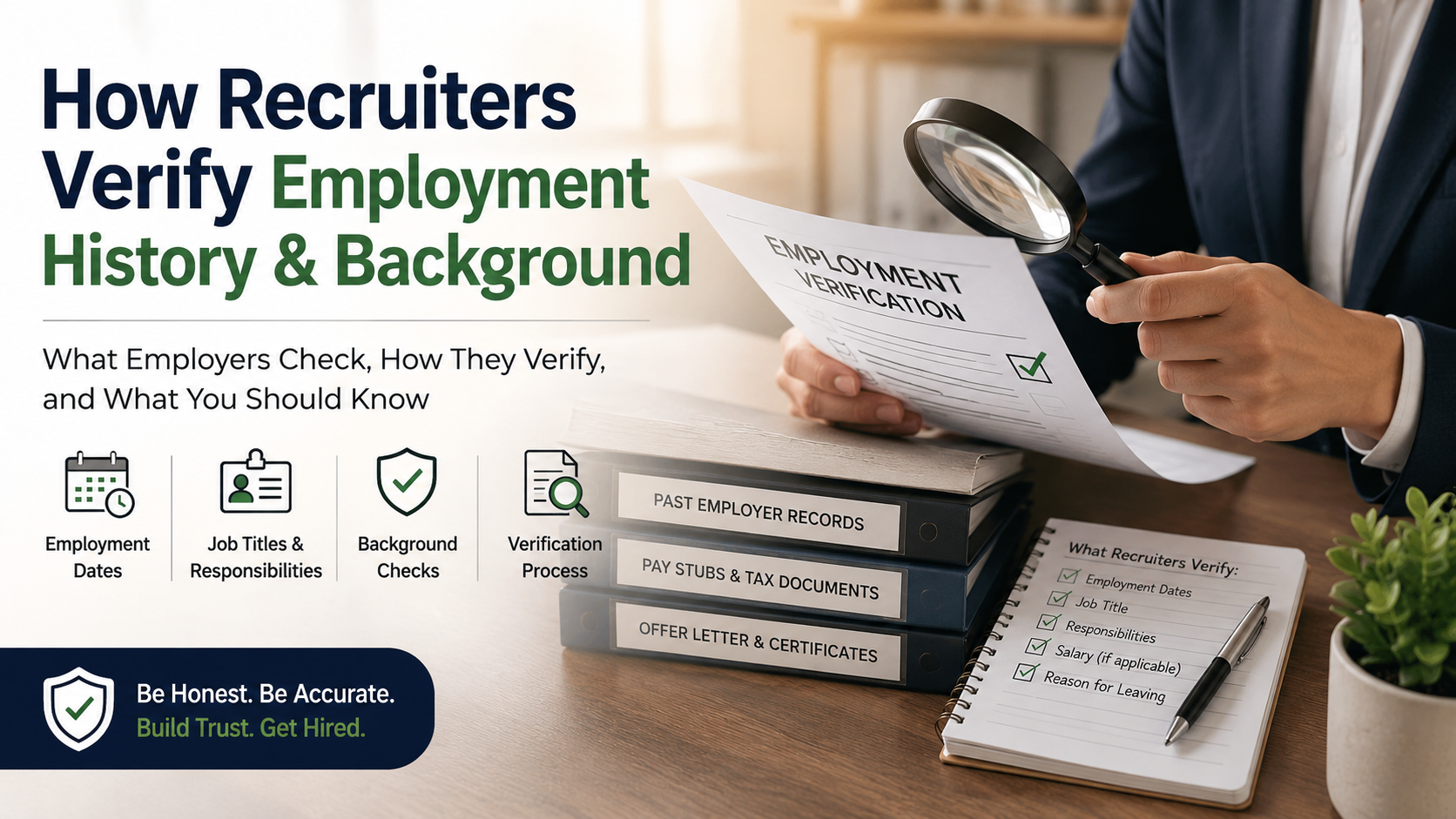
Your digital profiles serve as the digital storefront of your professional reputation. If your online profiles are incomplete, outdated, or inconsistent, your networking efforts will yield far fewer results. Recruiters verify your background across multiple platforms, so maintaining a cohesive presence is critical. Ensure that your career history aligns across all networks and matches the professional narrative you want to project.

Optimizing your digital footprint involves using clear terminology that highlights your specific expertise. This systematic optimization increases your chances of appearing in search queries when recruiters look for industry specialists. Think of your digital footprint as an ongoing reflection of your professional dedication; keeping it polished ensures you are always ready for unexpected career breakthroughs.

Transforming Your Social Profiles into Portfolios

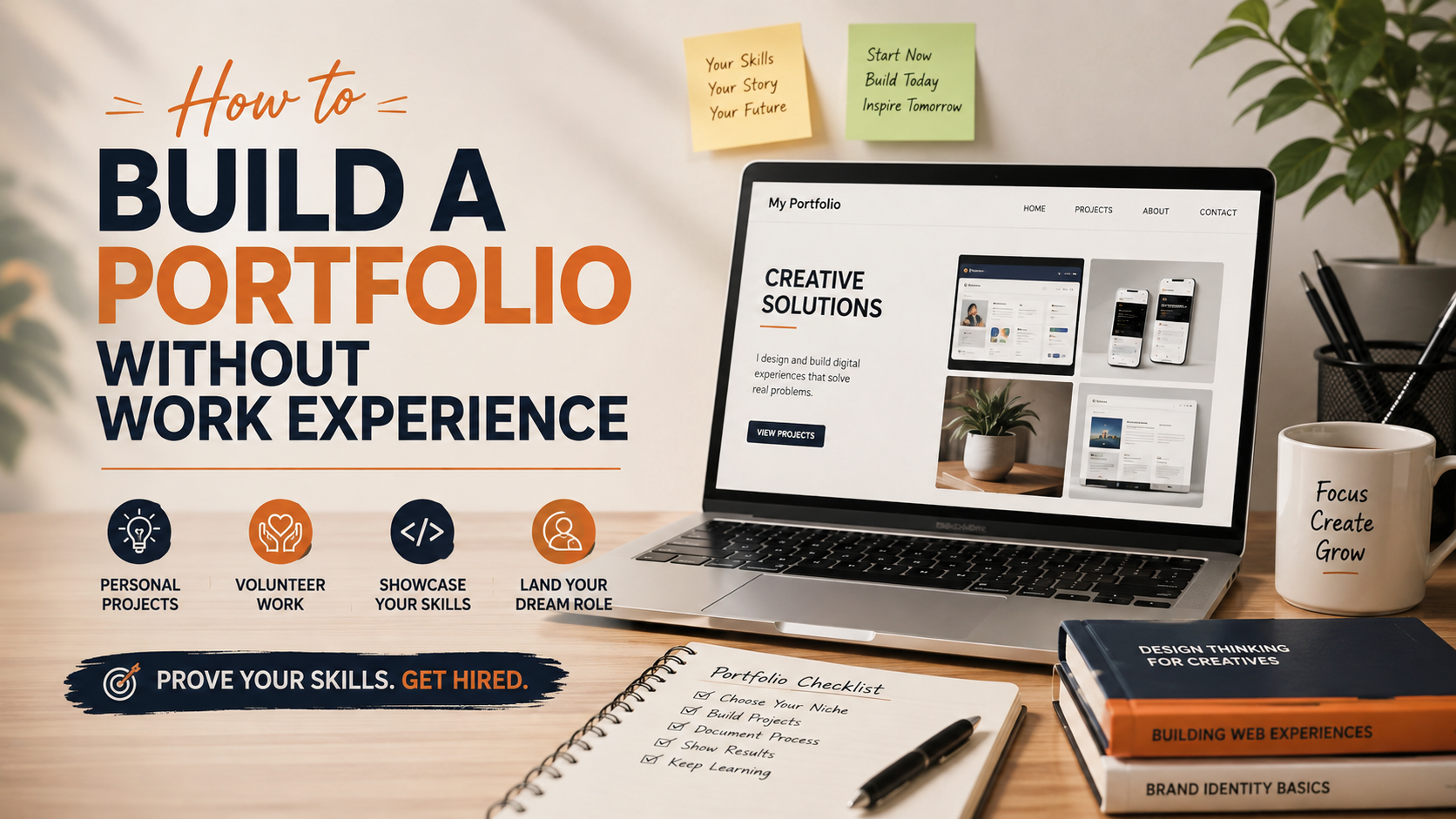
Do not treat your social media profiles as static online resumes that simply list past duties. Instead, transform them into dynamic portfolios that actively showcase your achievements and expertise. Use a high-quality, professional headshot with clear lighting and write a compelling headline that states your exact value proposition. In your summary and bio sections, focus heavily on the concrete outcomes you deliver rather than just listing your previous daily tasks.

Example:

  • Marketing Consultant helping small businesses generate more qualified leads.
  • Career Coach helping recent graduates land their first high-paying job.
  • Financial Advisor helping families build long-term wealth.
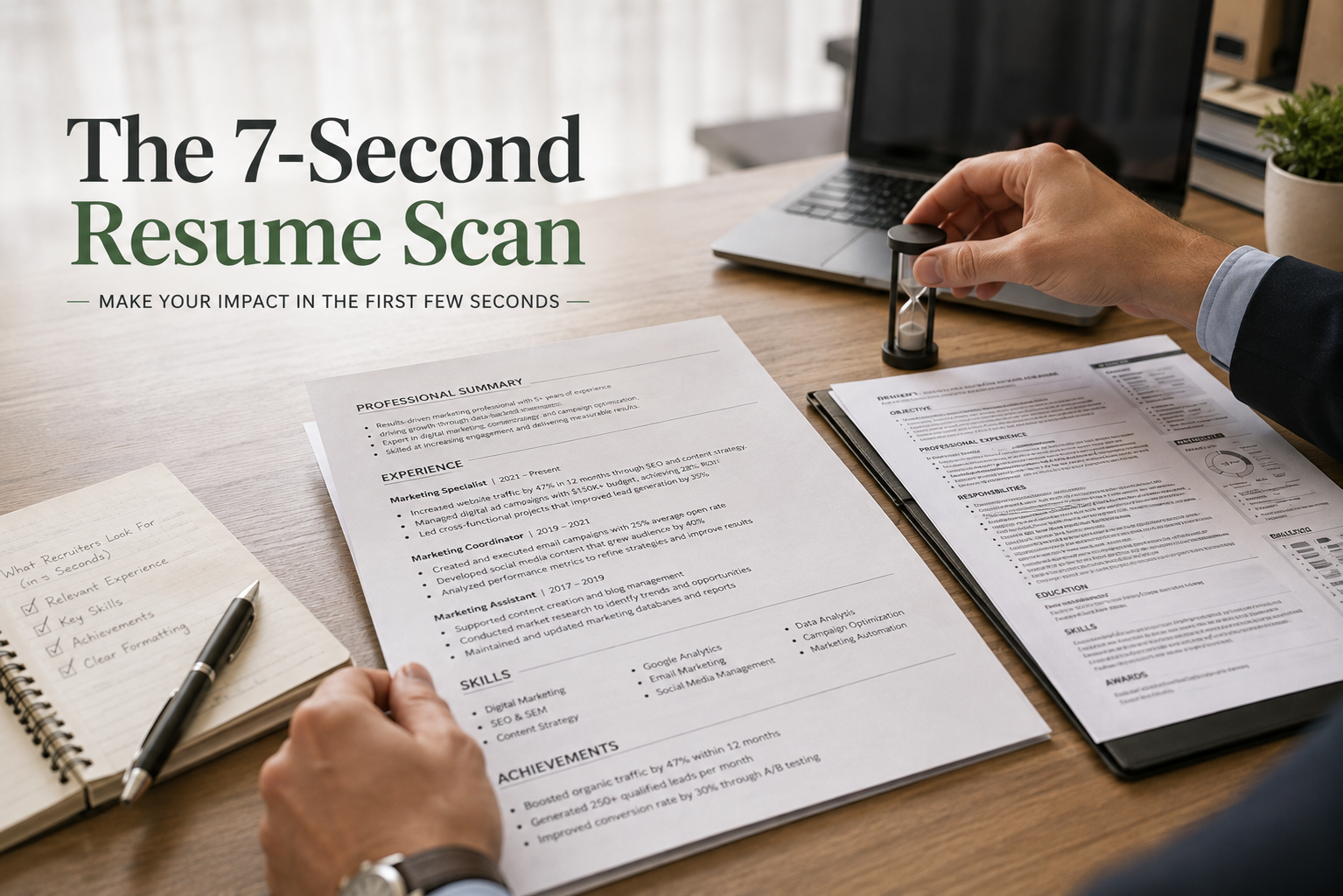
  • Software Developer helping startups build scalable web applications.

Include links to projects you have completed, presentations you have given, or articles you have written. By embedding real evidence of your work directly into your profiles, you provide instant validation to anyone researching your background. This approach changes your profiles from boring lists of historical data into engaging, results-oriented narratives that prove your value.

Creating a Consistent Content Strategy

Content creation is the vehicle that drives your professional brand forward and expands your reach. By sharing your insights consistently, you actively prove your expertise rather than just claiming to have it on a resume. A reliable content strategy establishes you as an active participant in your industry’s ongoing conversations. To begin, establish a sustainable schedule that fits into your current work week without causing burnout.

Focus on topics where you possess genuine experience and can offer a unique perspective. Over time, your consistent output builds an archive of knowledge that demonstrates your professional growth and intellectual curiosity. This ongoing collection of work becomes a highly persuasive asset when you negotiate promotions, apply for new roles, or seek high-level business partnerships.

Choosing the Right Content Formats

Select content formats that align naturally with your personal strengths and communication style. If you enjoy deep analysis and writing, consider publishing long-form articles, case studies, or launching a regular newsletter. If you prefer speaking and visual communication, video content or podcast appearances might suit your style much better.

  • Long-form articles: Perfect for demonstrating deep technical knowledge and solving complex industry challenges.

  • Short-form posts: Ideal for daily tips, industry news commentary, and quick professional updates.

  • Visual infographics: Great for breaking down complex statistics, frameworks, or workflows into easily digestible formats.

Experimenting with different formats helps you discover how your target audience prefers to consume information. Once you identify the format that generates the highest engagement, focus your energy on perfecting that specific medium to build a dedicated professional following.

Networking Authentically to Expand Your Influence

Achieving substantial personal brand career growth relies heavily on genuine human connection and mutual respect. True networking focuses on building authentic, long-term relationships, not just collecting superficial digital contacts. Interact with other professionals by leaving thoughtful, insightful comments on their posts rather than generic compliments. Share their work with your audience when it adds genuine value and tag them to start meaningful conversations.

Over time, these small digital interactions can evolve into collaborative projects, mentorships, and exclusive career opportunities. Approach networking with a mindset of generosity by asking how you can help others before seeking favors for yourself. This supportive approach builds deep trust and establishes a strong professional support network that will naturally champion your career achievements for years to come.

FAQ SECTION

What is the first step in building a personal brand career growth strategy?

The foundational first step is defining your unique value proposition and clearly identifying your target audience. You must spend time analyzing your core strengths, technical skills, and professional passions to understand the specific problems you solve better than your peers. Once you clarify this value, determine who needs your expertise, such as hiring managers, recruiters, or potential business clients. This deep clarity ensures that all your future content creation, profile updates, and networking efforts align with your career goals. Without this initial groundwork, your branding efforts can become fragmented, confusing your audience and diluting your professional impact over time.

How much time should I invest in building my professional brand each week?

You should aim to dedicate approximately two to three hours per week to your personal branding efforts. Consistency matters much more than total volume, so it is better to spend twenty minutes a day than four hours once a month. Use this dedicated time to write high-quality posts, engage thoughtfully with industry peers, and review your digital profiles for necessary updates. This manageable routine ensures your online presence remains highly active and visible without causing professional burnout or distracting you from your primary job responsibilities. Treating branding as a consistent habit makes it a sustainable part of your career development strategy.

Can I build a personal brand if I am an introvert?

Yes, introverts can absolutely build a highly successful professional brand without changing their natural personality. You do not need to be loud or hyper-visible to make a significant impact in your industry. Introverts often excel at creating deep, written content, such as insightful articles, detailed case studies, or structured newsletters. Focus on sharing high-quality, thought-provoking ideas and engaging in meaningful one-on-one digital conversations rather than broad self-promotion. By prioritizing depth of knowledge over constant visibility, you will naturally attract the right professional opportunities, hiring managers, and mentors who appreciate your quiet authority and specialized expertise.

Which social media platforms are best for professional career growth?

LinkedIn is currently the premier platform for professional networking and career growth across almost every industry worldwide. However, the best platform ultimately depends on where your specific target audience and industry decision-makers spend their professional time. For example, creative professionals might find more value on Instagram, Behance, or Pinterest, while software engineers and data specialists often thrive on GitHub, Stack Overflow, and X. Research where the leaders in your specific field are actively publishing and engaging, and focus your primary branding energy on that platform to maximize your career visibility.

How long does it take to see tangible career results from personal branding?

Typically, you can expect to see meaningful, tangible results within three to six months of consistent effort. Early signs of progress include increased profile views, connection requests from industry peers, and higher engagement on your posts. Major career opportunities, such as inbound job offers from recruiters, speaking invitations, or consulting requests, usually develop after six to twelve months of sustained activity. Building a professional reputation takes time because it relies on establishing trust and authority within your network. View personal branding as a long-term career investment rather than a quick fix for immediate employment needs.

CONCLUSION

Executing a strategy centered on personal brand career growth is a powerful, long-term investment in your professional future. By defining your unique value proposition, optimizing your digital profiles, and sharing high-quality content consistently, you actively take control of your career trajectory. This deliberate process transforms you from a passive job seeker into a highly visible, trusted authority in your field.

Remember that authenticity remains the cornerstone of any sustainable professional identity. Stay true to your core values, engage sincerely with your community, and continuously refine your professional skills. If you’re looking to strengthen your qualifications and stand out in the job market, exploring the best professional certifications for beginners can help you build valuable skills and accelerate your career growth. As your reputation expands, new milestones, promotions, and opportunities will naturally follow. Start by updating your primary digital profile today to unlock the next chapter of your professional journey and secure your long-term career success.

Banking Career Roadmap: The Ultimate 2026 Guide

Banking Career Roadmap: The Ultimate Guide to Building a Successful Finance Career

Navigating the complex world of corporate finance requires a clear strategy. Consequently, establishing a structured banking career roadmap is the single most effective way to secure your professional future. The global financial services industry is currently undergoing rapid transformation. This change is heavily driven by technological innovation, automation, and shifting international compliance standards. To understand how these macroeconomic changes impact licensing, you can review the latest industry updates on the Financial Industry Regulatory Authority platform. Whether your dream is to advise on corporate mergers or help retail clients build wealth, mapping out your professional trajectory early ensures success. Specifically, it helps you acquire the right technical skills, build a powerful network, and position yourself for rapid advancement. By taking a proactive approach, you can easily avoid common pitfalls. Therefore, you can strategically select the financial institutions that align best with your long-term goals.

Understanding the Landscape: Different Paths in Banking

Before you begin launching your journey, you must fully appreciate that the banking industry is not a monolith. The sector divides into highly distinct tracks. Each area requires a different personality type, lifestyle tolerance, and analytical skillset. Selecting the wrong track early on can quickly lead to professional burnout. Conversely, finding the right cultural and intellectual fit will accelerate your upward mobility and career satisfaction.

Retail and Commercial Banking

Retail banking focuses primarily on individual consumers. Therefore, it offers essential products like checking accounts, personal loans, residential mortgages, and local wealth management services. Commercial banking, on the other hand, serves small to mid-sized businesses. As a result, it manages corporate credit lines, equipment leasing, and complex treasury management solutions. These professional roles place a heavy emphasis on localized market knowledge, credit risk analysis, and deeply consultative relationship management. If you enjoy interacting with business owners, analyzing local economic trends, and maintaining a stable work-life balance, this path provides a highly rewarding environment with consistent career progression.

Investment Banking and Corporate Finance

Investment banking operates in a high-stakes, fast-paced environment that demands absolute dedication and intense quantitative stamina. Professionals in this sector advise large corporations on major mergers and acquisitions (M&A). Furthermore, they help companies raise capital through public debt and equity markets. They also structure complex leveraged buyout transactions. If you enjoy deep financial modeling, corporate valuation, quantitative research, and working under tight institutional deadlines, this path fits your banking career roadmap. While the financial compensation is exceptionally high, you must be prepared for rigorous schedules. In addition, you must survive a competitive corporate culture that tests your personal resilience daily.

Step-by-Step Banking Career Roadmap

Building a sustainable path in high finance requires making highly deliberate choices at every stage. This comprehensive, step-by-step banking career roadmap outlines exactly how to progress from an ambitious student to the senior executive suite.

Career Progression in Banking:

• Entry-Level: Analyst or Associate
• Mid-Level: Vice President or Director
• Senior-Level: Managing Director or C-Suite Executive

Phase 1: Educational Foundation and Internships

Your professional journey must begin with a strong, highly analytical academic background. The vast majority of top-tier financial institutions require a bachelor’s degree in finance, economics, or accounting. During your undergraduate years, you must actively secure summer analyst internships. These programs typically open applications during your sophomore and junior years. These summer positions serve as the primary recruitment pipeline for full-time job offers upon graduation. Beyond maintaining an excellent GPA, you must dedicate time to mastering advanced Microsoft Excel functions. Similarly, you should learn how to build three-statement financial models. Finally, remember to network extensively with university alumni who are already established within your target financial institutions.

Phase 2: Landing Entry-Level Roles

Graduates typically enter the financial sector as front-office analysts or associate-level professionals. In the commercial banking sector, your career often begins as a junior credit analyst. As a junior credit analyst, you evaluate the financial health of local businesses applying for capital. Meanwhile, investment banking analysts spend most of their time building detailed valuation models. Additionally, they spend hours preparing extensive client pitch books and conducting granular industry research. Expect to spend two to three years in these demanding positions. Consequently, you will learn the intricate mechanics of corporate finance while proving your absolute reliability to senior management teams.

Phase 3: Moving to Mid-Management

Transitioning upward into senior roles like Vice President (VP) or Director requires a new shift in your skillset. While entry-level success depends on technical execution, mid-level positions require project management, client relationship development, and team leadership. During this pivotal phase, you must manage junior analysts. Meanwhile, you must ensure that client deliverables meet strict institutional standards. Moreover, this mid-career transition point is when professionals frequently choose to pursue highly demanding credentials. For example, earning a professional designation can significantly accelerate your banking career roadmap and open new executive opportunities.

Phase 4: Executive Leadership

At the ultimate pinnacle of the financial services trajectory sit Managing Directors, Senior Partners, and C-suite executives. These elite leaders step away from daily financial execution. Instead, they focus purely on high-level corporate strategy, major client acquisitions, regulatory negotiations, and global risk management. They bear the ultimate responsibility for the institution’s financial profitability and brand reputation. Reaching this executive level requires decades of exceptional performance and an ironclad professional reputation. Furthermore, you need an extensive network of institutional clients who trust your financial judgment implicitly during market volatility.

Essential Skills and Certifications for Upward Mobility

To keep your professional trajectory moving upward, you must balance raw technical expertise with highly developed emotional intelligence. The modern financial ecosystem continuously evolves, demanding constant adaptability from its workforce.

Hard Skills and Financial Expertise

You must possess an absolute, flawless mastery of financial statement analysis, corporate valuation methodologies, and risk assessment strategies. Furthermore, as technology continues to reshape Wall Street, familiarity with financial technology tools is becoming entirely mandatory. Modern banks actively look for professionals who can bridge the gap between finance theory and advanced data science. Therefore, having a strong grasp of data analytics can optimize your personal banking career roadmap. This knowledge makes you an increasingly powerful asset for competitive corporate employers looking to secure top-tier talent.

Soft Skills and Leadership

The unique ability to break down complex financial concepts into simple, actionable insights for clients is an invaluable asset. To succeed as an executive leader, you must develop superior negotiation skills, deep emotional intelligence, and clear leadership capabilities. True leadership in banking involves maintaining calm under intense pressure. Similarly, you must manage systemic organizational stress and mentor the next generation of junior analysts. Doing this effectively will prevent high turnover rates within your department.

Industry-Recognized Certifications

Note: Earning professional certifications validates your technical expertise. As a result, it signals your long-term dedication to potential corporate employers. Always choose credentials that align directly with your chosen specialty.

Career Path Recommended Certification Primary Focus
Investment / Portfolio Management CFA (Chartered Financial Analyst) Asset valuation, ethics, portfolio strategy
Commercial Banking / Credit CBCA (Commercial Banking & Credit Analyst) Credit analysis, loan structuring, risk
Risk Management FRM (Financial Risk Manager) Market risk, credit risk, operational modeling

Frequently Asked Questions

What degree is best for a banking career roadmap?

A bachelor’s degree in finance, economics, accounting, or business administration provides the absolute strongest structural foundation for entering the banking world. These specific disciplines teach students core quantitative skills, complex financial statement analysis, and microeconomic theories. However, modern banks are increasingly valuing academic diversity in their hiring processes. Graduates with degrees in mathematics, computer science, or engineering are now highly sought after. These individuals excel on quantitative trading desks, complex risk management departments, and financial technology innovation teams. The primary key to securing a job offer, regardless of your specific major, is demonstrating a highly disciplined analytical mindset. You also need a strong GPA and a genuine, deeply researched passion for global financial markets.

How long does it take to become an investment banker?

Landing an entry-level analyst position typically takes four years of dedicated undergraduate study at a reputable university. This educational path must be heavily supplemented by relevant financial internships completed during your summer breaks. Once you successfully enter an investment bank full-time, the natural corporate progression from an entry-level analyst to an associate position takes approximately two to three years. Moving upward from an associate to the prestigious Vice President level requires another three to four years of consistent deal execution. Consequently, achieving a senior executive leadership role usually takes a minimum of 10 to 15 years of dedicated, high-stress work within the industry. Your timeline depends heavily on your ability to bring in new client revenue.

Can I switch from retail banking to investment banking?

Yes, it is entirely possible to transition between these two distinct sectors, though it requires a highly deliberate strategic pivot. Retail banking focuses heavily on consumer relations and volume-based products. Conversely, investment banking requires deep corporate valuation, intensive financial modeling, and complex transactional skills. To successfully bridge this wide operational gap, many professionals choose to exit the workforce temporarily to pursue a full-time MBA program at a top-tier business school. Alternatively, they commit to earning the highly rigorous Chartered Financial Analyst designation. These structural steps provide the advanced technical training, institutional credibility, and exclusive campus recruitment pipelines necessary to pivot successfully into elite corporate finance roles later in their careers.

Is the CFA certification necessary for commercial banking?

The CFA certification is exceptionally prestigious across the global financial landscape, but it is by no means strictly necessary for commercial banking. The intensive CFA curriculum focuses heavily on public equity analysis, portfolio management, fixed-income derivatives, and institutional asset valuation. For the commercial banking sector, alternative specialized certifications like the Commercial Banking & Credit Analyst (CBCA) designation are far more practical. These specialized training programs focus directly on corporate commercial lending mechanics, debt structure analysis, collateral evaluation, and commercial real estate risk assessment. Therefore, this specific training aligns perfectly with the daily responsibilities of a corporate commercial relationship manager.

How has technology changed the traditional banking path?

Advanced technology has permanently shifted the financial industry’s primary focus toward data literacy, algorithmic automation, and cloud-based risk management systems. Traditional relationship management roles now require a deep familiarity with sophisticated data analytics tools and predictive customer relationship platforms. Additionally, the rapid rise of FinTech innovations has created entirely new, highly lucrative career tracks. These include algorithmic trading design, digital banking product management, and institutional cybersecurity infrastructure. Modern professionals who can successfully combine traditional financial accounting expertise with data analytics will find the greatest wealth of opportunities on their banking career roadmap.

What is the average work-life balance in banking?

Work-life balance varies dramatically depending on the specific financial sector you choose to pursue on your roadmap. Retail and commercial banking roles generally offer highly predictable, stable schedules. These positions average roughly 40 to 50 hours per week with virtually no weekend work or late-night corporate emergencies. Conversely, front-office investment banking is globally famous for its intensely demanding, high-stress schedules. In this track, junior analysts routinely work 70 to 90 hours per week to meet strict transaction deadlines. When designing your long-term plan, you must carefully weigh your steep financial aspirations against the profound personal lifestyle sacrifices required by each specific banking sector.

Conclusion

Developing a comprehensive, highly detailed banking career roadmap gives you a profound competitive advantage in a crowded global job market. By thoroughly understanding the unique operational demands of different financial sectors, you can intentionally direct your professional development. Systematically acquiring essential technical certifications and continuously sharpening your soft leadership skills allows you to navigate the corporate ladder with ultimate confidence.

However, you must always remember that professional flexibility is just as critical as structured planning. The global financial sector continuously evolves alongside new regulatory frameworks, corporate mandates, and technological shifts. Therefore, you must commit yourself to a lifetime of continuous learning and embrace industry volatility as an opportunity for growth.

Building genuine professional relationships based on mutual trust will provide stability throughout your career transitions. Furthermore, taking proactive control of your daily skills acquisition will ensure you never become obsolete. You should also develop strong financial habits alongside your career growth by exploring our guide on banking tips and tricks, which covers practical strategies for managing your finances effectively. By carefully aligning your unique personal strengths with the right institutional sector, you will secure an incredibly lucrative, intellectually stimulating, and highly impactful career in the modern financial services industry.

Teaching Career Opportunities: A Guide to Modern Education

Teaching Career Opportunities: A Guide to Modern Education

The modern education landscape is shifting rapidly, opening up a diverse array of professional pathways for passionate educators. Navigating these new teaching career opportunities requires a clear understanding of where your skills can make the biggest impact. Whether you are a recent graduate looking for your first classroom position or a seasoned instructor looking to pivot into an administrative or digital role, the education sector offers massive room for professional advancement. According to the U.S. Department of Education, investing in educator growth and addressing resource gaps remain critical priorities for building a sustainable, future-ready workforce.

Understanding your options allows you to align your personal passions with market demands. Today, education goes far beyond the traditional brick-and-mortar classroom model. Innovations in learning models, instructional design, and specialized support systems have created new roles that did not exist a decade ago.

This comprehensive guide breaks down the most viable pathways in education today. We will explore traditional classroom settings, specialized instruction niches, digital platforms, and administrative tracks. Additionally, you will discover actionable strategies to enhance your professional profile and build a long-term, fulfilling career that truly shapes the future of learning.

Understanding the Landscape of Teaching Career Opportunities

The field of education is expanding in response to technological advancements and changing student demographics. Consequently, the demand for adaptable, skilled educators remains high across various learning environments. When you look at the job market, you quickly realize that teaching is no longer a one-size-fits-all profession. Modern school districts and private educational corporations are actively searching for talent that can navigate the complexities of modern student needs. This shift means that professionals who stay informed about emerging educational trends will find themselves at a distinct advantage during the hiring process.

Traditional K-12 Classrooms

Public and private schools remain the largest employers of educational professionals. Within this space, teachers design daily lesson plans, manage classroom behavior, and assess student performance over the academic year. Private institutions often offer more curriculum flexibility and smaller class sizes, while public schools generally provide structured salary scales, robust union protections, and comprehensive retirement benefits. Both paths offer vital foundational experience for anyone looking to advance in the educational sector, as classroom management and parent-teacher communication are universally valued skills that form the bedrock of any successful long-term career in education.

Specialized Education Niches

Special education teachers, English as a Second Language (ESL) instructors, and STEM specialists are in exceptionally high demand globally. Schools frequently face critical shortages in these areas, which means professionals with specialized certifications often enjoy greater job security and competitive compensation packages. These roles require additional training, diagnostic capabilities, and patience, but they provide the chance to make a profound difference for students with unique learning requirements. By focusing on a niche, you differentiate yourself from the general applicant pool and build highly specialized expertise that schools are eager to retain.

Alternative Instruction Pathways and Digital Environments

The digital transformation has permanently altered how knowledge is distributed across the globe. As a result, many educators are finding immense professional success outside the walls of conventional brick-and-mortar schools.

  • Online Academies and Virtual Schools: Full-time virtual learning platforms employ remote teachers to host live interactive sessions, design multimedia modules, and grade student assignments from the comfort of a home office.

  • Corporate Training Programs: Large companies hire instructional designers and corporate educators to develop professional development modules, lead employee onboarding seminars, and improve workforce productivity through targeted learning initiatives.

  • Freelance Tutoring and Coaching: Independent educational platforms allow teachers to offer targeted, one-on-one assistance to students globally, setting their own hours and targeting specific standardized tests or language goals.

Moreover, instructional design has become a major destination for former classroom teachers seeking a career change. This analytical field focuses entirely on creating educational curricula, textbooks, and interactive digital learning tools for publishers, universities, and corporate entities. If you enjoy building the structural framework of a lesson more than delivering it live to a room of students, this path offers incredible career longevity and remote flexibility.

Strategies for Professional Growth in the Education Sector

Securing the best teaching career opportunities requires intentional professional development and proactive career management. You cannot rely solely on your initial teaching degrees if you want to move into high-impact, lucrative roles within the industry. Higher compensation and leadership positions are directly tied to your willingness to keep learning, adapt to new methodologies, and take on additional responsibilities outside your comfort zone.

Pursuing Advanced Degrees and Certifications

Earning a Master’s in Education (M.Ed.) or an educational leadership certification opens doors to higher-paying administrative brackets and specialist titles. Similarly, adding micro-credentials in educational technology, trauma-informed teaching, or bilingual education makes your resume stand out to hiring managers. School boards look favorably upon educators who actively invest in their own knowledge, often rewarding them with automatic salary step increases and leadership invitations.

Expanding Your Professional Network

Attending regional education conferences and joining subject-specific professional associations helps you stay informed about hidden job openings and industry shifts. Often, the hidden job market in education relies heavily on word-of-mouth recommendations among principals, superintendents, and department heads looking for reliable talent. Therefore, building active relationships with peers, participating in mentorship programs, and maintaining an updated professional profile are just as important as your daily classroom performance.

FAQ SECTION

1. What are the most in-demand teaching career opportunities right now?

The education sector is currently experiencing strong demand for qualified professionals across several specialized fields. As a result, teaching career opportunities are expanding in both traditional schools and modern learning environments. Among the most sought-after positions are Special Education teachers, STEM (Science, Technology, Engineering, and Mathematics) educators, and ESL (English as a Second Language) instructors. Many school districts face ongoing shortages of qualified candidates because of increasing student enrollment, changing educational requirements, and a limited supply of certified professionals. These shortages have created excellent teaching career opportunities for qualified educators. Schools often offer competitive salaries, signing bonuses, relocation assistance, and alternative certification pathways to attract skilled teachers.

In addition to classroom roles, teaching career opportunities are growing rapidly in the educational technology sector. Corporate instructional designers, online curriculum developers, educational content creators, and learning experience designers are increasingly in demand as businesses invest in digital training platforms. Teachers with strong communication skills, technology proficiency, and curriculum development experience are especially attractive to these employers. The expansion of online education has also created more teaching career opportunities for virtual teachers, online tutors, and educational consultants who can design and deliver engaging remote learning experiences. Overall, professionals who combine subject expertise with digital skills and adaptability will continue to find excellent teaching career opportunities in today’s evolving education and training industry. The future of teaching career opportunities remains promising as schools, universities, and organizations continue to invest in high-quality education and workforce development.

2. Can I transition from classroom teaching to a corporate career?

Yes, transitioning from classroom teaching to a corporate career is both possible and increasingly common. Teachers develop many transferable skills during their careers. These skills are valuable in a wide range of industries. They include communication, leadership, project management, curriculum development, problem-solving, data analysis, and presentation skills. Teachers also know how to train, motivate, and support diverse groups of people. These abilities make them strong candidates for corporate positions in learning, development, and employee engagement.

A successful transition usually begins with updating your resume and professional profile. Use business-focused language instead of classroom terminology. Highlight measurable achievements, such as designing training programs, managing projects, improving learning outcomes, and using technology to support instruction. Many former teachers move into careers as instructional designers, corporate trainers, learning and development specialists, human resources coordinators, customer success managers, educational consultants, or employee onboarding specialists. Companies in technology, healthcare, finance, and education actively seek professionals who can explain complex information clearly. They also value people who can design effective training programs. Additional certifications in instructional design or project management can strengthen your qualifications. These credentials can improve job opportunities and support long-term career growth.

3. Do private schools require the same state certifications as public schools?

The certification requirements for teachers differ between public and private schools. Public schools are regulated by state education departments. They usually require teachers to hold a valid state-issued teaching license. Candidates must also complete an approved teacher preparation program. In many cases, they must pass subject-specific examinations, complete student teaching requirements, and undergo criminal background checks. These standards help maintain consistent educational quality. They also ensure that teachers meet professional requirements established by the state.

Private schools usually have greater flexibility in their hiring practices. Many institutions create their own employment criteria. They may hire candidates based on academic qualifications, professional expertise, or specialized experience instead of formal teaching certification. For example, a private school may employ an engineer to teach mathematics or a professional musician to teach performing arts. This is possible even if the candidate does not hold a teaching license. However, state certification still provides an important advantage. It demonstrates professional competence and increases credibility. Certified teachers often receive better salary offers and have stronger promotion prospects. Many prestigious private schools also prefer licensed teachers because certification strengthens their academic reputation. Therefore, certification is not always required, but it remains a valuable professional credential.

4. How does instructional design differ from traditional classroom teaching?

Instructional design and classroom teaching both aim to improve learning outcomes. However, the two careers differ in their focus and daily responsibilities. Classroom teachers work directly with students every day. They deliver lessons, manage classroom behavior, assess student progress, and provide regular feedback. Teachers also adapt their instruction to meet different learning needs. In addition, they motivate students and build positive classroom relationships. They respond to questions and challenges as they occur during lessons.

Instructional designers work mainly behind the scenes. Their primary responsibility is to create effective learning experiences rather than teach them directly. They analyze learning needs, identify performance gaps, and write clear learning objectives. They also develop digital courses, multimedia resources, assessments, and training materials. Many instructional designers use learning management systems and specialized software to build online courses. They often collaborate with subject matter experts, graphic designers, and technology specialists. Their goal is to produce engaging and effective educational content for schools, universities, corporations, or government organizations. Both careers require strong knowledge of learning theories and educational principles. However, classroom teachers focus on delivering instruction, while instructional designers focus on planning, designing, and improving learning experiences.

5. What administrative roles can an experienced teacher move into?

Experienced teachers have many opportunities to move into educational leadership and administration. After gaining classroom experience, they may become instructional coaches, department chairs, academic coordinators, assistant principals, or principals. These positions involve supervising teachers, supporting curriculum implementation, monitoring student achievement, and managing school operations. Administrators also help develop policies that improve teaching quality and student success. Many leadership roles include mentoring new teachers and supporting professional development across the school.

Experienced educators can also pursue leadership positions beyond individual schools. These include curriculum director, instructional coordinator, education consultant, policy analyst, assessment specialist, textbook editor, and professional development coordinator. Such roles focus on curriculum planning, teacher training, educational research, and program evaluation. They also involve making decisions that influence schools at the district or organizational level. Government agencies, nonprofit organizations, educational publishers, and educational technology companies frequently hire experienced teachers for these positions. Many administrative careers require a master’s degree in educational leadership or administration. Public school leadership roles may also require additional state certification. Despite these requirements, administrative careers offer greater responsibility, higher earning potential, and broader opportunities to improve education beyond a single classroom.

CONCLUSION

Navigating the wide variety of modern teaching career opportunities reveals that the field of education is richer, more dynamic, and more versatile than ever before. From traditional elementary classrooms to innovative corporate training rooms and virtual learning spaces, your skills as an educator are highly valuable across multiple sectors. The secret to long-term career satisfaction and financial sustainability lies in matching your unique teaching strengths with the right structural environment.

By actively pursuing continuous professional development, building strategic networks, and adapting to modern educational technologies, you position yourself at the forefront of the education industry. Strengthening your communication skills is equally important, especially for educators who teach language learners or work in diverse classrooms. You can also explore our guide on the best platforms for learning English to discover useful resources that support both teachers and students. The education sector will always need dedicated professionals who can communicate complex ideas clearly, motivate learners, and inspire lifelong growth. Take charge of your professional journey today by evaluating which educational pathway best aligns with your career goals, interests, and personal strengths.