
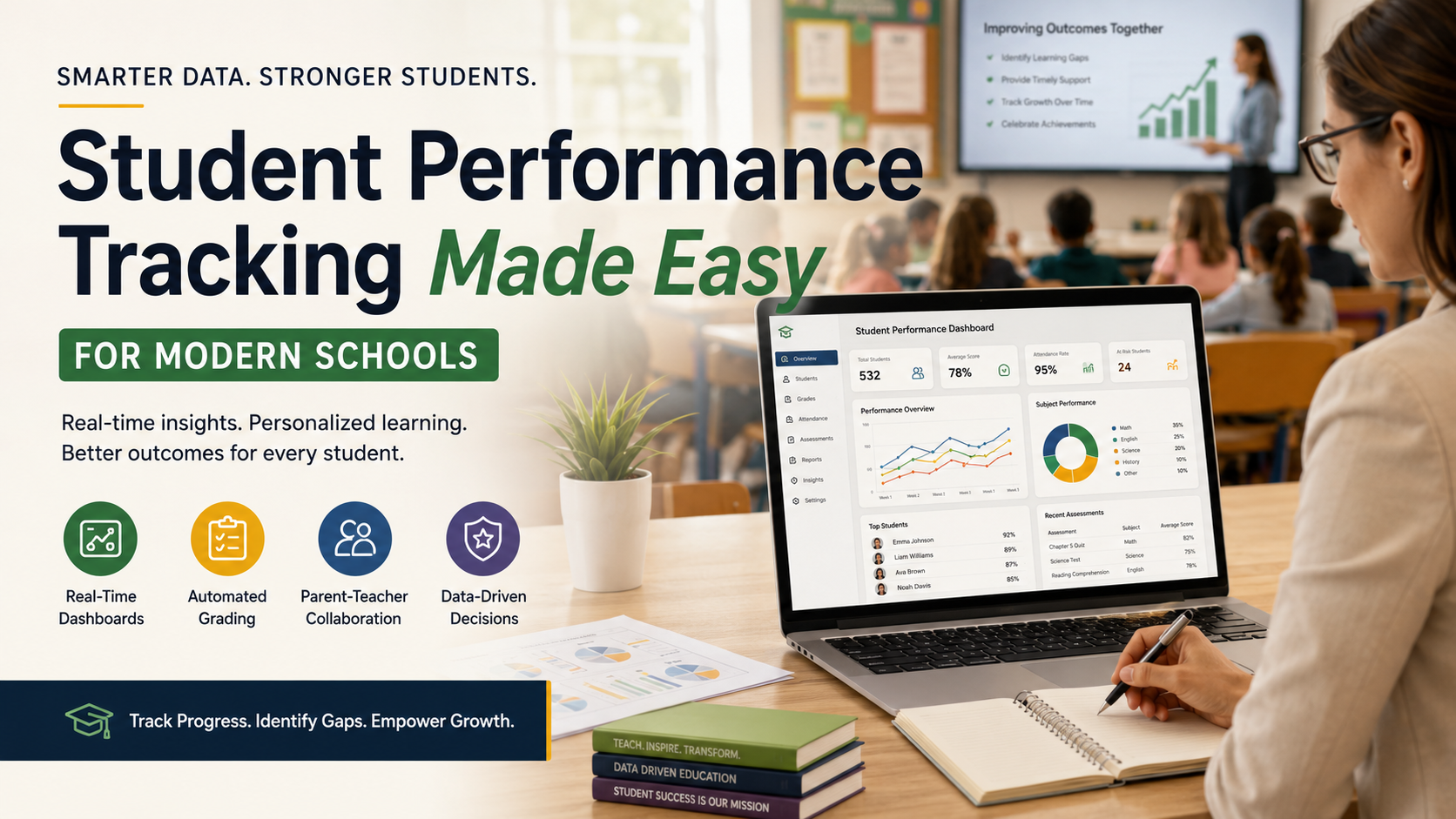
Student Performance Tracking Made Easy for Schools
Modern schools often face big challenges when managing academic data. Fortunately, implementing effective student performance tracking helps teachers move past slow paper spreadsheets. It gives clear insights into daily classroom progress. By using full platforms like Google for Education, schools can easily organize student assessments. Additionally, educators can monitor growth and build great learning environments.
Tracking student performance goes beyond logging test scores at the end of a term. Indeed, it gives a complete view of a student’s learning journey. This process highlights individual strengths. Furthermore, it quickly points out specific topics that need extra help. When teachers have instant access to clear data, they adapt their daily lessons fast. Consequently, they meet diverse student needs without wasting class time.
Streamlining student performance tracking empowers leaders, teachers, parents, and students alike. As a result, schools build better routines by using clear metrics and simple digital tools. They create an environment focused on steady growth and academic success. This guide shares practical strategies, useful software tools, and easy steps. Ultimately, these ideas make tracking student performance simpler and more valuable for your whole school community.
What Is the School Performance Tracking System?
A school performance tracking system is a digital platform that collects, analyzes, and reports student academic data in one centralized location. These systems replace scattered paper records and spreadsheets with interactive dashboards that display grades, attendance, behavior, and academic progress in real time. Teachers use these insights to monitor daily performance, while administrators evaluate school-wide trends and curriculum effectiveness. Parents also receive secure access, allowing them to stay informed and support learning from home. By automating routine data collection and reporting, schools reduce administrative workloads and minimize manual errors. As a result, educators spend less time on paperwork and more time delivering quality instruction, identifying learning gaps early, and providing personalized support. A well-designed student performance tracking system creates a more transparent, efficient, and data-driven learning environment that benefits students, teachers, parents, and school leaders alike.

Centralized Data Hubs for Better Insights
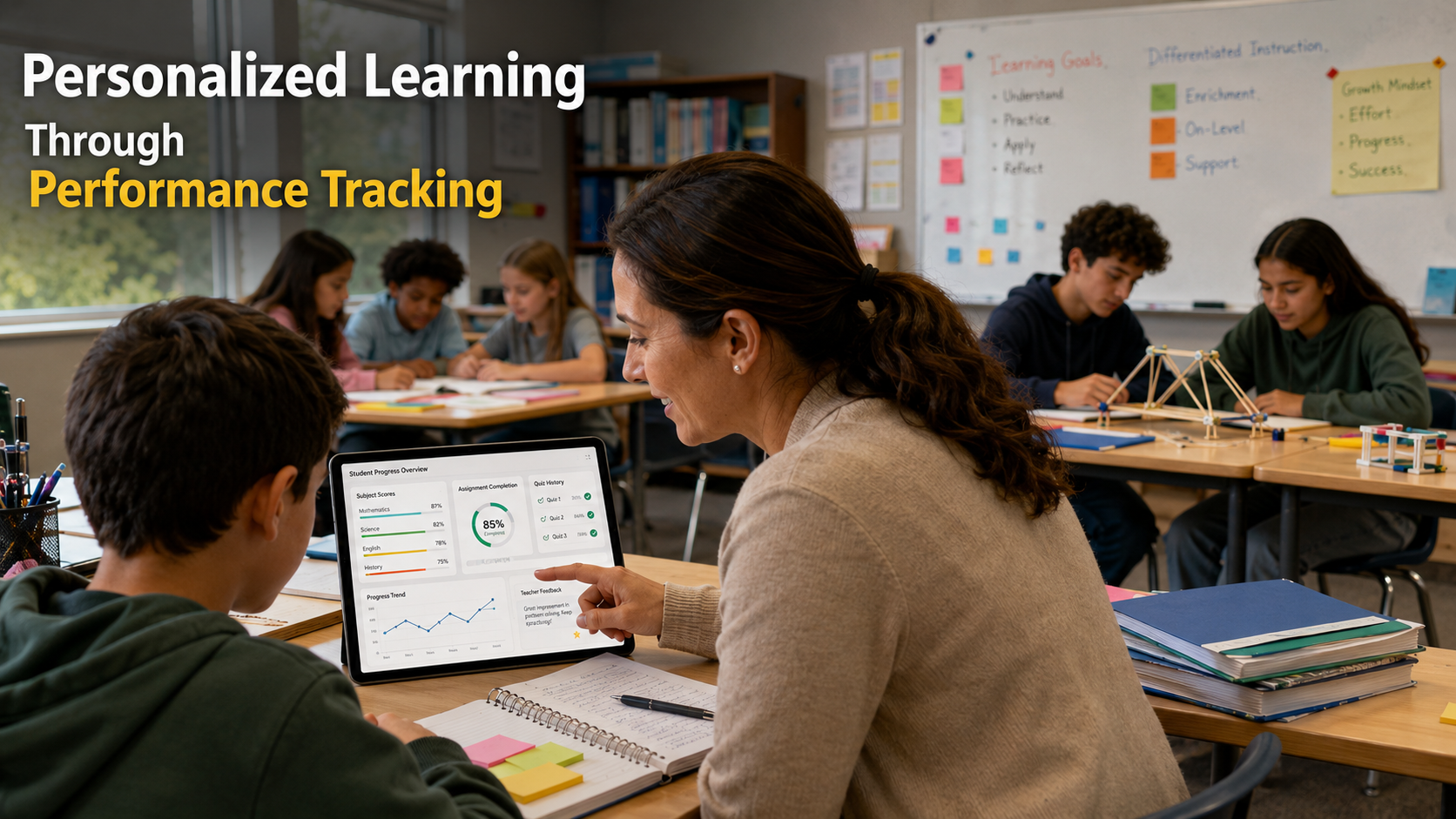
A centralized database brings together grades, attendance, behavior records, assessments, and teacher observations into one complete student profile. This shared information gives teachers, counselors, and administrators a consistent view of every learner’s progress.
Historical data also reveals performance trends over time. Educators can identify learning gaps early, monitor improvements, and provide timely interventions before small challenges become larger academic problems.
How to Improve Performance in School as a Student?
Improving academic performance requires consistent study habits, effective time management, and active participation in learning. Students should create a realistic study schedule and break large assignments into smaller tasks. This approach reduces stress and prevents last-minute cramming before exams. Participating in classroom discussions, asking thoughtful questions, and reviewing lessons regularly strengthen understanding and long-term memory. Maintaining a healthy routine also plays an essential role. Adequate sleep, balanced nutrition, and regular physical activity improve concentration and cognitive performance. Students should seek help as soon as they encounter difficulties instead of waiting until grades decline. Teachers, tutors, and classmates can provide valuable guidance that prevents small misunderstandings from becoming larger obstacles. Over time, these daily habits build confidence, improve academic results, and create a strong foundation for lifelong learning and personal success.
The Power of Active Recall and Review
Active recall is one of the most effective learning techniques. Instead of repeatedly reading notes, students should test themselves using flashcards, quizzes, or practice questions. Retrieving information strengthens memory and improves long-term retention.
Regular review sessions also reinforce learning and reduce forgetting. Combining active recall with spaced repetition helps students prepare more effectively for quizzes and final examinations.
Best Practices to Simplify Student Performance Tracking
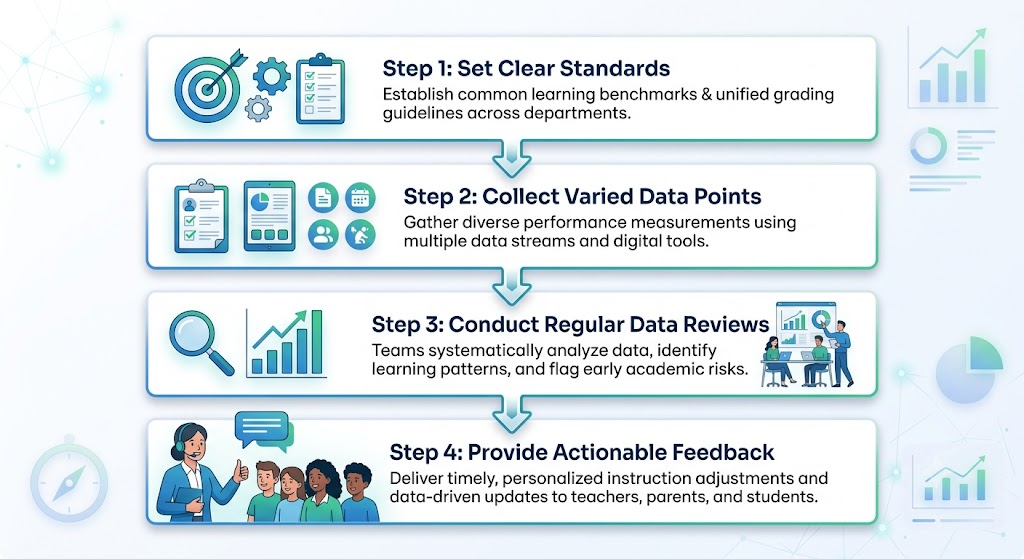
Buying good software is only the first step. School leaders must set clear, consistent assessment rules across all classrooms to get full value.
Inconsistent grading across rooms makes comparing progress hard. Therefore, leaders must create simple grading rules, clear learning goals, and regular data review meetings for teams.
Moreover, schools need a supportive culture where data helps people grow. When teachers share progress data openly, they swap good lesson plans. Consequently, they solve learning problems together as a team.

Why Is It Important to Track Student Progress?
Tracking student progress gives educators continuous insight into academic strengths, learning challenges, and overall development. Rather than waiting until final examinations reveal problems, teachers can identify struggling students early and adjust instruction immediately. Regular progress monitoring also helps schools evaluate whether teaching strategies, interventions, and curriculum changes are producing meaningful results. Students benefit because clear reports and visual progress charts make improvement easier to understand. Seeing measurable growth often increases motivation and encourages greater responsibility for learning. Parents also gain timely updates, allowing them to support their children’s education more effectively at home. Schools use long-term performance data to allocate academic resources, plan targeted interventions, and improve educational outcomes across different grade levels. Overall, a school performance tracking system promotes informed decision-making and creates a collaborative environment focused on continuous student achievement and long-term academic success.
Fostering Collaborative Support Networks
Regular progress monitoring strengthens communication between teachers, parents, and students. Instead of relying on occasional report cards, everyone receives timely updates about academic performance and attendance.
Shared information creates more productive parent-teacher discussions. Together, families and educators can develop targeted strategies that address specific learning challenges and celebrate student achievements.
What Are the 5 Key Performance Indicators in School?
Schools measure several key performance indicators (KPIs) to evaluate both student achievement and institutional success. These metrics provide valuable insights into academic performance, student engagement, and overall educational quality. The first KPI is academic achievement, which includes examination scores, classroom assessments, quizzes, and assignment results. The second is attendance, as regular school participation strongly influences learning outcomes. The third measures student behavior, including classroom participation, discipline records, and positive conduct. The fourth focuses on course completion and graduation progress, ensuring students remain on track to meet academic requirements. The fifth indicator is extracurricular participation, which reflects leadership skills, teamwork, and social-emotional development. Monitoring these indicators together gives educators a balanced understanding of student growth and helps schools identify areas that require additional support, resources, or instructional improvements while promoting long-term academic and personal success.
Balancing Academic and Social Metrics
Evaluating only test scores provides an incomplete picture of student development. Academic performance should be considered alongside behavior, attendance, and classroom engagement.
A balanced approach helps educators identify students who may be experiencing stress, disengagement, or other challenges. This broader perspective supports both academic success and overall well-being.
What are the 4 C’s of student engagement?
The 4 C’s of student engagement consist of connection, conceptual clarity, competence, and challenge, which together drive academic motivation. These four pillars create a balanced framework that ensures learners remain mentally stimulated, emotionally supported, and academically challenged. Educators utilize this model during student performance tracking to diagnose disengagement before grades begin to drop. When students feel a strong personal connection to their teachers, they participate more actively in classroom discussions. Furthermore, clear concepts prevent cognitive overload, while proper challenges foster resilience and grit. Integrating these elements transforms passive classrooms into dynamic hubs of active learning.
The Role of Connection in Daily Learning
Establishing a deep sense of connection helps learners feel safe, valued, and understood within their school environment. Teachers build this trust by actively listening to student concerns and validating their academic efforts consistently. Consequently, motivated learners take intellectual risks because they know their instructors support them through mistakes.
FAQ
How often should schools update their student tracking data?
Schools should update student performance tracking data continuously or at least once each week. Frequent updates allow teachers and parents to identify sudden declines in grades, attendance, or classroom participation before they become serious concerns. Real-time reporting also supports faster academic interventions and more informed decision-making.
Can parents access these student performance tracking systems?
Yes. Most modern school performance tracking systems include secure parent portals. Parents can view attendance records, assignment deadlines, assessment results, and teacher feedback. This transparency strengthens communication between home and school while encouraging students to remain accountable for their progress.
Do tracking systems help students with special learning needs?
Yes. These systems support students with special learning needs by tracking Individualized Education Program (IEP) goals, accommodations, intervention outcomes, and academic milestones. Teachers use this information to adjust instructional strategies, monitor progress, and provide personalized support based on each student’s unique learning requirements.
Are student data and performance metrics secure?
Reputable educational platforms prioritize student data security. Most systems comply with privacy regulations such as FERPA and GDPR. They also use encryption, secure authentication, and role-based access controls to protect sensitive information and prevent unauthorized access to student records.
CONCLUSION
Streamlining student performance tracking changes how schools monitor, evaluate, and nurture student growth. Moving past old paper books to modern digital platforms gives teachers instant view of classroom learning. Furthermore, this clear data lets teachers adapt daily lessons, offer quick help, and celebrate student milestones with complete confidence.
Digital student performance tracking also connects teachers, leaders, parents, and students in one supportive space. Open digital portals keep families updated on daily work, while adopting the best productivity systems for students helps learners stay organized and manage their personal goals effectively. Consequently, this turns standard parent meetings into helpful, goal-focused planning sessions. When everyone shares clear data, students get steady support that encourages continuous growth.
Using efficient student performance tracking shows a strong commitment to educational quality and fairness. By setting clear rubrics, balancing daily and final test data, and protecting private records, schools build a system focused on long-term success. Therefore, school leaders should review their current evaluation tools today. Taking practical steps toward smart tracking tools empowers teachers and inspires every student to succeed.