

Managing Education Expenses Wisely: A Complete Guide
College costs continue to rise every single year. For many families, paying for tuition, housing, and textbooks feels completely overwhelming. Fortunately, managing education expenses wisely can help you avoid massive, lifelong debt. You just need a solid financial strategy right from the start.
When you plan ahead, you actively protect your financial future. Learning how to navigate financial aid, scholarships, and daily budgeting makes a huge difference. Exploring options through Federal Student Aid provides a fantastic starting point for finding official government grants and subsidized loans.
Why does this specific topic matter so much? Education remains one of the biggest financial investments you will ever make. However, borrowing too much money can seriously delay your other major life goals. High student loan payments can stop you from buying a house for decades.
Therefore, you must proactively control your costs from the very beginning. By reviewing official resources, you build a remarkably strong foundation for your entire college journey.
In this complete guide, we will break down the absolute best ways to handle college costs today. You will learn exactly how to create a realistic budget that actually works. We will help you find hidden scholarships and institutional grants. Keep reading to discover how to fund your higher education without sacrificing your long-term financial freedom.

What Is the 70/20/10 Rule of Money?
The 70/20/10 rule of money is a simple budgeting method that helps you divide your income into three clear categories. It is especially useful for students who want to manage education expenses wisely without creating a complicated financial plan. Under this approach, you allocate 70% of your income to essential living expenses, 20% to savings or debt repayment, and 10% to investments, charitable giving, or personal development. This percentage-based system reduces the risk of overspending while encouraging consistent saving habits. Whether your income comes from a part-time job, scholarship, or monthly allowance, this framework provides a practical way to stay financially organized. It also helps you prepare for unexpected costs while ensuring essential expenses remain your top priority. Over time, following this budgeting strategy can improve financial discipline and reduce money-related stress during your academic journey.
Applying the 70/20/10 Rule to Student Life
Students can easily adapt the 70/20/10 budgeting rule to their everyday finances. Keep your living expenses within the 70% limit by covering necessities such as rent, groceries, transportation, and utility bills. Allocate 20% toward building an emergency fund or paying down student loans if applicable.
Use the remaining 10% for investments, educational resources, professional certifications, or charitable contributions. This balanced approach helps you meet current needs while preparing for future financial goals. By following these spending limits consistently, you can avoid unnecessary debt and maintain better control over your education expenses.
What Is the 3 6 9 Rule of Money?
The 3 6 9 rule of money is a financial planning method that organizes goals into short-, medium-, and long-term milestones. For students, this approach makes managing education expenses wisely more structured and less overwhelming.
The number 3 represents goals you want to achieve within three months, such as purchasing textbooks or paying course-related fees. Meanwhile, 6 focuses on medium-term objectives over the next six months, including saving for your next tuition payment. Finally, 9 represents longer-term financial goals, typically nine months or more, such as covering housing costs or preparing for future academic expenses.
Dividing large financial responsibilities into smaller milestones helps students stay motivated and track progress more effectively. Instead of worrying about an entire academic year’s expenses at once, you can focus on one achievable target at a time while maintaining better financial stability.
Achieving Financial Milestones Through Better Planning
Breaking financial goals into three, six, and nine-month periods makes large education costs easier to manage. Three-month goals can include textbooks, study materials, or exam fees. Six-month targets may cover tuition installments or technology upgrades needed for classes.
Nine-month planning helps prepare for housing deposits, internship expenses, or the next academic year. This phased strategy improves budgeting discipline and reduces the chance of facing unexpected financial shortages during your studies.
How to Reduce Expenses in School?
Reducing school expenses starts with identifying unnecessary costs and making smarter spending decisions. One of the easiest ways to save money is by buying used textbooks, renting digital versions, or borrowing books from the school or public library. Students can also reduce daily expenses by preparing meals at home, carrying a reusable water bottle, and using public transportation, cycling, or carpooling whenever possible. Small savings made throughout the academic year can add up significantly.
Managing education expenses also means taking advantage of student discounts on software, electronics, clothing, and entertainment. Avoid impulse purchases and focus on spending only on items that support your education. Creating a monthly budget helps you monitor where your money goes and identify areas for improvement. By adopting simple money-saving habits and controlling lifestyle expenses, students can reduce financial stress while staying focused on their academic goals.
Smart Textbook and Study Material Strategies
Textbooks and study materials often represent a significant portion of education expenses, but there are many ways to reduce these costs. Purchasing second-hand books, renting textbooks, or using digital editions can save a substantial amount each semester. Many schools and public libraries also provide free access to required learning materials.
Students can further reduce costs by exchanging books with classmates or using open educational resources (OERs) available online. Printing only essential documents and using digital notes instead of paper notebooks also helps lower expenses. These practical strategies allow students to access quality learning resources without exceeding their academic budget.
How Are You Planning to Manage Your Education Expenses?
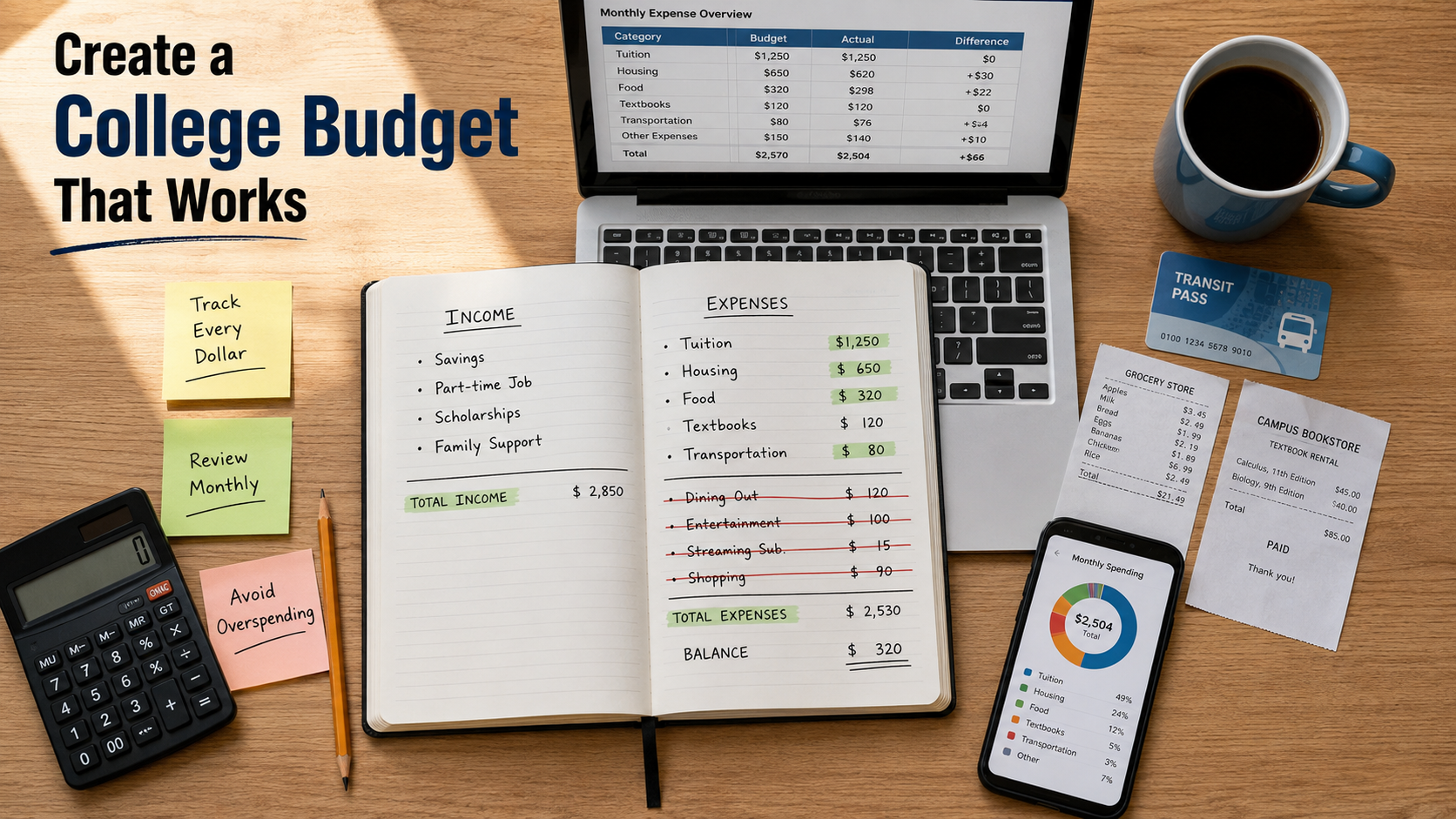
Managing education expenses begins with creating a realistic financial plan before each academic term. List all expected costs, including tuition fees, books, transportation, accommodation, supplies, and personal expenses. Then compare these expenses with your available income from family support, scholarships, part-time work, or educational loans.
A well-planned budget helps you avoid unnecessary spending and ensures essential expenses receive priority. Keeping a separate bank account for education-related funds can also reduce the temptation to spend money on non-essential purchases. Regularly reviewing your budget allows you to adjust your spending as circumstances change. Careful financial planning helps students stay organized, minimize debt, and complete their education with greater financial confidence.
Creating a Realistic Monthly Spending Plan
A monthly student budget helps you control spending and stay financially organized throughout the academic year. Begin by separating fixed expenses, such as tuition, rent, and transportation, from variable expenses like entertainment, shopping, and dining out. Prioritizing essential costs reduces the risk of financial shortfalls.
Track your spending every week using a budgeting app or a simple spreadsheet. Reviewing your expenses regularly helps identify unnecessary purchases and creates opportunities to save more. Updating your budget whenever your income or expenses change keeps your financial plan accurate and supports better long-term money management.
What Is the 7-7-7 Rule for Money?
The 7-7-7 rule for money is a flexible financial planning strategy that helps individuals balance short-term savings, debt management, and long-term financial goals. Although there is no single official definition, the concept encourages organizing your finances into three structured stages to make money management simpler and more consistent.
For students managing education expenses, the 7-7-7 rule for money can encourage building an emergency fund, controlling debt, and saving for future goals at the same time. Dividing financial priorities into manageable stages makes budgeting less overwhelming and promotes steady progress. This structured approach helps students develop healthy financial habits that remain valuable long after graduation.
Applying Structured Multi-Tiered Savings
A multi-tiered savings strategy helps students prepare for both current and future financial needs. Instead of saving for only one goal, divide your savings into separate categories, such as emergency expenses, upcoming education costs, and long-term financial goals. This approach provides greater flexibility when unexpected expenses arise.
Automating small monthly savings contributions makes the process easier and more consistent. Even modest deposits can grow over time and reduce financial pressure during your studies. Following a structured savings plan builds stronger financial discipline and creates a solid foundation for long-term financial stability.
What Is the 50/30/20 Rule of Money?
The 50/30/20 rule of money is one of the most popular budgeting methods for balancing essential expenses, personal spending, and long-term financial goals. When managing education expenses wisely, this framework helps students prioritize their finances effectively. Under this rule, 50% of your income covers essential needs such as tuition, rent, groceries, transportation, and utility bills. The remaining 30% is reserved for discretionary spending, including entertainment, dining out, or hobbies. Finally, 20% goes toward savings, emergency funds, or debt repayment. This budgeting strategy encourages responsible spending without eliminating enjoyable activities. It also helps students avoid financial pressure by ensuring essential academic costs receive priority. Following this method consistently can improve money management skills while building healthy financial habits that remain valuable long after graduation.
Balancing Needs and Wants as a Student
Understanding the difference between needs and wants is essential for effective budgeting. Tuition, textbooks, groceries, rent, and transportation are necessary expenses that should always come first.
Entertainment, online shopping, and dining out belong in the discretionary category. Limiting these purchases allows you to save more and stay financially stable throughout the academic year without sacrificing your overall well-being.
Frequently Asked Questions
How can students reduce the cost of textbooks?
Students can reduce textbook expenses by renting digital editions, purchasing used books, borrowing from campus libraries, or sharing copies with classmates. Comparing prices before the semester begins often results in significant savings compared to buying new books from campus bookstores.
Is it wise to take on part-time work while studying?
Working part-time can help cover education expenses while providing valuable work experience. However, students should balance work hours carefully to ensure employment does not negatively affect academic performance, physical health, or overall well-being.
What is the best way to track daily student spending?
Using a budgeting app or maintaining a simple spreadsheet is an effective way to monitor daily expenses. Reviewing your transactions regularly helps identify unnecessary spending and keeps you accountable to your monthly budget.
How do I build an emergency fund on a student budget?
Start by saving a small amount from every paycheck, scholarship, or monthly allowance. Even modest contributions grow over time. Keep your emergency savings in a separate account so the money remains available for unexpected expenses such as medical bills, urgent travel, or essential academic costs.
Conclusion: Mastering the Art of Managing Education Expenses Wisely
Navigating continuously rising college costs certainly does not have to be a highly stressful, debt-inducing experience for you. Managing education expenses wisely simply requires deliberate early preparation, continuous financial research, and incredibly careful daily spending discipline. When you actively take the necessary time to fully understand your diverse financial options, you permanently secure a much brighter financial future.
You successfully and permanently protect yourself from the heavy, suffocating, lifelong burden of excessive student loan debt. This ultimate, hard-earned financial freedom subsequently allows you to actively pursue your absolute dream career without any lingering financial worry. You can confidently and easily buy a home, start a beautiful family, or travel the entire world immediately after your college graduation.
Throughout this highly comprehensive and detailed guide, we extensively explored several highly practical, proven strategies to actively save your money. We deeply discussed the highly critical importance of building a realistic budget that actively tracks every single dollar you spend daily. Additionally, exploring funding options such as these top scholarships for Indian students can drastically lower your overall tuition burden.
Actively use this crucial financial knowledge to fund your degree smartly, safely, and highly confidently. Your successful future self will certainly thank you for your incredibly diligent financial planning today.