
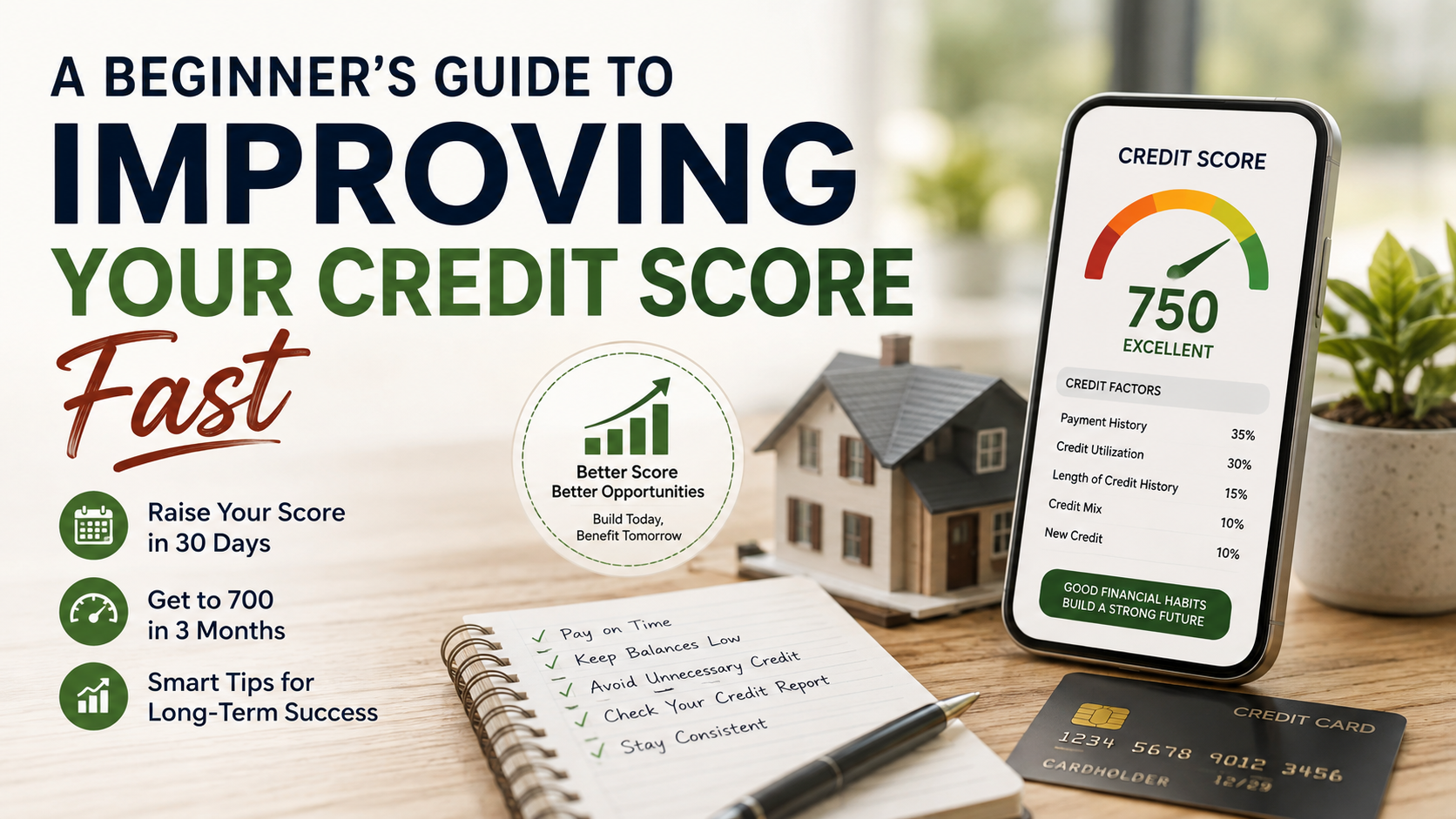
A Beginner Guide to Improving Your Credit Score Fast
Improving your credit score fast can create better financial opportunities. A stronger credit profile may help when you apply for a home loan, car loan, or credit card. It can also help you qualify for more favorable borrowing terms.
This beginner-friendly guide explains practical ways to improve your credit score. You will learn how to raise your credit score immediately, reach a 900 CIBIL score, and potentially raise your score significantly within 30 days.
We will also cover how to get a 700 credit score in 3 months, improving your credit score fast in India, and how to increase your CIBIL score from 750 to 800. These strategies focus on responsible borrowing, timely payments, lower credit utilization, and accurate credit-report information.
For reliable information about consumer credit and financial rights, you can also consult the Consumer Financial Protection Bureau. However, readers in India should prioritize guidance from relevant Indian credit bureaus and financial institutions.
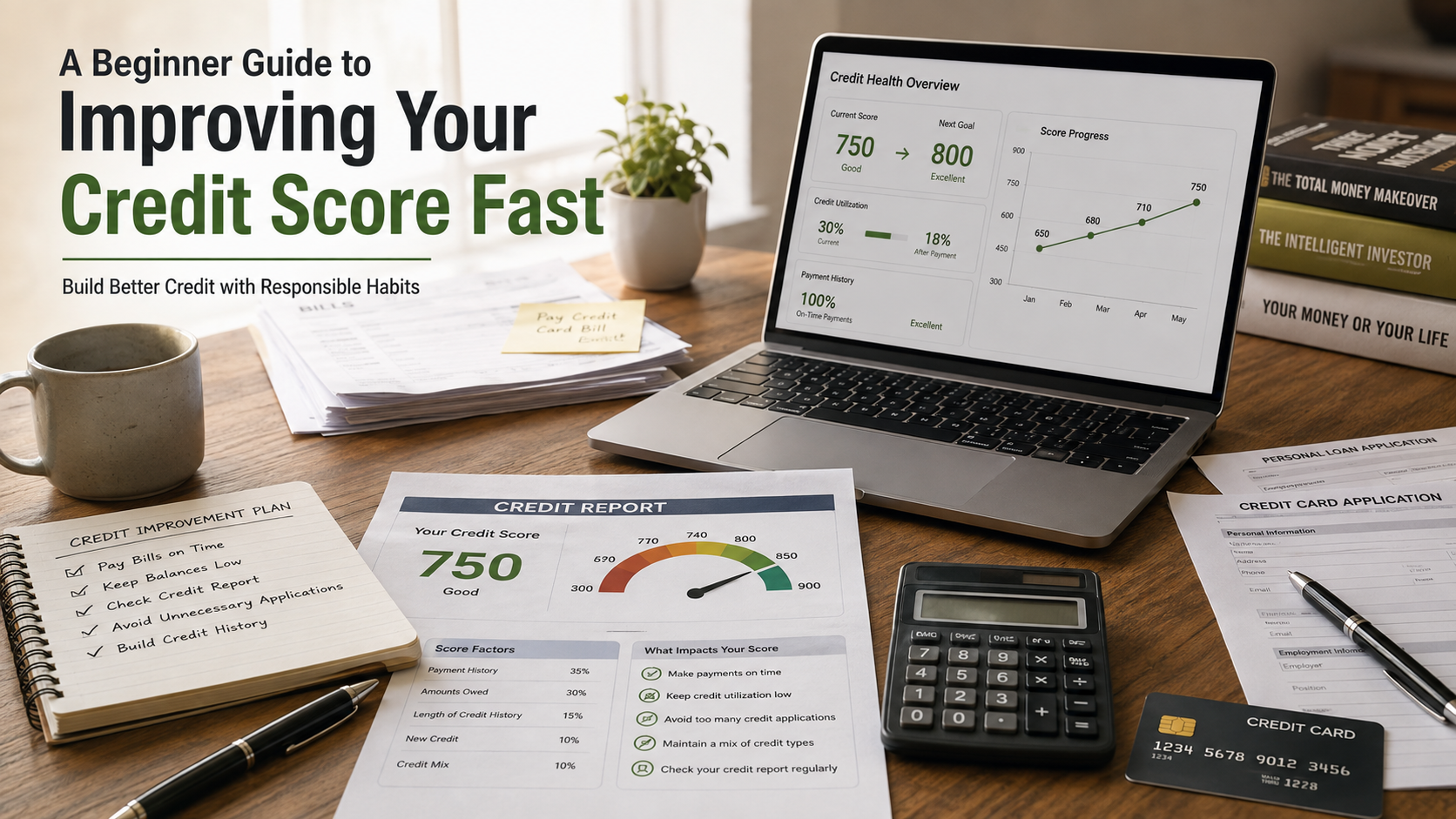

How Do I Raise My Credit Score Immediately?
Raising your credit score immediately is possible in some cases, but there is no guaranteed instant fix. The fastest gains usually come from correcting inaccurate information or reducing reported credit card balances. For practical guidance on handling card balances and borrowing responsibly, see credit card tips you need to know. Credit scoring models consider payment history, balances, account age, credit mix, and recent applications.
Start by checking your latest credit report. Look for incorrect late payments, unfamiliar accounts, outdated balances, or other reporting errors. If you find an error, dispute it with the bureau and the lender that supplied the information. A correction can improve your score after the report updates.
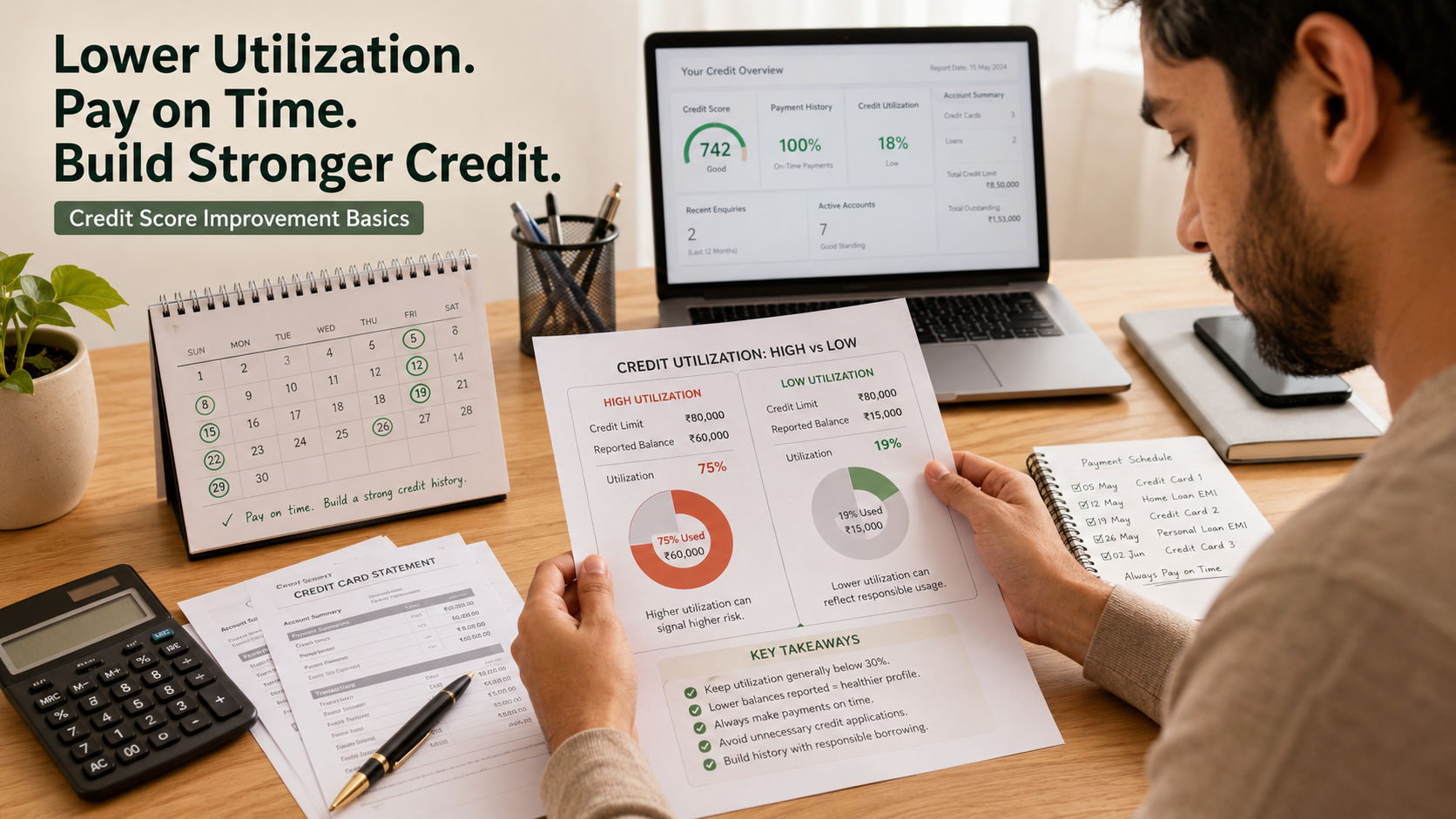
If your revolving balances are high, pay them down before the lender reports the next balance. Keeping utilization below 30% is a useful target, while lower utilization can be better. Paying off debt and clearing balances quickly can also help you manage high-interest obligations more effectively. However, no utilization percentage guarantees a specific score increase.
Avoid unnecessary new credit applications while trying to improve your score. Most importantly, continue making every payment on time.
Requesting Rapid Rescoring Through Your Lenders
Rapid rescoring can help when you are applying for a mortgage and need an updated credit profile quickly. Consumers generally cannot order it directly. Instead, the mortgage lender requests the expedited update from the credit bureau. If you are preparing for a home purchase, mindful tips for buying your first home can also help you think through the broader financial planning involved.
The process usually involves paying down a balance or resolving another issue affecting your application. You then provide documentation, such as payment confirmation, to the lender. The lender submits the information for an expedited update.
Rapid rescoring is mainly useful when a small score change could affect mortgage approval or loan terms. It does not guarantee a higher score because results depend on the information changed and the scoring model.
If you are not applying for a mortgage, focus on normal reporting cycles. Ask your lender when it reports updated balances. Paying a balance does not always mean your credit report changes the same day.
For most borrowers, reducing debt and correcting genuine errors remain the practical priorities.
How to Get a 900 CIBIL Score?
A 900 CIBIL score is the top of TransUnion CIBIL’s current scoring range, which runs from 300 to 900. Reaching 900 is possible, but it is not a practical target for most borrowers.
The foundation is a long record of on-time payments. Pay every credit card bill and loan EMI by the due date. Keep credit card balances low compared with their limits. Lower utilization can support a healthier profile.
You should also avoid unnecessary loan and credit card applications. Multiple enquiries within a short period can affect your CIBIL score. Maintain a sensible mix of secured and unsecured credit when it naturally fits your needs.
Most importantly, give your credit history time. There is no legitimate shortcut that guarantees a 900 score. Focus on habits that reduce risk and build a reliable record.
Maintaining Old Credit Accounts for Maximum History
Older accounts can support your credit profile because they contribute to the age and depth of your credit history. However, keeping every old account open is not always necessary. Consider the account’s fees, terms, usefulness, and effect on your finances.
If an older credit card has no meaningful annual fee and you can manage it responsibly, keeping it open may preserve useful history. Use it occasionally if needed, then pay the balance on time. Avoid carrying debt just to keep an account active.
Closing an account can also change your available credit and affect utilization. The effect varies by credit report and scoring model. Therefore, do not close an old card solely because you rarely use it.
The better strategy is to maintain suitable long-standing accounts while avoiding unnecessary fees and debt. A strong credit history comes from consistent repayment behavior over time, not simply from keeping the oldest account open.
How to Raise Your Credit Score 100 Points in 30 Days?
A 100-point credit score increase in 30 days is possible for some people, but it is not guaranteed. Large changes are more plausible when your score was recently hurt by high balances or inaccurate information. A clean report with low utilization usually offers fewer opportunities for rapid growth.
First, check your credit reports and identify the reason for your current score. If credit card balances are high, reduce them before the lender reports the next statement balance. This can lower reported utilization and may improve the score after an update.
Next, dispute genuine errors, such as accounts you do not recognize or payments reported incorrectly. Do not dispute accurate negative information simply because it hurts your score.
Avoid unnecessary credit applications during the month. New enquiries and accounts can affect your profile. If your score does not rise by 100 points, your actions may still have improved your financial position.
Becoming an Authorized User for Quick Points
Becoming an authorized user can sometimes help build or strengthen a credit profile, but it is not a guaranteed way to gain points quickly. The effect depends on whether the account is reported to the relevant credit bureau and how the scoring model treats the information.
If you use this strategy, choose a trusted person with a long-standing account, strong payment history, and low utilization. Avoid joining an account with missed payments, high balances, or other negative information. Those details could work against you if they appear on your report.
Ask the card issuer whether authorized-user activity is reported to the bureaus before relying on the strategy. Being an authorized user also does not necessarily make you responsible for the account’s debt.
Do not pay someone simply for access to their credit history. It works best as a supplement to your own positive payment history.
How to Get a 700 Credit Score in 3 Months?
Reaching a 700 credit score within three months can be realistic for some borrowers, but it depends heavily on your starting score and history. Someone with high card balances may improve faster than someone with serious recent defaults. No method can guarantee a 700 score within 90 days.
Start by putting every account on automatic payment or calendar reminders. Your goal is to avoid new late payments. Then reduce high credit card utilization as quickly as your budget allows. Arranging your budget effectively can make it easier to prioritize debt payments while keeping essential expenses covered. Check when your lenders typically report balances because the reported balance can differ from the amount due.
If you have little or no credit history, a secured credit card may help establish reported payment activity. Use it lightly and pay on time. Do not open several accounts at once.
Review your credit report for genuine errors and dispute them through the appropriate process. Avoid unnecessary applications while improving your profile.
Utilizing Secured Credit Cards for Fast Recovery
A secured credit card can help when you have limited or damaged credit history. It usually requires a refundable security deposit, which often determines the card’s credit limit. The issuer may then report your account activity to credit bureaus.
Use the card for small, planned purchases rather than treating it as extra spending money. Pay the bill on time and keep the balance low. Paying the statement balance in full can help you avoid interest while building a positive payment record.
Before applying, confirm that the issuer reports activity to the credit bureaus. Compare fees, interest rates, deposit requirements, and upgrade policies. A secured card is not automatically beneficial if fees are excessive or activity is not reported.
A secured card will not create an instant score jump. Its value comes from adding positive information to your credit history over time. Combine it with low utilization, timely payments, and limited new applications.
Improving Your Credit Score Fast in India
Improving your credit score quickly in India starts with understanding what appears on your credit report. TransUnion CIBIL calculates its score on a 300-to-900 scale using information in your credit history. Other bureaus may produce different scores.
Begin by reviewing your CIBIL report for missed payments, incorrect balances, unfamiliar accounts, and inaccurate enquiries. CIBIL states that lenders submit account data periodically, so a recent payment may take time to appear. If you find an error, raise a dispute and provide supporting documents.
If an account is marked settled, contact the lender about clearing the remaining amount. CIBIL advises paying the full outstanding balance and asking the lender to update the status where appropriate. Do not assume the bureau can independently change accurate lender data.
Avoid multiple credit applications within a short period. Maintain timely EMI and card payments, keep balances controlled, and borrow only when necessary. Managing your finances wisely can help you maintain these habits and make more informed borrowing decisions.
Clearing Settled Accounts to Restore Trust
A settled account can make your credit profile less attractive because it shows that the lender accepted less than the originally agreed repayment amount. TransUnion CIBIL advises consumers with settled accounts to pay the remaining balance and contact the lender about removing the settled status where appropriate.
If you have a settled account, ask the lender for the exact outstanding amount and the steps required to close the account. Keep payment receipts and written confirmation. After the lender updates its records, check your CIBIL report again.
Do not assume that paying the balance instantly erases the account’s historical information. Credit reports contain account history, and updates depend on lender reporting. CIBIL also notes that it cannot directly change lender-supplied data without authorization from the credit institution.
Once the account is correctly updated, focus on building positive history. Pay current dues on time, keep card utilization manageable, and avoid unnecessary applications. If you are working through multiple balances, paying off your debt and tracking your progress can help you stay focused on reducing what you owe.
How to Increase CIBIL Score From 750 to 800?
Moving a CIBIL score from 750 to 800 is possible, but no action guarantees a 50-point increase. A score of 750 is already strong, so further gains may take more time. The best approach is to protect your existing record while reducing factors that may hold it back.
Keep credit card balances low relative to your limits. CIBIL recommends controlling credit utilization, but no universal percentage guarantees a particular score. Paying balances before reporting dates may help if high reported balances are the issue.
Continue making every EMI and card payment on time. Avoid unnecessary loan or credit card applications because repeated enquiries can affect your score. Review your report regularly for incorrect information or enquiries you did not authorize.
Scoring models consider multiple factors, and the ideal profile varies by person. Focus on steady improvement rather than chasing a perfect score.
Monitoring Credit Health and Preventing Hard Inquiries
Once your CIBIL score is around 750 or higher, preventing unnecessary damage becomes as important as seeking further gains. Start by checking your credit report regularly and confirming that balances, payment history, and enquiries are accurate. Personal finance apps can also help you monitor spending, budgets, and other aspects of your financial activity.
Avoid applying for several loans or credit cards in a short period. CIBIL records lender enquiries, and multiple applications close together can affect your score. Apply only when the credit is genuinely useful.
Keep existing credit card balances under control. A temporary increase in spending can raise reported utilization even when you pay the bill later. If needed, make payments earlier so the reported balance remains manageable.
Watch for unfamiliar enquiries or accounts. If something does not belong to you, contact the lender and raise a dispute with the relevant bureau. Keep records of your requests and documents.
A stable payment record matters more than small score fluctuations.
FAQ SECTION
What Happens to My Credit Score When I Close an Old Credit Card?
Closing an old credit card can affect your credit profile, especially if the card has a high credit limit or a long history. Once closed, you lose that available credit, which can increase your overall credit utilization ratio if you have balances on other cards. The effect on account age can also vary by credit bureau and scoring model. Before closing an old card, consider its annual fee, credit limit, and usefulness. If it has no fee and remains manageable, keeping it open may support your credit profile. However, you should never keep an unnecessary card solely to improve your score.
Do Checking and Savings Account Balances Affect My Credit Score?
Checking and savings account balances generally do not directly affect your credit score. Credit bureaus primarily use information about your borrowing and repayment behavior, such as credit cards, loans, payment history, and credit utilization. However, bank balances can still matter when you apply for certain loans. Lenders may review your income, savings, account statements, and cash flow during their underwriting process. Therefore, having healthy savings can strengthen your overall financial position even though it does not directly raise your credit score. If your goal is Improving Your Credit Score Fast, focus first on timely payments, manageable debt, and accurate credit-report information.
How Long Do Negative Marks Stay on My Credit Report?
There is no single universal rule that says every negative credit entry remains for exactly seven years. Reporting periods depend on the country, credit bureau, type of information, and applicable rules. In India, lenders and credit bureaus maintain credit information according to applicable reporting requirements and their records. A missed payment, default, or settlement can continue to appear in your credit history after the underlying issue is resolved. However, its effect on your credit profile can change as newer positive information is added. If you notice inaccurate or outdated negative information, contact the lender and raise a dispute with the relevant credit bureau. Accurate information generally cannot simply be removed because it is unfavorable.
Does Checking My Own Credit Score Lower It?
Checking your own credit score does not normally lower your credit score. When you access your own credit report or score through a credit bureau or consumer service, it is generally treated as a soft inquiry rather than a lender’s credit application inquiry. Lenders may perform a hard inquiry when you apply for a new loan or credit card, and multiple applications can affect your credit profile. Therefore, regularly monitoring your own report is a useful part of Improving Your Credit Score Fast. It can also help you identify unfamiliar accounts, incorrect payment information, or unauthorized enquiries before they create bigger problems.
Conclusion
Improving Your Credit Score Fast requires targeted actions rather than shortcuts. The fastest improvements usually come from correcting genuine reporting errors and reducing high credit card balances. However, your payment history remains one of the most important parts of a healthy credit profile.
Throughout this guide, we covered practical ways to improve your credit score, increase your CIBIL score, and build stronger credit habits in India. We also examined strategies involving credit utilization, old accounts, secured credit cards, credit enquiries, and settled accounts.
Start by checking your credit report for inaccurate information. Then, make every EMI and credit card payment on time. Keep your revolving balances manageable and avoid unnecessary loan applications.
Remember that Improving Your Credit Score Fast does not always mean seeing a dramatic increase within days. Some changes require several reporting cycles. Focus on consistent financial behavior rather than chasing a specific score.
Over time, these habits can strengthen your credit profile and improve your chances of receiving better borrowing terms.