

Ultimate College Survival Guide for Freshers: How to Thrive in Year One
Starting college is undoubtedly exciting, but it can also feel intimidating at times. However, having a complete College Survival Guide for Freshers makes your transition surprisingly smooth. For instance, you can explore valuable student resources on the U.S. Department of Education website to find extra academic support systems. Stepping onto campus brings immense freedom to your life. Consequently, it also brings new daily challenges in managing schedules, schoolwork, and personal health.
Many first-year students struggle during their initial term. As a result, balancing classes and social life feels tough without a clear strategy. Fortunately, adopting good habits early changes everything for the better. Small daily routines help you build strong, lasting friendships. In addition, they keep your grades high and protect your mental health over time.
This comprehensive College Survival Guide for Freshers breaks down simple, actionable strategies to help you succeed. Specifically, you will learn how to handle hard classes while building a great support network. Furthermore, we cover practical budgeting and healthy living habits. Ultimately, putting these proven tips into action will set you up for a fantastic first year.
Mastering Academic Success with a College Survival Guide for Freshers
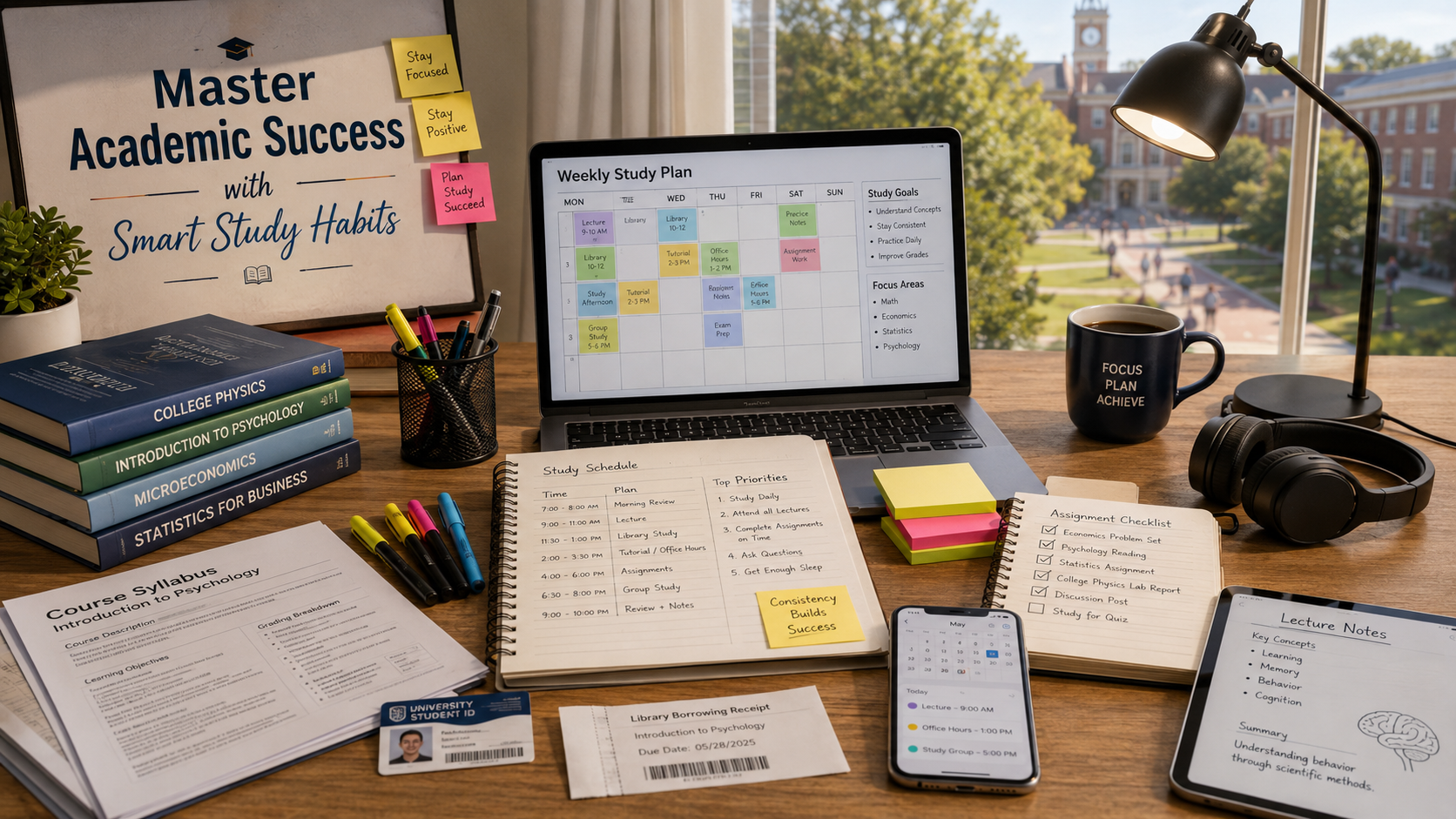

College academics differ greatly from high school expectations. Consequently, professors expect independent effort, proactive learning, and critical thinking from every student. Therefore, you must manage your time well and read assigned materials without relying on constant reminders. Furthermore, the quick jump to higher education often catches new students off guard. As a consequence, this shift frequently leads to missed deadlines and unnecessary stress.
To thrive academically, you should take ownership of your learning right away. First, set up a quiet, distraction-free study area. Next, set clear daily learning goals for yourself. Meanwhile, visit professors during their office hours to boost your progress significantly. Indeed, learning how to study effectively is a wonderful investment for your future career.
When you combine genuine curiosity with good planning, hard classes become exciting opportunities. As a result, they actively help you grow both intellectually and professionally.
| Activity | Weekly Time Allocation |
|---|---|
| Lectures & Labs | 15 hours |
| Independent Study | 25–30 hours |
| Social & Clubs | 10–15 hours |
| Rest & Personal Activities | Full Flexibility |
Study Habits and Time Management Tips for Freshers and First-Year Students
To beat strict assignment deadlines, adopt a systematic planning system during your very first week. After all, relying solely on memory usually leads to late-night cramming. Instead, use digital calendars or physical paper planners to track due dates, exams, and club meetings efficiently.
-
Block study slots: Treat dedicated study time like real class sessions that you cannot skip.
-
Break down tasks: Divide major research papers into smaller daily steps to avoid last-minute panic.
-
Use syllabus details: Copy all key dates and reading schedules to your main calendar right away.
By structuring your calendar with clear boundaries, you reduce mental fatigue and eliminate last-minute worry completely.
Utilizing Academic Resources and First-Year Student Support Systems
Do not wait for a bad grade before deciding to ask for help. On the contrary, universities offer great support networks designed specifically to keep you on track. However, you must take the initiative to use these services yourself.
For example, visiting professors during office hours helps clarify tough lecture topics quickly. Likewise, it builds strong professional relationships for your future. Additionally, sign up for free peer tutoring on campus. Furthermore, visit writing centers to receive constructive feedback on your essays. Finally, you can form weekly study groups with your classmates to review tough subjects together.
Difficulty with Coursework – Support Process
- Visit Professor’s Office
Meet with your professor during office hours to ask questions, clarify difficult concepts, and seek guidance. - Join Campus Peer Tutoring
Take advantage of peer tutoring services for additional academic support and personalized assistance. - Form a Weekly Study Group
Collaborate with classmates by organizing a weekly study group to review course material, solve problems, and prepare for assessments together.
Ultimately, using these resources early turns hard topics into easy victories. Moreover, it clearly demonstrates to your teachers that you care deeply about your academic success.
Building a Strong Social Network and First-Year Community Handbook
Creating a reliable social network is vital for a truly rewarding college experience. After all, higher education is not just about earning a degree. In addition, it is about finding your community and making lifelong friends along the way. Therefore, a good social network provides emotional safety during stressful exam seasons. Similarly, it offers academic study support and actively reduces feelings of homesickness.
Navigating a brand-new campus environment is certainly much easier with good friends by your side. For that reason, actively seek out connections in residence halls, classrooms, and campus events. Consequently, this effort creates a helpful personal safety net for your everyday life. Above all, embracing social events early builds key communication skills that will serve you long into the future.
Connecting with Roommates and Classmates: A Fresher Survival Strategy
Your living situation is a great chance to practice clear communication and reasonable compromise. Therefore, sit down with your roommate during your first week. Together, discuss sleeping hours, guest rules, noise levels, and shared chores. As a result, setting clear boundaries early prevents needless arguments later in the semester.
Similarly, say hello to the peers sitting near you during class. Furthermore, swap contact information during the very first lecture. Consequently, this makes it simple to share lecture notes if someone misses a class. In addition, you can ask homework questions easily and form study groups before midterms arrive. Ultimately, friendly connections turn everyday classrooms into warm, welcoming spaces.
Joining Campus Clubs, Sports, and First-Year Organizations
Clubs offer an exceptionally fast way to meet people who share your specific passions and career goals. Therefore, make sure to attend your school’s involvement fair during orientation week. Take time to look at academic societies, recreational sports teams, art groups, and cultural clubs.
Undoubtedly, joining student groups adds healthy structure to your social life. Furthermore, it offers valuable leadership roles that will shine brightly on your future resume.
Expert Insight: “Involvement in campus organizations increases student retention and enhances overall life satisfaction during the college transition.”
However, be sure to select just two or three clubs that match your core interests best. Thus, avoid signing up for every single mailing list at the fair. Ultimately, this focused strategy prevents annoying scheduling conflicts and early emotional burnout.
Smart Money Management Strategies in the College Survival Guide for Freshers
Managing personal finances is often a brand-new duty for first-year students. Fortunately, learning basic budgeting skills early prevents severe financial stress down the road. College brings many small, unexpected daily costs. For instance, these include laundry fees, course textbooks, eating out, and late-night snacks.
Without proper tracking, small purchases add up remarkably fast. Consequently, they can drain your bank account well before the term officially ends. Therefore, setting good spending habits now protects your wallet effectively. In addition, it lowers daily financial worry and teaches valuable life skills. Ultimately, making smart money choices lets you enjoy campus life completely guilt-free.
Budgeting Basics and Financial Planning Tips for Freshers
Building a simple budget starts with gaining full awareness of your income sources. Therefore, add up your total available funds from student loans, family help, scholarships, or part-time jobs. Next, list your expected monthly expenses in two clear columns: fixed needs and variable wants.
For example, essential needs include meal plans, required books, and basic personal supplies. On the other hand, variable wants cover dining out, streaming subscriptions, and weekend social events.
| Budget Category | Percentage | Examples |
|---|---|---|
| Needs | 50% | Textbooks, Supplies, Personal Basics |
| Wants | 30% | Entertainment, Dining Out, Events |
| Savings | 20% | Emergency Fund, Future Semester Expenses |
Using a straightforward spending framework ensures you always cover your key needs first. Furthermore, it helps you build a small emergency savings cushion over time. Meanwhile, review your spending weekly on banking apps so you can stop impulse buying before it becomes a habit.
Saving Money on Textbooks, Housing, and Campus Living Expenses
Course textbooks are a major semester expense that can catch new students off guard. However, adopting smart shopping strategies cuts these costs remarkably fast:
-
Rent your books: Use reputable online stores or campus shops to rent digital or physical books for cheap.
-
Buy used editions: Check with your professor to see if a cheaper, older edition works well for class.
-
Use student perks: Always carry your student ID card so you can ask local shops and websites for student discounts.
Additionally, using campus library reserves, splitting study costs with peers, and walking everywhere keeps your daily living expenses delightfully low.
Prioritizing Mental and Physical Health for First-Year Students
Busy college schedules lead many students to ignore their fundamental health needs. Consequently, they skip sleep, eat poorly, and stop exercising altogether. However, ignoring your physical body directly hurts your academic grades and causes severe emotional fatigue. On the contrary, maintaining high focus requires both a healthy body and a clear mind.
Therefore, prioritizing self-care improves your memory retention and boosts your immunity. In addition, it helps you handle academic stress with far greater ease. Above all, treat your health as an absolute necessity rather than a luxury. As a result, this mindset gives you the physical energy needed to thrive all year long.
Healthy Campus Habits: The College Survival Guide for Freshers Approach
Dining halls offer endless food choices; therefore, healthy eating requires conscious daily thought. First, fill half your plate with fresh veggies, lean proteins, and whole grains. Afterward, save sweet treats and fried foods for occasional rewards.
Similarly, aim for 7 to 8 hours of quality sleep each night. Indeed, proper sleep consolidates your memory and keeps you remarkably sharp during morning lectures.
Furthermore, regular physical exercise lowers stress levels and lifts your mood naturally. For example, take a pleasant 20-minute daily walk across campus. Likewise, use the student gym or play intramural sports to keep your daily energy levels high.
Mental Health Resources, Wellness, and Campus Counseling for Freshers
If you ever feel overwhelmed, always remember that asking for help is a sign of true strength. Fortunately, university counseling centers offer confidential therapy, group support sessions, and stress workshops at little to no cost for students.
Academic / Emotional Stress – Available Support
If you are experiencing academic or emotional stress, consider seeking help from the Campus Counseling Center, which provides a range of confidential support services, including:
- Confidential Therapy: Professional counseling in a private and supportive environment.
- Stress Management: Guidance and techniques to help manage academic pressure and improve overall well-being.
- Peer Support Groups: Opportunities to connect with fellow students, share experiences, and receive mutual encouragement.
Ultimately, reaching out early prevents small worries from turning into major emotional burnout. Consequently, this step ensures you stay happy, healthy, and fully supported throughout your entire first year.
FAQ SECTION
How do I prepare for my first week of college using a College Survival Guide for Freshers?
Preparing well requires a mix of practical setup and mental readiness. First, unpack your room completely so it feels cozy, welcoming, and personal. Next, walk around campus to locate every classroom listed on your schedule. Consequently, this simple walk cuts out first-day panic and prevents you from running late to lectures. Furthermore, read all your course syllabi carefully. Put all exam dates, reading lists, and project deadlines directly into your main calendar. In addition, buy or rent your books early and download any required software. Meanwhile, check that your student ID card works properly for dorm access and meal plans. Finally, attend orientation events, floor meetings, and social mixers. As a result, you will meet peers, learn essential campus safety rules, and discover key student services before classes officially begin.
What is the best way to make friends as a fresher?
The best way to make friends is to remain open, friendly, and active during your first few weeks on campus. For instance, keep your dorm door propped open during move-in week so neighbors can drop by to say hello. Similarly, spend time in common study lounges instead of staying isolated in your room. During your first week of lectures, introduce yourself to classmates sitting nearby. Afterwards, start easy conversations about classes, professors, or local food spots. In addition, join two or three student clubs that match your core personal interests. Consequently, you will meet peers who naturally share your specific passions. Finally, invite classmates to grab coffee, study together, or attend campus athletic events. Ultimately, taking the initiative quickly builds strong, genuine friendships that last throughout your college journey.
How many hours a week should freshers spend studying?
Generally, freshers should plan to study two to three hours outside of class for every single hour spent in lectures. Therefore, if you take a standard 15-credit schedule, plan for 30 to 45 hours of independent study each week. Specifically, this time includes reviewing lecture notes, reading textbooks, writing papers, completing homework, and preparing for tests. Furthermore, difficult science, math, or writing-intensive courses may require additional time allocation. However, to handle this heavy workload without burning out, schedule fixed study blocks into your planner just like real classes. Meanwhile, maintain a balanced daily routine that includes focused study time, proper sleep, and fun social activities. As a result, you will keep your grades high while still enjoying a rich campus life.
How can I avoid the “Freshman 15” weight gain?
Avoiding unwanted weight gain comes down to making conscious choices regarding food, sleep, and physical activity. Because campus dining halls offer unlimited high-calorie foods and desserts, make a habit of filling half your plate with fresh greens, lean proteins, and whole grains first. In addition, watch your food portions carefully and limit late-night junk food, sugary sodas, and energy drinks. Likewise, stay active by using free campus fitness centers or joining fun intramural sports teams. Alternatively, you can walk or bike to class every day instead of riding campus shuttles. Finally, aim for 7 to 8 hours of sleep each night. Ultimately, good sleep keeps your hunger hormones in check and keeps your physical energy steady throughout the day.
What should I do if I feel overwhelmed or homesick?
Feeling homesick or overwhelmed is a completely normal part of starting college, so begin by acknowledging your feelings without judging yourself. Next, stay in touch with family through scheduled phone calls; however, do not hide in your room all day. Instead, get involved in local campus events and decorate your living space so it feels comfortable and safe. Furthermore, set up a predictable daily routine for meals, study time, sleep, and exercise. Consequently, a reliable routine offers a comforting sense of personal control during times of change. You can also talk to your Resident Advisor for friendly guidance and support. Finally, if you feel stuck or deeply anxious, visit your campus counseling center for free, confidential mental health help from trained professionals.
How do I balance my social life with academics?
Balancing fun social events and demanding schoolwork requires clear schedules and firm daily priorities. Therefore, use a planner to block out specific times for classes, homework, and study sessions before making social commitments. Furthermore, treat your schoolwork like a full-time job during the day. As a result, this habit keeps your evenings open for leisure activities without any lingering guilt. In addition, you can combine social time with academic needs by forming collaborative study groups with friends. Meanwhile, learn to politely say no to non-essential social events when major exam dates are approaching. Ultimately, focusing on your work during busy academic weeks lets you enjoy guilt-free social time once your coursework is finished.
CONCLUSION
Navigating your first year takes patience, clear organization, and a flexible mindset. However, by using this College Survival Guide for Freshers, you set yourself up for academic success, financial safety, and rich personal growth. Consequently, you now have practical tools to handle your time, manage coursework, build great friendships, and track your daily budget effectively.
Adapting to college life takes time, so be kind to yourself along the way. Naturally, you may face small setbacks during your first term. Nevertheless, using campus resources and staying in touch with your teachers will keep you moving forward. In addition, prioritizing your health is equally vital for long-term success. Trust your skills, stay proactive, and enjoy every moment of this fresh journey. Ultimately, take charge of your first year today by building your new study calendar, exploring campus clubs, and stepping confidently into your future.