All posts by The Perfect Blogger

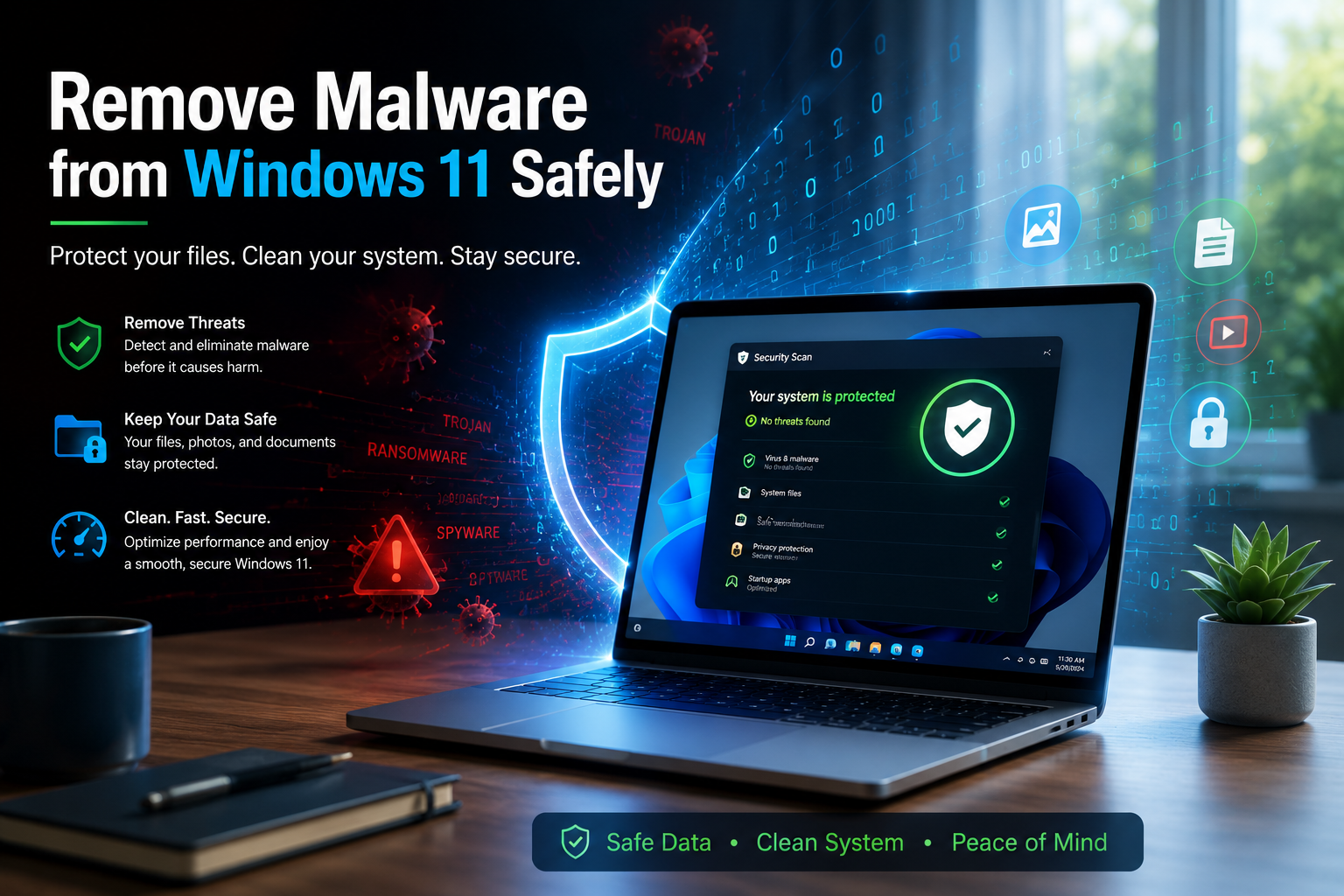
How to Remove Malware from Windows 11 Safely

How to Remove Malware from Windows 11 Without Losing Your Data

Finding out your computer has a virus is stressful, especially when you worry about losing your photos, documents, and personal files. Fortunately, you can safely remove malware from Windows 11 without wiping your hard drive or formatting your PC. Microsoft has built robust security features into its modern operating system, making it easier than ever to isolate and destroy malicious software while keeping your personal data completely intact. By using the official Microsoft Support resources and built-in diagnostic utilities, you can clean your system efficiently without paying for expensive premium software.

This comprehensive guide will walk you through the exact process required to remove malware from Windows 11 by identifying, isolating, and eliminating digital threats. We will cover everything from utilizing native security tools to executing advanced offline scans to remove malware from Windows 11 safely and effectively. Whether you are dealing with aggressive adware, hidden spyware, or a standard trojan, these steps will help you remove malware from Windows 11, regain total control of your computer, and safeguard your important digital assets.


Understanding Malware Before You Remove Malware from Windows 11

Before beginning the cleanup process, it is important to understand how modern malware behaves on Windows 11. Most malicious programs are designed to compromise system files, registry settings, startup processes, and browser extensions instead of directly attacking your personal documents. Their primary objective is to gain persistence, steal sensitive information, monitor activity, or install additional harmful software without your knowledge. Windows 11 includes advanced security features and separates user data from critical operating system components, making it possible to remove many infections without affecting personal files such as photos, videos, or documents.

Acting quickly is essential. If malware remains active for too long, it can download secondary payloads, encrypt files, disable security tools, or spread across connected devices and networks. Prompt detection and removal significantly reduce the risk of data loss, identity theft, and further system damage, helping keep your computer secure and your personal information protected.


The 7 Steps to Remove Malware from Windows 11 Effectively

To ensure your computer is entirely clean, cybersecurity professionals follow a strict, structured protocol. Adhering to these sequential steps ensures the infection is fully eradicated and prevents the malware from replicating or re-infecting your system during the cleanup process.

Step 1: Disconnect from the Internet

Malware often communicates with remote servers to exfiltrate data or download additional malicious tools. Unplug your Ethernet cable and disconnect from Wi-Fi immediately. Cutting the network connection stops the attacker from controlling your PC remotely.

Step 2: Enter Safe Mode

Safe Mode loads Windows with the absolute minimum number of drivers and services. Because most malware is designed to launch automatically with Windows, boot your PC into Safe Mode to prevent the virus from running actively in the background.

Step 3: Delete Temporary Files

Many viruses hide their initial deployment payloads inside your system’s temporary folders. Use the Windows Disk Cleanup utility to purge these files. Clearing the clutter speeds up your virus scans and can potentially delete the core malware executable before you even run a scan.

Step 4: Run a Microsoft Defender Offline Scan

Standard antivirus scans can struggle to delete malware that is actively running in memory. Windows 11 includes a specialized “Offline Scan” feature. This tool reboots your computer and runs an engine before the main operating system loads, allowing it to kill stubborn rootkits.

Step 5: Deploy a Secondary Malware Scanner

No single antivirus software catches every single threat. After using the built-in Windows tools, install a trusted secondary scanner like Malwarebytes to catch any lingering PUPs (Potentially Unwanted Programs), browser hijackers, or deeply hidden registry tracking scripts.

Step 6: Clean and Reset Your Web Browsers

Malware frequently modifies browser shortcuts, installs malicious extensions, and alters your default search engine. Check your browser settings, remove any extensions you do not recognize, and reset the browser to its factory default state to ensure total eradication.

Step 7: Update Your System and Software

Once your system is completely clean, reconnect to the internet and immediately run Windows Update. Security patches fix the underlying vulnerabilities that allowed the malware to breach your defenses in the first place.


How to Clean Your Computer Using Built-in Tools

Windows 11 features some of the best native security tools on the market. You do not need third-party programs to start the remediation process.

Booting into Safe Mode to Remove Malware from Windows 11

Safe Mode is one of the most effective built-in troubleshooting features in Windows 11 because it starts your computer with only the essential drivers and services. As a result, unnecessary startup programs and many forms of malware cannot run, making it easier to identify and remove threats. To access Safe Mode, press Windows + I to open Settings, then go to System > Recovery. Next, click Restart now beside Advanced startup. After your PC restarts to the recovery screen, choose Troubleshoot > Advanced options > Startup Settings > Restart. Finally, press 4 to enable Safe Mode or 5 if you need networking support. Once Windows loads, you can troubleshoot system issues, uninstall suspicious software, or run security scans more effectively. In addition, Safe Mode often improves system stability, allowing you to complete maintenance tasks that may fail during a normal startup.

Running Microsoft Defender Offline Scan to Remove Malware from Windows 11

After entering Safe Mode, or even if Windows is running normally without major issues, you should perform a Microsoft Defender Offline scan for a deeper malware check. First, open the Start menu, then search for Windows Security and launch the application. Next, go to Virus & threat protection, and click on Scan options. From the available choices, select Microsoft Defender Offline scan, and then click Scan now to proceed. Windows will notify you that your computer must restart before the scan begins, so allow the system to reboot.

Subsequently, your PC will restart into a secure scanning environment where Microsoft Defender runs before Windows fully loads. In this mode, hidden or active threats are easier to detect, and the scan is more powerful than a standard quick scan. Usually, the process takes around 15 to 20 minutes, after which the system restarts automatically. If any malicious files are found, they are immediately identified and then quarantined or removed. Consequently, this helps prevent further damage, protects your personal files, and significantly improves overall system security and stability.


Frequently Asked Questions About How to Remove Malware from Windows 11

How do I remove malware from Windows 11?

Removing malware from Windows 11 requires a careful and organized approach. First, disconnect your computer from the internet to stop malware from communicating with external servers or downloading additional threats. Next, restart your PC and boot into Safe Mode, which loads only essential system services and makes it easier to detect and remove malicious software. Then open the Windows Security app, go to Virus & threat protection, select Scan options, and run a Microsoft Defender Offline Scan to check your system before Windows fully loads and remove deeply embedded threats.

After the scan completes, run a second scan using a trusted anti-malware tool such as Malwarebytes to ensure no remaining issues are left behind. Then clear your browser cache and remove any suspicious or unfamiliar browser extensions. Finally, install the latest Windows 11 updates, since regular updates close security gaps and help reduce the risk of future malware infections.

How can I remove malware from my computer?

You can remove malware from your computer by using trusted security tools and following a few simple steps. Start by typing Windows Security into the taskbar search box and opening the app. Go to Virus & Threat Protection and run a Full Scan to check your entire system for threats. If the malware cannot be removed, use Microsoft Defender Offline Scan. It runs before Windows fully loads, making it more effective against persistent infections.

After the scan finishes, use a trusted anti-malware program such as Malwarebytes to perform a second scan. This helps confirm that no hidden threats remain. Next, review your browser extensions and remove any that seem unfamiliar or unnecessary. Clear your browser cache to remove stored data that may be associated with malicious activity. Finally, update Windows and all installed software. Regular updates fix security vulnerabilities and reduce the risk of future malware infections.

What kills malware?

Malware is removed by specialized security software that detects and blocks harmful code. These tools include antivirus programs, anti-malware scanners, and built-in protection like Windows Defender. They work by identifying known malware signatures and suspicious behavior. Once detected, they quarantine or delete the infected files to stop further damage.

Operating system updates also play a key role in killing malware. Updates patch security vulnerabilities that malware often uses to enter a system. Without these fixes, infections can return or spread more easily. In more severe cases, standard tools may not be enough. Advanced solutions like bootable USB scanners or offline scanning tools are used. These operate outside the main operating system, allowing them to remove deeply embedded threats safely and effectively. Together, these methods ensure that malware is fully eliminated and cannot reactivate.

Will running a virus scan delete my personal photos and documents?

Running a virus scan usually does not delete your personal photos or documents. Security tools focus on malicious files, infected programs, and harmful system changes. They remove threats like spyware, viruses, and corrupted executables. They do not affect personal files such as photos, videos, or Word documents in a normal scan.

In rare cases, a scan may remove a file. This happens when malware has infected or damaged it. It can also occur during a ransomware attack. Even then, the goal is to protect your system, not your personal data. Tools like Microsoft Defender place threats in quarantine instead of deleting files immediately. You can review detected items before removal. This gives you control over what stays and what gets removed. Overall, antivirus scans protect your data while cleaning your computer effectively.

Conclusion

Successfully removing malware from Windows 11 does not require a complete system wipe or advanced technical expertise. You can use Microsoft’s built-in security tools to isolate malicious software and eliminate it without putting your personal files at risk. Follow a clear sequence of steps: disconnect from the internet, start Windows in Safe Mode, and run an offline diagnostic scan to detect and remove hidden threats.

Going forward, keeping your operating system updated and practicing safe browsing habits will give you the strongest protection. Treat cybersecurity as an ongoing habit to keep your computer stable, efficient, and protected against evolving digital threats.

For more helpful guides on improving Windows performance and system optimization, you can explore this resource: Microsoft CPU Speed Boost Guide

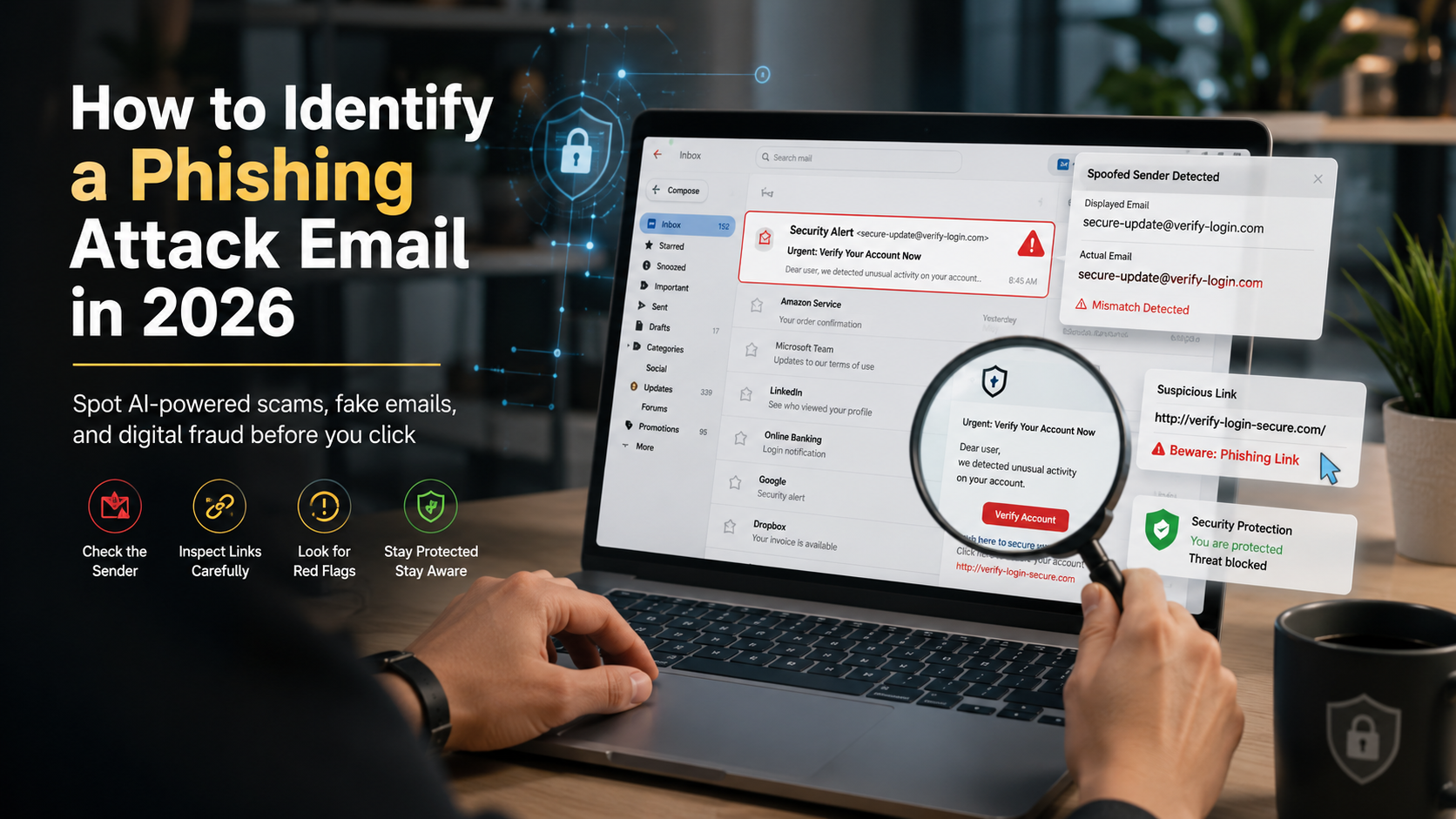
How to Identify a Phishing Attack Email in 2026

How to Identify a Phishing Attack Email Before Clicking Any Links in 2026

The digital landscape has shifted dramatically, making inbox security more challenging than ever. Today, cybercriminals use sophisticated artificial intelligence to craft highly personalized scams that easily bypass traditional spam filters. To safeguard your personal data and corporate assets, learning how to identify a phishing attack email before interacting with any malicious elements is an absolute necessity. Organizations like the Cybersecurity and Infrastructure Security Agency (CISA) continuously warn that social engineering remains the primary entry point for major network breaches globally.

Understanding these evolving digital threats allows you to protect your identity and finances effectively. Phishing is no longer just about poorly written messages containing obvious spelling mistakes. This comprehensive guide explores modern deceptive tactics and provides actionable strategies to identify a phishing attack email instantly.

The New Face of Cybercrime in 2026

In 2026, cybercrime has taken a more sophisticated and adaptive form, making digital environments increasingly difficult to trust. Moreover, phishing attacks have shifted from broad, mass-blast emails to highly targeted operations that rely on personal data. Furthermore, attackers now use advanced large language models to analyze social media profiles and extract detailed behavioral insights. In addition, they generate highly convincing contextual messages tailored specifically to individual victims. Meanwhile, criminals deploy hyper-realistic deepfake audio and video to impersonate executives or family members. Consequently, these tactics significantly increase trust and reduce the victim’s suspicion during attacks. However, automated polymorphic code constantly alters malicious links, allowing them to bypass traditional security filters.

In addition, deepfake audio and video are now used to impersonate trusted individuals. Therefore, it becomes even more difficult to identify a phishing attack email without careful verification. As a result, user awareness is now more important than ever.

7 Critical Signs to Identify a Phishing Attack Email

Evaluating the technical and contextual elements of your incoming messages helps you spot hidden dangers. Look closely for these seven telling indicators of an email scam.

1. Mismatched or Spoofed Sender Domains

Always carefully inspect the full sender email address instead of trusting only the display name. Moreover, attackers frequently create spoofed or look-alike domains that closely resemble legitimate companies by changing letters, adding extra characters, or using misleading subdomains. For instance, “support@bank-secure.com” may look real but actually be fake. Therefore, these small differences are easy to miss during a quick glance. In addition, some phishing emails even pass basic filters. Consequently, verifying the domain directly helps prevent deception and ensures you only trust authentic communication sources.

2. Urgent or Threatening Language

Phishing emails often rely on urgency and fear to manipulate users into acting quickly without thinking. Moreover, they may include threats such as account suspension, legal action, or financial penalties to create panic. In addition, this psychological pressure is designed to bypass logical decision-making. For example, messages like “Act within 24 hours or your account will be locked” are common tactics. Therefore, users may respond impulsively. However, legitimate organizations rarely use such aggressive language. Consequently, verifying the message calmly through official channels is always safer.

3. Hyper-Personalized Yet Suspicious Requests

Modern phishing attempts often include personal details gathered from social media, professional profiles, or public data. Moreover, this makes the message appear more authentic and trustworthy at first glance. In addition, scammers may reference your name, job role, or recent activity to gain credibility. However, despite this personalization, the request usually involves sensitive actions like sharing passwords or banking information. Therefore, this combination should raise suspicion. Consequently, even if the message feels relevant, it should always be independently verified before responding.

4. Obfuscated and Shortened Hyperlinks

Phishing emails frequently hide malicious links using URL shorteners or misleading text that does not match the actual destination. Moreover, attackers design these links to look safe while redirecting users to harmful websites. In addition, hovering over a link often reveals the real URL, which may look completely different from the displayed text. For example, a link may appear to be a bank login page but actually lead elsewhere. Therefore, checking URLs before clicking is essential. Consequently, this simple step helps prevent unauthorized access or malware infections.

5. Unusual or Automated Attachments

Unexpected attachments in emails can be highly dangerous, especially when they come from unknown or suspicious sources. Moreover, attackers often disguise malware as invoices, resumes, or official documents to trick users into opening them. In addition, some files may ask users to enable macros or install external software, which can execute harmful scripts. Therefore, even common file types like PDFs or Word documents should be treated carefully. Consequently, it is important to verify the sender and context before downloading or opening any attachment.

6. Inconsistencies in Branding and Formatting

Legitimate organizations maintain consistent branding across all official communications, including logos, fonts, and layouts. Moreover, phishing emails often contain subtle inconsistencies such as misaligned text, outdated logos, or uneven formatting. In addition, attackers may copy real templates but fail to perfectly replicate design details. Therefore, these small errors can signal that the email is not authentic. Consequently, comparing suspicious messages with previous official emails is helpful. Ultimately, noticing branding inconsistencies can significantly reduce the risk of falling victim to scams.

7. Requests for Multi-Factor Authentication (MFA) Codes

Phishing attacks increasingly target multi-factor authentication (MFA) systems by tricking users into revealing their codes. Moreover, attackers may use fake login pages or impersonate support staff to request real-time verification codes. In addition, once they obtain these codes, they can bypass even strong security protections and gain full account access. Therefore, this tactic is extremely dangerous. Consequently, users must remember that legitimate companies never ask for MFA codes via email or messaging. Always treat such requests as fraudulent and report them immediately.

How to Verify a Suspicious Email Safely

If an email looks suspicious, it is important to verify it carefully without interacting with any links or attachments inside the message. Moreover, you should never click buttons, download files, or reply directly, since these actions can expose you to risk. Instead, always treat the message as untrusted until confirmed. In addition, take a cautious and structured approach before taking any action.

Navigate independently: Open a new browser window and manually type the official website address of the organization. Moreover, avoid using links provided in the email, since they may redirect to fake pages. Therefore, direct navigation ensures you reach the legitimate site safely.

Use alternative communication channels: Contact the organization using verified phone numbers or official apps. In addition, you can use internal company communication tools if available. Consequently, this helps confirm whether the request is genuine or part of a phishing attempt.

Inspect email headers: Check authentication protocols such as DKIM, SPF, and DMARC in your email settings. Moreover, these security checks help identify whether the email truly originated from the claimed domain. Therefore, reviewing headers provides an extra technical layer of verification.

FAQ: Understanding Modern Email Security

What are the new phishing techniques in 2026?

In 2026, phishing techniques have become significantly more advanced due to the integration of artificial intelligence and deeper social engineering strategies. Moreover, one of the most prevalent methods is generative AI–driven personalization, where attackers analyze large datasets from social media, professional platforms, and breached databases to craft highly convincing messages. Consequently, these emails closely mimic real communication styles, making detection more difficult. In addition, conversational hijacking has emerged as a major threat, where attackers compromise a single vendor or employee account and insert themselves into ongoing email threads. Therefore, they appear legitimate within an already trusted conversation. Furthermore, cybercriminals increasingly use localized deepfake audio to reinforce fraudulent written requests, creating multi-layered deception. As a result, victims are more likely to trust and comply with instructions. Overall, these evolving techniques make modern phishing more contextual, persistent, and harder to detect than traditional spam-based attacks.

How to check if an email is a phishing email?

To check if an email is a phishing attempt, you need to examine both technical signals and behavioral cues carefully. Moreover, start by inspecting the sender’s actual email address, not just the display name, since attackers often use spoofed or look-alike domains to appear legitimate. In addition, verify email authentication details such as SPF, DKIM, and DMARC, because failed checks can indicate spoofing. Therefore, these technical indicators provide an important first layer of defense.

What to know about cybercrime in 2026?

Cybercrime in 2026 is increasingly driven by automation and artificial intelligence, making attacks faster, more scalable, and harder to detect. Moreover, criminals now use advanced AI tools to create highly convincing phishing messages that closely imitate natural human tone and writing style. In addition, these attacks are no longer random; instead, they are carefully personalized to exploit human emotions such as trust, urgency, curiosity, and fear. Consequently, victims often respond without careful verification.

Furthermore, deepfake technology and real-time voice synthesis are widely used to impersonate coworkers, executives, or even family members. Therefore, attackers can combine text, audio, and video deception to make scams more believable. In contrast, traditional spam filters and basic security tools are no longer enough. As a result, cybersecurity now relies heavily on user awareness, strict verification practices, and layered defenses. Overall, cautious behavior and independent verification are essential for staying safe online

Conclusion

Mastering the ability to identify a phishing attack email serves as your strongest defense against modern digital fraud. As artificial intelligence continues to refine the tactics used by cybercriminals, relying solely on automated spam filters is no longer sufficient. By maintaining a skeptical mindset, scrutinizing sender details, and verifying unusual requests through independent communication channels, you can effectively neutralize these sophisticated digital threats. Stay vigilant, pause before you click, and always prioritize proactive verification to keep your data secure.

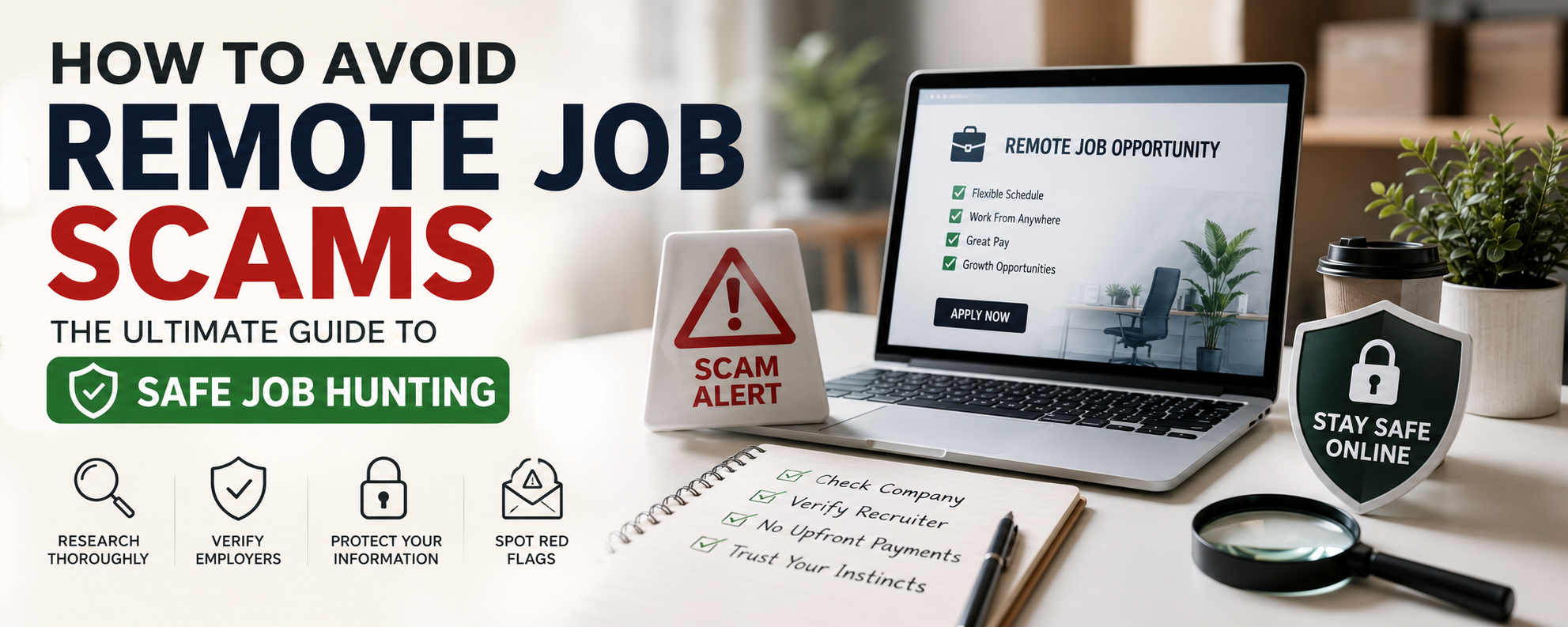
For more practical guidance on avoiding modern online scams, you can read here:
Avoid Remote Job Scams Guide

Signs Your Computer Is Infected With Ransomware Early

Early Warning: Signs Your Computer Is Infected With Ransomware

Imagine opening your laptop and seeing a terrifying message that demands payment to access your data. Ransomware attacks can devastate your system, but they rarely appear without warning. Cybercriminals often spend days or even weeks inside a system, quietly exploring files and preparing the attack before they activate the payload that locks your screen. You can protect your data, money, and peace of mind by recognizing the early signs your computer is infected with ransomware and responding quickly before encryption begins.. According to cybersecurity guidelines from the Cybersecurity and Infrastructure Security Agency (CISA), early detection and rapid isolation are the absolute best defenses against catastrophic data loss.

When you understand the signs your computer is infected with ransomware, you can detect suspicious behavior before attackers fully lock your files. This guide explains those warning signs, how ransomware operates, and what actions you should take immediately.

What Is Ransomware Doing Before It Attacks?

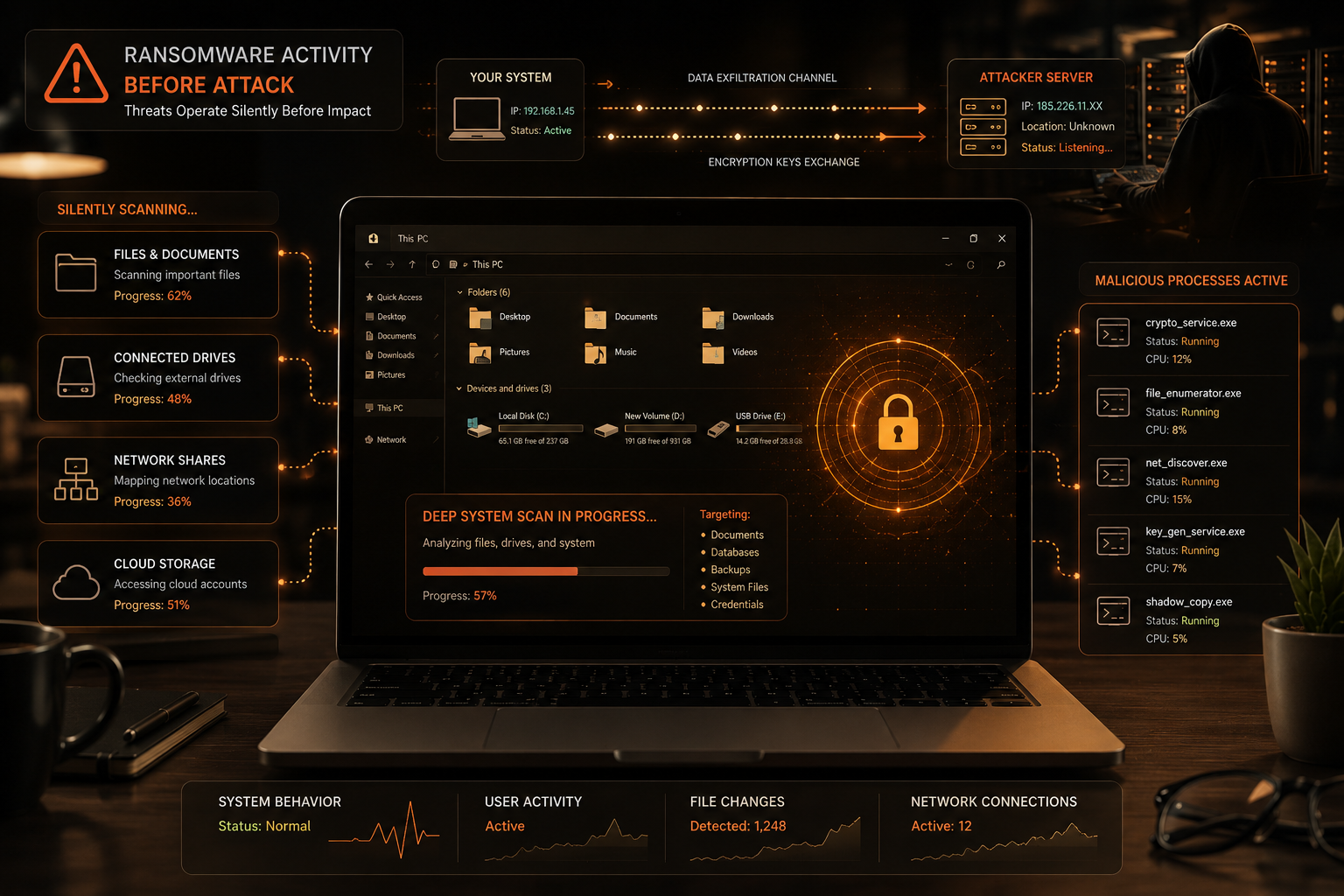
Before launching an attack, ransomware operates silently in the background. It prepares your system for encryption and possible data theft.

During this stage, it typically:

  • Gains access through phishing emails, fake downloads, or software vulnerabilities
  • Installs itself without alerting the user
  • Connects to attacker-controlled servers to receive instructions
  • Scans files, folders, and connected drives for valuable data
  • Maps network connections and cloud storage

Your system may still look normal, but background activity increases. These hidden actions eventually lead to signs your computer is infected with ransomware such as slow performance and file issues.

Early Signs Your Computer Has Ransomware Infection

Ransomware often starts quietly, and users usually mistake early symptoms for normal system issues.

Key warning signs include:

  • Sudden system slowdown without any clear reason
  • High CPU or disk usage while the system sits idle
  • Antivirus or security tools turning off unexpectedly
  • Unknown processes running in the background
  • Files behaving strangely or becoming inaccessible

When several of these signs your computer is infected with ransomware appear together, assume malicious activity may already be active.

Slow Performance as One of the Signs Your Computer Is Infected With Ransomware

One of the most common early indicators involves sudden performance drops.

You may notice:

  • Programs and files opening slowly
  • High CPU usage without heavy applications running
  • Loud fan noise during simple tasks
  • System lag while browsing folders

Ransomware uses system resources to scan and prepare files for encryption, which directly slows down your computer.

Unusual Disk Activity and Signs Your Computer Is Infected With Ransomware

Constant disk activity often signals hidden malicious processes.

Watch for:

  • Continuous hard drive usage even when idle
  • Storage light blinking non-stop
  • Slow file access or saving
  • Background activity without explanation

Ransomware actively reads and modifies files during preparation, which increases disk usage noticeably.

File Changes as Critical Signs Your Computer Is Infected With Ransomware

File modification often signals that ransomware has already started its work.

You may see:

  • File extensions changing to .locked or .encrypted
  • Documents becoming unreadable
  • Images or videos failing to open
  • Random file renaming

These changes usually indicate that encryption has already started or completed.

Security Failures as Hidden Signs Your Computer Is Infected With Ransomware

Ransomware often disables security software to avoid detection.

Common signs include:

  • Antivirus turning off without user input
  • Firewall settings changing unexpectedly
  • Security tools failing to open
  • No alerts despite suspicious activity

Attackers intentionally weaken protection systems to complete encryption without interruption.

Unknown Processes as Technical Signs Your Computer Is Infected With Ransomware

Suspicious processes often reveal ransomware activity.

Check for:

  • Unknown programs in Task Manager
  • High resource usage from unfamiliar processes
  • Applications restarting on their own
  • Strange startup entries

These processes usually handle encryption or communicate with attacker servers.

Immediate Actions You Should Take

Act immediately if you notice ransomware signs:

  • Disconnect from the internet
  • Unplug external storage devices
  • Stop using the affected system
  • Avoid paying any ransom
  • Contact cybersecurity professionals if possible

Quick action reduces damage and may prevent full encryption.

How to Prevent Ransomware Infection

You can significantly reduce risk by following strong security practices:

  • Keep your system and software updated
  • Use strong passwords and enable multi-factor authentication
  • Avoid suspicious emails and attachments
  • Install trusted antivirus with real-time protection
  • Maintain regular offline backups

Prevention always works better than recovery.

FAQ SECTION

How do you know if ransomware is on your computer?

You can detect ransomware by watching for unusual system behavior and checking key performance indicators. First, check system speed. If your computer slows down suddenly without heavy usage, ransomware may run in the background. High CPU or disk usage during idle time often shows active file scanning.

Next, inspect your files. Look for changed extensions or unreadable files, as ransomware may already modify or encrypt data. Also, check your antivirus. If it turns off or changes settings without permission, treat it as a warning.

Open Task Manager and review running processes. Unknown or high-resource processes often indicate malicious activity. If multiple issues appear together, assume ransomware is active and act immediately.

What are the signs of a ransomware attack?

A ransomware attack shows clear system and file changes. Your computer may slow down suddenly, and applications may take longer to open. The cooling fan may run loudly even during simple tasks.

Files may stop opening, disappear, or change names. Security software may fail or turn off without your action. You may also see errors when accessing folders or programs.

As the attack progresses, ransom notes may appear on your desktop or inside folders. These files often demand payment for file recovery. When these signs appear together, ransomware likely controls your system.

What happens when your computer is infected with ransomware?

Ransomware first enters your system and runs quietly. It scans files, folders, and connected drives to find valuable data. Then it starts encrypting files using strong algorithms.

During encryption, your system slows down because the malware uses high CPU power. You may notice lag or freezing.

After encryption, the attacker shows a ransom note. It demands payment for a decryption key and often adds threats of data loss or leaks. In some cases, ransomware spreads to other devices on the same network or cloud storage, increasing damage.

Where do 90% of all cyber incidents begin?

Most cyber incidents start with phishing emails. Attackers send fake messages that look real and trusted. They use these emails to trick users into clicking links or opening attachments.

Once you click, malware runs automatically in the background. It downloads ransomware or other malicious code onto your system.

This method works because it targets user trust, not system flaws. After infection, the malware gains access, scans files, and prepares for encryption. Email remains the most common entry point for cyberattacks.

Can antivirus software stop ransomware before files are locked?

Yes, modern antivirus tools can stop ransomware early. They use behavior tracking instead of only signature detection. They monitor actions like rapid file changes, mass encryption, and unusual system access.

If antivirus detects this behavior, it blocks the process immediately. It may also quarantine the file and stop further damage.

However, no antivirus tool offers 100% protection. Some advanced ransomware can bypass detection. That is why you should combine antivirus protection with updates, safe browsing, and backups for stronger security.

What should I do immediately if I suspect a ransomware infection?

Act fast if you suspect ransomware. First, disconnect your computer from the internet. Turn off Wi-Fi and unplug Ethernet cables to stop communication with attackers.

Next, remove USB drives and external storage devices. This prevents spread to backups or other systems.

Do not open files or run unknown programs. Do not pay the ransom, as recovery is not guaranteed.

If possible, contact a cybersecurity expert or IT support. Keep the system isolated and untouched to preserve evidence and improve recovery chances.

CONCLUSION

The signs your computer is infected with ransomware often appear before full encryption begins, giving you a critical window to respond. You should never ignore early warnings such as sudden system slowdown, unusual file behavior, disabled security tools, or unknown background processes. These symptoms usually indicate that ransomware has already entered your system and started executing malicious tasks.

You must act quickly once you notice these signs. Disconnect your device from the internet, stop all unnecessary activity, and secure any external storage devices. Early response helps you limit damage and may prevent complete file encryption.

Strong cybersecurity habits reduce the risk of infection. You should keep your system updated, avoid suspicious emails, use strong passwords, enable multi-factor authentication, and maintain offline backups. These actions help you stop ransomware before it causes serious harm.

For more practical guidance on avoiding modern online scams, you can read here:
Avoid Remote Job Scams Guide

How Do I Know My CPU Is Bottlenecking?

How Do I Know My CPU Is Bottlenecking? A Practical Guide to Performance

Have you noticed your PC stuttering during intense gaming sessions, or stalling when you open multiple apps? You might wonder, how do I know my CPU is bottlenecking my system’s potential? A bottleneck occurs when one component limits the performance of your entire computer. Most frequently, this happens between your processor and graphics card. If you want to check your hardware performance metrics or monitor your system baseline, you can reference the Microsoft Support documentation for built-in Windows diagnostic utilities.

Understanding how do I know my CPU is bottlenecking helps you avoid unnecessary upgrades and fix real performance issues instead. Many users upgrade their GPU but still face low FPS because the CPU is the actual limiting factor.

This guide explains signs, tools, and fixes so you can clearly understand how do I know my CPU is bottlenecking and what to do about it.


What Is a CPU Bottleneck and How Do I Know My CPU Is Bottlenecking?

A CPU bottleneck happens when your processor cannot keep up with the rest of your system, especially the GPU. This means your graphics card may be capable of high performance, but the CPU cannot feed it data fast enough. As a result, overall performance drops even if other hardware is powerful.

This issue creates an imbalance in your PC where one component limits the entire system. It often shows up in gaming, rendering, and multitasking scenarios where processing demand is high. Instead of smooth performance, you may notice delays or reduced frame rates.

CPU bottlenecks are common in older processors or mismatched hardware builds. Understanding this concept helps you decide whether to upgrade your CPU or optimize settings instead of just buying a better GPU for performance improvement.


Main Signs How Do I Know My CPU Is Bottlenecking in Real Usage

One of the clearest signs of a CPU bottleneck is uneven hardware usage during heavy tasks. The CPU runs at very high usage while the GPU remains underutilized. This means your processor is the limiting factor in performance output.

You may also notice inconsistent frame rates while gaming. Even if average FPS looks fine, sudden drops and stuttering occur when the CPU cannot handle real-time processing demands like AI, physics, or background tasks.

Another sign of how do I know my CPU is bottlenecking is slow multitasking. If switching apps or running background software causes lag, your CPU is struggling to keep up.


High CPU Usage with Low GPU Usage: How Do I Know My CPU Is Bottlenecking?

This is one of the strongest indicators of a CPU bottleneck. When your CPU is constantly at 90–100% usage while the GPU stays low, it means the processor cannot supply enough instructions to the graphics card.

In this situation, your GPU is basically waiting for data instead of working at full capacity. This leads to wasted performance potential, especially in gaming where high-end GPUs should deliver higher frame rates.

This situation often occurs in CPU-heavy games or poorly optimized software, confirming how do I know my CPU is bottlenecking without needing advanced tools.


Sudden Frame Drops and Stuttering: How Do I Know My CPU Is Bottlenecking?

Frame drops and micro-stuttering are common symptoms of CPU bottlenecks. Unlike GPU issues, these drops are irregular and happen even when average FPS seems stable.

This occurs because the CPU gets overloaded with sudden tasks like physics calculations, background processes, or AI behavior in games. When it cannot keep up, frame timing becomes uneven.

You may notice smooth gameplay in simple scenes but lag in crowded or complex environments. These inconsistencies clearly indicate that your processor is struggling to maintain stable performance under load.


Poor Performance in Heavy Tasks: How Do I Know My CPU Is Bottlenecking?

CPU bottlenecks are very noticeable in tasks that rely heavily on processing power. Activities like video editing, file compression, and rendering are often the first to slow down when the CPU is weak.

In these cases, your system may become unresponsive or take much longer to complete tasks. Even basic multitasking, like switching between applications, can feel delayed or sluggish.

Games with large multiplayer lobbies or simulation-heavy mechanics also expose CPU limitations. If these tasks consistently slow your system, your processor is likely the main bottleneck in your setup.


How Do I Know My CPU Is Bottlenecking Using System Tools?

You can test CPU bottlenecks using built-in system monitoring tools. Task Manager allows you to check CPU and GPU usage in real time while running demanding applications or games.

If the CPU stays near maximum usage while the GPU remains low, it indicates a bottleneck. This imbalance shows that the processor is unable to keep up with system demands.

For more detailed analysis, advanced tools can track per-core usage, temperatures, and clock speeds. Testing under real workloads is important because idle readings do not reflect actual performance behavior.


Using Task Manager for Quick Diagnosis

Task Manager is the simplest way to check for CPU bottlenecks. You can open it using Ctrl + Shift + Esc and monitor system performance while running heavy software or games.

Look at CPU usage patterns and check whether it consistently stays near 100%. Also observe individual cores, as some games depend heavily on single-core performance.

If one core is maxed out while others are not fully used, it can still cause performance issues. Task Manager helps quickly identify background processes and CPU overload without installing extra software.


Using MSI Afterburner for Advanced Monitoring

MSI Afterburner provides detailed real-time monitoring while gaming. It shows CPU and GPU usage, temperatures, clock speeds, and frame rates directly on your screen.

This makes it easy to detect performance imbalance during gameplay. If CPU usage is high while GPU usage remains low, it confirms a bottleneck situation.

It also helps detect overheating and throttling issues. With additional tools like RivaTuner, you can analyze frame timing and identify stuttering more accurately than basic system tools.


How to Fix a CPU Bottleneck Effectively

Fixing a CPU bottleneck starts with optimization. Closing background apps like browsers, recording tools, and chat software can immediately free up CPU resources and improve performance.

Lowering CPU-heavy game settings such as crowd density, physics, and draw distance also reduces load. Increasing resolution can shift work toward the GPU, balancing system usage better.

If the issue remains severe, upgrading the CPU is the most effective long-term solution. A stronger processor with better single-core and multi-core performance ensures smoother and more stable system behavior.


FAQ Section

Is CPU 70% bad?

A CPU running at 70% usage is not automatically a problem. In most cases, it simply means your processor still has enough headroom to handle additional tasks. This level of utilization is common during gaming, multitasking, or moderate workloads where the system is under load but not fully saturated.

However, CPU usage alone does not always tell the full story. Even at 70% total usage, individual cores may be maxed out at 100%, especially in older or poorly optimized software. This can still cause stuttering, frame drops, or slow responsiveness in certain applications.

Overall, 70% CPU usage is considered healthy under load. It only becomes a concern when it consistently hits higher levels or when performance issues appear alongside it, indicating that the processor may be reaching its limit.


Is 50°C idle a good CPU temperature?

An idle CPU temperature of 50°C is slightly higher than ideal but still generally safe. Most modern processors are designed to handle a wide temperature range, so this level is not immediately harmful to your system.

Typically, a good idle temperature range is between 30°C and 45°C. However, factors like room temperature, airflow inside the case, dust buildup, and fan curve settings can all affect idle readings. Poor cooling setups can easily push idle temperatures higher.

If your CPU stays below 85°C under full load, then 50°C at idle is not a serious concern. It may indicate that your cooling system could be improved, but it will not damage the processor in normal usage conditions.


Will 100°C damage a CPU?

Modern CPUs are built with strong thermal protection systems, so reaching 100°C does not immediately damage the chip. When temperatures get too high, the processor automatically reduces performance to cool itself down, a process known as thermal throttling.

Short spikes to 100°C can happen during heavy workloads and are usually not instantly dangerous. However, this level of heat is not sustainable and indicates that your cooling system is under significant stress or insufficient for the workload.

Running a CPU at or near 100°C for long periods can lead to long-term degradation. Over time, it may reduce performance stability and shorten the lifespan of the processor, making proper cooling essential.


What CPU runs the hottest?

High-performance CPUs with many cores tend to run the hottest because they consume more power and generate more heat. This is especially true for flagship processors designed for gaming, rendering, and professional workloads.

Modern high-end CPUs from both Intel and AMD can exceed 200–250 watts under heavy load. When pushed to their limits, these processors naturally produce significant heat, especially during tasks like rendering, encoding, or stress testing.

Because of this, they often require advanced cooling solutions such as high-end air coolers or liquid cooling systems. Without proper cooling, these CPUs may throttle performance to protect themselves from overheating.


Can slow RAM cause a CPU bottleneck?

Yes, slow RAM or single-channel memory can definitely cause a CPU bottleneck. The processor relies on memory to quickly access and process data, so slower RAM reduces overall system efficiency and responsiveness.

When RAM speed or configuration is weak, the CPU often has to wait for data. This creates delays that can result in stuttering, lower frame rates, and reduced multitasking performance, especially in gaming and heavy workloads.

Upgrading to faster RAM or switching to a dual-channel setup can significantly improve performance. In many cases, this is one of the simplest and most cost-effective ways to reduce CPU bottlenecks and improve system smoothness.

Conclusion

If you want to know my CPU is bottlenecking, the answer lies in your real-time performance metrics. Keep a close eye on your utilization percentages during demanding tasks. A processor running at maximum capacity alongside an underutilized graphics card is a definitive sign of a bottleneck. By adjusting your software settings, closing resource-heavy background apps, or upgrading your hardware configuration, you can restore system balance and enjoy a smooth, stutter-free computing experience.

For more helpful guides on improving Windows performance and system optimization, you can explore this resource: Microsoft CPU Speed Boost Guide

AMD Ryzen 7 vs Intel Core i7: Which Is Better?

AMD Ryzen 7 vs Intel Core i7: Which Is The Better Flagship CPU?

Choosing the right processor is the most critical decision when building or buying a high-performance PC. For years, the fiercest battle in the hardware world has been AMD Ryzen 7 vs Intel Core i7, a matchup that defines the sweet spot for premium gaming and heavy productivity. Both CPU lineups offer incredible speed, but they approach performance differently. To find the absolute best option for your needs, you can look at the official specifications on the AMD website and the Intel product pages to see how their architectures have diverged.

This guide breaks down the core differences between these powerhouse chips. We will analyze gaming performance, multi-threaded productivity, power efficiency, and overall platform longevity. Whether you want to maximize frame rates or render complex 3D projects, this breakdown will help you choose the ideal processor.

Architecture Differences: Zen vs Hybrid Design

At the core of the AMD Ryzen 7 vs Intel Core i7 comparison is their completely different CPU architecture strategies. AMD relies on its Zen-based chiplet design, while Intel uses a hybrid architecture combining performance and efficiency cores. These design choices directly influence speed, power consumption, and multitasking ability.

AMD’s approach emphasizes consistency, where every core is equally powerful and capable of handling heavy workloads. Intel, on the other hand, divides responsibilities between specialized cores to maximize performance per task. This difference affects everything from gaming frame rates to video rendering speed. Understanding these architectural differences is key to knowing why each processor performs better in specific scenarios.

AMD Ryzen 7: Zen Architecture and Chiplet Efficiency

AMD Ryzen 7 processors are built on the Zen architecture, which uses a chiplet-based design. Instead of relying on a single large die, AMD splits components into smaller chiplets connected through high-speed interconnects. This improves manufacturing efficiency and reduces cost while maintaining strong performance.

A major advantage of Ryzen 7 CPUs is that every core is a full-performance core with simultaneous multithreading support. This ensures consistent performance across gaming, productivity, and multitasking workloads. Additionally, AMD often includes large L3 cache sizes, especially in 3D V-Cache models, which significantly improves gaming performance by reducing data access latency. This architecture is also known for better power efficiency, making Ryzen 7 CPUs cooler and quieter under load compared to many Intel counterparts.

Intel Core i7: Hybrid Core Technology Explained

Intel Core i7 processors use a hybrid architecture that combines Performance-cores (P-cores) and Efficient-cores (E-cores). The P-cores handle demanding tasks like gaming and rendering, while E-cores manage background processes and multitasking. This division allows Intel CPUs to achieve very high core counts and strong multi-threaded performance.

Intel also uses an advanced thread scheduler that dynamically assigns tasks to the most suitable cores. This results in excellent responsiveness in productivity applications and strong peak gaming performance due to high clock speeds. However, this design often leads to higher power consumption and heat output, especially under sustained heavy workloads. Despite this, Intel Core i7 processors remain highly competitive due to their raw speed and strong optimization in creative software.


Gaming Performance: Which CPU Wins FPS Battles?

When it comes to gaming, the AMD Ryzen 7 vs Intel Core i7 comparison becomes extremely close, but the winner often depends on the game type and resolution. Modern gaming performance is influenced by cache size, clock speed, and architecture efficiency.

AMD Ryzen 7 processors with 3D V-Cache technology often lead in gaming benchmarks. The massive cache reduces memory latency and improves frame pacing, which is especially beneficial in open-world, strategy, and simulation games. This results in smoother gameplay and higher minimum frame rates.

Intel Core i7 CPUs, however, rely on higher boost clock speeds and strong single-core performance. This makes them particularly effective in esports titles and older game engines that rely heavily on raw frequency. At higher resolutions like 1440p and 4K, the difference between the two becomes smaller since the GPU becomes the limiting factor. Overall, AMD often wins in pure gaming efficiency, while Intel remains a strong contender for high-FPS competitive gaming.


Productivity Performance: Editing, Rendering, and Multitasking

In productivity workloads, the AMD Ryzen 7 vs Intel Core i7 competition shifts toward multi-threading capability and software optimization. Tasks like video editing, 3D rendering, programming, and heavy multitasking benefit greatly from core count and architecture efficiency.

Intel Core i7 processors generally perform very well in rendering and encoding tasks due to their hybrid core setup. The combination of P-cores and E-cores allows them to handle large workloads efficiently, reducing render times in many professional applications. Intel also benefits from technologies like Quick Sync, which accelerates video encoding in supported software.

AMD Ryzen 7 CPUs, however, offer consistent performance across all cores, making them excellent for sustained workloads. They excel in tasks that require stability over long durations, such as scientific simulations and large-scale data processing. While Intel may edge ahead in some rendering scenarios, AMD provides a more balanced and efficient workflow experience.


Power Efficiency and Thermal Performance

Power efficiency plays a major role in the AMD Ryzen 7 vs Intel Core i7 comparison, especially for users concerned about heat, noise, and electricity consumption. AMD has a clear advantage in performance-per-watt efficiency.

Ryzen 7 processors are built using advanced manufacturing processes that allow them to deliver high performance while consuming less power. This results in lower temperatures and quieter cooling requirements, even under heavy workloads. Users can often pair Ryzen CPUs with mid-range air coolers without thermal issues.

Intel Core i7 processors, while extremely powerful, tend to consume significantly more power under load. Their high boost clocks and hybrid architecture demand more energy, which leads to increased heat output. As a result, Intel systems often require stronger cooling solutions such as high-end air coolers or liquid cooling systems to maintain peak performance.


Platform Longevity and Upgrade Path

Another important factor in the AMD Ryzen 7 vs Intel Core i7 debate is upgrade flexibility. This determines how long your motherboard and system can remain relevant before needing a full rebuild.

AMD has built a reputation for long-term socket support. Ryzen platforms often support multiple CPU generations, allowing users to upgrade their processor without replacing the motherboard. This makes AMD a cost-effective choice for long-term PC builds.

Intel, in contrast, changes motherboard sockets more frequently. While this allows them to introduce new technologies faster, it often means that upgrading to a newer CPU requires a new motherboard. For users who upgrade frequently, this can increase long-term costs significantly.

FAQ Section

Which processor is better for pure gaming, the Ryzen 7 or the Core i7?

For pure gaming performance, the answer in the AMD Ryzen 7 vs Intel Core i7 comparison often depends on the exact models being compared, but AMD Ryzen 7 chips with 3D V-Cache technology generally hold a consistent advantage. The large L3 cache reduces memory latency and allows the CPU to access frequently used game data much faster. This improvement translates into higher average frame rates, better 1% lows, and smoother overall gameplay, especially in modern AAA titles, open-world environments, and simulation-heavy games.

Intel Core i7 processors still deliver excellent gaming performance thanks to their high boost clock speeds and strong single-core efficiency. They perform particularly well in esports titles and older game engines that rely heavily on frequency rather than cache size. However, these gains often come with higher power consumption and increased heat output. Overall, for maximum gaming FPS and efficiency, Ryzen 7 with 3D V-Cache is usually the stronger choice.

Does the Intel Core i7 beat the Ryzen 7 in video editing?

In the AMD Ryzen 7 vs Intel Core i7 comparison for video editing, Intel Core i7 processors often have a slight advantage, but it is not absolute across all workflows. Intel’s hybrid architecture, which combines high-performance cores with efficiency cores, allows it to handle heavy rendering, exporting, and multitasking more effectively in many professional applications. This structure helps distribute workloads efficiently during tasks like 4K video editing, color grading, and complex timeline rendering.

Another key advantage is Intel Quick Sync technology, which accelerates video encoding and decoding directly through dedicated hardware. This results in smoother playback, faster exports, and improved responsiveness in software like Adobe Premiere Pro and DaVinci Resolve. However, AMD Ryzen 7 processors still perform strongly, especially in sustained workloads due to their consistent full-performance cores and efficient power usage. In real-world use, Intel often leads in speed, while AMD provides better thermal efficiency and stability.

Are AMD Ryzen 7 processors more power-efficient than Intel Core i7?

In the AMD Ryzen 7 vs Intel Core i7 comparison, AMD Ryzen 7 processors are generally more power-efficient, especially when running sustained heavy workloads. AMD achieves this advantage through its Zen architecture and chiplet-based design, which focuses on delivering strong performance per watt rather than simply pushing higher power limits. As a result, Ryzen 7 CPUs often complete demanding tasks like rendering, encoding, and simulation work while consuming less electricity compared to many Intel Core i7 processors in the same performance range.

This improved efficiency also translates into lower heat output, which helps maintain more stable performance over long sessions. Users can often pair Ryzen 7 chips with mid-range air coolers while still achieving excellent thermal control. In contrast, Intel Core i7 processors typically draw more power under load due to their high boost frequencies and hybrid core design, which can lead to increased temperatures and a greater need for robust cooling solutions.

Can I upgrade my CPU in the future on both platforms?

In the AMD Ryzen 7 vs Intel Core i7 comparison, both platforms allow CPU upgrades, but they differ significantly in long-term flexibility. AMD is generally known for better platform longevity, meaning its motherboard sockets tend to be supported across multiple CPU generations. This allows users to upgrade from one Ryzen 7 processor to a newer Ryzen generation without necessarily replacing the motherboard, as long as the chipset and BIOS support it. This approach makes AMD a more cost-effective option for users who plan gradual upgrades over time.

Intel, on the other hand, typically changes its socket design more frequently, often within one to two generations. This means that upgrading to a newer Core i7 or higher-tier CPU may require a new motherboard, and sometimes even new supporting components like RAM depending on the platform shift. While Intel focuses on introducing new technologies faster, AMD generally provides a longer and more stable upgrade path for budget-conscious upgraders.

Do these processors require different types of RAM?

In the AMD Ryzen 7 vs Intel Core i7 comparison, both platforms now commonly support modern DDR5 RAM, but compatibility depends more on the specific generation and motherboard than the CPU alone. AMD’s newer Ryzen 7 platforms are fully focused on DDR5 memory, meaning users building or upgrading to a modern AMD system will typically need to purchase DDR5 RAM. This shift is aimed at maximizing bandwidth and overall system performance, especially in gaming and productivity workloads.

Intel Core i7 systems offer slightly more flexibility because some motherboard chipsets still support DDR4 alongside DDR5. This allows users to reuse existing DDR4 memory, which can significantly reduce the cost of a new build. However, newer Intel platforms are also moving toward DDR5-only support over time. In practical terms, both CPUs work best with DDR5 for maximum performance, but Intel may offer a more budget-friendly upgrade path depending on the motherboard you choose.

Conclusion

The debate between the AMD Ryzen 7 vs Intel Core i7 ultimately comes down to your daily computing habits. Neither processor will disappoint you, but they excel in entirely different environments.

Choose the AMD Ryzen 7 if your primary focus is high-frame-rate gaming, long-term upgrade options, and excellent power efficiency. The chiplet architecture runs cool, keeps your power bills low, and provides an easy upgrade path for future component releases. It is the definitive choice for pure gamers and efficiency enthusiasts.

Opt for the Intel Core i7 if you are a heavy multitasker, content creator, or video editor who needs maximum multi-threaded horsepower. The hybrid core design handles intensive rendering pipelines with ease, and the raw clock speeds deliver snappy performance across professional applications. Just ensure you pair it with a robust cooling solution to manage the thermal output effectively.

For a deeper understanding of how memory choice impacts CPU performance and overall system speed, read this our  guide on DDR4 vs DDR5 in 2026.

Growing Up Without Dad

Growing Up Without Dad

Growing up without dad is a deeply personal reality that shapes millions of lives across the globe. Whether due to separation, loss, or emotional unavailability, the absence of a father figure leaves a distinct imprint on a child’s developmental journey. According to research published by the National Institutes of Health, a parent’s presence significantly influences emotional regulation, self-esteem, and future relationship patterns. When that presence is missing, navigating the transition from childhood to adulthood requires unique resilience.

This topic matters because father absence is not just a childhood issue; its echoes often persist well into adult life. Many individuals experience a lingering sense of grief, identity confusion, or difficulty forming secure attachments. Understanding these dynamics is crucial for breaking cycles of pain and fostering personal growth.

This article covers the psychological impacts of growing up without a father, practical coping mechanisms, and strategies for building a fulfilling life. By exploring these areas, we aim to provide validation, expert insights, and actionable guidance for anyone walking this path.

THE PSYCHOLOGICAL IMPACT OF FATHER ABSENCE

Emotional Vulnerability and Self-Esteem

When a father is absent, children frequently internalize the situation. They might unconsciously blame themselves for the separation or lack of contact. Consequently, this internalization can lead to a fragile sense of self-worth. Without a father’s validation, individuals often struggle to feel “good enough,” which manifests as chronic self-doubt in academic, professional, and personal settings.

Relationship Dynamics and Attachment Styles

A child’s first relationship with their parents sets the blueprint for future connections. Missing a father figure often disrupts this foundation. Many individuals develop an anxious or avoidant attachment style. For instance, they might constantly fear abandonment in romantic relationships, or conversely, build high emotional walls to prevent anyone from getting close enough to hurt them.

OVERCOMING THE CHALLENGES OF GROWING UP WITHOUT DAD

Seeking Mentorship and Positive Role Models

You do not have to navigate life in a vacuum. Healing often begins when you actively seek out positive male role models who can offer guidance and perspective.

  • Uncles and Grandfathers: Family members who step up to provide stability.

  • Teachers and Coaches: Mentors who teach discipline, accountability, and life skills.

  • Community Leaders: Individuals in local organizations who offer healthy examples of manhood and adulthood.

Rewriting Your Internal Narrative

Growing up without dad does not define your ultimate destiny. Many people find strength by shifting their perspective from being a victim of circumstance to being the author of their own story. Acknowledge the pain of the absence, but focus heavily on the resilience you developed because of it. Self-compassion is a vital tool in this transformative process.

Old Narrative: “I am unlovable because he left.”

New Empowered Narrative: “His absence was a reflection of his choices, not my worth.”

The Role of Professional Therapy

Processing deep-seated parental wounds independently can be overwhelming. Licensed therapists provide a safe, structured environment to unpack childhood grief. Cognitive Behavioral Therapy (CBT) and attachment-based therapies are particularly effective in helping adults identify negative behavioral patterns rooted in childhood loss.

REFRAMING MASCULINITY AND IDENTITY

Defining Success on Your Own Terms

For young men, father absence can make understanding masculinity quite confusing. Without a direct example, you might look to media stereotypes, which are often distorted. True identity involves defining what a good person—and a good man—is based on integrity, emotional intelligence, and responsibility, rather than outdated societal pressures.

Breaking the Generational Cycle

Perhaps the most powerful step in healing is choosing to be the parent you never had. If you choose to have children, your past experiences can serve as a powerful roadmap of what not to do. By showing up consistently for your own family, you effectively break the generational cycle of absence, turning a history of pain into a legacy of presence.

FAQ SECTION

How does growing up without dad affect a daughter?

Growing up without a father can deeply affect a daughter’s emotional development, self-esteem, and future romantic relationships. Fathers often provide the first model of healthy male-female dynamics. They show daughters what it means to be valued, respected, and protected. Without this foundation, a daughter may struggle to develop a strong sense of self-worth. She may also experience lasting feelings of rejection or inadequacy.

In adulthood, this absence often manifests as difficulty establishing secure attachments. Some women may struggle to recognize red flags, unconsciously seeking validation from emotionally unavailable partners to fill the childhood void. Others might build high emotional walls due to a deep-seated fear of abandonment, finding it hard to trust genuine affection.

However, this impact is not a life sentence. Many women successfully overcome these early hurdles by cultivating deep self-awareness, leaning on strong maternal or family figures, and utilizing professional therapy to consciously choose healthy, secure, and respectful relationships.

Can a mother successfully fill both parental roles?

While a single mother can raise an incredibly successful, well-adjusted child, she cannot literally double her capacity to embody two distinct parental roles simultaneously. Trying to force herself to “be both mother and father” often leads to maternal burnout and unnecessary pressure. Instead, a mother succeeds by excelling in her unique role—providing a stable, loving, and structured environment where a child feels consistently safe and supported.

Rather than trying to duplicate the missing paternal role, effective strategy involves curating a supportive community. A mother can introduce positive male influences into her child’s life, such as dependable grandfathers, uncles, teachers, or community mentors. This collective network ensures the child still witnesses healthy adult behavior, emotional maturity, and diverse perspectives. Ultimately, the absence of a father does not cap a child’s potential; millions of children raised by dedicated single mothers grow up to be highly resilient, emotionally intelligent, and successful adults.

What are the long-term effects of father absence in adult men?

For adult men, the long-term effects of father absence frequently center around identity formation, emotional expression, and navigating vulnerability. Without a constructive paternal blueprint, young men often rely on media stereotypes or societal pressures to define masculinity. This can lead to a distorted view where emotional suppression is equated with strength, resulting in adult isolation, unmanaged stress, or a constant, exhausting drive to prove their worth.

Additionally, the absence can complicate a man’s transition into his own career, romantic partnerships, and eventual fatherhood, as he lacks a lived example of a man balancing these responsibilities. Fortunately, these long-term effects are entirely reversible. Through self-reflection, intentional mentorship, and psychological therapeutic tools, men can unpack childhood grief. They can successfully unlearn toxic habits, develop secure attachment styles, master emotional communication, and ultimately break the cycle by becoming exceptionally present, dedicated fathers to their own children.

How do I handle the grief of an absent father during major life milestones?

Major life milestones—such as graduations, career achievements, weddings, or the birth of a child—naturally amplify the grief associated with an absent father. These moments highlight what “should” have been, making it completely normal to experience an intense wave of sorrow or anger right alongside your celebration and joy. Handling this complex blend of emotions requires honoring your feelings rather than forcing yourself to suppress them.

To navigate these milestones healthily, reframe how you view support. Focus your energy on celebrating the people who did choose to show up, protect, and love you throughout your journey. Give these individuals prominent roles in your milestones—such as having a mother, sibling, or mentor walk you down the aisle. Recognizing that family is ultimately forged through consistent actions, mutual respect, and choice, rather than strict biology, allows you to find deep comfort and joy in your chosen community.

Is it possible to heal from the trauma of an absent father without reconciliation?

Yes, achieving absolute emotional healing and closure is entirely possible without ever reconciling with an absent father. A common misconception is that healing requires a mutual conversation, an apology, or a dramatic reunion. In reality, healing is a deeply internal process that belongs solely to you; it does not depend on another person’s capacity to change, understand your pain, or take accountability for their past choices.

True closure comes from radical acceptance of the reality as it is, processing the childhood grief, and actively letting go of the idealized hope for a perfect parental relationship. Relying on an absent parent for your closure actually keeps your emotional well-being tied to their behavior. By focusing your energy inward on personal growth, mental well-being, and cultivating the loving relationships currently in your life, you can build a deeply peaceful, fulfilled, and highly successful future completely independent of his presence.

CONCLUSION

Growing up without a dad introduces a unique set of emotional hurdles. These challenges can influence your self-worth, relationships, and identity well into adulthood. The absence of a paternal anchor often requires you to face life’s major milestones with greater self-reliance. However, this missing piece does not mean your life is destined to be incomplete or broken.

Healing begins when you shift your focus from what was missing to what you can build today. Seek positive mentors, consider professional therapy, and intentionally reframe your personal story. These steps can transform childhood pain into lasting resilience. True strength comes from recognizing that your worth was never determined by someone else’s inability to show up.

Ultimately, growing up without a dad gives you the freedom to define adulthood, masculinity, and success on your own healthy terms. Let your past guide you rather than hold you back. Use your experiences as motivation to build a life marked by stable relationships, emotional maturity, and genuine self-love. As you create new memories and celebrate important milestones, investing in meaningful experiences can also support your healing journey. For example, preserving life’s special moments with the help of a professional photographer can strengthen your sense of connection and create lasting memories with the people who matter most.

SIP vs FD Which is Better? Smart Investment Guide

SIP vs FD Which is Better? Smart Investment Guide

When building a personal savings strategy, choosing where to park your hard-earned money can feel overwhelming. Two of the most popular paths for individual wealth creation are Systematic Investment Plans (SIPs) and Fixed Deposits (FDs). If you are trying to figure out sip vs fd which is better, the answer depends heavily on your financial milestones, risk tolerance, and investment horizon. Understanding the core mechanics of both options helps you deploy your capital efficiently. Many individuals rush into investment avenues without analyzing how market variables affect their capital over time. This lack of planning often leads to lower-than-expected growth.

To make an informed decision, it is highly beneficial to look at guidance from established financial bodies like the Securities and Exchange Board of India. This institution regulates the mutual fund market and ensures investor protection. While one avenue offers guaranteed returns with virtually zero risk, the other harnesses market dynamics to potentially yield significantly higher wealth over time. This article will dissect both investment vehicles. We will compare their returns, tax implications, and liquidity options so you can choose the ideal tool for your financial journey. By evaluating these critical components side by side, you can build a more resilient financial portfolio. This helps you balance immediate security with aggressive long-term accumulation.

SIP vs FD: Which is Better for Your Growth?

To understand which option fits your wallet, we must look at how they operate in day-to-day financial planning. A Fixed Deposit is a traditional financial instrument where you invest a lump sum for a fixed tenure. This investment comes with a predetermined interest rate. Your money grows safely, completely insulated from market volatility. Banks use these deposits to fund long-term commercial loans. They pass on a portion of that interest income back to you as guaranteed growth. Because the rate remains locked from day one, you always know exactly how much cash you will receive at maturity. This predictability makes it a favorite for risk-averse savers.

Conversely, a Systematic Investment Plan is a method of investing a fixed amount regularly into mutual funds. These are typically equity funds. Instead of timing the market, you buy fund units consistently every single month. When market prices drop, your fixed budget automatically buys more units. When prices rise, you buy fewer units. This mechanism is known as rupee cost averaging. It lowers your average cost of investment over the long haul. It eliminates the emotional stress of trying to guess market peaks or troughs. This allows ordinary savers to build vast equity portfolios over time. You can achieve this with small, manageable monthly contributions.

Risk and Return Dynamics

The foundational difference between these two choices lies in the risk-return trade-off. Fixed Deposits are low-risk instruments. The bank guarantees your principal amount and interest payouts. This makes them exceptionally stable. In many jurisdictions, government-backed insurance schemes secure these deposits up to specific limits. This setup provides total peace of mind. However, this absolute safety limits your earning potential. Modern FD rates generally hover around 6% to 8%. This growth barely keeps pace with changing economic conditions and the rising cost of consumer goods. Over time, high safety can mean lower purchasing power.

SIPs carry market risk because they invest directly in corporate stocks or volatile debt securities. However, this structural risk often diminishes significantly over extended periods. Historically, equity-linked SIPs have delivered compound annual returns ranging from 12% to 15% over five or more years. Therefore, when looking closely at sip vs fd which is better, mutual fund investments offer a distinct advantage over fixed-income assets for growth. The fluctuating nature of the stock market means you might see temporary dips. However, patient investors are usually rewarded with substantial capital appreciation. This growth transforms their financial standing over a decade.

Impact of Inflation on Your Savings

Inflation quietly erodes the purchasing power of your money over time. If your investment does not grow faster than the inflation rate, you are technically losing wealth every single day. For instance, think about a basket of groceries that costs 100 currency units today. If that same basket costs 107 next year, your money has lost 7% of its value. To protect your savings, you must choose an investment vehicle that generates a positive real rate of return. This means your returns must adjust for these rising lifestyle expenses.

Real Return = Nominal Interest Rate – Inflation Rate

Because Fixed Deposit returns are entirely fixed, they frequently struggle to beat inflation. This is especially true after accounting for local taxes. SIPs, by investing in equity, tend to outperform long-term inflation. This happens because businesses can raise prices to match inflation. That pricing power drives up stock values over time. This characteristic makes regular market investments a much stronger shield for preserving and growing your future purchasing power. If your objective is to preserve the true value of your retirement nest egg, relying solely on fixed income can leave you financially falling behind over a twenty-year horizon.

Flexibility and Liquidity Compared

Liquidity refers to how quickly you can convert an asset back into cash without losing its core value. FDs lock your money for a specific duration. This timeline ranges from a few months to several years. If you break an FD prematurely due to an emergency, banks usually charge a penalty fee. They also lower your overall interest rate retrospectively. This rigid structure makes it difficult to adjust your strategy. It hurts you if a sudden financial emergency arises. It also limits you if a better investment opportunity presents itself unexpectedly.

SIPs offer excellent operational flexibility for modern savers. You can pause, alter, or stop your monthly contributions at any time without facing penalties or administrative friction. Most open-ended mutual funds allow you to withdraw your capital whenever you need it. They deliver funds to your account within a few business days. However, you must keep an eye out for exit loads. These are small fees applied if you redeem your units within a specific window, usually one year. This fluid system allows you to scale your investments upward as your salary increases. It also lets you downsize during lean financial months.

Tax Treatment on Earnings

Your net investment earnings depend greatly on prevailing tax laws. These regulations can drastically alter your actual take-home returns. The interest earned from a Fixed Deposit is added directly to your annual taxable income. Consequently, it is taxed according to your specific income tax slab. This practice can significantly reduce net returns for high earners. If you fall into the highest tax bracket, a substantial portion of your guaranteed FD interest is paid back to the state. This lowers your effective yield considerably.

Mutual fund investments through SIPs enjoy a much more favorable tax structure under current frameworks. If you hold an equity investment for more than one year, your gains qualify as Long-Term Capital Gains. These gains are often taxed at a much lower flat rate compared to high income tax brackets. This system allows you to retain a larger portion of your accumulated profits. Additionally, small capital gains up to a specific annual threshold are frequently entirely exempt from taxes. This structural tax advantage heavily tilts the scales in favor of systematic market investing. It is a major factor for anyone focused on optimizing their net wealth.

FAQ SECTION

Is SIP safer than an FD?

No, an FD is considerably safer than a SIP from a capital preservation perspective. Fixed Deposits are backed by banking institutions and offer guaranteed returns. This makes them completely immune to daily market fluctuations. Conversely, SIPs invest your capital into mutual funds tied directly to equity or debt markets. Because market values rise and fall based on economic data, corporate earnings, and global events, your investment value will fluctuate. If the market crashes, your portfolio could temporarily lose value. However, holding a SIP for a long period generally smoothens out these short-term risks. This approach often leads to higher returns that comfortably beat inflation over time. Therefore, while FDs offer absolute near-term safety, SIPs provide superior long-term purchasing power safety by actively outgrowing inflation. When assessing sip vs fd which is better, safety depends entirely on your time horizon.

Can I lose money in a SIP?

Yes, it is entirely possible to experience short-term losses in a SIP, particularly during market downturns or economic recessions. Because SIPs purchase mutual fund units linked to volatile stock markets, the value of your portfolio can temporarily drop below your total invested amount. If you panic and withdraw your money during a market dip, you will lock in those actual financial losses. However, this risk decreases significantly if you remain invested over a long horizon, such as five to ten years. Long-term investing allows market cycles to balance out, utilizing rupee cost averaging to lower your average purchase price. Historically, investors who maintain their monthly contributions through market declines recover strongly when the economy rebounds. They turn temporary paper losses into substantial long-term gains. This demonstrates why patience is essential for market-linked instruments.

Which gives higher returns, SIP or FD?

A SIP generally delivers much higher returns than a Fixed Deposit over an extended time horizon. While standard bank FDs provide a stable, locked-in return usually ranging from 6% to 8%, equity mutual funds accessed via SIPs historically yield between 12% and 15% over several years. This substantial difference occurs because equity investments participate directly in corporate profitability and macroeconomic expansion. In contrast, FDs are fixed-income contracts that do not change regardless of how well the broader economy performs. Over a ten-year period, the compounding effect on a SIP’s higher return rate can result in a final wealth pool that is twice as large as a matching investment placed in a standard bank Fixed Deposit. This makes SIPs the clear choice for aggressive wealth accumulation. It also answers the question of sip vs fd which is better for beating long-term inflation.

What is the minimum amount to start a SIP?

One of the greatest benefits of a SIP is its high accessibility for everyday savers and young professionals. You can begin investing in many mutual funds with a minimum amount of just 500 INR per month. This low entry barrier allows you to build a disciplined investing habit without straining your monthly household budget. It also does not require a massive pool of seed capital to get started. In contrast, while you can open a Fixed Deposit with a relatively small amount, maximizing your interest earnings typically requires a larger upfront lump sum payment right at the start. The micro-investing nature of SIPs means that anyone can participate in stock market growth. You can build wealth incrementally with sums that might otherwise be spent on minor daily lifestyle expenses, making it highly efficient.

Can I stop a SIP at any time?

Yes, you can stop, pause, or modify a Systematic Investment Plan whenever you choose without incurring any penalty fees or facing complex paperwork. Mutual fund companies offer high operational flexibility, allowing you to manage your cash flow easily if you face unexpected financial difficulties or job transitions. Once you stop the monthly deduction, your accumulated funds will simply remain invested in the market. They continue to grow based on fund performance until you decide to request a withdrawal. Fixed Deposits do not share this level of structural flexibility, as closing them early attracts premature withdrawal penalties. It also reduces your interest rate and disrupts your long-term savings architecture. This operational freedom makes SIPs far more accommodating to unpredictable real-world financial situations that savers face today.

CONCLUSION

Deciding between a SIP and a Fixed Deposit is not about finding a universally superior financial option. Instead, it is about aligning your capital with your personal timelines, income stability, and comfort with market volatility. Fixed Deposits provide absolute near-term security. This makes them perfect for short-term targets under three years, emergency funds, or conservative savers who cannot afford to lose any principal value. They act as an excellent defensive anchor for your money. They ensure that specific amounts of cash are available exactly when you need them without fail.

If you are planning for long-term objectives like retirement, higher education, or buying a home, a market-linked strategy is vital. Utilizing a regular investment plan allows you to harness the compounding power of equities while mitigating volatility through steady, systematic contributions over time. To strengthen your overall financial knowledge, you can also explore the best personal finance books that cover investing, wealth creation, and smart money management. Evaluating SIP vs FD—which is better—reveals that a balanced financial portfolio often utilizes both tools simultaneously to achieve both safety and growth. By placing emergency cash in stable FDs and wealth-building capital into disciplined SIPs, you protect your present life while securing your future financial freedom.

Topics You Should Educate Yourself On: 8 Critical Areas

Topics You Should Educate Yourself On: 8 Critical Areas for Future Success

The modern professional landscape is shifting at an unprecedented pace, driven by rapid technological advancements and changing economic paradigms. Therefore, to stay competitive, resilient, and adaptive, there are several foundational topics you should educate yourself on to safeguard your personal and professional future. Continuous learning is no longer just a commendable habit; consequently, it has become a core necessity for survival in a highly dynamic global market. By intentionally expanding your knowledge base, you can proactively adapt to industry disruptions rather than merely reacting to them when they arrive.

Understanding these pivotal subjects allows you to make highly informed decisions about your career, personal finances, and daily well-being. Furthermore, organizations like the World Economic Forum consistently emphasize that cognitive flexibility, complex problem-solving, and lifelong learning are the most critical skills for the modern workforce. In this comprehensive guide, we will break down eight essential domains that demand your immediate attention. From technological literacy to emotional intelligence, mastering these areas will provide you with a significant competitive edge and a clearer path forward. As a result, taking the time to study these subjects deeply will transform how you perceive opportunities and manage unexpected global changes.

1. Artificial Intelligence and Machine Learning

Artificial intelligence (AI) is fundamentally transforming how we work, communicate, and solve complex problems across every major sector. Thus, understanding the basics of machine learning, neural networks, and generative AI tools is no longer reserved strictly for software engineers or data scientists. To remain relevant in your career, you must learn how to collaborate effectively with AI systems rather than fearing potential job replacement. For example, this evolution involves understanding prompt engineering, recognizing automation trends, and identifying how AI can optimize your daily workflows for maximum efficiency.

Furthermore, integrating AI into your routine allows you to offload repetitive tasks and focus heavily on high-level strategic thinking. Consequently, professionals who master the interface between human creativity and machine intelligence will naturally lead their respective industries. You should focus on how these technologies process information and how they can be applied ethically within your business domain. Meanwhile, staying ahead of this technological curve ensures you remain an asset to any forward-thinking organization.

2. Financial Literacy and Advanced Wealth Management

Traditional savings accounts and basic budgeting methods are no longer sufficient to secure your long-term financial freedom in today’s economy. Instead, investigating the foundational topics you should educate yourself on must include modern investment vehicles, complex tax strategies, and global macroeconomic trends. You should deeply understand the mechanics of compounding interest, index funds, real estate investment trusts, and strategic asset diversification. Moreover, tracking global inflation and monetary policy changes will help you shield your hard-earned capital from sudden market volatility.

Indeed, true financial literacy requires a shift from a scarcity mindset to an investment mindset, focusing on building sustainable passive income streams. By mastering these concepts, you learn how to make your money work efficiently for you over extended periods. Similarly, understanding tax laws can save you significant capital, which you can then reinvest back into high-growth assets. Therefore, securing your financial future demands consistent research, disciplined asset management, and an ongoing understanding of changing financial markets.

3. Data Literacy and Analytics

Data is the definitive currency of the modern digital economy, influencing everything from corporate strategy to political campaigns. Whether you work in marketing, healthcare, engineering, or education, the ability to read, analyze, and argue with data is immensely valuable. Specifically, this is one of the most practical topics you should educate yourself on to improve your analytical capabilities. You must understand how to look at complex data sets and extract meaningful patterns that can drive organizational growth. Businesses worldwide are actively seeking professionals who can confidently interpret metrics and translate them into actionable operational adjustments.

Core Data Skills to Acquire

  • Data Visualization: Learn to translate complex raw numbers into clear, accessible charts and graphs for stakeholders.

  • Statistical Thinking: Understand how to spot structural biases, logical anomalies, and common errors in corporate reports.

  • Predictive Analysis: Learn how historical data trends can accurately forecast future customer behaviors and market demands.

Consequently, professionals who can comfortably bridge the gap between raw numbers and human strategy will always remain in high demand. Developing this skill set allows you to back up your business proposals with objective, undeniable facts rather than mere intuition. Thus, data mastery inherently enhances your professional credibility.

4. Digital Cybersecurity and Privacy

As our personal and professional lives move entirely online, digital security has quickly become a paramount global concern. Therefore, regarding the core topics you should educate yourself on, digital self-defense is absolutely non-negotiable. Understanding how to protect your digital footprint is vital for safeguarding your personal identity, private financial records, and proprietary corporate data. You should educate yourself on the core principles of zero-trust architecture, multi-factor authentication, and sophisticated end-to-end encrypted communications. Recognizing advanced phishing attempts, malware distribution tactics, and social engineering traps can easily prevent catastrophic financial and data breaches.

Moreover, as remote work remains highly prevalent, securing your home network and personal devices is an absolute necessity. Because of this, organizations are increasingly holding individual employees accountable for data hygiene and compliance with international privacy laws. By understanding how hackers exploit digital vulnerabilities, you can build an ironclad perimeter around your online presence. In conclusion, protecting your data preserves your digital autonomy and ensures long-term security in an interconnected world.

5. Emotional Intelligence and Adaptive Leadership

While technical skills might land you an initial interview, high emotional intelligence (EQ) secures long-term leadership success and career longevity. Thus, emotional literacy involves developing profound self-awareness, active empathy, and the unique ability to navigate complex social dynamics smoothly under immense pressure. As modern workplaces become more decentralized, remote, and culturally diverse, leaders must connect deeply with teams across various geographical regions. Therefore, developing strong EQ enables you to manage personal stress, resolve interpersonal conflicts constructively, and inspire peak performance in others.

Furthermore, adaptive leadership requires you to listen actively and validate the diverse perspectives of your team members. As a result, this collaborative approach fosters a corporate culture of psychological safety, which directly boosts innovation and employee retention rates. Leaders who lack emotional intelligence often struggle with team cohesion and suffer from high turnover rates within their departments. In contrast, investing time into understanding human psychology and communication strategies will dramatically elevate your managerial capabilities.

6. Sustainable Living and Environmental Literacy

Climate change, resource scarcity, and shifting geopolitical dynamics are rapidly reshaping global regulations, corporate supply chains, and consumer behaviors. Thus, sustainability principles represent major topics you should educate yourself on if you wish to remain relevant in modern enterprise. You must understand how environmental changes impact global trade, resource allocation, and government compliance policies across various industries worldwide. For this reason, consumers are increasingly demanding transparency, actively favoring brands that demonstrate genuine environmental responsibility and ethical sourcing practices.

Key Aspects of Sustainability Education

  • Circular Economy: Learn how waste reduction, recycling, and sustainable product design drive modern business efficiency.

  • Carbon Footprint Awareness: Understand how regulatory carbon taxes affect global manufacturing costs and product pricing.

  • Renewable Energy Systems: Study how solar, wind, and hydrogen technologies are actively replacing traditional fossil fuels.

Ultimately, environmental literacy empowers you to anticipate green regulations and implement sustainable practices within your current career field. Consequently, embracing eco-friendly innovation helps future-proof businesses against resource depletion and aligns your professional endeavors with global conservation goals.

7. Health Optimization and Biohacking

The future of healthcare is moving rapidly away from reactive treatment toward proactive prevention and cellular optimization. For that reason, physical well-being stands out among the vital topics you should educate yourself on for sustainable productivity. Educating yourself on personalized nutrition, sleep architecture, circadian biology, and preventative medicine can drastically extend both your lifespan and healthspan. Understanding how chronic stress and poor lifestyle choices impact your long-term cellular health allows you to make better daily adjustments. Meanwhile, investing time into researching longevity science ensures you maintain peak cognitive function and high physical performance as you age.

Furthermore, biohacking involves using scientific data to tweak your environment and biology for enhanced physical and mental output. For instance, this approach includes tracking biomarkers, optimizing your microbiome, and managing cognitive load through mindfulness and deliberate recovery strategies. By taking full ownership of your physical health, you reduce the long-term risk of burnout and chronic illness. Therefore, a healthy body serves as the vital foundation for achieving all your professional and personal ambitions.

8. Critical Thinking and Media Literacy

We live in an era of unprecedented information overload, which frequently makes objective truth incredibly difficult to discern online. Because of this reality, sharp critical thinking skills are absolutely vital to filter out widespread misinformation, sensationalized news, and personal confirmation bias. You must learn to analyze information sources objectively, question foundational assumptions, and evaluate scientific evidence carefully before forming firm opinions. This rigorous mental discipline protects you from cognitive manipulation and empowers you to make rational, independent decisions in daily life.

Additionally, media literacy helps you understand the underlying motives and algorithmic structures behind the content you consume daily. By recognizing how digital platforms profit from emotional outrage, you can consciously choose to engage with media more mindfully. Moreover, this intellectual resilience is highly valuable in business environments where biased data can lead to expensive strategic mistakes. In short, cultivating an objective, analytical mind ensures you remain grounded, logical, and deeply informed amidst digital noise.

FAQ Section

What are the most important topics you should educate yourself on today to remain competitive?

The most critical topics you should educate yourself on include artificial intelligence, advanced financial management, data literacy, and cybersecurity. Additionally, focusing on emotional intelligence, sustainable living, and health optimization ensures a holistic approach to personal growth. Prioritizing these diverse areas helps you build a resilient, future-proof skill set that adapts smoothly to sudden global market shifts.

By dedicating time to these subjects, you cultivate both technical proficiency and emotional maturity, which are highly valued in modern workplaces. Consequently, this comprehensive educational foundation allows you to solve complex problems, protect your personal assets, and lead teams effectively. Ultimately, staying informed about these domains guarantees you remain a highly relevant, deeply capable professional in an increasingly automated world.

How does learning about artificial intelligence benefit non-technical professionals in their daily careers?

AI literacy helps non-technical professionals automate routine tasks, streamline workflows, and make highly accurate, data-driven decisions. By understanding what machine learning algorithms can achieve, you can use generative tools to write content, analyze financial reports, or manage complex projects more efficiently. Therefore, this strategic knowledge keeps you highly competitive and prevents your skills from becoming obsolete in an evolving job market.

Furthermore, understanding AI allows you to bridge the communication gap between technical development teams and corporate stakeholders. As a result, you can identify unique ways to integrate automation into your current department, driving efficiency and reducing operational overhead. Embracing AI tools transforms you into an innovative leader who knows how to leverage technology for business growth.

Why is data literacy considered an essential skill for the future across all business sectors?

Data literacy is essential because modern corporations rely heavily on empirical data to drive their core growth strategies. Understanding how to interpret analytics allows you to contribute meaningfully to corporate goals and back up your ideas with concrete facts. Thus, it transforms you from a passive observer into a highly strategic asset for any forward-thinking team or organization.

When you can confidently read and interpret data patterns, you minimize the risk of making costly business mistakes based on pure guesswork. For example, you can accurately measure project success, optimize marketing campaigns, and identify hidden operational inefficiencies with ease. In a world driven by digital information, data literacy serves as the ultimate tool for achieving professional clarity and influence.

What is the quickest and most effective way to improve my personal financial literacy?

The fastest way to improve financial literacy is by reading foundational investment books and taking structured online financial courses. Start by mastering basic budgeting, understanding tax dynamics, studying asset allocation models, and learning how low-cost index funds operate. Consistent, incremental learning combined with practical application yields massive long-term financial confidence and wealth accumulation over your lifetime.

Additionally, tracking macroeconomic factors like inflation, interest rates, and stock market trends helps you make highly informed purchasing and investing decisions. Consequently, consulting with certified financial planners and using wealth management tools can further refine your strategy. Developing this financial acumen ensures that your hard-earned income is consistently working to secure your long-term independence.

How can I develop better critical thinking skills to combat daily online misinformation?

You can develop critical thinking by actively questioning information sources, checking facts thoroughly, and seeking out opposing viewpoints. Avoid accepting emotional headlines at face value and analyze the underlying empirical evidence, logical consistency, and potential motives instead. Practicing this cognitive discipline daily sharpens your logic, reduces confirmation bias, and improves your overall decision-making accuracy.

It is also beneficial to study common logical fallacies so you can easily spot weak arguments in media reports or corporate presentations. Meanwhile, taking a deliberate pause before sharing information online helps prevent the spread of sensationalized or inaccurate data. Cultivating this analytical mindset protects your mental clarity and allows you to form independent, well-reasoned conclusions.

Conclusion

Committing to continuous learning is the single best investment you can make for your personal and professional future. The various topics you should educate yourself on—ranging from artificial intelligence to financial literacy—serve as a powerful roadmap for navigating the complexities of the modern world. Embracing these subjects ensures you remain highly versatile, deeply knowledgeable, and thoroughly prepared for sudden, unpredictable market shifts. As industries evolve, individuals who prioritize expanding their intellectual horizons will naturally secure the best career opportunities.

Ultimately, true security lies not in what you currently know, but in your ongoing ability to learn, unlearn, and relearn continuously. Take proactive control of your personal growth journey today by picking one specific focus area from this list and diving into it deeply. If you’re looking for an easy way to keep learning on the go, explore these best educational podcasts to expand your knowledge and stay informed. As you build expertise across these diverse domains, you will experience greater confidence, adaptability, and professional value. The commitment you make to education today will directly shape your prosperity, stability, and leadership capabilities tomorrow.

Entrepreneurship and Business Fundamentals: Master Success

Entrepreneurship and Business Fundamentals: Master Success

Starting a new venture is an incredibly exhilarating journey, but relying solely on raw passion rarely guarantees long-term commercial success. To build a truly resilient enterprise, founders must thoroughly master entrepreneurship and business fundamentals before launching their products into a fiercely competitive marketplace. Understanding these core pillars transforms a fragile startup idea into a structured, highly scalable corporation. According to resources provided by the U.S. Small Business Administration, strategic planning, risk management, and foundational legal knowledge are critical early milestones that safeguard early-stage companies from premature failure.

This comprehensive guide pulls back the curtain on what it really takes to transition from an aspiring creator to a seasoned business owner. We will explore market validation, financial mechanics, operational frameworks, and modern customer acquisition strategies. Furthermore, this breakdown provides actionable frameworks designed to mitigate risk while maximizing your market share. Whether your goal is to launch a local service business or scale a global technology platform, mastering these basics will serve as your ultimate growth blueprint. Embracing these core principles helps you make data-driven decisions that foster lasting enterprise value.

The Essential Blueprint for Modern Business Growth

Market Validation: The Core of Entrepreneurship and Business Fundamentals

Every successful enterprise begins by solving a real, deeply painful problem for a specific group of people. Market validation is the systematic process of proving that a genuine demand exists for your proposed solution before you invest significant capital. Too many founders commit the fatal error of building a product based on assumptions rather than concrete data. To avoid this trap, you must engage directly with your target audience through surveys, focus groups, and structured interviews to gather honest feedback.

Proving your concept early saves thousands of dollars and months of wasted development time. It allows you to refine your value proposition so that it resonates deeply with buyers. During this phase, you should focus on creating a Minimum Viable Product (MVP), which is a basic version of your offering containing only the essential features. Testing an MVP in the real world provides immediate, actionable insights that guide your product roadmap. By listening to early adopters, you can safely pivot your strategy before scaling up.

Identifying Your Ideal Customer Profile

You cannot sell your product to everyone, and attempting to do so will quickly drain your marketing budget. Founders must explicitly define their target market through psychographics, buying behaviors, emotional pain points, and clear demographics. Creating highly detailed buyer personas allows you to tailor your product features and copywriting precisely to the people most likely to buy.

Understanding your customer journey ensures that your sales messaging hits the right notes at the right time. When you know their daily frustrations, you can position your product as the ultimate relief. This targeted approach dramatically improves your conversion rates and fosters long-term customer loyalty from day one.

Conducting Competitive Analysis

To stand out in a crowded marketplace, you must thoroughly evaluate your existing and indirect competitors. Identify their strengths, weaknesses, pricing strategies, customer service flaws, and overall market positioning. Discovering a clear gap in their service offers you a powerful competitive advantage that you can exploit immediately.

Analyze their customer reviews to see what users complain about most frequently. If their users struggle with poor customer support or outdated software interfaces, make those areas your core strengths. Continuous competitive analysis ensures you remain proactive rather than reactive, keeping your brand ahead of industry shifts.

[Identify Problem] ➔ [Define Target Market] ➔ [Analyze Competitors] ➔ [Test MVP]

Financial Literacy: Budgeting and Corporate Commercial Foundations

Cash flow is the undisputed lifeblood of any young enterprise, regardless of industry. A brilliant concept will quickly collapse if you run out of capital before reaching operational profitability. Founders must learn to read financial statements with confidence, treat budgeting as a daily discipline, and monitor their burn rate constantly. Managing expenses prudently while aggressively pursuing revenue opportunities creates financial runway for your team.

Understanding the difference between cash flow and net profit is vital for survival. A business can look highly profitable on paper while completely lacking the actual cash required to pay its immediate bills. By maintaining a healthy capital reserve, you protect your company from unexpected market downturns and sudden economic shifts. Sound financial habits build immense trust with banking institutions, vendors, and future investment partners.

  • The Big Three Statements: You must master the Balance Sheet, Income Statement, and Cash Flow Statement to accurately track your financial health over time.

  • Pricing Strategy: Set your prices based on customer value, production costs, and competitor benchmarks to protect your long-term profit margins.

  • Bootstrapping vs. Raising Capital: Decide early if you will self-fund your growth through revenue or pitch to venture capitalists and angel investors.

Operations Strategy: Establishing Solid Business Management Pillars

Operations represent the engine room of your company, dictating how efficiently inputs turn into valuable outputs. Streamlining your day-to-day workflows ensures that your business runs smoothly without requiring your constant, direct supervision. Documenting your standard operating procedures (SOPs) allows you to delegate critical tasks to your team members with complete confidence.

An efficient operational framework reduces waste, optimize resource allocation, and improves overall team productivity. As your customer base grows, your systems must scale seamlessly alongside it without causing service degradation. Focusing on operational excellence allows leadership to step away from daily firefighting and concentrate fully on long-term macro strategy.

Embracing Digital Transformation

Modern business requires the deliberate adoption of cloud-based infrastructure to maintain agility. Utilizing robust project management software, automated customer relationship management (CRM) platforms, and centralized communication tools eliminates costly operational friction. Automation saves valuable time and minimizes the risk of human error across all departments.

By integrating your software applications, you create a single source of truth for your corporate data. Employees can access information instantly, leading to faster decision-making and better internal collaboration. Embracing digital tools ensures your business remains nimble enough to adapt to rapidly evolving industry standards.

Supply Chain and Inventory Management

If your business sells physical products, managing your supply chain efficiently is absolutely non-negotiable. Establish strong, transparent relationships with multiple reliable vendors to avoid sudden production disruptions or unexpected material shortages. Implementing just-in-time inventory practices helps keep your overhead costs low while meeting customer demand promptly.

Regularly audit your fulfillment processes to find bottlenecks that slow down shipping times. Optimized logistics directly improve customer satisfaction and encourage repeat purchases. By protecting your supply chain from volatility, you secure a stable foundation for predictable business scaling.

Strategic Marketing: The Growth Engine of Entrepreneurship and Business Fundamentals

Great products fail every single day simply because nobody knows they exist in the market. Developing a scalable, predictable customer distribution engine is what separates market leaders from struggling startups. When applying entrepreneurship and business fundamentals, you must combine organic brand building with targeted outreach to capture attention, build deep trust, and convert casual prospects into brand advocates.

A diverse marketing mix protects your business from relying too heavily on a single traffic source. As algorithms change, having multiple acquisition channels ensures your pipeline remains full. Consistency in your messaging across all platforms establishes a strong brand identity that customers remember easily over time.

Content Marketing and Organic Search

Building long-term brand authority requires a consistent commitment to organic search growth. By publishing deeply educational, SEO-optimized content, you attract high-intent web visitors without paying for every single click. This strategy builds sustainable trust and positions your brand as an authoritative industry thought leader.

Organic content keeps working for your business long after it is originally published. It addresses customer questions, reduces the burden on your support team, and nurtures prospects through the sales funnel automatically. Over time, high search rankings turn your website into a powerful asset.

Paid Acquisition and Performance Marketing

When you need immediate traffic and fast data, paid channels like Google Ads and Meta campaigns offer rapid scalability. Carefully track your Customer Acquisition Cost (CAC) against your Customer Lifetime Value (LTV) to protect your bottom line. Your LTV must comfortably exceed your CAC to ensure profitable, sustainable long-term scaling.

Analyze your ad performance weekly to eliminate low-performing campaigns and scale winning creatives. Paid acquisition provides the immediate visibility required to test new offers and land early customers quickly. When balanced correctly with organic marketing, it creates a highly aggressive growth engine.

FAQ SECTION

What are the four pillars of entrepreneurship and business fundamentals?

The four pillars encompass strategy, finance, operations, and marketing. Strategy focuses on defining your core value proposition, identifying market trends, and establishing a sustainable competitive position. Finance ensures you manage your cash flow, analyze profit margins, set correct pricing, and secure appropriate funding intelligently. Operations deal with building scalable internal systems, managing supply chains, maintaining legal compliance, and streamlining daily workflows. Finally, marketing governs how you attract, convert, and retain customers over time through targeted channels. Balancing these four distinct components creates a highly stable, resilient foundation for long-term growth. When a founder ignores any single pillar, the entire enterprise becomes vulnerable to market pressures. Therefore, developing a holistic understanding of all four disciplines is essential for anyone wishing to transition from a simple solopreneur to a successful chief executive officer who leads an enduring organization.

How do I write an effective business plan for a new startup venture?

An effective business plan outlines your company objectives, target market, financial projections, and operational strategy clearly and realistically. Keep it concise, professional, and entirely data-driven, avoiding overly optimistic assumptions that cannot be backed up by research. Start with a compelling executive summary that captures attention, followed by a detailed market analysis proving consumer demand. Include realistic financial forecasts, such as break-even analyses and cash flow projections for the next three to five years. Update this document regularly as your business pivots, gathers real-world market feedback, and adapts to economic shifts. A business plan should act as a living roadmap rather than a static document forgotten in a drawer. Investors look for clarity, risk mitigation strategies, and a deep understanding of milestones, making execution detail far more valuable than vague, idealistic prose.

Why do most early-stage startups fail within the first five years of operation?

Most startups fail due to a lack of market need, poor cash flow management, or wrong team alignment. Many passionate founders build products before validating actual customer demand, resulting in solutions looking for a problem. Others mismanage their working capital, burning through their seed funding before achieving true product-market fit or generating consistent revenue. Understanding foundational business principles mitigates these risks significantly by emphasizing rigorous market research, disciplined cash flow tracking, and agile execution strategies. Additionally, internal team conflicts and a lack of complementary skills often derail promising ventures before they can scale. By focusing on fundamental business health over vanity metrics, entrepreneurs can spot warning signs early, adjust their operations, and protect their capital reserves, thereby beating the statistical odds of early failure.

What is the difference between bootstrapping and venture capital funding for growth?

Bootstrapping means self-funding your company using personal savings, lean initial operations, and early customer revenue to fuel your growth. This approach allows you to retain full equity ownership and complete operational control, though your overall scaling speed might be significantly slower. Conversely, venture capital involves selling a percentage of corporate equity to professional investors in exchange for substantial, rapid growth funding. This accelerates your time-to-market and allows for aggressive customer acquisition, but it introduces heavy external pressure and dilutes your founder ownership. The right choice depends entirely on your personal goals, industry dynamics, and how fast your market moves. Bootstrapped founders answer only to their customers, whereas venture-backed founders must meet strict quarterly milestones set by a board of directors aiming for a massive exit.

How can a new entrepreneur successfully protect their corporate intellectual property?

Entrepreneurs protect their innovations through patents, trademarks, copyrights, and strict non-disclosure agreements (NDAs). Trademarks safeguard your unique brand name, logos, and slogans, while utility patents secure proprietary technologies, inventions, and mechanical processes. Use robust NDAs whenever you are discussing proprietary ideas or trade secrets with external partners, contractors, or overseas manufacturers. Consulting an experienced intellectual property attorney early in your journey safeguards your competitive advantage from future corporate infringement or theft. Failing to secure these legal rights early can lead to costly litigation or competitors copying your exact business model without legal consequences. View intellectual property protection as a mandatory insurance policy that builds long-term enterprise value and reassures institutional investors that your market position is fully defensible.

CONCLUSION

Building a thriving company requires a delicate, continuous balance between visionary thinking and strict operational discipline. By mastering entrepreneurship and business fundamentals, you equip yourself with the essential tools needed to navigate the volatile landscape of modern commerce. Remember that sustained business success is rarely a matter of luck; it is the predictable result of thorough market validation, sound financial stewardship, and relentless operational execution.

Do not rush the foundational process of setting up your venture. Take the necessary time to analyze your competitors, optimize your monthly cash flow, and build scalable systems that can support long-term growth. As you implement these core principles, focus on delivering consistent value to your target audience while continuously developing the essential skills needed to start an art business if you’re entering the creative industry. Now is the perfect time to audit your current business strategy, identify operational bottlenecks, and apply these fundamentals to build a sustainable, profitable enterprise. True leadership is about turning chaos into order, and by anchoring your business in proven fundamentals, you ensure your company is built to last.

ChatGPT vs Gemini: Which AI Is Better in 2026?

ChatGPT vs Gemini: The Ultimate AI Showdown for 2026

Choosing the right artificial intelligence tool used to be simple. However, the rapid evolution of large language models has turned it into a complex decision. When evaluating chatgpt vs gemini, users often find themselves torn between two distinct ecosystems. Each platform offers unique strengths for personal and professional productivity.

Whether you want to automate workflows or generate creative content, understanding these platforms is essential. You can track the latest model updates directly on the OpenAI Official Website. This resource showcases how these systems evolve over time to meet user needs.

This deep-dive analysis will move past the basic marketing hype. We will evaluate their reasoning capabilities, user interfaces, speed, and overall integration value. By the end of this guide, you will know exactly which platform deserves a spot in your daily tech stack.

Both tools have introduced groundbreaking updates recently. Because of this, a direct head-to-head comparison is vital for professionals. If you’re also exploring the latest AI-powered creative platforms, check out our best AI tools for image generation in 2026 guide to discover the top solutions for generating high-quality visuals. Using the right automated tools helps you stay competitive in a fast-moving market.

Understanding the Core Architecture: ChatGPT vs Gemini

To understand why these tools behave differently, we must look under the hood. ChatGPT is built on OpenAI’s generative pre-trained transformer models. These models excel at deep textual reasoning and nuanced conversation. OpenAI has historically prioritized conversational depth. This design makes the tool feel like a highly intellectual, collaborative peer.

The system relies on advanced reinforcement learning from human feedback. This training helps it grasp subtle emotional cues, humor, and complex creative guidelines. Other platforms sometimes miss these subtle nuances completely.

On the flip side, Google built Gemini as a native multimodal model. This means Gemini does not just translate images, audio, and video into text. Instead, it processes these distinct media types simultaneously.

Consequently, Google’s model behaves like a live research assistant. It is inherently wired to look at the world through multiple lenses at once. This structural design gives it an incredible advantage when handling complex multimedia tasks. Users can upload mixed media inputs without losing any contextual precision during processing.

Practical Performance: Comparing ChatGPT vs Gemini in Action

The real test of any AI utility lies in daily execution. When you throw complex, multi-step prompts at these platforms, their differences become visible. Writers, engineers, and researchers all report drastically different outcomes. Your results will depend on which machine you choose to deploy for your projects.

Text Generation and Creative Writing OpenAI Styles

For long-form writing, content strategy, and creative brainstorming, ChatGPT generally maintains an edge. It adapts beautifully to specific brand voices. It also maintains complex narrative threads over long sessions.

The system tends to write with a less formulaic structure. Writers often prefer it because it avoids clichés. The prose feels genuinely human. It can craft poetry, technical manuals, or engaging essays with equal skill. It matches whatever tone you request almost instantly.

The Gemini platform excels at structuring massive amounts of information rapidly. If you need a bulleted executive summary of a 50-page document, Gemini handles the task cleanly. It can also provide a quick breakdown of complex public data.

It writes in a crisp, journalistic style that feels highly professional. However, it is occasionally less varied in tone than its competitor. It is the ideal tool for corporate communication where clarity and speed are valued over stylistic flair.

Coding and Technical Logic Google Models

Software development is another major engineering battleground for these platforms. Developers often lean toward ChatGPT for writing complex code blocks. It is excellent for debugging intricate software architecture and explaining high-level computer science concepts. Its logic loops feel tight.

Furthermore, it consistently produces fewer hallucinations in syntax. The platform can systematically walk a developer through a broken script. It identifies the exact line causing the runtime error while suggesting robust alternatives.

However, Google’s model counters this with an incredibly massive context window. Because it can process huge amounts of data at once, your workflow changes. You can upload entire code repositories into the prompt window.

This capacity allows the system to analyze your whole project layout simultaneously. It spots cross-file dependencies and systemic structural bugs. Standard models with smaller windows would completely ignore or forget these details during longer conversational threads.

Ecosystem Integration: Google vs OpenAI Platforms

Your choice between these systems will likely depend on your current software tools. The value of an AI assistant multiplies dramatically when it connects seamlessly with your files. Good tools prevent manual copy-pasting by syncing with your communication channels and cloud storage.

Google has woven Gemini directly into Workspace apps like Docs, Gmail, Drive, and Sheets. If your daily workflow lives inside Google’s ecosystem, this is a massive time-saver. You can summarize your unread emails or pull data directly out of a spreadsheet via a sidebar chat.

Furthermore, Gemini leverages Google Search for real-time web grounding. This connection makes it exceptionally fast at fetching breaking news or live web links. It transforms your traditional cloud storage into an interactive, intelligent knowledge base.

OpenAI takes a platform-agnostic approach with its ecosystem. Instead of locking you into a single corporate suite, it offers a highly customizable environment. You can access this via the GPT Store.

Users can build or deploy specialized mini-apps designed for precise professional roles. These include custom SEO auditors, academic research assistants, or specific math tutors. This flexibility allows developers and businesses to create highly targeted workflows. They can connect to various external APIs easily, making it a very flexible engine for custom software development.

Turning Insights into Action: Reviewing ChatGPT vs Gemini Winners

Ultimately, selecting your primary assistant comes down to identifying your primary bottleneck. Neither tool is universally superior across every single metric. Instead, they serve different operational styles.

It is often wise to maintain access to both platforms. You can deploy each one strategically depending on the specific demands of your project. This balanced approach ensures you always have the right tool for the job.

  • Choose ChatGPT if: You prioritize deep intellectual reasoning. It is ideal if you need advanced coding assistance or require precise stylistic control over written content. It remains the premium choice for users who demand deep conversational intelligence and advanced problem-solving logic.

  • Choose Gemini if: You live inside Google Workspace daily. It is perfect if you need to process massive files or long videos in a single prompt. It also shines if you rely heavily on rapid, real-time web research and data aggregation. It stands out as the ultimate modern research station for high-velocity data processing.

Frequently Asked Questions

Which tool is better at research, ChatGPT or Gemini?

The Gemini platform generally holds the upper hand for rapid web research. This is because it connects natively to Google’s search index. It excels at finding real-time data, summarizing live news events, and citing recent web sources accurately.

The ChatGPT system is also highly capable at web browsing. However, it tends to prioritize deep analytical processing over sheer retrieval speed. If you need quick, up-to-the-minute facts, choose Gemini. If you need a deep, multi-perspective synthesis of an academic topic, ChatGPT often delivers a more nuanced response.

Gemini’s integration with live data allows it to build comprehensive bibliographies quickly. It fetches active hyperlinks and cross-references fresh articles from the web. This makes it a great asset for journalists or analysts who need to monitor fast-moving current events. It helps track corporate financial announcements as they break publicly, ensuring your reports remain perfectly accurate and timely.

Can both models process images and videos natively?

The Gemini model was built as a native multimodal platform. This means it handles images, audio, and video files with exceptional ease. You can upload a video file and ask it to find a specific timestamp. It can also summarize the spoken content directly for you.

The ChatGPT platform also possesses excellent multimodal capabilities through its advanced vision systems. This allows users to upload documents, charts, and photographs for deep analysis. However, ChatGPT handles video primarily through frame-by-frame extraction or text transcripts.

In contrast, Gemini treats video as a unified, continuous stream of input data. This allows Gemini to notice subtle visual movements or audio shifts across a long clip. Text-based conversion methods might overlook these details entirely. For users working heavily with mixed media, design files, or raw video footage, Gemini offers an integrated processing pipeline. This streamlines asset management and visual analysis without requiring external third-party conversion software tools.

Is ChatGPT safer to use than Gemini for sensitive data?

When discussing chatgpt vs gemini security, both companies maintain strict, enterprise-grade data privacy frameworks for their paid tiers. This ensures customer data is not used to train future public models. For free users, both platforms may log interactions for system improvements. You can manually opt out of this tracking in the settings menu.

Google aligns its safety protocols with its global cloud infrastructure standards. OpenAI complies with rigorous data security frameworks used across tech industries. Always check your organization’s internal compliance policies before uploading proprietary code or sensitive personal information into any public AI portal.

Paid corporate tiers, such as ChatGPT Enterprise or Gemini Advanced for Workspace, provide dedicated compliance certifications like SOC 2. This ensures your proprietary research, legal briefs, or medical records are completely isolated from public view. This level of enterprise security gives modern corporations the confidence to deploy automated workflows safely across sensitive financial and administrative departments.

Do these platforms offer free tiers for casual users?

Yes, both platforms offer robust free tiers that grant access to highly capable baseline models. The free version of ChatGPT gives you access to standard conversational models. It features occasional caps on advanced reasoning access during peak traffic hours.

Google’s free version of Gemini provides fast response times and seamless web search capabilities without cost. Both companies offer premium monthly subscriptions, usually priced around twenty dollars. These subscriptions unlock their absolute highest-performing models, larger context windows, priority server access, and advanced data analysis features.

Casual users can easily accomplish basic proofreading, email drafting, and general brainstorming using the free versions. They can do this without ever hitting restrictive paywalls. However, professionals who require heavy computational lifting, massive file uploads, or continuous API access will find that the paid tiers offer an immense return on investment. They significantly reduce your weekly operational overhead and save hours of manual labor.

Which assistant is better for learning to code?

The ChatGPT system is widely favored by software developers and students for learning how to program. It breaks down complex syntax errors clearly. It also provides well-commented code blocks and excels at step-by-step logic explanations.

The Gemini tool is also very capable at coding. It offers a distinct advantage when you need to upload large, pre-existing codebases or massive documentation files for context. For learning coding fundamentals and debugging specific script errors, ChatGPT remains the industry favorite. Meanwhile, Gemini shines at high-volume repository analysis.

ChatGPT feels like an algorithmic tutor that patiently explains why a specific function failed. This helps beginners build solid conceptual mental models of software design. Its code snippets are generally clean and ready to execute immediately. Gemini is ideal when you are joining a large, complex project. It helps you figure out how hundreds of pre-existing script files interact with one another across an enterprise network layout.

Conclusion

The ongoing development of chatgpt vs gemini shows that the AI landscape is shifting. The market is moving away from generalized text bots and toward highly specialized, integrated digital partners. OpenAI continues to push the boundaries of raw logical reasoning, deep creative writing, and custom agent development. Meanwhile, Google has leveraged its massive search infrastructure and workspace dominance. It turned its model into a speedy, context-rich powerhouse that can handle diverse file formats smoothly.

Instead of searching for a single winner, look closely at how you work. If you need a creative collaborator that can puzzle through complex technical problems, invest your time in ChatGPT. If you want an analytical assistant to sort through large volumes of mixed media, Gemini is tough to beat.

Try running your most frustrating weekly task through both platforms. This test will show which logic style fits your workflow best. Embracing these advanced automated utilities will undoubtedly give you a massive competitive advantage as digital workflows continue to accelerate globally.

Semester vs Year: Which Academic Calendar Is Best?

Semester vs Year: Choosing the Best Academic Calendar for Your Studies

When planning your higher education journey, understanding your academic calendar is vital. The debate of semester vs year tracking shapes how you absorb information. It dictates how you manage your time and balance your life outside the classroom. Whether you are transitioning from high school or looking to study abroad, pacing directly impacts your success. Selecting a layout that contradicts your habits can lead to unnecessary stress and friction.

According to the U.S. Department of Education, academic calendar design influences everything from financial aid to scheduling. Some universities divide their periods into two intensive blocks. Other institutions use a linear, year-long framework. Each system has unique benefits and challenges that dictate your routine. This guide breaks down the core differences to help you choose the right path for your learning style.

Understanding the Basics: Semester vs Year Systems

To make an informed decision, you must understand how these two systems function. They distribute teaching hours, exams, and vacation periods differently throughout the calendar year. The underlying philosophy of each system changes the rhythm of campus life. This structural layout deeply affects when you are busy and when you can rest.

What Is a Semester System?

The semester system divides the academic year into two main terms: fall and spring. Each term typically lasts 15 to 17 weeks of active instruction. Students take a specific set of courses for one term, complete finals, and receive permanent grades. When the next term begins in January, they start entirely new classes with a clean slate. This system is highly popular in North American higher education and rotates topics rapidly.

Because the timeframe is short, the educational energy remains consistently high. Students quickly settle into a fast routine of weekly readings, quizzes, and projects. This structure prevents procrastination since major assessments occur every few weeks. It also allows students to experience a vast array of subjects within a single academic year. By changing classes in January, you double the number of professors you meet and expand your academic network. This rapid rotation keeps the college experience fresh, dynamic, and highly adaptable for students who enjoy fast transitions.

What Is a Full-Year System?

A full-year system tracks courses continuously from autumn until early summer without a mid-year disruption. Instead of breaking classes into distinct blocks, you take the same modules for roughly 30 to 32 weeks consecutively. Final exams and primary evaluations usually occur at the very end of the academic year. This linear approach is traditional in many European universities, fostering a deeply immersion-focused environment.

This continuous structure allows you to absorb complex academic material at a measured, organic pace. Instead of rushing through a textbook in three months, you explore the nuances of a subject over an extended timeline. Professors have the freedom to assign massive, year-long research projects and extensive reading lists. Students build exceptionally strong bonds with their peers and mentors because the classroom community remains intact for the entire year. While it requires immense long-term dedication, this format eliminates the chaotic stress of mid-year adjustments and allows for a profound, deeply specialized intellectual journey.

Course Load and Pacing: Semester vs Year Timelines

The speed at which you cover material changes when comparing a semester vs year schedule. In a semester framework, the pace is inherently fast and energetic. Because you only have 15 weeks per class, professors dive into complex topics quickly. You might take four or five classes at once. This requires sharp time-management skills to juggle multiple assignments. However, the distinct benefit is variety. If you do not enjoy a class, the term ends quickly.

Conversely, year-long systems offer a slower, more deliberate educational journey. You study the same subjects deeply over many months, allowing ideas to mature. This structure allows you to build a stronger relationship with your professors and classmates. The pacing feels manageable on a week-to-week basis because there is no rush. However, you must maintain your stamina, as autumn material is still tested the following May.

Impact on Exams and Grading Systems

Grading philosophies differ wildly between these two academic timelines, altering how students approach study habits. The distribution of stress throughout the year depends on how your institution structures evaluations. Comparing a semester vs year setup highlights two distinct paths to earning your degree.

  • Semesters offer frequent milestones: You receive midterm grades, final grades, and GPA updates twice a year. This continuous feedback loop allows you to pivot and change study habits if your grades slip early on. It reduces long-term anxiety because a single poor performance does not ruin an entire year.

  • Yearly systems rely on high-stakes finals: Your entire grade often depends on a massive exam period at the end of the year. While this eliminates December finals stress, it creates immense pressure during the spring. You must remember months of lectures for one decisive afternoon.

Flexibility, Degree Terminology, and Graduation Timelines

If you want control over your schedule, the calendar style matters immensely for your academic trajectory. The semester model provides excellent structural flexibility for modern students. Since courses reset twice a year, you can easily alter your major, take a leave, or add a minor. If you drop a class, you can usually retake it just a few months later.

Full-year systems are much more rigid by design. If you fail a core module in a year-long program, you often wait an entire calendar year to retake it. This structural rigidity can delay your graduation significantly if you encounter unexpected life events. However, year-long programs usually offer stable schedules that align well with long-term industrial placements and local internships.

FAQ SECTION

How many classes do you take in a semester vs year system?

In a semester system, full-time students generally take four to five courses per term, totaling eight to ten classes per year. In a full-year system, you typically register for five to six modules at the beginning of the year. You maintain those exact same subjects until the summer. While the total number of subjects might seem similar, the execution is entirely different. The semester system requires you to switch focus halfway through the year, which demands quick adaptation. The yearly system demands sustained attention on fewer simultaneous topics over a longer duration, allowing deep exploration without a winter reset.

Which format works best for international study abroad programs?

The semester system is usually much easier for international study abroad arrangements because of global alignment. Most exchange programs operate on a half-year basis, allowing you to plug into an autumn or spring term abroad. Comparing the semester vs year options shows that a full-year university can create severe credit transfer complications. If your home university uses year-long modules, you will likely need to commit to studying abroad for an entire academic year. This ensures you do not miss critical course content or final examinations anchored to the end of the year.

Do semester systems have shorter winter breaks?

Yes, universities using a semester system often have different winter break structures compared to year-long schools. A semester break typically lasts three to four weeks between late December and mid-January. This completely separates the fall and spring terms. This break is highly relaxing because your autumn exams are already finished, leaving you with no looming assignments. Year-long institutions also offer winter breaks, but students frequently must spend that time reviewing notes. Because their courses are only half-finished and major exams lie ahead, the winter break feels like a temporary pause.

Can I graduate faster in a semester system?

You can generally graduate faster within a semester structure due to how credits are distributed. Because classes reset every 15 weeks, schools frequently offer shortened summer and winter accelerated sessions. By taking these extra terms, you can accumulate credits quickly and graduate in three years instead of four. Year-long programs rarely offer this acceleration because their foundational courses span 30 weeks consecutively. This makes it impossible to condense them into a one-month summer blitz. If you want to fast-track your entry into the workforce, the semester model offers the flexibility you need.

Which calendar system causes less academic burnout?

Burnout depends entirely on your personal learning, working, and testing preferences, as both systems distribute pressure differently. The semester system creates short, intense bursts of stress because midterms and finals arrive quickly every few months. However, the frequent clean slates can keep you motivated because a stressful class ends quickly. The full-year system offers a low-stress environment for the first six months, allowing you to learn at a leisurely pace. However, pressure builds heavily toward the final months, creating immense psychological strain during spring exams.

CONCLUSION

Choosing between a semester vs year academic system comes down to how you prefer to learn, work, and manage stress. The semester system offers rapid variety, frequent fresh starts, and incredible flexibility for students who want to customize their path. Meanwhile, the traditional full-year system provides the time needed for deep intellectual exploration, comprehensive research projects, and a steadier daily pace.

Neither calendar is universally superior to the other; your success depends on matching the institutional structure with your personal habits. Those who thrive under constant milestones, enjoy changing subjects quickly, and prefer a clear separation between terms should consider semester-based universities. On the other hand, students who prefer long-term focus, steady deep analysis, and can handle a single high-stakes examination period are often better suited to a year-long program. If you’re also deciding on the right academic path, check out our guide on Diploma vs Degree: Which Is Better? to understand how different qualifications can impact your education and career. Analyze your goals, review your options, and choose the environment where you will truly find your rhythm.

Music Therapy: How Sound Heals Mind and Body

Music Therapy: How Sound Heals Mind and Body

Have you ever noticed how a favorite song can instantly change your mood? A great melody can ease your tension or bring back vivid memories. Sound has a profound impact on the human brain. Because of this, music therapy has become a vital, evidence-based healthcare profession worldwide. Far beyond just listening to relaxing tunes, this clinical practice uses targeted, personalized musical interventions. These sessions help people achieve specific health, emotional, and wellness goals. According to the American Music Therapy Association, qualified professionals design these sessions meticulously. They support individuals dealing with emotional, cognitive, and physical challenges across their entire lifespan.

This therapeutic approach works beautifully because our brains are naturally wired to respond to rhythm. We also react deeply to melody and harmony. When utilized systematically by a credentialed expert, music lowers chronic stress. It also improves functional speech and mitigates severe physical pain. For example, a patient might be recovering from a traumatic stroke. Another individual might be navigating daily life with severe anxiety. In both cases, tailored musical experiences offer a pathway to healing. These outcomes often surpass what traditional talk therapy can reach. In this comprehensive guide, we will explore how this therapeutic science works. We will analyze the different methods practitioners use. Finally, we will highlight the tangible benefits it offers to modern medicine. Clinical research consistently proves that sound is a powerful, reliable form of healing.

Understanding the Science Behind Clinical Music Therapy

To fully appreciate why musical interventions work so effectively, we must look at the human brain. We need to examine how it processes complex sound waves. Neurological research demonstrates that music activates multiple areas of the central nervous system simultaneously. It does not rely on a single, localized region. Specifically, it stimulates the temporal lobe to process direct auditory input. It also engages the frontal lobe to analyze structural patterns. Meanwhile, it triggers deep emotional responses within the limbic system. Music engages both the left and right hemispheres at the same time. Because of this dual activation, it creates new neural pathways. It also strengthens existing connections throughout the brain.

Doctors frequently leverage this unique neurological phenomenon during intense cognitive and physical rehabilitation. The scientific community refers to this process as neuroplasticity. For instance, rhythmic auditory stimulation helps stroke patients regain their walking balance. It improves their spatial awareness and cognitive pacing by providing an external timing cue. Furthermore, actively engaging with music fundamentally alters your body chemistry. It shifts your autonomic nervous system out of a stressed state. Clinical studies consistently demonstrate that engaging with a steady rhythm reduces cortisol. Cortisol is the body’s primary stress hormone. Simultaneously, these interventions boost the production of dopamine, serotonin, and endorphins. These natural chemicals elevate human mood, enhance focus, and relieve physical discomfort safely.

Active vs. Receptive Methods in Sound Healing

Practitioners generally divide their clinical methods into two main functional categories. These are active interventions and receptive interventions. Both approaches offer unique therapeutic value. The choice depends on the patient’s immediate health goals, physical capabilities, and cognitive status. Active interventions require patients to participate dynamically. They might sing, play accessible instruments, write original lyrics, or move to a steady beat. This hands-on method fosters emotional self-expression. It also improves fine motor skills and enhances social connection. This is especially valuable for individuals who feel isolated by their medical conditions.

On the other hand, receptive interventions involve patients listening to specific music. The clinician carefully chooses or creates live or recorded tracks for the session. This approach works exceptionally well for deep relaxation, pain management, and guided imagery. It also supports various meditative practices. The therapist carefully selects the tempo, volume, and instrumentation. This allows them to match or gradually alter the patient’s physiological state. For example, they can use sound to slow down a racing heart rate. Therapists easily balance these two core modalities during treatment. Consequently, a trained professional can adapt each session to meet the evolving needs of the individual. This careful customization ensures maximum therapeutic benefit for every client.

The Clinical Benefits of Targeted Music Therapy

Medical professionals utilize music therapy across a wide spectrum of modern healthcare environments. They implement these methods to improve patient outcomes significantly. Specialized programs support standard medical protocols beautifully in psychiatric hospitals and special education classrooms. They also thrive in oncology units and hospice care facilities.

Mental Health, Stress Relief, and Emotional Regulation

For individuals battling severe anxiety, music provides a safe, non-threatening container. It helps them process difficult emotions, clinical depression, or post-traumatic stress disorder (PTSD). Words often fail when someone tries to unpack deep-seated psychological trauma or grief. Instrument improvisation allows patients to express anger, sorrow, or fear perfectly. They do not need to articulate their thoughts into spoken language. Furthermore, creating a predictable, steady rhythm offers a profound sense of stability. It grounds individuals safely during emotional crises. Over time, these sessions help clients develop healthy coping mechanisms. They also build emotional resilience and regain a sense of personal agency over their mental wellness.

Cognitive Support, Memory Recall, and Dementia Care

One of the most remarkable applications of sound intervention occurs in dementia care. It also provides incredible support for individuals with Alzheimer’s disease. Advanced memory loss often causes individuals to struggle to recognize family members. Yet, musical memory frequently remains completely untouched by the disease. Playing familiar songs from a patient’s youth can instantly awaken their awareness. This musical trigger initiates a cascade of positive neurological responses. This sudden connection significantly reduces midday agitation. It also improves verbal communication and temporarily restores a beautiful sense of personal identity. It allows families to connect with their loved ones through shared singing. This practice beautifully bypasses the cognitive barriers created by dementia.

Physical Rehabilitation, Motor Skills, and Pain Management

In physical therapy settings, a steady musical rhythm serves as an invaluable external cue. It guides the human motor system efficiently. Parkinson’s disease patients often experience frustrating “freezing” episodes while attempting to walk. A steady, rhythmic beat helps their brains bypass the damaged neurological pathways in the basal ganglia. As a result, they can walk smoothly and safely across a room. Additionally, hospital patients who utilize sound therapy post-surgery report lower pain scores. They also tend to request less opioid medication from their medical team. This happens because the rich auditory stimulation completely occupies the nervous system. The sound effectively blocks standard pain signals from reaching conscious awareness in the brain.

What Happens During a Professional Music Therapy Session?

A professional clinical session is highly structured and goal-oriented. Therapists personalize each experience to the unique background of the individual. Certified therapists hold rigorous credentials. These qualifications ensure they thoroughly understand both complex musical theory and advanced clinical psychology. First, the therapist conducts a comprehensive initial assessment. They evaluate the client’s emotional wellness, physical limitations, cognitive abilities, and social history. Next, they design specific, targeted musical experiences. These activities directly address those identified healthcare needs over a set period.

A typical session might begin with original songwriting. This activity helps a patient process profound grief or life transitions. Immediately after, the therapist might introduce rhythmic breathing exercises. These techniques effectively lower an elevated heart rate. Therapists constantly monitor physiological data, body language, and verbal responses. This attentiveness allows them to adjust the tempo or style of the intervention in real time. They document progress systematically after every single encounter. This tracking ensures the treatment plan remains aligned with the patient’s overall medical goals. This disciplined approach ensures that every musical note played serves a clear purpose. Every sound contributes directly to the individual’s recovery journey.

FAQ SECTION

What exactly does a music therapist do during a typical treatment session?

A certified therapist assesses a client’s specific emotional, cognitive, and physical needs. They use this data to design custom musical experiences aimed at clinical improvement. Therapists use active techniques like instrument improvisation, singing, and songwriting. They also employ receptive techniques like guided listening and lyric analysis. These professionals work in hospitals, schools, and rehab centers. They help clients reduce anxiety, regain speech, or manage chronic pain safely. They track clinical progress using objective data, just like physical therapists or psychologists do. This tracking ensures the interventions evolve as the patient heals. Throughout a session, the therapist actively changes the music’s structure. They alter the tempo and key to match the patient’s heart rate. This makes it a highly dynamic and deeply clinical process.

Can music therapy help with severe anxiety and chronic stress disorders?

Yes, it is highly effective for managing severe anxiety, panic disorders, and chronic stress conditions. Listening to structured, slow-tempo music lowers cortisol levels effectively. It naturally slows down an overactive sympathetic nervous system. Active interventions help individuals express complex emotions. These include group drumming, songwriting, or lyric analysis. Clients often find these feelings difficult to verbalize due to trauma. Therapists teach clients how to use specific rhythms to ground themselves during panic attacks. This training provides a practical tool for long-term emotional self-regulation. Patients learn to sync their breathing with steady musical tempos. Consequently, they can systematically de-escalate their body’s fight-or-flight response. This practice leads to lasting relief and better emotional health over time.

Do you need to be musically talented to benefit from this type of therapy?

You do not need any prior musical training, talent, or special skills to benefit fully from this clinical treatment. The focus remains entirely on personal expression, emotional processing, and neurological healing. The therapist does not prioritize aesthetic perfection or technical skill. Therapists guide clients through simple percussion instruments, basic rhythms, or pure listening experiences. These activities require zero background knowledge to enjoy. The therapeutic value comes entirely from how your brain and body naturally respond to the sound vibrations. It does not depend on how well you play an instrument. Anyone can participate, regardless of their musical background. This openness makes it an incredibly accessible form of therapy for young children, elderly patients, and individuals with severe physical disabilities.

How does rhythmic stimulation aid stroke recovery and speech rehabilitation?

Stroke survivors often experience profound speech loss, a condition known as aphasia. They may also suffer from severe motor impairments on one side of their body. Music processes globally across both brain hemispheres. Because of this, therapists use singing to bypass damaged language centers on the left side of the brain. This technique helps patients relearn how to speak words through melody. Similarly, rhythmic auditory stimulation acts as an external pacing metronome for the motor cortex. This steady, predictable rhythm helps stroke patients rebuild smooth, balanced walking patterns. It also coordinates their physical rehabilitation movements accurately. By pairing movement with music, the brain forms new neural connections around the injured areas. This acceleration helps recover functional mobility and verbal communication skills.

Is music therapy covered by standard health insurance plans?

In many cases, health insurance companies cover these professional services. However, the treatment must be deemed medically necessary and officially prescribed by a licensed physician. Coverage varies widely depending on your specific insurance policy and geographic location. The clinical setting where treatment occurs also affects coverage. Insurance frequently covers these sessions under rehabilitative services, mental health benefits, or palliative care allocations. You should always check directly with your insurance provider to verify their specific reimbursement criteria. Be sure to ask about required documentation and credentialing demands before starting care. Many facilities also offer grant-funded programs or sliding scale fees. These options ensure patients can access these vital services even if insurance coverage is limited.

CONCLUSION

In summary, music therapy is a versatile, scientifically validated approach to healthcare. It beautifully bridges the gap between creative art and clinical medicine. By stimulating multiple complex regions of the human brain simultaneously, structured sound interventions promote lifelong neuroplasticity. They lower harmful stress hormones and trigger the release of vital, mood-boosting neurotransmitters. This practice helps stroke survivors regain their independent mobility. It also comforts vulnerable patients with advanced dementia. Clearly, its clinical applications are incredibly vast and deeply impactful. This unique practice reminds us that true healing involves the whole person. The mind, body, and spirit must work together in perfect harmony.

Hospitals, schools, and rehabilitation clinics worldwide continue to integrate these evidence-based techniques into their standard protocols. As they do, sound will undoubtedly remain a cornerstone of modern holistic medicine. You or a loved one might be searching for a dynamic, compassionate way to support your health. If so, consider reaching out to a board-certified professional. Alongside music-based therapies, adopting healthy daily habits can also improve emotional well-being. You can explore these effective stress busters to reduce stress in your life to complement your healing journey. Investing time into this therapeutic journey can open new doors to recovery. It gives a powerful voice to complex emotions and brings genuine healing to the body when traditional methods fall short.

Parent-Teacher Meeting Success: A Complete Master Guide
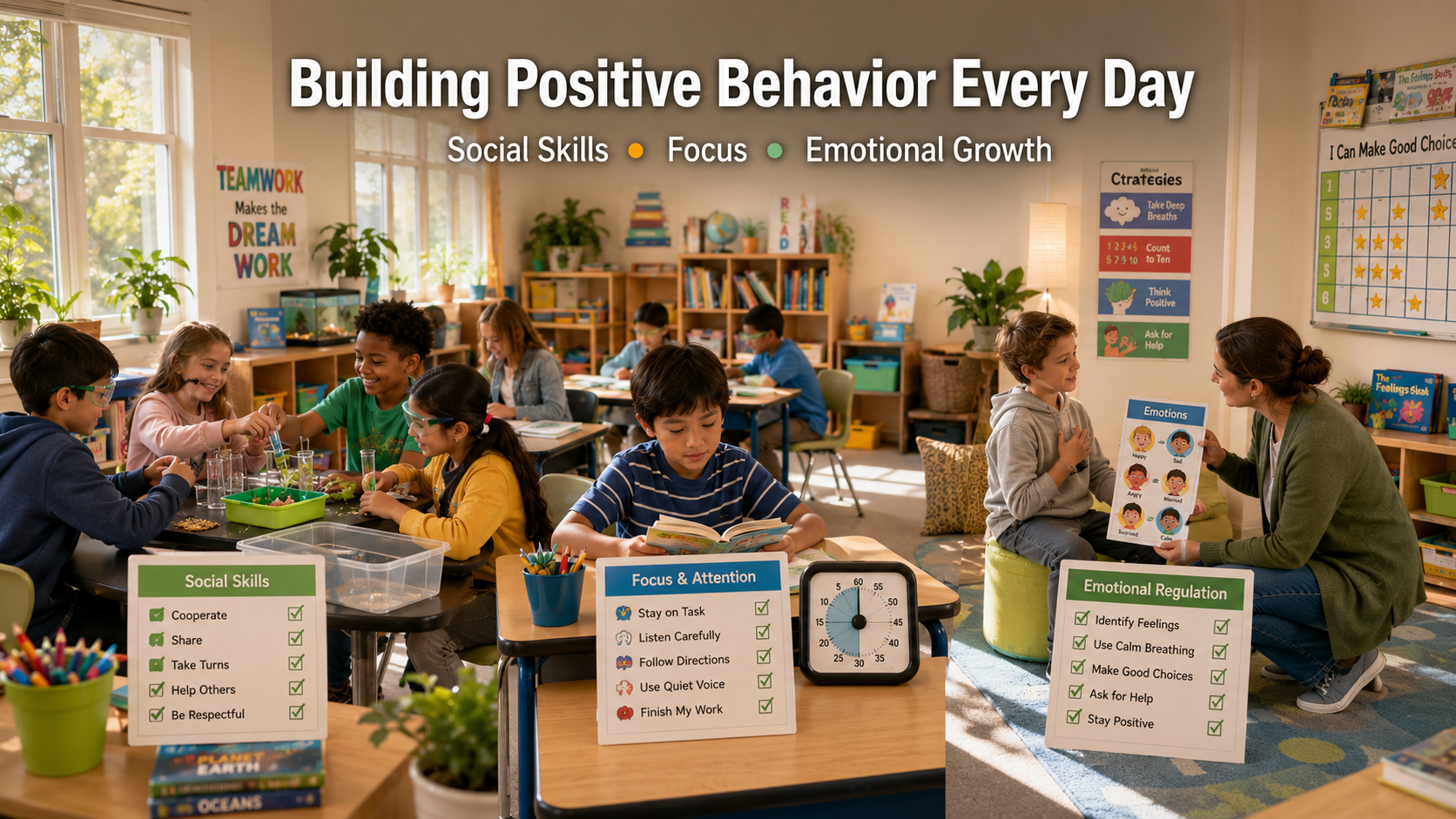
Parent-Teacher Meeting Success: A Collaborative Approach to Student Success

The relationship between home and school plays a massive role in a child’s educational journey. A Parent-Teacher Meeting serves as the primary bridge connecting these two worlds. It offers a dedicated space to discuss a student’s academic progress, emotional well-being, and social development. According to research published by the Harvard Graduate School of Education, active family engagement in schools directly correlates with higher student achievement. It also leads to better attendance and improved social skills. By transforming these brief conferences from stressful check-ins into constructive dialogues, parents and educators can build a powerful alliance. This comprehensive guide will explore how to prepare for these school conferences. We will cover what questions to ask, and how to follow up effectively to maximize your child’s potential.

Every single interaction during these sessions shapes the academic trajectory of the student. When educators and guardians share their observations, they uncover hidden patterns in the child’s learning habits. For instance, a student who struggles with focus at home might be highly organized in a structured classroom. Uncovering these nuances allows both sides to align their strategies perfectly. Ultimately, treating this meeting as a foundational cornerstone of your child’s support system creates a nurturing ecosystem. In this environment, they can thrive academically, socially, and emotionally over the long term.

Parent-Teacher Meeting Value: Understanding School Conferences

A Parent-Teacher Meeting is far more than a routine review of report cards and test scores. It is a strategic opportunity to understand the holistic development of a child within the classroom ecosystem. Teachers observe behaviors, peer interactions, and learning habits that parents rarely see at home. Meanwhile, parents understand the child’s unique personality, stressors, and passions outside of school. When these two distinct perspectives align, it creates a comprehensive support system that wraps around the student completely.

Recognizing this event as a collaborative partnership rather than a formal performance review shifts the dynamic entirely. It allows both parties to identify potential learning gaps early. They can celebrate hidden strengths and establish consistent expectations across both environments. Moreover, this dialogue demystifies classroom expectations for parents. This alignment enables them to reinforce school rules and study habits seamlessly at home. When students see their parents and teachers working in total harmony, they develop a stronger sense of accountability. This security naturally drives better behavioral and academic outcomes over time.

How to Prepare for Your Next School Conference

Maximizing the limited time during a school conference requires deliberate preparation. Walking into the classroom without a clear plan often leads to rushed conversations. These hurried chats miss critical issues entirely. To avoid this, start by gathering information at home days before the scheduled date. Review recent report cards, graded assignments, online portals, and digital teacher feedback to get a clear picture of current performance.

Next, talk to your child directly about their school experience to understand their perspective. Ask open-ended questions like, “What feels easy for you right now?” or “Is there anything you feel stuck on during class?” Their answers will highlight specific areas that require deeper discussion with the educator. Finally, set clear objectives for what you want to achieve during the conversation. Whether you are concerned about a sudden drop in math grades or looking for ways to challenge an advanced reader, setting a clear intention ensures the conversation remains focused and completely solution-oriented.

Crucial Educator Dialogues: Key Questions to Ask

Asking targeted questions helps steer the dialogue away from generic updates and toward actionable insights. Teachers appreciate parents who ask specific questions because it shows a deep investment in the child’s daily progress. To get the most out of your session, categorize your questions into distinct areas of development. For academic progress and learning styles, ask how your child performs relative to grade-level expectations. Inquire about their biggest cognitive strengths and if they display a specific learning style that works best during lessons.

For social-emotional development and behavior, ask how your child interacts with peers during unstructured times like recess. Find out whether they show resilience when facing difficult tasks. Ask how well they follow classroom rules and transitions. These targeted inquiries prevent the meeting from devolving into a simple reading of grades. Instead, they force a deeper analysis of the child’s daily reality. The answers you receive will provide a concrete foundation for any necessary adjustments at home or school.


Creating a Parent-Teacher Progress Plan for Student Growth

The most valuable outcome of any Parent-Teacher Meeting is a shared, actionable plan. Once you identify areas that need improvement or acceleration, work together with the teacher to design practical interventions. This ensures that both environments are working toward the exact same goals simultaneously. For instance, if a student struggles with reading comprehension, the teacher might offer specific decoding strategies for the classroom. Meanwhile, the parents commit to using guided reading techniques during evening study blocks at home.

HOME STRATEGIES SCHOOL STRATEGIES
• Establish a quiet study routine • Provide preferential seating
• Read together 20 minutes daily • Offer check-ins during tasks
• Use positive reinforcement logs • Supply supplemental materials

Setting measurable, realistic goals ensures that both sides can track progress accurately over the coming weeks. Write down the responsibilities assigned to each party to maintain absolute clarity. A structured approach removes ambiguity and gives the student a clear path forward. By explicitly detailing who does what, you create a system of mutual accountability. This structure significantly increases the chances of the student successfully overcoming their academic or behavioral hurdles.

Effective Follow-Up Tactics After a Teacher Consultation

The impact of a school conference relies heavily on what happens after the meeting concludes. Sustaining the momentum generated during the discussion is essential for long-term student success. Start by debriefing with your child in a positive, empowering manner as soon as you get home. Begin by praising the specific strengths and positive attributes the teacher highlighted during the session. Afterward, gently discuss the areas targeted for growth. Explain the new plan you and the teacher created together, emphasizing that the meeting occurred because everyone cares about their future.

Following this, maintain consistent communication with the school to ensure the plan is working. Send a quick email thanking the teacher for their time. Summarize the agreed-upon steps to keep a written record. Check in periodically—every few weeks—to see if the strategies are yielding positive results in the classroom, or if adjustments are needed. Continuous tracking prevents the child from slipping back into old habits. It also shows the educator you remain fully committed to the process.

Frequently Asked Questions

What is the main purpose of a Parent-Teacher Meeting?

The primary purpose of this meeting is to establish a strong, collaborative partnership between parents and educators to support a child’s holistic development. It offers a dedicated platform to discuss academic performance, behavioral traits, and social integration in a structured setting. Rather than focusing solely on letter grades, it allows both parties to share unique insights. They can identify potential learning hurdles early and celebrate individual achievements. This collaboration ensures that the student receives consistent support, encouragement, and guidance both at home and inside the classroom environment.

Furthermore, it aligns expectations perfectly. It helps parents understand the curriculum and teaching methods, which enables them to provide targeted help at home. Ultimately, the meeting creates a unified front. This alliance fosters a secure, motivating atmosphere for the student to excel. It bridges the gap between home life and the school ecosystem seamlessly.

How long do these school conferences typically last, and how can I maximize the time?

Standard school conferences are notoriously brief, typically lasting between 10 and 15 minutes per student. Because schools must accommodate dozens of families in a single afternoon or evening, time slots are strictly managed by the administration. This brief window makes advanced preparation absolutely vital for parents who want meaningful answers. To maximize this short time, arrive early at the venue. Have your top three questions written down in order of priority, and avoid spending time on casual small talk.

Focus the conversation immediately on actionable strategies rather than past mistakes. If your child has complex academic, medical, or behavioral needs that genuinely require a longer discussion, adjust your strategy. Use this brief session to touch base and formally request a separate, extended meeting at a later date when the teacher is not rushed by a tight schedule.

What should I do if the teacher shares unexpected negative feedback about my child?

Receiving unexpected negative feedback can feel deeply unsettling, but it is important to remain calm, objective, and receptive. Avoid becoming defensive or angry during the interaction. Remember that the teacher is sharing this information because they want to help your child succeed, not attack your parenting style. Listen intently without interrupting the educator. Ask for specific examples of the behavior or academic struggle to understand the context clearly.

Focus the conversation on finding tangible solutions by asking, “What steps can we take together to address this effectively?” Transforming a critique into a collaborative problem-solving session yields the best results for your child’s growth. Once the meeting ends, process the information calmly before discussing it with your child. Frame the issue as an opportunity to learn and improve rather than a reason for harsh punishment.

How can I involve my child in the conference process before and after the meeting?

Involving your child builds personal accountability, self-reflection, and self-advocacy skills from an early age. Before the conference, sit down with them in a quiet setting. Ask what they think their teacher will say, what they feel proud of, and what goals they want to set for the next term. Depending on the school’s specific policy, you might even bring older children to participate directly in a student-led conference format.

If the child does not attend the physical meeting, ensure you debrief with them thoroughly afterward. Focus heavily on the positive feedback and praises first to build their confidence. When discussing the areas of improvement, frame them as exciting opportunities to grow. Explain the support plan you and the teacher designed, ensuring the child understands their personal role in executing the strategy.

How often should these academic check-ins occur throughout the school year?

Most school districts schedule formal conferences once or twice a year, typically at the end of the first quarter or semester. However, communication regarding a child’s development should not be limited to these rigid calendar events. If your child faces ongoing academic challenges, major behavioral shifts, or significant life changes at home, you should initiate contact with the teacher proactively rather than waiting for the school.

Brief email updates every few weeks or short monthly check-ins can keep everyone perfectly aligned without overwhelming the teacher’s schedule. Establishing this consistent rhythm ensures that minor issues are caught and resolved before evolving into major academic hurdles. This proactive approach maintains a steady path toward long-term educational success for the student throughout their academic journey.

Conclusion: Driving Long-Term Academic Success

A successful Parent-Teacher Meeting acts as a powerful catalyst for a child’s academic journey and emotional development. When parents and educators approach these discussions with mutual respect, clear preparation, and an open mind, they build a formidable team centered around student growth. The insights gained during these short interactions provide a clear roadmap for tailored support, ensuring that challenges are addressed proactively and achievements are recognized properly. Education is a continuous, evolving journey that extends far beyond the four walls of a classroom.

By actively engaging in this dialogue, you demonstrate to your child that their education is a top priority, which inherently boosts their motivation and self-esteem. Consistent, collaborative communication remains the most effective tool for unlocking a student’s full potential and keeping them on the path to success. To maintain this growth outside the classroom, parents can utilize a comprehensive support learning at home guide to reinforce key skills. Make it a point to review the goals set during each conference regularly, ensuring that the strategies stay relevant as your child grows and encounters new academic milestones throughout the school year.

Behavior Remarks for Kids: Positive Teacher Guide

Empowering Growth: The Ultimate Guide to Behavior Remarks for Kids

Every educator knows that report cards are vital tools. They are much more than just a collection of grades. Consequently, they form a critical communication bridge between the classroom and the home. Finding the right behavior remarks for kids can transform a stressful evaluation. Indeed, it creates a constructive roadmap for a child’s personal and academic growth. When teachers frame feedback effectively, they help parents significantly. Furthermore, they explain a child’s social development and emotional needs clearly.

The National Association for the Education of Young Children (NAEYC) emphasizes a key point. Specifically, positive guidance and clear communication support healthy social-emotional development in early childhood. This comprehensive guide will help you craft meaningful comments. As a result, these ideas inspire improvement while celebrating every child’s unique strengths.

By using intentional language, teachers can highlight areas that need attention. Obviously, they can do this without making the student feel like a failure. This careful balancing act requires time, empathy, and deep understanding. A well-written comment does not just summarize the past few months. Instead, it sets a hopeful tone for the future.

Therefore, it helps parents see your genuine care for their child’s holistic development. It balances academic achievements with emotional growth beautifully. Over time, these written insights foster stronger relationships between families and schools. Ultimately, they build a supportive network that helps children thrive in every single aspect of school.

Why Constructive Behavior Remarks for Kids Matter

The words teachers choose have a profound impact. For example, they shape a student’s self-esteem and future classroom performance. Traditional, vague comments like “needs improvement” often cause problems. Unfortunately, they leave parents completely confused and children deeply discouraged. Conversely, well-crafted student conduct comments offer clear, actionable insights. These insights empower families to take positive steps early on.

When you write specific observations, you bridge a major gap. Thus, you connect school expectations directly with parental support at home. Parents cannot help their children improve without clear information. Clearly, they must know exactly what happens during the school day. Therefore, transparency is absolutely essential for success.

Providing balanced feedback ensures that everyone stays on the same page. Similarly, you can track behavioral milestones together accurately. When comments are constructive, they switch the focus entirely. Instead of focusing on mistakes, they move from punishment to active skill-building. This shift radically changes how a child views their learning journey.

Students begin to understand that behavior is an ongoing skill. It can be practiced and perfected over time, just like math. Moreover, detailed remarks prevent misunderstandings during parent-teacher conferences. Consequently, they create a peaceful and collaborative atmosphere for everyone involved. Ultimately, investing effort into meaningful remarks creates an inclusive classroom culture.

Formula for Writing Student Conduct Comments

Writing report card comments becomes much easier with a framework. Naturally, a reliable structure works well every single time. A balanced approach ensures that your feedback feels supportive. It should never sound purely punitive to the reader. For this reason, you can use the popular “Sandwich Method” here. This tool helps deliver your observations effectively to parents.

In practice, this strategy involves surrounding a difficult critique with genuine praise. The method helps maintain a positive relationship with the family. Meanwhile, it respects the child’s efforts completely. At the same time, it maintains high standards for classroom engagement.

  • Start with a strength: Highlight a positive trait or a unique talent. Mention a recent behavioral accomplishment to build immediate confidence.

  • State the area of growth: Clearly explain the specific behavioral challenge. Use gentle, objective language to describe the issue.

  • Provide a future goal: Offer a practical next step. The student, teacher, and parents should work on this together.

By combining these three distinct elements, you create a holistic view. Thus, you capture the student’s daily classroom experience perfectly. This formula prevents the report card from feeling like a list of complaints. Instead, it turns the document into an educational strategy.

Parents appreciate knowing what their child does well first. Specifically, they read this before learning about areas that require extra attention. Furthermore, providing a clear future goal gives families a tangible starting point. As a result, it ensures that school expectations are mirrored in the home environment. This consistency leads to maximum positive results.

Examples of Behavior Remarks for Kids by Category

To save you valuable time, here are categorized examples. You can quickly adapt these phrases for your classroom. Certainly, these pre-made comments cover a wide variety of standard scenarios. They ensure you always have the right words handy. Each category targets a specific domain of childhood development. Consequently, this allows you to address specific needs with precision.

Behavioral Category Positive Comment Example Area for Growth Example
Social Skills Cooperates well and shares willingly. Needs reminders to respect boundaries.
Focus & Attention Sustains focus during independent work. Easily distracted during transitions.
Emotional Growth Manages frustrations constructively. Benefits from guidance when upset.

Using clear examples helps maintain professional standards across all report cards. In addition, it keeps each comment distinct and tailored. When teachers use well-defined categories, they can systematically evaluate every student. Thus, they will not leave out critical social milestones.

This structure helps you remain completely objective. Furthermore, it ensures that personal biases do not cloud your professional judgment. By looking at these specific examples, you can learn to pivot easily. For instance, you can turn a negative observation into a growth-oriented statement. This transforms your entire communication style into something far more effective.

Behavior Remarks for Participation and Social Skills

Positive social interaction is critical for a thriving classroom. Therefore, it creates a collaborative environment where every student feels secure. Highlighting these skills encourages students to remain helpful community members. Moreover, it teaches them that their daily social choices matter. These choices have a direct impact on the collective happiness of their peers.

  • Demonstrates excellent leadership skills during group activities and consistently includes everyone in classroom games.

  • Treats peers with kindness, empathy, and genuine respect on a daily basis.

  • Growth Area: Is learning how to take turns during complex group conversations without interrupting others.

  • Growth Area: Benefits from gentle reminders to respect the personal space and boundaries of classmates.

When writing about social skills, emphasize the community aspect. Children are constantly learning how to navigate peer relationships. However, these dynamics can change drastically from week to week. By documenting these interactions, you give parents a clear window. Specifically, they see how their child functions within a larger social structure. This feedback helps parents guide their children through friendship difficulties. Likewise, it teaches them how to cooperate effectively with diverse personalities.

Student Conduct Notes for Focus and Attention

A student’s ability to focus impacts their long-term success. It also directly affects their daily classroom comfort. Thus, these phrases address productivity, attention span, and organizational habits directly. They help parents see the connection between focus and final grades. Undoubtedly, good work habits established early form a strong foundation for the future.

  • Consistently displays a strong work ethic and stays focused on tasks until final completion.

  • Manages independent study time wisely and always follows complex classroom routines with ease.

  • Growth Area: Struggles to maintain focus during long lectures but thrives with visual checklists.

  • Growth Area: Needs encouragement to stay on task rather than chatting with neighbors during study time.

Improving work habits requires a joint effort. Therefore, the teacher, student, and parents must work as a team. When a child struggles to focus, it is rarely an ability issue. Instead, they often just need better structural tools. By highlighting these needs, you help parents understand the solutions. For example, this allows parents to replicate successful classroom strategies at home, like breaking homework into chunks.

Behavioral Comments for Emotional Regulation

Helping children navigate big emotions is a core part of modern education. Consequently, these comments reflect emotional maturity, resilience, and adaptability. They show how well a student copes with frustration. In addition, they track reactions to sudden changes in their daily environment. Developing emotional intelligence is just as critical as hitting traditional academic benchmarks.

  • Handles unexpected changes in the daily schedule with a calm, flexible attitude and a positive mindset.

  • Expresses feelings constructively and seeks help appropriately from teachers when feeling overwhelmed.

  • Growth Area: Frequently requires adult support to resolve minor conflicts and misunderstandings during recess.

  • Growth Area: Is working on using calming strategies when faced with challenging or unfamiliar material.

Emotional growth is rarely linear. Instead, children will naturally experience setbacks as they grow. Documenting these moments with empathy shows your holistic view of the student. Thus, you do not see them as just an academic score. When parents read about these emotional milestones, it opens up valuable conversations. Furthermore, this shared focus on emotional regulation helps students build psychological resilience. Then, they can face future academic pressures with confidence.

Tips for Delivering Behavior Remarks for Kids to Parents

Sharing sensitive observations about a child’s behavior requires immense tact. Indeed, it demands professional empathy from an educator at all times. Always remember that parents care deeply about their children. Therefore, they can become highly defensive if feedback feels overly critical or unkind. To prevent this, approach the conversation as an educational partner. Remember, you are not a harsh critic.

Establishing a baseline of trust early makes a big difference. Consequently, it makes delivering tough feedback much easier when report cards arrive. First, focus entirely on observable behaviors. Avoid making assumptions about the child’s character. Instead of calling a student “disruptive,” be highly specific. For example, state clearly that they “frequently speak out of turn during quiet study hours.”

Second, position yourself as an active ally in the child’s development. Use collaborative language like “we can work together” frequently. This shows parents that you are deeply invested in their child’s ultimate success. Ultimately, this cooperative approach lowers defenses quickly. It encourages parents to implement your behavioral suggestions at home, creating a consistent routine.

Frequently Asked Questions

What are some examples of positive behavior remarks for kids?

Positive behavior remarks for kids focus heavily on a child’s strengths, social cooperation, and daily work ethic. For instance, you might write a specific comment like the following one: “Emma brings a joyful energy to our classroom community. She consistently helps her peers during daily cleanup time and models excellent behavior.” Another great option highlights different traits: “Jackson displays wonderful curiosity and always listens attentively during story time, showing great respect for his teachers.” These behavior remarks for kids reinforce good behavior effectively.

As a result, they make the child feel noticed, respected, and deeply valued. They also show parents that you appreciate their child’s unique personality traits. Consequently, this builds a strong foundation of trust between the home and school. When students see that their positive actions are recorded, they feel motivated. Therefore, they work hard to maintain those excellent habits consistently over time. Using thoughtful behavior remarks for kids throughout the school year also helps teachers document growth while encouraging children to continue making positive choices.

How do you write a remark for a child who is easily distracted?

When addressing distraction, it is crucial to remain completely objective. Teachers should be helpful rather than overly critical or dismissive. A constructive remark might read like this example. “Lucas shows great creativity in his assignments. However, he is frequently distracted by his immediate surroundings during independent work time. This slows his progress. We are currently working on using visual timers to help him stay on task.

Therefore, practicing short, focused activities at home would support this developmental goal beautifully.” This approach identifies the issue clearly for the family. Furthermore, it offers a concrete classroom solution and gives parents a practical path. It reframes the distraction as a skill that needs practice. Indeed, it is not a permanent character flaw, which keeps the tone highly supportive.

What should I write for a student who struggles with social skills?

Social struggles should always be reframed as valuable learning opportunities. Clearly, they are not permanent behavioral failures. You could write a comment like this one. “Sophia enjoys being around her classmates and genuinely wants to participate in games. At times, she finds it difficult to share toys and compromise during play. We are actively practicing taking turns during recess.

Consequently, reading books about friendship at home would be highly beneficial for her growth.” This format validates the child’s natural desire to connect with peers. At the same time, it gently points out the specific social skill needed. Thus, it shows that the school is actively coaching the student. It also invites parents to reinforce those exact same social lessons through casual storytelling.

How can teachers make behavioral feedback sound less robotic?

To make feedback sound truly human, avoid generic templates. Instead, incorporate specific, memorable anecdotes from the daily classroom routine. Mention a particular project the student thoroughly enjoyed. You can also share a specific moment where they showed exceptional kindness to a classmate. Avoid using dry, clinical educational jargon in your text.

Instead, write in a warm, professional tone that sounds like a natural, caring conversation. For example, change your phrasing slightly. Instead of writing “Student exhibits poor impulse control,” use better words. Specifically, you should say, “Oliver is full of wonderful, brilliant ideas. However, he sometimes gets so incredibly excited that he forgets to raise his hand.” This adjustment preserves the truth of the observation beautifully. As a result, it sounds like it comes from a teacher who truly knows the child.

How do you handle writing comments for severe behavioral issues?

For severe behavioral issues, the report card should never be a surprise. Surely, it must not be the very first time a parent hears about the problem. Keep the written remark professional, brief, and heavily focused on future growth. For instance, you might state something like this comment. “Nathan is capable of doing excellent work when fully engaged in the lesson.

However, he currently experiences significant difficulty following basic safety rules during recess periods. We are actively implementing a daily behavior plan in class. Therefore, I look forward to discussing our continued progress during our upcoming parent-teacher conference next week.” This keeps the official record completely professional. It avoids emotional language and focuses entirely on the structured steps being taken to fix the issue safely.

Conclusion

Crafting the perfect behavior remarks for kids requires a delicate balance. It needs honesty, empathy, and professional communication. By focusing on individual strengths, you can achieve great results. Identify clear areas for growth and provide actionable next steps. Consequently, this turns standard report cards into powerful tools for personal development. Remember that your written words have immense power. They shape how a child views their own academic capabilities and self-worth.

When parents and teachers collaborate, students feel incredibly supported. This constructive, positive communication works well both at school and at home. Keep your commentary specific, deeply personalized, and focused on future improvement. Thus, this inspires lasting, positive change in every single student. Over time, these thoughtful remarks build a detailed historical record.

They show exactly how far the child has come. As an educator, your insights guide this journey closely. Therefore, you ensure that every child receives the validation they need and the direction required to grow into confident, capable, and compassionate individuals. If you’re looking for creative ways to celebrate children’s progress and encourage hands-on learning, explore our guide on 10 Mason Jar Projects You and Your Kids Will Love for fun activities that inspire creativity and development.

Signs You’re Ready for a Senior Role

Signs You’re Ready for a Senior Role

Stepping up in your career is a massive milestone. However, it often brings self-doubt and hesitation. You might wonder if you truly have what it takes to operate at the next level. Recognizing the explicit signs you’re ready for a senior role gives you the confidence to apply for that promotion. You can also look for advanced opportunities elsewhere. According to career advancement frameworks from the Harvard Business Review, leadership capability is not about overall tenure. Instead, it relies on your day-to-day business impact, emotional intelligence, and mindset.

When you transition from mid-level to senior positions, your daily responsibilities shift dramatically. You move away from simply executing tasks given to you. Instead, you start shaping the strategy that guides other people. Understanding this shift helps you position yourself as a natural leader long before you receive an official title change. This article explores the unmistakable indicators that prove you are prepared for a senior position. It also shows how to showcase these skills to your manager during your next review cycle.

You Shift from Execution to Strategy

Mid-level professionals excel at taking a project brief and executing it flawlessly. However, a clear indicator of senior readiness occurs when you stop asking “How do I do this?” You naturally begin asking “Why are we doing this?” instead. You start to see the interconnectedness of different departments. You understand how a single project impacts the company’s financial bottom line. Senior professionals look at the bigger picture. They actively align their daily tasks with the overarching business goals of the entire organization.

If you find yourself analyzing market trends without being asked, you are operating at a higher level. This applies to suggesting workflow improvements or identifying new business opportunities too. This strategic mindset allows you to anticipate market shifts. You can pivot your team’s focus before major problems arise. You no longer view your work in a total vacuum. Instead, you see it as a vital piece of a much larger puzzle. When you consistently think about long-term sustainability rather than short-term fixes, you demonstrate great forward-thinking nature. Executives look for these exact qualities when promoting internal talent to leadership positions.

You Manage Projects and Stakeholders Independently

Autonomy in Decision-Making

When you first start your career, you naturally require regular check-ins and guidance. You need constant hand-holding from managers to avoid mistakes. As you mature professionally, this need for supervision completely fades away into true autonomy. If your manager trusts you to run high-stakes projects with minimal oversight, it shows deep professional trust. You earned this through consistent performance over time. Unexpected roadblocks are handled calmly, with risks weighed carefully and decisions made independently. Rather than constantly seeking validation from above, you rely on your own judgment. This independence proves that you can act as a reliable anchor for the team. You keep projects moving forward smoothly even when unexpected challenges disrupt your original timeline or budget.

Navigating Stakeholder Relationships

Senior roles require exceptional communication skills and a high degree of diplomacy. You often act as the crucial bridge between your technical execution team and non-technical stakeholders. If you can explain complex concepts simply, you possess the corporate maturity required for leadership. This also applies to managing client expectations realistically and negotiating tight deadlines effectively. Managing stakeholders means knowing how to handle pushback smoothly. You build consensus among competing interests and protect your team from unnecessary distractions. When you can confidently walk into a boardroom and defend your team’s strategy, you demonstrate undeniable senior readiness. You use clear data and calm reasoning to win people over.

You Naturally Mentor and Uplift Others

Leadership does not require a formal managerial title to be valid. One of the truest signs you’re ready for a senior role is when junior team members naturally turn to you for guidance. They look to you for technical help and career advice. You become the go-to person for problem-solving because you have built an excellent reputation. People know you are both knowledgeable and approachable. True seniority involves multiplying your personal impact. You make the people around you better rather than just focusing on your individual output.

When you reach this stage, you find genuine fulfillment in helping others succeed. You willingly onboard new hires and guide them through complex company processes. You review peer work with constructive feedback and share your technical knowledge freely. This elevates the entire team’s daily output. You celebrate your colleagues’ victories just as much as your own triumphs. If you actively look for ways to clear roadblocks for your team, you are performing leadership duties already. You help them grow every single day.

You Own Your Mistakes and Solve Problems

Radical Accountability

Junior employees often try to hide mistakes or minimize errors due to fear. They might shift blame to others to avoid negative consequences. Senior professionals understand that errors are inevitable in a fast-paced corporate environment. They view these moments as learning opportunities. When a project goes off track, you immediately step up. You own the mishap without making excuses. You do not dwell on the failure or look for scapegoats. Instead, you focus all your energy on finding a way to fix the situation immediately. This level of radical accountability builds immense trust with your clients, peers, and executive leadership. It proves you have the emotional maturity necessary for high-level roles.

Proactive Problem Solving

Instead of bringing complaints or problems to your manager’s desk, you bring well-thought-out solutions. When you identify a critical bottleneck in production, you present viable strategies to resolve it. You include a clear analysis of the situation. This proactive mindset alleviates immense pressure from upper leadership. It proves you can handle executive responsibility. Managers appreciate senior staff who make their jobs easier by diagnosing issues independently. You execute fixes without needing permission for every small step. By turning obstacles into structured action plans, you demonstrate great resilience. You prove that you are a fixer who can be trusted with the company’s most critical operational challenges.

You Have Comfort with Ambiguity

In a junior or mid-level position, instructions are usually clear-cut. Your supervisors define everything well. In a senior position, however, you are often handed vague objectives with no predefined path to success. For instance, an executive might ask you to “improve user retention.” They might say “optimize department efficiency” without giving you a specific playbook or checklist to follow. If you can take a messy, ambiguous goal and break it down into actionable steps, you are ready for advancement. You guide a team toward a successful outcome anyway.

Dealing with ambiguity means creating order out of chaos. It requires you to make sound decisions based on incomplete information. You adjust your strategy as new data becomes available. If you welcome these open-ended challenges as exciting puzzles, you have developed psychological resilience. You do not view them as stressful burdens. Leaders must be comfortable charting a path through unknown territory. Your ability to stay calm and focused under uncertain conditions is a clear sign. It shows you are ready to step up.

FAQ Section

How do I tell my boss I want a senior role?

Schedule a dedicated career growth meeting with your manager. Do this well ahead of your annual performance review. Instead of demanding a promotion based on tenure, frame the conversation around your measurable value. Share specific examples of how you have already contributed to business goals. Highlight how you handled senior responsibilities and mentored junior staff. Ask for clear, constructive feedback on any specific areas you still need to develop. This proactive approach shows maturity. It allows you to build a collaborative roadmap toward your promotion.

What is the biggest difference between a mid-level and senior role?

The biggest difference lies in the balance between execution, ownership, and strategy. A mid-level employee focuses primarily on executing tasks correctly under the guidance of a supervisor. They master the technical skills of their specific craft. A senior employee defines what those tasks should be. They predict potential project risks before they happen. They ensure all work aligns with the company’s long-term business goals. Senior roles trade direct execution time for strategic planning. They focus on cross-functional collaboration, mentorship, and high-level decision-making.

Can I apply for a senior position if I don’t meet all the requirements?

Yes, you absolutely can and should apply. Job descriptions are often idealized wish lists created by hiring managers. They are rarely strict checklists. If you meet roughly 70% to 80% of the listed technical criteria, you are a strong candidate. You must also demonstrate strong leadership potential, problem-solving skills, and a willingness to learn. During the interview process, emphasize your transferable skills and your strategic mindset. Share examples of times you successfully navigated ambiguity. Focus on your ability to deliver business outcomes rather than just ticking off years of experience.

How many years of experience do you need for a senior role?

There is no hard or universal rule for this timeline across industries. Many corporations look for five to eight years of experience on paper. However, capability and impact matter far more than time served. If you consistently deliver high-impact results, you can reach a senior level quickly. This is especially true if you mentor others and handle complex projects independently. Some professionals accelerate their growth by taking on high-risk projects. Others mature through specialized training. Focus on the depth of your experiences rather than just the years on your resume.

What soft skills are most important for senior positions?

Emotional intelligence, strategic communication, conflict resolution, and adaptability are the most crucial soft skills. Senior professionals must influence others without having formal authority over them. They manage workplace stress during high-stakes situations. They guide teams through organizational changes smoothly. You need to be an active listener who can synthesize different viewpoints. This helps you unite people behind a single vision. Technical skills might get you noticed initially. However, your soft skills and leadership traits ultimately secure and sustain your position at the executive level.

Conclusion

Recognizing the signs you’re ready for a senior role is the vital first step toward accelerating your career. True readiness goes far beyond your technical capabilities. The specific number of years listed on your resume matters far less. Your strategic thinking and ability to mentor others make that clear. Radical accountability and confidence when navigating highly ambiguous situations reinforce the same conclusion. These are all clear signs you’re ready for a senior role because they demonstrate leadership rather than simply strong individual performance. When you start operating with a leadership mindset, people notice. Your colleagues and managers will naturally begin to treat you as a senior leader long before the official title change occurs.

If you recognize these signs you’re ready for a senior role in your daily work, take decisive action. Document your recent major wins immediately. Gather concrete data on your financial or operational impact. After that, initiate an open conversation with your manager about your career progression. If you’re building a long-term career plan, our Careers in Finance Guide offers additional insights into career paths, growth opportunities, and advancement strategies. Do not wait for the perfect moment to arrive. Do not wait for someone to hand you an opportunity on a silver platter either. You have already built a strong professional foundation through hard work. The next step is to act on the signs you’re ready for a senior role by positioning yourself for greater responsibility and leadership. Embracing these signs you’re ready for a senior role will help you confidently pursue the opportunities you’ve already earned.

Personal Brand Career Growth: A Step-by-Step Guide

How Personal Brand Career Growth Accelerates Success

In today’s highly competitive job market, standing out requires more than just a polished resume. Developing a strategic personal brand career growth plan has shifted from being an optional marketing tactic to a fundamental professional requirement. When you intentionally define and communicate your unique value proposition, you transition from someone who actively seeks opportunities to someone who naturally attracts them. Understanding your unique professional identity is essential, and leveraging resources like LinkedIn can help you broadcast that identity to a global network of recruiters and industry peers.

This strategic approach to professional development ensures that your skills, experiences, and core values are visible to the right people. This comprehensive article explores how to define your niche, create high-impact content, and network authentically. By taking control of your professional narrative, you protect your career against market changes and build lasting professional equity. By the end of this guide, you will possess a practical, step-by-step roadmap to elevate your professional reputation and achieve long-term career advancement.

Why Professional Reputation Matters in Today’s Job Market

The modern workforce is highly dynamic, and traditional job security is evolving rapidly. Employers now seek individuals who possess specific technical expertise and display visible thought leadership within their fields. By focusing intentionally on your professional identity, you establish a digital footprint that acts as a 24/7 portfolio of your capabilities. When decision-makers search your name online, your personal brand dictates their first impression. A weak or nonexistent online presence can make you invisible to talent acquisition teams.

Conversely, a strong brand positions you as a trusted authority within your specific industry vertical, making you a passive candidate for premium roles. This visibility opens doors to exclusive projects, speaking engagements, and career opportunities that never appear on public job boards. Investing time into your professional reputation ensures you remain competitive, relevant, and highly sought after by top organizations looking for specialized talent.

Defining Your Unique Value Proposition

Before you publish content or update your digital profiles, you must clarify what you stand for. Your unique value proposition is the intersection of your skills, your passions, and current market demand. To uncover this value, consider asking yourself what specific problems you solve better than anyone else. Think about the core industries or topics that genuinely excite you and what colleagues consistently praise me for. Once you identify these core strengths, you can craft a compelling narrative that sets you apart from your peers.

This clarity prevents you from blending into a crowded market with generic descriptions. Instead, it positions you as a specialist who delivers distinct, measurable outcomes. A well-defined value proposition serves as the foundation for all your future networking conversations, content creation efforts, and resume updates, ensuring consistency across every single professional channel.

Identifying Your Target Audience

You cannot be everything to everyone, nor should you try to be. To maximize your career progression, narrow your focus to the specific group of people who can directly impact your professional trajectory. This target audience generally includes hiring managers, industry peers, potential clients, startup founders, and prominent mentors. Tailor your message directly to their pain points, organizational challenges, and professional needs.

When you speak directly to a defined audience, your insights resonate much more deeply. For example, if you want to reach tech executives, focus your content on scalability, technical leadership, and team efficiency rather than broad management theories. Understanding exactly who you are trying to reach saves you time and ensures your branding efforts yield high-value connections and relevant opportunities.

Optimizing Your Digital Footprint for Maximum Visibility

Your digital profiles serve as the digital storefront of your professional reputation. If your online profiles are incomplete, outdated, or inconsistent, your networking efforts will yield far fewer results. Recruiters verify your background across multiple platforms, so maintaining a cohesive presence is critical. Ensure that your career history aligns across all networks and matches the professional narrative you want to project.

Optimizing your digital footprint involves using clear terminology that highlights your specific expertise. This systematic optimization increases your chances of appearing in search queries when recruiters look for industry specialists. Think of your digital footprint as an ongoing reflection of your professional dedication; keeping it polished ensures you are always ready for unexpected career breakthroughs.

Transforming Your Social Profiles into Portfolios

Do not treat your social media profiles as static online resumes that simply list past duties. Instead, transform them into dynamic portfolios that actively showcase your achievements and expertise. Use a high-quality, professional headshot with clear lighting and write a compelling headline that states your exact value proposition. In your summary and bio sections, focus heavily on the concrete outcomes you deliver rather than just listing your previous daily tasks.

Example:

  • Marketing Consultant helping small businesses generate more qualified leads.
  • Career Coach helping recent graduates land their first high-paying job.
  • Financial Advisor helping families build long-term wealth.
  • Software Developer helping startups build scalable web applications.

Include links to projects you have completed, presentations you have given, or articles you have written. By embedding real evidence of your work directly into your profiles, you provide instant validation to anyone researching your background. This approach changes your profiles from boring lists of historical data into engaging, results-oriented narratives that prove your value.

Creating a Consistent Content Strategy

Content creation is the vehicle that drives your professional brand forward and expands your reach. By sharing your insights consistently, you actively prove your expertise rather than just claiming to have it on a resume. A reliable content strategy establishes you as an active participant in your industry’s ongoing conversations. To begin, establish a sustainable schedule that fits into your current work week without causing burnout.

Focus on topics where you possess genuine experience and can offer a unique perspective. Over time, your consistent output builds an archive of knowledge that demonstrates your professional growth and intellectual curiosity. This ongoing collection of work becomes a highly persuasive asset when you negotiate promotions, apply for new roles, or seek high-level business partnerships.

Choosing the Right Content Formats

Select content formats that align naturally with your personal strengths and communication style. If you enjoy deep analysis and writing, consider publishing long-form articles, case studies, or launching a regular newsletter. If you prefer speaking and visual communication, video content or podcast appearances might suit your style much better.

  • Long-form articles: Perfect for demonstrating deep technical knowledge and solving complex industry challenges.

  • Short-form posts: Ideal for daily tips, industry news commentary, and quick professional updates.

  • Visual infographics: Great for breaking down complex statistics, frameworks, or workflows into easily digestible formats.

Experimenting with different formats helps you discover how your target audience prefers to consume information. Once you identify the format that generates the highest engagement, focus your energy on perfecting that specific medium to build a dedicated professional following.

Networking Authentically to Expand Your Influence

Achieving substantial personal brand career growth relies heavily on genuine human connection and mutual respect. True networking focuses on building authentic, long-term relationships, not just collecting superficial digital contacts. Interact with other professionals by leaving thoughtful, insightful comments on their posts rather than generic compliments. Share their work with your audience when it adds genuine value and tag them to start meaningful conversations.

Over time, these small digital interactions can evolve into collaborative projects, mentorships, and exclusive career opportunities. Approach networking with a mindset of generosity by asking how you can help others before seeking favors for yourself. This supportive approach builds deep trust and establishes a strong professional support network that will naturally champion your career achievements for years to come.

FAQ SECTION

What is the first step in building a personal brand career growth strategy?

The foundational first step is defining your unique value proposition and clearly identifying your target audience. You must spend time analyzing your core strengths, technical skills, and professional passions to understand the specific problems you solve better than your peers. Once you clarify this value, determine who needs your expertise, such as hiring managers, recruiters, or potential business clients. This deep clarity ensures that all your future content creation, profile updates, and networking efforts align with your career goals. Without this initial groundwork, your branding efforts can become fragmented, confusing your audience and diluting your professional impact over time.

How much time should I invest in building my professional brand each week?

You should aim to dedicate approximately two to three hours per week to your personal branding efforts. Consistency matters much more than total volume, so it is better to spend twenty minutes a day than four hours once a month. Use this dedicated time to write high-quality posts, engage thoughtfully with industry peers, and review your digital profiles for necessary updates. This manageable routine ensures your online presence remains highly active and visible without causing professional burnout or distracting you from your primary job responsibilities. Treating branding as a consistent habit makes it a sustainable part of your career development strategy.

Can I build a personal brand if I am an introvert?

Yes, introverts can absolutely build a highly successful professional brand without changing their natural personality. You do not need to be loud or hyper-visible to make a significant impact in your industry. Introverts often excel at creating deep, written content, such as insightful articles, detailed case studies, or structured newsletters. Focus on sharing high-quality, thought-provoking ideas and engaging in meaningful one-on-one digital conversations rather than broad self-promotion. By prioritizing depth of knowledge over constant visibility, you will naturally attract the right professional opportunities, hiring managers, and mentors who appreciate your quiet authority and specialized expertise.

Which social media platforms are best for professional career growth?

LinkedIn is currently the premier platform for professional networking and career growth across almost every industry worldwide. However, the best platform ultimately depends on where your specific target audience and industry decision-makers spend their professional time. For example, creative professionals might find more value on Instagram, Behance, or Pinterest, while software engineers and data specialists often thrive on GitHub, Stack Overflow, and X. Research where the leaders in your specific field are actively publishing and engaging, and focus your primary branding energy on that platform to maximize your career visibility.

How long does it take to see tangible career results from personal branding?

Typically, you can expect to see meaningful, tangible results within three to six months of consistent effort. Early signs of progress include increased profile views, connection requests from industry peers, and higher engagement on your posts. Major career opportunities, such as inbound job offers from recruiters, speaking invitations, or consulting requests, usually develop after six to twelve months of sustained activity. Building a professional reputation takes time because it relies on establishing trust and authority within your network. View personal branding as a long-term career investment rather than a quick fix for immediate employment needs.

CONCLUSION

Executing a strategy centered on personal brand career growth is a powerful, long-term investment in your professional future. By defining your unique value proposition, optimizing your digital profiles, and sharing high-quality content consistently, you actively take control of your career trajectory. This deliberate process transforms you from a passive job seeker into a highly visible, trusted authority in your field.

Remember that authenticity remains the cornerstone of any sustainable professional identity. Stay true to your core values, engage sincerely with your community, and continuously refine your professional skills. If you’re looking to strengthen your qualifications and stand out in the job market, exploring the best professional certifications for beginners can help you build valuable skills and accelerate your career growth. As your reputation expands, new milestones, promotions, and opportunities will naturally follow. Start by updating your primary digital profile today to unlock the next chapter of your professional journey and secure your long-term career success.

State Government Jobs Guide: Ultimate Career Success

State Government Jobs Guide: Career Success in the Public Sector

Landing a stable, rewarding career often leads professionals straight toward public service. This comprehensive state government jobs guide helps you navigate the unique hiring processes of local agencies. While many job seekers focus exclusively on federal agencies or private corporations, state-level employment offers an incredible blend of local impact, robust benefits, and long-term stability. Navigating this vast landscape requires a clear understanding of civil service rules, exam structures, and specialized application portals.

Understanding how local hiring works is essential. State agencies operate entirely independently of federal systems like USAJOBS. To get started, candidates should explore resources like the U.S. government benefits and jobs portal. This portal provides a direct gateway to official state personnel departments. By learning how to match your skills against state civil service classifications, you can significantly increase your hiring potential.

This state government jobs guide breaks down everything you need to know to secure a state role. We cover the primary benefits of working at the state level, how to find official job openings, and tips for passing civil service examinations. Additionally, you will learn how to tailor your resume for automated applicant tracking systems. Whether you are a recent graduate or an experienced professional transitioning from the private sector, these insights will streamline your public sector job hunt.

Why Consider a Career in State Government?

Choosing public service at the state level provides unique professional advantages that private companies rarely match. Millions of public servants enjoy career paths that directly influence their local communities every day. Understanding these structural benefits is the first step in planning your career transition. State positions exist across diverse fields, including environmental protection, financial auditing, healthcare management, and infrastructure engineering. This variety ensures a viable path for almost every skillset.

Furthermore, state agencies operate based on legislative budgets rather than unpredictable market volatility. Consequently, state employees rarely face sudden layoffs due to corporate downsizing, stock market fluctuations, or shifting retail trends. This predictable environment allows for long-term career planning and unmatched peace of mind for you and your family. If you value knowing your job will be there tomorrow, the public sector remains one of the safest bets in the modern workforce.

Additionally, state employment is famous for its robust benefits packages that often outweigh the base salary numbers. Most agencies offer traditional pension plans, excellent health insurance coverage with low premiums, and generous paid time off. Many states still offer defined-benefit pension plans. These plans ensure guaranteed lifetime income during your retirement years. Premium costs for state employees remain heavily subsidized compared to private-sector plans, leaving more money in your paycheck. Standard 40-hour workweeks, strict overtime regulations, and observed holidays promote a healthy personal life. These policies allow you to enjoy your time away from the desk without burnout.

How to Find Authentic Public Sector Openings

Finding legitimate openings is a critical step in this state government jobs guide. Shunning third-party job boards will save you time. It also protects you from outdated listings or employment scams. Every state maintains a centralized human resources website where all active vacancies appear. For example, California uses CalCareers, while Texas utilizes the WorkInTexas portal. Always ensure the website URL ends in a .gov extension to verify its authenticity before submitting any personal documents.

Understanding civil service classifications is equally vital before you begin your search. Government jobs belong to specific classifications based on required experience, education, and duties. Reviewing these public classifications helps you determine your exact eligibility before spending hours filling out an application. Positions generally fall into competitive roles that require an exam or non-competitive roles filled through traditional interviews. Knowing which category your target job matches helps you plan your preparation timeline effectively.

Moreover, many state agencies offer automatic notification systems for job seekers. By creating an account on the state’s official talent portal, you can set up alerts for specific job families or departments. This proactive approach ensures you receive an email the moment a relevant opening goes live. Because government job postings often have strict, short closing windows, receiving these instant alerts gives you an advantage over candidates who check the boards manually.

Mastering the Application and Exam Process

Applying for public sector roles requires strict attention to detail and adherence to formatting guidelines. Unlike private companies that accept quick resumes, state agencies use highly structured evaluation methods. State recruiters use rigid checklists to screen applicants during the initial round. Your resume must explicitly echo the keywords found in the job posting’s “Minimum Qualifications” section. If a description requires “three years of budgetary analysis,” use that exact phrase in your work history. Do not use a creative synonym.

Many state roles require passing a civil service examination to prove your basic competency. These tests evaluate general skills like reading comprehension, data analysis, basic mathematics, and situational judgment. Fortunately, this state government jobs guide emphasizes preparation. Many state HR departments publish free study guides and practice tests on their official websites. Spending time with these resources ensures you understand the specific testing format, reducing anxiety on test day.

After HR scores the exams, candidates enter an eligibility list based on their performance. Agencies are often legally required to interview only the top candidates from this ranking system. Therefore, achieving a high score on the test is just as important as having a great resume. Understanding this structured merit system prevents surprises and helps you focus your energy on exam preparation.

Navigating the Interview and Background Check

Once your application passes the initial screening and testing phases, you will enter the final evaluation stages. Government interviews use highly structured Formats to ensure fairness and transparency for all applicants. State interviews typically feature a panel of three to five supervisors who ask predetermined questions. Every candidate receives the exact same questions. Panelists score responses using a standardized rubric. To excel in this environment, use the STAR method (Situation, Task, Action, Result) to provide factual answers that match their scorecard.

Following a successful interview, you will receive a conditional job offer. This offer remains contingent on passing a background check. Securing a state position routinely involves a comprehensive investigation due to the public trust involved. Depending on the department, this process may include criminal history verification, credit checks, professional reference validation, and fingerprinting. This thorough screening ensures that public funds and sensitive citizen data remain in safe hands.

Honesty is absolutely crucial during this final phase of the hiring process. Omitting past indiscretions, misrepresenting employment gaps, or inflating past job titles will trigger permanent disqualification. State investigators verify your background with extreme care. They compare your statements against official records. Being transparent about your history shows integrity, which remains the most valued trait in public service.

FAQ SECTION

How long does the state hiring process usually take from application to onboarding?

The state government hiring process typically takes between two and six months from the initial application deadline to your official first day on the job. Government agencies must adhere to strict civil service regulations, legal background verifications, and structured panel scoring systems to ensure complete transparency. These steps guarantee absolute fairness for all applicants but inherently slow down the timeline compared to the private sector. Human resource departments must meticulously score every assessment, verify veteran preferences, and clear multi-tiered administrative approvals before extending official offers. Candidates should remain patient, monitor their online application portal status weekly, and avoid quitting their current job until a formal, written final offer letter arrives. Using this waiting period to gather transcripts or professional references can accelerate the final onboarding steps once you receive that crucial selection notification.

Do all state government jobs require a written civil service examination?

No, not all state positions require a written civil service examination. While administrative, law enforcement, and clerical roles frequently demand structured testing, many professional, technical, and healthcare roles do not. These testing exemptions typically apply to non-competitive positions. For these roles, human resource specialists score applicants solely on their submitted education transcripts, professional certifications, work history, and interview performance. Always read the selection process section of the job posting carefully, as it explicitly states whether you need to register for a physical exam, complete an online assessment, or simply submit a standard application packet. Many agencies are actively moving away from traditional written exams for high-demand specialized fields, relying instead on comprehensive background evaluations and rigorous panel interviews to measure technical competence and cultural fit.

Can I apply for a state job if I currently live in a completely different state?

Yes, you can generally apply for state positions while residing elsewhere, but you must carefully check the specific residency requirements listed on the job posting. Some states give strict legal preference to local residents during the hiring process, or they may require you to establish legal residency within a specified period after accepting the job offer. Additionally, state agencies rarely reimburse travel expenses for out-of-state applicants traveling for interviews, so you should prepare to handle these logistics yourself or proactively request a virtual panel interview if the hiring agency allows it. Understanding these geographical conditions early prevents surprises and ensures you focus your job hunt on states that actively welcome out-of-state talent and offer realistic timelines for relocation.

What is the exact difference between competitive and non-competitive positions?

Competitive positions require applicants to pass a standardized civil service exam or objective evaluation process. This process places them on a formal hiring eligibility list ranked by score. The hiring agency is legally mandated to choose exclusively from the top-scoring candidates on this list, ensuring a strict merit-based selection. Conversely, non-competitive positions do not require a formal written examination. Instead, hiring managers select qualified candidates based on traditional job applications, comprehensive resumes, and structured interviews. Non-competitive roles are often specialized positions requiring specific professional licenses, such as attorneys, civil engineers, or medical doctors, where their advanced degrees and board certifications already prove their technical capability to perform public duties safely.

Are state government benefits truly better than private sector benefits packages?

State government benefits are frequently superior to private sector offerings regarding healthcare premiums, retirement security, and paid time off. While private corporations might offer higher starting base salaries, state agencies offset this with guaranteed pension plans, low-cost medical insurance, and strict adherence to a healthy work-life balance with ample holiday leave. Over a full career, the cumulative value of a state pension, comprehensive dental and vision care, and matching deferred compensation plans often provides greater total financial security than a volatile private-sector salary. Furthermore, public sector employees enjoy robust job protections and predictable salary step increases, making the total compensation package highly competitive when evaluated through a long-term financial lens.

CONCLUSION

Navigating the public sector hiring system requires patience, precision, and a highly strategic approach. As outlined throughout this state government jobs guide, securing a public career involves identifying official portals, decoding civil service classifications, and precisely aligning your resume with minimum qualifications. While the timeline from application to onboarding is often longer than what you experience in the private market, the long-term rewards are well worth the effort. State employment provides an unparalleled combination of job security, community impact, and robust retirement benefits that can anchor a lifelong career.

By treating the application process as a series of structured steps, you can eliminate the guesswork and position yourself as a top-tier candidate. Understanding the nuances of panel interviews and background checks prepares you to face the final hurdles with confidence and transparency. If you’re looking for a comprehensive roadmap to improve your preparation strategy, check out our Government Job Preparation Guide, which covers essential tips for exam preparation, application planning, and interview success. Public service allows you to use your professional talents to improve infrastructure, health, and safety within your region. Take the first step today by visiting your local state’s official personnel website, setting up an automated applicant profile, and reviewing the current civil service examination schedules for your specific field. Consistent preparation remains the ultimate key to transforming your public sector career aspirations into a secure, rewarding professional reality.

Types of Doctors and Their Specialties: A Complete Guide

The Ultimate Guide to Types of Doctors and Their Specialties

Navigating the modern healthcare system can feel deeply overwhelming, especially when you do not know which medical expert to consult. Consequently, understanding the various types of doctors and their specialties is absolutely essential for your long-term well-being. This knowledge helps you receive the right care at the right time while simultaneously minimizing diagnostic delays. Furthermore, learning about these fields avoids unnecessary medical costs. You might need a routine preventative checkup, or perhaps you require treatment for a complex systemic condition. Ultimately, knowing exactly who to turn to saves valuable time and ensures significantly better health outcomes. To learn how medical training shapes these fields, you can review the educational frameworks outlined by the Association of American Medical Colleges. This comprehensive guide breaks down the primary medical branches so you can make informed decisions about your health journey.

Choosing the right healthcare professional involves a lot of care and deliberate research. Therefore, you should not just randomly pick a name from your insurance directory. Because different medical fields require completely distinct residency programs, doctors undergo wildly different training tracks. They must also complete multi-year fellowships, strict board certifications, and thousands of clinical hours. As a result, physicians develop highly targeted, deep expertise. This intensive training allows them to spot subtle nuances in complex medical tests that a generalist might easily miss. Thus, this article provides an extensive overview of the most common types of doctors and their specialties. We will detail exactly what these highly trained physicians treat on a daily basis. Finally, we explain precisely when you should schedule an appointment with them to optimize your recovery.

Primary Care: Your First Line of Defense

Before exploring specialized medicine, you must thoroughly understand primary care. Primary care physicians manage your day-to-day health by handling essential preventative screenings. Moreover, they administer routine vaccinations and treat common acute illnesses. These practitioners act as the crucial gatekeepers to specialized healthcare. In addition, they coordinate your care across multiple clinics and translate complex medical jargon into understandable terms. Establishing a long-term relationship with a primary care provider is undeniably smart. Indeed, it drastically reduces your risk of hospitalization because they catch chronic health issues early. Consequently, they treat problems before they escalate into severe emergencies.

Family Medicine Physicians

Family medicine doctors are uniquely trained to care for patients of all ages and life stages. Their scope extends from newborn infants all the way to geriatric seniors. Furthermore, they possess a remarkably broad scope of medical knowledge. This allows them to perform routine exams and minor skin surgeries under one roof. These physicians are also experts at managing long-term, chronic conditions like hypertension and type 2 diabetes. Similarly, they track your extended family health history to identify hereditary risks. Because they treat whole generations, they offer deeply personalized care. They carefully take your lifestyle, home environment, and social dynamics into account.

Internal Medicine Doctors

These dedicated physicians focus their medical practice exclusively on adult medicine. Often, they go by the name of internists. They undergo rigorous training that prepares them to unravel puzzling diagnostic mysteries. Additionally, they manage severe multi-system illnesses. Internists routinely treat patients who present with multiple overlapping chronic conditions. For this reason, these doctors frequently work in both outpatient clinics and hospital settings. They manage everything from severe respiratory infections to complex autoimmune flare-ups. If you are an adult with a complicated medical history, an internist is ideal. They provide the deeply analytical oversight needed to protect your health.

Pediatricians

Pediatricians specialize entirely in the physical, emotional, and behavioral health of children. This vital care extends from birth through young adulthood. However, children are not merely miniature adults. Their bodies grow, metabolize medications, and react to illnesses in completely unique ways. Therefore, young patients require a specialized developmental understanding. Pediatricians closely monitor vital growth charts while tracking crucial behavioral milestones. Meanwhile, they administer childhood immunizations and diagnose conditions like ADHD, asthma, or developmental delays. They provide a safe environment for concerned parents by offering essential guidance on nutrition and safety.

Exploring Major Medical Fields and Physician Roles

Sometimes a primary care physician uncovers a specific health issue during a routine exam. If it requires advanced equipment, they will promptly refer you to a specialist. Specialist physicians dedicate their entire careers to mastering one specific organ system. Alternatively, they study a single disease category within the human body. Learning about these specific types of doctors and their specialties empowers you as a patient. It also helps you understand the deeper mechanics of your own body.

Cardiovascular Experts: Cardiologists

Cardiologists focus their entire medical practice on the human heart and the expansive network of blood vessels. For instance, you might experience persistent high blood pressure or elevated cholesterol levels. You might also have unexplained chest pain, shortness of breath, or irregular heart rhythms. In these cases, a cardiologist will perform advanced diagnostic testing to pinpoint the issue. They utilize sophisticated tools like echocardiograms and stress tests. However, cardiologists manage heart disease primarily through lifestyle changes and targeted medications. If your condition requires open-heart surgery, they will coordinate directly with a cardiothoracic surgeon.

Brain and Nervous System Experts: Neurologists

Neurologists treat intricate disorders affecting the brain and spinal cord. Furthermore, they treat peripheral nerves and muscles throughout the body. You should consult a neurologist if you experience chronic debilitating migraines. Likewise, you should see them for unexplained numbness, persistent dizziness, or epilepsy. They also manage stroke symptoms and degenerative diseases like Parkinson’s and Alzheimer’s. To do this, they utilize detailed neurological exams and nerve conduction studies. They also use advanced neuroimaging like MRIs to map out structural problems. Consequently, neurologists must work with extreme precision to preserve your mobility.

Digestive Health Specialists: Gastroenterologists

Gastroenterologists focus their specialized expertise on the entire digestive tract. This includes the esophagus, stomach, small intestine, and colon. Additionally, they treat the liver, gallbladder, and pancreas. They diagnose common yet disruptive conditions such as chronic acid reflux and irritable bowel syndrome (IBS). Moreover, they manage Crohn’s disease, ulcerative colitis, and chronic liver diseases. These specialists perform essential screening procedures like colonoscopies and endoscopies. As a result, they detect precancerous polyps and internal inflammation early. A gastroenterologist provides the targeted diagnostic approach required to restore your gut health.

Cancer Care: Oncologists

Oncologists specialize in the highly complex field of cancer care. They handle diagnosing, staging, and treating various forms of malignancies. Because cancer care requires a collaborative approach, this field divides into three main sub-specialties. First, medical oncologists lead the treatment plan using systemic therapies like chemotherapy and immunotherapy. Second, surgical oncologists specialize in physically operating on the body to remove localized tumors. Third, radiation oncologists utilize precisely targeted, high-energy X-ray beams to destroy cancer cells. Together, they work as a unified team to maximize patient survival.

Surgical Specialties and Interventions

Many medical specialists manage illnesses through lifestyle changes and long-term pharmaceutical interventions. However, certain medical paths focus primarily on manual and operative procedures. These doctors use surgery to treat severe injuries and diseases.

General Surgeons

General surgeons possess an incredibly broad, versatile knowledge of surgical interventions. They focus their operative expertise primarily on the abdominal organs and soft tissues. Therefore, they regularly perform critical emergency surgeries and elective procedures. These include operations for appendicitis, painful hernias, gallbladder disease, and severe bowel obstructions. General surgeons are also experts in managing surgical critical care. They understand exactly how the human body responds to the physical trauma of an operation. Consequently, they ensure proper post-operative wound healing while working closely with your primary care team.

Orthopedic Surgeons

Orthopedic surgeons specialize in the comprehensive diagnosis and surgical treatment of the musculoskeletal system. They also handle the rehabilitative care of this system. This expansive network includes your bones, joints, ligaments, tendons, and muscles. If you require a total knee replacement due to arthritis, an orthopedist can help. Similarly, they treat traumatic sports injuries like a torn ACL or fractured bones. Many orthopedic surgeons further sub-specialize in specific areas like spine surgery or hand surgery. As a result, they utilize advanced minimally invasive arthroscopic techniques to minimize patient downtime.

Dermatologists: Skin, Hair, and Nails

Dermatologists balance complex medical science, delicate surgical procedures, and elective cosmetic treatments. They manage the health of your skin, hair, and nails. Because the skin is the body’s largest organ, dermatologists treat an enormous variety of conditions. These range from severe cystic acne and stubborn psoriasis to life-threatening melanomas. They are trained to perform full-body skin cancer screenings. Furthermore, they execute precise surgical excisions to remove atypical moles or cysts. They provide expert guidance on sun protection, anti-aging regimens, and chronic skin conditions to maintain skin integrity.

Mental Health and Behavioral Specialists

Physical health and psychological well-being are deeply interconnected. This is why specialized behavioral medical doctors are an indispensable component of comprehensive healthcare.

Psychiatrists

Psychiatrists are fully licensed medical doctors who specialize specifically in the complex field of mental health. They hold either an MD or a DO degree. Because they undergo full medical school training followed by a specialized psychiatric residency, they possess a deep understanding of body chemistry. They know exactly how physical illnesses, genetics, and brain chemistry interact with mental well-being. This medical background allows them to prescribe psychiatric medications and order blood tests. Thus, they treat conditions like clinical depression, anxiety disorders, bipolar disorder, and schizophrenia. They often combine medication with evidence-based psychotherapy.

Understanding Different Fields: A Quick Reference

If you’re unsure which specialist to see, understanding the types of doctors and their specialties can make the decision much easier. Use this quick reference to learn what each medical specialty focuses on and when you should consider seeing that type of doctor.

Medical Specialty Primary Focus Common Conditions Treated
Cardiology Heart and blood vessels Hypertension, arrhythmias, chest pain
Neurology Brain and nervous system Migraines, stroke, epilepsy, Parkinson’s
Gastroenterology Digestive tract and organs Acid reflux, IBS, Crohn’s disease
Dermatology Skin, hair, and nails Acne, psoriasis, skin cancer screenings
Psychiatry Mental and behavioral health Depression, anxiety, bipolar disorder

FAQ SECTION

What is the exact difference between a neurologist and a neurosurgeon?

A neurologist is a medical specialist who diagnoses and treats complex disorders of the nervous system. They use non-surgical, conservative methods such as targeted pharmaceuticals, lifestyle modifications, and physical therapy. Furthermore, they manage chronic, long-term conditions like debilitating migraines, multiple sclerosis, Parkinson’s disease, and epilepsy. Conversely, a neurosurgeon is an operative specialist who provides surgical interventions. They fix structural defects, physical traumas, and tumors affecting the brain and spinal cord. If a patient presents with persistent numbness, a neurologist will run diagnostic tests like MRIs. However, if those tests reveal a large brain tumor that requires immediate physical removal, the neurologist refers the patient to a neurosurgeon. This distinct division ensures that patients receive the most appropriate care for their specific nerve issues.

When should I see a specialist instead of my primary care doctor?

Understanding the types of doctors and their specialties helps you know when a specialist is necessary instead of a primary care physician. You should always consult your primary care doctor first for any new, unexplained, or general health concerns. As one of the most important types of doctors and their specialties, primary care physicians evaluate your symptoms, perform physical exams, order routine blood tests, and provide an initial diagnosis.

If your condition is rare, highly complex, or does not improve with standard treatment, your primary care doctor will refer you to the appropriate specialist. Knowing the different types of doctors and their specialties makes it easier to understand why a referral is needed and which expert is best equipped to manage your condition. For example, mild, occasional knee pain can often be treated by a primary care physician. However, if the joint cartilage has worn away and you need a total knee replacement, your doctor will refer you to an orthopedic surgeon.

What does an endocrinologist do on a daily basis?

An endocrinologist is a highly specialized physician who focuses entirely on the complex endocrine system. This system regulates your body’s vital hormones and metabolic processes. Hormones are powerful chemical messengers. Consequently, they control your metabolism, growth, reproductive development, sleep cycles, and internal energy levels. When your endocrine glands produce too much or too little of a specific hormone, it causes serious systemic illness. These glands include the thyroid, pancreas, adrenals, and pituitary gland. Therefore, endocrinologists frequently treat patients dealing with diabetes, thyroid nodules, chronic infertility, and bone diseases like osteoporosis. They utilize detailed, time-sensitive blood tests to track minute hormone fluctuations. Then, they prescribe highly targeted hormone replacement therapies or corrective medications. This careful medical management works to restore your body’s natural chemical balance safely.

Are all surgeons considered specialists in the medical field?

Yes, absolutely all surgeons are considered highly trained specialists within the modern medical ecosystem. After successfully graduating from four years of general medical school, a doctor cannot simply perform surgery. Instead, they must match into a rigorous surgical residency program. This training lasts anywhere from five to seven years. During this intense residency, they drop general medical management. Furthermore, they focus entirely on learning sterile techniques, complex anatomy, manual dexterity, and operative procedures. Even general surgeons are highly specialized experts. They focus on complex abdominal surgeries, trauma interventions, and soft tissue removals. Furthermore, many surgeons choose to complete additional multi-year fellowships. This allows them to sub-specialize even further in highly competitive, narrow fields. Examples include pediatric cardiothoracic surgery, microvascular reconstructive surgery, or surgical oncology.

What is the primary clinical role of a pulmonologist?

A pulmonologist is a dedicated medical specialist who focuses their entire clinical practice on the respiratory system. This vital system includes your lungs, bronchial airways, trachea, and the complex respiratory muscles that allow you to breathe. You will typically be referred to a pulmonologist by your primary care provider. Usually, this happens if you suffer from severe, chronic, or progressive respiratory distress. It is especially necessary if your breathing issues do not respond to standard inhalers. Pulmonologists routinely diagnose and manage complex, life-threatening conditions. These include severe refractory asthma, chronic obstructive pulmonary disease (COPD), pulmonary fibrosis, cystic fibrosis, and severe obstructive sleep apnea. They utilize advanced diagnostic tools like pulmonary function tests, bronchoscopies, and chest CT scans. These tests evaluate your lung capacity and optimize your respiratory function.

CONCLUSION

Finding your way through the modern healthcare landscape becomes significantly simpler once you understand the various types of doctors and their specialties. Every medical field serves a unique and vital purpose in protecting your well-being. This ranges from the comprehensive care offered by family medicine physicians to the highly targeted interventions delivered by cardiologists. The same applies to neurologists and oncologists. Recognizing these distinct medical paths allows you to advocate for your own health more effectively. It helps you understand the true purpose of your diagnostic tests. Moreover, it empowers you to ask deeply informed questions during your clinical consultations.

Always remember that your primary care physician remains your most valuable and trustworthy healthcare resource. These professionals are essential when navigating complex medical decisions. They help interpret confusing symptoms, provide foundational treatments, ensure your medications do not conflict, and connect you with trusted specialists when advanced care becomes necessary.

By building a strong, open relationship with a primary care provider, you protect your long-term health and make future medical decisions easier. Understanding where specialists fit into your overall care plan ensures a safer, smoother, and more efficient healthcare journey. If you’re also exploring career opportunities in the medical field, check out our complete guide to careers in healthcare to learn about the many roles that support modern patient care.

If you are currently experiencing new or unexplained symptoms, schedule an appointment with your primary care doctor today. Taking this first proactive step can lead to a faster, more accurate diagnosis and better long-term health outcomes.

How to Build Experience Before Your First Job

How to Build Experience Before Your First Job

Landing your entry-level role can feel like a classic catch-22 situation. Most employers want to hire people with practical skills, but you need a role to develop those skills in the first place. Fortunately, you can learn how to build experience before your first job by taking control of your own professional development. Platforms like Coursera offer accessible pathways to learn industry skills, proving that you do not need a corporate title to start growing your portfolio. Stepping into the professional arena requires initiative and a strategic mindset. Today, companies value tangible proof of ability over a simple list of university courses. By actively seeking out alternative ways to practice your craft, you close the gap between academic theory and real-world execution.

This guide breaks down actionable, proven strategies to stack your resume with meaningful projects. Whether you want to break into tech, marketing, finance, or design, these methods will help you catch a recruiter’s eye. We will explore freelancing, open-source contributions, passion projects, and strategic networking so you can kickstart your career with confidence. Taking the initiative early demonstrates high emotional intelligence, professional maturity, and dedication. These traits are highly attractive to modern hiring managers who look beyond traditional benchmarks. By applying the steps in this comprehensive article, you will transform yourself from a passive applicant into a proactive candidate. You will possess real assets that prove your capabilities instantly, giving you a competitive edge over your peers.

The Catch-22: Why Entry-Level Jobs Require Experience

The job market has shifted dramatically over the last decade, creating unique challenges for recent graduates and career changers. Today, “entry-level” rarely means “zero knowledge,” as companies try to reduce onboarding times. Employers face high training costs, so they prefer candidates who can hit the ground running immediately. Consequently, job descriptions often ask for one to two years of experience, even for junior roles. This reality can feel disheartening when you are searching for your initial break. However, understanding this systemic shift allows you to adjust your strategy to align with modern hiring preferences.

Instead of feeling frustrated by these steep requirements, you can view this landscape as an invitation to build experience before your first job. Employers do not just value formal corporate history; they value the practical application of skills to real-world problems. If you can prove you know how to build systems, manage budgets, or write compelling content, you bypass traditional gatekeepers. Taking charge of your own skill development shows immense leadership potential, which recruiters appreciate. You show that you are resourceful and capable of self-directed progress. This mindset shifts the dynamic from waiting for an opportunity to actively building one, allowing you to enter interviews with absolute confidence.

5 Practical Ways to Gain Industry Skills Independently

You do not need a boss to give you permission to start working on your professional development. By leveraging digital platforms and community resources, you can engineer your own career advancements independently. Here are five powerful methods to build professional capabilities on your own terms and establish your foundational expertise.

1. Launch a Dedicated Passion Project

A passion project is a self-directed venture that solves a specific problem while showcasing your deep technical abilities. For a software developer, this could be building a fully functional mobile application that fills a niche market gap. For a marketer, it might mean growing a niche Instagram page to ten thousand followers using advanced analytics tools. First, identify a real-world problem or a tool you wish existed in your daily life. Next, document the entire development journey, noting every roadblock, technical choice, and creative breakthrough you encounter. Finally, showcase the results clearly on your website, treating this project with the same respect as a corporate client asset. This process proves you have the grit to take an abstract idea from conception to execution.

2. Dive Into Freelancing and Micro-Internships

Freelancing platforms allow you to take on small, low-risk assignments that build immediate professional credibility. These micro-tasks provide immediate exposure to client communication, strict project deadlines, scope management, and professional constraints. Platforms like Upwork or Fiverr offer a massive global marketplace where you can bid on entry-level gigs tailored to your current skillset. Even small projects show recruiters that you understand the business dynamics of freelancing and client relations. You quickly learn how to handle revisions, negotiate pricing, deliver work under pressure, and manage expectations. Over time, these small contracts accumulate into a diverse portfolio that demonstrates clear adaptability and business acumen across multiple industries.

3. Contribute to Open-Source Initiatives

If you are entering the technology space, contributing to open-source software is an incredibly valuable strategy. When you submit code to public repositories, your work undergoes rigorous peer review by experienced global developers. This practice simulates a real software engineering environment, complete with version control systems like Git. It proves conclusively that you can collaborate with distributed teams, read complex existing codebases, and write clean documentation. Recruiters love open-source contributions because they provide public, verifiable proof of your technical skills and communication style. You can easily highlight these contributions on your resume, providing direct links to your accepted code pull requests.

4. Secure Volunteer Opportunities with Local Non-Profits

Charities and local non-profits frequently operate on shoestring budgets and welcome enthusiastic assistance. They desperately need help with web design, social media management, bookkeeping, fundraising outreach, or event coordination. Volunteering allows you to take on significant responsibilities that a corporate internship might deny a beginner. You gain genuine authority, execute strategy, and manage large initiatives while actively giving back to your community. This pathway provides you with tangible outcomes to talk about during your interview process, such as increasing donations or redesigning an outdated portal. Furthermore, it demonstrates excellent moral character and civic engagement, which align beautifully with corporate social responsibility values.

5. Build a Compelling Digital Portfolio

A digital portfolio acts as visual evidence of your capabilities, acting as a personal marketing hub. Instead of simply telling a hiring manager you can design websites or analyze data, you show them live links. Your digital portfolio should highlight your best work, detail your creative process, and outline the quantitative results achieved. Use case studies to explain the “why” behind your design or technical decisions, rather than just showing the end product. Make sure the site is easy to navigate, mobile-friendly, and contains clear contact paths for prospective employers. A polished portfolio immediately sets you apart from candidates who rely entirely on a standard text resume.

How to Format Unconventional Experience on Your Resume

Once you have gathered these real-world skills through independent channels, you must present them effectively on paper. Many candidates make the mistake of hiding their freelance work or volunteer projects at the bottom of the page. Instead, give these experiences the spotlight they deserve by treating them as legitimate professional milestones.

Treat Self-Directed Projects Like Employment

Structure your passion projects, open-source work, or freelance business exactly like a corporate job on your document. Use a professional title such as “Freelance Web Developer” or “Project Lead” to anchor the entry clearly. Include bullet points that focus on your achievements, the specific tools you used, and the measurable impact of your actions. Start each description with strong action verbs like “engineered,” “designed,” “led,” or “optimized” to convey authority. Whenever possible, include hard numbers, such as conversion rates or user metrics, to ground your work in reality. This presentation style signals to recruiters that your non-traditional experience carried real corporate weight and professional responsibility.

Emphasize Your Transferable Skills

Technical abilities are only half the battle when trying to catch the eye of a modern recruiter. Employers actively seek out soft skills like time management, communication, stakeholder collaboration, and problem-solving maturity. When describing your independent projects, highlight how you managed client feedback or overcame significant technical roadblocks on your own. Explain how you prioritized tasks when balancing multiple micro-internships or volunteer obligations alongside your academic schedule. Showing that you possess the emotional intelligence to navigate complex project lifecycles makes you a safer hire. It convinces managers that you will integrate seamlessly into their existing team dynamics without requiring constant supervision.

Networking Strategies to Get Your Foot in the Door

Sometimes, who you know accelerates your career faster than what you know, opening doors that seemed permanently shut. Building a professional network introduces you to hidden opportunities before they ever hit public job boards, giving you a distinct advantage.

Leverage LinkedIn Effectively

Optimize your LinkedIn profile to reflect your target industry by updating your headline, about section, and skills list. Share frequent updates about your passion projects, comment on insights from industry leaders, and connect with peers in your niche. When you reach out to professionals, ask for career advice rather than immediately asking for a job opening. Informational interviews are incredibly effective because they allow you to learn from experts without triggering their defensive gatekeeping instincts. Over time, these casual conversations can naturally evolve into mentorships or lead directly to internal job referrals. Consistency on the platform builds your personal brand, making you visible to recruiters searching for fresh talent.

Attend Industry Meetups and Webinars

Look for local meetups, community workshops, or global virtual conferences related to your chosen field of study. These events allow you to mingle with practicing professionals and hiring managers in an informal, low-pressure setting. Listen closely to their current industry challenges, ask insightful questions, and collect business cards or LinkedIn connections. Always follow up within twenty-four hours with a polite message thanking them for their time and referencing your conversation. Building these professional relationships outside of the standard application portal humanizes you, turning you into a memorable face rather than a resume. Networking is a long-term investment that builds social capital, which pays massive dividends throughout your career.

FAQs About Gaining Experience Before a Career Launch

Can I include self-taught skills on my resume if I want to build experience before your first job?

Yes, you can absolutely include self-taught skills on your resume when you aim to build experience before your first job, provided you back them up with proof. Do not just list tools like Python, Photoshop, or Google Analytics in a vacuum without context. Connect those skills directly to tangible, live projects you have built independently during your learning journey. If you taught yourself data analysis, write a detailed section about the specific public dataset you cleaned and visualized. This approach shifts the recruiter’s focus from theoretical knowledge to practical execution, proving you can deliver value immediately. Employers care far more about what you can build with a tool than the formal institution where you learned to use it. By framing self-taught skills through the lens of completed projects, you demonstrate immense initiative, resourcefulness, and discipline.

How do I find open-source projects to contribute to?

Finding open-source projects is simple if you utilize the right digital platforms and filtering tools available online. Websites like GitHub, Good First Issue, CodeTriage, and Up For Grabs aggregate software tasks specifically curated for industry beginners. Look for repository issues explicitly labeled “documentation,” “bug fix,” or “good first issue” to ease your way into the codebase safely. Read the project’s contribution guidelines and code of conduct carefully before submitting your first public pull request. Over time, you can take on more complex coding challenges, which will strengthen your public profile and impress engineering managers. Contributing consistently to a well-known project shows that you understand version control, team collaboration, and code review processes, which are critical junior developer skills.

Does volunteer work count as professional history?

Volunteer work definitely counts as professional history, especially if the underlying duties directly match your target career path. If you manage the accounting ledger, run social campaigns, or build websites for a local charity, that constitutes genuine experience. Write about your volunteer duties using active verbs, structured bullet points, and quantitative metrics to show professional impact. You can place this information directly in your main “Work Experience” section if you lack traditional corporate employment history. Recruiters respect the dedication, time management, and maturity it takes to apply your professional talents for a charitable cause without financial compensation. It proves you are driven by a desire to practice your craft and contribute meaningfully to complex organizational goals.

What should I do if my passion projects failed when trying to build experience before your first job?

A failed passion project is still an excellent talking point during an interview when you try to build experience before your first job, assuming you frame it correctly. In the professional world, experimentation often leads to dead ends, and modern employers deeply value resilience and adaptability. Focus your interview narrative on what the failure taught you, how you analyzed the data, and how you pivot successfully. Discuss the technical challenges you encountered, the troubleshooting steps you took, and what strategic changes you would implement next time. This level of honest self-reflection demonstrates high emotional intelligence, maturity, and a growth mindset, which are highly attractive traits. Hiring managers prefer an applicant who tried, failed, and learned over someone who never took a professional risk.

How long should a portfolio be for a beginner to build experience before your first job?

For an industry beginner trying to build experience before your first job, a digital portfolio should always prioritize high quality over sheer project quantity. Aim to showcase three to four comprehensive projects that demonstrate a diverse range of your technical and creative skills. Each case study should walk the reader through your initial goal, your thought process, the tools utilized, and the outcome. A concise portfolio with deep analysis is far more effective than a massive gallery of unexplained, shallow assignments. Make sure your navigation is intuitive, your design layout is clean, and your contact information is highly visible on every page. Quality case studies show employers how you think and solve problems, which is exactly what they evaluate when hiring entry-level talent.

Conclusion

Learning how to build experience before your first job requires you to step outside your comfort zone and create your own professional momentum. You do not need to wait for an official corporate job offer to begin your journey as a practitioner. By launching passion projects, contributing to open-source software, volunteering for non-profits, and freelancing, you create a robust portfolio that proves your worth. These self-directed efforts signal to hiring managers that you possess immense drive, raw curiosity, resourcefulness, and an excellent work ethic.

When you format these alternative experiences strategically on your resume and back them up with deliberate networking, you become a much more competitive candidate. Strong communication is also essential when presenting your skills to employers, so understanding the importance of jobs that require communication skills can help you position yourself for a wider range of career opportunities. By showcasing independent projects, volunteer work, and transferable abilities, you eliminate the entry-level experience barrier by demonstrating that you have already applied your skills in real-world situations. Take the first step today by choosing one small project or local non-profit to support. Over time, consistent effort will build a compelling professional narrative that helps launch your career successfully.

Banking Career Roadmap: The Ultimate 2026 Guide

Banking Career Roadmap: The Ultimate Guide to Building a Successful Finance Career

Navigating the complex world of corporate finance requires a clear strategy. Consequently, establishing a structured banking career roadmap is the single most effective way to secure your professional future. The global financial services industry is currently undergoing rapid transformation. This change is heavily driven by technological innovation, automation, and shifting international compliance standards. To understand how these macroeconomic changes impact licensing, you can review the latest industry updates on the Financial Industry Regulatory Authority platform. Whether your dream is to advise on corporate mergers or help retail clients build wealth, mapping out your professional trajectory early ensures success. Specifically, it helps you acquire the right technical skills, build a powerful network, and position yourself for rapid advancement. By taking a proactive approach, you can easily avoid common pitfalls. Therefore, you can strategically select the financial institutions that align best with your long-term goals.

Understanding the Landscape: Different Paths in Banking

Before you begin launching your journey, you must fully appreciate that the banking industry is not a monolith. The sector divides into highly distinct tracks. Each area requires a different personality type, lifestyle tolerance, and analytical skillset. Selecting the wrong track early on can quickly lead to professional burnout. Conversely, finding the right cultural and intellectual fit will accelerate your upward mobility and career satisfaction.

Retail and Commercial Banking

Retail banking focuses primarily on individual consumers. Therefore, it offers essential products like checking accounts, personal loans, residential mortgages, and local wealth management services. Commercial banking, on the other hand, serves small to mid-sized businesses. As a result, it manages corporate credit lines, equipment leasing, and complex treasury management solutions. These professional roles place a heavy emphasis on localized market knowledge, credit risk analysis, and deeply consultative relationship management. If you enjoy interacting with business owners, analyzing local economic trends, and maintaining a stable work-life balance, this path provides a highly rewarding environment with consistent career progression.

Investment Banking and Corporate Finance

Investment banking operates in a high-stakes, fast-paced environment that demands absolute dedication and intense quantitative stamina. Professionals in this sector advise large corporations on major mergers and acquisitions (M&A). Furthermore, they help companies raise capital through public debt and equity markets. They also structure complex leveraged buyout transactions. If you enjoy deep financial modeling, corporate valuation, quantitative research, and working under tight institutional deadlines, this path fits your banking career roadmap. While the financial compensation is exceptionally high, you must be prepared for rigorous schedules. In addition, you must survive a competitive corporate culture that tests your personal resilience daily.

Step-by-Step Banking Career Roadmap

Building a sustainable path in high finance requires making highly deliberate choices at every stage. This comprehensive, step-by-step banking career roadmap outlines exactly how to progress from an ambitious student to the senior executive suite.

Career Progression in Banking:

• Entry-Level: Analyst or Associate
• Mid-Level: Vice President or Director
• Senior-Level: Managing Director or C-Suite Executive

Phase 1: Educational Foundation and Internships

Your professional journey must begin with a strong, highly analytical academic background. The vast majority of top-tier financial institutions require a bachelor’s degree in finance, economics, or accounting. During your undergraduate years, you must actively secure summer analyst internships. These programs typically open applications during your sophomore and junior years. These summer positions serve as the primary recruitment pipeline for full-time job offers upon graduation. Beyond maintaining an excellent GPA, you must dedicate time to mastering advanced Microsoft Excel functions. Similarly, you should learn how to build three-statement financial models. Finally, remember to network extensively with university alumni who are already established within your target financial institutions.

Phase 2: Landing Entry-Level Roles

Graduates typically enter the financial sector as front-office analysts or associate-level professionals. In the commercial banking sector, your career often begins as a junior credit analyst. As a junior credit analyst, you evaluate the financial health of local businesses applying for capital. Meanwhile, investment banking analysts spend most of their time building detailed valuation models. Additionally, they spend hours preparing extensive client pitch books and conducting granular industry research. Expect to spend two to three years in these demanding positions. Consequently, you will learn the intricate mechanics of corporate finance while proving your absolute reliability to senior management teams.

Phase 3: Moving to Mid-Management

Transitioning upward into senior roles like Vice President (VP) or Director requires a new shift in your skillset. While entry-level success depends on technical execution, mid-level positions require project management, client relationship development, and team leadership. During this pivotal phase, you must manage junior analysts. Meanwhile, you must ensure that client deliverables meet strict institutional standards. Moreover, this mid-career transition point is when professionals frequently choose to pursue highly demanding credentials. For example, earning a professional designation can significantly accelerate your banking career roadmap and open new executive opportunities.

Phase 4: Executive Leadership

At the ultimate pinnacle of the financial services trajectory sit Managing Directors, Senior Partners, and C-suite executives. These elite leaders step away from daily financial execution. Instead, they focus purely on high-level corporate strategy, major client acquisitions, regulatory negotiations, and global risk management. They bear the ultimate responsibility for the institution’s financial profitability and brand reputation. Reaching this executive level requires decades of exceptional performance and an ironclad professional reputation. Furthermore, you need an extensive network of institutional clients who trust your financial judgment implicitly during market volatility.

Essential Skills and Certifications for Upward Mobility

To keep your professional trajectory moving upward, you must balance raw technical expertise with highly developed emotional intelligence. The modern financial ecosystem continuously evolves, demanding constant adaptability from its workforce.

Hard Skills and Financial Expertise

You must possess an absolute, flawless mastery of financial statement analysis, corporate valuation methodologies, and risk assessment strategies. Furthermore, as technology continues to reshape Wall Street, familiarity with financial technology tools is becoming entirely mandatory. Modern banks actively look for professionals who can bridge the gap between finance theory and advanced data science. Therefore, having a strong grasp of data analytics can optimize your personal banking career roadmap. This knowledge makes you an increasingly powerful asset for competitive corporate employers looking to secure top-tier talent.

Soft Skills and Leadership

The unique ability to break down complex financial concepts into simple, actionable insights for clients is an invaluable asset. To succeed as an executive leader, you must develop superior negotiation skills, deep emotional intelligence, and clear leadership capabilities. True leadership in banking involves maintaining calm under intense pressure. Similarly, you must manage systemic organizational stress and mentor the next generation of junior analysts. Doing this effectively will prevent high turnover rates within your department.

Industry-Recognized Certifications

Note: Earning professional certifications validates your technical expertise. As a result, it signals your long-term dedication to potential corporate employers. Always choose credentials that align directly with your chosen specialty.

Career Path Recommended Certification Primary Focus
Investment / Portfolio Management CFA (Chartered Financial Analyst) Asset valuation, ethics, portfolio strategy
Commercial Banking / Credit CBCA (Commercial Banking & Credit Analyst) Credit analysis, loan structuring, risk
Risk Management FRM (Financial Risk Manager) Market risk, credit risk, operational modeling

Frequently Asked Questions

What degree is best for a banking career roadmap?

A bachelor’s degree in finance, economics, accounting, or business administration provides the absolute strongest structural foundation for entering the banking world. These specific disciplines teach students core quantitative skills, complex financial statement analysis, and microeconomic theories. However, modern banks are increasingly valuing academic diversity in their hiring processes. Graduates with degrees in mathematics, computer science, or engineering are now highly sought after. These individuals excel on quantitative trading desks, complex risk management departments, and financial technology innovation teams. The primary key to securing a job offer, regardless of your specific major, is demonstrating a highly disciplined analytical mindset. You also need a strong GPA and a genuine, deeply researched passion for global financial markets.

How long does it take to become an investment banker?

Landing an entry-level analyst position typically takes four years of dedicated undergraduate study at a reputable university. This educational path must be heavily supplemented by relevant financial internships completed during your summer breaks. Once you successfully enter an investment bank full-time, the natural corporate progression from an entry-level analyst to an associate position takes approximately two to three years. Moving upward from an associate to the prestigious Vice President level requires another three to four years of consistent deal execution. Consequently, achieving a senior executive leadership role usually takes a minimum of 10 to 15 years of dedicated, high-stress work within the industry. Your timeline depends heavily on your ability to bring in new client revenue.

Can I switch from retail banking to investment banking?

Yes, it is entirely possible to transition between these two distinct sectors, though it requires a highly deliberate strategic pivot. Retail banking focuses heavily on consumer relations and volume-based products. Conversely, investment banking requires deep corporate valuation, intensive financial modeling, and complex transactional skills. To successfully bridge this wide operational gap, many professionals choose to exit the workforce temporarily to pursue a full-time MBA program at a top-tier business school. Alternatively, they commit to earning the highly rigorous Chartered Financial Analyst designation. These structural steps provide the advanced technical training, institutional credibility, and exclusive campus recruitment pipelines necessary to pivot successfully into elite corporate finance roles later in their careers.

Is the CFA certification necessary for commercial banking?

The CFA certification is exceptionally prestigious across the global financial landscape, but it is by no means strictly necessary for commercial banking. The intensive CFA curriculum focuses heavily on public equity analysis, portfolio management, fixed-income derivatives, and institutional asset valuation. For the commercial banking sector, alternative specialized certifications like the Commercial Banking & Credit Analyst (CBCA) designation are far more practical. These specialized training programs focus directly on corporate commercial lending mechanics, debt structure analysis, collateral evaluation, and commercial real estate risk assessment. Therefore, this specific training aligns perfectly with the daily responsibilities of a corporate commercial relationship manager.

How has technology changed the traditional banking path?

Advanced technology has permanently shifted the financial industry’s primary focus toward data literacy, algorithmic automation, and cloud-based risk management systems. Traditional relationship management roles now require a deep familiarity with sophisticated data analytics tools and predictive customer relationship platforms. Additionally, the rapid rise of FinTech innovations has created entirely new, highly lucrative career tracks. These include algorithmic trading design, digital banking product management, and institutional cybersecurity infrastructure. Modern professionals who can successfully combine traditional financial accounting expertise with data analytics will find the greatest wealth of opportunities on their banking career roadmap.

What is the average work-life balance in banking?

Work-life balance varies dramatically depending on the specific financial sector you choose to pursue on your roadmap. Retail and commercial banking roles generally offer highly predictable, stable schedules. These positions average roughly 40 to 50 hours per week with virtually no weekend work or late-night corporate emergencies. Conversely, front-office investment banking is globally famous for its intensely demanding, high-stress schedules. In this track, junior analysts routinely work 70 to 90 hours per week to meet strict transaction deadlines. When designing your long-term plan, you must carefully weigh your steep financial aspirations against the profound personal lifestyle sacrifices required by each specific banking sector.

Conclusion

Developing a comprehensive, highly detailed banking career roadmap gives you a profound competitive advantage in a crowded global job market. By thoroughly understanding the unique operational demands of different financial sectors, you can intentionally direct your professional development. Systematically acquiring essential technical certifications and continuously sharpening your soft leadership skills allows you to navigate the corporate ladder with ultimate confidence.

However, you must always remember that professional flexibility is just as critical as structured planning. The global financial sector continuously evolves alongside new regulatory frameworks, corporate mandates, and technological shifts. Therefore, you must commit yourself to a lifetime of continuous learning and embrace industry volatility as an opportunity for growth.

Building genuine professional relationships based on mutual trust will provide stability throughout your career transitions. Furthermore, taking proactive control of your daily skills acquisition will ensure you never become obsolete. You should also develop strong financial habits alongside your career growth by exploring our guide on banking tips and tricks, which covers practical strategies for managing your finances effectively. By carefully aligning your unique personal strengths with the right institutional sector, you will secure an incredibly lucrative, intellectually stimulating, and highly impactful career in the modern financial services industry.

Teaching Career Opportunities: A Guide to Modern Education

Teaching Career Opportunities: A Guide to Modern Education

The modern education landscape is shifting rapidly, opening up a diverse array of professional pathways for passionate educators. Navigating these new teaching career opportunities requires a clear understanding of where your skills can make the biggest impact. Whether you are a recent graduate looking for your first classroom position or a seasoned instructor looking to pivot into an administrative or digital role, the education sector offers massive room for professional advancement. According to the U.S. Department of Education, investing in educator growth and addressing resource gaps remain critical priorities for building a sustainable, future-ready workforce.

Understanding your options allows you to align your personal passions with market demands. Today, education goes far beyond the traditional brick-and-mortar classroom model. Innovations in learning models, instructional design, and specialized support systems have created new roles that did not exist a decade ago.

This comprehensive guide breaks down the most viable pathways in education today. We will explore traditional classroom settings, specialized instruction niches, digital platforms, and administrative tracks. Additionally, you will discover actionable strategies to enhance your professional profile and build a long-term, fulfilling career that truly shapes the future of learning.

Understanding the Landscape of Teaching Career Opportunities

The field of education is expanding in response to technological advancements and changing student demographics. Consequently, the demand for adaptable, skilled educators remains high across various learning environments. When you look at the job market, you quickly realize that teaching is no longer a one-size-fits-all profession. Modern school districts and private educational corporations are actively searching for talent that can navigate the complexities of modern student needs. This shift means that professionals who stay informed about emerging educational trends will find themselves at a distinct advantage during the hiring process.

Traditional K-12 Classrooms

Public and private schools remain the largest employers of educational professionals. Within this space, teachers design daily lesson plans, manage classroom behavior, and assess student performance over the academic year. Private institutions often offer more curriculum flexibility and smaller class sizes, while public schools generally provide structured salary scales, robust union protections, and comprehensive retirement benefits. Both paths offer vital foundational experience for anyone looking to advance in the educational sector, as classroom management and parent-teacher communication are universally valued skills that form the bedrock of any successful long-term career in education.

Specialized Education Niches

Special education teachers, English as a Second Language (ESL) instructors, and STEM specialists are in exceptionally high demand globally. Schools frequently face critical shortages in these areas, which means professionals with specialized certifications often enjoy greater job security and competitive compensation packages. These roles require additional training, diagnostic capabilities, and patience, but they provide the chance to make a profound difference for students with unique learning requirements. By focusing on a niche, you differentiate yourself from the general applicant pool and build highly specialized expertise that schools are eager to retain.

Alternative Instruction Pathways and Digital Environments

The digital transformation has permanently altered how knowledge is distributed across the globe. As a result, many educators are finding immense professional success outside the walls of conventional brick-and-mortar schools.

  • Online Academies and Virtual Schools: Full-time virtual learning platforms employ remote teachers to host live interactive sessions, design multimedia modules, and grade student assignments from the comfort of a home office.

  • Corporate Training Programs: Large companies hire instructional designers and corporate educators to develop professional development modules, lead employee onboarding seminars, and improve workforce productivity through targeted learning initiatives.

  • Freelance Tutoring and Coaching: Independent educational platforms allow teachers to offer targeted, one-on-one assistance to students globally, setting their own hours and targeting specific standardized tests or language goals.

Moreover, instructional design has become a major destination for former classroom teachers seeking a career change. This analytical field focuses entirely on creating educational curricula, textbooks, and interactive digital learning tools for publishers, universities, and corporate entities. If you enjoy building the structural framework of a lesson more than delivering it live to a room of students, this path offers incredible career longevity and remote flexibility.

Strategies for Professional Growth in the Education Sector

Securing the best teaching career opportunities requires intentional professional development and proactive career management. You cannot rely solely on your initial teaching degrees if you want to move into high-impact, lucrative roles within the industry. Higher compensation and leadership positions are directly tied to your willingness to keep learning, adapt to new methodologies, and take on additional responsibilities outside your comfort zone.

Pursuing Advanced Degrees and Certifications

Earning a Master’s in Education (M.Ed.) or an educational leadership certification opens doors to higher-paying administrative brackets and specialist titles. Similarly, adding micro-credentials in educational technology, trauma-informed teaching, or bilingual education makes your resume stand out to hiring managers. School boards look favorably upon educators who actively invest in their own knowledge, often rewarding them with automatic salary step increases and leadership invitations.

Expanding Your Professional Network

Attending regional education conferences and joining subject-specific professional associations helps you stay informed about hidden job openings and industry shifts. Often, the hidden job market in education relies heavily on word-of-mouth recommendations among principals, superintendents, and department heads looking for reliable talent. Therefore, building active relationships with peers, participating in mentorship programs, and maintaining an updated professional profile are just as important as your daily classroom performance.

FAQ SECTION

1. What are the most in-demand teaching career opportunities right now?

The education sector is currently experiencing strong demand for qualified professionals across several specialized fields. As a result, teaching career opportunities are expanding in both traditional schools and modern learning environments. Among the most sought-after positions are Special Education teachers, STEM (Science, Technology, Engineering, and Mathematics) educators, and ESL (English as a Second Language) instructors. Many school districts face ongoing shortages of qualified candidates because of increasing student enrollment, changing educational requirements, and a limited supply of certified professionals. These shortages have created excellent teaching career opportunities for qualified educators. Schools often offer competitive salaries, signing bonuses, relocation assistance, and alternative certification pathways to attract skilled teachers.

In addition to classroom roles, teaching career opportunities are growing rapidly in the educational technology sector. Corporate instructional designers, online curriculum developers, educational content creators, and learning experience designers are increasingly in demand as businesses invest in digital training platforms. Teachers with strong communication skills, technology proficiency, and curriculum development experience are especially attractive to these employers. The expansion of online education has also created more teaching career opportunities for virtual teachers, online tutors, and educational consultants who can design and deliver engaging remote learning experiences. Overall, professionals who combine subject expertise with digital skills and adaptability will continue to find excellent teaching career opportunities in today’s evolving education and training industry. The future of teaching career opportunities remains promising as schools, universities, and organizations continue to invest in high-quality education and workforce development.

2. Can I transition from classroom teaching to a corporate career?

Yes, transitioning from classroom teaching to a corporate career is both possible and increasingly common. Teachers develop many transferable skills during their careers. These skills are valuable in a wide range of industries. They include communication, leadership, project management, curriculum development, problem-solving, data analysis, and presentation skills. Teachers also know how to train, motivate, and support diverse groups of people. These abilities make them strong candidates for corporate positions in learning, development, and employee engagement.

A successful transition usually begins with updating your resume and professional profile. Use business-focused language instead of classroom terminology. Highlight measurable achievements, such as designing training programs, managing projects, improving learning outcomes, and using technology to support instruction. Many former teachers move into careers as instructional designers, corporate trainers, learning and development specialists, human resources coordinators, customer success managers, educational consultants, or employee onboarding specialists. Companies in technology, healthcare, finance, and education actively seek professionals who can explain complex information clearly. They also value people who can design effective training programs. Additional certifications in instructional design or project management can strengthen your qualifications. These credentials can improve job opportunities and support long-term career growth.

3. Do private schools require the same state certifications as public schools?

The certification requirements for teachers differ between public and private schools. Public schools are regulated by state education departments. They usually require teachers to hold a valid state-issued teaching license. Candidates must also complete an approved teacher preparation program. In many cases, they must pass subject-specific examinations, complete student teaching requirements, and undergo criminal background checks. These standards help maintain consistent educational quality. They also ensure that teachers meet professional requirements established by the state.

Private schools usually have greater flexibility in their hiring practices. Many institutions create their own employment criteria. They may hire candidates based on academic qualifications, professional expertise, or specialized experience instead of formal teaching certification. For example, a private school may employ an engineer to teach mathematics or a professional musician to teach performing arts. This is possible even if the candidate does not hold a teaching license. However, state certification still provides an important advantage. It demonstrates professional competence and increases credibility. Certified teachers often receive better salary offers and have stronger promotion prospects. Many prestigious private schools also prefer licensed teachers because certification strengthens their academic reputation. Therefore, certification is not always required, but it remains a valuable professional credential.

4. How does instructional design differ from traditional classroom teaching?

Instructional design and classroom teaching both aim to improve learning outcomes. However, the two careers differ in their focus and daily responsibilities. Classroom teachers work directly with students every day. They deliver lessons, manage classroom behavior, assess student progress, and provide regular feedback. Teachers also adapt their instruction to meet different learning needs. In addition, they motivate students and build positive classroom relationships. They respond to questions and challenges as they occur during lessons.

Instructional designers work mainly behind the scenes. Their primary responsibility is to create effective learning experiences rather than teach them directly. They analyze learning needs, identify performance gaps, and write clear learning objectives. They also develop digital courses, multimedia resources, assessments, and training materials. Many instructional designers use learning management systems and specialized software to build online courses. They often collaborate with subject matter experts, graphic designers, and technology specialists. Their goal is to produce engaging and effective educational content for schools, universities, corporations, or government organizations. Both careers require strong knowledge of learning theories and educational principles. However, classroom teachers focus on delivering instruction, while instructional designers focus on planning, designing, and improving learning experiences.

5. What administrative roles can an experienced teacher move into?

Experienced teachers have many opportunities to move into educational leadership and administration. After gaining classroom experience, they may become instructional coaches, department chairs, academic coordinators, assistant principals, or principals. These positions involve supervising teachers, supporting curriculum implementation, monitoring student achievement, and managing school operations. Administrators also help develop policies that improve teaching quality and student success. Many leadership roles include mentoring new teachers and supporting professional development across the school.

Experienced educators can also pursue leadership positions beyond individual schools. These include curriculum director, instructional coordinator, education consultant, policy analyst, assessment specialist, textbook editor, and professional development coordinator. Such roles focus on curriculum planning, teacher training, educational research, and program evaluation. They also involve making decisions that influence schools at the district or organizational level. Government agencies, nonprofit organizations, educational publishers, and educational technology companies frequently hire experienced teachers for these positions. Many administrative careers require a master’s degree in educational leadership or administration. Public school leadership roles may also require additional state certification. Despite these requirements, administrative careers offer greater responsibility, higher earning potential, and broader opportunities to improve education beyond a single classroom.

CONCLUSION

Navigating the wide variety of modern teaching career opportunities reveals that the field of education is richer, more dynamic, and more versatile than ever before. From traditional elementary classrooms to innovative corporate training rooms and virtual learning spaces, your skills as an educator are highly valuable across multiple sectors. The secret to long-term career satisfaction and financial sustainability lies in matching your unique teaching strengths with the right structural environment.

By actively pursuing continuous professional development, building strategic networks, and adapting to modern educational technologies, you position yourself at the forefront of the education industry. Strengthening your communication skills is equally important, especially for educators who teach language learners or work in diverse classrooms. You can also explore our guide on the best platforms for learning English to discover useful resources that support both teachers and students. The education sector will always need dedicated professionals who can communicate complex ideas clearly, motivate learners, and inspire lifelong growth. Take charge of your professional journey today by evaluating which educational pathway best aligns with your career goals, interests, and personal strengths.

Careers That Let You Travel: Best Jobs for Globetrotters

The Ultimate Guide to Careers That Let You Travel and See the World

If you feel trapped by the standard nine-to-five routine, exploring careers that let you travel might completely change your life. Many professionals believe that seeing the world requires a massive savings account, a lottery win, or early retirement. However, modern global hiring trends show a massive shift toward geographic flexibility and untethered employment.

Platforms like Upwork demonstrate daily that modern companies value skill over location, allowing professionals to build sustainable careers while exploring new cultures. Turning your wanderlust into a consistent, thriving paycheck is highly achievable if you target industries that naturally reject physical office constraints.

Whether you want to work remotely from a beach in Bali or secure a corporate role that requires frequent international flights, opportunities span across dozens of diverse industries. This comprehensive guide breaks down the top career paths that offer mobility, the core skills you need to transition, and practical strategies to sustain a nomadic lifestyle. Embracing this shift allows you to gain invaluable international perspectives while climbing your chosen professional ladder without interruption.

High-Demand Careers That Let You Travel Externally

1. Digital Nomad Roles in Tech and Creative Industries

The digital nomad movement has evolved from a niche counter-culture trend into a robust, mainstream professional lifestyle. This shift has unlocked numerous careers that let you travel for software engineers, web developers, graphic designers, data analysts, and digital marketers. Because these technical roles rely entirely on digital outputs and cloud-based teamwork, companies rarely care where you sit, as long as you meet your project deadlines.

Freelance writing, copyediting, and content strategy also offer immense freedom for those with a flair for words. You only need a laptop, a reliable high-speed internet connection, and strong time-management skills to run a global operation. The beauty of these creative and technical fields lies entirely in their scalability. You can choose to work as an independent contractor handling multiple clients or land a full-time remote role with an enterprise company that embraces distributed teams. Over time, this career choice provides absolute control over your schedule and physical location.

2. Teaching English as a Foreign Language (TEFL)

Teaching English remains one of the most stable and reliable careers that let you travel across multiple continents. Schools, language academies, and private families throughout Asia, Europe, and South America constantly look for fluent speakers to train students. By earning a reputable TEFL or CELTA certification, you can secure structured positions that often include perks like free housing allowances, health insurance, and flight reimbursements.

Alternatively, the online tutoring sector has surged in popularity, offering an alternative for those who prefer moving frequently. Digital tutoring platforms allow you to teach students worldwide from any location with a quiet background. This option gives you complete control over your daily schedule, leaving your afternoons and evenings completely free for sightseeing, trying local cuisine, and deep cultural immersion. It serves as an excellent entry point for anyone wanting to fund an extended international journey.

Corporate and Hospitality Paths to Global Mobility

1. Management Consultants and Corporate Auditors

If you prefer climbing a structured corporate ladder but still want to collect thousands of airline miles, management consulting might be your perfect match. Large international consulting firms deploy experts globally to solve complex operational, financial, and strategic business problems for their enterprise clients. These professionals spend their weeks traveling directly to client sites, collaborating with executive teams, and living out of hotels.

Career Path Primary Travel Style
Management Consultant Mid-week corporate flights
Travel Nurse 3-to-6 month regional placements
Destination Wedding PR Project-based event travel

The typical routine involves flying out early on Monday, working intensive hours on-site, and returning home late on Thursday. While the hours are undeniably demanding and require high mental stamina, the financial rewards, premium hotel loyalty points, and airline perks are substantial. It is a highly professional way to see major global cities while building an elite executive resume.

2. The Hospitality and Tourism Sector

Working directly within the tourism industry offers excellent careers that let you travel while achieving a highly nomadic lifestyle. Cruise ships employ vast numbers of retail staff, entertainers, chefs, activity directors, and medical personnel, offering free room and board while sailing between international ports. This allows workers to save the majority of their income while visiting multiple countries every single month.

Similarly, luxury international hotel chains frequently transfer skilled managers, chefs, and hospitality professionals between their global properties to maintain brand standards. Tour guides and outdoor expedition leaders also turn their passion for adventure into a full-time income by leading groups through historic European sites or rugged wilderness trails. This sector is ideal for extroverted individuals who thrive on human interaction and hospitality excellence.

Specialized Travel Occupations

1. Travel Nursing and Healthcare

Healthcare professionals possess specialized, highly transferable skills that are in demand nearly everywhere in the world. Travel nurses step in to fill temporary staffing shortages at hospitals, rural clinics, and metropolitan medical centers. These specialized contracts typically last anywhere from 8 to 26 weeks, giving professionals a deep look into different regional medical systems.

Expert Insight: Travel nursing allows you to experience a new city deeply without permanently relocating. Healthcare recruitment agencies usually cover fully furnished housing costs and offer competitive hourly wages, making it an exceptionally lucrative path.

Because medical protocols share universal foundational standards, moving between assignments is seamless for qualified individuals. This career path offers the perfect blend of high income, job security, and geographic exploration, making it a favorite among adventurous medical professionals.

2. International Aid and Development Workers

If you want to combine extensive global travel with profound social impact, humanitarian aid offers powerful careers that let you travel. Working for non-governmental organizations (NGOs) or international bodies like the United Nations is a fulfilling path. These dedicated professionals tackle global challenges like disaster relief, agricultural development, clean water infrastructure, and public health education. The assignments often take you to remote, developing areas where you can make a tangible difference in local communities.

To succeed in this competitive field, individuals usually need degrees in international relations, public health, engineering, or sociology. The lifestyle can be rustic and demanding, but the emotional reward and deep cultural integration are unmatched by typical tourist experiences. It provides an avenue to see parts of the world that ordinary travelers rarely get to visit.

Strategic Tips for Landing Travel-Friendly Jobs

Transitioning into professional careers that let you travel requires intentional planning, upskilling, and a mindset shift. You must build a professional portfolio that proves you can work autonomously without direct physical supervision or traditional office micro-management. Employers need to trust that your productivity will remain high even when working from a beautiful tropical island or a bustling European cafe.

  • Upskill in digital areas: Dedicate time to learning coding, data analytics, search engine optimization, or digital copywriting to maximize your remote marketability.

  • Target distributed companies: Focus your job search exclusively on organizations that proudly advertise a “remote-first” or distributed work culture.

  • Build an emergency fund: Always save three to six months of living expenses before booking a one-way ticket to account for travel disruptions.

  • Master time management: Working across different international time zones requires extreme discipline and clear communication with clients or managers.

FAQ Section

What are the easiest careers that let you travel with no experience?

The easiest entry-level paths to a travel lifestyle include teaching English online. You can also work as a hostel receptionist or take seasonal agricultural jobs. Exchange programs like WWOOF (Worldwide Opportunities on Organic Farms) make this very simple. Additionally, many international customer service, data entry, and virtual assistant roles hire beginners. These positions frequently employ remote workers without requiring specialized degrees or technical backgrounds.

If you possess fluent language skills, you can find entry-level translation or transcription work. Content moderation is another excellent option for bilingual speakers. These positions allow you to earn an income immediately or secure free accommodation while looking for long-term careers that let you travel. Meanwhile, you will actively build the foundational digital skills necessary for higher-paying remote opportunities later. They serve as an accessible launchpad for long-term travel without requiring years of corporate training. They are perfect for younger travelers, career changers, or gap-year students looking to see the world immediately.

Do remote jobs always allow you to work from any country?

No, not all remote jobs permit unrestricted international travel. This limit is a very common misconception among aspiring digital nomads who are hunting for careers that let you travel. Many companies strictly restrict their employees’ geographic locations to specific countries or states. These boundaries exist due to complex international tax laws and payroll compliance regulations. Strict data security protocols also limit where you can log in.

Furthermore, synchronous team collaboration requires employees to remain within specific time zones. This alignment ensures you can attend mandatory meetings and maintain workflow efficiency. Before booking international flights, you must clarify your company’s formal remote work policy. Some progressive employers offer “work from anywhere” perks for a set number of days per year. However, others strictly require permanent residency in a specific region for legal reasons. Always secure explicit, written permission from human resources before crossing borders to avoid risking immediate termination.

How do digital nomads handle taxes while working abroad?

Tax obligations for traveling professionals depend entirely on your citizenship and legal residency. The specific countries where you physically choose to live and work also determine your tax status. For example, citizens of the United States are subject to a citizen-based taxation system. This rule means they must file federal taxes annually regardless of where they reside globally. However, they may successfully qualify for tax relief options like the Foreign Earned Income Exclusion (FEIE).

Conversely, citizens from countries with residence-based taxation face different rules. They can often declare non-residency if they stay away for long periods while pursuing global careers that let you travel. Additionally, dozens of countries now offer official digital nomad visas. These programs come with specific legal frameworks regulating local taxation and income thresholds. Navigating bilateral tax treaties and physical presence tests can become incredibly complicated. Therefore, it is highly recommended to consult a specialized international tax professional to ensure total compliance.

Can I travel continuously as a freelance professional?

Yes, freelancing is one of the most reliable pathways to achieving continuous travel. Independent graphic designers, copywriters, software developers, and business consultants frequently run highly profitable operations. They can easily maintain their business while moving between different countries every few months. The ultimate key to sustaining this nomadic lifestyle lies in maintaining a stable client pipeline.

You must also prioritize proactive communication and secure rock-solid internet infrastructure before arriving at a new destination. Many successful traveling freelancers intentionally base themselves in dedicated co-working hubs. They target digital nomad hotspots that offer predictable power and networking events. These spaces provide lightning-fast Wi-Fi connections that prevent technical issues. This structural stability allows them to balance complex client deliverables with cultural exploration seamlessly. By diversifying your client base, you can easily avoid a drop in overall income while enjoying geographic freedom.

What industries offer the highest-paying travel jobs?

The highest-paying options for global travelers generally reside within tech infrastructure and management consulting. Specialized healthcare services and enterprise corporate sales also offer excellent compensation. Senior software engineers, solutions architects, and corporate sales executives can easily command lucrative six-figure salaries. They retain the absolute freedom to work from virtually anywhere on earth.

Within more traditional travel-heavy fields, options are also abundant. Specialized management consultants, commercial airline pilots, maritime officers, and travel nurses earn top-tier compensation packages. These salaries far exceed standard global averages for traditional office roles. However, these lucrative career paths are rarely entry-level positions. They typically require specific university degrees or advanced technical certifications. You also need several years of proven industry expertise before unlocking maximum geographic flexibility. Over time, building these premium skills pays off immensely by funding luxury travel and high-end accommodations globally.

Conclusion

Embracing careers that let you travel is no longer a far-fetched dream reserved for the wealthy or the eccentric. The modern economy actively rewards adaptability, technical capability, and cross-cultural communication skills. From freelance creative work and software development to corporate consulting and international nursing, the paths to global mobility are diverse and expanding rapidly. You can design a professional life that aligns with your personal goals rather than restricting them to a specific zip code.

Succeeding in this lifestyle requires balancing personal freedom with high professional responsibility. By identifying your core strengths, you can intentionally target employers or clients who value independent outcomes over office attendance. Once you establish a reliable income stream and master the logistics of remote work, the world truly becomes your office space. If you’re looking for inspiration on embracing a location-independent lifestyle, check out Travelling the World While You’re Still Young Enough to Enjoy It. Take the first step today by evaluating your current skillset and aligning it with the growing global flexible marketplace.

Secret ChatGPT Code: 5 Prompt Shortcuts for Better Results

Secret ChatGPT Code: 5 Simple Prompt Shortcuts to Get Better Results

Many people search for a secret ChatGPT code, hoping to find a hidden command that unlocks smarter responses or exclusive AI features. However, the reality is much simpler. ChatGPT is an AI chatbot created by OpenAI that can help users answer questions, write content, summarize information, generate ideas, assist with coding, and complete many everyday tasks. You can learn more about ChatGPT through the official OpenAI website.

There isn’t a secret keyword or undocumented command that instantly transforms ChatGPT. Instead, experienced users rely on straightforward prompting techniques that clearly communicate what they want.

Fortunately, you don’t need lengthy or complicated prompts to get better answers. In many cases, adding just one or two words at the beginning of your prompt can change the tone, structure, or level of detail in the response. As a result, you can save time while receiving more useful and relevant answers.

Whether you’re a student, blogger, marketer, developer, or business professional, these five prompt shortcuts can significantly improve your workflow. Let’s explore how they work.


1. ELI5 (Explain Like I’m 5)

If you’re struggling to understand a difficult topic, ELI5 is one of the best prompt shortcuts available.

Instead of receiving a technical explanation full of jargon, ChatGPT explains the concept using simple language and relatable examples.

Example Prompt

ELI5: How does blockchain work?

Best For

  • Science
  • Technology
  • Finance
  • Legal concepts
  • Programming
  • Academic subjects

This shortcut is perfect for beginners who want quick, easy-to-understand explanations.

2. TL;DR (Summarize Long Text)

Reading lengthy articles, reports, or research papers takes time. The TL;DR shortcut tells ChatGPT to summarize the content into its most important points.

Simply paste your text after the prompt.

Example Prompt

TL;DR:
Paste your article or document here.

ChatGPT will provide a concise summary highlighting the key ideas and important takeaways.

Best For

  • Blog articles
  • Research papers
  • Meeting notes
  • Reports
  • Emails
  • PDFs

3. Jargonize (Professional Tone)

Need your writing to sound more polished or industry-specific?

Use Jargonize before your text to encourage a more professional, formal tone.

Example Prompt

Jargonize: Rewrite this project update.

This works well for:

  • LinkedIn posts
  • Business emails
  • Whitepapers
  • Pitch decks
  • Executive summaries
  • Corporate communications

If you have a specific audience in mind, mentioning it (for example, “for software engineers” or “for executives”) usually produces even better results.

4. Humanize (Make Writing Sound More Natural)

If a response feels too formal or repetitive, ask ChatGPT to rewrite it in a more conversational style.

Example Prompt

Humanize: Rewrite this blog introduction.

You can also be more specific by asking it to:

  • Use natural language
  • Shorten long sentences
  • Remove repetitive wording
  • Write in a friendly tone
  • Sound like a real conversation

This is especially useful for blog posts, emails, newsletters, and social media content.

Note: While prompts like “Humanize” can make writing feel more natural, no prompt can guarantee that AI-generated text will bypass AI detection tools or appear indistinguishable from human writing.

5. Feynman Technique (Learn Complex Topics Faster)

The Feynman Technique is a popular learning method that focuses on understanding ideas through simple explanations.

Ask ChatGPT to explain a topic using this framework.

Example Prompt

Feynman Technique: Explain quantum computing.

A typical response will:

  1. Explain the topic in simple language.
  2. Highlight areas that may be confusing.
  3. Use clear examples and analogies.
  4. Review the concept to reinforce understanding.

This method is excellent for students, professionals, and lifelong learners.


Quick Prompt Cheat Sheet

Prompt Shortcut Best Use
ELI5 Simple explanations of difficult topics
TL;DR Summarize long articles or documents
Jargonize Professional or industry-specific writing
Humanize More natural, conversational writing
Feynman Technique Learn and understand complex concepts

Pro Tip

Sometimes the biggest improvement comes from adding just one or two words to your prompt. Instead of writing lengthy instructions, try using shortcuts like ELI5, TL;DR, or Humanize to quickly guide ChatGPT toward the response you need.

You can also combine prompts for even better results. For example:

  • ELI5 + Bullet Points
  • TL;DR + Action Items
  • Humanize + Friendly Tone
  • Jargonize + Executive Audience

Experiment with different combinations to find what works best for your workflow.


Frequently Asked Questions About Secret ChatGPT Code

Is there a secret ChatGPT code?

No, there is no secret ChatGPT code, hidden command, or undocumented keyword that unlocks special features or advanced capabilities. Although many websites and social media posts claim otherwise, these claims are misleading. Instead, the term “secret ChatGPT code” usually refers to simple prompting techniques such as ELI5, TL;DR, or role-based instructions like “Act as a marketing expert.” These prompts don’t activate hidden settings; rather, they help ChatGPT better understand your request and produce responses in the style or format you want. For example, ELI5 encourages simple explanations, while TL;DR generates concise summaries. Furthermore, providing clear context, specifying your audience, and describing your desired tone often improve the quality of responses even more. Therefore, the real secret isn’t a hidden code at all—it’s learning how to write clear, specific prompts that guide ChatGPT toward delivering more accurate, relevant, and useful answers.

Do these prompt shortcuts always work?

Not always, but they often produce better results than generic prompts. Although shortcuts like ELI5, TL;DR, and Humanize are popular, they are not official ChatGPT commands or hidden features. Instead, they act as clear instructions that guide ChatGPT toward the style, format, or level of detail you want. For example, ELI5 encourages simple explanations, while TL;DR requests a concise summary. However, the quality of the response still depends on your overall prompt, including the context and details you provide. Therefore, combining these shortcuts with specific instructions usually delivers the most accurate and helpful results. Experimenting with different prompt styles can also help you discover what works best for your particular tasks.

Can I combine multiple prompt shortcuts?

Yes, you can combine multiple prompt shortcuts to get more specific and useful responses from ChatGPT. In fact, mixing different instructions often helps the AI better understand your preferred style, format, and goal. Instead of using only one shortcut, you can combine techniques to create a more detailed prompt.

For example, using “TL;DR + Bullet Points” can help you turn a long article into a short, organized summary. Similarly, combining “Humanize + Professional Tone” can make your content sound natural while still maintaining a polished style. Additionally, you can add instructions like “explain simply,” “give examples,” or “write for beginners” to improve the final result.

However, remember that these shortcuts work best when you provide clear context. Therefore, experiment with different combinations and adjust your prompts until you find the style that works best for your needs.

Does “Humanize” bypass AI detectors?

No, the Humanize prompt does not bypass AI detectors or guarantee that content will be identified as human-written. While this shortcut can help ChatGPT create smoother, more natural, and conversational text, it is simply a writing instruction rather than a special feature.

Instead, Humanize helps improve readability by encouraging clearer wording, varied sentence structures, and a more natural tone. For example, it can make a blog post, email, or article feel less formal and easier to read. However, AI detection tools use different methods to analyze content, and their results are not always reliable or consistent.

Therefore, the best approach is to use Humanize as a way to improve writing quality, not as a method to avoid detection. Adding your own ideas, experiences, and editing the final content can make the writing more authentic and valuable.


Conclusion: Use the Secret ChatGPT Code to Get Better Results

The best secret ChatGPT code isn’t a hidden feature—it’s learning how to give clear instructions. Prompt shortcuts like ELI5, TL;DR, Jargonize, Humanize, and the Feynman Technique make it easier to get accurate, useful, and well-structured responses without writing complicated prompts.

For beginners, learning essential AI concepts is the next step toward becoming a more confident AI user. Check out our guide on AI terms every beginner should know to build a stronger foundation and understand the technology behind these powerful tools.

3 Word Rule in ChatGPT: Master Better AI Prompts

Mastering the 3 Word Rule in ChatGPT for Clean, High-Yield AI Outputs

If you have spent any time experimenting with Large Language Models, you know that getting the perfect response can feel like a guessing game. Many users fall into the trap of writing massive, over-complicated prompts that confuse the AI. However, a growing community of prompt engineers uses a constraint known as the 3 word rule in ChatGPT to force clarity and precision. According to official OpenAI documentation, keeping constraints sharp prevents the model from wandering off-topic. By mastering this minimalist framework, you can dramatically improve the accuracy, tone, and formatting of your AI-generated content.

Understanding how to control an AI with minimal input matters because it saves time and reduces editing friction. When you give ChatGPT fewer words to interpret within a specific constraint, it assigns higher statistical weight to those words. Consequently, the output aligns closely with your intended goal. This article covers exactly what this rule is, how to implement it in your workflows, and how it fits into broader AI frameworks.

What is the 3 Word Rule in ChatGPT?

The 3 word rule in ChatGPT is a prompting constraint where you limit a specific instruction, role, or style guide to exactly three words. Instead of telling the AI to “write a response that sounds very friendly, casual, and easy for a beginner to understand,” you compress that entire directive into three impactful words: “Tone: casual, friendly, simple.”

This technique leverages the core mechanics of transformer models. When a prompt is cluttered with filler text, the model distributes its attention tokens across unimportant words. By applying a strict three-word boundary to your stylistic or structural directives, you ensure that the AI focuses its computational power on the exact attributes you care about.

Similarly, this rule can apply to outputs. You can instruct ChatGPT to summarize a complex topic or define a concept using only three words. This forces the model to distill information down to its absolute essence, cutting out the fluff that frequently plagues AI content.

Why the 3 Word Rule in ChatGPT Changes Your AI Prompting Workflow

Many people assume that longer prompts yield better results. While detailed context is necessary for complex assignments, instructions regarding style, formatting, or constraints benefit from brevity. Using concise directives offers several distinct advantages for content creators and professionals:

  • Eliminates AI Hallucinations: When you limit instructions to core keywords, ChatGPT is less likely to misinterpret your goals or invent unnecessary details.

  • Saves Token Limits: Shorter prompts preserve the context window, allowing you to have longer, more productive conversations with the model.

  • Creates Repeatable Frameworks: Three-word style rules are easy to save, copy, and paste across multiple projects for consistent branding.

Moreover, forcing yourself to distill your goals into three words clarifies your own objective before you even hit enter. If you cannot describe your desired output style in three words, you likely need to refine your creative direction.

Real-World Examples of the 3 Word Rule in ChatGPT Style Constraints

To see the 3 word rule in ChatGPT in action, look at how modifying style constraints changes a basic request like “Explain email marketing.”

Three-Word Constraint Resulting AI Output Style
Tone: bold, urgent, persuasive Direct, high-energy sales copy focused on immediate action.
Format: bullet points only Clean, scannable data completely stripped of introductory paragraphs.
Perspective: data analyst expert Analytical, metrics-driven explanations prioritizing ROI and statistics.

How to Apply the Ultra-Short Prompting Framework

Implementing this strategy requires a shift in how you structure your daily prompts. Instead of writing conversational paragraphs to guide the AI’s behavior, you should treat your prompt structure like a clean configuration file.

First, provide the raw context or background data that the AI needs to work with. Second, state your core task clearly. Finally, append your three-word rule at the very end of the prompt to lock in the constraints. For instance, if you want a product description, paste the product features, state “Write a product description,” and finish with “Length: three short paragraphs” or “Style: minimalist, luxury, modern.”

Consequently, the final instructions act as an immediate filter for the generated text. The model processes the heavy context first, then molds that data through the tight lens of your final three-word directive.

Frequently Asked Questions About the 3 Word Rule in ChatGPT

What is the 3 word rule?

The 3-word rule is a prompt engineering technique used to make AI responses more focused, controlled, and efficient. It means expressing a specific instruction, style preference, or output requirement using exactly three words.

For example, a user can write: “Tone: professional, empathetic, concise” to guide the AI’s writing style. Another example is asking, “Summarize quantum physics in 3 words,” which sets a clear output limit.

This technique helps ChatGPT understand the main priorities of a request without unnecessary details. It can reduce extra information, improve consistency, and give users better control over tone, formatting, creativity, and response length. The 3-word rule is a simple but effective way to create clearer prompts and receive more precise AI-generated answers.

What are the rules for ChatGPT 3?

The rules for ChatGPT-3 were mainly based on how the older language model processed information and generated text. Since it is a legacy model, it relied heavily on recognizing patterns and following the instructions provided in a prompt.

Users needed to give clear context, specific instructions, and well-structured requests because older models had more limited reasoning and memory abilities compared with newer AI systems. Providing examples, defining a role, and explaining the desired format helped improve the quality of responses.

Another important rule was keeping prompts simple and direct. Clear wording and organized instructions reduced the chance of the model going off-topic or producing irrelevant information. Setting limits on length, style, and structure also helped guide the output and made results more consistent.

What is the 3 prompt rule?

The 3 prompt rule is a structured method for improving AI responses by dividing a task into three separate steps instead of asking for everything at once. It helps users guide the AI more effectively and achieve a better final result.

The first prompt focuses on providing context, explaining the goal, and sharing important details. The second prompt is used to create a draft, outline, or initial version based on that information. The third prompt is used to refine the response by adding improvements, adjusting the style, fixing errors, and applying specific formatting requirements.

This step-by-step approach makes it easier to review progress, make corrections, and control the final output. The 3 prompt rule is especially useful for writing tasks, planning, research, and creative projects where quality and accuracy matter.

What are the 3 rules of AI?

The 3 rules of AI are often linked to Isaac Asimov’s Three Laws of Robotics, a famous set of fictional principles about how intelligent machines should behave.

The first rule states that an AI or robot should not harm humans or allow humans to come to harm. The second rule says that AI should follow human instructions unless those instructions would violate the first rule. The third rule states that AI should protect its own existence as long as that does not conflict with the first two rules.

In modern AI development, these ideas are often connected to broader principles like safety, alignment, and usefulness. Developers aim to create AI systems that are helpful, reliable, and less likely to cause harm. These principles guide the design, training, and use of AI technologies in society.

Can I use the 3 word rule for summaries?

Yes, the 3-word rule can be used for summaries and is a useful way to capture the main idea of a topic quickly.

When you ask ChatGPT to summarize something in exactly three words, it has to identify the most important concepts and remove unnecessary details. This makes it a helpful technique for understanding the core message of a long article, book, or complex idea.

For example, a summary of the internet could be: “Global connected network.” A history topic might become “Events, causes, impact.”

This method is useful when you need a quick overview before studying a subject in more depth. However, because three words provide very limited detail, it works best as a starting point rather than a complete explanation.

Final Thoughts: Using the 3 Word Rule in ChatGPT Effectively

Mastering the 3 word rule in ChatGPT is a simple yet powerful way to elevate your prompt engineering skills. By replacing long, winding sentences with sharp, three-word constraints, you align your instructions perfectly with how transformer models process data. This approach strips away conversational noise, lowers token consumption, and yields highly accurate content tailored to your exact specifications.

Whether you are configuring a custom persona, adjusting your brand voice, or forcing the AI to summarize complex topics down to their absolute essence, constraints are your best friend. Start incorporating this minimalist framework into your daily workflows to see immediate improvements in your AI outputs. For the best results, remember to combine your concise style constraints with clear, accurate background context.

For beginners, learning essential AI concepts is the next step toward becoming a more confident AI user. Check out our guide on AI terms every beginner should know to build a stronger foundation and understand the technology behind these powerful tools.

RCCF Prompting Method: Mastering AI Prompts

Mastering the RCCF Prompting Method for Smarter AI Outputs

Getting the exact output you want from artificial intelligence often feels like a guessing game. If you are tired of receiving vague, generic responses, mastering the RCCF Prompting Method will completely transform your workflow. By structuring your inputs according to this proven framework, you provide generative models with the precise guardrails they need to deliver high-quality, actionable results. Organizations like OpenAI continually emphasize that clear context and structural constraints are essential for maximizing the capabilities of large language models.

Understanding how to communicate with AI is no longer a niche skill; it is a core productivity driver. The RCCF Prompting Method solves the common issue of “hallucination” and irrelevant content by forcing the user to define the exact boundaries of the task. Whether you are generating marketing copy, analyzing complex code, or drafting business strategies, this methodology ensures consistency and reliability. In this comprehensive guide, we will break down the mechanics of the framework, explore its core components, and look at real-world examples to help you achieve prompt engineering mastery.

What is the RCCF Prompting Method?

The RCCF Prompting Method is a structured approach designed to improve the way humans communicate with AI systems. Instead of providing a short and unclear instruction, this method organizes a prompt into four essential layers: Role, Context, Constraints, and Format. By using this framework, users can create clearer and more effective instructions that guide AI toward producing better results.

First, the Role defines the identity or expertise the AI should adopt, such as a teacher, researcher, or marketing specialist. Next, the Context provides background information so the AI understands the purpose and situation behind the request. In addition, Constraints establish specific limits, requirements, or rules that the AI must follow. Finally, the Format explains how the response should be structured, whether as a list, report, table, or another style.

Furthermore, this method reduces confusion because AI models do not understand requests exactly like humans do; instead, they predict responses based on patterns. Therefore, RCCF helps narrow possibilities and encourages more accurate, relevant, and personalized outputs. As a result, users can communicate with AI more efficiently and achieve higher-quality responses.

Breaking Down the 4 Pillars of the RCCF Prompting Method

To understand why the RCCF Prompting Method works so effectively, it is important to examine each component individually. Each pillar acts as a guiding point that helps the AI understand the user’s intention, reduce uncertainty, and generate more accurate responses. Instead of allowing the model to rely on general patterns, RCCF creates a clear framework that directs the AI toward a specific goal.

1. Role (Who is the AI?)

The first pillar, Role, focuses on assigning a specific identity or expertise level to the AI. By defining a persona, users can influence the tone, knowledge depth, and perspective of the response. For example, asking the AI to act as a “junior copywriter” will create a different response compared to instructing it to behave like a “senior behavioral economist.” Furthermore, the Role helps the AI understand the type of reasoning, language style, and professional approach required for the task.

2. Context (What is the Situation?)

The second pillar, Context, provides the essential background information needed for the AI to understand the situation. It includes details about the audience, purpose, goals, challenges, and environment surrounding the request. Without proper context, the AI may generate a generic answer because it lacks the information needed to personalize its response. Therefore, adding context allows the model to match its vocabulary, examples, and level of explanation with the user’s actual objective.

3. Constraints (What are the Boundaries?)

The third pillar, Constraints, establishes the rules and limitations that guide the AI’s response. This step is especially important because it prevents unnecessary information, incorrect assumptions, or irrelevant explanations. Users can define word limits, preferred writing styles, banned phrases, formatting rules, or specific points that must be included. As a result, constraints improve precision and keep the AI focused on the desired outcome.

4. Format (How Should the Output Look?)

The final pillar, Format, determines how the completed response should be structured. Whether the user wants a professional email, a comparison table, a step-by-step guide, a report, or a simple bullet list, specifying the format makes the output easier to use. Additionally, a clear format reduces editing time and ensures that the final result matches the user’s expectations.

Overall, the RCCF Prompting Method creates a powerful communication system between humans and AI. By combining Role, Context, Constraints, and Format, users can provide clearer instructions and consistently achieve more relevant, organized, and high-quality AI-generated responses.

RCCF Prompting Method vs Other Prompt Engineering Frameworks

The field of prompt engineering includes several frameworks designed to improve communication between users and AI systems. Although these methods share a common goal of creating clearer instructions, each framework approaches prompt structure in a different way. Therefore, understanding their differences helps users select the right method based on their specific needs.

Framework Core Focus Best Used For
RCCF Role, Context, Constraints, Format Daily productivity, professional writing, research assistance, and data extraction
5 P’s Purpose, Person, Process, Practice, Performance Long-term project planning, workflow design, and strategic AI alignment
4 C’s Clear, Concise, Correct, Comprehensive Quick editing, communication improvement, and content refinement

The RCCF Prompting Method stands out because it creates a strong balance between simplicity and structure. Unlike more detailed frameworks that may require extensive planning, RCCF provides a practical approach that can be applied quickly in everyday AI interactions. Furthermore, it ensures that users define the AI’s role, provide necessary background information, establish boundaries, and specify the expected output format.

In comparison, the 5 P’s framework focuses more on managing larger projects and building consistent processes over time. Meanwhile, the 4 C’s approach is mainly useful for improving existing content rather than designing complex AI instructions from the beginning.

As a result, RCCF is especially effective for users who want reliable AI responses without creating overly complicated prompts. By combining clarity, flexibility, and control, it helps transform general requests into precise instructions that produce more relevant and useful outcomes.

RCCF Prompting Method Example: A Real-World Use Case

To understand the practical value of the RCCF Prompting Method, let us examine a real-world example. Imagine that you need to create a product description for a new stainless steel water bottle. A simple request may seem clear at first; however, without proper instructions, the AI has to make many assumptions about the audience, tone, structure, and purpose of the content.

The Weak, Unstructured Prompt

“Write a description for a stainless steel eco-friendly water bottle.”

Although this prompt provides basic information, it lacks important details. As a result, the AI may generate a generic description filled with common marketing phrases and broad claims. Furthermore, it does not specify the target customers, writing style, important features, or the desired structure of the final output.

The Optimized RCCF Prompt

Role: Act as an expert e-commerce conversion copywriter.

Context: We are launching a premium, double-walled stainless steel water bottle designed for urban professionals who value sustainability but also want a stylish, office-ready product.

Constraints: Keep the description under 150 words. Avoid using words such as “revolutionary,” “game-changer,” or “eco-friendly.” Focus on practical advantages, especially the leak-proof lid, durability, and everyday convenience.

Format: Begin with an attention-grabbing headline, followed by a short persuasive paragraph, and finish with three clear bullet-point benefits.

By applying the RCCF framework, the AI receives clear direction about the audience, tone, limitations, and expected structure. Therefore, the final output becomes more focused, professional, and relevant. Additionally, it reduces the need for repeated edits because the AI understands exactly what type of response is required from the beginning.

FAQs About the RCCF Prompting Method and AI Prompt Engineering

What are the 4 C’s of prompting?

The 4 C’s of prompting are Clear, Concise, Correct, and Comprehensive. This framework focuses on improving the quality of communication between the user and the AI by ensuring that prompts are easy to understand, accurate, and complete. Unlike frameworks that emphasize roles or complex structures, the 4 C’s mainly improve the language and information included in a prompt.

First, Clear means the prompt should avoid confusing wording, vague instructions, or ambiguous meanings. A clear prompt helps the AI understand exactly what the user wants. Next, Concise focuses on removing unnecessary words and keeping the instruction direct while maintaining important details.

Additionally, Correct ensures that the information provided in the prompt is accurate and reliable. Incorrect details can lead to misleading or poor-quality responses. Finally, Comprehensive means including enough background, requirements, and expectations so the AI can complete the task effectively.

Overall, the 4 C’s framework is especially useful for editing, improving communication, and quick AI interactions. By making prompts clear, focused, accurate, and complete, users can achieve more relevant and consistent results.

What are the 5 P’s of prompting?

The 5 P’s of prompting are Purpose, Person, Process, Practice, and Performance. This framework offers a structured method for creating effective AI interactions, particularly for complex projects that require planning, consistency, and clear direction. Unlike basic prompting techniques, the 5 P’s provide a complete strategy for organizing AI tasks and improving overall results.

First, Purpose identifies the main objective of the prompt and explains what the AI should accomplish. Next, Person defines the AI’s role, expertise, or communication style, which helps shape the response. Additionally, Process describes the steps the AI should follow to complete the task successfully.

Practice includes examples, demonstrations, or reference information that guide the AI toward the desired outcome. Finally, Performance establishes evaluation standards to measure the quality and effectiveness of the response. Overall, the 5 P’s framework helps users create reliable AI workflows by improving clarity, accuracy, and alignment. As a result, it supports better decision-making and more consistent AI-generated outputs.

What are the three types of prompting?

The three primary types of prompting are Zero-Shot, Few-Shot, and Chain-of-Thought prompting. These methods help users communicate with AI models more effectively by adjusting the level of guidance provided.

First, Zero-Shot Prompting involves giving the AI a direct instruction without including any examples. In this approach, the model depends on its existing training and knowledge to complete the task. Therefore, it works well for simple requests where the expected result is already clear.

Next, Few-Shot Prompting improves responses by adding a few examples of desired inputs and outputs within the prompt. These examples guide the AI by showing the expected pattern, tone, or structure. As a result, the model can generate more accurate and relevant content.

Finally, Chain-of-Thought Prompting helps AI handle complex tasks by encouraging structured problem-solving before producing a final answer. It is useful for advanced reasoning, calculations, coding, and detailed analysis. Overall, selecting the right prompting method improves accuracy, consistency, and the quality of AI-generated responses.

What are the 5 pillars of prompt?

The 5 pillars of a strong prompt are generally considered to be Context, Instruction, Input Data, Output Indicator, and Persona. Together, these elements create a structured approach for communicating effectively with AI models. By including each pillar, users can provide clearer guidance and improve the accuracy, relevance, and consistency of AI-generated responses.

First, Context establishes the background information and explains the situation behind the request. It helps the AI understand the purpose, audience, and environment of the task. Next, Instruction defines the specific action the AI needs to perform, such as writing, analyzing, summarizing, or generating ideas.

Additionally, Input Data provides the information the AI must work with, including text, code, documents, examples, or other relevant materials. The Output Indicator explains how the final response should be structured, whether as a table, list, report, or another format. Finally, Persona determines the identity, expertise, or communication style the AI should adopt.

Why do constraints matter so much in prompt engineering?

Constraints play a crucial role in prompt engineering because they help guide AI models toward more accurate, focused, and useful responses. Without clear limitations, large language models may generate broad, repetitive, or overly generic content because they rely on common patterns learned from large amounts of data. As a result, the output may include predictable phrases, unnecessary explanations, or information that does not match the user’s exact goal.

By adding specific constraints, users can control important aspects of the response, including length, tone, vocabulary, structure, and content requirements. For example, setting a word limit, avoiding certain phrases, or requesting a specific writing style helps the AI understand exactly what is expected. Furthermore, constraints reduce the chances of irrelevant details and improve consistency across different outputs.

In addition, constraints can make AI-generated content feel more natural and human-like. Instead of producing standard responses filled with common clichés, the model is encouraged to create more targeted and creative language. Therefore, constraints act as a quality-control mechanism that transforms a general AI response into a polished, professional, and purpose-driven result.

Conclusion: Improve AI Results With the RCCF Prompting Method

Adopting the RCCF Prompting Method is one of the fastest ways to improve your daily digital productivity. Instead of wasting valuable time fighting with inconsistent AI generations, this framework allows you to establish control before the model writes a single word. By systematically defining the Role, Context, Constraints, and Format, you bridge the communication gap between human intent and machine execution.

As generative technology continues to evolve, the professionals who succeed will not be those who treat AI like a magic wand, but those who treat it like an elite assistant. Clear direction yields elite results. Start integrating these four structural pillars into your workflows today to experience cleaner data, sharper copy, and incredibly reliable responses.

If you are new to artificial intelligence and want to build a stronger foundation, explore our guide on AI terms every beginner should know to understand essential concepts, tools, and technologies shaping the future of AI.

Claude Sonnet 5.0 Guide: Features, Release

Claude Sonnet 5.0 Guide: Features, Release, Capabilities

The artificial intelligence industry is moving beyond traditional chat assistants toward advanced systems that can reason, automate workflows, and complete complex objectives. Claude Sonnet 5.0 represents this next stage by focusing on agentic AI, improved problem-solving, and practical real-world applications.

Built for developers, businesses, and professionals, this next-generation model combines advanced intelligence with efficient performance. Instead of only responding to prompts, it is designed to support multi-step tasks, analyze information, assist with programming, and improve productivity.

This complete guide covers the major features, capabilities, practical uses, and comparison points of Anthropic’s latest Sonnet model. You can explore more details and official updates directly through Anthropic Claude Sonnet models.

What Is Claude Sonnet 5.0?

Claude Sonnet 5.0 is a next-generation artificial intelligence model from Anthropic’s Sonnet family. The Sonnet series has been designed to balance speed, intelligence, and accessibility for a wide range of users.

The latest generation focuses on agent-based workflows, enabling users to handle advanced tasks involving planning, analysis, coding, and structured decision-making.

Rather than acting only as a text generator, this AI system is built to understand goals, maintain context, and assist with completing complex digital workflows.

Key Features of Claude Sonnet 5.0

1. Advanced Agentic AI Workflows

One of the most important advancements in this AI model is its focus on agent-based workflow support. Instead of only responding to prompts, it helps users understand goals, organize tasks, and complete complex processes more efficiently.

Furthermore, the system can break larger objectives into smaller steps, analyze requirements, and provide support throughout different stages of a project. This makes it useful for professionals who want to improve productivity and reduce manual effort.

Common applications include:

  • Software development
  • Research assistance
  • Data processing
  • Business automation
  • Document management

Additionally, these capabilities allow AI to move beyond basic conversations. As a result, it becomes a more practical productivity tool that supports planning, problem-solving, and real-world digital workflows.

2. Improved Reasoning and Problem Solving

One of the key improvements in this AI model is its ability to handle complex reasoning and advanced problem-solving tasks. Instead of providing only quick responses, it focuses on understanding detailed instructions, evaluating information, and supporting multi-step workflows.

Furthermore, the model can maintain context during longer interactions, which helps users work on larger projects without losing important details. This makes it valuable for professionals who need accurate analysis, structured thinking, and reliable assistance.

This improved reasoning capability benefits users working with:

  • Complex technical problems
  • Large documents
  • Detailed planning
  • Advanced analysis

Additionally, it helps developers, researchers, and businesses manage challenging tasks more efficiently. As a result, the model supports deeper decision-making, better organization, and more effective problem resolution across different workflows.

3. Adaptive Thinking Capabilities

The model introduces a flexible reasoning approach that adjusts its response process based on the complexity of each task. Instead of using the same level of analysis for every request, it can adapt its approach to match the user’s needs.

For simple questions and everyday tasks, it can focus on delivering faster and more efficient responses. However, when users require support with coding, research, analysis, or complex decision-making, it can apply deeper reasoning to provide more detailed assistance.

This adaptive approach helps create a balance between performance, accuracy, and efficiency. Additionally, it allows users to handle both quick tasks and advanced projects within the same workflow.

As a result, professionals and businesses can use the system more effectively for productivity, problem-solving, and intelligent automation.

4. Better Developer Experience

Claude Sonnet 5.0 is built with developers in mind, offering stronger support for programming workflows.

Potential improvements include:

  • Understanding larger codebases
  • Helping debug complex issues
  • Creating and improving software components
  • Supporting automated development workflows

This makes it a useful option for engineering teams building AI-powered applications.

Claude Sonnet 5.0 vs ChatGPT

Claude Sonnet 5.0 and ChatGPT are two powerful AI platforms designed to help users with productivity, creativity, research, and technical tasks. While both provide advanced conversational abilities, they are built with different strengths and user needs in mind.

Claude Sonnet 5.0 focuses heavily on deep reasoning, long-context understanding, and complex workflow support. It is particularly useful for analyzing large documents, assisting with software development, reviewing detailed information, and managing projects that require consistent context over multiple steps.

ChatGPT is known for its broad range of features, including general-purpose assistance, multimodal capabilities, creative writing support, and integrations across different tools and services. It works well for everyday questions, content creation, learning, and general productivity.

The better choice depends on your goals. Developers, researchers, and technical teams may prefer Claude’s structured approach, while users seeking a wider AI ecosystem may find ChatGPT more suitable.

Best Uses of Claude Sonnet 5.0

Claude Sonnet 5.0 can support a wide range of professional, technical, and creative workflows by combining advanced reasoning with practical task execution. Its ability to understand complex instructions, process large amounts of information, and maintain context makes it useful for individuals and organizations. From software engineering to business operations, this AI model helps users complete tasks faster and improve productivity. Whether you need assistance with analyzing information, creating content, automating processes, or solving technical challenges, the model provides support across multiple industries. Its agent-focused capabilities allow it to move beyond simple conversations and become a valuable digital assistant for modern workflows.

Software Development

Claude Sonnet 5.0 provides valuable support for developers working on applications, websites, and software projects. It can help programmers understand existing code, identify potential issues, and improve overall development efficiency. Developers can use it for reviewing code quality, finding bugs, suggesting improvements, and explaining complicated programming concepts. It can also assist with creating technical documentation, writing cleaner code structures, and improving application architecture. For teams managing large software projects, AI-powered assistance can reduce repetitive work and help engineers focus on higher-level problem-solving. The model’s ability to process complex programming information makes it useful for debugging, planning new features, and supporting the entire software development lifecycle.

Data Analysis

Claude Sonnet 5.0 can help professionals work with information by making data analysis more accessible and efficient. It can assist users in understanding datasets, identifying patterns, and transforming complex information into clear insights. Businesses and researchers can use it to summarize findings, explain trends, and organize analytical results into meaningful reports. The model can support tasks such as reviewing data points, creating summaries, and helping users interpret complicated information. By reducing the time required for manual analysis, AI assistance allows teams to focus more on decision-making and strategy. Its ability to handle detailed information makes it useful for analysts, researchers, and organizations that rely on data-driven insights.

Research and Documentation

Claude Sonnet 5.0 is useful for managing large amounts of written information, making it a helpful tool for research and documentation tasks. It can assist users by summarizing lengthy documents, extracting important details, and organizing scattered information into structured formats. Researchers, students, and professionals can use it to review materials, prepare reports, and simplify complex topics. The model can also help create documentation by improving clarity, arranging ideas, and generating well-structured content. For businesses, it can support knowledge management by making internal documents easier to understand and access. These capabilities make it valuable for anyone working with large volumes of information.

Business Automation

Organizations can use Claude Sonnet 5.0 to improve productivity by supporting automation across different business processes. AI-powered workflows can help reduce repetitive tasks, organize information, and improve operational efficiency. Companies can apply the technology to manage workflows, assist employees, and support customer-facing operations. It can help teams handle routine communication, analyze business information, prepare documents, and streamline administrative activities. By taking care of time-consuming tasks, employees can focus on more strategic responsibilities. The model’s ability to understand instructions and work through multi-step processes makes it suitable for businesses looking to introduce smarter automation solutions and improve everyday productivity.

Frequently Asked Questions

What is Claude Sonnet 5.0?

Claude Sonnet 5.0 is an advanced artificial intelligence model developed by Anthropic to support complex reasoning, automation, and intelligent workflows. Furthermore, it represents a move toward agent-focused AI systems that can handle more than simple question answering.

The model helps users complete professional and technical tasks, including software development, research, data analysis, content creation, and business operations. Additionally, its improved context understanding allows it to process detailed instructions, analyze large amounts of information, and provide structured support for multi-step projects.

As a result, developers, researchers, and organizations can use this technology to improve daily workflows. Moreover, its focus on productivity, accuracy, and task completion makes it a practical solution for modern digital work.

Is Claude Sonnet 5.0 good?

Claude Sonnet 5.0 provides strong performance for users who need advanced reasoning, coding assistance, and support with large amounts of information. In addition, the model focuses on accuracy, context awareness, and complex task handling, which makes it valuable for professionals and businesses.

For example, developers can use it for programming projects, debugging, and improving software structures. Similarly, researchers can analyze detailed information, summarize materials, and organize findings more efficiently. Meanwhile, businesses can apply it to automate repetitive workflows and increase productivity.

Unlike basic AI tools that mainly generate quick responses, this model focuses on completing detailed tasks. Therefore, users who need a reliable assistant for technical work, analysis, and planning can benefit from its capabilities.

When did Claude Sonnet 5.0 release?

The release timeline for Claude Sonnet 5.0 depends on official announcements, product updates, and availability details shared by Anthropic. However, because AI technology changes quickly, release information and access options may continue to develop over time.

Users should follow Anthropic’s official updates for confirmed launch dates, platform availability, pricing information, and feature announcements. Additionally, major AI releases usually introduce improvements in performance, accessibility, developer tools, and workflow capabilities.

The model represents Anthropic’s continued effort to advance artificial intelligence, especially in reasoning, automation, coding support, and agent-based systems. Therefore, checking official sources remains the best way to access accurate and current information.

Is Claude Sonnet 5.0 better than ChatGPT?

Claude Sonnet 5.0 and ChatGPT are both powerful AI platforms, but they offer different advantages depending on user requirements. Therefore, instead of one being better in every situation, each tool works best for specific workflows.

Claude focuses on deep reasoning, long-context understanding, coding assistance, and document-based tasks. Because of this, developers, researchers, and professionals working with detailed projects may find it especially useful.

Meanwhile, ChatGPT provides a broader AI experience with general assistance, creative features, multimodal capabilities, and different integrations. For instance, it works well for writing, learning, brainstorming, and everyday productivity.

Ultimately, the better choice depends on your goals. As a result, technical teams may prefer Claude’s structured approach, while users seeking a flexible all-purpose AI assistant may choose ChatGPT.

What is Claude Sonnet 5.0 useful for?

Claude Sonnet 5.0 supports many professional, technical, and creative tasks that require advanced reasoning and intelligent assistance. In addition, the model helps users with software development, research, writing, analysis, and workflow automation.

Developers can use it to review code, detect errors, improve applications, and create technical documentation. Furthermore, researchers and professionals can use it to summarize large documents, organize information, and extract valuable insights.

Businesses can apply AI-powered workflows to reduce repetitive work, improve internal processes, and support decision-making. Moreover, teams can use these systems to manage information and complete multi-step projects more efficiently.

Overall, this AI assistant provides value for users who need help with problem-solving, content creation, analysis, and automation. Therefore, its ability to understand detailed instructions makes it suitable for modern digital workflows.

Conclusion

Claude Sonnet 5.0 represents the continued evolution of AI from conversational tools into intelligent workflow assistants. With stronger reasoning, improved task handling, and agent-focused capabilities, it aims to help users solve more complex problems efficiently.

For developers, businesses, and professionals looking to integrate AI into daily operations, Claude Sonnet 5.0 highlights the future direction of practical artificial intelligence.

To explore how AI is moving toward more autonomous execution and advanced digital workflows, read our detailed guide on the next wave of AI execution.

How to Avoid Remote Job Scams: A Complete Guide

How to Avoid Remote Job Scams: The Ultimate Guide to Safe Job Hunting

The rise of flexible work has changed the modern career landscape for the better. It gives professionals more freedom than ever before. However, this global shift has also opened the door for cybercriminals. These criminals target eager job seekers daily. Learning how to avoid remote job scams is now an essential skill. Anyone looking to work from home needs this knowledge. Your financial security depends on it. According to recent consumer alerts by the Federal Trade Commission, employment scams have skyrocketed globally. They cost applicants millions of dollars. They also compromise sensitive personal data.

Understanding these fraudulent schemes protects both your wallet and your peace of mind. Scammers use highly sophisticated psychological tactics. They easily mimic legitimate employers. This makes it difficult for the average applicant to spot the difference. This comprehensive guide will equip you with deep insights. We provide clear red flags and practical verification steps. These tools help you navigate the remote job market safely. Take a proactive approach to your digital security. By doing so, you can filter out criminal operations. You can then focus entirely on genuine career advancement opportunities.

The Evolution of Work-from-Home Fraud

Remote employment scams have evolved far beyond old “envelope stuffing” schemes. Today, digital fraudsters set up elaborate corporate fronts. These fronts easily deceive experienced professionals. Scammers build realistic corporate websites and clone legitimate business logos. They create fake LinkedIn company pages. They even conduct multi-stage interviews via messaging apps. Furthermore, they often impersonate actual human resources executives. They pull names from public corporate directories. This makes their fake personas appear entirely authentic to unsuspecting applicants.

Consequently, many candidates believe they are participating in a legitimate hiring process. They only realize the truth when it is too late. The primary goal of these digital criminals is fast identity theft. They want to open fraudulent credit lines or extract cash. Knowing how to avoid remote job scams requires keeping up with these tactics. Technology changes, and scammers adapt alongside it. By understanding their methods, you can proactively defend your personal information. Recognizing that the threat landscape changes is the first major milestone. It allows you to secure a genuine, safe remote position.

Crucial Red Flags: Spotting Fake Job Offers

Recognizing warning signs early is the absolute best way to protect yourself. It stops identity theft and financial loss before they happen. Legitimate companies follow structured hiring procedures. These procedures respect corporate compliance and applicant privacy. In contrast, scammers rely on intense pressure tactics and unusual requests. When job hunting, keep your research strategies sharp. This helps you remember how to avoid remote job scams when a suspicious message arrives.

1. Requests for Upfront Financial Payments

A legitimate employer will never ask you to pay out of pocket. They cover background checks, training materials, and onboarding software. Sometimes a hiring manager sends you a digital check. They tell you to buy office equipment from a specific vendor. This is a classic fake check scam. The fraudulent check will eventually bounce after a few days. Your banking institution will then hold you financially responsible for the entire amount drawn.

2. Communication via Anonymous Messaging Apps

Pay close attention to how the recruiter contacts you. Check how they handle subsequent interview steps. Initial outreach on professional networks like LinkedIn is common. However, conducting an entire interview over Telegram, WhatsApp, or Signal is a massive red flag. Reputable organizations always utilize secure, enterprise-grade communication tools. They use official corporate email servers or traditional video platforms like Zoom and Microsoft Teams.

3. High Salary Offers for Minimal Experience

Some job descriptions promise thousands of dollars per week for basic data entry. They claim the role requires absolutely no prior experience. Exercise extreme caution here. If an employment offer sounds too good to be true, it is a trap. Scammers use inflated salaries and guaranteed instant hire promises as bait. They easily lure in targets who need quick income.

Practical Steps to Verify Remote Job Opportunities

You can significantly reduce your risk of falling victim to fraud. Execute a few quick background checks before submitting a resume or accepting an offer. Incorporating these rapid checks into your routine is a foundational element of how to avoid remote job scams effectively. Taking ten minutes to investigate an employer saves you from months of stress. It prevents financial recovery headaches down the road.

  • Inspect the Email Domain Closely: Authentic corporate recruiters send emails exclusively from official company domains. Look for formats like name@company.com. Be incredibly wary of minor variations that misspell the company name. Watch out for public domains like Gmail, Yahoo, or Outlook.

  • Cross-Reference the Corporate Careers Page: Always visit the official website of the hiring organization independently. Type their URL directly into your browser. Search their official career portal. Confirm the specific job opening ID actually exists before sending data.

  • Research the Individual Recruiter: Look up the specific individual interviewing you on professional networking sites like LinkedIn. Verify that they actually work for the organization. Ensure they hold a legitimate talent acquisition role. Check mutual connections to establish credibility.

Safe Practices for Sharing Personal Data

Protecting your personally identifiable information (PII) is absolutely critical during your hunt. Never provide your Social Security number or banking details early. Do not send copies of your driver’s license during the initial application phase. Fraudulent operations often use early onboarding forms to gather this data. They hide under the guise of background screening. Then, they disappear once they compromise your identity.

Mastering the rules of how to avoid remote job scams means protecting your data fiercely. Hold it back until a formal contract is locked in. Legitimate employers only request tax documents and payroll information later. They ask for direct deposit details after a formal offer letter is signed. Secure your digital footprint by using a dedicated job-hunting email address. Enable two-factor authentication on all career platforms. By treating your data with high security, you cut off the primary profit path for online scammers.

Frequently Asked Questions

What are the most common remote job scams?

The most frequent scams include fake check schemes for home office equipment. Illegal reshipping scams disguised as quality control logistics roles are also common. Furthermore, watch out for phishing attempts designed to steal your Social Security number. Another common tactic involves fake data entry jobs. These require you to pay for proprietary software or training certificates before earning. Legitimate companies never operate this way. They cover their own operational tools. Always research the specific job title online alongside the word “scam.” See if other job seekers reported similar experiences recently. Trustworthy platforms like FlexJobs are always safer than unverified listings.

How do I report a fraudulent job posting?

If you encounter a fraudulent listing, report it immediately. Notify the specific platform where you found it, such as LinkedIn, Indeed, or ZipRecruiter. This action protects other job seekers from trouble. Next, file an official complaint with government consumer protection agencies. You can contact the Federal Trade Commission (FTC) or the FBI’s Internet Crime Complaint Center (IC3). Reporting these incidents helps federal authorities track down scam networks. They can map digital infrastructure and shut down rogue hosting servers. Document all communications carefully. Keep specific email headers, phone numbers, fake contracts, and wire transfer requests to help investigators.

Can a company interview you entirely via text message?

No, reputable companies do not conduct entire professional interviews via text message. They avoid anonymous messaging apps like WhatsApp for official hiring. A valid remote hiring process involves clear email communication. It includes introductory phone conversations and comprehensive video interviews. These steps allow you to see the actual corporate staff. Text-only interviews are a major indicator of an employment scam. They hide the true location, voice, and identity of the fraudster. If a recruiter claims they use chat because systems are down, it is a trap. If an interviewer explicitly refuses a live video call, break off communication immediately.

What should I do if I gave a scammer my information?

If you mistakenly shared sensitive information, act quickly to mitigate damage. Contact your banking institutions immediately to freeze compromised accounts. Change your account passwords and monitor credit reports for unauthorized activity. File an identity theft report with your local police department. Register your case on IdentityTheft.gov to establish an official federal recovery plan. You should also consider placing a credit freeze with the major credit bureaus. This freeze prevents scammers from opening new loans or credit cards in your name. Update your credentials across all digital platforms. This is especially vital if you reuse passwords elsewhere.

Why do scammers send checks to remote workers?

Scammers send fraudulent digital checks under a false pretense. They claim the funds cover your new home office setup or computer hardware. They instruct you to deposit the check into your personal account. Then, they tell you to quickly wire a portion to an “approved vendor.” The bank discovers the check is fake days later. By then, the wired money is long gone. You owe the bank the full amount. This trick relies on specific banking laws. These laws make funds available before a check fully clears the issuing institution. Scammers exploit this gap by creating intense artificial urgency.

Conclusion: Empowering Your Remote Job Hunt

Navigating the modern virtual job market requires a healthy balance. On the one hand, you need career optimism; on the other hand, you must maintain digital vigilance. By understanding how to avoid remote job scams, you can ensure your professional journey remains safe while keeping your efforts financially rewarding over the long term. For example, recognize clear red flags such as upfront payment requests, text-only interviews, and unrealistic starting salaries. As a result, you can filter out fraudulent listings effectively and avoid wasting your valuable time. In addition, always take the time to research employers independently, verify email domains, and protect your private data until a formal offer has been fully finalized.

Furthermore, trust your instincts throughout the application process. If a situation feels uncomfortable, step back and assess it carefully. Likewise, if a recruiter seems rushed or overly aggressive, investigate further before proceeding. After all, legitimate employers respect your desire to verify their identity and will never pressure you into making immediate financial decisions. Meanwhile, if you’re searching for legitimate opportunities, explore our guide to high-paying remote jobs in 2026 to find verified career options and reduce the risk of falling for fraudulent listings. Therefore, protect yourself by following strong verification practices and consistent security habits. Once these measures are in place, you can confidently navigate online job boards and secure a legitimate remote position that supports your career goals safely.

Is a Physical Therapist Career Right for You?

Is a Physical Therapist Career Right for You?

Choosing a fulfilling path in the healthcare industry requires a balance of passion, stability, and purpose. A physical therapist career offers a unique opportunity to directly improve patient lives while enjoying excellent job security. According to data from the U.S. Bureau of Labor Statistics, employment in this field is projected to grow much faster than the average for all occupations over the next decade. This robust demand makes it a premier choice for aspiring medical professionals who prefer hands-on clinical care over surgical environments.

This rewarding profession focuses on diagnosing and treating individuals with medical conditions or injuries that limit their ability to move and function. Why does this matter? Because movement is fundamental to human health, independence, and overall quality of life. If you’re exploring opportunities in the medical field, be sure to check out our complete guide to careers in healthcare to discover a wide range of rewarding career paths. This comprehensive guide will break down everything you need to know about navigating this occupational journey. We will explore the day-to-day realities, required educational milestones, average earnings, and specific specialization options. Whether you are a student mapping out your future or a professional considering a rewarding career pivot, this article provides the strategic insights you need to succeed.

Understanding the Physical Therapist Career Path

Entering the field of physical therapy requires dedication, clinical excellence, and a genuine desire to help others heal. Therapists work with diverse patient populations, ranging from newborn infants with developmental delays to elderly adults recovering from strokes. The primary objective is to restore mobility, alleviate pain, and prevent permanent physical disabilities. Consequently, professionals in this field must possess deep knowledge of human anatomy, biomechanics, and evidence-based therapeutic interventions.

This professional path demands incredible patience, analytical thinking, and powerful interpersonal skills. You act as a guide, cheerleader, and clinician all at once. Patients often arrive in pain, frustrated by their physical limitations, or fearful of the recovery process. By building structured, compassionate relationships, you help individuals overcome psychological barriers to physical rehabilitation. The long-term journey requires a commitment to continuous learning, as medical technology and rehabilitation methods evolve constantly.

What Does a Physical Therapist Do Daily?

The daily routine of a mobility specialist is dynamic, highly interactive, and physically active. You rarely spend hours sitting behind a desk; instead, you move alongside your patients throughout the entire day. Clinicians perform detailed initial assessments to evaluate a patient’s posture, balance, flexibility, and muscle strength. Based on these unique findings, they design personalized care plans that target specific rehabilitation goals.

  • Conducting Initial Assessments: Evaluating a patient’s posture, balance, flexibility, and muscle strength.

  • Designing Personalized Care Plans: Creating targeted exercise regimens based on specific rehabilitation goals.

  • Providing Manual Therapy: Utilizing hands-on techniques like joint mobilization and soft tissue manipulation.

  • Tracking Patient Progress: Documenting clinical improvements and adjusting treatment protocols as needed.

  • Educating Families: Teaching patients and their caregivers how to safely perform home exercises.

Therapists also provide hands-on manual therapy, utilizing specialized techniques like joint mobilization and soft tissue manipulation. They meticulously track patient progress, documenting clinical improvements and adjusting treatment protocols as needed. Finally, education forms a massive cornerstone of daily practice. You spend significant time teaching patients and their families how to safely perform home exercises, prevent re-injury, and navigate their home environments with adaptive equipment.

Essential Education for a Rehabilitation Professional

You cannot practice physical therapy without obtaining the proper credentials and undergoing extensive formal training. The educational journey is rigorous but highly structured, ensuring that every practicing clinician meets strict safety and competency standards. Aspiring therapists must dedicate several years to higher education, mastering complex biological sciences, clinical pharmacology, and advanced research methodologies before stepping into a professional clinical environment.

This academic foundation ensures that you can make critical medical decisions independently. Physical therapists often function as direct-access providers, meaning patients can visit them without a doctor’s referral. Because of this high level of clinical responsibility, the education system ensures you can identify “red flags” that require a referral to a medical doctor or specialist.

Earning a Doctor of Physical Therapy (DPT) Degree

Today, the standard educational requirement for entry into this profession is a Doctor of Physical Therapy (DPT) degree. Prospective students usually earn a bachelor’s degree in a related field, such as kinesiology or exercise science, before applying to a DPT program. These graduate programs typically last three years and blend intensive classroom learning with mandatory clinical rotations.

During your graduate studies, you will dive deep into subjects like gross anatomy, neuroscience, cellular biology, and biomechanics. Programs emphasize evidence-based practice, training you to analyze medical research and apply the latest scientific findings directly to your patients. Clinical rotations provide the hands-on experience necessary to build confidence under the supervision of licensed, experienced clinical instructors in real medical facilities.

Licensing and Certification Requirements

After graduating from an accredited program, candidates must pass the National Physical Therapy Examination (NPTE). This comprehensive exam tests your clinical knowledge, safety judgment, and understanding of body systems. Additionally, individual states maintain specific licensing regulations, meaning you must secure a state license before legally treating patients.

Maintaining your license requires a commitment to lifelong learning through continuing education units (CEUs). These requirements ensure that your clinical skills remain sharp and up to date with modern healthcare advancements. Many therapists also pursue basic life support certifications and advanced compliance training to remain competitive and fully compliant with evolving healthcare laws and hospital regulations.

Job Market Outlook and Compensation Realities

Financial stability is a significant advantage of choosing a physical therapist career. As the global population ages and the emphasis on non-invasive healthcare increases, the demand for rehabilitative services continues to climb. Medical systems heavily favor physical therapy as a cost-effective, low-risk alternative to opioid pain prescriptions and invasive surgeries.

This structural shift ensures that the job market remains resilient, even during economic downturns. Hospitals, private practices, and corporate wellness programs constantly seek skilled therapists to manage expanding patient volumes. Furthermore, the expansion of healthcare access ensures a steady flow of individuals seeking preventative treatment, driving career longevity and opening new avenues for entrepreneurial therapists.

Average Earnings and Financial Potential

Salaries in this field are highly competitive within the healthcare sector. The median annual wage generally hovers around $95,000 to $105,000, depending significantly on geographic location, years of experience, and the specific employment setting. Experienced directors or practice owners can easily earn well into six figures.

Setting Type Average Salary Range Flexibility Level
Home Health Care $100,000 – $115,000 High
Nursing Facilities $95,000 – $105,000 Medium
Outpatient Clinics $85,000 – $95,000 Fixed

Your income potential increases as you gain experience and take on managerial responsibilities. Cultivating specialized skills, such as dry needling or aquatic therapy, allows clinicians to command higher rates. Geographically, metropolitan areas and regions with large retirement communities often offer the highest compensation packages to attract top-tier talent.

Top Employment Settings

Therapists enjoy the flexibility to work in a variety of environments. Outpatient clinics are the most common, where clinicians treat sports injuries and orthopedic conditions. Hospitals, rehabilitation centers, residential care facilities, and home health agencies also employ a massive percentage of these healthcare professionals.

Each setting offers a distinct pace of work and unique clinical challenges. Acute care in hospitals involves working with patients immediately after major surgeries or medical emergencies, focusing on early mobility. In contrast, home health settings allow you to treat patients in their own living spaces, offering high autonomy and flexible scheduling opportunities.

Clinical Specialties to Enhance Your Profession

Specialization is an excellent strategy to boost your earning potential, develop niche expertise, and avoid career burnout. The American Board of Physical Therapy Specialties offers official board certifications that recognize advanced clinical knowledge and skills in distinct areas of medicine.

By earning a board certification, you distinguish yourself as an expert in your chosen sub-field. This credential can lead to leadership roles, research opportunities, and higher consulting fees. It allows you to tailor your practice to the specific patient populations you find most rewarding to treat.

Orthopedics and Sports Medicine

Orthopedic specialists focus on treating conditions affecting the musculoskeletal system, such as bone fractures, ligament tears, and chronic back pain. To achieve this, they utilize advanced manual techniques and therapeutic exercises. As a result, they help everyday patients regain function and return to their daily activities safely. In addition, they develop personalized rehabilitation plans to support long-term recovery and reduce the risk of future injuries.

Similarly, sports specialists work closely with athletes of all levels to optimize performance, prevent athletic injuries, and manage fast-paced recovery timelines. Furthermore, these professionals frequently work in sports clinics, university athletic departments, or with professional sports teams. Consequently, they require deep knowledge of sports-specific mechanics, effective rehabilitation strategies, and rapid injury triage. Ultimately, their goal is to help athletes recover efficiently and return to competition at their highest level of performance.

Geriatrics and Neurology

Geriatric specialists address the unique mobility challenges faced by older adults, focusing on arthritis, osteoporosis, Alzheimer’s disease, and balance disorders. Their goal is to maintain independence, reduce fall risks, and enhance the overall quality of life for an aging population.

On the other hand, neurological specialists treat conditions originating from the nervous system, including Parkinson’s disease, multiple sclerosis, spinal cord injuries, and strokes. This specialization requires immense creativity and neuroplasticity expertise, helping patients rewire their brains and bodies to relearn essential movement patterns after neurological damage.

FAQ SECTION

What is the fastest way to start a physical therapist career?

The fastest route to starting this professional journey requires completing a structured “3+3” accelerated program. These unique tracks combine three years of undergraduate pre-physical therapy coursework with three years of professional DPT graduate school. This path shaves a full year off the traditional seven-year university timeline, allowing you to enter the workforce and earn a salary much sooner.

However, you must maintain excellent grades and complete heavy prerequisite science courses early to qualify for these highly competitive slots. Students must demonstrate strong academic discipline in biology, chemistry, and physics during high school to secure admission. While intensive, this accelerated path saves significantly on tuition costs and reduces overall student loan debt.

Is a physical therapist career physically demanding?

Yes, this occupation requires a high level of physical stamina and strength. Clinicians spend the majority of their workdays standing, bending, kneeling, and demonstrating complex exercises to patients. Furthermore, you will regularly need to lift, transfer, or stabilize patients who have limited mobility or severe physical weaknesses.

Maintaining your own physical fitness and utilizing proper body mechanics during patient interactions is crucial to preventing personal on-the-job injuries, particularly chronic back strain. Successful therapists treat themselves like athletes, focusing on core strength and flexibility to ensure career longevity. If you prefer a sedentary desk job, the physical reality of this active healthcare field might present a significant challenge over time.

What is the difference between a PT and an OT?

While both fields focus on rehabilitation, their core philosophies and clinical objectives differ. Physical therapists focus primarily on improving gross motor skills, joint mobility, strength, and overall physical movement patterns. They treat the underlying physical impairment to restore functional movement like walking, running, or climbing stairs.

Occupational therapists focus on helping patients perform specific activities of daily living (ADLs), such as dressing, bathing, writing, and using workplace tools. They adapt the patient’s environment or teach alternative methods to maximize daily independence. Essentially, a PT helps improve your physical movement, while an OT helps you live independently and master daily life skills.

Can I specialize in pediatric physical therapy?

Absolutely. Pediatric specialization is a popular and deeply rewarding branch of the profession. Pediatric specialists work with infants, toddlers, adolescents, and young adults who experience developmental delays, genetic disorders, cerebral palsy, or physical trauma. These clinicians often use play-based therapy techniques to make rigorous rehabilitation engaging, fun, and effective for young children.

They work inside specialized pediatric hospitals, public schools, or private clinics, collaborating closely with families and teachers. This specialty requires immense creativity, emotional resilience, and exceptional communication skills to manage both the young patients and their anxious parents through complex, long-term healing journeys.

Are travel physical therapy roles profitable?

Yes, travel roles are exceptionally lucrative and offer incredible lifestyle freedom. Travel therapists accept short-term contracts, typically lasting 13 weeks, to fill temporary staffing shortages at hospitals and clinics nationwide. Because these roles require quick adaptation and frequent relocation, staffing agencies compensate travelers with higher hourly rates, tax-free housing stipends, and comprehensive travel reimbursements.

This makes it an incredibly attractive option for recent graduates who want to pay off student loans quickly while exploring different parts of the country. It also exposes you to diverse clinical settings, accelerating your clinical growth and building a versatile professional network early in your career.

CONCLUSION

Embracing a physical therapist career is a highly rewarding decision for individuals who value human connection, scientific problem-solving, and active work environments. While the educational requirements demand a significant investment of time and financial resources, the long-term professional benefits are substantial. The profession provides an enviable combination of competitive salaries, diverse daily tasks, and the profound personal satisfaction of helping individuals reclaim their physical independence.

As healthcare continues to evolve toward preventative and holistic care models, movement specialists will remain indispensable cornerstones of patient wellness. If you possess a strong work ethic, physical stamina, and deep empathy, this occupational pathway offers a stable, well-compensated, and deeply meaningful future. Take the first step today by researching accredited DPT programs or shadowing local clinicians to witness the transformative power of physical rehabilitation firsthand.

Jobs That Require Communication Skills: Top High-Paying Careers

Jobs That Require Communication Skills: Top High-Paying Careers

When you are mapping out your professional future, technical expertise, specialized certifications, or a specific university degree often seem like the only elements that dictate success. However, global professional landscapes change with extreme speed, and genuine human connection remains entirely irreplaceable by software or automation. In reality, some of the most lucrative, stable, and rewarding career paths are jobs that require communication skills as the foundational pillar for daily operations. According to long-term employment data from the U.S. Bureau of Labor Statistics, roles that emphasize interpersonal relationships, collaborative problem-solving, and strategic messaging continue to see robust, steady growth across every major economic sector.

Whether you excel at resolving complex interpersonal conflicts, translating dense technical jargon into plain English for clients, or persuading a room full of corporate executives, your words hold immense tangible value. Strong expression is not merely a subjective “soft skill” to pad your resume; it is a critical business asset that directly drives corporate revenue, shapes internal organizational culture, and builds lasting client relationships. This comprehensive guide explores top-tier professions where your ability to connect with others takes center stage, offering practical insights into why these roles are in such high demand. By understanding the nuances of these communicative roles, you can position yourself as an indispensable candidate in a highly competitive global marketplace.

Why Employers Value Strong Communicators

Modern corporate workplaces thrive on speed, transparency, and clarity. When team members cannot express their ideas precisely, projects stall indefinitely, expensive mistakes happen, and organizational revenue drops significantly. Because of this, global employers actively seek out individuals who listen actively, speak clearly, and write concisely under pressure. Outstanding expression prevents internal workplace misunderstandings and builds psychological safety within diverse teams, allowing innovative ideas to surface naturally.

Professionals who possess these interpersonal traits naturally step into management positions because they can align distinct departments toward a single, cohesive goal. Furthermore, strong conversationalists are excellent at managing crises, soothing frustrated consumers, and representing their brand to external audiences. In an era where remote work and digital collaboration are standard, the ability to convey complex ideas across text, video, and audio platforms is a highly prized competitive edge that businesses are willing to pay a premium for.

Top Fields and Jobs That Require Communication Skills

If you want to leverage your interpersonal talents for long-term career growth, several booming industries offer sustainable opportunities. Let’s look closely at the specific roles where articulation, active listening, and social intelligence serve as your primary day-to-day tools for professional success.

1. Public Relations Specialists

Public relations (PR) specialists manage, protect, and enhance the public image of brands, public figures, or large corporations. They write compelling press releases, pitch unique stories to media journalists, coordinate public speeches, and handle intense crisis communications when unexpected situations occur.

  • Key Skills: Media relations, persuasive copywriting, public speaking, crisis mitigation.

  • Why it matters: A single poorly phrased statement during a corporate crisis can permanently damage a brand’s reputation and drop its stock valuation. PR professionals must speak with absolute precision, strategic intent, and cultural awareness.

2. Human Resources Managers

Human Resources (HR) managers serve as the vital operational bridge between company executives and the internal workforce. They oversee recruitment strategies, handle sensitive employee disputes, conduct performance reviews, and explain complex corporate policies clearly.

  • Key Skills: Active listening, conflict resolution, professional empathy, workplace mediation.

  • Why it matters: Handling delicate personal issues, health benefits, and workplace grievances requires a transparent, trustworthy, and balanced approach. HR managers must ensure employees feel heard while simultaneously protecting the organization from legal liabilities.

3. Sales and Account Executives

Sales professionals do not just pitch products or read scripts; they diagnose customer pain points and build long-term relationships based on mutual trust. Account executives must articulate value clearly so that prospective corporate clients feel understood rather than pressured.

  • Key Skills: Strategic negotiation, empathetic active listening, relationship management.

  • Why it matters: Corporate revenue directly depends on how effectively a salesperson can articulate a product’s return on investment. If an executive cannot convey value clearly, the client will take their business to a competitor who listens better.

Role Primary Communication Focus Typical Core Responsibility
PR Specialist External / Media Relations Brand reputation and press management
HR Manager Internal / Conflict Resolution Employee relations and policy guidance
Sales Executive External / Persuasion Revenue growth and client acquisition

Technical Roles Where Interaction Design Matters

Many professionals mistakenly assume that data-driven, engineering, or highly technical fields do not require social skills. That is a significant misconception that can limit your career progression. In fact, technical teams desperately need professionals who can bridge the gap between complex software code and overarching business strategy.

Project Managers

Project managers keep technical teams organized, motivated, and on schedule. They translate developer updates into high-level summaries for corporate executives while turning executive feedback into actionable, clear tasks for creators. Without a project manager who communicates timelines and expectations explicitly, technical development easily derails into confusion and missed deployment deadlines.

Marketing Managers

Marketing managers analyze complex consumer data sets to create compelling, persuasive advertising campaigns. They must communicate brand messages creatively across multiple digital platforms, ensuring the corporate tone remains entirely consistent, engaging, and trustworthy for the target audience. Their role requires constant collaboration with designers, copywriters, and financial analysts to deliver a unified message.

How to Enhance Your Interpersonal Skill Set

If you want to qualify for premium jobs that require communication skills, you must deliberately practice these traits every single day. Professional interaction is a muscle that strengthens with focus, feedback, and intentional habit changes in your daily work environment.

  • Practice True Active Listening: Do not just wait silently for your turn to speak during meetings. Focus your entire mind on understanding the other person’s perspective, look for non-verbal cues, and validate their points before formulating your own response.

  • Simplify Your Written Correspondence: Eliminate unnecessary corporate jargon, passive phrasing, and fluff from your daily emails. State your main point clearly in the first two sentences to respect the reader’s time and ensure your core message is never lost in a wall of text.

  • Seek Regular Constructive Feedback: Ask trusted colleagues, mentors, or managers to objectively evaluate your presentations, emails, or spoken arguments. Identifying your specific weak points helps you refine your messaging style and build authentic confidence over time.

FAQ Section

What are the best entry-level jobs that require communication skills?

Customer service representatives, sales associates, and junior public relations coordinators are excellent entry-level roles. They help build a strong professional foundation. These jobs develop verbal negotiation, conflict resolution, and business writing skills. You also learn to work with people from different backgrounds every day. Handling customer complaints or drafting press materials teaches you to stay calm under pressure. It also improves problem-solving and clear communication.

Recruiters value these roles because they demonstrate real-world communication skills. They also prepare you for careers in management, marketing, and leadership. These positions strengthen active listening, which is valuable in customer-facing and executive roles. Over time, you build a versatile skill set that employers value across many industries.

Can introverts succeed in professions that demand constant communication?

Yes. Introverts often succeed because they are strong listeners and careful observers. Effective communication is not about talking the most. It is about understanding others and responding clearly. Many introverts excel in content strategy, corporate communications, copywriting, and technical writing. These roles reward thoughtful and precise communication.

Introverts also perform well in user experience (UX) research and corporate consulting. These careers require careful analysis and clear recommendations. Thoughtful ideas often matter more than speaking the loudest. Because introverts usually think before they speak, their contributions are often strategic and well balanced. This approach helps them earn trust and build lasting professional relationships.

Do technical jobs like software engineering require strong social skills?

Absolutely. Software engineering, data science, and cloud architecture rely on teamwork and collaboration. Engineers regularly work with designers, managers, and other departments. They explain technical concepts to non-technical stakeholders. They also write documentation and mentor junior developers. Developers who combine technical expertise with strong communication skills are highly valued.

Strong interpersonal skills also create leadership opportunities. Many professionals advance into roles such as Technical Project Manager, Solutions Architect, or Chief Technology Officer. Clear communication reduces development delays and prevents costly mistakes. It also helps ensure that software projects meet business goals.

How can I demonstrate my soft skills on a corporate resume?

Instead of just listing the generic, overused phrase “good communicator” as a bullet point in your skills section, you must show your real-world impact using concrete data and action-oriented results. Use descriptive phrases like “coordinated cross-functional engineering and design teams to deliver complex software projects two weeks ahead of schedule” or “authored a weekly internal corporate newsletter that boosted employee engagement metrics by 35% over six months.”

Using descriptive action verbs, specific project examples, and verifiable business metrics proves your interpersonal capability to hiring managers without relying on empty buzzwords. This data-driven approach demonstrates exactly how your conversational talents translate into operational efficiency, revenue growth, and team harmony. When a hiring manager reads quantified examples of your teamwork, negotiation, and leadership, they can easily visualize how you will add immediate value to their existing department.

Why do companies prioritize communication over technical skills during interviews?

Technical skills, software proficiencies, and specific operational tools can be taught quickly through structured corporate training programs, intensive coding bootcamps, or professional certifications. However, deep behavioral traits like emotional intelligence, diplomatic negotiation, active listening, and conflict resolution are deeply ingrained habits that take years of personal development and real-world experience to truly master. Corporate employers prefer hiring candidates who can integrate smoothly into their existing workplace culture from day one without causing friction or misunderstandings.

A brilliant technician with poor collaboration skills can destroy team morale, alienate clients, and disrupt project timelines. Conversely, an adaptable, articulate communicator elevates the performance of everyone around them, resolves disputes quickly, and fosters a positive work environment. This collaborative capability makes strong communicators a much safer, more reliable long-term investment for companies looking to build stable and innovative teams.

Conclusion

The job market changes quickly as technology evolves. However, strong communication remains one of the most valuable workplace skills. Careers that require communication skills are often stable, well paid, and resilient. They create opportunities across industries such as human resources, public relations, project management, product design, and enterprise software sales. Your ability to explain complex ideas clearly can become a lasting competitive advantage.

Communication works best when combined with strong technical expertise. If you want to understand how both skill sets contribute to career success, read our guide on technical skills vs. soft skills. It explains why employers look for professionals who can balance technical knowledge with effective communication.

Practice active listening, clear writing, emotional intelligence, and effective negotiation every day. Review your workplace interactions regularly and ask for constructive feedback. Remove unnecessary jargon from your writing and focus on clarity. Strong communication skills, combined with the right technical abilities, can support long-term career growth, financial stability, and personal fulfillment.

Hostel vs Day Scholar: Which College Life is Best?

Hostel vs Day Scholar: Choosing the Perfect College Lifestyle

Choosing where you will live during your university years is a massive decision that heavily impacts your future. The classic Hostel vs Day Scholar debate is something almost every student faces when transitioning to higher education. Should you pack your bags and move into a campus residence, or should you commute from the comfort of your own home? Both choices offer completely different environments, social circles, and daily routines that will shape your academic journey and personal growth. Your living situation plays a massive role in your overall university experience, affecting your mental health, grades, and social skills. Deciding on the right path requires balancing your academic goals, financial situation, and personal independence over several years.

To help you weigh your options, you can explore student insights on standard educational life choices via the U.S. Department of Education resources. This article will break down the core differences, pros, and cons of each lifestyle to help you make an informed choice. Understanding these factors early allows you to prepare for the unique challenges of either path, ensuring you maximize your higher education opportunities.

Understanding the Core Differences

To make the right choice, you first need to look at what sets these two lifestyles apart on a foundational level. A hosteler lives inside or right next to the campus, sharing spaces with peers and participating in night activities. Conversely, a day scholar travels to college every day from home, maintaining a clear separation between academic life and family life. This structural difference affects everything from your sleep schedule to your budget and your daily level of personal freedom.

While one lifestyle prioritizes complete immersion in campus culture, the other focuses on stability, safety, and comfort. The daily timeline of a hosteler is highly flexible, allowing them to jump from a nap straight into a club meeting. Meanwhile, a day scholar must carefully plan their day around transit timetables, traffic rushes, and family obligations. Recognizing these core operational differences is the first step in identifying which environment aligns with your current habits.

The Pros and Cons of Hostel Life

Living in a hostel is an adventure that completely transforms your daily routine and worldview. It forces you out of your comfort zone and throws you into a vibrant, fast-paced community of peers from diverse backgrounds.

Advantages of Staying in a Hostel

The biggest benefit of hostel life is the immediate access to independent living and personal freedom. You quickly learn how to manage your own budget, handle your laundry, and organize your daily schedule without parental supervision. Consequently, this environment fosters rapid personal growth, emotional resilience, and critical problem-solving skills that prepare you for adulthood. Moreover, proximity to campus means you never have to worry about a long morning commute or missing early lectures. You can wake up fifteen minutes before a class and still arrive on time without stress. This closeness also makes it incredibly easy to participate in late-night study groups, college festivals, and spontaneous social gatherings.

Disadvantages of Staying in a Hostel

However, hostel life is not always perfect and comes with distinct challenges. The most common complaint among residents is the complete lack of privacy in their daily routines. Sharing a room with one or more roommates means your personal space is constantly compromised, which can lead to friction. Similarly, hostel food is notoriously hit-or-miss and rarely matches the quality of home cooking. Relying on a mess hall for three meals a day can quickly become tiring, leading to extra spending on outside food. Additionally, the constant social activity can sometimes make it difficult to find a quiet space for deep focus or studying when finals arrive.

The Pros and Cons of a Day Scholar Life

Being a day scholar offers a sense of stability that campus housing rarely provides over the semesters. It allows you to pursue your degree while remaining deeply anchored in your familiar home environment and community.

Advantages of Being a Day Scholar

The most significant advantage of being a day scholar is comfort and emotional support. Nothing beats a home-cooked meal, a private bedroom, and the unconditional support of your family after a stressful day of difficult classes. Furthermore, choosing to commute is highly cost-effective and saves your family a significant amount of money. You save a substantial amount on room rent, mess fees, electricity bills, and laundry services. Therefore, it is often the preferred choice for students looking to minimize their educational expenses, avoid heavy student debt, and maintain an organized lifestyle.

Disadvantages of Being a Day Scholar

On the flip side, the daily commute can be physically draining and time-consuming. Spending hours on public buses or trains leaves you with less energy for studying, exercising, or relaxing at home. Furthermore, day scholars often feel disconnected from the campus community and struggle to form deep peer bonds. When classes end, you must head home immediately due to transit schedules, which means missing out on evening events, clubs, and casual hangout sessions. This can sometimes lead to a frustrating feeling of missing out on the full, authentic college experience.

Key Factors to Consider Before Deciding

When weighing Hostel vs Day Scholar options, you must analyze your unique personality traits and logistical constraints carefully. Do not simply copy what your friends are doing, as their needs might be completely different from yours. First, calculate the exact cost of campus housing versus a monthly transit pass to see what makes financial sense. Second, consider the distance; a commute longer than an hour each way can severely impact your sleep and academic performance over time. Third, evaluate your readiness for independence and whether you can handle daily chores alongside heavy coursework without falling behind.

Finally, think about your study environment preferences and distraction triggers before finalizing your living arrangements. If you need absolute silence to absorb information, a noisy hostel wing might hinder your grades. Ultimately, there is no single right answer for everyone. An introverted student who values quiet study time might thrive as a day scholar, whereas an extroverted student looking to build a massive network might flourish in a hostel setting.

FAQs

Which option is better for academic performance?

Neither option guarantees better grades, as success depends entirely on your personal discipline and study habits. Hosteliers benefit from instant access to campus libraries, professors, and peer study groups, which can boost collaborative learning. However, hostels also come with constant social distractions that can derail your focus if you lack self-control. Day scholars enjoy a quiet, structured home environment that is ideal for concentrated study without interruptions, but they must combat the physical fatigue caused by daily travel. Therefore, both paths require strong time management skills to achieve academic excellence. To truly maximize your GPA in a hostel, you must establish clear boundaries with roommates and utilize silent zones like the library. Conversely, day scholars must actively combat the mental exhaustion of travel by reviewing notes during their commute or establishing strict study blocks immediately upon arriving home.

Is hostel life more expensive than being a day scholar?

Yes, living in a hostel is usually more expensive than commuting from your parents’ home. Hostel students pay for accommodation, meal plans, utilities, and maintenance fees. These expenses increase the overall cost of a degree. They can also put pressure on a student’s budget.

Day scholars mainly spend money on transportation, such as fuel or public transit. They may also buy occasional meals on campus. As a result, this option is generally more affordable for families.

Hostel students may also face hidden costs. These include dining out when they dislike the mess food, paying for laundry, and traveling home during holidays. Day scholars avoid many of these expenses. They can use the savings for textbooks, educational resources, or professional certification courses.

How do hostelers handle homesickness?

Homesickness is a normal part of moving away from home for college. Most students adjust by following a daily routine and staying connected with family through regular video calls. Building friendships and joining campus clubs also make the transition easier.

With time, the hostel begins to feel like a second home. Busy schedules and campus activities gradually reduce feelings of loneliness. It also helps to accept your emotions instead of ignoring them. Decorating your room with familiar photos can provide comfort. Taking part in sports or recreational activities also improves well-being. Talking openly with roommates often creates a stronger sense of belonging because many students share similar experiences.

Do day scholars miss out on networking opportunities?

Day scholars may miss some late-night networking opportunities. However, they can close the gap with careful planning. Staying on campus during free hours helps them meet more people. Joining student societies and leading group projects also strengthens professional connections.

Networking depends more on meaningful relationships than your place of residence. Students who stay active during the day can build networks that are just as valuable as those of hostel residents.

Commuters can also attend guest lectures, hackathons, and alumni events by planning their schedules in advance. They should stay connected through LinkedIn, Discord communities, and WhatsApp study groups. These platforms help maintain visibility and strengthen relationships even when students travel home after classes.

Can I switch from being a day scholar to a hosteler later?

Yes, most universities allow students to change their residential status between semesters or academic years, depending on room availability. This flexibility is one reason the Hostel vs Day Scholar decision does not have to be permanent.

Many students begin as day scholars to adjust to university life without the added responsibilities of hostel living. As they become more comfortable with their studies and finances, they choose to move into a campus hostel or a nearby shared apartment. The Hostel vs Day Scholar choice often changes as students gain confidence and better time management skills. Older students usually have a clearer understanding of campus life and academic demands.

A flexible Hostel vs Day Scholar approach lets you enjoy lower living costs during the early years while experiencing independent living before graduation. It also provides opportunities to build stronger friendships and expand your professional network. Ultimately, the best Hostel vs Day Scholar decision depends on your financial situation, academic priorities, and personal goals. Since many universities permit changes later, you can revisit your Hostel vs Day Scholar choice as your needs evolve.

Conclusion

Choosing between the Hostel vs Day Scholar lifestyle is a pivotal decision that sets the tone for your entire university journey and long-term personal development. Hostel life offers unparalleled independence, deep lifelong friendships, and total immersion into the vibrant culture of campus activities. Conversely, living as a day scholar provides invaluable emotional comfort, substantial financial savings, and a quiet, predictable space to focus entirely on your academic studies without social distractions. Each pathway presents a distinct set of trade-offs regarding time, finances, and lifestyle freedom that require realistic self-assessment.

To make the right choice, carefully weigh your financial budget against your personal growth goals and personality type. If improving your communication skills is one of your priorities during college, explore our best platforms for learning English guide to build confidence in academics, interviews, and everyday conversations. Do not let societal pressure or peer decisions dictate your environment, as a mismatched living situation can cause academic burnout or social isolation. Remember that your ultimate college success is determined by your personal dedication, deep focus, and consistent work ethic, rather than the specific room where you choose to sleep at night. Choose the environment that best aligns with your holistic well-being, mental health, and future career ambitions.