
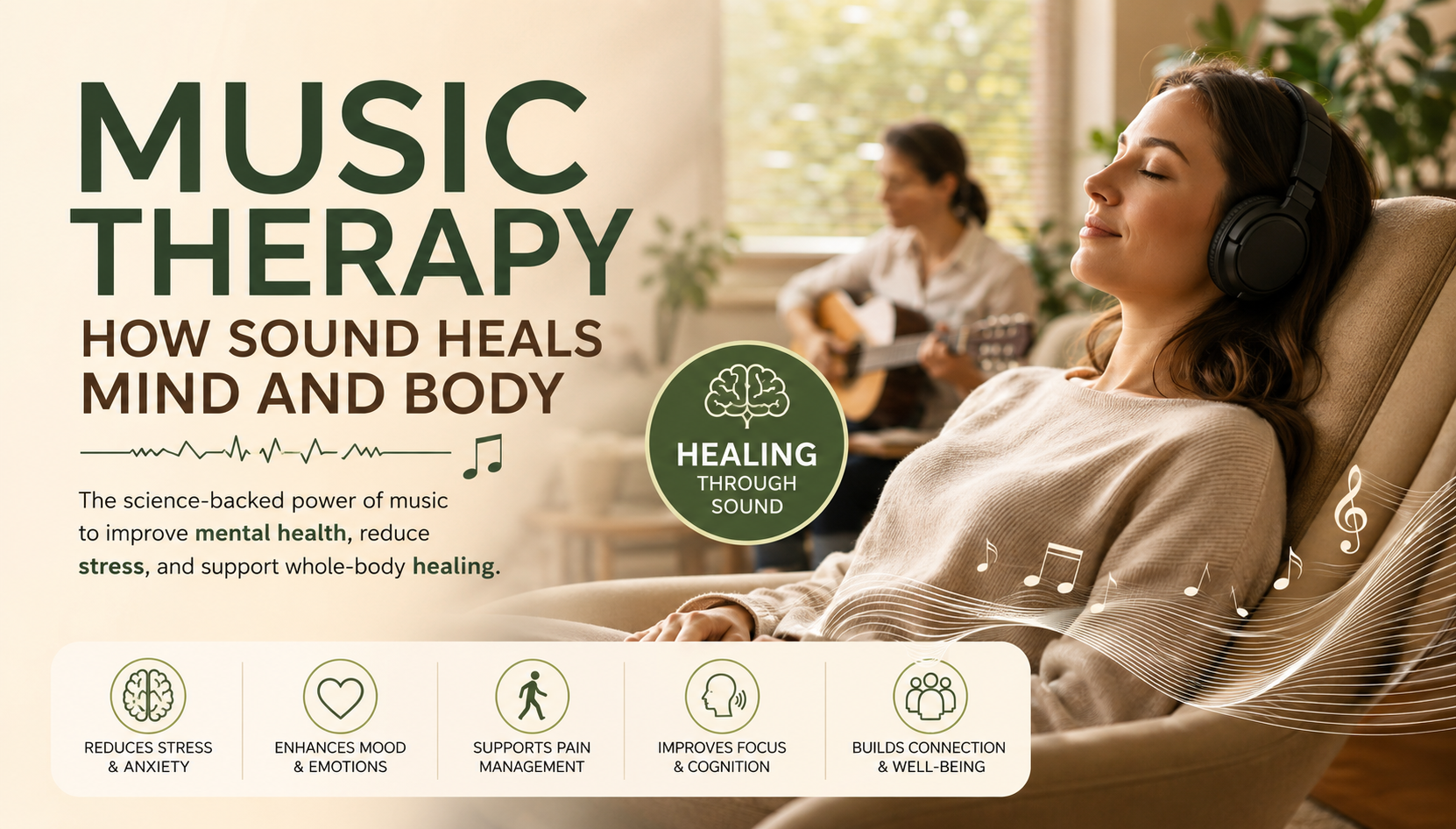
Music Therapy: How Sound Heals Mind and Body
Have you ever noticed how a favorite song can instantly change your mood? A great melody can ease your tension or bring back vivid memories. Sound has a profound impact on the human brain. Because of this, music therapy has become a vital, evidence-based healthcare profession worldwide. Far beyond just listening to relaxing tunes, this clinical practice uses targeted, personalized musical interventions. These sessions help people achieve specific health, emotional, and wellness goals. According to the American Music Therapy Association, qualified professionals design these sessions meticulously. They support individuals dealing with emotional, cognitive, and physical challenges across their entire lifespan.
This therapeutic approach works beautifully because our brains are naturally wired to respond to rhythm. We also react deeply to melody and harmony. When utilized systematically by a credentialed expert, music lowers chronic stress. It also improves functional speech and mitigates severe physical pain. For example, a patient might be recovering from a traumatic stroke. Another individual might be navigating daily life with severe anxiety. In both cases, tailored musical experiences offer a pathway to healing. These outcomes often surpass what traditional talk therapy can reach. In this comprehensive guide, we will explore how this therapeutic science works. We will analyze the different methods practitioners use. Finally, we will highlight the tangible benefits it offers to modern medicine. Clinical research consistently proves that sound is a powerful, reliable form of healing.

Understanding the Science Behind Clinical Music Therapy
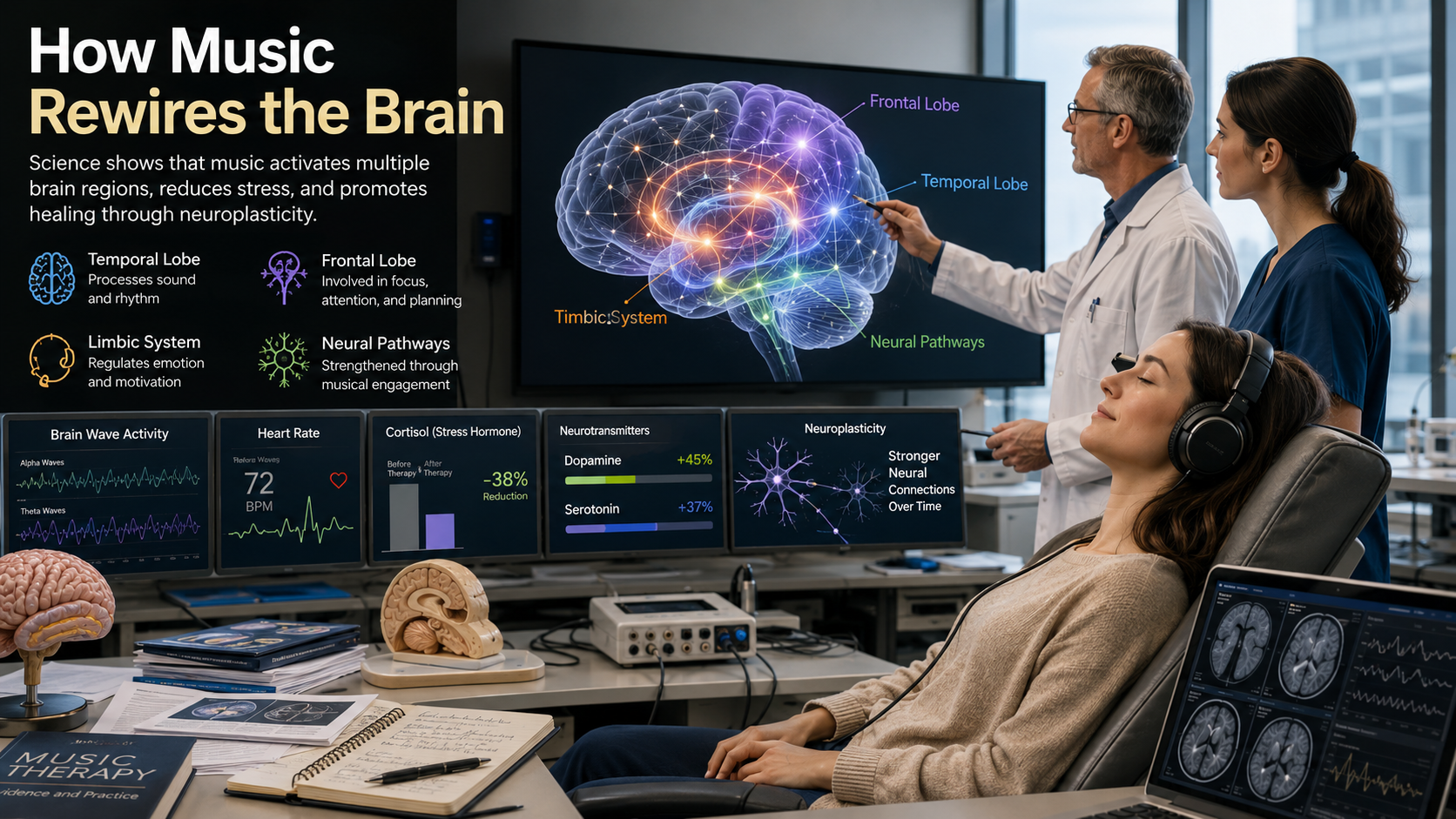
To fully appreciate why musical interventions work so effectively, we must look at the human brain. We need to examine how it processes complex sound waves. Neurological research demonstrates that music activates multiple areas of the central nervous system simultaneously. It does not rely on a single, localized region. Specifically, it stimulates the temporal lobe to process direct auditory input. It also engages the frontal lobe to analyze structural patterns. Meanwhile, it triggers deep emotional responses within the limbic system. Music engages both the left and right hemispheres at the same time. Because of this dual activation, it creates new neural pathways. It also strengthens existing connections throughout the brain.
Doctors frequently leverage this unique neurological phenomenon during intense cognitive and physical rehabilitation. The scientific community refers to this process as neuroplasticity. For instance, rhythmic auditory stimulation helps stroke patients regain their walking balance. It improves their spatial awareness and cognitive pacing by providing an external timing cue. Furthermore, actively engaging with music fundamentally alters your body chemistry. It shifts your autonomic nervous system out of a stressed state. Clinical studies consistently demonstrate that engaging with a steady rhythm reduces cortisol. Cortisol is the body’s primary stress hormone. Simultaneously, these interventions boost the production of dopamine, serotonin, and endorphins. These natural chemicals elevate human mood, enhance focus, and relieve physical discomfort safely.
Active vs. Receptive Methods in Sound Healing
Practitioners generally divide their clinical methods into two main functional categories. These are active interventions and receptive interventions. Both approaches offer unique therapeutic value. The choice depends on the patient’s immediate health goals, physical capabilities, and cognitive status. Active interventions require patients to participate dynamically. They might sing, play accessible instruments, write original lyrics, or move to a steady beat. This hands-on method fosters emotional self-expression. It also improves fine motor skills and enhances social connection. This is especially valuable for individuals who feel isolated by their medical conditions.
On the other hand, receptive interventions involve patients listening to specific music. The clinician carefully chooses or creates live or recorded tracks for the session. This approach works exceptionally well for deep relaxation, pain management, and guided imagery. It also supports various meditative practices. The therapist carefully selects the tempo, volume, and instrumentation. This allows them to match or gradually alter the patient’s physiological state. For example, they can use sound to slow down a racing heart rate. Therapists easily balance these two core modalities during treatment. Consequently, a trained professional can adapt each session to meet the evolving needs of the individual. This careful customization ensures maximum therapeutic benefit for every client.
The Clinical Benefits of Targeted Music Therapy
Medical professionals utilize music therapy across a wide spectrum of modern healthcare environments. They implement these methods to improve patient outcomes significantly. Specialized programs support standard medical protocols beautifully in psychiatric hospitals and special education classrooms. They also thrive in oncology units and hospice care facilities.
Mental Health, Stress Relief, and Emotional Regulation
For individuals battling severe anxiety, music provides a safe, non-threatening container. It helps them process difficult emotions, clinical depression, or post-traumatic stress disorder (PTSD). Words often fail when someone tries to unpack deep-seated psychological trauma or grief. Instrument improvisation allows patients to express anger, sorrow, or fear perfectly. They do not need to articulate their thoughts into spoken language. Furthermore, creating a predictable, steady rhythm offers a profound sense of stability. It grounds individuals safely during emotional crises. Over time, these sessions help clients develop healthy coping mechanisms. They also build emotional resilience and regain a sense of personal agency over their mental wellness.
Cognitive Support, Memory Recall, and Dementia Care
One of the most remarkable applications of sound intervention occurs in dementia care. It also provides incredible support for individuals with Alzheimer’s disease. Advanced memory loss often causes individuals to struggle to recognize family members. Yet, musical memory frequently remains completely untouched by the disease. Playing familiar songs from a patient’s youth can instantly awaken their awareness. This musical trigger initiates a cascade of positive neurological responses. This sudden connection significantly reduces midday agitation. It also improves verbal communication and temporarily restores a beautiful sense of personal identity. It allows families to connect with their loved ones through shared singing. This practice beautifully bypasses the cognitive barriers created by dementia.
Physical Rehabilitation, Motor Skills, and Pain Management
In physical therapy settings, a steady musical rhythm serves as an invaluable external cue. It guides the human motor system efficiently. Parkinson’s disease patients often experience frustrating “freezing” episodes while attempting to walk. A steady, rhythmic beat helps their brains bypass the damaged neurological pathways in the basal ganglia. As a result, they can walk smoothly and safely across a room. Additionally, hospital patients who utilize sound therapy post-surgery report lower pain scores. They also tend to request less opioid medication from their medical team. This happens because the rich auditory stimulation completely occupies the nervous system. The sound effectively blocks standard pain signals from reaching conscious awareness in the brain.
What Happens During a Professional Music Therapy Session?
A professional clinical session is highly structured and goal-oriented. Therapists personalize each experience to the unique background of the individual. Certified therapists hold rigorous credentials. These qualifications ensure they thoroughly understand both complex musical theory and advanced clinical psychology. First, the therapist conducts a comprehensive initial assessment. They evaluate the client’s emotional wellness, physical limitations, cognitive abilities, and social history. Next, they design specific, targeted musical experiences. These activities directly address those identified healthcare needs over a set period.
A typical session might begin with original songwriting. This activity helps a patient process profound grief or life transitions. Immediately after, the therapist might introduce rhythmic breathing exercises. These techniques effectively lower an elevated heart rate. Therapists constantly monitor physiological data, body language, and verbal responses. This attentiveness allows them to adjust the tempo or style of the intervention in real time. They document progress systematically after every single encounter. This tracking ensures the treatment plan remains aligned with the patient’s overall medical goals. This disciplined approach ensures that every musical note played serves a clear purpose. Every sound contributes directly to the individual’s recovery journey.
FAQ SECTION
What exactly does a music therapist do during a typical treatment session?
A certified therapist assesses a client’s specific emotional, cognitive, and physical needs. They use this data to design custom musical experiences aimed at clinical improvement. Therapists use active techniques like instrument improvisation, singing, and songwriting. They also employ receptive techniques like guided listening and lyric analysis. These professionals work in hospitals, schools, and rehab centers. They help clients reduce anxiety, regain speech, or manage chronic pain safely. They track clinical progress using objective data, just like physical therapists or psychologists do. This tracking ensures the interventions evolve as the patient heals. Throughout a session, the therapist actively changes the music’s structure. They alter the tempo and key to match the patient’s heart rate. This makes it a highly dynamic and deeply clinical process.
Can music therapy help with severe anxiety and chronic stress disorders?
Yes, it is highly effective for managing severe anxiety, panic disorders, and chronic stress conditions. Listening to structured, slow-tempo music lowers cortisol levels effectively. It naturally slows down an overactive sympathetic nervous system. Active interventions help individuals express complex emotions. These include group drumming, songwriting, or lyric analysis. Clients often find these feelings difficult to verbalize due to trauma. Therapists teach clients how to use specific rhythms to ground themselves during panic attacks. This training provides a practical tool for long-term emotional self-regulation. Patients learn to sync their breathing with steady musical tempos. Consequently, they can systematically de-escalate their body’s fight-or-flight response. This practice leads to lasting relief and better emotional health over time.
Do you need to be musically talented to benefit from this type of therapy?
You do not need any prior musical training, talent, or special skills to benefit fully from this clinical treatment. The focus remains entirely on personal expression, emotional processing, and neurological healing. The therapist does not prioritize aesthetic perfection or technical skill. Therapists guide clients through simple percussion instruments, basic rhythms, or pure listening experiences. These activities require zero background knowledge to enjoy. The therapeutic value comes entirely from how your brain and body naturally respond to the sound vibrations. It does not depend on how well you play an instrument. Anyone can participate, regardless of their musical background. This openness makes it an incredibly accessible form of therapy for young children, elderly patients, and individuals with severe physical disabilities.
How does rhythmic stimulation aid stroke recovery and speech rehabilitation?
Stroke survivors often experience profound speech loss, a condition known as aphasia. They may also suffer from severe motor impairments on one side of their body. Music processes globally across both brain hemispheres. Because of this, therapists use singing to bypass damaged language centers on the left side of the brain. This technique helps patients relearn how to speak words through melody. Similarly, rhythmic auditory stimulation acts as an external pacing metronome for the motor cortex. This steady, predictable rhythm helps stroke patients rebuild smooth, balanced walking patterns. It also coordinates their physical rehabilitation movements accurately. By pairing movement with music, the brain forms new neural connections around the injured areas. This acceleration helps recover functional mobility and verbal communication skills.
Is music therapy covered by standard health insurance plans?
In many cases, health insurance companies cover these professional services. However, the treatment must be deemed medically necessary and officially prescribed by a licensed physician. Coverage varies widely depending on your specific insurance policy and geographic location. The clinical setting where treatment occurs also affects coverage. Insurance frequently covers these sessions under rehabilitative services, mental health benefits, or palliative care allocations. You should always check directly with your insurance provider to verify their specific reimbursement criteria. Be sure to ask about required documentation and credentialing demands before starting care. Many facilities also offer grant-funded programs or sliding scale fees. These options ensure patients can access these vital services even if insurance coverage is limited.
CONCLUSION
In summary, music therapy is a versatile, scientifically validated approach to healthcare. It beautifully bridges the gap between creative art and clinical medicine. By stimulating multiple complex regions of the human brain simultaneously, structured sound interventions promote lifelong neuroplasticity. They lower harmful stress hormones and trigger the release of vital, mood-boosting neurotransmitters. This practice helps stroke survivors regain their independent mobility. It also comforts vulnerable patients with advanced dementia. Clearly, its clinical applications are incredibly vast and deeply impactful. This unique practice reminds us that true healing involves the whole person. The mind, body, and spirit must work together in perfect harmony.
Hospitals, schools, and rehabilitation clinics worldwide continue to integrate these evidence-based techniques into their standard protocols. As they do, sound will undoubtedly remain a cornerstone of modern holistic medicine. You or a loved one might be searching for a dynamic, compassionate way to support your health. If so, consider reaching out to a board-certified professional. Alongside music-based therapies, adopting healthy daily habits can also improve emotional well-being. You can explore these effective stress busters to reduce stress in your life to complement your healing journey. Investing time into this therapeutic journey can open new doors to recovery. It gives a powerful voice to complex emotions and brings genuine healing to the body when traditional methods fall short.