
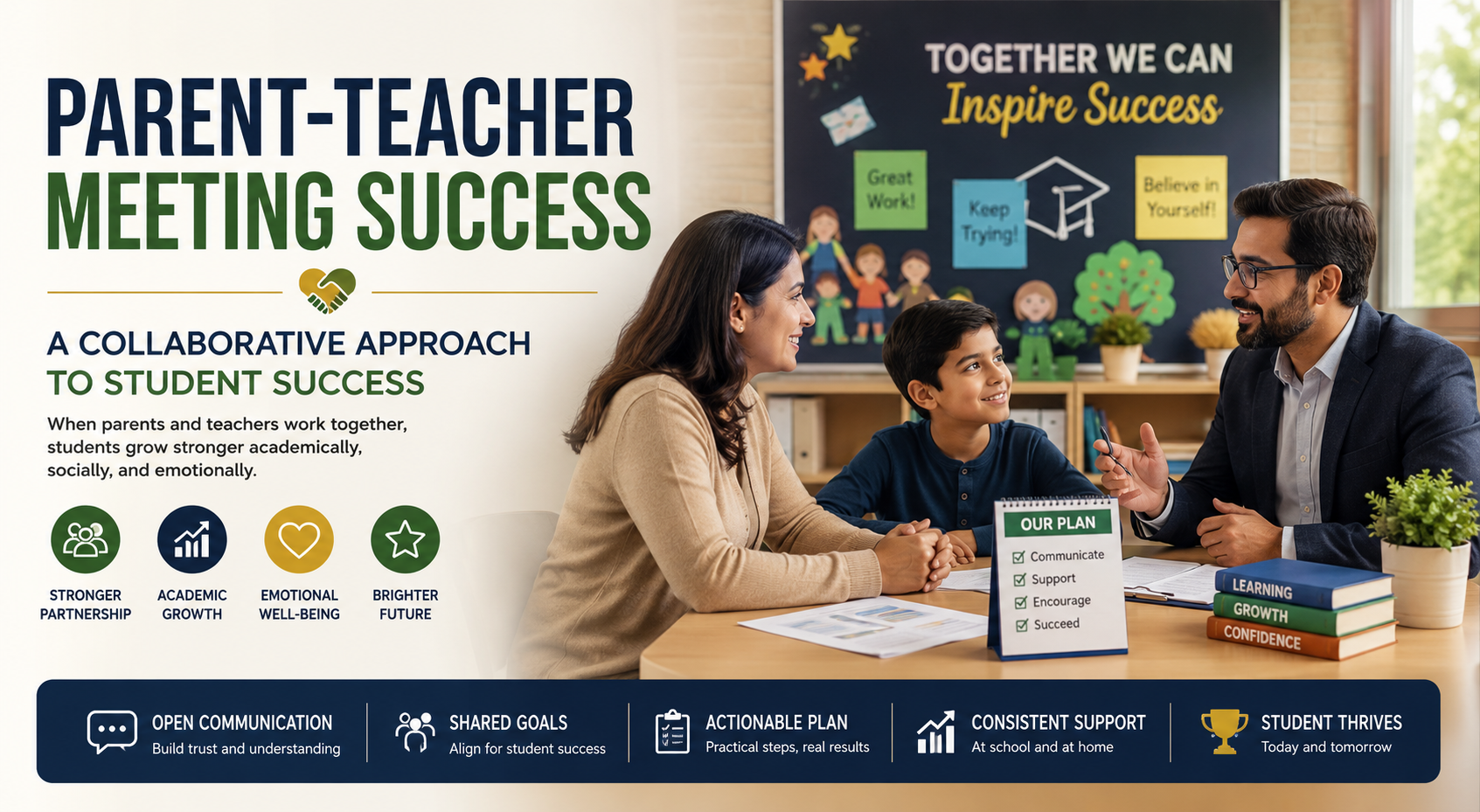
Parent-Teacher Meeting Success: A Collaborative Approach to Student Success
The relationship between home and school plays a massive role in a child’s educational journey. A Parent-Teacher Meeting serves as the primary bridge connecting these two worlds. It offers a dedicated space to discuss a student’s academic progress, emotional well-being, and social development. According to research published by the Harvard Graduate School of Education, active family engagement in schools directly correlates with higher student achievement. It also leads to better attendance and improved social skills. By transforming these brief conferences from stressful check-ins into constructive dialogues, parents and educators can build a powerful alliance. This comprehensive guide will explore how to prepare for these school conferences. We will cover what questions to ask, and how to follow up effectively to maximize your child’s potential.
Every single interaction during these sessions shapes the academic trajectory of the student. When educators and guardians share their observations, they uncover hidden patterns in the child’s learning habits. For instance, a student who struggles with focus at home might be highly organized in a structured classroom. Uncovering these nuances allows both sides to align their strategies perfectly. Ultimately, treating this meeting as a foundational cornerstone of your child’s support system creates a nurturing ecosystem. In this environment, they can thrive academically, socially, and emotionally over the long term.
Parent-Teacher Meeting Value: Understanding School Conferences
A Parent-Teacher Meeting is far more than a routine review of report cards and test scores. It is a strategic opportunity to understand the holistic development of a child within the classroom ecosystem. Teachers observe behaviors, peer interactions, and learning habits that parents rarely see at home. Meanwhile, parents understand the child’s unique personality, stressors, and passions outside of school. When these two distinct perspectives align, it creates a comprehensive support system that wraps around the student completely.
Recognizing this event as a collaborative partnership rather than a formal performance review shifts the dynamic entirely. It allows both parties to identify potential learning gaps early. They can celebrate hidden strengths and establish consistent expectations across both environments. Moreover, this dialogue demystifies classroom expectations for parents. This alignment enables them to reinforce school rules and study habits seamlessly at home. When students see their parents and teachers working in total harmony, they develop a stronger sense of accountability. This security naturally drives better behavioral and academic outcomes over time.
How to Prepare for Your Next School Conference
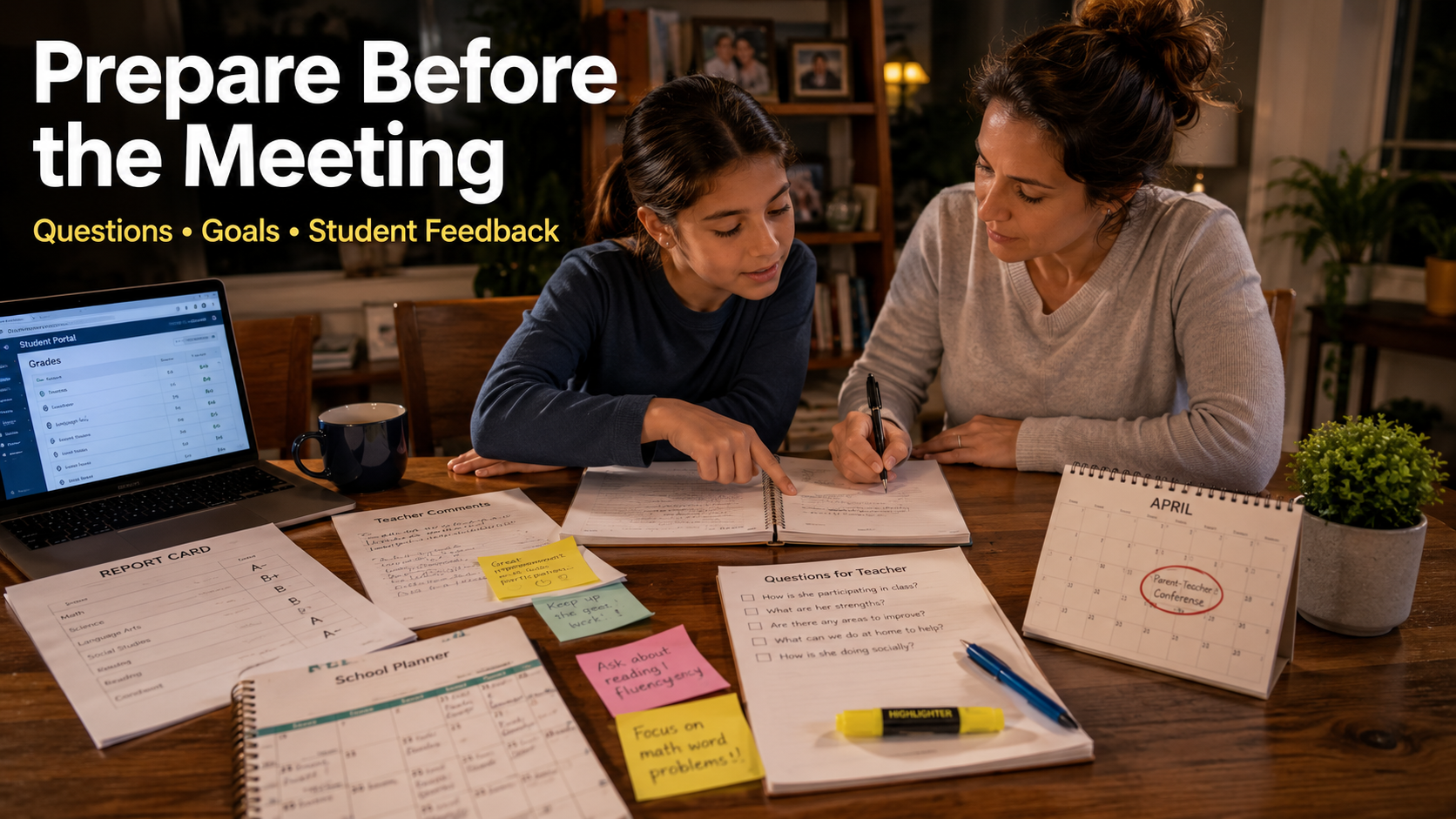

Maximizing the limited time during a school conference requires deliberate preparation. Walking into the classroom without a clear plan often leads to rushed conversations. These hurried chats miss critical issues entirely. To avoid this, start by gathering information at home days before the scheduled date. Review recent report cards, graded assignments, online portals, and digital teacher feedback to get a clear picture of current performance.
Next, talk to your child directly about their school experience to understand their perspective. Ask open-ended questions like, “What feels easy for you right now?” or “Is there anything you feel stuck on during class?” Their answers will highlight specific areas that require deeper discussion with the educator. Finally, set clear objectives for what you want to achieve during the conversation. Whether you are concerned about a sudden drop in math grades or looking for ways to challenge an advanced reader, setting a clear intention ensures the conversation remains focused and completely solution-oriented.
Crucial Educator Dialogues: Key Questions to Ask
Asking targeted questions helps steer the dialogue away from generic updates and toward actionable insights. Teachers appreciate parents who ask specific questions because it shows a deep investment in the child’s daily progress. To get the most out of your session, categorize your questions into distinct areas of development. For academic progress and learning styles, ask how your child performs relative to grade-level expectations. Inquire about their biggest cognitive strengths and if they display a specific learning style that works best during lessons.
For social-emotional development and behavior, ask how your child interacts with peers during unstructured times like recess. Find out whether they show resilience when facing difficult tasks. Ask how well they follow classroom rules and transitions. These targeted inquiries prevent the meeting from devolving into a simple reading of grades. Instead, they force a deeper analysis of the child’s daily reality. The answers you receive will provide a concrete foundation for any necessary adjustments at home or school.
Creating a Parent-Teacher Progress Plan for Student Growth
The most valuable outcome of any Parent-Teacher Meeting is a shared, actionable plan. Once you identify areas that need improvement or acceleration, work together with the teacher to design practical interventions. This ensures that both environments are working toward the exact same goals simultaneously. For instance, if a student struggles with reading comprehension, the teacher might offer specific decoding strategies for the classroom. Meanwhile, the parents commit to using guided reading techniques during evening study blocks at home.
| HOME STRATEGIES | SCHOOL STRATEGIES |
| • Establish a quiet study routine | • Provide preferential seating |
| • Read together 20 minutes daily | • Offer check-ins during tasks |
| • Use positive reinforcement logs | • Supply supplemental materials |
Setting measurable, realistic goals ensures that both sides can track progress accurately over the coming weeks. Write down the responsibilities assigned to each party to maintain absolute clarity. A structured approach removes ambiguity and gives the student a clear path forward. By explicitly detailing who does what, you create a system of mutual accountability. This structure significantly increases the chances of the student successfully overcoming their academic or behavioral hurdles.
Effective Follow-Up Tactics After a Teacher Consultation
The impact of a school conference relies heavily on what happens after the meeting concludes. Sustaining the momentum generated during the discussion is essential for long-term student success. Start by debriefing with your child in a positive, empowering manner as soon as you get home. Begin by praising the specific strengths and positive attributes the teacher highlighted during the session. Afterward, gently discuss the areas targeted for growth. Explain the new plan you and the teacher created together, emphasizing that the meeting occurred because everyone cares about their future.
Following this, maintain consistent communication with the school to ensure the plan is working. Send a quick email thanking the teacher for their time. Summarize the agreed-upon steps to keep a written record. Check in periodically—every few weeks—to see if the strategies are yielding positive results in the classroom, or if adjustments are needed. Continuous tracking prevents the child from slipping back into old habits. It also shows the educator you remain fully committed to the process.
Frequently Asked Questions
What is the main purpose of a Parent-Teacher Meeting?
The primary purpose of this meeting is to establish a strong, collaborative partnership between parents and educators to support a child’s holistic development. It offers a dedicated platform to discuss academic performance, behavioral traits, and social integration in a structured setting. Rather than focusing solely on letter grades, it allows both parties to share unique insights. They can identify potential learning hurdles early and celebrate individual achievements. This collaboration ensures that the student receives consistent support, encouragement, and guidance both at home and inside the classroom environment.
Furthermore, it aligns expectations perfectly. It helps parents understand the curriculum and teaching methods, which enables them to provide targeted help at home. Ultimately, the meeting creates a unified front. This alliance fosters a secure, motivating atmosphere for the student to excel. It bridges the gap between home life and the school ecosystem seamlessly.
How long do these school conferences typically last, and how can I maximize the time?
Standard school conferences are notoriously brief, typically lasting between 10 and 15 minutes per student. Because schools must accommodate dozens of families in a single afternoon or evening, time slots are strictly managed by the administration. This brief window makes advanced preparation absolutely vital for parents who want meaningful answers. To maximize this short time, arrive early at the venue. Have your top three questions written down in order of priority, and avoid spending time on casual small talk.
Focus the conversation immediately on actionable strategies rather than past mistakes. If your child has complex academic, medical, or behavioral needs that genuinely require a longer discussion, adjust your strategy. Use this brief session to touch base and formally request a separate, extended meeting at a later date when the teacher is not rushed by a tight schedule.
What should I do if the teacher shares unexpected negative feedback about my child?
Receiving unexpected negative feedback can feel deeply unsettling, but it is important to remain calm, objective, and receptive. Avoid becoming defensive or angry during the interaction. Remember that the teacher is sharing this information because they want to help your child succeed, not attack your parenting style. Listen intently without interrupting the educator. Ask for specific examples of the behavior or academic struggle to understand the context clearly.
Focus the conversation on finding tangible solutions by asking, “What steps can we take together to address this effectively?” Transforming a critique into a collaborative problem-solving session yields the best results for your child’s growth. Once the meeting ends, process the information calmly before discussing it with your child. Frame the issue as an opportunity to learn and improve rather than a reason for harsh punishment.
How can I involve my child in the conference process before and after the meeting?
Involving your child builds personal accountability, self-reflection, and self-advocacy skills from an early age. Before the conference, sit down with them in a quiet setting. Ask what they think their teacher will say, what they feel proud of, and what goals they want to set for the next term. Depending on the school’s specific policy, you might even bring older children to participate directly in a student-led conference format.
If the child does not attend the physical meeting, ensure you debrief with them thoroughly afterward. Focus heavily on the positive feedback and praises first to build their confidence. When discussing the areas of improvement, frame them as exciting opportunities to grow. Explain the support plan you and the teacher designed, ensuring the child understands their personal role in executing the strategy.
How often should these academic check-ins occur throughout the school year?
Most school districts schedule formal conferences once or twice a year, typically at the end of the first quarter or semester. However, communication regarding a child’s development should not be limited to these rigid calendar events. If your child faces ongoing academic challenges, major behavioral shifts, or significant life changes at home, you should initiate contact with the teacher proactively rather than waiting for the school.
Brief email updates every few weeks or short monthly check-ins can keep everyone perfectly aligned without overwhelming the teacher’s schedule. Establishing this consistent rhythm ensures that minor issues are caught and resolved before evolving into major academic hurdles. This proactive approach maintains a steady path toward long-term educational success for the student throughout their academic journey.
Conclusion: Driving Long-Term Academic Success
A successful Parent-Teacher Meeting acts as a powerful catalyst for a child’s academic journey and emotional development. When parents and educators approach these discussions with mutual respect, clear preparation, and an open mind, they build a formidable team centered around student growth. The insights gained during these short interactions provide a clear roadmap for tailored support, ensuring that challenges are addressed proactively and achievements are recognized properly. Education is a continuous, evolving journey that extends far beyond the four walls of a classroom.
By actively engaging in this dialogue, you demonstrate to your child that their education is a top priority, which inherently boosts their motivation and self-esteem. Consistent, collaborative communication remains the most effective tool for unlocking a student’s full potential and keeping them on the path to success. To maintain this growth outside the classroom, parents can utilize a comprehensive support learning at home guide to reinforce key skills. Make it a point to review the goals set during each conference regularly, ensuring that the strategies stay relevant as your child grows and encounters new academic milestones throughout the school year.