
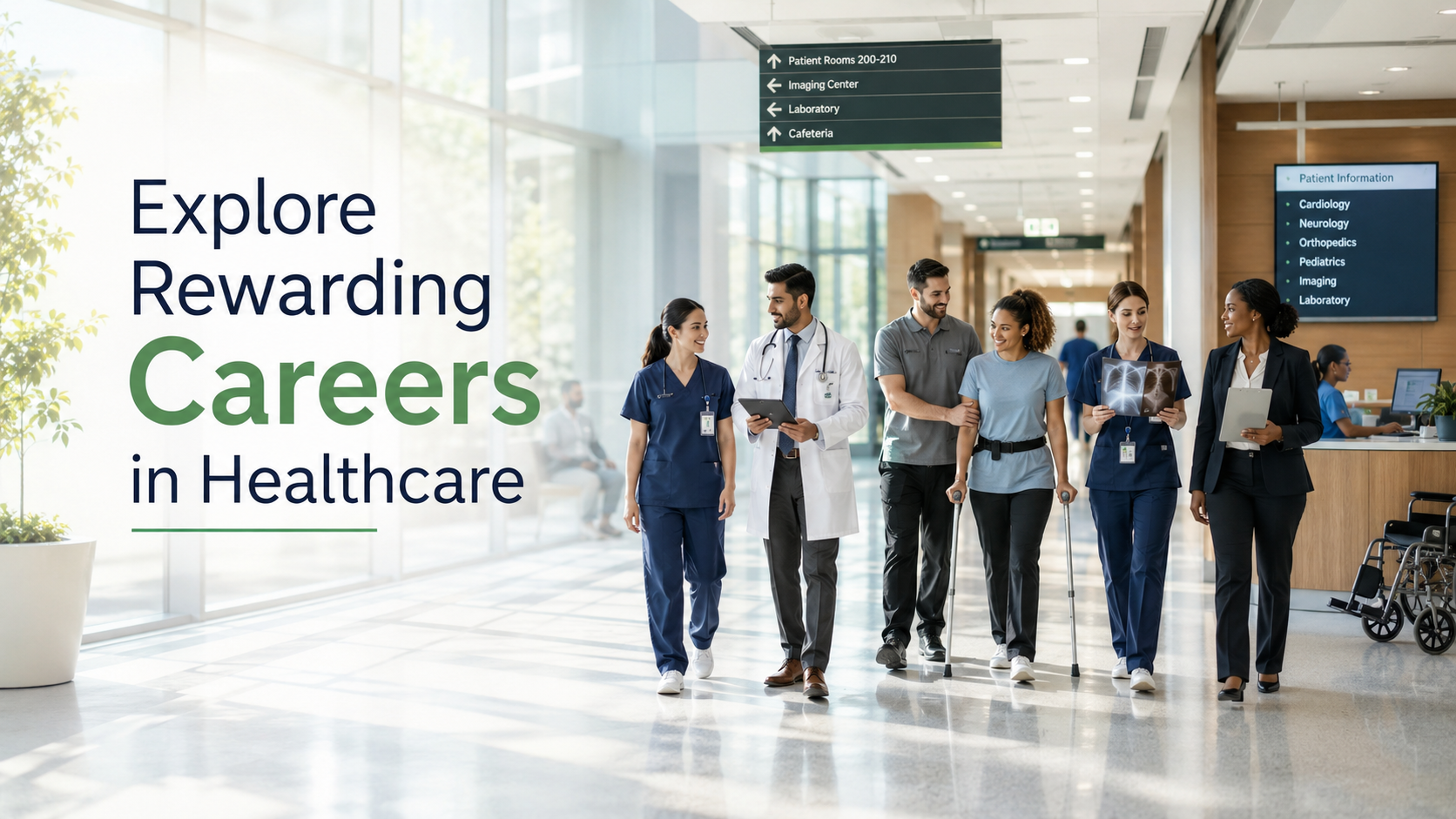
Exploring Rewarding Careers in Healthcare: A Comprehensive Guide
The demand for dedicated professionals to fill various careers in healthcare is growing at an unprecedented rate worldwide. Whether you want to work directly with patients at the bedside or support medical infrastructure behind the scenes, this industry offers unmatched job security and personal fulfillment. According to data tracking employment trends from the U.S. Bureau of Labor Statistics, healthcare occupations are projected to add millions of stable jobs over the next decade, outpacing nearly every other employment sector. This explosive growth is largely driven by an aging global population and continuous advancements in medical technology that require specialized staff.
Choosing a path in medicine, allied health, or medical administration means dedicating your professional life to improving human health and well-being. It is an industry driven by innovation, deep empathy, and constant scientific advancement. This comprehensive article will break down the top clinical pathways, alternative non-clinical roles, essential skills, and practical steps you can take to build a lasting, meaningful career in this vital field. By understanding the diverse options available, you can find a professional niche that perfectly aligns with your personal strengths and educational goals.
Why Choose Careers in Healthcare?
Entering the medical industry offers a unique blend of long-term financial stability and profound emotional reward. Few professions allow you to make such a direct, tangible difference in people’s lives on a daily basis. When you choose a path in this sector, you enter a community dedicated to service, learning, and resilience. Every role, whether directly clinical or administrative, contributes to the overarching goal of saving lives and improving public health standards. This shared mission creates a deeply fulfilling workplace culture that is hard to find in other corporate environments.
Job security is one of the most compelling reasons to explore this field. People will always require medical treatment, diagnostic testing, emergency interventions, and preventative care, regardless of economic conditions. Consequently, the health sector remains highly resilient during economic recessions and market downturns. Beyond stability, the industry offers incredible flexibility, allowing professionals to transition between different specialties, facilities, or geographical regions seamlessly. The skills you acquire are universally valuable, ensuring you remain employable wherever life takes you.
The diversity of professional pathways within this field ensures that there is a place for every type of talent. Many people mistakenly assume that working in health requires a medical degree or years of intense clinical training. However, the modern healthcare ecosystem relies heavily on a massive, diverse network of professionals. You can find highly lucrative and satisfying roles in technology, data analysis, facility management, finance, and community education. This inclusivity makes it an ideal sector for career changers and young professionals alike.
Top Clinical Healthcare Occupations
Clinical roles involve direct patient interaction, medical diagnosis, and physical treatment. As a result, these professionals play a vital role in patient care. In addition, these positions require professional licensing, hands-on clinical training, and strict adherence to medical protocols. Therefore, they are best suited for individuals who can think quickly and work well under pressure. Most importantly, these professionals see the direct impact of their work on patients and families every day.
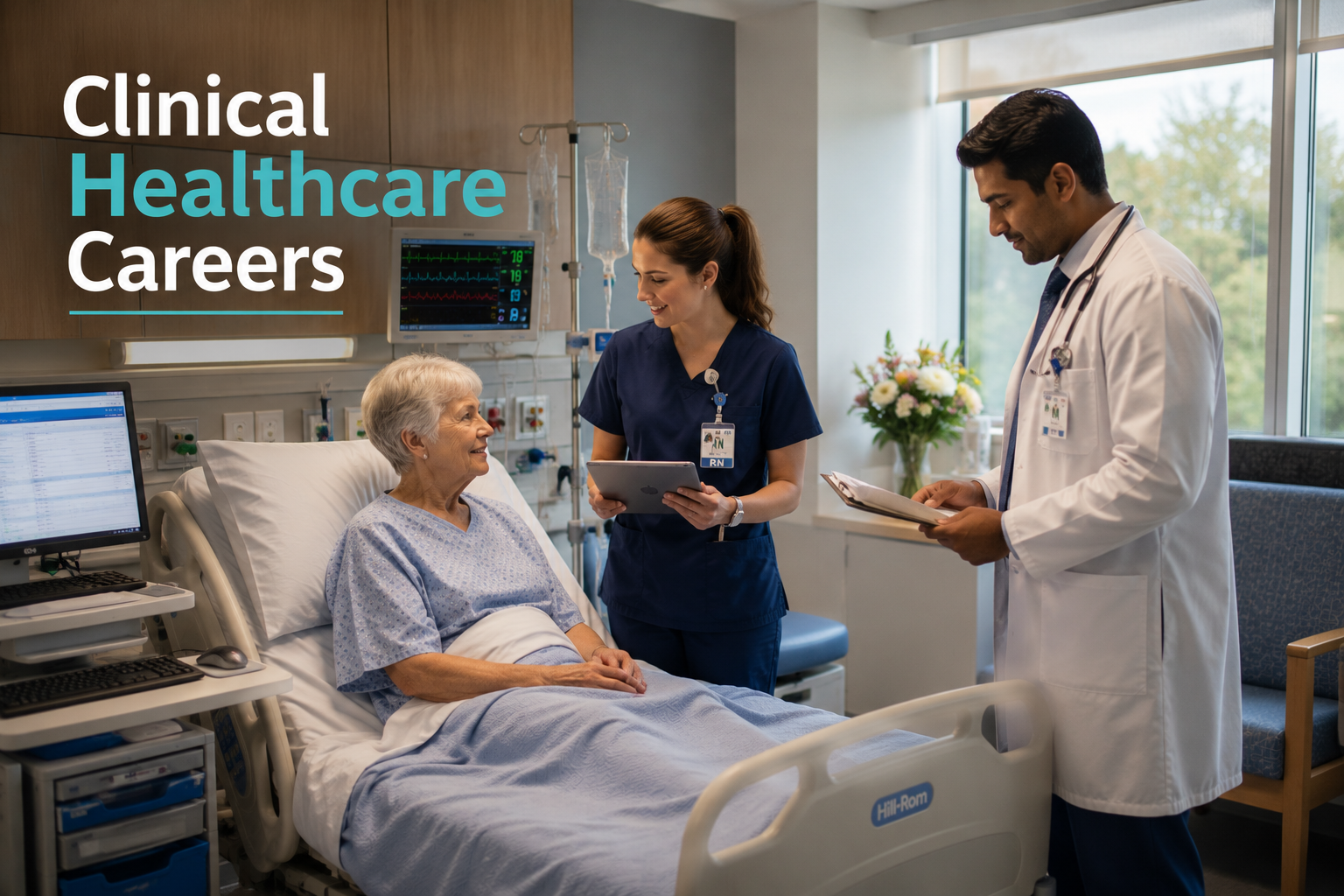

Nursing Professionals
Registered nurses (RNs) and nurse practitioners (NPs) are truly the backbone of patient care in hospitals, clinics, and private practices. They monitor patient health, administer medications, perform diagnostic tests, and collaborate closely with physicians to execute comprehensive treatment plans. The nursing profession offers incredible flexibility, allowing individuals to specialize in areas like pediatrics, geriatrics, oncology, or critical care medicine. Because nurses spend the most time with patients, they play a crucial role in patient advocacy and education, ensuring that individuals understand their diagnoses and recovery plans fully.
Allied Health Careers
If you want to treat patients directly but do not wish to become a doctor or a nurse, allied health fields provide excellent alternative pathways. These professions focus on specific aspects of recovery, diagnostics, and patient support, making them vital to the comprehensive care cycle.
-
Physical Therapists: Help patients recover physical mobility, regain strength, and effectively manage chronic pain after serious injuries, strokes, or major surgeries.
-
Radiologic Technologists: Safely operate advanced imaging equipment like X-ray, CT, and MRI machines to capture clear internal images that doctors need for accurate diagnoses.
-
Medical Laboratory Technologists: Analyze blood, tissue, and fluid samples using sophisticated laboratory equipment to help physicians identify infections, diseases, and chemical imbalances accurately.
High-Growth Non-Clinical Pathways
Not all healthcare heroes wear scrubs or work in operating rooms. Non-clinical roles keep hospital networks running smoothly, secure sensitive patient data, manage corporate finances, and optimize large-scale facility operations. These career paths are perfect for analytical thinkers, organizers, and business-minded individuals who want to contribute to public health without managing bodily fluids or performing medical procedures. Without these vital positions, medical providers would lack the resources, data, and organizational structure required to treat patients safely.
Health Information Management
Modern medicine runs entirely on data, creating an urgent need for specialists who can manage electronic health records (EHRs) efficiently. Health information technicians organize, verify, and secure patient data, ensuring total compliance with privacy laws and complex medical coding standards used for insurance billing. This rapidly expanding field is ideal for tech-savvy individuals who want to work in medicine but prefer a structured office or remote environment. As artificial intelligence and big data continue to reshape patient care, these professionals will be at the forefront of digital health innovation.
Healthcare Administration
Hospital administrators, clinic managers, and medical executives oversee the business side of healthcare facilities. They manage budgets, supervise non-clinical staff, and ensure regulatory compliance. In addition, they improve operational efficiency and reduce patient wait times. Therefore, strong leadership, communication, and strategic planning skills are essential. Moreover, administrators ensure that doctors and nurses have the equipment, staffing, and support they need. As a result, healthcare teams can deliver safe, efficient, and high-quality patient care.
Key Skills for Success in the Medical Field
Succeeding in this challenging and rewarding industry requires a delicate, intentional balance of technical knowledge and refined interpersonal skills. Because the medical environment is inherently stressful, professionals must intentionally cultivate emotional resilience to avoid burnout. Employers look for candidates who can demonstrate high emotional intelligence alongside academic excellence, as the best patient outcomes occur when technical precision meets genuine human compassion.
Critical Soft Skills
Empathy, active listening, and clear communication are absolutely vital when dealing with vulnerable, anxious patients and their families. Medical professionals must be able to explain complex diagnoses and treatment plans in simple terms that a layperson can easily understand. Additionally, strong teamwork and conflict-resolution skills are necessary, as care teams must collaborate seamlessly across different departments to ensure total patient safety. When professionals communicate effectively, medical errors drop significantly, and patient trust increases dramatically.
Technical and Academic Competencies
Medical science changes rapidly. Therefore, healthcare professionals must commit to lifelong learning and continuous professional development. Additionally, you should stay updated on new clinical guidelines, technological tools, electronic health record systems, and pharmacological treatments throughout your career. Furthermore, strong critical thinking, cognitive accuracy, and attention to detail are essential. Even small mistakes can have serious consequences for patient safety. As a result, mastering these technical skills helps you deliver consistent, evidence-based care. Ultimately, ongoing learning allows you to provide the highest standard of care throughout your career.
FAQ Section
What are the entry-level careers in healthcare?
Entry-level healthcare jobs let you join the workforce quickly. Many require only a high school diploma and a short certification program. Common roles include certified nursing assistants (CNAs), medical assistants, phlebotomists, and medical billers. These positions provide valuable hands-on experience in clinical settings. They also help you discover your interests before choosing a long-term career path. Many professionals use these roles as stepping stones. Some receive tuition assistance from employers to earn nursing, clinical, or administrative degrees later.
Can I work in healthcare without a medical degree?
Yes. Many healthcare careers do not require a medical degree. The healthcare system relies on many non-clinical professionals every day. You can work in healthcare administration, medical billing and coding, health informatics, human resources, public relations, or medical equipment sales. These roles often require degrees in business, public health, information technology, or communications instead of medical school. This makes them accessible to people with different educational backgrounds.
What healthcare jobs are currently in the highest demand?
Home health aides, nurse practitioners, physician assistants, and medical services managers remain in high demand. An aging population continues to increase the need for long-term care and chronic disease management. Demand for rehabilitation services is also growing. Digital transformation has created opportunities in health informatics and healthcare data analysis. Organizations also need cybersecurity professionals who understand healthcare privacy regulations. Choosing one of these careers can provide strong job security and opportunities for advancement.
How long does it take to get certified for a medical career?
The academic timeline varies completely based on your chosen career path and educational goals. Short certificate programs for phlebotomy, medical assisting, or pharmacy technicians can take anywhere from three to nine months to complete. Associate degrees for dental hygienists or radiologic technologists typically take two full years of study. If you want to become a registered nurse, plan for a four-year bachelor’s degree. Aspiring physicians and specialized surgeons face the longest journey, requiring four years of undergraduate study, four years of medical school, and three to seven years of intense residency training.
What is the difference between clinical and non-clinical roles?
Clinical roles involve direct, hands-on patient care, physical assessment, medical diagnosis, and active treatment. Doctors, physical therapists, registered nurses, and emergency medical technicians are classic examples of clinical staff who interact with patients daily. Conversely, non-clinical roles support the broader operational infrastructure without directly treating patients. These include medical transcriptionists, hospital receptionists, facility managers, health attorneys, and medical coders. Both paths are equally critical to patient outcomes, ensuring that facilities remain safe, legally compliant, financially viable, and efficiently organized for everyone.
Conclusion
The healthcare industry offers meaningful careers in healthcare for people from all educational backgrounds, skill levels, and personality types. Whether you thrive in a fast-paced emergency room or prefer health informatics or hospital administration, there are many careers in healthcare to explore. These careers in healthcare provide strong job stability and a clear sense of purpose. By matching your strengths with the right medical or administrative path, you can build one of many rewarding careers in healthcare that improve lives.
Public health challenges continue to grow, increasing the demand for skilled and compassionate healthcare professionals. As a result, careers in healthcare continue to offer excellent long-term opportunities. To better understand why these roles are so important, explore our guide to the healthcare system of a country. Success requires dedication, hard work, and ongoing learning. In return, you can make a lasting difference in your community. Start by identifying your long-term goals and researching local training programs. Then choose the educational path that fits your ambitions. Taking the first step today can lead to one of the most fulfilling careers in healthcare. With so many careers in healthcare available, you can find a path that matches your skills, interests, and long-term goals.