
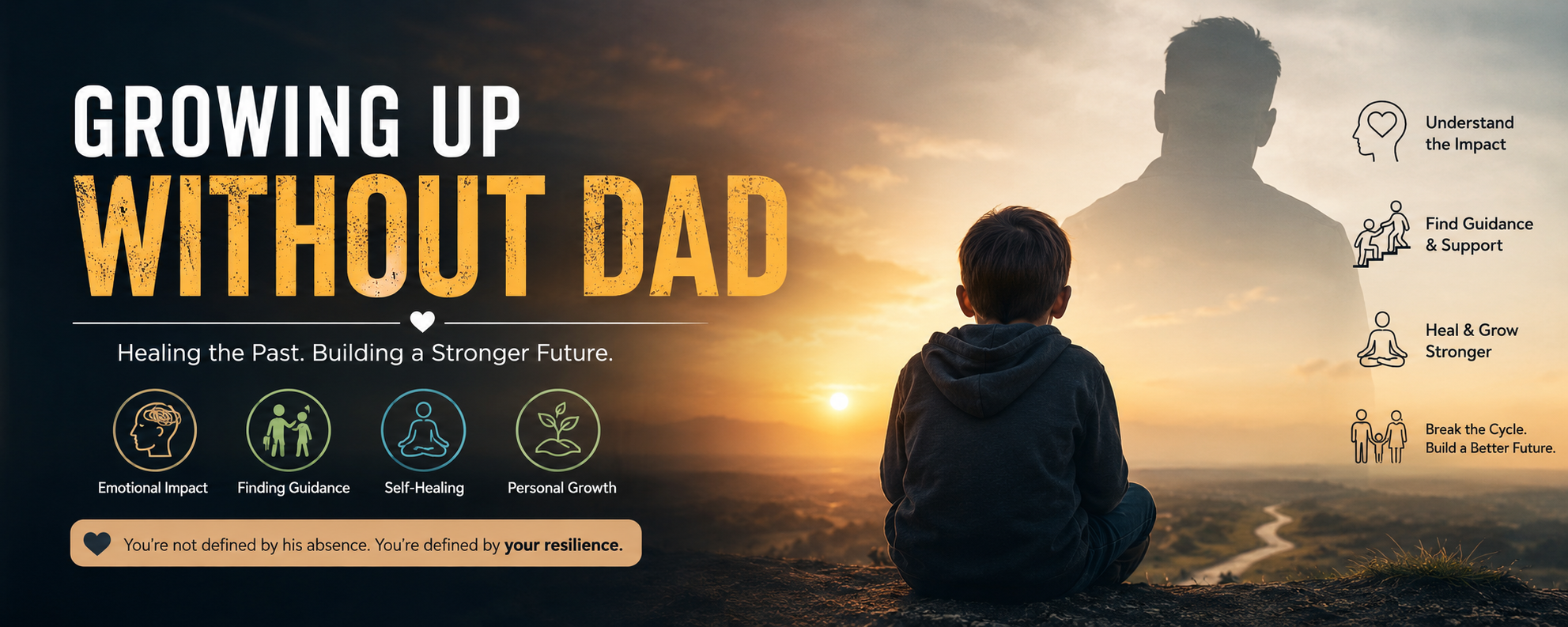
Growing Up Without Dad
Growing up without dad is a deeply personal reality that shapes millions of lives across the globe. Whether due to separation, loss, or emotional unavailability, the absence of a father figure leaves a distinct imprint on a child’s developmental journey. According to research published by the National Institutes of Health, a parent’s presence significantly influences emotional regulation, self-esteem, and future relationship patterns. When that presence is missing, navigating the transition from childhood to adulthood requires unique resilience.
This topic matters because father absence is not just a childhood issue; its echoes often persist well into adult life. Many individuals experience a lingering sense of grief, identity confusion, or difficulty forming secure attachments. Understanding these dynamics is crucial for breaking cycles of pain and fostering personal growth.
This article covers the psychological impacts of growing up without a father, practical coping mechanisms, and strategies for building a fulfilling life. By exploring these areas, we aim to provide validation, expert insights, and actionable guidance for anyone walking this path.
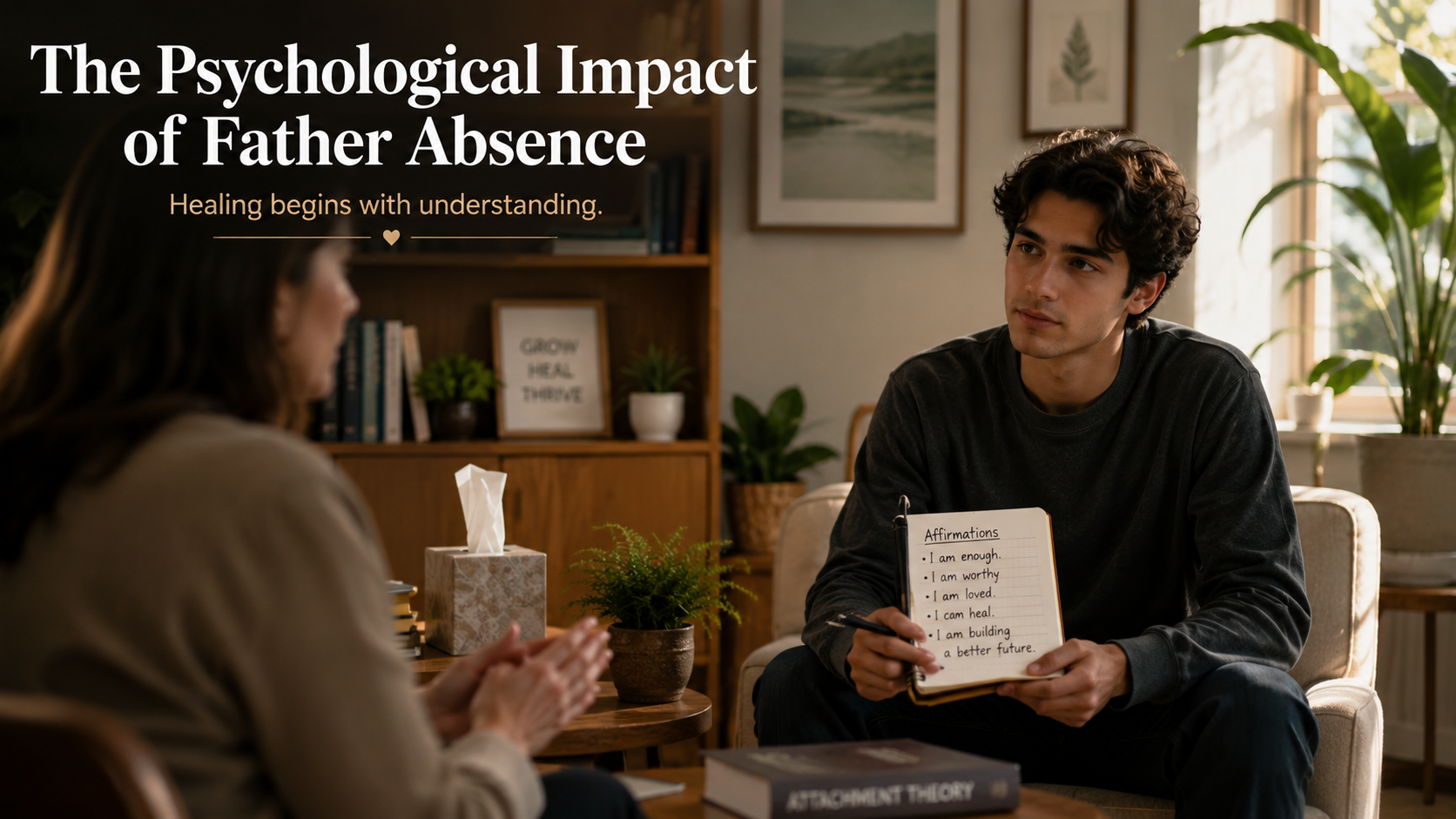
THE PSYCHOLOGICAL IMPACT OF FATHER ABSENCE

Emotional Vulnerability and Self-Esteem
When a father is absent, children frequently internalize the situation. They might unconsciously blame themselves for the separation or lack of contact. Consequently, this internalization can lead to a fragile sense of self-worth. Without a father’s validation, individuals often struggle to feel “good enough,” which manifests as chronic self-doubt in academic, professional, and personal settings.
Relationship Dynamics and Attachment Styles
A child’s first relationship with their parents sets the blueprint for future connections. Missing a father figure often disrupts this foundation. Many individuals develop an anxious or avoidant attachment style. For instance, they might constantly fear abandonment in romantic relationships, or conversely, build high emotional walls to prevent anyone from getting close enough to hurt them.
OVERCOMING THE CHALLENGES OF GROWING UP WITHOUT DAD
Seeking Mentorship and Positive Role Models
You do not have to navigate life in a vacuum. Healing often begins when you actively seek out positive male role models who can offer guidance and perspective.
-
Uncles and Grandfathers: Family members who step up to provide stability.
-
Teachers and Coaches: Mentors who teach discipline, accountability, and life skills.
-
Community Leaders: Individuals in local organizations who offer healthy examples of manhood and adulthood.
Rewriting Your Internal Narrative
Growing up without dad does not define your ultimate destiny. Many people find strength by shifting their perspective from being a victim of circumstance to being the author of their own story. Acknowledge the pain of the absence, but focus heavily on the resilience you developed because of it. Self-compassion is a vital tool in this transformative process.
Old Narrative: “I am unlovable because he left.”
New Empowered Narrative: “His absence was a reflection of his choices, not my worth.”
The Role of Professional Therapy
Processing deep-seated parental wounds independently can be overwhelming. Licensed therapists provide a safe, structured environment to unpack childhood grief. Cognitive Behavioral Therapy (CBT) and attachment-based therapies are particularly effective in helping adults identify negative behavioral patterns rooted in childhood loss.
REFRAMING MASCULINITY AND IDENTITY
Defining Success on Your Own Terms
For young men, father absence can make understanding masculinity quite confusing. Without a direct example, you might look to media stereotypes, which are often distorted. True identity involves defining what a good person—and a good man—is based on integrity, emotional intelligence, and responsibility, rather than outdated societal pressures.
Breaking the Generational Cycle
Perhaps the most powerful step in healing is choosing to be the parent you never had. If you choose to have children, your past experiences can serve as a powerful roadmap of what not to do. By showing up consistently for your own family, you effectively break the generational cycle of absence, turning a history of pain into a legacy of presence.
FAQ SECTION
How does growing up without dad affect a daughter?
Growing up without a father can deeply affect a daughter’s emotional development, self-esteem, and future romantic relationships. Fathers often provide the first model of healthy male-female dynamics. They show daughters what it means to be valued, respected, and protected. Without this foundation, a daughter may struggle to develop a strong sense of self-worth. She may also experience lasting feelings of rejection or inadequacy.
In adulthood, this absence often manifests as difficulty establishing secure attachments. Some women may struggle to recognize red flags, unconsciously seeking validation from emotionally unavailable partners to fill the childhood void. Others might build high emotional walls due to a deep-seated fear of abandonment, finding it hard to trust genuine affection.
However, this impact is not a life sentence. Many women successfully overcome these early hurdles by cultivating deep self-awareness, leaning on strong maternal or family figures, and utilizing professional therapy to consciously choose healthy, secure, and respectful relationships.
Can a mother successfully fill both parental roles?
While a single mother can raise an incredibly successful, well-adjusted child, she cannot literally double her capacity to embody two distinct parental roles simultaneously. Trying to force herself to “be both mother and father” often leads to maternal burnout and unnecessary pressure. Instead, a mother succeeds by excelling in her unique role—providing a stable, loving, and structured environment where a child feels consistently safe and supported.
Rather than trying to duplicate the missing paternal role, effective strategy involves curating a supportive community. A mother can introduce positive male influences into her child’s life, such as dependable grandfathers, uncles, teachers, or community mentors. This collective network ensures the child still witnesses healthy adult behavior, emotional maturity, and diverse perspectives. Ultimately, the absence of a father does not cap a child’s potential; millions of children raised by dedicated single mothers grow up to be highly resilient, emotionally intelligent, and successful adults.
What are the long-term effects of father absence in adult men?
For adult men, the long-term effects of father absence frequently center around identity formation, emotional expression, and navigating vulnerability. Without a constructive paternal blueprint, young men often rely on media stereotypes or societal pressures to define masculinity. This can lead to a distorted view where emotional suppression is equated with strength, resulting in adult isolation, unmanaged stress, or a constant, exhausting drive to prove their worth.
Additionally, the absence can complicate a man’s transition into his own career, romantic partnerships, and eventual fatherhood, as he lacks a lived example of a man balancing these responsibilities. Fortunately, these long-term effects are entirely reversible. Through self-reflection, intentional mentorship, and psychological therapeutic tools, men can unpack childhood grief. They can successfully unlearn toxic habits, develop secure attachment styles, master emotional communication, and ultimately break the cycle by becoming exceptionally present, dedicated fathers to their own children.
How do I handle the grief of an absent father during major life milestones?
Major life milestones—such as graduations, career achievements, weddings, or the birth of a child—naturally amplify the grief associated with an absent father. These moments highlight what “should” have been, making it completely normal to experience an intense wave of sorrow or anger right alongside your celebration and joy. Handling this complex blend of emotions requires honoring your feelings rather than forcing yourself to suppress them.
To navigate these milestones healthily, reframe how you view support. Focus your energy on celebrating the people who did choose to show up, protect, and love you throughout your journey. Give these individuals prominent roles in your milestones—such as having a mother, sibling, or mentor walk you down the aisle. Recognizing that family is ultimately forged through consistent actions, mutual respect, and choice, rather than strict biology, allows you to find deep comfort and joy in your chosen community.
Is it possible to heal from the trauma of an absent father without reconciliation?
Yes, achieving absolute emotional healing and closure is entirely possible without ever reconciling with an absent father. A common misconception is that healing requires a mutual conversation, an apology, or a dramatic reunion. In reality, healing is a deeply internal process that belongs solely to you; it does not depend on another person’s capacity to change, understand your pain, or take accountability for their past choices.
True closure comes from radical acceptance of the reality as it is, processing the childhood grief, and actively letting go of the idealized hope for a perfect parental relationship. Relying on an absent parent for your closure actually keeps your emotional well-being tied to their behavior. By focusing your energy inward on personal growth, mental well-being, and cultivating the loving relationships currently in your life, you can build a deeply peaceful, fulfilled, and highly successful future completely independent of his presence.
CONCLUSION
Growing up without a dad introduces a unique set of emotional hurdles. These challenges can influence your self-worth, relationships, and identity well into adulthood. The absence of a paternal anchor often requires you to face life’s major milestones with greater self-reliance. However, this missing piece does not mean your life is destined to be incomplete or broken.
Healing begins when you shift your focus from what was missing to what you can build today. Seek positive mentors, consider professional therapy, and intentionally reframe your personal story. These steps can transform childhood pain into lasting resilience. True strength comes from recognizing that your worth was never determined by someone else’s inability to show up.
Ultimately, growing up without a dad gives you the freedom to define adulthood, masculinity, and success on your own healthy terms. Let your past guide you rather than hold you back. Use your experiences as motivation to build a life marked by stable relationships, emotional maturity, and genuine self-love. As you create new memories and celebrate important milestones, investing in meaningful experiences can also support your healing journey. For example, preserving life’s special moments with the help of a professional photographer can strengthen your sense of connection and create lasting memories with the people who matter most.