
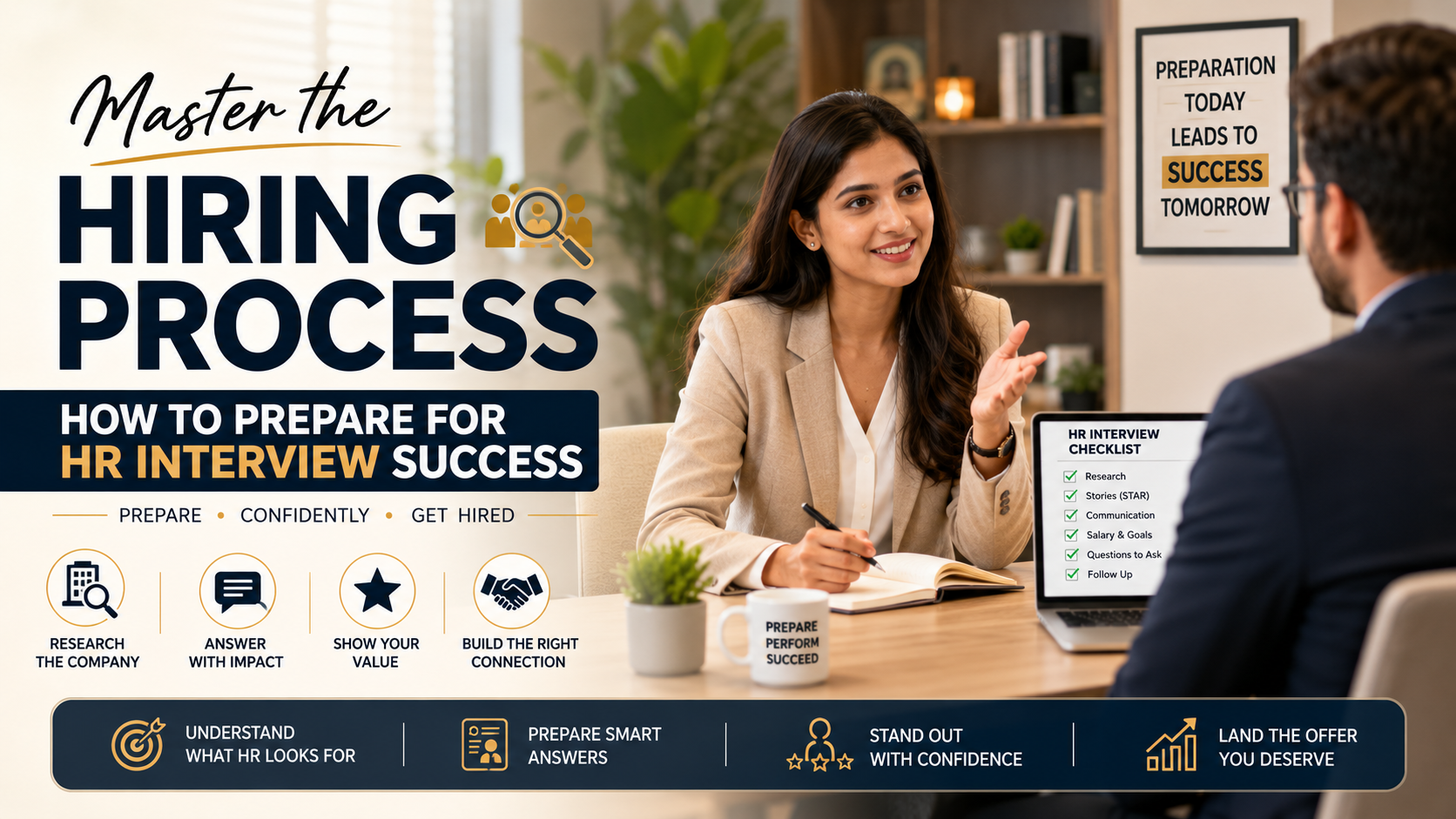
Master the Hiring Process: How to Prepare for HR Interview Success
Landing a job interview is exciting, but the initial screening can feel scary. Learning how to prepare for HR interview calls can turn your anxiety into real confidence. Technical interviews check your hard skills. In contrast, HR screeners look at soft skills, culture fit, and career goals. Therefore, understanding this distinction is crucial. You can read official labor standards on the U.S. Department of Labor website.
Good preparation requires more than reading your resume. Specifically, you must know how to prepare for HR interview conversations by studying company values. Furthermore, you need clear stories about your past work. Ultimately, HR managers want to see if you will fit into their team.
This guide shows you how to prepare for HR interview questions step by step. As a result, you will learn to research employers and answer tough questions effectively. In addition, we show you how to follow up well. Read on to build a great career strategy.
Understanding the Purpose of an HR Interview
First, you must know what recruiters want during a screening. The initial screening is a key filter in hiring. Department leads check your daily technical skills. Meanwhile, HR screeners test your long-term potential and core values.
Consequently, recruiters look for key signs during this first call:
-
Culture Fit: Do your values match the company mission?
-
Communication: Can you speak clearly and listen well?
-
Work Stability: Does your resume show strong commitment?
-
Logistics: Do your salary needs and start date align with their budget?
When you keep these goals in mind, your answers become much stronger.
During an HR screening interview, recruiters typically focus on four key areas. They assess your cultural fit and values alignment to determine whether your personality and work style match the company’s culture. They also evaluate your soft skills and interpersonal communication, including how effectively you communicate, collaborate, and handle workplace situations. Another important focus is your career stability and goal motivation, where they discuss your professional journey, reasons for changing jobs, and long-term career aspirations. Finally, recruiters cover salary expectations and timeline logistics, including your expected compensation, notice period, availability to join, and any other employment-related details.
How to Prepare for HR Interview Research and Role Analysis
You cannot build trust without doing good research first. Thus, knowing how to prepare for HR interview research helps you tailor your answers. Moreover, it helps you ask smart questions.
Analyzing the Job Description for Job Screening Prep
Initially, read the job posting line by line. Highlight repeated keywords, daily duties, and key requirements. Next, note soft skills like teamwork, problem-solving, or adaptability. Later, use these exact terms in your interview answers.
Investigating Corporate Culture and Executive Leadership
However, look beyond the main website page. Read the mission statement, core values, and recent news. Additionally, check their social media pages to see their tone and recent wins. Employee reviews on career sites also reveal real workplace culture.
How to Prepare for HR Interview Behavioral Questions
In addition, HR interviewers love behavioral questions. This is because past behavior shows future workplace performance. Recruiters want real examples of how you handled past challenges.
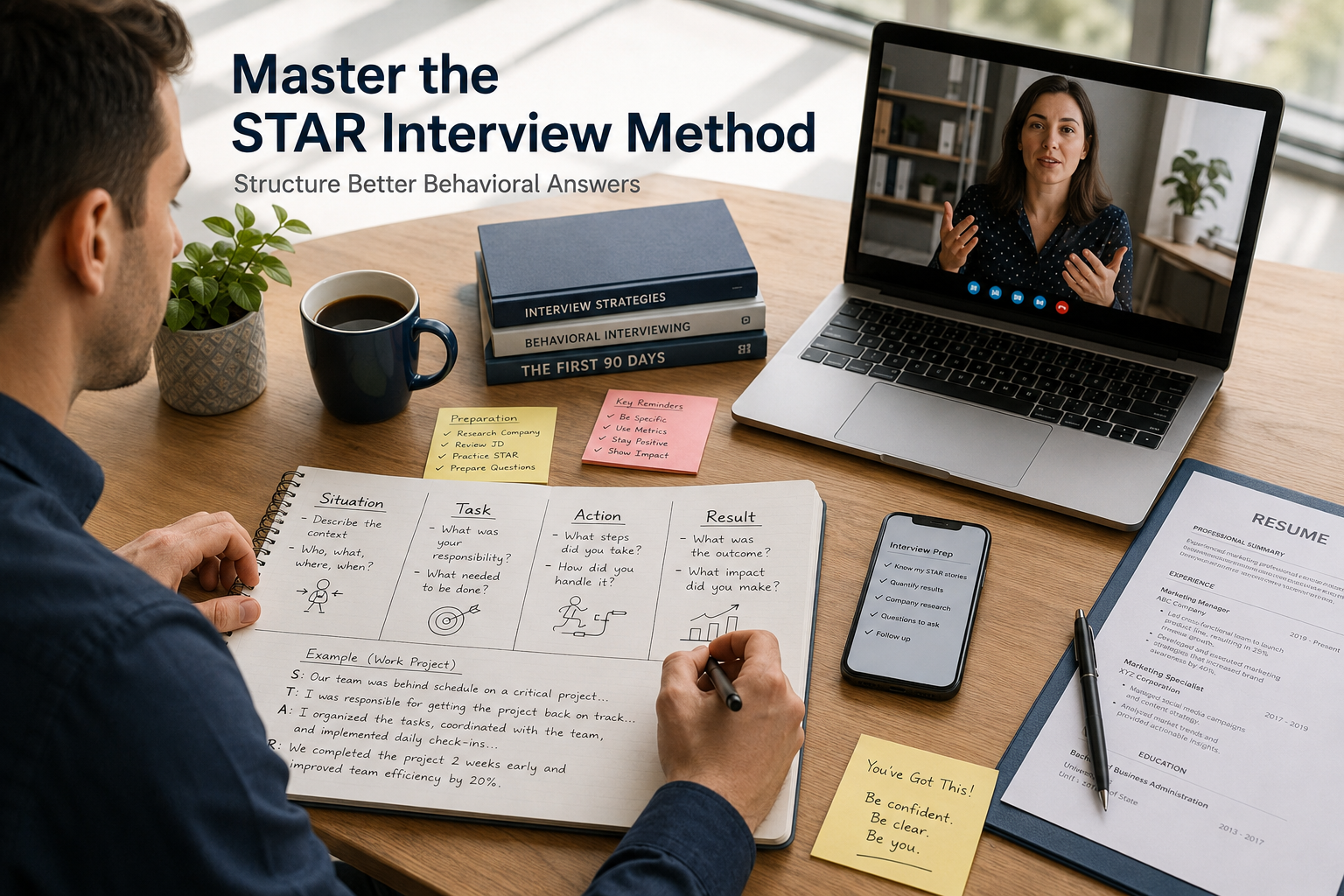

Using the STAR Method for Behavioral Answers
You should use the STAR method (Situation, Task, Action, Result) to keep answers short and focused.
-
Situation: First, set the scene by describing the challenge briefly.
-
Task: Second, define your specific duty in that situation.
-
Action: Third, share the exact steps you took to solve it.
-
Result: Finally, end with the positive outcome and clear numbers.
| STAR Component | Practical Goal | Example Focus |
| Situation | Set context fast | “Our team faced a short project deadline…” |
| Task | Define your duty | “I had to reorganize our daily workflow…” |
| Action | Detail your steps | “I set up daily stand-ups and shifted tasks…” |
| Result | Share outcomes | “…which helped us launch on time.” |
Preparing Stories for Human Resources Screening Meetings
For this reason, prepare four to six work stories before your call. Specifically, make sure your stories cover key topics:
-
Handling a conflict with a difficult coworker.
-
Working under a tight deadline.
-
Showing leadership during a crisis.
-
Learning from a past work mistake.
How to Prepare for HR Interview Answers to Tough Questions
Additionally, recruiters ask open questions to test your emotional intelligence and self-awareness. Therefore, preparing good answers keeps you calm and clear.
Answering “Tell Me About Yourself” in Candidate Evaluations
This opening question sets the tone for the call. However, do not read your resume line by line. Instead, use the Present-Past-Future plan:
-
Present: First, share your current role and top wins.
-
Past: Second, mention past work that built your core skills.
-
Future: Finally, explain why this open role fits your goals.
Addressing Salary Expectations and Compensation Queries
Above all, avoid naming a single fixed salary number early on. Instead, say you want a fair offer based on your skills. If pressed, give a researched salary range based on market rates.
Key Strategies on How to Prepare for HR Interview Success
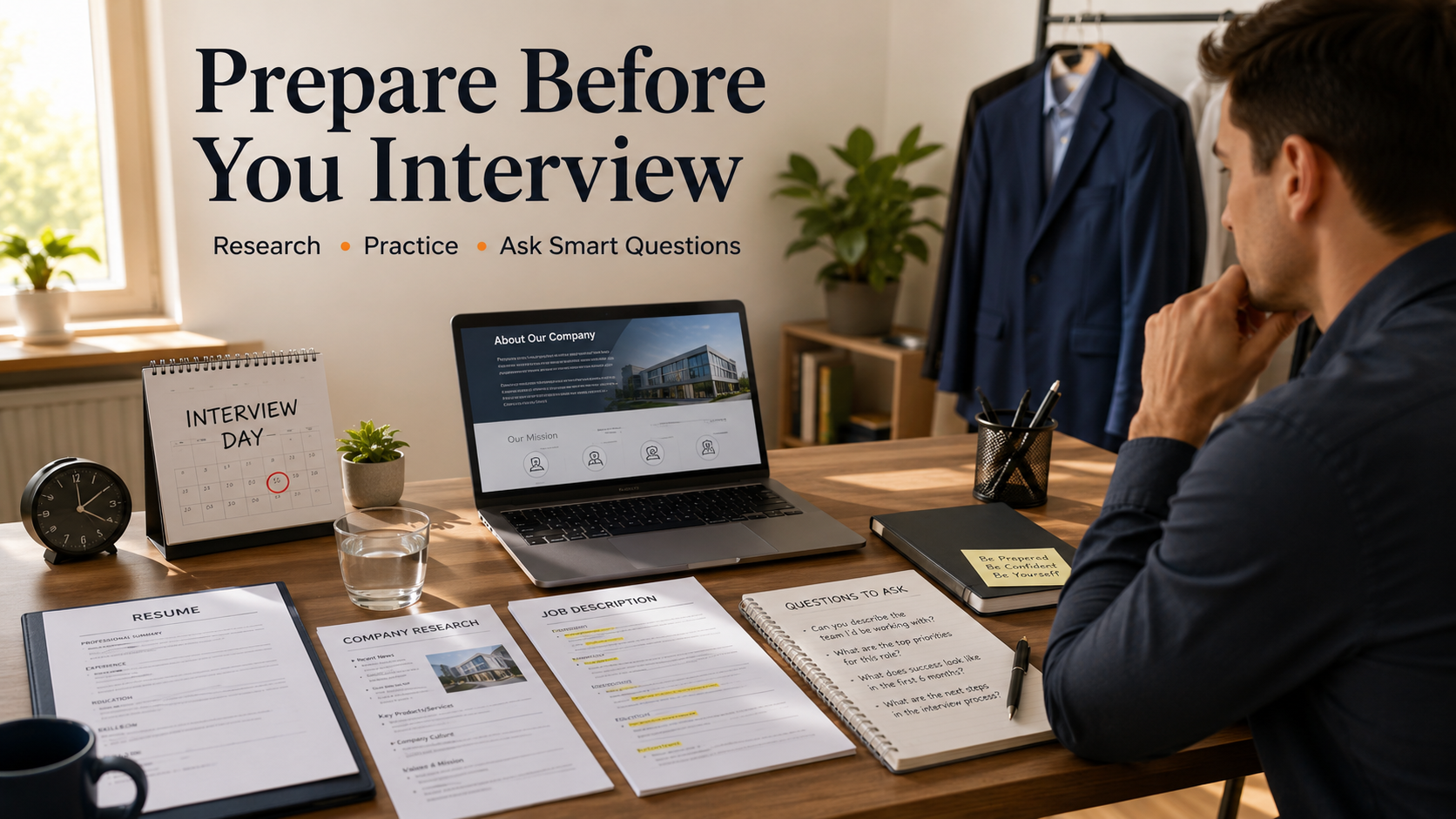

Ultimately, good interview execution requires practice. Follow these practical steps to improve your delivery:
-
Practice Active Listening: Listen carefully before answering. Then, pause two seconds to collect your thoughts.
-
Use Strong Body Language: Look at the camera during video calls. Furthermore, sit up straight, smile, and speak clearly.
-
Ask Smart Questions: Always bring three to five questions for the recruiter. For instance, ask about team goals or success metrics.
FAQ SECTION
What is the main goal when learning how to prepare for HR interview calls?
The main goal when learning how to prepare for HR interview calls is understanding how recruiters assess overall candidate fit. HR screeners test your soft skills, work values, emotional intelligence, and interpersonal communication style. While hiring managers check specific technical abilities, HR staff check if you fit the broader corporate culture and team dynamics. In addition, they cover essential administrative and job logistics. For example, they check your employment history, salary expectations, notice period, and preferred start date. Consequently, knowing this underlying focus helps you structure clear answers that highlight your reliability, enthusiasm, and teamwork. Furthermore, showing that you understand their role builds immediate rapport and sets a positive tone for the entire interview process.
How do I answer “What is your biggest weakness?” in an HR interview?
First, pick a real work skill that is not critical for success in the target job. However, do not say “I work too hard” or “I am a perfectionist.” Recruiters dislike those fake, self-serving answers because they lack authenticity. Likewise, avoid mentioning major professional red flags like poor punctuality or difficulty meeting basic deadlines. Instead, state a minor weakness quickly and honestly. Then, immediately explain the proactive actions you take to fix it. For example, say public speaking or presenting to large groups used to scare you. Afterward, explain how you actively joined a presentation class or volunteered to lead internal team updates to build real confidence and overcome that hurdle.
How should I dress for a virtual HR screening?
You should always wear clean, professional clothes for a virtual HR screening. Dress well even if the company maintains an informal or casual dress code. Indeed, dressing nicely shows high professional discipline and respect for the interviewer’s time. Therefore, choose solid, neutral colors that look good on camera. Meanwhile, avoid busy patterns that distort on digital screen feeds. Ensure your personal grooming is neat and well-kept as well. Finally, set up your camera at eye level and keep your room quiet, bright, and clean. Dressing professionally puts you in a confident, focused mindset for your call and creates a great first impression.
What should I bring to an in-person HR interview?
First, bring a clean folder with several printed resume copies on high-quality paper. Indeed, having extra physical copies shows great organization if additional managers join the meeting unexpectedly. In addition, pack a clean notebook, a working pen, and a list of professional references. Likewise, bring a prepared list of strategic questions to ask the recruiter near the end of the meeting. Furthermore, bring a digital tablet or printed portfolio if your work involves visual or creative outputs. Finally, bring a valid government-issued photo ID, as corporate security desks often require guest registration before granting access to the building.
How long does a typical HR screening last?
Generally, an initial HR screening lasts between 20 and 45 minutes, depending on the role and format. Phone calls with recruiters are usually shorter, lasting about 20 to 30 minutes. Typically, these initial phone calls cover basic resume facts, salary needs, notice periods, and essential job requirements. However, virtual video calls or in-person meetings with HR managers last 30 to 45 minutes. Consequently, these longer meetings cover detailed behavioral questions, situational scenarios, and long-term culture fit. Knowing this time limit helps you give concise, focused answers without rushing your delivery or rambling off-topic.
When and how should I follow up after an HR interview?
First, send a short, personalized thank-you email within 24 hours of completing your HR interview. Express sincere gratitude to the recruiter for their time and insights. In addition, mention a specific detail or topic from your talk to build a strong personal connection. Next, reiterate your genuine interest in the role and briefly highlight your primary strengths once more. Keep the note short, polite, professional, and free of typos. Finally, if the recruiter gave you a specific timeline and you hear nothing back, send a polite follow-up email a day or two after that expected deadline passes.
CONCLUSION
In summary, learning how to prepare for HR interview calls is a great way to boost your job search results. Researching the employer and practicing the STAR method helps you turn a basic screening into a great meeting. Remember, HR screeners want you to succeed. Therefore, they are looking for a capable, positive teammate to join their business.
Treat every call as a two-way chat. While the recruiter checks your fit, you evaluate their company culture and growth path. Thus, practice strong body language, listen carefully, and ask smart questions that show your professional maturity.
Good preparation builds real confidence and increases your chances of success. Rehearse your answers out loud, refine your interview stories, and send thoughtful follow-up notes after every interview. If you want to sharpen your interview skills even further, check out this comprehensive guide on how to interview like a pro. With the right preparation and a clear strategy, you’ll impress recruiters and move one step closer to landing your next job.