Category Archives: Career

Networking Tips for Career Success: Build Professional Growth

Networking Tips For Career Success: A Practical Guide to Building Professional Relationships

Mastering networking tips for career success is one of the most reliable ways to unlock hidden job markets, accelerate professional growth, and build long-term industry influence. Many ambitious professionals spend countless hours perfecting their resumes, yet they overlook the profound impact of cultivating genuine human relationships.

According to the U.S. Bureau of Labor Statistics, a significant portion of jobs are secured through networking and referrals rather than traditional public job boards. Building a robust professional circle goes far beyond collecting business cards or stacking connections on digital platforms; it requires a strategic, authentic approach to mutual value exchange.

Whether you are stepping into a brand-new industry or trying to reach the executive level within your current field, knowing how to connect with the right people changes everything. This article explores actionable strategies, mindset shifts, and digital practices designed to transform your professional interactions.

You will learn how to approach events with confidence, nurture existing relationships over time, leverage online platforms effectively, and avoid common networking pitfalls. Let us dive into the core principles that will elevate your professional network starting today.

How to become successful in networking?

Becoming successful in professional networking requires a consistent mindset focused on mutual value exchange, genuine curiosity, and active relationship maintenance. You achieve true success by shifting your primary mindset away from transactional self-promotion toward helping others achieve their goals. When you approach professional encounters with a mindset of generosity, people naturally want to support your journey in return. Effective networkers listen attentively, ask thoughtful questions, and follow up promptly after initial meetings. Building a strong professional reputation takes time, patience, and authentic engagement across various industry platforms. Consistency turns casual acquaintances into lifelong professional advocates.

The Power of Authentic Follow-Up

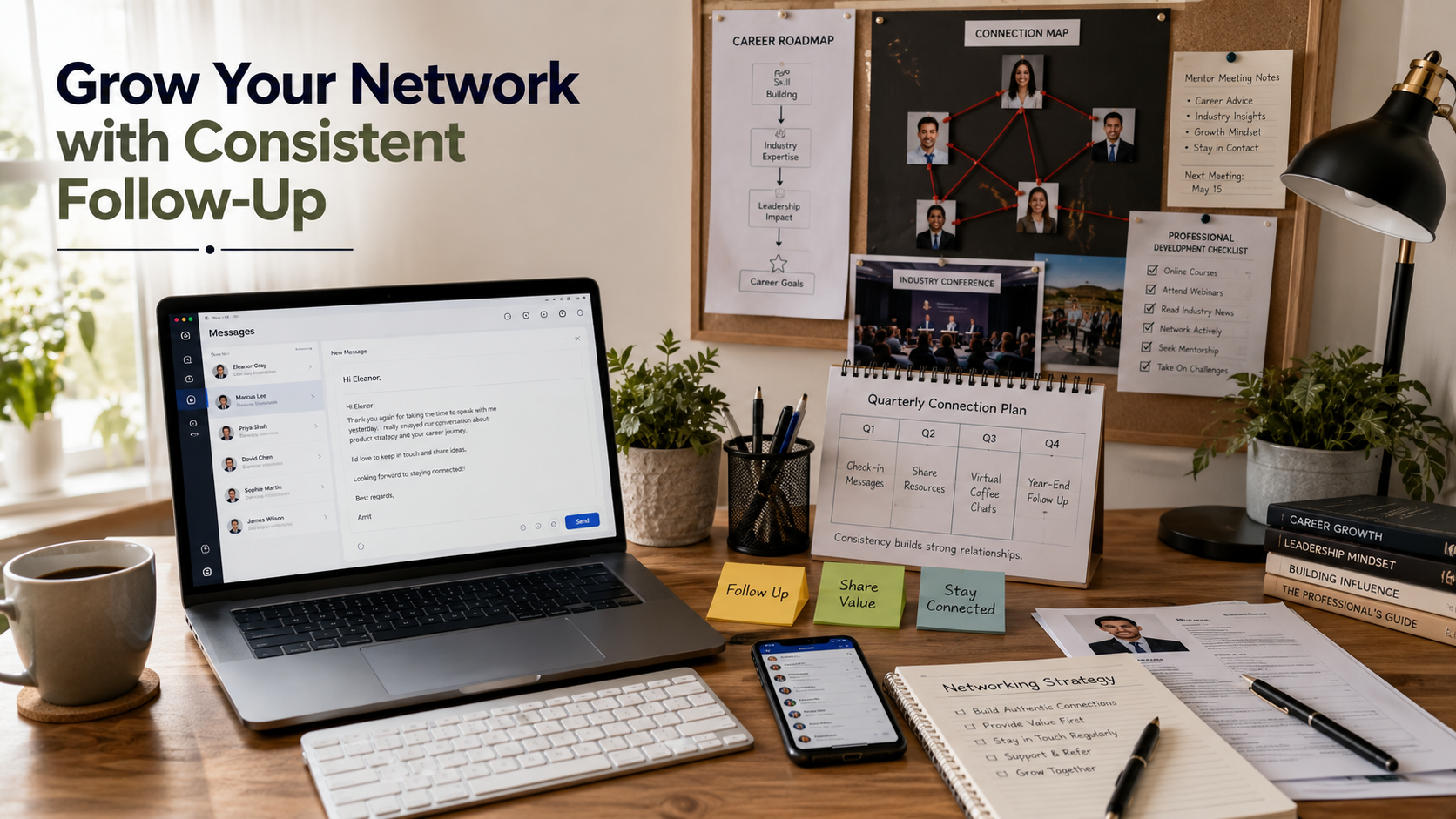
Following up after an initial meeting solidifies your new connection and demonstrates genuine interest. Send a personalized message within twenty-four hours referencing a specific topic you discussed. Sharing a relevant article or useful resource adds immediate value and keeps the conversation engaging and memorable.

What Is the Best Way to Grow Your Professional Network?

The best way to grow your professional network involves combining targeted digital outreach with active participation in industry-specific events, workshops, and volunteer organizations. Leveraging professional platforms like LinkedIn allows you to connect directly with thought leaders and alumni from your alma mater. Simultaneously, attending local meetups and national conferences helps you build deeper, face-to-face relationships that virtual interactions cannot replicate. Diversifying your approach ensures you reach a broader audience of potential mentors and future employers. Quality always outweighs sheer quantity when building a powerful professional community.

Leveraging Industry Events Strategically

Preparing a concise introduction helps you articulate your professional background clearly during live industry events. Focus on asking open-ended questions about current trends rather than simply handing out business cards. Listening closely to industry challenges allows you to offer meaningful insights and forge lasting connections.

What Are the 4 C’s of Networking?

The 4 C’s of networking provide a practical framework for building meaningful professional relationships. They include connection, contribution, consistency, and community. Together, these principles help professionals move beyond casual interactions and develop relationships that create long-term career value.

Connection begins with finding common interests or shared experiences that establish trust. Contribution focuses on offering value before expecting anything in return. This could include sharing knowledge, making introductions, or providing helpful resources.

Consistency ensures relationships remain active over time. Regular check-ins, thoughtful messages, and occasional conversations prevent valuable connections from fading. Finally, community represents the network of trusted professionals who support each other’s goals, exchange opportunities, and encourage continued growth.

Applying all four principles consistently creates stronger relationships than simply collecting contacts. As your network grows, these connections become a reliable source of mentorship, collaboration, referrals, and career opportunities throughout every stage of your professional journey.

The Power of Mutual Contribution

Among the 4 C’s of networking, contribution is often the most impactful. Professionals who consistently help others naturally build stronger relationships and greater trust. Offering value demonstrates generosity and establishes your reputation as someone others can rely on.

Contribution does not always require major commitments. Small actions often have the greatest impact. You can:

  • Share valuable industry resources.
  • Recommend qualified professionals for opportunities.
  • Introduce people with shared interests.
  • Endorse relevant skills.
  • Offer helpful feedback or advice.

These actions encourage others to reciprocate over time. Instead of focusing on immediate returns, prioritize building genuine relationships. A generous approach strengthens your professional reputation and often leads to unexpected opportunities through referrals, collaborations, and trusted recommendations.

How Networking Helps Career Growth

Networking for career growth creates opportunities that are often unavailable through traditional job searches. Many companies fill positions through referrals, internal recommendations, and trusted professional relationships before advertising vacancies publicly. Building a strong network gives you access to these hidden opportunities.

Beyond job searching, networking exposes you to new ideas, industry trends, and experienced professionals who can provide valuable guidance. Conversations with mentors and peers help you identify skill gaps, improve decision-making, and gain confidence as you progress in your career.

A well-developed professional network also provides support during career transitions. Whether you are changing industries, seeking leadership roles, or navigating uncertain job markets, trusted connections can offer advice, referrals, and encouragement. Over time, networking becomes one of the most valuable long-term investments you can make for continuous professional development and career success.

Accessing Hidden Job Markets

One of the greatest benefits of professional networking is gaining access to the hidden job market. Many employers prefer hiring through referrals because trusted recommendations reduce recruitment risks and often lead to better hiring outcomes.

Strong professional relationships increase the likelihood that someone will think of you when new opportunities arise. Instead of competing with hundreds of applicants, you may learn about openings before they become public. This early access significantly improves your chances of securing interviews.

Building these relationships requires consistency. Stay connected with colleagues, attend industry events, and maintain regular communication with mentors and former teammates. When decision-makers already know your abilities and professionalism, they are more likely to recommend you for projects, promotions, and new career opportunities.

What Are the 5 P’s of Effective Networking?

The 5 P’s of effective networking provide a practical blueprint for building lasting professional relationships. These principles include preparation, presence, punctuality, participation, and follow-up. Together, they help professionals create positive impressions while developing meaningful business connections.

Preparation involves researching attendees, organizations, or speakers before meetings. Presence means giving people your full attention through active listening and genuine conversation. Punctuality demonstrates professionalism and respect for others’ time.

Participation encourages asking thoughtful questions, sharing relevant experiences, and contributing valuable insights instead of remaining passive. Finally, follow-up transforms a single meeting into a lasting relationship through personalized messages and continued communication.

Applying these five principles consistently makes networking more comfortable and productive. Rather than focusing on collecting contacts, you create meaningful professional relationships that support long-term career growth, mentorship, collaboration, and future business opportunities.

Mastering the Post-Event Follow-Up

The final P—follow-up—often determines whether a new connection becomes a lasting professional relationship. A timely follow-up demonstrates professionalism, reliability, and genuine interest in continuing the conversation.

Send a personalized email or LinkedIn message within 48 hours of meeting someone. Mention a specific topic you discussed, thank them for their time, and share any resources you promised. Personal details make your message more memorable than a generic greeting.

If appropriate, suggest another conversation or connect over a shared professional interest. Avoid immediately asking for favors or opportunities. Consistent, value-focused communication builds trust over time and keeps relationships active. Effective follow-up turns brief introductions into meaningful professional connections that can benefit both parties for years.

FAQ

How often should I reach out to my professional connections?

Maintaining your professional network requires consistent but natural communication. Reaching out to important contacts every two to three months is usually enough to keep relationships active without becoming intrusive.

You can congratulate them on achievements, share an interesting industry article, or ask for their opinion on a current trend. Small interactions often have a greater impact than infrequent, lengthy conversations. These networking tips for career success help you remain visible while providing value and maintaining genuine relationships over time.

Is online networking as effective as in-person networking?

Both online and in-person networking are valuable, and each offers unique advantages. Face-to-face meetings build trust and personal rapport more quickly through direct conversation and shared experiences.

Online networking expands your reach beyond geographical limits. Platforms like LinkedIn allow you to connect with professionals worldwide, participate in discussions, and maintain relationships consistently. Combining digital engagement with occasional in-person meetings is one of the most effective networking tips for career success because it supports long-term professional growth.

How can introverts network successfully without feeling drained?

Introverts often succeed by prioritizing quality over quantity. Instead of attending large networking events, they may find greater success through small workshops, one-on-one coffee meetings, or focused online communities.

Preparing conversation starters before events reduces anxiety and increases confidence. Scheduling recovery time afterward also helps manage social energy. By building deeper relationships with fewer people, introverts can develop a highly effective professional network without feeling overwhelmed.

What should I do if I have nothing to offer in a networking relationship?

Everyone has something valuable to contribute, regardless of experience level. You might offer fresh perspectives, enthusiasm, research assistance, technical knowledge, or simply become an attentive listener.

Networking is not based on immediate exchanges. Genuine curiosity, thoughtful conversations, and a willingness to support others create lasting relationships. Over time, as your skills and experience grow, your ability to contribute expands naturally, strengthening your professional network and increasing future opportunities.


CONCLUSION

Mastering networking tips for career success is an ongoing journey that fundamentally transforms how you approach professional growth. By shifting your mindset from purely transactional interactions to relationship-driven connections, you build a resilient support system that can help you navigate career changes, overcome challenges, and discover new opportunities. Strong professional relationships are built on trust, consistency, and a genuine willingness to help others rather than expecting immediate returns.

Remember that every meaningful connection begins with a single authentic conversation and grows through regular communication, shared knowledge, and mutual respect. Whether you attend industry events, engage with professionals on LinkedIn, or reconnect with former colleagues, every interaction contributes to expanding your professional network and strengthening your reputation. Over time, these relationships can lead to valuable referrals, mentorship opportunities, partnerships, and career advancement. If you want to discover more ways to access hidden career opportunities, learn how to find jobs that are never advertised through strategic networking and proactive outreach.

The key to successful networking is consistency. Make it a habit to stay in touch with your contacts, celebrate their achievements, and provide support whenever possible. Implementing these networking strategies consistently will open doors that may never appear through traditional job searches alone. Take action today by reaching out to one former colleague, mentor, or industry peer, start meaningful conversations, and invest in relationships that will support your long-term career success. Every connection you nurture today has the potential to shape the opportunities you receive tomorrow.
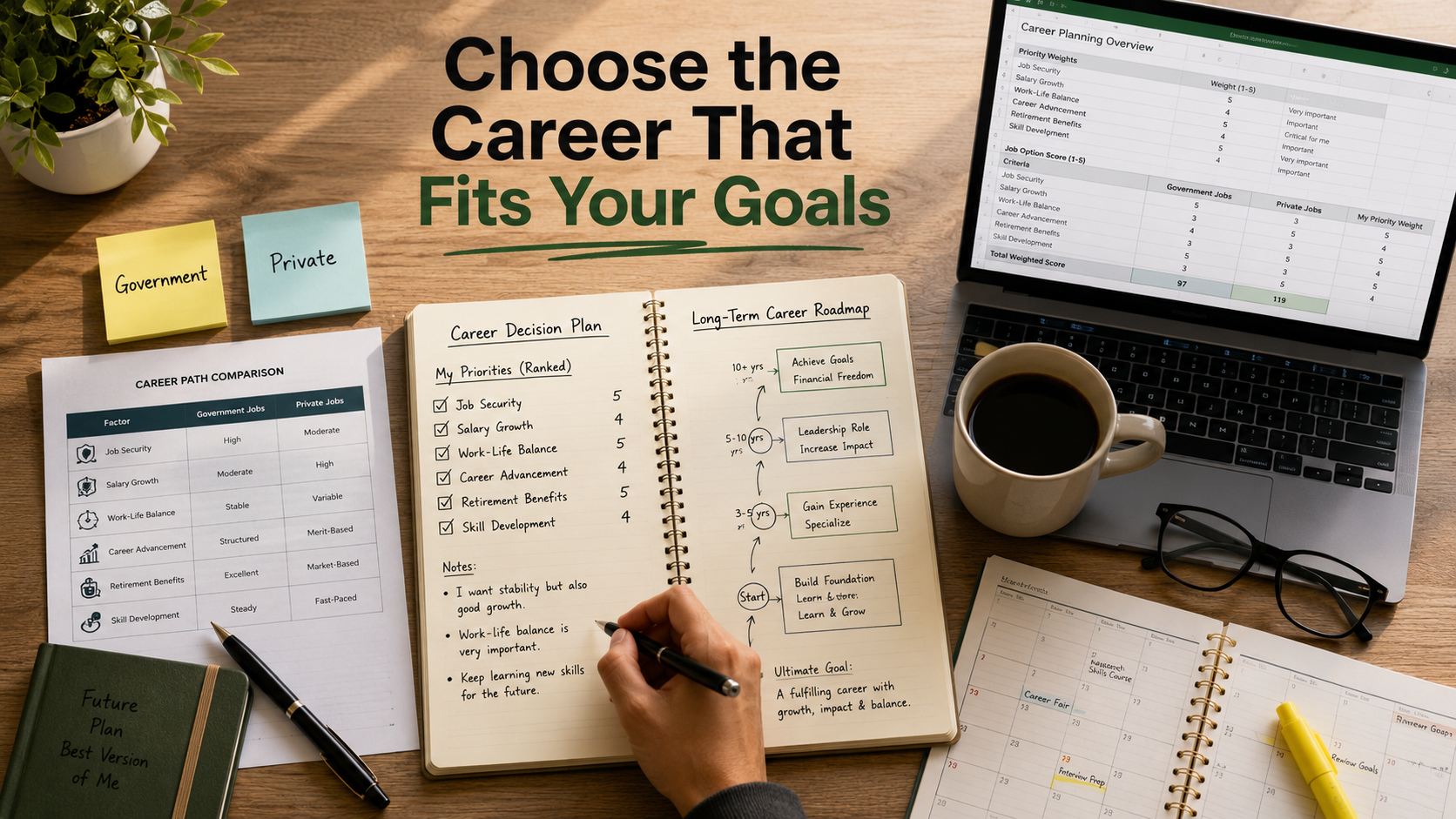
Government vs Private Jobs: Which Is Better for You?

Government vs Private Jobs: Which Is Better for Your Career?

Choosing between government vs private jobs is undoubtedly a major career decision. Both paths offer unique perks. Moreover, they feature completely different work cultures and vastly different financial futures. Therefore, you must weigh these options carefully before deciding.

Furthermore, the U.S. Bureau of Labor Statistics tracks employment data closely. Consequently, their statistics show clear differences in workplace stability. Compensation structures vary greatly between sectors. Similarly, daily expectations differ too.

Understanding these core differences is highly essential. Thus, it helps align your personal strengths with the right sector. Specifically, some people want guaranteed job security above all. In addition, they want predictable schedules and robust pension plans.

Conversely, others thrive in fast-paced corporate settings. These workers love environments that reward merit and rapid innovation. Neither choice is inherently wrong or superior. Instead, the right decision depends entirely on your personal values.

Ultimately, this guide breaks down these vital career paths. We will compare salary trends, growth timelines, and overall work-life balance. Therefore, you will know how to make the best choice for your future.

Which Job Is Better: Government or Private?

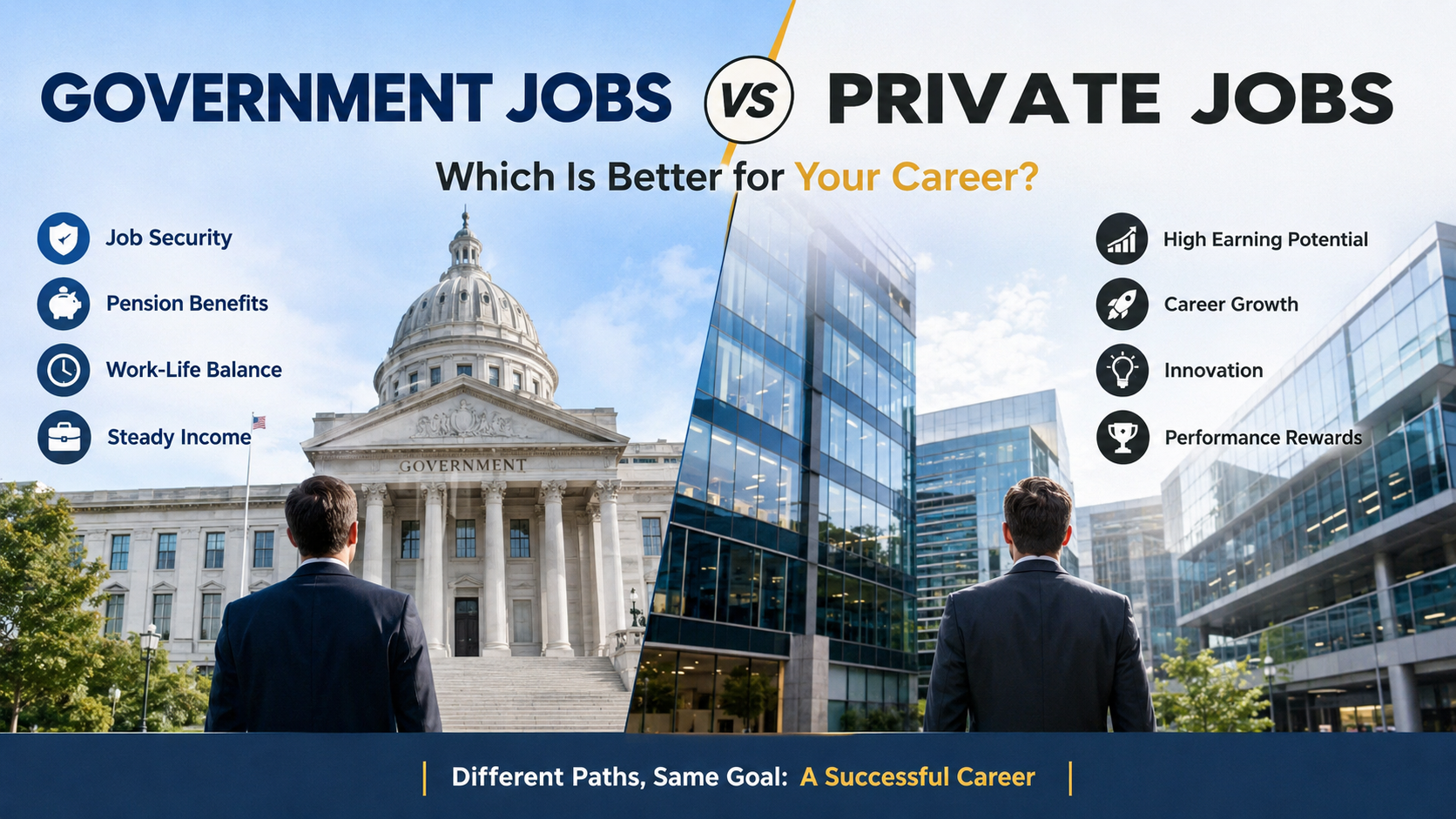
Choosing between a government job and a private job depends on your career goals, financial expectations, and preferred lifestyle. Government jobs are known for job security, fixed working hours, pension benefits in eligible roles, and stable career progression. These advantages make them attractive for people who value long-term stability and predictable employment. However, promotions may follow structured policies and can be slower than in the private sector.

Private jobs, on the other hand, offer faster career growth, higher earning potential, and opportunities to work with new technologies and global organizations. Promotions and salary increases are often based on performance, skills, and business results. When comparing government vs private jobs, neither option is universally better. If you prioritize stability and work-life balance, a government career may suit you better. If you prefer rapid growth, higher salaries, and dynamic work environments, the private sector may be the stronger choice.

Evaluating Personal Career Goals and Risk Tolerance

Before deciding between government and private jobs, assess your long-term career objectives and comfort with professional risk. Government jobs are ideal for individuals who prefer predictable careers, stable income, and lower employment uncertainty. They often appeal to those seeking long-term security and structured work environments.

Private-sector careers are better suited to professionals who enjoy challenges, continuous learning, and faster career progression. These roles often require adapting to changing technologies and business demands. Consider your financial goals, work preferences, and willingness to take risks before making a decision. Choosing a career that matches your personality and ambitions is more important than simply comparing salaries or job titles.

Which Life Is Better: Private or Government?

The lifestyle offered by government jobs and private jobs differs significantly. Government employees usually enjoy fixed working hours, public holidays, and a predictable schedule. This often creates better opportunities for maintaining a healthy work-life balance, spending time with family, and pursuing personal interests.

Private-sector employees may experience tighter deadlines, performance targets, and longer working hours, depending on their role and industry. However, they also benefit from modern workplaces, flexible work arrangements, international exposure, and continuous professional development. The better lifestyle depends on your priorities. If you value stability and routine, a government job may be the better fit. If you enjoy fast-paced work and career growth, private employment may provide greater satisfaction.

Managing Work-Life Balance and Daily Stress

Maintaining a healthy work-life balance is essential for long-term career success. Government jobs generally provide more predictable schedules, making it easier to manage personal responsibilities and reduce workplace stress. Regular working hours also contribute to a more balanced lifestyle.

Private jobs can be more demanding, especially in competitive industries. However, many companies now offer flexible schedules, remote work options, and employee wellness programs. Setting clear boundaries, managing time effectively, and maintaining healthy habits can help professionals succeed in either sector while avoiding burnout.

Whose Salary Is Higher: Government or Private?

In most industries, private jobs offer higher salary potential than government jobs, particularly for skilled professionals in technology, finance, healthcare, consulting, and engineering. Performance-based incentives, annual bonuses, stock options, and rapid promotions can significantly increase total earnings over time.

Government salaries are determined by standardized pay structures and periodic pay revisions. Although starting salaries may be lower than those in the private sector, government employees often receive additional benefits such as housing allowances, medical coverage, travel allowances, and retirement benefits. If maximizing income is your primary objective, the private sector generally provides greater earning potential. However, overall compensation should be evaluated alongside long-term benefits and job security.

Understanding Perks, Benefits, and Total Compensation

Salary alone does not determine the value of a job. Total compensation includes allowances, bonuses, retirement benefits, healthcare, insurance, paid leave, and career development opportunities. Comparing these benefits provides a more accurate picture of overall financial value.

Government jobs often include stable retirement benefits, medical facilities, and generous leave policies. Private companies may offer higher salaries, performance bonuses, learning programs, stock options, and flexible work arrangements. Evaluating the complete compensation package helps you choose the option that best supports your financial goals and lifestyle.

Which Is Better: A ₹40 LPA Private Job or an ₹8 LPA Government Job?

Choosing between a ₹40 LPA private job and an ₹8 LPA government job depends on your priorities rather than salary alone. A ₹40 LPA private role offers significantly higher income, allowing faster wealth creation through investments, property purchases, and long-term financial planning. Skilled professionals may also experience rapid career advancement and higher future earnings.

An ₹8 LPA government job provides exceptional job security, stable income, structured promotions, and valuable retirement benefits. While the salary is lower, the reduced risk of layoffs and predictable career progression appeal to many professionals. If your focus is maximizing earnings and long-term wealth, the private job generally offers greater financial potential. If stability, security, and predictable employment matter most, the government job may be the better choice.

Calculating Long-Term Wealth Versus Job Security

Comparing these career paths requires looking beyond annual salary. A higher private-sector income can generate substantial wealth through disciplined investing and career growth. However, it also comes with greater employment risk and changing market conditions.

Government jobs provide consistent income, long-term stability, and financial security during economic downturns. Consider your investment habits, financial responsibilities, career ambitions, and tolerance for uncertainty before making your decision. The best choice is the one that aligns with both your financial goals and your preferred lifestyle.


Frequently Asked Questions

Are government jobs completely immune to layoffs?

Government jobs offer strong job security and are far less likely to experience layoffs than private-sector positions. Permanent employees are protected by established employment rules and legal procedures. However, disciplinary action, misconduct, or poor performance can still result in dismissal in certain circumstances.

Can I switch from a private job to a government job later in life?

Yes, switching from a private job to a government job is possible if you meet the eligibility criteria. Most government recruitment requires candidates to satisfy age limits, educational qualifications, and competitive examination requirements. Some specialized government positions also recruit experienced professionals from the private sector.

Which sector offers better opportunities for rapid skill development?

The private sector generally provides faster skill development because businesses continuously adopt new technologies and processes. Employees often receive regular training and work on diverse projects. Government jobs also offer learning opportunities, but career development usually follows a more structured pace.

Do government jobs provide better retirement benefits than private jobs?

In many cases, government jobs provide stronger retirement benefits, including pension schemes for eligible employees, provident fund contributions, and healthcare benefits. Private companies also offer retirement plans and employee benefits, but these vary by employer and may not provide the same long-term financial security as traditional government benefits.


Conclusion: Making Your Decision

Comparing government vs private jobs reveals no universal perfect answer. Both distinct career paths offer exceptionally unique advantages. They cater to entirely different personal priorities and psychological preferences.

If you prioritize bulletproof job security, choose the public sector. It offers highly predictable hours and stress-free retirement benefits. Government service allows you to build a reliable, honorable career safely. For additional strategies and exam resources, you can explore this government job preparation guide.

If you seek rapid earning growth, choose the private sector. It provides immediate merit-based professional promotions and cutting-edge technology. Corporate careers beautifully empower ambitious professionals to dictate their advancement speed.

You must carefully assess your current life stage and needs. Define what true success means to you personally. Evaluate your personal tolerance for workplace volatility. Then, confidently choose the path that best supports your vision.

Degree Apprenticeships: Best Careers to Pursue in 2026

Degree Apprenticeships: Best Careers to Pursue in 2026

Choosing degree apprenticeships has quickly become one of the smartest alternative routes for ambitious students and career switchers looking to bypass traditional university debt. Instead of sitting in lecture halls for three or four years accumulating loans, you step straight into the workforce. You earn a competitive salary while studying part-time toward a full undergraduate or master’s qualification. According to official data from GOV.UK, thousands of learners leverage these programs annually to fast-track their professional journeys. This educational model bridges the gap between academic theory and practical execution. It matters deeply because modern employers increasingly demand proven work experience alongside formal credentials. Whether you want to enter software engineering, digital marketing, or civil engineering, these paths open doors without financial strain. This article explores the top industries offering these hybrid learning opportunities, outlines key benefits, and guides you toward making an informed choice for your professional future.

Top Tech and Software Engineering Degree Apprenticeships

The technology sector remains a primary driver for higher-level work-based learning across the modern global economy. Companies constantly hunt for agile tech talent capable of coding, managing complex databases, and securing vital digital assets from day one on the job. Consequently, leading technology firms partner heavily with accredited universities to mold fresh talent directly into competent industry professionals.

Software development and data science programs teach you programming languages, algorithms, and predictive modeling techniques extensively. You write live code for enterprise applications under senior supervision while studying foundational computer science theories. Therefore, your practical coding skills evolve twice as fast as traditional university students’.

Cybersecurity roles focus on protecting enterprise networks and preventing devastating data breaches. Technical consultants advise clients on optimal technology architecture and defensive strategies. You gain hands-on experience handling real-time threat detection while studying fundamental network security principles.

Engineering and Construction Degree Apprenticeships

Traditional engineering studies often lack crucial hands-on site exposure and practical field experience. Engineering higher apprenticeships solve this structural flaw by combining rigorous mathematical design modules with active construction site management.

Civil and mechanical pathways involve designing massive bridges, regional roads, or automated manufacturing machinery. You spend four to five years rotating through structural analysis, blueprint drafting, and project estimation departments.

Sustainable infrastructure design prioritizes green energy and zero-carbon footprints in modern urban development. Apprentices in this sub-field learn how to integrate renewable energy sources into municipal planning. Industry leaders highly value candidates who understand both ecological impact and core engineering mechanics.

Business, Finance, and Legal Degree Apprenticeships

Corporate services rely heavily on accurate accounting, astute financial modeling, and strict legal compliance. Professional firms prefer training candidates internally to instill corporate values and operational standards early.

Chartered accountancy and corporate finance pathways prepare professionals to manage corporate balance sheets, internal audits, and complex tax strategies. Earning a professional finance qualification while working allows you to apply tax regulations immediately to live client portfolios.

Commercial law and business management tracks develop high-level negotiation, contract drafting, and leadership skills. You assist senior solicitors or operational managers while studying legal precedents, saving years of expensive law school fees.

Healthcare and Public Service Degree Apprenticeships

Public health and governmental bodies face massive talent shortages globally. Consequently, they offer robust vocational degrees to build a resilient, highly trained workforce.

Nursing programs split time evenly between clinical hospital wards and academic seminars. You learn bedside patient care, pharmacology, and medical ethics directly from veteran practitioners.

Public sector administration pathways within government departments prepare you for policy formulation and public logistics. You learn how public funding operates while managing civil projects that impact local communities daily.

FAQ SECTION

What are degree apprenticeships?

Degree apprenticeships are structured work-based programs that let you earn a full bachelor’s or master’s degree while working for an employer. Instead of studying full-time on campus, you usually spend about 80% of your week gaining practical work experience. The remaining 20% is spent studying with a partner university. Employers pay all university tuition fees, so you graduate without student loan debt while earning a regular salary. These programs usually last three to six years, depending on the profession and qualification. They combine workplace training with higher education, helping you develop both practical skills and academic knowledge.

Who is eligible to apply for these programs?

Most programs require applicants to be at least 18 years old and have qualifications such as A-levels, BTECs, or equivalent technical certificates. Some STEM and finance roles also require specific grades in mathematics and English. There is no upper age limit, making these programs suitable for both school leavers and career changers. Funding rules and entry requirements vary depending on your education, residency status, and location. Always check the employer’s requirements before applying.

How much do participants typically earn?

Participants receive a regular salary throughout the program. Starting pay varies by employer, location, and industry. However, many organizations offer wages above the apprentice minimum. As you gain experience and complete academic milestones, your salary often increases. Many graduates move directly into permanent full-time roles with strong earning potential. This allows them to build financial stability while avoiding student debt.

How do I find and apply for an open position?

You can apply through employer recruitment websites or national platforms such as UCAS and government apprenticeship vacancy services. Because these are real jobs, you will usually need to submit a tailored CV and complete interviews. Recruitment takes place throughout the year because employers hire based on business needs rather than academic calendars. Relevant work experience, networking, and careful interview preparation can improve your chances of success.

Can I change careers later if I complete one?

A degree apprenticeship gives you transferable technical, analytical, and management skills. It also provides a recognized degree and several years of professional experience. These qualifications make it easier to move into different industries or progress within your current field. Employers value candidates who can balance work and study because it demonstrates discipline, resilience, and adaptability.

Conclusion

Degree apprenticeships offer a practical alternative to the traditional university route. They combine higher education with paid work experience, allowing you to earn a recognized degree while avoiding student debt. Along the way, you build valuable workplace skills, expand your professional network, and improve your long-term career prospects.

If you’re still deciding which path to take after finishing school, it’s worth exploring different opportunities before making a decision. You can also read our guide on career options after high school to compare degree apprenticeships with other education and career pathways.

As employers continue to value candidates with both academic qualifications and real-world experience, degree apprenticeships remain one of the strongest options for building a successful career. Research available programs, review employer requirements, and apply early to improve your chances of securing a place.

How to Find Jobs That Are Never Advertised

15 Ways to Find Jobs That Are Never Advertised

Did you know that a massive portion of available employment opportunities never hits the public eye? Therefore, to access these hidden roles, you must learn how to find jobs that are never advertised within the modern labor market. Employers often prefer filling positions internally. They rely on trusted recommendations to save time and recruitment costs. Consequently, relying solely on traditional job boards means you miss out on most of the labor market.

Understanding how to navigate this hidden job market can completely transform your career trajectory. It requires a shift from reactive applying to proactive networking and strategic positioning. By targeting these unlisted openings, you face significantly less competition. You also position yourself as a highly desirable candidate. This comprehensive guide details fifteen actionable strategies to uncover these hidden gems and land your next role.

The Reality of the Hidden Job Market

Many companies deliberately avoid public job postings. They want to bypass the administrative burden of sorting through hundreds of resumes. Instead, they rely on internal talent pools, employee referrals, and direct industry outreach. Consequently, when you look for unlisted roles, you tap into a more efficient, relationship-driven ecosystem.

Landing these roles requires you to change your perspective. You must shift from a passive applicant to an active solutions provider. Employers always look for talent that can solve their problems. They need these solutions even if they have not written a formal job description yet. However, by positioning yourself ahead of the corporate hiring curve, you bypass applicant tracking systems entirely. Therefore, this proactive approach ensures your resume lands directly on the desk of decision-makers. This strategy gives you a massive competitive advantage over traditional applicants.

15 Strategic Ways to Discover Hidden Career Opportunities

1. Conduct Direct Employer Outreach to Find Jobs That Are Never Advertised

Direct employer outreach is one of the most powerful ways to uncover unlisted positions. Start by identifying a list of twenty to thirty companies. Choose firms that align with your career goals and values. Moreover, research these organizations thoroughly to understand their current projects, challenges, and market positioning.

Once you have a clear picture, identify the specific department heads or hiring managers. Do not contact general human resources departments. Craft a compelling, highly personalized pitch that highlights your expertise. Demonstrate how you can solve their immediate operational pain points. Therefore, this strategy works because it shows immense initiative. It saves the company the time and expense of launching a formal recruitment campaign. Even if they do not have an immediate opening, managers often keep proactive candidates in mind for future needs.

2. Leverage Professional Networking Platforms to Uncover Unadvertised Positions

Optimizing your digital footprint on professional platforms like LinkedIn is essential for discovering unlisted roles. Recruiters spend hours every day sourcing candidates quietly behind the scenes. They look for positions they never intend to post publicly. Consequently, to catch their attention, your profile must serve as a comprehensive landing page for your professional brand.

Use industry-specific keywords throughout your headline, about section, and experience bullet points. This practice ensures you appear in targeted search results. Furthermore, you must actively participate in your industry’s digital community. Share relevant insights, write commentary on market trends, and engage thoughtfully with content from executives at your target firms. Similarly, this consistent activity increases your visibility, establishes your authority, and makes you a top-of-mind candidate when confidential roles need filling.

3. Tap Into Your Alumni Network for Unlisted Openings

Your university or college alumni network represents a goldmine of warm leads that many job seekers completely overlook. Shared educational backgrounds create an immediate sense of trust and community. Therefore, this connection makes alumni far more likely to respond to your inquiries. Use platform filters to locate graduates who currently work at organizations where you want to work.

When you reach out, focus entirely on building a professional relationship. Do not ask for a job immediately. Request a brief conversation to discuss their career journey and seek advice on navigating their specific industry. Moreover, alumni often possess insider knowledge about upcoming departures, team expansions, or unlisted needs within their departments. Consequently, by nurturing these connections, you create internal advocates. These advocates can champion your resume when hidden opportunities finally surface.

4. Attend Industry-Specific Conferences to Find Jobs That Are Never Advertised

Industry-specific conferences, trade shows, and seminars offer unparalleled access to decision-makers. These leaders hold the keys to the hidden job market. Corporate leaders and department heads frequently attend these gatherings. They want to discuss industry trends and scout for fresh talent informally. Therefore, to find jobs that are never advertised through these events, look for opportunities to connect during panel discussions and coffee breaks.

Review the speaker lineup and attendee list ahead of time to identify key individuals you want to meet. Prepare a concise, engaging personal introduction that clearly explains your background and professional focus. During networking breaks, focus on having meaningful, value-driven conversations. Do not just hand out business cards rapidly. Consequently, the connections you forge in these casual environments carry significant weight. Employers prefer hiring people they have met face-to-face. Moreover, following up promptly after the event keeps the connection alive for future unadvertised roles.

5. Build Relationships with Niche Recruiters Sourcing Unadvertised Employment

Partnering with specialized, niche recruiters can grant you exclusive access to career opportunities. Many of these roles remain completely invisible to the general public. Many companies retain executive search firms or specialized headhunters to handle confidential hirings. They favor this route for sensitive or highly technical roles. Consequently, these recruiters operate deep within specific industries and possess long-standing relationships with hiring managers.

To leverage this path, identify agencies that focus exclusively on your vertical. Connect with individual recruiters who manage those portfolios. Moreover, treat your initial conversation with a recruiter as a formal interview. Demonstrate your expertise, clarity of goals, and professional reliability. Therefore, once a recruiter trusts your capabilities, they become an invaluable ally. They will actively pitch you for exclusive, unlisted roles that match your unique skill set perfectly.

6. Monitor Company Growth and Funding News to Uncover Unlisted Openings

Keeping a close eye on business journalism, corporate press releases, and financial funding news can give you a massive head start in the hidden job market. When a company secures a new round of venture capital, hiring is inevitable. The same rule applies when a business opens a new regional office or launches a major product line. However, it often takes weeks or even months for human resources to formalize, approve, and publish those new job descriptions.

Consequently, by tracking these growth milestones, you can reach out to department leaders precisely when they realize they need extra help. Send a congratulatory note along with a tailored explanation of how your skills can support their upcoming expansion goals. Therefore, this flawless timing positions you as a strategic thinker who understands business operations. It frequently results in a job offer before a public listing is even drafted.

7. Utilize Informational Interviews to Find Unlisted Work Opportunities

Informational interviews are an incredibly effective, low-pressure strategy to explore the hidden job market. They allow you to look around without triggering defensive hiring barriers. The primary objective of these meetings is to gather intelligence about an industry, company culture, or specific career path from an established professional. However, because you are explicitly not asking for a job, your sources are generally much more relaxed. They are open to sharing authentic insights.

During the conversation, ask targeted questions about their daily challenges, team structures, and department growth. Moreover, this dialogue naturally showcases your industry knowledge, intellectual curiosity, and professional demeanor. Therefore, at the end of the meeting, always ask if they recommend one or two other professionals for you to speak with. This step effectively expands your network and positions you perfectly for unadvertised openings.

8. Join Local Professional Associations to Locate Unadvertised Vacancies

Joining local chapters of professional associations provides an intimate, recurring environment to network with peers. It connects you with industry leaders in your immediate geographical area. These organizations often hold monthly meetings, workshops, and panel discussions that attract highly active professionals. Consequently, you can find out more about local chapters through platforms like Meetup to find relevant regional groups.

Many associations allocate specific time during their gatherings for members to announce internal hiring needs. This happens before those roles go to public job boards. Therefore, by attending regularly, you build deep, consistent relationships with local managers who can vouch for your character and skills. Furthermore, these groups often maintain internal member directories and private job boards that are completely inaccessible to non-members. Similarly, investing your time in a local association demonstrates a strong commitment to your craft. It makes you a preferred choice for local unadvertised positions.

9. Engage in Targeted Social Listening to Find Jobs That Are Never Advertised

Social listening involves actively monitoring digital conversations across platforms like X, Threads, and industry-specific forums. This method helps you identify informal hiring signals. Executives, startup founders, and engineering managers frequently bypass formal HR channels initially when they need immediate help. Therefore, to find jobs that are never advertised, you must closely follow these real-time executive updates.

They often post casual updates stating they are looking for a designer, writer, or developer to help with a new project. Consequently, by setting up targeted alerts for specific keywords and following key decision-makers in your field, you can spot these real-time opportunities instantly. When you see such a post, respond immediately with a link to your portfolio and a concise summary of your relevant experience. Moreover, this rapid, direct communication bypasses traditional application hurdles and connects you instantly with the person who actually has the power to hire you.

10. Maximize Employee Referral Programs to Find Unadvertised Corporate Work

Employee referral programs are a preferred hiring channel for corporations because referred candidates statistically stay longer and perform better. Many businesses offer substantial financial bonuses to employees who successfully recommend top talent. This system creates a mutual incentive for insiders to help you.

Consequently, reach out to friends, former colleagues, or acquaintances working within your target organizations. Let them know you are exploring new opportunities. Ask them about their company’s internal culture and whether their specific team is experiencing any growth or resource constraints. Moreover, if a relevant need exists, offer to provide a tailored resume that they can submit through their internal company portal. Therefore, this strategy ensures your application bypasses the standard resume filters and lands directly at the top of the hiring manager’s review list.

11. Volunteer for Industry Projects to Uncover Unpublished Opportunities

Volunteering for non-profit organizations, industry committees, or community projects is an exceptional way to showcase your skills in a live, real-world setting. Traditional interviews only allow you to talk about your capabilities. However, volunteering allows you to actually demonstrate your work ethic, leadership, and technical expertise.

Many influential industry leaders serve on the boards of non-profits or participate actively in community initiatives. Therefore, by working alongside them on a project, you build deep, functional trust that a standard resume simply cannot replicate. When these leaders notice your dedication and high-quality output, they frequently extend job offers. They also refer you to unadvertised positions within their corporate networks. Consequently, it serves as a highly visible, risk-free audition for your next full-time professional role.

12. Monitor Freelance and Contract Marketplaces to Track Down Hidden Roles

Many organizations prefer to mitigate hiring risks by bringing talent on as a freelancer or short-term contractor. They do this before committing to a permanent salary. Keeping an eye on contract marketplaces can provide an excellent backdoor into stable, full-time unadvertised corporate positions.

Therefore, treat every freelance project, regardless of its initial scope or duration, with the utmost professionalism and dedication to quality. As you integrate into the company’s daily workflow, you will gain firsthand visibility into their larger organizational challenges. You will also see long-term talent shortages. Moreover, once you have proven your value and established strong working relationships with the team, you can strategically propose transitioning your contract into a permanent role. Consequently, employers are highly likely to accept, as keeping you eliminates recruitment costs and onboarding downtime.

13. Explore Specialized Online Communities to Secure Unlisted Positions

Modern professional networking has largely shifted toward specialized online communities hosted on platforms like Slack, Discord, and dedicated subreddits. These digital ecosystems gather passionate professionals from specific niches, such as software engineering, product design, or digital marketing.

Uncovering unlisted roles within these platforms requires active engagement. Consequently, most of these closed communities feature dedicated job or career channels where members post exclusive opportunities before they go public. Because these spaces are curated, hiring managers feel more comfortable sharing open roles. They expect a higher baseline of quality from the community members. However, to succeed here, you must avoid treating the community purely as a job board. Therefore, contribute regularly to technical discussions, answer questions, and share resources to build your reputation as an active, knowledgeable expert before seeking unlisted roles.

14. Keep Your Resume in Corporate Talent Pools to Target Unadvertised Needs

Many progressive organizations maintain proprietary, internal talent communities and resume databases to reduce their reliance on expensive public job boards. When a new position opens up, corporate recruiters look inside these internal databases thoroughly. They do this before spending money on external advertisements.

Consequently, you can position yourself for these future opportunities by visiting the career pages of your favorite companies. Submit your resume to their general talent pool or future interest list. To ensure your resume gets flagged during internal searches, keep your profile updated. Use clear, standardized industry certifications, job titles, and technical skills. Therefore, this passive strategy ensures recruiters continuously evaluate your profile for confidential, unadvertised roles while you focus on other proactive networking efforts.

15. Create Your Own Opportunity to Find Jobs That Are Never Advertised

Creating your own opportunity is the ultimate proactive strategy for conquering the hidden job market. Instead of waiting for a vacancy, you conduct deep research on a target company. Identify a major operational inefficiency, missing capability, or dropped revenue opportunity.

Once you diagnose the problem, construct a formal, professional business proposal that outlines the issue. Detail exactly how you can fix it. Moreover, reach out directly to the executive who oversees that specific business unit and present your tailored solution. Therefore, this bold approach works because it demonstrates an extraordinary level of entrepreneurial mindset, business acumen, and self-motivation. Consequently, even if the company cannot fund the exact role you proposed immediately, they frequently create completely new, unadvertised positions just to bring such high-value individuals onto their teams.

FAQ Section

What percentage of jobs are never advertised publicly?

Industry estimates consistently suggest that upwards of 70% to 80% of jobs are never published online. This phenomenon is widely known as the hidden job market. Companies frequently prefer to fill these positions through internal promotions, direct networking, or trusted employee referrals. This strategy saves organizations significant time, money, and administrative effort.

Consequently, job seekers who solely depend on public job boards miss out on the vast majority of available career paths. However, to find jobs that are never advertised, you must actively transition from a reactive job seeker to a proactive networker. Building authentic relationships with industry peers and decision-makers ensures you are informed about these internal openings long before they ever require a public listing. Therefore, this strategic shift will give you direct access to highly rewarding career pathways that remain completely invisible to the general public.

Is it acceptable to cold email a hiring manager about unlisted roles?

Yes, cold emailing a hiring manager is highly acceptable and often praised if executed professionally. Decision-makers appreciate proactive professionals who demonstrate genuine initiative and clear strategic thinking. To succeed, ensure your email is highly personalized, concise, and focused on how your skills can solve their specific business challenges.

Avoid asking directly for a job; instead, request a brief conversation to discuss their upcoming team objectives or industry trends. Therefore, this approach demonstrates that you respect their time and are focused on providing mutual value. Many managers keep these high-quality cold emails on file. They reach out to the senders the moment a new unadvertised need arises within their departments. Consequently, it allows you to find jobs that are never advertised by positioning yourself directly in front of the primary decision-maker.

How do I ask for an informational interview without sounding desperate?

The key to requesting an informational interview is prioritizing curiosity and professional learning over immediate employment needs. Frame your request around admiration for their career journey or respect for their company’s recent achievements. Clearly state that you are looking for industry insights and guidance rather than an open job.

Keep the requested time commitment minimal, typically fifteen to twenty minutes, to respect their busy schedule. However, by focusing entirely on learning, you remove the pressure from the interaction. This dynamic makes the professional much more willing to assist you. This respectful, curiosity-driven approach builds a solid foundation of trust, making them naturally inclined to recommend you if they catch wind of any unadvertised openings. Consequently, it is an incredibly effective, low-pressure strategy to help you find jobs that are never advertised through authentic corporate relationships.

Do recruiters look at LinkedIn profiles for hidden roles?

Recruiters actively use advanced sourcing tools to search for qualified candidates for unadvertised roles daily. They rely heavily on specific keywords, skill badges, and professional summaries to find matching talent. Therefore, to maximize your visibility, ensure your profile is fully optimized with relevant industry terms. You should also adjust your settings to allow recruiters to see you are open to work.

Active participation on the platform further boosts your discoverability. Consequently, when recruiters identify a strong candidate profile that matches an upcoming, unlisted need, they will initiate confidential outreach via direct message. Maintaining a polished, professional, and keyword-rich LinkedIn presence essentially allows the hidden job market to come directly to you, bypassing traditional application hurdles. Moreover, this makes optimization an absolute necessity for professionals who want to find jobs that are never advertised without spending hours filling out applications.

Can a casual networking contact really lead to a job offer?

Casual networking contacts are actually among the most common sources of unadvertised job opportunities. These organic interactions build baseline trust and rapport outside the high-pressure environment of a formal interview. When a team later experiences a sudden hiring need, your casual contact will naturally remember your pleasant interaction.

Consequentially, they are highly likely to pass your resume directly to the hiring manager before HR initiates a public search. This personal endorsement carries immense weight because employers inherently prefer candidates who come recommended by someone they already know and trust. Cultivating a broad network of casual, friendly professional acquaintances is one of the most effective long-term strategies for consistently uncovering hidden career opportunities. Therefore, it changes the dynamic of your search, allowing you to find jobs that are never advertised through the power of a trusted professional community.

Conclusion

Succeeding in the modern job market requires looking beyond standard employment boards. Learning how to find jobs that are never advertised opens doors to exclusive roles with significantly lower competition. By shifting your approach toward direct outreach, proactive networking, and building authentic professional relationships, you position yourself ahead of the crowd. If you want to expand your target market further, exploring jobs that don’t require coding is another excellent way to discover versatile, non-technical paths within growing industries.

This comprehensive guide has laid out fifteen distinct, actionable pathways to navigate the hidden job market effectively. Whether you choose to leverage alumni networks, engage in digital social listening, or pitch custom solutions directly to executives, the key is consistent, value-driven action.

Building a powerful presence within the hidden job market takes time, patience, and a genuine willingness to connect with others. However, the professional rewards of this proactive strategy far outweigh the effort required. It grants you access to higher-quality roles, gives you stronger leverage during salary negotiations, and insulates your career from economic shifts.

Select two or three methods outlined above that best align with your current professional style, refine your personal value proposition, and systematically unlock the hidden career paths waiting for you today.

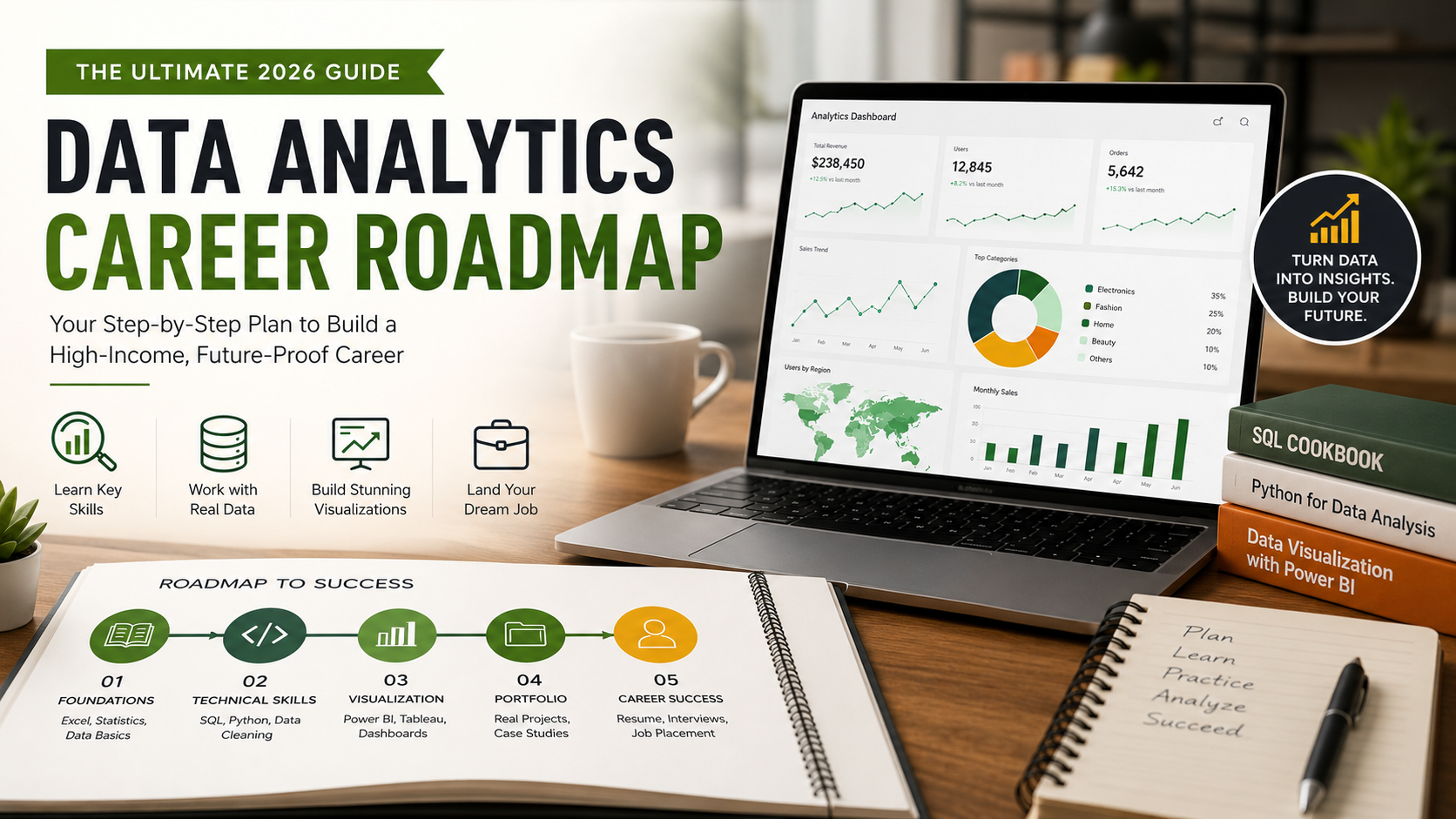
Data Analytics Career Roadmap: The Ultimate 2026 Guide

Data Analytics Career Roadmap: The Ultimate 2026 Guide

The modern corporate landscape generates massive amounts of information daily. Consequently, data-driven decision-making has become the core engine of modern corporate growth. If you want to break into this lucrative industry, having a structured Data Analytics Career Roadmap is absolutely essential. Organizations worldwide rely heavily on analytical professionals to optimize daily operations. They also use analytics to predict shifting market trends and improve customer experiences. By mastering the right combination of technical skills and business acumen, you can build a highly rewarding, future-proof career. According to the official U.S. Bureau of Labor Statistics, employment for qualified analytical professionals is projected to grow significantly faster than the average for all occupations over the next decade. This rapid expansion ensures abundant opportunities across diverse sectors like finance, healthcare, e-commerce, and technology.

Navigating this career shift can feel incredibly overwhelming. The sheer volume of coding languages, software platforms, and mathematical frameworks confuses many beginners. Fortunately, this comprehensive guide simplifies the training process. We break down your professional development journey into distinct, actionable phases. We will cover everything from foundational data concepts to core database programming languages. Furthermore, you will learn about advanced business intelligence dashboards and essential workplace communication skills. You will also learn how to construct a standout project portfolio. Finally, we map out how to successfully position yourself for entry-level roles. By committing to this step-by-step framework, you can eliminate the guesswork from your education. Instead, you can focus entirely on mastering the high-income skills that modern corporate hiring managers actively seek.

Phase 1: Foundations of the Data Analytics Career Roadmap

Every successful data professional starts by mastering the fundamental principles of data manipulation and mathematical logic. You absolutely do not need a formal computer science degree to begin this journey. However, you must develop a highly disciplined, analytical mindset. The early stage of your learning process should focus heavily on understanding data structures. You must learn how information is structured, cleaned, and summarized. Skipping these basics to jump directly into complex machine learning algorithms is a common mistake. Unfortunately, this shortcuts your education and leads to severe gaps in knowledge down the line.

Mastering Excel and Spreadsheet Data Basics

Before diving into complex programming languages, you should completely master advanced spreadsheet software. Tools like Microsoft Excel or Google Sheets are excellent starting points. Excel remains an absolute industry staple for quick data manipulation, ad-hoc sorting, and basic financial modeling. It is used daily by organizations of all sizes. Focus your energy on learning advanced functions such as VLOOKUP, XLOOKUP, and INDEX/MATCH. You must also master Pivot Tables and Pivot Charts. These features allow you to summarize thousands of rows of raw data with just a few clicks. Understanding how to clean messy data builds the core logical foundation required for advanced data tools. It helps you isolate duplicates and organize unstructured information within a spreadsheet environment. Spend ample time practicing these operations until handling large tables becomes second nature.

Understanding Descriptive Statistics for Data Strategy

Data interpretation relies heavily on basic mathematics and statistical concepts. These frameworks allow you to describe the core characteristics of a dataset accurately. You need to confidently understand and calculate standard metrics like the mean, median, and mode. Additionally, you must master standard deviation and variance. These standard metrics allow you to summarize massive datasets quickly. They also help you identify initial patterns or anomalies within the numbers. Furthermore, you should familiarize yourself with probability distributions, hypothesis testing, and regression analysis. These concepts help you validate your business assumptions scientifically. Knowing the math behind the data ensures that you do not misinterpret random fluctuations as meaningful corporate trends. This statistical literacy transforms you from a basic tool operator into a truly insightful analyst.

Phase 2: Technical Analytics Skills for Data Professionals

Once you master the foundations, the next step involves learning advanced data tools. These technologies are specifically designed to handle millions of rows of data effortlessly. Transitioning from spreadsheets to databases and programming languages allows you to automate repetitive tasks. It also empowers you to conduct much deeper investigations. This phase requires consistent hands-on coding practice. Daily practice builds the muscle memory needed for real-world engineering environments.

Structured Query Language (SQL) for Data Management

SQL is the absolute backbone of data analytics. Consequently, it remains the most frequently requested skill in job postings worldwide. Modern companies store their valuable operational information in relational databases. SQL is the universal language used to communicate with these robust systems. You must learn how to write optimized queries to extract and filter data. You will also use it to manipulate and aggregate data from multiple connected tables.

  • Basic Queries: Master the fundamental syntax including SELECT, WHERE, GROUP BY, HAVING, and ORDER BY to filter data accurately.

  • Joins: Thoroughly understand how to combine disparate tables using INNER JOIN, LEFT JOIN, RIGHT JOIN, and FULL OUTER JOIN.

  • Advanced SQL: Learn complex window functions, subqueries, data type casting, and common table expressions (CTEs) for complicated multi-step analysis.

Programming Analytics Solutions with Python or R

Spreadsheets have rigid row limitations. Programming languages, however, allow you to process massive data arrays easily. They also enable you to build automated data pipelines. Python is highly recommended for beginners due to its clean syntax and vast community support. Focus heavily on learning specific data libraries like Pandas for data manipulation. You should also study NumPy for numerical calculations, and Matplotlib or Seaborn for basic charting. Practice importing messy CSV files, handling missing values, and changing data formats. You must also practice exporting cleaned datasets ready for corporate reporting. Developing a solid command of Python code elevates your analytical capabilities far beyond standard corporate software packages.

Phase 3: Data Visualization and Business Intelligence Pathways

Extracting and cleaning data is only half the battle. You must also present your technical findings in a visually striking way. Non-technical stakeholders must be able to easily comprehend your reports. Corporate executives rarely want to look at raw code or massive tables of numbers. Instead, they require clear visual trends to make rapid strategic choices.

Power BI and Tableau Dashboarding Strategies

Business Intelligence (BI) platforms allow you to convert raw databases into beautiful reports. They help you build interactive dashboards that update automatically. Both Microsoft Power BI and Tableau dominate the corporate landscape. Therefore, mastering at least one of these platforms is non-negotiable for your career. Practice connecting these visualization tools directly to your local SQL databases or cloud storage files. This allows you to create real-time operational reports. Focus on learning how to design intuitive user interfaces. You must use color theory effectively to highlight key performance indicators (KPIs). Additionally, implement drill-down features that let users explore specific data segments. Developing these dashboard creation skills ensures that your work provides continuous, automated value to your business team.

The Art of Executive Data Storytelling

A truly great analyst is not just a technician. You must become an excellent corporate storyteller who bridges the gap between numbers and human action. You must learn how to look at a completed chart and extract the underlying business narrative. Then, explain what the data means for the company’s bottom line clearly. Structure your presentations by highlighting the core problem first. Follow this with the insights discovered during your research, and conclude with actionable strategic recommendations. Avoid confusing your audience with excessive technical jargon or unnecessary mathematical explanations during executive meetings. Instead, focus entirely on how your analytical insights can reduce operational expenses. Show management how to boost customer retention or uncover hidden revenue streams for the business.

Phase 4: Portfolio Building and Job Application Strategy

You must prove your analytical expertise to hiring managers to secure interviews. To do this, you need a diverse public project portfolio that showcases your practical problem-solving skills. A strong portfolio acts as concrete proof of your capabilities. This validation is especially vital if you do not have prior professional tech experience.

Creating Real-World Data Analytics Projects

Avoid using generic, overused datasets like the Titanic survival logs or the Iris flower dataset. These options are common in basic online tutorials. Unfortunately, they immediately signal to recruiters that you are a beginner. Instead, find unique, messy data from public repositories like Kaggle or Google Dataset Search. You can also scrape your own data from public websites using Python. Clean the raw information thoroughly using Python scripts. Next, write complex SQL queries to uncover deeper relationships. Finally, visualize your conclusions within an interactive Power BI dashboard. Document your entire analytical process from start to finish. Ensure you clearly explain the specific business problem you set out to solve and the final recommendations you generated.

Structuring Your GitHub and Resume Portfolio

Host all your project code on GitHub professionally. Write highly detailed, professional README files that explain the commercial context of your work clearly. Update your resume to focus heavily on the measurable business impact of your projects. Avoid simply listing the names of technical software tools. Use strong action verbs and quantifiable achievements. For example, state how your data cleaning process optimized storage. Alternatively, explain how your dashboard saved manual reporting hours. Additionally, optimize your LinkedIn profile by sharing your project updates regularly. Write short articles about data trends, and actively network with engineering managers working in your target industries.

Frequently Asked Questions

How long does it take to complete a data analytics career roadmap?

Completing a comprehensive data analytics career roadmap typically takes between six months to a full year of consistent, dedicated daily study. If you can realistically commit roughly 15 to 20 hours per week, you can comfortably master foundational Excel, basic descriptive statistics, and essential SQL database queries within the first four months. Learning Python programming, mastering business intelligence tools like Tableau, and constructing a unique project portfolio generally requires an additional three to four months of practical application. The exact timeline depends heavily on your prior technical background, math literacy, and the amount of time you devote to hands-on coding practice each day. Furthermore, staying updated with emerging AI integration trends in popular data platforms might require ongoing professional development, but the core foundation remains highly stable throughout this standard learning lifecycle.

Do I need a degree in math or computer science to become a data analyst?

No, you absolutely do not need a formal university degree in mathematics, statistics, or computer science to successfully break into this professional field. Many highly successful data analysts transition into the tech industry from completely unrelated backgrounds, including marketing, hospitality, liberal arts, and healthcare. Modern corporate employers care significantly more about your practical problem-solving abilities, portfolio quality, and tool proficiency than your specific college major. Demonstrating your technical skills through well-documented, real-world case studies on GitHub is the most effective way to prove your competency to hiring managers and secure interviews without a tech degree. A strong, business-focused project portfolio showcasing end-to-end analytical abilities will consistently outweigh an unrelated or purely academic background during the recruitment process.

Which language should I learn first for data analytics, Python or R?

Python is generally the best language to learn first when starting your data analytics career roadmap journey. Python features a very clean, highly readable syntax that closely mimics natural English, which makes it incredibly accessible for absolute programming beginners. Furthermore, Python is widely adopted across a massive variety of industries, including machine learning, web development, cloud engineering, and automated scripting. While the R programming language remains excellent for academic research, specialized financial environments, and advanced statistical modeling, Python offers much greater long-term career flexibility and a substantially larger global ecosystem of libraries and support forums. Mastering Python first also makes it significantly easier to pick up other automation and data pipeline languages later if your career transitions toward engineering.

What is the difference between a data analyst and a data scientist?

Data analysts primarily focus on analyzing historical data to identify clear trends, create descriptive reports, and answer specific, immediate business questions for management. They spend most of their time utilizing tools like SQL, Excel, and corporate BI software to help companies optimize their current daily operations. On the other hand, data scientists focus on predicting future outcomes by building advanced machine learning algorithms, complex predictive models, and custom data pipelines. Data science requires much deeper training in software engineering, calculus, linear algebra, and advanced statistical theory, making it a natural progression after working as an analyst. Ultimately, analysts explain exactly what has happened and what is happening now, while scientists build systems to forecast what will likely happen next.

How can I gain practical data analytics experience without a tech job?

You can gain valuable, practical experience by working on open-source projects, participating in Kaggle data competitions, or volunteering your analytical skills for local non-profit organizations and small businesses. Many local charities and small e-commerce shops possess plenty of operational data but completely lack the internal technical expertise required to analyze it properly. Offering to clean their messy spreadsheets and build interactive performance dashboards for free provides you with excellent, real-world experience that involves real business stakes. You can then confidently add these legitimate, impactful case studies directly to your professional portfolio to impress hiring teams. This practical approach bridges the gap between passive tutorial learning and true professional problem-solving, making you highly attractive to potential employers.

Conclusion

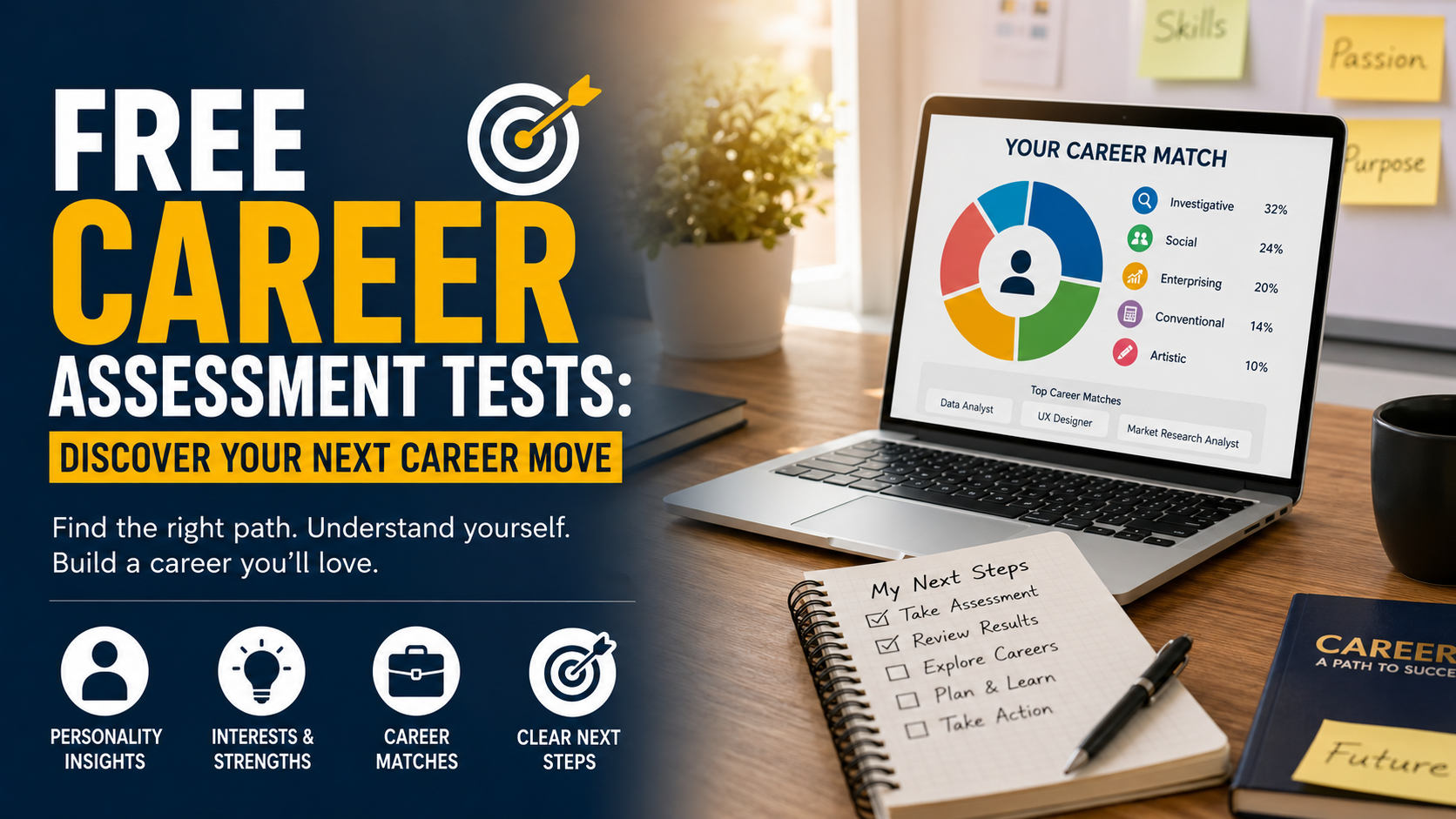
Following a highly structured Data Analytics Career Roadmap is the most efficient and reliable way to transition into this lucrative, fast-growing professional field. Before diving into the technical milestones, it is highly recommended to take free career assessment tests to confirm your natural mathematical aptitude and logical reasoning alignment with this specific tech path. By systematically mastering foundational spreadsheet manipulation, SQL database querying, Python programming, and interactive data visualization, you build a highly competitive technical skill set. However, you must always remember that technical tools alone are not enough to make you a successful professional; you must also master business communication, logical critical thinking, and impactful data storytelling. A successful transition requires combining these mechanical software capabilities with deep commercial domain knowledge so you can translate abstract calculations into high-value corporate actions.

Stay deeply committed to daily practice, build unique portfolio projects that solve real business problems, and continue refining your knowledge as technology evolves to successfully secure your dream role in the analytical industry. The educational path requires true patience and persistence, but the professional freedom, intellectual stimulation, and financial rewards are entirely worth the effort. By systematically executing the steps outlined in this roadmap, you will successfully stand out from the competition, fast-track your job application process, and establish a thriving data career that remains resilient in the face of shifting technological landscapes.

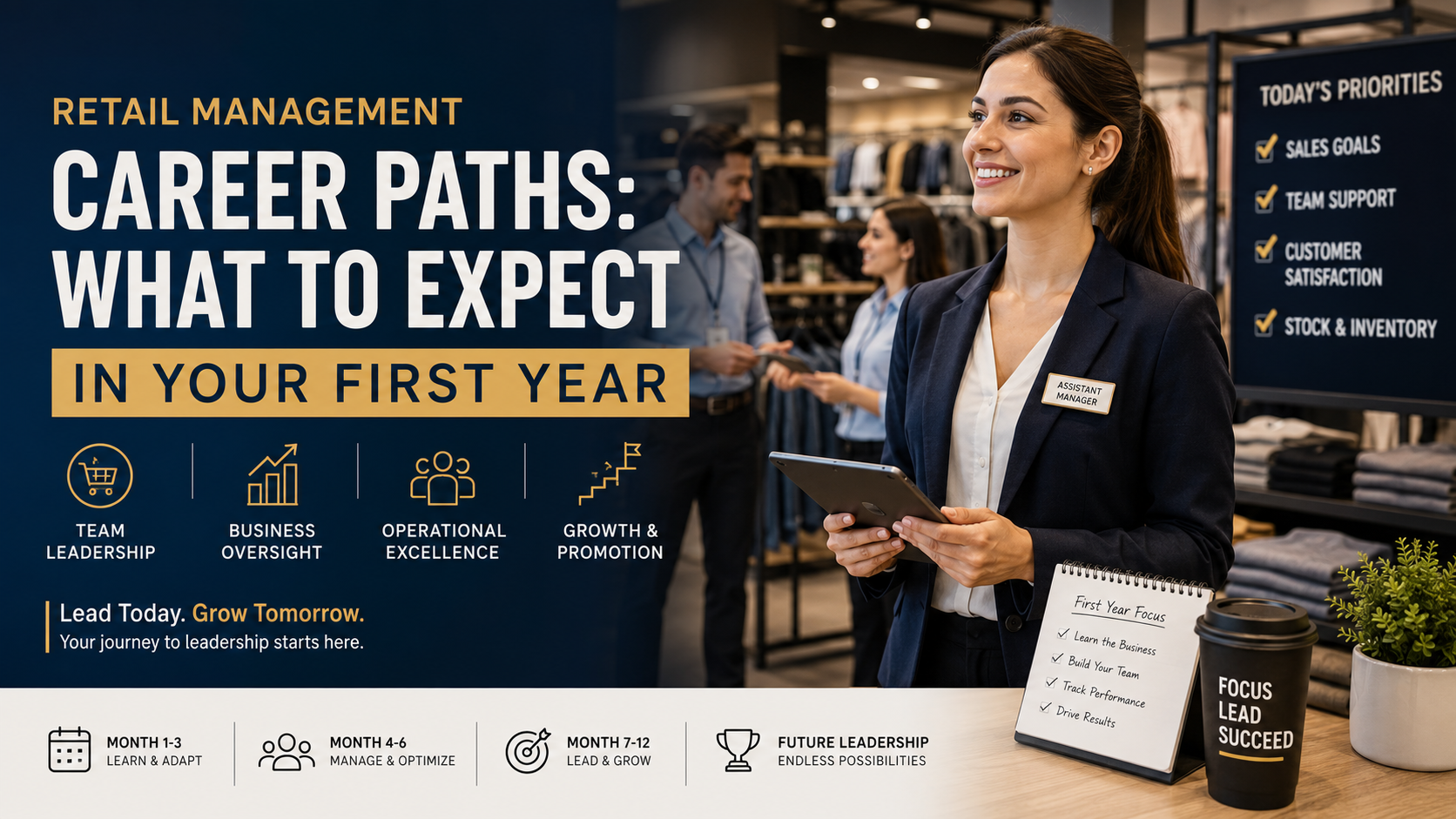
Retail Management Career Paths: What to Expect Year One

Retail Management Career Paths: What to Expect in Your First Year

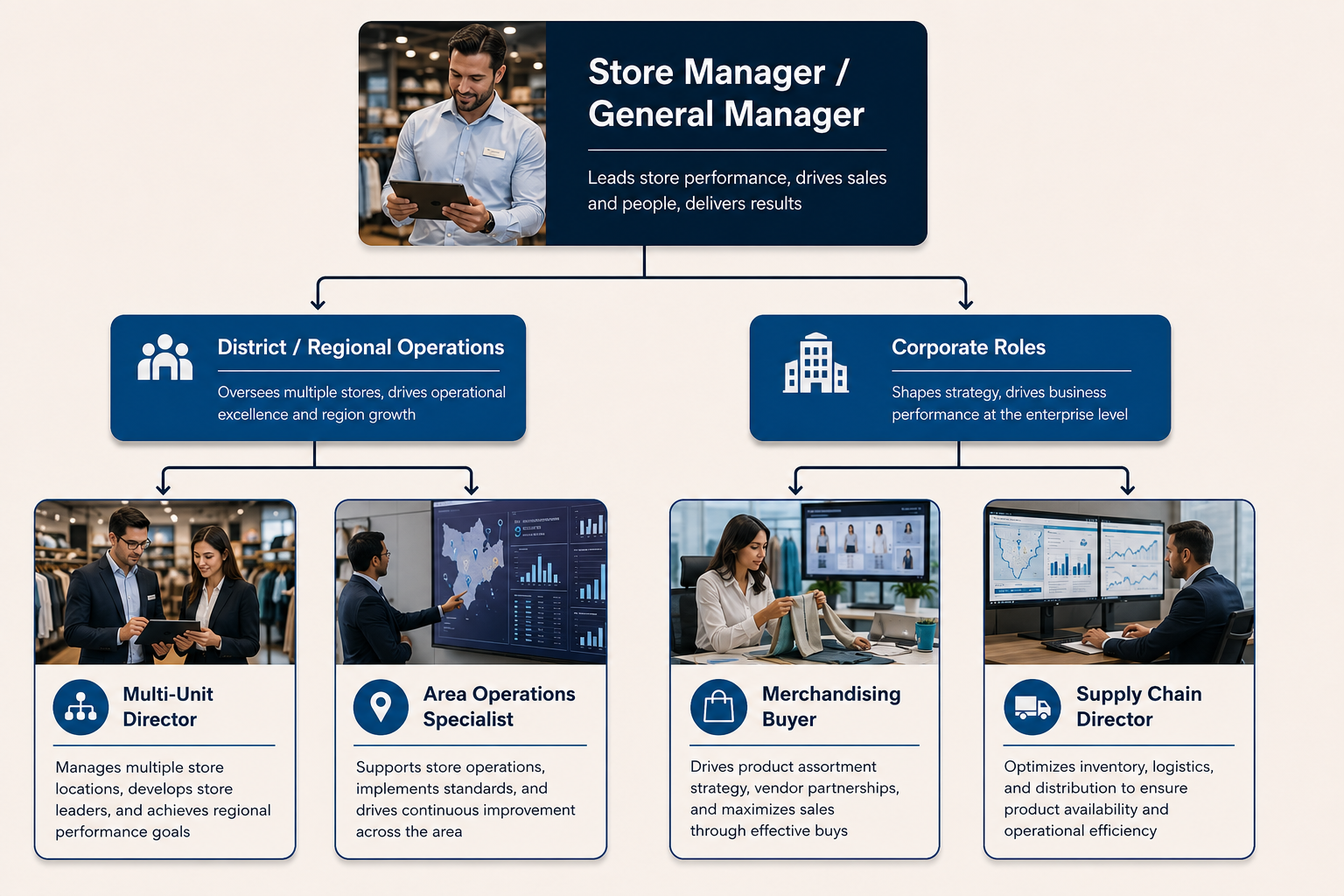
Stepping into store leadership opens up diverse retail management career paths. These roles offer fast environments, team leadership opportunities, and real business oversight. According to insights from the National Retail Federation, the retail sector offers unmatched operational experience. Consequently, this hands-on background prepares ambitious professionals for executive positions across many industries.

Whether you start as an assistant manager or a supervisor, your first twelve months are critical. Furthermore, you will learn to guide teams, control budgets, and drive customer satisfaction. This guide outlines what to expect during year one. Ultimately, it also explains how to navigate retail management career paths for long-term promotion.

Daily Responsibilities on Retail Management Career Paths

Your daily duties change quickly based on foot traffic and sales goals. However, core operational tasks remain steady during your first year.

Daily Sales Floor Execution and Staff Guidance

During your initial months, you spend most of your time on the sales floor. Managers start shifts by leading quick morning team huddles. In these meetings, team leads share daily sales targets and key store goals.

Throughout the shift, you direct floor coverage and manage employee breaks. Supporting your team during peak hours builds deep trust. As a result, active floor presence helps you fix customer service issues quickly. You see how customers shop and where bottlenecks happen daily.

Inventory, Merchandising, and Financial Tracking

Behind the scenes, you manage backroom stock and product displays. Supervisors direct delivery processing while maintaining corporate visual standards.

In addition, managers track store performance metrics daily. Key metrics include sales conversion rates, basket sizes, and labor hours. Learning to analyze these financial reports lets you control costs and lower stock loss. Moreover, mastering store analytics builds confidence to pitch bigger operational ideas.

Typical First-Year Priorities:

Timeframe Key Operational Priorities
Months 1–3 Floor Training, Systems Mastery, Team Culture
Months 4–6 Performance Metrics, Scheduling, Shrinkage & Loss Prevention
Months 7–12 Strategic Planning, Coaching, Promotion Preparation

First-Year Milestones in Retail Management Career Paths

Navigating your first year requires hitting clear milestones as you learn to lead.

Here is the text format conversion of your First Year Growth Milestones chart:

First Year Growth Milestones
  • Q1: Foundation & Floor Dynamics

    • Master POS systems

    • Build rapport with staff

  • Q2: Metrics & Operational Control

    • Manage loss prevention

    • Optimize labor scheduling

  • Q3: Team Leadership & Development

    • Conduct staff reviews

    • Delegation and training

  • Q4: Strategic Business Planning

    • Peak season execution

    • Annual goal setting

Months 1–3: Mastering Store Operations and Building Team Trust

Your first quarter focuses on basic operational training and team trust. Specifically, you master checkout systems, store software, and cash handling rules.

Meanwhile, building strong relationships with your staff remains vital. Demonstrate to associates that you are willing to do hard work. For example, help unpack freight boxes and clean sales displays. Working hard alongside your team earns respect fast. Consequently, delegating daily tasks becomes much easier later on.

Months 4–6: Managing Labor Schedules and Stock Control

By mid-year, your primary focus shifts to cost control and scheduling. Therefore, you begin creating weekly shift schedules within strict payroll limits. You align labor hours directly with projected customer foot traffic.

Similarly, tackling stock loss becomes essential during this stage. You run inventory audits and enforce secure delivery rules. Balancing low labor costs with high service levels proves your business judgment to district bosses.

Months 7–12: Staff Coaching, Delegation, and Strategic Planning

The final half of year one shifts your focus toward staff development. Instead of fixing every small problem yourself, you learn to delegate tasks effectively.

Furthermore, you run staff reviews, train rising talent, and coach associates on sales goals. You also prepare the store for busy holiday sales quarters. Showing that your store runs smoothly when you step away proves you are ready for bigger retail management career paths.

Long-Term Retail Leadership Trajectories and Promotion Options

The store experience you build creates a strong base for many leadership roles.

Store Operations Leadership Tracks and Multi-Unit Growth

Rising through store operations lets you expand your business impact fast. Supervisors move into Assistant Manager roles before becoming General Managers. Store Managers run multi-million dollar store budgets, hiring choices, and local marketing.

In addition, top performers can move into multi-unit district management. In these higher roles, leaders oversee dozens of store locations across whole regions. Consequently, they partner directly with corporate executives to guide brand strategy.

Transitioning to Corporate Roles from Store Positions

Hands-on experience on retail management career paths prepares you well for corporate roles. Executive recruiters love candidates who understand actual store operations firsthand.

  • Product Buyer: Select regional merchandise and negotiate vendor contracts.

  • Supply Chain Manager: Direct inventory shipments from central distribution centers to stores.

  • Corporate HR Partner: Create company training programs and manage field recruitment.

Frequently Asked Questions

What entry-level roles start retail management career paths?

Starting your leadership journey usually begins in foundational roles such as Assistant Store Manager, Department Supervisor, Floor Manager, or Management Trainee. Many national retail chains offer dedicated management development programs aimed at recent college graduates and promising internal talent. These structured corporate training programs blend classroom leadership instruction with hands-on store rotations over six to twelve months. Trainees learn inventory auditing, labor scheduling platforms, financial reporting, and employee management side-by-side with seasoned store executives. Completing a structured training trajectory provides direct exposure to full business management, helping participants rapidly move up into salaried management positions with complete operational accountability. Furthermore, working in these foundational entry points allows emerging leaders to experience frontline floor dynamics, customer conflict resolution, and logistics execution firsthand, building the practical credibility necessary to lead larger retail teams effectively.

How fast can you earn promotions on retail management career paths?

Promotions move very fast on retail management career paths because performance results are completely transparent and evaluated against objective fiscal metrics daily. High-performing assistant managers who consistently meet sales targets, manage labor costs efficiently, and maintain low employee turnover can realistically advance to full Store Manager positions within one to three years. Once you achieve store general manager status, demonstrating consistent profit growth and effective talent development across multiple financial quarters opens doors to multi-unit leadership. Advancing into district, area, or regional management roles usually takes an additional three to five years of proven results. In these executive positions, leaders scale their operational impact across dozens of store locations. Because retail organizations prioritize internal talent pipelines, professionals who take initiative and master store operations frequently experience significantly faster vertical promotion velocity compared to traditional office environments.

What core skills determine success in first-year store leadership?

Succeeding during your initial year in retail leadership requires a balanced combination of emotional intelligence, clear communication, and financial literacy. On the interpersonal side, you must build strong coaching capabilities, resolve workplace conflicts fairly, delegate daily floor tasks effectively, and maintain high team morale under high-volume pressures. On the technical side, you need a firm grasp of retail math, inventory variance metrics, point-of-sale systems, and labor optimization software. Successfully balancing these distinct management dimensions while consistently elevating the customer experience defines your long-term promotion potential. Moreover, learning how to analyze profit-and-loss (P&L) statements allows you to identify cost leaks, lower shrinkage, and pitch strategic visual merchandising tweaks. Mastering both team emotional dynamics and operational analytics early marks you as a top-tier candidate for accelerated corporate growth tracks.

Is working weekends required during your first year in retail management?

Yes, working weekends, late evenings, and peak holiday rush periods is standard practice for first-year retail managers. Retail operations generate the overwhelming majority of their customer traffic and revenue during weekend hours and seasonal shopping rushes, requiring experienced leadership directly on the sales floor. Managing during these peak traffic windows allows you to direct floor energy, address immediate checkout bottlenecks, maintain visual presentation standards, and support associates through high-stress situations. While the physical demand during initial quarters is substantial, modern corporate retailers actively focus on sustainable work-life balance initiatives. Many major brands now implement predictable scheduling platforms, fixed shift rotations, alternating weekend coverage schedules, and generous paid time off policies. This structural support helps mitigate management burnout while preserving strong store leadership presence during critical high-volume sales days.

Can store leadership experience transfer to corporate careers?

Yes, store leadership experience transfers directly into numerous corporate functional disciplines across various consumer industries. Corporate hiring executives actively seek professionals with hands-on store management backgrounds because former operational leaders deeply understand how executive strategies impact frontline associate execution and real customer buying decisions. Common vertical and lateral career transitions include stepping into product buying, inventory demand planning, supply chain logistics, visual merchandising design, store strategy analysis, and field human resources. Having practical store floor experience makes you an exceptionally strategic corporate contributor because you possess first-hand knowledge of physical inventory constraints, labor scheduling challenges, and genuine shopper behaviors. Consequently, starting on store sales floors serves as a powerful talent incubator for long-term corporate executive leadership.

How do retail managers handle store inventory loss?

Handling store inventory loss requires a systematic blend of strict process enforcement, regular financial auditing, and proactive team training. Retail managers execute routine cycle counts, reconcile shipment discrepancies against warehouse invoices, and enforce secure backroom inventory protocols to minimize internal administrative errors and organized theft. They conduct continuous staff training on customer engagement tactics, ensuring high associate visibility across high-risk store zones during busy hours. Additionally, managers work directly alongside corporate loss prevention specialists to analyze inventory variance reports, audit high-value merchandise display cases, and ensure security camera networks operate efficiently. Establishing an accountable loss prevention culture across the entire store team protects gross profit margins, stabilizes physical supply chains, and ensures accurate product availability for retail consumers.

Conclusion

Following structured retail management career paths brings an exciting mix of team leadership, customer engagement, and financial strategy. Store leadership remains one of the premier high-paying jobs that don’t require coding, offering great growth through practical business management. Although your first year requires adjusting to fast shifts, physically demanding floor coverage, and changing schedules, the practical skills you develop are invaluable. Mastering weekly labor scheduling, loss prevention controls, visual merchandising, and associate coaching sets you up for steady long-term success. Furthermore, focusing on supporting your frontline employees while hitting key performance metrics will consistently earn recognition from regional leaders. Ultimately, taking full ownership of your store floor environment transforms standard shift duties into strategic management practice. By embracing these early operational challenges with enthusiasm, you build a clear, direct track toward store general management, multi-unit district oversight, or corporate leadership positions.

Preparation Tips for Top Private Banks: Crack Banking Interviews

How to Crack Banking Interviews: Preparation Tips for Top Private Banks

Securing a job in the private financial sector requires strategy, confidence, and technical knowledge. Understanding the best preparation tips for top private banks will help you stand out among thousands of ambitious applicants. Top institutions like HDFC Bank seek candidates who understand modern financial products, digital tools, and relationship dynamics. Navigating these competitive selection processes demands a structured study plan and strong communication skills. Consequently, in this comprehensive guide, you will discover practical interview techniques, essential financial concepts, and proven methods to land your dream role.

Landing an entry-level or mid-level position in a premier financial institution can transform your professional trajectory dramatically. The private financial industry offers immense opportunities for rapid career advancement and global exposure. However, because these corporate roles are highly sought after, hiring panels maintain strict screening standards. Furthermore, evaluators look far beyond academic marks to assess real-world problem-solving, emotional intelligence, and technical readiness. As a result, candidate evaluation focuses heavily on practical execution and client management skills. By following systematic preparation tips for top private banks across every assessment stage, you position yourself as a high-value candidate ready to contribute from day one.

Preparation Tips for Top Private Banks: Understanding the Selection Process

Navigating the recruitment pipeline of a premier financial institution requires a clear understanding of each assessment stage. Unlike public sector recruitment, private financial institutions place significant emphasis on interpersonal communication and cultural alignment. The selection journey usually moves quickly through multiple distinct phases designed to filter out underprepared applicants efficiently. Consequently, recruiters evaluate how effectively you absorb information, process numerical data, and communicate solutions under pressure.

Furthermore, each assessment phase tests a distinct set of professional capabilities. For instance, early screening checks technical aptitude, while later rounds evaluate emotional composure and business acumen. Therefore, knowing what each round entails allows you to tailor your practice routine specifically toward key evaluation criteria. Applying structured preparation tips for top private banks ensures you remain calm, composed, and articulate throughout the hiring process.

Essential Screening Exam Advice for Commercial Banking Success

The recruitment process almost universally begins with timed online screening examinations. These assessments evaluate your quantitative agility, logical reasoning, numerical accuracy, and verbal clarity under tight time constraints. You will face questions covering profit calculations, interest rate mechanics, data charts, and logical puzzles. Additionally, situational judgment tests present realistic workplace scenarios to measure your decision-making style and client priorities.

To clear this initial filter confidently, you must commit to daily practice with timed mock tests. For example, focus on improving both your calculation speed and your accuracy under time pressure. Moreover, familiarize yourself with standard problem-solving shortcuts and basic mental arithmetic. Consequently, successfully clearing this automated screening round proves your baseline cognitive capability, granting you direct access to face-to-face evaluation rounds with senior hiring panels.

Group Discussion Guidance for Prospective Corporate Bankers

Candidate evaluation frequently transitions into interactive group discussions and collaborative case study sessions. In these competitive rounds, recruiters assess how effectively you express complex ideas, listen to peers, and analyze commercial challenges. You might receive a business scenario regarding declining deposit growth, changing customer demographics, or digital adoption hurdles. Evaluators track your ability to structure thoughts logically and offer practical solutions.

Succeeding in a group evaluation requires a delicate balance between active leadership and constructive teamwork. Therefore, state your points clearly using relevant economic facts and logical reasoning. Furthermore, frame your contributions positively, validate reasonable ideas proposed by fellow candidates, and help guide the group toward consensus. Demonstrating diplomatic persuasion and commercial awareness in these exercises signals to interviewers that you possess mature professional skills.

Critical Knowledge Areas for Private Financial Interviews

Excellence in banking interviews stems directly from a solid grasp of fundamental commercial principles and industry trends. Hiring panels expect candidates to demonstrate genuine domain knowledge rather than memorized definitions. Moreover, you must articulate how macroeconomic shifts, central bank policies, and regulatory updates directly influence day-to-day operations and retail product offerings.

Investing quality study time into understanding financial terminology, accounting basics, and credit frameworks builds essential confidence. Panels quickly identify applicants who truly comprehend the mechanics of financial services compared to those relying on superficial familiarity. Therefore, adopting comprehensive preparation tips for top private banks during your technical revision remains a mandatory step for every serious applicant.

Fundamental Financial Concepts for Private Bank Candidates

To impress senior banking panels, you must demonstrate comfortable clarity regarding foundational accounting mechanics and banking operations. Be fully prepared to explain key interest metrics, liquidity ratios, asset classification standards, and balance sheet structure. For instance, interviewers regularly test candidate understanding on core concepts like:

  • Non-Performing Assets (NPAs), restructuring mechanisms, and recovery protocols

  • Central bank monetary tools, including reserve ratios and benchmark repo rates

  • Distinct operating structures of retail, corporate, commercial, and investment divisions

  • Capital adequacy metrics, liquidity guidelines, and risk-weighted asset balances

Beyond defining these technical terms, practice explaining their real-world commercial implications clearly. For example, be ready to discuss how rising interest rates affect retail mortgage demand. Similarly, explain how central bank reserve requirements influence overall lending profitability. Consequently, demonstrating this analytical perspective reassures interviewers that you possess the technical capability necessary to manage risks competently.

Modern Fintech Frameworks and Digital Sector Trends

Modern financial institutions operate at the dynamic intersection of finance and cutting-edge technology. Recruiters naturally seek candidates who understand how digital architecture enhances operational efficiency and customer engagement. Therefore, you should thoroughly familiarize yourself with modern financial infrastructure, including unified instant payment networks, central bank digital currencies, mobile banking apps, and core systems.

Furthermore, be ready to discuss how artificial intelligence and machine learning transform risk management, credit scoring, and anti-fraud monitoring. Understand how algorithm-driven underwriting speeds up loan approvals while reducing default risks significantly. As a result, demonstrating strong digital literacy signals to the hiring panel that you are adaptable, future-focused, and ready to navigate ongoing technological evolution.

Actionable Preparation Tips for Top Private Banks

Surpassing competing applicants requires structured preparation tailored specifically toward your target financial institution. Rather than relying on generic interview advice, successful candidates build custom preparation roadmaps based on thorough corporate research and deliberate behavioral rehearsal. Taking a proactive approach allows you to present well-structured arguments and share compelling professional anecdotes.

Furthermore, aligning your personal career goals with the bank’s mission demonstrates genuine alignment. Implementing targeted preparation tips for top private banks turns an intimidating panel interaction into a constructive professional conversation. Consequently, detailed preparation builds the poise needed to highlight your accomplishments effectively.

Corporate Research Strategies for Prospective Lenders

Deep institutional knowledge immediately separates top-tier candidates from average applicants. Before stepping into the interview room, conduct detailed research on the bank’s recent financial performance, quarterly profit trends, market share growth, and asset quality reports. Review the company’s official website, executive statements, and recent press releases to understand its core growth drivers.

Additionally, evaluate the bank’s signature retail and commercial offerings, including credit cards, savings accounts, mortgage packages, and wealth services. Note recent digital initiatives, major industry awards, or community development projects. Consequently, referencing these specific details during your interview conversation proves genuine enthusiasm, professional initiative, and serious dedication to joining that exact institution.

Behavioral Interview Hacks using the STAR Method

Technical expertise alone will not secure a job offer. Hiring managers also evaluate your communication, leadership style, and interpersonal effectiveness through behavioral questions. Therefore, prepare impactful anecdotes using the structured STAR framework (Situation, Task, Action, Result). Outline specific experiences where you successfully overcame adversity or achieved ambitious goals.

Draft stories highlighting key traits like conflict resolution, ethical judgment, leadership, and resilience under pressure. For example, detail how you handled an unsatisfied customer, met strict sales targets, or corrected an operational mistake. Focus heavily on the concrete actions you executed and quantify your final outcomes. Consequently, presenting structured stories reassures recruiters that you possess strong emotional intelligence.

Handling Tricky Scenario Questions and Technical Rounds

During final interview rounds, panel members combine technical inquiries with high-pressure situational scenarios to test your composure. Expect rapid shifts between technical finance topics and hypothetical workplace challenges. Mastering this dynamic interaction requires maintaining composure, listening attentively, and structuring your answers logically before speaking.

Furthermore, taking a thoughtful pause before answering demonstrates emotional self-control and maturity. Evaluators value candidates who stay calm when challenged on complex technical topics. Consequently, utilizing proven preparation tips for top private banks and showing confidence under scrutiny reassures interviewers that you can represent their corporate brand professionally in high-stakes environments.

Stress Management Techniques for Challenging Panel Round Scenarios

Interviewers deliberately create stressful hypothetical scenarios to test your emotional self-control, patience, and customer handling instincts. For instance, you may be asked how you would react to an irate client confronting you over a failed wire transfer. Similarly, panels test how you plan to manage demanding sales targets alongside routine compliance tasks.

When answering these scenario questions, center your responses around calm analysis, active empathy, regulatory adherence, and systematic problem-solving steps. Explain how you de-escalate tension through active listening and collaborate with back-office teams to resolve issues. Consequently, highlighting your commitment to composure and compliance proves that you can thrive in demanding operational atmospheres.

Communication Tactics to Demystify Complex Offerings

A key responsibility in client-facing financial roles is translating complicated financial structures into clear language for everyday consumers. Panels frequently ask candidates to explain intricate products—such as mutual funds, structured trade finance, derivative hedges, or reverse mortgages—as if speaking directly to a non-financial client.

Therefore, practice stripping away dense jargon and using relatable analogies to explain financial mechanisms cleanly. Focus on highlighting practical user benefits, underlying risk factors, and basic operational rules in straightforward terms. Consequently, demonstrating an ability to demystify complex concepts proves you have mastered key technical topics and possess strong communication capabilities.

Frequently Asked Questions

What are the most important preparation tips for top private banks?

The most important preparation tips for top private banks revolve around combining thorough technical knowledge with structured behavioral rehearsal and detailed corporate research. Begin by mastering fundamental commercial concepts, such as credit analysis, asset classification standards, and central bank monetary tools. Simultaneously, conduct in-depth research on your target bank’s quarterly performance reports, popular retail products, and digital technology initiatives. Rehearse behavioral interview responses using the structured STAR method (Situation, Task, Action, Result) to clearly demonstrate your problem-solving capabilities, customer orientation, and emotional resilience under high pressure. Furthermore, participate in timed mock interviews to refine your verbal articulation, maintain steady eye contact, and build confident body language. Consequently, this balanced preparation strategy ensures you present a complete professional package to prospective hiring panels.

How should I prepare for technical questions in a private bank interview?

Preparing effectively for technical questions requires establishing absolute clarity on core economic, accounting, and banking operational frameworks. Focus your revision on key concepts like Non-Performing Assets (NPAs), capital adequacy ratios, interest rate mechanics, liquidity guidelines, and basic balance sheet dynamics. Additionally, study popular retail offerings including fixed deposits, mutual fund distributions, home loans, credit card tiers, and commercial working capital facilities. Stay updated on modern digital payment rails, core banking systems, and regulatory guidelines issued by national monetary authorities. Read reputable financial daily newspapers regularly to analyze current market developments and economic updates. When answering technical questions during the interview, explain concepts concisely, ground your logic in practical commercial realities, and cite real-world industry examples whenever appropriate to showcase genuine subject authority.

What soft skills do private bank interviewers value most?

Private financial institutions prioritize candidates who possess a balanced blend of strong oral communication, persuasive negotiation capabilities, high emotional intelligence, and proactive problem-solving skills. Interviewers pay close attention to active listening habits, professional body language, and the ability to articulate complex financial ideas in clear, accessible terms. Adaptability, dynamic team collaboration, stress tolerance, and an unyielding customer-first orientation are highly prized across both retail and corporate banking divisions. Showing genuine empathy when addressing client difficulties, maintaining composure during high-pressure scenarios, and demonstrating ethical integrity under sales quota pressure reassures recruiters that you can protect the bank’s brand reputation while building long-term, profitable relationships with diverse clients.

How can fresh graduates prepare for banking group discussions?

Fresh graduates can prepare for group discussions by consistently tracking business news, studying macroeconomic trends, and practicing structured debate exercises with peers. During the evaluation session, focus on contributing well-researched, logical points rather than attempting to dominate speaking time aggressively. Formulate your arguments clearly using facts, statistical data, and recognized economic principles. Practice active listening by attentively digesting contributions made by other candidates, validating sound insights, and smoothly integrating your perspective into the ongoing dialogue. If the discussion strays off topic, gently steer the group back toward the main problem statement. Leaders in group discussions win approval by fostering collaboration, organizing unstructured thoughts effectively, and helping synthesize diverse viewpoints into a coherent final consensus.

How do I highlight sales orientation during an entry-level interview?

To effectively highlight a strong sales orientation during an interview, focus on framing your past experiences around client service, goal attainment, and proactive relationship building. Detail specific instances from academic projects, internships, or extracurricular activities where you successfully persuaded others, closed targets, or managed client relationships. Express an enthusiastic, structured approach to identifying client needs, cross-selling suitable financial products, and overcoming customer objections ethically. Reassure the panel that you view sales as a consultative process focused on solving consumer problems rather than aggressively pushing unnecessary services. Demonstrating high energy, resilience in the face of rejection, and a commitment to achieving metrics signals to hiring managers that you have the drive required for quota-driven roles.

Conclusion

Cracking a competitive hiring process requires equal parts subject mastery, business awareness, and polished presentation. By reviewing our detailed career roadmap guide, you can confidently demonstrate your strategic value to potential employers. Focus on building a clear understanding of financial concepts, staying updated on modern digital developments, and practicing structured responses to behavioral questions. Stay proactive in your learning, research target institutions thoroughly, and highlight your personal commitment to delivering exceptional customer value. With persistent effort and structured study, you can secure a rewarding position and build a successful long-term career in the fast-paced financial industry.

Navigating private selection drives successfully demands ongoing commitment, self-reflection, and structured rehearsal. Each interview attempt offers valuable feedback to refine your communication clarity, sharpen technical knowledge, and boost personal confidence under scrutiny. Treat every interaction as an opportunity to showcase your dedication to professional excellence and customer-centric problem solving. As the financial sector continues to evolve through technological innovation and changing consumer demands, well-prepared professionals remain in high demand. Stay resilient, maintain a disciplined study routine, and approach your upcoming assessments with poise and determination to achieve your career ambitions.

How to Explain a Gap Year on Your Resume Without Defense

How to Explain a Gap Year on Your Resume Without Sounding Defensive

Taking time off from your career used to trigger warning signs for employers. However, workplace dynamics have changed dramatically in recent years. Today, career breaks are common. Still, knowing how to explain a gap year on your resume without sounding defensive remains a crucial job search skill. Whether you traveled, cared for family, pursued personal projects, or focused on health, hiring teams care most about your framing. Authoritative platforms like LinkedIn have even introduced dedicated career break profile features. This update reflects a welcome shift across global corporate culture.

When you frame your time away with confidence, you transform potential red flags into compelling professional milestones. Unfortunately, many job seekers over-explain their decisions. Others offer unsolicited apologies or hide their breaks under confusing formats. Consequently, recruiters might wonder if you are concealing past workplace performance issues.

In this comprehensive guide, you will learn how to explain a gap year on your resume strategically. We will cover smart resume structures, confident phrase choices, and methods to turn your sabbatical into a clear advantage. By the end, you will possess a reliable blueprint to showcase your unique career journey with ease.

Understanding Why Employment Breaks Worry Hiring Managers

To address a career pause effectively, you must understand the recruiter’s perspective. Decision-makers do not automatically view employment breaks as negative factors. Instead, their concerns stem from practical operational questions. They wonder if your core technical skills remained sharp. They also want to know if you feel ready to transition back into a fast-paced environment.

Recruiter Concern What They Worry About How Your Frame Resolves It
Skill Stagnation Outdated industry knowledge Highlight recent learning/certifications
Commitment Flight risk or low motivation Express clear interest in the role
Transparency Hiding poor past performance State dates and achievements openly

When candidates sound apologetic or overly guarded, recruiters start probing deeper. They suspect the applicant might be masking performance struggles. However, when you explain a gap year on your resume directly, you eliminate unnecessary suspicion immediately. Proactively taking ownership of your timeline demonstrates high emotional intelligence and strong executive presence. By showing that your time away was intentional or handled responsibly, you reassure hiring leaders completely. You prove that you are fully prepared to re-enter the workforce with renewed energy, sharp focus, and long-term commitment.

Resume Layout: Positioning Your Employment Pauses Effectively

The structure of your document plays a decisive role in how hiring managers perceive your continuity. Instead of using unconventional formatting tricks that raise immediate red flags, choose a clean presentation style. A standard layout respects recruiting practices while highlighting your personal developments clearly.

Use standard chronological structure

Functional resume formats attempt to hide employment gaps by grouping skills together without clear dates. Unfortunately, applicant tracking systems (ATS) and human recruiters view functional resumes with significant skepticism. They strongly dislike the layout. Instead, maintain a traditional chronological flow. List your gap directly as its own entry under your work experience section. This keeps your timeline clear, transparent, and easy to scan for busy recruiters.
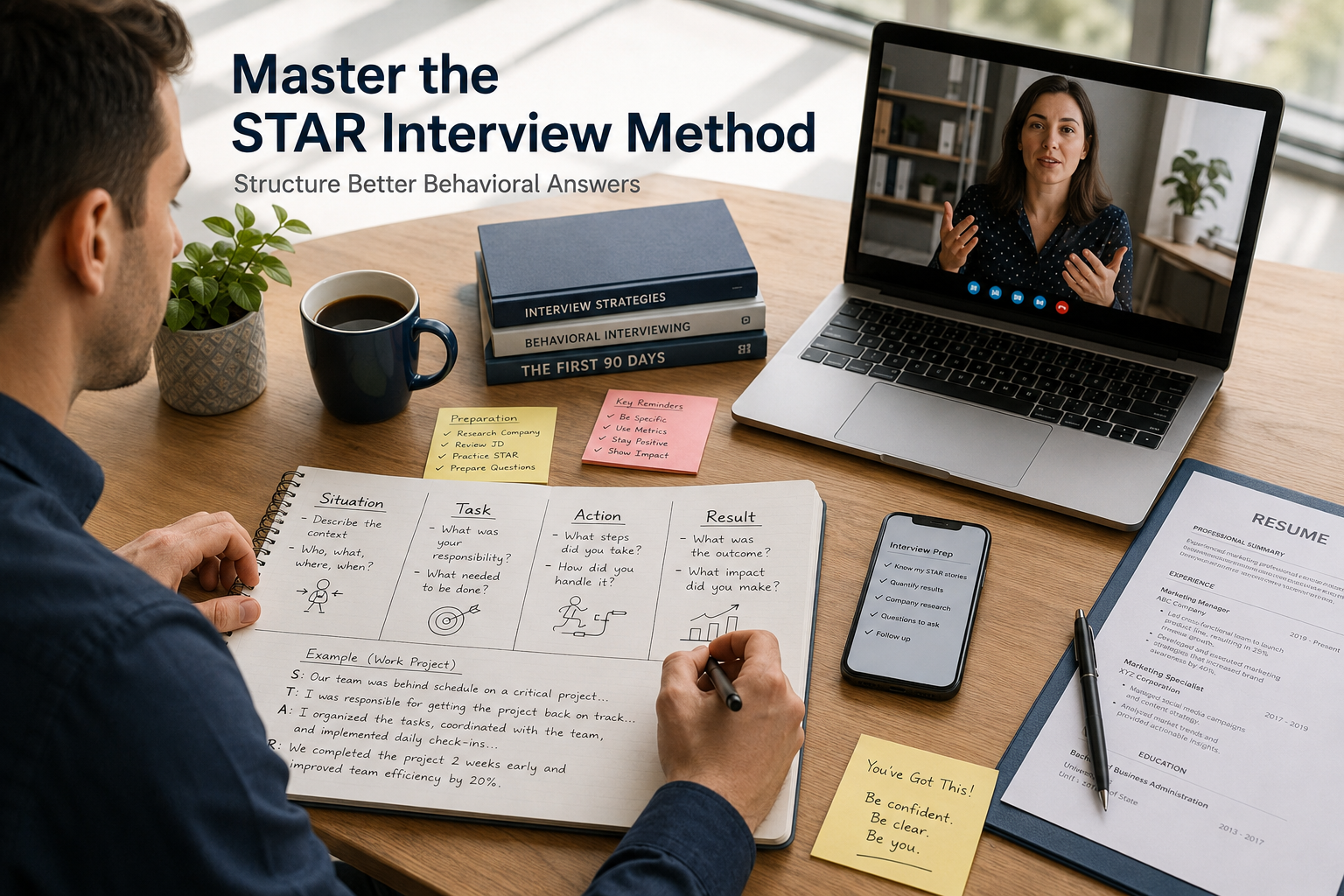
Give your break a clear professional title

Treat your sabbatical with the exact same professional dignity as any formal corporate position. Label the time period using direct titles that accurately reflect your break:

  • Career Break: Skills Development & Freelance Consulting

  • Planned Sabbatical: Global Travel & Cultural Immersion

  • Family Caregiver: Full-Time Care Management & Coordination

When you frame this period as an intentional life chapter, you signal that you value your personal development.

Focus on transferable accomplishments

List specific outcomes achieved during your time away from traditional employment to prove continuous productivity. Did you complete online certifications? Did you manage personal investment budgets, organize community initiatives, or handle freelance projects? Bullet point these accomplishments using precise numbers and action verbs. Framing your activities this way proves that your problem-solving capabilities remained active throughout your career break.

Addressing Strategic Hiatus Reasons and Career Breaks

Different underlying reasons for taking time off require distinct framing strategies. The universal goal is always the same regardless of your situation. You must maintain brevity, stress character growth, and transition the narrative swiftly back to your current goals.

  • Define the Hiatus Directly: State exactly why you took time off without being vague or defensive.

  • Highlight Acquired Growth: Share the specific skills, experiences, or certifications you gained during your break.

  • Pivot to Full-Time Re-entry: Transition the conversation immediately back to your readiness and excitement for the new role.

Frame personal travel or cultural exploration

If you traveled domestically or abroad, emphasize your heightened adaptability and project planning skills. Highlight your foreign language acquisition and cross-cultural communication abilities. Detail how navigating unfamiliar environments and managing unpredictable budgets developed your real-world problem-solving under pressure. Emphasize that immersive travel broadened your perspective. These experiences deepen your interpersonal empathy, which is an invaluable leadership trait in modern workplaces.

Detail caregiving or personal health breaks

You are never legally or professionally obligated to share private medical details or sensitive family information. State simply that you stepped away to handle a pressing personal priority that is now completely resolved. Reinforce firmly that you possess full capacity and enthusiastic focus for returning to work. Recruiters appreciate this dignified approach because it satisfies timeline questions while establishing clear professional boundaries.

Showcase self-directed learning and skill development

If you spent your break learning software tools, earning certifications, or freelancing, place those accomplishments front and center. Show employers that your commitment to your field never wavered. Presenting tangible coursework and independent client deliverables proves beyond doubt that your technical toolkit remains fresh, competitive, and ready for deployment.

Choosing Wording: Professional Phrases vs. Defensive Explanations

Your choice of words determines whether you sound confident or defensive on paper. Minor adjustments in wording transform an awkward entry into a powerful statement of purpose. It is essential to explain a gap year on your resume using proactive vocabulary.

Avoid These Weak Phrases Use These Confident Phrases
“Unemployed due to market conditions” “Proactively engaged in skill upbuilding”
“Took time off to figure things out” “Planned sabbatical focused on travel”
“Had to leave due to personal issues” “Managed family care obligations”
“Took a break because of burnout” “Intentionally recharged for long-term”

Always select proactive action verbs such as managed, orchestrated, upskilled, spearheaded, and mastered. Furthermore, keep explanations under three concise bullet points per gap entry. Over-explaining creates the illusion of guilt. Conversely, concise summaries exude complete professional competence and authority.

FAQ SECTION

How do I address a gap year in my cover letter?

Address your gap year in your cover letter briefly within a single paragraph in the middle section. State the fundamental reason for your time off plainly. Highlight key skills acquired during that period. Immediately pivot to why you are excited to return to work in this specific role. Avoid making excuses or over-sharing private details. Never use apologetic phrasing, as defensive language draws negative focus to a routine career pause. Emphasize how your time away gave you fresh energy and renewed commitment. Keep the tone looking forward toward future value creation rather than dwelling on past timeline anomalies. When you explain a gap year on your resume and cover letter with unified confidence, hiring teams respond positively.

Should I list exact months or just years for dates on my resume?

Using years instead of exact months across your work experience section is a standard formatting choice. For example, writing 2022–2024 instead of March 2022–January 2024 softens the visual impact of shorter pauses. However, for a full year or longer, listing the period clearly using year ranges remains completely sufficient. Absolute transparency and internal consistency matter most to prospective employers. Adopt a unified date format across all previous positions to maintain structural clarity. This approach preserves your credibility with applicant tracking software. Attempting inconsistent formatting tricks to hide a pause often backfires during background verification stages.

What if my gap year was due to unemployment or unexpected layoff?

If your gap resulted from an unexpected corporate layoff or a prolonged job search, frame the period intentionally. Focus on the constructive learning actions you took while seeking your next role. Highlight self-paced certifications, freelance projects, community volunteer work, or targeted industry reading completed during the transition. Label the entry as “Professional Development & Upskilling.” Craft structured bullet points focusing on relevant tools mastered or projects delivered. Hiring managers deeply respect proactive candidates who demonstrate resilience. Show how you transformed a challenging transition period into a valuable personal growth opportunity rather than a passive waiting period.

Will applicant tracking systems (ATS) reject my resume for having a gap?

Modern applicant tracking systems do not automatically reject candidate resumes simply because they detect employment pauses. Most ATS algorithms search primarily for relevant keywords, job titles, core competency matches, and standard date structures. To prevent technical parsing errors or false flags, integrate your pause directly into your experience section using standard dates. Use conventional titles and rich keyword phrases tailored to your target position. As long as your document contains required skill matches and clear formatting, an ATS will pass it to human recruiters without issue. Knowing how to explain a gap year on your resume structurally ensures smooth processing through these automated systems.

Do recruiters consider personal or health breaks a red flag?

The majority of talent acquisition professionals do not view personal or health breaks as red flags. However, you must address them cleanly, professionally, and confidentially. Keep your written explanations concise. Simply note that you took a planned pause to manage personal obligations that are now entirely resolved. Hiring managers care far more about your current operational readiness, functional skills, and team fit than about past leaves. Presenting your health or family break with complete composure signals maturity. This approach ensures the recruiter stays focused on your impressive qualifications and professional capabilities.

CONCLUSION

Knowing how to explain a gap year on your resume is fundamentally about taking total control of your professional narrative. Time off is no longer viewed as an automatic mark against your candidacy. Instead, it reflects a realistic, multidimensional career trajectory in today’s dynamic workforce environment. When you present your hiatus transparently, focus heavily on tangible skill development, and eliminate defensive language, you frame your journey as an inspiring story of intentional growth.

Structure your application clearly using standard chronological formats. Choose confident action verbs, and highlight transferable accomplishments that deliver obvious value to target organizations. Remind prospective employers that your time away refreshed your overall outlook. It expanded your personal capabilities and strengthened your readiness to contribute effectively to complex projects. How you explain a gap year on your resume sets the tone for your interviews and helps you master questions like tell me about yourself with total clarity. Own your diverse life experiences proudly, highlight your readiness to deliver outstanding results, and step into your upcoming job search with complete confidence.

Free Career Assessment Tests to Find Your Ideal Path

Free Career Assessment Tests: Discover Your Next Career Move

Finding the right career path often feels like navigating a dense fog without a map. Free career assessment tests offer a clear, science-backed way to evaluate your personality, workplace preferences, and core strengths without financial strain. Instead of making blind guesses about your professional future, you can rely on structured evaluations created by occupational psychologists. Specifically, according to official career resources like CareerOneStop, sponsored by the U.S. Department of Labor, self-assessment tools play an essential role in matching job seekers with fulfilling occupations that align with their personal values, interests, and skill sets. Consequently, taking free career assessment tests gives you immediate direction when planning your future.

The modern job market shifts rapidly. Therefore, staying in an unfulfilling role can cost you valuable time, energy, and earnings. In addition, taking time to assess your aptitudes using official frameworks like the U.S. Department of Labor’s O*NET Interest Profiler helps you avoid burnout and costly career missteps. Whether you are entering the workforce, seeking a promotion, or switching industries, free evaluations give you instant clarity. By using free career assessment tests, you can easily discover how you communicate, handle pressure, and perform under stress.

In this guide, we will explore top career testing tools available today. Furthermore, you will learn how to interpret your results accurately. Next, we will show you how to turn diagnostic scores into actionable career steps. Ultimately, you will learn how personality profiling, skills inventories, and work value matrixes fit together to build a rewarding long-term strategy.

How Free Career Assessment Tests Work

Career diagnostics evaluate specific psychological traits using structured frameworks. Indeed, these methods come directly from industrial and organizational psychology. Rather than giving you a simple list of job titles, these tools analyze how your mind processes information. Specifically, they evaluate how you solve complex problems and interact with teams. Moreover, reputable free career assessment tests draw from established theories to deliver reliable results. As a result, they help you understand why certain tasks energize you while others cause fatigue.

Two major framework models dominate modern vocational guidance and assessment systems worldwide:

  • The Holland Code (RIASEC): Categorizes individuals into six distinct personality types—Realistic, Investigative, Artistic, Social, Enterprising, and Conventional.

  • The Big Five Framework: Measures openness, conscientiousness, extraversion, agreeableness, and neuroticism to predict work performance and team fit.

When you complete a self-evaluation, algorithms process your answers against thousands of occupational profiles. Consequently, you receive tailored recommendations based on real workplace data rather than guesswork. Thus, understanding these underlying frameworks allows you to review your test scores critically. Eventually, you can apply your findings to real-world job openings with true confidence.

Core Assessment Type Primary Function
Personality Profiles Matches traits to environments
Interest Inventories (Holland Code) Connects passions to industries
Skill & Aptitude Matrices Evaluates current competence
Work Value Frameworks Aligns goals with culture

Top Categories of Free Career Assessment Tests and Vocational Analysis Tools

Not all evaluation tools serve the same purpose. For example, they do not all measure the same dimensions of your professional identity. Therefore, to get a complete picture of your career potential, use a balanced combination of different testing formats. In fact, do not rely on a single questionnaire. Instead, exploring multiple dimensions ensures you avoid choosing a job you dislike in daily practice.

  • Personality-Based Career Profilers: These evaluations analyze how you process information and make decisions under uncertainty. Hence, they help you determine whether you would excel in fast-paced startups or structured corporate hierarchies.

  • Skill and Competency Inventories: Skill inventories focus purely on what you can perform today. Additionally, they measure hard technical skills alongside vital soft skills like leadership, conflict resolution, project management, and cross-functional communication.

  • Work Values and Workplace Motivators: Understanding what you value in a workplace is crucial for long-term career satisfaction. For instance, value assessments measure how much you prioritize income stability, creative freedom, work-life balance, autonomy, and positive social impact.

Goal Best Test Type Primary Metric
Industry Switch RIASEC Interest Test Occupational Fit
Role Optimization Skill Matrix Competency Gaps
Culture Fit Work Values Profiler Environmental Needs

How to Get Accurate Results from Free Career Assessment Tests

To derive true value from free career assessment tests, approach them with a mindful and deliberate mindset. Otherwise, distorted answers yield inaccurate career advice. For this reason, following established testing practices ensures your diagnostic insights remain highly reliable. In short, treating the assessment like a self-discovery exercise produces the clearest results.

To maximize test accuracy, keep these three guidelines in mind:

  • Answer with Honesty, Not Idealism: Base your responses on how you actually behave today. In other words, do not answer based on how you wish you behaved in a perfect world.

  • Avoid Overthinking Questions: Your initial instinct usually reflects your genuine workplace preference. Because spending too much time over-analyzing individual scenarios often introduces cognitive bias into your results.

  • Ignore External Social Pressure: Answer strictly according to your personal preferences. Specifically, do not answer based on what managers, mentors, or family members expect from you.

Relying on a single evaluation provides an incomplete picture of your capabilities. However, when you cross-reference personality insights with concrete skill inventories, powerful patterns emerge. For instance, if an interest inventory highlights analytical roles, and your skill assessment confirms high mathematical ability, you have strong evidence pointing toward data analytics or risk management.

Turning Career Aptitude Results into an Actionable Strategy

Raw test scores and PDF reports mean very little unless you translate them into real progress. Thus, once you finish your evaluations, follow a clear framework to convert data into immediate career momentum. Ultimately, taking structured action transforms abstract personality traits into real interview opportunities and salary growth.

You can convert your diagnostic test data into real career progress using this step-by-step approach:

  1. Highlight Recurring Themes: First, identify specific job categories, work settings, and responsibilities that appear consistently across multiple assessment results.

  2. Conduct a Thorough Gap Analysis: Next, compare your current qualifications and experience level against the documented requirements for your target roles.

  3. Draft a Targeted Skill Acquisition Plan: Then, identify specific online courses, professional certifications, or workplace projects required to bridge key competency gaps efficiently.

  4. Update Your Professional Marketing Materials: Finally, align your resume, cover letters, and LinkedIn profile to naturally highlight strengths emphasized by your diagnostic results.

FAQ SECTION

How accurate are free career diagnostic tests?

Free career diagnostic tests offer remarkably high accuracy when built upon established scientific methodologies like the Holland Code (RIASEC) or Big Five personality frameworks. Although free options may not provide the multi-hour, one-on-one personal coaching found in expensive private services, they give valid, data-driven directions that narrow down your choices. Specifically, these tests evaluate your genuine preferences, communication tendencies, and workplace motivators using structured algorithms. However, their ultimate accuracy depends heavily on your self-awareness and honesty during the testing process. For instance, when you answer candidly rather than choosing ideal responses, these platforms produce highly reliable profiles. Consequently, they reveal your true strengths, uncover potential workplace blind spots, and help you filter out incompatible career options before investing significant time or money into retraining.

Can a free career assessment test tell me exactly which job to take?

No diagnostic tool can tell you precisely which specific job title to accept, nor should you expect one to do so. Instead, these evaluations serve as directional compasses by highlighting occupational families, work environments, and functional roles where you are statistically most likely to thrive. Thus, they narrow down thousands of possibilities into manageable categories aligned with your personality and aptitudes. Moreover, you must still evaluate these diagnostic insights alongside practical real-world factors, such as local job market demand, salary requirements, educational commitments, and personal life obligations. Therefore, use your test results as an objective foundation for deeper exploration, informational interviews, and target research, rather than treating them as a rigid or mandatory career instruction manual.

How often should I take a vocational assessment?

You should ideally take a vocational assessment every two to three years, as well as whenever you face a major career transition or life change. Because your workplace priorities, acquired technical skills, emotional maturity, and personal lifestyle needs naturally evolve over time, an assessment taken during college will rarely reflect your goals after five or ten years of professional experience. For example, periodically re-evaluating your traits ensures your current professional trajectory remains fully aligned with your updated values and long-term ambitions. In addition, regular testing helps you spot emerging skill gaps early. As a result, you can proactively upskill before stagnating in your current position or missing out on upcoming promotion opportunities.

What is the difference between a personality test and a skills assessment?

A personality test measures your innate psychological preferences, communication styles, emotional habits, and preferred organizational cultures. In short, it helps answer where and how you will feel most comfortable and motivated working day-to-day. In contrast, a skills assessment measures your concrete, practical competencies in performing specific tasks, such as computer programming, technical writing, data analysis, or financial modeling. Specifically, it answers what specific work tasks you can execute efficiently right now. Because both testing formats are highly complementary, relying on just one gives an incomplete picture. Therefore, combining personality insights with objective skill measurements ensures you choose a career that you are not only capable of performing well, but also genuinely enjoy sustaining over many years.
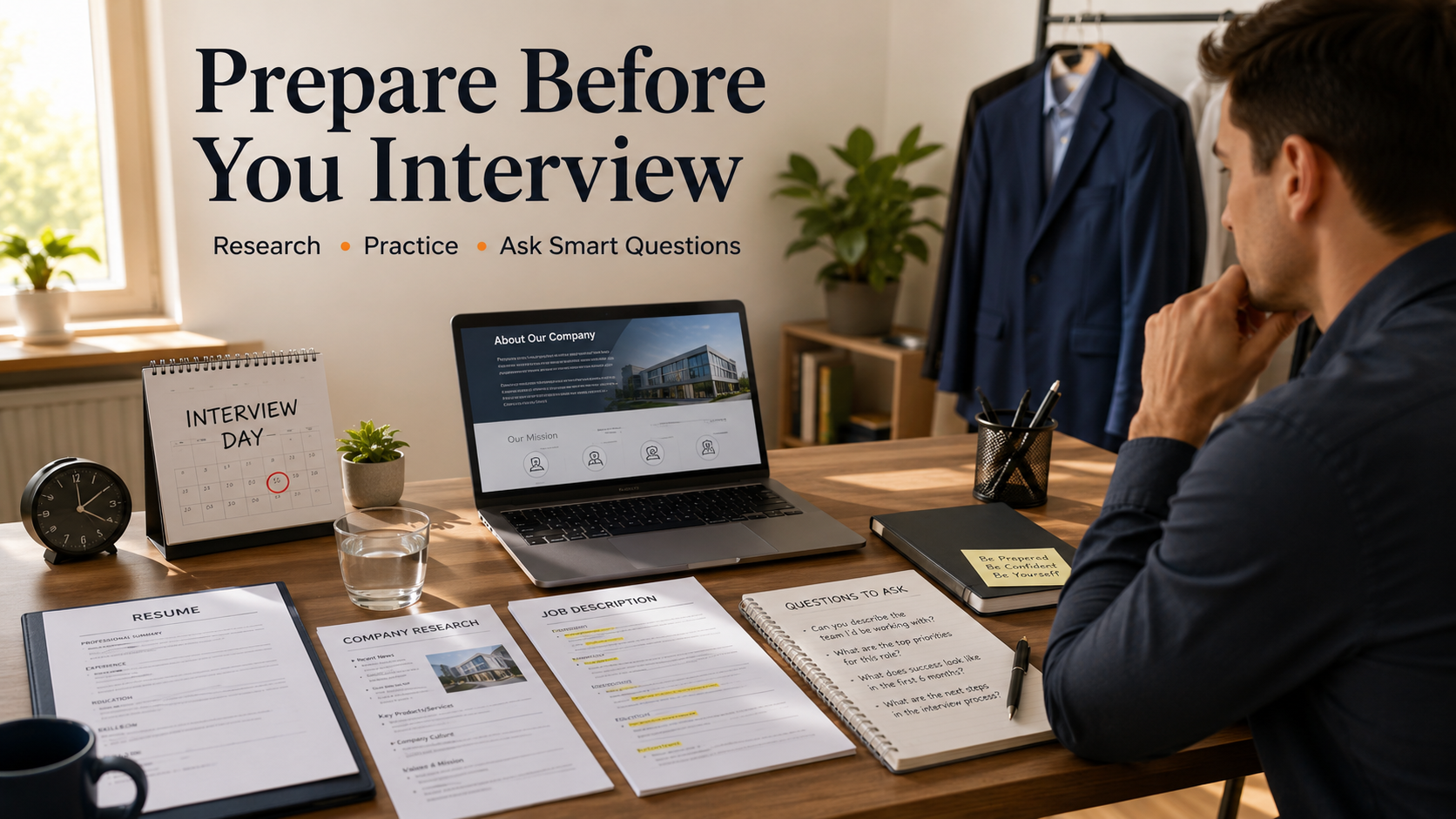
Are my test results kept private on free assessment platforms?

Data privacy standards vary significantly across different online assessment platforms. For instance, reputable platforms—especially those affiliated with universities, career centers, or government labor agencies—publish clear and transparent privacy policies. Specifically, they state that your personal diagnostic data will never be sold or shared with third-party advertisers. In contrast, some purely commercial free sites use assessments primarily as lead-generation tools. Consequently, they collect user contact details to populate recruitment databases or run targeted promotional campaigns. Therefore, to protect your personal information, you should always read a site’s terms of service before entering your name and email address. Alternatively, you can choose established platforms that allow guest participation, thereby eliminating the need for account registration or personal identification details.

CONCLUSION

Taking advantage of free career assessment tests is one of the most effective, zero-risk actions you can take to gain immediate clarity in your professional life. Indeed, these diagnostic tools remove expensive guesswork from career planning by evaluating your personality traits, natural aptitudes, and core workplace values against proven occupational models. Rather than drifting aimlessly between unfulfilling roles or staying in positions that lead to chronic burnout, structured evaluations empower you to make informed, strategic choices backed by real behavioral science.

It is important to remember that an assessment score is never a final or limiting verdict on your potential. Instead, view your results as a practical mirror reflecting your current strengths, preferences, and key growth areas. In addition, by pairing personality insights with objective skill evaluations, you create a clear roadmap for your career development. Furthermore, embracing continuous learning for career success alongside these insights allows you to target industries where you will truly excel, articulate your unique value clearly to hiring managers, and close skill gaps with purpose.

In conclusion, take full control of your professional growth today by taking a validated assessment. Simply select a trusted evaluation tool, answer every scenario with complete honesty, and use your diagnostic results to map out a clear, actionable career path. Ultimately, finding a fulfilling, well-aligned career becomes significantly easier when you have a reliable, data-driven map guiding every move you make.

How to Answer Tell Me About Yourself in an Interview

How to Answer “Tell Me About Yourself” in an Interview

The open-ended nature of the very first interview question can make candidates anxious. Fortunately, learning how to answer tell me about yourself effectively sets a confident tone for the whole conversation. Interviewers ask this prompt to gauge your communication style. In addition, they want to see how your background fits the role. According to official career guides from LinkedIn, a great elevator pitch builds quick rapport. Therefore, it helps you control your professional narrative right from the start.

Many candidates try to read their whole resume out loud. Meanwhile, others overshare personal details. However, neither strategy works well. Instead, the goal is to deliver a quick, compelling pitch. Specifically, you must highlight relevant skills and career goals. When you focus on what the employer needs, you turn a tough question into your biggest advantage. Consequently, this guide shows you how to answer tell me about yourself using a simple formula. In fact, you will see sample scripts for every career stage. Furthermore, you will learn common traps to avoid.

Why Interviewers Ask How to Answer Tell Me About Yourself

Hiring managers do not ask this question just to break the ice. Rather, they use it to test your communication skills. Ultimately, they want to see if you can summarize a complex background into a short story.

When you know how to answer tell me about yourself, you show high self-awareness. Furthermore, you show respect for the employer’s time. Above all, interviewers want to see if you understand the job needs. As a result, connecting your wins to their challenges makes you stand out right away.

Phase Core Focus & Components
1. Present Current role, key scope of responsibilities, and main recent wins
2. Past Relevant past background, previous achievements, and transferable skills
3. Future Why this target role aligns directly with your long-term career goals

The Present-Past-Future Formula for Answering Tell Me About Yourself

To avoid rambling, rely on the Present-Past-Future framework. Indeed, this simple tool keeps your thoughts organized and clear. Moreover, it breaks your response into three simple parts.

First, discuss your current job and a recent win. Next, mention past work that built your core skills. Finally, explain why this position fits your future goals. Thus, this formula removes fluff and keeps your pitch focused.

Step 1: Start with the Present Role

Begin your response with your current position. Specifically, share your main duties and a recent success. Frame your daily work to highlight your top skills. Consequently, avoid listing routine tasks. Instead, focus on major wins.

State your title and company clearly. Then, share a metric-driven result. For instance, do not just say you manage projects. Rather, explain how you delivered projects on time and under budget. As a result, this focus on results builds instant trust.

Step 2: Transition into Past Experience

After sharing your present role, highlight your past work. However, focus only on past jobs that relate to the target role. Naturally, the goal is not to list every job. Instead, you want to show clear career growth.

For example, highlight transferable skills like team leadership or project management. Furthermore, explain how past challenges built your expertise. Indeed, showing continuous learning proves that your background is strong.

Step 3: Conclude with Future Aspirations

End your pitch by stating why you want this job. Specifically, show real excitement for the company mission. Furthermore, prove that you researched the role before the interview.

In addition, explain how this job matches your career path. Finally, finish with a clear statement that invites the next question. Thus, this clean ending hands control back to the hiring manager.

Sample Scripts: How to Respond to Tell Me About Yourself

Reviewing real-world scripts helps you adapt the formula to your situation. Furthermore, customizing your response shows high self-awareness during the conversation.

For instance, entry-level candidates should highlight drive. Meanwhile, mid-career pros should focus on wins. Conversely, career changers must highlight transferable skills.

Career Level Core Pitch Focus
Entry-Level Academic wins, internship achievements, and proactive drive
Mid-Career Proven technical skills, quantifiable metrics, and project leadership
Career Change Transferable skills, relevant past wins, and passion for the new field

Script for Mid-Career Professionals

“I serve as a Senior Marketing Specialist at Apex Digital. Currently, I lead our content team of four specialists. Over three years, my team boosted search traffic by 140%. Moreover, we generated 500 leads every year. Before this, I worked as an agency copywriter. Therefore, that role built my brand messaging skills. I enjoy agency growth, but I want an in-house role. That is why I am eager to know how to answer tell me about yourself for a fast-growing SaaS team like yours.”

This response balances leadership, metrics, and career growth. In short, the candidate shares current wins and explains why they want this new role.

Script for Entry-Level Applicants

“I recently graduated from State University with a Computer Science degree. Specifically, I focused on software engineering and web development. During my final year, I led a four-person capstone project. As a result, we built an open-source budget app with 1,000 monthly users. That project taught me clean coding and agile teamwork. Furthermore, I completed a web dev internship last summer. Thus, I am excited to apply my coding skills as a Junior Developer on your team.”

This answer overcomes a lack of work history. Indeed, it highlights initiative, real projects, and teamwork skills.

Script for Career Switchers

“For six years, I worked in client management in hospitality. During that time, I managed key accounts and solved client issues quickly. While managing accounts, I learned Python to automate team reports. Later, to switch careers, I earned a Data Analytics Certification in SQL and statistical modeling. Therefore, I want to combine my client skills with data analysis as a Business Intelligence Analyst on your team.”

This answer turns a career pivot into a strength. Consequently, it shows how past experience enhances new technical skills.

Master How to Answer Tell Me About Yourself in Any Interview

Focus on natural delivery rather than memorizing every word. After all, hiring managers notice when candidates sound like robots. Instead, practice your pitch using simple bullet points rather than full sentences.

Speak your answer out loud in front of a mirror. Meanwhile, keep your pace steady and your tone energetic. In addition, keep your total answer between 60 and 90 seconds. Ultimately, adding numbers and metrics builds natural authority.

Mistakes to Avoid When Answering Tell Me About Yourself

Many candidates make basic errors during their opening response. Therefore, avoid these mistakes to keep your intro sharp and professional.

What to Avoid What to Do Instead
Reciting your entire CV Highlight 2–3 key wins
Sharing personal life details Focus purely on professional growth
Apologizing for employment gaps Reframe gaps as skill-building opportunities
Winging it without prep Practice structured bullet points

First, do not recite your entire resume from start to finish. Otherwise, you waste time on details the interviewer already read. Second, avoid sharing personal details about your family or hobbies. Finally, never talk trash about past bosses or toxic workplaces.

FAQ SECTION

How long should your answer be when learning how to answer tell me about yourself?

Your response should ideally last between 60 and 90 seconds in a standard interview. Indeed, this timeframe provides adequate space to outline your present responsibilities, highlight past wins, and state your long-term career goals clearly. Consequently, keeping your pitch short forces you to focus heavily on high-impact metrics rather than fluff. Furthermore, if the hiring manager wants additional context regarding a project, they will ask follow-up questions later in the conversation. Therefore, delivering a crisp opening demonstrates strong self-awareness, exceptional communication discipline, and respect for the interviewer’s schedule.

Should you talk about personal life when figuring out how to answer tell me about yourself?

You should keep your answer almost entirely focused on your professional career path and key job skills. However, only mention personal details or background hobbies if they directly relate to the job description or reflect positively on the company culture. For example, discussing personal open-source coding projects makes total sense when interviewing for tech roles, but talking about unrelated hobbies wastes precious time. Therefore, always evaluate every piece of information against one central filter: does this specific detail prove to the hiring manager that you are the absolute best candidate for this position?

How to answer tell me about yourself with no work experience?

If you lack formal corporate experience, center your response on academic accomplishments, specialized coursework, capstone projects, student leadership roles, or volunteer experience. Specifically, utilize the standard Present-Past-Future framework by launching into your current field of study, highlighting a significant project outcome, and explaining how your educational journey prepared you for this entry-level opening. Furthermore, emphasize transferable skills like problem-solving, team collaboration, adaptability, and an eager work ethic. As a result, showing genuine enthusiasm and a proactive approach to continuous learning will heavily offset your lack of traditional workplace longevity.

What is the biggest mistake when learning how to answer tell me about yourself?

The single biggest mistake candidates make is giving an unfiltered, minute-by-minute chronological recap of their entire resume. After all, hiring managers already possess your resume document; thus, they do not need you to read it back to them line by line. Instead, they ask this prompt to see if you can curate a targeted story that links your best wins directly to their operational needs. Another major mistake is winging your answer without prior practice, which inevitably leads to awkward pauses, excessive filler words, tangential stories, and a total lack of clear structural direction.

How to answer tell me about yourself with a career gap?

Address career gaps briefly, transparently, and with total confidence without over-explaining or sounding defensive. For instance, frame the gap around proactive growth, dedicated caregiving, freelance work, skill building, or personal enrichment, then instantly pivot right back to your current job readiness. Specifically, state clearly that you took intentional time off to complete a specialized professional certification or manage family responsibilities. Immediately follow up by emphasizing how excited, refreshed, and fully prepared you are to bring those newly honed skills and dedicated focus into this new role today.

CONCLUSION

Mastering how to answer tell me about yourself gives you a massive strategic advantage at the very start of any job interview process. By structuring your narrative around the simple Present-Past-Future framework, you can transform what could be an overwhelming prompt into a clear, compelling pitch that highlights your true professional value. In addition, you can explore essential topics you should educate yourself on to further expand your career knowledge and personal growth. Ultimately, always focus on measurable results, keep your answer under 90 seconds, and address what the prospective employer needs most from an ideal candidate.

Furthermore, dedicated preparation and active verbal practice are the real secrets to delivering a smooth, effortless response during high-stakes hiring conversations. Therefore, take time to draft your main points, refine your core story, and carefully match your pitch to the exact job description requirements. When you walk into the interview room with a clear structure, proven metrics, and a confident delivery, you will consistently make a great first impression every single time and build lasting momentum for the rest of your conversation.

How to Overcome Interview Anxiety: Proven Strategies

How to Overcome Interview Anxiety: Proven Strategies for Career Success

Your hands are suddenly sweaty and your heart is racing fast. Consequently, your mind goes completely blank right before a big job interview. If this situation sounds familiar, you are certainly not alone in this struggle. Ultimately, learning how to overcome interview anxiety is a vital career skill for every professional. Nervous jitters affect even the most qualified job candidates. For example, the American Psychological Association notes that stress triggers a natural fight-or-flight response. This physical reaction disrupts logical thinking precisely when you need it most. Therefore, you can explore insights on stress management strategies from the APA to understand these physical reactions better.

Fortunately, interview stress does not mean you are underqualified or unprepared for the role. Instead, it is simply a natural body response to a high-stakes evaluation. As a result, you can manage this nervous tension quite easily. Furthermore, you can transform nervous energy into real confidence with key preparation and cognitive tools. In this comprehensive guide, we explain why interview stress happens in the first place. Moreover, we share clear steps on how to overcome interview anxiety effectively before and during your meeting. Thus, you will discover practical ways to prepare, manage physical symptoms, and present your best self.

Understanding Why Job Interview Nerves and Stress Happen

To begin with, interview anxiety stems from a few clear psychological triggers. These triggers include fear of failure, social evaluation, and the stress of the unknown. When you step into an interview setting, your brain sees a high-stakes test. As a result, your adrenal glands flood your body with stress hormones like cortisol and adrenaline. Subsequently, this sudden hormone spike causes a fast heartbeat and shaky hands. In addition, you might experience a dry mouth and shallow breathing. While these physical symptoms were originally meant to protect us from danger, they feel completely overwhelming in a job interview.

Furthermore, the pressure to make a great impression creates a continuous loop. Specifically, you worry about getting nervous, which consequently makes you even more anxious. Therefore, recognizing these reactions as normal human biology is the first crucial step toward recovery. After all, they are definitely not signs of personal weakness or low skill. Once you accept that nervousness is just redirected energy, you can regain control of your emotions. For instance, you can use simple grounding techniques to calm down quickly. This practice helps you communicate your true value clearly without letting fear drive your performance. Ultimately, learning how to overcome interview anxiety starts with understanding these biological triggers.

The Science Behind Performance Anxiety and Interview Dread

In short, performance anxiety happens when your brain misinterprets a professional evaluation as a physical threat. Consequently, your autonomic nervous system prepares you to fight, flee, or freeze on the spot. This physiological reaction moves blood away from your prefrontal cortex. That specific area of the brain manages critical decision-making, clear speech, and memory recall. Instead, blood shifts directly toward your major muscle groups. As a result, this ancient survival trick explains why smart professionals frequently struggle to recall basic work details under pressure.

However, you can implement simple physical habits to signal safety back to your brain. For example, actions like intentionally slowing your speech and taking deep breaths help instantly. Similarly, grounding your feet flat on the floor reverses this biological hijack. By deactivating your brain’s alarm system, you restore full access to your prefrontal cortex. Therefore, this simple physical shift allows you to think logically and speak with complete clarity. As a result, you will project the polished professional confidence that hiring managers always want to see.

Practical Steps for How to Overcome Interview Anxiety Before the Big Day

Without a doubt, thorough preparation is the ultimate antidote to severe interview nervousness. First of all, comprehensive prep boosts your natural baseline confidence long before the meeting begins. In addition, it reduces your fear of facing unpredictable questions. Therefore, instead of leaving your career performance to chance, set aside dedicated time to prepare properly. Ultimately, structured preparation builds a solid foundation for long-term career success.

Step Prep Phase Action / Focus
1 Targeted Research Company, Culture, Role Requirements
2 STAR Practice Structured, High-Impact Answers
3 Mock Interviews Real-world Simulation & Feedback

1. Research the Role to Beat Job Search Fear and Anxiety

Indeed, uncertainty feeds anxiety, while solid information builds quiet confidence. Therefore, spend quality time studying the prospective company’s background and core values. For instance, read recent news articles and review their major achievements before your scheduled meeting. In addition, start by reading the job description thoroughly so you can highlight key technical skills.

  • Review the job description thoroughly and highlight key qualifications.

  • Check the company’s official website and press releases for recent news.

  • Explore their social media channels to understand their workplace culture.

  • Look up your interviewers on LinkedIn to find common ground.

Consequently, having this context turns unknown evaluators into familiar potential colleagues. Thus, knowing what to expect is a proven tactic for how to overcome interview anxiety long before you step into the room.

2. Practice Structured Answers to Conquer Interview Jitters

Trying to formulate complex answers on the spot frequently triggers panic and rambling. Therefore, to keep your mind on track, structure your professional responses with the STAR framework:

  • Situation: Set the background context clearly and concisely.

  • Task: Explain your specific responsibility in that context.

  • Action: Detail the step-by-step actions you personally took.

  • Result: Quantify the positive outcome achieved through your efforts.

As a result, practicing your career accomplishments with this framework keeps your responses clear and focused. Furthermore, it helps you stay on topic even if physical nerves flare up during the meeting.

3. Use Mock Interviews to Master How to Overcome Interview Anxiety

Reading through answers silently in your head is simply not enough to build real performance resilience. Instead, practicing out loud creates physical muscle memory that helps tremendously on the actual day. For example, you can record yourself on video to check your posture and non-verbal body language. Similarly, conducting a realistic mock interview with a trusted friend or colleague works wonders.

Consequently, rehearsing answers out loud refines your vocal pacing and eliminates unnecessary filler words. Moreover, it reduces overall performance stress significantly over time. Indeed, the more your voice gets used to delivering key stories under simulated pressure, the easier it becomes. Thus, you will recall important career details naturally when it really counts.

Calming Your Mind and Body: Techniques for Managing Pre-Interview Stress

Even with thorough preparation, physical symptoms of stress can still appear on interview day. However, using somatic and mental techniques in the morning helps regulate your nervous system effectively. As a result, these proven methods bring your focus back to the present moment quickly.

Count Sense Sensory Focus
5 Sight Things you can SEE
4 Touch Things you can TOUCH
3 Sound Things you can HEAR
2 Smell Things you can SMELL
1 Taste Thing you can TASTE

Deep Breathing Tactics for Handling Performance Anxiety and Stress

When acute panic sets in, your breathing automatically becomes fast and shallow. Consequently, this breathing pattern signals to your brain that real danger is present. To break this destructive cycle, use the deliberate “box breathing” technique. First, inhale through your nose for four seconds, and hold for four seconds. Next, exhale through your mouth for four seconds, and hold empty for four seconds. Repeating this simple four-step cycle four times lowers your elevated heart rate almost immediately. Thus, it activates your body’s relaxation system right away.

In addition, try the 5-4-3-2-1 grounding exercise to pull your mind away from anxious thoughts:

  1. Acknowledge 5 things you can see around you.

  2. Acknowledge 4 things you can physically touch.

  3. Acknowledge 3 things you can hear in your environment.

  4. Acknowledge 2 things you can smell.

  5. Acknowledge 1 thing you can taste.

Shift Your Mindset to Reduce Candidate Nervousness and Fear

First, do not view the meeting as an intimidating interrogation where you are being judged. Instead, reframe the encounter as an equal conversation between two business professionals. Furthermore, remind yourself that you are also actively evaluating the company. After all, you need to see if their team and culture align with your personal career goals.

In addition, practice reframing your nervous jitters as genuine professional excitement. Physiologically, anxiety and excitement feel almost identical inside the human body. For instance, both conditions cause a fast heart rate and heightened alertness. Therefore, repeating the phrase “I am excited to share my skills” tricks your mind into feeling positive energy. Ultimately, this simple cognitive shift is a key strategy for how to overcome interview anxiety.

Navigating Live Nervousness and Managing Panic During the Interview

What if acute anxiety strikes right in the middle of a complex question? Fortunately, handling unexpected nervousness live requires simple strategies to stay completely composed under pressure.

Pause Before Answering to Control Interview Stress and Panic

Many job seekers feel an intense pressure to speak immediately after receiving a prompt. However, rushing to answer often leads to rambling and heightened anxiety. Instead, allow yourself a comfortable pause of two or three seconds to organize your thoughts logically.

For example, you can say, “That is a great question, let me take a quick moment to gather my thoughts.” Consequently, professional interviewers respect candidates who take a thoughtful moment before responding. Indeed, they view them as deliberate, composed professionals rather than reactive speakers who rush without thinking.

Embrace Imperfection to Relieve Candidate Stress and Anxiety

If you stumble over a word or temporarily lose your train of thought, do not panic. Instead, take a slow, resetting breath and offer a genuine, warm smile. Then, say something simple like, “Excuse me, let me rephrase that thought clearly.”

After all, hiring managers do not expect perfect, robotic candidates. On the contrary, they want to hire relatable human beings who show resilience under mild pressure. Therefore, recovering smoothly from a minor mistake demonstrates strong real-world problem-solving skills that employers value immensely.

FAQ SECTION

How common is job interview anxiety?

Job interview anxiety is extremely common across every single career stage today. In fact, it affects entry-level applicants and seasoned corporate executives alike. Research consistently shows that over 90% of job seekers experience stress during the hiring process. Therefore, knowing that almost everyone faces similar internal battles helps normalize your feelings significantly. Furthermore, it proves that feeling nervous does not mean you are underqualified or unprepared for the job. Employers naturally expect candidates to feel baseline excitement and nervous energy. Thus, you never need to feel ashamed about ordinary pre-interview jitters. Ultimately, learning how to overcome interview anxiety helps you manage these common feelings with genuine confidence.

Can hiring managers tell when I am nervous?

Hiring managers often spot subtle physical indicators of nervousness during a meeting. For example, these signs include an elevated voice pitch, fast speaking pace, fidgeting fingers, or flushed skin. However, experienced interviewers fully expect candidates to show these natural reactions during an evaluation. Consequently, they rarely penalize you for simple, relatable jitters. Instead, they focus primarily on your qualifications, communication skills, and overall cultural fit. Furthermore, most hiring teams actively try to put nervous candidates at ease early on. After all, they genuinely want to see your true talent shine through. Therefore, acknowledging your nervousness lightheartedly can dissolve tension completely for both sides.

How can I stop my hands from shaking during an interview?

To stop shaking hands effectively, focus on regulating your breathing before entering the room or launching your video call. Specifically, deep abdominal breathing slows your racing pulse instantly. As a result, it reduces the excess adrenaline driving those muscular tremors. In addition, plant both feet firmly flat on the floor to anchor your posture when seated. Next, rest your hands comfortably on your lap or lightly on the table surface. Furthermore, holding a pen or a notepad gives your hands a grounded, functional purpose. Thus, this practice channels excess physical energy constructively without drawing any negative attention to your temporary nervousness.

What should I do if my mind goes completely blank?

If your mind goes completely blank following a tough question, avoid panicking or blurting out random filler words. Instead, take a slow, steady breath and address the moment with complete honesty. For instance, say something like, “That is a great question. My mind just went blank for a second, so please give me a moment to gather my thoughts.” Alternatively, you can ask the interviewer to repeat or clarify the prompt. Consequently, this graceful pause gives your brain time to reset properly. As a result, it calms the panic response and helps you retrieve the memories you need for a strong, structured answer.

Is it okay to tell the interviewer that I am nervous?

Yes, briefly acknowledging your nerves can humanize you and build authentic rapport with your interviewers. For example, a quick comment works wonders: “I am a bit nervous today simply because I am genuinely excited about this role.” Consequently, this honest statement demonstrates high self-awareness and personal authenticity. Furthermore, most hiring managers respond with warmth and reassuring words, which instantly lowers the pressure in the room. However, the key is to mention your nervousness briefly once at the beginning to clear the air. Afterwards, immediately pivot your focus back to discussing your qualifications, experience, and enthusiasm for the role.

CONCLUSION

In conclusion, mastering how to overcome interview anxiety is not about magically eliminating every single flutter of nervousness. Instead, true success involves transforming your relationship with stress over time. Therefore, you must equip yourself with practical tools to manage your mental and physical reactions effectively. First, establish a solid preparation routine and master structured communication with the STAR method. Then, combine these strategies with deep breathing and grounding techniques to step into any meeting with calm composure.

Ultimately, view every job interview as a two-way exploration and a valuable learning opportunity. After all, it is certainly not a scary, one-sided evaluation of your personal worth. Moreover, every single conversation builds lasting communication skills and increases your emotional resilience for future career opportunities—for additional guidance on starting out, check out this comprehensive resume and interview tips beginners guide. Therefore, take a deep, deliberate breath and trust in your hard work and experience. Consequently, approach your next meeting with steady confidence, because you have truly earned your seat at the table.

Salary Negotiation Tips After Receiving an Offer: A Guide

Master the Counter: Salary Negotiation Tips After Receiving an Offer

Opening a job offer letter brings an immediate rush of excitement. However, accepting the initial terms without a second thought can leave significant money on the table. Knowing the right salary negotiation tips allows you to secure a package that matches your worth. According to employment data trends from the U.S. Bureau of Labor Statistics, total compensation is critical to your long-term financial health.

This guide covers how to evaluate your offer and research your market value. We will also look at how to pitch your counteroffer confidently. By applying these proven strategies, you can navigate this delicate conversation smoothly. You will minimize anxiety and build a strong foundation for your new role.

Evaluating Your Baseline: Counterproposal Strategies for Job Offers

Before talking to human resources, look beyond the base salary figure. A comprehensive compensation package consists of multiple moving parts. These elements directly impact your lifestyle and financial trajectory. To negotiate effectively, you need to calculate the exact value of everything being offered. This prevents you from rejecting a great overall offer just because the initial base number seems low.

Assessing Total Earnings and Perks

  • Base Salary: The guaranteed predictable income you receive every pay period.

  • Bonuses: Performance-based incentives or signing bonuses that boost your first-year earnings.

  • Health Benefits: Medical, dental, and vision insurance premiums paid by the employer.

  • Retirement: 401(k) matching programs that accumulate wealth over time.

  • Flexibility: Remote work options and flexible paid time off (PTO).

Consequently, a lower base salary with an exceptional retirement match might outvalue a higher base with poor benefits. Take the time to quantify these elements using a spreadsheet. This data ensures you do not trade away valuable long-term perks for a short-term paycheck bump.

Essential Salary Negotiation Tips After Receiving an Offer

Once you understand the offer components, you can map out your counter-strategy. These practical steps ensure you stay professional and persuasive during the conversation.

Research and Define Your Pay Range

Never guess your target number or rely on personal feelings. Use trusted industry platforms to find standard pay bands for your job title. Define a tight range where your target salary sits at the bottom. This approach ensures that a low counter-offer still achieves your financial goal.

Show Appreciation and Buy Time

Express genuine enthusiasm for the role when the hiring manager calls. However, do not accept the terms on the spot. Request the full details in writing. Ask for a standard window of 48 to 72 hours to review the complete package. This brief pause gives you time to build a flawless strategy.

Build a Written Data-Backed Case

Anchor your request to your professional achievements and local market data. Frame the discussion around the unique value you bring to the team.

“Based on my five years of experience, I am looking to secure a base salary of $95,000 to align with market standards.”

Practice Delivery and Stay Flexible

Confidence comes from consistent preparation. Practice your talking points aloud to eliminate filler words and maintain a collaborative tone. If the company cannot budge on base pay due to strict budget constraints, pivot the conversation. You can request extra vacation days or an accelerated performance review.

Avoiding Common Pitfalls: Income Discussion Etiquette

An effective negotiation requires avoiding missteps that could sour a new professional relationship. Knowing what to avoid protects your reputation and standing.

Never Make the Conversation Personal

Base your arguments strictly on your skills and market data. Avoid mentioning personal financial obligations like rent increases or student loans. The employer cares about the business return on their investment. Keep the conversation metrics-focused and strictly professional throughout the exchange.

Do Not Issue Ultimatums

Avoid using rigid language like “I absolutely need” or “Otherwise, I cannot accept.” Ultimatums place employers on the defensive. This stance can cause them to walk away entirely. Instead, use inviting phrases like “I would be thrilled to sign today if we can close the gap.”

Frequently Asked Questions

Can a company rescind a job offer if I try to negotiate?

Employers rarely withdraw an offer if you negotiate politely and professionally. Companies invest significant time and money into the interview process to find the right candidate. They expect a standard negotiation process if your counteroffer relies on objective market data. They will usually accept your request, provide a counter-proposal, or state that their initial offer is firm. Problems only arise if a candidate becomes arrogant or demands changes that are disconnected from reality.

How much higher should my counteroffer be than the original offer?

A standard counteroffer requests an increase of 10% to 20% above the initial base salary proposal. For example, if the initial offer is $80,000, requesting $88,000 to $96,000 sits within a respectable boundary. However, this percentage must always be backed by local market data and your specific level of expertise. Requesting an unrealistic 50% increase without massive justification can signal a disconnect from industry realities. Always ensure your upper number represents a figure you would happily accept.

Is it better to negotiate compensation over the phone or via email?

Both methods offer distinct advantages depending on your communication style. Negotiating over the phone allows you to read vocal tones and build immediate rapport. Conversely, email gives you total control over your phrasing and provides a clear written paper trail. If you choose email, ensure your message is concise and outlines your data-backed justifications. Many candidates prefer a hybrid approach by initiating the discussion via email and finalizing details over a brief phone call.

What should I do if the employer says there is no room to increase the base salary?

Shift your focus to alternative forms of compensation if the company states that their base salary offer is absolute. Ask about a one-time signing bonus to bridge the immediate financial gap. Alternatively, negotiate for remote work flexibility, a structured performance bonus, or extra paid time off days. You can also request a formal written clause guaranteeing a salary review in six months rather than the standard full year.

How do I negotiate if I have multiple competing job offers?

Having multiple offers provides you with exceptional leverage, but you must handle it with extreme discretion. Inform the primary company that they are your top choice. Note that you have received another competitive offer that you are actively considering. Avoid playing the companies against each other in an aggressive bidding war. Instead, state clearly what financial adjustment would make you comfortably sign their contract immediately.

Conclusion

Successfully executing these salary negotiation tips bridges the gap between a standard job change and a major career leap. Remember that an initial offer letter represents the beginning of a professional conversation. It is not the final word on your value. By analyzing your total compensation package and grounding your counterproposal in objective market data, you advocate for your career growth effectively.

Do not let fear or discomfort prevent you from asking for what you are worth. Most companies build a buffer into their first offer specifically because they expect candidates to negotiate terms. If you are targeting lucrative, competitive roles, checking out high-salary career options in India can give you a better understanding of how different regions scale compensation package tiers. Approach the negotiation table as a collaborative, value-driven partner who is ready to deliver exceptional results. When you manage this transition with confidence, you secure the compensation you deserve and earn the respect of leadership.

Interview Dress Code Guide: How to Dress for Success

The Ultimate Interview Dress Code Guide: What to Wear for Success

First impressions happen fast; therefore, your presentation is a vital job search strategy. Navigating modern workplace attire can feel hard. However, following a complete interview dress code guide ensures you make a sharp impact. Whether you visit a corporate office or log onto a video call, your clothes signal respect. Research on major career platforms like LinkedIn shows that visual presentation strongly affects hiring managers. Specifically, clean grooming and context-appropriate clothing build authority immediately.

Understanding what to wear for a job interview requires balancing industry standards with workplace culture. Consequently, dressing appropriately reflects professionalism and self-awareness while boosting your confidence during high-stakes conversations. On the other hand, choosing the wrong outfit can distract hiring managers from your qualifications and resume. This guide breaks down every interview outfit category clearly, helping you decode dress codes, choose camera-friendly fabrics for virtual interviews, select the right accessories, and avoid common wardrobe mistakes. For additional expert advice tailored to women, check out this comprehensive guide on what to wear to a job interview. Read on to master your interview dress code and present yourself with confidence.

Decoding Interview Dress Code Guide Standards and Workplace Cultures

Every company has a unique internal culture. Therefore, understanding that environment helps you fit in naturally. Researching the team removes guesswork completely; furthermore, it shows proactive preparation. First, review official career pages, handbooks, or team photos online. Social media also offers candid glimpses into everyday office life. As a result, you can see how staff members dress daily. Additionally, you can ask your recruiter directly about dress code expectations. Generally, a reliable rule is to dress one step above the company standard. Doing so shows ambition and genuine respect. Ultimately, it keeps you looking polished and professional.

Business Formal Interview Attire Rules

Business formal is the classic corporate standard. In fact, it represents crisp structure and conservative styling. Industries like investment banking, law, and executive management strictly expect this level of attire. For men, business formal requires a dark tailored suit. Specifically, choose navy, charcoal, or classic black. Combine the suit with a pressed shirt, a silk tie, and polished shoes. Similarly, women should choose a structured pant suit or skirt suit. Pair it with a modest blouse or top. Additionally, keep skirts at or below the knee. Accessories should also remain understated. Consequently, simple shoes and minimal jewelry project quiet authority.

Attire Category Recommended Tones Key Clothing Items
Business Formal Navy, Charcoal, Black, White Tailored Suits, Dress Shirts, Tie
Business Casual Slate Gray, Olive, Navy, Cream Chinos, Blouses, Blazers, Loafers
Smart Casual Dark Denim, Jewel Tones, Taupe Crisp Shirts, Blazers, Dark Jeans

Business Casual Outfit Choices for Professional Job Interviews

Business casual blends formal structure with modern comfort. Today, it is the most common dress code. Marketing agencies, software firms, and schools embrace this versatile style. For example, men can skip the full suit and tie. Instead, choose well-fitted chinos or wool trousers. Pair them with a collared shirt and a tailored blazer. Likewise, women can choose trousers, midi skirts, or sheath dresses. Pair these items with elegant blouses or cardigans. Recommended footwear includes leather loafers, derby shoes, or dress flats. However, garments must remain crisp and pressed. Therefore, this preserves a strong professional balance.

Smart Casual Attire for Informal Hiring Meetings

Smart casual incorporates relaxed garments into a refined outfit. For instance, it appears frequently in creative studios and tech startups. However, casual never means careless during a job interview. To execute smart casual correctly, combine relaxed pieces with structured garments. For example, men can pair dark, clean jeans with a fitted blazer. Add a crisp button-down shirt to complete the look. Similarly, women can wear dark denim with a tailored jacket. Pair it with a jewel-tone top and sleek flats. Conversely, avoid distressed denim, graphic tees, hoodies, and sneakers. Thus, your appearance must look intentional and organized.

Mastering Virtual Interview Dress Code Guide Rules on Camera

Virtual job interviews require a specialized styling approach. Indeed, camera lenses alter colors, textures, and dimensions significantly. As a result, a suit that looks sharp in person might look distorted online. Pay close attention to clothing colors, fabrics, and lighting setups. For instance, solid colors are safer than complex patterns. Narrow stripes can create a distracting optical shimmer on webcams. Moreover, bright whites cause exposure issues on camera. Deep blacks can also flatten your appearance into a dark shadow. Following a clear interview dress code guide ensures you look crisp on screen.

Choosing Camera-Friendly Professional Clothing Colors and Fabrics

Selecting the right palette involves choosing flattering tones. Specifically, pick shades that contrast softly against your room background. Solid jewel tones translate exceptionally well through webcams. For example, emerald green, sapphire blue, and ruby red work great. Muted neutrals like cream, slate gray, and navy also work well. Additionally, choose fabrics that hold structure while you sit. Medium-weight cotton, ponte knit, and wool blends are top choices. However, avoid light silk or thin linen that wrinkles easily. Test your camera setup an hour before the call. Consequently, you can verify that your outfit looks clean and sharp on screen.

Top-Half Video Interview Outfit Presentation and Environment Alignment

During a remote call, your top half gets all the attention. Therefore, your collar, shoulders, and neckline are vital. Choose structured tops with firm collars or blazer lapels. Moreover, ensure your clothing fits comfortably across your shoulders. This prevents you from looking constrained on camera. Meanwhile, do not wear pajama pants below camera view. Dressing completely in professional attire improves your posture and mindset. Furthermore, wearing proper bottoms protects you from sudden embarrassment. For instance, you might need to stand up unexpectedly to adjust equipment or answer the door.

Interview Outfit Grooming, Accessories, and Pre-Interview Preparations

Subtle grooming details complete your professional image. Indeed, they serve as final touches to a great outfit. High-quality grooming demonstrates self-discipline and personal pride. Naturally, employers value these key traits highly. Keep jewelry simple, quiet, and modest. For example, avoid noisy bangles or large dangling earrings that distract the team. Footwear should also be spotless, scuff-free, and clean. Furthermore, maintain neat fingernails and well-groomed hair. Keep hair naturally away from your face. Consequently, this prevents fidgeting during questioning. A complete interview dress code guide covers these essential details thoroughly.

Essential Candidate Accessories and Grooming Checklist

Pick classic accessories that complement your outfit seamlessly. For example, choose a simple leather belt that matches your dress shoes. Add a timeless watch and a slim portfolio folder to look organized. However, fragrance requires extreme caution before any interview meeting. Wear very little perfume or cologne. Alternatively, you can skip it entirely. Indeed, strong scents cause discomfort in small interview rooms. Moreover, ensure your breath is fresh before leaving home. Avoid chewing gum during the meeting itself. Finally, keep makeup natural and balanced. Thus, focus on clean coverage under bright office lights.

Pre-Interview Outfit Prep Steps

  1. Try on your full outfit two days before the meeting. Thus, you can check fit, comfort, and movement.

  2. Inspect every garment under bright light. Specifically, look for loose threads, missing buttons, or lint.

  3. Steam or iron your clothes the night before. Then, hang them securely to prevent new wrinkles.

  4. Clean and polish your shoes. Consequently, check heels and soles for noticeable scuffs or dirt.

  5. Prepare a complete backup outfit. Therefore, this protects you from sudden spills or weather changes.

FAQ SECTION

What should I wear if the company has no clear dress code?

When an employer does not state a dress code, pick business casual attire. Business casual offers a balanced approach. Specifically, it looks professional without feeling overly rigid. For example, men can wear tailored trousers with a collared shirt and blazer. Similarly, women can opt for dress slacks or a midi skirt with a blouse. Dressing slightly above expected standards shows enthusiasm and respect. However, if you remain uncertain, contact the recruiter a few days early. Ask directly about typical office norms. Consequently, following a trusted interview dress code guide helps you navigate these ambiguous situations smoothly.

Can I wear dark jeans to a professional job interview?

You can wear dark jeans only if the company uses a smart casual dress code. For instance, tech startups and creative agencies often allow denim. However, if you wear jeans, select a dark, uniform wash. Ensure they have no fading, tears, or raw hems. Next, pair them with elevated garments like a tailored blazer. Add a crisp dress shirt and quality leather shoes. On the other hand, for traditional fields like law or finance, avoid jeans completely. Choose formal trousers or dress slacks instead. Consequently, this ensures you convey total professional competence to hiring managers.

How should I dress for a remote video job interview?

Dress for a remote interview with full effort. Specifically, put on a complete outfit, including dress pants and shoes. As a result, this helps establish a focused mindset. Choose solid, camera-friendly colors like navy, jewel tones, or soft pastels. However, avoid pure white shirts that cause webcam glare. Similarly, skip tight patterns that flicker on video calls. Focus on a neat, structured top half with a crisp collar. Ultimately, dressing professionally from head to toe ensures you look great. It also prevents awkward moments if you must stand up during the call.

Are open-toed shoes acceptable for modern job interviews?

Open-toed shoes are generally discouraged for job interviews. In fact, this rule applies across almost all professional industries. Closed-toe footwear presents a safer and more authoritative image. Therefore, options like leather oxfords, loafers, low heels, or dress flats work best. In creative settings, elegant peep-toe heels might pass occasionally. However, classic closed-toe choices eliminate all risk. Choosing closed-toe shoes ensures the interviewer focuses on your skills. Consequently, they will pay attention to your answers rather than your casual footwear.

What colors are best to wear for an interview outfit?

Neutral colors offer the best foundations for interview outfits. Specifically, navy blue, charcoal gray, black, beige, and slate work best. For example, navy blue projects trust, calm confidence, and stability across all fields. Meanwhile, charcoal gray conveys logical thinking and maturity, while black offers classic structure. Furthermore, you can add subtle accent colors through ties, blouses, or scarves. Jewel tones like emerald, burgundy, or sapphire work well. Conversely, avoid neon shades and overly bright colors. Indeed, they can prove distracting on camera and inside traditional offices.

CONCLUSION

Dressing appropriately for an interview is a strategic career investment. Following this comprehensive interview dress code guide eliminates wardrobe anxiety. Furthermore, it streamlines your morning routine completely. As a result, you will project effortless confidence from the moment you meet the team. Tailoring your look to match company standards demonstrates high emotional intelligence. Additionally, it shows cultural awareness and genuine respect for the hiring process.

Thorough preparation is the true secret to looking exceptional. Therefore, research the workplace culture early. Next, select camera-safe colors for virtual calls. Iron your garments in advance to avoid last-minute stress. Moreover, pay close attention to grooming, footwear, and simple accessories. Ensure every piece supports your professional narrative effectively.

Your outfit serves as a clean frame for your unique skills and personality. When you look intentional, you feel comfortable. Consequently, you can focus entirely on showcasing your value. Plan your outfit today with this interview dress code guide. Step into your interview with quiet confidence and land your dream job.

Portfolio vs Resume: Which Matters More for Your Career?

Portfolio vs Resume: Which Matters More for Your Career?

When you apply for a new job, proving your skills to a hiring team is your main objective. Deciding between a portfolio vs resume can determine how effectively you showcase your career qualifications. While job seekers historically relied solely on a standard work history document, modern recruiters often want tangible proof of your past achievements. According to career guidance resources from the U.S. Department of Labor, tailoring your application materials directly to industry expectations significantly increases your interview callbacks.

Understanding how these two job search tools differ is crucial for every professional. Weighing a portfolio vs resume allows you to highlight your best achievements appropriately. A standard career summary outlines your past responsibilities, whereas a visual showcase offers direct evidence of your actual work capabilities. Neither tool is completely obsolete, but their individual importance shifts drastically depending on your specific field and target role. In this article, we will examine the unique strengths of each document, analyze industry demands, and explain how you can leverage both assets to land your dream job faster.

Understanding the Role of a Portfolio vs Resume in Hiring

To make the right choice during your job hunt, you must understand what each document accomplishes. Evaluating a portfolio vs resume helps you present your qualifications effectively. A traditional work history summary offers a quick, chronological snapshot of your professional life. It lists your past job titles, employer names, education, certifications, and high-level accomplishments. Hiring managers use it to verify your background quickly and ensure you meet the basic qualifications for an open position. It acts as an overview of your career progression over time.

Conversely, a visual project showcase presents concrete examples of your work. Instead of simply stating that you know how to design websites or write software, you display the actual finished products. This visual or practical evidence allows recruiters to evaluate your personal style, technical skill level, and problem-solving process directly. Consequently, employers gain a much clearer picture of what you can produce on day one. Understanding this dynamic ensures you prepare the exact materials hiring teams expect to see.

Feature Resume Portfolio
Primary Focus Employment history and credentials Concrete proof of work and outcomes
Format 1–2 page written document Digital website, PDF, or code repository
Best For Traditional industries (Finance, HR, Law) Creative and technical fields (Design, Writing, Tech)
Review Time 6 to 10 seconds initially 2 to 5 minutes detailed review

Key Differences Between a Portfolio vs Resume

  • Scope and Depth: A standard career summary stays brief and high-level. A project archive dives deep into specific case studies and working methods.

  • Format Flexibility: Traditional career papers follow rigid formatting rules. Creative showcases allow for personalized layout designs, interactive elements, and media.

  • Evaluation Speed: Employers scan written job histories in seconds to check baseline qualifications. They spend more time exploring project galleries when assessing creative fit.

Understanding these structural differences helps you allocate your time wisely during a job search. A standard document summarizes your entire career timeline into concise bullet points, whereas a project gallery selectively highlights your absolute best work. Moreover, while a written history relies heavily on text descriptions, a visual gallery uses images, live links, and interactive elements to create an engaging experience. Therefore, balancing both formats gives you a versatile toolkit that satisfies different types of evaluators throughout the hiring process.

When a Traditional Resume or Career Summary Matters Most

In many corporate sectors, a clean and structured job history document remains the gold standard. Traditional fields value linear career growth, formal education, and verifiable employment titles above personal projects. Evaluators in these fields want to see a reliable track record that demonstrates long-term commitment and professional growth. They rely on standardized formats because they allow fast comparisons between dozens of applicants competing for the same position.

Corporate environments rely heavily on Applicant Tracking Systems (ATS) to filter job applications before a human recruiter ever sees them. These software programs scan text documents for specific keywords, education levels, and experience thresholds. Standard application documents integrate seamlessly with ATS software, ensuring your credentials pass automated screening checks smoothly. However, if you submit an unconventional visual file or an unsupported layout, the system might misread your data and reject your application automatically.

Industries That Prefer Standard Application Resumes

  • Corporate Finance and Banking: Prioritizes verified institution history and certifications over visual work.

  • Legal and Compliance: Focuses strictly on accredited degrees, bar admissions, and firm experience.

  • Human Resources and Operations: Evaluates administrative background, organizational metrics, and team management roles.

  • Healthcare and Medical Fields: Demands official licensing, academic credentials, and clinical practice records.

For professionals entering these structured industries, spending weeks polishing a fancy personal website yields very little return. Instead, your energy is better spent tailoring your written job history to match specific job descriptions. Furthermore, keeping your formatting simple, clean, and scannable ensures that both automated parsers and busy human recruiters can locate your key qualifications instantly. Mastering the standard application layout remains the most effective way to secure interviews in traditional corporate environments.

When a Visual Portfolio or Work Showcase Takes Precedence

For creative, technical, and digital professions, showing your actual work is far more impactful than telling an employer what you did. A candidate can easily list design tools or programming languages on a document, but a project archive reveals true skill execution. In these fast-moving industries, hiring managers care far less about where you went to school and far more about what you can build today.

Employers in fast-paced creative fields want immediate confidence in your output. Seeing completed projects reduces the hiring risk for managers because they can gauge your creative standards immediately. Furthermore, a detailed case study reveals how you overcome project obstacles, collaborate with team members, and handle feedback. Therefore, presenting real-world results helps you stand out far more than a simple list of past job titles ever could.

Key Fields Driven by Portfolio Proof of Work

  • Graphic and UI/UX Design: Hiring managers must evaluate visual aesthetics, design systems, and user flow decisions.

  • Software Engineering and Web Development: Technical recruiters review live code repositories, system architecture, and functional applications.

  • Copywriting and Content Marketing: Content leads examine writing tone, voice versatility, and published articles.

  • Architecture and Interior Design: Visual renderings, spatial planning drawings, and finished build photographs prove real-world expertise.

If you are pursuing a career in these industries, your proof of work serves as your primary sales tool. A well-organized gallery demonstrates your passion, craftsmanship, and attention to detail before an interviewer even asks a question. Moreover, it allows you to direct the interview conversation toward your strongest projects. Investing effort into building a compelling visual display guarantees that prospective employers instantly recognize your true value as a practitioner.

How to Combine a Portfolio vs Resume Strategy for Success

You do not always have to choose between a portfolio vs resume when applying for top positions. In fact, combining the strengths of both assets creates a compelling candidate profile that satisfies both automated filters and human evaluators. Understanding the balance between a portfolio vs resume allows you to target every stage of the hiring pipeline. While your written document passes the initial ATS screening, your digital work gallery captures the attention of the hiring manager during the final review stage. Utilizing both assets together maximizes your chances of converting an application into a formal job offer.

Start by optimizing your text summary for keyword readability and standard metrics. Then, embed direct links to your online project showcase within your header and relevant job entries. This strategy guides recruiters from your high-level overview directly into your best work examples. Consequently, you satisfy the administrative need for structured data while simultaneously providing rich, proof-driven evidence of your abilities.

Best Practices for Combining Portfolio and Resume Assets

  • Include Live Links: Place a clean hyperlink to your personal website or GitHub profile at the top of your standard application document.

  • Connect Context to Examples: Beneath a specific job description, mention a specific project and link directly to its case study.

  • Keep Formatting Clean: Ensure both your written summary and digital gallery share consistent branding, fonts, and contact information.

To make this hybrid strategy successful, ensure that your messaging remains consistent across all platforms. The job titles, dates, and project descriptions listed on your written history must align perfectly with the case studies on your website. Discrepancies between your application materials can raise red flags for meticulous recruiters. Therefore, reviewing both assets regularly keeps your professional narrative cohesive, authoritative, and completely trustworthy across every channel.

FAQ SECTION

Which is more important, a portfolio or a resume?

Determining which document is more important in the portfolio vs resume debate depends entirely on your specific industry and job function. For creative and technical roles like software engineering, graphic design, copywriting, or web development, a work gallery carries significantly more weight because it provides direct, undeniable proof of your hands-on skills. Hiring managers in these fields want to see what you can create today rather than simply reading about your past responsibilities. Conversely, for traditional corporate roles such as accounting, legal services, human resources, or healthcare, a traditional career summary is far more essential. These fields prioritize official degrees, accredited certifications, verified employment history, and linear career growth over visual projects. Therefore, understanding your industry norms allows you to focus your energy on the application asset that matters most to prospective employers.

Should I link my work showcase inside my job application document?

Yes, you should always include a direct hyperlink to your digital work gallery near your contact information at the top of your document. Additionally, adding specific links within your professional experience section next to relevant projects allows recruiters to jump directly from a brief bullet point to a detailed case study. This seamless connectivity makes it incredibly easy for hiring managers to verify your accomplishments without searching for your website separately. However, ensure that all URLs are clean, fully functional, and hyperlinked using short text rather than long, messy web addresses. Furthermore, double-check that your destination website is completely mobile-friendly, as many recruiters and hiring executives initially review candidate profiles on their smartphones or tablets during busy workdays.

Can a strong project gallery replace a traditional application document?

In almost all corporate hiring environments, a project gallery cannot completely replace a standard work summary. Many companies rely on automated Applicant Tracking Systems (ATS) that require a structured, text-based document to extract your job titles, employment dates, contact details, and education history into their candidate databases. Without a standard document, your application might fail automated processing entirely, preventing human recruiters from ever seeing your impressive work examples. Furthermore, human resource departments need standardized summaries to conduct background checks, compare salary expectations, and archive candidate profiles systematically. Even creative directors who are thoroughly impressed by your visual portfolio will usually request a clean, standard resume to submit to their administrative and HR teams for final corporate approval and onboarding.

What should I include if I am an entry-level applicant with no formal experience?

Entry-level applicants without formal work history should build personal projects, redesign existing products, perform mock client assignments, or showcase relevant academic coursework. Focus heavily on demonstrating your practical problem-solving process rather than worrying about well-known client names. Highlighting self-directed projects in a clean digital gallery shows immense initiative, enthusiasm, and practical skill to potential employers. You can also include open-source contributions, volunteer work, or freelance gigs to demonstrate real-world collaboration. When documenting these early projects, clearly explain the problem you set out to solve, the tools you used, and the final results you achieved. Demonstrating a clear analytical mindset and hands-on ability reassures employers that you possess practical value despite lacking years of traditional corporate experience.

How often should I update my professional application assets?

You should update your professional application materials every three to six months, or immediately after completing a major project at work. Regularly adding fresh achievements, new technical skills, updated metrics, and recent work samples ensures you are always prepared for unexpected career opportunities. If you wait until you are actively looking for a new job, recalling specific metrics, project details, and key accomplishments becomes much harder and leads to rushed, lower-quality application materials. Keeping these assets current prevents the stressful scramble of rebuilding your entire professional presence from scratch when an exciting job opens up suddenly. Furthermore, maintaining up-to-date online profiles improves your passive visibility to recruiters and executive headhunters who actively search for top talent year-round.

CONCLUSION

Navigating the choice between a portfolio vs resume comes down to understanding what your specific industry values most. While corporate and administrative fields lean heavily on traditional text summaries, modern creative and technical roles prioritize direct proof of your capabilities. Neither asset completely replaces the other; instead, they serve complementary purposes in a modern job search strategy. Understanding how to use both effectively positions you ahead of candidates who rely on a single approach.

Your standard document opens the door by passing automated screening systems and detailing your professional trajectory clearly. Meanwhile, your project showcase seals the deal by giving hiring managers absolute confidence in your practical abilities and creative thinking. Evaluating your portfolio vs resume strategy ensures your job search remains highly targeted and effective.

By following our resume and interview tips beginners guide and maintaining an up-to-date work gallery alongside a well-formatted background document, you create a complete application strategy that appeals to both recruiters and automated tracking tools. Take time today to review your current career assets, update your latest achievements, and position yourself for maximum hiring success.

Continuous Learning for Career Success: A Complete Guide

Continuous Learning for Career Success: How to Stay Ahead in a Changing Job Market

The modern professional landscape is moving faster than ever before. In fact, skills that guaranteed job security a decade ago are quickly becoming obsolete. This happens because technology, automation, and market dynamics evolve constantly. Consequently, to thrive in this environment, professionals must embrace continuous learning for career success as an active daily practice. According to research from the World Economic Forum, nearly half of all core work skills will change within a few years. Therefore, your current expertise is simply a starting point, not a final destination.

Adopting a mindset of lifelong education helps you adapt to sudden industry changes with confidence. As a result, it allows you to anticipate market needs, pivot into new roles, and remain valuable to employers. Throughout this guide, we will explore practical strategies to build a continuous learning routine. Furthermore, we will examine modern educational resources, time management solutions, and practical career growth tactics.

Why Up-Skilling Matters for Continuous Learning for Career Success

The traditional idea of relying on a single degree for a forty-year career is officially obsolete. Today, modern industries redefine their operational standards every few years. This rapid shift stems from software automation, digital integration, and changing economic priorities. Consequently, professionals who stop acquiring new knowledge quickly find their impact diminishing. Newer and more efficient methodologies replace familiar routines every day. Therefore, engaging in ongoing skill development ensures that your core expertise remains fresh, modern, and aligned with market needs.

Moreover, taking the personal initiative to learn new skills signals strong leadership potential. Employers actively seek self-motivated individuals who take genuine ownership of their professional growth. By consistently expanding your skillset, you build long-term career resilience against economic downturns. Similarly, you protect yourself against organizational restructures and technological displacement. Most importantly, this proactive habit opens up entirely new paths for personal advancement over time.

The Hidden Benefits of Ongoing Professional Development

Beyond simply maintaining job security, consistent skill development deeply transforms your approach to work. When you regularly challenge your mind with new concepts, you naturally build cognitive flexibility. As a result, complex problem-solving becomes far less intimidating. Furthermore, this continuous growth directly boosts your professional confidence. Consequently, you can volunteer for high-impact projects, pitch innovative ideas, and speak with authority during strategic team meetings.

  • Increased Adaptability: You easily pivot when project goals, company structures, or market demands suddenly shift.

  • Enhanced Confidence: Tackling unfamiliar software, frameworks, or leadership challenges becomes a manageable routine.

  • Higher Earning Potential: Acquiring specialized, high-demand skills allows you to negotiate better compensation packages.

  • Broader Career Options: You create natural pathways for internal promotions, lateral moves, or entirely new career paths.

Key Strategies for Building Lifelong Education Routines

Learning effectively requires a deliberate, structured plan rather than random consumption of content. Without a clear strategy, it is easy to drop online courses halfway through. Likewise, you might spend precious hours acquiring knowledge that does not align with your goals. Ultimately, a strategic approach ensures that every single hour you invest yields tangible returns for your career trajectory.

To begin building your roadmap, perform a comprehensive audit of your current capabilities. Next, compare your skills against current job market trends. Identify specific areas where your technical or soft skills lag behind current job listings. Once you pinpoint these precise skill gaps, establish concrete, realistic milestones. Consequently, these benchmarks will keep you accountable throughout your educational journey.

Skill Gap Analysis → Set Micro-Goals → Daily Execution → Practical Application

Setting Actionable Goals for Skill Building and Career Growth

To make consistent progress without feeling overwhelmed, break your large objectives into manageable weekly tasks. For example, instead of setting a vague goal, commit specifically to completing one technical module per week. Then, practice using that tool on an actual workplace workflow. Therefore, this structured approach prevents burnout and makes complex subjects feel manageable.

Learning Phase Focus Area Expected Outcome
1. Discovery Identifying industry skill gaps Targeted learning list
2. Execution Micro-learning & structured courses Course completion & knowledge acquisition
3. Application Hands-on projects & team sharing Practical mastery & portfolio growth

Furthermore, apply what you learn immediately in a real-world setting to reinforce comprehension. Theoretical knowledge fades rapidly without practical execution. Therefore, try integrating a new productivity method into your daily schedule immediately. Alternatively, build a small side project or present your key takeaways to colleagues during team meetings to cement your understanding.

Leveraging Online Training and Career Upskilling Tools

Today’s professionals have unprecedented access to a vast ecosystem of high-quality educational content. However, the primary challenge is no longer finding information. Instead, you must filter through the noise to select reputable resources. Building an effective personal strategy involves combining formal instruction with informal learning habits. As a result, you maximize knowledge retention without exhausting your daily energy.

Online courses, industry certifications, podcasts, specialized newsletters, and professional networks all play crucial roles. Experimenting with different learning formats keeps the process fresh and engaging. Consequently, you can absorb valuable insights whether sitting at your desk or taking a quick break.

Choosing the Best Resources for Professional Advancement

Selecting the right combination of educational tools depends entirely on your learning style and schedule. Structured platforms are ideal for deep technical mastery. Conversely, shorter audio and written formats work best for tracking general industry trends. Combining these varied resources creates a well-rounded learning environment that adapts smoothly to your busy life.

  • Online Course Platforms: Use established platforms like Coursera, LinkedIn Learning, or Udemy for structured learning paths.

  • Industry Publications: Read recognized blogs, whitepapers, and research reports daily to spot emerging market trends.

  • Peer Mentorship: Join professional associations and networking groups to learn directly from experienced industry practitioners.

  • Interactive Workshops: Attend virtual webinars, bootcamps, or live hands-on sessions for intensive skill application.

Overcoming Barriers to Continuous Learning for Career Success

The single most common obstacle to ongoing growth is a perceived lack of time. Managing demanding projects, handling family responsibilities, and maintaining a personal life consumes energy. Thus, finding extra hours for study often feels completely impossible. However, highly successful professionals do not wait around for spare time to appear. Instead, they intentionally design their daily routines around their personal development priorities.

Another major hurdle is the natural discomfort of feeling like a beginner again. This is especially true for mid-career professionals accustomed to expertise. However, embracing a growth mindset requires accepting initial confusion as a normal step. Mistakes are simply healthy, essential parts of mastering any valuable new discipline or tool.

How Busy Professionals Can Master Career Development

Integrating learning into an already packed life requires strategic time management and realistic expectations. Instead of attempting massive study sessions, focus on smaller, highly manageable steps. Consequently, these micro-habits integrate smoothly into your existing daily routines and work obligations.

  • Practice Micro-Learning: Dedicate 15 to 20 focused minutes every morning to reading, watching a tutorial, or studying core concepts.

  • Utilize Downtime: Turn daily commutes, gym sessions, or household chores into productive time by listening to educational podcasts.

  • Protect Your Calendar: Schedule dedicated learning blocks directly onto your calendar just as you would for high-priority client meetings.

  • Prioritize Consistency: Daily micro-sessions build far stronger habits and better long-term retention than sporadic, weekend study binges.

Measuring the Business Value of Lifelong Learning

Acquiring new knowledge is personally satisfying. However, to advance your career, you must explicitly connect your learning efforts to tangible outcomes. Therefore, regularly evaluate how your newly acquired skills improve your everyday job performance. Assess whether they streamline team processes or generate quantifiable value for your organization. Ultimately, this ongoing reflection allows you to refine your strategy and focus on high-impact areas.

Document your growth meticulously as you progress through different topics and courses. Keep an updated repository of completed projects. Similarly, refresh your resume and online professional profiles with new credentials. Finally, actively bring concrete examples of your expanded capabilities to annual performance reviews. Articulating the business impact of your personal growth positions you for promotions, salary increases, and strategic leadership roles.

FAQ SECTION

Why is continuous learning for career success important in today’s job market?

Continuous learning for career success keeps your skill set strictly aligned with rapidly evolving industry standards and technological advancements. As automation and software redefine job requirements, remaining proactive ensures long-term employability. Furthermore, it unlocks higher earning potential and protects your career against unexpected industry disruptions. Building a habit of ongoing education demonstrates initiative, adaptability, and leadership to current and future employers. Consequently, professionals who invest in expanding their knowledge stay far ahead of industry trends. As a result, they make better strategic decisions, position themselves as invaluable assets within their organizations, and achieve steady long-term advancement.

How can I make time for continuous learning for career success while working full-time?

Making time for learning alongside a demanding full-time job requires breaking your educational goals into small, manageable actions through micro-learning. By dedicating just 15 to 20 minutes each morning to reading an industry publication or completing a course module, you accumulate significant knowledge over time. Furthermore, you can optimize daily downtime by listening to educational podcasts during commutes, workouts, or chores. Treat your study time as non-negotiable by scheduling explicit learning blocks on your daily calendar. Remember that consistent daily micro-sessions yield far better retention and long-term results than sporadic study marathons.

What are the best ways to track my skill building and career growth progress?

Tracking your learning progress effectively involves combining clear goal setting with practical, real-world application. Begin by defining specific, measurable objectives, such as completing a technical certification or mastering a specific software tool within a set timeframe. Next, document your journey by building a portfolio of completed projects, updating your resume, and refreshing your social profiles with new credentials. Furthermore, apply your knowledge directly to workplace tasks or personal side projects. Successful practical implementation is the ultimate measure of mastery. Finally, regularly reviewing your progress against your career goals ensures your learning efforts remain targeted and impactful.

Is formal education required for continuous professional development?

Formal higher education is certainly beneficial, but it is by no means required for effective professional upskilling in today’s fast-paced job market. While traditional university degrees and accredited institutional certifications carry weight, self-directed learning offers exceptional practical value. Specifically, you can leverage online platforms, specialized bootcamps, technical workshops, and hands-on personal projects. Many modern industries prioritize demonstrated skills, practical portfolios, and problem-solving abilities over traditional academic credentials. Therefore, engaging in continuous self-study, seeking peer mentorship, and producing tangible work samples often serves as the fastest, most cost-effective path to mastering modern skills.

How do I choose which new skills to learn for maximum career growth?

Choosing which skills to acquire starts with a clear assessment of your current field and future career ambitions. Begin by reviewing job postings for roles above your current position to spot recurring software requirements, qualifications, and core competencies. Next, follow industry publications, observe technological shifts, and gather direct performance feedback from managers to identify critical knowledge gaps. Balance your learning plan by combining immediate technical skills needed for your current role with strategic soft skills like leadership, communication, and project management. Ultimately, aligning your educational choices with verified market demands ensures that every hour spent learning delivers real, long-term returns.

CONCLUSION

Navigating today’s fast-changing job market requires a proactive mindset focused on constant development. Treating education as a lifelong commitment rather than a temporary milestone equips you with resilience, adaptability, and technical authority. Throughout this guide, we explored how self-auditing, structured micro-learning, modern platforms, and practical application lay the groundwork for long-term growth.

Ultimately, continuous learning for career success is a personal strategy that yields compounding returns over time. Every new tool you master and every industry trend you understand strengthens your position as an indispensable professional. If you’re looking for additional strategies to accelerate your professional growth, explore this guide on career success and hustling towards a better future. Do not wait for your current employer to direct your development. Take complete control of your journey today by identifying one critical skill gap, scheduling a quick daily study block, and taking your first concrete step toward lasting professional achievement.

How to Prepare for HR Interview Success: The Ultimate Guide

Master the Hiring Process: How to Prepare for HR Interview Success

Landing a job interview is exciting, but the initial screening can feel scary. Learning how to prepare for HR interview calls can turn your anxiety into real confidence. Technical interviews check your hard skills. In contrast, HR screeners look at soft skills, culture fit, and career goals. Therefore, understanding this distinction is crucial. You can read official labor standards on the U.S. Department of Labor website.

Good preparation requires more than reading your resume. Specifically, you must know how to prepare for HR interview conversations by studying company values. Furthermore, you need clear stories about your past work. Ultimately, HR managers want to see if you will fit into their team.

This guide shows you how to prepare for HR interview questions step by step. As a result, you will learn to research employers and answer tough questions effectively. In addition, we show you how to follow up well. Read on to build a great career strategy.

Understanding the Purpose of an HR Interview

First, you must know what recruiters want during a screening. The initial screening is a key filter in hiring. Department leads check your daily technical skills. Meanwhile, HR screeners test your long-term potential and core values.

Consequently, recruiters look for key signs during this first call:

  • Culture Fit: Do your values match the company mission?

  • Communication: Can you speak clearly and listen well?

  • Work Stability: Does your resume show strong commitment?

  • Logistics: Do your salary needs and start date align with their budget?

When you keep these goals in mind, your answers become much stronger.

During an HR screening interview, recruiters typically focus on four key areas. They assess your cultural fit and values alignment to determine whether your personality and work style match the company’s culture. They also evaluate your soft skills and interpersonal communication, including how effectively you communicate, collaborate, and handle workplace situations. Another important focus is your career stability and goal motivation, where they discuss your professional journey, reasons for changing jobs, and long-term career aspirations. Finally, recruiters cover salary expectations and timeline logistics, including your expected compensation, notice period, availability to join, and any other employment-related details.

How to Prepare for HR Interview Research and Role Analysis

You cannot build trust without doing good research first. Thus, knowing how to prepare for HR interview research helps you tailor your answers. Moreover, it helps you ask smart questions.

Analyzing the Job Description for Job Screening Prep

Initially, read the job posting line by line. Highlight repeated keywords, daily duties, and key requirements. Next, note soft skills like teamwork, problem-solving, or adaptability. Later, use these exact terms in your interview answers.

Investigating Corporate Culture and Executive Leadership

However, look beyond the main website page. Read the mission statement, core values, and recent news. Additionally, check their social media pages to see their tone and recent wins. Employee reviews on career sites also reveal real workplace culture.

How to Prepare for HR Interview Behavioral Questions

In addition, HR interviewers love behavioral questions. This is because past behavior shows future workplace performance. Recruiters want real examples of how you handled past challenges.

Using the STAR Method for Behavioral Answers

You should use the STAR method (Situation, Task, Action, Result) to keep answers short and focused.

  • Situation: First, set the scene by describing the challenge briefly.

  • Task: Second, define your specific duty in that situation.

  • Action: Third, share the exact steps you took to solve it.

  • Result: Finally, end with the positive outcome and clear numbers.

STAR Component Practical Goal Example Focus
Situation Set context fast “Our team faced a short project deadline…”
Task Define your duty “I had to reorganize our daily workflow…”
Action Detail your steps “I set up daily stand-ups and shifted tasks…”
Result Share outcomes “…which helped us launch on time.”

Preparing Stories for Human Resources Screening Meetings

For this reason, prepare four to six work stories before your call. Specifically, make sure your stories cover key topics:

  • Handling a conflict with a difficult coworker.

  • Working under a tight deadline.

  • Showing leadership during a crisis.

  • Learning from a past work mistake.

How to Prepare for HR Interview Answers to Tough Questions

Additionally, recruiters ask open questions to test your emotional intelligence and self-awareness. Therefore, preparing good answers keeps you calm and clear.

Answering “Tell Me About Yourself” in Candidate Evaluations

This opening question sets the tone for the call. However, do not read your resume line by line. Instead, use the Present-Past-Future plan:

  1. Present: First, share your current role and top wins.

  2. Past: Second, mention past work that built your core skills.

  3. Future: Finally, explain why this open role fits your goals.

Addressing Salary Expectations and Compensation Queries

Above all, avoid naming a single fixed salary number early on. Instead, say you want a fair offer based on your skills. If pressed, give a researched salary range based on market rates.

Key Strategies on How to Prepare for HR Interview Success

Ultimately, good interview execution requires practice. Follow these practical steps to improve your delivery:

  • Practice Active Listening: Listen carefully before answering. Then, pause two seconds to collect your thoughts.

  • Use Strong Body Language: Look at the camera during video calls. Furthermore, sit up straight, smile, and speak clearly.

  • Ask Smart Questions: Always bring three to five questions for the recruiter. For instance, ask about team goals or success metrics.

FAQ SECTION

What is the main goal when learning how to prepare for HR interview calls?

The main goal when learning how to prepare for HR interview calls is understanding how recruiters assess overall candidate fit. HR screeners test your soft skills, work values, emotional intelligence, and interpersonal communication style. While hiring managers check specific technical abilities, HR staff check if you fit the broader corporate culture and team dynamics. In addition, they cover essential administrative and job logistics. For example, they check your employment history, salary expectations, notice period, and preferred start date. Consequently, knowing this underlying focus helps you structure clear answers that highlight your reliability, enthusiasm, and teamwork. Furthermore, showing that you understand their role builds immediate rapport and sets a positive tone for the entire interview process.

How do I answer “What is your biggest weakness?” in an HR interview?

First, pick a real work skill that is not critical for success in the target job. However, do not say “I work too hard” or “I am a perfectionist.” Recruiters dislike those fake, self-serving answers because they lack authenticity. Likewise, avoid mentioning major professional red flags like poor punctuality or difficulty meeting basic deadlines. Instead, state a minor weakness quickly and honestly. Then, immediately explain the proactive actions you take to fix it. For example, say public speaking or presenting to large groups used to scare you. Afterward, explain how you actively joined a presentation class or volunteered to lead internal team updates to build real confidence and overcome that hurdle.

How should I dress for a virtual HR screening?

You should always wear clean, professional clothes for a virtual HR screening. Dress well even if the company maintains an informal or casual dress code. Indeed, dressing nicely shows high professional discipline and respect for the interviewer’s time. Therefore, choose solid, neutral colors that look good on camera. Meanwhile, avoid busy patterns that distort on digital screen feeds. Ensure your personal grooming is neat and well-kept as well. Finally, set up your camera at eye level and keep your room quiet, bright, and clean. Dressing professionally puts you in a confident, focused mindset for your call and creates a great first impression.

What should I bring to an in-person HR interview?

First, bring a clean folder with several printed resume copies on high-quality paper. Indeed, having extra physical copies shows great organization if additional managers join the meeting unexpectedly. In addition, pack a clean notebook, a working pen, and a list of professional references. Likewise, bring a prepared list of strategic questions to ask the recruiter near the end of the meeting. Furthermore, bring a digital tablet or printed portfolio if your work involves visual or creative outputs. Finally, bring a valid government-issued photo ID, as corporate security desks often require guest registration before granting access to the building.

How long does a typical HR screening last?

Generally, an initial HR screening lasts between 20 and 45 minutes, depending on the role and format. Phone calls with recruiters are usually shorter, lasting about 20 to 30 minutes. Typically, these initial phone calls cover basic resume facts, salary needs, notice periods, and essential job requirements. However, virtual video calls or in-person meetings with HR managers last 30 to 45 minutes. Consequently, these longer meetings cover detailed behavioral questions, situational scenarios, and long-term culture fit. Knowing this time limit helps you give concise, focused answers without rushing your delivery or rambling off-topic.

When and how should I follow up after an HR interview?

First, send a short, personalized thank-you email within 24 hours of completing your HR interview. Express sincere gratitude to the recruiter for their time and insights. In addition, mention a specific detail or topic from your talk to build a strong personal connection. Next, reiterate your genuine interest in the role and briefly highlight your primary strengths once more. Keep the note short, polite, professional, and free of typos. Finally, if the recruiter gave you a specific timeline and you hear nothing back, send a polite follow-up email a day or two after that expected deadline passes.

CONCLUSION

In summary, learning how to prepare for HR interview calls is a great way to boost your job search results. Researching the employer and practicing the STAR method helps you turn a basic screening into a great meeting. Remember, HR screeners want you to succeed. Therefore, they are looking for a capable, positive teammate to join their business.

Treat every call as a two-way chat. While the recruiter checks your fit, you evaluate their company culture and growth path. Thus, practice strong body language, listen carefully, and ask smart questions that show your professional maturity.

Good preparation builds real confidence and increases your chances of success. Rehearse your answers out loud, refine your interview stories, and send thoughtful follow-up notes after every interview. If you want to sharpen your interview skills even further, check out this comprehensive guide on how to interview like a pro. With the right preparation and a clear strategy, you’ll impress recruiters and move one step closer to landing your next job.

Signs You’re Ready for a Senior Role

Signs You’re Ready for a Senior Role

Stepping up in your career is a massive milestone. However, it often brings self-doubt and hesitation. You might wonder if you truly have what it takes to operate at the next level. Recognizing the explicit signs you’re ready for a senior role gives you the confidence to apply for that promotion. You can also look for advanced opportunities elsewhere. According to career advancement frameworks from the Harvard Business Review, leadership capability is not about overall tenure. Instead, it relies on your day-to-day business impact, emotional intelligence, and mindset.

When you transition from mid-level to senior positions, your daily responsibilities shift dramatically. You move away from simply executing tasks given to you. Instead, you start shaping the strategy that guides other people. Understanding this shift helps you position yourself as a natural leader long before you receive an official title change. This article explores the unmistakable indicators that prove you are prepared for a senior position. It also shows how to showcase these skills to your manager during your next review cycle.

You Shift from Execution to Strategy

Mid-level professionals excel at taking a project brief and executing it flawlessly. However, a clear indicator of senior readiness occurs when you stop asking “How do I do this?” You naturally begin asking “Why are we doing this?” instead. You start to see the interconnectedness of different departments. You understand how a single project impacts the company’s financial bottom line. Senior professionals look at the bigger picture. They actively align their daily tasks with the overarching business goals of the entire organization.

If you find yourself analyzing market trends without being asked, you are operating at a higher level. This applies to suggesting workflow improvements or identifying new business opportunities too. This strategic mindset allows you to anticipate market shifts. You can pivot your team’s focus before major problems arise. You no longer view your work in a total vacuum. Instead, you see it as a vital piece of a much larger puzzle. When you consistently think about long-term sustainability rather than short-term fixes, you demonstrate great forward-thinking nature. Executives look for these exact qualities when promoting internal talent to leadership positions.

You Manage Projects and Stakeholders Independently

Autonomy in Decision-Making

When you first start your career, you naturally require regular check-ins and guidance. You need constant hand-holding from managers to avoid mistakes. As you mature professionally, this need for supervision completely fades away into true autonomy. If your manager trusts you to run high-stakes projects with minimal oversight, it shows deep professional trust. You earned this through consistent performance over time. Unexpected roadblocks are handled calmly, with risks weighed carefully and decisions made independently. Rather than constantly seeking validation from above, you rely on your own judgment. This independence proves that you can act as a reliable anchor for the team. You keep projects moving forward smoothly even when unexpected challenges disrupt your original timeline or budget.

Navigating Stakeholder Relationships

Senior roles require exceptional communication skills and a high degree of diplomacy. You often act as the crucial bridge between your technical execution team and non-technical stakeholders. If you can explain complex concepts simply, you possess the corporate maturity required for leadership. This also applies to managing client expectations realistically and negotiating tight deadlines effectively. Managing stakeholders means knowing how to handle pushback smoothly. You build consensus among competing interests and protect your team from unnecessary distractions. When you can confidently walk into a boardroom and defend your team’s strategy, you demonstrate undeniable senior readiness. You use clear data and calm reasoning to win people over.

You Naturally Mentor and Uplift Others

Leadership does not require a formal managerial title to be valid. One of the truest signs you’re ready for a senior role is when junior team members naturally turn to you for guidance. They look to you for technical help and career advice. You become the go-to person for problem-solving because you have built an excellent reputation. People know you are both knowledgeable and approachable. True seniority involves multiplying your personal impact. You make the people around you better rather than just focusing on your individual output.

When you reach this stage, you find genuine fulfillment in helping others succeed. You willingly onboard new hires and guide them through complex company processes. You review peer work with constructive feedback and share your technical knowledge freely. This elevates the entire team’s daily output. You celebrate your colleagues’ victories just as much as your own triumphs. If you actively look for ways to clear roadblocks for your team, you are performing leadership duties already. You help them grow every single day.

You Own Your Mistakes and Solve Problems

Radical Accountability

Junior employees often try to hide mistakes or minimize errors due to fear. They might shift blame to others to avoid negative consequences. Senior professionals understand that errors are inevitable in a fast-paced corporate environment. They view these moments as learning opportunities. When a project goes off track, you immediately step up. You own the mishap without making excuses. You do not dwell on the failure or look for scapegoats. Instead, you focus all your energy on finding a way to fix the situation immediately. This level of radical accountability builds immense trust with your clients, peers, and executive leadership. It proves you have the emotional maturity necessary for high-level roles.

Proactive Problem Solving

Instead of bringing complaints or problems to your manager’s desk, you bring well-thought-out solutions. When you identify a critical bottleneck in production, you present viable strategies to resolve it. You include a clear analysis of the situation. This proactive mindset alleviates immense pressure from upper leadership. It proves you can handle executive responsibility. Managers appreciate senior staff who make their jobs easier by diagnosing issues independently. You execute fixes without needing permission for every small step. By turning obstacles into structured action plans, you demonstrate great resilience. You prove that you are a fixer who can be trusted with the company’s most critical operational challenges.

You Have Comfort with Ambiguity

In a junior or mid-level position, instructions are usually clear-cut. Your supervisors define everything well. In a senior position, however, you are often handed vague objectives with no predefined path to success. For instance, an executive might ask you to “improve user retention.” They might say “optimize department efficiency” without giving you a specific playbook or checklist to follow. If you can take a messy, ambiguous goal and break it down into actionable steps, you are ready for advancement. You guide a team toward a successful outcome anyway.

Dealing with ambiguity means creating order out of chaos. It requires you to make sound decisions based on incomplete information. You adjust your strategy as new data becomes available. If you welcome these open-ended challenges as exciting puzzles, you have developed psychological resilience. You do not view them as stressful burdens. Leaders must be comfortable charting a path through unknown territory. Your ability to stay calm and focused under uncertain conditions is a clear sign. It shows you are ready to step up.

FAQ Section

How do I tell my boss I want a senior role?

Schedule a dedicated career growth meeting with your manager. Do this well ahead of your annual performance review. Instead of demanding a promotion based on tenure, frame the conversation around your measurable value. Share specific examples of how you have already contributed to business goals. Highlight how you handled senior responsibilities and mentored junior staff. Ask for clear, constructive feedback on any specific areas you still need to develop. This proactive approach shows maturity. It allows you to build a collaborative roadmap toward your promotion.

What is the biggest difference between a mid-level and senior role?

The biggest difference lies in the balance between execution, ownership, and strategy. A mid-level employee focuses primarily on executing tasks correctly under the guidance of a supervisor. They master the technical skills of their specific craft. A senior employee defines what those tasks should be. They predict potential project risks before they happen. They ensure all work aligns with the company’s long-term business goals. Senior roles trade direct execution time for strategic planning. They focus on cross-functional collaboration, mentorship, and high-level decision-making.

Can I apply for a senior position if I don’t meet all the requirements?

Yes, you absolutely can and should apply. Job descriptions are often idealized wish lists created by hiring managers. They are rarely strict checklists. If you meet roughly 70% to 80% of the listed technical criteria, you are a strong candidate. You must also demonstrate strong leadership potential, problem-solving skills, and a willingness to learn. During the interview process, emphasize your transferable skills and your strategic mindset. Share examples of times you successfully navigated ambiguity. Focus on your ability to deliver business outcomes rather than just ticking off years of experience.

How many years of experience do you need for a senior role?

There is no hard or universal rule for this timeline across industries. Many corporations look for five to eight years of experience on paper. However, capability and impact matter far more than time served. If you consistently deliver high-impact results, you can reach a senior level quickly. This is especially true if you mentor others and handle complex projects independently. Some professionals accelerate their growth by taking on high-risk projects. Others mature through specialized training. Focus on the depth of your experiences rather than just the years on your resume.

What soft skills are most important for senior positions?

Emotional intelligence, strategic communication, conflict resolution, and adaptability are the most crucial soft skills. Senior professionals must influence others without having formal authority over them. They manage workplace stress during high-stakes situations. They guide teams through organizational changes smoothly. You need to be an active listener who can synthesize different viewpoints. This helps you unite people behind a single vision. Technical skills might get you noticed initially. However, your soft skills and leadership traits ultimately secure and sustain your position at the executive level.

Conclusion

Recognizing the signs you’re ready for a senior role is the vital first step toward accelerating your career. True readiness goes far beyond your technical capabilities. The specific number of years listed on your resume matters far less. Your strategic thinking and ability to mentor others make that clear. Radical accountability and confidence when navigating highly ambiguous situations reinforce the same conclusion. These are all clear signs you’re ready for a senior role because they demonstrate leadership rather than simply strong individual performance. When you start operating with a leadership mindset, people notice. Your colleagues and managers will naturally begin to treat you as a senior leader long before the official title change occurs.

If you recognize these signs you’re ready for a senior role in your daily work, take decisive action. Document your recent major wins immediately. Gather concrete data on your financial or operational impact. After that, initiate an open conversation with your manager about your career progression. If you’re building a long-term career plan, our Careers in Finance Guide offers additional insights into career paths, growth opportunities, and advancement strategies. Do not wait for the perfect moment to arrive. Do not wait for someone to hand you an opportunity on a silver platter either. You have already built a strong professional foundation through hard work. The next step is to act on the signs you’re ready for a senior role by positioning yourself for greater responsibility and leadership. Embracing these signs you’re ready for a senior role will help you confidently pursue the opportunities you’ve already earned.

Personal Brand Career Growth: A Step-by-Step Guide

How Personal Brand Career Growth Accelerates Success

In today’s highly competitive job market, standing out requires more than just a polished resume. Developing a strategic personal brand career growth plan has shifted from being an optional marketing tactic to a fundamental professional requirement. When you intentionally define and communicate your unique value proposition, you transition from someone who actively seeks opportunities to someone who naturally attracts them. Understanding your unique professional identity is essential, and leveraging resources like LinkedIn can help you broadcast that identity to a global network of recruiters and industry peers.

This strategic approach to professional development ensures that your skills, experiences, and core values are visible to the right people. This comprehensive article explores how to define your niche, create high-impact content, and network authentically. By taking control of your professional narrative, you protect your career against market changes and build lasting professional equity. By the end of this guide, you will possess a practical, step-by-step roadmap to elevate your professional reputation and achieve long-term career advancement.

Why Professional Reputation Matters in Today’s Job Market

The modern workforce is highly dynamic, and traditional job security is evolving rapidly. Employers now seek individuals who possess specific technical expertise and display visible thought leadership within their fields. By focusing intentionally on your professional identity, you establish a digital footprint that acts as a 24/7 portfolio of your capabilities. When decision-makers search your name online, your personal brand dictates their first impression. A weak or nonexistent online presence can make you invisible to talent acquisition teams.

Conversely, a strong brand positions you as a trusted authority within your specific industry vertical, making you a passive candidate for premium roles. This visibility opens doors to exclusive projects, speaking engagements, and career opportunities that never appear on public job boards. Investing time into your professional reputation ensures you remain competitive, relevant, and highly sought after by top organizations looking for specialized talent.

Defining Your Unique Value Proposition

Before you publish content or update your digital profiles, you must clarify what you stand for. Your unique value proposition is the intersection of your skills, your passions, and current market demand. To uncover this value, consider asking yourself what specific problems you solve better than anyone else. Think about the core industries or topics that genuinely excite you and what colleagues consistently praise me for. Once you identify these core strengths, you can craft a compelling narrative that sets you apart from your peers.

This clarity prevents you from blending into a crowded market with generic descriptions. Instead, it positions you as a specialist who delivers distinct, measurable outcomes. A well-defined value proposition serves as the foundation for all your future networking conversations, content creation efforts, and resume updates, ensuring consistency across every single professional channel.

Identifying Your Target Audience

You cannot be everything to everyone, nor should you try to be. To maximize your career progression, narrow your focus to the specific group of people who can directly impact your professional trajectory. This target audience generally includes hiring managers, industry peers, potential clients, startup founders, and prominent mentors. Tailor your message directly to their pain points, organizational challenges, and professional needs.

When you speak directly to a defined audience, your insights resonate much more deeply. For example, if you want to reach tech executives, focus your content on scalability, technical leadership, and team efficiency rather than broad management theories. Understanding exactly who you are trying to reach saves you time and ensures your branding efforts yield high-value connections and relevant opportunities.

Optimizing Your Digital Footprint for Maximum Visibility

Your digital profiles serve as the digital storefront of your professional reputation. If your online profiles are incomplete, outdated, or inconsistent, your networking efforts will yield far fewer results. Recruiters verify your background across multiple platforms, so maintaining a cohesive presence is critical. Ensure that your career history aligns across all networks and matches the professional narrative you want to project.

Optimizing your digital footprint involves using clear terminology that highlights your specific expertise. This systematic optimization increases your chances of appearing in search queries when recruiters look for industry specialists. Think of your digital footprint as an ongoing reflection of your professional dedication; keeping it polished ensures you are always ready for unexpected career breakthroughs.

Transforming Your Social Profiles into Portfolios

Do not treat your social media profiles as static online resumes that simply list past duties. Instead, transform them into dynamic portfolios that actively showcase your achievements and expertise. Use a high-quality, professional headshot with clear lighting and write a compelling headline that states your exact value proposition. In your summary and bio sections, focus heavily on the concrete outcomes you deliver rather than just listing your previous daily tasks.

Example:

  • Marketing Consultant helping small businesses generate more qualified leads.
  • Career Coach helping recent graduates land their first high-paying job.
  • Financial Advisor helping families build long-term wealth.
  • Software Developer helping startups build scalable web applications.

Include links to projects you have completed, presentations you have given, or articles you have written. By embedding real evidence of your work directly into your profiles, you provide instant validation to anyone researching your background. This approach changes your profiles from boring lists of historical data into engaging, results-oriented narratives that prove your value.

Creating a Consistent Content Strategy

Content creation is the vehicle that drives your professional brand forward and expands your reach. By sharing your insights consistently, you actively prove your expertise rather than just claiming to have it on a resume. A reliable content strategy establishes you as an active participant in your industry’s ongoing conversations. To begin, establish a sustainable schedule that fits into your current work week without causing burnout.

Focus on topics where you possess genuine experience and can offer a unique perspective. Over time, your consistent output builds an archive of knowledge that demonstrates your professional growth and intellectual curiosity. This ongoing collection of work becomes a highly persuasive asset when you negotiate promotions, apply for new roles, or seek high-level business partnerships.

Choosing the Right Content Formats

Select content formats that align naturally with your personal strengths and communication style. If you enjoy deep analysis and writing, consider publishing long-form articles, case studies, or launching a regular newsletter. If you prefer speaking and visual communication, video content or podcast appearances might suit your style much better.

  • Long-form articles: Perfect for demonstrating deep technical knowledge and solving complex industry challenges.

  • Short-form posts: Ideal for daily tips, industry news commentary, and quick professional updates.

  • Visual infographics: Great for breaking down complex statistics, frameworks, or workflows into easily digestible formats.

Experimenting with different formats helps you discover how your target audience prefers to consume information. Once you identify the format that generates the highest engagement, focus your energy on perfecting that specific medium to build a dedicated professional following.

Networking Authentically to Expand Your Influence

Achieving substantial personal brand career growth relies heavily on genuine human connection and mutual respect. True networking focuses on building authentic, long-term relationships, not just collecting superficial digital contacts. Interact with other professionals by leaving thoughtful, insightful comments on their posts rather than generic compliments. Share their work with your audience when it adds genuine value and tag them to start meaningful conversations.

Over time, these small digital interactions can evolve into collaborative projects, mentorships, and exclusive career opportunities. Approach networking with a mindset of generosity by asking how you can help others before seeking favors for yourself. This supportive approach builds deep trust and establishes a strong professional support network that will naturally champion your career achievements for years to come.

FAQ SECTION

What is the first step in building a personal brand career growth strategy?

The foundational first step is defining your unique value proposition and clearly identifying your target audience. You must spend time analyzing your core strengths, technical skills, and professional passions to understand the specific problems you solve better than your peers. Once you clarify this value, determine who needs your expertise, such as hiring managers, recruiters, or potential business clients. This deep clarity ensures that all your future content creation, profile updates, and networking efforts align with your career goals. Without this initial groundwork, your branding efforts can become fragmented, confusing your audience and diluting your professional impact over time.

How much time should I invest in building my professional brand each week?

You should aim to dedicate approximately two to three hours per week to your personal branding efforts. Consistency matters much more than total volume, so it is better to spend twenty minutes a day than four hours once a month. Use this dedicated time to write high-quality posts, engage thoughtfully with industry peers, and review your digital profiles for necessary updates. This manageable routine ensures your online presence remains highly active and visible without causing professional burnout or distracting you from your primary job responsibilities. Treating branding as a consistent habit makes it a sustainable part of your career development strategy.

Can I build a personal brand if I am an introvert?

Yes, introverts can absolutely build a highly successful professional brand without changing their natural personality. You do not need to be loud or hyper-visible to make a significant impact in your industry. Introverts often excel at creating deep, written content, such as insightful articles, detailed case studies, or structured newsletters. Focus on sharing high-quality, thought-provoking ideas and engaging in meaningful one-on-one digital conversations rather than broad self-promotion. By prioritizing depth of knowledge over constant visibility, you will naturally attract the right professional opportunities, hiring managers, and mentors who appreciate your quiet authority and specialized expertise.

Which social media platforms are best for professional career growth?

LinkedIn is currently the premier platform for professional networking and career growth across almost every industry worldwide. However, the best platform ultimately depends on where your specific target audience and industry decision-makers spend their professional time. For example, creative professionals might find more value on Instagram, Behance, or Pinterest, while software engineers and data specialists often thrive on GitHub, Stack Overflow, and X. Research where the leaders in your specific field are actively publishing and engaging, and focus your primary branding energy on that platform to maximize your career visibility.

How long does it take to see tangible career results from personal branding?

Typically, you can expect to see meaningful, tangible results within three to six months of consistent effort. Early signs of progress include increased profile views, connection requests from industry peers, and higher engagement on your posts. Major career opportunities, such as inbound job offers from recruiters, speaking invitations, or consulting requests, usually develop after six to twelve months of sustained activity. Building a professional reputation takes time because it relies on establishing trust and authority within your network. View personal branding as a long-term career investment rather than a quick fix for immediate employment needs.

CONCLUSION

Executing a strategy centered on personal brand career growth is a powerful, long-term investment in your professional future. By defining your unique value proposition, optimizing your digital profiles, and sharing high-quality content consistently, you actively take control of your career trajectory. This deliberate process transforms you from a passive job seeker into a highly visible, trusted authority in your field.

Remember that authenticity remains the cornerstone of any sustainable professional identity. Stay true to your core values, engage sincerely with your community, and continuously refine your professional skills. If you’re looking to strengthen your qualifications and stand out in the job market, exploring the best professional certifications for beginners can help you build valuable skills and accelerate your career growth. As your reputation expands, new milestones, promotions, and opportunities will naturally follow. Start by updating your primary digital profile today to unlock the next chapter of your professional journey and secure your long-term career success.

Banking Career Roadmap: The Ultimate 2026 Guide

Banking Career Roadmap: The Ultimate Guide to Building a Successful Finance Career

Navigating the complex world of corporate finance requires a clear strategy. Consequently, establishing a structured banking career roadmap is the single most effective way to secure your professional future. The global financial services industry is currently undergoing rapid transformation. This change is heavily driven by technological innovation, automation, and shifting international compliance standards. To understand how these macroeconomic changes impact licensing, you can review the latest industry updates on the Financial Industry Regulatory Authority platform. Whether your dream is to advise on corporate mergers or help retail clients build wealth, mapping out your professional trajectory early ensures success. Specifically, it helps you acquire the right technical skills, build a powerful network, and position yourself for rapid advancement. By taking a proactive approach, you can easily avoid common pitfalls. Therefore, you can strategically select the financial institutions that align best with your long-term goals.

Understanding the Landscape: Different Paths in Banking

Before you begin launching your journey, you must fully appreciate that the banking industry is not a monolith. The sector divides into highly distinct tracks. Each area requires a different personality type, lifestyle tolerance, and analytical skillset. Selecting the wrong track early on can quickly lead to professional burnout. Conversely, finding the right cultural and intellectual fit will accelerate your upward mobility and career satisfaction.

Retail and Commercial Banking

Retail banking focuses primarily on individual consumers. Therefore, it offers essential products like checking accounts, personal loans, residential mortgages, and local wealth management services. Commercial banking, on the other hand, serves small to mid-sized businesses. As a result, it manages corporate credit lines, equipment leasing, and complex treasury management solutions. These professional roles place a heavy emphasis on localized market knowledge, credit risk analysis, and deeply consultative relationship management. If you enjoy interacting with business owners, analyzing local economic trends, and maintaining a stable work-life balance, this path provides a highly rewarding environment with consistent career progression.

Investment Banking and Corporate Finance

Investment banking operates in a high-stakes, fast-paced environment that demands absolute dedication and intense quantitative stamina. Professionals in this sector advise large corporations on major mergers and acquisitions (M&A). Furthermore, they help companies raise capital through public debt and equity markets. They also structure complex leveraged buyout transactions. If you enjoy deep financial modeling, corporate valuation, quantitative research, and working under tight institutional deadlines, this path fits your banking career roadmap. While the financial compensation is exceptionally high, you must be prepared for rigorous schedules. In addition, you must survive a competitive corporate culture that tests your personal resilience daily.

Step-by-Step Banking Career Roadmap

Building a sustainable path in high finance requires making highly deliberate choices at every stage. This comprehensive, step-by-step banking career roadmap outlines exactly how to progress from an ambitious student to the senior executive suite.

Career Progression in Banking:

• Entry-Level: Analyst or Associate
• Mid-Level: Vice President or Director
• Senior-Level: Managing Director or C-Suite Executive

Phase 1: Educational Foundation and Internships

Your professional journey must begin with a strong, highly analytical academic background. The vast majority of top-tier financial institutions require a bachelor’s degree in finance, economics, or accounting. During your undergraduate years, you must actively secure summer analyst internships. These programs typically open applications during your sophomore and junior years. These summer positions serve as the primary recruitment pipeline for full-time job offers upon graduation. Beyond maintaining an excellent GPA, you must dedicate time to mastering advanced Microsoft Excel functions. Similarly, you should learn how to build three-statement financial models. Finally, remember to network extensively with university alumni who are already established within your target financial institutions.

Phase 2: Landing Entry-Level Roles

Graduates typically enter the financial sector as front-office analysts or associate-level professionals. In the commercial banking sector, your career often begins as a junior credit analyst. As a junior credit analyst, you evaluate the financial health of local businesses applying for capital. Meanwhile, investment banking analysts spend most of their time building detailed valuation models. Additionally, they spend hours preparing extensive client pitch books and conducting granular industry research. Expect to spend two to three years in these demanding positions. Consequently, you will learn the intricate mechanics of corporate finance while proving your absolute reliability to senior management teams.

Phase 3: Moving to Mid-Management

Transitioning upward into senior roles like Vice President (VP) or Director requires a new shift in your skillset. While entry-level success depends on technical execution, mid-level positions require project management, client relationship development, and team leadership. During this pivotal phase, you must manage junior analysts. Meanwhile, you must ensure that client deliverables meet strict institutional standards. Moreover, this mid-career transition point is when professionals frequently choose to pursue highly demanding credentials. For example, earning a professional designation can significantly accelerate your banking career roadmap and open new executive opportunities.

Phase 4: Executive Leadership

At the ultimate pinnacle of the financial services trajectory sit Managing Directors, Senior Partners, and C-suite executives. These elite leaders step away from daily financial execution. Instead, they focus purely on high-level corporate strategy, major client acquisitions, regulatory negotiations, and global risk management. They bear the ultimate responsibility for the institution’s financial profitability and brand reputation. Reaching this executive level requires decades of exceptional performance and an ironclad professional reputation. Furthermore, you need an extensive network of institutional clients who trust your financial judgment implicitly during market volatility.

Essential Skills and Certifications for Upward Mobility

To keep your professional trajectory moving upward, you must balance raw technical expertise with highly developed emotional intelligence. The modern financial ecosystem continuously evolves, demanding constant adaptability from its workforce.

Hard Skills and Financial Expertise

You must possess an absolute, flawless mastery of financial statement analysis, corporate valuation methodologies, and risk assessment strategies. Furthermore, as technology continues to reshape Wall Street, familiarity with financial technology tools is becoming entirely mandatory. Modern banks actively look for professionals who can bridge the gap between finance theory and advanced data science. Therefore, having a strong grasp of data analytics can optimize your personal banking career roadmap. This knowledge makes you an increasingly powerful asset for competitive corporate employers looking to secure top-tier talent.

Soft Skills and Leadership

The unique ability to break down complex financial concepts into simple, actionable insights for clients is an invaluable asset. To succeed as an executive leader, you must develop superior negotiation skills, deep emotional intelligence, and clear leadership capabilities. True leadership in banking involves maintaining calm under intense pressure. Similarly, you must manage systemic organizational stress and mentor the next generation of junior analysts. Doing this effectively will prevent high turnover rates within your department.

Industry-Recognized Certifications

Note: Earning professional certifications validates your technical expertise. As a result, it signals your long-term dedication to potential corporate employers. Always choose credentials that align directly with your chosen specialty.

Career Path Recommended Certification Primary Focus
Investment / Portfolio Management CFA (Chartered Financial Analyst) Asset valuation, ethics, portfolio strategy
Commercial Banking / Credit CBCA (Commercial Banking & Credit Analyst) Credit analysis, loan structuring, risk
Risk Management FRM (Financial Risk Manager) Market risk, credit risk, operational modeling

Frequently Asked Questions

What degree is best for a banking career roadmap?

A bachelor’s degree in finance, economics, accounting, or business administration provides the absolute strongest structural foundation for entering the banking world. These specific disciplines teach students core quantitative skills, complex financial statement analysis, and microeconomic theories. However, modern banks are increasingly valuing academic diversity in their hiring processes. Graduates with degrees in mathematics, computer science, or engineering are now highly sought after. These individuals excel on quantitative trading desks, complex risk management departments, and financial technology innovation teams. The primary key to securing a job offer, regardless of your specific major, is demonstrating a highly disciplined analytical mindset. You also need a strong GPA and a genuine, deeply researched passion for global financial markets.

How long does it take to become an investment banker?

Landing an entry-level analyst position typically takes four years of dedicated undergraduate study at a reputable university. This educational path must be heavily supplemented by relevant financial internships completed during your summer breaks. Once you successfully enter an investment bank full-time, the natural corporate progression from an entry-level analyst to an associate position takes approximately two to three years. Moving upward from an associate to the prestigious Vice President level requires another three to four years of consistent deal execution. Consequently, achieving a senior executive leadership role usually takes a minimum of 10 to 15 years of dedicated, high-stress work within the industry. Your timeline depends heavily on your ability to bring in new client revenue.

Can I switch from retail banking to investment banking?

Yes, it is entirely possible to transition between these two distinct sectors, though it requires a highly deliberate strategic pivot. Retail banking focuses heavily on consumer relations and volume-based products. Conversely, investment banking requires deep corporate valuation, intensive financial modeling, and complex transactional skills. To successfully bridge this wide operational gap, many professionals choose to exit the workforce temporarily to pursue a full-time MBA program at a top-tier business school. Alternatively, they commit to earning the highly rigorous Chartered Financial Analyst designation. These structural steps provide the advanced technical training, institutional credibility, and exclusive campus recruitment pipelines necessary to pivot successfully into elite corporate finance roles later in their careers.

Is the CFA certification necessary for commercial banking?

The CFA certification is exceptionally prestigious across the global financial landscape, but it is by no means strictly necessary for commercial banking. The intensive CFA curriculum focuses heavily on public equity analysis, portfolio management, fixed-income derivatives, and institutional asset valuation. For the commercial banking sector, alternative specialized certifications like the Commercial Banking & Credit Analyst (CBCA) designation are far more practical. These specialized training programs focus directly on corporate commercial lending mechanics, debt structure analysis, collateral evaluation, and commercial real estate risk assessment. Therefore, this specific training aligns perfectly with the daily responsibilities of a corporate commercial relationship manager.

How has technology changed the traditional banking path?

Advanced technology has permanently shifted the financial industry’s primary focus toward data literacy, algorithmic automation, and cloud-based risk management systems. Traditional relationship management roles now require a deep familiarity with sophisticated data analytics tools and predictive customer relationship platforms. Additionally, the rapid rise of FinTech innovations has created entirely new, highly lucrative career tracks. These include algorithmic trading design, digital banking product management, and institutional cybersecurity infrastructure. Modern professionals who can successfully combine traditional financial accounting expertise with data analytics will find the greatest wealth of opportunities on their banking career roadmap.

What is the average work-life balance in banking?

Work-life balance varies dramatically depending on the specific financial sector you choose to pursue on your roadmap. Retail and commercial banking roles generally offer highly predictable, stable schedules. These positions average roughly 40 to 50 hours per week with virtually no weekend work or late-night corporate emergencies. Conversely, front-office investment banking is globally famous for its intensely demanding, high-stress schedules. In this track, junior analysts routinely work 70 to 90 hours per week to meet strict transaction deadlines. When designing your long-term plan, you must carefully weigh your steep financial aspirations against the profound personal lifestyle sacrifices required by each specific banking sector.

Conclusion

Developing a comprehensive, highly detailed banking career roadmap gives you a profound competitive advantage in a crowded global job market. By thoroughly understanding the unique operational demands of different financial sectors, you can intentionally direct your professional development. Systematically acquiring essential technical certifications and continuously sharpening your soft leadership skills allows you to navigate the corporate ladder with ultimate confidence.

However, you must always remember that professional flexibility is just as critical as structured planning. The global financial sector continuously evolves alongside new regulatory frameworks, corporate mandates, and technological shifts. Therefore, you must commit yourself to a lifetime of continuous learning and embrace industry volatility as an opportunity for growth.

Building genuine professional relationships based on mutual trust will provide stability throughout your career transitions. Furthermore, taking proactive control of your daily skills acquisition will ensure you never become obsolete. You should also develop strong financial habits alongside your career growth by exploring our guide on banking tips and tricks, which covers practical strategies for managing your finances effectively. By carefully aligning your unique personal strengths with the right institutional sector, you will secure an incredibly lucrative, intellectually stimulating, and highly impactful career in the modern financial services industry.

Teaching Career Opportunities: A Guide to Modern Education

Teaching Career Opportunities: A Guide to Modern Education

The modern education landscape is shifting rapidly, opening up a diverse array of professional pathways for passionate educators. Navigating these new teaching career opportunities requires a clear understanding of where your skills can make the biggest impact. Whether you are a recent graduate looking for your first classroom position or a seasoned instructor looking to pivot into an administrative or digital role, the education sector offers massive room for professional advancement. According to the U.S. Department of Education, investing in educator growth and addressing resource gaps remain critical priorities for building a sustainable, future-ready workforce.

Understanding your options allows you to align your personal passions with market demands. Today, education goes far beyond the traditional brick-and-mortar classroom model. Innovations in learning models, instructional design, and specialized support systems have created new roles that did not exist a decade ago.

This comprehensive guide breaks down the most viable pathways in education today. We will explore traditional classroom settings, specialized instruction niches, digital platforms, and administrative tracks. Additionally, you will discover actionable strategies to enhance your professional profile and build a long-term, fulfilling career that truly shapes the future of learning.

Understanding the Landscape of Teaching Career Opportunities

The field of education is expanding in response to technological advancements and changing student demographics. Consequently, the demand for adaptable, skilled educators remains high across various learning environments. When you look at the job market, you quickly realize that teaching is no longer a one-size-fits-all profession. Modern school districts and private educational corporations are actively searching for talent that can navigate the complexities of modern student needs. This shift means that professionals who stay informed about emerging educational trends will find themselves at a distinct advantage during the hiring process.

Traditional K-12 Classrooms

Public and private schools remain the largest employers of educational professionals. Within this space, teachers design daily lesson plans, manage classroom behavior, and assess student performance over the academic year. Private institutions often offer more curriculum flexibility and smaller class sizes, while public schools generally provide structured salary scales, robust union protections, and comprehensive retirement benefits. Both paths offer vital foundational experience for anyone looking to advance in the educational sector, as classroom management and parent-teacher communication are universally valued skills that form the bedrock of any successful long-term career in education.

Specialized Education Niches

Special education teachers, English as a Second Language (ESL) instructors, and STEM specialists are in exceptionally high demand globally. Schools frequently face critical shortages in these areas, which means professionals with specialized certifications often enjoy greater job security and competitive compensation packages. These roles require additional training, diagnostic capabilities, and patience, but they provide the chance to make a profound difference for students with unique learning requirements. By focusing on a niche, you differentiate yourself from the general applicant pool and build highly specialized expertise that schools are eager to retain.

Alternative Instruction Pathways and Digital Environments

The digital transformation has permanently altered how knowledge is distributed across the globe. As a result, many educators are finding immense professional success outside the walls of conventional brick-and-mortar schools.

  • Online Academies and Virtual Schools: Full-time virtual learning platforms employ remote teachers to host live interactive sessions, design multimedia modules, and grade student assignments from the comfort of a home office.

  • Corporate Training Programs: Large companies hire instructional designers and corporate educators to develop professional development modules, lead employee onboarding seminars, and improve workforce productivity through targeted learning initiatives.

  • Freelance Tutoring and Coaching: Independent educational platforms allow teachers to offer targeted, one-on-one assistance to students globally, setting their own hours and targeting specific standardized tests or language goals.

Moreover, instructional design has become a major destination for former classroom teachers seeking a career change. This analytical field focuses entirely on creating educational curricula, textbooks, and interactive digital learning tools for publishers, universities, and corporate entities. If you enjoy building the structural framework of a lesson more than delivering it live to a room of students, this path offers incredible career longevity and remote flexibility.

Strategies for Professional Growth in the Education Sector

Securing the best teaching career opportunities requires intentional professional development and proactive career management. You cannot rely solely on your initial teaching degrees if you want to move into high-impact, lucrative roles within the industry. Higher compensation and leadership positions are directly tied to your willingness to keep learning, adapt to new methodologies, and take on additional responsibilities outside your comfort zone.

Pursuing Advanced Degrees and Certifications

Earning a Master’s in Education (M.Ed.) or an educational leadership certification opens doors to higher-paying administrative brackets and specialist titles. Similarly, adding micro-credentials in educational technology, trauma-informed teaching, or bilingual education makes your resume stand out to hiring managers. School boards look favorably upon educators who actively invest in their own knowledge, often rewarding them with automatic salary step increases and leadership invitations.

Expanding Your Professional Network

Attending regional education conferences and joining subject-specific professional associations helps you stay informed about hidden job openings and industry shifts. Often, the hidden job market in education relies heavily on word-of-mouth recommendations among principals, superintendents, and department heads looking for reliable talent. Therefore, building active relationships with peers, participating in mentorship programs, and maintaining an updated professional profile are just as important as your daily classroom performance.

FAQ SECTION

1. What are the most in-demand teaching career opportunities right now?

The education sector is currently experiencing strong demand for qualified professionals across several specialized fields. As a result, teaching career opportunities are expanding in both traditional schools and modern learning environments. Among the most sought-after positions are Special Education teachers, STEM (Science, Technology, Engineering, and Mathematics) educators, and ESL (English as a Second Language) instructors. Many school districts face ongoing shortages of qualified candidates because of increasing student enrollment, changing educational requirements, and a limited supply of certified professionals. These shortages have created excellent teaching career opportunities for qualified educators. Schools often offer competitive salaries, signing bonuses, relocation assistance, and alternative certification pathways to attract skilled teachers.

In addition to classroom roles, teaching career opportunities are growing rapidly in the educational technology sector. Corporate instructional designers, online curriculum developers, educational content creators, and learning experience designers are increasingly in demand as businesses invest in digital training platforms. Teachers with strong communication skills, technology proficiency, and curriculum development experience are especially attractive to these employers. The expansion of online education has also created more teaching career opportunities for virtual teachers, online tutors, and educational consultants who can design and deliver engaging remote learning experiences. Overall, professionals who combine subject expertise with digital skills and adaptability will continue to find excellent teaching career opportunities in today’s evolving education and training industry. The future of teaching career opportunities remains promising as schools, universities, and organizations continue to invest in high-quality education and workforce development.

2. Can I transition from classroom teaching to a corporate career?

Yes, transitioning from classroom teaching to a corporate career is both possible and increasingly common. Teachers develop many transferable skills during their careers. These skills are valuable in a wide range of industries. They include communication, leadership, project management, curriculum development, problem-solving, data analysis, and presentation skills. Teachers also know how to train, motivate, and support diverse groups of people. These abilities make them strong candidates for corporate positions in learning, development, and employee engagement.

A successful transition usually begins with updating your resume and professional profile. Use business-focused language instead of classroom terminology. Highlight measurable achievements, such as designing training programs, managing projects, improving learning outcomes, and using technology to support instruction. Many former teachers move into careers as instructional designers, corporate trainers, learning and development specialists, human resources coordinators, customer success managers, educational consultants, or employee onboarding specialists. Companies in technology, healthcare, finance, and education actively seek professionals who can explain complex information clearly. They also value people who can design effective training programs. Additional certifications in instructional design or project management can strengthen your qualifications. These credentials can improve job opportunities and support long-term career growth.

3. Do private schools require the same state certifications as public schools?

The certification requirements for teachers differ between public and private schools. Public schools are regulated by state education departments. They usually require teachers to hold a valid state-issued teaching license. Candidates must also complete an approved teacher preparation program. In many cases, they must pass subject-specific examinations, complete student teaching requirements, and undergo criminal background checks. These standards help maintain consistent educational quality. They also ensure that teachers meet professional requirements established by the state.

Private schools usually have greater flexibility in their hiring practices. Many institutions create their own employment criteria. They may hire candidates based on academic qualifications, professional expertise, or specialized experience instead of formal teaching certification. For example, a private school may employ an engineer to teach mathematics or a professional musician to teach performing arts. This is possible even if the candidate does not hold a teaching license. However, state certification still provides an important advantage. It demonstrates professional competence and increases credibility. Certified teachers often receive better salary offers and have stronger promotion prospects. Many prestigious private schools also prefer licensed teachers because certification strengthens their academic reputation. Therefore, certification is not always required, but it remains a valuable professional credential.

4. How does instructional design differ from traditional classroom teaching?

Instructional design and classroom teaching both aim to improve learning outcomes. However, the two careers differ in their focus and daily responsibilities. Classroom teachers work directly with students every day. They deliver lessons, manage classroom behavior, assess student progress, and provide regular feedback. Teachers also adapt their instruction to meet different learning needs. In addition, they motivate students and build positive classroom relationships. They respond to questions and challenges as they occur during lessons.

Instructional designers work mainly behind the scenes. Their primary responsibility is to create effective learning experiences rather than teach them directly. They analyze learning needs, identify performance gaps, and write clear learning objectives. They also develop digital courses, multimedia resources, assessments, and training materials. Many instructional designers use learning management systems and specialized software to build online courses. They often collaborate with subject matter experts, graphic designers, and technology specialists. Their goal is to produce engaging and effective educational content for schools, universities, corporations, or government organizations. Both careers require strong knowledge of learning theories and educational principles. However, classroom teachers focus on delivering instruction, while instructional designers focus on planning, designing, and improving learning experiences.

5. What administrative roles can an experienced teacher move into?

Experienced teachers have many opportunities to move into educational leadership and administration. After gaining classroom experience, they may become instructional coaches, department chairs, academic coordinators, assistant principals, or principals. These positions involve supervising teachers, supporting curriculum implementation, monitoring student achievement, and managing school operations. Administrators also help develop policies that improve teaching quality and student success. Many leadership roles include mentoring new teachers and supporting professional development across the school.

Experienced educators can also pursue leadership positions beyond individual schools. These include curriculum director, instructional coordinator, education consultant, policy analyst, assessment specialist, textbook editor, and professional development coordinator. Such roles focus on curriculum planning, teacher training, educational research, and program evaluation. They also involve making decisions that influence schools at the district or organizational level. Government agencies, nonprofit organizations, educational publishers, and educational technology companies frequently hire experienced teachers for these positions. Many administrative careers require a master’s degree in educational leadership or administration. Public school leadership roles may also require additional state certification. Despite these requirements, administrative careers offer greater responsibility, higher earning potential, and broader opportunities to improve education beyond a single classroom.

CONCLUSION

Navigating the wide variety of modern teaching career opportunities reveals that the field of education is richer, more dynamic, and more versatile than ever before. From traditional elementary classrooms to innovative corporate training rooms and virtual learning spaces, your skills as an educator are highly valuable across multiple sectors. The secret to long-term career satisfaction and financial sustainability lies in matching your unique teaching strengths with the right structural environment.

By actively pursuing continuous professional development, building strategic networks, and adapting to modern educational technologies, you position yourself at the forefront of the education industry. Strengthening your communication skills is equally important, especially for educators who teach language learners or work in diverse classrooms. You can also explore our guide on the best platforms for learning English to discover useful resources that support both teachers and students. The education sector will always need dedicated professionals who can communicate complex ideas clearly, motivate learners, and inspire lifelong growth. Take charge of your professional journey today by evaluating which educational pathway best aligns with your career goals, interests, and personal strengths.