
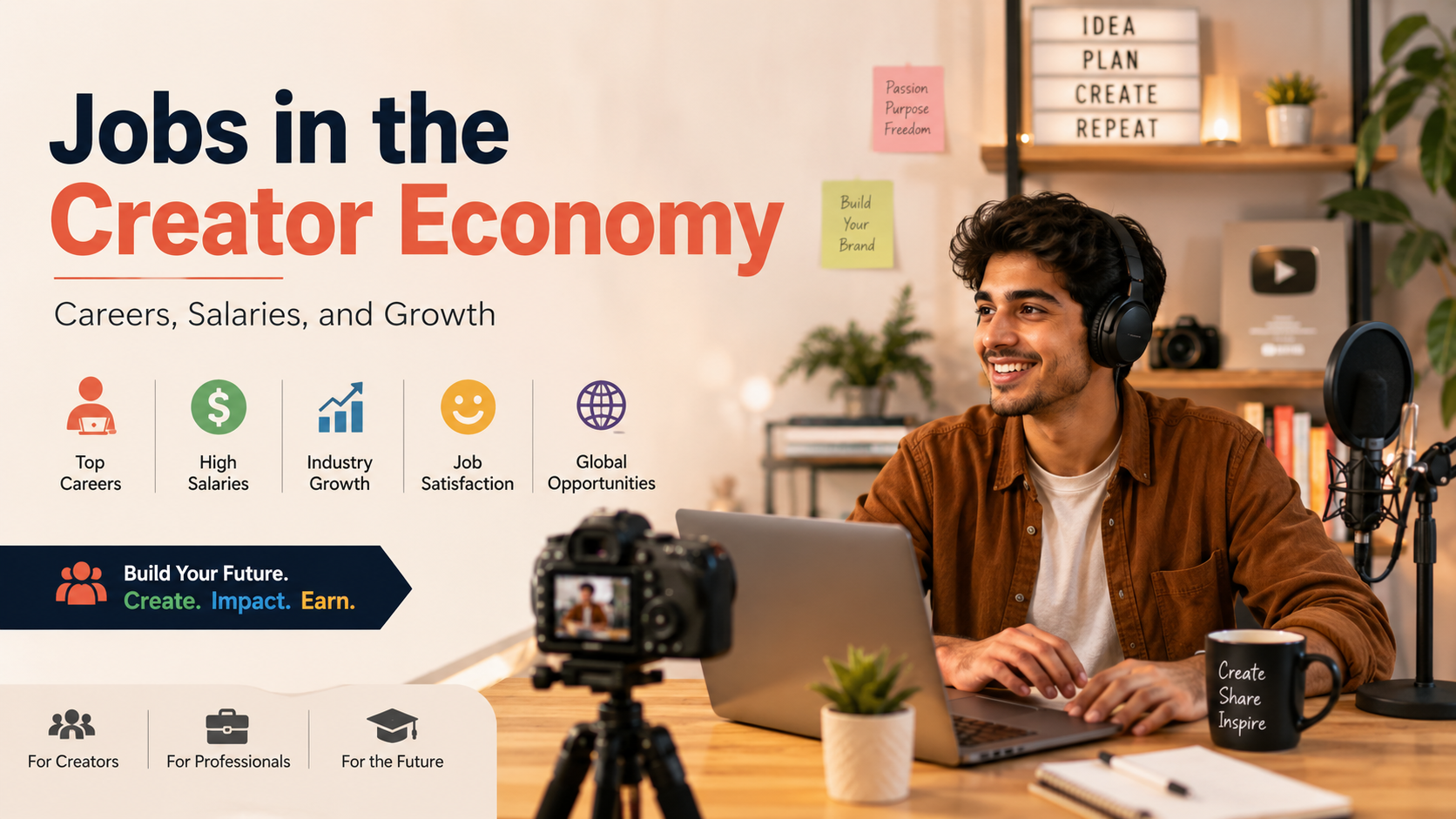
Jobs in the Creator Economy: Careers, Salaries, and Growth
The digital landscape has fundamentally shifted, creating massive opportunities for professionals pursuing jobs in the creator economy. According to the Creator Economy Market Report, this industry is expanding rapidly as digital creators, independent writers, and video producers build sustainable global businesses. Understanding this dynamic workspace matters because traditional career paths are rapidly evolving to embrace digital entrepreneurship, remote work, and independent content creation. Whether you want to manage digital talent, edit viral videos, or build your own brand, the digital ecosystem offers unprecedented professional freedom. This article answers five crucial questions about what Gen Z wants, industry growth, happiest jobs, high-paying roles, and typical salaries in the modern creator market.

What Career Is Gen Z Most Interested In?
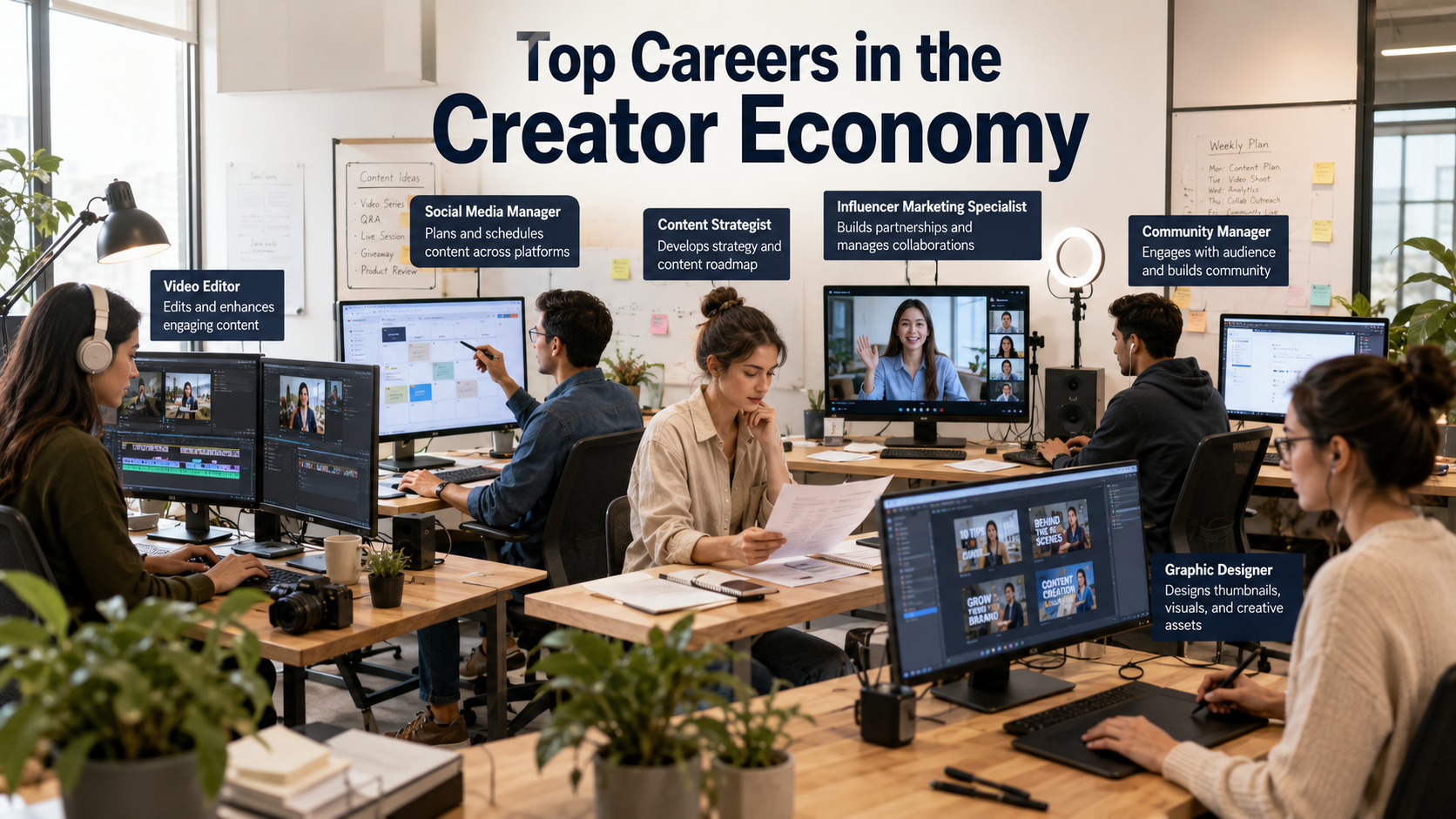
Digital entrepreneurship and content creation have become some of the most attractive career choices for Gen Z. Many young professionals value flexibility, creativity, and independence more than traditional office jobs. Instead of following a fixed career path, they prefer building personal brands and earning income through digital platforms. This shift has created thousands of jobs in the creator economy, including roles in content strategy, video production, social media management, and influencer marketing.
Modern creators can work from almost anywhere while reaching audiences worldwide. They also enjoy greater control over their schedules and creative decisions. As digital platforms continue to introduce new monetization features, more people see content creation as a long-term career rather than a side hobby. For many Gen Z professionals, success is no longer defined by a traditional 9-to-5 job. Instead, they prioritize meaningful work, creative freedom, and the opportunity to build a scalable online business that reflects their interests and expertise.
The Rise of Independent Digital Entrepreneurship
Building an independent digital career requires consistency, creativity, and continuous learning. Successful creators understand audience behavior, platform algorithms, and effective storytelling. They also develop valuable skills such as video editing, content planning, SEO, branding, and audience analytics.
Unlike traditional careers, creator-focused roles reward practical experience and measurable results. Many professionals build portfolios through personal projects before securing paid opportunities. As the creator economy expands, these real-world skills often become more valuable than formal qualifications alone.
Is the Creator Economy Booming?
The creator economy continues to experience rapid global growth. Rising audience engagement, increasing digital consumption, and significant investments from technology companies have accelerated its expansion. Businesses now recognize that creators build stronger trust with audiences than many traditional advertising channels. As a result, brands allocate larger marketing budgets to creator partnerships and influencer campaigns.
The demand for high-quality digital content has also increased across platforms such as YouTube, Instagram, TikTok, LinkedIn, and podcasts. This growth creates more jobs in the creator economy, including opportunities for editors, designers, strategists, community managers, and talent managers. New monetization tools, subscription models, and digital products also help creators generate sustainable income. As the industry matures, professionals with strong creative and analytical skills are finding more long-term career opportunities than ever before.
Exponential Growth in Global Digital Investments
Investors continue funding creator-focused software, monetization platforms, and community-building tools because audience demand keeps rising. Consumers increasingly value authentic voices over traditional corporate advertising, encouraging brands to invest more in creator partnerships.
These investments create better earning opportunities for creators while supporting the professionals behind them. Developers, marketers, editors, and talent managers all benefit from the continued expansion of the digital creator ecosystem.
What Is the #1 Happiest Job in the World?
While happiness varies from person to person, independent content creators and digital entrepreneurs frequently report high levels of job satisfaction. One of the biggest reasons is creative freedom. They decide what to create, who to work with, and how to grow their businesses without many workplace restrictions. This level of control helps reduce common frustrations associated with traditional corporate environments.
Creators also enjoy building genuine relationships with their audiences. Seeing direct feedback and positive engagement can make work feel more meaningful. Many professionals appreciate the ability to work remotely, choose flexible schedules, and focus on projects they genuinely enjoy. Although success requires discipline and consistency, the combination of independence, creativity, and purpose makes creator-focused careers highly rewarding for many people seeking long-term professional satisfaction.
Freedom of Schedule and Creative Autonomy
Owning your creative work allows greater flexibility and personal growth. Creators can test new ideas, adapt quickly to trends, and develop unique content without unnecessary corporate limitations.
This freedom often leads to greater motivation and reduced burnout. When work aligns with personal interests, professionals are more likely to stay engaged and continue improving their skills over time.
Which Job Gets 20 Lakh Per Month?
Earning ₹20 lakh per month is possible in the creator economy, but it is limited to a small percentage of top-performing professionals. Successful YouTubers, influencer marketing agency founders, creator managers, and digital marketing executives can reach this income level after building strong businesses. These professionals rarely depend on a single revenue source. Instead, they combine advertising income, brand partnerships, affiliate marketing, digital products, memberships, consulting, and merchandise sales.
Reaching this level requires years of consistent effort, audience growth, and strategic business planning. Professionals must also understand branding, marketing, analytics, and audience engagement. While these earnings are achievable, they should be viewed as exceptional rather than typical. Most creators gradually increase their income by expanding their skills, diversifying revenue streams, and building lasting relationships with brands and loyal audiences.
Multi-Stream Monetization for Elite Digital Earners
Top creators rarely rely on platform advertising alone. They build multiple income streams that generate consistent revenue throughout the year.
Common monetization methods include:
- Brand sponsorships
- Affiliate marketing
- Digital courses and products
- Membership communities
- Newsletter subscriptions
- Live events and workshops
- Merchandise sales
Diversifying income improves financial stability and reduces dependence on any single platform or algorithm update.
Jobs in the Creator Economy Salary
Salaries across jobs in the creator economy vary based on experience, specialization, audience size, and business model. Entry-level professionals such as video editors, social media coordinators, and content assistants typically earn competitive starting salaries. Experienced professionals, including creator managers, digital strategists, and brand partnership specialists, often receive significantly higher compensation. Independent creators may earn anywhere from a modest monthly income to substantial annual revenue, depending on their monetization strategy and audience engagement.
As companies continue investing in digital marketing, demand for skilled creator economy professionals keeps growing. Employers increasingly seek candidates with expertise in content production, SEO, analytics, community management, and platform optimization. Understanding current salary trends helps professionals set realistic expectations, negotiate better compensation, and identify career paths with the strongest long-term earning potential.
Average Compensation Trends Across Popular Digital Roles
Several creator economy roles continue to experience strong salary growth because businesses rely more heavily on digital marketing.
Popular high-demand roles include:
- Video Editor
- Content Strategist
- Social Media Manager
- Community Manager
- Influencer Marketing Specialist
- Growth Marketer
- Creator Partnerships Manager
Professionals who combine creative abilities with data analysis, SEO, and short-form video expertise generally enjoy stronger career growth and higher earning potential.
FAQ
What qualifications do you need to work in the creator economy?
A formal degree is not always necessary for jobs in the creator economy. Most employers value practical skills, strong portfolios, and proven results. Experience with video editing, content creation, SEO, social media management, and analytics often matters more than academic qualifications. Building real projects and demonstrating measurable success can significantly improve your employment opportunities.
How do independent creators make money online?
Creators generate income through several revenue streams instead of relying on one source. Common methods include brand sponsorships, platform advertising, affiliate marketing, memberships, merchandise, digital products, and online courses. Diversifying revenue helps creators build more stable businesses and reduces the impact of platform algorithm changes.
Is working as a content creator stable long-term?
Yes, it can be stable when approached as a business rather than a hobby. Successful creators diversify income, build email lists, maintain strong audience relationships, and adapt to changing digital trends. Continuous learning and consistent content quality play a major role in long-term success.
Can beginners start a career in digital media without experience?
Yes. Beginners can start by creating personal content, learning video editing, managing social media accounts, or completing freelance projects. These experiences help build practical skills and a professional portfolio. Over time, this portfolio can lead to agency positions, freelance work, or independent creator opportunities.
Conclusion
Navigating jobs in the creator economy opens the door to professional freedom, financial growth, and creative expression. Throughout this article, we explored Gen Z career preferences, the rapid expansion of digital media, job satisfaction, high-paying opportunities, and salary trends across creator-focused roles.
As artificial intelligence continues to reshape the digital landscape, new career opportunities are emerging alongside traditional creator roles. Learn more about this trend in our article on Bezos: VivaTech AI Will Create More Jobs, which explores how AI is expected to expand employment opportunities rather than simply replace them.
The digital ecosystem rewards adaptability, authenticity, and continuous skill development over traditional career paths. Apply these insights by building your digital portfolio, mastering platform analytics, and exploring creator-focused opportunities to launch a successful and future-ready digital career.