Tag Archives: medicine

Medical Insurance: Facts You should Know 

Medical Insurance: Facts You should Know

Medical insurance plays a crucial role in safeguarding individuals and families against the financial burdens associated with healthcare. In an era where medical expenses are soaring, having a comprehensive medical insurance policy is not just a luxury but a necessity. This article aims to delve into the intricacies of medical insurance, shedding light on its importance, key components, types, and tips for making informed decisions.

Understanding the Importance of Medical Insurance:

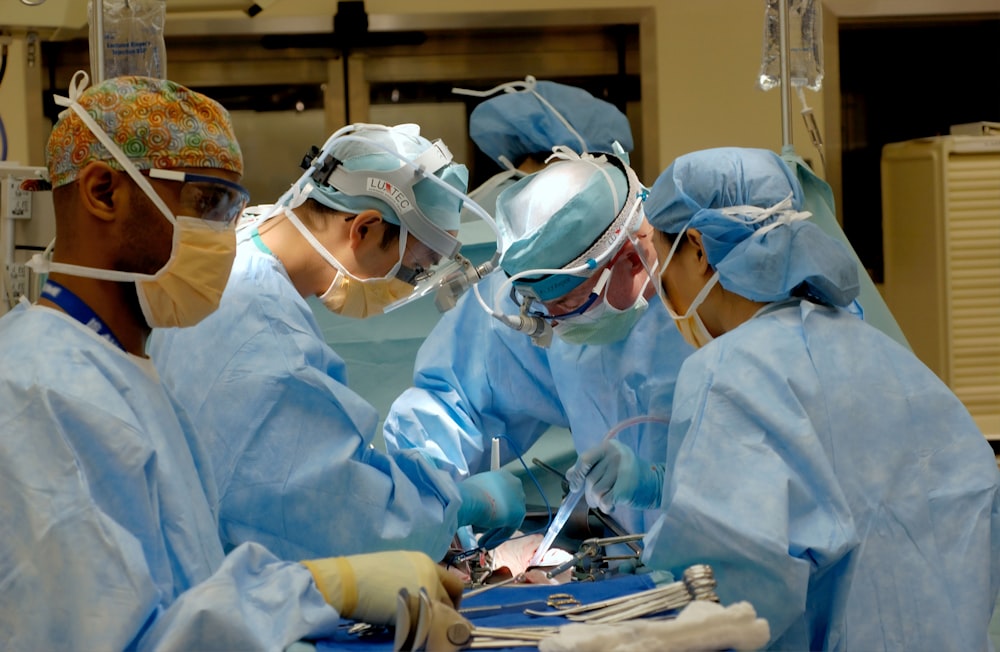
Image via Unsplash.com

Medical emergencies and unforeseen health issues can strike at any time, causing emotional distress and financial strain. Having a robust medical insurance policy ensures that individuals can access quality healthcare without worrying about the exorbitant costs. Medical insurance acts as a safety net, providing financial protection and peace of mind during challenging times.

Key Components of Medical Insurance:

The premium is the amount policyholders pay periodically to maintain their medical insurance coverage. Premiums can vary based on factors such as age, health condition, coverage limits, and the insurance provider. It’s essential to strike a balance between affordability and adequate coverage when selecting a policy.

Deductibles: Medical insurance

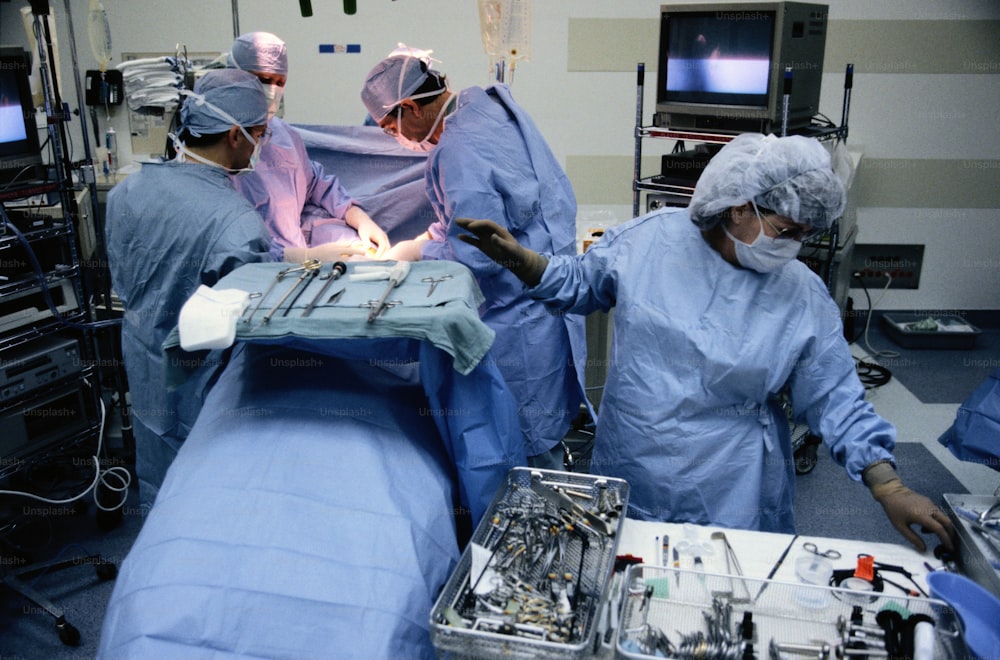
Image via Unsplash.com

Deductibles represent the amount policyholders must pay out of pocket before their insurance coverage kicks in. Higher deductibles often lead to lower premiums, but individuals should carefully consider their ability to cover these costs in the event of a medical issue.

Every medical insurance policy comes with coverage limits – the maximum amount the insurance company will pay for covered services. Understanding these limits is crucial to avoid unexpected out-of-pocket expenses. Comprehensive policies tend to have higher coverage limits, providing better financial protection.

Co-payments and Co-insurance:

Co-payments are fixed amounts that policyholders pay for specific healthcare services, such as doctor visits or prescription medications. Co-insurance represents the percentage of costs shared between the insurance company and the policyholder. Clear comprehension of co-payment and co-insurance terms is vital for managing healthcare expenses effectively.

 Health Maintenance Organization (HMO):

HMO plans emphasize preventive care and typically require policyholders to choose a primary care physician (PCP). Referrals from the PCP are often necessary for specialist consultations. While HMOs offer lower out-of-pocket costs, they may have limited provider networks.

PPO plans provide more flexibility in choosing healthcare providers and do not require referrals for specialists. However, staying within the PPO network usually results in lower out-of-pocket expenses. PPOs are suitable for those who value a balance between flexibility and cost-effectiveness.

Exclusive Provider Organization (EPO):

Image via Unsplash.com

EPO plans combine elements of HMOs and PPOs. They require policyholders to use a designated network of healthcare providers but do not mandate referrals for specialists. EPOs offer a middle ground between HMOs and PPOs in terms of cost and flexibility.

POS plans incorporate features of both HMOs and PPOs. They necessitate a primary care physician and referrals for specialists, like HMOs, but also permit out-of-network services, similar to PPOs. POS plans are suitable for individuals who desire flexibility while still maintaining a primary care focus.

 Assess your healthcare needs: Medical insurance

Before choosing a medical insurance policy, evaluate your healthcare needs, taking into account factors such as age, existing health conditions, and the medical needs of your family. Understanding your requirements is crucial in selecting a policy that offers adequate coverage.

Different insurance providers offer a variety of plans with varying coverage options and costs. Conduct a thorough comparison of available plans, considering premiums, deductibles, coverage limits, and network providers. This comparison ensures you make an informed decision aligned with your budget and healthcare requirements.

Review In-Network Providers: Medical insurance

In-network providers are healthcare professionals and facilities that have agreements with the insurance company to offer services at discounted rates. Ensure that your preferred doctors, hospitals, and specialists are part of the insurance network to maximize cost savings.

Carefully read and understand the policy’s exclusions and limitations. Certain medical insurance policies may not cover specific treatments, pre-existing conditions, or elective procedures. Being aware of these limitations prevents unexpected financial burdens and allows for better planning.

Consider Additional Benefits:

Image via Unsplash.com

Some medical insurance plans offer additional benefits beyond basic coverage, such as wellness programs, maternity benefits, or dental and vision coverage. Assess these additional benefits to determine the overall value and suitability of a particular policy for your needs.

Health insurance plans and regulations can change over time. Stay informed about any updates or changes in your policy, especially during open enrollment periods. This awareness ensures that your coverage remains relevant and aligned with your healthcare needs.

In the event of a medical expense, maintaining thorough records is essential for a smooth claims process. Retain copies of bills, receipts, and any communication with healthcare providers. This documentation serves as crucial evidence when filing claims with the insurance company.

Understand the Claims Process: Medical insurance

Familiarize yourself with the procedures for filing claims with your insurance provider. Whether it’s submitting paper claims or utilizing online portals, knowing the process ensures timely reimbursement and minimizes potential complications.

In the complex world of medical insurance, it’s vital to be your own advocate. If a claim is denied or you encounter challenges, don’t hesitate to contact your insurance company for clarification. Persistence and clear communication can often resolve issues and ensure you receive the coverage you are entitled to.

Future Trends in Medical Insurance:

As technology and healthcare practices evolve, the landscape of medical insurance is also changing. Telemedicine, personalized health plans, and innovative wellness programs are becoming integral components of modern insurance offerings. Staying abreast of these trends allows policyholders to capitalize on emerging opportunities for enhanced care and cost-effective solutions.

Conclusion: Medical insurance

Image via Pexels.com

In conclusion, navigating the intricacies of medical insurance requires a combination of understanding the key components, selecting the right plan, and actively managing the claims process. With the right knowledge and diligence, individuals can ensure that their medical insurance serves as a reliable shield against the financial uncertainties associated with healthcare. By staying informed and proactive, we can collectively move towards a future where quality healthcare is accessible and affordable for all.

Medical insurance is an indispensable tool in the pursuit of accessible and affordable healthcare. Understanding the key components, types, and tips for selecting the right policy empowers individuals to make informed decisions that safeguard their health and financial well-being. As the landscape of healthcare continues to evolve, being proactive in managing one’s medical insurance becomes paramount for a secure and healthy future.

USEFUL LINKS:

Click here to read more 
Pay off your debt and track your progress


History of medicine: From Ancient to Modern 

History of medicine: From Ancient to Modern

The history of medicine is a fascinating narrative of human ingenuity, resilience, and constant pursuit of understanding the intricacies of the human body. From ancient civilizations to modern scientific breakthroughs, this article will delve into the active history of medicine, highlighting pivotal moments, key figures, and the evolution of medical practices.

 Mesopotamia and Egypt: history of medicine

Image via Pexels.com

The roots of medical history trace back to ancient Mesopotamia and Egypt, where early healers relied on a blend of empirical observations and mystical beliefs. In Mesopotamia, the first known medical text, the “Diagnostic Handbook,” provided insights into symptoms and suggested treatments. Meanwhile, in ancient Egypt, medical knowledge flourished, with the Edwin Smith Papyrus detailing surgical techniques and diagnostic methods.

Ancient Greece:

The golden age of ancient Greek civilization significantly influenced the history of medicine. Hippocrates, often regarded as the father of medicine, introduced the concept of humoral theory, attributing diseases to imbalances in bodily fluids. The Hippocratic Oath, a moral code for physicians, remains a cornerstone of medical ethics. The works of Galen, a Roman physician influenced by Greek medical thought, further shaped medical practices for centuries because of its new considerations.

Islamic Golden Age: history of medicine

During the Islamic Golden Age (8th to 14th centuries), scholars in the Islamic world played a pivotal role in preserving and expanding medical knowledge. Avicenna’s “Canon of Medicine” became a standard reference in both Islamic and European medical education. Islamic physicians made significant advancements in pharmacology, surgery, and anatomy, laying the groundwork for future medical breakthroughs.

European Renaissance:

Image via Pexels.com

The Renaissance witnessed a revival of interest in human anatomy and medical sciences. Andreas Vesalius, a Flemish anatomist, challenged Galenic teachings with meticulous anatomical observations. His work, “De Humani Corporis Fabrica,” became a milestone in the understanding of the human body. The Renaissance also saw the emergence of the scientific method, transforming medicine into an empirical discipline.

The Age of Enlightenment:

The Age of Enlightenment in the 17th and 18th centuries brought a shift toward rationalism and scientific inquiry. The discovery of the circulatory system by William Harvey and the development of vaccination by Edward Jenner marked significant milestones. Enlightenment thinkers emphasized reason and empirical evidence, challenging traditional medical practices rooted in superstition.

Industrial Revolution: history of medicine

The Industrial Revolution ushered in unprecedented advancements in medical technology and hygiene. Anesthesia, discovered by William Morton, revolutionized surgery. Florence Nightingale’s pioneering work in nursing highlighted the importance of sanitation and patient care. The germ theory of disease, proposed by Louis Pasteur and Robert Koch, laid the foundation for modern infectious disease control.

Modern Medicine:

Image via Pexels.com

The 20th century witnessed remarkable progress in medical science. The discovery of antibiotics, starting with Alexander Fleming’s penicillin, revolutionized infectious disease treatment. The development of vaccines, such as Jonas Salk’s polio vaccine, contributed to disease prevention on a global scale. Medical imaging technologies, like X-rays and MRI, transformed diagnostics.

Genomic Era: history of medicine

Advancements in genetics and molecular biology defined the latter half of the 20th century and the beginning of the 21st century. The Human Genome Project, completed in 2003, mapped the entire human genome, paving the way for personalized medicine. Understanding genetic factors in diseases has opened new avenues for targeted therapies and precision medicine because it will also help in diagnosis.

Current Trends: history of medicine

Contemporary medicine continues to evolve with breakthroughs in areas like immunotherapy, regenerative medicine, and artificial intelligence in diagnostics. Telemedicine has gained prominence, offering remote healthcare access. Global health challenges, such as the COVID-19 pandemic, underscore the interconnectedness of modern healthcare systems and the importance of collaborative international efforts.

Challenges and Ethical Considerations:

Image via Pexels.com

Despite the remarkable progress, the history of medicine is not without challenges and ethical dilemmas. Issues like healthcare disparities, access to medical advancements, and the ethical implications of genetic engineering pose ongoing debates. Balancing technological progress with ethical considerations remains a critical aspect of shaping the future of medicine because this blend is crucial.

Global Collaboration and Health Diplomacy:

In the 21st century, global health challenges have reinforced the importance of collaboration and health diplomacy. The interconnectedness of our world requires coordinated efforts to address pandemics, infectious diseases, and public health crises. Organizations like the World Health Organization (WHO) play a crucial role in facilitating international cooperation, ensuring the equitable distribution of medical resources, and promoting health as a global priority.

Technological Innovations: history of medicine

Recent decades have witnessed a surge in technological innovations that have reshaped medical practices. Artificial intelligence is being increasingly integrated into diagnostics, enabling more accurate and efficient disease detection. Robotics assist in surgeries, enhancing precision and reducing recovery times. Wearable devices and health apps empower individuals to monitor their well-being, promoting preventive care because it will be a new step.

Ethical Considerations in Biomedical Research:

Image via Pexels.com

As medicine advances, ethical considerations become more complex. Issues related to genetic engineering, cloning, and stem cell research challenge societal norms and necessitate careful ethical deliberation. Striking a balance between scientific progress and ethical responsibility is crucial to navigating the ethical landscape of modern medicine because it will shape our future.

Integrative Medicine: history of medicine

A growing recognition of the interconnectedness of physical, mental, and emotional well-being has given rise to integrative medicine. Combining conventional medical practices with complementary and alternative therapies, this approach emphasizes a holistic understanding of health. Integrative medicine explores the potential synergies between conventional and unconventional treatments to provide more comprehensive patient care because it helps patients many ways.

Future Perspectives: history of medicine

Looking ahead, the future of medicine holds exciting possibilities and significant challenges. Advances in nanotechnology, bioinformatics, and personalized medicine promise tailored treatments based on individual genetic profiles. Exploring the microbiome’s role in health and disease opens new avenues for preventive medicine because it leads us to new tomorrow.

In conclusion, the active history of medicine is an evolving narrative marked by resilience, innovation, and ethical reflection. From ancient civilizations to the frontiers of genomic research, each era contributes to the dynamic landscape of medical knowledge. As we stand on the brink of unprecedented medical breakthroughs, it is imperative to navigate the future with a commitment to global collaboration, ethical responsibility, and the holistic well-being of individuals and communities. The history of medicine serves as a guidepost, reminding us of the lessons learned and the collective responsibility to shape a healthier, more equitable future because humanity is what matters.

Conclusion: history of medicine

Image via Pexels.com

The history of medicine is a dynamic narrative, constantly shaped by the interplay of scientific discovery, cultural influences, and societal needs. From ancient healing rituals to cutting-edge genomic research, each era has contributed to the active tapestry of medical knowledge. As we navigate the complexities of the present and envision the future of medicine, a deep understanding of its history serves as a compass, guiding us towards a healthier and more informed tomorrow.

USEFUL LINKS:

Click here to know more 
Become expert in history in 30 days 

Medical facts you should know 

Medical facts you should know

In the realm of healthcare, understanding and disseminating accurate medical facts is paramount. In this article, we embark on a journey through a myriad of medical truths, unraveling essential information that forms the backbone of our understanding of the human body and various health conditions. From the intricacies of the cardiovascular system to the marvels of the immune system, we delve into medical facts that empower individuals to make informed decisions about their well-being.

The Cardiovascular System: Medical Facts

Image via Pexels.com

At the core of our circulatory system lies the heart, an extraordinary organ responsible for pumping blood throughout the body. Contrary to common belief, the heart doesn’t rest; it beats around 100,000 times a day, propelling approximately 2,000 gallons of blood through the intricate network of blood vessels. Understanding the vital role of the cardiovascular system underscores the importance of maintaining a heart-healthy lifestyle, including regular exercise, a balanced diet, and stress management because it helps your body.

The Immune System: Guardians of Health

Our immune system is a formidable defense mechanism, tirelessly working to protect the body from harmful invaders such as bacteria, viruses, and fungi. Comprising a complex network of cells, tissues, and organs, the immune system’s orchestrated response is crucial for maintaining overall health. Regular exercise, a nutritious diet, and sufficient sleep play pivotal roles in supporting the immune system, helping the body fend off infections and diseases.

The Brain: Medical Facts

Image via Pexels.com

Often referred to as the command center of the body, the brain is a marvel of complexity. It consists of approximately 86 billion neurons, each forming intricate connections that govern our thoughts, emotions, and actions. Contrary to the myth that humans only use 10% of their brains, functional magnetic resonance imaging (fMRI) scans reveal that most parts of the brain have identifiable functions. Nurturing brain health involves activities such as intellectual stimulation, adequate sleep, and a diet rich in omega-3 fatty acids.

DNA and Genetics: Medical Facts

The discovery of DNA, the double-helix structure containing genetic information, marked a groundbreaking moment in medical history. Every cell in the human body carries a complete set of DNA, containing genes that influence our traits, susceptibility to diseases, and response to medications. The Human Genome Project, completed in 2003, unveiled the sequence of the human genome, opening doors to personalized medicine and a deeper understanding of genetic factors in health and disease.

Nutrition and Metabolism: Fueling the Body

Image via Pexels.com

Nutrition is the cornerstone of good health, providing the body with the necessary nutrients to function optimally. The body’s metabolism, the complex process of converting food into energy, varies from person to person. Contrary to popular misconceptions, crash diets and extreme fasting can negatively impact metabolism. Understanding the body’s nutritional needs and adopting a balanced diet is crucial for sustaining energy levels, maintaining weight, and preventing nutritional deficiencies.

Respiratory System: Medical Facts

The respiratory system, often taken for granted, is vital for sustaining life. The lungs facilitate the exchange of oxygen and carbon dioxide, a process critical for cellular function. Smoking and exposure to pollutants can damage the respiratory system, leading to conditions such as chronic obstructive pulmonary disease (COPD) and lung cancer. Adopting a smoke-free lifestyle and prioritizing clean air environments are essential for maintaining optimal respiratory health.

Endocrine System: Hormones and Homeostasis

Image via Pexels.com

The endocrine system, composed of glands that produce hormones, plays a pivotal role in maintaining homeostasis within the body. Hormones regulate various physiological processes, including metabolism, growth, and reproduction. Disorders such as diabetes and thyroid dysfunction highlight the importance of hormonal balance. Regular exercise, a healthy diet, and stress management contribute to the overall well-being of the endocrine system.

The Skeletal System: Medical Facts

Bones are the structural foundation of the body, providing support, protection, and a framework for movement. Contrary to popular belief, bones are not static; they undergo continuous remodeling throughout life. Adequate calcium intake, vitamin D exposure, and weight-bearing exercises are essential for maintaining bone health and preventing conditions like osteoporosis because these vitamins are crucial.

Mental Health: Breaking the Stigma

Understanding and addressing mental health is an integral part of overall well-being. Mental health disorders, including depression and anxiety, affect millions worldwide. Breaking the stigma surrounding mental health encourages open dialogue and access to necessary resources. Psychological well-being is intertwined with physical health, emphasizing the importance of a holistic approach to healthcare because mental health matters.

Preventive Care: Medical Facts

Image via Pexels.com

Preventive care is the cornerstone of a healthy lifestyle, encompassing vaccinations, regular check-ups, and screenings. Early detection of conditions such as cancer and cardiovascular disease significantly improves treatment outcomes. A proactive approach to health, including lifestyle modifications and preventive measures, empowers individuals to take charge of their well-being because it helps overall body.

Common Medical Myths: Dispelling Misconceptions

The field of medicine is not immune to myths and misconceptions. Dispelling common medical myths is crucial for promoting accurate information and fostering a health-conscious society. From debunking the notion that cold weather causes colds to clarifying the importance of vaccines in preventing diseases, separating fact from fiction is instrumental in making informed healthcare decisions.

Conclusion:

Image via Pexels.com

In the vast landscape of medical facts, knowledge is a powerful tool. It is helpful for individuals seeking to prioritize their health and well-being. From the intricacies of bodily systems to the importance of preventive care, understanding these medical truths empowers individuals to make informed decisions about their lifestyle, habits, and healthcare choices. As we continue to unravel the mysteries of the human body, embracing a proactive and holistic approach to health ensures a path to a vibrant and fulfilling life because it helps in development.

In a world where medical science continually advances, the importance of staying informed cannot be overstated. Recognizing the dynamic nature of healthcare, individuals are encouraged to engage in ongoing education. It is about emerging medical breakthroughs and changing health guidelines. By fostering a culture of health literacy, society can collectively navigate the complexities of medical information. It enables individuals to make well-informed decisions about their health. As we move forward, the journey through the intricacies of medical facts serves as a compass. It guides us towards a future where knowledge is not just power but a vital component of holistic well-being.

USEFUL LINKS:

Click here to know more medical facts because it will enhance your knowledge
Keep your brain healthy with these tips.


Exercises to stay fit

Exercises to stay fit

In our fast-paced world, staying fit is more crucial than ever. The sedentary nature of modern lifestyles, coupled with the convenience of technology, has led to a decline in physical activity. However, maintaining an active lifestyle is paramount for overall health and well-being. In this article, we will delve into a comprehensive guide on various exercises to help you stay fit and enhance your quality of life.

The Importance of Regular Exercises

Image via Pexels.com

Before we explore specific exercises, it’s essential to understand why regular physical activity is vital. Exercise offers a myriad of benefits, ranging from improving cardiovascular health to boosting mental well-being. Engaging in regular physical activity helps control weight, reduces the risk of chronic diseases, enhances mood, and promotes better sleep.

To achieve optimal fitness, it’s crucial to incorporate a variety of exercises that target different aspects of your health. A well-rounded fitness routine typically includes cardiovascular exercises, strength training, flexibility exercises, and balance activities.

Cardiovascular Exercises

Cardiovascular exercises, also known as aerobic exercises, are essential for heart health and overall fitness. These exercises increase your heart rate and breathing, improving the efficiency of your cardiovascular system. Popular cardiovascular exercises include running, cycling, swimming, and brisk walking.

Strength training is crucial for building and maintaining muscle mass, which plays a significant role in metabolism and overall functional fitness. Incorporate exercises that target major muscle groups, such as squats, deadlifts, bench presses, and overhead presses. Strength training can be done using free weights, machines, or bodyweight exercises.

Flexibility Exercises

Image via Pexels.com

Flexibility exercises are often overlooked but are essential for maintaining joint health and preventing injuries. Stretching exercises, yoga, and Pilates are effective ways to improve flexibility. Include dynamic stretches before workouts and static stretches after exercising to enhance overall flexibility.

Balance is a crucial aspect of fitness, especially as we age. Balance exercises help improve stability and reduce the risk of falls. Simple balance activities include standing on one leg, heel-to-toe walking, and balance board exercises. Incorporating these activities into your routine can enhance overall physical stability.

Creating a Personalized Exercise Plan

The key to a successful fitness journey lies in creating a personalized exercise plan that aligns with your goals, preferences, and fitness level. Here are steps to help you develop an effective plan:

Define your fitness goals, whether they involve weight loss, muscle gain, improved endurance, or enhanced flexibility. Having clear goals will guide your exercise choices and keep you motivated.

Assess Your Fitness Level through exercises

Image via Pexels.com

Evaluate your current fitness level to determine where you stand and identify areas that need improvement. This assessment will help you choose exercises that are challenging yet appropriate for your fitness level.

Incorporate a mix of cardiovascular, strength training, flexibility, and balance exercises into your routine. This variety ensures that you address all aspects of fitness and prevent boredom.

Create a Realistic Schedule for exercises

Develop a realistic exercise schedule that fits into your daily routine. Consistency is key, so aim for at least 150 minutes of moderate-intensity aerobic exercise or 75 minutes of vigorous-intensity aerobic exercise per week, along with strength training activities on two or more days per week.

Overcoming Barriers to Exercise Adherence

Image via Pexels.com

Even with the best intentions, barriers to regular exercise can arise. Addressing these obstacles is crucial for maintaining a consistent fitness routine. Here are common barriers and strategies to overcome them:

Time constraints are a common barrier to exercise. However, short bouts of activity can be just as effective as longer sessions. Break your workouts into manageable chunks throughout the day, such as 10-15 minutes of brisk walking during breaks.

Lack of Motivation

Maintaining motivation can be challenging, especially when faced with busy schedules or other priorities. Find activities you enjoy, set realistic goals, and consider exercising with a friend or joining group classes for added motivation.

Repetitive routines can lead to boredom, making it difficult to stay committed to your exercise plan. Mix things up by trying new activities, exploring different workout environments, or incorporating music and podcasts to keep things interesting.

Physical Limitations when exercises

Physical limitations or health conditions may require modifications to your exercise routine. Consult with a healthcare professional or fitness expert to design a safe and effective plan tailored to your specific needs and abilities.

Staying fit goes beyond structured workouts. Embracing an active lifestyle involves making conscious choices throughout your day to incorporate movement. Here are ways to stay active beyond formal exercise sessions:

Incorporate Physical Activity into Daily Tasks

Image via Pexels.com

Find opportunities to be active throughout the day, such as taking the stairs instead of the elevator, walking or biking to work, and incorporating short activity breaks during long periods of sitting.

Participate in recreational activities that you enjoy, such as hiking, dancing, gardening, or playing sports. These activities not only provide exercise but also contribute to overall well-being.

Stay Active with Family and Friends

Make physical activity a social affair by engaging in active pursuits with family and friends. This could include weekend hikes, group fitness classes, or sports activities that everyone can enjoy together.

Regularly monitoring your progress is essential for staying on track and making necessary adjustments to your exercise plan. Here’s how to effectively track your fitness journey:

Keep a Workout Journal for exercises

Maintain a workout journal to track the exercises you perform, the duration, and any notes on how you felt during and after the workout. This journal can help you identify patterns and make informed adjustments.

Take measurements of your body, track changes in weight, and pay attention to how your clothes fit. While the scale is one measure of progress, changes in body composition and how you feel are equally important.

Assess Fitness Levels Periodically

Reassess your fitness level periodically to gauge improvements. This could involve repeating the initial fitness assessment or incorporating new challenges to assess your strength, endurance, flexibility, and balance.

If you notice plateaus or feel that your routine has become too easy, it’s time to adjust. Increase the intensity, try new exercises, or modify your schedule to keep your body continually adapting and progressing.

Conclusion:

Image via Pexels.com

Staying fit is a lifelong journey that requires dedication, but the benefits far outweigh the effort. By incorporating a diverse range of exercises, creating a personalized plan, overcoming barriers, embracing an active lifestyle, and monitoring progress, you can achieve and maintain optimal fitness. Remember that staying fit is not just about looking good; it’s about feeling good, both physically and mentally. So, lace up those sneakers, find activities you love, and embark on a journey to unlock your full potential through a fit and active lifestyle.

USEFUL LINKS:

Click here to read more 
Best workout clothes to wear 

Medical myths you should be aware of 

Medical myths you should be aware of

In the vast landscape of health information, myths and misconceptions often thrive, creating confusion and sometimes leading individuals down paths that can be detrimental to their well-being. The realm of medicine, these myths persist despite the abundance of scientific evidence that refutes them. In this article, we embark on a journey to debunk some prevalent medical myths, shedding light on the importance of evidence-based healthcare and dispelling misconceptions that might influence health decisions.

 Impact on Health Decision-Making: Medical Myths 

Image via Unsplash.com

Medical myths can have a profound impact on how individuals make health-related decisions. When misinformation spreads, people may make choices based on unfounded beliefs rather than scientific evidence. This can lead to delayed or ineffective treatments, unnecessary stress, and even the exacerbation of health conditions.

Delay in Seeking Professional Help: Medical Myths 

One common consequence of medical myths is the delay in seeking professional medical help. Some individuals might opt for alternative therapies or self-prescribed remedies based on misinformation, postponing the critical moment when proper medical attention is needed. Timely intervention is crucial in many health conditions, and falling victim to medical myths can have serious consequences.

 Myth: Vitamin C Prevents Colds and Boosts the Immune System

One of the enduring myths in the realm of health is the belief that consuming large doses of vitamin C can prevent colds and boost the immune system. While vitamin C is essential for overall health, studies have shown that mega doses of vitamin C do not necessarily prevent colds. A balanced diet, regular exercise, and proper hygiene are more effective in supporting a robust immune system.

Myth: Cracking Knuckles Causes Arthritis: Medical Myths 

Image via Unsplash.com

The sound of knuckles cracking can be cringe-inducing for some, with the prevailing myth suggesting that this habit leads to arthritis. However, scientific studies have found no association between knuckle cracking and an increased risk of arthritis. The sound is caused by the release of gas bubbles in the synovial fluid within the joints and does not contribute to joint damage.

Myth: You Can “Sweat Out” Toxins Through Exercise

The notion that sweating during exercise helps the body “sweat out” toxins is a common misconception. While sweating is a natural physiological process that helps regulate body temperature, it does not play a significant role in eliminating toxins. The liver and kidneys are the primary organs responsible for detoxification, and engaging in regular exercise supports overall health but does not serve as a mechanism for expelling toxins.

Myth: Antibiotics are Effective Against Viral Infections

A widespread myth that has contributed to antibiotic overuse is the belief that antibiotics are effective against viral infections. Antibiotics specifically target bacteria, not viruses. Misusing antibiotics for viral infections not only fails to provide any benefit but also contributes to the emergence of antibiotic-resistant strains of bacteria, posing a significant public health threat.

Myth: The “Freshman 15” is Inevitable: Medical Myths 

Image via Unsplash.com

The “Freshman 15” myth suggests that college students will inevitably gain 15 pounds during their first year of university. While lifestyle changes and increased stress levels can impact weight, research indicates that the average weight gain is much lower, around 2 to 3 pounds. This myth can contribute to unhealthy eating habits and body image concerns among college students.

Myth: Going Out in Cold Weather Causes Colds

Contrary to popular belief, exposure to cold weather does not directly cause colds or flu. Colds are caused by viruses, and while cold weather can contribute to the spread of respiratory viruses, it is not the temperature itself that makes people sick. The main factors in the transmission of colds are close contact with infected individuals and poor hand hygiene.

Myth: Sugar Causes Hyperactivity in Children: medical myths 

The belief that sugar consumption leads to hyperactivity in children has been debunked by numerous studies. While excessive sugar intake is associated with various health issues, including obesity and dental problems, it does not cause hyperactivity. The perception of increased activity may be influenced by factors such as excitement during special occasions rather than the sugar itself.

Myth: All Natural Products are Safe and Effective

Image via Unsplash.com

The term “all-natural” often evokes a sense of safety and efficacy, leading many to believe that natural products are inherently better than their synthetic counterparts. However, the safety and effectiveness of a substance depend on various factors, and natural does not always equate to safe. Poisonous plants, for example, are entirely natural but can be deadly. It is essential to evaluate each product based on scientific evidence rather than relying on its natural status.

 Proliferation of Information on the Internet

The internet has democratized access to information, but it has also become a breeding ground for misinformation. Medical myths can spread rapidly through social media, blogs, and other online platforms, making it challenging to counteract false narratives with accurate and evidence-based information.

Cultural and Traditional Beliefs: Medical Myths 

Cultural and traditional beliefs often play a significant role in shaping health-related attitudes and behaviors. Dispelling medical myths may require addressing deeply ingrained cultural beliefs. And providing culturally sensitive education to ensure accurate health information reaches diverse populations.

 Emphasizing the Importance of Critical Thinking

Image via Unsplash.com

Promoting critical thinking skills is essential in navigating the vast landscape of health information. Encouraging individuals to question the sources of information, assess the credibility of claims. And seek evidence-based guidance empowers them to make informed decisions about their health.

Educating Healthcare Professionals: Medical Myths 

Continuous education for healthcare professionals is crucial in ensuring they are equipped with the latest scientific knowledge. And can effectively communicate evidence-based information to patients. Additionally, fostering a culture of open communication between healthcare providers and patients encourages dialogue about health concerns and dispels myths in a collaborative manner.

Collaboration with the Media

Media outlets play a significant role in shaping public perceptions of health. Collaborating with the media to promote accurate health information, fact-checking medical claims is crucial. And providing platforms for experts to debunk myths can contribute to a more informed public.

Conclusion

Image via Pexels.com

Medical myths persist in the realm of healthcare. Dispelling these myths is crucial for promoting evidence-based healthcare and empowering individuals to make informed decisions about their well-being. Addressing common misconceptions and promoting critical thinking is crucial. And fostering collaboration between healthcare professionals, the media, and the public, we can create a healthier and more informed society. In the pursuit of well-being, knowledge is power, and separating fact from fiction is an essential step toward achieving optimal health outcomes.

USEFUL LINKS:

How to build muscle with an overall workout
Click here to know more 


Vaccination: How does it work, its types and Functions 

Vaccination: How does it work, its types and Functions

Vaccination stands as one of the most remarkable achievements in the history of medicine, playing a pivotal role in safeguarding communities from various infectious diseases. The process involves administering vaccines to stimulate the immune system, enabling the body to recognize and fight off harmful pathogens. This proactive approach to disease prevention has not only saved countless lives but has also contributed significantly to the overall well-being of societies worldwide.

The Historical Triumph of Vaccination

Image via Unsplash.com

The roots of vaccination can be traced back to the late 18th century when Edward Jenner, an English physician, developed the first successful smallpox vaccine. Jenner’s groundbreaking work laid the foundation for the development of vaccines against a myriad of infectious diseases. Over the years, scientists and researchers have tirelessly worked to expand the scope of vaccination, leading to the creation of immunizations against polio, measles, mumps, rubella, hepatitis, and influenza, among others.

 Disease Eradication, Control and Vaccination 

Vaccination programs have played a crucial role in eradicating and controlling infectious diseases. The successful global eradication of smallpox in 1980 stands as a testament to the power of vaccination. Polio is another disease on the verge of eradication, with concerted efforts through vaccination campaigns making significant progress. By creating a widespread immunity within populations, vaccines break the chain of transmission and effectively control the spread of contagious diseases.

Preventing Outbreaks and Protecting Vulnerable Populations

Image via Unsplash.com

Vaccination is essential for preventing outbreaks of infectious diseases. When a significant portion of the population is immunized, the spread of the disease is curtailed, providing protection to individuals who cannot receive vaccines due to medical reasons, such as allergies or compromised immune systems. This concept, known as herd immunity, creates a barrier that prevents the rapid transmission of pathogens, safeguarding those who are most vulnerable, including infants, elderly individuals, and individuals with certain medical conditions.

Reducing Disease Burden and Healthcare Costs: Vaccination Facts

Vaccination not only saves lives but also alleviates the burden on healthcare systems. By preventing diseases, vaccines reduce the number of hospitalizations, medical visits, and the overall economic cost associated with treating and managing infectious diseases. In the long run, vaccination programs contribute to the sustainability of healthcare infrastructures, freeing up resources to address other pressing health issues.

 How Vaccination Work: Vaccination Facts

Image via Unsplash.com

Vaccines stimulate the immune system by introducing a harmless component of the pathogen, such as a weakened or inactivated virus or a piece of the bacteria. This component, known as an antigen, triggers the immune response without causing the disease itself. The immune system then produces antibodies and memory cells that “remember” how to fight the specific pathogen. If the vaccinated person is later exposed to the actual pathogen, the immune system can quickly recognize and neutralize it, preventing the development of the disease.

Types of Vaccines: Vaccination Facts

There are different types of vaccines, each designed to target specific pathogens. Live attenuated vaccines use weakened forms of the virus or bacteria, while inactivated vaccines use killed versions of the pathogens. Subunit, conjugate, and mRNA vaccines use specific components or genetic material to induce an immune response. Each type of vaccine has its advantages and is selected based on the characteristics of the targeted pathogen.

Vaccine Development and Safety

The development of vaccines follows rigorous scientific protocols to ensure safety and efficacy. Before a vaccine is approved for public use, it undergoes extensive preclinical and clinical trials. These trials involve testing the vaccine in laboratory settings. Tests are performed on animals, and in human volunteers to assess its safety, effectiveness, and potential side effects. Regulatory bodies, such as the Food and Drug Administration (FDA) in the United States, carefully evaluate the data before granting approval.

Addressing Vaccine Hesitancy: Vaccination Facts

Image via Unsplash.com

Despite the overwhelming evidence supporting the safety and efficacy of vaccines, vaccine hesitancy remains a global challenge. It is crucial to address these concerns through effective communication, education, and building trust in the scientific community. Healthcare providers, public health agencies, and community leaders play a vital role.  They help in disseminating accurate information and dispelling myths surrounding vaccines.

Gavi, the Vaccine Alliance: Vaccination Facts

Gavi, the Vaccine Alliance, is a public-private partnership that focuses on increasing access to vaccines in low-income countries. Established in 2000, Gavi has played a pivotal role in supporting immunization programs. It helps in providing vaccines, and strengthening healthcare systems in vulnerable regions. By collaborating with governments, NGOs, and the private sector, Gavi has contributed to the successful vaccination of millions of children, preventing the spread of deadly diseases.

The World Health Organization’s Expanded Program on Immunization (EPI)

The World Health Organization (WHO) launched the Expanded Program on Immunization to ensure the widespread availability of vaccines globally. EPI has been instrumental in promoting routine immunization schedules, supporting vaccination campaigns, and providing technical assistance to countries in need. The program has been critical in the fight against diseases. Like polio, measles, and tetanus, helping countries establish sustainable immunization practices.

 Vaccine Equity

Image via Unsplash.com

Disparities in vaccine distribution, particularly between high-income and low-income countries, highlight the need for concerted efforts to address this imbalance. Initiatives like COVAX, a global collaboration to ensure equitable access to COVID-19 vaccines, underscore the importance of solidarity and cooperation in facing global health challenges.

Emerging Infectious Diseases: Vaccination Facts

The ongoing threat of emerging infectious diseases, exemplified by the COVID-19 pandemic. It emphasizes the need for continuous innovation in vaccine development and distribution. Researchers must remain vigilant, adapting vaccine technologies to address new and evolving pathogens. The global response to the COVID-19 pandemic has showcased the importance of rapid vaccine development, international collaboration, and the role of science in overcoming unprecedented health challenges.

Conclusion

Image via Pexels.com

Vaccination stands as a cornerstone of public health, offering a proactive and effective strategy for preventing infectious diseases. The historical successes of vaccination in eradicating smallpox and controlling diseases like polio underscore its immense impact on global health.

USEFUL LINKS TO VISIT:

Because Vaccine became so important after Covid, learn more about it here
Ways to treat a baby with fever 

Misconceptions about a health condition

Misconceptions about a health condition

Health conditions, whether common or rare, often come with a plethora of misconceptions that can perpetuate misinformation and stigma. This article aims to address and dispel the misconceptions surrounding a specific health condition, shedding light on the truth to foster better understanding and support. By dismantling these myths, we empower individuals, promote awareness, and encourage a more inclusive and informed approach to health.

Misconceptions about health conditions can lead to stigmatization and discrimination against individuals affected by them. The resulting social isolation can exacerbate the challenges already associated with managing the health condition, affecting mental and emotional well-being.

Delayed Diagnosis and Treatment: misconceptions answered

IMAGE CREDITS: Unsplash.com

When misinformation prevails, individuals may delay seeking medical attention due to fears grounded in misconceptions. This delay can hinder early diagnosis and timely intervention, potentially impacting the effectiveness of treatment and overall health outcomes.

Barriers to Support and Understanding:

Misconceptions create barriers to the support and understanding that individuals with the health condition may need. Friends, family, and even healthcare providers may inadvertently contribute to these barriers, perpetuating myths and hindering a collaborative and empathetic approach to care.

 Myth: “It’s Contagious!”: misconceptions answered

One prevalent misconception often associated with health conditions is the belief that they are contagious. This misconception contributes to social isolation, as people may avoid those affected, fearing transmission. In reality, most health conditions are not contagious and cannot be spread through casual contact.

Myth: “It’s Always Genetic!”: misconceptions answered

IMAGE CREDITS: Unsplash.com

While some health conditions may have a genetic component, assuming that all cases are hereditary oversimplifies their complexity. Environmental factors, lifestyle choices, and other variables can contribute to the development of many health conditions.

Myth: “Only Older Adults are Affected!”

Another common misconception revolves around age. Some believe that certain health conditions only impact older adults, neglecting the fact that many conditions can affect individuals of all ages. This misconception can lead to delayed diagnoses in younger populations

Myth: “It’s Just a Matter of Willpower!”

Attributing health conditions solely to personal choices and willpower oversimplifies the complex interplay of genetic, environmental, and biological factors. This misconception can foster judgment and blame, hindering empathy and understanding because it causes biases.

 Provide Scientific Understanding: misconceptions answered

IMAGE CREDITS: Unsplash.com

To dispel misconceptions, it’s essential to provide accurate information based on scientific evidence. Offering clear explanations about the causes, symptoms, and risk factors associated with the health condition can counteract false beliefs and foster a more informed perspective.

Share Personal Stories: misconceptions answered

Humanizing the health condition through personal narratives can be a powerful tool in dispelling myths. Sharing real-life experiences helps break down stereotypes, fostering empathy and understanding among individuals who may be unfamiliar with the challenges associated with the condition.

Collaborate with Healthcare Professionals:

Engaging healthcare professionals in dispelling misconceptions is crucial. By educating doctors, nurses, and other healthcare providers, we create allies who can contribute to a more supportive and informed healthcare environment because they form crucial part of society.

Utilize Media and Online Platforms:

IMAGE CREDITS: Unsplash.com

Harnessing the power of media and online platforms to disseminate accurate information can reach a broader audience. Developing educational campaigns, sharing infographics, and utilizing social media can help combat misinformation and promote a more nuanced understanding of the health condition.

 Foster Open Dialogue: misconceptions answered

Encourage open dialogue about the health condition within communities, workplaces, and educational institutions. Creating spaces for discussion allows individuals to ask questions, share experiences, and learn from one another, fostering a more supportive and inclusive environment.

Implement Educational Programs:

Introduce educational programs in schools and workplaces to increase awareness and understanding of the health condition. Education not only dispels myths but also helps create an environment where individuals feel comfortable seeking support and accommodation because it spread knowledge.

Advocate for Policy Changes: misconceptions answered

IMAGE CREDITS: Unsplash.com

Advocacy at the policy level can contribute to a more inclusive society. By pushing for anti-discrimination laws, healthcare accessibility, and workplace accommodations, we can address systemic issues that perpetuate misconceptions and barriers.

Empathy as a Catalyst for Change:

Empathy is a powerful force in dispelling misconceptions. By fostering understanding and compassion, individuals are more likely to challenge preconceived notions and support those affected by the health condition.

Promote personal growth and self-reflection as tools for individuals to confront and overcome their own misconceptions. Encourage people to question their beliefs, seek out accurate information, and challenge stereotypes to foster a more inclusive mindset because it will add to awareness.

Conclusion: misconceptions answered

IMAGE CREDITS: Pexels.com

In the journey to dispel misconceptions surrounding a health condition, it is imperative to recognize the impact of misinformation on individuals and communities. By addressing common myths, providing accurate information, and fostering empathy, we can create a more supportive and informed society. Breaking down barriers to understanding not only benefits those directly affected by the health condition but also contributes to a more inclusive and compassionate world for everyone.

Misconceptions about your health condition can be proved fatal at times because they may stop you taking necessary measures. Awareness about your health condition is very crucial. It helps you to know your health status and diagnose the life threatening diseases. Adequate and scientific knowledge can help you achieve health awareness because it will keep you updated through authentic channels. We have tried to burst many myths on the misconceptions on health. These myth are so prevalent in society and they disable you from leading a healthy life. Discover the important factors affecting your health and how to take care of yourself from day-to-day. Even in your busy schedule you must not sacrifice your health because a healthy mind and body shall keep you going. So compromising health is not an issue at all. Its about being aware about your body and listen to what it says.

USEFUL LINKS YOU MUST VISIT TO KNOW MORE

Learn about unhealthy eating habits in children and how do they affect your child’s health
Know more about misconceptions about health because half-knowledge can cause problem 


Healthy food habits to adopt 

Healthy food habits to adopt

In the hustle and bustle of modern life, maintaining a healthy lifestyle has become increasingly challenging. Amidst work commitments, social obligations, and the constant bombardment of tempting but unhealthy food options, it’s crucial to prioritize our well-being. One of the cornerstones of a healthy lifestyle is adopting and sustaining nutritious eating habits. In this article, we will explore the importance of healthy food habits, their impact on overall well-being, and practical tips to incorporate them into our daily lives.

 Enhancing Physical Health: healthy food

Image via Unsplash.com

The food we consume plays a pivotal role in determining our physical health. A diet rich in essential nutrients, vitamins, and minerals provides the body with the fuel it needs to function optimally. Regular intake of fruits, vegetables, lean proteins, and whole grains contributes to a well-balanced diet, fostering good health and preventing various illnesses.

Boosting Mental Well-being: healthy food

Beyond physical health, our dietary choices profoundly impact mental well-being. Research has shown that a diet high in processed foods, sugars, and saturated fats is associated with an increased risk of mental health disorders such as depression and anxiety. On the contrary, a nutrient-rich diet supports cognitive function, improves mood, and enhances overall mental clarity.

Weight Management and Disease Prevention:

Adopting healthy food habits is instrumental in managing weight and preventing chronic diseases. Obesity, diabetes, and cardiovascular diseases are often linked to poor dietary choices. Prioritizing whole foods and mindful eating not only helps in maintaining a healthy weight but also lowers the risk of developing these life-threatening conditions.

 Plan and Prepare Meals Ahead: healthy food

Image via Unsplash.com

One of the most effective ways to ensure a nutritious diet is to plan and prepare meals in advance. This approach allows you to make intentional food choices, control portion sizes, and avoid impulsive decisions that may lead to unhealthy eating. Set aside time each week for meal planning and grocery shopping to streamline the process.

Embrace a Colorful Plate:

A simple yet powerful strategy for incorporating a variety of nutrients into your diet is to aim for a colorful plate. Different colored fruits and vegetables provide a diverse range of vitamins, minerals, and antioxidants. Including a mix of greens, reds, yellows, and purples not only enhances the visual appeal of your meals but also ensures a broad spectrum of nutritional benefits.

Choose Whole Foods Over Processed Alternatives:

Image via Unsplash.com

Processed foods often contain high levels of added sugars, salt, and unhealthy fats. Opting for whole foods, such as fruits, vegetables, whole grains, and lean proteins, provides your body with essential nutrients in their natural and unaltered form. Whole foods are not only more nutritious but also contribute to sustained energy levels and better overall health.

 Practice Mindful Eating: healthy food

In our fast-paced lives, we often find ourselves eating on the go or in front of screens, leading to mindless consumption. Mindful eating involves paying attention to the flavors, textures, and sensations of each bite, promoting a healthier relationship with food. Avoid distractions during meals, savor each mouthful, and listen to your body’s hunger and fullness cues.

 Hydration Matters:

Staying adequately hydrated is a fundamental aspect of maintaining good health. Water plays a crucial role in various bodily functions, including digestion, nutrient absorption, and temperature regulation. Make a habit of drinking enough water throughout the day, and consider incorporating herbal teas and infused water for added flavor and hydration.

 Time Constraints:

Image via Unsplash.com

One of the most common barriers to maintaining healthy food habits is the perception of limited time. However, with proper planning and prioritization, it is possible to prepare nutritious meals even in a busy schedule. Batch cooking, using time-saving kitchen appliances, and preparing simple yet wholesome recipes can help overcome this challenge.

 Budget Concerns: healthy food

The misconception that healthy eating is expensive often deters individuals from making better food choices. While some specialty health foods can be pricey, a well-balanced diet can be achieved on a budget. Purchasing seasonal produce, buying in bulk, and planning meals around affordable staples like beans, rice, and whole grains can make healthy eating cost-effective.

 Social Influences:

Social gatherings and cultural traditions often revolve around food, making it challenging to stick to healthy eating habits in such settings. However, it’s essential to strike a balance. Choose smaller portions, focus on socializing rather than solely on the food, and be mindful of your choices without depriving yourself of occasional indulgences.

 Gradual Changes for Long-Term Success:

Image via Pexels.com

Embarking on a journey towards healthier eating doesn’t necessitate an overnight transformation. Instead, focus on making gradual, sustainable changes. Start by incorporating more fruits and vegetables into your meals, gradually reducing processed foods, and experimenting with new, wholesome recipes. Over time, these small adjustments can lead to significant improvements in your overall diet.

For personalized advice and support, consider consulting a registered dietitian or nutritionist. These professionals can assess your individual needs, provide tailored recommendations, and help you create a realistic and sustainable nutrition plan. Working with a knowledgeable expert can be instrumental in achieving long-term success in adopting and maintaining healthy food habits.

Conclusion: healthy food

Cultivating healthy food habits is a powerful investment in your well-being, contributing to both physical and mental health. By prioritizing whole, nutrient-dense foods, planning meals ahead, and practicing mindful eating, you can establish a foundation for a vibrant and fulfilling lifestyle. Overcoming common challenges, such as time constraints and budget concerns, requires a proactive and positive mindset. Remember, the journey towards a healthier you is a gradual process, and small, consistent changes can lead to lasting improvements. By embracing a balanced and nutritious diet, you empower yourself to enjoy the numerous benefits of a wholesome and sustainable lifestyle.

In conclusion, fostering healthy food habits is a continual journey, where mindful choices lead to sustained well-being, vitality, and longevity.

LINKS YOU MUST VISIT:

Know the uses and Affects of Detoxing here for a healthy lifestyle
Click here to know more about benefits of eating healthy

Psychology: Understanding Science of Mind 

Psychology: Understanding Science of Mind

Psychology, the scientific study of the human mind and behavior, serves as a captivating exploration into the complexities of our thoughts, emotions, and actions. Rooted in ancient philosophical inquiries, it has evolved into a multifaceted discipline that delves into the intricate workings of the brain, uncovering the secrets behind human behavior. This article aims to provide an insightful overview of it, shedding light on its history, major schools of thought, and contemporary perspectives.

The Evolution of Psychology:

Image via Unsplash.com

The journey of psychology traces back to ancient civilizations, where thinkers like Aristotle contemplated the nature of the mind. However, it wasn’t until the late 19th century that psychology emerged as a distinct scientific discipline. Wilhelm Wundt, often regarded as the father of psychology, established the first laboratory in 1879 in Leipzig, Germany. Wundt’s focus on introspection, the examination of one’s own conscious thoughts and feelings, laid the foundation for the structuralist school of thought.

Major Schools of Thought:

As it gained momentum, various schools of thought emerged, each offering unique perspectives on understanding the human mind because it covered various aspects.

Structuralism:

Structuralism, championed by Wilhelm Wundt and Edward Titchener, sought to analyze the basic elements of consciousness. Using introspection, structuralists aimed to break down mental processes into their fundamental components, such as sensations and feelings. However, this approach faced criticism for its subjective nature and lack of scientific rigor.

Functionalism:

Image via Unsplash.com

Functionalism, spearheaded by William James, shifted the focus from the structure to the function of mental processes. James emphasized the adaptive functions of thoughts and behaviors, viewing them as essential for survival. This perspective laid the groundwork for evolutionary psychology, emphasizing the evolutionary origins of human behavior.

Behaviorism:

The early 20th century witnessed the rise of behaviorism, led by John B. Watson and later B.F. Skinner. Behaviorists rejected the study of internal mental processes and focused solely on observable behaviors. They believed that behavior could be understood through conditioning, a process in which stimuli trigger responses. Behaviorism had a significant impact on psychology but faced criticism for oversimplifying the complexities of human cognition.

Psychoanalysis:

Sigmund Freud, the founder of psychoanalysis, introduced a revolutionary approach that delved into the unconscious mind. Freud proposed that unconscious conflicts and desires influenced behavior. Psychoanalysis involved techniques such as free association and dream analysis to unveil hidden thoughts. While criticized for its lack of empirical evidence, psychoanalysis contributed to the development of therapeutic practices.

Contemporary Perspectives:

Image via Unsplash.com

Modern psychology incorporates a diverse range of perspectives that collectively contribute to a comprehensive understanding of human behavior.

Cognitive Psychology:

Cognitive psychology emerged in the mid-20th century, shifting the focus back to mental processes. Researchers in this field investigate how people acquire, store, and process information. Cognitive psychology explores topics such as memory, problem-solving, and decision-making, employing experimental methods to unravel the intricacies of the mind.

Biological Psychology:

Biological psychology, also known as biopsychology, explores the biological basis of behavior. This perspective investigates how the brain, neurotransmitters, and genetics influence thoughts and actions. Advances in neuroscience have allowed researchers to explore the intricate connections between brain structures and psychological phenomena.

Humanistic Psychology:

Image via Unsplash.com

Humanistic psychology, championed by Carl Rogers and Abraham Maslow, emphasizes the role of personal growth, self-actualization, and subjective experience. It diverges from more deterministic perspectives, focusing on individual agency and the pursuit of one’s potential. Humanistic psychology has greatly influenced counseling and therapy practices.

Social Psychology:

Social psychology examines how individuals are influenced by their social environment. Researchers in this field explore topics such as conformity, obedience, and group dynamics. Social psychology provides insights into the ways people perceive and interact with others, shedding light on the social factors shaping behavior.

Evolutionary Psychology:

Evolutionary psychology applies principles of natural selection to understand the adaptive functions of human behaviors and mental processes. This perspective posits that certain psychological traits and behaviors have evolved to enhance survival and reproduction. Evolutionary psychology offers valuable insights into topics such as mate selection, parental care, and cooperation.

Applications of Psychology:

Image via Unsplash.com

Psychology’s impact extends beyond academic research, finding practical applications in various fields.

Clinical Psychology:

Clinical psychologists diagnose and treat mental health disorders using therapeutic interventions. They work with individuals, couples, and groups to address issues such as anxiety, depression, and trauma. Clinical psychology plays a crucial role in promoting mental well-being and improving the quality of life for individuals facing psychological challenges.

Educational Psychology:

Educational psychologists study the psychological processes involved in learning and education. They develop strategies to enhance learning environments, address learning difficulties, and optimize educational outcomes. Understanding the cognitive and emotional aspects of learning contributes to effective teaching practices because it takes into account the behavioral aspect.

Industrial-Organizational Psychology:

Image via Unsplash.com

Industrial-organizational psychologists apply psychological principles to workplace settings. They focus on issues such as employee motivation, leadership, and organizational behavior. By improving workplace dynamics, industrial-organizational psychology aims to enhance productivity and employee satisfaction.

Sports Psychology:

Sports psychologists work with athletes to enhance performance, manage stress, and improve mental resilience. By addressing psychological factors that influence athletic achievement, sports psychology contributes to the development of well-rounded and mentally resilient athletes.

Conclusion:

Image via Pexels.com

Psychology, as a dynamic and evolving field, continues to unravel the mysteries of the human mind. From its roots in ancient philosophy to the diverse perspectives of contemporary psychology, the discipline has undergone significant transformations. The major schools of thought, including structuralism, functionalism, behaviorism, and psychoanalysis, have shaped the trajectory of psychological inquiry because their new way of thinking.

Contemporary perspectives such as cognitive psychology, biological psychology, humanistic psychology, social psychology, and evolutionary psychology offer a comprehensive understanding of the intricate interplay between the mind, behavior, and the environment. Its practical applications extend into various domains, contributing to mental health, education, workplaces, and sports because of its wide range.

As we delve deeper into the complexities of the human psyche, psychology remains an indispensable tool for unraveling the intricacies of our thoughts, emotions, and actions. Through ongoing research and application, it continues to pave the way for a more profound understanding of what makes us uniquely human.

USEFUL LINKS:

See the proper nutrition for kids 
Learn more about Psychology here 


Medical education: Challenges and Future

Medical education: Challenges and Future

Medical education is undergoing a transformative phase, propelled by the need for healthcare professionals equipped with advanced skills and up-to-date knowledge. In this dynamic landscape, traditional teaching methods are giving way to more interactive and engaging approaches, collectively known as active learning. This article delves into the realm of medical education, unraveling the significance of active learning and its impact on shaping the next generation of healthcare professionals.

The Evolution of Medical Education

Image via Unsplash.com

Medical education has evolved significantly over the years, adapting to advancements in science, technology, and the ever-changing landscape of healthcare. Traditionally, medical education relied heavily on lectures, where students passively absorbed information from an authoritative figure. While this method has its merits, it often falls short in fostering critical thinking, problem-solving skills, and practical application of knowledge – crucial attributes for effective healthcare professionals.

Recognizing the limitations of passive learning, educators in the medical field are increasingly embracing active learning strategies to better prepare students for the complexities of modern healthcare practice.

Understanding Active Learning in Medical Education

Active learning is an instructional approach that engages students in the learning process through activities and collaboration, rather than traditional lectures. This method encourages students to participate actively in their own learning, fostering a deeper understanding of the subject matter and enhancing retention of information. In the context of medical education, active learning encompasses a variety of techniques and methodologies aimed at creating a more dynamic and interactive learning environment.

Key Components of Active Learning in Medical Education

Image via Unsplash.com

Problem-Based Learning (PBL): PBL is a widely adopted active learning strategy in medical education. In this approach, students work collaboratively to solve real-world clinical cases. PBL promotes critical thinking, problem-solving, and application of knowledge in a context that mirrors the challenges encountered in clinical practice.

Case-Based Learning (CBL): Similar to PBL, CBL involves presenting students with clinical cases to analyze and discuss. However, CBL often incorporates more structure, providing students with specific learning objectives and guiding questions to facilitate the learning process.

Simulation-Based Learning: Simulations offer a hands-on approach to medical education, allowing students to practice clinical skills in a controlled environment. Simulated scenarios, such as patient interactions, surgeries, or emergency situations, provide valuable experiential learning without the risks associated with real-world clinical practice.

Team-Based Learning (TBL): TBL promotes collaborative learning in small groups. Students are assigned pre-work, often involving reading or studying materials before the session. During the session, they work together to solve problems, discuss cases, and apply their knowledge collectively.

Interactive Lectures: While traditional lectures are typically passive, incorporating interactive elements can transform them into active learning experiences. Techniques such as audience response systems, discussions, and case presentations encourage student participation and engagement.

Benefits of Active Learning

Enhanced Critical Thinking: Active learning encourages students to think critically, analyze information, and apply their knowledge to solve complex problems. These skills are crucial in the ever-evolving field of medicine, where practitioners often encounter unique and challenging situations.

Improved Retention: Active learning methods have been shown to enhance information retention compared to traditional lecture-based approaches. The hands-on, participatory nature of active learning helps students internalize and remember key concepts more effectively.

Better Problem-Solving Skills: Medical professionals must navigate intricate clinical scenarios, requiring effective problem-solving skills. Active learning, particularly through PBL and CBL, hones these skills by exposing students to realistic cases that mimic the challenges they will face in their future careers.

Increased Engagement: Active learning makes the learning process more engaging and enjoyable for students. It taps into their intrinsic motivation, as they actively participate in discussions, simulations, and collaborative activities. This heightened engagement can contribute to a positive learning experience.

Preparation for Real-World Practice: The dynamic nature of active learning closely aligns with the demands of real-world medical practice. By actively engaging with clinical cases, simulations, and collaborative problem-solving, students develop skills that seamlessly transition into their professional lives.

Challenges and Considerations

Image via Unsplash.com

While active learning offers numerous benefits, its implementation in medical education is not without challenges. Educators and institutions must address these considerations to ensure the effective integration of active learning approaches.

Resistance to Change: The transition from traditional teaching methods to active learning may face resistance from both educators and students accustomed to more conventional approaches. Overcoming this resistance requires clear communication about the benefits of active learning and gradual implementation to allow for adaptation.

Resource Intensity: Certain active learning methods, such as simulation-based learning, can be resource-intensive. Institutions must invest in appropriate technologies, facilities, and trained personnel to support these activities effectively.

Assessment Challenges: Traditional assessment methods may not align seamlessly with active learning approaches. Educators must develop assessment strategies that accurately measure students’ understanding and proficiency gained through hands-on experiences and collaborative activities.

Logistical Considerations: Implementing active learning on a large scale requires careful planning and consideration of logistical factors, such as classroom design, scheduling, and availability of resources. Institutions must create an environment conducive to active learning experiences.

Faculty Training: Educators need training to effectively implement active learning strategies. This includes developing proficiency in facilitating discussions, designing engaging activities, and using technology to enhance the learning experience.

The Future of Medical Education: A Blend of Tradition and Innovation

Image via Pexels.com

The future of medical education lies in striking a balance between traditional teaching methods and innovative, active learning approaches. While lectures remain a valuable tool for delivering foundational knowledge, supplementing them with interactive and hands-on experiences enriches the learning process.

Flipped Classroom Models: The flipped classroom model reverses the traditional learning environment. It does so by delivering instructional content outside of class (e.g., through online lectures). And using class time for interactive activities, discussions, and hands-on experiences. This approach allows students to engage with the material at their own pace before participating in collaborative learning during class sessions.

Technology Integration: The integration of technology, including virtual reality (VR), augmented reality (AR), and simulation tools, enhances active learning experiences in medical education. Virtual patient encounters, realistic simulations, and interactive software contribute to a more immersive and effective learning environment.

Personalized Learning Paths: Recognizing that students have diverse learning styles and preferences, personalized learning paths are gaining prominence. Adaptive learning technologies tailor educational content to individual students. It allows them to progress at their own pace and focus on areas that require additional attention.

Interdisciplinary Education: The complex nature of modern healthcare requires collaboration across various disciplines. Interdisciplinary education, facilitated through active learning methods like team-based learning, prepares students to work seamlessly with professionals from different fields, fostering a more holistic approach to patient care.

 USEFUL LINKS:

Click here to read more 
Proper nutrition for children 


Conventional medicine: History, Facts and Uses

Conventional medicine: History, Facts and Uses

Conventional medicine, often referred to as Western or allopathic medicine, has emerged as the dominant healthcare system in many parts of the world. Rooted in scientific principles and evidence-based practices, conventional medicine has played a pivotal role in advancing global health. This article explores the evolution, principles, strengths, and criticisms of conventional medicine, shedding light on its multifaceted impact on individuals and societies.

Evolution of Conventional Medicine

Image via Unsplash.com

The roots of conventional medicine trace back to ancient civilizations, where healers relied on observation, trial and error, and herbal remedies to treat ailments. However, it was during the 19th and 20th centuries that significant strides were made in understanding human anatomy, physiology, and the causes of diseases. The advent of the scientific method and the discovery of antibiotics marked a transformative era for medicine.

The establishment of medical schools and the development of rigorous educational standards helped standardize medical practices. Conventional medicine became increasingly systematic, with emphasis placed on evidence-based research and clinical trials. As a result, the field evolved into a highly organized and regulated system, with medical professionals adhering to established protocols and guidelines.

Principles of Conventional Medicine

Conventional medicine operates on several key principles that guide its approach to healthcare:

Evidence-Based Practice: Conventional medicine relies on scientific evidence to make informed decisions about patient care. Clinical trials, research studies, and empirical evidence form the foundation for medical interventions and treatment protocols.

Holistic Approach: While focusing on the specific ailment or condition, conventional medicine often adopts a holistic approach to patient care. Medical professionals consider the patient’s overall health, lifestyle, and environmental factors that may contribute to the illness.

Diagnostic Precision: Advanced diagnostic tools and technologies are integral to conventional medicine. From blood tests and imaging scans to genetic screening, these diagnostic methods enable healthcare providers to pinpoint the underlying causes of diseases with greater accuracy.

Pharmaceutical Interventions: Conventional medicine often employs pharmaceuticals as a primary means of treatment. Medications undergo rigorous testing to ensure safety and efficacy before being approved for use in patient care.

Specialization and Collaboration: The field of conventional medicine is characterized by specialization, with healthcare providers focusing on specific areas such as cardiology, neurology, or orthopedics. Collaboration among different specialties is common to address complex medical cases comprehensively.

Strengths of Conventional Medicine

Image via Unsplash.com

Conventional medicine has demonstrated several strengths that contribute to its widespread acceptance and success:

Rapid Advances in Medical Technology: Conventional medicine has harnessed cutting-edge technologies to diagnose and treat diseases effectively. From MRI machines to robotic surgery, these technological advancements have revolutionized healthcare and improved patient outcomes.

Effective Treatment of Acute Conditions: In emergencies and acute medical situations, conventional medicine excels in providing swift and effective interventions. Procedures like surgeries, trauma care, and immediate pharmacological interventions have saved countless lives.

Standardization and Quality Control: The standardization of medical education, protocols, and procedures ensures a consistent and high level of care across the healthcare system. Quality control measures, including regulatory bodies and certifications, help maintain standards and protect patient safety.

Global Acceptance and Accessibility: Conventional medicine’s standardized approach has led to its global acceptance, making it accessible to people around the world. This widespread acceptance has facilitated international collaboration in medical research and the sharing of medical knowledge.

Preventive Medicine: Conventional medicine places a significant emphasis on preventive measures, such as vaccinations, screenings, and lifestyle interventions. This proactive approach aims to identify and address health issues before they escalate, reducing the overall burden of disease.

Criticisms and Challenges

While conventional medicine has made remarkable contributions to healthcare, it is not without its criticisms and challenges:

Overreliance on Pharmaceuticals: A common critique is the overreliance on pharmaceutical interventions, sometimes leading to the neglect of alternative and complementary therapies. Critics argue that a more balanced approach, incorporating lifestyle modifications and holistic treatments, could enhance patient outcomes.

Side Effects of Medications: Pharmaceuticals, while effective, often come with side effects. The balance between benefits and risks must be carefully considered, and patients may experience adverse reactions that impact their quality of life.

High Cost of Healthcare: The advanced technologies and pharmaceuticals employed in conventional medicine contribute to the high cost of healthcare. This can lead to issues of accessibility, with certain populations facing barriers to essential medical services.

Focus on Symptom Management: Conventional medicine sometimes prioritizes symptom management over addressing the root causes of illnesses. Critics argue for a more comprehensive approach that addresses underlying factors contributing to diseases.

Limited Emphasis on Holistic Health: Conventional medicine’s focus on specific organs or systems can sometimes neglect the broader concept of holistic health. Critics suggest that a more holistic approach could prevent the onset of diseases by addressing lifestyle factors and overall well-being.

Integration with Complementary and Alternative Medicine

Image via Unsplash.com

Recognizing the limitations of conventional medicine, there has been a growing movement towards integrating complementary and alternative medicine (CAM) into mainstream healthcare. CAM encompasses a diverse range of therapies, including acupuncture, herbal medicine, chiropractic care, and mind-body practices like yoga and meditation.

Integrative medicine seeks to combine the strengths of conventional medicine with the benefits of CAM, providing patients with a more comprehensive and personalized approach to healthcare. This collaborative model encourages communication between conventional healthcare providers and practitioners of CAM, with the goal of enhancing patient outcomes and promoting overall well-being.

The integration of CAM into conventional medicine has gained popularity. Particularly in the treatment of chronic conditions and the management of pain. Research on the efficacy of various CAM modalities is ongoing, with some practices demonstrating positive results in improving patient outcomes and quality of life.

Patient-Centered Care

A notable shift in conventional medicine is the increasing emphasis on patient-centered care. This approach recognizes the importance of involving patients in decision-making processes and tailoring treatments to individual needs and preferences.

Patient-centered care goes beyond merely treating diseases; it considers the patient’s values, beliefs, and goals. Shared decision-making between healthcare providers and patients fosters a collaborative relationship, empowering individuals to actively participate in their healthcare journey.

The Future of Conventional Medicine

Image via Pexels.com

As we look to the future, conventional medicine continues to evolve in response to emerging challenges and opportunities. Several trends are shaping the future landscape of healthcare:

Precision Medicine: Advances in genomics and personalized medicine are ushering in an era of precision medicine. Tailoring treatments based on an individual’s genetic makeup and molecular profile holds the promise of more targeted and effective interventions.

Digital Health Integration: The integration of digital technologies, such as telemedicine, wearable devices, and health apps, is transforming healthcare delivery. These innovations enhance accessibility, enable remote monitoring, and empower individuals to actively manage their health because they improve lifestyle.

 USEFUL LINKS:

Click here to know more
Detoxing: Its uses and Effects


Mental Health: What do we know about Ourselves?

Mental Health: What do we know about Ourselves?

Mental health is an integral component of overall well-being, encompassing emotional, psychological, and social aspects of our lives. In recent years, there has been a growing recognition of the importance of prioritizing mental health, as it directly influences our ability to lead fulfilling and productive lives. In this article, we will explore the significance of mental health, common challenges faced, and proactive strategies individuals can adopt to foster resilience and wellness.

Understanding Mental Health

Image Credits: Unsplash.com

Mental health refers to a state of well-being in which individuals can cope with life’s challenges, work productively, and contribute to their communities. It involves emotional regulation, effective communication, and the ability to form and maintain healthy relationships. A positive mental health status does not mean the absence of challenges or stressors; instead, it signifies the capacity to navigate life’s ups and downs with resilience.

Anxiety Disorders

Anxiety disorders are among the most prevalent mental health issues globally, affecting millions of individuals. These disorders encompass conditions like generalized anxiety disorder, social anxiety disorder, and panic disorder. Symptoms may include excessive worry, restlessness, irritability, and physical manifestations such as rapid heartbeat and muscle tension.

Depression: Mental Health

Image Credits: Unsplash.com

Depression is a mood disorder characterized by persistent feelings of sadness, hopelessness, and a lack of interest or pleasure in activities. It can impact daily functioning, affecting everything from work and relationships to physical health. Depression is a common mental health challenge, and its severity can range from mild to severe.

Stress

While stress is a natural response to challenges, chronic stress can have detrimental effects on mental health. Long-term exposure to stressors without effective coping mechanisms can contribute to anxiety, depression, and other mental health issues. Identifying and managing stress is crucial for maintaining mental well-being.

Bipolar Disorder: Mental Health

Image Credits: Unsplash.com

Bipolar disorder involves extreme mood swings, with individuals experiencing periods of intense euphoria (mania) followed by episodes of deep depression. These mood fluctuations can significantly impact daily life, relationships, and overall functioning.

Eating Disorders

Eating disorders, such as anorexia nervosa, bulimia nervosa, and binge-eating disorder, are serious mental health conditions related to unhealthy relationships with food and body image. These disorders can have severe physical and psychological consequences.

Strategies for Promoting Mental Health

Fostering open communication about mental health is crucial in breaking down the stigma associated with mental health challenges. Encouraging dialogue helps create a supportive environment where individuals feel comfortable discussing their experiences, seeking help, and offering support to others. Open conversations reduce misconceptions and promote understanding.

Seeking Professional Help

Image Credits: Unsplash.com

Accessing professional mental health services is a fundamental step in addressing mental health challenges. Mental health professionals, including psychologists, psychiatrists, and counselors, are trained to provide assessment, therapy, and support tailored to individual needs. Seeking help is a sign of strength, and timely intervention can significantly improve outcomes.

Building a Strong Support System: Mental Health

Social support plays a pivotal role in maintaining mental health. Cultivating meaningful connections with friends, family, and community members provides a network of emotional support during challenging times. A strong support system contributes to resilience and can enhance coping mechanisms.

Practicing Self-Care

Self-care involves intentional actions that prioritize physical, emotional, and mental well-being. Establishing healthy routines, getting adequate sleep, engaging in physical activity, and incorporating activities that bring joy are essential components of self-care. Prioritizing self-care contributes to overall resilience and stress reduction.

Mindfulness and Meditation: Mental Health

Image Credits: Unsplash.com

Mindfulness practices, such as meditation and deep breathing exercises, are effective tools for managing stress and improving mental well-being. These practices encourage individuals to stay present in the moment, fostering a sense of calm and clarity. Incorporating mindfulness into daily life can positively impact mental health.

Balancing Work and Life

Achieving a healthy work-life balance is crucial for mental well-being. Overworking and constant stress can contribute to burnout and negatively impact mental health. Setting boundaries, taking breaks, and prioritizing leisure activities contribute to a more balanced and fulfilling life.

Physical Activity: Mental Health

Regular physical activity has been shown to have significant positive effects on mental health. Exercise releases endorphins, the body’s natural mood lifters, and contributes to improved sleep, reduced stress, and enhanced cognitive function. Incorporating physical activity into daily routines promotes overall well-being.

Nutritional Health

Nutrition plays a vital role in mental health. A balanced diet that includes a variety of nutrients supports brain function and overall well-being. Certain nutrients, such as omega-3 fatty acids and antioxidants, have been linked to improved mood and cognitive function.

Setting Realistic Goals

Image Credits: Unsplash.com

Setting and achieving realistic goals contribute to a sense of accomplishment and positive self-esteem. Break larger goals into smaller, manageable tasks, and celebrate achievements along the way. Goal-setting provides direction and motivation, contributing to a positive outlook on life.

Embracing Hobbies and Creativity

Engaging in hobbies and creative pursuits provides an outlet for self-expression and enjoyment. Whether it’s painting, writing, gardening, or playing a musical instrument, activities that bring joy and fulfillment contribute to positive mental health. Creative outlets offer a means of self-discovery and stress relief.

Conclusion: Mental Health

Image Credits: Pexels.com

Prioritizing mental health is a holistic endeavor that requires attention to various aspects of life. Understanding the common challenges individuals face and implementing proactive strategies can contribute to resilience, well-being, and overall life satisfaction. By fostering open communication, seeking professional help when needed, and incorporating lifestyle practices that support mental health, individuals can embark on a journey towards lasting mental well-being. Remember, nurturing mental health is a continuous process, and each step taken towards self-care and awareness contributes to a healthier and more fulfilling life.

In our fast-paced world, dedicating time and effort to mental health is an investment in a happier and more fulfilling life. By embracing strategies like open communication, seeking support, and practicing self-care, individuals can navigate life’s challenges with resilience, promoting a positive and lasting impact on their overall well-being.

LINKS YOU MUST VISIT TO KNOW MORE:

Get a better idea about mental health 
Exercise is really important. See how exercise boosts your mind 


Common Medical Condition:  Comprehensive Guide

Common Medical Condition: Comprehensive Guide

Hypertension, commonly referred to as high blood pressure, is a prevalent common medical condition characterized by elevated pressure within the arteries. It is a major public health concern, affecting millions of individuals globally and contributing to a heightened risk of cardiovascular complications, such as heart disease, stroke, and kidney disorders. Understanding the causes, risk factors, symptoms, diagnosis, and management of hypertension is essential for promoting awareness, prevention, and effective management of this widespread medical condition.

This guide will help you in understanding your health in a better way. It will showcase how the prevalent diseases affect your health. These diseases can be hazardous. You must be aware of their workings. We all know that prevention is better than cure. You can easily tackle the common diseases which usually disrupt your daily life. The best possible way to do so is by knowing about these diseases. The scientific knowledge is the proper way to deal with these diseases. This helps you in many ways. You can trace the causes and symptoms of these diseases. This also leads in tracking many chronic diseases in its initial stages. Our guide is prepared in a such way that your lifestyle will not be affected by diseases which are common. We have covered you in every way. This is a comprehensive guide you must read for a better life.

The Basics of Hypertension: Common Medical Condition

Image via Unsplash.com

Hypertension is a chronic medical condition characterized by persistently elevated blood pressure levels, typically measured as systolic blood pressure (when the heart beats) over diastolic blood pressure (when the heart relaxes).

Types and Categories of Hypertension:

There are two primary types of hypertension: primary (essential) and secondary hypertension. Primary hypertension accounts for the majority of cases and arises gradually over time without a specific identifiable cause. Secondary hypertension, in contrast, is linked to underlying conditions, such as kidney disease, hormonal disorders, or medications.

Risk Factors and Causes: Common Medical Condition

Numerous factors contribute to the development of hypertension, including genetic predisposition, lifestyle choices, and underlying medical conditions. Common risk factors include a family history of hypertension, advanced age, a sedentary lifestyle, unhealthy dietary habits (e.g., high sodium intake, excessive alcohol consumption), obesity, chronic stress, and certain medical conditions, such as diabetes and chronic kidney disease.

Symptoms and Complications:

Image via Pexels.com

Hypertension is often described as a “silent killer” due to its asymptomatic nature in the early stages. Many individuals with untreated hypertension may not experience noticeable symptoms until it progresses to a severe level, leading to complications such as chest pain, headache, shortness of breath, visual changes, and dizziness. Long-term uncontrolled hypertension can result in serious complications, including heart attack, stroke, heart failure, peripheral artery disease, and kidney damage.

Diagnosis and Screening: Common Medical Condition

Regular blood pressure monitoring is essential for the early detection of hypertension. Healthcare providers utilize blood pressure measurements, medical history assessments, and physical examinations to diagnose and classify hypertension. Additionally, diagnostic tests, such as blood tests, electrocardiograms, and imaging studies, may be recommended to evaluate potential underlying conditions that contribute to high blood pressure.

Management and Treatment:

Image via Unsplash.com

The management of hypertension encompasses lifestyle modifications, medication therapy, and regular monitoring to achieve and maintain healthy blood pressure levels. Lifestyle changes, including dietary modifications (e.g., reducing sodium intake, emphasizing a plant-based diet), regular physical activity, weight management, stress reduction, and smoking cessation, are pivotal in managing hypertension.

Prevention and Proactive Health: Common Medical Condition

Preventing hypertension and mitigating its risks involve adopting a proactive approach to cardiovascular health. Proactive measures include regular monitoring of blood pressure, routine medical check-ups, adherence to a heart-healthy diet, engaging in regular physical activity, maintaining a healthy weight, moderating alcohol consumption, managing stress, and refraining from tobacco use. Health education and community outreach programs play a key role in promoting awareness and empowering individuals to take control of their cardiovascular health.

Patient Education and Support:

Image via Unsplash.com

Patient education and support mechanisms are vital in empowering individuals with hypertension to make informed decisions regarding their health. Understanding the implications of hypertension, optimal management strategies, medication adherence, and lifestyle modifications fosters patient engagement and promotes positive health outcomes. Additionally, support networks, resources, and access to healthcare professionals contribute to a comprehensive and patient-centered approach to managing hypertension.

In conclusion, hypertension is a prevalent medical condition with far-reaching implications for cardiovascular health. Fostering understanding, awareness, and proactive management of hypertension is helpful. By doing so individuals can mitigate their risk of associated complications and improve their overall cardiovascular well-being. Promoting preventive measures, lifestyle modifications, early detection, and effective treatment strategies are essential in addressing the global burden of hypertension and promoting heart-healthy living for individuals across diverse demographics and regions.

Diabetes: Common Medical Condition

A blood sugar (glucose) level that is too high results in diabetes. It arises when your body isn’t reacting to the effects of insulin appropriately. Or when your pancreas produces too little or no insulin at all. All types of diabetes are treatable with medicine and/or lifestyle modifications, and the majority are chronic (lifelong).

Types:

Type 2 diabetes: This condition is characterized by insufficient insulin production and/or abnormal insulin cellular response (insulin resistance). The most prevalent kind of diabetes is this one. Although it primarily affects adults, children can also be affected.
The period before Type 2 diabetes is known as prediabetes. Though they are higher than usual, your blood glucose levels are not high enough to receive a Type 2 diabetes diagnosis.

Symptoms:

Image via Pexels.com

Type 1.5 (LADA), type 2, and type 1 all have the same symptoms. Although type 1.5 manifests its symptoms later than type 2 does. Type 2 typically has a slower onset. In type 2, tingling nerves and slow-healing lesions are more prevalent.

Type 1 in particular might cause diabetic ketoacidosis if left untreated. At this point, the body’s ketone levels are dangerously high. Although less frequent, it is nonetheless possible in other kinds of diabetes.

LINKS YOU MUST VISIT FOR A BETTER UNDERSTANDING:

Click here to know more about common medical condition 
Here’s a list of meals to enjoy while losing weight. It helps to yield better results
Check out how to make time for your workout amidst your busy schedule 

Latest Medical Research: Stay Updated With Us

Latest Medical Research: Stay Updated With Us

The landscape of medical research is continuously evolving, driven by cutting-edge discoveries, innovative technologies, and multidisciplinary collaboration. From groundbreaking treatments and advanced therapies to the exploration of the underlying mechanisms of diseases, the latest medical research encompasses a diverse array of topics that have the potential to shape the future of healthcare.

In this comprehensive guide, we will explore some of the most recent and notable advances in medical research across various fields, shedding light on the transformative impact of these discoveries on patient care, public health, and scientific understanding.

Precision Medicine: Advancements in Personalized Healthcare

Image via Unsplash.com

Precision medicine, which involves tailoring medical decisions, treatments, and interventions to individual patient characteristics, has emerged as a revolutionary approach to healthcare. This paradigm shift is fueled by the integration of genomics, molecular profiling, and advanced diagnostic technologies, allowing for a deeper understanding of the genetic and molecular underpinnings of diseases. The latest research in precision medicine has expanded our knowledge of genetic markers, biomarkers, and targeted therapies, leading to more effective and personalized treatment strategies for a wide range of conditions, including cancer, rare genetic disorders, and chronic diseases.

For instance, recent studies have unveiled novel genetic mutations associated with certain cancers, shedding light on potential therapeutic targets and prognostic biomarkers. Additionally, advancements in high-throughput sequencing technologies and computational genomics have enabled the identification of rare genetic variants linked to neurodevelopmental disorders, offering new insights into the molecular basis of these conditions. With the ongoing refinement of precision medicine approaches, researchers and healthcare providers are poised to optimize patient outcomes by delivering tailored, evidence-based care informed by robust genetic and molecular insights.

Immunotherapy Breakthroughs: Latest Medical Research

Image via Unsplash.com

Immunotherapy, a rapidly expanding field within oncology and autoimmune diseases, has witnessed remarkable breakthroughs in recent years. Researchers have made substantial progress in developing innovative immunotherapeutic approaches aimed at harnessing the body’s immune system to combat cancer and autoimmune disorders. Key areas of focus in the latest medical research include the development of immune checkpoint inhibitors, chimeric antigen receptor (CAR) T-cell therapy, and personalized immune-based interventions.

Clinical trials and translational research have demonstrated the efficacy of immune checkpoint inhibitors in treating various malignancies, leading to durable responses and improved survival rates in subsets of cancer patients. Moreover, the successful application of CAR T-cell therapy in hematologic malignancies, such as leukemia and lymphoma, has paved the way for its exploration in solid tumors, offering promising prospects for expanding the scope of immunotherapy across a broader spectrum of cancers.

In the realm of autoimmune diseases, recent studies have explored the mechanisms of immune dysregulation and the development of targeted immunomodulatory therapies. From monoclonal antibodies to engineered biologics, researchers are delving into novel approaches to modulate immune responses and ameliorate autoimmune-mediated tissue damage, with the aim of improving disease management and enhancing the quality of life for patients living with autoimmune conditions.

Neuroscience Advancements: Latest Medical Research

The field of neuroscience continues to drive cutting-edge research into the complexities of the human brain. Its focus on understanding brain health, neurodegenerative diseases, and mental health disorders. Recent advancements in neuroimaging, molecular neurobiology, and neurophysiology have deepened our understanding of brain structure, function. And the pathological mechanisms underlying neurological and psychiatric conditions.

Pioneering studies have unveiled new insights into the neurobiological underpinnings of conditions. Like Alzheimer’s disease, Parkinson’s disease, and amyotrophic lateral sclerosis (ALS), shedding light on potential therapeutic targets and disease-modifying interventions. Additionally, research in psychiatric neuroscience has led to the identification of neurocircuits, neurotransmitter systems. And genetic factors contributing to mental health disorders, fostering the development of more precise diagnostic tools and targeted treatments.

The intersection of neuroscience and technology has also given rise to innovations in brain-computer interfaces, neuromodulation devices. And neurorehabilitation strategies, offering novel possibilities for restoring function in individuals with neurological impairments. And enhancing cognitive performance through neuroenhancement approaches.

Vaccine Development and Infectious Disease Research: Responses to Global Health Challenges

Image via Unsplash.com

The field of infectious diseases and vaccine research has experienced significant momentum in response to global health challenges. It is posed by emerging pathogens, antimicrobial resistance, and the ongoing COVID-19 pandemic. The latest medical research in virology, immunology, and molecular epidemiology has been instrumental in advancing the development of vaccines, antiviral therapies. And public health strategies to mitigate the impact of infectious diseases.

Rapid advancements in mRNA vaccine technology is exemplified by the development and successful deployment of COVID-19 vaccines. It is marked a transformative milestone in vaccine research and pandemic preparedness. These breakthroughs have set the stage for the exploration of novel vaccine platforms, adaptive immunization strategies. And the potential development of pan-coronavirus vaccines to address current and future viral threats.

Furthermore, research efforts in antimicrobial resistance have yielded insights into the mechanisms of drug resistance, bacterial pathogenesis. And the development of next-generation antibiotics, aiming to combat the growing threat of multidrug-resistant pathogens and nosocomial infections.

Medical Ethics and Health Policy: Latest Medical Research

Medical research continues to push the boundaries of innovation and discovery. Ethical considerations and health policy implications have become increasingly imperative. Researchers and policymakers are grappling with ethical dilemmas surrounding human genome editing. Also biological enhancement technologies, equitable access to innovative treatments, and the responsible application of artificial intelligence in healthcare.

The evolving landscape of medical ethics also encompasses discussions on end-of-life care. Also patient autonomy, and informed consent in the context of emerging medical interventions and personalized therapies. Moreover, health policy research and health economics have gained prominence in addressing issues related to healthcare system sustainability, healthcare disparities. And the optimization of healthcare delivery models to meet the evolving needs of diverse populations.

The Way Forward: Latest Medical Research

Image via pexels.com

The latest medical research continues to drive innovative discoveries and transformative breakthroughs. The importance of interdisciplinary collaboration, translational research, and the integration of diverse scientific disciplines cannot be overstated. Bridging the gap between bench-side research and bedside application is essential for translating scientific findings into tangible clinical benefits. It promotes evidence-based practice, and addressing unmet medical needs in diverse patient populations.

Furthermore, fostering collaboration between researchers, clinicians, industry partners and patient advocacy groups. It remains vital for propelling the translation of research findings into effective interventions, novel therapies, and public health initiatives.

In conclusion, the latest medical research spans a wide spectrum of disciplines and domains. Each contributing to the advancement of healthcare, the understanding of disease processes, and the improvement of patient outcomes because it is very beneficial.

USEFUL LINKS:

Click here to stay updated 
Detoxing and Juicing: Know the proper way because we care about you

Oriental Medicine: A Holistic Approach to Health and Healing

Oriental Medicine: A Holistic Approach to Health and Healing

Oriental medicine, also known as traditional Chinese medicine (TCM), is a comprehensive system of healthcare that has evolved over thousands of years. This ancient medical tradition encompasses a wide range of practices aimed at promoting holistic well-being, treating illness, and restoring balance within the body. Rooted in a deep understanding of the interconnectedness of mind, body, and spirit, Oriental medicine incorporates various modalities, including acupuncture, herbal medicine, dietary therapy, and movement-based therapies such as tai chi and qigong. This article will explore the fundamental principles, therapeutic modalities, and modern applications of Oriental medicine, shedding light on its enduring relevance in the context of contemporary healthcare.

This guide covers everything on Oriental medicine. We have covered all important aspect because it may turn out to be beneficial. Oriental medicine is a traditional way of treating patients. The result it yields is formidable. It originated in the east and proved to be extraordinary. You can learn a lot form this article because we approach the topic scientifically. Our aim to improve your lifestyle.

Foundations of Oriental Medicine: A Holistic and Integrated Approach

Image Credits: Unsplash.com

At the core of Oriental medicine lies a holistic and integrative approach to health and healing. Central to this approach is the concept of Qi (pronounced “chee”), which represents the vital energy that flows through the body, animating all living processes. The harmonious flow of Qi is essential for maintaining health. While disruptions or blockages in its movement are believed to contribute to the development of disease. Similarly, the concept of Yin and Yang, representing complementary and opposing forces, underpins the balance and dynamic interplay of dualities within the body and the natural world.

In addition, Oriental medicine acknowledges the importance of the Five Elements (wood, fire, earth, metal, water) in understanding the interconnectedness of bodily functions and pathophysiological processes. By recognizing the influence of these elemental forces, practitioners can discern patterns of disharmony and identify targeted approaches for restoring balance and promoting healing.

Acupuncture: Oriental Medicine

Image Credits: Unsplash.com

Acupuncture is one of the most well-known modalities within Oriental medicine. It involves the insertion of fine needles into specific points along the body’s meridian pathways. It aims to unblock the flow of Qi and stimulate the body’s natural healing mechanisms. Practitioners apply acupuncture to address a wide range of conditions, including pain management, stress reduction, digestive disorders, and emotional imbalances. The therapeutic effects of acupuncture are increasingly supported by scientific research. It sheds light on its potential as a valuable adjunct to conventional medical care.

Herbal Medicine: Balancing the Body with Natural Remedies

Herbal medicine forms a cornerstone of Oriental medicine. It utilizes a vast array of botanical substances to address imbalances and support the body’s innate healing capacities. TCM herbal formulations are prescribed based on individual patterns of disharmony, taking into account the unique constitution, symptoms, and root causes of a patient’s condition. These formulations may consist of roots, bark, leaves, flowers, and seeds, carefully combined to achieve synergistic therapeutic effects. Through ongoing research and clinical trials, modern science continues to explore the pharmacological properties and clinical applications of TCM herbal remedies. It contributes to a deeper understanding of their potential therapeutic value.

Dietary Therapy: Oriental Medicine

Image Credits: Unsplash.com

Dietary therapy in Oriental medicine emphasizes the profound influence of food on overall health and well-being. By focusing on the energetic properties and thermal qualities of foods, TCM practitioners prescribe dietary recommendations tailored to an individual’s specific imbalances and health concerns. This approach underscores the importance of maintaining a balanced. And harmonious dietary intake to support the body’s natural healing processes, prevent disease, and optimize metabolic function. The integration of dietary therapy as a key aspect of Oriental medicine reflects a holistic understanding of the link between nutrition and health. It positions food as an essential component of wellness and disease prevention.

Movement-Based Therapies: Oriental Medicine

Oriental medicine places significant emphasis on movement-based therapies such as tai chi and qigong. It encompass slow, flowing movements, breathing techniques, and mindfulness practices. Indeed, research into the health benefits of tai chi and qigong has shown their positive effects on stress reduction, balance enhancement, cardiovascular health. And overall well-being, aligning with the holistic principles of Oriental medicine.

Evolving Perspectives and Global Impact

In recent decades, Oriental medicine has gained widespread recognition and acceptance beyond traditional Asian societies. It emerges as a valuable complement to conventional healthcare in many parts of the world. Integrative medicine centers and academic institutions have increasingly embraced Oriental medicine modalities. It acknowledges their potential to fill gaps in the existing medical framework and offer holistic care to diverse patient populations.

Furthermore, research endeavors in Oriental medicine have expanded. It aims to elucidate the underlying mechanisms of acupuncture, herbal medicine, and mind-body practices through rigorous scientific investigation. The integration of evidence-based approaches and clinical trials has provided valuable insights into the physiological effects. And therapeutic mechanisms of Oriental medicine modalities, elevating their credibility within the broader medical community.

Conclusion: Oriental Medicine

Image Credits: Pexels.com

In conclusion, Oriental medicine offers a holistic, time-tested approach to health and healing. It draws upon ancient wisdom and empirical knowledge to address the complexities of human health and well-being. By recognizing the interconnectedness of the body, mind, and spirit, Oriental medicine provides a rich tapestry of therapeutic modalities. Each offering unique insights and approaches to restoring balance and promoting optimal health. As the global interest in integrative and holistic healthcare continues to grow. It offers valuable contributions to the pursuit of comprehensive, patient-centered wellness.

Traditional Eastern medicine and lifestyle revolve around herbal treatments, which are widely accessible without a prescription. The potency and purity of these medications are not adequately regulated, and patients may not report using them. Certain herbal medicines have been shown in numerous case studies and in vitro researches to cause bi-directional analytical interferences in digoxin immunoassays.

USEFUL LINKS:

Click here to read more because you should discover more 
Meals to enjoy while losing weight because right approach is important

General Surgery: Guide to a Dynamic Medical Specialty

General Surgery: Guide to a Dynamic Medical Specialty

General surgery stands as a core discipline within the field of medicine, encompassing a diverse range of surgical procedures and treatments aimed at addressing a wide array of medical conditions. From emergency trauma care to elective procedures, general surgeons are adept at providing comprehensive surgical care, making significant contributions to patient outcomes and the advancement of surgical techniques. In this article, we will delve into the fundamental aspects of general surgery, including the scope of practice, specialized areas of focus, advanced technologies, and the evolving landscape of surgical care.

The Scope of General Surgery: Diverse Expertise and Comprehensive Care

Image via Unsplash.com

General surgery encompasses a broad spectrum of surgical procedures, ranging from routine interventions to complex, life-saving operations. General surgeons are trained to address conditions affecting the abdomen, digestive system, endocrine system, breast, skin, and soft tissues, among others. Their expertise extends to procedures such as appendectomies, hernia repairs, gallbladder removal, colon resections, mastectomies, and excision of skin lesions, exemplifying the diverse scope of practice that characterizes the field.

Moreover, general surgeons are often at the forefront of trauma care, providing immediate, life-saving interventions in emergency situations. Their proficiency in managing critical injuries, stabilizing patients, and swiftly performing necessary surgeries contributes significantly to the survival and recovery of trauma patients. Through a combination of surgical skill, clinical acumen, and teamwork in trauma centers and emergency departments, general surgeons play a vital role in responding to acute medical crises.

Specialized Areas of Focus: Beyond General Practice

Image via Unsplash.com

While general surgery encompasses a wide range of procedures, many surgeons opt to pursue additional training and specialization in specific areas of surgical practice. Subspecialties within general surgery include surgical oncology, colorectal surgery, vascular surgery, minimally invasive surgery, and trauma surgery, among others. These subspecialties allow surgeons to develop advanced knowledge and proficiency in particular surgical domains, providing specialized care to patients with complex conditions and unique surgical needs.

Surgical oncologists focus on the management of cancer through surgical interventions, working closely with oncology teams to provide comprehensive, multidisciplinary care to cancer patients. Colorectal surgeons specialize in the diagnosis and surgical management of conditions affecting the colon, rectum, and anus, including colorectal cancer, inflammatory bowel disease, and complex pelvic floor disorders. Vascular surgeons address disorders of the circulatory system, managing conditions such as aortic aneurysms, peripheral arterial disease, and venous disorders.

The advent of minimally invasive surgery, including laparoscopic and robotic-assisted techniques, has revolutionized the field of general surgery. Minimally invasive approaches offer numerous benefits, such as reduced postoperative pain, shorter hospital stays, and faster recovery times for patients. Surgeons specializing in minimally invasive surgery are proficient in utilizing advanced technologies to perform complex procedures through small incisions, contributing to improved patient outcomes and enhanced surgical precision.

Advanced Technologies and Innovations: Enhancing Surgical Care

Image via Unsplash.com

Technological advancements have profoundly impacted the practice of general surgery. It enables surgeons to perform procedures with greater precision, efficiency, and safety. The integration of robotic-assisted surgery, advanced imaging modalities, and computer-assisted navigation systems has enhanced the capabilities of general surgeons. It allows for more precise anatomical visualization and improved surgical planning.

Robotic-assisted surgical systems, such as the da Vinci Surgical System, provide surgeons with enhanced dexterity and visualization. It enables them to perform complex procedures with enhanced precision and control. Surgeons can manipulate surgical instruments with greater range of motion and perform intricate maneuvers in confined anatomical spaces. It offers potential benefits for patients undergoing minimally invasive procedures.

Moreover, advanced imaging modalities, including computed tomography (CT), magnetic resonance imaging (MRI). And intraoperative ultrasound, enable surgeons to visualize internal structures with exceptional clarity. It aids in the precise localization of pathology and facilitating optimal surgical planning. Additionally, computer-assisted navigation systems help surgeons navigate complex anatomical landmarks with greater accuracy. Particularly in procedures involving intricate bony structures and delicate neurovascular pathways.

The Evolving Landscape of General Surgery: Embracing Innovation and Adaptation

The field of general surgery continues to evolve in response to advancements in medical science, technology, and the changing healthcare landscape. Surgeons are increasingly embracing evidence-based practice, quality improvement initiatives, and interdisciplinary collaboration to enhance patient care and optimize clinical outcomes. Furthermore, the integration of telemedicine and digital health technologies has expanded access to surgical consultations. Along with follow-up care, and patient education, particularly in remote or underserved areas.

Surgical education and training have also undergone transformation. With an emphasis on innovative teaching methods, simulation-based training, and continuous professional development. Surgeons are leveraging virtual reality, simulation platforms, and procedural skills training to enhance surgical proficiency, refine techniques. And prepare for increasingly complex surgical scenarios. Additionally, international collaborations and knowledge sharing have facilitated the dissemination of best practices. And the standardization of surgical protocols across different healthcare systems.

In the era of value-based care and patient-centered practice, general surgeons are leveraging data-driven approaches, patient-reported outcomes. And shared decision-making to individualize treatment plans and optimize the patient experience. The incorporation of comprehensive care pathways, enhanced recovery protocols, and multidisciplinary care teams has led to improved perioperative care, reduced complications. And expedited patient recovery, underscoring the commitment of the surgical community to delivering high-quality, cost-effective care.

Conclusion: Navigating the Frontiers of Surgical Excellence

Image via Pexels.com

General surgery occupies a pivotal position within the landscape of modern healthcare. It encompasses a diverse array of procedures, subspecialties, and innovative approaches to surgical care. From routine interventions to complex, multidisciplinary collaborations, general surgeons continue to champion excellence in patient care. And in surgical innovation, and the pursuit of optimal clinical outcomes. As the field continues to evolve, embracing technological advancements, evidence-based practice. And interdisciplinary teamwork, the foundational principles of general surgery remain rooted in the commitment to providing compassionate, skillful. And comprehensive surgical care to individuals in need. Whether addressing acute surgical emergencies, managing complex oncological conditions. Or advancing the frontiers of minimally invasive surgery, general surgeons stand as stewards of surgical excellence, navigating the ever-evolving landscape of healthcare with expertise, determination. And unwavering dedication to the well-being of their patients.

USEFUL LINKS:

Because we want you to have proper knowledge, click here to know more 
Keep your brain healthy with these tips

Religion and medicine

Religion and medicine, two seemingly distinct realms, have a long and intertwined history that extends across cultures and civilizations. While modern medicine relies heavily on scientific advancements and evidence-based practices. The influence of religious beliefs on health and healing cannot be overlooked. This article explores the dynamic relationship between religion and medicine. Examining how faith traditions shape attitudes towards health. Influence medical practices, and contribute to a holistic approach to well-being.

Religious Beliefs and Health

(Photo from iStock)

One of the fundamental ways in which religion intersects with medicine is through the influence of beliefs on individual health behaviours. Various faith traditions emphasize the importance of maintaining physical health as a means of fulfilling one’s spiritual duties. For example, many religions promote dietary guidelines. Such as kosher and halal food practices, and advocate for practices like fasting and abstaining from certain substances.

Moreover, faith can serve as a source of comfort and resilience in the face of illness. Numerous studies have explored the correlation between religious beliefs and positive health outcomes. For instance, research suggests that individuals who actively participate in religious communities tend to experience lower levels. Of stress and depression, which can positively impact their overall health.

Faith Healing and Medical Practices

Faith healing, a practice rooted in the belief that spiritual forces can contribute to physical healing, is another aspect of the intersection between religion and medicine. While faith healing spans various traditions, it is particularly prominent in Christianity. Where some denominations emphasize the laying on of hands, prayer. And anointing with oil as means of invoking divine intervention for healing.

The relationship between faith healing and conventional medicine is complex. In some cases, individuals may solely rely on spiritual practices for healing. While others may integrate both faith-based and medical approaches. The tension between faith healing and evidence-based medicine raises ethical questions. And challenges for healthcare professionals who must navigate the intersection of religious beliefs and medical practices.

Religious Institutions and Healthcare

Religious institutions have historically played a significant role in the provision of healthcare services. Many hospitals and healthcare organizations around the world were founded by religious groups. With a mission to care for the sick and vulnerable. Even today, several healthcare systems maintain affiliations with religious traditions. Influencing the ethos and values of the institutions.

Religious hospitals often incorporate a spiritual dimension into patient care. This can include chaplaincy services, prayer rooms, and accommodations for religious practices. For patients who draw strength from their faith, the integration of religious elements in healthcare settings can contribute to a more holistic and patient-cantered approach.

Cultural Competence in Healthcare

(Photo from iStock)

Understanding the intersection of religion and medicine is essential for healthcare professionals to provide culturally competent care. Cultural competence involves recognizing and respecting the diverse beliefs and practices of patients, ensuring that healthcare services are inclusive and responsive to individual needs.

Healthcare professionals must be sensitive to the religious beliefs of their patients and recognize how these beliefs may impact their health decisions. This requires effective communication, openness, and a willingness to engage with patients from diverse religious backgrounds. Cultural competence fosters trust between healthcare providers and patients, ultimately enhancing the quality of care.

End-of-Life Care and Religious Perspectives

Religious beliefs often shape individuals’ views on end-of-life care, death, and dying. Different faith traditions have varying perspectives on issues such as euthanasia, assisted suicide, and the withdrawal of life-sustaining treatments. For example, some religions emphasize the sanctity of life and advocate for the preservation of life at all costs, while others may prioritize the quality of life and allow for a more patient-cantered approach to end-of-life decisions.

Navigating these complex ethical and religious considerations is a crucial aspect of providing compassionate and patient-cantered end-of-life care. Healthcare professionals must be aware of and sensitive to the diverse perspectives within their patient population, ensuring that decisions align with the values and beliefs of the individuals and their families.

Medical Ethics and Religious Values

The field of medical ethics grapples with questions that often intersect with religious values. Issues such as abortion, genetic testing, and organ transplantation can be deeply influenced by religious beliefs and moral frameworks.

Religious perspectives can contribute valuable insights to ethical debates in medicine. For example, discussions about the ethical implications of emerging technologies, such as gene editing, often involve considerations of the sanctity of human life and the moral responsibility to act as stewards of creation, concepts deeply rooted in various religious traditions.

Holistic Healthcare: Integrating the Mind, Body, and Spirit

(Photo from iStock)

The integration of religion and medicine can contribute to a more holistic approach to healthcare that recognizes the interconnectedness of the mind, body, and spirit. Holistic healthcare emphasizes the importance of addressing not only physical symptoms but also the emotional, social, and spiritual aspects of an individual’s well-being.

Incorporating spiritual care into medical practices acknowledges that health is a multifaceted concept. For some patients, the healing process goes beyond the physical body and involves finding meaning, purpose, and hope in the face of illness.

Challenges and Opportunities

While the intersection of religion and medicine presents opportunities for a more comprehensive and patient-cantered approach to healthcare, it also poses challenges. Striking a balance between respecting religious beliefs and upholding medical standards, ensuring cultural competence.

Moreover, as societies become more diverse, healthcare systems must adapt to meet the needs of individuals from various religious backgrounds. This includes training healthcare professionals to be culturally competent, developing policies that respect religious diversity, and fostering an inclusive environment within healthcare institutions.

Conclusion

The intersection of religion and medicine is a complex and multifaceted terrain that encompasses individual beliefs, healthcare practices, and ethical considerations. Recognizing the influence of religious values on health behaviours, understanding the role of faith healing, and navigating the involvement of religious institutions in healthcare are crucial aspects of providing patient-cantered and culturally competent care.

As healthcare professionals and societies at large grapple with the challenges and opportunities presented by the intersection of religion and medicine, a commitment to open dialogue, education, and respect for diverse perspectives is essential.

Reference:

BMJ

Want to know about creation of the world, click on the link below:

How Can Religion Be Created? Exploring the Origins and Evolution


How to Dispose of Medical Waste Items Appropriately

Produced in hospitals, laboratories, and other healthcare facilities. But, it’s crucial to remember that any institution that works with needles and/or syringes. Including families, generates its own clinical waste.

As always, using the services of medical waste removal businesses will ensure that you don’t pollute the environment or put yourself or your co-workers in any danger.

(Photo from istock)

They are the ones with the most resources and the most appropriate knowledge to effectively manage your clinical waste. So, how do they manage to do it?

  • Following are a few ways for medical waste disposal:

Collection and segregation of medical waste

The best practices for managing trash begin at the point of generation, which is when garbage is formed, as is the case with all waste. As each category of medical waste needs to be segregated from the other sorts. It is first necessary to be aware of precisely what should be collected. In actuality, this implies employing the appropriate containers.

  • Sharps waste collection in red bins (e.g., needles, blades, razors).
  • Collecting infectious garbage in red containers marked with the biohazard sign (e.g., blood, contaminated equipment, IV tubing).
  • Yellow containers: collection of trace chemotherapeutic waste (e.g., empty vials, gloves, gowns).
  • Black containers: collection of hazardous trash (e.g., hazardous meds, P-listed drugs, bulk chemo)
  • Pharmaceutical trash collecting in blue containers (e.g. pills, injectables, antibiotics).
  • Radioactive waste collection uses yellow shielded containers with a radioactive emblem (e.g. lab research liquids, anything contaminated by radiotherapy).

Transportation and storage

(Photo from istock)

If you have a relationship with a medical waste disposal business, they will take care of the secure storage. And transportation on your behalf. Warehousing is necessary while waiting for bulk disposal of medical waste. Regarding transportation, the majority of medical waste management businesses offer specialized cars with cutting-edge protective equipment.

Waste disposal and treatment

This is why it’s crucial to work with a reliable rubbish removal company. In addition to incineration, there are other biomedical waste disposal methods available, such as the use of autoclave chambers (used to dispose of sharps and infectious material) or the use of a medical waste shredder (used for the disposal of pathological and pharmaceutical waste).

(Photo from istock)

There are various-sized autoclaves available here at Celitron. For instance, large autoclaves like the Azteca A are better suited for large hospitals and Central Sterile Supply Departments, and medium-sized autoclaves like the Azteca AC are great for dental and veterinary clinics. There is no performance difference, so don’t worry.

Of course, Celitron Integrated Sterilizer and Shredder, which cleverly combines the advantages of steam sterilization and shredding, can manage hazardous medical waste disposal (such sharps waste) with ease if you’re seeking for the best on-site equipment.

Autoclaving

Autoclaving merely introduces very hot steam for a set period of time as opposed to expensive incineration. This procedure is especially efficient because it is far less expensive than alternative approaches and poses no dangers to the individual’s health.

Incineration

One of the key benefits of incineration is that it is quick, easy, and straightforward. It safely eliminates any bacteria while completely removing the trash. Yet, emissions while burning poisonous materials might be extremely harmful.

Chemical disinfection

Chemical disinfection is a typical biomedical waste management technique for liquid waste. In this technique, chlorine is frequently used to destroy diseases and microorganisms by adding it to the liquid waste. Solid wastes can also be disposed of chemically, although for the best disinfection, it is advisable that they be ground first.

Microwaving

To remove bacteria and other potentially harmful elements, waste is cut into little bits, mixed with water, and then internally heated. The shredding component of this procedure reduces the amount of biomedical waste and is said to be more energy-efficient than incineration. This is one of its key advantages.

But which method to choose?

Autoclaving, according to some, may be the most sensible and secure option. Steam is much less expensive, has no pollutants, and is not toxic. It’s also crucial that it functions for the majority of biological waste. To make sure that all biological waste is suitable for disposal, BWS performs autoclaving. Contact us right away if you’re searching for the ideal biomedical waste collection service so we can get to work cleaning up and securing the planet.

Types of medical waste

Laboratory waste

(Photo from istock)

Research facilities frequently have laboratory trash, as do hospitals and academic labs. This waste could be solid, liquid, or compressed gas.

Pharmaceutical waste

Based on its ignitability, corrosivity, reactivity, and toxicity, certain pharmaceutical waste is regarded as hazardous.

Chemotherapy waste

Controlled chemicals like morphine and hydrocodone are examples of chemotherapeutic waste, as are trace materials such IV bags, tubing, vials, and syringes.

Reference:

Celitron
Worried with water pollution, want to lessen its hazardous effects? What are you waiting for!, click on the link below:
How to Lessen Water Pollution


Best science books you must read

Best science books you must read

Amazing discoveries, sad statistics on the rise in illness and mortality from viruses, and significant technology advancements in space were all part of this year’s scientific output. After flying over the rainforest, researchers uncovered lost settlements in the Bolivian Amazon. Monkeypox, often known as Mpox, spread throughout the United States, while Covid-19 claimed more than six million lives worldwide. And the James Webb Space Telescope opened up to take stunning pictures of the cosmos. We delved into longer works on a number of fascinating scientific topics in between the breaking news reports in science books.  Science books are preferable if one wants to become intelligent.

An Immense World: How Animal Senses Reveal the Hidden Realms Around Us by Ed Yong: science books

IMAGE CREDITS: istockphoto.com

With a seemingly infinite source of astounding data, science journalist Ed Yong delves into the enormous variety of animal senses in An Immense World. Humans travel through the world within their Umwelt, a concept Yong derives from the German biologist Jakob von Uexküll of the Baltic region. However, we can hardly conceive the unique Umwelt that every living thing on Earth has. Yong uncovers the astounding specifics of other creatures’ sensibilities through interviews with specialists all throughout the world, revealing us to their incredible Umwelten. Scallops, for instance, have up to 200 eyes with amazing resolution, but it’s unlikely that their brains are sophisticated enough to handle such clear images.

Vagina Obscura: An Anatomical Voyage by Rachel E. Gross

IMAGE CREDITS: W. W. Norton

The vagina is arguably the most fascinating and misunderstood part of our anatomy, even in terms of the fairly common definition of that word. Not all of a woman’s reproductive anatomy is contained within her vagina. Instead, the vagina is a muscular canal that is a common component of both male and female reproductive systems, whether it was surgically created or was present at birth. There is nuance in this area that is frequently obscured by a tangle of myth, science, and cultural views, and journalist Rachel E. Gross has written an engaging, sympathetic book that is applicable to everyone, regardless of your personal topography.

Breathless: The Scientific Race to Defeat a Deadly Virus by David Quammen

IMAGE CREDITS: Goodreads.com

Breathless, a masterfully written book by David Quammen, is about scientists’ attempts to comprehend SARS-CoV-2, the virus that causes Covid-19. Without a certain, the book is not about healthcare or how we handled Covid-19. The coronavirus SARS-CoV-2 is the primary character in this story, and Quammen creates a detective story about it by describing the efforts of researchers from all over the world to identify it, trace its origins, comprehend how it mutates, and respond to it. He spoke with 95 experts and gave readers a behind-the-scenes peek at several of them as they conducted in-depth research on the virus. He describes the work of a genetic epidemiologist here to demonstrate how the scientific method operates on an international level.

Starry Messenger: Cosmic Perspectives on Civilization by Neil deGrasse Tyson: science books

When viewing Earth from space, astronauts have experienced a change in perspective. The overview effect, which refers to this feeling, makes people more likely to conserve the environment and unite civilizations. These are the emotions that astronomer and scientific broadcaster Neil deGrasse Tyson hopes Starry Messenger will evoke. Regarding the contentious topics that currently dominate politics, he makes the case for a “cosmic,” evidence-based perspective. Tyson urges readers to reject the notion that “the world revolves around ourselves and our beliefs,” much like early astronomy forced people to recognize Earth is not the center of the universe. He works to expose the ridiculousness of our prejudices, particularly ones that are racial and gender-based, through a number of thought experiments.

The Last Days of the Dinosaurs: An Asteroid, Extinction, and the Beginning of Our World by Riley Black: science books

IMAGE CREDITS: The Joplin Globe

I knew The Last Days of the Dinosaurs by Riley Black would be one of the year’s most captivating books. As soon as I cracked open an advance copy. Black conjures up the conditions of existence just before and after a seven-mile boulder slammed into Earth from space and sparked a global extinction event some 66 million years ago. She begins by describing a scene from the Hell Creek Formation of Montana before the asteroid hit. A Triceratops carcass attracts flies, pterosaurs fly above it on warm thermals, and a Tyrannosaurus rex with lesions in her mouth from parasites that burrowed through her teeth is drawn to the fragrance.

Uncommon Measure: A Journey Through Music, Performance, and the Science of Time by Natalie Hodges

Natalie Hodges, a once-promising young violinist with aspirations of becoming a soloist. Laboured away at her craft for almost two decades before giving it all up in her early 20s due to performance anxiety. Hodges exchanged her bow for the pen in an effort to understand her choice. Her collection of personal essays, Uncommon Measure, combines concepts from quantum physics and neurology with instances from her love-hate connection with music. Her thoughts stray far and wide, frequently in unexpected places, to highlight the startling parallels between music and science. The voice reverberates with clarity. And melancholy throughout the entire book about “this thing I adored, that I will both always have and can never have again.”

Fresh Banana Leaves: Healing Indigenous Landscapes Through Indigenous Science by Jessica Hernandez: science books

IMAGE CREDITS: WBUR.COM

Banana trees originated in Southeast Asia and were introduced to the Americas by European settlers in the 1500s. Indigenous societies were fed by the fruits’ adaptability. And growth, which helped to preserve the plants and include them in traditional foods.  Like Jessica Hernandez’s family, who find methods to adapt to their changing environments and feed themselves.

Hernandez was born to immigrants who were forcibly removed from their own countries and raised in Los Angeles. Her Maya Ch’orti father is from El Salvador, and her Zapotec mother is from Oaxaca, Mexico. Professors regularly discounted Hernandez’s Native knowledge and viewpoints when she pursued graduate degrees in environmental sciences in the US.

USEFUL LINKS:

Check out the top-10 science books of 2022

Top-10 science books of 2022 

Update your reading list with these science books

Science books to read in 2023

Check out the films on entrepreneurs

The best films featuring entrepreneurs 

Know about youtubers who are also entrepreneurs

The best youtubers who are also entrepreneurs 

Know how does influencers affect your business decisions

Influencers’ effect on your business decisions