All posts by The Perfect Blogger

SSC Exam Guides: The Complete Beginner’s Guide to Success

SSC Exam Guides: The Complete Beginner’s Guide to Success

Starting your preparation for the Staff Selection Commission can feel overwhelming. With millions of students competing for prestigious government jobs, finding the right resources is critical. That is exactly why comprehensive SSC exam guides are essential for your success. Whether you are aiming for the CGL, CHSL, or MTS levels, having a clear roadmap will save you time and frustration.

The commission is the official body responsible for recruiting staff for various ministries and departments of the Government of India. Because the competition is fierce, understanding the exam structure is your first major hurdle. Many beginners make the mistake of studying blindly without a proper strategy. Consequently, they waste months on irrelevant topics.

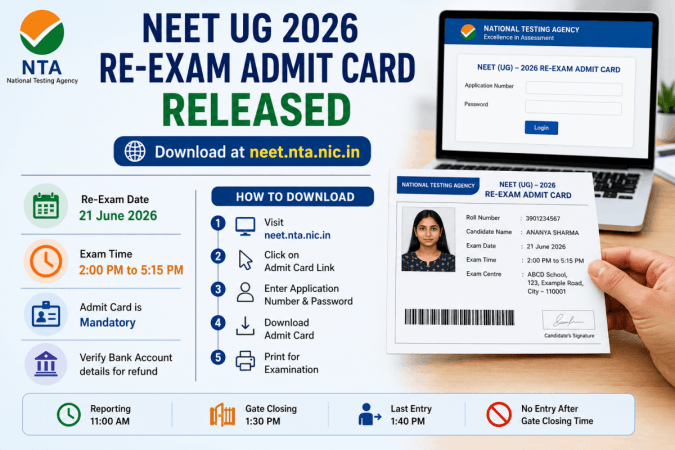
This article will serve as your ultimate blueprint. We will explore the best study materials, break down the syllabus, and share expert preparation strategies. Furthermore, we will highlight the common pitfalls that candidates face during their preparation journey. For additional exam updates and resources, you can also check this NEET UG 2026 Re-Exam Admit Card Download guide.

By the end of this post, you will know exactly how to structure your study plan. You will learn how to choose the right books and practice tests. Most importantly, you will build the confidence needed to tackle the exams head-on. Let us dive into everything you need to know to secure your dream government position.

Why You Need Reliable SSC Exam Guides

Securing a government job requires more than just hard work. It requires a highly strategic approach. The syllabus is vast, covering mathematics, English, reasoning, and general awareness. Without reliable SSC exam guides, you might easily get lost in the sea of information.

Good study materials filter out the noise. They focus your attention on high-yield topics that appear frequently in the tests. According to economic data from the World Bank, public sector employment remains highly sought after in developing economies due to unmatched job security, stable pensions, and excellent benefits. Therefore, the stakes are incredibly high. A good guide acts as your personal mentor, streamlining your daily study routine.

Understanding the Core SSC Examinations

Before buying any preparation manuals, you must understand the specific test you are taking. The commission conducts several different exams based on educational qualifications.

SSC Combined Graduate Level (CGL)

The CGL is the most popular and competitive exam. It recruits candidates for Group B and Group C posts in various ministries. You need a bachelor’s degree to apply. The exam consists of two tiers. Consequently, your preparation must be deep and thorough.

SSC Combined Higher Secondary Level (CHSL)

If you recently completed your higher secondary education, the CHSL is perfect for you. This exam hires postal assistants, sorting assistants, and data entry operators. The syllabus is slightly easier than the CGL. However, the competition is just as intense.

SSC Multi-Tasking Staff (MTS)

The MTS exam is for candidates who have passed the tenth grade. It recruits non-technical staff for various government departments. The questions test fundamental knowledge. However, the cut-off marks are usually very high due to the massive number of applicants.

Essential Study Materials and Preparation Books

Choosing the right books can make or break your preparation. You do not need twenty books to pass. Instead, you need a few excellent resources that you revise multiple times. Here is a breakdown of the best tools for each section.

Quantitative Aptitude Strategies

Mathematics often scares beginners. However, it is highly scoring if you learn the basic concepts and shortcuts. Start with basic school textbooks to build a strong foundation. Afterward, move on to advanced preparation books by renowned authors. Practice is the only way to master this section.

General Intelligence and Reasoning

Reasoning tests your logical thinking. It is usually the most scoring section. Focus on topics like coding-decoding, blood relations, and puzzles. Solve previous year’s question papers. This will help you understand the exact pattern and difficulty level of the questions.

English Comprehension Essentials

Many regional students struggle with the English section. To improve, start reading an English newspaper daily. This habit improves your vocabulary and reading speed simultaneously. Furthermore, study basic grammar rules from standard high school grammar books.

General Awareness and Current Affairs

General awareness is vast and unpredictable. It includes history, geography, polity, and current events. Read monthly current affairs magazines. Make concise notes of important dates, appointments, and awards. Revise these notes weekly to retain the information.

Creating a Winning Study Strategy

Having the best materials is useless without a solid plan. You need a daily routine that balances learning and practice.

  • Take Regular Mock Tests: Mock tests are the ultimate reality check. They help you manage your time effectively. Take at least one mock test every weekend. Analyze your mistakes carefully.

  • Analyze Previous Year Papers: Previous year papers are goldmines. The commission frequently repeats question patterns. Solve at least the last five years of question papers. This practice will boost your confidence.

  • Maintain Consistency: Consistency beats intensity. Studying for ten hours one day and zero hours the next will not work. Aim for four to six hours of focused study every single day. Take short breaks to avoid burnout.

Common Mistakes to Avoid During Preparation

Many beginners sabotage their chances by making avoidable errors. Awareness is the first step toward improvement.

Firstly, students often ignore the official syllabus. They study random topics that never appear in the exam. Always keep a printed copy of the syllabus on your desk. Secondly, candidates often neglect revision. Reading a topic once is never enough. You must revise it multiple times to transfer it to your long-term memory. Finally, many aspirants panic during the actual exam. They spend too much time on a single difficult question. Learn the art of skipping hard questions to maximize your overall score.

Frequently Asked Questions (FAQs)

Which are the best SSC exam guides for beginners?

For beginners, the best SSC exam guides are those that build foundational knowledge before moving to complex problems. Start with basic school textbooks for mathematics and standard grammar books for English. Once your basics are strong, invest in comprehensive guidebooks by trusted publishers. These books compile previous year’s questions chapter-wise. Remember, it is better to read one standard book ten times than to read ten different books once. Focus on materials that offer detailed solutions and short tricks to save time during the actual test.

How many months are required to crack the SSC exams?

The time required to crack these exams depends entirely on your current knowledge and daily study hours. Generally, a dedicated beginner needs around six to eight months of consistent preparation. During the first three months, focus solely on completing the core syllabus and clearing your basic concepts. Spend the next two months practicing chapter-wise questions and learning time-saving shortcuts. Dedicate the final month exclusively to full-length mock tests and intense revision. Consistency is crucial for achieving a passing score within this timeframe.

Can I clear the SSC exam without professional coaching?

Yes, you can absolutely clear the SSC exam without professional coaching. Thousands of candidates secure top ranks every year through self-study. The internet provides abundant free resources, including video tutorials, mock tests, and downloadable study materials. To succeed independently, you must be highly disciplined. Create a strict daily timetable and stick to it. Rely on standard books and religiously solve previous year’s question papers. Self-study allows you to learn at your own pace and focus entirely on your specific weak areas.

How Important Are SSC Exam Guides and Mock Tests for SSC Preparation?

Mock tests are incredibly important and arguably the most crucial part of your preparation. They simulate the exact exam environment, helping you build stamina and reduce anxiety. Taking regular mock tests teaches you effective time management, which is essential since you must solve 100 questions in just 60 minutes for exams like the CGL Tier 1. Furthermore, mock tests highlight your weak areas. By analyzing your performance after each test, you can quickly identify which subjects require more daily attention.

SSC Exam Guide: Is There Negative Marking in the SSC Exams?

Yes, almost all SSC exams feature a negative marking system to penalize blind guessing. For instance, in the CGL and CHSL Tier 1 exams, you lose 0.50 marks for every incorrect answer. This penalty makes accuracy just as important as speed. You should only guess when you can confidently eliminate at least two of the four options. Indiscriminate guessing will severely damage your final score. Always attempt the questions you know perfectly first to secure your baseline marks.

SSC Exam Guide: What Is the Age Limit for Applying to SSC Exams?

The age limit varies significantly depending on the specific exam and the post you are applying for. Generally, the minimum age requirement is 18 years. For the MTS and CHSL exams, the maximum age limit is usually 27 years. For the CGL exam, the upper age limit ranges from 27 to 32 years, depending on the specific job profile. Additionally, the government provides age relaxations for candidates belonging to reserved categories. Always read the official notification carefully to confirm your eligibility.

Conclusion

Preparing for government job exams is undoubtedly a challenging journey. However, with the right strategy and dedication, it is entirely achievable. Throughout this article, we have explored the importance of having reliable SSC exam guides to streamline your preparation. Additionally, we discussed the different types of exams, the best study materials, and the critical importance of maintaining a structured daily routine.

Moreover, success in these competitive exams does not happen overnight. Instead, it requires months of persistent effort, regular revision, and rigorous mock testing. Therefore, do not let the massive number of applicants intimidate you. Rather, focus only on your own progress and daily improvement. First, build your foundational concepts; then, practice previous year papers diligently. Finally, analyze your mistakes to ensure constant growth and achieve better results.

Now that you have this complete beginner’s blueprint, it is time to take action. Gather your essential study materials, print out the official syllabus, and draft a realistic study timetable today. Commit to the process and stay disciplined, even on the days when motivation feels low. If you remain consistent and trust your preparation strategy, you will significantly boost your chances of securing that prestigious government position. Start your journey today, and take that first confident step toward a secure and rewarding career.

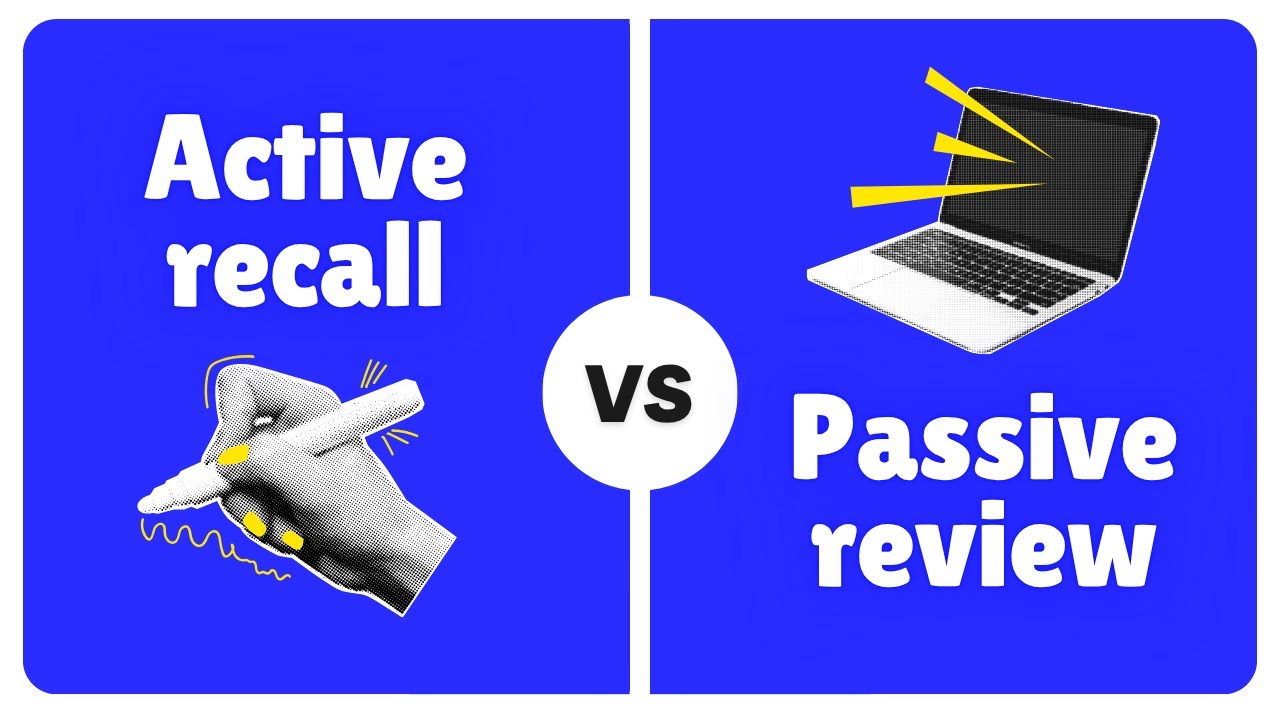
Active Recall vs Passive Learning: Which Is Better?

Active Recall vs Passive Learning: Which Is  Better?

Have you ever spent hours reading a textbook, highlighting key terms, and reviewing your notes? Then you sit down for an exam and realize your mind has gone completely blank. If so, you are not alone. This common experience is one reason why the debate between active recall and passive learning has become so important for students, professionals, and lifelong learners.

Many people assume that spending more time studying leads to better grades and deeper understanding. However, learning science suggests otherwise. Research in cognitive psychology, including findings from the American Psychological Association , shows that success depends less on how long you study and more on how you engage with the material. In this article, we will explain why some study methods produce poor results while others improve retention and understanding.

Understanding the difference between active recall and passive learning can change the way you study. Passive techniques often feel easy and comfortable, but they are not always effective. Studies from Harvard’s learning research resources  highlight that active retrieval practices significantly improve long-term memory. Active learning methods challenge your brain to retrieve information and build stronger memories. By the end of this guide, you will know how to study more efficiently, save time, and remember information for longer.


The Basics of the Active Recall vs Passive Learning Debate

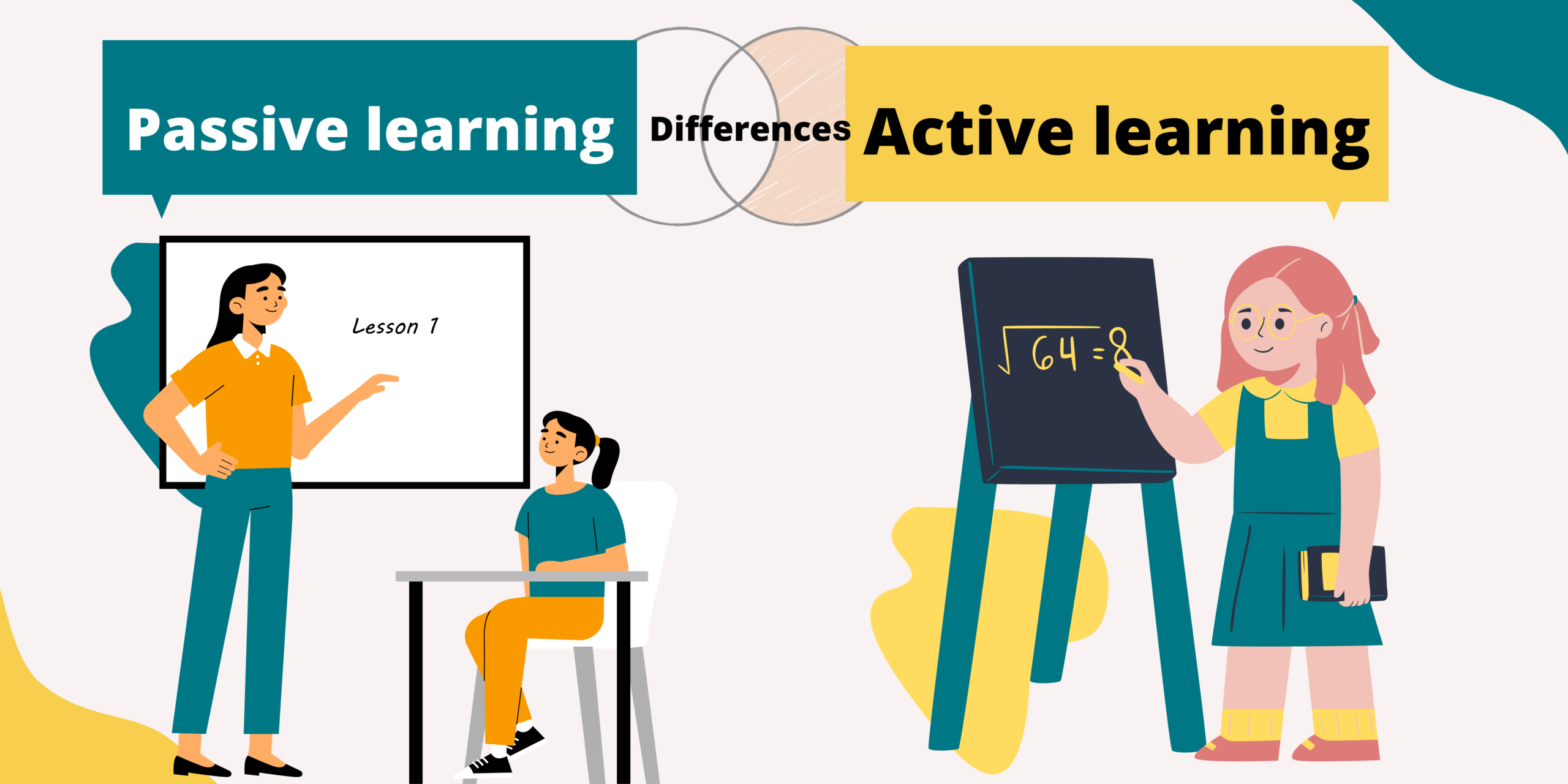
To truly improve how we study, we must first look at the core differences between taking in information and actively using it. The battle of active recall vs passive learning comes down to cognitive engagement. Are you simply letting data pass through your short-term memory, or are you forcing your brain to catalog and retrieve it?

What is Passive Learning and Why Does It Fall Short?

Passive learning is exactly what it sounds like: absorbing information without actively interacting with it or challenging your brain to retrieve it. When you engage in this type of studying, you are essentially letting the material wash over you.

Common examples of passive techniques include rereading chapters, watching lecture videos without taking notes, and highlighting text. It feels incredibly productive because you are spending time with the material. Furthermore, when you reread a passage, your brain recognizes the words, creating an illusion of competence.

However, recognition is not the same as retention. Just because you understand a concept while looking at the answer does not mean you can recreate that answer from scratch. This is the ultimate trap of passive learning methods. They require very little cognitive effort, making them easy to do for hours, but they yield very poor long-term memory results.

The Power of Active Recall Studying

On the other side of the spectrum is active recall. This technique involves deliberately stimulating your memory to retrieve a piece of information without looking at your notes. Instead of putting information into your brain, you are practicing pulling it out.

When you use flashcards, take practice tests, or try to teach a concept to a friend, you are engaging in active recall studying. This method forces your brain to work hard. The very act of struggling to remember something actually strengthens the neural pathways associated with that memory.

Moreover, this approach provides immediate feedback. If you try to answer a question and fail, you instantly know exactly where your knowledge gaps are. This allows you to target your weak areas efficiently, rather than wasting time reviewing things you already know well.

Active Recall vs Passive Learning: Why Active Methods Outperform

The superiority of active over passive methods is deeply rooted in cognitive psychology. Every time you successfully retrieve a memory, you tell your brain that this specific piece of information is important and needs to be stored securely.

Interestingly, this concept extends beyond just passing school exams; it is vital for global workforce readiness. According to reports by the World Bank regarding human capital development, the ability to rapidly acquire, retain, and apply new skills is critical for navigating the modern, fast-paced economy. Lifelong learning requires highly efficient, active study methods, not just passive reading.

Therefore, when you practice pulling facts from your memory, you are building robust cognitive infrastructure. Passive reading simply does not trigger this same level of neurological engagement. While passive learning is great for initially introducing yourself to a topic, it should never be your primary tool for long-term retention.

How to Switch from Passive Learning to Active Recall

Transitioning to a highly effective study routine takes a bit of planning and discipline. The first step is to stop treating your textbook like a novel. Instead of just reading chapter after chapter in a passive state, stop at the end of every page, close the book, and summarize what you just read out loud.

Another fantastic strategy is to generate your own questions. As you sit in a lecture or read an article, write down questions rather than statements. Later, try to use active recall to answer those questions without looking at the source material.

Finally, incorporate practice testing into your weekly routine. Do not wait until the night before the exam to test your knowledge. Use flashcard apps, find past papers, and consistently challenge your brain to retrieve data. It will feel much harder at first, but the time you save in the long run will be well worth the effort.

Frequently Asked Questions (FAQ)

Is passive learning completely useless in your study routine?

Passive learning is not entirely useless, but it is often deeply misunderstood and misused by learners. It actually serves a very specific and necessary purpose at the very beginning of the learning journey. When you are exposed to a completely brand-new topic, you need to gather context, which is where passive methods like listening to a lecture, watching an educational video, or reading a textbook chapter come into play. You cannot actively recall information that you have never seen before.

However, the problem arises when students rely exclusively on these methods to prepare for exams. Once you have a basic grasp of the material, continuing to passively review it yields diminishing returns. Your brain quickly adapts to the familiarity of the text, tricking you into thinking you have mastered the subject. Therefore, you should view passive methods as the introduction to your study session, not the main event. Use it to build a foundation, and then quickly transition into active recall to actually lock that information into your long-term memory.

What are the best active recall tools to replace passive review?

There are several highly effective tools designed specifically to facilitate active recall, ranging from simple analog methods to advanced software. The most classic and accessible tool is the traditional paper flashcard. By writing a question on one side and the answer on the back, you immediately force your brain to retrieve information before flipping the card over.

For those who prefer digital solutions, spaced repetition software (SRS) like Anki is widely considered the gold standard. Anki not only allows you to create digital flashcards but also uses an algorithm to show you those cards just as you are about to forget them. Other excellent digital tools include Quizlet, which offers varied testing modes, and Notion, where you can use toggle features to hide answers beneath questions.

Additionally, a simple blank sheet of paper can be a powerful tool. A technique known as “blurting” involves writing down everything you can possibly remember about a topic onto a blank page, and then checking your notes to see what you missed. This requires no special software and provides an immediate, clear map of your current knowledge gaps compared to passive highlighting.

How often should I practice active recall vs passive reading?

The frequency of your active recall practice is heavily dependent on a concept known as the “forgetting curve,” which dictates how quickly we lose information over time. Ideally, you should not cram all your active retrieval sessions into one day. Instead, you need to space them out to maximize retention.

A highly effective schedule is to read your material passively once, practice active recall immediately after learning the new concept, and then again 24 hours later. After that first successful retrieval, you can space the sessions further apart. You might review the material again three days later, then a week later, and then a month later. This process of gradually increasing the intervals between testing is called spaced repetition, and it works perfectly in tandem with active retrieval.

If you are preparing for a major exam, making active recall a daily habit is incredibly beneficial. Even just dedicating 20 to 30 minutes a day to testing yourself on older material ensures that nothing slips through the cracks. Consistency in self-testing is far more important than the overall duration of a single passive reading session.

Can active recall studying cause burnout?

Yes, active recall can contribute to study burnout if it is not managed correctly. This method requires significantly more cognitive effort than simply reading a book. That makes it naturally more exhausting. You are essentially giving your brain a workout. Just like physical exercise, it requires proper rest for recovery.

To prevent burnout, you should use structured breaks in your study routine. The Pomodoro Technique is a helpful method. It involves studying for 25 minutes and then taking a 5-minute break. During these breaks, step away from your desk. Stretch your body or drink water. This gives your mind time to reset.

It is also important to be realistic about your limits. You may be able to read passively for hours. However, intensive self-testing may only be sustainable for a shorter time. Pay attention to your energy levels. Prioritize sleep and recovery. In the end, the quality of active studying matters more than the quantity of passive review.

Why does active recall feel harder than passive learning?

Active recall feels harder because it is harder. That struggle is exactly why it works so well. When you reread a text, your brain uses recognition memory. This type of memory requires very little energy. The information is already in front of you. Your brain only needs to confirm that it has seen it before.

In contrast, active retrieval is more demanding. You must search your mental storage for the correct information. Then you must reconstruct it without external cues. This process takes more mental energy and focus. Psychologists call this effect “desirable difficulty.” The more effort your brain uses to retrieve a memory, the stronger that memory becomes over time.

It is normal to feel frustrated when you cannot recall an answer immediately. Many students think this means they are not smart enough. Others assume the study method is not working. In reality, this mental effort is part of learning. It is the process of memory formation happening in real time. Embracing the difficulty in active recall vs passive learning is key to long-term academic growth.

Conclusion

Navigating the landscape of education and skill-building can feel overwhelming, but understanding the stark difference between active recall vs passive learning offers a clear path forward. It is easy to fall into the trap of passive strategies because they feel safe, productive, and comfortable. Rereading and highlighting will always require less effort, but they will never provide the deep, lasting comprehension you need to truly master a subject.

By making the deliberate choice to challenge your brain, you take control of your learning process. Embracing techniques like practice testing, flashcards, and the Feynman technique will undoubtedly feel more difficult at first. However, that friction is the ultimate sign of intellectual growth. Every time you force yourself to remember a difficult concept, you are building stronger neural pathways and improving long-term performance.

If you want to explore more practical learning strategies, you can also read our guide on learning English as a second language smart tips: https://theperfectblogger.com/learning-english-as-a-second-language-smart-tips/

Ultimately, your time is your most valuable asset. Stop wasting hours on passive learning methods that only create the illusion of competence. Shift your focus toward active engagement, embrace the mental struggle, and watch as your retention, grades, and overall understanding improve significantly.

Google Fitbit Air: Features, Benefits & Guide

Google Fitbit Air: Features, Benefits & Guide

The wearable tech space just got a major refresh with a tiny, powerful device that changes how we view fitness tracking. If you are exhausted by constant wrist notifications and bulky screens, the Google Fitbit Air is exactly what you have been waiting for.

This innovative device completely strips away the screen. Therefore, it focuses purely on high-fidelity, 24/7 health tracking. Understanding your body’s metrics has never been more vital. In fact, according to data from the World Bank, non-communicable diseases—such as cardiovascular issues—account for a massive percentage of global mortality. This underscores the critical need for preventive, everyday health monitoring.

By prioritizing seamless wellness tracking, this new pebble-shaped wearable makes health management effortless. In this comprehensive guide, we will dive deep into what makes this tracker unique. We will cover its standout features, battery performance, and the benefits of its minimalist, screenless design.

Furthermore, we will answer your most pressing questions about the Google Fitbit Air. For instance, we will discuss its highly anticipated availability in India and exactly what subscription requirements apply. If you want a distraction-free way to improve your health, keep reading to learn why this might be the perfect wearable for you, or check out the official support documentation to learn how to get started with Google Fitbit Air.


The Rise of Screenless Health Tracking


Most modern fitness trackers look and feel like miniature smartphones strapped to your wrist. However, the Google Fitbit Air takes an entirely different approach. It consists of a lightweight, screenless sensor module. This pebble securely fits into a comfortable, custom band designed for all-day wear.

Consequently, this design philosophy focuses on living in the moment rather than staring at another screen. Because it lacks a display, the device remains highly discreet. It works silently in the background to capture a rich picture of your daily activity.

For example, it logs your heart health and sleep patterns continuously. Therefore, you get all the benefits of a premium fitness wearable. Best of all, you achieve this without the distraction of text messages, emails, and app alerts constantly buzzing on your arm.

Key Features and Benefits

Despite its compact 12-gram weight, the tracker is packed with advanced sensor technology. Google has engineered this device to capture highly accurate physiological data round the clock.

Here are the standout features you can expect:

  • Continuous Heart Rate Monitoring: Tracks your resting heart rate and heart rate variability (HRV) day and night.

  • AFib Detection: Monitors your heart rhythm for irregularities and sends atrial fibrillation alerts directly to your phone.

  • SpO2 Tracking: Measures your blood oxygen saturation levels to ensure your body is efficiently absorbing oxygen.

  • Detailed Sleep Analysis: Breaks down your nightly rest into light, deep, and REM sleep stages.

  • Automatic Workout Detection: Senses when you start walking, running, or cycling, and logs the activity automatically.

Unmatched Comfort and Battery Life


One of the biggest hurdles with traditional smartwatches is sleep tracking. Heavy, bulky metal watches are simply uncomfortable to wear to bed. Fortunately, the Google Fitbit Air solves this common problem. Its ultra-lightweight profile and soft Performance Loop Band are made from recycled, breathable materials.

As a result, you will likely forget you are even wearing it. Moreover, the lack of a power-hungry screen means exceptional battery longevity. A single full charge easily lasts up to seven days.

Even if you forget to charge it, plugging it in for just five minutes yields an entire day’s worth of battery life. This means less time tethered to a wall and more time actually understanding your health.

Seamless Integration with Google Health

All the robust data collected by the Google Fitbit Air is sent directly to your paired smartphone. It uses the newly revamped Google Health app as its central hub. This is where the magic truly happens. You can dive into deep analytics, view your daily readiness score, and closely track your stress levels.

Additionally, the app features an advanced Google Health Coach powered by Gemini AI. This allows you to log workouts simply by snapping a photo of your gym equipment. You can also receive personalized, adaptive coaching that adjusts based on your sleep quality, recent workouts, and overall energy levels.


FAQ SECTION

Is Google Fitbit Air available in India?

Yes, the Google Fitbit Air is officially making its way to the Indian market. Following its initial global launch in May 2026, the device was spotted on the Bureau of Indian Standards (BIS) certification database under model number GW968. This strongly indicates an imminent nationwide rollout across the subcontinent.

Currently, Indian consumers can expect to find the device through verified retailers such as Hustle Culture, as well as major e-commerce platforms. Given the booming wellness market in India, this screenless tracker provides a fantastic alternative. It is perfect for users who want precise health data without the bulk or distractions of a traditional smartwatch.

Does Fitbit Air require a subscription?

No, the Google Fitbit Air does not require a mandatory subscription to function. Right out of the box, you can access your core health metrics entirely for free via the Google Health app. This includes automatic activity tracking, detailed sleep analysis, and continuous heart rate data.

However, Google does offer an optional premium tier called Google Health Premium. This unlocks deeper insights, such as the Gemini-powered Google Health Coach and personalized long-term fitness planning. Fortunately, every new device typically comes with a complimentary three-month trial, allowing you to thoroughly test these advanced features before deciding to pay.

What does the Google Fitbit Air do?

The Google Fitbit Air is a screenless, 24/7 fitness tracker designed to monitor your well-being without causing digital fatigue. Instead of displaying notifications, it utilizes a high-fidelity sensor array to quietly collect vital health data in the background. It continuously monitors your resting heart rate, blood oxygen (SpO2) levels, and heart rate variability.

Moreover, it acts as a comprehensive sleep tracker, precisely breaking down your nightly rest. During the day, it utilizes advanced algorithms for automatic workout detection. Whether you are swimming, running, or briskly walking, the device logs the exercise and sends a detailed recap straight to your smartphone.

Is Fitbit good for heart patients?

Yes, a fitness tracker like the Google Fitbit Air can help individuals manage heart conditions. The device tracks your heart rate 24/7 and lets you review long-term trends. It also includes an AFib (atrial fibrillation) detection system that checks your heart rhythm for irregularities.

The tracker immediately alerts you when it detects an abnormal pattern. It also monitors heart rate variability (HRV), which can help you understand and manage stress levels. However, remember that a fitness tracker serves as a supplementary tool rather than a certified medical diagnostic device. Share the collected data with your cardiologist, but do not use it as a substitute for professional medical advice.

What are the side effects of wearing a Fitbit?

Most users do not experience any serious health side effects when wearing a Google Fitbit Air. The most common issue is mild skin irritation or contact dermatitis. Sweat or soap trapped beneath the silicone band often causes this reaction.

You can prevent irritation by cleaning the device and band regularly and allowing your skin to breathe. Some users also express concerns about Bluetooth EMF radiation. However, the tracker emits extremely low levels of non-ionizing radiation. Regulatory authorities strictly control these levels, making the device safe for continuous wear without known long-term health risks.

How long does the Fitbit Air battery last?

The Google Fitbit Air offers impressive battery life thanks to its minimalist, screenless design. Under normal usage, a single charge can power the device for up to seven days. As a result, most users only need to charge it about four times per month.

The tracker also supports fast charging. If the battery runs low before a workout or bedtime, a quick five-minute charge provides enough power for a full day of use. This feature helps you maintain uninterrupted health and fitness tracking.


CONCLUSION

The wearable market has evolved significantly, and the Google Fitbit Air stands at the forefront of this new era. By removing the screen and focusing entirely on high-quality sensors, Google has created a device that seamlessly blends into your everyday life.

It provides immense peace of mind through continuous health tracking without contributing to daily screen fatigue. In today’s hyper-connected world, stepping away from constant notifications is crucial for both mental and physical well-being. From its advanced AFib detection to its incredibly comfortable, sleep-friendly design, this device is explicitly built for real-world usability.

Moreover, the seamless integration with the AI-powered Google Health app ensures that the data you collect is genuinely useful. Therefore, you can easily adjust your lifestyle, sleep patterns, and daily workouts based on highly personalized insights. This level of customized, actionable guidance makes achieving your long-term fitness goals much more attainable.

Ultimately, if you want a reliable, lightweight wellness partner, the Google Fitbit Air is a brilliant investment in your future. It tracks your vitals 24/7 without ever being an intrusive distraction. By making health management simpler than ever, it empowers you to take control of your well-being with total confidence and ease.

 Learn more about staying fit with these helpful tips: Exercises to Stay Fit Guide

High Paying Remote Jobs in 2026: Global Guide

High Paying Remote Jobs in 2026: Global Guide

High Paying Remote Jobs in 2026 offer professionals unprecedented opportunities to earn international salaries while working from home. Working for a top-tier international company from the comfort of your living room is now a standard career path. This shift matters because it democratizes opportunity. It allows professionals in developing markets to earn strong currencies while giving businesses access to a diverse, global talent pool. However, standing out in a worldwide applicant pool requires strategy, specific skills, and a deep understanding of how remote hiring works.

This article covers everything you need to know to launch a successful global career. We will explore the industries offering the best compensation, detail the specific roles that pay the most, and discuss the daily realities of working across borders. Furthermore, we will answer your most pressing questions about securing foreign roles, handling international payments, and building a sustainable income from home.

Top Industries for High-Income Remote Work

When searching for high paying remote jobs in 2026, technology and digital services naturally lead the pack. Software engineering, data science, and cloud architecture remain incredibly lucrative. Companies rely on digital infrastructure, so they constantly need experts who can build, secure, and maintain these systems remotely. Moreover, cybersecurity has become a non-negotiable priority for organizations worldwide, making remote security analysts highly sought after.

However, technical roles are not the only path to a high income. Marketing, particularly performance marketing and SEO, offers massive remote opportunities. Businesses are eager to hire professionals who can drive online revenue. Similarly, product managers and digital project managers are in high demand to coordinate distributed teams and ensure product launches run smoothly.

Financial services and virtual consulting are also experiencing a remote boom. Financial analysts, remote bookkeepers, and corporate strategists can easily manage their portfolios from anywhere. Consequently, if you possess highly specialized knowledge, you can package your expertise into consulting services and attract high-paying international clients without ever stepping into a corporate office.


Top 5 High Paying Remote Jobs with Details

To give you a clearer picture of where the most lucrative opportunities lie, here are five specific roles that consistently offer top-tier compensation for remote workers:

Senior Software Engineer / Engineering Manager

Software engineers design and maintain the systems that run modern businesses. Senior roles, especially engineering managers who lead distributed teams, command premium salaries often ranging from $130,000 to over $180,000. These roles are naturally suited to remote work since they rely entirely on digital collaboration tools and cloud-based environments.

DevOps and Cloud Engineer

Companies rely heavily on seamless software deployment and robust cloud infrastructure. DevOps engineers maintain these automated systems and keep platforms running smoothly. Because the infrastructure is entirely online, this role easily translates to 100% remote work, with compensation frequently reaching $120,000 to $170,000 annually.

Data Scientist

Organizations collect massive amounts of data and need experts to uncover actionable patterns. Data scientists use advanced programming and modeling tools to guide business decisions. According to official projections from the U.S. Bureau of Labor Statistics, demand for data scientists is expected to grow significantly over the next decade, making it a highly secure and high-paying remote career choice.

AI and Machine Learning Specialist

As artificial intelligence integrates into every industry, experts who can build and refine machine learning models are in incredibly high demand. This role requires deep knowledge of Python, neural networks, and algorithms. Because AI talent is scarce globally, companies are willing to hire internationally and offer highly competitive pay packages to secure top experts.

Information Security Analyst

With cyber threats growing more sophisticated, protecting company data is a critical priority. Cybersecurity professionals monitor networks, assess risks, and build secure systems. They operate efficiently from home using secure remote access, and their essential role in risk management allows them to command salaries often exceeding $120,000.


Building a World-Class Remote Profile

To land high paying remote jobs in 2026, your online presence must act as your digital resume. Traditional CVs are simply not enough in a competitive global market. Therefore, you need a robust portfolio that visually or practically demonstrates your skills. For developers, an active GitHub profile showcasing clean code is essential. For writers or designers, a sleek personal website with clear case studies proves your value immediately.

Networking also looks different in the remote era. Instead of attending local mixers, you must optimize your LinkedIn profile for international recruiters. Using specific keywords related to your industry and clearly stating that you are open to global remote work helps algorithms match you with the right opportunities. Furthermore, actively participating in industry-specific online communities, such as specialized Discord servers or Reddit forums, can lead to unadvertised job leads.

According to a recent report by Forbes highlighting World Bank insights on the digital economy, developing markets are experiencing massive digital transformations, with millions transitioning into remote or hybrid models. To stand out in such a massive crowd, continuous upskilling is vital. Acquiring certifications in in-demand tools—like AWS, Salesforce, or advanced data analytics platforms—signals to global employers that you are serious, capable, and ready to deliver results from day one.


Navigating International Contracts and Tools

Working for an overseas company requires a basic understanding of international employment frameworks. Most global companies hire remote workers as independent contractors rather than traditional employees. As a result, you will likely manage your own taxes, health insurance, and retirement planning. While this arrangement requires more administrative work, the significantly higher pay rates often outweigh these inconveniences.

Many employers use EOR (Employer of Record) platforms such as Deel and Remote to hire and pay international workers legally. These platforms handle compliance requirements and currency conversions, allowing workers to receive accurate and timely payments in their local currency. Familiarizing yourself with these systems can make the onboarding process much smoother when you secure a remote role.

Communication serves as the cornerstone of successful remote work. Since colleagues work from different locations, you must master asynchronous communication. Clear and concise emails, Slack messages, and project updates help prevent misunderstandings and keep teams aligned. In addition, employers expect remote professionals to use collaboration tools such as Jira, Trello, Asana, and Zoom effectively. Demonstrating strong organization skills and proactive communication can quickly make you an invaluable member of any remote team.


Frequently Asked Questions

How to get foreign remote jobs from India?

Getting foreign remote jobs from India requires targeted searching and a globally optimized profile. First, avoid local job boards and focus exclusively on remote-specific platforms like We Work Remotely, FlexJobs, Remote.co, and Wellfound (formerly AngelList). These platforms cater directly to companies looking for international talent. Therefore, your chances of finding a borderless role increase significantly.

Next, you must build a portfolio that proves your competence to someone sitting halfway across the world. International employers care less about where you went to university and more about what you can actually build or deliver. Create a personal website, contribute to open-source projects, or publish case studies on LinkedIn.

Finally, you need to navigate the interview process with time zones in mind. Show prospective employers that you have excellent written communication and a reliable internet setup. Be prepared to discuss how you will overlap with their working hours. Emphasize your ability to work autonomously, as global managers cannot micromanage you. If you can prove reliability and high-quality output, foreign companies will be eager to hire you.

How to make $70,000 a year from home?

Making $70,000 a year from home is a highly realistic goal if you target the right high paying remote jobs in 2026. To reach this income level, you must offer a high-value skill. Software development, data science, cybersecurity, and senior digital marketing roles frequently command this salary or higher. If you lack these skills, investing six months into an intensive bootcamp or certification can drastically change your earning potential.

Alternatively, you can reach this financial milestone through specialized freelancing. Instead of seeking a single full-time employer, many professionals build a portfolio of three to four steady clients. For instance, a freelance SEO consultant or UX designer charging $35 to $40 an hour only needs to work standard full-time hours to surpass the $70,000 mark.

However, earning this much requires treating your home office like a real business. You must be deeply disciplined, continuously market your services, and consistently deliver premium work. Furthermore, you must learn to negotiate confidently. Research global salary standards for your role and do not undervalue yourself simply because you live in a region with a lower cost of living.

Can I do US remote jobs from India?

Yes, you can absolutely do US remote jobs from India. Thousands of Indian professionals currently work for American startups, tech giants, and agencies without ever leaving their hometowns. US companies actively seek talent in India to bridge skill gaps, diversify their teams, and often to maintain 24/7 operational coverage.

Usually, you will not be hired as a traditional “W-2 employee” because US labor laws do not easily extend overseas. Instead, you will be hired as an independent contractor. To do this legally, you will typically fill out a W-8BEN form, which tells the US government that you are a foreign worker and exempts you from US tax withholding. You will then be responsible for reporting and paying income taxes in India.

Alternatively, the US company might use a global payroll platform to hire you as a legal employee in India. In this scenario, the platform acts as your legal employer on paper, handling local taxes and benefits, while you perform your daily duties for the US company. In either case, the logistical barriers have largely been eliminated, making it easier than ever to secure these roles.

Which company is 100% remote?

A growing number of highly successful companies operate on a 100% remote model, meaning they have no physical headquarters at all. These organizations are often pioneers in asynchronous communication and global hiring. GitLab is one of the most famous examples; they have thousands of team members spread across more than 60 countries and are completely transparent about their remote work handbook.

Automattic, the company behind WordPress.com, is another giant in the fully remote space. They have operated without a central office for years, offering generous home-office stipends and flexible schedules to their global workforce. Zapier, the workflow automation platform, is also 100% distributed, explicitly hiring top talent regardless of their physical location.

Other notable 100% remote companies include Buffer, Doist (creators of Todoist), and Toggl. These companies actively recruit globally and are excellent targets if you are looking for high paying remote jobs in 2026. Because they were built from the ground up to be remote, their cultures are highly inclusive of international workers, and they offer streamlined onboarding processes for global hires.

What remote jobs are most in demand in India?

In India, the most in-demand remote jobs heavily skew toward technology, data, and digital marketing. Software engineering remains the dominant force. Full-stack developers, particularly those skilled in Python, React, and Node.js, are constantly recruited by international firms. Similarly, the explosion of artificial intelligence has made AI and machine learning engineers incredibly sought after.

Data roles are also surging. Global companies generate massive amounts of information and desperately need Data Analysts and Data Scientists to interpret it. Proficiency in SQL, Tableau, and data modeling can easily secure a lucrative remote position. Consequently, these roles offer a clear path to high-income brackets.

Beyond strict IT roles, Digital Marketing and Content Strategy are highly requested. Global brands need experts to manage their SEO, run paid ad campaigns, and create engaging social media content. Additionally, technical customer success and specialized virtual assistance are growing rapidly. US and European companies frequently hire Indian professionals to manage client onboarding, technical troubleshooting, and high-level administrative operations.

Do I need a specific degree to work remotely?

No, you do not always need a specific university degree to secure remote work. While traditional professions like law or medicine require formal credentials, the digital economy values practical skills over paper degrees. Many of the best remote workers are self-taught or bootcamp graduates.

Employers in the tech and digital spaces care primarily about your portfolio and your ability to solve their problems. If you can write flawless code, design beautiful interfaces, or rank a website on Google, the hiring manager will rarely care about your college major. Therefore, building a strong body of work is far more important than formal education.

However, having a degree can still be beneficial, especially for management roles or when working with highly traditional enterprise companies. If you do not have a degree, you can bridge the credibility gap by earning recognized industry certifications, such as Google Career Certificates or specialized tech credentials.

How do time zones affect remote work?

Time zones are one of the biggest practical challenges in global remote work. If you are in India working for a company on the US West Coast, you are dealing with a time difference of over 12 hours. Consequently, this can lead to late-night meetings and inverted sleep schedules if not managed correctly.

Fortunately, many modern remote companies operate asynchronously. This means work is not done in real-time. Instead, tasks are tracked on project boards, and communication happens via detailed messages that you can answer during your own daytime hours. In these setups, you may only need one or two hours of “overlap” with your global team for essential meetings.

When interviewing for a foreign role, it is crucial to ask about their working hours expectations. Clarify whether they expect you to be online during their core business hours or if they evaluate performance purely based on output. Managing time zones effectively is the key to maintaining a healthy work-life balance while working globally.


Conclusion

The landscape of work has fundamentally transformed, and pursuing high paying remote jobs in 2026 is a smart, strategic career move. The barriers that once separated skilled professionals from top-tier global companies have dissolved. By leveraging global job boards, understanding international hiring structures, and continuously updating your technical abilities, you can command an international salary from anywhere in the world.

Whether you are aiming to make $70,000 a year from home or looking to secure a role with a 100% distributed company, the opportunities are vast. The key is to treat your remote career with the same professionalism and dedication as you would a corporate office role. Therefore, building a strong online portfolio, mastering asynchronous communication, and adopting a proactive mindset are essential steps for success.

Ultimately, navigating high paying remote jobs in 2026 requires adaptability and focus. The global market is highly competitive, but it rewards those who deliver consistent, high-value results. Start refining your digital presence today, target the right international companies, and take control of your borderless career journey.

Further Reading: Managing Remote Work with Children at Home

If you’re balancing a remote career with parenting responsibilities, learning how to structure your day effectively can significantly improve both productivity and work-life balance. For practical scheduling strategies, time-management tips, and routines designed specifically for parents, read this helpful guide: Scheduling Your Work-From-Home Day Around Kids.

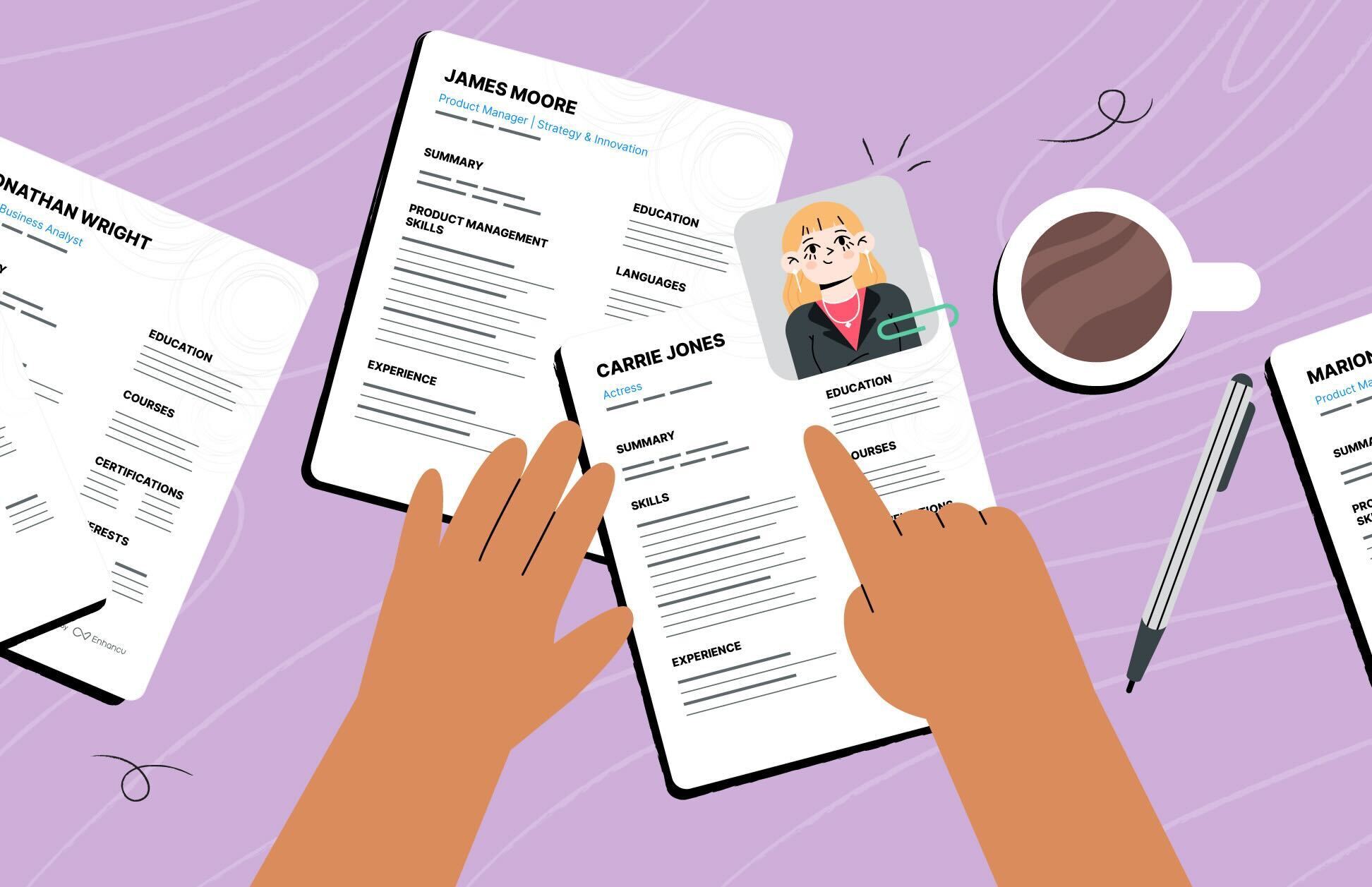
Resume and Interview Tips: A Complete Beginner’s Guide

Resume and Interview Tips: A Complete Beginner’s Guide


Entering the job market can feel incredibly overwhelming for beginners. You might wonder how to stand out among hundreds of other applicants. Mastering effective resume and interview tips is the crucial first step toward landing your dream job. According to recent employment data from the World Bank, navigating the modern global labor market requires highly strategic preparation as workforce participation shifts. Therefore, candidates must present themselves professionally on paper and in person to secure meaningful employment.

Many talented individuals struggle to get hired simply because they do not know how to market their skills. Your application serves as your personal sales pitch. It must grab a recruiter’s attention within seconds. Following that, your meeting performance determines whether you actually secure the position. Consequently, you need a solid strategy that covers both of these vital stages.

This comprehensive beginner’s guide covers everything you need to know to succeed. We will explore exactly how to format your CV, highlight your biggest achievements, and answer tricky questions with complete confidence. Moreover, we will provide actionable advice that you can apply immediately to your job search. For additional guidance, check out our interview preparation tips and strategies to improve your confidence and performance.

By the time you finish reading, you will possess the tools necessary to tackle any application process. Furthermore, applying these resume and interview techniques consistently will help you stand out from other candidates. Let us dive into these strategies and transform your career prospects today.

Essential Resume and Interview Tips for Job Seekers

Every successful job hunt relies on two main pillars. First, you need an outstanding application document. Second, you must deliver a strong interview performance. By combining expert resume and interview tips, you can gain a significant competitive advantage in today’s job market. Moreover, employers look for candidates who communicate clearly and demonstrate value immediately. Therefore, mastering both areas helps you stand out from other applicants and leave a lasting impression on hiring managers. In addition, a strong resume can open doors to new opportunities, while effective interview skills can help you secure the position. Ultimately, developing these essential skills increases your chances of career success. Let us now break down these two critical phases.

How to Craft a Standout Resume

Writing a great CV requires focus and clarity. Hiring managers usually scan applications in less than ten seconds. You must make every single word count to secure an interview.

Tailor Your Application to the Role

Never send the exact same document to fifty different companies. You must customize your application for each specific role. Read the job description carefully. Identify the main keywords the employer uses. Next, weave those specific phrases into your summary and experience sections naturally. This strategy helps you pass through automated applicant tracking systems (ATS). Furthermore, it shows the recruiter that you genuinely care about their specific position.

Highlight Achievements Over Duties

Listing your daily tasks is a common beginner mistake. Anyone can list basic job responsibilities. Instead, focus on what you actually achieved during your previous roles. Use quantifiable data to prove your impact. Did you increase sales by twenty percent? Did you resolve customer complaints faster than the team average? Include these specific numbers. Consequently, employers will easily understand the tangible value you bring to their organization.

Keep Formatting Clean and Simple

Visual clutter distracts recruiters from your actual qualifications. Therefore, you should avoid using complex graphics, bright colors, or unusual fonts. Stick to standard fonts like Arial, Calibri, or Times New Roman. Use clear headings and plenty of white space. Bullet points are your best friend because they make information easy to digest. A clean, professional layout immediately builds trust and demonstrates your attention to detail.

Resume and Interview Tips for Beginners: Preparing for a Successful Job Interview

Once your tailored CV secures a meeting, your focus must shift entirely to verbal communication. Proper preparation significantly reduces anxiety and boosts your confidence.

Research the Company Thoroughly

Walking into a meeting without company knowledge is a massive error. You must research the organization extensively beforehand. Explore their website, read recent press releases, and review their social media profiles. Understand their core mission, main products, and company culture. Furthermore, try to identify current challenges the industry faces. This knowledge allows you to position yourself as a proactive problem solver during the conversation.

Master the STAR Method for Behavioral Questions

Interviewers frequently ask behavioral questions. They usually start with the phrase, “Tell me about a time when…” To answer these effectively, you should use the STAR method. STAR stands for Situation, Task, Action, and Result.

  • Situation: Briefly describe the background context.

  • Task: Explain the specific challenge you faced.

  • Action: Detail the exact steps you took to resolve the issue.

  • Result: Share the positive outcome, preferably using numbers.

This framework ensures your answers remain focused, concise, and highly impactful.

Ask Thoughtful Questions at the End

At the end of the meeting, the hiring manager will ask if you have any questions. You must always say yes. Asking thoughtful questions demonstrates your genuine interest in the role. You might ask about the daily responsibilities of the position. Alternatively, you could inquire about the company’s plans for future growth. Consequently, this flips the script and turns the interrogation into a professional dialogue.

Resume and Interview Tips for Beginners: Post-Interview Etiquette and Follow-Up Advice

The application process does not end when you walk out of the room. Your follow-up strategy can often make or break your chances of getting hired.

Send a Prompt Thank-You Note

Always send a polite thank-you email within twenty-four hours of your meeting. Keep the message relatively brief and highly professional. Express your gratitude for their time. Briefly reiterate your excitement for the opportunity. Mention one specific topic you discussed to personalize the message. This simple gesture keeps your name fresh in their minds. Moreover, it reinforces your professionalism and strong communication skills.

Handle Rejection with Grace

Job hunting involves facing inevitable rejections. If a company chooses another candidate, maintain a positive attitude. Send a brief reply thanking them for the opportunity to meet. You can politely ask for constructive feedback to improve your future performance. Sometimes, the person they hired does not work out. If you handled the rejection gracefully, they might call you back for another opening.

Frequently Asked Questions

What are the best resume and interview tips for a complete beginner?

For complete beginners, the most vital tip is to focus strictly on transferable skills. Even without formal job experience, you possess valuable abilities from school projects, volunteering, or extracurricular activities. Highlight your teamwork, communication, and problem-solving skills clearly on your CV. Additionally, practice your verbal answers out loud with a friend or in front of a mirror. Confidence matters just as much as experience. Research the company beforehand and prepare two thoughtful questions to ask the interviewer. This proactive approach immediately separates you from other entry-level candidates and shows genuine enthusiasm for the position.

Resume and Interview Tips: Should You Use a Resume Template or Create Your Own Design?

You should absolutely use a clean, professional template rather than designing one from scratch. Templates ensure your document maintains proper margins, readable fonts, and logical spacing. However, avoid heavily designed templates with distracting graphics, charts, or photos. Applicant Tracking Systems (ATS) often struggle to read complex visual designs, which might cause your application to be rejected automatically. Choose a simple, text-based template that relies on clear headings and bullet points. Ultimately, hiring managers care much more about the quality of your content than the artistic flair of your document’s layout.

How do I answer the “tell me about yourself” question?

You should answer this common question by using the “Present, Past, Future” formula. First, start with the present by briefly explaining your current role or educational status. Next, touch on your past by highlighting one or two significant achievements or previous experiences that relate directly to the job. Finally, discuss the future by explaining why you are excited about this specific opportunity. Keep your entire answer under two minutes. Avoid sharing overly personal details or rambling about your childhood. Keep the focus strictly on your professional journey and relevant qualifications.

Resume and Interview Tips for Beginners: What Should You Wear to a Modern Job Interview?

You must dress appropriately for the specific company culture, which requires a bit of prior research. As a general rule, you should dress one step slightly more formal than the company’s daily dress code. If the office environment is casual, wear smart-casual attire like nice trousers and a button-down shirt. If you are applying at a traditional corporate firm, you should wear a full business suit. Ensure your clothes are clean, wrinkle-free, and fit properly. When in doubt, it is always better to be slightly overdressed than unprofessionally underdressed.

How long should my resume be if I have no experience?

If you are a beginner with very little to no professional experience, your document must never exceed one single page. Hiring managers only spend a few seconds scanning each application, so brevity is crucial. Fill that single page with relevant academic achievements, volunteer work, internships, and relevant hobbies. Focus heavily on your education and any technical skills you possess. Use concise bullet points to describe your academic projects. Adding unnecessary fluff to stretch the document onto a second page will only annoy recruiters and dilute your strongest selling points.

Conclusion

Securing a new job in today’s competitive market requires patience, dedication, and the right strategy. Therefore, by implementing these foundational resume and interview tips, you will dramatically improve your chances of success. First, remember that your application document serves as your initial introduction. As a result, it must remain clear, concise, and heavily tailored to the specific role you desire. Additionally, highlight your tangible achievements rather than simply listing basic daily duties.

Once you secure that crucial meeting, thorough preparation becomes your greatest asset. For this reason, research the organization deeply, practice the STAR method for behavioral questions, and always prepare thoughtful questions for your interviewers. Furthermore, following up with a polite thank-you note can strengthen your reputation as a courteous and professional candidate. Although job hunting is undoubtedly a challenging process, rejection is simply part of the journey. Therefore, do not let setbacks discourage you from pursuing your career goals.

Instead, treat every single application and meeting as a valuable learning experience. Moreover, refine your approach continuously based on the feedback you receive. Meanwhile, take the time today to update your CV using the strategies discussed in this guide. Also, practice your verbal responses until they feel completely natural. Ultimately, with persistence and these essential resume and interview tips in your toolkit, you are ready to confidently step into the job market and pursue the career you deserve.

Time Management Tips for College Students

Time Management Tips for College Students

College life is an exciting journey filled with new friends, challenging classes, and new opportunities. However, many students struggle to manage their responsibilities. Without effective time management tips for college students, balancing classes, assignments, part-time jobs, and social activities can quickly become overwhelming.

Many undergraduates find the transition from high school difficult. They no longer have strict schedules or constant supervision. As a result, they often struggle to balance essays, exams, work commitments, and a healthy social life. If you are pulling all-nighters or missing deadlines, you are not alone.

Mastering your schedule is one of the most important skills for academic success. That is why finding practical time management tips for college students is essential. These strategies can help you stay organized, meet deadlines, and reduce stress throughout the semester.

Poor scheduling can also lead to academic burnout. Over time, this can affect both your grades and well-being. Learning how to use your time effectively does more than improve your GPA. It also prepares you for the demands of your future career.
In this comprehensive guide, we will explore practical, proven strategies to help you take complete control of your daily routine. We will cover how to prioritize your workload, eliminate common modern distractions, and build a sustainable schedule that actually works.

Whether you are a college freshman navigating your first semester or a senior preparing for graduation, these insights will help you reclaim your day. Let us dive into the daily habits that build lasting productivity.

Time Management Tips for College Students: Master the Art of Time Blocking

One of the most effective ways to take control of your day is through a strategy known as time blocking. Instead of keeping a loose, mental list of tasks you hope to accomplish, time blocking requires you to assign specific activities to exact windows of time.

For example, you might block out 9:00 AM to 10:30 AM exclusively for writing a history paper. During this specific window, you do not check emails, scroll through social media, or work on your math homework.

Consequently, this level of intense focus drastically reduces the friction of deciding what to do next. When your calendar dictates your next move, you spend less time procrastinating and more time executing.

Moreover, time blocking forces you to be realistic about how long assignments actually take to complete. Many students suffer from the planning fallacy, constantly underestimating the hours required for complex college projects.

By blocking out your day, you create a visual representation of your available hours. This ensures you leave adequate room for meals, rest, and unexpected academic emergencies.

Time Management Tips for College Students Using a Master Syllabus

At the beginning of each semester, professors provide a syllabus with important deadlines, readings, and exam dates. Unfortunately, many students file these documents away and rarely look at them again.

To stay organized, combine all deadlines into one master calendar. Spend an hour during the first week entering major assignments, quizzes, and exams. This simple habit can save you a great deal of stress later.

Using a master syllabus helps you spot busy weeks in advance. For example, you may notice that three major papers are due in November. Knowing this early allows you to start your work in October.

This proactive approach reduces last-minute cramming. It also helps you enjoy your free time without worrying about forgotten deadlines.

Time Management Tips for College Students from High Achievers

Many people assume successful individuals have more energy or natural talent. In reality, success often comes from managing time effectively.

Consider the habits of successful entrepreneurs and business leaders. Many protect their schedules carefully and plan their days in advance.

College students do not need to run a company. However, adopting a similar mindset can improve academic performance. Think of your time as a valuable resource. Activities such as studying, networking, and skill-building offer long-term benefits.

By contrast, excessive social media use often wastes valuable hours. Treating your schedule with greater respect can lead to better grades and stronger career opportunities.

Utilize the Eisenhower Matrix for Prioritization

When you have a mountain of coursework, deciding where to start can easily trigger analysis paralysis. This is where the Eisenhower Matrix becomes an incredibly valuable tool for college students.

This simple framework helps you categorize your tasks into four distinct quadrants based on urgency and importance. Tasks that are both urgent and important, like a paper due tomorrow, must be tackled immediately.

On the other hand, tasks that are important but not urgent, such as researching a project due next month, should be scheduled for later. The true magic of the matrix lies in identifying tasks that are urgent but not important, which can often be delegated or minimized.

Finally, it highlights activities that are neither urgent nor important, like binge-watching a new television series. By mercilessly cutting out these low-value activities, you instantly free up valuable hours for your genuine academic priorities.

Eliminate Digital Distractions Ruthlessly

In today’s highly connected world, your smartphone is undoubtedly the greatest enemy of deep, focused studying. Every single notification, text message, and social media alert is specifically designed to pull your attention away from your textbooks.

To genuinely succeed, you must create a distraction-free environment whenever you sit down to tackle complex coursework. Start by placing your phone in another room, or utilize applications that temporarily block access to distracting websites during study sessions.

Additionally, closing unnecessary tabs on your laptop can prevent you from passively wandering onto YouTube or Reddit. It is important to understand that human brains are not actually capable of true multitasking.

When you constantly switch between writing an essay and checking Instagram, your overall efficiency plummets drastically. By protecting your focus fiercely, you can easily complete a three-hour assignment in half the time, giving you your evening back.

FREQUENTLY ASKED QUESTIONS (FAQs)

How can I effectively balance a part-time job with my college classes?

Balancing a part-time job with full-time college coursework requires exceptional organization and proactive communication. First and foremost, you must be entirely transparent with your employer about your academic commitments from the very beginning. Provide them with your class schedule and exam dates well in advance so they can schedule your shifts appropriately.

Furthermore, you need to maximize the hidden pockets of time throughout your day. For instance, if you have an hour break between a lecture and your work shift, use that exact time to review flashcards or outline an upcoming essay. Do not waste these small windows, as they compound into massive productivity gains over the week.

Additionally, try to tackle your most demanding academic tasks on your days off from work. By dedicating your completely free days to deep, uninterrupted study sessions, you reduce the pressure to perform complex mental tasks after a physically exhausting shift at your job. Ultimately, setting clear boundaries between work time and study time is critical for your mental health.

What is the absolute best way to stop procrastinating on large college assignments?

Procrastination usually occurs because a specific assignment feels far too massive or intimidating to tackle all at once. The human brain naturally avoids overwhelming tasks, preferring the immediate comfort of easier, low-effort activities. Therefore, the absolute best way to overcome this mental block is to break the large assignment down into ridiculously small, easily manageable micro-tasks.

Instead of writing “Write 10-page research paper” on your to-do list, which is terrifying, write “Find three peer-reviewed sources.” Once you complete that simple task, you will feel a small surge of accomplishment and momentum.

Next, you can aim to write just the introductory paragraph or create a basic outline. Another brilliant strategy is utilizing the five-minute rule; simply promise yourself you will work on the dreaded task for exactly five minutes. More often than not, once you push through that initial wall of resistance and actually begin, you will naturally continue working long past the five-minute mark.

Are digital planners better than physical paper planners for college students?

The debate between digital and physical planners ultimately comes down to your personal learning style and lifestyle preferences. Digital planners, such as Google Calendar or Notion, offer incredible convenience because they sync seamlessly across your phone, tablet, and laptop.

They allow you to set automated reminders, easily reschedule shifting appointments, and color-code different classes with a single click. Furthermore, digital tools are incredibly difficult to lose, ensuring your schedule is always backed up to the cloud.

Conversely, physical paper planners offer a unique, tactile experience that actually aids in memory retention. The physical act of writing down an assignment helps cement it in your brain much better than quickly typing it on a screen.

Additionally, using a paper planner gives your eyes a much-needed break from digital screens and completely eliminates the risk of getting distracted by notifications while checking your schedule. Many top students actually use a hybrid system, utilizing a digital calendar for rigid class times and a physical notebook for daily to-do lists.

How many hours a day should a typical college student actually study?

The traditional academic rule of thumb suggests that for every one hour you spend inside a college classroom, you should spend roughly two to three hours studying outside of it. Therefore, if you are taking a standard 15-credit course load, you should realistically expect to study between 30 and 45 hours per week.

However, it is vital to understand that the quality of your study time matters significantly more than the sheer quantity of hours logged. Staring blankly at a textbook for five hours in a noisy dorm room is far less effective than two hours of highly focused, active recall in a quiet library.

You must focus on engaging with the material through practice testing, summarizing concepts out loud, and teaching the material to a peer. If you utilize active study methods and eliminate digital distractions, you can often master the material in far less time than the traditional guidelines suggest, leaving you more time for rest.

What exactly should I do if I fall dangerously behind on my college coursework?

Falling behind in college can trigger intense anxiety, but the absolute worst thing you can do is ignore the problem and hope it disappears. The very first step is to immediately contact your professors or teaching assistants during their scheduled office hours. Be completely honest about your situation; professors are human beings who appreciate accountability and are often willing to grant extensions if you approach them before a deadline has entirely passed.

Next, you must perform a ruthless academic triage. Look at all your outstanding assignments and calculate which ones carry the most weight toward your final grade. You need to prioritize completing the heavily weighted essays and exams first, even if it means submitting a less important minor worksheet late.

Finally, forgive yourself for slipping up. Guilt and shame are terrible motivators that will only fuel further procrastination. Reset your schedule, create a realistic catch-up plan, and focus entirely on your next immediate step forward.

CONCLUSION

Transitioning into the demanding environment of university life is undoubtedly a major challenge, but your daily schedule does not have to be a source of constant anxiety. By actively implementing these time management hacks, you can transform your chaotic routine into a streamlined machine.

Remember, mastering your workload is not about working yourself to the point of exhaustion; it is about working smarter so you can genuinely enjoy your college years. Implementing effective time management tips for college students is the bridge between merely surviving your classes and truly excelling in them.

When you learn to time block effectively, utilize a master syllabus, and aggressively protect your focus from digital distractions, you unlock a new level of academic potential. Furthermore, these organizational skills will remain incredibly valuable long after you cross the graduation stage and enter the professional workforce.

Your time is your most precious resource, and managing it correctly is the foundation of a successful life. Start small, stay remarkably consistent with your new habits, and watch as your productivity and peace of mind soar.


Best study tips for exam preparation step by step for students 2026

Best Study Tips for Exam Preparation Step by Step (2026)

If you are searching for the best study tips for exam preparation step by step for students 2026, you are not alone in wanting a structured, effective, and stress-free pathway to high marks. This guide on best study tips for exam preparation step by step for students 2026 will help you build better habits and improve exam performance.

Navigating the academic world has never been more demanding, and finding the right approach to mastering your coursework is essential for success. Every year, millions of learners face the immense pressure of testing seasons, often feeling overwhelmed by the sheer volume of information they need to retain. If you are searching for the best study tips for exam preparation step by step for students 2026, you are not alone in wanting a structured, effective, and stress-free pathway to high marks.

The educational landscape has shifted dramatically, blending digital learning environments with traditional classroom expectations. Consequently, old methods of passive reading and cramming are no longer sufficient to secure top grades. Today’s successful learners treat their academic routines like a strategic project. They build a foundation of focus, leverage scientifically proven memory techniques, and prioritize their physical well-being to maximize cognitive performance.

In this comprehensive guide, we will walk you through a clear, actionable roadmap to academic excellence. You will discover how to organize your study materials, optimize your physical learning space, and utilize advanced learning frameworks like spaced repetition. Moreover, we will explore the critical role of lifestyle habits in memory retention. By following these step-by-step strategies, you will not only improve your test scores but also develop lifelong learning skills that will serve you well beyond the classroom. Let us dive into the ultimate blueprint for conquering your academic goals this year.

Step 1: Assess Your Syllabus and Build a Strategic Plan

The very first phase of any successful academic endeavor begins with a clear understanding of what you need to learn. Jumping blindly into textbooks without a roadmap usually leads to burnout and uneven knowledge distribution. Therefore, you must start by gathering all your syllabi, past assignments, and lecture notes.

Take a moment to break down each subject into smaller, manageable modules. Once you have a clear picture of the curriculum, create a master calendar. Block out dedicated study times for each specific topic, ensuring you allocate more hours to the subjects you find most challenging.

Furthermore, setting micro-goals is highly effective. Instead of writing “study biology” on your to-do list, aim for “master the cellular respiration cycle.” Interestingly, reports from the World Bank on global education emphasize that structured, goal-oriented learning environments drastically improve cognitive retention. By treating your schedule with this level of seriousness, you are building highly valuable professional habits.

Step 2: Implement Active Recall and Spaced Repetition (The Best Study Tips 2026)

Reading your textbook repeatedly is one of the least effective ways to prepare for a major test. Instead, the most successful learners rely heavily on a technique known as active recall. This involves intentionally testing yourself on the material before you feel completely ready, forcing your brain to retrieve information.

Combine active recall with spaced repetition for maximum impact. Spaced repetition dictates that you review information at gradually increasing intervals. For example, you might review a new concept one day after learning it, then three days later, and then a week later.

There are numerous digital platforms designed to automate this scheduling for you. If you are looking to integrate these tools, checking out our guide on top productivity apps can help you find the right software. By spacing out your study sessions, you bypass the “forgetting curve” and lock the information into your long-term memory perfectly in time for test day.

Step 3: Curate an Optimized, Distraction-Free Environment

Your physical surroundings play a massive role in your ability to focus and process complex information. If your study space is cluttered or noisy, your brain has to work overtime just to filter out the distractions. This leaves less cognitive energy for actual learning.

Therefore, it is crucial to designate a specific area exclusively for studying. This area should be well-lit, ergonomically comfortable, and entirely free of digital interruptions. Put your phone in another room, or use website blockers to prevent mindless scrolling during your dedicated work blocks.

  • Keep all necessary supplies within arm’s reach to avoid breaking concentration.

  • Use noise-canceling headphones or listen to instrumental focus music.

  • Ensure your desk is tidy before you begin, as visual clutter causes mental fatigue.

Establishing a routine in this specific space trains your brain to enter a state of deep focus. Consistency in your environment acts as a psychological trigger, signaling to your mind that it is time to perform at its highest level.

Step 4: Prioritize Rest, Nutrition, and Mental Wellbeing

There is a common misconception that pulling all-nighters is a badge of honor for dedicated students. In reality, sleep deprivation severely impairs your brain’s ability to consolidate memories, solve problems, and maintain emotional regulation. If you struggle with test-related stress, learning how to manage test anxiety alongside getting proper sleep is crucial.

During the deep stages of sleep, your brain actively processes the information you absorbed during the day. Without adequate rest, your intense study sessions lose much of their value. Therefore, aim for seven to nine hours of quality sleep every single night.

Additionally, keep yourself fueled with nutrient-dense foods like nuts, berries, leafy greens, and lean proteins. Avoid excessive caffeine and sugary snacks, which lead to inevitable energy crashes. Taking care of your physical vessel is fundamentally tied to achieving peak intellectual performance.


Frequently Asked Questions

How early should I start studying for my exams?

You should ideally begin your dedicated exam preparation at least four to six weeks before the actual test date. Starting early is the absolute cornerstone of a low-stress, high-performance academic strategy. When you give yourself a month or more to prepare, you can comfortably break down the syllabus into easily digestible chunks without feeling overwhelmed.

Moreover, beginning early allows you to effectively implement spaced repetition, which we discussed earlier. Your brain needs time to forget and then relearn information to solidify it in your long-term memory. If you only start studying a week beforehand, you are forced to cram, which relies solely on short-term memory that easily vanishes under the pressure of the exam room. Starting early also provides a comfortable buffer for unexpected life events, illness, or discovering that a specific concept is much harder to grasp than you initially thought. Ultimately, giving yourself the gift of time is the best way to guarantee confidence and mastery over the material.

What are the most effective memorization techniques for complex subjects?

When dealing with highly complex or dense subjects, rote memorization is rarely enough; you need techniques that build deep understanding. The Feynman Technique is arguably one of the most powerful methods available. This involves studying a concept and then attempting to explain it in plain, simple terms, as if you were teaching it to a sixth-grader.

By stripping away the complex jargon, you immediately expose the gaps in your own understanding. If you stumble while explaining it, you know exactly which part of the textbook you need to revisit. Another highly effective technique is creating mind maps. Mind maps help you visually connect different but related concepts, showing how the micro details fit into the macro picture. Furthermore, using mnemonic devices—like acronyms or creating bizarre, memorable stories to link facts together—can help you recall lists or sequences. Combining the Feynman Technique for deep comprehension with mnemonics for specific facts creates an unbeatable strategy for mastering the most difficult academic subjects.

How can I stay focused while studying at home without getting distracted?

Staying focused at home requires a combination of strict environmental control and disciplined time management. First and foremost, you must remove the biggest source of distraction: your smartphone. Place your phone in a completely different room while you work, or use specialized apps that lock you out of social media for set periods.

Secondly, use the Pomodoro Technique to manage your attention span. This involves studying with intense focus for 25 minutes, followed by a 5-minute break. After four cycles, you take a longer 15-to-30-minute break. This method works brilliantly because it prevents burnout and makes large tasks feel much less intimidating. Additionally, it is incredibly helpful to communicate your boundaries to your family or roommates. Let them know your specific study hours and kindly request that they do not interrupt you unless it is an emergency. By physically altering your environment and using structured time blocks, you can easily replicate a library-level focus within the comfort of your own home.

Is it better to study late at night or early in the morning?

The best time to study largely depends on your individual circadian rhythm, commonly referred to as your chronotype. However, from a purely cognitive standpoint, many experts lean toward early morning study sessions. After a full night of sleep, your brain is fully rested, refreshed, and primed to absorb new, complex information.

Morning hours are also generally quieter and free from the social distractions and accumulated fatigue that happen later in the day. On the other hand, some individuals are genuine “night owls” whose peak alertness occurs in the late evening. If you fall into this category, studying at night can be effective, provided you are not sacrificing your sleep to do so. The crucial factor is consistency. Whether you choose 6:00 AM or 10:00 PM, you should study at the same time every day. This consistency trains your brain to expect focused academic work during those specific hours, naturally boosting your concentration and retention regardless of the time on the clock.

How often should I take breaks during long study sessions?

Taking regular breaks is absolutely essential for maintaining a high level of cognitive performance over a long period. The human brain simply is not designed to focus intensely on a single task for hours on end without fatigue. A widely recommended baseline is to take a 5-to-10-minute break every 45 to 50 minutes of continuous study.

During these short breaks, it is imperative that you physically step away from your desk. Do not use this time to scroll through your phone or browse the internet, as this keeps your mind engaged in processing information. Instead, stand up, stretch, grab a glass of water, or take a quick walk around the room. Getting your blood flowing helps deliver oxygen to your brain, refreshing your mental stamina. If you are studying for several hours, you should schedule a longer break of 30 to 60 minutes after every two to three hours of work to eat a healthy meal and completely detach from your academic materials. This structured downtime prevents mental exhaustion.


Conclusion

Mastering your academic coursework does not have to be an overwhelming or chaotic experience. By taking a strategic, organized approach to your daily routine, you can drastically reduce your anxiety while simultaneously improving your overall grades. The journey requires intention, discipline, and a willingness to step away from outdated, passive learning habits.

To review, building a clear schedule helps you tackle your syllabus without feeling crushed by the volume of work. Embracing active recall and spaced repetition ensures that your brain actually retains the information you spend so much time reviewing. Furthermore, optimizing your environment and fiercely protecting your sleep and nutrition provide the physical foundation necessary for high-level cognitive function.

If you consistently apply the best study tips for exam preparation step by step for students 2026 outlined in this guide, you will see a profound difference in your academic performance. Remember that effective studying is a skill, and like any skill, it improves with steady practice. Take a deep breath, organize your desk, map out your calendar, and step into your next testing season with the absolute confidence that you are fully prepared to succeed.

For more study hacks and student improvement strategies, visit Becoming a Great Student: Study Hacks to Try

Use AI responsibly for homework

Use AI responsibly for homework


The landscape of education has shifted dramatically in recent years. Artificial intelligence is now a permanent classroom fixture. From drafting essays to solving complex calculus problems, tools like ChatGPT and Gemini offer incredible convenience. However, this convenience brings up a major challenge for modern learners. Using AI responsibly for homework is no longer just a suggestion. It is an absolute necessity for anyone who wants to learn and grow.

When you use AI as a shortcut to bypass hard work, you only cheat your own intellectual development. Conversely, when you treat artificial intelligence as a personalized tutor, it can unlock new levels of understanding. The goal is to enhance your natural abilities, not replace them. Furthermore, mastering this technology today sets the stage for your future career in the AI age.

In this article, we will explore exactly how you can navigate this new digital terrain. We will look at practical strategies to integrate AI into your study routine. You will also learn ways to avoid accidental plagiarism and keep your critical thinking skills sharp. Ultimately, learning to manage these tools ethically will give you a massive advantage both in school and in life.

Treat AI as a Personal Tutor, Not a Ghostwriter

The most common mistake students make is asking an AI to do the heavy lifting from start to finish. If you simply copy and paste an essay prompt into a chatbot and submit the result, you are completely bypassing the learning process. Instead, you should view AI as a highly knowledgeable, 24/7 tutor.

For instance, if you are stuck on a difficult math concept, do not ask the tool for the final answer. Ask it to explain the steps, provide a similar example, or break down the underlying formula. This approach forces you to actively engage with the material. Moreover, it builds problem-solving skills that you will actually remember when test day arrives.

When you use AI to clarify confusing topics, you retain ownership of your education. You are still doing the mental push-ups required to build cognitive strength, but you have a spotter to make sure you do not get crushed by the weight of the assignment.

Brainstorming and Overcoming Writer’s Block

Staring at a blank screen is one of the most frustrating parts of any writing assignment. Fortunately, AI is an incredible tool for breaking through writer’s block. You can use it to generate ideas, suggest outlines, or provide different perspectives on a topic you might not have considered.

  • Ask for varied viewpoints: Request three different arguments for a debate topic to broaden your understanding.

  • Generate essay outlines: Let the AI create a structural skeleton, but fill in the meat and evidence yourself.

  • Refine your thesis: Feed your initial thesis statement to the AI and ask for constructive criticism to make it stronger.

By using the technology in this manner, you are setting up a collaborative environment. The AI acts as a sounding board, but the final voice, style, and conclusions are entirely your own. Therefore, the work remains authentic to your personal perspective.

Fact-Checking: A Crucial Step to Use AI Responsibly for Homework

One of the biggest risks of relying heavily on artificial intelligence is the “hallucination” phenomenon. Developers design AI models to predict the next logical word in a sentence. Because of this, these tools can confidently present completely fabricated information as absolute fact.

Therefore, you must cross-reference every single piece of data, historical date, or scientific claim an AI gives you. A chatbot might provide a compelling statistic for your history paper. If so, you need to find a primary or secondary source to back it up. Relying on unverified information can severely damage your academic credibility and result in failing grades.

Always utilize trusted databases, textbooks, and academic journals to confirm what the AI tells you. When you rigorously fact-check, you not only protect your grades but also sharpen your digital literacy and research skills.

Preparing for the Future by Using AI Responsibly for Homework

Navigating AI ethically in school keeps you out of trouble with teachers. It also actively prepares you for the modern workforce. The world is changing rapidly. Employers want professionals who can leverage technology without losing their human touch.

A recent International Monetary Fund (IMF) analysis highlights a major shift. Artificial intelligence is expected to affect nearly 40% of all jobs globally. AI will certainly enhance productivity in many sectors. However, workers must develop strong critical thinking and AI literacy to remain competitive.

Therefore, figuring out how to use AI responsibly for homework right now is essentially early career training. You are learning how to prompt effectively and verify digital outputs. You also learn to synthesize machine-generated data with human intuition. These are the exact skills that will make you invaluable in the future job market.

Frequently Asked Questions (FAQ)

1. Is AI Cheating? Guidelines for Using AI Responsibly on Assignments.

No, using AI responsibly is generally not considered cheating, provided you follow your school’s specific guidelines and use the tool to enhance your learning rather than bypass it. Cheating occurs when you misrepresent someone else’s work—or a machine’s work—as your own original thought. If you copy and paste a complete essay generated by ChatGPT and put your name on it, that is undeniably academic dishonesty.

However, if you use AI to clarify a confusing concept, generate a study schedule, or brainstorm potential topics for a project, you are using it as an educational aid. Think of it like using a calculator in a math class; it is a tool meant to assist you, but you still need to know how the formulas work to pass the exam. Always communicate with your teachers about their specific policies regarding AI. Transparency is the best way to ensure you are staying on the right side of academic integrity.

2. How can I use AI to brainstorm essay ideas without plagiarizing?

Using AI to brainstorm is one of the most effective and ethical ways to integrate the technology into your workflow. To do this without plagiarizing, you must treat the AI strictly as an idea generator, not a writer. Start by feeding the AI your general topic and asking it to provide a list of unique angles or thesis statements.

For example, if you are writing about climate change, ask the AI to suggest five unconventional aspects of climate policy. Once the AI provides the list, do not ask it to write the paragraphs. Instead, choose the angle that interests you the most and do your own independent research using library databases or academic journals. Create your own outline based on the evidence you find. Because the actual words, sentence structures, and synthesized arguments come from your own brain, the resulting essay is entirely your own original work.

3. Can AI detectors accurately tell if I used ChatGPT for my assignment?

The short answer is that AI detectors are helpful tools, but they are not entirely foolproof. Programs designed to catch AI-generated text analyze patterns, predictability, and sentence variety to determine the likelihood of machine involvement. If you submit a totally unedited block of text directly from an AI, these detectors have a very high chance of flagging it.

However, detectors are also known to produce “false positives,” occasionally flagging entirely human-written text as AI-generated. This usually happens if a student writes in a very rigid, repetitive, or overly formal style. Because of this unreliability, depending on detectors alone is risky for both students and educators. The best defense against being falsely accused is to maintain your unique writing voice, utilize personal anecdotes, and keep thorough records of your research and drafting process to prove your work is authentic.

4. What is the best way to fact-check information provided by an AI?

Fact-checking AI output requires a skeptical mindset and a multi-step verification process. Because AI models can “hallucinate” and invent convincing but fake sources, you should never blindly trust a quote, statistic, or historical claim provided by a chatbot. The first step is to take the specific claim and plug it into a traditional search engine like Google or Google Scholar.

Look for the claim in established, reputable sources such as peer-reviewed journals, government websites (.gov), or recognized educational institutions (.edu). If the AI provided a specific citation, manually search for that exact book or paper title to ensure it actually exists. Furthermore, check the context. Sometimes an AI will provide a real statistic but apply it to the wrong situation entirely. By treating AI output as a rough draft of information that needs to be proven, you build essential media literacy skills.

5. How Does Ethical AI Homework Prep You for Future Careers?

Using AI responsibly today is essentially a training ground for the modern workplace. In almost every major industry—from medicine to finance to creative arts—professionals are using AI to streamline their workflows. By learning to interact with AI now, you are developing “prompt engineering” skills, which is the ability to clearly communicate with machines to get precise, highly useful outputs.

More importantly, you are practicing critical thinking and quality control. When you use AI ethically, you learn to evaluate data, spot errors, and refine machine-generated concepts with human intuition. Employers in the coming decades will not pay you to simply generate content; they will pay you for your judgment, your ethical boundaries, and your ability to orchestrate AI tools to solve complex problems. Mastering this balance during your school years gives you a massive head start.

Conclusion

In the end, navigating the modern educational landscape requires a delicate balance of embracing new technology while maintaining personal integrity. Figuring out how to use AI responsibly for homework is not about finding the easiest way out of an assignment. Rather, it is about learning to use powerful tools to elevate your own understanding and cognitive abilities.

When you treat AI as a collaborator and personalized tutor, you unlock an incredible learning resource. However, you must always remain the captain of your own ship. You are the one responsible for fact-checking, critical thinking, and forming your own opinions. Using AI responsibly for homework means doing your own thinking. Relying on a machine will only leave you ill-equipped for the real world.

As artificial intelligence continues to integrate into our economy, the habits you build today will define your future success. Embrace the technology, set strict ethical boundaries, and always prioritize your own intellectual growth. By making the choice to use AI responsibly for homework, you will master your coursework today. You will also step into the future with confidence and highly sought-after skills.

Resume Mistakes Recruiters Notice Immediately (And How to Fix)

Resume Mistakes Recruiters Notice Immediately (And How to Fix)

Applying for jobs can often feel like sending your application into a black hole. If you only receive silence in return, you might be making the exact resume mistakes recruiters notice immediately. You spend hours perfectly crafting your cover letter, only to wonder what went wrong.

In today’s highly competitive job market, understanding these errors provides the first step toward landing your dream role. According to recent economic outlooks from the IMF (International Monetary Fund), global labor markets are experiencing shifting dynamics. This means competition for top-tier roles is fiercer than ever. Consequently, hiring managers receive hundreds of applications for a single opening. They simply do not have the time to read every single word on every document.

Instead, they scan. During this rapid review process, specific red flags jump off the page and cause instant rejection. From confusing formatting to vague bullet points, these errors communicate a lack of professionalism or attention to detail.

Fortunately, you can prevent most of these errors once you know what to look for. In this article, we explore the critical pitfalls job seekers face. By the end, you will know exactly how to polish your application, bypass the dreaded rejection pile, and capture the attention of top-tier employers. Be sure to check out our complete job hunting guide for more foundational strategies.

Spelling and Grammar: Top Resume Mistakes Recruiters Notice

It might sound incredibly obvious, but spelling and grammar mistakes remain the number one reason hiring managers toss resumes aside. Recruiters view your application as a reflection of your best possible work.

Therefore, if your most polished document contains typos, employers assume your everyday work lacks care. Even a single misplaced comma or using “their” instead of “there” ruins your chances.

Furthermore, relying solely on automated spell-checkers creates a dangerous game. Software often misses context, meaning a correctly spelled word might still represent the wrong choice for your sentence. Always read your document out loud or have a trusted friend review it before hitting subm

Formatting Resume Mistakes Recruiters Notice

When a hiring manager opens your file, the visual presentation makes the very first impression. If a massive wall of text, tiny margins, and five different fonts greet them, they will likely move on.

A cluttered layout overwhelms the reader and makes finding key information impossible. Moreover, overly creative designs with graphics or charts can actually harm your chances.

Many companies use Applicant Tracking Systems (ATS) to parse your data. Consequently, complex formatting confuses the software, which results in a blank or scrambled profile on the recruiter’s end. Keep it clean, use standard fonts like Arial or Calibri, and embrace white space. Learn more about passing these digital filters in our ATS optimization guide.

Listing Vague Duties Instead of Measurable Achievements

One of the most common resume mistakes recruiters notice is treating the document like a generic job description. Simply listing your daily tasks does not tell an employer how well you performed them.

For instance, stating that you “managed a team” is far less impactful than saying you “directed a team of 15 employees, increasing departmental productivity by 20% over six months.”

Whenever possible, you must quantify your impact. Use numbers, percentages, and dollar amounts to give your achievements concrete context. This shift transforms you from a passive employee into a proactive problem-solver.

Failing to Tailor the Resume to the Job Description

Sending the exact same document to fifty different companies guarantees low response rates. Hiring managers easily spot a generic, one-size-fits-all resume.

When you fail to align your skills with the specific requirements of the job posting, the recruiter assumes you lack genuine interest in the role. Therefore, you must take the time to mirror the language the job description uses.

If the company wants a “project management expert,” do not just list “organized tasks” on your page. Adjust your terminology to match theirs. This small effort impresses human readers and helps you score highly in automated ATS screenings.


 FAQ SECTION

What common resume mistakes do recruiters spot?

Recruiters are trained to spot a variety of common resume mistakes almost instantly, and these errors often dictate whether a candidate moves forward. First and foremost, they notice unprofessional email addresses. Using a quirky or outdated email provider immediately signals a lack of professional maturity. You should always use a simple variation of your first and last name.

Another glaring mistake is the inclusion of an outdated “Objective Statement.” Telling a company what you want from them is no longer standard practice. Instead, recruiters look for a “Professional Summary” that highlights the value you bring to their organization.

Additionally, inconsistent formatting stands out like a sore thumb. If your first job title is bolded, but your second one is italicized, it shows poor attention to detail. Missing employment dates or unexplained gaps in work history also raise immediate red flags. Hiring managers want a clear, logical timeline of your career progression. Ultimately, any element that forces the recruiter to guess or work hard to understand your background is considered a major mistake.

What is the 7 second rule in resume?

The 7-second rule refers to the shockingly brief amount of time a recruiter spends looking at a resume before deciding whether to keep it or reject it. Studies utilizing eye-tracking technology have shown that hiring managers scan resumes in an “F-pattern.” This means they read across the top, scan down the left side, and read across the middle.

Because of this incredibly tight timeframe, your document must be optimized for immediate impact. During those crucial seven seconds, recruiters are not reading your paragraphs; they are hunting for specific data points. They look for your current job title, your current company, your employment dates, and your educational background.

If these key elements are buried beneath dense paragraphs or hidden by confusing formatting, the recruiter will simply move on to the next candidate. To survive the 7-second rule, you must ensure that your most impressive and relevant qualifications are positioned prominently at the top of the page. Use clear headings, bold text for job titles, and bullet points to make your document as scannable and user-friendly as possible.

Why do some resumes get ignored quickly?

Resumes get ignored quickly primarily because they fail to communicate immediate relevance to the open position. When a recruiter opens a file and sees a dense, jargon-filled document that doesn’t align with the job description, they lose interest. They are looking for a solution to their company’s problem, and if your resume doesn’t look like that solution at first glance, it gets skipped.

Another major reason for quick dismissal is visual fatigue. Hiring managers review hundreds of applications a week. If a resume features tiny fonts, zero margins, and massive blocks of text, it causes instant cognitive overload. The reader simply doesn’t have the energy to sift through the clutter to find your skills.

Furthermore, resumes that focus too heavily on irrelevant past experiences are often ignored. For example, if you are applying for a senior marketing role, devoting half a page to your college job as a barista is a waste of valuable real estate. Resumes must be highly curated marketing documents, not exhaustive autobiographies. If the content isn’t strictly tailored to the target role, the application will inevitably land in the rejection pile.

What resume mistakes cause automatic rejection?

Automatic rejection often happens before a human being even sees your application, primarily due to Applicant Tracking System (ATS) failures. The most common mistake here is submitting your resume in an incompatible file format. If the system asks for a Word document or a PDF, but you submit an image file, the ATS cannot read your text, resulting in immediate disqualification.

Beyond software filters, glaring human errors lead to instant rejection. Lying or heavily exaggerating your credentials is a massive mistake. Background checks and targeted interview questions will eventually expose the truth, destroying your professional reputation.

Applying for roles where you possess absolutely none of the required qualifications is another guaranteed rejection. While you don’t need to meet 100% of the criteria, applying to be a software engineer when your only background is in retail sales shows a lack of self-awareness. Finally, saving your document with a careless file name—like “Resume_Final_v4_Updated.pdf”—looks incredibly sloppy. Always save your file as “Firstname_Lastname_Resume.pdf” to maintain a polished, professional image from the very start.

What are the 5 golden rules of resume writing?

The 5 golden rules of resume writing provide a foolproof framework for creating a winning application. Rule one: Tailor every single resume. Never send a generic document; always modify your keywords and bullet points to directly mirror the specific job description you are targeting.

Rule two: Focus on achievements, not just responsibilities. Employers don’t just want to know what you did; they want to know how well you did it. Always quantify your successes using metrics, percentages, and tangible results.

Rule three: Keep it concise and highly readable. For most professionals, a one to two-page resume is perfectly sufficient. Use ample white space, clear section headings, and short bullet points to ensure the document is easy to skim.

Rule four: Ensure flawless spelling and grammar. A single typo can destroy your credibility. Proofread your work multiple times and utilize tools like Grammarly, but always perform a manual read-through.

Rule five: Be honest and authentic. Never stretch the truth about your employment dates, job titles, or technical skills. Building your application on a foundation of honesty ensures you can confidently speak to your experiences during the interview process.


 CONCLUSION

Navigating the job hunt can be a stressful experience, but understanding the inner workings of the recruitment process gives you a massive advantage. By recognizing the critical resume mistakes recruiters notice, you can transform your application from a simple piece of paper into a powerful marketing tool.

Remember, your goal is to make the hiring manager’s job as easy as possible. You must eliminate the clutter, banish typos, and present a clean, scannable document. Furthermore, always prioritize concrete, measurable achievements over vague lists of daily duties. When you show exactly how you added value in the past, employers can easily visualize the value you will bring to their team in the future.

Ultimately, your resume is the key that unlocks the interview door. It requires time, strategy, and meticulous attention to detail. Therefore, take a step back and review your current document with a highly critical eye.

Are you making it easy for ATS software to read? Are your best achievements front and center? Fix these common errors today, and you will dramatically increase your chances of standing out in a crowded market and securing the job you truly deserve.

To take your preparation even further and learn how to perform confidently in interviews, check out this detailed guide on how to interview like a pro and improve your chances of landing the job.
How to interview like a pro tips you must know

Best Budget Smartphone Under 30000: Top Picks for 2026

Best Budget Smartphone Under 30000: Top Picks for 2026

Finding the perfect mobile phone without breaking the bank used to be a frustrating challenge. Today, the mid-range market is packed with incredible devices that offer flagship-level features at a fraction of the cost. If you are looking for the best budget smartphone under 30000, you are in the right place.

This specific price bracket has become the ultimate sweet spot for modern tech consumers. You no longer have to compromise on performance, camera quality, or battery life to stay within budget. Brands are aggressively competing, pushing boundaries, and delivering premium experiences for less. According to recent data from the World Bank regarding digital adoption, affordable high-speed internet and accessible mid-range technology are rapidly transforming global connectivity.

Whether you are a hardcore mobile gamer, an aspiring content creator, or simply someone who wants a reliable daily driver, the ₹30,000 range has something spectacular for you. In this guide, we will break down the top contenders currently dominating the market. We will explore their standout features, real-world performance, and why they deserve your hard-earned money. Let’s dive in and find the perfect smartphone upgrade for your needs.


Why the ₹30,000 Segment is the Ultimate Sweet Spot

A few years ago, spending under ₹30,000 meant settling for a mediocre display, a sluggish processor, or cameras that struggled in low light. However, the smartphone industry has evolved drastically. Today, the best budget smartphone under 30000 often includes features that were exclusively reserved for ultra-expensive flagship phones just two years ago.

Moreover, technological advancements have driven down the cost of premium components. You can now easily find stunning 144Hz AMOLED displays, powerful processors like the Snapdragon 7s Gen 4, and ultra-fast 90W charging speeds in this price category. Therefore, buyers are getting unprecedented value for their money.

Furthermore, these phones are designed to last. With companies promising up to four years of software updates, investing in a mid-range phone is a smart, long-term financial decision. You get a snappy, future-proof device that handles 5G seamlessly without emptying your savings account.


Top Contenders for Your Next Smartphone Upgrade

1. Motorola Edge 70 Fusion: The Design and Display Winner

If you despise bloated software and intrusive ads, the Motorola Edge 70 Fusion is a breath of fresh air. It offers a near-stock Android experience that is incredibly smooth, intuitive, and highly responsive. Coupled with its stunningly slim design, it feels like a premium flagship in the hand.

Additionally, this phone boasts a vibrant curved pOLED display that makes watching movies a joy. The primary camera captures sharp, vibrant photos, while the fast charging ensures you are never tethered to a wall for long. It is easily one of the most balanced and visually striking smartphones available today.

2. Poco X7 Pro: The Unrivaled Gaming Beast

For users who prioritize raw power and gaming performance, the Poco X7 Pro stands in a league of its own. It is equipped with a highly aggressive processor, allowing it to run heavy, graphically demanding games at maximum frame rates without breaking a sweat.

Besides its exceptional performance, the Poco X7 Pro features advanced cooling technology to prevent overheating during long sessions. The display is bright and incredibly responsive, giving gamers a crucial competitive edge. Therefore, if performance is your ultimate priority, this device is a fantastic investment.

3. OnePlus Nord CE6: The Dependable Daily Driver

The OnePlus Nord series has always been synonymous with immense value, and the Nord CE6 continues this proud legacy. It perfectly balances a minimalist design with highly reliable day-to-day performance. The OxygenOS software remains one of the cleanest and most customizable interfaces on the market.

Moreover, the phone features incredibly fast charging technology, meaning you can power up for the whole day in just minutes. The camera system is highly versatile, capturing excellent dynamic range in daylight and solid details in low-light environments. It is a fantastic choice for users who want guaranteed everyday reliability.

4. Vivo T5 Pro: The Multimedia and Portrait Champion

If your day revolves around watching videos, scrolling through social media, and taking portraits, the Vivo T5 Pro should be at the top of your list. It features a jaw-dropping AMOLED display that makes every animation and video feel incredibly vivid and fluid.

Furthermore, Vivo has packed stellar camera processing into this device. The camera system is specifically tuned for stunning human portraits, delivering exceptional edge detection and natural skin tones. Paired with a solid battery, it is a fantastic multimedia powerhouse for the modern social media user.

5. Samsung Galaxy M56: The Battery and Brand Powerhouse

For buyers who value brand trust and massive battery life, the Samsung Galaxy M56 is nearly impossible to beat. It features Samsung’s signature Super AMOLED display, offering deep blacks and incredibly punchy colors for an immersive viewing experience.

Additionally, the Galaxy M-series is famous for its massive battery capacities, and the M56 easily provides up to two days of usage on a single charge. Combined with Samsung’s promise of long-term software updates and Knox security, it is one of the safest and most durable investments in this price bracket.


Frequently Asked Questions

Which is the best smartphone under 30k?

Choosing the best smartphone under ₹30,000 depends on your needs. If you prefer a clean, ad-free software experience, the Motorola Edge 60 Pro is an excellent choice. It also offers a premium curved display and reliable performance.

If gaming is your priority, the Poco F7 is a better option. Its powerful processor handles demanding games with ease. For users who value unique design and a minimalist interface, the Nothing Phone (4a) stands out.

Ultimately, the best phone is the one that matches your daily habits. Most leading models now offer strong battery life, reliable 5G connectivity, and capable cameras.

Which mobile is best in the 30k range?

The OnePlus Nord 5 and Vivo T5 Pro are among the best smartphones in the ₹30,000 segment. The OnePlus Nord 5 delivers a balanced experience. It features fast charging, a dependable camera, and the popular OxygenOS interface.

The Vivo T5 Pro is ideal for media consumption and photography. It offers a vibrant AMOLED display with a high refresh rate. Its large battery also provides impressive endurance.

Both smartphones deliver smooth performance and premium features. They are excellent choices for long-term use.

Which phone can I buy with 30k?

A ₹30,000 budget gives you access to several flagship-level smartphones. Gamers can consider the Poco F7 or iQOO Neo 10R. These devices focus on speed and performance.

If you prefer stylish designs and strong camera systems, the Motorola Edge 60 Pro and Nothing Phone (4a) are great options.

Many phones in this price range include 256GB of storage. You can also expect 8GB to 12GB of RAM for smooth multitasking. Most of these devices can comfortably serve you for three to four years.

Which budget phone is best?

The Motorola Edge 60 Pro is often regarded as one of the best budget phones near the ₹30,000 mark. It offers premium features without a flagship price tag. Highlights include IP68 water resistance and wireless charging.

If your budget is closer to ₹25,000, the Poco X7 Pro remains a strong value-for-money choice. It delivers excellent performance and solid battery life.

The best budget phone is the one that meets your priorities. Software support, battery reliability, and display quality should all influence your decision.

Who is No. 1 mobile in India?

The top smartphone brand in India changes from quarter to quarter. However, Samsung, Xiaomi, and Vivo consistently rank among the market leaders.

In the under-₹30,000 segment, OnePlus, Motorola, and Poco have gained strong popularity. They attract buyers through competitive pricing and feature-rich devices.

Samsung leads the overall market with products across multiple price segments. Vivo and Xiaomi perform especially well in offline retail stores. As a result, there is no single No. 1 mobile brand for everyone. The best choice depends on your budget and requirements.


Conclusion

Navigating the crowded mobile market can feel overwhelming, but the current mid-range lineup is stronger than ever. Finding the best budget smartphone under 30000 is no longer about accepting compromises; it is about choosing which premium features matter most to you.

Whether you are captivated by the clean interface of the Motorola Edge 60 Pro, the gaming dominance of the Poco F7, or the striking design of the Nothing Phone (4a), your options are incredible. The technology previously reserved for flagship devices is now accessible to everyday consumers, bringing high-speed performance and stunning photography to the masses.

If you are still deciding on the best budget smartphone under 30000, take a moment to evaluate your daily habits—whether you prioritize gaming, photography, software experience, or battery endurance—and make your choice confidently.

To get even more value from your smartphone, explore these essential iPhone and Android apps that can simplify your daily routine

You are guaranteed to walk away with a fantastic device. Happy smartphone hunting!

Role of emotions in student learning

Role of emotions in student learning


When we think about academic success, we often focus on textbooks, rigorous curriculum, and standardized testing. However, the role of emotions in student learning is just as critical, if not more so. How a student feels directly impacts their ability to process new information, stay motivated, and ultimately succeed in the classroom.

For many years, educators treated the brain as a simple filing cabinet, ignoring the complex feelings that drive human attention. Today, cognitive science proves that learning is an inherently emotional process. Joy, frustration, anxiety, and curiosity are not just side effects of the educational experience. Rather, they are the very engines that drive cognitive function.

When students feel safe, valued, and supported, their brains are naturally primed for discovery and retention. Conversely, when stress, fear, or profound sadness take over, the brain’s survival instincts activate, effectively blocking out higher-level critical thinking. It is impossible to separate how a child feels from how a child learns.

Positive emotions in student learning not only improve engagement and memory retention but also encourage the development of effective academic habits. Students who feel motivated and confident are more likely to use proven learning techniques and stay committed to their educational goals. For additional strategies that can help students succeed academically, check out our guide on Becoming a Great Student: Study Hacks to Try.

In this comprehensive guide, we will explore exactly how feelings shape academic outcomes. We will look at the science behind emotions in student learning, discuss the impact of positive and negative emotional states on concentration, and share actionable ways educators can foster a healthier classroom environment. By understanding this vital connection, we can create educational spaces where students do more than just memorize facts—they truly thrive.

The Science Behind Emotions in Student Learning, Memory, and Cognitive Development

To understand how feelings dictate educational outcomes, we first have to look at the brain. The amygdala, which is the brain’s emotional center, is deeply connected to the hippocampus, the area responsible for memory formation. Therefore, when an experience triggers a strong emotional response, the brain is far more likely to store it in our long-term memory.

This biological reality means that students remember lessons better when they feel engaged or inspired. If a teacher uses storytelling, humor, or exciting hands-on experiments, the student’s brain tags that information as important. Furthermore, positive feelings release dopamine, a neurotransmitter that naturally enhances focus and intrinsic motivation.

On the other hand, negative emotions can severely disrupt this delicate process. When a student feels threatened, embarrassed, or overly anxious, the amygdala goes into overdrive. This “fight or flight” response makes it incredibly difficult for the hippocampus to encode new information. Simply put, a stressed brain is not a learning brain.

How Positive Emotions in Student Learning Improve Academic Performance

Cultivating a positive emotional state in the classroom yields incredible results for student achievement. When learners experience joy, curiosity, and a sense of belonging, their cognitive resources expand. They become better problem solvers, more creative thinkers, and much more resilient when facing difficult academic challenges.

Moreover, positive feelings build a phenomenon known as cognitive flexibility. This is a student’s ability to easily switch between different concepts or think about multiple ideas simultaneously. For instance, a child who feels confident is much more likely to raise their hand, ask clarifying questions, and participate in group discussions.

To foster this environment, educators can implement several practical strategies:

  • Celebrate small victories to build foundational confidence.

  • Encourage collaborative, peer-to-peer learning to build social bonds.

  • Provide constructive, gentle feedback rather than harsh criticism.

  • Connect lesson materials to students’ real-world interests.

By actively promoting optimism and curiosity, teachers create a self-sustaining cycle. Success breeds positive emotions, and those positive emotions pave the way for even greater academic success.

The Impact of Stress and Anxiety on Cognitive Load

While positive feelings expand a student’s capacity to learn, chronic stress drastically shrinks it. Anxiety consumes a massive amount of working memory, which is the mental workspace needed to process new concepts. When a student is worried about a bad grade, a chaotic home life, or peer bullying, they have very little mental energy left for learning.

The World Bank has repeatedly highlighted that socio-emotional well-being is foundational to human capital development. Their research suggests that without a foundation of emotional stability, investments in educational infrastructure cannot reach their full potential. Students burdened by trauma or high anxiety struggle to build the skills necessary for long-term economic success.

Furthermore, severe academic anxiety often leads to avoidance behaviors. A student who fears failure might stop doing homework, skip classes, or act out to mask their insecurities. Therefore, identifying and addressing these negative emotional states early is absolutely crucial for preventing long-term academic disengagement.

Building Emotional Intelligence to Support Emotions in Student Learning

Because the connection between feelings and cognition is undeniable, modern education must prioritize emotional intelligence (EQ). Teaching students how to identify, understand, and manage their feelings is just as important as teaching them mathematics or reading comprehension.

When schools integrate social-emotional learning (SEL) programs, they equip students with lifelong coping mechanisms. Students learn how to self-regulate when they feel frustrated by a tough assignment. Moreover, they develop empathy, allowing them to collaborate better with their peers and build supportive classroom communities.

Teachers play a pivotal role in modeling this emotional intelligence. When educators remain calm under pressure, validate student concerns, and openly discuss feelings, they create a psychologically safe environment. In such classrooms, making a mistake is not a source of shame, but rather a celebrated stepping stone toward mastery.

Frequently Asked Questions

How do emotions affect the learning process?

Emotions are the foundation upon which the entire learning process is built. From a neurological standpoint, feelings dictate where we direct our attention and how effectively our brains encode new memories. When a student experiences positive emotions like curiosity, joy, or satisfaction, their brain releases dopamine and endorphins. This chemical reaction naturally increases their motivation, helps them stay focused on complex tasks, and improves long-term memory retention.

Conversely, negative emotions heavily disrupt cognitive processing. Fear, sadness, and anger trigger the brain’s survival mechanisms. When this happens, blood flow and energy are directed away from the prefrontal cortex—the area responsible for critical thinking and problem-solving. As a result, a highly emotional or stressed student will find it incredibly difficult to concentrate, follow instructions, or recall facts they previously learned. Therefore, managing emotions is the very first step in ensuring effective learning can take place.

Why is emotional intelligence important for students?

Emotional intelligence is critical for students because it provides the tools they need to navigate the inevitable challenges of academic and social life. A student with high emotional intelligence can accurately identify when they are feeling frustrated by a difficult subject. Instead of shutting down or acting out, they can use self-regulation strategies to calm down, re-evaluate the problem, or ask a teacher for help. This resilience is key to long-term academic growth.

Furthermore, emotional intelligence helps students build strong, supportive relationships with their peers and teachers. Empathy, a core component of EQ, allows students to work effectively in group settings and resolve conflicts peacefully. Ultimately, strong emotional intelligence leads to a safer, more collaborative classroom environment. It prepares students not just to pass exams, but to thrive in the real world where teamwork, adaptability, and emotional regulation are highly valued skills.

Can anxiety completely stop a student from learning?

Yes, severe anxiety can essentially block a student’s ability to absorb and process new information. When a student experiences high levels of anxiety, their body releases stress hormones like cortisol and adrenaline. This triggers a biological “fight, flight, or freeze” response. In this state, the brain prioritizes immediate survival over higher-order cognitive tasks, completely hijacking the student’s working memory.

Working memory acts as the brain’s temporary sticky note, holding onto information just long enough to process it. Because anxiety consumes so much of this mental workspace, an anxious student simply does not have the cognitive capacity left to understand a new math formula or comprehend a reading passage. They might read the same sentence five times without absorbing its meaning. Therefore, educators must actively work to reduce classroom anxiety through clear expectations, low-stakes assessments, and a deeply supportive environment before they can expect deep learning to occur.

How Can Teachers Promote Positive Emotions in Student Learning?

Teachers play a crucial role in fostering positive emotions in student learning. By creating a supportive and engaging classroom environment, educators can help students feel motivated, confident, and connected to the learning process. Positive emotions in student learning not only improve academic performance but also encourage long-term personal growth and resilience.

Creating a Supportive Classroom Environment

A positive classroom culture is one of the most effective ways to strengthen emotions in student learning. Students are more likely to participate, ask questions, and take academic risks when they feel respected and valued. Teachers can create this environment by encouraging open communication, promoting inclusivity, and recognizing student achievements.

Encouraging Curiosity and Engagement

Curiosity is a powerful emotion that drives student learning. Teachers can spark interest by using interactive lessons, real-world examples, group activities, and hands-on projects. When students are genuinely engaged, positive emotions in student learning increase, leading to deeper understanding and improved knowledge retention.

Providing Constructive Feedback

Feedback has a significant impact on emotions in student learning. Supportive and constructive feedback helps students view mistakes as learning opportunities rather than failures. By focusing on progress and effort, teachers can build confidence and encourage a growth mindset.

Building Strong Teacher-Student Relationships

Strong relationships contribute directly to positive emotions in student learning. When students feel supported by their teachers, they are more likely to stay motivated and overcome challenges. Showing empathy, listening actively, and demonstrating genuine interest in students’ success can strengthen these connections.

Promoting Emotional Intelligence in Student Learning

Teaching emotional intelligence helps students recognize and manage their feelings effectively. Activities that encourage self-awareness, empathy, and emotional regulation can improve emotions in student learning while also supporting social and academic development. Students with strong emotional skills are often better equipped to handle stress and remain focused on their educational goals.

Conclusion

Understanding the role of emotions in student learning is essential for anyone involved in education. We can no longer view the brain as an emotionless hard drive that simply downloads information from a chalkboard. Human cognition is deeply intertwined with how we feel, meaning that joy, stress, curiosity, and anxiety all play an active role in shaping educational outcomes.

Research from the American Psychological Association highlights the strong connection between emotions, behavior, and learning. Similarly, studies published by the National Center for Biotechnology Information (NCBI) demonstrate how emotional states influence attention, memory formation, and academic performance.

When students operate in a state of high stress or fear, their cognitive abilities are severely diminished. Their memory centers become less effective, and their ability to focus declines. According to research from the Harvard Graduate School of Education, chronic stress can negatively affect learning, motivation, and classroom engagement.

On the other hand, when educators foster a positive and supportive environment, they help unlock a student’s true potential. Positive emotions in student learning increase motivation, resilience, and engagement while supporting stronger memory retention and problem-solving abilities. Resources from Edutopia and the Collaborative for Academic, Social, and Emotional Learning (CASEL) emphasize that social-emotional development is a key factor in long-term academic success.

Therefore, creating a classroom culture that prioritizes emotional well-being is not just a nice bonus—it is a fundamental requirement for academic excellence. By teaching emotional intelligence, reducing unnecessary anxieties, and celebrating the joy of discovery, educators can profoundly change lives. Ultimately, when we honor the role of emotions in student learning, we empower our students to grow into confident, capable, and lifelong learners.

How to Improve Concentration While Studying: Expert Guide

How to Improve Concentration While Studying: Expert Guide


The Secret to Unlocking Your Ultimate Focus

We have all been there. You stare blankly at a textbook. You read the exact same sentence five times without retaining a single word. In today’s hyper-connected world, deep focus is a rare skill. Knowing how to improve concentration while studying is no longer just a helpful trick. It is an absolute necessity for your academic and professional success.

Every time your phone buzzes, your brain loses its hard-earned momentum. It can take up to twenty minutes to regain deep focus. This start-and-stop learning causes immense frustration and lowers your retention rates. However, concentration is not just a fixed talent you are born with. Instead, it is a mental muscle you can actively train and master. Just as a sports player might read an ultimate guide to building quickness for athletes to improve physical speed, you can use targeted exercises to boost your mental endurance.

If you want to maximize your study sessions, you need a strategic approach. In this guide, we will transform your study habits from the ground up. We will cover designing a highly distraction-free physical environment. We will also explore proven time-management frameworks and brain-boosting nutrition. By the end, you will have a realistic, actionable toolkit. This toolkit will help you stay locked in, learn faster, and conquer your to-do list.

How a Distraction-Free Space Helps Improve Concentration While Studying

Your physical surroundings play a massive role in dictating your mental clarity. If your desk is cluttered, your brain constantly processes that visual noise. In fact, research from the Princeton University Neuroscience Institute shows that physical clutter actively restricts your ability to focus. Therefore, the first step to building better study habits is clearing your workspace. Keep only the essential items you need. Bring your laptop, a notebook, your textbook, and a glass of water.

Moreover, your chosen location matters immensely. Studying in a busy living room might work for casual reading. However, it rarely supports deep, analytical thinking. If possible, designate a specific spot strictly for studying. When you repeatedly work in the same environment, your brain builds a psychological association with that space. Eventually, sitting down at that specific desk automatically signals your body that it is time to focus.

Leverage Time Blocking to Improve Concentration While Studying

One of the biggest mistakes students make is attempting to study for four hours straight without a single break. Naturally, this leads to rapid mental burnout and diminishing returns. Instead, you should embrace structured time-blocking techniques, such as the famous Pomodoro Technique. This method involves working with intense focus for 25 minutes, followed immediately by a five-minute break.

During those 25 minutes, you must commit to zero distractions. That means no checking emails, no scrolling through social media, and no texting. Furthermore, once you complete four full cycles, you reward yourself with a longer, 15-to-30-minute break. This rhythm works beautifully because it creates a sense of urgency while also providing your brain with the predictable rest periods it needs to consolidate new information.

Brain Foods That Improve Concentration While Studying

You cannot expect a luxury car to run efficiently on poor-quality fuel, and your brain operates on the exact same principle. What you consume directly impacts your ability to sustain attention. Skipping meals or relying heavily on sugary energy drinks might give you a temporary jolt, but it will inevitably be followed by a massive energy crash.

Interestingly, global data from the World Bank regarding human capital development heavily emphasizes that educational success and cognitive function are deeply dependent on foundational physical health and nutrition. If you want to improve concentration while studying, you must prioritize staying hydrated and eating balanced meals rich in healthy fats, proteins, and complex carbohydrates. Additionally, never underestimate the power of a good night’s sleep; sleep is the critical window when your brain physically wires in the memories and concepts you learned that day.

Practice Active Learning Over Passive Reading

Reading a chapter while highlighting random sentences is a very passive way to learn. It gives you the illusion of productivity, but your mind can easily wander while your hand does the highlighting. To truly anchor your attention, you need to transition to active learning strategies.

Active learning forces your brain to engage with the material constantly. For example, after reading a page, close the book and try to summarize the core concepts out loud as if you were teaching them to a beginner. Alternatively, you can create flashcards, draw mind maps, or take practice quizzes. When you force yourself to produce information rather than just consume it, your concentration naturally skyrockets because your brain simply cannot afford to tune out.

Frequently Asked Questions

Why do I lose focus so quickly when I study?

You lose focus quickly primarily because your brain is naturally wired to seek out immediate, high-dopamine stimulation. In our modern digital era, we are constantly bombarded by fast-paced entertainment, short-form videos, and instant notifications. Consequently, when you sit down to perform a slow, challenging task like reading a textbook, your brain actively resists the effort. It is essentially looking for an easier, more exciting reward.

Furthermore, a lack of clear goals can significantly contribute to this problem. If you sit down with the vague intention to “study math,” your brain feels overwhelmed by the broad scope of the task. Without a specific target, your mind naturally wanders to more interesting thoughts. To combat this, you must break your study sessions down into micro-goals. Instead of vaguely studying math, commit to solving five specific equations in the next twenty minutes. This gives your brain a clear, achievable target, reducing the urge to seek out alternative distractions.

Does listening to music help improve concentration while studying?

The answer to this largely depends on the type of music you are listening to and the specific nature of the task. Generally speaking, listening to music with complex lyrics is highly detrimental to deep concentration. When you listen to a singer’s voice, your brain’s language processing centers are activated. If you are simultaneously trying to read or write, your brain is forced to multitask between processing the lyrics and processing your study material, which severely limits your comprehension.

However, certain types of audio can actually serve as a powerful tool to boost your focus. Instrumental music, classical compositions, ambient nature sounds, or low-fidelity (lo-fi) beats can create a soothing background environment. This type of audio helps mask distracting background noises, like traffic or talking roommates, without demanding your brain’s active attention. Ultimately, you should experiment with different soundscapes to find out what uniquely helps you stay in the zone.

How can I stop getting distracted by my smartphone?

Stopping smartphone distractions requires you to actively engineer your environment so that checking your phone becomes difficult. Willpower alone is rarely enough to fight the addictive design of modern applications. Therefore, the most effective strategy is out of sight, out of mind. When it is time to study, physically place your phone in another room or inside a drawer where you cannot see it.

If you absolutely must use your phone or tablet for your coursework, you need to rely on digital barriers. Utilize website blockers or focus applications that temporarily lock you out of social media and entertainment apps for a set period. Moreover, you should make it a habit to completely disable push notifications while working. Even if you do not pick up the phone, the mere sound or vibration of a notification instantly breaks your cognitive flow and drags your attention away from your studies.

Is it better to study at night or in the morning?

There is no universal rule that dictates the absolute best time of day to study, as it largely depends on your personal chronotype. A chronotype is your body’s natural, internal biological clock that dictates when you feel most awake and when you feel tired. Some individuals are naturally “morning larks” who experience peak mental clarity and energy shortly after waking up. For these people, tackling difficult subjects at 8:00 AM is highly effective.

Conversely, “night owls” often feel groggy in the morning but experience a surge of creativity and focus late in the evening. The secret is not to force yourself into a schedule that contradicts your biology. Instead, you should track your energy levels for a week to identify your peak hours. Once you know when you naturally feel the most alert, schedule your most challenging and intensive study sessions during those specific windows, leaving easier, administrative tasks for the times when your energy dips.

How long should I study before taking a break?

Aim for focused study blocks of 25 to 50 minutes. Then, always take a mandatory break. Human attention spans follow ultradian rhythms. These are natural cycles of brain activity that last around 90 minutes. Never force your brain to concentrate for hours without stopping. This ignores your biology and causes severe fatigue.

When you use frameworks like the Pomodoro Technique, you work with your brain. After 25 to 50 minutes of deep work, take a 5 to 10-minute break. Crucially, this break should not involve another screen. Instead, stand up and stretch your legs. Drink some water or step outside for fresh air. This physical movement resets your cognitive baseline. You can then start your next study block with renewed energy and sharp focus.

Conclusion

Mastering how to improve concentration while studying is one of the most valuable investments you can make in your educational and professional journey. As we have explored throughout this guide, focus is not a magical trait granted to a lucky few. Instead, it is the direct result of intentional habits, smart environmental design, and consistent practice. By actively eliminating distractions and optimizing your workspace, you immediately set yourself up for deeper, more meaningful learning sessions.

Furthermore, remember that your brain requires structure and care to perform at its highest level. Implementing time-blocking strategies prevents burnout and keeps your mind sharp. Similarly, feeding your body the right nutrients and prioritizing restorative sleep are non-negotiable foundations for long-term cognitive endurance. When you combine these lifestyle habits with active learning techniques, you transform yourself from a passive reader into an engaged, high-performing student.

Ultimately, the key to success lies in consistency. You do not need to implement every single strategy mentioned today all at once. Start small. Pick one new habit—whether it is leaving your phone in another room or trying your first Pomodoro session—and practice it until it becomes second nature. Over time, you will absolutely improve concentration while studying, allowing you to achieve better grades, retain knowledge longer, and reclaim hours of your valuable free time.

Best Educational Apps for Students in 2026: The Ultimate Guide

Best Educational Apps for Students in 2026: The Ultimate Guide


The digital landscape has completely transformed how we acquire knowledge. Gone are the days when learning was confined to four walls and heavy textbooks. Today, smartphones and tablets serve as powerful portals to global education. Consequently, finding the best educational apps for students has become a priority for parents, educators, and learners alike.

In a fast-paced academic environment, having the right digital tools can make all the difference. Whether you are struggling with complex algebra or trying to master a foreign language, the right application can elevate your educational journey. Furthermore, interactive platforms cater to various learning styles, making difficult subjects much more digestible.

As technology continues to shape modern learning experiences, businesses and educators can also explore how to utilize mobile apps for your business to improve engagement, accessibility, and digital interaction.

This comprehensive guide will explore the top-rated tools available in 2026. We will dive deep into specialized categories such as mathematics, languages, and productivity. Moreover, we will highlight platforms that utilize artificial intelligence to create personalized, highly adaptive learning experiences.

By the end of this article, you will have a clear understanding of which applications suit your specific academic needs. Let us explore how integrating the best educational apps for students into your daily routine can unlock your full potential and foster a lifelong love for learning.

Why Digital Learning Tools Are Essential Today

The integration of technology in education is no longer just a passing trend; it is a fundamental shift in how human beings learn. Mobile applications provide unprecedented flexibility, allowing learners to access high-quality content anytime and anywhere.

This democratization of knowledge ensures that geographical barriers do not hinder academic progress. According to research supported by organizations like the World Bank, adopting digital education infrastructure is crucial for building resilient, inclusive learning systems globally.

Educational applications help bridge the gap by offering localized, multilingual content. Furthermore, these tools often incorporate gamification. By turning lessons into engaging challenges, apps keep students motivated, focused, and eager to achieve higher academic milestones. Resources from organizations such as UNESCO Education also highlight the importance of digital learning solutions in improving access to education worldwide.

Top Platforms for Mastering Mathematics

Mathematics is often a subject that causes significant anxiety for learners of all ages. Fortunately, developers have created intuitive applications to simplify complex equations. Photomath, for example, remains a staple for visual learners seeking immediate homework help.

By scanning a math problem with a smartphone camera, the app provides detailed, step-by-step solutions. Consequently, users do not just get the final answer; they actually understand the methodology behind it. Another exceptionally strong resource in this category is Khan Academy.

This platform offers an extensive library of video tutorials and practice exercises. Moreover, it is completely free to use. Khan Academy adapts to a student’s individual pace, ensuring they master foundational concepts before moving on to advanced calculus or trigonometry.

Best Language Learning Platforms

Acquiring a second language opens up numerous global opportunities. When discussing the best educational apps for students, Duolingo consistently ranks at the top. The app uses a highly effective spaced-repetition system and gamified streaks to build daily learning habits.

Whether you want to learn Spanish, French, or Japanese, the bite-sized lessons fit perfectly into a busy schedule. For those seeking deeper fluency, Memrise offers a slightly different, yet highly effective approach. It focuses heavily on real-life vocabulary and native speaker videos.

Therefore, students learn how the language is actually spoken in everyday situations, rather than just textbook grammar. Consequently, learners can build conversational confidence much faster and sound more like native speakers.

Tools for Organization and Productivity

Academic success requires more than just subject knowledge; it demands excellent time management. Without proper organization, students can easily become overwhelmed by assignments and exams. When searching for the best educational apps for students to boost productivity, note-taking tools are indispensable.

Evernote and Microsoft OneNote are incredibly powerful for note-taking and project planning. They allow users to sync notes across all devices seamlessly. Additionally, apps like Quizlet completely revolutionize how students prepare for rigorous tests.

By allowing users to create custom digital flashcards, Quizlet makes memorization highly efficient. Furthermore, the platform offers community-created study sets. This means you can often find pre-made flashcards for your exact textbook or syllabus, saving you hours of prep time.

The Role of AI and Coding Apps in Future-Proofing Skills

As the global economy evolves, technological literacy is rapidly becoming a mandatory skill. Therefore, introducing students to coding early is incredibly beneficial. Scratch Jr is a phenomenal tool for younger learners. It teaches computational thinking through visual, block-based coding.

Since it requires no prior reading skills, it is highly accessible to elementary students. For older students, platforms like SoloLearn provide interactive courses in Python, Java, and HTML. Moreover, artificial intelligence is now playing a massive role in personalized education.

Many of the best educational apps for students now feature AI-driven environments. These AI companions adapt to a student’s curiosity, answering complex questions in real-time. This level of customization ensures that every student receives a tailored educational experience designed for their specific mindset.

Frequently Asked Questions (FAQ)

What are the best educational apps for students in high school?

When considering the best educational apps for students in high school, it is essential to focus on tools that address advanced subjects and college preparation. High schoolers face rigorous academic demands, including standardized tests and complex STEM courses. Khan Academy stands out as an exceptional resource, offering comprehensive modules for SAT prep, advanced calculus, and physics.

Furthermore, Quizlet is incredibly popular among teenagers for its digital flashcard system, which makes memorizing historical dates or biology terms much easier. Moreover, applications like Photomath are lifesavers for students struggling with advanced algebra or trigonometry. It breaks down equations step-by-step, acting as a pocket tutor.

For literature and writing, Grammarly is indispensable. It helps high school students refine their essays, ensuring proper syntax and tone. Ultimately, the ideal high school apps should not only teach concepts but also promote independent study habits and critical thinking skills.

Are free learning apps as good as paid ones?

A common question among parents and learners is whether free learning apps are as effective as their premium counterparts. The short answer is yes; many free applications offer phenomenal educational value. Platforms like Khan Academy and MIT OpenCourseWare provide world-class, university-level education entirely free of charge. Their mission is to democratize learning, and they deliver high-quality content without any paywalls.

However, the freemium model is also widely used in the industry. Applications like Duolingo or Coursera offer excellent free tiers that are more than sufficient for everyday learning. The premium versions typically remove advertisements, offer offline access, or provide additional practice quizzes.

Therefore, paying for an app usually buys convenience rather than exclusive core knowledge. For users on a budget, the free versions of the best educational apps for students provide comprehensive, rigorous, and highly effective learning experiences without requiring any financial investment.

How can educational apps improve student productivity?

Improving productivity is one of the most significant benefits of using digital learning tools. The best educational apps for students streamline the study process, allowing learners to accomplish more in significantly less time. For instance, note-taking applications like Microsoft OneNote and Evernote enable users to organize their class materials neatly in the cloud.

Instead of shuffling through messy binders, students can search for specific keywords across all their digital notes instantly. Moreover, many educational applications utilize gamification and spaced repetition to make studying much more efficient. Apps like Quizlet track which concepts a student struggles with and present those specific flashcards more frequently.

Consequently, learners do not waste time reviewing material they already know. Furthermore, task management apps help students visualize their deadlines and break large projects into manageable steps. By setting reminders and tracking progress, students drastically reduce procrastination and academic anxiety.

Are AI-powered learning apps safe for kids?

The rapid integration of artificial intelligence in education has sparked valid concerns regarding safety and data privacy. Are AI-powered learning apps actually safe for kids? Generally, reputable AI educational platforms are designed with strict safety protocols and parental controls in mind.

Among the best educational apps for students, AI platforms are designed to build secure environments where children can explore their curiosity without exposure to inappropriate content. Newer AI companions tailored specifically for children are programmed to respond at an age-appropriate level. Unlike general-purpose chatbots, these specialized apps restrict harmful topics entirely.

However, it is crucial for parents and educators to remain vigilant. Always review the privacy policy of any application before downloading it. Ensure that the app complies with strict child privacy regulations. Furthermore, parents should actively engage with their children’s digital learning, monitoring their usage to ensure a safe, enriching digital experience.

Best Educational Apps for Students: Which Apps Are Best for Learning a New Language?

Learning a new language has been revolutionized by mobile technology, making it easier and more engaging than ever. When searching for the best educational apps for students focusing on languages, Duolingo is undoubtedly the most recognized name. Its gamified approach keeps learners highly motivated and establishes a consistent daily study habit.

For students looking for a more immersive experience, Memrise is a fantastic alternative. Memrise incorporates videos of native speakers using the language in real-world contexts. This helps students grasp the natural rhythm, slang, and pronunciation that traditional textbooks often miss entirely.

Another excellent option is Babbel, which offers more structured, dialogue-based lessons. It is highly effective for students who want to understand grammar rules deeply while practicing conversational skills. By combining these different applications, students can achieve a well-rounded language education, mastering everything from basic vocabulary to confident fluency.

Can educational apps replace traditional classroom learning?

Can educational apps completely replace traditional classroom learning? This is a highly debated topic in the modern educational landscape. While digital tools have completely transformed how we access information, they are generally viewed as powerful supplements rather than outright replacements for traditional schooling.

Educational apps excel at personalized pacing, allowing students to review difficult concepts or accelerate through easy material entirely on their own. However, traditional classrooms offer crucial elements that applications currently cannot replicate. In-person learning fosters vital social-emotional skills, such as teamwork, empathy, and real-time debate.

The physical presence of a teacher provides mentorship, emotional support, and the ability to dynamically adjust a lesson. Therefore, the most effective educational model is a hybrid approach. Blending the interactive, accessible nature of the best educational apps for students with the collaborative environment of a physical classroom yields the highest academic success rates.

CONCLUSION

In conclusion, the modern digital landscape offers unprecedented opportunities for profound academic growth. Navigating the vast array of available tools can seem daunting, but identifying the best educational apps for students is a crucial step toward lifelong academic success. From mastering complex mathematical equations to achieving fluency in a foreign language, these applications provide accessible, high-quality knowledge right at our fingertips.

Throughout this guide, we have explored various platforms that cater to completely different learning styles and academic needs. We highlighted the importance of gamified learning, the efficiency of digital productivity tools, and the groundbreaking potential of artificial intelligence in personalized education. Furthermore, the integration of these technologies aligns with global developmental goals, ensuring that quality education remains accessible to diverse populations worldwide.

Ultimately, technology should empower learners, not overwhelm them. By selecting a few targeted applications that address specific weaknesses or interests, students can build a highly effective, personalized study routine. When you utilize the best educational apps for students daily, you foster an environment of continuous improvement and academic excellence.

We encourage parents, educators, and learners to explore these digital resources actively. Embrace the future of learning, leverage the power of the best educational apps for students, and transform your academic journey into an engaging, successful pursuit of knowledge.

What Is Agentic AI? A Complete Beginner’s Guide

What Is Agentic AI? A Complete Beginner’s Guide

You might hear experts talk about a major shift in technology and wonder exactly what is agentic AI. Standard artificial intelligence programs wait for you to type a prompt before they do anything. They act as incredibly smart assistants, but they still require constant human direction. Agentic AI changes this dynamic entirely.

Many professionals track these rapid technological shifts through resources like the OECD AI Policy Observatory to stay informed about global impacts. They see that artificial intelligence is moving from a passive tool to an active participant. Agentic systems do not just answer questions. They understand complex goals, break them down into smaller steps, and take action to achieve them.

This technology matters because it will redefine how businesses operate and how individuals work. You no longer need to guide the machine through every single step of a process. Instead, you assign a broad objective. The system then plans its approach, interacts with other software tools, and works independently to deliver the final result.

This article will help you understand this fascinating technology. We will explore how these autonomous systems function, review real-world examples, and discuss their future impact. You will learn the clear differences between traditional chatbots and these new goal-oriented digital workers. Let us dive into the details of this technological evolution.

Understanding What Is Agentic AI Simply

To grasp what is agentic AI, you must look at how machines process goals. An “agent” in computer science refers to a system that perceives its environment and takes actions to maximize its chances of success. Therefore, an agentic AI is an artificial intelligence model designed to pursue complex objectives with minimal human intervention.

Standard AI acts like an encyclopedia. You ask it a question, and it gives you an answer. Agentic AI acts more like a reliable employee. You give it a project, and it figures out the best way to complete that project. It handles the planning, execution, and troubleshooting along the way.

These advanced systems possess three core capabilities. First, they can reason through complex problems. Second, they can formulate multi-step plans. Third, they can execute those plans by interacting directly with external software, databases, and APIs.

The Core Components Behind Agentic Technology

Agentic artificial intelligence relies on a few critical components to function independently. These parts work together smoothly to turn broad human requests into concrete actions.

  • Perception Modules: The system reads and understands its environment. This environment might be a spreadsheet, a database, or the live internet.

  • Reasoning Engines: The AI uses logical steps to figure out how to solve a problem. It evaluates different paths and chooses the most efficient one.

  • Memory Systems: These digital agents remember past actions. They learn from previous mistakes and adjust their future behavior accordingly.

  • Actuators (Tools): The system uses external software to perform tasks. It can send emails, modify code, or schedule calendar events autonomously.

The Shift From Generative AI to Agentic AI

Many people confuse generative AI with agentic AI. Generative models focus entirely on creating content. They write text, draw images, or generate computer code based on your direct input. However, they stop working the moment they finish generating the output.

Agentic systems take this technology a massive step forward. They use generative AI as their “brain,” but they add “hands” to manipulate the world around them.

For instance, a standard generative model can write a marketing email for you. An agentic system will write the email, search your database for the best contacts, send the emails out, and track the reply rates. It actively manages the entire workflow. Consequently, businesses find agentic models far more valuable for real-world productivity.

Real-World Applications Transforming Industries

Companies across the globe already use these autonomous digital workers to streamline their operations. Software development teams use coding agents that independently hunt for bugs and rewrite faulty code. Customer service departments deploy agents that do not just talk to customers, but actually issue refunds and update shipping addresses automatically.

The financial sector benefits heavily from this technology. Autonomous AI agents monitor stock markets, execute trades, and rebalance portfolios based on real-time data. Similarly, supply chain managers use these systems to predict inventory shortages and automatically reorder products before stocks run out.

The International Monetary Fund (IMF) reports that artificial intelligence will impact nearly 40% of all jobs globally. Agentic technology drives a large portion of this change. It automates repetitive tasks, allowing human workers to focus strictly on creative and strategic thinking.

Why Autonomous Systems Represent the Future

Developers continue to refine how these systems operate. The focus remains on making them safer, more reliable, and easier to use. As these digital agents become smarter, they will integrate deeply into our daily lives.

You will likely soon have a personal AI agent managing your daily routine. It will book your flights, manage your personal budget, and schedule your appointments without you lifting a finger. Businesses will build entire ecosystems where multiple AI agents collaborate to run corporate departments.

However, developers must still solve several challenges. They need to ensure these systems respect privacy laws and avoid biased decision-making. Despite these hurdles, the rapid pace of innovation suggests that highly capable, autonomous digital assistants will soon become a normal part of society.

FAQ Section

Is ChatGPT an agentic AI?

Standard ChatGPT is primarily a generative AI rather than a fully agentic one. In other words, it relies heavily on human prompts to function. However, OpenAI continues to add agentic features to the platform. For example, when you use advanced data analysis or allow ChatGPT to browse the internet to solve a multi-step problem, it demonstrates agent-like behavior. Nevertheless, truly agentic systems operate with much greater independence than the standard chat interface currently allows.

What is the difference between generative AI and agentic AI?

Generative AI creates content, such as text, images, or audio, based on a specific prompt. Once it delivers the content, its task is complete. In contrast, agentic AI takes actions to achieve a goal over time. For instance, it can use generative AI to draft an email. Additionally, it can log into your email client, send the message, and monitor responses on its own. Therefore, agentic AI focuses on outcomes rather than content generation alone.

What is an example of an agentic AI?

Devin, created by Cognition, is often cited as an example of agentic technology. Instead of simply generating code snippets, it functions as an autonomous software engineer. For example, you can ask Devin to build a web application. It will then plan the software architecture, write the code, identify bugs, fix issues, and deploy the final product. As a result, it can manage much of the software development lifecycle with minimal human intervention.

Is agentic AI the future?

Many industry experts view agentic AI as a major direction for the future of technology. After all, organizations increasingly seek systems that can solve business problems instead of merely generating content. Moreover, researchers continue to improve AI reasoning, memory, and planning capabilities. Consequently, autonomous systems are expected to handle more complex tasks over time. Ultimately, they may manage entire workflows and significantly change how people interact with computers.

What is the biggest problem with agentic AI?

The biggest challenge is reliability and safety. For example, if an AI agent has access to a bank account or company database, even a small mistake could lead to serious consequences. Furthermore, these systems can occasionally hallucinate or make illogical decisions. Therefore, ensuring that autonomous agents execute long sequences of actions safely and accurately remains a critical research challenge.

How does agentic AI improve business productivity?

Agentic AI improves productivity by reducing human involvement in repetitive workflows. For example, employees no longer need to manually copy data, schedule meetings, or trigger routine software processes. Instead, the AI agent handles these administrative tasks automatically in the background. Consequently, organizations save time and reduce operational friction. As a result, employees can focus more on strategic planning, innovation, and creative problem-solving.

Conclusion

Understanding what is agentic AI helps you prepare for the next major leap in workplace technology. We are moving rapidly past the era of simple chatbots. The future belongs to systems that can understand your goals, create logical plans, and execute them independently.

These autonomous agents represent a massive upgrade in how machines operate. They utilize advanced reasoning, rely on continuous memory, and actively use software tools to interact with the digital world. By transforming broad requests into concrete actions, they offer incredible potential for businesses and individuals alike. They automate complex workflows, reduce human error, and dramatically increase overall productivity.

If you understand what agentic AI is today, you will be better prepared for the automated workplaces of tomorrow. To further explore the latest AI innovations and discover cutting-edge solutions shaping the future, check out the Best AI Tools in 2026 . This resource highlights some of the most powerful AI tools that businesses, creators, and professionals can use to stay ahead in an increasingly AI-driven world.

DDR5 vs DDR4 in 2026: Which RAM Should You Buy?

DDR5 vs DDR4 in 2026: The Ultimate Memory Guide

Building a PC has always required careful planning. However, choosing between DDR5 vs DDR4 in 2026 has become more complicated than expected. Many assumed DDR4 prices would drop sharply, but market shifts have changed that. DDR5 also remains more expensive than anticipated due to global demand.

A major reason is the rise of artificial intelligence infrastructure. Large tech companies are purchasing huge amounts of high-performance memory, which reduces supply for consumer PCs. This has contributed to higher RAM prices overall.

Memory standards are defined by the JEDEC Solid State Technology Association, which governs both DDR4 and DDR5 specifications.

So why does DDR5 vs DDR4 in 2026 matter for your build? Because memory choice determines your platform. You must choose a compatible CPU and motherboard based on DDR4 or DDR5 support.

In this guide, we compare pricing, performance, and compatibility to help you decide whether DDR4 still makes sense or if DDR5 is worth the upgrade. AMD and Intel platforms like AM5 and LGA1851 increasingly favor DDR5, while DDR4 remains a budget-friendly option for older systems.

Major manufacturers such as Samsung Semiconductor and SK hynix also influence pricing and availability through their production priorities.


Evaluating DDR5 vs DDR4 in 2026: Market Price Trends

If you recently checked online computer stores, you probably noticed a massive price jump. In early 2025, modern memory kits reached an affordable sweet spot. However, prices have skyrocketed since then. A standard 32GB DDR5-6000 kit that previously cost $80 now ranges between $420 and $510.

The Impact of AI on Memory Costs

This massive price increase stems directly from enterprise data center expansion. Tech giants require immense amounts of high-performance memory for machine learning. Manufacturers like Samsung and SK Hynix focus their production lines on highly profitable server memory. This leaves significantly fewer resources for consumer PC parts.

Meanwhile, older memory prices remain steady. Warehouses still hold surplus inventory from previous production years. You can easily purchase a reliable 32GB DDR4-3200 kit for roughly $60. This massive price gap heavily influences the DDR5 vs DDR4 in 2026 debate. Budget PC builders must carefully weigh this severe cost difference before deciding to upgrade.

For a deeper breakdown, see RAM prices 2026 skyrocketing analysis.


Performance and Speed Showdown

Price alone does not tell the whole story. The performance gap between these two memory generations is substantial. Modern computer processors thrive on high memory bandwidth, and newer RAM modules deliver exactly that.

Raw Bandwidth and Architectural Differences

Older memory typically operates between 2133 MHz and 3600 MHz. In contrast, the newer generation starts at 4800 MHz. Enthusiast memory kits frequently push past 8000 MHz today. This incredible speed literally doubles the data transfer rate. Furthermore, the newer standard operates at a lower voltage of 1.1V compared to 1.2V. It manages power distribution directly on the module itself. This architectural shift provides better system stability and reduces overall motherboard heat.

Beyond simple frequency increases, the physical architecture changed significantly. A single modern memory stick features two independent 32-bit channels. Older sticks rely on a single 64-bit channel. This means a single newer module functions similarly to a dual-channel setup from previous generations. When you install two sticks, the system benefits from four independent channels. This fundamentally transforms how the processor requests and receives data, eliminating micro-stutters during heavy multitasking.

Real-World Gaming and Productivity

Does this massive speed boost translate to better gaming performance? The answer depends entirely on your monitor resolution and graphics card. At 1080p, ultra-fast memory increases frame rates by 10% to 15% in fast-paced esports titles like Valorant or Counter-Strike 2. However, at 1440p or 4K resolution, the graphics card becomes the bottleneck. In these high-resolution scenarios, the performance difference drops to a negligible margin.

For professional productivity, the story changes entirely. Video editors, 3D animators, and data scientists experience massive improvements. Complex software renders much faster when it accesses system memory instantly. If time equals money for your business, the expensive platform upgrade pays for itself quickly.


Platform Compatibility Updates for AMD and Intel

You cannot mix and match memory types. Your computer motherboard strictly dictates which generation you must install. In the past, companies occasionally offered transition motherboards. Today, manufacturers force a strict hardware division.

AMD AM5 and Legacy AM4 Support

AMD moved exclusively to the newer standard with its AM5 platform. Processors like the Ryzen 7000 and Ryzen 9000 series completely lack support for older memory. However, AMD surprised the market by extending support for its legendary AM4 socket. They recently released new processors for this older platform. This ensures budget gamers can still build highly capable machines using cheap older memory.

Intel LGA1851 and Older Platforms

Intel followed a similar path recently. The latest Core Ultra 200 series on the LGA1851 socket abandons older RAM entirely. If you want the absolute newest Intel chip, you must pay the premium for modern memory. Fortunately, Intel’s older LGA 1700 platform still supports both memory generations. If you buy a 13th or 14th Gen processor, you can easily pair it with an affordable legacy motherboard.


Should You Choose DDR4 or DDR5 in 2026?

Making the final choice depends entirely on your total budget, daily workflow, and upgrade cycle. Neither option is universally wrong, but one will definitely suit your specific needs better.

When the Older Generation Makes Sense

Choose the older standard if you are building a strict budget PC. The money you save on the memory and the motherboard allows you to buy a significantly better graphics card. A mid-range GPU paired with cheap memory will easily outperform a weak GPU paired with expensive memory. Additionally, if you already own an AM4 or LGA 1700 system, upgrading your CPU while keeping your current RAM makes perfect financial sense.

When the Newer Generation is Necessary

Invest in the newer standard if you are building a high-end system meant to last five years. Any flagship CPU requires top-tier bandwidth to reach its maximum computing potential. Furthermore, creative professionals must choose the faster option. The time saved during heavy video rendering easily justifies the inflated price tag. Finally, if you demand the absolute highest frame rates in competitive 1080p gaming, you truly need the extra bandwidth.

Ultimately, the computer memory market remains highly volatile. Industry analysts suggest prices might stabilize late this year as manufacturing yields improve. Until then, buyers must balance their immediate performance needs against their financial constraints. Do not overspend on memory speeds your processor cannot fully utilize. Instead, aim for the sweet spot—typically 6000 MHz for modern Ryzen chips and 6400 MHz for Intel processors.


Frequently Asked Questions

Should I go for DDR4 or DDR5 in 2026?

You should base this decision entirely on your total budget and hardware platform. If you plan to build a top-tier gaming PC or professional workstation using AMD’s AM5 or Intel’s LGA1851 sockets, you must buy DDR5. These platforms do not support older memory. However, if you are upgrading an older PC or building a strict budget system, DDR4 remains an excellent choice. The massive price difference allows budget builders to redirect funds toward a superior graphics card. Ultimately, choose the newer standard for future-proofing, but stick with the older standard for maximum value.

Is DDR5 worth it in 2026?

Yes, the newer memory generation is absolutely worth it for specific use cases. Creative professionals handling heavy video editing, 3D rendering, or complex data analysis will see massive time savings. The doubled bandwidth significantly accelerates these intensive workloads. Additionally, competitive gamers playing at 1080p resolution will enjoy higher, more stable frame rates in esports titles. However, casual gamers playing at 1440p or 4K resolution will notice very little difference. In higher resolutions, the graphics card limits performance rather than the system memory. Therefore, it is only worth the high cost if your workload demands it.

Will DDR5 RAM prices go down in 2026?

Market experts predict that prices will likely remain elevated for most of the year. The surge in demand for AI server infrastructure consumes the majority of global manufacturing capacity. Companies simply cannot produce enough memory chips to satisfy both enterprise and consumer markets simultaneously. However, some industry trackers expect a slight market correction during the fourth quarter as production yields slowly improve. Unless you are willing to wait until late 2026 or early 2027, you should not expect major price drops. Buy what you need now, rather than waiting for an unpredictable market shift.

Is 16GB DDR5 enough for 2026?

No, 16GB is no longer the ideal capacity for a modern PC build. Modern operating systems, background applications, and web browsers consume a significant amount of memory just running idle. Furthermore, new AAA video games frequently demand 16GB just for themselves. When you factor in the high cost of modern memory kits, buying a small capacity makes little financial sense. You should consider 32GB as the new baseline standard for any new computer build today. This capacity ensures smooth multitasking, eliminates micro-stutters in heavy games, and provides enough headroom for future software updates.

What is the lifespan of DDR5 RAM?

The physical lifespan of modern memory easily exceeds ten years under normal operating conditions. Memory modules contain no moving parts and generate relatively little heat compared to processors or graphics cards. The built-in power management integrated circuits (PMIC) also help regulate voltage efficiently, preventing electrical degradation. From a technological standpoint, this generation will remain the industry standard until at least 2029 or 2030, when the next iteration eventually launches. Therefore, a quality memory kit purchased today will comfortably outlast several processor upgrades and remain fully functional for the entire life of your computer.

Can I use DDR5 in a DDR4 motherboard?

No, you absolutely cannot mix memory generations on the same motherboard. The physical design of the memory sticks differs significantly. The alignment notch on the bottom edge sits in a completely different position, preventing you from inserting the wrong stick into the motherboard slot. Additionally, the two technologies operate on entirely different electrical architectures and pin layouts. Always verify your motherboard specifications before purchasing memory. If your motherboard specifies support for the older standard, you must purchase that exact generation, regardless of what processor you install into the system.


Conclusion

Navigating the complexities of PC building requires careful research, especially when deciding between DDR5 vs DDR4 in 2026. As we have explored, the landscape has changed dramatically. Artificial intelligence infrastructure demands have driven modern memory prices to unprecedented heights. Consequently, the choice between generations is no longer just about raw performance; it is heavily about budget management and platform restrictions.

If you desire maximum performance, the newer memory standard delivers incredible bandwidth and efficiency. It stands as a strict requirement for modern AMD AM5 and Intel LGA1851 platforms. For video editors, heavy multitaskers, and extreme esports gamers, the steep investment pays dividends in speed and system reliability.

Conversely, the older memory generation remains remarkably relevant. Thanks to extended support for legacy platforms like AMD’s AM4 and Intel’s LGA 1700, budget-conscious builders can still create highly capable gaming rigs. The money saved on memory easily funds a stronger graphics card, which yields far better gaming results at higher resolutions.

Ultimately, your specific needs and budget must dictate your choice. Evaluate your primary PC usage, check your motherboard compatibility, and plan your upgrades strategically. Do not overspend on memory if your processor cannot utilize the extra speed. Take a close look at your budget today, pick the platform that aligns with your goals, and start building your ideal computer with total confidence.

How to Become a Web Developer in 2026: A Complete Guide

How to Become a Web Developer in 2026: A Complete Guide

If you are wondering how to become a web developer in 2026, this guide will help you understand the complete roadmap in a simple and practical way. In 2026, web development continues to be one of the most in-demand career paths because companies increasingly depend on websites and web applications for growth.

Moreover, learning how to become a web developer in 2026 is now easier than ever due to online learning platforms, AI tools, and beginner-friendly frameworks. However, success still depends on mastering core fundamentals and building real projects.


What is Web Development?

Web development is the process of building and maintaining websites and web applications. In other words, it includes everything from simple static pages to advanced platforms like online stores and dashboards.

Additionally, if you are learning how to become a web developer in 2026, understanding this foundation is essential before moving forward.

Learn basics here: MDN Web Development Guide


1. Front-End Development (User Interface)


Front-end development focuses on everything users see and interact with on a website.

Core Skills:

  • HTML
  • CSS
  • JavaScript
  • Git & GitHub

Practice coding: freeCodeCamp Front-End Curriculum

For example, buttons, layouts, animations, and page design all come under front-end development. Furthermore, front-end developers ensure websites work smoothly on all devices.


2. Back-End Development (Server Side)

Back-end development manages everything behind the scenes.

For instance, it handles databases, user authentication, and server communication. In addition, it ensures that data flows correctly between systems.

Key Skills:

  • Python, Java, Node.js, PHP
  • MySQL, PostgreSQL, MongoDB
  • APIs and server management

Learn backend fundamentals: Node.js Official Docs

Consequently, back-end development is critical for powering dynamic websites.


3. Full-Stack Development

Full-stack developers work on both front-end and back-end development.

Because of this, they are highly valued in the industry. Moreover, they can build complete applications independently, making them very versatile professionals.
Full-stack learning resources: freeCodeCamp Full Stack Guide


What Do Web Developers Do?

Web developers build, test, and maintain websites and applications.

1. Building Websites

First of all, developers turn ideas into working websites.

  • Front-end handles design
  • Back-end handles logic
  • Full-stack manages both

As a result, complete digital products are created.

2. Writing Code

Developers use programming languages to build features.

  • HTML for structure
  • CSS for design
  • JavaScript for interactivity
  • Backend languages for server logic

Additionally, each language plays a specific role.

3. Performance Optimization

Web developers improve speed and performance. For example, they compress images and optimize code. Therefore, websites load faster and perform better.

4. Testing and Debugging

Before launching a website, developers test it thoroughly. If any bugs are found, they are fixed immediately. Moreover, testing ensures compatibility across browsers and devices.

5. Maintenance and Updates

Even after launch, websites require continuous updates. For instance, developers add new features and fix security issues. In addition, they ensure long-term stability.


Step-by-Step Guide: How to Become a Web Developer in 2026

If you want to learn how to become a web developer in 2026, follow this roadmap:

Step 1: Learn the Basics First

Start with:

  • HTML
  • CSS
  • JavaScript

These languages form the foundation of web development.
For beginner-friendly learning and hands-on practice, you can use W3Schools Web Tutorials to easily understand HTML, CSS, and JavaScript step by step.

Step 2: Choose a Learning Path

There are multiple ways to learn:

  • Self-learning: YouTube, freeCodeCamp, blogs
  • Bootcamps: Fast-track structured learning
  • Degree programs: Computer science foundation

However, your skills matter more than your degree.

Step 3: Build Core Skills

In addition to basics, learn:

  • Responsive design
  • React or Vue
  • Backend development
  • APIs and databases
  • Git & GitHub

As a result, you become job-ready faster.

Step 4: Build Real Projects

Most importantly, practice by building projects.

For example:

  • Portfolio website
  • E-commerce store
  • Blog platform

Not only does this improve your skills, but it also builds your portfolio.

Step 5: Learn Modern Tools

After that, learn advanced technologies:

  • React / Next.js
  • Node.js / Django
  • MongoDB / MySQL

Meanwhile, continue practicing consistently.

Step 6: Build a Strong Portfolio

Finally, create a portfolio website that includes:

  • Live projects
  • GitHub links
  • Project descriptions

Therefore, employers can easily evaluate your skills.


Frequently Asked Questions

What qualifications do I need to become a web developer?

You do not strictly need a traditional computer science degree to succeed today. Many highly successful web developers are completely self-taught programmers or coding bootcamp graduates. Modern tech employers care mostly about your practical project portfolio and your actual coding skills. You must focus intensely on building functional, real-world software projects. Mastering modern technologies like React, Node.js, or Python matters much more than formal university education. If you can solve complex digital problems and write clean code, you can easily secure a great tech job.

How long does it take to learn web development?

With highly dedicated, full-time study, you can comfortably learn the essential coding basics in three to six months. However, becoming truly proficient and job-ready usually takes about one full year of consistent daily practice. Technology constantly evolves, making modern web development a continuous, lifelong learning process. You should start by building small, simple projects. Gradually increase their complexity as your coding confidence naturally grows. Your overall learning speed depends entirely on your daily time commitment and focused study habits.

Is coding difficult to learn for complete beginners?

Coding can definitely feel intimidating at first, much like learning a completely new spoken language. However, software programming relies heavily on structured logic rather than advanced, pure mathematics. Modern interactive tutorials and intelligent AI coding assistants make learning far easier than ever before. If you patiently break complex technical problems down into much smaller, manageable steps, you will progress steadily. Daily consistency proves far more important than any natural, raw talent. Anyone who practices diligently can absolutely master web development over time.

Do web developers frequently work from home?

Yes, remote work remains incredibly common throughout the entire global tech industry. Many modern software companies offer highly flexible, hybrid, or completely remote job positions. You essentially only need a highly reliable internet connection and a modern computer to do your job well. This incredible flexibility allows skilled developers to work seamlessly for major international clients. Consequently, you can often earn much higher salaries while living comfortably anywhere in the world. Remote tech work also provides a vastly superior work-life balance.

Which programming language should I learn first?

You should always start with HTML and CSS to completely understand basic website structure and visual styling. Immediately after grasping those tools, you must learn JavaScript. JavaScript remains absolutely essential because it adds dynamic interactivity to otherwise boring, static web pages. It proudly stands as the most widely used programming language in the world today. Once you thoroughly master plain JavaScript, you can easily transition to learning modern, powerful frameworks. Solidifying these core front-end languages first builds an unbreakable foundation for your career.

Conclusion

The tech industry offers incredible, life-changing opportunities for those willing to learn continuously. Understanding how to become a web developer in 2026 involves embracing powerful new AI tools while mastering core programming languages. Global demand for highly skilled tech professionals remains exceptionally strong, and modern salaries clearly reflect this immense value.

Do not let the rapid rise of artificial intelligence intimidate your long-term career goals. Instead, use these intelligent coding tools to learn faster and write vastly better software. You must start with the fundamental coding basics, build a robust personal portfolio, and keep updating your technical knowledge daily. Take your first exciting step today by writing your very first line of HTML code. Your highly rewarding new digital career eagerly awaits you.

Learn more about AI’s role in web development here: Impact of Artificial Intelligence on Web Development

Scholarships and financial aid guides

Scholarships and financial aid guides


Paying for higher education is one of the biggest challenges students face today. Scholarships and financial aid guides help students find funding opportunities and reduce education costs. Tuition prices continue to rise, and many students feel priced out of their dream colleges.

These resources can make a major difference by showing you where to search and how to apply. They help students discover financial support options and make education more affordable.

A university’s sticker price does not always show the true amount you need to pay. Reliable scholarships and financial aid guides act as a roadmap for finding hidden funding opportunities.

They explain where to search and how to apply successfully. Whether you are a high school senior or a current college student, understanding financial aid can change your future.

In this comprehensive article, we will break down the complexities of college funding into simple, actionable steps. We will explore the differences between merit-based awards and need-based assistance, so you know exactly where to focus your energy. Furthermore, we will walk you through the application process to maximize your chances of receiving financial support.

By the end of this guide, you will have a clear, stress-free strategy for funding your education. You can also explore related resources and helpful guides, such as this financial support resource guide, to expand your knowledge about managing financial opportunities.

Let us dive into the world of college funding and discover how you can graduate with confidence and financial freedom.

Understanding the College Funding Landscape

The world of college funding can feel overwhelming, but it essentially boils down to two main categories: free money and borrowed money. Free money includes grants and scholarships, which you generally never have to pay back. Borrowed money refers to student loans, which require repayment with interest after you leave school.

To understand your options better, explore official resources like the Federal Student Aid website for information about grants, loans, and financial aid programs. You can also research scholarship opportunities through trusted platforms such as College Board BigFuture.

To navigate this landscape successfully, you need to prioritize applications for free money before taking on any debt. Many students make the mistake of relying solely on loans because they seem easier to obtain. However, with a little research and dedication, you can uncover thousands of dollars in grants and scholarships.

Therefore, your first step should always be assessing your eligibility for state and federal grants. These are usually determined by your family’s income and are awarded on a first-come, first-served basis. Once you have secured your grants, you can begin hunting for private scholarships to bridge the remaining financial gap.

Scholarships and Financial Aid Guides: How to Find the Right Opportunities

Finding the right funding requires a strategic approach rather than applying blindly to every opportunity you see. You should start your search locally, as local community organizations, businesses, and rotary clubs frequently offer scholarships to students in their area. Because the applicant pool is much smaller compared to national contests, your chances of winning increase dramatically.

Moreover, you should look into niche scholarships that align with your unique background, hobbies, or intended college major. There are funds specifically dedicated to aspiring female engineers, first-generation college students, and even individuals who are left-handed. The more specific the scholarship criteria, the better your odds of standing out from the crowd.

To streamline this process, you can utilize online scholarship search engines, but always ensure you are using reputable platforms. Never pay a fee to access a scholarship list or submit an application, as these are almost always scams designed to exploit students.

Scholarships and Financial Aid Guides: Crafting a Winning Application

Once you have identified the scholarships you want to pursue, the real work begins with crafting a compelling application. The essay is arguably the most critical component, as it allows the selection committee to see the person behind the grades. Instead of simply listing your accomplishments, tell a story about a challenge you overcame or a passion that drives you.

Furthermore, strong letters of recommendation can significantly elevate your application. You should request these letters from teachers, mentors, or employers who know you well and can speak to your character and work ethic. Always give your recommenders plenty of time—at least a month—to write a thoughtful letter, and provide them with a brief summary of your goals to guide their writing.

Finally, meticulous proofreading is non-negotiable. A simple spelling error or formatting mistake can easily land your application in the rejection pile, regardless of how qualified you are. Ask a trusted teacher or family member to review your materials before you hit the submit button.

The Global Impact of Education Funding

It is important to remember that pursuing higher education is not just a personal achievement; it has massive global implications. According to the World Bank, tertiary education is instrumental in fostering growth, reducing poverty, and boosting shared prosperity on a global scale. Highly educated individuals are more likely to innovate, create jobs, and contribute positively to their local economies.

Therefore, when organizations invest in your education through scholarships, they are essentially investing in the future of the economy. This perspective can be incredibly empowering when you are applying for funding. You are not just asking for a handout; you are asking for a partnership to help you develop skills that will eventually benefit society at large.

By utilizing scholarships and financial aid guides, you are taking a proactive step toward becoming a valuable asset to the global workforce. You are minimizing your future debt, which allows you to take creative risks and pursue meaningful careers without the crushing pressure of massive loan repayments.

FAQ (Frequently Asked Questions) SECTION

What is the difference between scholarships and financial aid?

Financial aid is a broad umbrella term that encompasses all the different ways you can pay for college, whereas scholarships are just one specific type of financial aid. When you apply for financial aid through your university or the government, you might be offered a package that includes a mix of loans, work-study programs, grants, and scholarships. Loans require repayment with interest, and work-study requires you to hold a part-time campus job to earn your funding.

Scholarships, on the other hand, are highly desirable because they represent free money that does not need to be repaid. They are typically awarded based on merit, such as academic achievement, athletic prowess, or artistic talent. However, they can also be based on financial need or specific personal characteristics. Because scholarships are essentially a financial gift, they should always be the top priority in your funding strategy. Understanding this crucial distinction helps you focus your energy on securing as much non-repayable aid as possible before resorting to loans.

How do I start searching for scholarships?

The best way to start searching for scholarships is to begin small and locally before expanding to massive national databases. You should immediately schedule a meeting with your high school guidance counselor or your college’s financial aid office. These professionals have access to local awards sponsored by community foundations, local businesses, and civic groups like the Rotary or Lions Club. Local scholarships have significantly smaller applicant pools, meaning your statistical chances of winning are much higher.

Once you have exhausted local options, you can move on to state-level grants and professional associations related to your intended major. For example, if you plan to study nursing, look for state nursing associations that sponsor student education. Finally, you can utilize large national databases to find niche scholarships. Create a comprehensive profile that details your hobbies, ethnicity, religion, and parents’ employers. Many companies offer exclusive scholarships to the children of their employees. By working from the local level outward, you build momentum and avoid feeling overwhelmed by millions of national search results.

Are scholarships only for straight-A students?

Absolutely not. This is one of the biggest myths about college funding. While some scholarships require a high GPA or strong test scores, many do not ask for academic records at all.

Many organizations care more about your character, community involvement, and personal experiences. They are not only looking for students who excel in exams.

For example, many scholarships reward volunteer work and community service. Others focus on creative talents, such as poetry, artwork, or short films.

There are also scholarships designed for first-generation college students, single parents, and people from specific backgrounds. You can even find unique scholarships based on unusual interests or skills.

The key is to highlight what makes you different. Do not let grades stop you from searching for funding opportunities.

Scholarships and Financial Aid Guides: Do I Have to Pay Back Financial Aid?

Whether or not you have to pay back your financial aid depends entirely on the specific type of aid you receive. As a general rule, grants and scholarships are considered “gift aid,” meaning they are essentially free money that you do not have to repay. However, there is a small catch: you usually must maintain a certain GPA or stay enrolled in your program to keep the funds. If you drop out mid-semester, you might be billed for the grant money you received.

Conversely, if your financial aid package includes student loans, you must absolutely pay those back, typically with interest. Federal student loans are generally more forgiving than private loans, often offering income-driven repayment plans and fixed interest rates. Finally, federal work-study is another form of aid that does not require repayment, but it is not a lump sum gift either. Instead, you earn the work-study money in the form of a regular paycheck by working a designated campus job. Always read your financial aid award letter carefully so you know exactly what kind of money you are accepting.

When is the best time to apply for financial aid?

The best time to apply for financial aid is as early as humanly possible, ideally beginning in the fall of the year before you plan to attend college. In the United States, the Free Application for Federal Student Aid (FAFSA) typically opens on October 1st each year. You should submit this form as soon as it becomes available because many federal and state grant programs operate on a first-come, first-served basis. When the money runs out, late applicants are simply out of luck.

In addition to federal deadlines, you must pay close attention to your specific college’s priority financial aid deadline, which is often in November or December. Meeting this priority deadline ensures you are considered for the maximum amount of institutional grants and scholarships the school has to offer. For private scholarships, deadlines vary wildly and occur year-round. Therefore, you should treat the scholarship search as an ongoing, year-long process. Set aside a few hours every single weekend to search and apply for new opportunities, ensuring you never miss a crucial deadline.

CONCLUSION

Navigating the rising costs of higher education can easily feel like an impossible puzzle. However, you do not have to face this financial burden alone or resign yourself to decades of crippling student loan debt. By taking a strategic, proactive approach, you can unlock incredible funding opportunities that make your academic dreams a tangible reality.

The key to success is staying organized and utilizing every resource at your disposal. Keep track of deadlines, lean into your unique personal story, and never assume that you are unqualified for an award. Every single application you submit is a valuable investment in your own future. Even smaller, local awards can quickly add up to cover the cost of textbooks, housing, or a meal plan.

Ultimately, reading top-tier scholarships and financial aid guides is the best first step you can take on this journey. Education is one of the most powerful tools you can acquire, and securing the right funding ensures you can focus entirely on learning rather than worrying about bills. Start your search today, craft those compelling essays, and step confidently into your future with the financial backing you truly deserve.

Government Job Preparation: Complete Beginner’s Guide

Government Job Preparation: Complete Beginner’s Guide


Embarking on a public sector career path is a highly rewarding decision. However, effective government job preparation requires immense focus, dedication, and a solid strategy right from the start. Many candidates feel overwhelmed by the vast syllabus and fierce competition. Whether you are aiming for civil administration or figuring out how to prepare for the CDS examination, you do not need to panic. This comprehensive guide will break down the exact steps you must take to secure a stable, lucrative role in public administration.

Public sector jobs offer unparalleled job security, excellent benefits, and a chance to serve your community. In fact, reports from the World Bank consistently highlight how robust public sector employment remains a critical pillar of global economic stability. Governments worldwide continuously seek talented individuals to run essential public services. Therefore, aligning your skills with these roles is a brilliant career move. Securing a state or federal position truly changes your life. It provides lasting financial peace of mind. Moreover, it gives you a powerful platform to create a tangible impact on society.

In this guide, we explore proven techniques to streamline your studies. We will cover how to decode complex exam patterns and build a winning daily schedule. Furthermore, you will learn how to select the right study materials to enhance your government job preparation. By the end of this article, you will possess a clear roadmap to navigate your upcoming exams with total confidence. Let us dive into the ultimate blueprint for public sector success.

Why Start Your Government Job Preparation Early?

Starting your government job preparation early gives you a significant competitive advantage. Most public sector exams test candidates on years of general knowledge, mathematics, and analytical reasoning. Therefore, you cannot cram this vast amount of information overnight.

Early planners can break down the extensive syllabus into manageable daily tasks. As a result, they experience much less stress as the exam date approaches. Moreover, they gain ample time to take mock tests and identify specific weak areas. In addition, regular practice helps improve speed and accuracy over time.

Experts agree that a minimum of six to twelve months of dedicated study often yields the best results. Furthermore, candidates who start early build stronger foundational concepts. By contrast, those who rush their preparation often focus only on memorizing facts. However, true comprehension requires patience and consistent effort.

For example, understanding the logic behind mathematical formulas or historical events is far more effective than simple memorization. Consequently, candidates can solve complex and unconventional questions with greater confidence. Ultimately, this deeper understanding increases the chances of success in competitive government exams.

Understanding Public Sector Exams for Government Job Preparation

Before buying any expensive books, you must understand your target exam perfectly. Every administrative test has a unique structure. You must review past papers to spot recurring themes and question styles. A solid government job preparation strategy involves deep research into the testing agency.

Analyzing Exam Patterns

Print the official syllabus and stick it directly above your desk. Read it thoroughly every week. You must know exactly what topics the examiners prioritize. Skipping this critical step leads to wasted hours studying completely irrelevant subjects. Always stick to the official guidelines provided by the recruiting agency. Highlight topics that carry the most weight. Examiners often repeat certain question formats. Identifying these high-yield areas maximizes your overall score potential.

Creating a Realistic Study Plan

A strong daily routine acts as the foundation of your success. Allocate specific hours for different subjects every single day. For instance, dedicate your fresh mornings to complex topics like quantitative aptitude. Use your tired evenings for lighter reading, such as current events. Consistency always beats sheer intensity. Divide your study plan into macro and micro goals. A macro goal could involve finishing the history syllabus in one month. A micro goal involves reading one specific chapter today.

Core Strategies for Civil Service Success

You need practical tactics to outscore your peers. Hard work alone rarely guarantees a top rank. You must study smart. Let us look at essential strategies to elevate your overall performance.

Mastering General Knowledge and Current Affairs

Almost all administrative exams feature a heavy general awareness section. You must read a reputable daily newspaper to stay updated. Additionally, compile your own handwritten notes on national and international events. Review these short notes weekly. According to economic data from the OECD, modern public administrators must possess a strong understanding of current geopolitical and economic climates. Integrating daily news reading into your government job preparation is mandatory.

Improving Time Management Skills

You must answer questions rapidly during the actual test. Speed matters just as much as factual accuracy. Practice solving previous year’s papers with a digital stopwatch. This specific habit trains your brain to handle extreme pressure effortlessly. Furthermore, learn modern shortcut techniques for long mathematical calculations.

Selecting the Right Study Materials for Government Job Preparation

Choosing the correct books saves you hundreds of hours. Do not hoard dozens of thick textbooks. Instead, select one standard reference book per subject. Read that single book multiple times until you master it.

Seek out study materials recommended by previous top scorers. Additionally, leverage high-quality online resources and video lectures. Many reputable educators offer excellent free guidance on video platforms. However, always verify the credibility of your sources before trusting their educational content.

Common Mistakes to Avoid During Study

Many enthusiastic beginners make easily preventable errors. Recognizing these pitfalls keeps your government job preparation on the right track.

  • Ignoring Mock Tests: You must test your knowledge regularly. Taking full-length mock exams builds vital mental endurance.

  • Neglecting Revision: Human brains forget new information quickly. You must revise older topics every weekend without fail.

  • Sacrificing Sleep: Your brain desperately needs rest to consolidate new memories. Aim for seven to eight hours of deep sleep nightly.

Leveraging Technology for Effective Government Job Preparation

Modern candidates have incredible digital tools at their disposal. You should use smartphone applications to take daily quizzes during your morning commute. Digital flashcards help you memorize important dates and complex formulas rapidly. Integrating smart tools into your government job preparation saves valuable time.

Furthermore, join moderated online forums and study groups. Connecting with fellow serious aspirants provides vital emotional support. You can share digital resources, discuss complex mathematical problems, and stay highly motivated. However, avoid spending too much time debating on social media platforms. Use the internet strictly as an efficient learning tool.

Frequently Asked Questions

How Many Hours Should I Study Daily for Government Job Preparation?

You should aim for six to eight hours of highly focused study daily. However, the quality of your study matters much more than the sheer quantity. Four hours of deep, uninterrupted concentration will always beat ten hours of distracted reading. Break your study sessions into two-hour blocks. Take short breaks in between to refresh your tired mind. Working professionals can easily succeed with four hours of daily study if they remain consistent. Ultimately, you must build a routine that you can sustain for months.

Can I clear public sector exams without formal coaching?

Yes, you can absolutely clear these exams without expensive formal coaching. Thousands of candidates succeed every single year through dedicated self-study. The internet provides endless access to excellent free resources, detailed video lectures, and affordable mock tests. You simply need immense self-discipline and a well-structured plan. Standard reference books cover the entire official syllabus comprehensively. Coaching institutes merely provide a structured environment and basic mentorship. If you can maintain a strict timetable independently, self-study proves highly effective.

Which subject is most important for these tests?

No single subject guarantees success, but General Knowledge and Current Affairs consistently carry massive weight across most exams. A strong grasp of daily news, basic economics, and general science helps you score points quickly. Additionally, Quantitative Aptitude and Logical Reasoning hold massive importance. These critical sections test your analytical skills and raw problem-solving speed. You must maintain a balanced educational approach. Weakness in one specific subject can lower your overall ranking drastically.

How do I stay motivated during long preparation periods?

Staying motivated requires clear goal-setting and a highly positive mindset. You must constantly remember exactly why you chose this career path initially. Keep your study environment perfectly clean and inspiring. Reward yourself generously after completing difficult weekly study targets. Connect with a small group of serious aspirants to share your progress. Avoid negative people who constantly doubt your abilities. Furthermore, track your daily progress through mock test scores. Seeing your actual marks improve provides a massive psychological boost.

When Should I Start Taking Mock Tests for Government Job Preparation?

You should start taking short, topic-wise mock tests immediately after finishing your first chapter. Do not wait until you complete the entire massive syllabus. Waiting creates unnecessary exam anxiety and delays crucial feedback. Once you cover fifty percent of the total syllabus, introduce full-length mock exams into your weekly routine. Treat these full tests exactly like the real, final exam. Sit in a completely quiet room and set a strict timer. Afterward, analyze your mistakes deeply.

Conclusion

Starting a career in public service is a massive undertaking, but the lifetime rewards easily justify the temporary effort. Consistent government job preparation transforms an overwhelming syllabus into highly achievable daily milestones. You must approach this transformative journey with a clear mind, a logical study plan, and unwavering daily dedication. Remember, success in administrative exams rarely happens by sheer accident. It is the direct result of smart strategies, continuous active revision, and highly disciplined execution.

Throughout this comprehensive guide, we explored the critical importance of early academic planning. We decoded exactly how to analyze complex exam patterns and create a winning daily routine. You learned that mastering general awareness and managing your limited time effectively separates top scorers from the rest of the pack. Furthermore, we highlighted the absolute necessity of taking regular mock tests to track your actual daily progress. Always avoid the common pitfalls of sleep deprivation and textbook hoarding.

Your dream career in the public sector is entirely within your grasp. It will require temporary sacrifices, but the profound financial security and societal respect you gain will last a lifetime. Take a deep breath, organize your study desk, and start studying today. Commit to the process fully. Trust your abilities. If you remain patient and highly persistent, you will undoubtedly achieve remarkable results.

Who Is The First Trillionaire? Elon Musk’s Historic 2026 Milestone

Who Is The First Trillionaire? Elon Musk’s Historic 2026 Milestone

The idea of the world’s first trillionaire has captured global curiosity for years. In an era where tech founders build unprecedented fortunes, the question of who would cross the trillion-dollar mark felt both futuristic and urgent. Today, that question has a definitive answer.

On June 12, 2026, the speculation ended: Elon Musk officially became the world’s first trillionaire following the highly anticipated initial public offering (IPO) of SpaceX. To put this wealth into perspective and track ongoing fluctuations, you can monitor the Forbes Real-Time Billionaires List, which provides live updates on global fortunes. For more direct insights into the companies driving this wealth, you can visit Elon Musk’s official X profile and the SpaceX official website.

Wealth at this scale no longer depends on traditional industries like oil or manufacturing. Instead, it is driven by the convergence of space exploration, artificial intelligence, and digital platforms. While figures like Jeff Bezos and Bernard Arnault continue to top traditional billionaire rankings, Musk’s recent financial milestones have placed him in a completely unprecedented wealth category. Notably, financial institutions and media outlets had been predicting for several years that SpaceX’s ambitious commercialization and colonization plans could eventually catapult Musk into trillionaire status (Young & Docherty, 2024).

The Historic SpaceX IPO

Musk crossed the trillion-dollar threshold when SpaceX made its debut on the Nasdaq. Opening its first day of trading as a public company, SpaceX achieved a staggering valuation of nearly $2 trillion.

Because Musk owns 38% of the company (including options), the public listing immediately skyrocketed his personal net worth past the $1 trillion mark. This milestone represents a monumental shift in global economics, as a single individual now holds personal wealth that rivals the GDP of several developed nations.

The Empire Behind the Trillion

You must look at Musk’s interconnected ecosystem to understand this wealth. He is a cofounder of seven companies. Three major pillars heavily anchor his fortune:

  • SpaceX and xAI: Founded in 2002, SpaceX expanded massively in February 2026. It acquired Musk’s artificial intelligence startup, xAI. This pre-IPO deal valued the combined entity at $1.25 trillion. Twitter had already merged into xAI a year earlier. This created a powerhouse controlling rockets, satellites, social data, and AI.

  • Tesla: His SpaceX stake is huge, but Tesla remains a massive contributor. Musk owns about 10% of the electric car maker. He first backed Tesla in 2004 and has led it since 2008. He also holds options to acquire another 8%.

  • Frontier Tech: Musk also founded and retains stakes in other ventures. These include The Boring Company and the brain-computer interface outfit Neuralink.

What Is a Trillionaire?

A trillionaire is an individual whose net worth equals or exceeds one trillion US dollars. To put this massive scale into perspective:

  • $1 billion = 1,000 million dollars

  • $1 trillion = 1,000 billion dollars

Before June 2026, the global economy itself was measured in the tens of trillions, meaning a single person holding a trillion dollars was thought to represent an almost impossible concentration of wealth.

The Global Billionaire Landscape

The billionaire landscape has expanded dramatically over the last two decades. What was once a small group of industrial tycoons has evolved into a vast class of tech entrepreneurs and luxury magnates.

Today, wealth is heavily concentrated in:

  • Space commercialization and AI infrastructure

  • Technology and electric vehicles

  • Luxury goods and fashion

  • E-commerce and digital platforms

While the world’s richest individuals—such as Bernard Arnault (LVMH luxury empire), Jeff Bezos (Amazon), and Larry Ellison (Oracle)—operate in the hundreds of billions range, Musk’s integration of space tech and AI has propelled him completely out of their bracket.

Historical Wealth Comparisons

When people ask, Who was a trillionaire in history?, the answer is straightforward: no one in recorded history has ever been a trillionaire in modern economic terms.

Historians often compare modern magnates to historical figures such as Mansa Musa of the Mali Empire or industrial-era titans like John D. Rockefeller. While Mansa Musa is often described as one of the richest individuals in history, his wealth was tied to land and gold rather than scalable global equity. Economists agree that even adjusted for inflation, historical fortunes did not reach trillion-dollar levels in today’s highly leveraged financial systems.

The Economic Reality of Trillion-Dollar Wealth

The emergence of a trillionaire raises deep economic questions. A trillion-dollar net worth requires massive control over global markets, ownership of multi-trillion-dollar companies, and dominance in multiple industries simultaneously.

Musk achieved this by vertically integrating the future of human infrastructure: transportation (Tesla), global communication and space logistics (SpaceX/Starlink), and artificial intelligence (xAI). However, wealth concentration at this scale often sparks debates about global inequality, prompting discussions around stronger taxation and wealth redistribution policies.

FAQs

1. Who is the world’s first trillionaire?

Elon Musk is the world’s first trillionaire. He officially reached this milestone on June 12, 2026, following the initial public offering of his aerospace company, SpaceX, which debuted with a valuation of nearly $2 trillion.

2. How did Elon Musk become a trillionaire?

Musk’s wealth surged past the $1 trillion mark due to his massive 38% equity stake in SpaceX. The company’s valuation skyrocketed after it acquired the AI startup xAI and subsequently went public in June 2026. He also holds a roughly 10% stake in Tesla, alongside options for an additional 8%.

3. Who is the no. 1 richest person in the world?

As of June 2026, Elon Musk is the undisputed richest person in the world. While figures like Jeff Bezos, Bernard Arnault, and Larry Ellison frequently shift positions in the $150 billion to $200+ billion range, Musk’s net worth now dramatically exceeds theirs.

4. Who was a trillionaire in history?

No one in recorded history has ever been a trillionaire. While figures like Mansa Musa possessed unimaginable wealth for their time, converting their assets into modern fiat currency does not equate to a trillion US dollars. Musk is the first human to cross this financial threshold.

5. Will there be more trillionaires?

It is entirely possible, though the timeline is uncertain. The explosion of the AI revolution, space commercialization, and digital ecosystems could push other tech founders toward the trillion-dollar mark in the 2030s. However, market limits and potential economic regulations may slow the creation of future trillionaires.

Conclusion

The question of the world’s first trillionaire is finally answered. On June 12, 2026, Elon Musk shattered the economic ceiling. He leveraged the unprecedented SpaceX IPO and consolidated his tech ventures. His wealth surpassed the bounds of what was once thought possible.

This milestone reflects more than just massive personal wealth. It illustrates the scale, value, and power of future industries. Artificial intelligence, sustainable energy, and space commercialization will define the next century. Managing risk is now more critical than ever for active investors. Implementing a robust hedging strategy in option selling is a smart move. It provides a safer approach to protecting your portfolio during major shifts.

Microsoft CPU Speed Boost: How to Maximize Performance

Microsoft CPU Speed Boost: How to Maximize Performance

In today’s fast-paced digital world, a microsoft cpu speed boost can make a huge difference when a slow computer starts hurting productivity and patience. This is especially true whether you run data models, compile code, or juggle many browser tabs. System performance matters more than ever.

A slow processor does more than waste a few seconds. It can slow down an entire workflow. For businesses, this often means lost time and reduced efficiency. When systems lag, productivity drops quickly.

Computing efficiency also has a wider economic impact. Reports from the World Bank on digital infrastructure show that better technology use supports growth and productivity. Efficient systems help both individuals and organizations perform better.

The good news is that Windows includes many built-in tools for optimization. You do not need advanced technical skills to use them. Simple changes can make a noticeable difference.

In this guide, you will learn how to safely improve processor performance. We will look at power settings and background app management. Each step is practical and easy to follow.

By the end, you will have a clear plan to improve speed. Your computer will feel more responsive. Your daily workflow will run more smoothly.

Understanding Your Processor’s True Potential

Before changing any system settings, it is important to understand what actually slows down your processor. A computer’s CPU is the brain of the entire operation, handling millions of calculations every second. However, Windows often restricts this power by default to save battery life and reduce heat generation.

Consequently, your machine might be operating at a fraction of its true capability. Bottlenecks usually occur due to strict power management plans, excessive background applications, or thermal throttling. Therefore, achieving a meaningful performance upgrade requires a balanced approach between software optimization and hardware management.

The Windows 11 Low Latency Profile (LLP)

Recently, a massive microsoft cpu speed boost has been introduced natively for Windows 11 users through the Low Latency Profile (LLP). Available in versions 24H2 and 25H2, this powerful feature is a complete game-changer for daily system responsiveness. Whenever you interact with the Start menu, use the search bar, or launch applications, the LLP forces your CPU to hit its absolute maximum clock speed for one to three seconds.

Consequently, this short burst of targeted power dramatically reduces frustrating lag. In fact, Microsoft reports that this profile accelerates app launches by up to 40% while improving overall system responsiveness by an impressive 70%. The best part is that you do not need to download sketchy third-party software to get it. It arrives automatically via standard Windows Updates, such as the KB5094126 cumulative patch.

To ensure you have this feature, simply navigate to Settings > Windows Update, and check for any pending downloads.

How to Optimize and Verify the CPU Boost

Once your system is updated, you can further optimize this feature by adjusting your power settings. Navigate to Settings > System > Power & battery, and change the Power mode dropdown to “Best performance.” This ensures your operating system is continually supplying optimal voltage to your processor when it demands it.

If you want to confirm this boost is actively working, you can easily monitor your system’s behavior. Open the standard Windows Task Manager or a free monitoring application like HWiNFO. Next, briefly open your Start menu or Search bar. You should immediately see your processor’s core speeds spike to their maximum turbo frequency before quickly settling back down to an idle state.

However, you should be aware of a few minor trade-offs with the LLP. Because your processor is frequently hitting its maximum frequency, laptop users might experience slightly increased battery consumption. Additionally, you may notice minor, temporary spikes in processor heat, though modern cooling systems handle this perfectly well.

Following Official System and Visual Optimizations

Sometimes the best improvements come straight from the creators of the operating system. According to Microsoft’s official tips to improve PC performance in Windows, adjusting your visual effects can free up significant processing power. Windows 11 includes beautiful animations and shadow effects, but these aesthetic features consume valuable system resources.

If your computer is older or struggling to keep up, disabling these effects is a smart move. You can easily do this by searching for “Performance” in the taskbar and selecting “Adjust the appearance and performance of Windows.” Choosing the “Adjust for best performance” option will strip away unnecessary animations, leaving more CPU cycles available for your actual work. Furthermore, Microsoft highly recommends utilizing the built-in Storage Sense feature to automatically clear out temporary files that can bog down system drives and slow down data retrieval.

Disabling Startup Apps and Bloatware

Even the fastest processor in the world will struggle if it is constantly fighting against invisible background applications. When you install new software, many programs secretly set themselves to launch the moment you turn on your computer. Over time, this bloatware severely clogs up your CPU cycles and system memory.

Therefore, managing your startup applications is a crucial step in system optimization. You can easily do this by pressing Ctrl + Shift + Esc to open the Task Manager, then navigating to the Startup tab. Here, you will see a comprehensive list of every program that boots alongside Windows.

Simply right-click and disable any non-essential applications like cloud syncing services you rarely use, third-party update checkers, or chat applications. Periodically uninstalling software you no longer need will prevent unnecessary background processes from consuming your valuable processing power.

The Impact of Thermal Management and Custom Hardware

Software tweaks can only take you so far if your hardware is physically overheating. Modern processors are designed with built-in safety mechanisms that protect them from melting. When a CPU gets too hot, it automatically triggers a process known as thermal throttling, deliberately slowing itself down to reduce heat output.

For desktop users, fighting this involves cleaning dust out of case filters or installing additional intake fans. However, pre-built computers often come equipped with highly restrictive cases and budget-tier coolers that permanently limit your processor’s potential.

If you want absolute control over your machine’s thermals to ensure sustained maximum speeds, constructing your own system is the best route. You can explore this comprehensive beginner-friendly guide to building a computer to learn exactly how selecting custom components—like premium aftermarket heatsinks and high-airflow chassis—can completely eliminate thermal bottlenecks and hardware limitations.

FAQ SECTION

Does a microsoft cpu speed boost require third-party software?

No, achieving a significant performance improvement does not require any third-party software. In fact, many programs advertised as “PC boosters” or “speed optimizers” can actually do more harm than good. These third-party applications often run constantly in the background, consuming the very processor cycles they claim to be freeing up. Furthermore, some untrustworthy optimization tools bundle malware or excessive advertisements that severely degrade system stability over time.

Instead of relying on external programs, you should utilize the powerful tools already built directly into the Windows operating system. Utilities like the Task Manager, System Configuration, Storage Sense, and the Power Options menu offer deep control over how your computer allocates its resources. By manually adjusting these native settings, you ensure that your system remains clean, secure, and genuinely optimized without adding unnecessary bloatware to your hard drive.

How does thermal throttling affect my processor speed?

Thermal throttling is a built-in hardware safety feature that drastically reduces your processor speed to prevent permanent heat damage. When you run demanding tasks like video editing, 3D rendering, or heavy gaming, your CPU generates a massive amount of electrical heat. If the computer’s cooling system cannot expel this heat fast enough, the processor hits a critical temperature threshold, usually around 90 to 100 degrees Celsius.

Once this dangerous threshold is reached, the motherboard forcefully lowers the CPU’s clock speed and voltage. By operating slower, the processor generates less heat, bringing temperatures back to a safe level. However, this sudden drop in speed causes massive performance drops, stuttering, and system lag. To prevent thermal throttling, you must ensure your computer has excellent airflow, clean cooling fans, and occasionally replace the thermal paste sitting between the processor and its heatsink.

Will changing the processor scheduling settings improve Microsoft CPU speed boost?

Yes, adjusting your processor scheduling settings can definitely improve performance, provided you tailor it to your specific computing workload. Windows allows you to allocate processor resources specifically for either “Programs” or “Background services.” You can access this hidden setting by opening the Advanced System Settings menu, navigating to the Performance Options, and clicking on the Advanced tab.

By default, Windows is optimized for “Programs,” which gives priority to the active applications running on your screen, such as web browsers or video games. This is the ideal setting for almost all standard desktop and laptop users. However, if you are using your computer as a dedicated server, or if you heavily rely on background audio processing software, switching this setting to “Background services” will force the CPU to treat all running tasks equally. This prevents foreground applications from stealing vital resources away from your crucial background operations.

Is overclocking safe for a standard Windows computer?

Overclocking carries inherent risks and is generally not recommended for a standard, factory-built Windows computer. Overclocking involves manually forcing your processor to run at a higher clock speed than the manufacturer officially intended. While this can provide a massive and immediate microsoft cpu speed boost, it also requires pushing more electrical voltage through the silicon chip.

This increased voltage drastically raises the processor’s operating temperature and power consumption. Standard laptops and budget desktop computers simply lack the robust cooling systems necessary to handle this excess heat. Consequently, improper overclocking can lead to constant system crashes, blue screens of death, and even permanent hardware failure. Furthermore, modifying clock speeds often completely voids your hardware warranty. It is far safer for average users to rely on software optimizations and built-in “High Performance” power plans rather than risking manual overclocking.

How often should I update my BIOS to maintain CPU speed?

You should only update your BIOS when it is absolutely necessary, rather than treating it as a routine maintenance task. The BIOS, or Basic Input/Output System, is the fundamental firmware that initializes your hardware before Windows even starts loading. While keeping your operating system and graphics drivers updated regularly is highly recommended, BIOS updates carry a higher level of risk. If a power outage occurs during a BIOS flash, it can permanently “brick” your motherboard, rendering the computer useless.

However, there are specific times when a BIOS update is crucial for CPU speed. If you are upgrading to a newly released processor, or if the manufacturer releases a critical microcode update to fix performance bugs, updating becomes essential. For instance, security vulnerabilities like Spectre and Meltdown required mandatory BIOS updates that significantly impacted processor scheduling and performance. Unless you are experiencing hardware instability or need a specific patch, your current BIOS version is usually fine.

CONCLUSION

Getting the most out of your computer does not always require a new, expensive machine. A microsoft cpu speed boost can often be achieved with simple software tweaks instead. Regular maintenance also helps keep your system fast.

One of the most effective changes is switching your Windows power settings to High Performance. This removes unnecessary limits on your processor. It can provide an immediate boost in responsiveness.

You should also reduce background and startup programs. Too many running apps slow down your system. Fewer background tasks mean more resources for what you are actively doing.

Keeping your hardware cool is equally important. Overheating can cause thermal throttling. This reduces CPU speed to protect the system.

Even trusted organizations like the World Bank highlight the importance of strong digital infrastructure for productivity. On a personal level, your computer setup is part of that efficiency.

System optimization is not a one-time task. It is an ongoing habit. New software and updates can slowly add clutter over time.

It is a good idea to review your system every few months. Clean up startup items. Check performance settings. Remove unnecessary programs.

With these small steps, your processor can perform closer to its full potential. A consistent microsoft cpu speed boost helps your workflow become smoother. Your overall productivity improves noticeably.

Microsoft CEO Satya Nadella Warns Against AI Monopoly Risks

Microsoft CEO Satya Nadella Warns Against AI Monopoly Risks

Artificial intelligence is rapidly becoming the foundation of how modern businesses operate. However, as the technology accelerates, industry leaders are urging caution so we do not repeat the mistakes of past economic transformations. The tech world recently buzzed with debate after a profound statement from one of its most influential voices, sparking global conversations because Microsoft CEO Satya Nadella warns against AI monopoly risks that could reshape our entire economy.

Taking to X (formerly Twitter), Microsoft’s leader shared a highly anticipated article titled, “A frontier without an ecosystem is not stable.” In his viral post, he explicitly laid out his concerns, writing: “I’ve been thinking a lot about the future of the firm in an AI-driven economy. This transition is different than any previous platform shift. In the past, we used digital systems to enhance human…”

This opening thought immediately hooked the business world. While many technology companies blindly promote AI as a simple productivity booster, concerns around workforce disruption and economic concentration are growing intense. Nadella warns that if the benefits of AI end up being controlled by only a handful of massive companies, entire industries could find themselves losing their value, expertise, and long-term competitiveness.

In this article, we will break down Nadella’s viral post, explore what building a “cognitive loop” truly means, and look at how other top tech executives are reacting to this massive economic shift.

“A Frontier Without an Ecosystem is Not Stable”

When Nadella shared his article on X, his central thesis was impossible to ignore. A frontier—the bleeding edge of advanced foundation models—is highly dangerous if it exists without a supportive, diverse network of businesses around it. Microsoft CEO Satya Nadella warns against AI monopoly because a highly centralized tech landscape will eventually hollow out the unique value of individual firms.

He drew a sharp parallel to the early years of globalization, when manufacturing jobs moved across borders. While the global GDP looked healthy on paper, the displacement of local communities was severe. Nadella is terrified of a similar situation emerging today. He explicitly noted, “The last thing any of us want is a world where every company across every sector is ceding value to a few models that eat everything they see.” To prevent this, the tech industry must foster a “frontier ecosystem.” Instead of renting intelligence from external providers, businesses across all sectors must be empowered to build their own capabilities securely.

Shifting from Human Enhancement to a “Cognitive Loop”

In his post, Nadella reflected heavily on the future of the firm, noting that this shift is entirely different from past digital trends. Historically, businesses adopted tools like computers strictly to make human workers faster. Today, however, we are entering a phase where people and AI systems continuously learn from one another, creating a powerful “cognitive loop.”

To survive and thrive, companies must cultivate two distinct forms of capital:

  • Human Capital: The irreplaceable knowledge, judgment, creativity, and relationships of human employees.

  • Token Capital: The proprietary AI capabilities, data weights, and localized learning systems that an organization actually develops and owns.

Rather than treating AI as a replacement for people, Satya Nadella argues that human expertise becomes more important as systems improve. He emphasizes that humans still set direction, make strategic choices, and define what success looks like.

In this view, human agency drives the real economic value created by AI systems. People guide goals, interpret outputs, and connect ideas across domains. AI then accelerates execution, but it does not replace judgment or purpose.

The Growing Industry Debate on Job Disruption

Nadella’s focus on spreading economic value comes as AI leaders disagree on how serious job disruption will be.

Dario Amodei has warned that advanced AI could permanently displace many types of cognitive work. He argues that governments may need to respond with wage insurance or long-term income support funded by taxes on AI-driven profits. His view is that job loss may not just be temporary, but structural as AI becomes more capable.

These concerns align with IMF estimates suggesting AI could affect about 40% of global jobs. That figure reflects exposure, not full replacement. Still, it signals major change across many industries.

In contrast, Jensen Huang rejects the idea that AI is the main cause of current layoffs. He argues that many companies were already cutting jobs before generative AI became widespread. From his perspective, AI is more often a tool for restructuring than the root cause of workforce reductions.

These views differ in emphasis. Amodei focuses on long-term displacement. Huang focuses on near-term business cycles. Satya Nadella focuses more on how power and value get distributed.

Nadella argues that AI should expand opportunity for workers and companies, not concentrate control in a few dominant platforms.

 FAQ SECTION

Did Microsoft CEO warn about AI?

Yes—Satya Nadella has publicly warned about risks in how AI power could become concentrated. His concern isn’t that AI itself is harmful, but that a small number of companies controlling the most powerful models could concentrate economic value and reduce competition. He has also emphasized that businesses shouldn’t become fully dependent on a single external AI system. Instead, he often promotes a “platform + ecosystem” approach where organizations adapt AI to their own data, workflows, and expertise rather than outsourcing everything to one provider. That framing is consistent with Microsoft’s broader strategy of building AI infrastructure while also integrating it across many partners and industries.

Who is richer, Sundar Pichai or Satya Nadella?

On the comparison between wealth, Sundar Pichai is generally considered to have a higher net worth than Satya Nadella. Both are billionaires mainly due to long-term stock-based compensation at their companies, not founding ownership. However, Pichai’s accumulated equity in Alphabet has typically been estimated to place him above Nadella in most public wealth rankings. Exact figures fluctuate with stock prices and compensation cycles, but the overall ranking trend is consistent: Pichai is usually ahead, while Nadella’s net worth is also substantial but somewhat lower.

What Satya Nadella says about AI value?

Satya Nadella believes that the true value of artificial intelligence lies in a company’s ability to own, control, and seamlessly integrate it with human intelligence. He categorizes future corporate value into two distinct buckets: human capital and what he calls “token capital.” Human capital involves the creativity, relationship-building, and strategic judgment of human employees. Token capital, however, represents the proprietary AI capabilities, trained algorithms, and learned model weights that a company actually develops and owns in-house. He stresses that simply renting AI tools from third parties without retaining proprietary knowledge leads to “leaking enterprise value.” Essentially, if you do not own the model’s knowledge, you are subsidizing your competitors. Furthermore, he insists that human expertise will become even more valuable to guide these intelligent systems. Without human direction to connect ideas across different domains, he famously noted that you just have computers running in circles without real purpose.

Did Satya Nadella give up his green card?

Satya Nadella reportedly made an unusual immigration decision in 1994 when he gave up his U.S. Green Card. The main issue was a long visa backlog affecting his ability to keep his family together after marrying his wife, Anu. To avoid years of separation, he switched back to an H-1B work visa.

This change allowed his wife to join him in the U.S. sooner on an H-4 dependent visa. Later, he regained permanent residency again through employer sponsorship. Nadella has described the choice as straightforward, since it prioritized family stability despite the professional inconvenience.

How will AI impact jobs and the economy?

AI is likely to reshape jobs and the economy on a large scale. Many roles will be affected, not just in manual work but also in office and knowledge-based jobs.

The International Monetary Fund (IMF) estimates that around 40% of jobs globally are exposed to AI. In advanced economies, that share may rise to about 60%. This does not mean all of these jobs will disappear. It means many tasks within them will change or be automated.

AI can significantly increase productivity. It can speed up workflows, reduce costs, and help people make better decisions. At the same time, it may reduce demand for some routine tasks. This creates concerns about job displacement and widening wage inequality.

One major risk is that a few large companies could control most advanced AI systems. If businesses rely entirely on external platforms, industries may become more uniform and less competitive. That could weaken bargaining power for workers and smaller firms.

A different approach is for companies to build or customize their own AI systems. This can help them keep control over data and expertise. It also allows workers to use AI as a tool rather than being replaced by it.

Overall, the economy is likely to shift rather than shrink. New roles will emerge while others fade. Workers who learn to use AI effectively will be better positioned in this changing landscape.

CONCLUSION

The rapid advancement of artificial intelligence is the defining technological shift of our generation. However, as we have explored throughout this article, the way we adopt this technology matters immensely. The fact that Microsoft CEO Satya Nadella warns against AI monopoly should be a wake-up call for business leaders and tech developers alike.

When a handful of models control the flow of information, entire industries risk losing their unique expertise and sovereignty. Therefore, the push toward a “frontier ecosystem” is not just corporate jargon; it is a vital strategy for economic survival. Companies must actively invest in their “token capital” while empowering their human workforce to guide these powerful new tools.

Furthermore, integrating AI safely requires foresight. Whether you are a small startup or a massive global enterprise, you must protect your proprietary knowledge. Relying entirely on outsourced intelligence means you are slowly giving away your competitive advantage.

Ultimately, the future of work will reward those who blend human creativity with owned AI capabilities. As you navigate this changing landscape, remember that controlling your data is the ultimate key to long-term success. Stay informed, protect your enterprise value, and embrace the AI revolution responsibly.

Learn more about GPT-3, its uses and risks here: GPT-3 definition, uses and risks

Free AI Video Generators: Best Tools & Free Options

Free AI Video Generators: Complete Guide for Beginners

Free AI video generators are transforming the way creators, marketers, and businesses produce video content without needing advanced editing skills or expensive software. With the rise of free AI video generators, anyone can turn text, images, or simple prompts into engaging videos in minutes. This shift is making video production more accessible, especially for beginners and small businesses.

Today, AI-powered tools can automatically generate scenes, add voiceovers, include subtitles, and even suggest scripts. As a result, creators save time while maintaining professional-quality output. Moreover, many platforms now offer free plans that are powerful enough for personal projects, social media content, and even marketing campaigns.

In this guide, you will learn which tools are truly free, how to use them effectively, and what limitations to expect. Additionally, we will explore step-by-step instructions, expert insights, and practical tips to help you get the most out of AI video creation. Whether you’re a beginner or content creator, this guide will help you master free AI video generators efficiently.


Free AI Video Generator — Top 5 AI Tools You Can Use in 2026

AI video creation has become extremely easy, and today several platforms allow users to create professional videos without editing skills. Below are the top 5 free AI video generators that are widely used by creators, marketers, and businesses. Each tool includes its official link and a detailed explanation.

1. CapCut — Best Free AI Video Generator for Beginners

CapCut is one of the most popular free AI video generators, especially for short-form content like TikTok, Instagram Reels, and YouTube Shorts. It offers powerful AI features such as auto-caption generation, text-to-speech voiceovers, background removal, and smart video templates. What makes CapCut stand out is its simplicity—users can create high-quality videos without any editing experience.

The platform is completely beginner-friendly and works on mobile, desktop, and web. You can simply upload clips or images, and the AI will automatically arrange them into a professional-looking video. Additionally, CapCut provides trending templates that help users go viral on social media.

Although some advanced features require a Pro version, the free version is still very powerful and suitable for daily content creation. Because of its speed and ease of use, CapCut is considered one of the best free AI video generators for beginners and influencers.

Official link: https://www.capcut.com


2. Runway ML — Advanced AI Video Generation Tool

Runway ML is a powerful AI video generator designed for creators who want advanced video production capabilities. It is widely known for its text-to-video and AI video editing tools, which allow users to generate realistic video scenes from simple prompts. This makes it especially useful for filmmakers, designers, and content creators who need high-quality visual outputs.

Runway ML uses cutting-edge machine learning models to generate or enhance video content. Features include motion tracking, green screen removal, object replacement, and AI-powered scene generation. The platform is often used in professional workflows because it offers more control compared to beginner tools.

While Runway ML provides a free plan, it comes with limited credits. However, these credits are enough for experimentation and small projects. Overall, it is one of the most advanced free AI video generators available today, especially for users interested in creative storytelling and cinematic content.

Official link: https://runwayml.com


3. Pictory — Best for Turning Text into Videos

Pictory AI is a highly effective AI video generator that converts long-form text into short, engaging videos. It is especially popular among bloggers, marketers, and businesses that want to repurpose written content into visual format. For example, you can paste a blog post or script, and Pictory will automatically generate scenes, stock footage, captions, and voiceovers.

One of Pictory’s strongest features is its automation. It analyzes your text and picks relevant visuals from its stock library, saving hours of manual editing. Additionally, it supports branding customization, allowing users to add logos, colors, and intros.

The free trial offers limited video creation but is useful for testing the platform. Although full features require a subscription, the AI capabilities make it one of the best tools for content repurposing. Because of its accuracy and automation, Pictory is widely used in digital marketing and YouTube automation workflows.

Official link: https://pictory.ai


4. InVideo — AI Video Generator for Marketing Content

InVideo AI is a popular online video creation platform that helps users generate videos using AI-powered templates and prompts. It is designed for marketers, entrepreneurs, and content creators who need professional videos quickly without editing skills. Users can simply type an idea, and the AI generates a complete video with scenes, text overlays, and stock footage.

InVideo offers thousands of templates for ads, social media posts, YouTube videos, and business presentations. It also includes AI voiceovers and automated script generation, which makes video creation even faster.

The free version allows users to create and export videos, but some outputs may include watermarks. Despite this limitation, it is still very useful for beginners and small businesses. Because of its marketing-focused tools and ease of use, InVideo is one of the most reliable free AI video generators for business content creation.

Official link: https://invideo.io


5. Canva — All-in-One AI Design and Video Platform

Canva is not just a design tool but also a powerful AI video generator. It allows users to create videos using drag-and-drop editing combined with AI features like Magic Write, text-to-video, and automatic scene suggestions. Canva is widely used by students, professionals, and businesses due to its versatility.

With Canva, users can create presentations, social media videos, ads, and educational content easily. The AI helps suggest layouts, animations, and transitions, making the process fast and efficient. Additionally, Canva provides a massive library of stock videos, music, and graphics.

The free version includes many powerful features, making it one of the most accessible AI video tools available today. While premium elements exist, most users can create complete videos without paying. Because of its simplicity and wide feature set, Canva is considered one of the best free AI video generators for all-purpose content creation.

Official link: https://www.canva.com


Frequently Asked Questions

1. Which AI video generator is 100% free?

Most AI video generators are not fully 100% free, but some offer generous free tiers. Tools like CapCut and Canva provide free video creation features without upfront payment. However, advanced AI features or exports without watermark are usually limited. Therefore, while you can create videos for free, fully unrestricted usage is rare. For beginners, free plans are still powerful enough for social media and learning purposes.


2. Which AI is 100% free?

There is no mainstream AI video generator that is completely 100% free with unlimited features. However, some open-source tools and limited free-tier platforms offer basic functionality without payment. For example, Canva and CapCut provide free AI-assisted editing tools. Nevertheless, most professional AI systems follow a freemium model, meaning advanced features require subscription upgrades.


3. How can I generate a video using AI for free?

You can generate a video using AI for free by signing up on platforms like CapCut, InVideo AI, or Canva. First, enter your script or idea. Then, the AI will automatically generate scenes, visuals, and audio. After that, customize the output by editing text, timing, and media. Finally, export your video. Although free versions may include watermarks, they are still suitable for beginners and social media content.


4. Is Veo 3 free?

Veo 3, developed by Google DeepMind, is not publicly available as a fully free tool. It is part of advanced AI research and is typically accessible only through controlled testing or enterprise-level integration. Therefore, general users cannot freely access or use Veo 3 for video generation at scale. However, Google may expand access in the future as the technology matures.


5. Is CapCut fully free?

CapCut offers a strong free version with many AI-powered editing tools, making it one of the most accessible video editors today. However, it is not fully unlimited. Some advanced features, templates, and cloud assets may require a Pro subscription. Even so, the free version is powerful enough for most creators, especially for TikTok, Instagram Reels, and YouTube Shorts content.


Conclusion

Free AI video generators are reshaping digital content creation by making video production faster, easier, and more accessible than ever. With just a few clicks, anyone can turn ideas into engaging videos without technical expertise. Throughout this guide, we explored the best tools, practical workflows, and limitations to help you get started confidently.

As the technology evolves, free AI video generators will continue to improve in quality and realism, making them essential for creators, marketers, and businesses. However, choosing the right tool and understanding its limitations is key to success.

If you start experimenting today, you can quickly build skills and produce professional-looking content for social media, marketing, or personal projects. Therefore, take advantage of these tools now and stay ahead in the growing world of AI-powered video creation.

Additionally, if you want to explore more advanced tools beyond video generation, you can check this complete guide to the best AI tools in 2026

RAM Prices 2026: Why They’re Skyrocketing Now

RAM Prices 2026: Why They’re Skyrocketing Now

RAM prices in 2026 are rising rapidly, and this has become a major concern for PC users, gamers, and professionals. The keyword RAM prices in 2026 is now trending because memory costs are no longer stable like before. Instead, prices are increasing due to global demand shifts and technology changes.

In 2026, RAM is not just used in personal computers. It powers AI systems, cloud servers, and massive data centers. Therefore, demand has grown much faster than supply. Moreover, manufacturing limitations and supply chain pressure have made things even worse. This global shift is strongly tied to the growing demand for AI infrastructure and high-performance computing platforms like those developed by NVIDIA AI Computing.

In this article, you will learn why RAM prices are increasing, whether 32GB is still enough, and if prices will ever come down. Additionally, we will also help you decide whether you should buy RAM now or wait. As a result, you will get a clear and practical understanding before making your next upgrade decision.

Main Reasons RAM Prices Are Rising in 2026

1. AI & Data Center Demand Explosion

Modern AI models require massive memory bandwidth and capacity. Cloud providers and AI companies are consuming large volumes of DRAM, leaving less supply for consumer markets.

2. Slow Manufacturing Expansion

Semiconductor fabs take 3–5 years to build. Demand increased much faster than production capacity, creating a structural shortage.

3. DDR5 Transition Costs

The global shift from DDR4 to DDR5 has increased production complexity, testing requirements, and manufacturing costs, keeping RAM prices higher overall.

4. Global Supply Chain Pressure

Geopolitical tensions, shipping delays, and raw material dependencies continue to affect DRAM supply stability.

5. Enterprise Priority Allocation

Manufacturers prioritize high-margin enterprise customers (servers, AI clusters) over consumer RAM markets, tightening retail supply.


Market Impact in 2026

  • Consumer RAM availability is tighter than before
  • Discounts and seasonal price drops are less common
  • Enterprise demand dominates global DRAM allocation
  • Prices remain structurally high rather than temporarily spiking

Frequently Asked Questions

Will RAM prices increase in 2026?

Yes, RAM prices in 2026 will likely stay high and may rise at times. Strong demand from AI systems, cloud computing, and large data centers drives this trend. These industries consume massive amounts of DRAM and often secure bulk supply ahead of retail buyers.

At the same time, semiconductor manufacturers cannot expand production quickly because new fabrication plants take years to build and scale. This creates a gap where demand grows faster than supply.

Manufacturers also prioritize high-margin enterprise contracts, which reduces availability for consumers. As a result, consumers will likely face higher RAM prices throughout 2026, with only short-term fluctuations rather than sustained drops.

Why is RAM so expensive now?

RAM costs remain high because demand from AI and data-heavy computing has surged. Modern AI models and cloud platforms require large memory capacity and bandwidth, far beyond typical consumer workloads.

This shift pushes manufacturers to allocate more DRAM production to enterprise customers like data centers and large tech companies. That reduces supply for the retail market.

Production costs also stay high due to advanced fabrication processes and the transition to newer standards like DDR5. In addition, supply chains face pressure from logistics constraints and geopolitical factors.

When demand rises faster than supply, prices increase—and that is exactly what is happening in the current market.

Is 32GB RAM overkill in 2026?

No, 32GB RAM no longer counts as overkill for many users in 2026. Gamers, content creators, and professionals increasingly rely on it for smooth performance.

Modern AAA games, video editing software, and 3D tools use large amounts of memory. Even web browsers consume more RAM when you run many tabs or extensions.

For basic users who only browse, stream, or use office apps, 16GB still works well. However, 32GB offers better future-proofing and smoother multitasking.

Will RAM prices go down?

RAM prices may stabilize, but large long-term drops look unlikely in 2026. AI workloads, cloud infrastructure, and enterprise computing continue to absorb much of the global DRAM supply.

Even when production increases, demand usually catches up quickly. That prevents sustained price declines.

You may still see temporary discounts or seasonal deals, but the overall market will likely move sideways with gradual fluctuations rather than sharp price crashes.

Should I buy RAM now or wait?

Your decision depends on how your system performs today. If your PC struggles with multitasking, gaming, or creative work, upgrading now makes sense because prices are unlikely to fall significantly in the near term. Waiting may not save much money and could delay performance gains.

If your current setup still meets your needs, you can wait and watch for occasional discounts or sales. However, given ongoing AI-driven demand and limited supply growth, major price drops remain unlikely in 2026.


Conclusion

RAM prices in 2026 are rising due to strong global demand, especially from AI and cloud computing industries. At the same time, supply is limited because manufacturing cannot scale quickly.

As a result, users are seeing higher prices and fewer discounts compared to previous years. Moreover, 32GB RAM is now becoming a practical standard for gaming and professional workloads.

Therefore, understanding market trends is important before upgrading your system. If you need performance, buying now makes sense. However, if you can wait, monitoring prices may help.

Ultimately, RAM prices in 2026 reflect a long-term shift in global technology demand rather than a temporary spike.

For more insights on future-ready tech careers and opportunities, you can explore this guide on gaming and digital careers: Gaming Jobs for a Secure Future

DSC Full Form in Education: Meaning, Eligibility & Exams

DSC Full Form in Education

The term DSC full form in education often confuses students because it has two different meanings depending on the context. In academics, DSC usually refers to Doctor of Science (DSc), which is a high-level doctoral degree awarded for advanced research work. However, in some Indian states, DSC also refers to the District Selection Committee, which conducts teacher recruitment exams. Therefore, understanding the context becomes very important before interpreting the term. Moreover, many students wrongly assume DSC and PhD are the same, which creates further confusion.

Key meanings of DSC in education:

  • DSc (Doctor of Science): A higher doctoral degree focused on research excellence
  • DSC (District Selection Committee): A government exam for teacher recruitment in schools

In addition, DSc is considered one of the highest academic qualifications in the science field. It is usually awarded after a PhD based on strong research contributions. On the other hand, DSC recruitment exams are conducted to select qualified teachers for government schools.

Therefore, both terms serve completely different purposes. Moreover, one represents academic achievement, while the other represents a professional job opportunity. As a result, students must clearly understand the context before using the term DSC in education.


What is the DSc exam for?

The DSc exam, more accurately known as the Doctor of Science (DSc) qualification, is not a traditional entrance exam like NEET or UPSC. Instead, it is a higher doctorate degree awarded for advanced research work. Universities award this degree to scholars who contribute significantly to science or academic research. Therefore, it stands as one of the highest academic achievements in many countries.

In addition, candidates submit published research papers instead of writing a written exam. Universities then evaluate the originality, depth, and impact of their research. For example, a scientist who makes groundbreaking discoveries in physics or biology may earn a DSc degree. Moreover, universities usually award this degree after a PhD, which makes it even more advanced.

However, different countries follow different rules. In India and the UK, top universities like Oxford and Cambridge award DSc based on research excellence. You can read more here:
https://en.wikipedia.org/wiki/Doctor_of_Science

Therefore, DSc does not function as a traditional exam. Instead, it works as a recognition of exceptional academic achievement.


What is the full form of DSc in teaching field?

In the teaching and academic field, the full form of DSc is Doctor of Science. It represents the highest academic qualification in scientific research. Teachers and professors use this qualification to strengthen their academic profile and contribute to advanced research.

Moreover, DSc holders often work as senior professors in universities. They guide PhD scholars and publish high-level research papers. Because of this role, they significantly contribute to scientific development and higher education.

However, DSc is not required for school teaching jobs. Instead, universities expect it only at advanced academic levels. On the other hand, DSC (District Selection Committee) exams recruit school teachers in states like Andhra Pradesh and Telangana.

Therefore, DSC and DSc differ completely in purpose. DSc represents academic excellence, while DSC refers to teaching recruitment exams.


What is the qualification of DSc?

The qualification for a Doctor of Science (DSc) degree remains very advanced. Generally, candidates must hold a PhD degree in a related field. Therefore, universities treat DSc as a post-doctoral qualification.

In addition, candidates need strong research experience. They must publish multiple high-quality research papers in reputed journals. Moreover, universities expect original contributions in science or technology. Because of this requirement, only highly experienced researchers qualify.

For example, a professor in biotechnology or physics may apply for DSc after years of impactful research. However, eligibility rules differ between universities. Some institutions require 5–10 years of post-PhD research experience, while others set even higher standards.

Furthermore, candidates submit a research portfolio instead of attending classes or exams. As a result, universities evaluate only academic contribution and research impact.

Therefore, DSc depends entirely on research excellence, not traditional academic exams.


Is DSC higher than PhD?

When comparing DSC full form in education (Doctor of Science) with a PhD, we must understand their academic levels. In most cases, a DSc stands higher than a PhD.

A PhD focuses on original research and serves as the first major doctoral degree. It trains students in research methods, writing, and analysis. On the other hand, a DSc recognizes outstanding research contributions made after a PhD. Therefore, it reflects a higher academic achievement.

Moreover, universities often call DSc a “higher doctorate.” Because of this, they do not offer it as a regular course. Instead, they award it based on long-term research excellence.

However, some countries treat DSc as honorary or equivalent. Therefore, its status may vary globally. For example, UK universities award DSc based on published research rather than coursework or exams.

In addition, a PhD remains essential for academic careers, while a DSc enhances academic reputation. Therefore, PhD acts as a qualification, while DSc works as recognition.

As a result, DSc generally ranks higher than PhD in academic hierarchy.


Final Understanding of DSC Full Form in Education

To summarize, the DSC full form in education depends on context. In academics, it refers to Doctor of Science, a top-level research degree. However, in teacher recruitment, DSC refers to District Selection Committee exams in India.

Moreover, both terms serve completely different purposes. Therefore, understanding context becomes very important. In addition, DSc represents research excellence, while DSC recruitment focuses on teaching jobs.

As a result, students must clearly identify the meaning before using the term in academic or career decisions.

If you want to explore more science-related knowledge, you can also read this helpful guide on general science questions and answers: General Science Questions and Answers

Steve Jobs vision vs motivation: Apple success explained

Steve Jobs vision vs motivation: Apple success explained

Steve Jobs vision vs motivation explains how Apple was shaped by a powerful mix of long-term product vision and intense execution-driven motivation. The Steve Jobs vision vs motivation approach focused on simplicity, design excellence, and building technology that feels intuitive. Through Steve Jobs vision vs motivation, Apple became one of the most innovative companies in the world.

Steve Jobs shaped Apple Inc. around a powerful idea: build technology that feels simple, beautiful, and meaningful. His leadership combined a long-term vision of product simplicity with a high-pressure motivation system that pushed teams to execute at world-class standards.
Apple Official Website


Steve Jobs vision motivation – Vision for Apple

The Steve Jobs vision motivation approach defined Apple’s long-term direction.

1. Simplicity first

Under Steve Jobs vision motivation, simplicity was more important than features. Products were designed to be easy for anyone to use.

2. Design and engineering unity

The Steve Jobs vision motivation philosophy merged design and engineering into one process, ensuring seamless product quality.

3. Ecosystem control

A key part of Steve Jobs vision motivation was controlling hardware, software, and services together for a unified experience.


Steve Jobs vision motivation – Motivation style

The Steve Jobs vision motivation leadership style focused on execution and discipline.

1. High standards

Everything under Steve Jobs vision motivation had to be near perfection, from design details to performance.

2. Focus on fewer products

Instead of many products, Steve Jobs vision motivation emphasized doing fewer things but doing them extremely well.

3. Pressure-driven execution

The Steve Jobs vision motivation method pushed teams to work fast, stay focused, and deliver results.


What was Steve Jobs vision of Apple?

Steve Jobs built a vision for Apple that focused on simplicity, design excellence, and user experience. Moreover, he believed technology should feel intuitive and almost invisible to users. Therefore, every product needed to combine hardware, software, and services into one seamless experience.

His vision did not focus only on profit. Instead, he aimed to “make a dent in the universe,” a phrase he often repeated. In addition, he pushed Apple to innovate beyond computers into music, phones, and digital ecosystems. For example, the iPod, iPhone, and MacBook all reflect this unified vision of simplicity and elegance.

However, his vision also demanded strict control over product design. Consequently, Apple developed a closed ecosystem that ensured quality and consistency. Meanwhile, critics argued this limited openness, but users appreciated the reliability. You can read more about his philosophy in his famous Stanford speech here: Stanford Jobs Speech

In addition, Jobs believed design mattered as much as engineering. Therefore, Apple products focused heavily on aesthetics and usability. As a result, Apple became one of the most valuable companies in the world.


What is Steve Jobs’ 2 hour rule?

The so-called “2 hour rule” often refers to Steve Jobs’s habit of protecting focused thinking time. Moreover, he spent long periods walking, thinking, and discussing ideas instead of attending endless meetings. Therefore, people often interpret this as a productivity principle centered on deep focus.

However, it is not an official documented rule from Apple. Instead, it comes from accounts of his working style and similar productivity philosophies. In addition, Jobs believed clarity comes from simplicity and reflection. Consequently, he avoided unnecessary tasks that reduced creative thinking time.

For example, he frequently held walking meetings to encourage free-flowing ideas. Meanwhile, he also limited distractions so he could concentrate on high-impact decisions. Because of this approach, Apple maintained a strong innovation rhythm even under tight deadlines.

Moreover, modern productivity experts link this idea to “deep work” principles. Therefore, the idea behind the 2 hour rule encourages uninterrupted focus blocks. On the other hand, multitasking often reduces creativity and decision quality.

In addition, many Apple leaders today still follow structured focus routines inspired by Jobs. Consequently, the principle remains influential in tech leadership culture even after his passing.


Who could be the next CEO of Apple?

At present, Apple continues to operate under its current leadership structure, with strong executive continuity. However, discussions about future leadership often arise because companies of Apple’s size plan long-term succession.

Currently, Tim Cook leads Apple with a focus on operational excellence and global expansion. Moreover, analysts often mention internal candidates rather than external hires. Therefore, Apple usually promotes leaders who deeply understand its ecosystem.

One frequently discussed name is John Ternus, who leads hardware engineering. In addition, he has played a key role in Apple Silicon development. Consequently, some industry experts consider him a potential future CEO candidate.

However, Apple has not officially confirmed any successor. Moreover, leadership decisions at Apple remain highly confidential. Therefore, any prediction stays speculative.

Meanwhile, Apple’s board prioritizes stability and product continuity. As a result, the next CEO will likely come from within the company’s senior leadership team. In addition, Apple’s culture values long-term product vision over sudden strategic shifts.

For example, when Steve Jobs transitioned leadership, Apple ensured smooth continuity under Tim Cook. Therefore, a similar structured transition will likely happen again when needed.


What tiny company is Apple buying?

As of now, there is no confirmed major acquisition of a “tiny company” publicly announced by Apple. However, Apple regularly acquires small startups to strengthen its ecosystem. Moreover, these acquisitions often focus on AI, hardware components, or software talent.

For example, Apple has historically purchased small firms like Beats and various AI startups. Therefore, its strategy centers on “acqui-hiring” rather than large headline deals. In addition, these smaller acquisitions integrate quietly into existing Apple products.

However, rumors often circulate in the tech industry about potential deals. Consequently, many reports turn out to be speculation rather than confirmed acquisitions. Moreover, Apple rarely discloses early-stage purchase discussions.

Because of this strategy, Apple maintains control over innovation without disrupting its ecosystem. In addition, small acquisitions help Apple stay competitive in emerging technologies like artificial intelligence and augmented reality.

Therefore, if Apple is buying a “tiny company,” it is likely under strict confidentiality. Meanwhile, official announcements only appear after integration is nearly complete. For the most accurate updates, you can check Apple’s newsroom: Apple Newsroom


How many wives did Steve Jobs have?

Steve Jobs had one wife during his lifetime. Moreover, he married Laurene Powell Jobs in 1991. Therefore, they remained married until his death in 2011.

In addition, Laurene Powell Jobs is an entrepreneur and philanthropist. Consequently, she continues to manage several educational and philanthropic initiatives. Moreover, their relationship often reflected a balance between business intensity and personal grounding.

However, Steve Jobs also had a daughter, Lisa Brennan-Jobs, from a previous relationship with Chrisann Brennan. Initially, he denied paternity, but later accepted Lisa as his daughter. Therefore, his personal life included complexity beyond his marriage.

In addition, his family life influenced some of his personal growth later in life. Moreover, colleagues often noted that family discussions softened his leadership style over time.

Consequently, understanding Jobs requires looking beyond business achievements alone. Therefore, his personal relationships also shaped his worldview and emotional development.


Final Insight: Vision, Motivation, and Legacy

In conclusion, the story of Steve Jobs and Apple shows how vision and motivation work together. Moreover, his focus on simplicity, discipline, and innovation created a global tech revolution.

Therefore, his leadership style continues to influence modern CEOs. In addition, Apple’s current direction still reflects many of his original principles. However, the company has also evolved under new leadership and market demands.

Ultimately, Jobs’ legacy proves that vision without execution remains incomplete. Consequently, his story remains a powerful lesson in entrepreneurship, design thinking, and long-term innovation.

For more inspiration and powerful mindset insights, you can explore this collection of motivational content here: Best Motivational and Inspiring Quotes to Start Your Day

Future of Blue Collar Jobs in the Age of AI

Future of Blue Collar Jobs in the Age of AI: Opportunities, Risks, and Career Growth

The future of blue collar jobs in the age of AI is becoming one of the most important workforce discussions worldwide. As a result, artificial intelligence, robotics, and automation technologies continue to advance, and workers are increasingly concerned about job security and career growth. However, studies from the World Economic Forum suggest that while some tasks will be automated, new opportunities will also emerge for workers who develop technical and digital skills. Therefore, understanding the future of blue collar jobs in the age of AI can help professionals prepare for a rapidly changing labor market.

Moreover, whether you work in manufacturing, construction, transportation, maintenance, or skilled trades, recognizing these changes can help you stay competitive. In addition, it can better prepare you for the workforce of tomorrow, where human skills and technology will increasingly work together.

How the Future of Blue Collar Jobs in the Age of AI Is Changing Industries

Artificial intelligence is increasingly being used to automate repetitive and predictable tasks. In manufacturing facilities, robots can assemble products, inspect quality, and manage production lines with remarkable precision. Warehouses now use automated systems for inventory tracking, package sorting, and order fulfillment.

In transportation and logistics, AI-powered software optimizes delivery routes, reduces fuel consumption, and improves efficiency. While autonomous vehicles continue to develop, human oversight remains essential for safety and decision-making.

These innovations improve productivity, lower operating costs, and enhance workplace safety. As a result, workers are increasingly expected to collaborate with technology rather than compete against it.

Blue-Collar Jobs Most Likely to Be Affected by AI

The future of blue collar jobs in the age of AI will significantly impact occupations that rely heavily on routine and repetitive tasks. Jobs that may experience the greatest transformation include:

  • Assembly line operators
  • Basic warehouse workers
  • Data-entry-based logistics roles
  • Packaging and sorting personnel
  • Certain transportation positions

Although automation may reduce demand for some tasks, complete job replacement remains uncommon. Most industries still require human supervision, troubleshooting, and decision-making capabilities.

Blue-Collar Careers Expected to Remain Strong

Many skilled trades are expected to remain resilient because they involve hands-on work, adaptability, and problem-solving in unpredictable environments.

Examples include:

  • Electricians
  • Plumbers
  • Welders
  • HVAC technicians
  • Construction specialists
  • Industrial maintenance professionals
  • Emergency repair technicians

These careers often require workers to assess unique situations and make decisions that current AI systems and robots cannot easily replicate.

New Career Opportunities Created by AI and Automation

One of the most overlooked aspects of the future of blue collar jobs in the age of AI is the creation of entirely new roles. As businesses adopt advanced technologies, demand is growing for workers who can install, operate, maintain, and repair automated systems.

Emerging opportunities include:

Robotics Technicians

Professionals responsible for maintaining and troubleshooting industrial robots.

Automation Specialists

Workers who oversee automated production systems and optimize workflows.

Smart Factory Operators

Technicians who manage AI-enabled manufacturing environments.

Industrial Maintenance Experts

Specialists who ensure automated machinery operates efficiently and safely.

AI Equipment Supervisors

Professionals who monitor and coordinate interactions between workers and intelligent systems.

Essential Skills for the Future of Blue Collar Jobs in the Age of AI

Workers who embrace continuous learning will be best positioned for long-term success. Important skills include:

Technical and Digital Literacy

Understanding digital tools and AI-assisted systems will become increasingly valuable.

Equipment Diagnostics

The ability to identify and solve technical issues will remain in high demand.

Automation System Knowledge

Workers familiar with robotics and automation technologies will have a competitive advantage.

Problem-Solving and Critical Thinking

As routine tasks become automated, human judgment becomes more important.

Adaptability and Lifelong Learning

Industries will continue evolving, making continuous skill development essential.

How Governments and Businesses Can Support Workers

Successfully managing the future of blue collar jobs in the age of AI requires collaboration between governments, employers, and educational institutions.

Key initiatives include:

  • Workforce reskilling programs
  • Trade school modernization
  • Employer-sponsored technical training
  • Apprenticeships focused on automation technologies
  • Affordable continuing education opportunities

Organizations that invest in worker development will be better positioned to benefit from technological advancements.


Frequently Asked Questions

Will AI completely eliminate blue-collar jobs?

No. In fact, AI will automate many repetitive tasks; however, it is unlikely to eliminate blue-collar jobs entirely. Instead, most occupations will evolve rather than disappear. Moreover, workers who adapt to new technologies and acquire technical skills will continue to find opportunities in the changing labor market.


What skills will be most important for blue-collar workers?

Digital literacy, machine operation, technical troubleshooting, problem-solving, adaptability, and safety management will become increasingly important. In addition, workers who continuously upgrade their skills will have a stronger advantage in an AI-driven workplace. Therefore, ongoing learning will be essential for long-term success.


Can robots replace construction workers?

Robots can assist with repetitive construction tasks such as material handling and bricklaying. However, construction sites are highly dynamic environments; therefore, they still require human judgment, creativity, and problem-solving. As a result, complete replacement is unlikely in the near future.


Which blue-collar jobs are safest from automation?

Electricians, plumbers, HVAC technicians, welders, maintenance professionals, and emergency repair specialists are among the least vulnerable to automation. This is because these roles require adaptability and real-world problem-solving. Additionally, they often involve unpredictable environments where AI systems struggle to operate effectively. Consequently, these jobs are expected to remain stable.


How can workers prepare for AI-driven job changes?

Workers can prepare by pursuing technical training, learning digital tools, and developing automation-related skills. Furthermore, participating in continuing education programs can significantly improve long-term job security. Ultimately, continuous learning will be the key factor for success.


Conclusion

The future of blue collar jobs in the age of AI is not defined by widespread job loss; instead, it is shaped by transformation. While automation will reduce the need for certain repetitive tasks, it will simultaneously create new opportunities that require technical expertise and human judgment.

For instance, skilled trades such as electrical work, plumbing, welding, HVAC maintenance, and construction will continue to play a vital role in the economy. Meanwhile, new careers involving robotics, automation, and AI system management will continue to emerge.

As a result, the workforce of the future will increasingly combine human experience with machine intelligence. Therefore, workers who embrace continuous learning, adaptability, and technology will be best positioned to thrive in an increasingly AI-driven world.

For a detailed explanation of related career opportunities and engineering pathways, you can also read more here: Job opportunities after engineering

Best IMDb Rated Bollywood Movies to Watch in 2026

Best IMDb Rated Bollywood Movies to Watch in 2026

The demand for best IMDb rated Bollywood movies to watch in 2026 continues to grow rapidly. Therefore, viewers want clear guidance on what to watch next. In addition, IMDb ratings help people choose high-quality films quickly. However, many users still struggle to identify trending, popular, and highly rated movies in one place.

Because of this, this guide brings everything together in one article. Moreover, it covers popular searches like top IMDb picks, most hyped films, and highly rated classics. As a result, you can easily decide what to watch in 2026 without confusion.

For reference, you can explore official ratings and rankings on IMDb here: IMDb Official Website


Best IMDb Rated Bollywood Movies to Watch in 2026

Here are the top 7 best IMDb rated Bollywood movies to watch in 2026. Therefore, these films are selected based on strong IMDb ratings, long-term popularity, and storytelling impact. In addition, each movie offers a different emotional experience, which makes this list balanced and useful for every type of viewer.

🎬 1. 3 Idiots

This film is one of the most iconic Bollywood movies ever made. Moreover, it explores the pressure of education and the importance of following passion instead of blind competition. The story follows three engineering students who challenge the traditional education system. As a result, the film delivers a powerful social message with humor and emotion blended perfectly.

In addition, the performances by the cast make the story highly relatable. The movie also highlights friendship, failure, and success in a very realistic way. Therefore, it continues to remain relevant even in 2026. Furthermore, its dialogues and scenes are still widely shared on social media. Because of this, it stays one of the highest IMDb rated Bollywood movies and a must-watch for all age groups.


🎬 2. Dangal

Dangal is a powerful sports biopic based on the real-life story of wrestler Mahavir Singh Phogat and his daughters. Moreover, the film highlights determination, discipline, and breaking social barriers. It shows how two young girls train to become world-class wrestlers under strict guidance.

In addition, the movie delivers strong emotional depth through family relationships and sacrifice. As a result, audiences connect deeply with its message of empowerment. Furthermore, the film became a global success due to its inspiring storyline. Therefore, it remains one of the most recommended IMDb rated Bollywood movies to watch in 2026. In conclusion, it is a perfect mix of sports, emotion, and real-life inspiration.


🎬 3. Taare Zameen Par

This emotional drama focuses on a child struggling with dyslexia and misunderstanding in school. Moreover, the film highlights how children need support instead of pressure. The story beautifully explains the importance of creativity and emotional understanding in education.

In addition, the teacher’s role in identifying the child’s hidden talent becomes the turning point of the film. As a result, it delivers a strong message about parenting and education systems. Furthermore, the emotional scenes make it deeply impactful for viewers. Therefore, it continues to be one of the most meaningful Bollywood films even in 2026. Because of its strong message, it is widely recommended for both parents and students.


🎬 4. Chak De! India

This sports drama follows the journey of the Indian women’s hockey team under a strict coach. Moreover, it shows how teamwork, discipline, and belief can change outcomes. The film begins with challenges and criticism but gradually builds into a powerful comeback story.

In addition, the movie highlights women empowerment and national pride. As a result, it inspires audiences across different age groups. Furthermore, the emotional and motivational dialogues add strong impact. Therefore, it remains one of the best IMDb rated Bollywood movies to watch in 2026. Because of its strong storyline and performance, it continues to be a fan favorite.


🎬 5. PK

This satirical comedy-drama explores social beliefs, religion, and blind faith. Moreover, it tells the story of an alien who questions human traditions. The film uses humor to deliver serious messages in a simple way.

In addition, the storyline encourages viewers to think critically about society. As a result, it became one of the most discussed Bollywood films. Furthermore, the performances and screenplay make it highly engaging. Therefore, it remains relevant even in 2026. Because of its unique concept, it is widely recommended among IMDb rated Bollywood movies.


What to watch in 2026 on IMDb?

When people search for the best IMDb rated Bollywood movies to watch in 2026, they usually want fresh recommendations. Therefore, the best approach is to mix upcoming releases with proven high-rated films. In addition, IMDb helps filter movies based on audience reviews and critic scores.

In 2026, viewers should focus on three categories. First, upcoming Bollywood blockbusters with strong pre-release hype. Second, recent high-rated films that continue to trend. Third, evergreen classics with consistent IMDb ratings above 8.0. Moreover, this combination ensures both entertainment and quality.

For example, films like 3 Idiots and Dangal remain top choices because they maintain strong ratings and global popularity. Consequently, they often appear in “must-watch” lists even years after release.

Meanwhile, OTT platforms also influence what people watch in 2026. Therefore, many users combine IMDb ratings with streaming availability. In addition, genres like action, thriller, and biographical dramas dominate viewer interest. As a result, the watchlist becomes more diverse and engaging.


What will be the most popular movie in 2026?

Predicting the most popular movie in 2026 is challenging. However, trends help us make informed expectations. Therefore, big-budget Bollywood productions with star power usually dominate popularity charts. In addition, sequels and franchise films often attract massive audiences.

Moreover, marketing campaigns and OTT releases play a major role in shaping popularity. For example, films with strong pre-release buzz on social media tend to perform better. Consequently, hype often drives initial popularity more than ratings.

On the other hand, popularity does not always match quality. Therefore, some films become viral but receive average IMDb scores. Meanwhile, critically strong films may grow slowly but gain long-term respect.

As a result, the “most popular movie in 2026” will likely be a big commercial Bollywood release with strong cast, music, and global distribution. However, IMDb ratings will only stabilize after audience reviews increase. In addition, audience expectations will shape long-term ranking more than opening-week hype.


Which is the most hyped movie in India in 2026?

The most hyped Bollywood movies in 2026 will likely come from major studios and franchise projects. Therefore, films with established actors and directors usually generate early excitement. In addition, teaser trailers and announcements often drive massive online discussions.

Moreover, Indian audiences respond strongly to action-packed and emotional storytelling. Consequently, hype builds faster for films that combine both elements. Meanwhile, social media trends also amplify expectations before release.

However, hype does not guarantee high IMDb ratings. Therefore, some highly anticipated films may underperform if reviews are weak. In addition, audience expectations in 2026 are higher than ever.

For example, past Bollywood hits like Taare Zameen Par show how emotional storytelling can create long-term impact. As a result, future hyped films in 2026 will need strong scripts, not just big budgets.

On the other hand, OTT-first releases are also gaining attention. Therefore, some of the most hyped projects may release directly on streaming platforms. Consequently, viewers should track both theatrical and digital releases when building their watchlist.


What movies have a 9.0 on IMDb?

Movies with a 9.0 IMDb rating are extremely rare. Therefore, most Bollywood films fall slightly below this mark. However, some Indian and global classics still approach or exceed very high ratings based on user reviews.

In Bollywood, films like 3 Idiots and Dangal maintain exceptional ratings above 8.0. Moreover, they consistently rank among the highest-rated Indian films on IMDb. As a result, they are often mistaken as “near 9.0 level” due to their popularity.

However, globally, only a few films achieve 9.0 or higher. Therefore, IMDb ratings above 9.0 usually belong to timeless classics with massive global votes. In addition, these ratings change slightly over time as more users vote.

Meanwhile, IMDb updates scores dynamically. Consequently, a film may rise or fall based on new reviews. Therefore, instead of chasing only 9.0 ratings, viewers should also focus on storytelling quality and emotional impact.

For example, highly rated films often combine strong direction, acting, and meaningful themes. Moreover, such films remain relevant even after many years. As a result, IMDb serves as a helpful guide, not an absolute rule.


Which movie is worth watching in 2026?

When choosing the best IMDb rated Bollywood movies to watch in 2026, “worth watching” depends on personal taste. Therefore, viewers should consider genre, mood, and rating together. In addition, IMDb ratings provide a strong starting point.

Moreover, feel-good dramas, action thrillers, and biopics remain the most reliable choices. For example, Dangal delivers emotional depth and strong storytelling. Similarly, 3 Idiots offers humor with life lessons. Consequently, these films remain worth watching even in 2026.

On the other hand, new Bollywood releases in 2026 will bring fresh storytelling styles. Therefore, audiences should balance classics with new content. In addition, OTT platforms will make discovery easier than ever.

Furthermore, it is important to check IMDb reviews before watching unfamiliar films. As a result, you avoid low-quality movies and save time. Meanwhile, trailers and critic reviews also help in decision-making.

Ultimately, the most “worth watching” movies in 2026 will be those that combine strong IMDb ratings, engaging stories, and emotional connection. Therefore, viewers should not rely on hype alone. Instead, they should focus on long-term audience satisfaction and storytelling value.

🔗 More Bollywood IMDb Recommendations

If you want more updated Bollywood IMDb rankings, latest Hindi movie lists, and OTT recommendations, visit here