

What Is Agentic AI? A Complete Beginner’s Guide
You might hear experts talk about a major shift in technology and wonder exactly what is agentic AI. Standard artificial intelligence programs wait for you to type a prompt before they do anything. They act as incredibly smart assistants, but they still require constant human direction. Agentic AI changes this dynamic entirely.
Many professionals track these rapid technological shifts through resources like the OECD AI Policy Observatory to stay informed about global impacts. They see that artificial intelligence is moving from a passive tool to an active participant. Agentic systems do not just answer questions. They understand complex goals, break them down into smaller steps, and take action to achieve them.
This technology matters because it will redefine how businesses operate and how individuals work. You no longer need to guide the machine through every single step of a process. Instead, you assign a broad objective. The system then plans its approach, interacts with other software tools, and works independently to deliver the final result.
This article will help you understand this fascinating technology. We will explore how these autonomous systems function, review real-world examples, and discuss their future impact. You will learn the clear differences between traditional chatbots and these new goal-oriented digital workers. Let us dive into the details of this technological evolution.

Understanding What Is Agentic AI Simply
To grasp what is agentic AI, you must look at how machines process goals. An “agent” in computer science refers to a system that perceives its environment and takes actions to maximize its chances of success. Therefore, an agentic AI is an artificial intelligence model designed to pursue complex objectives with minimal human intervention.
Standard AI acts like an encyclopedia. You ask it a question, and it gives you an answer. Agentic AI acts more like a reliable employee. You give it a project, and it figures out the best way to complete that project. It handles the planning, execution, and troubleshooting along the way.
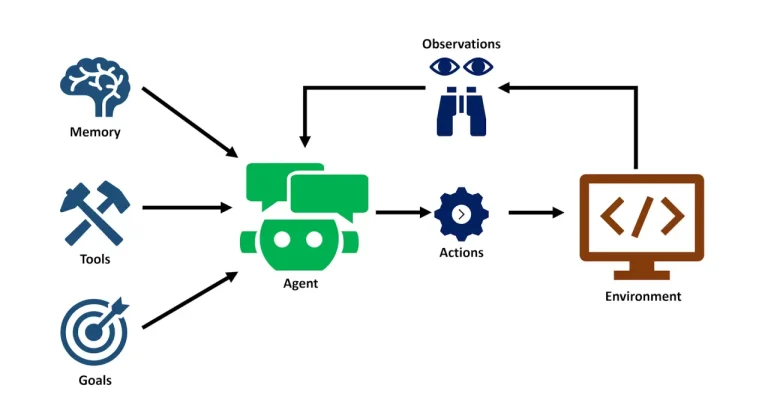
These advanced systems possess three core capabilities. First, they can reason through complex problems. Second, they can formulate multi-step plans. Third, they can execute those plans by interacting directly with external software, databases, and APIs.
The Core Components Behind Agentic Technology
Agentic artificial intelligence relies on a few critical components to function independently. These parts work together smoothly to turn broad human requests into concrete actions.
-
Perception Modules: The system reads and understands its environment. This environment might be a spreadsheet, a database, or the live internet.
-
Reasoning Engines: The AI uses logical steps to figure out how to solve a problem. It evaluates different paths and chooses the most efficient one.
-
Memory Systems: These digital agents remember past actions. They learn from previous mistakes and adjust their future behavior accordingly.
-
Actuators (Tools): The system uses external software to perform tasks. It can send emails, modify code, or schedule calendar events autonomously.
The Shift From Generative AI to Agentic AI
Many people confuse generative AI with agentic AI. Generative models focus entirely on creating content. They write text, draw images, or generate computer code based on your direct input. However, they stop working the moment they finish generating the output.
Agentic systems take this technology a massive step forward. They use generative AI as their “brain,” but they add “hands” to manipulate the world around them.
For instance, a standard generative model can write a marketing email for you. An agentic system will write the email, search your database for the best contacts, send the emails out, and track the reply rates. It actively manages the entire workflow. Consequently, businesses find agentic models far more valuable for real-world productivity.
Real-World Applications Transforming Industries
Companies across the globe already use these autonomous digital workers to streamline their operations. Software development teams use coding agents that independently hunt for bugs and rewrite faulty code. Customer service departments deploy agents that do not just talk to customers, but actually issue refunds and update shipping addresses automatically.
The financial sector benefits heavily from this technology. Autonomous AI agents monitor stock markets, execute trades, and rebalance portfolios based on real-time data. Similarly, supply chain managers use these systems to predict inventory shortages and automatically reorder products before stocks run out.
The International Monetary Fund (IMF) reports that artificial intelligence will impact nearly 40% of all jobs globally. Agentic technology drives a large portion of this change. It automates repetitive tasks, allowing human workers to focus strictly on creative and strategic thinking.
Why Autonomous Systems Represent the Future
Developers continue to refine how these systems operate. The focus remains on making them safer, more reliable, and easier to use. As these digital agents become smarter, they will integrate deeply into our daily lives.
You will likely soon have a personal AI agent managing your daily routine. It will book your flights, manage your personal budget, and schedule your appointments without you lifting a finger. Businesses will build entire ecosystems where multiple AI agents collaborate to run corporate departments.
However, developers must still solve several challenges. They need to ensure these systems respect privacy laws and avoid biased decision-making. Despite these hurdles, the rapid pace of innovation suggests that highly capable, autonomous digital assistants will soon become a normal part of society.
FAQ Section
Is ChatGPT an agentic AI?
Standard ChatGPT is primarily a generative AI rather than a fully agentic one. In other words, it relies heavily on human prompts to function. However, OpenAI continues to add agentic features to the platform. For example, when you use advanced data analysis or allow ChatGPT to browse the internet to solve a multi-step problem, it demonstrates agent-like behavior. Nevertheless, truly agentic systems operate with much greater independence than the standard chat interface currently allows.
What is the difference between generative AI and agentic AI?
Generative AI creates content, such as text, images, or audio, based on a specific prompt. Once it delivers the content, its task is complete. In contrast, agentic AI takes actions to achieve a goal over time. For instance, it can use generative AI to draft an email. Additionally, it can log into your email client, send the message, and monitor responses on its own. Therefore, agentic AI focuses on outcomes rather than content generation alone.
What is an example of an agentic AI?
Devin, created by Cognition, is often cited as an example of agentic technology. Instead of simply generating code snippets, it functions as an autonomous software engineer. For example, you can ask Devin to build a web application. It will then plan the software architecture, write the code, identify bugs, fix issues, and deploy the final product. As a result, it can manage much of the software development lifecycle with minimal human intervention.
Is agentic AI the future?
Many industry experts view agentic AI as a major direction for the future of technology. After all, organizations increasingly seek systems that can solve business problems instead of merely generating content. Moreover, researchers continue to improve AI reasoning, memory, and planning capabilities. Consequently, autonomous systems are expected to handle more complex tasks over time. Ultimately, they may manage entire workflows and significantly change how people interact with computers.
What is the biggest problem with agentic AI?
The biggest challenge is reliability and safety. For example, if an AI agent has access to a bank account or company database, even a small mistake could lead to serious consequences. Furthermore, these systems can occasionally hallucinate or make illogical decisions. Therefore, ensuring that autonomous agents execute long sequences of actions safely and accurately remains a critical research challenge.
How does agentic AI improve business productivity?
Agentic AI improves productivity by reducing human involvement in repetitive workflows. For example, employees no longer need to manually copy data, schedule meetings, or trigger routine software processes. Instead, the AI agent handles these administrative tasks automatically in the background. Consequently, organizations save time and reduce operational friction. As a result, employees can focus more on strategic planning, innovation, and creative problem-solving.
Conclusion
Understanding what is agentic AI helps you prepare for the next major leap in workplace technology. We are moving rapidly past the era of simple chatbots. The future belongs to systems that can understand your goals, create logical plans, and execute them independently.
These autonomous agents represent a massive upgrade in how machines operate. They utilize advanced reasoning, rely on continuous memory, and actively use software tools to interact with the digital world. By transforming broad requests into concrete actions, they offer incredible potential for businesses and individuals alike. They automate complex workflows, reduce human error, and dramatically increase overall productivity.
If you understand what agentic AI is today, you will be better prepared for the automated workplaces of tomorrow. To further explore the latest AI innovations and discover cutting-edge solutions shaping the future, check out the Best AI Tools in 2026 . This resource highlights some of the most powerful AI tools that businesses, creators, and professionals can use to stay ahead in an increasingly AI-driven world.