How to Build a LinkedIn Profile: The Ultimate Guide
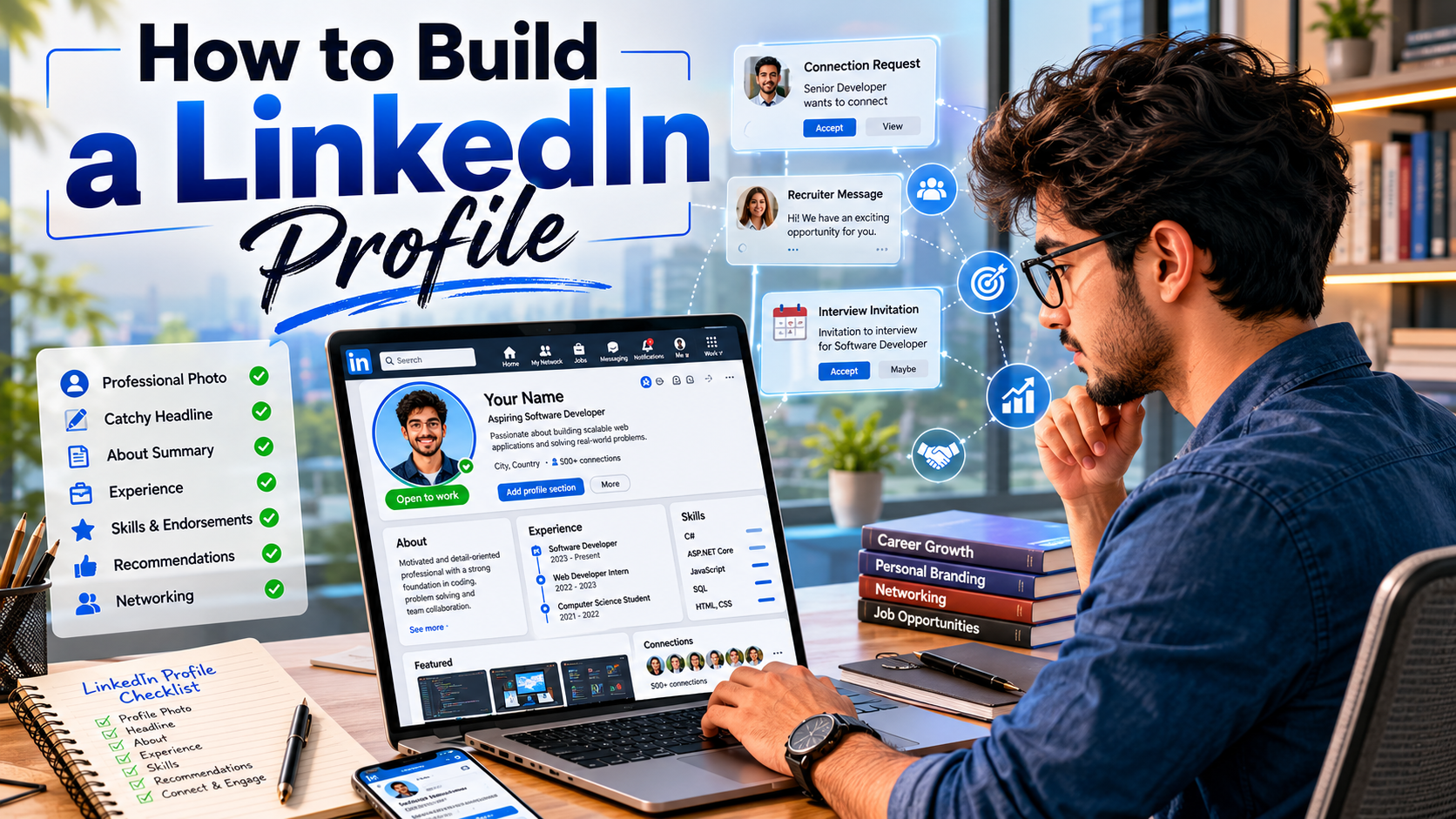
In today’s digital economy, your professional network has become a valuable career asset. Learning how to build a LinkedIn profile is no longer optional for job seekers. It is a key part of career growth and personal branding.
A strong online presence can improve your visibility to employers. Whether you are a college student seeking your first internship or a professional changing industries, your profile serves as a digital portfolio. It highlights your skills, experience, and achievements around the clock.
A well-optimized profile can create new opportunities. It can help you discover industry trends, connect with professionals, and build relationships with mentors. These connections can support your long-term career development.
This guide explains the essential steps for creating an effective LinkedIn profile. You will learn how to choose the right profile photo and write a compelling summary. You will also discover ways to improve your profile’s visibility and credibility.
By the end of this article, you will have a practical roadmap for building a professional online presence. A strong profile can attract recruiters, hiring managers, and potential business partners. It can also increase your chances of receiving valuable career opportunities.
Why a Strong LinkedIn Presence Matters Today
The job market has changed significantly in recent years. Many employers now use digital platforms to find and evaluate candidates. Recruiters no longer depend only on paper resumes. Instead, they use search tools and hiring platforms to discover qualified professionals online. If your profile is incomplete or outdated, you may miss valuable opportunities.
A strong LinkedIn profile increases your visibility. It helps recruiters find you when searching for candidates with specific skills and experience.
A complete profile also builds credibility. People often search online before making professional connections. An updated profile creates a positive first impression and helps establish trust.
LinkedIn allows you to showcase achievements, skills, and industry knowledge. It also demonstrates your involvement in your profession and professional community.
A strong presence can make networking easier. It helps you stand out from other candidates and improves your professional reputation. When new opportunities arise, a well-maintained profile can place you in a stronger position for consideration.
Step-by-Step: How to Build a LinkedIn Profile
Creating an impactful digital presence requires a strategic and highly intentional approach. You cannot simply copy and paste bullet points from your old resume and expect to see massive career results. Let us break down the crucial steps needed to optimize your personal page for maximum search visibility and professional engagement.
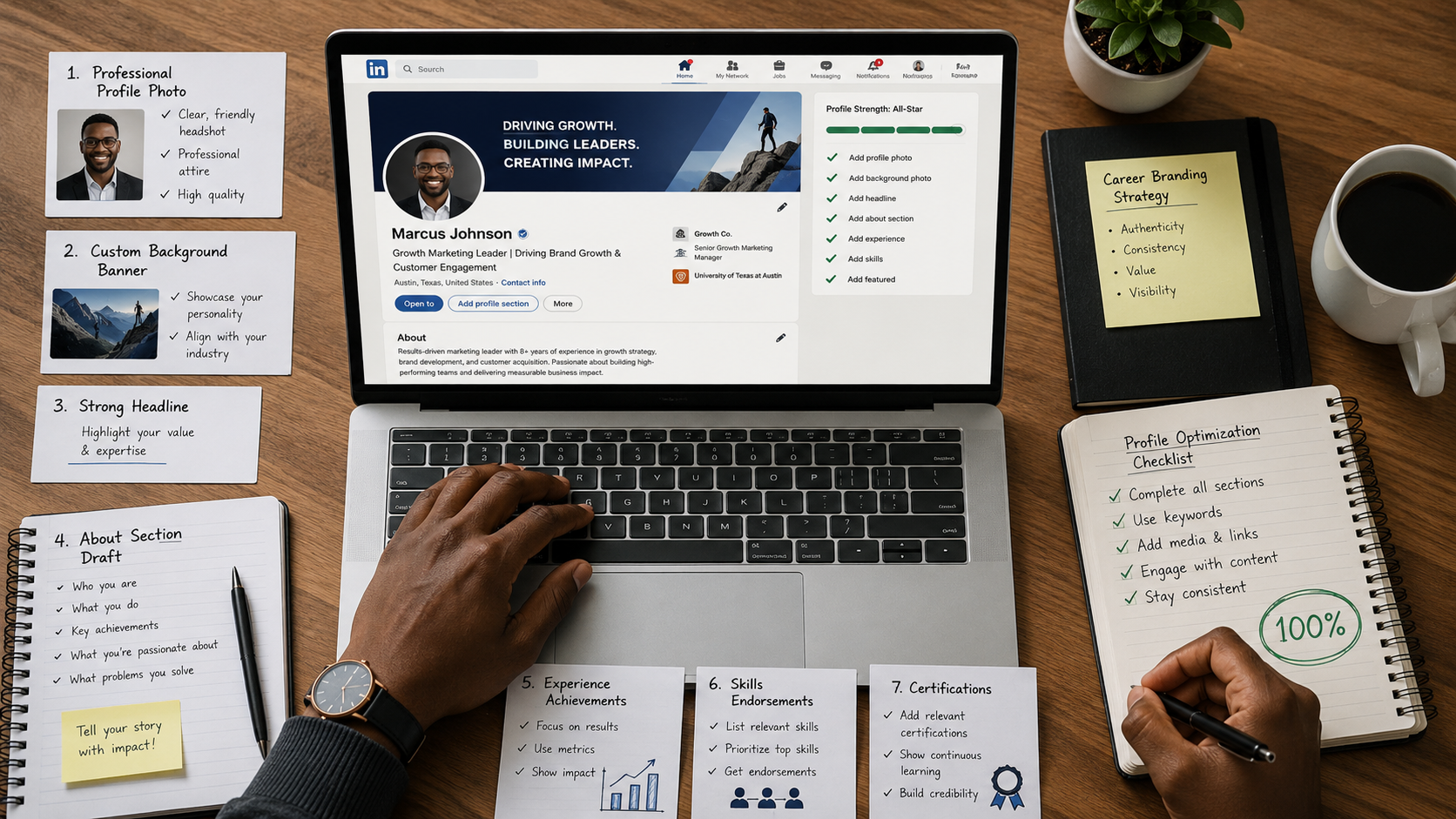
1. Choose the Perfect Profile and Background Photo
Your profile photo represents your digital first impression, and it needs to communicate competence, warmth, and professionalism instantly. Choose a high-resolution image where your face takes up about 60% of the frame, ensuring the lighting is bright and clear. Smile naturally with your eyes, look directly at the camera, and wear attire that perfectly matches your specific industry standards.
Similarly, do not neglect your background banner image, as the default gray graphic looks unfinished and uninspiring to visiting recruiters. Upload a custom banner that visually reflects your profession, such as a clean abstract geometric design, a high-quality shot of you speaking at an industry event, or a graphic representing your everyday workspace or tools. This extra visual element immediately frames your page and shows visitors that you pay close attention to detail.
2. Craft a Compelling Headline
Your headline is arguably the most critical piece of real estate on your entire page because it follows your name everywhere across the platform. Most beginners make the mistake of simply listing their current job title or student status, but you can achieve much better results with a bit of creativity.
Instead of just writing “Student at XYZ University,” expand that line to explicitly showcase your unique value proposition. For example, use a proven formula like: [Job Title/Major] | [Specific Skillset] | [How You Add Value to a Company]. A strong, optimized example looks like: Computer Science Student | Python & Java Developer | Passionate about building scalable web applications for startups. This descriptive structure immediately tells hiring managers what you do, what tools you master, and exactly how you can help their team succeed from day one.
3. Write an Engaging Summary
The “About” section is your golden opportunity to tell your personal career story and express your professional identity. Avoid writing a dry, third-person biography that feels overly formal, detached, and robotic to read. Instead, write your summary in the first person using “I” statements to keep the tone conversational, human, and genuinely engaging.
Pro Tip: Start with a powerful hook that explains your core professional passion or the specific problem you love solving. Follow up by highlighting your key skills, major career achievements, and what you are looking to achieve next in your journey.
Keep your paragraphs short, around two to four lines each, to ensure high readability on both desktop and mobile screens. End your summary with a clear, welcoming call to action, such as inviting people to connect with you or providing your professional email address for direct business inquiries.
How to Build a LinkedIn Profile: Optimizing Your Experience and Skills Sections
Once you set up the visual assets and introductory elements, you must carefully build out the core structural sections of your profile. This is the place where you prove your capabilities with concrete, undeniable evidence.
Showcasing Your Experience Effectively
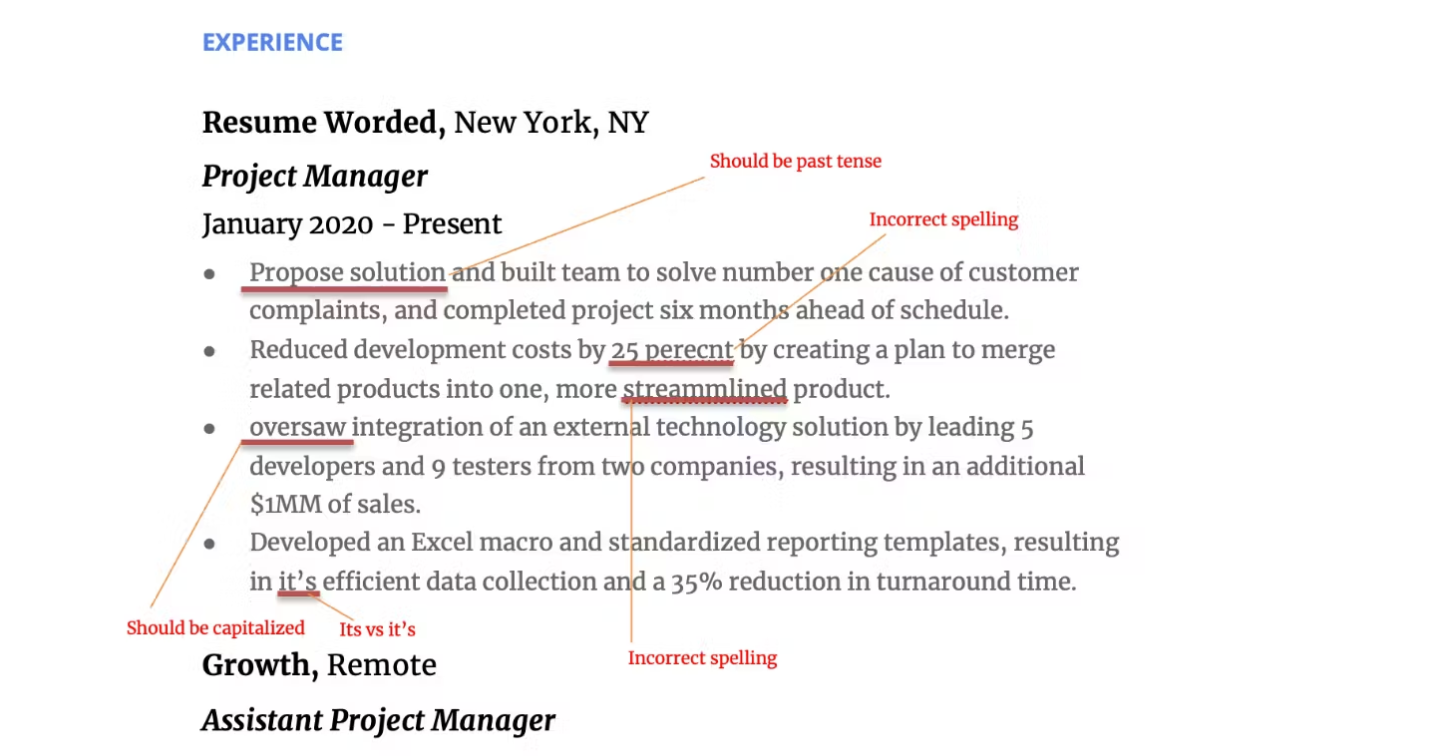
When listing your work, internship, or volunteer history, focus heavily on the direct impact you made rather than just listing your daily duties. Use strong action verbs like managed, developed, increased, or optimized at the beginning of every single bullet point.
Whenever possible, quantify your professional results with real numbers, percentages, or dollar amounts to build trust. For instance, write “Increased corporate social media engagement by 25% over six months” instead of simply writing “Managed the company social media accounts.” This data-driven approach proves to potential employers that you deliver measurable results and understand how your daily work connects to broader business goals.
Selecting the Right Skills
The platform allows you to display dozens of distinct skills on your profile, but quality always triumphs over quantity. Choose a strategic mix of hard technical skills, like data analysis or software coding, and soft interpersonal skills, like cross-functional communication or agile project management.
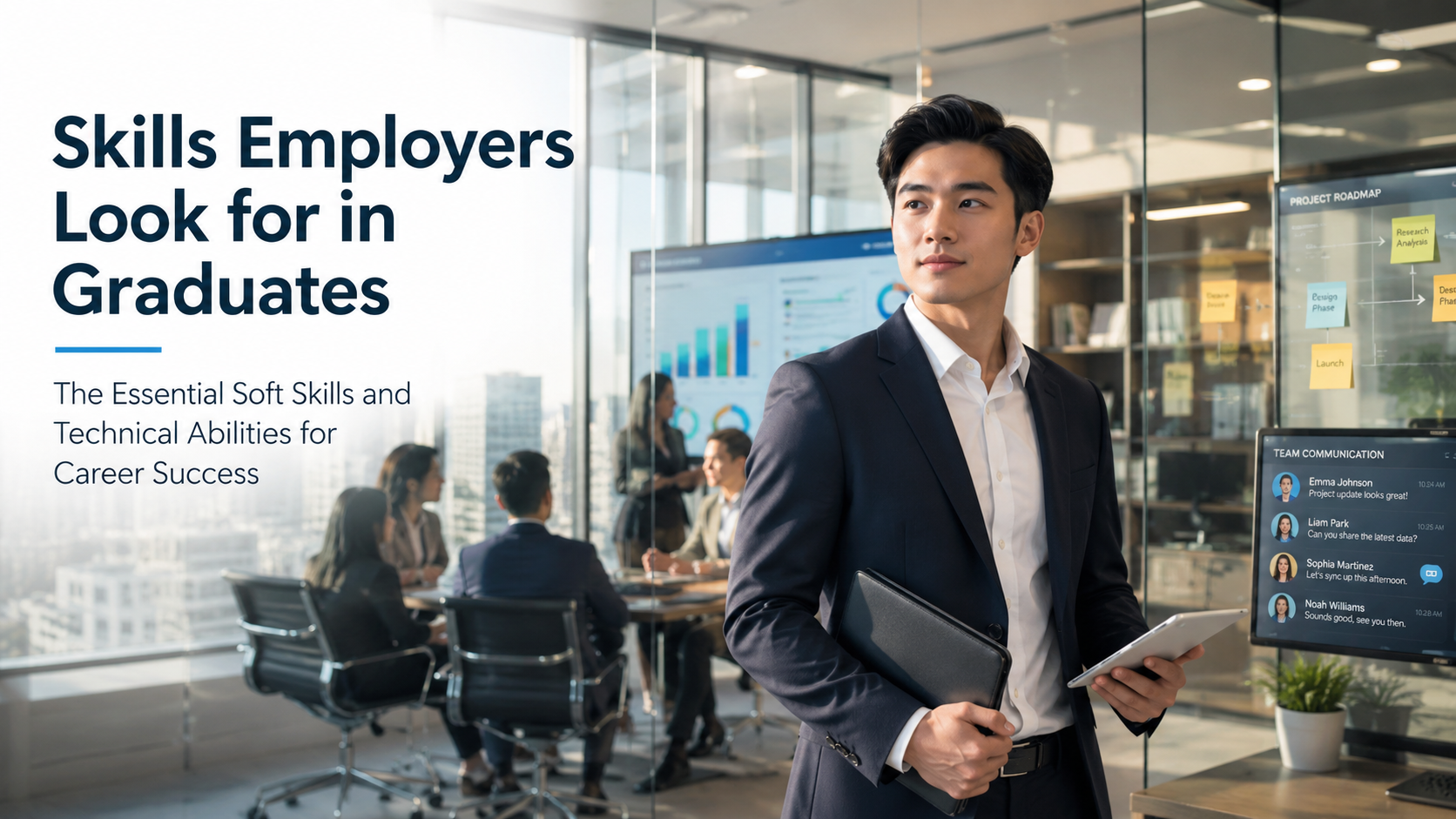
To expand your competitive edge, understand the critical skills employers look for in graduates to ensure you align your profile with current entry-level corporate expectations. Keep your top three skills highly relevant to your target industry, as these are the specific ones visitors see first without clicking. Regularly update this section as you learn new digital tools, earn credentials, or take on new responsibilities at work. Having relevant skills listed also boosts your ranking in recruiter searches, making your profile far more discoverable for matching roles.
Frequently Asked Questions
What should a beginner put on LinkedIn?
A beginner should focus entirely on completing the foundational sections of their professional profile to establish a strong, reliable baseline of professional credibility. Start by uploading a clean, high-resolution, professional headshot and writing a highly descriptive headline that clearly states your current academic focus, college major, or target industry. Fill out the education section completely by including your university details, relevant coursework, honors, and major academic projects. In the experience section, you can confidently include part-time jobs, summer volunteer work, or university club leadership roles. Even if you completely lack formal corporate experience, these activities demonstrate vital soft skills like leadership, teamwork, time management, and reliability to potential employers. You should also outline any technical proficiencies, languages spoken, or workshops attended. This ensures your initial presence looks robust, polished, and fully functional, signaling to talent acquisition teams that you take your professional career journey seriously.
How do I make my LinkedIn profile stand out with no experience?
When learning how to build a LinkedIn profile, it is important to focus on your strengths rather than your lack of work experience. A well-structured profile can still attract recruiters and hiring managers. One of the best strategies for how to build a LinkedIn profile with no experience is to highlight your skills, education, and personal projects. Include relevant coursework, certifications, and technical abilities that demonstrate your knowledge. The “About” section is another important area when considering how to build a LinkedIn profile that stands out. Use this section to explain your career goals, interests, and willingness to learn new skills. If you are researching how to build a LinkedIn profile as a student or beginner, showcase academic projects, internships, volunteer work, or freelance assignments. These experiences can demonstrate practical skills and problem-solving abilities.
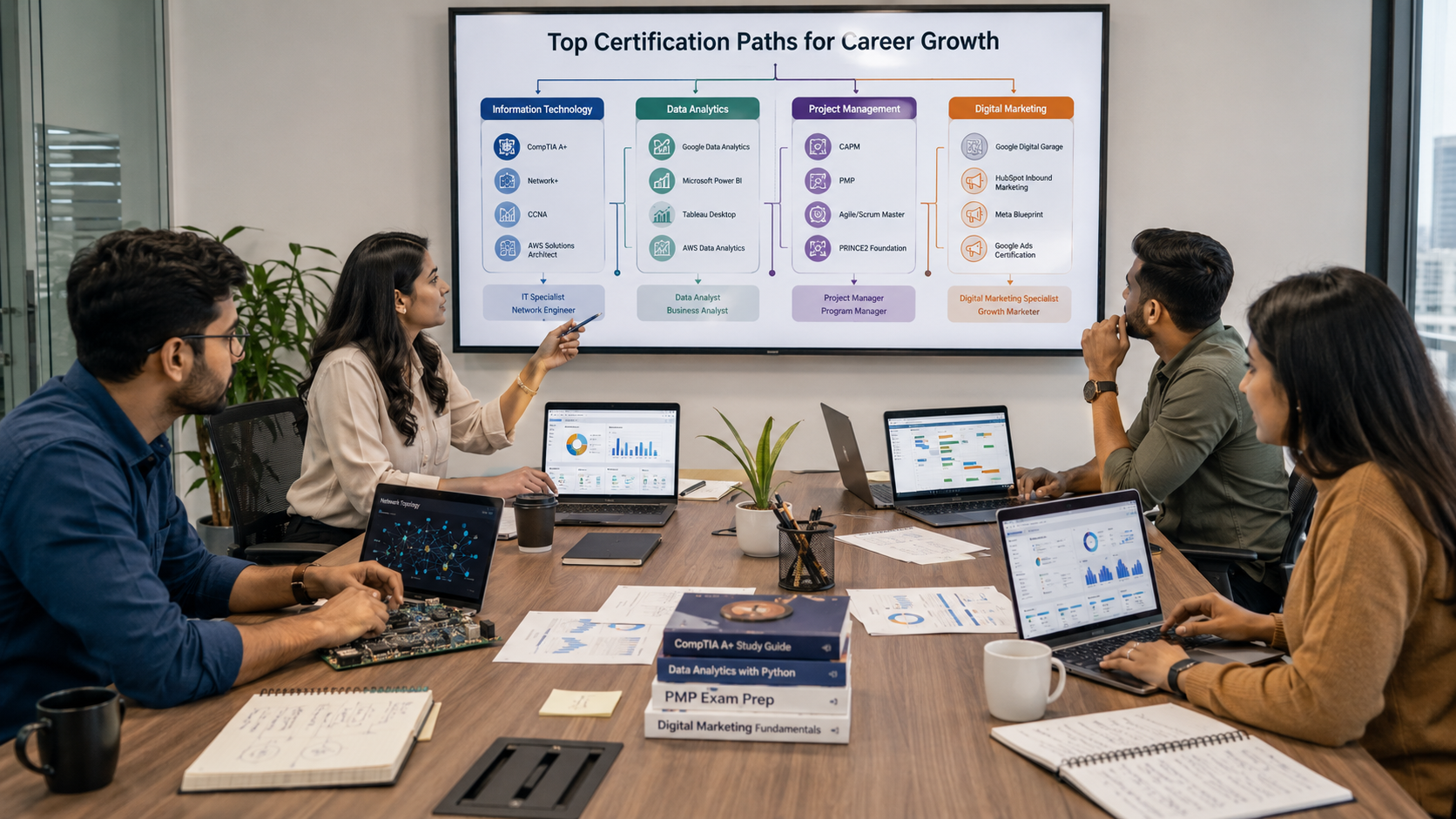
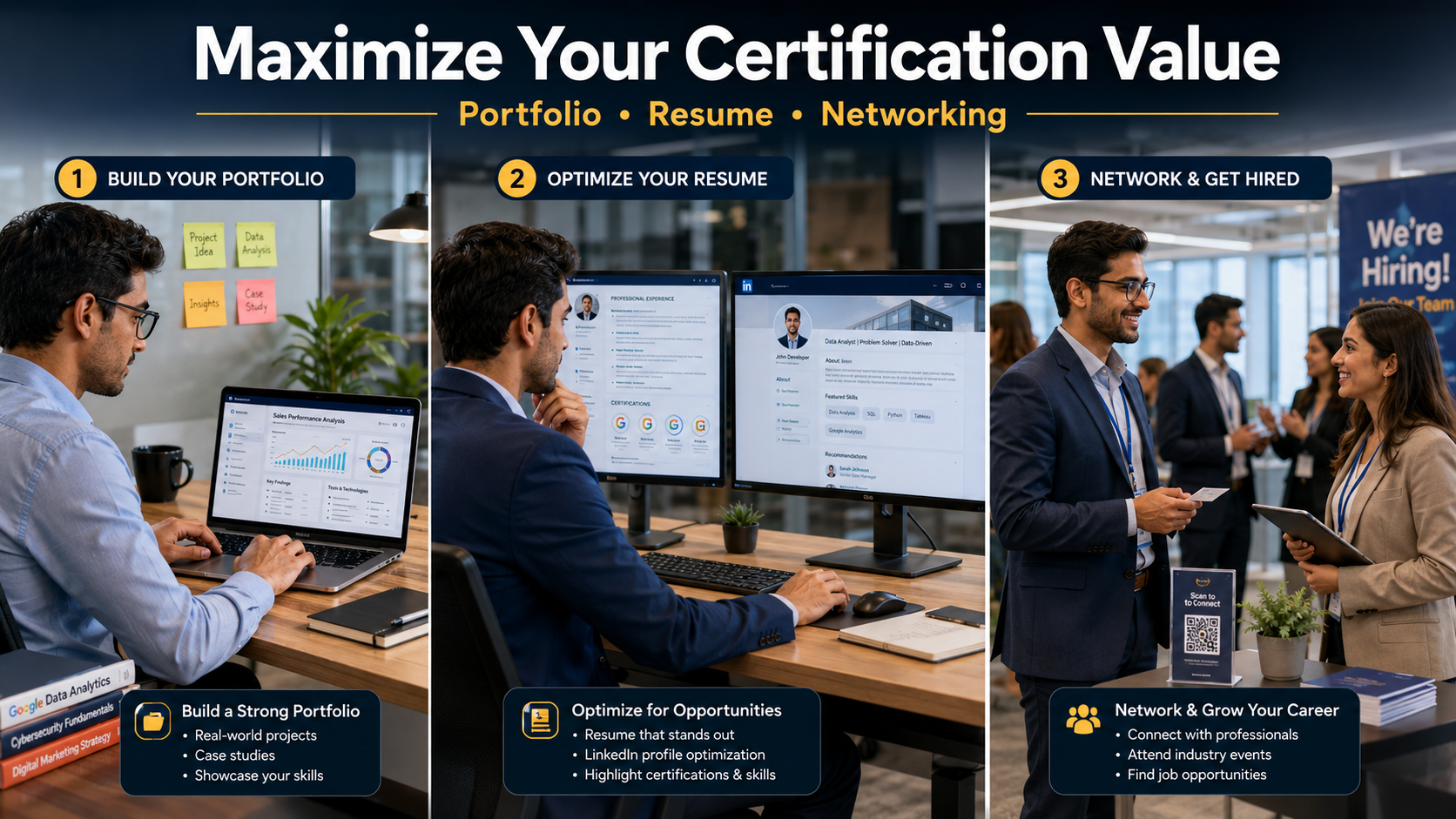
Another key part of how to build a LinkedIn profile is earning industry-recognized certifications. Displaying certifications can strengthen your credibility and show commitment to professional development.
Understanding how to build a LinkedIn profile also includes gathering recommendations from professors, mentors, or project teammates. Positive recommendations provide social proof and help build trust with recruiters.
By following these steps, you can learn how to build a LinkedIn profile that highlights your potential, showcases your abilities, and increases your visibility to employers even without formal work experience.
How long should my LinkedIn summary be?
Your summary should ideally be between 200 and 300 words long to balance contextual depth with high reader engagement. While the platform allows up to 2,600 characters, brevity ensures that busy corporate recruiters actually read your content from start to finish. The first three lines of your personal summary are the most critical because users must click the “See more” button to read anything else. Ensure those opening lines are highly engaging, packed with relevant industry keywords, and clearly state your core professional identity. Break the rest of the text into short, digestible paragraphs or use clean bullet points to highlight your key skills, making the entire section highly scannable for the reader. Conclude your summary with an open invitation for networking or professional collaboration, providing an explicit call to action that outlines exactly why and how other industry professionals should contact you.
Is a premium LinkedIn account necessary for beginners?
No, a premium subscription is not necessary for beginners. The free version offers all the essential tools needed to get started. You can build a professional profile, connect with industry experts, and apply for jobs without paying for a subscription. These features are enough for most people in the early stages of their careers. Premium features provide extra benefits. These include viewing more profile visitor details and messaging people outside your network. While useful, they are not required for career growth.
Focus first on optimizing your profile. Build meaningful connections and engage with industry content regularly. These activities often provide more value than premium features.
You can also increase visibility by sharing relevant articles and posting thoughtful comments. This helps you grow your network without additional costs.
Consider a premium subscription later if you are conducting an intensive job search or need advanced networking tools.
How often should I update my profile?
Review and update your profile at least once every few months. You should also make changes whenever you reach a major professional milestone.
Update your profile immediately after starting a new job. Add any new certifications, completed projects, or technical skills as soon as possible. This helps recruiters see your most current qualifications. Regular updates keep your profile fresh and relevant. They also improve your visibility in recruiter searches.
Profile updates may trigger notifications within your network. This can increase awareness of your achievements and create opportunities for collaborations, referrals, and career growth.
An actively maintained profile signals professionalism and engagement. It shows that you take your personal brand seriously. As a result, you may receive more inbound inquiries from recruiters and hiring managers.
Conclusion
Learning how to build a LinkedIn profile is one of the most valuable, long-term investments you can make for your professional future. According to global employment trends highlighted by the World Bank, digital literacy and active participation in professional networking platforms are vital drivers of modern workforce mobility and career progression. By implementing the step-by-step strategies outlined in this guide, you successfully transform your profile from a static, boring resume into a dynamic career asset that works continuously on your behalf.
Always focus on clean visuals, a highly descriptive headline, and telling a compelling, authentic story within your summary section. Keep optimizing your skills and experience sections with quantifiable metrics to remain highly competitive in your field. Commit to optimizing your profile today, consistently connect with your industry peers, and unlock exciting new professional opportunities that can elevate your career trajectory for years to come.
Top Most In-Demand Skills for Jobs in 2026 to Learn Now
The most in-demand skills for jobs in 2026 are becoming essential for professionals who want to remain competitive in a rapidly changing global economy. Technologies like artificial intelligence, automation, cloud computing, sustainability initiatives, and digital transformation continue to reshape industries across the world.
As businesses adopt these tools and adapt to shifting economic conditions, the specific skills employers seek are changing dramatically. Professionals who fail to keep pace with these developments risk falling behind, while those who embrace continuous learning position themselves for long-term career growth and financial success in high-paying remote jobs in 2026.
Whether you are a student planning your career, a recent graduate entering the workforce, or an experienced professional seeking advancement, understanding the most in-demand skills for jobs in 2026 can help you make smarter learning and career decisions. According to the World Economic Forum Future of Jobs Report, employers are increasingly prioritizing adaptable professionals with a combination of technical expertise and human-centered skills. The future belongs to individuals who can leverage technology while maintaining strong interpersonal and analytical abilities. This comprehensive guide explores the critical competencies employers value most and explains how you can begin developing them today.
Why You Must Learn the Most In-Demand Skills for Jobs in 2026
The workplace of 2026 looks dramatically different from the workplace of just a few years ago. Rapid technological advancement, economic uncertainty, globalization, demographic changes, and environmental challenges have forced organizations to rethink how they recruit, train, and retain talent. Companies are no longer hiring solely based on traditional qualifications or degrees. Instead, employers increasingly prioritize candidates who possess practical, future-ready skills that can help businesses navigate constant change.
One of the biggest challenges facing organizations today is the growing skills gap. Many employers struggle to find professionals who can effectively use advanced digital tools, analyze complex datasets, implement artificial intelligence solutions, and manage cybersecurity risks. As a result, individuals who develop these capabilities often enjoy greater job security, higher salaries, and more career opportunities.
Additionally, the rise of remote work and global collaboration means professionals now compete in an international talent marketplace. Learning high-demand skills allows you to remain competitive regardless of location. Continuous learning has become a necessity rather than an option. Professionals who embrace lifelong learning are better equipped to adapt to industry disruptions, seize emerging opportunities, and remain valuable contributors throughout their careers. Investing in your skills today is one of the most effective ways to secure a prosperous future in an increasingly competitive global economy.
Core Technical Competencies Sought After by Employers
Technology continues to dominate modern business operations. From startups to multinational corporations, organizations rely on digital infrastructure to serve customers, optimize workflows, and maintain competitive advantages. Consequently, technical skills remain among the most sought-after qualifications in the labor market.
Employers increasingly need professionals who understand how to design, implement, and manage technology-driven solutions. These individuals help organizations automate processes, improve productivity, enhance security, and support digital transformation initiatives. Technical expertise is no longer limited to software developers or IT specialists. Professionals in marketing, finance, healthcare, education, manufacturing, and countless other sectors now benefit from understanding digital systems and emerging technologies.
The most valuable technical competencies extend beyond basic computer literacy. Organizations seek candidates who can solve complex problems using advanced technologies and data-driven strategies. Skills related to artificial intelligence, machine learning, cybersecurity, cloud computing, automation, and data analytics consistently rank among the highest-paying and fastest-growing career opportunities worldwide.
Furthermore, technical professionals who can communicate effectively and collaborate across departments enjoy even greater demand. Companies increasingly prefer individuals who combine technological expertise with business understanding. This blend of technical proficiency and strategic thinking enables professionals to drive innovation and contribute meaningfully to organizational success. As digital transformation accelerates globally, technical competencies will remain essential for career advancement across virtually every industry.
Artificial Intelligence and Machine Learning
Artificial intelligence has emerged as one of the most transformative technologies of the modern era. Organizations across healthcare, finance, retail, manufacturing, education, and logistics now rely on AI-powered systems to improve efficiency, automate workflows, and generate valuable insights. Consequently, professionals with AI and machine learning expertise are among the most sought-after candidates in today’s job market.
The demand for AI-related skills extends far beyond traditional software development roles. Companies require professionals who can implement AI solutions responsibly, evaluate algorithm performance, manage AI governance frameworks, and integrate generative AI tools into daily business operations. Prompt engineering, AI ethics, machine learning operations (MLOps), and AI strategy have become lucrative career specializations.
Importantly, individuals do not necessarily need advanced programming expertise to benefit from AI knowledge. Business analysts, marketers, project managers, human resources professionals, and consultants increasingly use AI-powered tools to improve productivity and decision-making. Understanding how to work alongside artificial intelligence systems provides a significant competitive advantage. Artificial intelligence remains one of the most in-demand skills for jobs in 2026, making it a priority for professionals seeking career growth.
As organizations continue investing heavily in AI initiatives, the demand for skilled professionals will only increase. Those who develop expertise in machine learning concepts, data modeling, natural language processing, and AI implementation strategies position themselves at the forefront of one of the fastest-growing employment sectors in the world. Learning AI today can create opportunities that remain valuable for decades to come.
Cybersecurity and Data Privacy
Cybersecurity has become one of the most critical priorities for modern organizations. As businesses increasingly operate online and store sensitive information digitally, cybercriminals continue developing more sophisticated methods to exploit vulnerabilities. Data breaches, ransomware attacks, phishing schemes, and identity theft incidents cost organizations billions of dollars annually while damaging customer trust and brand reputation.
Consequently, cybersecurity professionals enjoy exceptional job security and strong earning potential. Employers actively seek ethical hackers, penetration testers, security analysts, incident response specialists, compliance experts, and cloud security architects capable of protecting digital assets. The growing complexity of cyber threats ensures that demand for cybersecurity expertise will remain high for the foreseeable future.
Data privacy regulations have also increased the need for professionals who understand legal and ethical requirements surrounding information management. Organizations must comply with evolving privacy laws while ensuring customer data remains secure. This creates additional opportunities for professionals specializing in governance, risk management, and compliance.
Cybersecurity is no longer solely the responsibility of IT departments. Employees across all functions must understand basic security principles and adopt secure digital practices. Developing cybersecurity knowledge demonstrates responsibility, technical awareness, and business value. As cyber threats continue evolving, professionals who can help organizations protect their digital infrastructure will remain indispensable members of the modern workforce.
Cybersecurity continues to rank among the <strong class=”yoast-text-mark” data-start=”2638″>-end=”2680″>most in-demand skills for jobs in 2026 due to rising global cyber threats.
Cloud Computing and Network Infrastructure
Cloud computing has become the foundation of modern digital business operations. Organizations of all sizes now rely on cloud platforms to store data, host applications, support remote work, and scale their operations efficiently. Rather than investing heavily in expensive on-premise infrastructure, businesses increasingly use cloud services to reduce costs, improve flexibility, and accelerate innovation. As a result, cloud computing skills remain among the most valuable and highest-paying competencies in the global job market.
Major cloud providers such as Amazon Web Services (AWS), Microsoft Azure, and Google Cloud continue expanding their services to meet growing business demands. Companies need skilled professionals who can design cloud architectures, migrate legacy systems, optimize cloud performance, and maintain secure environments. Roles such as cloud engineers, cloud architects, DevOps specialists, and site reliability engineers are experiencing significant demand across industries.
Beyond technical implementation, organizations also require professionals who understand cloud governance, cost management, and compliance. Businesses must ensure that cloud environments remain secure, efficient, and aligned with organizational objectives. Professionals who can bridge technical expertise with business strategy provide exceptional value to employers.
As digital transformation continues accelerating, cloud infrastructure will remain a critical component of business success. Learning cloud technologies today can open doors to rewarding careers while providing skills that are expected to remain highly relevant throughout the next decade.
Essential Cognitive and Analytical Capabilities
While technology continues transforming industries, human cognitive abilities remain irreplaceable. Employers increasingly recognize that successful organizations require professionals who can analyze information, solve complex problems, think strategically, and adapt to uncertainty. Technical tools can process vast amounts of data, but humans are still needed to interpret insights, evaluate risks, and make informed decisions.
Cognitive skills play a vital role in helping organizations navigate rapidly changing business environments. Companies face challenges involving market competition, economic volatility, customer expectations, and technological disruption. Employees who possess strong analytical capabilities help organizations identify opportunities, anticipate challenges, and develop effective solutions.
Furthermore, cognitive skills enhance collaboration and innovation. Professionals who can think critically often contribute fresh perspectives that lead to process improvements and new business strategies. These abilities enable individuals to connect information from multiple sources, identify patterns, and generate actionable recommendations.
As automation handles routine tasks, employers increasingly value workers who excel at complex thinking and decision-making. Developing strong cognitive skills not only improves workplace performance but also increases adaptability in an evolving job market. Professionals who cultivate analytical and strategic thinking will remain highly valuable regardless of technological advancements.
Advanced Data Literacy
Data has become one of the most valuable resources in the modern economy. Every day, businesses generate enormous volumes of information related to customer behavior, operational performance, market trends, and financial activities. However, data only becomes useful when professionals can analyze, interpret, and transform it into meaningful insights. This growing reliance on data-driven decision-making has made data literacy one of the most important skills for future careers.
Data literacy extends beyond technical programming abilities. It involves understanding how data is collected, organized, analyzed, visualized, and communicated. Professionals across departments—including marketing, finance, human resources, operations, and healthcare—use data to improve outcomes and support strategic decisions.
Employers actively seek candidates who can work with tools such as SQL, Excel, Python, Tableau, Power BI, and business intelligence platforms. These tools help professionals identify patterns, measure performance, forecast trends, and present recommendations to stakeholders. Individuals who can translate complex information into clear business insights often become valuable contributors within their organizations.
As companies increasingly prioritize evidence-based decision-making, data literacy continues to grow in importance. Professionals who develop analytical skills and learn how to communicate data effectively gain a substantial competitive advantage. Regardless of industry, understanding data empowers employees to make smarter decisions and drive measurable business results.
Creative and Analytical Thinking
Creative and analytical thinking represent two of the most valuable human capabilities in an increasingly automated world. While machines excel at processing information and performing repetitive tasks, they struggle to replicate human creativity, intuition, and strategic reasoning. Organizations therefore place tremendous value on employees who can combine logical analysis with innovative problem-solving.
Analytical thinking involves evaluating information, identifying patterns, assessing risks, and developing structured solutions to complex challenges. It enables professionals to make informed decisions based on evidence rather than assumptions. Creative thinking complements this process by encouraging new perspectives, unconventional ideas, and innovative approaches to problem-solving.
The most successful professionals combine both abilities. For example, a marketing strategist may analyze customer data to identify trends while simultaneously developing creative campaigns that differentiate the brand from competitors. Similarly, business leaders use analytical frameworks to evaluate opportunities while relying on creative thinking to drive innovation.
Employers consistently rank problem-solving, critical thinking, and innovation among their most desired workforce skills. These capabilities help organizations adapt to changing market conditions, develop new products, and improve operational efficiency. By strengthening both analytical and creative thinking, professionals can enhance their ability to contribute meaningful value and remain highly competitive in the future workforce.
High-Demand Interpersonal and Soft Skills
Although technical expertise remains essential, soft skills often determine long-term career success. Technical abilities may help candidates secure employment, but interpersonal competencies frequently influence promotions, leadership opportunities, and professional reputation. As organizations become more collaborative and globally connected, strong human skills continue growing in importance.
Soft skills encompass communication, teamwork, adaptability, emotional intelligence, conflict resolution, leadership, and relationship management. These abilities enable individuals to work effectively with colleagues, customers, stakeholders, and cross-functional teams. In today’s workplace, technical knowledge alone is rarely sufficient. Professionals must also communicate ideas clearly, collaborate efficiently, and navigate complex interpersonal dynamics.
The rise of remote and hybrid work environments has further increased the importance of soft skills. Employees often interact with distributed teams across different cultures, time zones, and communication platforms. Success requires empathy, active listening, cultural awareness, and effective virtual communication.
Organizations recognize that strong interpersonal skills contribute directly to employee engagement, customer satisfaction, and business performance. Professionals who combine technical competence with excellent communication and collaboration abilities become highly valued team members and future leaders. As technology continues evolving, uniquely human capabilities will remain a powerful source of professional differentiation.
Resilience, Flexibility, and Agility
The modern workplace is characterized by continuous change. Economic uncertainty, technological disruption, organizational restructuring, and evolving customer expectations require professionals to adapt quickly and maintain productivity under pressure. Consequently, resilience, flexibility, and agility have become essential workplace competencies.
Resilience refers to the ability to recover from setbacks, manage stress effectively, and maintain performance during challenging circumstances. Resilient employees demonstrate emotional strength, persistence, and a positive mindset even when facing obstacles. Employers highly value individuals who remain productive and solution-focused during periods of uncertainty.
Flexibility involves adapting to changing priorities, responsibilities, and work environments. As organizations evolve, employees often need to learn new tools, acquire additional responsibilities, and collaborate with diverse teams. Flexible professionals embrace these changes rather than resist them.
Agility combines resilience and flexibility with the ability to learn quickly and respond effectively to emerging opportunities. Agile professionals continuously update their skills and remain open to innovation. They recognize change as an opportunity for growth rather than a threat.
Organizations increasingly seek employees who can navigate complexity and uncertainty with confidence. Developing resilience, flexibility, and agility enhances both personal well-being and professional success while preparing individuals for long-term career sustainability.
Leadership and Social Influence
Leadership is no longer limited to executives and managers. In fact, adaptable leadership consistently ranks among the top most in-demand skills for jobs in 2026 to learn now. Modern organizations encourage leadership at every level, recognizing that influence, initiative, and collaboration can emerge from any position. As workplaces become increasingly team-oriented, leadership skills have become essential for career advancement and organizational success.
Effective leadership involves much more than directing others. It requires vision, communication, emotional intelligence, decision-making, and the ability to inspire collective action. If you are exploring the top most in-demand skills for jobs in 2026 to learn now, you will frequently see these core human competencies highlighted alongside technical abilities. Strong leaders create positive workplace cultures, encourage innovation, and help teams achieve shared objectives. They also foster trust, accountability, and collaboration among colleagues.
Social influence plays an equally important role. Professionals who can build relationships, communicate persuasively, and motivate others often drive meaningful change within their organizations. These individuals become trusted advisors and respected contributors regardless of formal job titles.
Leadership skills are valuable across all industries and career stages. Whether managing projects, mentoring colleagues, presenting ideas, or leading organizational initiatives, professionals benefit significantly from developing their ability to influence and inspire others. Employers consistently seek candidates who demonstrate leadership potential because these individuals contribute to stronger teams, improved performance, and sustainable business growth.
Frequently Asked Questions (FAQs)
Will AI replace human jobs in 2026?
Artificial intelligence will undoubtedly transform the labor market, but it will not entirely replace human workers. Instead, AI serves to augment human capabilities and streamline tedious workflows. While generative AI automates routine administrative and coding tasks, it simultaneously creates thousands of new roles in prompt engineering, AI governance, and strategic implementation. Ultimately, AI replaces specific tasks rather than entire professions. The real threat does not come directly from artificial intelligence itself; rather, it comes from professionals who know how to use AI effectively. Therefore, workers must embrace AI tools to remain competitive and indispensable in their respective fields.
How can I learn these high-demand skills quickly?
You can acquire high-demand skills quickly by leveraging targeted online education and practical application. First, identify the specific competencies most relevant to your desired industry. Then, enroll in recognized certification programs focused on data literacy, cloud computing, or digital marketing. Many reputable platforms offer intensive, self-paced courses designed by industry experts. Additionally, you must practice your new skills consistently. Build personal projects, participate in industry hackathons, or request cross-departmental tasks at your current workplace. Hands-on experience accelerates the learning process dramatically. Finally, finding a mentor within your chosen field provides invaluable guidance and helps prevent common learning mistakes.
Are soft skills still important in a tech-driven workplace?
Soft skills hold immense importance in today’s deeply tech-driven professional landscape. As software and machines manage complex technical processes, human collaboration becomes the primary driver of business success. Organizations desperately need leaders who can navigate interpersonal conflicts, manage diverse teams, and communicate strategic visions clearly. Traits like emotional intelligence, empathy, and active listening foster inclusive work environments and drive team productivity. Moreover, adaptability and resilience help employees survive constant technological disruptions. Without robust soft skills, even the most brilliant technical experts struggle to implement their ideas successfully. Consequently, employers frequently hire candidates based on their strong interpersonal attributes.
Why is data literacy crucial for future jobs?
Data literacy remains absolutely crucial because modern businesses rely exclusively on data-driven decision-making. Companies generate massive volumes of information daily, encompassing consumer behavior, market trends, and operational efficiency metrics. However, this raw data provides zero value unless professionals can interpret it accurately. Data literacy empowers employees to analyze complex datasets, identify actionable trends, and present compelling narratives to executive stakeholders. You do not need to be a data scientist to benefit from these skills. Professionals across marketing, finance, and human resources use data analysis to optimize campaigns, allocate budgets, and forecast future market demands effectively.
Which industries will hire the most in 2026?
Several vital sectors will experience massive hiring surges throughout 2026. The technology sector continues to dominate, actively recruiting AI specialists, cloud architects, and software developers. Simultaneously, the healthcare industry requires millions of skilled workers, ranging from frontline caregivers to medical data analysts, primarily due to an aging global population. Additionally, the green energy sector expands rapidly as global governments enforce strict environmental regulations. This green transition drives immense demand for renewable energy engineers and sustainability consultants. Finally, financial technology and advanced manufacturing sectors consistently seek professionals capable of managing automated systems, supply chains, and complex digital transformations.
Conclusion
The professional landscape evolves continuously, demanding proactive adaptation from the modern workforce. Securing your future career requires a deliberate commitment to continuous learning and strategic upskilling. As we have explored throughout this guide, technology fundamentally reshapes how organizations function globally. However, human ingenuity remains the ultimate driving force behind successful corporate innovation. To maintain a competitive edge, you must master the most in-demand skills for jobs in 2026.
Start by evaluating your current capabilities against the market’s rapidly evolving requirements. Build a strong foundation in digital literacy, familiarize yourself with artificial intelligence tools, and sharpen your analytical thinking. Equally important, you must cultivate essential soft skills—such as resilience, empathy, and dynamic leadership—that machines simply cannot replicate. Integrating technical expertise with interpersonal brilliance transforms you into an indispensable asset for any leading employer.
Ultimately, career longevity depends entirely on your willingness to embrace change rather than resist it. Take immediate action today. Enroll in an online certification, tackle a complex project, or find a professional mentor to guide your journey. By investing deeply in your personal and professional development right now, you guarantee long-term success. Prepare yourself effectively, master these critical skills, and seize the incredible opportunities that the future workplace offers. The choices you make today will define your career trajectory for the next decade. Do not wait for the market to leave you behind. Take charge of your career path and become the talent that top companies aggressively pursue.
Top Memory Improvement Techniques for Exams to Ace Your Tests
Mastering Your Mind: The Ultimate Guide to Exam Prep
Preparing for tests can often feel like an overwhelming battle against your own brain. No matter how many hours you spend staring at a textbook, the information sometimes refuses to stick. If you are struggling to retain crucial information, mastering effective memory improvement techniques for exams can completely transform your academic performance.
You are certainly not alone in this struggle. Millions of students experience the frustration of blanking out on test day. However, learning is not simply about reading words on a page repeatedly; it is about understanding how your brain encodes, stores, and retrieves data. By aligning your study habits with your natural cognitive processes, you can significantly reduce stress and improve your grades. You can also explore more strategies for maintaining cognitive health with these brain health tips.
Moreover, building these skills is an investment in your future. According to research by the World Bank on education and human capital, strong cognitive skills—including robust memory retention and problem-solving abilities—are foundational to long-term career success and global economic productivity. The habits you build now will serve you far beyond the classroom.
In this comprehensive guide, we will explore several proven strategies to enhance your studying. From active recall to the psychology of spaced repetition, you will discover actionable methods to help you study smarter, not harder. Let us dive into the best practices to optimize your brainpower.
Memory Improvement Techniques for Exams: The Power of Active Recall
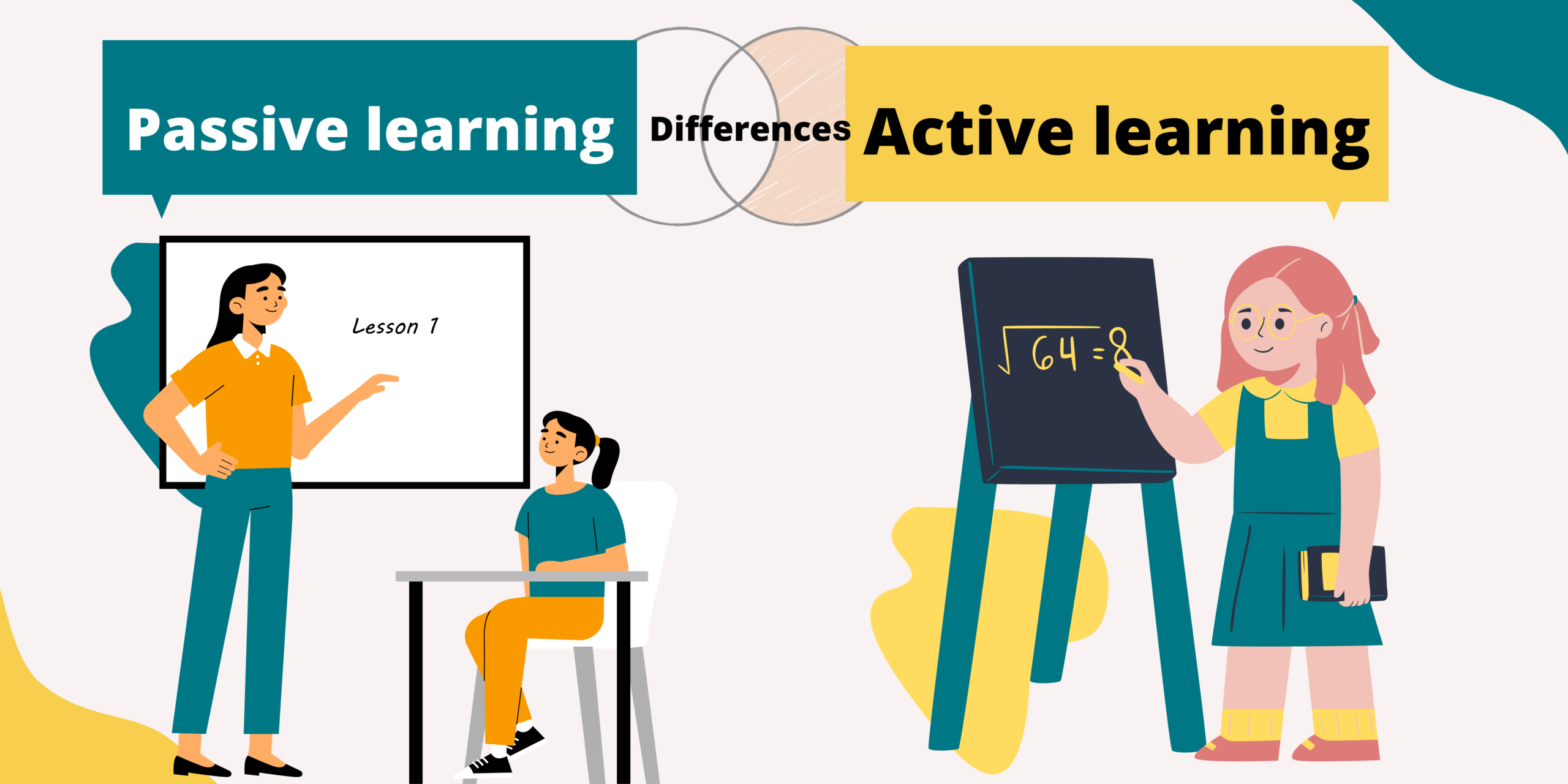
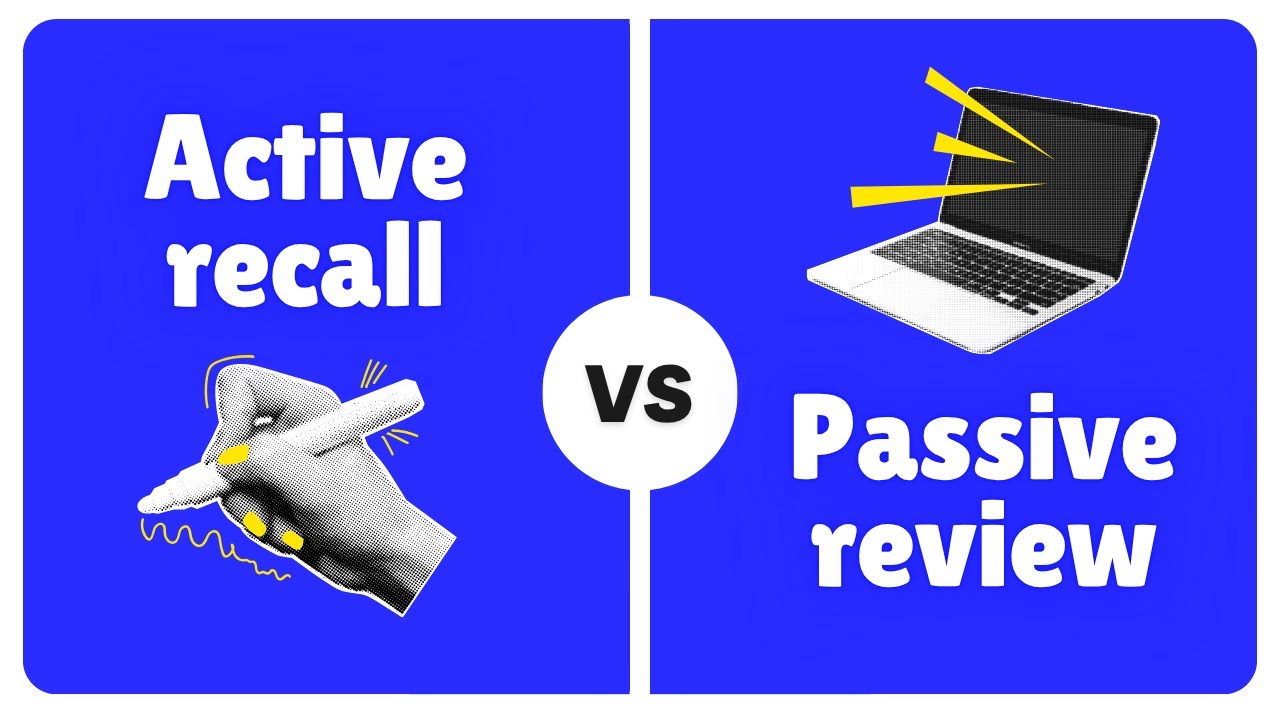
Many students rely on passive study methods, such as re-reading notes or highlighting textbook chapters. While these activities make you feel productive, they are highly ineffective for long-term retention. Instead, you need to engage in active recall, a proven learning method supported by research. Learn more about effective study strategies from The Learning Scientists.
Active recall involves actively stimulating your memory to retrieve a piece of information without looking at the answer. Therefore, rather than reading a chapter twice, you should read it once and then test yourself on the core concepts. This technique is also known as retrieval practice, a method studied in cognitive psychology and learning research.
You can easily implement this by using flashcards or practice tests. When your brain works hard to retrieve information, it strengthens the neural pathways associated with that memory. Consequently, the information becomes much easier to access during the actual exam. You can explore more about memory and learning science through American Psychological Association.
Conquering the Forgetting Curve with Spaced Repetition
Even if you memorize a concept perfectly today, you are likely to forget a significant portion of it by tomorrow. This natural decline in memory retention over time is known as the Ebbinghaus forgetting curve. To combat this, spaced repetition is essential.
Spaced repetition is a learning technique that incorporates increasing intervals of time between subsequent reviews of previously learned material. For example, you might review a topic one day after learning it, then three days later, then a week later.
By consistently revisiting the material just as you are about to forget it, you interrupt the forgetting curve. Furthermore, this method forces your brain to consolidate short-term memories into long-term knowledge, making it one of the most reliable memory improvement techniques for exams.
Leveraging Mnemonic Devices and the Loci Method
When faced with long lists of facts, dates, or complex formulas, rote memorization often fails. Mnemonic devices offer a creative shortcut. These tools help you associate complex information with familiar patterns, such as acronyms, rhymes, or visual images.
One of the most powerful mnemonic strategies is the Method of Loci, also known as building a memory palace. This ancient technique involves visualizing a familiar physical space, like your bedroom, and mentally placing the items you need to remember in specific locations within that room.
When you sit down to take your test, you simply take a mental walk through your memory palace. Because spatial memory is incredibly strong in humans, this vivid visualization technique dramatically improves recall for sequential information.
The Crucial Role of Sleep and Brain Nutrition
Your brain cannot store information effectively if it is running on empty. Unfortunately, many students sacrifice sleep in favor of late-night cramming sessions. This approach almost always backfires, as sleep is the precise time when memory consolidation occurs.
During the REM cycle of sleep, your brain organizes and files away the information you learned during the day. Therefore, getting seven to nine hours of quality sleep before an exam is just as important as the studying itself.
Additionally, proper nutrition plays a massive role in cognitive function. Hydration and brain-boosting foods, such as those rich in Omega-3 fatty acids, provide the raw materials your brain needs to function at its peak. Eating a balanced meal before your test ensures sustained focus and clear thinking.
Frequently Asked Questions
What are the best memory improvement techniques for exams at the last minute?
When you are short on time, the absolute best technique to rely on is active recall combined with targeted practice questions. Passive reading will not help you at the last minute because your brain simply does not have the time to form deep neural connections. Instead, you should immediately start testing yourself on the most heavily weighted topics of the syllabus.
Look at the end-of-chapter summaries, past exam papers, or key vocabulary lists. Write down what you know without looking at the material, and then check your answers to fill in the gaps. Furthermore, do not sacrifice all your sleep to cram. Staying up all night will drastically impair your working memory and critical thinking skills. It is much better to get at least four to six hours of sleep so your brain can consolidate the rapid-fire active recall sessions you just completed, ensuring you remain alert.
Memory Improvement Techniques for Exams: How Many Hours Should I Study?
The number of hours you study is far less important than the quality of the studying you are doing. Simply sitting at a desk for eight hours does not guarantee that you will remember everything. In fact, cognitive fatigue usually sets in after a couple of hours, causing a steep decline in how much new information your brain can absorb.
Instead of tracking total hours, you should track focused study sessions using the Pomodoro Technique. This involves studying with intense focus for 25 to 50 minutes, followed by a 5 to 10-minute break. During your focused time, apply active recall and spaced repetition. For a major exam, studying two to three hours a day over the course of a few weeks using these methods will yield much better memory retention than studying for twelve hours straight the day before. Quality and consistency always beat raw duration.
Memory Improvement Techniques for Exams: Do Brain Foods Help Memory Retention?
Yes, the food you consume has a direct and measurable impact on your cognitive performance and memory retention. Your brain requires a massive amount of energy to function, and the quality of that fuel matters. Foods rich in Omega-3 fatty acids, such as salmon, walnuts, and chia seeds, are known to support cellular health in the brain and improve memory processing.
Moreover, complex carbohydrates like whole grains provide a steady, slow release of glucose, which is the primary energy source for your brain. This prevents the severe energy crashes associated with sugary snacks and energy drinks. Hydration is equally critical; even mild dehydration can cause brain fog, poor concentration, and difficulty recalling facts. Drinking plenty of water and eating a balanced, nutrient-dense meal before your exam will ensure your brain has the chemical resources it needs to recall information quickly and accurately.
How does sleep affect my ability to memorize for exams?
Sleep is arguably the most critical component of the learning process. Many students mistakenly believe that learning only happens while they are actively reading or listening to a lecture. However, the actual cementing of those memories occurs while you are asleep. The process is known as memory consolidation.
During the deeper stages of sleep, particularly slow-wave sleep and REM sleep, your brain processes the daily intake of information. It discards irrelevant details and transfers important academic concepts from your short-term memory (the hippocampus) into your long-term memory (the neocortex). If you cut your sleep short, you literally interrupt this biological filing process. Consequently, you will struggle to recall the information the next day, no matter how hard you studied. Therefore, prioritizing a full night of rest is an essential academic strategy.
Is it better to study in the morning or at night for better memory?
The ideal time to study depends heavily on your individual circadian rhythm, also known as your chronotype. Some people are naturally “morning larks” who experience peak alertness, focus, and memory retention shortly after waking up. For these individuals, tackling complex subjects and difficult memorization tasks in the early hours yields the best results.
Conversely, “night owls” may find that their cognitive sharpness peaks in the late afternoon or evening. However, science does offer an interesting benefit to studying right before bed. Because sleep immediately follows the study session, there is less time for new, competing information to interfere with the newly formed memories. This can enhance the sleep-dependent memory consolidation process. Ultimately, you should experiment with both times and track when you feel most focused, scheduling your hardest active recall sessions during those biological peaks.
Why do I forget everything as soon as the exam starts?
Blanking out during an exam is an incredibly common phenomenon, and it is usually driven by acute stress and anxiety rather than a true failure of memory. When you sit down for a test and begin to panic, your body releases high levels of stress hormones, particularly cortisol. High cortisol levels actively block the brain’s ability to access stored memories in the hippocampus.
Essentially, your brain enters a “fight or flight” survival mode, prioritizing immediate physical threats over recalling academic facts. To combat this, you need to practice state-dependent learning and stress management. Try simulating exam conditions while you study by sitting at a quiet desk and using a timer. When the actual exam starts, take several deep, slow breaths to lower your heart rate. This signals to your nervous system that you are safe, allowing cortisol levels to drop and your memory retrieval functions to come back online.
Memory Improvement Techniques for Exams: Can Music Improve Study Memory?
The impact of music on memory retention is highly subjective and depends on both the individual and the type of music. Generally, listening to music with complex lyrics can hinder memorization. This occurs because your brain is forced to multitask, simultaneously processing the words in the song and the words in your textbook, which splits your cognitive focus and reduces reading comprehension.
However, certain types of music can be highly beneficial. Instrumental music, classical music, or ambient soundscapes can help drown out distracting background noise and put you in a state of relaxed focus. Some studies suggest that listening to binaural beats or low-fi music can lower stress and elevate your mood, releasing dopamine. This positive emotional state makes the brain more receptive to learning. If you choose to listen to music, keep the volume moderate and stick to familiar, lyric-free tracks.
Conclusion
Preparing for a major test does not have to be an exercise in frustration and exhaustion. By stepping away from passive reading and embracing how your brain naturally learns, you can drastically improve your academic outcomes. Implementing these memory improvement techniques for exams will give you a significant advantage over simply rereading your notes.
Remember that active recall and spaced repetition are your absolute best tools for long-term retention. By forcing your brain to retrieve information and spacing out your review sessions, you build strong, durable neural pathways. Furthermore, utilizing creative methods like the memory palace can make memorizing complex lists both easier and more enjoyable.
However, no study technique can out-perform a neglected brain. You must prioritize your physical well-being by getting adequate sleep, staying hydrated, and eating nutritious foods. Sleep is the bridge between short-term learning and long-term memory, so guard your rest fiercely.
Ultimately, mastering your memory is a skill that takes practice and consistency. Start incorporating these techniques into your daily routine well before exam week. By studying smarter and supporting your cognitive health, you will walk into your next test with deep confidence and a sharp, reliable mind.
Have you ever sat through a brilliant lecture or an important business meeting, only to forget the key points a few days later? You are not alone. Every day, we absorb large amounts of information. That is why understanding note-taking methods compared is essential for long-term success.
Our brains cannot store everything efficiently. Different people also learn and organize information in different ways. A method that works well for a creative designer may not suit a data analyst. Developing better learning habits, such as staying engaged with subjects like making yourself enthusiastic with history subject, can also improve how you absorb and remember information.
Effective note-taking is about more than writing things down. It helps you process information actively and remember it later. Good organization also reduces cognitive load. As a result, you can focus more energy on critical thinking and problem-solving.
In this guide, we compare the most popular note-taking methods used by students, professionals, and lifelong learners. You will learn how each method works, its advantages and disadvantages, and the situations where it performs best.
Whether you are preparing for a final exam or trying to improve your weekly corporate meetings, understanding these note-taking strategies can transform the way you learn. Research from learning science shows that active engagement and organization play an important role in memory retention. Resources like The Cornell Note-Taking System Guide explain how structured notes can improve studying.
Let’s explore these note-taking methods and discover the best approach for your learning style, productivity goals, and daily workflow.
The Cornell Method for Structured Learning
Developed in the 1950s by an education professor, the Cornell Method consistently stands out when we see top note-taking methods compared, remaining one of the most widely respected frameworks for academic success. This system requires you to divide your paper into three distinct sections: a narrow left column for cues, a wider right column for general notes, and a bottom section for a brief summary.
During a lecture or meeting, you actively write your main points in the right column. Subsequently, you review these notes and extract keywords or questions into the left cue column. Finally, you write a concise summary at the bottom of the page to synthesize the entire topic.
Therefore, this method is highly effective because it forces you to engage with the material multiple times. Instead of passively transcribing what you hear, you are actively organizing and summarizing the data. Consequently, the Cornell Method is particularly brilliant for exam preparation, as you can simply cover the right column and use the left column to quiz yourself.
The Outline Note-Taking Method for Speed and Logic
If you are someone who appreciates strict hierarchy and clean formatting, the Outline Method is likely your best friend. This approach uses bullet points, numbers, or letters to create a structured list of primary topics and subtopics.
You begin by writing the main topic on the far left of your page. Moreover, as the speaker dives into supporting details, you simply indent your bullet points underneath the main heading. This creates a highly organized, linear representation of the lecture or meeting that is incredibly easy to scan later.
The Outline Method is incredibly fast, making it ideal for fast-paced lectures where the speaker follows a logical, predictable flow. However, it can occasionally fall short if the lecture is disorganized or if the topic requires complex visual diagrams to understand fully.
The Mind Mapping Note-Taking System for Visual Thinkers
Not everyone processes information in a strict, linear format. For highly visual learners, Mind Mapping offers a dynamic alternative to traditional bullet points. This method begins by writing the central concept or theme right in the middle of a blank page.
From there, you draw branches radiating outward to represent subtopics, and smaller branches for supporting details. Furthermore, you can use different colors, symbols, and even small doodles to differentiate concepts and show relationships between varied ideas.
Mind Mapping mimics the natural way our brains associate ideas, making it a powerful tool for brainstorming sessions and creative problem-solving. It allows you to see the “big picture” at a single glance. However, it can become quickly cluttered if you are trying to record highly technical, dense, or sequential data.
The Zettelkasten Method for Knowledge Workers
When examining the most advanced note-taking methods compared, the Zettelkasten (or “slip-box”) method stands out as a revolutionary system for long-term knowledge retention. Pioneered by sociologist Niklas Luhmann, this method focuses on creating a web of interconnected ideas rather than isolated documents.
Instead of taking notes linearly, you write single, self-contained ideas on individual index cards or within a digital database. Most importantly, you physically or digitally link these notes to other related notes you have taken in the past. Over time, you build a massive, interconnected “second brain” that generates unexpected insights.
Interestingly, when studying the habits of ultra-successful individuals—like those frequently featured on the Forbes Billionaires List—many utilize complex, decentralized knowledge-management systems similar to Zettelkasten. They understand that true wealth and innovation come from connecting disparate ideas, an area where the Zettelkasten method absolutely excels.
FAQ SECTION
Note-Taking Methods Compared: Which Is Best for College Students?
For college students, the Cornell Method is often considered one of the best note-taking methods. The reason is simple. College requires more than just recording information. Students must remember and understand the material for exams.
The Cornell Method includes a built-in review process. Its cue column and summary section encourage students to revisit their notes after class. This helps them actively engage with the content and improve long-term memory.
The Outline Method is another strong option for fast-paced classes. It works especially well for subjects like history and biology. These courses often include structured information with clear main points and supporting details.
However, students should avoid writing down every word from a lecture. Good note-taking is about understanding, not copying. Whether you choose the Cornell Method or the Outline Method, regular review is essential. Revisiting notes within 24 hours helps strengthen learning and improve retention.
Note-Taking Methods Compared: Transitioning from Paper to Digital
Transitioning from paper notes to a digital note-taking system can feel overwhelming. However, the benefits of searchability and cloud storage make the effort worthwhile. To get started, choose one versatile app. Good options include Notion, Evernote, or Microsoft OneNote. Avoid switching between multiple apps in the beginning.
During your first few weeks, focus on recreating your existing note-taking habits. If you prefer the Outline Method, use bulleted lists and headings in your chosen app. This approach makes the transition easier and more natural.
You should also learn the keyboard shortcuts for your software. Shortcuts can significantly improve your typing speed and formatting efficiency. This is especially useful during lectures and business meetings.
At the same time, do not give up handwriting if it helps you learn. Many digital note-taking systems support stylus input on tablets. This combines the memory benefits of handwriting with the organization of digital notes.
Over time, digital organization becomes a major advantage. The ability to search your entire note database for a keyword can save hours of work. For many users, this benefit alone makes the learning curve worthwhile.
Which Note-Taking Methods Are Best for Business Meetings?
In the fast-paced corporate world, the Outline Method combined with an “Action Item” system is undoubtedly the most effective approach for business meetings. Unlike academic lectures where the goal is deep learning, the primary goal of a corporate meeting is usually decision-making and task delegation. Therefore, your notes must be actionable above all else.
Using the Outline Method allows you to quickly track the main agenda items and the subsequent discussions flowing beneath them. However, to optimize this for business, you should create a dedicated, highly visible section at the very top or bottom of your page strictly for Action Items.
Whenever a task is assigned during the discussion, document exactly what needs to be done, who is responsible for doing it, and the definitive deadline. Consequently, when the meeting concludes, you do not have to sift through pages of theoretical discussion to figure out your next steps. Everything you need to execute your job is clearly isolated and ready for immediate implementation.
How does the Zettelkasten method actually improve long-term memory?
The Zettelkasten method improves long-term memory through a psychological principle known as “elaborative rehearsal.” When you use traditional linear note-taking, your brain often stores that information in isolation, making it incredibly difficult to retrieve later without a direct prompt. Zettelkasten, however, forces you to actively process every new piece of information by asking, “How does this relate to what I already know?”
By breaking down complex concepts into atomic, single-idea notes, you are required to synthesize the material in your own words. Furthermore, the act of linking a new note to a pre-existing note creates multiple neural pathways to the same piece of information.
Therefore, instead of relying on a single memory trigger, your brain has a rich, interconnected web of associations to draw from. Over time, this constant linking and cross-referencing act as a continuous review mechanism. You aren’t just memorizing facts for a test; you are fundamentally altering your understanding of the subject matter, which is why researchers and prolific writers rely heavily on this powerful methodology.
Are visual note-taking methods better than text-based ones?
Whether visual note-taking is “better” than text-based methods depends entirely on your personal cognitive style and the specific nature of the material you are trying to learn. However, cognitive psychology heavily supports the “Dual-Coding Theory,” which suggests that combining verbal explanations with visual representations drastically improves information retention.
For highly complex, non-linear topics—like mapping out a marketing funnel or understanding the relationships between characters in a novel—visual methods like Mind Mapping are vastly superior. They allow your brain to grasp the spatial relationships and holistic structure of an idea instantly.
Conversely, if you are attempting to learn a strictly sequential process, such as a mathematical proof or a legal argument, text-based methods like Outlining are much more efficient. Ultimately, the most successful learners do not strictly limit themselves to one format. They remain flexible, actively using text to capture dense, linear details, while utilizing visual maps to brainstorm and synthesize broader, interconnected concepts.
CONCLUSION
Ultimately, the way you capture and process information dictates how effectively you can utilize it in your daily life. We consume vast amounts of data, and relying on memory alone is a guaranteed path to missed opportunities and overwhelming stress.
By having these diverse note-taking methods compared, it becomes evident that success lies in intentionality. If you need robust structure for exam reviews, the Cornell Method is your strongest ally. Alternatively, if speed and linear logic are your top priorities, the Outline Method will serve you flawlessly.
Moreover, visual thinkers can unlock incredible creativity through Mind Mapping, breaking free from the constraints of rigid text. For those aiming to build an interconnected database of profound knowledge over a lifetime, adopting the Zettelkasten approach can yield truly monumental results in your career and personal growth.
The most important takeaway is simply to stop taking notes passively. Experiment deeply with these varied techniques, mix and match their best features, and construct a personalized system that genuinely complements your cognitive style. When you refine your note-taking strategy, you do not just save time; you dramatically amplify your ability to think clearly, learn quickly, and execute your goals with absolute precision.
Choosing the Right College Major: A Complete Guide
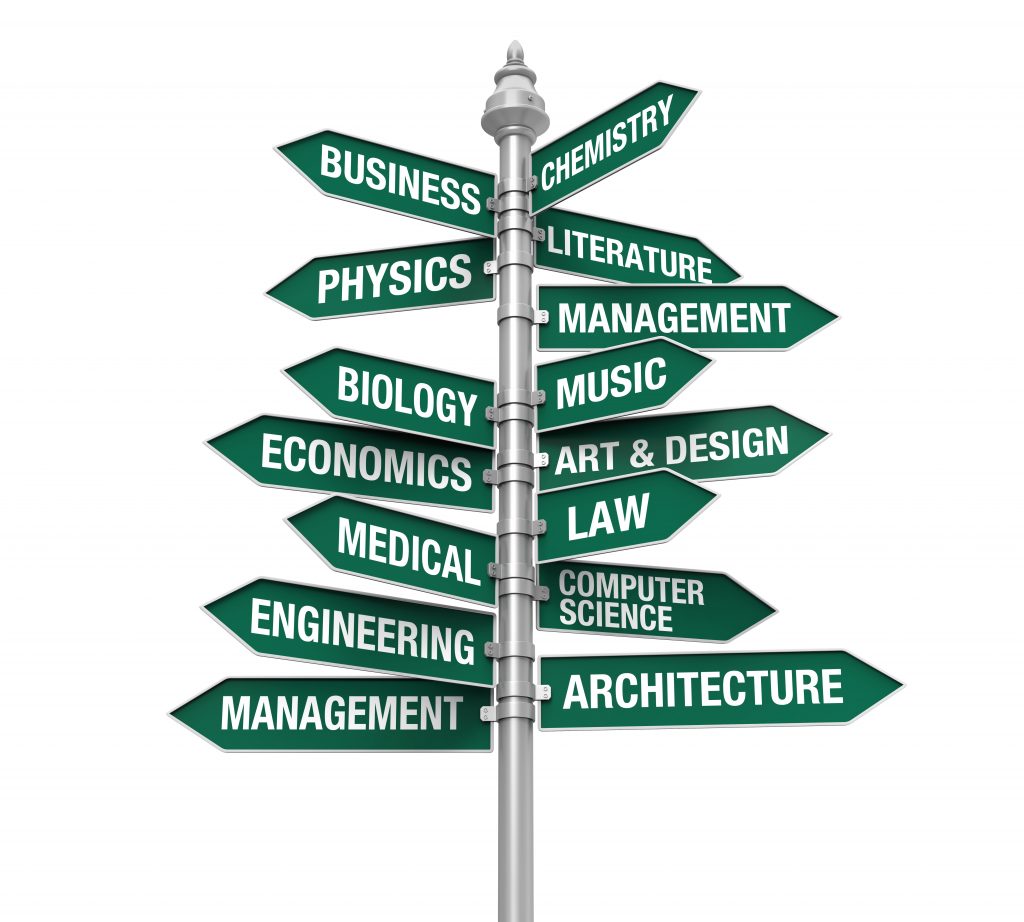
Stepping onto a college campus for the first time is an exhilarating experience, but it often comes with a major decision ahead: choosing the right college major. Many students feel the pressure of mapping out their future while balancing their interests, skills, and career goals.
Choosing the Right College Major: A Complete Guide will help you understand how to make this important decision with confidence. You might find yourself caught between the subjects you love and the careers that promise a stable paycheck.
This pressure is completely normal. However, making this choice does not have to be a stressful ordeal filled with second-guessing. By taking a strategic approach, you can find a path that aligns with both your natural talents and your long-term financial goals.
Understanding how to navigate this decision is vital because your undergraduate studies often set the foundation for your professional network and early career trajectory. Moreover, higher education is a significant financial investment, and you want to ensure your time and money are spent wisely.
Exploring your interests and strengths can also help you identify the right academic path. For example, students interested in history, research, and analysis may benefit from learning more about skills related to the field through resources like How to Become a Good Historian: Your History Guide.
In this comprehensive guide, we will walk you through the essential steps for choosing the right college major. We will cover how to assess your true interests, evaluate the future job market, and balance passion with earning potential. Let’s dive into the strategies that will help you make a confident, informed decision about your future.
Understand Your Passions and Core Strengths
The first step in finding your ideal academic path is to look inward. You need to identify what genuinely excites you and where your natural abilities lie.
Many students make the mistake of picking a field solely based on external pressures from parents or society. However, if you do not have a foundational interest in what you are studying, burnout is almost inevitable.
To prevent this, start by writing down the subjects you naturally excelled at during high school. Ask yourself what topics you read about in your free time or what problems you enjoy solving.
Furthermore, you can take personality and career aptitude tests to uncover blind spots. Assessments like the Myers-Briggs Type Indicator or the Strong Interest Inventory can provide valuable, data-driven insights into careers that match your temperament.
Research Career Paths and Earning Potential
Once you have a list of potential interests, it is time to look at the practical side of those fields. Passion is crucial, but financial stability is equally important for a comfortable life.
Take the time to research the entry-level salaries and mid-career earning potential for the majors you are considering. Websites like the Bureau of Labor Statistics offer incredibly detailed outlooks on almost every profession.
Additionally, you should consider the global economic landscape. According to reports from the World Bank, individuals with tertiary education experience a significantly higher rate of return on their educational investment, but this return varies wildly depending on the specific skills acquired.
Therefore, understanding the economic value of your chosen field is essential. You want to ensure that the debt you might accumulate in college can be comfortably managed by your future salary.
Evaluate the Future Job Market When Choosing the Right College Major
The world is changing at an unprecedented pace, largely driven by advancements in technology and artificial intelligence. Because of this, some jobs that exist today might be obsolete in a decade.
When choosing the right college major, you must consider the longevity and growth trajectory of the industries tied to that major.
Fields like healthcare, renewable energy, data science, and software engineering are currently experiencing massive growth. Consequently, students entering these disciplines often find robust job markets waiting for them upon graduation.
Conversely, if you are drawn to a field with shrinking opportunities, you will need to plan carefully. You might need to pair a traditional humanities major with a minor in business or computer science to remain competitive.
Speak with Professionals and Mentors When Choosing the Right College Major
Reading about a career online is vastly different from experiencing it in the real world. To bridge this gap, you should actively seek out conversations with people already working in your desired fields.
Reach out to alumni from your high school or college who have graduated with the majors you are considering. Most professionals are incredibly willing to share their experiences, including the highs and the lows of their daily work.
Ask them what a typical Tuesday looks like, what they wish they had known in college, and whether they would choose the same major again.
Moreover, consider securing an internship or a shadowing opportunity. Getting hands-on experience before committing to a multi-year degree program can save you a tremendous amount of time and money.
Remember That Flexibility is Okay
Finally, it is absolutely vital to remember that your initial choice is rarely set in stone. Many incoming freshmen enter college as “undeclared” or “undecided,” and this is a perfectly valid strategy.
Taking general education classes during your first year allows you to sample a variety of disciplines. You might discover a passion for economics or sociology that you never knew existed. Resources like the U.S. Bureau of Labor Statistics Occupational Outlook Handbook can also help you explore career options and understand future job opportunities related to different fields.
Even if you declare a major early on, changing it later is incredibly common. The average college student changes their major at least once, and often multiple times, before graduating.
Ultimately, your degree is a stepping stone, not a life sentence. Focus on building transferable skills like critical thinking, communication, and problem-solving, which will serve you well no matter where your career takes you.
Frequently Asked Questions (FAQs)
How Do I Know If I’m Choosing the Right College Major?
You will know a major is right for you when you find a comfortable balance between your genuine interest in the coursework and the practical career opportunities it provides. First and foremost, you should look forward to attending your classes and engaging with the material. If you find yourself consistently dreading the foundational courses, it might be a sign to look elsewhere.
Furthermore, a major is likely a good fit if you naturally excel at the required skills or find the challenges engaging rather than purely frustrating. For example, if you love storytelling and analyzing texts, an English major might feel right. If you enjoy solving complex equations and building things, engineering could be your calling.
Additionally, you should feel a sense of excitement when you envision the career paths associated with the degree. If the day-to-day reality of the jobs connected to your major sounds fulfilling, you are definitely on the right track. Always trust your instincts while keeping a grounded view of the future.
Does my college major dictate my entire career?
The short answer is absolutely not. While your major provides a starting point, it rarely dictates the entire trajectory of your professional life. In today’s dynamic job market, employers increasingly value transferable skills over highly specific academic degrees. Skills such as critical thinking, clear communication, and adaptability are universally highly sought after.
For instance, many successful tech executives hold degrees in history, philosophy, or literature. They leveraged their ability to analyze complex information and communicate effectively to climb the corporate ladder. Similarly, biology majors often find themselves working in finance, and business majors frequently pivot into creative fields like marketing or design.
Moreover, many people end up working in careers that did not even exist when they were in college. Therefore, while choosing the right college major is important for your first post-graduate job, your long-term success will depend more on your continuous learning, work ethic, and ability to adapt to new challenges.
Should I choose a major based on salary or passion?
This is one of the most common dilemmas students face, and the best answer usually lies somewhere in the middle. Choosing a major strictly for a high salary can lead to severe burnout. If you detest computer science but force yourself through the degree for the paycheck, you will likely be miserable in your daily working life.
Conversely, following your passion blindly without considering the financial realities can lead to significant stress. If your passion field offers very low pay and you have high student loan debt, you might struggle to achieve financial independence. The stress of financial instability can quickly drain the joy out of the work you once loved.
Therefore, the smartest approach is to find the intersection between what you enjoy and what the market values. You can often pursue a practical major that pays well while keeping your passion alive as a minor, a side hustle, or a fulfilling hobby. Compromise is key to building a sustainable and happy life.
Is it normal to change my major in college?
Yes, changing your major is completely normal and incredibly common among college students. In fact, research shows that a significant majority of college students change their major at least once during their academic career. Many students change their minds two or even three times before finally settling on a degree path.
This happens because college is fundamentally a time for exploration and personal growth. You are exposed to subjects, ideas, and career paths that you likely never encountered in high school. It is entirely natural to discover a new passion in a sophomore-year elective and realize that your original plan no longer fits your goals.
If you feel the urge to switch, you should consult with your academic advisor immediately. They can help you understand how your current credits will transfer to a new program. While changing majors late in the game might add an extra semester to your schooling, graduating with a degree you actually want is always worth the extra effort.
What are the most profitable college majors right now?
Historically, the most profitable college majors consistently fall under the STEM umbrella—Science, Technology, Engineering, and Mathematics. Degrees in petroleum engineering, computer science, and electrical engineering regularly top the lists for both the highest starting salaries and long-term earning potential.
Beyond strict STEM fields, specialized degrees in finance, nursing, and economics also offer highly lucrative and stable career paths. The high compensation in these areas is driven by a massive global demand for technical expertise and data analysis, coupled with a relatively limited supply of qualified graduates.
However, it is crucial to remember that profitability should not be your only metric. A high-paying degree is only valuable if you can successfully complete the rigorous coursework and thrive in the resulting work environment. It is always better to be a highly successful and driven professional in a moderately paying field than a mediocre, unhappy worker in a high-paying industry.
Conclusion
Deciding what to study in college is undeniably a significant milestone in your young adult life. It sets the stage for your early career and shapes the way you view the professional world.
However, it is vital to approach this decision with a sense of curiosity rather than overwhelming fear. By taking the time to understand your own strengths, thoroughly researching various industries, and speaking to professionals, you can demystify the process entirely.
Remember that choosing the right college major is about finding the sweet spot between what you love doing and what the world is willing to pay you for. It requires a blend of honest self-reflection and practical economic foresight.
Most importantly, give yourself the grace to change your mind. Your career will be a long, winding journey, and your undergraduate degree is simply the first step on that path. Focus on building a robust skill set, stay adaptable, and you will be well-equipped to thrive in whatever industry you ultimately choose.
Entering university is an exciting milestone, but figuring out how to balance college life and studies often feels completely overwhelming to new students. Between attending daily lectures, completing long assignments, making new friends, and perhaps holding down a part-time job, your weekly schedule fills up fast. In fact, managing this major transition properly is about much more than just getting good grades. Developing effective learning habits and applying proven study hacks and tips for becoming a great student can help you stay organized, reduce stress, and create a better balance between academics and personal life.
According to the World Health Organization, protecting your mental well-being during these formative years is absolutely crucial for long-term success and healthy development. If you push yourself too hard academically without enjoying the broader social experience, you risk severe burnout. Conversely, if you prioritize socializing over academics, your grades will inevitably slip.
Finding the right equilibrium matters because it allows you to enjoy the best years of your life while building a rock-solid foundation for your future career. You do not have to sacrifice fun for good grades, nor do you have to neglect your coursework to have an active social life.
This comprehensive guide will walk you through proven strategies to manage your time effectively. We will cover smart scheduling, setting boundaries, adopting efficient study habits, and maintaining your physical health. Let us dive into the ultimate blueprint for thriving on campus.
How to Balance College Life and Studies? Complete Beginner’s Guide
Why You Must Balance College Life and Studies Properly
Finding a way to successfully balance college life and studies remains the biggest challenge for freshmen. University life demands a high level of independence. You no longer have parents or teachers tracking your daily progress. Therefore, you must take full responsibility for your routine.
Failing to find this equilibrium often leads to chronic stress. You might skip meals, lose sleep, and eventually face academic burnout. However, when you manage your schedule well, you unlock a highly rewarding experience. You will perform better on exams, build lifelong friendships, and develop crucial soft skills that modern employers love.
The Risks of Academic Burnout
Burnout happens when you dedicate all your energy strictly to textbooks. It drains your motivation completely. To prevent this, you must treat relaxation and social activities as mandatory appointments. A well-rested brain simply retains complex information much better than a heavily exhausted one.
Beginner’s Guide to Balance College Life and Studies: Proven Time Management Strategies for Students
Time management acts as your strongest defense against feeling overwhelmed. Every student gets the same 24 hours. The way you divide those hours dictates your overall campus success.
Create a Realistic Weekly Schedule
Start by mapping out your fixed commitments. Block out your class times, lab sessions, and work shifts. Then, schedule specific blocks for studying and completing assignments.
Be specific: Do not just write “study.” Write “read chapter four for biology.”
Include breaks: Pencil in time for meals, gym sessions, and hanging out.
Stick to the plan: Treat your study blocks like unmissable doctor appointments.
Use the Pomodoro Technique
Staring at a laptop for four hours straight rarely produces good results. Instead, try the Pomodoro technique. You study with intense focus for 25 minutes, then take a five-minute break. After four cycles, you take a longer 15-minute break. This method keeps your mind incredibly fresh. Consequently, you get more done in less time, freeing up your evenings for social events.
Time-Saving Study Strategies for Balancing College Life and Studies
You can easily balance college life and studies if you study smarter, not just harder. Passive reading wastes countless hours. You need active engagement to master your coursework quickly.
Active Recall and Spaced Repetition
Instead of simply highlighting textbook pages, test yourself constantly. Create flashcards or write down everything you remember on a blank sheet of paper. This method forces your brain to actively retrieve information. Moreover, use spaced repetition. Review your notes periodically over several weeks rather than cramming the night before an exam.
Join a Focused Study Group
Collaborating with classmates offers a fantastic way to blend academics with socialization. A good study group helps clarify confusing topics quickly. Furthermore, it holds you accountable to your goals. Just ensure the group stays on topic rather than gossiping for hours.
How to Balance College Life and Studies with Friends and Extracurricular Activities
Your college experience extends far beyond the library walls. Joining clubs, attending campus events, and making friends profoundly shape your personal growth.
Prioritize Quality Over Quantity
You cannot attend every single party or join every club on campus. Choose one or two extracurricular activities that genuinely interest you. Quality engagement matters much more than spreading yourself too thin. When you hang out with friends, be fully present. Put away your phone and enjoy the moment.
Health and Well-being: The Core of Campus Life
You cannot balance college life and studies if you constantly feel sick or exhausted. Physical health directly impacts your mental sharpness.
Sleep: Aim for seven to eight hours of sleep every single night. Pulling all-nighters destroys your focus for the next few days.
Diet: Avoid living entirely on instant noodles and energy drinks. Eat balanced meals rich in protein, vegetables, and complex carbohydrates.
Exercise: Walk around campus, hit the student gym, or play an intramural sport. Physical activity naturally lowers stress hormones.
When you prioritize your health, your energy levels soar. This makes tackling difficult assignments and enjoying late-night talks with roommates much easier.
Utilizing Campus Resources Effectively
Many students struggle unnecessarily because they ignore the free help available right on campus. Universities invest heavily in student support systems designed to help you succeed.
Academic advisors: Meet with your advisor early to map out your degree path. They can help you avoid taking unnecessarily heavy course loads.
Tutoring centers: If you struggle with a specific subject, visit the tutoring center before you fall dangerously behind. Getting help early saves you hours of frustrated studying later.
Professor office hours: Instructors set aside time specifically to help students. Visiting them clarifies difficult concepts and builds valuable professional relationships.
By leaning on these resources, you drastically reduce your academic stress. This proactive approach makes finding a healthy routine significantly easier, leaving you with more free time to enjoy campus activities.
FAQ (Frequently Asked Questions) SECTION
How Many Hours Should You Study Per Week to Balance College Life and Studies?
Generally, professors recommend studying two to three hours outside of class for every credit hour you take. If you take 15 credit hours, you should aim for roughly 30 to 45 hours of study time weekly. However, this rule varies wildly depending on your specific major, course difficulty, and personal learning speed. To balance college life and studies efficiently, distribute these hours evenly across your week. Do not leave everything for the weekend. Breaking your study sessions into daily, manageable chunks prevents severe exhaustion and leaves your evenings open for crucial relaxation and social activities.
Can I work a part-time job while attending college?
Yes, many students successfully manage a part-time job alongside their degree. Working provides extra income, builds your resume, and teaches excellent time management skills. However, you must keep your work hours reasonable. Experts generally suggest working no more than 15 to 20 hours per week as a full-time student. Exceeding this limit often causes your grades to drop significantly. Communicate your academic schedule clearly to your employer. Prioritize on-campus jobs when possible, as university employers naturally understand the need to navigate classes and exams effectively during busy seasons.
How do I handle overwhelming stress during finals week?
Finals week naturally brings intense pressure, but you can manage it with strategic planning. Begin reviewing your materials several weeks in advance to avoid last-minute, panicked cramming sessions. Stick strictly to your regular sleep schedule, as sleep deprivation completely destroys your memory retention. Take frequent, short walks outside to clear your head and naturally lower your cortisol levels. Do not hesitate to use campus resources, such as writing centers or mental health counselors, if you feel overly anxious. Taking short, guilt-free breaks improves overall productivity and keeps your daily stress manageable. This proactive balance prevents severe burnout.
Is It Okay to Skip Class While Trying to Balance College Life and Studies?
Skipping one class to study for another usually creates a frustrating cycle of falling behind. When you miss a lecture, you lose valuable explanations, professor announcements, and context that textbooks rarely provide. Catching up takes significantly more time than simply attending the class in the first place. Instead of skipping, plan your week proactively using a detailed digital calendar. Allocate specific study blocks for your upcoming exam days well in advance. Consistent class attendance serves as the most effortless way to absorb information, reducing the total amount of heavy studying you need to do later.
How can I socialize if my major is extremely demanding?
Even the most rigorous majors require breaks for mental recovery. You can integrate socialization into your daily routine without sacrificing academic success. Try studying with classmates from your challenging courses, allowing you to bond while remaining highly productive. Grab meals with friends in the dining hall instead of eating alone at your desk. You can also join a campus club that meets only once a week or every two weeks. The key involves planning your social interactions just as diligently as your study sessions. Scheduling short, meaningful catch-ups ensures you maintain vital connections without losing focus.
CONCLUSION
Transitioning into higher education requires patience, discipline, and a willingness to adapt. Learning how to successfully balance college life and studies takes time, and you will likely make a few mistakes along the way. That is completely normal. The secret lies in building a structured yet flexible routine that honors both your academic goals and your personal well-being.
By implementing smart time management techniques, utilizing active study methods, and protecting your physical health, you set yourself up for lasting success. Remember to use a planner to visualize your week and carve out dedicated time for friends and relaxation. You do not have to choose between getting exceptional grades and having a memorable university experience. You truly can achieve both without sacrificing your peace of mind.
Ultimately, knowing how to balance college life and studies empowers you to graduate with an excellent degree, a strong professional network, and cherished memories. Start small today. Try organizing your calendar for the upcoming week or testing out the Pomodoro study technique. Take control of your schedule right now, and step confidently into your best and most balanced campus life.
The Wait Is Over: GTA 6 Pre-Order Date Officially Confirmed
The gaming community has been waiting over a decade for this exact moment. After endless speculation, Rockstar Games has officially confirmed the GTA 6 pre-order date. Securing a copy of what is arguably the most anticipated entertainment release in history is now an actionable reality rather than a distant dream. Fans around the world are currently organizing their finances, clearing their console storage, and preparing for the digital rush. This launch is not just another video game release; it is a global cultural event that will undoubtedly shatter industry records. Therefore, understanding exactly when and how to secure your reservation is absolutely crucial.
For months, the internet has been saturated with fake countdown timers, unverified leaks, and misleading rumors. Now, we have concrete facts directly from the source. This comprehensive guide will analyze the official announcements, break down the newly established timeline, and answer your most pressing questions about pricing and hardware compatibility. We will examine what this means for current-generation console owners and how the retail ecosystem is preparing for the influx of buyers.
To underscore the magnitude of this release, we must look at the official communications from the developers themselves. According to the latest announcement published directly on the Rockstar Games, the company has established a definitive schedule for reservations. This clear communication finally puts an end to the speculation. Let us dive deep into the newly revealed facts, prepare your gaming setup, and ensure you are fully ready when the digital storefronts finally open their doors.
The Official GTA 6 Pre-Order Date: June 25
Credit : rockstargames.com
The definitive answer that everyone has been waiting for is finally here. Rockstar Games has officially announced that the GTA 6 pre-order date is set for June 25, 2026. This applies to both major digital storefronts and select authorized physical retailers worldwide. This strategic timing aligns perfectly with Rockstar’s historical marketing approach, allowing them to build immense hype throughout the summer months leading up to the final launch.
Currently, players have the immediate option to wishlist the game on both the PlayStation Store and the Microsoft Store. Utilizing this feature is highly recommended. By wishlisting the title now, you ensure that you will receive instant notifications the moment the pre-order window officially opens on June 25. Given the expected server loads, being among the first to receive this alert could be the difference between securing a copy easily and facing technical errors.
This specific date gives consumers a brief but necessary window to prepare. It allows players to finalize their hardware setups, determine which edition they want, and secure the necessary funds. Retailers, both digital and physical, are bracing for unprecedented web traffic. Therefore, marking your calendar for June 25 and preparing your payment methods in advance is the most critical step you can take right now.
How to Wishlist Grand Theft Auto VI Right Now
You do not have to wait until the official launch window to take action. Both major console platforms have already created dedicated pages for the game. This allows you to add the title to your personal account immediately. Taking this step ensures that your console ecosystem links directly to the latest information, update patches, and digital purchase options as soon as Rockstar triggers the storefront transition on June 25.
If you are a Sony console player, you can access the game profile instantly. Head over to the official PlayStation Grand Theft Auto VI Hub to view the initial tracking page. From there, simply log into your PlayStation Network account and select the prominent “Add to Wishlist” button. This links the game to your PS5 console dashboard, allowing the hardware to push automatic alerts straight to your TV screen or mobile app the second the pre-order goes live.
Microsoft ecosystem users have an identical path forward. You can navigate directly to the official Xbox Store Grand Theft Auto VI Page to secure your tracking spot. Adding the game to your Xbox wishlist ensures that your Series X or Series S console tracks the official release state seamlessly. This simple step keeps you ahead of millions of unprepared buyers who will scramble to find the correct store pages during the intense launch morning traffic.
GTA 6 Release Date: The November 2026 Target
While the reservation window opens in summer, the actual launch comes later. Rockstar Games has reportedly set the release date for Grand Theft Auto VI on November 19, 2026. Therefore, the game lands in the busy holiday shopping season. This timing helps the game reach maximum global sales.
In addition, this release strategy follows Rockstar’s usual pattern. For example, both Grand Theft Auto V and Red Dead Redemption 2 launched in the fall. As a result, the company gains more time for final polishing and bug fixes. Moreover, large open-world games need heavy testing before launch. Therefore, a November target gives the developers enough room to improve stability.
The gap between the pre-order window and release also matters. Pre-orders usually open months earlier. Meanwhile, players wait through trailers, gameplay reveals, and marketing updates. As a result, hype builds steadily over time. Finally, this also helps players plan their budget and purchase timing more easily.
Preparing Your Hardware for the New Generation
As the pre-order period approaches, hardware preparation becomes very important. Rockstar Games develops Grand Theft Auto VI only for current-generation systems. Therefore, older consoles like PS4 and Xbox One will not support the game.
In addition, the game targets modern hardware like the PlayStation 5 and Xbox Series X/S. These systems use fast SSD storage. As a result, they load large open worlds much faster. According to modern console design standards, SSD streaming plays a key role in performance. Therefore, the game depends heavily on this technology.
Meanwhile, storage space will also become a major concern. The game world will likely include high-resolution textures and large environments. As a result, the file size may become very large. Players should therefore manage their storage early.
In addition, external NVMe SSD expansion drives may help increase space. These upgrades allow smoother installation and better performance. Finally, preparing hardware in advance ensures a smooth experience on launch day. Instead of troubleshooting storage issues, players can immediately enjoy the game world.
Frequently Asked Questions
Are GTA 6 pre-orders available?
No, they are not currently available for purchase, but the official timeline is set. Rockstar Games confirmed that the official GTA 6 pre-order date is June 25, 2026. Until that date arrives, you cannot actively buy the game. However, you can currently add the game to your wishlist on the PlayStation Store and the Microsoft Store. Doing so ensures you receive a direct alert the moment the reservations go live. Avoid any third-party sites claiming to sell the game before this official date.
What is the release date of GTA 6?
Rockstar Games announced that Grand Theft Auto 6 will launch globally on November 19, 2026. This target date places the game right before the major holiday shopping season. The development team is currently utilizing the time between the June pre-order phase and the November launch to polish the game. This ensures the massive open world runs smoothly on current-generation consoles.
How much is GTA 6 going to cost?
While Rockstar has not explicitly published the pricing tiers in the latest Newswire update, players should expect the standard edition to align with the current industry baseline. This standard is currently set at $69.99 USD for PlayStation 5 and Xbox Series X/S games. Premium collector’s editions and digital deluxe packages will undoubtedly cost significantly more, but the base entry point follows the established market standard.
Is GTA 6 costly than Burj Khalifa?
This is a popular internet comparison regarding the game’s total budget. The Burj Khalifa cost approximately $1.5 billion USD to construct. While Rockstar has not officially confirmed the exact development costs, industry analysts widely estimate that the total budget for GTA 6 has exceeded $2 billion USD. This includes development, global marketing, and long-term multiplayer infrastructure. Therefore, producing this video game is more expensive than building the world’s tallest building.
What is the price of GTA 6 in India?
For Indian gamers, the price will reflect the standard regional conversions for premium $69.99 USD titles. On the official digital storefronts like the PlayStation Store and Xbox Marketplace, this typically translates to approximately ₹5,599. Physical editions sold through local retailers may vary slightly, generally hovering between ₹5,000 and ₹6,000. Players looking to secure premium collector’s editions should expect much higher prices due to import duties and taxes.
Conclusion
The definitive confirmation of the GTA 6 pre-order date shifts the gaming landscape from speculation to preparation. With reservations officially opening on June 25, 2026, players finally have a concrete timeline to follow. We analyzed the official communications from Rockstar Games, detailing both the summer reservation window and the highly anticipated November 19, 2026 launch date. This clarity allows the community to budget accordingly and prepare for a record-breaking release.
Now is the time to optimize your gaming setup. Upgrading to a PlayStation 5 or Xbox Series X/S is a strict necessity. The game completely bypasses last-generation hardware. Furthermore, ensuring your console has adequate, high-speed storage space will prove critical for handling the massive installation files. By acting now, you eliminate the stress of scrambling for hardware at the last minute.
Your immediate action point is simple but vital. Log into your preferred digital platform—either the PlayStation Store or the Microsoft Store—and add Grand Theft Auto VI to your wishlist today. This simple action guarantees you receive the official alert the moment the storefronts open on June 25. Prepare your payment methods, mark your calendars, and get ready to secure your return to Vice City.
What Is Generative AI? The Complete Guide for Beginners
Have you ever wondered what generative AI actually is? This powerful technology has become a major topic in recent years, transforming how people work, create, and solve problems. Although the technical language around AI can seem complicated, the basic idea is much easier to understand.
This complete beginner’s guide explains how generative AI systems create original content, explores real-world applications across different industries, and highlights the differences between traditional artificial intelligence and newer generative models.
According to research from McKinsey & Company, generative AI has the potential to create significant economic value worldwide. As a result, businesses are adopting these tools to improve efficiency, while creative professionals use them to develop new ideas and accelerate their workflows.
Learning about generative AI can provide a valuable advantage in today’s digital environment. Many modern software platforms now include AI-powered features. For example, email services can suggest replies, while search tools can summarize complex topics quickly.
By the end of this guide, you will understand what generative AI is, how it works, and why it has become such an important technology.
Understanding Generative AI in Simple Terms
Many beginners find it difficult to define generative AI clearly. Simply put, generative AI is a type of artificial intelligence designed to create new content. Unlike traditional systems that mainly analyze existing information, these models can produce text, images, audio, video, and code.
You can think of it like a digital creative assistant. You provide a prompt or instruction, and the system generates a response based on what it has learned. Although the process behind the scenes is complex, using the technology is often as simple as typing a question into a chat box.
The system relies on advanced mathematical models and patterns learned from large amounts of data. During training, it studies examples of human language, artwork, and other digital content. Consequently, it learns how to produce responses that feel natural and useful.
This ability has changed how people approach creative work. Today, users can brainstorm ideas, draft documents, create visuals, and solve problems with the help of AI-powered tools.
The Core Concept Behind Generative AI
To understand how generative AI works, it helps to look at the technology behind it. These systems use artificial neural networks, which are computer models inspired by the structure of the human brain.
These networks process information through multiple layers. Each layer helps the system recognize different patterns and relationships within the data.
For example, an image-generation model may study millions of pictures to understand objects, colors, shapes, and styles. When you request a specific image, it does not simply copy an existing picture. Instead, it creates a new image based on the patterns it learned.
This process requires significant computing power. Companies use large-scale infrastructure to train and operate these systems. As they process more examples, the models become better at understanding language, visuals, and complex instructions.
Therefore, generative AI can produce everything from realistic images to written articles, computer code, and creative ideas.
How Generative Models Learn from Data
Data is the foundation of generative AI. Without high-quality training data, these systems cannot create useful results. Engineers train models using machine-learning techniques that allow computers to identify patterns automatically.
For example, if a model studies well-written articles, it learns common writing structures, vocabulary, and communication styles. Similarly, models trained on images learn visual patterns and artistic features.
The training process involves repeated testing and improvement. The system attempts a task, receives feedback, and adjusts its internal settings to improve future results.
Over time, this process helps the model become more accurate and versatile. As a result, generative AI systems can answer questions, assist with creative projects, and support many professional tasks across different industries.
The Difference Between AI and Generative AI
People often use these two terms interchangeably in daily conversation. However, they represent distinctly different concepts entirely. Traditional artificial intelligence acts as the broad umbrella category. It includes any machine designed to mimic human thinking or logic. Generative AI represents a smaller, specialized subcategory beneath that umbrella.
Traditional systems focus heavily on rules, analysis, and prediction. They look at data sets and make a firm decision. They do not create anything new during this process. For example, a standard spam filter uses traditional AI methods. It reads an email and categorizes it as safe or dangerous. It stops completely right there.
In contrast, the newer generation focuses strictly on creation. It takes the basic analysis a step further. Instead of just organizing data, it uses that data to build something fresh. This distinction remains crucial for business leaders today. Understanding the difference helps teams choose the right tool for the job. You use traditional methods to sort large amounts of information. You use generative methods to draft a brand-new corporate report.
Traditional Artificial Intelligence Explained
Traditional artificial intelligence has existed for several decades. It currently powers many applications we use every single day. These systems excel at recognizing patterns within firmly established boundaries. They follow strict rules set directly by human programmers. Therefore, they offer highly predictable and deeply reliable analytical results.
Consider the popular recommendation engine on Netflix. This system analyzes your entire viewing history carefully. It compares your unique habits to millions of other active users. Then, it predicts which movie you might enjoy watching next. This represents a classic, highly effective analytical approach. The system does not write or film a new movie for you.
Similarly, traditional methods power many medical diagnostic tools. A computer analyzes a patient’s X-ray image. It spots potential abnormalities based entirely on historical medical data. It immediately alerts the doctor to investigate the issue further. This technology saves lives by processing information faster than any human. However, it operates strictly within its designated analytical framework. It lacks the ability to generate original medical research on its own.
The Shift to Generative Capabilities
The technology industry recently experienced a massive architectural shift. Researchers discovered new ways to structure neural networks. They developed highly advanced transformer models. This breakthrough allowed computers to understand language context much better. Consequently, machines began creating content rather than just analyzing it.
This shift unlocked entirely new business opportunities worldwide. Suddenly, computers could write persuasive marketing emails independently. They could design beautiful website graphics from scratch. They could compose custom background music for corporate videos. This creative capability changed the entire software landscape forever. Companies rushed to integrate these features into their core products.
We now see a powerful blend of both technologies in modern software. A platform might use traditional methods to analyze quarterly sales data. Then, it uses generation tools to write a comprehensive summary report. This smart combination offers immense value to corporate teams. It actively automates tedious tasks from start to finish. Workers can focus on high-level strategy instead of manual data entry. This saves countless hours of expensive labor every single week.
Why is ChatGPT Called Generative AI?
ChatGPT stands as the absolute most famous example of this technology. But why exactly does it fit this specific category? The answer lies entirely in how the software formulates its responses. When you type a prompt, it does not fetch a pre-written answer. It generates a completely unique response word by single word.
The system calculates the most likely next word in a sentence. It bases this calculation on your prompt and its massive training data. Therefore, it creates genuinely original text every single time you use it. Even if two people ask the exact same question, they might receive completely different answers.
This unique creative mechanism strictly defines the generative category. ChatGPT produces new essays, creative poems, complex code, and meeting summaries. It actively builds new content rather than just retrieving old files. This fundamentally separates it from standard internet search engines. Search engines find existing web pages created by humans. ChatGPT writes a brand-new page just for you immediately. This impressive capability revolutionized how students and professionals approach detailed research.
The Role of Large Language Models
ChatGPT relies heavily on a specific technology called a Large Language Model. Industry experts often refer to this simply as an LLM. An LLM acts as the digital brain behind the chat interface. Developers build these models by feeding them billions of words. This intense process teaches the machine the subtle nuances of human communication.
The “large” aspect refers directly to the vast amount of training data. It also refers to the billions of parameters within the neural network. These parameters act very much like human mental connections. They help the system understand context, emotional tone, and user intent. When you ask a complex question, the LLM processes the meaning instantly.
According to a detailed report from Stanford University, these models demonstrate surprising reasoning abilities. Large language models can summarize dense academic papers and extract key insights efficiently. In addition, they are capable of translating foreign languages with a high degree of accuracy. Another impressive capability is their ability to adopt specific personas and communication styles during conversations. The LLM framework makes all of these generative tasks possible, and the technology continues to evolve at a rapid pace.
Conversational Content Generation
The true power of ChatGPT lies in its natural conversational design. Early AI tools required strict, complex programming languages. Users had to learn highly specific commands to get basic results. ChatGPT changed this frustrating dynamic completely. It allows everyday users to interact using natural, plain language.
You can converse with the machine exactly like a human assistant. If the initial output misses the mark, you simply ask for a revision. You might say, “Make it shorter,” or “Use a more professional tone.” The smart system remembers the previous context of the chat. It generates a fresh response incorporating your brand-new instructions perfectly.
This highly interactive process makes content creation incredibly efficient. It lowers the barrier to entry for ordinary, non-technical users. Anyone can generate high-quality text without holding specialized technical skills. This easy accessibility explains the massive global popularity of conversational interfaces. Millions of people use these helpful tools daily for brainstorming and drafting. It has fundamentally changed the nature of personal computing forever.
What is an Example of Generative AI in the Real World?
Understanding the underlying theory remains very helpful. However, seeing real-world examples makes the abstract concept tangible. We interact with these powerful tools across multiple different formats daily. The technology expands far beyond simple text-based chatbots now. It clearly encompasses visual arts, audio production, and advanced software development.
Many highly popular applications use this technology right now. You probably use some of them regularly without realizing it. Tech giants integrate these smart features directly into their core products. They fiercely want to make content creation faster for absolutely everyone. This seamless integration happens across smartphones, web browsers, and office software.
Let us explore the most common examples available today. These tools clearly showcase the incredible versatility of modern algorithms. They highlight exactly how different industries leverage the technology for specific needs. From marketing teams to freelance artists, everyone finds a unique use case. Understanding these diverse categories helps you identify new tools for your own workflow. It also shows the incredibly broad scope of the current software market.
Text and Writing Assistants
Text generators currently remain the most widely used category globally. These tools help busy professionals draft written content incredibly quickly. They excel dramatically at overcoming frustrating writer’s block. Users rely heavily on them for everything from emails to full-length articles.
Here are some highly popular text-based applications:
ChatGPT: The undisputed industry standard for conversational text generation.
Jasper: A tool specifically designed for corporate marketing teams and copywriters.
GrammarlyGO: A smart assistant that helps rewrite and perfectly improve existing text.
Claude: A highly capable model widely known for safe and highly detailed responses.
These modern platforms save businesses thousands of hours annually. A marketer can easily generate twenty headline ideas in seconds. A programmer can rapidly write complex code snippets instantly. A customer service agent can quickly draft polite responses to angry clients. The system simply handles the heavy lifting of initial drafting. Then, the human user edits and refines the final written product. This effective collaboration produces significantly better results than either could achieve alone.
Image and Art Generation
Visual content creation represents another massive leap forward recently. Image generators transform simple text descriptions into stunning digital artwork. You perfectly describe the visual scene you strongly want. The computer beautifully paints it instantly. This technology currently disrupts the graphic design industry profoundly.
Consider these incredibly powerful visual tools:
Midjourney: Widely known for producing highly artistic and incredibly photorealistic images.
DALL-E 3: Created directly by OpenAI, it integrates completely seamlessly with ChatGPT.
Adobe Firefly: Built specifically for professional designers with a heavy focus on commercial safety.
Stable Diffusion: A highly popular open-source model that smart developers can customize heavily.
An advertising agency frequently uses these tools to storyboard commercials. A fiction author easily generates concept art for a new fantasy novel. A web designer quickly creates unique background textures for a brand-new site. These advanced visual models perfectly understand lighting, image composition, and artistic styles. They can accurately mimic oil paintings, 3D renders, or simple pencil sketches. Users simply adjust their descriptive text prompts to change the visual outcome.
Audio and Music Creation
Audio generation currently represents a rapidly growing sector in the industry. These specific tools create highly realistic voices and totally original musical compositions. They learn directly from thousands of hours of public audio data. Consequently, they can easily produce high-fidelity sound tracks in mere seconds.
This exciting category includes several highly innovative applications:
ElevenLabs: Generates incredibly realistic human voiceovers from simple written text.
Suno: Creates full musical songs, complete with vocals and instruments, from a prompt.
Descript: Allows users to edit recorded podcast audio simply by typing new words.
Murf AI: Provides highly professional voice cloning for corporate slideshow presentations.
Video creators heavily use these tools to narrate long YouTube videos. Game developers rapidly generate dynamic background music for different video game levels. Small businesses frequently create professional radio commercials without hiring expensive voice actors. The technology handles regional accents, subtle emotions, and vocal pacing perfectly. It actively opens new creative avenues for people totally lacking traditional musical training. Anyone can now independently produce professional-grade audio content. This deeply democratizes the audio production process across the entire entertainment industry.
How Does Generative AI Impact Businesses Today?
The corporate business world is rapidly embracing generative AI at an unprecedented rate. Today, corporate leaders recognize the immense potential for major cost savings. Moreover, they clearly see significant opportunities for rapid product innovation. As a result, almost every corporate department can benefit from integrating intelligent tools into daily workflows. From human resources to software engineering, the business impact remains increasingly undeniable.
Furthermore, many modern companies use these advanced systems to automate repetitive tasks. Employees often spend countless hours summarizing meetings, organizing information, or formatting spreadsheets. However, intelligent software can now handle these routine responsibilities efficiently. Therefore, busy employees regain valuable time and can redirect their attention toward complex, strategic problem-solving. Consequently, this transformation improves both job satisfaction and overall company productivity.
In addition, generative AI helps democratize access to specialized skills. A small startup may not easily afford a full-time copywriter, designer, or marketing specialist. Nevertheless, affordable AI platforms allow smaller companies to access similar capabilities. Because of this, startups can compete more effectively with large global corporations. Ultimately, this technology creates a more balanced and competitive marketplace.
Improving Daily Productivity
Productivity improvements clearly stand out as one of the biggest advantages of generative AI. When used correctly, smart assistants help employees complete tasks much faster. Additionally, they reduce the time spent on repetitive administrative work. As a result, businesses can improve efficiency across entire organizations.
For example, consider the typical daily workflow of a busy sales representative. They must research prospects, prepare outreach emails, and update customer records. With AI assistance, the system can automate much of the research process. Furthermore, it can quickly create personalized emails based on customer information. Afterward, it can update databases following sales conversations. Therefore, the representative only needs to review and approve the final actions.
Research from the National Bureau of Economic Research suggests that AI assistants can significantly improve worker productivity. Notably, beginners often experience some of the greatest benefits because these tools help them complete tasks more effectively. Consequently, companies can reduce training time and minimize errors in routine documentation. Overall, this increase in operational efficiency can contribute to stronger business performance.
Enhancing Creative Innovation
Beyond productivity, generative AI also encourages creative innovation. Many professionals experience difficulties during early brainstorming stages. For instance, writers may struggle when facing a blank page. Fortunately, AI tools provide immediate ideas and suggestions that help overcome creative barriers.
Similarly, product design teams can use AI to explore new concepts quickly. For example, a sneaker company can ask an image generator to combine different styles and materials. Within minutes, the system can produce dozens of unique concepts. Although many ideas may not succeed, a few concepts may inspire highly valuable designs. After that, human experts can refine and improve the strongest ideas.
As a result, rapid digital prototyping is changing how companies develop products. Businesses can test ideas faster and with lower costs than ever before. If a concept fails, teams can quickly generate new alternatives. Therefore, this faster innovation cycle helps companies remain competitive in constantly changing industries.
Future Trends in Generative Technology
The technology behind generative AI continues to evolve at an incredible pace. Today’s limitations may become ordinary features tomorrow. As technology advances, experts expect several major changes in the coming years. In particular, the focus will shift from simple chat tools toward autonomous AI agents.
For example, future AI agents may not only answer questions but also complete complex tasks independently. A user could request a complete marketing campaign, and the system could research the market, create content, design advertisements, and manage campaigns. In other words, AI may soon handle entire workflows rather than individual tasks.
Additionally, video generation technology is expected to improve dramatically. Current systems still struggle with consistency and longer videos. However, future models may create realistic films from simple written instructions. Likewise, personalized AI tutors could adapt lessons according to individual learning styles. Therefore, the future of generative AI offers enormous possibilities for people and businesses willing to adapt.
Ethical Considerations and Challenges
Despite these benefits, generative AI also creates serious ethical challenges. For this reason, society must carefully address potential risks. Currently, major concerns include copyright issues, privacy problems, and misinformation.
Many AI models learn from large amounts of digital content. However, some creators argue that their work is used without proper permission. Consequently, artists and writers are demanding fair compensation and clearer regulations. Meanwhile, companies are also concerned about confidential information being exposed through AI systems.
Another major concern involves deepfakes and misinformation. Bad actors can use AI to create realistic fake images, videos, and voices. As a result, public trust and digital security may face serious threats. Therefore, technology companies must develop stronger detection methods and reliable systems for identifying AI-generated content.
Preparing for the Changing Workforce
The rapid adoption of AI worries many workers who fear job replacement. However, history shows that new technology often transforms jobs rather than completely removing them. Therefore, employees must focus on developing new skills.
Workers increasingly need abilities such as:
Strategic problem-solving skills.
Effective prompt engineering techniques.
Strong data privacy awareness.
Careful fact-checking and editing abilities.
Meanwhile, AI can handle repetitive tasks, while humans provide creativity, judgment, and emotional understanding. As a result, successful professionals will learn how to collaborate with intelligent systems.
Ultimately, AI should be viewed as a powerful assistant rather than simply a replacement. A worker who learns to use AI effectively may achieve far more than someone who refuses to adapt. Therefore, continuous learning and digital skill development will remain essential. Although machines can process information quickly, human empathy, critical thinking, and strategic decision-making remain extremely valuable.
Frequently Asked Questions
What Is Generative AI?
Generative AI is a type of artificial intelligence that creates new content. Unlike systems that only analyze information or organize data, it can produce text, images, music, audio, and other forms of digital content.
For example, you can ask a generative AI system to write a poem, create an image, or compose a song. It learns patterns from large collections of text, images, and other data. Then, when given a prompt, it generates content that matches the user’s request.
As a result, people can create professional-looking content much faster than before. Furthermore, this technology is changing how individuals and businesses approach creative work.
Why Is ChatGPT Called Generative AI?
ChatGPT is considered generative AI because it creates new text in response to user prompts. Instead of copying a prewritten answer, it generates responses based on patterns learned during training.
Additionally, using advanced machine-learning models, it predicts which words are most likely to come next in a sequence. Consequently, it can produce articles, code, emails, stories, and many other types of content.
Therefore, because it creates original responses rather than simply retrieving existing information, ChatGPT belongs to the category of generative AI.
What Is an Example of Generative AI?
Image-generation tools are a common example of generative AI. For instance, a user can enter a prompt such as, “Create a futuristic city at sunset,” and the system generates an original image based on that description.
Similarly, AI voice-generation tools can convert written text into realistic speech. Users simply enter text, and the software produces a spoken version in a natural-sounding voice.
As a result, these examples show how generative AI can create new content across text, images, audio, and other media formats.
What Is the Difference Between AI and Generative AI?
Artificial intelligence is a broad field that focuses on tasks such as analyzing data, recognizing patterns, making predictions, and automating decisions.
For instance, traditional AI may detect spam emails, recommend movies, or identify fraud in financial transactions. In these situations, the system mainly analyzes existing information.
In contrast, generative AI is a specialized branch of AI that focuses on creating new content. Rather than only examining data, it produces outputs such as articles, images, music, videos, and software code.
In short, traditional AI often analyzes and predicts, while generative AI creates.
Is Generative AI Safe for Business Use?
Generative AI can be safe for business use when organizations apply appropriate safeguards. For example, companies should use secure platforms, establish clear policies, and protect sensitive information.
Additionally, employees should avoid entering confidential customer data, proprietary business information, or private source code into public AI tools unless company policies allow it.
However, human review remains important. AI systems can occasionally generate inaccurate information or make reasoning mistakes. Therefore, organizations should verify important outputs before publishing or acting on them.
When used responsibly, generative AI can improve productivity while maintaining security and compliance standards.
How Does Generative AI Affect Search Engines?
Generative AI is changing how search engines deliver information. Traditionally, search engines returned lists of links that users needed to explore individually.
Today, many search platforms use generative AI to create summaries and direct answers based on information from multiple sources. As a result, users can often find information more quickly.
However, source links remain important. Users can still visit original websites to verify information, explore details, and gain additional context.
Ultimately, this combination of AI-generated summaries and source citations creates a faster and more efficient search experience.
Conclusion
Generative AI is transforming the way people create, communicate, and solve problems. Unlike traditional AI systems that primarily analyze data, generative AI can produce original content such as text, images, audio, and code.
As a result, it has become a valuable tool for individuals, businesses, and organizations across many industries. Tools such as ChatGPT, image generators, and AI-powered voice platforms demonstrate how practical and accessible this technology has become.
Furthermore, these tools can improve productivity, streamline workflows, and support creative projects. However, users should approach generative AI responsibly by verifying information, protecting sensitive data, and maintaining human oversight.
As the technology continues to evolve, its influence on education, business, marketing, software development, and digital content creation will likely expand. Therefore, learning how generative AI works and how to use it effectively is becoming an essential modern skill.
For a deeper understanding of the next evolution of AI systems, explore this beginner-friendly guide on Agentic AI and How It Works.
Top Government Jobs After Graduation: A Complete Career Guide
Choosing the right career after completing a degree is one of the most important decisions for any student. Many graduates look for opportunities that offer stability, career growth, financial security, and long-term benefits. This is why the top government jobs after graduation continue to attract millions of applicants across India every year. Government careers provide structured promotion systems, competitive salaries, retirement benefits, and a respected position in society.
From prestigious administrative services and banking positions to defense, railways, and public sector enterprises, there are numerous career paths available for graduates from different academic backgrounds. However, selecting the right option requires more than simply preparing for competitive examinations. Understanding eligibility criteria, job responsibilities, salary structures, and future growth opportunities can help you make a more informed career choice.
The demand for the top government jobs after graduation remains strong because these roles offer job security and protection from many of the uncertainties often associated with private-sector employment. Whether you are interested in civil services, banking, law enforcement, scientific research, or public administration, there are opportunities suited to a wide range of skills and interests.
In this guide, we will explore the top government jobs after graduation, including their eligibility requirements, salary prospects, responsibilities, and career advancement opportunities. By the end of this article, you will have a clear understanding of the best government career options available and how to choose the path that aligns with your professional goals.
Why Are Top Government Jobs After Graduation So Popular?
Graduates actively seek public sector careers for many distinct reasons that corporate jobs cannot replicate. The primary motivation usually involves long-term job security during economic crises. Private sector jobs often face sudden market fluctuations, automation risks, and unexpected corporate layoffs. Conversely, government roles offer guaranteed employment and a safe working environment until your retirement.
Moreover, government employees enjoy excellent work-life balance and structured working hours. Most public departments follow strict daily schedules and grant numerous national and state holidays. You also receive comprehensive health insurance for your entire family, covering major medical procedures. The government provides generous pension plans and post-retirement benefits that secure your old age. These cumulative perks make government roles far superior to many volatile corporate positions. Finding top government jobs after graduation requires immense dedication, but the lifelong structural rewards justify your hard work completely.
Prestigious Civil Services and Administrative Roles
The Civil Services examination remains the peak of competitive success in India. Every year, millions of bright minds prepare for this multi-tiered selection process. The recruitment process ensures that only the most capable individuals enter the administrative framework. The Union Public Service Commission conducts this highly competitive examination transparently.
Graduates from arts, commerce, and science streams can easily apply for these elite administrative roles. The examination tests your analytical skills, ethical baseline, and general awareness deeply. Securing a rank in this exam opens doors to top-tier policy formulation roles. You become an integral part of the nation’s core governance engine. The journey requires intense dedication, but the career transformation is absolutely unparalleled.
Administrative Responsibilities and Public Impact
Civil servants manage critical district administration, implement welfare policies, and oversee large development projects. They handle urgent crisis management during natural disasters and maintain local law and order effectively. As an administrator, you hold immense structural power to create positive societal changes daily.
Your decisions directly impact the livelihoods of thousands of citizens in your assigned region. You coordinate with political leaders, local bodies, and non-governmental organizations to execute public infrastructure tasks. This role demands high emotional intelligence, quick decision-making under stress, and absolute integrity. Fresh graduates find this career path deeply fulfilling because it blends professional growth with direct national service.
Civil Services Salary and Official Perks
An entry-level officer earns a handsome starting basic pay of ₹56,100 per month under the 7th Pay Commission. The total salary scales up significantly over time, reaching ₹2,50,000 per month at the Cabinet Secretary level. Beyond the basic salary, officers receive massive allowances for daily living costs.
The government provides a large official bungalow, a chauffeur-driven vehicle, and dedicated security personnel. Your electricity, water, and internet bills are fully or partially subsidized by the state. Officers also enjoy premium medical facilities at specialized government hospitals without personal expenses. The state covers your official domestic and international travel costs entirely during your tenure.
High-Paying Banking and Financial Sector Jobs
The banking and financial sector provides excellent and highly structured opportunities for fresh graduates. Moreover, public sector institutions offer rapid career growth, technological exposure, and attractive compensation packages. Organizations such as the Reserve Bank of India (RBI) and the State Bank of India (SBI) conduct regular recruitment drives to attract talented candidates.
These examinations primarily focus on quantitative aptitude, logical reasoning, and English language skills. Furthermore, the selection process is generally faster than that of many other government departments. Therefore, graduates interested in mathematics, economics, and financial analysis often find these careers highly rewarding. Let us explore some of the most prestigious opportunities in this sector.
Executive Careers as an RBI Grade B Officer
Working at the central bank offers tremendous prestige and unmatched exposure to India’s financial system. Specifically, the Reserve Bank of India recruits Grade B officers to manage monetary policy and regulate commercial banking operations. In addition, these officers monitor inflation trends, manage foreign exchange reserves, and maintain financial stability.
The starting basic salary for an RBI Grade B officer is ₹55,200 per month. However, the gross monthly package exceeds ₹1,16,000 when additional allowances are included. Furthermore, employees receive educational allowances for their children, comprehensive medical benefits, and subsidized housing loans. As a result, RBI Grade B remains one of the most sought-after government jobs after graduation.
Growth Prospects as an SBI Probationary Officer
The SBI PO examination attracts graduates from commerce, science, and arts backgrounds every year. This is because the role offers strong career growth and a professional work environment. Initially, a Probationary Officer manages branch operations, processes loan applications, and resolves customer concerns.
The starting basic salary is ₹41,960 per month, along with four advance increments. Moreover, successful officers can progress rapidly through internal promotional examinations. Consequently, many SBI POs eventually become General Managers or even Chairman of the bank. Additionally, employees receive accommodation benefits or house rent allowances, depending on their posting location. They also receive petrol, newspaper, and other allowances, which further enhance the overall compensation package.
Lucrative Positions in Defense and PSUs
Graduates seeking adventurous, disciplined, and patriotic lifestyles often choose the national defense sector. Alternatively, engineering and management graduates frequently target elite Public Sector Undertakings for technical corporate roles. Both sectors combine high salaries with massive national responsibility.
The recruitment processes involve stringent physical tests, written examinations, and detailed psychological interviews. These organizations look for leadership qualities, technical competence, and physical endurance. The career path offers an excellent blend of professional challenges and high social standing. We will break down the top opportunities available in these protective and industrial segments.
Commanded Careers in the Indian Armed Forces
You can join the Army, Navy, or Air Force through competitive exams like CDS, AFCAT, or NCC special entry. Defense officers protect national territorial borders and manage highly advanced military weaponry systems during missions. They lead trained combat units in challenging terrains and handle crucial strategic defense operations.
The starting basic salary for a Lieutenant or equivalent rank is ₹56,100 per month, plus Military Service Pay. Officers enjoy completely free high-quality rations, premium military housing, and exclusive access to military Canteen Stores Department facilities. Your family receives elite medical care under the Armed Forces medical system. The adventurous lifestyle and high honor make it a dream job for many young graduates.
Technical and Engineering Careers in Top PSUs
Maharatna and Navratna companies like ONGC, NTPC, IOCL, and BHEL recruit bright engineering graduates primarily through the GATE examination. These technical roles involve designing massive infrastructure projects, managing large power plants, and optimizing natural resource extraction processes. PSU employees receive corporate-style performance-linked bonuses along with absolute government job security.
The starting basic salaries generally range from ₹50,000 to ₹60,000 per month, depending on the specific corporation. Employees enjoy vast township facilities that include free schools for children, clubs, and sports complexes. The work allows you to apply advanced engineering skills directly to heavy industrial operations.
Prestigious Scientific and Technical Research Positions
India invests heavily in advanced space exploration, defense research, and agricultural biotechnology. Graduates with strong science, technology, engineering, and mathematics backgrounds have excellent career prospects in these state-of-the-art national laboratories.
The recruitment criteria focus heavily on academic excellence, technical projects, and deep subject knowledge. Working here allows you to contribute directly to national self-reliance and global scientific breakthroughs. These institutions offer a peaceful, intellectually stimulating environment away from typical bureaucratic stress. Let us look closer at the premier research institutions offering top positions.
Innovative Research Roles within ISRO and DRDO
The Indian Space Research Organisation builds complex satellites, deep-space probes, and advanced launch vehicles for global missions. Similarly, the Defence Research and Development Organisation develops cutting-edge military hardware, missile systems, and fighter aircraft components. Scientists in these organizations design and test experimental technology daily.
They earn a comfortable starting basic salary of ₹56,100 per month under the standard pay matrix rules. Furthermore, they receive special professional updates, specific research grants, and heavily subsidized campus housing facilities. The immense pride of seeing your research power the nation’s defense or space program remains the ultimate reward.
Frequently Asked Questions
Which government job gives ₹50,000 salary per month?
Many entry-level Group A and Group B government jobs offer a basic salary of around ₹50,000 per month. For example, IAS officers, IPS officers, and RBI Grade B officers receive highly competitive pay packages. Additionally, State Bank of India Probationary Officers (SBI PO) can earn a comparable monthly package when allowances are included.
Which job gives ₹1 crore salary?
No standard government job in India provides a basic annual or monthly salary of ₹1 crore. However, the highest-paid government officials receive substantial compensation along with various benefits and allowances. In contrast, top executives in multinational corporations, specialized professionals, and successful entrepreneurs may earn ₹1 crore or more annually.
Which job gets ₹20 lakh per month?
Government jobs generally do not offer salaries of ₹20 lakh per month. For instance, the Cabinet Secretary, India’s highest-ranking civil servant, earns up to ₹2,50,000 per month in basic pay. Therefore, individuals seeking income at that level typically pursue business ownership, senior corporate leadership positions, or highly specialized professions.
Which government job gives the highest salary?
The Indian Administrative Service (IAS) is widely regarded as one of the highest-paying government careers after graduation. At the highest level, a Cabinet Secretary can earn ₹2,50,000 per month. Furthermore, RBI Grade B officers, senior PSU executives, and top constitutional authorities also receive attractive compensation packages and benefits.
What is the MLA salary?
An MLA’s salary varies considerably from state to state. Generally, the monthly salary ranges between ₹50,000 and ₹2,50,000. Moreover, MLAs receive constituency allowances, travel benefits, housing support, and pension benefits, which increase their overall compensation.
Are there any high-paying government jobs for arts graduates?
Yes, arts graduates have access to several rewarding government career opportunities. For example, they can appear for the UPSC Civil Services Examination to become IAS or IPS officers. Additionally, they are eligible for SSC CGL, SBI PO, IBPS PO, and various state-level administrative examinations. As a result, arts graduates can secure well-paying and prestigious government positions.
How difficult is it to secure a high-paying government job?
Securing a high-paying government job is highly competitive because millions of candidates apply for a limited number of vacancies each year. However, success becomes much more achievable with consistent preparation and a strategic approach. Furthermore, regular mock tests, effective time management, and a thorough understanding of the syllabus can significantly improve your chances of selection.
Conclusion
Securing a stable career path requires careful research and immense dedication. The public sector offers unparalleled benefits that the private sector rarely matches. You can achieve financial stability, societal respect, and excellent work-life balance. We have explored the top government jobs after graduation in great detail. From administrative leadership in the IAS to strategic economic roles in the RBI, the opportunities remain vast.
You must align your career choice with your personal interests and academic background. Engineering graduates might prefer PSUs, while adventurous individuals might choose the defense forces. Prepare a realistic study schedule and remain consistent. Do not simply memorize textbooks. You must deeply understand the core concepts to pass these highly competitive exams. Start your preparation early and stay focused on your goals. Your hard work today will secure your entire future.
f you are serious about building a successful government career, it is equally important to develop the right preparation strategy. Check out our detailed Government Job Preparation Guide to learn proven study techniques, exam preparation tips, time-management strategies, and expert advice that can improve your chances of success.
Amazfit Helio Strap Pro: The Ultimate Hybrid Training Guide
The Amazfit Helio Strap Pro represents a new direction in fitness tracking technology from Amazfit. Modern athletes no longer want simple step counters. Instead, they demand accurate performance metrics, deeper recovery insights, and detailed movement analysis.
As a result, a new category of wearable technology has emerged. Rather than focusing only on general wellness, manufacturers are now creating devices specifically for serious athletes, hybrid competitors, and functional fitness enthusiasts.
Launched in June 2026 at the HYROX World Championship in Stockholm, the Amazfit Helio Strap Pro is one of the most ambitious products in this category. Specifically, it targets athletes who need accurate biometric data during demanding workouts and high-intensity training sessions.
However, traditional smartwatches often struggle during complex movements. For example, heart-rate sensors can lose accuracy during exercises involving heavy gripping, rapid wrist movement, or loaded carries. Consequently, these limitations can reduce the reliability of workout data.
The Amazfit Helio Strap Pro solves this problem with a dual-sensor system. Instead of relying on a single wrist-based sensor, it tracks both physiological performance and body movement. As a result, athletes receive a more complete picture of training intensity, fatigue, and efficiency.
In this guide, we will explore how the Amazfit Helio Strap Pro works, what makes it different from competing wearables, and whether it deserves a place in your training setup.
What Is the Amazfit Helio Strap Pro?
The Amazfit Helio Strap Pro is a premium dual-sensor sports tracking platform designed for functional fitness, hybrid racing, and high-intensity training environments.
Unlike traditional smartwatches, the device does not include a display. Instead, the Amazfit Helio Strap Pro focuses entirely on collecting accurate biometric and movement data. Therefore, athletes can train without distractions while still capturing detailed performance information.
The system includes two separate hardware components:
Helio Core Motion HR
Helio Core Motion Waist
First, athletes can wear the Core Motion HR sensor on either the wrist or upper arm. This module contains the upgraded BioTracker 6.0 optical sensor. Furthermore, it uses five photodiodes and two LEDs to monitor heart rate and blood oxygen levels with improved precision.
Meanwhile, the second component attaches to the athlete’s waist. This lightweight tracking pod measures movement patterns, posture, and stability metrics that wrist devices often miss.
Together, these sensors create a more complete performance profile. While one sensor measures physiological stress, the other tracks movement quality and structural efficiency.
Because of this dual-sensor design, athletes can understand not only how hard they are training but also how effectively they are moving. Ultimately, this deeper analysis helps identify performance limitations and improve future workouts.
Amazfit Helio Strap Pro Dual-Sensor Architecture Explained
The Amazfit Helio Strap Pro stands out because of its unique hardware design.
The upper-arm sensor contains a 9-axis inertial measurement unit. This system combines:
A three-axis accelerometer
A three-axis gyroscope
A geomagnetic sensor
These components help identify movement patterns, exercise types, and body positioning with impressive accuracy.
Despite its advanced capabilities, the module weighs only 11.4 grams. Therefore, most athletes will barely notice it during intense training sessions.
The waist-mounted pod serves a different purpose. Instead, it acts as a central reference point for movement tracking.
When attached to a waistband or lifting belt, it measures:
Vertical oscillation
Pelvic stability
Lateral movement
Hip extension power
Core positioning
As a result, the Amazfit Helio Strap Pro captures movement information that traditional wrist trackers cannot provide.
During explosive exercises such as burpee broad jumps, sled pushes, and Olympic lifts, the sensor records how efficiently the body generates and transfers force.
The software then combines data from both sensors. For example, an athlete may show an increasing heart rate while movement efficiency declines. In this situation, the system can identify fatigue rather than simply detecting reduced effort.
This distinction helps athletes make smarter training decisions and reduce the risk of overtraining.
Amazfit Helio Strap Pro Performance Metrics for Hybrid Athletes
Hybrid sports place unique demands on the body.
Athletes must transition quickly between strength movements and cardiovascular efforts. For example, a HYROX competitor may move from sled pushes to rowing intervals and then immediately perform lunges or wall balls.
Traditional fitness trackers often struggle to analyze these rapid changes.
However, the Amazfit Helio Strap Pro addresses this challenge with activity-specific performance analysis.
The platform supports detailed tracking for:
SkiErg sessions
Rowing intervals
Sled pushes
Sled pulls
Farmer’s carries
Sandbag lunges
Burpee broad jumps
Wall balls
Plyometric exercises
Instead of treating the workout as one continuous effort, the system evaluates each movement category separately.
During a farmer’s carry, for example, the upper-arm sensor measures cardiovascular strain. At the same time, the waist sensor tracks body sway and core stability.
Therefore, athletes can see exactly when fatigue begins to affect technique and performance.
After training, users can review detailed muscle load and movement efficiency reports inside the Zepp app.
These insights make it easier to identify weaknesses, adjust training plans, and improve future performance.
The Zepp App Experience
The hardware is only one part of the ecosystem.
The Zepp App acts as the platform’s analytical hub. It collects data from training sessions, sleep tracking, daily activity, and recovery monitoring.
The app organizes this information into clear dashboards and performance reports.
Bluetooth 5.2 connectivity ensures stable communication between the sensors, smartphone, and compatible Amazfit smartwatch.
One of the platform’s most interesting features is HybridCharge Energy Intelligence.
This recovery framework combines multiple factors to estimate readiness and recovery status.
BioCharge
BioCharge analyzes physiological recovery.
It focuses on:
Heart rate variability (HRV)
Resting heart rate
Recovery trends
These metrics help athletes understand how well their nervous system has recovered.
Training Load
Training Load measures accumulated exercise stress.
The platform compares recent workload against long-term training history.
This comparison helps athletes avoid sudden spikes that increase injury risk.
LifeLoad
LifeLoad evaluates factors outside the gym.
It includes:
Sleep quality
Daily movement
Stress levels
General activity
This category recognizes that recovery depends on more than training alone.
Together, these three pillars provide a comprehensive readiness score.
Third-Party Integrations
Many athletes use multiple fitness platforms.
Amazfit addresses this need through broad integration support.
Users can sync workout data with:
Strava
TrainingPeaks
Apple Health
These integrations make it easier to share performance data with coaches, training partners, and healthcare professionals.
The open ecosystem also reduces the risk of getting locked into a single platform.
Pricing and Availability
The Amazfit Helio Strap Pro launched with a retail price of $199.99 in the United States.
The package includes:
Core Motion HR sensor
Core Motion Waist sensor
Performance bands
Waist clip
Magnetic charging cradle
For serious athletes, this pricing places the device in direct competition with premium fitness wearables.
Smartwatch Compatibility
At launch, the Helio Strap Pro requires a compatible Amazfit smartwatch to unlock its full range of features. Without a supported watch, athletes can still track basic biometric data. However, they won’t have access to the platform’s most advanced movement analytics.
Currently, the system supports the following smartwatch models:
Amazfit Balance 3
Amazfit Balance Ultra
These watches serve as processing hubs during workouts. In other words, they collect, synchronize, and process data from both tracking sensors in real time.
As a result, athletes receive a more detailed view of their physiological and biomechanical performance. Furthermore, the smartwatch helps combine heart-rate data with movement metrics to create a complete training profile.
The standalone sensors can still function independently for everyday tracking. However, advanced features such as dual-sensor movement analysis, exercise-specific insights, and detailed performance breakdowns require the full Amazfit ecosystem.
Therefore, athletes who want to take advantage of the platform’s complete capabilities should pair the Helio Strap Pro with a compatible Amazfit smartwatch.
Technical Specifications
Category
Details
Compatible Watches
Amazfit Balance 3, Balance Ultra
Smartphone Support
Android 8.0+ and iOS 17+
Data Platform
Zepp App
Core Metrics Subscription
Free
Third-Party Integrations
Strava, Apple Health, TrainingPeaks
A Subscription-Free Advantage
Many competing fitness platforms rely on subscription revenue.
Athletes often pay monthly fees to access recovery scores, sleep analysis, and historical performance data.
Amazfit takes a different approach.
The company provides access to core biometric metrics without a recurring subscription.
For long-term users, this policy can result in significant savings over several years.
That advantage strengthens the overall value proposition of the Helio Strap Pro.
Frequently Asked Questions
Is the Helio Strap Pro Better Than Whoop?
The Helio Strap Pro compares favorably with Whoop for many hybrid athletes. While both devices focus on recovery and performance tracking, they take different approaches to data collection.
Whoop primarily relies on a single sensor location. As a result, signal quality can vary depending on sensor placement and exercise type. During certain functional fitness movements, this may affect data consistency.
In contrast, the Helio Strap Pro uses a dual-sensor architecture. Alongside its biometric sensor, it includes a dedicated motion sensor that tracks movement mechanics. Consequently, athletes gain deeper insights into posture, stability, and structural fatigue throughout a workout.
Furthermore, the additional movement data helps identify performance breakdowns that a single-sensor system may overlook. This can be particularly valuable for HYROX competitors and functional fitness athletes.
Another major advantage is pricing. Unlike Whoop, which requires an ongoing subscription, the Helio Strap Pro provides access to core metrics without recurring fees. Therefore, it may offer better long-term value for budget-conscious athletes.
Is the Helio Strap Pro Worth Buying?
For HYROX athletes, functional fitness enthusiasts, and competitive cross-trainers, the answer is likely yes. The platform delivers performance insights that most traditional wearables cannot provide.
In particular, its movement analysis features help athletes understand how fatigue influences technique, posture, and overall efficiency. As a result, users can make more informed training decisions and target specific weaknesses.
Additionally, the dual-sensor system offers a deeper understanding of both physiological strain and movement quality. This combination makes the platform especially useful for athletes who regularly perform complex, high-intensity workouts.
However, not every athlete needs this level of analysis. If your training mainly consists of walking, running, cycling, or basic gym sessions, many of the advanced features may go unused.
In that case, a traditional multisport smartwatch could provide better overall value. Ultimately, the Helio Strap Pro makes the most sense for athletes who want detailed biomechanical insights and are committed to optimizing every aspect of their performance.
Does the Helio Strap Pro Measure Blood Oxygen?
Yes, the Helio Strap Pro can monitor blood oxygen levels through its BioTracker 6.0 sensor system.
The sensor tracks blood oxygen saturation (SpO₂) alongside heart rate and recovery metrics. As a result, athletes can gain a broader understanding of their body’s response to different training conditions.
Furthermore, SpO₂ data can help users evaluate how their bodies adapt to exercise intensity, recovery demands, and environmental changes. For example, athletes may use these insights to better understand recovery patterns after demanding workouts.
However, blood oxygen measurements represent only one part of the overall performance picture. When combined with heart-rate trends, movement data, and recovery analysis, the Helio Strap Pro provides a more complete view of training readiness.
Conclusion
The Amazfit Helio Strap Pro represents a significant milestone in specialized wearable fitness tech by moving past the limitations of traditional single-device wrist trackers. By separating data collection across an upper-arm biometric sensor and a waist-mounted motion pod, this innovative system provides cross-trainers and hybrid athletes with an incredibly accurate view of physical strain and biomechanical form. It eliminates the data interference caused by heavy gripping movements, delivering clean heart rate data alongside deep structural stability analysis. Combined with the subscription-free analytical power of the Zepp App dashboard, it stands out as an exceptional tool for anyone serious about optimizing their functional movement and athletic longevity.
If you want to take your hybrid training and recovery metrics to elite levels, investing in this multi-sensor tracking platform is a smart, forward-thinking move. Before making your decision, you may also want to explore how modern fitness tracking technologies compare in our comprehensive guide to Google Fitbit Air Fitness Tracker features and benefits. To get started, evaluate your current hardware setup to ensure compatibility with an Amazfit hub watch like the Balance 3 series, allowing you to seamlessly integrate dual-sensor movement intelligence into your next training block.
AI Will Create More Jobs: Bezos’ Vision for the Future
The future of work is changing rapidly, and many experts believe artificial intelligence (AI) will create more jobs instead of causing permanent unemployment. Discussions about artificial intelligence often focus on job losses and economic disruption. However, at the VivaTech technology conference in Paris, Amazon founder Jeff Bezos presented a more optimistic perspective. According to a recent BBC report on the debate around AI and employment, Bezos argued that AI could expand opportunities by increasing productivity, reducing barriers to innovation, and helping people build new businesses. BBC report on Jeff Bezos and AI creating jobs
Bezos challenged the idea that automation will make human workers unnecessary. Instead, he believes AI will become a powerful tool that allows people to achieve more. When AI manages repetitive tasks and complex data processing, humans can focus on creativity, leadership, strategic thinking, and innovation.
This article explores how AI will create more jobs through economic growth, emerging industries, and rising demand for human skills. It examines Jeff Bezos’ labor shortage theory, the growth of AI-powered careers, and the ways professionals can prepare for an AI-driven economy.
The discussion also looks at the broader economic impact of AI adoption. It explores how corporate AI tools are reshaping employment, creating new industries, and changing the skills companies value most. While some businesses may reduce certain roles in the short term, AI-driven growth can create new opportunities across technology, healthcare, entrepreneurship, and creative industries.
The Core of Bezos’ Argument at VivaTech Paris
During a highly anticipated headline session at VivaTech Paris, Jeff Bezos addressed the growing public anxiety regarding automated systems taking over human roles.He openly acknowledged that many highly intelligent individuals are deeply worried about automation making workers redundant.However, he made his stance perfectly clear by stating that he completely disagrees with that pessimistic worldview. According to reporting from Reuters, Bezos emphasized that the real future challenge for global markets will be a lack of available labor rather than a lack of available work.
"I know there's a lot of concern that many people have, including many smart people, that AI is going to make humans redundant. I totally disagree with this point of view. And I think, in fact, AI is going to create a labor shortage." — Jeff Bezos at VivaTech Paris
The foundational premise of this argument rests on what Bezos calls the “dream-build loop.” Every professional and aspiring entrepreneur has countless innovative concepts for products, businesses, or specialized services that never leave their heads. Historically, these ideas remain stagnant because the operational barriers—such as complex manufacturing logistics, coding requirements, or regulatory compliance mapping—are too difficult and costly to overcome. By acting as an accessible execution layer, artificial intelligence drastically lowers these barriers, turning ideas into active projects that require human builders.
The Economic Paradox: Reconciling Layoffs with Job Creation
To maintain a balanced and trustworthy perspective on the market, we must look at the apparent contradiction between Bezos’ long-term optimism and current tech industry trends. Data published by global outplacement firms like Challenger, Gray & Christmas shows that technology sector layoffs have escalated, with companies explicitly attributing a portion of corporate downsizing to artificial intelligence efficiencies.Even Amazon has adjusted its corporate headcount in certain departments while heavily investing in machine learning infrastructure.
However, historical data from the International Monetary Fund shows that technological transitions almost always feature localized disruption before triggering broad-based employment growth. When a company automates a specific back-office process, it experiences an immediate surge in productivity and financial margin. These optimized resources are subsequently reinvested into expanding the business, building new product lines, and establishing new departments. Consequently, while a routine clerical position might disappear, multiple collaborative, analytical, and customer-facing roles are created to manage the organization’s expanded scale.
How AI Will Create More Jobs Across Global Industries
The economic engine behind automated systems is driven by workforce augmentation rather than human replacement. When advanced software tools take over the predictable, repetitive, and calculation-heavy segments of a job, human workers transition into higher-value strategic functions. Studies conducted by the World Economic Forum reinforce this trajectory, estimating that while automation will displace tens of millions of traditional roles, it is on track to create a significantly larger number of new employment opportunities globally.
This massive net-positive job creation manifests in several distinct ways across the corporate landscape:
1. The Rise of Technical Infrastructure Roles
The deployment of enterprise-grade machine learning models requires a vast network of skilled professionals to build, maintain, monitor, and refine the underlying systems. Organizations are aggressively recruiting data engineers, algorithm auditors, AI safety compliance managers, and prompt optimization specialists. These positions did not exist a decade ago but have quickly become vital to ensuring corporate algorithms remain accurate, safe, and legally compliant.
2. The Expansion of the “Dream-Build” Economy
As Bezos highlighted at VivaTech, when artificial intelligence simplifies complex development processes, the volume of new business creation accelerates. A single creator can now use generative software to manage initial software engineering, basic marketing collateral, and financial forecasting. This democratization of tools allows an explosion of boutique firms, niche manufacturing startups, and localized service providers to enter the market, all of whom will eventually hire human teams as they scale.
3. Hyper-Personalization of Consumer Services
In sectors like education, healthcare, and financial advising, smart algorithms can instantly analyze an individual’s background data to map out custom profiles. This efficiency allows human professionals to abandon generic, one-size-fits-all programs. Instead, teachers become personalized learning mentors, and medical professionals transition into proactive wellness coaches. Because delivering truly customized care is highly time-intensive, companies must expand their human workforces to meet consumer expectations.
Real-World Case Study: Bezos’ Prometheus Initiative
Jeff Bezos is not simply predicting this collaborative future; he is actively funding it. At VivaTech Paris, he discussed his new artificial intelligence venture, Prometheus, which he co-founded alongside veteran tech scientists. The primary objective of Prometheus is to develop what Bezos terms an “artificial general engineer.” This specialized platform focuses on accelerating physical product design, automotive development, aerospace engineering, and advanced pharmaceutical manufacturing.
Interestingly, Bezos clarified that Prometheus is entirely decoupled from robotics; it is strictly a cognitive acceleration tool for human engineers. By running millions of physical and structural simulations in a fraction of the time a human would require, the platform eliminates the tedious trial-and-error phases of heavy industry. This development speed allows manufacturing firms to move prototypes into physical production rapidly. Far from reducing headcount, this acceleration creates an immediate need for factory floor technicians, supply chain coordinators, quality assurance inspectors, and logistics managers to handle the increased output of real-world goods.
The Irreplaceable Value of Human-Centric Skills
The reason why AI will create more jobs rather than causing permanent unemployment is rooted in the inherent cognitive and emotional limits of software code.
AI systems operate through historical datasets, statistical patterns, and mathematical probabilities. They do not possess genuine consciousness, authentic empathy, or a moral compass. As automation increases, uniquely human qualities become a major competitive advantage for organizations.
The core human advantages in the AI-driven workplace include:
Contextual Understanding and Negotiation
Important business decisions often require understanding emotions, cultural factors, and complex human relationships. High-level negotiations and leadership situations depend on trust, communication, and the ability to adapt to unpredictable human behavior.
Ethical Judgment and Governance
Organizations need human oversight to ensure decisions align with social values, sustainability goals, and ethical responsibilities. These choices cannot be reduced to mathematical calculations alone.
Compassionate Problem Solving
Many challenges involve empathy, emotional intelligence, and understanding individual experiences. Human-centered problem solving remains essential in areas where trust and care matter.
AI can help create strategies, analyze information, and improve efficiency, but it cannot fully replace the human ability to build relationships, make moral decisions, and navigate complex social situations. As AI becomes more powerful, human creativity, judgment, and emotional intelligence will become even more valuable in the future economy.
Preparing For the Augmented Labor Market
While the macro-economic perspective indicates a prosperous future for employment, the transitional phase requires active adaptation from individual professionals. To stay resilient against shifting corporate requirements, workers must move away from memorization-based or purely repetitive tasks. The modern professional must learn to view smart software as a highly capable assistant rather than an existential threat.
According to workforce transformation reports from the OECD, successful career longevity in the modern era requires a commitment to continuous upskilling. Professionals should strive to master the specific software platforms shaping their respective fields. By combining your deep domain expertise with an advanced ability to direct and refine algorithmic outputs, you position yourself as a highly productive leader that companies will actively compete to hire.
Frequently Asked Questions
Will AI create more jobs than it replaces?
Yes. History shows that new technologies often replace some tasks while creating new opportunities. Artificial intelligence can automate routine work, including data entry, administration, and repetitive processes. However, AI also improves productivity, lowers costs, and helps businesses expand.
As companies use AI tools, new career opportunities will grow. These jobs may include managing AI systems, developing new technologies, analyzing data, and providing specialized services. Future professionals will need technical skills, creativity, problem-solving abilities, and strong human communication skills.
Will AI help humans or replace human jobs?
Artificial intelligence helps human workers improve productivity and efficiency. It can process large amounts of data, find patterns, and complete repetitive tasks quickly. By handling routine work, AI allows people to focus on creativity, critical thinking, and human interaction.
AI will change the way people work instead of replacing every job. Employees can use AI tools to make better decisions, create new ideas, and solve difficult problems. Human skills will remain important in areas like leadership, teamwork, innovation, and customer relationships.
AI works best as a tool that strengthens human abilities. When businesses combine AI technology with human creativity and judgment, they can create more productive and meaningful work opportunities.
What jobs will AI never replace?
AI is unlikely to replace careers that depend heavily on human connection, empathy, and ethical decision-making. Jobs involving creativity, emotional understanding, and personal experiences are harder to automate.
Fields such as artistic creation, leadership, counseling, and storytelling require a human perspective. Skilled trades like electrical work, plumbing, and emergency repairs also remain difficult to automate because they require physical adaptability and real-world problem-solving.
Will AI create 97 million jobs?
According to the World Economic Forum’s Future of Jobs Report, artificial intelligence and automation will significantly transform the global job market. The report suggests that AI may affect around 85 million existing roles while creating about 97 million new opportunities.
These new careers will focus on areas such as AI management, software development, data analysis, green technology, healthcare innovation, and digital content creation. As companies adopt AI, they will need professionals who can manage intelligent systems, solve complex problems, and combine technical knowledge with human creativity.
What did Jeff Bezos say about AI and labor shortages at VivaTech Paris?
At the VivaTech Paris conference, Amazon founder Jeff Bezos challenged the belief that AI will remove the need for human workers. He explained that AI can improve human productivity instead of simply replacing people. According to Bezos, AI can reduce barriers to innovation and help individuals and businesses achieve more.
He believes human creativity, ambition, and problem-solving skills will continue to support economic growth. As AI manages more technical and repetitive tasks, people can focus on creating businesses, developing products, and solving complex challenges. Bezos suggested that AI-driven productivity could create new opportunities and increase the demand for human talent.
Conclusion
The discussion around AI and jobs shows that technology often changes the way people work rather than eliminating work completely. AI can increase productivity, reduce barriers, and create new industries.
Human skills remain essential. Creativity, empathy, leadership, and ethical judgment continue to drive economic value. AI can process information quickly, but humans provide the vision and direction needed to apply that information effectively.
The future belongs to professionals who learn to work alongside AI. Instead of viewing automation as a replacement, individuals can use these tools to improve their skills and increase their impact.
By learning modern AI tools and applying them in your industry, you can become an augmented professional. This combination of human ability and AI technology will shape the future of work. To explore some of the latest AI tools that can help professionals improve productivity and adapt to the changing digital landscape, check out this guide on the best AI tools in 2026.
Will the iPhone 18 Cost More? Apple Price Increase
Apple’s next-generation smartphone lineup is already creating strong interest among technology enthusiasts. One question is dominating discussions among buyers: Will the iPhone 18 cost more than previous iPhone models?
Although Apple has not officially revealed the iPhone 18 price, several industry factors suggest that future flagship iPhones could become more expensive. Rising semiconductor costs, advanced chip technology, artificial intelligence features, and increasing manufacturing expenses may influence Apple’s pricing strategy.
Recent reports have also highlighted growing pressure from memory and storage chip costs. Apple CEO Tim Cook has acknowledged that rising component expenses are creating challenges across the technology industry. However, the final iPhone 18 pricing will depend on Apple’s production costs, supply chain conditions, and business decisions.
The iPhone 18 could cost more than earlier models, but Apple has not confirmed official pricing yet.
Apple has traditionally tried to keep entry-level iPhone prices competitive while creating a larger price difference between standard and Pro models. However, producing premium smartphones is becoming more expensive because of advanced hardware requirements.
Possible reasons behind a potential iPhone 18 price increase include:
More powerful processors
Higher memory requirements for AI features
Advanced camera systems
Rising semiconductor manufacturing costs
Premium materials and display improvements
Apple to Raise Prices Due to Memory Chip Crunch: What Tim Cook’s Comments Mean for iPhone 18
One of the biggest factors that could influence future iPhone pricing is the rising cost of memory and storage components. Modern smartphones require increasingly powerful hardware to support advanced features such as artificial intelligence, high-resolution photography, gaming, and improved performance. As a result, memory and semiconductor costs have become an important part of the overall smartphone manufacturing expense.
Recent industry reports have also suggested that Apple may face increasing pressure from rising component expenses. A report from Forbes report on Tim Cook’s comments about possible iPhone price increases highlighted concerns that higher manufacturing costs and supply chain challenges could make future iPhone models, including the iPhone 18 Pro, more expensive.
Furthermore, the rapid growth of artificial intelligence has created additional pressure on the semiconductor market. AI companies and large data center operators require huge amounts of high-performance memory to run advanced computing systems. Consequently, chip manufacturers are facing increased demand, which can impact availability and pricing for other technology products.
For future iPhone models, including the expected iPhone 18 lineup, these market conditions could increase production expenses. Additionally, as Apple adds more advanced AI features, improved processors, and higher memory capacity, the company may face greater hardware costs.
However, Apple has not confirmed that the iPhone 18 will receive a specific price increase. Instead, these factors represent possible challenges that could influence Apple’s pricing strategy. Therefore, buyers should view a higher iPhone 18 price as a possibility rather than an official announcement until Apple reveals the final details.
How AI Could Affect iPhone Pricing
Artificial intelligence is becoming one of the most important areas of development for Apple’s future smartphone strategy. As Apple continues expanding its AI features, future iPhone models may require more powerful hardware to deliver faster and more efficient performance.
On-device AI features depend on advanced processors, improved neural processing systems, and increased memory capacity. Unlike traditional smartphone functions, AI tasks require significant computing power because devices must process complex data directly on the phone. Therefore, stronger chips and additional RAM may become necessary for future iPhone models, including the iPhone 18 lineup.
Additionally, improved AI capabilities could increase manufacturing costs. More powerful processors, higher memory configurations, and advanced semiconductor components all contribute to the overall cost of producing a smartphone. As a result, Apple may need to carefully balance new technology improvements with pricing decisions.
Furthermore, the rapid growth of AI data centers has changed the global semiconductor market. Large technology companies are investing heavily in AI infrastructure, increasing demand for advanced chips and memory components. Consequently, smartphone manufacturers are facing greater competition for access to these resources.
However, Apple has significant purchasing power and strong relationships with suppliers, which may help reduce some cost pressures. Still, if component prices continue rising, those increases could eventually influence iPhone pricing.
Therefore, while AI features could make the iPhone 18 more advanced and capable, they may also become one of the factors contributing to a possible price increase.
The Impact of Advanced Chip Manufacturing
Apple’s custom processors are manufactured by TSMC, one of the world’s leading semiconductor companies. These advanced chips play a major role in the performance, efficiency, and artificial intelligence capabilities of modern iPhones.
As smartphone technology continues to evolve, chip manufacturers are moving toward smaller and more advanced manufacturing processes. Newer chip technologies allow more transistors to fit into a smaller space, which can improve processing speed, power efficiency, and overall device performance. However, these advancements also come with significantly higher development and production costs.
Additionally, creating next-generation processors requires billions of dollars in research, specialized manufacturing equipment, and advanced factory infrastructure. The transition to smaller chip nodes is a complex process because manufacturers must maintain high production quality while dealing with increasing technical challenges.
Furthermore, Apple’s future iPhone models are expected to rely heavily on powerful processors to support advanced features, including artificial intelligence, improved photography, gaming performance, and better battery efficiency. As a result, the cost of producing these advanced chips could influence the final price of future iPhones.
If Apple introduces newer chip technology in the iPhone 18 lineup, the increased manufacturing expenses may have a greater impact on Pro models, which usually receive the latest processor upgrades first. However, Apple may try to manage these costs through supply chain agreements and pricing strategies to maintain customer demand.
Therefore, while advanced chip manufacturing helps create more powerful iPhones, it may also become one of the factors contributing to a possible iPhone 18 price increase.
Will New Materials Make the iPhone More Expensive?
Apple has increasingly focused on premium designs and materials in its flagship smartphones.
Possible features that can increase manufacturing costs include:
Titanium frames
Stronger glass protection
Advanced camera hardware
Higher-quality displays
Premium materials and advanced engineering usually appear first in Apple’s Pro lineup, which means those models may experience the biggest price changes.
Expected iPhone 18 Price (Estimated)
Apple has not announced official iPhone 18 pricing. The following estimates are based on previous pricing trends and possible increases in component costs.
Model
Estimated Starting Price
iPhone 18 Standard
Around $799–$899
iPhone 18 Plus/Max
Around $899–$999
iPhone 18 Pro
Around $1,099–$1,299
iPhone 18 Pro Max/Ultra
Around $1,299–$1,499
Actual pricing may be different when Apple officially launches the device.
Standard vs Pro Models: Which Could See the Biggest Increase?
Apple’s Pro models are more likely to receive noticeable price increases because they include the company’s most advanced technology.
The Pro lineup usually features:
Better camera systems
Premium materials
Faster processors
Advanced display technology
The standard models may continue targeting users who want a modern iPhone experience without paying the highest flagship prices.
Will Older iPhones Become Cheaper After New Launch?
Yes, older iPhone models are expected to become more affordable after the iPhone 18 launch. Historically, Apple reduces the prices of previous-generation devices when a new iPhone lineup arrives. This strategy helps Apple maintain a wider product range while giving customers more affordable options.
However, the price reduction may not only come directly from Apple. Retailers and mobile carriers often provide additional discounts, trade-in offers, and promotional deals to attract buyers after a new iPhone release. As a result, customers who do not need the newest features can often find excellent value in older models.
Additionally, previous-generation iPhones usually continue receiving software updates for several years. Therefore, buying an older iPhone after the iPhone 18 launch does not necessarily mean sacrificing performance or security. Many users may find that an iPhone 17 or earlier model still handles everyday tasks such as browsing, gaming, photography, and productivity without problems.
Furthermore, the difference between two consecutive iPhone generations is often smaller than expected for regular users. While the latest model may introduce improvements in areas like artificial intelligence, camera technology, or processing power, older devices can still provide a premium smartphone experience.
Therefore, if the iPhone 18 launches at a higher price, waiting for discounts on previous models could be a smart choice for budget-conscious buyers. For many consumers, purchasing an older iPhone after the new release may offer the best balance between price, performance, and long-term value.
How to Save Money If the iPhone 18 Price Increases
If Apple increases iPhone 18 pricing, buyers can reduce costs by:
Using trade-in programs
Comparing carrier promotions
Waiting for seasonal discounts
Buying previous-generation models
Keeping their current iPhone longer
Modern iPhones receive software updates for many years, allowing users to extend the life of their devices.
Frequently Asked Questions
Will the iPhone 18 Cost More?
The iPhone 18 may cost more than previous models; however, Apple has not officially announced the final pricing yet. At the moment, all expected prices are based on industry trends, previous Apple launches, and possible changes in smartphone manufacturing costs.
Several factors could influence the final iPhone 18 price. For example, Apple is expected to continue improving its processors, artificial intelligence features, cameras, and overall performance. Additionally, advanced hardware components such as memory chips and next-generation processors are becoming more expensive across the technology industry.
Furthermore, the growing demand for AI technology has increased competition for semiconductor resources. As a result, smartphone manufacturers may face higher production costs in the coming years. Apple has traditionally tried to maintain competitive pricing, but rising expenses could eventually affect the price customers pay.
Therefore, while a price increase is possible, it is important to remember that Apple has not confirmed any official iPhone 18 pricing details. Buyers should wait for Apple’s official announcement before making final purchasing decisions.
How Much Will the iPhone 18 Cost?
The exact price of the iPhone 18 is currently unknown because Apple has not revealed the official lineup or pricing structure. However, based on Apple’s current pricing strategy and previous iPhone launches, experts expect the device to remain within the premium smartphone category.
The standard iPhone 18 model could potentially start around the $799 to $899 range, while higher-end Pro versions may cost significantly more. Additionally, models with larger displays, better cameras, more storage, and premium materials are likely to carry higher price tags.
Moreover, Apple’s Pro models usually receive the newest technologies first. Therefore, if Apple introduces advanced AI features, improved processors, or upgraded camera systems, the premium versions could see a larger price increase compared with standard models.
However, these numbers are only estimates and should not be considered official. Apple may decide to adjust pricing depending on market demand, manufacturing costs, and competition from other smartphone brands.
Ultimately, customers should wait for Apple’s official launch event for confirmed iPhone 18 pricing information.
Why Could Apple Increase iPhone Prices?
Apple could increase iPhone prices because producing modern smartphones requires increasingly advanced technology. Over time, smartphones have become more powerful, and manufacturers must invest heavily in processors, displays, cameras, artificial intelligence capabilities, and semiconductor development.
One major factor is the rising cost of advanced chips. Furthermore, newer manufacturing technologies require expensive equipment and significant research investments. As chip designs become smaller and more complex, production becomes more challenging and costly.
Additionally, Apple is focusing more on AI-powered features. These features require stronger processors and additional memory capacity, which can increase the cost of building each device. The growing demand for AI hardware globally has also created more competition for important semiconductor components.
However, Apple has a history of managing costs through supplier relationships and large-scale purchasing power. Therefore, the company may not immediately transfer every increase to customers. Instead, Apple could balance pricing by adjusting different models, offering trade-in programs, or keeping entry-level devices more affordable.
Should I Buy an iPhone 18 or Wait?
Whether you should buy the iPhone 18 or wait depends on your personal needs, budget, and current device. If your current iPhone works well and you do not need the latest features, waiting may be a better option.
On the other hand, users who want the newest technology may find the iPhone 18 appealing. The device is expected to focus on improvements such as better performance, AI features, camera upgrades, and efficiency improvements.
Additionally, waiting a few months after launch can sometimes provide advantages. For example, retailers and carriers often introduce discounts, trade-in offers, or promotional deals after the initial release period.
Meanwhile, buyers who want the best value may consider purchasing an older iPhone model after the iPhone 18 launches. Previous-generation devices usually become more affordable while still offering strong performance and long software support.
Therefore, the best decision depends on whether you prioritize having the newest technology or getting the most value for your money.
Conclusion
The answer to “Will the iPhone 18 cost more?” is still not officially confirmed, but several industry trends suggest that a price increase is possible. Apple has not announced the final cost of the iPhone 18 lineup; however, rising production expenses could influence future pricing decisions.
Advanced semiconductor technology, artificial intelligence features, and increasing hardware requirements are making smartphone development more expensive. Additionally, memory chip demand has increased due to the rapid growth of AI applications, creating more pressure on the global supply chain.
As a result, Apple may need to adjust its pricing strategy, especially for higher-end models that include the company’s most advanced technologies. However, Apple’s long-term approach has always focused on balancing innovation, customer value, and premium product positioning. The company’s history of innovation and product strategy has been strongly influenced by its leadership vision, including the principles that shaped Apple’s growth over the years, as discussed in this article about Steve Jobs’ vision and Apple’s success strategy.
Meanwhile, consumers can prepare by comparing trade-in programs, monitoring launch announcements, and evaluating which features are most important before upgrading.
Ultimately, the iPhone 18 could become one of Apple’s most advanced smartphones yet. However, until Apple officially reveals the device and its pricing, all estimates should be considered predictions rather than confirmed information.
The Ultimate Guide to the Best Online Typing Jobs for Remote Work
The growth of the digital economy has created countless opportunities for people to earn income remotely through typing-based work. In recent years, online typing jobs have become a popular choice for students, freelancers, stay-at-home parents, and professionals who want flexible work options without being tied to a traditional office environment. Moreover, as businesses continue to move their operations online, the demand for services such as transcription, data entry, captioning, document formatting, and virtual assistance has increased significantly.
Unlike traditional employment, many remote typing projects allow workers to choose their own schedules and complete tasks from almost anywhere with a computer and a reliable internet connection. However, while the number of online opportunities continues to grow, it is also important to recognize that scams, fake job offers, and unrealistic income promises have become common. Therefore, learning how to identify legitimate platforms and understanding the requirements of different typing jobs is essential before starting.
Furthermore, success in online typing work depends on more than just typing speed. Accuracy, attention to detail, communication skills, and consistency play a major role in building a successful remote career. As a result, individuals who improve their skills and choose the right opportunities can gradually create a reliable source of online income.
This comprehensive guide explains the best online typing jobs, trusted platforms, required skills, earning potential, common mistakes to avoid, and practical steps to help you begin building a successful remote typing career.
What Are Online Typing Jobs?
Online typing jobs involve converting, organizing, or creating digital information using a keyboard and computer. While typing speed is important, professional typing work requires accuracy, attention to detail, grammar knowledge, and the ability to follow instructions.
Common types of remote typing jobs include:
Audio and video transcription
Data entry
Document formatting
Copy typing
Captioning and subtitles
Virtual assistant tasks
Content editing and proofreading
The amount you can earn depends on your experience, typing speed, accuracy, project difficulty, and the platform or client you work with.
Skills Needed for Online Typing Jobs
Before applying for remote typing projects, it is important to develop the right skills because successful typing work requires more than just using a keyboard. In addition to typing speed, employers and clients usually look for accuracy, reliability, attention to detail, and the ability to use basic digital tools effectively. Therefore, improving these skills can increase your chances of finding better remote opportunities.
Fast and Accurate Typing
First of all, strong typing speed and accuracy are essential for most online typing jobs. A faster typing speed allows you to complete more tasks in less time, while accuracy helps maintain the quality of your work. Many professional typing projects prefer workers who can type around 40–60+ words per minute (WPM) with a good accuracy rate.
However, speed alone is not enough. Making frequent mistakes can reduce productivity and affect client satisfaction. Therefore, regular practice, typing exercises, and accuracy tests can help you improve your overall performance.
Good Listening Skills
Furthermore, strong listening skills are especially important for transcription and captioning jobs. These roles require you to understand different accents, audio quality levels, conversations, and background sounds while converting spoken words into written text.
Additionally, transcription workers need patience and concentration because even small missed details can affect the accuracy of the final document.
Basic Computer Knowledge
Moreover, most online typing projects require basic computer skills and familiarity with common digital tools. You should be comfortable using:
Microsoft Word or Google Docs
Spreadsheets such as Microsoft Excel or Google Sheets
File management systems
Online communication tools
These skills help you organize work, communicate with clients, and complete projects efficiently.
Attention to Detail
Finally, attention to detail is one of the most important skills for online typing jobs. Clients expect properly formatted documents, correct spelling, accurate information, and error-free work. Even small mistakes can affect your ratings, client trust, and future opportunities.
Therefore, by improving accuracy, computer knowledge, listening ability, and typing speed, you can build a strong foundation for a successful online typing career.
Best Categories of Online Typing Jobs
1. Audio and Video Transcription
Transcription is one of the most popular online typing jobs. It involves listening to audio recordings and converting them into written documents.
Transcription work is used by businesses, researchers, media companies, legal professionals, and healthcare organizations.
Beginner transcriptionists usually start with general audio files. With experience, workers can specialize in areas such as legal or medical transcription, which often require additional knowledge and training.
Popular transcription platforms include:
Rev
GoTranscript
TranscribeMe
2. Data Entry Jobs
Data entry involves entering, updating, or organizing information in digital systems.
Examples include:
Updating spreadsheets
Converting documents into digital formats
Managing product information
Entering customer records
Data entry is beginner-friendly, but competition is high. Accuracy and reliability are important for getting repeat projects.
Platforms that offer data-related tasks include:
Clickworker
Amazon Mechanical Turk
3. Captioning and Subtitling
Captioning involves creating text for videos while matching the timing of spoken words. This industry has grown because of online education, streaming platforms, and accessibility requirements.
Captioners may need to include:
Spoken dialogue
Speaker identification
Sound descriptions
Timing adjustments
This work usually requires better listening skills and attention to formatting rules.
4. Freelance Typing and Virtual Assistant Work
Freelance platforms allow workers to find direct clients for typing-related services.
Common projects include:
Document conversion
Typing handwritten notes
Creating reports
Formatting files
Administrative support
Popular freelance platforms include:
Upwork
Fiverr
Experienced freelancers often earn more because they can build long-term relationships with clients.
Verified Platforms to Find Remote Typing Projects
Choosing a trusted platform is one of the most important steps when starting online typing work.
Before joining any platform, always check the payment methods, project requirements, user reviews, and official company information. Additionally, avoid websites that ask for upfront fees or promise unrealistic earnings, as legitimate platforms pay workers for completed tasks rather than charging them to access jobs.
How Much Can You Earn From Typing Jobs?
The amount you can earn from typing jobs varies depending on several factors, including the type of work, your experience level, the platform you use, and the complexity of the projects you complete. Generally, beginners may earn smaller amounts at the beginning because they are still learning how different platforms work, improving their typing speed, and building their reputation.
However, as you gain experience and develop stronger skills, you can access better-paying opportunities. For example, experienced workers with fast typing speeds, high accuracy, and specialized knowledge can move into areas such as professional transcription, captioning, virtual assistance, and advanced administrative support. Additionally, freelancers who maintain good client ratings and complete projects successfully often have better chances of receiving higher-value assignments.
Several important factors influence your earning potential, including:
Typing speed: Faster typing can help you complete more work in less time while maintaining quality.
Accuracy rate: High accuracy is essential because clients usually prefer reliable workers who make fewer mistakes.
Project complexity: More advanced tasks often require additional skills and may offer better compensation.
Client reviews: Positive feedback can help you attract more clients and improve your professional reputation.
Industry specialization: Specialized fields such as legal or medical transcription may provide higher earning opportunities.
Furthermore, instead of focusing only on quick earnings, it is better to invest time in improving your skills and building a professional profile. Over time, consistent performance, reliability, and continuous learning can lead to better projects and more stable income opportunities in the remote typing industry.
How to Increase Your Typing Income
Increasing your income from typing jobs requires more than simply completing more tasks. Instead, improving your skills, building a professional reputation, and expanding your abilities can help you access better opportunities and higher-paying projects. Furthermore, by focusing on quality and efficiency, you can become more competitive in the growing remote work market.
Improve Your Typing Speed
First of all, improving your typing speed can significantly increase your productivity. When you type faster while maintaining accuracy, you can complete more projects in less time. However, speed should always be balanced with quality because frequent mistakes can reduce your credibility with clients.
Regular practice, typing exercises, and online typing tests can help develop touch-typing skills and improve accuracy. Additionally, using proper keyboard techniques and learning keyboard shortcuts can make your workflow faster and more efficient.
Build a Professional Profile
Moreover, creating a strong professional profile is essential when working on freelance platforms. A well-prepared profile helps potential clients understand your skills and increases your chances of getting hired.
When creating your profile, include important details such as:
Your typing speed
Previous work experience
Sample work or portfolio examples
Skills and services offered
Software and tools you can use
Furthermore, completing projects successfully and collecting positive reviews can help you build trust and attract better clients over time.
Learn Additional Skills
In addition to improving typing abilities, learning related skills can increase your earning potential. Many clients prefer workers who can handle multiple tasks instead of only typing.
For example, combining typing with skills such as:
Spreadsheet management
Content editing
Research skills
Virtual assistance
Basic SEO knowledge
can help you qualify for more advanced projects.
Ultimately, increasing your typing income is a gradual process. By improving your speed, developing additional skills, and maintaining professional standards, you can create more opportunities and build a stronger remote career.
How to Avoid Online Typing Job Scams
Many fake typing jobs promise unrealistic earnings and ask workers for money before providing work.
Avoid opportunities that:
Require upfront registration fees
Ask you to purchase special software
Promise guaranteed high income
Request sensitive personal information too early
Legitimate companies pay workers for completed projects. They do not require you to pay money to receive work.
Frequently Asked Questions About Online Typing Jobs
Can I earn money online by typing?
Yes, you can earn money online by typing, and there are many legitimate companies, freelance marketplaces, and remote work platforms that offer typing-related opportunities. However, it is important to understand that online typing jobs are not a way to become rich overnight. Instead, they are skill-based opportunities where your income depends on several factors, including your typing speed, accuracy, experience, and the complexity of the projects you complete.
For beginners, online typing work can be a good starting point because many tasks require only basic computer knowledge and attention to detail. For example, you can begin with simple projects such as data entry, document formatting, copy typing, and basic transcription. As you gain experience and improve your skills, you can move toward higher-value opportunities such as legal transcription, medical transcription, captioning, and virtual assistant services.
Furthermore, building a strong profile on trusted freelance platforms and maintaining positive client reviews can help you access better-paying projects. Additionally, combining typing skills with other abilities, such as proofreading, spreadsheet management, research, content editing, or administrative support, can increase your earning potential.
Therefore, online typing jobs can become a reliable source of remote income when approached professionally. With consistent practice, patience, and continuous skill development, typing can become more than just a simple task—it can become a valuable digital career opportunity.
Are online typing jobs suitable for beginners?
Yes, online typing jobs are suitable for beginners because many entry-level opportunities do not require advanced qualifications or previous professional experience. In fact, typing work is often considered one of the easiest ways for new freelancers to enter the remote work industry.
For beginners, the best starting options usually include data entry, transcription practice projects, microtasks, and simple copy-typing assignments. These jobs help you understand how online platforms work while allowing you to improve your accuracy and speed. Moreover, many beginner-friendly platforms provide guidelines, tutorials, or testing systems to help new workers understand project requirements.
However, beginners should also remember that competition can be high. Therefore, creating a professional profile, completing tasks carefully, and maintaining good ratings are essential steps for long-term success. Additionally, learning extra skills such as document formatting, Excel, communication, and basic digital tools can help you stand out from other applicants.
Overall, online typing jobs are a practical starting point for anyone who wants to gain remote work experience and gradually develop a professional online career.
How can I start an online typing career?
Starting an online typing career requires a combination of skill development, choosing the right platforms, and maintaining consistent effort. First, you should focus on improving your typing speed and accuracy because these skills are the foundation of most typing-related jobs. Regular practice with typing exercises, accuracy tests, and real-world typing tasks can help you increase productivity while reducing mistakes.
Next, create profiles on trusted freelance and remote work platforms where you can find legitimate typing projects. When building your profile, clearly mention your typing speed, computer skills, previous experience, and the services you can offer. Additionally, creating sample work such as formatted documents, transcription examples, spreadsheet files, or data entry samples can help potential clients understand your abilities.
After setting up your profile, begin with smaller projects to gain experience and build your reputation. Although beginner-level projects may not always provide the highest income, they can help you collect positive reviews, improve your skills, and increase your chances of finding better opportunities in the future.
Furthermore, continue expanding your knowledge because the remote work industry is constantly changing. Learning skills such as virtual assistance, content editing, spreadsheet management, research, and AI-assisted productivity tools can make you more valuable to clients.
Therefore, building an online typing career is not only about typing quickly; instead, it is about developing professional skills, creating trust, and delivering consistent quality work. With patience, dedication, and continuous improvement, typing can become a pathway toward a successful remote career.
Can AI tools like ChatGPT help with typing jobs?
Yes, AI tools like ChatGPT can help improve productivity and efficiency in many typing-related jobs. However, it is important to understand that AI should be used as a supporting tool rather than a complete replacement for human skills. Many online typing projects still require human accuracy, decision-making, understanding, and quality control to ensure the final work meets client expectations.
For example, AI tools can assist with organizing information, improving written content, creating document templates, checking grammar, summarizing text, formatting files, and preparing professional proposals for freelance platforms. As a result, freelancers can complete certain tasks faster and manage their workload more effectively. Additionally, AI can help workers save time on repetitive tasks, allowing them to focus on more important parts of a project.
However, some typing-related jobs, such as transcription, data verification, and professional document processing, still require careful human review. This is because AI systems may sometimes misunderstand different accents, miss important details, or provide inaccurate information. Therefore, human attention remains essential for maintaining quality and reliability.
Furthermore, learning how to use AI tools responsibly can provide a valuable advantage in the remote work market. Instead of replacing typing skills, AI can enhance them by helping freelancers work smarter, improve accuracy, and increase overall productivity. Ultimately, combining strong typing abilities with modern AI tools can create better opportunities for remote workers.
Conclusion
Online typing jobs provide a practical and accessible opportunity for individuals who want to start working remotely using basic computer skills. Although the remote work industry has become highly competitive, success is achievable when you focus on improving accuracy, reliability, professionalism, and consistency. Therefore, treating typing as a valuable digital skill rather than a simple task can help you create better career opportunities.
To begin your journey, choose trusted platforms, avoid unrealistic income promises, and gradually improve your typing abilities through regular practice. Furthermore, it is important not to limit yourself only to basic data entry because higher-value opportunities are available in areas such as transcription, captioning, virtual assistance, document management, and specialized administrative support.
Additionally, improving communication skills, learning modern digital tools, and building a strong professional reputation can significantly increase your chances of earning more over time. While typing speed is important, accuracy and quality are equally essential because clients prefer workers who consistently deliver reliable results and complete projects on time.
Moreover, continuous learning and adapting to new technologies can help you stay competitive in the changing online job market. If you are exploring more opportunities beyond typing work, you can also learn about high-paying remote jobs and flexible online career options that can help you discover additional ways to build a successful remote career.
Are you feeling overwhelmed by endless assignments and upcoming exams? You are not alone. Many students struggle to balance their academic workload with their personal lives. However, you can easily change this narrative today. When you create a study timetable, you take the first major step toward true academic success and lasting mental clarity.
According to educational experts at Harvard University, effective time management is crucially important for maintaining sharp focus and reducing severe academic stress. A well-planned, personalized schedule entirely prevents mid-semester burnout. It also safely ensures you comprehensively cover all necessary course material without frantic, last-minute cramming sessions.
In this comprehensive guide, we will thoroughly explore everything you need to know about seamlessly organizing your academic life and learning how to create a study timetable that works. You will discover practical steps to build a customized routine that fits your daily schedule, academic goals, and learning style. We will also cover common scheduling mistakes and explain how to avoid them. In addition, you will learn how to stay consistent with your study timetable even when motivation decreases.
This structured approach benefits everyone, from busy high school students to those preparing for competitive exams. If you are studying for SSC exams, you may also find our SSC Exam Guides for Beginners helpful for understanding exam preparation strategies and study planning. Time is your most valuable resource, and learning how to create a study timetable can help you use it effectively. By managing your time wisely, you can improve productivity, reduce stress, and achieve better academic results. Let us dive into this beginner’s guide and learn how to create a study timetable that supports your success from day one.
How to Create a Study Timetable That Actually Works: Beginner’s Guide
Why You Need to Create a Study Timetable Today
Many anxious learners mistakenly rely on sheer, unassisted willpower to complete their massive daily assignments. However, raw willpower almost always fades rapidly when you suddenly face exceptionally difficult or boring subjects. You absolutely must build a reliable, external organizational system instead. When you actively create a study timetable, you instantly remove all the exhausting guesswork from your busy day. You know exactly what specific task to do and exactly when to execute it.
Consequently, you save massive amounts of vital mental energy. You no longer aggressively waste your valuable time passively deciding which heavy textbook to open first. A heavily structured, predictable routine also drastically reduces baseline anxiety because you can clearly see your steady progress visually mapped out.
Furthermore, a detailed educational report published by the OECD explicitly highlights that students who consistently maintain highly structured learning environments perform significantly better overall than those who do not. Planning thoroughly ahead naturally sets you up for guaranteed, measurable progress. Without a concrete plan, you constantly risk falling into the dangerous trap of passive, ineffective reading. A formal schedule strictly forces active, daily engagement. It effectively transforms your vague academic intentions into highly concrete, productive actions. Ultimately, this proactive, organized approach completely changes how you experience your entire educational journey.
Benefits of a Structured Study Routine
A solid, unshakable daily routine offers numerous concrete, immediate advantages that instantly elevate your overall academic performance. First, it instantly and noticeably boosts your deep focus. Your brain quickly and happily learns to intimately expect highly focused work during specific scheduled hours. Therefore, you easily enter a highly productive state of deep flow much faster than before.
Second, it drastically and permanently improves your overall daily work-life balance. You can comfortably schedule completely guilt-free, restorative breaks. You safely relax knowing you have already fully finished your strictly required tasks for the day. This entirely eliminates the persistent, toxic, nagging feeling that you should always be working instead of properly resting.
Finally, a highly structured plan actively and aggressively prevents debilitating procrastination. Small, highly manageable time blocks always feel much less visually intimidating than a massive, completely unstructured research project. By cleverly breaking towering mountains into tiny molehills, you instantly remove the crippling fear associated with starting difficult assignments. You rapidly build instant, unstoppable momentum that happily carries you through the entire rigorous week. A reliable routine fundamentally shifts your mindset from reactively fearing deadlines to proactively mastering your subjects long before the final exams ever arrive.
Step-by-Step: How to Build Your Study Schedule
You certainly do not need expensive, overly complicated software to perfectly organize your demanding academic life. You simply need a highly clear, incredibly actionable plan that deeply respects your unique, daily energy levels. Follow these exceptionally straightforward steps to beautifully design a routine that seamlessly fits your current daily lifestyle.
Many overwhelmed students mistakenly believe that thorough planning somehow takes far too much precious time. In striking reality, properly investing one single hour into detailed organization happily saves dozens of hours of completely wasted effort later. A proper, well-thought-out plan firmly acts as your highly personal, indispensable roadmap to ultimate success.
It keeps you firmly and safely on track whenever tempting distractions inevitably appear in your environment. We will logically break this critical process down into four highly manageable, simple stages. Each individual stage neatly builds upon the previous one to quickly create a robust, entirely fail-proof system. Whether you prefer to use a sleek digital calendar application or a comforting traditional paper planner, these core organizational principles remain exactly the same. You just critically need to commit to the entire process honestly and fully. Let us explore the fundamental steps required to build a framework that guarantees consistent academic growth.
Step 1: Assess Your Current Schedule
You absolutely cannot carefully plan your bright future without thoroughly and honestly understanding your present daily habits. Start by tracking your actual time meticulously for a few highly typical, normal days. Note exactly and precisely how you actively spend your precious waking hours from early morning until late night.
You will very likely discover massive, hidden pockets of completely wasted time that you never consciously noticed before. Grab a blank piece of paper or quickly open a basic digital spreadsheet on your computer. Write down absolutely everything you currently do without any hesitation.
Include sleeping, eating, commuting, endlessly scrolling social media, and casually relaxing. Be brutally, unflinchingly honest with yourself during this critical auditing phase. You are certainly not harshly judging your current habits; you are simply gathering highly crucial, objective data. This realistic, unflinching baseline helps you deeply understand exactly how much true free time you genuinely possess. Many exhausted students feel constantly busy but actually tragically waste countless hours on minor, unimportant digital distractions. By accurately identifying these massive time leaks, you instantly reclaim total control over your busy day. This crucial initial assessment provides the absolutely necessary foundation for a highly realistic and wildly effective master plan.
Step 2: Set Clear, Attainable Goals
Vague, poorly defined goals always predictably lead to vague, deeply disappointing academic results. You absolutely need highly specific, actionable, and measurable targets to successfully maintain your daily drive. Do not simply declare casually that you generally want to study advanced math on a random Tuesday afternoon.
Instead, clearly and firmly plan to complete one specific, challenging algebra chapter and accurately solve ten difficult practice equations. Break your incredibly large, deeply intimidating term projects down into much smaller, bite-sized milestones.
If you have a massive, important term paper officially due in three short weeks, map out the required logical steps meticulously. Dedicate one entire, focused session strictly to gathering quality research. Dedicate the very next session exclusively to writing your comprehensive initial outline. This highly methodical, intelligent approach keeps you incredibly motivated because you constantly and reliably experience satisfying small wins. It also miraculously makes massive, frightening tasks feel incredibly easy to comfortably tackle. Furthermore, setting precise, rigid goals critically helps you measure your actual progress highly accurately. You instantly and clearly know whether your study session was genuinely successful based solely on the officially completed tasks. Clear, defined goals entirely transform passive reading into highly active, deeply purposeful learning.
Step 3: Block Out Fixed Commitments
Your complex life obviously involves much more than just heavy textbooks and stressful final exams. You inevitably have mandatory classes, demanding part-time jobs, and essential family duties to actively manage every single week. You absolutely must put these strict fixed commitments securely on your calendar first before adding anything else.
Treat these immovable obligations as the strong, foundational pillars of your entire weekly schedule. Once you firmly and permanently block out these truly non-negotiable activities, you will clearly see the actual empty spaces remaining.
These resulting empty slots highly accurately represent your genuinely true available learning time. Never, under any circumstances, casually sacrifice your necessary sleep for extra, late-night academic work. Always permanently block out eight full, restorative hours of sleep to completely ensure peak cognitive function and maximum memory retention. Ignoring your baseline physical health quickly and predictably leads to severe, debilitating burnout. Additionally, critically remember to properly schedule adequate time for essential daily routines like cooking healthy meals, eating peacefully, and daily commuting. By mapping out your entire baseline existence completely honestly, you successfully prevent the highly common mistake of massively overbooking yourself. This vital step flawlessly ensures your final academic plan remains firmly and safely grounded in actual reality.
Step 4: Allocate Specific Study Blocks
Now, carefully and intentionally assign your specific academic subjects to your newly discovered available empty slots. Actively match your absolute hardest, most draining subjects to your specific peak biological energy times. If you naturally feel most incredibly alert and highly focused in the early morning, aggressively tackle complex physics or dense history right then.
Your brain can handle incredibly difficult, abstract concepts much better when it feels fully refreshed and completely awake. Similarly, purposely leave your significantly easier, highly repetitive tasks for your inevitable low-energy periods.
Reviewing simple vocabulary flashcards or cleanly organizing your lecture notes works absolutely perfectly in the sluggish late afternoon slump. Use smart, vibrant color-coding to easily make your daily calendar visually appealing and incredibly easy to read quickly. Assign a unique, highly bright color to each individual academic subject. This highly effective visual trick allows you to instantly understand your entire daily workload at one simple, quick glance. Furthermore, deliberately mix completely different types of subjects throughout the long day to continually keep your mind highly active and fully engaged. Structuring your learning blocks intentionally heavily maximizes your overall daily efficiency. You consistently accomplish much more in significantly less time by smartly aligning demanding tasks with your own natural, biological energy rhythms.
Expert Tips for a Realistic Study Plan
Creating a study timetable is only half of the academic challenge. After you create a study timetable, you must follow it consistently to achieve meaningful results. Many students create a study timetable with perfectly organized subjects, color-coded schedules, and detailed plans, but they stop using it after only a few days.
To create a study timetable that actually works, focus on building sustainable habits rather than chasing perfection. Students who create a study timetable successfully often use proven psychological strategies to stay motivated and disciplined. These practical techniques make it easier to follow the schedule every day.
When you create a study timetable, remember that no student can work at maximum productivity all the time. A realistic plan should include breaks, flexibility, and room for unexpected events. If you create a study timetable that is too strict, it becomes difficult to maintain over the long term.
The best way to create a study timetable is to balance study sessions with regular rest periods. A flexible approach helps prevent burnout and makes it easier to stay consistent. When you create a study timetable that matches your energy levels, goals, and daily routine, studying feels more manageable and less stressful.
Ultimately, the goal is not simply to create a study timetable but to build a long-lasting study habit. If you create a study timetable and follow it consistently, you can improve productivity, reduce stress, and achieve better academic results throughout the semester.
Include Regular Breaks
Your human brain simply cannot scientifically maintain intense, completely unbroken focus for multiple hours on end. You absolutely, fundamentally need regular, strictly scheduled downtime to successfully process new, complex information effectively. Consider actively using the highly popular, scientifically backed Pomodoro Technique for maximum daily efficiency.
Work incredibly intensely on one single, specific task for exactly 25 uninterrupted minutes. Then, immediately and forcefully take a strict, five-minute resting break entirely away from your busy desk.
During your incredibly short, refreshing break, actively stand up and thoroughly stretch your tight, tense muscles. Drink a cool, refreshing glass of water to properly rehydrate your tired body. Always strictly avoid looking at your bright smartphone screen during this time, as endless social media heavily strains your tired eyes even further. After successfully completing four consecutive, highly focused work cycles, proudly reward yourself with a much longer 20-minute resting break. This proven, highly effective strategy entirely prevents deep mental fatigue from dangerously accumulating. It also significantly and reliably improves your crucial long-term memory retention by safely giving your overworked brain adequate time to fully consolidate new data. Scheduled, strictly enforced breaks are absolutely not a shameful sign of weakness; they remain a fundamental, non-negotiable requirement for achieving peak academic performance and maintaining daily sanity.
Be Flexible and Adjust When Needed
Real, unpredictable life naturally happens constantly, often rudely disrupting our absolutely most careful, highly detailed plans. You might unexpectedly catch a highly draining, bad cold out of nowhere. A sudden, deeply urgent family event might unexpectedly demand your immediate, full attention.
Do not panic, stress, or feel immensely guilty if you unfortunately miss a heavily scheduled, important study session. A truly excellent, sustainable academic plan naturally remains highly flexible and wonderfully adaptable at all times.
Always purposely leave a few entirely blank, unassigned buffer hours at the very end of your busy week. Use this highly valuable extra buffer time to comfortably and calmly catch up on any genuinely missed tasks or slow reading assignments. If you consistently, repeatedly fail to finish your daily tasks on time, gently adjust your weekly expectations without any harsh, toxic self-judgment. You might simply need to smartly allocate slightly more hours to particularly difficult, heavy subjects next week. A highly rigid, completely inflexible schedule breaks very easily under pressure, but a softly flexible one smoothly bends and successfully survives. Continually refining your custom timetable beautifully ensures it permanently remains a highly helpful tool rather than a massive source of anxiety. True adaptability heavily remains the ultimate secret to flawless long-term consistency.
Common Mistakes to Avoid When Planning
Many enthusiastic beginners make incredibly similar, easily avoidable scheduling errors that instantly derail their early academic progress. First, they highly and dangerously overestimate their true daily focus limits. They proudly, foolishly schedule four straight hours of dense, uninterrupted reading without pausing once.
Consequently, they naturally burn out rapidly and angrily abandon the entire plan immediately. Always be highly realistic and brutally honest about your genuinely true, biological attention span.
Second, they completely and carelessly forget to specifically schedule necessary, highly enjoyable leisure activities. You are a living human being, definitely not a tireless, emotionless productivity robot. You absolutely need safely dedicated, protected time for fun hobbies, deep relaxation, and happily socializing with close friends. If you do not formally and strictly schedule fun, your overworked brain will eventually fiercely rebel against your own incredibly strict routine. Finally, beginners frequently and dangerously ignore their foundational, crucial physical health. Proper daily nutrition, adequate clean hydration, and highly regular physical exercise directly and massively impact your overall cognitive performance. Always specifically include dedicated time for healthy physical activity and proper meal preparation in your detailed weekly overview. Actively avoiding these classic, widespread mistakes seamlessly ensures your brand-new routine effortlessly remains healthy, highly sustainable, and incredibly effective.
Frequently Asked Questions
Students constantly and repeatedly ask remarkably similar questions when desperately trying to organize their highly complicated, messy academic lives. Navigating the highly saturated world of modern time management often feels deeply confusing because so much wildly conflicting advice currently exists online.
Therefore, we have carefully compiled the absolutely most common inquiries specifically regarding schedule creation and high daily productivity. By deeply understanding these critical core concepts, you can confidently and quickly build a highly customized, effective system that perfectly matches your busy lifestyle.
Whether you are constantly wondering about the absolute optimal number of hours to work or exactly how to safely recover from a minor academic setback, we have you fully covered. These highly detailed, comprehensive answers provide essential, immediate clarity and highly actionable, practical advice. They perfectly summarize years of intense educational research into highly simple, easy-to-follow practical guidelines. Thoroughly reviewing these frequently asked questions will quickly and completely resolve your remaining lingering doubts. You will instantly gain the vital, necessary confidence heavily needed to finally actively implement your brand-new daily routine. Let us thoroughly explore the absolute best proven solutions to your most deeply pressing time management challenges so you can easily achieve lasting academic success.
How many hours should I study a day?
You should ideally and safely aim for two to four highly focused, entirely uninterrupted hours per day. However, the exact, precise number depends heavily on your current academic level and your specific, upcoming deadlines. True quality always matters significantly and undeniably more than mere raw quantity.
Two hours of highly intense, completely uninterrupted deep focus will consistently yield far better, lasting results than six hours of highly distracted, half-hearted, passive reading. You absolutely must honestly and accurately evaluate your own internal mental energy levels and the specific subject difficulty.
High school students generally require significantly less daily preparation time than highly advanced, stressed university students. Always safely start with a very highly manageable, perfectly realistic goal like exactly two hours. Gradually and carefully increase this dedicated daily time only if you genuinely feel completely comfortable and highly focused. Pushing yourself much too hard initially almost always guarantees a shockingly swift, total burnout. Always listen very closely to your body and your tired mind. If you feel constantly, deeply exhausted, you absolutely must safely reduce your daily working hours immediately. Steady, highly sustainable daily progress always heavily outpaces frantic, wildly unsustainable cramming sessions in the long run.
What is the best time to study?
The absolute best, most optimal time to study is simply whenever you naturally feel most highly alert and deeply energized. This specific, highly personal peak cognitive time varies wildly and drastically from one person to another person. Some productive people absolutely thrive beautifully in the early, quiet morning hours just after the peaceful sunrise.
They thoroughly and deeply enjoy the incredibly quiet, distraction-free atmosphere and highly fresh mental energy completely before the busy day begins. Others, however, strongly prefer actively working late at night when the highly noisy, distracting world finally slows down and all daily interruptions disappear.
You definitely should actively and carefully experiment with completely different, varied time slots for a full, entire week. Note exactly and specifically when you naturally feel most incredibly productive, highly focused, and fully capable of instantly grasping deeply complex concepts. Once you clearly and accurately identify your highly personal, unique biological prime time, strictly schedule your absolute hardest, most demanding subjects directly during those specific golden hours. Conversely, safely save your notably easiest, highly repetitive busywork for the tired times when you naturally feel quite sluggish. Perfectly matching your heavy workload to your internal biological clock drastically and beautifully improves your overall daily efficiency.
How do I stick to my study timetable?
You completely and easily stick to your new schedule by intentionally making it highly realistic and incredibly, deeply rewarding. Most ambitious people fail incredibly quickly because they aggressively plan an impossibly strict, highly demanding routine that dangerously allows absolutely zero margin for natural error.
Start by consciously and happily rewarding yourself immediately after successfully completing highly difficult, demanding academic tasks. You could happily watch an incredibly fun episode of a favorite television show or deeply enjoy a highly delicious, healthy snack.
These highly effective, small daily rewards effectively and miraculously train your adaptable brain to actively associate extremely hard work with deeply positive, enjoyable outcomes. Furthermore, always keep your physical workspace perfectly clean, highly organized, and entirely free from absolutely all visual and digital distractions. Always completely remove your mobile phone and place it in another room while actively working to entirely eliminate tempting digital interruptions. You can also actively seek out a highly reliable, incredibly supportive accountability partner. Openly share your highly specific daily goals with a deeply trusted friend or a supportive classmate. Regularly checking in with someone else significantly and instantly boosts your daily motivation and makes you highly unlikely to abandon your newly formed habits.
Should I study multiple subjects in one day?
Yes, you absolutely and definitely should actively study multiple, highly varied subjects in a single, productive day. Professional educators and cognitive scientists call this highly effective, proven psychological technique interleaving. Focusing intensely and exclusively on one single, massive subject all day frequently causes massive mental fatigue and deeply profound boredom.
You quickly and inevitably lose genuine interest and entirely stop retaining vital new information after just a few short hours. Instead, you highly definitely should frequently mix completely different, varied topics to constantly keep your brilliant brain highly stimulated and deeply, actively engaged.
For example, aggressively tackle highly difficult mathematics for one perfectly solid hour. Then, quickly switch entirely to reading dense history or classic literature for the very next scheduled hour. This highly deliberate, smart variety greatly helps you easily maintain your incredibly sharp concentration over much longer, extended periods of time. It strongly forces your adaptable brain to constantly pivot and adapt, which actively and beautifully strengthens your vital neural pathways. Consequently, interleaving dramatically and permanently improves your essential long-term memory recall and deeply enhances your overall deep comprehension of complex, interconnected subjects. It confidently remains one of the absolute most powerful, highly trusted learning strategies safely available today.
How do I revise my schedule if I fall behind?
You highly effectively and calmly revise your schedule by staying completely relaxed and strategically utilizing your smartly planned buffer times. Falling slightly and temporarily behind is an entirely normal, completely inevitable part of the incredibly complex learning process. First, absolutely do not ever try to desperately cram all the missed, heavy work into one single, massively exhausting day.
You will tragically only overwhelm yourself significantly further and instantly trigger entirely unnecessary, deep anxiety. Instead, actively and smartly use the completely blank buffer hours you wisely and purposefully built into your highly structured weekly plan.
Look very closely and analytically at your upcoming, highly demanding tasks and logically reprioritize them strictly based on their absolute, immediate importance. Focus entirely and strictly on successfully completing the absolute most urgent, highly valuable assignments first. If you constantly find yourself repeatedly falling behind every single week, your overly ambitious original plan was highly likely far too demanding for your current actual capacity. Gently and safely adjust your assigned daily hours accordingly completely without any harsh, toxic self-criticism. A truly successful, highly functional schedule is constantly an ever-evolving, living tool. Regularly and carefully tweaking it beautifully ensures it perfectly and fully supports your successful academic journey rather than needlessly hindering it.
Conclusion
Creating a study timetable is one of the most effective ways to improve productivity, manage time, and reduce academic stress. A well-structured schedule helps you stay organized, focus on priorities, and make steady progress toward your academic goals. Instead of relying on last-minute cramming, you can build consistent study habits that support long-term success.
Remember that consistency is more important than studying for long hours occasionally. A realistic timetable should include focused study sessions, regular breaks, leisure activities, and adequate sleep. Keeping your schedule flexible also allows you to adapt to unexpected situations without falling behind or feeling overwhelmed.
The next step is to take action. Start by tracking your daily activities and identifying the hours when you are most productive. Use that information to create a timetable that fits your lifestyle and commitments. Review your progress regularly and make adjustments as your needs change.
Building effective study habits takes time, but the rewards are worth the effort. With a practical study timetable, you can improve concentration, manage your workload more efficiently, reduce stress, and achieve better academic results. Start small, stay consistent, and focus on continuous improvement. A well-planned routine can make studying more productive, balanced, and enjoyable while helping you reach your full academic potential.
Entering the job market can feel incredibly overwhelming for new alumni. You might have an excellent academic record, but a degree alone is rarely enough today. Therefore, understanding the exact skills employers look for in graduates is essential for launching your career successfully.
The modern workplace evolves rapidly every single year. Companies want well-rounded professionals who adapt quickly to unexpected new challenges. According to recent data from the World Bank, building both cognitive and socio-emotional skills is crucial for succeeding in today’s highly competitive global economy.
Why does this topic matter so much right now? Because hiring managers sift through hundreds of resumes daily. They actively search for candidates who bring much more than just textbook knowledge. They want problem solvers, effective communicators, and adaptable team players. If you understand what these recruiters value, you can tailor your resume and ace your interviews.
This article serves as your complete beginner’s guide. We will explore the critical competencies that make you stand out. First, we will cover the foundational soft skills that bridge the gap between classroom learning and office reality. Next, we will discuss the technical abilities that give you a competitive edge, which are especially useful if you are targeting high-paying remote jobs in 2026. Finally, we will provide actionable tips to showcase these talents effectively. Mastering the core skills employers look for in graduates will help you secure your dream job confidently.
Top Soft Skills Employers Look for in Graduates
When companies hire fresh talent, they prioritize soft skills above almost everything else. These personal attributes dictate exactly how you work with others on a daily basis. Consequently, mastering them makes you a highly desirable candidate in any industry.
Technical abilities can easily be taught through basic training programs. However, teaching someone how to be polite, patient, or hardworking is incredibly difficult. Managers want team members who create a positive work environment consistently. If you possess strong interpersonal traits, you will assimilate into the company culture seamlessly.
Soft skills also help you navigate office politics without causing unnecessary friction. Furthermore, these abilities stay with you for your entire professional life. While specific software programs become obsolete, the ability to connect with humans remains timeless. Ultimately, your attitude and behavior determine your long-term success far more than your technical background.
Recruiters actively assess these traits from the moment you send your initial email. They notice your tone, your promptness, and your overall professionalism. Therefore, you must cultivate these personal competencies diligently during your university years.
Communication and Interpersonal Abilities
Clear communication ranks at the absolute top of every recruiter’s priority list. You must articulate your complex ideas effectively to people of all backgrounds. This vital requirement includes both written and verbal formats. For example, writing concise, error-free emails is just as important as speaking confidently during large team meetings.
Furthermore, active listening plays a massive role in successful workplace communication. Employers want graduates who listen carefully to instructions without constantly interrupting. They need team members who collaborate smoothly with diverse groups of people. Good communicators also know how to read body language and adjust their tone accordingly.
When you present a project, you must engage your audience and answer their questions clearly. Miscommunication costs companies significant time and money every single year. By demonstrating strong interpersonal abilities, you prove that you can handle client relationships and internal teamwork without causing confusion. You should practice these skills by joining debate clubs, participating in public speaking events, or simply engaging more actively in your university seminars.
Problem-Solving and Critical Thinking
Every single business faces unexpected and difficult challenges on a daily basis. Therefore, managers desperately need employees who can analyze stressful situations logically and calmly. Critical thinking involves evaluating new information thoroughly without personal bias.
When a critical project goes terribly wrong, you should not simply report the issue to your boss. Instead, you must immediately propose viable and creative solutions. This proactive mindset shows tremendous maturity and professional readiness. Employers actively look for graduates who do not panic when things break down.
They want individuals who can gather relevant data, assess all possible outcomes, and make smart decisions quickly. You can develop this trait by tackling complex puzzles or taking logic-based courses. During your job interviews, recruiters will frequently ask behavioral questions to test your analytical abilities. They want to hear about a specific time you fixed a major problem under pressure. Showing that you can think on your feet will make you an incredibly attractive candidate for any forward-thinking organization.
Adaptability and Continuous Learning
The corporate world changes rapidly with every passing year. New software platforms emerge constantly, forcing entire industries to pivot. Industry standards and consumer expectations shift overnight. As a result, adaptability is a completely non-negotiable trait for modern job seekers.
You must embrace organizational change rather than resist it stubbornly. Showing a strong willingness to learn tells potential employers you are a highly valuable long-term investment. Managers hate hearing the phrase, “But we have always done it this way.” Instead, they want graduates who eagerly ask, “How can we do this better using new technology?”
You should constantly seek out new certifications and attend industry webinars. This endless curiosity keeps your skills sharp and relevant. If your company suddenly changes its primary project management tool, you should be the first person to master it. Companies survive by staying ahead of market trends, and they need employees who share that same forward-thinking energy. Highlighting your adaptability proves you will thrive in an unpredictable corporate environment.
Time Management and Organization
Juggling multiple strict deadlines is a completely standard part of any professional job. Excellent time management separates great entry-level employees from average ones, which is exactly why it remains one of the top skills employers look for in graduates. You must prioritize your daily tasks based on both urgency and overall importance.
Using digital tools like online calendars and detailed to-do lists helps maintain your focus throughout the week. When you meet deadlines consistently without making excuses, you build immense trust with your direct supervisor. Managers do not have the time to micromanage your daily schedule. They expect you to handle your workload independently.
This means knowing exactly when to focus on deep work and when to answer casual emails. Good organization also reduces your personal stress levels dramatically. If you plan your week ahead of time, you will rarely feel overwhelmed by sudden requests. You should practice this skill during your university years by balancing your studies with a part-time job or serious extracurricular activities. Proving you can handle a busy schedule makes you a highly reliable candidate.
Collaboration and Teamwork
Rarely will you ever work in total isolation in a corporate setting. Most major business goals require intensive cross-departmental collaboration. You will constantly interact with sales, marketing, finance, and technical teams. Respecting diverse professional viewpoints is absolutely crucial for long-term project success.
You must accept constructive feedback from your peers without getting defensive or angry. A harmonious team consistently produces better business results than a group of talented but stubborn individuals. Employers look for graduates who actively support their colleagues during stressful periods. If your coworker is struggling with a deadline, offering to help them shows incredible character.
Good team players also share the credit when a project succeeds, rather than hoarding the spotlight. You can demonstrate this ability by highlighting group projects or team sports on your resume. When hiring managers call your references, they will always ask if you are easy to work with. Showing a positive, collaborative attitude guarantees you will become a beloved member of any professional organization.
Essential Hard Competencies for New Job Seekers
While soft skills are undeniably vital, technical abilities remain fundamentally crucial for securing employment. These hard competencies actively prove you can execute specific, complex tasks required by the job description. Your university degree provides a strong theoretical foundation, but employers need practical application.
They want to know you can operate the specific machinery or software their company uses daily. If you lack these concrete skills, the company will have to spend months training you. Naturally, businesses prefer candidates who can hit the ground running immediately. Building a strong portfolio of hard skills gives you massive leverage during salary negotiations.
You should review dozens of job postings in your desired field to identify the most commonly requested technical abilities. Once you identify these gaps, you must aggressively pursue online courses or boot camps to master them. Having a diverse toolkit of hard competencies makes your resume stand out to automated applicant tracking systems. Ultimately, these practical talents validate your academic credentials and prove your professional competence.
Digital Literacy and Tech Proficiency
Basic computer skills like typing and browsing the internet are no longer sufficient today. In the modern workplace, you must navigate various complex digital tools confidently and swiftly. This basic requirement includes mastering project management software like Asana, Trello, or Jira. Moreover, understanding digital collaborative platforms like Slack or Microsoft Teams is completely essential for everyday communication.
Even non-technical roles like human resources or sales require a highly solid grasp of digital workflows. You will need to manage cloud storage systems, organize virtual meetings, and handle basic digital troubleshooting. If you constantly need help resetting passwords or formatting documents, you will drain your team’s productivity.
Therefore, you must become a highly self-sufficient technology user, as technical independence is one of the key skills employers look for in graduates. Spending time learning basic keyboard shortcuts can save you hours of work each week. Employers want graduates who adopt new software intuitively without needing a formal training seminar. Improving your overall tech proficiency guarantees you can function efficiently in a fast-paced, digitally driven corporate environment.
Data Analysis and Research Talents
Data drives almost all modern business decisions across every major industry globally. You certainly do not need to be a highly trained data scientist to succeed. However, you absolutely should understand how to read and interpret basic performance metrics. Knowing how to use advanced Excel functions or Google Analytics gives you a massive competitive advantage.
You must effectively gather raw information, analyze it logically, and draw highly useful conclusions. This critical skill helps growing companies expand faster and make much smarter financial choices. If a marketing campaign fails, you must dig into the numbers to understand exactly why it happened.
Presenting data clearly through charts and graphs makes you an invaluable asset to upper management. Furthermore, strong research skills allow you to understand your market competitors thoroughly. You can build this competency by taking statistics classes or analyzing public datasets during your free time. Showing a strong affinity for data proves you base your professional opinions on solid facts rather than mere guesses.
Industry-Specific Knowledge
While general business skills matter immensely, you must also deeply understand your specific chosen field. Marketing graduates absolutely need a strong grasp of SEO basics and content strategy. Finance students must know how to build complex financial models and analyze market trends. Spending your free time reading popular industry blogs and academic journals pays off tremendously.
This extra effort clearly shows your genuine passion for your long-term career path. It proves to recruiters that you look far beyond the basic, outdated university curriculum. Every industry has its own unique vocabulary, major challenges, and standard operating procedures. By familiarizing yourself with these nuances, you can speak confidently during your job interviews.
You should also follow prominent industry leaders on social media to stay updated on current news. When you can discuss recent market shifts with a hiring manager, you immediately elevate yourself above other candidates. Deep industry knowledge shows you are a dedicated professional who takes their future career incredibly seriously.
Why the Skills Employers Look for in Graduates Have Changed
The modern global job landscape looks vastly different than it did just a decade ago. Technology advances at a lightning-fast speed, completely disrupting traditional business models. Consequently, major companies must constantly adapt their strategies to survive in competitive markets. This rapid, ongoing shift directly impacts exactly what hiring managers want from fresh college applicants.
A degree from a prestigious university no longer guarantees a secure job. Instead, employers now value agility, emotional maturity, and technological fluency above simple academic prestige. Global crises and economic fluctuations have taught businesses that unpredictable events happen frequently. Therefore, they need a resilient workforce capable of navigating sudden turbulence.
Furthermore, the automation of basic, repetitive tasks means entry-level employees must handle more complex responsibilities sooner. You are no longer hired just to file paperwork or enter simple data. You are hired to think critically and innovate immediately. Understanding why these hiring criteria have shifted helps you position yourself perfectly for the modern, demanding corporate environment.
The Shift Toward Emotional Intelligence
In the distant past, maintaining a perfect college GPA practically guaranteed a fantastic corporate job. Today, however, emotional intelligence often vastly outweighs raw academic performance during the hiring process. Emotional intelligence involves clearly recognizing your own complex emotions and deeply understanding others around you.
High-pressure corporate environments require massive amounts of empathy, patience, and internal self-control. Employers desperately seek graduates who can handle intense work stress gracefully without lashing out at colleagues. They want mature individuals who successfully navigate tricky office politics without ever causing unnecessary drama.
According to recent insights analyzing the Forbes Billionaires List, top global business leaders consistently credit their long-term financial success to high emotional intelligence and mental resilience. If you lose your temper easily, you will struggle to maintain professional relationships. You must learn how to de-escalate conflicts and mediate disagreements peacefully. Demonstrating strong emotional regulation makes you a highly trusted and deeply valued member of any corporate organization.
The Rise of Remote and Hybrid Work
The massive global transition to remote work created entirely new demands for recent graduates everywhere. Managers simply cannot always monitor your daily progress when you work from your apartment. Therefore, possessing fierce self-motivation is incredibly important for maintaining your professional productivity.
You must manage your time effectively without requiring constant, overbearing supervision from your boss. Furthermore, asynchronous online communication requires immense clarity and extreme attention to detail. You must write daily messages that leave absolutely no room for confusion or costly errors. Proving you can thrive efficiently in a hybrid setup makes you stand out immediately to recruiters.
You must show that you can eliminate home distractions and focus intensely on your assigned duties. Building a reliable home office routine proves your dedication to the company. Employers want to know they can trust you to deliver high-quality work, even when nobody is watching. Mastering remote work skills guarantees you can succeed in the flexible, modern corporate landscape seamlessly.
Leadership Potential in Entry-Level Roles
You might logically think that leadership qualities only apply to senior management or executive positions. However, this assumption is a very common and costly misconception among recent university graduates. Companies actively look for strong leadership traits in their entry-level hires right from the very beginning.
Taking bold ownership of a small, seemingly insignificant task shows tremendous future promise. Guiding a difficult group project at your university translates perfectly to real corporate leadership. Employers always want to hire future company managers, not just mindless, obedient task executors. They need young professionals who bravely step up when a project stalls unexpectedly.
You do not need a fancy job title to be a highly effective leader. You simply need to inspire your peers and take responsibility for group outcomes. Showing initiative by proposing a new idea or volunteering for a tough assignment proves your leadership capability. Highlighting these proactive behaviors on your resume significantly increases your chances of landing a fast-track promotion eventually.
How to Showcase Your Strengths to Hiring Managers
Knowing the core abilities employers want is naturally only the very first step of the process. You must also figure out how to successfully prove you actually possess these valuable traits. Hiring managers review thousands of applications, so you must present your strengths clearly and convincingly.
Your resume, cover letter, and interview answers must all align to tell a compelling professional story. You cannot simply list empty buzzwords and hope the recruiter believes your bold claims automatically. Instead, you must provide highly concrete, undeniable evidence of your past successes and steady growth.
Creating a comprehensive online portfolio or a detailed LinkedIn profile also helps showcase your talents beautifully. You must treat your personal career brand with the exact same care a company treats its marketing strategy. Networking actively with industry professionals allows you to display your excellent communication skills in a natural setting. Ultimately, proving your immense worth requires strategic preparation, deep self-awareness, and relentless, ongoing practice before every single job application.
Tailoring Your Resume Effectively
You should absolutely never send a boring, generic resume to multiple different companies during your job hunt. Instead, you must carefully customize your application for every single role you want to pursue. Highlight specific university projects where you clearly demonstrated the core skills employers look for in graduates, such as strong leadership and critical problem-solving.
Use highly impactful action verbs like “managed,” “created,” “designed,” or “resolved” to start your bullet points. This strategic approach keeps your writing highly dynamic, engaging, and easy for busy recruiters to read quickly. Additionally, you must quantify your major achievements with real numbers whenever it is logically possible.
Numbers provide highly concrete proof of your actual impact and overall professional effectiveness. For example, stating that you “increased club membership by twenty percent” sounds much better than saying you “helped grow the club.” Align your resume keywords directly with the official job description to pass through automated tracking systems easily. Taking this extra time dramatically improves your overall callback rate and secures more interviews.
Nailing the Job Interview
Understanding the skills employers look for in graduates can significantly improve your interview performance and increase your chances of securing a job offer. Job interviews provide an excellent opportunity to demonstrate the exact skills employers look for in graduates, including communication, problem-solving, adaptability, and professionalism. Before attending an interview, prepare examples that showcase these important competencies using the STAR method, which stands for Situation, Task, Action, and Result.
When recruiters ask behavioral questions, structure your answers carefully and highlight how these competencies helped you overcome challenges and achieve positive outcomes. Employers often use these questions to assess whether candidates possess the necessary traits essential for long-term success within the organization.
Practicing your responses aloud can help you communicate confidently and clearly, which remains one of the most important skills employers look for in graduates. During the interview, maintain eye contact, listen attentively, and ask thoughtful questions about the company and role. These actions demonstrate curiosity, engagement, and strong interpersonal abilities.
After the interview, send a professional thank-you email within twenty-four hours. This simple step reinforces communication skills, attention to detail, and professionalism. By showcasing the skills employers look for in graduates throughout every stage of the hiring process, you can leave a lasting impression and improve your chances of success.
Frequently Asked Questions (FAQs)
What are the top three skills employers look for in graduates?
The top three skills employers consistently look for in graduates are communication, problem-solving, and adaptability. These skills are highly valued because they help employees succeed regardless of their industry, role, or level of experience. Communication skills allow graduates to share ideas clearly, listen actively, collaborate with colleagues, and interact professionally with clients or customers. Strong communication also helps prevent misunderstandings and improves teamwork.
Problem-solving is another essential skill because workplaces frequently encounter challenges that require creative thinking and practical solutions. Employers appreciate candidates who can analyze situations, identify issues, and make informed decisions without requiring constant guidance. Adaptability is equally important because modern workplaces are constantly evolving due to technological advancements and changing market conditions. Employees who can learn quickly and adjust are more likely to succeed over the long term.
How can I prove I have good communication skills on a resume?
Proving strong communication skills on a resume requires more than simply listing “excellent communication” in the skills section. Employers prefer to see evidence that demonstrates how you have used communication effectively in real situations. One of the first ways to showcase communication skills is through the quality of your resume itself. A well-structured, organized, and error-free resume reflects professionalism and strong written communication abilities.
You should also use clear language and concise bullet points when describing your experiences. Include examples of situations where communication played an important role in your achievements. For instance, you might mention delivering presentations, leading team discussions, training new members, or handling customer inquiries. Demonstrating these experiences provides concrete proof of your abilities and makes your resume far more convincing to hiring managers.
Do employers care more about soft skills or hard skills?
Employers generally value both soft skills and hard skills, but the importance of each depends on the position and the candidate’s level of experience. For recent graduates, soft skills often carry significant weight because employers understand that technical skills can usually be developed through training and on-the-job experience. Hard skills include technical knowledge, software proficiency, data analysis, coding abilities, or other job-specific competencies.
However, soft skills such as communication, teamwork, adaptability, time management, leadership, and problem-solving are equally important. They influence how effectively someone works with others and handles workplace challenges. A technically skilled employee who struggles to collaborate, communicate, or adapt may face difficulties in a professional environment. Ideally, graduates should aim to develop a balanced combination of both skill types to remain attractive to employers.
How do I gain experience if I just graduated?
Gaining experience after graduation can feel challenging, especially when many entry-level positions seem to require previous work experience. However, experience comes in many forms and is not limited to traditional full-time employment. Internships are one of the most effective ways to gain practical exposure, build professional networks, and develop industry-specific skills. Volunteer work can also provide valuable experience, particularly when it involves leadership responsibilities or project management.
Graduates can further strengthen their profiles by working on personal projects that demonstrate initiative and practical application of their knowledge. Participating in competitions, hackathons, workshops, and professional development programs can also enhance experience and demonstrate commitment to learning. When applying for jobs, focus on the transferable skills gained through academic projects, extracurricular activities, and independent initiatives.
Why is digital literacy so important for non-technical roles?
Digital literacy has become an essential skill for professionals in nearly every industry, including roles that are not traditionally considered technical. Modern organizations rely heavily on digital tools to manage communication, collaboration, data storage, scheduling, reporting, and daily operations. As a result, employees are expected to be comfortable using various software applications and online platforms regardless of their job title.
Digital literacy includes understanding how to use productivity software, cloud-based platforms, communication tools, spreadsheets, databases, and online collaboration systems. It also involves the ability to learn new technologies quickly and solve minor technical issues independently. Employers value digitally literate candidates because they require less training and can contribute more effectively from the beginning. In today’s professional world, digital literacy is no longer optional; it is a fundamental competency.
Conclusion
Navigating the difficult transition from university life to the professional corporate world is a massive, life-changing milestone. While successfully earning your academic degree is a genuinely fantastic achievement, it is truly only the very beginning of your professional journey. To truly succeed, you must continuously develop the exact skills employers look for in graduates. As we have explored deeply throughout this comprehensive guide, major companies want highly well-rounded individuals.
They actively seek ambitious candidates who perfectly balance technical proficiency with outstanding, mature emotional intelligence. Remember that vital soft skills like clear communication, critical problem-solving, and rapid adaptability will always set you apart from the massive crowd. Furthermore, maintaining a highly solid foundation in basic digital literacy ensures you can integrate seamlessly into modern, fast-paced workspaces. Do not panic or give up if you currently feel you lack extensive corporate experience.
You can easily build and passionately demonstrate these core competencies through summer internships, complex personal projects, and active extracurricular campus activities. Take a highly proactive approach to your long-term career development today. Review your resume carefully, practice the STAR method for your upcoming interviews, and articulate your past achievements confidently. By successfully bridging the gap between theoretical academic knowledge and practical real-world application, you will easily capture the attention of top corporate recruiters.
Starting a new career often feels completely overwhelming for many eager individuals. The modern global job market features massive competition and rapidly shifting daily requirements. However, choosing the best professional certifications for beginners gives you a massive, immediate advantage. Whether you want to enter the technology sector, business administration, or digital marketing, getting certified thoroughly proves your practical skills to global employers.
The modern corporate world increasingly values hands-on abilities over traditional university degrees. The World Bank recently published a detailed global analysis regarding modern workforce skills development. This authoritative report explicitly states that continuous learning and specialized technical training remain absolutely critical for long-term economic mobility.
A globally recognized credential clearly validates your specialized knowledge instantly. It confidently shows busy hiring managers that you are highly dedicated, incredibly proactive, and completely ready to tackle real-world business challenges head-on. If you are specifically looking to explore alternative academic or vocational paths before diving into specialized certificates, reading about diverse career options after 12th science without NEET or JEE can help you discover several high-paying professional paths. In this comprehensive guide, we will thoroughly explore the most valuable entry-level training programs available today.
You will precisely learn about top credential options in information technology, modern project management, and advanced data analytics. Furthermore, we will break down the expected financial costs, required weekly time commitments, and immediate career benefits of each specific program. Let us dive deep into the top educational credentials that strictly require absolutely zero prior industry experience.
Why Choose the Best Professional Certifications for Beginners?
Getting certified offers incredible, highly tangible benefits for ambitious newcomers entering the modern workforce. First, it directly helps you stand out instantly in a highly competitive global job market. Many entry-level job postings receive hundreds of eager applicants every single day. A globally recognized credential pushes your professional resume straight to the top of the pile. Employers strongly trust verified, formally tested skills over basic, unproven resume claims.
Second, these specialized training programs provide highly practical, job-ready abilities immediately. Traditional college courses often focus heavily on abstract academic theory and historical concepts. Conversely, modern certificate programs teach you exactly how to perform specific, daily business tasks effectively. You learn precisely what global employers desperately need right now to generate immediate corporate revenue.
Finally, earning a rigorous certificate dramatically boosts your personal professional confidence. Imposter syndrome remains very common among absolute industry beginners worldwide. Completing a highly structured training program successfully proves that you possess the exact technical knowledge required to succeed. You will confidently walk into complex job interviews feeling fully prepared, highly capable, and ready to contribute massive value.
Top IT and Technology Credentials for Newcomers
The technology industry offers some of the highest-paying entry-level opportunities available today. Fortunately, you do not need a four-year computer science degree to begin a career in tech. Instead, many newcomers build valuable skills through professional certifications and hands-on training. As a result, they can enter the workforce more quickly and at a lower cost.
Many technology companies hire candidates with verified credentials and practical experience. In fact, employers often value problem-solving abilities and technical skills alongside formal education. Earning a respected technology certification demonstrates your understanding of modern digital systems. Additionally, it shows that you can work with business networks, security tools, and technical processes responsibly.
Furthermore, the technology sector continues to grow every year, creating new opportunities across multiple fields. For example, cybersecurity, cloud computing, and network administration regularly offer entry-level positions. Therefore, pursuing technology certifications can be a smart way to build job-ready skills. Consequently, you may qualify for rewarding career opportunities while gaining valuable industry experience.
CompTIA A+ for IT Support
The CompTIA A+ certificate remains the ultimate global gold standard for eager IT beginners. This comprehensive educational program covers fundamental computer hardware, basic software troubleshooting, and essential networking concepts thoroughly. This excellent training perfectly prepares you for highly lucrative entry-level help desk and technical support roles. Most dedicated students successfully complete the required double exams within just a few short months.
Therefore, it serves as an incredibly fast, highly effective gateway into the massive global technology field. You will accurately learn how to securely configure operating systems and actively troubleshoot common daily network connectivity issues. The curriculum also heavily emphasizes vital cybersecurity basics, which modern employers value immensely. Earning this respected certificate definitively proves you can reliably handle daily technology crises effectively. It safely provides an incredibly strong foundation for building a successful career in complex enterprise IT.
Google Data Analytics Professional Certificate
Data truly functions as the vital new oil in our modern, rapidly expanding digital economy. The highly rated Google Data Analytics program precisely teaches you exactly how to clean, deeply analyze, and visually present complex data. You will quickly master powerful, industry-standard digital tools like SQL, Microsoft Excel, and Tableau. Best of all, Google specifically designed this comprehensive course for average people possessing zero prior background in data analysis.
It usually takes roughly six months to finish completely if you study part-time during your evenings. Earning this globally recognized certificate quickly opens multiple lucrative doors to junior data analyst positions worldwide. Modern businesses desperately need skilled analysts to actively interpret vital customer trends and drive smarter daily financial decisions securely. Throughout this interactive program, you complete hands-on, real-world projects that you can proudly showcase in your professional portfolio.
High-Paying Business and Project Management Courses
Growing corporate businesses constantly need highly organized, efficient daily leaders to guide complex daily operations. Therefore, dedicated project management remains a massive, highly lucrative growth area globally right now. Every single major corporate initiative requires a skilled project manager to ensure ultimate success securely. Companies desperately need trained professionals to track daily budgets, manage strict deadlines, and coordinate massive remote teams seamlessly.
Without strong project management, expensive corporate initiatives quickly fail and waste massive amounts of money. Getting officially certified in this specific area clearly demonstrates your superior organizational skills and strong leadership potential immediately. It proves you understand exactly how to actively guide diverse teams toward a unified business goal efficiently. Furthermore, specialized project management skills translate perfectly across virtually every major industry, from modern healthcare to advanced software development.
Certified Associate in Project Management (CAPM)
The Certified Associate in Project Management (CAPM) credential is offered by the Project Management Institute and is widely recognized across industries. Additionally, it is considered one of the best professional certifications for beginners interested in project management. This program teaches you how to plan, execute, and monitor projects effectively. Moreover, you only need a high school diploma to enroll, making it accessible to many aspiring professionals.
Earning the CAPM certification can strengthen your qualifications for entry-level project management roles. Furthermore, the curriculum covers essential topics such as scope management, schedule planning, and risk assessment. As a result, learners gain a solid understanding of project management principles and best practices. Therefore, passing the CAPM exam demonstrates your commitment to professional development and career growth. Consequently, employers may view you as a stronger candidate for project coordinator and administrative positions. In addition, the certification can help you build credibility and confidence as you begin your project management career.
Certified ScrumMaster (CSM)
Agile work frameworks completely dominate modern software development teams globally today. The highly popular ScrumMaster credential teaches you exactly how to lead fast-paced Agile teams incredibly efficiently. You will accurately learn exactly how to successfully facilitate crucial daily team meetings and quickly remove daily project roadblocks securely. The formally required corporate training usually involves a highly interactive, intensely hands-on two-day professional workshop.
Consequently, it securely represents a fantastic, incredibly fast-paced educational option for aspiring modern business leaders everywhere. The vital role of a dedicated ScrumMaster focuses heavily on active team collaboration and continuous daily product improvement. You steadily serve as a vital servant-leader who fiercely protects the technical team from external corporate distractions entirely. Earning this specific credential quickly positions you as an indispensable, highly paid asset within any modern, fast-paced corporate development environment.
Leading Digital Marketing and Sales Programs
Every single successful global business absolutely needs steady, paying customers to survive and grow consistently over time. Thus, modern digital marketing and digital sales remain highly secure, completely future-proof professional career paths. The rapid global explosion of modern e-commerce constantly drives massive demand for skilled digital marketers. Companies actively spend billions of dollars annually trying to successfully capture valuable consumer attention online effectively.
They desperately need trained digital professionals who can securely generate highly profitable online sales leads quickly. Getting officially certified in this creative field clearly proves you understand complex modern consumer behavior deeply. It directly shows busy advertising agencies that you can reliably craft compelling daily marketing campaigns that actually convert. The professional barrier to entry in digital marketing remains incredibly low, allowing you to easily build a highly impressive digital portfolio completely from scratch.
HubSpot Inbound Marketing Certification
HubSpot proudly offers an absolutely outstanding, entirely free inbound marketing course online for everyone. This highly accessible educational program thoroughly covers creative content creation, modern social media strategy, and highly effective lead generation techniques. This specific digital certificate definitively proves you truly understand modern inbound marketing fundamentals perfectly. Top global marketing agencies worldwide highly respect and actively recognize this specific, highly practical digital marketing credential.
The comprehensive coursework deeply emphasizes actively attracting modern customers through highly valuable, helpful online content rather than annoying traditional ads. You will specifically learn how to accurately optimize blog posts, carefully structure automated email campaigns, and actively nurture daily sales leads securely. Because the entire official certification process costs absolutely nothing, it represents a completely risk-free educational investment for your future. Finishing this specific corporate course prominently highlights your strong personal initiative.
Meta Social Media Marketing Professional Certificate
Major social media platforms drive a significant share of modern digital commerce every day. This specialized Meta program teaches you how to create targeted advertising campaigns on Facebook and Instagram. Additionally, you will learn how to analyze campaign performance metrics and optimize ad spending for better results. As a result, it is a practical choice for beginners who enjoy working with social media and digital marketing.
The curriculum covers everything from building a business presence online to managing advertising budgets effectively. Furthermore, it helps learners understand audience targeting, content strategy, and campaign optimization. Modern companies actively seek digital marketers who can generate measurable business results. Therefore, earning this Meta certificate can strengthen your resume and demonstrate valuable marketing skills. Moreover, the certification validates your ability to plan, manage, and improve digital advertising campaigns, making you a more competitive candidate in today’s job market.
How to Find the Best Professional Certifications for Beginners
Choosing the absolute right training program strictly requires very careful, highly strategic daily thought. First, carefully consider your natural personal interests and unique individual daily strengths deeply. Do you truly love quietly solving complex technical puzzles every single day? An IT credential might safely provide your absolute best long-term career fit securely. Do you genuinely enjoy actively organizing massive corporate events and guiding teams? You should look deeply into dedicated project management courses immediately.
Next, actively research the current local job market in your specific geographic area closely. Look carefully for active entry-level job postings on major professional platforms like LinkedIn or Indeed daily. Note exactly which specific credentials modern employers actively request most frequently in those specific job listings constantly. This remarkably simple, highly effective professional strategy safely ensures you invest your valuable time incredibly wisely.
Finally, honestly evaluate the total upfront financial cost and the expected weekly personal time requirements completely. Some highly advanced training programs cost several hundreds of dollars upfront, while others securely remain completely free online today. Pick a path that comfortably matches your budget.
Frequently Asked Questions (FAQs)
What are the best professional certifications for beginners?
The Best Professional Certifications for Beginners help individuals gain job-ready skills without requiring previous work experience. Popular entry-level choices include CompTIA A+, Google Data Analytics, Google IT Support, the Meta Social Media Marketing Professional Certificate, and the Certified Associate in Project Management (CAPM). These structured programs teach practical, hands-on skills that global employers actively hunt for in today’s digital economy.
Furthermore, these courses directly target fast-growing industries like information technology, data analysis, digital marketing, and project management. Because many of these programs live entirely online, you can comfortably learn at your own pace. They are highly suitable for students, career changers, and professionals wanting to boost their resumes. Choosing one of these pathways is an excellent, strategic step toward building a successful modern career.
Do I need a college degree to get certified?
No, you do not need a traditional college degree to earn many of the Best Professional Certifications for Beginners. Most introductory training courses are specifically designed for people with zero corporate background or professional history. Instead of evaluating your past academic accomplishments, these modern educational programs emphasize practical skills and real-world business knowledge.
For instance, top certificates from Google, HubSpot, and CompTIA are fully accessible to anyone with a standard high school diploma. Online learning platforms make it incredibly easy to gain respected professional credentials entirely from home. As a result, ambitious learners can successfully bypass the massive student loan debt associated with traditional university programs. They offer a highly affordable, flexible pathway to improve your employment opportunities.
How much do beginner certifications usually cost?
The cost of the Best Professional Certifications for Beginners can vary significantly depending on the provider, industry, and certification level. Some beginner-friendly programs are available for free, while others may cost several hundred dollars. For example, online learning platforms such as Coursera often charge a monthly subscription fee, making certification programs relatively affordable. Additionally, free options from providers like HubSpot Academy allow learners to gain valuable knowledge without spending money. On the other hand, industry-recognized certifications such as CompTIA A+ may require exam fees that increase the total cost. Therefore, it is important to consider both training expenses and examination fees when creating a budget. Furthermore, many platforms offer financial aid, discounts, or promotional pricing throughout the year. As a result, learners can often reduce their overall expenses. By comparing available options carefully, beginners can find high-quality certifications that fit both their career goals and financial situation.
How long does it take to complete an entry-level certificate?
Most standard beginner training programs consistently take somewhere between three to six full months to successfully finish. However, this expected educational timeline depends entirely upon your own personal, highly dedicated weekly study schedule. If you consistently dedicate twenty focused hours every single week, you might quickly finish the entire complex curriculum much faster. Popular self-paced online digital platforms actively allow you to confidently learn comfortably from home.
Will the Best Professional Certifications for Beginners absolutely guarantee me a job?
While the Best Professional Certifications for Beginners do not guarantee immediate employment, they can significantly improve your job prospects. These specialized credentials help demonstrate practical skills, industry knowledge, and a commitment to professional development. Employers often view candidates with verified credentials as far more prepared for entry-level roles. However, earning a certificate is only one part of career success. To maximize results, combine your new certification with a strong resume, relevant projects, and active networking.
Conclusion
Starting a brand new professional journey requires immense personal courage and highly strategic long-term planning. By confidently investing in the best professional certifications for beginners, you actively build a remarkably powerful, unshakable foundation for your entire future career. These highly respected educational credentials actively help you easily bypass traditional, highly expensive academic barriers to entry completely. They instantly prove your direct, practical business value to highly skeptical corporate hiring managers worldwide.
Throughout this comprehensive guide, we deeply explored truly amazing educational options across multiple booming global industries today. Outstanding training programs like the rigorous CompTIA A+ offer a highly direct, incredibly lucrative gateway into essential technical support roles. Meanwhile, recognized modern credentials like the excellent CAPM securely provide a crystal clear, highly structured roadmap into high-paying project management careers globally.
Furthermore, the massive modern digital marketing space actively offers incredibly fast, highly accessible ways to creatively prove your unique technical skills through highly popular platforms like HubSpot and Meta. Remember, the rapidly evolving modern corporate job market highly rewards incredibly proactive, deeply dedicated lifelong learners constantly. Global employers desperately want eager candidates who actively possess highly practical, thoroughly verified modern digital skills. Take decisive action today to elevate your professional life, choose your path, and begin your educational journey immediately.
The job market is changing faster than ever before. Students and young professionals constantly wonder about their future prospects. They want financial stability, personal growth, and a comfortable lifestyle. Therefore, finding the right professional path is absolutely crucial. If you are currently exploring your choices, you must strongly consider the best high salary career options in India. This critical choice will shape your financial independence for decades.
In recent years, the Indian economy has transformed at a rapid pace. Businesses are adopting digital tools aggressively. Healthcare infrastructure is expanding rapidly. The financial sector is also booming. According to a recent economic report by the World Bank, India remains one of the fastest-growing major economies globally. This immense economic growth creates amazing opportunities for skilled individuals.
Companies are increasingly willing to pay a premium for top-tier talent. However, high-paying jobs require very specific skills today. You cannot simply rely on a basic academic degree. Employers now demand specialized knowledge and practical experience. They look for strong problem-solving abilities and natural leadership skills. Consequently, you must plan your educational journey carefully. If you are still deciding on the right academic path, check out our Top Courses for Science Students Career Guide to explore educational options that can lead to rewarding and high-paying careers.
Understanding these career paths gives you a massive competitive advantage. You can align your personal passions with current market demands effectively. This complete beginner’s guide covers everything you need to know about top-paying roles. We will explore careers in technology, finance, healthcare, and public service thoroughly. Moreover, we will discuss the exact skills you need to succeed. Let us dive right in and secure your professional future today!
High Salary Career Options in India: Complete Beginner’s Guide
Why Explore High Salary Career Options in India?
Choosing a career is one of the most important life decisions you will ever make. You naturally want a job that provides personal satisfaction and mental peace. However, financial rewards matter just as much in today’s world. Pursuing high salary career options in India ensures your long-term wealth and stability. It helps you combat rising inflation and increasing living costs effectively. You can build a very comfortable life for your family. You can also invest in future business ventures or real estate confidently.
Furthermore, these top-tier professions offer excellent job security during tough times. Companies value highly skilled experts immensely. They do not fire their most essential and productive employees easily. The International Monetary Fund (IMF) highlights that emerging markets like India continue to show robust corporate investments. This ongoing investment translates directly into better salaries for educated professionals. High-income roles also provide incredible lifestyle benefits. You often receive comprehensive health insurance, massive performance bonuses, and flexible working hours. Additionally, these elite jobs command high social respect within the community. Therefore, aiming for top-paying careers remains a smart strategy for ambitious individuals seeking long-term success and financial security.
Top High Salary Career Options in India for 2026
The Indian job market is currently experiencing a massive transformation. Over the past decade, we have seen a major shift away from traditional manufacturing jobs. Today, technology, advanced finance, and specialized healthcare dominate the employment landscape. Global capability centers and multinational corporations are setting up their bases across major Indian cities. They are actively looking for highly skilled professionals to lead their regional operations.
Consequently, these international companies are willing to offer massive compensation packages to attract the right talent. If you are exploring the best career paths, you must look toward these modern sectors. The demand for niche expertise has truly never been higher. Employers do not just want basic degree holders anymore. They actively seek problem solvers, innovative thinkers, and adaptable leaders. This major shift creates incredible opportunities for motivated individuals. You can achieve financial independence much earlier in life if you choose the right path. Let us examine the most lucrative and future-proof professions available in the market today.
Artificial Intelligence and Machine Learning
Technology continuously changes how we live and work every single day. Artificial Intelligence (AI) and Machine Learning (ML) lead this massive global transformation. Companies across all sectors use AI to automate complex and repetitive tasks. Therefore, AI engineers and ML architects earn incredibly massive paychecks. This specialized field is undoubtedly one of the best high salary career options in India right now. Freshers with strong skills often start with phenomenal compensation packages.
Experienced AI professionals easily earn above ₹30 Lakhs per annum. Many top experts even cross the one crore mark working for global tech giants. You need exceptionally strong coding skills to succeed in this demanding environment. You must master programming languages like Python and R completely. Furthermore, you need a deep understanding of complex data structures and neural networks. Businesses desperately need people who can build smart algorithms. If you enjoy mathematics and logical problem-solving, this career offers unmatched financial and intellectual rewards.
Investment Banking and Financial Advisory
The modern finance sector remains a highly rewarding and competitive arena. Investment bankers manage massive corporate deals and global financial transactions. They help large companies raise capital, launch initial public offerings, and acquire other businesses. This specific job requires intense dedication, sharp analytical skills, and very long working hours. However, the financial rewards are completely unmatched by most other professions.
Many successful bankers earn massive annual bonuses alongside their already high base salaries. These performance bonuses often exceed their regular yearly income. You usually should pursue a specialized degree in finance or an MBA to enter this exclusive field. Graduating from top-tier institutes like the IIMs gives you a massive starting advantage. You must possess strong numerical skills and a deep understanding of market economics. Furthermore, excellent negotiation skills will set you apart from the intense competition. Investment banking is perfect for ambitious individuals who thrive under pressure and want rapid wealth creation.
Data Science and Business Analytics
Data is widely considered the new oil for modern digital businesses. Every single company collects vast amounts of consumer and operational data daily. However, raw data is useless without proper analysis and strategic interpretation. They urgently need qualified experts to analyze this complex information. Data scientists interpret these massive data sets to find hidden market trends. They directly help business leaders make profitable and highly strategic decisions.
Consequently, the global demand for these analytical professionals remains sky-high. An experienced data scientist commands a premium salary across multiple industries. You must thoroughly learn advanced statistical tools and predictive machine learning algorithms. Mastering visualization software like Tableau and PowerBI is also extremely important. Companies pay huge money to people who can turn confusing numbers into clear action plans. E-commerce platforms, banks, and healthcare providers all aggressively hire data experts. This career path guarantees excellent job security and phenomenal salary growth over the next decade.
Medicine and Specialized Surgery
Healthcare remains an evergreen, highly respected, and incredibly noble profession globally. Medical professionals save countless lives and dramatically improve community health standards. Surgeons and specialized doctors consistently rank among the highest earners in India. Becoming a fully qualified doctor takes many years of rigorous academic study. You must clear incredibly tough entrance exams and complete long, exhausting internships.
However, the long-term financial earning potential is absolutely massive. According to extensive global health data aligned with the World Health Organization (WHO), expanding healthcare infrastructure drives huge demand for specialists. Corporate hospital chains pay premium salaries to attract top medical talent. Cardiologists, neurologists, and orthopedic surgeons earn truly exceptional incomes. Furthermore, establishing a successful private practice increases this earning potential exponentially. People will always prioritize their health and spend money on good medical care. Therefore, this challenging career path offers total economic immunity alongside immense social prestige and personal fulfillment.
Best Government Jobs with High Remuneration
Many young people strongly prefer government jobs for their unbeatable stability. They want guaranteed employment and peace of mind. However, public sector roles also offer surprisingly fantastic salaries today. Following recent pay commission revisions, administrative and regulatory roles provide excellent financial perks. Let us look closely at some highly rewarding government careers available right now.
These elite government positions offer a unique blend of power, respect, and financial security. You do not have to sacrifice a good lifestyle to serve the public anymore. The government provides phenomenal allowances that dramatically increase your real-world income. You receive free premium housing, official vehicles, and completely free medical care for your entire family. Furthermore, these jobs provide a guaranteed pension after you retire. The selection process is undoubtedly brutal and highly competitive. Millions of candidates apply for a few hundred available seats every year. Yet, the lifelong benefits make this intense struggle completely worthwhile for dedicated aspirants.
Civil Services (IAS and IPS)
The Indian Administrative Service (IAS) offers truly unmatched social prestige and national power. IAS officers directly manage entire government districts and implement crucial public policies. The government provides them with beautiful heritage housing, official vehicles, and excellent lifestyle allowances. While the official base salary is good, the overall non-cash perks make it highly lucrative.
An IAS or IPS officer holds immense authority to change society positively. You must pass the incredibly tough UPSC civil services examination to achieve this dream. This exam tests your general knowledge, analytical abilities, and overall personality rigorously. Once selected, you enjoy unparalleled job security and deep respect from citizens. Your career progression can take you to the highest levels of government administration. Many senior officers eventually become crucial advisors to state and central ministers. Therefore, this career remains the ultimate goal for ambitious students seeking both power and great remuneration.
RBI Grade B Officers
The Reserve Bank of India strictly regulates the entire national economy. It ensures the financial stability of the country. RBI Grade B officers handle complex financial policies, currency management, and banking regulations. They enjoy a very high starting salary compared to other banking jobs. Furthermore, they receive fantastic housing allowances in major metropolitan cities.
They also get comprehensive medical benefits and excellent educational allowances for their children. It is widely considered a dream job for finance, commerce, and economics graduates. The work environment is highly professional and resembles top corporate offices. Unlike commercial bank employees, RBI officers do not deal with regular public banking stress. They focus entirely on macroeconomics and policy creation. You must clear a specialized three-phase examination to secure this prestigious position. The job offers regular foreign training opportunities and incredible career growth within the central banking system.
Public Sector Undertaking (PSU) Executives
Major government-owned companies like ONGC, NTPC, and BHEL pay extremely excellent salaries. Engineers and management executives in these Maharatna PSUs earn financial packages comparable to the private sector. They enjoy a highly professional corporate work culture combined with absolute government security. These companies also distribute massive performance-based profit bonuses every year.
Furthermore, PSU employees often live in beautifully maintained, exclusive company townships. These townships provide free electricity, subsidized schooling, and premium recreational facilities. They also receive comprehensive healthcare coverage for their extended families. You usually need a top-ranking GATE score to secure these highly coveted engineering positions. Management trainees must clear tough specific entrance exams or hold degrees from premier institutes. Working in a PSU allows you to contribute directly to the nation’s core infrastructure development. It remains a fantastic option for professionals wanting high pay without private sector job anxiety.
Essential Skills for Top-Paying Professions
Securing a high-income job requires much more than a simple college degree. You must intentionally develop a highly unique and valuable skill set. Modern employers gladly pay for actual value, not just basic academic qualifications. Firstly, you absolutely need excellent and clear communication skills. You must explain your complex ideas perfectly to teams, managers, and global clients.
Secondly, practical problem-solving abilities are extremely crucial in any top role. Companies desperately want professionals who can fix complicated business issues quickly and efficiently. You must naturally think critically, creatively, and highly logically under pressure. Thirdly, adopting a mindset of continuous learning is strictly mandatory today. All modern industries evolve and change rapidly. A specific technology popular today might become completely obsolete by tomorrow. Therefore, you must update your industry knowledge regularly. Take advanced online courses and actively attend professional industry workshops. Finally, developing strong leadership qualities helps you climb the corporate ladder much faster. Managers and capable team leaders always earn significantly more money than regular employees. Developing these essential skills will successfully unlock the best career paths for you.
Frequently Asked Questions (FAQs)
Which is the highest paying job in India for freshers?
Data science and artificial intelligence currently offer the absolute highest starting salaries for freshers. Major tech companies aggressively hire brilliant young talent with exceptionally strong coding skills. A highly skilled fresher can easily secure a starting package between ₹8 to ₹15 Lakhs per annum. However, you must clearly prove your practical abilities through strong digital portfolios and real-world projects. Investment banking also offers massive starting salaries, but it usually requires an MBA from a top-tier institute. Always focus strongly on building practical technical skills rather than just collecting basic academic degrees. Mastering advanced technical skills directly opens up excellent high salary career options in India.
Can I get a high salary job without a college degree?
Yes, you can absolutely secure a highly lucrative job without a traditional university degree. The modern global job market heavily values practical skills over formal traditional education. Digital marketing, advanced web development, and freelance copywriting are excellent real-world examples. You can build a highly profitable and successful career by mastering these specific digital trades. Clients and corporate employers only care about your previous results and your professional portfolio. Taking fast professional certification courses often helps you bridge any educational gaps very quickly. However, certain regulated fields like medicine, corporate law, and civil services strictly require formal degrees.
Are government jobs better than private sector jobs for high salaries?
Both sectors offer highly unique and very different lifestyle advantages. Private sector jobs generally provide much higher base salaries and massive yearly performance bonuses. High-pressure roles in tech and finance can literally double your total income within a few short years. Conversely, government jobs offer unbeatable, lifelong job security and guaranteed post-retirement pensions. Prestigious positions like IAS officers or PSU executives provide excellent non-cash perks, including free premium housing and full medical benefits. When you carefully calculate the total monetary value of these allowances, government compensation becomes exceptionally competitive. Your final choice depends entirely on your personal risk appetite.
How does artificial intelligence affect future career options?
Artificial intelligence is drastically and permanently changing the entire global job market. It heavily automates repetitive manual tasks and drastically improves overall business efficiency. Some traditional basic data entry and simple coding jobs might decline rapidly. However, AI simultaneously creates thousands of entirely new, highly-paying professional roles. Companies urgently need skilled prompt engineers, smart AI developers, and advanced machine learning specialists today. Therefore, actively learning AI tools gives you a massive and undeniable professional advantage. You should eagerly embrace this new technology rather than fear it. Professionals who use AI efficiently will easily replace those who stubbornly ignore it.
Which medical profession offers the best income in India?
Highly specialized surgeons and senior consulting doctors earn the absolute highest incomes in the Indian healthcare sector. Renowned neurologists, expert cardiologists, and skilled orthopedic surgeons command massive premium consultation fees. They also earn exceptionally high salaries when working closely with top-tier private corporate hospitals. Setting up an independent, highly successful private practice increases this earning potential exponentially over time. Furthermore, the massive healthcare industry remains almost completely immune to global economic recessions. People will always need high-quality medical care. It takes many grueling years of intense study to become a top specialist. However, the resulting financial rewards are incredible.
What is the best career option for commerce students?
Ambitious commerce students have numerous highly lucrative and respected professional paths available today. Chartered Accountancy (CA) remains one of the most respected and consistently high-paying professions globally. Professional CAs handle complex corporate taxation, legal auditing, and strategic financial planning. Investment banking and elite management consulting are also absolutely fantastic options for smart commerce graduates. You can actively pursue an MBA in Finance to accelerate your corporate career growth very rapidly. Additionally, becoming a certified financial planner or a highly skilled actuary offers excellent financial remuneration. Businesses always need smart experts to manage their money and ensure legal regulatory compliance.
Conclusion
Choosing the right professional career sets the core foundation for your entire adult life. The modern global job market is highly competitive, but it also rewards true talent very generously. As we have clearly explored, you have incredible choices across multiple booming industries. Advanced technology, corporate finance, specialized healthcare, and public administration all offer fantastic long-term growth opportunities. If you want a comfortable future, you must seriously explore high-salary career options in India today.
You must always remember that high salaries do not magically come overnight. They strongly require intense dedication, continuous lifelong learning, and high professional adaptability. You must intentionally upgrade your personal skills regularly to stay ahead of the fierce competition. Eagerly embrace new disruptive technologies like artificial intelligence and advanced data analytics. Build a very strong professional network and actively seek valuable guidance from experienced industry mentors.
Ultimately, you should carefully align your final career choice with your natural personal interests. You will naturally work much harder when you actually enjoy your daily professional tasks. True passion naturally drives workplace excellence, and noticeable excellence always attracts massive wealth. Employers easily notice and reward enthusiastic professionals who constantly bring fresh, innovative ideas to the table. Financial success naturally follows highly dedicated and deeply passionate work. Now is the absolutely perfect time to plan your educational and professional journey carefully. Secure your financial future, achieve your biggest personal goals, and build a truly rewarding career starting right now!
Choosing the right postgraduate program can dramatically shape your entire career trajectory. If you are struggling to decide between an MBA vs MTech vs MCA, you are certainly not alone. Thousands of young graduates face this exact complex crossroads every single year. The ultimate decision often boils down to your long-term career goals, natural technical interests, and leadership ambitions.
According to comprehensive data published by the World Bank on tertiary education, obtaining an advanced academic degree significantly increases your lifelong earning potential. It also provides excellent job security in a rapidly evolving global market. This highlights the absolute vital importance of making a highly informed choice about your higher education. You must choose a path that perfectly matches your skills.
Each of these three distinct postgraduate degrees opens completely different professional doors. A Master of Business Administration (MBA) expertly prepares you for corporate leadership and complex organizational management. A Master of Technology (MTech) dives incredibly deep into core engineering principles and specialized technical research. Meanwhile, a Master of Computer Applications (MCA) focuses heavily on modern software development and applied computer science.
In this comprehensive guide, we will thoroughly break down everything you need to know about MBA vs MTech vs MCA. We will explore the curriculum differences, expected salaries, career growth potential, and industry opportunities associated with each path. If you are concerned about managing the cost of higher education, you may also find our guide on scholarships and financial aid for students helpful.
By the end of this article, you will have a clear, actionable roadmap to choose the educational and career path that best aligns with your goals. Let us dive directly into the details.
Decoding the MBA vs MTech vs MCA Dilemma
To make the right choice, you must first deeply understand the fundamental purpose of each postgraduate degree. These degrees cater to entirely different skill sets, daily work routines, and long-term career ambitions. Many students make the critical mistake of choosing a program based solely on current market trends. However, industry trends change rapidly. Your natural aptitude remains constant.
The core dilemma often stems from a lack of clarity regarding daily job responsibilities. Do you want to build digital products, design physical systems, or manage groups of people? Each degree provides a distinct, highly specialized professional toolkit. An MBA sharpens your public communication, strategic planning, and financial acumen. An MTech sharpens your critical analytical, mathematical, and specialized engineering skills. Meanwhile, an MCA sharpens your pure logical thinking and coding proficiency.
Furthermore, the modern corporate landscape strictly requires a healthy mix of these unique talents. Companies need brilliant engineers to build the physical product. They need talented software developers to code the user interface. Finally, they need persuasive managers to sell the grand vision. By understanding exactly where you fit into this commercial ecosystem, you can confidently resolve this common educational dilemma.
The MBA Path: Business and Leadership
An MBA focuses entirely on modern business management, strategic thinking, and corporate leadership. It teaches you exactly how to run a company efficiently and profitably. Students learn absolutely essential core business concepts. These critical subjects include marketing, human resources, financial accounting, and global operations management. This specific degree is absolutely perfect if you want to climb the corporate ladder quickly.
You do not need a strict technical background to pursue an MBA. Graduates from arts, commerce, and science streams can easily apply and succeed. This broad academic accessibility makes it a highly versatile and massively popular degree globally. Furthermore, an MBA offers incredible, life-changing professional networking opportunities. During your intensive studies, you will frequently interact with future founders, visionary CEOs, and wealthy venture capitalists.
Most top-tier MBA programs rely heavily on the rigorous case-study method. This challenging approach forces you to solve real-world business problems under intense time pressure. You learn exactly how to manage public crises, negotiate massive deals, and motivate large teams. Ultimately, an MBA actively transforms you from an individual contributor into a decisive, visionary organizational leader.
The MTech Path: Deep Engineering
An MTech represents a highly specialized, incredibly rigorous engineering degree. Universities design this program specifically for students who already hold a BTech or BE degree. This intense academic program dives deep into core technical subjects and complex mathematical models. You can choose to specialize in incredibly advanced, futuristic fields. These exciting specializations include Artificial Intelligence, Structural Engineering, Thermal Dynamics, or VLSI circuit design.
The standard MTech curriculum involves extremely heavy academic research. Students must complete complex thesis work and proudly publish technical research papers. It remains the absolute best choice if you desperately want to become a recognized technical subject matter expert. Many successful MTech graduates go on to work in highly innovative Research and Development (R&D) laboratories.
Others actively pursue a prestigious Ph.D. and enthusiastically enter the respected academic teaching world. The daily coursework demands extreme personal dedication and a strong grasp of foundational physics and mathematics. You will certainly spend countless late hours in quiet laboratories testing novel hypotheses. Therefore, you should only choose this specific path if you genuinely love engineering and strongly wish to push the boundaries of modern science.
The MCA Path: Software Development
An MCA perfectly bridges the gap between basic academic science and the massive commercial IT industry. It focuses heavily on practical software development and complex corporate database management. During this dynamic program, you will thoroughly learn multiple modern programming languages. These vital languages include Java, Python, C++, and advanced modern web technologies.
This particular degree is absolutely perfect for students who passionately want to build software but completely lack a formal engineering background. Graduates holding a Bachelor of Computer Applications (BCA) or a B.Sc. typically pursue this direct educational route. Massive technology companies hire talented MCA graduates for technical roles absolutely identical to computer science engineers. You can easily become a highly paid full-stack developer, software engineer, or technical systems analyst.
The core coursework emphasizes heavy hands-on coding, efficient algorithm design, and modern software lifecycle management. You will build actual functioning software projects and thoroughly learn agile development methodologies. Unlike the heavy theoretical academic research found in an MTech, an MCA focuses strictly on practical applied technology. It prepares you entirely for immediate, highly lucrative employment in the fast-paced, ever-growing commercial software sector.
Career Paths and Earning Potential
Your future salary and daily job responsibilities depend heavily on the specific master’s degree you eventually choose. Before actively committing to an expensive program, you must carefully evaluate the current global job market. The modern economy heavily rewards highly skilled professionals, but basic compensation structures vary widely. Business managers, technical researchers, and software coders experience very different financial salary growth trajectories.
In general, top management salaries scale exponentially as you quickly reach high executive levels. Engineering and software salaries start very high but may eventually plateau unless you actively transition into technical leadership roles. Furthermore, your exact geographic location and the prestigious reputation of your university play massive roles in determining your initial starting pay.
Top-tier educational institutions easily attract premier global companies offering massive financial signing bonuses. Mid-tier public colleges provide stable, respectable starting salaries that naturally grow steadily with practical experience. Let us now deeply explore the typical distinct career trajectories, expected long-term job security, and specific financial rewards for each of these three distinct educational paths.
Opportunities After an MBA
MBA graduates often easily secure incredibly lucrative roles across various massive global industries. They typically work passionately as Product Managers, Management Consultants, or Corporate Financial Analysts. Top management consulting firms like McKinsey and major global investment banks actively hire them. Massive tech giants like Google and Amazon also heavily recruit sharp MBA talent to lead complex digital product teams.
The lifelong earning potential remains virtually limitless in the fast-paced private corporate sector. Your annual salary directly reflects your unique ability to generate revenue or successfully streamline business operations. Moreover, an MBA accurately teaches you exactly how to scale a small regional business into a massive global enterprise.
Consequently, many bright management graduates eventually launch their own highly successful startup companies. They deeply understand how to secure venture capital, aggressively market products, and manage daily cash flow effectively. Even during tough economic downturns, panicked companies desperately need capable leaders to safely navigate financial crises. Therefore, a top-tier MBA essentially provides incredibly strong job security, high social prestige, and rapid long-term career advancement.
Opportunities After an MTech
MTech graduates easily find incredibly stable, highly respected roles in both the private and public employment sectors. They primarily work quietly as Principal Engineers, R&D Scientists, or Senior Technical Architects. Core traditional engineering companies heavily value this specialized, incredibly deep degree immensely. The initial starting salary remains very competitive, and the lifelong job security is exceptionally high.
Highly technical experts frankly face significantly less career risk during unexpected global economic downturns. Global manufacturing, modern automotive, and massive tech companies always desperately need specialized technical engineers. These dedicated professionals carefully build and reliably maintain vital core technological infrastructure. Additionally, an MTech easily opens doors to highly lucrative government sector jobs and major public sector undertakings (PSUs).
Many top graduates secure incredible roles in national space agencies, secret defense research organizations, and public energy departments. If you personally prefer the quiet academic route, an MTech perfectly serves as the essential stepping stone to a university professorship. You can happily teach young undergraduate students while actively conducting fully funded scientific research. Ultimately, an MTech guarantees a highly respected, intellectually fulfilling, and extremely financially secure career.
Opportunities After an MCA
MCA graduates thrive almost exclusively within the absolutely booming global IT industry. They work primarily as Senior Software Engineers, Enterprise Cloud Architects, and Corporate Database Administrators. Massive multinational IT giants aggressively recruit fresh MCA talent every single academic year. Rapidly growing startup companies also love hiring young MCA graduates for their highly practical, hands-on daily coding skills.
The initial starting salaries in commercial software remain genuinely excellent worldwide. As you quickly gain practical, real-world programming experience, your salary rapidly matches that of elite computer science engineers. Furthermore, the modern commercial software industry expands consistently and massively every single year. Every single modern business now absolutely requires an interactive online presence, custom internal software, and robust corporate cybersecurity.
This massive universal demand directly ensures fantastic, incredibly long-term job security for smart MCA degree holders. Additionally, the modern software sector confidently offers incredible daily workplace flexibility. Many lucky MCA graduates currently enjoy full-time remote work options, highly flexible hours, and amazing global freelance opportunities. If you master the absolute right modern programming languages, major companies worldwide will fiercely compete to hire you.
How to Make Your Final Choice in the MBA vs MTech vs MCA Debate
Choosing between MBA vs MTech vs MCA requires honest self-reflection and a clear understanding of your long-term career goals. While comparing MBA vs MTech vs MCA, start by identifying the type of work that genuinely interests you.
If you enjoy coding, software development, and solving logical problems, MCA can be an excellent choice. When evaluating MBA vs MTech vs MCA, MCA is often preferred by students who want to build careers in software engineering, application development, and IT services.
If you are passionate about engineering, research, innovation, or developing advanced technical solutions, MTech may be the better option. In the MBA vs MTech vs MCA comparison, MTech is best suited for students who want to deepen their technical expertise and pursue specialized engineering roles.
If you are interested in business management, leadership, marketing, finance, consulting, or entrepreneurship, an MBA may be the right path. The MBA vs MTech vs MCA decision often favors MBA for individuals who want managerial responsibilities and faster progression into leadership positions.
Another important factor in the MBA vs MTech vs MCA comparison is eligibility. MTech programs generally require an engineering degree. MBA programs accept graduates from most academic disciplines, while MCA programs usually require mathematics at the school or undergraduate level. Before making your final MBA vs MTech vs MCA decision, carefully review the eligibility requirements, curriculum, placement records, and career opportunities offered by your target institutions.
FAQ Section
Can I do an MBA after completing an MCA or MTech?
Yes, absolutely. Many successful technical professionals pursue an MBA after completely finishing an MCA or MTech. This specific dual-degree combination proves highly valuable in the modern corporate world. Your initial technical degree gives you incredibly deep domain knowledge. The MBA actively provides the essential leadership skills needed to effectively manage large technical teams. Global companies absolutely love hiring these rare “techno-managers.” They can effortlessly understand complex software code and easily explain it to non-technical business clients.
Which degree offers the highest starting salary?
Generally, a prestigious MBA from a top-tier global business school offers the absolute highest initial starting salary. Elite management consultants and sharp investment bankers earn premium financial compensation packages immediately. However, an MTech or MCA from a highly premier technical institute can also easily yield massive starting salaries. Top global tech companies pay genius software engineers and senior R&D scientists exceptionally well. Ultimately, your pure personal skills matter significantly more than the specific written degree.
Is an MCA equal to a BTech or MTech degree?
An MCA generally acts exactly equivalent to a standard BTech in Computer Science when actively applying for corporate software jobs. Both excellent degrees properly prepare you for lucrative roles like Software Developer or IT Systems Analyst. However, an MCA proudly represents a master’s degree, while a standard BTech strictly remains a bachelor’s degree. An MTech confidently represents a massive academic step above both in terms of strict, highly rigorous technical specialization.
Do I need a strong technical background to pursue an MBA?
No, you absolutely do not need a deep technical background to successfully pursue an MBA. Motivated students from general commerce, traditional arts, broad humanities, and basic science backgrounds regularly enroll in top MBA programs. The core curriculum covers fundamental, highly practical business concepts like corporate finance, digital marketing, and strategic human resources. These specific subjects certainly do not require any prior engineering knowledge at all. Your uniquely diverse undergraduate background can actually provide a massive competitive advantage during complex case studies.
Is an MTech harder to complete than an MCA?
The relative difficulty of any academic degree completely depends entirely on your unique personal interests. If you deeply love advanced mathematics and core physical engineering concepts, you might actually find an MTech highly enjoyable. However, academic experts generally consider an MTech significantly more academically rigorous. It strictly involves writing a massive master’s thesis and independently conducting highly original scientific research. An MCA strongly focuses much more on practical, applied programming. If you genuinely enjoy simply writing code, you will likely find an MCA much easier.
How much does an MBA cost compared to an MTech or MCA?
Premier MBA programs usually cost significantly more money than standard MTech or MCA programs. Top private business schools aggressively charge massive premium tuition fees strictly due to their incredible networking value and incredibly high placement salaries. Standard MTech and MCA programs, especially at respected government-funded universities, remain much more financially affordable for average students. You should always carefully calculate your precise expected return on investment (ROI) before officially taking a massive educational loan for any of these specific degrees.
Conclusion
Choosing correctly between an MBA vs MTech vs MCA absolutely represents a massive, highly consequential life decision. There is strictly no single perfect or “best” master’s degree out there in the world. The absolute right choice completely depends entirely on your unique personal strengths, specific educational background, and massive long-term career ambitions.
If you truly want to boldly lead diverse teams, confidently drive high-level corporate business strategy, and rapidly climb the global corporate ladder, an MBA confidently stands as your absolute best option. It provides unmatched networking power and a virtually limitless financial salary ceiling. If you remain deeply passionate about core traditional engineering, advanced scientific research, and complex technical innovation, an MTech will certainly serve you perfectly. It powerfully empowers you to successfully become a genuinely respected technical subject matter expert.
Conversely, if you strongly desire to write brilliant modern code, independently build amazing software applications, and actively thrive in the massively booming global IT sector, an MCA strongly provides the absolutely ideal professional launchpad. Take the highly necessary time to thoroughly evaluate your long-term personal goals today. Strongly consider the massive financial investment actively required for each specific academic program. Look extremely closely at the detailed syllabus of your desired target universities to quickly see which specific subjects truly excite you the absolute most. By clearly understanding the unique, highly powerful advantages of each specific degree, you can easily make a highly informed, highly confident decision.
Google Certifications Worth Doing? Complete Beginner’s Guide
The professional landscape is evolving rapidly, forcing job seekers to reconsider the traditional four-year college degree. As high-paying industries prioritize verified technical skills over elite school names, finding accessible alternative education pathways has become crucial. The Grow with Google initiative helps bridge this massive gap by offering self-paced, online programs designed by industry experts. However, with dozens of training paths available online, you might wonder if these programs truly deliver results. Finding the exact Google Certifications Worth Doing can save you hundreds of hours of study and fast-track your entry into a lucrative new career.
Many professionals choose these training paths because they require absolutely no prior experience. Whether you want to transition into cybersecurity or learn automated data modeling, these digital badges provide structured, practical knowledge. As online learning continues to grow, it is also important to understand how search engines evaluate educational content and AI-generated material. You can learn more in our guide on Google and Its Policy to Penalize Sites Using AI Content.
This beginner-friendly guide breaks down the highest-value programs available today, analyzes real-world employment statistics, and highlights how to choose the right certificate for your long-term career goals. You will find detailed breakdowns of study times, expected salaries, and portfolio tips below.
What Makes Certain Google Certifications Worth Doing?
Before investing in an online program, it is important to understand what gives a digital credential real value. Not all online courses are viewed equally by employers. Google has built a training ecosystem that stands out for beginners. It combines practical learning with strong industry recognition. This approach helps solve the common challenge of gaining experience before landing a job.
One major advantage is academic recognition. Many Google certificates include recommendations from the American Council on Education (ACE). Completing a program can earn you up to 14 college credits. This can reduce higher education costs while validating your skills. Graduates also gain access to an employer network of more than 150 global companies. Many of these employers actively consider certificate holders for open roles.
Practical experience is another key benefit. These programs focus on hands-on learning instead of memorization. You will use real industry tools and complete job-related projects. The coursework includes practical case studies and a capstone project. These projects can become part of your professional portfolio.
The combination of college credit opportunities, employer access, and portfolio development makes these Google Certifications Worth Doing. They are especially valuable for people seeking an affordable and efficient career change.
Google Certifications Worth Doing: Top Training Paths for Beginners
Choosing the right specialization is the most critical decision you will make. The best options combine high salary potential, strong market demand, and comprehensive skill-building. You need to align your natural analytical or creative strengths with a program that provides a high return on investment.
1. Data Analytics Professional Certificate
Data analytics remains one of the fastest-growing professional fields globally. This comprehensive curriculum teaches beginners how to collect, transform, and organize information to drive crucial business decisions across various corporate departments. You will start by understanding the basic life cycle of data before diving into advanced statistical analysis techniques.
Key Skills Learned: Spreadsheet optimization, SQL database management, Tableau visualization, and basic programming using R or Python.
Why It Is Worth It: This program helps automated tracking systems recognize your resume. It prepares you for entry-level analyst roles by concluding with a rigorous capstone project that shows employers you can handle real corporate data management tasks.
The training takes you sequentially through data cleaning, processing, and visualization. By learning how to turn raw numbers into clear narrative stories, you develop a skill set that is highly valued by tech companies, financial institutions, and healthcare providers alike.
2. Cybersecurity Professional Certificate
With digital infrastructure facing constant global threats, companies are investing heavily in network defense. This technical training path prepares you to protect corporate assets from sophisticated cyber attacks by introducing you to the fundamental principles of defensive computing security.
Key Skills Learned: Network architecture security, threat mitigation, security compliance frameworks, and automated script creation using Python.
Why It Is Worth It: Cybersecurity professionals are in incredibly high demand. This specific credential directly prepares you for the industry-standard CompTIA Security+ exam, giving you a double advantage in the job market.
Throughout the course, you will analyze real-world security breaches and learn how to use Linux and SQL to detect system vulnerabilities. The curriculum focuses heavily on hands-on labs that simulate actual security incidents, giving you the confidence needed to step into a high-stakes corporate operations center as an entry-level analyst.
3. Digital Marketing and E-commerce Certificate
The modern retail world operates entirely online, creating a massive need for certified digital growth specialists who understand consumer behavior and online sales funnels. This track bridges the gap between creative storytelling and analytical performance tracking.
Key Skills Learned: Search engine optimization (SEO), customer relationship management (CRM), email marketing automation, and e-commerce store management.
Why It Is Worth It: This is an exceptional path for creative individuals. Startups and marketing agencies actively seek out candidates who possess these verified skills to manage their digital ad campaigns.
You will gain direct experience setting up digital storefronts using Shopify and running targeted advertising campaigns using Google Ads. The modules walk you through social media management strategies and customer acquisition funnels, ensuring you understand how to build brand loyalty and increase online revenue for any modern enterprise.
How to Maximize the Value of Your Professional Badge
Simply finishing the video lessons and earning a digital badge will not guarantee a high-paying job. To stand out in a competitive job market, you must treat your training program as a launchpad for practical application. Recruiters see thousands of identical certificates, so your unique presentation of these skills determines your hiring success.
First, focus heavily on the quality of your capstone projects. Instead of copying the exact examples shown in the instructional videos, try to find unique public datasets or build a marketing campaign for a real local business. Showing a recruiter a live, functional dashboard or a comprehensive strategy plan proves that you can handle actual corporate responsibilities from day one.
Furthermore, make sure to optimize your professional profiles once you finish your coursework. Add your new technical skills directly to your resume to help you pass automated applicant screening systems. Display your verified digital credentials prominently on LinkedIn, and connect actively with other alumni working inside your target industry to unlock hidden, unadvertised employment opportunities.
Frequently Asked Questions
Are Google Career Credentials Respected by Hiring Managers?
Yes, hiring managers generally respect these credentials, especially at agile tech startups, mid-sized digital agencies, and modern software companies. Many professionals consider them among the top Google Certifications Worth Doing because they focus on practical, job-ready skills.
The curriculum is developed by Google’s industry experts and reflects real workplace requirements. As a result, employers know that graduates have spent months learning relevant tools and techniques. While some large corporations may still prefer a bachelor’s degree for senior leadership positions, these credentials can help candidates pass initial screening processes and secure entry-level interviews. They also demonstrate self-motivation, commitment to learning, and familiarity with current industry practices.
Another reason these programs are often listed among the Google Certifications Worth Doing is their emphasis on hands-on experience. Rather than focusing heavily on theory, they encourage learners to complete projects that mirror real business challenges. This practical approach helps candidates build portfolios that showcase their abilities to employers.
When combined with a strong portfolio and relevant experience, these certifications can strengthen your job application. The connection to Google’s employer network also provides additional opportunities to connect with potential employers and explore new career paths.
Can I Complete Google Certifications Worth Doing for Free?
You can access these professional training courses for free by utilizing specific financial assistance options. Google hosts its certificates on the Coursera platform, which charges a monthly subscription fee of roughly $39 to $49. However, Coursera offers a robust financial aid application process for every course within the program. If you apply and demonstrate financial need, you can receive full access to the material without paying anything. Additionally, many local community colleges, public libraries, and state university systems offer free access codes to these specific technical programs for their students and local residents.
It is also worth noting that non-profit organizations often sponsor learning cohorts for underrepresented groups in the technology sector. By looking for localized digital literacy programs or state-sponsored workforce development grants, you can find alternative paths to bypass the subscription cost entirely. This democratized access ensures that your financial situation does not prevent you from acquiring elite technical expertise.
How long does it take to finish a complete certification track?
It typically takes three to six months to finish a complete certification track if you study part-time. Most programs consist of multiple individual courses and are designed around a flexible, self-paced schedule. If you dedicate roughly 8 to 10 hours per week to watching the instructional videos, completing the quizzes, and building the lab projects, you will comfortably finish within a six-month window. Some highly motivated students who study full-time manage to accelerate through the curriculum and graduate in under eight weeks, though spreading the work out helps you absorb complex programming principles.
The modular design allows you to fit your studies around full-time employment, childcare responsibilities, or academic schedules. Because there are no rigid deadlines or mandatory live lecture hours, you retain total control over your educational pace. If you happen to struggle with a complex topic like data visualization or cryptography, you can pause, rewatch the foundational materials, and take the necessary time to fully understand the concepts.
Do I need prior coding experience to start the data or security paths?
No, you do not need any prior coding or technical experience to start the data or security paths. Google explicitly designed these foundational programs to accommodate complete beginners and career switchers. The initial modules start with basic, high-level concepts and define every technical term clearly. For example, the data analytics path teaches basic spreadsheet functions before introducing you to data modeling languages like SQL or R. As long as you possess basic computer literacy, a reliable internet connection, and a strong willingness to learn, you can succeed in these courses.
The instructional designers assume you are entering the tech world with a blank slate, so they avoid using confusing jargon without a proper contextual explanation. You will build your skills sequentially, moving from fundamental logic structures to advanced automation processes. This graduate-level scaffolding model transforms overwhelming subjects into small, manageable milestones that anyone can conquer with consistent effort.
What is the average salary for graduates of these entry-level programs?
The average salary for graduates ranges from $50,000 to over $100,000 annually, depending heavily on the specific path you choose and your physical location. According to comprehensive corporate hiring data, entry-level digital marketing specialists often start around $51,000 per year. Meanwhile, entry-level data analysts and junior cybersecurity specialists can command significantly higher starting wages due to the specialized nature of network defense and corporate business intelligence. Your salary will scale up rapidly as you pair your technical badge with real-world workplace experience and advanced industry networking.
Furthermore, your previous professional background can act as a major force multiplier for your earning potential. If you combine past experience in management, healthcare, or retail with these new technical credentials, you become an elite candidate for cross-functional corporate roles. Employers are highly willing to pay a premium for individuals who can instantly translate complex technical data points into actionable everyday business strategies.
Conclusion: Taking the Next Step in Your Career
Choosing the right online program can make career growth much easier. The Google Certifications Worth Doing offer structured learning and practical career support. They are designed for beginners and help learners build job-ready skills. Whether you want to analyze data, secure cloud systems, or manage digital marketing campaigns, these certifications provide a clear learning path.
These programs also reduce many traditional barriers to entering the technology industry. They offer affordable training and flexible learning options for people around the world. This makes them a strong choice for career changers and professionals seeking new opportunities.
Earning a certification is only the first step. Long-term success depends on applying your skills in real-world situations. Build a professional portfolio to showcase your work. Strengthen your LinkedIn profile and expand your professional network. These actions can increase your visibility to employers and improve your job prospects.
Take the next step today. Choose the certification that matches your career goals and start building skills that can support your future success.
SSC Exam Guides: The Complete Beginner’s Guide to Success
Starting your preparation for the Staff Selection Commission can feel overwhelming. With millions of students competing for prestigious government jobs, finding the right resources is critical. That is exactly why comprehensive SSC exam guides are essential for your success. Whether you are aiming for the CGL, CHSL, or MTS levels, having a clear roadmap will save you time and frustration.
The commission is the official body responsible for recruiting staff for various ministries and departments of the Government of India. Because the competition is fierce, understanding the exam structure is your first major hurdle. Many beginners make the mistake of studying blindly without a proper strategy. Consequently, they waste months on irrelevant topics.
This article will serve as your ultimate blueprint. We will explore the best study materials, break down the syllabus, and share expert preparation strategies. Furthermore, we will highlight the common pitfalls that candidates face during their preparation journey. For additional exam updates and resources, you can also check this NEET UG 2026 Re-Exam Admit Card Download guide.
By the end of this post, you will know exactly how to structure your study plan. You will learn how to choose the right books and practice tests. Most importantly, you will build the confidence needed to tackle the exams head-on. Let us dive into everything you need to know to secure your dream government position.
Why You Need Reliable SSC Exam Guides
Securing a government job requires more than just hard work. It requires a highly strategic approach. The syllabus is vast, covering mathematics, English, reasoning, and general awareness. Without reliable SSC exam guides, you might easily get lost in the sea of information.
Good study materials filter out the noise. They focus your attention on high-yield topics that appear frequently in the tests. According to economic data from the World Bank, public sector employment remains highly sought after in developing economies due to unmatched job security, stable pensions, and excellent benefits. Therefore, the stakes are incredibly high. A good guide acts as your personal mentor, streamlining your daily study routine.
Understanding the Core SSC Examinations
Before buying any preparation manuals, you must understand the specific test you are taking. The commission conducts several different exams based on educational qualifications.
SSC Combined Graduate Level (CGL)
The CGL is the most popular and competitive exam. It recruits candidates for Group B and Group C posts in various ministries. You need a bachelor’s degree to apply. The exam consists of two tiers. Consequently, your preparation must be deep and thorough.
SSC Combined Higher Secondary Level (CHSL)
If you recently completed your higher secondary education, the CHSL is perfect for you. This exam hires postal assistants, sorting assistants, and data entry operators. The syllabus is slightly easier than the CGL. However, the competition is just as intense.
SSC Multi-Tasking Staff (MTS)
The MTS exam is for candidates who have passed the tenth grade. It recruits non-technical staff for various government departments. The questions test fundamental knowledge. However, the cut-off marks are usually very high due to the massive number of applicants.
Essential Study Materials and Preparation Books
Choosing the right books can make or break your preparation. You do not need twenty books to pass. Instead, you need a few excellent resources that you revise multiple times. Here is a breakdown of the best tools for each section.
Quantitative Aptitude Strategies
Mathematics often scares beginners. However, it is highly scoring if you learn the basic concepts and shortcuts. Start with basic school textbooks to build a strong foundation. Afterward, move on to advanced preparation books by renowned authors. Practice is the only way to master this section.
General Intelligence and Reasoning
Reasoning tests your logical thinking. It is usually the most scoring section. Focus on topics like coding-decoding, blood relations, and puzzles. Solve previous year’s question papers. This will help you understand the exact pattern and difficulty level of the questions.
English Comprehension Essentials
Many regional students struggle with the English section. To improve, start reading an English newspaper daily. This habit improves your vocabulary and reading speed simultaneously. Furthermore, study basic grammar rules from standard high school grammar books.
General Awareness and Current Affairs
General awareness is vast and unpredictable. It includes history, geography, polity, and current events. Read monthly current affairs magazines. Make concise notes of important dates, appointments, and awards. Revise these notes weekly to retain the information.
Creating a Winning Study Strategy
Having the best materials is useless without a solid plan. You need a daily routine that balances learning and practice.
Take Regular Mock Tests: Mock tests are the ultimate reality check. They help you manage your time effectively. Take at least one mock test every weekend. Analyze your mistakes carefully.
Analyze Previous Year Papers: Previous year papers are goldmines. The commission frequently repeats question patterns. Solve at least the last five years of question papers. This practice will boost your confidence.
Maintain Consistency: Consistency beats intensity. Studying for ten hours one day and zero hours the next will not work. Aim for four to six hours of focused study every single day. Take short breaks to avoid burnout.
Common Mistakes to Avoid During Preparation
Many beginners sabotage their chances by making avoidable errors. Awareness is the first step toward improvement.
Firstly, students often ignore the official syllabus. They study random topics that never appear in the exam. Always keep a printed copy of the syllabus on your desk. Secondly, candidates often neglect revision. Reading a topic once is never enough. You must revise it multiple times to transfer it to your long-term memory. Finally, many aspirants panic during the actual exam. They spend too much time on a single difficult question. Learn the art of skipping hard questions to maximize your overall score.
Frequently Asked Questions (FAQs)
Which are the best SSC exam guides for beginners?
For beginners, the best SSC exam guides are those that build foundational knowledge before moving to complex problems. Start with basic school textbooks for mathematics and standard grammar books for English. Once your basics are strong, invest in comprehensive guidebooks by trusted publishers. These books compile previous year’s questions chapter-wise. Remember, it is better to read one standard book ten times than to read ten different books once. Focus on materials that offer detailed solutions and short tricks to save time during the actual test.
How many months are required to crack the SSC exams?
The time required to crack these exams depends entirely on your current knowledge and daily study hours. Generally, a dedicated beginner needs around six to eight months of consistent preparation. During the first three months, focus solely on completing the core syllabus and clearing your basic concepts. Spend the next two months practicing chapter-wise questions and learning time-saving shortcuts. Dedicate the final month exclusively to full-length mock tests and intense revision. Consistency is crucial for achieving a passing score within this timeframe.
Can I clear the SSC exam without professional coaching?
Yes, you can absolutely clear the SSC exam without professional coaching. Thousands of candidates secure top ranks every year through self-study. The internet provides abundant free resources, including video tutorials, mock tests, and downloadable study materials. To succeed independently, you must be highly disciplined. Create a strict daily timetable and stick to it. Rely on standard books and religiously solve previous year’s question papers. Self-study allows you to learn at your own pace and focus entirely on your specific weak areas.
How Important Are SSC Exam Guides and Mock Tests for SSC Preparation?
Mock tests are incredibly important and arguably the most crucial part of your preparation. They simulate the exact exam environment, helping you build stamina and reduce anxiety. Taking regular mock tests teaches you effective time management, which is essential since you must solve 100 questions in just 60 minutes for exams like the CGL Tier 1. Furthermore, mock tests highlight your weak areas. By analyzing your performance after each test, you can quickly identify which subjects require more daily attention.
SSC Exam Guide: Is There Negative Marking in the SSC Exams?
Yes, almost all SSC exams feature a negative marking system to penalize blind guessing. For instance, in the CGL and CHSL Tier 1 exams, you lose 0.50 marks for every incorrect answer. This penalty makes accuracy just as important as speed. You should only guess when you can confidently eliminate at least two of the four options. Indiscriminate guessing will severely damage your final score. Always attempt the questions you know perfectly first to secure your baseline marks.
SSC Exam Guide: What Is the Age Limit for Applying to SSC Exams?
The age limit varies significantly depending on the specific exam and the post you are applying for. Generally, the minimum age requirement is 18 years. For the MTS and CHSL exams, the maximum age limit is usually 27 years. For the CGL exam, the upper age limit ranges from 27 to 32 years, depending on the specific job profile. Additionally, the government provides age relaxations for candidates belonging to reserved categories. Always read the official notification carefully to confirm your eligibility.
Conclusion
Preparing for government job exams is undoubtedly a challenging journey. However, with the right strategy and dedication, it is entirely achievable. Throughout this article, we have explored the importance of having reliable SSC exam guides to streamline your preparation. Additionally, we discussed the different types of exams, the best study materials, and the critical importance of maintaining a structured daily routine.
Moreover, success in these competitive exams does not happen overnight. Instead, it requires months of persistent effort, regular revision, and rigorous mock testing. Therefore, do not let the massive number of applicants intimidate you. Rather, focus only on your own progress and daily improvement. First, build your foundational concepts; then, practice previous year papers diligently. Finally, analyze your mistakes to ensure constant growth and achieve better results.
Now that you have this complete beginner’s blueprint, it is time to take action. Gather your essential study materials, print out the official syllabus, and draft a realistic study timetable today. Commit to the process and stay disciplined, even on the days when motivation feels low. If you remain consistent and trust your preparation strategy, you will significantly boost your chances of securing that prestigious government position. Start your journey today, and take that first confident step toward a secure and rewarding career.
Active Recall vs Passive Learning: Which Is Better?
Have you ever spent hours reading a textbook, highlighting key terms, and reviewing your notes? Then you sit down for an exam and realize your mind has gone completely blank. If so, you are not alone. This common experience is one reason why the debate between active recall and passive learning has become so important for students, professionals, and lifelong learners.
Many people assume that spending more time studying leads to better grades and deeper understanding. However, learning science suggests otherwise. Research in cognitive psychology, including findings from the American Psychological Association , shows that success depends less on how long you study and more on how you engage with the material. In this article, we will explain why some study methods produce poor results while others improve retention and understanding.
Understanding the difference between active recall and passive learning can change the way you study. Passive techniques often feel easy and comfortable, but they are not always effective. Studies from Harvard’s learning research resources highlight that active retrieval practices significantly improve long-term memory. Active learning methods challenge your brain to retrieve information and build stronger memories. By the end of this guide, you will know how to study more efficiently, save time, and remember information for longer.
The Basics of the Active Recall vs Passive Learning Debate
To truly improve how we study, we must first look at the core differences between taking in information and actively using it. The battle of active recall vs passive learning comes down to cognitive engagement. Are you simply letting data pass through your short-term memory, or are you forcing your brain to catalog and retrieve it?
What is Passive Learning and Why Does It Fall Short?
Passive learning is exactly what it sounds like: absorbing information without actively interacting with it or challenging your brain to retrieve it. When you engage in this type of studying, you are essentially letting the material wash over you.
Common examples of passive techniques include rereading chapters, watching lecture videos without taking notes, and highlighting text. It feels incredibly productive because you are spending time with the material. Furthermore, when you reread a passage, your brain recognizes the words, creating an illusion of competence.
However, recognition is not the same as retention. Just because you understand a concept while looking at the answer does not mean you can recreate that answer from scratch. This is the ultimate trap of passive learning methods. They require very little cognitive effort, making them easy to do for hours, but they yield very poor long-term memory results.
The Power of Active Recall Studying
On the other side of the spectrum is active recall. This technique involves deliberately stimulating your memory to retrieve a piece of information without looking at your notes. Instead of putting information into your brain, you are practicing pulling it out.
When you use flashcards, take practice tests, or try to teach a concept to a friend, you are engaging in active recall studying. This method forces your brain to work hard. The very act of struggling to remember something actually strengthens the neural pathways associated with that memory.
Moreover, this approach provides immediate feedback. If you try to answer a question and fail, you instantly know exactly where your knowledge gaps are. This allows you to target your weak areas efficiently, rather than wasting time reviewing things you already know well.
Active Recall vs Passive Learning: Why Active Methods Outperform
The superiority of active over passive methods is deeply rooted in cognitive psychology. Every time you successfully retrieve a memory, you tell your brain that this specific piece of information is important and needs to be stored securely.
Interestingly, this concept extends beyond just passing school exams; it is vital for global workforce readiness. According to reports by the World Bank regarding human capital development, the ability to rapidly acquire, retain, and apply new skills is critical for navigating the modern, fast-paced economy. Lifelong learning requires highly efficient, active study methods, not just passive reading.
Therefore, when you practice pulling facts from your memory, you are building robust cognitive infrastructure. Passive reading simply does not trigger this same level of neurological engagement. While passive learning is great for initially introducing yourself to a topic, it should never be your primary tool for long-term retention.
How to Switch from Passive Learning to Active Recall
Transitioning to a highly effective study routine takes a bit of planning and discipline. The first step is to stop treating your textbook like a novel. Instead of just reading chapter after chapter in a passive state, stop at the end of every page, close the book, and summarize what you just read out loud.
Another fantastic strategy is to generate your own questions. As you sit in a lecture or read an article, write down questions rather than statements. Later, try to use active recall to answer those questions without looking at the source material.
Finally, incorporate practice testing into your weekly routine. Do not wait until the night before the exam to test your knowledge. Use flashcard apps, find past papers, and consistently challenge your brain to retrieve data. It will feel much harder at first, but the time you save in the long run will be well worth the effort.
Frequently Asked Questions (FAQ)
Is passive learning completely useless in your study routine?
Passive learning is not entirely useless, but it is often deeply misunderstood and misused by learners. It actually serves a very specific and necessary purpose at the very beginning of the learning journey. When you are exposed to a completely brand-new topic, you need to gather context, which is where passive methods like listening to a lecture, watching an educational video, or reading a textbook chapter come into play. You cannot actively recall information that you have never seen before.
However, the problem arises when students rely exclusively on these methods to prepare for exams. Once you have a basic grasp of the material, continuing to passively review it yields diminishing returns. Your brain quickly adapts to the familiarity of the text, tricking you into thinking you have mastered the subject. Therefore, you should view passive methods as the introduction to your study session, not the main event. Use it to build a foundation, and then quickly transition into active recall to actually lock that information into your long-term memory.
What are the best active recall tools to replace passive review?
There are several highly effective tools designed specifically to facilitate active recall, ranging from simple analog methods to advanced software. The most classic and accessible tool is the traditional paper flashcard. By writing a question on one side and the answer on the back, you immediately force your brain to retrieve information before flipping the card over.
For those who prefer digital solutions, spaced repetition software (SRS) like Anki is widely considered the gold standard. Anki not only allows you to create digital flashcards but also uses an algorithm to show you those cards just as you are about to forget them. Other excellent digital tools include Quizlet, which offers varied testing modes, and Notion, where you can use toggle features to hide answers beneath questions.
Additionally, a simple blank sheet of paper can be a powerful tool. A technique known as “blurting” involves writing down everything you can possibly remember about a topic onto a blank page, and then checking your notes to see what you missed. This requires no special software and provides an immediate, clear map of your current knowledge gaps compared to passive highlighting.
How often should I practice active recall vs passive reading?
The frequency of your active recall practice is heavily dependent on a concept known as the “forgetting curve,” which dictates how quickly we lose information over time. Ideally, you should not cram all your active retrieval sessions into one day. Instead, you need to space them out to maximize retention.
A highly effective schedule is to read your material passively once, practice active recall immediately after learning the new concept, and then again 24 hours later. After that first successful retrieval, you can space the sessions further apart. You might review the material again three days later, then a week later, and then a month later. This process of gradually increasing the intervals between testing is called spaced repetition, and it works perfectly in tandem with active retrieval.
If you are preparing for a major exam, making active recall a daily habit is incredibly beneficial. Even just dedicating 20 to 30 minutes a day to testing yourself on older material ensures that nothing slips through the cracks. Consistency in self-testing is far more important than the overall duration of a single passive reading session.
Can active recall studying cause burnout?
Yes, active recall can contribute to study burnout if it is not managed correctly. This method requires significantly more cognitive effort than simply reading a book. That makes it naturally more exhausting. You are essentially giving your brain a workout. Just like physical exercise, it requires proper rest for recovery.
To prevent burnout, you should use structured breaks in your study routine. The Pomodoro Technique is a helpful method. It involves studying for 25 minutes and then taking a 5-minute break. During these breaks, step away from your desk. Stretch your body or drink water. This gives your mind time to reset.
It is also important to be realistic about your limits. You may be able to read passively for hours. However, intensive self-testing may only be sustainable for a shorter time. Pay attention to your energy levels. Prioritize sleep and recovery. In the end, the quality of active studying matters more than the quantity of passive review.
Why does active recall feel harder than passive learning?
Active recall feels harder because it is harder. That struggle is exactly why it works so well. When you reread a text, your brain uses recognition memory. This type of memory requires very little energy. The information is already in front of you. Your brain only needs to confirm that it has seen it before.
In contrast, active retrieval is more demanding. You must search your mental storage for the correct information. Then you must reconstruct it without external cues. This process takes more mental energy and focus. Psychologists call this effect “desirable difficulty.” The more effort your brain uses to retrieve a memory, the stronger that memory becomes over time.
It is normal to feel frustrated when you cannot recall an answer immediately. Many students think this means they are not smart enough. Others assume the study method is not working. In reality, this mental effort is part of learning. It is the process of memory formation happening in real time. Embracing the difficulty in active recall vs passive learning is key to long-term academic growth.
Conclusion
Navigating the landscape of education and skill-building can feel overwhelming, but understanding the stark difference between active recall vs passive learning offers a clear path forward. It is easy to fall into the trap of passive strategies because they feel safe, productive, and comfortable. Rereading and highlighting will always require less effort, but they will never provide the deep, lasting comprehension you need to truly master a subject.
By making the deliberate choice to challenge your brain, you take control of your learning process. Embracing techniques like practice testing, flashcards, and the Feynman technique will undoubtedly feel more difficult at first. However, that friction is the ultimate sign of intellectual growth. Every time you force yourself to remember a difficult concept, you are building stronger neural pathways and improving long-term performance.
Ultimately, your time is your most valuable asset. Stop wasting hours on passive learning methods that only create the illusion of competence. Shift your focus toward active engagement, embrace the mental struggle, and watch as your retention, grades, and overall understanding improve significantly.
The wearable tech space just got a major refresh with a tiny, powerful device that changes how we view fitness tracking. If you are exhausted by constant wrist notifications and bulky screens, the Google Fitbit Air is exactly what you have been waiting for.
This innovative device completely strips away the screen.Therefore, it focuses purely on high-fidelity, 24/7 health tracking. Understanding your body’s metrics has never been more vital. In fact, according to data from the World Bank, non-communicable diseases—such as cardiovascular issues—account for a massive percentage of global mortality. This underscores the critical need for preventive, everyday health monitoring.
By prioritizing seamless wellness tracking, this new pebble-shaped wearable makes health management effortless. In this comprehensive guide, we will dive deep into what makes this tracker unique. We will cover its standout features, battery performance, and the benefits of its minimalist, screenless design.
Furthermore, we will answer your most pressing questions about the Google Fitbit Air. For instance, we will discuss its highly anticipated availability in India and exactly what subscription requirements apply. If you want a distraction-free way to improve your health, keep reading to learn why this might be the perfect wearable for you, or check out the official support documentation to learn how to get started with Google Fitbit Air.
The Rise of Screenless Health Tracking
Most modern fitness trackers look and feel like miniature smartphones strapped to your wrist. However, the Google Fitbit Air takes an entirely different approach. It consists of a lightweight, screenless sensor module.This pebble securely fits into a comfortable, custom band designed for all-day wear.
Consequently, this design philosophy focuses on living in the moment rather than staring at another screen. Because it lacks a display, the device remains highly discreet. It works silently in the background to capture a rich picture of your daily activity.
For example, it logs your heart health and sleep patterns continuously. Therefore, you get all the benefits of a premium fitness wearable. Best of all, you achieve this without the distraction of text messages, emails, and app alerts constantly buzzing on your arm.
Key Features and Benefits
Despite its compact 12-gram weight, the tracker is packed with advanced sensor technology.Google has engineered this device to capture highly accurate physiological data round the clock.
Here are the standout features you can expect:
Continuous Heart Rate Monitoring: Tracks your resting heart rate and heart rate variability (HRV) day and night.
AFib Detection: Monitors your heart rhythm for irregularities and sends atrial fibrillation alerts directly to your phone.
SpO2 Tracking: Measures your blood oxygen saturation levels to ensure your body is efficiently absorbing oxygen.
Detailed Sleep Analysis: Breaks down your nightly rest into light, deep, and REM sleep stages.
Automatic Workout Detection: Senses when you start walking, running, or cycling, and logs the activity automatically.
Unmatched Comfort and Battery Life
One of the biggest hurdles with traditional smartwatches is sleep tracking. Heavy, bulky metal watches are simply uncomfortable to wear to bed. Fortunately, the Google Fitbit Air solves this common problem. Its ultra-lightweight profile and soft Performance Loop Band are made from recycled, breathable materials.
As a result, you will likely forget you are even wearing it. Moreover, the lack of a power-hungry screen means exceptional battery longevity.A single full charge easily lasts up to seven days.
Even if you forget to charge it, plugging it in for just five minutes yields an entire day’s worth of battery life. This means less time tethered to a wall and more time actually understanding your health.
Seamless Integration with Google Health
All the robust data collected by the Google Fitbit Air is sent directly to your paired smartphone.It uses the newly revamped Google Health app as its central hub. This is where the magic truly happens. You can dive into deep analytics, view your daily readiness score, and closely track your stress levels.
Additionally, the app features an advanced Google Health Coach powered by Gemini AI.This allows you to log workouts simply by snapping a photo of your gym equipment.You can also receive personalized, adaptive coaching that adjusts based on your sleep quality, recent workouts, and overall energy levels.
FAQ SECTION
Is Google Fitbit Air available in India?
Yes, the Google Fitbit Air is officially making its way to the Indian market.Following its initial global launch in May 2026, the device was spotted on the Bureau of Indian Standards (BIS) certification database under model number GW968. This strongly indicates an imminent nationwide rollout across the subcontinent.
Currently, Indian consumers can expect to find the device through verified retailers such as Hustle Culture, as well as major e-commerce platforms. Given the booming wellness market in India, this screenless tracker provides a fantastic alternative. It is perfect for users who want precise health data without the bulk or distractions of a traditional smartwatch.
Does Fitbit Air require a subscription?
No, the Google Fitbit Air does not require a mandatory subscription to function.Right out of the box, you can access your core health metrics entirely for free via the Google Health app.This includes automatic activity tracking, detailed sleep analysis, and continuous heart rate data.
However, Google does offer an optional premium tier called Google Health Premium. This unlocks deeper insights, such as the Gemini-powered Google Health Coach and personalized long-term fitness planning. Fortunately, every new device typically comes with a complimentary three-month trial, allowing you to thoroughly test these advanced features before deciding to pay.
What does the Google Fitbit Air do?
The Google Fitbit Air is a screenless, 24/7 fitness tracker designed to monitor your well-being without causing digital fatigue.Instead of displaying notifications, it utilizes a high-fidelity sensor array to quietly collect vital health data in the background. It continuously monitors your resting heart rate, blood oxygen (SpO2) levels, and heart rate variability.
Moreover, it acts as a comprehensive sleep tracker, precisely breaking down your nightly rest.During the day, it utilizes advanced algorithms for automatic workout detection.Whether you are swimming, running, or briskly walking, the device logs the exercise and sends a detailed recap straight to your smartphone.
Is Fitbit good for heart patients?
Yes, a fitness tracker like the Google Fitbit Air can help individuals manage heart conditions. The device tracks your heart rate 24/7 and lets you review long-term trends. It also includes an AFib (atrial fibrillation) detection system that checks your heart rhythm for irregularities.
The tracker immediately alerts you when it detects an abnormal pattern. It also monitors heart rate variability (HRV), which can help you understand and manage stress levels. However, remember that a fitness tracker serves as a supplementary tool rather than a certified medical diagnostic device. Share the collected data with your cardiologist, but do not use it as a substitute for professional medical advice.
What are the side effects of wearing a Fitbit?
Most users do not experience any serious health side effects when wearing a Google Fitbit Air. The most common issue is mild skin irritation or contact dermatitis. Sweat or soap trapped beneath the silicone band often causes this reaction.
You can prevent irritation by cleaning the device and band regularly and allowing your skin to breathe. Some users also express concerns about Bluetooth EMF radiation. However, the tracker emits extremely low levels of non-ionizing radiation. Regulatory authorities strictly control these levels, making the device safe for continuous wear without known long-term health risks.
How long does the Fitbit Air battery last?
The Google Fitbit Air offers impressive battery life thanks to its minimalist, screenless design. Under normal usage, a single charge can power the device for up to seven days. As a result, most users only need to charge it about four times per month.
The tracker also supports fast charging. If the battery runs low before a workout or bedtime, a quick five-minute charge provides enough power for a full day of use. This feature helps you maintain uninterrupted health and fitness tracking.
CONCLUSION
The wearable market has evolved significantly, and the Google Fitbit Air stands at the forefront of this new era. By removing the screen and focusing entirely on high-quality sensors, Google has created a device that seamlessly blends into your everyday life.
It provides immense peace of mind through continuous health tracking without contributing to daily screen fatigue. In today’s hyper-connected world, stepping away from constant notifications is crucial for both mental and physical well-being. From its advanced AFib detection to its incredibly comfortable, sleep-friendly design, this device is explicitly built for real-world usability.
Moreover, the seamless integration with the AI-powered Google Health app ensures that the data you collect is genuinely useful. Therefore, you can easily adjust your lifestyle, sleep patterns, and daily workouts based on highly personalized insights. This level of customized, actionable guidance makes achieving your long-term fitness goals much more attainable.
Ultimately, if you want a reliable, lightweight wellness partner, the Google Fitbit Air is a brilliant investment in your future. It tracks your vitals 24/7 without ever being an intrusive distraction. By making health management simpler than ever, it empowers you to take control of your well-being with total confidence and ease.
High Paying Remote Jobs in 2026 offer professionals unprecedented opportunities to earn international salaries while working from home. Working for a top-tier international company from the comfort of your living room is now a standard career path. This shift matters because it democratizes opportunity. It allows professionals in developing markets to earn strong currencies while giving businesses access to a diverse, global talent pool. However, standing out in a worldwide applicant pool requires strategy, specific skills, and a deep understanding of how remote hiring works.
This article covers everything you need to know to launch a successful global career. We will explore the industries offering the best compensation, detail the specific roles that pay the most, and discuss the daily realities of working across borders. Furthermore, we will answer your most pressing questions about securing foreign roles, handling international payments, and building a sustainable income from home.
Top Industries for High-Income Remote Work
When searching for high paying remote jobs in 2026, technology and digital services naturally lead the pack. Software engineering, data science, and cloud architecture remain incredibly lucrative. Companies rely on digital infrastructure, so they constantly need experts who can build, secure, and maintain these systems remotely. Moreover, cybersecurity has become a non-negotiable priority for organizations worldwide, making remote security analysts highly sought after.
However, technical roles are not the only path to a high income. Marketing, particularly performance marketing and SEO, offers massive remote opportunities. Businesses are eager to hire professionals who can drive online revenue. Similarly, product managers and digital project managers are in high demand to coordinate distributed teams and ensure product launches run smoothly.
Financial services and virtual consulting are also experiencing a remote boom. Financial analysts, remote bookkeepers, and corporate strategists can easily manage their portfolios from anywhere. Consequently, if you possess highly specialized knowledge, you can package your expertise into consulting services and attract high-paying international clients without ever stepping into a corporate office.
Top 5 High Paying Remote Jobs with Details
To give you a clearer picture of where the most lucrative opportunities lie, here are five specific roles that consistently offer top-tier compensation for remote workers:
Senior Software Engineer / Engineering Manager
Software engineers design and maintain the systems that run modern businesses. Senior roles, especially engineering managers who lead distributed teams, command premium salaries often ranging from $130,000 to over $180,000. These roles are naturally suited to remote work since they rely entirely on digital collaboration tools and cloud-based environments.
DevOps and Cloud Engineer
Companies rely heavily on seamless software deployment and robust cloud infrastructure. DevOps engineers maintain these automated systems and keep platforms running smoothly. Because the infrastructure is entirely online, this role easily translates to 100% remote work, with compensation frequently reaching $120,000 to $170,000 annually.
Data Scientist
Organizations collect massive amounts of data and need experts to uncover actionable patterns. Data scientists use advanced programming and modeling tools to guide business decisions. According to official projections from the U.S. Bureau of Labor Statistics, demand for data scientists is expected to grow significantly over the next decade, making it a highly secure and high-paying remote career choice.
AI and Machine Learning Specialist
As artificial intelligence integrates into every industry, experts who can build and refine machine learning models are in incredibly high demand. This role requires deep knowledge of Python, neural networks, and algorithms. Because AI talent is scarce globally, companies are willing to hire internationally and offer highly competitive pay packages to secure top experts.
Information Security Analyst
With cyber threats growing more sophisticated, protecting company data is a critical priority. Cybersecurity professionals monitor networks, assess risks, and build secure systems. They operate efficiently from home using secure remote access, and their essential role in risk management allows them to command salaries often exceeding $120,000.
Building a World-Class Remote Profile
To land high paying remote jobs in 2026, your online presence must act as your digital resume. Traditional CVs are simply not enough in a competitive global market. Therefore, you need a robust portfolio that visually or practically demonstrates your skills. For developers, an active GitHub profile showcasing clean code is essential. For writers or designers, a sleek personal website with clear case studies proves your value immediately.
Networking also looks different in the remote era. Instead of attending local mixers, you must optimize your LinkedIn profile for international recruiters. Using specific keywords related to your industry and clearly stating that you are open to global remote work helps algorithms match you with the right opportunities. Furthermore, actively participating in industry-specific online communities, such as specialized Discord servers or Reddit forums, can lead to unadvertised job leads.
According to a recent report by Forbes highlighting World Bank insights on the digital economy, developing markets are experiencing massive digital transformations, with millions transitioning into remote or hybrid models. To stand out in such a massive crowd, continuous upskilling is vital. Acquiring certifications in in-demand tools—like AWS, Salesforce, or advanced data analytics platforms—signals to global employers that you are serious, capable, and ready to deliver results from day one.
Navigating International Contracts and Tools
Working for an overseas company requires a basic understanding of international employment frameworks. Most global companies hire remote workers as independent contractors rather than traditional employees. As a result, you will likely manage your own taxes, health insurance, and retirement planning. While this arrangement requires more administrative work, the significantly higher pay rates often outweigh these inconveniences.
Many employers use EOR (Employer of Record) platforms such as Deel and Remote to hire and pay international workers legally. These platforms handle compliance requirements and currency conversions, allowing workers to receive accurate and timely payments in their local currency. Familiarizing yourself with these systems can make the onboarding process much smoother when you secure a remote role.
Communication serves as the cornerstone of successful remote work. Since colleagues work from different locations, you must master asynchronous communication. Clear and concise emails, Slack messages, and project updates help prevent misunderstandings and keep teams aligned. In addition, employers expect remote professionals to use collaboration tools such as Jira, Trello, Asana, and Zoom effectively. Demonstrating strong organization skills and proactive communication can quickly make you an invaluable member of any remote team.
Frequently Asked Questions
How to get foreign remote jobs from India?
Getting foreign remote jobs from India requires targeted searching and a globally optimized profile. First, avoid local job boards and focus exclusively on remote-specific platforms like We Work Remotely, FlexJobs, Remote.co, and Wellfound (formerly AngelList). These platforms cater directly to companies looking for international talent. Therefore, your chances of finding a borderless role increase significantly.
Next, you must build a portfolio that proves your competence to someone sitting halfway across the world. International employers care less about where you went to university and more about what you can actually build or deliver. Create a personal website, contribute to open-source projects, or publish case studies on LinkedIn.
Finally, you need to navigate the interview process with time zones in mind. Show prospective employers that you have excellent written communication and a reliable internet setup. Be prepared to discuss how you will overlap with their working hours. Emphasize your ability to work autonomously, as global managers cannot micromanage you. If you can prove reliability and high-quality output, foreign companies will be eager to hire you.
How to make $70,000 a year from home?
Making $70,000 a year from home is a highly realistic goal if you target the right high paying remote jobs in 2026. To reach this income level, you must offer a high-value skill. Software development, data science, cybersecurity, and senior digital marketing roles frequently command this salary or higher. If you lack these skills, investing six months into an intensive bootcamp or certification can drastically change your earning potential.
Alternatively, you can reach this financial milestone through specialized freelancing. Instead of seeking a single full-time employer, many professionals build a portfolio of three to four steady clients. For instance, a freelance SEO consultant or UX designer charging $35 to $40 an hour only needs to work standard full-time hours to surpass the $70,000 mark.
However, earning this much requires treating your home office like a real business. You must be deeply disciplined, continuously market your services, and consistently deliver premium work. Furthermore, you must learn to negotiate confidently. Research global salary standards for your role and do not undervalue yourself simply because you live in a region with a lower cost of living.
Can I do US remote jobs from India?
Yes, you can absolutely do US remote jobs from India. Thousands of Indian professionals currently work for American startups, tech giants, and agencies without ever leaving their hometowns. US companies actively seek talent in India to bridge skill gaps, diversify their teams, and often to maintain 24/7 operational coverage.
Usually, you will not be hired as a traditional “W-2 employee” because US labor laws do not easily extend overseas. Instead, you will be hired as an independent contractor. To do this legally, you will typically fill out a W-8BEN form, which tells the US government that you are a foreign worker and exempts you from US tax withholding. You will then be responsible for reporting and paying income taxes in India.
Alternatively, the US company might use a global payroll platform to hire you as a legal employee in India. In this scenario, the platform acts as your legal employer on paper, handling local taxes and benefits, while you perform your daily duties for the US company. In either case, the logistical barriers have largely been eliminated, making it easier than ever to secure these roles.
Which company is 100% remote?
A growing number of highly successful companies operate on a 100% remote model, meaning they have no physical headquarters at all. These organizations are often pioneers in asynchronous communication and global hiring. GitLab is one of the most famous examples; they have thousands of team members spread across more than 60 countries and are completely transparent about their remote work handbook.
Automattic, the company behind WordPress.com, is another giant in the fully remote space. They have operated without a central office for years, offering generous home-office stipends and flexible schedules to their global workforce. Zapier, the workflow automation platform, is also 100% distributed, explicitly hiring top talent regardless of their physical location.
Other notable 100% remote companies include Buffer, Doist (creators of Todoist), and Toggl. These companies actively recruit globally and are excellent targets if you are looking for high paying remote jobs in 2026. Because they were built from the ground up to be remote, their cultures are highly inclusive of international workers, and they offer streamlined onboarding processes for global hires.
What remote jobs are most in demand in India?
In India, the most in-demand remote jobs heavily skew toward technology, data, and digital marketing. Software engineering remains the dominant force. Full-stack developers, particularly those skilled in Python, React, and Node.js, are constantly recruited by international firms. Similarly, the explosion of artificial intelligence has made AI and machine learning engineers incredibly sought after.
Data roles are also surging. Global companies generate massive amounts of information and desperately need Data Analysts and Data Scientists to interpret it. Proficiency in SQL, Tableau, and data modeling can easily secure a lucrative remote position. Consequently, these roles offer a clear path to high-income brackets.
Beyond strict IT roles, Digital Marketing and Content Strategy are highly requested.Global brands need experts to manage their SEO, run paid ad campaigns, and create engaging social media content. Additionally, technical customer success and specialized virtual assistance are growing rapidly. US and European companies frequently hire Indian professionals to manage client onboarding, technical troubleshooting, and high-level administrative operations.
Do I need a specific degree to work remotely?
No, you do not always need a specific university degree to secure remote work. While traditional professions like law or medicine require formal credentials, the digital economy values practical skills over paper degrees. Many of the best remote workers are self-taught or bootcamp graduates.
Employers in the tech and digital spaces care primarily about your portfolio and your ability to solve their problems. If you can write flawless code, design beautiful interfaces, or rank a website on Google, the hiring manager will rarely care about your college major. Therefore, building a strong body of work is far more important than formal education.
However, having a degree can still be beneficial, especially for management roles or when working with highly traditional enterprise companies. If you do not have a degree, you can bridge the credibility gap by earning recognized industry certifications, such as Google Career Certificates or specialized tech credentials.
How do time zones affect remote work?
Time zones are one of the biggest practical challenges in global remote work. If you are in India working for a company on the US West Coast, you are dealing with a time difference of over 12 hours. Consequently, this can lead to late-night meetings and inverted sleep schedules if not managed correctly.
Fortunately, many modern remote companies operate asynchronously. This means work is not done in real-time. Instead, tasks are tracked on project boards, and communication happens via detailed messages that you can answer during your own daytime hours. In these setups, you may only need one or two hours of “overlap” with your global team for essential meetings.
When interviewing for a foreign role, it is crucial to ask about their working hours expectations. Clarify whether they expect you to be online during their core business hours or if they evaluate performance purely based on output. Managing time zones effectively is the key to maintaining a healthy work-life balance while working globally.
Conclusion
The landscape of work has fundamentally transformed, and pursuing high paying remote jobs in 2026 is a smart, strategic career move. The barriers that once separated skilled professionals from top-tier global companies have dissolved. By leveraging global job boards, understanding international hiring structures, and continuously updating your technical abilities, you can command an international salary from anywhere in the world.
Whether you are aiming to make $70,000 a year from home or looking to secure a role with a 100% distributed company, the opportunities are vast. The key is to treat your remote career with the same professionalism and dedication as you would a corporate office role. Therefore, building a strong online portfolio, mastering asynchronous communication, and adopting a proactive mindset are essential steps for success.
Ultimately, navigating high paying remote jobs in 2026 requires adaptability and focus. The global market is highly competitive, but it rewards those who deliver consistent, high-value results. Start refining your digital presence today, target the right international companies, and take control of your borderless career journey.
Further Reading: Managing Remote Work with Children at Home
If you’re balancing a remote career with parenting responsibilities, learning how to structure your day effectively can significantly improve both productivity and work-life balance. For practical scheduling strategies, time-management tips, and routines designed specifically for parents, read this helpful guide: Scheduling Your Work-From-Home Day Around Kids.
Resume and Interview Tips: A Complete Beginner’s Guide
Entering the job market can feel incredibly overwhelming for beginners. You might wonder how to stand out among hundreds of other applicants. Mastering effective resume and interview tips is the crucial first step toward landing your dream job. According to recent employment data from the World Bank, navigating the modern global labor market requires highly strategic preparation as workforce participation shifts. Therefore, candidates must present themselves professionally on paper and in person to secure meaningful employment.
Many talented individuals struggle to get hired simply because they do not know how to market their skills. Your application serves as your personal sales pitch. It must grab a recruiter’s attention within seconds. Following that, your meeting performance determines whether you actually secure the position. Consequently, you need a solid strategy that covers both of these vital stages.
This comprehensive beginner’s guide covers everything you need to know to succeed. We will explore exactly how to format your CV, highlight your biggest achievements, and answer tricky questions with complete confidence. Moreover, we will provide actionable advice that you can apply immediately to your job search. For additional guidance, check out our interview preparation tips and strategies to improve your confidence and performance.
By the time you finish reading, you will possess the tools necessary to tackle any application process. Furthermore, applying these resume and interview techniques consistently will help you stand out from other candidates. Let us dive into these strategies and transform your career prospects today.
Essential Resume and Interview Tips for Job Seekers
Every successful job hunt relies on two main pillars. First, you need an outstanding application document. Second, you must deliver a strong interview performance. By combining expert resume and interview tips, you can gain a significant competitive advantage in today’s job market. Moreover, employers look for candidates who communicate clearly and demonstrate value immediately. Therefore, mastering both areas helps you stand out from other applicants and leave a lasting impression on hiring managers. In addition, a strong resume can open doors to new opportunities, while effective interview skills can help you secure the position. Ultimately, developing these essential skills increases your chances of career success. Let us now break down these two critical phases.
How to Craft a Standout Resume
Writing a great CV requires focus and clarity. Hiring managers usually scan applications in less than ten seconds. You must make every single word count to secure an interview.
Tailor Your Application to the Role
Never send the exact same document to fifty different companies. You must customize your application for each specific role. Read the job description carefully. Identify the main keywords the employer uses. Next, weave those specific phrases into your summary and experience sections naturally. This strategy helps you pass through automated applicant tracking systems (ATS). Furthermore, it shows the recruiter that you genuinely care about their specific position.
Highlight Achievements Over Duties
Listing your daily tasks is a common beginner mistake. Anyone can list basic job responsibilities. Instead, focus on what you actually achieved during your previous roles. Use quantifiable data to prove your impact. Did you increase sales by twenty percent? Did you resolve customer complaints faster than the team average? Include these specific numbers. Consequently, employers will easily understand the tangible value you bring to their organization.
Keep Formatting Clean and Simple
Visual clutter distracts recruiters from your actual qualifications. Therefore, you should avoid using complex graphics, bright colors, or unusual fonts. Stick to standard fonts like Arial, Calibri, or Times New Roman. Use clear headings and plenty of white space. Bullet points are your best friend because they make information easy to digest. A clean, professional layout immediately builds trust and demonstrates your attention to detail.
Resume and Interview Tips for Beginners: Preparing for a Successful Job Interview
Once your tailored CV secures a meeting, your focus must shift entirely to verbal communication. Proper preparation significantly reduces anxiety and boosts your confidence.
Research the Company Thoroughly
Walking into a meeting without company knowledge is a massive error. You must research the organization extensively beforehand. Explore their website, read recent press releases, and review their social media profiles. Understand their core mission, main products, and company culture. Furthermore, try to identify current challenges the industry faces. This knowledge allows you to position yourself as a proactive problem solver during the conversation.
Master the STAR Method for Behavioral Questions
Interviewers frequently ask behavioral questions. They usually start with the phrase, “Tell me about a time when…” To answer these effectively, you should use the STAR method. STAR stands for Situation, Task, Action, and Result.
Situation: Briefly describe the background context.
Task: Explain the specific challenge you faced.
Action: Detail the exact steps you took to resolve the issue.
Result: Share the positive outcome, preferably using numbers.
This framework ensures your answers remain focused, concise, and highly impactful.
Ask Thoughtful Questions at the End
At the end of the meeting, the hiring manager will ask if you have any questions. You must always say yes. Asking thoughtful questions demonstrates your genuine interest in the role. You might ask about the daily responsibilities of the position. Alternatively, you could inquire about the company’s plans for future growth. Consequently, this flips the script and turns the interrogation into a professional dialogue.
Resume and Interview Tips for Beginners: Post-Interview Etiquette and Follow-Up Advice
The application process does not end when you walk out of the room. Your follow-up strategy can often make or break your chances of getting hired.
Send a Prompt Thank-You Note
Always send a polite thank-you email within twenty-four hours of your meeting. Keep the message relatively brief and highly professional. Express your gratitude for their time. Briefly reiterate your excitement for the opportunity. Mention one specific topic you discussed to personalize the message. This simple gesture keeps your name fresh in their minds. Moreover, it reinforces your professionalism and strong communication skills.
Handle Rejection with Grace
Job hunting involves facing inevitable rejections. If a company chooses another candidate, maintain a positive attitude. Send a brief reply thanking them for the opportunity to meet. You can politely ask for constructive feedback to improve your future performance. Sometimes, the person they hired does not work out. If you handled the rejection gracefully, they might call you back for another opening.
Frequently Asked Questions
What are the best resume and interview tips for a complete beginner?
For complete beginners, the most vital tip is to focus strictly on transferable skills. Even without formal job experience, you possess valuable abilities from school projects, volunteering, or extracurricular activities. Highlight your teamwork, communication, and problem-solving skills clearly on your CV. Additionally, practice your verbal answers out loud with a friend or in front of a mirror. Confidence matters just as much as experience. Research the company beforehand and prepare two thoughtful questions to ask the interviewer. This proactive approach immediately separates you from other entry-level candidates and shows genuine enthusiasm for the position.
Resume and Interview Tips: Should You Use a Resume Template or Create Your Own Design?
You should absolutely use a clean, professional template rather than designing one from scratch. Templates ensure your document maintains proper margins, readable fonts, and logical spacing. However, avoid heavily designed templates with distracting graphics, charts, or photos. Applicant Tracking Systems (ATS) often struggle to read complex visual designs, which might cause your application to be rejected automatically. Choose a simple, text-based template that relies on clear headings and bullet points. Ultimately, hiring managers care much more about the quality of your content than the artistic flair of your document’s layout.
How do I answer the “tell me about yourself” question?
You should answer this common question by using the “Present, Past, Future” formula. First, start with the present by briefly explaining your current role or educational status. Next, touch on your past by highlighting one or two significant achievements or previous experiences that relate directly to the job. Finally, discuss the future by explaining why you are excited about this specific opportunity. Keep your entire answer under two minutes. Avoid sharing overly personal details or rambling about your childhood. Keep the focus strictly on your professional journey and relevant qualifications.
Resume and Interview Tips for Beginners: What Should You Wear to a Modern Job Interview?
You must dress appropriately for the specific company culture, which requires a bit of prior research. As a general rule, you should dress one step slightly more formal than the company’s daily dress code. If the office environment is casual, wear smart-casual attire like nice trousers and a button-down shirt. If you are applying at a traditional corporate firm, you should wear a full business suit. Ensure your clothes are clean, wrinkle-free, and fit properly. When in doubt, it is always better to be slightly overdressed than unprofessionally underdressed.
How long should my resume be if I have no experience?
If you are a beginner with very little to no professional experience, your document must never exceed one single page. Hiring managers only spend a few seconds scanning each application, so brevity is crucial. Fill that single page with relevant academic achievements, volunteer work, internships, and relevant hobbies. Focus heavily on your education and any technical skills you possess. Use concise bullet points to describe your academic projects. Adding unnecessary fluff to stretch the document onto a second page will only annoy recruiters and dilute your strongest selling points.
Conclusion
Securing a new job in today’s competitive market requires patience, dedication, and the right strategy. Therefore, by implementing these foundational resume and interview tips, you will dramatically improve your chances of success. First, remember that your application document serves as your initial introduction. As a result, it must remain clear, concise, and heavily tailored to the specific role you desire. Additionally, highlight your tangible achievements rather than simply listing basic daily duties.
Once you secure that crucial meeting, thorough preparation becomes your greatest asset. For this reason, research the organization deeply, practice the STAR method for behavioral questions, and always prepare thoughtful questions for your interviewers. Furthermore, following up with a polite thank-you note can strengthen your reputation as a courteous and professional candidate. Although job hunting is undoubtedly a challenging process, rejection is simply part of the journey. Therefore, do not let setbacks discourage you from pursuing your career goals.
Instead, treat every single application and meeting as a valuable learning experience. Moreover, refine your approach continuously based on the feedback you receive. Meanwhile, take the time today to update your CV using the strategies discussed in this guide. Also, practice your verbal responses until they feel completely natural. Ultimately, with persistence and these essential resume and interview tips in your toolkit, you are ready to confidently step into the job market and pursue the career you deserve.
College life is an exciting journey filled with new friends, challenging classes, and new opportunities. However, many students struggle to manage their responsibilities. Without effective time management tips for college students, balancing classes, assignments, part-time jobs, and social activities can quickly become overwhelming.
Many undergraduates find the transition from high school difficult. They no longer have strict schedules or constant supervision. As a result, they often struggle to balance essays, exams, work commitments, and a healthy social life. If you are pulling all-nighters or missing deadlines, you are not alone.
Mastering your schedule is one of the most important skills for academic success. That is why finding practical time management tips for college students is essential. These strategies can help you stay organized, meet deadlines, and reduce stress throughout the semester.
Poor scheduling can also lead to academic burnout. Over time, this can affect both your grades and well-being. Learning how to use your time effectively does more than improve your GPA. It also prepares you for the demands of your future career.
In this comprehensive guide, we will explore practical, proven strategies to help you take complete control of your daily routine. We will cover how to prioritize your workload, eliminate common modern distractions, and build a sustainable schedule that actually works.
Whether you are a college freshman navigating your first semester or a senior preparing for graduation, these insights will help you reclaim your day. Let us dive into the daily habits that build lasting productivity.
Time Management Tips for College Students: Master the Art of Time Blocking
One of the most effective ways to take control of your day is through a strategy known as time blocking. Instead of keeping a loose, mental list of tasks you hope to accomplish, time blocking requires you to assign specific activities to exact windows of time.
For example, you might block out 9:00 AM to 10:30 AM exclusively for writing a history paper. During this specific window, you do not check emails, scroll through social media, or work on your math homework.
Consequently, this level of intense focus drastically reduces the friction of deciding what to do next. When your calendar dictates your next move, you spend less time procrastinating and more time executing.
Moreover, time blocking forces you to be realistic about how long assignments actually take to complete. Many students suffer from the planning fallacy, constantly underestimating the hours required for complex college projects.
By blocking out your day, you create a visual representation of your available hours. This ensures you leave adequate room for meals, rest, and unexpected academic emergencies.
Time Management Tips for College Students Using a Master Syllabus
At the beginning of each semester, professors provide a syllabus with important deadlines, readings, and exam dates. Unfortunately, many students file these documents away and rarely look at them again.
To stay organized, combine all deadlines into one master calendar. Spend an hour during the first week entering major assignments, quizzes, and exams. This simple habit can save you a great deal of stress later.
Using a master syllabus helps you spot busy weeks in advance. For example, you may notice that three major papers are due in November. Knowing this early allows you to start your work in October.
This proactive approach reduces last-minute cramming. It also helps you enjoy your free time without worrying about forgotten deadlines.
Time Management Tips for College Students from High Achievers
Many people assume successful individuals have more energy or natural talent. In reality, success often comes from managing time effectively.
Consider the habits of successful entrepreneurs and business leaders. Many protect their schedules carefully and plan their days in advance.
College students do not need to run a company. However, adopting a similar mindset can improve academic performance. Think of your time as a valuable resource. Activities such as studying, networking, and skill-building offer long-term benefits.
By contrast, excessive social media use often wastes valuable hours. Treating your schedule with greater respect can lead to better grades and stronger career opportunities.
Utilize the Eisenhower Matrix for Prioritization
When you have a mountain of coursework, deciding where to start can easily trigger analysis paralysis. This is where the Eisenhower Matrix becomes an incredibly valuable tool for college students.
This simple framework helps you categorize your tasks into four distinct quadrants based on urgency and importance. Tasks that are both urgent and important, like a paper due tomorrow, must be tackled immediately.
On the other hand, tasks that are important but not urgent, such as researching a project due next month, should be scheduled for later. The true magic of the matrix lies in identifying tasks that are urgent but not important, which can often be delegated or minimized.
Finally, it highlights activities that are neither urgent nor important, like binge-watching a new television series. By mercilessly cutting out these low-value activities, you instantly free up valuable hours for your genuine academic priorities.
Eliminate Digital Distractions Ruthlessly
In today’s highly connected world, your smartphone is undoubtedly the greatest enemy of deep, focused studying. Every single notification, text message, and social media alert is specifically designed to pull your attention away from your textbooks.
To genuinely succeed, you must create a distraction-free environment whenever you sit down to tackle complex coursework. Start by placing your phone in another room, or utilize applications that temporarily block access to distracting websites during study sessions.
Additionally, closing unnecessary tabs on your laptop can prevent you from passively wandering onto YouTube or Reddit. It is important to understand that human brains are not actually capable of true multitasking.
When you constantly switch between writing an essay and checking Instagram, your overall efficiency plummets drastically. By protecting your focus fiercely, you can easily complete a three-hour assignment in half the time, giving you your evening back.
FREQUENTLY ASKED QUESTIONS (FAQs)
How can I effectively balance a part-time job with my college classes?
Balancing a part-time job with full-time college coursework requires exceptional organization and proactive communication. First and foremost, you must be entirely transparent with your employer about your academic commitments from the very beginning. Provide them with your class schedule and exam dates well in advance so they can schedule your shifts appropriately.
Furthermore, you need to maximize the hidden pockets of time throughout your day. For instance, if you have an hour break between a lecture and your work shift, use that exact time to review flashcards or outline an upcoming essay. Do not waste these small windows, as they compound into massive productivity gains over the week.
Additionally, try to tackle your most demanding academic tasks on your days off from work. By dedicating your completely free days to deep, uninterrupted study sessions, you reduce the pressure to perform complex mental tasks after a physically exhausting shift at your job. Ultimately, setting clear boundaries between work time and study time is critical for your mental health.
What is the absolute best way to stop procrastinating on large college assignments?
Procrastination usually occurs because a specific assignment feels far too massive or intimidating to tackle all at once. The human brain naturally avoids overwhelming tasks, preferring the immediate comfort of easier, low-effort activities. Therefore, the absolute best way to overcome this mental block is to break the large assignment down into ridiculously small, easily manageable micro-tasks.
Instead of writing “Write 10-page research paper” on your to-do list, which is terrifying, write “Find three peer-reviewed sources.” Once you complete that simple task, you will feel a small surge of accomplishment and momentum.
Next, you can aim to write just the introductory paragraph or create a basic outline. Another brilliant strategy is utilizing the five-minute rule; simply promise yourself you will work on the dreaded task for exactly five minutes. More often than not, once you push through that initial wall of resistance and actually begin, you will naturally continue working long past the five-minute mark.
Are digital planners better than physical paper planners for college students?
The debate between digital and physical planners ultimately comes down to your personal learning style and lifestyle preferences. Digital planners, such as Google Calendar or Notion, offer incredible convenience because they sync seamlessly across your phone, tablet, and laptop.
They allow you to set automated reminders, easily reschedule shifting appointments, and color-code different classes with a single click. Furthermore, digital tools are incredibly difficult to lose, ensuring your schedule is always backed up to the cloud.
Conversely, physical paper planners offer a unique, tactile experience that actually aids in memory retention. The physical act of writing down an assignment helps cement it in your brain much better than quickly typing it on a screen.
Additionally, using a paper planner gives your eyes a much-needed break from digital screens and completely eliminates the risk of getting distracted by notifications while checking your schedule. Many top students actually use a hybrid system, utilizing a digital calendar for rigid class times and a physical notebook for daily to-do lists.
How many hours a day should a typical college student actually study?
The traditional academic rule of thumb suggests that for every one hour you spend inside a college classroom, you should spend roughly two to three hours studying outside of it. Therefore, if you are taking a standard 15-credit course load, you should realistically expect to study between 30 and 45 hours per week.
However, it is vital to understand that the quality of your study time matters significantly more than the sheer quantity of hours logged. Staring blankly at a textbook for five hours in a noisy dorm room is far less effective than two hours of highly focused, active recall in a quiet library.
You must focus on engaging with the material through practice testing, summarizing concepts out loud, and teaching the material to a peer. If you utilize active study methods and eliminate digital distractions, you can often master the material in far less time than the traditional guidelines suggest, leaving you more time for rest.
What exactly should I do if I fall dangerously behind on my college coursework?
Falling behind in college can trigger intense anxiety, but the absolute worst thing you can do is ignore the problem and hope it disappears. The very first step is to immediately contact your professors or teaching assistants during their scheduled office hours. Be completely honest about your situation; professors are human beings who appreciate accountability and are often willing to grant extensions if you approach them before a deadline has entirely passed.
Next, you must perform a ruthless academic triage. Look at all your outstanding assignments and calculate which ones carry the most weight toward your final grade. You need to prioritize completing the heavily weighted essays and exams first, even if it means submitting a less important minor worksheet late.
Finally, forgive yourself for slipping up. Guilt and shame are terrible motivators that will only fuel further procrastination. Reset your schedule, create a realistic catch-up plan, and focus entirely on your next immediate step forward.
CONCLUSION
Transitioning into the demanding environment of university life is undoubtedly a major challenge, but your daily schedule does not have to be a source of constant anxiety. By actively implementing these time management hacks, you can transform your chaotic routine into a streamlined machine.
Remember, mastering your workload is not about working yourself to the point of exhaustion; it is about working smarter so you can genuinely enjoy your college years. Implementing effective time management tips for college students is the bridge between merely surviving your classes and truly excelling in them.
When you learn to time block effectively, utilize a master syllabus, and aggressively protect your focus from digital distractions, you unlock a new level of academic potential. Furthermore, these organizational skills will remain incredibly valuable long after you cross the graduation stage and enter the professional workforce.
Your time is your most precious resource, and managing it correctly is the foundation of a successful life. Start small, stay remarkably consistent with your new habits, and watch as your productivity and peace of mind soar.
Have you ever searched for a free AI writing tool no signup only to get blocked by a registration wall? You just need a quick paragraph or email subject line, but you are forced to create an account first. It feels frustrating and time-consuming.
In today’s fast-paced digital world, a reliable free AI writing tool no signup is hard to find. Most platforms ask for your email, password, or even payment details before you can start.
But demand for instant AI access is growing fast. People do not want to share personal data just to test a tool. That is why no-signup AI writers are becoming more important.
They let you skip onboarding steps and start writing immediately. You also avoid spam emails and unnecessary promotions.
These tools are useful for students, marketers, and business owners. They help with essays, captions, and emails in seconds.
In this article, we explore how these tools are changing productivity. We also look at key features and best ways to use them. By the end, you will know how to use instant AI safely and effectively.
5 Best Free AI Writing Tools (No Signup Required)
If you are looking to jump straight into generating content, there are several incredible platforms available. Here are five of the best free AI writing tools that require zero registration, along with why they stand out.
1. Duck.ai (by DuckDuckGo)
Why it is the best: If digital privacy is your top concern, Duck.ai is unmatched. It allows you to chat anonymously with top-tier AI models like Claude Haiku and Llama Scout without logging in.Furthermore, DuckDuckGo strictly guarantees that your conversational prompts are never saved or used to train future AI models.
Why it is the best: Typefully’s AI Writer is tailored for creators who prioritize efficiency and simplicity in their content creation process. Designed with a focus on social media content, particularly for platforms like X (formerly Twitter) and LinkedIn, it provides a seamless experience for creating concise and impactful posts without the hassle of logging in.
Why it is the best: ToolBaz is an excellent all-in-one AI writing assistant for users who want complete creative freedom.You can access various intelligent AI generators for drafting stories, emails, and paragraphs without handing over an email address or password. It is incredibly fast, completely unrestricted, 100% free with no hidden costs, and designed specifically for instant text generation.
Why it is the best: While QuillBot is famous for its paraphrasing tool, its free AI Chat is a hidden gem for writers. Without creating an account, you can use their chat interface to brainstorm blog ideas, summarize long articles, and draft professional emails. The interface is highly intuitive and completely free of distracting popup ads.
Why it is the best: TinyWow is a digital Swiss Army knife that offers over 250 free web tools, including a robust suite of AI writers. Without signing up, you can instantly access specialized generators for paragraphs, essays, and social media captions. It is the perfect platform when you need a quick, specific writing task done immediately.
You might be wondering how best to utilize these accessible platforms in your day-to-day life. Because they are designed for quick interactions, they excel at handling short-form tasks that would otherwise interrupt your workflow.
Email Drafting: When you need to send a polite but firm message to a client, simply drop the context into the AI and let it generate a professional response.
Brainstorming Ideas: If you are stuck on a blog topic or a YouTube video title, an instant AI tool can generate dozens of creative angles in seconds.
Summarizing Text: You can paste a long, complex article into the tool and ask it to pull out the key bullet points, saving you valuable reading time.
Social Media Captions: Generating engaging Instagram or LinkedIn posts takes mere seconds, allowing you to maintain a consistent online presence.
Ultimately, the best way to use these tools is as an intelligent assistant rather than a complete replacement for human creativity. They handle the heavy lifting of structure and grammar, leaving you free to add your unique voice and personal insights.
FREQUENTLY ASKED QUESTIONS
Are there genuinely free AI writing tools with no signup required?
Yes, some AI writing tools are free and require no signup. They usually run on ads or limited free models and work well for basic writing tasks.
Is my data safe when using a no-account AI writer?
No-account tools can improve privacy since you don’t share personal details. Still, avoid entering sensitive data because prompts may be temporarily stored.
Can I use these free tools for commercial purposes?
Yes, in most cases you can use the content commercially. However, you should edit it well before publishing to ensure quality and originality.
Do no-signup AI writers produce original content?
Yes, they generate new text instead of copying from websites. But the ideas can be generic, so adding your own input is important.
Why do most AI platforms force you to create an account?
Accounts help companies control usage and manage server costs. They also support marketing and prevent misuse of the tool.
CONCLUSION
In a digital landscape cluttered with subscriptions, paywalls, and mandatory email captures, finding a free AI writing tool no signup required feels like a breath of fresh air. We explored how these instant-access platforms change the way we handle everyday writing tasks. By removing the friction of account creation, developers let users jump straight into the creative process. This saves both time and mental energy.
Whether you need to draft a professional email, outline a new blog post, or brainstorm fresh marketing ideas, instant access to AI feels incredibly empowering. Global financial institutions like the IMF highlight that AI democratization drives worldwide productivity. When platforms make these tools freely available without barriers, students, creators, and business owners all benefit from advanced technology.
Ultimately, the goal is to make your workflow smooth and efficient. A reliable no-registration AI writer keeps help just one click away. You no longer need to sacrifice digital privacy or inbox space just to get writing assistance. Start exploring these frictionless tools today and see how much faster and easier content creation becomes.
You can also explore Free AI Video Generators to expand your content creation workflow beyond writing.
Best Study Tips for Exam Preparation Step by Step (2026)
If you are searching for the best study tips for exam preparation step by step for students 2026, you are not alone in wanting a structured, effective, and stress-free pathway to high marks. This guide on best study tips for exam preparation step by step for students 2026 will help you build better habits and improve exam performance.
Navigating the academic world has never been more demanding, and finding the right approach to mastering your coursework is essential for success. Every year, millions of learners face the immense pressure of testing seasons, often feeling overwhelmed by the sheer volume of information they need to retain. If you are searching for the best study tips for exam preparation step by step for students 2026, you are not alone in wanting a structured, effective, and stress-free pathway to high marks.
The educational landscape has shifted dramatically, blending digital learning environments with traditional classroom expectations. Consequently, old methods of passive reading and cramming are no longer sufficient to secure top grades. Today’s successful learners treat their academic routines like a strategic project. They build a foundation of focus, leverage scientifically proven memory techniques, and prioritize their physical well-being to maximize cognitive performance.
In this comprehensive guide, we will walk you through a clear, actionable roadmap to academic excellence. You will discover how to organize your study materials, optimize your physical learning space, and utilize advanced learning frameworks like spaced repetition. Moreover, we will explore the critical role of lifestyle habits in memory retention. By following these step-by-step strategies, you will not only improve your test scores but also develop lifelong learning skills that will serve you well beyond the classroom. Let us dive into the ultimate blueprint for conquering your academic goals this year.
Step 1: Assess Your Syllabus and Build a Strategic Plan
The very first phase of any successful academic endeavor begins with a clear understanding of what you need to learn. Jumping blindly into textbooks without a roadmap usually leads to burnout and uneven knowledge distribution. Therefore, you must start by gathering all your syllabi, past assignments, and lecture notes.
Take a moment to break down each subject into smaller, manageable modules. Once you have a clear picture of the curriculum, create a master calendar. Block out dedicated study times for each specific topic, ensuring you allocate more hours to the subjects you find most challenging.
Furthermore, setting micro-goals is highly effective. Instead of writing “study biology” on your to-do list, aim for “master the cellular respiration cycle.” Interestingly, reports from the World Bank on global education emphasize that structured, goal-oriented learning environments drastically improve cognitive retention. By treating your schedule with this level of seriousness, you are building highly valuable professional habits.
Step 2: Implement Active Recall and Spaced Repetition (The Best Study Tips 2026)
Reading your textbook repeatedly is one of the least effective ways to prepare for a major test. Instead, the most successful learners rely heavily on a technique known as active recall. This involves intentionally testing yourself on the material before you feel completely ready, forcing your brain to retrieve information.
Combine active recall with spaced repetition for maximum impact. Spaced repetition dictates that you review information at gradually increasing intervals. For example, you might review a new concept one day after learning it, then three days later, and then a week later.
There are numerous digital platforms designed to automate this scheduling for you. If you are looking to integrate these tools, checking out our guide on top productivity apps can help you find the right software. By spacing out your study sessions, you bypass the “forgetting curve” and lock the information into your long-term memory perfectly in time for test day.
Step 3: Curate an Optimized, Distraction-Free Environment
Your physical surroundings play a massive role in your ability to focus and process complex information. If your study space is cluttered or noisy, your brain has to work overtime just to filter out the distractions. This leaves less cognitive energy for actual learning.
Therefore, it is crucial to designate a specific area exclusively for studying. This area should be well-lit, ergonomically comfortable, and entirely free of digital interruptions. Put your phone in another room, or use website blockers to prevent mindless scrolling during your dedicated work blocks.
Keep all necessary supplies within arm’s reach to avoid breaking concentration.
Use noise-canceling headphones or listen to instrumental focus music.
Ensure your desk is tidy before you begin, as visual clutter causes mental fatigue.
Establishing a routine in this specific space trains your brain to enter a state of deep focus. Consistency in your environment acts as a psychological trigger, signaling to your mind that it is time to perform at its highest level.
Step 4: Prioritize Rest, Nutrition, and Mental Wellbeing
There is a common misconception that pulling all-nighters is a badge of honor for dedicated students. In reality, sleep deprivation severely impairs your brain’s ability to consolidate memories, solve problems, and maintain emotional regulation. If you struggle with test-related stress, learning how to manage test anxiety alongside getting proper sleep is crucial.
During the deep stages of sleep, your brain actively processes the information you absorbed during the day. Without adequate rest, your intense study sessions lose much of their value. Therefore, aim for seven to nine hours of quality sleep every single night.
Additionally, keep yourself fueled with nutrient-dense foods like nuts, berries, leafy greens, and lean proteins. Avoid excessive caffeine and sugary snacks, which lead to inevitable energy crashes. Taking care of your physical vessel is fundamentally tied to achieving peak intellectual performance.
Frequently Asked Questions
How early should I start studying for my exams?
You should ideally begin your dedicated exam preparation at least four to six weeks before the actual test date. Starting early is the absolute cornerstone of a low-stress, high-performance academic strategy. When you give yourself a month or more to prepare, you can comfortably break down the syllabus into easily digestible chunks without feeling overwhelmed.
Moreover, beginning early allows you to effectively implement spaced repetition, which we discussed earlier. Your brain needs time to forget and then relearn information to solidify it in your long-term memory. If you only start studying a week beforehand, you are forced to cram, which relies solely on short-term memory that easily vanishes under the pressure of the exam room. Starting early also provides a comfortable buffer for unexpected life events, illness, or discovering that a specific concept is much harder to grasp than you initially thought. Ultimately, giving yourself the gift of time is the best way to guarantee confidence and mastery over the material.
What are the most effective memorization techniques for complex subjects?
When dealing with highly complex or dense subjects, rote memorization is rarely enough; you need techniques that build deep understanding. The Feynman Technique is arguably one of the most powerful methods available. This involves studying a concept and then attempting to explain it in plain, simple terms, as if you were teaching it to a sixth-grader.
By stripping away the complex jargon, you immediately expose the gaps in your own understanding. If you stumble while explaining it, you know exactly which part of the textbook you need to revisit. Another highly effective technique is creating mind maps. Mind maps help you visually connect different but related concepts, showing how the micro details fit into the macro picture. Furthermore, using mnemonic devices—like acronyms or creating bizarre, memorable stories to link facts together—can help you recall lists or sequences. Combining the Feynman Technique for deep comprehension with mnemonics for specific facts creates an unbeatable strategy for mastering the most difficult academic subjects.
How can I stay focused while studying at home without getting distracted?
Staying focused at home requires a combination of strict environmental control and disciplined time management. First and foremost, you must remove the biggest source of distraction: your smartphone. Place your phone in a completely different room while you work, or use specialized apps that lock you out of social media for set periods.
Secondly, use the Pomodoro Technique to manage your attention span. This involves studying with intense focus for 25 minutes, followed by a 5-minute break. After four cycles, you take a longer 15-to-30-minute break. This method works brilliantly because it prevents burnout and makes large tasks feel much less intimidating. Additionally, it is incredibly helpful to communicate your boundaries to your family or roommates. Let them know your specific study hours and kindly request that they do not interrupt you unless it is an emergency. By physically altering your environment and using structured time blocks, you can easily replicate a library-level focus within the comfort of your own home.
Is it better to study late at night or early in the morning?
The best time to study largely depends on your individual circadian rhythm, commonly referred to as your chronotype. However, from a purely cognitive standpoint, many experts lean toward early morning study sessions. After a full night of sleep, your brain is fully rested, refreshed, and primed to absorb new, complex information.
Morning hours are also generally quieter and free from the social distractions and accumulated fatigue that happen later in the day. On the other hand, some individuals are genuine “night owls” whose peak alertness occurs in the late evening. If you fall into this category, studying at night can be effective, provided you are not sacrificing your sleep to do so. The crucial factor is consistency. Whether you choose 6:00 AM or 10:00 PM, you should study at the same time every day. This consistency trains your brain to expect focused academic work during those specific hours, naturally boosting your concentration and retention regardless of the time on the clock.
How often should I take breaks during long study sessions?
Taking regular breaks is absolutely essential for maintaining a high level of cognitive performance over a long period. The human brain simply is not designed to focus intensely on a single task for hours on end without fatigue. A widely recommended baseline is to take a 5-to-10-minute break every 45 to 50 minutes of continuous study.
During these short breaks, it is imperative that you physically step away from your desk. Do not use this time to scroll through your phone or browse the internet, as this keeps your mind engaged in processing information. Instead, stand up, stretch, grab a glass of water, or take a quick walk around the room. Getting your blood flowing helps deliver oxygen to your brain, refreshing your mental stamina. If you are studying for several hours, you should schedule a longer break of 30 to 60 minutes after every two to three hours of work to eat a healthy meal and completely detach from your academic materials. This structured downtime prevents mental exhaustion.
Conclusion
Mastering your academic coursework does not have to be an overwhelming or chaotic experience. By taking a strategic, organized approach to your daily routine, you can drastically reduce your anxiety while simultaneously improving your overall grades. The journey requires intention, discipline, and a willingness to step away from outdated, passive learning habits.
To review, building a clear schedule helps you tackle your syllabus without feeling crushed by the volume of work. Embracing active recall and spaced repetition ensures that your brain actually retains the information you spend so much time reviewing. Furthermore, optimizing your environment and fiercely protecting your sleep and nutrition provide the physical foundation necessary for high-level cognitive function.
If you consistently apply the best study tips for exam preparation step by step for students 2026 outlined in this guide, you will see a profound difference in your academic performance. Remember that effective studying is a skill, and like any skill, it improves with steady practice. Take a deep breath, organize your desk, map out your calendar, and step into your next testing season with the absolute confidence that you are fully prepared to succeed.
The landscape of education has shifted dramatically in recent years. Artificial intelligence is now a permanent classroom fixture. From drafting essays to solving complex calculus problems, tools like ChatGPT and Gemini offer incredible convenience. However, this convenience brings up a major challenge for modern learners. Using AI responsibly for homework is no longer just a suggestion. It is an absolute necessity for anyone who wants to learn and grow.
When you use AI as a shortcut to bypass hard work, you only cheat your own intellectual development. Conversely, when you treat artificial intelligence as a personalized tutor, it can unlock new levels of understanding. The goal is to enhance your natural abilities, not replace them. Furthermore, mastering this technology today sets the stage for your future career in the AI age.
In this article, we will explore exactly how you can navigate this new digital terrain. We will look at practical strategies to integrate AI into your study routine. You will also learn ways to avoid accidental plagiarism and keep your critical thinking skills sharp. Ultimately, learning to manage these tools ethically will give you a massive advantage both in school and in life.
Treat AI as a Personal Tutor, Not a Ghostwriter
The most common mistake students make is asking an AI to do the heavy lifting from start to finish. If you simply copy and paste an essay prompt into a chatbot and submit the result, you are completely bypassing the learning process. Instead, you should view AI as a highly knowledgeable, 24/7 tutor.
For instance, if you are stuck on a difficult math concept, do not ask the tool for the final answer. Ask it to explain the steps, provide a similar example, or break down the underlying formula. This approach forces you to actively engage with the material. Moreover, it builds problem-solving skills that you will actually remember when test day arrives.
When you use AI to clarify confusing topics, you retain ownership of your education. You are still doing the mental push-ups required to build cognitive strength, but you have a spotter to make sure you do not get crushed by the weight of the assignment.
Brainstorming and Overcoming Writer’s Block
Staring at a blank screen is one of the most frustrating parts of any writing assignment. Fortunately, AI is an incredible tool for breaking through writer’s block. You can use it to generate ideas, suggest outlines, or provide different perspectives on a topic you might not have considered.
Ask for varied viewpoints: Request three different arguments for a debate topic to broaden your understanding.
Generate essay outlines: Let the AI create a structural skeleton, but fill in the meat and evidence yourself.
Refine your thesis: Feed your initial thesis statement to the AI and ask for constructive criticism to make it stronger.
By using the technology in this manner, you are setting up a collaborative environment. The AI acts as a sounding board, but the final voice, style, and conclusions are entirely your own. Therefore, the work remains authentic to your personal perspective.
Fact-Checking: A Crucial Step to Use AI Responsibly for Homework
One of the biggest risks of relying heavily on artificial intelligence is the “hallucination” phenomenon. Developers design AI models to predict the next logical word in a sentence. Because of this, these tools can confidently present completely fabricated information as absolute fact.
Therefore, you must cross-reference every single piece of data, historical date, or scientific claim an AI gives you. A chatbot might provide a compelling statistic for your history paper. If so, you need to find a primary or secondary source to back it up. Relying on unverified information can severely damage your academic credibility and result in failing grades.
Always utilize trusted databases, textbooks, and academic journals to confirm what the AI tells you. When you rigorously fact-check, you not only protect your grades but also sharpen your digital literacy and research skills.
Preparing for the Future by Using AI Responsibly for Homework
Navigating AI ethically in school keeps you out of trouble with teachers. It also actively prepares you for the modern workforce. The world is changing rapidly. Employers want professionals who can leverage technology without losing their human touch.
A recent International Monetary Fund (IMF) analysis highlights a major shift. Artificial intelligence is expected to affect nearly 40% of all jobs globally. AI will certainly enhance productivity in many sectors. However, workers must develop strong critical thinking and AI literacy to remain competitive.
Therefore, figuring out how to use AI responsibly for homework right now is essentially early career training. You are learning how to prompt effectively and verify digital outputs. You also learn to synthesize machine-generated data with human intuition. These are the exact skills that will make you invaluable in the future job market.
Frequently Asked Questions (FAQ)
1. Is AI Cheating? Guidelines for Using AI Responsibly on Assignments.
No, using AI responsibly is generally not considered cheating, provided you follow your school’s specific guidelines and use the tool to enhance your learning rather than bypass it. Cheating occurs when you misrepresent someone else’s work—or a machine’s work—as your own original thought. If you copy and paste a complete essay generated by ChatGPT and put your name on it, that is undeniably academic dishonesty.
However, if you use AI to clarify a confusing concept, generate a study schedule, or brainstorm potential topics for a project, you are using it as an educational aid. Think of it like using a calculator in a math class; it is a tool meant to assist you, but you still need to know how the formulas work to pass the exam. Always communicate with your teachers about their specific policies regarding AI. Transparency is the best way to ensure you are staying on the right side of academic integrity.
2. How can I use AI to brainstorm essay ideas without plagiarizing?
Using AI to brainstorm is one of the most effective and ethical ways to integrate the technology into your workflow. To do this without plagiarizing, you must treat the AI strictly as an idea generator, not a writer. Start by feeding the AI your general topic and asking it to provide a list of unique angles or thesis statements.
For example, if you are writing about climate change, ask the AI to suggest five unconventional aspects of climate policy. Once the AI provides the list, do not ask it to write the paragraphs. Instead, choose the angle that interests you the most and do your own independent research using library databases or academic journals. Create your own outline based on the evidence you find. Because the actual words, sentence structures, and synthesized arguments come from your own brain, the resulting essay is entirely your own original work.
3. Can AI detectors accurately tell if I used ChatGPT for my assignment?
The short answer is that AI detectors are helpful tools, but they are not entirely foolproof. Programs designed to catch AI-generated text analyze patterns, predictability, and sentence variety to determine the likelihood of machine involvement. If you submit a totally unedited block of text directly from an AI, these detectors have a very high chance of flagging it.
However, detectors are also known to produce “false positives,” occasionally flagging entirely human-written text as AI-generated. This usually happens if a student writes in a very rigid, repetitive, or overly formal style. Because of this unreliability, depending on detectors alone is risky for both students and educators. The best defense against being falsely accused is to maintain your unique writing voice, utilize personal anecdotes, and keep thorough records of your research and drafting process to prove your work is authentic.
4. What is the best way to fact-check information provided by an AI?
Fact-checking AI output requires a skeptical mindset and a multi-step verification process. Because AI models can “hallucinate” and invent convincing but fake sources, you should never blindly trust a quote, statistic, or historical claim provided by a chatbot. The first step is to take the specific claim and plug it into a traditional search engine like Google or Google Scholar.
Look for the claim in established, reputable sources such as peer-reviewed journals, government websites (.gov), or recognized educational institutions (.edu). If the AI provided a specific citation, manually search for that exact book or paper title to ensure it actually exists. Furthermore, check the context. Sometimes an AI will provide a real statistic but apply it to the wrong situation entirely. By treating AI output as a rough draft of information that needs to be proven, you build essential media literacy skills.
5. How Does Ethical AI Homework Prep You for Future Careers?
Using AI responsibly today is essentially a training ground for the modern workplace. In almost every major industry—from medicine to finance to creative arts—professionals are using AI to streamline their workflows. By learning to interact with AI now, you are developing “prompt engineering” skills, which is the ability to clearly communicate with machines to get precise, highly useful outputs.
More importantly, you are practicing critical thinking and quality control. When you use AI ethically, you learn to evaluate data, spot errors, and refine machine-generated concepts with human intuition. Employers in the coming decades will not pay you to simply generate content; they will pay you for your judgment, your ethical boundaries, and your ability to orchestrate AI tools to solve complex problems. Mastering this balance during your school years gives you a massive head start.
Conclusion
In the end, navigating the modern educational landscape requires a delicate balance of embracing new technology while maintaining personal integrity. Figuring out how to use AI responsibly for homework is not about finding the easiest way out of an assignment. Rather, it is about learning to use powerful tools to elevate your own understanding and cognitive abilities.
When you treat AI as a collaborator and personalized tutor, you unlock an incredible learning resource. However, you must always remain the captain of your own ship. You are the one responsible for fact-checking, critical thinking, and forming your own opinions. Using AI responsibly for homework means doing your own thinking. Relying on a machine will only leave you ill-equipped for the real world.
As artificial intelligence continues to integrate into our economy, the habits you build today will define your future success. Embrace the technology, set strict ethical boundaries, and always prioritize your own intellectual growth. By making the choice to use AI responsibly for homework, you will master your coursework today. You will also step into the future with confidence and highly sought-after skills.
Resume Mistakes Recruiters Notice Immediately (And How to Fix)
Applying for jobs can often feel like sending your application into a black hole. If you only receive silence in return, you might be making the exact resume mistakes recruiters notice immediately. You spend hours perfectly crafting your cover letter, only to wonder what went wrong.
In today’s highly competitive job market, understanding these errors provides the first step toward landing your dream role. According to recent economic outlooks from the IMF (International Monetary Fund), global labor markets are experiencing shifting dynamics. This means competition for top-tier roles is fiercer than ever. Consequently, hiring managers receive hundreds of applications for a single opening. They simply do not have the time to read every single word on every document.
Instead, they scan. During this rapid review process, specific red flags jump off the page and cause instant rejection. From confusing formatting to vague bullet points, these errors communicate a lack of professionalism or attention to detail.
Fortunately, you can prevent most of these errors once you know what to look for. In this article, we explore the critical pitfalls job seekers face. By the end, you will know exactly how to polish your application, bypass the dreaded rejection pile, and capture the attention of top-tier employers. Be sure to check out our complete job hunting guide for more foundational strategies.
Spelling and Grammar: Top Resume Mistakes Recruiters Notice
It might sound incredibly obvious, but spelling and grammar mistakes remain the number one reason hiring managers toss resumes aside. Recruiters view your application as a reflection of your best possible work.
Therefore, if your most polished document contains typos, employers assume your everyday work lacks care. Even a single misplaced comma or using “their” instead of “there” ruins your chances.
Furthermore, relying solely on automated spell-checkers creates a dangerous game. Software often misses context, meaning a correctly spelled word might still represent the wrong choice for your sentence. Always read your document out loud or have a trusted friend review it before hitting subm
Formatting Resume Mistakes Recruiters Notice
When a hiring manager opens your file, the visual presentation makes the very first impression. If a massive wall of text, tiny margins, and five different fonts greet them, they will likely move on.
A cluttered layout overwhelms the reader and makes finding key information impossible. Moreover, overly creative designs with graphics or charts can actually harm your chances.
Many companies use Applicant Tracking Systems (ATS) to parse your data. Consequently, complex formatting confuses the software, which results in a blank or scrambled profile on the recruiter’s end. Keep it clean, use standard fonts like Arial or Calibri, and embrace white space. Learn more about passing these digital filters in our ATS optimization guide.
Listing Vague Duties Instead of Measurable Achievements
One of the most common resume mistakes recruiters notice is treating the document like a generic job description. Simply listing your daily tasks does not tell an employer how well you performed them.
For instance, stating that you “managed a team” is far less impactful than saying you “directed a team of 15 employees, increasing departmental productivity by 20% over six months.”
Whenever possible, you must quantify your impact. Use numbers, percentages, and dollar amounts to give your achievements concrete context. This shift transforms you from a passive employee into a proactive problem-solver.
Failing to Tailor the Resume to the Job Description
Sending the exact same document to fifty different companies guarantees low response rates. Hiring managers easily spot a generic, one-size-fits-all resume.
When you fail to align your skills with the specific requirements of the job posting, the recruiter assumes you lack genuine interest in the role. Therefore, you must take the time to mirror the language the job description uses.
If the company wants a “project management expert,” do not just list “organized tasks” on your page. Adjust your terminology to match theirs. This small effort impresses human readers and helps you score highly in automated ATS screenings.
FAQ SECTION
What common resume mistakes do recruiters spot?
Recruiters are trained to spot a variety of common resume mistakes almost instantly, and these errors often dictate whether a candidate moves forward. First and foremost, they notice unprofessional email addresses. Using a quirky or outdated email provider immediately signals a lack of professional maturity. You should always use a simple variation of your first and last name.
Another glaring mistake is the inclusion of an outdated “Objective Statement.” Telling a company what you want from them is no longer standard practice. Instead, recruiters look for a “Professional Summary” that highlights the value you bring to their organization.
Additionally, inconsistent formatting stands out like a sore thumb. If your first job title is bolded, but your second one is italicized, it shows poor attention to detail. Missing employment dates or unexplained gaps in work history also raise immediate red flags. Hiring managers want a clear, logical timeline of your career progression. Ultimately, any element that forces the recruiter to guess or work hard to understand your background is considered a major mistake.
What is the 7 second rule in resume?
The 7-second rule refers to the shockingly brief amount of time a recruiter spends looking at a resume before deciding whether to keep it or reject it. Studies utilizing eye-tracking technology have shown that hiring managers scan resumes in an “F-pattern.” This means they read across the top, scan down the left side, and read across the middle.
Because of this incredibly tight timeframe, your document must be optimized for immediate impact. During those crucial seven seconds, recruiters are not reading your paragraphs; they are hunting for specific data points. They look for your current job title, your current company, your employment dates, and your educational background.
If these key elements are buried beneath dense paragraphs or hidden by confusing formatting, the recruiter will simply move on to the next candidate. To survive the 7-second rule, you must ensure that your most impressive and relevant qualifications are positioned prominently at the top of the page. Use clear headings, bold text for job titles, and bullet points to make your document as scannable and user-friendly as possible.
Why do some resumes get ignored quickly?
Resumes get ignored quickly primarily because they fail to communicate immediate relevance to the open position. When a recruiter opens a file and sees a dense, jargon-filled document that doesn’t align with the job description, they lose interest. They are looking for a solution to their company’s problem, and if your resume doesn’t look like that solution at first glance, it gets skipped.
Another major reason for quick dismissal is visual fatigue. Hiring managers review hundreds of applications a week. If a resume features tiny fonts, zero margins, and massive blocks of text, it causes instant cognitive overload. The reader simply doesn’t have the energy to sift through the clutter to find your skills.
Furthermore, resumes that focus too heavily on irrelevant past experiences are often ignored. For example, if you are applying for a senior marketing role, devoting half a page to your college job as a barista is a waste of valuable real estate. Resumes must be highly curated marketing documents, not exhaustive autobiographies. If the content isn’t strictly tailored to the target role, the application will inevitably land in the rejection pile.
What resume mistakes cause automatic rejection?
Automatic rejection often happens before a human being even sees your application, primarily due to Applicant Tracking System (ATS) failures. The most common mistake here is submitting your resume in an incompatible file format. If the system asks for a Word document or a PDF, but you submit an image file, the ATS cannot read your text, resulting in immediate disqualification.
Beyond software filters, glaring human errors lead to instant rejection. Lying or heavily exaggerating your credentials is a massive mistake. Background checks and targeted interview questions will eventually expose the truth, destroying your professional reputation.
Applying for roles where you possess absolutely none of the required qualifications is another guaranteed rejection. While you don’t need to meet 100% of the criteria, applying to be a software engineer when your only background is in retail sales shows a lack of self-awareness. Finally, saving your document with a careless file name—like “Resume_Final_v4_Updated.pdf”—looks incredibly sloppy. Always save your file as “Firstname_Lastname_Resume.pdf” to maintain a polished, professional image from the very start.
What are the 5 golden rules of resume writing?
The 5 golden rules of resume writing provide a foolproof framework for creating a winning application. Rule one: Tailor every single resume. Never send a generic document; always modify your keywords and bullet points to directly mirror the specific job description you are targeting.
Rule two: Focus on achievements, not just responsibilities. Employers don’t just want to know what you did; they want to know how well you did it. Always quantify your successes using metrics, percentages, and tangible results.
Rule three: Keep it concise and highly readable. For most professionals, a one to two-page resume is perfectly sufficient. Use ample white space, clear section headings, and short bullet points to ensure the document is easy to skim.
Rule four: Ensure flawless spelling and grammar. A single typo can destroy your credibility. Proofread your work multiple times and utilize tools like Grammarly, but always perform a manual read-through.
Rule five: Be honest and authentic. Never stretch the truth about your employment dates, job titles, or technical skills. Building your application on a foundation of honesty ensures you can confidently speak to your experiences during the interview process.
CONCLUSION
Navigating the job hunt can be a stressful experience, but understanding the inner workings of the recruitment process gives you a massive advantage. By recognizing the critical resume mistakes recruiters notice, you can transform your application from a simple piece of paper into a powerful marketing tool.
Remember, your goal is to make the hiring manager’s job as easy as possible. You must eliminate the clutter, banish typos, and present a clean, scannable document. Furthermore, always prioritize concrete, measurable achievements over vague lists of daily duties. When you show exactly how you added value in the past, employers can easily visualize the value you will bring to their team in the future.
Ultimately, your resume is the key that unlocks the interview door. It requires time, strategy, and meticulous attention to detail. Therefore, take a step back and review your current document with a highly critical eye.
Are you making it easy for ATS software to read? Are your best achievements front and center? Fix these common errors today, and you will dramatically increase your chances of standing out in a crowded market and securing the job you truly deserve.
To take your preparation even further and learn how to perform confidently in interviews, check out this detailed guide on how to interview like a pro and improve your chances of landing the job. How to interview like a pro tips you must know
Best Budget Smartphone Under 30000: Top Picks for 2026
Finding the perfect mobile phone without breaking the bank used to be a frustrating challenge. Today, the mid-range market is packed with incredible devices that offer flagship-level features at a fraction of the cost. If you are looking for the best budget smartphone under 30000, you are in the right place.
This specific price bracket has become the ultimate sweet spot for modern tech consumers. You no longer have to compromise on performance, camera quality, or battery life to stay within budget. Brands are aggressively competing, pushing boundaries, and delivering premium experiences for less. According to recent data from the World Bank regarding digital adoption, affordable high-speed internet and accessible mid-range technology are rapidly transforming global connectivity.
Whether you are a hardcore mobile gamer, an aspiring content creator, or simply someone who wants a reliable daily driver, the ₹30,000 range has something spectacular for you. In this guide, we will break down the top contenders currently dominating the market. We will explore their standout features, real-world performance, and why they deserve your hard-earned money. Let’s dive in and find the perfect smartphone upgrade for your needs.
Why the ₹30,000 Segment is the Ultimate Sweet Spot
A few years ago, spending under ₹30,000 meant settling for a mediocre display, a sluggish processor, or cameras that struggled in low light. However, the smartphone industry has evolved drastically. Today, the best budget smartphone under 30000 often includes features that were exclusively reserved for ultra-expensive flagship phones just two years ago.
Moreover, technological advancements have driven down the cost of premium components. You can now easily find stunning 144Hz AMOLED displays, powerful processors like the Snapdragon 7s Gen 4, and ultra-fast 90W charging speeds in this price category. Therefore, buyers are getting unprecedented value for their money.
Furthermore, these phones are designed to last. With companies promising up to four years of software updates, investing in a mid-range phone is a smart, long-term financial decision. You get a snappy, future-proof device that handles 5G seamlessly without emptying your savings account.
Top Contenders for Your Next Smartphone Upgrade
1. Motorola Edge 70 Fusion: The Design and Display Winner
If you despise bloated software and intrusive ads, the Motorola Edge 70 Fusion is a breath of fresh air. It offers a near-stock Android experience that is incredibly smooth, intuitive, and highly responsive. Coupled with its stunningly slim design, it feels like a premium flagship in the hand.
Additionally, this phone boasts a vibrant curved pOLED display that makes watching movies a joy. The primary camera captures sharp, vibrant photos, while the fast charging ensures you are never tethered to a wall for long. It is easily one of the most balanced and visually striking smartphones available today.
For users who prioritize raw power and gaming performance, the Poco X7 Pro stands in a league of its own. It is equipped with a highly aggressive processor, allowing it to run heavy, graphically demanding games at maximum frame rates without breaking a sweat.
Besides its exceptional performance, the Poco X7 Pro features advanced cooling technology to prevent overheating during long sessions. The display is bright and incredibly responsive, giving gamers a crucial competitive edge. Therefore, if performance is your ultimate priority, this device is a fantastic investment.
The OnePlus Nord series has always been synonymous with immense value, and the Nord CE6 continues this proud legacy. It perfectly balances a minimalist design with highly reliable day-to-day performance. The OxygenOS software remains one of the cleanest and most customizable interfaces on the market.
Moreover, the phone features incredibly fast charging technology, meaning you can power up for the whole day in just minutes. The camera system is highly versatile, capturing excellent dynamic range in daylight and solid details in low-light environments. It is a fantastic choice for users who want guaranteed everyday reliability.
4. Vivo T5 Pro: The Multimedia and Portrait Champion
If your day revolves around watching videos, scrolling through social media, and taking portraits, the Vivo T5 Pro should be at the top of your list. It features a jaw-dropping AMOLED display that makes every animation and video feel incredibly vivid and fluid.
Furthermore, Vivo has packed stellar camera processing into this device. The camera system is specifically tuned for stunning human portraits, delivering exceptional edge detection and natural skin tones. Paired with a solid battery, it is a fantastic multimedia powerhouse for the modern social media user.
5. Samsung Galaxy M56: The Battery and Brand Powerhouse
For buyers who value brand trust and massive battery life, the Samsung Galaxy M56 is nearly impossible to beat. It features Samsung’s signature Super AMOLED display, offering deep blacks and incredibly punchy colors for an immersive viewing experience.
Additionally, the Galaxy M-series is famous for its massive battery capacities, and the M56 easily provides up to two days of usage on a single charge. Combined with Samsung’s promise of long-term software updates and Knox security, it is one of the safest and most durable investments in this price bracket.
Choosing the best smartphone under ₹30,000 depends on your needs. If you prefer a clean, ad-free software experience, the Motorola Edge 60 Pro is an excellent choice. It also offers a premium curved display and reliable performance.
If gaming is your priority, the Poco F7 is a better option. Its powerful processor handles demanding games with ease. For users who value unique design and a minimalist interface, the Nothing Phone (4a) stands out.
Ultimately, the best phone is the one that matches your daily habits. Most leading models now offer strong battery life, reliable 5G connectivity, and capable cameras.
Which mobile is best in the 30k range?
The OnePlus Nord 5 and Vivo T5 Pro are among the best smartphones in the ₹30,000 segment. The OnePlus Nord 5 delivers a balanced experience. It features fast charging, a dependable camera, and the popular OxygenOS interface.
The Vivo T5 Pro is ideal for media consumption and photography. It offers a vibrant AMOLED display with a high refresh rate. Its large battery also provides impressive endurance.
Both smartphones deliver smooth performance and premium features. They are excellent choices for long-term use.
Which phone can I buy with 30k?
A ₹30,000 budget gives you access to several flagship-level smartphones. Gamers can consider the Poco F7 or iQOO Neo 10R. These devices focus on speed and performance.
If you prefer stylish designs and strong camera systems, the Motorola Edge 60 Pro and Nothing Phone (4a) are great options.
Many phones in this price range include 256GB of storage. You can also expect 8GB to 12GB of RAM for smooth multitasking. Most of these devices can comfortably serve you for three to four years.
Which budget phone is best?
The Motorola Edge 60 Pro is often regarded as one of the best budget phones near the ₹30,000 mark. It offers premium features without a flagship price tag. Highlights include IP68 water resistance and wireless charging.
If your budget is closer to ₹25,000, the Poco X7 Pro remains a strong value-for-money choice. It delivers excellent performance and solid battery life.
The best budget phone is the one that meets your priorities. Software support, battery reliability, and display quality should all influence your decision.
Who is No. 1 mobile in India?
The top smartphone brand in India changes from quarter to quarter. However, Samsung, Xiaomi, and Vivo consistently rank among the market leaders.
In the under-₹30,000 segment, OnePlus, Motorola, and Poco have gained strong popularity. They attract buyers through competitive pricing and feature-rich devices.
Samsung leads the overall market with products across multiple price segments. Vivo and Xiaomi perform especially well in offline retail stores. As a result, there is no single No. 1 mobile brand for everyone. The best choice depends on your budget and requirements.
Conclusion
Navigating the crowded mobile market can feel overwhelming, but the current mid-range lineup is stronger than ever. Finding the best budget smartphone under 30000 is no longer about accepting compromises; it is about choosing which premium features matter most to you.
Whether you are captivated by the clean interface of the Motorola Edge 60 Pro, the gaming dominance of the Poco F7, or the striking design of the Nothing Phone (4a), your options are incredible. The technology previously reserved for flagship devices is now accessible to everyday consumers, bringing high-speed performance and stunning photography to the masses.
If you are still deciding on the best budget smartphone under 30000, take a moment to evaluate your daily habits—whether you prioritize gaming, photography, software experience, or battery endurance—and make your choice confidently.