
Will the iPhone 18 Cost More? Apple Price Increase
Apple’s next-generation smartphone lineup is already creating strong interest among technology enthusiasts. One question is dominating discussions among buyers: Will the iPhone 18 cost more than previous iPhone models?
Although Apple has not officially revealed the iPhone 18 price, several industry factors suggest that future flagship iPhones could become more expensive. Rising semiconductor costs, advanced chip technology, artificial intelligence features, and increasing manufacturing expenses may influence Apple’s pricing strategy.
Recent reports have also highlighted growing pressure from memory and storage chip costs. Apple CEO Tim Cook has acknowledged that rising component expenses are creating challenges across the technology industry. However, the final iPhone 18 pricing will depend on Apple’s production costs, supply chain conditions, and business decisions.
The iPhone 18 could cost more than earlier models, but Apple has not confirmed official pricing yet.
Apple has traditionally tried to keep entry-level iPhone prices competitive while creating a larger price difference between standard and Pro models. However, producing premium smartphones is becoming more expensive because of advanced hardware requirements.
Possible reasons behind a potential iPhone 18 price increase include:
- More powerful processors
- Higher memory requirements for AI features
- Advanced camera systems
- Rising semiconductor manufacturing costs
- Premium materials and display improvements
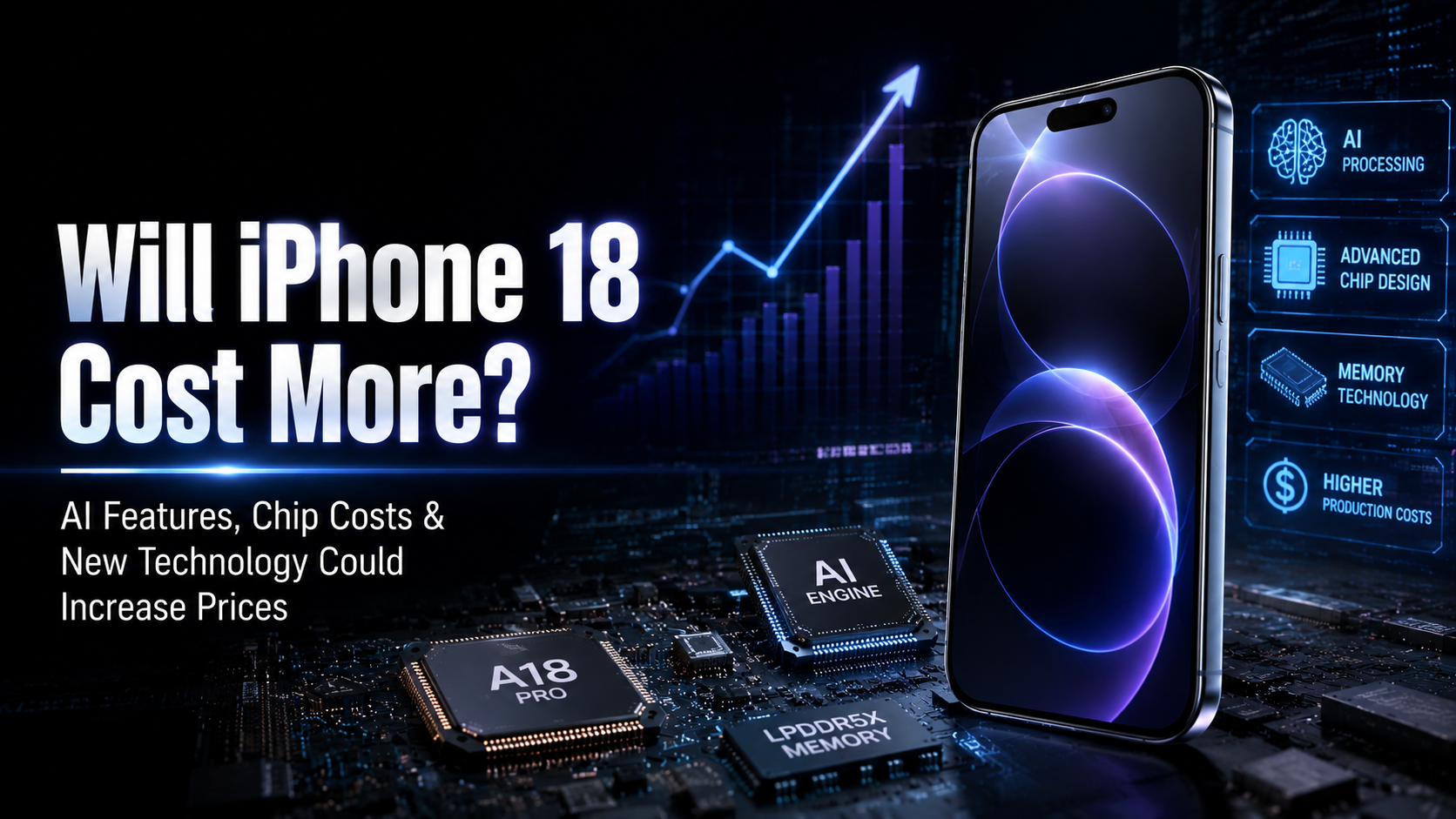

Apple to Raise Prices Due to Memory Chip Crunch: What Tim Cook’s Comments Mean for iPhone 18
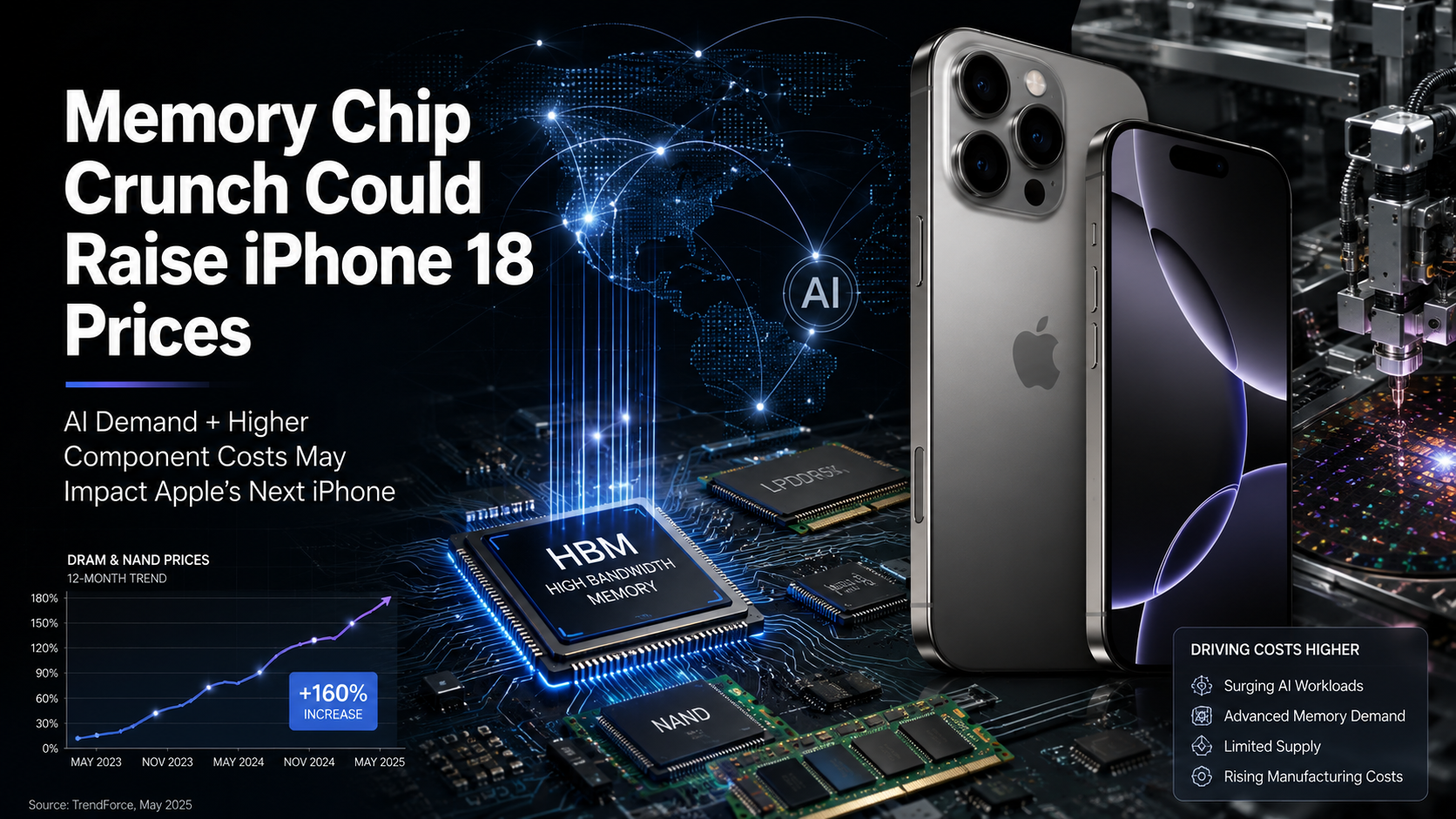
One of the biggest factors that could influence future iPhone pricing is the rising cost of memory and storage components. Modern smartphones require increasingly powerful hardware to support advanced features such as artificial intelligence, high-resolution photography, gaming, and improved performance. As a result, memory and semiconductor costs have become an important part of the overall smartphone manufacturing expense.
Recent industry reports have also suggested that Apple may face increasing pressure from rising component expenses. A report from Forbes report on Tim Cook’s comments about possible iPhone price increases highlighted concerns that higher manufacturing costs and supply chain challenges could make future iPhone models, including the iPhone 18 Pro, more expensive.
Furthermore, the rapid growth of artificial intelligence has created additional pressure on the semiconductor market. AI companies and large data center operators require huge amounts of high-performance memory to run advanced computing systems. Consequently, chip manufacturers are facing increased demand, which can impact availability and pricing for other technology products.
For future iPhone models, including the expected iPhone 18 lineup, these market conditions could increase production expenses. Additionally, as Apple adds more advanced AI features, improved processors, and higher memory capacity, the company may face greater hardware costs.
However, Apple has not confirmed that the iPhone 18 will receive a specific price increase. Instead, these factors represent possible challenges that could influence Apple’s pricing strategy. Therefore, buyers should view a higher iPhone 18 price as a possibility rather than an official announcement until Apple reveals the final details.
How AI Could Affect iPhone Pricing
Artificial intelligence is becoming one of the most important areas of development for Apple’s future smartphone strategy. As Apple continues expanding its AI features, future iPhone models may require more powerful hardware to deliver faster and more efficient performance.
On-device AI features depend on advanced processors, improved neural processing systems, and increased memory capacity. Unlike traditional smartphone functions, AI tasks require significant computing power because devices must process complex data directly on the phone. Therefore, stronger chips and additional RAM may become necessary for future iPhone models, including the iPhone 18 lineup.
Additionally, improved AI capabilities could increase manufacturing costs. More powerful processors, higher memory configurations, and advanced semiconductor components all contribute to the overall cost of producing a smartphone. As a result, Apple may need to carefully balance new technology improvements with pricing decisions.
Furthermore, the rapid growth of AI data centers has changed the global semiconductor market. Large technology companies are investing heavily in AI infrastructure, increasing demand for advanced chips and memory components. Consequently, smartphone manufacturers are facing greater competition for access to these resources.
However, Apple has significant purchasing power and strong relationships with suppliers, which may help reduce some cost pressures. Still, if component prices continue rising, those increases could eventually influence iPhone pricing.
Therefore, while AI features could make the iPhone 18 more advanced and capable, they may also become one of the factors contributing to a possible price increase.
The Impact of Advanced Chip Manufacturing
Apple’s custom processors are manufactured by TSMC, one of the world’s leading semiconductor companies. These advanced chips play a major role in the performance, efficiency, and artificial intelligence capabilities of modern iPhones.
As smartphone technology continues to evolve, chip manufacturers are moving toward smaller and more advanced manufacturing processes. Newer chip technologies allow more transistors to fit into a smaller space, which can improve processing speed, power efficiency, and overall device performance. However, these advancements also come with significantly higher development and production costs.
Additionally, creating next-generation processors requires billions of dollars in research, specialized manufacturing equipment, and advanced factory infrastructure. The transition to smaller chip nodes is a complex process because manufacturers must maintain high production quality while dealing with increasing technical challenges.
Furthermore, Apple’s future iPhone models are expected to rely heavily on powerful processors to support advanced features, including artificial intelligence, improved photography, gaming performance, and better battery efficiency. As a result, the cost of producing these advanced chips could influence the final price of future iPhones.
If Apple introduces newer chip technology in the iPhone 18 lineup, the increased manufacturing expenses may have a greater impact on Pro models, which usually receive the latest processor upgrades first. However, Apple may try to manage these costs through supply chain agreements and pricing strategies to maintain customer demand.
Therefore, while advanced chip manufacturing helps create more powerful iPhones, it may also become one of the factors contributing to a possible iPhone 18 price increase.
Will New Materials Make the iPhone More Expensive?
Apple has increasingly focused on premium designs and materials in its flagship smartphones.
Possible features that can increase manufacturing costs include:
- Titanium frames
- Stronger glass protection
- Advanced camera hardware
- Higher-quality displays
Premium materials and advanced engineering usually appear first in Apple’s Pro lineup, which means those models may experience the biggest price changes.
Expected iPhone 18 Price (Estimated)
Apple has not announced official iPhone 18 pricing. The following estimates are based on previous pricing trends and possible increases in component costs.
| Model | Estimated Starting Price |
|---|---|
| iPhone 18 Standard | Around $799–$899 |
| iPhone 18 Plus/Max | Around $899–$999 |
| iPhone 18 Pro | Around $1,099–$1,299 |
| iPhone 18 Pro Max/Ultra | Around $1,299–$1,499 |
Actual pricing may be different when Apple officially launches the device.
Standard vs Pro Models: Which Could See the Biggest Increase?
Apple’s Pro models are more likely to receive noticeable price increases because they include the company’s most advanced technology.
The Pro lineup usually features:
- Better camera systems
- Premium materials
- Faster processors
- Advanced display technology
The standard models may continue targeting users who want a modern iPhone experience without paying the highest flagship prices.
Will Older iPhones Become Cheaper After New Launch?
Yes, older iPhone models are expected to become more affordable after the iPhone 18 launch. Historically, Apple reduces the prices of previous-generation devices when a new iPhone lineup arrives. This strategy helps Apple maintain a wider product range while giving customers more affordable options.
However, the price reduction may not only come directly from Apple. Retailers and mobile carriers often provide additional discounts, trade-in offers, and promotional deals to attract buyers after a new iPhone release. As a result, customers who do not need the newest features can often find excellent value in older models.
Additionally, previous-generation iPhones usually continue receiving software updates for several years. Therefore, buying an older iPhone after the iPhone 18 launch does not necessarily mean sacrificing performance or security. Many users may find that an iPhone 17 or earlier model still handles everyday tasks such as browsing, gaming, photography, and productivity without problems.
Furthermore, the difference between two consecutive iPhone generations is often smaller than expected for regular users. While the latest model may introduce improvements in areas like artificial intelligence, camera technology, or processing power, older devices can still provide a premium smartphone experience.
Therefore, if the iPhone 18 launches at a higher price, waiting for discounts on previous models could be a smart choice for budget-conscious buyers. For many consumers, purchasing an older iPhone after the new release may offer the best balance between price, performance, and long-term value.
How to Save Money If the iPhone 18 Price Increases
If Apple increases iPhone 18 pricing, buyers can reduce costs by:
- Using trade-in programs
- Comparing carrier promotions
- Waiting for seasonal discounts
- Buying previous-generation models
- Keeping their current iPhone longer
Modern iPhones receive software updates for many years, allowing users to extend the life of their devices.
Frequently Asked Questions
Will the iPhone 18 Cost More?
The iPhone 18 may cost more than previous models; however, Apple has not officially announced the final pricing yet. At the moment, all expected prices are based on industry trends, previous Apple launches, and possible changes in smartphone manufacturing costs.
Several factors could influence the final iPhone 18 price. For example, Apple is expected to continue improving its processors, artificial intelligence features, cameras, and overall performance. Additionally, advanced hardware components such as memory chips and next-generation processors are becoming more expensive across the technology industry.
Furthermore, the growing demand for AI technology has increased competition for semiconductor resources. As a result, smartphone manufacturers may face higher production costs in the coming years. Apple has traditionally tried to maintain competitive pricing, but rising expenses could eventually affect the price customers pay.
Therefore, while a price increase is possible, it is important to remember that Apple has not confirmed any official iPhone 18 pricing details. Buyers should wait for Apple’s official announcement before making final purchasing decisions.
How Much Will the iPhone 18 Cost?
The exact price of the iPhone 18 is currently unknown because Apple has not revealed the official lineup or pricing structure. However, based on Apple’s current pricing strategy and previous iPhone launches, experts expect the device to remain within the premium smartphone category.
The standard iPhone 18 model could potentially start around the $799 to $899 range, while higher-end Pro versions may cost significantly more. Additionally, models with larger displays, better cameras, more storage, and premium materials are likely to carry higher price tags.
Moreover, Apple’s Pro models usually receive the newest technologies first. Therefore, if Apple introduces advanced AI features, improved processors, or upgraded camera systems, the premium versions could see a larger price increase compared with standard models.
However, these numbers are only estimates and should not be considered official. Apple may decide to adjust pricing depending on market demand, manufacturing costs, and competition from other smartphone brands.
Ultimately, customers should wait for Apple’s official launch event for confirmed iPhone 18 pricing information.
Why Could Apple Increase iPhone Prices?
Apple could increase iPhone prices because producing modern smartphones requires increasingly advanced technology. Over time, smartphones have become more powerful, and manufacturers must invest heavily in processors, displays, cameras, artificial intelligence capabilities, and semiconductor development.
One major factor is the rising cost of advanced chips. Furthermore, newer manufacturing technologies require expensive equipment and significant research investments. As chip designs become smaller and more complex, production becomes more challenging and costly.
Additionally, Apple is focusing more on AI-powered features. These features require stronger processors and additional memory capacity, which can increase the cost of building each device. The growing demand for AI hardware globally has also created more competition for important semiconductor components.
However, Apple has a history of managing costs through supplier relationships and large-scale purchasing power. Therefore, the company may not immediately transfer every increase to customers. Instead, Apple could balance pricing by adjusting different models, offering trade-in programs, or keeping entry-level devices more affordable.
Should I Buy an iPhone 18 or Wait?
Whether you should buy the iPhone 18 or wait depends on your personal needs, budget, and current device. If your current iPhone works well and you do not need the latest features, waiting may be a better option.
On the other hand, users who want the newest technology may find the iPhone 18 appealing. The device is expected to focus on improvements such as better performance, AI features, camera upgrades, and efficiency improvements.
Additionally, waiting a few months after launch can sometimes provide advantages. For example, retailers and carriers often introduce discounts, trade-in offers, or promotional deals after the initial release period.
Meanwhile, buyers who want the best value may consider purchasing an older iPhone model after the iPhone 18 launches. Previous-generation devices usually become more affordable while still offering strong performance and long software support.
Therefore, the best decision depends on whether you prioritize having the newest technology or getting the most value for your money.
Conclusion
The answer to “Will the iPhone 18 cost more?” is still not officially confirmed, but several industry trends suggest that a price increase is possible. Apple has not announced the final cost of the iPhone 18 lineup; however, rising production expenses could influence future pricing decisions.
Advanced semiconductor technology, artificial intelligence features, and increasing hardware requirements are making smartphone development more expensive. Additionally, memory chip demand has increased due to the rapid growth of AI applications, creating more pressure on the global supply chain.
As a result, Apple may need to adjust its pricing strategy, especially for higher-end models that include the company’s most advanced technologies. However, Apple’s long-term approach has always focused on balancing innovation, customer value, and premium product positioning. The company’s history of innovation and product strategy has been strongly influenced by its leadership vision, including the principles that shaped Apple’s growth over the years, as discussed in this article about Steve Jobs’ vision and Apple’s success strategy.
Meanwhile, consumers can prepare by comparing trade-in programs, monitoring launch announcements, and evaluating which features are most important before upgrading.
Ultimately, the iPhone 18 could become one of Apple’s most advanced smartphones yet. However, until Apple officially reveals the device and its pricing, all estimates should be considered predictions rather than confirmed information.