
Renewable Energy Fights Poverty: A Global Guide
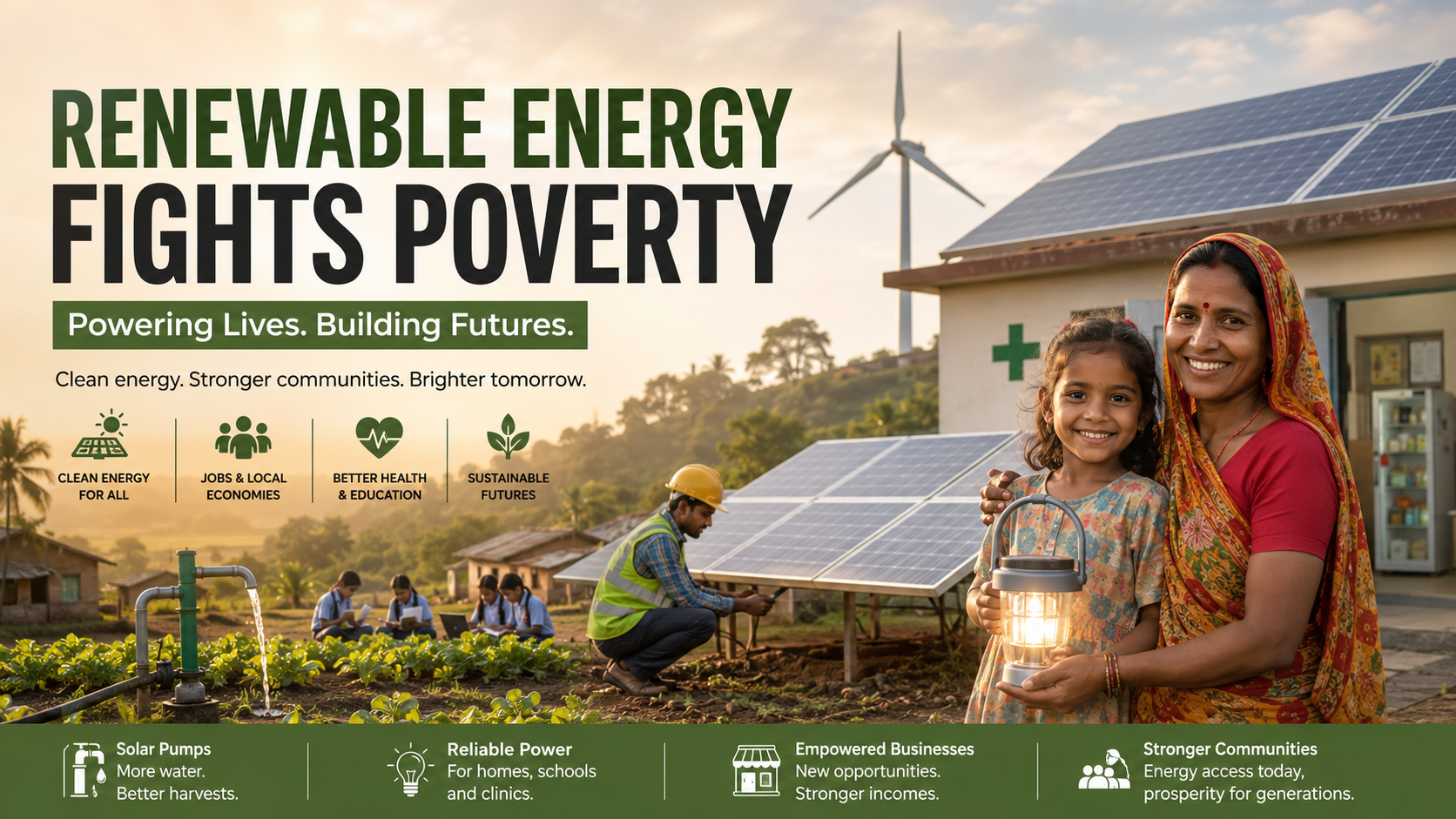
Around the world, a massive economic shift is currently underway. Today, renewable energy fights poverty in ways we never previously thought possible. Millions of people still live without reliable electricity. Consequently, this severe lack of power traps families in a continuous cycle of hardship. However, clean power sources offer a fast, sustainable way out. According to the International Energy Agency (IEA), expanding energy access remains absolutely crucial for global development. Access to electricity changes everything for a developing community.
For instance, children can finally study safely after sunset. Similarly, doctors can store life-saving medicines in modern refrigerators. Furthermore, farmers can pump fresh water for their daily crops. Whenever rural communities get reliable power, local economies begin to grow rapidly. Enterprising people start new businesses, and families significantly increase their daily incomes. Most importantly, clean technology provides these massive benefits without the crushing costs of traditional power plants.
In this article, we will explore exactly how green tech transforms lives. First, we will look closely at solar microgrids, wind power, and off-grid solutions. Next, you will see firsthand how sustainable power reduces hardship by creating jobs. Additionally, we will discuss how clean alternatives empower women and independent business owners. Ultimately, you will understand why sustainable infrastructure is the most effective tool we possess for lifting communities out of destitution.
How can renewable energy reduce poverty?
Renewable energy reduces poverty by lowering household expenses, improving access to electricity, and creating new income opportunities. Many families spend a large share of their earnings on kerosene, candles, and other expensive fuels for lighting. Solar panels provide a cleaner and more affordable alternative, allowing households to save money for essentials like food, healthcare, and education.
Reliable electricity also supports local businesses and farming activities. Small shops can stay open after sunset, increasing daily sales and customer reach. Solar-powered irrigation systems help farmers grow crops throughout the year, improving harvests and reducing dependence on seasonal rainfall.
Clean energy also strengthens education. Children can study safely under bright electric lights instead of dim kerosene lamps. Schools can power computers and internet connections, expanding learning opportunities. These financial, educational, and economic improvements help families build long-term stability. Over time, renewable energy reduces poverty by creating healthier communities, stronger local economies, and better opportunities for future generations.
Transforming rural healthcare access through reliable solar power
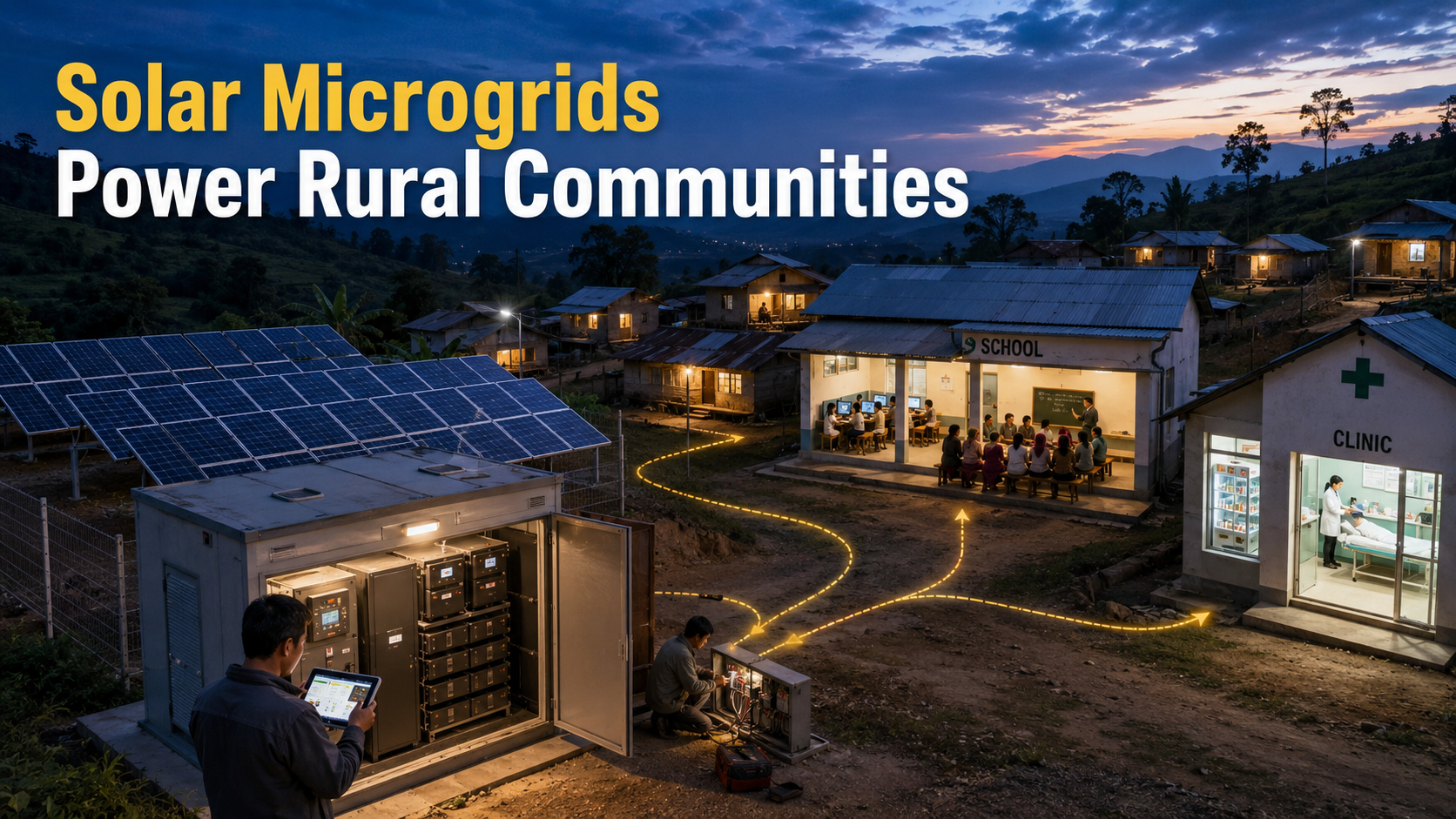
Reliable solar power significantly improves healthcare services in rural communities by providing a dependable source of electricity. Many remote clinics experience frequent power outages or have no grid connection. As a result, storing vaccines, medicines, and other temperature-sensitive supplies becomes difficult. Solar-powered refrigerators help preserve these essential medical resources and reduce unnecessary waste.
Solar electricity also powers medical equipment, lighting, and communication systems. Doctors and nurses can perform emergency procedures after dark without relying on costly diesel generators. Health workers can charge medical devices and maintain essential services throughout the day.
Improved healthcare leads to healthier communities and higher productivity. Fewer illnesses reduce financial strain on families and allow more people to attend school or work regularly. Reliable renewable energy strengthens healthcare infrastructure while supporting long-term social and economic development.
Why are some people against renewable energy?
Some people oppose renewable energy because of its high upfront costs, land requirements, and technical challenges. Installing solar panels or wind turbines often requires substantial investment. This expense can discourage individuals, businesses, and lower-income countries from adopting clean energy technologies without financial support.
Critics also highlight the intermittent nature of renewable power. Solar panels generate electricity only when sunlight is available, while wind turbines depend on suitable weather conditions. Maintaining a stable electricity supply often requires battery storage systems or backup power sources, increasing overall costs.
Large renewable energy projects may also require significant land, creating conflicts with agriculture or local communities. Expanding transmission lines to connect renewable power plants can face resistance from nearby landowners. Although these challenges are real, ongoing technological improvements and supportive government policies continue to reduce many of these barriers.
High upfront costs and battery storage limitations challenge expansion
High installation costs and battery storage limitations remain major obstacles to expanding renewable energy worldwide. Solar panels, wind turbines, and battery systems require substantial initial investment. For many low-income communities, these costs remain difficult to afford without government incentives or international funding.
Battery systems store excess electricity for use when sunlight or wind is unavailable. However, batteries are expensive, have a limited lifespan, and eventually require replacement. These additional costs increase the overall investment needed for renewable energy projects.
Despite these challenges, battery technology continues to improve. Prices have gradually declined while efficiency has increased. As storage systems become more affordable, renewable energy will become a more practical and accessible solution for households, businesses, and developing regions.
In which way do people use electricity to fight poverty?
People use electricity to fight poverty by increasing productivity, improving communication, and supporting small businesses. Reliable electricity allows entrepreneurs to operate sewing machines, refrigeration units, grinders, and power tools that improve efficiency and increase daily income. Businesses can also remain open longer, serving more customers during evening hours.
Electricity expands access to mobile phones, internet services, and digital banking. These technologies connect rural communities to online education, government services, and e-commerce opportunities. Families can access important financial resources and market information without traveling long distances.
Electric appliances also improve everyday life. Electric water purifiers provide safer drinking water, reducing waterborne diseases and healthcare expenses. Efficient cooking appliances save time and reduce dependence on firewood. Together, these benefits increase household productivity, strengthen local economies, and create pathways out of poverty.
Empowering small business growth through reliable electric tools
Reliable electric tools help small businesses increase productivity and generate higher incomes. Carpenters, mechanics, tailors, and artisans can complete more work using powered equipment instead of manual tools. Faster production improves product quality and allows businesses to serve more customers each day.
Higher productivity often leads to greater profits. Business owners can reinvest in better equipment, expand operations, and create additional employment opportunities within their communities. Reliable electricity also reduces downtime caused by manual labor or fuel shortages.
As local businesses grow, they stimulate regional economic development. Increased employment strengthens household incomes and encourages further investment in education, healthcare, and community infrastructure. Access to dependable electricity becomes a key driver of long-term economic growth.
Empowering Women Through Clean Energy
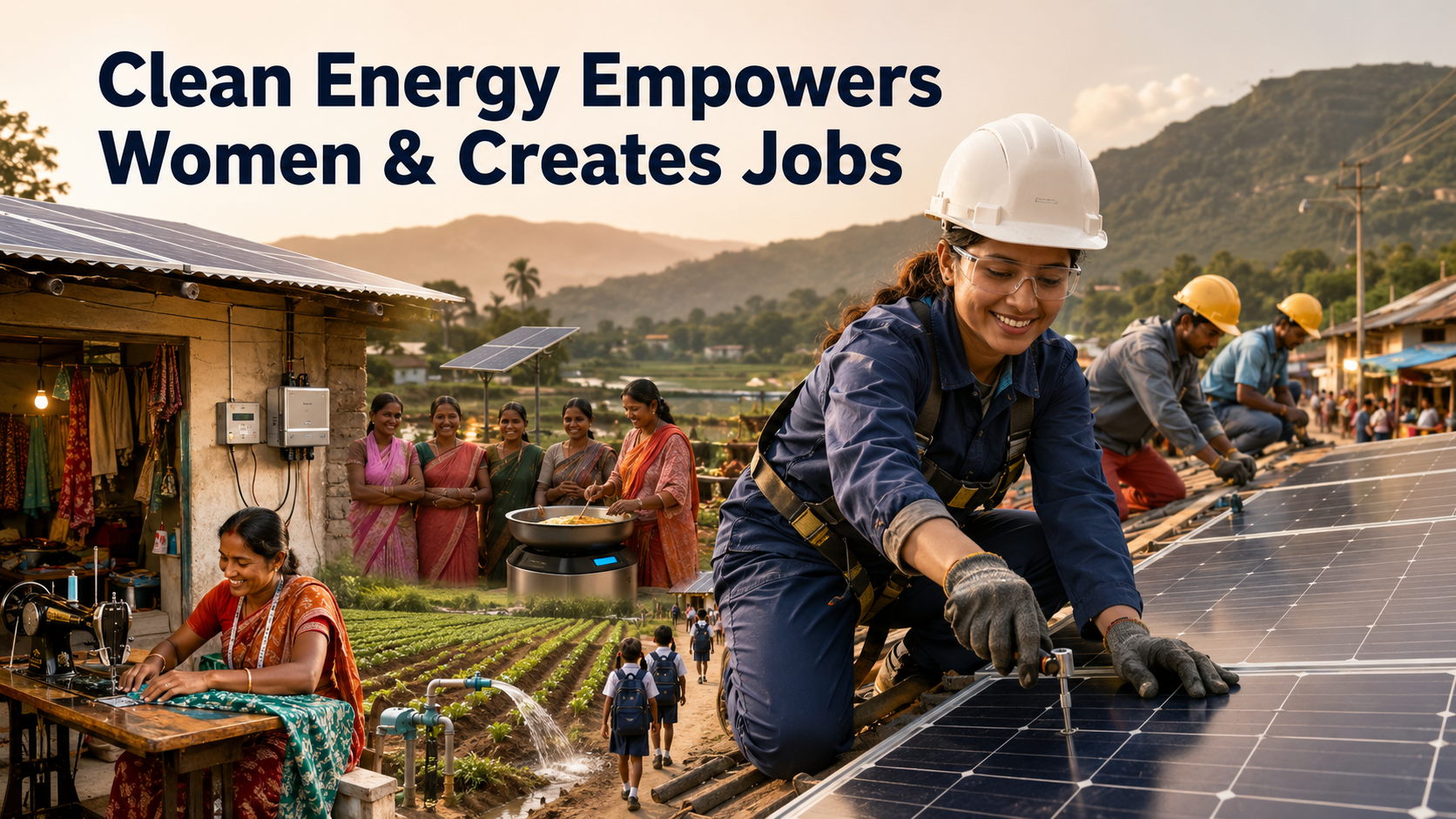
Globally, extreme poverty impacts women more severely than men in many developing regions. Traditionally, women and young girls spend hours each day gathering heavy firewood. Consequently, this exhausting daily chore keeps girls out of school and prevents older women from working. Moreover, cooking over open indoor fires causes severe, deadly respiratory diseases.
However, clean power directly tackles this specific gender inequality. Specifically, biogas digesters and modern solar cookers replace dangerous indoor fires entirely. As a result, women no longer spend their entire day searching for dirty fuel. Instead, they instantly reclaim their time and invest it into higher education or small businesses.
Furthermore, many organizations now actively train rural women as professional solar engineers. Consequently, these proud women bring beautiful light to their villages and earn massive respect. Ultimately, they achieve true financial independence and quickly become local leaders. By focusing heavily on female empowerment, sustainable tech creates a powerful ripple effect that lifts entire generations.
Can renewable energy jobs help reduce poverty in India?
Renewable energy jobs play an important role in reducing poverty in India by creating employment across manufacturing, installation, maintenance, and project management. India’s growing investment in solar and wind energy continues to generate demand for skilled technicians, engineers, electricians, and construction workers in both rural and urban areas.
These employment opportunities provide stable incomes for families that previously relied on seasonal agricultural work or informal labor. Government skill development programs and private training initiatives help young people gain technical expertise for long-term careers in the clean energy sector.
The expansion of renewable energy also encourages local entrepreneurship. Small businesses offer installation, maintenance, and repair services for solar systems, creating additional employment opportunities. As India’s clean energy industry grows, it supports economic development while improving energy access and reducing poverty across underserved communities.
Boosting rural employment through decentralized solar panel installations
Decentralized solar panel installations create employment by involving local workers in system installation, maintenance, and repair. Community-based solar projects generate jobs that remain within the local economy instead of relying entirely on outside contractors.
Technicians develop practical skills that remain valuable as renewable energy adoption continues to expand. These technical careers provide stable income and encourage long-term employment opportunities close to home. Local businesses also benefit by supplying equipment, transportation, and maintenance services.
Keeping renewable energy projects within rural communities strengthens regional economies. Families earn consistent incomes, young people gain valuable technical experience, and local businesses continue to grow. This community-focused approach helps reduce poverty while supporting sustainable economic development.
Frequently Asked Questions (FAQ)
What makes renewable energy better than fossil fuels for poor regions?
Renewable energy fights poverty by providing decentralized electricity without requiring expensive national grid expansion. Communities can generate power using local solar and wind resources, reducing dependence on imported fossil fuels. This approach lowers energy costs, improves reliability, and protects vulnerable households from fluctuating fuel prices and supply disruptions. As a result, renewable energy fights poverty by making affordable and dependable electricity available to underserved regions.
How does clean energy improve education in developing areas?
Clean energy improves education by providing reliable lighting and electricity for schools and homes. Students can study safely after sunset without relying on hazardous kerosene lamps. Schools can also power computers, internet connections, and digital learning resources, helping children access better educational opportunities and develop valuable skills. Better access to education is another way renewable energy fights poverty by improving future employment opportunities.
What are the main challenges of creating green jobs in rural areas?
The biggest challenges include limited technical training, restricted financing, and inadequate infrastructure. Many workers need specialized skills to install and maintain renewable energy systems safely. Governments, educational institutions, and private companies can address these issues through vocational training, financial support, and long-term investment in rural communities. Overcoming these barriers allows renewable energy fights poverty initiatives to create more sustainable jobs and long-term economic growth.
Does solar power require too much land to be practical?
Large solar farms require considerable land, but innovative solutions reduce this challenge. Agrivoltaics allows crops to grow beneath elevated solar panels while generating electricity. Rooftop solar systems also maximize existing building space without using additional land, making solar power practical in both urban and rural environments. These flexible solutions further demonstrate how renewable energy fights poverty by expanding clean energy access without placing excessive pressure on available farmland.
Conclusion
In conclusion, the urgent transition to clean tech is about much more than fighting climate change. Fundamentally, it is about securing basic human dignity. As we have seen throughout this article, renewable energy fights poverty by creating jobs, boosting farming, and improving health. Furthermore, it gives isolated communities the vital tools they need to build a truly prosperous future. Supporting the efforts of top environmental organizations in India can further accelerate sustainable development and expand access to clean energy across underserved communities.
Historically, relying on expensive, dirty fossil fuels has kept vulnerable populations trapped in endless hardship. In contrast, sustainable energy solutions offer a brighter path forward. For instance, solar panels provide immediate, reliable electricity to rural clinics, while modern microgrids power local businesses and strengthen rural economies. By eliminating the massive costs of extending traditional power lines, communities can achieve faster economic and social progress.
Ultimately, every new solar panel installed in a developing village represents real hope. It means a child can study after sunset, a farmer can irrigate crops more efficiently, and rural women can operate safe, profitable businesses. Consequently, governments, organizations, and communities must continue investing in off-grid infrastructure, innovative financing models, and environmental initiatives. By working alongside the top environmental organizations in India, we can help create a cleaner, more equitable, and prosperous future for everyone.