Vivo V80 Review: Mobile Photography Without Breaking the Bank
Finding a smartphone with impressive camera capabilities without paying flagship prices can be challenging. In this Vivo V80 review, we examine its photography features, everyday performance, battery life, and overall value. Vivo continues to strengthen its position in mobile imaging through its collaboration with ZEISS, a renowned optics manufacturer.
The Vivo V80 combines ZEISS co-engineered cameras, a powerful battery, and a high-refresh-rate display. However, its premium mid-range pricing makes expectations higher. Buyers deserve more than impressive specifications on paper.
This review explores the phone’s camera hardware, portrait photography, low-light capabilities, and everyday usability. We also examine its strengths and limitations against competing smartphones. Additionally, we compare Vivo’s photography approach with Oppo’s imaging experience.
Whether you enjoy taking portraits, capturing travel memories, or creating social media content, understanding these features can help you make an informed decision. Let’s examine what the Vivo V80 actually offers and whether its camera-focused approach justifies the investment.
Is the Vivo V80 a Good Phone?
The Vivo V80 offers a balanced smartphone experience for users who prioritize photography, entertainment, and battery endurance. It runs on the Qualcomm Snapdragon 7 Gen 4 processor, which handles everyday applications, multitasking, and casual gaming. Its 6.59-inch 1.5K AMOLED display supports a refresh rate of up to 144Hz. This makes scrolling, browsing, and watching videos feel smooth. The display also offers up to 5,000 nits of local peak brightness, helping improve outdoor visibility under suitable conditions.
Battery capacity is another major advantage. The phone includes a 7,200mAh battery with 90W FlashCharge support. This combination suits users who frequently browse, stream, photograph, and record videos. However, demanding gamers may prefer phones with more powerful processors. Overall, the V80 offers a feature-rich experience, although its ₹62,999 starting price places it firmly in the premium mid-range category.
Long-Term Reliability and Hardware Durability
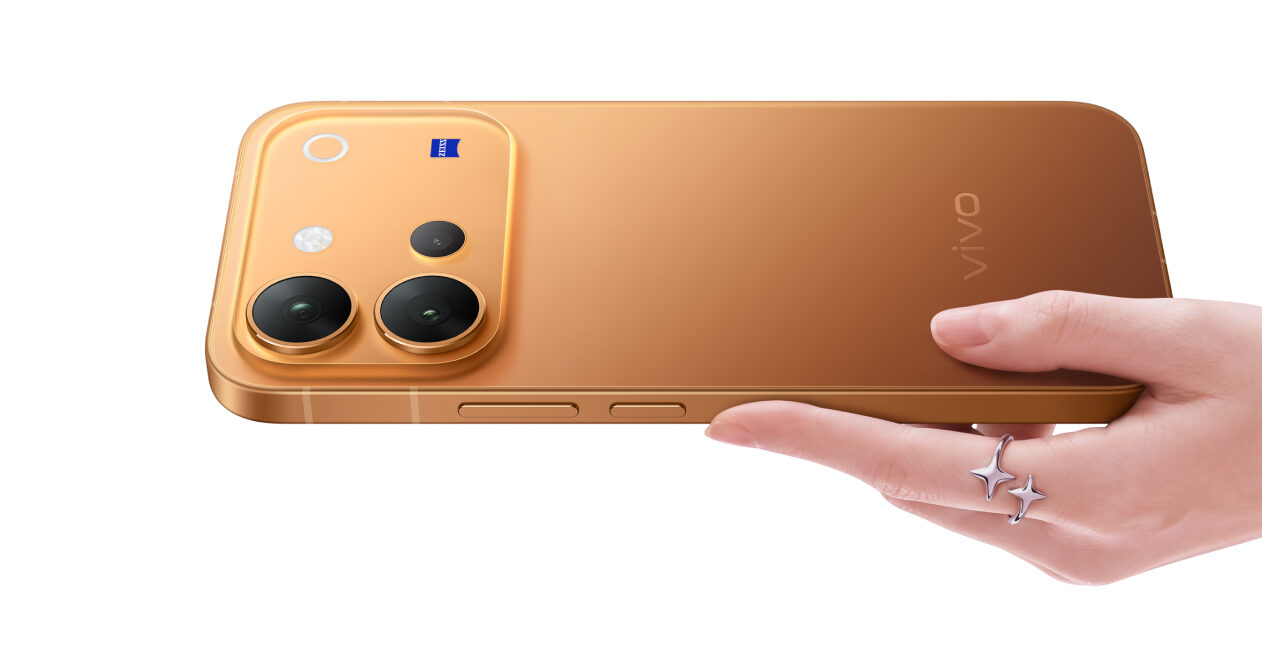
The Vivo V80 combines a glass rear panel with an aluminium frame. Its cold-carved glass design gives the device a distinctive premium appearance. However, attractive materials alone cannot guarantee long-term durability. Users should still consider a protective case and screen protection.
The phone also carries IP68 and IP69 ratings for dust and water resistance. These certifications provide additional protection against specified water and dust exposure conditions. They do not make the device completely waterproof. Its actual resistance can also change through normal wear and accidental damage.
Software support is another important consideration when evaluating a smartphone. The V80 launches with OriginOS 7 based on Android 17. Buyers should check Vivo’s applicable software-update commitment before purchasing. Long-term value depends on more than hardware specifications. Reliable updates, battery health, repair availability, and physical protection also influence how well a smartphone performs over several years.
Is a Vivo Phone Good for Photography?
Vivo has developed a strong reputation for camera-focused smartphones, particularly through its ZEISS imaging collaboration. Its approach combines camera hardware, image processing, and software-based photography features. The Vivo V80 continues this strategy with dedicated portrait capabilities and multiple camera focal lengths. These features make it suitable for people who regularly photograph friends, family, and everyday activities.
The phone also offers creative tools for users who enjoy experimenting with their photographs. Its ZEISS portrait options provide different rendering styles. Meanwhile, AI-powered camera features help users adjust lighting and personalize images. However, photography quality depends on lighting, camera selection, and processing conditions. Results can vary between individual photographs. Buyers should also consider camera responsiveness and low-light consistency. These practical factors matter just as much as megapixel counts when choosing a photography-focused smartphone.
ZEISS Portrait Photography and Natural Color Rendering
The Vivo V80 uses ZEISS in vivo smartphone technology to support its portrait photography experience. Its dedicated telephoto camera provides 3x optical zoom. This helps photographers capture tighter portraits without relying entirely on digital cropping. The phone also includes portrait options with different focal-length perspectives.
ZEISS-inspired portrait rendering aims to create attractive subject separation and background blur. However, software-based bokeh does not guarantee identical results to dedicated professional camera lenses. Edge detection, lighting, and subject movement can influence the final photograph.
Users can also explore different camera styles to match their preferences. These options make portrait photography more flexible for everyday content creation. Whether you photograph people indoors or outdoors, experimenting with focal lengths can produce different compositions. The dedicated telephoto camera is particularly useful when you want a closer portrait without moving directly toward your subject.
Is the Vivo V80 Good for Camera Photography?
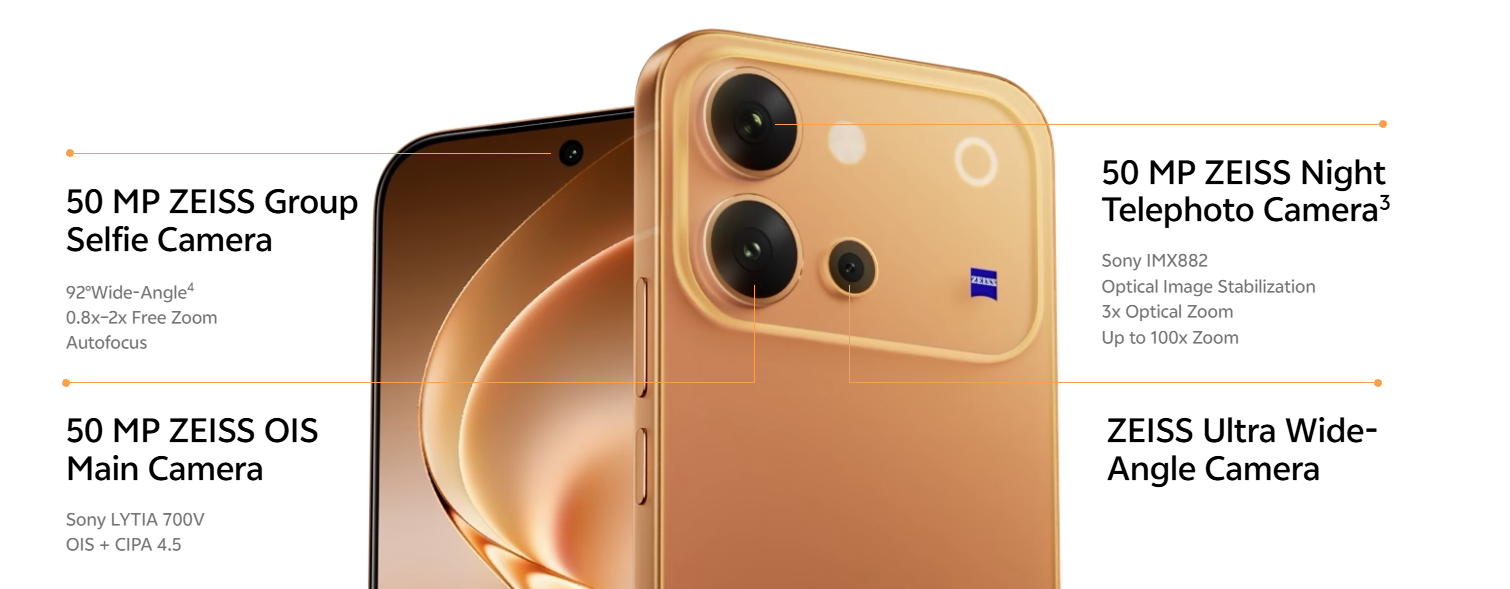
The Vivo V80 features a versatile camera system designed around portraits, everyday photography, and content creation. Its rear setup includes a 50MP Sony LYTIA 700V main camera, a 50MP ZEISS night telephoto camera, and an 8MP ultra-wide camera. The primary and telephoto cameras include optical image stabilization. This helps reduce camera shake when capturing photographs.
The 3x optical zoom telephoto camera is particularly useful for portraits and distant subjects. It provides additional framing flexibility without relying entirely on digital zoom. On the front, a 50MP autofocus selfie camera supports group photographs and individual portraits.
However, the 8MP ultra-wide camera offers more limited resolution than the primary sensors. Independent testing has also reported inconsistent low-light results. Therefore, buyers should consider the complete camera experience rather than relying exclusively on megapixel specifications.
Optical Image Stabilization for Better Low-Light Photography
Optical Image Stabilization (OIS) helps reduce unwanted camera movement during photography. The Vivo V80 includes stabilization on its main and telephoto cameras. This feature can improve handheld photographs, especially when capturing subjects in challenging lighting conditions.
OIS works by compensating for small movements during exposure. It can help reduce blur caused by hand movement when using slower shutter speeds. However, it cannot completely prevent motion blur from moving subjects. Lighting conditions, shutter speed, and image processing still influence the final result.
The dedicated telephoto camera also benefits from stabilization during zoom photography. This makes handheld portraits and distant compositions easier to capture. For video creators, the V80 additionally supports 4K video recording at 60fps. Its cinematic video styles provide more creative control over footage. These features make the phone useful for everyday photography and casual video production. However, users should not expect professional camera performance in every low-light situation.
Which Mobile Camera Is Better for Photography: Vivo or Oppo?
Choosing between Vivo and Oppo depends on your photography preferences, budget, and preferred smartphone models. Vivo emphasizes ZEISS co-engineered imaging and dedicated portrait photography features. Its V80 includes a 50MP telephoto camera with 3x optical zoom. This provides useful flexibility for portraits, close-ups, and distant subjects.
Oppo also offers photography-focused smartphones with advanced image processing and Hasselblad collaborations on selected models. However, camera performance varies considerably across individual devices. It would be misleading to claim that every Vivo phone produces more natural colours or that every Oppo phone produces more saturated photographs.
Both manufacturers offer different camera processing styles, portrait options, and video features. The best comparison involves examining specific smartphones within similar price categories. Buyers should compare sample photographs, low-light performance, zoom quality, and camera responsiveness before making their decision. Your preferred photography style should guide the final choice.
Matching Camera Software and Imaging Features to Your Creative Style
Vivo and Oppo use different imaging technologies and software features to improve smartphone photography. Vivo’s ZEISS collaboration focuses on portrait rendering, optical characteristics, and creative camera experiences. The V80 includes dedicated portrait focal lengths, cinematic video styles, and AI-powered editing features.
Oppo’s Hasselblad collaboration on selected models brings its own approach to colour processing, portrait photography, and image presentation. However, these differences depend on the specific devices being compared. Neither manufacturer consistently delivers better results across every photography scenario.
Consider these factors before choosing between the two brands:
- Portrait photography: Compare subject separation, skin tones, and telephoto performance.
- Landscape photography: Examine dynamic range, ultra-wide image quality, and colour reproduction.
- Night photography: Check shadow details, highlight control, and image noise.
- Video recording: Compare stabilization, resolution, frame rates, and available creative controls.
- Camera usability: Consider processing speed, shutter response, and available editing features.
The Vivo V80 deserves consideration for its dedicated ZEISS telephoto camera and creator-focused features. However, comparing actual camera samples remains the most reliable way to identify your preferred smartphone.
Conclusion
The Vivo V80 brings together impressive camera hardware, a vibrant AMOLED display, and long-lasting battery performance. Its ZEISS co-engineered 50MP camera system, dedicated 3x telephoto lens, and 50MP autofocus selfie camera make it an appealing option for photography enthusiasts. The 7,200mAh battery and 90W fast charging also add practical value for everyday users.
However, the phone isn’t without compromises. Its 8MP ultra-wide camera, premium pricing, and inconsistent low-light performance deserve consideration before purchasing. Users who prioritize demanding gaming or consistently excellent photography may also want to compare competing smartphones.
Is the Vivo V80 worth buying? If you value portrait photography, versatile camera features, smooth visuals, and strong battery endurance, it deserves a place on your shortlist. Ultimately, compare its camera performance, software support, and price against alternatives before making your decision.
For verified specifications, camera features, and product information, visit the official Vivo V80 product page.
Overall, the Vivo V80 is worth considering if photography and battery life are your priorities. However, compare its price and camera performance with competing smartphones before making your final purchase decision.