
The Comprehensive Effect of Metals on Health and Well-Being
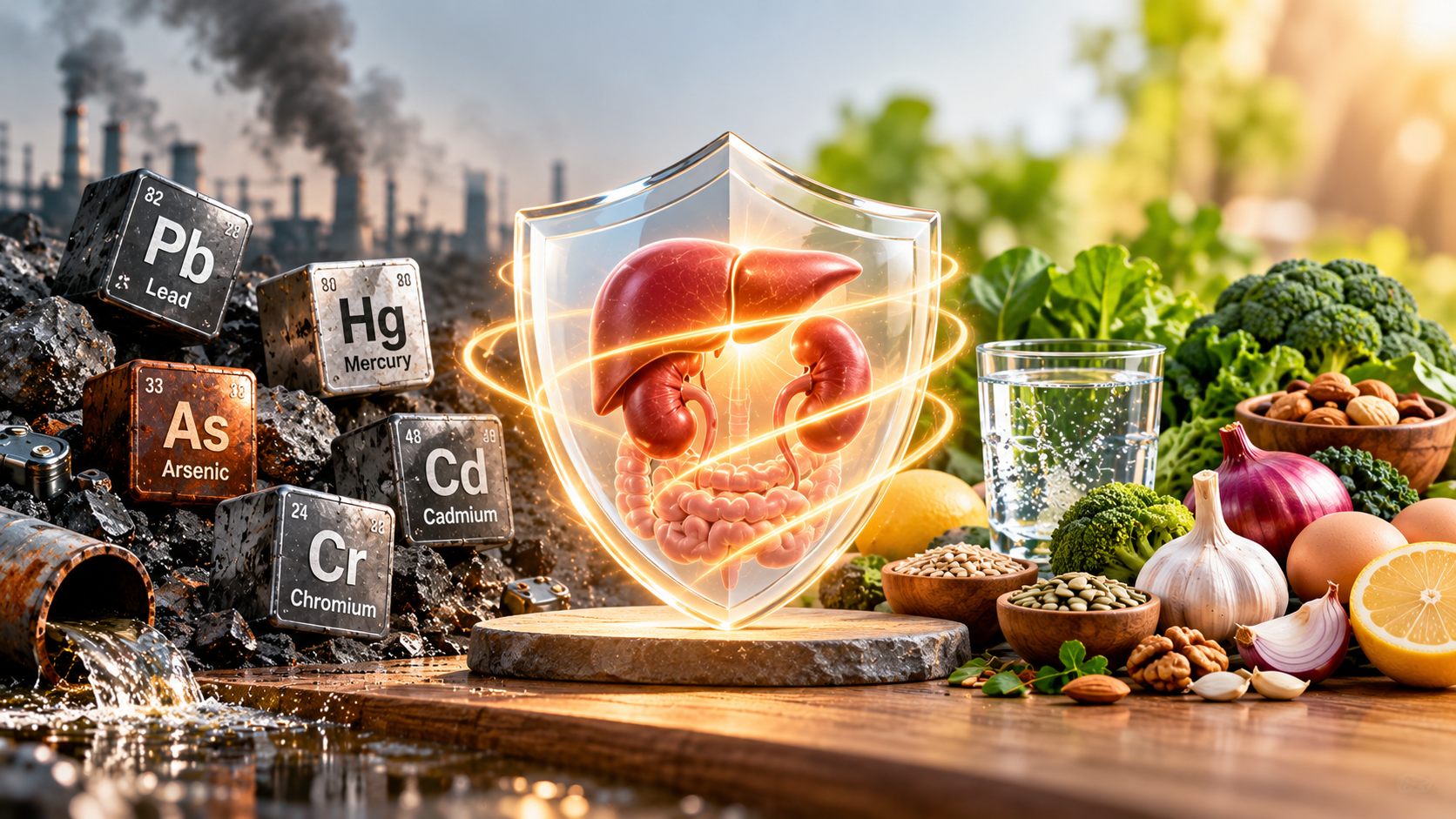
Understanding the effect of metals on health is essential for protecting long-term well-being. Some metals, including iron, zinc, and copper, support normal bodily functions. Others, such as lead, mercury, and cadmium, can cause harm when exposure reaches unsafe levels.
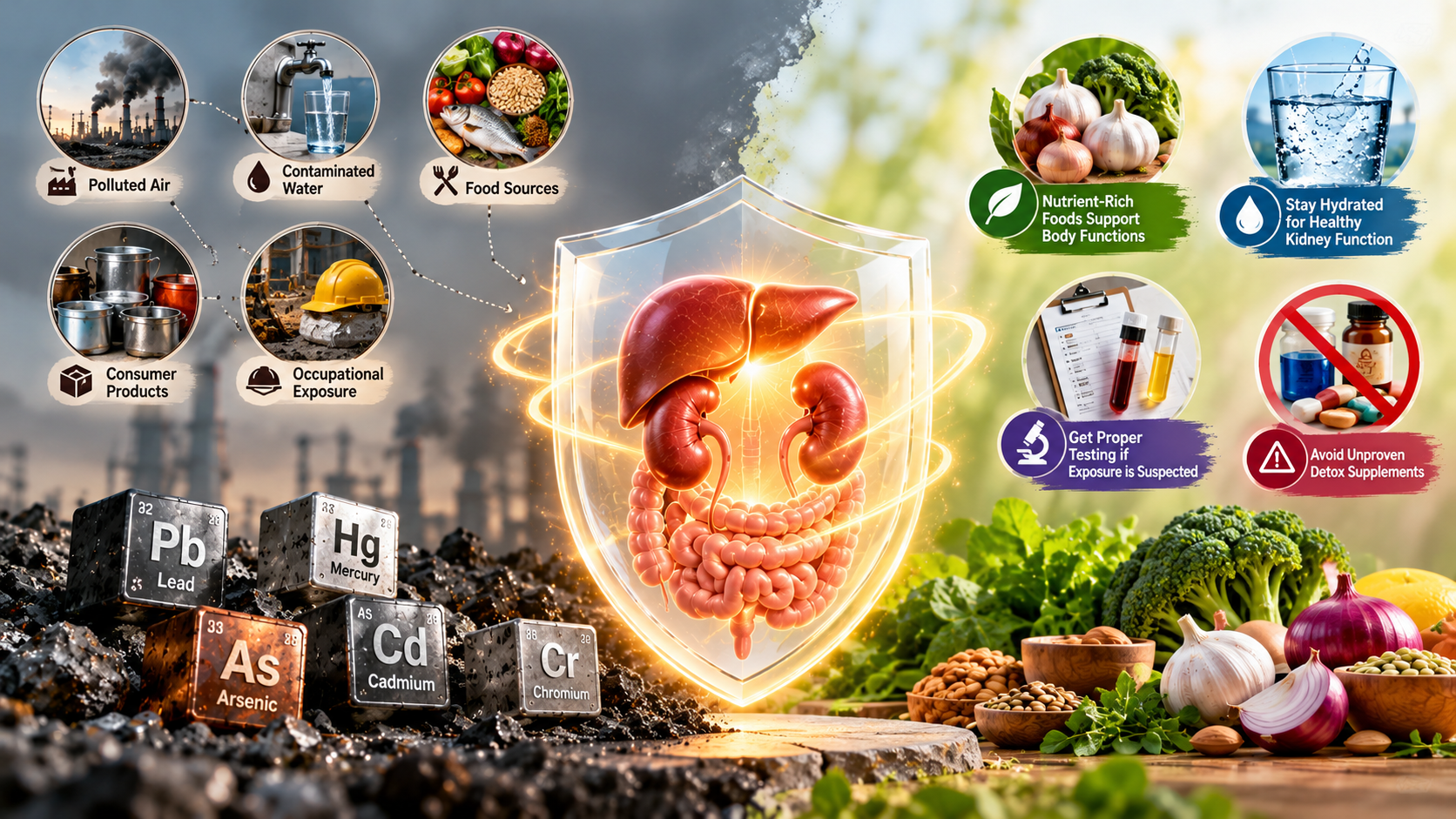
Metal exposure can occur through drinking water, food, air pollution, occupational activities, and contaminated consumer products. The health effects depend on the type of metal, the amount absorbed, and the duration of exposure. According to the World Health Organization, exposure to certain toxic metals remains an important public health concern. Understanding the effect of metals on health also helps people recognize potential risks associated with food, drinking water, and environmental pollution.
Recognizing potential exposure sources and understanding the warning signs can help people make informed decisions. This guide explains how metals affect the body, how exposure is assessed, which foods may contain contaminants, and how to reduce health risks safely.
How to remove heavy metals from the body?
The safest approach to removing toxic metals begins with identifying the source of exposure. The liver, kidneys, and gastrointestinal tract help process and eliminate many substances. However, the body cannot efficiently eliminate every toxic metal, especially when certain elements accumulate in bones or other tissues. Understanding how laboratory testing and safety procedures work can also help clarify the role of controlled testing in assessing potential contamination.
Medical treatment depends on the metal involved and the severity of exposure. Healthcare professionals may recommend removing the exposure source, monitoring metal levels, or using prescription chelating medicines in specific cases. Chelation binds certain metals so the body can excrete them. These medicines require medical supervision because they can cause serious side effects and remove essential minerals.
A balanced diet also supports normal bodily functions. Foods containing sulfur, such as garlic, onions, eggs, and cruciferous vegetables, provide nutrients involved in normal metabolic processes. However, eating these foods has not been proven to remove toxic metals from the body.
Drinking enough water supports normal kidney function, but excessive hydration does not accelerate metal removal. Avoid unproven detox supplements, restrictive cleanses, and unsupervised chelation products. Learn about detoxing, its uses, and effects before considering detox programs. If exposure is suspected, seek professional assessment rather than attempting to detoxify yourself.
How do I tell if I have heavy metals in my body?
Recognizing heavy metal exposure can be difficult because symptoms often resemble those of other conditions. Depending on the metal and exposure level, possible effects include fatigue, abdominal discomfort, neurological changes, kidney problems, and impaired concentration. Some people experience no obvious symptoms during the early stages of exposure.
Testing is the most reliable way to investigate suspected metal toxicity. The appropriate test depends on the metal, the suspected exposure source, and the time since exposure. Blood tests can help identify recent or ongoing exposure to certain metals. Urine tests may be useful for assessing exposure to specific elements, depending on their biological characteristics.
Hair testing has limited clinical applications because external contamination and inconsistent interpretation can affect results. It should not be treated as a universal measure of total body burden. Similarly, urine challenge tests performed after taking chelating agents are not recommended for routine diagnosis.
If you suspect exposure, discuss your symptoms, occupation, diet, drinking water, and environmental risks with a qualified healthcare professional. Avoid interpreting symptoms alone as proof of toxicity. Accurate testing helps guide appropriate treatment and prevents unnecessary or potentially harmful interventions.
Diagnostic Testing and Clinical Evaluation
A proper clinical evaluation begins with a detailed exposure history and physical examination. Your healthcare professional may ask about workplace chemicals, old paint, contaminated water, certain seafood, imported products, or hobbies involving metal dust. These details help determine which substances require investigation.
Testing should target the suspected metal rather than rely on a broad commercial screening panel. For example, blood lead testing is commonly used to assess lead exposure. Mercury testing may involve blood or urine analysis, depending on the mercury form and exposure history. Arsenic testing may require urine analysis, sometimes with additional steps to distinguish dietary organic arsenic from more toxic inorganic forms.
Test results must be interpreted alongside clinical findings and exposure history. A detectable metal concentration does not automatically indicate poisoning. Conversely, a normal result may not exclude past exposure or metal stored in certain tissues.
Choose a qualified healthcare professional or toxicology specialist when exposure is suspected. Functional medicine practitioners may also offer testing, but the methods used should follow established clinical standards. Avoid expensive treatments based solely on unvalidated test results.
What are the 5 most toxic heavy metals?
Several metals and related elements can cause serious health problems when exposure exceeds safe levels. Five important examples are lead, mercury, arsenic, cadmium, and hexavalent chromium. Although these substances are often grouped together, their chemical properties, exposure routes, and effects differ.
Lead can damage the nervous system, kidneys, and blood-forming processes. Children are particularly vulnerable because exposure can interfere with brain development. Mercury can harm the nervous system and kidneys, with certain forms posing risks during pregnancy and early childhood.
Arsenic, a metalloid, can contaminate groundwater and contribute to skin lesions, cardiovascular problems, and several cancers after prolonged exposure. Cadmium can damage the kidneys and weaken bones, particularly following long-term exposure. Hexavalent chromium, also called chromium(VI), is a toxic form of chromium associated with cancer risk, especially through occupational inhalation.
The danger posed by each substance depends on its chemical form, dose, exposure route, and duration. These five examples are not a universal ranking of toxicity. Preventing exposure and identifying contamination early are more useful than assuming every metal carries the same level of risk.
How do metals affect the body?
The effect of metals on health depends on whether an element is essential or toxic, as well as the amount entering the body. Iron, zinc, and copper support important functions, including oxygen transport, immune activity, and enzyme performance. However, excessive amounts of certain essential metals can also cause harm. The effect of metals on health varies according to the type of metal, the amount absorbed, and the duration of exposure.
Toxic metals may interfere with enzymes, disrupt cellular signaling, and damage important biological structures. Some generate oxidative stress, which occurs when harmful reactive molecules overwhelm the body’s protective systems. Others interfere with nutrient absorption, alter gene regulation, or accumulate in specific organs.
The resulting effects vary by substance. Lead can impair neurological development, mercury can damage the nervous system, and cadmium can affect kidney function and bone health. Long-term exposure to certain metals is also associated with cardiovascular disease and an increased risk of particular cancers.
Not every exposure produces noticeable illness, and symptoms are not specific enough to identify a metal on their own. The concentration, duration, and route of exposure all influence the outcome. Understanding these differences helps explain why accurate assessment and prevention are essential for protecting long-term health.
Cellular Damage and Oxidative Stress
Oxidative stress is one mechanism through which certain toxic metals damage cells. When reactive molecules accumulate beyond the body’s ability to control them, they can harm cell membranes, proteins, and DNA. This damage may contribute to inflammation and impaired organ function.
Some metals also interfere with essential minerals. For example, lead can disrupt calcium-dependent processes and affect normal nervous system development. Excessive exposure to certain metals may also alter enzyme activity and interfere with the body’s antioxidant defenses.
However, the biological effects differ between metals. Not every toxic metal causes damage through identical mechanisms, and oxidative stress is only one part of the explanation. The severity of harm depends on the substance, its chemical form, and the amount absorbed.
The body has natural defenses that help limit cellular damage, including antioxidant enzymes and repair mechanisms. A nutritious diet supports these normal processes, but it cannot reliably reverse established metal poisoning. Reducing exposure remains the most important preventive step. When contamination is suspected, appropriate testing and medical advice are more effective than relying on antioxidant supplements or detox products.
What foods are highest in heavy metals?
Certain foods can contain heavy metals because crops and animals absorb contaminants from their environments. The amount varies with growing conditions, soil composition, water quality, species, and food production practices. Most foods are not automatically dangerous, but understanding common exposure sources can help people make informed choices. Since water quality is an important factor, learning how rainwater harvesting systems work for homes can provide additional context about collecting and managing household water.
Large predatory fish, including swordfish, shark, and some king mackerel, can contain higher concentrations of methylmercury. Rice may accumulate inorganic arsenic from soil and irrigation water. Some leafy vegetables and root crops can absorb contaminants from polluted soil, although levels vary considerably.
Other potential sources include shellfish, certain cocoa products, and foods grown in contaminated areas. Some spices, traditional remedies, and imported products have also been associated with metal contamination. However, the presence of a contaminant does not necessarily mean a food poses an immediate health risk.
A varied diet is generally more useful than avoiding entire food groups. Follow local food safety advisories, particularly for fish and produce from known contaminated areas. Washing produce helps remove dirt and some surface residues, but it cannot reliably remove metals absorbed inside plant tissues.
Choosing regulated food sources and varying the types of grains, vegetables, and proteins you consume can help reduce repeated exposure to a single contaminant.
Minimizing Dietary Exposure Risks
Reducing dietary exposure involves making practical choices without unnecessarily restricting nutritious foods. Fish provides protein and important nutrients, including omega-3 fatty acids. Instead of avoiding seafood altogether, choose a variety of species and follow local guidance on mercury levels.
Smaller fish, such as sardines and anchovies, generally contain less mercury than large predatory fish. Salmon is also typically a lower-mercury option. However, contamination varies, so consult official advisories when choosing fish from local waters.
For rice, rinsing before cooking and using excess water with subsequent draining may reduce some inorganic arsenic. The reduction varies by rice type and cooking method, and this technique can also remove some nutrients. Alternating rice with other grains, such as oats, wheat, or millet, can diversify your diet.
Wash vegetables under clean running water to remove dirt and surface contaminants. Peeling may reduce some surface residues but cannot eliminate metals absorbed internally. Organic certification does not guarantee that produce is free of heavy metals.
Finally, buy food from reputable sources and follow product recalls or contamination warnings. These steps reduce avoidable exposure while preserving the benefits of a balanced diet. Safe handling practices also matter in other settings, so reviewing essential laboratory safety rules and equipment can reinforce the importance of preventing contact with hazardous substances.
How long do metals stay in your body?
The time metals remain in the body varies widely by element, chemical form, and tissue. Some substances leave the bloodstream relatively quickly, while others accumulate in organs or bones and remain for years. Therefore, there is no single timeline for eliminating all heavy metals. The long-term effect of metals on health depends partly on how quickly the body eliminates a substance and whether it accumulates in specific tissues.
Lead can accumulate in bones and teeth, where it may remain for decades. Stored lead can later return to the bloodstream, particularly during periods of increased bone turnover. Mercury behaves differently depending on its form. The body generally eliminates methylmercury over several weeks to months, although exposure and tissue distribution affect clearance.
Cadmium is especially persistent. It can accumulate in the kidneys and liver, with a biological half-life that may span decades. Arsenic generally clears more quickly from the body than lead or cadmium, but continued exposure can maintain elevated levels and prolong health risks.
A biological half-life describes the time required for the amount of a substance in the body to decrease by half under specified conditions. It does not indicate when a substance will be completely eliminated or when health effects will resolve.
Stopping exposure is essential, but it may not immediately remove stored metals or reverse existing damage. Medical assessment helps determine whether monitoring or treatment is necessary.
Factors Influencing Retention and Clearance
Several factors influence how long metals remain in the body. These include the chemical form of the substance, the amount absorbed, the route of exposure, and the tissues where it accumulates. Age, nutritional status, and kidney or liver function can also affect susceptibility and elimination. Understanding types of temperature scales and how to measure temperature can also help readers interpret environmental measurements relevant to exposure assessments.
For example, the body stores much of its lead burden in bones, while cadmium can accumulate in kidney tissue. These storage patterns help explain why some metals remain for decades. In contrast, other forms may be eliminated more rapidly through urine or stool.
Hydration supports normal kidney function, but drinking excessive amounts of water does not reliably speed up metal clearance. Similarly, research has not established supplements, special diets, or commercial detox programs as reliable ways to remove toxic metals.
When exposure continues, the body may repeatedly absorb the same substance, preventing levels from falling as expected. Identifying and eliminating the source is therefore a central part of prevention and treatment.
If testing confirms clinically significant exposure, a healthcare professional can recommend appropriate monitoring or treatment. Chelation may be necessary in selected cases, but it is not suitable for every metal exposure. The safest strategy combines exposure prevention, evidence-based medical care, and realistic expectations about the body’s natural elimination processes.
Conclusion
Managing the effect of metals on health requires continuous awareness, proactive testing, and healthy lifestyle choices. Understanding the five most toxic heavy metals and their sources empowers you to minimize unnecessary daily exposure. Implementing safe removal strategies and eating a clean, balanced diet supports your body’s natural detoxification systems. By prioritizing early detection and professional medical guidance, you can protect your long-term vitality and wellness. Take charge of your environmental health today to ensure a vibrant and resilient future for yourself.