

5 Biggest Disadvantages of Using AI Glasses You Must Know
The disadvantages of using AI glasses are important to understand before investing in this emerging technology. Although smart eyewear offers hands-free photography, voice assistants, and convenient digital features, it also comes with several limitations. Privacy concerns, short battery life, physical discomfort, and high prices can affect the everyday user experience.
Modern AI glasses combine cameras, microphones, speakers, wireless connectivity, and artificial intelligence. However, fitting these components into lightweight frames creates practical challenges. Users may experience limited battery performance, uncomfortable designs, and dependence on smartphones or cloud services.
Another concern involves personal privacy and data security. Built-in cameras can create recording and consent issues. Meanwhile, cloud-based AI services may introduce additional risks involving personal information.
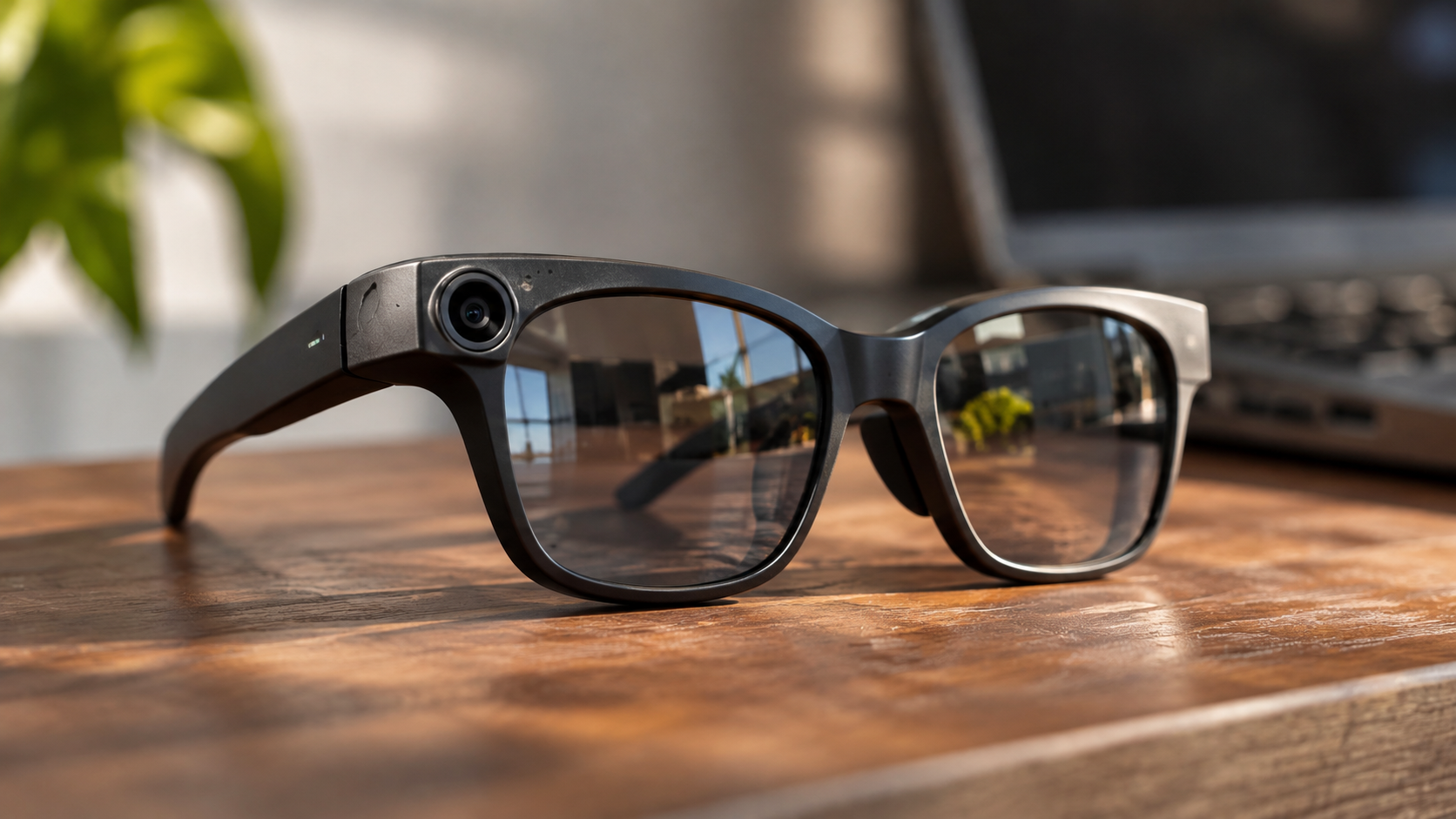

In this guide, we explore the five biggest disadvantages of using AI glasses. We also examine their safety, everyday limitations, and overall value. Understanding these drawbacks can help you decide whether smart glasses are a worthwhile investment.
1. Serious Privacy and Consent Issues
Privacy is one of the biggest concerns when discussing the disadvantages of using AI glasses. Most camera-equipped models include built-in cameras and microphones. These components allow users to capture photos, videos, and audio without holding a smartphone.
However, recording people without their knowledge creates serious privacy concerns. Small recording indicator lights may go unnoticed in crowded environments. They may also become difficult to identify under certain lighting conditions.
This can create conflicts in workplaces, public spaces, and private settings. People nearby may feel uncomfortable knowing someone could be recording them.
AI glasses may also collect personal information through voice commands, images, and other interactions. Depending on the manufacturer, some information may be transmitted to external servers for processing or storage.
Users should carefully review privacy policies before purchasing these devices. They should understand how recordings are stored, processed, and shared.
2. Short Battery Life
Battery life is another major disadvantage of using AI glasses. Manufacturers must fit several electronic components into a relatively small frame. These include cameras, microphones, speakers, wireless connections, and AI-related hardware.
This limited space restricts battery capacity. As a result, some models struggle to support extended active usage.
Battery consumption also depends on how frequently you use different features. Recording videos, making voice queries, streaming audio, and using connected services can drain power faster.
For users who depend on smart glasses throughout the day, frequent charging can become frustrating. Some models include charging cases to provide additional power. However, carrying another charging accessory reduces everyday convenience.
Battery performance should therefore be an important consideration before purchasing AI glasses. Check independent battery tests and real-world usage reports instead of relying only on manufacturer estimates.
3. Digital Eye Strain and Physical Discomfort
AI glasses can introduce physical discomfort, particularly during extended use. Their electronic components add weight compared with traditional eyewear. This additional weight can create pressure around the nose, temples, and ears.
Display-equipped models may also contribute to visual discomfort. Extended screen exposure can cause eye fatigue, dryness, headaches, and difficulty maintaining visual comfort. Readers looking for ways to support their vision can also explore nutrients that support eye health and long-term vision.
The experience depends on the display technology, brightness, viewing distance, and individual sensitivity. Not every user will experience the same problems.
Frame design also plays an important role. Poorly balanced glasses may feel uncomfortable after several hours. Users who already wear prescription glasses may face additional fitting challenges.
Before buying smart eyewear, consider its weight, frame size, and overall comfort. If possible, try wearing the device before making a purchase.
4. Poor Performance and Smartphone Dependency
AI glasses may appear powerful, but their compact hardware creates performance limitations. Most lightweight models cannot run advanced AI systems entirely on their own.
Instead, they depend on connected smartphones and cloud-based services for several features. This creates additional requirements for internet access, wireless connectivity, and compatible applications.
As a result, some voice commands may experience delays. Responses can also become unreliable when the internet connection is weak.
Smartphone dependency creates another limitation. Users may need to keep their phones nearby to access certain features. This reduces the convenience of having an independent wearable device. This growing dependence on connected devices also relates to the screen-free technology trend, which explores alternatives to constant screen exposure.
Offline functionality can also vary significantly between models. Some basic features may work without an internet connection, while advanced AI capabilities require cloud processing.
Before purchasing, check which features work independently. Understanding these limitations helps you avoid unrealistic expectations.
5. Cloud Data Security Risks
Cloud data security is another important concern among the disadvantages of using AI glasses. These devices frequently interact with cloud-based services to provide AI-powered features.
Such services may process voice commands, images, and other information. Although cloud processing improves functionality, it introduces additional data security concerns.
Personal information transmitted over networks may become vulnerable to security breaches. This risk depends on how manufacturers protect, store, and process user data.
Data handling practices also vary between manufacturers. Some companies may retain certain information for service improvement, troubleshooting, or other stated purposes.
In some cases, human reviewers may examine selected interactions under the company’s data policies. This possibility can concern users who share sensitive information through voice assistants.
Users should carefully examine the manufacturer’s privacy and security policies. Pay attention to data retention, third-party sharing, deletion options, and AI training practices.
Avoid sharing confidential information through connected services unless you understand how that information is handled.
Is It Safe to Wear AI Glasses?
Wearing AI glasses introduces several physical and cognitive safety considerations. Their safety depends on the device design, features, and how users operate them.
Wireless connectivity is one common concern. However, the more immediate everyday risks generally involve distraction, visibility, and physical comfort.
Built-in displays, voice notifications, and audio alerts can divide your attention. This becomes particularly concerning during driving, cycling, or crossing busy roads.
For example, looking at an AI display while driving can distract you from traffic conditions. Similarly, interacting with voice assistants while walking may reduce your awareness of nearby hazards. Cyclists using smart glasses should also understand basic riding precautions through this mountain biking safety guide for beginners.
Physical discomfort is another consideration. Heavy frames can create pressure around the temples, nose, and ears. Some users may also experience headaches after prolonged wear.
Display-equipped models can contribute to visual fatigue during extended use. Heat generated by electronic components may also affect comfort, depending on device design and operating conditions.
To reduce these risks, avoid interacting with AI features during dangerous activities. Take regular breaks and choose properly fitted frames.
What Are the Downsides of AI Glasses?
The main downsides of AI glasses include limited battery life, uncomfortable designs, privacy concerns, and dependence on connected devices.
Their compact size creates several engineering challenges. Manufacturers must fit cameras, microphones, speakers, batteries, and processors into relatively small frames.
These components can increase weight and reduce available battery capacity. Consequently, some users may experience discomfort during extended wear. Frequent charging can also become part of their daily routine.
Social acceptance presents another challenge. People may feel uncomfortable around someone wearing glasses with built-in cameras. This is especially relevant in workplaces, private offices, and public gatherings.
Other disadvantages include:
- High purchase prices: Advanced smart glasses can cost significantly more than traditional eyewear.
- Limited standalone functionality: Several features require a connected smartphone or internet access.
- Software limitations: Performance and available features depend on manufacturer updates and compatibility.
- Prescription compatibility: Not every model supports every prescription or frame requirement.
- Additional expenses: Charging accessories, repairs, subscriptions, and replacement parts can increase ownership costs.
These limitations do not make AI glasses completely impractical. However, they show why buyers should evaluate everyday usefulness before investing.
Is It Worth Getting AI Glasses?
AI glasses are not necessarily worth their premium price for every consumer. Their value depends on how frequently you use their features and whether those features solve a genuine problem. Before purchasing, readers can explore this Meta smart glasses review to understand the features and overall experience of popular smart eyewear.
For example, content creators may benefit from hands-free, first-person recording. Professionals working in certain field environments may also find voice assistance useful.
However, casual users may struggle to justify the additional expense. Taking photos, recording videos, listening to audio, and using voice assistants are already possible through smartphones and wireless earbuds.
Smart glasses also introduce additional responsibilities. Owners must manage battery charging, software compatibility, privacy settings, and potential subscription fees.
Before purchasing, consider these factors:
- Daily usefulness: Will you regularly use the AI features?
- Battery performance: Can the device support your typical usage?
- Comfort: Is the frame suitable for extended wear?
- Privacy: Are you comfortable with its recording and data collection features?
- Total cost: Does the functionality justify the purchase price?
If you are an early technology adopter or need hands-free recording, AI glasses may provide practical benefits. Otherwise, waiting for more comfortable, affordable, and capable models may be a better decision.
What Are the 10 Disadvantages of AI?
Artificial intelligence offers several benefits, but its growing adoption also creates challenges. These disadvantages affect employment, privacy, security, education, and society.
Here are ten important disadvantages of artificial intelligence:
- Job displacement: Automation can replace certain repetitive and routine tasks. This may reduce demand for some traditional jobs and require workers to develop new skills.
- Algorithmic bias: AI systems can reproduce biases present in their training data. This may lead to unfair outcomes in recruitment, lending, and other important decisions.
- High energy consumption: Training and operating large AI models requires substantial computing resources. Data centres also consume electricity and water for cooling.
- Incorrect information: AI systems can generate convincing but inaccurate answers. Users may make poor decisions if they trust these responses without verification.
- Privacy concerns: AI applications may collect and process large amounts of personal information. Improper data handling can expose sensitive details.
- Deepfakes and misinformation: AI-generated images, videos, and audio can spread misleading information. These technologies can also support impersonation and online fraud.
- Overdependence on technology: Excessive reliance on AI tools may reduce opportunities to practise independent thinking and problem-solving.
- Reduced human interaction: Automated customer service and communication systems can reduce direct interaction with people.
- Autonomous weapon risks: Military applications of AI raise concerns about automated targeting, accountability, and the potential misuse of autonomous systems.
- Lack of accountability: Some AI systems operate as complex black boxes. Understanding their decisions can be difficult, making responsibility for harmful outcomes harder to establish.
These disadvantages highlight the importance of responsible AI development. Strong privacy protections, human oversight, transparent systems, and appropriate regulations can help reduce potential harm.
Final Verdict
The disadvantages of using AI glasses show that this technology still has several practical challenges. Privacy concerns, limited battery life, physical discomfort, and smartphone dependency can affect everyday convenience.
Although smart eyewear offers useful features, it may not suit every consumer. Buyers should evaluate their requirements, budget, and expectations before purchasing.
Privacy is particularly important when choosing wearable technology. The Office of the Victorian Information Commissioner explains the privacy and security risks associated with smart glasses and other wearable devices.
AI glasses may become more practical as hardware and software improve. Until then, understanding their limitations is essential for making an informed buying decision.