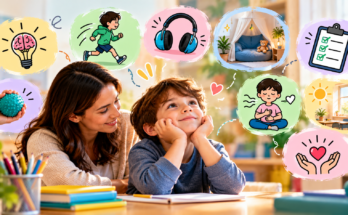

Bringing Joy Into Our Schools: How to Revitalize Education
Classrooms thrive when curiosity, warmth, and meaningful engagement take center stage. Today, bringing joy into our schools is essential for nurturing resilient students and energized educators. Research from organizations like the Collaborative for Academic, Social, and Emotional Learning (CASEL) highlights the value of positive emotional climates for academic, social, and emotional development. When school feels welcoming, learning can become an inspiring daily experience rather than a stressful chore.
Educators and students face genuine pressures every day. Heavy curriculums, testing requirements, and academic expectations can make learning feel overwhelming. However, meaningful education requires connection alongside academic rigor. Joy does not remove effort, discipline, or high expectations. Instead, it can strengthen the intrinsic motivation students need to approach difficult tasks with confidence.
To help educators create more engaging learning environments, this guide explores several important questions. What brings you joy in teaching? What kind of learning brings joy to students? Why is joy important in learning? What are the joys of teaching? What is the joy of learning? Finally, what are five qualities of a good teacher? Exploring these questions reveals practical ways to make schools more positive, engaging, and purposeful.

What brings you joy in teaching?
Seeing a child recognize their own potential can bring profound joy to teaching. One of the most rewarding moments happens when a student struggles with a difficult concept, then finally understands it independently. That aha moment can transform frustration into confidence within seconds.
Building trust with students also creates lasting satisfaction. Over time, hesitant learners may begin volunteering answers, asking questions, helping classmates, and participating more openly. These changes show that teaching involves far more than delivering academic content. It also involves helping young people develop confidence and independence.
Teachers can find joy in many everyday moments, including meaningful conversations, creative projects, classroom humor, and student progress. Even small improvements can feel significant when educators understand the effort behind them. These experiences show why bringing joy into our schools starts with creating meaningful relationships between teachers and students.
Ultimately, the joy of teaching comes from witnessing growth. Seeing students become more confident, curious, capable, and compassionate gives education a deeper sense of purpose.
Celebrating the Breakthrough “Aha” Moment
Few teaching experiences compare with watching a student’s expression change from confusion to understanding. The “aha” moment shows that learning has moved beyond memorization and become genuine understanding. Students often experience a noticeable increase in confidence when they realize they can solve a difficult problem themselves.
Teachers can strengthen these moments by giving students enough time to think. Immediate answers may complete a lesson faster, but they can reduce opportunities for independent discovery. Encouraging students to explain their reasoning can make the learning experience even more meaningful.
Celebrating progress also matters. Recognition does not always require prizes or public praise. A thoughtful comment, encouraging question, or simple acknowledgment can show students that their effort matters. This approach helps create a classroom where mistakes become part of learning rather than something to fear.
These breakthroughs benefit teachers, too. Watching a learner overcome frustration provides a powerful reminder of the purpose behind teaching. Each successful discovery can turn an ordinary lesson into a memorable experience for both student and educator.
What kind of learning brings joy to you?
Learning tends to feel more enjoyable when it is active, meaningful, and connected to personal curiosity. Passive memorization can have a place in education, but it rarely provides the same sense of discovery as hands-on learning. Students often become more engaged when they can investigate questions, solve realistic problems, and connect lessons with everyday experiences.
Collaborative activities can also create joy in learning. Working with classmates allows students to exchange perspectives, test ideas, and develop solutions together. These school friendships and connections can also contribute to students’ emotional and academic experiences.
Choice is another important factor. When students can choose a topic, research question, project format, or method of demonstrating understanding, they gain greater ownership of their work. That ownership can strengthen motivation and encourage deeper participation.
Meaningful learning should therefore provide room for curiosity, experimentation, and creativity. Students should have opportunities to ask questions rather than simply receive answers. When education encourages exploration, lessons can feel less like repetitive assignments and more like opportunities to discover something new.
Inquiry-Based Discovery and Creative Agency
Inquiry-based learning gives students opportunities to investigate questions rather than simply receive information. Instead of beginning with a predetermined answer, students can identify problems, gather evidence, test ideas, and explain what they discover. This process makes learning more active and personally meaningful, much like the approach encouraged by STEM education in schools.
Creative agency strengthens this approach. Students can sometimes choose how they investigate a topic or present what they have learned. They might create a presentation, conduct an experiment, design a model, write an explanation, or develop another suitable project.
This flexibility encourages student ownership. Learners begin to see themselves as active participants rather than passive recipients of information. They also develop useful skills such as questioning, research, problem-solving, communication, and critical thinking.
Teachers still provide structure and guidance throughout the process. Inquiry does not mean leaving students without support. Instead, educators establish clear goals while giving learners enough freedom to explore.
When students can follow genuine curiosity within a supportive framework, academic learning becomes more engaging. Discovery then becomes part of the educational experience rather than an occasional classroom activity.
Why is joy important in learning?
Joy matters in learning because emotions can influence student learning. Students who feel comfortable and supported are more likely to ask questions, attempt difficult tasks, and participate in discussions. In contrast, persistent stress can make concentration and learning more difficult.
This is why bringing joy into our schools should not be confused with making every lesson entertaining. Joyful learning can still involve challenging assignments, discipline, constructive feedback, and high expectations. The difference is that students approach those challenges within a supportive environment.
Positive classroom experiences can also change how students view mistakes. Instead of seeing an incorrect answer as personal failure, learners can treat mistakes as useful information. This mindset encourages persistence and experimentation.
Joy can also strengthen relationships between teachers and students. When learners feel respected and valued, they may become more willing to participate and communicate honestly.
A joyful learning environment therefore supports more than academic achievement. It can encourage curiosity, confidence, resilience, collaboration, and a stronger willingness to keep learning when subjects become difficult.
Lowering Cognitive Stress to Enhance Focus
A supportive classroom can help students manage the stress associated with difficult academic tasks. When learners constantly worry about embarrassment, punishment, or failure, their attention may shift away from the lesson. Creating psychological safety gives students more space to concentrate on the task itself.
Teachers can support this environment through simple practices. Clear instructions, predictable routines, constructive feedback, and respectful communication can reduce unnecessary uncertainty. Giving students time to think before answering can also reduce pressure during classroom discussions.
This does not mean removing every challenge. Productive learning often requires students to experience difficulty and work through it. The goal is to make difficulty feel manageable rather than threatening.
A positive environment can also encourage students to ask for help. When questions are treated as a normal part of learning, students are less likely to hide confusion.
By reducing unnecessary emotional pressure, educators can create more opportunities for focus, critical thinking, and creative problem-solving. Students can then spend more mental energy understanding ideas instead of worrying about making mistakes.
What are the joys of teaching?
The joys of teaching extend beyond completing lesson plans or meeting academic targets. One of the greatest rewards is developing meaningful relationships with students and watching them grow over time. Teachers often witness changes that are difficult to measure through grades alone, such as increased confidence, curiosity, independence, and empathy.
Every school day also brings something unexpected. A thoughtful student question, humorous classroom conversation, successful project, or surprising discovery can make teaching feel fresh. These moments create variety and remind educators that learning is a shared experience.
Teachers also have the opportunity to help students discover their strengths. One learner may excel in science, while another may demonstrate creativity through art, communication, leadership, or collaboration. Recognizing these differences can help students understand that success takes many forms.
The lasting impact of teaching can be another source of fulfillment. Students may carry lessons, encouragement, and values with them long after leaving school, highlighting the broader opportunities available in a teaching career.
Ultimately, the joy of teaching comes from helping students develop knowledge while also supporting their growth as people.
Nurturing Lifelong Bonds and Community Trust
Strong relationships are an important part of meaningful education. Students learn more comfortably when they know their teachers respect them, listen to them, and genuinely care about their progress. Trust does not develop instantly. It grows through consistent communication, fairness, patience, and reliable support.
Teachers can build this trust through small daily actions. Remembering a student’s interests, listening carefully to concerns, recognizing effort, and responding respectfully can help make students feel valued in the classroom. These interactions can influence how comfortable learners feel participating in class.
The relationship can also extend beyond academic performance. Teachers often encourage students during difficult periods, celebrate personal achievements, and help them recognize their abilities.
Over time, these connections can become part of a student’s wider sense of belonging at school. A supportive relationship may influence how students view education and themselves as learners.
The impact can continue after graduation. Former students sometimes remember teachers who encouraged them during important stages of their development. These lasting connections demonstrate how teaching relationships can contribute to stronger communities and meaningful educational experiences.
What is the joy of learning?
The joy of learning comes from discovering something that expands your understanding of the world. It can appear when a difficult idea suddenly becomes clear, when separate facts connect, or when a new skill makes an unfamiliar task easier. These moments create a sense of progress that can motivate learners to continue exploring. This is one reason bringing joy into our schools can make education more meaningful and engaging.
Learning also provides practical independence. Understanding how something works can make everyday decisions easier. Developing communication, analytical, technical, or creative skills can help people approach challenges with greater confidence.
Curiosity plays a central role in this process. People naturally want to understand how things work, why events happen, and what might be possible. Education can strengthen this curiosity by encouraging questions rather than focusing only on correct answers.
The benefits extend beyond formal schooling. Learning continues through hobbies, careers, personal experiences, reading, conversations, and experimentation. This makes the joy of learning a lifelong experience rather than something limited to the classroom.
When people recognize that they can continue developing their abilities, unfamiliar challenges may feel less intimidating. Learning then becomes a source of confidence, independence, discovery, and continuous personal growth.
Unlocking Personal Agency Through Knowledge
Knowledge can give learners greater control over how they understand and respond to the world around them. Each new skill can make an unfamiliar task feel more manageable. This sense of capability is an important part of the joy of learning.
For example, learning how to research information can help students investigate questions independently. Developing communication skills can help them express ideas more clearly. Learning problem-solving strategies can make complex challenges easier to approach.
Personal agency grows when students understand that they can improve through practice and persistence. They begin to see ability as something that can develop rather than a fixed quality they either possess or lack.
Teachers can support this growth by giving students appropriate challenges and allowing them to make meaningful choices. Reflection also helps learners recognize their own progress. Asking students what they understand, what challenged them, and what they would try differently can build self-awareness.
Over time, these experiences can create greater confidence. Students become more willing to explore unfamiliar subjects because they understand that confusion is often the beginning of learning.
What are 5 qualities of a good teacher?
Five important qualities of a good teacher are empathy, adaptability, subject knowledge, patience, and passion. Together, these qualities help educators create classrooms where students feel supported while still being challenged to grow. These qualities also play an important role in bringing joy into our schools by making learning more welcoming and meaningful.
Empathy allows teachers to understand that students have different backgrounds, abilities, personalities, and learning needs. Adaptability helps educators adjust explanations, activities, and teaching methods when a lesson does not work as expected.
Strong subject knowledge is equally important. Teachers need to understand their material well enough to explain difficult concepts clearly. They should also connect academic ideas with practical examples when appropriate.
Patience gives students room to make mistakes, ask questions, and develop skills at different speeds. A patient teacher helps create a safe environment where learners can participate without fearing every mistake.
Finally, genuine passion can make lessons more engaging. Enthusiastic teachers can explain why a subject matters and encourage students to remain curious.
These qualities do not require perfection. Effective teaching develops through teacher self-reflection, experience, feedback, and a willingness to keep learning alongside students.
Conclusion
Creating vibrant, joyful learning spaces is essential for contemporary education. When schools prioritize curiosity, psychological safety, and meaningful connection, academic growth follows naturally. As examined through each key question, daily teaching thrives on genuine breakthroughs, hands-on inquiry, and deep mentorship. Simultaneously, learners flourish when their innate curiosity receives encouragement rather than rigid pressure. Empathy, adaptability, and patient communication stand out as indispensable qualities for educators committed to this path.
Bringing joy into our schools does not mean abandoning accountability or core curriculum standards. Instead, it provides the vital emotional and cognitive foundation that makes real academic rigor possible. When classrooms celebrate mutual growth, students build lifelong resilience and self-confidence. Let us commit to designing educational spaces where educators feel valued and students arrive eager to learn. Begin implementing small shifts today, such as introducing student-led inquiries or celebrating small daily victories, and watch your school community flourish.