
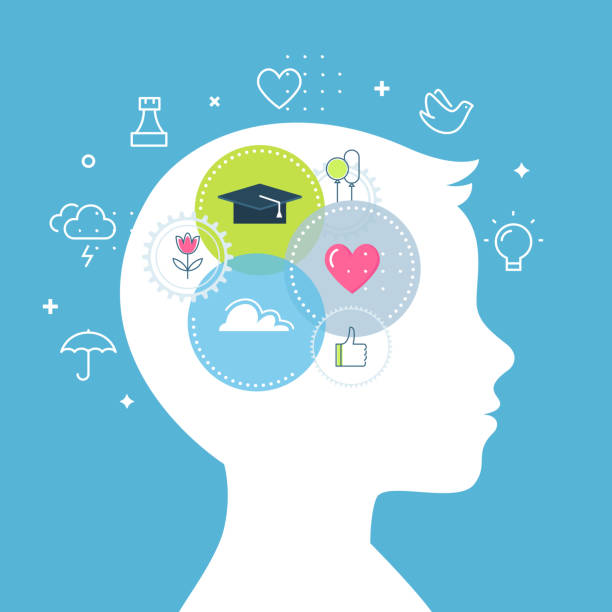
Role of emotions in student learning
When we think about academic success, we often focus on textbooks, rigorous curriculum, and standardized testing. However, the role of emotions in student learning is just as critical, if not more so. How a student feels directly impacts their ability to process new information, stay motivated, and ultimately succeed in the classroom.
For many years, educators treated the brain as a simple filing cabinet, ignoring the complex feelings that drive human attention. Today, cognitive science proves that learning is an inherently emotional process. Joy, frustration, anxiety, and curiosity are not just side effects of the educational experience. Rather, they are the very engines that drive cognitive function.
When students feel safe, valued, and supported, their brains are naturally primed for discovery and retention. Conversely, when stress, fear, or profound sadness take over, the brain’s survival instincts activate, effectively blocking out higher-level critical thinking. It is impossible to separate how a child feels from how a child learns.
Positive emotions in student learning not only improve engagement and memory retention but also encourage the development of effective academic habits. Students who feel motivated and confident are more likely to use proven learning techniques and stay committed to their educational goals. For additional strategies that can help students succeed academically, check out our guide on Becoming a Great Student: Study Hacks to Try.
In this comprehensive guide, we will explore exactly how feelings shape academic outcomes. We will look at the science behind emotions in student learning, discuss the impact of positive and negative emotional states on concentration, and share actionable ways educators can foster a healthier classroom environment. By understanding this vital connection, we can create educational spaces where students do more than just memorize facts—they truly thrive.
The Science Behind Emotions in Student Learning, Memory, and Cognitive Development
To understand how feelings dictate educational outcomes, we first have to look at the brain. The amygdala, which is the brain’s emotional center, is deeply connected to the hippocampus, the area responsible for memory formation. Therefore, when an experience triggers a strong emotional response, the brain is far more likely to store it in our long-term memory.
This biological reality means that students remember lessons better when they feel engaged or inspired. If a teacher uses storytelling, humor, or exciting hands-on experiments, the student’s brain tags that information as important. Furthermore, positive feelings release dopamine, a neurotransmitter that naturally enhances focus and intrinsic motivation.
On the other hand, negative emotions can severely disrupt this delicate process. When a student feels threatened, embarrassed, or overly anxious, the amygdala goes into overdrive. This “fight or flight” response makes it incredibly difficult for the hippocampus to encode new information. Simply put, a stressed brain is not a learning brain.
How Positive Emotions in Student Learning Improve Academic Performance
Cultivating a positive emotional state in the classroom yields incredible results for student achievement. When learners experience joy, curiosity, and a sense of belonging, their cognitive resources expand. They become better problem solvers, more creative thinkers, and much more resilient when facing difficult academic challenges.
Moreover, positive feelings build a phenomenon known as cognitive flexibility. This is a student’s ability to easily switch between different concepts or think about multiple ideas simultaneously. For instance, a child who feels confident is much more likely to raise their hand, ask clarifying questions, and participate in group discussions.
To foster this environment, educators can implement several practical strategies:
-
Celebrate small victories to build foundational confidence.
-
Encourage collaborative, peer-to-peer learning to build social bonds.
-
Provide constructive, gentle feedback rather than harsh criticism.
-
Connect lesson materials to students’ real-world interests.
By actively promoting optimism and curiosity, teachers create a self-sustaining cycle. Success breeds positive emotions, and those positive emotions pave the way for even greater academic success.
The Impact of Stress and Anxiety on Cognitive Load
While positive feelings expand a student’s capacity to learn, chronic stress drastically shrinks it. Anxiety consumes a massive amount of working memory, which is the mental workspace needed to process new concepts. When a student is worried about a bad grade, a chaotic home life, or peer bullying, they have very little mental energy left for learning.
The World Bank has repeatedly highlighted that socio-emotional well-being is foundational to human capital development. Their research suggests that without a foundation of emotional stability, investments in educational infrastructure cannot reach their full potential. Students burdened by trauma or high anxiety struggle to build the skills necessary for long-term economic success.
Furthermore, severe academic anxiety often leads to avoidance behaviors. A student who fears failure might stop doing homework, skip classes, or act out to mask their insecurities. Therefore, identifying and addressing these negative emotional states early is absolutely crucial for preventing long-term academic disengagement.
Building Emotional Intelligence to Support Emotions in Student Learning
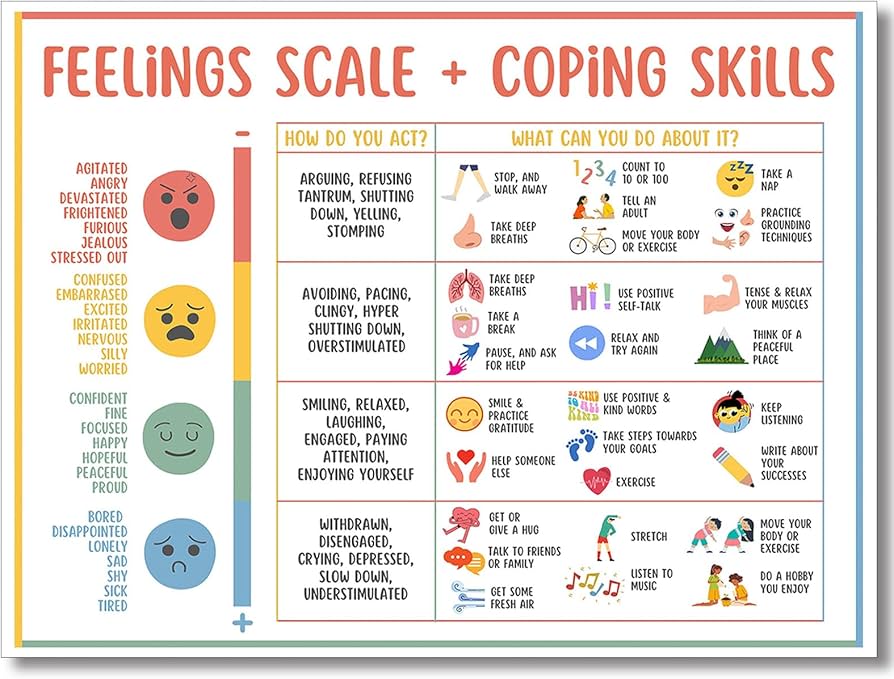
Because the connection between feelings and cognition is undeniable, modern education must prioritize emotional intelligence (EQ). Teaching students how to identify, understand, and manage their feelings is just as important as teaching them mathematics or reading comprehension.
When schools integrate social-emotional learning (SEL) programs, they equip students with lifelong coping mechanisms. Students learn how to self-regulate when they feel frustrated by a tough assignment. Moreover, they develop empathy, allowing them to collaborate better with their peers and build supportive classroom communities.
Teachers play a pivotal role in modeling this emotional intelligence. When educators remain calm under pressure, validate student concerns, and openly discuss feelings, they create a psychologically safe environment. In such classrooms, making a mistake is not a source of shame, but rather a celebrated stepping stone toward mastery.
Frequently Asked Questions
How do emotions affect the learning process?
Emotions are the foundation upon which the entire learning process is built. From a neurological standpoint, feelings dictate where we direct our attention and how effectively our brains encode new memories. When a student experiences positive emotions like curiosity, joy, or satisfaction, their brain releases dopamine and endorphins. This chemical reaction naturally increases their motivation, helps them stay focused on complex tasks, and improves long-term memory retention.
Conversely, negative emotions heavily disrupt cognitive processing. Fear, sadness, and anger trigger the brain’s survival mechanisms. When this happens, blood flow and energy are directed away from the prefrontal cortex—the area responsible for critical thinking and problem-solving. As a result, a highly emotional or stressed student will find it incredibly difficult to concentrate, follow instructions, or recall facts they previously learned. Therefore, managing emotions is the very first step in ensuring effective learning can take place.
Why is emotional intelligence important for students?
Emotional intelligence is critical for students because it provides the tools they need to navigate the inevitable challenges of academic and social life. A student with high emotional intelligence can accurately identify when they are feeling frustrated by a difficult subject. Instead of shutting down or acting out, they can use self-regulation strategies to calm down, re-evaluate the problem, or ask a teacher for help. This resilience is key to long-term academic growth.
Furthermore, emotional intelligence helps students build strong, supportive relationships with their peers and teachers. Empathy, a core component of EQ, allows students to work effectively in group settings and resolve conflicts peacefully. Ultimately, strong emotional intelligence leads to a safer, more collaborative classroom environment. It prepares students not just to pass exams, but to thrive in the real world where teamwork, adaptability, and emotional regulation are highly valued skills.
Can anxiety completely stop a student from learning?
Yes, severe anxiety can essentially block a student’s ability to absorb and process new information. When a student experiences high levels of anxiety, their body releases stress hormones like cortisol and adrenaline. This triggers a biological “fight, flight, or freeze” response. In this state, the brain prioritizes immediate survival over higher-order cognitive tasks, completely hijacking the student’s working memory.
Working memory acts as the brain’s temporary sticky note, holding onto information just long enough to process it. Because anxiety consumes so much of this mental workspace, an anxious student simply does not have the cognitive capacity left to understand a new math formula or comprehend a reading passage. They might read the same sentence five times without absorbing its meaning. Therefore, educators must actively work to reduce classroom anxiety through clear expectations, low-stakes assessments, and a deeply supportive environment before they can expect deep learning to occur.
How Can Teachers Promote Positive Emotions in Student Learning?
Teachers play a crucial role in fostering positive emotions in student learning. By creating a supportive and engaging classroom environment, educators can help students feel motivated, confident, and connected to the learning process. Positive emotions in student learning not only improve academic performance but also encourage long-term personal growth and resilience.
Creating a Supportive Classroom Environment
A positive classroom culture is one of the most effective ways to strengthen emotions in student learning. Students are more likely to participate, ask questions, and take academic risks when they feel respected and valued. Teachers can create this environment by encouraging open communication, promoting inclusivity, and recognizing student achievements.
Encouraging Curiosity and Engagement
Curiosity is a powerful emotion that drives student learning. Teachers can spark interest by using interactive lessons, real-world examples, group activities, and hands-on projects. When students are genuinely engaged, positive emotions in student learning increase, leading to deeper understanding and improved knowledge retention.
Providing Constructive Feedback
Feedback has a significant impact on emotions in student learning. Supportive and constructive feedback helps students view mistakes as learning opportunities rather than failures. By focusing on progress and effort, teachers can build confidence and encourage a growth mindset.
Building Strong Teacher-Student Relationships
Strong relationships contribute directly to positive emotions in student learning. When students feel supported by their teachers, they are more likely to stay motivated and overcome challenges. Showing empathy, listening actively, and demonstrating genuine interest in students’ success can strengthen these connections.
Promoting Emotional Intelligence in Student Learning
Teaching emotional intelligence helps students recognize and manage their feelings effectively. Activities that encourage self-awareness, empathy, and emotional regulation can improve emotions in student learning while also supporting social and academic development. Students with strong emotional skills are often better equipped to handle stress and remain focused on their educational goals.
Conclusion
Understanding the role of emotions in student learning is essential for anyone involved in education. We can no longer view the brain as an emotionless hard drive that simply downloads information from a chalkboard. Human cognition is deeply intertwined with how we feel, meaning that joy, stress, curiosity, and anxiety all play an active role in shaping educational outcomes.
Research from the American Psychological Association highlights the strong connection between emotions, behavior, and learning. Similarly, studies published by the National Center for Biotechnology Information (NCBI) demonstrate how emotional states influence attention, memory formation, and academic performance.
When students operate in a state of high stress or fear, their cognitive abilities are severely diminished. Their memory centers become less effective, and their ability to focus declines. According to research from the Harvard Graduate School of Education, chronic stress can negatively affect learning, motivation, and classroom engagement.
On the other hand, when educators foster a positive and supportive environment, they help unlock a student’s true potential. Positive emotions in student learning increase motivation, resilience, and engagement while supporting stronger memory retention and problem-solving abilities. Resources from Edutopia and the Collaborative for Academic, Social, and Emotional Learning (CASEL) emphasize that social-emotional development is a key factor in long-term academic success.
Therefore, creating a classroom culture that prioritizes emotional well-being is not just a nice bonus—it is a fundamental requirement for academic excellence. By teaching emotional intelligence, reducing unnecessary anxieties, and celebrating the joy of discovery, educators can profoundly change lives. Ultimately, when we honor the role of emotions in student learning, we empower our students to grow into confident, capable, and lifelong learners.