All posts by Vikas Chaudhary

Best Boats to Buy For a Fun Time in the Water

Best Boats to Buy For a Fun Time in the Water

Congratulations! Your quest to find the one of the best boats for you and your family has begun now that you’ve jumped into the exciting world of boats. Prepare yourself since making this choice could be quite tense. There is a boat out there for everyone, regardless of your preferences, hobbies, or size of piggy bank, so don’t worry.

Now, how do you narrow the choices down when there are so many different boat classes, sizes, brands, and models? Well, in that case, this handy guide acts as a loyal ally and comes to the rescue. Just keep in mind that sacrifices are unavoidable when it comes to boats.

You will likely understand that there is no one-size-fits-all ship for every activity, so you’ll have to weigh your wants and needs, just like when choosing the ideal car for you and your family.

This is true whether you’re a novice boater who is still learning basic boat terminology or an old salt who keeps up with the latest boat design trends. Numerous classifications can be used to categorize various types of boats, but we’ve distilled the most popular options into our top boat classes. So start looking for boats!

Bowriders: best boats

Image via Unsplash.com

One of the most well-liked boat kinds on the water are bowriders. They are suitable for anything from straightforward day trips to water skiing. Furthermore, whereas in the past bowriders were constrained in size and scope, we have recently witnessed a push towards larger and larger versions, frequently with accommodations ranging from enclosed heads to full-blown cabins.

The Four Winns H440, a huge boat with a bow cockpit reached by passing through a saloon with amenities including a full galley and a sofa, is the most extreme example. The Sea Ray SLX-R 400e is another sizable bowrider that has lately entered the market.

But for the majority of us, the traditional bowrider designs in the 18- to 26-foot range will be more appealing. These are considerably less expensive than the larger models while still allowing a family to participate in a wide variety of aquatic activities. Although there are many outboard options available, stern drives are the most common kind of propulsion.

The price of stern drives has increased slightly as a result of the most recent pollution rules, bringing them on par with outboard motors in terms of price.

Cruisers: best boats

Image via Unsplash.com

There are many various sizes and styles included in this category. A cruiser can be any powerboat with overnight accommodations, a kitchen, and the range to transport you to new and distant ports in its most basic form. They can be anywhere from 30′ or so up to 100′ mega-yacht proportions, and they typically have rather rapid cruising speeds (otherwise they’d probably fall into the trawler group). There are few cruisers that are outboard-powered, but the majority are propelled by inboard motors, stern drives, or pod drives.

Freshwater fishing boats

An essential piece of equipment is a freshwater fishing boat, whether you want to go casting for bass or trolling for lake trout. Despite the fact that there are many subcategories and specialized, species-specific boats available, we will divide this category into three primary options that cover the entire spectrum: bass boats, multi-species boats, and aluminum fishing boats.

  • Bass boat: The sole purpose of these highly specialized boats is to catch largemouth bass. They are incredibly quick, have high-tech fish-finders and bow-mounted electric trolling motors, and have live-wells that preserve the catch until weigh-in time at the tournament dock in order to achieve this purpose. All these extras come at a price, too, and bass boats are sometimes among the costliest freshwater fishing boats available. They’re not great for many other types of fishing because they’re so specialized.

Pontoon boats: best boats

Image via Unsplash.com

You’re likely to encounter a lot of pontoon boats, whether you’re on a lake in Arizona or a bay along the Atlantic Coast. These boats float on two, occasionally three, aluminum “logs” rather than a fiberglass hull. They used to be sluggish and awkward, very unsightly, and not very seaworthy, but these issues are things of the past now. Pontoon boats can now be incredibly fast, stylish, and pleasant to ride on.

They still aren’t the best option for bodies of water that frequently have high waves, it’s true. However, they are really sturdy, have many deck space, and because of their modular design, you can choose from a virtually limitless number of seating configurations and even add items like wet bars, towing arches, and more. Consider the Premier Sunsation 270, which features a water slide that launches you into the lake from the second floor and a double-decked, triple-log pontoon with twin Yamaha F300 outboards.

Runabouts: best boats

The term “runabout” is actually a catch-all that encompasses a wide range of vessels, including bowriders, ski-fishing boats, and tiny speedboats. These all have one thing in common: they are all tiny, open vessels designed for daytime use in favorable weather. Additionally, although some boaters may view their open design as a disadvantage, it should be seen as a benefit as well—after all, you didn’t buy a boat to escape the heat and water, did you?

Sailboats

Image via Unsplash.com

Everyone is not suited to sailing. It necessitates mastering the ability to adjust the sails and steer with the ever-changing wind. But if you’re the kind of person for whom the route may be at least as fulfilling as the destination, and if a green ride is also essential to you, think about selecting a boat with a mast and sails.

Saltwater fishing boats

A saltwater fishing boat is in your future if you enjoy scouring the mangroves for redfish and snook, trolling the rips for striped bass, or running offshore in quest of tuna and marlin. Yes, there is yet another extraordinarily wide selection  here.

USEFUL LINKS:

Click here to know more boats 
See some of the advantages of buying a new car 


Learn to Water Ski for a safe and adventurous Ride 

Learn to Water Ski for a safe and adventurous Ride

Ever witness someone water skiing? Have you ever been mesmerized by how smoothly they move through the water and thought, “I want to do that?” You won’t have any trouble water skiing once your learn it with a few pointers and the right planning!

Wear a life vest: learn water skiing

Image via Unsplash.com

A jacket or vest that covers the chest, stomach, and back is the ideal personal flotation device. In order to prevent the life vest from slipping up on the body after falling, it must be properly fitted.

It should be tight yet not oppressive.

Make sure to read the manufacturer’s label to find out the weight and size restrictions.

Get water ski: learn water skiing

Image via Unsplash.com

You need a pair of combination skis, which feature two skis with one ski having a half-foot binding behind the other foot and are appropriate for novices. Beginner skis are often wider and more stable on the waters. It’s crucial to choose a  ski that fits your size because they will be created for different weight ranges.

For the suggested weight ranges for the specific skis you’re considering, consult the manufacturer’s recommendations.

Children can more easily manage skis since they are smaller and less complicated. When you tie the skis together to prevent a skier from losing balance and doing the splits, they typically have a “trainer” option.

In order to fit a variety of persons, the bindings will typically be changeable for a range of sizes.

Tie skis together

Kids’ trainer skis are frequently connected together to prevent “splits” by the child. This is especially helpful for kids when they first start skiing because they typically struggle to maintain control of their skis and keep them together.

Use a proper skiing rope: learn water skiing

Image via Unsplash.com

The length of a water-skiing rope, from the handle to the other end, is 75 feet (22.86 meters), with very little stretch. Use a rope that will not stretch, such as a wakeboarding rope, and avoid using a rope with excessive stretch.

It is necessary to brand and sell the rope specifically for water-skiing.

Using signals

A skier should master the seven various hand gestures. These are crucial for skiing signaling the boat driver.

  • A thumbs-up signals an acceleration, whereas a thumbs-down signals a slowdown. This is crucial to keep in mind while skiing so that you do not unintentionally request additional speed.
  • To indicate “OK,” touch thumb and forefinger together. This informs the driver of good speed and path.
  • When you wish to turn in a specific direction, put your finger in the air, move it in a circle, and then point in that direction. The water skier can use this to indicate that they desire to go a specific direction, or the boat driver can use it to alert the skier of a turn.
  • To indicate that you want to go back to the dock, pat your head. If you want to finish and are exhausted, you can do this.
  • The boat must come to a complete stop with a cutting action at the neck. In an emergency, the skier, driver, or observer can perform this.
  • After a fall, place your hands over your head to show that you’re alright.

A safety ski flag: learn water skiing

Image via Unsplash.com

Ski flags are required on boats in many states. Other boats are routinely alerted to the presence of skiers in the water by these flags, which are typically brightly colored. The flag must be held up for other boats to see whenever the skier is in the water and not skiing.

This is a crucial safety precaution, and most boats will require an observer to keep an eye on the skier and hold the flag.

Learning the stance

The “cannonball” position is the correct stance for beginning to water ski.

  1. Put the skis on your feet and step out onto dry land.
  2. Holding the grip and bending your knees will position you on the skis in a position similar to that of a cannonball.
  3. To assist in lifting you into a sitting position, have someone gently pull on the other end of the rope. Despite there not being a chair, you will appear to be seated in one.
  4. To allow the rope to pull you up, keep your knees together at all times and keep your arms straight.

Driving boat properly: safe water skiing

To start quickly or have a lot of torque is crucial while pulling a water skier. This necessitates a boat that is reasonably sturdy and a quick start from scratch. This will make it easier for the water skier to effortlessly mount their skis.

To achieve a comfortable ride for the water skier, the driver must pull steadily. For a novice water skier, it can be very challenging to stay balanced if they change speeds or turn unexpectedly.

Picking pace when water is calm

Image via Unsplash.com

Water skiing typically works best in the early morning because the water is at its calmest then. There may be more traffic later in the day, which would result in rougher waves.

To lessen the bumps for the skier when you do reach rough  or wakes, hit them at a 90-degree angle.

Kids need to enjoy skiing, so when teaching them, try to choose a time that works for everyone.

Be careful of the speed: learn water skiing

Although speeds will vary depending on the skier’s size and skill level, there are certain general rules for skiing. Children should be removed as slowly as possible while remaining on dry land. The speeds mentioned here are only appropriate for skiing with two skis.

  • Less than 50 pound (23 kg)  skiers should be hauled at a speed of around 13 mph (21 km/h).
  • 50-100 pound (23-45 kg)  skiers should be hauled at a speed of roughly 16 mph (26 km/h).
  • 100-150 pound (45-68 kg)  skiers should be towed at a speed of roughly 18 mph (29 km/h).

Keep distance from docks and shores

Image via Unsplash.com

It’s crucial to make sure you maintain a sufficient distance from any docks or other obstructions because you can easily slingshot a water skier on a turn. Keep in mind that if a skier lets go, they can glide quite a distance before falling into the ocean.

Avoid crossing any areas of shallow waters or where there might be obstacles just above or below the water’s surface.

USEFUL LINKS:

Click here to read some more instructions 
See some best luggage for traveling 

Organic Pet Foods which are healthy and effective 

Organic Pet Foods which are healthy and effective

A pet owner must buy food for their animal. It significantly affects the health and happiness of pets. Make sure any brand you choose is organic and of a high enough caliber to meet your pet’s nutritional requirements. Pick an organic brand that has vitamins and heart-healthy fatty acids. When you find out what ingredients are in the pet food, make sure you read the food label. Among the many brands of pet food available, choosing the best and organic one might be challenging. However, we’ve included a list of few  those that meet the guidelines below.

Drools pet food: organic pet food

Image via Unsplash.com

The purpose of Drool dry food is to support your pet’s vital functions and provide a dependable, balanced diet. It is not vegetarian to use this product. Golden retrievers, German shepherds, Labradors, Dobermanns, and St. Bernards are among the breeds that can eat Drools dog food. This meal contains vitamins, minerals, taurine, salmon, and other nutrients that are necessary for your cat to have a healthy heart, skin, and coat. Prebiotics, or natural fibers, help prevent cats from developing hair bulbs, while probiotics can help maintain healthy digestion in animals. The immune system is strengthened and the coat is kept in better condition with Drools cat food. You can choose the flavor and size that best suits you because it comes in a variety of flavors and packaging options.

Whiskas Cat food

The recommended age range for this cat food is 2 to 12 months. This flavor of the product is not vegetarian. High-quality ingredients are used to make this cat food. With this cat food, you can be sure your cat is getting enough protein, calcium, minerals, vitamins, and antioxidants. Your cat will grow the strong bones and lean muscles necessary to run about at this age. This cat food is entirely balanced and complete. This food contains no artificial flavors or preservatives. Recipes for food are carefully created using premium ingredients that make them appetizing and have the ideal ratio of vitamins and minerals for cats.

Purepet pet food

Image via Unsplash.com

Purepet food is made with the components required to give your dog and cat total health. It is fortified with all the vitamins and minerals required to sustain the health and vigor of your pet. In lieu of home food, you can feed pets this. When switching from other food, pets adapt to it rapidly. It is available in several pack sizes and tastes. The fatty and protein-rich ingredients in Purepet pet food offer fantastic health advantages to pets. Additionally, the probiotics and natural fiber in this pet food aid digestion and keep your pet healthy and active all day.

Pedigree: organic pet food

Pedigree is the best complete & balanced dog food for older dogs. Its 20% crude protein, 10% crude fat, and 5% crude fiber composition support strong bones, teeth, and muscles in addition to giving the pet’s coat a glossier appearance. Additionally, dog food promotes digestive health and strengthens the body’s natural defenses. These foods are ideal dog treats since dogs need more calcium, iron, and vitamin B12 than people do. Professionals from the Waltham Centre for Pet Nutrition designed it..

Meat up pet food: organic pet food

Image via Unsplash.com

Meat Up pet food is produced with premium components and nutrition. Sardine fish and mackerel are both present. Additionally, this pet food is a good source of proteins for the development of the kitten and puppy. One of the greatest pet feeds on the market, meat-up is packed with crunchy mackerel chunks and a pet’s preferred food. Neither artificial tastes nor preservatives are present. It is available in a variety of sizes and flavors and is made up of specifically developed nutrient blends that support the health and wellbeing of the pet’s key systems.

Me-O-Cat Food tuna

Me or cat food is a serving of nutritionally full and well-balanced cat food. It is cat food that is not vegetarian. Vitamin C strengthens a cat’s immune system, lessens the negative health effects of stress, and helps lower the incidence of FLUTD (Feline Lower Urinary Tract Disease). The amino acid taurine is necessary for the healthy operation of the eyes. Enough amino acids are present in this product to enhance the cat’s vision. Me-O-Cat food contains calcium, phosphorus, and vitamin D, which support the health of cats’ teeth and bones. Low sodium formula in tuna taste lowers the risk of high blood pressure, renal, and heart disease in cats.

Let’s bite pet food: organic pet food

Image via Unsplash.com

The vitamins, minerals, and nutrients found in pet food are excellent and necessary for cats’ growth. Sardines, mackerel, and eggs are used to make it. This product’s high-quality protein provides the nutritional needs of the pet, helps maintain the pet’s health, and prevents obesity or other weight problems. The bite product provides crucial amino acids that support the young animal’s health and improve vision. This product’s fatty acids give it a glossy appearance. This product also includes taurine, which is good for the heart. This product can prevent hair loss and control your pet’s urine’s pH. The natural fiber and prebiotics in this product support your pet’s healthy digestion.

Kennel kitchen wet pet food

Tuna, mackerel, and chicken from local, premium-quality sources are used to make Kennel Kitchen wet pet food. These are various lean meats that are high in protein. Natural omega 3 and omega 6 acids are abundant in it. No artificial flavors or colors, nor preservatives, are present in kennel kitchen pet food. Fish chunks in gravy are popular with pets. Evidently, fish chunks in gravy from the kennel kitchen promote your pet’s general health and a nutrient-rich, healthy weight.

Chappi dog food: organic pet food

Image via Unsplash.com

A special combination of low-fat and dietary fiber can be found in Chappi dog food. Even the most delicate dogs can digest it with ease. This dog chow contains 100% complete and balanced nutrition for adult dogs and is a good source of polyunsaturated fatty acids and protein. Pugs, Beagle Labradors, Golden Retrievers, and German Shepherds can eat this meal.

USEFUL LINKS:

See some of the best organic pet food brands 
Best pet food brands you must choose for your pet 


Becoming a Great Student: Study Hacks to Try 

Becoming a Great Student: Study Hacks to Try

Beyond just receiving exceptional grades, becoming a stellar student has additional advantages. In a short while, you’ll be a more competitive college candidate, and you might even be qualified for some sizeable scholarships.

Long-term, the skills you learn in school will stick with you the rest of your life and provide you the ability to handle any situation.

Studying in a quiet place: becoming a great student

Image via Unsplash.com

You will learn more and get better scores the more you put into your studies. To create a quiet, focused environment, however, take out all distractions (cell phones, television, loud/fast-paced music, and chatty friends/family members). The quality of your study time must also be efficient.

Wear noise-canceling headphones if you can’t find a peaceful area to study (but don’t play any music).

When your classmates are busy doing anything else, schedule some time to study. For instance, if you finish your lunch early, go to a peaceful, uncrowded location like the library.

Avoid procrastination

Image via Unsplash.com

Even though it would be appealing to put off doing anything until later, this rarely occurs. As soon as you get home after the last class is over, make it a priority to start studying. Study that subjects first if you’re having problems with it, and try to stay upbeat!

If you are still putting things off, enlist a friend or member of your family to hold you accountable. You may say, “Could you check on me in an hour to make sure I’m still studying?” or anything similar.

If you feel like you’re having trouble understanding something, keep repeating encouraging statements to yourself. You can tell yourself, “I can master these equations,” as an example. or “I am going to ace this test!”

Taking short breaks: becoming a great student

Consider taking a 10-minute break after every hour because your brain needs time to unwind and process information. Take a brief break if you find yourself stuck on a certain subject so you can return more energized. To prevent a quick 10-minute break from morphing into a 30-minute period of procrastination, set a timer on your phone or another device.

Reading and preparing questions

Image via Unsplash.com

Find out which chapter your teacher will be covering tomorrow before you arrive at class. By doing this, you gain a better understanding of the subject and are more prepared to get any questions you may have answered.

To bring attention to crucial material, highlight it with a highlighter or jot down your queries on sticky notes.

Doing extra credits: becoming a great student

Do extra tasks or readings if your teacher says you can get extra credit for them. You can raise your grade and gain a deeper understanding of the subject matter even if your class grade is 98%.

Ask your teacher if there is anything you can do for extra credit if you are having trouble improving a poor grade. They’ll be amazed by your commitment!

Study for tests and quizzes: be a great student

Image via Unsplash.com

Start your preparation for a significant test a few days to a week beforehand, or even when the test is announced. Create a study schedule, segment your time, and adhere to it strictly. Avoid cramming since doing so hinders your brain from having adequate time to fully digest information.

Tell your coach or teacher if you participate in extracurricular activities or play sports if you might need to leave early or arrive a bit later to fit in time for your studies. Plan your study time around any events where attendance is required, such as plays or championship sporting events.

Preparing your own tests

Spend some time outlining some issues, or have someone else do it for you. Just keep in mind that information is more likely to stick in your memory if you encounter and think about it frequently.

If you’re studying for algebra, for instance, ask a friend to type out some equations that you can answer. If you have trouble controlling your time when taking an exam, time yourself.

Practice writing paragraphs in Language Arts classes using appropriate vocabulary terms and a variety of sentence forms. Write a review of your favorite film or write down your thoughts on a topic that interests you to make it enjoyable.

Reading extensively:: becoming a great student

Image via Unsplash.com

Reading challenging books can improve your vocabulary and comprehension, which is beneficial when a teacher gives texts with challenging linguistic constructions. Start where you are and work your way up if you are not already an ardent reader.

To get into it, read something you enjoy. Ask a friend who enjoys reading for suggestions if you have one.

Ask the librarian for suggestions at your school or neighborhood library based on what you enjoy and disapprove of in other media.

New ways of learning

Making links between previous knowledge and new information through mind maps helps you better remember new facts by providing them with context. When coming up with ideas for significant tasks, this exercise is very helpful. A mind map is made by writing the topic in the center, adding lines pointing in various directions, and then writing your ideas on top of the lines.

Consider generating as many ideas as you can. If you’re having trouble, look online for further details.

Stay organized: becoming a great student

Make sure you have everything you need with you so that you are ready for each day. You must bring books, folders, pens, pencils, homework, review sheets, highlighters, sticky notes, bookmarks, and other necessities if you want to keep organized.

Place a copy of your class schedule where you will see it every day in your home. Create a reminder to bring specific goods on specific days. You’ll be able to plan your materials accordingly and know exactly what class you have.

Keeping separate folders

Image via Unsplash.com

Being organized is crucial for success in school since it puts you one step ahead of other students. Keep a folder for each subject as a good place to start.

This entails filing your math assignments in your math folder, your language arts assignments in your language arts folder, your scientific assignments in your science folder, and so forth.

USEFUL LINKS:

Click here to continue your reading
Stay organized with these practical tips 

Outdoor Living Spaces: Renovating your Backyard

Outdoor Living Spaces: Renovating your Backyard

If your backyard is thoughtfully planned, you’ll always have a spot to unwind, host guests, and take in the outdoor. Whether your backyard is a sizable suburban lot or a huge acre, you may design a getaway that you’ll enjoy for many years. Simply consider the features you want or need the most in your outdoor, such as a grilling space or a garden shed, and then construct around those.

Do not alter the natural landscape

Image via unsplash.com

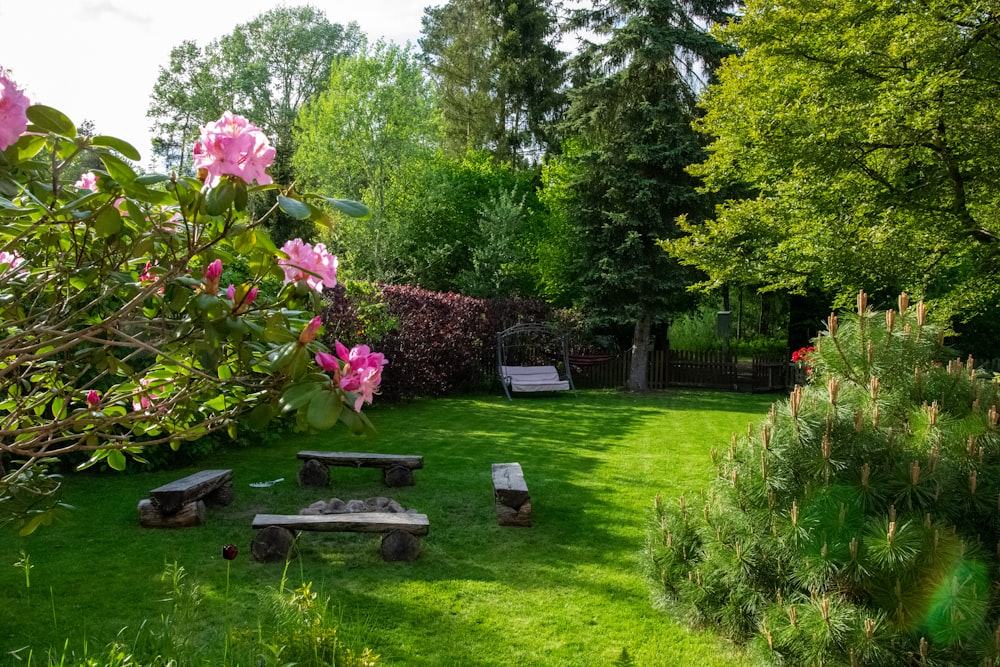
Your backyard probably simply needs a little TLC, even if it’s difficult to recognize its potential. During the design stage, spend some time outside and become quite familiar with the layout of your property. Focus on various regions and picture yourself unwinding and enjoying the area. Then, make an effort to integrate your desired characteristics into the terrain as organically as you can.

A well-designed backyard should highlight the surrounding area’s natural beauty. If you have a very interesting tree, for instance, you might wish to set up a table and chairs behind it to create a shady area for afternoon tea!

The sun and wind pattern: renovating your outdoor

Consider how the sun and breeze will make you feel when you’re outside while you’re designing your backyard. However, keep in mind that these will change throughout the year, making it necessary to spend a lot of time outdoors throughout each of the many seasons in order to truly comprehend them.

A children’s play area wouldn’t be a good idea in a particular location of your garden if the sun is directly overhead during the summer.

Similar to this, a fire pit or grill would not be appropriate in a windy environment, such as between two buildings, as you will likely struggle to maintain a fire.

Leave the harmless trees

Image via unsplash.com

Trees are beneficial for the environment and offer beauty to your yard. They also give the local creatures a place to live. Try to keep as many trees in your yard as you can if you have the choice, and plan your landscaping around them. Have the tree trimmed rather than having it completely removed if it won’t cause immediate damage to your house but some of the branches are getting close to your roof or electricity lines.

Some trees, such as towering pines, pose a risk to a house because they might break during strong wind conditions. If so, get a pro to take care of the tree removal for you.

Working with natural slope

. You most likely have some hills or dips in your backyard because it’s extremely uncommon for a piece of land to be completely flat. Although levelling the entire yard is usually not practical, you might need to do so if you’re adding a structure like a deck or patio. Instead, incorporate the slopes into your design by using stone steps, elevated or lowered plant beds, and retaining walls.

Instead of trying to level out your entire yard, this will frequently provide a beautiful, natural-looking landscape instead of one that can look extremely unnatural.

Maintaining your land’s natural slope may aid in water drainage away from your house.

Walkway

Image via unsplash.com

It’s a smart idea to incorporate walkways into your design to make sure you can move across your yard securely. If you decide to utilize paving stones, use a slightly coarser type so they won’t be slippery in the rain. Additionally, place the materials with a 1-2% slope to allow water to drain off of them.

Popular materials for walks include stone, brick, gravel, and concrete. Depending on the design you select, they may be a relatively low-cost investment that adds a significant amount of comfort and style to your garden.

It is recommended that secondary paths, such as those leading out into a garden, be at least 3 ft (0.91 m) wide.

Creating borders or fences

You may not need to add any additional boundaries to your area if your backyard is modest and you already have a fence. However, if your backyard is bigger, you can make it feel more coherent by designating specific areas. For instance, to make your play space feel more contained, you may erect a wall of plants along the outside perimeter. A fantastic living fence is made of ferns.

You may increase your seclusion from neighbors and onlookers by building rock walls and wooden fences. These features will also enhance the beauty of your backyard.

Adding flower

Image via unsplash.com

Adding a flower garden to your outdoor area is an easy way to make a huge impact. Your flower garden can be anything from a straightforward bed running along the side of your patio to a vast network of exotic species, depending on your gardening expertise and financial constraints. Choose perennial plants that will grow back year after year for the option that requires the least upkeep!

To entice butterflies to your backyard, plant flowers that produce nectar.

Grow herbs and veggies in your garden to consume food that you have grown yourself.

Consider planting lavender close to your dining areas if you live somewhere where bugs are a regular outdoor annoyance. Insects will avoid the fragrance.

Shrubs for extra greenery: renovating your outdoor

Include shrubs in your garden and gardens to provide the impression of a verdant retreat of your outdoor. To keep your shrubs in good shape and size, prune them with shears once a year, either in the spring or the autumn.

By cutting your plants into interesting shapes, you can make a topiary. Boxwood, yews, and holly are suitable shrubs for topiaries.

Shrubbery will bring an additional layer of privacy and security to your yard in addition to being aesthetically pleasing.

Planting trees: renovating your outdoor

Image via unsplash.com

Trees can be a great addition to your outdoor if you’re planning to use it now and in the future. If you want to provide your yard some shade, plant trees with a wide canopy, such as maple, oak, or aspen. Choose a smaller flowering variety of tree, such as a magnolia or an Eastern redbud, if you’re more interested in decorative trees.

Fruit trees are a lovely way to eat fresh food that you have grown yourself!

USEFUL LINKS:

Click here to keep hovering on the topic 
 Build an organic garden from scratch 

Starting a farm: From selecting land to generating Income

Starting a farm: From selecting land to generating Income

Starting a farm is not a simple undertaking. From a farm depends on a number of factors, including where you want your farm, how you want to do farming, what you want to produce, and the size of your farm.  There are numerous factors to take into account, and while this is a how-to manual to get you started, the rest is up to you.

Starting with a plan on the farm

Image via Unsplash.com

Have a written business plan, operational plan, and strategic strategy when you buy or start a farm’s business.

Make a note of your current location, your destination, and the path you intend to travel. Other personal, professional, financial, and market goals and objectives must also be kept in mind.

Review and identify your SWOT (Strengths, Weaknesses, Opportunities, and Threats) factors for the farm you wish to buy or start from scratch, as well as for you and the business you aim to launch.

Estimated cost of the farm

Image via Unsplash.com

Before starting your farming enterprise, you will need to calculate the cost of the land, the required equipment, and any renovations that are required. You will need to carefully examine those prices in the area you have chosen because there is no set price for land or a specific amount of land needed to start a farming operation. Even though equipment can be highly expensive, you may be able to purchase it by using dealer financing or by buying used equipment.

Assess your financial situation

To keep things running, farming has to make an annual investment. Some expenses are upfront, such as purchasing or renting the land, investing in equipment, and setting aside money to cover living expenses until you can sell your cattle or crops. The following expenses will also be incurred annually: fuel and equipment maintenance. For your tractors and combine, you’ll probably need to purchase diesel fuel, as well as hydraulic oil, motor oil, and other supplies.

  • Every year you plant and harvest your crops, you will need to make an investment in seeds and fertilizer in order to create a yield.
  • chemicals to shield your crops against exotic weeds, illnesses, and insects.
  • utility invoices. Beyond what you’ll require for your living space and daily needs, you’ll probably certainly utilize some electrical power for water pumps, maintenance items like air compressors, and other power tools.

Making important decisions: starting farm

Image via Unsplash.com

Plan to either work a day job away from the farming or save enough money to cover your living expenses until your farm starts to generate a profit. You don’t get paid a weekly income for farming; instead, you are paid when you sell your farm’s goods, which is frequently not until the conclusion of the growing season.

Getting soil samples of the farm

The kind of soil (silt, sand, clay, or a combination of any two or three) and its quality (organic matter, organic carbon content, nutrient details [mainly nitrogen, phosphorous, potassium, and Sulphur] salinity, and pH levels) can be determined from soil samples that can be sent to a lab. A soil pit or even data from earlier surveys of different soil types can be used to determine the depth of soil horizons, and particularly for crop growers, the depth of the first horizon, which is where the majority of the root biomass and nutrient content will be.

The quality of the soil is crucial for crop production because if tests reveal that it isn’t up to par or if research on previous data indicates that it isn’t good for crop production, you may need to look elsewhere for better land or find something that will thrive there.

Vegetation on the farm: starting farm

Image via Unsplash.com

Because you won’t want to raise animals but will only want to produce crop for sale of your own choice. The surrounding flora that is growing wild in other pastures or along roadsides is unimportant for crop production. However, nearby farms will inform you of what they can cultivate in their fields. And subsequently demonstrate what you can think about cultivating as well. If you’d prefer have a lot of trees on your land rather than maize. Orchards or tree farming can be a better choice to take into account.

However, if you want fields with a variety of plant species and not just a handful. That you want to seed in surrounding vegetation is crucial for cattle raising. So have a look at the native or volunteered plants that are growing naturally on and around the farm’s area. Including in the ditches, along the edges of the fields, and even what might be in the neighbour’s field.

Talking to other farmers: starting farm

If you are purchasing a farm rather than inheriting one from your parents or grandparents, speak to other farmers as well as the landowner who is selling it to find out what kinds of plants and crops. They grew there, when they were sown, when they were sprayed, and when the crop was harvested.


Visiting local agricultural office

Look at the various reports on the various climatic conditions that have occurred over the years for the area. You will be farming in by visiting a local agricultural (or county extension) office in your county, state, or province.

Keep in mind that a lot of this information may be available online. But if you are having trouble finding what you’re looking for, you may need to speak with someone to learn more about the local environmental conditions.

Climatic research: starting farm

Image via Unsplash.com

One of the most crucial aspects affecting a farming operation is the climate. Which determines when preparations must be made before a particular shift in the season. Disables any chance or hope of carrying out the plans you had for your farm’s business.

USEFUL LINKS:

Know how to start a farm 
Check out how to arrange your budget 

Building a Computer with beginner-Friendly Guide

Building a Computer with beginner-Friendly Guide

This article shows you how to assemble a desktop computer from scratch. Choosing the right components, buying them in the right order, and building your computer’s goals and budget will all contribute to a successful construction.

Use of your computer

Image via Unsplash.com

You must identify your intended use for the computer before making any purchases or setting a budget. While computers primarily used for gaming or editing will require more powerful, modern parts, standard desktop PCs that are used for tasks like browsing and small programs (like Microsoft Word and Excel) can use older, less expensive hardware.

Planning a budget: building computer

It’s far too simple to start spending money on alluring components without having a plan, only to find that you’ve run out of cash and don’t have everything you need to finish building your PC. Establish a soft limit (like $300) and a hard limit (like $400) and make an effort to keep under those limits.

Your purchasing decisions should be made using common sense. For instance, paying an extra $20 is certainly a better long-term investment if the processor you budget for is $100 but a nicer, newer one is discounted from $200 to $120 at your local electronics store.

Know crucial components

Image via Unsplash.com

Regardless of how expensive your computer is, the following items are necessary for your project:

  • The computer’s “brain” is the processor (CPU). The CPU is typically the most expensive component in most setups.
  • The motherboard of your computer acts as an interface between the processor and all of its other parts.
  • Random Access Memory is RAM. Your computer’s performance will improve with more “workspace” provided by additional RAM. Consider the RAM as a table; the more RAM you have, the more space you have on the table to work with. A smaller table is like having less RAM!
  • Data is kept on a storage drive. If you want a drive that is incredibly quick, you can choose a conventional hard disc drive (HDD) or a pricier solid state drive (SSD).
  • All of the many parts of your computer are powered by the power supply. The link between your computer and the electrical socket you connect it into is also the power supply.
  • A case is required to cool and store your components.
  • Your computer’s graphics card is used to render visuals. Although the majority of processors come with a built-in GPU, if you intend to play games or do a lot of editing on your computer, you may get a dedicated graphics card.
  • The cooling system maintains a safe temperature within your case by using case fans and coolers for particular sections. Regular PCs should be fine with a stock cooler; additional cooling is only required for gaming and editing PCs.

Where to buy components: building computer

Image via Unsplash.com

Computer components are stocked in-store at places like Best Buy, but you can typically purchase equivalent parts online for less money. Online stores like Amazon, eBay, and NewEgg are commonplace.

Never discount old components, particularly if they are described as “Like New” or in brand-new condition. Such components are frequently available at steep discounts with little to no functional change.

When parts are drastically discounted, waiting for sales (like Black Friday deals) can often pay off. You can either save money or choose better components for the same price.

If you spend a particular amount of money, you can be eligible for a “free shipping” offering from some online stores.

Researching on the components

For more information, read periodicals and user reviews on websites. Because everything depends on your hardware functioning properly, keep in mind that this is one of the most crucial steps.

Look for favorable evaluations of your selected product, both on the website where you’re thinking of ordering it from and in other places. Avoid marketing graphs and data since they are often manipulated to make them appear better than they are. Linus Tech Tips, Tom’s Hardware, and Gamers Nexus are some dependable sources for hardware reviews.

Find a processor for your computer: building computer

Image via Unsplash.com

The central processing unit, or CPU, powers your computer’s operations. The more gigahertz (GHz) a CPU has, the faster it can process data. Performance can be enhanced by adding additional cores because many applications run multiple threads concurrently.

Typically, a significant portion of your budget will go towards the processor.

Quad-core, hexa-core, and higher processors are the norm. You should limit yourself to about 6 cores unless you’re constructing an extremely powerful gaming computer.

Two of the leading CPU producers are Intel and AMD. Read comparisons to determine which CPU will be superior for your particular demands and conduct research on its alternative from the competing brand.

Motherboard matching your processor: building computer

By comparing the sockets of the CPU and motherboard, you can determine which motherboard is compatible with your processor. A motherboard should also have the following features:

  • Onboard Wi-Fi (which guarantees that your computer will be able to communicate wirelessly)
  • Bluetooth Numerous RAM slots and large RAM capacity
  • support for graphics cards (PCIe x16 slot), if required

Purchasing RAM

Image via Unsplash.com

Having adequate RAM is crucial since it stores data from running program. Be important to verify the type of RAM that is supported by your CPU and motherboard before making a RAM purchase.

The amount of RAM that your computer can consume is limited by the capability of your processor (usually 128GB), as well as your apps. More RAM won’t speed up the job if a program only has 1GB of data stored in the RAM. Although the increasing demands of more complex programs are pushing this norm towards 16GB, 8GB is more than plenty for simple word processing and other low-demand chores.

Buying storage device for computer: building computer

Image via Unsplash.com

In contrast, buying a storage device is simple; the majority of drives are compatible with almost all motherboards and processors, though you might need to double check that the drive you purchase will fit in your case. In this phase, you must decide between a solid state drive (SSD) and a hard disc drive (HDD). Traditional HDDs are slower than SSDs, which also have fewer moving components and a smaller size. Either an M.2 drive, which plugs directly into your motherboard, or a standalone SSD drive (about the size of a credit card) are available. Standard SATA cables are used to link standalone SSDs and HDDs to your motherboard.

USEFUL LINKS:

Click here to know more about computer 
Check out the fundamentals of SEO

Building chicken coop: A guide for beginners 

Building chicken coop: A guide for beginners

You recently inherited some chicken, it’s storming, and you’re bored. You could count the minutes while lounging on your couch. You might be thinking about building a home for your chicken using the tools and the bits of wood you found in your garage.

Deciding size of the chicken coop while building

Image via Unsplash.com

Depending on the style of coop and the number of chickens you have, the appropriate size of a coop might fluctuate significantly. Here are some general guidelines for a few of the most popular styles of chicken coops:

Coop without outdoor pen: The only component of this sort of chicken coop is the actual indoor building, making it the most basic. Allow at least 5 square feet per chicken because the birds will be confined to the indoor area until someone deliberately lets them out.

Outdoor coop for hens: This is a little more challenging to construct than the basic coop, but it will provide your chickens more room and the choice to be outside. For the coop, allot 2 to 3 square feet each chicken.

Winter-only coop: During the winter, chickens are kept inside of this coop. Give each chicken between 7 and 10 square feet since it is doubtful that they will be permitted outside during the depressing months.

A nesting space of at least 1 square foot per 4 hens and a roosting space of 6 to 10 inches (15.2 to 25.4 cm) per chicken are also necessities for egg-laying hens. The elevation will keep your chickens dry during rainy weather; therefore roosts should be at least 2 feet (0.6 m) from the ground.

Choosing the location of chicken coop: building coup

Image via Unsplash.com

Place your coop as close to a huge tree as you can, which will provide shade in the summer and prevent your chickens from overheating.

Egg-laying is stimulated by sunlight, so avoid positioning your coop directly in the shade. Instead of using white or blue light inside the coop, you might instead use warm yellow lighting to boost egg production.

What to put inside chicken coop

Image via Unsplash.com

Less space will be available for the chickens as you place more items inside the coop. In order to account for the loss of space in your building plans, it is crucial to have a clear notion of the items you will be placing within.

A place to perch: The elevated perch, which is frequently just a stout stick or piece of wood hanging between the coop walls, gives your chickens more room as well as a cozy place to sleep.

Breeding Ground: By placing straw or sawdust inside of boxes or baskets, you can create a nest. Your chickens will lay eggs on the ground if there is not enough nesting area, which increases the chance that they will break. Remember that a chicken will lay an egg every one to two days on average. The number of chickens you have and how frequently you intend to collect eggs should be reflected in the size of your nesting space. In average, 4–5 hens should have enough space for one nesting location.

Ventilation: The right ventilation systems are required to prevent diseases brought on by stale air. Make careful to add tiny windows wrapped in chicken wire if you intend to construct a year-round, closed coop to ensure optimum airflow.

A dust box: Chickens frequently use dust baths to clean themselves. Consider adding a few boxes filled with dirt or sand to keep your chicken content and odor-free.

Building a new coop or redoing the old

Image via Unsplash.com

By adding the aforementioned features, you might be able to save yourself some time and turn a disused garage, shed, or even a sizable dog cage into a chicken coop. If you are starting from scratch to create the coop, pick a plan that meets your requirements as stated above. You may construct a straightforward coop following the steps shown here, which is great for pairing with an outdoor pen. If that isn’t what you’re looking for, typing “chicken coop building plans” into your preferred search engine will return hundreds of blueprints.

Think of convenience. Keep in mind that you must frequently replace the food and water and clean out the chicken coop. Look for a plan that offers you a few options, such as various “access doors,” if you do not want to construct a coop big enough to stand up in.

Avoid using timber that has been exposed to hazardous chemicals or lead paint if you opt to reuse an old structure to avoid endangering your health and the health of your chickens.

Building the floor

Start with a piece of plywood that has been cut to the proper size (in this example, 4 feet by 6 feet) to make building and cleaning as simple as possible. Make sure the plywood is 12 inch (1.3 cm) to 14 inch (0.6 cm) thick.

If you are cutting the plywood yourself, draw lines first with an obvious pen and a straight edge.

The frame is screwed on. Attach 2x4s to the floor’s bottom perimeter with screws to keep it stable. For added protection, you might also wish to screw one across the center of the floor. Make use of a lengthy pipe clamp to achieve a tight union at the corners.

Build the strong wall

The only wall that will not have an opening is this one, making it the simplest to construct. Use a piece of plywood that is 6 feet (1.8 m) long and 1/2 inch (1.3 cm) thick. Attach 2x2s to the vertical edges’ undersides using screws. Make sure the 2x2s stop 4 inches (10.2 cm) from the plywood’s underside.

Building the last wall

Image via Unsplash.com

Instead of using one large piece of plywood, this will be accomplished with three smaller ones. Cut one 4 to 5 foot (1.2 to 1.5 m) long piece of plywood that is half as broad as your coop’s tall and two 2 foot (0.6 m) long pieces of plywood to get started. A 2 foot (0.6 m) long piece of plywood is then attached with a 2×2 to the bottom of one of its vertical edges. On the second 2-foot (0.6-meter) long piece of plywood, repeat this procedure.

Make sure the 2x2s stop 4 inches (10.2 cm) from the plywood’s bottom, just like with the other side.

USEFUL LINKS:

How to build a chicken coop 
How to keep your pets warm during winters 


How to Build Muscle with an Overall Body Workout

How to Build Muscle with an Overall Body Workout

Putting on muscle can boost your confidence, but it takes time and dedication. The good news is that you will see results if you put in the work and keep at it. But how would you actually do it?  Muscle growth requires both regular exercise and a balanced diet. You may build your muscles whether you exercise at home or in a gym by using the same exercises.

Doing pull ups to build muscle: how to stay healthy

Image via Unsplash.com

Holding the bar horizontally, reach for one that is comfortably taller than you. Place your hands shoulder-width apart. Raise your legs back once you are hanging from the bar. Pull yourself up until your chin is level with the bar using only your arms. After that, lower yourself to get back to where you were.

The grip can be either overhanded or underhanded. Perform three sets of 10 pull ups. Your lats, traps, and rhomboids are worked during this exercise.

Bent over rows: how to stay healthy

With your feet shoulder-width apart, stand 6 to 10 inches (15–25 cm) behind a barbell or two dumbbells. Keep your shins upright while bending your knees slightly. Your spine and head should be straight as you lean forward at the waist. With an overhand hold, raise the weight to your upper or lower chest. Slowly drop until your arms are nearly extended to the floor but not quite there. Perform three 10-rep sets.

Bench press to build muscle

Image via Unsplash.com

Start with a weight that is easy for you to lift. Try lifting the bar while adding 5 to 10 pounds (2.3 to 4.5 kg) on each side if you’re just starting out. Grab the bar while keeping your arms shoulder-width apart. Until your arms are fully extended skyward, slowly lower the bar until it is at nipple level.

Perform three sets of 8–10 reps. If possible, increase the weight for each set.

After a few months of practice, gradually raise the weight and reduce the number of reps per set to 6-8. At the conclusion of the third set, attempt to approach muscular failure.

Doing push ups: how to stay healthy

Position your arms shoulder-width apart in a plank position. When you reach the point when your chin contacts the ground, slowly lower yourself. Push yourself up to the starting position gradually.

Perform three sets of 10 push-ups. Your triceps will be worked more intensely the closer your hands are together. A workout you can perform anywhere is push-ups.

Deadlifts to build muscle

Image via Unsplash.com

In front of you, set down a hefty barbell or two dumbbells. Slowly bending at the knees while keeping your back straight and your core active. Hold the weight in your hands and then stand up while keeping it close to your body. The weight should then be brought back to the ground gradually.

Three sets of ten repetitions should be performed.

Pick a weight that you find to be exceptionally heavy. When performing deadlifts, make sure that every muscle is working. Lift the weights with the assistance of your lower body.

Squatting with weight

A barbell can be loaded with weights and placed on a rack so that it is just below shoulder height. The bar should sit comfortably just below your neck once you duck beneath it and stand up. Maintain a small bend in your knees and space your legs slightly wider than shoulder width. To put the weight on your back, pick up the bar from the rack and take a step backwards. Next, squat down while slowly lowering yourself. Use a full exhalation to lift yourself out of the squat.

Carry out 3 sets of 8 squats. It should weigh enough to make doing a squat challenging but not impossible.

Bulgarian squat: how to stay healthy

Image via Unsplash.com

Use both hands to hold a dumbbell in front of your chest. Lift your right leg back while facing a bench such that it is parallel to the ground and is in a comfortable resting position. Squat with your left leg until your right knee is almost parallel to the floor. Return to your starting position by rising gradually. On the opposite side, repeat.

Perform three 8-rep sets. Single leg squats are another name for the Bulgarian squat.

Bicep curls to build muscle

Take a seat on a bench and grab a dumbbell. In between your thighs, place your hand. Lift the dumbbell to your upper chest by curling your arm upward while your elbow is resting on your thigh. Repeat with the other hand after switching. Perform three 8-rep sets.

Targeting triceps

Image via Unsplash.com

With your torso and feet extended in front of the bench, position your hands shoulder-width apart on the bench. Slowly flex your elbows and squat down until your butt is almost parallel to the ground. Lift yourself back to your starting posture using your arms.

Perform three 8-rep sets. Lift one foot off the ground to increase the resistance if this isn’t a high-intensity set for you.

The muscle below your biceps, the triceps, can be worked out most effectively with dips. To bench press heavy weights, you’ll need powerful triceps.

Skull crushers to build muscle

Lie flat on a seat with a bar supported by a rack. Bend your elbows after lifting the bar above your head so that it is almost at your forehead. Push the bar up gradually until your arms are completely stretched. Then lower the weight once more. As you raise and lower the bar, keep your elbows close together. 3 sets of 8 reps should be repeated.

Overhead press

Hold a barbell or two dumbbells at chest- or shoulder-height with your palms facing forward. Your arms should be fully stretched above your head when you lift the thing. Maintain a small bend in your elbow to prevent hyperextension. Then slowly move the weights back to their starting position. Perform three 8-rep sets.

Crunches to build muscle

Image via Unsplash.com

Lie on a mat with your arms at your sides and your hands loosely behind your head. Your feet should lie flat on the ground, and your knees should be bent. While pressing the small of your back into the ground, your shoulders should slowly lift off the floor. Return to the ground carefully after that.

3 sets of 20 reps should be repeated. Maintain slow, steady motion.

USEFUL LINKS:

Click here to read more 
Know how to make time for workout


Adding Cayenne Pepper into your diet: Loosing Weight 

Adding Cayenne Pepper into your diet: Loosing Weight

By adding a natural herb called cayenne pepper may aid with weight loss. This red pepper may help you feel less hungry, burn more calories, and speed up your metabolism.

Learn more about the possible health advantages of cayenne pepper by reading on.

Capsaicin is the cayenne pepper’s primary active compound. Other varieties of peppers contain capsaicin as well. Capsaicin is thought to be a substance that causes thermogenesis. Using a thermogenic substance may boost your metabolism and curb your hunger.

Lesser cravings: adding cayenne pepper in diet

Image via Unsplash.com

According to a 2014 study, those who ate red pepper with every meal reported feeling more satisfied and experiencing less cravings. According to the study’s conclusions, using capsaicin may assist to sate appetite. As a result, you might eat less calories and lose more weight.

The study included a maximum of 15 participants. These results need to be confirmed by another research.

Increase in metabolism: adding cayenne pepper in diet

Image via Unsplash.com

An earlier study from 2003 discovered that women who consumed fresh chili pepper increased their metabolic rate for up to 30 minutes afterward. The rate at which your body turns food and liquids into energy depends on your metabolic rate. Your body is more likely to use nutrients as fuel rather than fat reserves when your metabolism is faster.

Dihydrocapsiate has the ability to speed up metabolism, according to a 2010 study. Dihydrocapsiate is a capsinoid that is present in chili peppers. It resembles capsaicin in certain ways. Dihydrocapsiate supplementation for a month increased metabolic rates by roughly 50 calories per person.

Burning more calories

Because of its heat and ability to speed up metabolism, cayenne pepper is said to help with calorie burning.

A hot pepper raises your body temperature after consumption. Your body starts to cool down when its temperature rises. Your body starts to burn calories as a result. A 2011 study found that taking cayenne supplements helped people lose weight even though they don’t like spicy food.

The long-term effects of red pepper are thought to be manageable. As a result, your pace of weight loss may slow as you continue to take supplements or consume spicy peppers.

Beneficial to overall health: adding cayenne pepper in diet

Image via Unsplash.com

Your general health may be enhanced by cayenne peppers. In a 2015 study, cayenne pepper was proven to help prevent rat ulcer formation.

Capsaicin has been discovered to have anti-inflammatory and gastroprotective effects in another investigation. 198 people in good health and 178 participants with gastrointestinal issues received supplements from the researchers. The supplements had gastrointestinal advantages for both groups.

According to rat studies, capsaicin may have advantageous vascular benefits. Therefore, it might be advantageous for those who have diabetes or are fat. Additionally, it might lower the risk of high blood pressure and stroke.

Cayenne Pepper to your diet

Several strategies exist for including cayenne pepper in your diet. Pepper can be used in cooking, although it might be challenging to do so every day. Additionally, you can purchase cayenne pepper in powder form and add it to your water, smoothie, or protein shake. One gramme of dried chili pepper or about 28 grammes of fresh chili pepper can be used to reap the benefits.

If you don’t like cayenne’s flavor, try adding it to foods that are already tasty. Add a little bit to curries, stews, chili, or Mexican cuisine. Or add capsaicin as a dietary supplement. One to three times day, take 0.3 to 1 milliliter of liquid tincture or 30 to 120 milligrams capsules.

Additionally, you can create an infusion by adding up to 1 teaspoon of cayenne powder per cup of water. Take this mixture a couple times a day with 1 teaspoon of very little water.

Your eyes, nose, or throat can become irritated by either an infusion or a tincture. Always begin with a low dose to gauge how your body will respond.

The master cleanse and Cayenne Pepper

Image via Unsplash.com

The Master Cleanse is a three to ten-day diet. You mostly consume water while on the regimen, along with a mixture of lemon juice, maple syrup, and cayenne pepper.

This eating plan is claimed to help your body detox. However, there isn’t much solid research to back up the use of detox diets like the Master Cleanse. It’s possible to lose weight and then gain it again. Due to the lack of vital nutrients, it is neither sustainable nor safe. Headaches, exhaustion, and irritation have been reported by participants.

Consider occasionally substituting a huge glass of this mixture for a meal rather than chugging it down for days on end.

Who shouldn’t take cayenne pepper?

Supplements containing cayenne pepper might not be suitable for everyone. If any of the following apply to you:

  • are taking medicine to prevent blood clots and have an upcoming operation
  • using theophylline (Theochron, Uniphyl) when expecting or nursing taking blood pressure medicine

Cayenne pepper shouldn’t be consumed in excessive amounts or for prolonged periods of time. Children also shouldn’t receive it.

If cayenne pepper comes into contact with your skin, it may irritate it. Start with a minimal dose to observe how your body responds as it may induce heartburn or stomach discomfort.

Exercise and Cayenne pepper: adding cayenne pepper in diet

Image via Unsplash.com

Cayenne pepper might promote weight loss. The greatest methods for long-term, sustainable weight management, however, include good food and regular exercise.

Concentrate on eating a balanced diet that consists of:

  • fruits, veggies, and protein
  • grainy foods
  • plant fats from legumes

Also, look for easy methods to include exercise into your regular routine. When you’re short on time, it’s simple to put off exercising. A little bit of exercise is preferable to none at all.

Here are some strategies for incorporating fitness into your daily routine:

  • whenever you can, use the stairs.
  • The farthest parking space or a few blocks from your final destination should be used.
  • If you need to go away from your work for a moment, try a few yoga poses.
  • Perform a few repetitions of squats as you wait for the water in the shower to heat up or as you brush your teeth.
  • To avoid being bored, mix up your exercise routine.
  • Each week, give yourself a lot of options so that you have other options if you have to miss a session.
  • Consider taking a few group sessions or registering for a few-month course to boost motivation.
  • Aim for a balance between strength and cardio exercises.

USEFUL LINKS:

Check out this amazing guide. Know all the studies mentioned in our article 
Meals to enjoy while loosing weight 


Clubbing on a Budget: Enjoy without loosing your senses

Clubbing on a Budget: Enjoy without loosing your senses

Trying to save as much money as you can, wherever you are, wherever you can, is a part of student culture. They might be pretty pricey when it comes to a clubbing. If you don’t pay attention, the inebriated version of you will tap your card like there’s no tomorrow for drinks for all of your housemates or society members.

The fear is genuine when you wake up and realized you’ve spent the entire week’s spending of groceries on a night out.

This short list of easy tips will enable you to enjoy a free or inexpensive night out.

Pre-drinking: budgeted clubbing

Image via Unsplash.com

Pre-drinking, or making sure you’re at least tipsy before going to a party or nightclub, is not only a terrific money-saving tip but also a great social technique if you’re feeling a little nervous and need to loosen up before you arrive.

Because there isn’t a half-hour queue for the restroom or for drinks, you might discover that you enjoy your pre-drinks or after-parties far more than you did at the real event. This is because you aren’t worried about how much money you are spending.

If you’re hosting, you’re also in command of the music during pre-drinks. Make your own Spotify playlist with the songs that everyone enjoys listening to before heading out.

The ideal approach to pre-drink is to go to your neighborhood corner store or a budget supermarket like Asda and purchase your preferred alcoholic beverage and perhaps a mixer like lemonade or coke. Sharing alcohol with your roommates will ensure that you can all enjoy the night responsibly. If you divide a bottle of spirits among the four of you, it only costs five pounds. You’ll each have a few drinks without overindulging.

Club promotions: budgeted clubbing

Image via Unsplash.com

Get involved in club promotions. There are many different jobs available, from selling tickets to distributing flyers promoting a neighborhood nightlife.

Your responsibility as a club promoter is to encourage more people to attend a club. You essentially compile a guest list of friends or residents of your student residence to guarantee that people attend particular club nights.

The money and advantages differ from place to place, but generally speaking, you will get free admittance to the clubs you advertise along with one or two drinks, or you will get paid a certain commission for each person who goes.

Not only will you receive commission for tickets sold, but people who purchase tickets from you frequently pay less, skip the long lines, or even get in for free before a specific time.

Keep an eye out for any advertisements or group conversations in your dorm offering to join guest lists.

Working in marketing can be enjoyable and is a clever way to get a free or discounted night out.

You can participate in club marketing by getting in touch with nightclubs directly, or occasionally club promoters in your college town will reach out to you on social media and ask if you want to represent them.

Setting a budget

Image via Unsplash.com

It’s a good idea to budget your money for your night out in advance to avoid using it for other purposes, such as your savings for a train ticket to see a friend in another city.

To avoid being tempted to make further purchases, you can even withdraw your money from an ATM (one that doesn’t charge a fee) while leaving your card at home. However, since Covid, many locations still prefer that you pay via contactless because it speeds up the procedure.

If you do intend to carry cash, be sure to store it in a zip pocket or inside a wallet or pocketbook that you’ll always have with you.

Another tip is to move the money you intend to spend to one account while keeping the balance for other uses, like savings, in a different account. You can send the money back the following day, having made sure that you didn’t spend more than you intended to. We don’t want you to succumb to temptation because buying drinks can be expensive.

Reducing travel expenses: budgeted clubbing

Image via Unsplash.com

If you’re heading out for the evening and the club is close by, consider walking rather than taking an Uber or cab to save money. If you reserve the ride, it’s likely that you won’t get paid by the other passengers. And figuring out prices can be difficult. Making your journey there on foot may be a fun part of the evening. You’ll probably run into other students who are going in the same direction.

If you must walk home or to a night out after midnight, make sure you do so in a well-lit area and with other people.

Walking instead of taking a more expensive option can be a terrific way to save money. But if you’re going some distance, it might not always be the safest choice. Calculate how long it will take you to get on foot, by automobile. Or by public transit to a specific location using Google Maps.

Attending free event

Attending a free event is the best way to save money on a night out! Numerous restaurants and nightclubs hold various club nights without a cover charge, so all you have to pay for are your beverages.

If you’ve had your prenatal care, you’ll save even more because you won’t need to purchase any or very few drinks. Free events are occasionally superior to those that cost a lot of money. Since, your expectations are less likely to be high.

Avoid buying rounds: budgeted clubbing

Image via Unsplash.com

Although it may seem like a smart idea at the moment, buying rounds is sometimes a bit of a fraud.

Imagine that you and some of your student housing neighbors are out on the town. And someone offers, “If you get the first round of drinks in, I’ll get the second in”?

It appears nice at first because you won’t have to wait as long for everyone to be served. And you’ll be reimbursed for your subsequent drink. However, it frequently happens that those who are supposed to acquire the next round forget about it. Refuse to collect everyone’s drinks, or even vanish into the crowd at the vital moment.

USEFUL LINKS:

Simple hacks for a free or cheap night out
How to make cocktail at home, see here 


Cowboy Books You Must Read for an Adventure

Cowboy Books You Must Read for an Adventure

Cowboy has a special place in Western history. A specific genre in both movies and novels is devoted to the cowboy tradition. To know a bit about cowboy tradition, see some of the best books listed here.

The Log of a Cowboy by Andy Adams: Cowboy novels

Image via Unsplash.com

The Virginian (1902) by Owen Wister is frequently near the top of the short list of very early Westerns (pre-1910 or so). However, I had trouble reading that title and quit up around midway through. On the other hand, The Log of a Cowboy was amazingly readable and effortlessly kept my interest the entire time.

Adams recounts a fictitious Texas-to-Montana cattle drive through the eyes of young Tom Quirk by combining numerous true incidents and anecdotes, including from his own experience of being a cowboy for nearly ten years. Although there isn’t much of an overarching plot or a major conflict, it is nevertheless entertaining. The reader truly encounters all that an Old West cattle path had to offer, from violent Indians and outlaws to grueling dry months, perilous river crossings, and cow runs. And that covers the tiniest details of paperwork, endless periods of boredom, how guard duties were distributed, etc. Adams’ story is frequently cited as the most accurate account of a cattle drive that has ever existed.

Riders of the purple sage by Zane Grey: Cowboy novels

Image via Unsplash.com

The early Western dime novel king was Grey. He produced a lot, but the more he wrote, the more criticism he got from critics. (Critics are frequently dubious of people who appear to write excessively!) Given that most of Grey’s writing was published more than a century ago and that I find a lot of it to be readily accessible and enjoyable today, I don’t believe those critiques are valid.

The 1912 book Riders of the Purple Sage is without a doubt the best of the lot and is frequently listed among the “Best Western Novels” with good cause.

The story is on Jane Withersteen and the harassment she experiences at the hands of a bunch of Mormon zealots, and it has a more complicated plot than is typically found in Westerns. Jane is unwilling to marry Elder Tull despite his requests. As you might expect, turmoil ensues at that point, and she requires assistance from her friends Bern Venters and a masked shooter named Lassiter who is looking for a long-lost sister. This story has several threads and some great plot turns. Once more, it’s more sophisticated than typical examples of the genre—in a good way.

The Ox-Bow Incident by Walter Van Tilburg Clark

Image via Unsplash.com

The mood is tense as cowboys Art Croft and Gil Carter arrive by horseback in Bridger’s Wells, Nevada. A man named Kinkaid has recently been killed, and cattle have been mysteriously missing (presumably stolen). The residents of the community are furious and seeking retribution. It doesn’t take long for factions to emerge; one wants to apprehend the suspected offenders in a lawful manner so that the judge and sheriff may get involved and ensure that no improper behavior takes place. Another group wants to organize a posse to hunt down the cattle rustlers in a vigilante fashion and execute them by hanging them before dawn. They contend that utilizing the legal system takes way too long and that guys get off easy far too frequently.

Shane by Jack Schaefer: Cowboy novels

Image via Unsplash.com

Many people believe Shane to be the greatest Western novel ever written. The book is short, but that just means that every page is brimming with virulent energy, much like Shane, the protagonist of the tale.

The novel is told in the first-person perspective of young Bob Starrett and centers around a small outpost in the Wyoming Territory. Unexpectedly, the enigmatic Shane (Is that his first name? Final name? Made-up name?) mounts a horse and enters town, settling down temporarily at the Starrett residence. The family grows close to Shane, and Bob especially starts to think of the rider as a legendary, god-like character. Luke Fletcher, a cattle driver and all-around jerk, is currently attempting to evict a group of homesteaders off their property.

Hondo by Louis L’Amour: Cowboy novels

Image via Unsplash.com

Without mentioning L’Amour, no discussion of Western books is complete. If you read one of his books a month, you could finish all of them in around ten years. I’ve read a few of his books, and I have to concur that Hondo is his finest. Interestingly, L’Amour wrote the novel after the John Wayne movie (even though the movie was based on a L’Amour short story; it’s a little circular).

Hondo Lane is a typical man from the Southwest, much influenced by the desert environment. Lane, a veteran cavalry lieutenant, has had to adapt to the hostile environment by learning the Apache customs. He arrives at Angie Lowe’s homestead with her little son with no sign of her husband or father after fleeing an attack. As emblematic of the Western genre as a story can be is the dramatic tale of love, conflict, and honor that results from adding the warrior Vittoro to the mix.

The Searchers by Le May

Image via Unsplash.com

The Searchers by Le May is the Moby Dick story you’re most likely to find on this list. Although the movie is frequently cited as one of the best Western films of all time, the novel also merits mention.

The entire Edwards family is destroyed by a Comanche raid, with the males killed and the women abducted, making it one of the most tragic starts on this list. In the years that follow, Marty (a young man who is almost adopted into the Edwards family) and Amos (the patriarch of the Edwards family’s brother) search for the lost women. If you’ve watched the movie, you already know basically how the story continues; if not, I won’t reveal any further details.

The Brave Cowboy by Edward Abbey

Image via Unsplash.com

The environmental, anarchist, and Western literature legend Edward Abbey. He also wrote non-fiction books like Desert Solitaire, which is listed among the Best Non-Fiction Books of All Time. He also wrote articles and novels.

The Brave Cowboy is more than just a Western novel, but it does fit that description. The book is primarily a lament about how the contemporary world, which was in the 1950s at the time it was written, is robbing us of our lives and—perhaps more significantly—from our lands. The era of city streets and jet jets was emerging.

USEFUL LINKS:

Western novels everyone should read 
Books to assist you in the quest of excellence 

Skydiving equipment for your safety and fun ride 

Skydiving equipment for your safety and fun ride

Each sport has its own unique accoutrements, which are necessary tools that make play possible or offer a layer of safety. These tools are essentially synonymous with the activity. Like skydiving has its own safety equipment.

Without a bat or a pair of braided leather mitts, what would baseball be? Football without studs or shin guards? Without protective pads or helmets with the traditional metal facemask, what sport is American football? What would skydiving be like without parachutes, to use one of the most basic pieces of gear? Of course, our list only touches the surface of each of these sports.

While the prerequisites for other popular sports are somewhat clearer, there is still some uncertainty around our little specialized hobby of skydiving. The skydiving equipment that enables each and every jump must be understood if you’re interested in learning more about this daring activity.

We try to make it a little less overwhelming to get your bearings in a brand-new pastime! An introduction to skydiving gear and equipment is provided here.

Skydiving Googles

Image via Unsplash.com

You won’t want to miss the view from above! Each of our tandem trainees receives a set of goggles to wear so they can protect their eyes while falling. A set of goggles designed to fit over your spectacles will be given to you if you wear them.

Adjustable harness

Four attachment points on the tandem skydiving harness ensure a solid connection between the participant, the tandem skydiving rig, and the tandem skydiving instructor. This harness will be given to you, and your instructor will make the necessary fitting adjustments.

Skydiving rig

Image via Unsplash.com

A skydiving container, often known as a “rig,” is the backpack-like object that houses the parachutes. Every container system used for skydiving must be a dual parachute system with a reserve parachute in addition to the primary parachute. The major parachute is what its name implies: the main parachute. In the odd event that there is a problem with the main parachute, the spare parachute acts as a fallback.

Automatic activation device

The Automatic Activation Device (AAD), a crucial piece of skydiving gear, is installed in every sky-diving rig used for tandem and student sky-diving. When a skydiver becomes disabled, a microprocessor computer inside the sky-diving apparatus opens the backup parachute.

Skydiving Helmet

Image via Unsplash.com

Impact-rated sky-diving helmets are utilized to help keep craniums secure because it’s crucial to safeguard that lovely brain of yours while sky-diving. An ABS and polycarbonate blend is used to create the skydiving helmet’s durable exterior shell, while foam is used to line the interior for a pleasant fit. You will put on an open-faced helmet as a pupil. A full-face helmet, or one with a face shield, can be purchased and used after you have received your license.

Jumpsuit

The jumpsuit is one of the simplest and most underrated pieces of sky-diving equipment. The sky-diving jumpsuit is, on the surface (pun intended), made to shield your skin from flying objects and provide your instructor something to hold onto while you fall. But as you gain experience, you’ll see how crucial a sky-diving jumpsuit may be to your development as a flyer. Jumpsuits are also frequently discipline-specific, with several styles being utilized for certain flying maneuvers (such as sleek and slick for free-flying or with booties and grippers for relative work).

Altimeter for skydiving

Image via Unsplash.com

A crucial piece of gear, the altimeter determines height using barometric pressure. The altimeter is required to make sure that you are opening the parachute at the proper altitude and time. Although the altimeters we give our students are analogue, once they have completed the AFF training program, students frequently use digital altimeters.

Audible altimeter for skydiving

A helmet-mounted audible altimeter that employs an audible tone to signal pre-set elevations is worn. To ensure that a jumper maintains height awareness during freefall and while under canopy, Audible altimeters are utilized in addition to Visual altimeters. This becomes increasingly crucial as jumpers engage in more complex canopy flying and activities like wing-suiting, which require extensive horizontal movement.

Flysight

Wingsuit and canopy pilots utilize a GPS tracking gadget called the Flysight. The Flysight emits an audible tone while skydiving or while under a canopy whenever there is a change in glide ratio, horizontal speed, or vertical speed. After landing, a person can review their sky-diving by plotting the GPS data from the jump as points on a graph. This enables jumpers to observe how adjustments to their body position affected the mechanics of their flight.

Main parachute

Image via Unsplash.com

There are several different types and sizes of the main parachute used in skydiving. The size and type of parachutist that a person chooses will depend on their experience level and the discipline of sky-diving that they are interested in.

A student skydiver will often use a parachute with a surface size of between 220 and 260 square feet, whereas the primary parachute used for tandem skydiving has a surface area between 340 and 360 square feet. In stark contrast, a professional skydiving canopy pilot frequently uses a main parachute that is less than 100 square feet in size!

Reserve parachute for skydiving

An equally vital element of sky-diving gear is the backup parachute. Although it is improbable that the primary parachute will malfunction, in the event that it does, the reserve parachute acts as a backup. The reserve parachute is made to be dependable and submissive, while the primary parachute may use a design to provide speed and increased maneuverability. In general, it is advised to make the reserve parachute larger than the primary parachute.

Visual altimeter

Image via Unsplash.com

It’s crucial to keep track of your altitude when skydiving. The altimeter is another essential piece of sky-diving gear because of this. Barometric pressure is measured by altimeters to calculate altitude.

Both analogue and digital timers are available. Analogue models resemble a watch face quite closely, with the exception that they only have one hand. To show altitude, a single hand “ticks” around the face, moving anticlockwise as altitude lowers and clockwise as height increases. Although it likewise measures altitude, a digital altimeter shows it to the wearer in a digital form.

USEFUL LINKS:

Skydiving equipment list to know 
Top 10 fashion brands 


Climbing mountain: Some tips for your safety net 

Climbing mountain: Some tips for your safety net

You haven’t truly lived until you’ve witnessed the sunrise from a mountaintop! Once you arrive at the summit, you truly feel like you have accomplished something. No problem if you’ve never climbed a mountain. It’s quite simpler to enter than you might imagine. You’ll be climbing a hill in no time with the appropriate equipment and strategy. We’ve created a helpful list that you may utilize to reach the very top of the list to assist you in accomplishing your goal.

Learning basics for climbing mountain

Image via Unsplash.com

Look for beginner courses you may enroll in in your region. If none are available, search online for virtual classes. They’ll provide you with some of the essential equipment and information you’ll need to climb a mountain securely.

A course can also help you learn the numerous unfamiliar terminology and jargon that are used in mountaineering.

To acquire a crash lesson in mountain climbing, the American Alpine Club provides courses in several cities around the US.

Joining a club

The American Alpine Club, among other national organizations, has numerous clubs and regional chapters that are especially friendly to newcomers. See what you can do to join a club by searching online for one in your neighborhood. Attend meetings and group events to connect with other climbers who can offer advice when you’re getting your bearings.

You can also explore for online forums where you can join groups to talk to other climbers, such as social media.

Working out for climbing mountain

Image via Unsplash.com

Because mountain climbing requires a lot of physical effort, getting stronger and more physically fit is a fantastic method to get ready for a climb. Start your training at least a year in advance if you haven’t exercised in a while. If you’re already quite active, three to six months of training can be sufficient. Exercises that are particular to climbing should be included to improve both your strength and aerobic capacity and to help you practice the movements you’ll make when climbing a mountain.

Try cycling, running, or high-intensity interval training (HIIT) for aerobic activities. Strengthening yourself by lifting weights is a terrific approach to grow stronger, but if you’ve never done it before, practice with a partner who has.

Practice through simulation for climbing

Put on a rucksack that is laden down with weights or supplies. To improve your physical conditioning and climbing muscles in preparation for mountaineering, go on an uphill walk while wearing a pack. To improve your alpine climbing skills, go trekking uphill through the snow if you live somewhere where it snows.

Find some hiking routes to explore in your neighborhood. It’s a fantastic way to take in the outdoors while getting ready for a trip to the mountains.

To vary things up, including hiking with a weighted pack in your overall workout program.

Safety equipment for climbing mountain

Image via Unsplash.com

Look around at local mountaineering supply shops. To discover a pair of hiking boots or shoes you like, try on a few different pairs. Make sure you have a harness that fits you perfectly if you intend to scale mountainous terrain. You’ll also require some reliable climbing ropes. Get crampons, which are spikes that attach to your boots to increase their grip, as well as an ice axe for snowy circumstances.

Make sure the boots are a good fit! You shouldn’t want your feet to feel constrained or squeezed because you’ll be wearing shoes for a lengthy period.

Leather, synthetic materials, or waterproof membranes can be used to make hiking boots and shoes. When compared to synthetic materials, which are lighter but could degrade more quickly and waterproof membranes, which are made to withstand water, leather can be heavier but more durable. Select a material based on what best meets your needs.

Use climbing rope that is graded and made for mountains. You want to be able to rely on it most critically.

Choosing route wisely

The National Climbing Classification System (NCCS) and the Yosemite Decimal System (YDS) are the two primary classification systems used in North America. A “class” system is used by the YDS, with Class 1 being the easiest and Class 5 being the most challenging. The NCCS uses a “grade” system and bases its system on how long a climb is anticipated to take. The Grade I task is the simplest and should be finished in less than a half-day. The Grade VII task, on the other hand, requires scaling substantial alpine walls. Select a route based on your degree of experience.

If you’re novice to mountain climbing, for instance, stick to Class 1 or Grade I routes.

Enquiring permit for mountain climbing

Image via Unsplash.com

To find out what permissions and fees are necessary, get in touch with the park ranger’s office or visit their website. So that you can concentrate on climbing when you reach to the mountain, make sure you pay the price and obtain the permit beforehand.

Most parks offer online payments.

Keep a copy of your receipt in case you need to show it to prove you made the appropriate payment.

Camping at the mountain

A bivouac is a compact, outdoor camping area. To pitch up camp on a mountain or at a trailhead, most parks and mountains require some kind of permit or license. Before you begin climbing a mountain, research the prerequisites for that peak and be sure to obtain the required permissions or permits.

To find out what you need to apply for a bivouac permit, check the park’s website or phone the neighborhood Wilderness Office.

Most parks will also need you to pick up a parking permit for your car at the office.

Join those who are experienced

Image via Unsplash.com

If you can, request to climb with other, more experienced climbers. They can help you make sure you’re doing things correctly, they can answer your questions, and they can give you advice on how to get better at climbing. Benefit from their knowledge! Watch what they do, probe them with questions, and learn everything you can from them.

For instance, if a seasoned climber appears to be moving more slowly than you would anticipate, inquire as to why. They might be taking it slow to conserve energy.

USEFUL LINKS:

Know some more ways to climb a mountain 
How to run your first junkshop 

CrossFit at Home: For a fit and healthy life 

CrossFit at Home: For a fit and healthy life

You might not have the time or resources to frequently visit a CrossFit box. Fortunately, a variety of CrossFit circuits may be performed anywhere, including at home. Focus on bodyweight circuits with movements that you already know how to perform correctly to begin a home CrossFit program. Consult your doctor before beginning CrossFit because it is a strenuous workout program, especially if you have a medical condition or have recently been injured. CrossFit exercises are frequently competitive in nature, so finding friends or a training partner may help you stay motivated.

Starting with Cindy: CrossFit at home

Image via Unsplash.com

Pull-ups, push-ups, and air squats make form the 20-minute timed CrossFit session known as The Full Cindy. If you’ve never done CrossFit before and want to start at home, the 10-minute Half Cindy is a terrific place to start. The activities in the Half Cindy are the same as those in the Full Cindy, but you’ll perform fewer reps total.

Do five pull-ups to get started. You may “kip” these pull-ups, which simply means you may utilize your legs and hips as props to lift your body over the pull-up bar. You can perform five burpees in its place if you don’t have a pull-up bar.

Do 10 push-ups after dropping to the ground immediately. Next, perform 15 air squats to complete the round.

Building endurance at home: CrossFit at home

In Helen, a difficult exercise, you’ll be comparing your time against your previous best. You’ll need room to run, a pull-up bar and a kettlebell to complete this exercise at home.

A 400-meter run, 21 American kettlebell swings, and 12 pull-ups make up one round. You must perform three rounds back-to-back for time in order to finish a full Helen.

You won’t be able to finish three rounds if you maximize your intensity in the first round.

Bodyweight gone bad circuit

Image via Unsplash.com

Because you’ll be timing your rounds by the minute in this circuit, you’ll need a stopwatch. You can perform this WOD from home without any equipment because it only calls for bodyweight movements.

Do air squats for one minute to begin. Start with push-ups for a minute, then sit-ups for a minute.

Burpees should be performed for one minute, then jumping jacks should be performed for a minute, and finally one minute should be set aside for rest. Three rounds make up the whole workout.

As many reps as you can with proper form should be completed in the one-minute allotted for each round. CrossFit refers to this as “AMRAP,” which stands for “As Many Reps/Rounds As Possible.”

Pushing yourself: CrossFit at home

You’ll be competing against your best time in this WOD. You want to perform the exercises as quickly and correctly as you can, but you also want to pace yourself so you can complete the program.

Either a 400-meter run or a 500-meter row serves as the baseline. After your run, perform 40 air squats and then 30 sit-ups. Do 20 pushups next, then 10 burpees. Take note of how each exercise requires fewer reps.

Make a note of your time so you can aim for a faster time when you perform this exercise again.

Make sure you have enough space

Image via Unsplash.com

The most crucial feature when creating your own home gym is probably plenty of room to roam around. You won’t profit as much from your workout if you have to move objects about or bump into equipment frequently.

You won’t be able to finish the workout properly if you have to stop and shift things around a lot because many CrossFit sessions are timed.

Mark the area you will need for the floor by going through a few simple tasks. Then position your equipment close to that area.

Starting with weights at home

A bar and some weights should be one of the first pieces of equipment you acquire for your home gym because over 80% of the CrossFit WODs that aren’t bodyweight-only entail using weights.

You won’t actually use a bench in CrossFit, so don’t worry about buying one. All you need to do is make sure the bar has a rack. The rack doesn’t need to be elaborate; it just has to allow you to load the bar at shoulder height for challenging squats.

Additionally, you shouldn’t worry about starting with larger weights at first, especially if you’re new to CrossFit. Simply get weights that are a few sizes larger than what you can now lift.

Kettlebells and dumbbells: CrossFit at home

Image via Unsplash.com

CrossFit regularly uses kettlebells, and most home gyms come equipped with a decent set of dumbbells. These items of equipment can be kept on wall-mounted racks if you’re short on floor space.

Keep your home gym organized and functional so that everything is accessible, can be fetched quickly, and can be put away quickly. Get rid of any items that aren’t related to exercising, such laundry or automobile accessories.

Safety tools at your home gym

Your home gym should not only have the appropriate exercise equipment, but it should also be useful. Keep supplies like a clock, tape, chalk, and a fan available at all times in your gym.

Purchase rubber flooring to safeguard your joints and assist you avoid harm. Exercise shouldn’t be performed on a garage’s cement floor.

Stopwatches and clocks are necessary for timed workouts. When not in use, properly store these and other tools in a bin.

Additionally, you might want to purchase a whiteboard so you can write your workout on the wall similarly to how CrossFit boxes do it.

Wall sits at home: CrossFit at home

Image via Unsplash.com

Leaning against any wall in your house will allow you to conduct wall sits. Step forward while moving your feet and sliding your back down the wall. Stop and hold your position once your back and legs are at a 90-degree angle. Put your feet level on the floor and maintain a straight back, upper body, and head on the wall. You’re seated against a wall.

Benefits to health: Wall sits exercise your calves, hamstrings, glutes, and quadriceps.

Ideas for a workout Try holding your form for two or three rounds of wall sits, lasting between 30 and 60 seconds (or less if you can’t).

Variations: Lift a leg off the floor, hold free weights, or hold a medicine ball between your legs for a tougher exercise.

USEFUL LINKS:

Click here to read more
How exercise boosts your mood 


First Time Dog Owner: Everything you need to know 

First Time Dog Owner: Everything you need to know

It’s a fun and gratifying choice to get a dog, but it also requires a big commitment if its for the first time. These devoted pets depend on their owners for all of their needs, including food, exercise, and medical attention.

Think about how you will exercise and care for your pet, and be sure to give your adorable dog a healthy diet and the necessary tools. Your dog will have a longer, happier, and healthier life if you are an informed and responsible dog owner.

Prepare for pet’s needs: first pet

Image via Unsplash.com

To ensure that your pet can get its food safely and properly, it is crucial to choose the appropriate type of food dish for it. Dogs with digestive problems fare better in dishes that are raised, such those in a stand. It is possible to slow down dogs who eat too quickly by giving them specialized plates with raised ridges or barriers.

Wash your dog’s bowl frequently since bacteria can accumulate there.

Dog’s collar: first pet

It’s crucial to get a collar that fits securely and comfortably and is the appropriate size for your pet. The collar shouldn’t squeeze your dog’s neck, but it also shouldn’t be too loose that it allows your dog to escape. Verify that there is space for 3 fingers between the collar and the dog’s neck. Small dog collars should be 11 to 15 inches (28 to 38 cm) long, while larger dog collars should be 15 to 20 inches (38 to 51 cm) long. A collar for large dogs should be between 19 and 30 inches (48 and 76 cm) long.

Make care to frequently adjust the collar’s fit for your puppy.

Make care to frequently adjust the collar’s fit for your puppy. Since puppies grow quickly, it’s crucial to make sure the collar is cozy and reliable.

For the majority of dogs, a typical breakaway collar works nicely. This collar normally comes in leather or nylon, and it has a breakaway safety buckle to guard against entanglement or injury.

Martingale collars are preferable for dogs with narrow heads, such as greyhounds or whippets, or for animals who frequently unbuckle their collars. At each end of this collar are two metal rings. If a pet pulls while on a leash, the collar tightens to prevent the pet from escaping.

Choosing the right breed for your dog

Image via Unsplash.com

Choose the proper bedding for your pet by visiting your neighborhood pet store and speaking with a professional. A pet bed needs to be big enough for your dog to lay comfortably in all of their normal positions. A pet bed with elevated sides in the shape of an oval can be a perfect choice if your pet prefers to curl up when sleeping. For a pet that prefers to lie flat when sleeping, a flat, rectangular bed can be ideal.

A memory-foam or orthopedic dog bed may be helpful for senior dogs or dogs with joint issues.

Dogs with long, thick coats who get too hot when sleeping could benefit greatly from a raised cot.

Your pet’s new choices: first pet

Image via Unsplash.com

For the dog’s health and well being, it’s crucial to provide a balanced, healthy diet. Before you purchase a product, carefully read the pet food label. Look for pet food whose first ingredient is an animal protein like beef, poultry, or lamb because food labels must identify ingredients by weight. To make sure that your pet is receiving a high-quality food with few fillers and preservatives, look for additional recognizable, healthful components on the label.

Ask your vet to suggest a few pet food products that would be suitable for your pet . With your veterinarian, you should also discuss whether you should feed your pet raw food rather than commercial dry food.

Make certain that the food you feed your dog contains important fatty acids like lard, tallow, and poultry fat. Fats make the food more enticing, give your pet energy and soluble nutrients, and encourage a healthy coat.

A filler or preservative is most likely a name for an ingredient that you are unfamiliar with. These pass through your dog’s digestive tract quickly and don’t give them enough nutrients or energy.

Talking to veteran: first pet

Image via Unsplash.com

Discuss how frequently you should bring your pet in for a checkup, and make sure your pet has received the rabies, hepatitis, parvovirus, and canine distemper vaccinations that are required. Determine the immunization schedule together with your veterinarian after discussing the necessary and advised vaccinations.

For instance, around 8 weeks of age, your puppy should take a combined distemper/parvo/lepto vaccine. At 12 weeks of age, they require a booster dose, and then once a year after that. Rabies shots are normally administered at 12 weeks, 16 months, and then once more every 3 years. Vaccines against influenza and Lyme disease may also be recommended by your veterinarian.

Accommodating your dog

All dogs need exercise to manage their various levels of energy, but some breeds demand more action and effort than others. For your pet to be happy and healthy, make sure to give it enough exercise and downtime. An active, high-energy pet may require numerous walks in addition to lots of time spent running in a field or park. A calm pet may be pleased to take a little stroll and then spend the rest of the day relaxing in your home.

If you have a high-energy pet , you might want to take it for daily runs, twice-daily long walks, or set aside time to take it to a dog park frequently.

A elderly dog or a low-energy dog shouldn’t be overworked.

Socializing your dog

Image via Unsplash.com

Your new dog’s well being could be impacted if you put in long hours at work or manage multiple tasks outside the home. Dogs are sociable pack creatures, and they often flourish when there are other dogs or people around. When left alone, some dogs feel more vulnerable, while others become bored and destructive. Consider hiring a pet walker or researching pet daycare facilities in your region if you are gone for extended periods of time each day.

Visit a nearby dog park so that your pet can socialize with other canines. Before going to the pet park, enroll your pet in an obedience lesson if you’re unsure of how well it will get along with other dogs.

USEFUL LINKS:

Click here to read more
How to find a perfect dog toy on your own 


Choosing electric bikes: Things to know beforehand 

Choosing electric bikes: Things to know beforehand

A great way to accelerate your cycling experiences is choosing an electric bike. Depending on how you plan to use the bike, there are numerous makes and models with a range of motors, speeds, and pricing.

The many various types of electric bikes will be covered in this article, from commuter bikes for daily usage to mountain bikes designed for the ultimate wilderness adventure! Whatever you’re searching for, there is undoubtedly a bike out there that meets your needs thanks to the variety of alternatives available.

Commuter bike with slick tires: choosing E-bikes

Image credits: Unsplash.com

For instance, a slicker tire will perform better on the concrete roads you encounter if you intend to bike to work each day. You might also use your e-bike for a variety of purposes. In that case, pick the bike that best suits the purposes for which you will use it most frequently.

Instead, invest in a vehicle with tires that have a little more tread since they can handle uneven terrain.

Bike for adventure: choosing E-bikes

Choose an e-bike with tires with enough tread to handle rocky, unpredictable terrain if you intend to mountain ride or bike in the bush. Additionally, a model with wider tires is ideal for mountain riding because they can tolerate rougher terrain.

If you’re still unsure about which model will suit you the best, visit a bike shop and see a professional. They can assist you in choosing a bike that will support your objectives.

Peddling rate

Image credits: Unsplash.com

These are the most popular e-bike versions, and they provide you more flexibility in deciding how quickly you want to go in the end.

Pedelec e-bikes have a speed cap that may differ depending on where you buy the bike. Standard models often have a speed limit of 15 mph or around 25 km/h.

Twist ‘n go bikes: choosing E-bikes

These types are less popular than pedelec versions, and depending on where you live, they can even have more complicated riding regulations. For instance, in countries like the U.K., several twist-n-go bike models are classified as mopeds, necessitating a license and additional insurance.

If speed is your first objective, twist-n-go machines could be able to go faster than the typical 15 mph limit, which might make the additional requirements worthwhile.

Hub drive motors

Image credits: Unsplash.com

An electric bicycle with a hub-drive motor has a motor in the middle of the front or back wheel. These types, which are the most popular, are excellent if you want to ride your bicycle for a variety of activities.

Mid drive motor bike: choosing E-bikes

These bikes have a motor that is situated in the middle, between the pedals. Because of its compact size and ability to deliver more torque while utilizing less battery power, the motor is a fantastic option for steep terrain.

Choose an e-bike option with a mid-drive motor if you frequently ride uphill or enjoy outdoor adventures.

Battery voltage of electric bikes

Image credits: Unsplash.com

The features of the e-bike you’re evaluating will most likely include information on the battery voltage and continuous amperage (amp-hours). The watt-hours, or how far and how long you can ride that model without charging the battery, are calculated by multiplying the two figures together.

Consider a bike with a 750 watt power rating, a 48 volt battery pack, and 14 amp hours. The bike’s range would be calculated using the formula 48 x 14 = 672 watt-hours. This bike could travel around 34 miles before requiring a charge because each mile uses about 20 watt-hours.

For leisurely bike rides of roughly 8 miles roundtrip or everyday commuting, a power rating of 750 watts is a great option. Consider a bike with a greater power rating and a longer battery life if you’re interested in longer bike trips that may go beyond that 34-mile threshold.

If you’re having trouble finding this data, ask a bike shop specialist for assistance; they can point you in the right direction and ultimately help you calculate the energy efficiency of your potential e-bike.

Efficient battery

Typically, lithium-ion batteries power e-bikes. Prior to wearing out, being in need of replacement, or running out during weekday commute, these last roughly three years. To get the most use possible out of your device, pick a model that uses a strong battery because batteries lose charge over time.

Think about batteries produced by reputable brands like Sony, Panasonic, or Samsung.

Typically, the battery on an e-bike is nicer the more expensive it is. If you intend to use your e-bike frequently for many years to come, think about a more expensive model.

Number of persons going to ride electric bike

Image credits: Unsplash.com

It’s possible that your kids might wish to accompany you. If so, you might be better off purchasing a conventional e-bike with a seat. However, e-bike versions like cargo bikes can handle those extra seats if you’ve got a few kids you’d like to bring along with you on your bike ride.

If you travel by bike or need to carry a lot of goods, even if you’re the only person using it, you might be interested in some extra room. If so, a cargo bike might still be your best option.

Buying electric bike online or from store: choosing E-bikes

Although the final decision is yours, there are some definite advantages to purchasing an e-bike from a nearby bike store. Bike shops offer a specialized variety and have professionals on staff who can assist with queries and provide more details on how to ride and maintain your new bike. Going into a bike store may be your best option if you are just starting out with e-bikes.

E-bikes can also be purchased online. Although these devices could be less expensive, you should use caution. If your bike is broken during delivery or you have any other problems, buying a bike online from an unhelpful company can really leave you feeling bewildered.

USEFUL LINKS:

Click here to know more:

Ways to choose an E-bike 
See advantages of buying a new car, visit this site 


Learning to Cook with our beginner’s guide 

Learning to Cook with our beginner’s guide

Although anyone can cook, there is more to it than just mixing things and hoping for the best. You must be familiar with the fundamental vocabulary and methods of cooking. Learning how to prepare the various parts of a dinner and in what order will help you achieve the ideal timing and avoid food from cooling down too rapidly.

Once you’ve mastered the fundamentals, you can add different sauces, herbs, and other seasonings to your meals to enhance its flavor and texture.

Use fresh vegetables: learning to cook

Image via Unsplash.com

Take the time to make sure the food you buy has the best texture, colors, and quality out of the batch when you shop for fresh produce or meats. Additionally, since seasonal foods have the best flavor, you should make an effort to only use them while they are in season.

Don’t substitute ingredients if you’re just learning to cook. You might not be aware of how the unusual component would interact with the other foods, ruining the entire dinner.

Organizing tools before cooking

Image via Unsplash.com

Professional chefs refer to the process of gathering, preparing, and measuring all of your instruments and supplies as “mise en place” and believe it is crucial to effective cooking. Before turning on the stove, make sure your “mise en place” is prepared and close by.

Cut the meal into uniform slices or pieces, unless your recipe specifies differently, to ensure even cooking. There are several different cutting methods, including dicing, cubing, slicing, and julienning. Generally speaking, larger chunks will take longer to cook.

Contrasting texture: learning to cook

The most delicious recipes often include contrasting but complimentary textures. The combination of these textures in your mouth adds to the pleasure of eating.

Consider adding some bread crumbs as a garnish to a baked pasta or vegetable dish, like macaroni and cheese or eggplant parmigiana.

Similar to this, adding some chopped celery or scallions to mashed potatoes can give them a welcome boost of flavor and texture.

Seasoning with salt and pepper: learning to cook

Image via Unsplash.com

The simplest way to make food taste better is to add the appropriate amount of salt and pepper. The flavors of a dish can truly come to life with only a touch of salt and pepper, bringing out the best in each particular ingredient.

The best thing to do if you’re unsure of quantities or worried about adding too much salt is to taste! Until the flavor is just right, add a little salt, taste, add a bit more, taste, and so on. It’s how trained cooks operate.

Before roasting, season meat joints or a whole chicken with salt; season sauces and stews with salt as they cook; and don’t forget to generously salt the water while boiling pasta, rice, or potatoes.

Using butter

Butter enhances meals with a delightful, creamy, somewhat nutty flavor, thus it should be used frequently in baking and cooking. Anytime a recipe calls for it, and occasionally even when it doesn’t, use butter!

Butter can be used in cooking as a medium, such as sautéing, where it both improves and complements the flavors already present. It can serve as the foundation for sauces, adding a fantastically smooth, creamy texture. Alternatively, it can be used in baking to create deliciously flaky, melt-in-your-mouth goods.

Irresistible sauces: learning to cook

Image via Unsplash.com

A tasty sauce may make a bland, flavorless dish much more intriguing and delectable. With very little effort, you may improve your cooking skills by studying a few simple sauce recipes. You can make a variety of sauces, such as:

Bechamel sauce is a white, creamy sauce that serves as the foundation for many dishes, such as cheese soufflés, vegetable gratins, and a variety of pasta sauces.

Velouté: A roux and flavored stock are combined to create this straightforward sauce. The flavor of the stock will determine how this sauce should be modified to go with chicken, fish, or veal.

A strong tomato sauce called marinara is used in Italian and Mediterranean cuisine. It is a common ingredient in pizza and pasta sauces and is made from of fresh or canned tomatoes, onions, and other herbs.

Hollandaise is the ideal sauce to serve with fish, eggs, and vegetables. It is buttery and lemony. It is produced by creating an emulsion using clarified butter, egg yolks, and lemon juice.

You can also experiment with barbecue sauce, cheese sauce, chocolate sauce, sweet-and-sour sauce, chilly sauce, garlic cream sauce, and chilly sauce.

Trying herbs

A dish can be identified as being Greek, Italian, Mexican, Chinese, or any other style of international cuisine simply by the flavor that herbs impart. Herbs improve the taste and appearance of food, making it more exciting to prepare and consume.

Most frequently used in Mediterranean cuisine, basil pairs well with tomatoes. Basil pesto can also be made by blending it with pine nuts.

Western cuisine loves the flavor of parsley because it is so light and fresh. It works great when used to soups and sauces or just sprinkled on food to provide color.

In Asian and Latin American cuisine, cilantro is fairly common. Cooked foods are given a fresh, vibrant flavor by adding its raw leaves.

Spicing things up: learning to cook

Image via Unsplash.com

Similar to how adding a single spice (or a blend of several) may give a meal a highly distinct flavor profile and link that flavor profile to a specific type of international cuisine. Keep a stockpile of frequently used spices in your cupboard.

Especially in baked goods like apple pie and oatmeal cookies, cinnamon is a fairly common sweet and aromatic spice. Numerous Mexican, Moroccan, and Indian dishes also contain it.

Food is given a fiery blast of flavor and a vibrant red color by paprika. It is prominent in Spanish and Portuguese cuisines as well as being used in many Hungarian dishes.

Popular spice cumin is mostly used to flavor and color curries. It is employed in Asian, Mediterranean, and Middle Eastern cuisine.

The cilantro plant produces coriander seeds, which have a lemony top note. It is widely used in a variety of Latino, Middle Eastern, and Indian dishes. It is frequently used in chilly and curry meals.

Spices like ginger are incredibly adaptable. When used fresh, it may give stir-fries, curries, and roasted meats a sweet and spiciness. Ginger is frequently used to baked items, such ginger snaps, in dried, ground form.

USEFUL LINKS:

Click here to keep hovering on the topic 
Must have kitchen essentials, see here 


Managing your finances: Acting wisely for a better future 

Managing your finances: Acting wisely for a better future

Although it is not a topic that is frequently covered in schools, practically everyone eventually has to know about  managing personal finances.

Here are some numbers: 58% of Americans don’t have a retirement strategy in place for how they’ll take care of their money in old life. While the average American has only approximately $25,000 saved up for retirement, most people anticipate they’ll need roughly $300,000 to maintain themselves in their golden years.

Making a budget: managing finances

Image via Unsplash.com

You don’t need to set any restrictions; simply keep track of your monthly spending. Save all of your receipts, keep track of how much you spend on credit cards vs how much you need in cash, and calculate how much money you will have left over at the end of the month.

Tracking your spending

Image via Unsplash.com

Write down what you actually spent, not what you wish you had spent. Put your purchases into categories that make sense to you. Your straightforward monthly spending list can like something like this:

  • $3000 monthly income

Expenses:

  • Mortgage/rent: $800
  • household expenses (utilities, cable, and electric): $125
  • Buying food: $300
  • $125 for eating out
  • Gas: $100
  • Medical emergency: $200
  • Dispensatory: $400
  • Cash saved: $900

Writing your actual budget: managing finances

Image via Unsplash.com

Determine how much of your money you want to devote to each category each month based on the actual expenses for the previous month and your personal understanding of your spending patterns. Use an internet budgeting tool, like Mint.com, if you’d like, to assist you in managing your finances.

Create separate columns for your expected budget and your actual budget in your budget. Your anticipated budget is the amount you anticipate spending in each area; it should be calculated at the start of each month and remain constant. Your actual budget, which varies from month to month and is computed at the end of the month, is the amount you actually spend.

Be honest: managing finances

Since it is your money, there is really no reason to tell yourself a lie when creating a budget about how much you will spend. When you act in this way, you only cause harm to yourself. On the other hand, if you don’t know how you spend your money, it can take a while for your budget to take shape. Put off entering any precise figures until you can be honest with yourself.

Don’t put it down, for instance, if you have $500 set aside for savings each month but are aware that it will always be a stretch to reach your goal. Enter a sensible number here. Then, return to your budget and see if there are any adjustments you can make to free up money elsewhere.

Note your budget

Image via Unsplash.com

Because your spending could vary from month to month, creating a budget can be challenging. Because you’ll have recorded those adjustments in your budget, you’ll have a clear picture of where your money went throughout the year.

If you haven’t previously done so, creating a budget will help you become more aware of your spending habits. After creating a budget, a lot of people discover that their spending is largely on frivolous items. They can alter their spending patterns as a result of this understanding and direct their money to worthwhile causes.

Be prepared for anything. Making a budget will also teach you that you can never predict when you’ll need to pay for an unexpected expense, but that you should prepare for the unexpected. It goes without saying that you don’t plan on your car breaking down or your child needing medical attention, but it helps to prepare financially in case these circumstances arise.

Buy carefully: managing finances

How often have you purchased a DVD only to leave it lying around collecting dust for years? For less money, you can rent tools, party supplies, books, magazines, DVDs, magazines, tools, and sports equipment. In many cases, renting frees you from the trouble of maintenance, retains space in your storage, and generally encourages you to treat things better.

Don’t just blindly rent. It might be beneficial to buy something if you use it frequently enough. To determine if renting or owning is in your best interests, perform a straightforward cost analysis.

High down payment when you have money

Image via Unsplash.com

The largest and most substantial financial commitment that many people will ever make is the purchase of a home. Knowing how to spend your mortgage money properly is therefore beneficial. Minimizing interest and other expenses while keeping the rest of your budget in check should be your aim when paying off your mortgage.

Pay in full and in advance. You’ll typically pay the most in interest over the first five to seven years of a mortgage. Take a chunk of your tax refund and put it towards your mortgage if you can. Reduced interest costs from early repayment will help you quickly improve your equity.

Credit card score: managing finances

Nothing to sniff at, but a credit score of 750 or higher may open the door to new loan opportunities and drastically reduced interest rates. It’s crucial to have a credit card even if you seldom ever use it. Simply lock it in a drawer if you lack confidence in yourself.

You should treat your credit card as though it were cash. Some people use their credit cards as limitless means of consumption, running up bills they are aware they cannot settle while merely paying the minimal amount due each month. Be ready to spend a sizable portion of your income on interest and fees if you decide to do this.

Investing wisely

Image via Unsplash.com

As we get older, we learn how much more difficult the financial world is than what we initially thought. Options are used to trade fictitious goods, futures are used to speculate on events that have not yet occurred, and sophisticated stock bundles are also available. When it comes to investing your money, the more you understand about financial instruments and opportunities, the better off you’ll be—even if that knowledge merely includes understanding when to back off.

USEFUL LINKS:

Managing your finances made easy, see here 
How to correct workplace errors 


Investing in your 20s: Know the right way 

Investing in your 20s: Know the right way

The most valuable resource you have is time, despite the cliché. Investing  in your twenties can therefore have a significant impact on your future financial performance.

In your twenties, you’re not just building your professional reputation; you’re also laying the groundwork for increasing your money, whether your goal is to save $100,000 or $1,000,000. To do that, you must eliminate your debt so that you can invest and save for life’s most crucial objectives, such as a family, a home, and the retirement lifestyle of your dreams.

What to do while investing?

Image via Unsplash.com

Take a deep breath before reading this investment advice for twenties below. There may seem to be a lot of pressure to start things off successfully. But here’s a hint: As life changes, so can plans.

You want to go as strongly as you can give where your life is right now. Then, you can modify your plan to meet your upgraded life as your pay, employment, geographic location, and other life factors change.

Have a plan when investing

Making a plan is the first step in planning your course for success. The important thing is to know where you want to go so you can start going in that direction, so don’t worry if it’s not perfect. Setting monthly spending and saving priorities can be achieved by mapping out your short- and long-term objectives.

According to Ross Hamilton, a certified financial planner, chartered financial analyst, and vice president of wealth management at Raymond James, you can then create a monthly budget that should contain an emergency fund. Having an emergency fund established in your 20s can keep you from having to use your retirement funds to cover unforeseen costs. It can also serve as a safeguard to prevent accruing credit card debt.

Managing your debt for investing

Image via Unsplash.com

Many twenty-somethings may feel overburdened by their debt because the typical student loan borrower leaves their undergraduate program with a $25,000 debt. In order to have more money to invest in the future, paying off your debt is a top investment strategy right now.

Remember the following when it comes to debt: Every dollar you spend paying off debt could have gone towards achieving one of your other financial objectives. Therefore, paying off your debt as early as you can is the key to financial freedom in the future.  But which obligations ought to be paid off first?

Mathematically, you should settle your “bad” debts—generally speaking, those with interest rates of 8% or higher—first. Your money will be freed up for other investments and you will save on interest and fees.

You’re better equipped to take on and handle “good debt” after paying off high-interest debt. Student loans and mortgages are two examples of “good” debts that often have low interest rates. A home or student loans can both help you increase your net worth, while good debt can help you increase your earning potential.

Starting retirement savings

Image via Unsplash.com

If you have student loan debt and are just getting your foot in the door of the job market, why start saving for retirement in your twenties? Because your money will have more time to generate income the longer it is allowed to grow. According to Keith Beverly, chief investment officer of Re-Envision Wealth and a chartered financial analyst, CFP, it also develops strong muscle memory. When you’re young, “building that muscle memory can put you in a better position when you’re in your thirties and forties,” he continues.

For instance, based on the success of the stock market over the previous 25 years, your $162,500 investment would be worth more than $900,000 if you made the maximum yearly investment of $6,500 in a Roth IRA from the ages of 25 to 50. (See the IRA contribution deadline for this year.)

You have two options for starting your retirement savings: an IRA or the retirement plan offered by your company.

Employer’s free money

Image via Unsplash.com

Some firms will match your 401(k) contributions in an effort to recruit and keep talent, which can significantly increase your retirement savings. Employer matches operate as follows:

Let’s say your employer will match your contributions dollar for dollar up to 3% of your pay. Your employer will match your contribution of one percent of your pay. However, you receive the entire 3% match if you contribute 3% of your earnings. “Make sure you are contributing enough to at least get the full match,” advises Hamilton.

Keeping investing things simple

In your twenties, you have a lot going on, so keeping your investing straightforward pays you. Hamilton thinks it can be beneficial to use index funds to create your portfolio because even seasoned investors may find it challenging to choose particular assets.

Index funds are inexpensive collections of assets designed to replicate the performance of a more comprehensive market index, such as the S&P 500. You could rapidly build a diversified portfolio with only one index fund or a combination of two to three, and put your savings on autopilot. You can always set up your IRA with a robo-advisor if you’d prefer assistance choosing investments.

You can create a portfolio that is customized to your objectives and tastes using robo-advisors, which are automated investment platforms. You can donate the funds and let the robo do the rest with low investment minimums and little to no annual charges. To make your search easier, Fortune Recommends even offers a curated list of the top robo-advisors available for various investor types.

Investing regularly—monthly, if you can—is a crucial step, whether you choose to use a robo-advisor or do it yourself. Savings of any size are possible.

Skip the hype

Image via Unsplash.com

Despite the recent media attention given to meme stocks, cryptocurrencies, and non-fungible tokens (NFTs), your portfolio will probably do better if you try to avoid the hoopla. A trending investment may not automatically warrant a big position in your portfolio.

USEFUL LINKS:

Click here to read more 
See how to get a business loan 


Buying stocks: Your investment made easy

Buying stocks: Your investment made easy

When buying any stocks, you are acquiring a stake in the corporation issuing the securities. You have particular rights as an owner.

A stockholder, for instance, is entitled to a dividend if the company makes enough money. Additionally, stockholders may sell their shares for a profit. Either acquire a stock mutual fund or individual shares of stocks.

How does the stock market work?

Image via Unsplash.com

Similar to other markets, the stock market operates. The items being bought and sold here are shares of corporate ownership. We refer to these as stock shares. Exchanges are where stocks are traded. An exchange can be compared to the market. The New York Stock Exchange and the National Association of Securities Dealers Automated Quotation system (NASDAQ) are the two most important exchanges in the United States.

Depending on supply and demand, stock prices rise and fall. The price of a stock will increase when there is high demand for it. The stock price will rise since there are more interested buyers than there are sellers. The price will decrease if there are more vendors than customers.

The price of a stock reflects what the market and other investors think of that stock. The pricing may not accurately reflect the company’s worth. This means that rather than facts, people’s emotions frequently influence short-term prices. Information, erroneous information, and rumor can cause price changes.

As a stock investor, you want to buy stock in a firm whose value will rise over time. Investors may purchase more shares if the issuing company grows its sales and profits. You could make money by selling your shares if the stock price increases.

Terminology of stock market: buying stocks

Image via Unsplash.com

The price of a stock reflects what the market and other investors think of that stock. The pricing may not accurately reflect the company’s worth. This means that rather than facts, people’s emotions frequently influence short-term prices. Information, erroneous information, and rumor can cause price changes.

As a stock investor, you want to buy stock in a firm whose value will rise over time. Investors may purchase more shares if the issuing company grows its sales and profits. You could make money by selling your shares if the stock price increases.

A market order is an instruction to purchase or sell a security right away at the best price offered. A market order entails paying the requested price as a buyer. The current bid price will serve as the market price for any purchases you make. Remember that the price at which your order is executed may be different from what you had anticipated, either greater or lower. A market order’s quick execution is assured, but the price is not.

Orders that establish restrictions on your buy or sell price are an alternative to market orders. For instance, a limit order asks to purchase or sell a security at a specified price or higher.

Buying mutual fund: buying stocks

A mutual fund is a pool of money from many different investors. With the pool, a variety of investments can be purchased. A mutual fund that invests in a number of different firms is an option. When you invest through a mutual fund, you receive a stake in each stock that it purchases. This can be a less risky choice than purchasing stocks separately.

Mutual fund investments may reduce your investment risk due to their diversification. If you buy just one stock, all of your risk is concentrated in just one business. A mutual fund, on the other hand, might have dozens or even hundreds of stocks. The value of your investment as a whole won’t be severely affected even if one stock’s value declines.

Take note of mutual fund expenses. Remember that there are costs associated with professional money management in a mutual fund. When you buy or sell your fund, for instance, you could have to pay a sales charge. Investors in the fund will also have to pay an annual fee for the administration and management of the fund. These yearly charges are based on a portion of the assets managed.

Research-based approach: buying stocks

Image via Unsplash.com

Research is crucial if you choose to buy individual stocks rather than a mutual fund. On the Internet, there is a vast amount of information available. Finding relevant data might be challenging. You can perform analysis and choose a stock using a few helpful tools.

Typically, you may find stock-related information on a company’s website or in its annual report. These resources might offer useful details on a company’s business strategy and financial performance. Additionally, businesses regularly create investor presentations. These seminars are frequently offered in an approachable format. Look over these documents before choosing an investment.

Additionally useful websites include Morningstar.com. For new investors, quarterly or annual reports could be too much. By researching a stock on Morningstar, you may obtain important corporate information such as the balance sheet, income statement, and statement of cash flows. In addition, Morningstar provides important financial data for firm analysis. This website is simple to read and use.

To access recent news, type the firm name into Google. To find out more about how the business operates, read the most recent news articles. A news source should be an unbiased outsider to avoid prejudice in the material.

Company’s interest

Image via Unsplash.com

Discovering a firm to research is the first step. Read investing-related magazines and websites, such as the Wall Street Journal or Investor’s Business Daily, to do this. Similar to this, services like Stockchase.com might offer suggestions for stocks that analysts consider to be highly rated.

Invest your first funds in blue chip stocks. Large, well-established businesses with a track record of making money are considered to have blue chip stocks. These companies often have well-known brand names. They produce well-known goods and services that customers can buy. Long-term price growth of these stocks is more likely to be consistent.

Even though these businesses do carry some risk for the investor, they frequently have lower volatility than other businesses. In the markets where they compete, blue chips frequently hold a substantial market share. These businesses have strong financial backing and might have an edge over rivals.

USEFUL LINKS:

Click here to continue reading more 
How to get people to invest in your product 


Investing in real estate with research based tips 

Investing in real estate with research based tips

A lot of money is exchanged in the intricate world of real estate investing. Real estate is a very popular strategy to increase your investment portfolio. Your money will be invested wisely with the guidance of this guide.

Understanding the market: investing right

Image via Unsplash.com

You need to do a lot of research and understand how the market works in order to make effective real estate investments. There are several ways to invest in real estate, and to choose which is ideal for you, you will need to consider your objectives and financial situation.

A book about real estate or self-improvement should be read once a month.

“An interest in land” refers to real estate as well as anything permanently affixed to land. The buying and selling of land and structures is therefore the core activity of the real estate market. Real estate is governed by two different “interests”: ownership and leasehold.

Tolerance of risk: investing right

When dealing with real estate, there are two primary marketplaces. The private and public markets are those. Any investment has some risk, although the degree of danger varies by market.

The purchase of an ownership stake in “real” (as opposed to “personal”) property is what private real estate entails. After that, you or a property manager would administer that property and collect rent payments from renters to make money. Being the owner and in charge of the property makes this a highly direct option to invest in real estate.

Buying shares of a real estate business that is publicly traded implies investing in public real estate. These businesses frequently take the shape of investment trusts. As the trust receives rent and value from the various properties it owns, you purchase shares on the market and receive dividend payments. You are not liable for the real estate because you simply own stock in the corporation. This method of investing is less straightforward.

Equity of debt?

Image via Unsplash.com

On equity and debt, both public and private markets are based. You decide which of those to invest in as an investment.

When you invest in debt, you give someone money so they can purchase a property interest. Mortgage interest payments are how you make money.

If you invest in equity, you are also participating in the property’s ownership. This denotes that you are taking full responsibility for managing the property and its structures.

Choosing the sector for investing

Image via Unsplash.com

Private equity, private debt, public debt, and public equity are the four sectors.

Consider investing in investment trusts if you decide on public equity. If you decide to go with public debt, look into mortgage securities, which are the debt version of investment trusts and consist of a number of different mortgages pooled together as one investment.

If you decide to invest in private equity, you’ll probably be buying commercial or residential property and taking on the role of a landlord. Investing in private mortgages is what you will do if you pick private debt.

Real estate trading: investing right

Flipping, a subset of private equity investing, is what this is. The objective is to buy a property with the intention of later selling it for more money.

To reduce their ownership costs, some investors work to sell their properties as soon as they can.

The majority of flippers won’t invest in upgrades because they can be costly and time-consuming. Instead, they rely on the market to be in their favor so that they can profitably sale their original property.

In a longer-term flip, the investor will make improvements to the property in an effort to raise its market worth. This type of investment may demand a lot of labor and cost a lot of money. A lot of these investors only ever own one home at a time.

Evaluating your assets

Image via Unsplash.com

Even beyond the cost of the purchase, investing in real estate can demand a substantial sum of money. If the market declines, consider if you can afford to keep your investment.

Real estate requires upkeep and maintenance because it is a tangible asset. However, there may be periods when there are no tenants to inhabit the property, in which case the costs will be borne by the owner. This is usually compensated by rent paid by tenants.

Flipping house can be expensive: investing right

You must be ready for the worst if you want to engage in real estate dealing. The market might tank in the year it might take you to refurbish and sell, and you’d be stuck making mortgage payments while you waited for it to sell.

Make sure you have the money available to invest in a project that could last for a while.

Before getting started, learn the ins and outs of house flipping to reduce unplanned costs.

Relying on other people

Image via Unsplash.com

A savvy real estate investor won’t be afraid to engage the help of other experts to make sure that everything goes according to plan. Depending on your investment, you will require a different kind of team.

A real estate lawyer, an accountant, a property manager, a home inspector, and an insurance broker may all be necessary.

Working with a good agent: investing right

Utilizing an agent with experience in investment properties is essential if you wish to invest in real estate.

Find an agent that can assist you in your search for the best investment homes. Before selecting an agent, speak with several of them. Talk about your objectives and your financial strategies. A competent agent can present you with homes that meet your investment philosophy.

Mortgage brokers

Your real estate agent ought to have some lenders to suggest. Discuss mortgage financing with the banks and credit unions in your area.

Find out the interest rates, closing expenses, and payment conditions that the brokers, lenders, and banks have to offer. Discover your financing alternatives, then pick the mortgage that most closely matches your spending plan and investment philosophy.

USEFUL LINKS:

Becoming real estate investor made easy 
Home renovation tips which suits your budget 


Buying your first home with our mindful tips 

Buying your first home with our mindful tips

Especially for first-time buyers, buying a home can be intimidating. Finding and buying a home that fits the needs and budget of you and your family will need a lot of work. You may, however, turn your dream of home ownership into a reality with careful planning and reliable expert advice.

Assess your financial condition: buying first home

Image via Unsplash.com

A high level of financial and personal stability is necessary to purchase a home. You should be able to count on having a reliable source of income during the upcoming years. You should also think about how long you intend to stay in the area. You should think twice before buying a home if you can’t see yourself living there in five years. Don’t just purchase a home because it would be less expensive than renting and borrowing rates are now favorable. Wait until you are certain that you are both financially and personally prepared.

Improving your credit score

Your ability to be approved for a loan will be strongly influenced by your credit score. The amount of interest you will pay on the loan will be decreased if you have excellent credit. To get the best rates, make sure your credit score is good or exceptional (above 700 or 750, respectively). To qualify for these perks, you and your partner, spouse, or friend must both have excellent credit scores. A single person’s bad credit might dramatically lower the application score as a whole.

Saving is indispensable: buying first home

Image via Unsplash.com

You typically require a down payment of 20% of the home’s value in order to get approved for a mortgage. You frequently also need to have enough money set up for your mortgage payments to last at least six months. Additionally, you’ll need money to pay taxes, insurance, and closing charges. If you don’t yet have this money, think about delaying and saving for a while longer.

You might be able to put little to no money down when buying a house. But in order to do so, you will often need to pay Private Mortgage Insurance (PMI), which would significantly increase your monthly expenses.

Calculating your budget

Find a calculator that can tell you how much house you can afford by doing some online research first. To find out what your budget is, enter your income and other costs. To determine the kind of home you can afford, look for properties on real estate listing websites like Trulia and Realtor.com. Consider delaying the purchase of your ideal home until you have the funds to do so if these outcomes fall short of your expectations.

Keep in mind that just because you can afford something in theory doesn’t mean you can actually afford it comfortably. Keep in mind that there will be unforeseen home maintenance costs, as well as maybe unforeseen life expenses, in the months to come.

Look for govt loan: buying first home

Image via Unsplash.com

For first-time home purchasers, there are several different loans available. Loans backed by your state that have interest rates lower than the market may be available in addition to conventional bank loans. Additionally, the Federal Housing Administration (FHA) provides low-down payment loans to buyers with low incomes. Additionally, because approval is simpler to come through, these loans are excellent for borrowers with bad credit. Additionally, veterans may be eligible for VA loans, some of which have advantageous terms like 0% down. Inquire about the availability of these program with your agent, mortgage broker, or lender.

Obtain mortgage before

To obtain mortgage loan quotes, contact local lenders. Make sure to request loans with the amount and time frame that you want. Get a letter of pre-approval from your lender confirming that you are qualified for a house loan in the amount you have selected once you’ve found one at a competitive rate. Before accepting a potential customer, many real estate agents demand this as a requirement.

Decide what you want in a house: buying first home

Image via Unsplash.com

Choose the features you want in a home. Consider your demands for restrooms, common areas, and bedrooms in the present and the future. If you routinely host guests or run a home company or hobby, consider your demands. Think about the area as well. If you have kids, you’ll want to live close to your preferred school district in a highly safe neighborhood. Create a list of the characteristics of your “dream home” and give it to your realtor.

Contacting agent

Find a reputable agency by asking around or reading internet reviews. Meet with them in person at their workplace. Inform the agent of your circumstance and hand them the letter from your lender. Inform the agent of your preferences. While you’re there, request to view any available properties listed on the Multiple Listing Service (MLS). Get a printout of all the details, including availability and recent pictures for each residence.

Look for a trustworthy agent that can act fast on your behalf. Otherwise, your ideal house can vanish.

Go on a tour with the agent: buying first home

Make notes about your initial thoughts as you evaluate each home in light of how well it satisfies—or doesn’t—your requirements. Don’t think about changing items like the flooring, paint, or accessories. Think of the house in its future state rather than its present state. A kitchen can be renovated, but adding a floor or a bedroom is far more challenging. Just keep in mind your priorities when evaluating. Just because you enjoy how the house is laid out doesn’t mean you should choose a horrible location.

Investigate neighbors

Image via Unsplash.com

Before choosing a home, make sure to investigate the neighborhood. Discuss the local community, any noise complaints, and the frequency of crime with your neighbors. For a better sense of the area, visit it at various times of the day. Red flags will be obvious to you when you see or hear them.

The amount to offer: buying first home

Ask the agent for guidance on the appropriate bid amount. The conventional wisdom is to offer less than the asking price. However, very desirable properties or those in markets with high competition can necessitate an offer at or even over the asking price. Defer to your realtor’s expertise; they’ll probably know better where to position your offer in relation to the asking price.

USEFUL LINKS:

Click here to continue reading more tips 
Check out how to buy your dream home on your own 

Renting a spare bedroom in your house: A Rental Guide 

Renting a spare bedroom in your house: A Rental Guide

Do you wish to make the most of a second property or have an empty space at home? Are you considering renting the property by the room? Getting a job as a landlord can help you augment your income. But renting may also be difficult and stressful. You’ll need to be aware of your legal obligations as a landlord, as well as how to prepare and advertise  about renting property and find the ideal tenant.

Zoning laws: renting your space

Image via Unsplash.com

Be aware that your city may have rental zoning regulations. These might limit the number of unrelated people you can rent to or stop you from renting to them without a license or authorization, for example. Ensure that you will follow the rules.

For instance, landlords must get rental licenses in North Bay, Ontario. These cost $300, have a two-year validity, and come with inspections.

You can locate the zoning bylaws for your city on the municipal website or by going to your neighborhood library and asking the librarian for help.

State’s landlord-tenant laws

Image via Unsplash.com

Both rules that apply to rental rooms and general landlord-tenant legislation may exist in your state. By looking for links on your state’s official website, you can learn more about your state’s landlord-tenant legislation. Once more, be careful to confirm your complete compliance.

Enter “YOUR STATE.gov” or “YOUR STATE’S ABBREVIATION.gov” into your browser’s address bar to get the official website for your state. If you reside in New Jersey, for instance, try “newjersey.gov” and “nj.gov.” Both or one of these ought to direct you to the state’s official website.

States will have different laws. In California, for example, landlords are required to make sure that rental properties meet “standards of habitability.” These requirements cover having access to a bathroom, a gas or electric heating source, and a private, spotless room with adequate ventilation. Additionally, the building must have working locks and natural light coming in through a window or skylight.

In the same state, you have a responsibility as a landlord to uphold the room’s “standards of habitability.” If not, your renter is entitled to legitimately withhold rent.

Rental agreement: renting your space

Image via Unsplash.com

A rental agreement is a formal document outlining the conditions of tenancy for a specific duration. It often lasts for 30 days instead of the longer term of a lease. Additionally, a lease can be set to automatically renew, and the landlord may be able to modify the conditions by giving the required written notice.

Make sure your agreement includes a description of the property. This should contain the home’s address, the precise room that will be rented (for instance, “2nd story small blue bedroom” or “1st floor back bedroom”), and a list of the rooms that are common areas.

List the monthly or weekly payment schedule, the amount of the rent, and the day it is due (for instance, the first of the month). You have the option of accepting a security deposit, which must also be laid out.

Include the day or date when rent is regarded to be past due and the kind of late fee that will be assessed. You should also include this information if you have chosen to let your tenant help out around the house by mowing the grass, cooking, or watching the kids instead of collecting some of the money.

House rules: renting your space

Image via Unsplash.com

Create a list of regulations to be included with the rental agreement. By doing this, you’ll make sure your tenant understands what you expect from them and what you will and won’t tolerate. Allow the tenant to sign the House Rules, confirming that she has read them and agrees to abide by them.

You should consider including smoking in the regulations. Does smoking have a place in your home? Exist designated smoking areas? Or do you completely forbid smoking on your property?

Alcohol is a different problem. Is your tenant allowed to drink alcohol in the house’s general spaces, or must she just consume it in her room?

The rules may also apply to visitors and pets. What are your thoughts regarding the tenant’s invitation of his friends? What about visitors who stay over? Will you permit your tenant to own a dog or cat?

Define how common places should be used. Cooking or laundry limits on an hourly basis? Will you permit your tenant to do laundry whenever they want, for instance? Do you use the kitchen at odd hours? Watch TV whenever you want in the living room?

Search a lawyer if you need: renting your space

Rental agreements and their specifics might be complicated. By enlisting legal counsel, you may be sure that you have prepared a thorough, legally sound rental agreement and that all applicable criteria have been completed.

You should be able to set up a rental unit with the aid of a general legal advisor. Lawyers who focus on landlord-tenant law do exist, nevertheless.

Search online or in a phone book to find a lawyer. Go online and type “landlord-tenant lawyer, YOUR CITY.”

Decide which room to rent

Image via Unsplash.com

Determining where your tenant will reside is a crucial task. The obvious option is a room that is currently unoccupied, but you need also think about a few additional things.

Keep in mind how close the room is to the bedrooms of you and your family. For instance, you could choose to rent the downstairs bedroom if you have three bedrooms upstairs and one downstairs. This will give you and your partner a little more privacy.

Another factor to take into account is where the bathrooms are in respect to the rented room. For a room with a private bath, you can charge more rent, but you might have to give up having one for yourself. Compare your ideal rent amount with your desire for seclusion.

The rent to be charged: renting your space

Image via Unsplash.com

You can decide whether to charge rent on a weekly or monthly basis. However, how can you decide on a rent? The answer mostly depends on what the local market would tolerate. There are many factors that you must consider.

Take note of the going prices for similar rooms in your neighborhood. The student housing office at a neighboring university may be able to provide you with information on the typical room rent. Otherwise, research what others are asking by looking in your area’s newspapers and on websites like Craigslist.

Consider the size of the house, the size of the room, and how many other people will be living there.

USEFUL LINKS:

Know more about renting rules 
See how to sell your own home 


Buying a used fishing boat

Buying a used fishing boat

There’s always the option of buying a fishing boat if fishing from the dock simply isn’t rewarding enough. The likelihood of bringing home a respectable catch is substantially increased by being able to enter the center of almost any lake.

The most recent fishing boats aren’t always a good choice for budget-conscious people. Fortunately, finding a reliable second-hand fishing boat that might be an excellent substitute for forking over the cash for a new model has never been simpler.

Identifying a boat: buying a fishing boat

Image via Unsplash.com

When selecting a boat to buy, potential purchasers should take into account a number of factors, including:

Size: There are many different sizes of fishing boats, from small craft you can keep in your shed to enormous craft that need boathouses. Make sure the boat you choose can be stored properly, and don’t push yourself too far. Inclement weather can cause irreparable harm to a poorly stored watercraft.

Cost: The price of a boat increases with its size. The majority of sellers will be open to negotiating, but it would be a good idea to set a maximum price you’re ready to pay and adhere to it regardless of what. Be patient and broaden your search if you are having problems finding anything you like that is within your price range.

Purpose: Are you a recreational fisherman seeking a catch to bring out on the lake behind your cottage? Or are you a tournament angler looking for a boat to offer you an advantage in the upcoming match? In order to avoid making a series of unproductive visits, you should focus your search on what you intend to do with your boat.

Engine kind: You must choose how much engine power you want if you decide to buy a powerboat. Choose your engine based on where you intend to operate the boat. You don’t need a powerboat with a loud motor if your favorite fishing spot is on a tiny, serene lake.

What kind of fishing boat you need

Image via Unsplash.com

Select the boat type that you want. There are several possibilities available here:

For anglers who want to keep things simple, inshore fishing boats are straightforward and affordable. They are recognized for being simple to transport and store and are useful in shallow water and on flat surfaces.

Due to the harsh ocean waves they must survive, offshore fishing boats are significantly bigger and more complicated. It is rare to find old offshore fishing boats, thus these boats are only available to fishing aficionados with a lot of money to invest.

Fishing on calm, flat surfaces is ideal for Jon boats, which are flat, square boats with pointed bows. They are among the simplest boats to maneuver and are often made of wood or aluminum.

The design of drift fishing boats is similar to that of a canoe, but with much more room in the center. These boats are the best option for fishing in swift-moving water, such as active lakes or rivers, thanks to their design. These boats are typically made of aluminum, wood, or fiberglass.

The most distinctive of the lot are pontoon fishing boats, which have a seating space and pontoons on either side to keep the craft afloat. Individual anglers who don’t want a lot of extra space will love these boats. They are also inexpensive and simple to keep.

Sport or jet fishing boats are powered vessels that enable users to travel long distances quickly. Sport fishing boats have blade-propelled motors.

Look for classifieds: buying a fishing boat

Image via Unsplash.com

Every vendor has a preferred method for publishing an advertisement. Some people will use newspapers, while others will choose classified ads or car magazines, and many people will use free online services. Look through each one carefully, and build a list of the second-hand boats that most closely match your requirements. Keep in mind the situation as it is described in the advertisement as well.

Do not delay: buying a fishing boat

A good price on a used yacht, like most luxury second-hand products, won’t stay long. As soon as you can, write down the phone number and give it a call. If you wait too long, you risk missing everything.

Take some out to look the fishing boat

Image via Unsplash.com

Work around the seller’s schedule, when possible, but make sure to give yourself enough time to view the yacht. If the seller needs to reach you before the appointment, leave your phone number.

Inspecting the fishing boat

A smaller boat shouldn’t take very long to inspect, however a larger vessel might. You should be aware of the following issues as you examine it:

  • If you’re buying a motorboat, be sure the engine is functional.
  • ensuring that there is no water in the bilge, which can accumulate during storms. A manual or automatic bilge pump may come with the boat, at the owner’s discretion.
  • Ensuring that the throttle and steering both works properly.
  • Checking the electrical components to verify sure they are functioning properly.
  • searching for wear, damage, or other issues on the hull and sides (this should be done out of the water).
  • confirming the normal operation of the propeller and propeller shaft.
  • If you’re purchasing a sailboat, be sure the rigging, hardware, and sails are in good condition.

Testing the fishing boat: buying a fishing boat

Image via Unsplash.com

Only after a trial run might some of the aforementioned issues be resolved. The majority of trustworthy boat sellers will consent to this, as it will only increase the likelihood of closing a deal. Make careful to address each of your worries separately. Make left and right turns to test the steering, or change the motor’s speed to make sure it is operating properly.

Payment arrangements

If you like what you see, you should either accept the price that is listed or try to negotiate for a lesser price. Many sellers are at least open to considering an offer, but some are adamant about their asking price (and even state as much in their adverts). The choice is ultimately up to the vendor.

USEFUL LINKS:

Click here to keep hovering on the topic 
Know how to sell your own house 


Taking care of a German Shephard with our Guide 

Taking care of a German Shephard with our Guide

Large and athletic canines, German shepherds are clever, devoted, and loyal friends. They must be given careful attention and ongoing training if they are to live long and fulfilling lives. You must be taking care of them.

In addition to needing routine medical attention and exercise, German shepherds also need to be properly fed and housed. Your German shepherd can have a long and happy life with sufficient effort and care, and he or she will be a reliable friend to you for many years to come.

Proper nutrition: taking care of German Shephard

Image via Unsplash.com

It’s critical to provide German shepherds with a healthy diet throughout their entire lives because they are big, active dogs with hips that are prone to giving out. Make sure to purchase wholesome foods free of filler elements. For instance, make sure the food you are giving is of high quality, comprises animal protein, and does not contain maize as a source of protein.

You can provide dry food, wet food, or a combination of the two to your German shepherd.

It’s crucial to consult your veterinarian about the ingredients they should contain if you decide to feed your German shepherd homemade meals. The dog will benefit from a balanced diet thanks to this.

Age-appropriate food: taking care of German Shephard

Your dog’s nutritional requirements will change as it gets older. Give your dog food that is specifically formulated for its age, such as puppy food when it is very young, adult food when it is in its middle years, and senior food when it is in its senior years.

Additionally, there are particular formulae that you might need to take into account at some time, such as special diets for large breeds or weight-control formulas for overweight dogs.
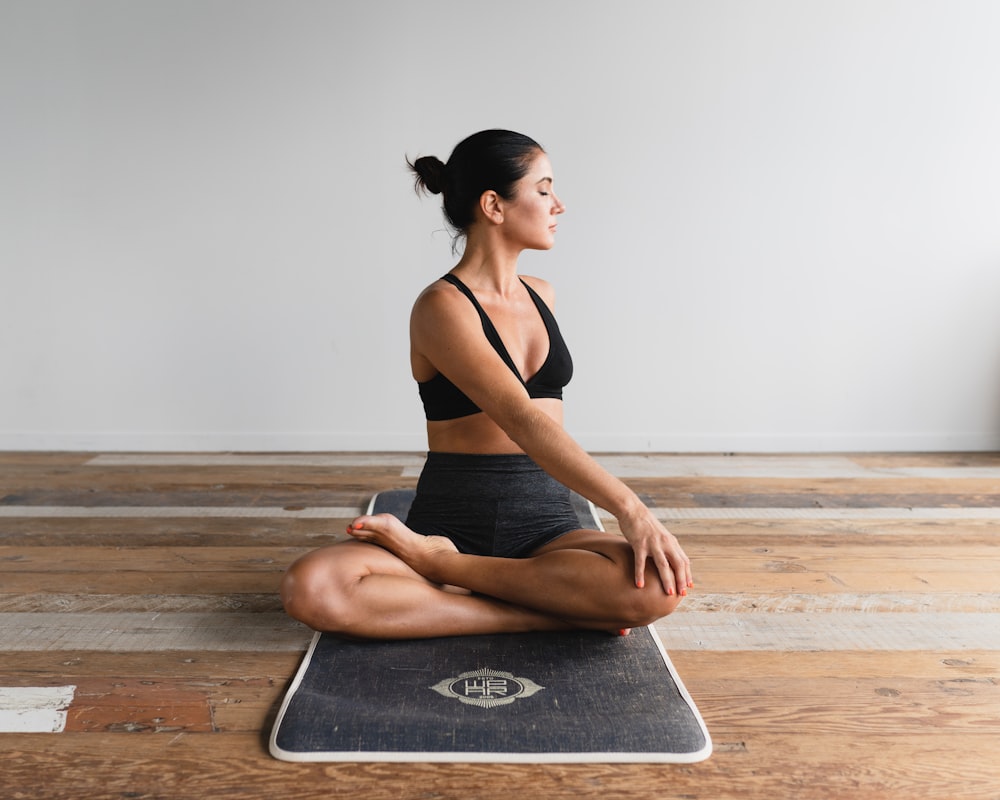
Consult your veterinarian for advice on the best food for your dog. Your veterinarian may want your dog to receive specific nutritional needs because they are aware of its particular health difficulties.

Prepare an eating schedule

Image via Unsplash.com

The ideal practice is to break up your German shepherd’s daily food intake into two or more smaller meals. Giving smaller meals reduces the possibility of bloat, an abdominal swelling that can be fatal.

Your dog will need to go potty soon after each meal if you feed them numerous times a day.

Never work out a German shepherd shortly after a meal as this could cause bloating.

Healthy treats: taking care of German Shephard

Your German shepherd’s health might be impacted by the snacks you provide it in addition to providing it nutritious food. Select dog-pleasing low-calorie snacks, such as crunchy vegetables and kibble in a feeding toy that reduces the dog’s consumption.

You should limit the number of treats you offer your dog because they should only account for 5 to 10% of their daily calories.

Proper hydration

Image via Unsplash.com

Dogs can consume a large amount of water each day, and it is crucial that they do so to avoid dehydration. Every day, fill the bowl with fresh water and place it where your dog can access it. If you can, keep an eye on the bowl throughout the day to make sure there is always water in it.

But rather than consuming a lot of water at once, German shepherds should sip little amounts of water throughout the day. Making sure the dog drinks water gradually throughout the day will prevent bloating.

The health of your dog may be in danger from dehydration. Excessive panting, a decrease in appetite, and a dry nose or gums are indications that it may be dehydrated and requires extra water.

Regular check ups: taking care of German Shephard

Make careful to provide a German shepherd with preventative healthcare when taking care of it. Numerous health issues can be prevented and new issues can be treated rapidly if you have it examined by a veterinarian annually. Among the procedures your veterinarian may perform during an annual exam are:

An evaluation of your dog’s overall health will be performed by the veterinarian, who will also search for common conditions including ear infections.

Nail trimming: When your dog’s nails get too long, it hurts them to move. If they are too long, the veterinarian will trim them.

De-worming and heartworm screening are required for all dogs on a regular basis in order to keep them free of worms.

Spayed or neutered

Image via Unsplash.com

For the sake of maintaining pet population control, having your German shepherd fixed is crucial. Ask your vet when the ideal time is to spay or neuter your German shepherd if you don’t intend to breed the dog. The average age for this procedure is between 6 months and 1 1/2 years, while delaying until the dog is 1 year old may improve the health of its joints.

Additionally, neutering or spaying your dog can help prevent future violent behavior.

Treating medical problems: German Shephard care

Take your dog to the veterinarian, for instance, as soon as you see that it is having trouble walking or eating as usual. It’s crucial to watch for physical and behavioral changes in this breed of dog and to begin providing care as soon as possible because they are prone to developing joint issues as they age.

Keep an eye out for changes in your dog’s gait and leg movement in particular. These alterations may indicate that your dog has joint issues, such as hip dysplasia, which may call for urgent medical attention.

Bathing and brushing

It’s not too difficult to maintain a German shepherd’s coat. Once or twice a week should be sufficient. If you think they require it, bathe them. As soap can disturb their natural skin and fur oils, do not bathe it more frequently than a few times per month.

Both at-home and professional grooming are options for washing your dog.

In times of high activity, give your dog more frequent baths. In the summer especially, this will shield it from rashes and skin issues.

His own home: taking care of German Shephard

Image via Unsplash.com

Keep in mind that German shepherds are sizable dogs. This breed requires room to feel at home and in their yard. They function better in a residence with space to move around as opposed to a compact flat or confined area.

Having lots of area to go around is advantageous for German shepherds. Make sure your yard is tidy, clutter-free, and risk-free.

USEFUL LINKS:

See more about taking care of German Shephard 
Check out some best pet food brands 


Becoming a good dad by adopting these helpful tips 

Becoming a good dad by adopting these helpful tips

No one claimed that becoming a good dad was simple. You must understand that labor of a dad is never finished, regardless of the age of your child or the number of children you have.

Being a good dad requires being there, acting as a good role model and disciplinarian, and being understanding of your children’s needs without caving in to them. Simply adhere to these guidelines if you want to learn how to be a good dad.

Being there for kids: becoming better dad

Image via Unsplash.com

Allow time for your children. Your children don’t give a damn if you recently received a significant promotion at work or if you live in the priciest house on the block. They do care if you will arrive home in time for dinner, if you will accompany them to the Sunday baseball game, and if you will be present for movie night that week. No matter how busy you are, you must make time for your children every day—or at the absolute least, every week—if you want to be a decent father. Include this time in your calendar. Maybe Tuesdays, Thursdays, and Sundays are your kids’ best nights.

Witness your kids’ milestones

Even if scheduling weekly “daddy time” with your children is a great method to improve your bond, you should also make an effort to be present during significant life events. Make adjustments to your work schedule so that you may attend your child’s high school graduation, first major sporting event, or first day of school.

Having you present will mean a lot because your children will remember these occasions for the rest of their lives.

When one of your children is ready to reach a milestone, you may be quite busy, but if you miss it, you’ll later regret it.

Teaching important lessons: becoming better dad

Image via Unsplash.com

You ought to be there to show your kids how to carry out the necessities of life. You may educate your kids how to correctly clean their teeth, help them learn to ride a bike, and, when the time comes, train your son to drive. Additionally, you can instruct your sons on proper grooming and hygiene practices. Your children will depend on you to teach them both the important life lessons and the simple daily chores.

These lessons should be shared by both of you. You should both impart to your kids the knowledge they require to become responsible adults.

Encourage your kids to learn from their errors.

Strong communication

Being able to talk to your kids while you’re there and being present for their critical times in life are both highly crucial. You don’t always have to do something exciting with your kids for them to enjoy spending time with you; instead, concentrate on improving your communication skills so that you can recognize their worries and difficulties.

In order to know what your children are thinking about, what they have coming up that week, and what worries them, be sure to check in with them every day.

If you don’t truly want to know the response, don’t casually ask, “How was your day?”

Planning trips: becoming better dad

Image via Unsplash.com

You must make the time to travel with your children, whether their second parent is present or not, if you want to be a decent father. You can take your son or daughters on an annual trip to the beach, go fishing with your girls once a year, or go camping with your kids once in a lifetime. Make sure that anything you do is unique, memorable, and repeatable at least once a year so that you may establish a pleasant pattern that revolves around your dad.

When you can, spend some time alone with your children, even if the mother of the children is with you.

If you schedule these outings a few months in advance, your children will have something exciting and novel to anticipate.

Taking time for yourself: becoming better dad

Even though it’s crucial to be there for your children, you should also make an effort to find “me time” whenever you can, whether it’s a Sunday afternoon spent doing whatever you want, a morning run of 30 minutes, or unwinding with a nice book before bed. Most of the time, you should prioritize your children’s needs over your own, but you shouldn’t completely ignore yourself.

You won’t be able to unwind, re-energize, and give your children the time and attention they require if you don’t schedule time for yourself.

Your children can be instructed to refrain from bothering you in a designated area of the house, such as a chair.

Rewarding appropriately

Image via Unsplash.com

Discipline isn’t just about hitting your kids when they do something wrong. In order to encourage them and make them want to repeat the behavior, it’s also important to praise them when they do something right. You should let them know how proud you are of them, take them out to their favorite restaurant, or do whatever you can to show how much you value their good behavior, whether they have received all A’s, assisted a younger sibling with a challenging task, or displayed the maturity to walk away from a fight.

When your kids are smaller, showing them love in return can go a long way towards helping them understand how proud you are of them.

Punishing them appropriately: a better dad

You must discipline your kids fairly, which means punishing them when they do something wrong. This doesn’t entail being physically or psychologically abusive; rather, it only entails telling your children when they’ve erred and demonstrating that there are repercussions for their conduct. When your child is old enough to use logic, they ought to be able to recognize their errors. Discuss your house rules and your plans for your child’s character development with your co-parent.

Make sure that you and your co-parent are in agreement over the children’s punishment. No matter which parent saw the incident, the consequences need to be the same. You can avoid playing “good cop, bad cop” with your co-parent by doing this.

USEFUL LINKS:

Click here to know more
See some fun activities to do with your kids 

Becoming a Better Mom With Our Guide 

Becoming a Better Mom With Our Guide

Depending on whom you ask, there are various ways of becoming a good mom. However, the majority of individuals concur that loving your children and making sure they feel loved is the most crucial thing.

There are some principles you can use to raise your children in a loving manner, but there are no hard and fast rules on how to be a mom.

Show affection: becoming a better mom

Image via Unsplash.com

Spread a lot of love by giving out hugs, kisses, and compliments. Your youngster is reminded of their unwavering love when they receive affection. Additionally, it has been connected to improved academic performance, fewer behavioral issues, higher self-esteem, and an all-around stronger relationship between you and your child.

Make sure the majority of your interactions with your kids are caring and good. Try to be affectionate every day.

If you have a newborn, showing affection could just mean giving your child regular cuddles or soothing words.

Spend time with your kid: becoming a better mom

Building good connections requires spending quality time together. If you have numerous kids, try to spend time with each one individually rather than in a group. Even brief periods of time can deepen your relationship.

Getting on the floor and playing with a baby or toddler can be a part of one-on-one time if you’re working with them.

Try engaging in a hobby with an older child, such as baking, hiking, or arts and crafts.

Show your support

Image via Unsplash.com

To make your youngster feel valuable, validate their interests. Nurturing your child’s interests can help them feel more confident in their own lives and increase their self-esteem, even if it’s not precisely what you’d select for yourself. Be ready to frequently change your focus because their interests may fluctuate.

Give your adolescent some encouraging input about the music they write if they’ve joined a band.

Purchase novels for your preteen if they are a space nut, or take them to the planetarium.

Unconditional Love: becoming a better mom

Your kids will feel more assured in you and themselves as a result. Let your child know that you still love them even if they misbehave or you need to reprimand them. It is your responsibility as a parent to accept your child for who they are, not for what you would like them to be.

Avoid berating or assigning blame to your youngster for their errors. Instead, concentrate on how they can improve going forward.

Set firm and clear rules

Image via Unsplash.com

Talk to your children about what is appropriate and what is not. Hold a family gathering to discuss the rules and make sure everyone is aware of the repercussions if they don’t follow them. After that, display a cheat sheet of the rules in a public space, like on the refrigerator. Make guidelines that are simple and to the point, but with a positive slant, such as “Everyone should walk indoors” rather than “No running in the house!”

You may have an open talk with your kids to decide on fair rules and consequences jointly depending on their age. Once your child is able to determine for themselves the consequences of misbehavior, you might try to implement this.

Make sure they follow: becoming a better mom

Your kids must abide by the regulations you established. If someone arrives home five minutes after curfew, you don’t have to be a stickler for rules; you can ignore it. To let your children know you mean business, though, make sure you uphold the rules you’ve established.

Disciplining your kids for disobeying the rules doesn’t always equate to being cruel. Instead of berating the youngster, criticize the behavior. “Isaiah, what should you do instead of pushing Charlie?” might be how you hear this. You’ll have to wait another five minutes to demonstrate your patience because you pushed.

Make sure the results seem reasonable. Consider limiting your child’s access to TV, for instance, if they frequently watch it and neglect their homework.

Admit when you are wrong

Image via Unsplash.com

It’s acceptable that you won’t be the ideal mother. Your children will see that you appreciate them as people when you acknowledge your errors and extend an apology. Admitting your own fault teaches your children that mistakes are not to be embarrassed of as long as they are honest and make an effort to right the wrong.

For example, if you mistakenly compare one child to another, admit that you made a mistake by saying, “Jeff, I want to apologize to you. Yesterday, I shouldn’t have compared you to your brother. You are all unique people with distinct qualities. Please grant me your forgiveness.

Healthy relationships:: becoming a better mom

Teach your kids the proper way to treat others. You should always treat others with respect and kindness, whether you’re with your spouse, co-parent, family, friends, or total strangers. Show your children what it means to be a good friend or partner by practicing active listening, compromising, and sharing with others.

Use disagreements between you and your spouse (on more amusing issues) as teaching opportunities to demonstrate conflict resolution to your children.

Give some time to yourself

There’s no reason to feel guilty about taking a break now and then. This will teach your kids how important it is to take care of themselves and manage their stress. Apart time helps them develop their independence while also allowing you to unwind.

Because stress affects your children, schedule time every day for self-care. This may be doing something leisurely like taking a long bath and reading a book every night or having a peaceful cup of coffee every morning before the kids get up. Remember to look for yourself, though!

There’s nothing to fear when you tell your children that you need some alone time. As well as asking them what they do for self-care, define it for them.

Deep breathing in stress: a better mom

Image via Unsplash.com

There are a number of high-stress scenarios when being a parent. Take a few slow, deep breaths in with your nose, then let them out through your lips if you ever feel like you’re ready to lose your cool. Prior to responding to a situation, you might find it helpful to count to. You can focus on developing a solution without blowing out if you first learn to control your emotions.

You can reduce your daily stress levels by practicing yoga and meditation.

USEFUL LINKS:

Check out this amazing guide on becoming a good mother 
How to be a relaxed and happy parent 

Green Smoothie Recipes You Must Try at Home 

Green Smoothie Recipes You Must Try at Home

There is nothing novel about slipping leafy green into meals. Actually, it’s a really great method to increase the nutritional value of your diet – cheesy kale chips, anyone? A grassy knoll may occasionally taste like your mouth after ingesting green when you add them to smoothies.

Thankfully, since gaining popularity as a healthy beverage, green smoothie recipes have advanced greatly. Making your own smoothies is so much better and more affordable even though you can purchase a slurp-worthy spinach smoothie.

One of these green smoothie recipes might be a good place to start. They’ll have you sneaking superfoods into every meal and loving how it tastes and makes you feel. They’re wholesome, flavorful, and range from easy to oh-so-adventurous.

Banana mango green smoothie

Image via Unsplash.com

If you often eat cereal and muesli for breakfast, consider making a smoothie bowl as a way to introduce green smoothies to your diet. It’s difficult to match the nutritional value and deliciousness of this wonder bowl, which includes kale, mango, microgreens or alfalfa sprouts, hemp seeds and almond milk.

For an additional antioxidant dose, we also enjoy topping with fresh raspberries.

Ingredients
  • 1 banana
  • chopped mango, half a cup
  • three handfuls of baby kale or spinach
  • 2 teaspoons hemp seeds
  • (Or any favorite milk) 1/2 cup unsweetened almond milk
  • one-eighth teaspoon of pink salt (or sea salt)
  • tiny amount of ice

Strawberry pomegranate smoothie

Double trouble in this smoothie is more like double the enjoyment. With starring ingredients like coconut water, strawberries, spinach, and pomegranate, the two layers come together to produce an antioxidant-rich, protein-packed meal.

Since the strawberries are already sweet enough, we choose to substitute Greek yoghurt (or avocado for non-dairy consumers) for the banana used by the blogger to add thickness.

Orange spinach banana smoothie

Image via Unsplash.com

Who doesn’t enjoy the perfect balance of sweet and sour flavors? These superfoods also taste fantastic in smoothies. Sweet orange and banana combined with the zest of lemon is a favorite addition to many a fruit bowl.

One of the more nutritious and satisfying creations to start your day with may be made by adding a cup of raw spinach.

Ingredients
  • one cup of new spinach
  • Coconut water, 3/4 cup
  • Peeled half of a lemon
  • half a banana
  • Peeled orange, one
  • 1 portion (Optional) Protein Smoothie Boost

Snickerdoodle green smoothie

Image via Unsplash.com

We too initially believed that the snickerdoodle flavor was exclusively appropriate for cookies. How foolish of us. This smoothie is a delicious way to keep the flavors of the holidays while resuming good practices. It is made with avocado, cinnamon, spinach, banana, and almond milk.

For added sweetness that will be much appreciated, use unsweetened vanilla almond milk.

Ingredients
  • 1 handful of spinach, please
  • Banana, one, frozen
  • 50% of a tiny avocado
  • unsweetened almond milk in 1/4 cup
  • One-half teaspoon vanilla
  • 1/8 tsp. of cinnamon

Protein smoothie

This meal will definitely help you kick butt, as the name implies. This smoothie will keep you energized and satisfied for hours, whether you’re getting through a long day, a strenuous workout, or even a day off.

Despite the overwhelming ingredient list, it is definitely worth stocking up and freezing extras to enjoy later. You are welcome to omit the algal oil, but we believe it adds a wonderful touch for those who enjoy the distinctive flavor as well as a significant increase in the brain-boosting omega-3 DHA.

Mango-coconut smoothie

Image via Unsplash.com

This recipe is a great choice for a post-workout snack or for hectic mornings since it simply calls for five ingredients and a few ice cubes.

It’s made with fresh spinach or kale leaves, frozen mango chunks, bananas, coconut milk, and a little orange juice, and it’s filling and refreshing. Additionally, all you need to do to make it drinkable is blend.

Ingredients
  • One cup of freshly cleaned spinach leaves (or spinach in a bag)
  • 1 cup mango cubes—fresh or frozen
  • half a medium banana
  • 3/4 cup light canned coconut milk (almond milk may be used in place of this).
  • Orange juice, half a cup
  • Ice cubes, half a cup

Low carb protein smoothie

When we hear the word “leprechaun,” the first thing that springs to mind is the nostalgic, sugar-loaded cereal Lucky Charms, which is a childhood favorite. The phrase, however, here alludes to how nutritious and green this smoothie is.

The blogger makes a unique green dinner using interesting ingredients like protein powder, avocado, pistachios, and fresh mint. Use half the required amounts of protein powder and avocado if it is already too heavy.

Ingredients
  • 100 grams/3.5 ounces About half an ordinary avocado.
  • heavy whipping cream or 1/4 cup coconut milk
  • 14 cups of fresh spinach
  • mint leaves or essence, if desired
  • 1/4 cup of plant-based NuZest (25 grams/0.9 ounces), vanilla or plain whey protein, egg white protein (Jay Robb), collagen powder, or
  • 20 grams/0.7 ounces of unsalted pistachio nuts in 2 teaspoons
  • half a vanilla bean’s worth of seeds or one teaspoon of sugar-free vanilla extract
  • three to six drops of liquid stevia extract or any low-carb healthy sweetener from this list
  • ice cubes, if desired, and half water

Tropical green smoothie

Image via Unsplash.com

When this writer said, “If you close your eyes, it tastes like a lovely, tropical, sunny beach vacation,” she was absolutely correct. Despite the fact that the recipe isn’t quite magical enough to whisk you away to the tropics, it will make you feel alert and alive, just like a genuine vacation.

We also adore the variety of ways you can alter the flavor, so experiment with different fruits and varieties of milk.

Ingredients
  • Contains 2 cups of frozen spinach
  • Frozen pineapple, 1 cup
  • Frozen mango, 1 cup
  • one medium banana
  • one cup of strawberries
  • milk, 1 cup
  • one teaspoon of vanilla extract
  • choice of sweetener, as desired

Blueberry and peanut smoothie

Image via Unsplash.com

Perhaps we should have kept the greatest for last. This incredibly tasty smoothie is packed with greens and was created using the flavors of one of our favorite sandwiches. You won’t even notice the absence of bread in this smoothie.

Although the name of the drink include the word “peanut butter,” any nut butter will work well in its place.

Ingredients
  • 1 ripe banana.
  • a half cup of fresh spinach
  • Blueberries, 1 cup, frozen
  • Plain, vanilla, or blueberry yogurt, 1/4 cup
  • the milk splash
  • 5 tsp. creamy peanut butter
  • one-third cup of chia seeds

USEFUL LINKS:

Click here to keep hovering 
See how to create your weekly meal plan 


Pay Off Your Debt and Track Your Progress

Pay Off Your Debt and Track Your Progress

If you’re having trouble controlling your debt and don’t have a strategy to pay it off, start here. These simple debt reduction techniques contain expert-recommended financial tactics as well as straightforward advice on how to develop better money management skills.

Make a note of all the debts you have before beginning to pay them back, including the type, balance due, and interest rate. Decide if the debt is a credit card, student loan, mortgage, or another type of debt.

Create a budget

Image via Unsplash.com

Making a monthly budget and tracking your income and expenses are the first steps in paying off debt.

Creating a budget is a simple method to get organized before beginning debt repayment. Yours might be as straightforward as a spreadsheet or more complicated, using budgeting tools like Mint to carefully monitor each expense and debt repayment.

Pay expensive debt first

According to the debt avalanche strategy, you should start by paying off the debts with the greatest interest rates. You keep making the minimum payments on your other, less costly obligations while concentrating any extra money you have on your most costly loans.

By eliminating bad debts more rapidly, this method can end up saving you money over the long run.

Snowball method to pay debt

Image via Unsplash.com

The debt snowball method calls for beginning with the smallest bills. It is simpler to start by fully repaying a smaller debt than it is to attempt to take on a larger school loan or mortgage obligation. Additionally, paying off a minor debt could inspire you to keep going with your repayment plan.

Depending on your financial stability and other considerations, you can choose which loan to pay off first.

The debt snowball strategy, like rolling a snowball across the ground, develops momentum as you begin paying creditors. Pay off your debts in order of decreasing value first. List your debts from smallest to largest balance first. Make sure you pay the minimum on all other debts and extra money to the debt with the least balance as long as it isn’t paid in full.

Apply the same plan to the other debts. As you settle bills, you’ll have more money to pay down other loans. Additionally, making progress is motivating and can help you stay on pace for debt repayment.

Pay more than minimum

You’ll probably need to pay more than the minimum balance due each month to really make a dent in your credit card debt.

As long as the additional payments wouldn’t be better used on other debts, you may also think about adding more money to the principal of a mortgage.

Advantageous balance transfer

Image via Unsplash.com

You can transfer your debt from one account to another via a balance transfer. If the new account offers a reduced interest rate permanently or as part of an introductory deal, you might choose to do this. However, you will need to apply for the new balance transfer card and get it accepted, which frequently calls for good credit.

Your credit card spending

Consider taking all of your credit cards out of your wallet if excessive spending is causing you to incur more debt than necessary. This simple strategy may help you concentrate on managing your finances while removing the temptation to overspend.

Debt replacement apps

Apps like Tally and Undebt.it that track debt payments provide users with a clear, user-friendly mechanism for doing so.

Additionally, you can benefit from free credit reports and services that let you keep a close eye on your credit score. Equifax, Experian, and TransUnion, three of the biggest credit bureaus, are required to yearly make these data freely available to consumers.

Delete credit card info from online stores

Image via Unsplash.com

Take the self-control step further by removing credit card information from websites like Amazon if taking your credit card out of your wallet isn’t enough. Take action to break the habit of online buying because it can be a serious obstacle to debt repayment.

Sell unwanted stuff to pay debt

Sell unneeded goods from your home to generate some extra money. Poshmark and the Real Real, stores that specialize in consignment clothing, plus Facebook and Craigslist, where you can buy and sell almost anything, have made this easier than ever. Use all of the proceeds from your sales to reduce your debt.

Change your habits

Image via Unsplash.com

According to Colin Moynahan, financial adviser and founder of Twenty Fifty Capital, excessive spending and amassing significant debt are frequently manifestations of behavioral problems Make the required lifestyle modifications to begin paying off your debts after being truthful with yourself about your regular expenditures and spending patterns.

Food, shelter, and health care are examples of obligatory expenses. Then there are the optional items, in Moynahan’s opinion. Priorities come into play when talking about avoiding debt. Is this expense necessary or is it optional? Most folks would likely be shocked to learn how much of it is discretionary if they actually read their statement line by line.

Side income to pay debt

You can dig more quickly the bigger your shovel is. By taking on a second job or a freelancing project, you can increase your revenue stream. Then, you can utilize the additional money to pay off your obligations more rapidly. Jobs that are simple to start and can earn you enough money to start paying down your debts include tutoring, pet sitting, and working as a virtual assistant.

Debt consolidation

Image via Unsplash.com

A single loan and a single monthly payment can be used by people to pay off all of their debts thanks to debt consolidation. Additionally, consolidation may result in a cheaper interest rate and provide an opportunity to bargain for a better repayment schedule for some debts.

Credit counselling agency

Repaying debts can be a burden. If you need assistance, get in touch with the National Foundation for Credit Counselling for no-cost debt management advice.

Goetz claims that this network provides a place where people can find assistance and that it is not for business. “Many people end up going to for-profit organizations because there are many fraud occurring for people who are weak and have a lot of debt”.

USEFUL LINKS:

Click here to know more about debt payment 
Check out some banking tips and tricks