School Admission Marketing Ideas
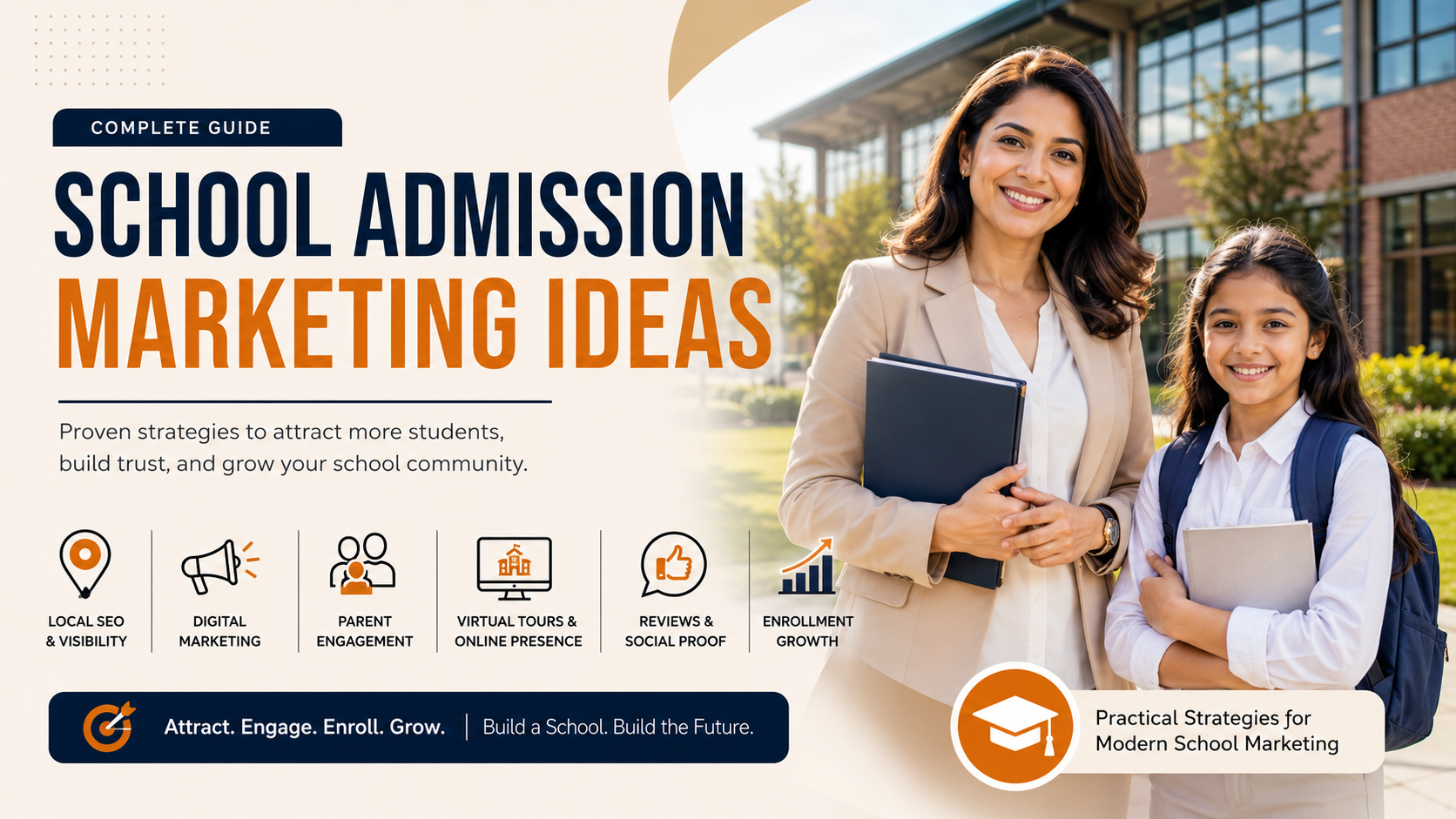
Attracting new students is a top priority for every educational institution today. Standing out in a crowded landscape requires more than just a good reputation. You need effective school admission marketing ideas to connect with modern parents. Parents research extensively online before stepping foot on a physical campus. Therefore, your digital strategy must be highly visible and extremely trustworthy.
A strong digital presence is an absolute essential requirement for survival. According to the foundational best practices outlined by Google Search Central, optimizing your search visibility is critical. This is the very first step in connecting with your local community. Implementing the right campaigns does more than fill empty seats. You actively build a thriving and engaged school community.
Many institutions struggle because they rely on outdated marketing methods. Paper flyers and local newspaper ads simply do not work well anymore. Today’s parents look for immersive virtual tours and authentic social proof. They want to see strong search engine rankings to guide their choices. This article will show you exactly how to capture their attention.
How Do I Advertise My School Admissions?
Advertising school admissions effectively requires a balanced strategy that combines digital marketing with meaningful community engagement. Today’s parents research schools online before making inquiries, so your institution must be visible across search engines, social media, and local directories. A strong online presence helps families discover your school while building trust through consistent messaging and valuable content. At the same time, personal interactions remain essential. Open houses, campus tours, and community events allow parents to experience your school’s culture firsthand and ask important questions.
Digital marketing should complement these in-person efforts. Targeted social media advertising helps reach local families based on location, interests, and demographics. Publishing blogs, student success stories, and classroom highlights improves school marketing while strengthening your website’s search visibility. Virtual campus tours also make it easier for busy parents to explore your facilities from home. By maintaining consistent branding and communication across every channel, your school becomes more memorable and increases the likelihood of turning interested families into enrolled students.
Leverage Local SEO and Google Business Profile
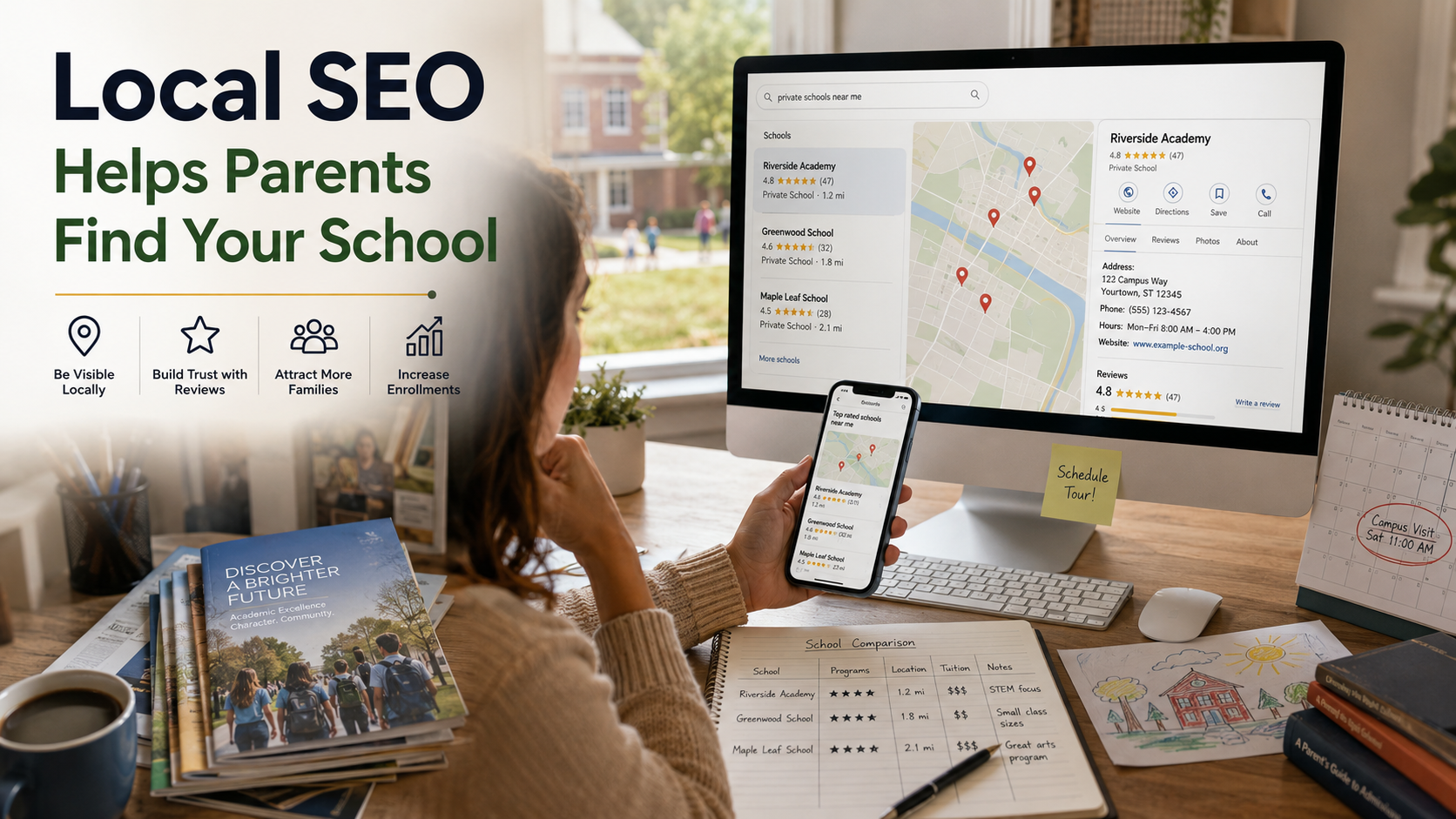

A strong local search presence helps parents find your school when they search for educational options nearby. Start by claiming and optimizing your Google Business Profile with accurate contact information, school hours, updated photographs, and detailed descriptions of your programs. Encourage satisfied parents to leave genuine reviews, as positive feedback improves credibility and local search rankings.
Keep your profile active by posting updates about admission deadlines, events, and achievements. Make sure your website includes location-based keywords and clear admission information. These simple improvements increase visibility in local search results, helping more families discover your institution and contact your admissions team.
What Is the 3 3 3 Rule in Marketing?
The 3 3 3 rule in marketing is a simple framework that helps organizations deliver clear and memorable messages without overwhelming their audience. Although the rule is interpreted differently across industries, its primary goal is to simplify communication and reinforce key messages through consistency. For school admissions marketing, this approach encourages schools to communicate through three primary channels, highlight three major strengths, and engage families during three important stages of the enrollment journey. Rather than relying on one-time promotional campaigns, schools create a structured experience that builds familiarity and trust over time.
Parents often interact with multiple schools before making a decision. Consistent messaging helps your institution stand out throughout this process. Whether families first discover your school through social media, your website, or an event, they should receive the same clear message about your values and educational strengths. This coordinated approach improves recognition, strengthens your brand, and encourages parents to complete the admissions process with greater confidence.
Applying the Rule to Parent Journeys
Applying the 3 3 3 rule to school admissions means focusing on three core messages, such as academic excellence, student safety, and holistic development. Share these messages consistently through email campaigns, social media platforms, and printed materials.
Continue reinforcing them during key stages of the admissions process, including initial awareness, active consideration, and final enrollment. This structured communication keeps your school top-of-mind while helping parents make informed decisions with confidence.
What Are the 7 Marketing Activities?
The seven marketing activities provide a complete framework for promoting an organization and building long-term relationships with customers. In education, these activities help schools understand parent expectations, improve their services, and communicate their strengths effectively. The seven areas typically include market research, service development, pricing, distribution, promotion, physical evidence, and people management. Together, these elements create a well-rounded admissions strategy that supports both enrollment growth and long-term reputation.
Market research helps schools understand changing parent preferences and local competition. Promotion includes digital advertising, public relations, content marketing, and community outreach. Physical evidence covers campus appearance, classroom facilities, and marketing materials that influence first impressions. People management ensures teachers, administrators, and admissions staff consistently represent the school’s values. When all seven activities work together, schools deliver a professional and trustworthy experience that encourages more families to apply.
Harmonizing Activities for Maximum Impact
The greatest results come from integrating all seven marketing activities into one cohesive strategy. Research should guide messaging, while promotional campaigns should accurately reflect the on-campus experience. Every interaction, from the first website visit to the final campus tour, should reinforce your school’s promises.
When staff, facilities, and marketing materials align, parents gain confidence in your institution. This consistency builds trust, strengthens your reputation, and supports sustainable enrollment growth.
How to Advertise School Admission: Examples
Successful school admission advertising focuses on authentic experiences that help parents understand what makes your institution unique. One effective strategy is hosting live social media question-and-answer sessions featuring teachers, students, and school leaders. These events give prospective families an honest look at daily school life while allowing them to ask questions in real time. Referral programs can also encourage current parents to introduce friends and relatives by offering incentives for successful recommendations.
Video marketing is another powerful approach. Short videos featuring classroom activities, extracurricular programs, student achievements, and alumni success stories perform well across platforms such as Instagram and YouTube. Personalized follow-up emails after inquiries or open house registrations help maintain engagement and guide families through the admissions process. Combining these proven tactics creates a welcoming experience that turns interested visitors into enrolled students.
Running Targeted Social Media Video Campaigns
Short, engaging videos are an excellent way to showcase your school’s personality. Highlight classroom learning, extracurricular activities, student achievements, and campus traditions to create authentic connections with prospective parents.
Target these campaigns to local families based on age, location, and interests. Pair compelling visuals with a clear call-to-action that encourages viewers to schedule a campus tour, attend an open house, or begin the admission process.
FAQ Section
What is the best time of year to start school admission marketing?
Schools should begin school admission marketing ideas at least six to nine months before the academic year starts. Effective school admission marketing ideas help schools reach parents early, when they are researching schools, comparing multiple options, and planning campus visits before making a final decision.
Starting early gives your admissions team more opportunities to build relationships with prospective families. Consistently applying school admission marketing ideas throughout the year also keeps your school visible, even outside the main enrollment season.
Rather than limiting campaigns to enrollment periods, schools should regularly evaluate and refine their school admission marketing ideas based on parent feedback, digital engagement, and admission trends. A year-round strategy built on strong school admission marketing ideas can increase inquiries, improve enrollment rates, and strengthen your school’s reputation.
How can social media improve school enrollment numbers?
Social media helps schools showcase their campus culture, academic achievements, student activities, and classroom experiences through engaging visual content. Parents often use these platforms to evaluate schools before making inquiries.
Regular posts, short videos, live sessions, and timely responses to comments create meaningful engagement. This ongoing interaction builds trust, encourages campus visits, and ultimately increases enrollment opportunities.
Why are parent reviews important for school marketing?
Parent reviews provide valuable social proof that influences families researching schools online. Positive testimonials reassure prospective parents that your institution delivers on its promises regarding education, student care, and overall experience.
Encouraging satisfied families to leave reviews on Google and other trusted platforms improves your school’s credibility and local search visibility. Authentic feedback often plays a significant role in parents’ final enrollment decisions.
How do virtual open houses impact the admissions process?
Virtual open houses make it easier for prospective families to explore your school without traveling. Parents can tour classrooms, meet teachers, and learn about academic programs from the comfort of their homes.
These online events remove scheduling and geographic barriers while expanding your reach beyond your immediate community. They also serve as an excellent first step before families schedule an in-person campus visit or submit an application.
Conclusion on Executing School Admission Marketing Ideas
Growing your current student body requires intense daily dedication and modern creativity. You need a highly solid and data-driven strategic marketing plan to win. By methodically implementing these ten proven school admission marketing ideas, you can significantly increase your digital visibility and attract more prospective families.
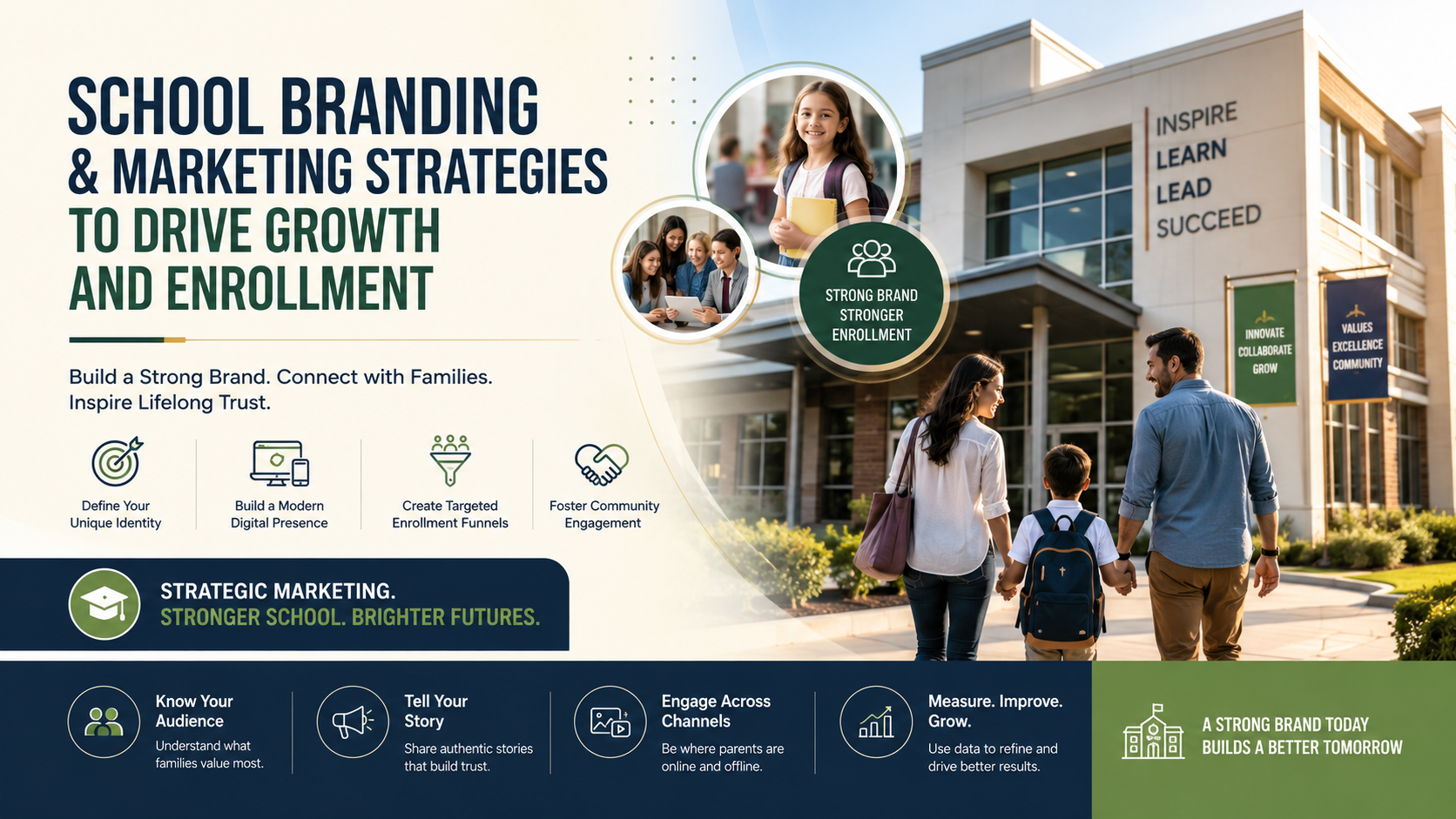
You will also systematically build much stronger emotional connections with parents and students throughout your local community. True, sustainable enrollment growth does not happen overnight. However, a consistent commitment to modern digital outreach and proven school branding and marketing strategies helps establish credibility, strengthen your reputation, and drive long-term admissions success.
Marketing an educational institution is not about using aggressive sales tactics. It is about authentically communicating your mission, values, and the unique learning environment your school provides. It is about showing parents why your institution is the right choice for their children’s future. Every digital touchpoint—from your website to social media and email communications—plays a meaningful role in building trust.
Start small if you feel overwhelmed. You do not have to implement all ten strategies at once. Begin by optimizing your online presence, then gradually expand into email marketing, virtual campus tours, and community engagement initiatives. With consistency and the right strategy, your school can build a stronger brand and achieve sustainable enrollment growth.