
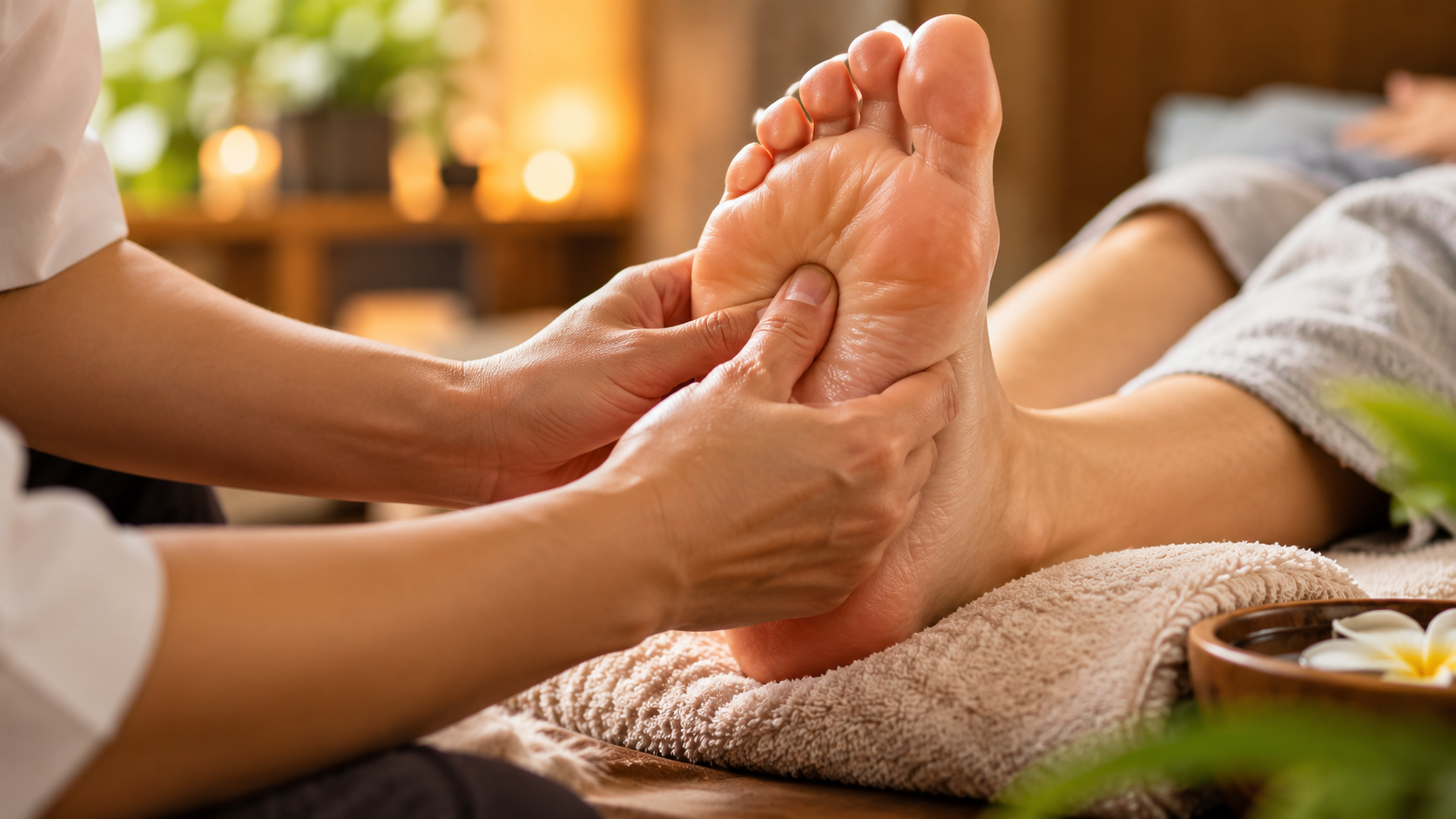
How Body Heals With Feet Massage: The Science and Benefits
Your feet support your body through thousands of steps every day. They absorb pressure, maintain balance, and help you move comfortably. Understanding how body heals with feet massage reveals the connection between physical touch, circulation, the nervous system, and relaxation.
According to the National Center for Complementary and Integrative Health (NCCIH), massage therapy may help relieve certain types of pain and improve well-being. Foot massage applies gentle pressure to the muscles and soft tissues of the feet. This can ease tension, reduce discomfort, and promote relaxation.
The benefits extend beyond tired feet. A relaxing session may help calm the nervous system and reduce feelings of stress. However, foot massage does not cure diseases or directly heal every internal organ.
This guide explains what happens to your body after a foot massage, which areas require caution, and how massage may influence stress-related hormones. You will also learn about the benefits of foot spa treatments, possible disadvantages, and the ideal session length for comfort and recovery.
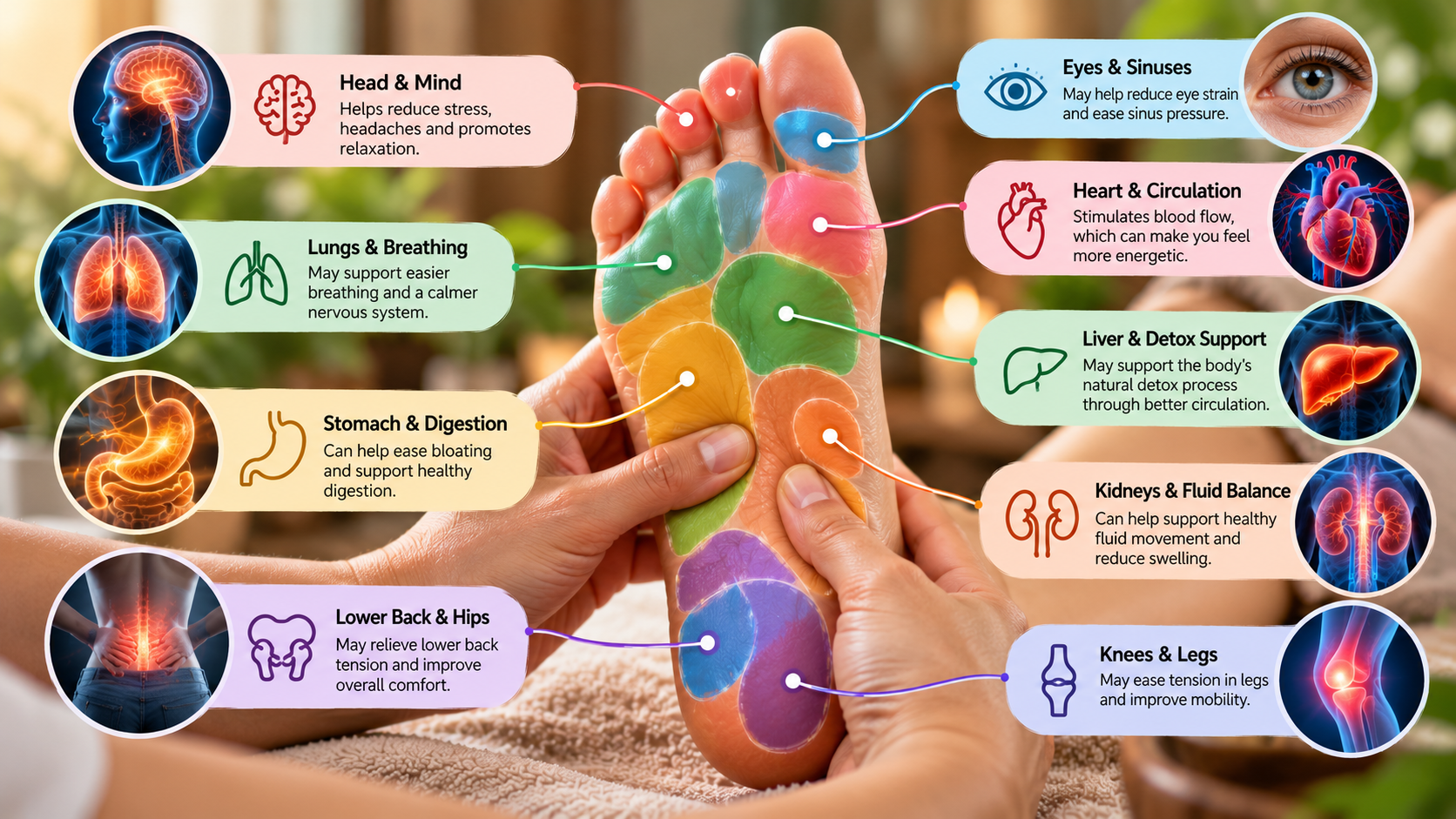
What happens to your body after a foot massage?
After a foot massage, you may notice warmer feet, reduced tension, and a greater sense of relaxation. Gentle pressure stimulates sensory receptors in the skin and underlying tissues. These signals travel through the nervous system and can influence how your brain processes discomfort.
Massage may also temporarily improve local blood flow. This helps explain why your feet can feel warmer after treatment. However, the effects vary depending on your health, massage technique, and the pressure applied. For a broader perspective on wellness, explore Oriental Medicine: A Holistic Approach to Health and Healing.
Some people experience less stiffness in their feet and lower legs. Others notice reduced stress or improved comfort after standing for long periods. Massage may also encourage relaxation before bedtime, although it does not guarantee better sleep.
The lymphatic system naturally transports excess fluid and cellular waste. Massage may support fluid movement in certain circumstances, but ordinary foot massage does not detoxify the body or reliably remove lactic acid.
Systemic Autonomic Reset
Foot massage may influence the autonomic nervous system, which regulates involuntary functions such as heart rate, breathing, and digestion. Gentle, comfortable touch can encourage a relaxation response and help the body move away from a heightened stress state. Other relaxation practices, such as those discussed in The Art of Silence: How Quiet Can Boost Well-Being, may also support emotional well-being.
During a relaxing session, your breathing may become slower and more comfortable. You might also notice reduced muscle tension and a calmer mental state. These responses vary between individuals and do not mean that massage automatically activates cellular repair throughout the body.
The nervous system processes sensory information from the feet and other body regions. This interaction can influence pain perception and overall comfort. However, claims that foot massage directly treats internal organs through specific pressure points are not well established.
For the best experience, choose gentle pressure that feels comfortable. Stop the session if you experience sharp pain, numbness, tingling, or unusual swelling.
What 5 parts of the body are not allowed to massage?
Certain body areas require extra care because they contain vulnerable nerves, blood vessels, or internal structures. Although massage is not universally prohibited in five specific areas, applying deep pressure to sensitive anatomical regions can cause injury.
Five areas that generally require caution include:
- The front of the neck: This area contains major blood vessels, nerves, and delicate structures. Avoid forceful pressure around the carotid arteries.
- The armpit: Important blood vessels and nerve bundles pass through this region. Deep, forceful pressure can injure sensitive tissues.
- The inner elbow: Superficial nerves and blood vessels make this area sensitive to direct pressure.
- The back of the knee: Major blood vessels and nerves pass through this region. Avoid deep pressure directly behind the knee.
- The kidney region: The kidneys lie deep within the body, partly protected by the lower ribs and surrounding tissues. Avoid forceful pressure over the flanks, particularly after an injury or when kidney problems are suspected.
These areas do not all require a complete ban on every form of touch. The appropriate technique depends on the person’s health, anatomy, and treatment goals.
During a foot massage, the therapist should also avoid excessive pressure over injured tissues, open wounds, and painful swelling. People with circulation problems, suspected blood clots, or reduced sensation should seek appropriate medical advice before treatment.
What hormone is released during foot massage?
Foot massage may influence several biological processes associated with relaxation, but no single hormone is released in a predictable amount during every session. Researchers have studied how massage affects stress-related hormones and other biochemical markers. However, results vary depending on the study, massage technique, and individual response.
Oxytocin is often associated with social bonding and positive physical contact. Some research suggests that pleasant touch may influence oxytocin activity, although evidence specifically involving foot massage remains limited.
Massage may also influence cortisol, a hormone involved in the body’s stress response. Some studies have reported reduced cortisol levels after massage, but this effect is not consistent across all research. For more information about hormonal changes and their possible causes, see Hormonal Imbalance: Proven Signs, Causes, and Solutions.
Endorphins and dopamine are also associated with pain regulation, motivation, and mood. However, it is not accurate to claim that foot massage always triggers a measurable surge in these chemicals.
Overall, foot massage may support relaxation and emotional comfort. Its benefits are best understood as possible improvements in stress management and symptom relief rather than a guaranteed hormonal or medical treatment.
The Cortisol-Lowering Effect
Cortisol helps regulate the body’s response to stress. Its levels naturally change throughout the day and can rise during physical or emotional challenges. Prolonged stress may affect sleep, mood, and general well-being.
A relaxing foot massage may help some people feel calmer. Research on massage therapy suggests that cortisol levels can decrease in certain circumstances, although findings differ between studies. Therefore, foot massage should not be described as a reliable way to lower cortisol in everyone.
Relaxation may still be valuable even when hormone changes are uncertain. Taking time to rest, breathing comfortably, and receiving gentle touch can help reduce perceived stress.
For better stress management, combine massage with consistent sleep habits, regular physical activity, and other healthy routines. If you experience persistent anxiety, sleep problems, or other symptoms, consult a qualified healthcare professional instead of relying on massage alone. You can also learn about different healthcare specialists in Types of Doctors and Their Specialties: A Complete Guide.
What are the 7 benefits of foot spa?
A foot spa combines warm water, comfortable soaking, and sometimes gentle massage. These treatments can make tired feet feel more comfortable and provide a relaxing break from daily activities. Their benefits depend on the water temperature, treatment method, and your individual health. For a closer look at water-based wellness treatments, read Hydrotherapy Benefits: How Water Therapy Heals Body and Mind.
Seven potential benefits of a foot spa include:
- Softens dry skin: Warm water can temporarily soften rough skin and make routine foot care easier.
- Promotes relaxation: A warm soak may help you unwind after a busy day.
- Supports temporary comfort: Gentle massage may ease minor foot tension after prolonged standing or walking.
- May improve local circulation temporarily: Warmth can widen superficial blood vessels, although effects vary.
- Eases feelings of stiffness: Comfortable warmth may help loosen stiff feet and improve subjective comfort.
- Provides a soothing sensory experience: Gentle touch and warm water may help reduce perceived stress.
- Supports a bedtime routine: A relaxing foot soak may help some people prepare for sleep.
These benefits should not be confused with medical treatment. Foot spas do not remove toxins through the skin, and reflexology claims about treating internal organs lack strong scientific support.
For safety, use comfortably warm water rather than hot water. People with diabetes, reduced foot sensation, open wounds, or circulation problems should seek medical advice before using foot spa treatments.
What are the disadvantages of foot massage?
Foot massage is generally well tolerated when performed gently, but it is not suitable for every situation. Excessive pressure, unsuitable techniques, or an underlying medical condition can increase the risk of injury. Understanding common health concerns can help you make informed decisions; see Common Medical Condition: Comprehensive Guide for additional information.
Potential disadvantages include temporary soreness, skin irritation, bruising, and increased discomfort in sensitive areas. Forceful massage over a fracture, severe sprain, or open wound may worsen the injury. People with reduced sensation may not recognize excessive pressure until tissue damage occurs.
Certain health conditions require particular caution:
- Suspected deep vein thrombosis: Avoid massage and seek urgent medical assessment if you develop unexplained one-sided leg swelling, warmth, or pain. Do not massage a potentially affected area.
- Diabetes with neuropathy: Reduced sensation can make it difficult to detect excessive heat or pressure.
- Open wounds or skin infections: Massage can irritate damaged tissues and may spread infection.
- Recent injuries or surgery: Follow your healthcare professional’s advice before receiving treatment.
- Bleeding disorders or blood-thinning medication: Strong pressure may increase bruising or bleeding risk.
Pregnancy does not automatically make foot massage unsafe. However, people with high-risk pregnancies or pregnancy-related complications should consult their healthcare professional before treatment. Evidence does not establish that ordinary foot massage reliably triggers labor through specific reflex points.
Stop immediately if you experience sharp pain, new numbness, dizziness, or unusual discomfort. Choose a qualified therapist who understands relevant medical precautions.
How long does a foot massage last?
A typical foot massage lasts around 15 to 30 minutes, although some professional treatments extend to 45 or 60 minutes. The appropriate duration depends on your comfort, treatment goals, and health conditions. A longer session does not automatically provide better results.
A 15-minute session may suit people who want a short break from daily activities. A 30-minute session allows more time to work gently on both feet, including the soles, arches, heels, and toes. If your calves feel tight, a longer appointment may include gentle lower-leg massage when appropriate.
Sessions lasting 45 to 60 minutes may form part of a broader foot spa or massage treatment. However, there is limited evidence that longer foot massages produce greater medical benefits than shorter sessions.
Pressure matters as much as duration. Excessive force can cause soreness or aggravate existing injuries, even during a brief treatment. The therapist should adjust the technique to your needs and avoid painful pressure.
For general relaxation, begin with a comfortable 15- to 30-minute session. If you have persistent foot pain, swelling, or numbness, seek medical advice to identify the underlying cause rather than extending massage time. A physical therapist is one type of professional involved in movement, physical function, and rehabilitation, depending on your needs.
Choosing the Ideal Duration
Choosing the right massage duration depends on why you want treatment. For everyday relaxation or mild tiredness, 15 to 30 minutes may provide enough time to unwind without overworking sensitive tissues.
If you spend long hours standing, a 30-minute session can focus on the heels, arches, toes, and other comfortable areas. Gentle lower-leg massage may also help relieve perceived tension when no medical contraindications are present.
A 45- to 60-minute appointment may suit people who prefer a more comprehensive spa experience. However, the therapist should prioritize comfort instead of applying stronger pressure or extending treatment unnecessarily.
Pay attention to how your feet respond during and after the session. Mild relaxation and temporary comfort are reasonable expectations, but persistent pain or swelling needs further assessment.
People with diabetes, nerve damage, poor circulation, or recent foot injuries should consult a healthcare professional before massage. Adjusting the technique and duration to your individual needs can make the experience more comfortable and reduce avoidable risks.
Frequently Asked Questions
Can a foot massage help relieve headaches?
Yes, foot massage may help relieve headaches by encouraging relaxation, reducing stress, and easing muscle tension. Understanding how body heals with feet massage can help explain how gentle pressure may support overall comfort, although results vary from person to person.
Can foot massage cause soreness the next day?
Yes, mild soreness can occur for a day after a deep foot massage, particularly when firm pressure is applied to sensitive areas. To understand how body heals with feet massage, remember that gentle techniques, adequate rest, and avoiding excessive pressure can help minimize discomfort.
Is foot massage safe during pregnancy?
Foot massage is generally safe during an uncomplicated pregnancy when performed gently, but pregnant individuals should consult their healthcare provider before treatment. Learning how body heals with feet massage involves understanding individual needs, avoiding painful pressure, and choosing a therapist experienced in prenatal massage. There is insufficient evidence that specific ankle pressure points trigger labor, so appropriate precautions are important.
Conclusion
Understanding how body heals with feet massage highlights the power of targeted touch for whole-body restoration. From dilating peripheral blood vessels and lowering blood pressure to stimulating vital oxytocin production, foot bodywork offers evidence-based physical and mental relief. However, maximizing safety requires respecting clinical contraindications, steering clear of anatomical endangerment zones, and adhering to appropriate session durations.
Whether you soak your feet in a restorative warm foot spa or work with a licensed therapist, regular care revitalizes tired lower limbs and counters daily physical stress. Pay close attention to your body’s signals, choose certified practitioners, and turn foot therapy into an ongoing wellness habit. Your feet carry your entire world every day; giving them proper restorative attention empowers your entire physical frame to heal and thrive.