
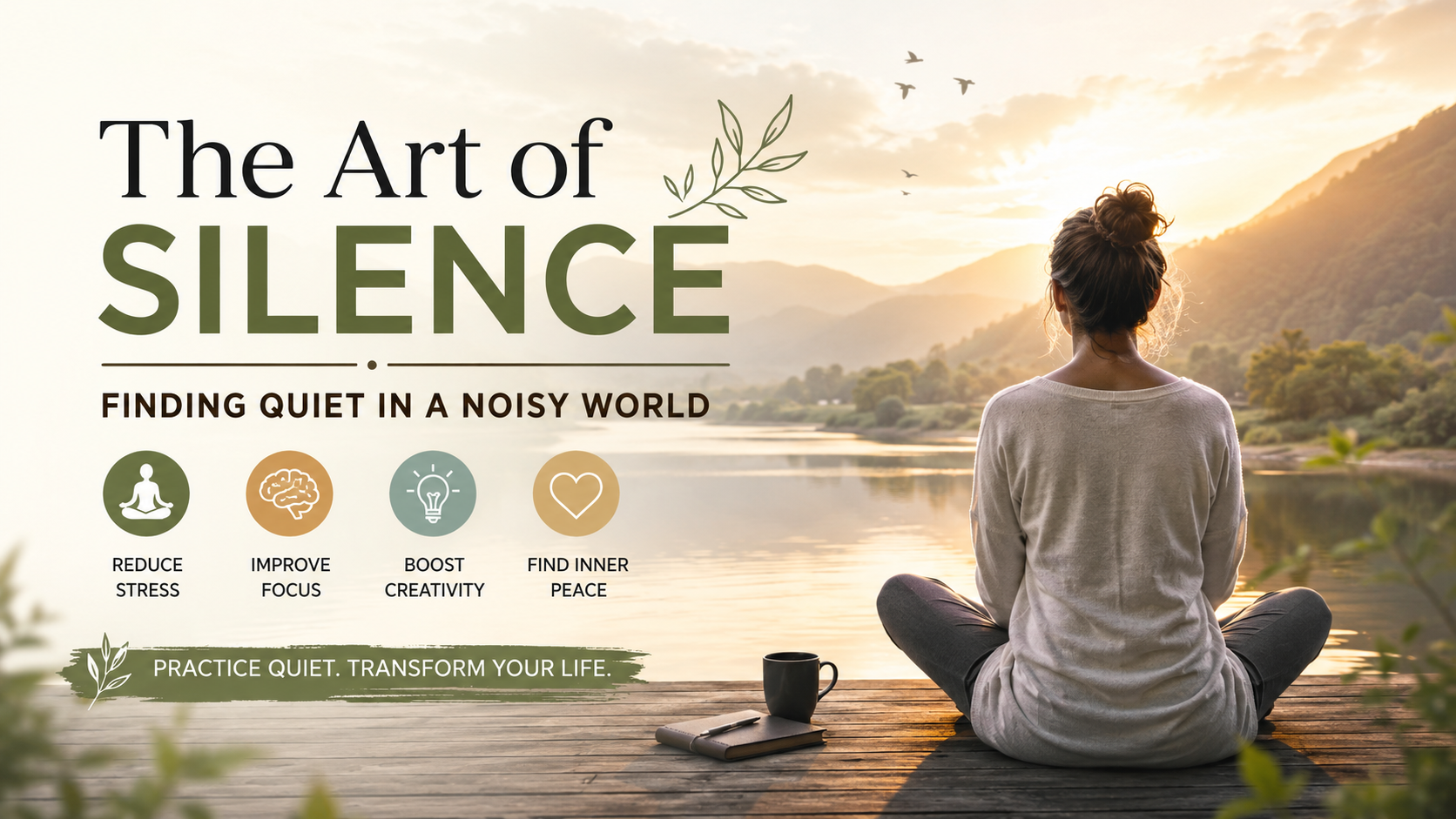
The Art of Silence: Finding Quiet in a Noisy World
We live in a world that rarely hits the pause button. From the constant buzz of smartphone notifications to the background hum of traffic, modern life is aggressively loud. Finding moments of true quiet has become a rare luxury, yet practicing the art of silence is essential for our mental and emotional well-being. Cultivating quiet isn’t just about avoiding noise; it is a deliberate practice that allows our minds to rest, reset, and heal from the daily sensory overload.
According to research published by the American Psychological Association, chronic noise exposure can significantly elevate stress hormones and negatively impact cognitive function. When we intentionally step away from the noise, we give our brains a chance to enter the “default mode network,” which is crucial for self-reflection and creativity. This article will explore why intentional quiet matters, the psychological benefits it offers, and practical ways you can integrate peaceful moments into your hectic daily routine. By dedicating just a few minutes each day to genuine stillness, you can dramatically improve your overall quality of life and restore your sense of internal balance.
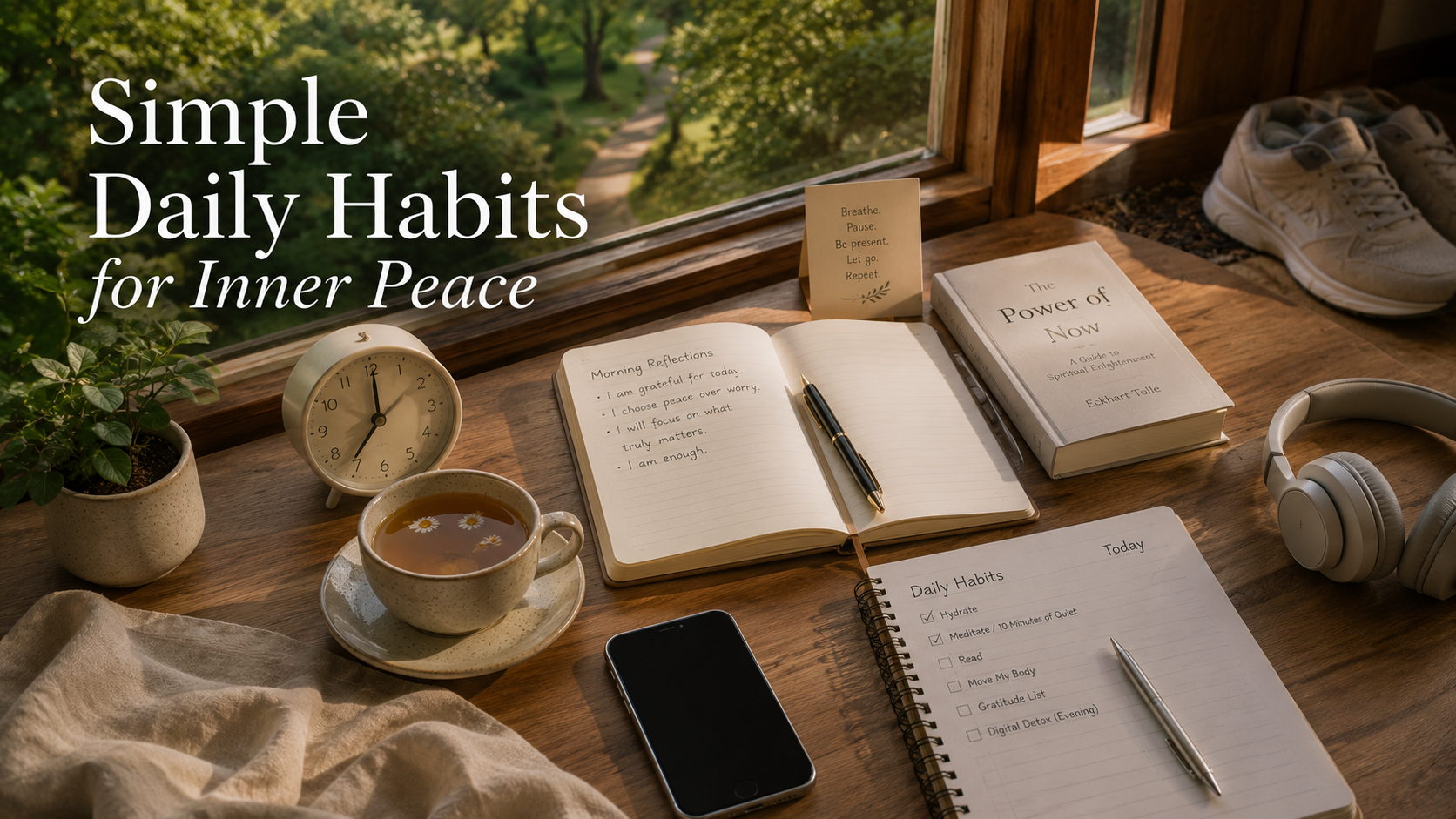
Why Practicing the Art of Silence Matters Today
Our brains are not wired to process the massive volume of data they receive today. Every ping, alert, and conversation demands cognitive energy. Over time, this constant stimulation drains our mental reserves, leaving us feeling anxious and exhausted. Choosing quietness allows us to reclaim our attention. It serves as a natural reset button for our nervous system. When we stop talking and listening to external inputs, we finally hear our own internal thoughts. This self-awareness is the foundation of emotional intelligence and mindful living.
Furthermore, the relentless noise of modern society fragments our focus, making it increasingly difficult to engage in deep contemplation. When we do not guard our attention, we allow external forces to dictate our emotional state. Embracing quietness is an act of rebellion against a culture that demands constant availability. It gives you the necessary space to filter out societal pressure and reconnect with your personal values. By choosing to step away from the crowd, you build a mental sanctuary that protects you from burnout and preserves your psychological energy.
The Surprising Health Benefits of Intentionally Choosing Quiet
Choosing to step back from the noise yields remarkable benefits for both your mind and body. It is a foundational tool for holistic wellness.
Reducing Stress and Lowering Cortisol
Constant noise triggers the brain’s fight-or-flight response. This reaction releases cortisol, the primary stress hormone, which can cause long-term health complications if left unchecked. Studies show that even two minutes of silent reflection can lower your heart rate and reduce blood pressure more effectively than listening to relaxing music. When you remove auditory stressors, your body immediately transitions into a parasympathetic state, which promotes deep healing and physical recovery. This natural physiological shift allows your blood vessels to relax, improves your circulation, and helps stabilize your mood after a demanding day. Over time, integrating these brief quiet pauses into your schedule serves as a powerful shield against chronic fatigue and emotional exhaustion.
Improving Focus and Cognitive Function
Noise distorts our attention span. When you immerse yourself in a quiet environment, your brain restores its finite cognitive resources. This mental clarity allows you to engage in deep work, retain complex information, and solve difficult problems with greater ease. Without the constant interruption of background chatter or digital notifications, your brain can process data more efficiently. This cognitive restoration is especially critical for professionals who rely on intense concentration to complete their daily tasks. By intentionally working in quiet settings, you minimize errors and substantially increase your creative output. Silence essentially serves as a deep cleaning mechanism for your mind, brushing away the useless digital clutter that accumulates throughout the week.
Boosting Creative Thinking
Have you ever noticed that your best ideas happen in the shower? That is because creativity flourishes in the absence of distraction. Quiet environments allow the brain to connect unrelated ideas, sparking innovative solutions and creative breakthroughs. When your mind is not occupied by external noise, it enters a state of wandering that is highly conducive to original thought. Many history-making writers and scientists have deliberately sought out isolation to complete their most important work. By stepping away from the noise, you open the floodgates for inspiration to strike naturally. Giving your thoughts the freedom to roam without a specific agenda helps you uncover unique perspectives that would otherwise remain hidden beneath the surface of daily stress.
Practical Ways to Cultivate Internal Peace
You do not need to move to a remote monastery to experience the benefits of quiet living. You can build small, sustainable habits right where you are.
-
Create a Morning Buffer: Spend the first ten minutes of your day without checking your phone, reading the news, or turning on the television.
-
Take Silent Walks: Leave your headphones at home during your next walk. Focus entirely on the ambient sounds of nature or the rhythm of your footsteps.
-
Designate a Device-Free Zone: Make your bedroom or dining table a sanctuary from screens and digital notifications.
-
Practice Brief Breathing Pauses: Stop what you are doing for three minutes every afternoon. Close your eyes and focus solely on your breath.
Implementing these changes requires discipline, but the long-term emotional rewards are well worth the effort. When you intentionally design your environment to minimize noise, you send a clear signal to your brain that it is safe to relax. This intentional curation of your surroundings helps you maintain a steady sense of calm, even when the world around you is chaotic. Over time, these small rituals aggregate into a resilient lifestyle centered on mindfulness and mental clarity.
Overcoming the Discomfort of Inner Stillness
When you first try to practice quietness, you might find it incredibly uncomfortable. Many people realize that external noise often masks internal anxiety. When the outside world goes quiet, your inner critic can sound much louder. Acknowledge these thoughts without judging them. Understand that your mind is simply clearing out its digital clutter. Treat the initial restlessness as a sign that your brain is successfully detoxifying from constant overstimulation. With time, this discomfort gives way to deep internal peace.
It is completely natural to feel an urge to check your phone or turn on the television when you first encounter silence. We have become conditioned to crave constant input, and breaking this addiction takes patience. Instead of fighting the silence, try to lean into it. Observe the sensations in your body and let your racing thoughts pass like clouds in the sky. As you become more familiar with this state of quiet reflection, the initial anxiety will fade, leaving behind a profound sense of clarity, groundedness, and genuine self-awareness.
FAQ SECTION
What exactly is the art of silence?
The art of silence is the intentional practice of seeking quiet moments to rest your mind and body. It involves stepping away from external noise, digital screens, and constant conversations. This practice is not merely about a lack of sound. Instead, the art of silence focuses on creating internal stillness, which helps you process your emotions, reduce daily stress, and develop a deeper connection with your true self. By making the art of silence a regular habit, you learn to navigate life with greater mindfulness. It teaches you to respond to challenges rather than reacting impulsively. Ultimately, the art of silence empowers you to protect your cognitive energy and build a peaceful internal foundation that remains stable regardless of how chaotic your external environment becomes.
How does quiet benefit my mental health?
Quiet environments directly lower your stress levels by pausing the brain’s fight-or-flight response. When you sit quietly, your body reduces the production of cortisol and adrenaline. This physiological shift lowers blood pressure and eases anxiety. Over time, regular quiet breaks improve your emotional resilience, enhance your overall mood, and prevent burnout from digital fatigue. Giving your nervous system a chance to rest allows your mind to heal from the cumulative impact of daily stressors. This practice fosters emotional stability and clear thinking. It helps you manage complex feelings without feeling overwhelmed. Consequently, prioritizing quiet time is one of the most effective, accessible ways to maintain long-term psychological well-being and life satisfaction.
Can silence actually make me smarter?
Yes, spending time in quiet settings can improve your cognitive abilities. Constant noise drains your brain’s attention resources, making it harder to concentrate. Removing these auditory distractions allows your prefrontal cortex to recover. This restoration enhances your short-term memory, improves your problem-solving skills, and allows you to engage in deep, focused work for longer periods. When your brain is not constantly fighting to filter out background noise, it can allocate all its energy toward processing complex tasks. This increased efficiency leads to better information retention and sharper analytical thinking. Therefore, cultivating quiet habits is a practical way to boost your workplace productivity and maximize your intellectual potential over time.
How can I practice silence if I live in a loud city?
You do not need absolute acoustic silence to experience internal quiet. You can use noise-canceling headphones to block out city sounds while practicing deep breathing. Creating a dedicated, uncluttered corner in your home for morning meditation also works well. Additionally, visiting local parks, botanical gardens, or libraries can provide peaceful sanctuaries within a bustling urban environment. You can also integrate small moments of mindfulness into your daily commute by keeping the radio off. The goal is to minimize unnecessary sensory input wherever possible. By consciously managing your immediate surroundings, you can easily discover hidden pockets of tranquility, allowing your mind to rest even in the heart of a chaotic metropolis.
Why does being quiet make me feel anxious at first?
When you eliminate external distractions, your brain finally has space to process buried thoughts and unresolved emotions. This sudden influx of internal dialogue can feel overwhelming or uncomfortable initially. This reaction is completely normal. View this early anxiety as a mental detoxification process that eventually leads to greater emotional clarity and lasting peace. For years, you may have used noise to drown out stressful thoughts. Facing the silence means confronting those feelings directly. If you remain patient and allow these initial waves of unease to pass without judgment, your mind will naturally settle. Eventually, the initial discomfort transforms into a reliable source of profound inner strength and clarity.
CONCLUSION
Mastering the art of silence is no longer just an optional wellness trend; it is a vital survival strategy for the modern digital age. We constantly navigate an environment that equates constant noise with productivity and connection. However, true wisdom, creativity, and emotional balance require moments of stillness. By stepping away from the daily chaos, you protect your peace. The beauty of this practice lies in its ultimate simplicity. You do not need to upend your entire life or buy expensive equipment to enjoy its rewards. Start small by pausing for five minutes this evening, turning off your car radio during your commute, or enjoying your morning coffee without looking at a screen.
As you learn to embrace these quiet moments, you will discover that the art of silence provides the clarity and strength needed to thrive in a loud world. Protecting your mind from constant sensory assault ensures you maintain the energy required to pursue your true goals. If you’re looking for more ways to create balance and stay productive despite daily distractions, explore our guide on scheduling your work-from-home day around kids. Quietness is not a waste of time; it is the fuel that powers your focus and emotional resilience. Make a conscious choice today to invite stillness back into your life, and watch your well-being transform.