
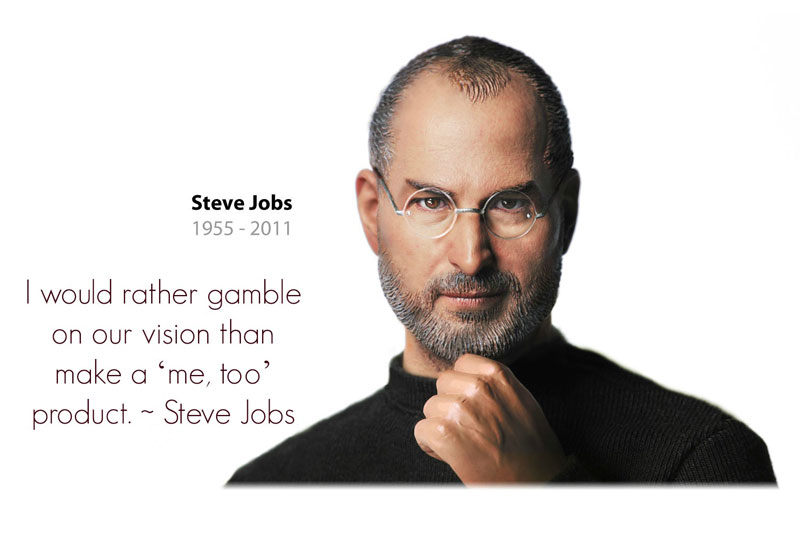
Steve Jobs vision vs motivation: Apple success explained
Steve Jobs vision vs motivation explains how Apple was shaped by a powerful mix of long-term product vision and intense execution-driven motivation. The Steve Jobs vision vs motivation approach focused on simplicity, design excellence, and building technology that feels intuitive. Through Steve Jobs vision vs motivation, Apple became one of the most innovative companies in the world.
Steve Jobs shaped Apple Inc. around a powerful idea: build technology that feels simple, beautiful, and meaningful. His leadership combined a long-term vision of product simplicity with a high-pressure motivation system that pushed teams to execute at world-class standards.
Apple Official Website
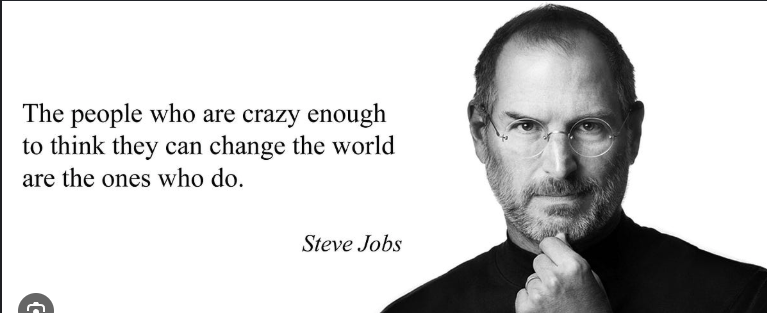
Steve Jobs vision motivation – Vision for Apple
The Steve Jobs vision motivation approach defined Apple’s long-term direction.
1. Simplicity first
Under Steve Jobs vision motivation, simplicity was more important than features. Products were designed to be easy for anyone to use.
2. Design and engineering unity
The Steve Jobs vision motivation philosophy merged design and engineering into one process, ensuring seamless product quality.
3. Ecosystem control
A key part of Steve Jobs vision motivation was controlling hardware, software, and services together for a unified experience.
Steve Jobs vision motivation – Motivation style
The Steve Jobs vision motivation leadership style focused on execution and discipline.
1. High standards
Everything under Steve Jobs vision motivation had to be near perfection, from design details to performance.
2. Focus on fewer products
Instead of many products, Steve Jobs vision motivation emphasized doing fewer things but doing them extremely well.
3. Pressure-driven execution
The Steve Jobs vision motivation method pushed teams to work fast, stay focused, and deliver results.
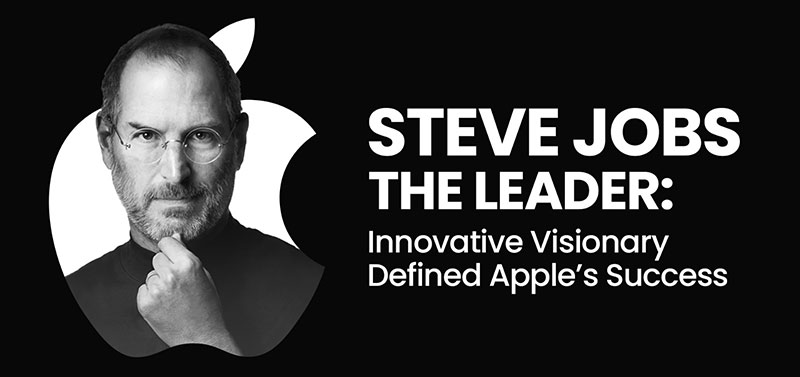
What was Steve Jobs vision of Apple?
Steve Jobs built a vision for Apple that focused on simplicity, design excellence, and user experience. Moreover, he believed technology should feel intuitive and almost invisible to users. Therefore, every product needed to combine hardware, software, and services into one seamless experience.
His vision did not focus only on profit. Instead, he aimed to “make a dent in the universe,” a phrase he often repeated. In addition, he pushed Apple to innovate beyond computers into music, phones, and digital ecosystems. For example, the iPod, iPhone, and MacBook all reflect this unified vision of simplicity and elegance.
However, his vision also demanded strict control over product design. Consequently, Apple developed a closed ecosystem that ensured quality and consistency. Meanwhile, critics argued this limited openness, but users appreciated the reliability. You can read more about his philosophy in his famous Stanford speech here: Stanford Jobs Speech
In addition, Jobs believed design mattered as much as engineering. Therefore, Apple products focused heavily on aesthetics and usability. As a result, Apple became one of the most valuable companies in the world.
What is Steve Jobs’ 2 hour rule?
The so-called “2 hour rule” often refers to Steve Jobs’s habit of protecting focused thinking time. Moreover, he spent long periods walking, thinking, and discussing ideas instead of attending endless meetings. Therefore, people often interpret this as a productivity principle centered on deep focus.
However, it is not an official documented rule from Apple. Instead, it comes from accounts of his working style and similar productivity philosophies. In addition, Jobs believed clarity comes from simplicity and reflection. Consequently, he avoided unnecessary tasks that reduced creative thinking time.
For example, he frequently held walking meetings to encourage free-flowing ideas. Meanwhile, he also limited distractions so he could concentrate on high-impact decisions. Because of this approach, Apple maintained a strong innovation rhythm even under tight deadlines.
Moreover, modern productivity experts link this idea to “deep work” principles. Therefore, the idea behind the 2 hour rule encourages uninterrupted focus blocks. On the other hand, multitasking often reduces creativity and decision quality.
In addition, many Apple leaders today still follow structured focus routines inspired by Jobs. Consequently, the principle remains influential in tech leadership culture even after his passing.
Who could be the next CEO of Apple?
At present, Apple continues to operate under its current leadership structure, with strong executive continuity. However, discussions about future leadership often arise because companies of Apple’s size plan long-term succession.
Currently, Tim Cook leads Apple with a focus on operational excellence and global expansion. Moreover, analysts often mention internal candidates rather than external hires. Therefore, Apple usually promotes leaders who deeply understand its ecosystem.
One frequently discussed name is John Ternus, who leads hardware engineering. In addition, he has played a key role in Apple Silicon development. Consequently, some industry experts consider him a potential future CEO candidate.
However, Apple has not officially confirmed any successor. Moreover, leadership decisions at Apple remain highly confidential. Therefore, any prediction stays speculative.
Meanwhile, Apple’s board prioritizes stability and product continuity. As a result, the next CEO will likely come from within the company’s senior leadership team. In addition, Apple’s culture values long-term product vision over sudden strategic shifts.
For example, when Steve Jobs transitioned leadership, Apple ensured smooth continuity under Tim Cook. Therefore, a similar structured transition will likely happen again when needed.
What tiny company is Apple buying?
As of now, there is no confirmed major acquisition of a “tiny company” publicly announced by Apple. However, Apple regularly acquires small startups to strengthen its ecosystem. Moreover, these acquisitions often focus on AI, hardware components, or software talent.
For example, Apple has historically purchased small firms like Beats and various AI startups. Therefore, its strategy centers on “acqui-hiring” rather than large headline deals. In addition, these smaller acquisitions integrate quietly into existing Apple products.
However, rumors often circulate in the tech industry about potential deals. Consequently, many reports turn out to be speculation rather than confirmed acquisitions. Moreover, Apple rarely discloses early-stage purchase discussions.
Because of this strategy, Apple maintains control over innovation without disrupting its ecosystem. In addition, small acquisitions help Apple stay competitive in emerging technologies like artificial intelligence and augmented reality.
Therefore, if Apple is buying a “tiny company,” it is likely under strict confidentiality. Meanwhile, official announcements only appear after integration is nearly complete. For the most accurate updates, you can check Apple’s newsroom: Apple Newsroom
How many wives did Steve Jobs have?
Steve Jobs had one wife during his lifetime. Moreover, he married Laurene Powell Jobs in 1991. Therefore, they remained married until his death in 2011.
In addition, Laurene Powell Jobs is an entrepreneur and philanthropist. Consequently, she continues to manage several educational and philanthropic initiatives. Moreover, their relationship often reflected a balance between business intensity and personal grounding.
However, Steve Jobs also had a daughter, Lisa Brennan-Jobs, from a previous relationship with Chrisann Brennan. Initially, he denied paternity, but later accepted Lisa as his daughter. Therefore, his personal life included complexity beyond his marriage.
In addition, his family life influenced some of his personal growth later in life. Moreover, colleagues often noted that family discussions softened his leadership style over time.
Consequently, understanding Jobs requires looking beyond business achievements alone. Therefore, his personal relationships also shaped his worldview and emotional development.
Final Insight: Vision, Motivation, and Legacy
In conclusion, the story of Steve Jobs and Apple shows how vision and motivation work together. Moreover, his focus on simplicity, discipline, and innovation created a global tech revolution.
Therefore, his leadership style continues to influence modern CEOs. In addition, Apple’s current direction still reflects many of his original principles. However, the company has also evolved under new leadership and market demands.
Ultimately, Jobs’ legacy proves that vision without execution remains incomplete. Consequently, his story remains a powerful lesson in entrepreneurship, design thinking, and long-term innovation.
For more inspiration and powerful mindset insights, you can explore this collection of motivational content here: Best Motivational and Inspiring Quotes to Start Your Day