
Future of Blue Collar Jobs in the Age of AI: Opportunities, Risks, and Career Growth
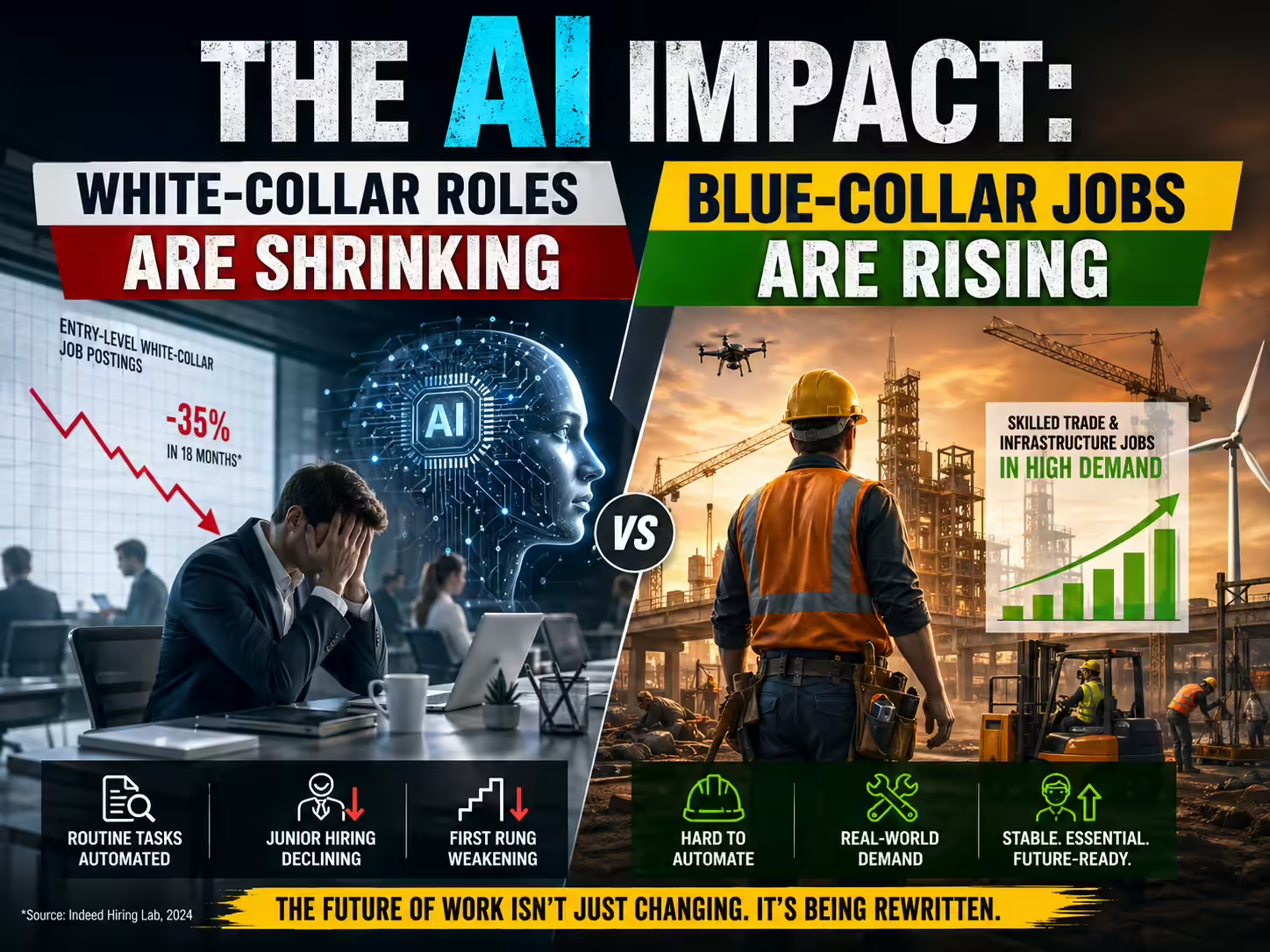
The future of blue collar jobs in the age of AI is becoming one of the most important workforce discussions worldwide. As a result, artificial intelligence, robotics, and automation technologies continue to advance, and workers are increasingly concerned about job security and career growth. However, studies from the World Economic Forum suggest that while some tasks will be automated, new opportunities will also emerge for workers who develop technical and digital skills. Therefore, understanding the future of blue collar jobs in the age of AI can help professionals prepare for a rapidly changing labor market.
Moreover, whether you work in manufacturing, construction, transportation, maintenance, or skilled trades, recognizing these changes can help you stay competitive. In addition, it can better prepare you for the workforce of tomorrow, where human skills and technology will increasingly work together.
How the Future of Blue Collar Jobs in the Age of AI Is Changing Industries
Artificial intelligence is increasingly being used to automate repetitive and predictable tasks. In manufacturing facilities, robots can assemble products, inspect quality, and manage production lines with remarkable precision. Warehouses now use automated systems for inventory tracking, package sorting, and order fulfillment.
In transportation and logistics, AI-powered software optimizes delivery routes, reduces fuel consumption, and improves efficiency. While autonomous vehicles continue to develop, human oversight remains essential for safety and decision-making.
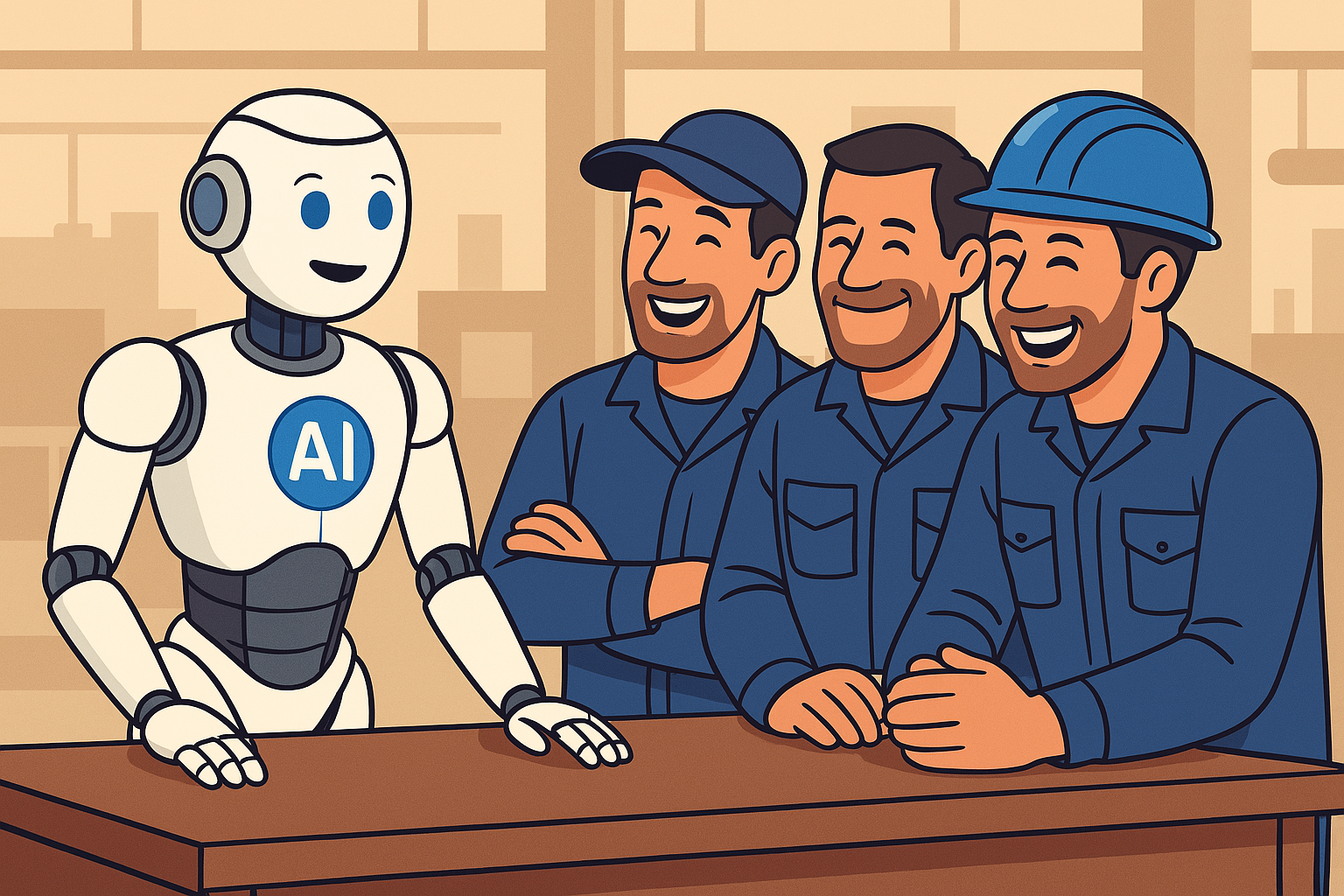
These innovations improve productivity, lower operating costs, and enhance workplace safety. As a result, workers are increasingly expected to collaborate with technology rather than compete against it.
Blue-Collar Jobs Most Likely to Be Affected by AI
The future of blue collar jobs in the age of AI will significantly impact occupations that rely heavily on routine and repetitive tasks. Jobs that may experience the greatest transformation include:
- Assembly line operators
- Basic warehouse workers
- Data-entry-based logistics roles
- Packaging and sorting personnel
- Certain transportation positions
Although automation may reduce demand for some tasks, complete job replacement remains uncommon. Most industries still require human supervision, troubleshooting, and decision-making capabilities.
Blue-Collar Careers Expected to Remain Strong
Many skilled trades are expected to remain resilient because they involve hands-on work, adaptability, and problem-solving in unpredictable environments.
Examples include:
- Electricians
- Plumbers
- Welders
- HVAC technicians
- Construction specialists
- Industrial maintenance professionals
- Emergency repair technicians
These careers often require workers to assess unique situations and make decisions that current AI systems and robots cannot easily replicate.
New Career Opportunities Created by AI and Automation
One of the most overlooked aspects of the future of blue collar jobs in the age of AI is the creation of entirely new roles. As businesses adopt advanced technologies, demand is growing for workers who can install, operate, maintain, and repair automated systems.
Emerging opportunities include:
Robotics Technicians
Professionals responsible for maintaining and troubleshooting industrial robots.
Automation Specialists
Workers who oversee automated production systems and optimize workflows.
Smart Factory Operators
Technicians who manage AI-enabled manufacturing environments.
Industrial Maintenance Experts
Specialists who ensure automated machinery operates efficiently and safely.
AI Equipment Supervisors
Professionals who monitor and coordinate interactions between workers and intelligent systems.
Essential Skills for the Future of Blue Collar Jobs in the Age of AI
Workers who embrace continuous learning will be best positioned for long-term success. Important skills include:
Technical and Digital Literacy
Understanding digital tools and AI-assisted systems will become increasingly valuable.
Equipment Diagnostics
The ability to identify and solve technical issues will remain in high demand.
Automation System Knowledge
Workers familiar with robotics and automation technologies will have a competitive advantage.
Problem-Solving and Critical Thinking
As routine tasks become automated, human judgment becomes more important.
Adaptability and Lifelong Learning
Industries will continue evolving, making continuous skill development essential.
How Governments and Businesses Can Support Workers
Successfully managing the future of blue collar jobs in the age of AI requires collaboration between governments, employers, and educational institutions.
Key initiatives include:
- Workforce reskilling programs
- Trade school modernization
- Employer-sponsored technical training
- Apprenticeships focused on automation technologies
- Affordable continuing education opportunities
Organizations that invest in worker development will be better positioned to benefit from technological advancements.
Frequently Asked Questions
Will AI completely eliminate blue-collar jobs?
No. In fact, AI will automate many repetitive tasks; however, it is unlikely to eliminate blue-collar jobs entirely. Instead, most occupations will evolve rather than disappear. Moreover, workers who adapt to new technologies and acquire technical skills will continue to find opportunities in the changing labor market.
What skills will be most important for blue-collar workers?
Digital literacy, machine operation, technical troubleshooting, problem-solving, adaptability, and safety management will become increasingly important. In addition, workers who continuously upgrade their skills will have a stronger advantage in an AI-driven workplace. Therefore, ongoing learning will be essential for long-term success.
Can robots replace construction workers?
Robots can assist with repetitive construction tasks such as material handling and bricklaying. However, construction sites are highly dynamic environments; therefore, they still require human judgment, creativity, and problem-solving. As a result, complete replacement is unlikely in the near future.
Which blue-collar jobs are safest from automation?
Electricians, plumbers, HVAC technicians, welders, maintenance professionals, and emergency repair specialists are among the least vulnerable to automation. This is because these roles require adaptability and real-world problem-solving. Additionally, they often involve unpredictable environments where AI systems struggle to operate effectively. Consequently, these jobs are expected to remain stable.
How can workers prepare for AI-driven job changes?
Workers can prepare by pursuing technical training, learning digital tools, and developing automation-related skills. Furthermore, participating in continuing education programs can significantly improve long-term job security. Ultimately, continuous learning will be the key factor for success.
Conclusion
The future of blue collar jobs in the age of AI is not defined by widespread job loss; instead, it is shaped by transformation. While automation will reduce the need for certain repetitive tasks, it will simultaneously create new opportunities that require technical expertise and human judgment.
For instance, skilled trades such as electrical work, plumbing, welding, HVAC maintenance, and construction will continue to play a vital role in the economy. Meanwhile, new careers involving robotics, automation, and AI system management will continue to emerge.
As a result, the workforce of the future will increasingly combine human experience with machine intelligence. Therefore, workers who embrace continuous learning, adaptability, and technology will be best positioned to thrive in an increasingly AI-driven world.