
iPhone 18 Pro Review: The Best Camera Smartphone Of 2026
Smartphone photography reaches another major milestone this year, and the iPhone 18 Pro camera is central to that change. Apple has introduced a variable-aperture main camera and expanded manual controls. These features give photographers more control over light, depth of field, and exposure.
Buying a flagship phone is a serious investment. An upgrade should offer noticeable benefits rather than small specification changes. That makes camera quality, low-light performance, zoom, and video capabilities important factors.
You can explore the complete camera specifications and features on Apple’s official iPhone 18 Pro page.
This review examines the iPhone 18 Pro camera, overall performance, and key differences from the previous generation. We also compare the Pro and Pro Max models to help you understand which version better fits different photography needs.

How good will the iPhone 18 Pro camera be?
The iPhone 18 Pro camera brings a major hardware change, but its biggest improvement is more specific than a simple resolution increase. The 48MP Fusion Main camera now uses a variable aperture with four settings: ƒ/1.48, ƒ/1.8, ƒ/2.8, and ƒ/4.0. This lets the camera adjust light and depth of field more naturally than a fixed-aperture system. Apple also adds Pro controls for aperture, shutter speed, white balance, and histogram viewing. The system includes 48MP Fusion Ultra Wide and 48MP Fusion Telephoto cameras. The telephoto reaches 4x optical zoom and 8x optical-quality zoom. ProRAW remains available for photographers who want more editing flexibility.
In practice, the variable aperture matters most in low light and scenes with subjects at different distances. It is a useful upgrade, although not every photo will look dramatically different from the previous generation. That makes it a strong mobile camera system for both casual users and creators.
Variable Aperture Makes Physical Depth Effortless
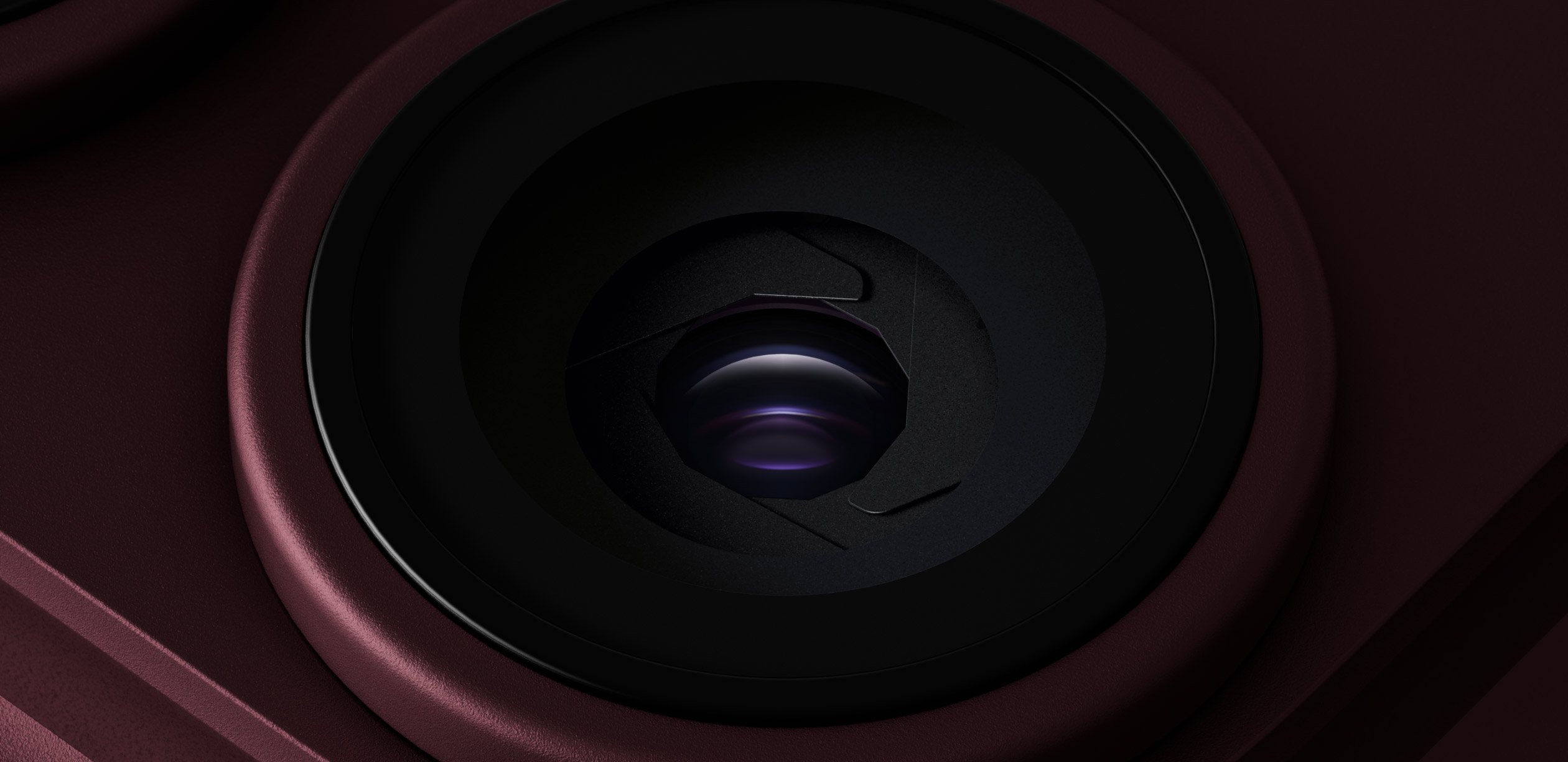
The variable aperture is the most distinctive feature of the iPhone 18 Pro camera. The main lens can switch between ƒ/1.48, ƒ/1.8, ƒ/2.8, and ƒ/4.0. A wider aperture allows more light to reach the sensor. That can help in darker scenes and create more natural background separation. A narrower aperture can keep more of a scene in focus.
This differs from software-only Portrait effects because the lens physically changes its aperture. Apple also lets users control the aperture manually through the Camera app’s Pro controls. However, expectations should remain realistic. Smartphone sensors are still much smaller than those in dedicated cameras. Therefore, stopping down the lens will not create the same depth-of-field changes as a full-size camera. The feature is most useful when you want more control over exposure, focus depth, and the look of portraits or close subjects. It adds flexibility rather than transforming every photo.
Which iPhone is best for photography in 2026?
For photography in 2026, the iPhone 18 Pro and iPhone 18 Pro Max share the same rear camera system. Both use a 48MP Fusion Main camera with variable aperture, a 48MP Fusion Ultra Wide camera, and a 48MP Fusion Telephoto camera. The telephoto offers 4x optical zoom and 8x optical-quality zoom. For a closer comparison, see our guide to iPhone 18 Pro vs iPhone 18 Pro Max before choosing between the two models.
The main differences are the physical size, display, and battery capacity. The standard Pro is easier to carry and use with one hand. The Pro Max provides a larger screen and longer battery life. For photographers, both models support ProRAW and the same core Pro camera controls. Your choice therefore depends more on ergonomics, screen size, and endurance than on image quality. If camera hardware is your only priority, the two Pro models offer a very similar foundation.
ProRAW Workflow Gives Creators Total Creative Freedom
ProRAW remains useful for photographers who want more control after capture. Unlike a standard compressed image, a RAW workflow preserves more image data for editing. That gives you greater flexibility when adjusting exposure, highlights, shadows, color, and white balance. If you also use an iPhone for organizing and editing images, new features in the iOS 27 Photos app can further improve the overall photography workflow.
ProRAW is not automatically better for every photo, though. The files are larger and usually require editing before they look their best. Casual users may prefer the convenience of Apple’s processed images. Creators who edit in professional software can benefit more from the additional control. For mobile photographers, the main advantage is flexibility. You can capture an image on the phone and still retain significant editing freedom later, without relying entirely on Apple’s default processing.
Is the iPhone 18 Pro good?
The iPhone 18 Pro is more than a camera upgrade. It combines the A20 Pro chip with a redesigned vapor chamber for sustained performance. Apple says the system is designed to support demanding workloads while maintaining high performance. If you’re also considering the phone’s construction, our guide to aluminum vs titanium phone frames explains how the two materials differ.
For creators, this matters during long photo sessions, video recording, and editing. The aluminum unibody also changes the material story from the previous titanium generation. Daily performance should feel fast, but buyers should separate performance claims from camera results. A faster processor does not automatically make photos better. Its value is more visible when you process media, edit files, run demanding apps, or use on-device AI features. The iPhone 18 Pro is therefore a well-rounded flagship, but its camera system remains the clearest reason for photography-focused buyers to consider it.
Thermal Efficiency Keeps Daily Performance Fast and Steady
The iPhone 18 Pro uses a next-generation vapor chamber alongside the A20 Pro chip. The goal is to spread heat more evenly during sustained workloads. This can help when recording video, processing large photo files, gaming, or running demanding applications for long periods. Better thermal management does not mean the phone will never become warm. Extended camera use in bright outdoor conditions can still raise temperatures.
The practical benefit is more consistent performance rather than a completely cool device. For creators, that distinction matters. A phone that maintains performance steadily can be more useful during longer shooting and editing sessions. Apple also connects the thermal design with the A20 Pro’s sustained performance. However, short everyday tasks such as messaging or casual browsing do not place enough load on the system to show the full benefit. The thermal upgrade is therefore more relevant to heavy users than ordinary smartphone owners.
Should I get the iPhone 17 Pro or 18 Pro?
The decision between the iPhone 17 Pro and iPhone 18 Pro depends heavily on how you use the camera. The 18 Pro introduces a 48MP Fusion Main camera with variable aperture and new Pro controls. It also adds the A20 Pro chip and a redesigned vapor chamber. These changes are meaningful for photographers and creators who want more control or spend long periods recording and editing.
However, the upgrade is less dramatic for someone who already owns the 17 Pro and mainly takes casual photos. The 17 Pro remains capable for everyday photography, social media, video, and general performance. The 18 Pro makes more sense when you specifically want the new aperture system, updated controls, improved low-light capability, or newer hardware. For 17 Pro owners, the decision is mainly about camera control rather than basic speed. That distinction matters when the existing phone already meets your daily needs.
Upgrading Decisions Depend Entirely on Real Camera Requirements
An upgrade should start with your actual camera needs rather than the number attached to the model. The iPhone 18 Pro adds hardware that can matter to serious creators, especially the variable-aperture main camera and expanded Pro controls. Those features give photographers more control over light and depth of field. If you’re comparing the cost of upgrading, our guide on whether the iPhone 18 will cost more can also help with your buying decision.
The iPhone 17 Pro can still produce high-quality images and video for those tasks. Keeping it may therefore make financial sense if the new controls do not fit your workflow. Creators may value the new system because they can use manual controls more often. Even then, the upgrade cost should be compared with the actual benefit to your work. A camera feature matters when it improves the images or workflow you regularly produce. Your shooting habits matter more than the model number.
Which version of iPhone is best?
The standard iPhone 18 Pro offers the same core rear camera system as the Pro Max in a smaller body. Both models have the 48MP Fusion Main camera with variable aperture, 48MP Ultra Wide camera, and 48MP Telephoto camera. The Pro Max does not provide a separate camera system that makes it automatically better for photography. Instead, it gives you a larger display and longer battery life.
The standard Pro is easier to carry and may be more comfortable during handheld shooting or one-handed use. The Pro Max can be useful for creators who edit on the phone or spend long periods reviewing footage. Its larger battery can also be valuable during extended travel or shooting days. Neither model is automatically the better camera choice. The decision is mainly about how you value portability, viewing space, and battery life. If portability matters most, the standard Pro is easier to live with. If screen space and battery life matter more, the Pro Max may fit your workflow better. That makes the smaller Pro a practical choice for many mobile photographers.
Balancing Form Factor Against Professional Hardware Features
Choosing between the Pro and Pro Max comes down to how you balance camera hardware, size, and endurance. Both models provide the same main, Ultra Wide, and Telephoto camera system. You also get the same core Pro camera controls, including aperture, shutter speed, and white balance adjustments.
The standard Pro is more compact, which can make handheld photography easier during long sessions. The Pro Max has a larger display, giving you more space to review photos, edit video, and manage timelines. Its larger battery can also be valuable during extended travel or shooting days. Neither model is automatically the better camera choice. The decision is mainly about how much you value screen size and endurance. If portability matters most, the standard Pro is easier to live with. If screen space and battery life matter more, the Pro Max may fit your workflow better.