
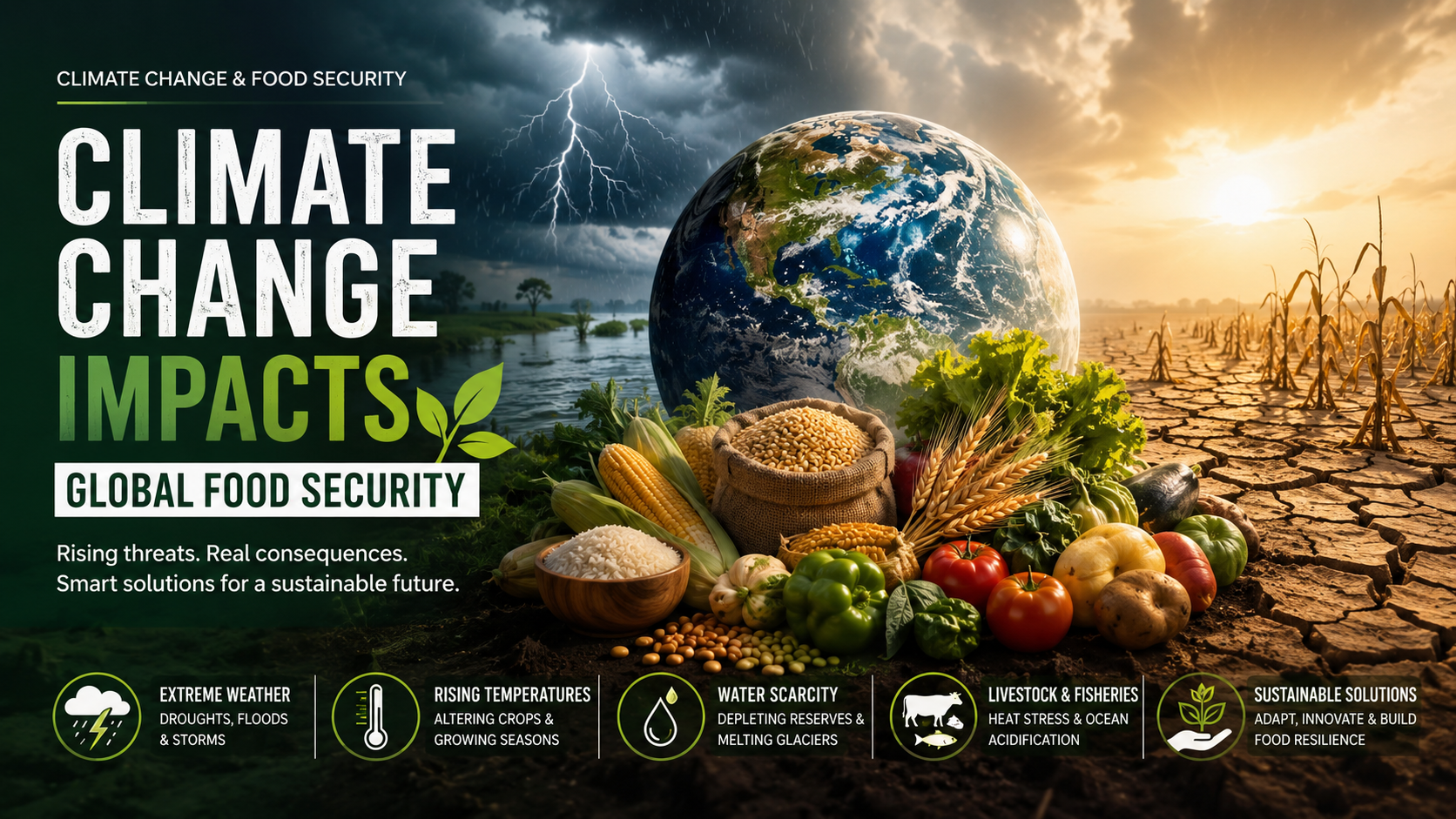
How Climate Change Impacts Global Food Security Today
Have you noticed how grocery prices spike after a severe drought or flood? These everyday moments highlight a growing, worldwide crisis. Understanding exactly how climate change impacts global food security is no longer just a topic for environmental scientists. It is a pressing, urgent reality that affects every meal we eat. Rising temperatures and erratic weather patterns are actively disrupting agricultural systems across the globe.
To grasp the severity of this issue, we can look at ongoing research from the Food and Agriculture Organization (FAO), which tracks how environmental shifts threaten our food supply chains on a macro level. The staple crops we rely on daily, such as wheat, corn, and rice, are highly sensitive to sudden temperature changes and water scarcity. When these vital crops fail, millions of people face the immediate risk of hunger and malnutrition.
This article explores the direct connection between our changing environment and the global food supply. We will dive into how extreme weather destroys seasonal harvests and why shifting growing seasons disrupt traditional farming methods. We will also look at the economic ripple effects that make food much less accessible for vulnerable communities. Finally, we will discuss actionable solutions and adaptive strategies to help build a more resilient agricultural future.
How to Reduce the Impact of Climate Change on Food Security?
Reducing the impact of climate change on food security requires adopting farming practices that protect natural resources while maintaining stable food production. Climate-smart agriculture helps farmers adapt to changing weather, conserve water, improve soil health, and reduce greenhouse gas emissions. These practices increase resilience without compromising long-term agricultural productivity.
Farmers can use drip irrigation, cover cropping, crop rotation, and no-till farming to improve soil moisture and reduce erosion. Growing diverse crops also lowers the risk of total crop failure because different varieties respond differently to droughts, floods, and extreme temperatures. In addition, planting climate-resilient seed varieties helps farms withstand prolonged dry periods and heatwaves.
Governments, agricultural organizations, and extension services play an essential role by providing training, financial support, and access to modern farming technologies. Together, these efforts strengthen food systems, improve rural livelihoods, and reduce the long-term impact of climate change on global food security.
Adopting Sustainable Farming Practices and Crop Diversity
Sustainable farming improves agricultural resilience while protecting the environment. Regenerative practices such as crop rotation, cover cropping, and reduced tillage restore soil fertility, improve water retention, and increase biodiversity. Healthier soils support stronger crop growth and reduce dependence on chemical fertilizers.
Crop diversity is equally important because it spreads production risk across multiple plant varieties. If one crop performs poorly due to drought or disease, others may continue producing reliable yields. This approach improves both farm income and local food availability.
Efficient irrigation systems, organic soil management, and integrated pest management further strengthen sustainable agriculture. These practices help farmers adapt to changing climate conditions while maintaining consistent harvests. Over time, they contribute to healthier ecosystems, stronger rural economies, and more secure food supplies.
How Does Climate Change Contribute to Food Security?
Climate change directly affects food security by disrupting agricultural production and reducing the availability of nutritious food. Rising temperatures, changing rainfall patterns, and more frequent extreme weather events make farming less predictable. These challenges reduce crop yields and increase production costs for farmers worldwide.
Higher carbon dioxide levels may also affect the nutritional quality of some staple crops. At the same time, prolonged droughts reduce groundwater supplies needed for irrigation. Livestock production faces additional pressure because extreme heat reduces animal health, fertility, and productivity.
As these environmental challenges increase, food supplies become less stable and prices often rise. Lower-income households are especially vulnerable because higher food costs reduce access to nutritious meals. Strengthening climate resilience is therefore essential for protecting both agriculture and long-term food security.
Disrupting Crop Growth Cycles and Livestock Health
Changing climate conditions interfere with normal crop development and livestock production. Higher temperatures can shorten growing seasons for cereal crops, reducing harvest quality and overall yields. Unpredictable rainfall also increases the risk of flooding, drought, and soil degradation.
Livestock are equally affected by prolonged heat exposure. Heat stress reduces milk production, lowers reproductive performance, and increases disease risks. Limited pasture growth further affects animal nutrition and farm productivity.
These combined pressures make food production more difficult and expensive. Investing in climate-resilient farming practices, improved livestock management, and drought-resistant crop varieties helps reduce these risks while supporting long-term agricultural sustainability.
What Are the 7 Main Impacts of Climate Change?
Climate change affects ecosystems, economies, and human health across the globe. Understanding its major consequences helps governments, businesses, and communities prepare for future environmental challenges while protecting natural resources and food production systems.
The seven main impacts of climate change include:
- Rising global temperatures
- Melting polar ice caps
- Sea-level rise
- More frequent extreme weather events
- Severe droughts
- Changing precipitation patterns
- Loss of biodiversity
These impacts are closely connected. Rising temperatures increase evaporation, while droughts reduce water availability for agriculture. Floods and severe storms damage crops, transportation networks, and food storage facilities. Biodiversity loss also weakens ecosystems that support pollination, soil fertility, and agricultural productivity.
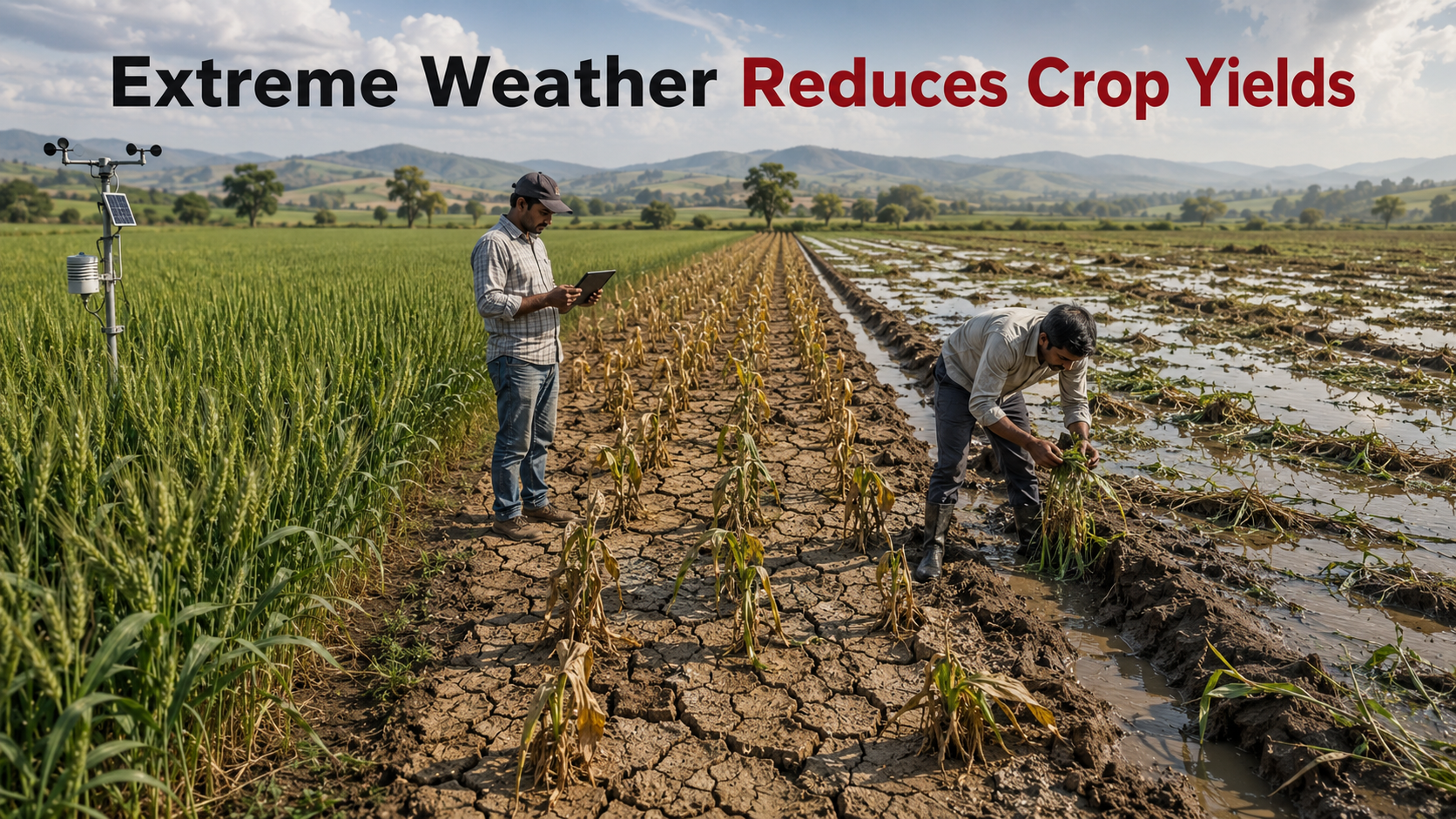
Extreme Weather Events Disrupting Global Agricultural Production
Extreme weather events have become one of the greatest threats to global agriculture. Heatwaves, floods, hurricanes, and prolonged droughts can destroy crops within days and cause significant financial losses for farming communities.
These disasters also damage roads, storage facilities, irrigation systems, and transportation infrastructure. As a result, food distribution slows, supply chains become disrupted, and prices increase for consumers.
Building climate-resilient infrastructure, improving early warning systems, and investing in disaster preparedness help reduce these risks. Stronger agricultural planning enables farmers to recover more quickly while supporting stable food supplies during challenging weather conditions.
What Are the 4 Types of Food Insecurity?
Food insecurity affects people in different ways depending on its causes and duration. Understanding these categories helps governments and humanitarian organizations develop targeted solutions that address both immediate needs and long-term challenges.
The four main types of food insecurity are:
- Chronic food insecurity
- Transitory food insecurity
- Seasonal food insecurity
- Situational food insecurity
Chronic food insecurity results from long-term poverty or limited access to resources. Transitory food insecurity occurs after sudden events such as natural disasters or economic crises. Seasonal food insecurity appears during predictable periods, including pre-harvest seasons, while situational food insecurity develops after unexpected personal emergencies or local disruptions.
Recognizing these differences allows policymakers to design more effective food assistance and development programs.
Differentiating Between Chronic and Transitory Insecurity States
Chronic and transitory food insecurity require different responses. Chronic food insecurity demands long-term investments in poverty reduction, education, employment opportunities, and sustainable agricultural development. These structural improvements strengthen food access over time.
Transitory food insecurity, however, requires rapid intervention. Emergency food assistance, financial support, and humanitarian relief help families recover from disasters, conflicts, or sudden economic shocks.
Identifying the underlying cause of food insecurity enables governments and aid organizations to allocate resources more effectively. Combining immediate relief with long-term development creates stronger, more resilient communities.
What Are the 4 Pillars of Food Security?
The four pillars of food security provide the foundation for a stable and sustainable food system. These internationally recognized principles ensure that people have reliable access to safe, nutritious food at all times.
The four pillars are:
- Food availability
- Food access
- Food utilization
- Food stability
A reliable supply of food through domestic production or imports forms the basis of food availability. Food access ensures that people have the physical and financial means to obtain nutritious meals. Proper nutrition, clean water, sanitation, and food safety are central to food utilization. Finally, food stability ensures that these three pillars remain dependable despite economic, environmental, or political disruptions.
Together, these pillars support healthier populations and stronger food systems.
Ensuring Reliable Access and Proper Nutritional Utilization
Reliable access to nutritious food depends on both physical availability and household purchasing power. Families need affordable food markets, stable incomes, and efficient transportation systems to maintain healthy diets throughout the year.
Proper food utilization goes beyond food availability. Safe drinking water, adequate sanitation, proper storage, and balanced nutrition all influence how effectively the body uses nutrients. Nutrition education also helps households make healthier food choices.
When access, utilization, availability, and stability work together, communities become more resilient to economic shocks, climate change, and natural disasters. Strengthening all four pillars supports long-term food security and better public health outcomes.
What Are 10 Ways to Reduce Global Warming?
Reducing global warming requires action from governments, businesses, and individuals. Lowering greenhouse gas emissions while protecting natural ecosystems is essential for slowing climate change. Every sector has a role in building a more sustainable future.
The most effective ways to reduce global warming include:
- Transition from fossil fuels to renewable energy.
- Improve energy efficiency in homes and businesses.
- Adopt sustainable agricultural practices.
- Expand public transportation and electric vehicle use.
- Protect and restore forests.
- Reduce food waste across the supply chain.
- Choose more plant-rich diets.
- Enforce stricter industrial emission standards.
- Invest in carbon capture and storage technologies.
- Educate communities about climate-friendly choices.
While no single solution can solve climate change alone, combining these strategies can significantly reduce emissions. Coordinated global action helps protect ecosystems, improve public health, and create a more resilient economy for future generations.
Transitioning to Renewable Energy Sources
Replacing fossil fuels with renewable energy is one of the most effective ways to reduce greenhouse gas emissions. Coal, oil, and natural gas release large amounts of carbon dioxide when burned. In contrast, solar and wind energy generate electricity with little or no direct emissions, making them cleaner alternatives.
Renewable technologies are becoming more affordable and widely available. Many countries are expanding solar farms, wind projects, and battery storage systems to improve energy security while reducing environmental impacts. Businesses and households also benefit from lower long-term energy costs.
Accelerating this transition requires supportive government policies, private investment, and modern electricity infrastructure. Expanding renewable energy not only helps fight climate change but also creates jobs, improves air quality, and strengthens long-term energy resilience.
What Are the 5 Main Threats to Food Security?
Several interconnected challenges threaten global food security and increase the risk of hunger worldwide. These threats affect food production, distribution, affordability, and long-term sustainability. Addressing them requires coordinated action across governments, researchers, farmers, and international organizations.
The five major threats include:
- Climate change, which disrupts weather patterns and reduces agricultural productivity.
- Water scarcity, limiting irrigation and crop production.
- Biodiversity loss, increasing vulnerability to pests and diseases.
- Soil degradation, reducing fertility and long-term agricultural output.
- Economic instability and geopolitical conflict, disrupting supply chains and food availability.
Because these threats are closely linked, solutions must also work together. Sustainable farming, responsible water management, ecosystem conservation, and resilient food systems can reduce future risks and strengthen global food security.
The Growing Danger of Global Water Scarcity
Water scarcity is becoming one of the most serious challenges facing global agriculture. Population growth, climate change, and increasing demand for freshwater place growing pressure on rivers, lakes, and underground aquifers. As water supplies decline, farmers struggle to irrigate crops consistently.
Shrinking glaciers and falling groundwater levels further reduce reliable water sources in many agricultural regions. Lower water availability often forces farmers to reduce cultivated land or switch to less productive crops. These changes directly affect food production and rural livelihoods.
Improving water efficiency is essential for long-term agricultural sustainability. Techniques such as drip irrigation, rainwater harvesting, soil moisture conservation, and better water management help farmers produce more food while using fewer water resources.
Frequently Asked Questions
How does climate change affect food prices globally?
Climate change reduces agricultural production through droughts, floods, heatwaves, and other extreme weather events. Lower crop yields create supply shortages while food demand continues to grow. As a result, prices often increase across local and international markets.
Higher food prices affect vulnerable households the most. Families with limited incomes may struggle to afford nutritious meals, increasing the risk of food insecurity and malnutrition.
Can regenerative agriculture help combat global warming?
Yes. Regenerative agriculture helps restore soil health while reducing greenhouse gas emissions. Practices such as cover cropping, no-till farming, crop rotation, and rotational grazing improve soil structure and increase carbon storage.
Healthy soils retain more moisture, support biodiversity, and improve resilience against droughts and extreme weather. These benefits strengthen agricultural productivity while contributing to climate change mitigation.
Why is food waste reduction important for the environment?
Food waste contributes significantly to greenhouse gas emissions. When discarded food decomposes in landfills without oxygen, it releases methane, a greenhouse gas much more potent than carbon dioxide over the short term.
Reducing food waste also conserves the water, land, energy, and labor used during food production. Improving storage, transportation, and consumer awareness helps reduce waste throughout the supply chain.
What role do local food systems play in resilience?
Local food systems strengthen community resilience by shortening supply chains and reducing transportation-related emissions. They support regional farmers while providing consumers with fresher and often more nutritious produce.
Diversifying local food production also reduces dependence on distant suppliers. During natural disasters or global trade disruptions, strong regional food systems help communities maintain more stable access to essential foods.
Conclusion
The stability of our global food system is fundamentally tied to the health of our planet. As we have explored, extreme weather, shifting seasons, and severe water scarcity are transforming the agricultural landscape. The evidence clearly shows how climate change impacts global food security on multiple levels, from the rural farmer’s field to the consumer’s dinner table. When massive crops fail and global supply chains break down, the resulting economic fallout hurts vulnerable communities the most. These challenges are closely linked to other major current environmental problems on our planet, making it essential to address them through a comprehensive sustainability strategy.
However, the situation is not entirely hopeless. We possess the knowledge and technological tools to adapt to these unprecedented challenges. By embracing modern climate-smart farming techniques, investing in resilient agricultural infrastructure, and drastically reducing global food waste, we can build a more secure future. Governments, agricultural organizations, and everyday consumers must collaborate to support sustainable, eco-friendly practices.
Securing our daily food supply requires immediate and sustained action from everyone. We can no longer treat environmental preservation and food production as separate issues; they are intrinsically connected. Start by making mindful choices in your own household, supporting local sustainable farmers, and advocating for policies that protect our natural resources. By taking these crucial steps today, we can help ensure that future generations inherit a stable, abundant, and truly secure global food supply.