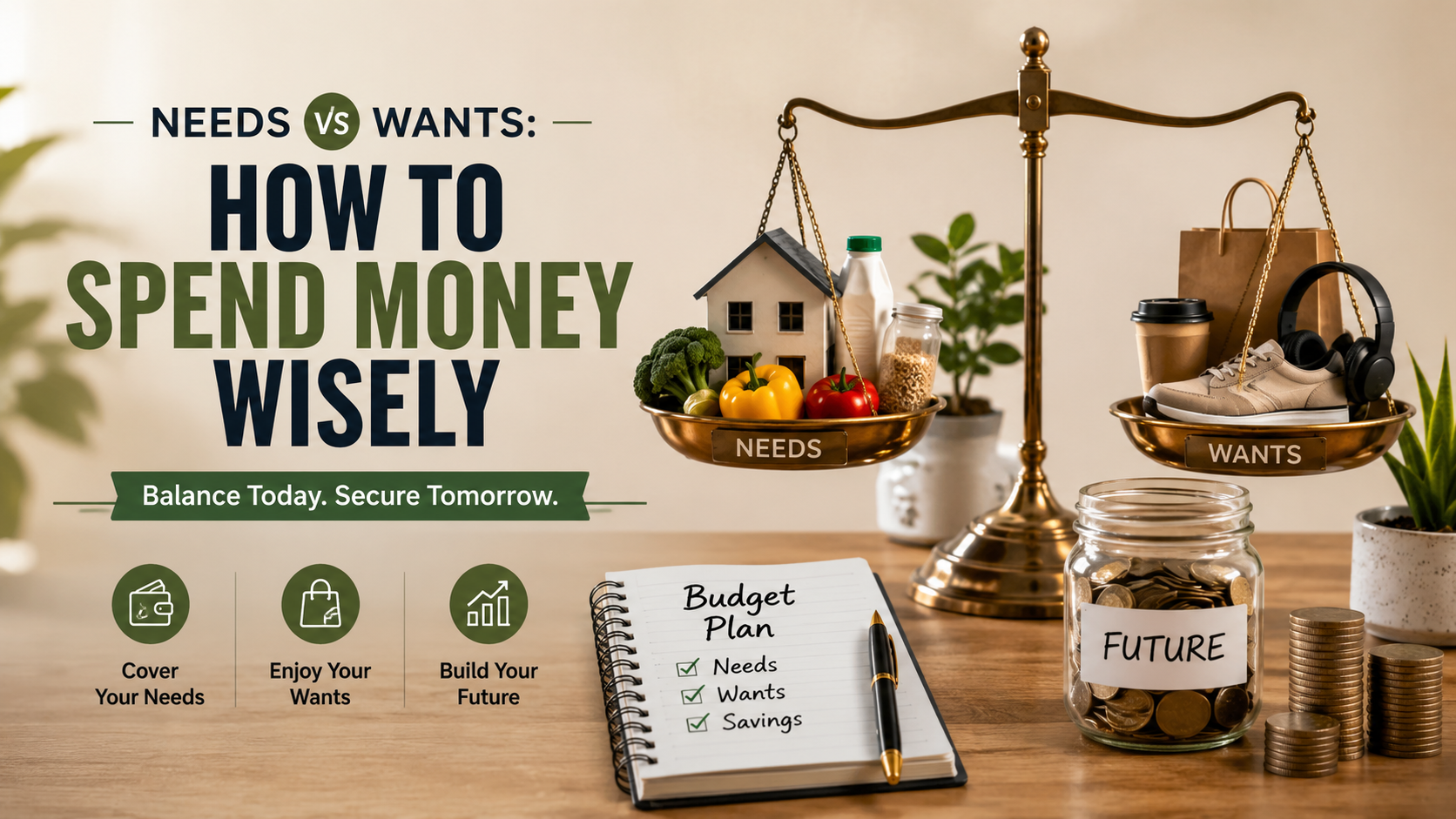
Needs vs Wants: How to Spend Money Wisely
Navigating personal finance often comes down to one core concept: understanding needs vs wants. Every single day, you face choices about where your hard-earned cash should ultimately go. Making the right choice is not always easy or straightforward. However, mastering this daily balance is the ultimate key to lasting financial freedom.
The distinction between these two categories might seem obvious at first glance. A need is essential for your survival and basic livelihood. Conversely, a want is something that merely makes life more comfortable or enjoyable. Modern marketing constantly blurs these lines to encourage more consumer spending, making it harder to budget.
When you learn to separate the two accurately, you can spend your money much more deliberately. The U.S. Securities and Exchange Commission’s Investor.gov provides excellent frameworks for building basic financial literacy. Their documentation emphasizes that smart budgeting starts exactly with this realization.
In this article, we will explore exactly how you can categorize your daily expenses effectively to balance needs vs wants. We will look at practical budgeting strategies so you can spend money wisely without feeling constantly deprived. Furthermore, we will dive into popular frameworks for dividing your monthly income. By the end of this comprehensive guide, you will have a clear, actionable financial roadmap.
What Is the Difference Between Needs and Wants Spending?
Understanding the difference between needs and wants spending is one of the most important personal finance skills. It helps you make better financial decisions, avoid unnecessary debt, and build long-term financial security. While both types of spending have a place in your budget, they serve different purposes and should be prioritized accordingly.
Needs are essential expenses required for daily living and survival. These typically include safe housing, nutritious food, electricity, healthcare, insurance, and reliable transportation for work or education. Without these necessities, maintaining a stable lifestyle becomes difficult.
Wants, however, are optional purchases that improve comfort, entertainment, or convenience. Examples include dining out, premium streaming services, luxury clothing, the latest gadgets, or expensive vacations. Although these purchases can improve your quality of life, they are not essential for meeting your basic needs.
Learning to separate needs from wants helps prevent overspending and keeps your financial priorities in order. By covering essential expenses first, you create a strong financial foundation and reduce stress during emergencies or economic uncertainty. Once your necessities are fully funded, you can confidently spend on lifestyle upgrades without putting your long-term financial goals at risk.


Prioritizing Essentials Before Lifestyle Upgrades
Financial stability begins with putting essential expenses ahead of discretionary spending. Cover your rent or mortgage, utility bills, groceries, healthcare, and transportation before considering optional purchases. This approach ensures your most important obligations are always met.
After your basic needs are covered, review your remaining income carefully. If money is available, you can enjoy entertainment, travel, hobbies, or other lifestyle improvements without creating financial pressure. Following this spending order reduces anxiety, strengthens your budget, and helps you build lasting financial confidence.
What Is the 7 7 7 Rule for Money?
The 7 7 7 rule for money is a practical decision-making technique that helps reduce impulse spending and encourages thoughtful purchases. Instead of buying something immediately, you pause and evaluate how the purchase will affect your life over three different timeframes: seven hours, seven months, and seven years.
Thinking about the next seven hours helps you recognize whether temporary emotions are driving the purchase. Looking seven months ahead allows you to judge whether the item will still provide value after the excitement fades. Finally, considering seven years encourages you to ask whether the purchase supports your broader financial goals or simply delays them.
This simple framework creates distance between emotion and action. Rather than reacting to limited-time offers or social pressure, you make purchasing decisions based on long-term value. Over time, this habit reduces buyer’s remorse, improves budgeting discipline, and ensures you spend your money on purchases that genuinely improve your life instead of satisfying short-lived impulses.
Evaluating Purchases Across Time Horizons
Viewing purchases through multiple time horizons brings greater clarity to financial decisions. Consider these questions before making a major purchase:
- Seven hours: Will I still be excited after today’s emotions fade?
- Seven months: Will I continue using and appreciating this purchase?
- Seven years: Does this purchase support my long-term financial goals?
Answering these questions encourages rational thinking, reduces emotional spending, and helps you focus on lasting value instead of temporary satisfaction.
What Are the Ways of Spending Money Wisely?
Learning how to spend money wisely involves making intentional decisions rather than emotional ones. Smart spending starts with understanding your financial priorities and creating habits that support both your current lifestyle and future goals. Instead of focusing only on earning more money, successful financial management emphasizes using every dollar effectively.
Creating a realistic budget is one of the best places to start. Many people use the 50/30/20 budgeting rule, which divides income among needs, wants, and savings. Tracking your expenses regularly also helps identify unnecessary spending before it becomes a habit. Automating savings ensures money is set aside before you have the opportunity to spend it elsewhere.
Another effective strategy is delaying non-essential purchases. A simple cooling-off period allows emotions to settle and helps you determine whether an item is truly necessary. Small improvements like comparing prices, avoiding unnecessary subscriptions, and reviewing monthly spending can significantly improve your financial health over time. Consistent, mindful decisions eventually create stronger savings, lower stress, and greater financial freedom.
Automating Savings for Financial Success
Automating your savings removes the temptation to spend money before saving it. Setting up automatic transfers on payday ensures that a portion of your income goes directly into savings before reaching your spending account.
This habit offers several long-term benefits:
- Builds an emergency fund consistently.
- Reduces the temptation to overspend.
- Supports long-term financial goals.
- Makes saving effortless and consistent.
Automation turns saving into a routine rather than a monthly decision, making long-term financial success much easier to achieve.
What Are 5 Differences Between Needs and Wants?
Understanding the differences between needs and wants helps you create a balanced budget and make smarter spending decisions. Although the distinction may seem obvious, advertising and social media often blur the line between essential purchases and optional desires. Recognizing the key differences allows you to spend with greater confidence and avoid unnecessary financial stress.
Needs are essential for survival and maintaining a basic standard of living, while wants improve comfort, convenience, or enjoyment. Needs usually remain consistent over time, whereas wants change with trends, personal interests, and lifestyle choices. Failing to meet a need can have serious consequences, but delaying a want rarely affects your well-being.
Comparing both categories also highlights how they affect your finances differently. Needs should always receive priority within your budget because they protect your health, safety, and stability. Wants can still be enjoyed, but only after essential expenses, savings, and financial responsibilities have been addressed. Understanding this balance encourages healthier spending habits and supports long-term financial security.
| Needs | Wants |
|---|---|
| Required for survival | Optional lifestyle choices |
| Stay relatively consistent | Change with trends and preferences |
| Provide security and stability | Provide enjoyment and convenience |
| Usually predictable expenses | Costs vary significantly |
| Ignoring them creates serious consequences | Delaying them has little impact on survival |
Analyzing Utility Versus Emotional Desire
Needs are driven by practical utility because they support everyday living and essential responsibilities. Wants, however, are often influenced by emotions, advertising, or social pressure.
Recognizing this difference helps you pause before making purchases. Instead of buying something because it feels exciting in the moment, you can evaluate whether it provides lasting value. This simple mindset leads to better financial decisions and fewer unnecessary expenses.
What is the 3 6 9 rule of money?
The 3 6 9 rule of money is a structured spending and saving framework designed to help individuals evaluate their discretionary purchases and curb impulse buying habits. When evaluating needs vs wants, this guideline forces you to pause and ask yourself critical questions before handing over your credit card. Specifically, it prompts you to consider whether you need the item within three days, three weeks, or three months, separating genuine necessities from fleeting emotional desires. If the urge to buy fades quickly, you have successfully identified a want rather than a need. Applying this simple behavioral pause prevents buyers remorse and keeps your monthly budget safe from unnecessary leaks.
Using Behavioral Pauses to Curb Impulse Buying
Incorporating a mandatory cooling-off period before making non-essential purchases is a game-changer for your monthly savings balance. When you feel a sudden urge to buy an item, write it down and wait. This intentional delay allows rational thought to replace emotional impulse every single time.
What are the 4 pillars of budgeting?
The four pillars of budgeting form the structural foundation required for mastering needs vs wants and achieving ultimate financial wellness. These core elements consist of income tracking, expense categorization, goal setting, and regular portfolio monitoring. First, you must accurately capture all incoming cash sources. Second, you split expenses into survival necessities and discretionary wants. Third, you establish clear short-term and long-term financial milestones. Finally, you review your progress monthly to ensure you stay aligned with your targets. Without these four operational pillars, any financial plan tends to collapse under the pressure of unexpected lifestyle inflation. Building this structured routine transforms erratic spending into predictable wealth accumulation over time.
Establishing Reliable Tracking Habits for Long-Term Success
Maintaining consistency across all four pillars relies heavily on establishing a reliable weekly tracking routine. Use automated budgeting apps or a dedicated ledger to record every transaction as it happens. Regular reviews keep you accountable and ensure your financial ship stays firmly on course.
Frequently Asked Questions
How can I stop impulse buying things I do not need?
Reducing impulse buying starts by creating barriers between yourself and unnecessary purchases. Remove saved payment details from shopping websites and wait at least 24 hours before buying non-essential items. This pause allows emotions to fade and gives you time to decide whether the purchase is genuinely necessary or simply an impulse.
What is the fifty thirty twenty budgeting rule?
The 50/30/20 budgeting rule divides your after-tax income into three categories:
- 50% for essential needs.
- 30% for personal wants.
- 20% for savings and debt repayment.
This budgeting method creates a healthy balance between current living expenses and long-term financial security.
How much money should I keep in an emergency fund?
Most financial experts recommend saving three to six months of essential living expenses in an easily accessible emergency fund. This money provides protection against unexpected events such as medical emergencies, job loss, or urgent home repairs. Keeping these savings separate from your everyday spending account also reduces the temptation to use them for non-essential purchases. Understanding the difference between Needs vs Wants can also help you protect your emergency fund by ensuring it is used only for genuine financial emergencies.
Why do people struggle to separate needs from wants?
Modern advertising and social media frequently blur the line between necessities and luxuries. Marketing often connects products with happiness, success, or social status, making optional purchases feel essential.
Developing better financial awareness requires regular budget reviews, mindful spending, and clear long-term goals. Over time, these habits make it much easier to distinguish genuine needs from temporary wants.
Conclusion: Mastering Needs vs Wants
Achieving lasting financial stability is entirely within your everyday reach. It all begins with a crystal clear understanding of the crucial balance between needs vs wants. When you honestly and carefully evaluate your daily retail purchases, you instantly regain total control over your entire financial destiny. You permanently stop wondering where your hard-earned paycheck went and start intentionally directing it toward your biggest life goals.
Remember, spending money wisely absolutely does not mean living a miserable, overly restricted life filled with endless deprivation. It simply means accurately aligning your everyday purchases with your actual, long-term personal priorities. By fully covering your absolute essentials first, you fiercely protect your basic livelihood and daily safety.
By intentionally limiting your lifestyle desires, you actively prevent dangerous consumer debt from taking over your life. Prioritizing your future savings slowly builds an impenetrable fortress of wealth for your future self. Whether you are well established in your career or currently seeking a reliable college survival guide for freshers to help navigate your newfound financial independence, these core economic principles remain exactly the same. Take immediate action today by reviewing your recent bank statements, categorizing every single transaction into needs vs wants, and taking absolute charge of your money.






















































![Money Pictures [HD] | Download Free Images on Unsplash](https://images.unsplash.com/photo-1553729459-efe14ef6055d?ixlib=rb-4.0.3&ixid=M3wxMjA3fDB8MHxleHBsb3JlLWZlZWR8Mnx8fGVufDB8fHx8fA%3D%3D&w=1000&q=80)




![Best managing Indian Currency Pictures [HD] | Download Free Images on Unsplash](https://images.unsplash.com/photo-1565373679107-344d38dbf734?ixlib=rb-4.0.3&ixid=M3wxMjA3fDB8MHxzZWFyY2h8M3x8aW5kaWFuJTIwY3VycmVuY3l8ZW58MHx8MHx8fDA%3D&w=1000&q=80)
![Best managing Indian Currency Pictures [HD] | Download Free Images on Unsplash](https://images.unsplash.com/photo-1565374392032-8007fb37c26e?ixlib=rb-4.0.3&ixid=M3wxMjA3fDB8MHxzZWFyY2h8NXx8aW5kaWFuJTIwY3VycmVuY3l8ZW58MHx8MHx8fDA%3D&w=1000&q=80)