5 Reasons Why Users Ditch Their Bose Headphones
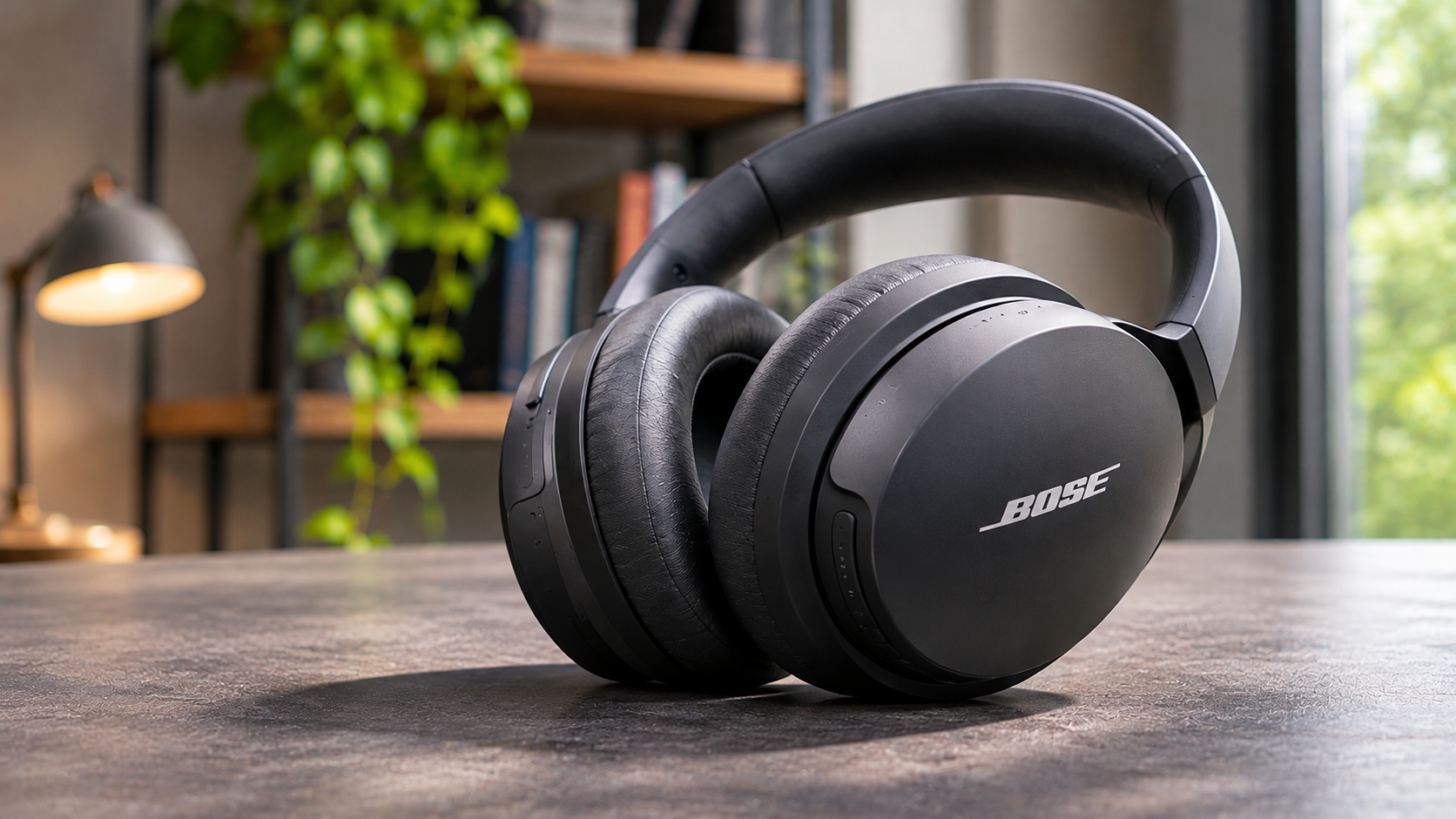
Bose has built a strong reputation for premium headphones, particularly through its active noise cancellation (ANC) technology and comfortable designs. However, some users eventually ditch their Bose headphones despite the brand’s popularity and premium pricing. Models like the QuietComfort 45 and Noise Cancelling Headphones 700 attract frequent travellers, remote professionals, and music enthusiasts. Yet, long-term ownership does not always meet everyone’s expectations.
Several factors can influence this decision. Common concerns include Bluetooth connectivity problems, hardware failures, frustrating software experiences, and deteriorating ear cushions. Some listeners also prefer different sound profiles or more flexible audio features.
If you are considering whether to ditch your Bose headphones, understanding these concerns can help you make an informed decision. This guide explores five common reasons behind the switch. It also explains recurring technical problems, changing wireless headphone preferences, and practical ways to deal with physical wear.
1. Bluetooth Connectivity Problems
Bluetooth connectivity problems are among the common frustrations reported by some Bose headphone owners. Users occasionally experience random disconnections, pairing difficulties, and unstable connections between multiple devices. These interruptions can affect music playback, online meetings, and everyday listening.
Models such as the QuietComfort Ultra and QuietComfort Earbuds II have received user complaints about pairing and connectivity behaviour. Some owners also report difficulties switching between smartphones and laptops. These problems become particularly frustrating when headphones are expected to work seamlessly across devices.
For people who regularly use wireless headphones, reliable connectivity is essential. Repeated interruptions can make everyday activities less convenient. Connection drops can also occur when devices move beyond their effective operating distance. Understanding Bluetooth range and its limitations can help users identify whether distance contributes to these interruptions. This is one reason some customers consider alternatives and eventually ditch their Bose headphones.
Software updates and Bluetooth resets can resolve certain connection problems. However, recurring issues may require additional troubleshooting or professional assistance. Users paying premium prices generally expect dependable wireless performance.
2. Inconsistent Hardware Quality
Hardware durability can influence how long users remain satisfied with their Bose headphones. Some owners report unexpected device failures, charging problems, crackling sounds, and malfunctioning components. Such experiences can create concerns about long-term reliability.
For example, certain QC 35 II owners have discussed audio disturbances and hardware-related problems. However, these reports do not establish widespread manufacturing defects. Product durability can vary depending on the model, usage conditions, and maintenance.
Charging issues can be particularly inconvenient when headphones are used regularly for work or travel. Similarly, unusual noises can interrupt listening and make users question whether their devices need repair.
When expensive headphones develop recurring hardware problems, some owners begin considering alternatives. Repeated repair requirements can also increase the overall cost of ownership. For buyers expecting premium products to last several years, durability matters as much as sound quality.
Consequently, hardware concerns can influence customers who decide to ditch their Bose headphones and explore competing brands.
3. Frustrating Bose Companion App Experience
The Bose companion app provides access to several headphone features, including noise-cancellation settings, audio adjustments, and firmware updates. However, some users find the app less convenient than expected. Connectivity problems and device recognition issues can make routine adjustments frustrating.
Some owners report difficulties when connecting headphones through the app. Others experience problems switching between previously paired devices or installing firmware updates. These inconveniences can affect the overall experience, particularly for people who frequently move between smartphones, tablets, and laptops.
Another concern involves the additional steps required to manage certain headphone settings. Users who prefer straightforward physical controls may find app-dependent features inconvenient.
Although app updates can improve functionality, software problems can still influence customer satisfaction. When basic features become difficult to access, users may consider headphones with simpler companion apps.
For some customers, these frustrations contribute to the decision to ditch their Bose headphones. A convenient software experience is an important part of modern wireless headphone ownership.
4. Customer Service and Warranty Concerns
Customer support plays an important role in the ownership experience, especially when premium headphones develop technical problems. Some Bose customers appreciate the company’s replacement and repair assistance. However, other users report frustrating support experiences, including delayed responses and difficulties resolving warranty claims.
Replacement availability and service timelines can vary depending on the product, location, and nature of the problem. This uncertainty can become inconvenient when headphones are essential for daily activities.
Warranty coverage is another important consideration. Coverage periods and conditions depend on the product and purchase location. Owners may face additional repair expenses when problems occur outside the applicable warranty period.
For customers who have already invested in expensive headphones, unexpected repair costs can be disappointing. Repeated support difficulties may also influence future purchasing decisions.
Consequently, some users explore competing brands that offer suitable warranty coverage, accessible service centres, and convenient repair options. These concerns can become another reason customers ditch their Bose headphones.
5. Sound Quality Preferences and Audiophile Expectations
Sound quality is subjective, and different listeners expect different things from premium headphones. Bose generally focuses on accessible sound tuning that suits everyday music listening, entertainment, and travel. However, some audiophiles prefer a more neutral presentation with greater emphasis on detailed audio reproduction.
Listeners who enjoy studio monitoring may look for headphones with flatter frequency responses. They may also prioritize instrument separation, soundstage, and support for high-quality wired audio connections.
Bluetooth codec support can influence purchasing decisions as well. Some competing headphones offer different codec options and customization features. Audio compression and how bitrate affects audio quality can also influence the listening experience. However, actual audio quality depends on the source device, recording quality, and listening environment.
Bose headphones are not necessarily inferior for critical listening. Their sound signatures simply reflect different design priorities.
For users who want more control over their listening experience, headphones from specialist audio brands may offer alternatives worth considering. These preferences can influence listeners who decide to ditch their Bose headphones for a different audio experience.
What Are Some Common Issues With Bose Headphones?
Bose headphones can experience several technical problems that affect everyday listening. Some issues involve Bluetooth connectivity, while others relate to internal components or battery performance. These problems can become particularly frustrating when users depend on their headphones for work, travel, or entertainment.
One frequently discussed problem involves Bluetooth multipoint connectivity. Some owners experience difficulties switching between smartphones and laptops. Pairing problems can also occur after firmware updates or when connecting previously paired devices.
Other users report buzzing, popping, or high-pitched squealing sounds. These noises may indicate problems with microphones, internal electronics, or noise-cancellation components. However, not every unusual sound points to hardware failure.
Battery and charging problems can also affect older headphones. Batteries gradually lose capacity through repeated charging cycles. Charging ports, cables, and firmware-related power issues can create additional complications.
Before deciding to ditch their Bose headphones, owners can try several troubleshooting steps:
- Reset the headphones: A reset can resolve certain temporary software problems.
- Update the firmware: Install available updates through the official Bose app.
- Check Bluetooth settings: Remove old pairings and reconnect your devices.
- Inspect charging accessories: Test another compatible cable and power adapter.
- Contact Bose support: Seek professional assistance for recurring hardware problems.
Firmware updates may resolve software-related issues. However, damaged batteries and failing internal components generally require professional attention.
Why Are People No Longer Using Wireless Headphones?
Wireless headphones remain popular, but consumer preferences continue to evolve. Some listeners are moving towards smaller earbuds, wired headphones, and open-ear audio devices. These alternatives address different listening requirements and everyday situations.
True wireless earbuds offer greater portability than traditional over-ear headphones. They fit easily into pockets and work well during commuting, exercise, and short listening sessions. Some premium earbuds also provide effective noise cancellation without requiring bulky earcups.
Battery degradation is another important consideration. Most wireless headphones use rechargeable lithium-ion batteries. Their capacity gradually decreases through repeated charging and everyday use. When batteries become difficult or expensive to replace, owners may reconsider purchasing another wireless model.
Meanwhile, some audio enthusiasts prefer wired headphones. They eliminate Bluetooth pairing requirements and do not need regular charging. Wired connections can also support high-quality audio formats when paired with suitable equipment. For listeners considering this switch, exploring the reasons to skip wireless headphones and return to wired models can help clarify the differences between both options.
Remote professionals may also explore open-ear headphones. These designs allow users to hear surrounding sounds during meetings and everyday activities.
However, wireless headphones still offer considerable convenience. The right option depends on portability, sound preferences, battery expectations, and listening habits.
What Is So Special About Bose Headphones?
Bose became popular through its innovations in active noise cancellation technology. Its headphones helped transform listening experiences for frequent travellers, commuters, and professionals. The QuietComfort family, in particular, developed a strong reputation for combining effective noise reduction with comfortable designs.
One important advantage is ergonomic comfort. Bose generally focuses on lightweight construction, cushioned earcups, and balanced headband pressure. These design choices help reduce discomfort during extended listening sessions.
Noise cancellation is another defining feature. Bose headphones use microphones and electronic processing to reduce unwanted environmental sounds. This makes them useful in aeroplanes, offices, and busy public spaces. However, noise cancellation performance and available features vary between models. Understanding how to choose the right noise-cancelling headphones can help buyers compare different options before making a purchase.
The brand also focuses on accessible sound tuning. Many Bose models emphasize clear vocals, balanced mids, and comfortable bass reproduction. This approach suits listeners who prefer enjoyable everyday audio rather than strictly analytical sound.
Physical controls and companion app features provide additional convenience. Depending on the model, users can customize noise cancellation, adjust equalization, and manage connected devices.
However, these advantages do not automatically make Bose suitable for everyone. Some competing headphones offer different sound signatures, connectivity features, and customization options.
Ultimately, Bose’s appeal comes from its combination of noise cancellation, comfort, and user-friendly listening experiences.
Why Are My Bose Headphones Falling Apart?
Physical deterioration is a common concern among long-term headphone owners. Ear cushions, headband coverings, and structural components experience regular wear. Sweat, humidity, friction, and repeated handling can accelerate this process.
Many headphones use synthetic leather materials over acoustic foam. These materials provide a soft surface and comfortable fit. However, synthetic coatings can gradually deteriorate through exposure to body oils, moisture, and environmental conditions.
Peeling ear cushions are among the most noticeable signs of ageing. The outer coating may crack, become sticky, or separate from the underlying foam. This problem can affect both appearance and wearing comfort.
Headband materials can also deteriorate with regular use. Repeated friction against hair, sweat exposure, and pressure from storage can damage the outer covering. Over time, the underlying foam may become exposed.
Structural problems are another possibility. Hinges, adjustment sliders, and plastic joints can weaken through repeated movement or accidental drops. Excessive twisting or storing headphones under heavy objects can increase mechanical stress.
Not every Bose headphone experiences these problems. Material durability depends on the model, storage conditions, maintenance, and frequency of use.
To reduce premature deterioration:
- Keep headphones away from excessive moisture and direct sunlight.
- Clean ear cushions using manufacturer-approved methods.
- Avoid storing headphones under heavy objects.
- Use a protective case during transportation.
- Replace deteriorating ear cushions before the foam becomes damaged.
Regular maintenance can help extend the useful life of your headphones. Following proper cleaning and maintenance practices for premium headphones can also help reduce premature material deterioration and keep ear cushions in better condition.
What to Do If Headphones Are Peeling?
Peeling ear cushions do not necessarily mean you need new headphones. In many cases, replacing the damaged cushions provides a simple and affordable solution. However, the correct approach depends on which part of the headphones has deteriorated.
If the ear cushions are peeling, consider purchasing compatible replacement pads. You can check the official Bose website or reputable aftermarket suppliers. Always verify compatibility with your specific headphone model before ordering.
Most replacement ear cushions can be installed without professional assistance. However, the attachment mechanism differs between models. Follow the manufacturer’s replacement instructions to avoid damaging the mounting clips.
If the headband covering is deteriorating, a protective sleeve may provide a practical temporary solution. Neoprene sleeves and compatible headband covers can conceal damaged material. They also help protect exposed foam from further friction.
Consider these steps when dealing with peeling headphone materials:
- Inspect the damaged area: Identify whether the ear cushions, headband, or both require attention.
- Check replacement availability: Look for compatible parts from Bose or trusted suppliers.
- Remove damaged cushions carefully: Follow the model-specific replacement instructions.
- Install replacement materials: Ensure the new cushions attach securely.
- Clean the headphones: Remove loose material using an appropriate cleaning method.
Avoid scraping peeling material aggressively. This can damage the underlying foam and spread debris around the headphones.
If the damage involves structural components or exposed internal wiring, seek professional repair assistance. Replacing worn cushions may restore comfort, but it cannot fix failing electronics or broken hinges.
Final Thoughts
Bose headphones continue to offer effective noise cancellation, comfortable designs, and convenient wireless features. However, these advantages do not eliminate problems associated with long-term ownership.
Bluetooth connectivity issues, hardware failures, battery degradation, and deteriorating ear cushions can influence purchasing decisions. Some listeners also move towards wired alternatives or headphones with different sound profiles.
Before deciding to ditch their Bose headphones, owners should identify the actual problem. Replacing worn ear cushions or resolving software issues may restore everyday usability. However, recurring hardware failures can make replacement a more practical option.
If you experience technical problems, visit the official Bose Support Center for troubleshooting guides, repair options, warranty information, and product assistance.
Ultimately, choosing the right headphones depends on your listening preferences, durability expectations, comfort requirements, and budget.