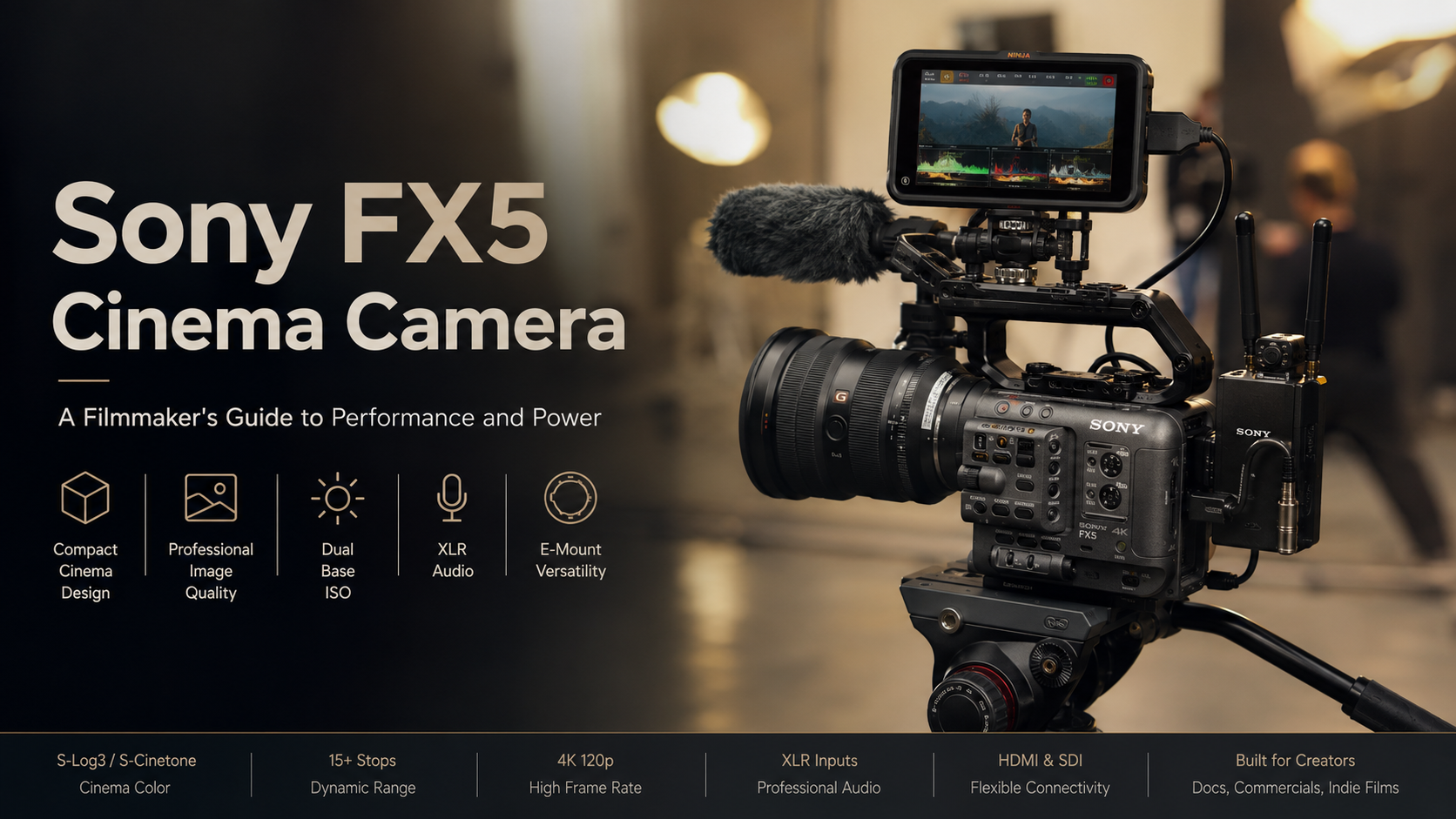
Sony FX5 Cinema Camera: A Filmmaker’s Guide to Performance and Power
The Sony FX5 cinema camera represents an exciting concept in modern digital filmmaking. It bridges the gap between compact mirrorless cameras and larger cinema systems. Filmmakers increasingly need lightweight equipment that delivers professional image quality without adding unnecessary bulk. Sony’s Cinema Line has built a strong reputation for combining advanced technology with practical usability, making it a trusted choice for many professionals.
Whether you produce independent films, documentaries, commercials, or online content, the right camera can improve both efficiency and creativity. A compact cinema camera also helps solo operators and small crews work more comfortably in demanding environments. This balance of portability and performance is becoming more important as production styles continue to evolve.
This guide explores the Sony FX5 cinema camera, including its design, imaging capabilities, professional audio features, and workflow advantages. You’ll also learn how it compares with other cinema cameras and whether it suits your production needs. By the end, you’ll have a clear understanding of its strengths and the types of projects it can support.
Sony FX5 Cinema Camera Design and Ergonomics
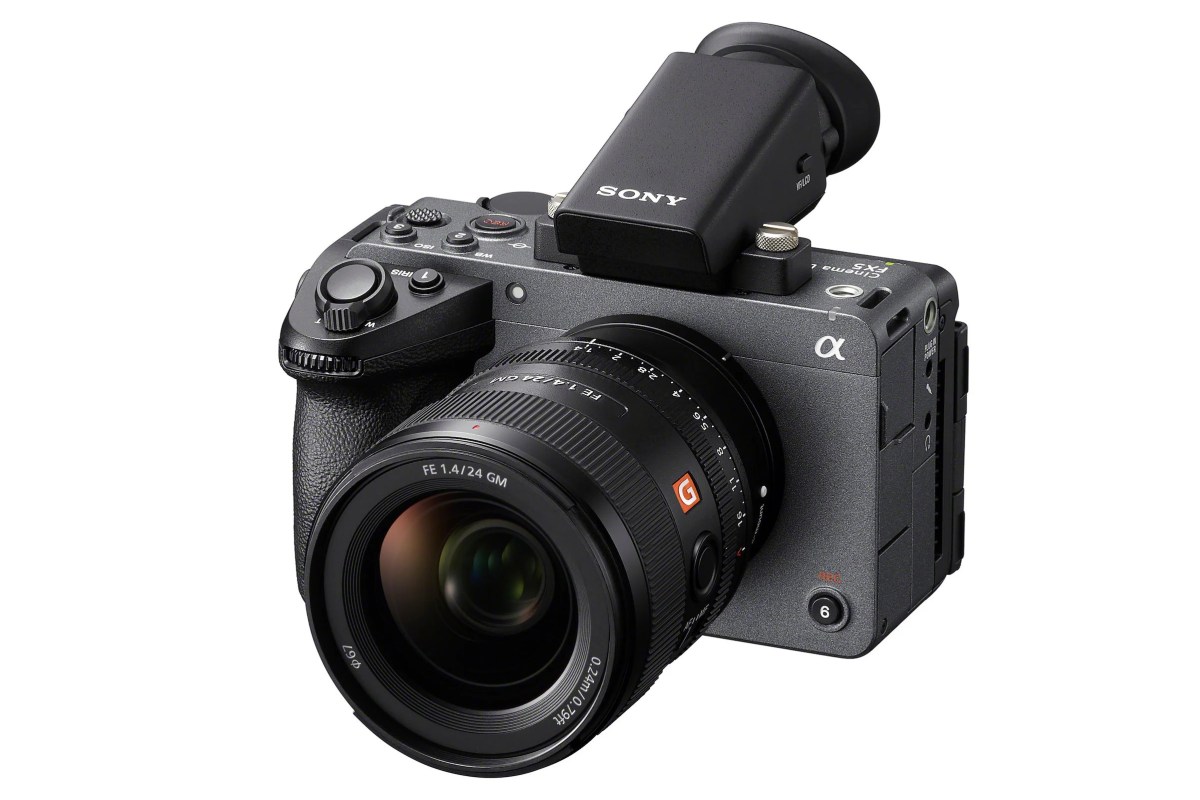
The design of a cinema camera directly affects how comfortably and efficiently it performs on set. The Sony FX5 cinema camera follows Sony’s modular Cinema Line philosophy. It combines a compact body with professional features that support a wide range of production styles. This approach benefits filmmakers who frequently switch between handheld shooting, tripod work, and gimbal operation.
A lightweight camera reduces operator fatigue during long filming sessions. At the same time, a modular design allows users to customize the setup without adding unnecessary weight. This flexibility is valuable for documentary crews, commercial productions, and independent filmmakers who often work in changing environments.
Sony also focuses on practical ergonomics. Frequently used controls remain easy to reach, allowing operators to adjust settings without interrupting a shot. Combined with durable construction and thoughtful button placement, the camera offers a workflow that supports both experienced professionals and content creators seeking reliable cinema performance.
Is the Sony FS5 Netflix approved?
Understanding camera requirements is important for filmmakers working toward professional streaming releases. Platforms such as Netflix maintain strict technical standards to ensure consistent image quality across their original productions.
The original Sony FS5 is a powerful documentary and broadcast camera, but it does not meet the main camera requirements for Netflix Original productions. The limitations mainly involve sensor specifications, recording formats, and approved capture standards.
Although the FS5 can record high-quality footage, Netflix-approved workflows generally require cameras that support specific resolution, codec, and image quality standards. These requirements help maintain consistency during production and post-production.
Before choosing a camera for a major streaming project, filmmakers should always review the latest technical requirements. Using equipment that does not meet delivery standards can create problems during the final approval process.
The Sony FS5 can still be valuable for many professional applications, including:
- Documentary filmmaking.
- Independent productions.
- Corporate videos.
- Event coverage.
- Secondary camera roles.
While it may not be suitable as the primary camera for Netflix Originals, it remains a reliable tool for many professional creators.
Understanding Broadcast and Streaming Compliance
Streaming platforms require cameras that can capture high-quality footage suitable for modern displays. Requirements often include resolution standards, recording formats, color accuracy, and reliable production workflows.
Professional productions must consider more than image quality alone. Factors such as codec performance, storage requirements, and post-production flexibility also affect camera selection.
Checking official platform guidelines before starting production helps filmmakers avoid technical issues later. Choosing the right camera from the beginning ensures smoother editing, color grading, and final delivery.
Is the Sony FX5 coming out?
The Sony FX5 Cinema Camera is already a reality on the market, having launched recently to widespread industry acclaim. Built around a newly developed full-frame stacked CMOS sensor, it brings advanced production workflows directly to a compact chassis. Filmmakers can harness impressive features like internal X-OCN RAW recording and Open Gate shooting. These capabilities allow users to capture stunning details without encumbering themselves with heavy rigging gear. Availability spans global distributors, letting creators easily upgrade their production toolkits. This release redefines expectations for portable cinema devices by packing robust processing power into a lightweight footprint.
Cutting-Edge Capabilities and Sensor Performance
The advanced architecture utilizes a BIONZ XR2 processor alongside dedicated artificial intelligence processing units. This configuration yields over fifteen stops of dynamic range and reliable performance across multiple base ISO settings. Shoppers can secure standard body configurations or bundled XLR handle units to match their specific audio and video production demands.
Which Sony camera is best for cinematography?
Choosing the best Sony camera for cinematography depends on your production style, budget, and creative requirements. Sony offers several professional cameras designed for different levels of filmmaking.
The Sony FX6, Sony FX9, and Sony VENICE are among the company’s most popular cinema-focused models. These cameras provide advanced image processing, excellent dynamic range, and professional features required for high-end productions.
The Sony FX6 is especially popular because it combines portability with cinema-level performance. It is small enough for documentary and handheld work while offering features needed for professional filmmaking.
Key advantages of Sony cinema cameras include:
- Dual base ISO for improved low-light performance.
- S-Log3 recording for flexible color grading.
- Professional audio connections.
- Timecode support for multi-camera shoots.
- High dynamic range for challenging lighting conditions.
The flagship Sony VENICE is designed for large-scale productions that require maximum image quality and cinematic control. Meanwhile, the FX9 provides a balance between documentary flexibility and professional cinema performance.
Selecting the right camera depends on your workflow. A lightweight camera may be ideal for travel and documentary projects, while a larger cinema system may suit controlled film productions.
Choosing the Right Tool for Your Visual Style
Every filmmaker has different creative goals. The best camera is not always the most expensive model but the one that matches your production needs.
Professional cinema cameras provide advantages such as dedicated controls, reliable recording options, and better integration with production equipment.
Features like professional audio inputs, timecode support, and advanced color profiles help filmmakers create consistent results across different shooting environments.
For independent creators, cameras like the FX6 and FX series offer a strong combination of portability and cinematic performance. They provide many professional tools without requiring a large production setup.
Is Sony NEX 5 still good?
The Sony NEX-5 was one of Sony’s early mirrorless cameras and helped popularize compact interchangeable-lens systems. Although it is now considered an older model, it can still be useful for beginners, hobby photographers, and casual creators.
The camera features an APS-C sensor, which provides better image quality than many smartphones from the same period. It can produce attractive photos with natural background blur and reasonable low-light performance.
However, modern filmmaking standards have changed significantly. Professional video production now requires advanced autofocus systems, higher resolutions, better codecs, and flexible color profiles.
The Sony NEX-5 lacks several features expected from current cameras, including:
- Advanced autofocus tracking.
- Professional video formats.
- Clean HDMI output.
- Higher bitrate recording.
- Modern log shooting options.
For photography practice or personal projects, the NEX-5 can still perform well. However, it is not designed for serious cinema production or commercial filmmaking.
Limitations in Modern Video Production
Modern filmmaking workflows require cameras that can handle demanding production requirements. Features such as reliable autofocus, high-speed data processing, and flexible color grading options are now essential for professional creators.
The older Sony NEX-5 does not offer these capabilities. Its limited video features make it difficult to integrate into professional cinema workflows.
While the camera remains valuable as an affordable learning tool, filmmakers working on commercial projects will benefit from newer Sony models with stronger video performance and advanced recording features.
What are the common problems with Sony NEX-5?
While examining the broader lineage of Sony’s digital imaging ecosystem, users frequently analyze legacy devices like the older NEX-5 series. Despite being a revolutionary compact mirrorless camera during its debut era, aging units face several documented hardware and software limitations. Common user complaints often revolve around screen delamination where outer protective layers peel away from the LCD panel. Additionally, vintage models occasionally suffer from mechanical shutter failures or unexpected power cycling issues linked to degraded motherboard components. Recognizing these historical flaws helps vintage owners determine whether repair costs are economically viable compared to modern upgrades.
Dealing with Battery Drainage and Overheating
Older hardware generations frequently struggle with rapid battery depletion, especially when shooting continuous high-definition video clips. Furthermore, restricted airflow within compact bodies can trigger thermal warnings during extended outdoor sessions, requiring operators to manage recording lengths carefully.
Frequently Asked Questions about Sony FX5 Cinema Camera
What is the Sony FX5 cinema camera?
The Sony FX5 cinema camera is a professional video production tool designed for filmmakers who need advanced recording features in a compact body. It combines modular design, high-quality imaging, and professional workflow capabilities to support documentaries, commercials, independent films, and corporate productions. Positioned between compact mirrorless cameras and larger cinema systems, it offers the flexibility required for a wide variety of shooting environments while maintaining professional performance.
Does the Sony FX5 support dual base ISO?
Yes. The camera incorporates dual base ISO technology to improve image quality in different lighting conditions. This feature helps reduce digital noise while maintaining a wide dynamic range. Filmmakers can switch between base ISO settings without significantly affecting image quality, making it easier to move between bright outdoor scenes and low-light interiors during the same production.
Can I connect professional XLR microphones directly?
Yes. The camera features built-in XLR audio inputs with dedicated physical gain controls and support for 48V phantom power. This allows users to connect professional shotgun microphones, wireless receivers, or condenser microphones directly to the camera. As a result, many productions can record high-quality audio without relying on a separate external recorder, simplifying both setup and workflow.
What lens mount does the Sony FX5 use?
The Sony FX5 cinema camera uses the Sony E-mount system. This versatile mount supports a wide range of native Sony lenses, third-party autofocus lenses, manual cinema lenses, and compatible lens adapters. Whether you prefer lightweight prime lenses, versatile zoom lenses, or vintage glass, the E-mount ecosystem provides extensive creative flexibility for different filmmaking styles.
Is the Sony FX5 suitable for solo content creators?
Yes. Its compact design, ergonomic controls, and customizable buttons make it well suited for solo filmmakers and small production teams. Reliable autofocus, efficient handling, and support for lightweight rigs help creators capture professional-quality footage without requiring a large crew. These features also make the camera practical for travel filmmaking, interviews, documentaries, and online content production.
How does the cooling system prevent overheating?
The camera includes a quiet active cooling fan that helps regulate internal temperatures during extended recording sessions. Customizable cooling settings allow users to balance airflow with recording conditions. This thermal management system minimizes the risk of overheating, making the camera more dependable for long interviews, live events, and high-resolution productions that require continuous recording.
Conclusion: Sony FX5 Cinema Camera
The Sony FX5 cinema camera represents an appealing option for filmmakers who want professional performance in a compact and adaptable form factor. Its modular design, advanced imaging capabilities, professional audio support, and flexible connectivity make it suitable for a wide range of production environments. From documentary filmmaking to commercial video production, the camera is designed to support efficient and reliable workflows.
Its compatibility with the Sony E-mount ecosystem further enhances its versatility by giving creators access to a broad selection of lenses and accessories. Combined with strong low-light performance, customizable controls, and dependable thermal management, it provides the flexibility needed for modern filmmaking.
Before choosing any cinema camera, consider your production style, recording requirements, and existing equipment. Evaluating these factors will help determine whether the Sony FX5 cinema camera fits your creative workflow and long-term investment plans. A camera that matches your needs can improve efficiency, streamline production, and support consistently professional results across every project.
If you’re interested in exploring cameras designed for specialized photography, don’t miss our guide to the best cameras for astrophotography. It compares top models and features to help you choose the right camera for capturing stunning night skies and celestial scenes.