
Managing PCOS Naturally: Nutrition, Lifestyle, and Wellness Tips
Hormonal changes can feel confusing when your body suddenly sends mixed signals. Irregular periods, fatigue, acne, unwanted hair growth, and weight changes can all affect daily life. Managing PCOS naturally can involve practical lifestyle changes that support metabolic and reproductive health.
Polycystic ovary syndrome (PCOS) is a chronic condition that affects hormones, ovulation, and metabolism. Symptoms vary widely, so your approach should match your individual needs. Nutrition, physical activity, sleep, stress management, and medical care can all play useful roles. The World Health Organization explains PCOS symptoms, causes, diagnosis, and treatment options in its patient health guidance. The 2023 International Evidence-Based PCOS Guideline also highlights healthy lifestyle habits and physical activity as important parts of PCOS management.
The goal is not to find an instant cure. Instead, focus on sustainable habits that support blood glucose regulation, healthy hormone function, and overall well-being. Medical guidance remains important, especially when periods are very irregular or fertility is a concern.
This guide explores common early symptoms, daily routines, treatment options, inositol, lifestyle changes, and approaches used in Japan. It also explains where natural strategies can support medical treatment rather than replace it.
What are the first signs of PCOS?
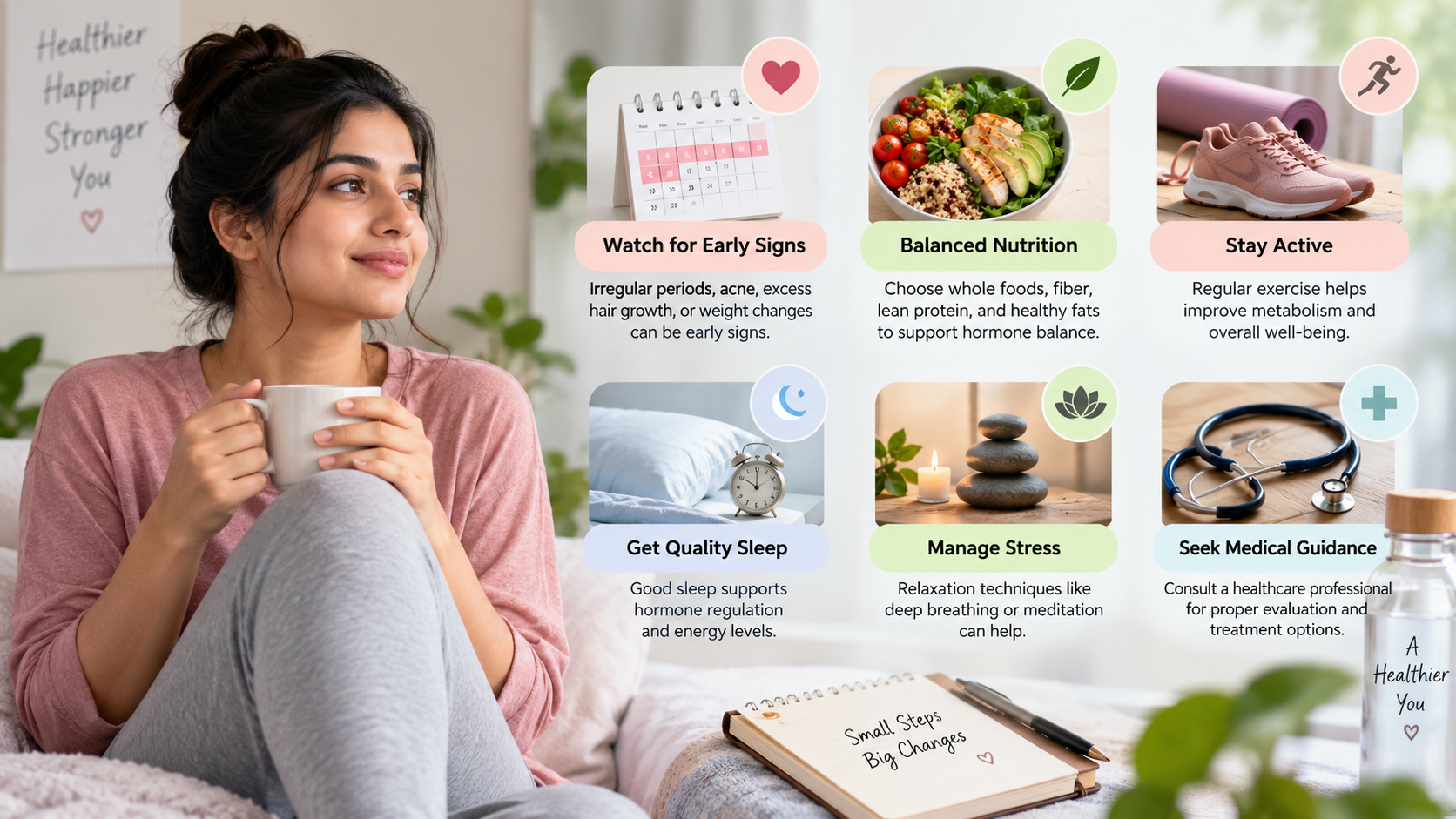
The first signs of polycystic ovary syndrome can appear gradually. Irregular menstrual cycles are among the most common warning signs. Periods may become unusually long, unpredictable, infrequent, or absent. Some people may also experience heavy bleeding when a period does occur.
Higher androgen levels can cause other noticeable changes. These may include persistent acne, increased facial or body hair, or thinning hair on the scalp. Some people also develop darker, thicker skin in certain areas because of metabolic changes.
PCOS does not look identical in everyone. Some people have obvious symptoms, while others have only subtle changes. Having one symptom alone does not confirm PCOS.
A healthcare professional may assess your menstrual history, symptoms, hormone levels, metabolic health, and other possible causes. Early evaluation can help identify the condition and guide appropriate treatment.
If your periods repeatedly become irregular or disappear, do not rely only on lifestyle changes. Professional assessment can help prevent missed diagnoses and address long-term health risks.
Tracking Irregular Menstrual Cycles Early
Tracking your menstrual cycle can give you useful information before and during a medical evaluation. Record the first day of each period and note how long bleeding lasts. You can also record spotting, unusually heavy bleeding, pain, and other noticeable symptoms.
A phone app, calendar, or simple notebook can make this process easier. Try to maintain consistent records rather than relying on memory. Several months of information can reveal patterns that are difficult to notice otherwise.
Cycle tracking can also help you understand whether lifestyle changes are affecting your symptoms. However, tracking cannot diagnose PCOS by itself.
Pay attention to repeated changes rather than one unusual cycle. Stress, illness, travel, major weight changes, and other conditions can affect menstruation temporarily.
Consider sharing your records with your doctor if your periods remain irregular. They can decide whether hormone testing, metabolic screening, or other evaluation is appropriate.
Consistent tracking also becomes useful when discussing fertility, contraception, or treatment changes. It gives both you and your healthcare professional a clearer picture of your menstrual pattern.
Can I live a normal life with PCOS?
Yes. PCOS is a chronic condition, but it does not prevent you from living a fulfilling and active life. Symptoms can change over time, and many people successfully manage them with individualized care.
The important distinction is between managing PCOS and trying to eliminate it permanently. There is currently no single cure that works for everyone. Instead, treatment focuses on specific concerns such as irregular periods, acne, excess hair growth, metabolic risk, or fertility.
Lifestyle habits can form an important part of long-term management. Regular physical activity, balanced nutrition, sufficient sleep, and stress management can support overall metabolic health.
Medical treatment can also remain necessary. Depending on your symptoms and goals, a healthcare professional may recommend medicines or fertility treatments.
PCOS can affect emotional well-being as well as physical health. Feeling frustrated about symptoms does not mean you are failing at management.
A sustainable approach avoids extreme diets and unrealistic routines. Focus on habits you can maintain for months and years. Regular monitoring can also help you adjust your plan as your symptoms and health goals change.
What is a good daily routine for someone with PCOS?
A useful PCOS routine does not need to be complicated. Focus on consistent meals, regular movement, adequate sleep, and manageable stress levels. These habits can support metabolic health without requiring an extreme lifestyle.
Start your morning with a balanced meal if you prefer eating breakfast. Include protein, fiber-rich carbohydrates, vegetables, fruit, or healthy fats based on your nutritional needs. You do not need to follow one specific PCOS diet.
Add regular movement throughout the day. Walking after meals, resistance training, cycling, or other enjoyable activities can help increase physical activity. You can also explore fitness apps to track your daily workout and maintain consistency. Choose an exercise style you can maintain consistently.
Keep your sleep schedule as regular as possible. Aim for sufficient sleep and create a relaxing evening routine. Reducing stimulating activities before bed may also make it easier to wind down. If mornings remain difficult despite getting enough sleep, learning how to beat sleep inertia and wake up without brain fog may also help.
Stress management deserves attention too. Breathing exercises, mindfulness, hobbies, or quiet time can help you build a more sustainable routine.
The most effective routine is the one you can follow consistently. Using a fitness tracker to monitor your activity can make it easier to notice patterns and maintain regular movement. Managing PCOS naturally should support your life rather than make every day revolve around your symptoms.
What is the best treatment for PCOS?
There is no single best treatment for every person with PCOS. Treatment depends on your symptoms, metabolic health, reproductive goals, age, and personal preferences. A healthcare professional can help determine which options fit your situation.
Lifestyle management is an important foundation for many people. Regular physical activity and balanced nutrition can support overall health and metabolic function. Weight management may also be useful when weight loss is personally appropriate, but PCOS care should not focus only on the scale.
Medication may address specific symptoms or risks. For example, metformin may be considered for some people with metabolic problems. Hormonal contraceptives can help manage irregular periods and androgen-related symptoms for appropriate patients.
Fertility treatment follows a different approach when pregnancy is the goal. Ovulation-inducing medicines may be considered after proper evaluation.
Supplements can sometimes have a role, but they should not automatically replace established treatments. Discuss supplements with your healthcare professional, especially if you take other medicines.
The most useful strategy combines evidence-based treatment with sustainable lifestyle habits and regular monitoring.
Choosing Targeted Inositol Supplementation
Inositol is commonly discussed as a supplement for PCOS, particularly for people interested in complementary approaches. Research suggests that inositol may provide some metabolic benefits for certain individuals. However, the evidence does not support presenting one specific formulation as a universally superior treatment.
The 2023 international PCOS guideline states that inositol can be considered according to individual preferences and values. It also notes that clinical benefits for outcomes such as ovulation, hirsutism, and weight may be limited. The guideline does not recommend a specific type, dose, or combination because evidence remains insufficient.
That means the commonly promoted 40:1 myo-inositol to d-chiro-inositol ratio should not be treated as a guaranteed standard for everyone.
If you are considering inositol, discuss the product and dose with a qualified healthcare professional. Supplement quality and formulation can vary between products.
Inositol may complement a broader PCOS management plan. It should not replace prescribed treatment or medical monitoring when those are needed.
How to reduce PCOS quickly?
PCOS cannot usually be changed overnight, so claims about a rapid natural cure should be treated cautiously. However, you can begin improving supportive habits immediately. Small changes can build a stronger foundation for long-term symptom management.
Start by reviewing your overall eating pattern. Reduce frequent intake of highly processed foods and sugary drinks while adding more nutrient-dense foods. Pair carbohydrates with protein, fiber, or healthy fats to create balanced meals.
Increase regular physical activity based on your current fitness level. Walking, cycling, strength training, swimming, and other activities can all contribute to a more active lifestyle.
Sleep also matters. Maintain a consistent sleep schedule and create conditions that support restorative rest.
Avoid extreme fasting, crash diets, or unverified supplements promising instant hormonal balance. These approaches can be difficult to maintain and may create unnecessary stress.
Progress can take time and varies between individuals. Instead of measuring success over a few days, monitor meaningful changes over several weeks or months. Track menstrual patterns, energy, symptoms, and relevant health markers with professional guidance.
Managing PCOS naturally works best as a long-term process rather than a quick fix.
How do Japanese treat PCOS?
PCOS treatment in Japan combines conventional gynecological care with approaches that may include traditional medicines in selected clinical settings. It is misleading to suggest that all Japanese doctors treat PCOS through one specific natural method.
Japanese clinical approaches have included lifestyle changes, fertility treatments, medications, and other interventions based on the person’s symptoms and reproductive goals. Earlier Japanese literature also investigated traditional formulations such as Shakuyaku-Kanzo-To for women with PCOS and related hormonal problems.
Some small and older studies reported reductions in testosterone and changes in ovulation after using this herbal formulation. However, these studies involved relatively small groups and do not establish it as a universally effective PCOS treatment.
Traditional medicine should therefore be approached carefully. Herbal products can have active effects and may interact with medicines or cause side effects.
Japanese dietary patterns can provide useful general nutrition ideas, including vegetables, fish, legumes, fermented foods, and minimally processed meals. However, there is no single Japanese diet proven to cure PCOS.
If you want to explore Kampo medicine or another complementary therapy, discuss it with a qualified healthcare professional. This allows complementary approaches to fit safely alongside evidence-based PCOS care.
Frequently Asked Questions
Which foods should I avoid with PCOS?
When managing PCOS naturally, limit sugary drinks, refined carbohydrates, ultra-processed foods, and foods high in trans fats. Choose balanced meals with protein, fiber, healthy fats, and minimally processed carbohydrates.
Does spearmint tea lower androgen levels?
Spearmint tea may modestly reduce androgen-related symptoms, but evidence remains limited. When managing PCOS naturally, it should complement proven lifestyle and medical approaches rather than replace treatment.
Why does PCOS make me feel so tired?
PCOS-related fatigue can be associated with insulin resistance, blood-sugar fluctuations, inflammation, sleep problems, or other conditions. Managing PCOS naturally may help through balanced meals, regular activity, adequate sleep, and stress management.
Conclusion
Living with polycystic ovary syndrome often feels like an unpredictable journey, but you hold substantial power over your hormonal health. By recognizing early physical cues, establishing steady daily routines, and utilizing balanced, low-glycemic nutrition, you build an internal environment where your endocrine system can thrive. There is no requirement to overhaul your entire lifestyle in a single day. Sustainable progress arrives through modest, repeated actions: taking a ten-minute walk after lunch, adding a palm-sized portion of clean protein to your breakfast, or enjoying a restorative cup of spearmint tea before bed. Managing PCOS naturally is an evolving practice of listening to your body and meeting its metabolic needs with patience and precision. Celebrate every small improvement along the way, stay curious about what makes you feel vibrant, and work alongside trusted practitioners to maintain long-term balance, vitality, and well-being.