
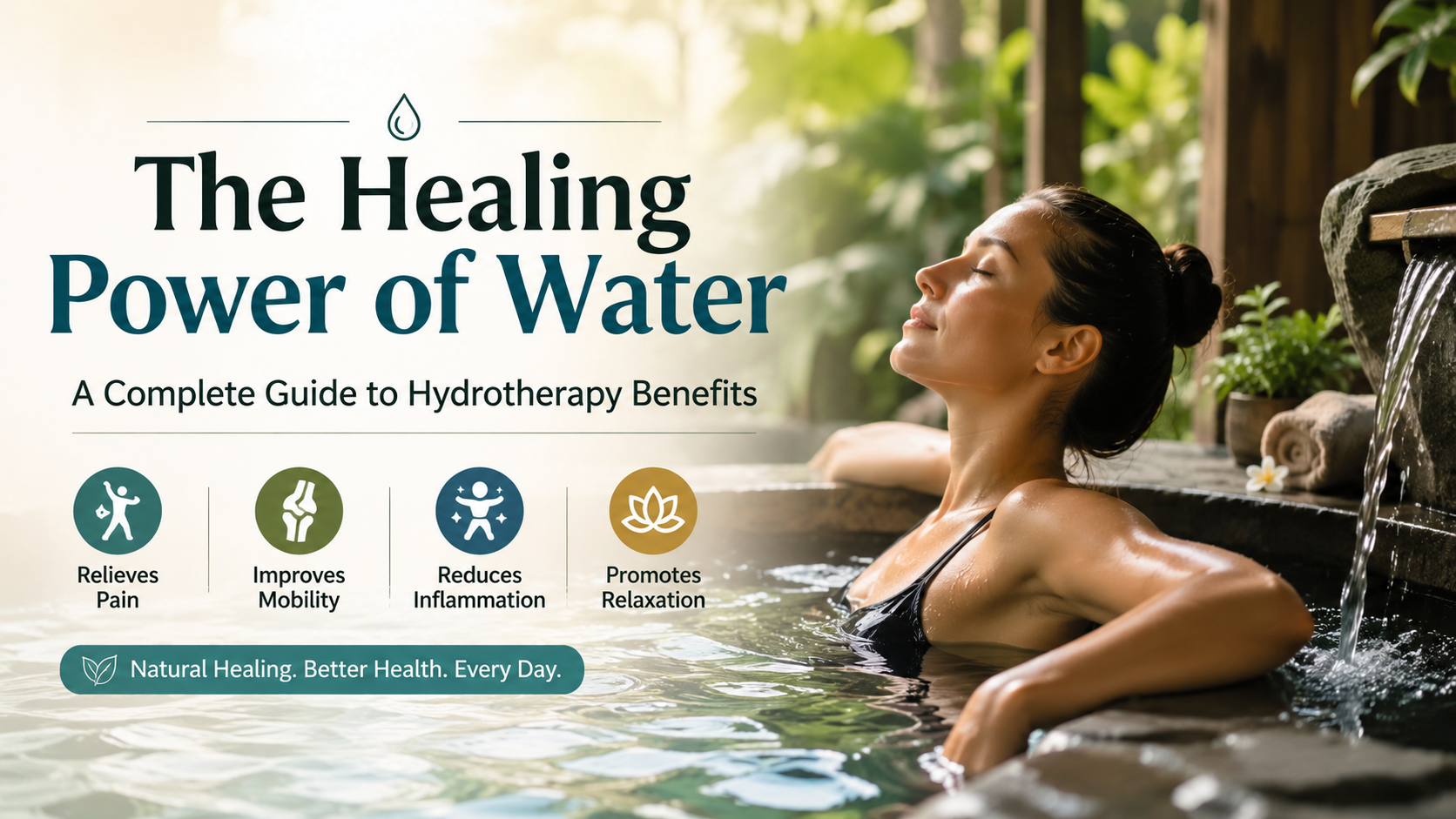
The Healing Power of Water: A Complete Guide to Hydrotherapy Benefits
Water has served as a foundational source of healing across human history. Modern medicine continues to validate what ancient civilizations practiced for centuries through aquatic treatments. Exploring hydrotherapy benefits reveals how simple water-based treatments can relieve chronic pain, speed up injury recovery, and enhance physical mobility. According to clinical guidance from the Arthritis Foundation, water-based exercises offer a unique, low-impact environment that reduces joint stress while building muscle strength.
Understanding how water interacts with the human body helps demystify its therapeutic effects. When you immerse your body in water, several physical forces act upon your system simultaneously. Temperature variations stimulate nerve pathways, while water pressure supports circulation and fluid drainage. Whether you manage a long-term condition like fibromyalgia or seek faster recovery after intense workouts, aquatic therapy provides a flexible, drug-free path toward better health. This comprehensive guide covers how water therapy works, its primary health advantages, popular treatment modalities, and simple ways to practice safely at home.

Understanding Hydrotherapy Benefits: How Water Heals the Body
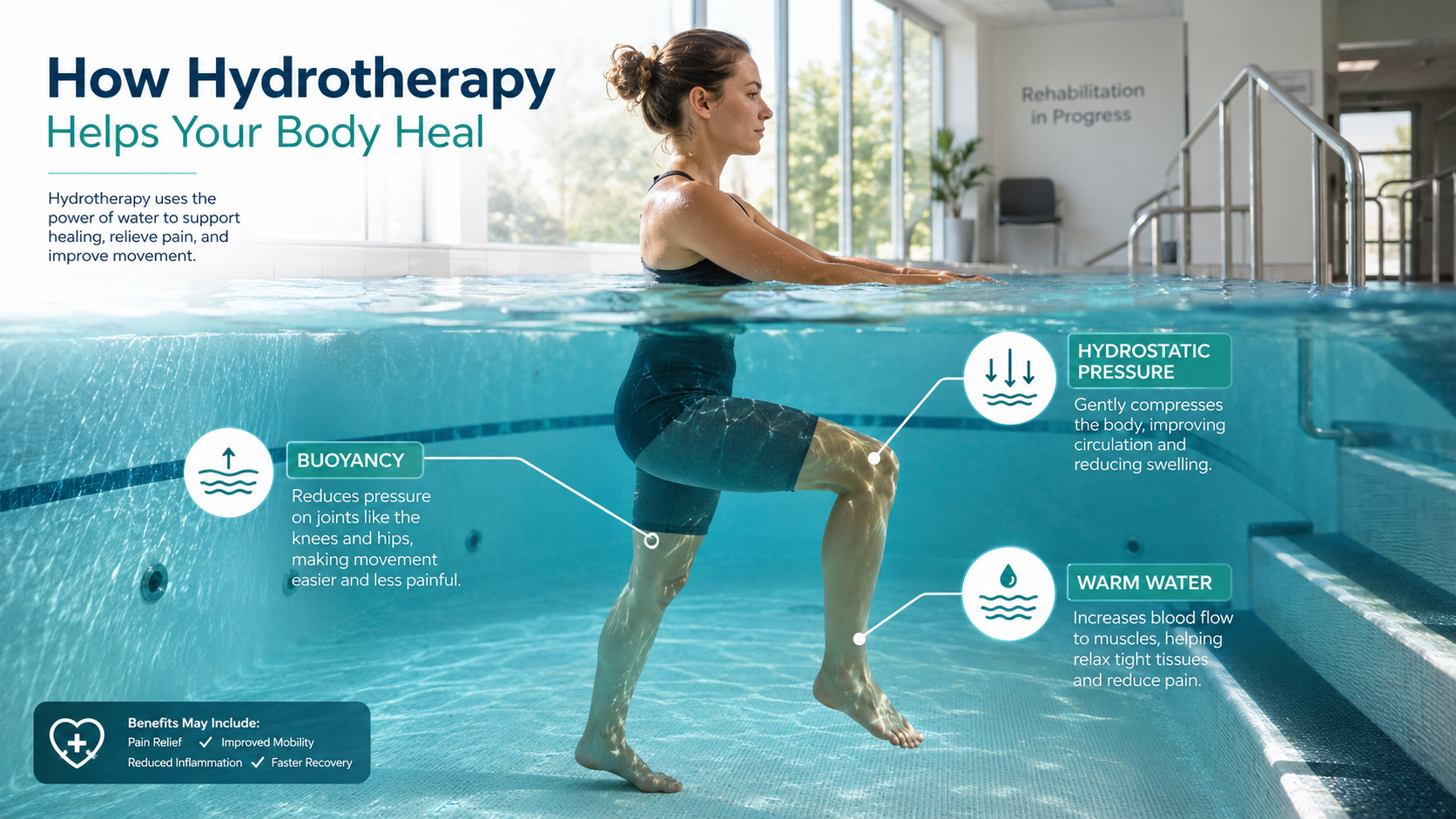
Hydrotherapy relies on the fundamental physical properties of water to stimulate healing within tissues and internal organs. Specifically, buoyancy, hydrostatic pressure, and temperature work together to relieve physical stress. Each property plays a crucial role in improving biological function across all age groups. When a person steps into a therapeutic pool, these natural elements combine seamlessly. Aquatic environments create unique healing conditions that land-based therapy simply cannot replicate.
Buoyancy supports up to 90% of your body weight when submerged to chest depth. This dramatic reduction in gravitational pull alleviates pressure on load-bearing joints. As a result, painless movement becomes possible for individuals who struggle on dry ground. Hydrostatic pressure is the fluid pressure exerted equally against your submerged body. Compression from fluid pressure promotes lymphatic drainage and improves venous return to the heart. Furthermore, water pressure significantly reduces localized swelling in tired extremities.
Thermal energy acts as the final catalyst in this healing process. Warm water expands peripheral blood vessels to increase systemic circulation. Enhanced circulation delivers fresh oxygen and vital nutrients to damaged muscular tissue. Conversely, cold water constricts blood vessels to diminish acute inflammation. Lower temperatures also numb sharp nerve pain effectively. Understanding how these mechanical forces work together allows health practitioners to customize therapeutic regimens for maximum physical recovery.
Main Health Advantages and Hydrotherapy Benefits for Pain Relief
The primary hydrotherapy benefits extend far across multiple body systems, providing immediate comfort and long-term structural improvement. Regular aquatic sessions can completely transform how your body manages chronic physical stress and circulation issues. Targeted aquatic routines also help repair soft tissue damage and reduce persistent joint inflammation.
For individuals suffering from chronic pain conditions, warm water immersion raises deep tissue temperature. Heat relaxes hyperactive muscle fibers quickly. The combination of warmth and weightlessness decreases overall nerve sensitivity. Consequently, this therapeutic effect turns down the volume on painful signals sent to the brain. Reduced pain creates a crucial window of opportunity. During this relief window, patients can complete essential mobility exercises without triggering post-treatment flares.
Athletes and active individuals frequently utilize aquatic treatments to accelerate recovery. Cold-water immersion or contrast baths work exceptionally well between high-intensity training sessions. Alternating rapidly between warm and cold water creates a natural pumping action within the vascular system. Rapid dilation and constriction flush out metabolic waste products like lactic acid. Fresh, nutrient-rich blood then pumps back into depleted muscle groups. Additionally, hydrostatic pressure helps your lymphatic system clear excess cellular fluid. Effective fluid drainage reduces post-exercise soreness and improves overall physical performance.
Water Therapy Benefits, Modalities, and Treatment Techniques
Healthcare providers tailor water treatments according to individual patient needs and physical limitations. Therapists also consider functional goals when designing treatment plans. Different water temperatures, flow rates, and movement patterns achieve specific therapeutic outcomes for diverse populations.
Warm water immersion and therapeutic whirlpools utilize targeted water jets to massage sore tissues. The mechanical agitation of moving water stimulates cutaneous skin receptors. Stimulation helps block pain pathways while encouraging systemic nervous system relaxation. The combination of warmth and hydro-massage releases natural endorphins. Gentle water movement creates a deep sense of physical ease while loosening stiff tendons and tight ligaments.
Contrast water therapy is another widely recognized technique. This method involves systematically alternating between warm water (around 100°F) and cold water (around 55°F) at precise intervals. Thermal shifting effectively manages localized inflammation. Alternating baths reduce stubborn swelling and speed up structural tissue repair without requiring pharmaceutical interventions.
Beyond passive baths, active aquatic exercise utilizes specialized pool environments. Modern facilities feature underwater treadmills, resistance jets, and foam dumbbells. Under the guidance of a trained physical therapist, patients execute tailored routines. The natural resistance of water provides a safe, low-impact environment. Safe aquatic environments help individuals rebuild strength, improve balance, and restore functional mobility much faster than traditional land-based rehabilitation allows.
Safe Home Practices to Unlock Aquatic Healing Benefits
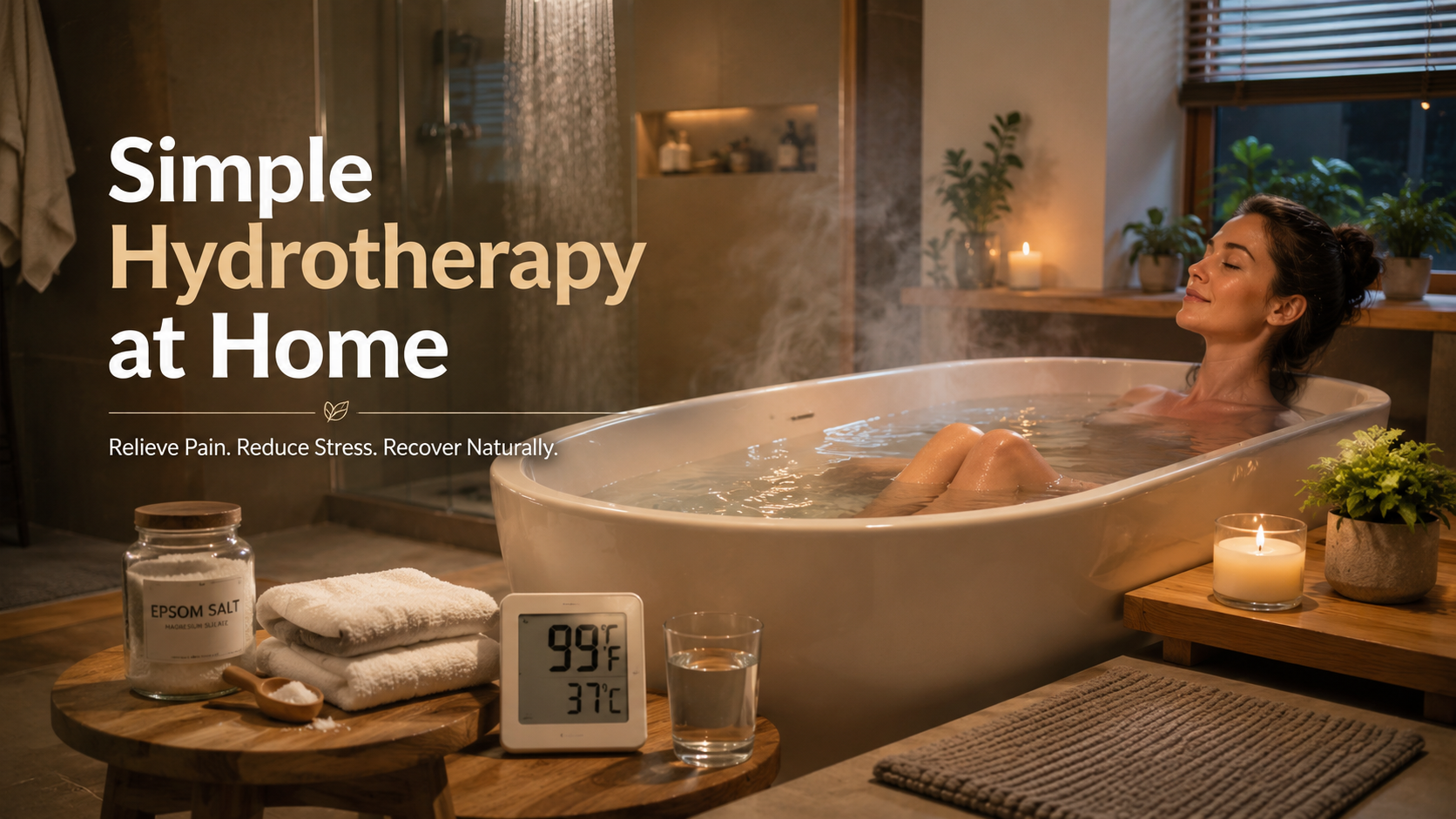
You do not always need access to specialized rehabilitation clinics or commercial thermal spas to experience major hydrotherapy benefits. Simple, mindful adjustments to your standard home bathing routine can yield noticeable physical results. Soaking routines work wonders for daily muscle maintenance and stress reduction.
One of the easiest home practices involves mineral-enriched soaking baths using Epsom salts. Adding two cups of pure magnesium sulfate to warm bathwater allows your skin to absorb essential mineral ions. Mineral absorption encourages deep muscle relaxation. The warm temperature soothes tight back muscles and eases stiff leg joints after a long workday. Gentle soaking creates an ideal transition into restful sleep.
Another practical home technique is targeted shower contrast therapy. After completing your standard warm shower routine, adjust the temperature setting to cool or cold water. Focus cold spray on sore legs, shoulders, or arms for 30 to 60 seconds. Brief temperature switches boost systemic circulation, reduce lingering joint heat, and increase mental alertness.
Safety must remain your top priority when designing a home hydrotherapy routine. Always ensure bath temperatures stay under 102°F (39°C) to prevent dizziness, overheating, or sudden drops in blood pressure. Keep the bathroom well-ventilated during your session. Proper hydration is essential, so drink a full glass of water before and after your bath. Finally, install non-slip mats to ensure safe entry and exit from the tub.
FAQ SECTION
What are the main hydrotherapy benefits for arthritis sufferers?
Key hydrotherapy benefits for arthritis sufferers include a massive reduction in joint stress through natural buoyancy. Floating in a warm pool offloads up to 90% of your body weight. Weight reduction relieves gravity’s crushing impact on painful knees, hips, ankles, and spinal segments. Warm water raises local tissue temperature, relaxes hyperactive muscles, and increases fluid movement inside joint capsules. Consequently, morning stiffness drops significantly. Individuals with severe joint damage can perform essential flexibility and strength exercises with far less discomfort than on dry land. Regular aquatic movement builds supportive muscle structures around damaged joints, improves balance, and helps manage chronic pain without forcing a reliance on daily pain medications. Furthermore, the soothing sensory input of warm water calms the nervous system, leading to better sleep patterns and improved overall quality of life.
How often should you practice water therapy for optimal results?
To achieve optimal health results, most physical therapists and wellness experts recommend engaging in aquatic therapy two to three times per week. This consistent schedule allows your cardiovascular system, joints, and muscular tissue to adapt smoothly without risking overexertion. For acute injury recovery, short daily sessions lasting 15 to 20 minutes under professional supervision may be appropriate during initial healing phases. Conversely, individuals using water therapy for long-term stress management, mild stiffness, or general fitness maintenance often find that two weekly sessions provide lasting physical relief. Listening closely to your body’s signals after every session is essential. If you experience persistent fatigue, dizziness, or increased soreness, reduce the frequency or water temperature, and consult a qualified healthcare professional to tailor a schedule suited to your personal recovery goals.
Is cold or warm hydrotherapy better for muscle soreness?
Cold and warm water therapies serve distinct, complementary roles in managing muscle soreness, depending entirely on the timing and cause of your discomfort. Applying ice baths or cold immersion works best immediately following intense workouts or acute physical injuries. Chilled water constricts blood vessels, numbs sharp pain receptors, limits cellular damage, and prevents excess fluid accumulation in overworked tissues. On the other hand, warm hydrotherapy is much more effective 24 to 48 hours after activity, or when dealing with chronic muscular stiffness. Warmth expands blood vessels, accelerates nutrient delivery, releases tight muscle knots, and restores full movement range to tight limbs. Alternating both thermal extremes in contrast bath sessions often yields the best total recovery outcome. Switching between warm dilation and cold constriction creates a mechanical flushing effect that clears metabolic waste while accelerating structural tissue repair.
Can you safely perform hydrotherapy treatments at home?
Yes, you can safely perform highly effective hydrotherapy treatments at home using a standard bathtub, shower, or residential hot tub setup. Taking warm magnesium salt baths for 15 to 20 minutes helps soothe tight lower back muscles and alleviates mental tension after demanding workdays. Adding short, 30-second cold water rinses at the conclusion of your warm shower stimulates peripheral blood flow, tightens skin pores, and improves morning energy levels naturally. However, practicing home water therapy requires strict adherence to basic safety protocols to avoid accidental injury. You must carefully monitor water temperatures with a reliable thermometer to prevent accidental scalds, skin irritation, or systemic overheating. Individuals should avoid excessively hot baths if taking blood pressure medications, keep the room well-ventilated, and ensure non-slip safety mats are placed inside and outside the bathtub to prevent dangerous slips.
Who should avoid or exercise caution with aquatic therapy?
While aquatic therapy is generally safe for the majority of the population, certain medical conditions require extreme caution or complete avoidance. Individuals with open surgical wounds, unhealed skin ulcers, active skin infections, or severe incontinence must refrain from public immersion pools due to infection risks. Furthermore, patients with unstable cardiovascular conditions, recent heart attacks, severe heart failure, or uncontrolled high blood pressure should avoid extreme thermal contrast baths and hot tubs. Warm water naturally dilates blood vessels, which can trigger sudden blood pressure drops, fainting, or cardiovascular strain in vulnerable individuals. Pregnant women should strictly avoid hot tubs or high water temperatures above 100°F to protect fetal health. Always seek clear medical clearance from your primary physician before initiating thermal aquatic therapies if you suffer from chronic illnesses, kidney disease, neuropathy, or temperature sensitivity.
What is the ideal water temperature for a relaxation bath?
The ideal water temperature for a deeply restorative, stress-relieving relaxation bath ranges tightly between 98°F and 100°F (36.5°C to 38°C). This temperature sits near normal human core body temperature, providing immediate physical comfort without triggering rapid heart rates, dangerous blood pressure dips, or excessive sweating. Immersion in water within this balanced thermal range calms the sympathetic nervous system, promotes systemic muscle relaxation, and helps ease mental stress accumulated throughout the day. Water exceeding 102°F (39°C) should generally be avoided for routine soaking, as elevated temperatures can strip natural protective oils from skin layers, cause dehydration, and lead to lightheadedness upon standing up. Using an accurate bath thermometer ensures your water stays within a safe, therapeutic zone, allowing you to maximize physical relaxation while fully safeguarding your cardiovascular health.
CONCLUSION
Hydrotherapy remains one of the most accessible, versatile, and scientifically backed natural treatment options available today. By using basic physical principles—buoyancy, hydrostatic pressure, and controlled thermal variations—water effectively relieves chronic joint strain, promotes rapid tissue recovery, and dramatically improves systemic circulation throughout your body. Whether you participate in structured physical therapy sessions guided by certified healthcare professionals or choose simple, restorative mineral baths in the comfort of your own home, the long-term physical and mental rewards are significant.
Experiencing these comprehensive hydrotherapy benefits requires no expensive specialized equipment or overly complex techniques—just a practical understanding of how targeted water temperatures and fluid pressure interact with your body. Pairing hydrotherapy with other evidence-based wellness approaches, such as music therapy, can further support relaxation, stress reduction, and overall well-being. Taking proactive steps toward integrating warm soaks, contrast shower routines, or low-impact pool exercises can create a transformative ripple effect on your daily energy levels and stress management. Start incorporating deliberate water treatments into your weekly routine today to enjoy better overall physical mobility, reduced chronic pain, accelerated muscular recovery, and enhanced long-term health resilience.