How Google Wallet Could Solve Our Biggest Digital Identity Problems
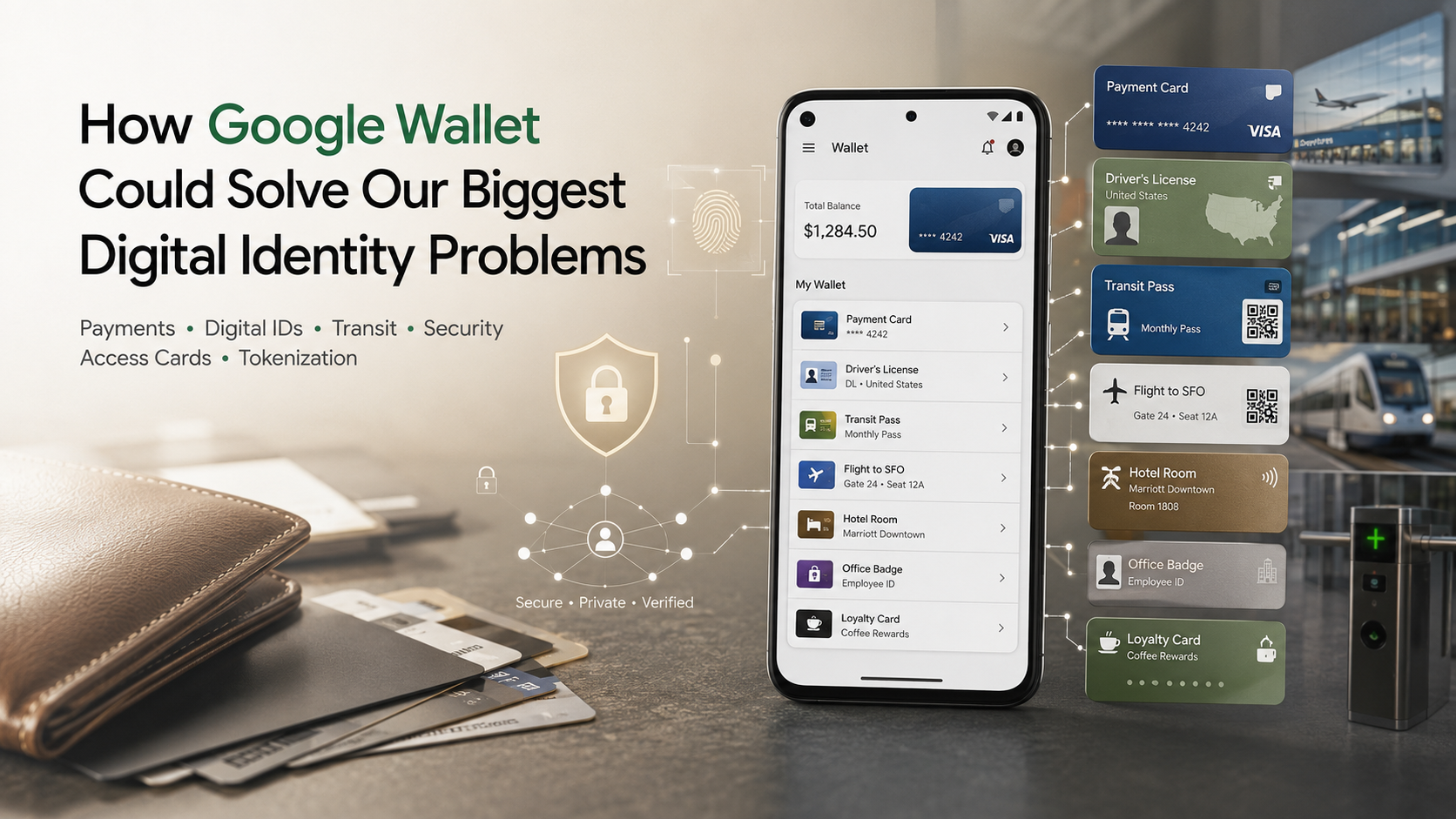
Google Wallet could solve many of the digital identity challenges caused by fragmented cards, apps, and verification systems. The smartphone has replaced many everyday items, including cameras, notebooks, and music players. Yet many people still carry a physical wallet filled with cards, IDs, tickets, and access badges.
Managing these items digitally remains complicated. Users often need separate apps for payments, airline tickets, transit passes, loyalty programs, and identity verification. This fragmented experience creates unnecessary friction.
This is where Google Wallet could solve several major problems by bringing important credentials into one secure mobile platform. Instead of depending on multiple physical cards and disconnected apps, users can manage essential digital assets from a single location.
As digital interactions continue to grow, the need for secure and instant identity verification has become more important. Modern digital wallets are moving beyond simple payment storage. They are becoming complete identity management platforms.
Google Wallet aims to simplify how people store and use digital credentials. From payment cards to government IDs and workplace access passes, the platform represents a shift toward a more connected and secure digital future.
The Fragmented State of Digital Credentials
Today’s digital credential landscape is highly divided. Users often download separate applications for airlines, event organizers, retailers, banks, and transportation providers.
A concert ticket may exist in one app, a transit pass in another, and a loyalty card somewhere else. This creates unnecessary complexity for users who simply want quick access to their information.
This fragmentation also increases security risks. Every additional application that stores personal data creates another possible target for attackers.
When credentials are spread across multiple platforms, users must manage more passwords, permissions, and privacy settings. They also need to trust many different companies with sensitive information.
A centralized system could reduce these challenges by creating a more consistent way to manage digital identity. This is one of the biggest areas where Google Wallet could solve daily technology frustrations.
By combining different credentials into a secure mobile environment, digital wallets can improve convenience while reducing unnecessary exposure of personal information.
What Google Wallet Could Solve for Daily Security
Eliminating Physical Card Loss
Losing a physical wallet can create immediate problems. Replacing bank cards, identification documents, and membership cards often requires multiple steps.
A digital wallet reduces dependence on physical items by storing important credentials securely on a smartphone. Instead of carrying numerous cards, users can access digital versions whenever needed.
Modern smartphones include security features such as encryption, biometric authentication, and remote device management. These protections make unauthorized access much harder if a device is lost.
With tools like remote locking and device management, users can protect their information without physically recovering the phone first.
A secure digital wallet can help reduce the risks associated with lost or stolen cards. It also makes everyday activities faster because users no longer need to search through a physical wallet.
The goal is not simply replacing plastic cards. It is creating a safer and more convenient way to manage identity, payments, and access credentials.
Preventing Fraud Through Tokenization
Traditional payment cards expose important information during transactions. Card numbers and other details can become targets for fraud if they are copied or stolen.
Google Wallet improves payment security through tokenization technology. Instead of sharing the actual card number with merchants, the system creates a unique digital token.
The process works like this:
[Actual Card Data]
        ↓
[Secure Tokenization Engine]
        ↓
[Unique Digital Token Shared With Vendor]
This approach protects sensitive financial information. Merchants receive a secure token instead of the original payment details.
Even if a retailer experiences a data breach, stolen transaction tokens are far less useful than real card information.
Tokenization is one reason digital payments can offer stronger protection than traditional physical card transactions. It reduces unnecessary exposure while allowing users to complete payments quickly.
Streamlining Fragmented Public Transit and Travel
Public transportation and travel systems often create unnecessary digital barriers. Many cities require separate transit apps, accounts, or payment systems before passengers can access services.
For travelers, this process becomes even more complicated. A person visiting a new city may need to learn a completely different ticketing system.
A unified digital wallet experience can simplify this process. By storing transit passes and travel credentials in one secure location, users can access transportation services more easily.
This is another area where Google Wallet could solve everyday mobility challenges by reducing the need for multiple apps and physical tickets.
Key advantages include:
- Faster boarding: Passengers can tap their phones instead of waiting in ticket lines.
- Automatic updates: Digital passes can display balances, renewals, and expiration information.
- Simplified travel: Users can manage multiple supported transit credentials from one device.
The same approach applies to airline travel. Boarding passes, reservation details, and travel updates can appear directly on a smartphone.
Instead of searching through emails or printed documents at airport checkpoints, travelers can access important information instantly.
A connected digital wallet creates a smoother travel experience. It removes unnecessary steps and allows users to focus on their journey rather than managing tickets.
The Future of Government IDs and Driving Licenses
Government identification represents one of the most important opportunities for digital wallet technology. Physical driver’s licenses and identification cards have been used for decades, but digital alternatives are becoming increasingly common.
A digital ID stored on a smartphone could make identity verification faster and more private. Instead of showing an entire identification card, users may only need to share specific information.
For example, someone purchasing an age-restricted product may only need to prove they meet the age requirement. They may not need to reveal their exact birth date or home address.
This creates a more privacy-focused approach to verification.
A typical digital ID process may look like this:
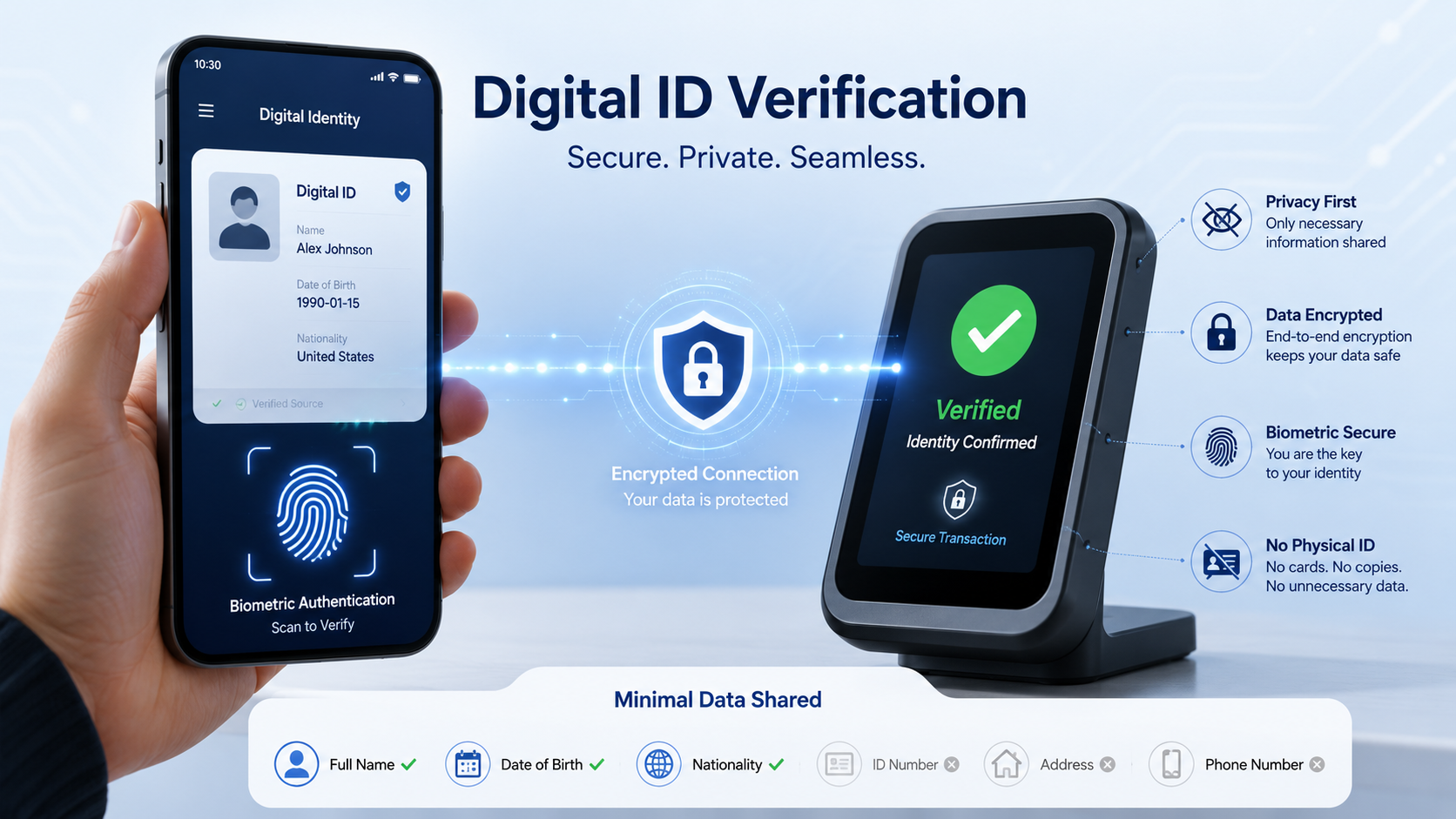
However, digital ID adoption depends on government approval, local regulations, and acceptance by businesses.
While some regions support digital identification, physical IDs remain necessary in many situations. Until digital standards become widely accepted, users should continue carrying required physical identification.
Overcoming Corporate and Hospitality Access Barriers
Modernizing Office Keycards
Many workplaces still rely on physical access badges. These cards can be lost, damaged, copied, or forgotten.
Moving access credentials into a secure digital wallet could improve workplace security and convenience. Employees could use their smartphones instead of carrying separate access cards.
For businesses, digital access management offers better control. Administrators can issue, update, or remove permissions remotely.
This reduces the need for replacing lost cards and simplifies employee onboarding. It also creates a clearer record of who has access to specific locations.
Mobile-based access systems can provide several benefits:
- Faster employee access management
- Reduced costs from physical badge replacement
- Improved security through encrypted credentials
- Easier updates for changing permissions
As workplaces become more connected, smartphone-based access control may replace many traditional badge systems.
Simplifying Smart Home and Hotel Check-Ins
The hospitality industry also faces challenges with physical keys and traditional check-in processes.
Hotels often experience crowded front desks, especially during busy travel periods. Digital credentials could allow guests to receive secure room access directly on their smartphones.
Instead of waiting for a key card, travelers could enter their rooms using encrypted digital keys.
Smart home technology can benefit from similar systems. Homeowners can provide temporary access to guests, cleaners, or service providers without sharing physical keys.
These digital credentials can be managed remotely and removed whenever access is no longer needed.
By connecting payments, identity, and access control, digital wallets could become a central tool for managing everyday interactions.
Frequently Asked Questions About What Google Wallet Could Solve
What major issues does Google Wallet solve for daily users?
Google Wallet helps address one of the biggest problems in modern digital life: credential fragmentation. Many people manage multiple physical cards and separate apps for payments, tickets, memberships, and transportation.
By bringing these items together, a digital wallet creates a more organized experience. Users can store payment cards, loyalty programs, event tickets, transit passes, and supported identity documents in one secure location.
This reduces the need to carry a physical wallet filled with plastic cards. It also saves time because users can quickly access important information from their smartphones.
Google Wallet also improves convenience through contactless technology. Using near-field communication (NFC), users can complete payments or access supported services with a simple tap.
Beyond convenience, digital storage can improve security. Physical cards can be lost, copied, or damaged. Digital credentials are protected through device encryption and authentication features.
While digital wallets cannot eliminate every identity challenge, they provide a more connected approach to managing everyday credentials.
Is using a digital wallet safer than carrying physical plastic cards?
Yes, digital wallets can provide stronger security protections than traditional physical cards. Plastic cards expose important details, including card numbers and expiration dates, during regular use.
Google Wallet reduces this risk through tokenization, which replaces actual payment information with a unique digital identifier.
During a transaction, merchants receive the token rather than the user’s real card details. This means sensitive financial information is less likely to be exposed during payment processing.
Digital wallets also use smartphone security features such as:
- Biometric authentication like fingerprint or face recognition
- Device encryption
- Secure payment verification
- Remote device management
If someone finds a lost phone, they still need to bypass these security protections before accessing stored credentials.
However, users should continue following basic security practices. Keeping devices updated, using strong authentication, and enabling security features remain important steps.
Digital wallets improve protection, but responsible device management is still essential.
Can Google Wallet completely replace my physical driver’s license?
Google Wallet can support digital driver’s licenses and government IDs in certain locations, but it cannot completely replace physical identification everywhere.
The ability to use a digital ID depends on government regulations, local acceptance, and available verification systems.
Some regions have introduced digital identification programs for specific situations, including airport security and selected businesses. However, many organizations and authorities still require physical identification.
A complete transition from physical IDs will require broader adoption and consistent standards across different regions.
Until digital IDs become universally accepted, carrying a physical backup identification card remains necessary.
The future of digital identity is moving toward greater convenience and privacy. However, widespread replacement of physical IDs will take time.
How does tokenization protect my financial transactions?
Tokenization protects payment information by replacing sensitive card details with a unique digital token.
When a user adds a credit or debit card to Google Wallet, the system creates a secure token connected to that payment method.
During a transaction, the merchant receives the token instead of the original card number. The payment network uses this token to authorize the purchase.
The advantage is that the actual financial information is not directly shared with the merchant.
If attackers access transaction data, the token usually has limited value because it is designed for secure payment processing rather than reuse.
Tokenization creates an additional security layer between users, merchants, and payment networks.
This technology is one reason digital payments can offer improved protection compared with traditional card transactions.
What happens to my stored passes if I lose my Android phone?
If an Android phone is lost, stored Google Wallet credentials remain protected by device security features.
Users can use Google’s device management tools to locate, lock, or erase their smartphone remotely. This helps prevent unauthorized access to stored payment cards, tickets, and other credentials.
Because many wallet items are connected to a user’s account, they can often be restored when setting up a replacement device.
Users may recover:
- Payment cards
- Loyalty cards
- Transit passes
- Digital tickets
- Other supported credentials
The exact recovery process depends on the type of credential and the service provider.
A lost phone can be inconvenient, but digital wallet security features are designed to reduce the impact and protect personal information.
Conclusion: How Google Wallet Could Solve Digital Identity Challenges
The growth of mobile technology shows how Google Wallet could solve many problems caused by fragmented identity management.
For years, people have carried separate cards for payments, transportation, identification, and access. Digital wallets provide a path toward combining these experiences into a single secure platform.
By supporting payment cards, transit passes, tickets, workplace credentials, and digital IDs, Google Wallet can make everyday interactions faster and simpler.
Security is another major advantage. Features such as tokenization, encryption, and biometric authentication help protect sensitive information during digital transactions.
However, the transition to a fully digital wallet ecosystem will require wider adoption. Governments, businesses, transportation providers, and consumers must all support compatible systems.
The future of identity management will likely become more digital, connected, and privacy-focused. As adoption increases, digital wallets may reduce dependence on physical cards while improving convenience and security.
A card-free future is not only about removing items from our pockets. It is about creating a smarter way to manage identity, payments, and access in everyday life.
As digital platforms continue to evolve, understanding the skills and certifications behind modern technology can help professionals stay prepared for future opportunities. If you want to explore valuable technology certifications that can strengthen your digital knowledge, check out our guide on Google certifications worth doing.